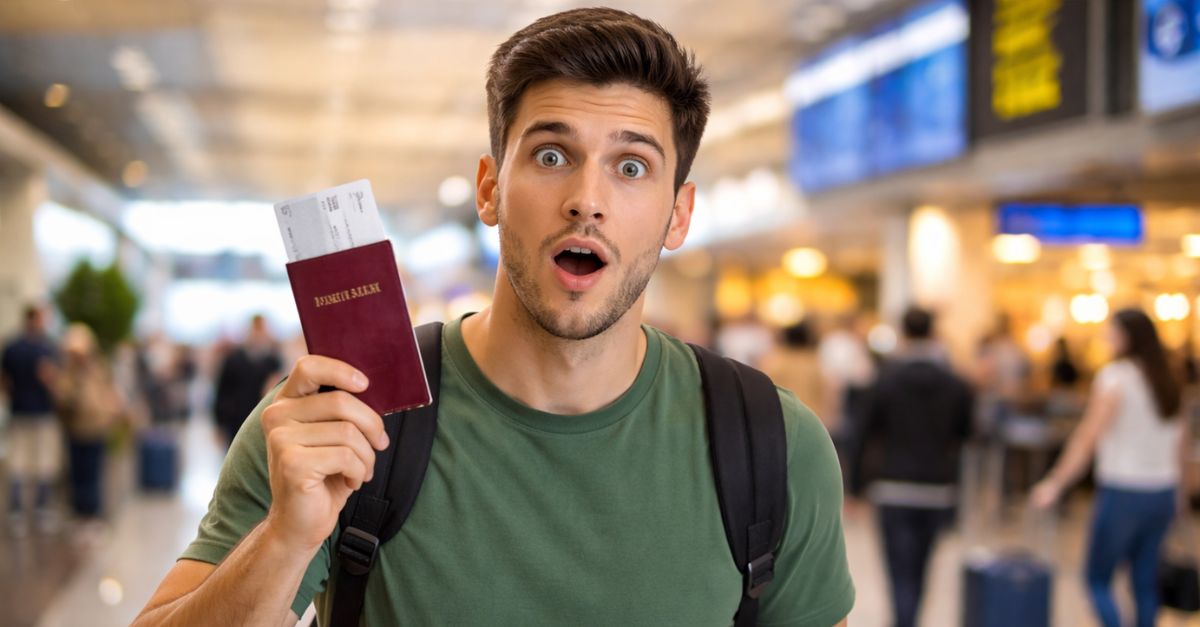
Why One Tiny Name Difference Can Cause A Huge Airport Problem
The last thing anyone wants during the nightmare of modern travel is for a missing middle name or one wrong letter to grind your travel schedule to a halt. But unfortunately, airlines can definitely treat name mismatches as a real issue. The basic rule is that the name on your ticket should match the name on the ID or passport you use for travel. That matters because airlines have to confirm who you are before letting you fly. On international trips, carriers can also face fines or other problems if they carry someone whose documents do not match properly.
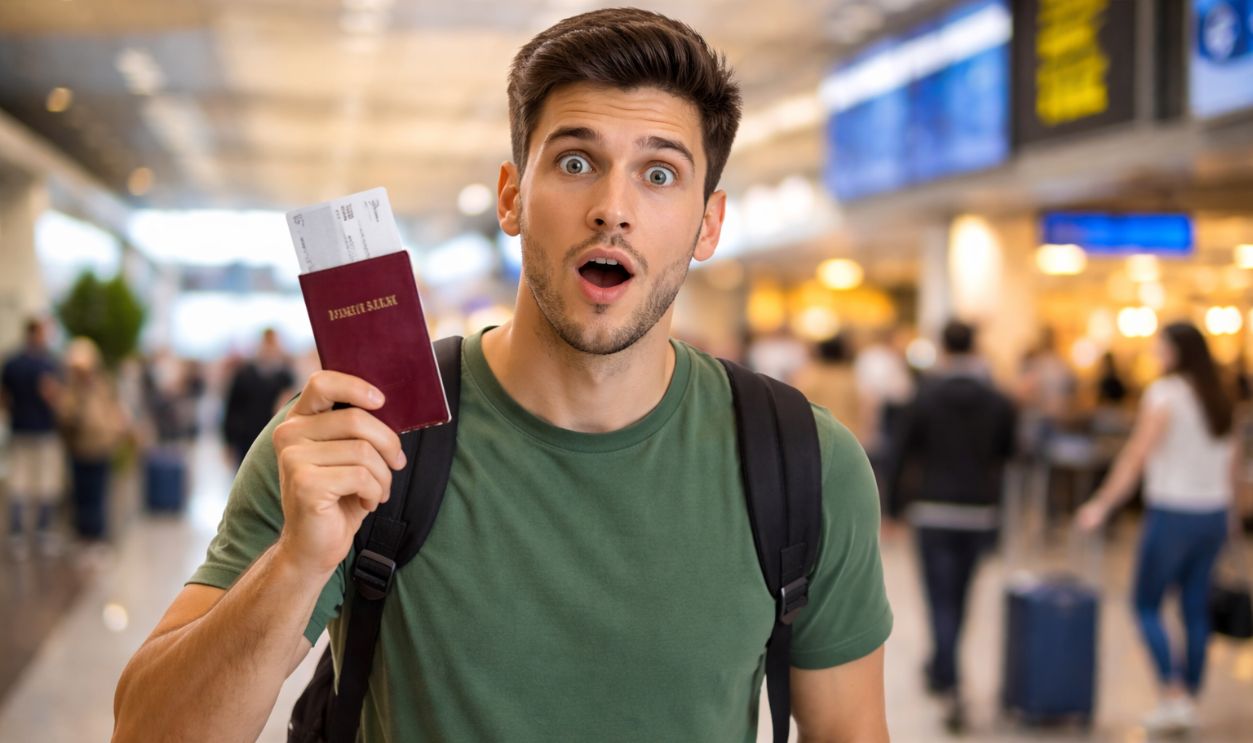
The Short Answer Is Yes, It Really Can Be A Rule
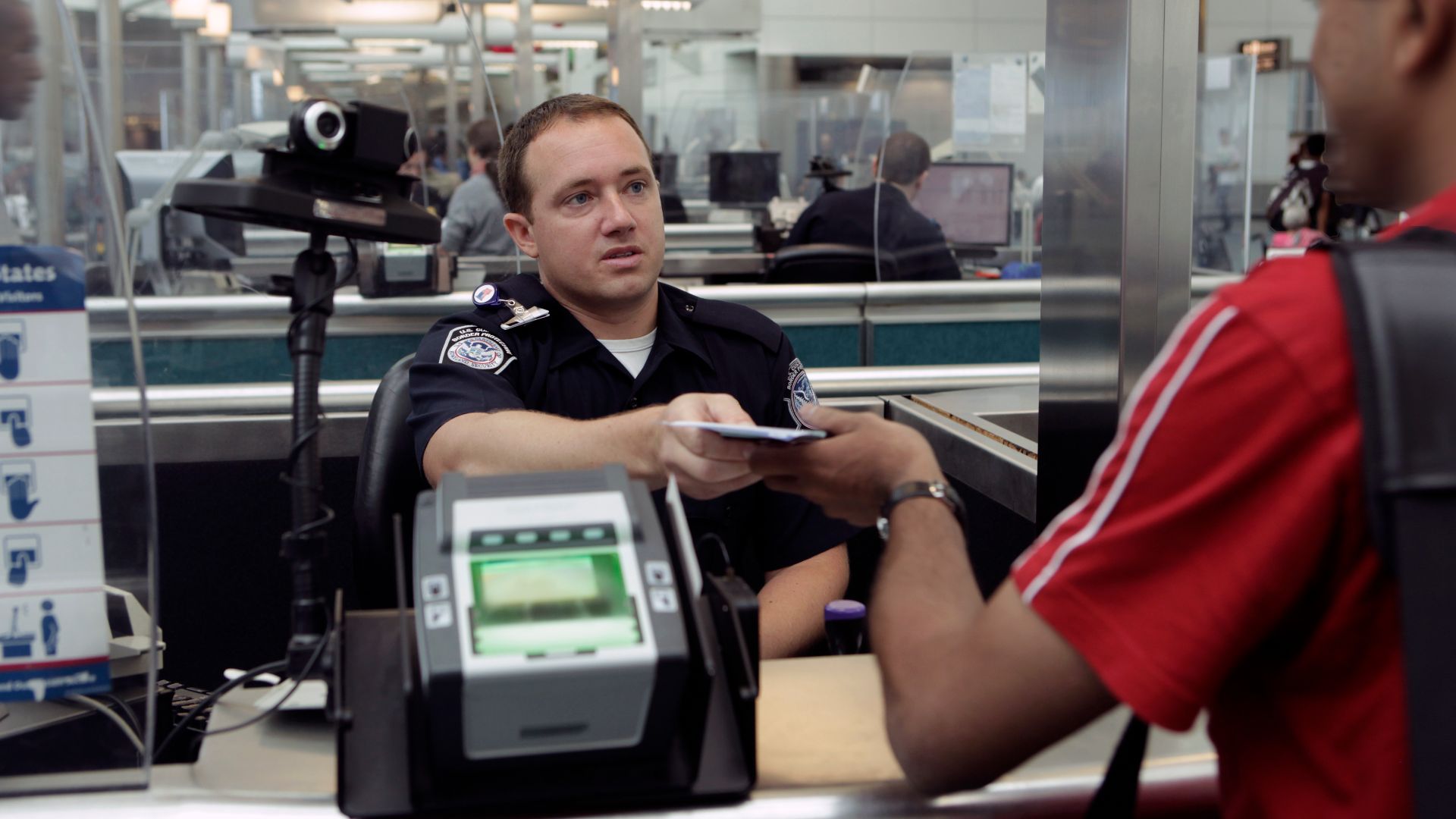
Airlines are usually not making this up on the spot. They operate under security, immigration, and document-checking rules that make exact or very close name matching important. In the United States, the Transportation Security Administration says the name on your boarding pass must match the name on your government-issued ID. For international travel, it can matter even more because passport data is tied to border screening and airline passenger systems.
 CBP Photography, Wikimedia Commons
Why Airlines Care So Much About Matching Names
Airlines do more than sell seats. They also send passenger data to governments before many international departures. That data is used for watchlist checks, border control, and identity review. If your ticket says one thing and your passport says another, the system may flag you or stop check-in. Even if the difference looks small to you, the airline may not be able to ignore it.

Your Ticket Name Is Not Just For Show
The name on an airline booking gets pushed into several systems, including check-in, security screening, and sometimes visa or travel authorization checks. A mismatch can cause trouble at the airline counter, the TSA checkpoint, the gate, or when you land in another country. That is why many airlines tell passengers to enter names exactly as shown on the travel document they plan to use. If you are flying internationally, that usually means matching your passport as closely as possible.
 Nicoleta Ionescu, Shutterstock
Domestic Flights And International Flights Are Not Always The Same
For a domestic flight, a small problem may sometimes be easier to fix, depending on the airline and the type of error. For an international trip, airlines are often stricter because they also have to think about passport control and the entry rules of the destination country. A typo that might slide on one route can become a real stop on another. That difference is one reason people get confused about what is allowed.

What TSA Says About The Name On Your Boarding Pass
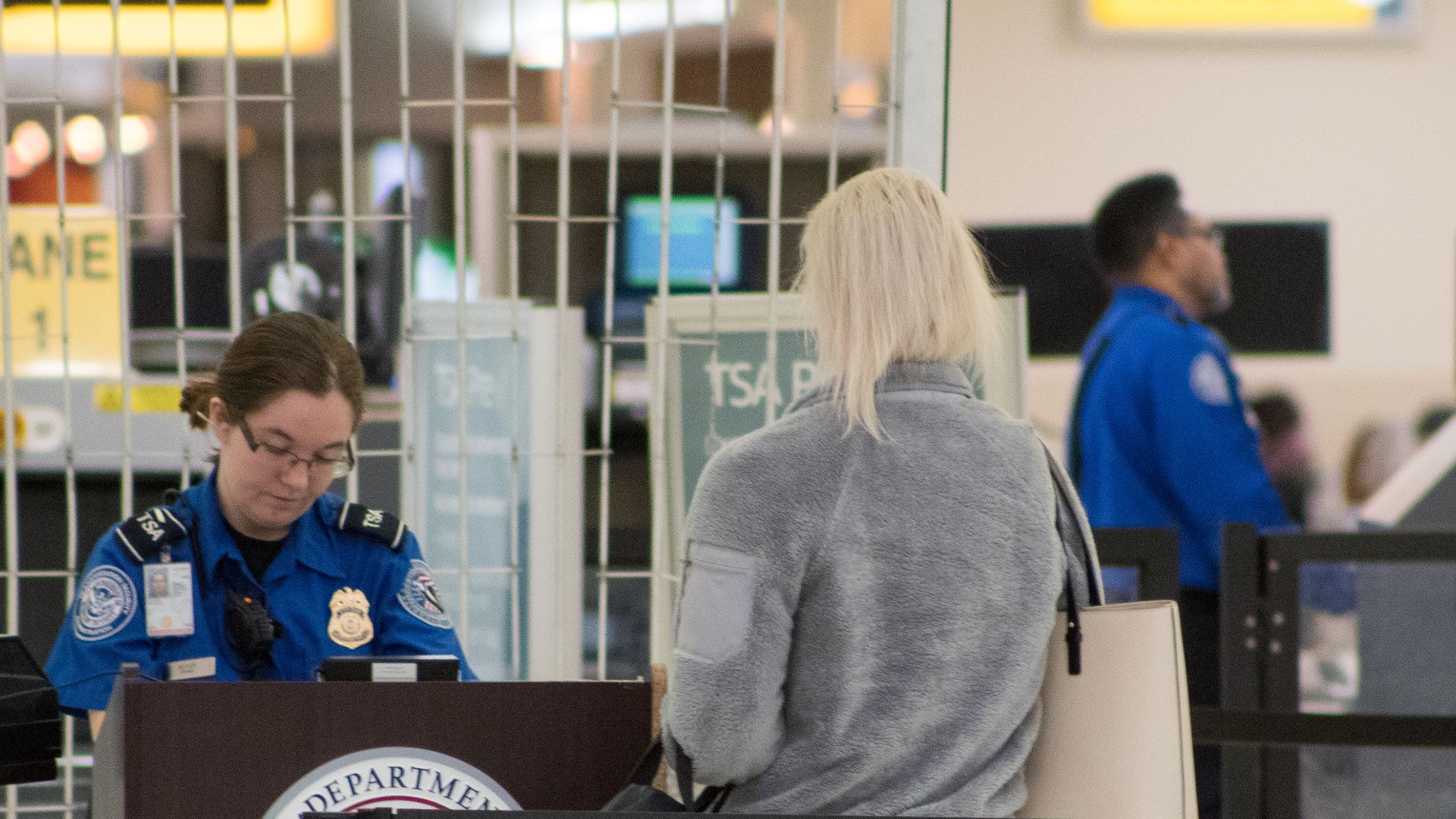
TSA says your boarding pass name must match the name on your valid government-issued ID. TSA also says that if there is a name mismatch, you should contact the airline. In real life, TSA is not the only one making the call, because the airline controls check-in and boarding. So even if you think security might allow it, the carrier may still refuse to issue a boarding pass until the name is fixed.
 Michael Ball, Wikimedia Commons
What Counts As A Mismatch
Not every difference is treated the same way. A basic typo, a missing middle name, switched letters, a nickname instead of a legal first name, or a missing suffix can all be handled differently depending on the airline and the route. Some systems allow small formatting quirks, like spaces disappearing or first and middle names being pushed together. But if the main identity details do not line up, the airline may see it as a document problem rather than a harmless spelling difference.
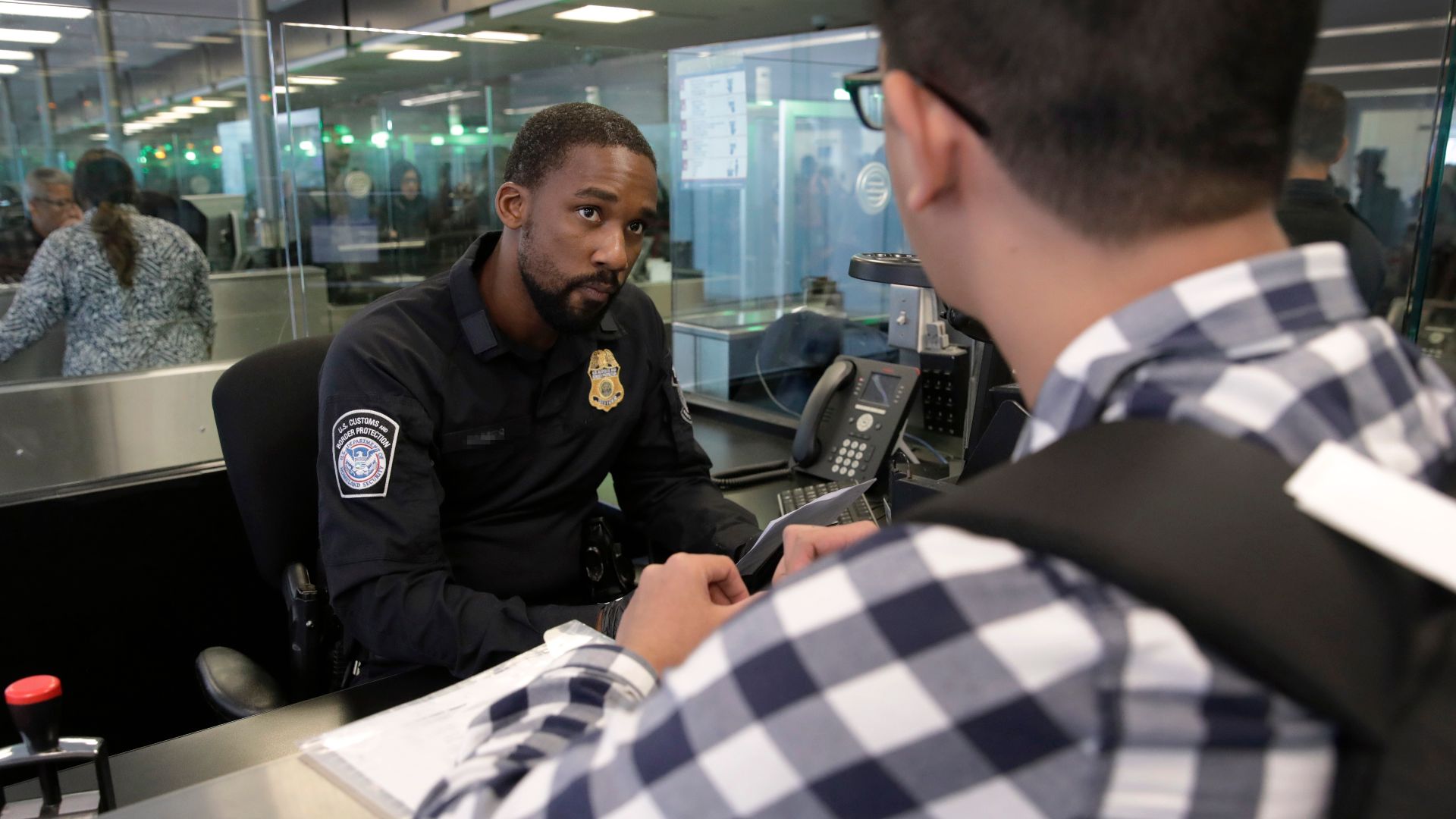 CBP Photography, Wikimedia Commons
A Missing Middle Name Is Often Less Serious Than A Wrong First Or Last Name
Many travelers panic over a middle name issue, but that is not always the kind of mismatch that stops a trip. Some airlines and travel agencies note that middle names can be optional or may show up merged into the first name field because of system formatting. Still, that is not true everywhere, and the safest move is always to make the booking match the passport exactly. A wrong first name or last name is much more likely to cause a denial.
Nicknames Are A Common Mistake
Booking under Mike instead of Michael or Katie instead of Katherine can cause trouble because airlines usually expect your legal name, not the name people call you. The same goes for shortened versions, alternate spellings, or names you use casually that are not on your passport. If your passport says Jonathan, your reservation should usually say Jonathan. Friendly names work in texts, but not always in airline systems.
Marriage, Divorce, And Other Name Changes Can Complicate Things Fast
Name changes are one of the biggest reasons ticket names and passport names stop matching. If your passport is still in a maiden name but the ticket is booked in a married name, the airline may not accept that without matching documents, and often not at all for international travel. Some countries and carriers are especially strict because the passport is the main identity document. If you recently changed your name, double-check every reservation before travel day.

Airlines Usually Have Name Correction Policies, But They Are Limited
Most airlines do have some kind of name correction policy, but that does not mean unlimited flexibility. Carriers often allow small fixes for typos, switched letters, or minor spelling errors, while major name changes may be treated as a ticket transfer or a totally new booking. Many airlines do not allow changing a ticket to a different person at all. The exact line depends on the airline’s fare rules, route, and internal policy.

Minor Correction Does Not Mean Last-Minute Miracle
Even if your mistake counts as a minor correction, it may still take time to fix. Some airlines can update the booking quickly, while others need the ticket to be reissued by the original seller, such as an online travel agency or partner airline. If your flight is close, that delay can become the real problem. That is why travel experts keep telling people to check their confirmation as soon as it arrives.
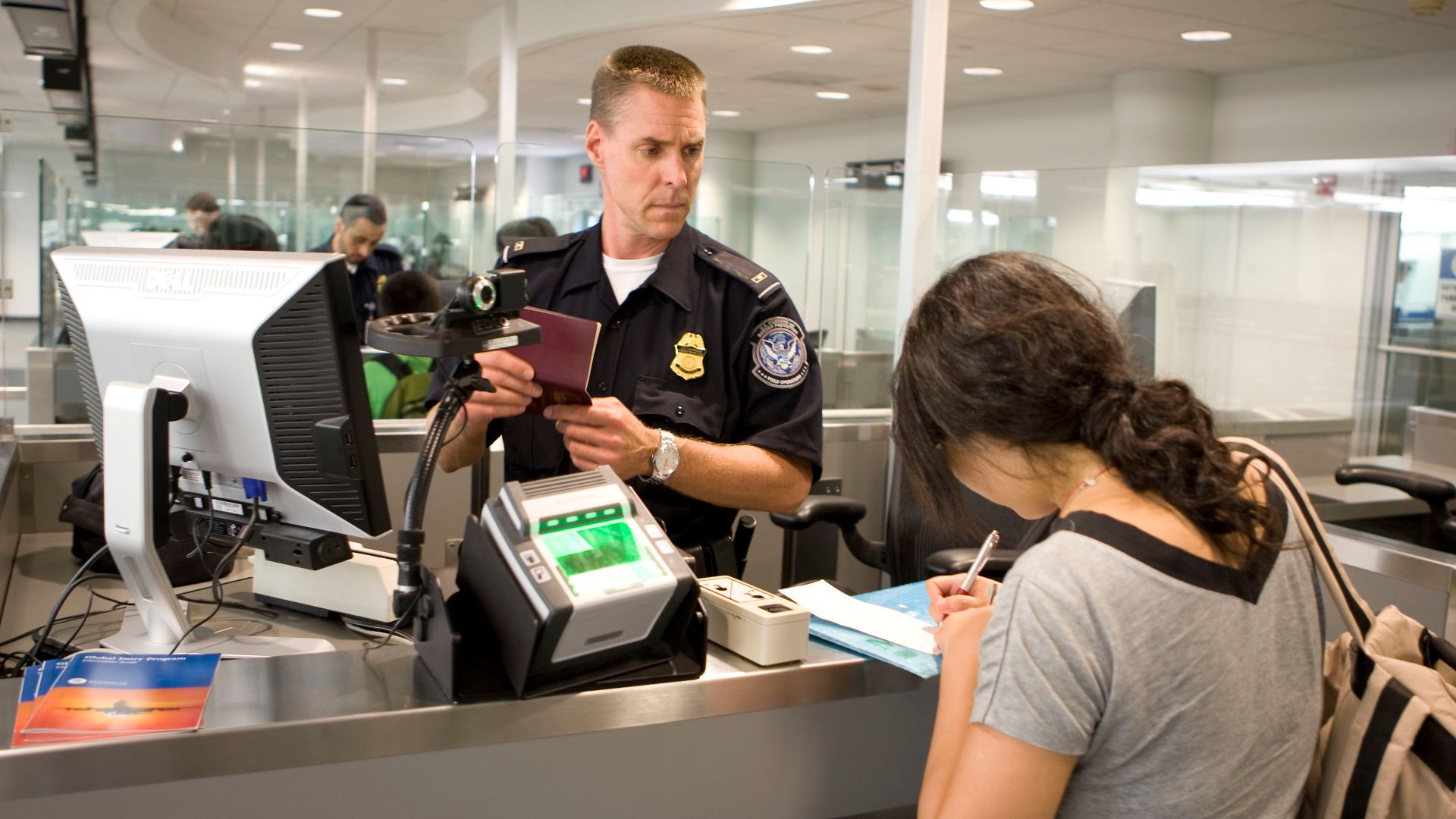 CBP Photography, Wikimedia Commons
Third-Party Bookings Can Make The Situation Harder
If you booked through an online travel agency, points portal, or another middleman, the airline may tell you the seller has to make the correction. That can be frustrating because now you are stuck between two companies while time runs out. Some fare types also limit what the agent can change without canceling and reissuing the ticket. When possible, fixing the problem directly with whoever issued the ticket is usually the fastest way.

International Travel Adds Another Layer With Advance Passenger Data
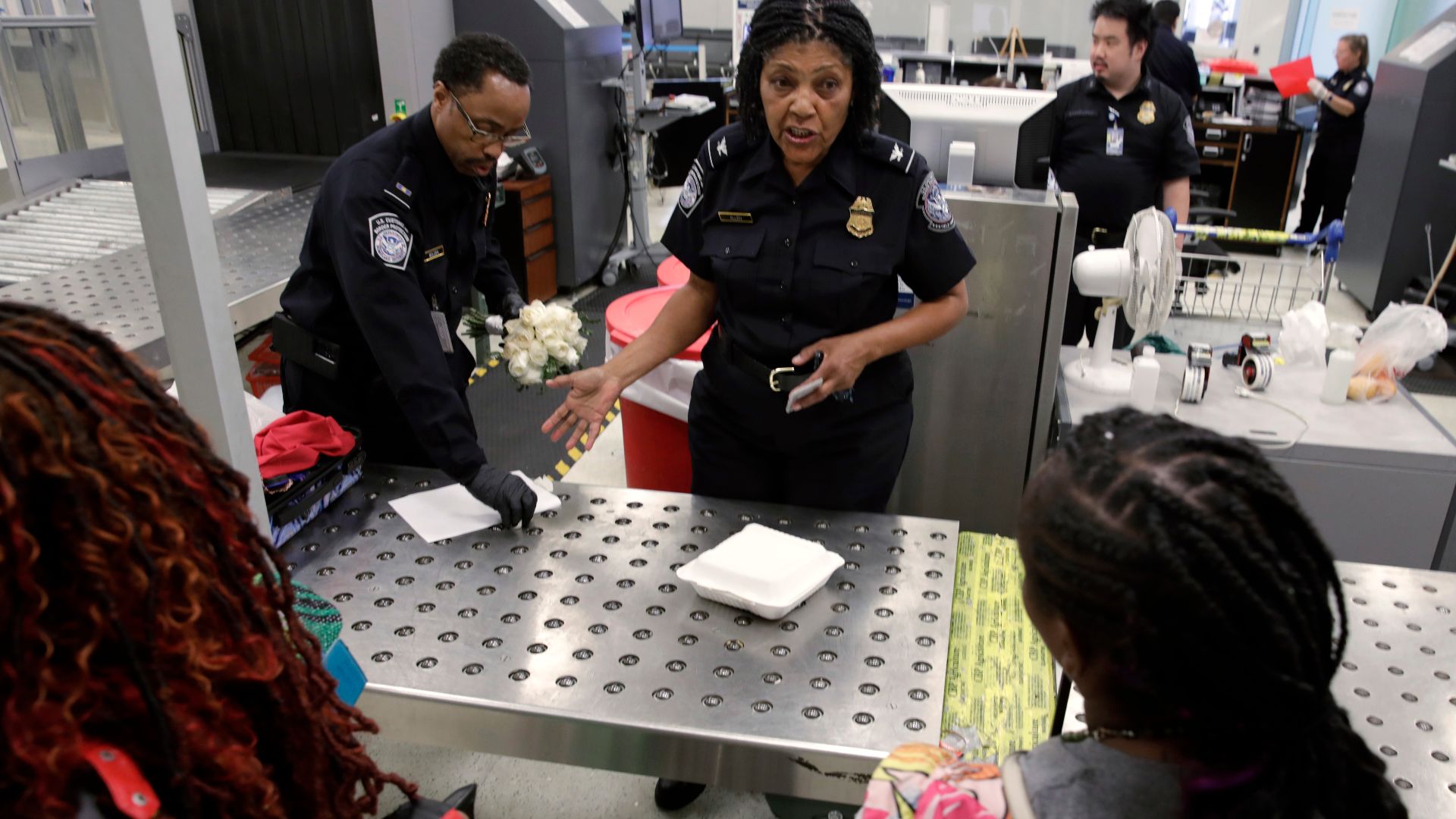
For many international flights, airlines must collect and send passport details before departure. This is often called Advance Passenger Information or APIS. If the booking name and the passport details do not match, check-in can fail or the record can be flagged. That is one reason airline agents may seem so strict. They are not just comparing two documents by eye. They are also dealing with systems tied to government rules.
 CBP Photography, Wikimedia Commons
Can The Airline Legally Refuse To Let You Board?
In many cases, yes. Airlines can deny boarding if a passenger does not present the required travel documents or if identity checks are not met. Their conditions of carriage also usually give them the right to refuse transport when documents are incomplete, invalid, or inconsistent. It may feel unfair when the mistake is small, but from the airline’s point of view, boarding someone with mismatched identity documents can create legal and operating risk.

What You Should Do The Moment You Spot The Error
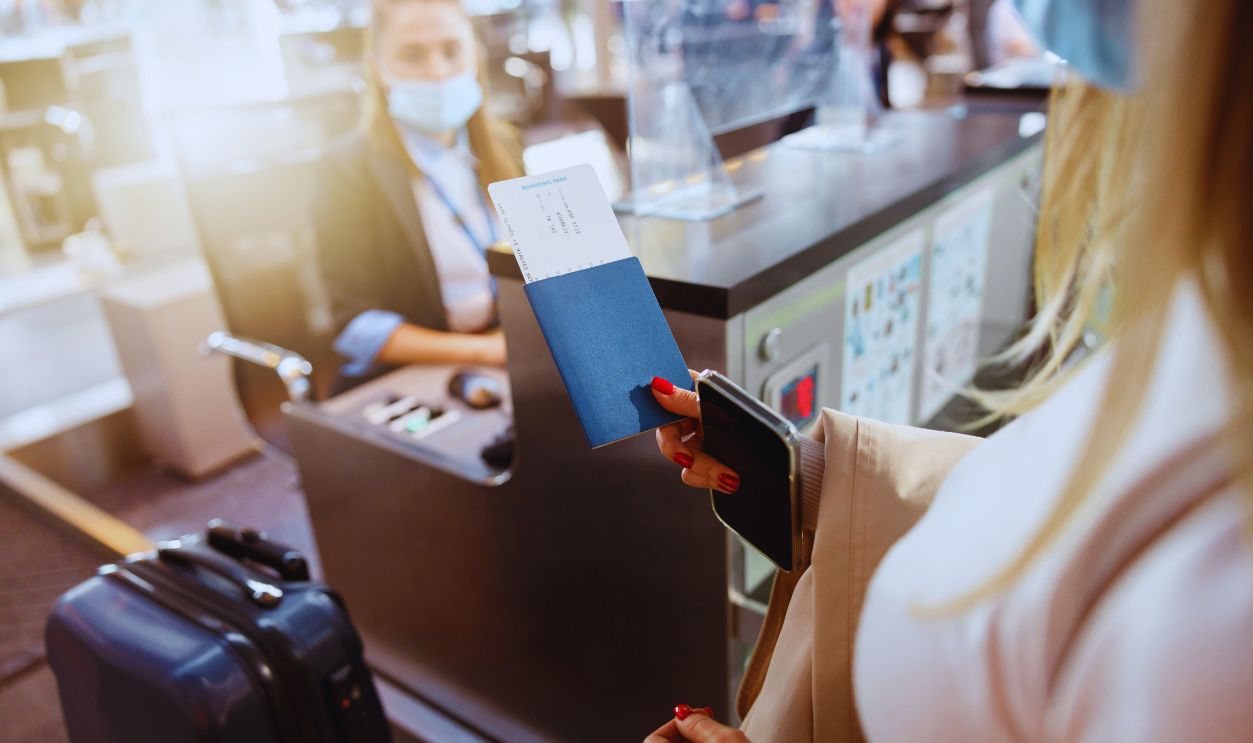
Do not wait until airport day and hope it works out. Contact the airline or ticket issuer right away and ask whether the issue counts as a minor correction or a full name change. Have your passport ready so you can read the exact name as it appears, including middle names, suffixes, and spacing. Ask for written confirmation if the correction is made, then check the updated itinerary yourself.
What To Bring If You Are Trying To Fix It At The Airport
If you are already at the airport, bring your passport, your booking confirmation, and any supporting documents that explain the difference, such as a marriage certificate or court order for a recent legal name change. Those documents do not promise boarding, but they may help an agent understand what happened. Arrive much earlier than usual because name issues can take time to review. If the first agent cannot help, politely ask whether a supervisor or document-check desk can take a look.
 Frame Stock Footage, Shutterstock
When Supporting Documents Help And When They Do Not
A marriage certificate or legal name change document can help explain why two names are connected. But those papers do not automatically override a passport mismatch, especially for international travel. In most cases, the passport is still the key identity document for the trip. Supporting documents can add context, but they are not a guaranteed fix.

Sometimes The System Glues Names Together And That Is Not Always A Red Flag
Travelers often notice that airline tickets show names without spaces, like JANEDOEMARY, and assume something is wrong. That formatting is common in reservation systems and usually does not by itself cause a problem. What matters is whether the legal name data matches your travel document. Strange formatting can look alarming while still being completely normal.
Why Some People Fly With A Mismatch And Others Get Stopped
This is where travel stories get messy. One passenger may get through with a missing middle name, while another gets stopped over a small typo. That does not mean the rule is fake. It usually means the mismatch, route, airline policy, booking channel, or airport review was different. Personal stories can be comforting, but they are not a great substitute for the airline’s actual policy and the document rules for your trip.

The Best Prevention Strategy Is Boring But Effective
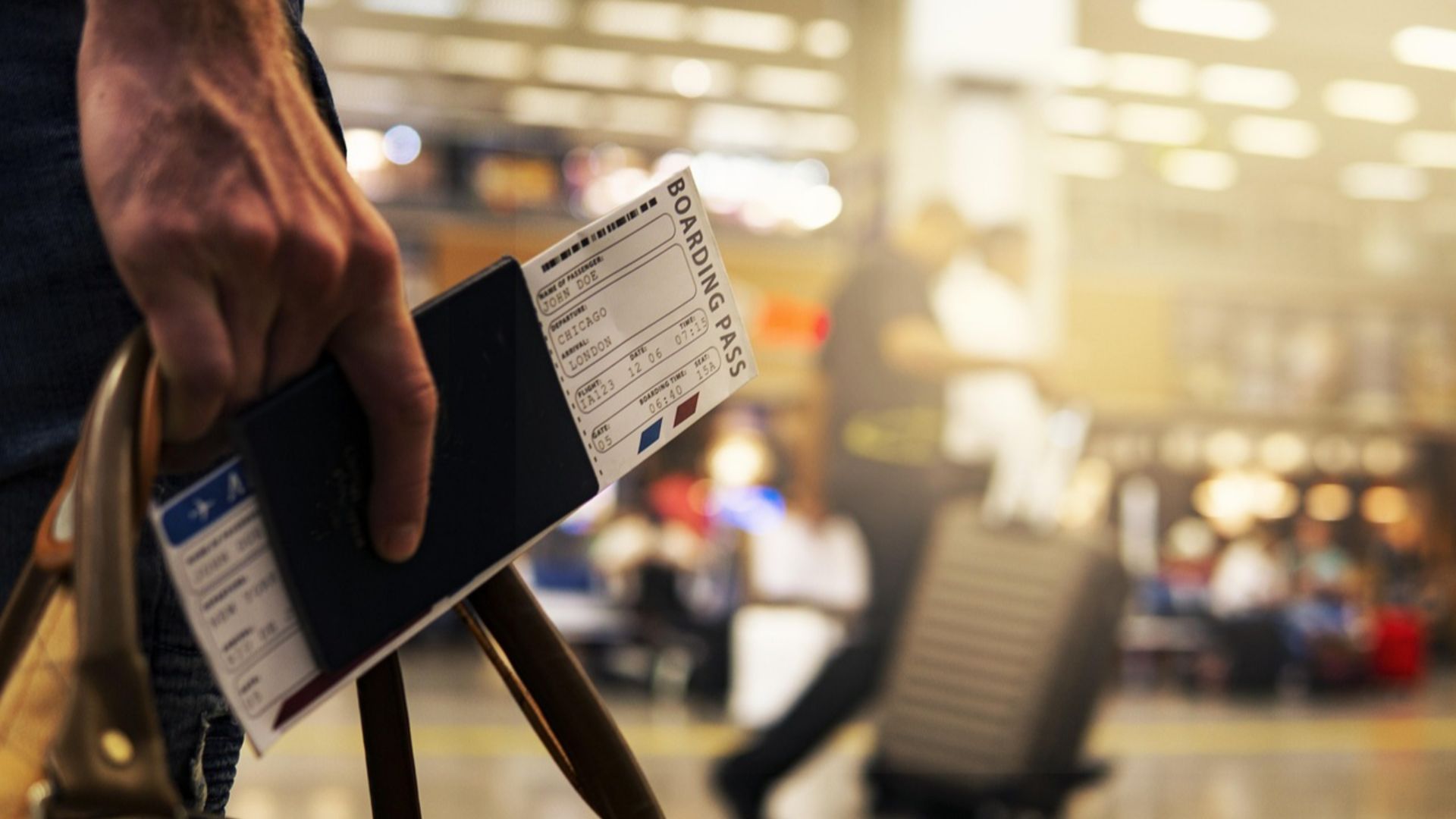
Enter your name exactly as it appears on the passport or ID you will use, even if it feels overly formal. Skip nicknames, do not guess at abbreviations, and check every letter before paying. Then review the confirmation right away so there is time to fix mistakes while your options are still better. It is boring advice, but it can save you from an expensive and stressful airport mess.
What This Rule Really Means For Travelers
The frustrating answer is that airlines are usually within their rights to care about a name mismatch, and sometimes they have very little flexibility once travel day arrives. Small errors may be fixable, but they are not always harmless, especially on international trips. So if your passport name does not exactly match your ticket and the airline says no, that can be a real rule rather than a random power move. The safest path is to correct the booking as soon as possible and make future reservations match your travel document exactly.