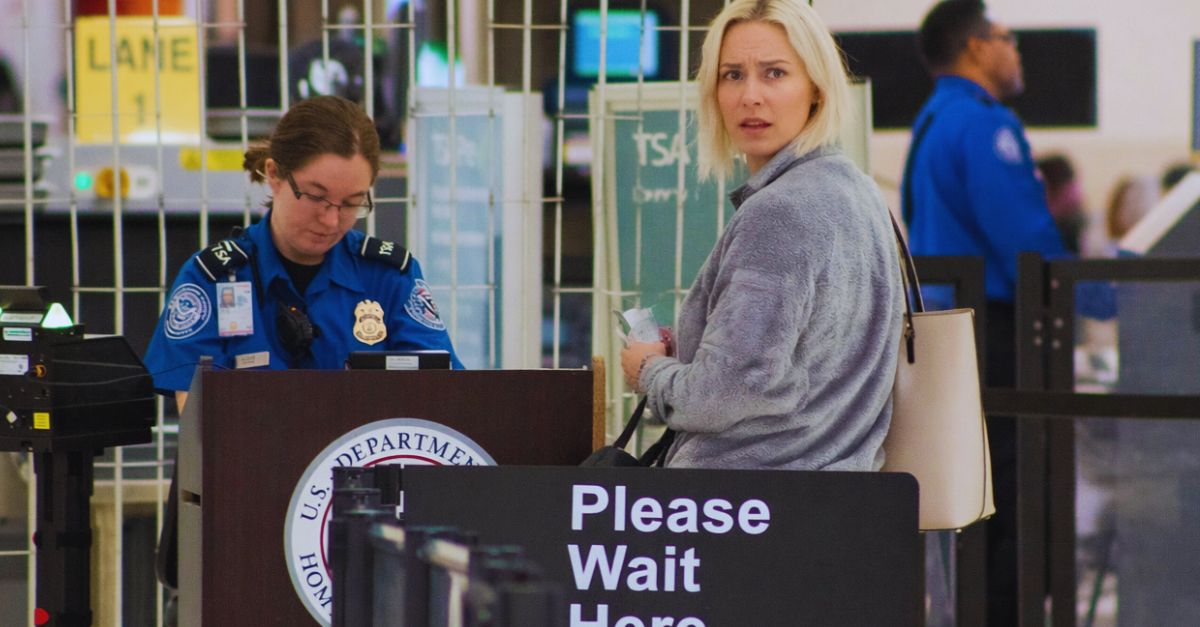
That Valid Passport Does Not End The Conversation
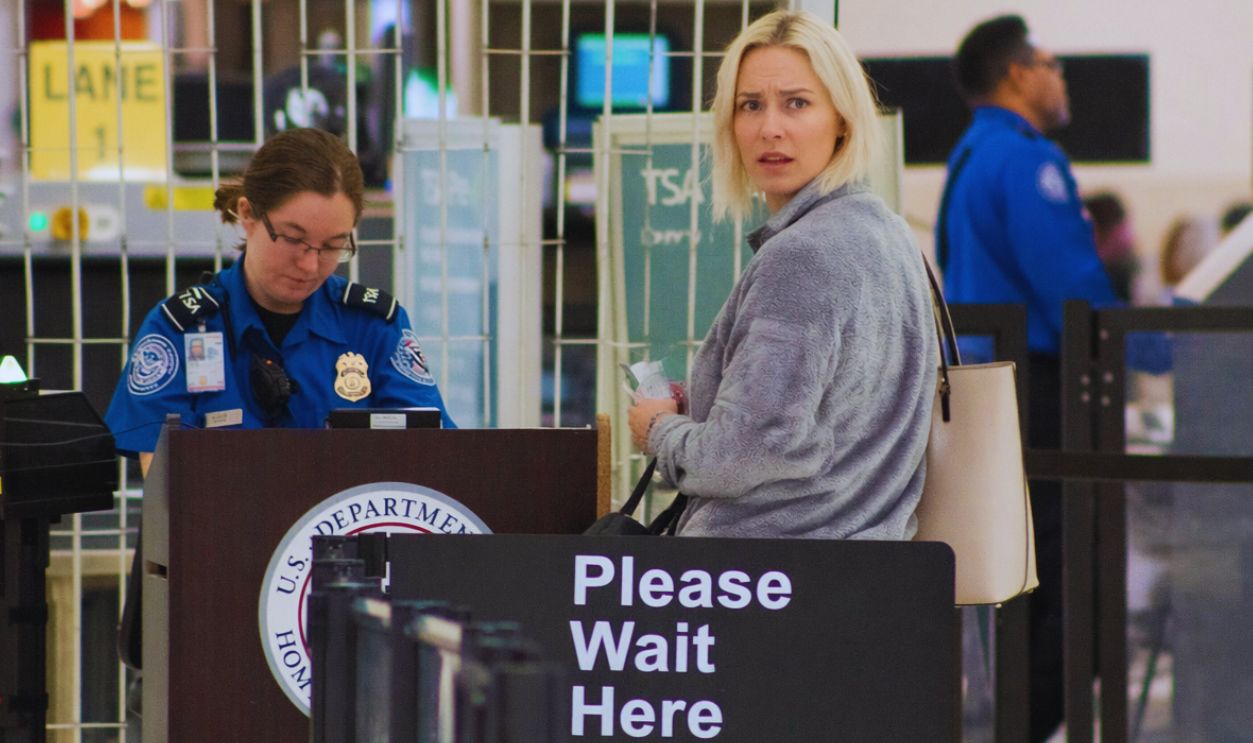
It can feel strange when your passport is valid, your visa seems fine, and border officials still pull you aside for hours. But at an airport, seaport, or land crossing, customs and border officers have broad legal power to question travelers before deciding whether to admit them or clear them through inspection. In the United States, that power mostly sits with U.S. Customs and Border Protection, or CBP. So yes, even with a valid passport, intrusive questioning can still be legal.
 Michael Ball, Wikimedia Commons, Modified
Customs And Immigration Checks Are Not The Same Thing
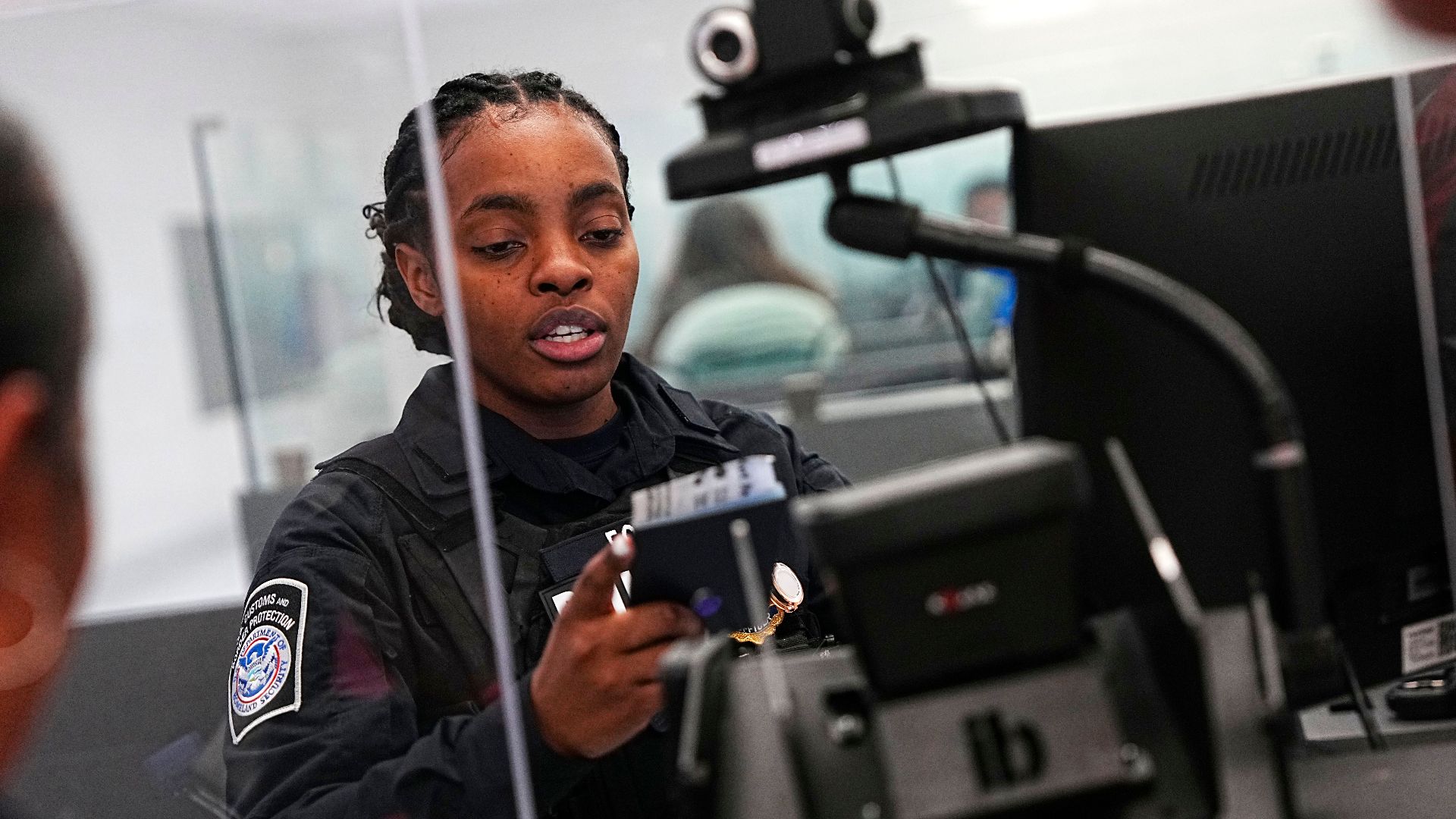
A lot of travelers use “customs” to mean the whole border process, but there are different parts to it. Customs usually deals with goods, cash reporting, farm items, and contraband, while immigration inspection deals with whether you can legally enter the country. In practice, CBP officers may handle both jobs at ports of entry in the U.S. That means your delay could be about identity, travel history, luggage, electronic devices, or something as simple as a database match that needs to be checked.
 CBP Photography, Wikimedia Commons
Secondary Inspection Is A Real Thing
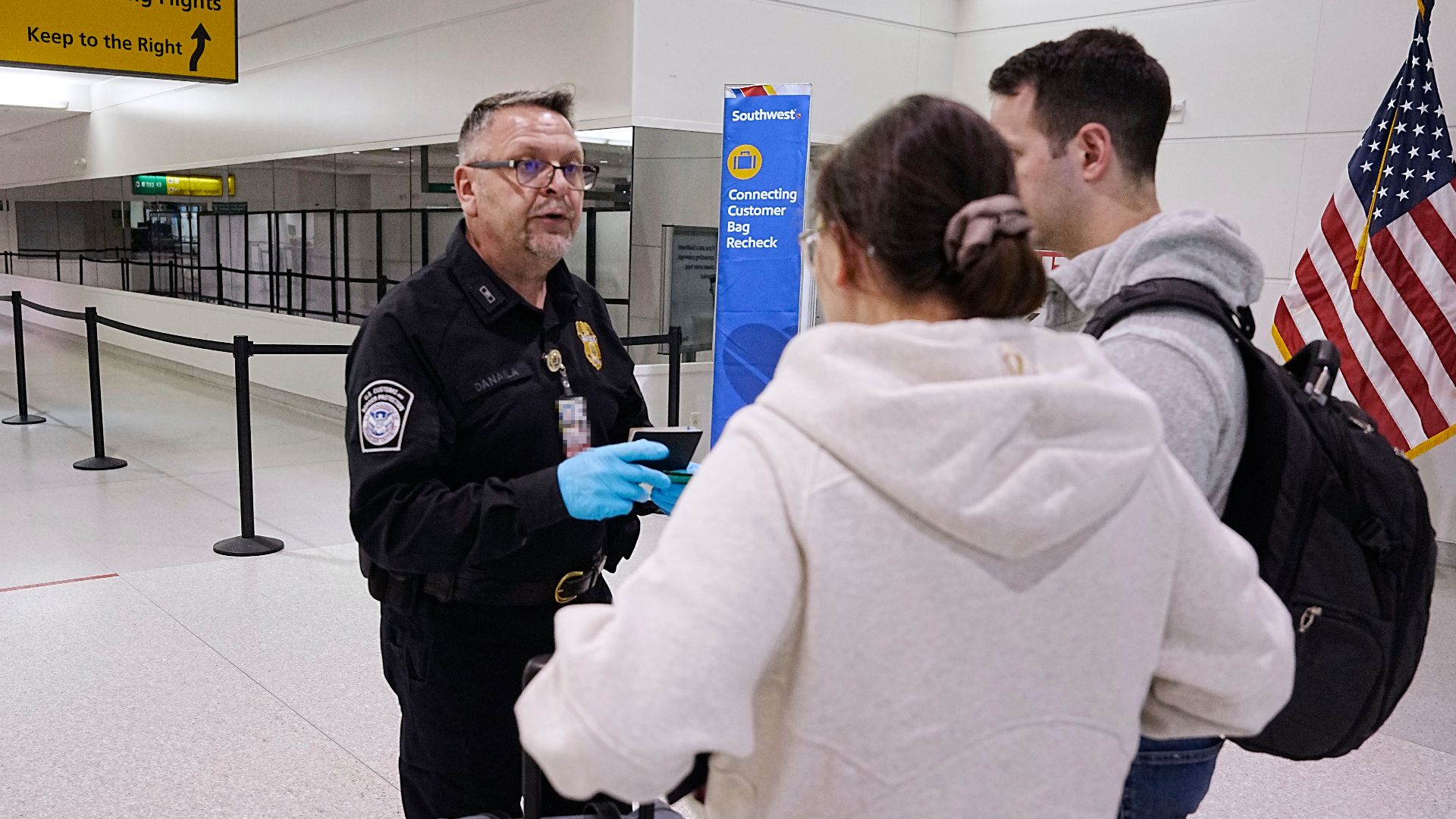
If you are sent to a side room or held for more questions, that is often called secondary inspection. CBP says secondary inspection is a routine part of the process for some travelers. Being sent there does not automatically mean you are suspected of a crime. Sometimes officers just need more time to check documents, confirm travel history, review visa records, or clear up an alert in a government system.
 CBP Photography, Wikimedia Commons
Border Officers Have More Leeway Than Regular Police Stops
The legal rules at the border are not the same as the rules during a normal traffic stop or street encounter. Courts have long recognized what is often called the border search exception, which gives the government more authority to inspect people and property at the border. That does not mean officials can do anything they want, but it does mean privacy expectations are lower there than inside the country. That is one big reason these encounters can feel invasive and long.
 CBP Photography, Wikimedia Commons
You Still Have Rights, Just Not Always The Ones People Expect
The short answer is yes, you do have rights at the border. But those rights can be narrower in practice than many travelers think. What officers can demand, and what happens if you refuse, may depend on whether you are a U.S. citizen, lawful permanent resident, visa holder, or visitor asking to enter. Your rights also differ depending on whether the issue is questioning, baggage inspection, phone search, detention length, or formal removal proceedings.
 CBP Photography, Wikimedia Commons
Citizens Usually Cannot Be Denied Entry, But They Can Be Delayed
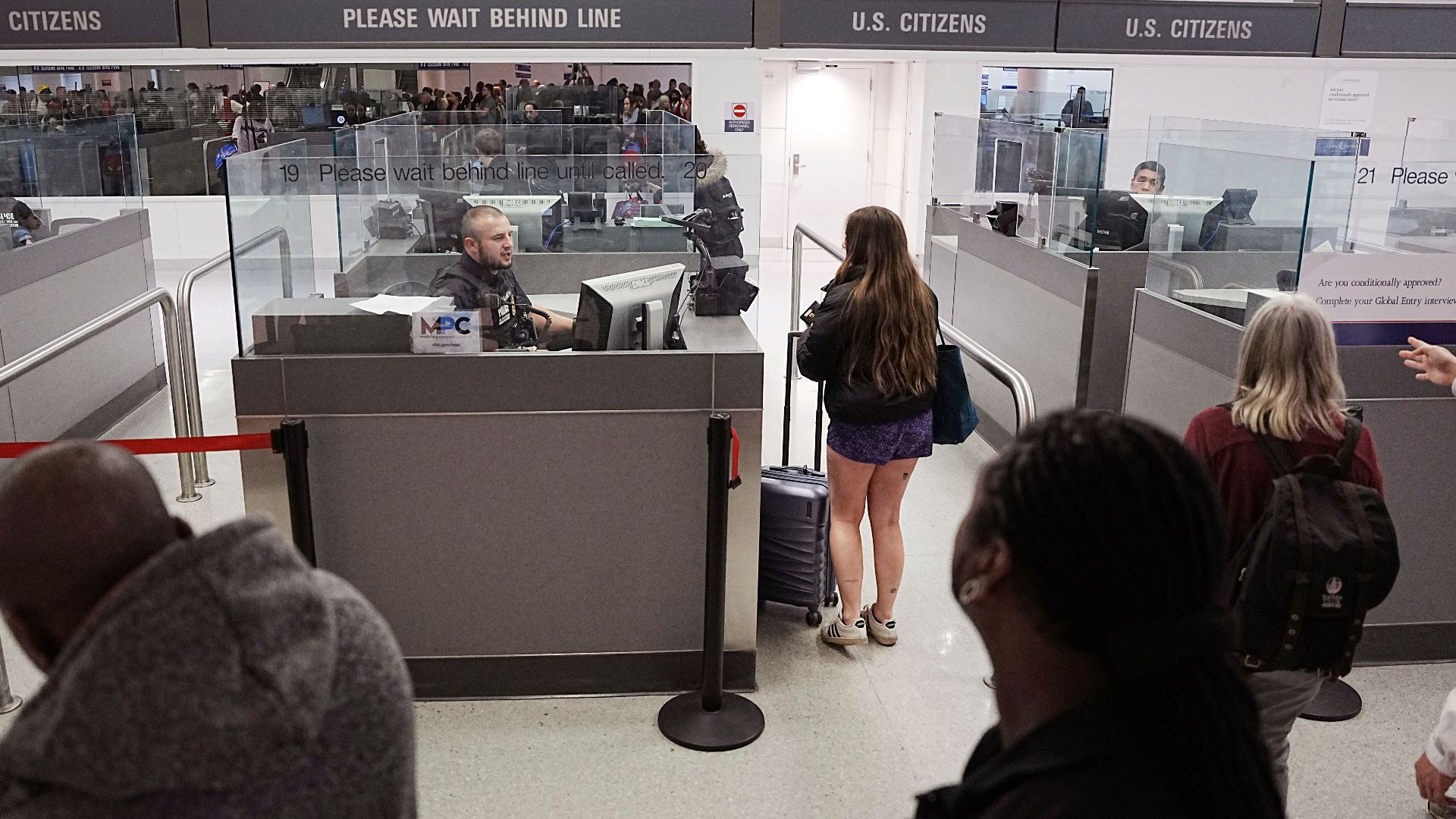
If you are a U.S. citizen, the government generally cannot deny you entry to the United States just because an officer is suspicious or annoyed. CBP can, however, hold you for inspection long enough to confirm your identity and other basic facts tied to entry. That can still mean long waits, repeated questions, and searches of your belongings. So a citizen’s right to enter is strong, but it does not promise a quick or pleasant process.
 CBP Photography, Wikimedia Commons
Permanent Residents Have Stronger Protections Than Visitors
Lawful permanent residents, often called green card holders, usually have important rights to return to the U.S., though there are exceptions in some situations. Whether a returning permanent resident is treated as an applicant for admission can depend on things like long absences, criminal issues, or certain immigration problems. Even so, officers may still question and inspect them at length. The key point is that permanent residents are not in exactly the same legal position as tourists or short-term visa holders.
 CBP Photography, Wikimedia Commons
Visa Holders And Visitors Are In A More Fragile Position
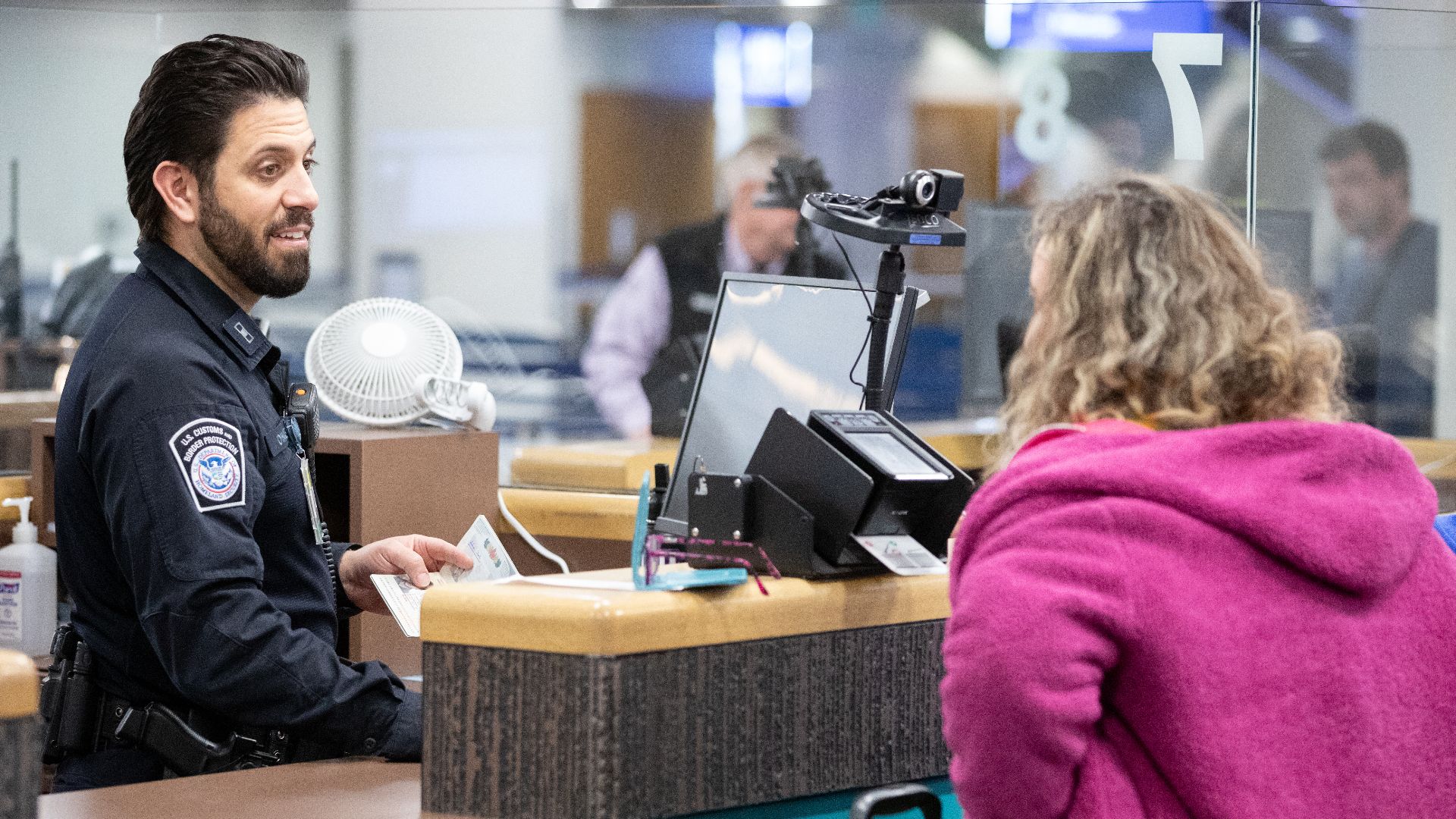
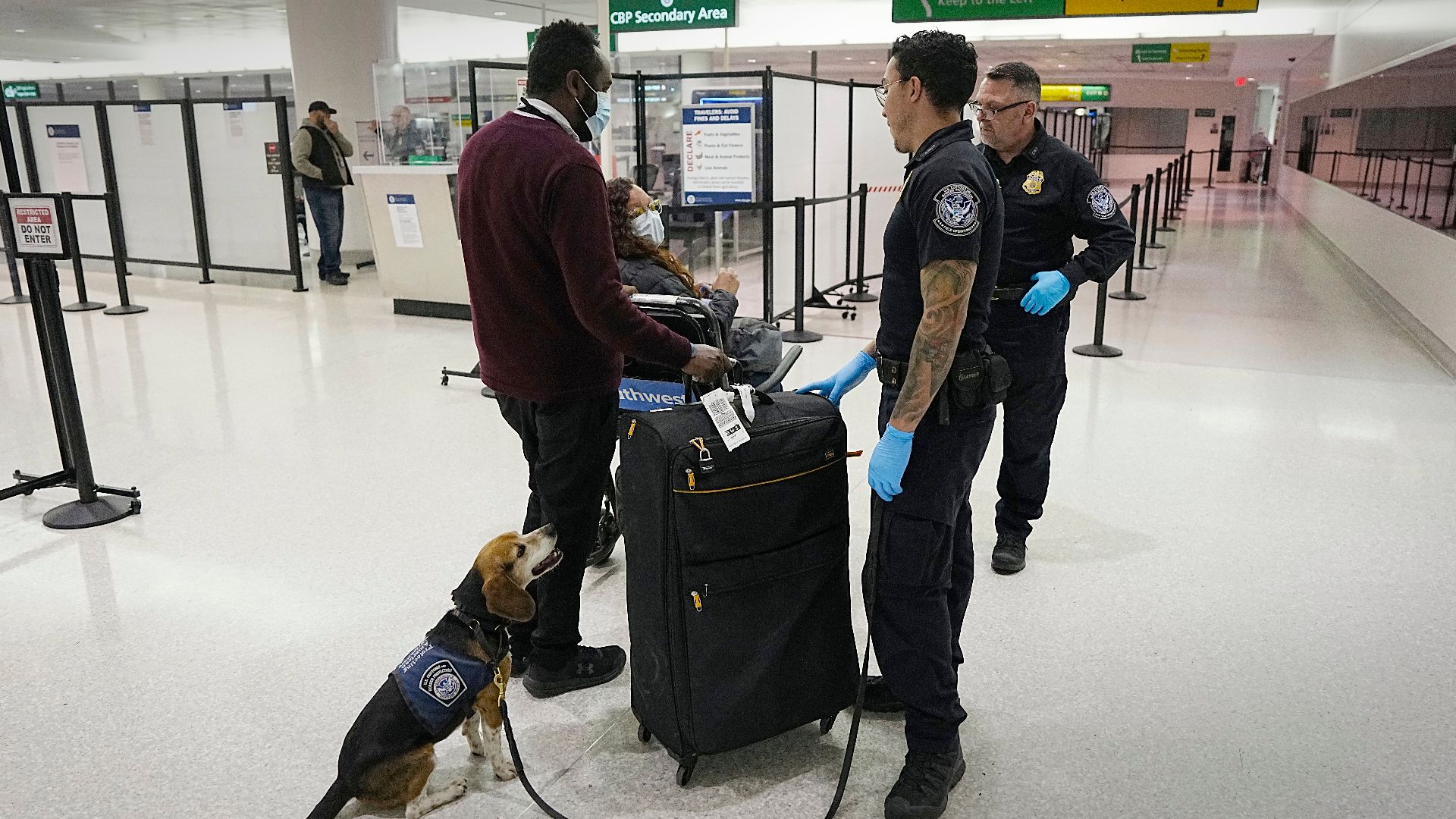
If you are entering on a visa or under a visa waiver program, border inspection is where the government decides whether to admit you on that trip. A valid passport and even a valid visa do not guarantee entry. Officers can deny admission if they think you are inadmissible, not telling the truth about your purpose, carrying banned goods, or otherwise not meeting entry rules. That is why some travelers feel like their documents suddenly do not matter, even though the legal system allows this kind of screening.
 CBP Photography, Wikimedia Commons
You Generally Must Answer Basic Identity And Travel Questions
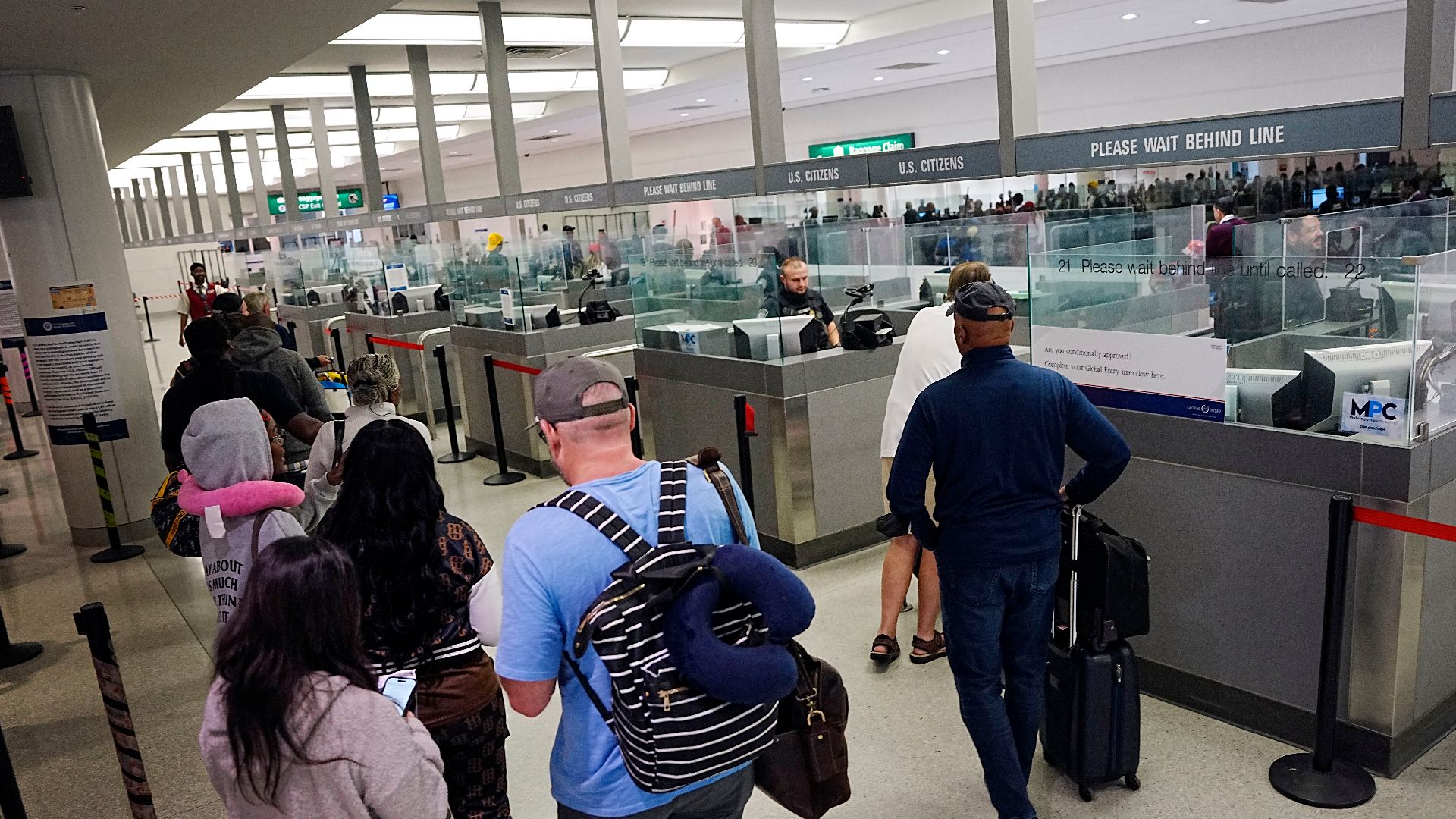
At the border, refusing to answer routine questions can cause serious problems. Officers often ask where you went, why you traveled, what you are bringing back, where you live, and how long you were away. Those questions are part of the inspection process, not casual small talk. While you should be careful and truthful, flat refusal can lead to more delay, seizure of goods, denial of entry for non-citizens, or referral for deeper inspection.
 CBP Photography, Wikimedia Commons
The Right To Remain Silent Works Differently At The Border
People often assume they can handle border questioning exactly the way they would handle police questioning after an arrest, but that is not always how it works. Groups like the ACLU note that you may choose not to answer some questions, but refusing can carry consequences, especially for non-citizens trying to enter. If you are a U.S. citizen, refusing to answer may delay your processing, though you generally still must be allowed into the country once your citizenship is confirmed. So the practical answer is that staying silent may be possible in theory, but it is often costly in practice.
Phones And Laptops Sit In A Special Gray Area
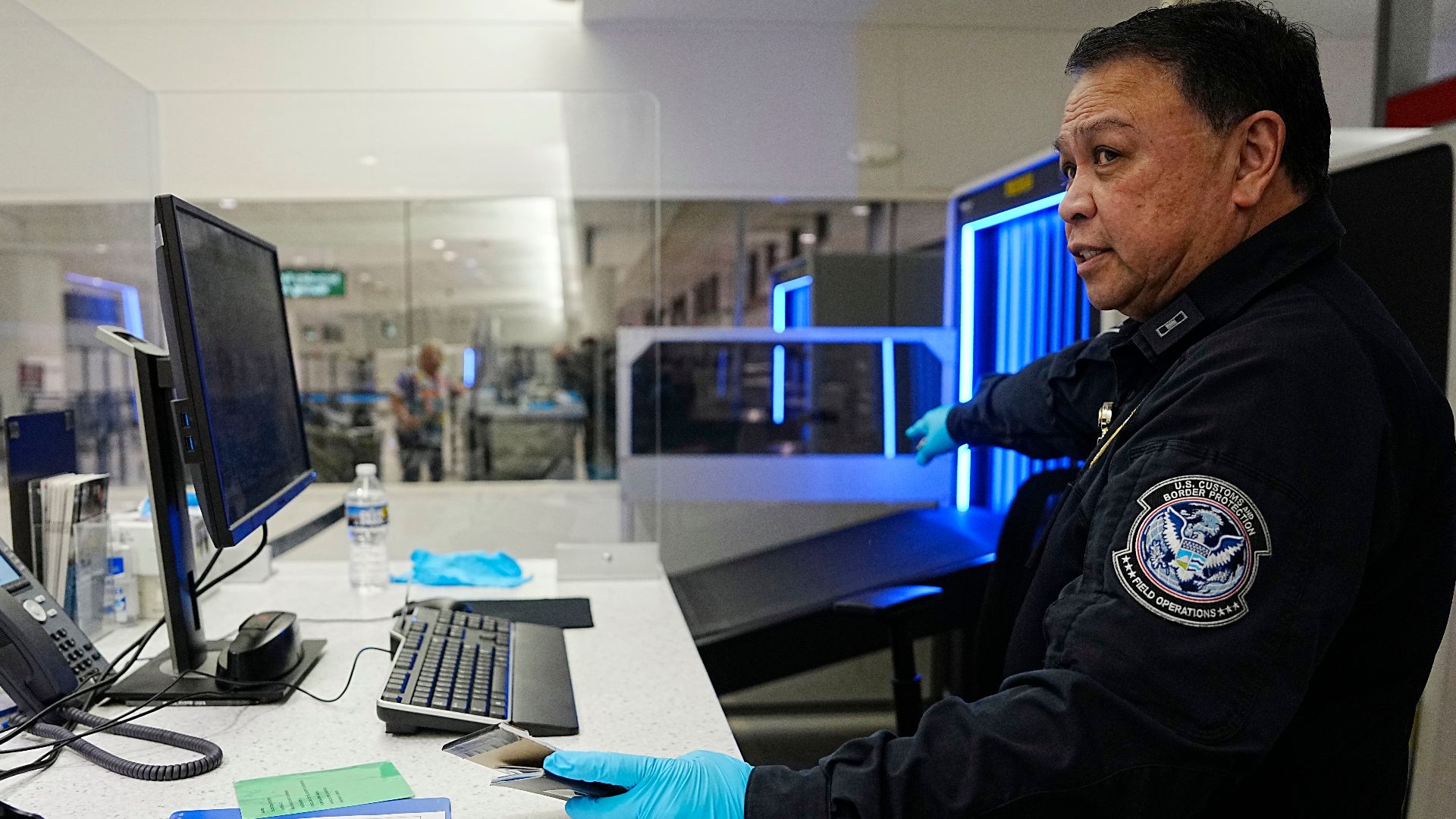
Electronic device searches are one of the biggest modern flashpoints at the border. CBP says it can search travelers’ phones, computers, cameras, and other electronic devices at the border. The agency separates basic searches, which are usually done by hand, from advanced searches, which use outside equipment and require added suspicion or supervisory approval under current CBP policy. Courts have allowed broad border authority here, but the exact constitutional limits are still debated and can vary by place.

Passwords Are Complicated And The Stakes Are Real
One of the most stressful questions travelers face is whether they must unlock a phone or give a password. CBP guidance says officers may ask travelers to help access devices during inspection. If you refuse, the device may be held, and non-citizens may face extra consequences tied to whether they can be admitted. This is an area where the law is still changing, so real-world outcomes can differ based on location, status, and the facts of the case.

Your Bags Usually Can Be Searched Without A Warrant
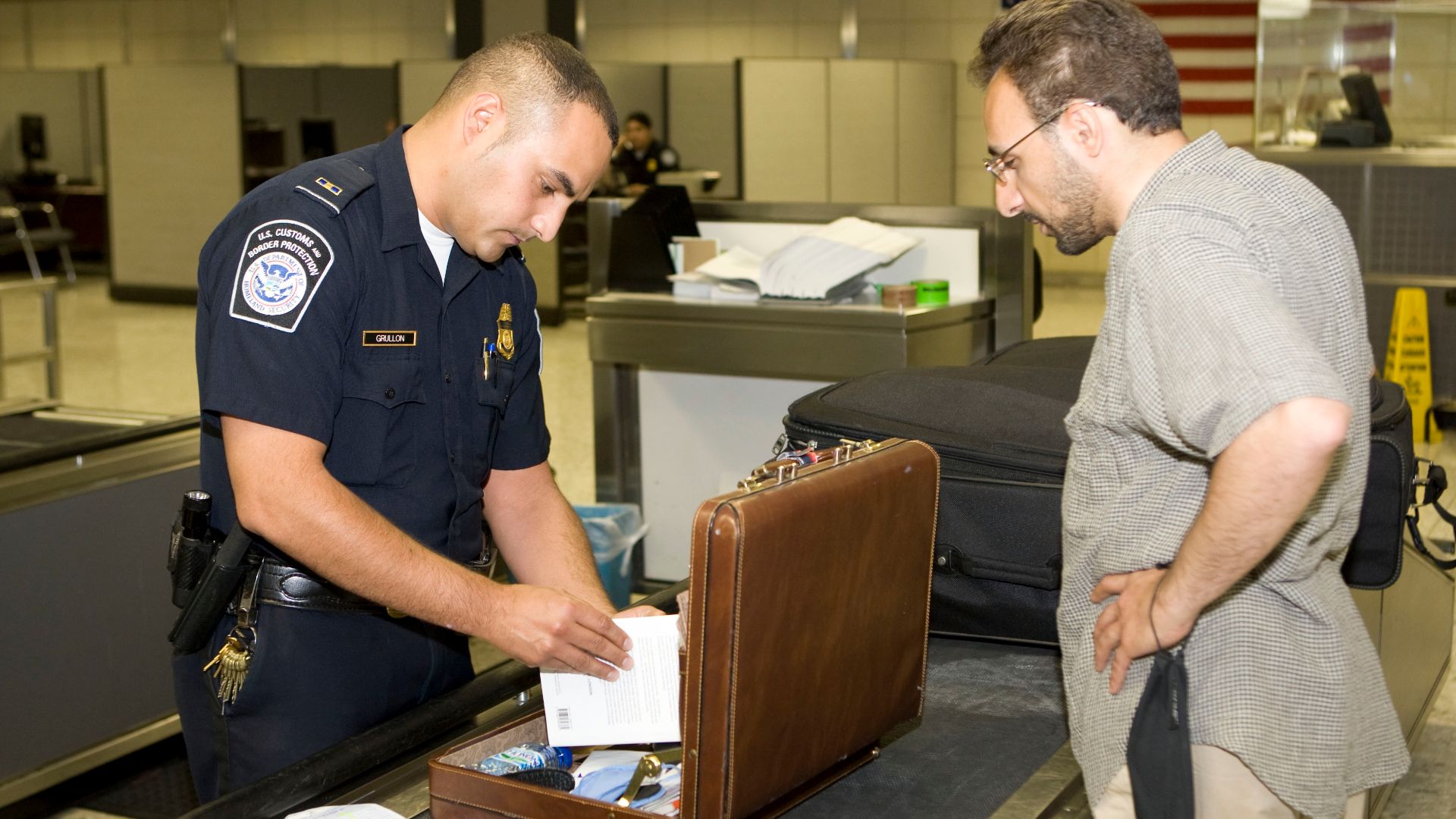
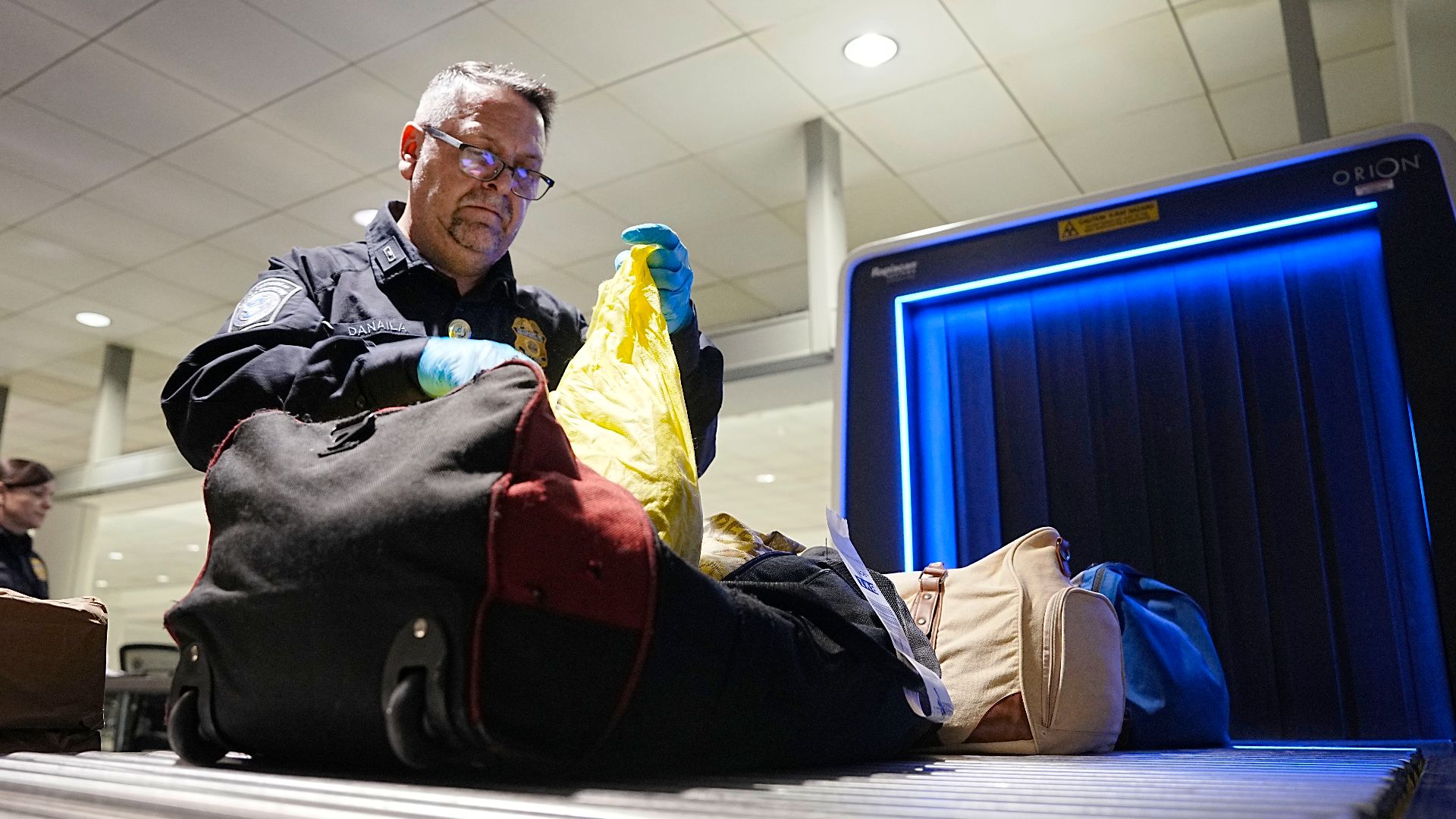
Routine searches of luggage are a core part of border enforcement. In general, officers do not need a warrant to inspect bags, cargo, and personal items at the border. That includes looking for undeclared items, banned imports, farm risks, and contraband. If something seems off, that routine inspection can turn into a much longer encounter.
 CBP Photography, Wikimedia Commons
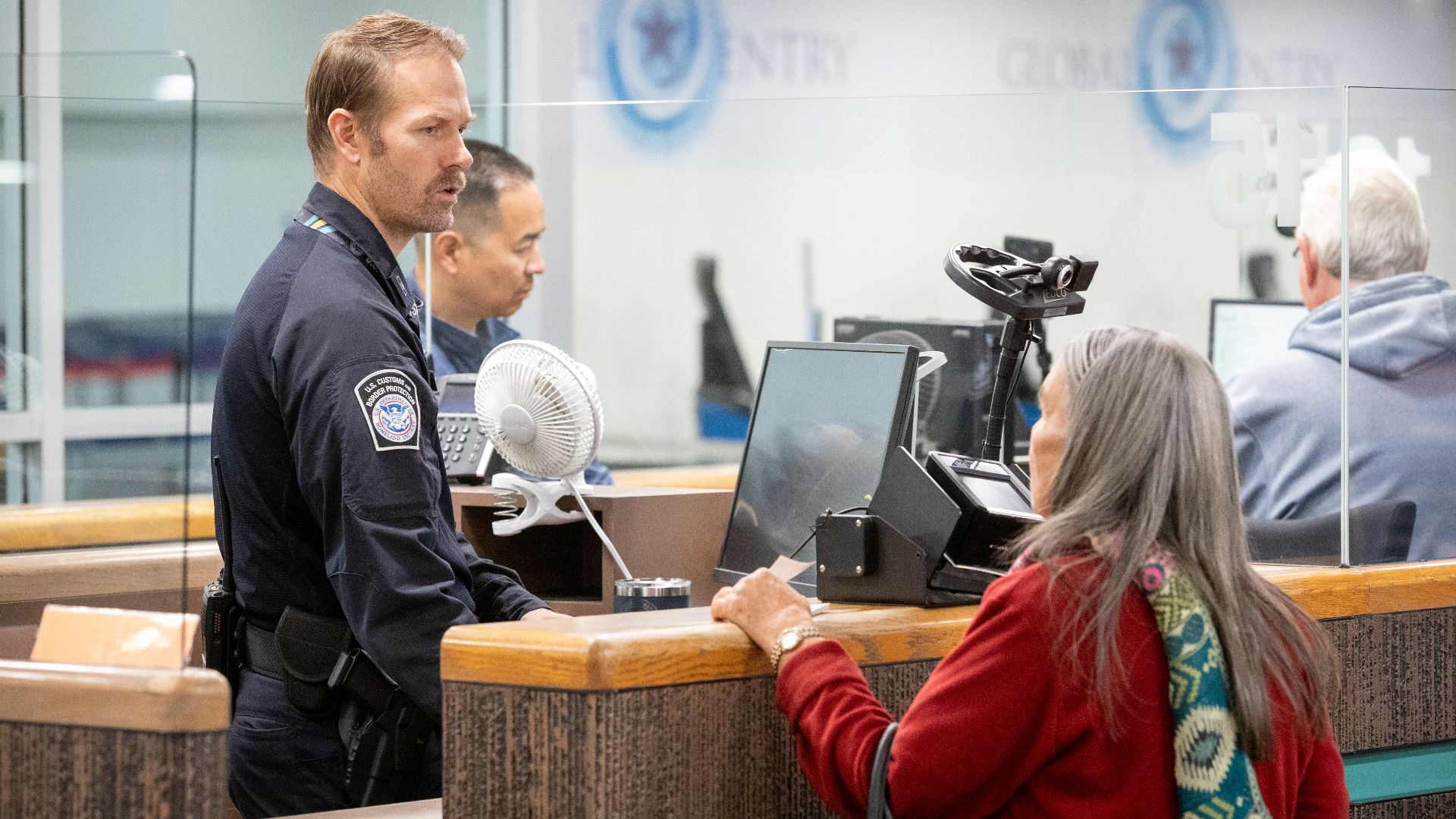
Lengthy Questioning Is Not Automatically Illegal
There is no clean universal time limit that says a border stop becomes unlawful after one hour, two hours, or six hours. The legality usually depends on the facts, the government’s inspection power, and what officers were doing during the delay. Still, very long detention can raise legal questions, especially if it stops being tied to real inspection needs. If the treatment was severe, biased, or coercive, that may matter later in a complaint or court challenge.
 CBP Photography, Wikimedia Commons
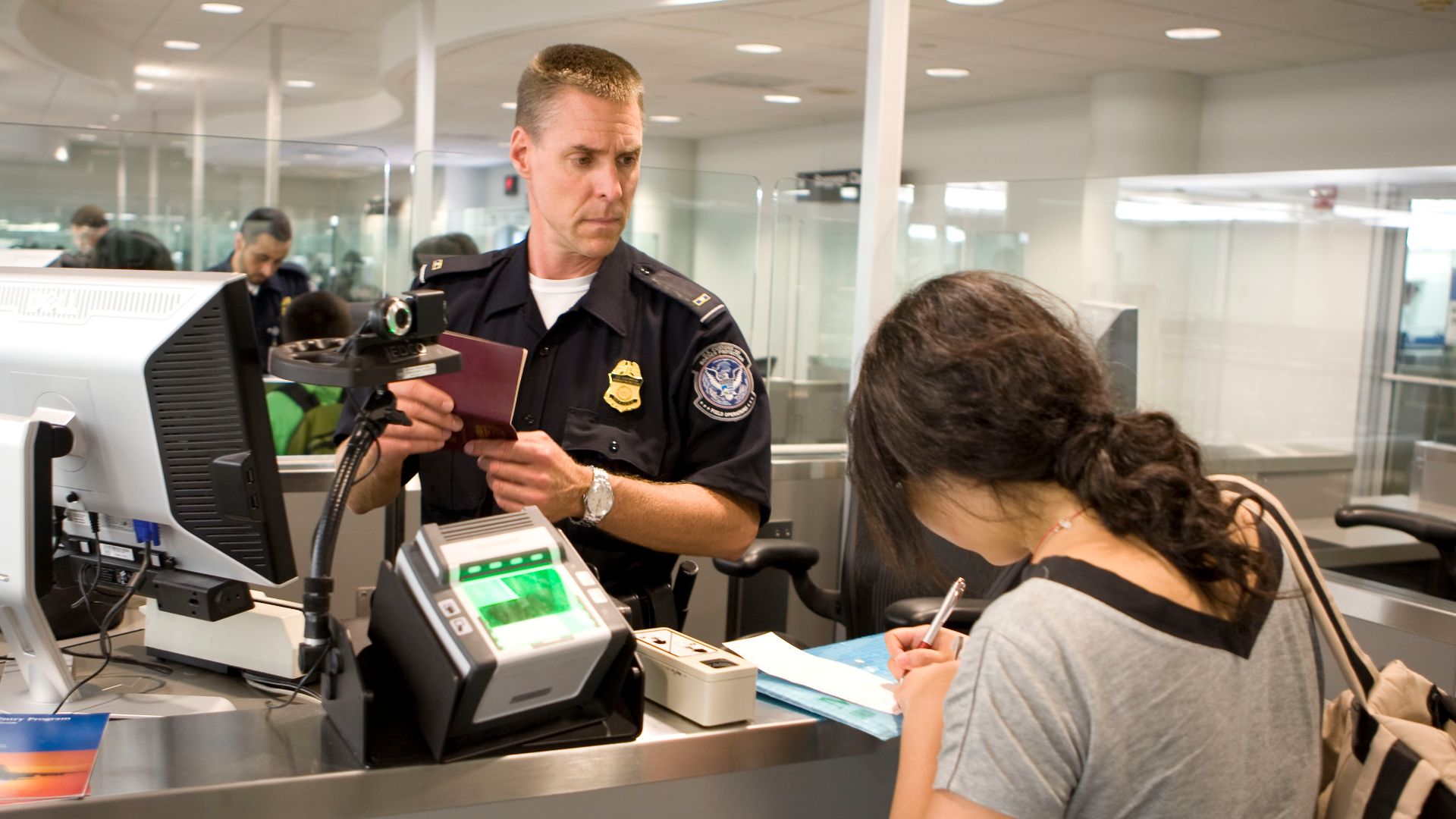
You Can Ask Why You Are Being Held
Even though officers do not always give detailed explanations right away, you can calmly ask why you have been sent to secondary inspection or delayed. You can also ask whether you are free to leave, though at the border the answer is often no until inspection is done. Keeping your tone respectful usually helps more than trying to argue constitutional law in the moment. The main goal is to understand whether the issue is customs-related, immigration-related, or tied to some identity problem.
 CBP Photography, Wikimedia Commons
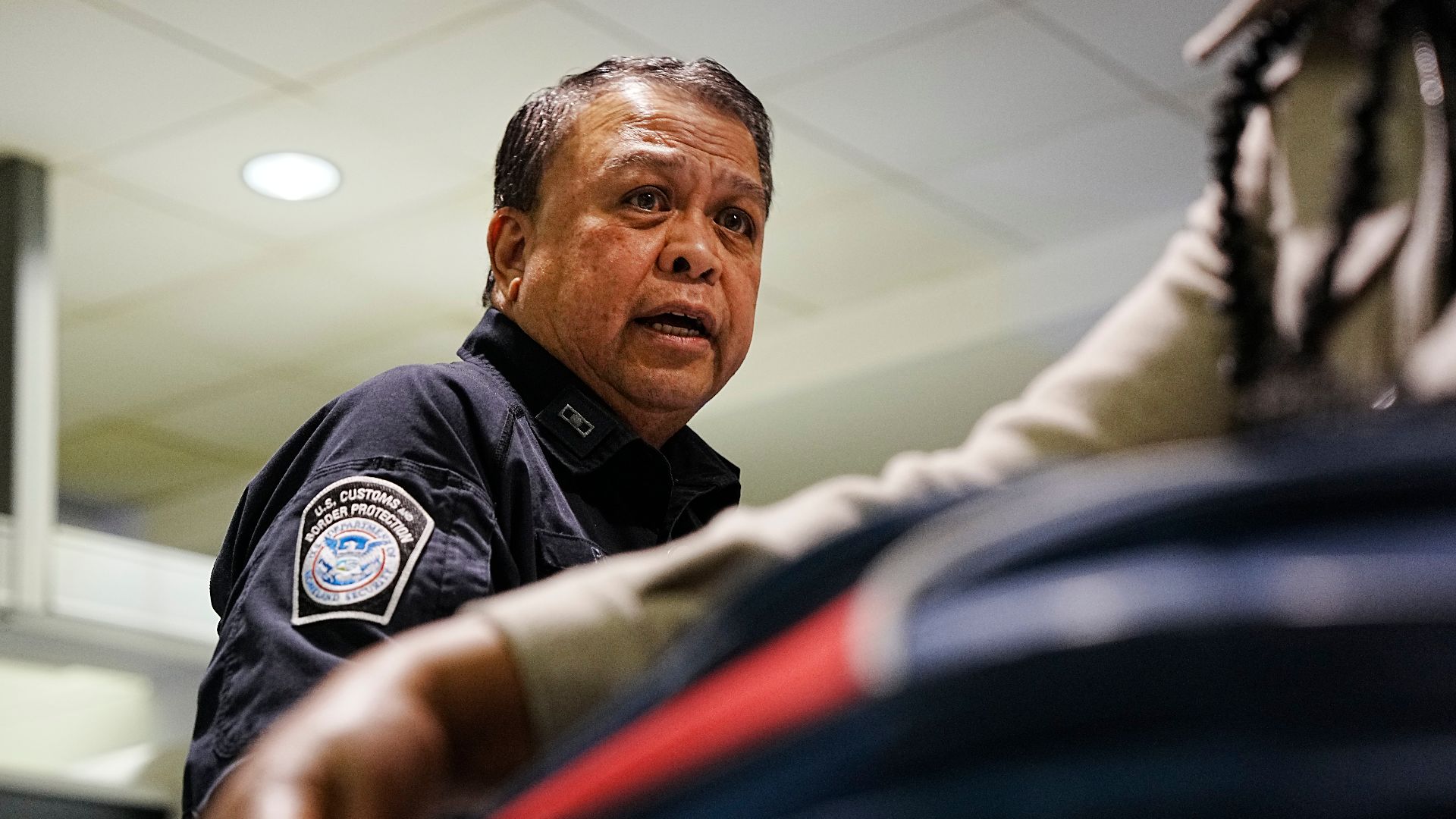
Lawyers Are Not Guaranteed During Routine Border Inspection
This is one of the hardest truths for travelers to hear. During routine inspection, especially for someone trying to enter, there is generally no automatic right to have a lawyer present in the inspection room before every question. If things turn into a criminal investigation or formal immigration proceedings, the picture can change. But for ordinary prolonged border questioning, immediate access to counsel is often much more limited than people expect.
 CBP Photography, Wikimedia Commons
Citizens Can Usually Refuse To Sign Things They Do Not Understand
If an officer puts a statement, declaration, or form in front of you, do not sign it unless you understand what it says. That is especially important if the form includes admissions about what you were carrying, why you traveled, or what you told officers. Signing a document can become important evidence later. Asking for time to read it carefully or for clarification is usually much smarter than signing just to make the encounter end faster.

Non-Citizens Should Be Extra Careful With Withdrawals And Waivers
Visitors and some other non-citizens may be asked to withdraw an application for admission or may face expedited removal in some cases. Those outcomes can have serious future immigration consequences. If you are given paperwork that seems to waive rights, admit fraud, or accept removal, it is wise to read every word carefully and ask questions. In some situations, getting legal advice as soon as possible afterward is critical.

If You Think Bias Played A Role, Document Everything
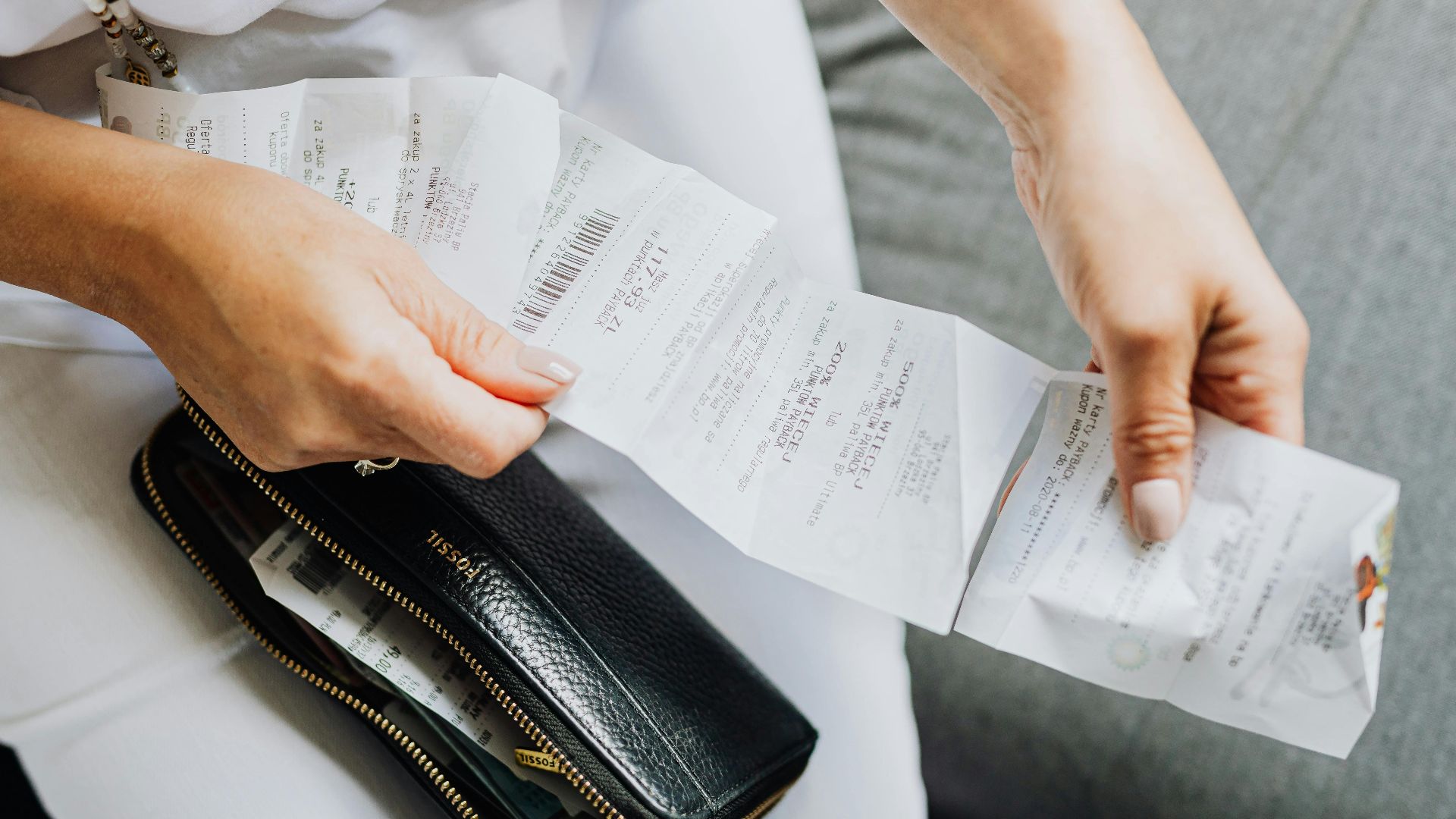
If you believe the delay happened because of your race, religion, national origin, disability, or another protected trait, write down the details as soon as you can. Save your boarding pass, receipts, luggage inspection notices, and any paperwork you were given. Note the time, location, officer names if visible, what was said, and whether other travelers were treated differently. That record can help if you later file a complaint with CBP, DHS oversight offices, or talk with a lawyer.
You Can File A Complaint Afterward
If you believe officers acted improperly, you can submit a complaint to CBP through its public reporting channels. Depending on the issue, complaints may also go to the Department of Homeland Security’s Office for Civil Rights and Civil Liberties or the DHS Office of Inspector General. A complaint does not guarantee a fix, but it creates a record and can trigger review. The more specific your timeline and supporting details, the better.
 U.S. Department of Homeland Security (DHS), Wikimedia Commons
Medical Needs And Basic Safety Still Matter
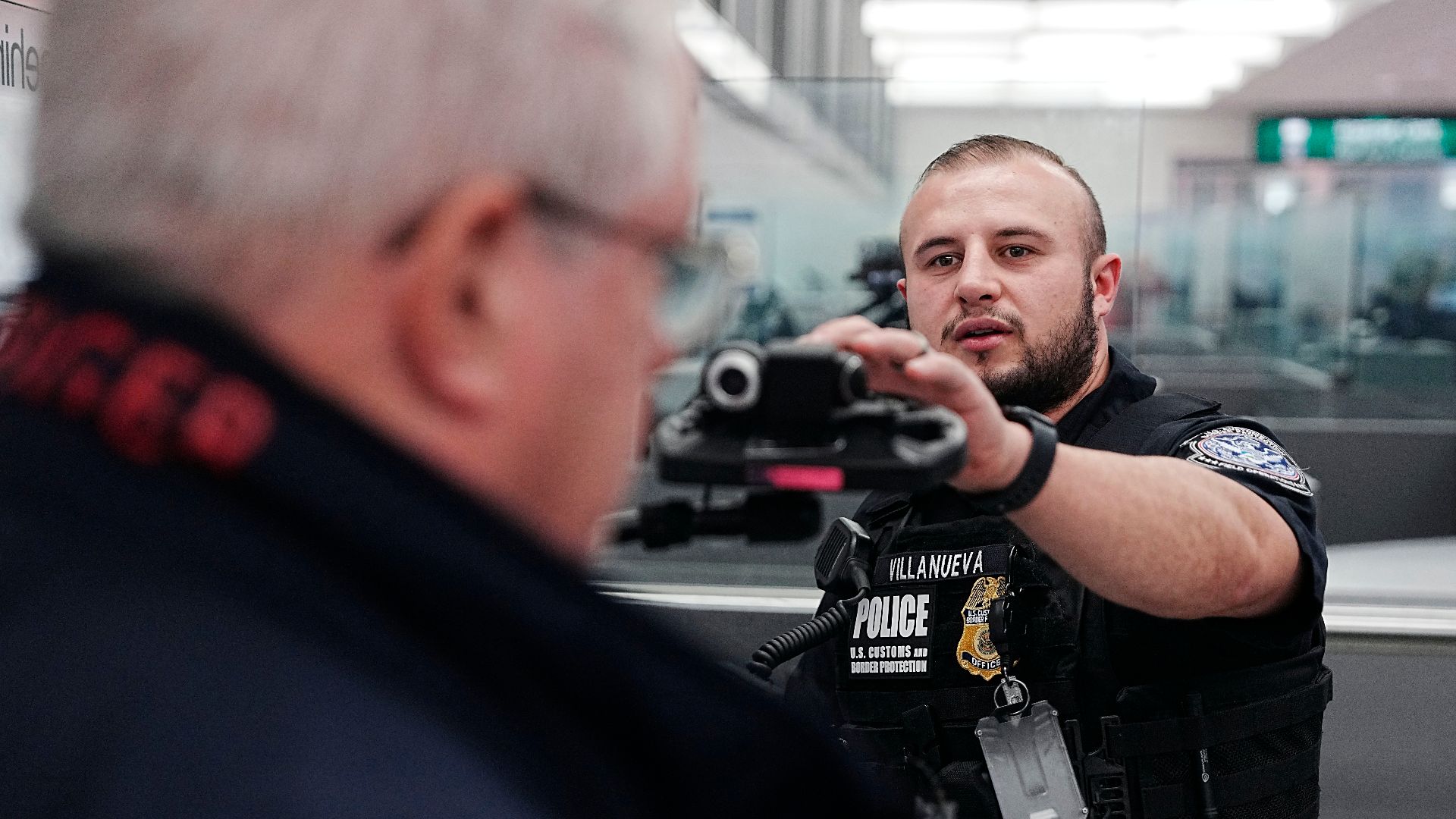
Being at the border does not erase basic health and safety concerns. If you need medication, water, an interpreter, or urgent medical care, say so clearly and as early as possible. If you have a disability or medical condition that affects communication or compliance, mention that too. Officials may still continue inspection, but making your needs known helps create a record and can lower the chance of misunderstanding.
 CBP Photography, Wikimedia Commons
Preparation Can Lower The Odds Of A Bad Delay
You cannot guarantee smooth entry, but you can make secondary inspection less likely to spiral. Keep travel documents organized, know the address where you are staying, declare items accurately, and do not carry banned goods or misleading paperwork. If you are traveling with work materials, medications, or large amounts of cash, make sure you understand the reporting and documentation rules ahead of time. For device privacy, some digital rights groups suggest carrying as little sensitive data as possible across borders.

When It Is Time To Call A Lawyer After The Fact
If you were threatened with removal, pressured into signing something false, had property seized, missed a flight because of an extreme delay, or believe your rights were violated, it may be worth calling a lawyer. An immigration lawyer can help with admission denials, visa consequences, or permanent resident issues. Civil rights or criminal defense lawyers may help if the encounter involved coercion, discrimination, or a device seizure with lasting effects. Even if nothing can be undone right away, getting advice early can help protect you on the next trip.

The Bottom Line On Your Rights At The Border
A valid passport matters, but it is not a golden ticket that stops customs or border officials from asking questions. You do have rights, but they are shaped by border law, your immigration status, and the type of search or detention involved. For U.S. citizens, the strongest protection is usually the right to reenter, though not always without delay. For everyone else, the safest approach is to stay calm, tell the truth, document what happened, and get legal help afterward if the situation crossed a line.
 CBP Photography, Wikimedia Commons