
Your Passport's Expiration Date Isn't The Only Date That Matters
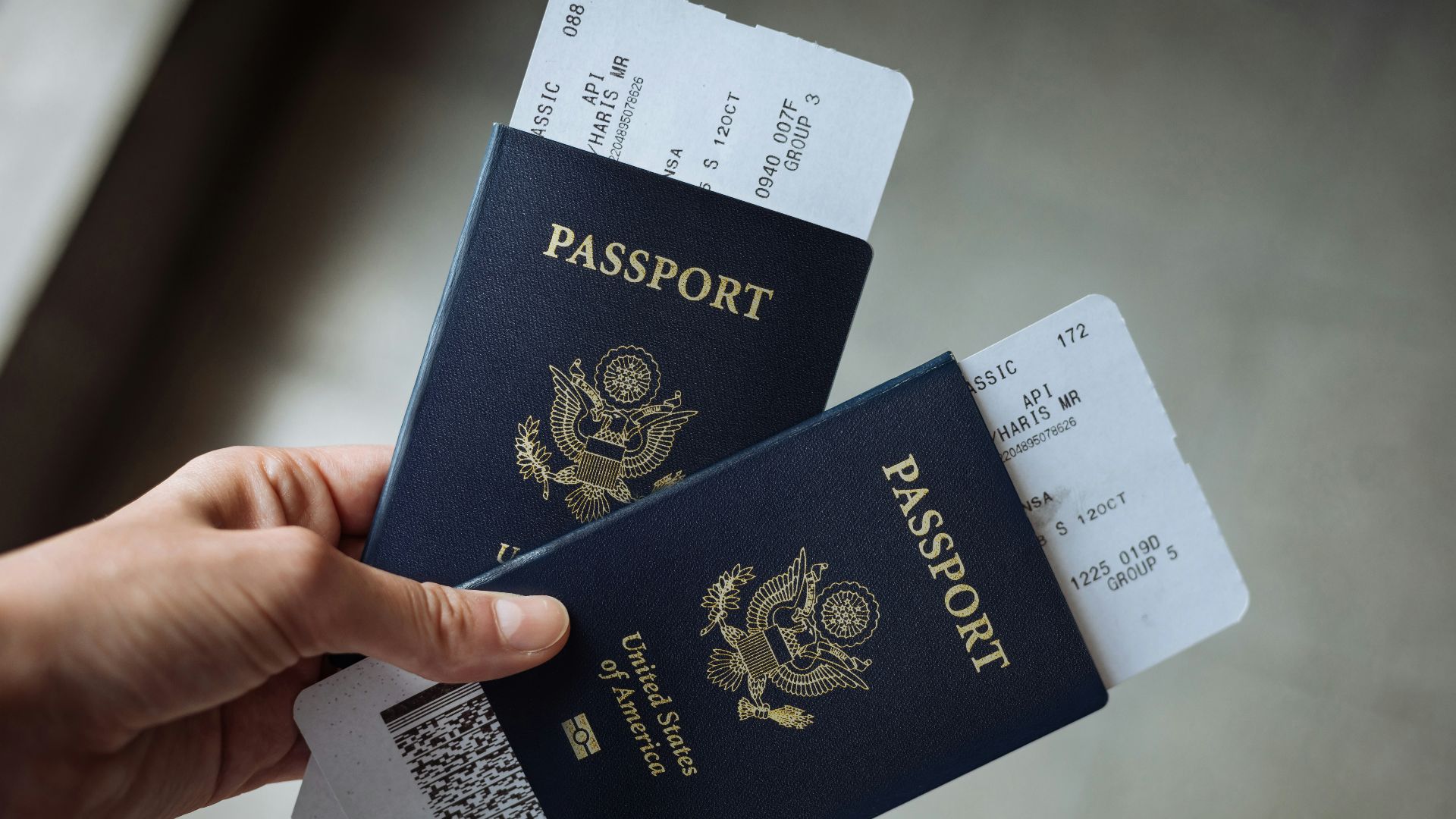
Many travelers assume they're fine as long as their passport is valid through the end of their vacation. Unfortunately, that's not always true. Many countries require your passport to remain valid for several months after your planned departure, meaning you could be denied boarding even if your passport doesn't expire until long after you return home.

The "Six-Month Rule" Catches Countless Travelers By Surprise
One of the most common entry requirements around the world is the so-called six-month passport validity rule. Under this policy, your passport must remain valid for at least six months beyond the date you leave the country or, in some cases, beyond the date you enter. Not every country follows this rule, but enough do that it's one of the biggest reasons travelers are unexpectedly turned away.
 Global Residence Index, Unsplash
Some Countries Only Require Three Months
Not every destination requires six extra months. The countries in Europe's Schengen Area generally require passports to remain valid for at least three months beyond your planned departure from the Schengen zone, provided the passport was also issued within the previous ten years. That difference can easily confuse travelers who assume every destination follows the same standard.
 https://www.schengenvisainfo.com/, Wikimedia Commons
Airlines Often Stop You Before Immigration Does
Even if you've never reached your destination, an airline can refuse to let you board. Airlines use international travel databases and government requirements because they may have to pay fines and cover the cost of flying passengers back if they're denied entry after arrival. As a result, airline staff usually enforce passport validity rules at check-in.

The Rule Depends On Where You're Going
There's no universal passport expiration rule that applies everywhere. Canada generally requires your passport to remain valid only for the duration of your stay, while many destinations in Asia, the Middle East, and elsewhere require six months of remaining validity. That's why checking your specific destination matters far more than relying on general advice.
 everythingforall, Shutterstock
Transit Stops Can Create Unexpected Problems
Even if your final destination has relatively relaxed passport requirements, a layover in another country may introduce stricter rules. Some transit airports require passengers to meet the passport validity standards of the country where they're connecting, especially if they must pass through immigration or change terminals.

Visas Don't Override Passport Rules
Having a valid visa doesn't automatically solve an expiring passport problem. Many countries require both a valid visa and a passport that satisfies their minimum validity period. If the passport falls short, the visa may still be unusable until you renew the passport.
 Jon Rawlinson, Wikimedia Commons
The United States Has Its Own Version Of The Rule
The United States generally expects foreign visitors to have passports valid for six months beyond their intended stay. However, dozens of countries participate in agreements known as the "Six-Month Club," allowing their citizens to enter the U.S. with passports valid only for the duration of their stay. That exception applies only to eligible nationalities.
Your Passport May Be Too Old Even If It Has Time Left
Some destinations don't just look at the expiration date. For travel to the Schengen Area, a passport generally must have been issued within the previous ten years. Older passports that were issued with additional validity under previous renewal policies have caused travelers to be denied boarding despite appearing unexpired.
 Global Residence Index, Unsplash
Children's Passports Can Create Extra Headaches
Parents sometimes overlook that children's passports often expire much sooner than adult passports. In the United States, passports issued to children under 16 are generally valid for only five years, making expiration dates arrive much faster than many families expect.
 Dept. of State, Wikimedia Commons
Renewing Early Is Usually The Safest Choice
Travel experts and government agencies frequently recommend renewing your passport well before it expires instead of waiting until the final months. Renewing early provides a buffer against changing entry requirements, unexpected travel opportunities, and processing delays that could disrupt future trips.

Emergency Passport Renewals Aren't Always Guaranteed
If you discover the problem just before departure, getting a new passport may not be simple. While many countries offer expedited or emergency passport services for urgent travel, appointments can be limited, and eligibility requirements vary depending on the circumstances.
 Monkey Business Images, Shuttestock
Cruise Passengers Aren't Always Exempt
Some travelers assume cruises have different rules because they may return to the same port. While certain closed-loop cruises have unique documentation requirements for U.S. citizens, cruises visiting foreign ports can still require passports that satisfy the destination countries' validity rules.

Business Travelers Face The Same Restrictions
Whether you're traveling for work, tourism, or family reasons usually makes no difference when it comes to passport validity. Immigration authorities generally apply the same passport expiration requirements regardless of why you're entering the country.
 Frame Stock Footage, Shutterstock
Travel Insurance May Not Cover The Problem
Many travel insurance policies don't reimburse losses caused by failing to meet passport or visa requirements. If you're denied boarding because your passport didn't meet a country's published entry rules, you may be responsible for the cost of missed flights, hotels, and other prepaid expenses.

Travel Agents Aren't Responsible For Every Requirement
Although many travel advisors help clients understand entry requirements, most governments place the responsibility on the traveler. Airlines, booking websites, and tour operators often remind customers to verify passport validity, but it's ultimately up to each traveler to ensure they meet the rules.

Government Travel Websites Are Your Best Starting Point
The safest place to confirm passport requirements is the official government travel guidance for your destination. For US travelers, the State Department provides country-specific entry information, including passport validity requirements, visa rules, and other important travel conditions.

Rules Can Change Without Much Notice
Passport requirements don't change every week, but immigration policies do evolve. Political agreements, border policies, and updated security measures can alter entry rules, making it wise to double-check requirements shortly before every international trip rather than relying on information from a previous vacation.
Don't Forget About Blank Passport Pages
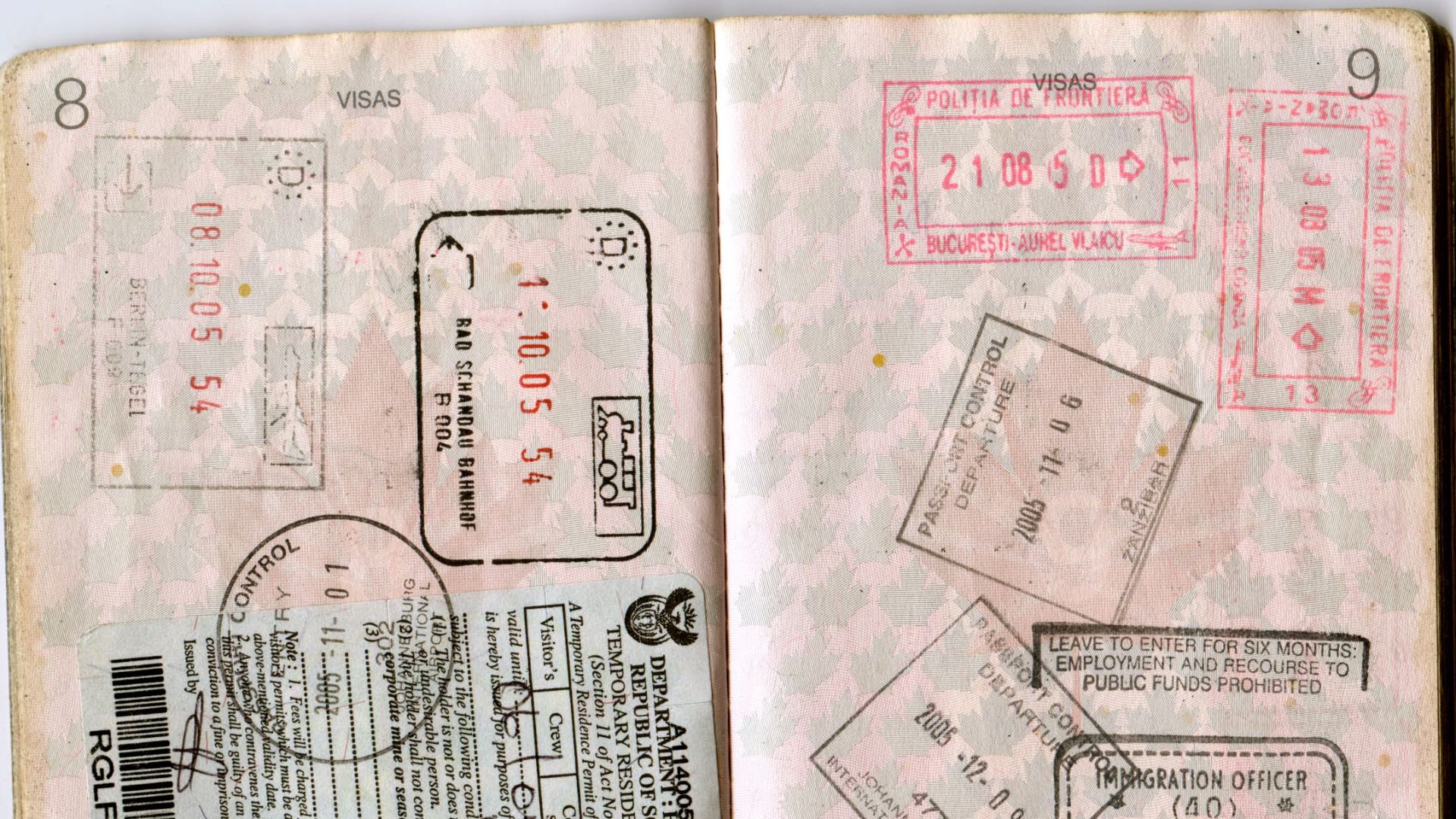
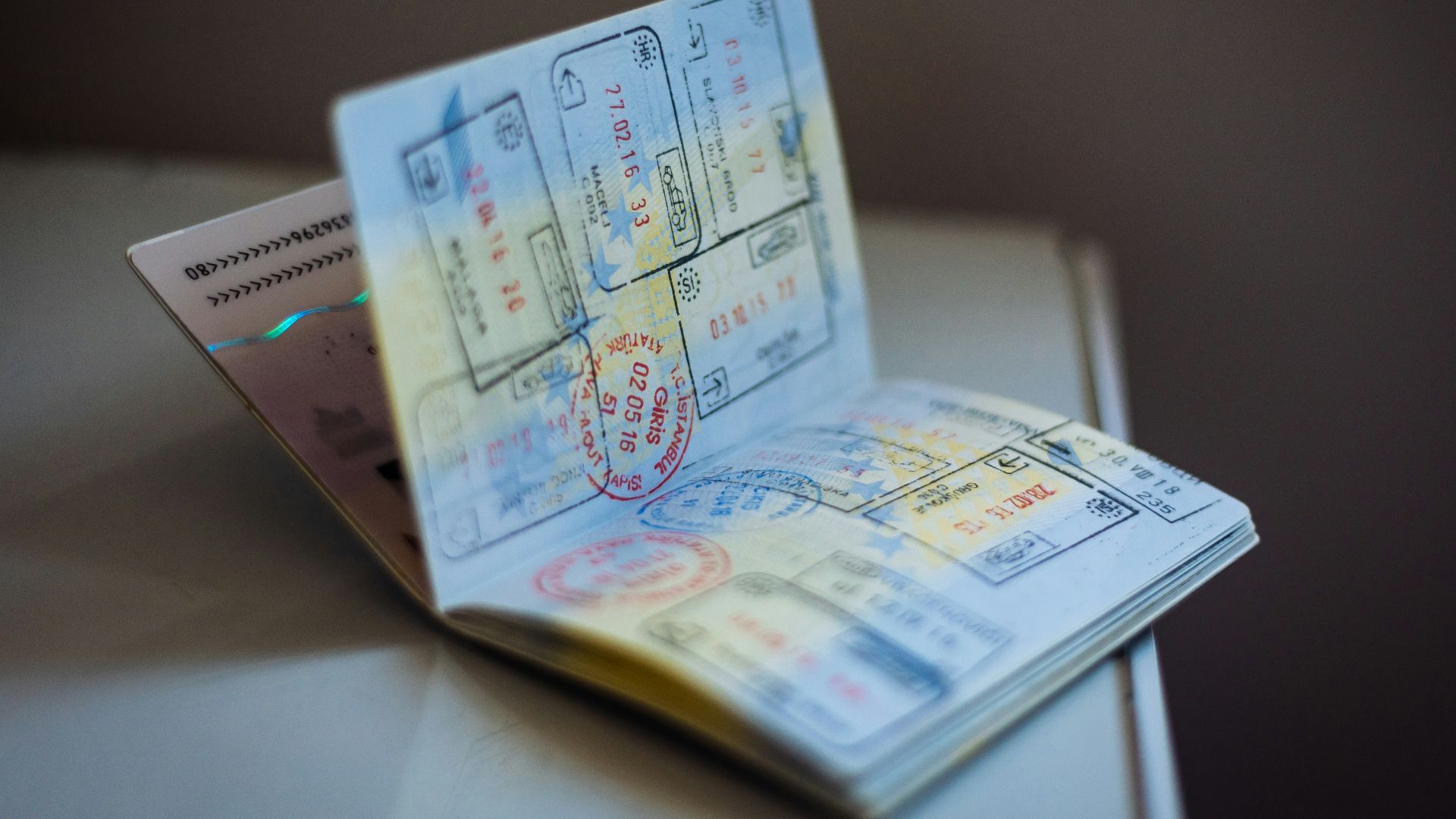
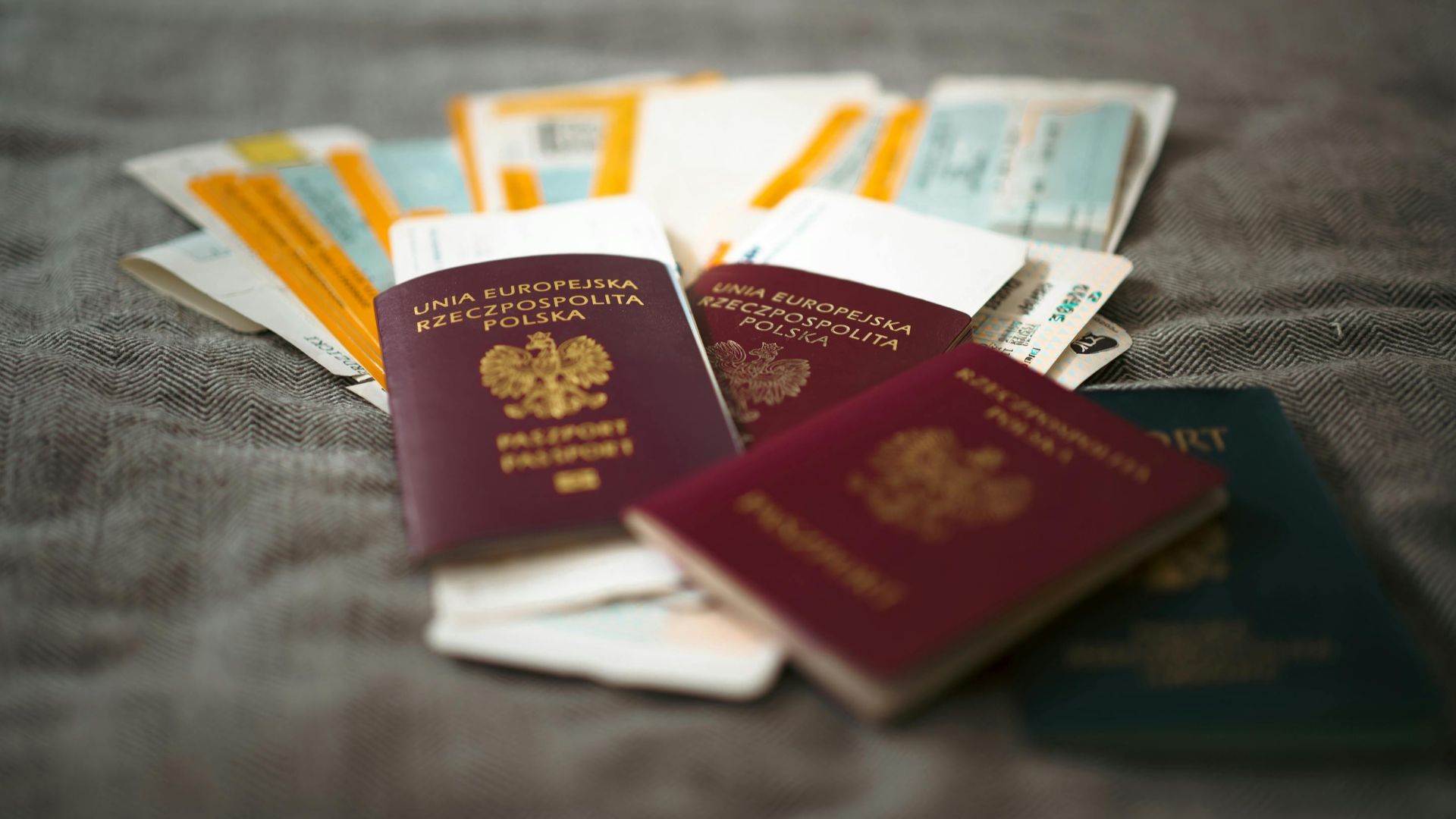
Some countries also require travelers to have one or more completely blank passport pages available for entry and exit stamps or visas. Even if your passport has plenty of time remaining before expiration, insufficient blank pages could create problems at the border.
A Quick Passport Check Can Save An Entire Vacation
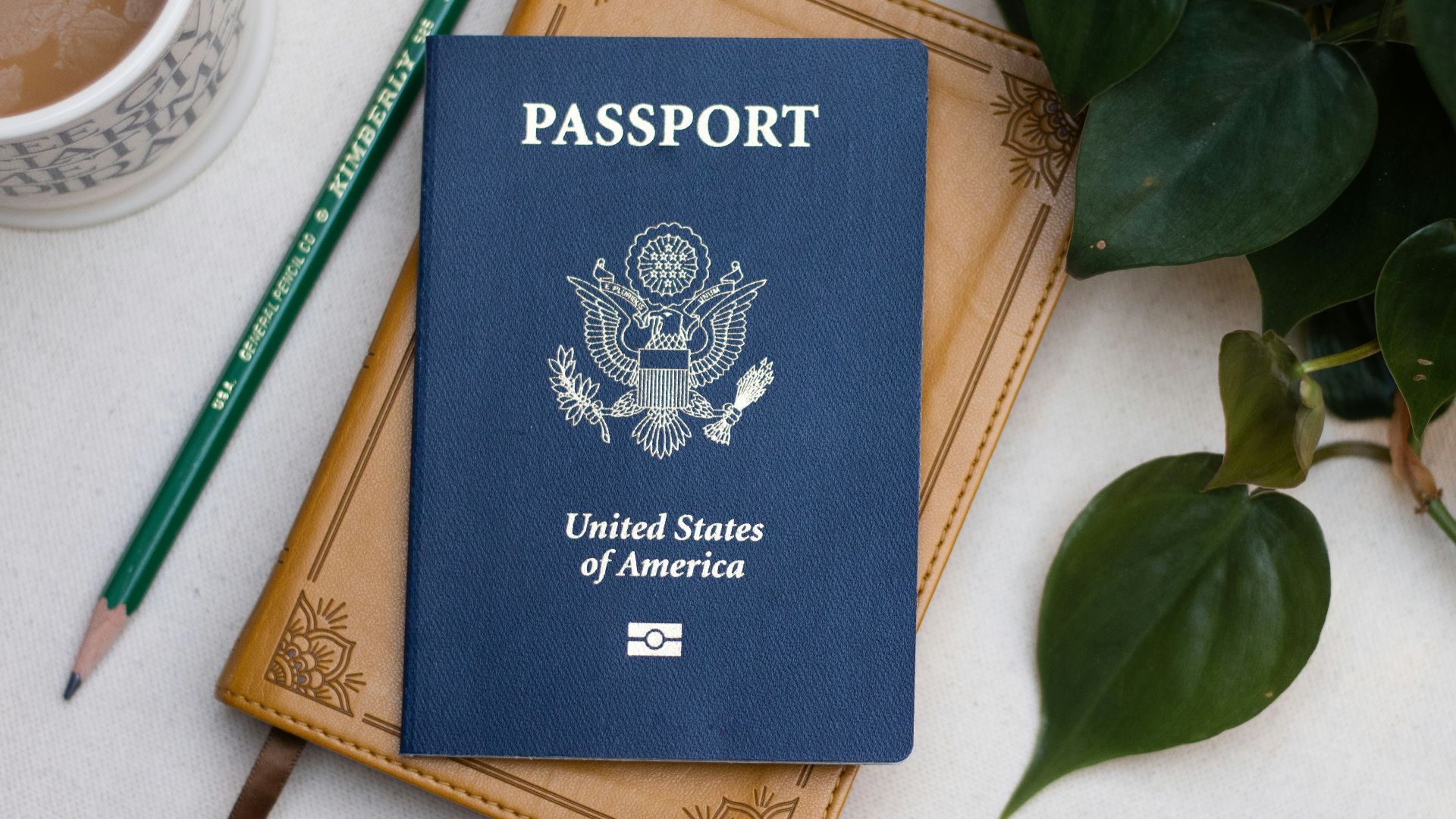
Before booking international travel, check four things: your passport's expiration date, its issue date, the number of blank pages remaining, and the entry requirements for every country you'll visit or transit through. Spending a few minutes verifying those details can prevent a costly surprise at the airport.

You May Also Like: