Your Seat Can Disappear Even If You Paid For It
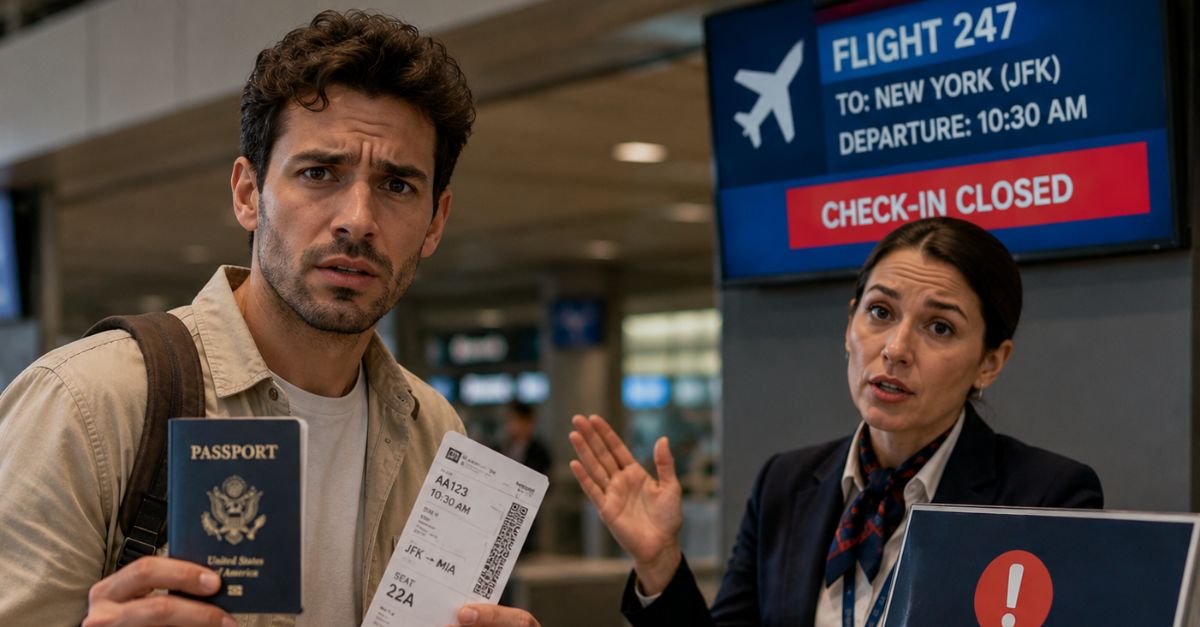
It sounds wrong, but buying an airline ticket does not always mean a seat will still be waiting for you at the gate. In many cases, the real issue is not payment. It's whether you checked in by the airline’s deadline. Miss that cutoff, and the airline may cancel your reservation and give the seat to someone else.
The Fine Print Matters More Than Most People Think
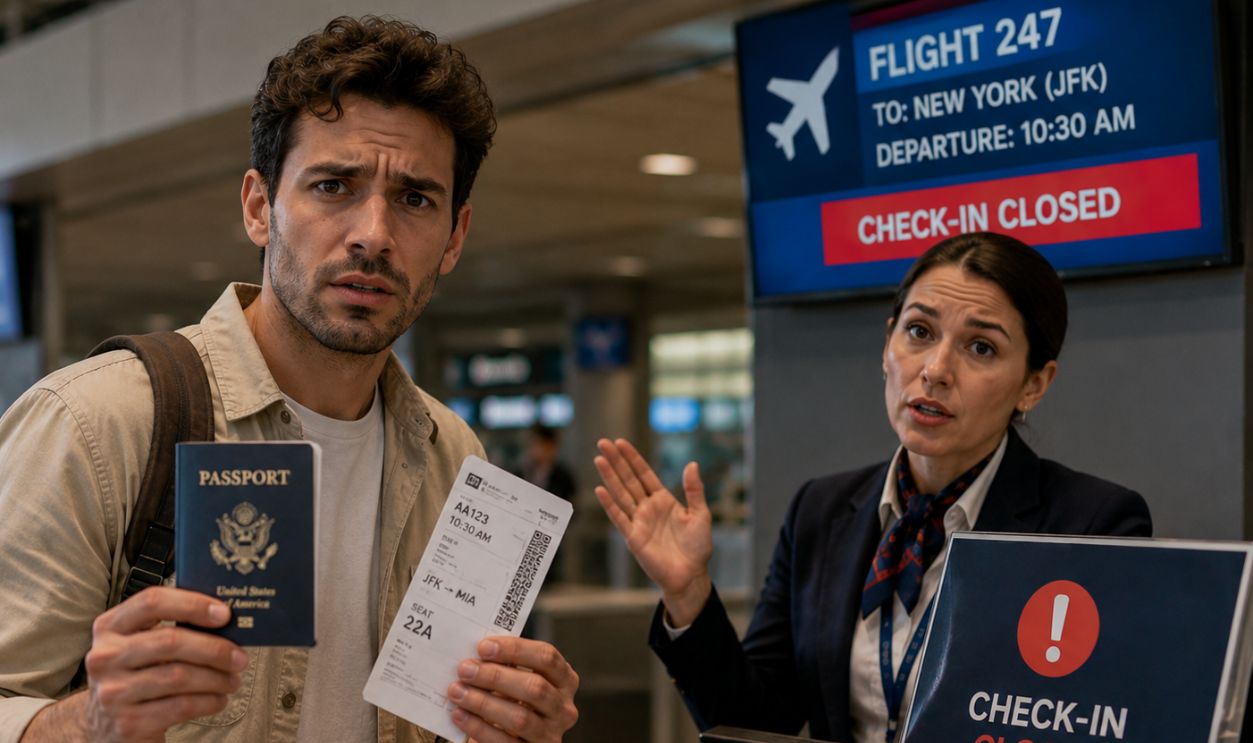
Airlines usually spell this out in their contracts of carriage, the legal terms you agree to when you buy a ticket. These documents often say passengers must check in by a certain time before departure and be at the gate by another deadline. Miss either one, and the airline may treat you as a no-show even if your ticket was fully paid.
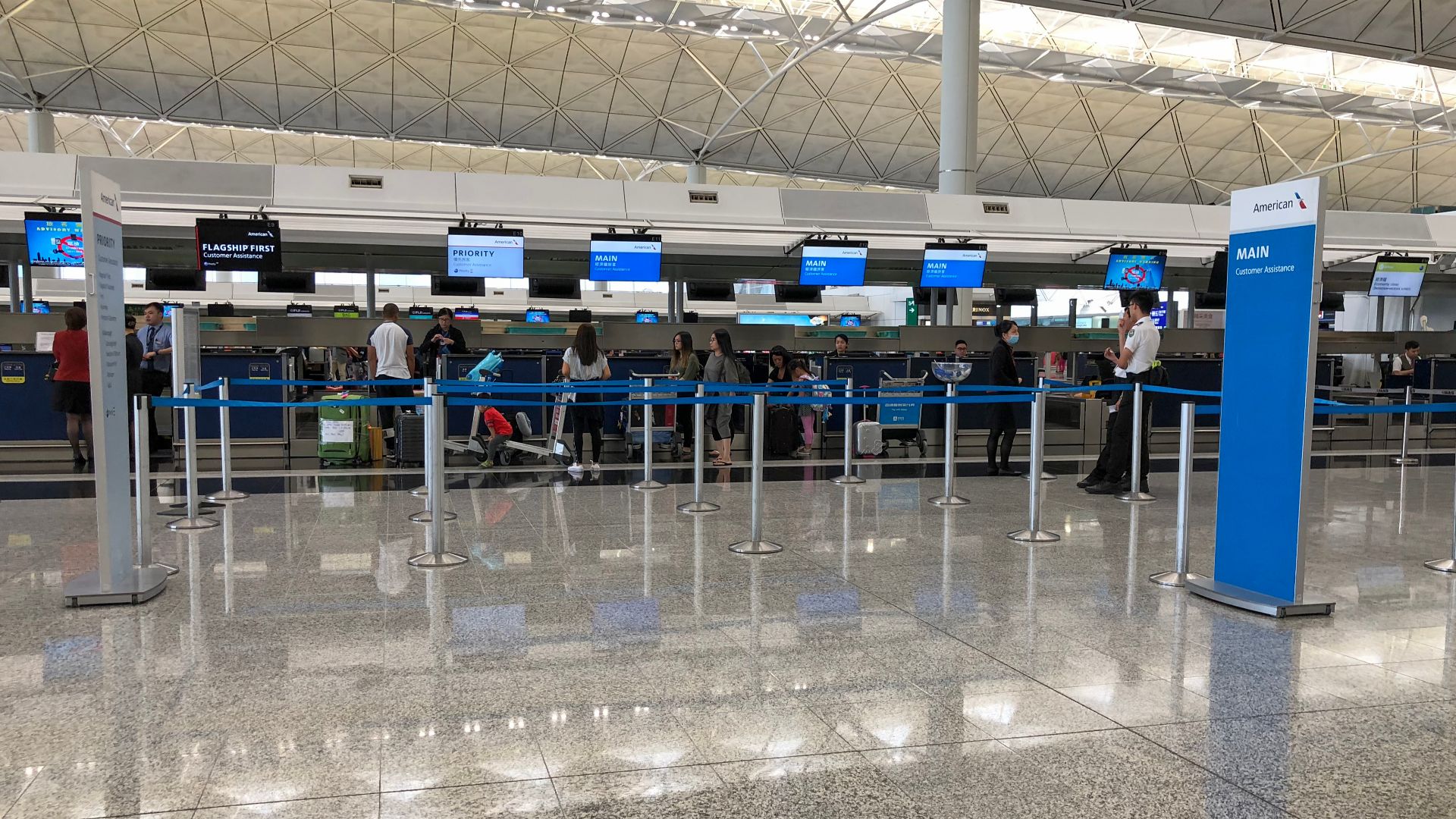
American Airlines Says Check-In Is Required
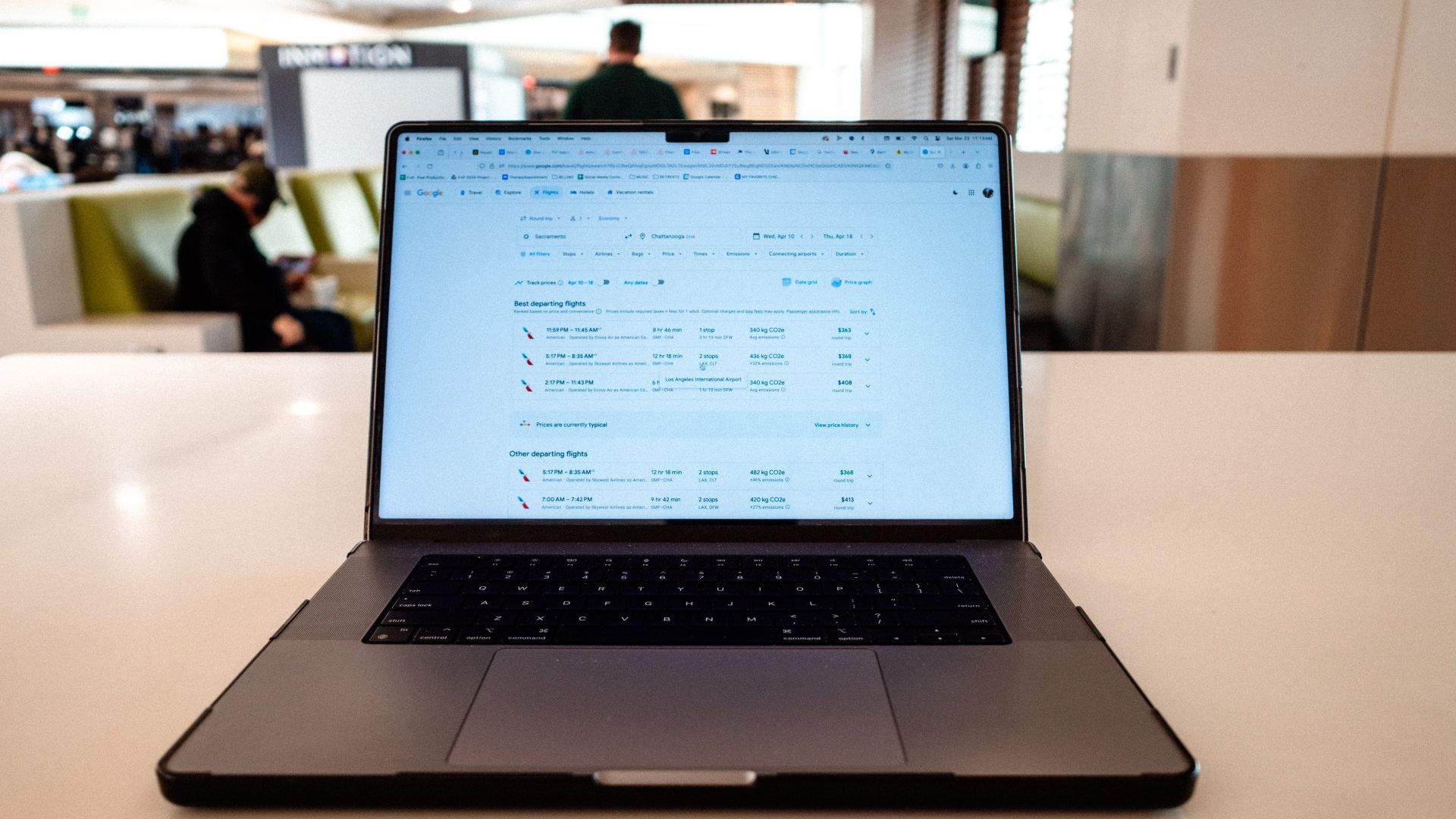
American Airlines says customers must get a boarding pass and check in by the required deadline. The airline also says it may cancel a passenger’s reservation if that passenger has not checked in on time. That is how a paid booking can turn into an open seat for someone else.
Delta Has Similar Rules
Delta says a reservation can be canceled if a passenger does not meet check-in or boarding time limits. In simple terms, paying for the ticket is only part of keeping the seat until departure.
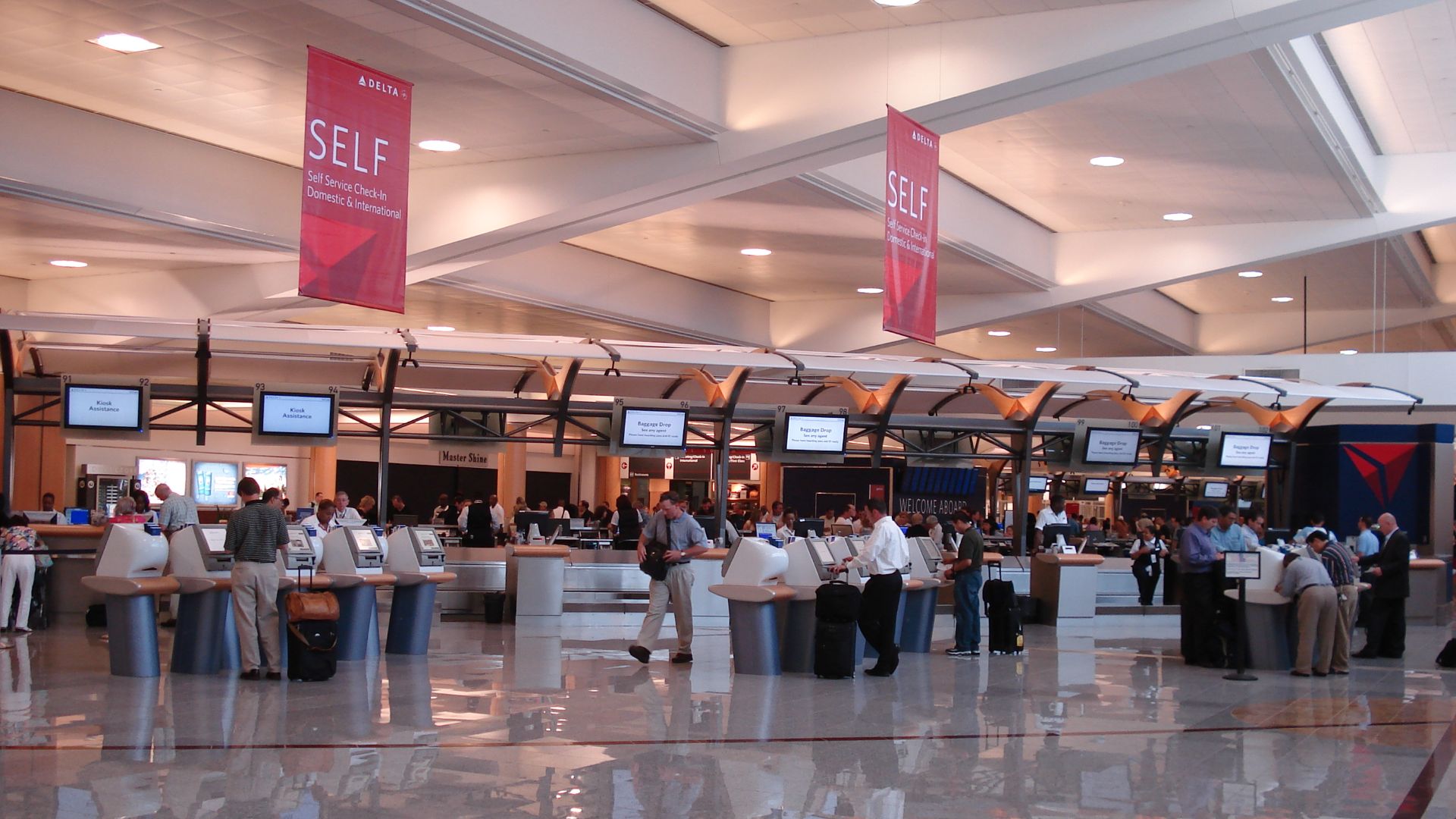 Atlantacitizen, Wikimedia Commons
United Also Builds In Deadlines
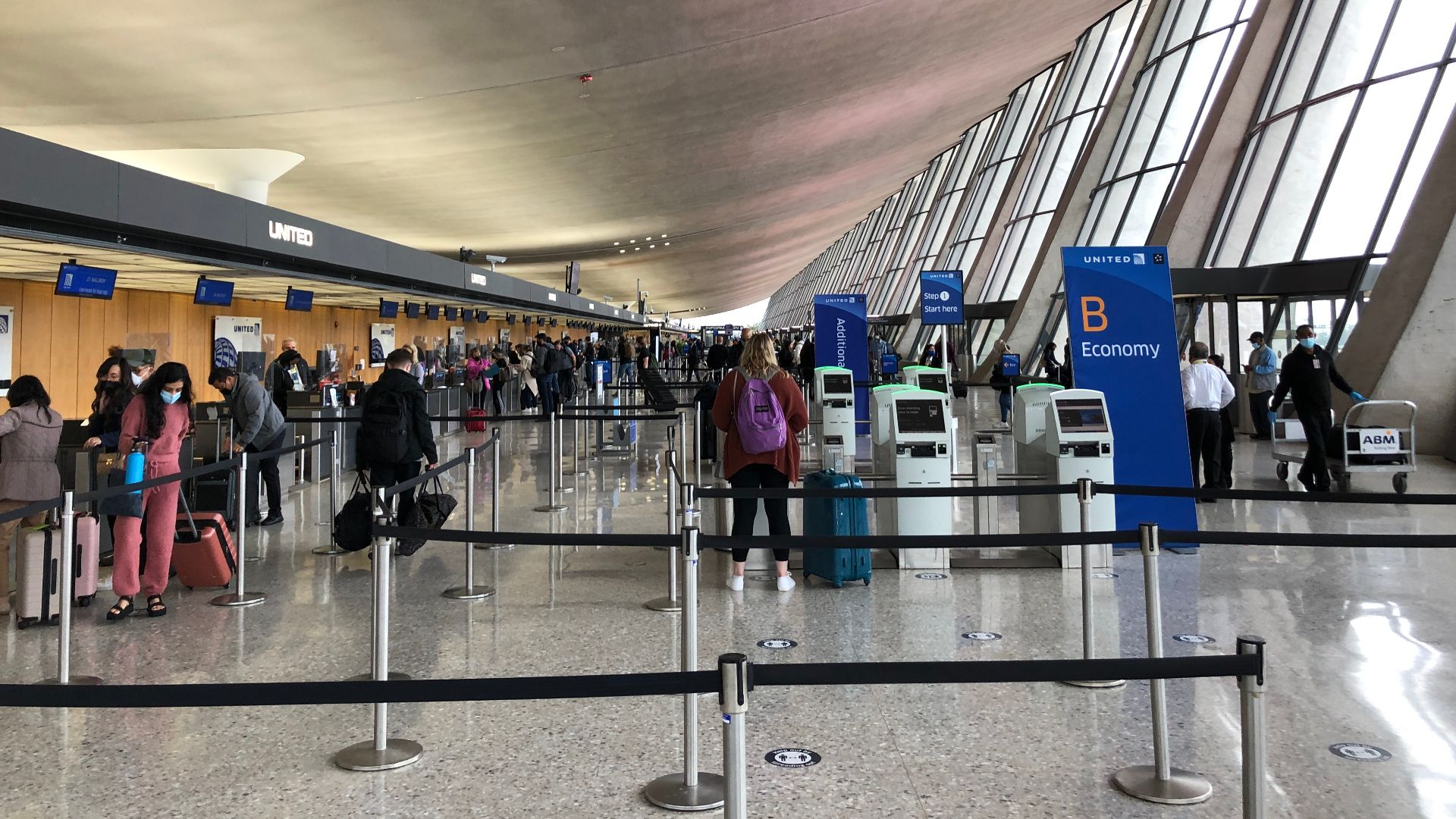
United’s contract of carriage says travelers must get a boarding pass and be present for boarding within the airline’s stated time limits. The contract warns that if you do not follow those rules, your reservation can be canceled. This is not a one-airline quirk.
Southwest Uses The Same Basic Approach
Southwest also says it can cancel space if a passenger does not follow check-in and boarding requirements. The exact timing can vary by airport and route, but the idea is the same. If you are not checked in on time, the airline may treat the seat as available.
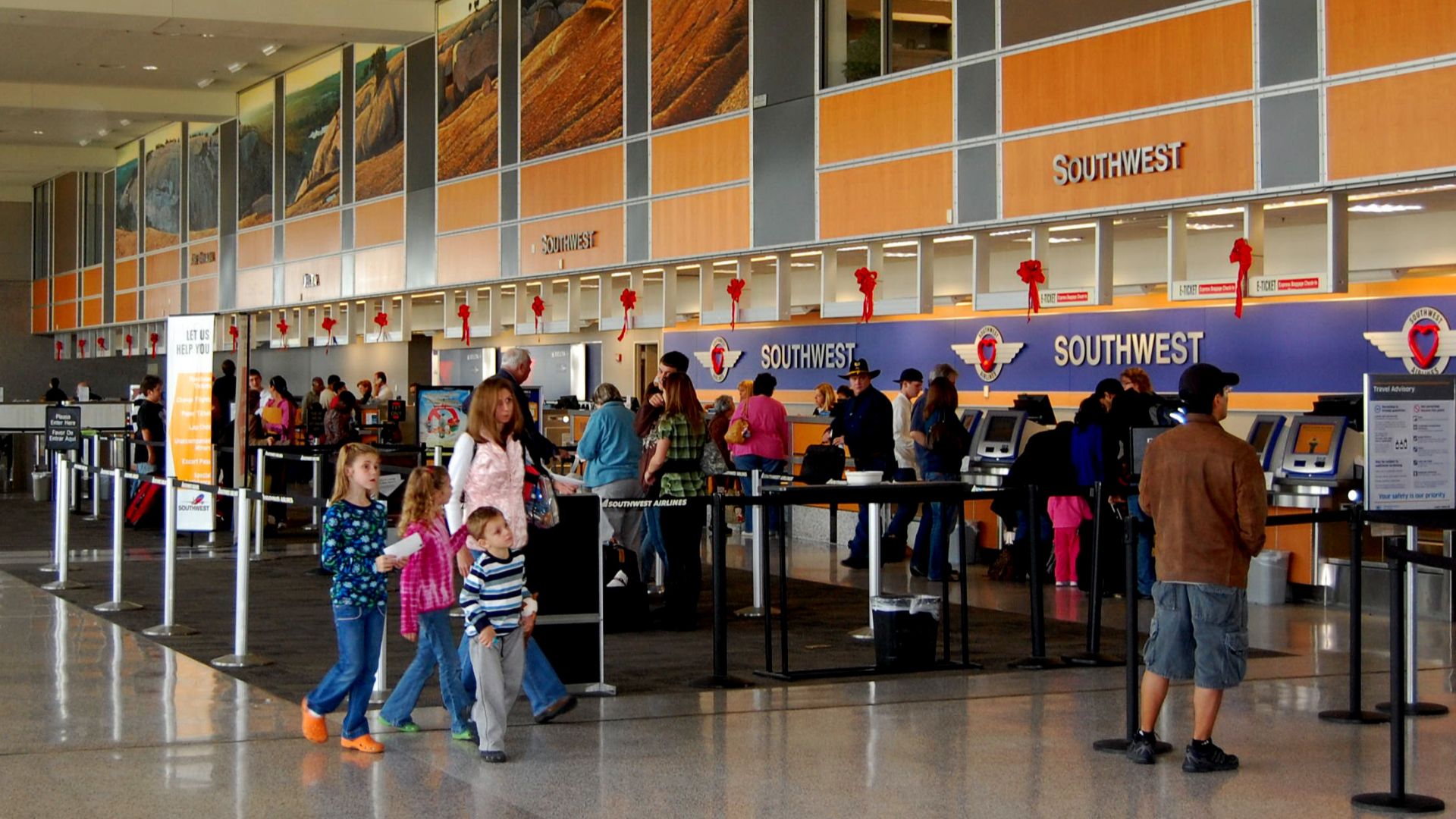 LoneStarMike, Wikimedia Commons
This Is Not Quite The Same As Overbooking
Many travelers assume a missing seat means they were bumped from an oversold flight. Sometimes that is true, but a missed check-in deadline is a different issue. In that case, the airline is usually relying on its published rules rather than denying boarding to a passenger who checked in on time.
Why Airlines Push Online Check-In
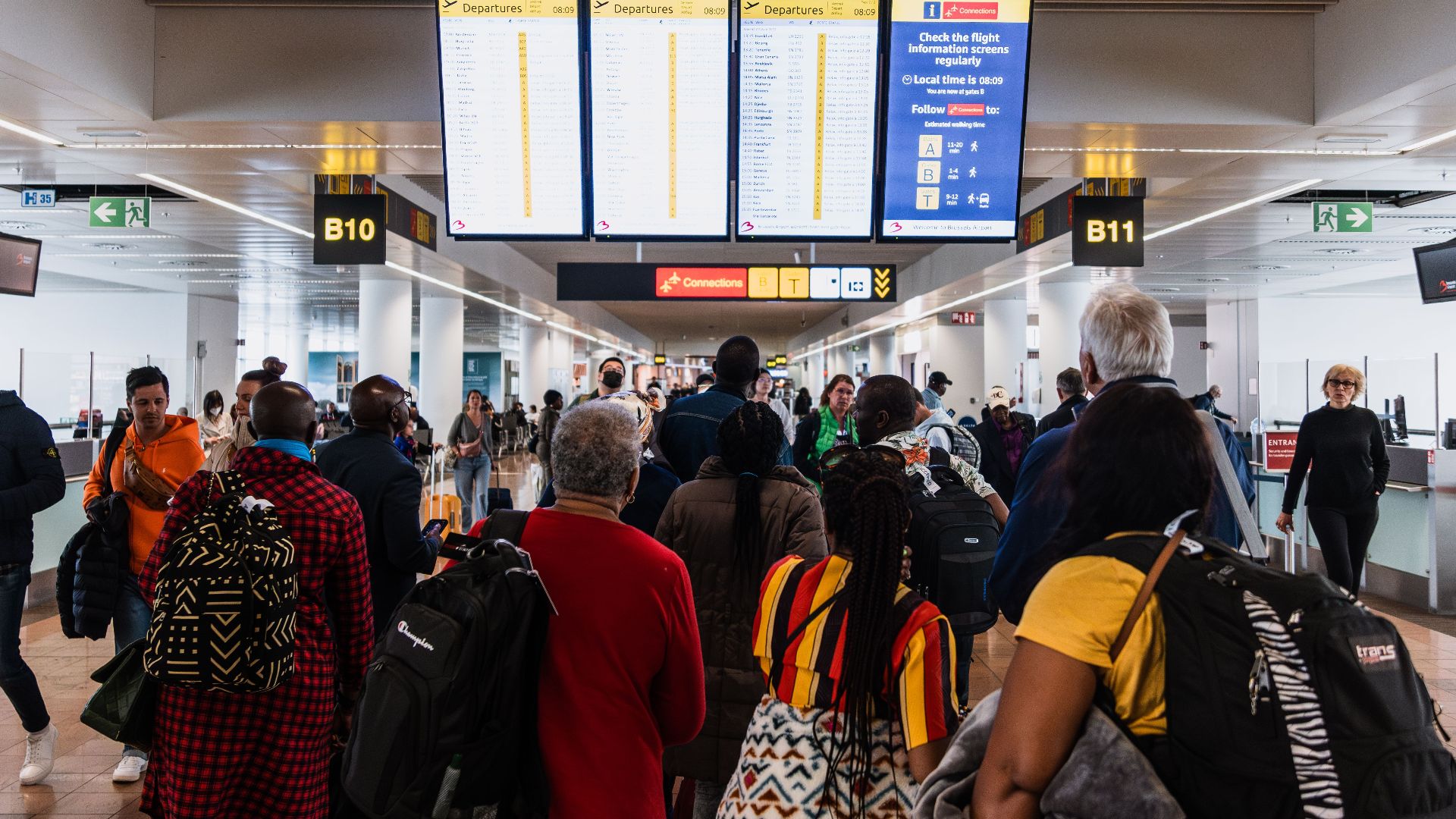
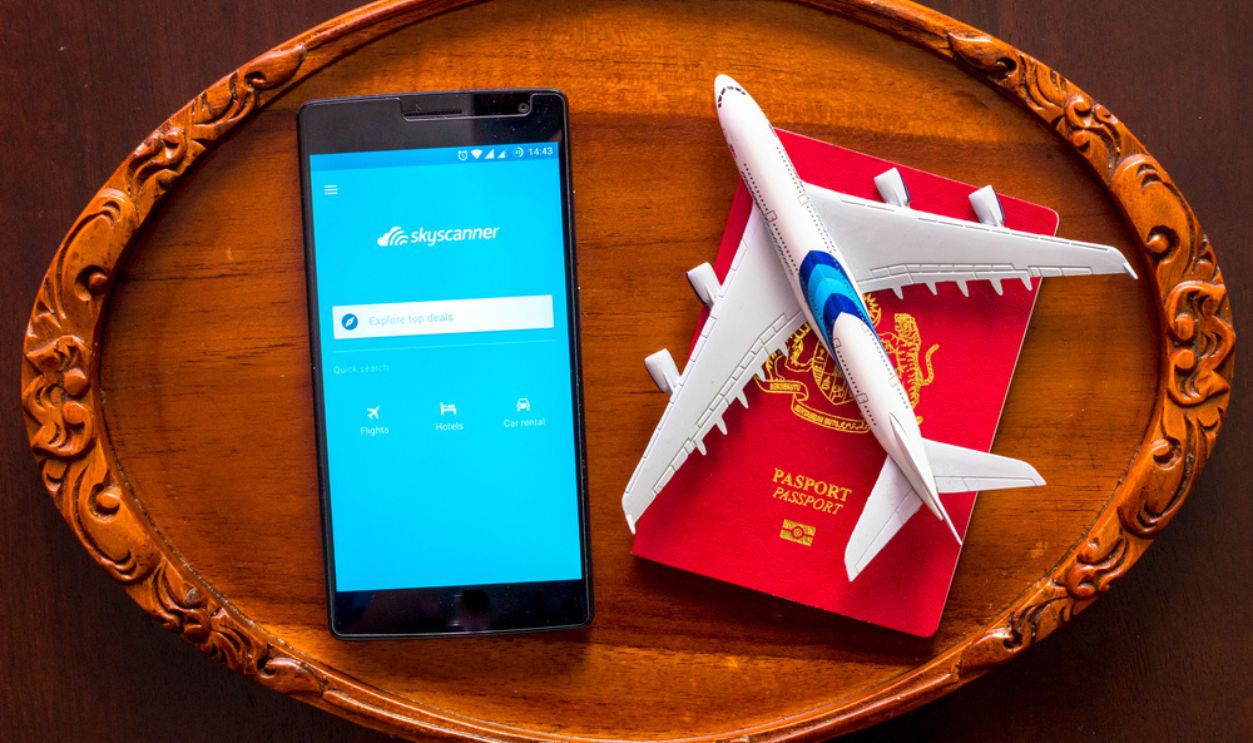
Online check-in helps airlines figure out who is really going to show up and helps them close out flights faster. If passengers do not check in by the deadline, airlines may assume some are not traveling and start releasing seats. That matters even more on full flights with standby passengers, missed connections, or other disruptions.
The Department Of Transportation Draws A Clear Line
The U.S. Department of Transportation requires compensation in some cases of involuntary denied boarding on oversold flights. But that usually applies when a passenger showed up on time, checked in as required, and was still bumped. If you missed the airline’s check-in deadline, the outcome can be much worse for the traveler.
 Don Ramey Logan, Wikimedia Commons
Check-In Deadlines Are Often Earlier Than People Expect
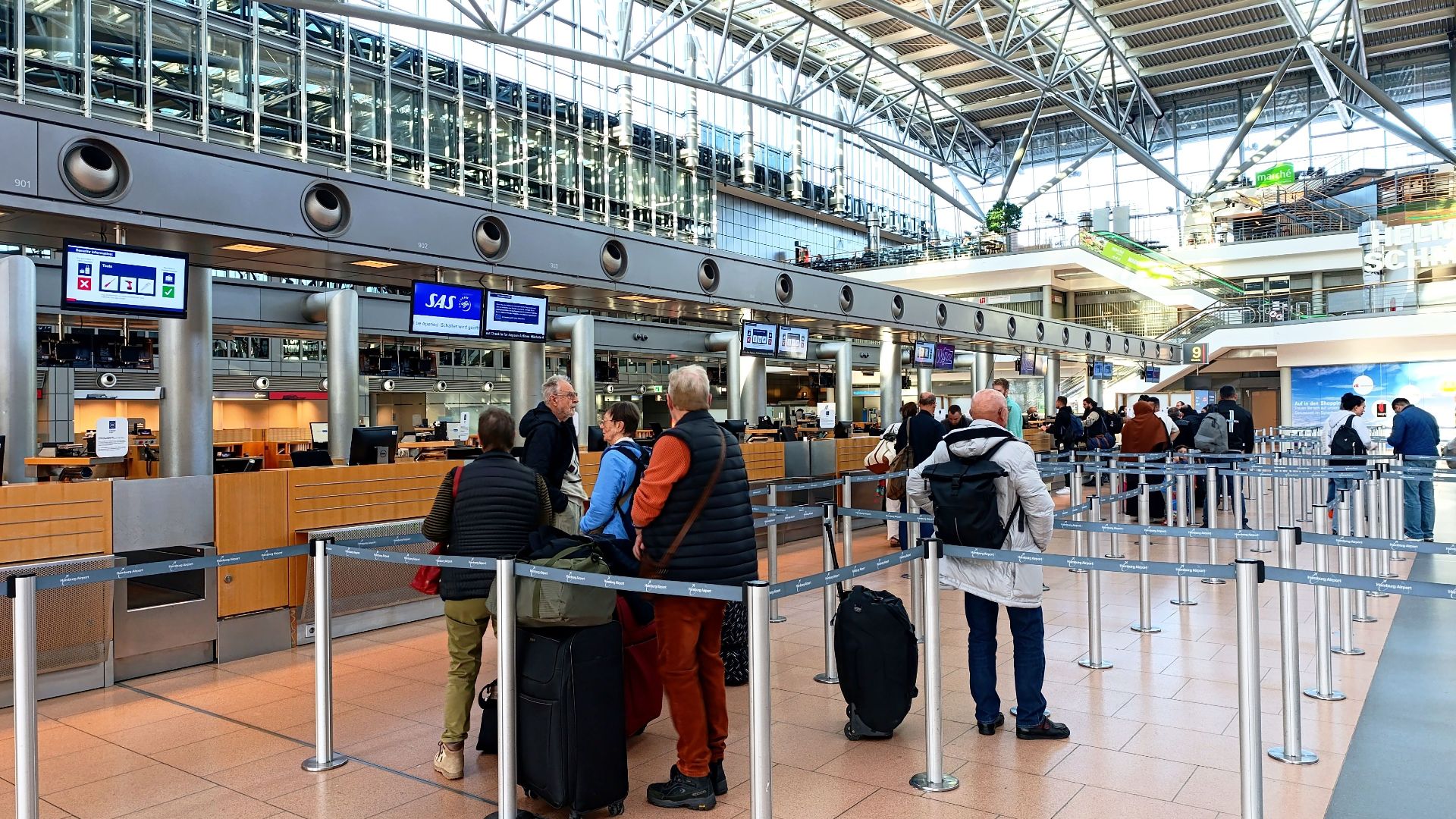
Many U.S. airlines require check-in at least 30 minutes before domestic flights and even earlier for international trips, though some airports and routes have stricter cutoffs. Bag drop deadlines can be earlier too. Someone planning to arrive at the last minute may find out the airline already considers the reservation gone.
Airport Kiosks Do Not Always Save You
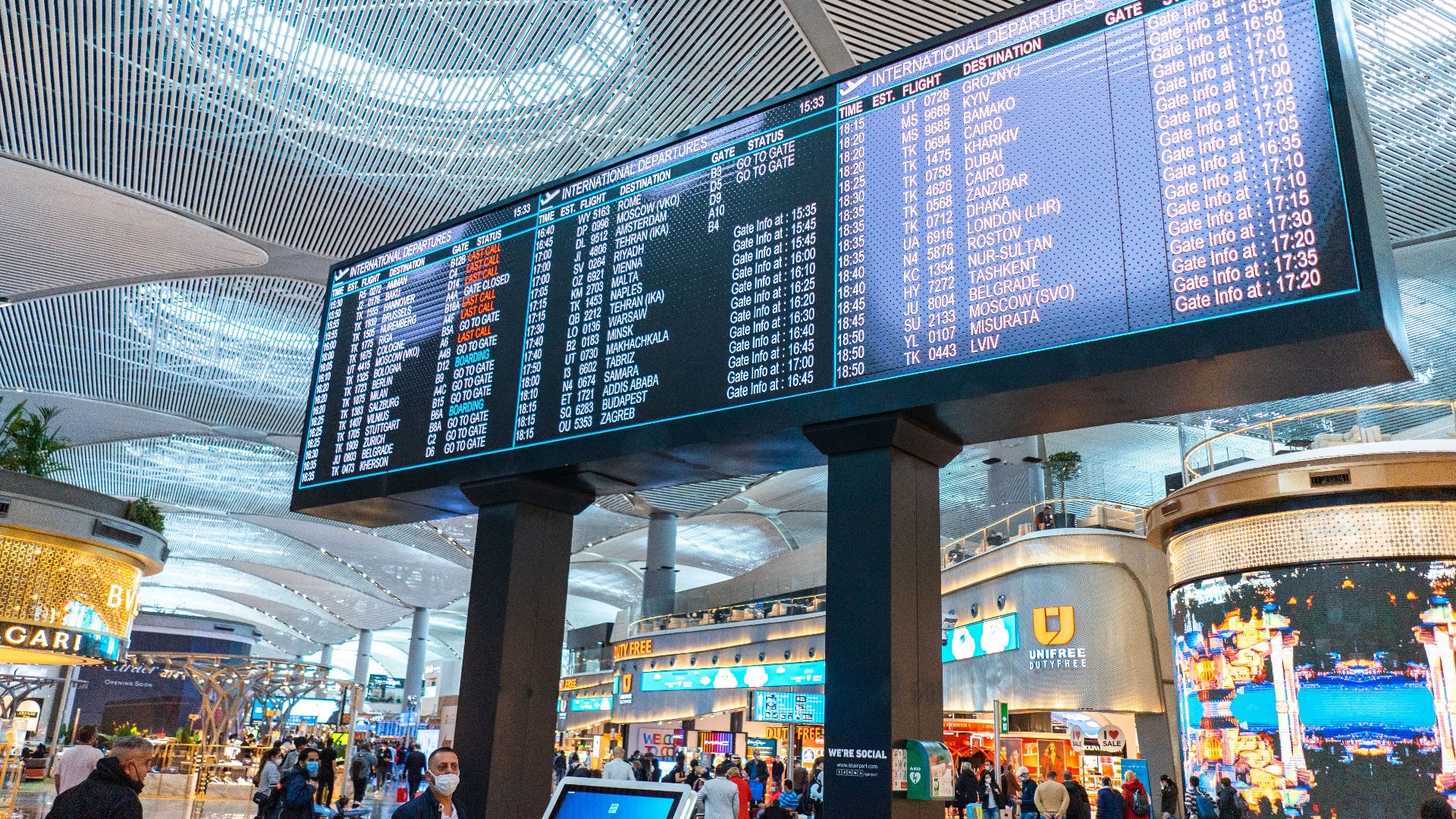
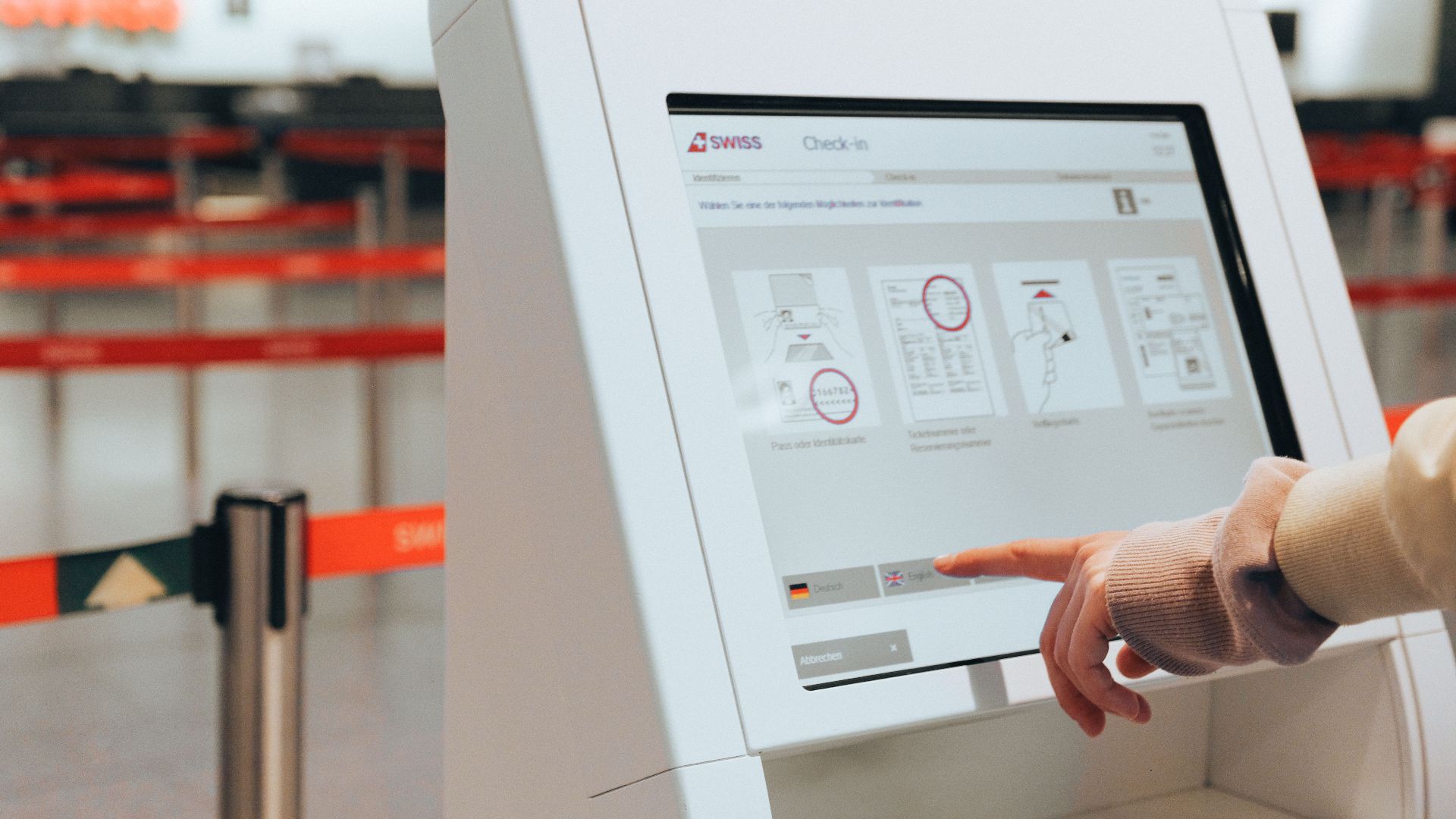
Some passengers think they can skip online check-in and just use a kiosk at the airport. That can work if they get there before the cutoff, but it is not a workaround once the deadline has passed. After the system closes the flight, an agent may have little or no ability to restore the original seat.
Basic Economy Can Make A Bad Situation Worse
With some airlines, basic economy fares come with fewer protections and less flexibility if something goes wrong. The check-in rule applies more broadly, but cheaper fare classes can leave travelers with fewer options for rebooking or refunds. That makes it even more important to know the timing and the rules tied to the ticket.
International Trips Raise The Stakes
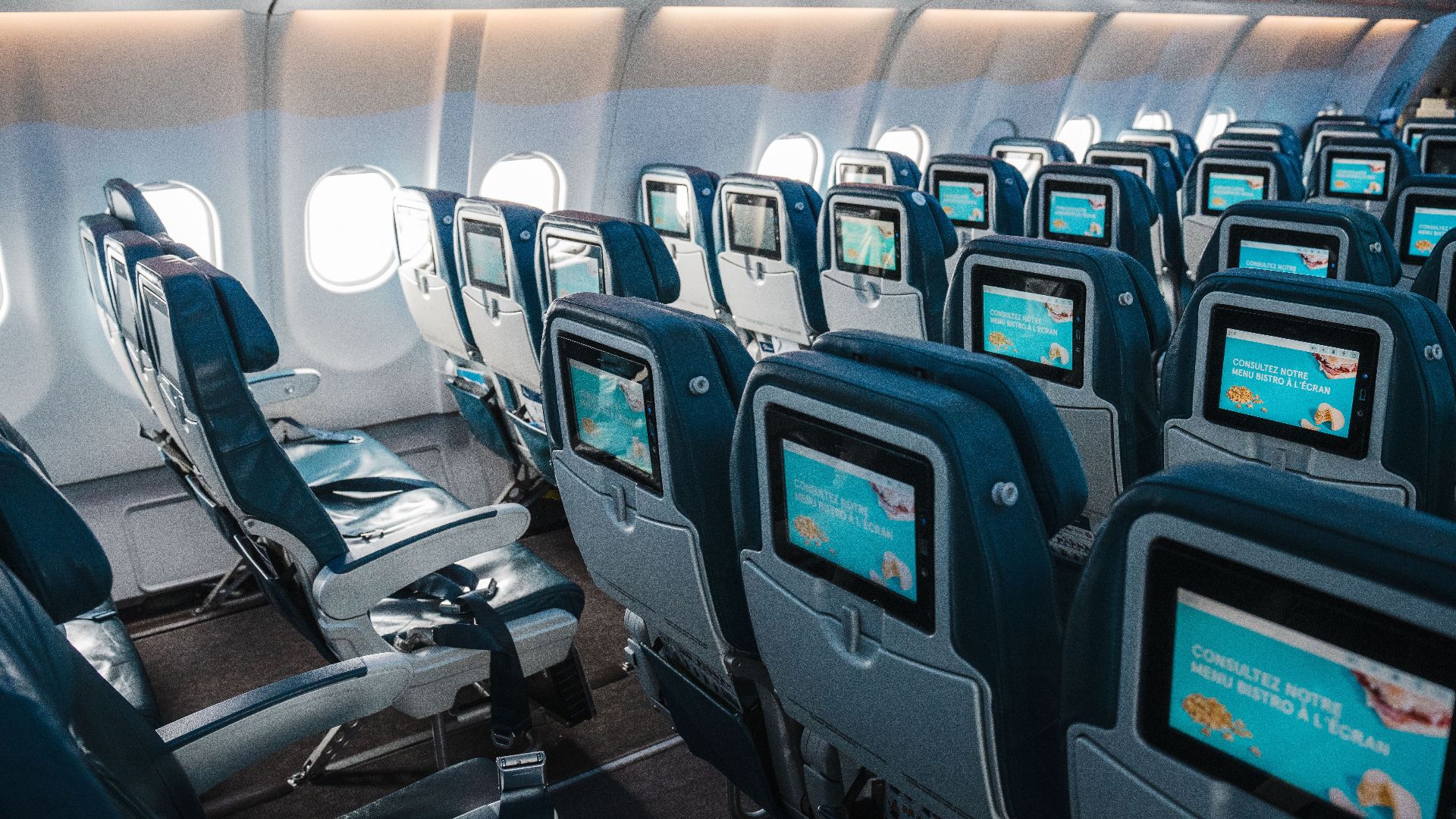
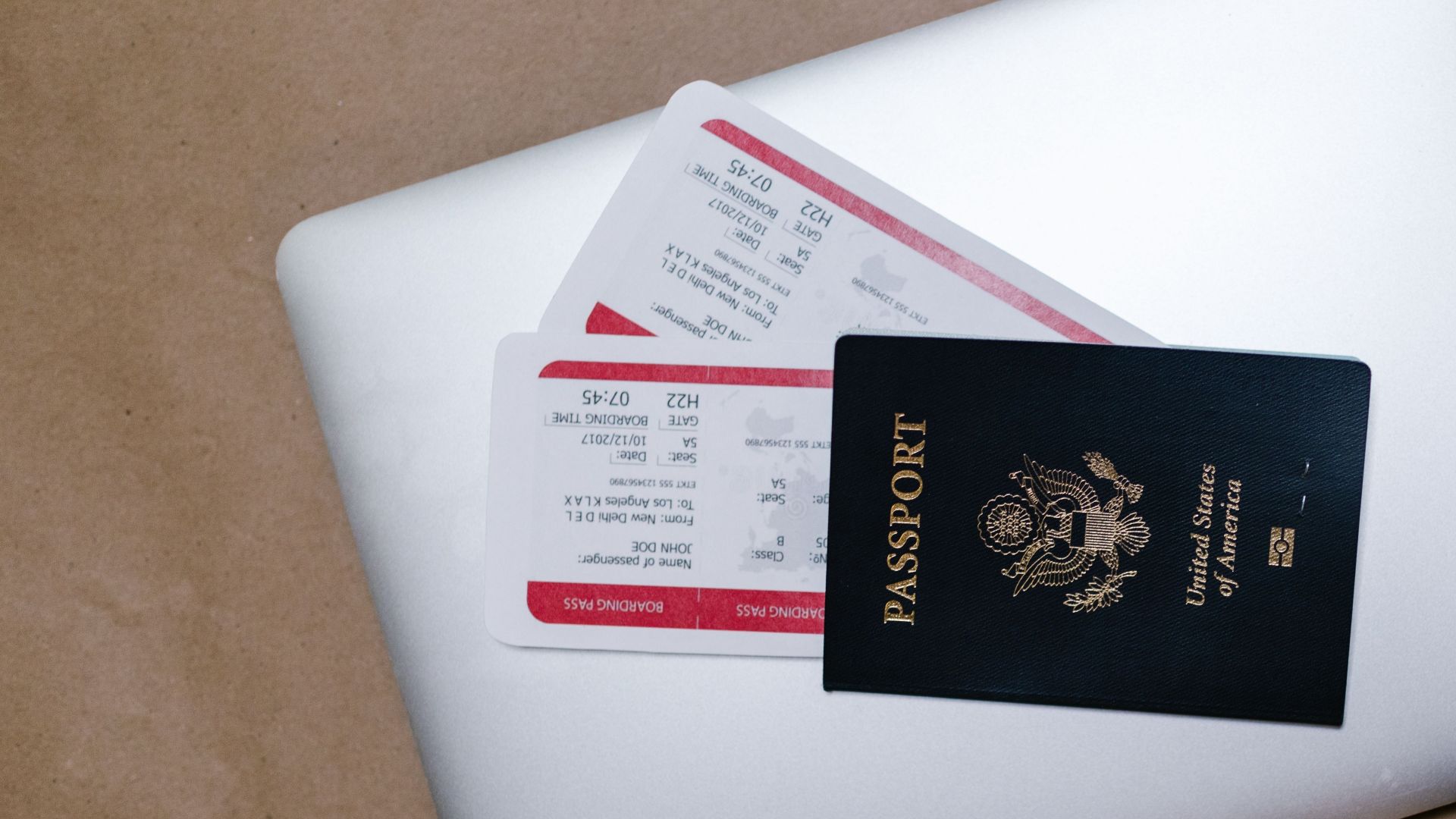
For international flights, check-in cutoffs are often earlier because document checks, visa rules, and security can take longer. A traveler who skips online check-in may still be able to finish the process at the airport, but only if they arrive in time. Miss that window and an expensive long-haul ticket can disappear fast.
The Contract Of Carriage Is The Real Rulebook
When people argue about this online, the answer usually comes down to the contract of carriage. It is not exciting reading, but it is where airlines lay out check-in deadlines, gate arrival times, and cancellation rights. If you want to know whether a paid seat can legally be reassigned, that is usually where the answer is.

A Reservation Is Not The Same As A Guaranteed Seat Until Takeoff
That is the part many travelers hate. Buying a ticket gives you a reservation under the airline’s rules, not an absolute right to keep the seat no matter what happens before departure. Airlines can and do make that right depend on checking in on time and getting to the gate on time.
Gate Deadlines Can Trip Up Checked-In Passengers Too
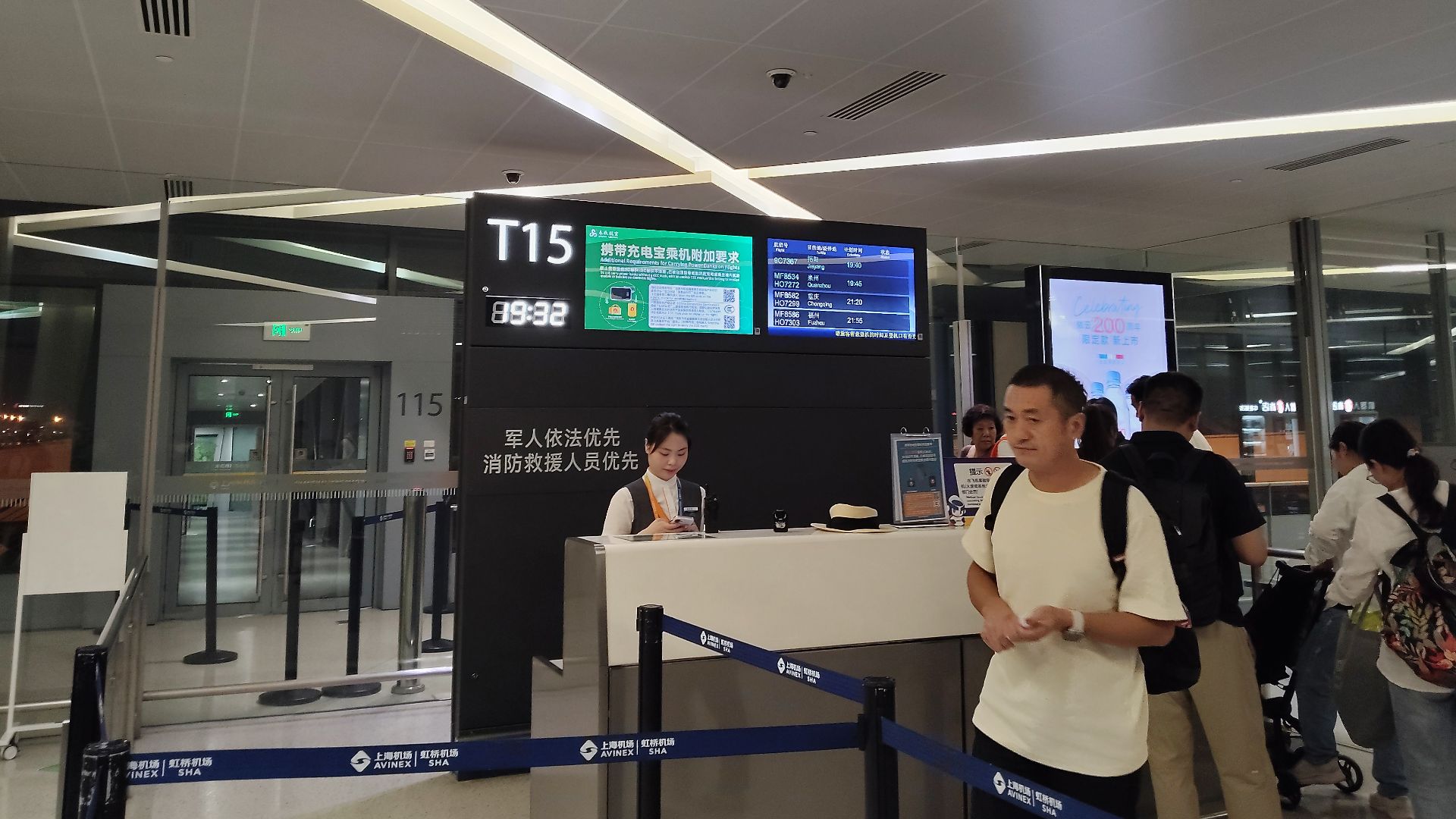
Even checking in online does not fully solve the problem. Airlines also have boarding gate deadlines, and they may reassign your seat if you are not there on time. That is why someone can have a boarding pass on their phone and still lose the seat after showing up too late for final boarding.
 Shwangtianyuan, Wikimedia Commons
There Is A Simple Way To Protect Yourself
If you want to keep your booking safe, the smartest move is to check in as soon as the airline opens it, usually 24 hours before departure. Save the boarding pass to your phone and take a screenshot in case the app acts up. Then give yourself enough time to meet baggage and gate deadlines, not just the departure time.

When Trouble Starts, Ask One Key Question
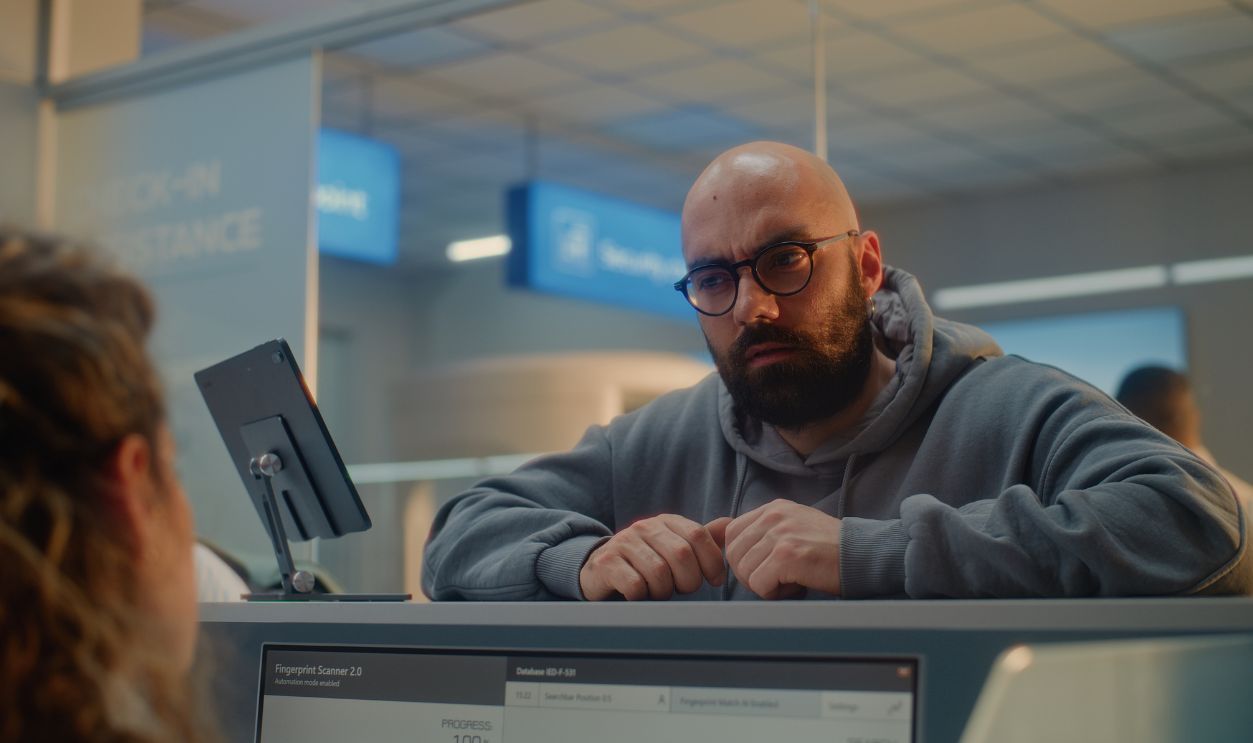
If an agent says your seat is gone, ask whether the airline is treating you as a no-show for missing the check-in deadline or whether you are being denied boarding on an oversold flight. That difference matters. It can affect whether you are owed compensation, where you land on the rebooking list, or whether you get nothing at all.
 Frame Stock Footage, Shutterstock
Documentation Can Help
Keep records of your itinerary, app alerts, screenshots, and any messages showing when check-in opened or failed. If there was a technical problem with the airline’s app or website, those details may help support a later complaint. Facts and timestamps can make a big difference.

If You Think The Airline Got It Wrong
Start by asking the airline to explain exactly which deadline it says you missed. Then check the airline’s contract of carriage and any airport-specific guidance. If the facts still do not line up, you can escalate through the airline’s complaint process and, in the United States, file a complaint with the Department of Transportation.

Weather And Delays Do Not Automatically Reset The Rules
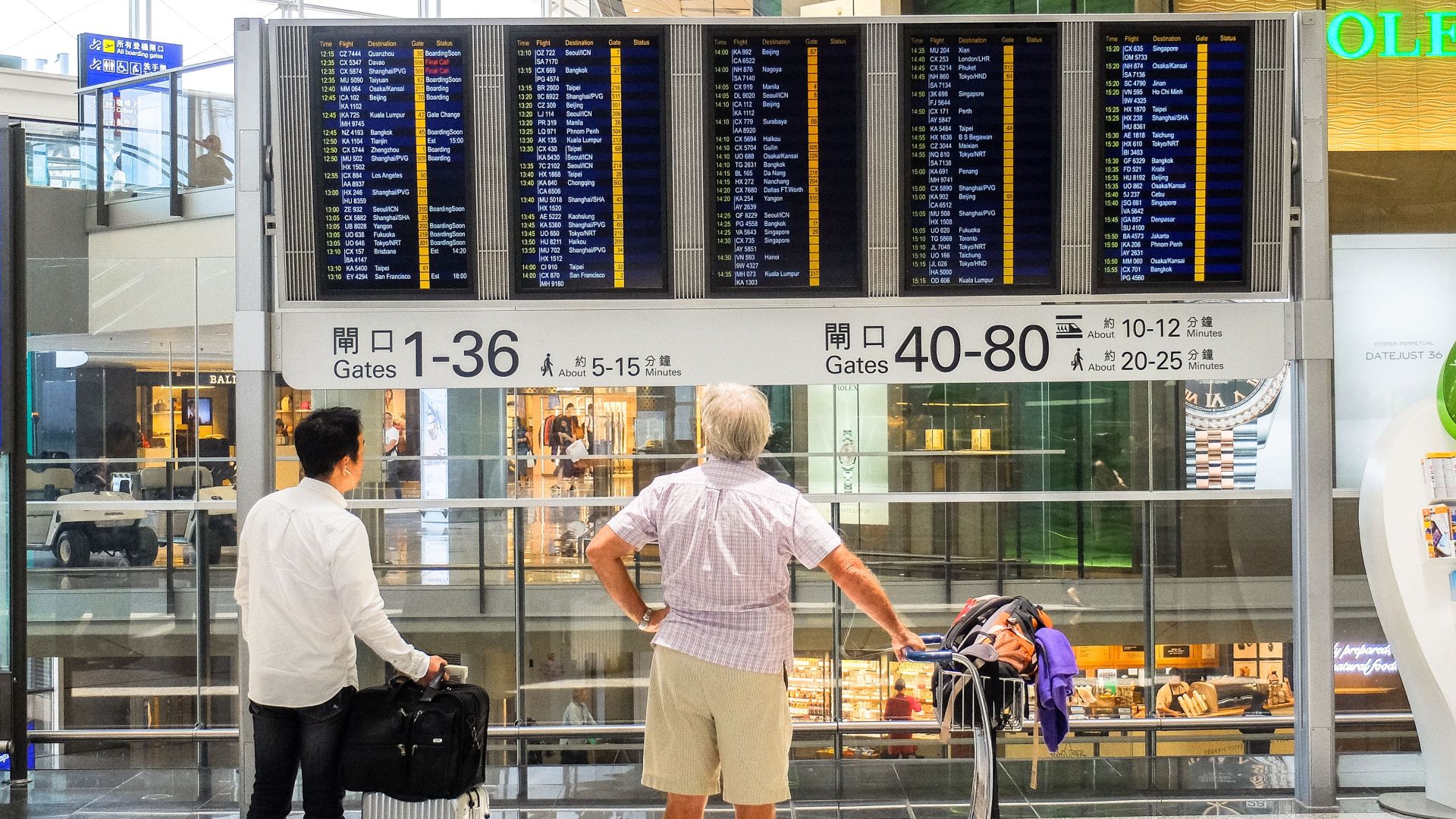
Some travelers assume that if a flight is delayed, the check-in deadline moves too. That is not always true. Airlines often base check-in and baggage cutoffs on the scheduled departure time, so a later delay may not help someone who checked in too late.
Connecting Flights Add Another Risk
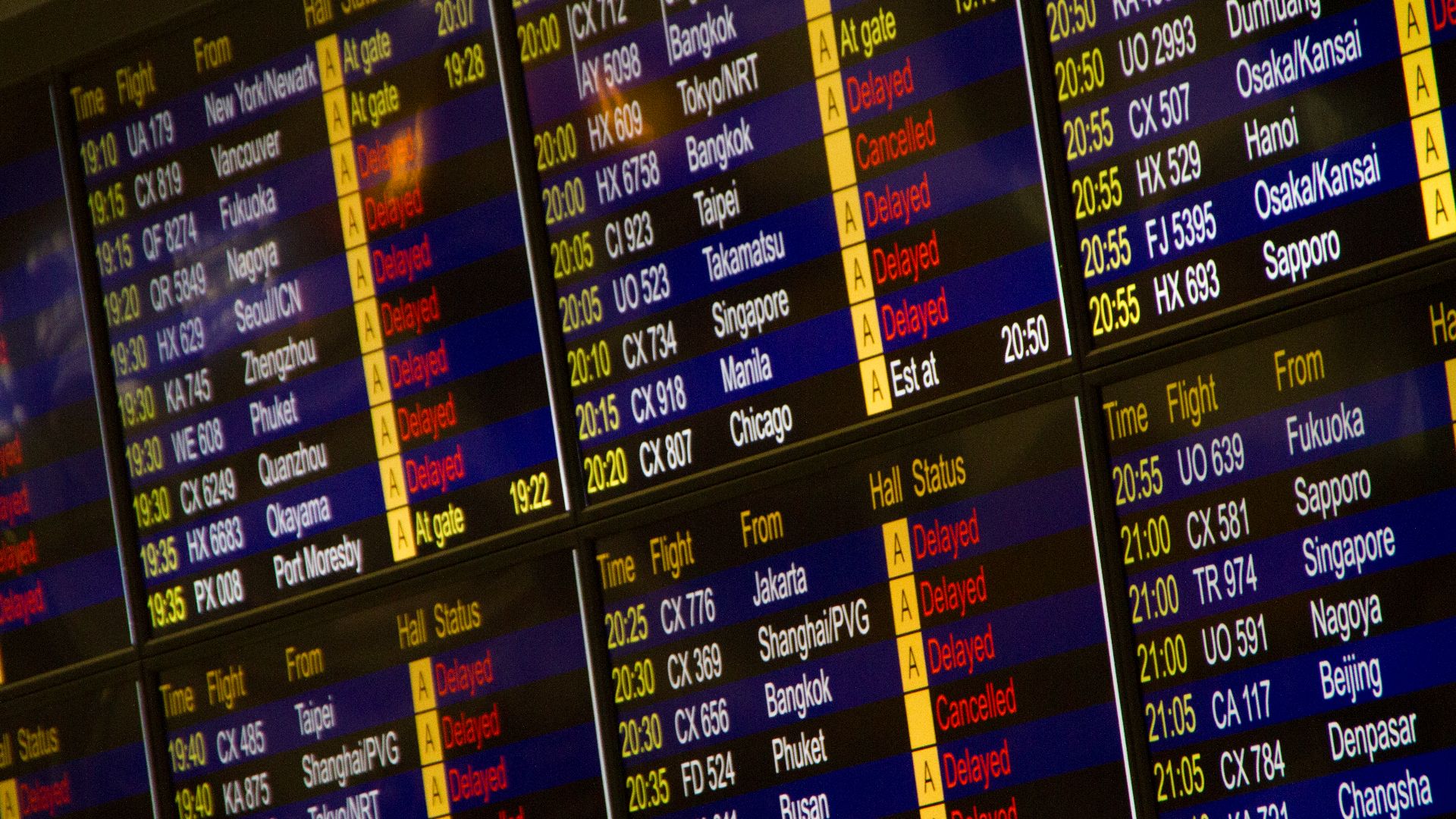
If you skip a segment or are marked as a no-show on one leg, the rest of the trip can be canceled automatically. That is another way a seat can vanish with almost no warning. One missed check-in or missed boarding event can hit the whole itinerary.
Mobile Alerts Are Worth Turning On
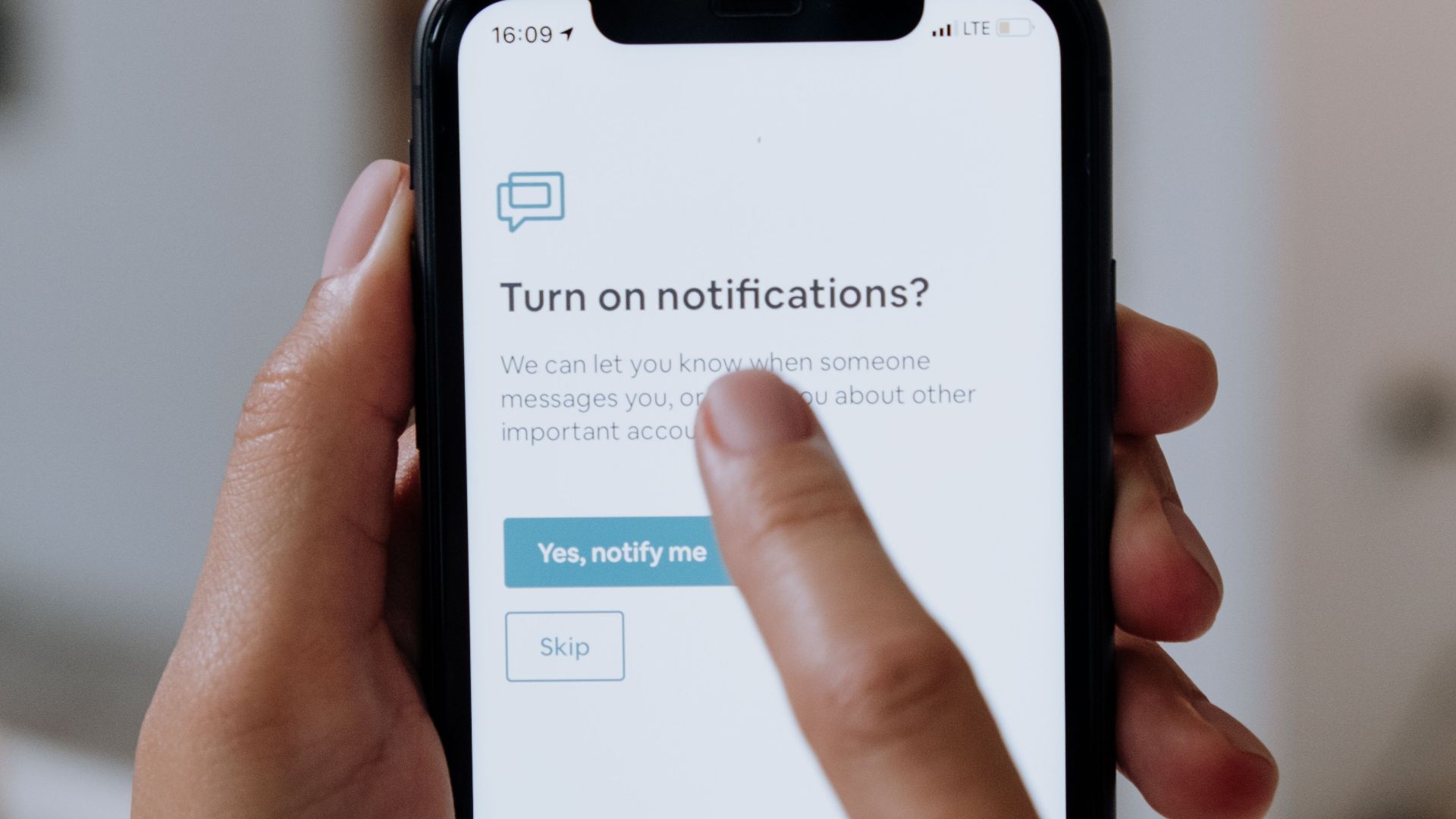
Airline apps can be annoying until they save you. Push alerts can remind you when check-in opens, tell you about gate changes, and warn you about updated boarding times. That small step can mean the difference between a smooth trip and a scramble for a missing seat.
This Happens Most Often On Full Flights
The problem tends to show up most clearly when flights are packed and every open seat matters. On a lightly booked flight, a late check-in might not lead to quick reassignment. On a sold-out route, airlines have every reason to release space the moment a passenger misses the cutoff.
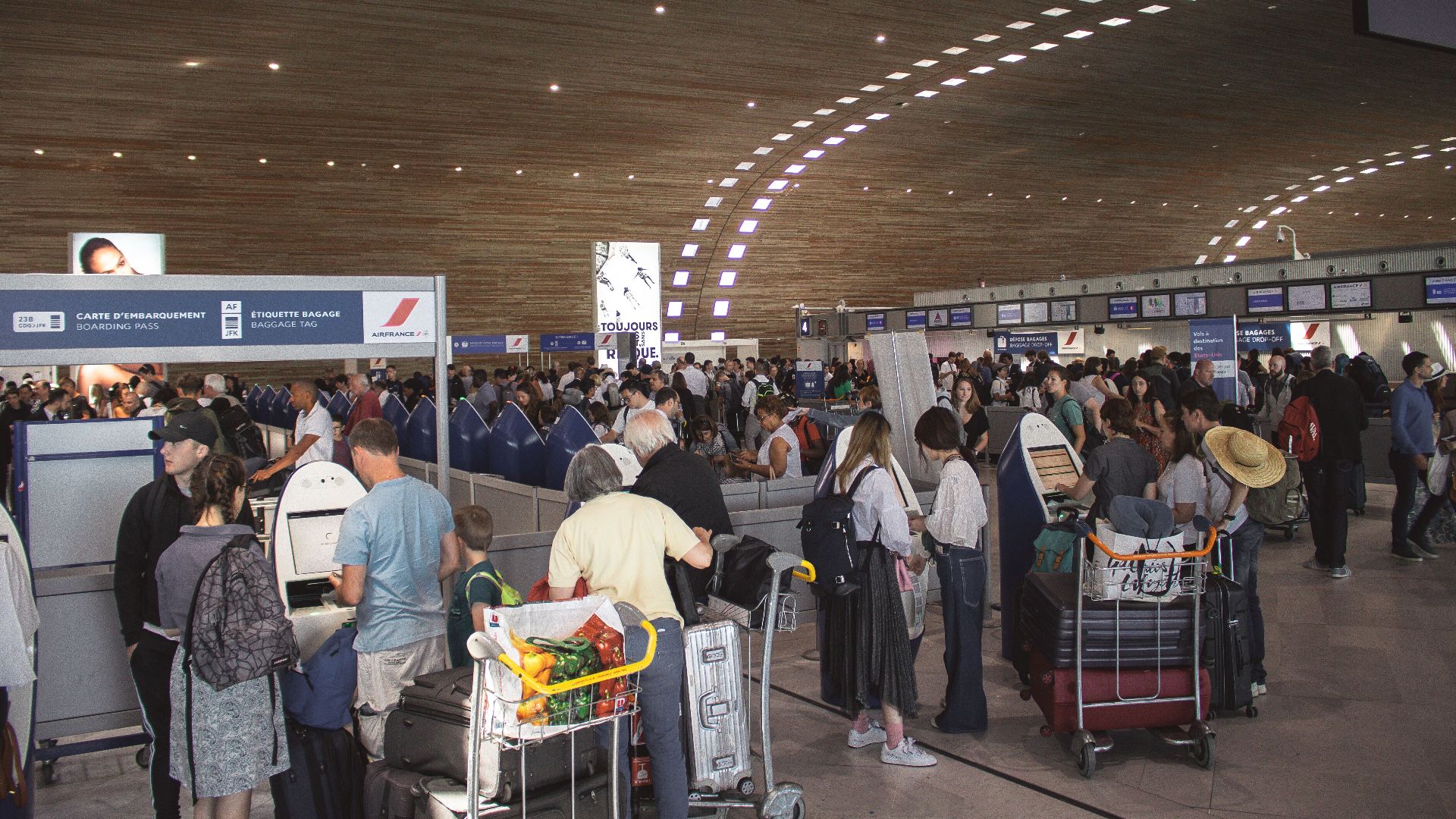
The Takeaway Is Frustrating But Simple
Yes, a paid ticket can effectively disappear if you do not check in on time. That does not mean airlines can ignore their own rules, but it does mean payment alone is not enough. In air travel, keeping your seat often comes down to money, timing, and paperwork.

How To Keep It From Happening To You
Check in as early as possible, know your airport deadlines, arrive well before bag drop cutoff, and get to the gate earlier than the airline requires. If you are flying internationally or during busy travel periods, give yourself even more time. It is not glamorous advice, but it is the best way to keep your paid seat from turning into someone else’s trip.
 Jeffrey Paa Kwesi Opare, Pexels