

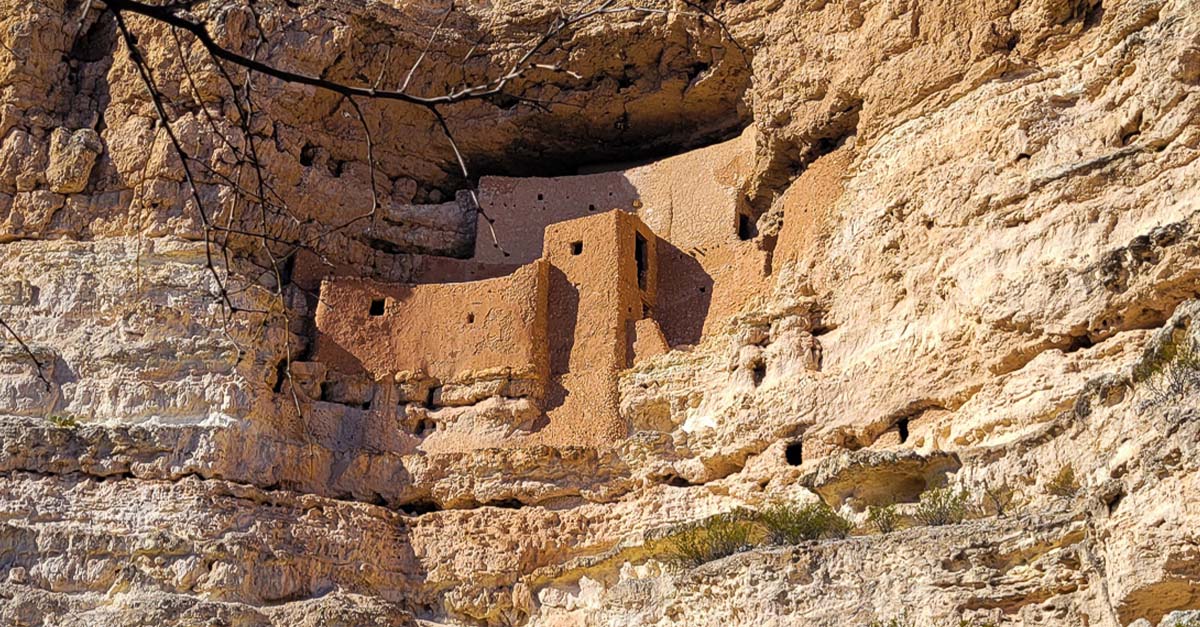
A Prehistoric Marvel In Arizona
Montezuma Castle is a remarkably preserved cliff dwelling located in Camp Verde, Arizona. Built by the Sinagua people, it offers a glimpse into ancient ingenuity and engineering. Let's take a look!
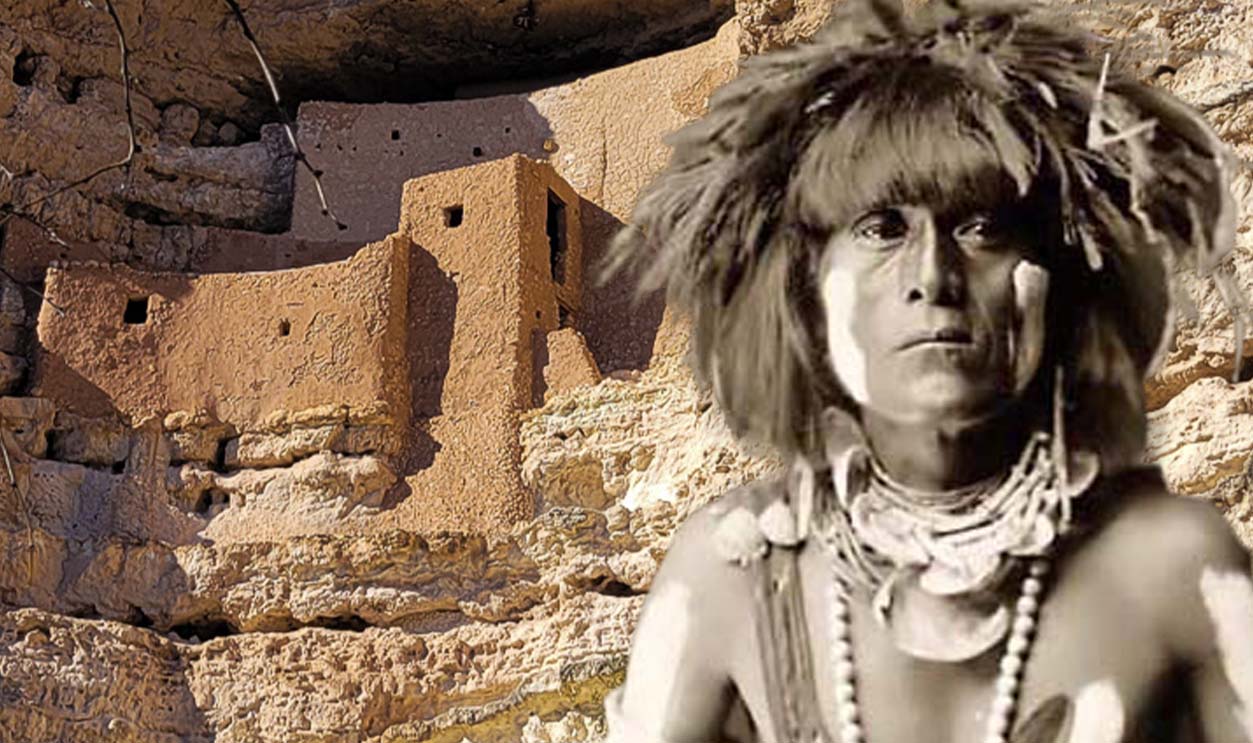
Home Of The Sinagua People
The Sinagua were a pre-Columbian culture with ties to the Hohokam and Hopi tribes. They thrived in the Verde Valley from around AD 1100 to 1425, leaving behind lasting legacies.
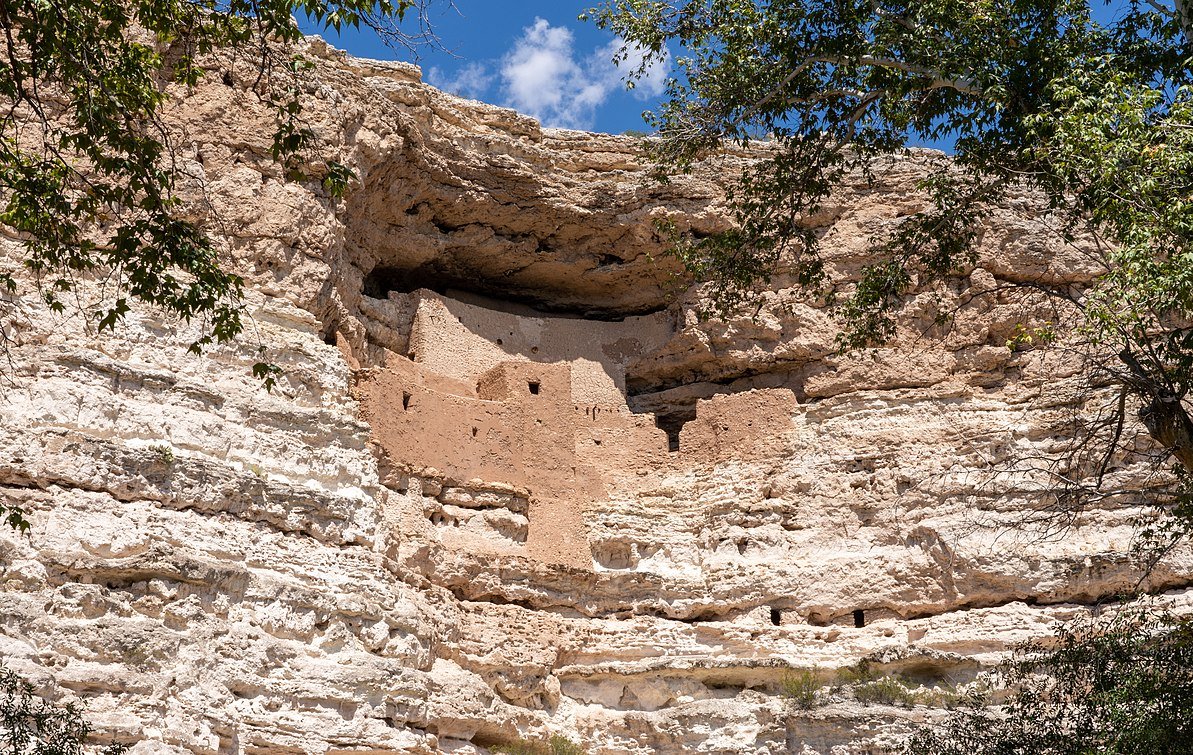 Roman Tokman, CC BY-SA 4.0, Wikimedia Commons
Ancestral Homeland For Many Tribes
Several Hopi clans and Yavapai communities trace their roots to this area. To this day, they return for spiritual and ceremonial purposes, maintaining cultural connections across centuries.
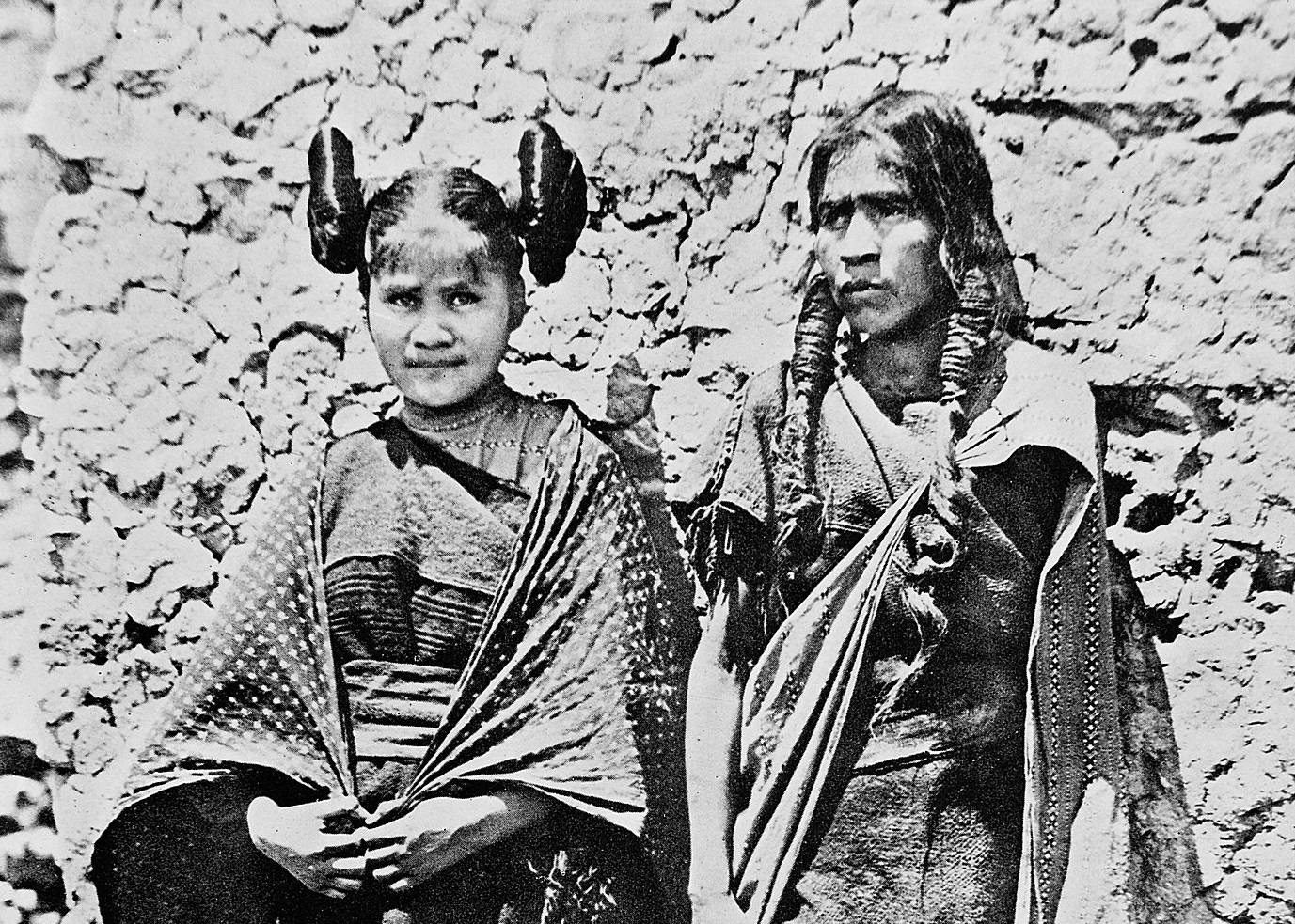 Wellcome Images, CC BY 4.0, Wikimedia Commons
A Name With No Connection
Despite the name, Montezuma has no ties to the Aztec emperor Montezuma. European settlers in the 1860s misnamed it, wrongly assuming Aztecs had built the structure. The misidentification reflects a broader pattern of early explorers attributing Indigenous American achievements to more widely known civilizations.

Not A Castle Either
"Castle" is also a misnomer, as this wasn’t a fortress. Instead, it functioned more like a communal, high-rise apartment built into the cliff for everyday living and protection.
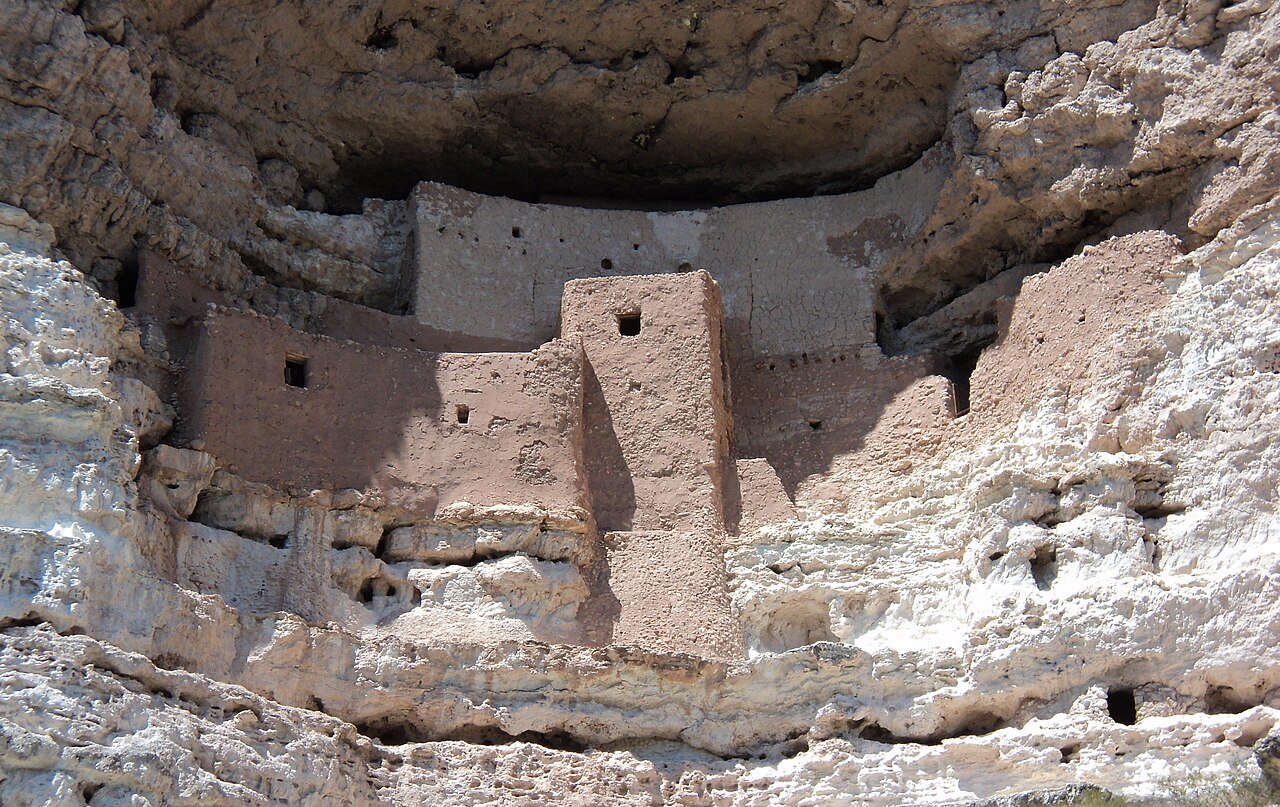 Llrice1240, CC BY-SA 3.0, Wikimedia Commons
Five Stories Of Engineering Skill
The main structure rises five stories and contains about 20 rooms. Even today, its scale is impressive, showcasing the architectural skill of the Sinagua people.
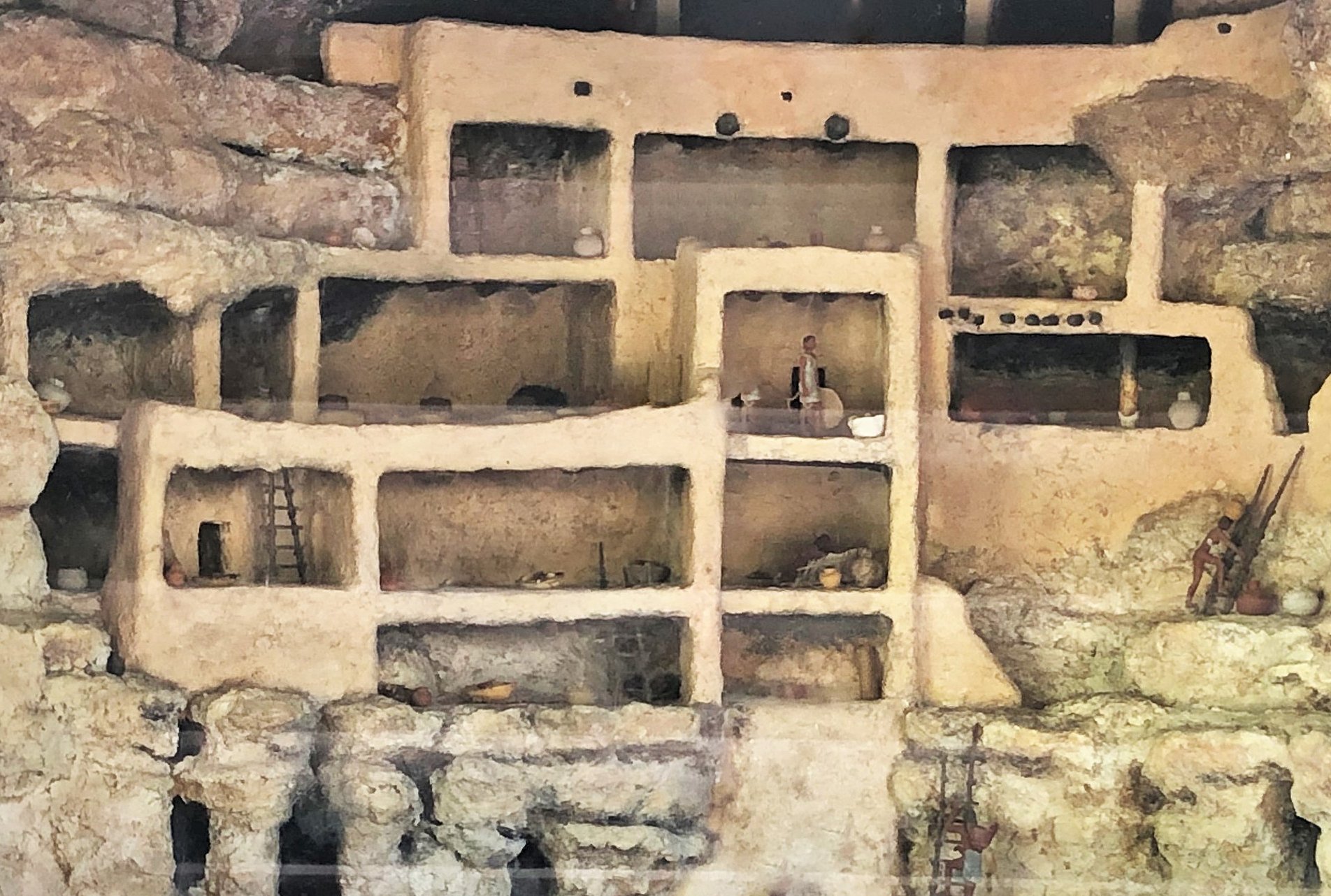 Beyond My Ken, CC BY-SA 4.0, Wikimedia Commons
Built High For Safety
Perched 90 feet up a limestone cliff, Montezuma Castle was safely tucked away from floods and invaders. Its height also offered stunning views of the Verde Valley.
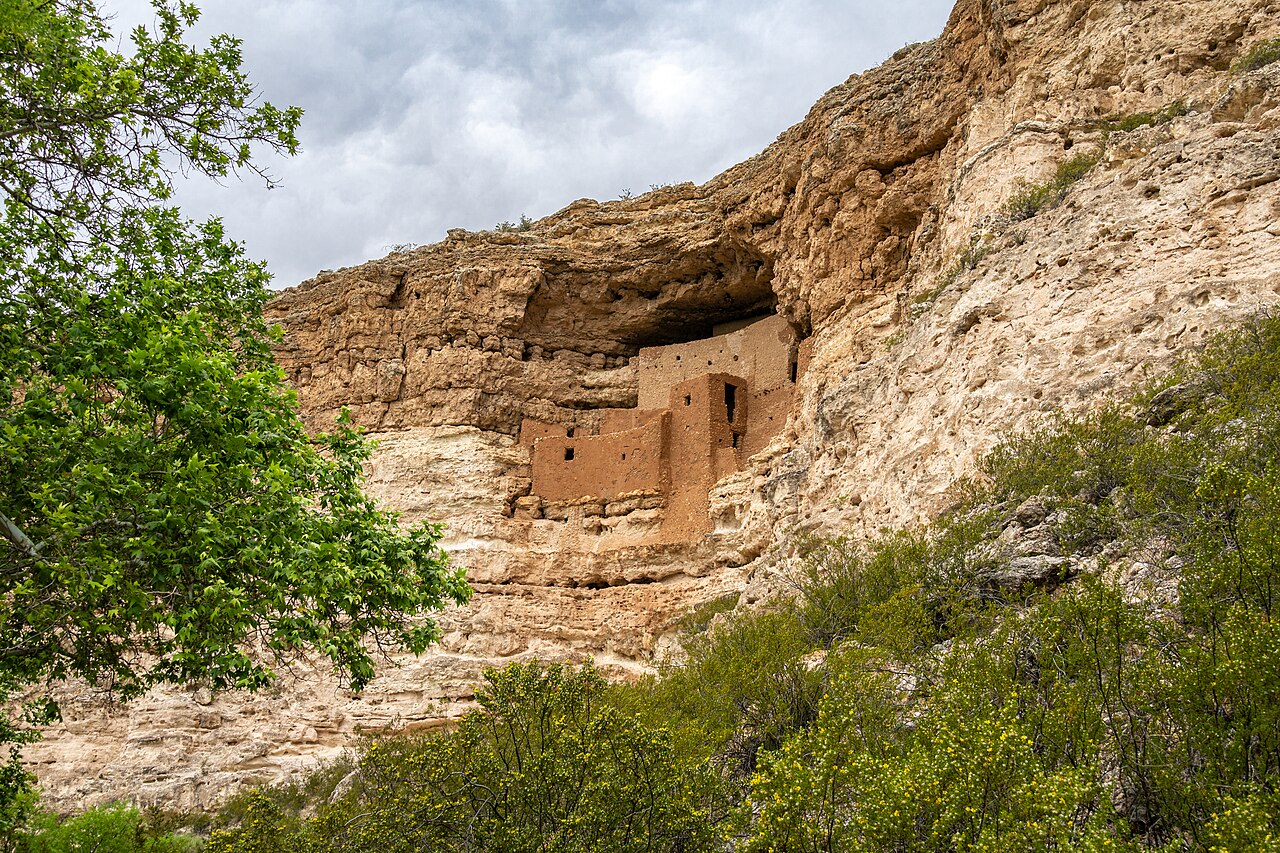 dconvertini, CC BY-SA 2.0, Wikimedia Commons
A Natural Fortress With Portable Ladders
Access was likely gained using portable wooden ladders. These could be pulled up during threats, turning the dwelling into a near-impenetrable stronghold.
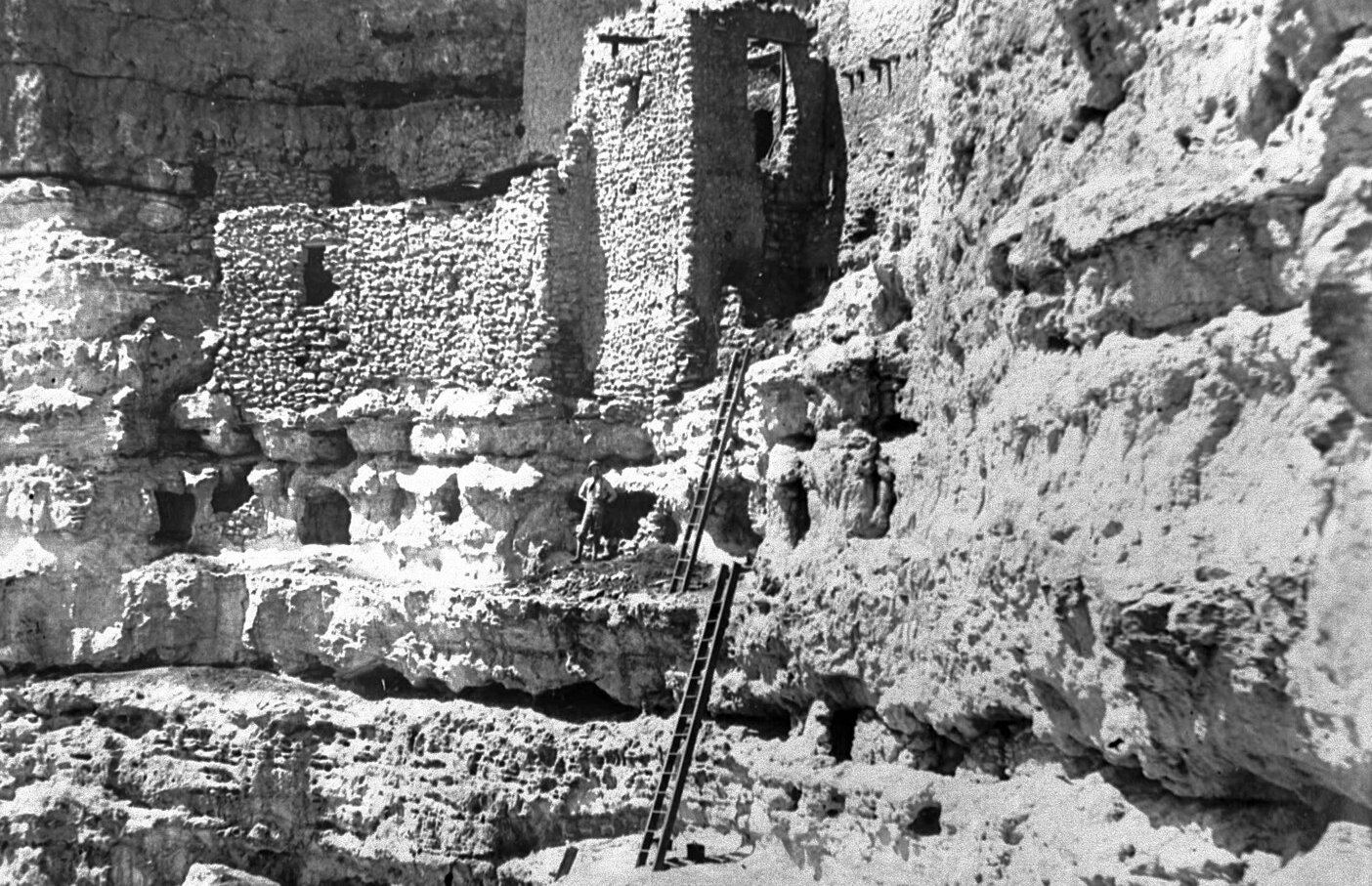 Pierce, C.C. (Charles C.), Wikimedia Commons
Master Builders Of Their Time
The Sinagua demonstrated incredible architectural knowledge. They used local materials like limestone, mud, and clay, expertly adapting to their environment. Many of their structures have remained intact for over 900 years, showcasing the durability of their construction techniques.
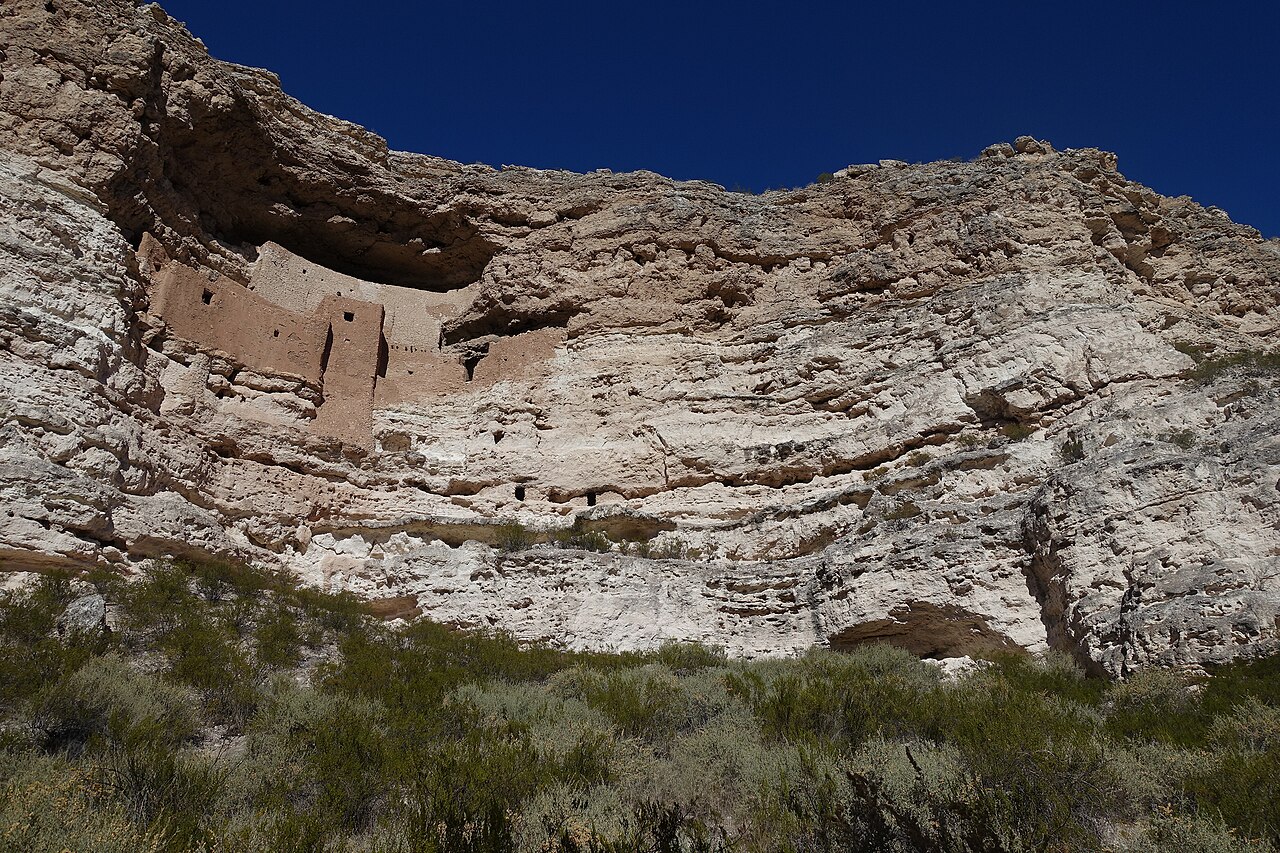 Roller Coaster Philosophy, CC BY 2.0, Wikimedia Commons
Cliffside Design Preservation
Montezuma Castle sits within a natural alcove that shields it from the rain, sun, and wind. This protective placement helped preserve the site for hundreds of years.
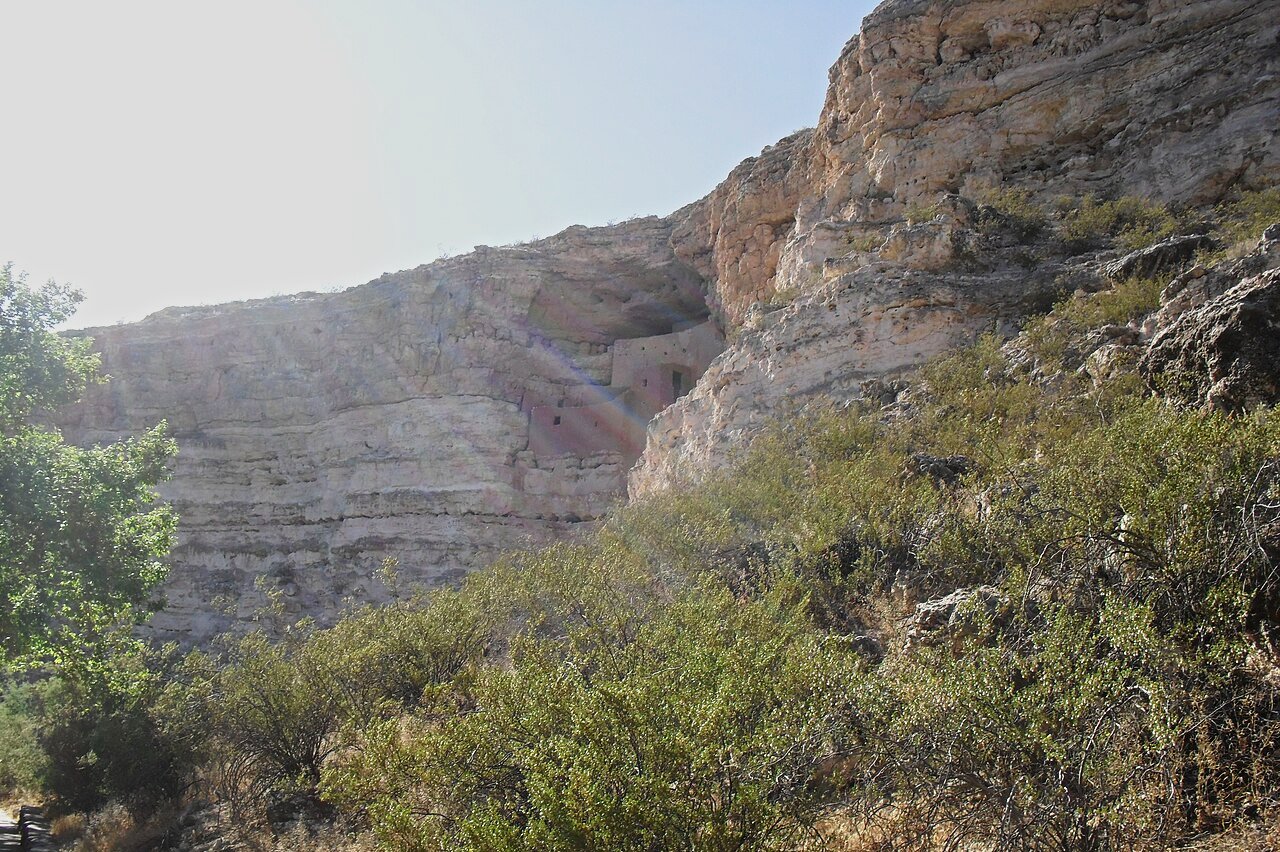 DrStew82, CC BY-SA 4.0, Wikimedia Commons
Floods Sparked Innovation
Seasonal flooding from Beaver Creek influenced the castle's high location. The Sinagua balanced flood risks with agricultural opportunity. Building high on the cliff also helped protect their homes from water damage during seasonal rains.
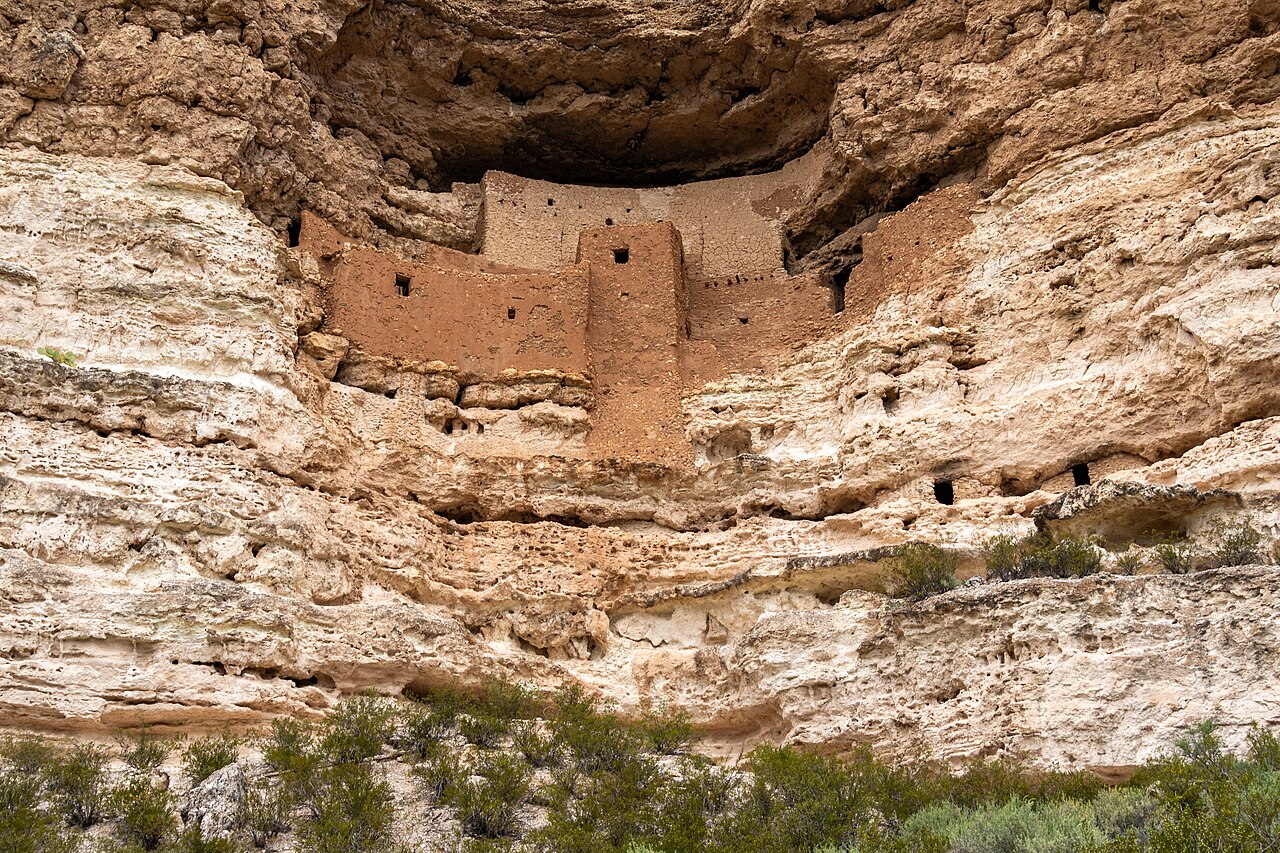 dconvertini, CC BY-SA 2.0, Wikimedia Commons
Ancient Stone Masonry
The walls were constructed using locally sourced limestone bound with mud and clay mortar, a technique well-suited to the arid climate. Many sections remain intact over 900 years later, showcasing the durability of Sinagua engineering.
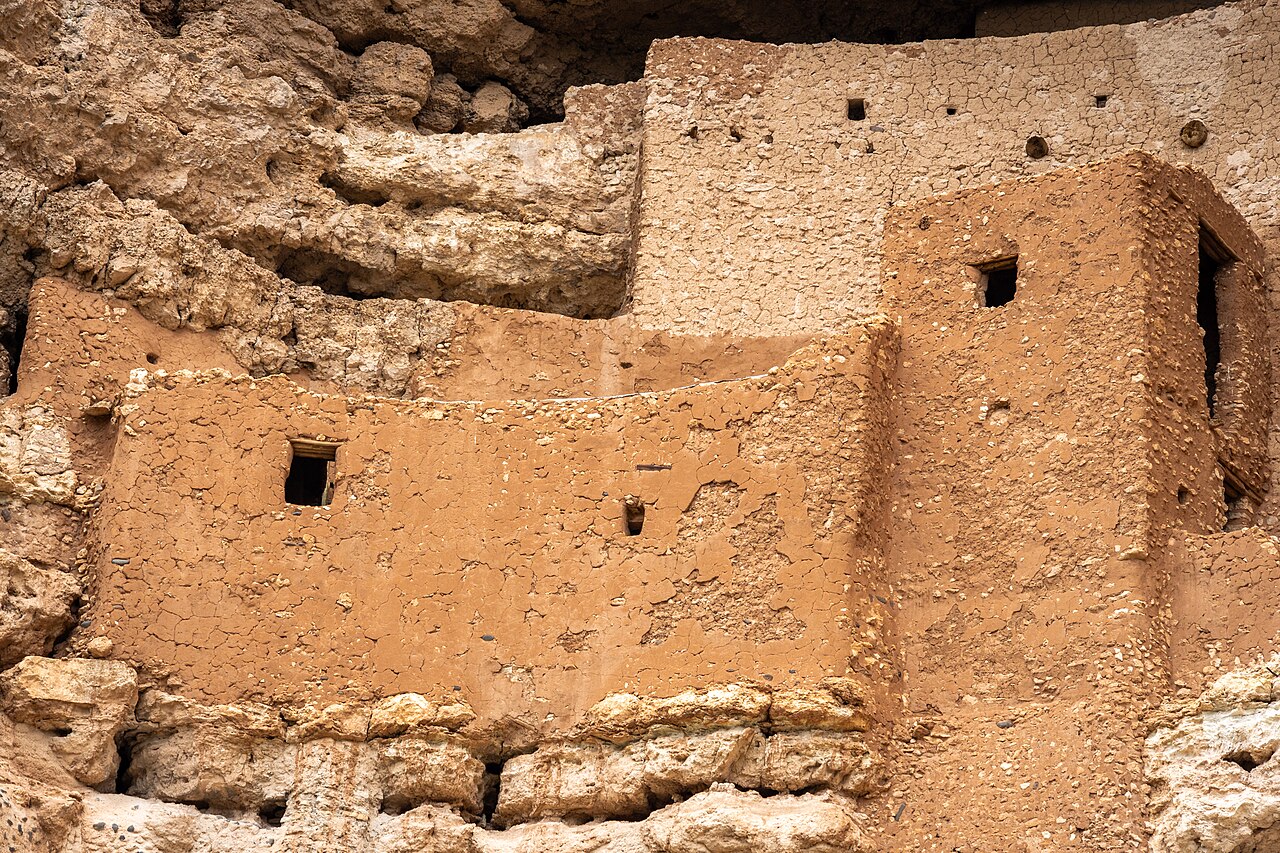 dconvertini, CC BY-SA 2.0, Wikimedia Commons
Ceilings Built From Native Wood
The Sinagua used Arizona sycamore for roofing. This native hardwood, known for its strength and resistance to rot, was ideal for supporting multi-level structures like Montezuma Castle.
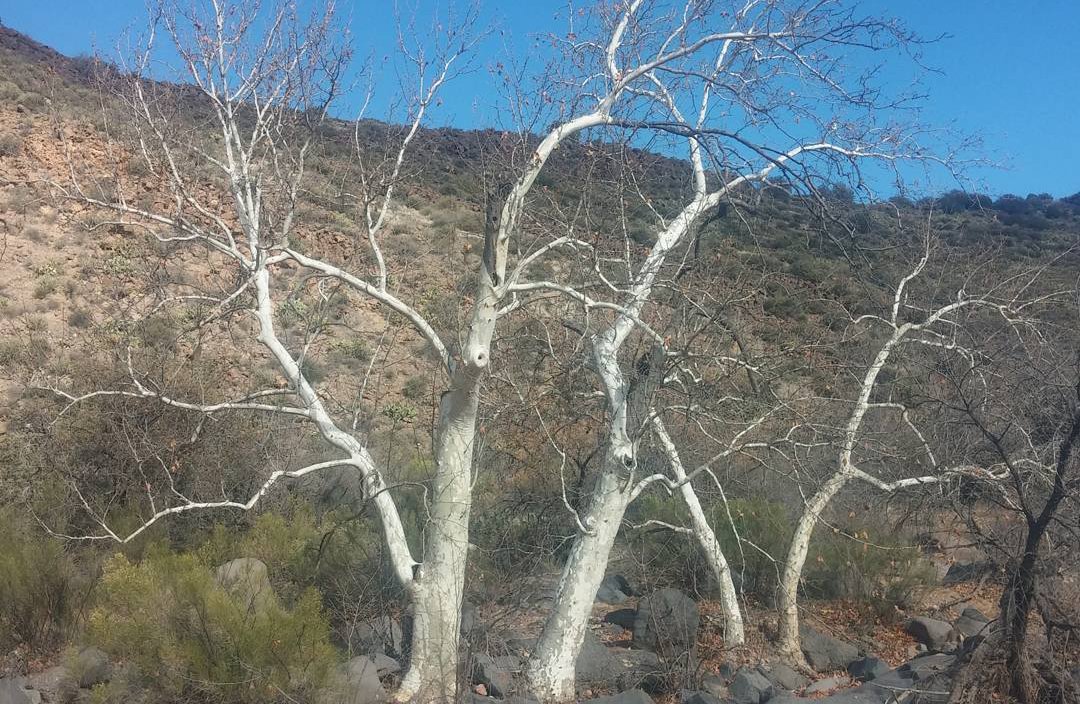 Chris M Morris, CC BY 2.0, Wikimedia Commons
Agriculture Sustained The Community
Agriculture was key to sustaining life at Montezuma Castle. The Sinagua utilized irrigation systems, possibly inherited from earlier cultures like the Hohokam.
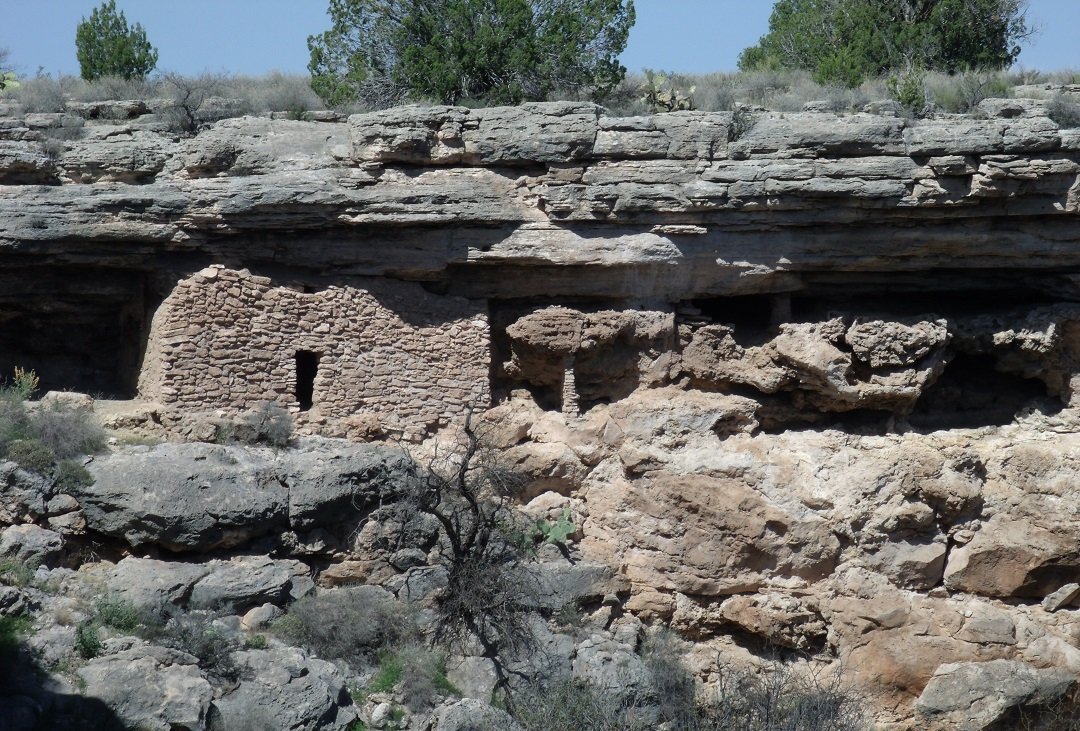 Marine 69-71, CC BY-SA 3.0, Wikimedia Commons
Volcanic Eruption Led To Change
The eruption of Sunset Crater around AD 1064 temporarily displaced the Sinagua. This occurrence left behind fertile soil that later supported agriculture.
 Marine 69-71, CC BY-SA 3.0, Wikimedia Commons
Return To The Verde Valley And Expansion
By 1125, the Sinagua had resettled the Verde Valley after a brief abandonment. Archaeological evidence shows they expanded irrigation systems and constructed large, multi-room dwellings like Montezuma Castle to support growing agricultural communities.
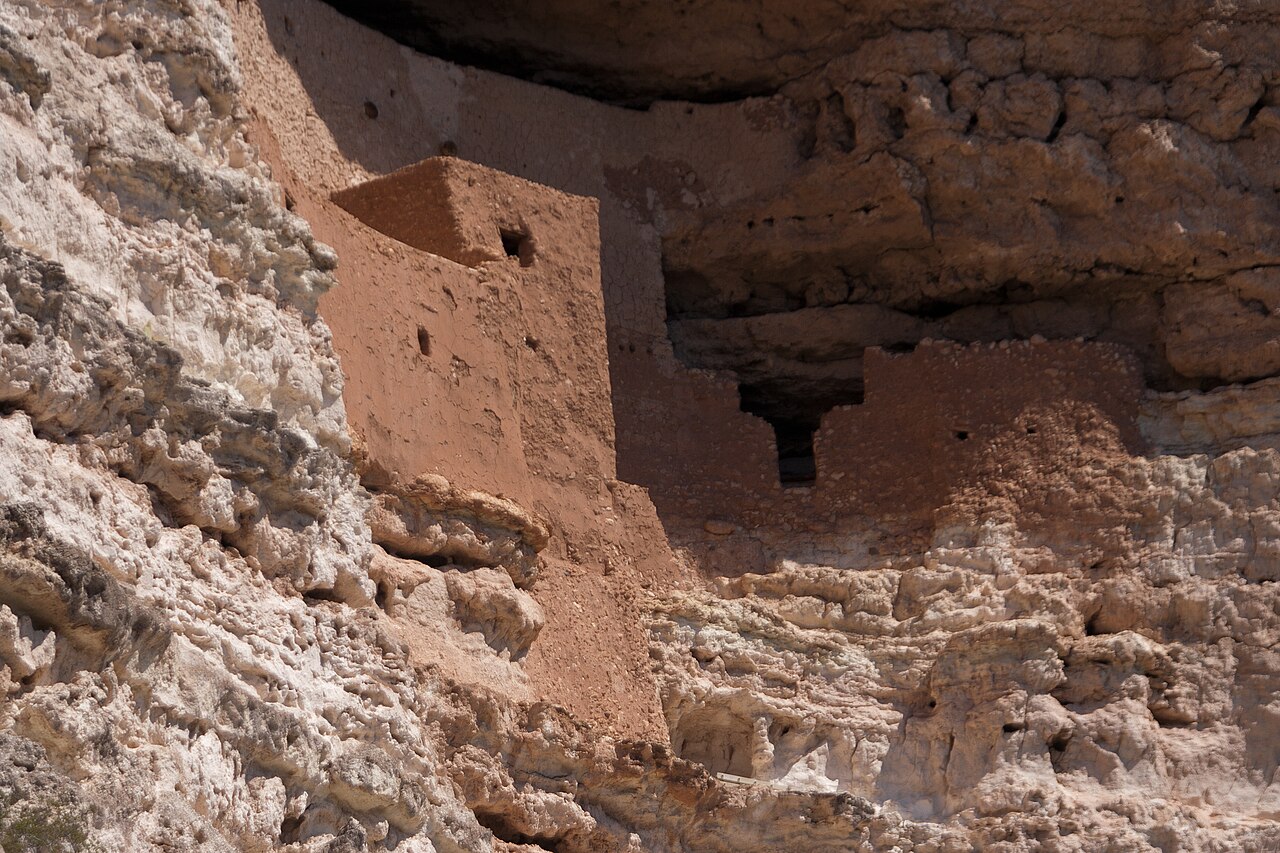 wolfgang.mller54, CC BY 2.0, Wikimedia Commons
A Population Peak Around 1300
At its height, Montezuma Castle likely housed 30 to 50 people. Its neighboring sites may have held even more, forming a larger Sinagua network.
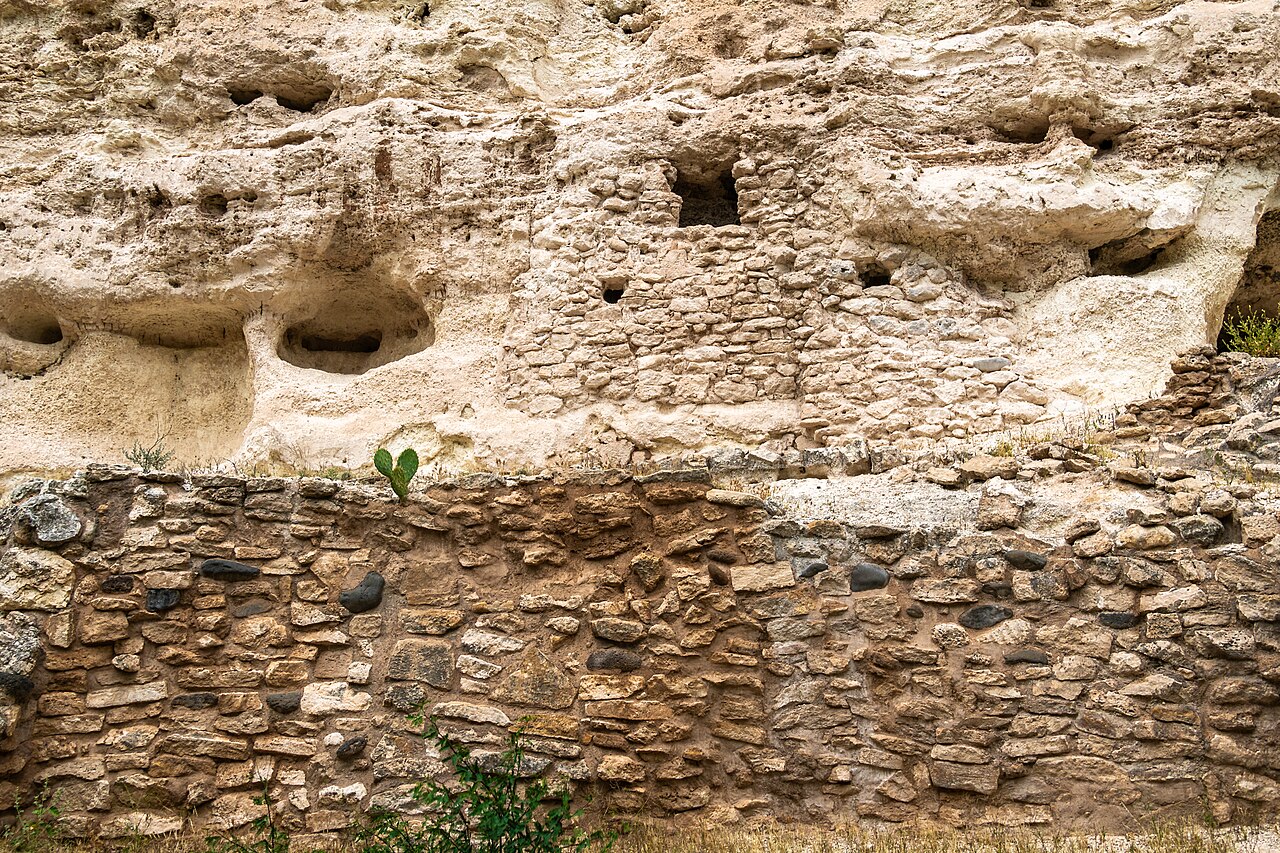 dconvertini, CC BY-SA 2.0, Wikimedia Commons
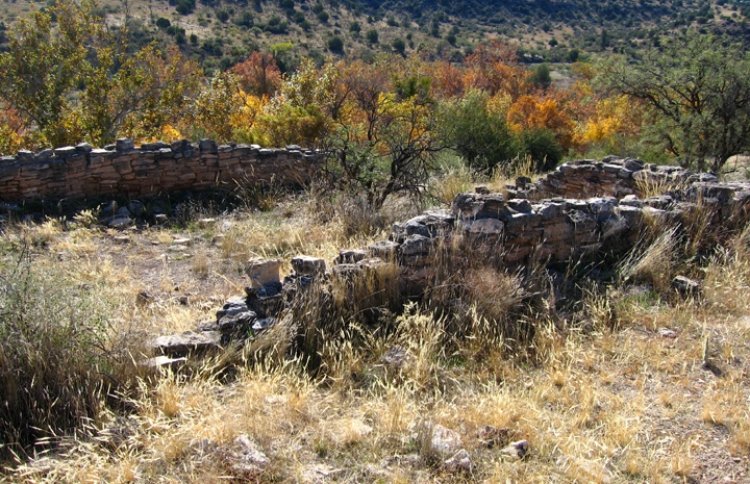
Castle A
Castle A, located near Montezuma Castle, was likely even larger. Today, only its stone foundation remains, but it hints at the area’s past complexity. Archaeological evidence suggests it may have contained up to 45 rooms before its collapse.
 Roller Coaster Philosophy, CC BY 2.0, Wikimedia Commons
A Glimpse Into Daily Life
Artifacts like tools, ornaments, and grinding stones reveal much about the Sinagua lifestyle. These artifacts show the people were skilled artisans and effective traders.
 Coconino NF Photography, Wikimedia Commons
Mysteriously Abandoned In The 1400s
By 1425, the Sinagua had mysteriously left Montezuma Castle. Drought, resource depletion, or conflict with new groups may have driven the departure.
Remarkably Preserved Over Time
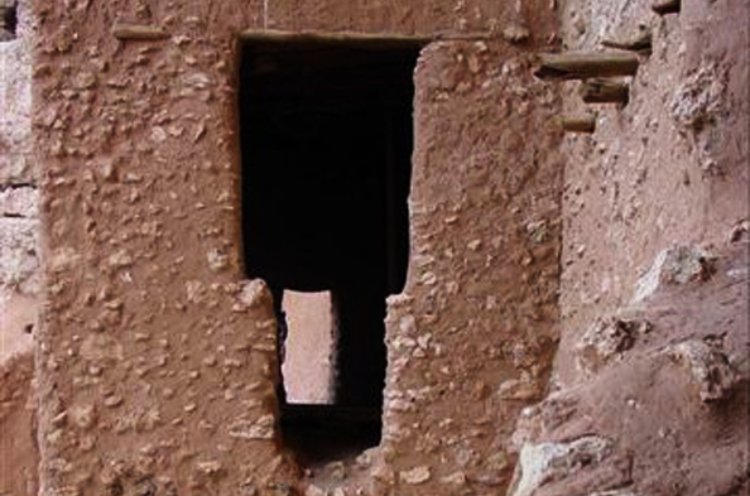
The protected location helped preserve Montezuma Castle better than most ancient sites. Few pre-Columbian dwellings remain so intact today.
 Tomas Castelazo, CC BY-SA 3.0, Wikimedia Commons
Threats From Looters And Tourists
While Castle A was probably larger than Montezuma Castle, little remains of it today, not even any artifacts. It’s likely that in the 19th and early 20th centuries, looters stripped the site of many artifacts. Later, increased tourism also posed challenges to preservation.
 Pierce, C.C. (Charles C.), Wikimedia Commons
Protected As A National Monument
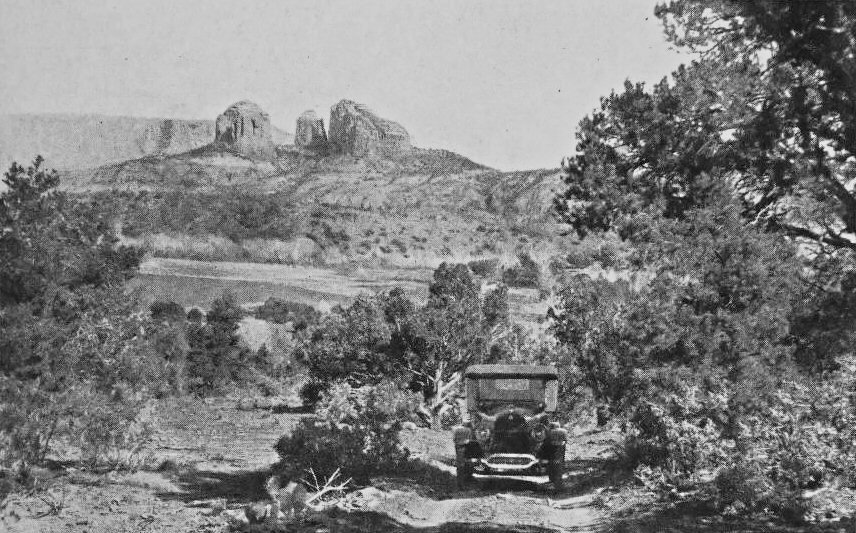
Montezuma Castle became a US National Monument in 1906. President Theodore Roosevelt declared it one of the first four monuments in the country.
 Earl K. Foreman, Wikimedia Commons
Listed As A Historic Place
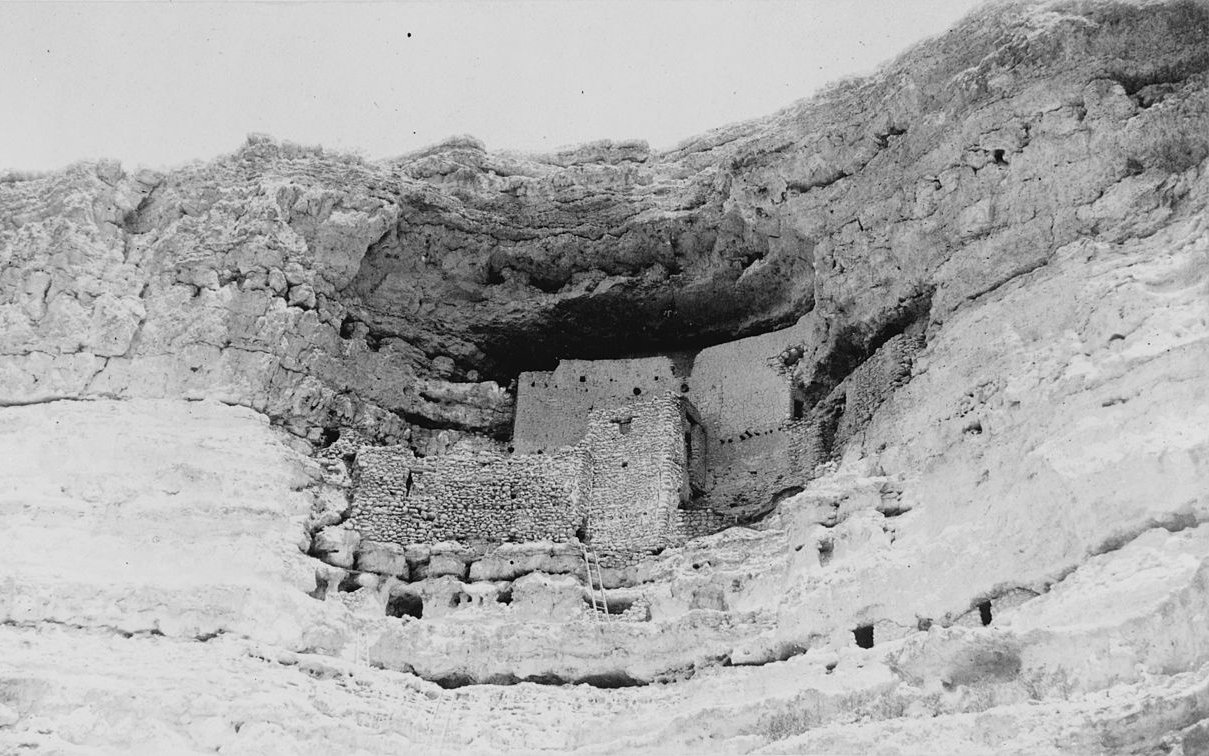
The site was added to the National Register of Historic Places in 1966. This designation helps secure ongoing funding and conservation.
 Edgar A. Mearns, Wikimedia Commons
A Popular Tourist Destination
About 400,000 people visit Montezuma Castle annually. Its location just off Interstate 17 makes it an accessible Arizona destination.
 Roller Coaster Philosophy, CC BY 2.0, Wikimedia Commons
Trail Leads To The Base
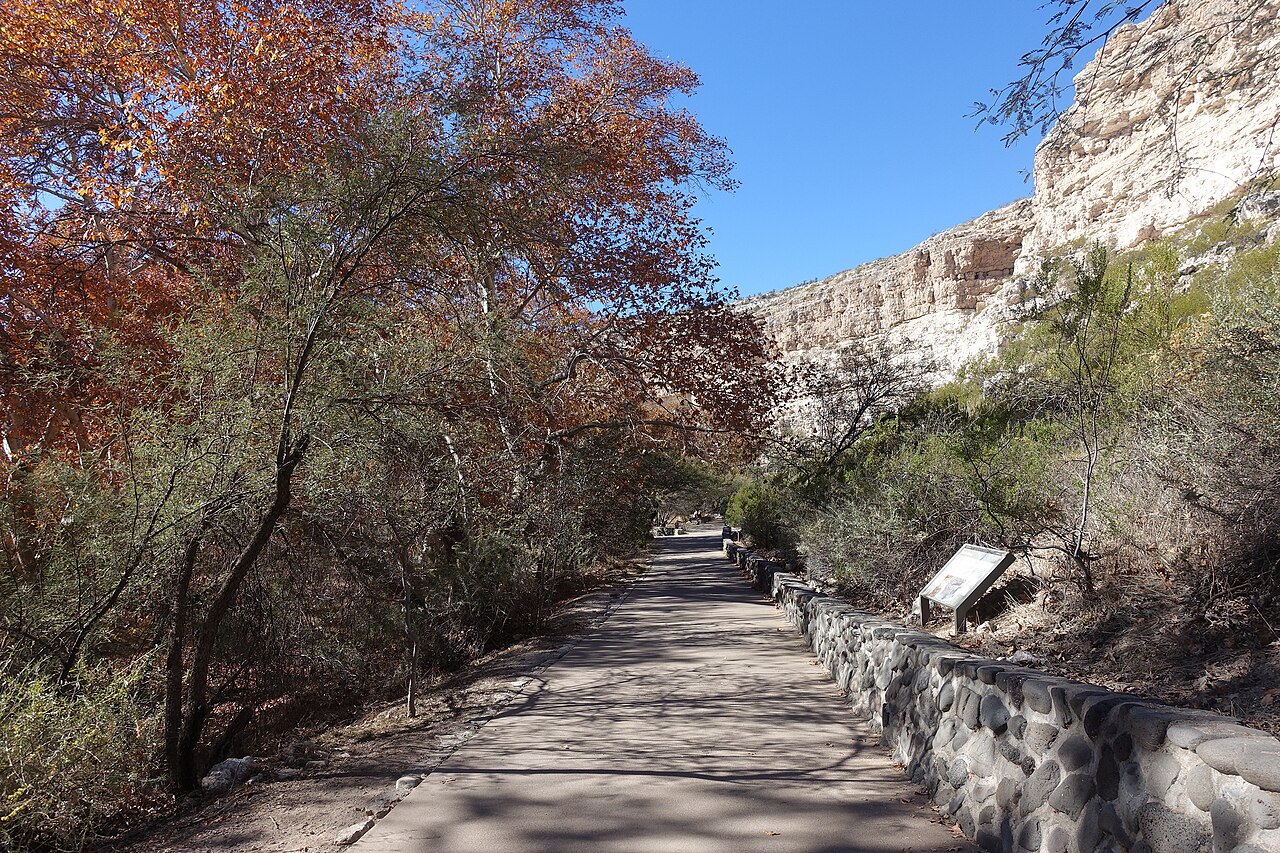
A paved 1/3-mile trail winds through the monument. However, visitors can admire the structure from below, even though interior access is restricted.
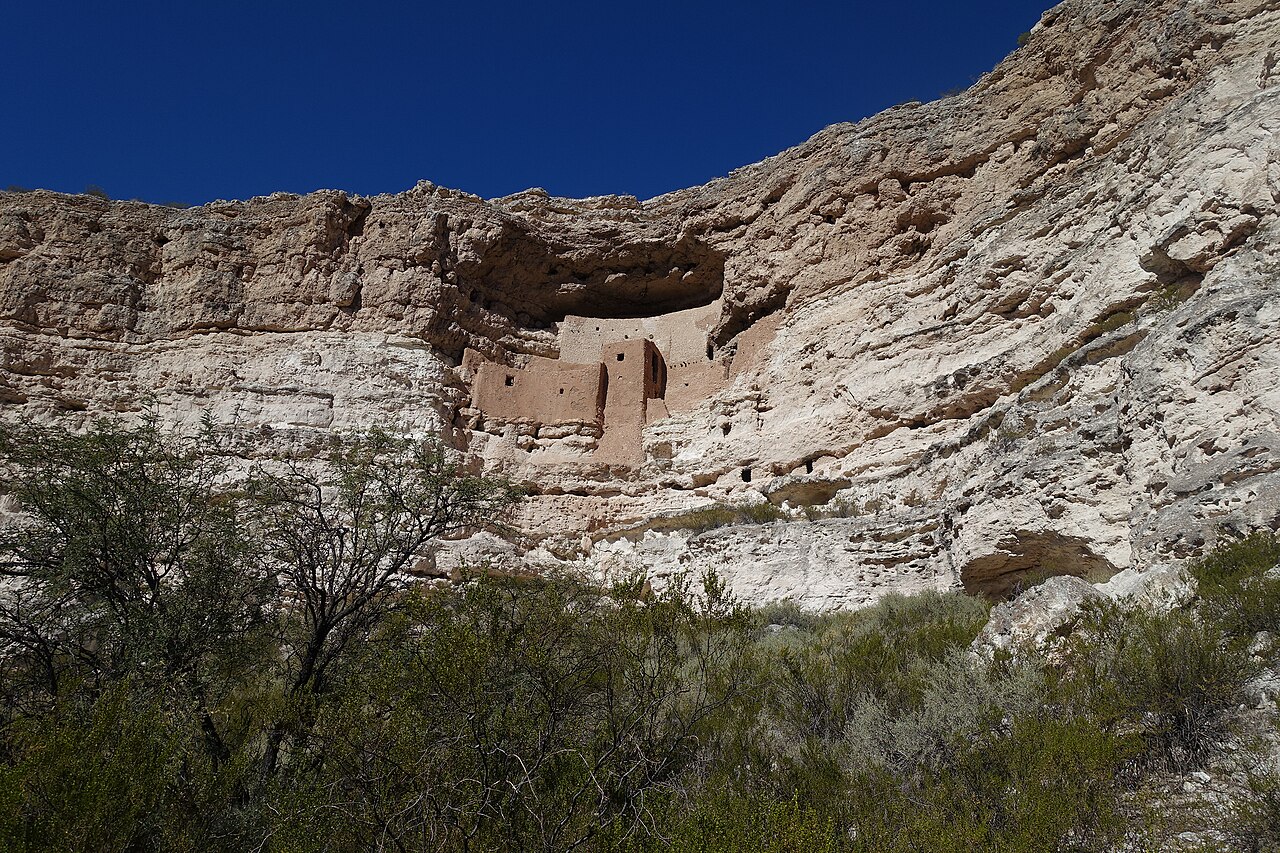 Roller Coaster Philosophy, CC BY 2.0, Wikimedia Commons
Interior Closed Since 1951
To protect both visitors and the monument, entry into the ruins has been prohibited since 1951. Preservation takes priority over exploration. The closure was prompted by safety concerns and the growing impact of human activity on the fragile structure.
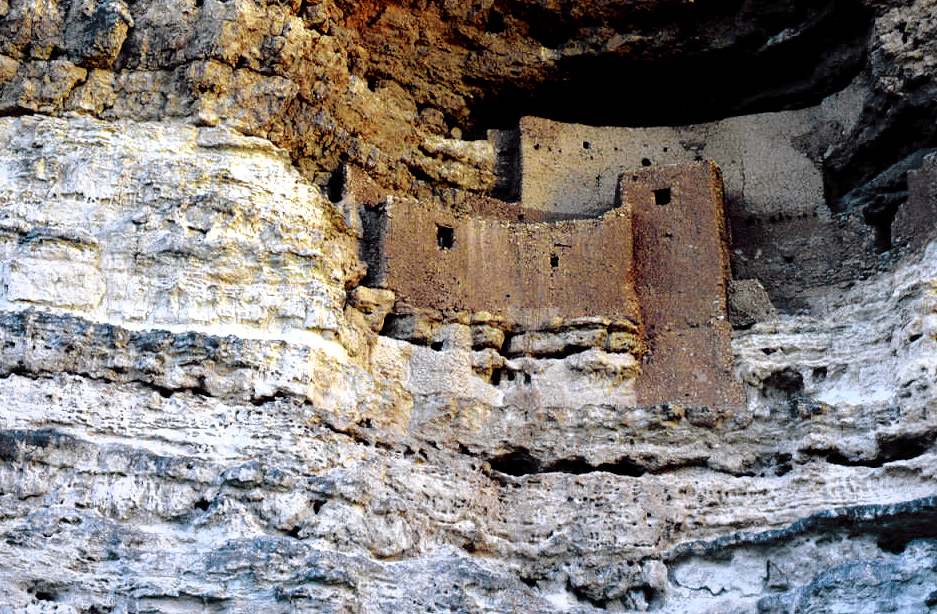 LBM1948, CC BY-SA 4.0, Wikimedia Commons
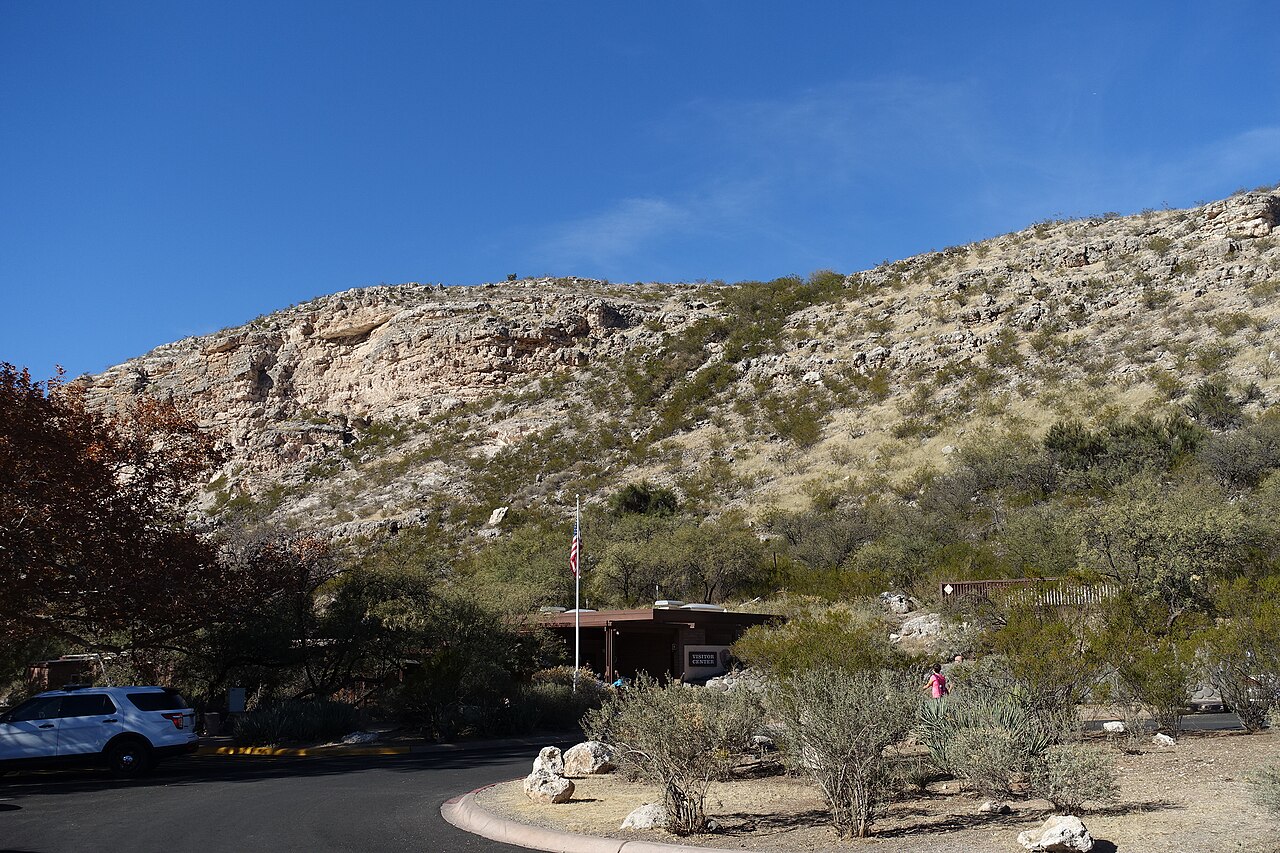
Museum Inside Visitor Center
Inside the visitor center is a museum with Sinagua artifacts. Displays include tools, ornaments, and detailed exhibits about their daily lives.
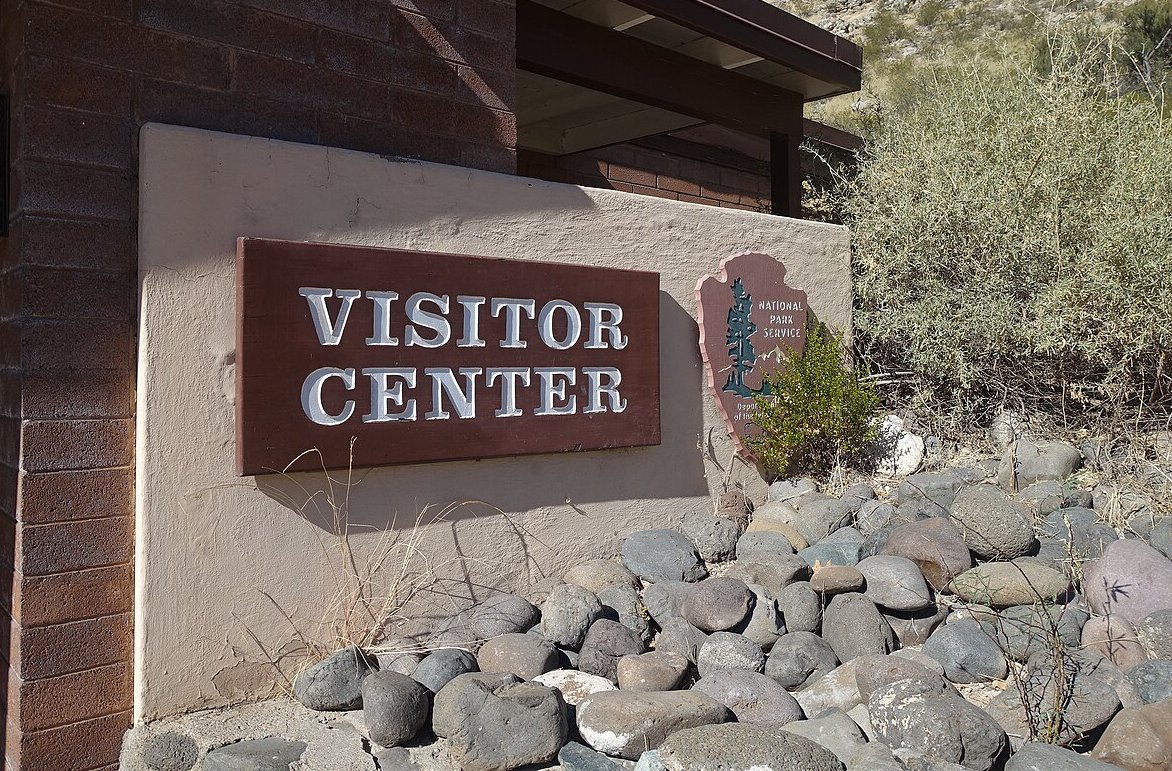 Roller Coaster Philosophy, CC BY 2.0, Wikimedia Commons
Educational Opportunities Abound
Visitors learn about ancient architecture, desert survival, and regional history through museum exhibits and ranger-led programs. Educational materials at the monument align with Arizona state curriculum standards and support thousands of student visits each year.
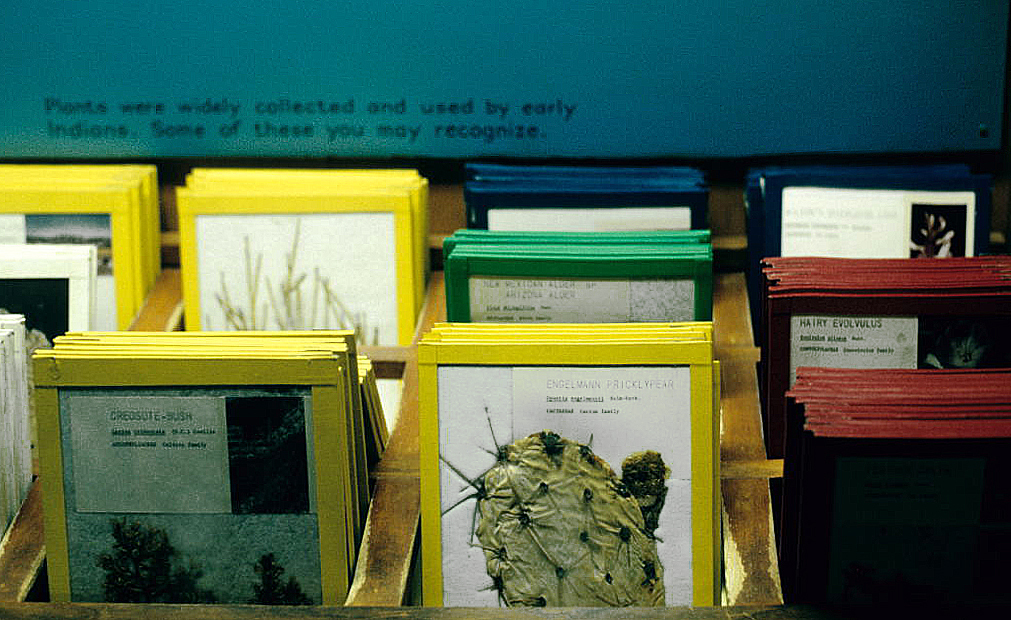 LBM1948, CC BY-SA 4.0, Wikimedia Commons
Park Store For Mementos
The park store, run by the Western National Parks Association, offers books and gifts. Proceeds go directly toward supporting the monument’s preservation and education.
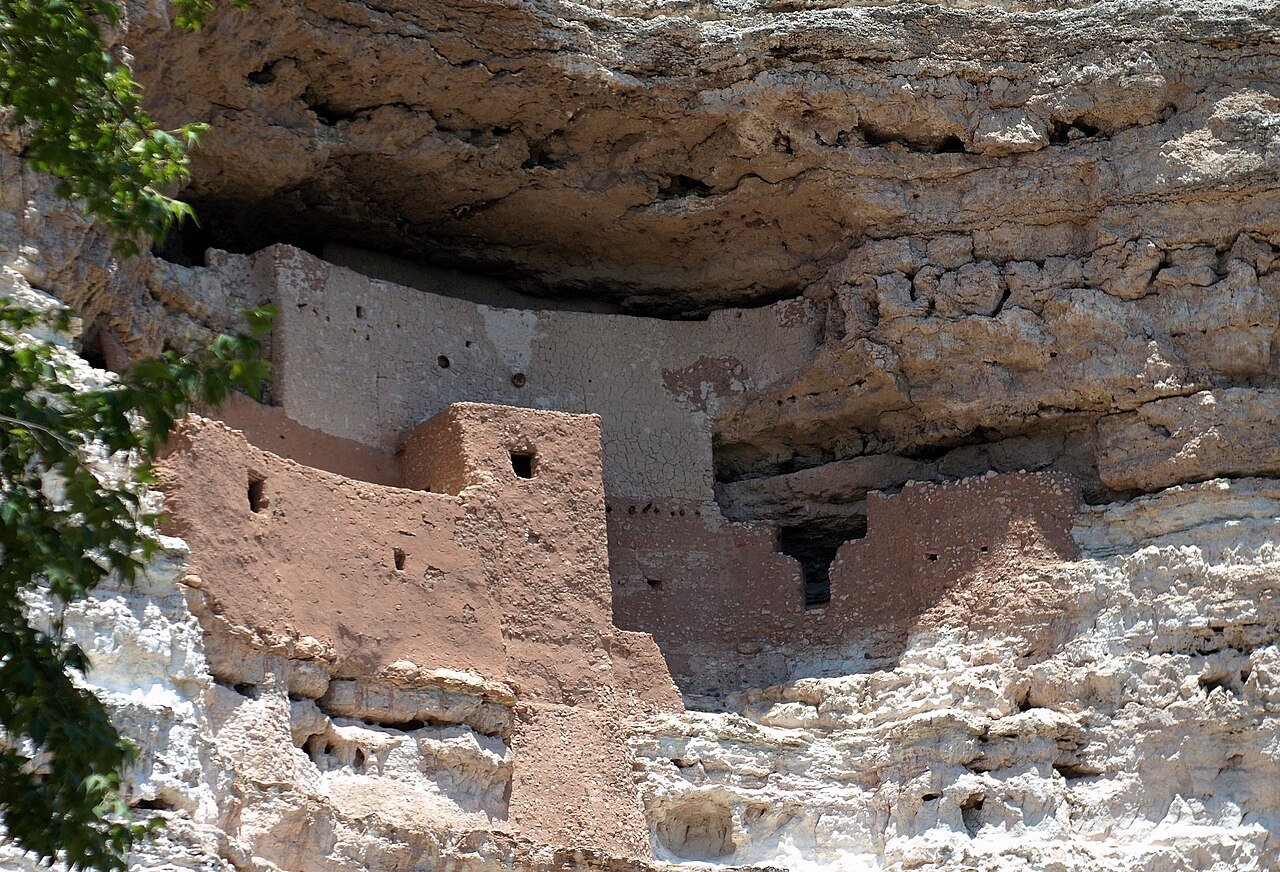
Montezuma Well Stands Nearby
Just five miles north lies Montezuma Well, a natural sinkhole with more Sinagua ruins. It provides further insight into water use and settlement planning.
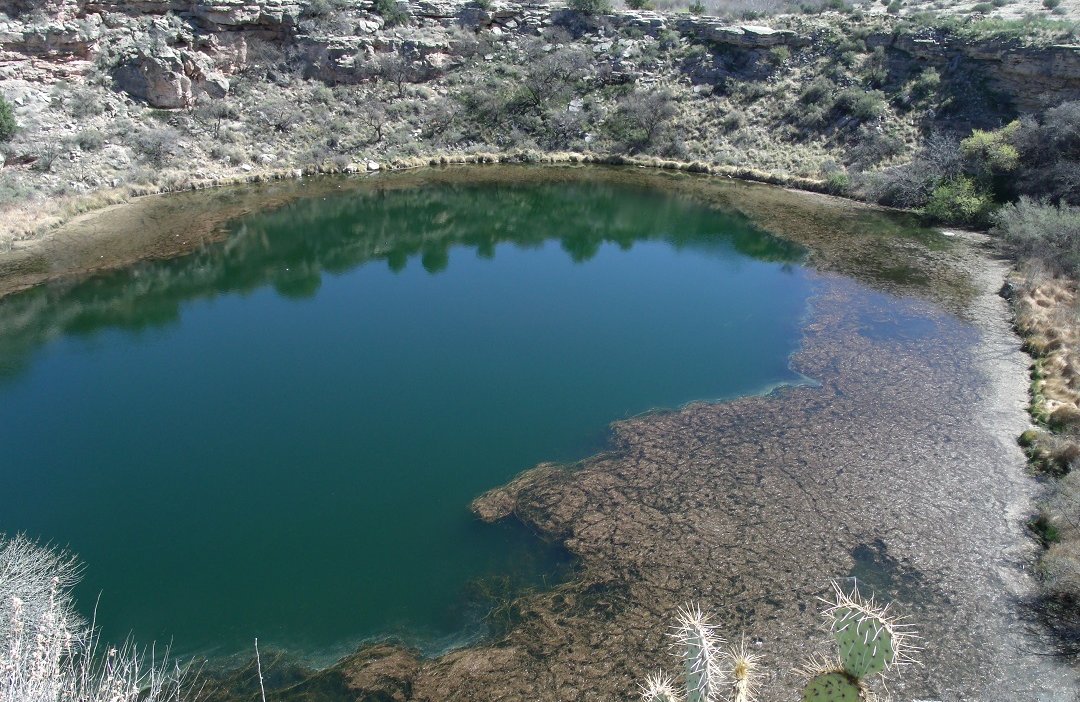 Marine 69-71, CC BY-SA 3.0, Wikimedia Commons
A Detached Unit Of The Monument
Montezuma Well was added as a unit of the monument in 1947. It deepens our understanding of the Sinagua’s water management strategies.
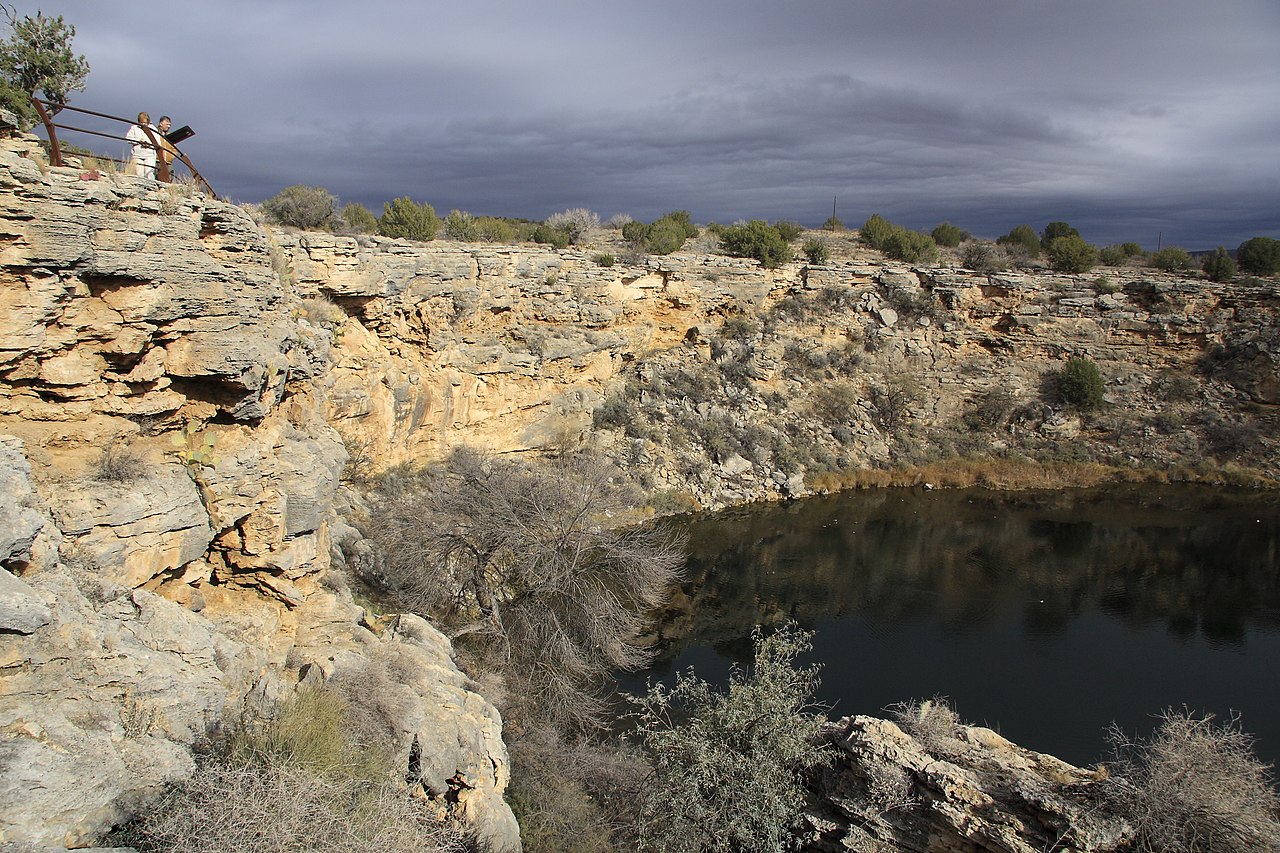 John Menard, CC BY-SA 2.0, Wikimedia Commons
Diverse Plant And Animal Life
A biological survey in the 1990s recorded over 780 species in the monument. Only 11% were non-native, proving that the area maintains a largely undisturbed ecosystem.
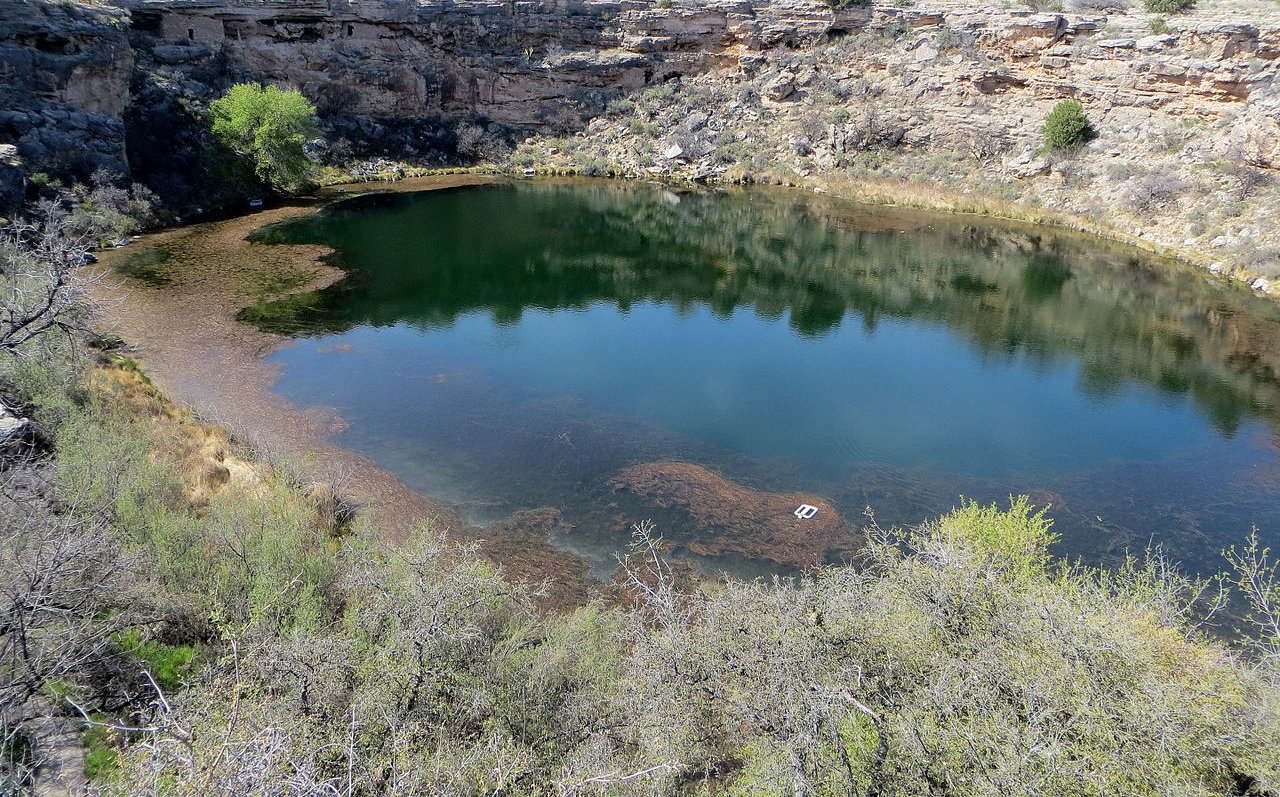 SonoranDesertNPS, CC BY 2.0, Wikimedia Commons
Archaeological Goldmine
The site has yielded countless artifacts, from tools to ornamental shells. These finds suggest the Sinagua were part of a vast trade network across the Southwest.
Inspiration For Modern Architecture
Montezuma Castle inspired the Rocky Slope Residence in Phoenix. This modern home mimics the dwelling’s curved, multi-tiered cliffside look.
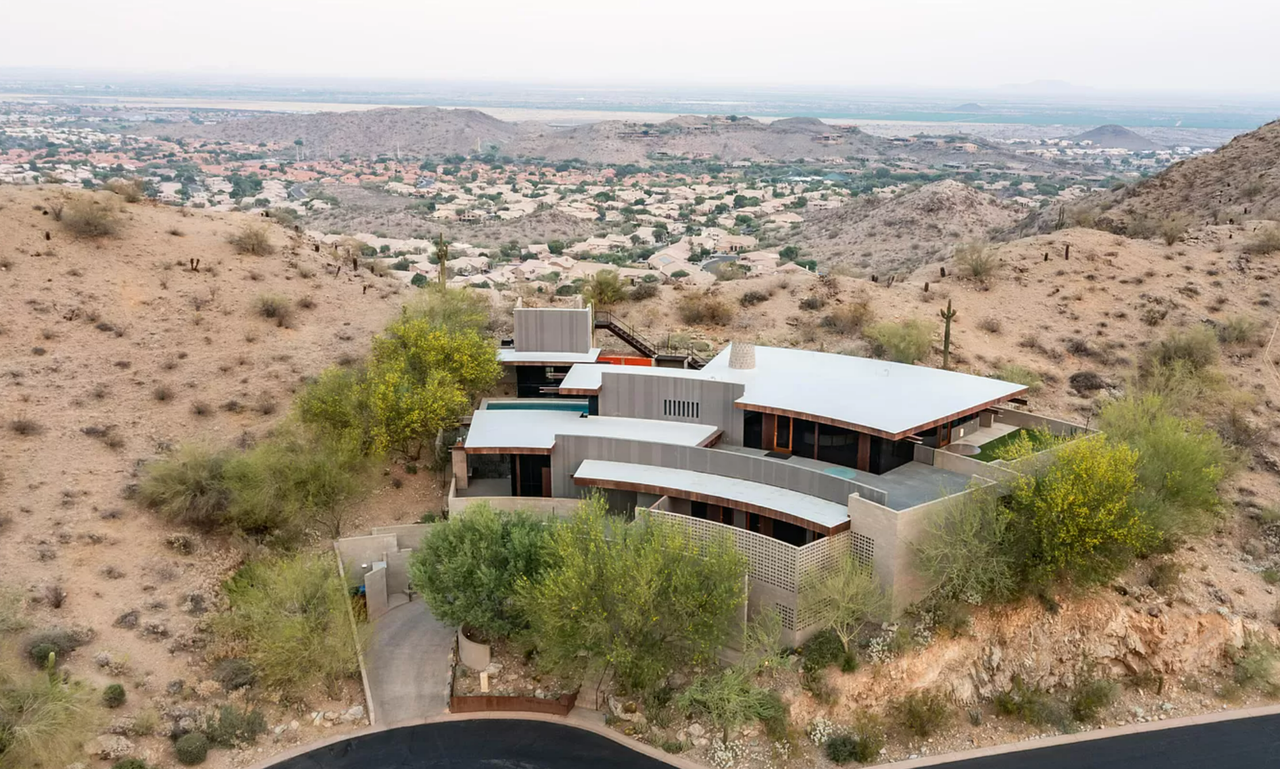 EngFavo, CC BY-SA 4.0, Wikimedia Commons
Design Honored In Magazines
Architect Eddie M Jones designed the Rocky Slope Residence with curved walls and layered terraces echoing Montezuma Castle’s cliffside form. The home’s design, featured in Architect Magazine, reflects how Indigenous engineering continues to shape modern architecture.

Filmed On The Silver Screen
The 1952 Western Flaming Feather filmed its climactic scenes on location at Montezuma Castle, using its dramatic cliffs as a cinematic backdrop. It remains one of the few films ever granted permission to shoot at the protected monument before interior access was permanently closed in 1951.
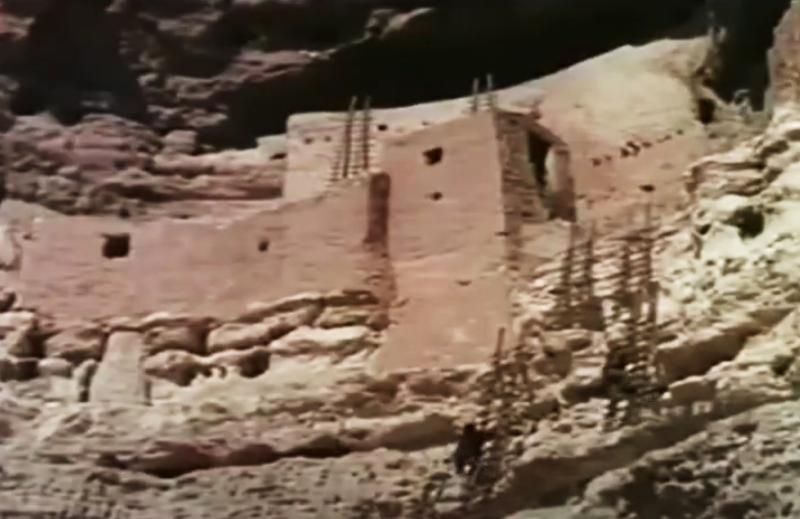 Nat Holt Productions, Flaming Feather (1952)
Evidence Of Trade Networks
Artifacts found at the site include shells and gemstones not native to the region. This suggests the Sinagua engaged in long-distance trade with neighboring cultures.
 Roller Coaster Philosophy, CC BY 2.0, Wikimedia Commons
Sinagua Artistry On Display
The Sinagua were not only skilled builders but also talented artisans who fashioned bone needles, carved stone tools, and crafted decorative shell pendants. Some artifacts show signs of specialized techniques, hinting at dedicated craftsmanship passed down through generations.
 Montezuma Castle National Monument Visitor Center, Wikimedia Commons
Tracing Ancient Footsteps
Montezuma Castle offers a rare, tangible link to ancient life in the American Southwest. Archaeological surveys have documented over 70 sites within the monument, including cliff dwellings, pueblos, and agricultural features, highlighting the Sinagua people's complex and organized community structure.
You May Also Like:
The Stories In The Stone Walls Of Florida’s Coral Castle
 National Park Service Digital Image Archives, Wikimedia Commons





.jpg)


.jpg)


.jpg)


.jpg)

.jpg)


.jpg)
.jpg)


