
Where Would You Actually Go?
Leaving America might sound like the big decision. But then comes the question that makes it real: Where would you actually live? Across discussions, surveys and relocation data, Americans have considered some very different answers to that question.
Some cities might be obvious choices, while others will come as a surprise. Are any of these on your list?

Amsterdam, Netherlands
Amsterdam appeals to Americans looking for walkable neighborhoods, good cycling infrastructure, and a daily routine that doesn’t revolve around driving. Widespread English also makes the adjustment feel less intimidating. Housing is the big obstacle, with finding an affordable apartment considerably harder than finding another reason to want to live there.

Mexico City, Mexico
Mexico City attracts Americans who want big-city culture without moving across an ocean. Food, museums, public transportation, and established international communities all contribute to its appeal. Affordability is part of the conversation, too, although neighborhood choice matters enormously. Moving somewhere less expensive doesn’t necessarily mean choosing the area where every other newcomer wants to live.
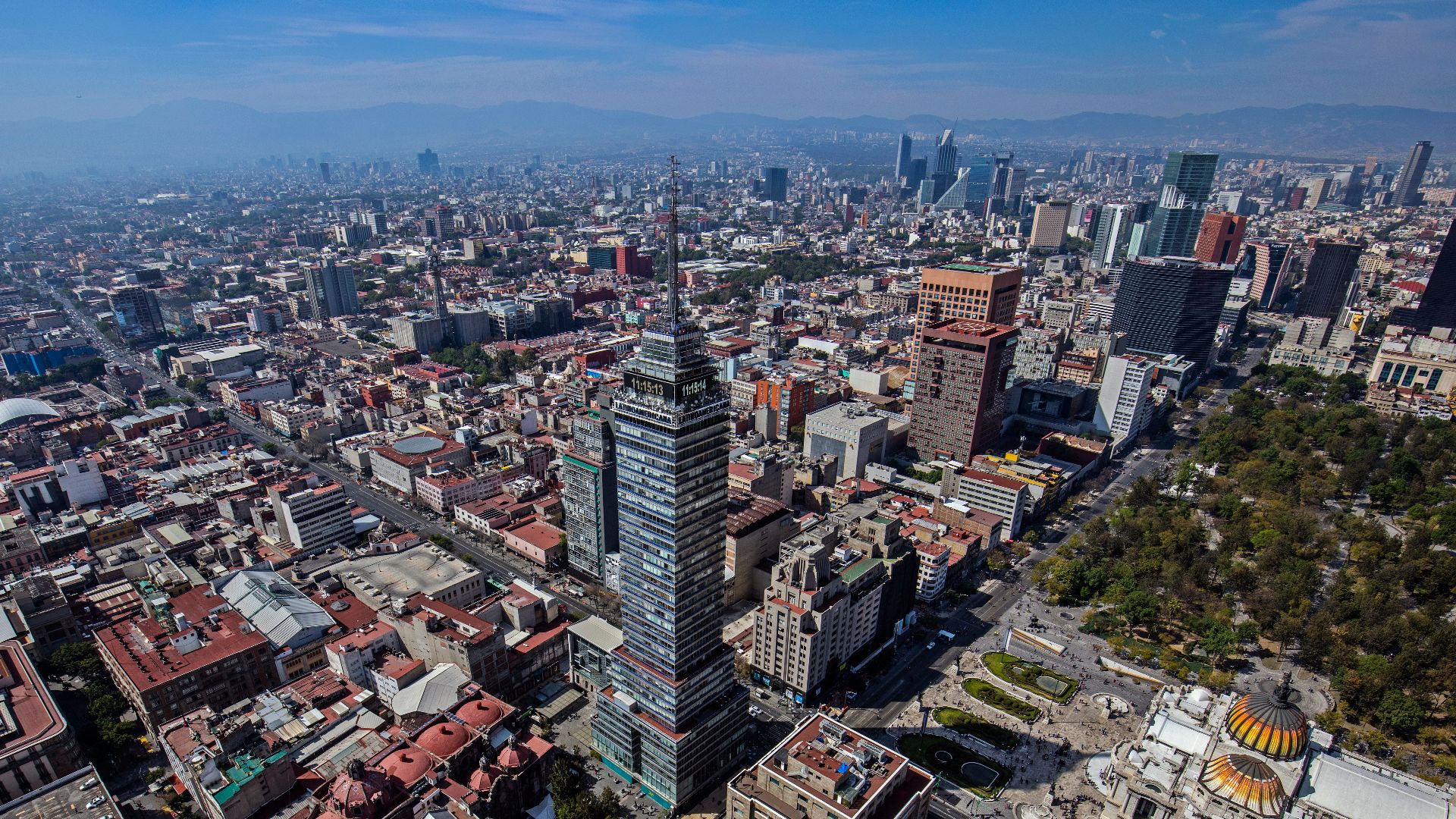 Gobierno CDMX, Wikimedia Commons
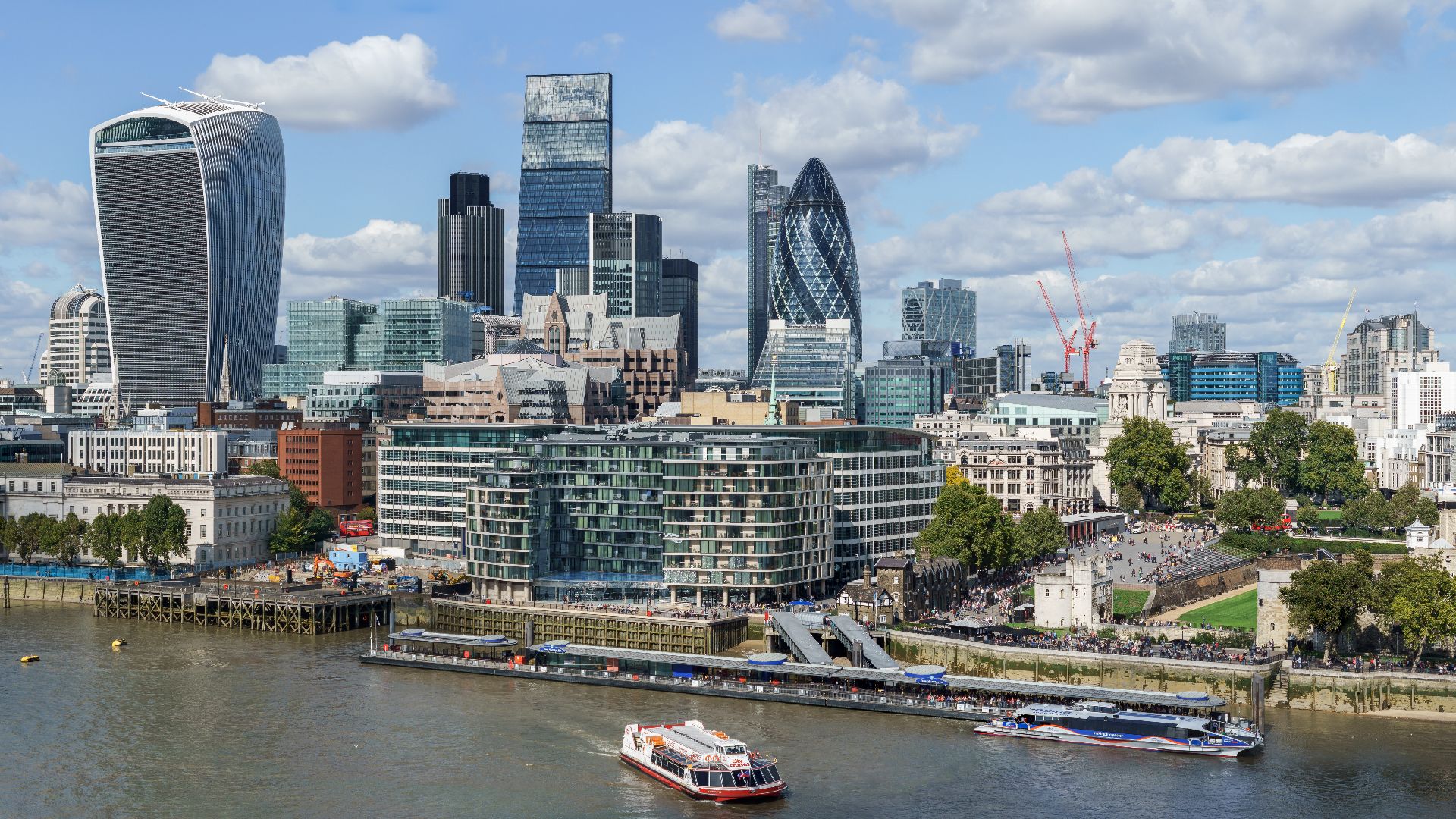
London, England
London offers Americans familiarity alongside a very different daily experience. There’s no new language to learn, public transportation reaches across the city, and its cultural attractions go well beyond a vacation itinerary. Housing costs are a serious drawback. For many people, though, London remains the city they’d choose if the budget cooperated.
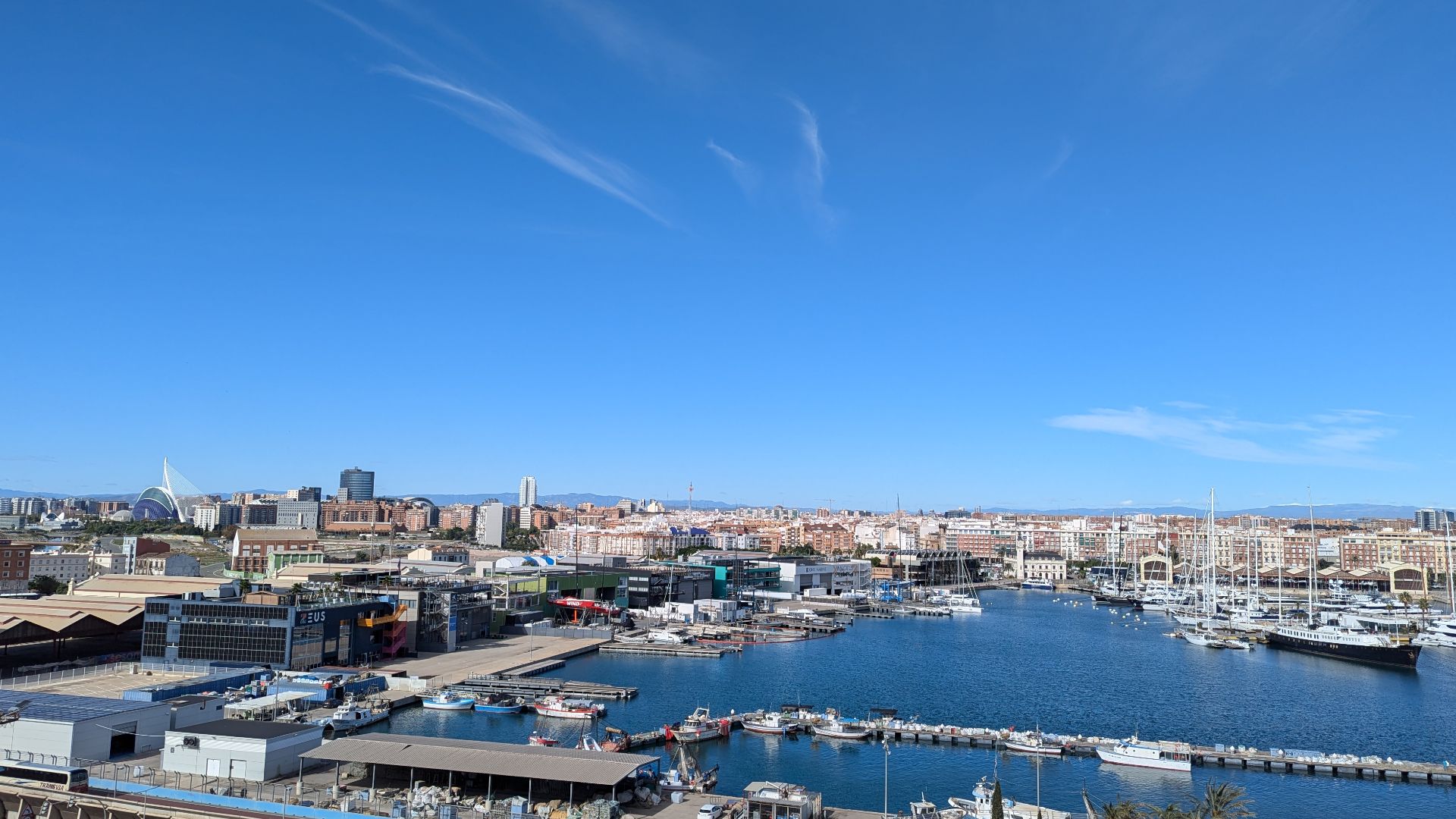
Valencia, Spain
Valencia appeals to Americans interested in Mediterranean weather, beaches, and a manageable city with good public transportation. Its parks and cycling routes add to the everyday appeal. Living costs have received favorable reviews from international residents, although the local job market is a weaker point. Enjoying the lifestyle and earning a living there are separate questions.
Vancouver, Canada
Vancouver draws Americans who want access to mountains, waterfront neighborhoods, and a major English-speaking city while staying relatively close to home. Its comparatively mild winters also distinguish it from much of Canada. Housing is the obvious catch. Anyone choosing Vancouver to escape expensive real estate may need to revisit that part of the plan.
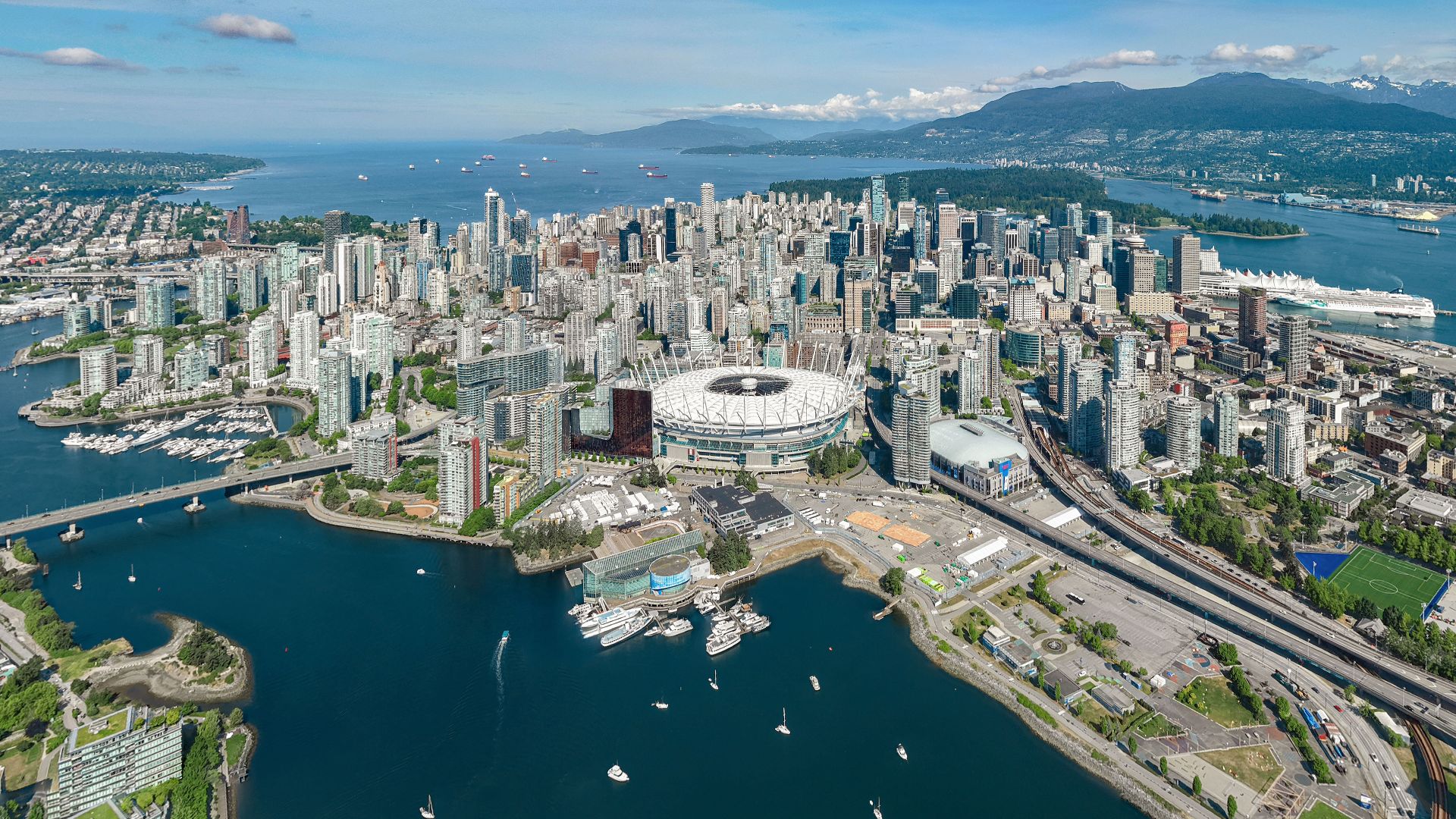 Quintin Soloviev, Wikimedia Commons
Tokyo, Japan
Tokyo attracts Americans with its extensive transportation network, food, and reputation for personal safety. Everyday convenience is a major part of the appeal, especially for people tired of driving everywhere. The adjustment can still be substantial. Learning Japanese and adapting to local work culture matter considerably more when the visit becomes a permanent address.

Lisbon, Portugal
Lisbon appeals to Americans looking for mild winters, an international community, and a different pace of life. Its waterfront and historic neighborhoods help, of course. But its reputation as an inexpensive escape needs qualification: housing can be costly, and local career opportunities don’t necessarily match the lifestyle people imagine.

Edinburgh, Scotland
Edinburgh attracts Americans who want history, cultural life, and an English-speaking environment without choosing a city as large as London. Its compact center and access to green space are everyday advantages. The cooler weather is part of the calculation, too. For some people, escaping scorching summers sounds considerably better than chasing sunshine.
 Andrew Colin, Wikimedia Commons
Montreal, Canada
Montreal offers Americans a distinct cultural change without putting an ocean between them and home. Public transportation, neighborhood businesses, and a busy arts scene contribute to its appeal. French matters for everyday life and employment, while winter requires a genuine adjustment. This is a different version of Canada from the one some Americans initially picture.

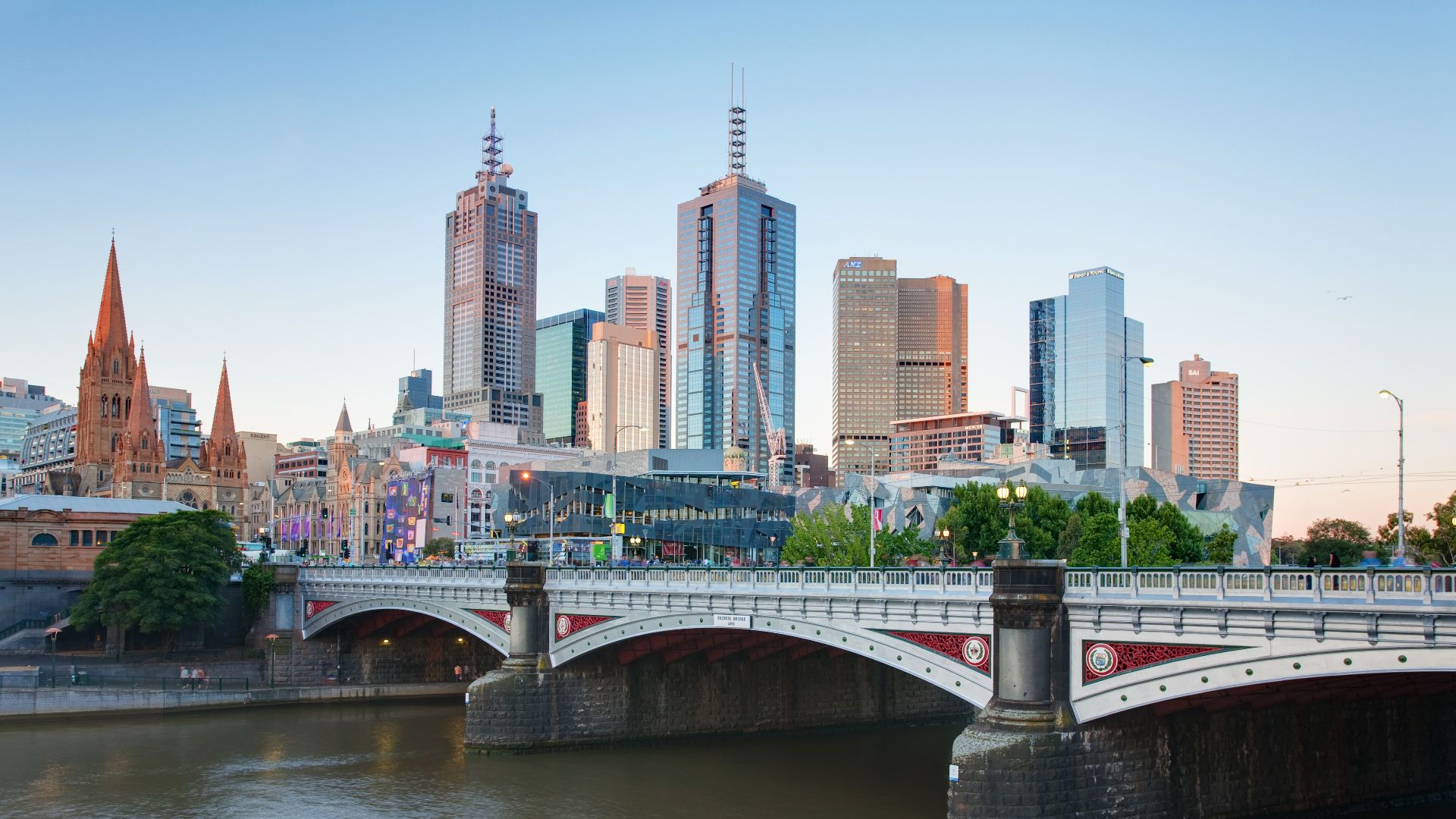
Melbourne, Australia
Melbourne appeals to Americans interested in an English-speaking city with public transportation, varied neighborhoods, and a strong cultural scene. Its cafés and markets are part of an everyday lifestyle rather than just tourist stops. Living costs can be high, however, and the distance from the U.S. makes casual trips home considerably less casual.
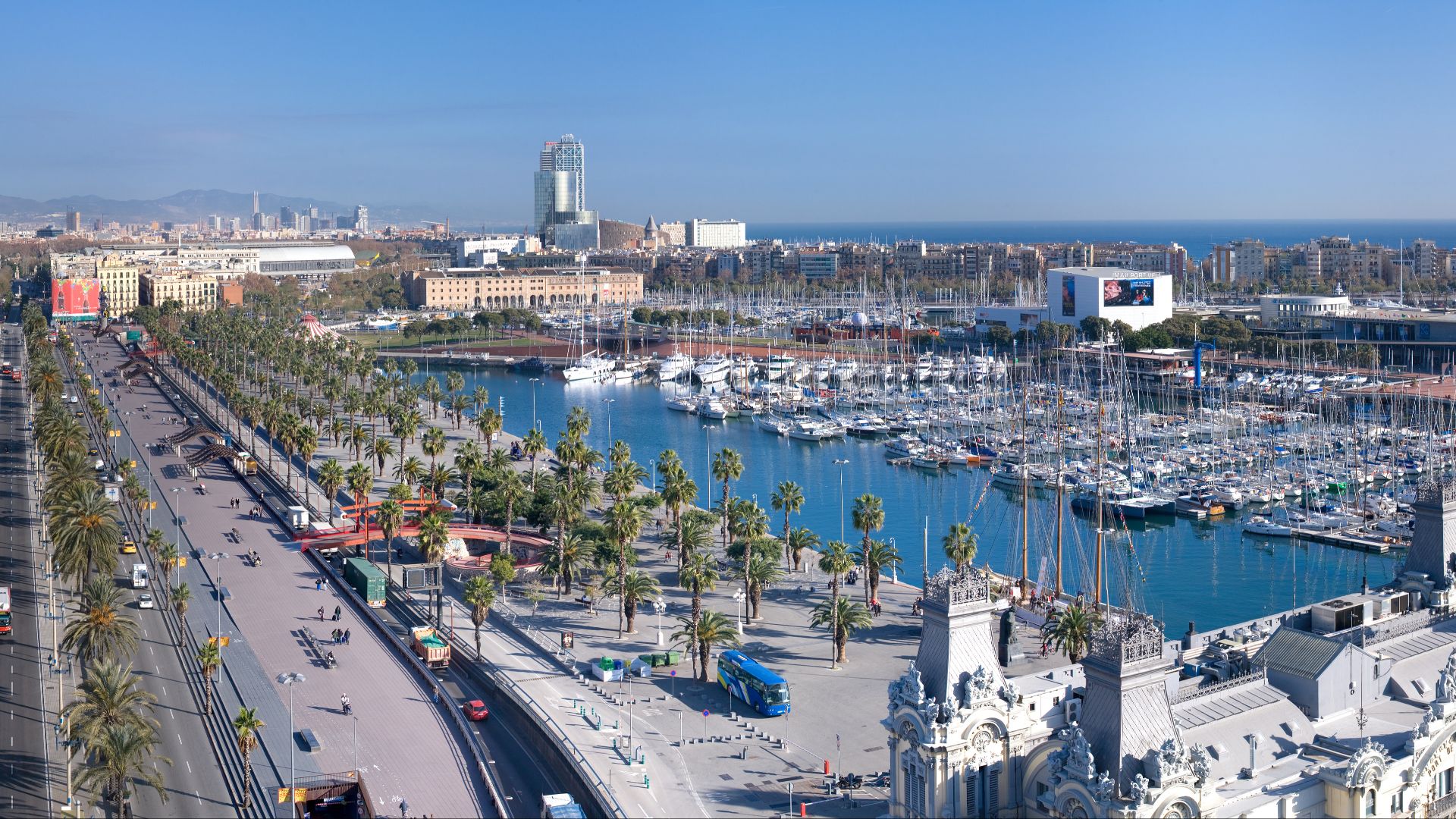
Barcelona, Spain
Barcelona attracts Americans who want Mediterranean living without giving up major-city amenities. Beaches, public transportation, food, and cultural life all contribute to the interest. Housing affordability is a concern, and local salaries may disappoint newcomers expecting American earning power. Spanish and Catalan also become more relevant once daily life extends beyond the visitor-friendly areas.
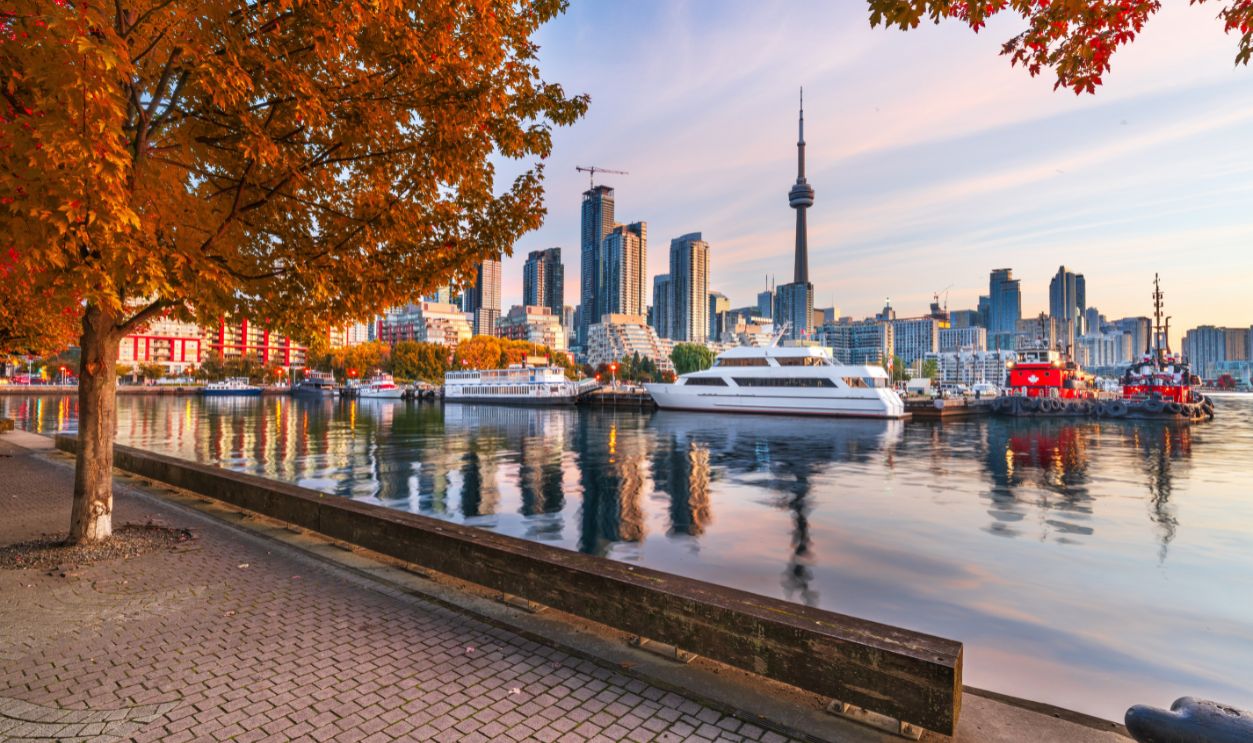
Toronto, Canada
Toronto appeals to Americans who want an international city while retaining familiar language, sports, shopping, and North American routines. Its diverse neighborhoods offer plenty of ways to find a community. But this isn’t automatically a move toward a cheaper life. Housing and general living costs are substantial considerations, even before winter enters the discussion.
Porto, Portugal
Porto attracts Americans interested in Portugal who want an alternative to Lisbon. Its riverfront, historic neighborhoods, and smaller scale give it a different feel from the capital. The appeal includes a more manageable urban setting, although the hills and rainy winters deserve consideration. Portugal doesn’t provide exactly the same lifestyle at every address.

Madrid, Spain
Madrid appeals to Americans who want an active social life, extensive public transportation, and the amenities of a European capital. Museums and restaurants are part of the attraction, but so is the possibility of enjoying more of the day outside work. It’s an inland choice, though, with hot summers rather than a beach outside the door.

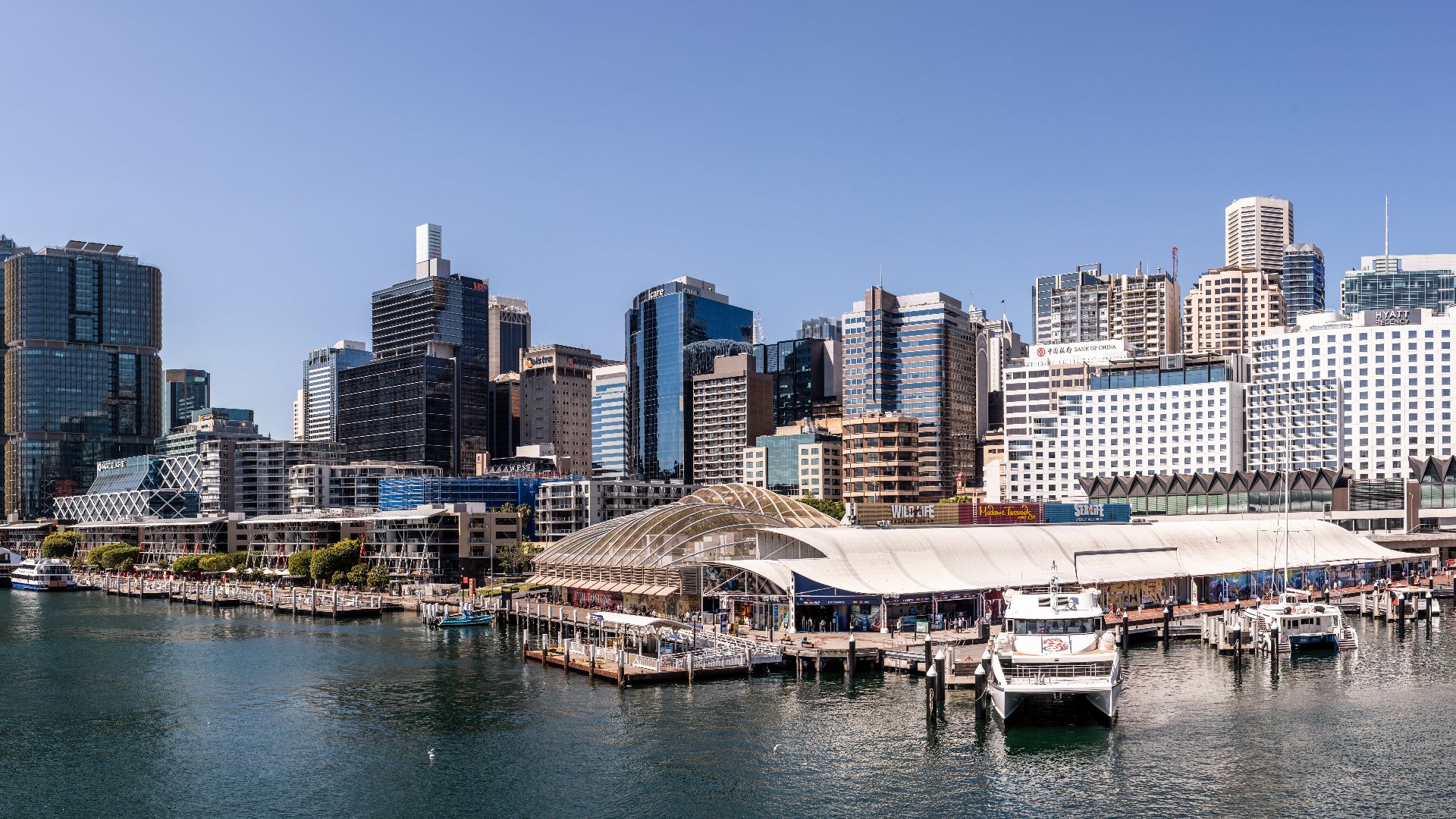
Sydney, Australia
Sydney attracts Americans looking for an English-speaking city where beaches, waterfront walks, and outdoor recreation can become part of normal life. It offers the scale and services of a major metropolitan area alongside that setting. The trade-offs are substantial living costs and distance. Visiting family back home becomes something to plan carefully.
 Dietmar Rabich, Wikimedia Commons
Paris, France
Paris appeals to Americans interested in walkable neighborhoods, public transportation, food, and cultural life. France’s healthcare system can also enter the relocation calculation, although coverage depends on meeting eligibility requirements. Housing and bureaucracy are less romantic parts of the move. And learning French becomes considerably more useful when there’s no return flight booked.
 Wladyslaw (Taxiarchos228), Wikimedia Commons
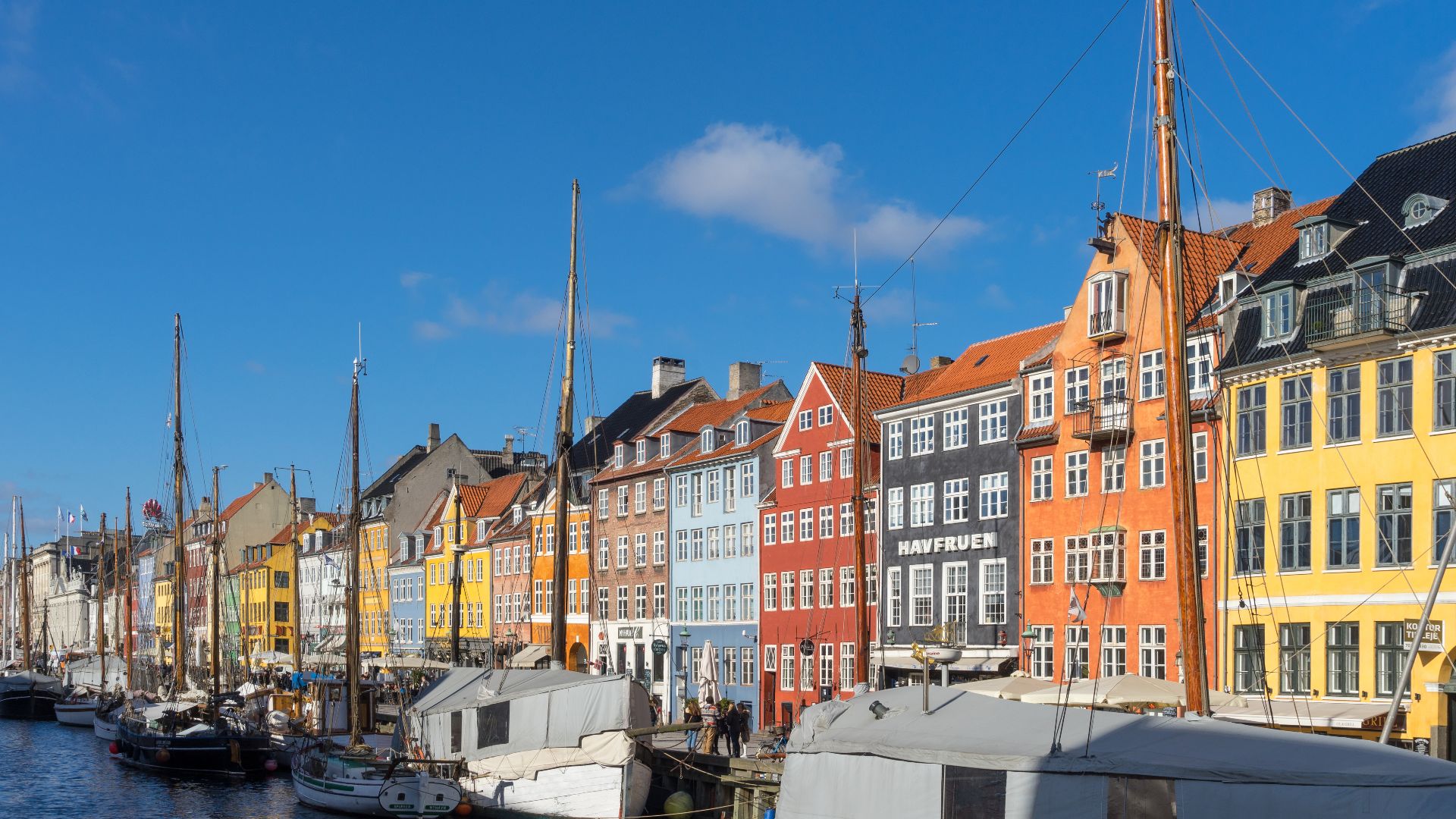
Copenhagen, Denmark
Copenhagen attracts Americans interested in cycling, well-designed public spaces, and a working culture associated with flexibility and time outside the office. International residents have rated its work-life balance particularly well. That makes it appealing for reasons beyond appearance. The darker winters are still something to weigh before deciding the daily routine would suit everyone.
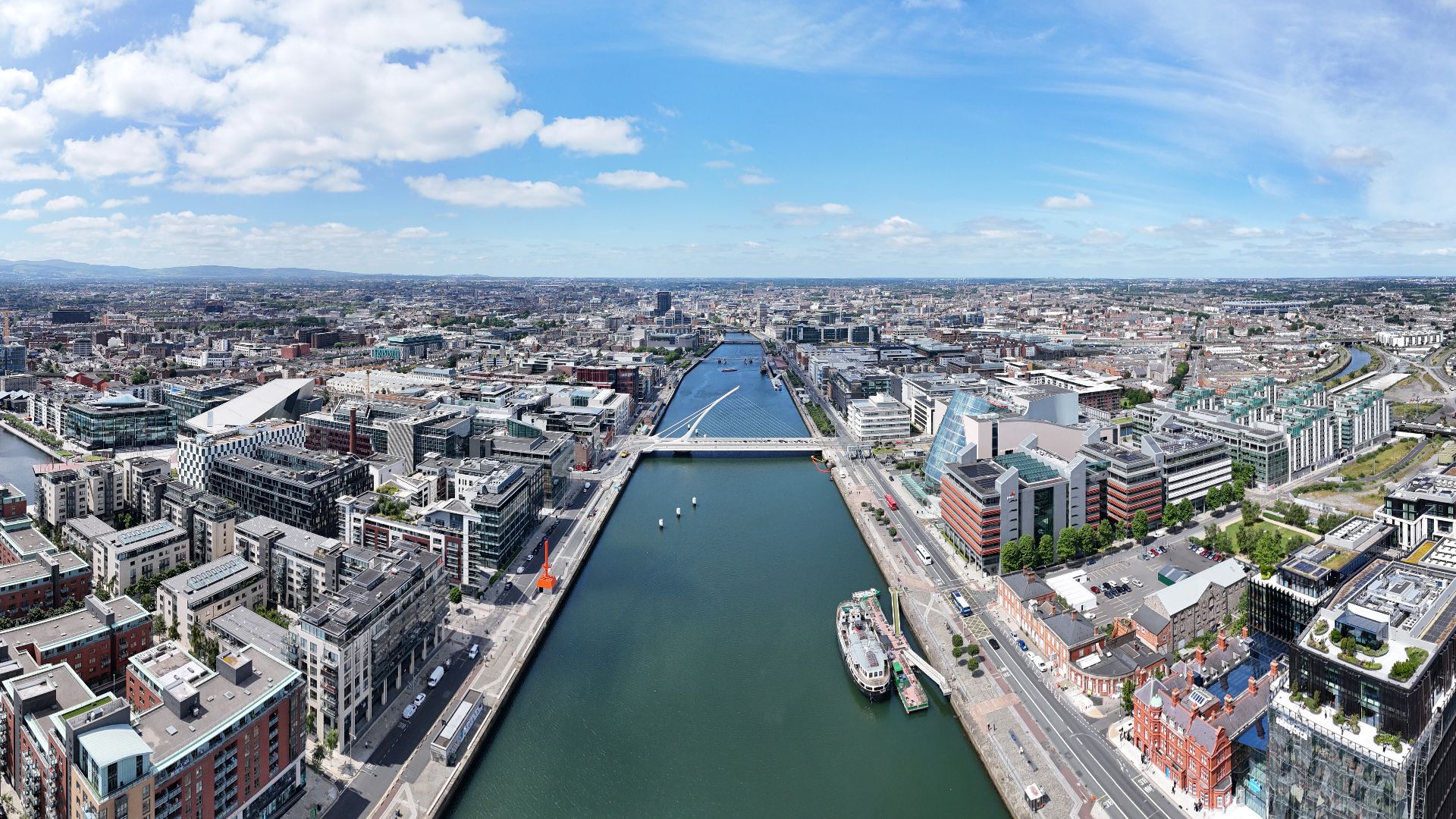
Dublin, Ireland
Dublin appeals to Americans through shared language, cultural connections, and an international employment market. For some, Irish ancestry adds another reason to consider it. Housing is the major complication: international residents have reported serious problems with both availability and affordability. Feeling comfortable in a city doesn’t necessarily make finding somewhere to live straightforward.
 The waters of the Shweli River, Wikimedia Commons
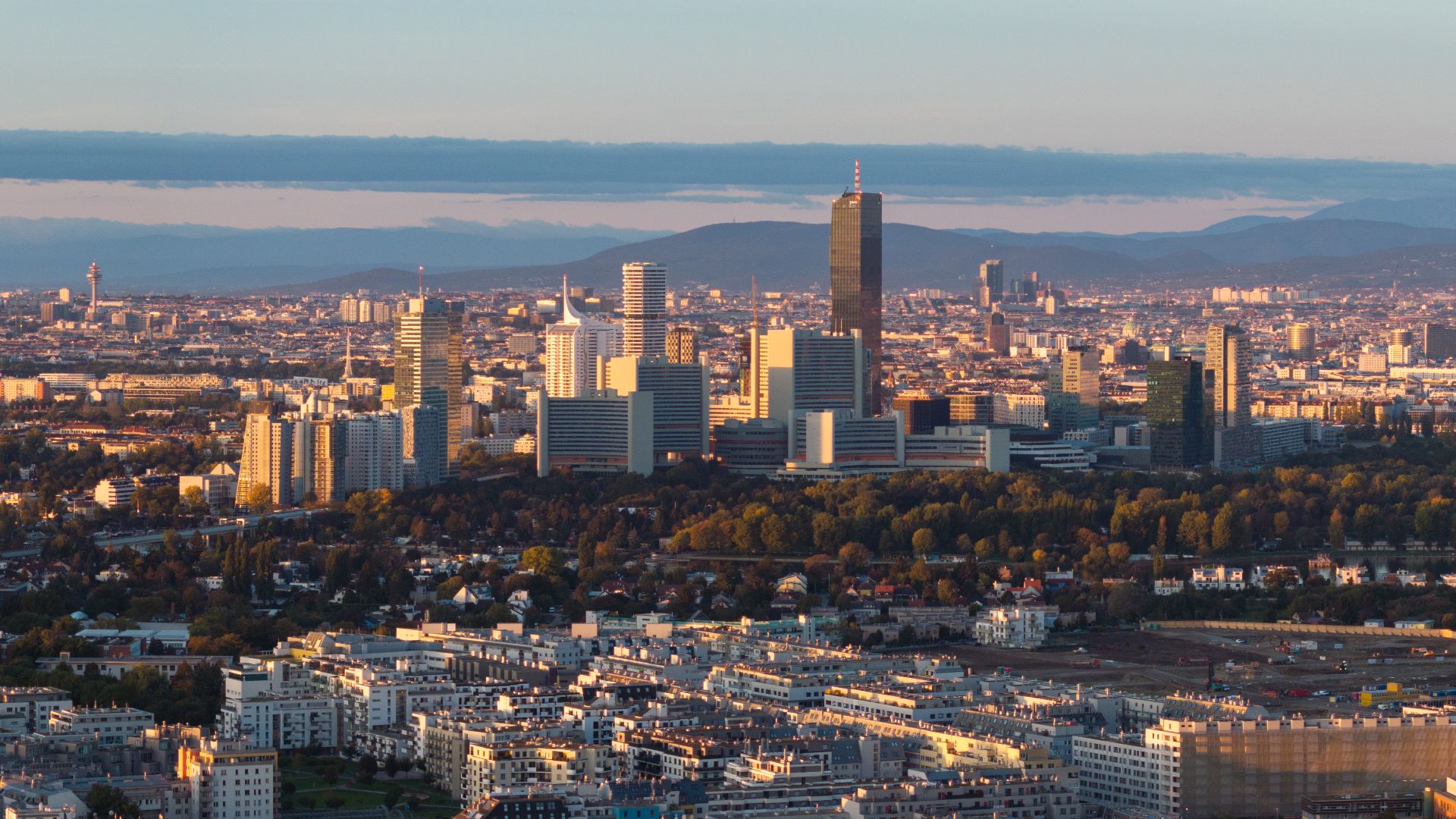
Vienna, Austria
Vienna attracts Americans who value reliable public transportation, parks, cultural attractions, and a city that functions well day to day. International residents have rated its transportation particularly favorably. The adjustment is more personal than picturesque: learning German and building a social circle can take effort, even when the practical side of life works well.
 Spicypepper999, Wikimedia Commons
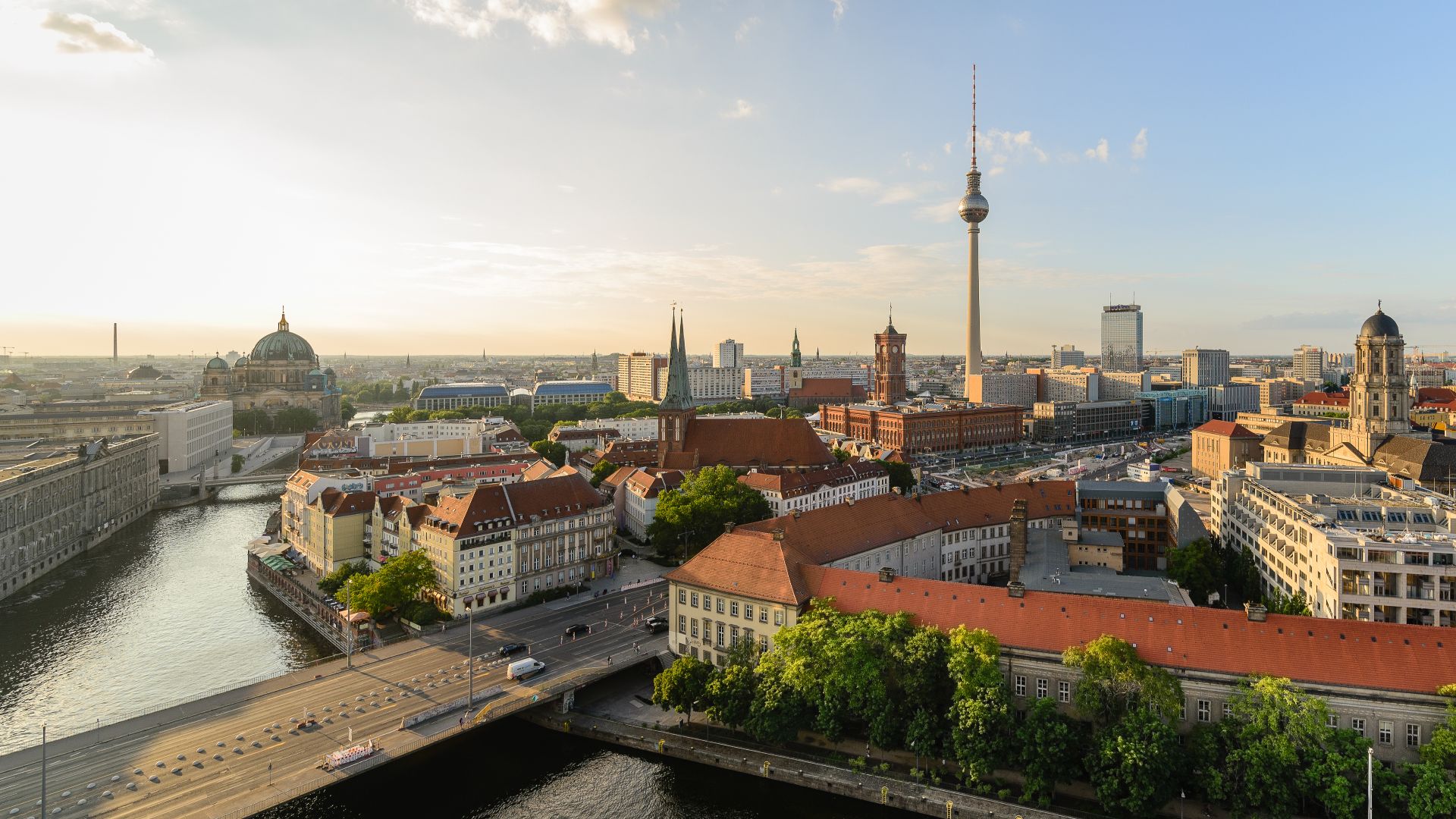
Berlin, Germany
Berlin appeals to Americans interested in music, art, international communities, and neighborhoods with distinct identities. Public transportation adds to the attraction for people seeking a different daily routine. But its old reputation as an easy, inexpensive place to start over needs caution. Finding housing and dealing with administrative tasks can test that enthusiasm.
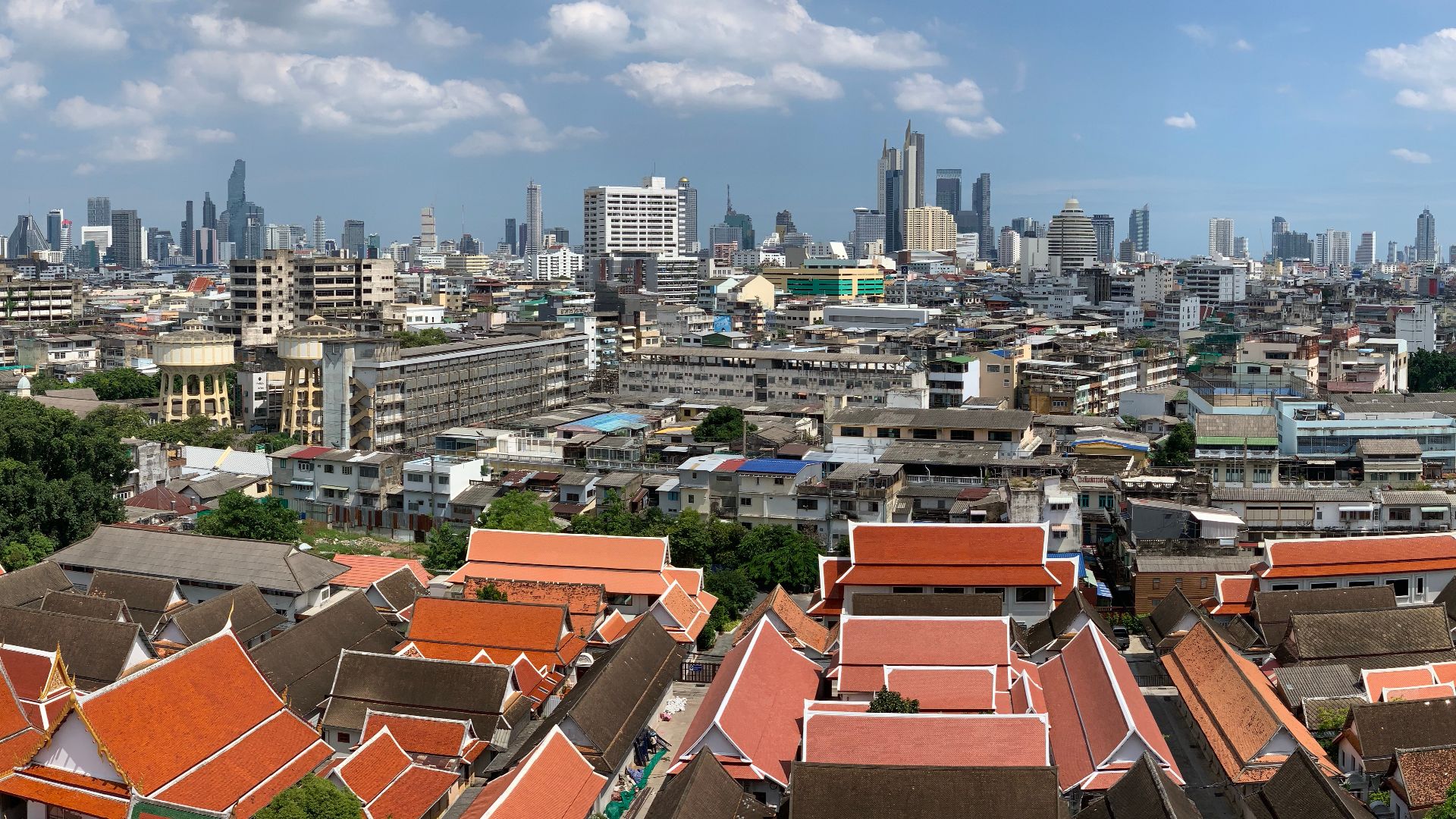
Bangkok, Thailand
Bangkok attracts Americans interested in lower living costs, an established expatriate community, and a city with plenty happening beyond the tourist areas. International residents have rated its affordability favorably, including housing. The tropical heat, traffic, and sheer scale require adjustment. A lively city lifestyle is very much part of the choice.
 Sergei Gussev, Wikimedia Commons
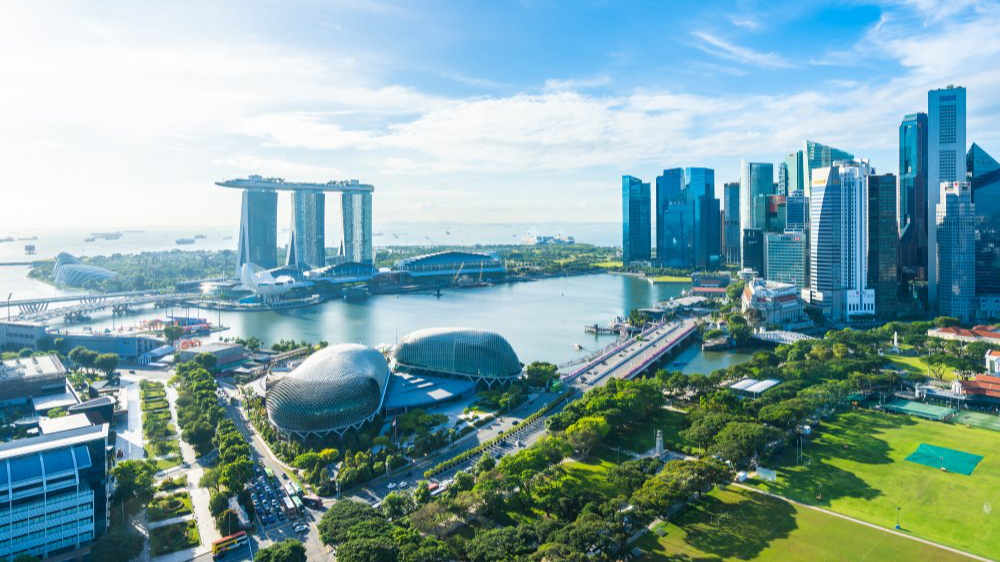
Singapore
Singapore appeals to Americans who want widespread English, extensive public transportation, and an international business environment. Its reputation for cleanliness and personal safety also contributes to the attraction. Affordability is another matter. This is a choice more associated with convenience and career possibilities than with stretching a modest retirement budget.
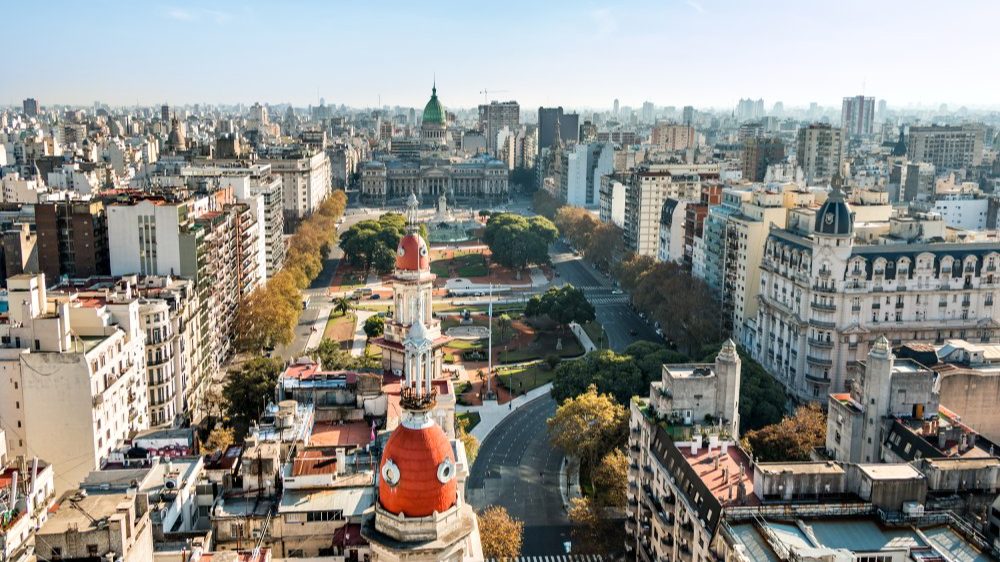
Buenos Aires, Argentina
Buenos Aires appeals to Americans interested in neighborhood life, cultural attractions, and a daily rhythm that runs later than they’re used to. Cafés, bookstores, and busy public spaces contribute to that interest. Spanish becomes important beyond the visitor experience, and its location in the Southern Hemisphere means adjusting to a reversed seasonal calendar, too.
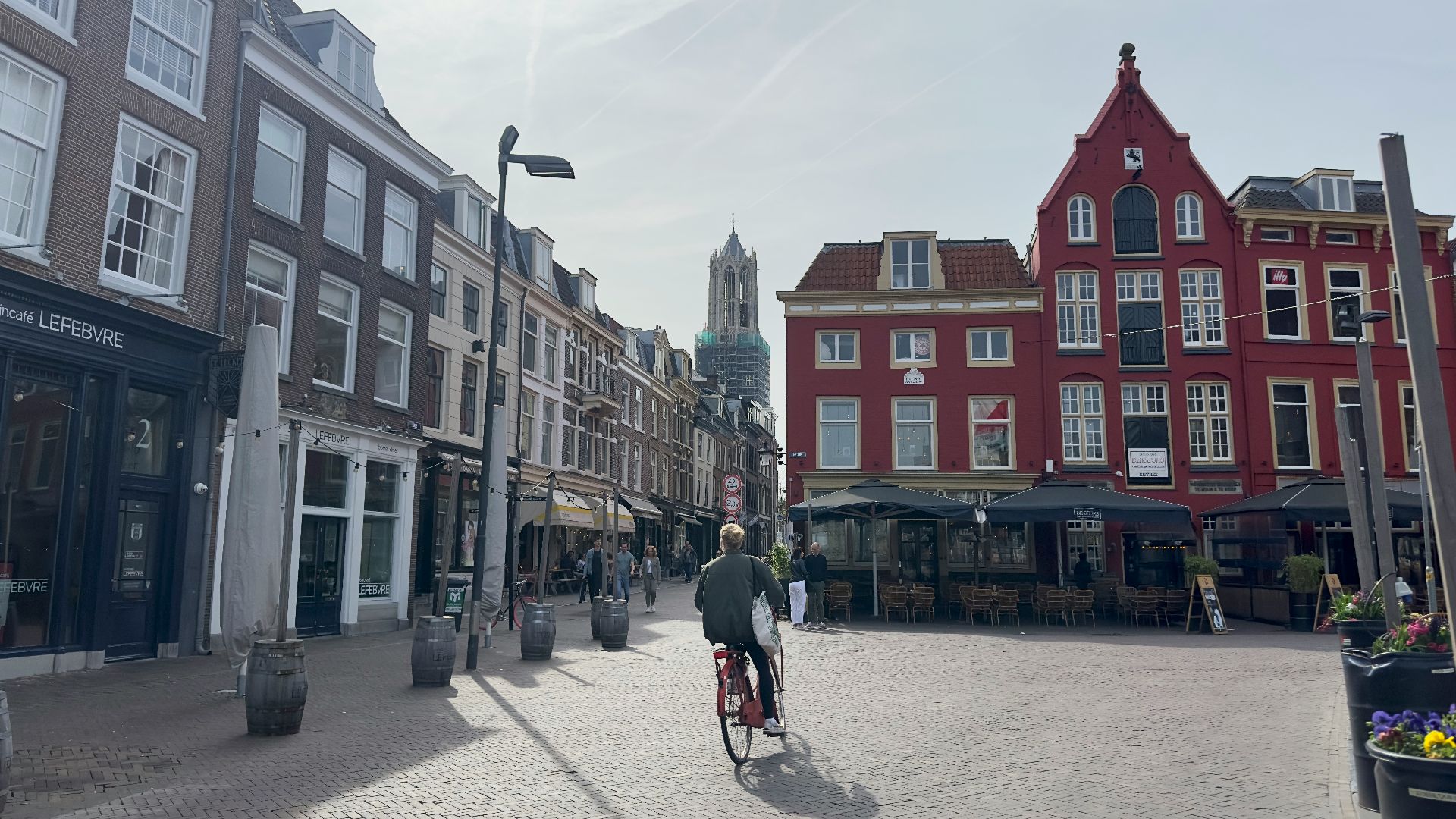
Utrecht, Netherlands
Utrecht is a more niche choice, but Americans discussing it point to cycling, public transportation, and the possibility of depending less on a car. Its smaller scale offers an alternative to Amsterdam. That doesn’t mean escaping the Dutch housing shortage, though. A city can feel manageable while its apartment search feels anything but.
Dubai, United Arab Emirates
Dubai appears prominently in U.S. relocation searches, adding a different kind of destination to the conversation. International business, modern infrastructure, and a large expatriate population contribute to its appeal. The intense summer heat is a practical consideration. It’s a choice associated with global connections and professional opportunities rather than a quieter, slower-paced life.
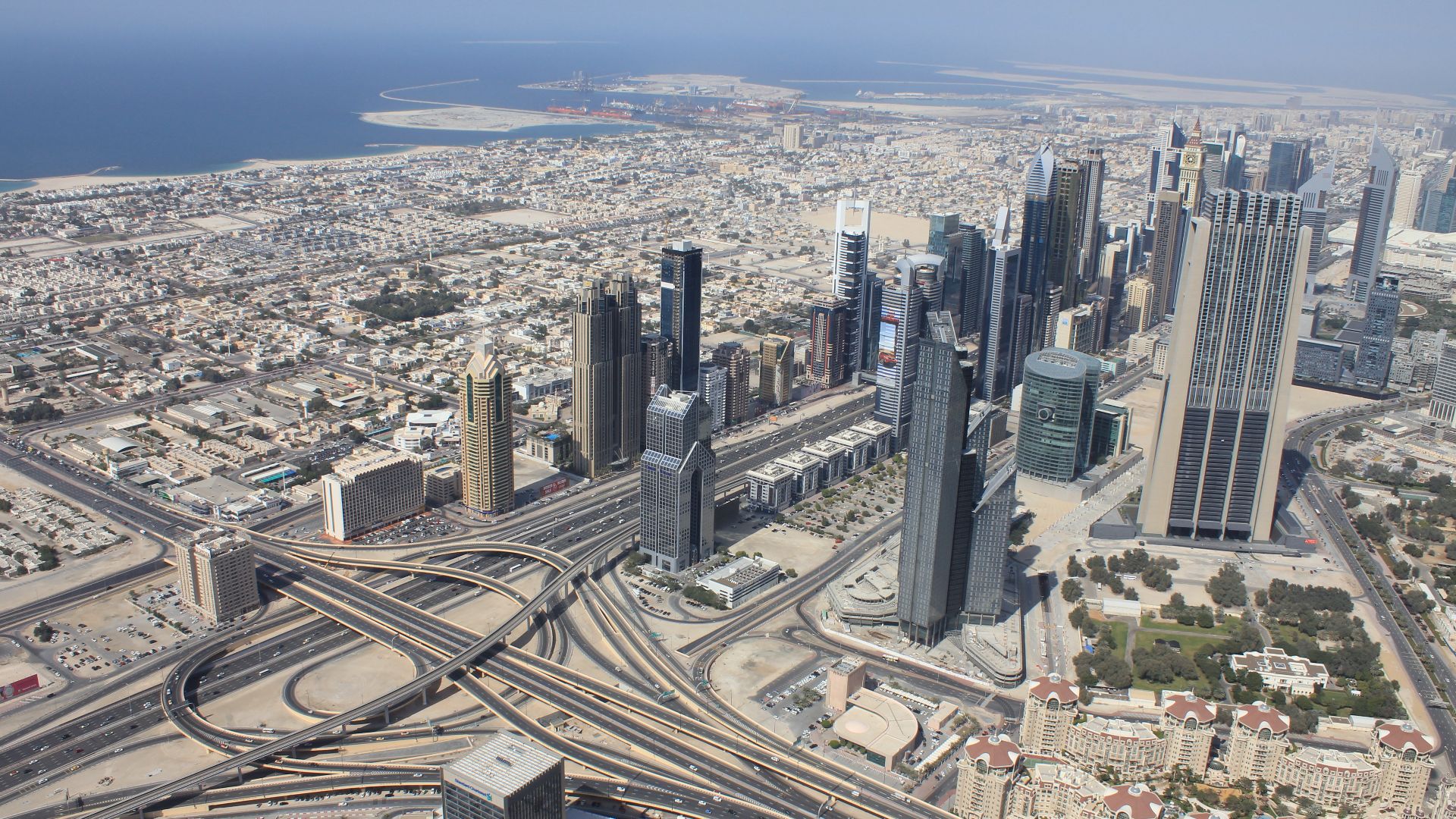 Xiaotong Gao, Wikimedia Commons
Which One Makes Your List?
Some Americans want somewhere familiar enough to settle into quickly. Others are willing to change the language, weather, and entire daily routine. Where would you go?

You Might Also Like:
Not Just Poutine—Canadian Regional Foods That You Won't Find Anywhere Else
Foods Americans Eat Every Day That Are Surprisingly Difficult To Find In Europe