Canada Gets Much Weirder Than Poutine
Canadian food changes dramatically depending on where you go. One province fries bread dough for breakfast, another stuffs pork inside potato dumplings, and somewhere in Quebec, maple syrup is being poured over snow.
These 25 regional foods are closely tied to their corners of Canada. How many have you actually tried?
#25. Halifax Donair — Halifax, Nova Scotia
Where it's from: Halifax, Nova Scotia
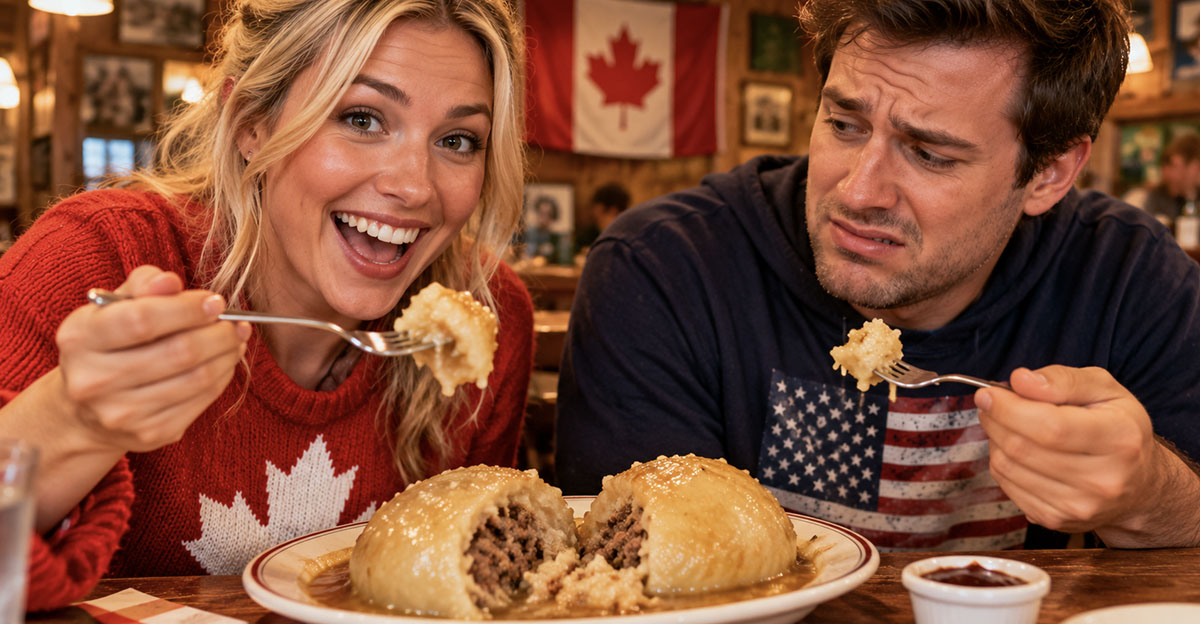
A Halifax donair may look like a gyro, but the first bite tells a different story. Spiced ground beef is roasted on a vertical spit, shaved thin, and stuffed into pita with tomatoes and raw onions.
The signature ingredient is sweet donair sauce, traditionally made with evaporated milk, sugar, vinegar, and garlic. It's sweet, salty, garlicky, messy, and best eaten with plenty of napkins.
 Michael Stuparyk, Getty Images
#24. Ployes — Madawaska, New Brunswick
Where they're from: Madawaska region, New Brunswick
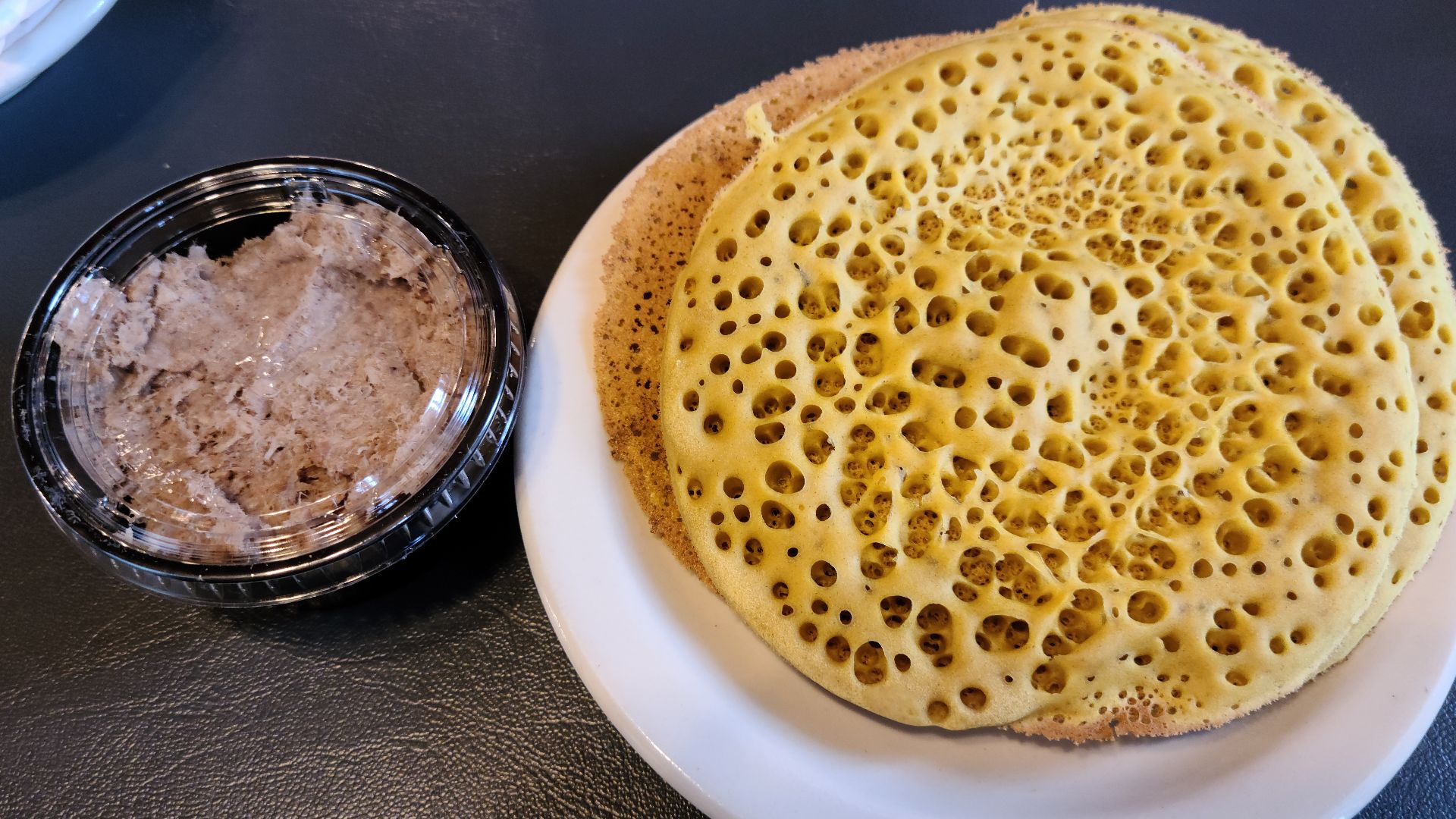
Ployes look like pancakes someone forgot to flip. Made mainly with buckwheat flour, wheat flour, water, and leavening, they're traditionally cooked on only one side.
The result is soft, spongy, and slightly nutty rather than sweet. Locals eat them with butter, molasses, or maple syrup, or use them to soak up savoury dishes. Whatever you do, don't flip them.
#23. Saskatoon Berry Pie — Saskatchewan And The Prairies
Where it's from: Saskatchewan and the Canadian Prairies
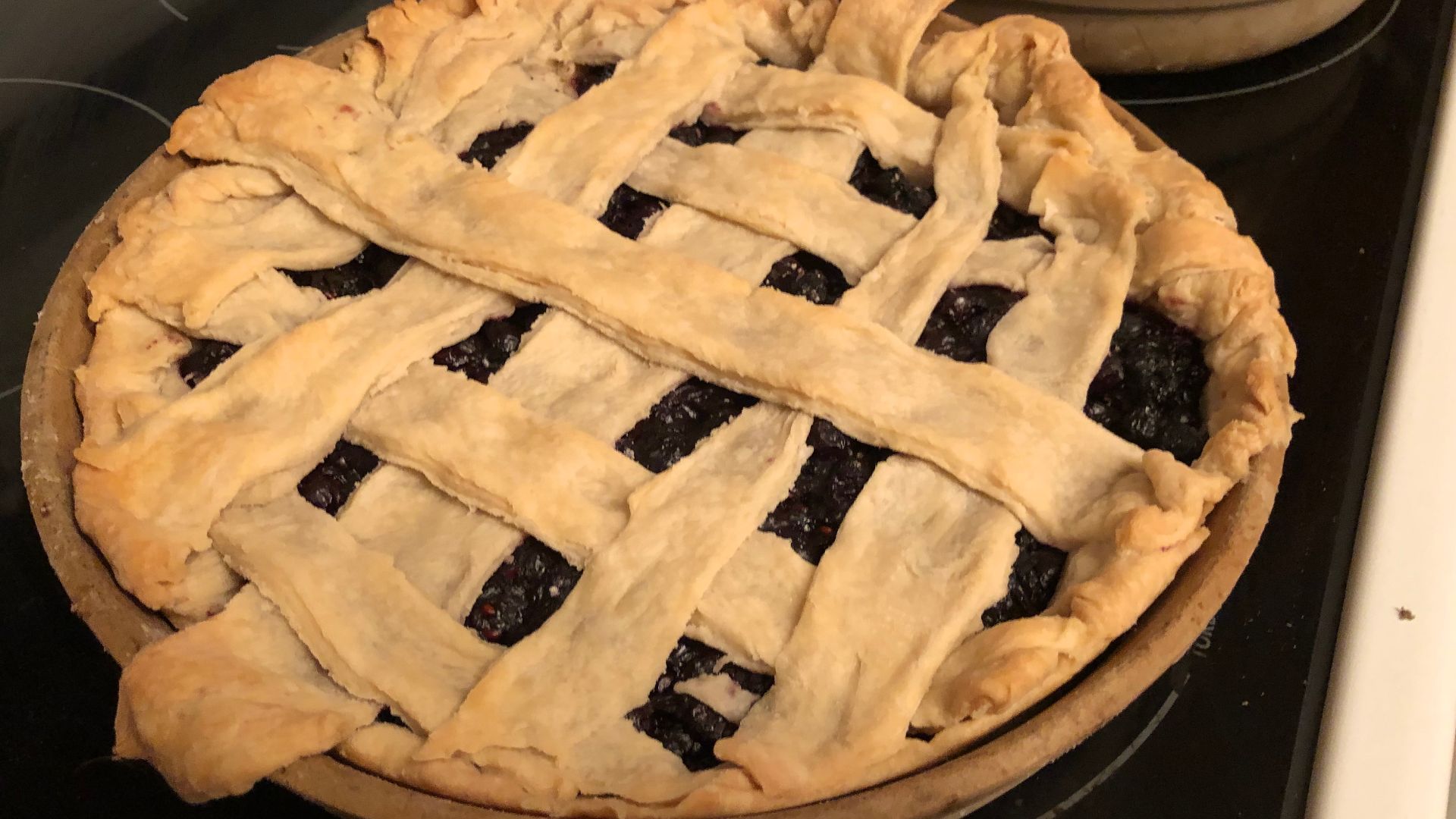
Saskatoon berries may resemble blueberries, but they have a sweeter, earthier flavour with a slightly nutty, almond-like note.
Bake them with sugar inside a flaky pie crust and you have a Prairie classic. The berries grow across western Canada, but Saskatchewan embraced them so enthusiastically that they share a name with the province's largest city. Add vanilla ice cream and things get even better.
 Alan Levine from Archydal, Canada, Wikimedia Commons
#22. Montreal-Style Bagels — Montreal, Quebec
Where they're from: Montreal, Quebec
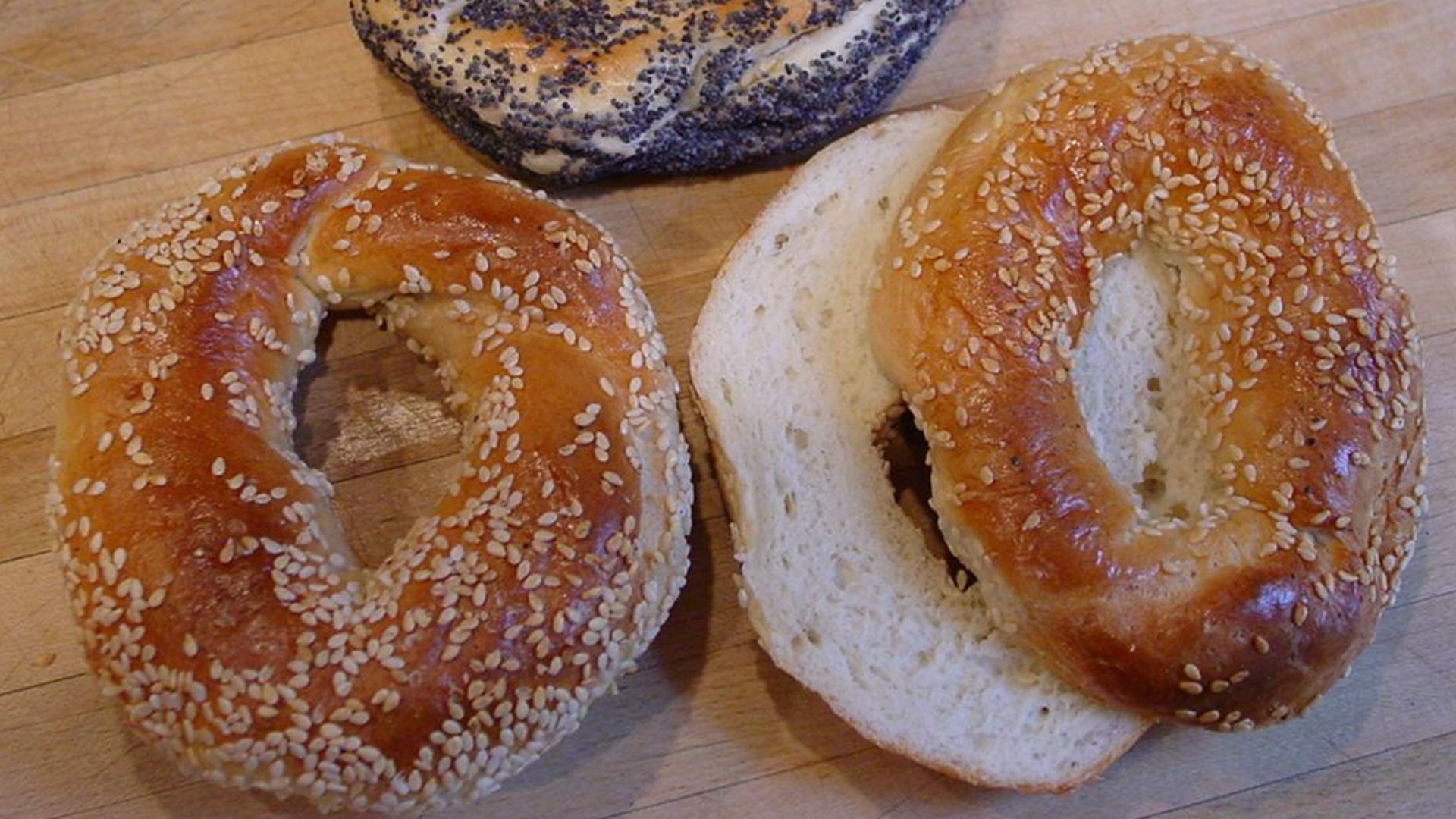
Montreal bagels are thinner, denser, and sweeter than the oversized bagels found in many other cities.
The dough traditionally contains egg and malt, while the bagels are boiled in honey-sweetened water before hitting a wood-fired oven. That creates a chewy middle and crisp, blistered exterior with subtle sweetness.
Sesame and poppy seed are the classics, preferably eaten warm.
 Garyperlman at English Wikipedia, Wikimedia Commons
#21. Toutons — Newfoundland And Labrador
Where they're from: Newfoundland and Labrador
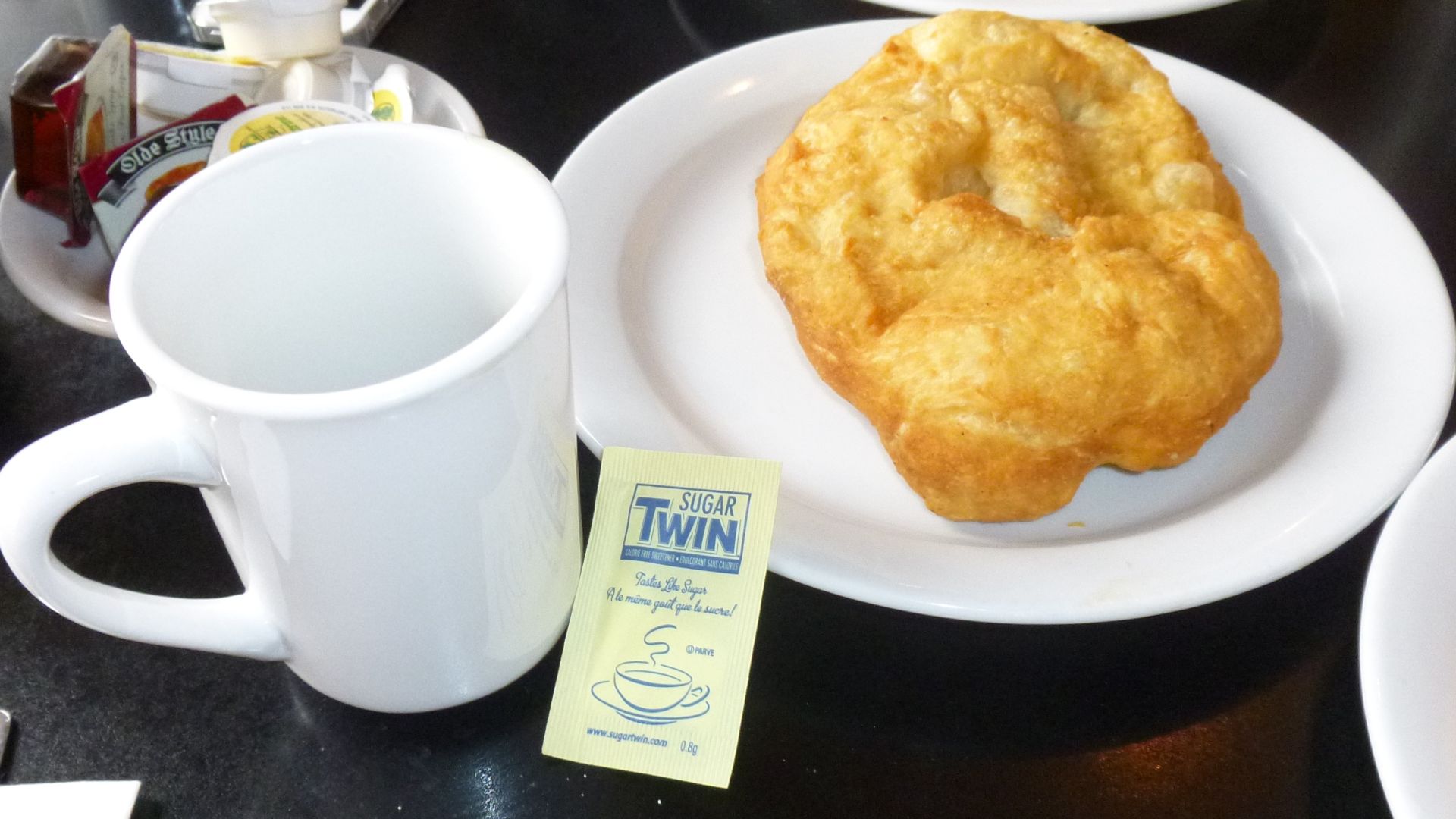
Newfoundlanders found a delicious use for leftover bread dough: fry it.
Toutons are pieces of risen dough flattened and cooked until golden outside and soft inside. Traditionally, they could be fried in rendered pork fat, although butter or oil is common today.
Top one with molasses and you get warm, chewy, salty-sweet comfort food that makes a dangerously good breakfast.
 Bigmacthealmanac, Wikimedia Commons
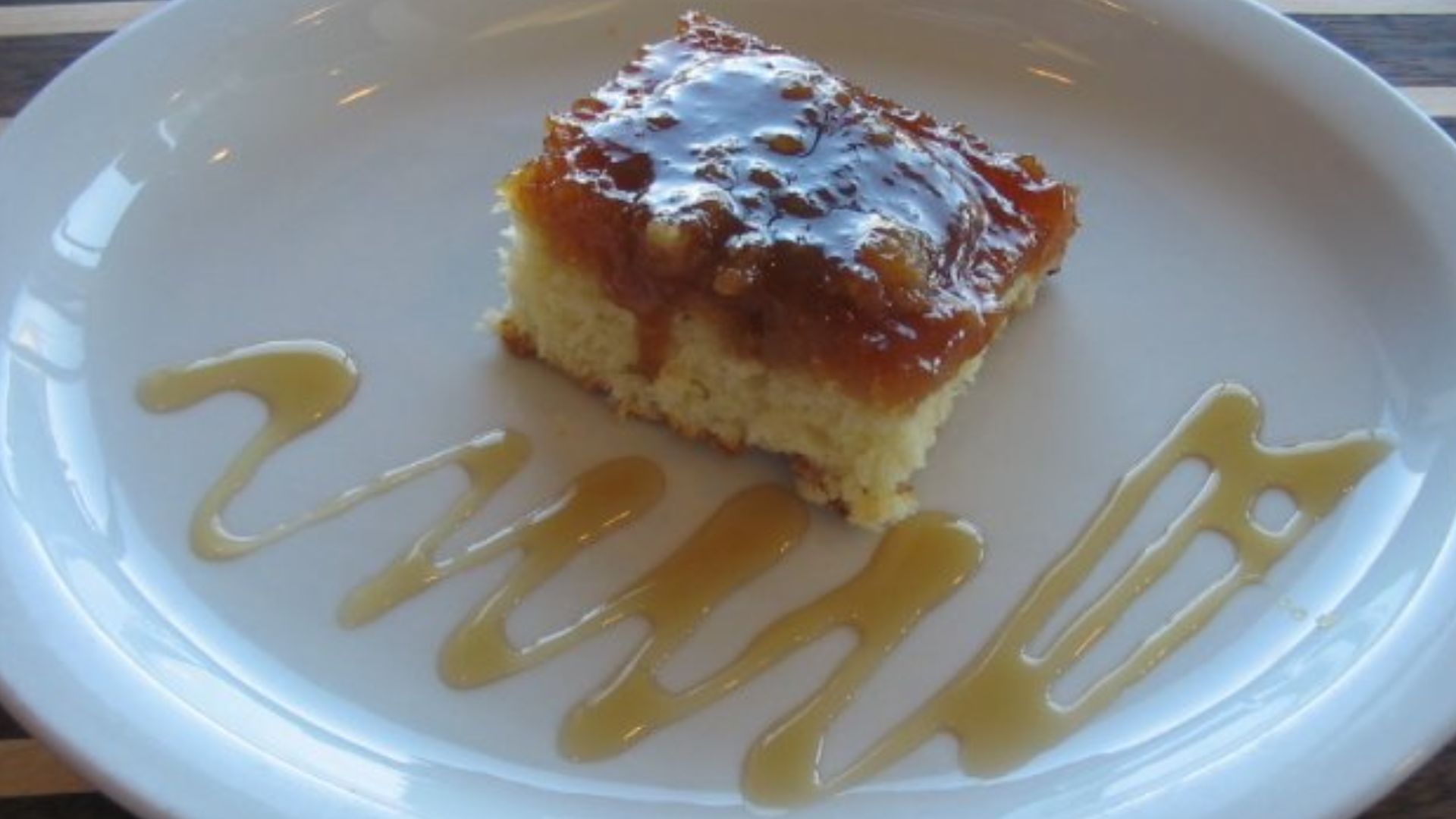
#20. Pouding Chômeur — Quebec
Where it's from: Quebec
The name roughly translates as "unemployed person's pudding," but the dessert tastes anything but cheap.
Created during the Great Depression, pouding chômeur traditionally used inexpensive pantry ingredients. Cake batter is baked with a sweet sauce, historically made with brown sugar but now often prepared with maple syrup and cream.
The finished dessert is warm, gooey, buttery, and intensely sweet.
 Geneviève Desroches, Wikimedia Commons
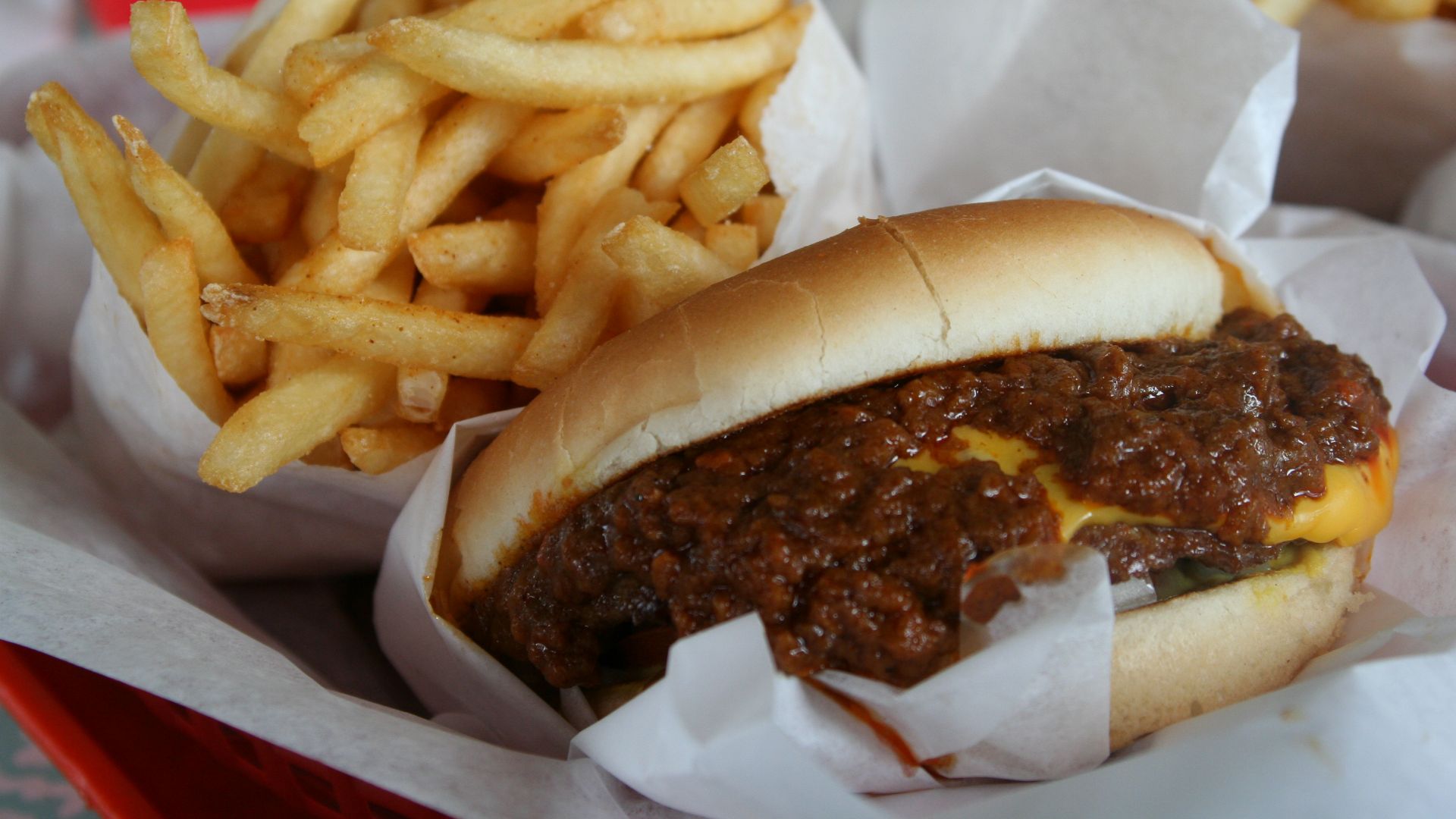
#19. Winnipeg-Style Fat Boy Burger — Winnipeg, Manitoba
Where it's from: Winnipeg, Manitoba
Winnipeg's Fat Boy isn't trying to be a neat gourmet burger.
A beef patty is piled with lettuce, tomato, pickles, onions, mayonnaise, and, most importantly, meaty chili. That chili turns an ordinary burger into something saucy, savoury, and wonderfully excessive.
Fat Boys became fixtures of Winnipeg's Greek-owned burger joints and remain a distinctly local fast-food tradition. Wear a white shirt at your own risk.
 ChildofMidnight at English Wikipedia, Wikimedia Commons
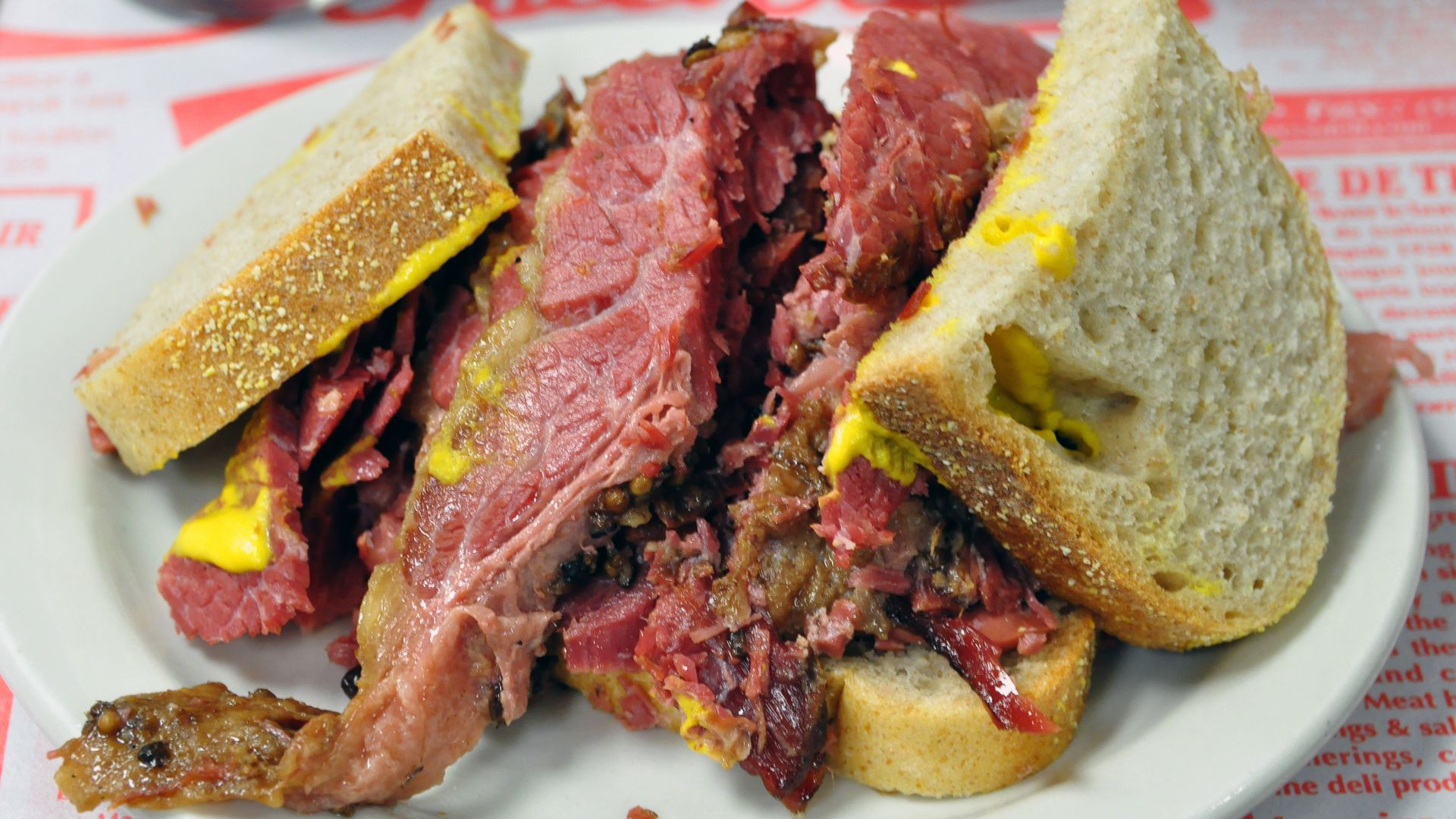
#18. Montreal Smoked Meat — Montreal, Quebec
Where it's from: Montreal, Quebec
Montreal smoked meat begins with beef brisket cured with salt and spices, then smoked and steamed until tender.
The meat is peppery, smoky, salty, and deeply beefy, with enough fat to keep everything juicy. The classic serving is wonderfully simple: pile it high on rye bread and add mustard.
The biggest challenge is figuring out how you're supposed to fit the sandwich in your mouth.
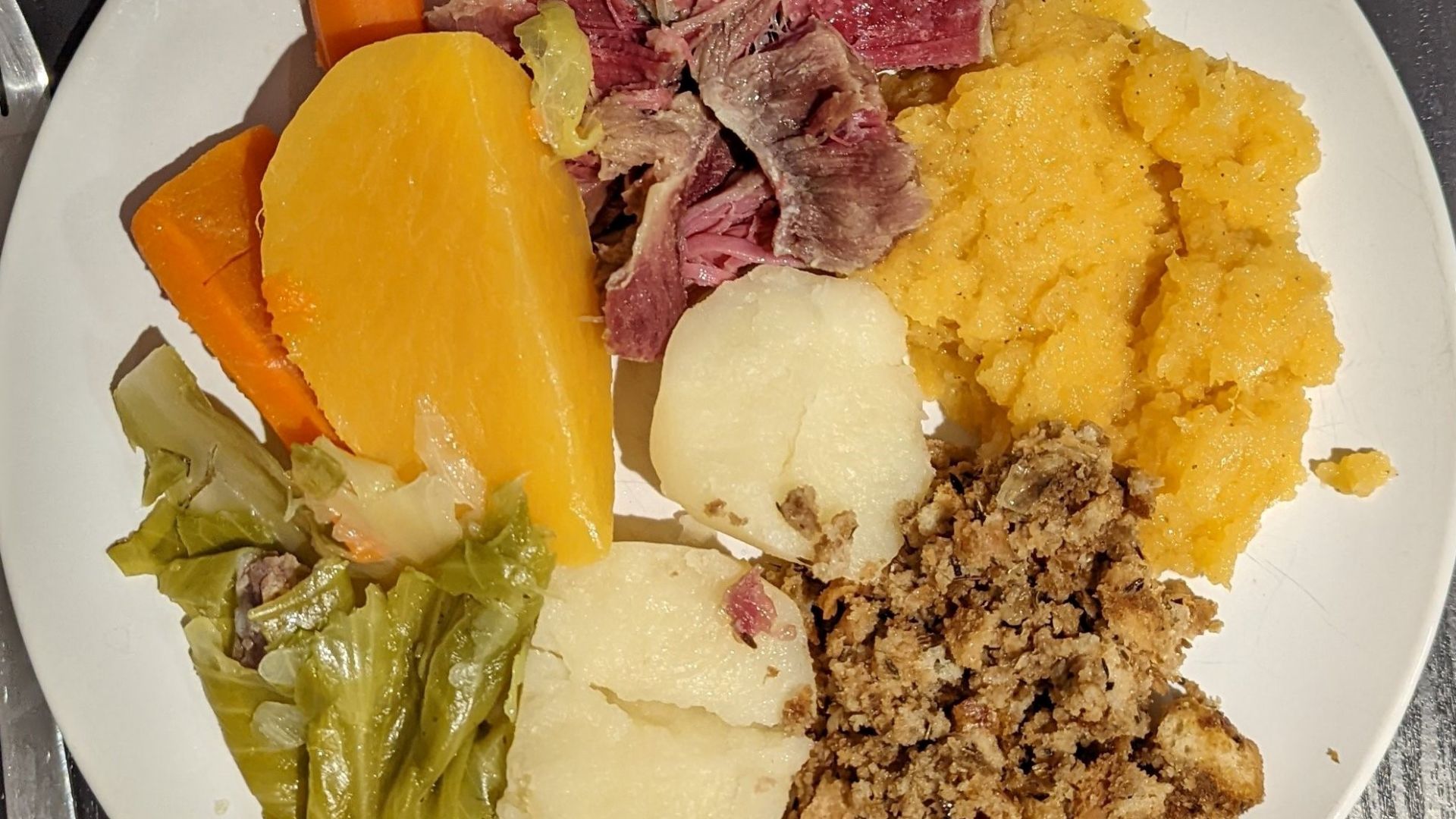
#17. Jiggs Dinner — Newfoundland And Labrador
Where it's from: Newfoundland and Labrador
Jiggs dinner is comfort food that doesn't care about appearances.
This traditional boiled dinner usually combines salt beef with potatoes, carrots, turnip, and cabbage. Pease pudding made from split peas is another classic addition.
Everything absorbs that salty, savoury flavour while cooking. It isn't delicate or fancy, but on a cold Newfoundland day, a steaming plate of salt meat and vegetables gets the job done beautifully.
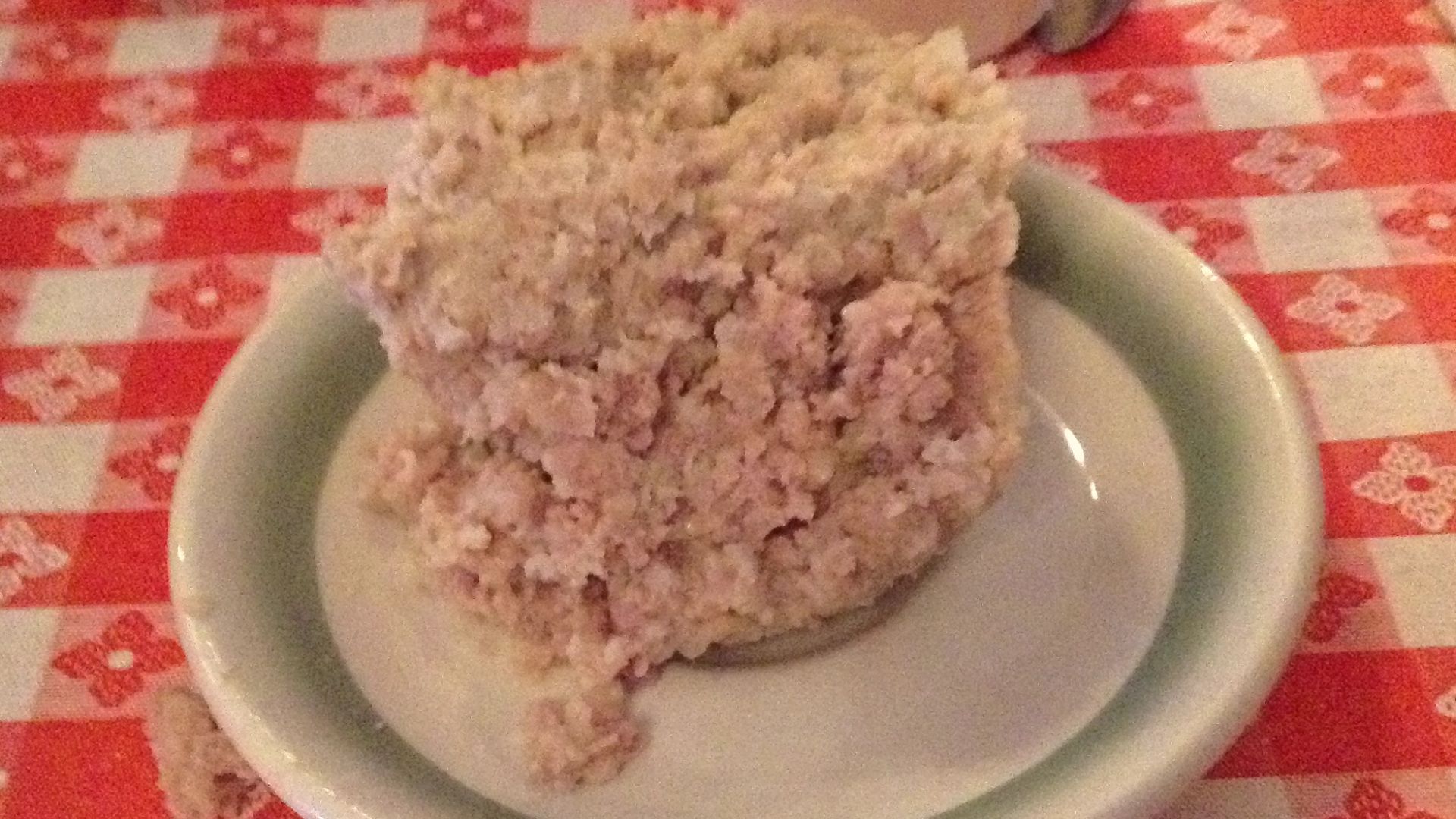
#16. Cretons — Quebec
Where they're from: Quebec
Think of cretons as rustic Quebec pâté made for the breakfast table.
Ground pork is slowly cooked with onions, liquid, and warming seasonings. Family recipes vary, with spices such as cloves, cinnamon, or allspice sometimes added.
Once chilled, the mixture becomes spreadable. Slather it over toast and you get something rich, savoury, gently spiced, and far more interesting than another spoonful of peanut butter.
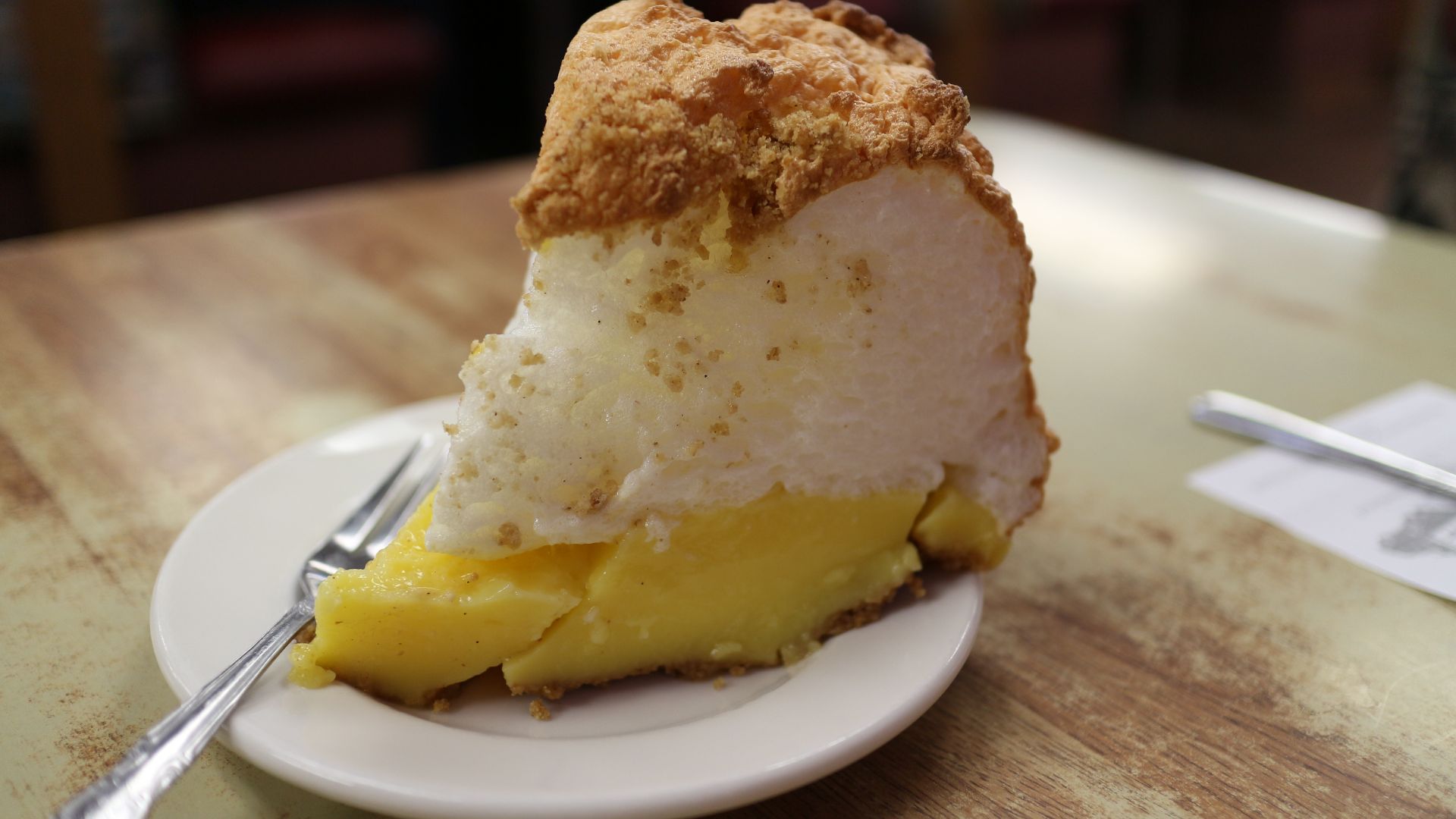
#15. Flapper Pie — Manitoba And The Prairies
Where it's from: Manitoba and the Canadian Prairies
Flapper pie is pure Prairie diner nostalgia.
A graham-cracker crust holds a thick vanilla custard filling topped with fluffy meringue. One bite gives you crumbly, creamy, and airy textures all at once.
It's sweet without needing chocolate, caramel, or elaborate toppings. For generations, it appeared at Prairie cafés, church suppers, and family gatherings—and usually disappeared just as quickly.
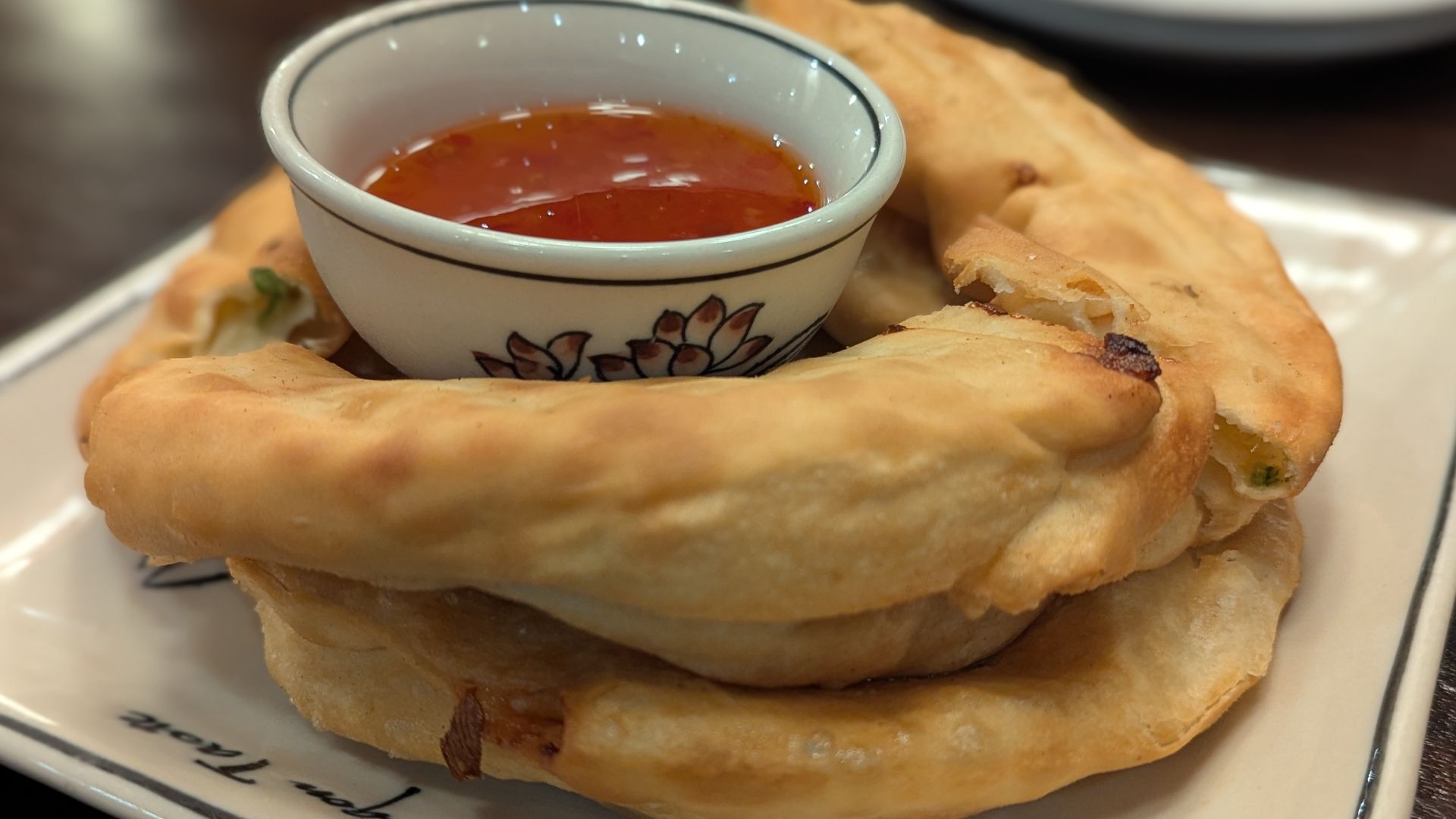
#14. Green Onion Cakes — Edmonton, Alberta
Where they're from: Edmonton, Alberta
Green onion cakes have Chinese roots, but Edmonton adopted them with unusual enthusiasm.
Flour-based dough is layered with chopped green onions and fried until crisp and golden outside while remaining chewy inside. They're savoury, salty, oniony, and especially good with hot sauce.
The snack became so embedded in Edmonton's food culture that few Canadian cities are as closely associated with one humble pancake.
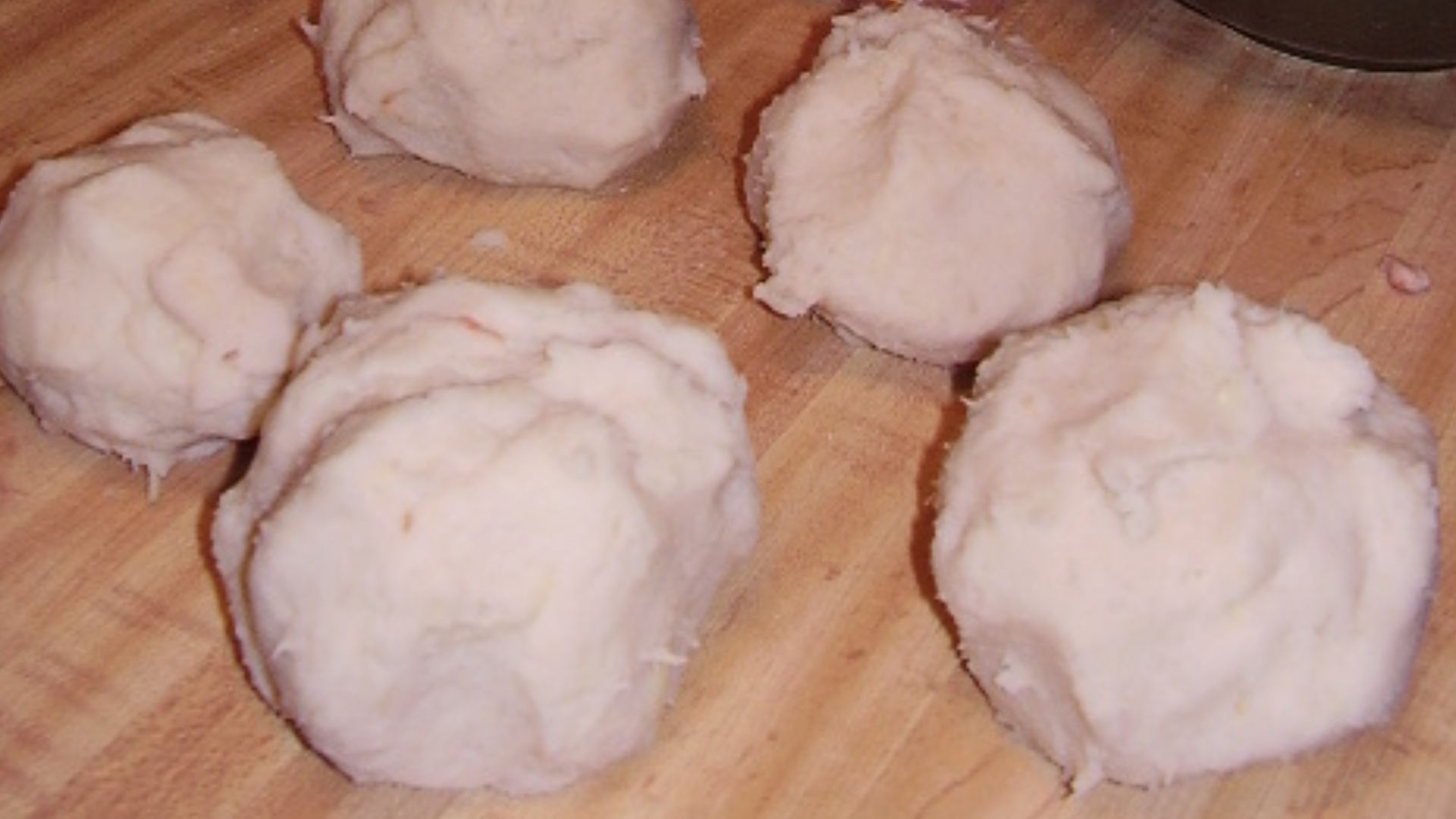
#13. Poutine Râpée — New Brunswick
Where it's from: Acadian New Brunswick
Do not order this expecting french fries.
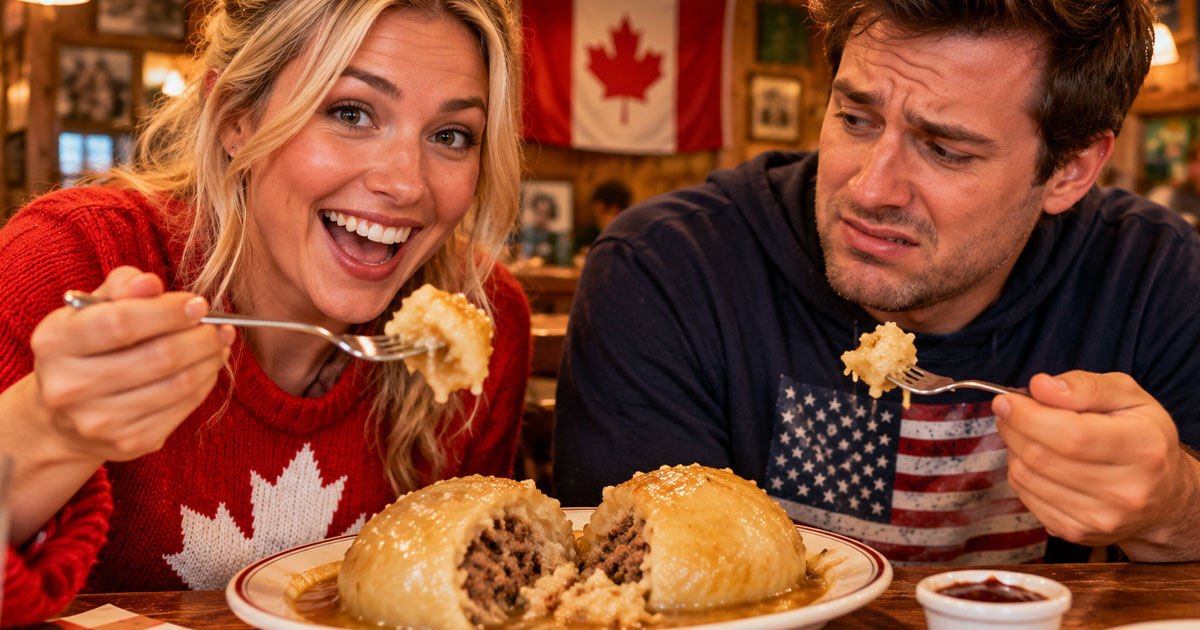
Acadian poutine râpée is a large boiled potato dumpling made from grated and mashed potatoes wrapped around seasoned pork. The outside is dense and soft, while the pork centre adds salty richness.
Some people even eat theirs with sugar or molasses. It's hearty, old-fashioned, deeply Acadian—and completely different from Quebec poutine.
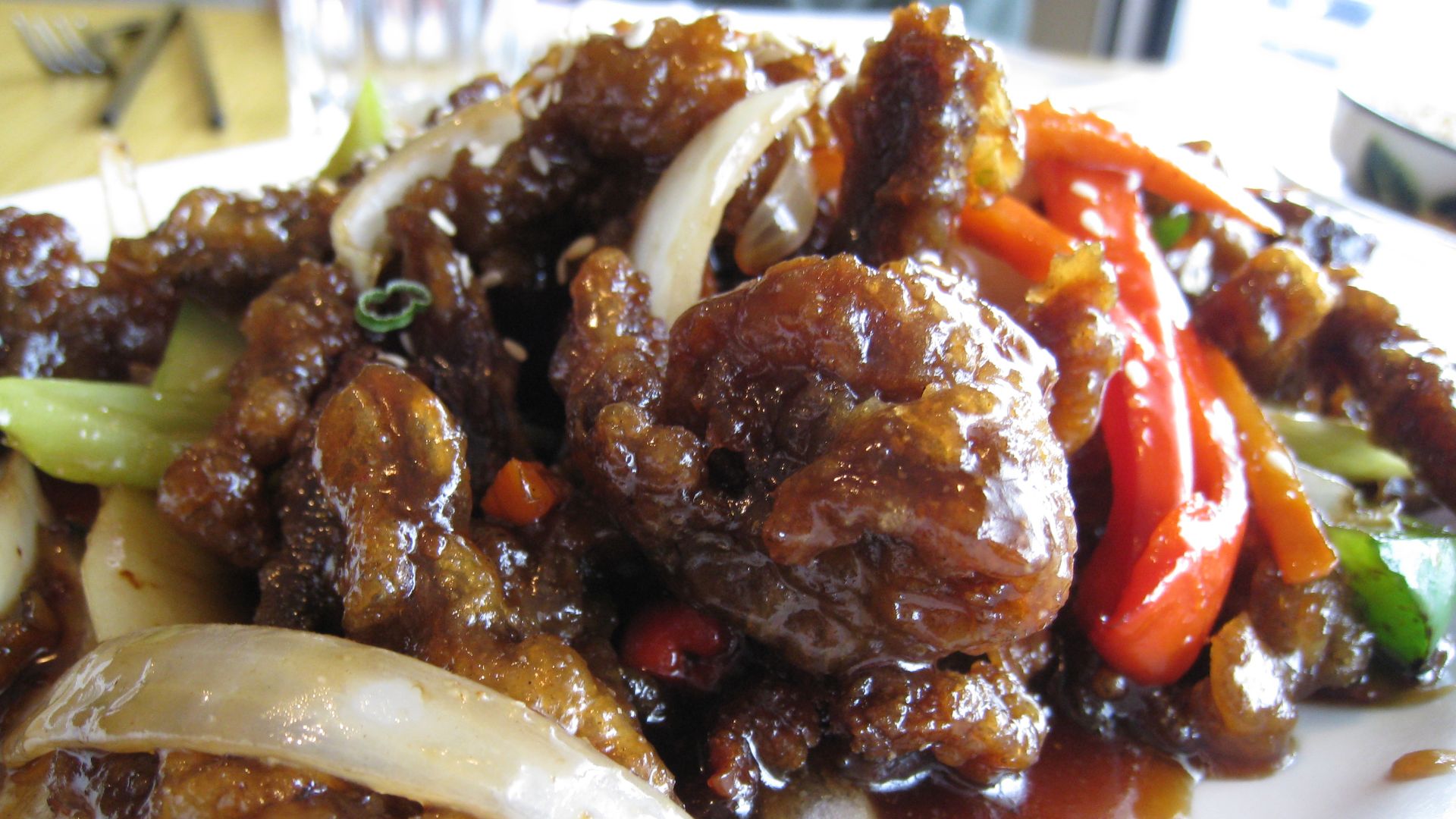
#12. Ginger Beef — Calgary, Alberta
Where it's from: Calgary, Alberta
Ginger beef is one of Canada's great regional Chinese restaurant creations.
Thin beef strips are battered, deep-fried until crisp, then coated in a glossy sweet-and-spicy sauce usually flavoured with ginger, garlic, sugar, vinegar, soy sauce, and chilies.
The result is crunchy, sticky, tangy, sweet, and slightly spicy. Widely credited to Calgary's restaurant scene in the 1970s, it became a western Canadian takeout favourite.
 Mack Male from Edmonton, AB, Canada, Wikimedia Commons
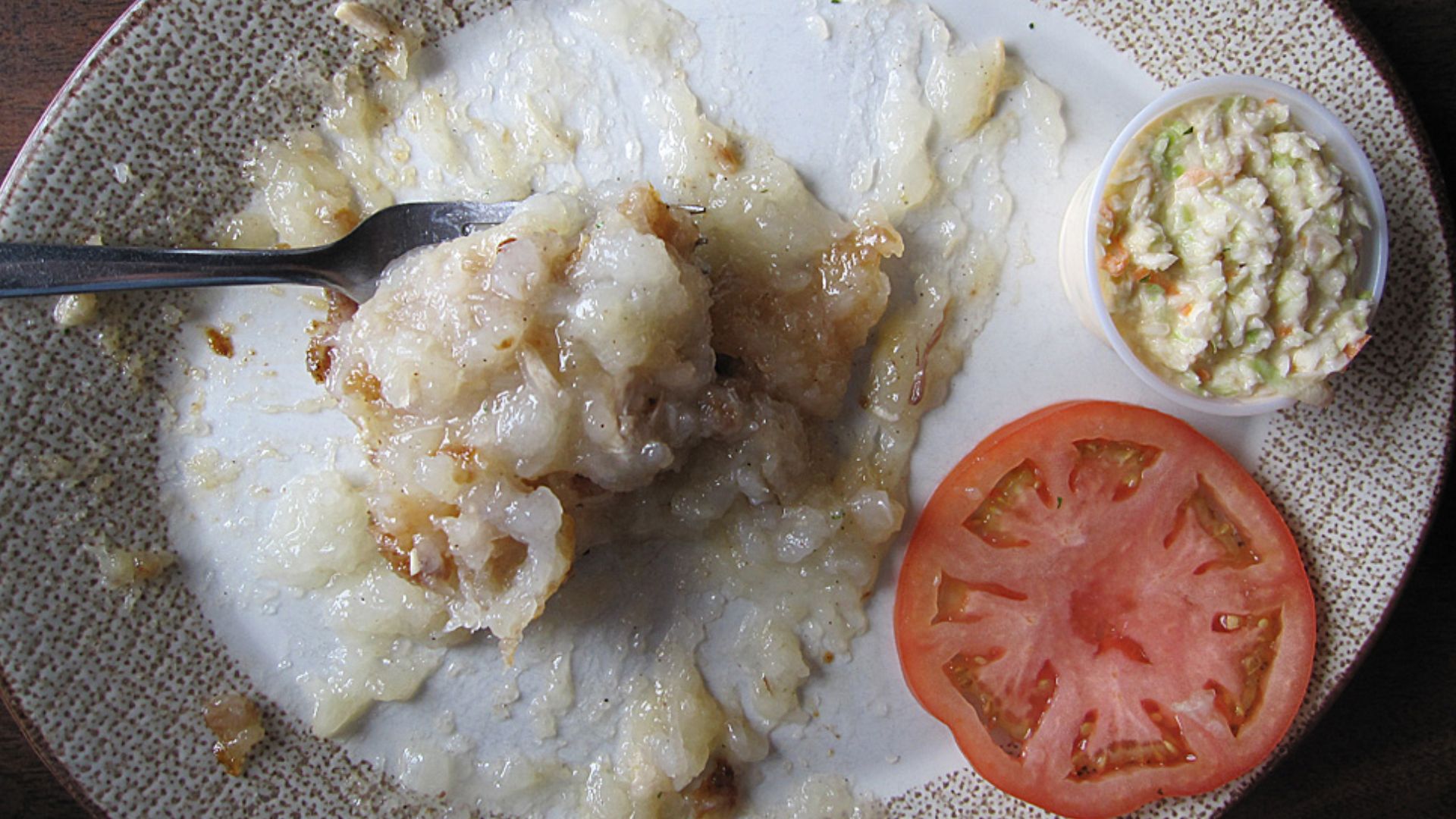
#11. Rappie Pie — Southwestern Nova Scotia
Where it's from: Acadian communities of southwestern Nova Scotia
Rappie pie doesn't look much like a conventional pie.
Potatoes are grated and squeezed to remove their liquid. Hot meat broth is added back to the potato pulp before it's layered with chicken or other meat and baked.
The top browns while the inside stays thick, soft, and almost pudding-like. The unusual texture can surprise newcomers, but for many Acadian families, it's serious comfort food.
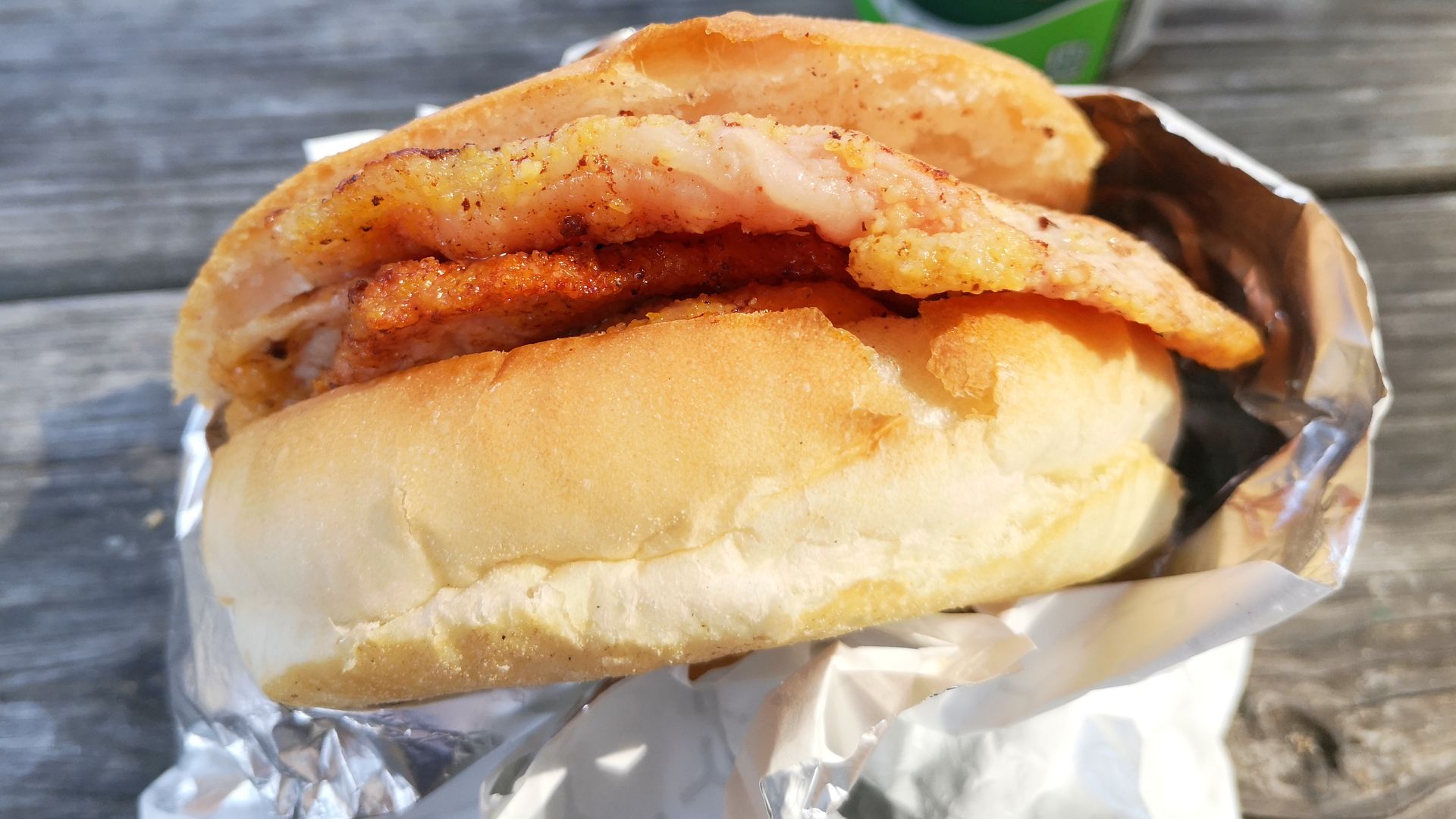
#10. Peameal Bacon Sandwich — Toronto, Ontario
Where it's from: Toronto, Ontario
Toronto's signature sandwich doesn't need twelve sauces or fancy toppings.
Peameal bacon is cured pork loin traditionally rolled in ground yellow peas, though cornmeal replaced the peas long ago. It's leaner than streaky bacon, with a salty, juicy, ham-like flavour.
Slice it thick, grill it, and stuff it into a soft bun—perhaps with mustard—and you've got a Toronto classic strongly associated with St. Lawrence Market.
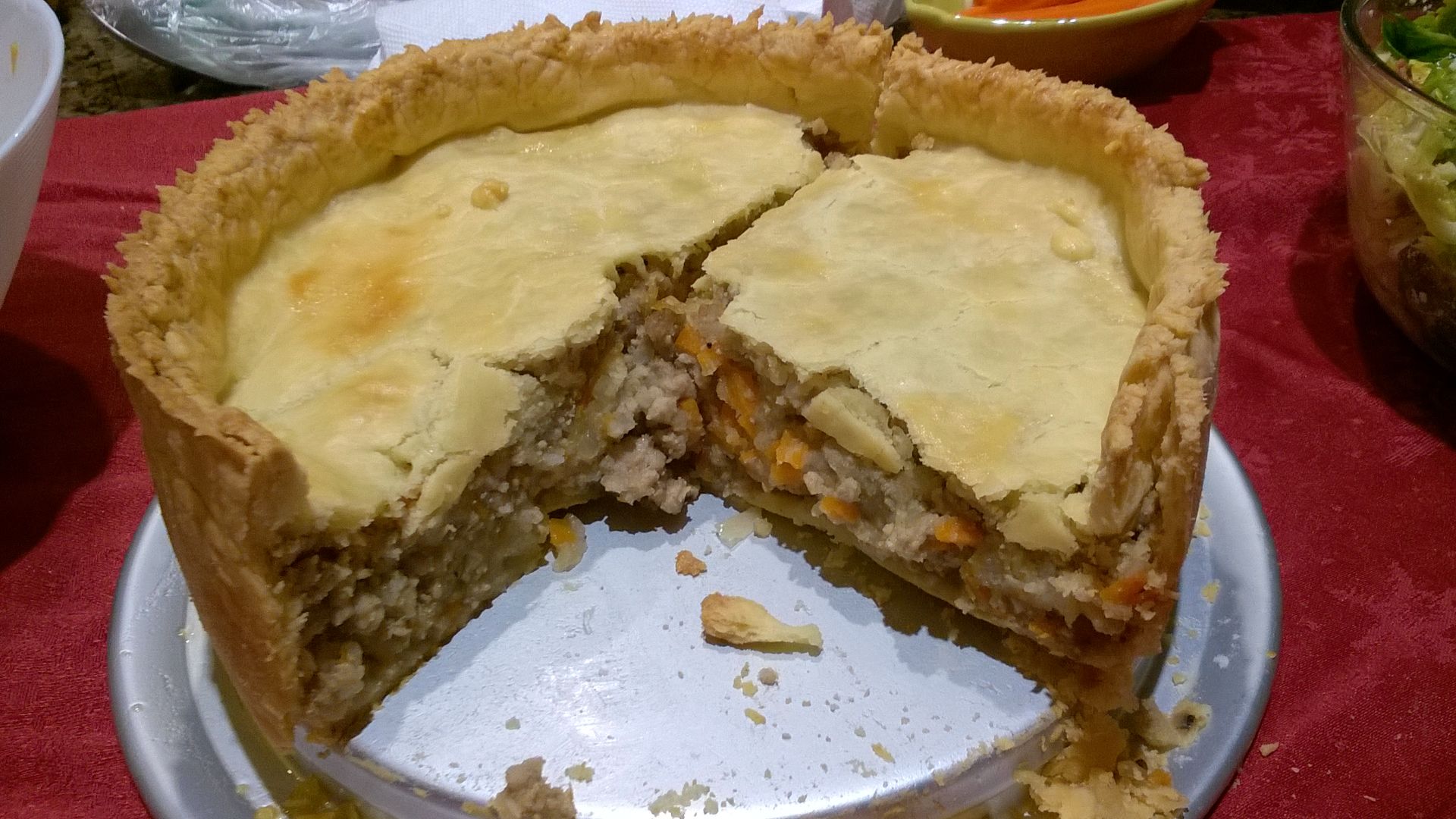
#9. Tourtière — Quebec
Where it's from: Quebec
Few foods say French Canadian Christmas like tourtière.
This savoury double-crust pie is filled with seasoned meat, commonly pork, beef, veal, or a combination. Recipes vary by region and family, while spices such as cloves, cinnamon, and allspice can give the filling its distinctive aroma.
The crust is buttery and flaky; the inside is rich and savoury. Naturally, every family thinks its recipe is best.
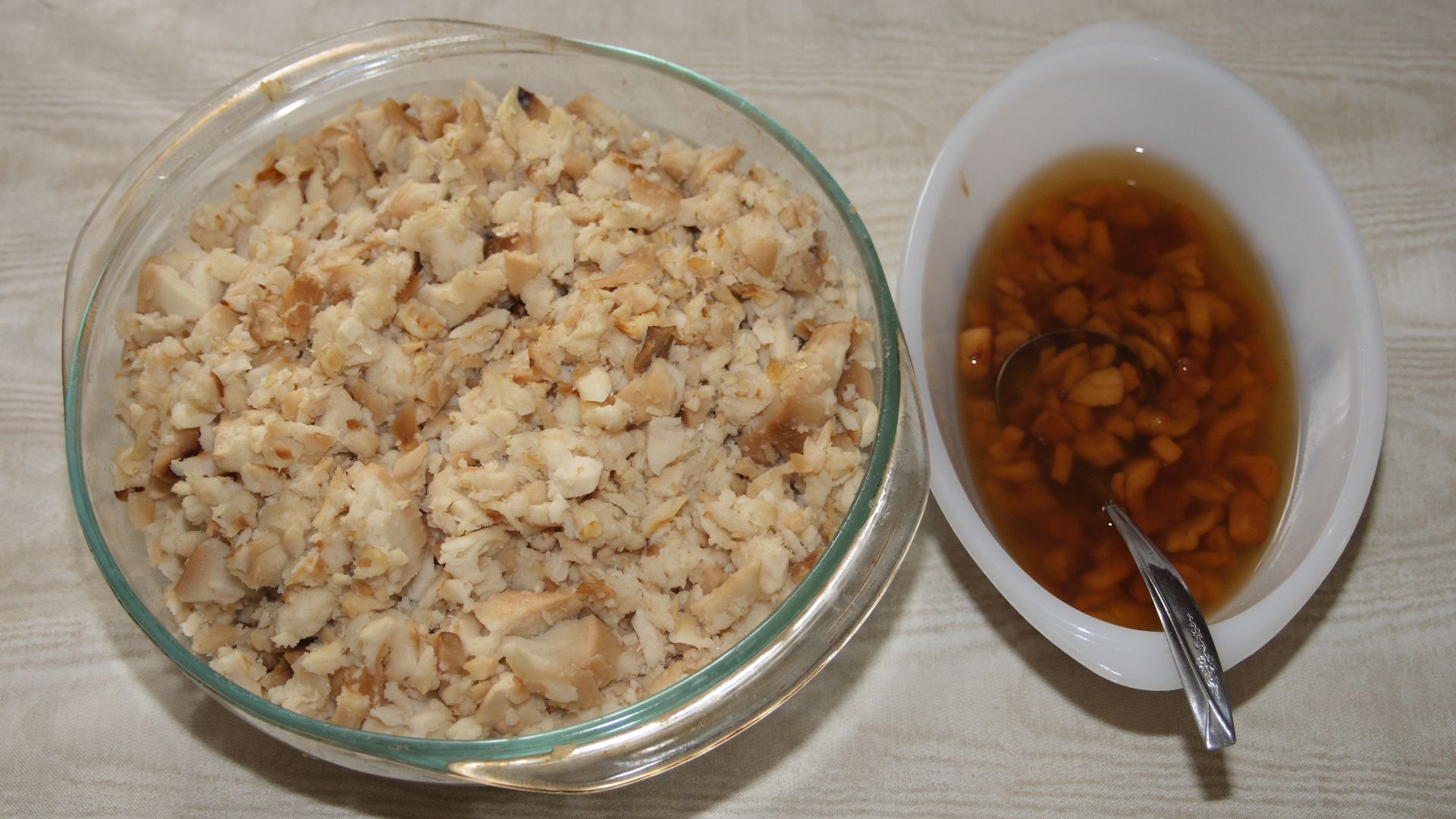
#8. Fish And Brewis — Newfoundland And Labrador
Where it's from: Newfoundland and Labrador
Fish and brewis comes from a time when ingredients needed to survive long journeys and longer winters.
Salted cod and hard bread are soaked, boiled, and combined, then often topped with scrunchions—crispy pieces of rendered salt pork.
It's soft, hearty, salty, and unapologetically old-school. The ingredient list may sound unusual to outsiders, but this is Newfoundland fishing history served on a plate.
 Keith Pomakis, Wikimedia Commons
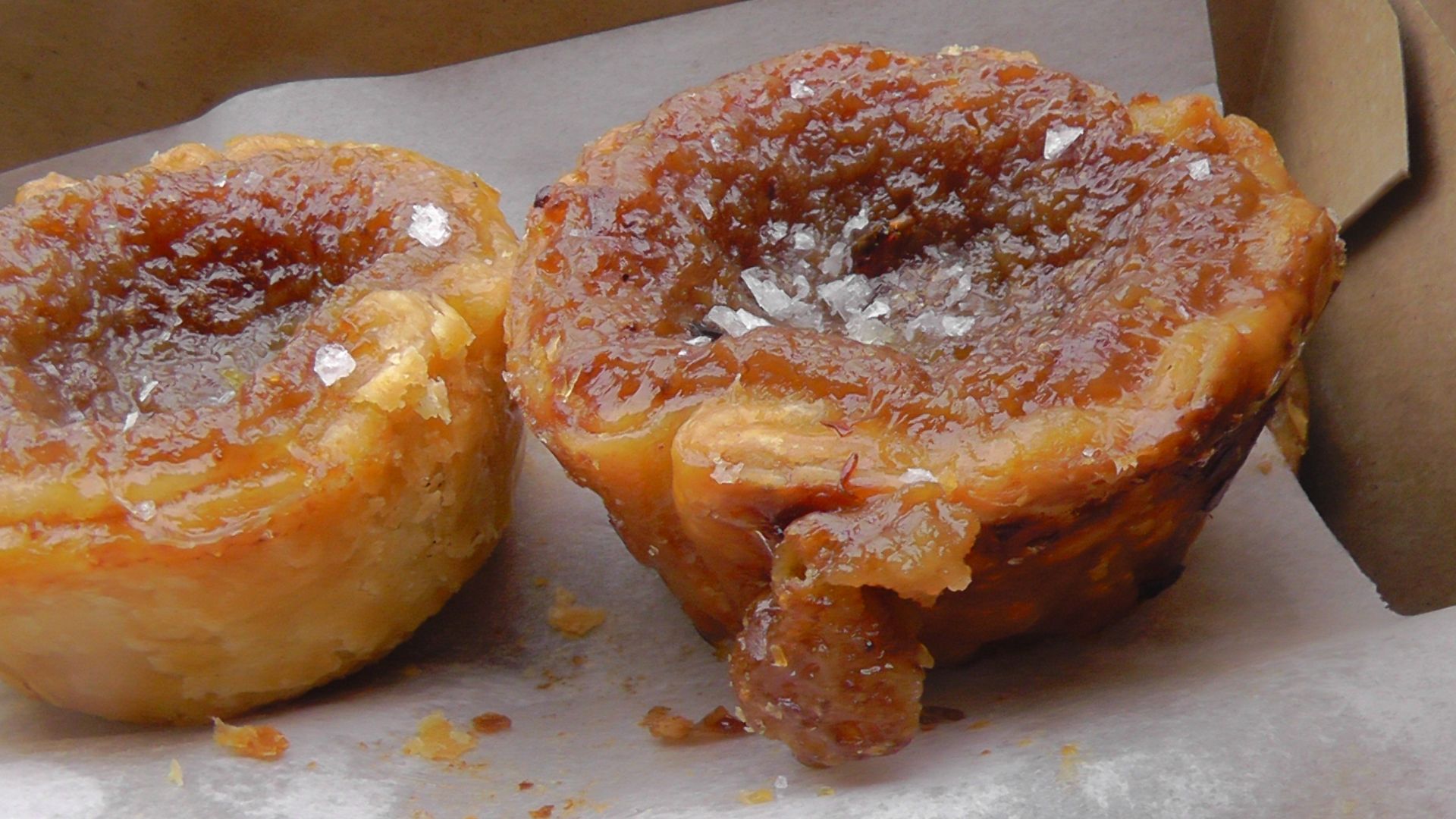
#7. Butter Tarts — Ontario
Where they're from: Ontario
Butter tarts look innocent until you realize the filling is basically buttery sugar held together by pastry.
The classic filling combines butter, brown sugar or syrup, and egg inside a small flaky shell. Some bakers add raisins or pecans, immediately starting an argument with everyone who thinks they shouldn't.
The centre can be firm or gloriously runny. Either way, they're sticky, rich, and unmistakably Canadian.
 Alex Lozupone, Wikimedia Commons
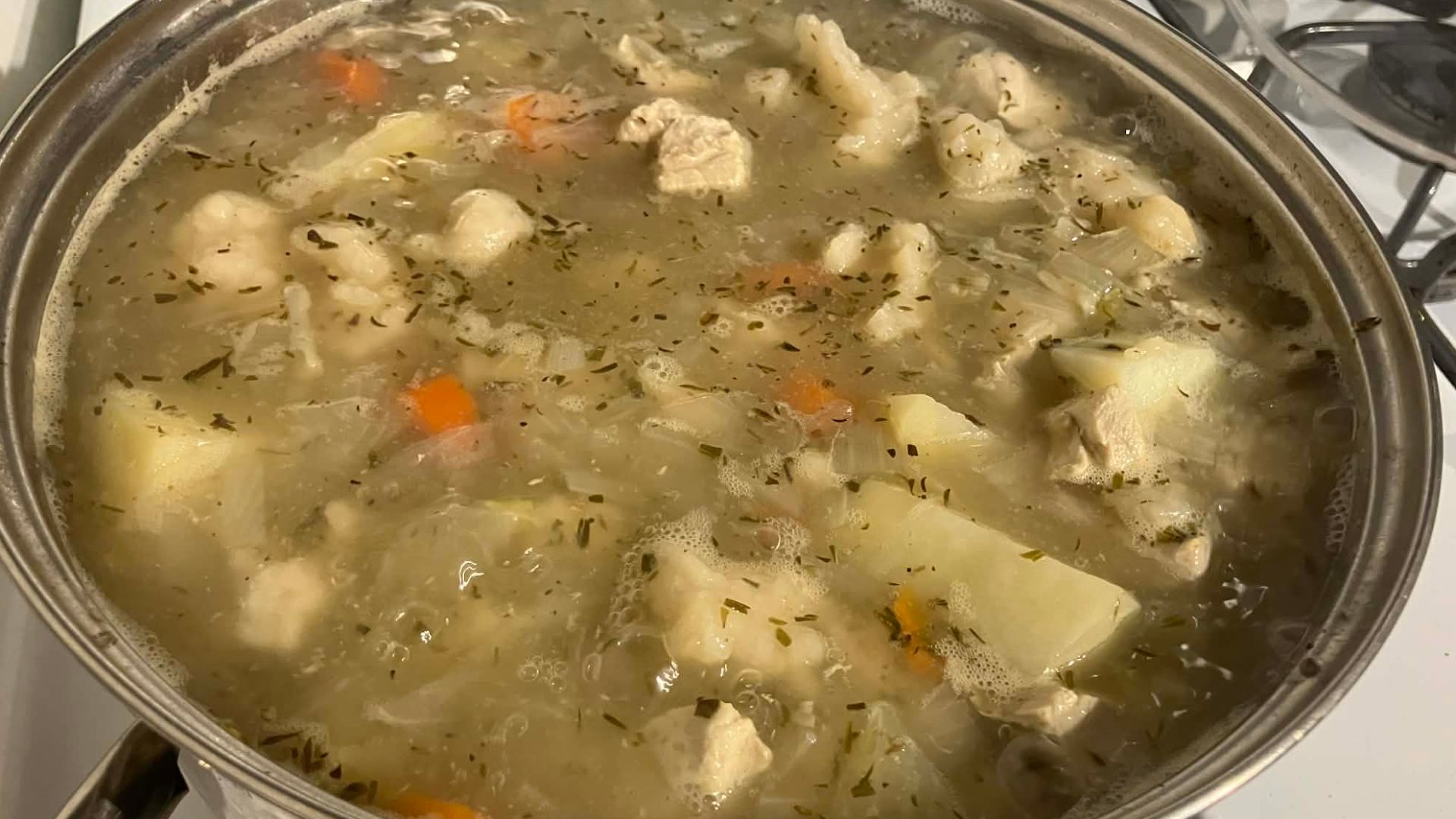
#6. Acadian Chicken Fricot — New Brunswick
Where it's from: Acadian New Brunswick
Fricot is built for cold days when salad isn't going to fix anything.
Chicken simmers with potatoes, onions, broth, and traditionally summer savory. Soft dumplings are often dropped directly into the pot.
The finished dish falls somewhere between soup and stew: warm, savoury, herbaceous, and deeply comforting. It's simple food that tastes like somebody's grandmother expects you to have seconds.
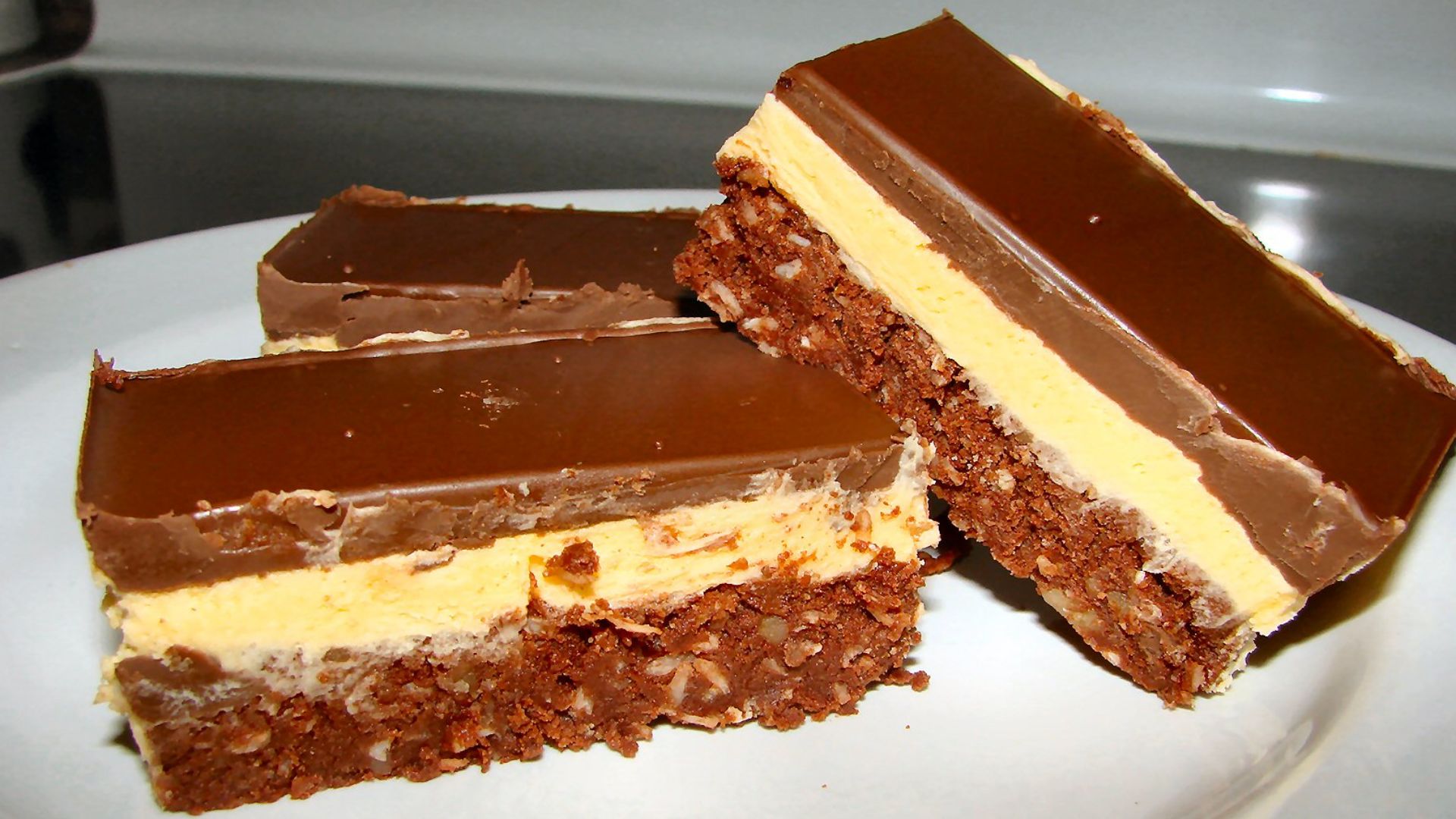
#5. Nanaimo Bars — Nanaimo, British Columbia
Where they're from: Nanaimo, British Columbia
Three layers. No baking. Absolutely no restraint.
A Nanaimo bar starts with a chocolate-coconut crumb base, often containing nuts. That's topped with thick custard-flavoured buttercream and finished with chocolate.
Each bite moves from firm chocolate to creamy filling to chewy coconut crumb. They're extremely sweet, ridiculously rich, and named after the Vancouver Island city that proudly claims them.
One square should be enough. Usually it isn't.
 Sheri Terris, Wikimedia Commons
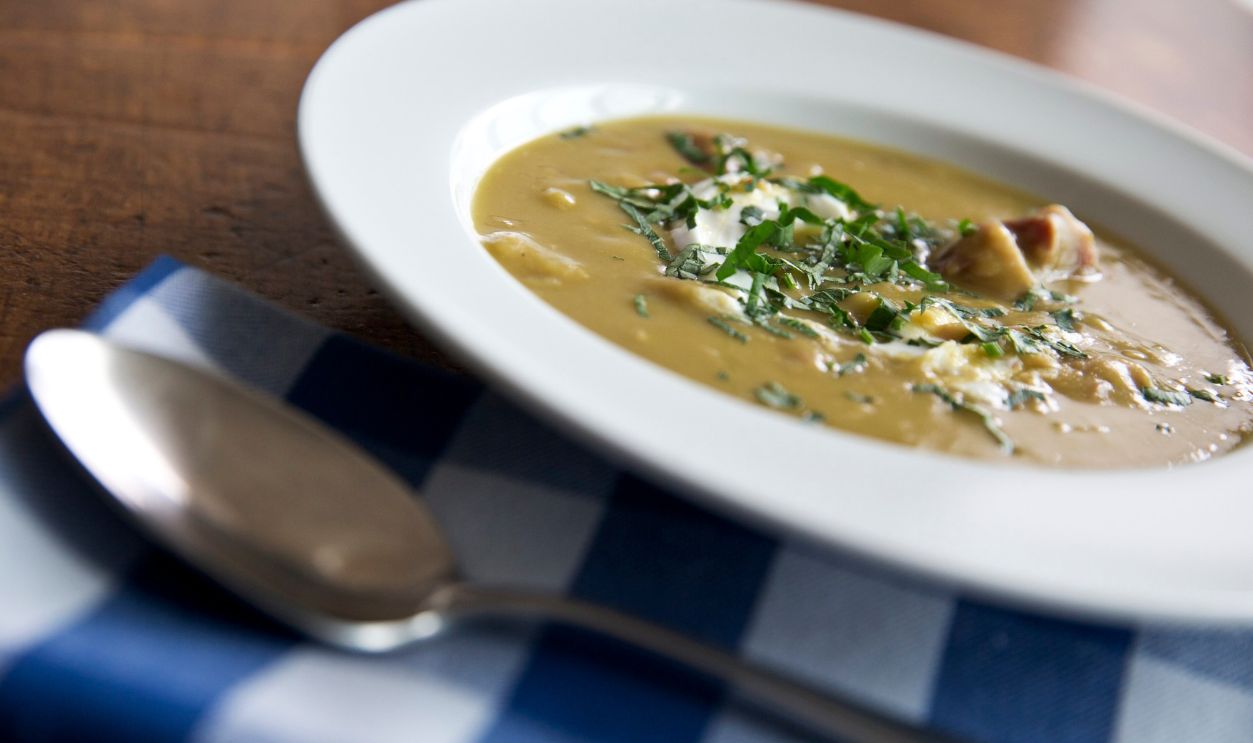
#4. Split Pea Soup With Salt Pork — Quebec
Where it's from: Quebec
Quebec-style pea soup makes winter seem slightly less unreasonable.
Dried yellow split peas simmer with onions, herbs, and traditionally salt pork or ham until thick and creamy without needing actual cream.
The peas add earthy sweetness while the pork provides smoky, salty richness. It's humble habitant cooking made from simple ingredients, but after spending time outside during a Quebec January, humble tastes pretty spectacular.
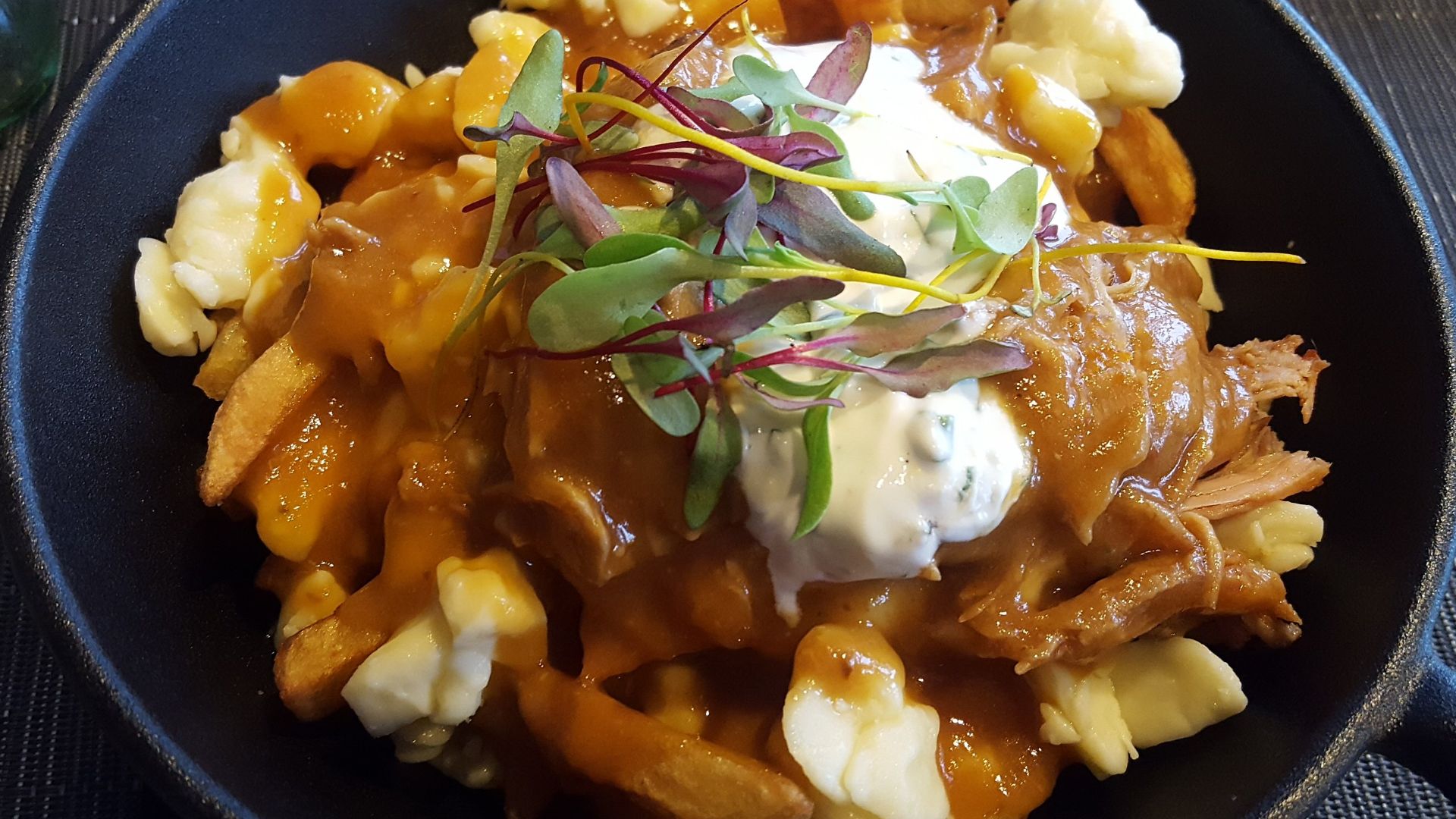
#3. Quebec Poutine — Quebec
Where it's from: Quebec
The ingredients couldn't be simpler: french fries, fresh cheese curds, and hot brown gravy.
Proper Quebec poutine depends on getting those three things right. The fries should retain some crispness, the curds should be fresh enough to squeak, and the gravy should soften everything without turning it into soup.
It's salty, savoury, cheesy, messy, and gloriously heavy. Nobody has ever confused poutine with spa food.
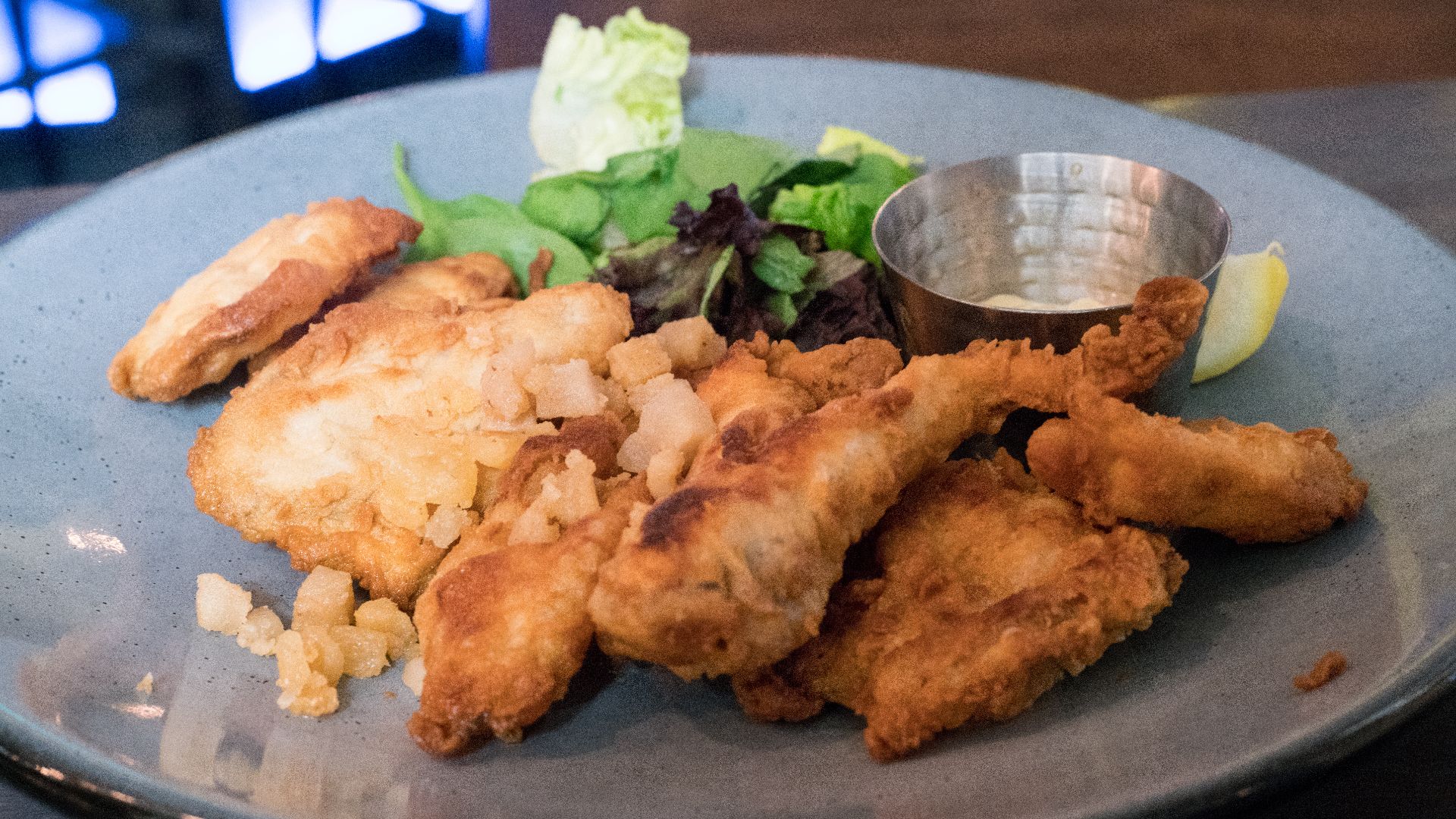
#2. Cod Tongues With Scrunchions — Newfoundland And Labrador
Where they're from: Newfoundland and Labrador
First surprise: cod tongues aren't actually tongues.
They're pieces of flesh cut from beneath the cod's jaw. In Newfoundland, they're traditionally dusted with flour and pan-fried until golden, often alongside salty, crispy scrunchions made from pork.
The fish is tender and delicate, while the coating and pork provide richness and crunch. The name may require courage, but the flavour rewards it.
 Edsel Little, Wikimedia Commons
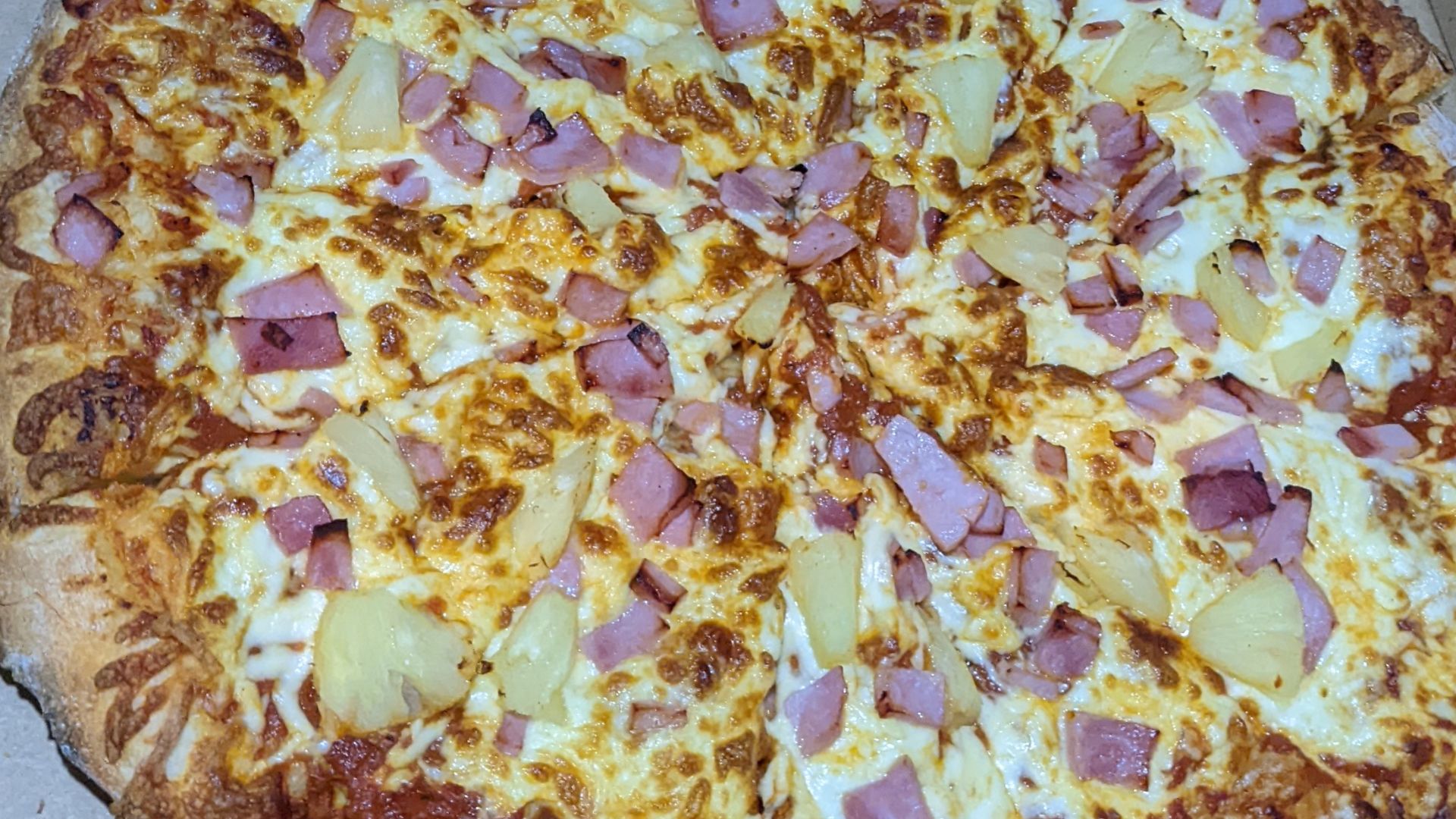
#1. Hawaiian Pizza — Chatham, Ontario
Where it's from: Chatham, Ontario
Yes, one of the world's most controversial pizzas came from Ontario—not Hawaii.
Greek-born restaurateur Sam Panopoulos is widely credited with creating Hawaiian pizza at Chatham's Satellite Restaurant in 1962. The famous combination pairs ham and pineapple with cheese and tomato sauce.
Salty ham meets savoury cheese and bursts of tropical sweetness. More than six decades later, people are still arguing about whether pineapple belongs on pizza.
Canada didn't just create a dish. It accidentally started a global food fight.
You May Also Like: Americans Were Asked What Makes The South Feel “Bigger.” These Are The Most Common Answers—Would You Add Anything To This List?