Your City Might Want A Recount
Everyone has an opinion about America’s best cities—But do the numbers back up the bragging?
Well, to find out, we combined three 2026 rankings from Resonance, Milken, and RentCafe into our Best City Score (BCS), weighing each equally across 82 eligible cities and their surrounding areas.
Some favorites delivered. Some overlooked places climbed surprisingly high. And a few famous names might want a recount. Does your city deserve better?

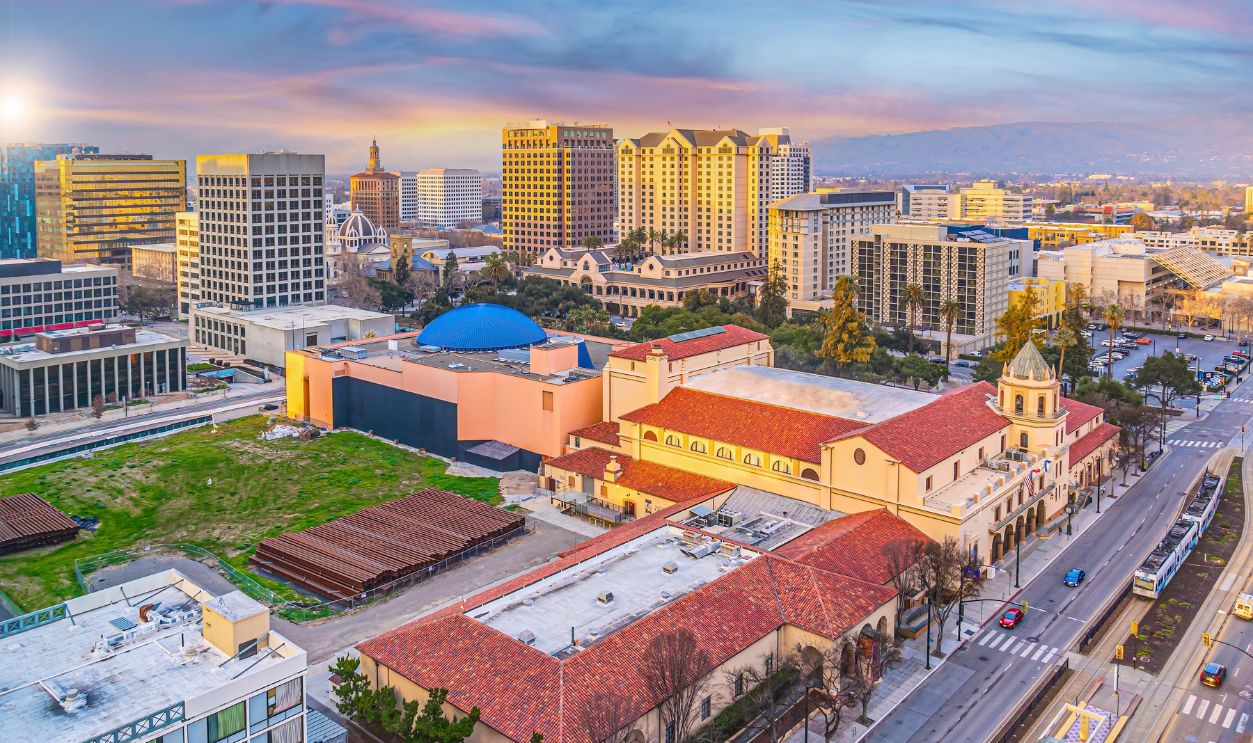
50. San Jose, California (BCS: 45.7)
San Jose benefits enormously from its place in Silicon Valley, with technology and technical talent shaping the wider region. That economic identity gives it a clear advantage. The harder question is affordability: access to an impressive employment market doesn’t guarantee that the local housing market will cooperate.
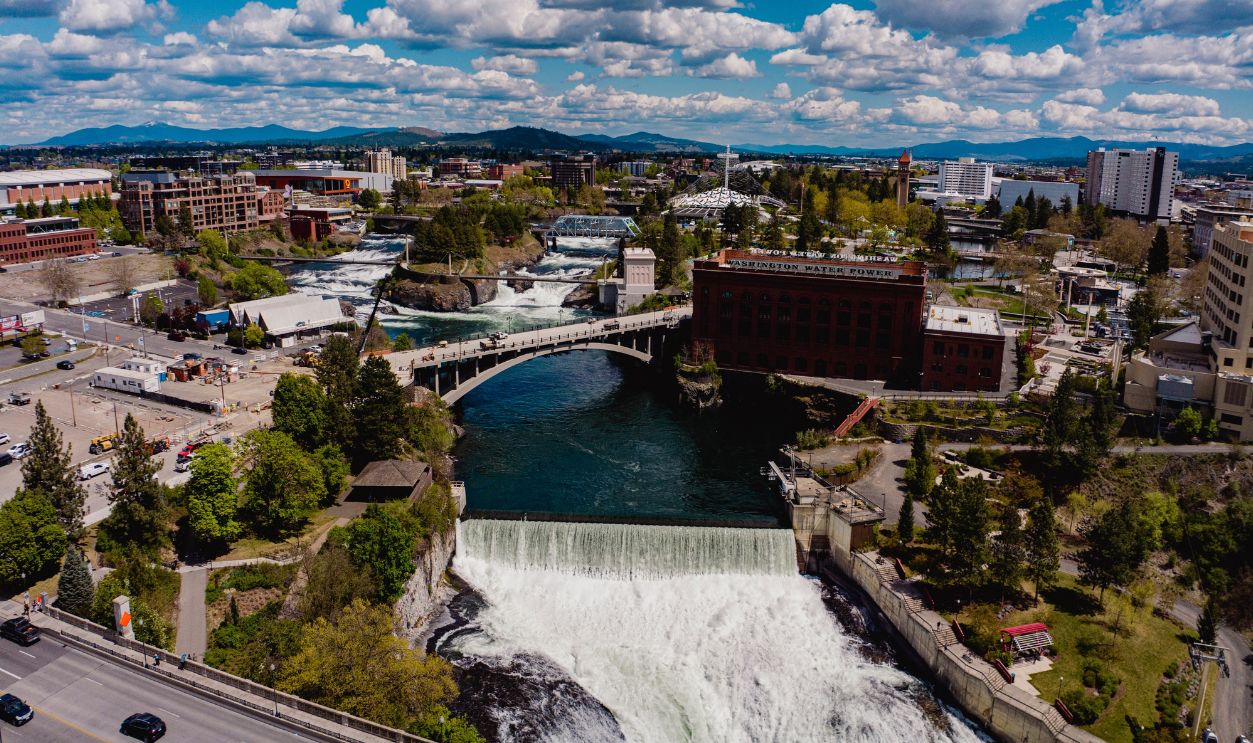
49. Spokane, Washington (BCS: 46.1)
Spokane’s strongest result came from RentCafe, which placed it 19th for livability. Riverfront Park and access to outdoor recreation help explain the appeal. Its other results were less impressive, but there’s plenty here for people who want city amenities without giving up their outdoor weekends.
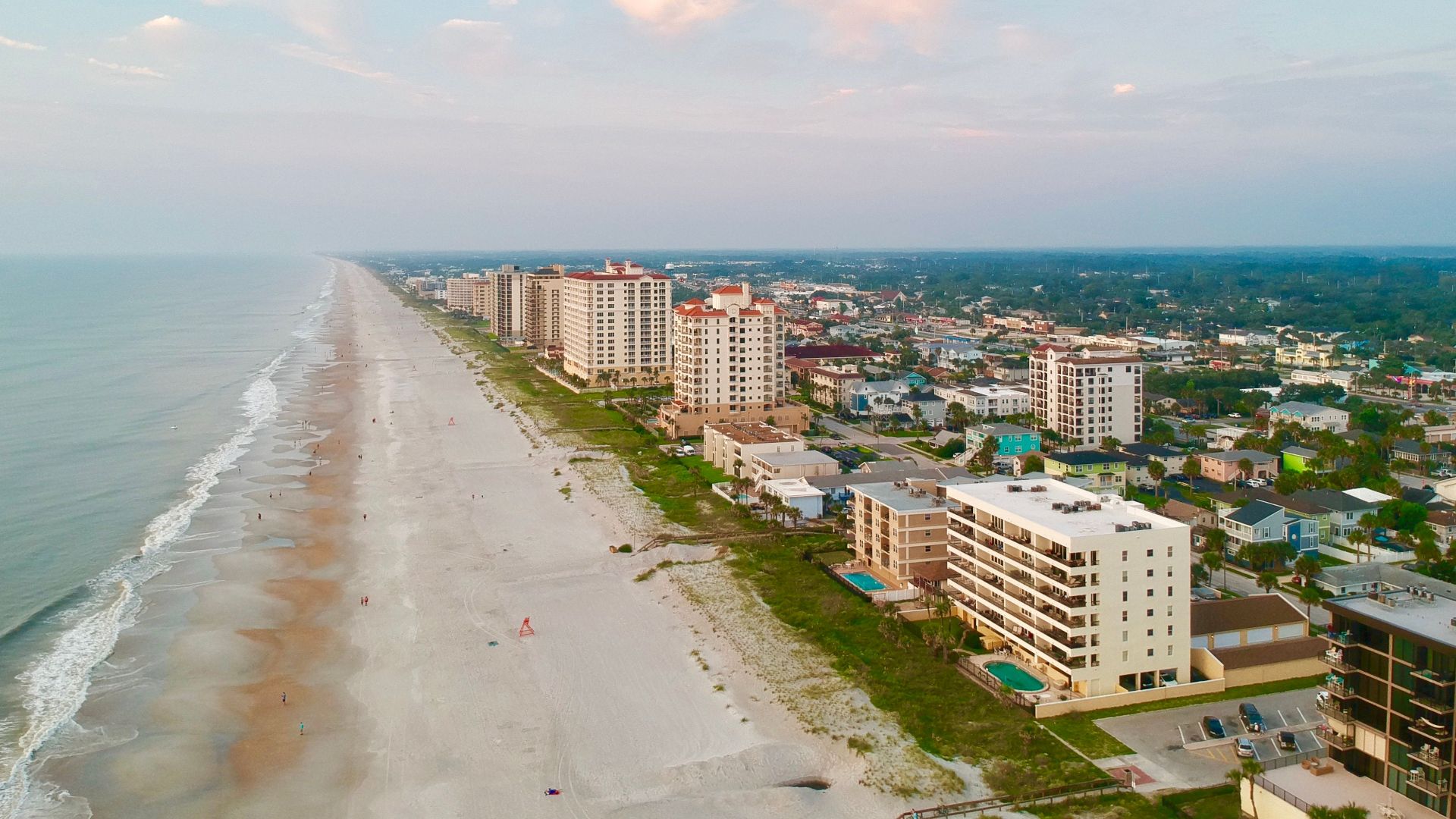
48. Jacksonville, Florida (BCS: 46.5)
Jacksonville’s economic-performance placement was its strongest contribution to the BCS, helping offset a much weaker livability result. Beaches and the St. Johns River provide obvious lifestyle advantages. Its sprawling geography matters, though: where you live and where you work can produce two very different versions of the city.
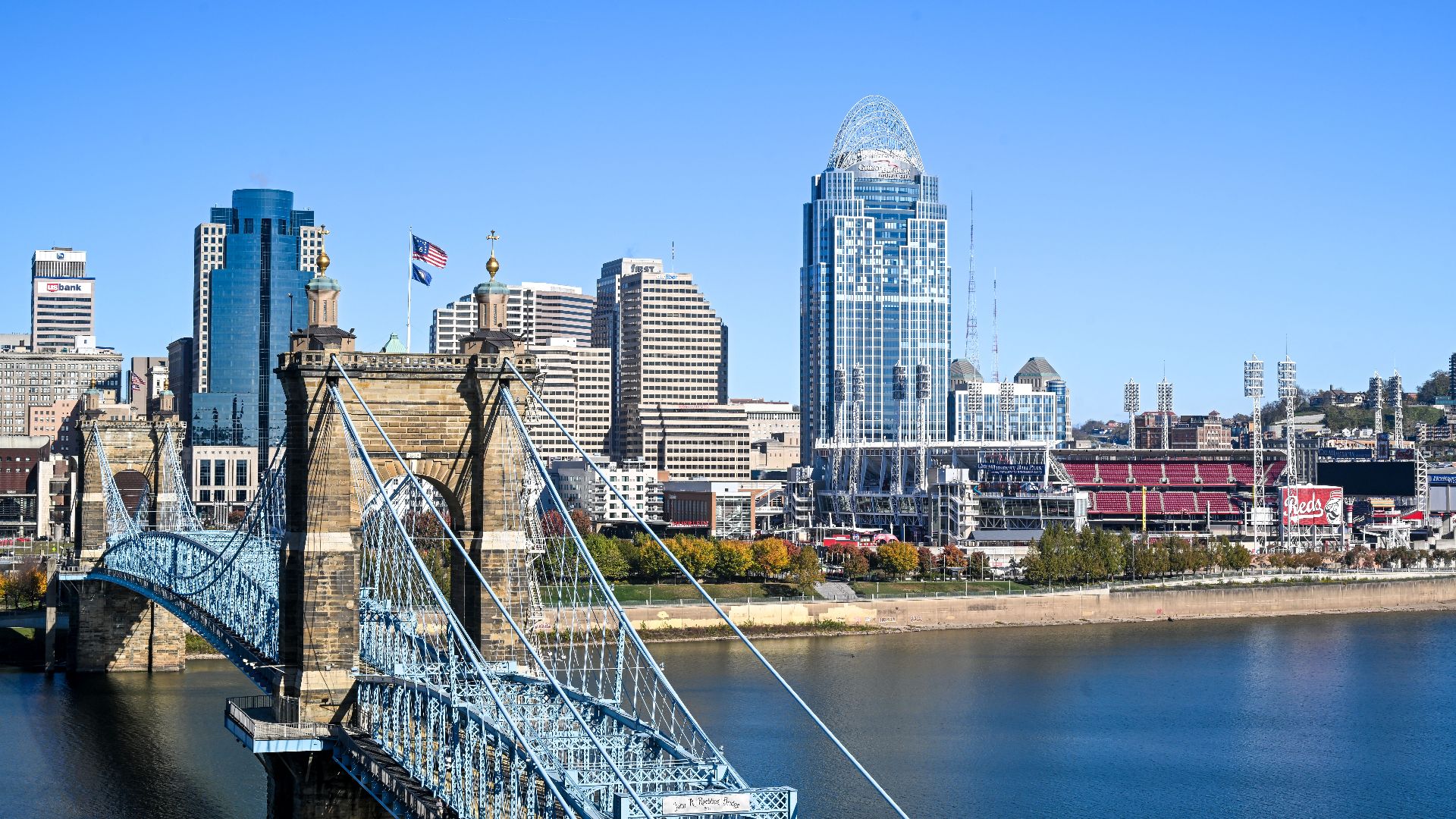
47. Cincinnati, Ohio (BCS: 46.9)
Cincinnati offers major employers, distinctive architecture, and neighborhoods that reward exploring. Over-the-Rhine and the riverfront give it different kinds of appeal. Its strongest contribution came from Resonance, while its economic-performance placement was less impressive. The combination earns it a spot, although Cincinnati fans will probably want it higher.
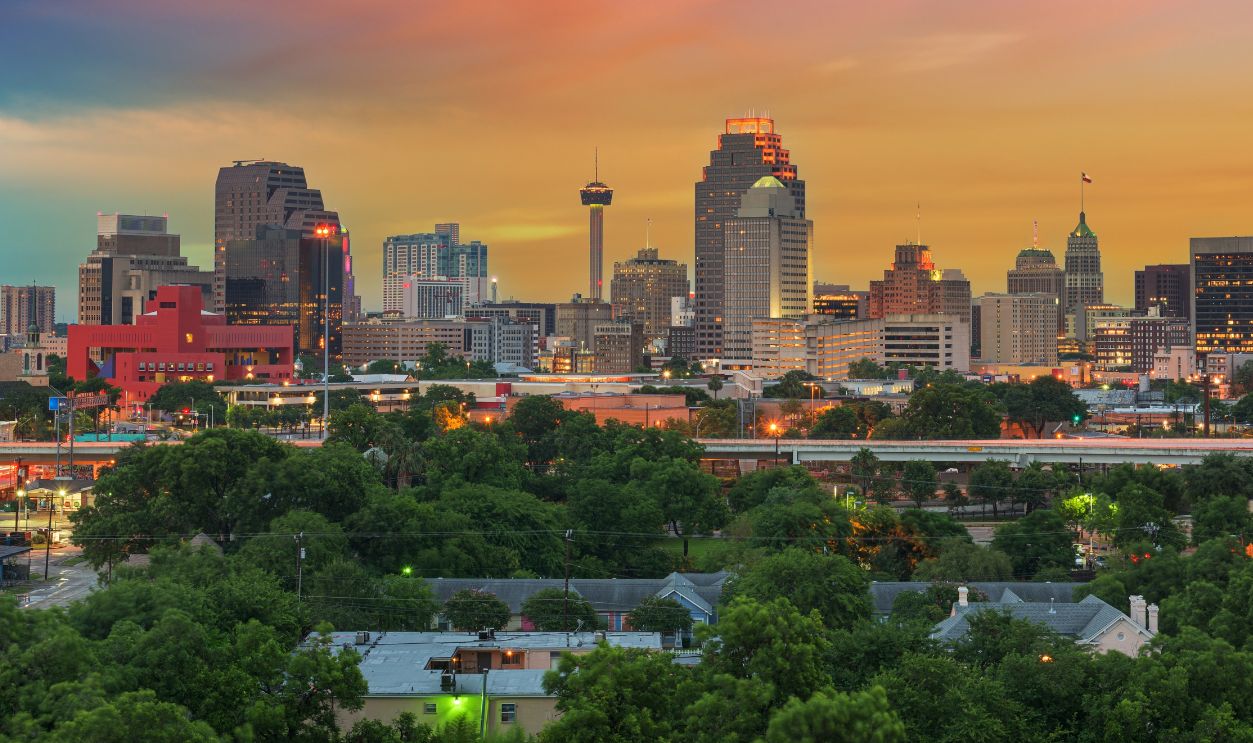
46. San Antonio, Texas (BCS: 49.4)
San Antonio’s history, food, and River Walk make a convincing introduction, while healthcare, education, and industry support the wider region. The sources disagreed sharply, however. Stronger results from Resonance and Milken were offset by a poor RentCafe placement, leaving a more complicated picture than a tourism brochure suggests.
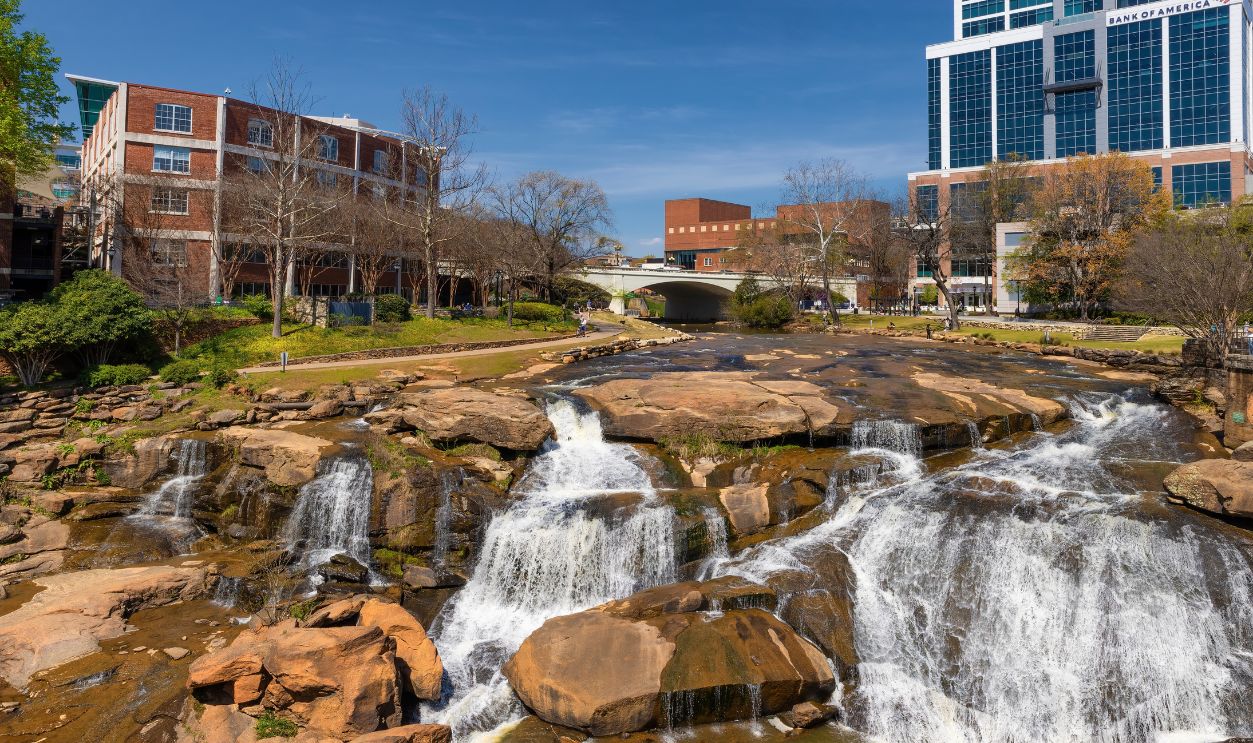
45. Greenville, South Carolina (BCS: 50.6)
Greenville combines a substantial regional manufacturing economy with a downtown that makes a memorable first impression. Falls Park puts a waterfall right in the middle of the experience. Its particularly strong Milken result helped secure this position, giving the city more behind its appeal than attractive photographs.
44. Albuquerque, New Mexico (BCS: 50.6)
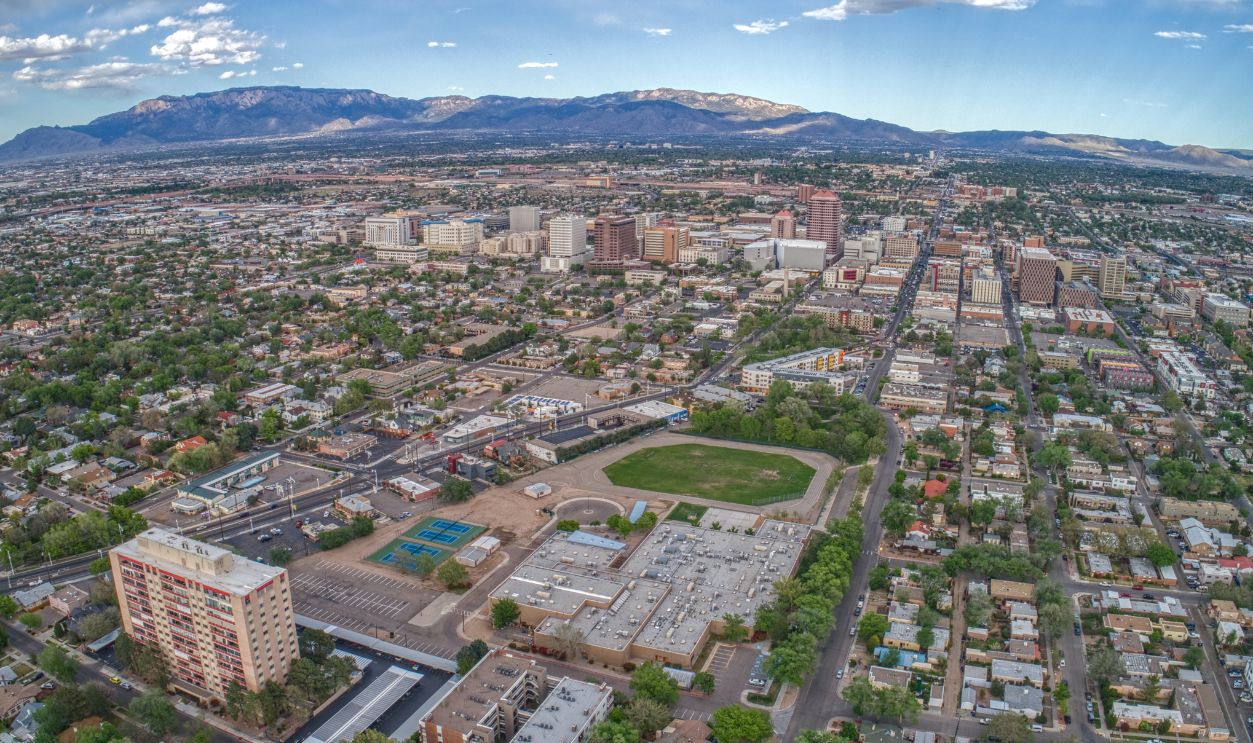
Albuquerque offers a distinctive combination of Southwestern history, research activity, and access to mountain and desert landscapes. Old Town gives visitors a good starting point. Its Milken and RentCafe results contributed more strongly than its Resonance placement, helping it squeeze ahead of Greenville under our tie-breaking rules.
43. Savannah, Georgia (BCS: 51.0)
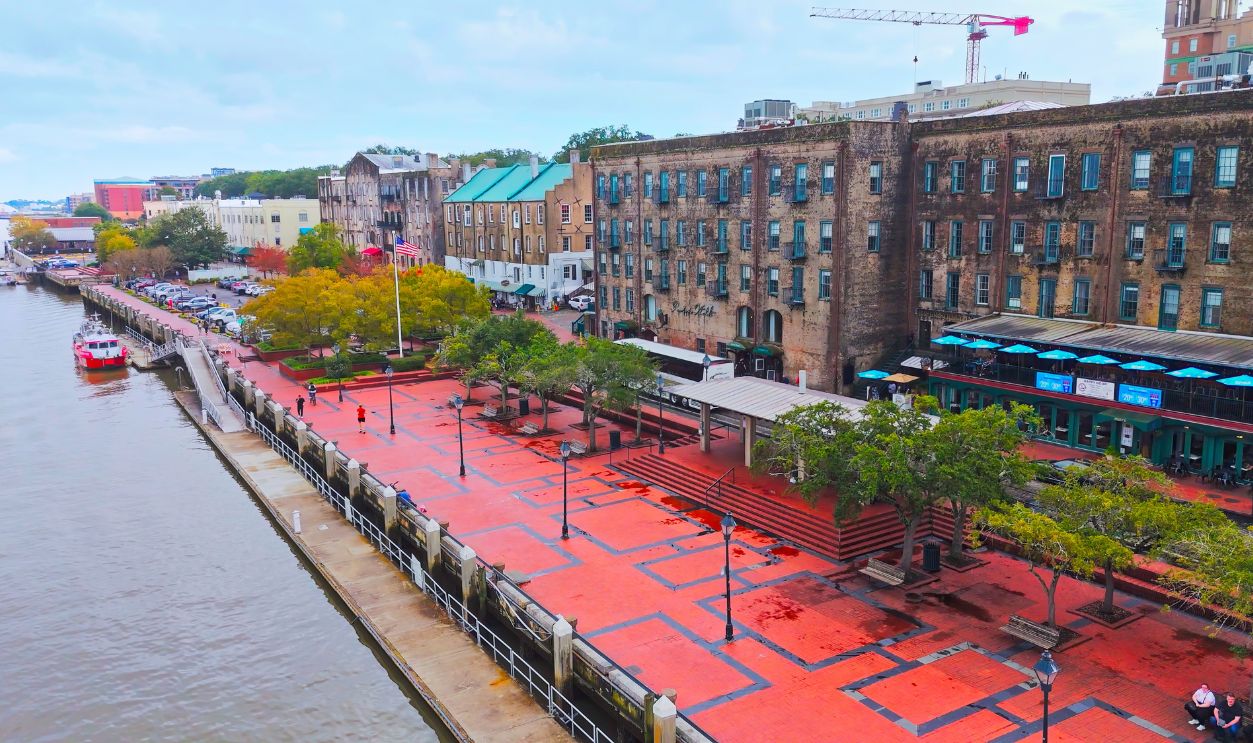
Savannah’s historic squares and distinctive streets make it easy to understand the visitor appeal. The wider region also has port, aviation, and manufacturing activity behind it. That combination earns a place here, although the three rankings collectively put it below several destinations with considerably less postcard appeal.
42. Myrtle Beach, South Carolina (BCS: 52.3)
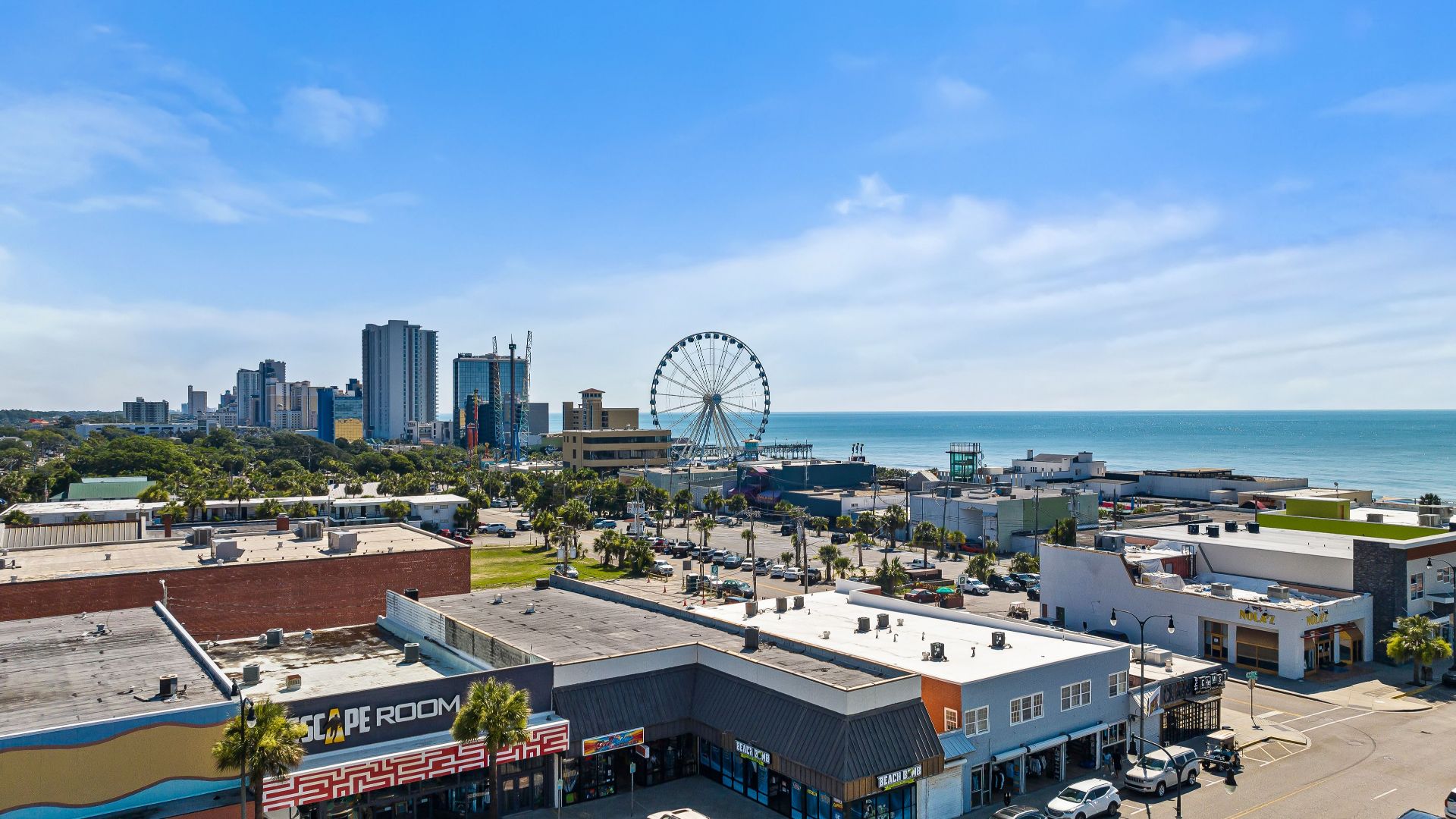
Myrtle Beach has an obvious entertainment advantage: beaches, golf, restaurants, and attractions give people plenty of ways to spend their time. Its economic-performance ranking helped considerably. Living in a tourism-heavy region does come with seasonal rhythms, though. Your ordinary Tuesday might coincide with someone else’s big summer vacation.
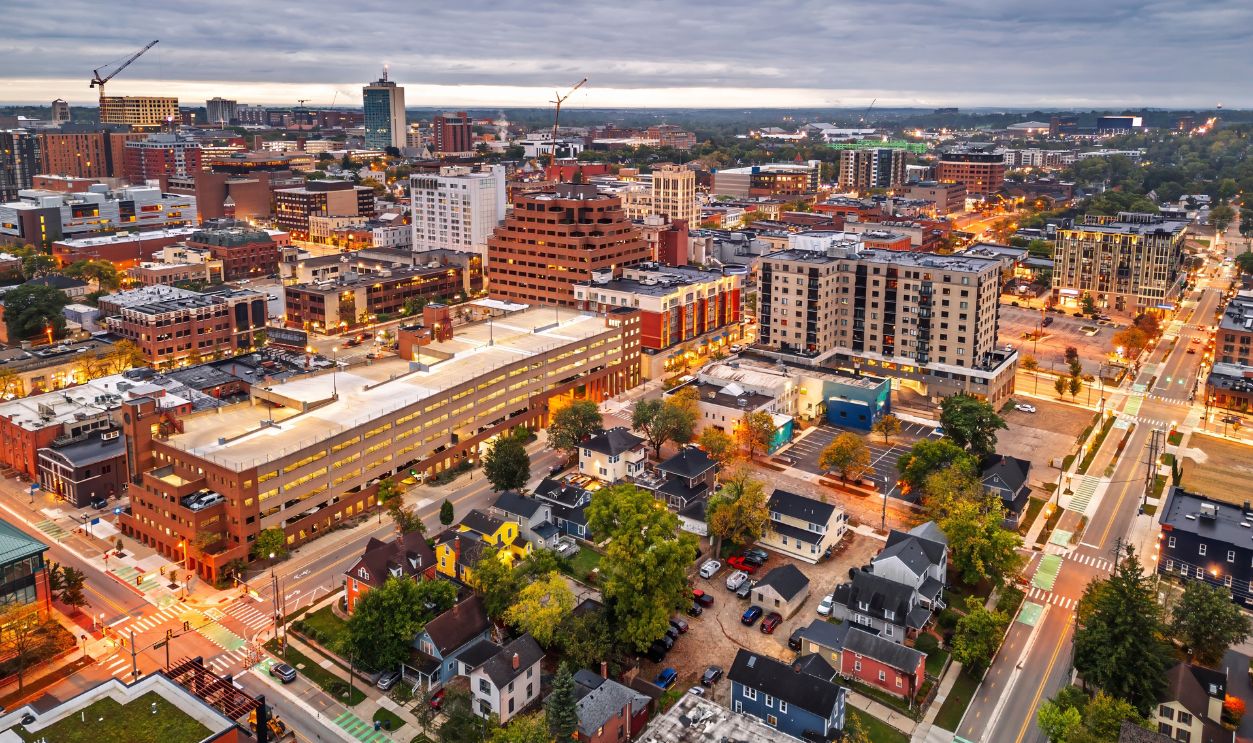
41. Ann Arbor, Michigan (BCS: 52.3)
Ann Arbor finished fifth in RentCafe’s livability ranking, but its Milken economic-performance placement was much lower. That split keeps it from climbing higher. The University of Michigan, museums, and Huron River still give residents a substantial collection of educational, cultural, and outdoor advantages.
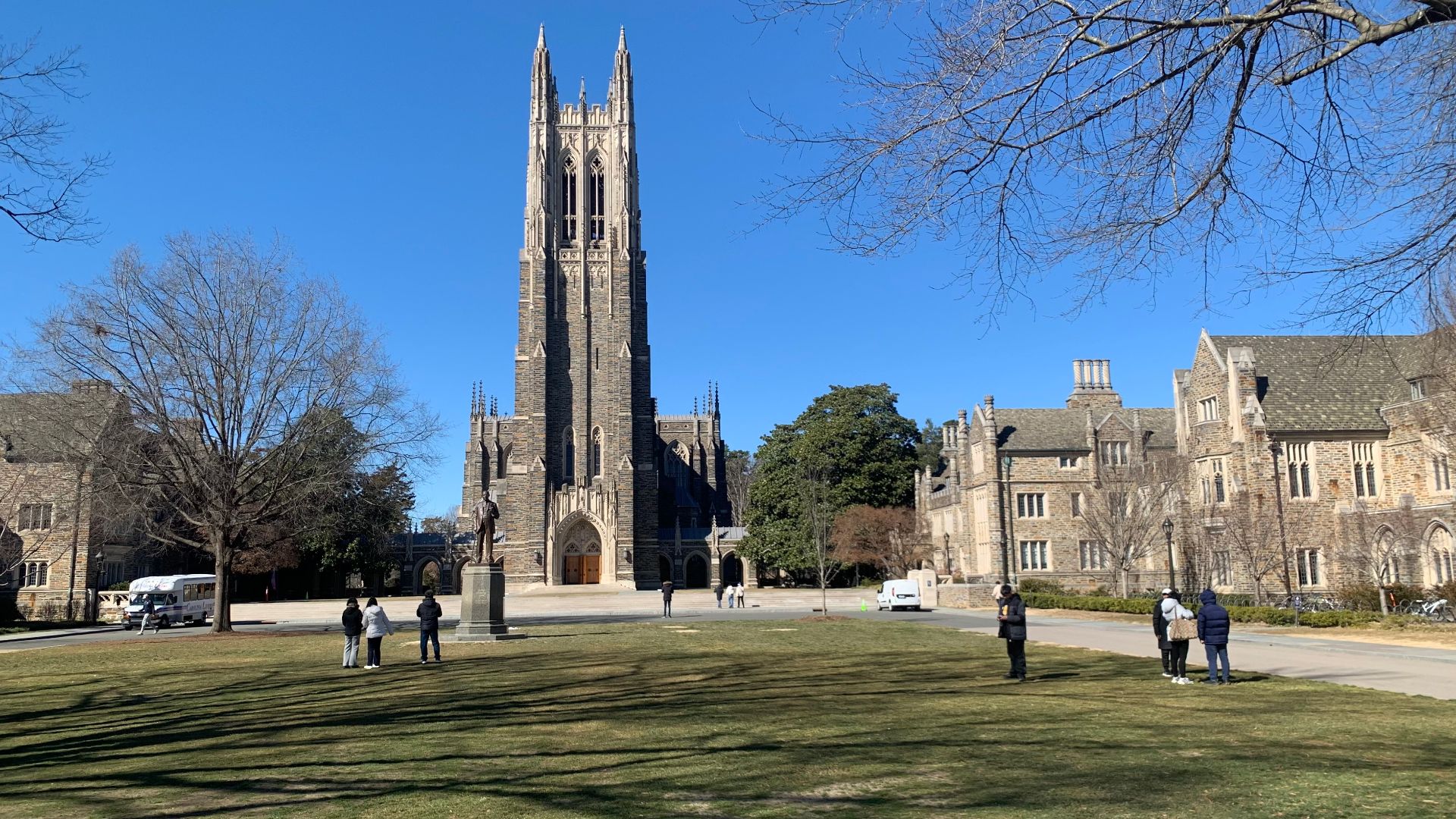
40. Durham, North Carolina (BCS: 53.5)
Durham benefits from Duke University, major medical activity, and its place within the broader Research Triangle economy. Performing arts venues and museums add reasons to enjoy time away from work. Economic performance was its strongest source result, although the other rankings kept that advantage from carrying it much higher.
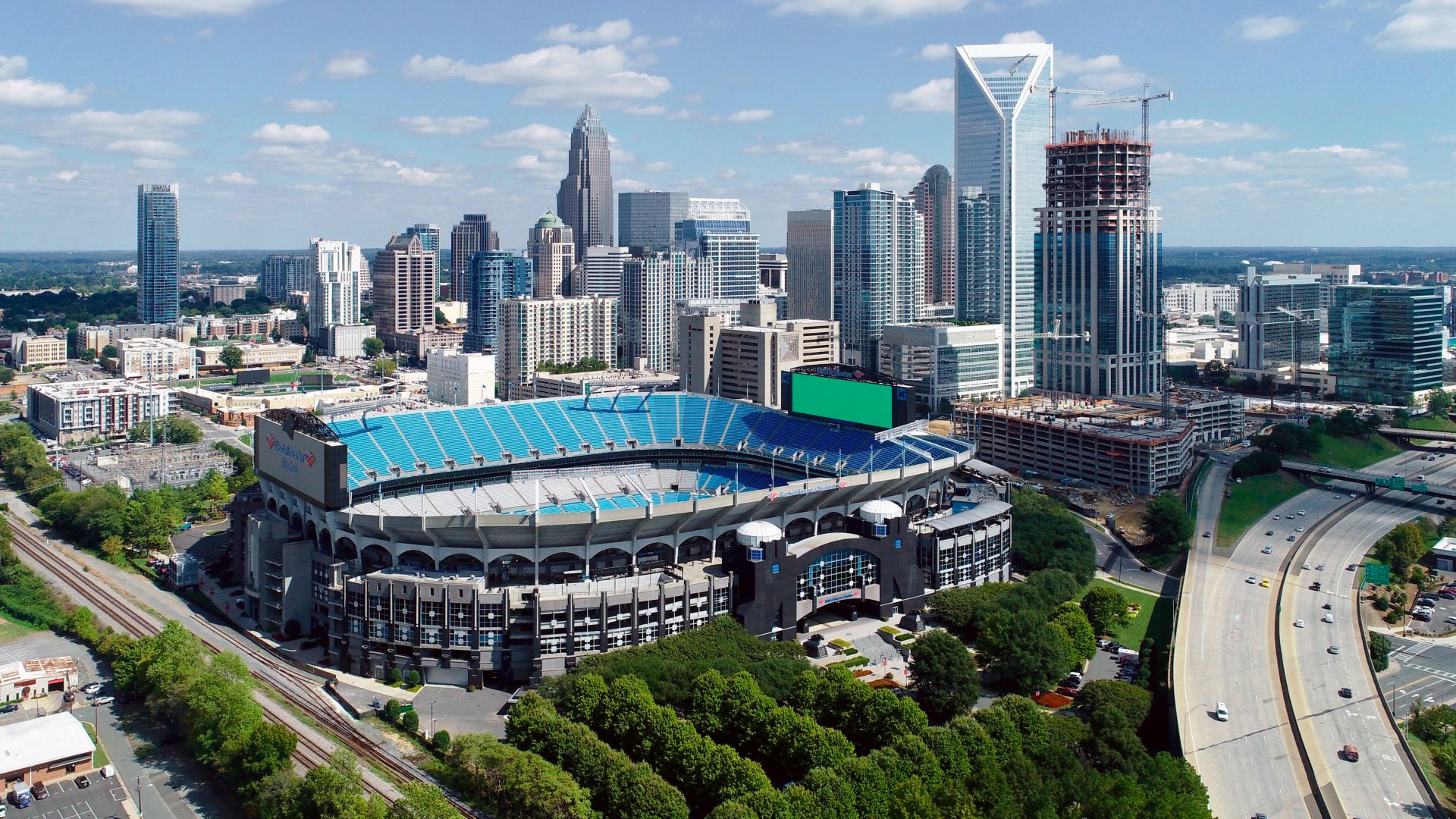
39. Charlotte, North Carolina (BCS: 53.5)
Charlotte’s financial sector, major employers, and extensive airport connections make it an appealing place to build a career. Its combined result also exposes a distinction worth remembering: a strong employment center can still face everyday livability challenges. Choosing a convenient neighborhood can be almost as important as choosing the city.
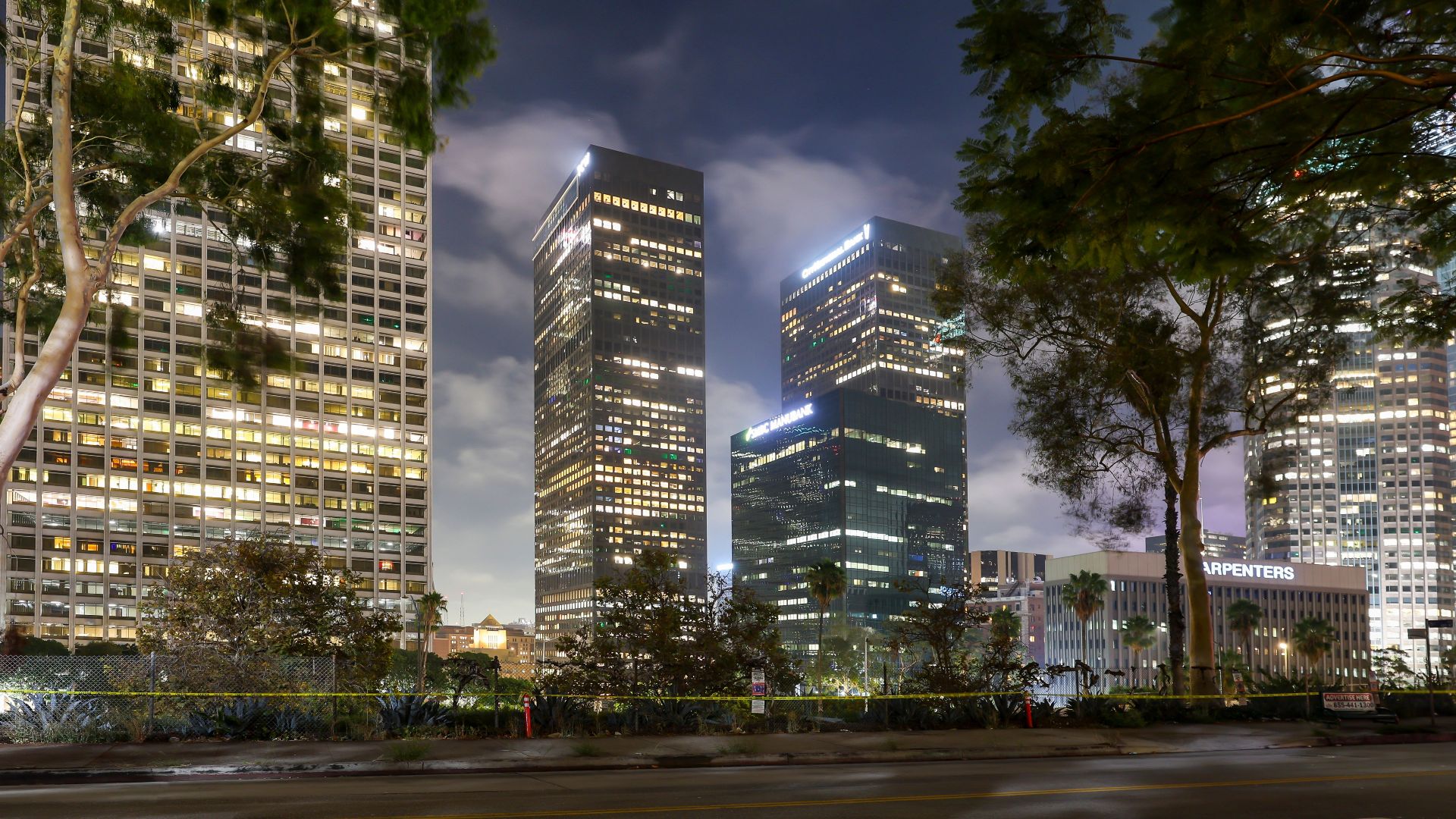
38. Los Angeles, California (BCS: 54.7)
Los Angeles finished second in Resonance’s ranking, which measures cultural appeal alongside livability and prosperity. Its other results were considerably less flattering. Beaches, museums, and entertainment are powerful selling points, but the combined score reflects how differently a famous city can perform when everyday living enters the calculation.
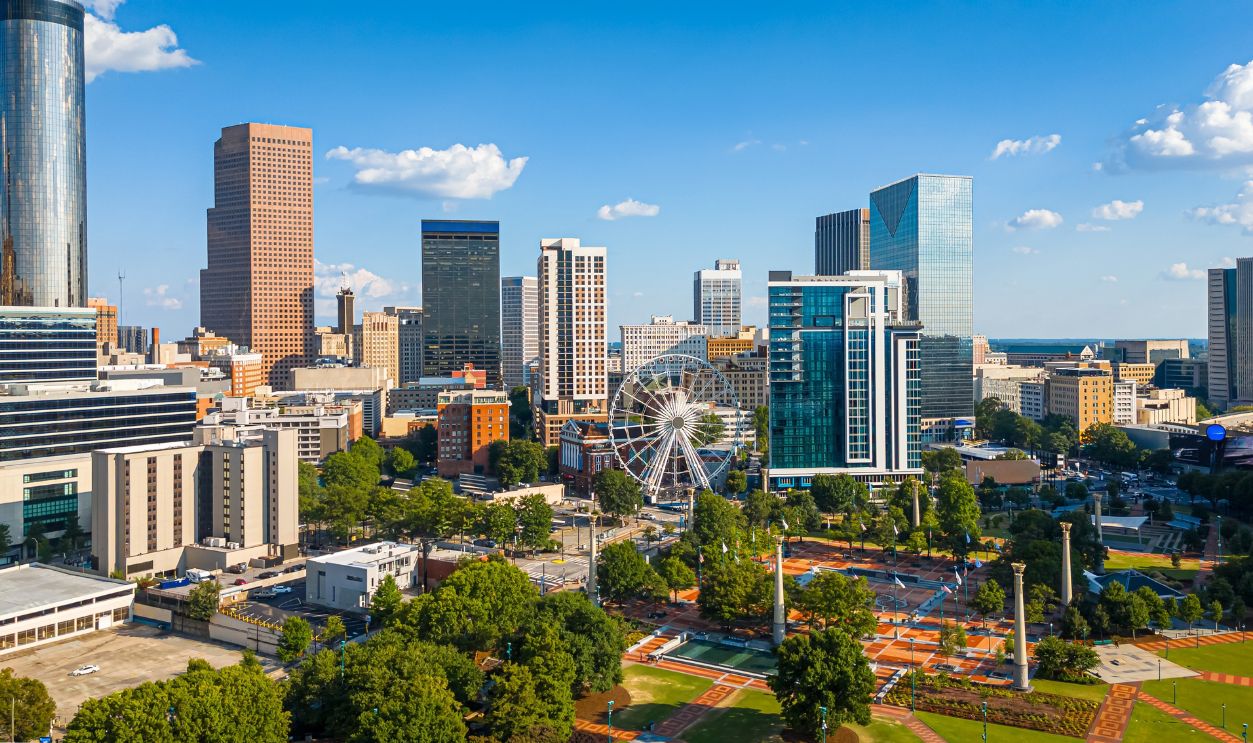
37. Atlanta, Georgia (BCS: 54.7)
Atlanta combines major employers, extensive air connections, cultural institutions, and neighborhoods with distinct identities. The BeltLine adds another reason to explore outside a car. Transportation remains a major consideration across the wider region, however. A good job and a difficult commute can arrive in the same package.
 Alexey Fedorenko, Shutterstock
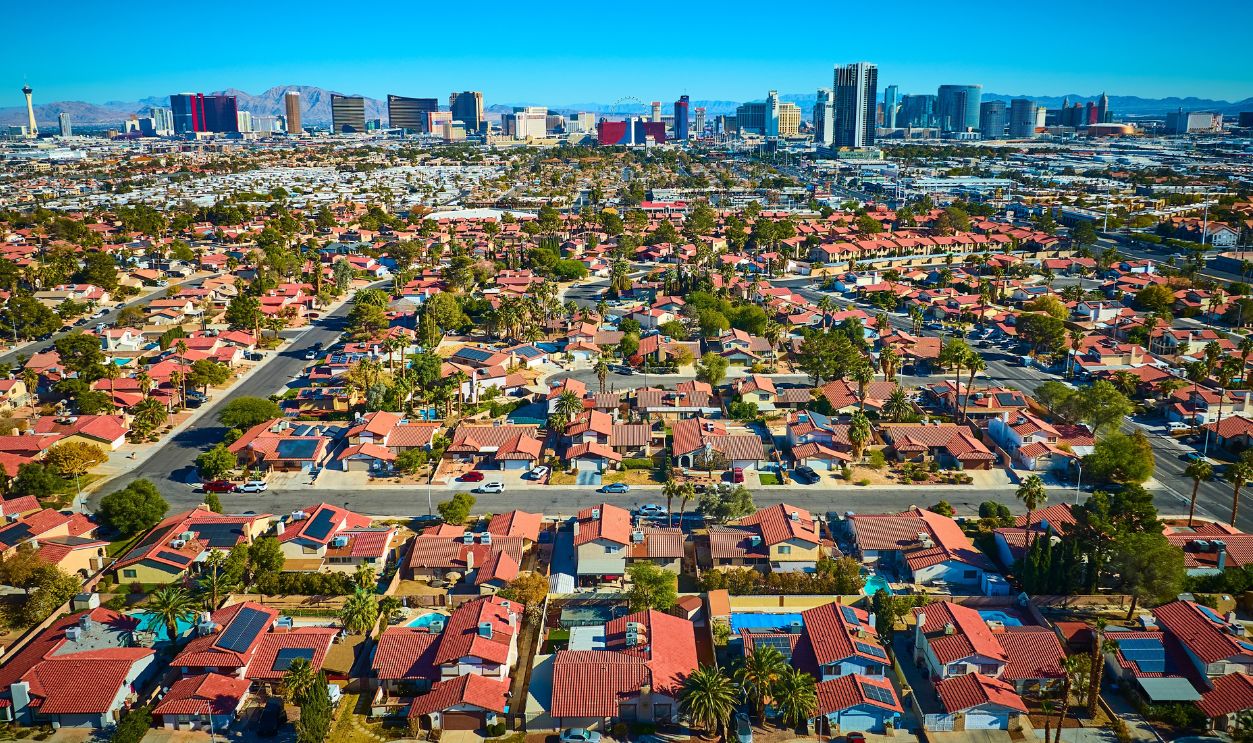
36. Las Vegas, Nevada (BCS: 55.1)
Las Vegas gets a substantial boost from its entertainment, hospitality, and convention strengths. Its livability result was much less flattering. That difference matters: enjoying a few days on the Strip and building an everyday routine in the wider metropolitan area are two very different experiences.
 Nicholas J Klein, Shutterstock
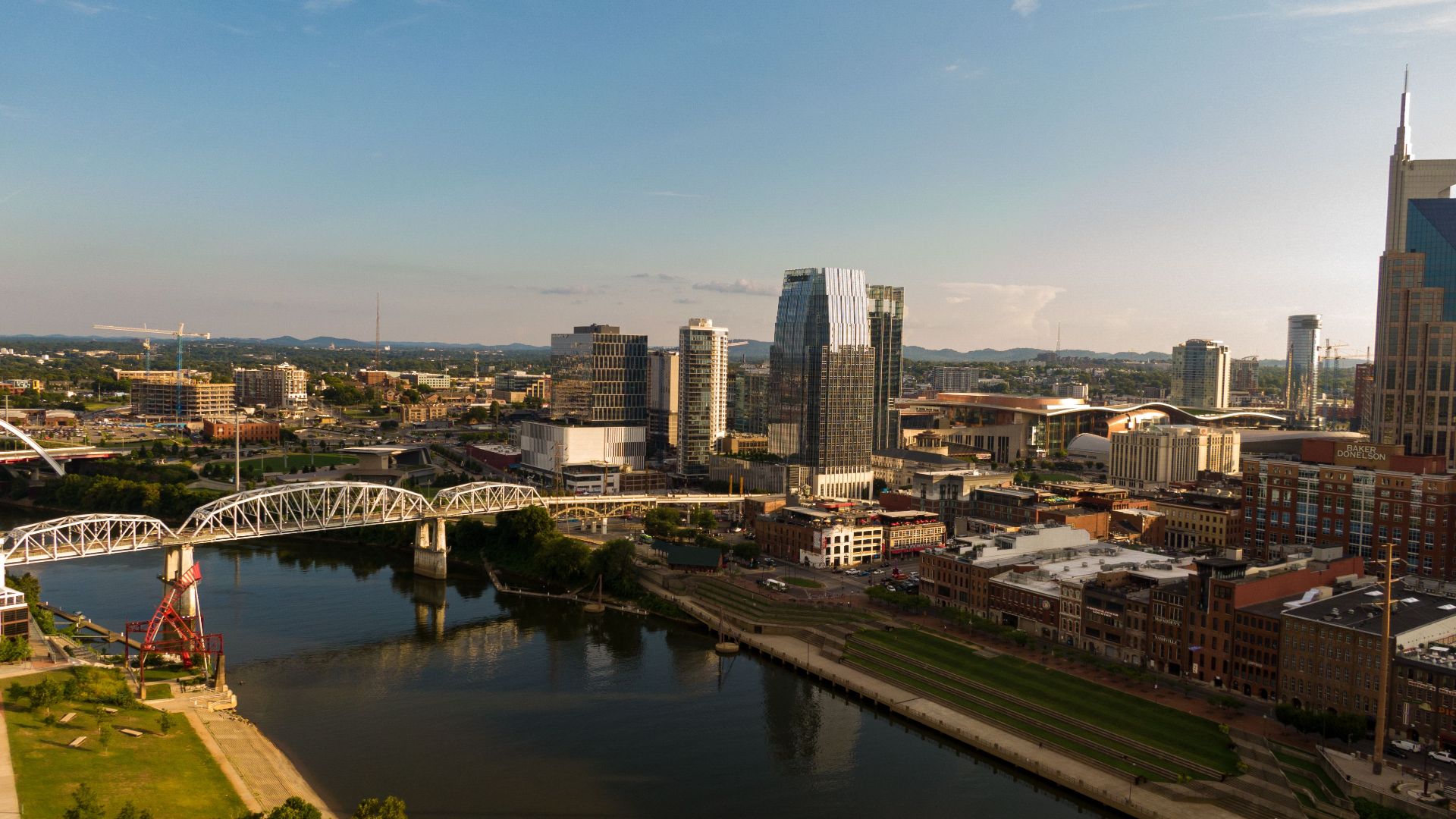
35. Houston, Texas (BCS: 55.6)
Houston’s major employers, medical institutions, museums, and international food culture give it tremendous depth. Its rankings also show why size and opportunity don’t settle everything. Stronger performances from Resonance and Milken were offset by a weak RentCafe result, leaving plenty for residents to debate about this placement.
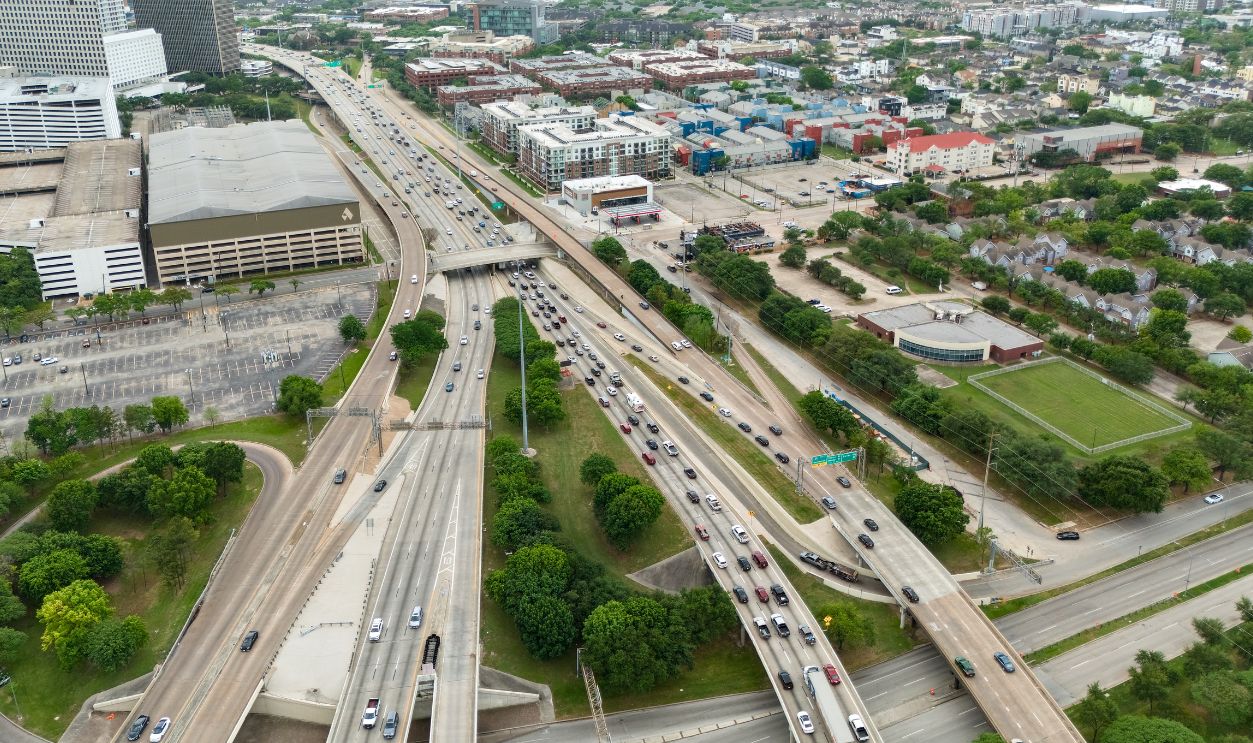
34. Nashville, Tennessee (BCS: 55.6)
Nashville’s music reputation brings visitors, while healthcare, education, and other industries give its economy a broader foundation. Its livability placement contributed least to the score. That’s a useful reminder that a city can be exciting and economically active while still presenting challenges for the people living there.
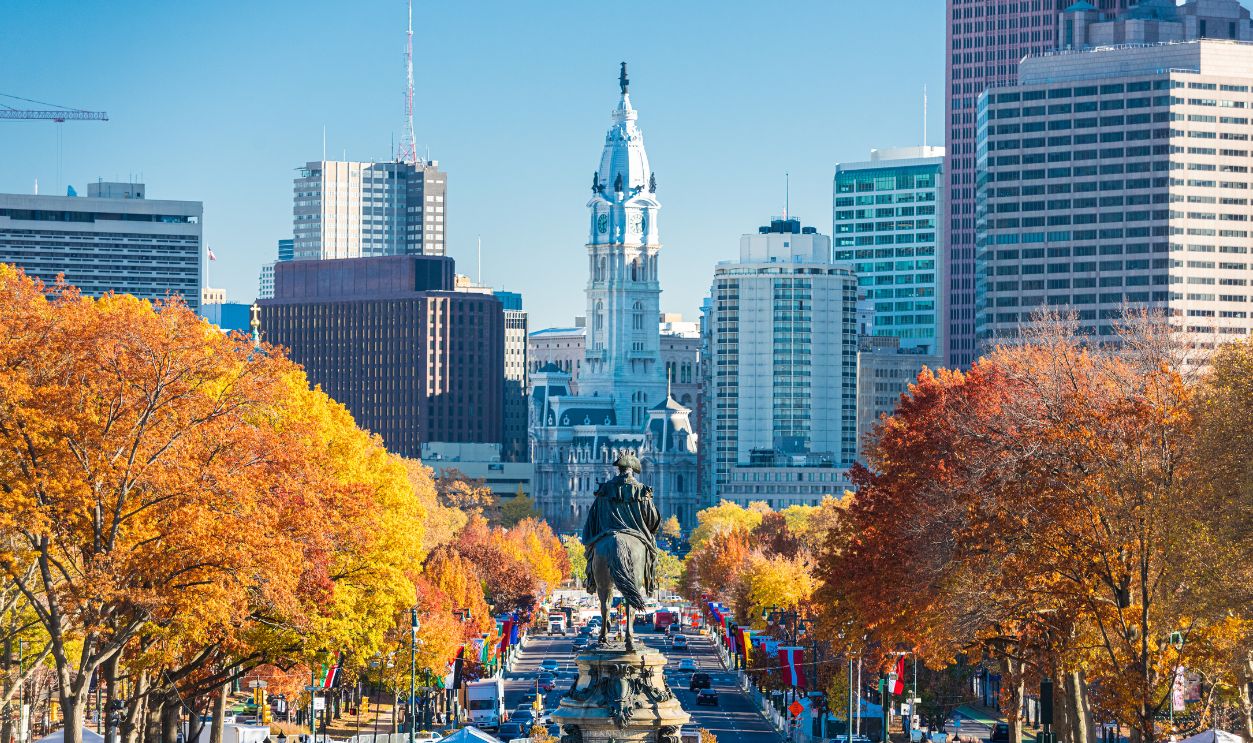
33. Philadelphia, Pennsylvania (BCS: 56.4)
Philadelphia brings history, major universities, medical institutions, and neighborhoods with plenty of personality. Its Resonance and RentCafe placements were much stronger than its Milken result. There’s a substantial everyday city behind the familiar landmarks, even if the economic-performance numbers weren’t strong enough to push it further up our list.
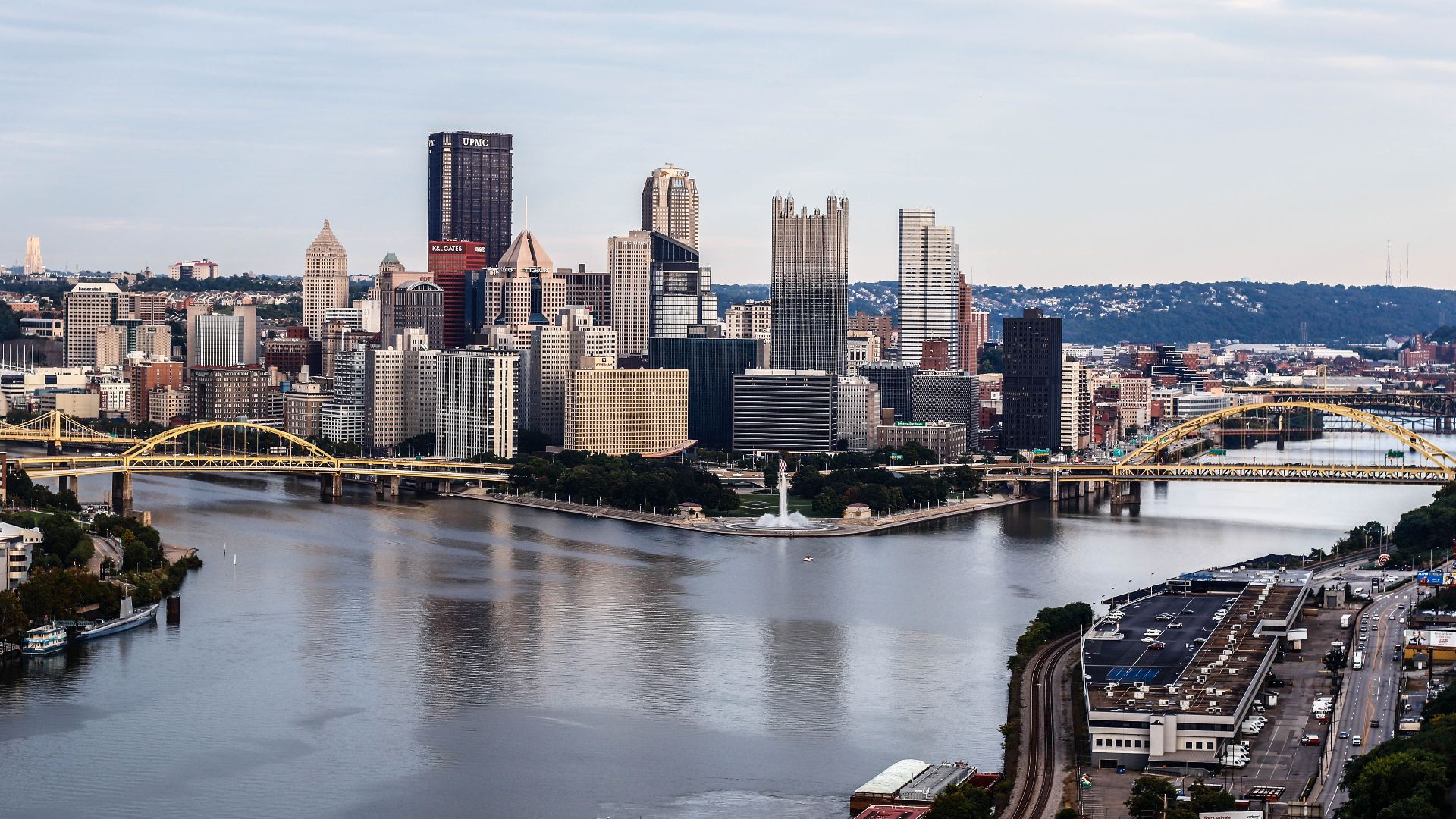
32. Pittsburgh, Pennsylvania (BCS: 57.6)
Pittsburgh combines major universities, medical institutions, museums, and neighborhoods with unmistakable personalities. Its livability result contributed considerably more than its economic-performance placement. That gives it a different profile from fast-growing Sun Belt competitors: much of its appeal comes from the substantial collection of amenities already there.
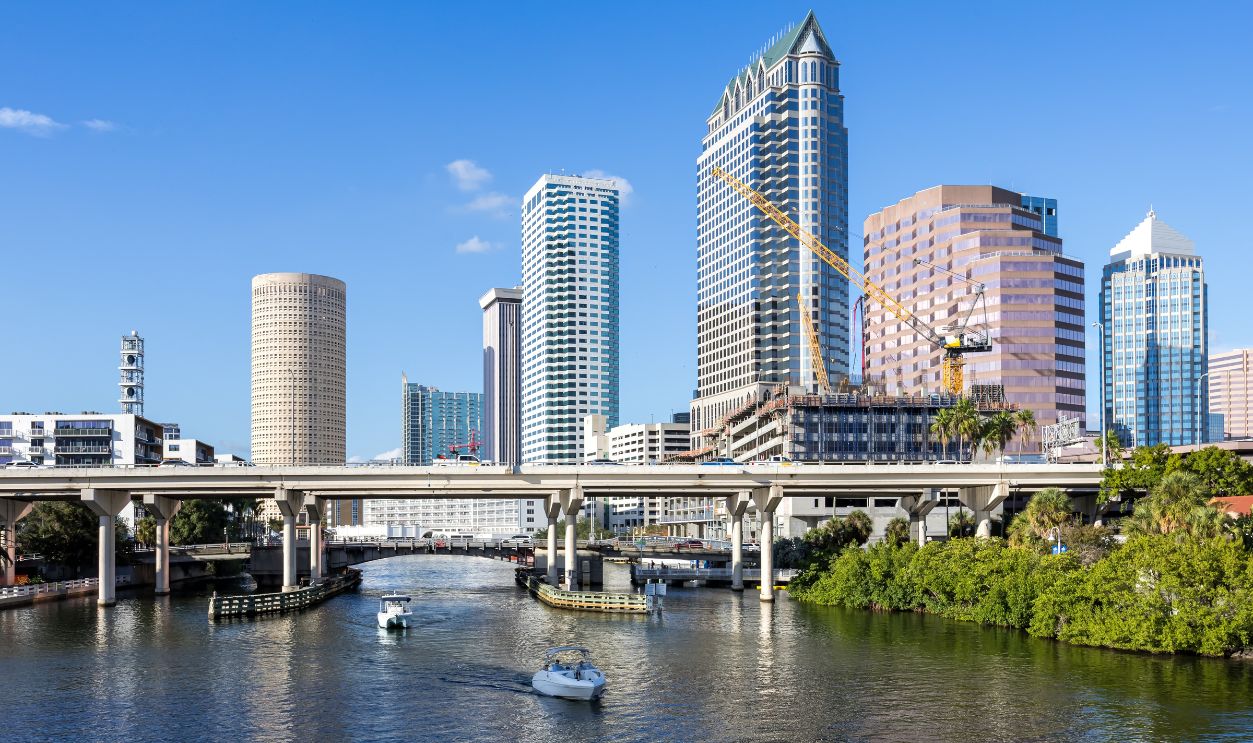
31. Tampa, Florida (BCS: 58.0)
Tampa’s waterfront, business activity, and access to the wider bay area give it several strong arguments. Resonance and Milken treated it much more favorably than RentCafe did. That disagreement keeps it outside the top 30, despite the sunshine doing its best to make a persuasive first impression.
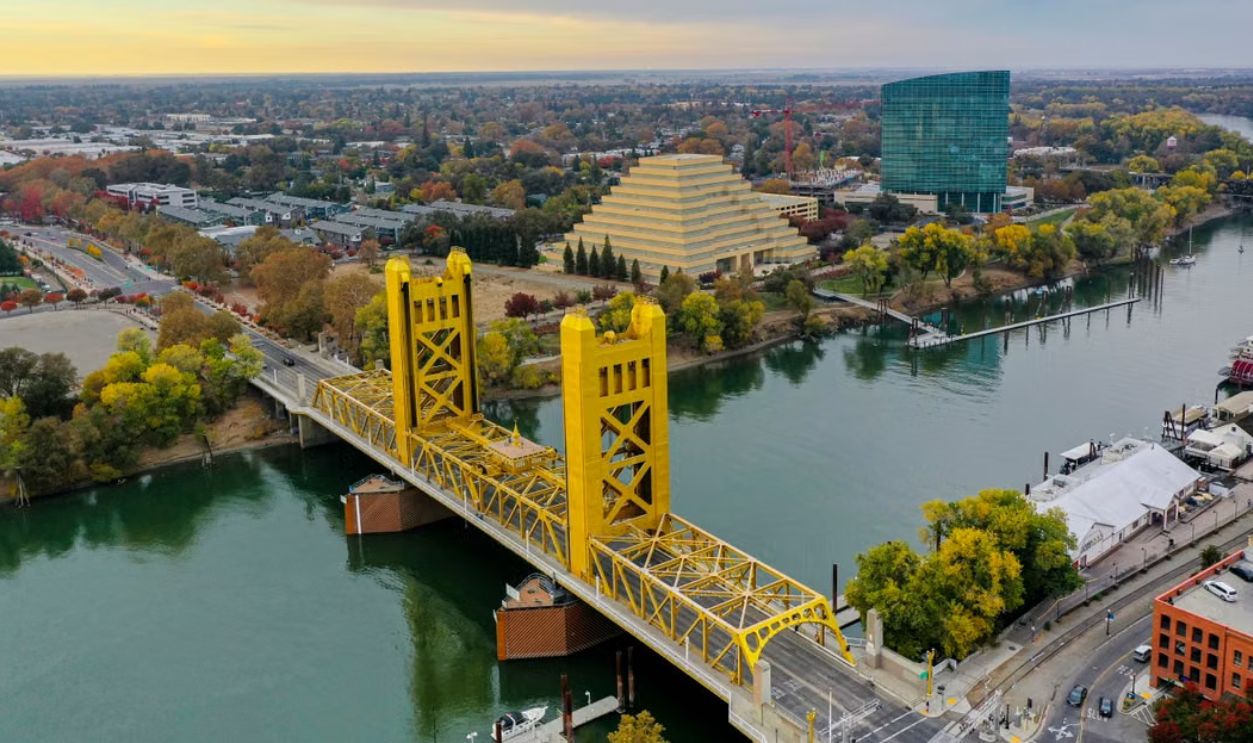
30. Sacramento, California (BCS: 58.4)
Sacramento delivered relatively consistent results across the three sources, which helped its score. California’s capital combines government employment, healthcare, museums, and river recreation with a food scene connected to surrounding agriculture. It offers plenty of urban amenities, although inland summer temperatures are a different proposition from coastal California weather.
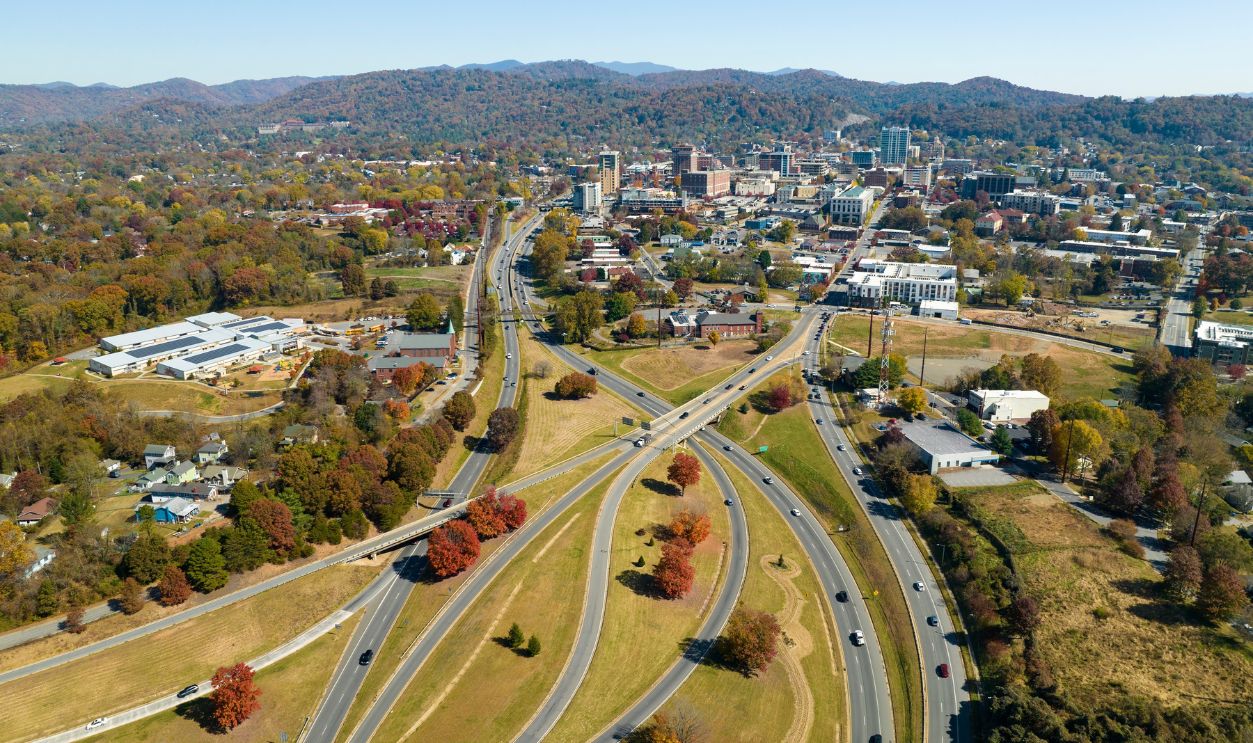
29. Asheville, North Carolina (BCS: 58.8)
Asheville’s mountain setting, arts identity, and independent businesses continue to draw attention. Its strong livability placement helped its score, but the rankings don’t fully describe recovery from Hurricane Helene. Rebuilding and reopening remain important context. A favorable position on a list doesn’t mean every local challenge has disappeared.
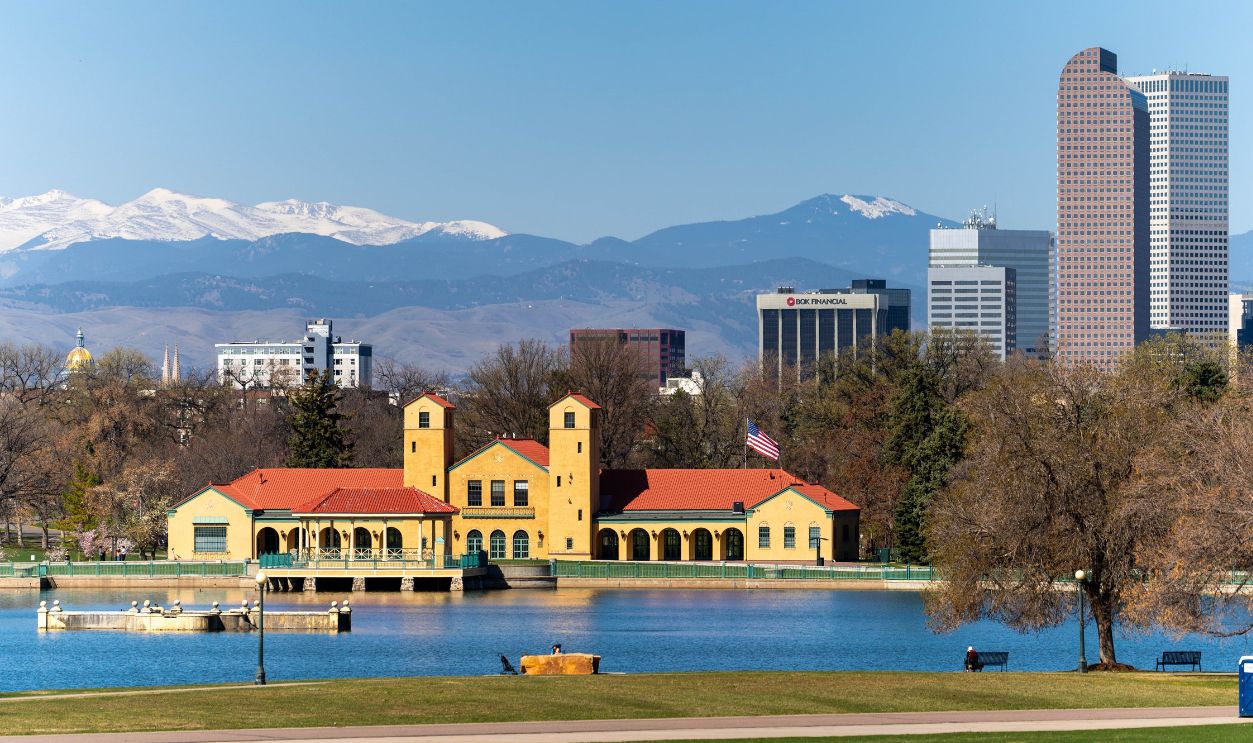
28. Denver, Colorado (BCS: 58.8)
Denver combines a substantial metropolitan economy with sports, cultural institutions, and access to the broader Rocky Mountain region. Its strongest contribution came from Resonance. The outdoor lifestyle is a major attraction, but investigate actual travel times before assuming every weekend adventure begins immediately outside your front door.
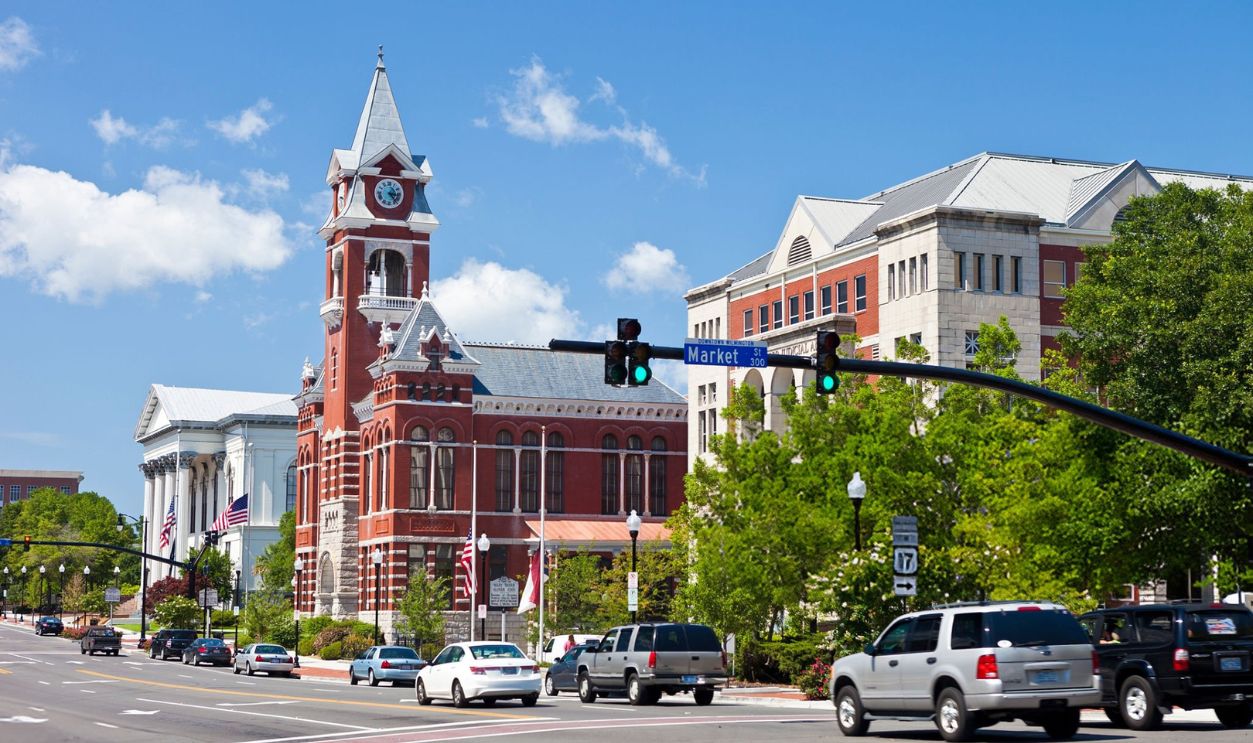
27. Wilmington, North Carolina (BCS: 59.3)
Wilmington paired strong economic performance with a high livability placement, helping overcome its lower Resonance position. The riverfront and nearby beaches make the appeal easy to picture. Coastal living also means considering storm exposure, so the attractive setting should be part of the decision rather than the entire decision.
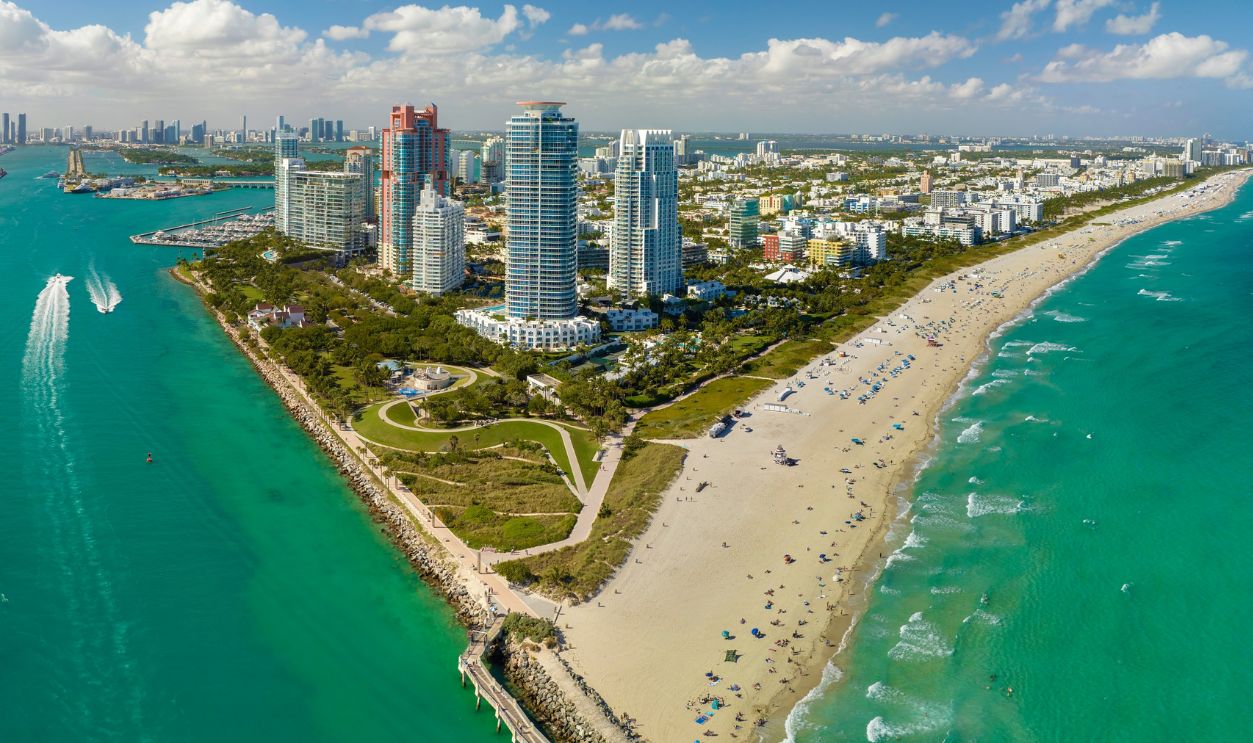
26. Miami, Florida (BCS: 59.7)
Miami finished fourth in Resonance’s ranking, with its coastal setting, restaurants, and international identity offering obvious appeal. Its RentCafe result was considerably weaker. Milken landed between those extremes, producing a combined score that recognizes Miami’s strengths while stopping well short of giving the lifestyle a free pass.
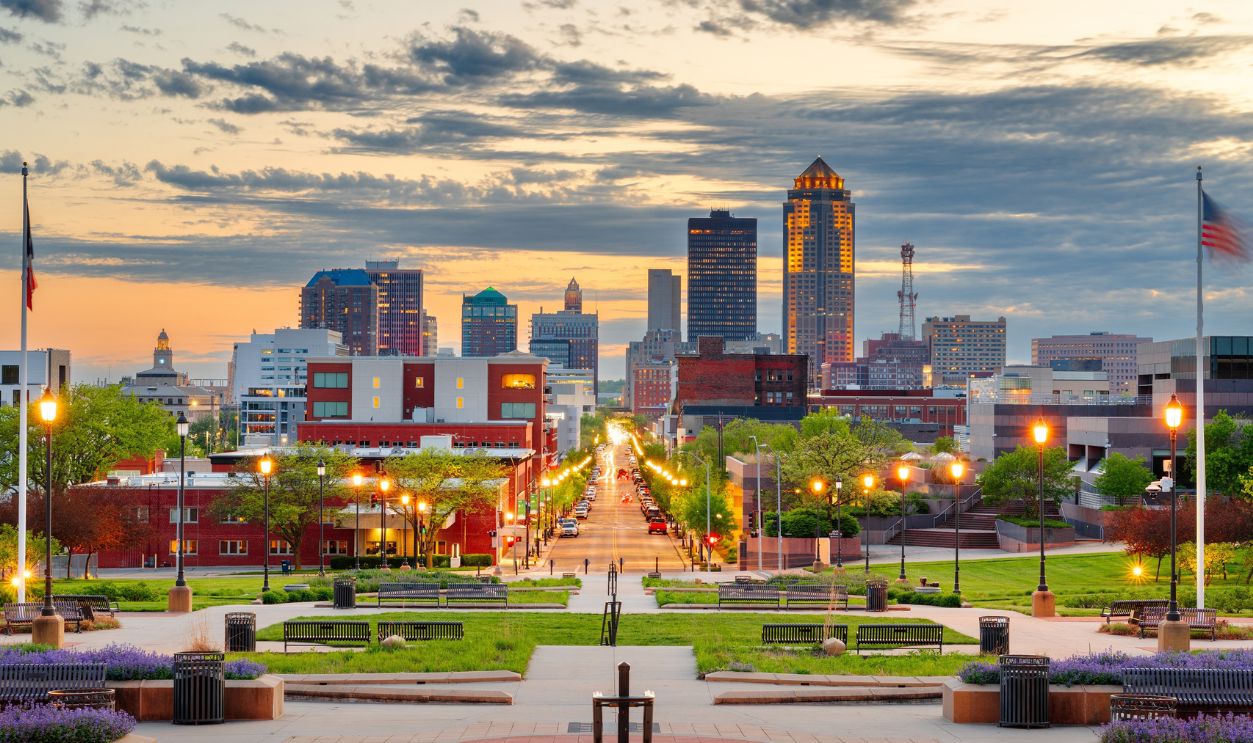
25. Des Moines, Iowa (BCS: 60.1)
Des Moines finished fourth in RentCafe’s livability study, giving it a substantial advantage in our calculation. Insurance and financial services provide an economic foundation, while trails and downtown attractions add everyday appeal. It may not shout as loudly as bigger cities, but its strongest result speaks clearly enough.
24. Colorado Springs, Colorado (BCS: 60.1)
Colorado Springs offers substantial aerospace and research activity alongside scenery that makes a fairly persuasive sales pitch. Garden of the Gods is the obvious showstopper. Strong results from Milken and RentCafe helped lift it above its Resonance placement, showing the value of looking beyond a single ranking.

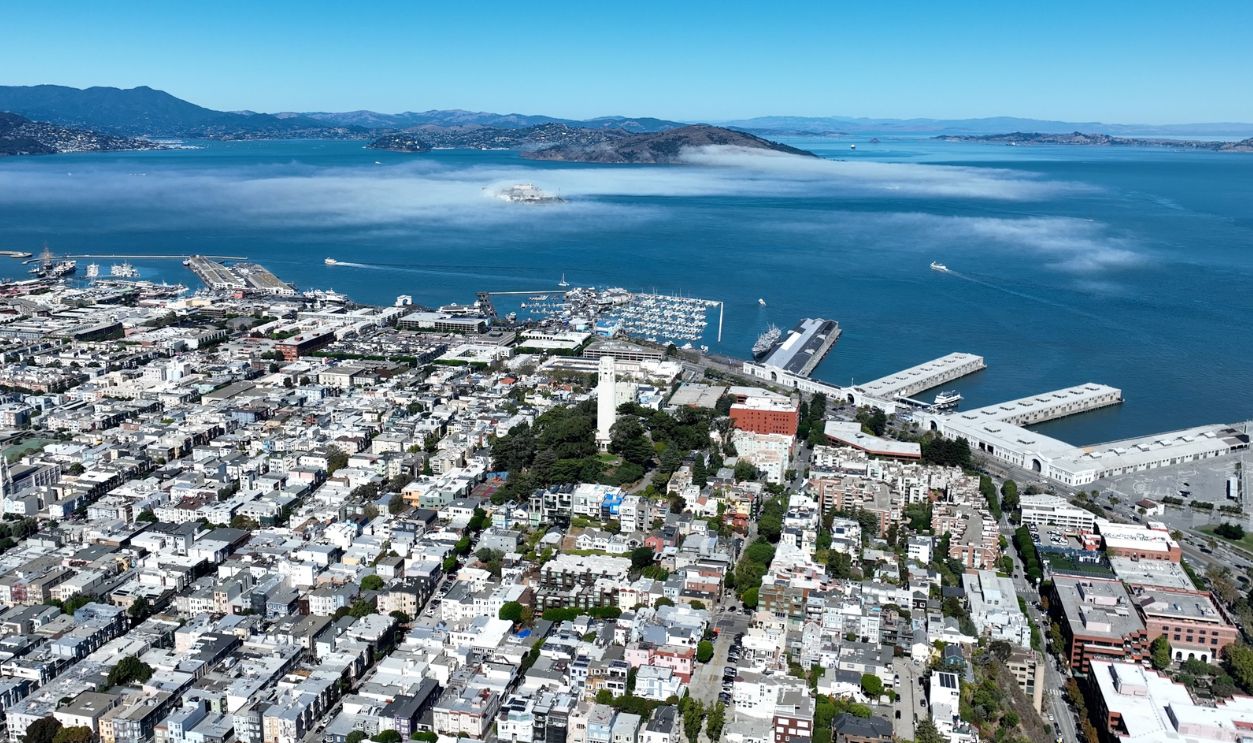
23. San Francisco, California (BCS: 60.5)
San Francisco’s waterfront, cultural institutions, and technology connections give it advantages that plenty of cities would happily borrow. Its fifth-place Resonance finish helped considerably. A much lower Milken placement pulled in the other direction, leaving a combined result that sits well below what its global reputation might suggest.
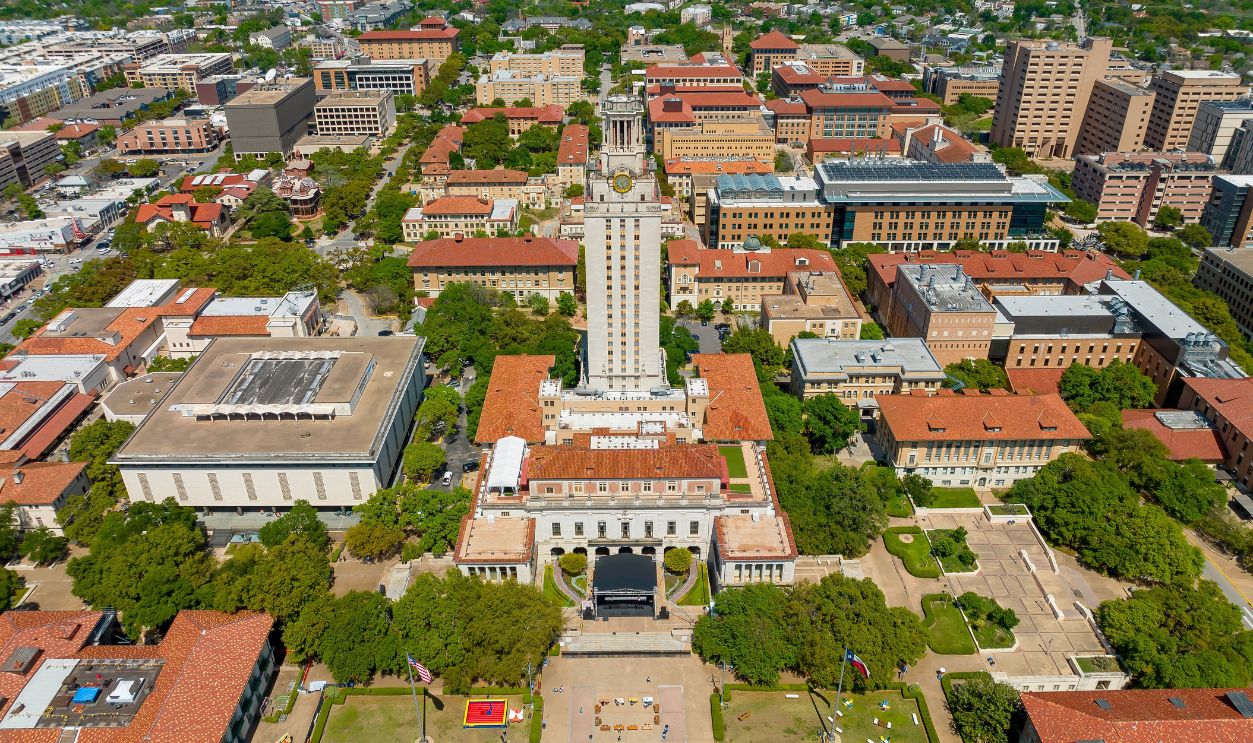
22. Austin, Texas (BCS: 61.3)
Austin’s technology economy, University of Texas presence, music, and outdoor spaces give it several strong arguments. Its rankings also disagreed sharply: impressive Resonance and Milken placements were accompanied by a weak RentCafe result. That combination keeps Austin well below where its biggest fans might expect to find it.
 Grindstone Media Group, Shutterstock
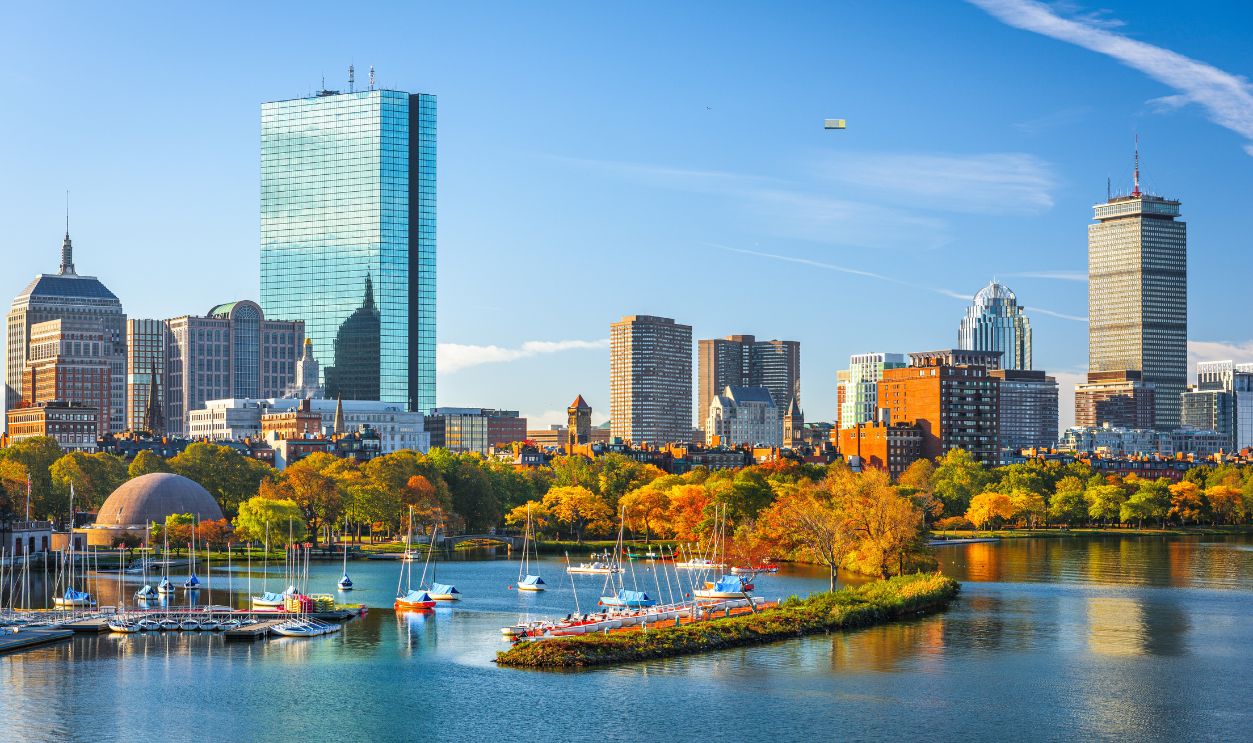
21. Boston, Massachusetts (BCS: 61.7)
Boston offers major universities, medical institutions, historic neighborhoods, and cultural attractions within a city with a strong identity. Its Resonance result contributed most, while its Milken placement held it back. The overall package remains impressive, although enjoying those advantages and comfortably affording them are separate questions.
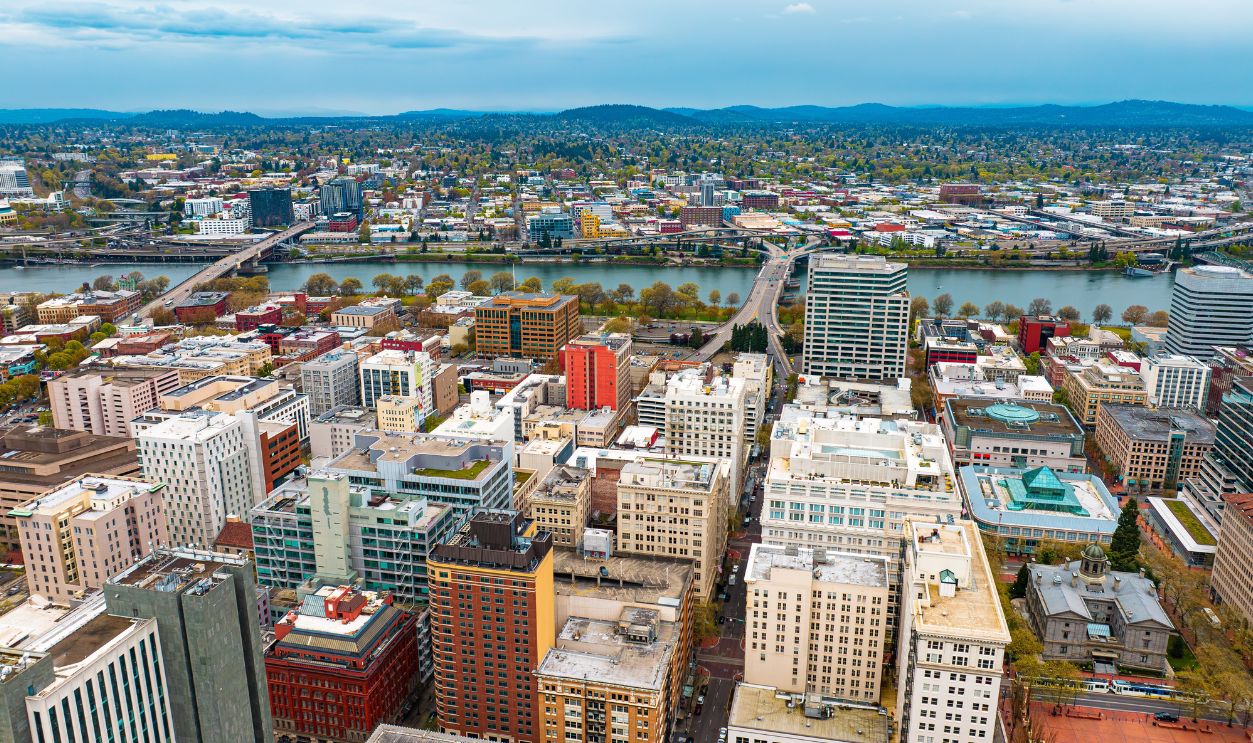
20. Portland, Oregon (BCS: 61.7)
Portland’s parks, food carts, and distinctive neighborhoods give it substantial everyday and visitor appeal. Its lower economic-performance placement held it back in the BCS. Downtown challenges deserve attention, but so does the wider metropolitan area. Neither a glowing weekend review nor a gloomy headline captures the entire place.
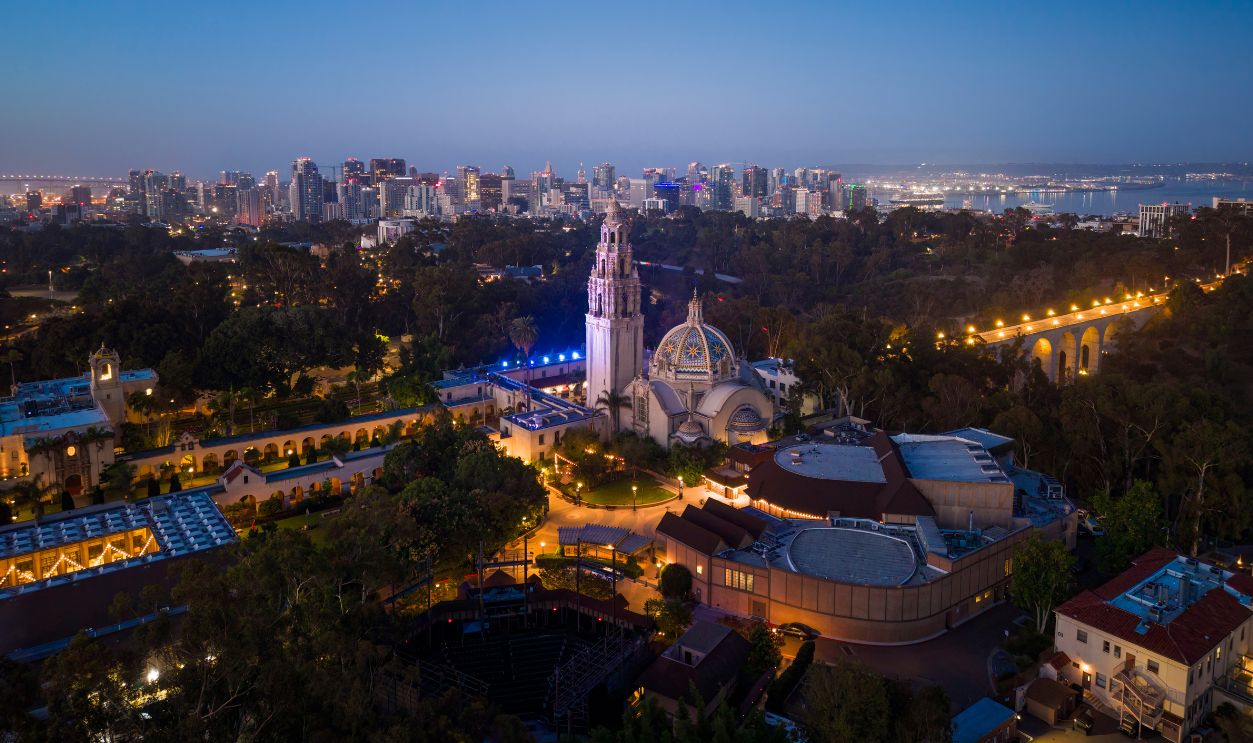
19. San Diego, California (BCS: 62.1)
San Diego offers beaches, Balboa Park, and a substantial research sector. Its strongest contribution came from Resonance, whose ranking includes cultural and visitor appeal. Housing costs remain a significant practical obstacle. Enjoying the lifestyle and comfortably financing the lifestyle can require very different amounts of effort.
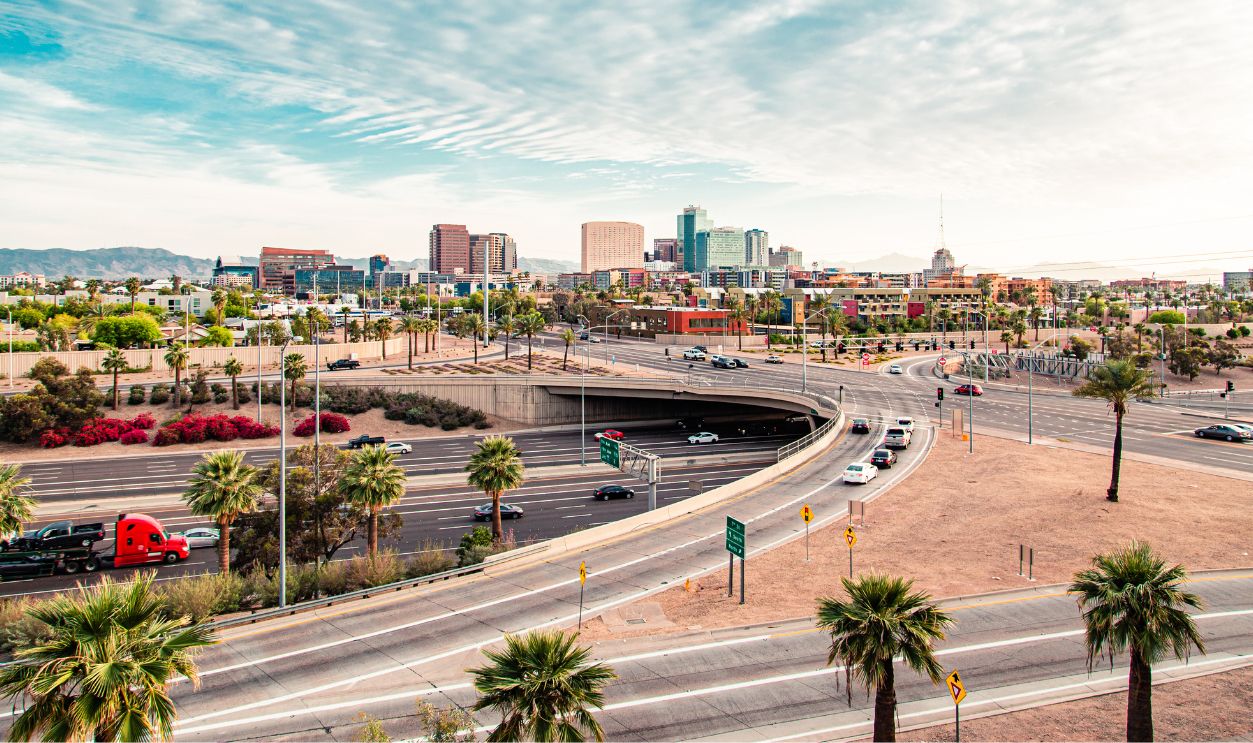
18. Phoenix, Arizona (BCS: 62.1)
Phoenix pairs a substantial regional economy with desert scenery, professional sports, and extensive outdoor recreation. Its stronger contributions came from Resonance and Milken. The obvious compromise is summer heat, which changes when and how residents use those outdoor amenities. A beautiful trail still needs a sensible departure time.
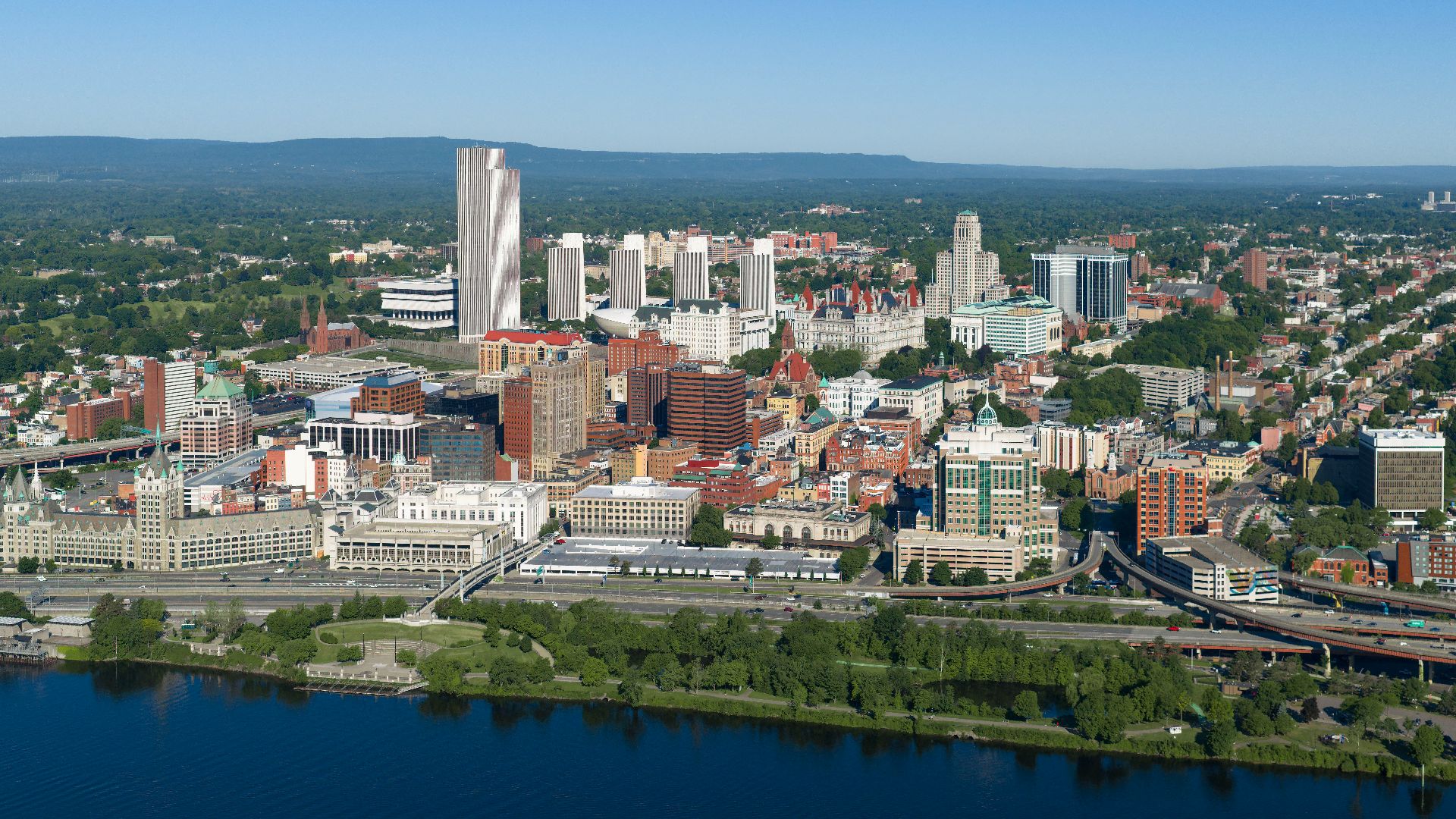
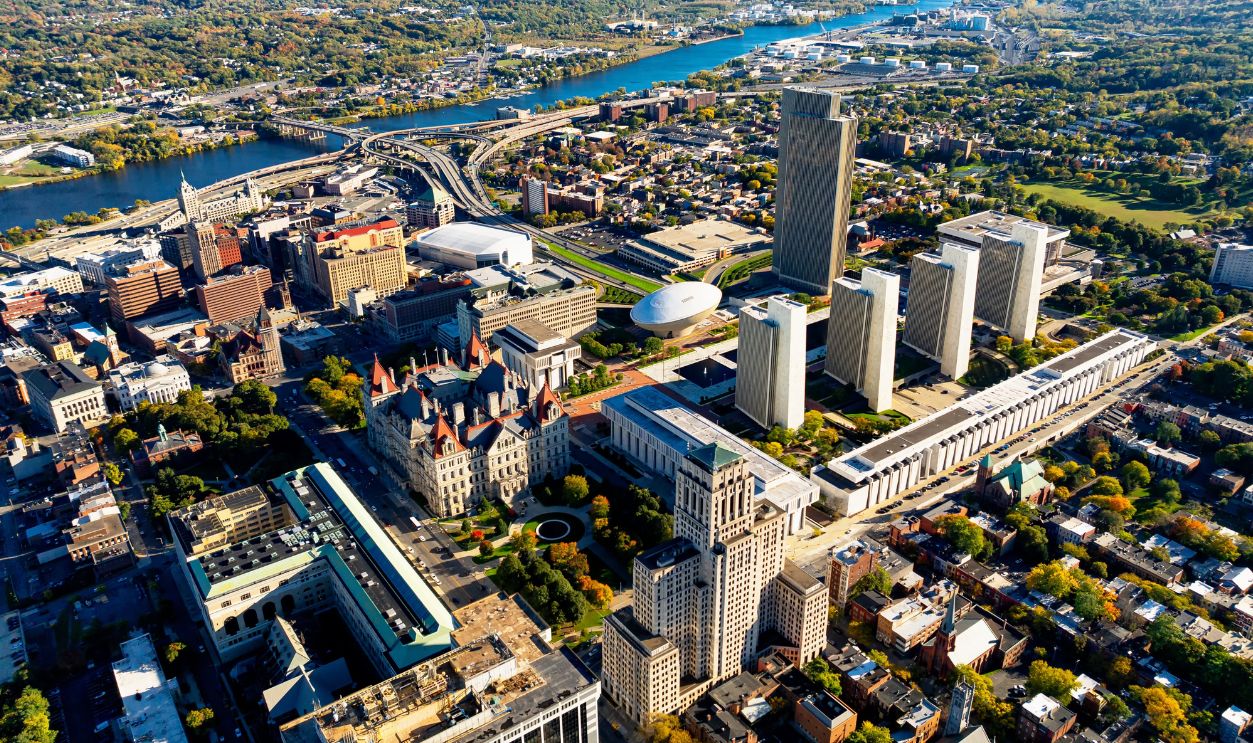
17. Albany, New York (BCS: 62.6)
Albany’s strongest result came from RentCafe, which placed it sixth for livability. State government, education, and healthcare help give the wider region substance beyond its capital-city title. Museums and historic sites add interest, even if its national reputation doesn’t inspire quite as many excited travel conversations.
 Quintin Soloviev, Wikimedia Commons
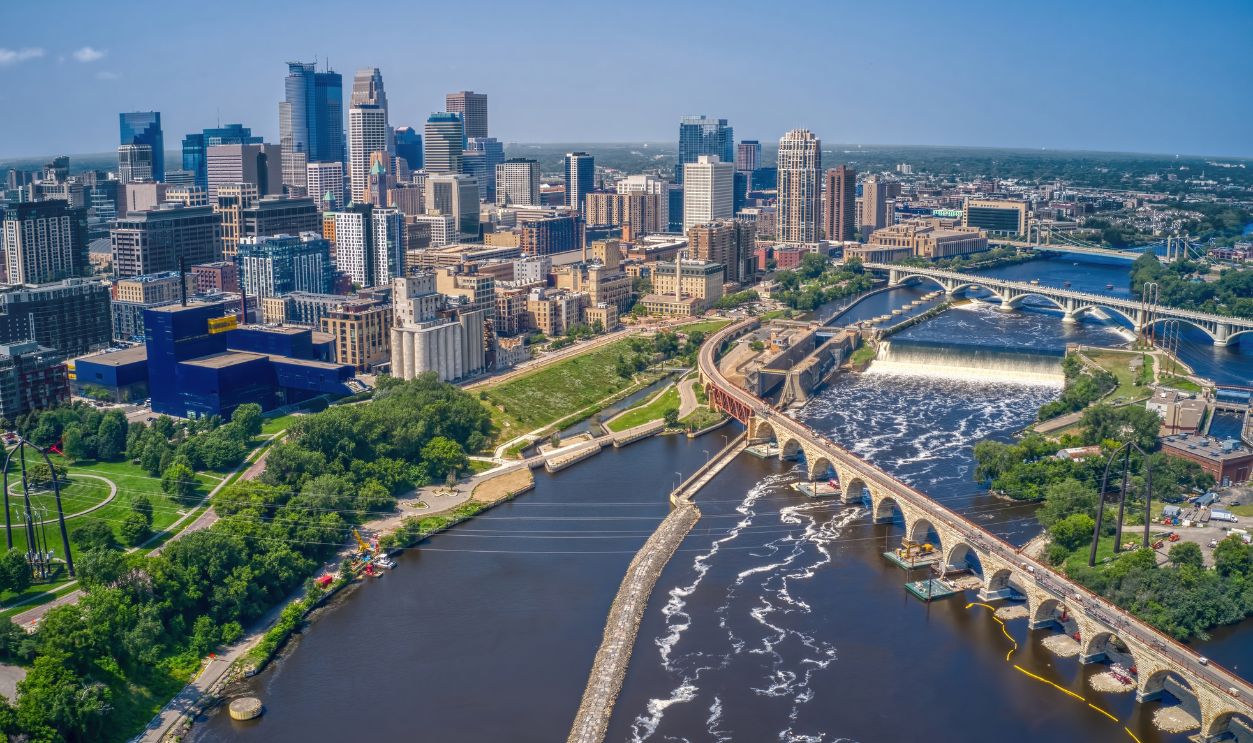
16. Minneapolis, Minnesota (BCS: 62.6)
Minneapolis combines lakes, trails, arts institutions, and a substantial regional business economy. Its livability result contributed considerably more than its economic-performance placement. Winter remains the commitment everyone wants to discuss, but the city’s outdoor infrastructure and cultural depth give residents plenty of reasons to stay through it.
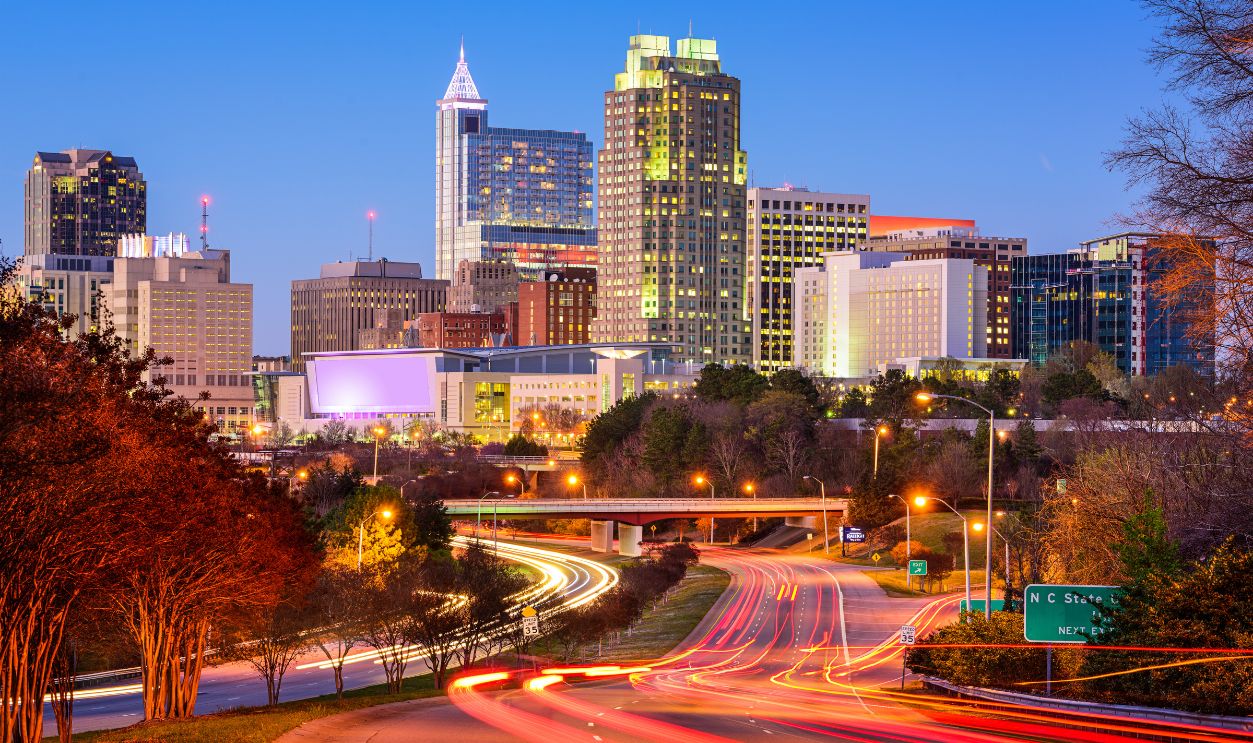
15. Raleigh, North Carolina (BCS: 63.4)
Raleigh benefits from state government, North Carolina State University, and the wider Research Triangle economy. Its particularly strong Milken placement helped considerably. Museums and green spaces broaden the appeal, while growth brings the familiar challenge of keeping housing and transportation convenient for the people already there and those arriving.
 ESB Professional, Shutterstock
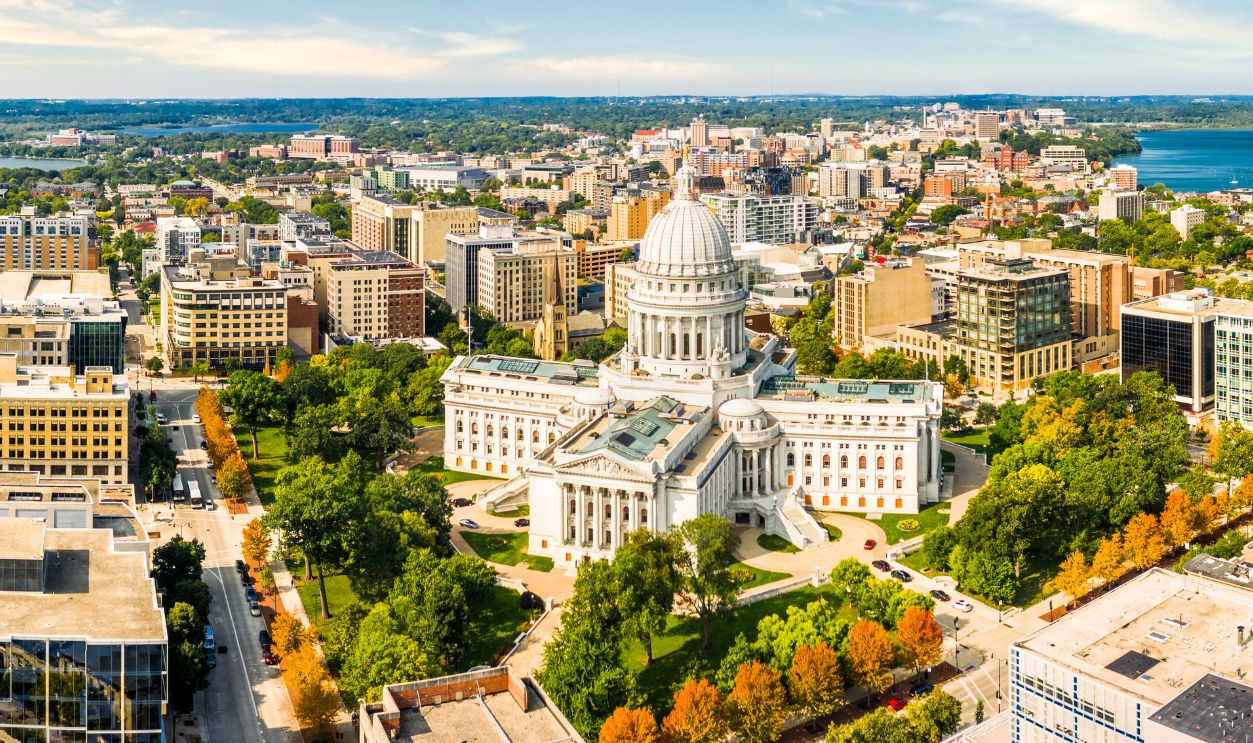
14. Madison, Wisconsin (BCS: 63.8)
Madison combines the University of Wisconsin with state government, lakes, and a substantial cycling culture. It avoided the extreme disagreements that pulled down several bigger names. Its appeal comes from having several useful advantages in the same place, even if winter occasionally makes enjoying the outdoor ones more complicated.
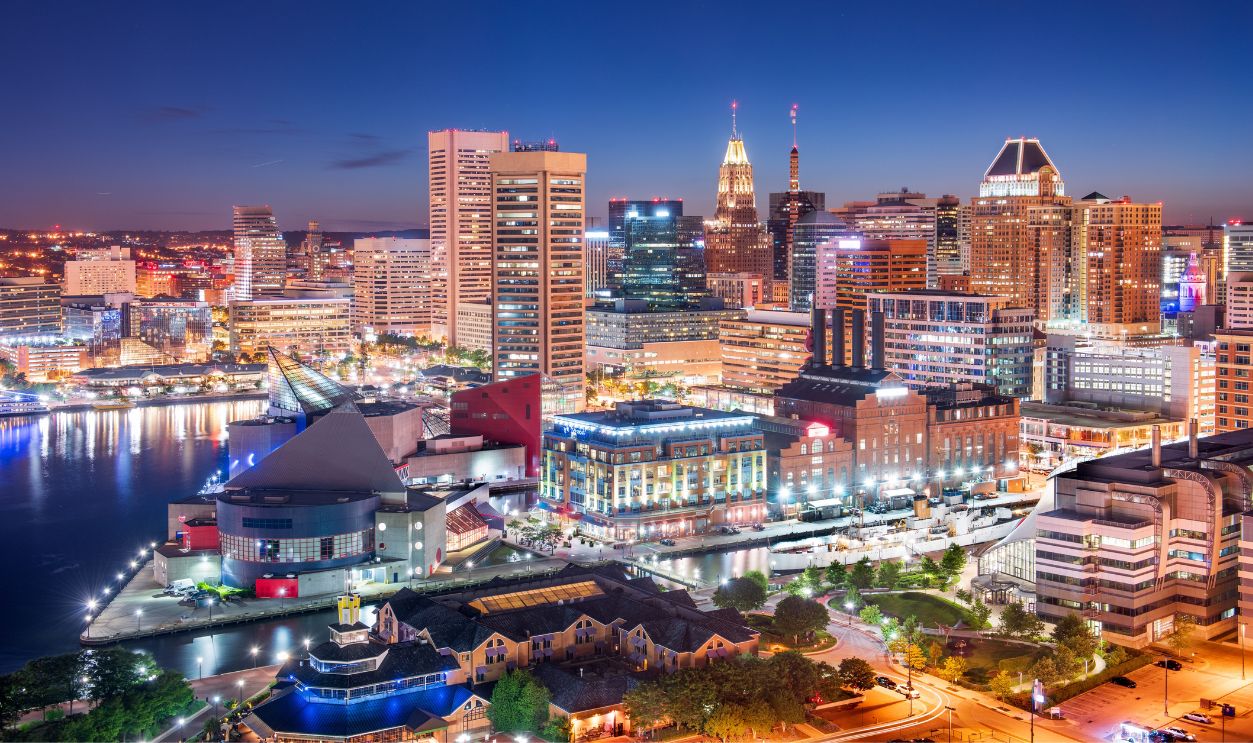
13. Baltimore, Maryland (BCS: 64.6)
Baltimore’s medical and research institutions, museums, waterfront areas, and distinctive neighborhoods give it more depth than a quick reputation check suggests. Its livability placement helped considerably. Conditions vary across the city, however, making neighborhood research essential. A metropolitan score can never tell you everything about a particular block.
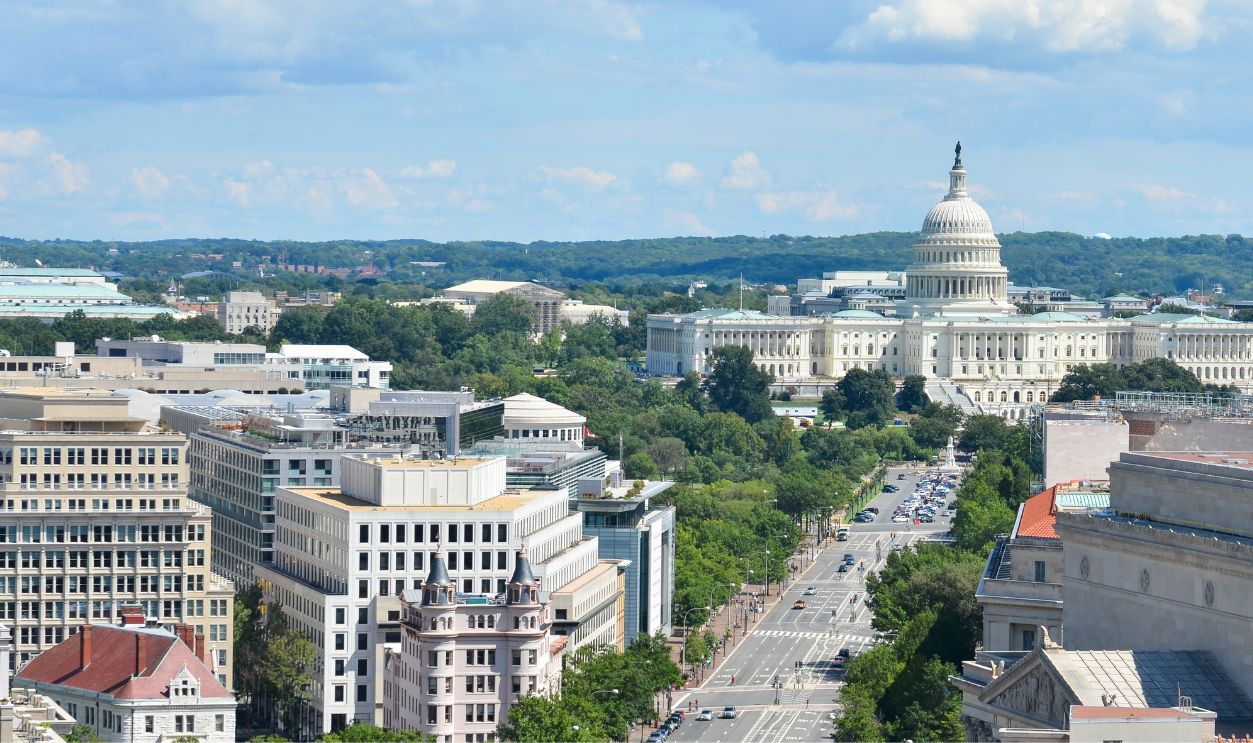
12. Washington, D.C. (BCS: 65.0)
Washington finished first in RentCafe’s livability ranking, giving it a substantial head start. Museums, public transportation, universities, and cultural institutions strengthen the argument. Its much weaker Milken result held it outside the top 10, showing just how differently these studies can judge the same city and its surrounding area.
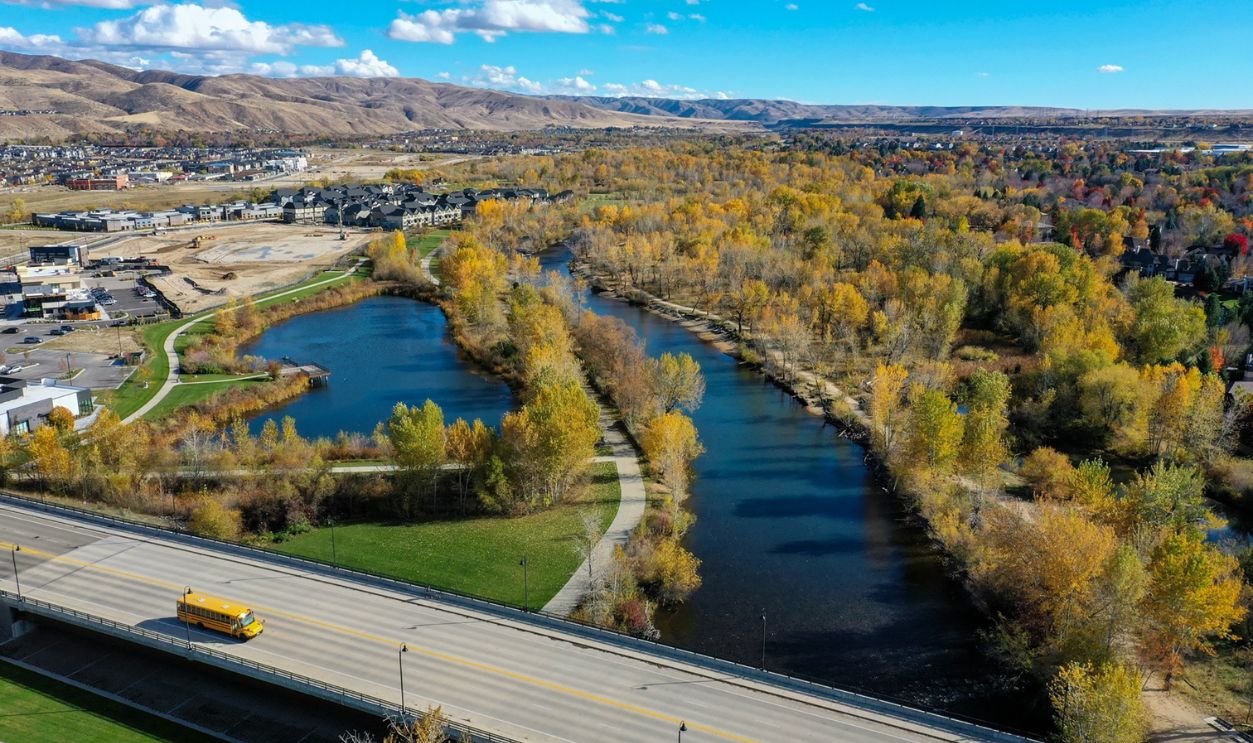
11. Boise, Idaho (BCS: 66.3)
Boise combined fourth place in Milken’s economic ranking with tenth in RentCafe’s livability study. Its lower Resonance placement kept it from climbing further. The Boise River Greenbelt and nearby recreation help explain the lifestyle appeal. Two strong performances brought it close to a top-10 finish.
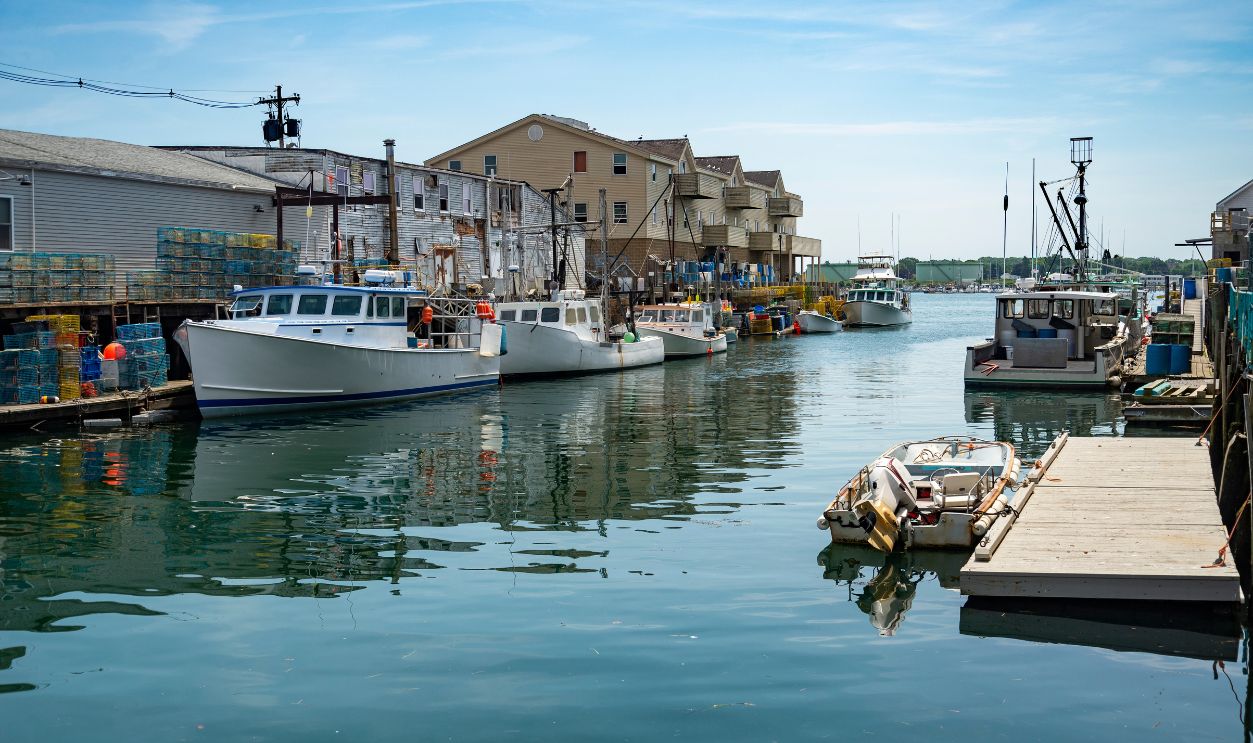
10. Portland, Maine (BCS: 66.7)
Portland’s second-place RentCafe result gave it a major lift in our calculation. The working waterfront, Old Port, and strong food identity offer plenty of reasons to understand the enthusiasm. It isn’t a major corporate metropolis, but that doesn’t stop it from making an unusually convincing lifestyle argument.
 Enrico Della Pietra, Shutterstock
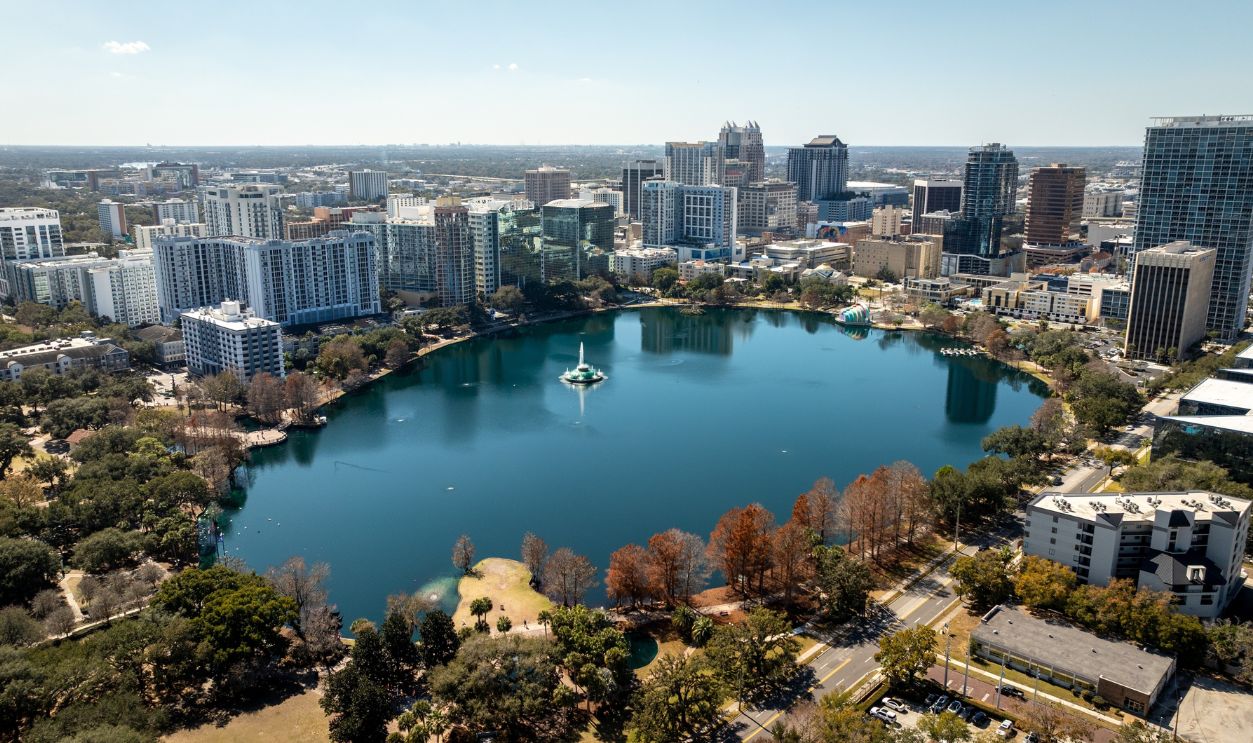
9. Orlando, Florida (BCS: 67.1)
Orlando combines an enormous entertainment and visitor economy with employment and activity beyond the theme parks. Strong placements from Resonance and Milken helped overcome a weaker livability result. The metropolitan area is spread out, though, so enjoying its advantages often depends on choosing a location that works for your routine.
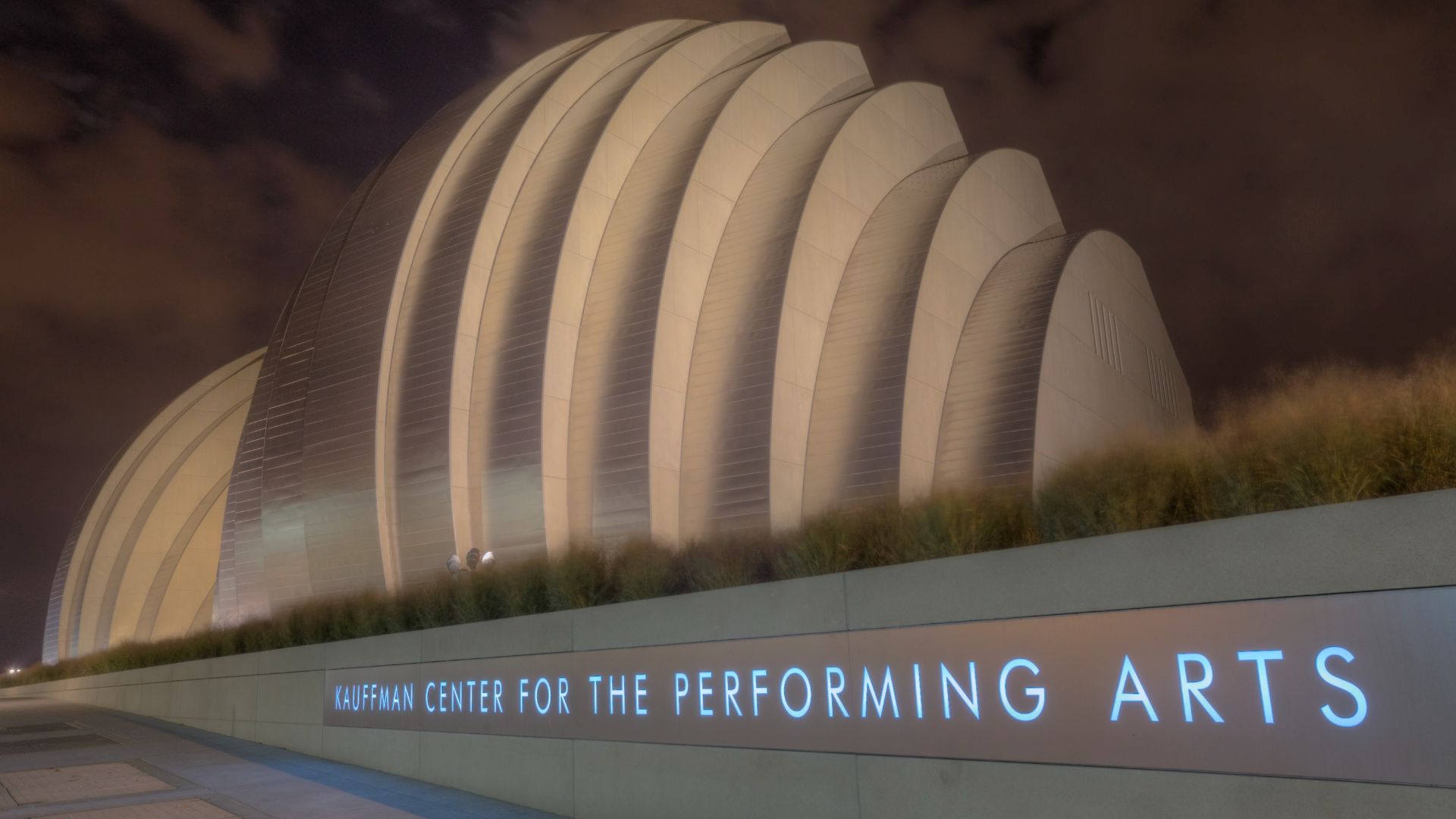
8. Kansas City, Missouri (BCS: 70.4)
Kansas City paired third place in RentCafe’s livability study with a respectable Resonance showing. Its economic-performance placement contributed less, but the combination still worked extremely well. Barbecue, jazz, museums, and performing arts give it an identity that doesn’t depend on imitating a larger coastal city.
 KCBalletMedia, Wikimedia Commons
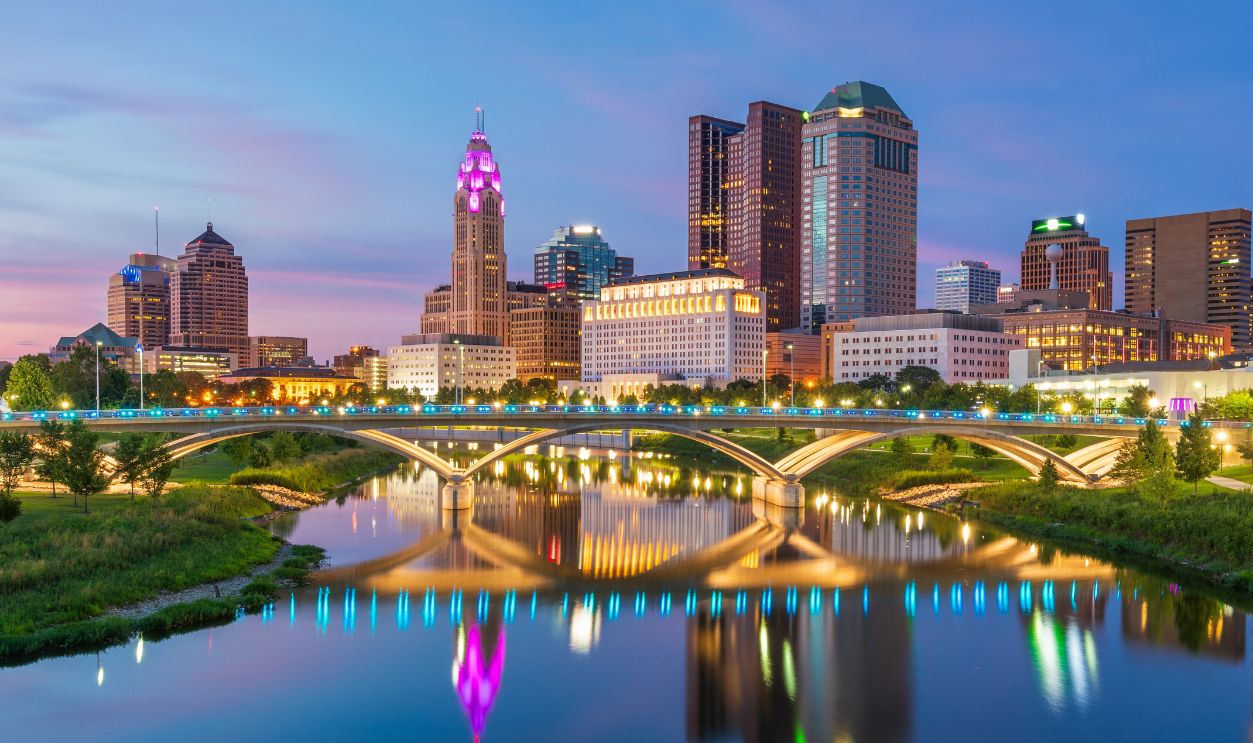
7. Columbus, Ohio (BCS: 72.4)
Columbus brings together Ohio State, state government, major employers, and neighborhoods with very different personalities. Its strong livability result was especially helpful, while its other placements provided support. It may lack the instant visual recognition of certain rivals, but residents need functioning neighborhoods more often than a famous skyline.
6. Charleston, South Carolina (BCS: 72.4)
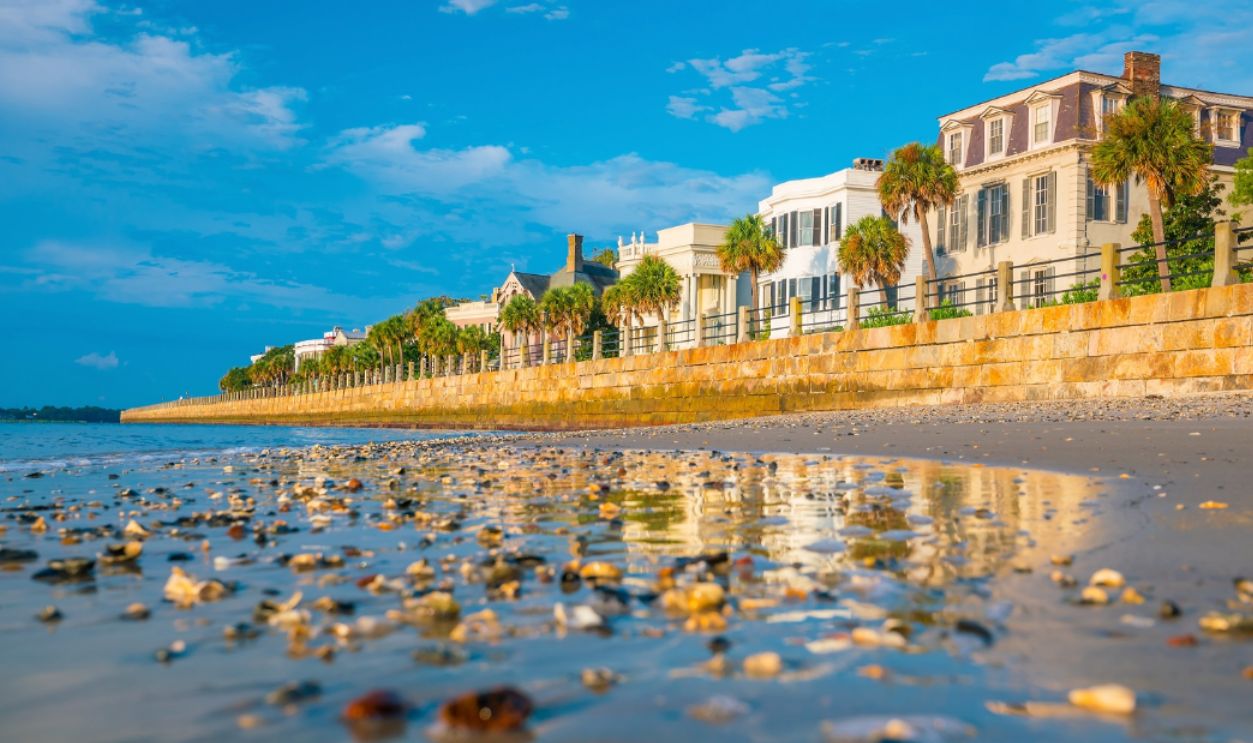
Charleston’s third-place Milken result gave its score substantial support, while its Resonance placement added another strong contribution. Historic architecture, food, and the coastal setting make the attraction easy to understand. Its lower livability result is a useful reminder that a wonderful place to visit still has everyday complications.
5. New York, New York (BCS: 73.7)
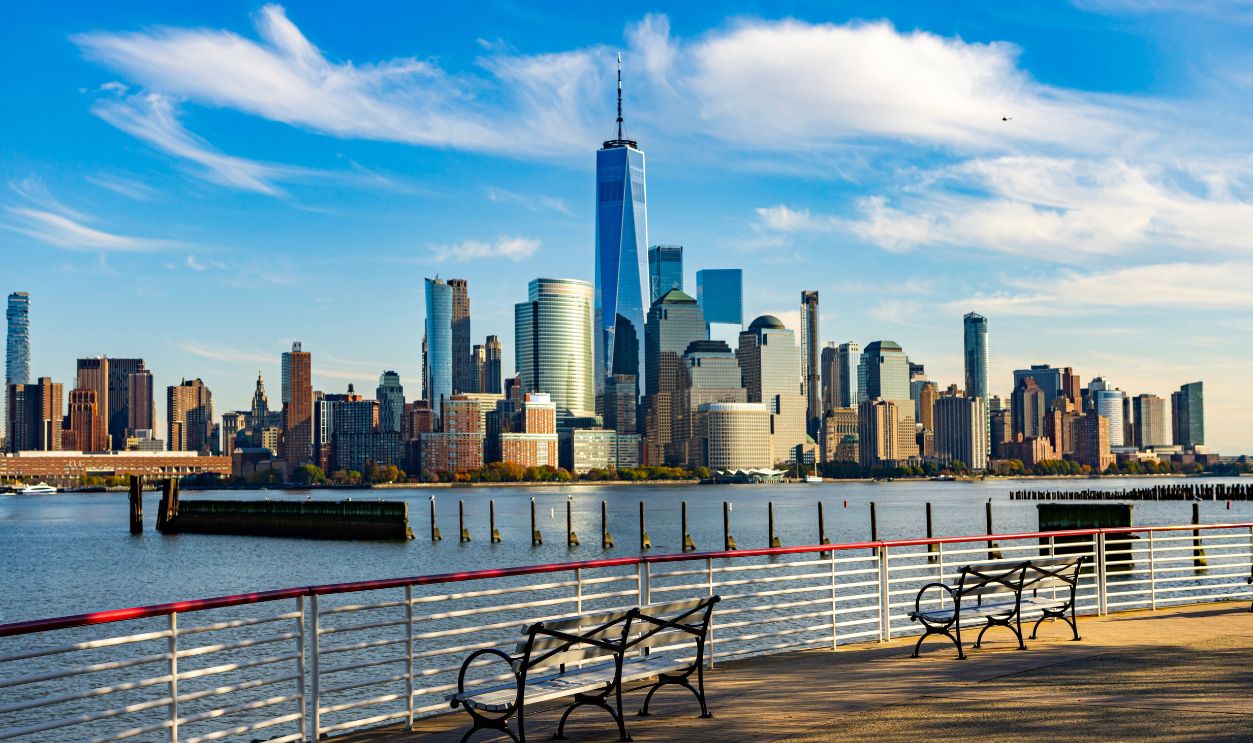
New York finished first in Resonance’s ranking, and its museums, restaurants, public transportation, and cultural reach make that easy to understand. RentCafe also placed it reasonably well. Its lower Milken result kept it from winning our comparison, but America’s biggest city still earned a convincing top-five finish.
 Volodymyr TVERDOKHLIB, Shutterstock
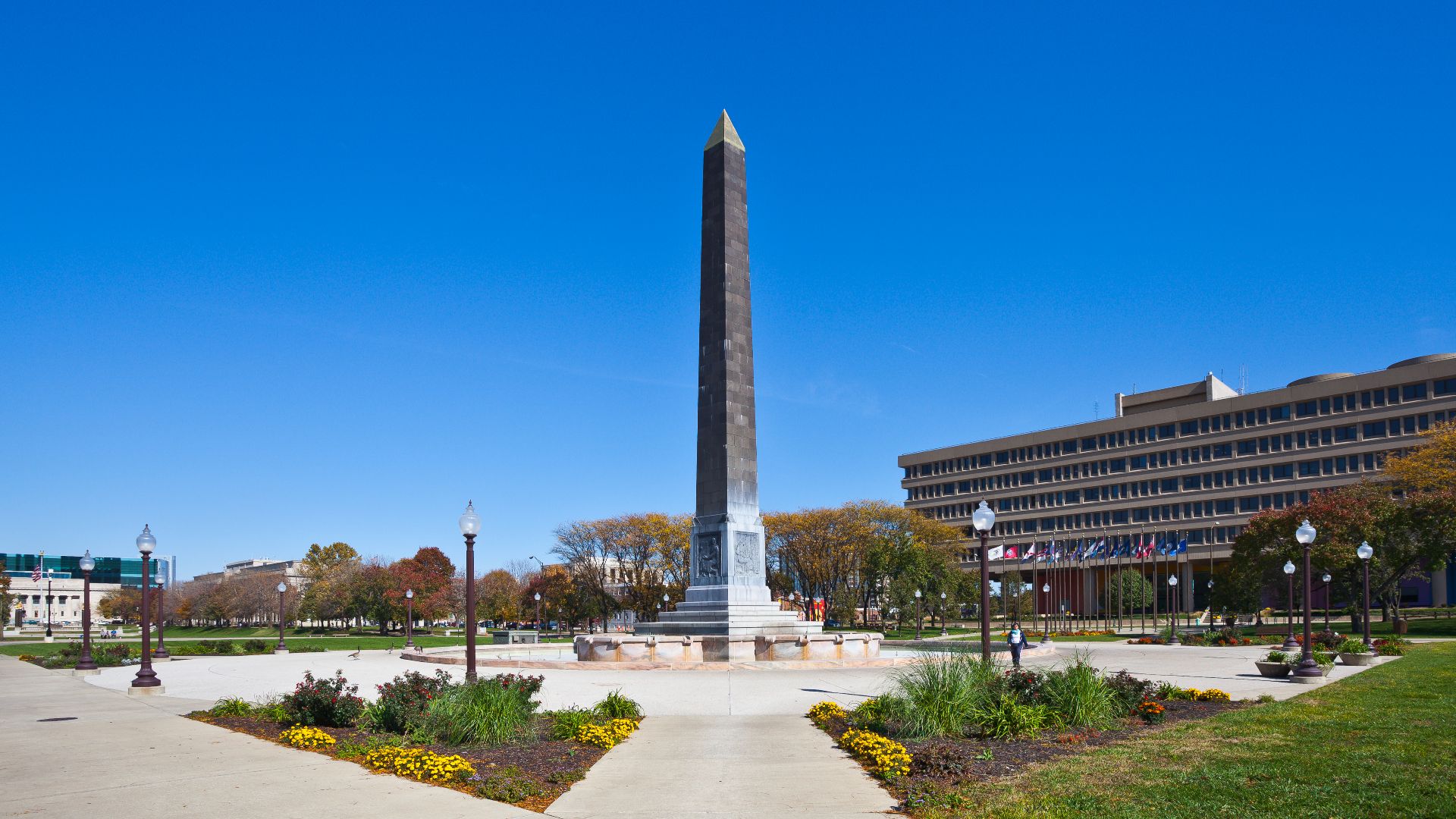
4. Indianapolis, Indiana (BCS: 77.0)
Indianapolis paired strong economic performance with an impressive livability placement, producing one of our most balanced results. Sports and conventions bring visitors, while museums, trails, and central neighborhoods broaden its appeal. It doesn’t need to win every category when several parts of the overall package work well together.
 Diego Delso, Wikimedia Commons
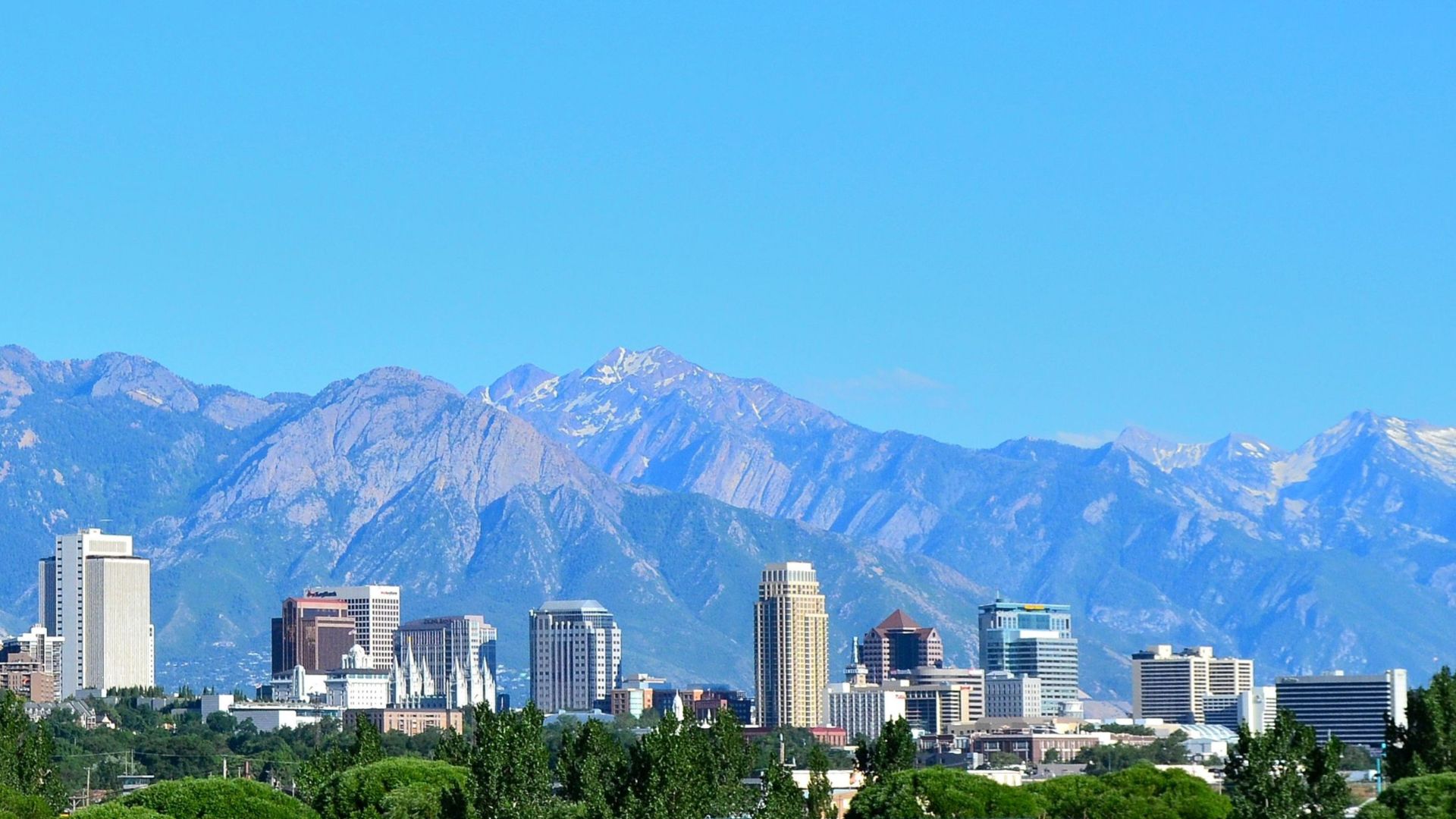
3. Salt Lake City, Utah (BCS: 78.6)
Salt Lake City earned its position through strong placements across all three sources, including seventh in Milken’s economic ranking. Urban amenities and access to mountain recreation add to its appeal. Housing pressures and winter air-quality problems remain meaningful drawbacks, but the combined results still secured a top-three finish.
 Garrett from Salt Lake City, Wikimedia Commons
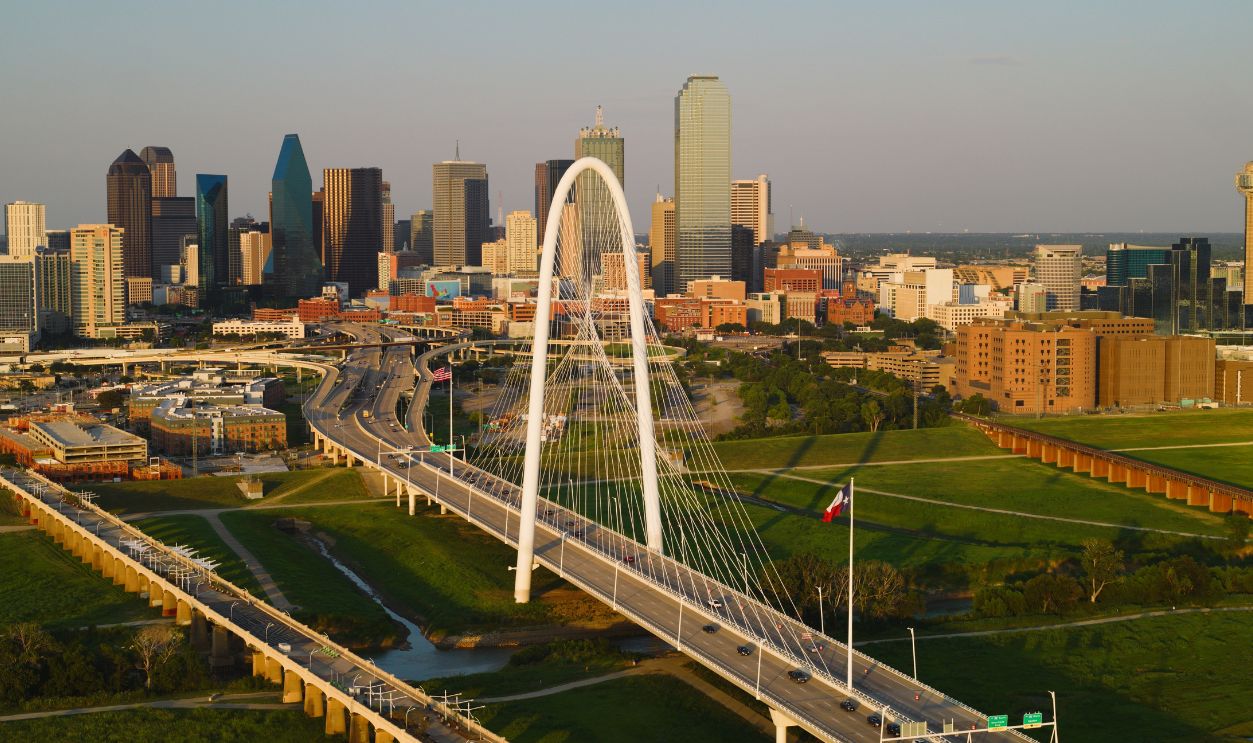
2. Dallas, Texas (BCS: 79.8)
Dallas performed well across all three studies, combining a top-10 Resonance placement with solid RentCafe and Milken results. Major employers, extensive air connections, museums, and restaurants give the region plenty of substance. Its spread-out geography makes location important, but the overall combination earned second place in our comparison.
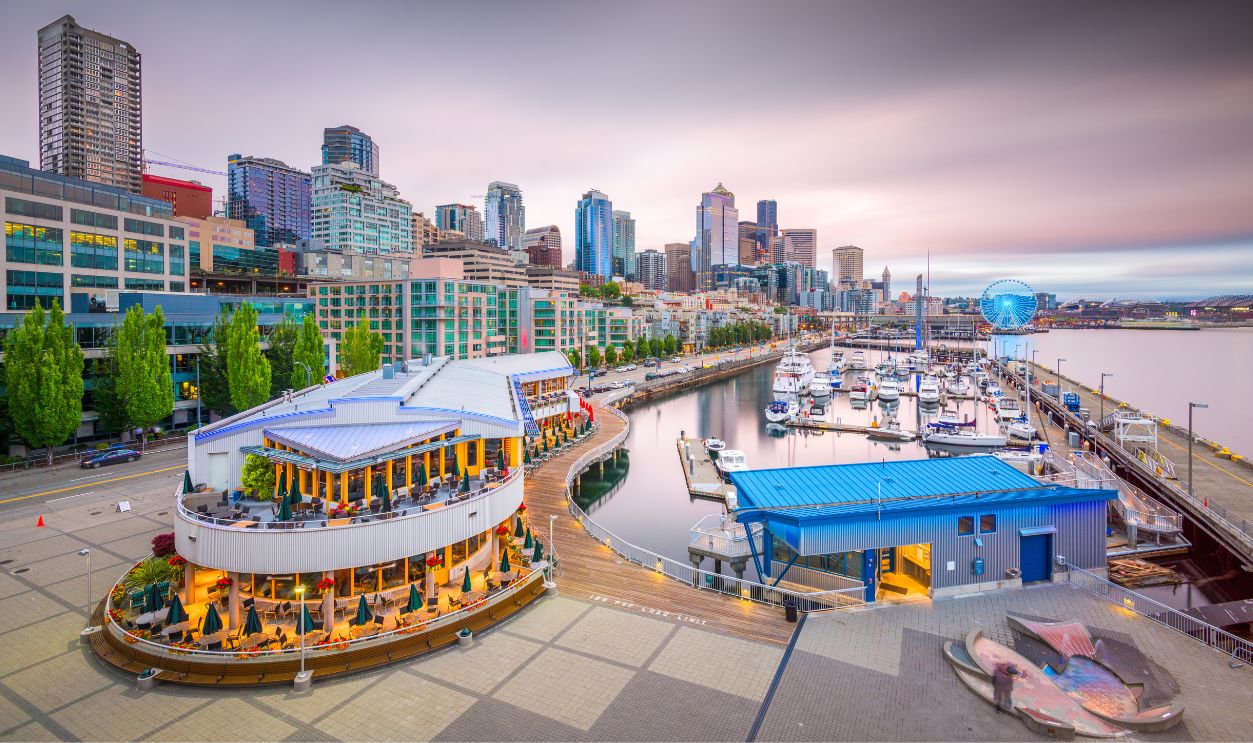
1. Seattle, Washington (BCS: 88.1)
Seattle wins by delivering strong results across all three sources: sixth from Resonance, 13th from RentCafe, and 21st from Milken. Its technology economy, cultural attractions, waterfront, and outdoor access make a persuasive package. Housing costs remain a serious consideration, but Seattle’s collective performance put it comfortably ahead of the field.
Did Your City Deserve Better?
Our score rewards cities that perform across several different rankings, but your priorities might produce a very different winner. Which placement would you change first—and who deserves to move up?
You Might Also Like: