What's In A Name? Sometimes, Everything
Most towns inherit their names from founders, geographical features, or historical events. But some American communities decided their original identities simply weren't attracting enough attention. From towns borrowing Hollywood glamour to communities naming themselves after television shows, these places discovered that a memorable name could become a powerful marketing tool. Some transformations lasted generations, while others were spectacular publicity stunts.
Truth Or Consequences, New Mexico
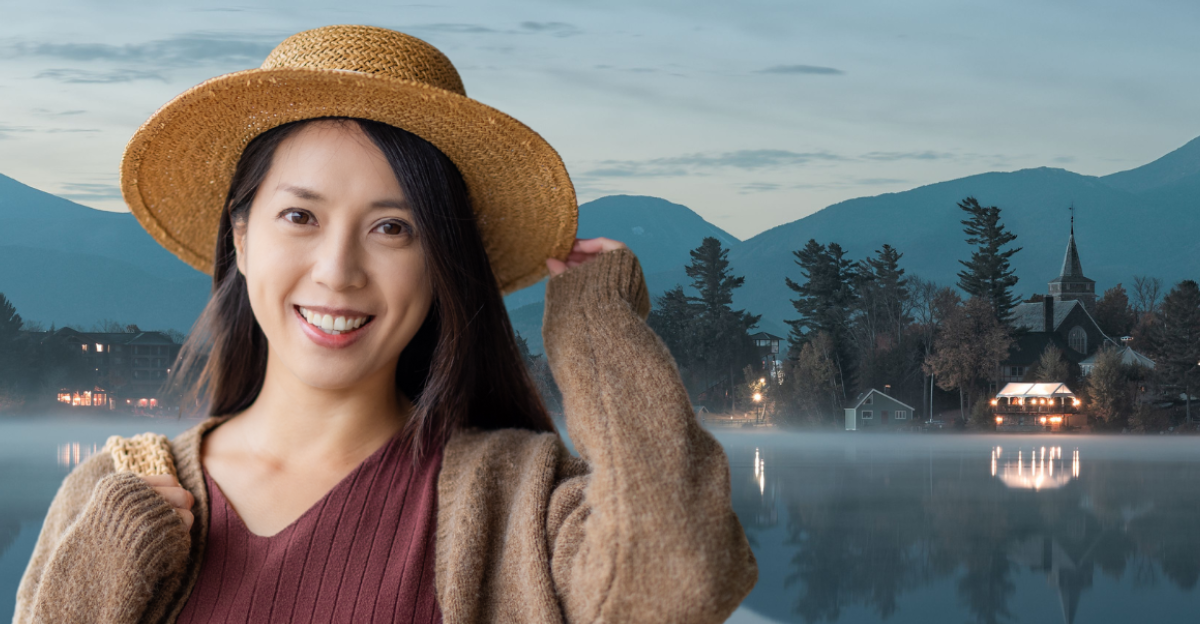
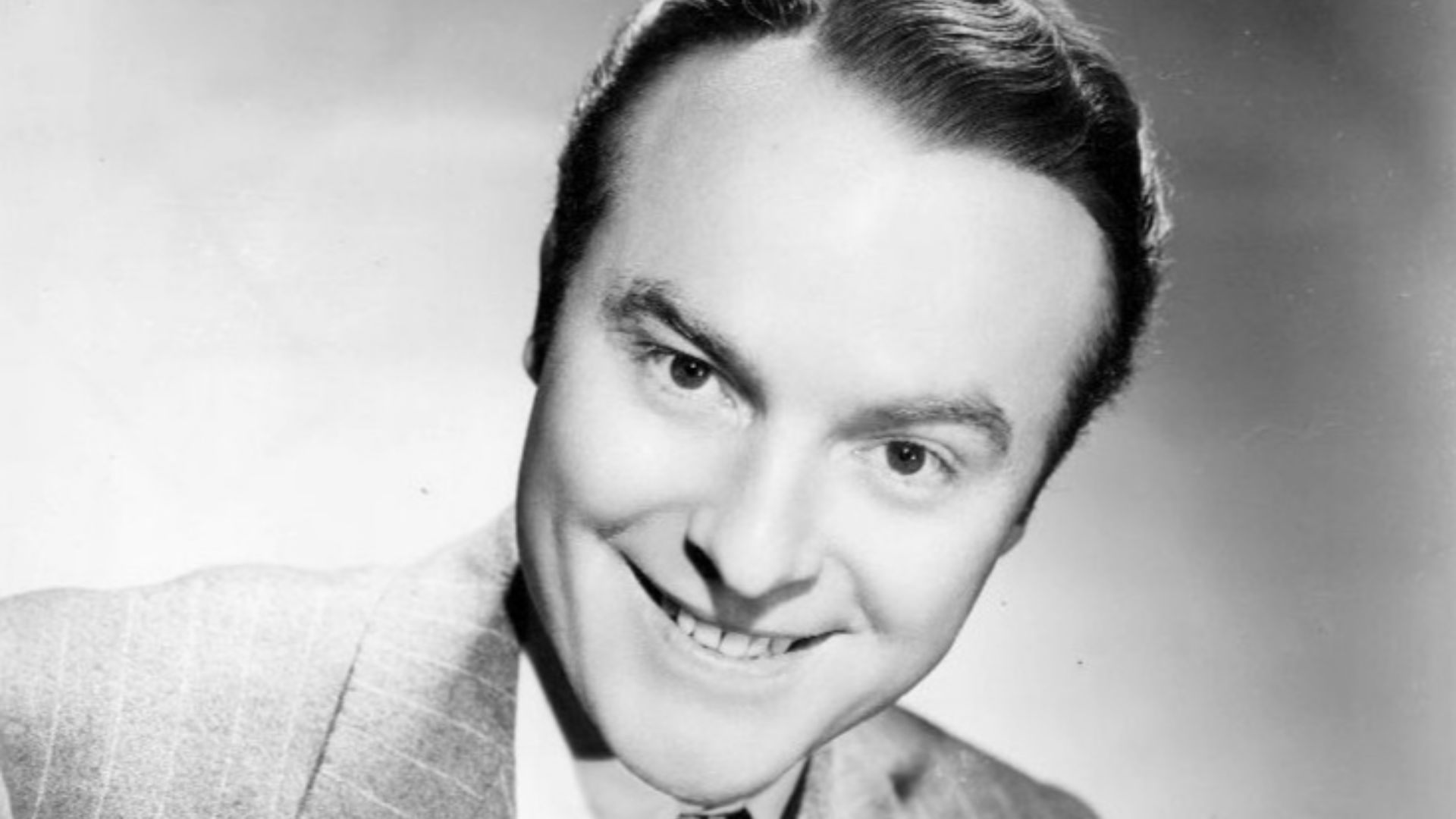
Imagine living somewhere called Hot Springs and suddenly finding yourself in Truth or Consequences. That's exactly what happened in 1950 when this New Mexico resort town accepted an unusual challenge from radio personality Ralph Edwards, host of the popular game show Truth or Consequences.
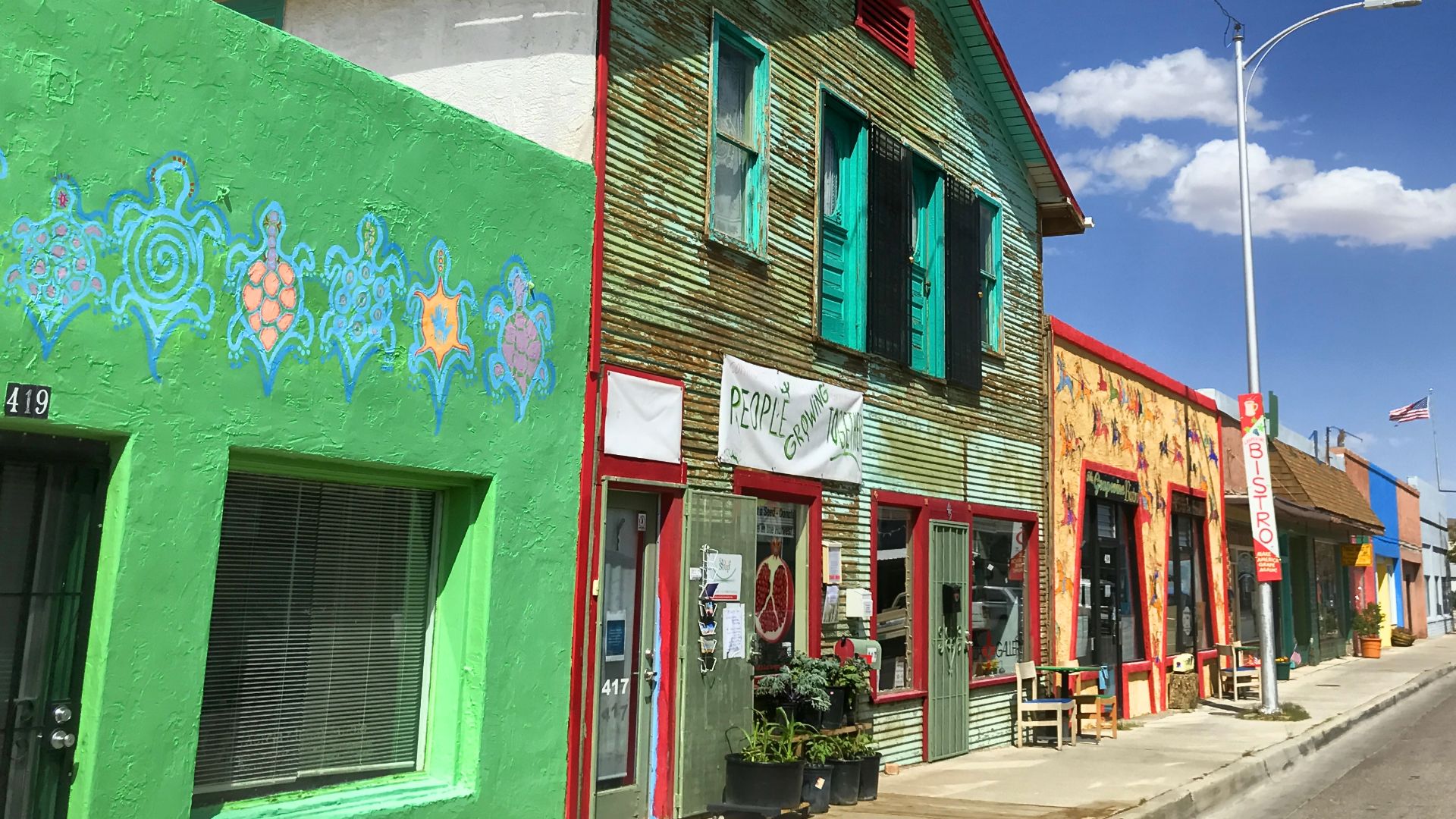 Jeff Vincent, Wikimedia Commons
The Radio Gamble That Paid Off
Edwards promised a nationwide broadcast and enormous publicity to whichever town adopted his show's name. Hoping to revive declining tourism, residents voted for the change on March 31, 1950. Edwards subsequently returned for annual celebrations, helping establish a tradition that outlived his program.
Sleepy Hollow, New York
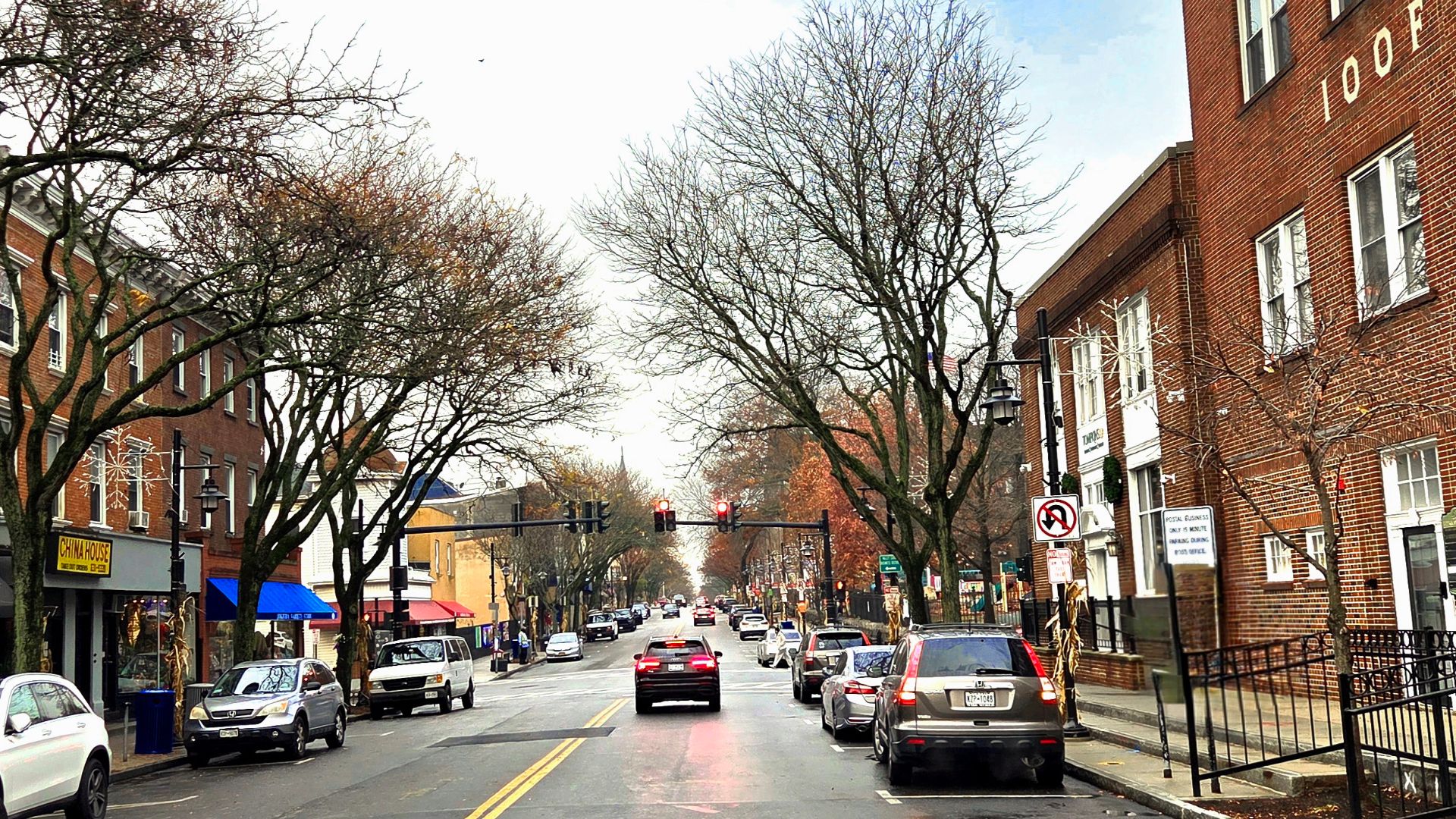
For generations, this Hudson Valley village was known as North Tarrytown. Everything changed in 1996 when residents voted to adopt the name Sleepy Hollow, borrowing the identity of Washington Irving's famous literary setting. The decision was partly about replacing lost industrial employment with tourism.
A New Future For An Old Legend
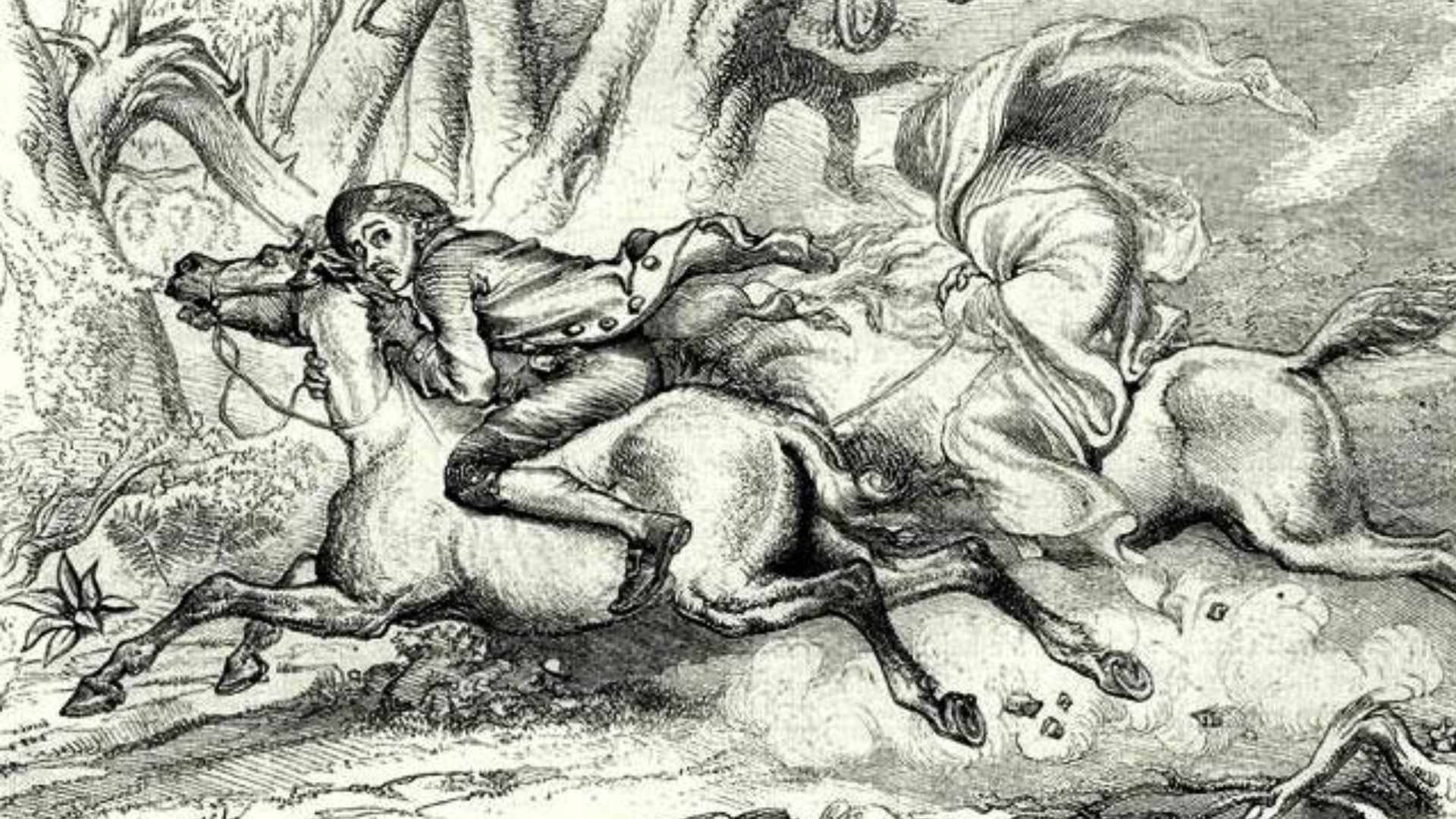
The village's General Motors assembly plant closed in 1996, creating serious economic uncertainty. Residents hoped their connection to The Legend of Sleepy Hollow would attract visitors. The new identity eventually became closely associated with Halloween attractions, historic landmarks, and the Headless Horseman.
 F.O.C. Darley, Wikimedia Commons
Jim Thorpe, Pennsylvania
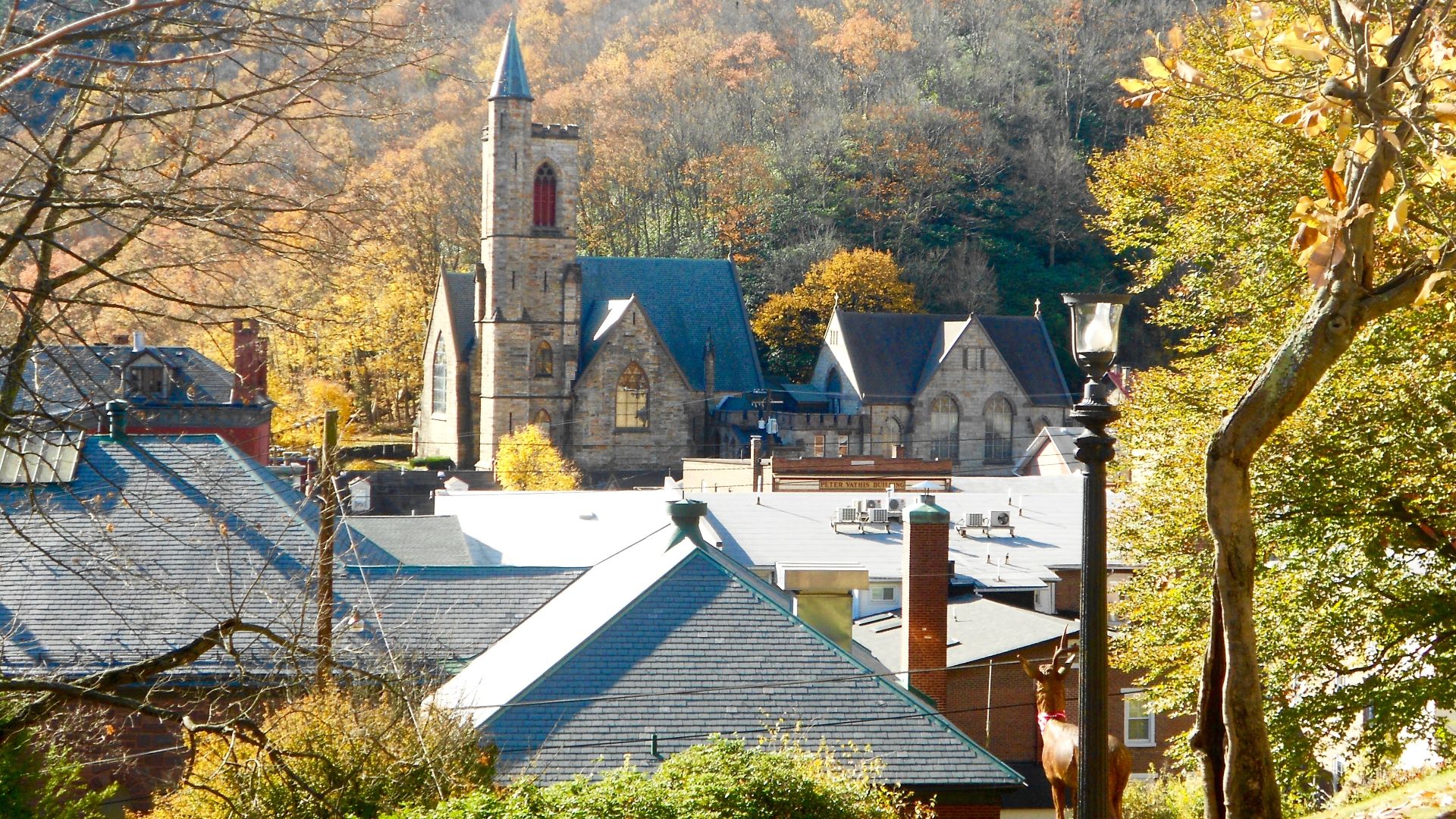
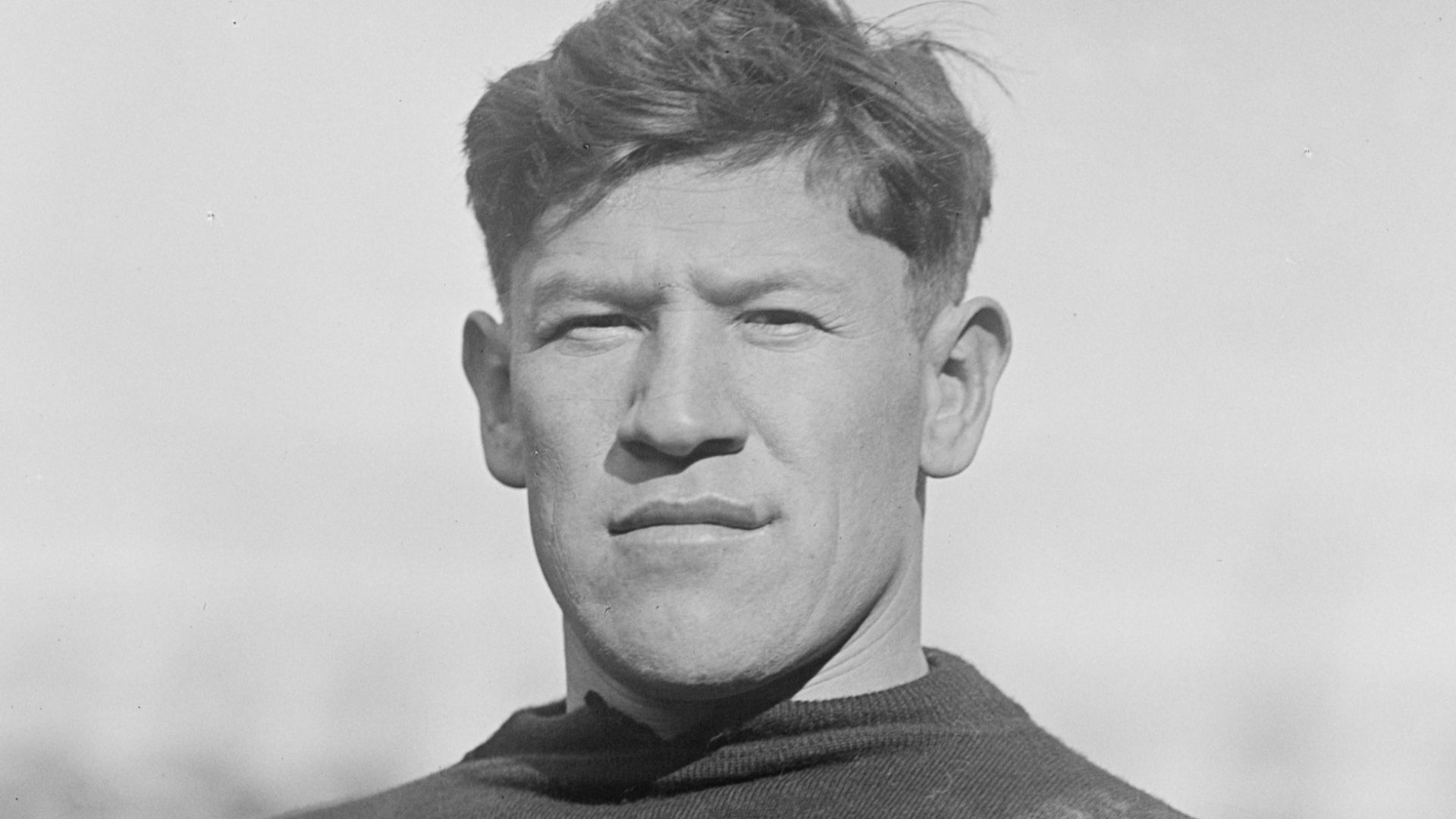
Pennsylvania's Jim Thorpe originally consisted of two communities called Mauch Chunk and East Mauch Chunk. In 1954, they merged and adopted the name of celebrated Olympic athlete Jim Thorpe. The unusual arrangement followed negotiations involving Thorpe's widow and plans for a memorial.
An Olympian's Name For A Fresh Start
The former coal town was struggling economically when residents embraced the opportunity for national attention. Thorpe's remains were brought to Pennsylvania, and a memorial was constructed. Supporters hoped the famous name would encourage tourism and investment, although economic revitalization took considerably longer.
 Harris & Ewing, Wikimedia Commons
North Pole, Alaska
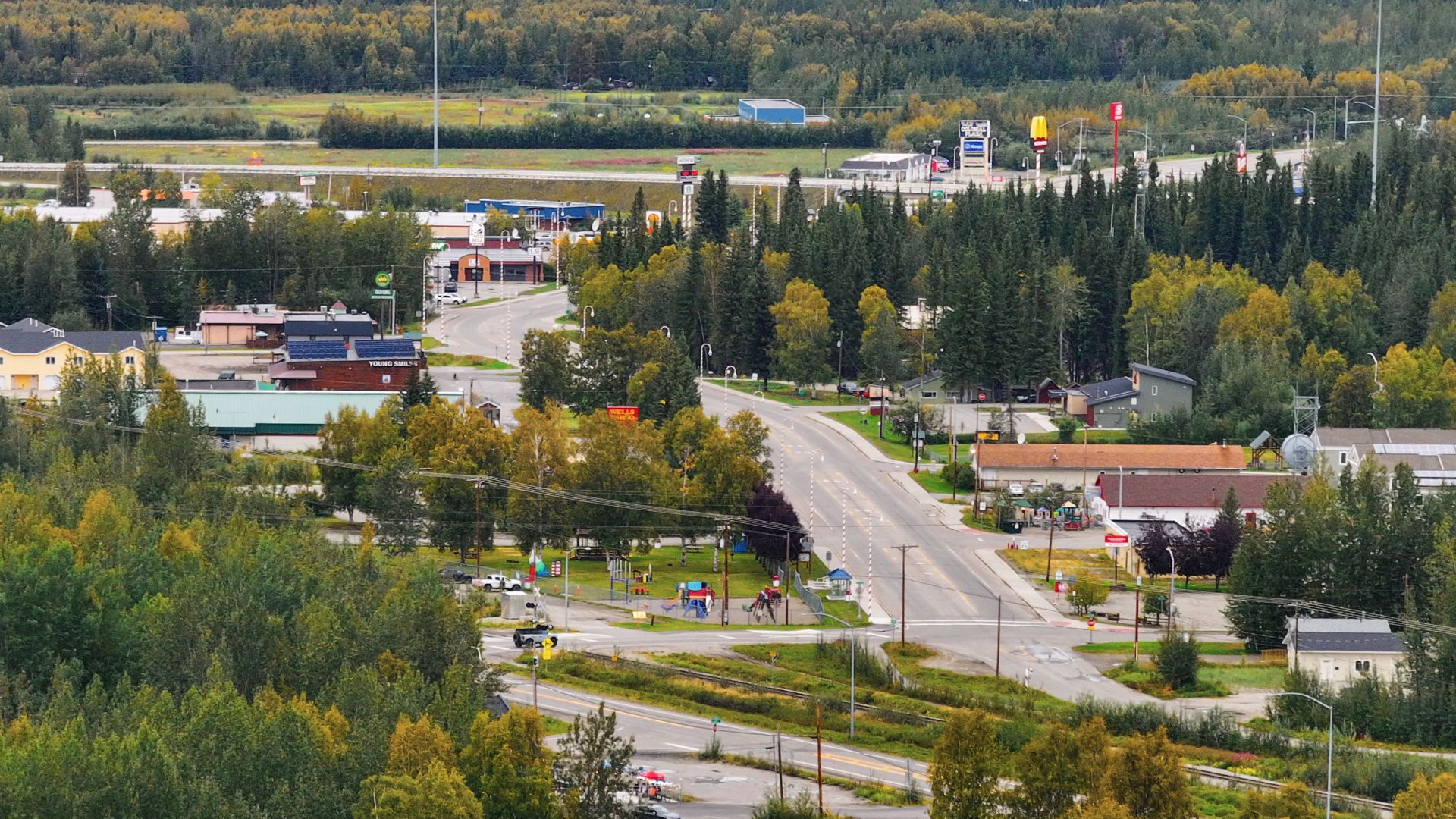
This Alaskan community was originally associated with the name Davis, after a pioneering homesteading family. In 1952, property developers pushed to rename it North Pole, believing the Christmas connection might attract manufacturers interested in advertising products supposedly made at Santa's legendary home.
 Quintin Soloviev, Wikimedia Commons
When Santa Became The Main Attraction
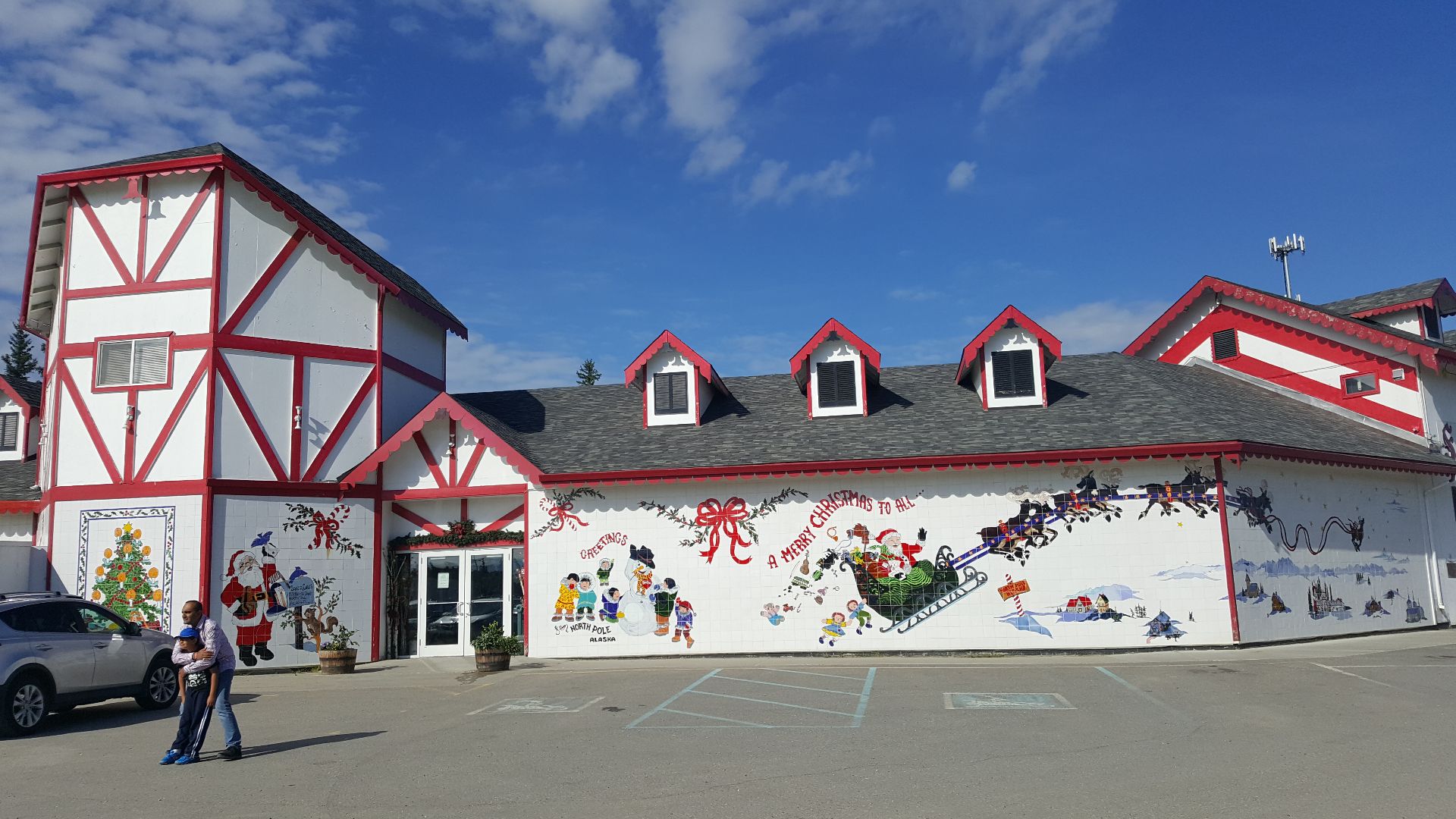
The hoped-for toy factories never arrived, but another opportunity emerged. Conrad Miller established Santa Claus House, which eventually became a major roadside attraction. Today, visitors encounter Christmas-themed streets, festive decorations, and opportunities to meet Santa Claus throughout the year.
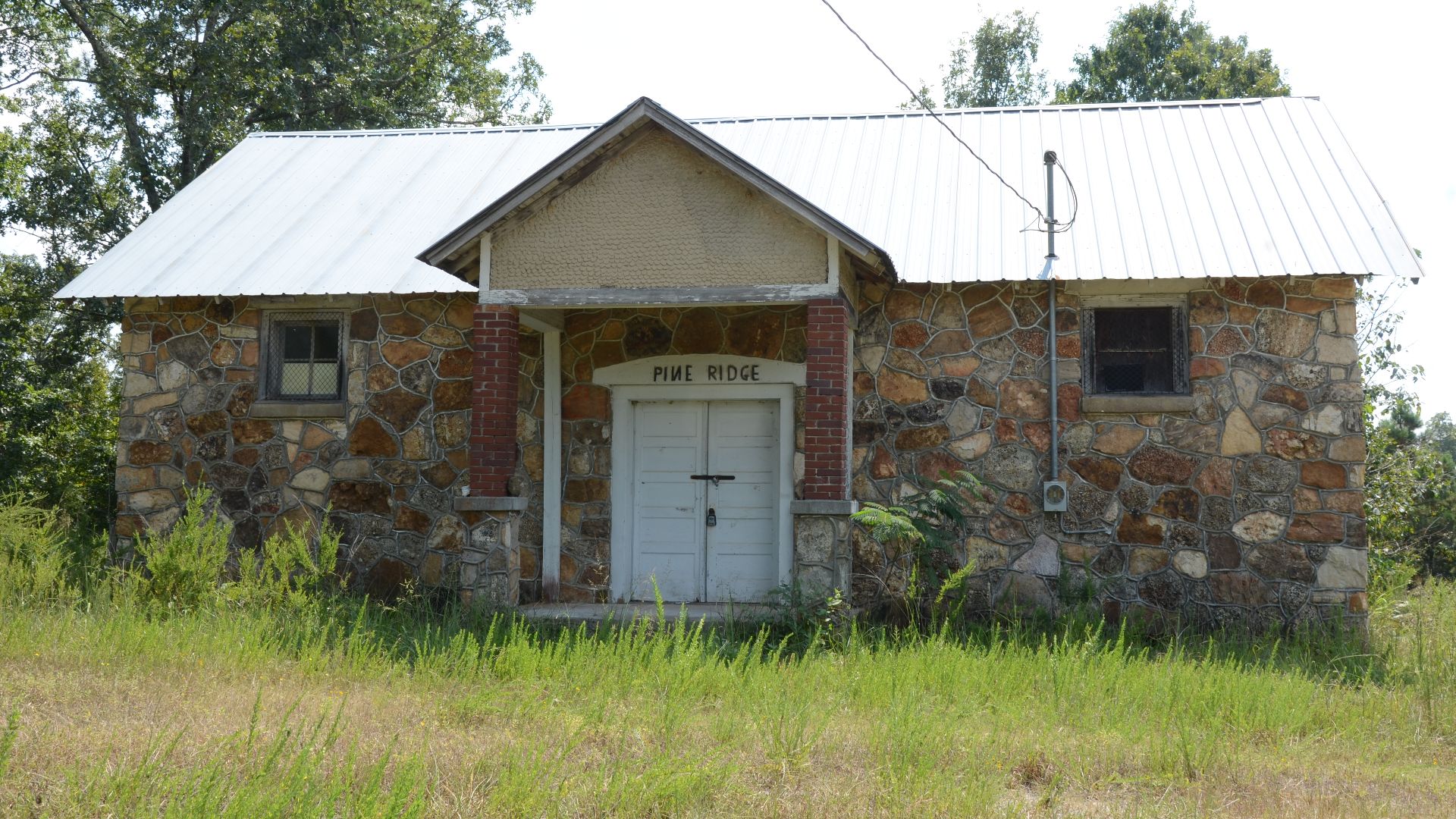
Pine Ridge, Arkansas
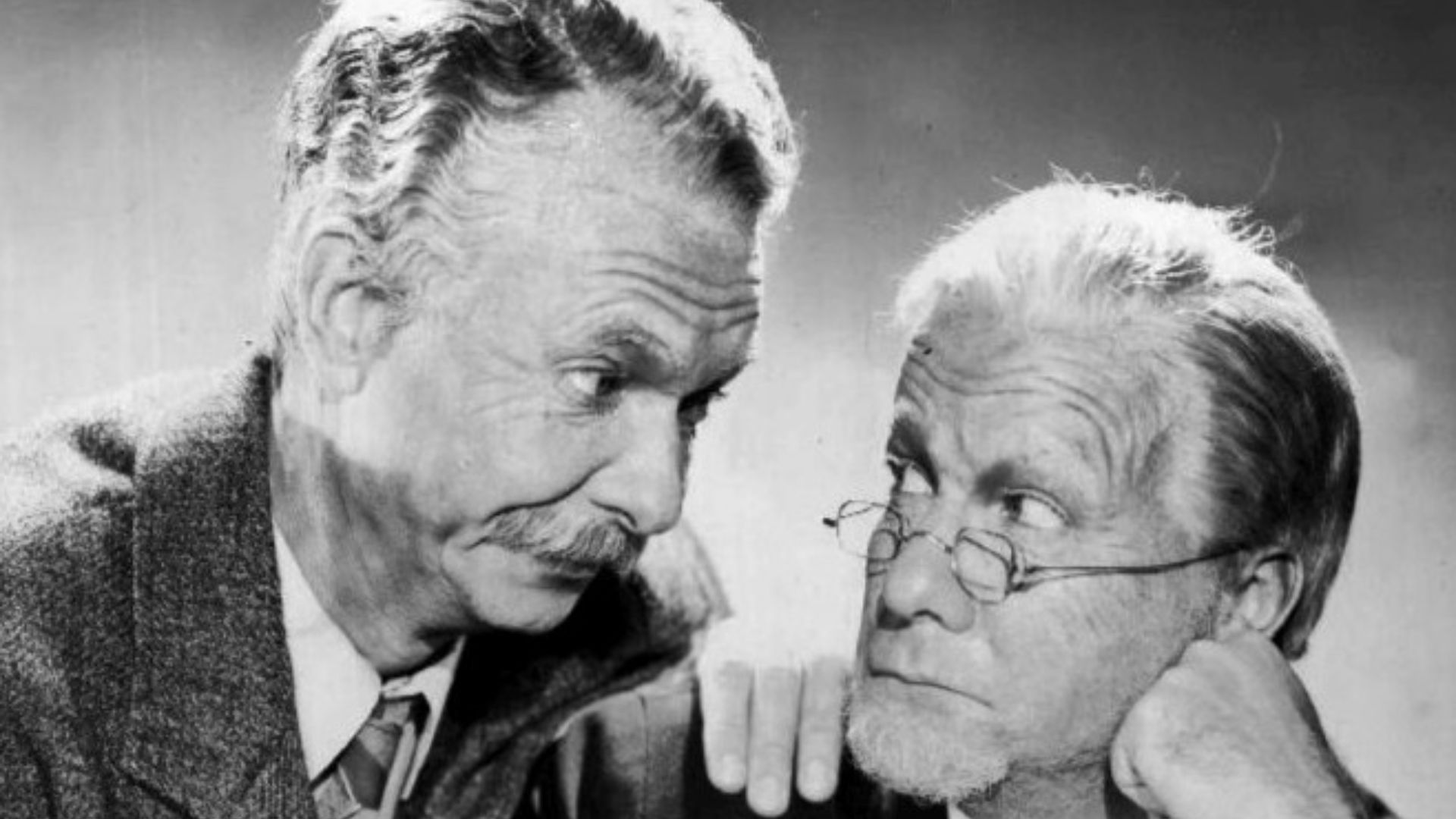
Pine Ridge has an unusually entertaining origin story. Originally called Waters, the community inspired the fictional Arkansas town featured in the popular radio comedy Lum and Abner. As curious listeners began visiting, residents realized their connection to the show was worth advertising.
When Radio Fiction Became Reality
In 1936, Waters officially became Pine Ridge, matching its fictional counterpart. Visitors arrived hoping to experience the setting of their favorite radio comedy. Local stores benefited from souvenir sales, and the community eventually established a museum celebrating the program's history.
Lake Placid, Florida
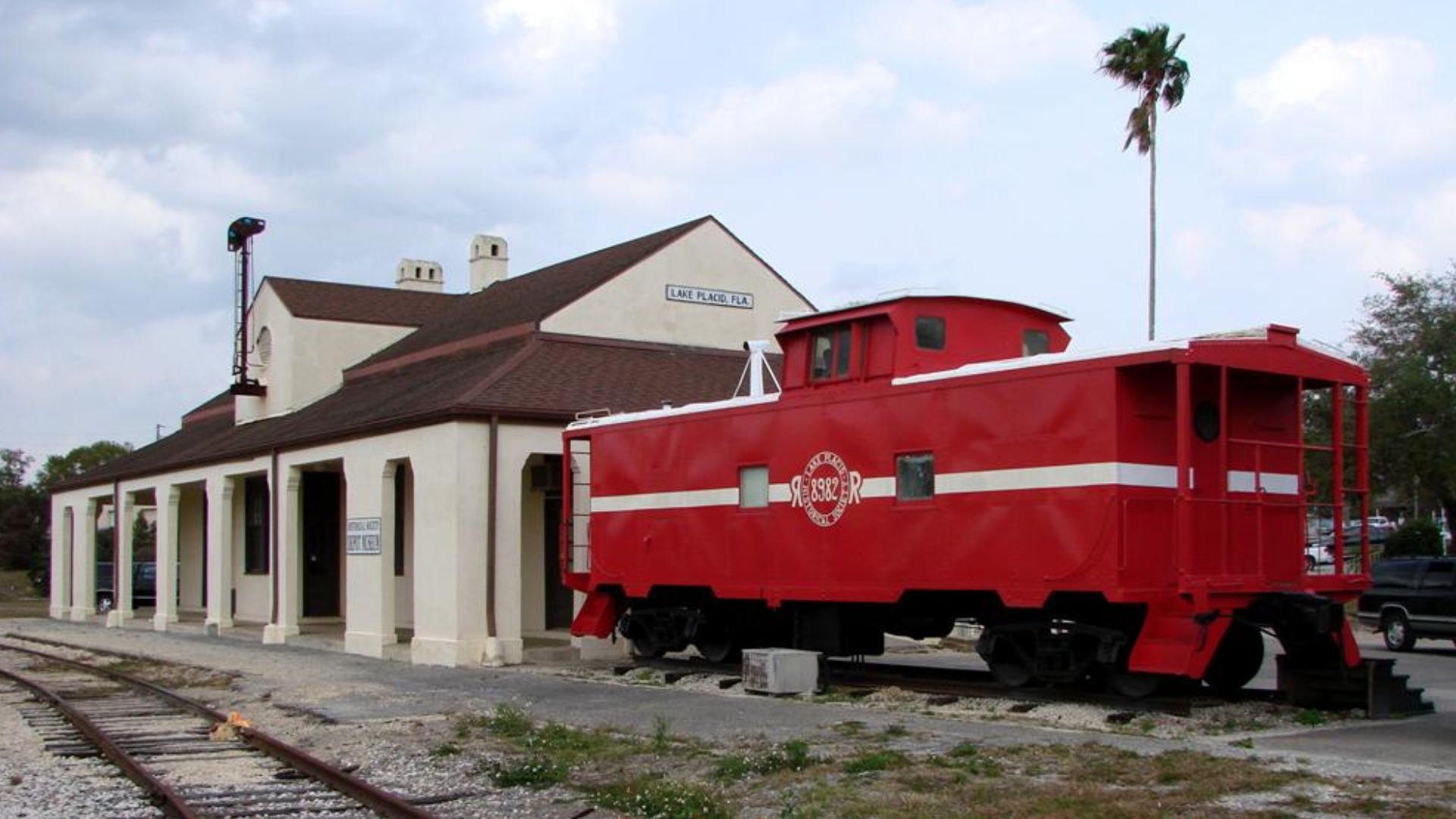
Florida's Lake Placid wasn't always called that. Previously known as Lake Stearns, the community attracted the attention of Melvil Dewey, inventor of the Dewey Decimal Classification system. Dewey wanted to establish another resort associated with his successful Lake Placid Club in New York.
 Fl295 at English Wikipedia, Wikimedia Commons
Borrowing A Famous Resort's Identity
Dewey established a second Lake Placid Club in Florida during the 1920s and persuaded local leaders to embrace the familiar resort name. Officials approved the change in 1927. The decision connected the Florida community with an established vacation destination hundreds of miles away.
 Hueber, Eduard, creator, Wikimedia Commons
North Miami Beach, Florida
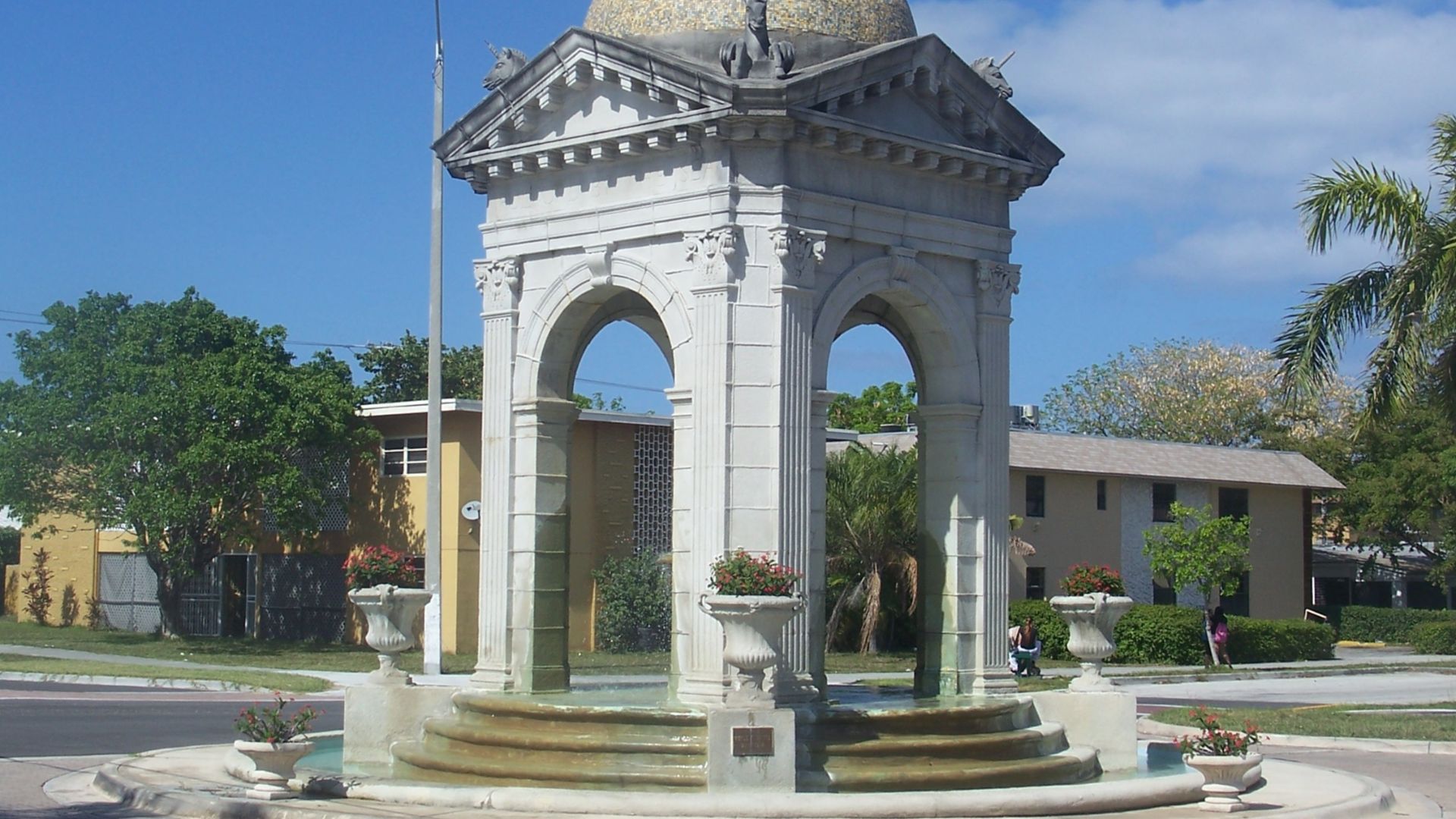
Before becoming North Miami Beach, this Florida city was known as Fulford. In 1931, officials adopted a new name partly to capitalize on Miami Beach's nationwide reputation. The municipality also annexed beachfront property, making the updated identity particularly appealing to developers and prospective visitors.
Carlsbad, California
Carlsbad began as Frazier's Station, a railway stop named after John Frazier. When local mineral water was found to resemble water from the famous European spa at Karlsbad, developers recognized a marketing opportunity. They renamed the settlement Carlsbad and promoted its waters as a health attraction.
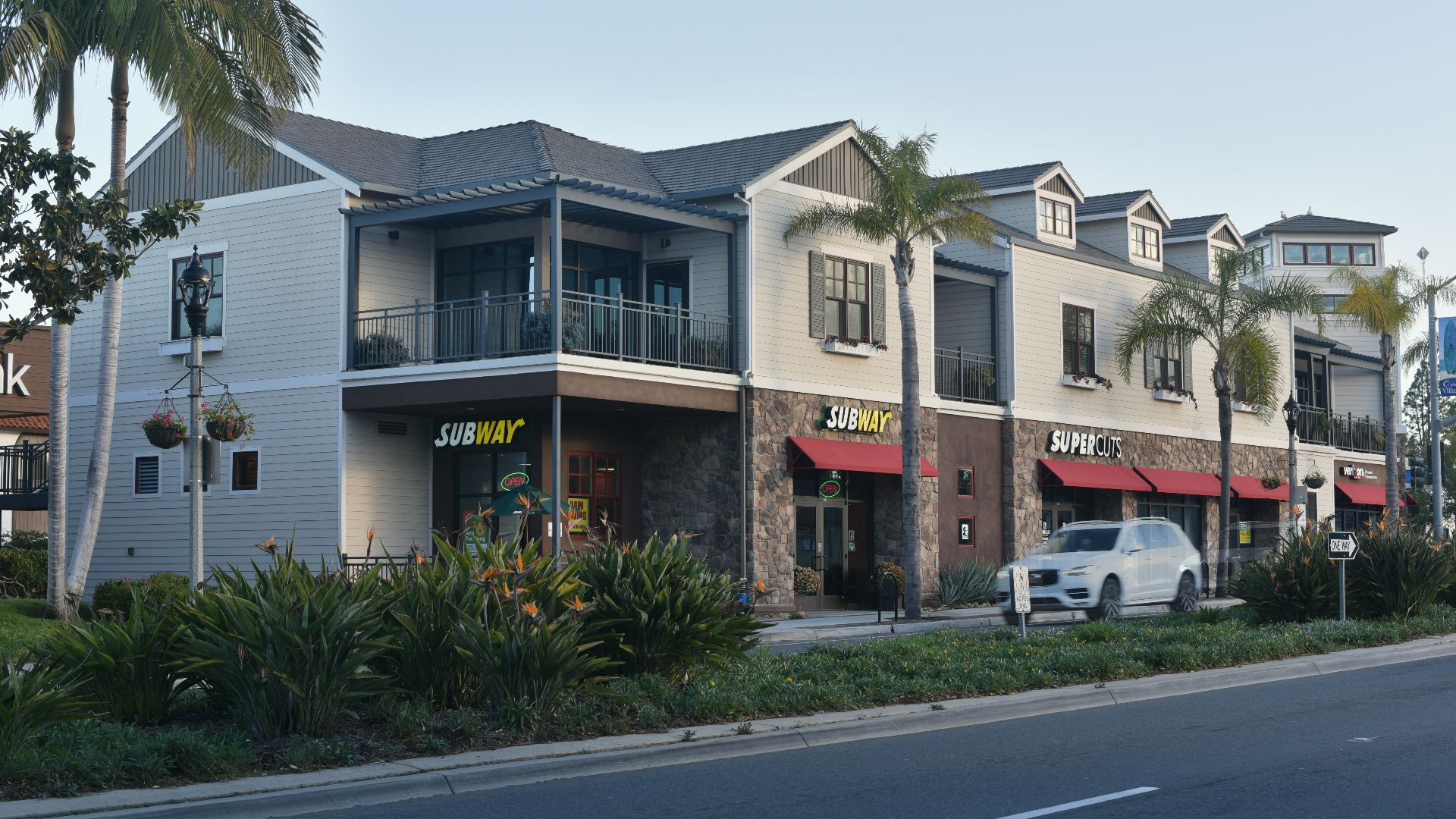 Chris Hunkeler from Carlsbad, California, USA, Wikimedia Commons
A European Spa Name Goes West
Developers advertised Carlsbad's mineral springs and pleasant climate to prospective visitors and settlers. A hotel and mineral-water business helped establish the resort's identity. Promotional campaigns emphasized the supposed therapeutic benefits of the water, borrowing credibility from Europe's established spa culture.
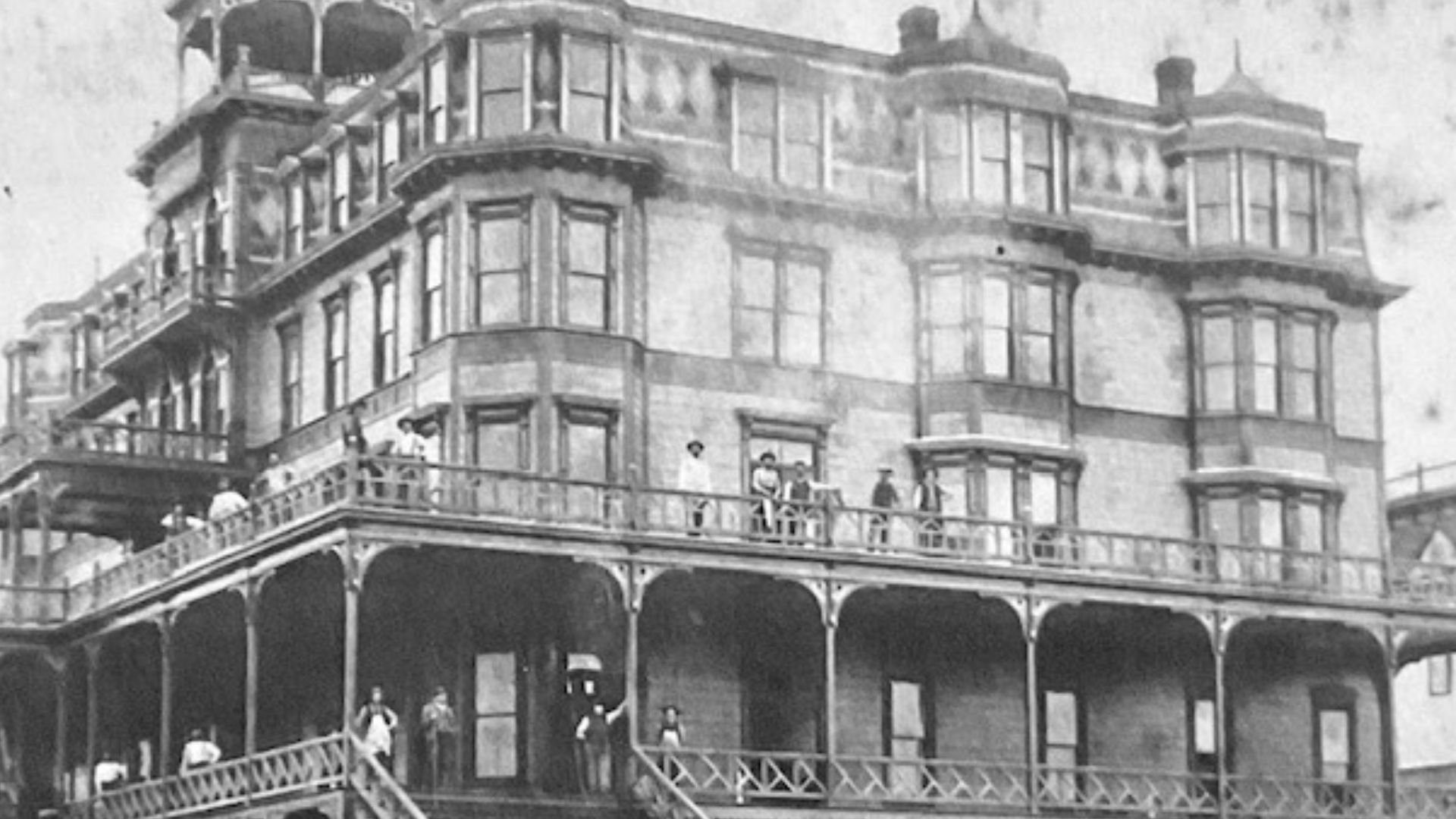 Unknown, by taken before 1895, when the hotel burned down, Wikimedia Commons
Seal Beach, California
California's Seal Beach was once known as Bay City. During the early twentieth century, real estate promoters worked to transform the coastal settlement into a vacation destination. Developer Guy M. Rush helped introduce the Seal Beach identity and promoted the community through advertisements.
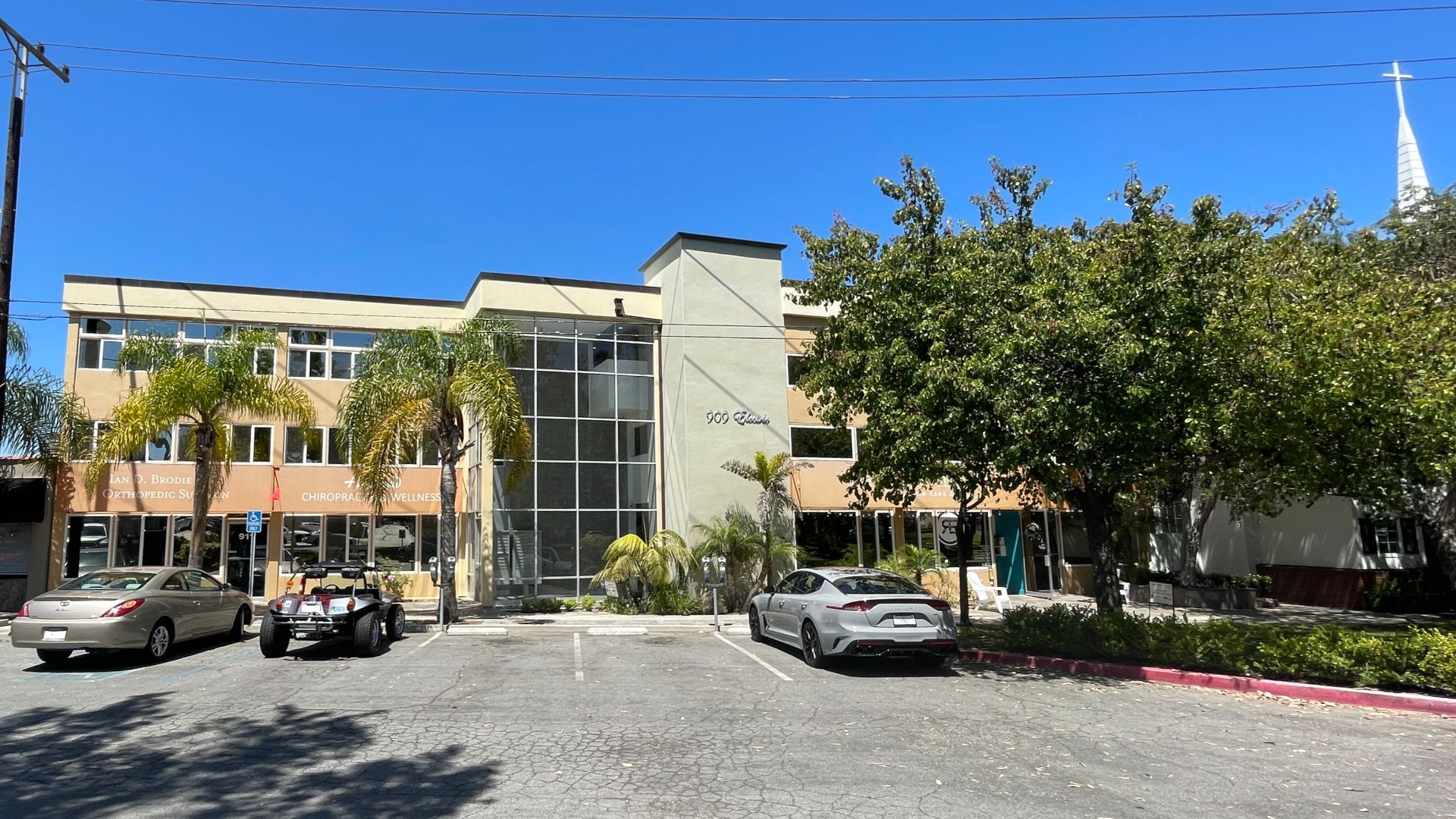 DigitalIceAge, Wikimedia Commons
A New Name For The Boardwalk Crowd
Seal Beach officially incorporated under its new name in 1915. Developers promoted the coastline, pier, and recreational opportunities to potential buyers and vacationers. An amusement area called the Joy Zone opened in 1916, strengthening the community's ambitions as a Southern California seaside resort.
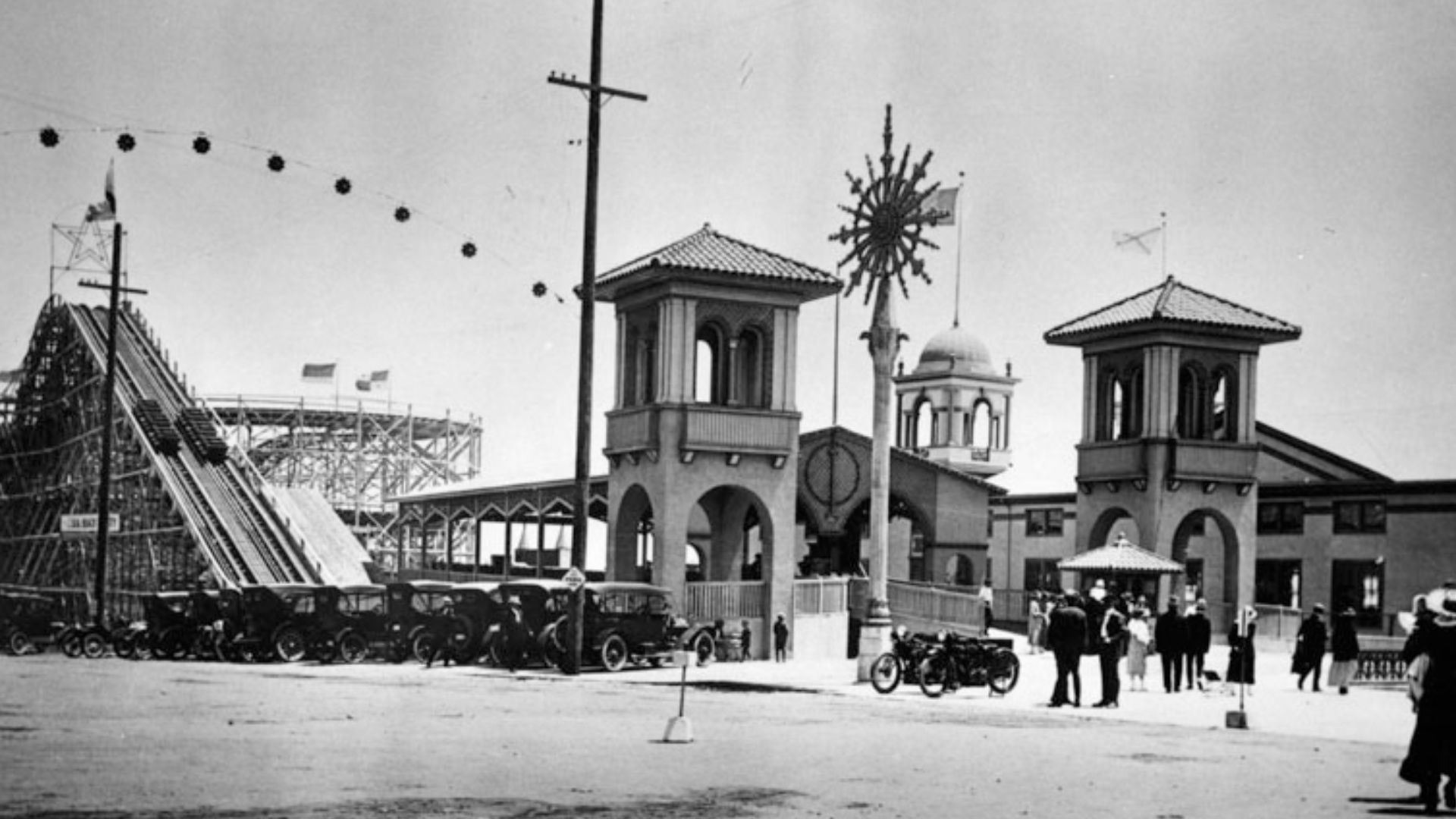 Unknown authorUnknown author, Wikimedia Commons
Long Beach, California
Before becoming Long Beach, this coastal community was called Willmore City, after developer William Willmore. The settlement adopted its beach-focused identity during the 1880s. The simpler, more descriptive name emphasized the coastline, helping position the growing community as an appealing seaside destination.

Hot Springs, North Carolina
This mountain resort originally went by the name Warm Springs, reflecting its naturally heated mineral waters. The community had welcomed health-seeking travelers since the nineteenth century. In 1886, the discovery of a higher-temperature spring inspired a name that emphasized its biggest attraction.
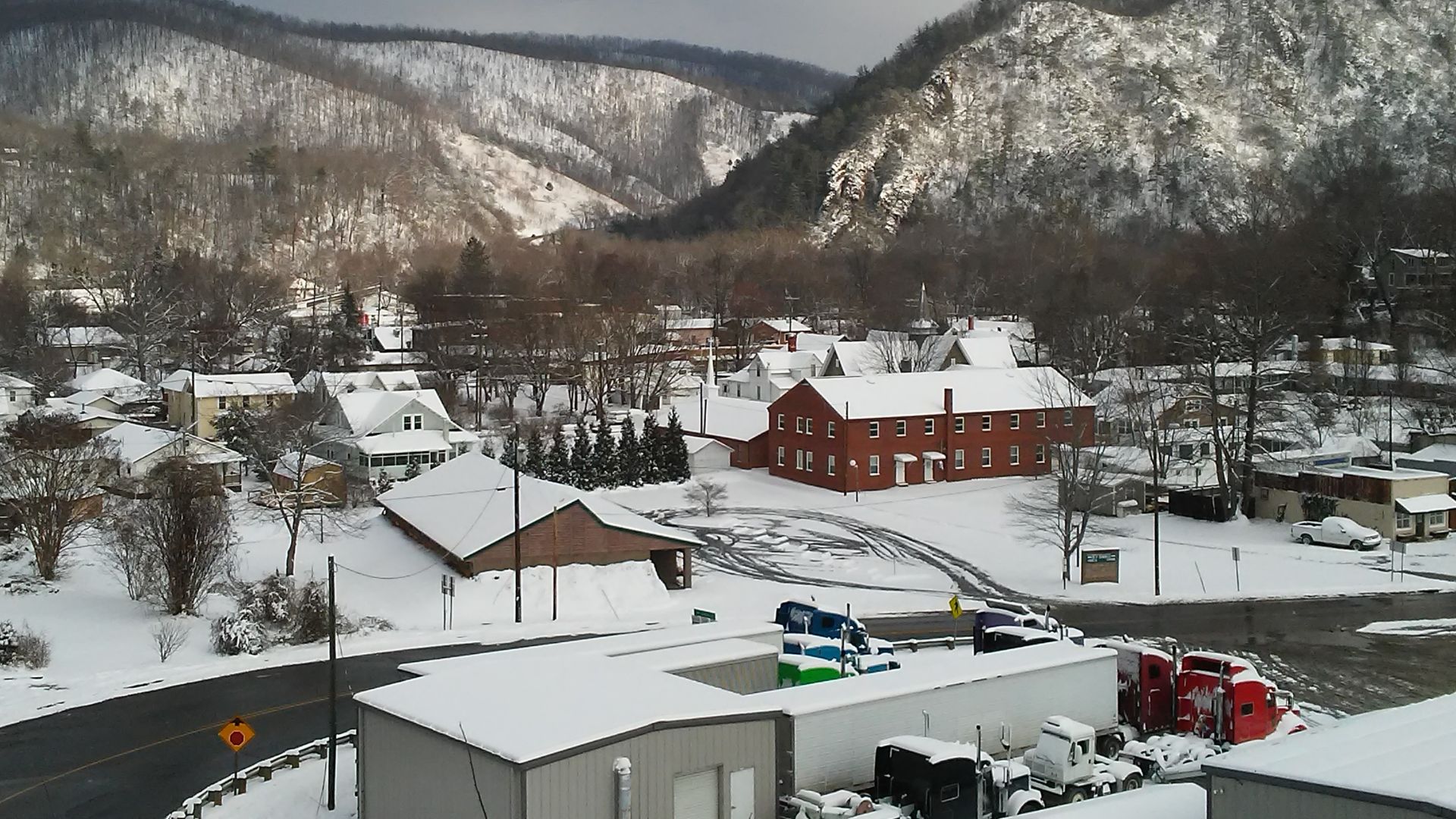 Hot Springs Tourism & Welcome Center, Wikimedia Commons
The Hotter Water That Inspired It
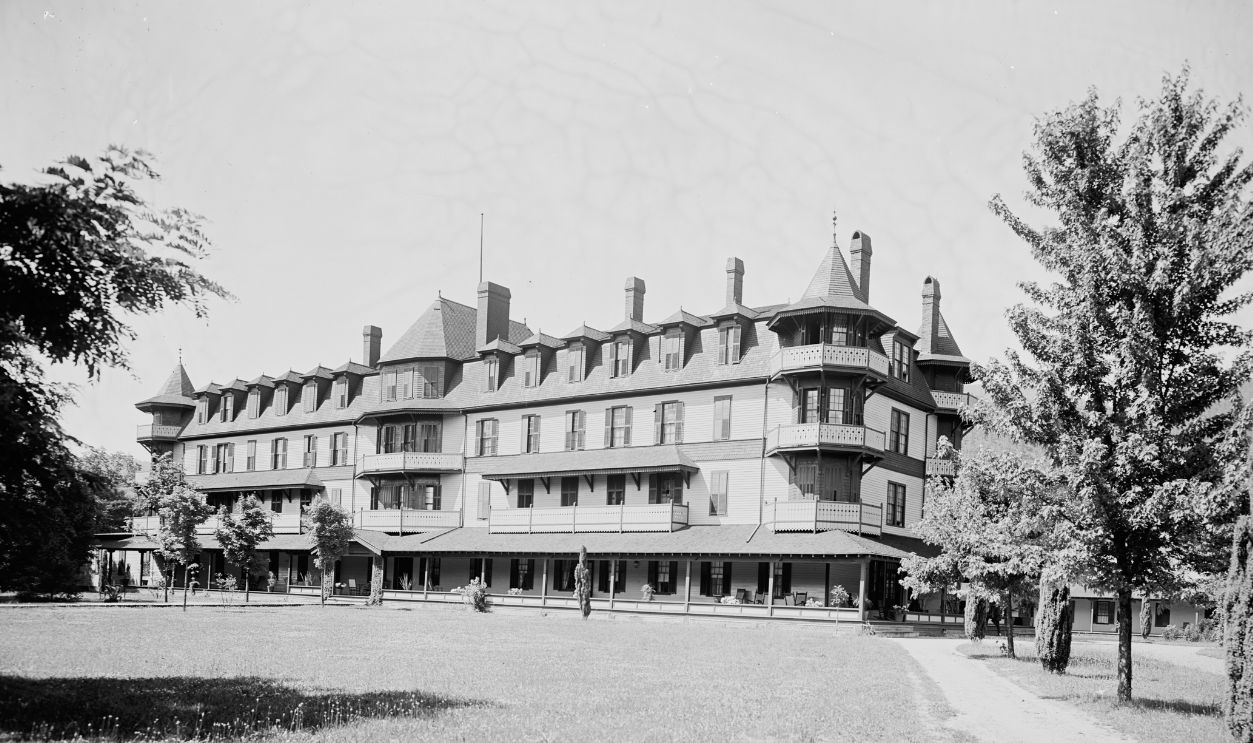
The name change coincided with the development of the luxurious Mountain Park Hotel. Visitors could enjoy mineral baths, landscaped grounds, tennis, and other recreational facilities. The resort also featured marble bathing pools, making Hot Springs a fashionable destination for travelers seeking relaxation.
Ocean City, New Jersey
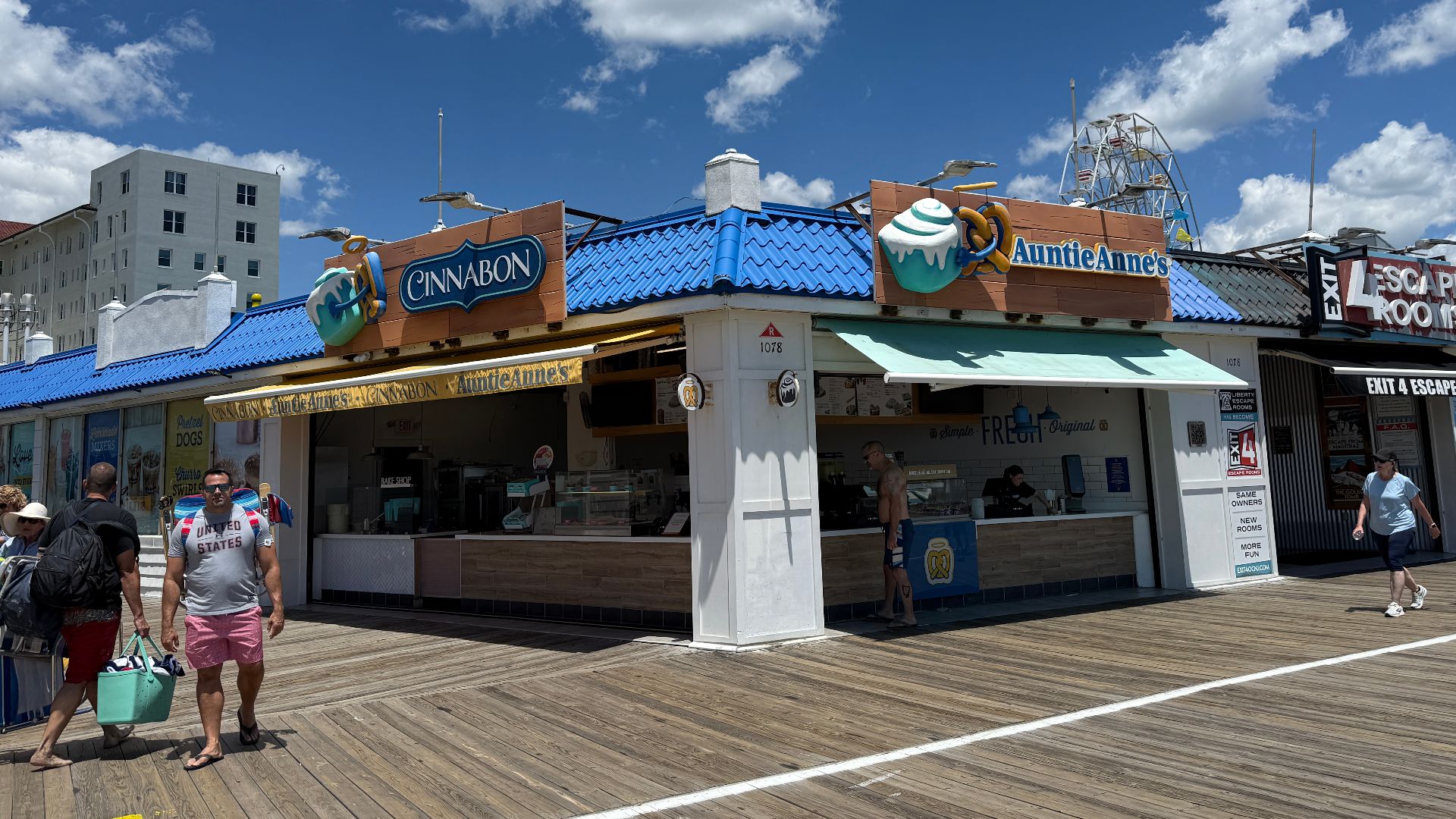
This popular Jersey Shore destination originally occupied an island called Peck's Beach. In 1879, Methodist ministers selected the location for a Christian seaside retreat and introduced the more inviting Ocean City name. They developed streets, accommodation, and facilities intended to attract vacationing families.
Half.com, Oregon
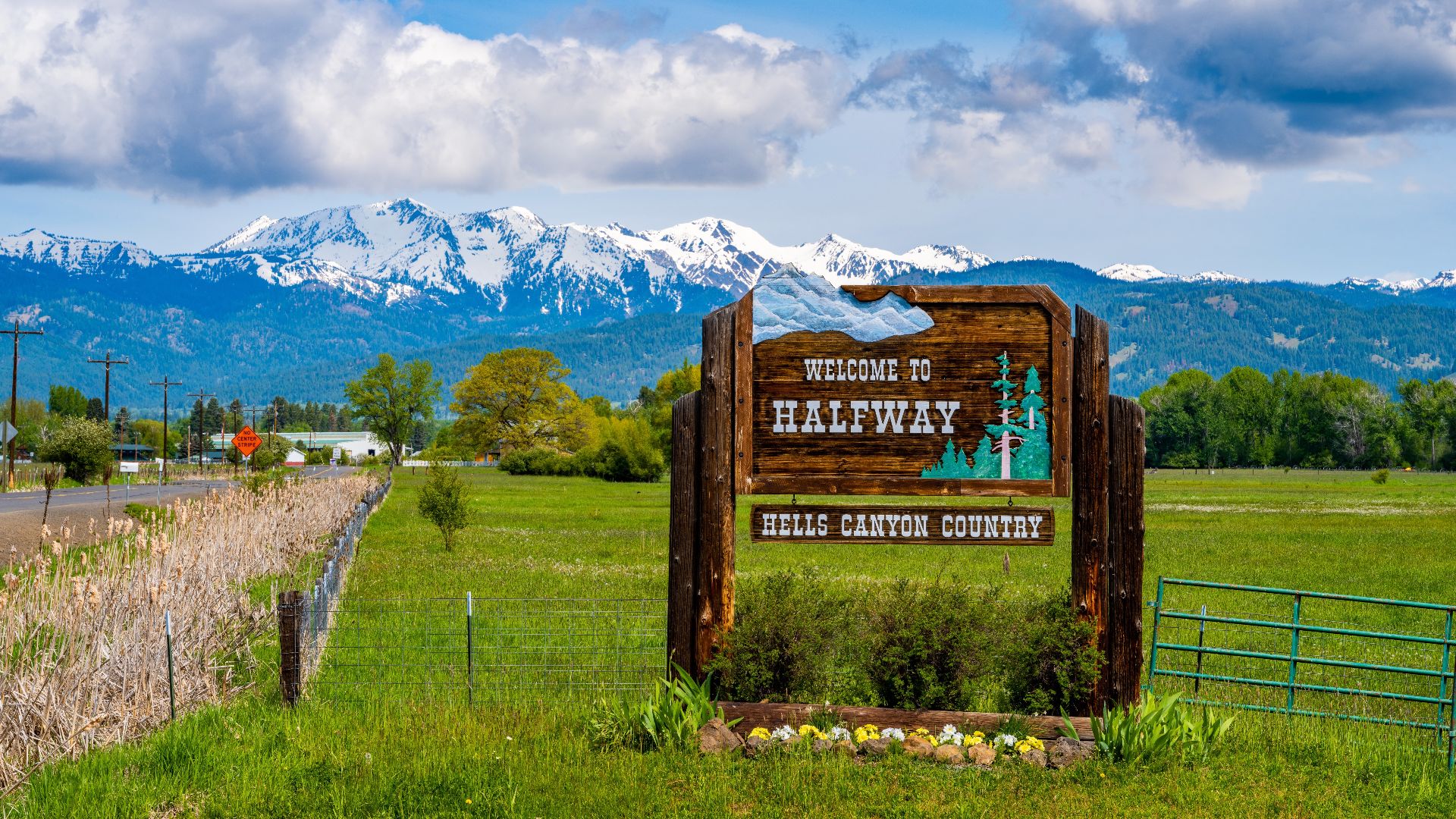
During the internet boom, Halfway, Oregon, temporarily became Half.com as part of an extraordinary advertising agreement. The change took effect in 2000, attracting national attention and benefits for the community. Local officials hoped the publicity would introduce travelers to their remote town's attractions.
 Hussain Sekha, Wikimedia Commons
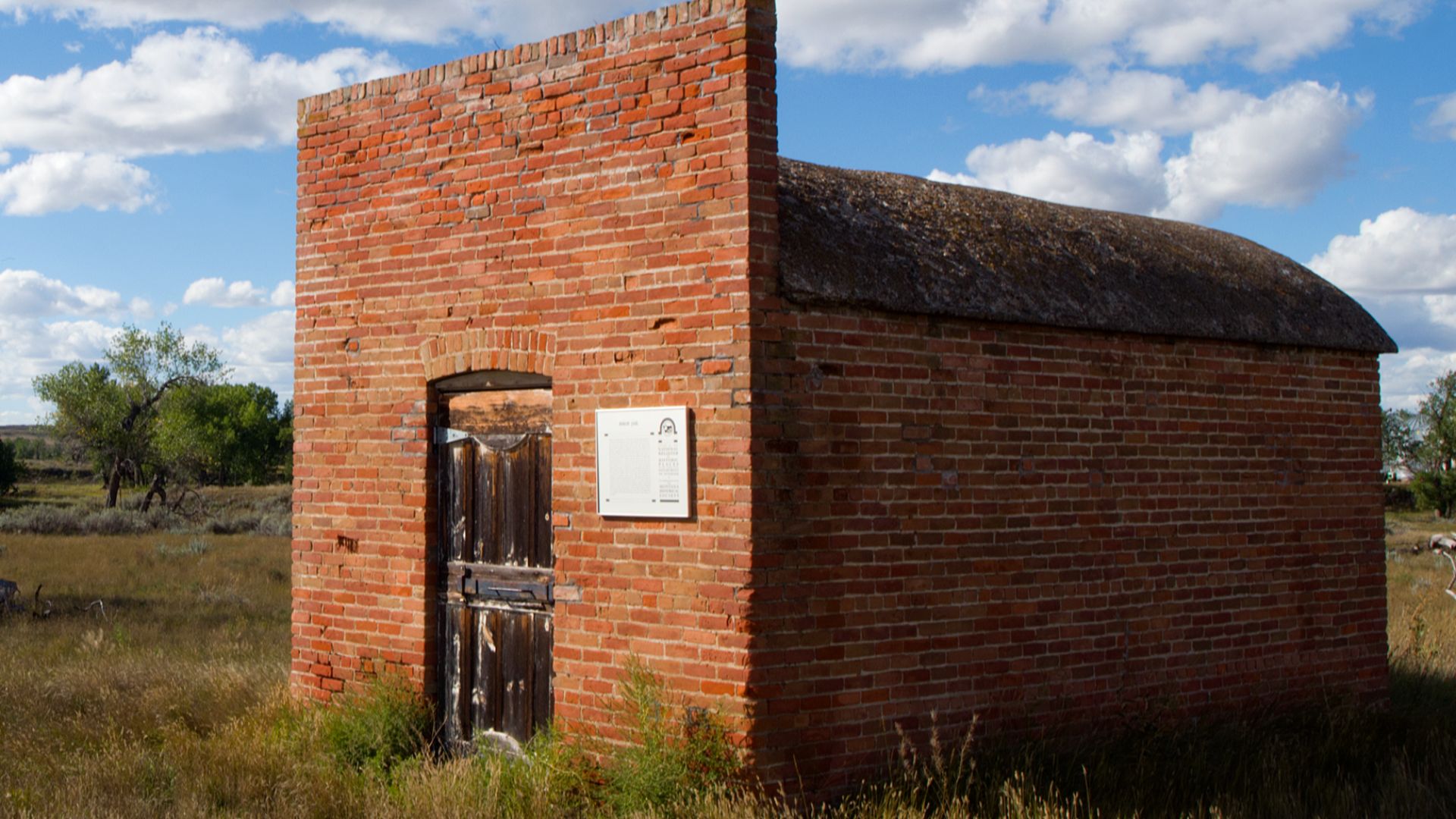
Joe, Montana
In 1993, the tiny Montana community of Ismay temporarily adopted the name Joe, Montana, honoring NFL quarterback Joe Montana. A Kansas City radio station proposed the stunt. The resulting publicity attracted visitors and raised substantial money for the community's volunteer fire department.
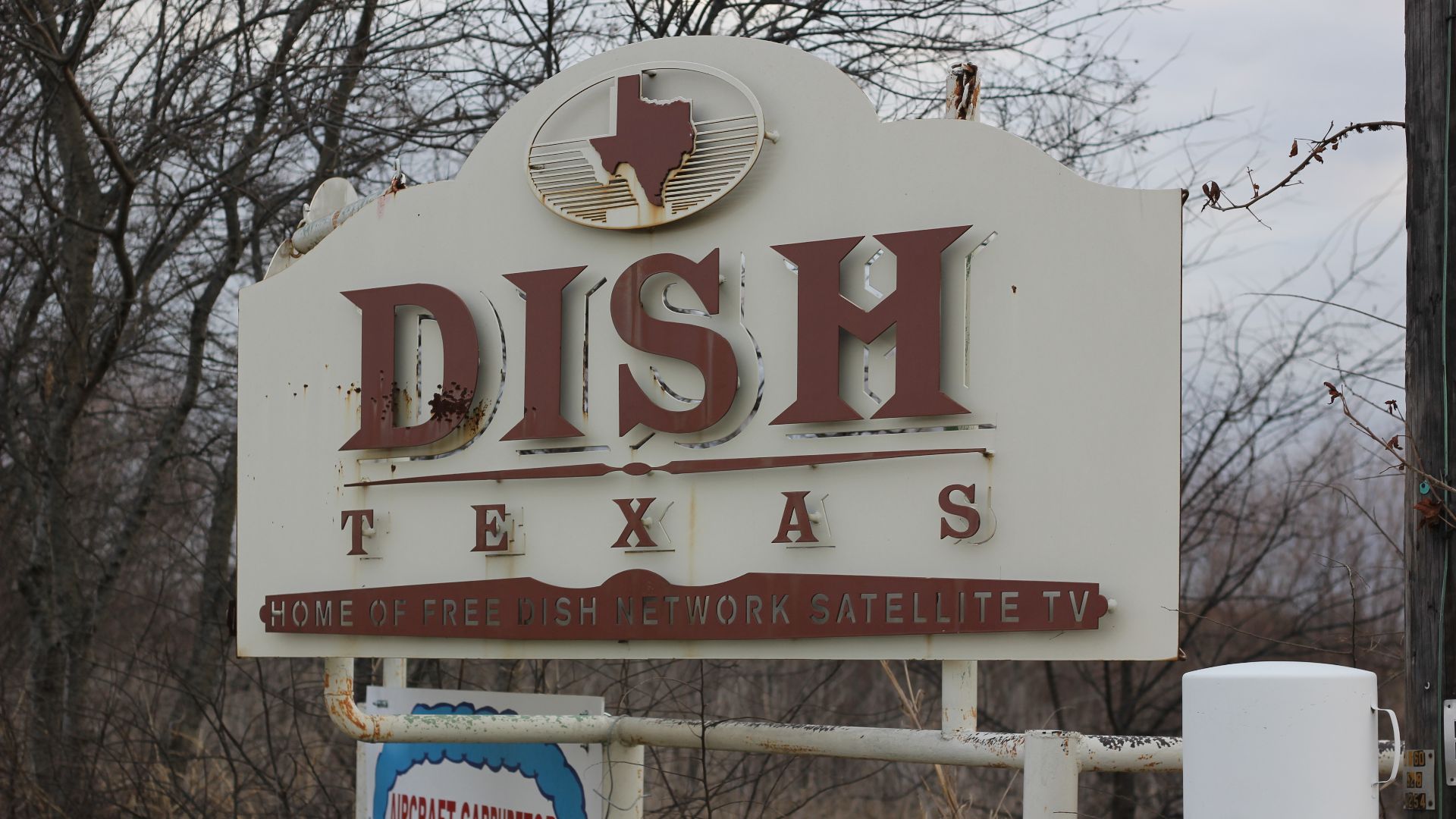
DISH, Texas
In 2005, Clark, Texas, officially renamed itself DISH following an agreement with satellite television provider DISH Network. Residents received ten years of free basic satellite service. Local leaders also hoped the attention would attract new businesses, residents, and visitors to the small community.
 Nicolas Henderson, Wikimedia Commons
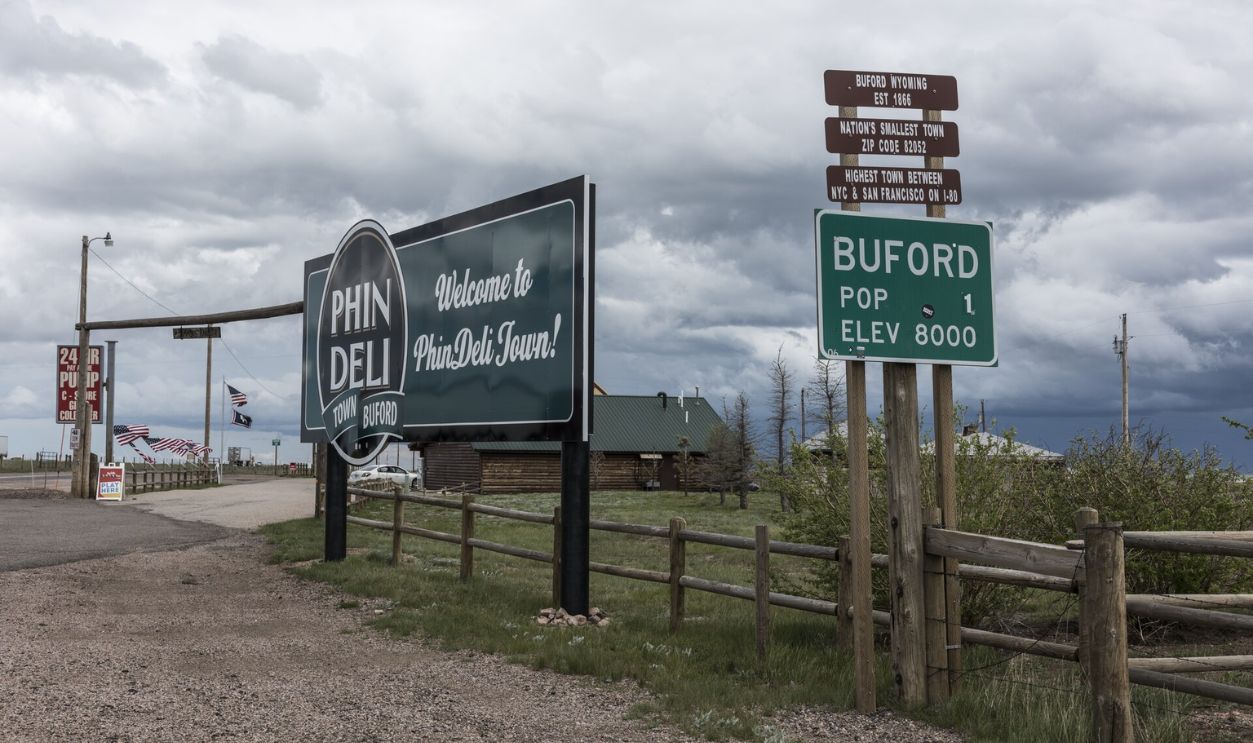
PhinDeli Town Buford, Wyoming
Wyoming's tiny Buford received an unusual commercial makeover in 2013. After purchasing the community's commercial properties, Vietnamese entrepreneur Pham Dinh Nguyen rebranded the site PhinDeli Town Buford to promote Vietnamese coffee. The change was promotional rather than an official municipal renaming, but it attracted international attention.
 Carol M. Highsmith, Wikimedia Commons
You May Also Like:
Why Slovenia Is Winning Over American Travelers
The Happiest Cities In America
Sources: 1, 2, 3, 4, 5, 6, 7, 8, 9, 10, 11, 12, 13, 14, 15, 16