Apparently, Americans Already Have Some Favorites
If Americans suddenly had to pack their bags and head north, where would they go? Maybe the better question is: how far north are they willing to go before the winters become a dealbreaker?
Americans already have a Canadian footprint. In 2021, about 256,000 U.S. immigrants lived in Canada, with Ontario and British Columbia attracting particularly large shares. Toronto and Vancouver were their two biggest metropolitan destinations.
But those aren't the only Canadian cities Americans find inviting. It turns out, Americans like Canada more than we thought. Which city would you choose?

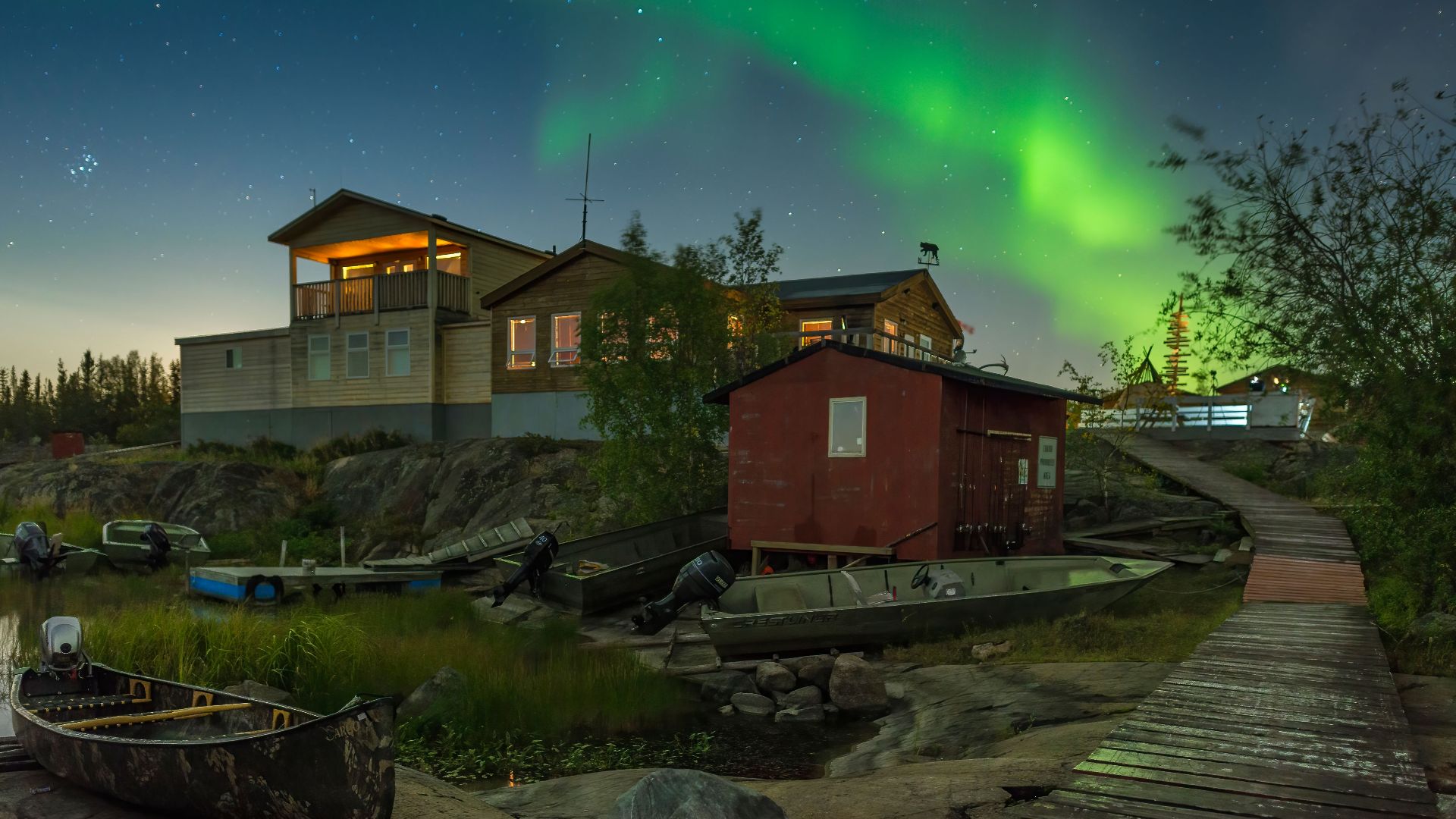
#30. Yellowknife, Northwest Territories
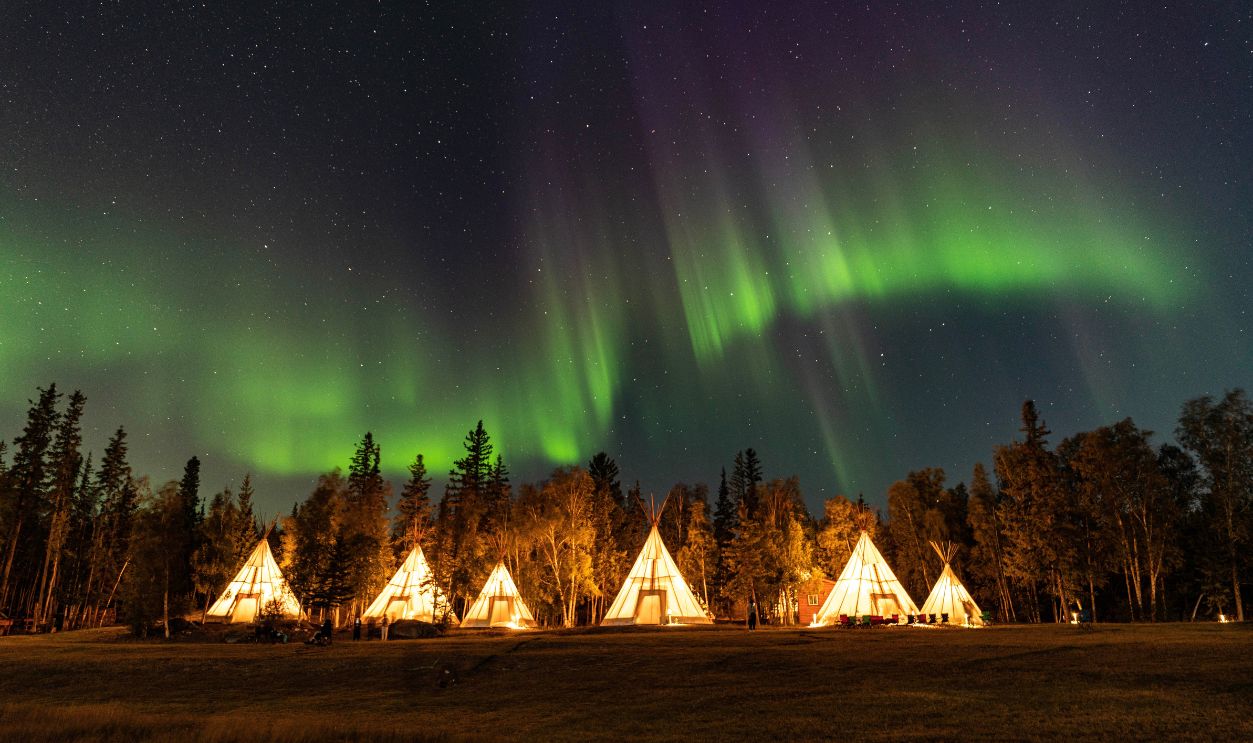
Americans craving something completely different could certainly find it in Yellowknife. The Northwest Territories capital offers wilderness, northern lights and the kind of scenery that makes most American cities look positively ordinary.
The catch? Winter isn't playing around. Temperatures can plunge far below zero, and its remote location makes spontaneous weekend trips back to the States difficult. This is Canada with the difficulty setting turned up.
#29. Whitehorse, Yukon
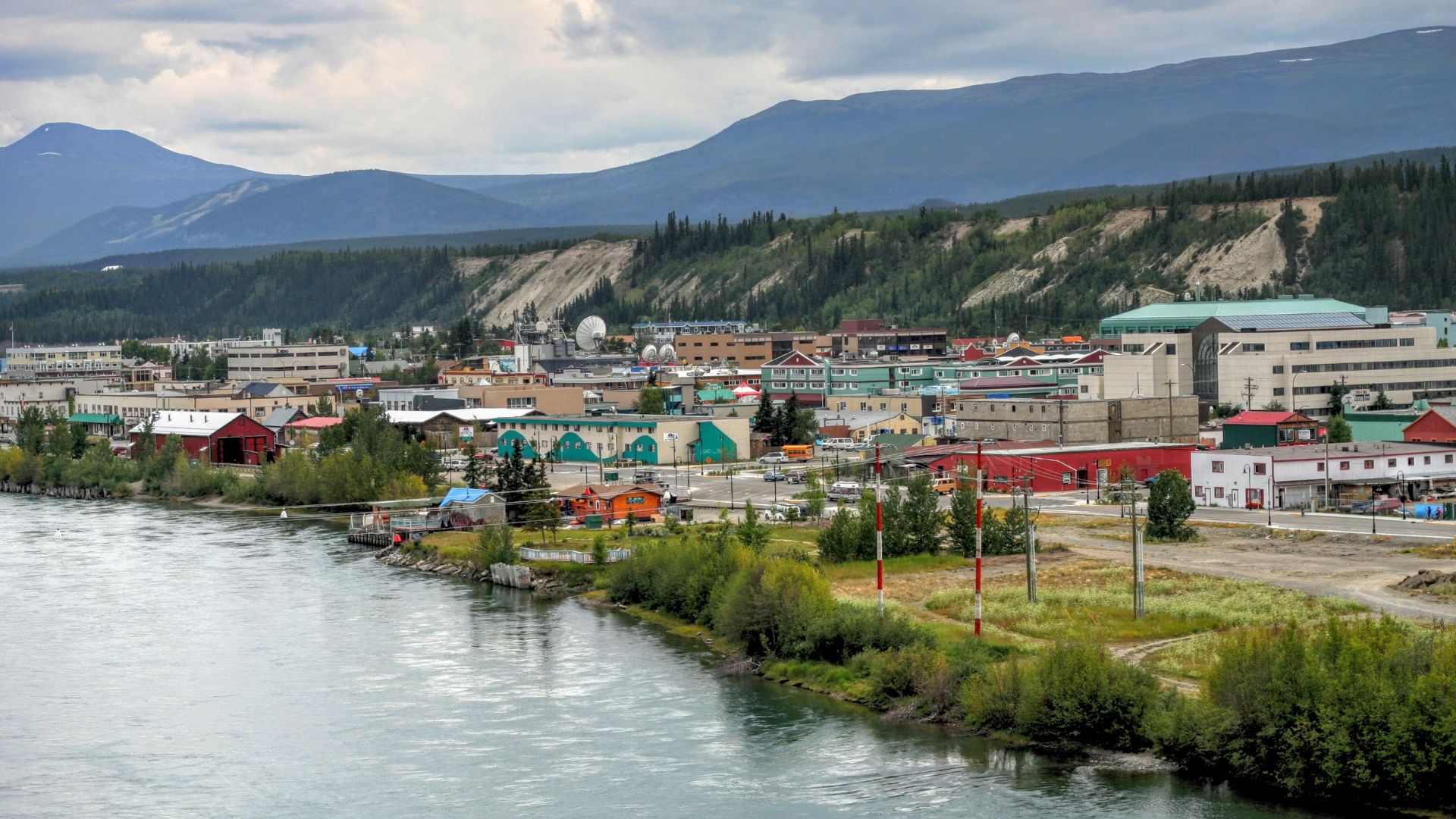
Whitehorse offers a gentler introduction to Canada's North. Mountains, hiking, enormous stretches of wilderness and a surprisingly active little city make it appealing to Americans who are thoroughly finished with traffic jams.
It's still remote, though. Interestingly, U.S. immigrants represented a larger share of Yukon's population than Canada's overall population in the 2021 Census, suggesting Americans aren't entirely scared off by the wilderness.
 Gareth Sloan from Montreal, Canada, Wikimedia Commons
#28. Charlottetown, Prince Edward Island
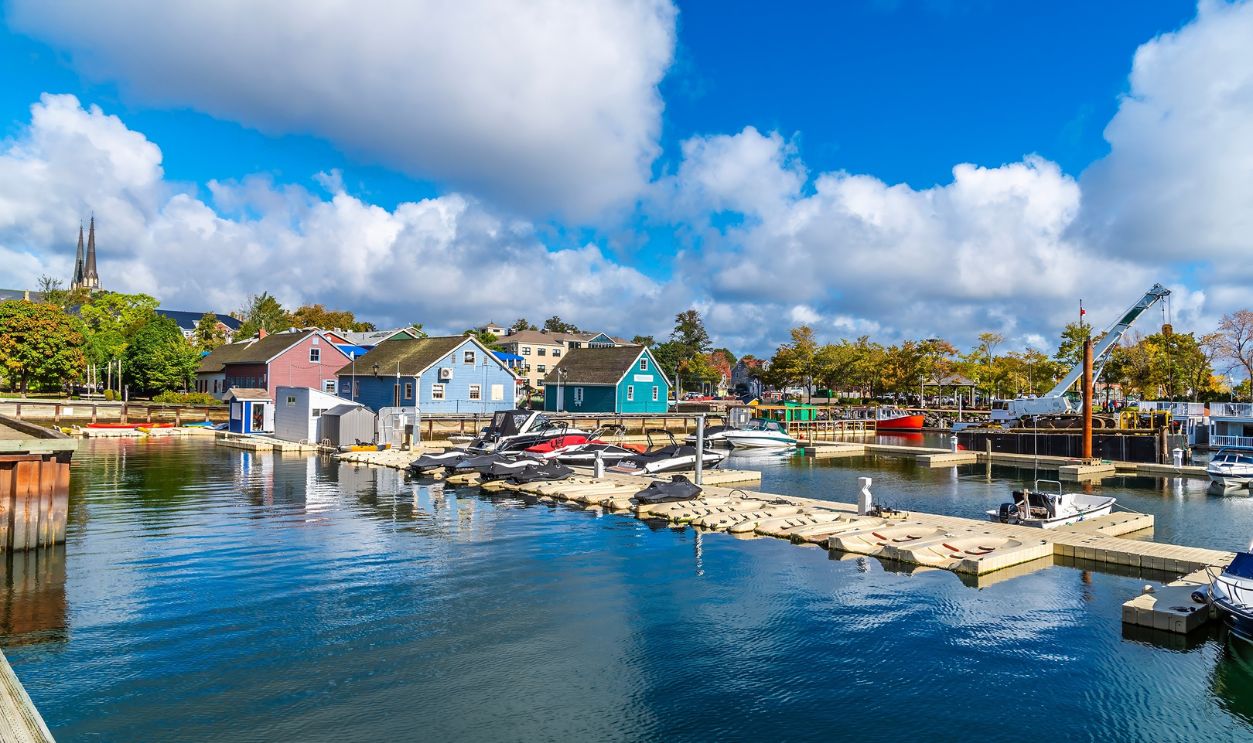
Charlottetown would appeal to Americans whose Canadian fantasy involves colorful houses, seafood and living somewhere that doesn't require two hours of traffic to cross town.
Prince Edward Island's capital is charming, walkable and surrounded by beautiful coastline. The trade-off is a smaller employment market and fewer big-city amenities. Nobody moves to Charlottetown because they desperately need six different subway lines.
#27. Thunder Bay, Ontario
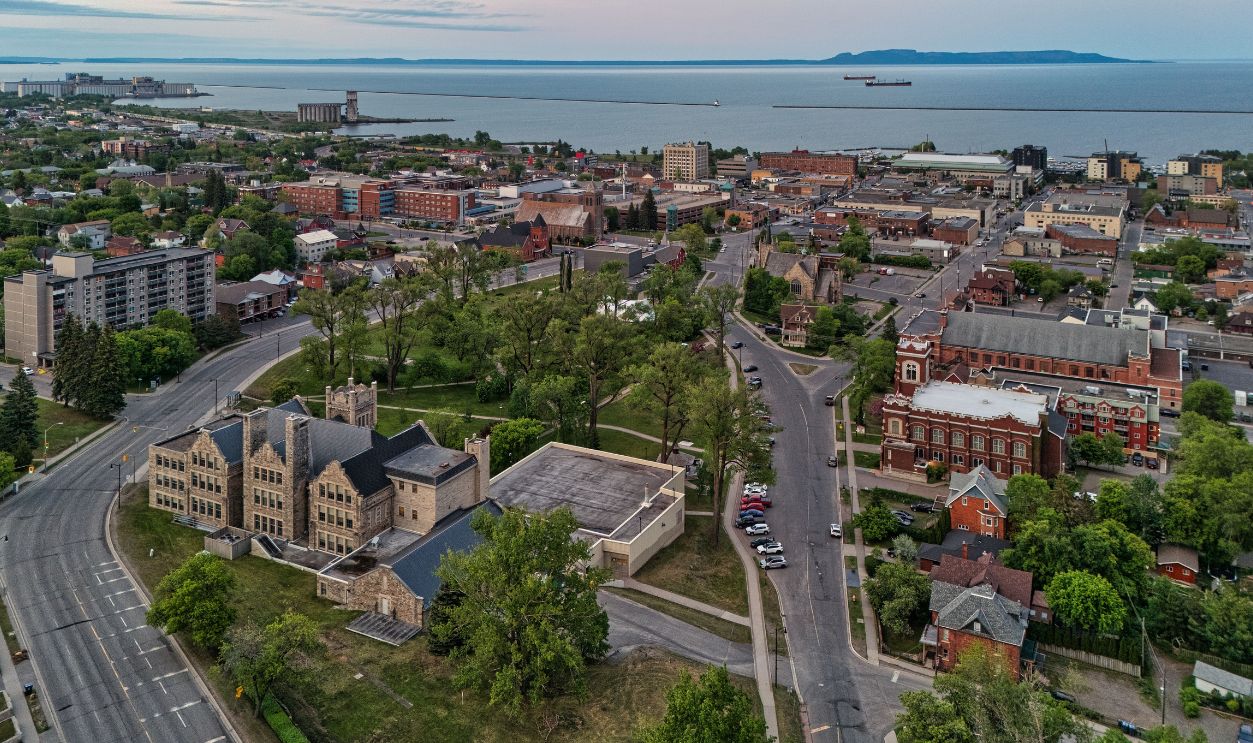
Thunder Bay gives Americans affordable access to something that looks suspiciously like an ocean but is technically Lake Superior.
Outdoor recreation is a major selling point, and housing can be considerably more approachable than in southern Ontario's biggest cities. The downside is isolation: Toronto is nowhere nearby. Still, Midwestern Americans might find northern Ontario surprisingly familiar.
 Wirestock Creators, Shutterstock
#26. Lethbridge, Alberta
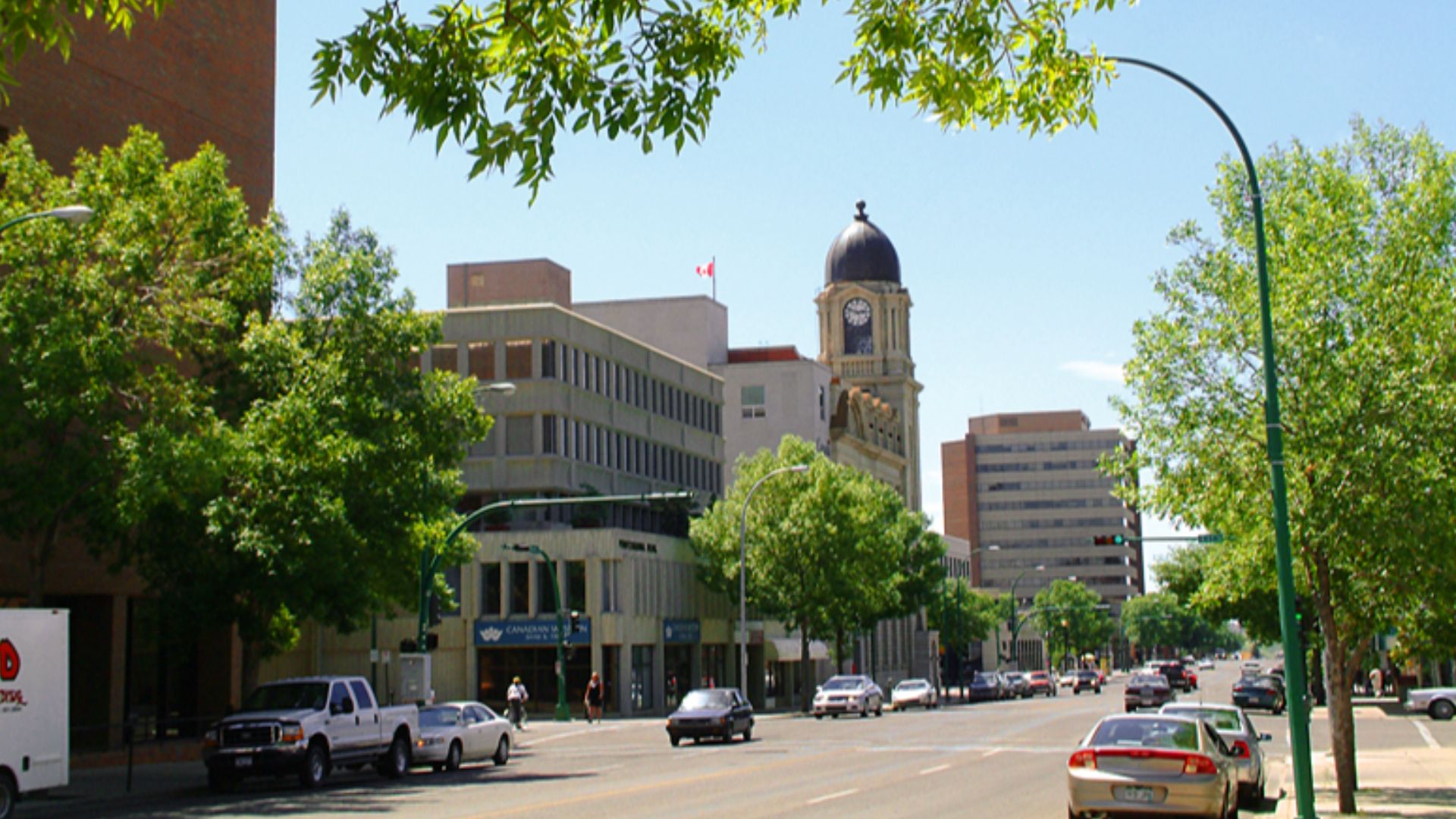
Lethbridge doesn't receive the international attention Calgary does, which may actually be part of its appeal.
This southern Alberta city offers a smaller-city lifestyle, proximity to spectacular outdoor destinations and relatively easy access to the U.S. border. Americans coming from Montana, Wyoming or other Western states might feel considerably less culture shock here than expected.
#25. Trois-Rivières, Quebec
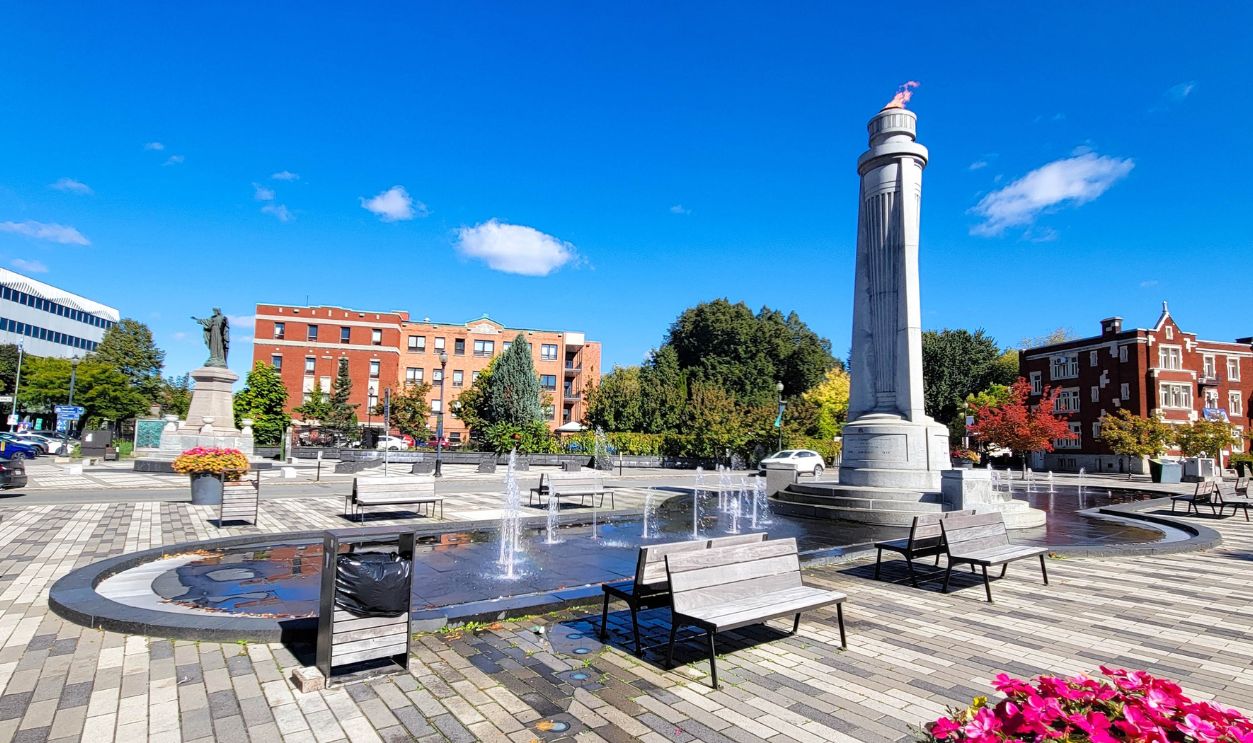
Sitting between Montreal and Quebec City, Trois-Rivières offers Americans a smaller and generally less expensive alternative to Quebec's two superstar cities.
There's one rather important detail: French matters here. Americans willing to embrace the language could get historic architecture, riverfront scenery and a slower pace of life. Those unwilling to learn French might want to keep scrolling.
#24. Regina, Saskatchewan
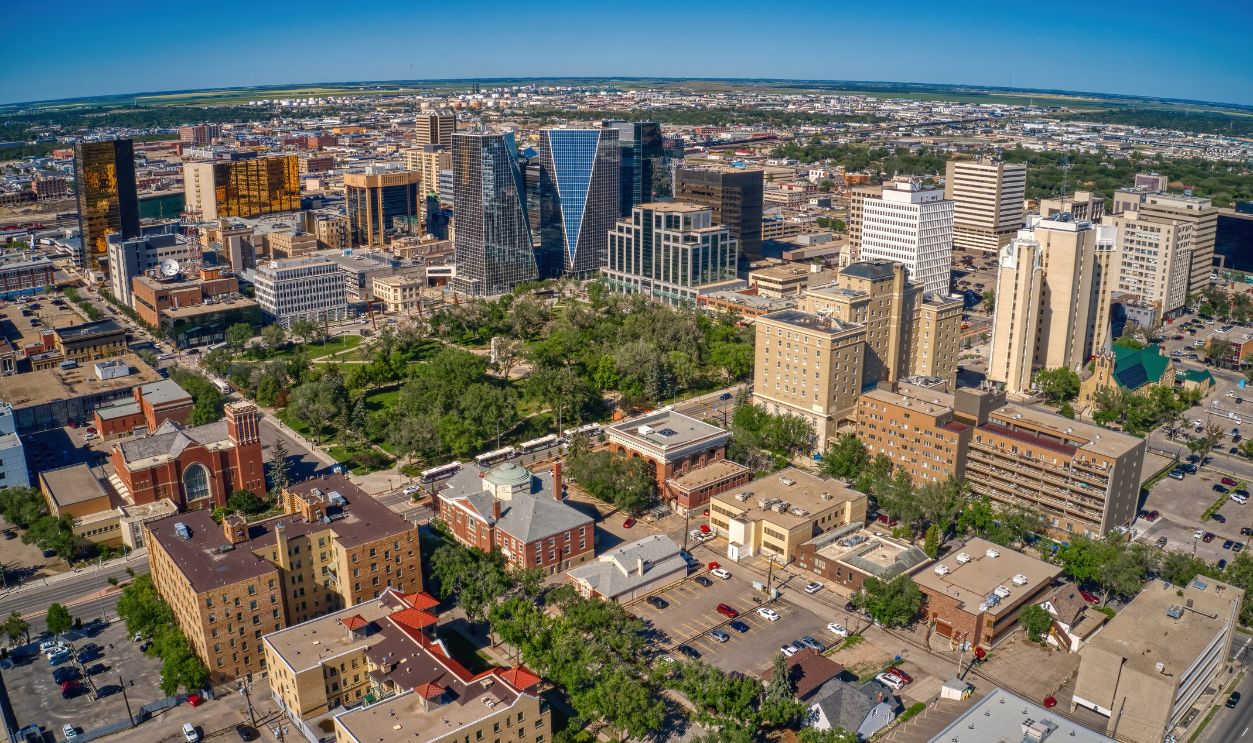
Regina could make sense for Americans who want jobs, manageable commutes and housing without Toronto or Vancouver price tags.
The Saskatchewan capital has the government and service-sector employment you'd expect from a provincial capital, surrounded by prairie stretching toward the horizon. Americans from the Great Plains may arrive and wonder whether they actually crossed an international border.
#23. Fredericton, New Brunswick
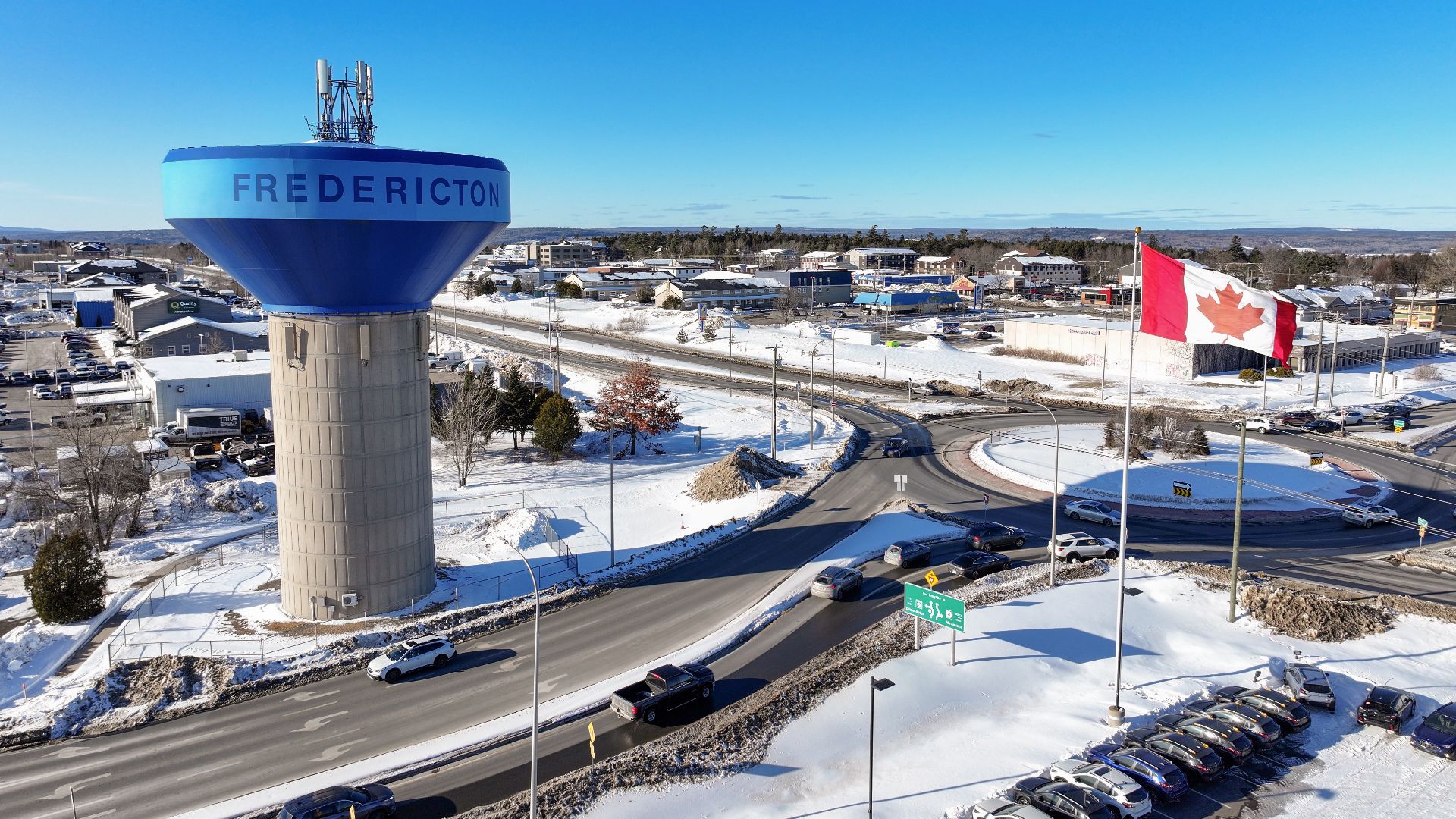
Fredericton combines government jobs, universities, historic neighborhoods and the Saint John River in a compact package.
For Americans from New England, the scenery and scale may feel reassuringly familiar. It's also within road-trip distance of Maine, which matters for anyone who wants to move internationally without feeling as though their family now lives on another planet.
 Quintin Soloviev, Wikimedia Commons
#22. Saint John, New Brunswick
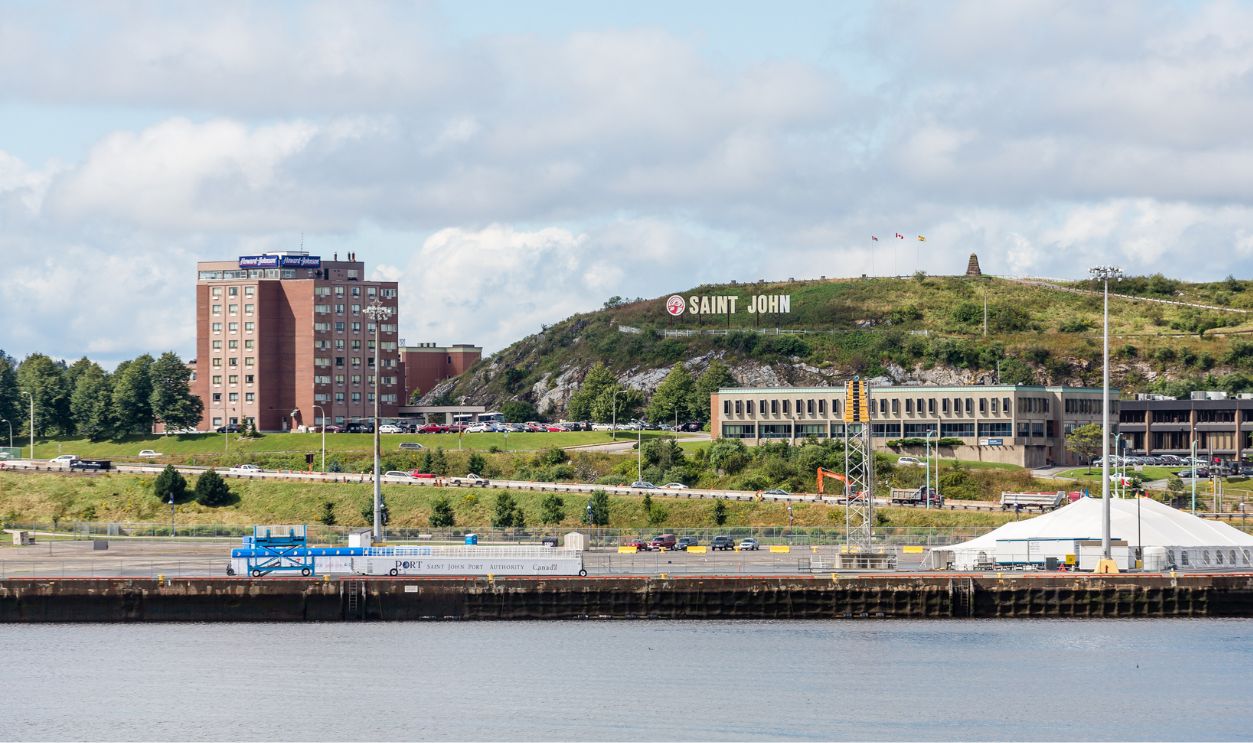
Saint John gives Americans Atlantic waterfront living without sending them directly into Halifax's increasingly competitive housing market.
It's an industrial port city with historic architecture, dramatic tides and easy access to the Bay of Fundy. Maine is just across the provincial border, making Saint John one of the more geographically convenient Canadian choices for northeastern Americans.
#21. St. John's, Newfoundland And Labrador
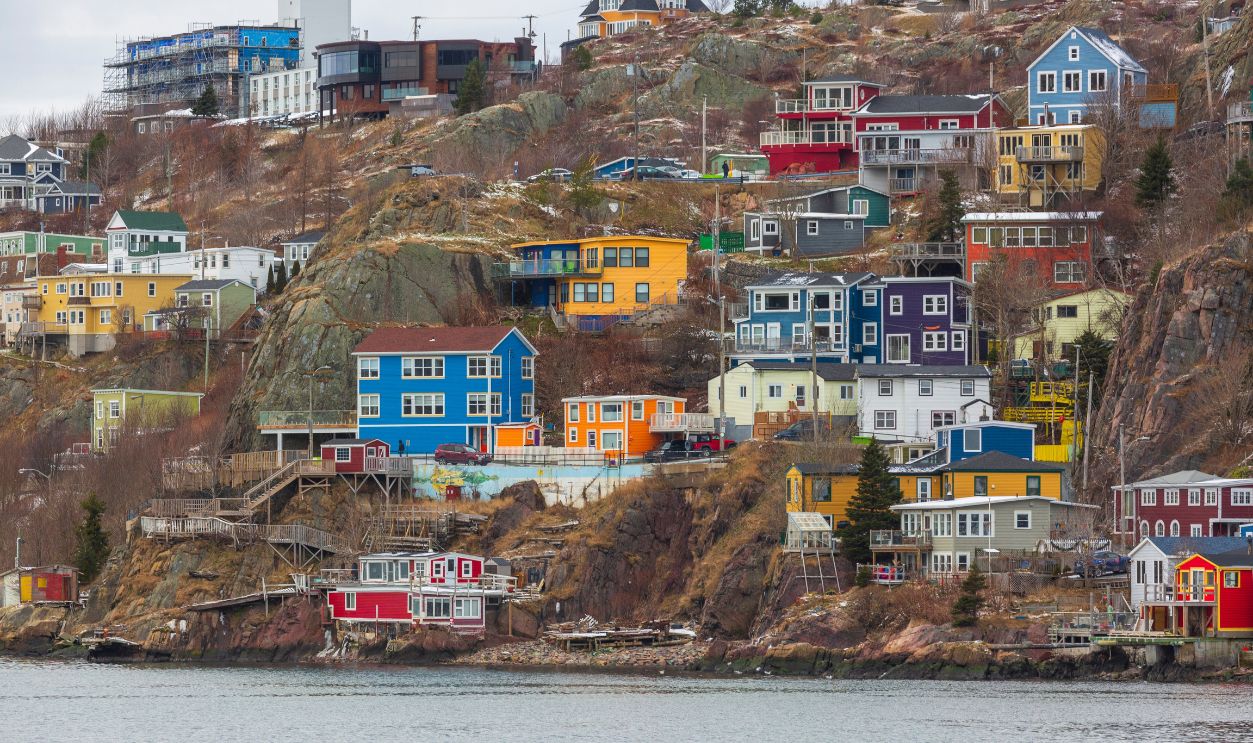
Americans willing to go farther east than almost anyone expects could fall hard for St. John's.
The city offers colorful row houses, rugged Atlantic scenery, a famous nightlife district and an identity that feels unlike anywhere else in Canada. The weather can be windy, wet and unpredictable, but nobody moves to Newfoundland because they were seeking Arizona.
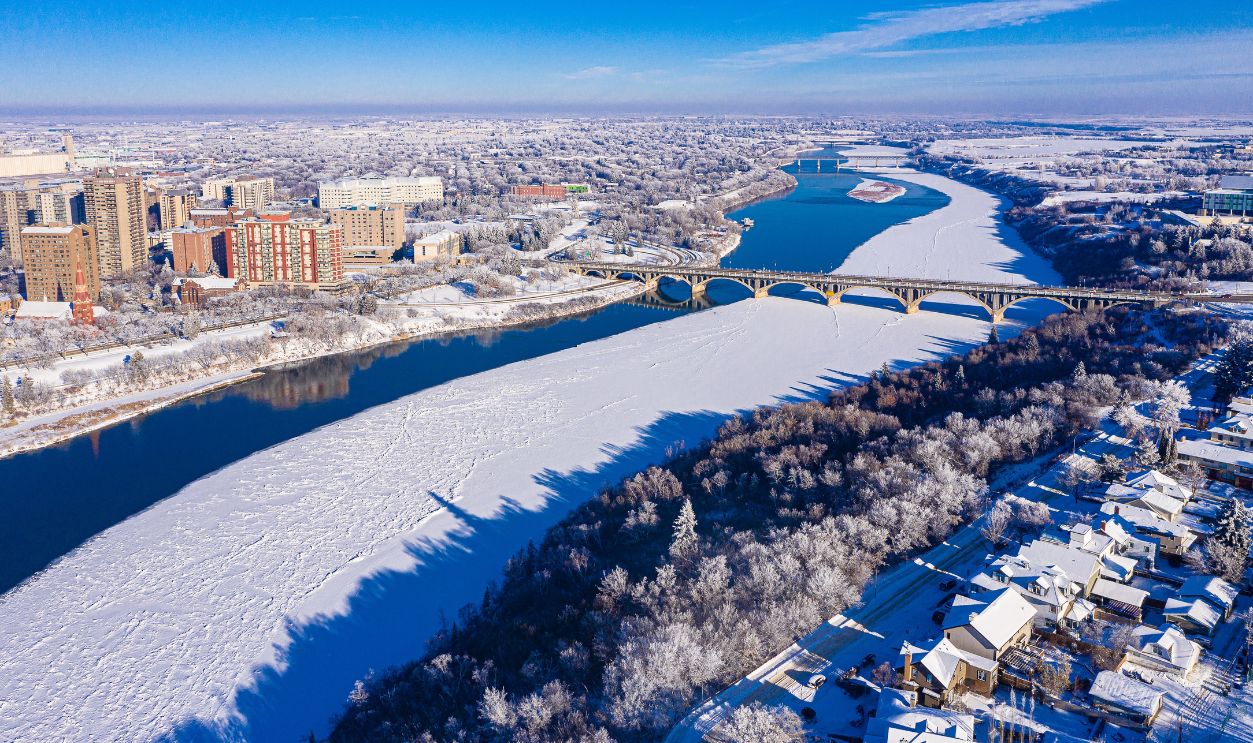
#20. Saskatoon, Saskatchewan
Saskatoon offers more urban energy than outsiders sometimes expect, thanks partly to the University of Saskatchewan and a growing population.
The South Saskatchewan River cuts through the city, producing some genuinely beautiful urban scenery. Housing has historically been more approachable than in Canada's biggest markets, although newcomers will need to make peace with prairie winters. Consider the parka mandatory equipment.
#19. Sherbrooke, Quebec
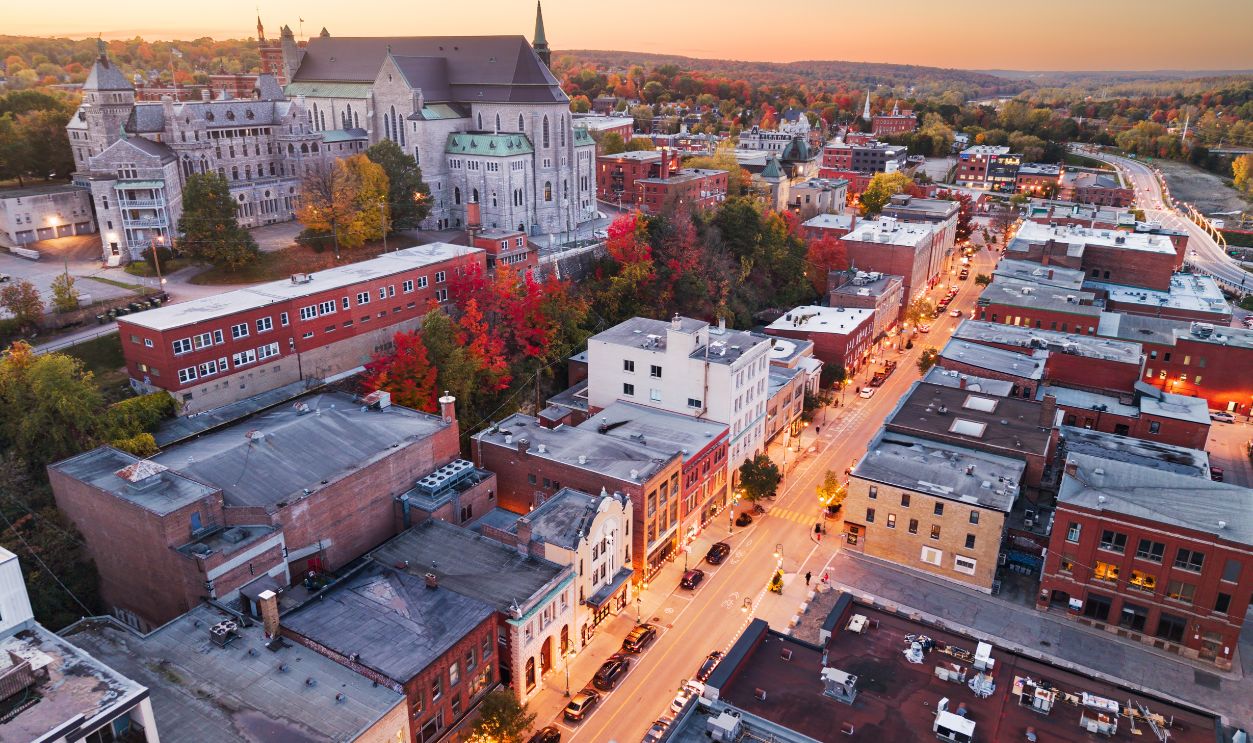
Sherbrooke could attract Americans who want Quebec's culture without paying Montreal prices.
Located in the Eastern Townships, the city combines universities, nearby lakes, forests and mountains with a relatively manageable urban scale. Vermont is also surprisingly close. French is dominant, however, so Americans looking for an English-only relocation would have some homework to do.
#18. London, Ontario
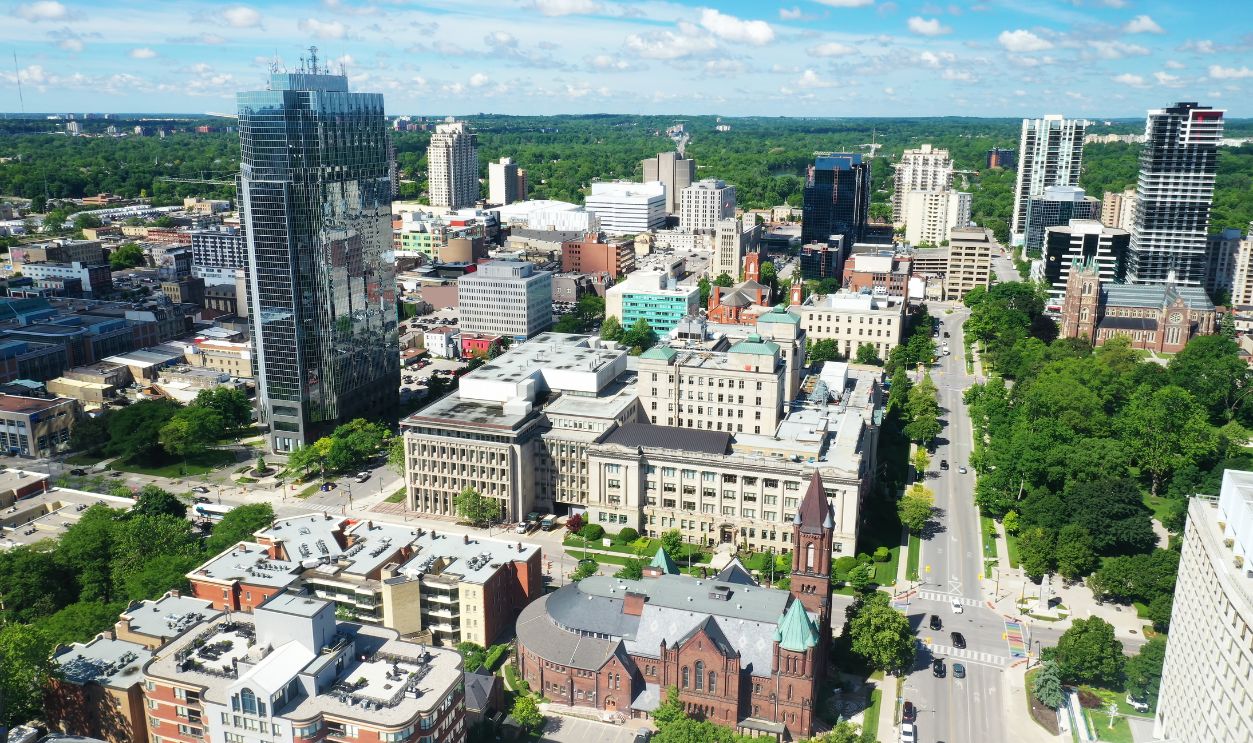
London is large enough to offer serious employment, healthcare and education while remaining much smaller than Toronto.
Its southwestern Ontario location also puts Americans relatively close to Michigan and western New York. You don't get mountains, an ocean or particularly dramatic geography. What you do get is a practical Canadian city where everyday life can feel comfortably familiar.
#17. Guelph, Ontario
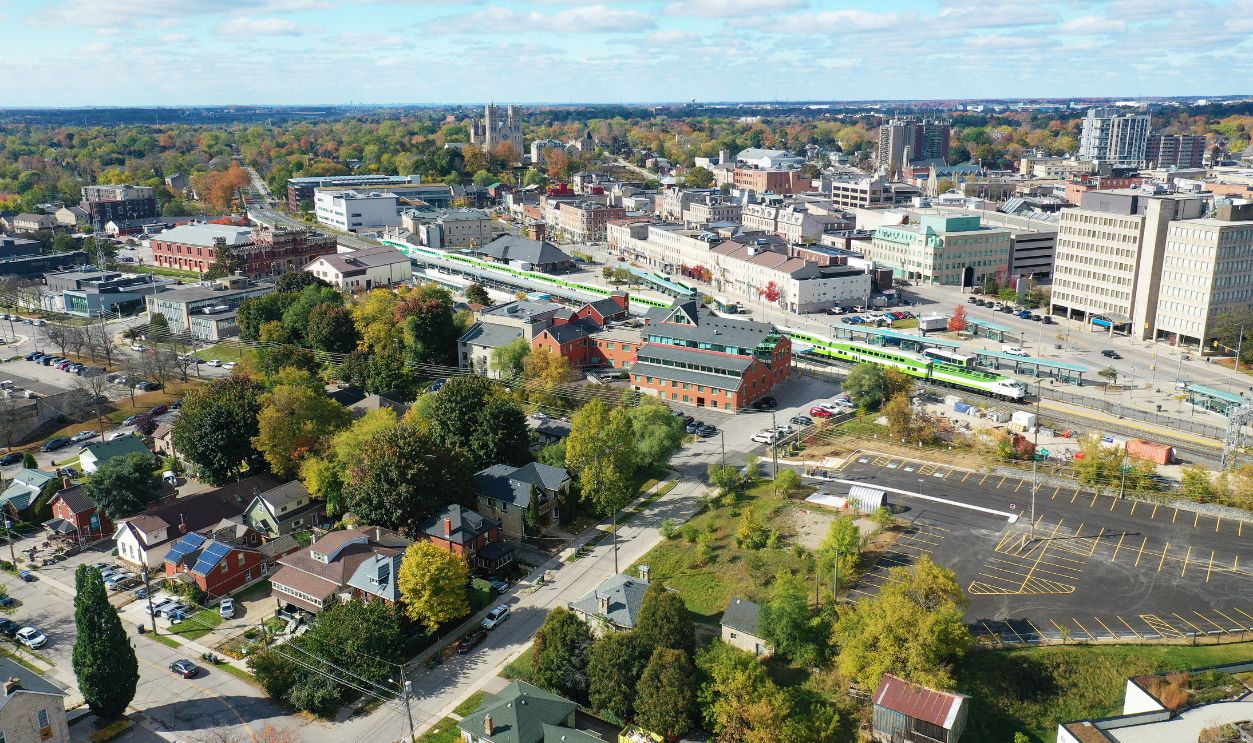
Guelph offers Americans a smaller-city alternative within striking distance of Toronto's enormous economic region.
The University of Guelph gives the city a youthful energy, while its historic downtown and extensive green spaces keep it from feeling like just another Toronto suburb. The biggest problem is that southern Ontario housing has discovered that people really like southern Ontario.
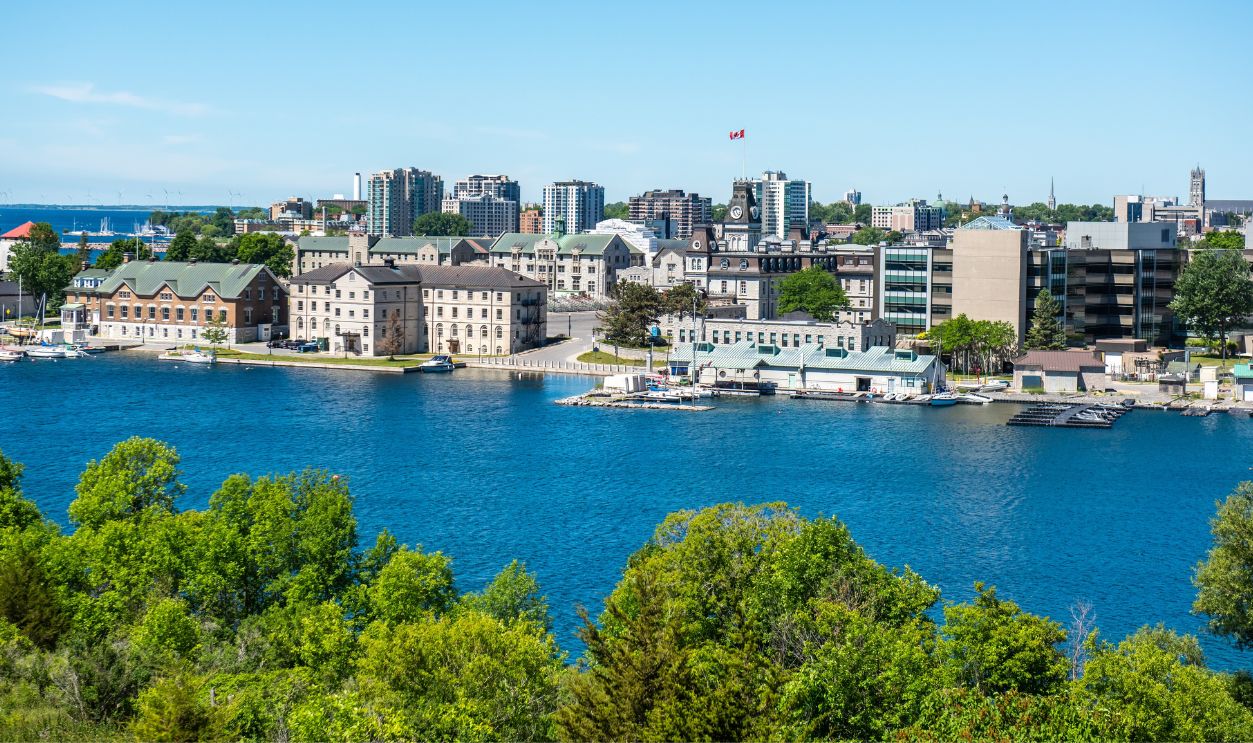
#16. Kingston, Ontario
Kingston sits where Lake Ontario meets the St. Lawrence River, giving Americans waterfront scenery, historic architecture and a location roughly between Toronto and Montreal.
Queen's University adds plenty of activity, while the city's scale remains manageable. For Americans who want Canada without immediately committing to a metropolis of several million people, Kingston is an appealing middle ground.
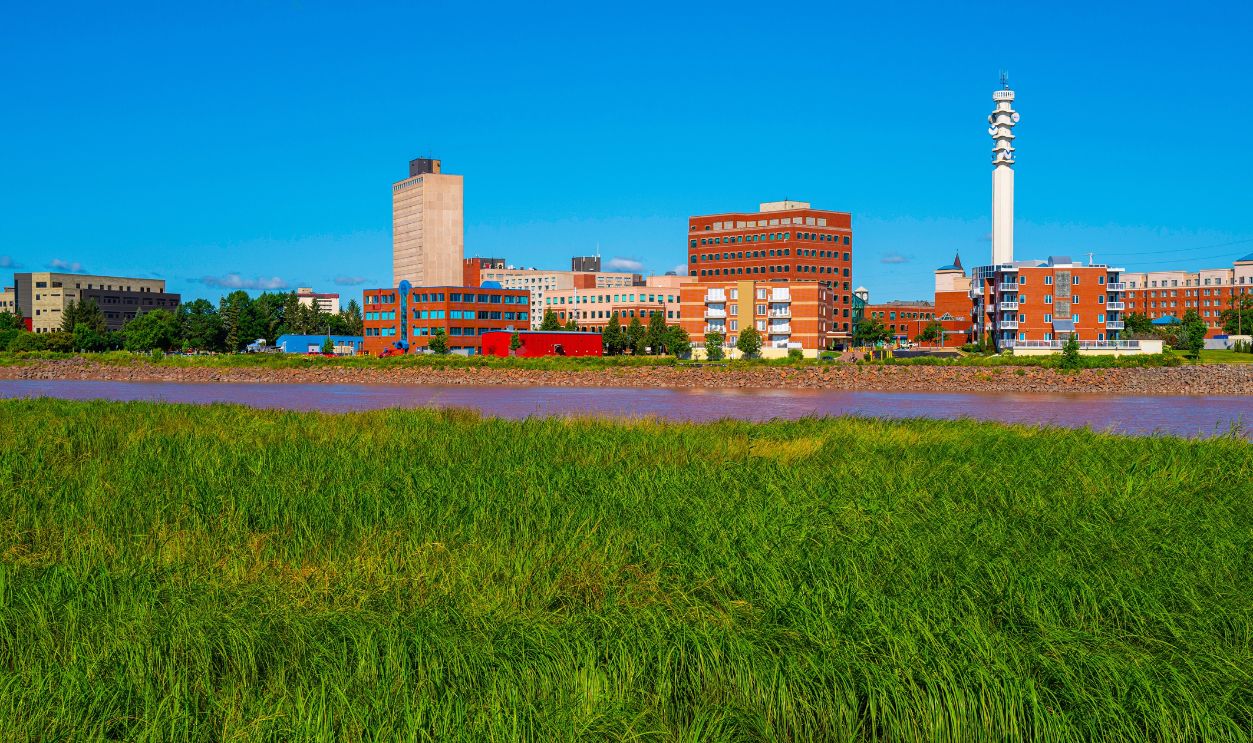
#15. Moncton, New Brunswick
Moncton has quietly become one of Atlantic Canada's growth stories. From July 2024 to July 2025, its metropolitan population grew 2.9%, one of Canada's strongest rates.
The city offers both English and French culture, access to the broader Maritimes and a lower-key lifestyle than Canada's major metros. Americans seeking an affordable-ish fresh start could do considerably worse.
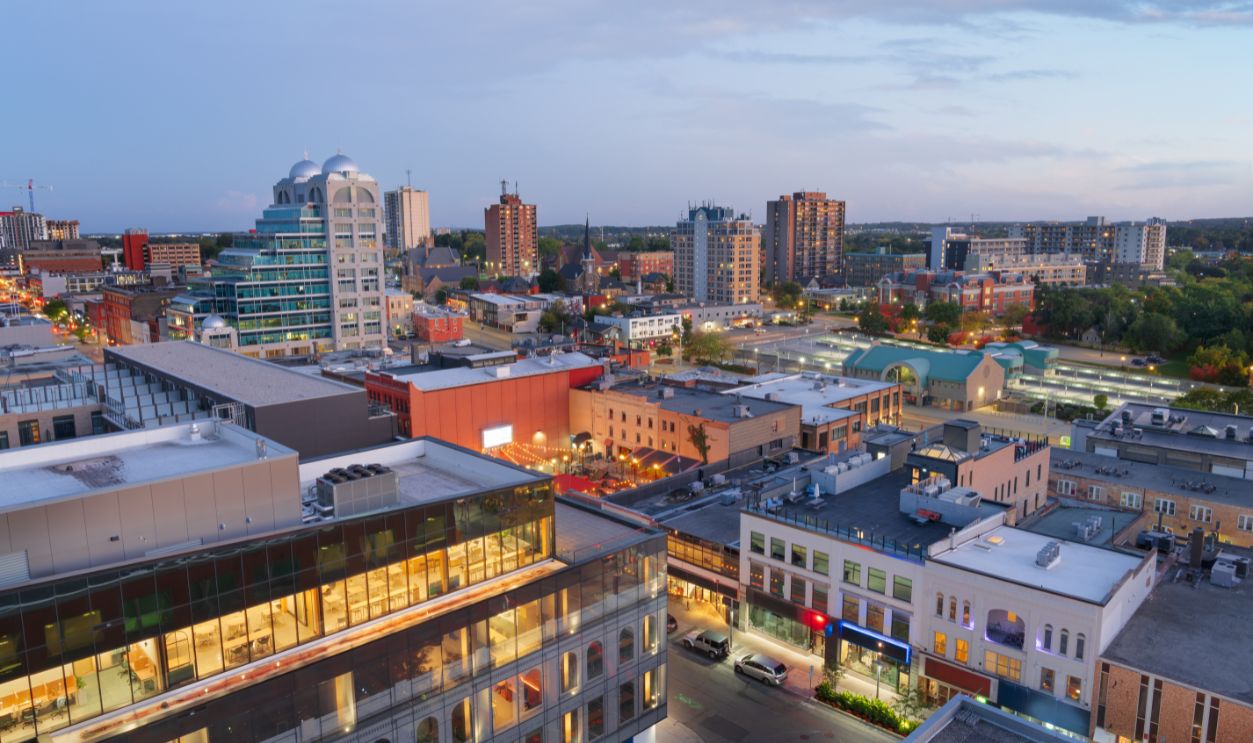
#14. Kitchener, Ontario
Kitchener—and the broader Kitchener-Waterloo region—makes a particularly convincing pitch to American technology workers.
Waterloo's universities and technology sector give the region serious career credentials, while Toronto is close enough for business without requiring residents to live directly inside it. The region has grown rapidly, though, so the secret that it's desirable isn't exactly secret anymore.
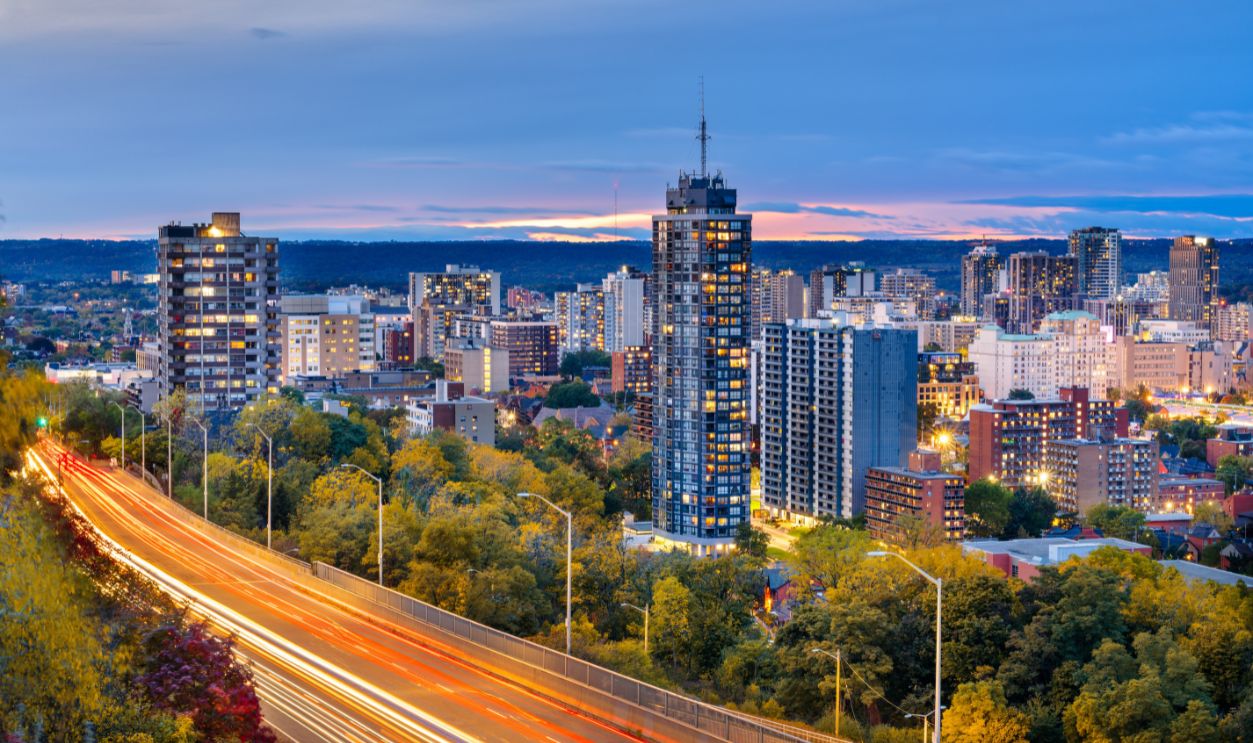
#13. Hamilton, Ontario
Hamilton once lived in Toronto's shadow as Canada's steel city. That's changed dramatically.
Today it combines industry, healthcare, universities, restaurants, waterfalls and easy access to both Toronto and Niagara. For Americans who want southern Ontario without planting themselves directly in Toronto, Hamilton offers a compelling compromise—although its housing bargains aren't what they used to be.
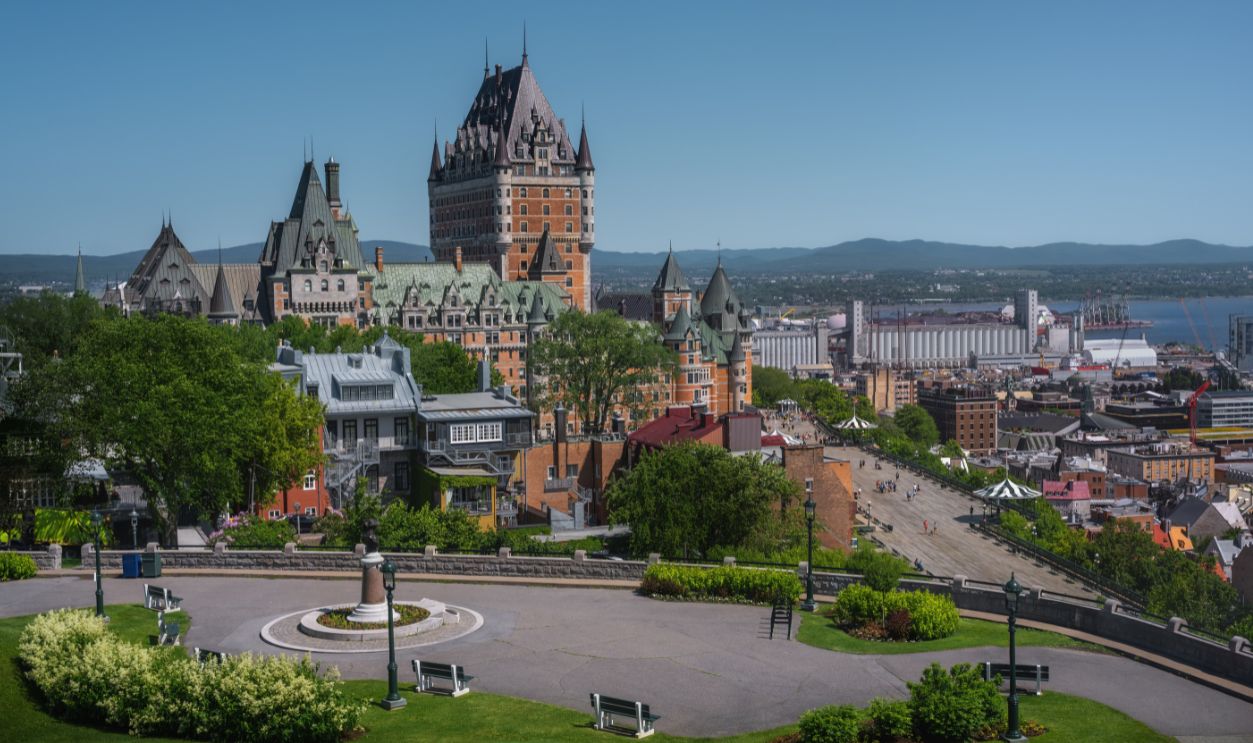
#12. Quebec City, Quebec
Quebec City is what happens when an American says, "I want to move somewhere that actually feels foreign," but still chooses Canada.
Its fortified historic center, French-speaking culture and architecture can feel remarkably European. Recent immigrants to Quebec are also increasingly settling beyond Montreal; Quebec City's share of the province's new immigrants more than doubled between 2019/20 and 2024/25.
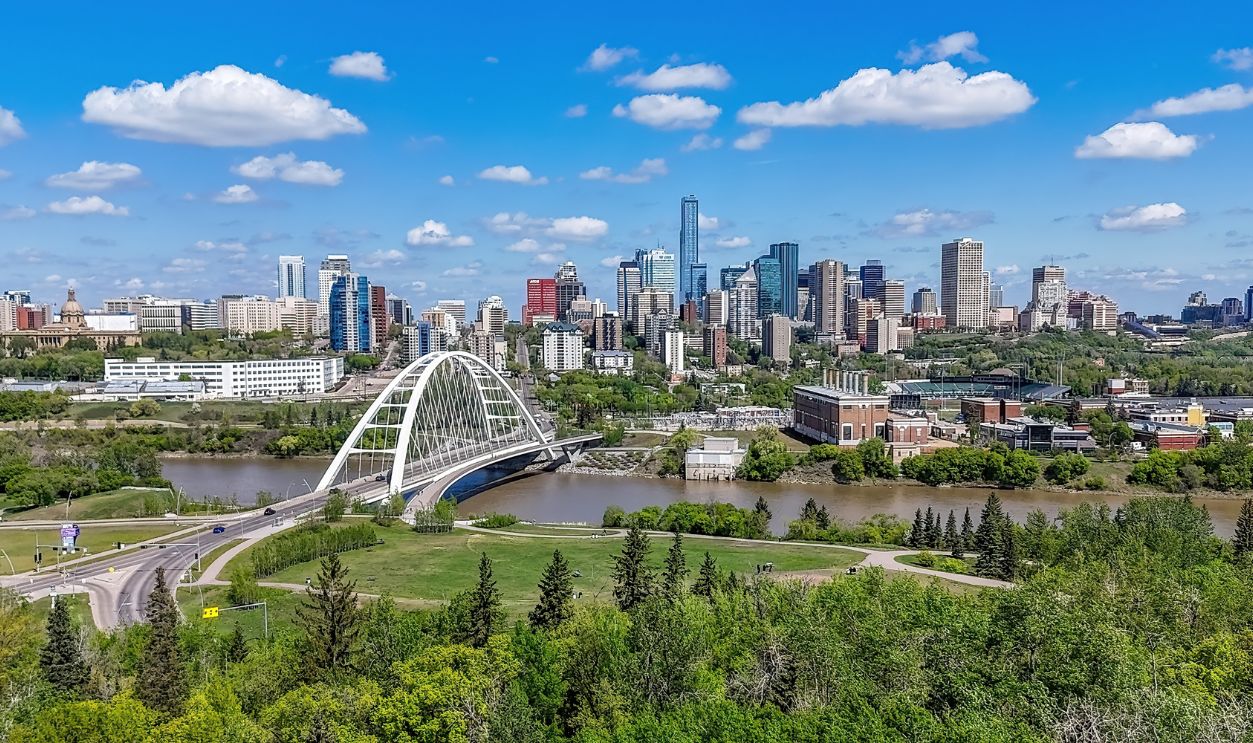
#11. Edmonton, Alberta
Edmonton doesn't have Calgary's mountain backdrop, but it does have a massive river valley, major employers and comparatively attainable housing for a large Canadian city.
It's also attracting Canadians themselves. Edmonton recorded Canada's largest net gain from interprovincial migration in 2024/25 at 11,742 people, narrowly beating Calgary.
Apparently, plenty of Canadians have already noticed something.
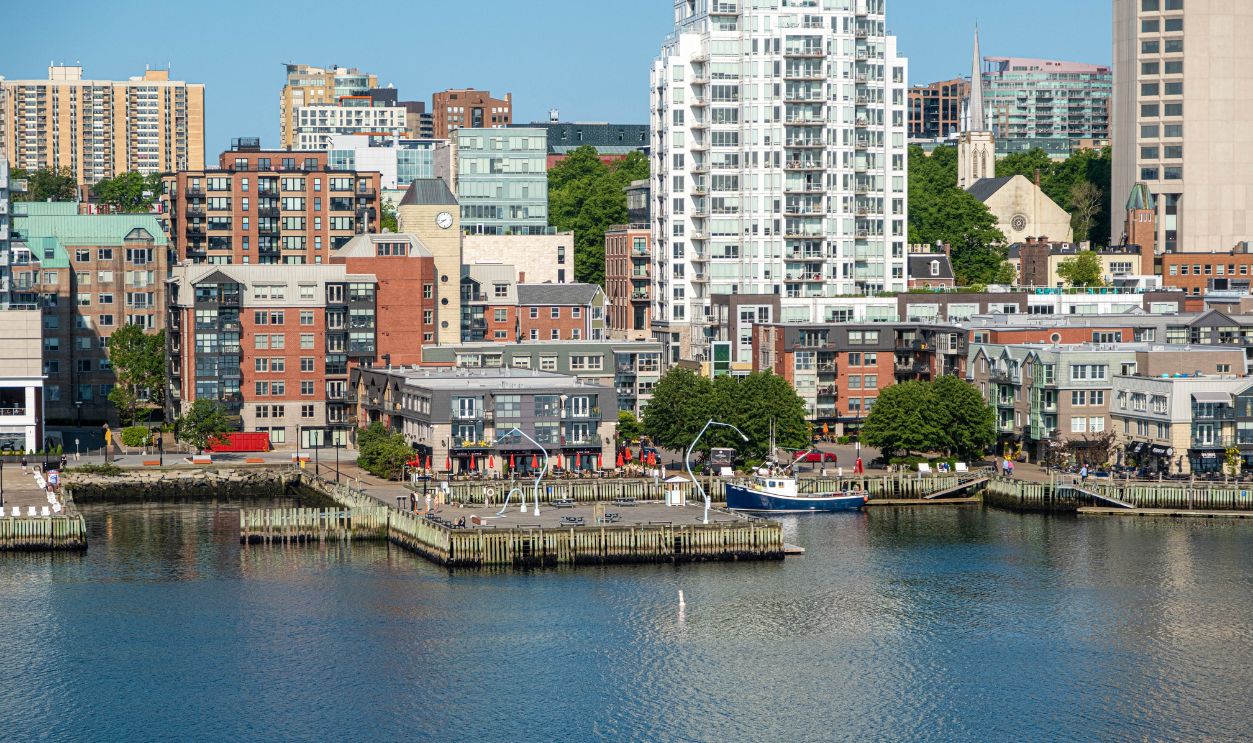
#10. Halifax, Nova Scotia
For Americans dreaming of Canada but refusing to surrender the Atlantic Ocean, Halifax makes a very convincing argument.
It's a provincial capital, university city, major port and cultural center wrapped into one relatively manageable package. Americans from Boston and coastal New England may find the maritime atmosphere particularly familiar—just with more donairs and fewer arguments about the Red Sox.
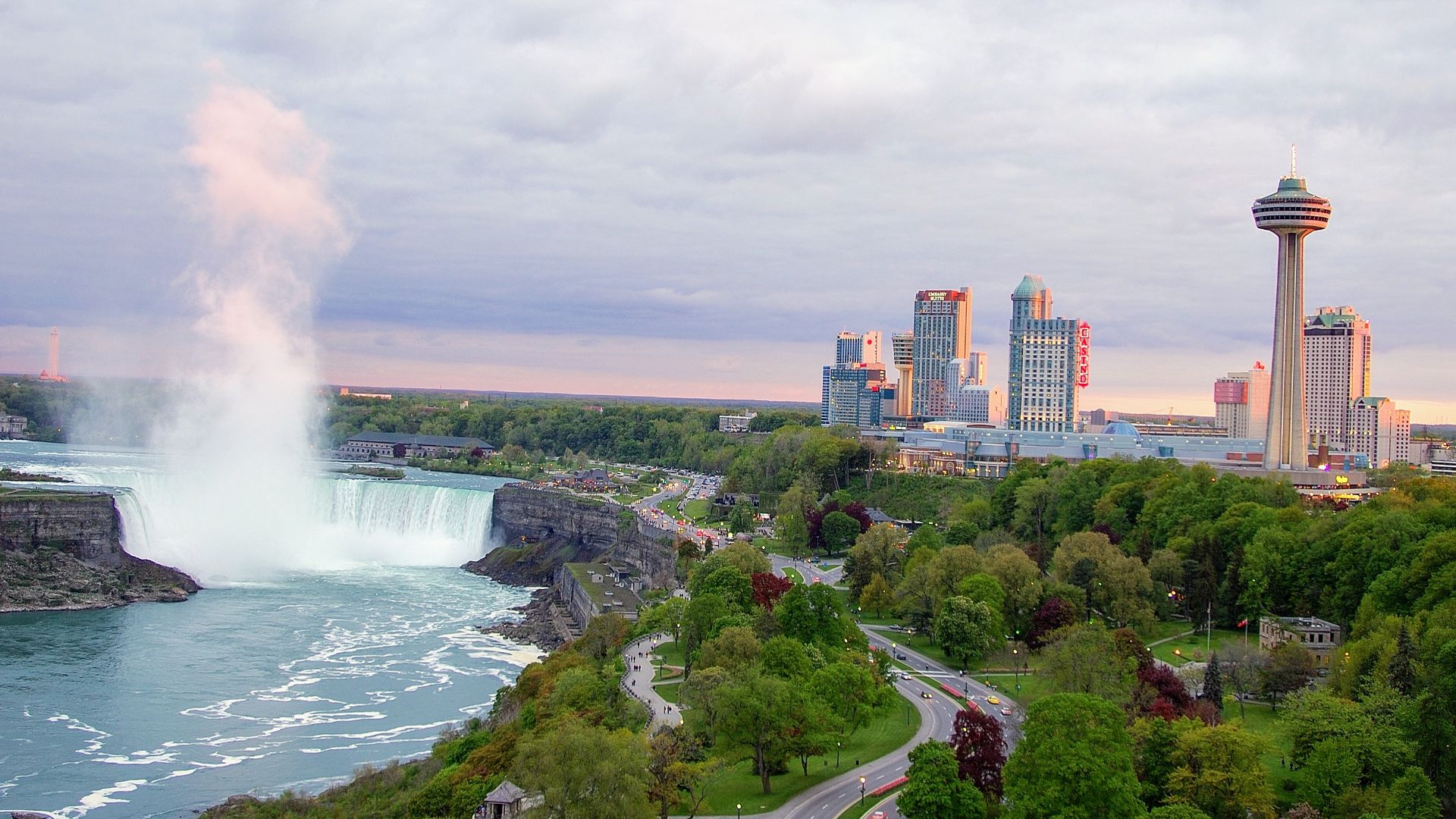
#9. Niagara Falls, Ontario
This one has an obvious advantage: Americans can literally look across the river and see home.
Niagara Falls sits directly beside the United States, with Buffalo just across the border. The surrounding Niagara region offers wineries, Lake Ontario communities and access to larger employment centers. For a nervous first-time emigrant, having America visible from the neighborhood is a pretty gentle transition.
 Salwa Farwaneh, Wikimedia Commons
#8. Nanaimo, British Columbia
Nanaimo gives Americans Vancouver Island without requiring them to pay Victoria prices.
The city combines ocean access, mountain scenery and ferry connections to mainland British Columbia. More importantly for this ranking, Statistics Canada found U.S. immigrants represented 1.22% of Nanaimo's population in 2021, considerably above Canada's national 0.70% share.
Americans have apparently already found this one.
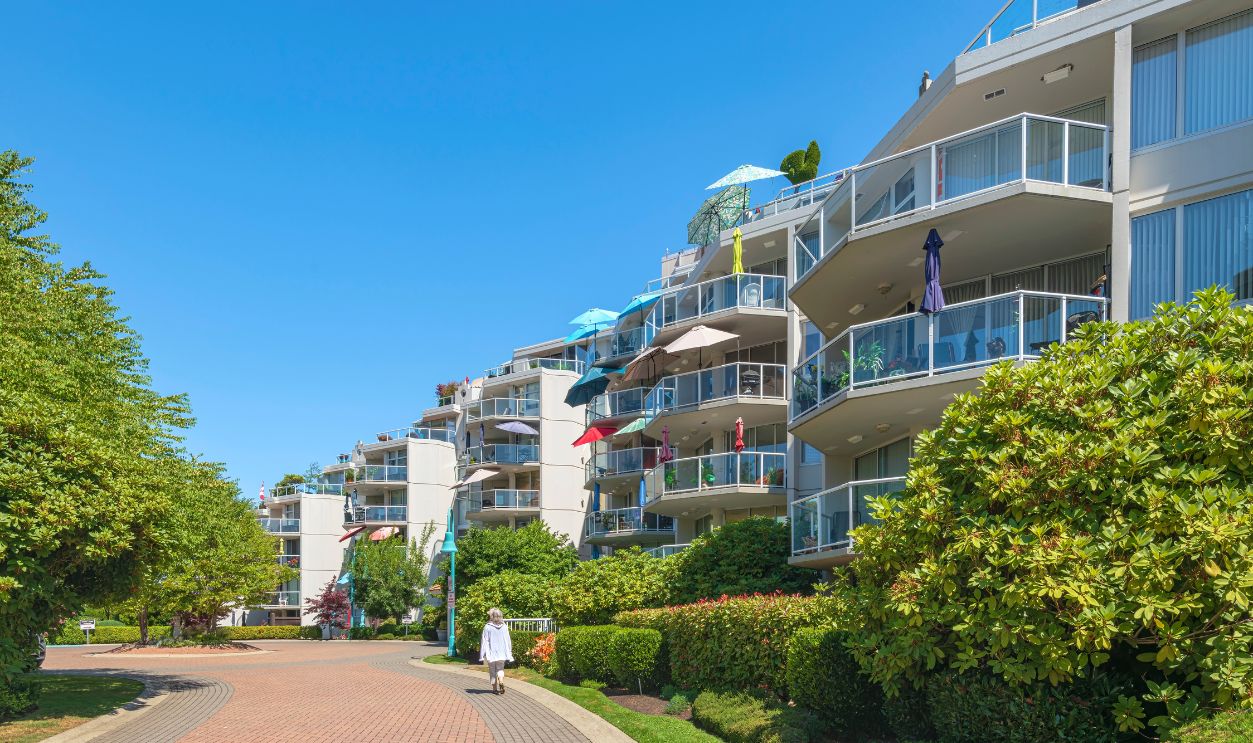
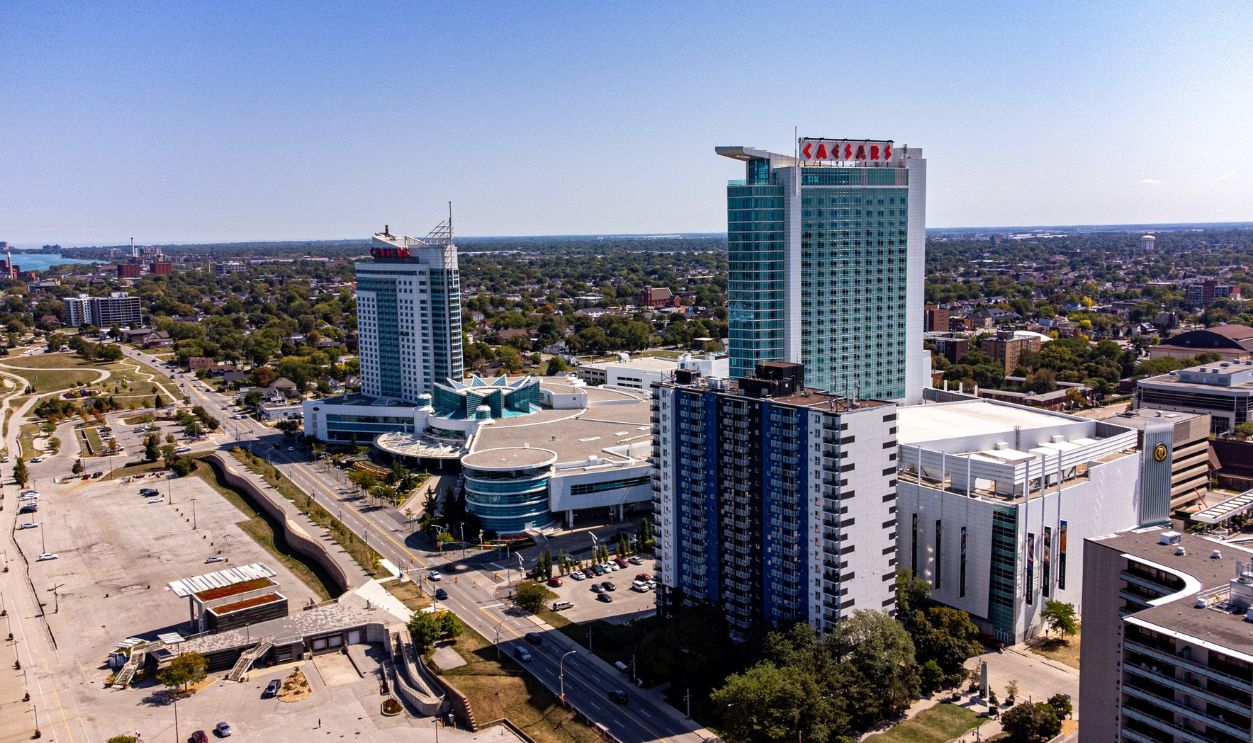
#7. Windsor, Ontario
If leaving America sounds traumatic, Windsor offers a loophole: Detroit is sitting directly across the river.
Statistics Canada found Windsor had one of Canada's highest relative concentrations of U.S. immigrants, at 1.62% of its population in 2021.
Americans can live in Canada while remaining deeply connected to the Detroit region. You can leave the United States without exactly losing sight of it.
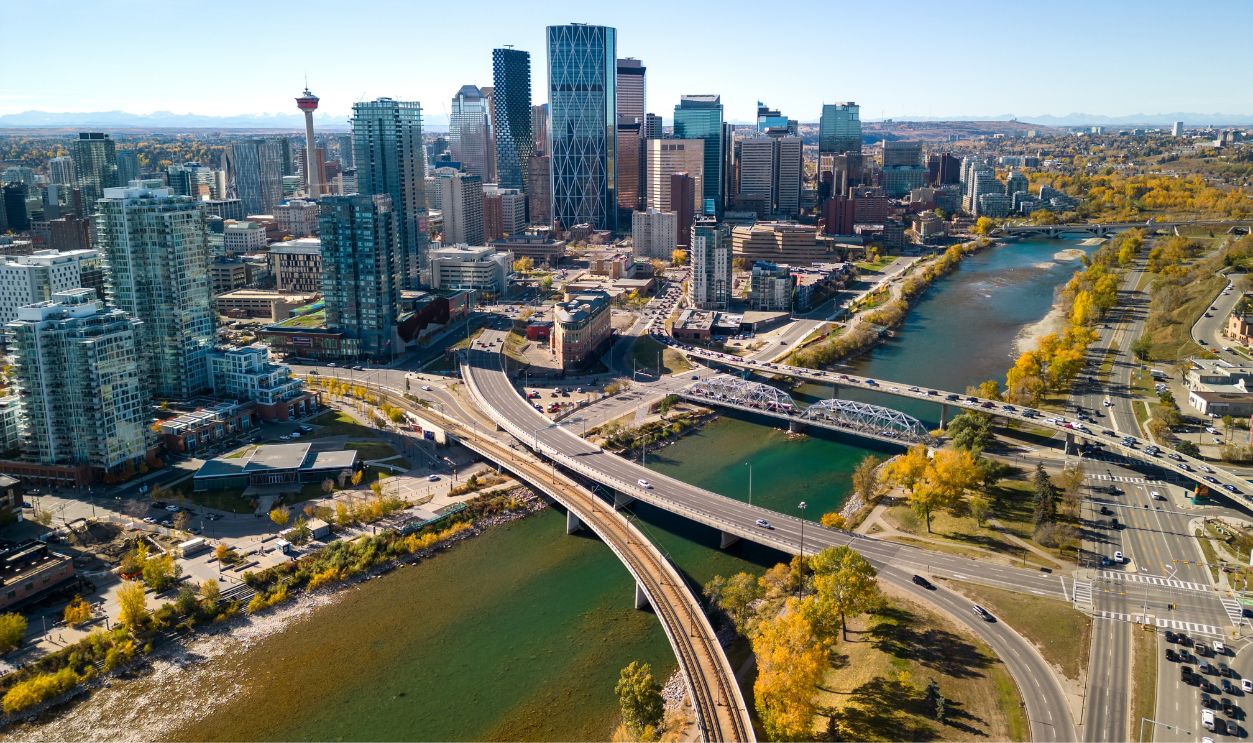
#6. Calgary, Alberta
Calgary makes an easy pitch to Americans: big-city jobs, relatively low provincial taxes, enormous skies and the Rocky Mountains sitting practically in the backyard.
The city is booming, too. Calgary's metropolitan population grew 2.9% between July 2024 and July 2025, while it gained more than 11,000 people through interprovincial migration.
Texans may feel strangely comfortable here—until February arrives.
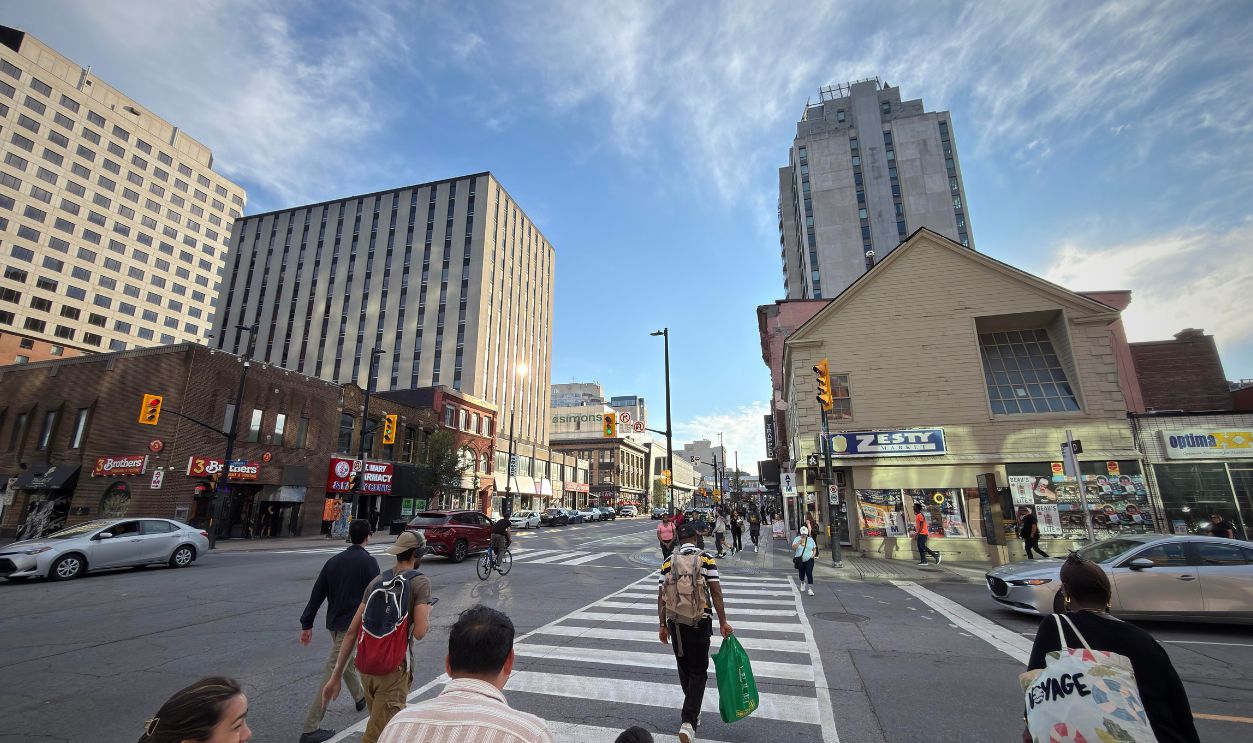
#5. Ottawa, Ontario
Ottawa gives Americans the rare opportunity to move to another country's capital without dealing with the scale of Washington, D.C.
Government dominates the local economy, but technology, healthcare and universities add considerable variety. The city is bilingual, packed with green space and located directly across the river from Quebec. Recent immigrants have also increasingly chosen Ottawa over Toronto within Ontario.
 Gary A Corcoran Arts, Shutterstock
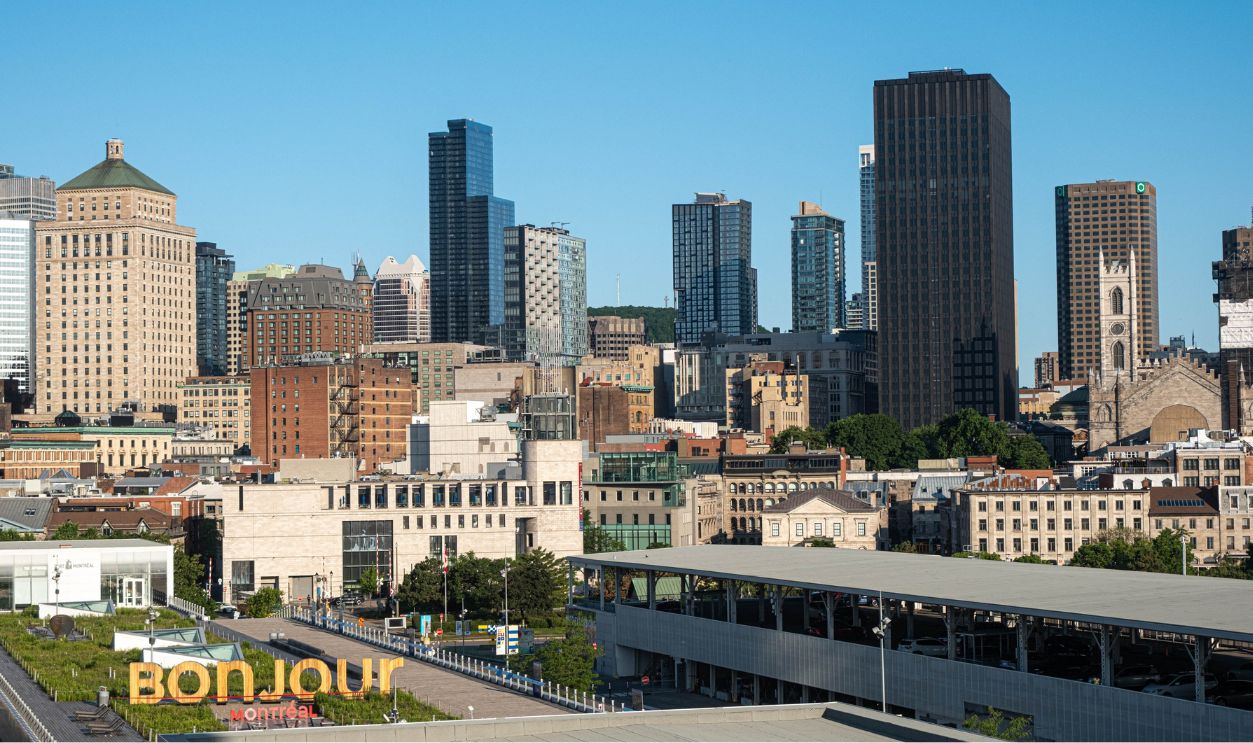
#4. Montreal, Quebec
Montreal is the Canadian choice for Americans who want their international move to actually feel international.
French dominates everyday life, old neighborhoods sit beside modern skyscrapers, and the city has one of North America's strongest food and cultural scenes. The catch is obvious: learning some French isn't merely a cute hobby here. It can make a very real difference in everyday life and employment.
#3. Victoria, British Columbia
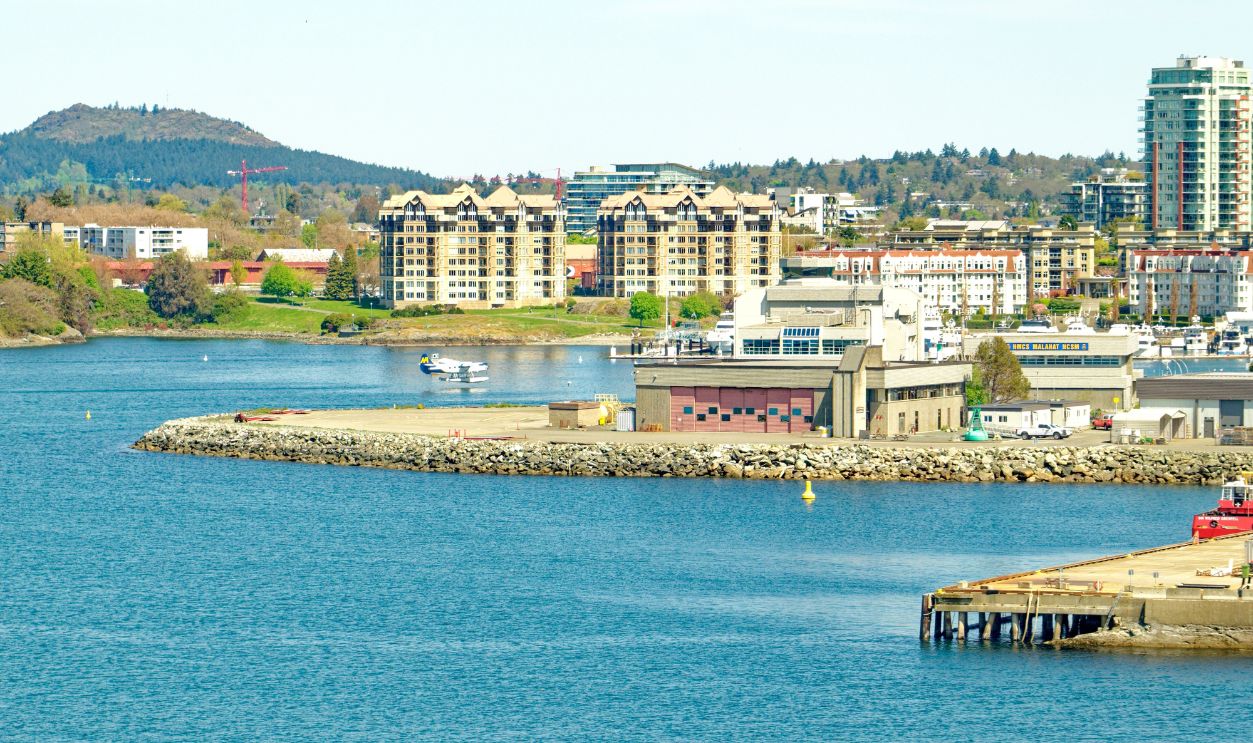
Victoria has something almost unfair going for it: Canadian life without stereotypically Canadian winters.
Its coastal climate is among the mildest in the country, while Vancouver Island provides beaches, forests and mountains. Americans already seem particularly attracted to it. U.S. immigrants represented 1.67% of Victoria's population in 2021, one of the highest concentrations among Canadian metropolitan areas.
The problem? Everyone else noticed Victoria is lovely too, and housing prices reflect that.
#2. Toronto, Ontario
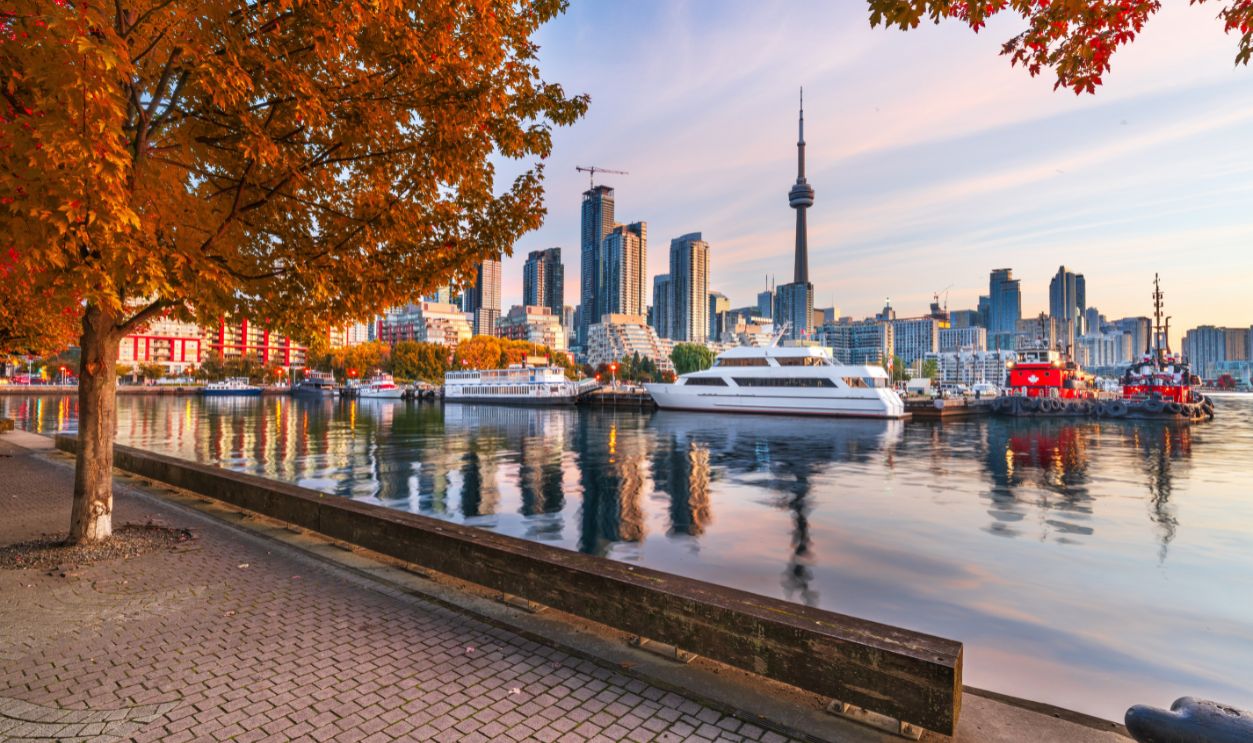
If the goal is making an international move while retaining virtually every big-city convenience, Toronto is difficult to beat.
It's Canada's largest metropolitan area and its dominant center for finance, media and numerous corporate industries. More importantly, 18.8% of all U.S. immigrants in Canada lived in the Toronto metropolitan area in 2021, making it their single biggest metropolitan destination.
Americans clearly don't need convincing. Their wallets might.
#1. Vancouver, British Columbia
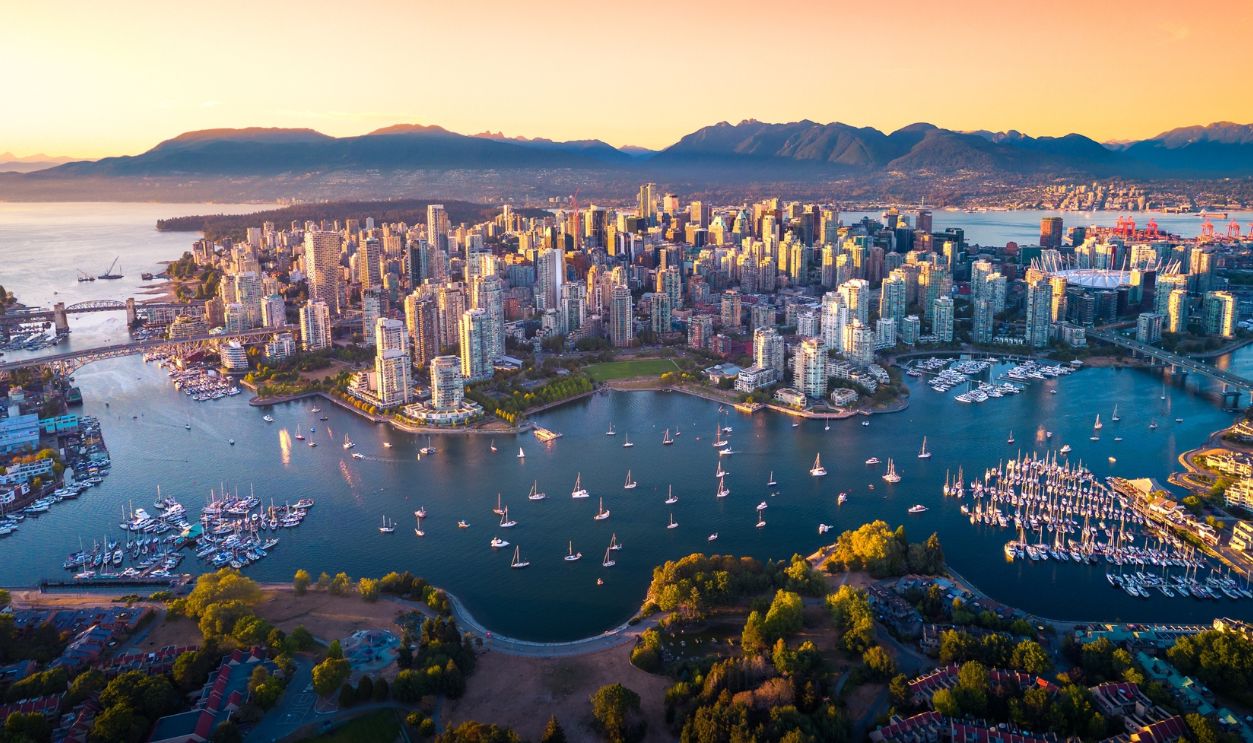
Vancouver takes the top spot because it offers perhaps the easiest Canadian fantasy for an American to understand: a major Pacific city surrounded by mountains, ocean and spectacular outdoor recreation.
British Columbia is especially popular with Americans already living in Canada. Nearly one-quarter—23.4%—of U.S. immigrants lived in B.C. in 2021, almost twice the province's share among Canadian-born residents. Vancouver alone contained 10.8% of Canada's U.S. immigrant population, making it their second-largest metropolitan destination after Toronto.
For Americans from Washington, Oregon or California, Vancouver can feel less like abandoning the West Coast and more like continuing north.
There's just one Canadian tradition they'll learn very quickly: complaining about Vancouver real estate.
Apparently, Americans Aren't Scattering Randomly
If Americans really did have to head north, the existing numbers offer a pretty strong clue about where many would gravitate.
Ontario contains 43.5% of U.S. immigrants living in Canada, while British Columbia contains another 23.4%. Toronto and Vancouver dominate in sheer numbers, while Victoria, Windsor and Nanaimo stand out for their unusually high concentrations relative to their populations.
The choice ultimately depends on what kind of America someone is trying to replace. Big-city Americans have Toronto and Vancouver. Westerners have Calgary and Victoria. New Englanders have Halifax and New Brunswick. Midwesterners can cross into Windsor and barely miss a beat.
And anyone determined to escape civilization entirely still has Yellowknife waiting.
You May Also Like:
Americans Are Moving Abroad In Bigger Numbers—And This Is Where They're Going
Many Americans Think They Blend In When Traveling Abroad—But Here’s How Locals Spot Them From a Mile Away