
Where Did All The Familiar Food Go?
You can fly across the Atlantic and find burgers, pizza, and French fries almost anywhere. But try tracking down a bottle of ranch dressing, a box of graham crackers, or a proper Southern biscuit, and things get complicated. Many foods Americans take for granted are surprisingly uncommon in European supermarkets. They're not necessarily banned or impossible to find, but you might have to visit a specialty importer or make them yourself. Here are 21 familiar American favorites that don't always travel well.
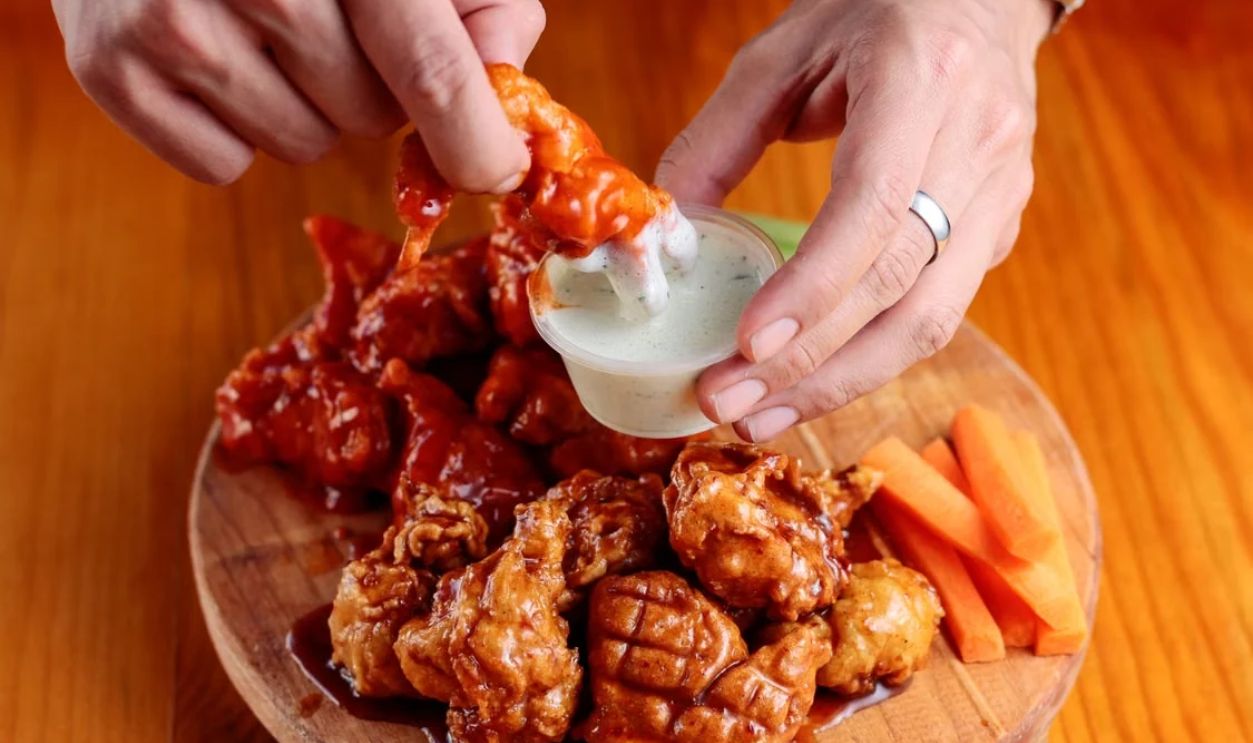
Ranch Dressing
In America, ranch dressing goes on everything from salads to chicken wings and pizza. But in much of Europe, that familiar bottle can be difficult to find. Europeans have plenty of creamy dressings, but the distinctive buttermilk, garlic, and herb combination isn't nearly as widespread. American expatriates often resort to importing Hidden Valley packets or mixing their own dressing from scratch.
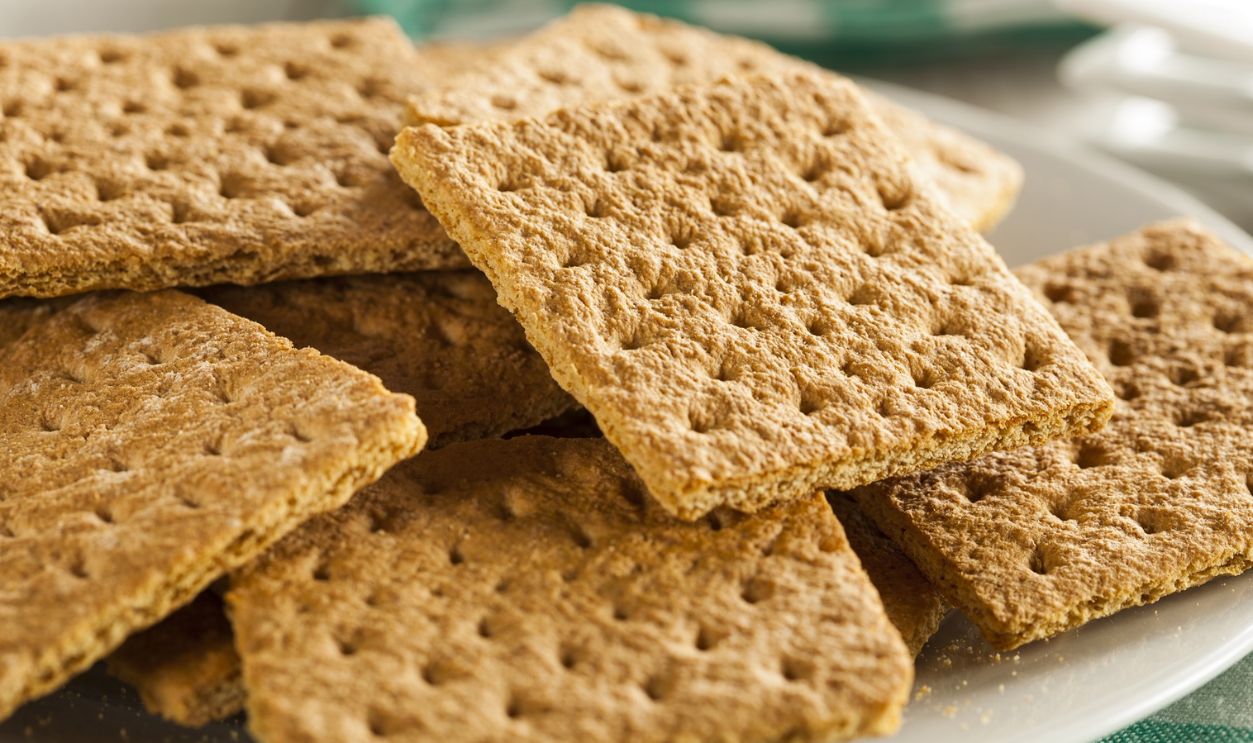
Graham Crackers
Americans barely think twice about grabbing graham crackers for s'mores, cheesecake crusts, or an afternoon snack. Yet the familiar honey-flavored squares are surprisingly uncommon in European supermarkets. British digestive biscuits are probably the closest widely available alternative, but their texture and flavor aren't identical. If you're planning an authentic American s'mores night abroad, finding the crackers might be your biggest challenge.
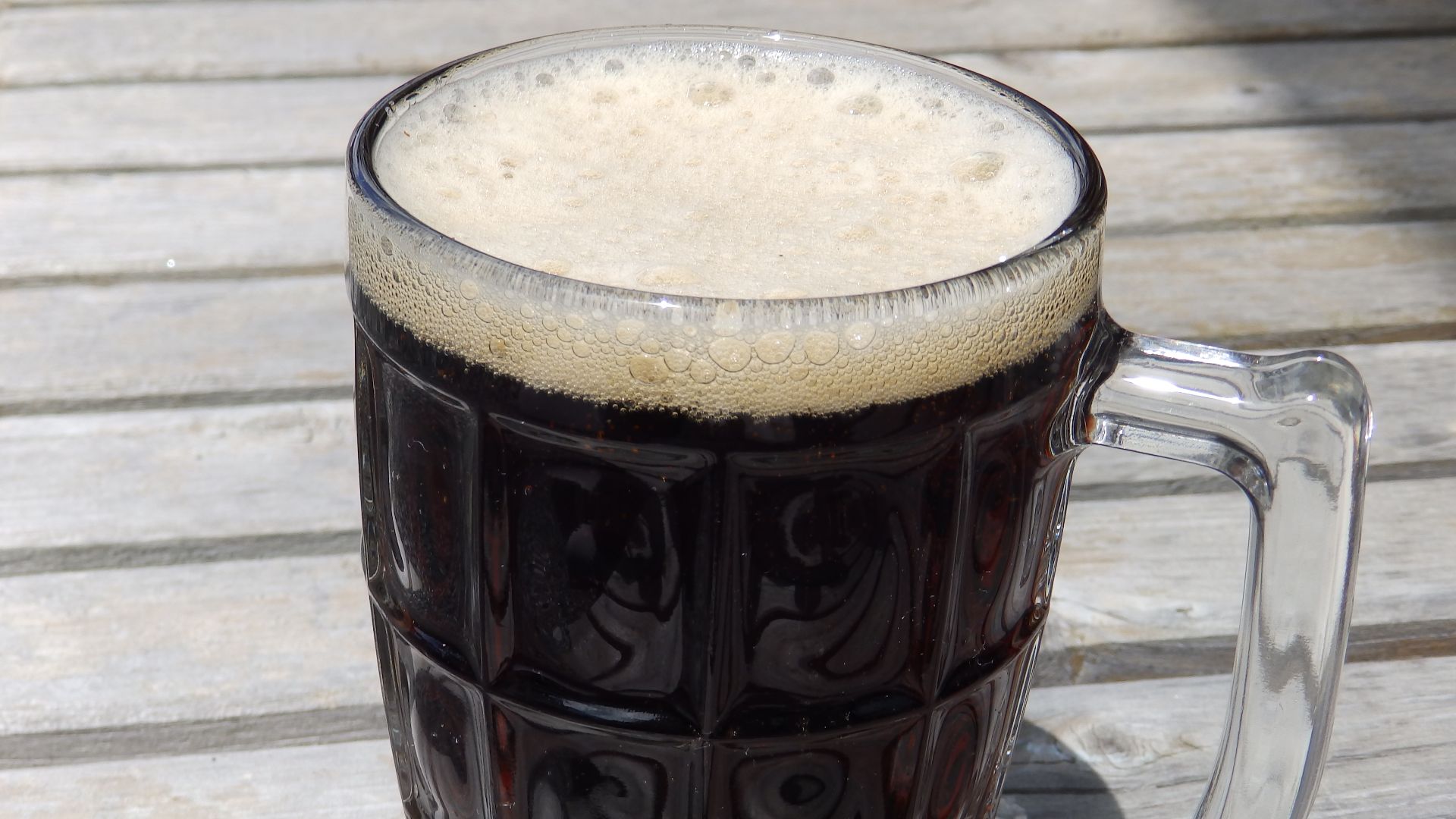
Root Beer
Root beer is a nostalgic American favorite, especially when poured over vanilla ice cream. But its distinctive herbal flavor has never become particularly popular across most of Europe. You might spot imported cans in an American candy shop, but don't expect to find it beside the cola in every supermarket. Some Europeans find its flavor reminiscent of medicinal products rather than soda.
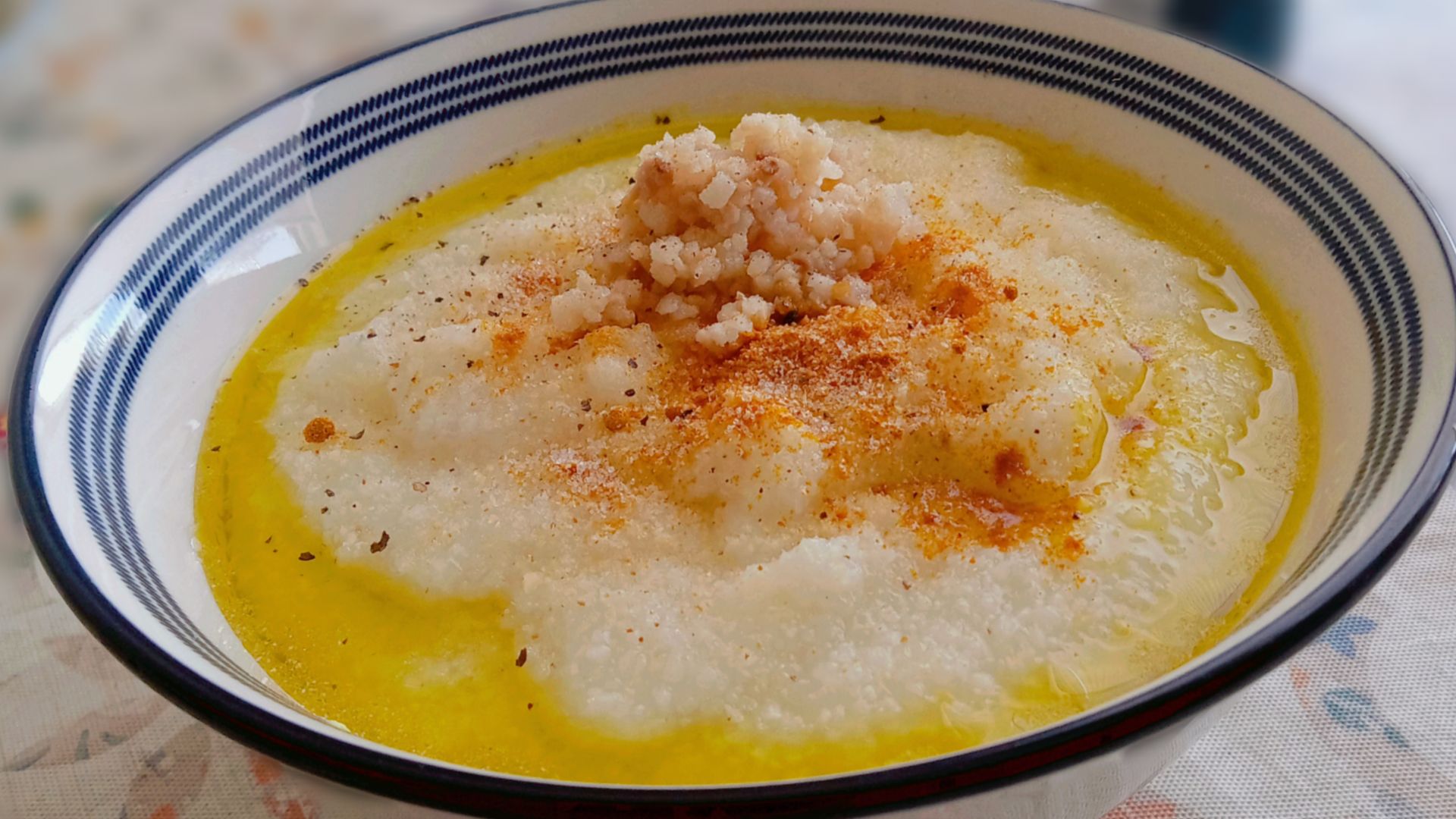
Grits
A steaming bowl of grits is a breakfast institution across the American South. Whether served with butter, cheese, or shrimp, this corn-based staple is familiar to millions of Americans. Europe has plenty of cornmeal dishes, particularly Italian polenta, but American-style grits are much less common. Finding the right texture and type of ground corn can be unexpectedly difficult.
 Amy Aletheia Cahill, Wikimedia Commons
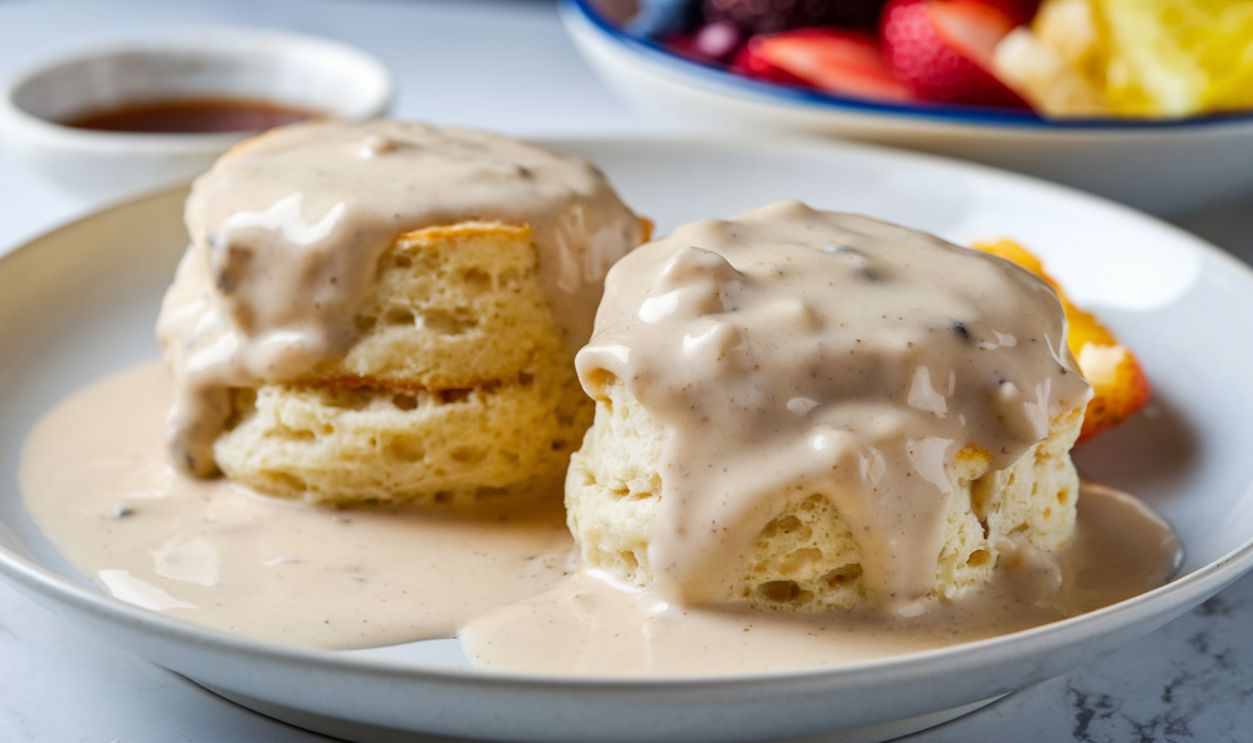
American Biscuits
Ask for biscuits in Britain, and you'll receive something resembling cookies. Ask for American biscuits, and you might get a puzzled look. The fluffy, buttery breads served with fried chicken or sausage gravy are distinctly American. Although European bakeries produce countless wonderful breads and pastries, Southern-style buttermilk biscuits rarely appear on ordinary restaurant menus. American travelers craving biscuits and gravy usually have to make their own.
Peanut Butter And Jelly
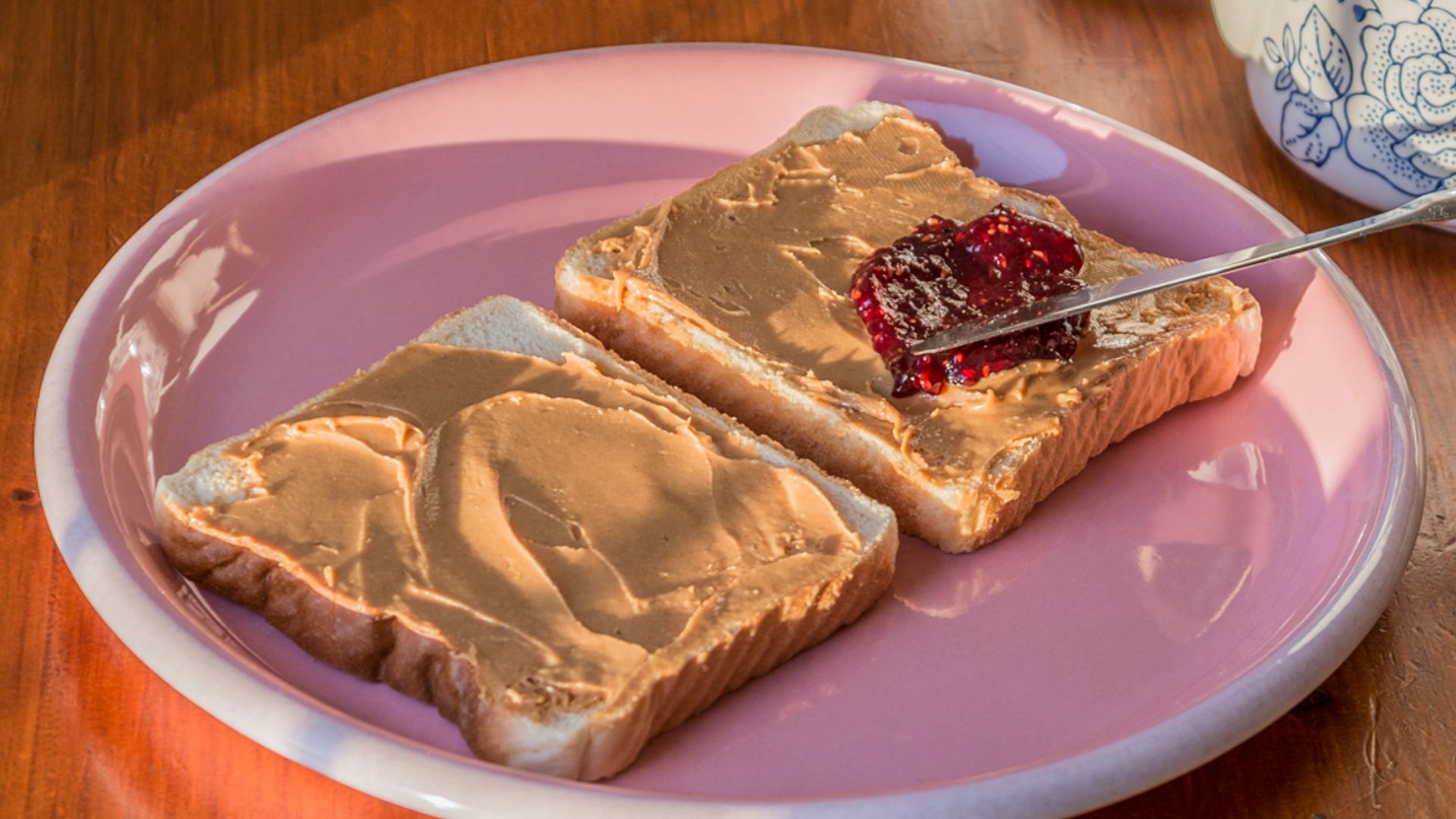
Peanut butter itself is readily available in some European countries, especially the Netherlands and Britain. But the classic American peanut butter and jelly sandwich is another matter. Grape jelly can be particularly difficult to locate, with strawberry and raspberry preserves being more familiar alternatives. You can certainly assemble a PB&J abroad, but finding the exact combination Americans remember from childhood takes more effort.
 Matias Garabedian from Montreal, Canada, Wikimedia Commons
Canned Pumpkin
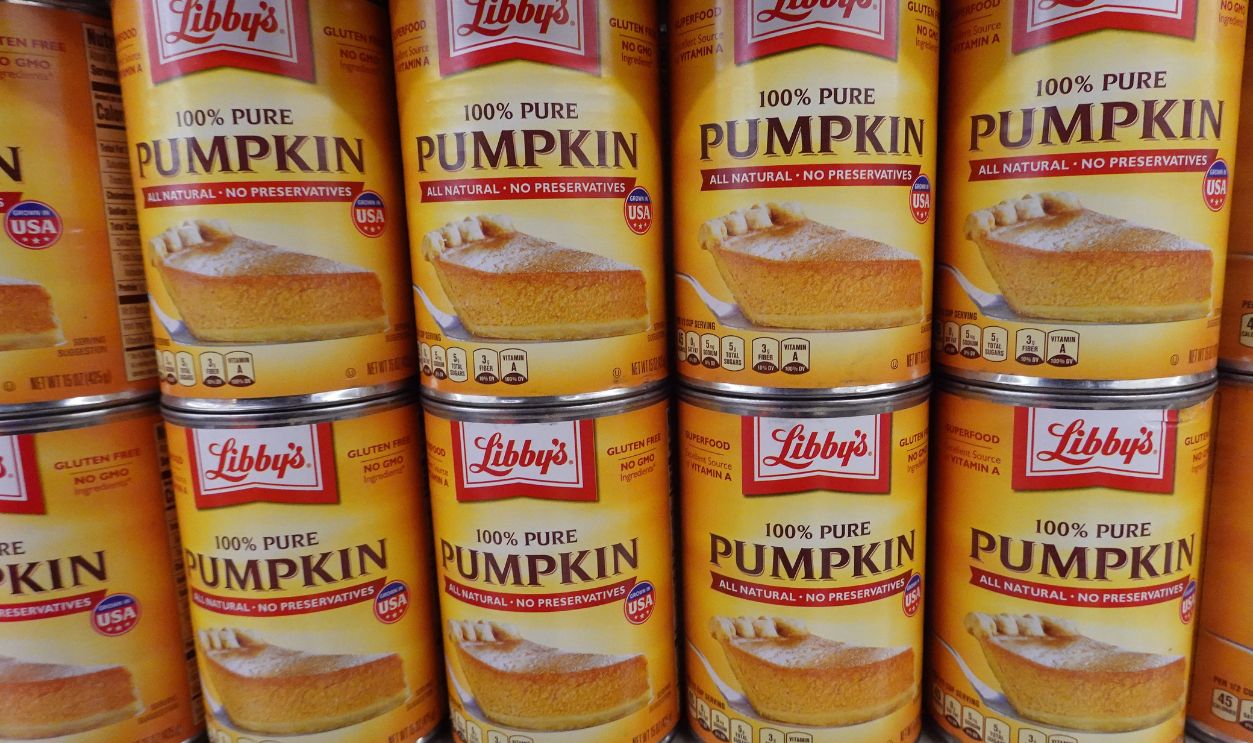
Pumpkins aren't rare in Europe, but cans of ready-made pumpkin purée can be. Americans rely on them for pumpkin pie, muffins, pancakes, and autumn baking. In many European supermarkets, you'll find fresh pumpkins or squash instead. That means roasting, peeling, and blending your own filling unless you locate an imported American brand, particularly around Thanksgiving.
Cornbread Mix
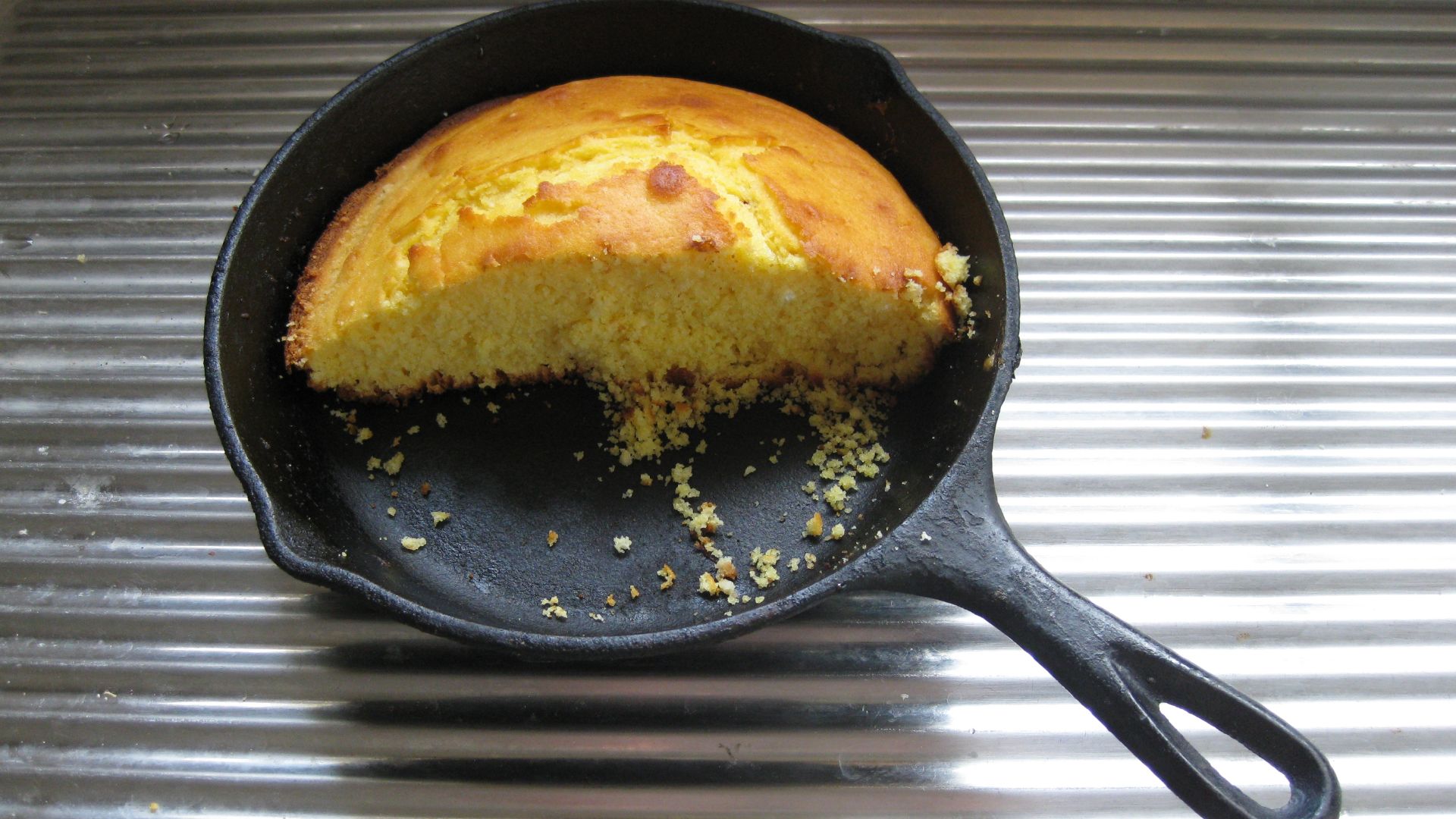
Cornbread is a staple alongside chili, barbecue, and Southern comfort food. Americans can pick up a box of Jiffy mix almost anywhere, but that convenience isn't universal. European supermarkets sell various corn flours and polenta, although they're not always suitable substitutes. American expatriates frequently mention bringing cornbread mixes home from US visits because the familiar boxed version is difficult to replace.
 Douglas P Perkins (Douglaspperkins (talk)), Wikimedia Commons
Grape Jelly
Americans spread grape jelly on toast, combine it with peanut butter, and occasionally use it in barbecue sauces. Yet grape-flavored preserves are surprisingly unusual in many European grocery stores. Strawberry, raspberry, apricot, and blackcurrant jams are generally easier to find. Europeans certainly grow and eat grapes, but the particular purple jelly Americans associate with childhood sandwiches isn't a standard supermarket item.
 https://kaboompics.com/, Pexels
American-Style Coffee Creamer
French vanilla, hazelnut, caramel macchiato: American supermarkets offer entire refrigerated sections of flavored coffee creamers. In much of Europe, coffee drinkers are more likely to use milk, cream, or nothing at all. Flavored creamers exist through specialty suppliers, but the enormous American selection is uncommon. Travelers accustomed to sweetening their morning coffee with a particular creamer may have to develop a new routine.
 akiko yanagawa, Wikimedia Commons
Canned Biscuit Dough
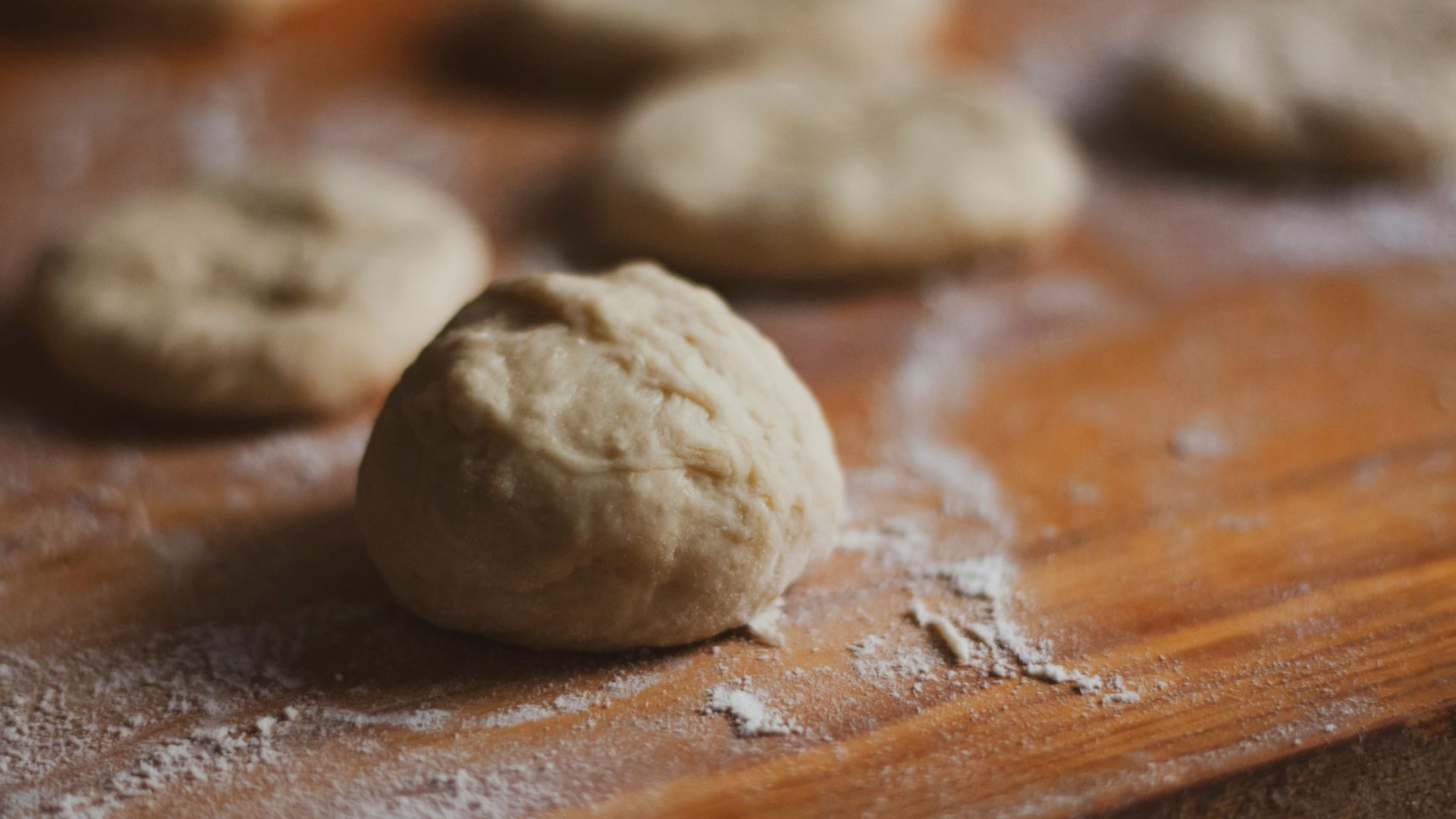
That familiar cardboard tube that pops open to reveal ready-to-bake biscuits is an American kitchen convenience. European supermarkets carry refrigerated pastry dough, croissant dough, and pizza bases, but American-style canned biscuits are far less common. The difference becomes particularly noticeable when following American casserole recipes that use refrigerated biscuits as a shortcut. You'll probably need to prepare the dough yourself.
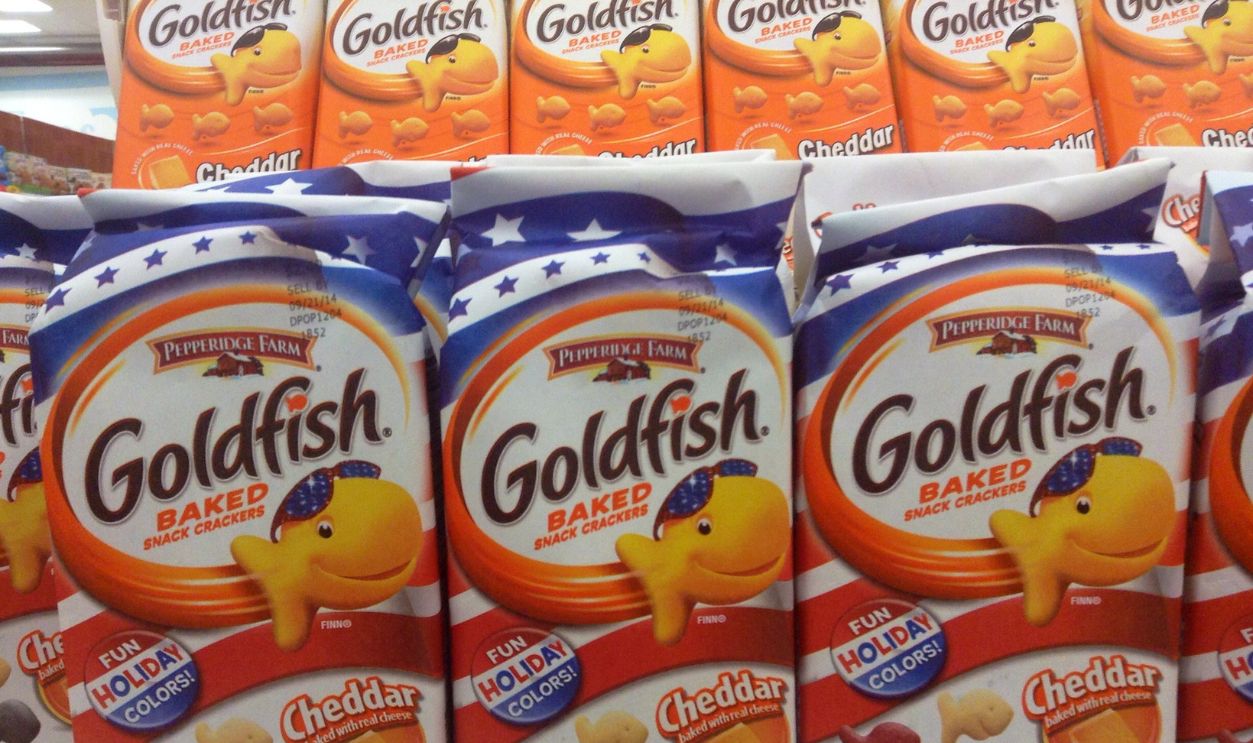
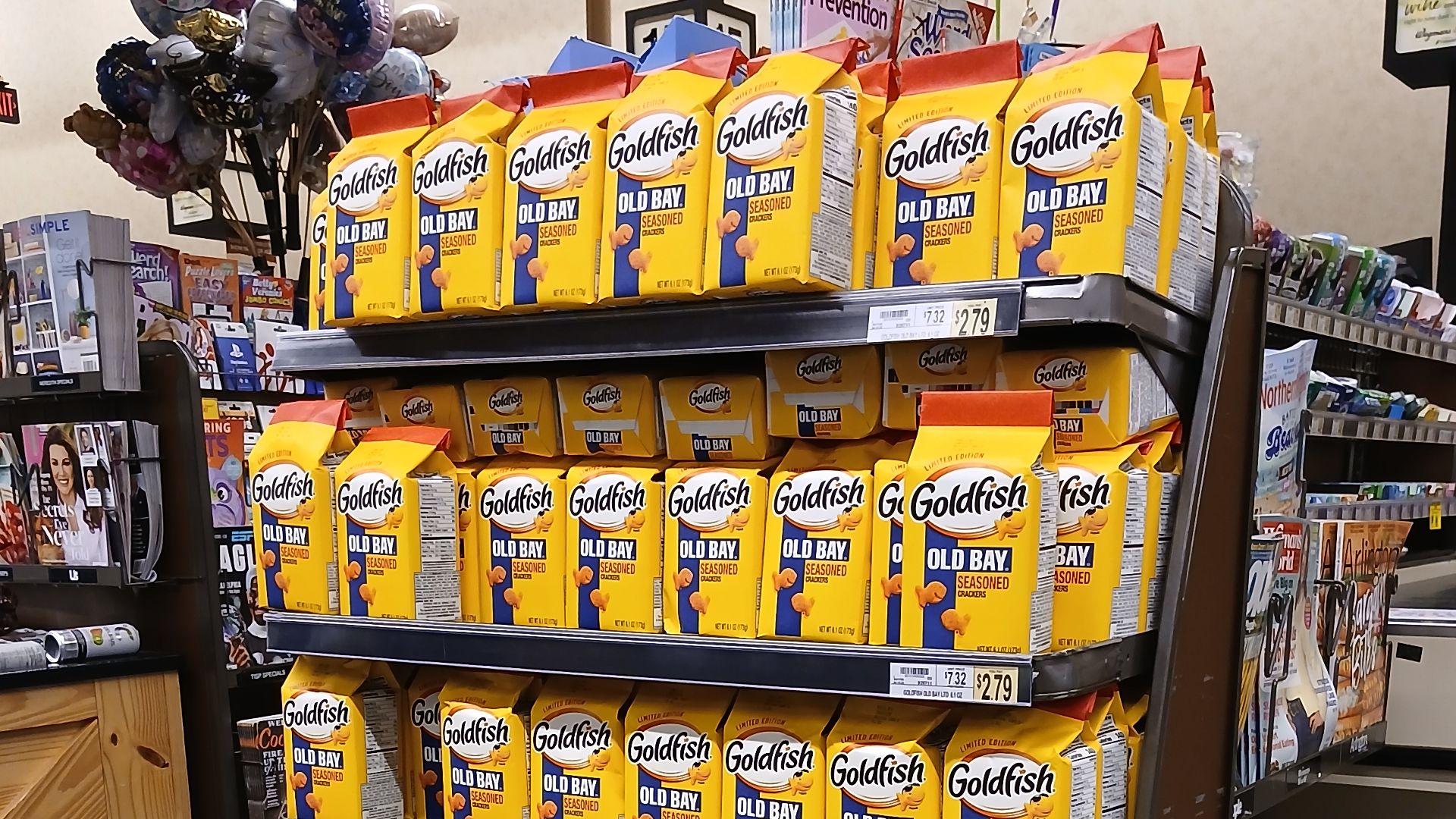
Goldfish Crackers
Those tiny, smiling, cheese-flavored crackers are practically synonymous with American children's lunchboxes. But Goldfish aren't a standard snack in most European supermarkets. Britain has Mini Cheddars and other cheese-flavored alternatives, but they don't taste quite the same. Imported Goldfish are available through specialty retailers, although Americans abroad may find themselves paying considerably more for a familiar childhood snack.
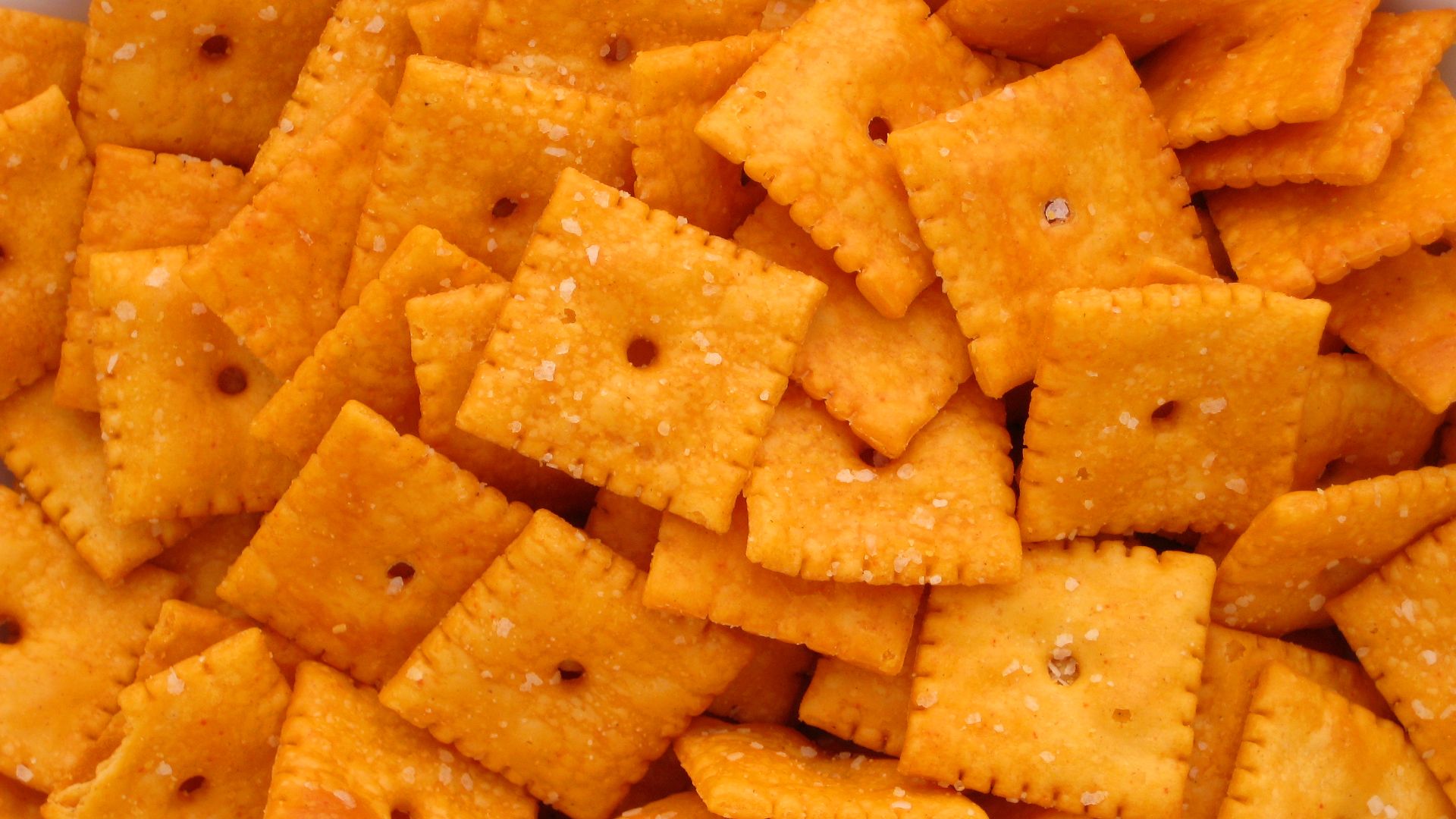
Cheez-Its
Cheez-Its are another American snack that can be unexpectedly difficult to find overseas. Their baked, salty, intensely cheesy flavor has made them a supermarket staple in the United States. Europe has plenty of savory crackers, but the original Cheez-It experience isn't always easy to duplicate. American food importers sometimes stock them, often at prices that make an ordinary box feel like a luxury purchase.
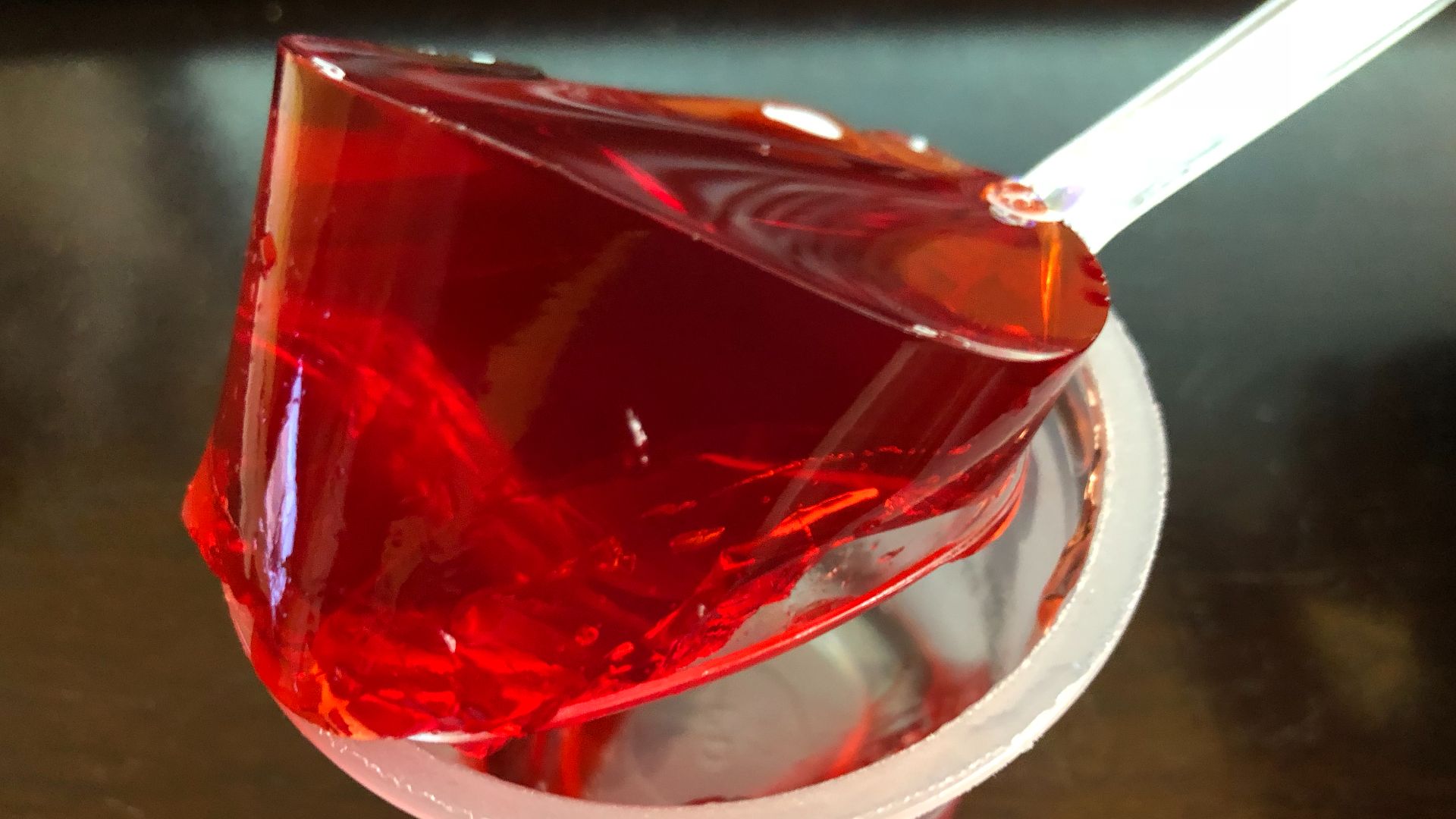
Jell-O
Brightly colored gelatin desserts are familiar to generations of Americans, whether served at family gatherings or prepared as an inexpensive treat. European cooks use gelatin too, and Britain has its own jelly desserts. However, American Jell-O brands, flavors, and powdered mixes aren't universally available. In France, for example, American-style flavored gelatin desserts are particularly uncommon in ordinary supermarkets.
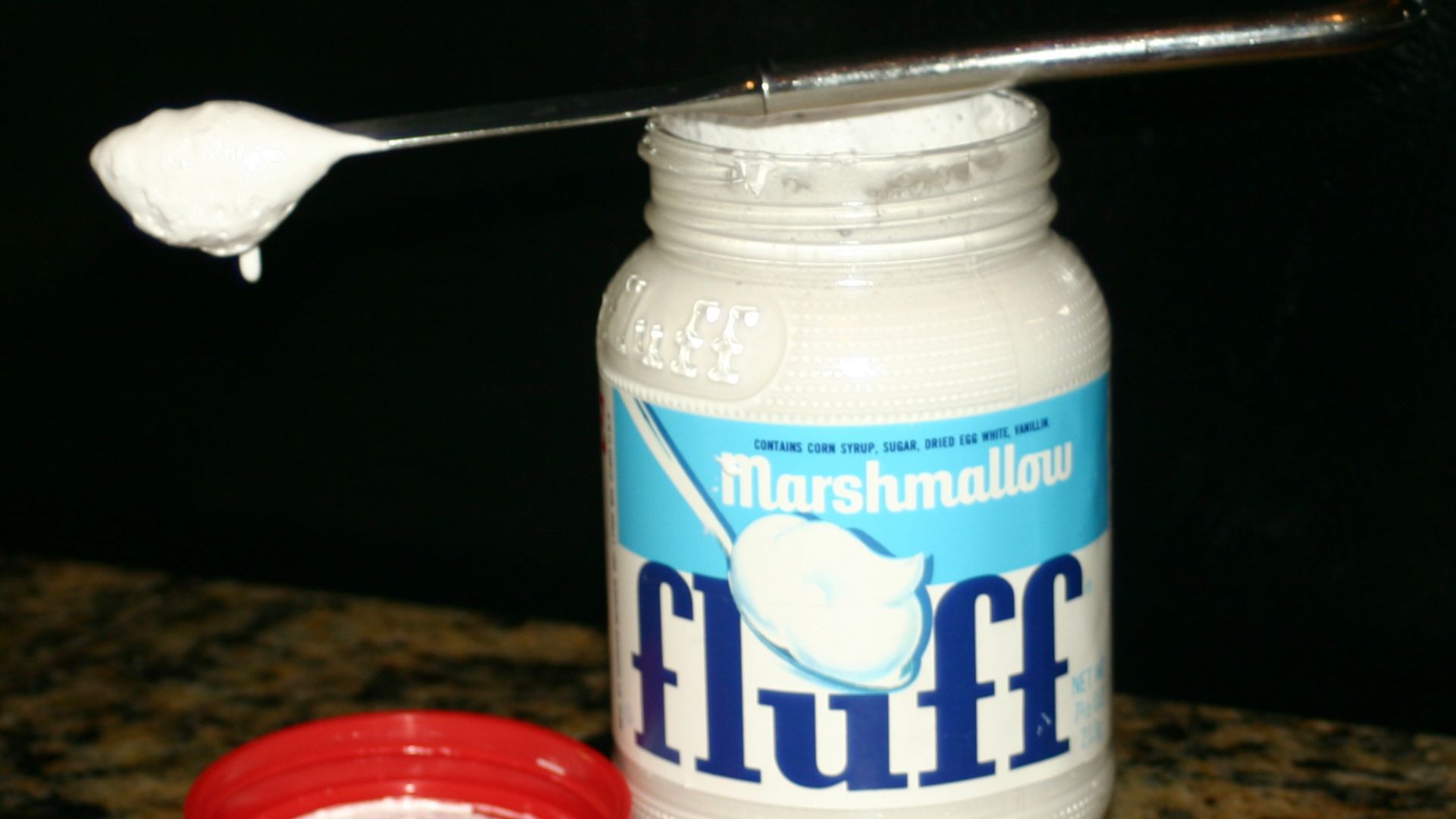
Marshmallow Fluff
Americans use marshmallow crème in sandwiches, dessert fillings, fudge, and countless homemade treats. But the sticky, spreadable confection isn't a standard supermarket product throughout Europe. Ordinary marshmallows are much easier to find. Anyone hoping to recreate a classic New England fluffernutter sandwich may need to hunt down an American import shop or make marshmallow crème from scratch.
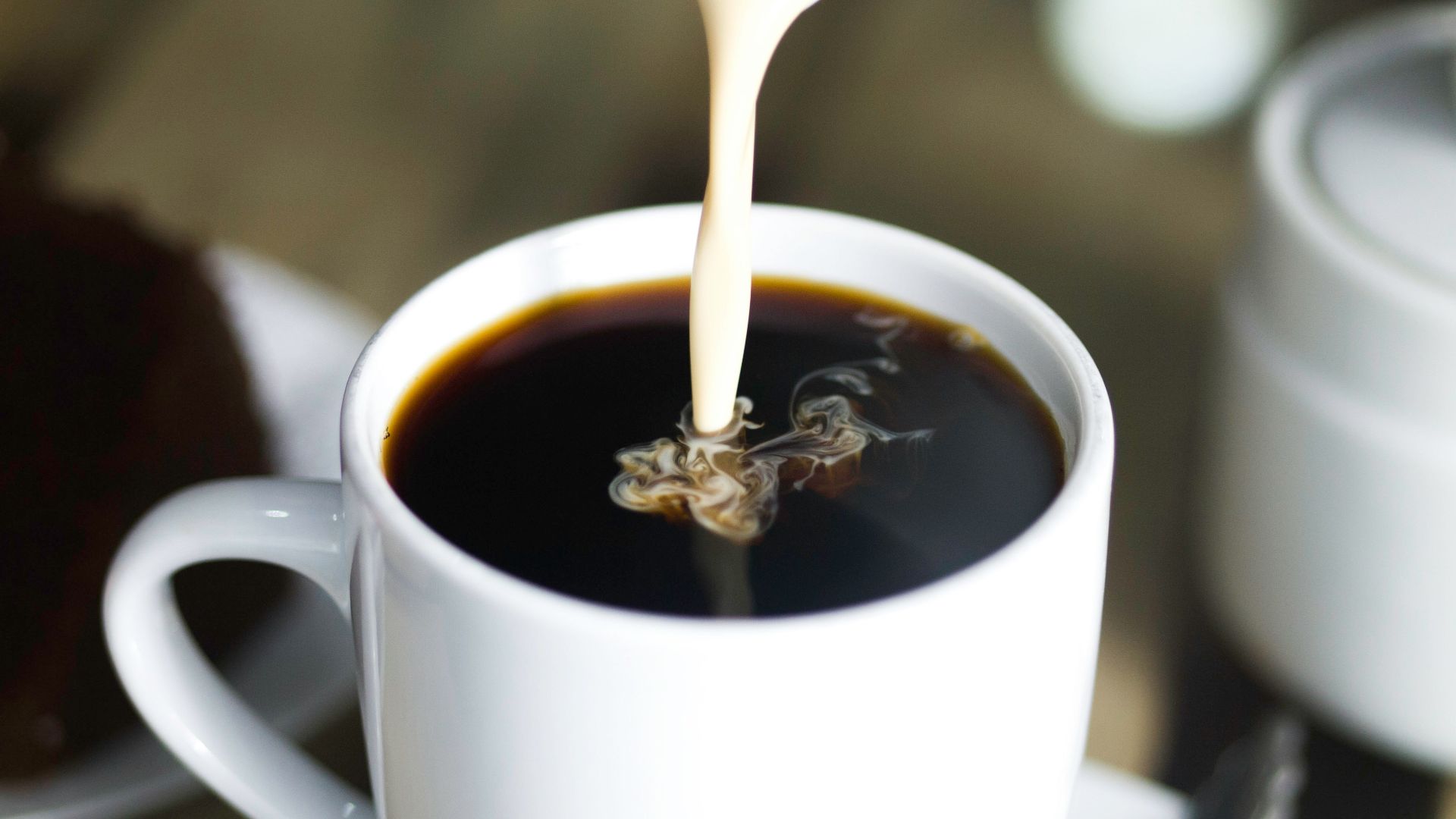
Half-And-Half
For many Americans, half-and-half is the default addition to coffee. Yet European dairy sections are organized differently. You'll find whole milk, whipping cream, cooking cream, and numerous regional dairy products, but the exact American half-and-half category often isn't available. The solution is usually simple: mix milk and cream yourself. Still, it's one of those small everyday differences that can catch American travelers off guard.
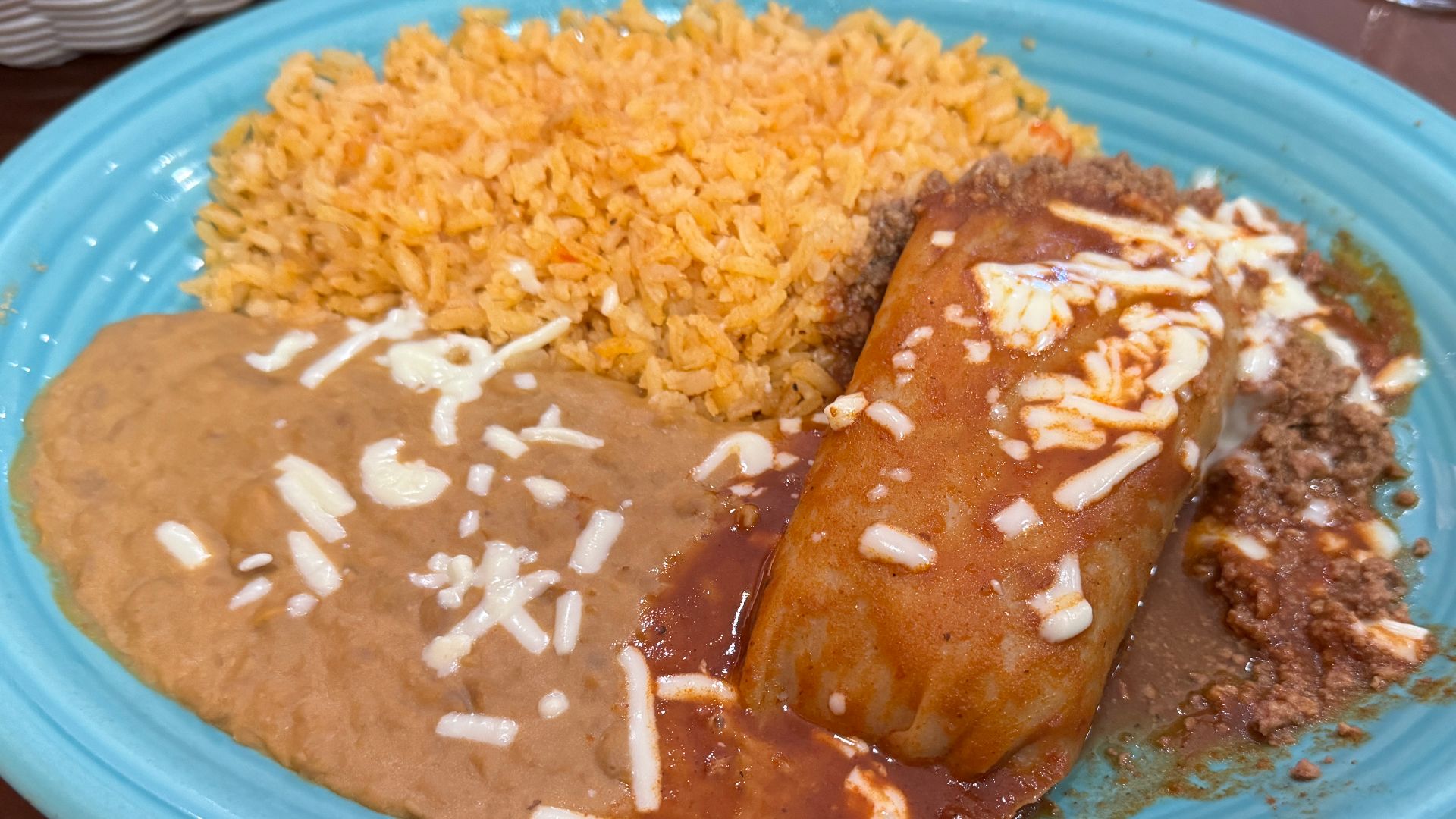
Refried Beans
Refried beans are a convenient American pantry staple for tacos, burritos, and Tex-Mex dinners. Mexican restaurants and international food shops have become increasingly common in Europe, but cans of refried pinto beans remain less consistently available than in the United States. Depending on the country, travelers may find themselves buying dried beans and preparing their own version rather than opening a can.
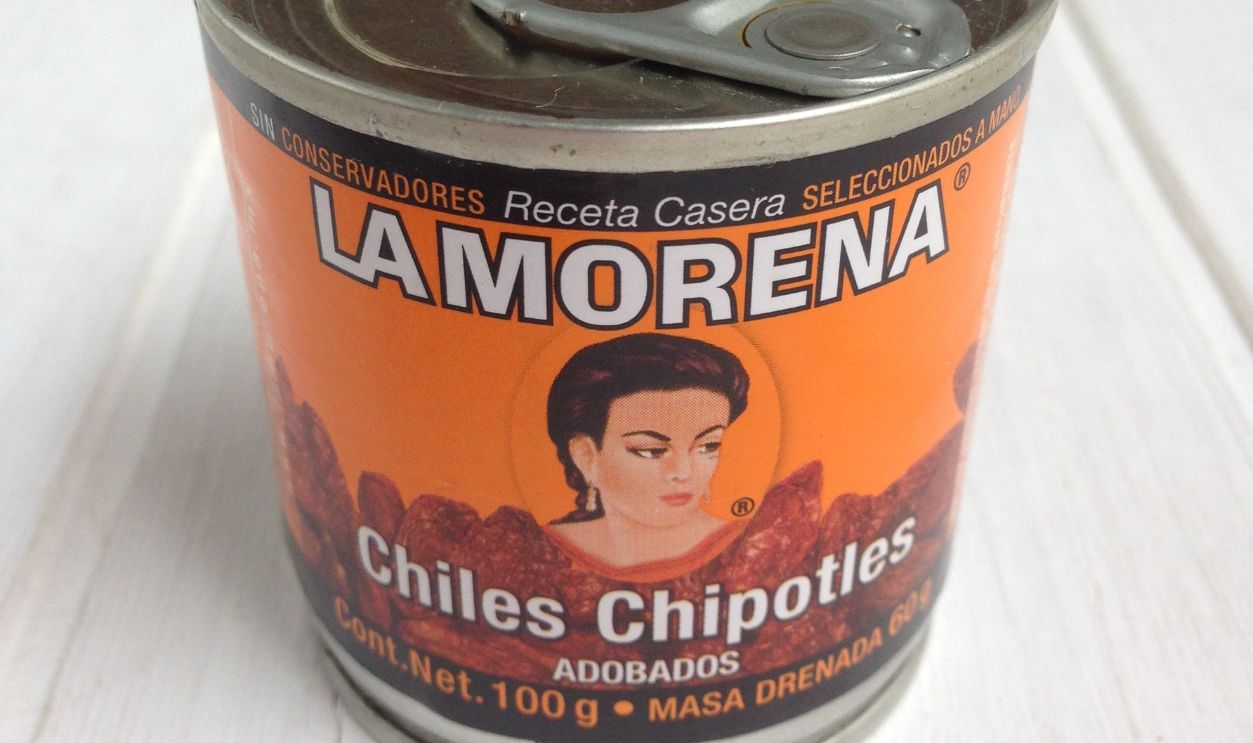
Canned Chipotles In Adobo
American home cooks frequently use canned chipotle peppers in adobo sauce to add smoky heat to tacos, chili, marinades, and slow-cooker meals. But the ingredient isn't nearly as commonplace in European supermarkets. Mexican specialty stores may stock it, especially in larger cities, while ordinary grocery chains often don't. Substituting smoked paprika and hot peppers can help, but it won't perfectly reproduce the original flavor.
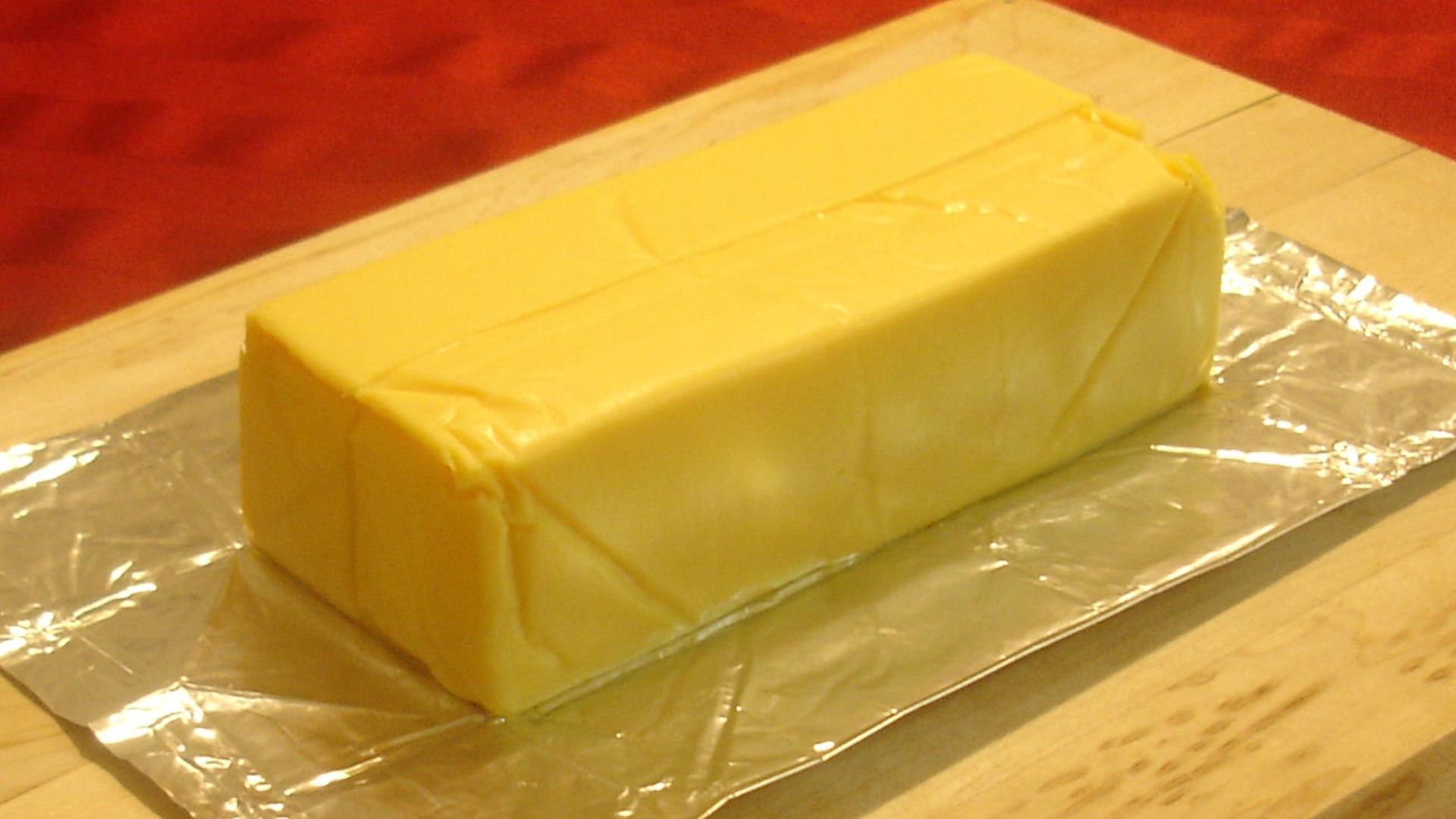
Velveeta
Few foods symbolize American convenience cooking quite like Velveeta. Its smooth melting properties make it popular for queso dip, macaroni and cheese, and casseroles. Europe has processed cheeses and cheese spreads, but Velveeta itself is generally an imported specialty. Finding a substitute that melts into exactly the same silky texture can be surprisingly challenging, especially for Americans recreating familiar family recipes.
Old Bay Seasoning
Along America's East Coast, particularly around Maryland, Old Bay is practically indispensable for steamed crabs, shrimp, fries, and seafood boils. But the familiar yellow-and-blue tin is much less common in European kitchens. Although the individual spices are generally available, reproducing the blend requires some experimentation. American expatriates sometimes bring several tins overseas rather than risk running out.
 Ser Amantio di Nicolao, Wikimedia Commons
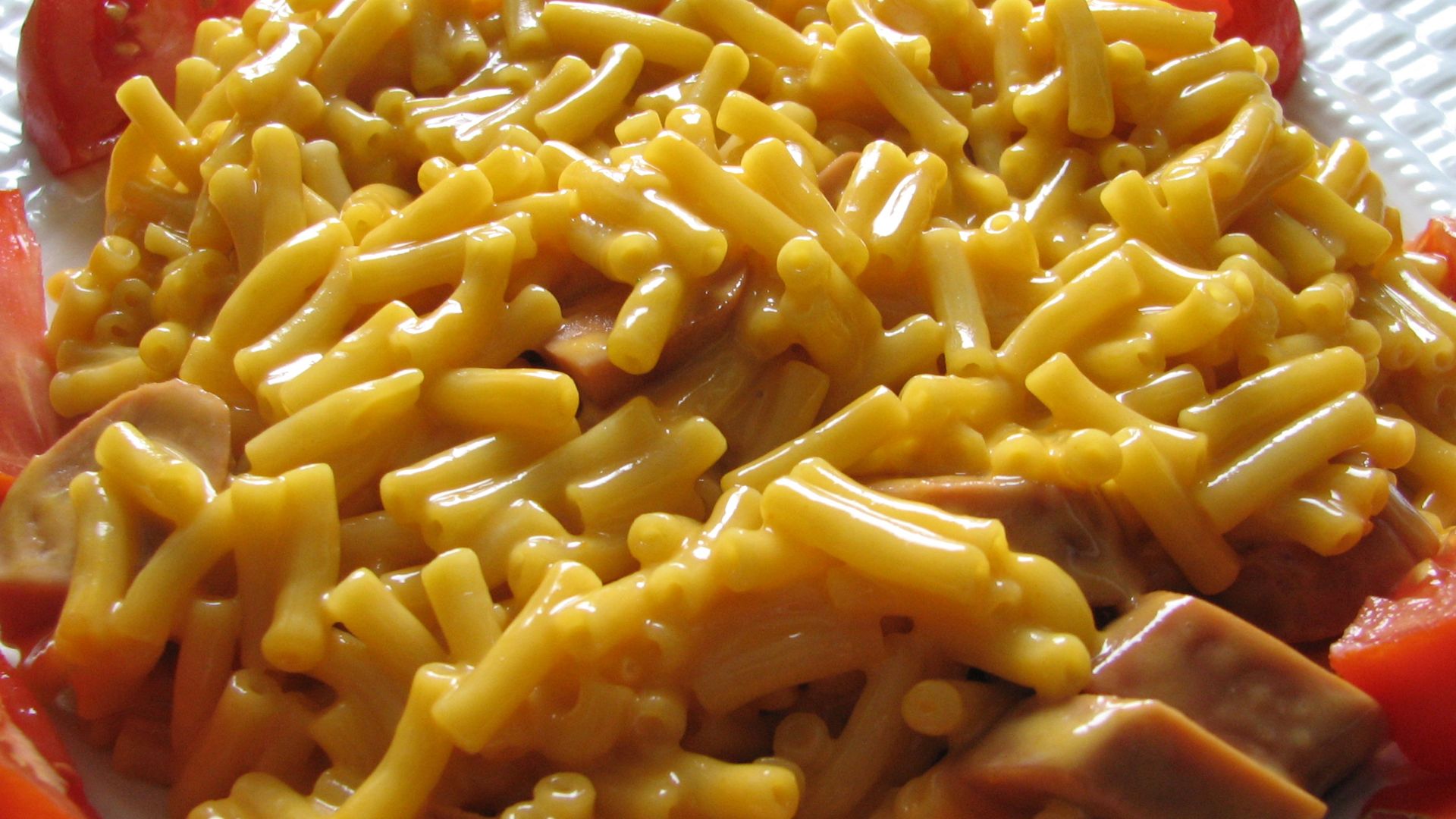
American-Style Macaroni And Cheese
Europe certainly has pasta and cheese, and Britain has its own longstanding macaroni cheese tradition. What's less universal is the American boxed version with powdered orange cheese sauce. Kraft-style macaroni and cheese can be found in some import shops, but it isn't a default pantry item across the continent. For Americans who grew up with it, homemade European versions may be delicious without quite satisfying the same nostalgic craving.
 Matt MacGillivray from Toronto, Ontario, Canada, Wikimedia Commons
You May Also Like:
Europeans Reveal The Most Ridiculous American Roadside Foods They Thought They’d Hate, But Loved
Americans Reveal The European Foods They Were Happy To Try Once—But Never Want Again
Things Americans Put On Their Food That Europeans Would Never Dream Of Using