A Different Kind Of Taste
Americans and Europeans might agree on pizza, burgers, and French fries, but what goes on those foods can be another story entirely. From marshmallows on vegetables to sugary sauces on meat, some American toppings leave European visitors scratching their heads. Of course, Europe has plenty of unusual food traditions of its own, and not every American eats these combinations. Still, these distinctly American favorites can make a European person gasp in disbelief.
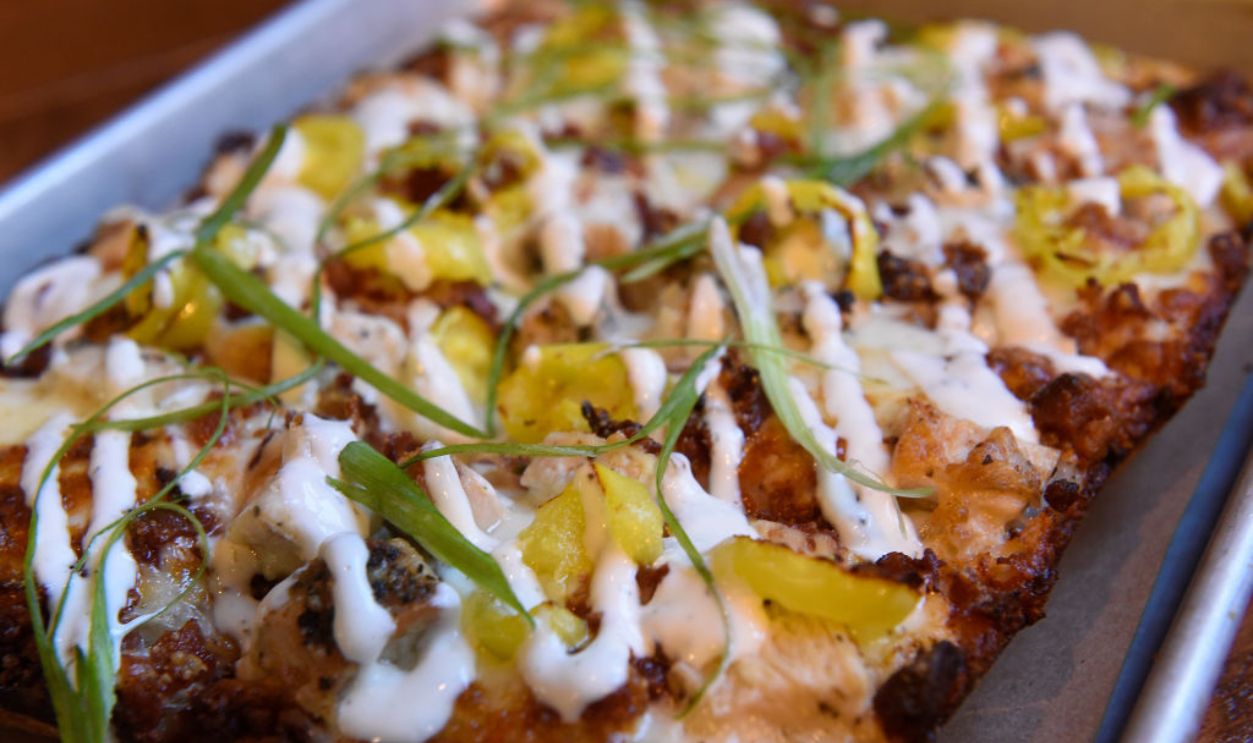
Ranch Dressing On Pizza
Americans don't necessarily stop at tomato sauce and mozzarella. For some, a slice of pizza practically demands a side of ranch dressing for dipping. The creamy combination of buttermilk, herbs, and garlic is far removed from traditional Italian pizza customs. Interestingly, European visitors discovering ranch during the 2026 World Cup sometimes loved it, proving that unfamiliar doesn't necessarily mean unwelcome.
 Albany Times Union/Hearst Newspapers, Getty Images
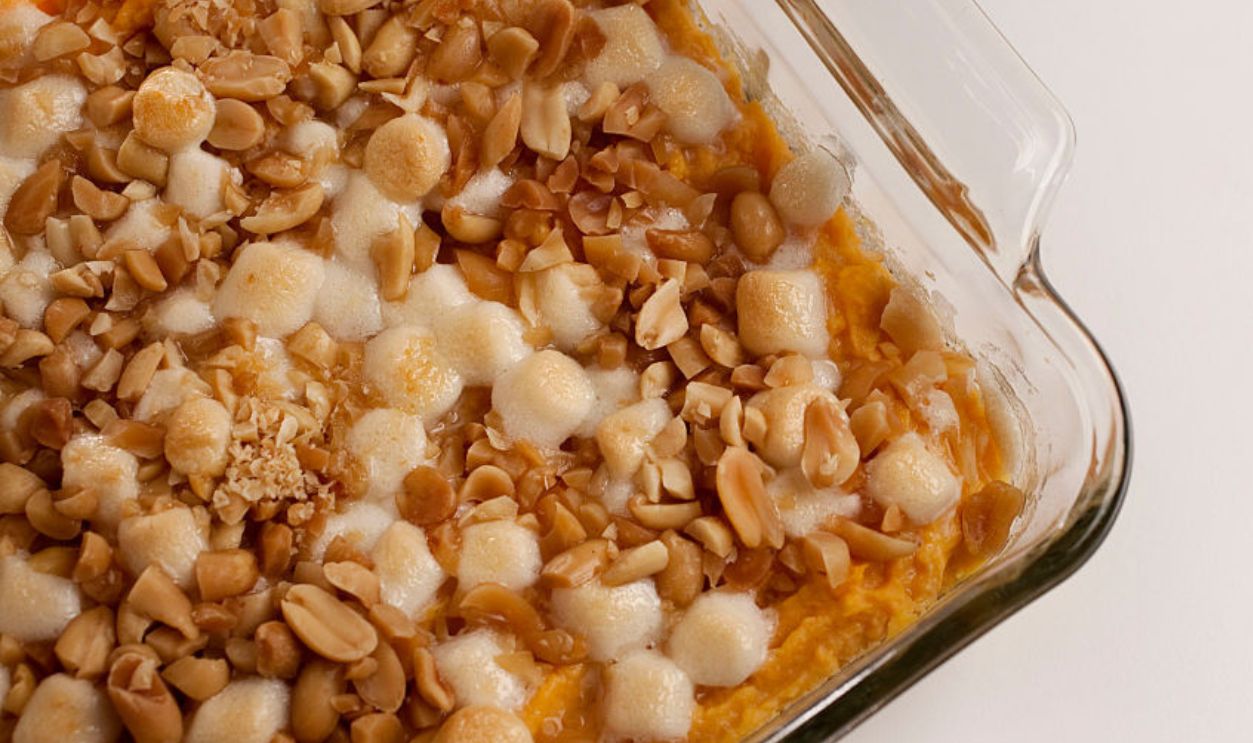
Marshmallows On Sweet Potatoes
Imagine presenting a European dinner guest with a vegetable casserole covered in miniature marshmallows. In America, particularly at Thanksgiving, that's a beloved tradition. The combination dates back to a 1917 promotional cookbook created to encourage marshmallow sales. Sweet potatoes already had a place in American cooking, but adding a layer of melted candy transformed them into something that can look suspiciously like dessert.
 The Washington Post, Getty Images
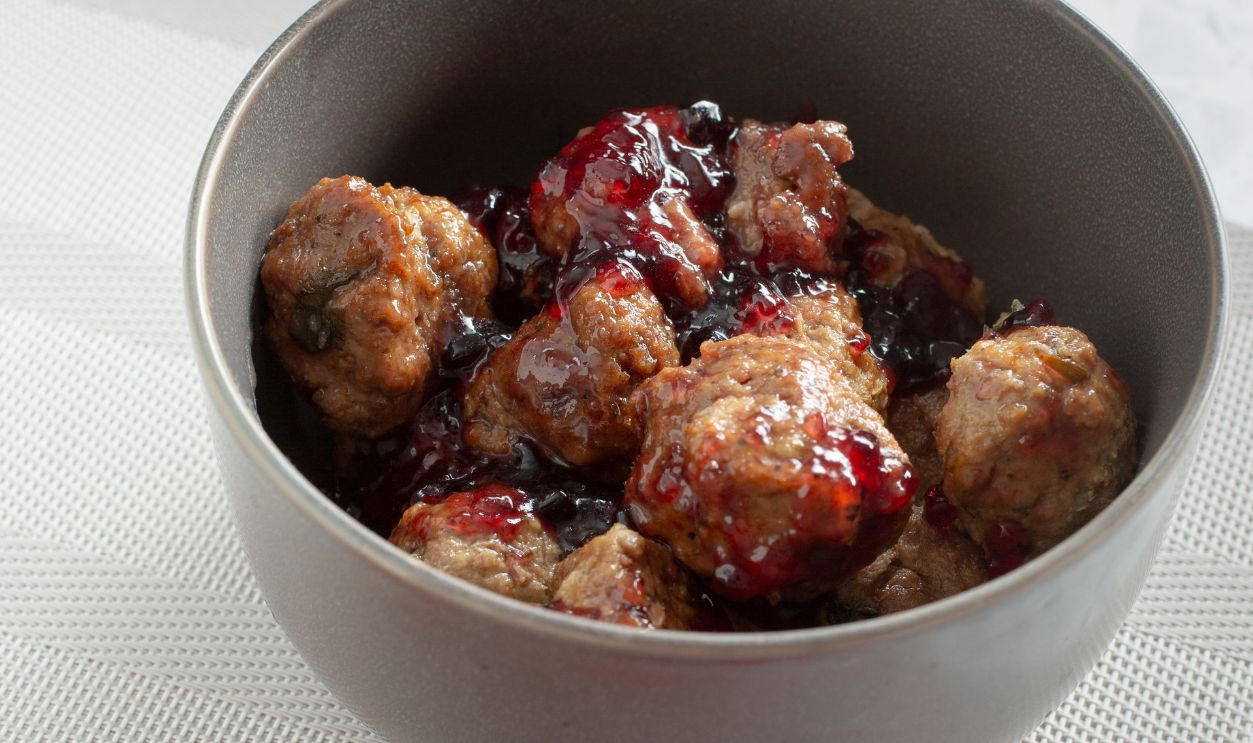
Grape Jelly On Meatballs
This one sounds like somebody accidentally mixed up two recipes. Yet cocktail meatballs simmered in grape jelly and chili sauce have been appearing at American parties for generations. The jelly melts into a sticky, sweet-and-tangy glaze that coats the meat. Europeans certainly have their own fruit-and-meat pairings, but the use of supermarket grape jelly as a meatball sauce is particularly American.
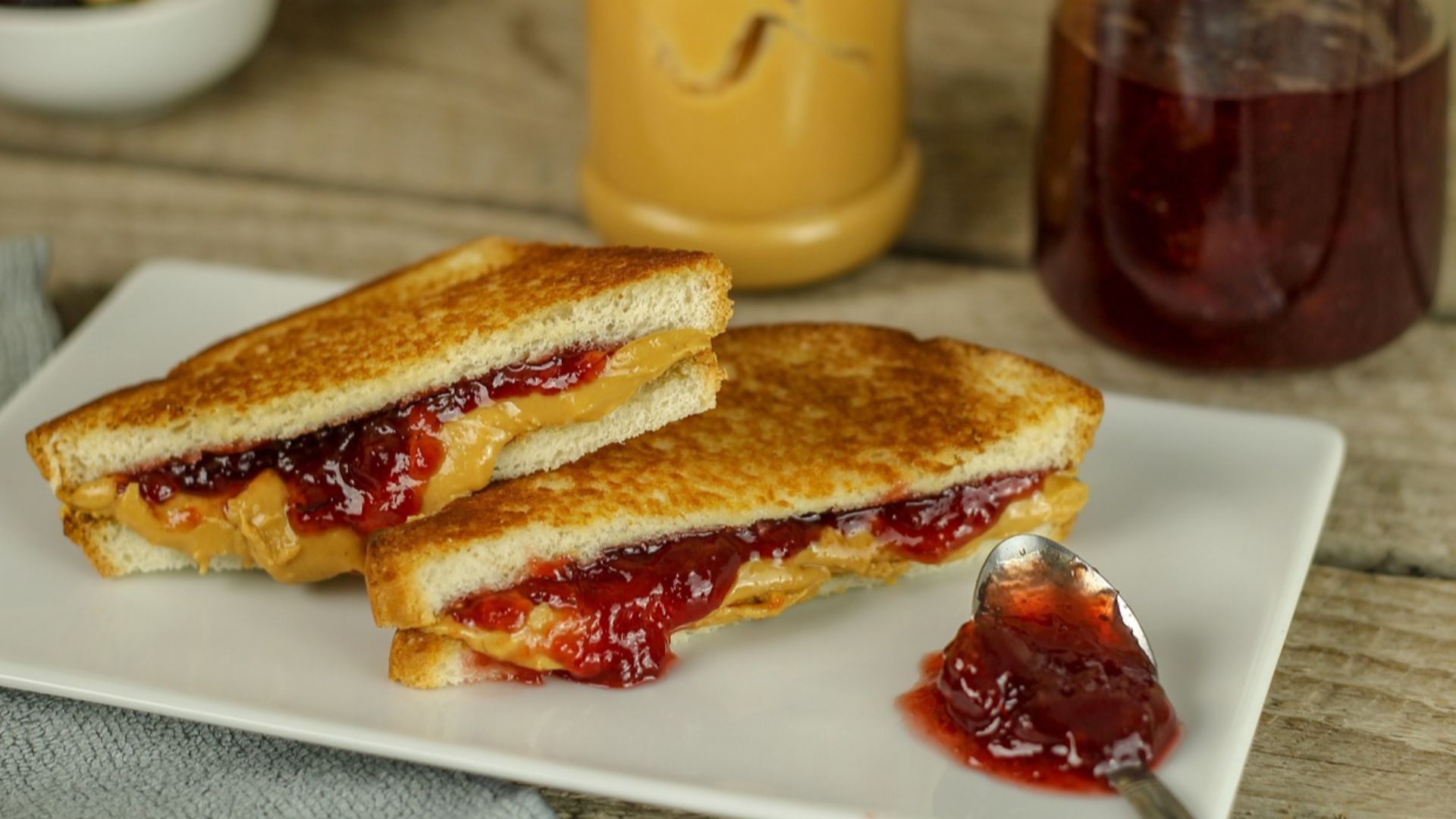
Peanut Butter And Jelly
For millions of Americans, spreading peanut butter and grape jelly between two slices of bread is practically a childhood rite of passage. Europeans are familiar with nut spreads and fruit preserves, but this particular pairing is less traditional across much of the continent. Dutch peanut-butter lovers might be less surprised than their neighbors, though. The combination of salty, sticky peanut butter and sugary jelly is unmistakably American.
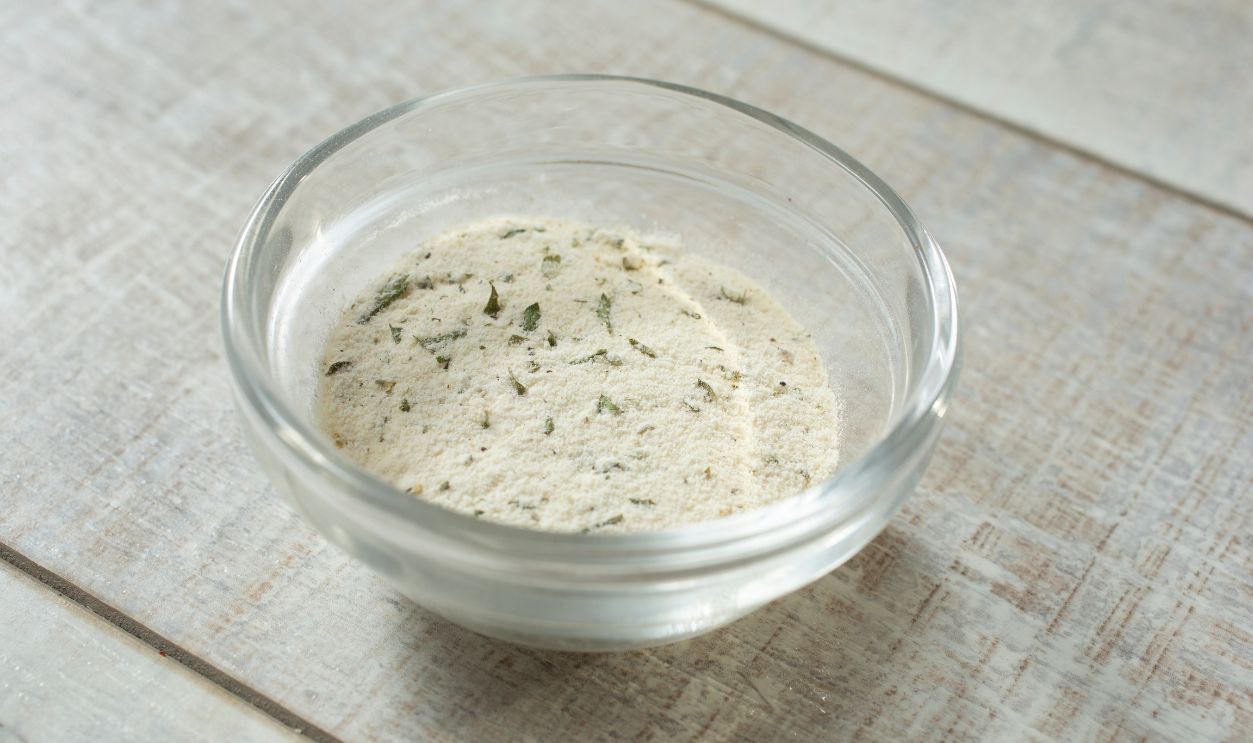
Powdered Ranch Seasoning
Americans don't always need the actual dressing. Packets of ranch seasoning can be shaken over popcorn, roasted potatoes, pretzels, chicken, and practically anything else that needs a flavor boost. The powdered mixture delivers the familiar tangy, herby taste without a bottle of dressing. In many European kitchens, herbs and seasoning blends are common, but "cool" ranch-flavored anything remains a distinctly American obsession.
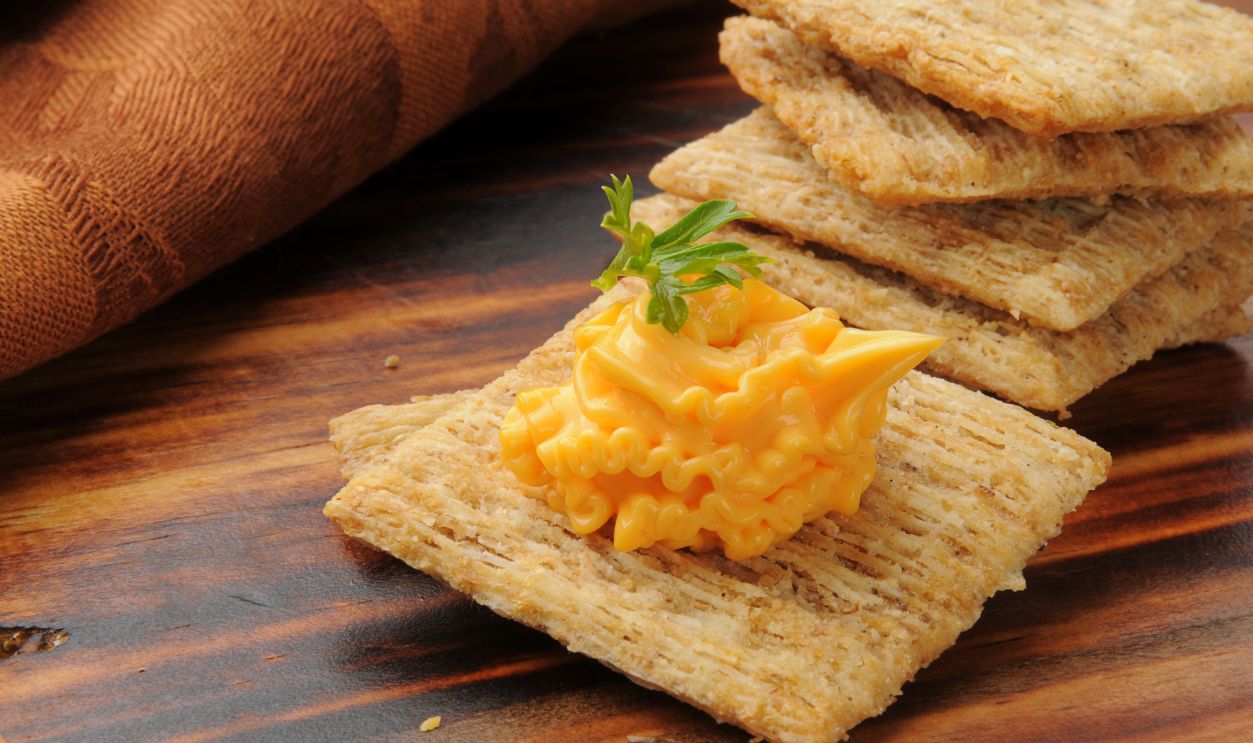
Squeeze Cheese On Crackers
Some American snacks come with cheese that doesn't need refrigeration until opened, a knife, or even a spoon. Aerosol-style cheese spread can be squirted directly onto crackers, pretzels, and other snacks. For people accustomed to regional cheeses with centuries of tradition, the idea of cheese emerging from a pressurized can might seem downright bizarre. Yet its convenience and unmistakable processed-cheese flavor have earned it a place in American snack culture.
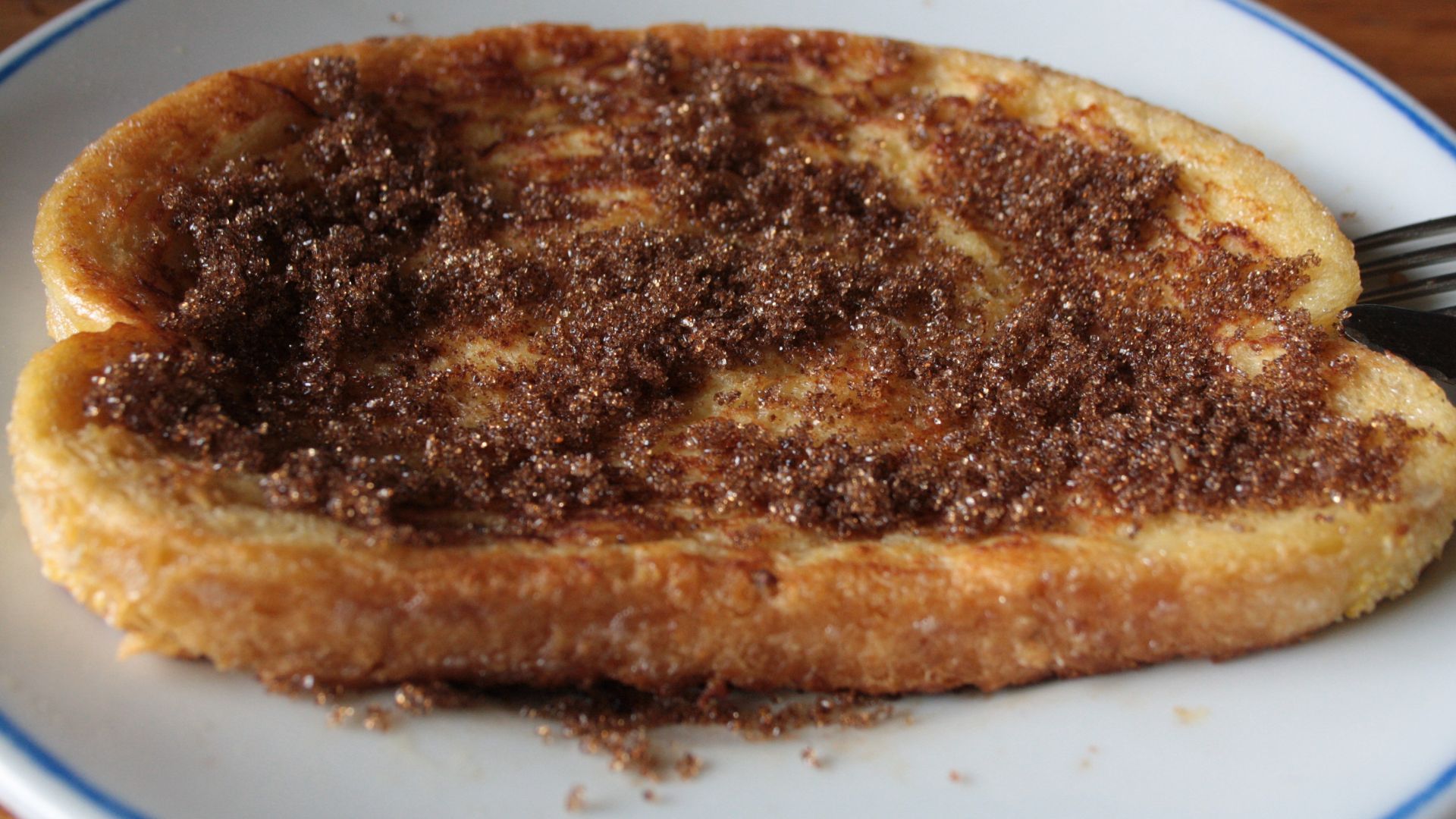
Cinnamon Sugar On Toast
Butter a slice of toast, sprinkle it generously with cinnamon and sugar, and you've created a nostalgic American breakfast. Europeans certainly enjoy sweet toast and cinnamon pastries, but the particular simplicity of American cinnamon toast can be surprising. Some families even keep premixed cinnamon sugar in a shaker. It's inexpensive, comforting, and proof that Americans don't always need an elaborate recipe to turn breakfast into dessert.
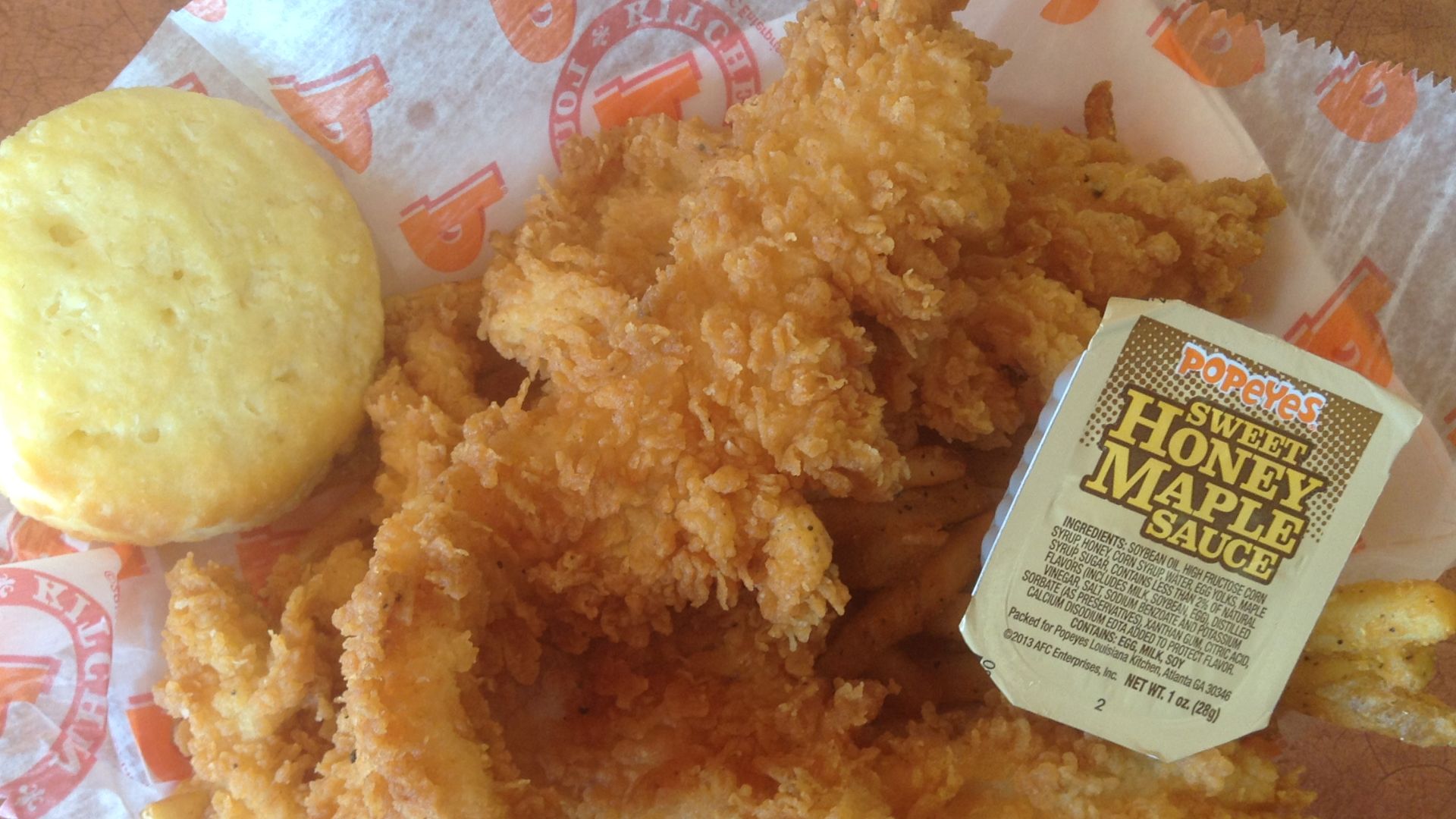
Maple Syrup On Fried Chicken
Fried chicken and waffles are already an unusual combination to the uninitiated. Add a generous pour of maple syrup, and things become even more interesting. The sweetness contrasts with salty, crunchy chicken, creating a combination that has become a favorite at American brunch restaurants. Europeans enjoy sweet-and-savory foods too, but pouring breakfast syrup over fried poultry is hardly an everyday continental tradition.
 Mike Mozart from Funny YouTube, USA, Wikimedia Commons
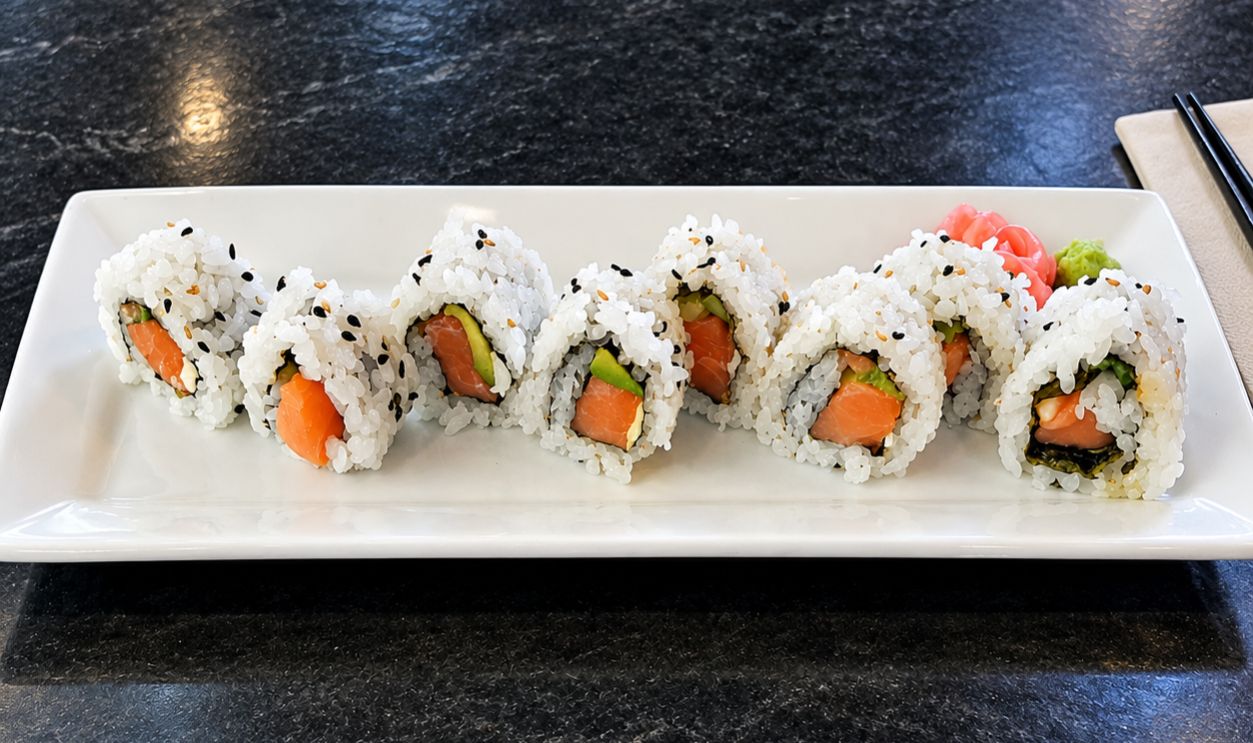
Cream Cheese On Sushi
Traditional Japanese sushi doesn't call for cream cheese, but American sushi restaurants have enthusiastically embraced it. Philadelphia rolls commonly combine cream cheese with salmon and cucumber, creating a rich, creamy texture. Sushi restaurants in Europe sometimes serve similar rolls, so this isn't exclusively American anymore. Still, the popularity of cream cheese as a sushi ingredient reflects America's willingness to reinvent imported foods.
 JJonahJackalope, Wikimedia Commons, Enhanced
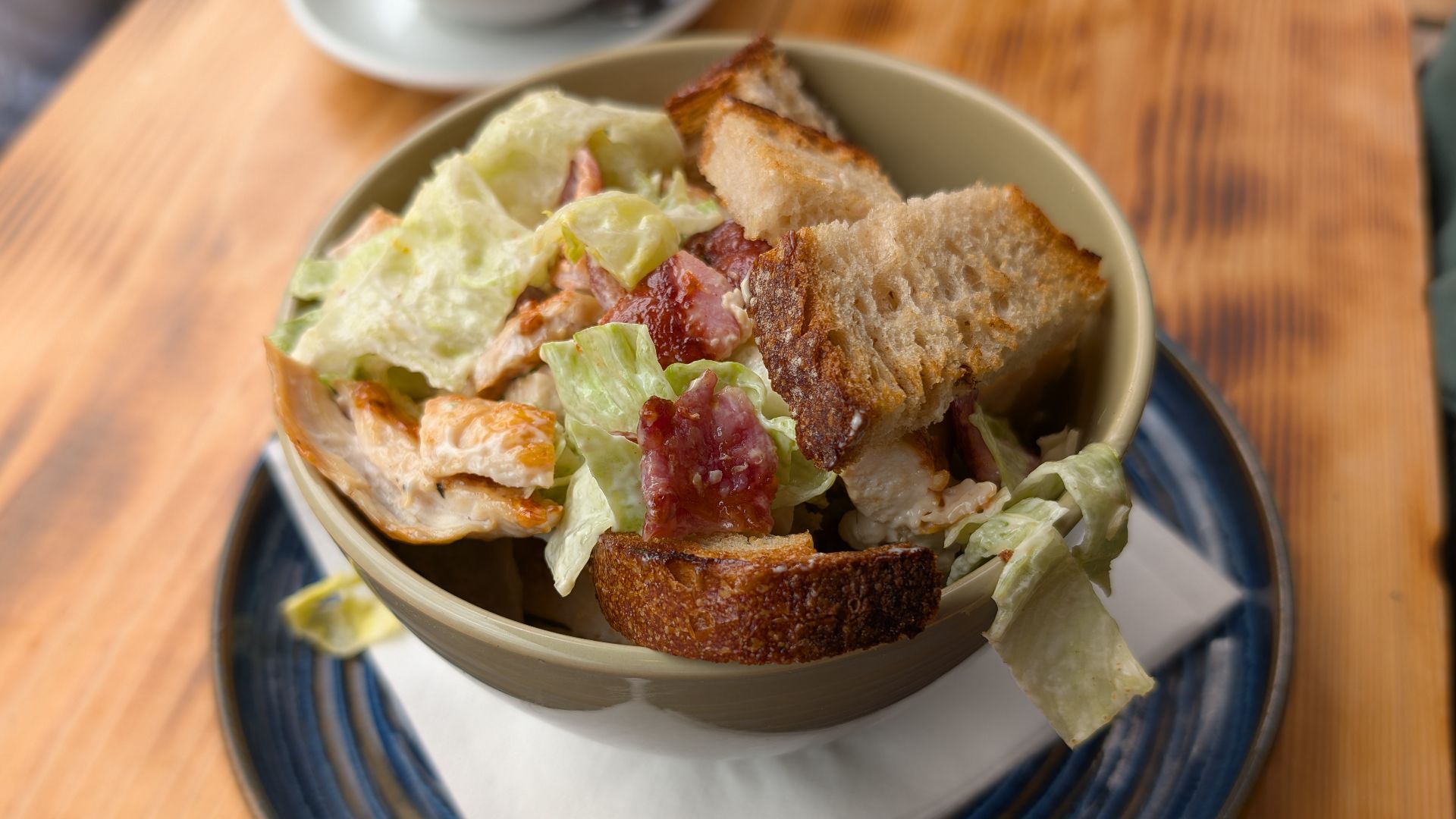
Bacon Bits On Salad
Salads are supposed to be healthy, right? American diners have found a way to make them considerably more indulgent. Packaged bacon bits, including imitation versions, can be sprinkled over lettuce alongside croutons, cheese, and creamy dressing. Europeans certainly put bacon in salads, especially in France, but the convenience of shaking crunchy bacon-flavored pieces from a plastic container is a particularly recognizable American habit.
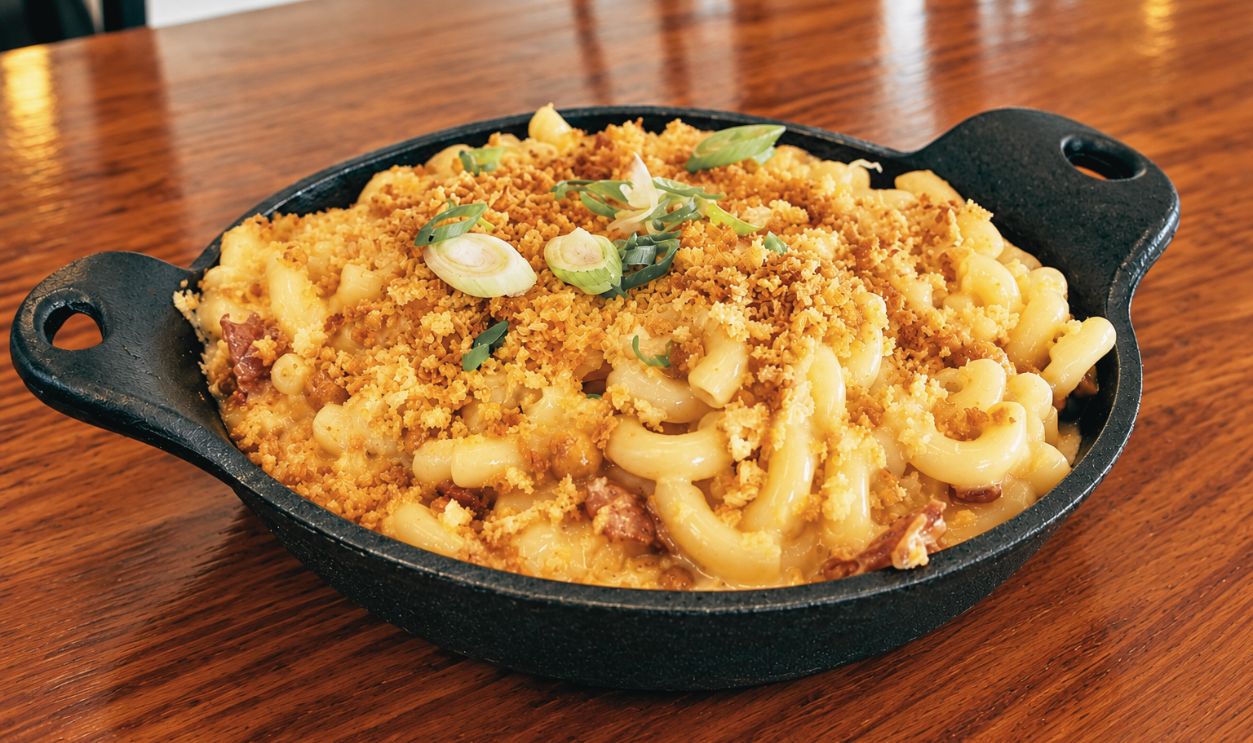
Crushed Potato Chips On Casseroles
Why settle for breadcrumbs when you can crush a bag of potato chips? American home cooks have long used chips as a salty, crunchy topping for tuna noodle casserole, baked macaroni, and other comfort foods. The technique became especially associated with midcentury convenience cooking. It might seem like an odd use of a snack food, but the combination of creamy filling and crisp topping can be surprisingly satisfying.
 Bing from Boston, United States, Wikimedia Commons, Enhanced
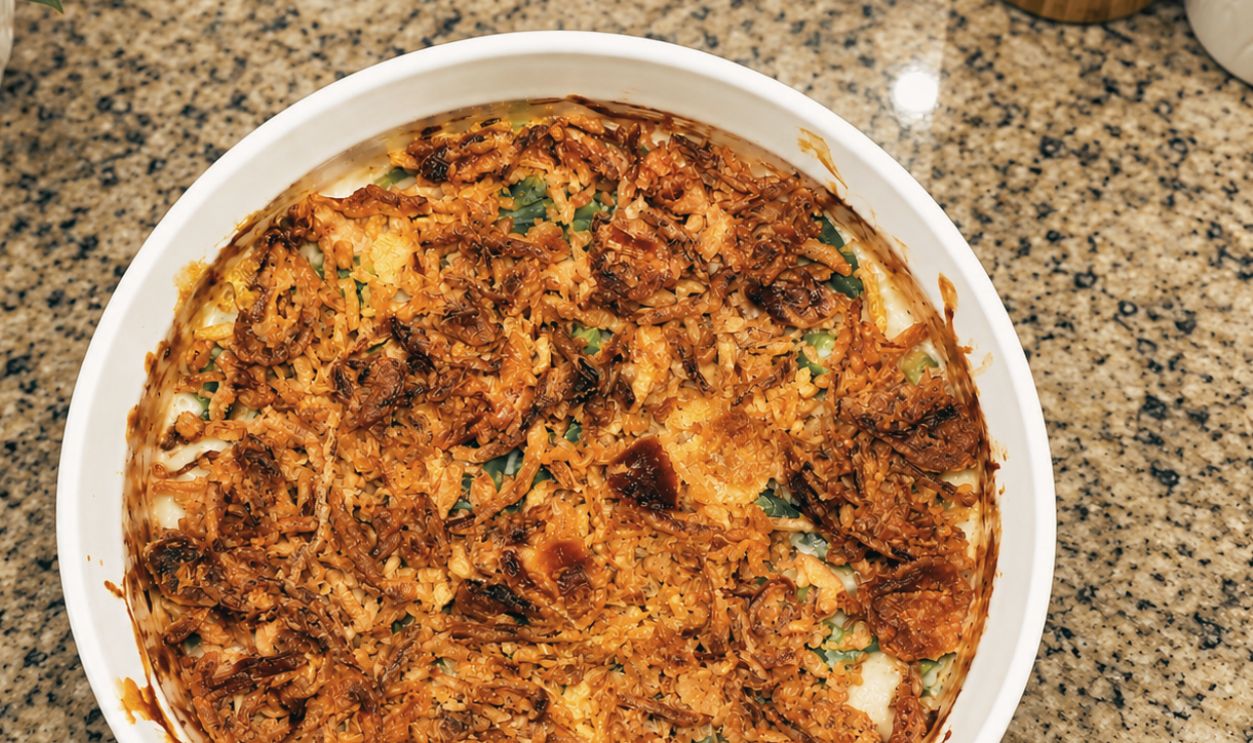
French-Fried Onions On Green Beans
Americans turned ordinary green beans into a holiday institution by combining them with condensed mushroom soup and crunchy fried onions. Campbell's employee Dorcas Reilly developed the famous green bean casserole in 1955. Although fried onions are certainly familiar in European cooking, scattering packaged crispy onions over a creamy vegetable casserole is a distinctly American Thanksgiving tradition.
 Rick Kimpel from Spring, TX, USA, Wikimedia Commons, Modified
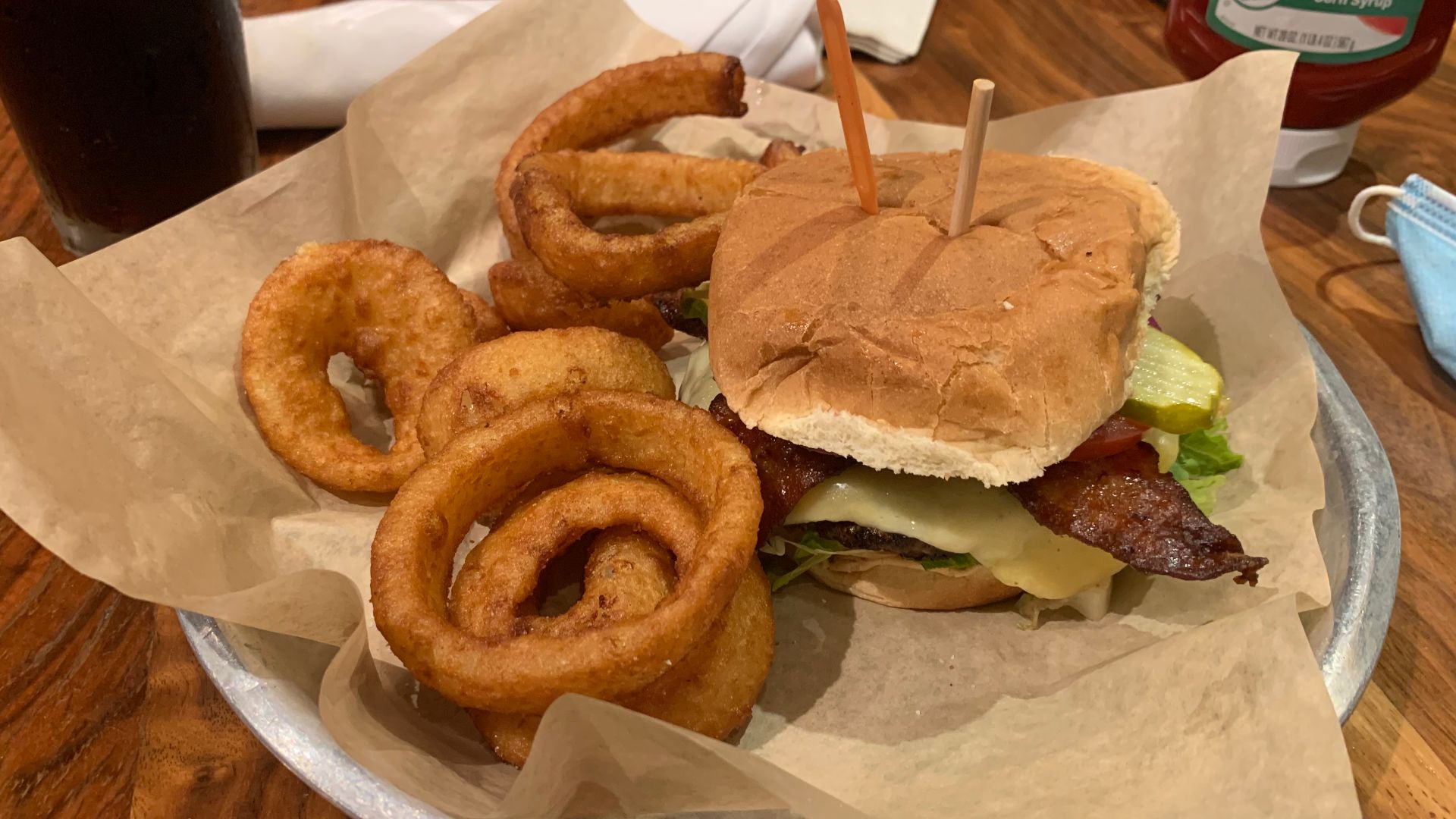
Peanut Butter On Hamburgers
Peanut butter isn't just for sandwiches anymore. Some American burger restaurants spread it directly onto beef patties, sometimes adding bacon, jelly, or hot sauce. The peanut butter melts into a rich, nutty coating that gives the burger an unusual sweet-and-savory character. It's a specialty rather than a nationwide habit, but the combination demonstrates how willing American cooks can be to experiment with familiar ingredients.
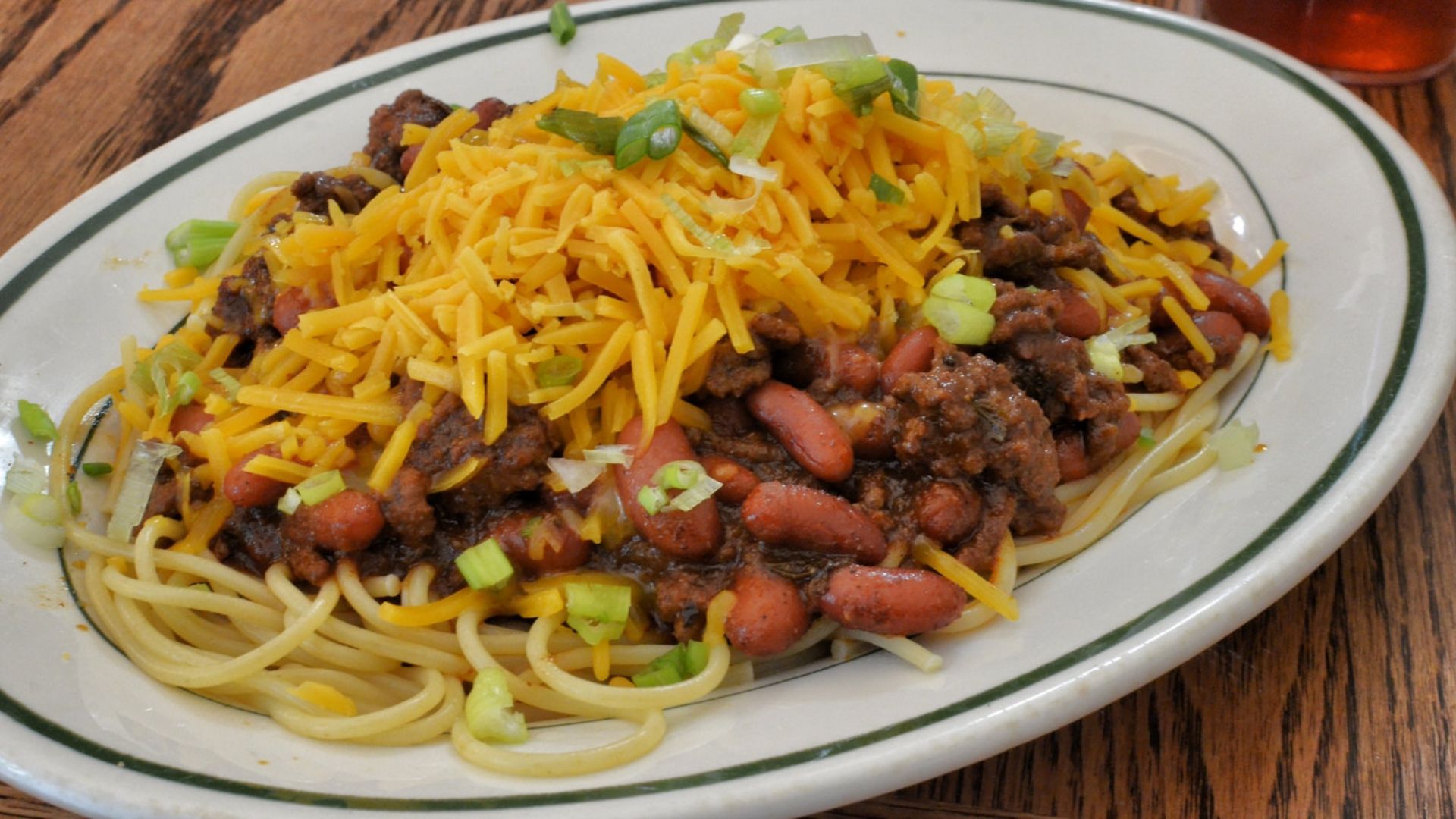
Chili On Spaghetti
Italian diners might be surprised to encounter spaghetti buried beneath a mountain of chili and shredded cheddar cheese. In Cincinnati, however, this is a regional institution. Cincinnati chili has roots in the cooking of Macedonian immigrants and developed into a distinctive American specialty. The famous three-way version combines spaghetti, spiced meat sauce, and a generous blanket of cheese. It's not Italian pasta as Europeans generally know it.
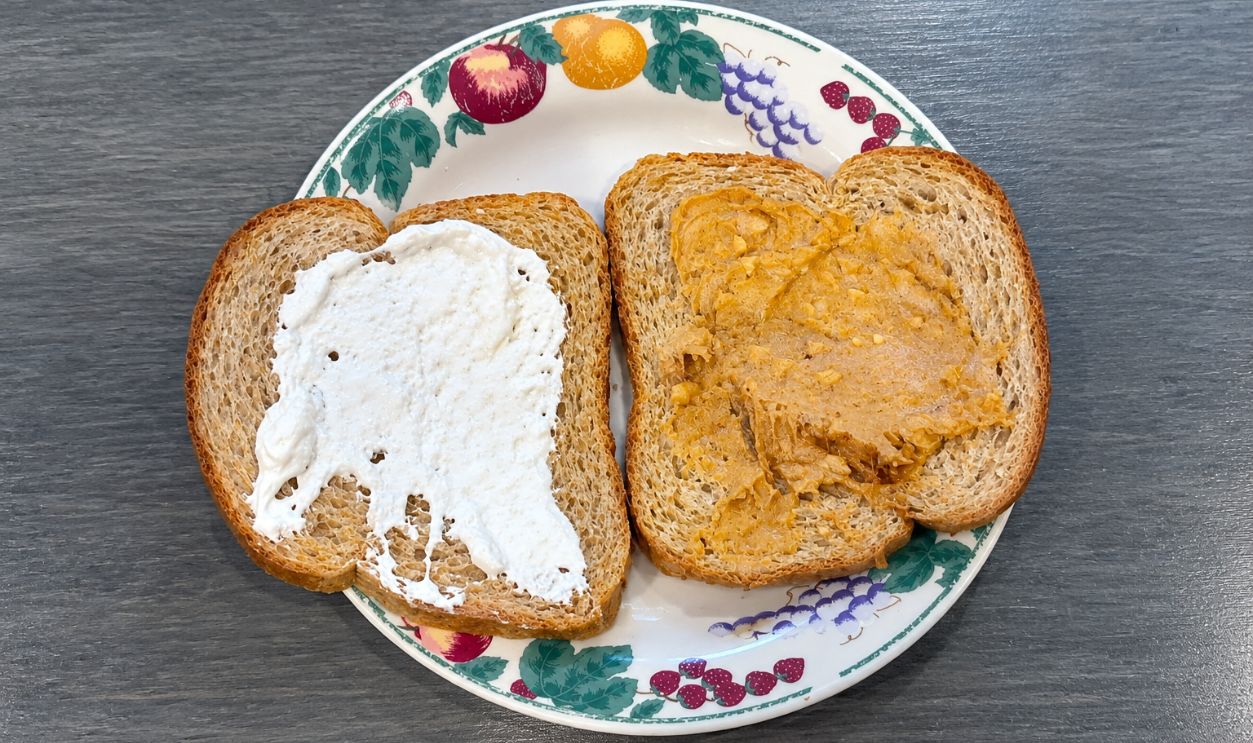
Marshmallow Fluff On Bread
Americans in parts of New England grew up eating Fluffernutters: sandwiches made with peanut butter and marshmallow creme. The sticky, sugary spread resembles the inside of a marshmallow, except it's designed to be smeared onto bread. While European children have plenty of sweet sandwich fillings, marshmallow creme paired with peanut butter is a distinctly American invention that can seem more like candy than lunch.
 Chris Mear from London, England, Wikimedia Commons, Enhanced
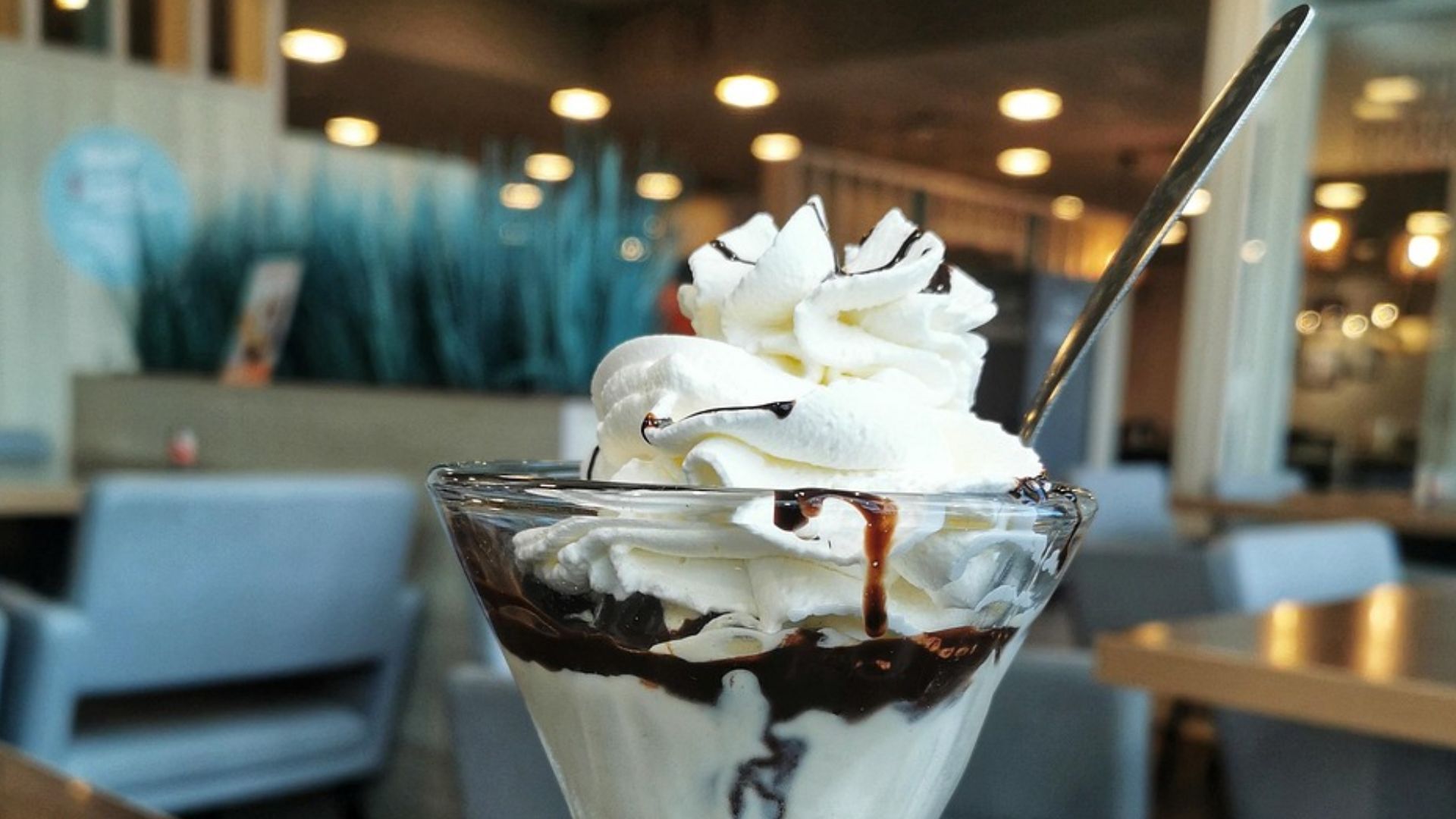
Hot Fudge On Ice Cream
Chocolate sauce is hardly unknown in Europe, but the American hot fudge sundae takes the concept to another level. Thick, warm chocolate fudge is poured over cold ice cream, often accompanied by whipped cream, nuts, and a cherry. The contrast between hot and cold is central to the experience. European ice cream shops serve elaborate desserts too, but the American diner-style hot fudge sundae has a character all its own.
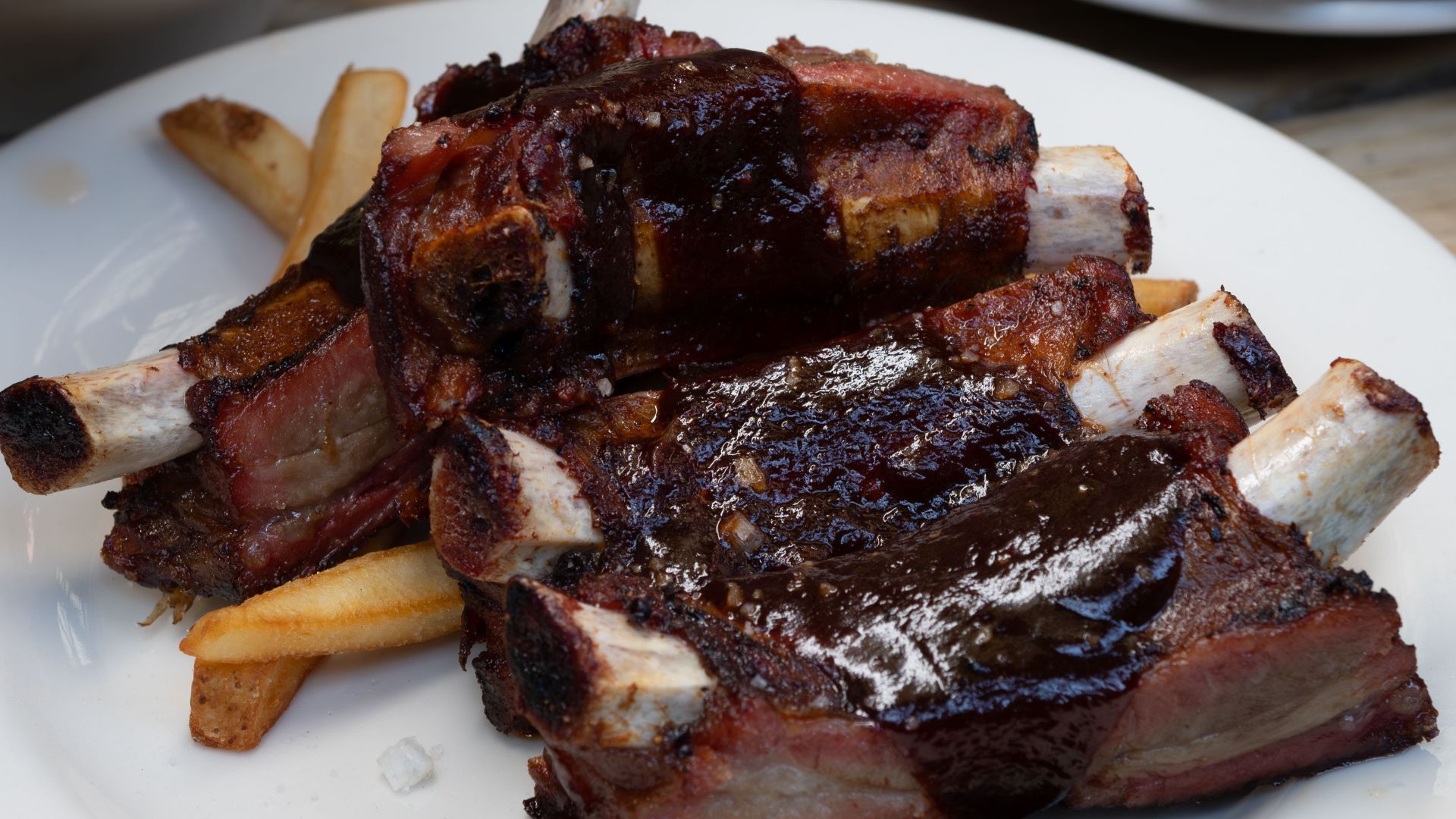
Sweet Barbecue Sauce On Meat
European barbecue traditions vary enormously, but American barbecue frequently involves thick sauces sweetened with brown sugar, molasses, or honey. Kansas City-style barbecue sauce is especially associated with this sticky sweetness. Ribs and chicken may be brushed repeatedly until they develop a glossy coating. For visitors accustomed to simply grilled meat with herbs or salt, the sweetness can be surprising. Americans, of course, have many less-sweet regional barbecue styles as well.
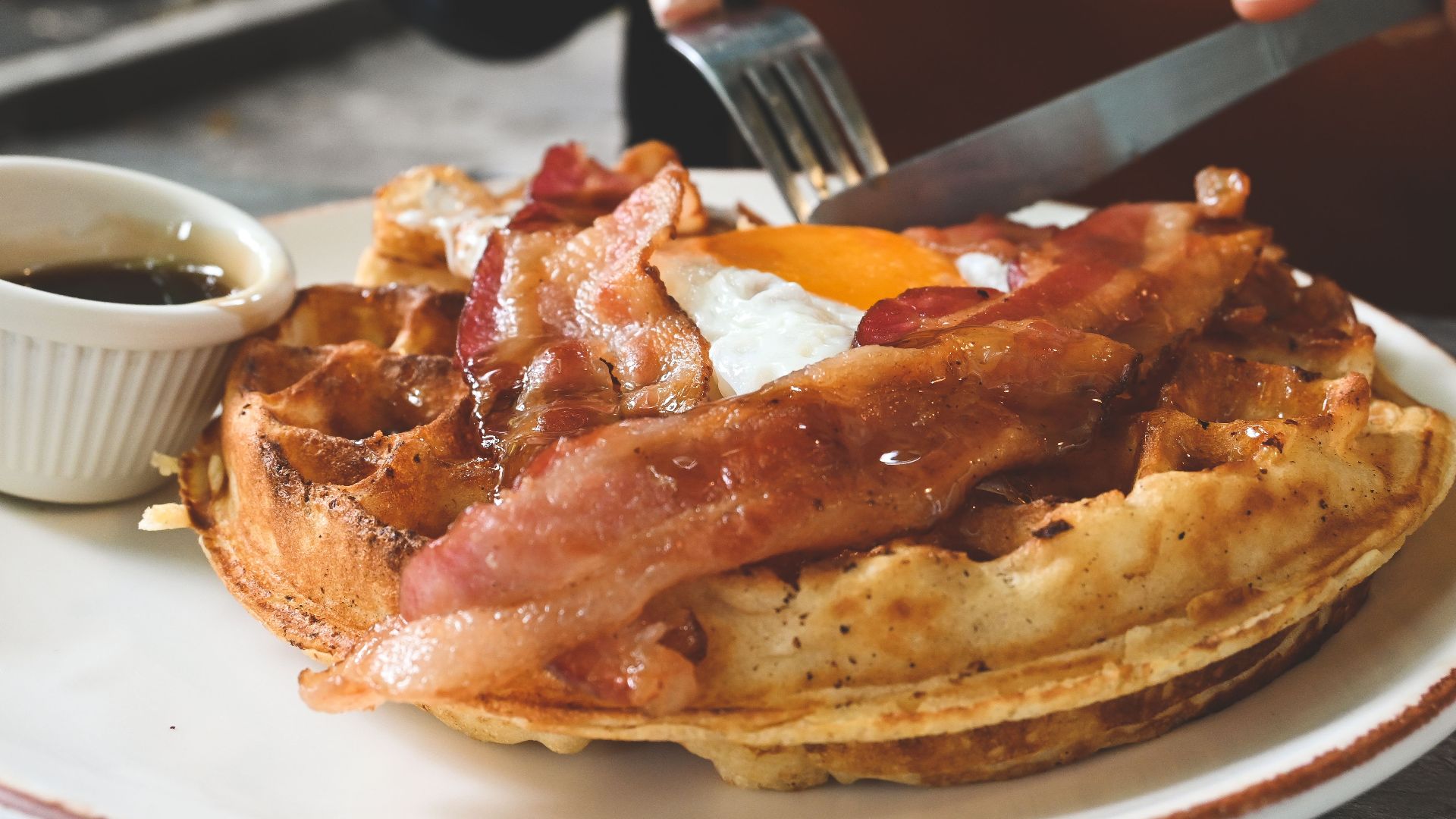
Maple Syrup On Bacon
Maple syrup and bacon often share an American breakfast plate, and plenty of diners deliberately combine them. Some cooks go further, brushing bacon with syrup before baking it until sweet and crisp. The combination of salty pork, smoky flavor, and concentrated sweetness has inspired everything from brunch dishes to specialty doughnuts. Europeans have their own sweet pork preparations, but maple-glazed breakfast bacon remains strongly associated with North American food culture.
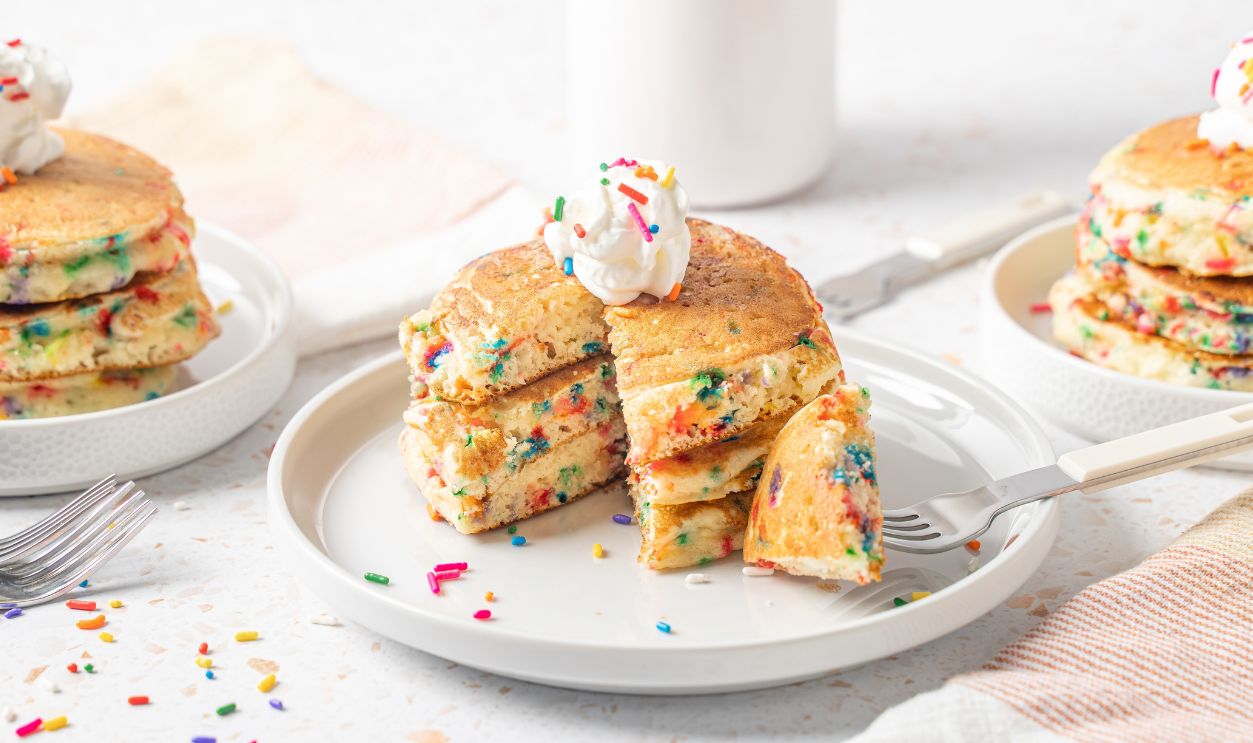
Sprinkles On Breakfast Pancakes
Pancakes are already a sweet breakfast, but American restaurants sometimes turn them into miniature birthday cakes. Rainbow sprinkles, whipped cream, frosting-like sauces, and even cake batter can appear in the mix. The result looks more like a party dessert than an ordinary morning meal. European pancake traditions include sweet toppings, of course, but brightly colored candy sprinkles on breakfast pancakes are especially characteristic of American novelty cooking.
 Agave Photo Studio, Shutterstock
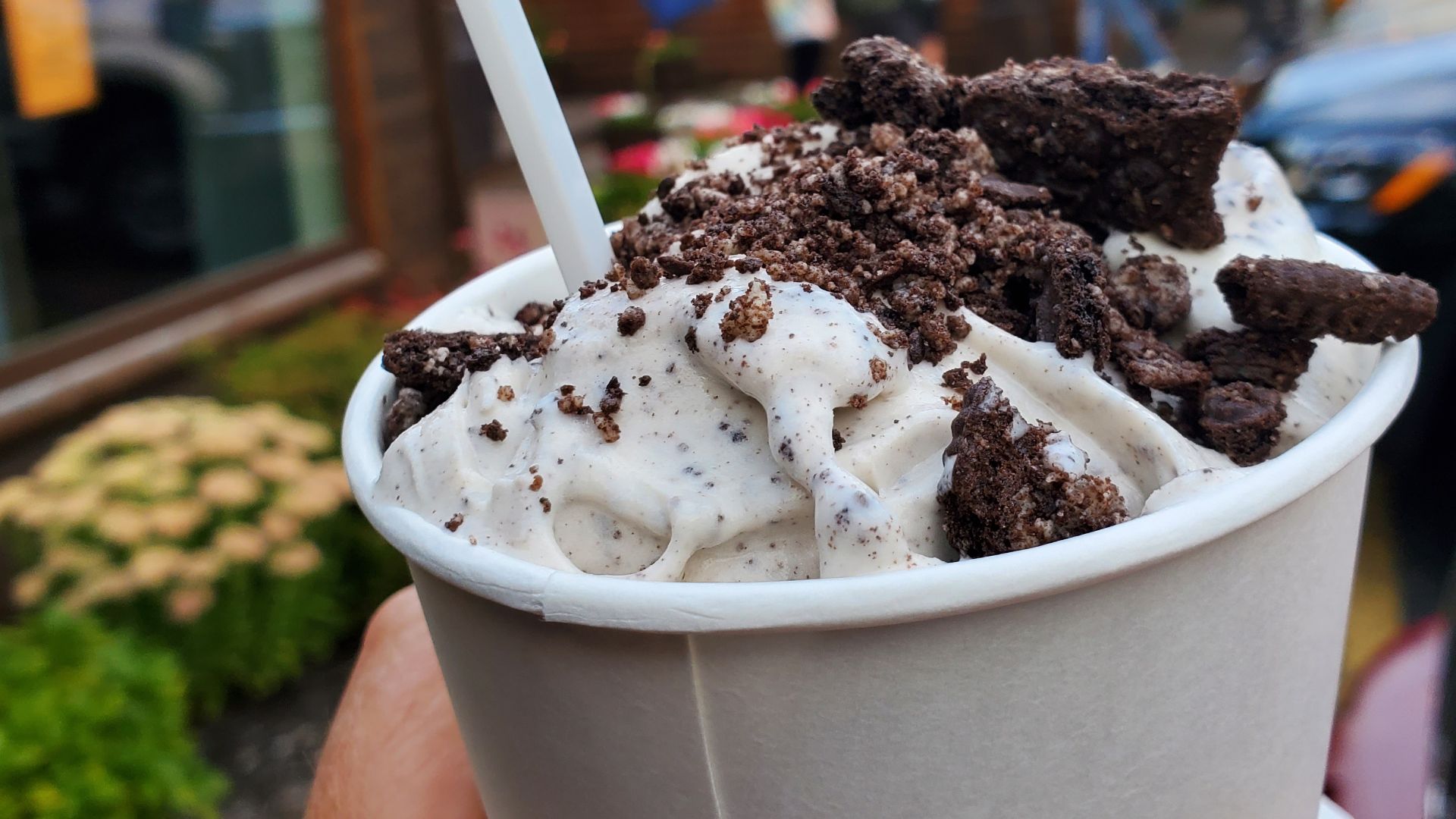
Crushed Cookies On Ice Cream
Cookies and ice cream are familiar separately on both sides of the Atlantic. American dessert shops, however, have made crushed chocolate sandwich cookies a standard topping, mixing them into sundaes, shakes, and frozen desserts. Cookies-and-cream has become such a recognizable flavor that it barely seems unusual to Americans. Visitors from countries where ice cream is more often served with fruit, nuts, or simple sauces might find the cookie avalanche surprising.
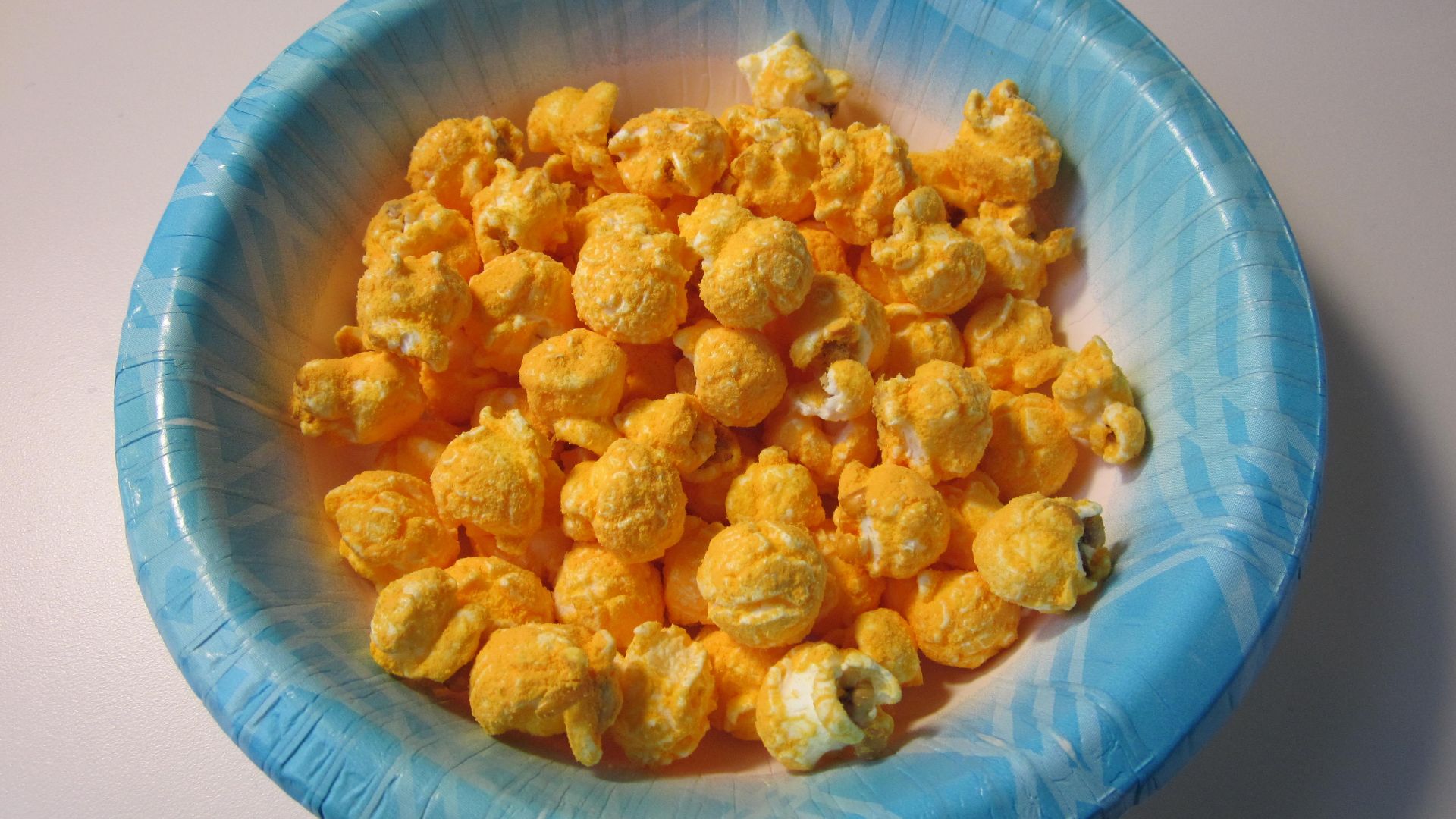
Powdered Cheese On Popcorn
Americans don't always settle for butter and salt on popcorn. Bright orange cheese powder can turn an ordinary bowl into a snack that resembles cheese-flavored corn chips. The coating sticks to every kernel, sometimes leaving fingers just as orange as the popcorn itself. Cheese-flavored snacks exist throughout Europe, but the American enthusiasm for powdered cheese on popcorn is a recognizable part of movie-night and convenience-store culture.
 BrokenSphere, Wikimedia Commons
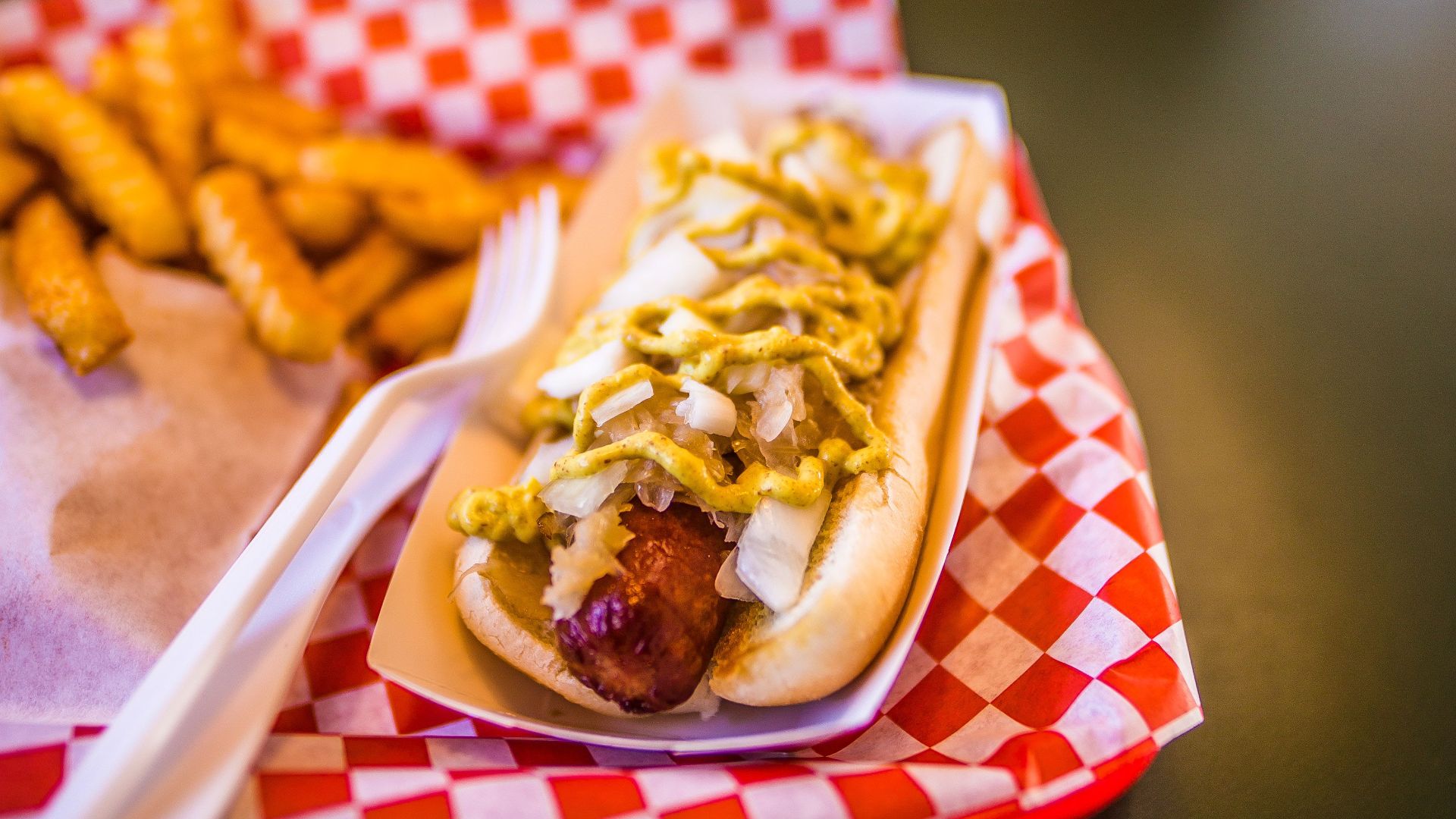
Pickle Relish On Hot Dogs
Hot dogs are familiar in many European countries, but American versions can arrive with an astonishing assortment of toppings. Sweet pickle relish is a particular favorite, adding chopped pickles and a sugary tang. Chicago-style hot dogs famously include vivid green relish alongside mustard, onions, tomato, peppers, and a pickle spear. The resulting combination is a long way from a simple European sausage served with mustard.
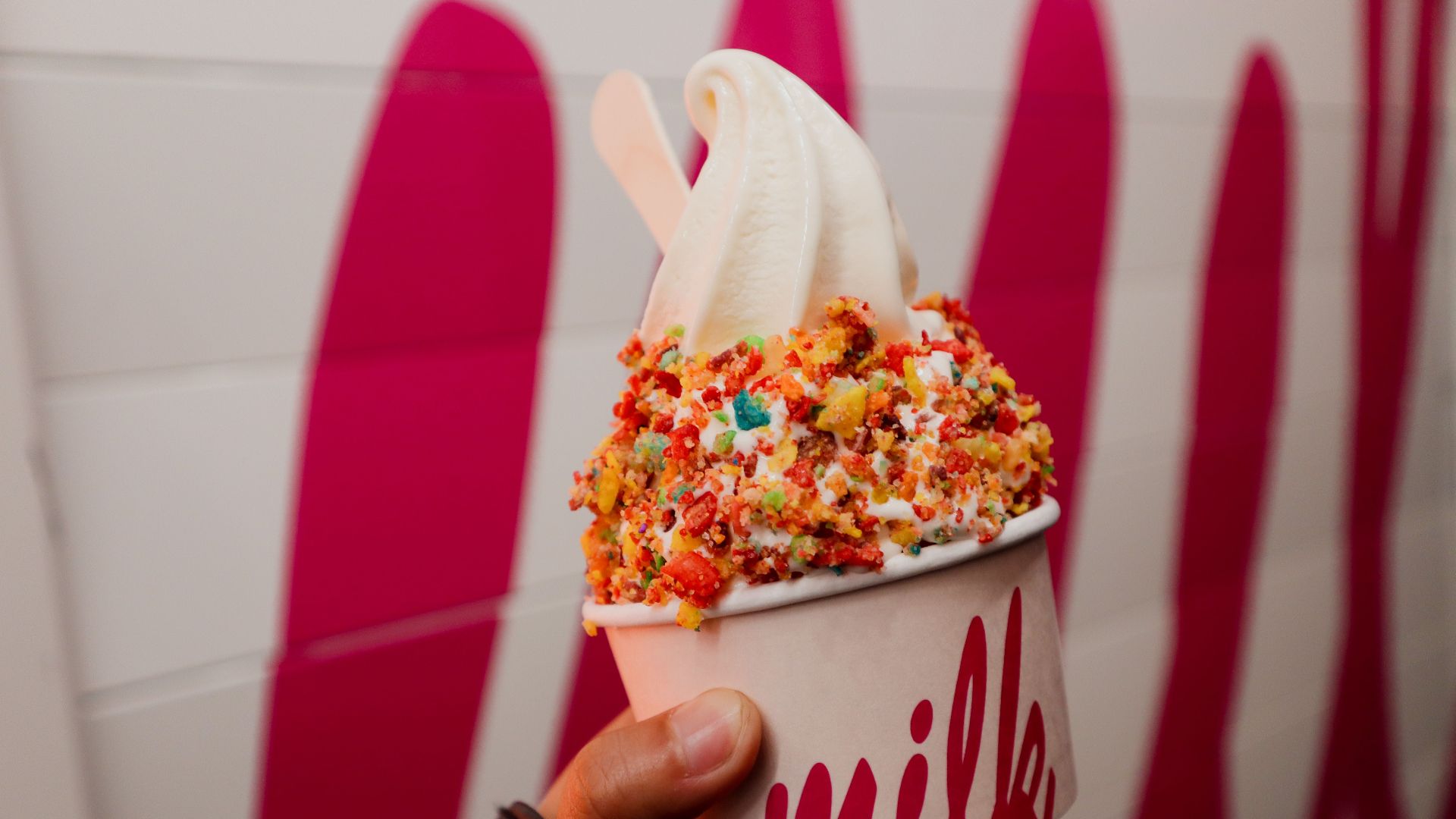
Crushed Candy On Frozen Yogurt
Frozen yogurt began as a supposedly lighter alternative to ice cream, but American self-service shops quickly transformed it into a dessert extravaganza. Customers can pile on gummy bears, chocolate candies, cookie crumbs, sugary cereals, and flavored syrups. The yogurt sometimes disappears beneath the toppings. Europeans certainly enjoy elaborate frozen desserts, but the American build-your-own approach can make an ordinary serving look like the contents of a candy store.
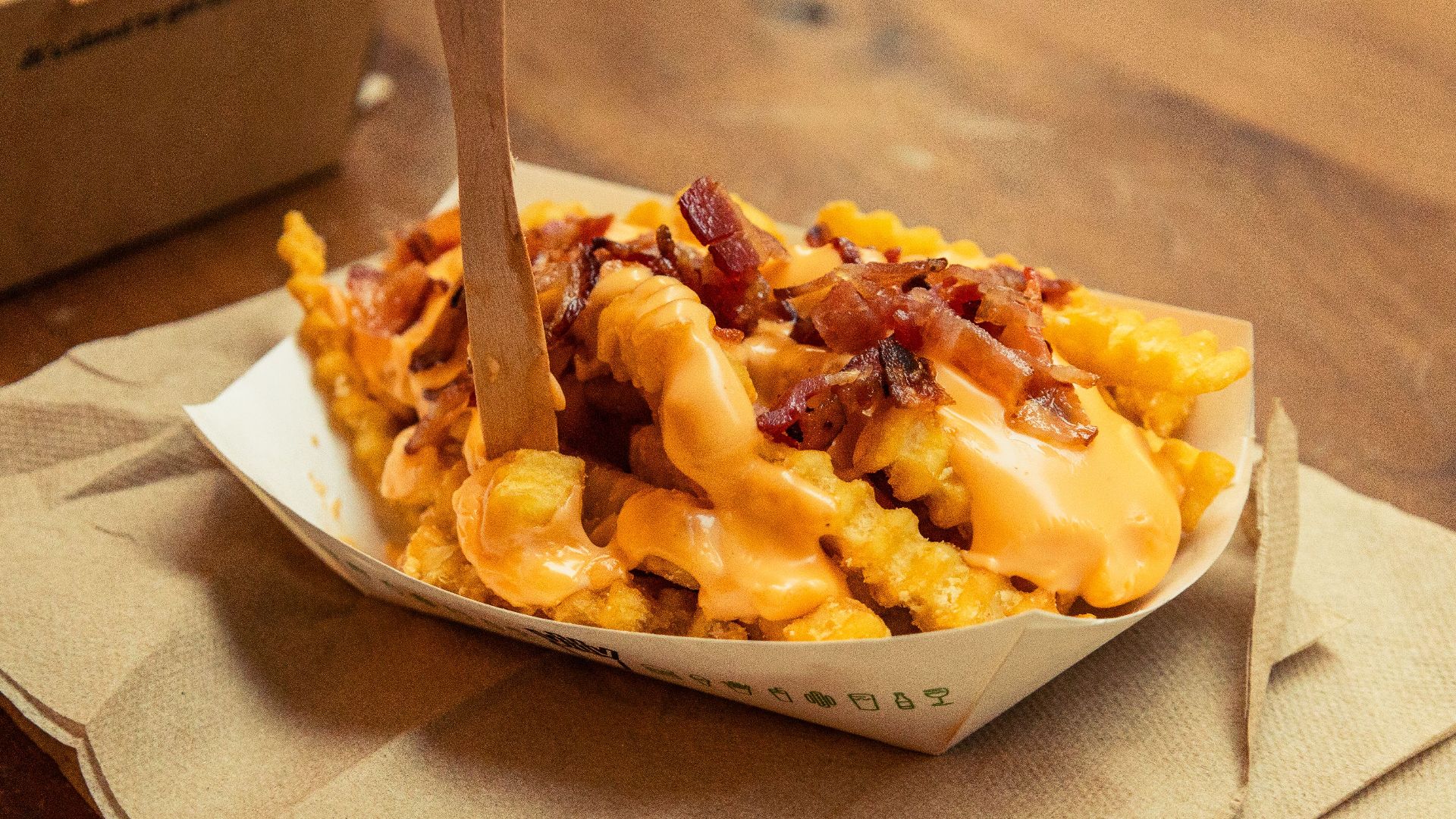
Cheese Sauce On French Fries
French fries originated from a European food tradition, but Americans have enthusiastically reinvented them. Instead of serving fries with mayonnaise, ketchup, or vinegar, some restaurants smother them in warm processed-cheese sauce. Add bacon, chili, or jalapeños, and the result becomes an entire meal. Europeans have their own loaded-fries traditions, including British cheesy chips, so the difference is more about particular American toppings than the concept itself.
You May Also Like:
Americans Must Try These European Fast Food Chains
The Strangest Things People In Each State Put On Their Hamburgers—Would You Eat Them?