America Gets Some Things Right
American hotels certainly have their quirks, but overseas visitors often discover conveniences they would happily take home. From enormous beds and powerful air conditioning to ice machines, free breakfasts and surprisingly well-equipped budget rooms, these are the American hotel features that can make traveling remarkably easy.
Rooms With Actual Space
One of the most noticeable differences for visitors accustomed to older European city hotels is simply floor space. American chain hotels frequently offer enough room for multiple suitcases, a desk, chairs and substantial beds without creating an obstacle course. Even Comfort explicitly promotes “spacious guest rooms” as a brand feature.
Two Big Beds
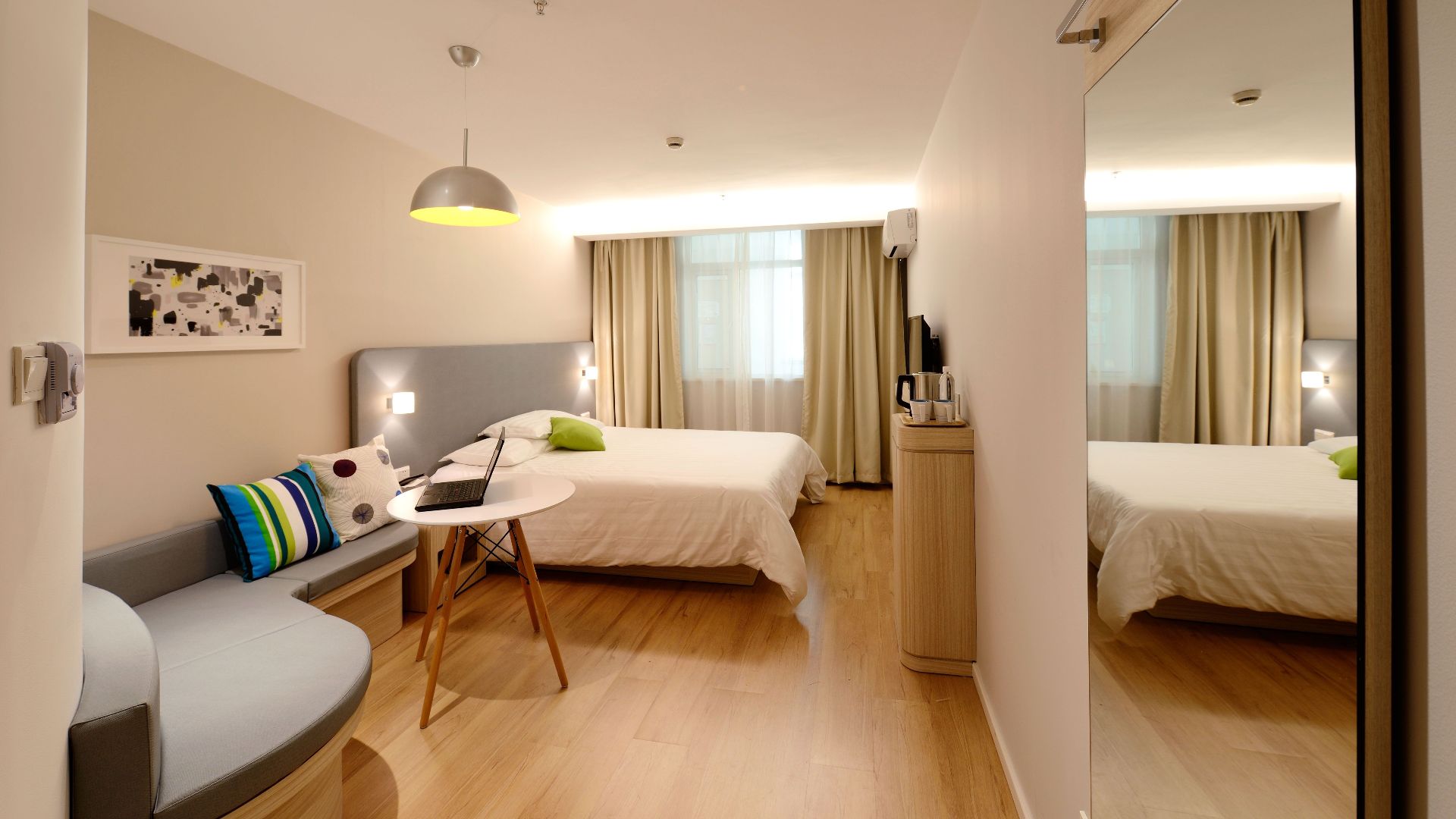
The American two-queen room is an extraordinarily useful invention for families and friends traveling together. Rather than squeezing extra guests onto sofa beds or booking another room, many American hotels offer two full-size sleeping spaces. U.S. accessibility regulations even treat bed number and size as important reservation information.
King Beds Really Are King
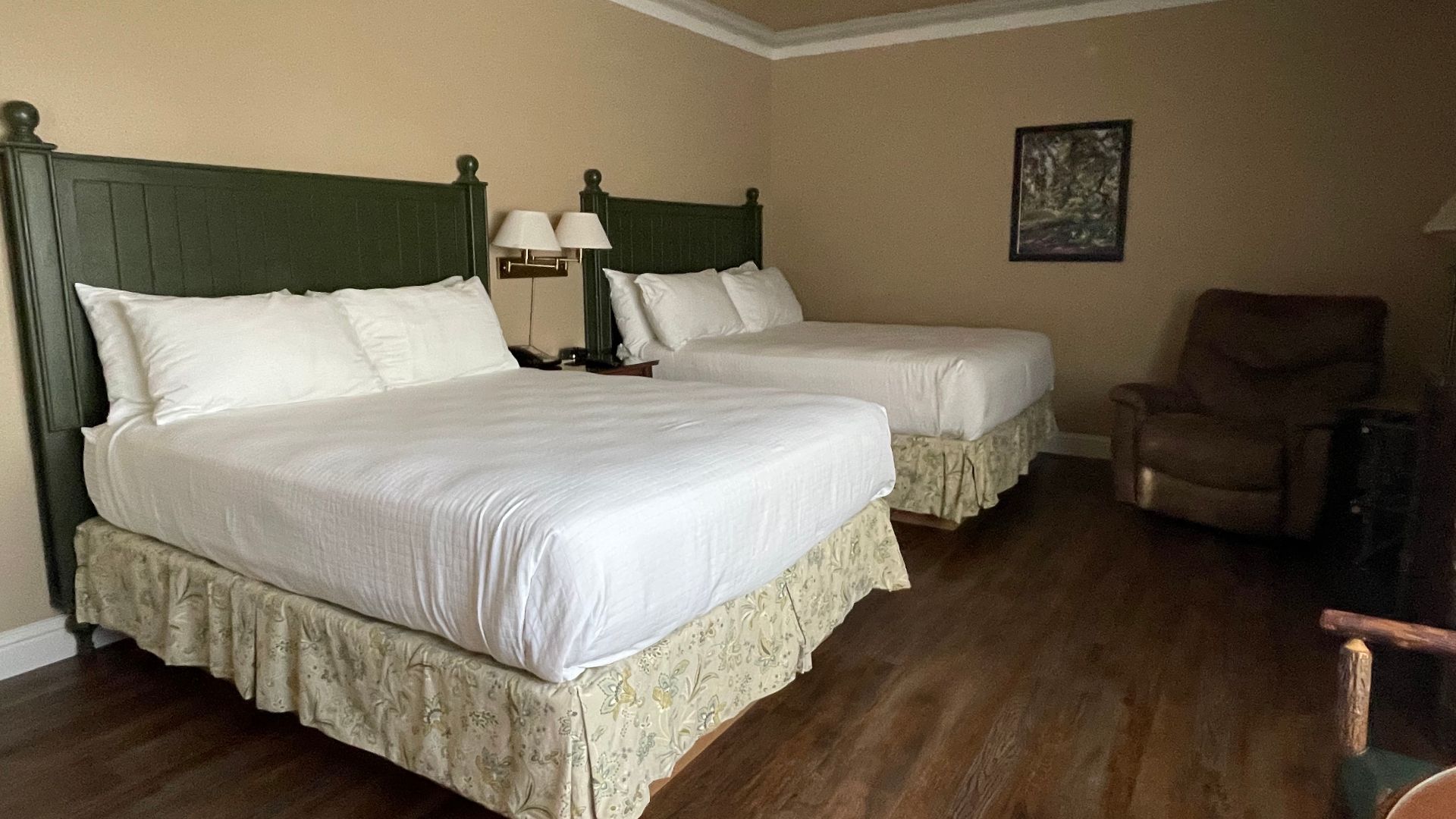
American travelers barely notice the enormous mattresses occupying their hotel rooms, but visitors accustomed to smaller rooms and beds certainly can. U.S. properties routinely sell rooms specifically around king-size beds, while travelers comparing European hotels frequently encounter twins, including two separate mattresses pushed together to form a larger sleeping arrangement.
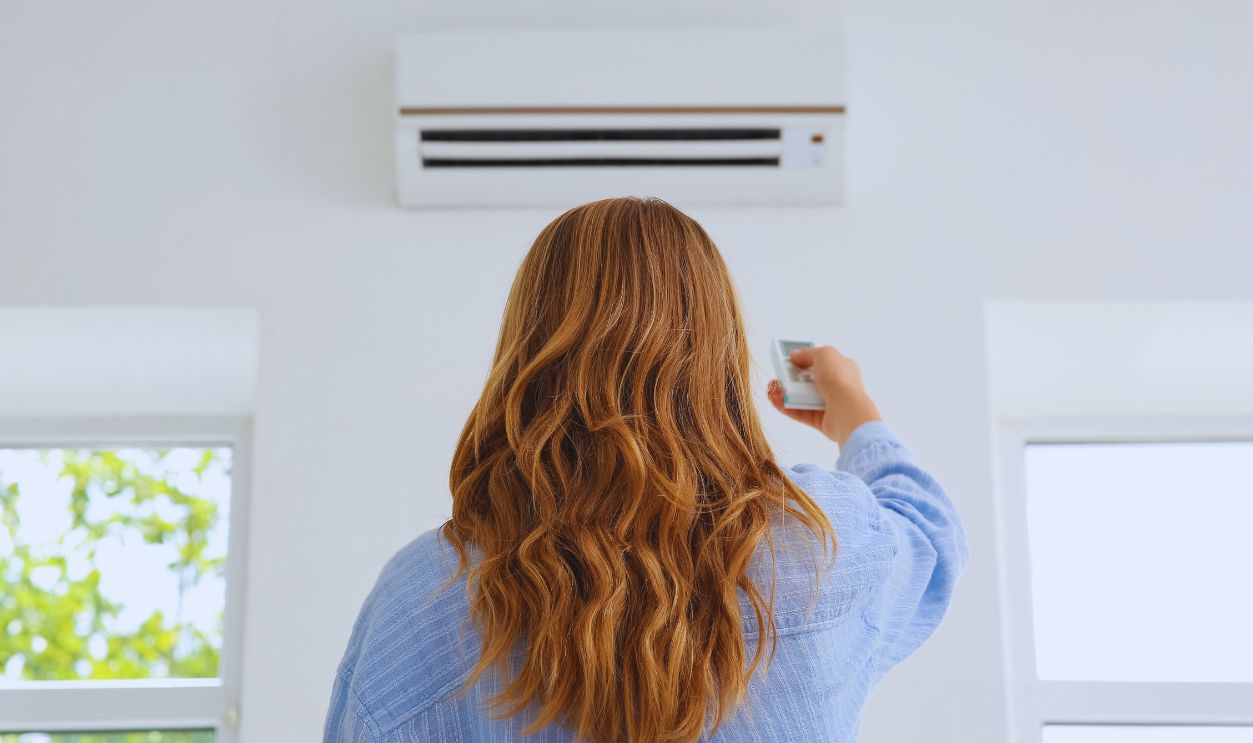
Air Conditioning You Control
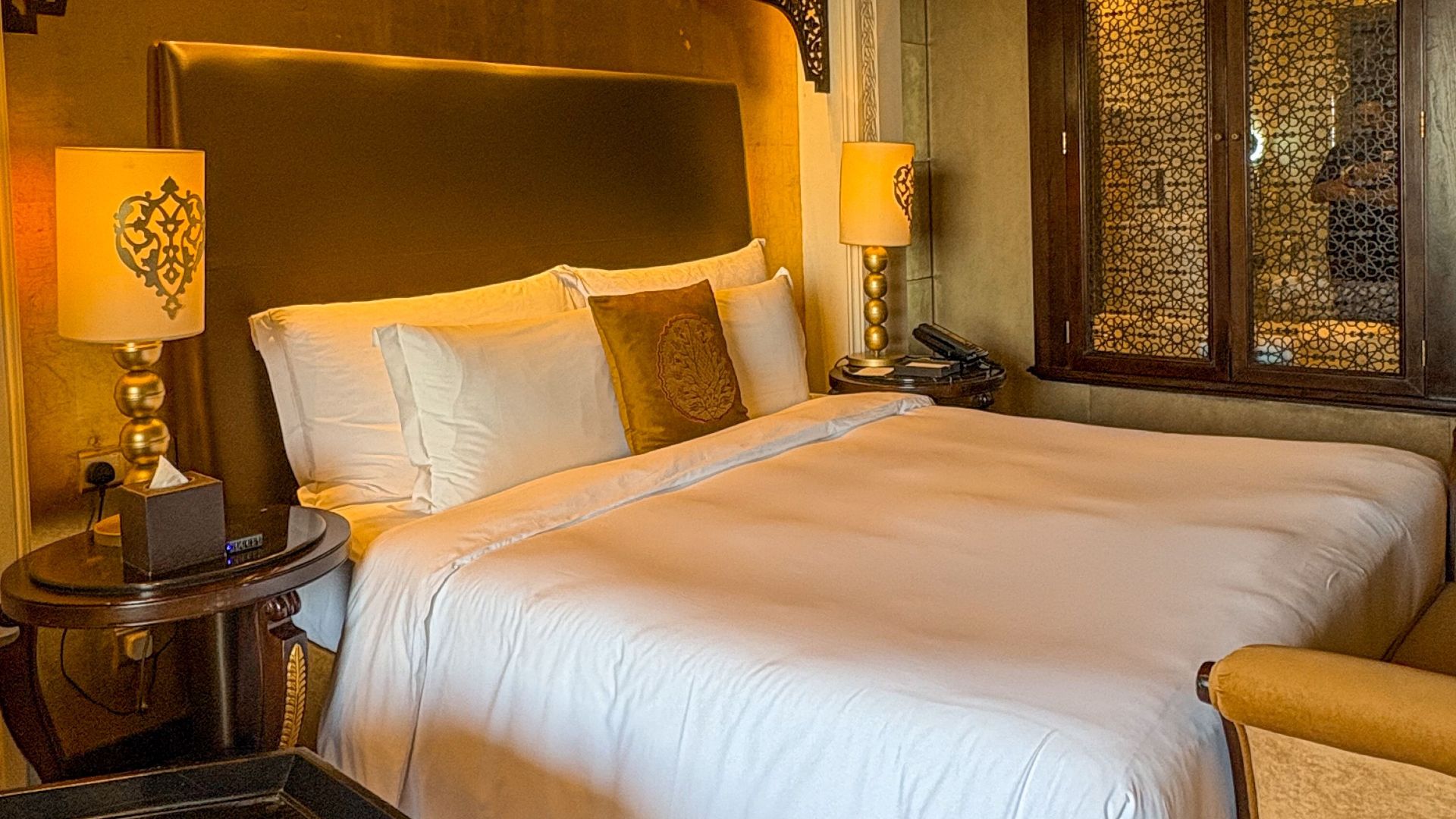
Foreign visitors from cooler climates may initially find America's devotion to air conditioning excessive. A hot night can change that opinion quickly. Individually adjustable hotel climate control is particularly useful compared with properties where cooling is absent, centrally restricted or ineffective. Travelers continue to report this problem in parts of Europe.
The Ice Machine
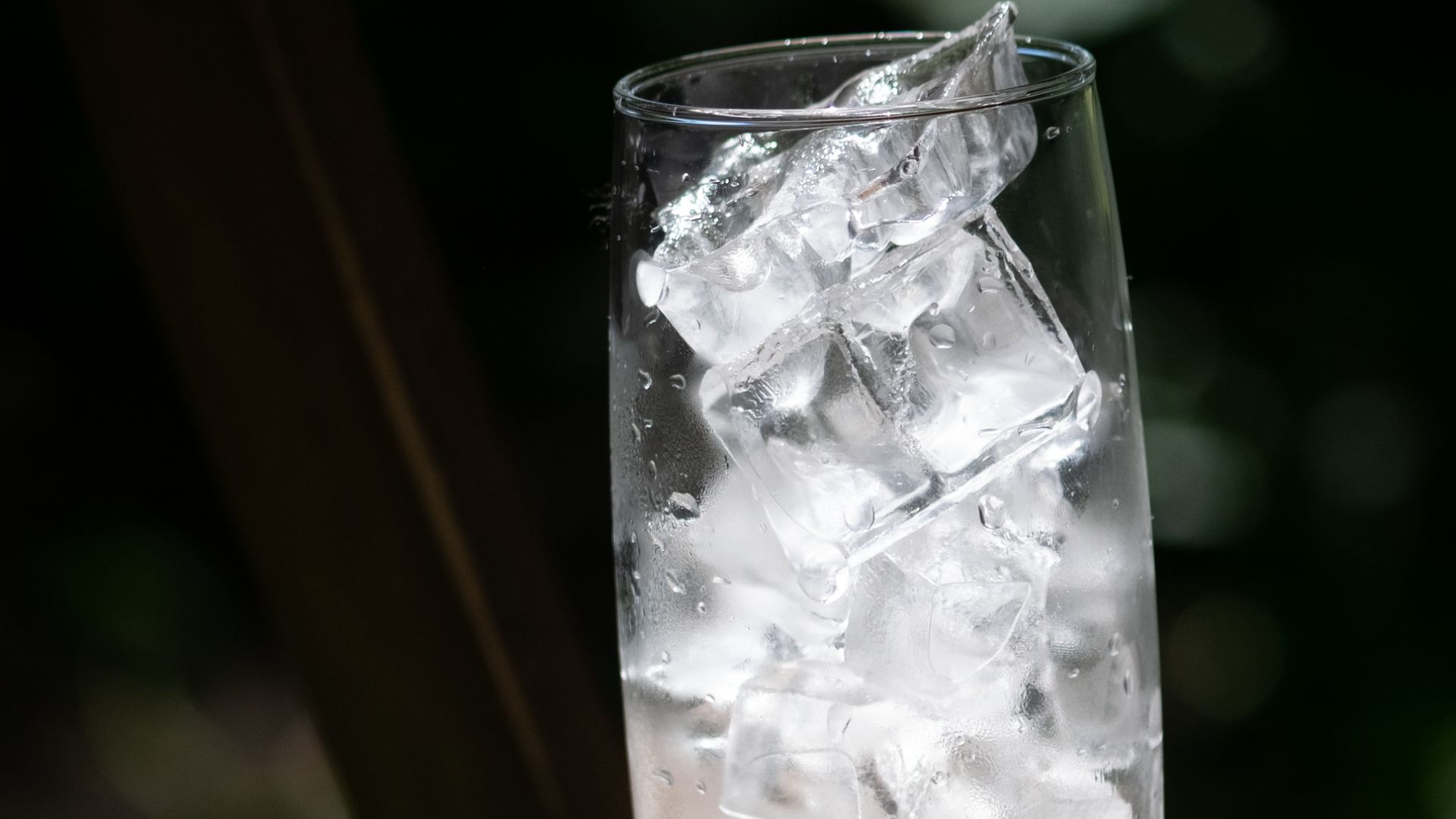
Few amenities announce “American hotel” quite like the ice bucket and machine down the hallway. Guests can fill a bucket whenever they want without ordering ice from a bar or reception. The practice is sufficiently established that federal hotel-accessibility guidance specifically mentions explaining the location of the room's ice bucket.
Free Hot Breakfast
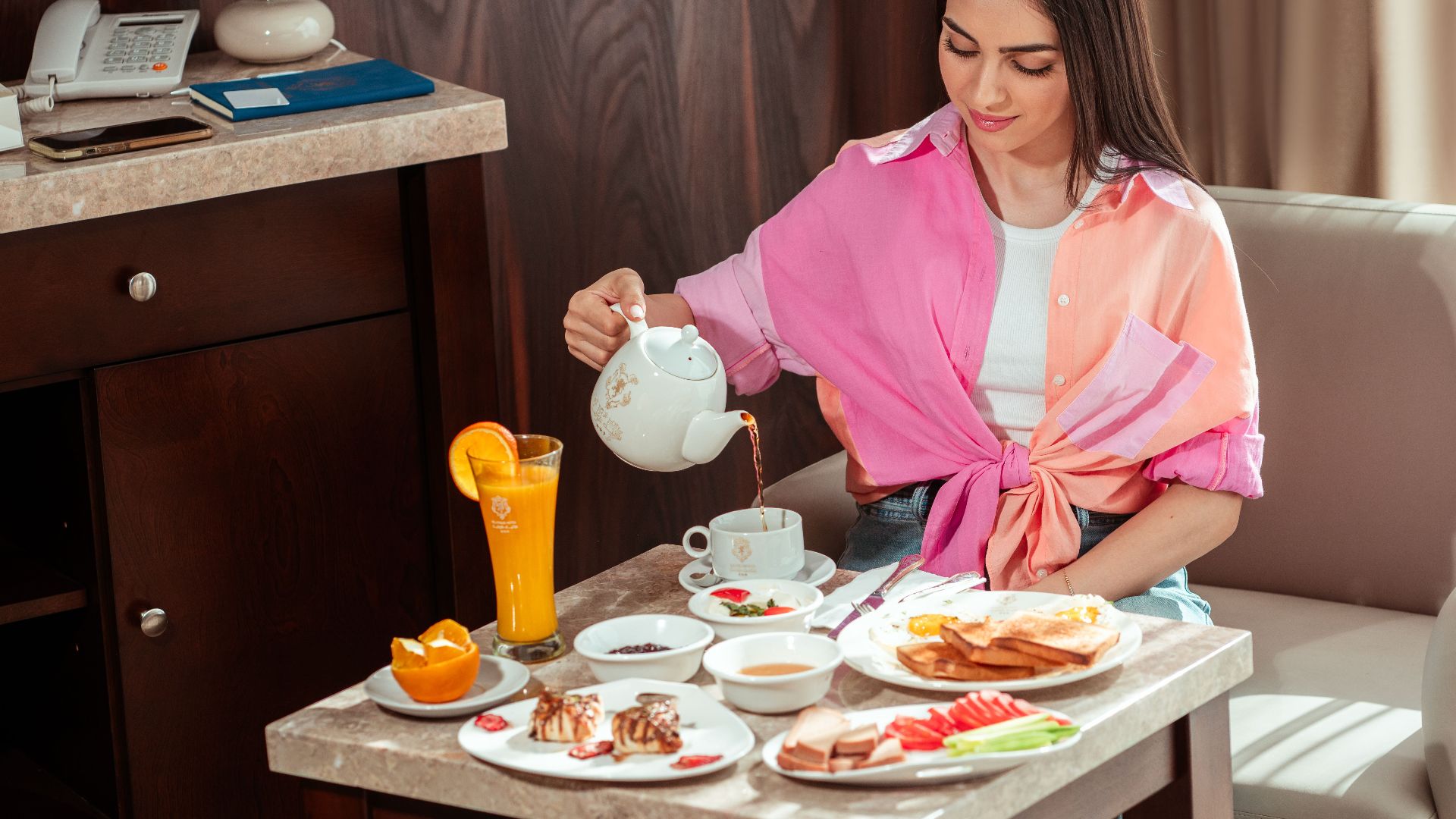
At many American limited-service hotels, breakfast isn't another line on the bill. Hampton says its complimentary breakfast includes eggs, bacon, oatmeal, fruit, cereal and its signature waffles. Industry reporting traces the brand's free-breakfast standard to 1984, when the offering was much simpler.
Make Your Own Waffles
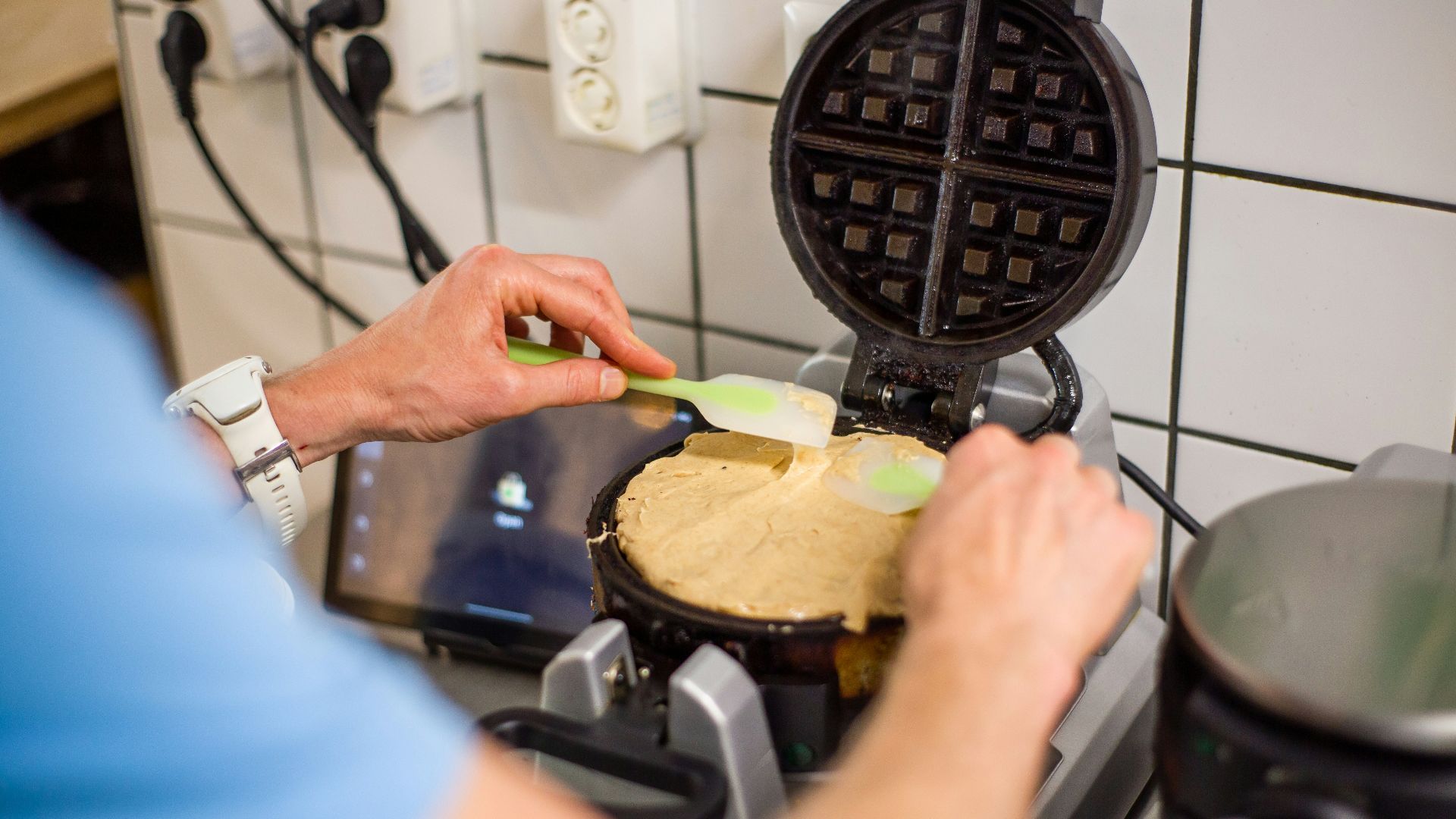
The self-service waffle iron deserves its own category. Hampton's waffle stations became so popular that millions are cooked annually. Instead of receiving a lukewarm packaged pastry, guests pour batter into the iron and make breakfast themselves, turning an inexpensive hotel amenity into a surprisingly beloved American travel ritual.
Coffee Whenever You Want
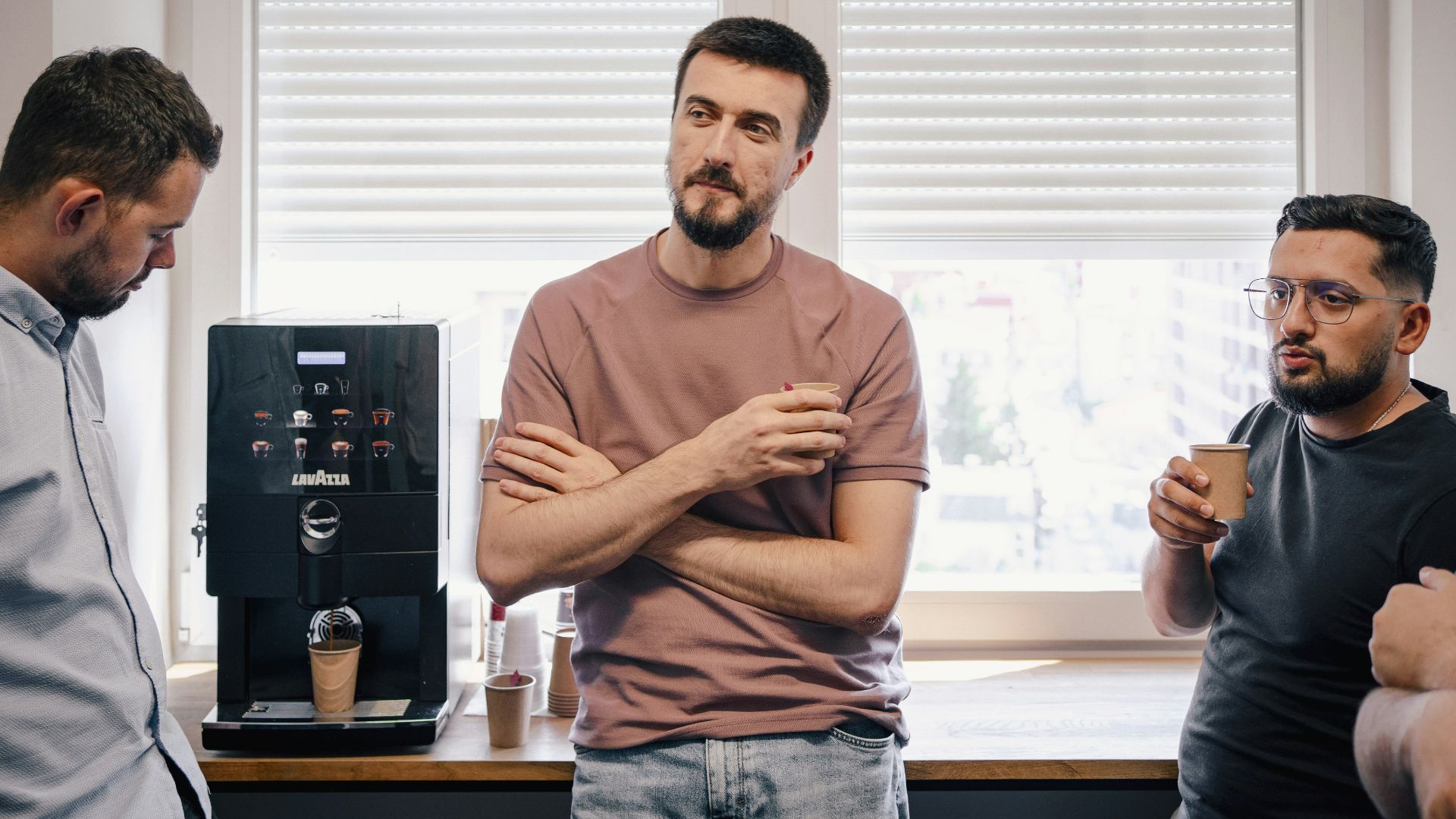
American hotels frequently treat coffee less like a formal breakfast beverage and more like a utility. Some properties keep it available in the lobby well beyond breakfast. Holiday Inn Express, for example, currently advertises bean-to-cup coffee available 24 hours a day at participating hotels, alongside its complimentary breakfast.
Coffee Inside The Room
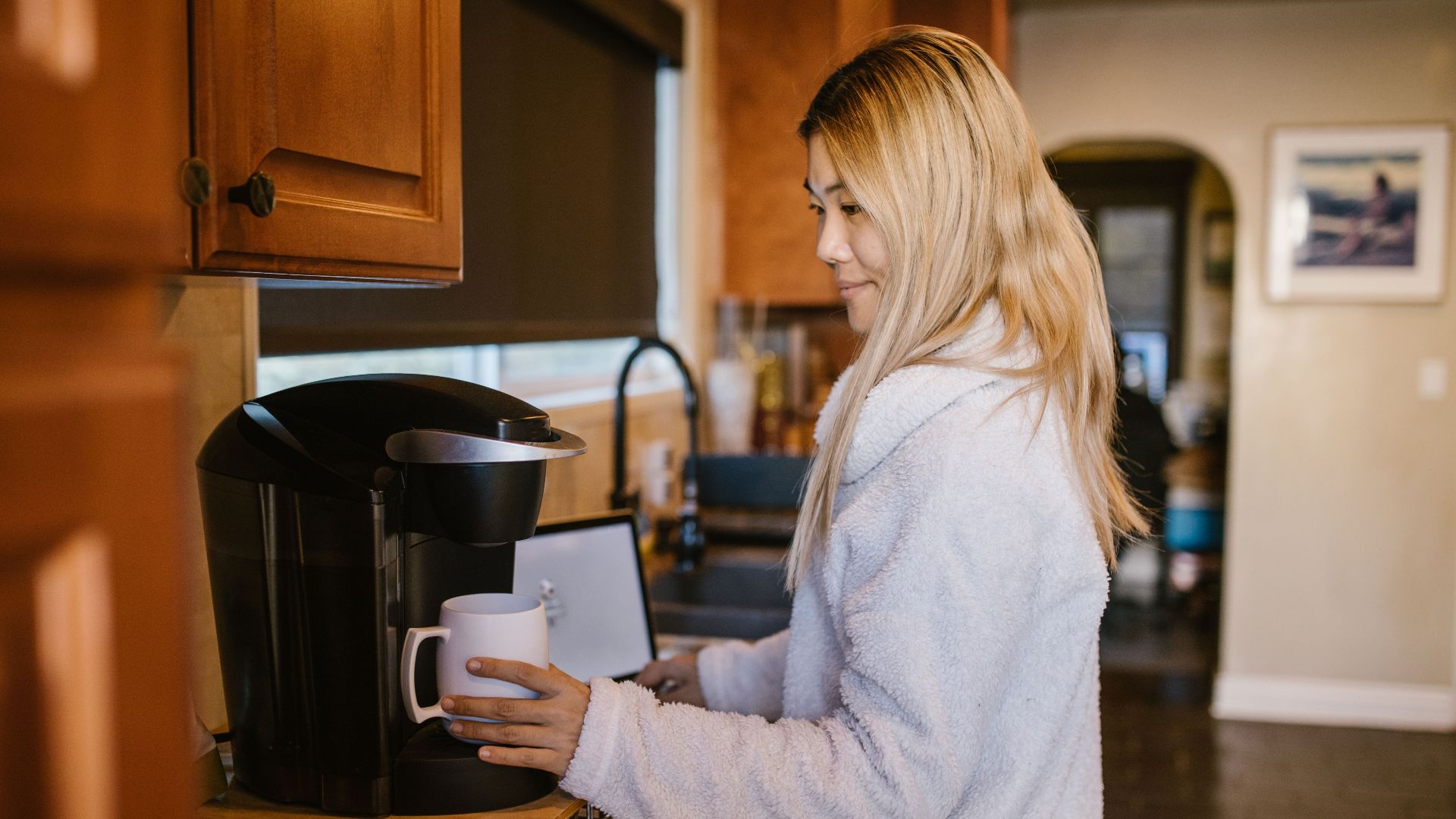
You don't necessarily need to get dressed before finding caffeine. In-room coffeemakers remain a familiar amenity at American hotels, including many relatively inexpensive properties. Quality Inn specifically lists coffee and tea among its room essentials, while federal accessibility guidance recognizes coffeemakers as a common enough feature to require operational assistance when needed.
A Refrigerator For Leftovers
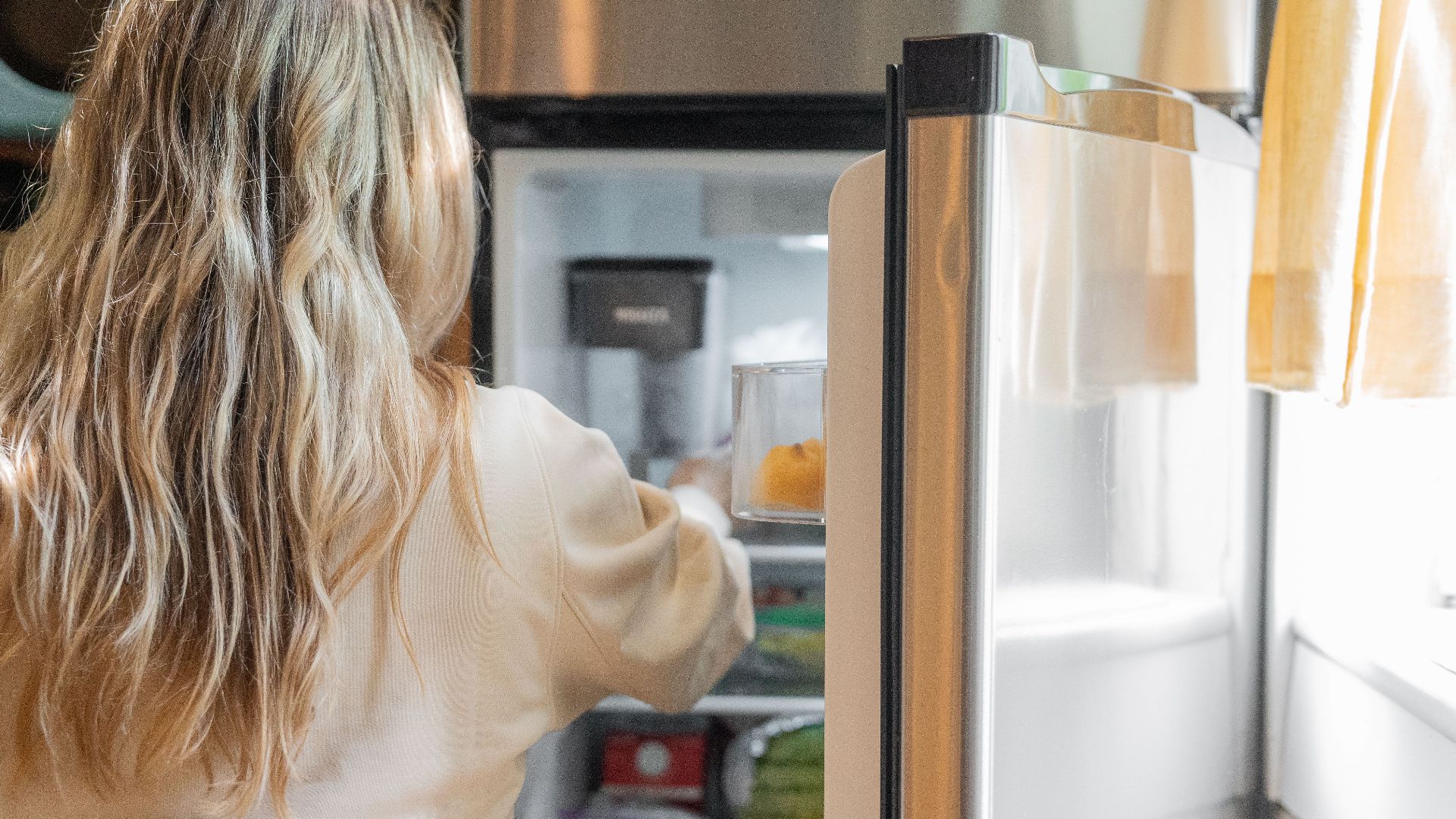
America's enormous restaurant portions become considerably more useful when the hotel room contains a refrigerator. Guests can save leftovers, keep drinks cold or store breakfast items. Refrigerators aren't universal, but major mid-priced brands make them surprisingly common: Comfort Inn specifically advertises in-room refrigerators among its standard guest conveniences.
Microwaves In Ordinary Rooms
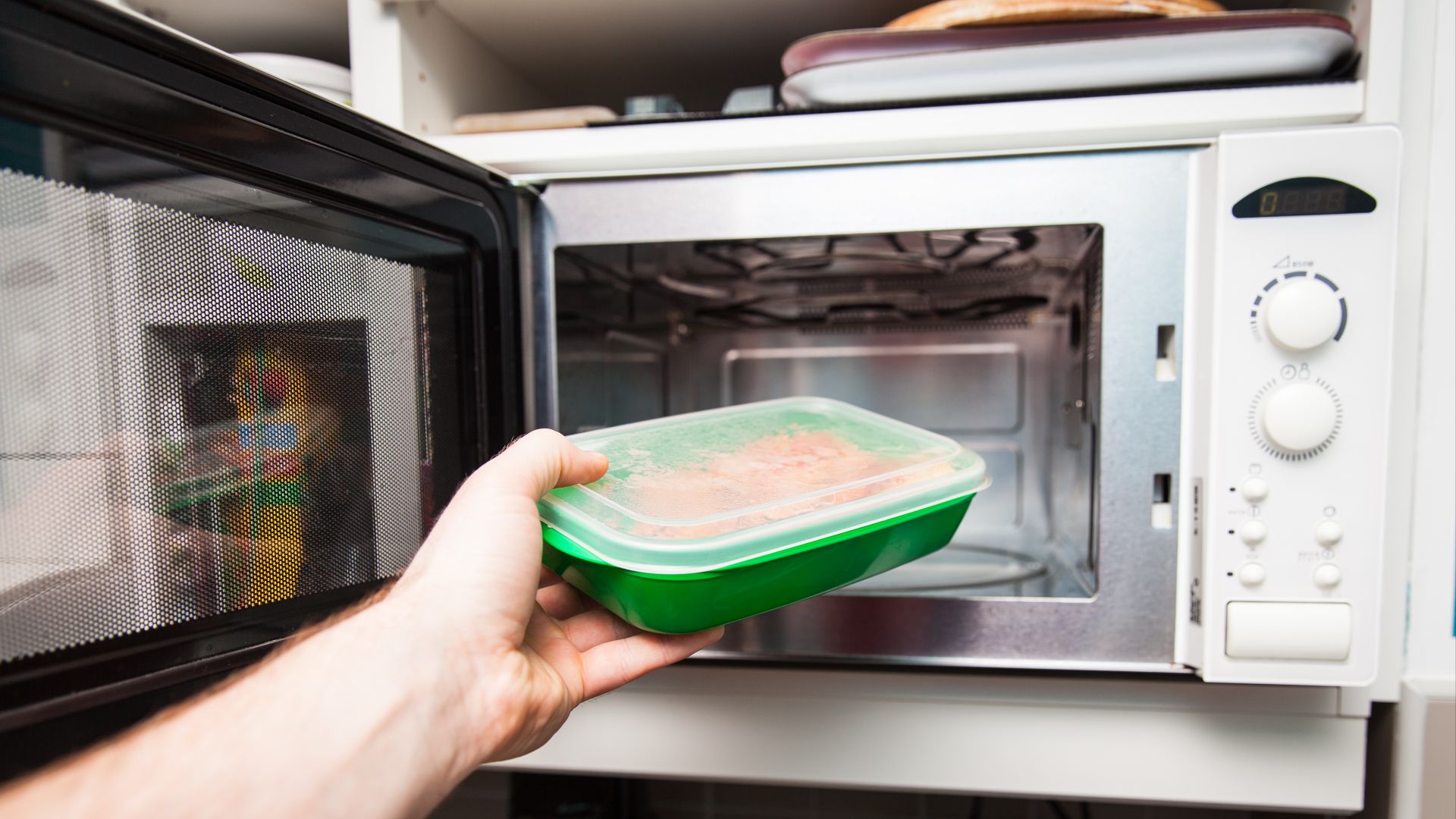
A microwave can turn yesterday's restaurant leftovers into today's lunch without leaving the hotel. Again, this isn't guaranteed at every American property, but it appears well below the luxury tier. Comfort Inn advertises microwaves alongside refrigerators, while Comfort Suites promotes both appliances as part of its suite experience.
 Trausti Evans, Wikimedia Commons
Guest Laundry Rooms
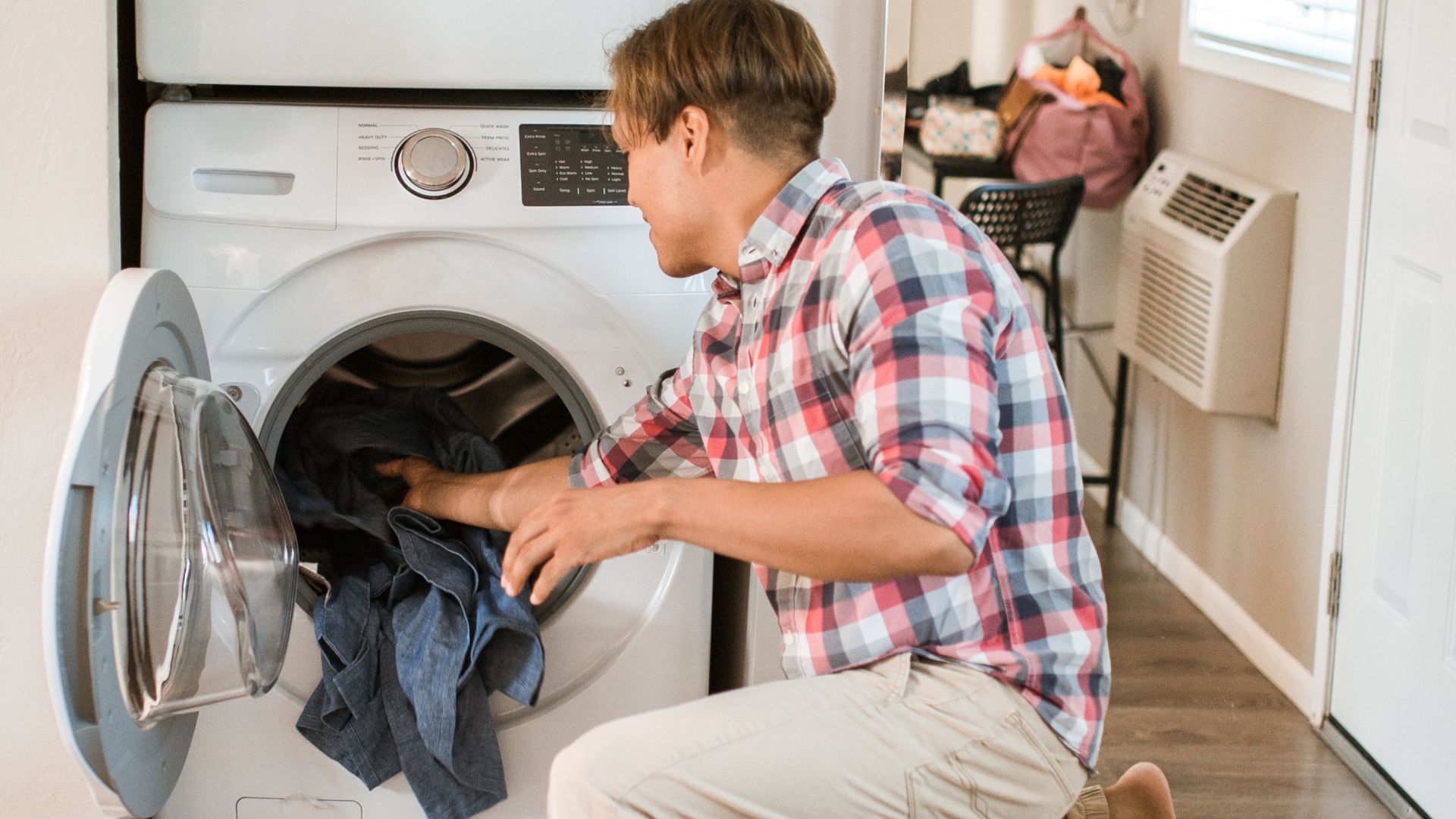
For somebody spending two weeks driving across America, an ordinary washer and dryer can be more valuable than room service. Laundry facilities are particularly common at extended-stay properties. Some mainstream hotels offer them too, allowing travelers to pack fewer clothes and wash them without paying full hotel dry-cleaning prices.
Swimming Pools Everywhere
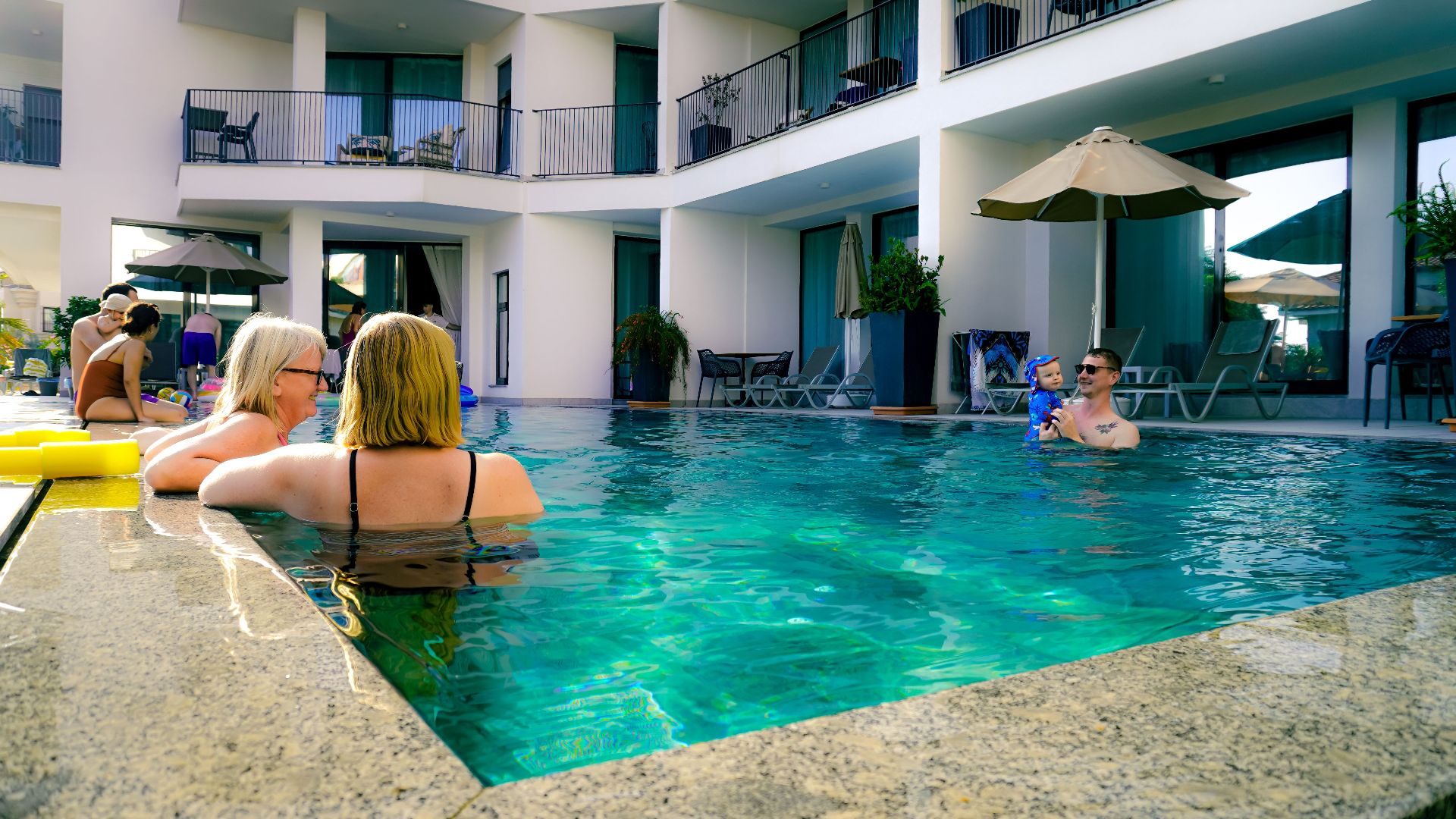
Visitors can encounter swimming pools at surprisingly ordinary American roadside hotels, including properties nowhere near a beach or resort. Holiday Inn Express says pools are available at most locations, while Comfort advertises indoor or outdoor pools at selected hotels. For traveling families, an otherwise forgettable overnight stop can suddenly become entertainment.
Fitness Rooms Without Luxury Prices
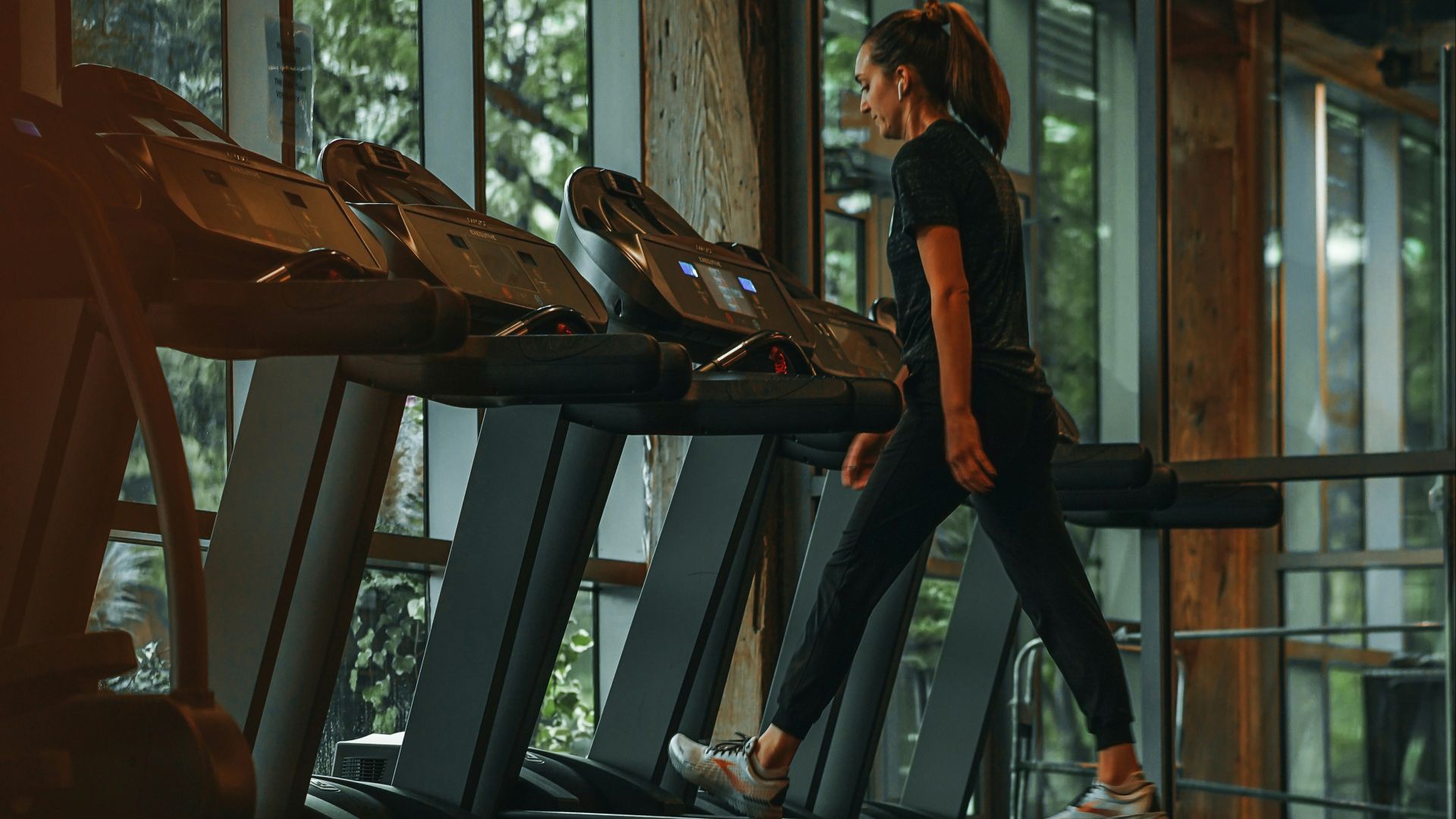
A hotel gym doesn't necessarily require booking a resort. Fitness centers have become standard enough in America's mid-market segment that Comfort includes complimentary fitness centers among its brand amenities, while Holiday Inn Express advertises 24-hour fitness centers. That makes maintaining an exercise routine considerably easier during long road trips.
Free Wi-Fi Is Expected
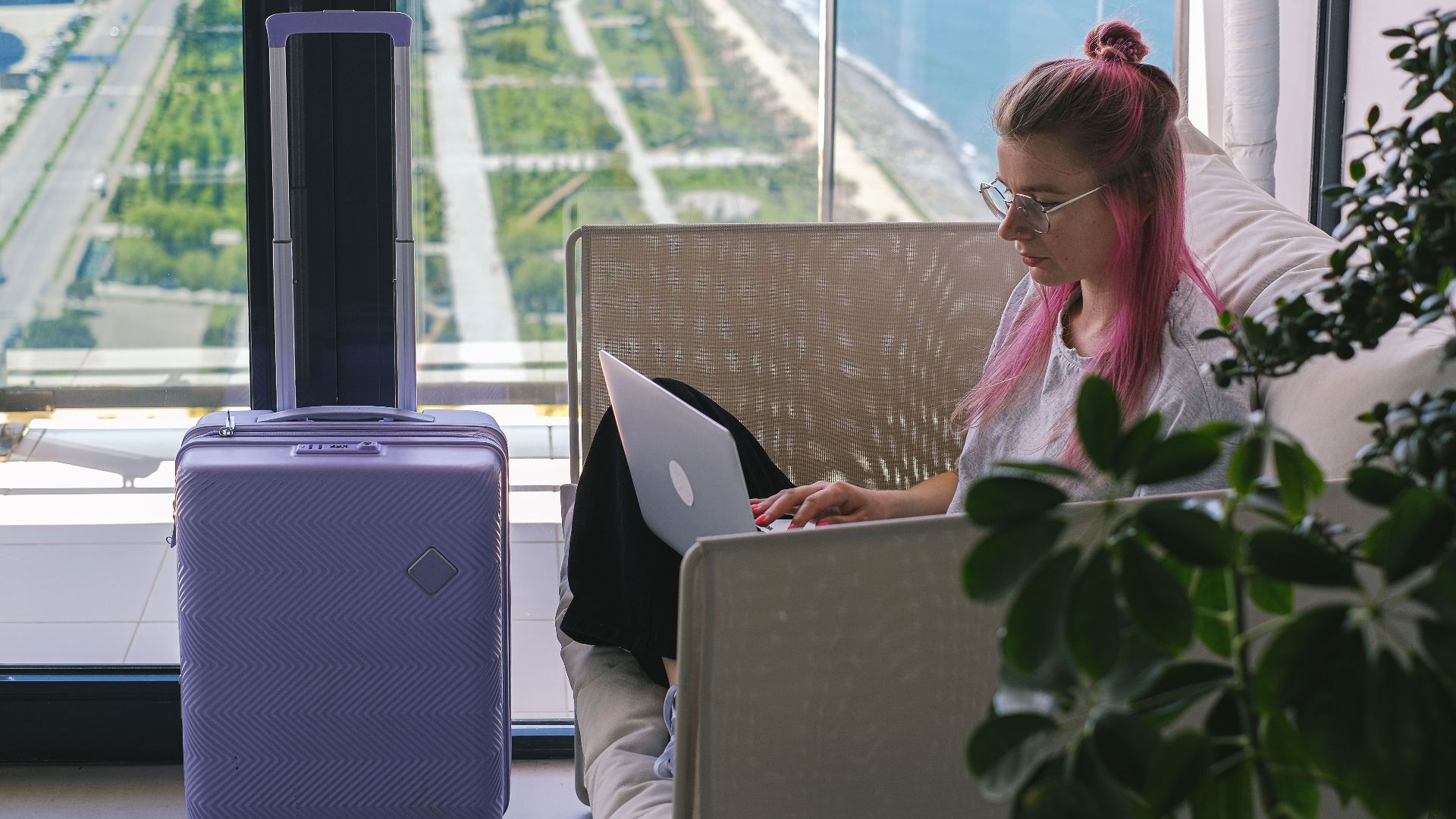
Charging separately for internet access increasingly feels antiquated at American limited-service hotels. Comfort advertises free Wi-Fi throughout its properties, and Quality Inn includes it among its core essentials. Ironically, travelers can sometimes encounter separate internet charges more readily at upscale properties than at the inexpensive roadside hotel down the highway.
Grab-And-Go Markets
Arriving late doesn't always mean going hungry. Many newer American hotels supplement vending machines with small lobby markets selling snacks, drinks and basic necessities. Holiday Inn Express specifically lists a grab-and-go market among its amenities, while Comfort properties may include a marketplace for guests who need something quickly.

Vending Machines Downstairs
The traditional vending machine remains another unglamorous American hotel convenience that suddenly makes sense at midnight. Soda, water and snacks can often be purchased without leaving the property. Vending machines and ice dispensers became such familiar hotel fixtures that they're routinely classified as standard out-of-room guest amenities.

Roadside Hotels Actually Work
America's motel and limited-service hotel system was built around the automobile, and that remains enormously convenient on road trips. Travelers can leave the interstate, find accommodation, park nearby, sleep, eat breakfast and return to the highway. The experience may lack romance, but its sheer practicality is difficult to beat.
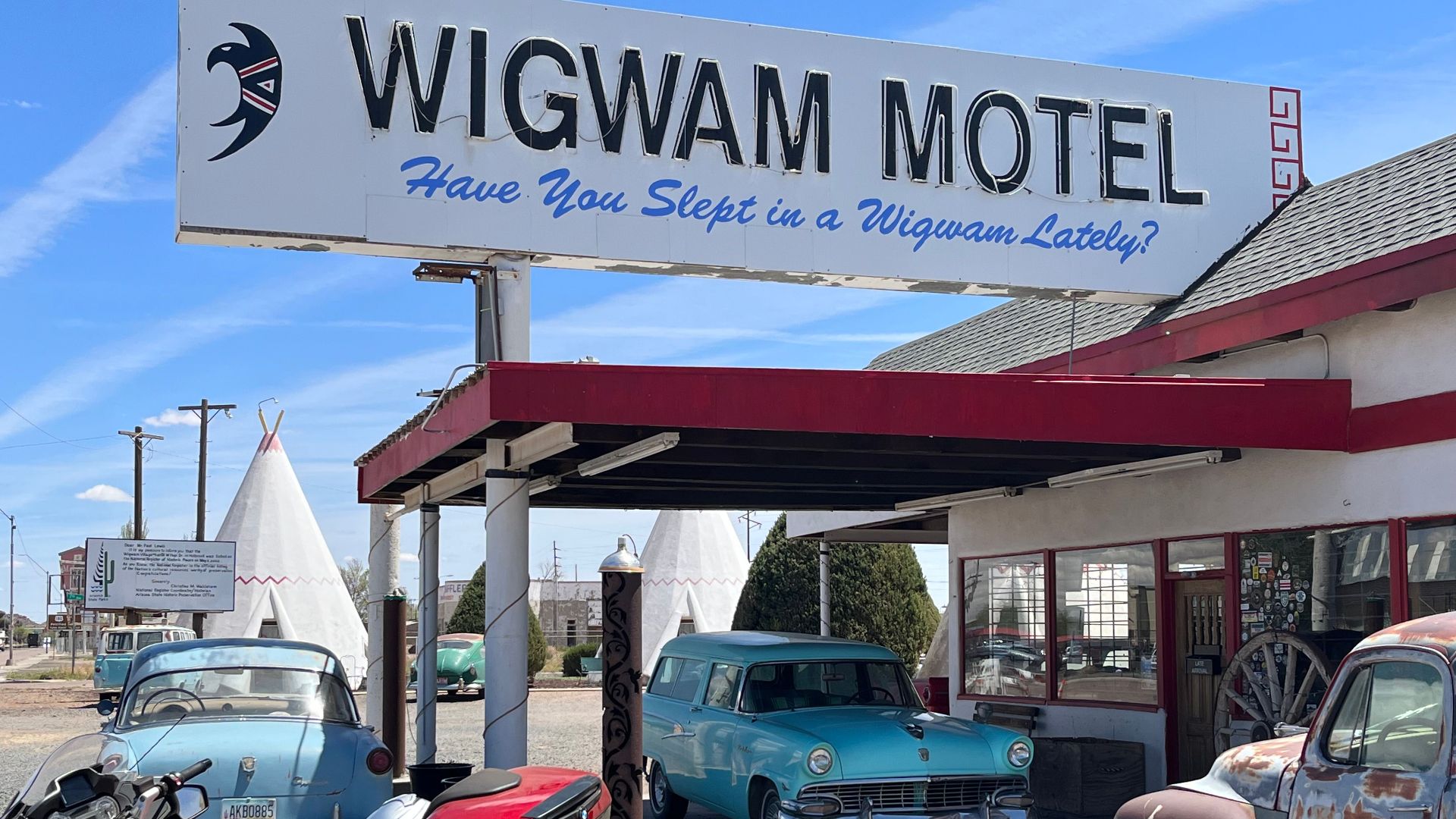
Parking Beside The Hotel
In many suburban and roadside American hotels, parking isn't a distant garage or a logistical puzzle. The lot simply surrounds the building. Visitors accustomed to historic European city centers can find that remarkably convenient, particularly with luggage or children. American suburban development generally provides considerably more parking space than older European cities.
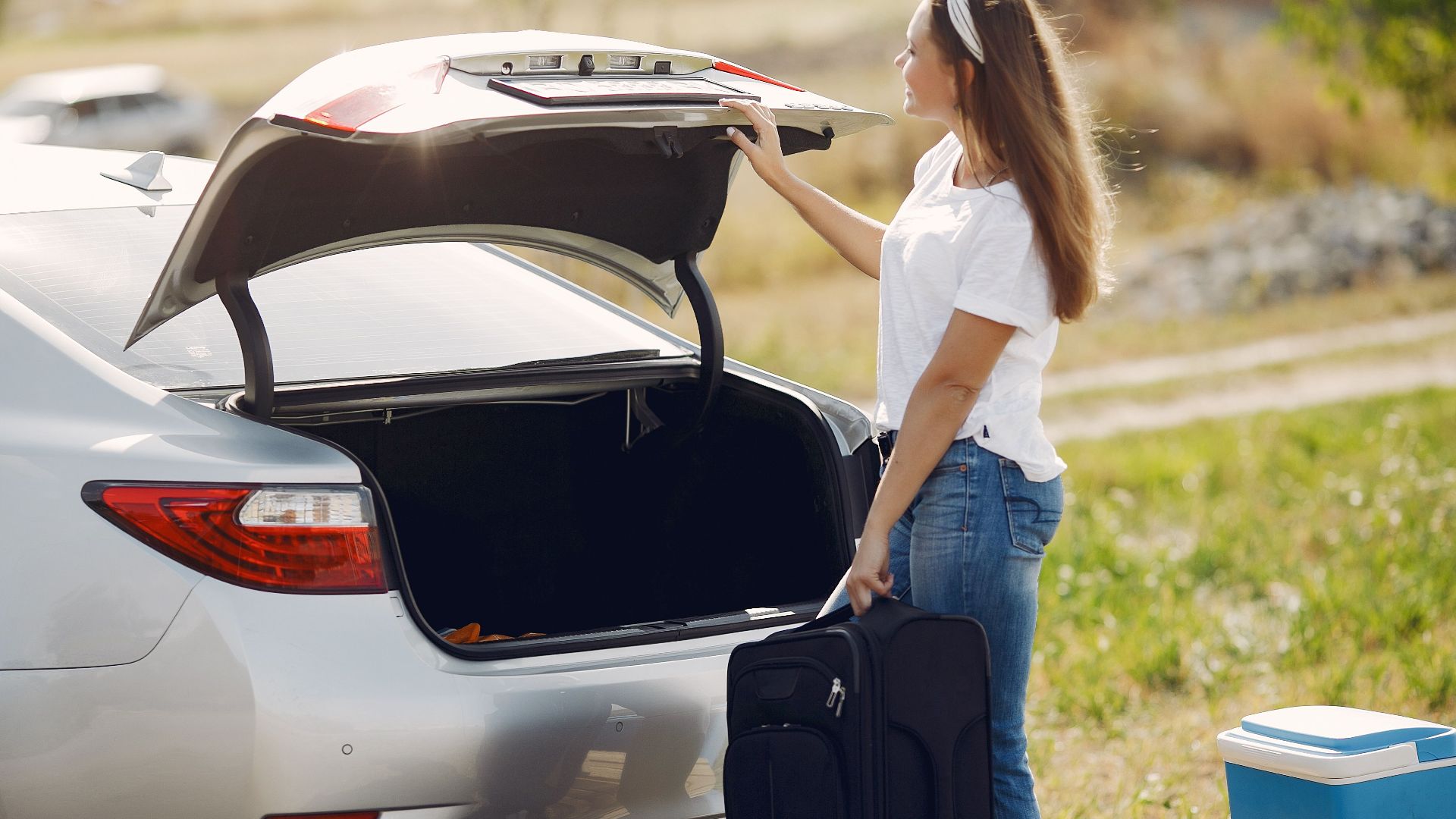
Accessible Rooms Are Serious Business
American hotel accessibility isn't simply a courtesy. The Americans with Disabilities Act (ADA) requires covered lodging properties to provide accessible accommodations, while federal standards specify numbers of mobility-accessible rooms and, at larger properties, roll-in showers. Reservation systems must also describe accessible features sufficiently for guests to determine whether a room meets their needs.
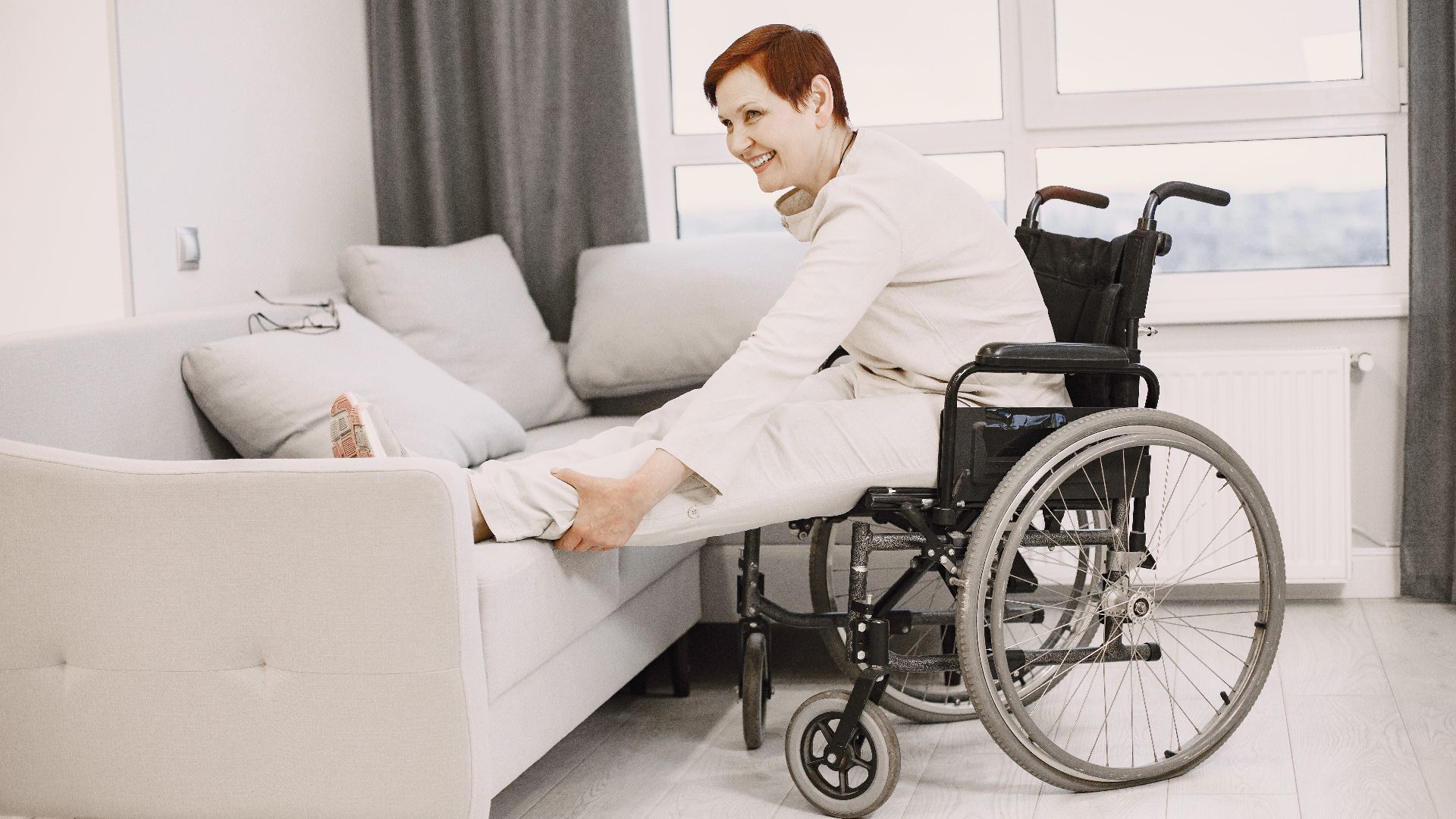
Accessibility Goes Beyond Ramps
Federal requirements reach much further than an accessible entrance. U.S. standards address sleeping-area clearances, bathrooms and communication features, while Justice Department guidance discusses room choice and distribution. Hotels must also make reasonable modifications so travelers requiring accessible rooms can reserve them with comparable efficiency and convenience.

Accessible Reservations Matter
One particularly useful American rule concerns booking itself. Covered hotels must identify and describe accessibility features in enough detail for travelers to assess rooms independently. Federal guidance gives examples including bed number, bathing facilities, roll-in showers and communication features, reducing the need to arrive and simply hope the room works.
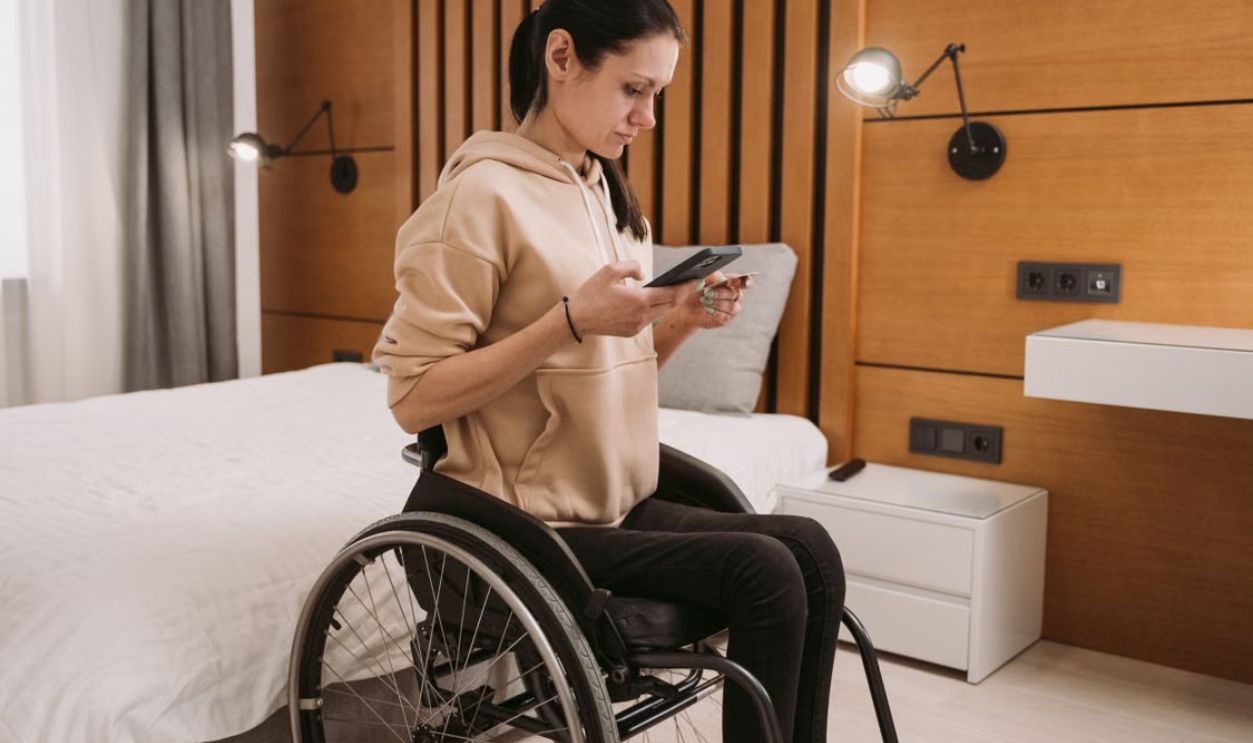
Pet-Friendly Choices
Traveling with a dog doesn't necessarily mean abandoning the major hotel chains. Choice Hotels says more than 2,500 of its properties are pet-friendly, although fees, size restrictions and individual policies vary. Search filters also allow travelers to identify participating properties before booking instead of calling hotels one at a time.

Predictability Has Real Value
International travelers may seek character from accommodations, but consistency has advantages when you're exhausted. Large American chains standardize basics such as Wi-Fi, breakfast, bedding and room equipment. Hampton was founded in 1984 around consistent, value-priced lodging with bundled amenities, helping establish a formula subsequently copied throughout the industry.

Convenience Wins Converts
Nobody needs to pretend every American hotel is enormous, inexpensive or packed with freebies. Amenities vary substantially by brand and property. But the bottom line is that America's best hotel ideas tend to solve boring travel problems extremely well: feed people quickly, give them space, keep them comfortable and make basic necessities easy to obtain.

You May Also Like:
Hotel Chains From The 60s And 70s That No One Remembers—Seriously, Do You Remember Even 5 Of These?
Things European Visitors Find Confusing About American Hotels
40 Everyday American Habits That Baffle The Rest Of The World