Check Your Memory
There was a time when pulling off the highway for the night meant seeing names that were absolutely everywhere. Then, somehow, many of them just disappeared.
A few of these might hit you instantly. Others may have you wondering if they ever existed at all. Keep count as you go. Five is the number to beat.
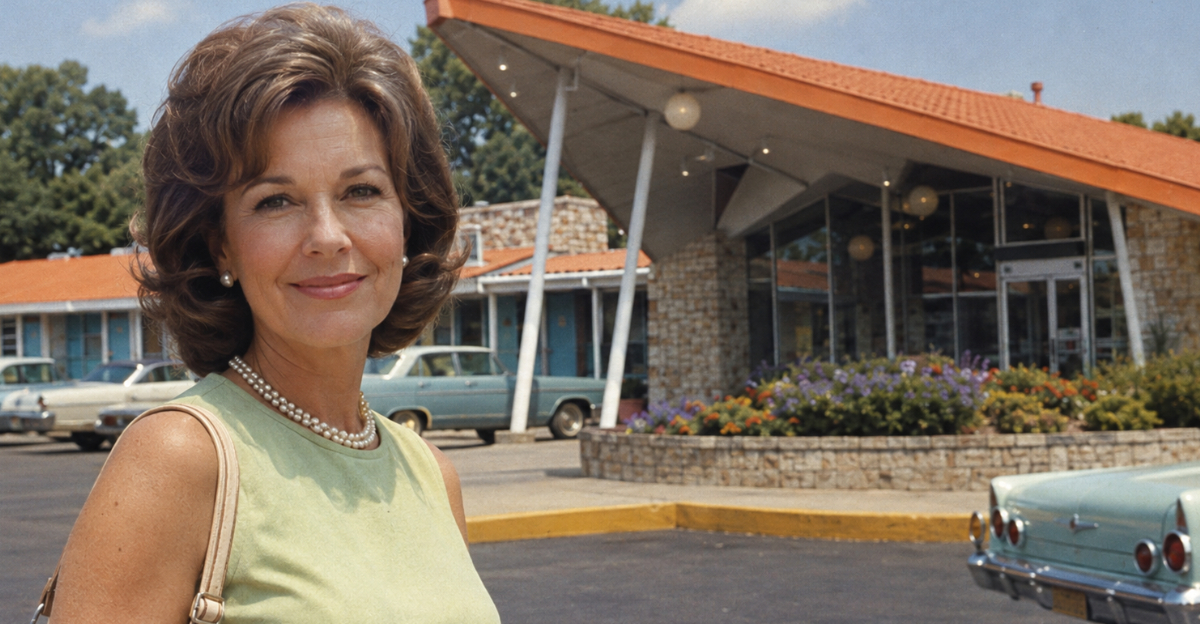
Howard Johnson’s Motor Lodges
Okay, we’ll start with an easy one. Howard Johnson’s wasn’t just the place with the orange roof and ice cream. By the 60s, its Motor Lodges were spreading across the country too. For plenty of families, seeing “HoJo” along the highway meant dinner, a bed and probably another long day in the station wagon tomorrow.
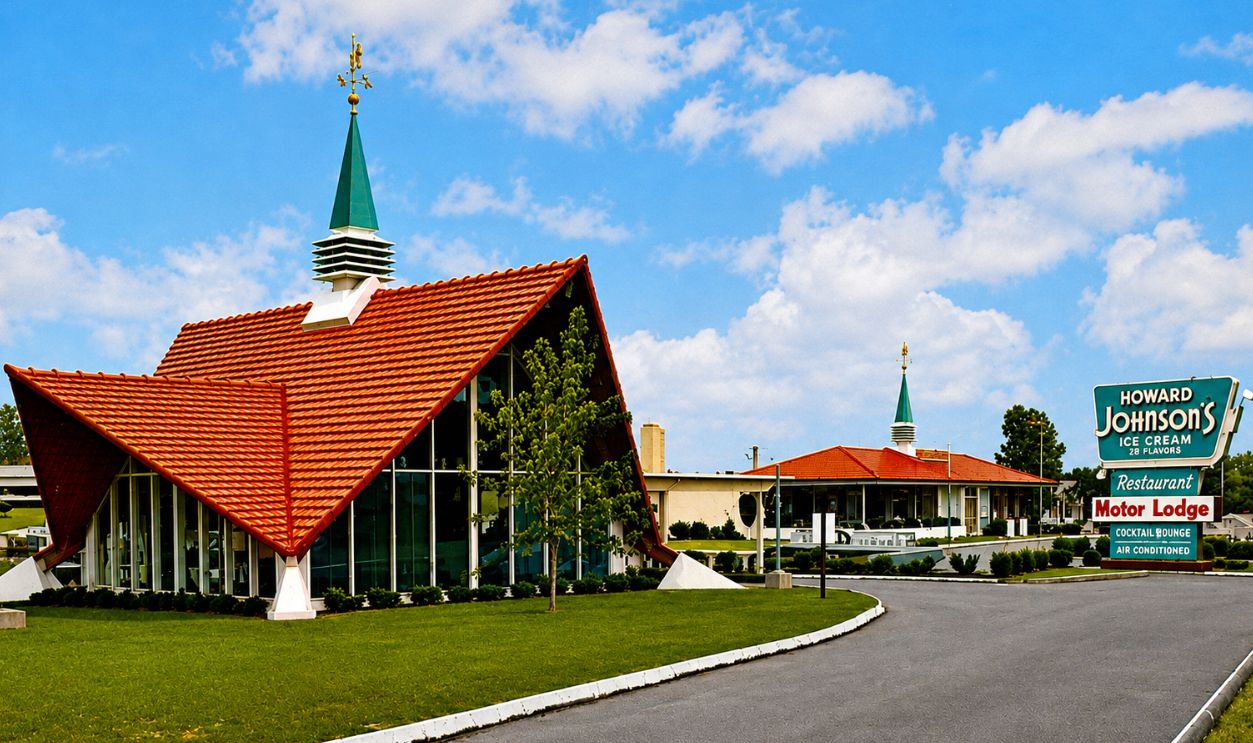 tichnor bros. lusterchrome, Wikimedia Commons, enhanced
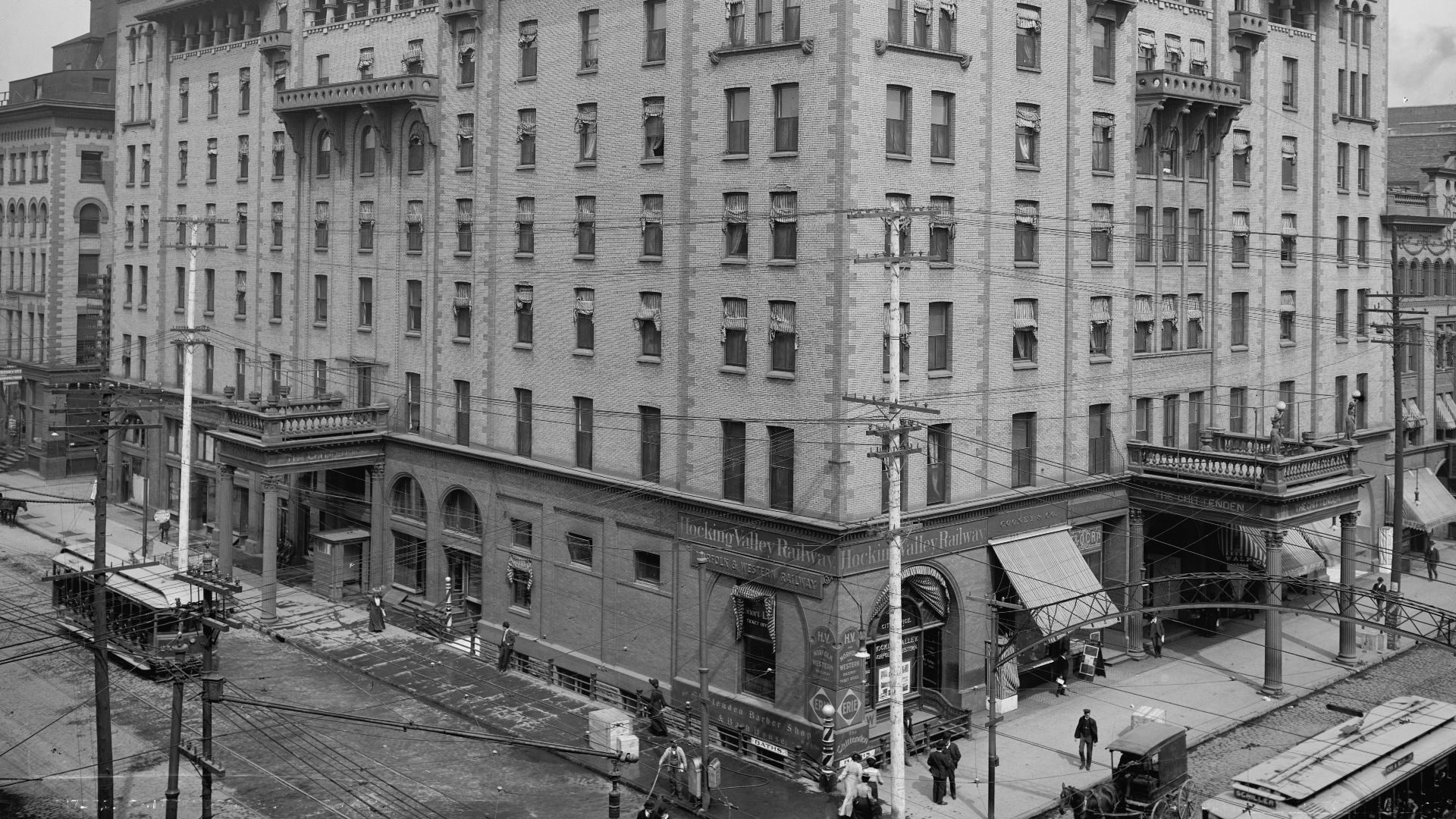
Albert Pick Hotels
This was once a real heavyweight, even if the name now sounds more like a guy your grandfather played cards with. Albert Pick operated city hotels, resorts and roadside properties, and the company remained one of the larger lodging groups in America well into the 60s. Today, most people have never even heard of it.
 Unknown author, Wikimedia Commons
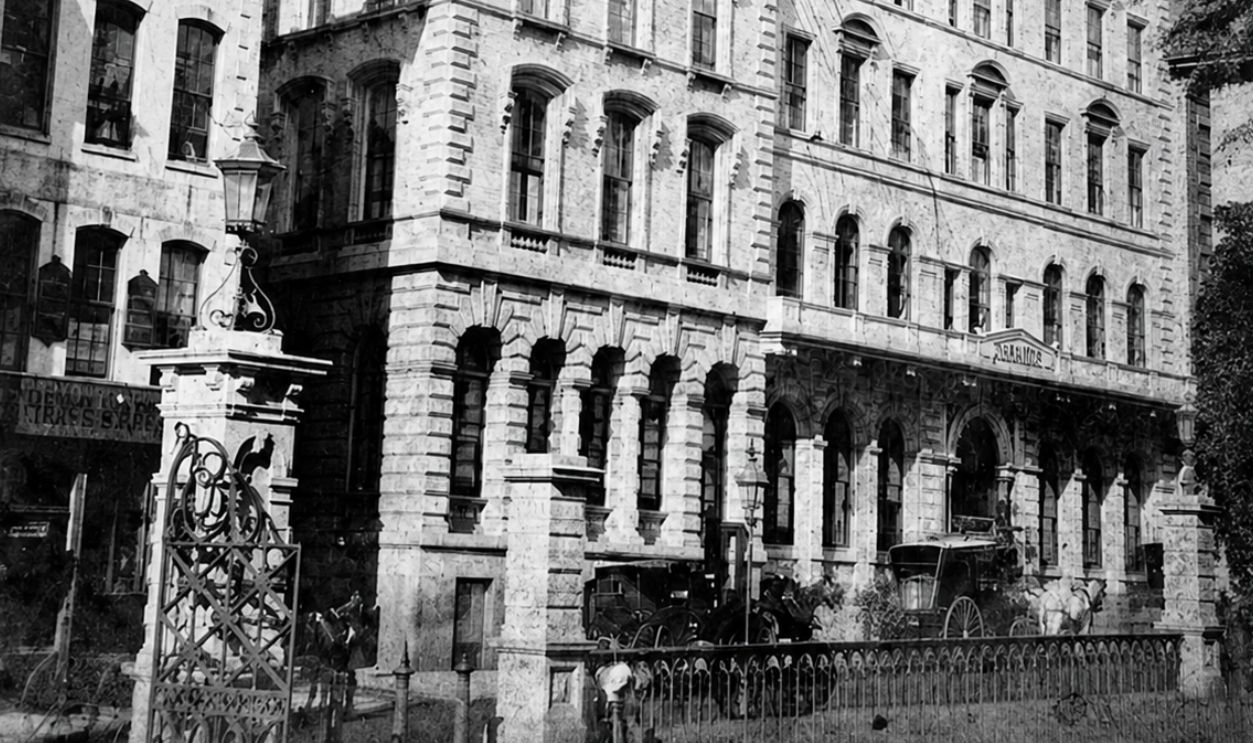
Dunfey Hotels
Five brothers from New England built Dunfey into a surprisingly big hotel company. By the 60s and 70s, the brand had spread across the country and picked up well-known properties like Boston’s Parker House. Then came the twist: Dunfey Hotels acquired Omni International in 1983. Its owner decided Omni was the stronger name, and Dunfey gradually disappeared.
 BPL, Wikimedia Commons, enhanced
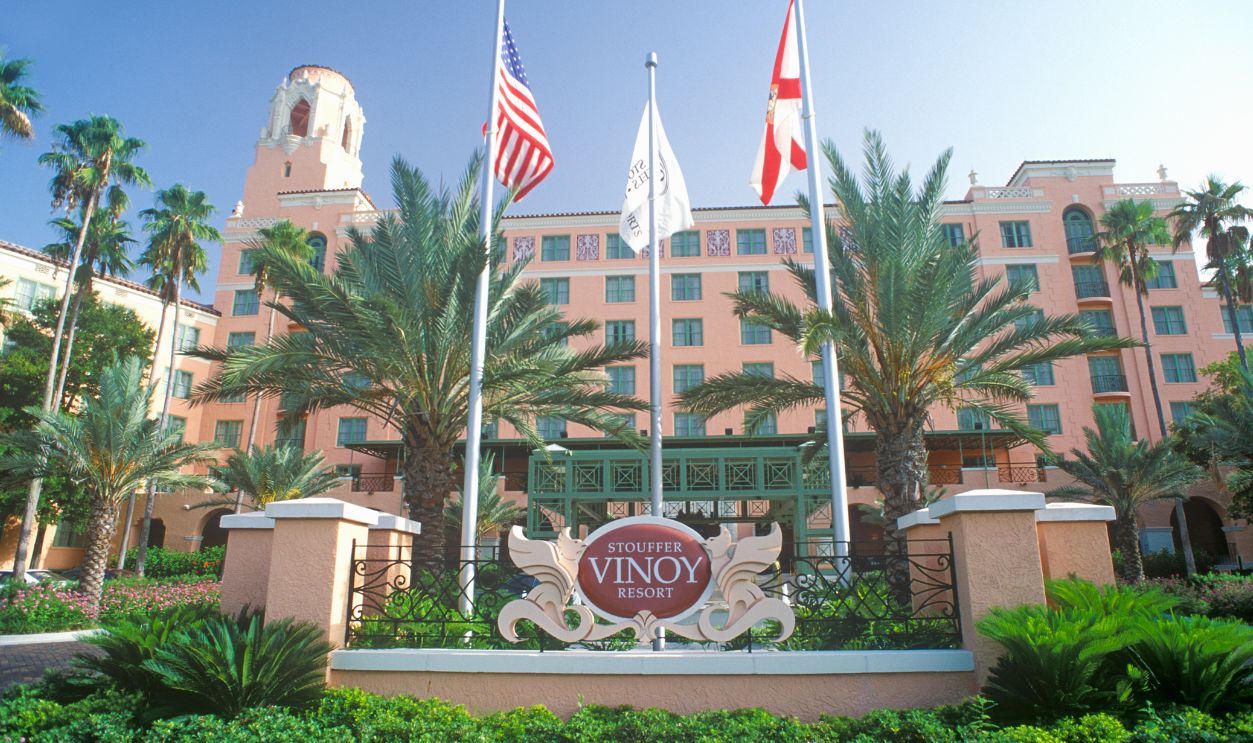
Stouffer Hotels
Yes, those Stouffers. By the time the company got into hotels, it was already selling frozen food. In 1960, it bought the Anacapri Inn in Fort Lauderdale, then built a real hotel division that eventually included full-service hotels and resorts. Frozen dinners and hotel keys under the same name is still a pretty great forgotten-brand twist.
 Joe Sohm/Visions of America, Getty Images
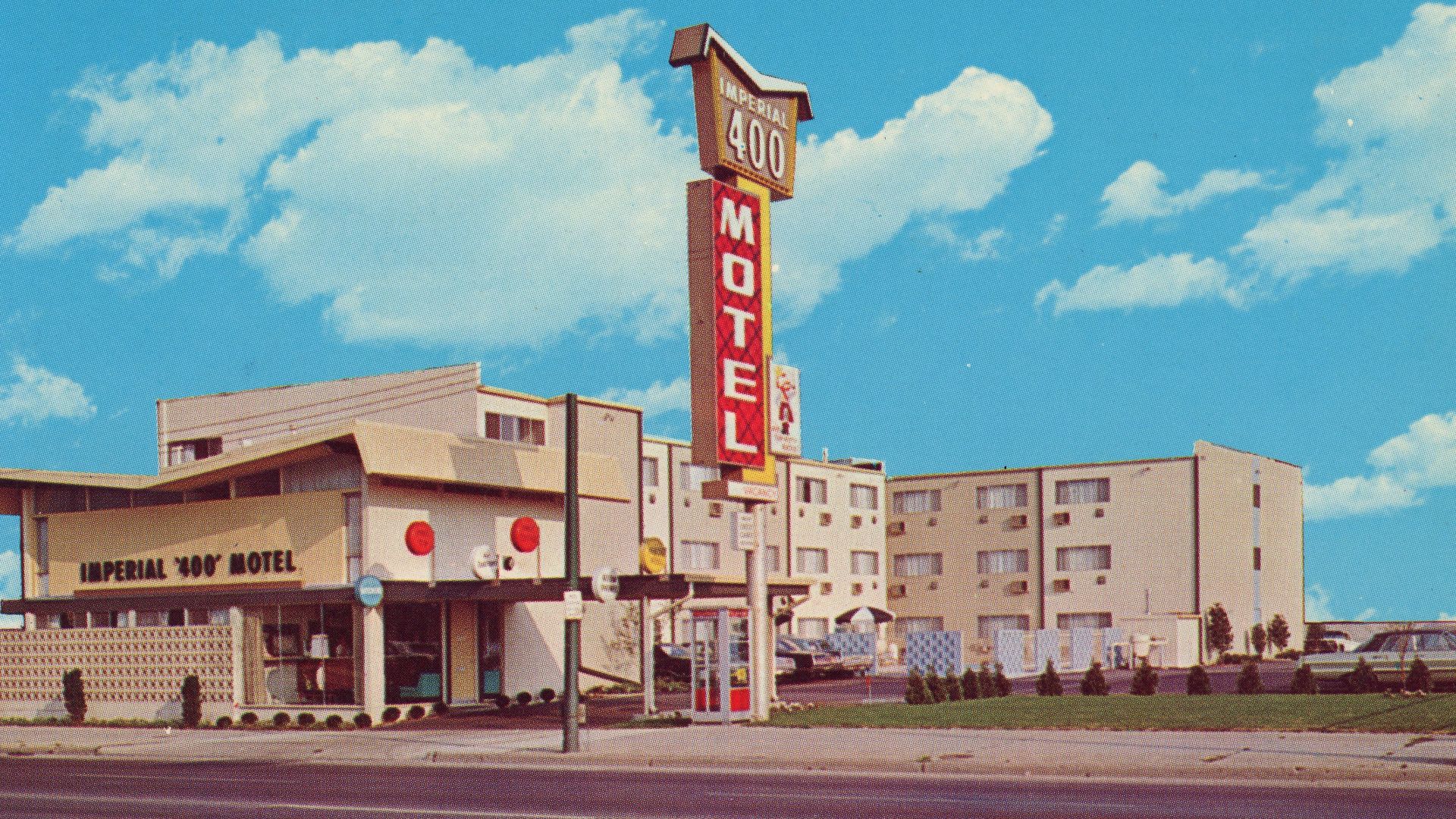
Imperial 400
Now we’re getting into the good stuff. Imperial 400 showed up at the dawn of the 60s and became known for eye-catching mid-century motel design, especially those dramatic roofs. A surviving one feels less like an old motel and more like you’ve wandered onto the set of a lost roadside sci-fi movie.
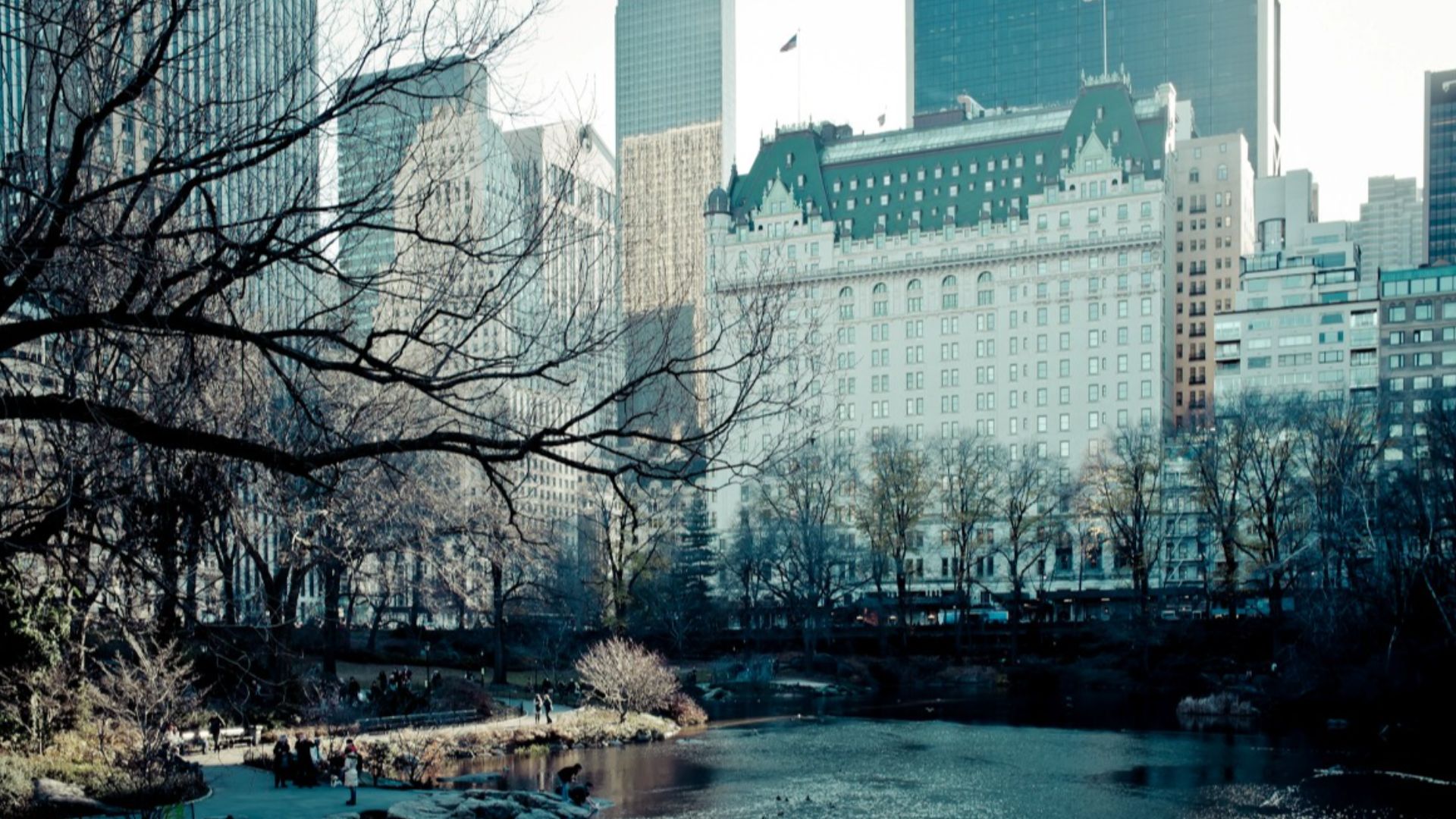
Western International Hotels
This may be the biggest “wait, that became what?” name in the article. Western Hotels rebranded as Western International Hotels in 1963 and grew into a major global company. Then, in 1981, it shortened the name to Westin. Suddenly this forgotten chain starts sounding very familiar.
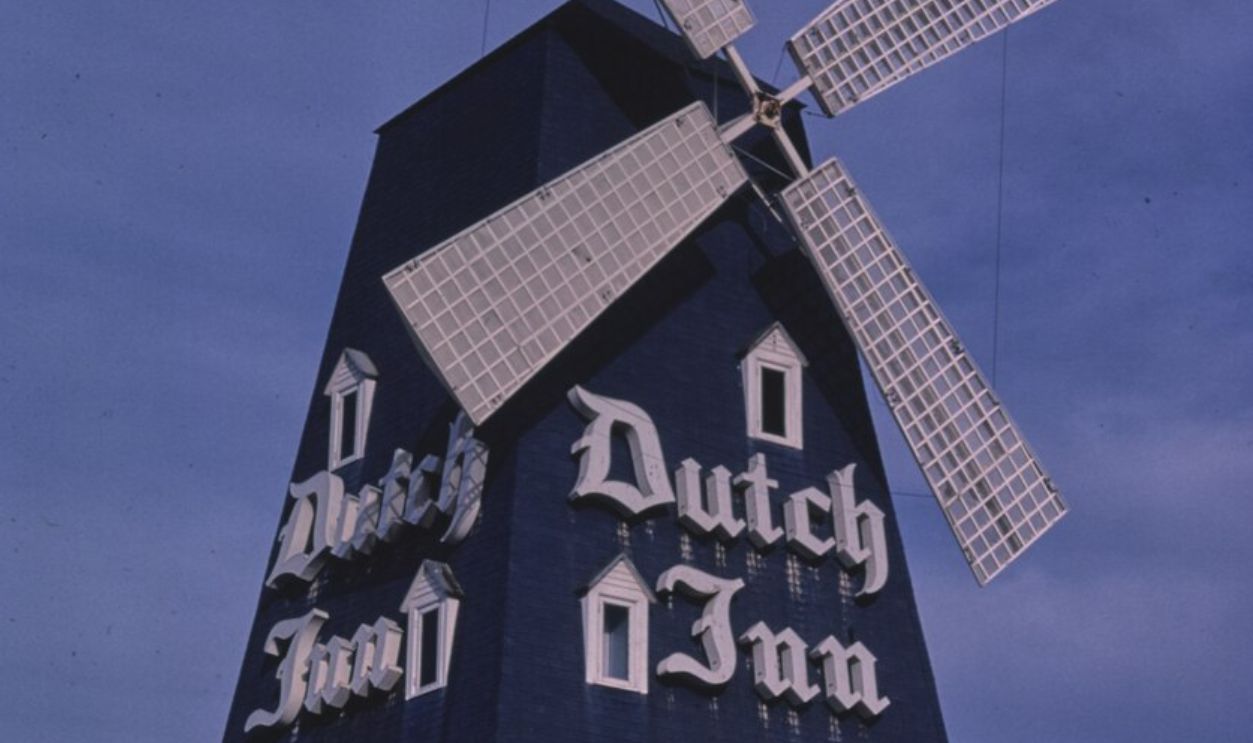
Dutch Inns of America
This one really earns its place. In a 1968 ranking of America’s largest lodging chains by revenue, Dutch Inns of America was number five. Number five. It ranked ahead of names people still recognize today, and now most readers will assume it was made up by a screenwriter trying to sound vintage.
 John Margolies, Wikimedia Commons
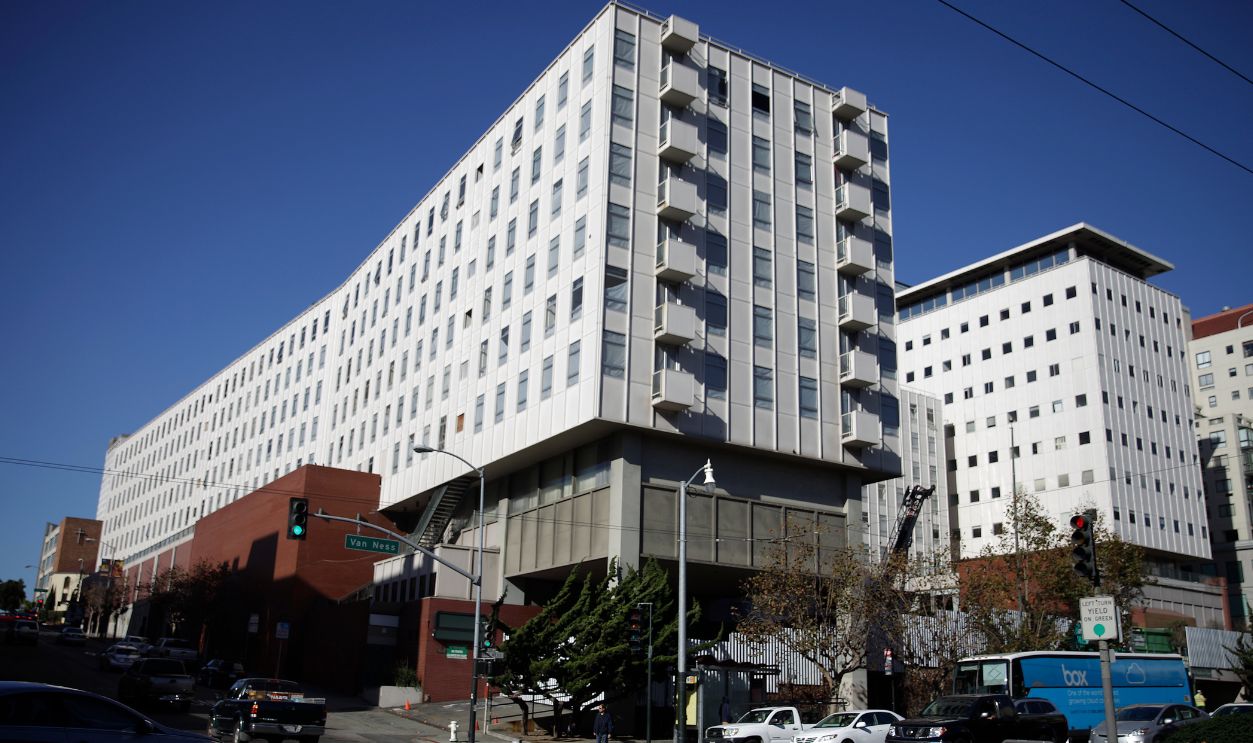
Jack Tar Hotels
No, Jack Tar was not a seafood chain. It was a real hotel and resort brand, and a fairly ambitious one too. Its San Francisco hotel was a big deal when it opened in 1960. That name had real presence for a while, which makes its near-total disappearance feel even stranger.
 San Francisco Chronicle/Hearst Newspapers, Getty Images
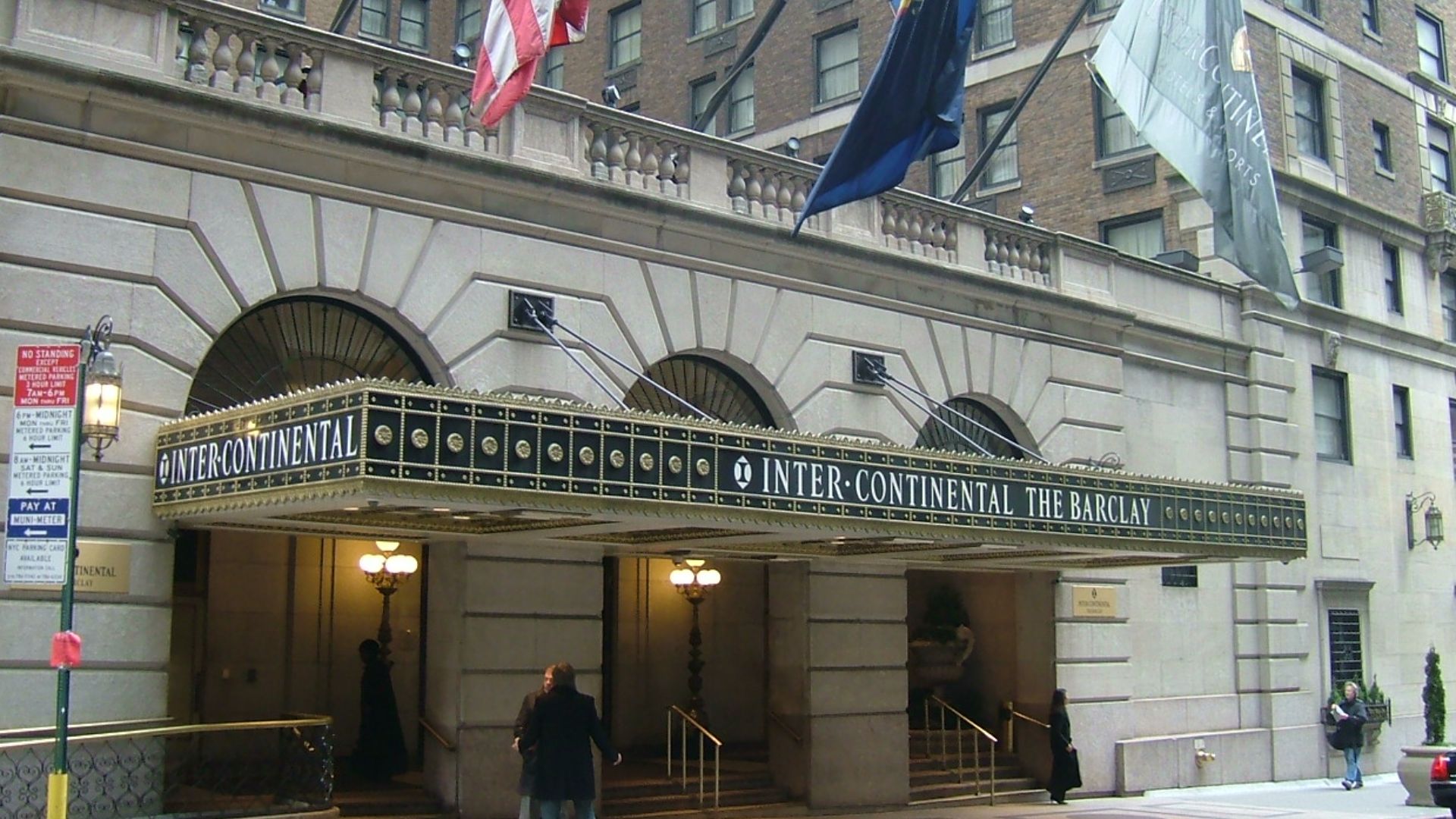
Realty Hotels
The name is bland enough to sound fake, but Realty Hotels was tied to the old New York Central Railroad empire and operated major New York properties like the Roosevelt, Barclay, Commodore and Biltmore. In other words, this wasn’t some minor regional player. It just had the least flashy name imaginable.
 User: (WT-shared) Onyo at wts wikivoyage, Wikimedia Commons
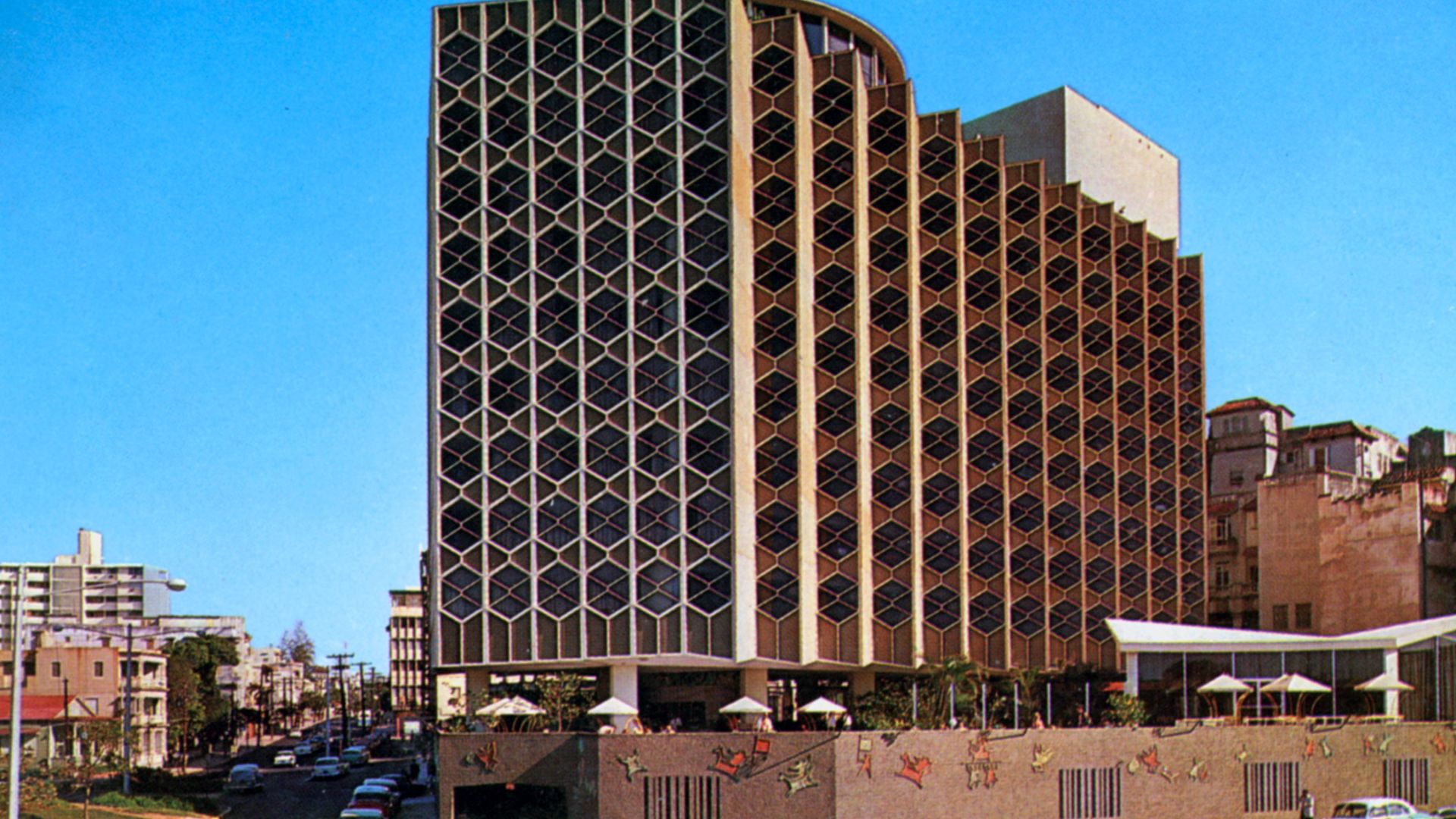
Charterhouse Hotels
Charterhouse was part of the Hotel Corporation of America, a major lodging company of the era. The first Charterhouse opened in the late 50s, and more followed in the 60s and 70s. In 1970, the parent company changed its name to Sonesta International Hotels, which quietly pushed Charterhouse further into the history books.
 Published for Rahola Photo Supply, Santurce by Dormand Postcards, Long Island, Wikimedia Commons
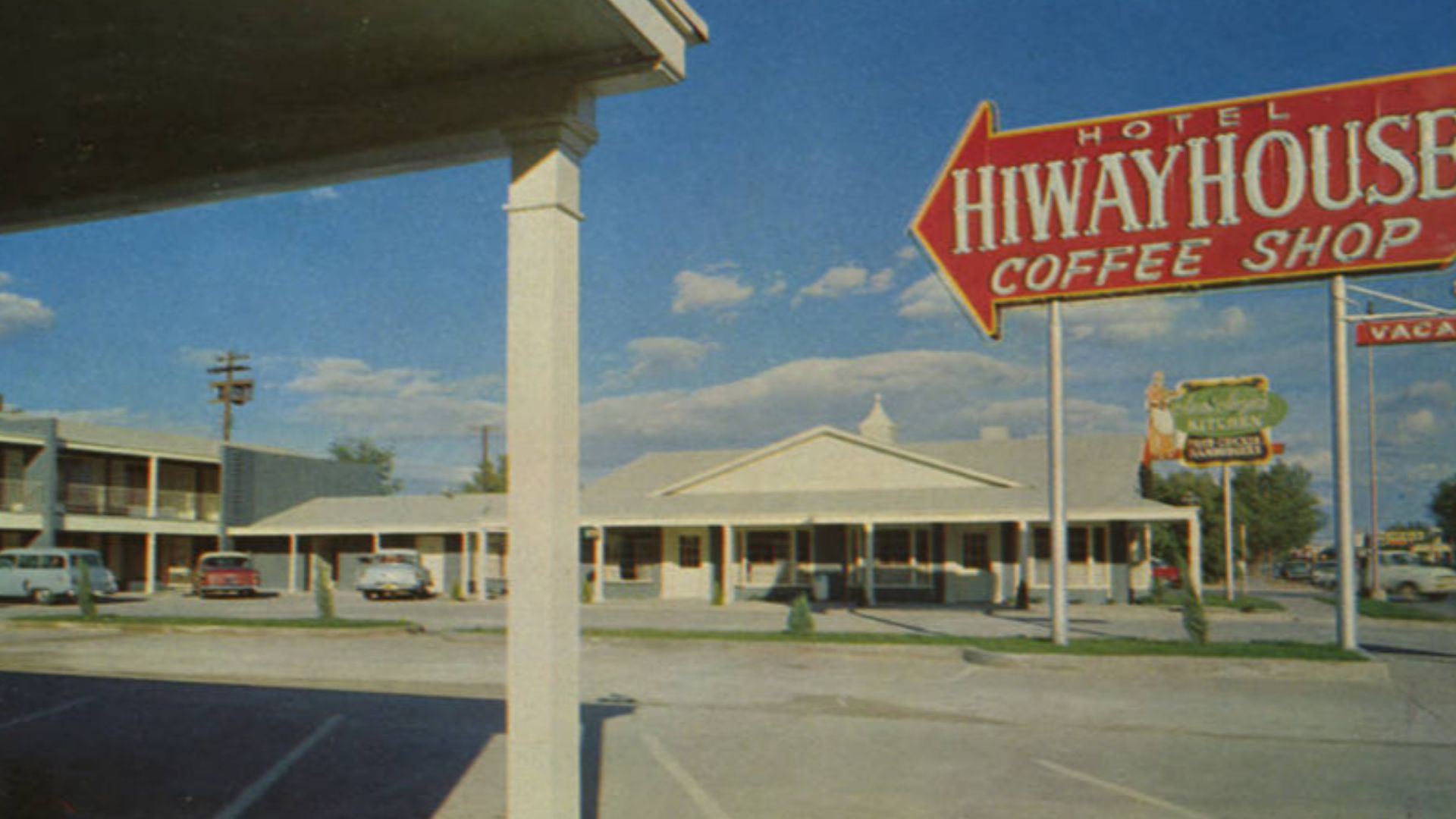
Hiway House
Yes, they spelled it “Hiway,” which somehow makes it even better. The chain was tied to builder Del Webb and became a recognizable roadside name in the Southwest before changing hands in the 60s. It later became Sentry Hiway House, then mostly vanished. Great name, very 60s energy, almost no modern recognition.
 Unknown author, Wikimedia Commons
Americana Hotels
Here’s one of the weirdest business moves of the era: American Airlines had a hotel chain. Its hotel holdings were eventually grouped under the Americana Hotels name, with properties in places like New York, Florida and Puerto Rico. Apparently flying you somewhere just wasn’t enough. They wanted to handle bedtime too.
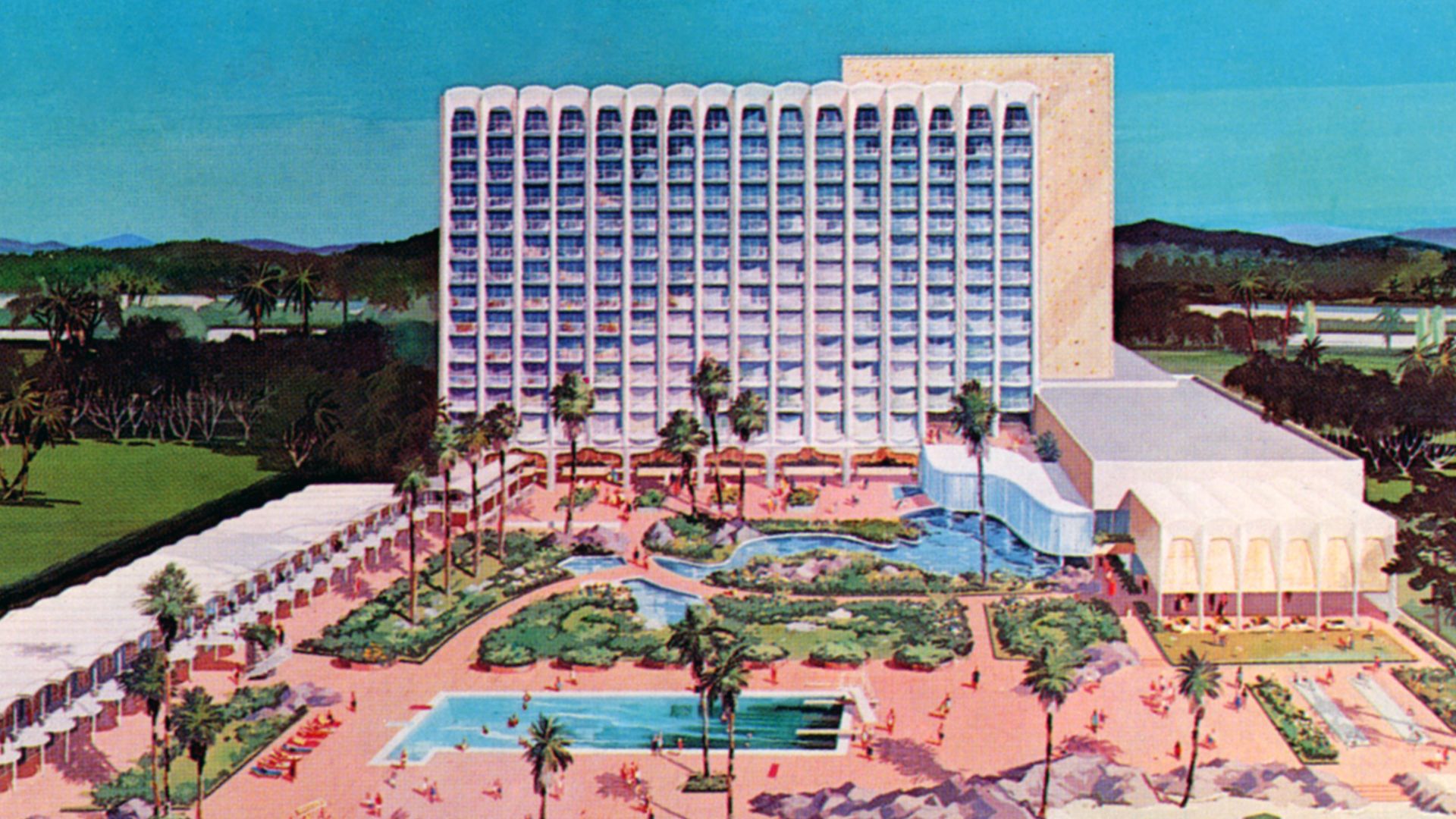 Americana Hotel (publisher), Wikimedia Commons
Treadway Inns
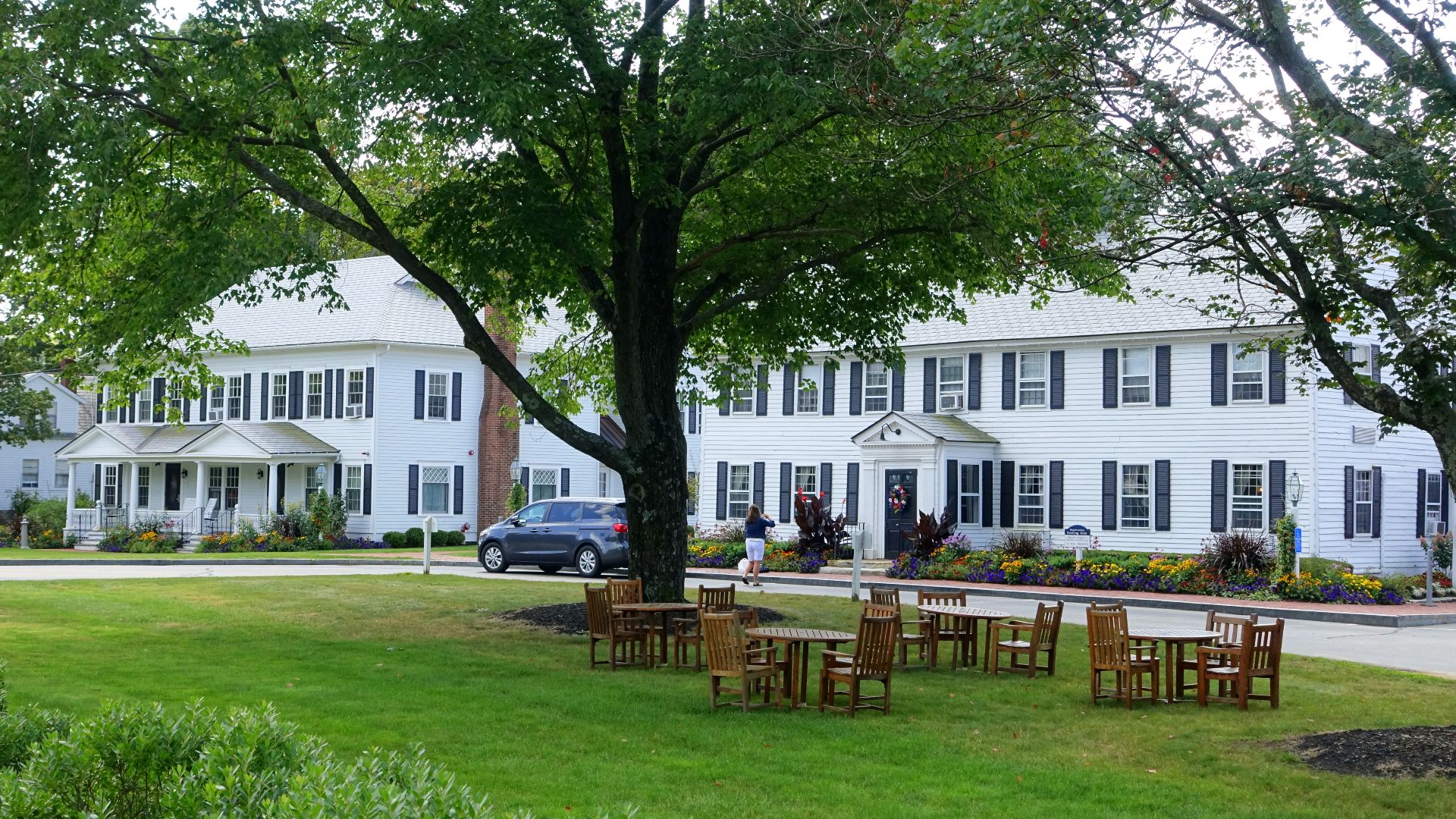
Treadway wasn’t tiny. By the mid-60s, it had dozens of properties that ranged from traditional inns to newer motor hotels, and it was considered a serious company in the business. Today, though, “Treadway Inn” sounds like the kind of place your parents vaguely remember but can’t quite place.
Braniff International Hotels
American Airlines wasn’t alone. Braniff jumped into the hotel business too, launching Braniff International Hotels in 1970 and tying itself to resorts and major properties, including Austin’s Driskill Hotel. The 70s were clearly a time when airlines looked at totally different industries and thought, sure, let’s try that too.
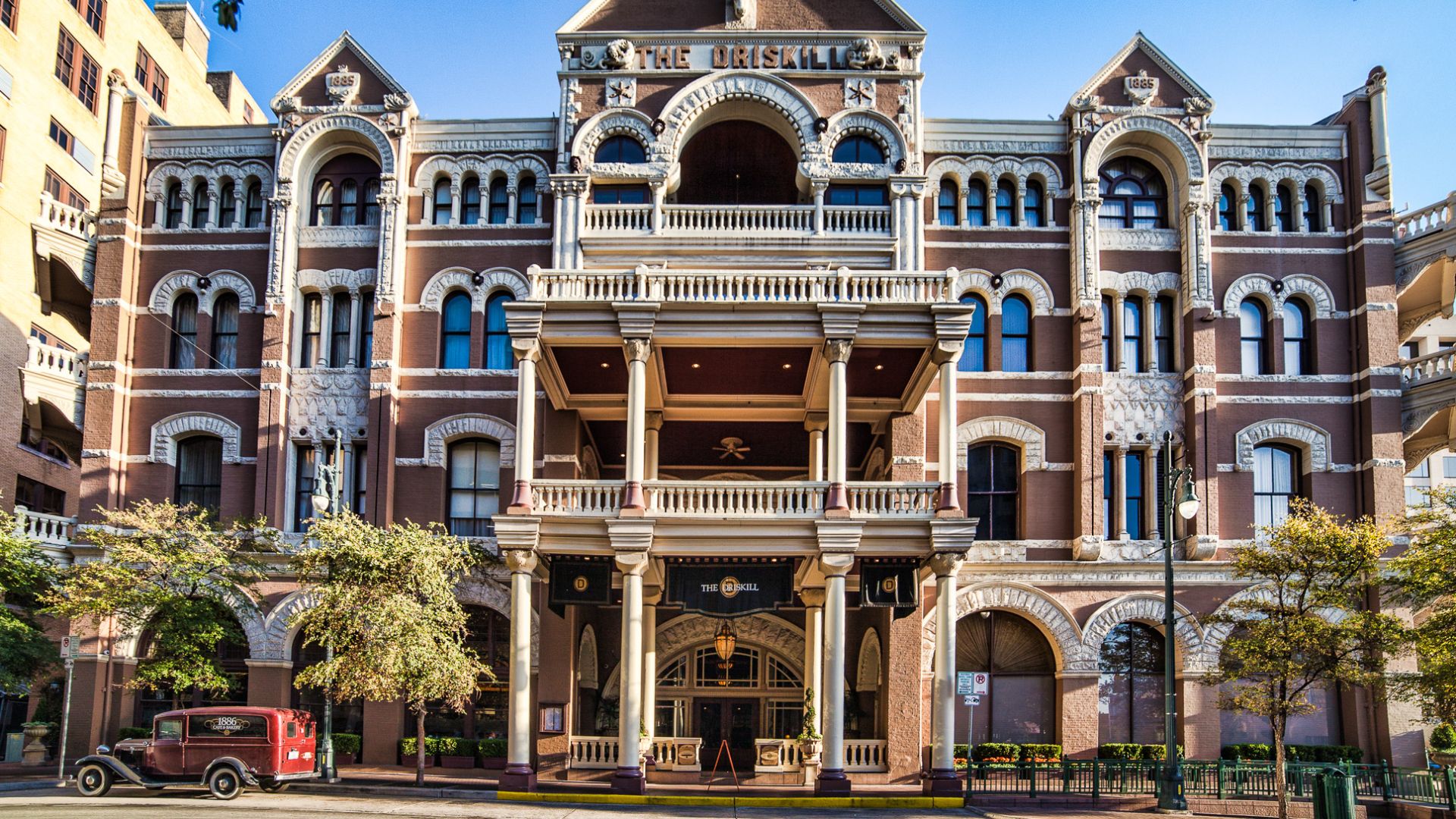 Kenneth C. Zirkel, Wikimedia Commons
Astro Motels
Could there possibly be a more 60s motel name than Astro? These Space Age roadside properties popped up in several western states and leaned hard into futuristic vibes. Even if you never stayed in one, the name alone practically comes with a neon sign, a low-slung roofline and a station wagon parked outside.
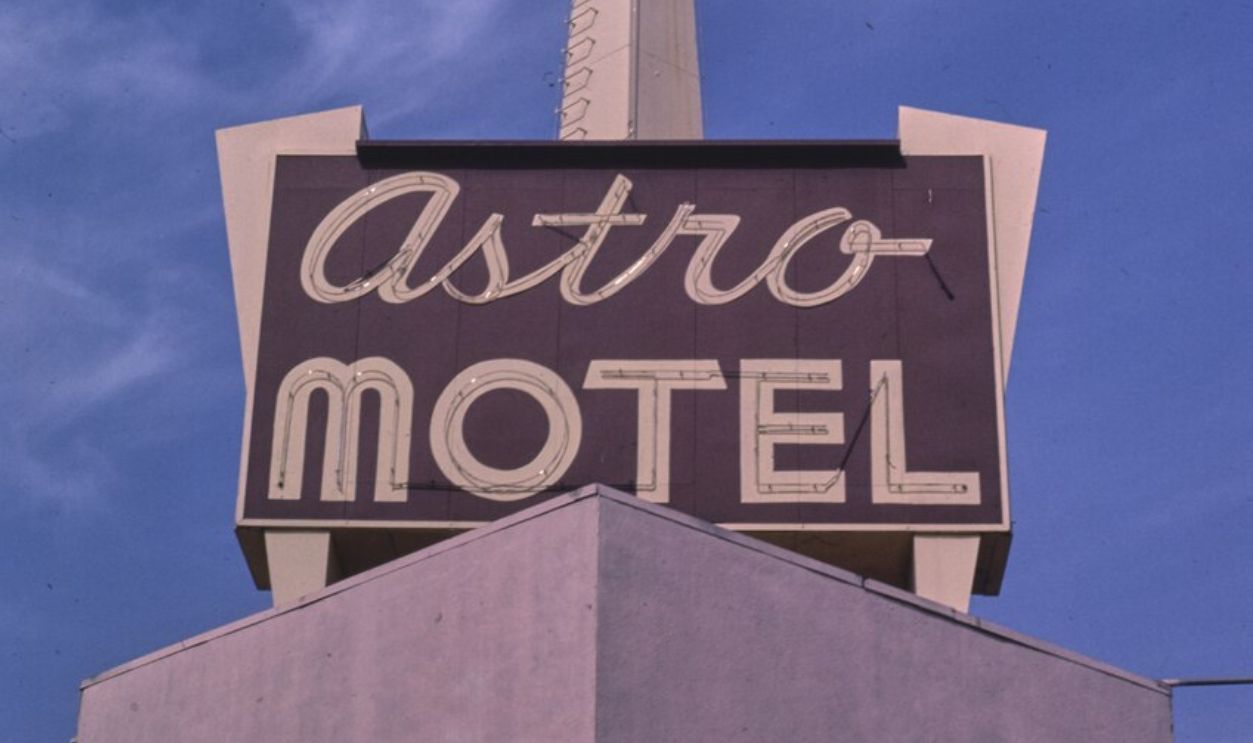 John Margolies, Wikimedia Commons
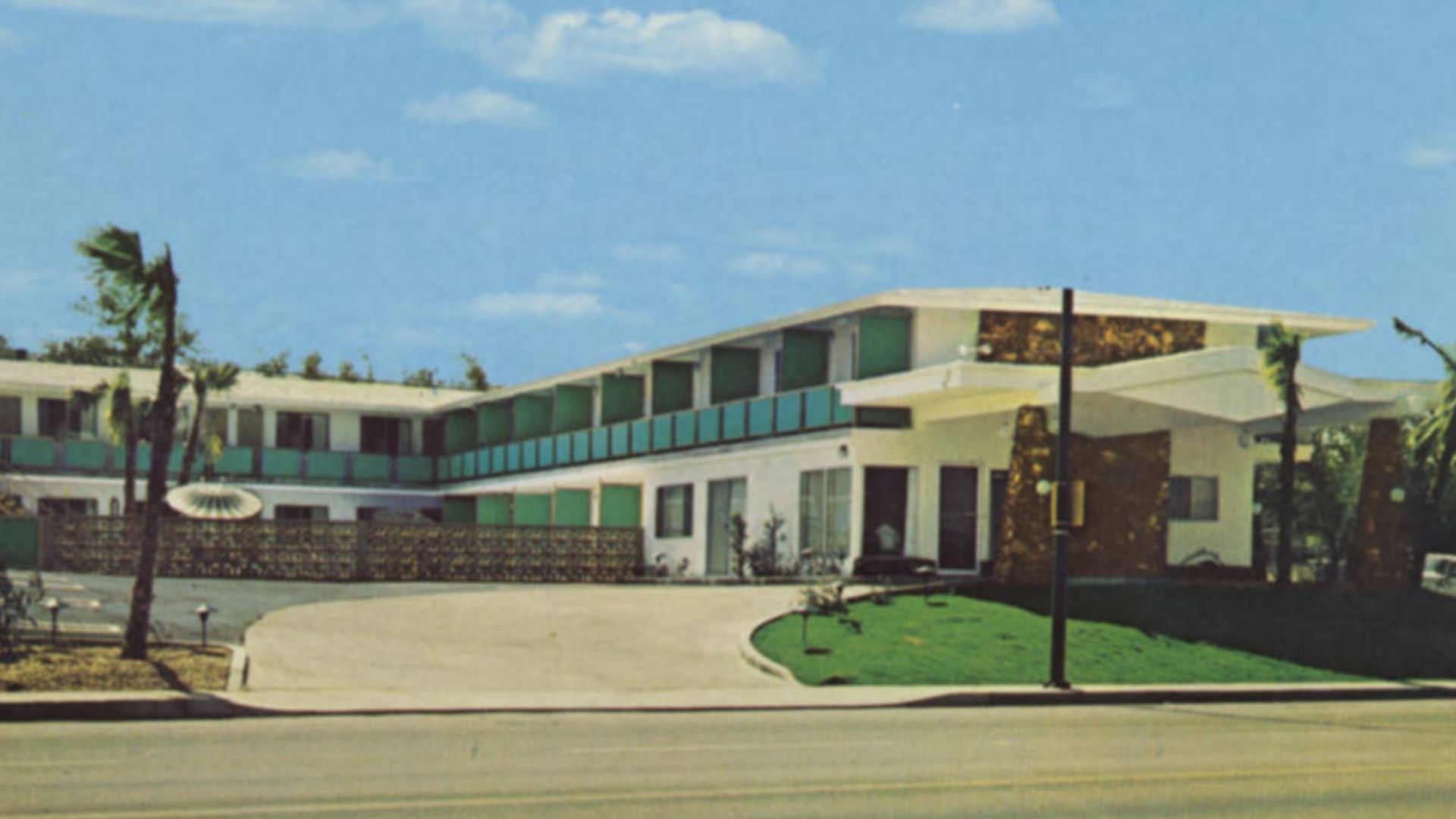
Royal Inns Of America
Even the name sounds aggressively 1967. Royal Inns of America grew quickly out of San Diego and became a fast-rising chain of motor hotels. For a while, the company was hot enough to draw attention from Time. Now the name feels like something you’d only find on an old postcard in a thrift store.
 Unknown author, Wikimedia Commons
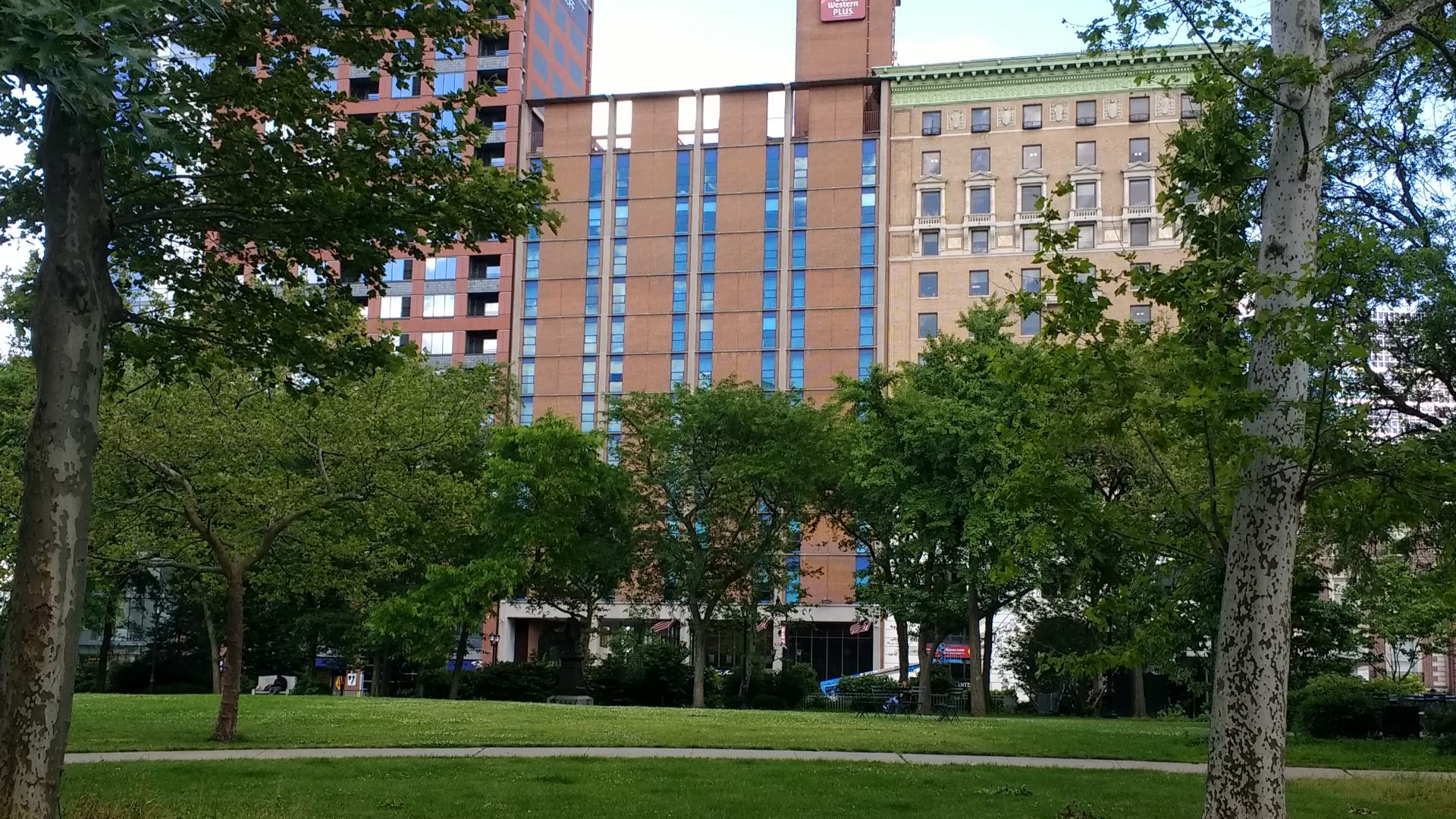
Knott Hotels
Knott Hotels doesn’t get talked about much now, which is exactly why it belongs here. It still made a 1968 ranking of America’s largest lodging chains, bringing in about $15 million in lodging revenue. Yet the name has almost completely evaporated from public memory.
 Mx. Granger, Wikimedia Commons
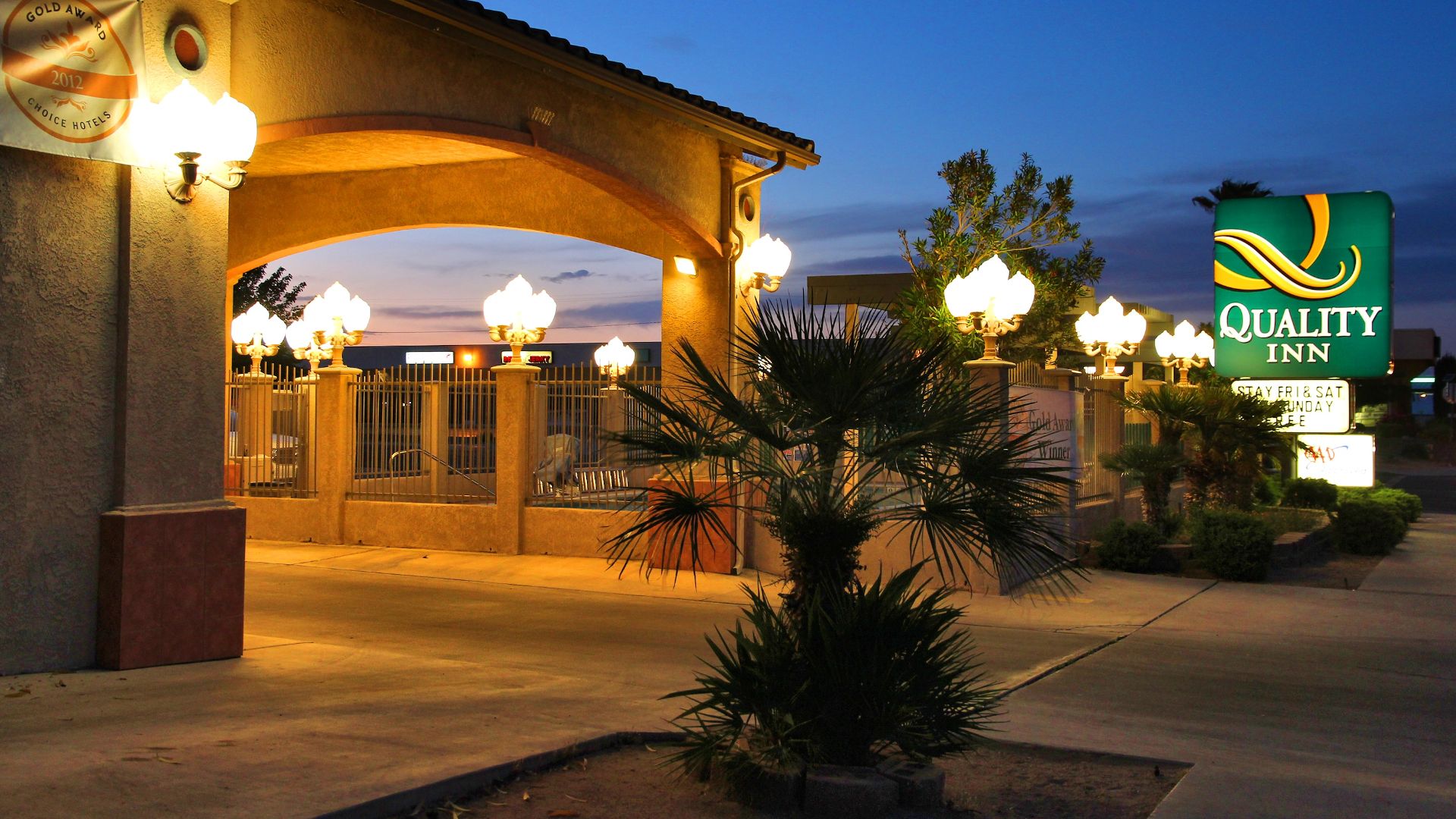
Quality Courts
This is another good “you know it, but you don’t know you know it” entry. Quality Courts grew into a major lodging network, and in 1972 Quality Courts Motels became Quality Inns International. That corporate evolution eventually led to today’s Choice Hotels. So this one disappeared, but it definitely left descendants.
 Marek Slusarczyk (Tupungato) Photo portfolio, Wikimedia Commons
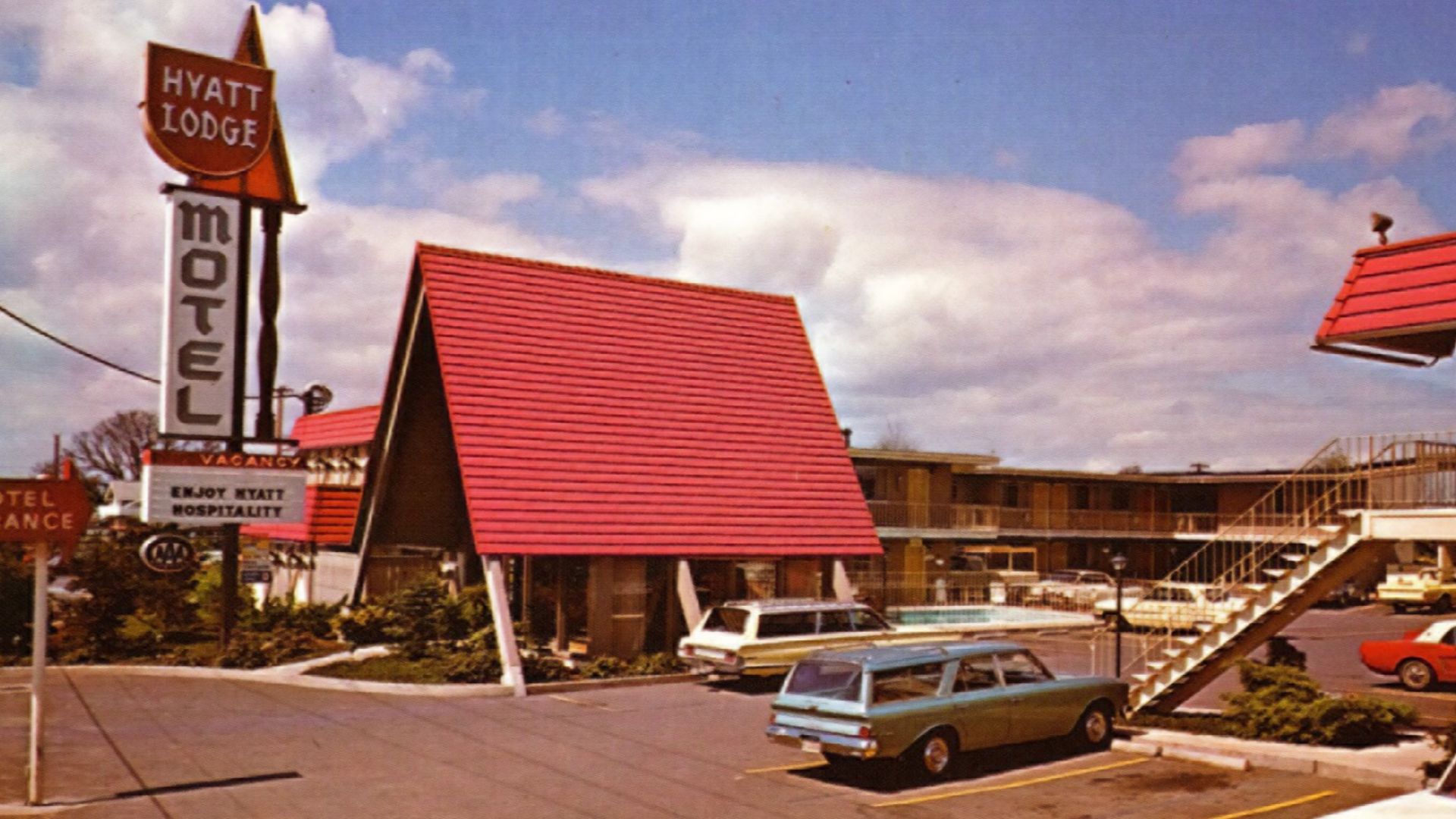
Hyatt Chalet Motels
It sounds odd now because Hyatt still feels so current, but Hyatt Chalet Motels were a real thing. The concept appeared in 1960 and used distinctive mid-century architecture that looked perfectly at home in the era. Later, many properties shifted to the Hyatt Lodge name, helping the Chalet identity fade away.
 Wild Country Photos, Wikimedia Commons
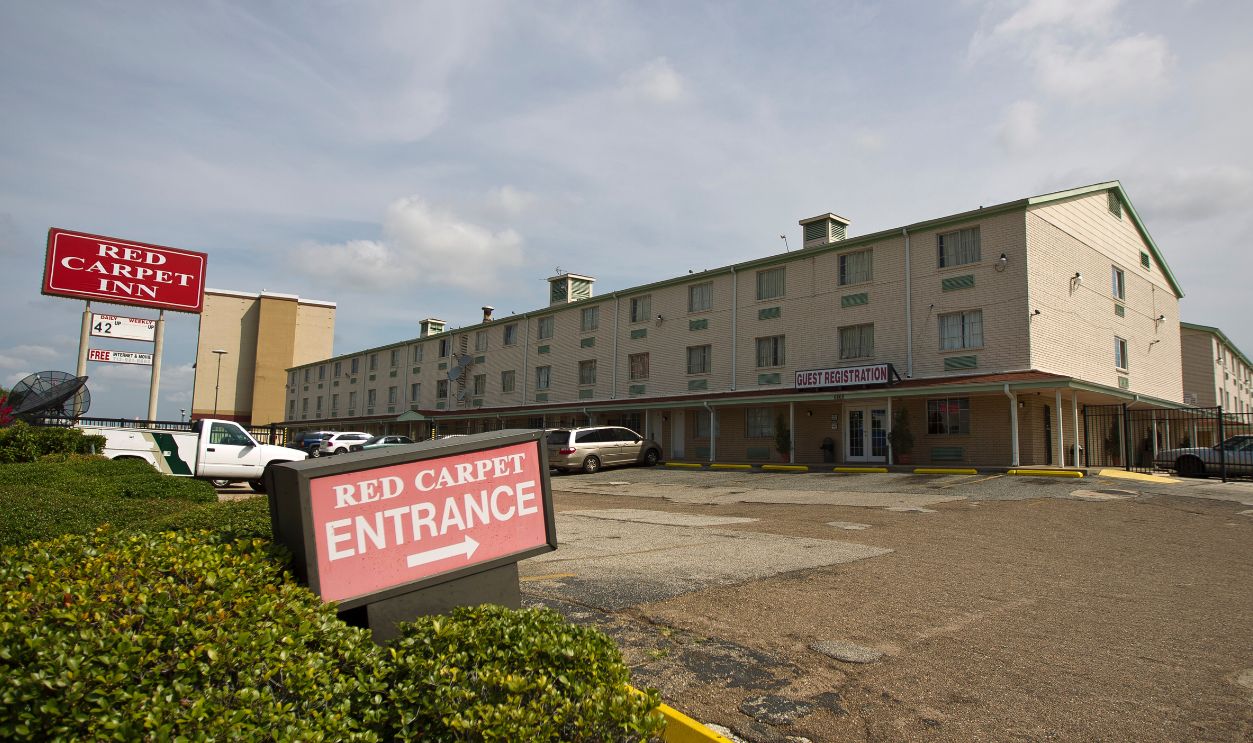
Red Carpet Inn
This one might shake loose a memory. Red Carpet Inn dates to the late 60s and became part of the budget-lodging landscape. The brand technically still exists, but the name feels frozen in time. It practically comes with a humming ice machine, a dim hallway and a front desk clerk handing over a brass key.
 Houston Chronicle/Hearst Newspapers, Getty Images
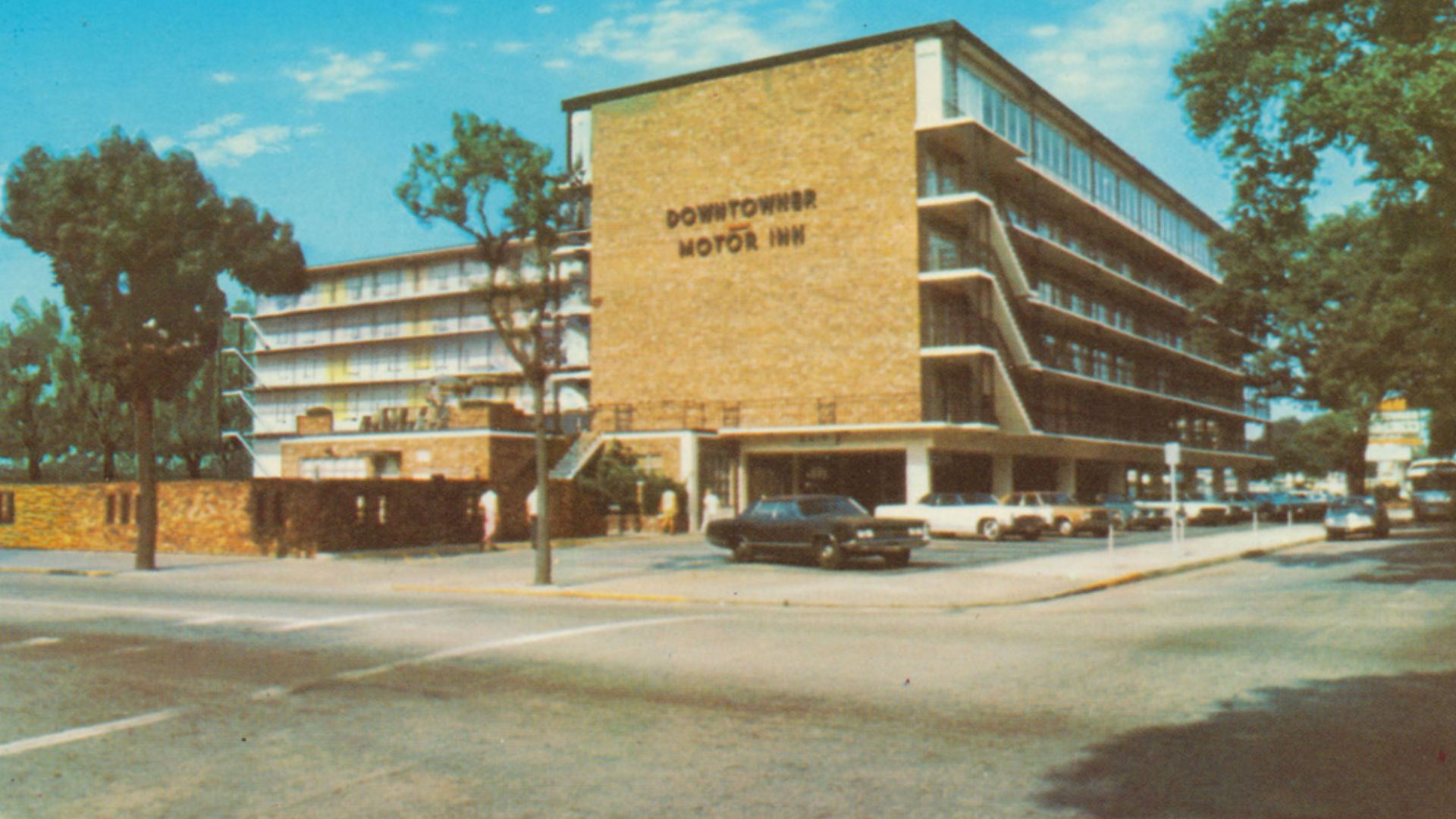
Downtowner Motor Inns
This sounds like the hotel chain a TV ad man would choose after missing his flight home. Downtowner began in Memphis in 1958 and took a different angle from classic roadside motels by putting motor-friendly lodging in downtown locations. It was a smart idea, and for a while it spread all over the country.
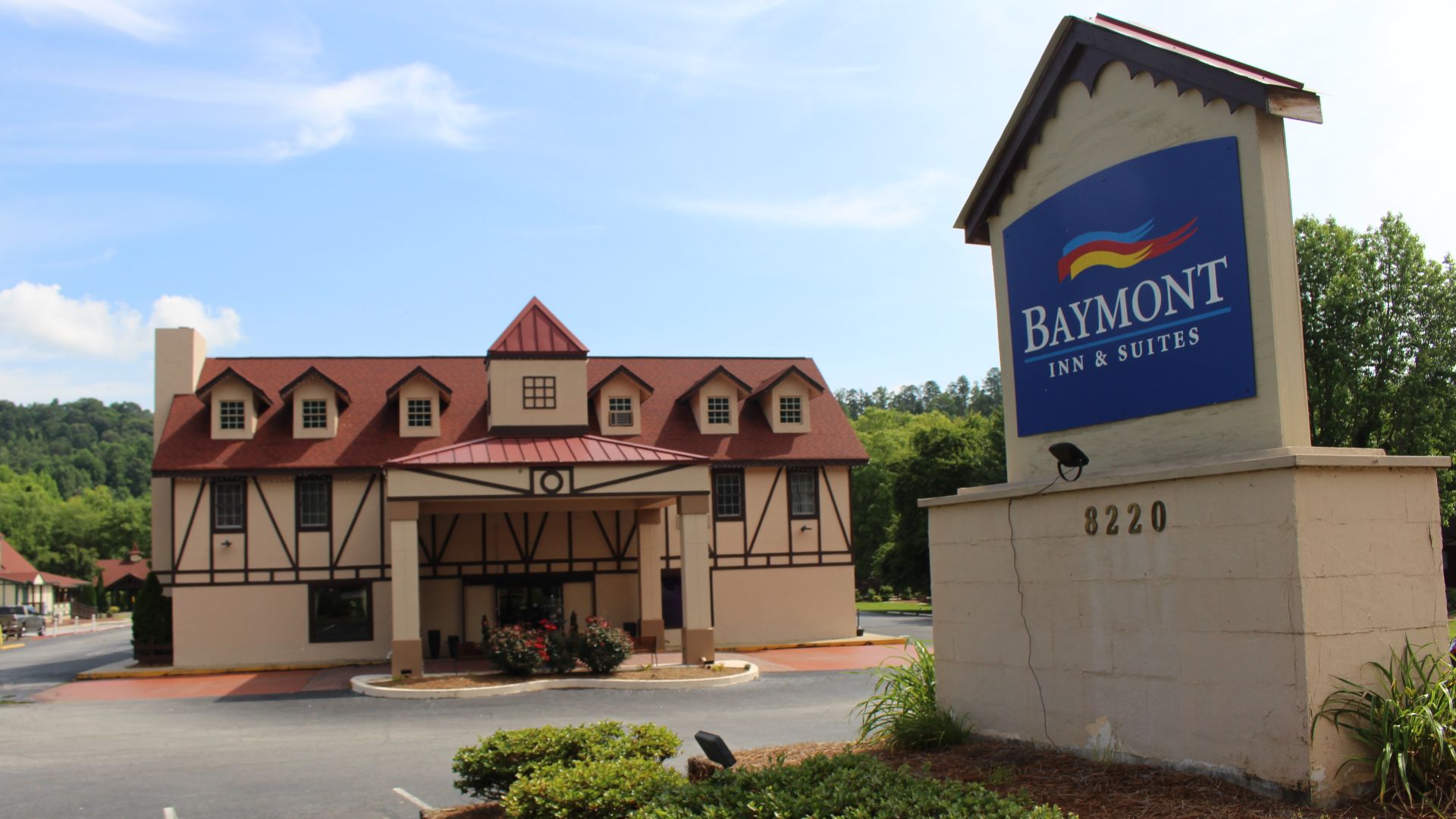
Budgetel Inn
Budgetel arrived in the 70s as a limited-service concept from Marcus Corporation and eventually became a recognizable chain. If the name feels only half familiar, that’s because it later turned into Baymont Inn & Suites. So this is another one where the old brand vanished, but its replacement quietly kept the story going.
 Michael Rivera, Wikimedia Commons
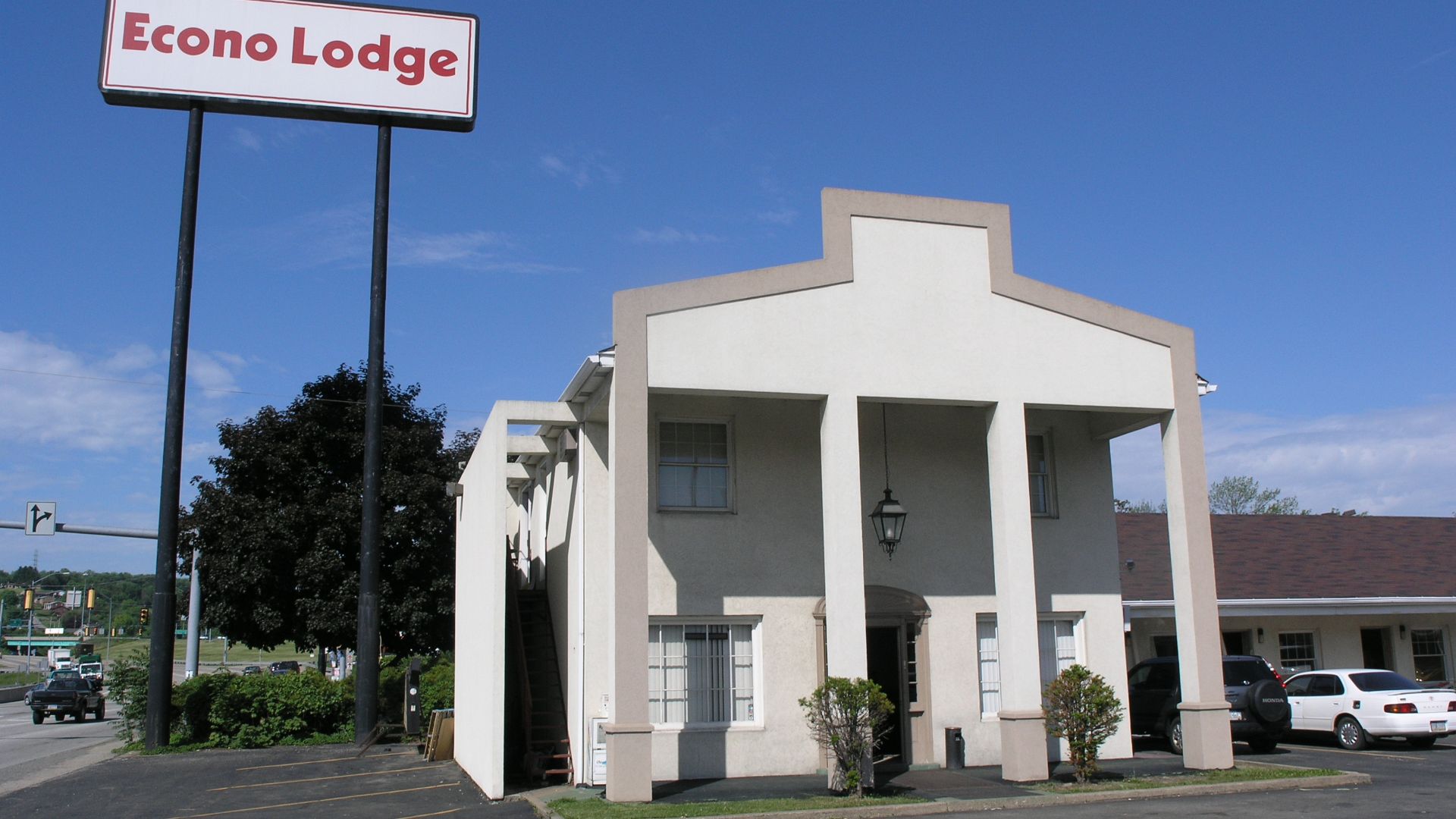
Econo-Travel
This one is a near miss for a lot of people. Econo-Travel emerged around the end of the 60s with a stripped-down idea: give travelers the basics and skip the fancy extras. That no-frills concept eventually evolved into Econo Lodge. The new name stuck. The old one mostly slipped into motel-history limbo.
 Raman Patel, Wikimedia Commons
Knights Inn
Knights Inn showed up in 1974 and leaned into a wonderfully unsubtle medieval theme. Cheap rooms and castle imagery apparently made perfect sense together for a while. The brand still exists in some form, but those older properties had a much stronger personality. If you remember one of those signs, go ahead and count it.
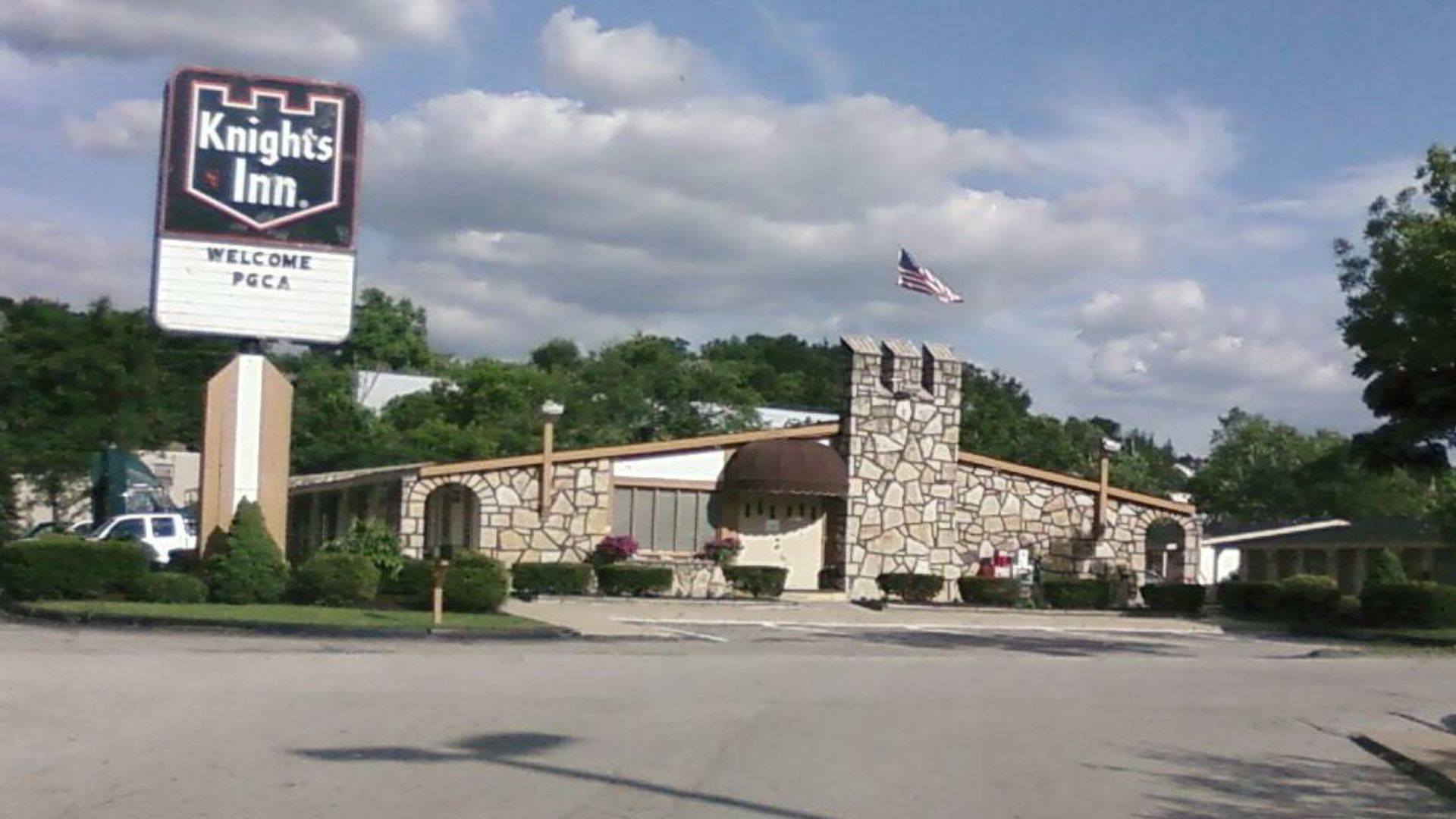 Tatterfly (talk) 23:48, 23 June 2009 (UTC), Wikimedia Commons
So, How Many Did You Actually Remember?
Be honest. Howard Johnson’s was practically a free point. Maybe Quality Courts, Knights Inn or Red Carpet Inn stirred something up too.
But Dutch Inns? Stouffer Hotels? Realty Hotels? Knott Hotels? Imperial 400?
If you got to five without help, congratulations. You were either paying very close attention on family road trips or you’ve spent far too much time staring at old travel brochures.
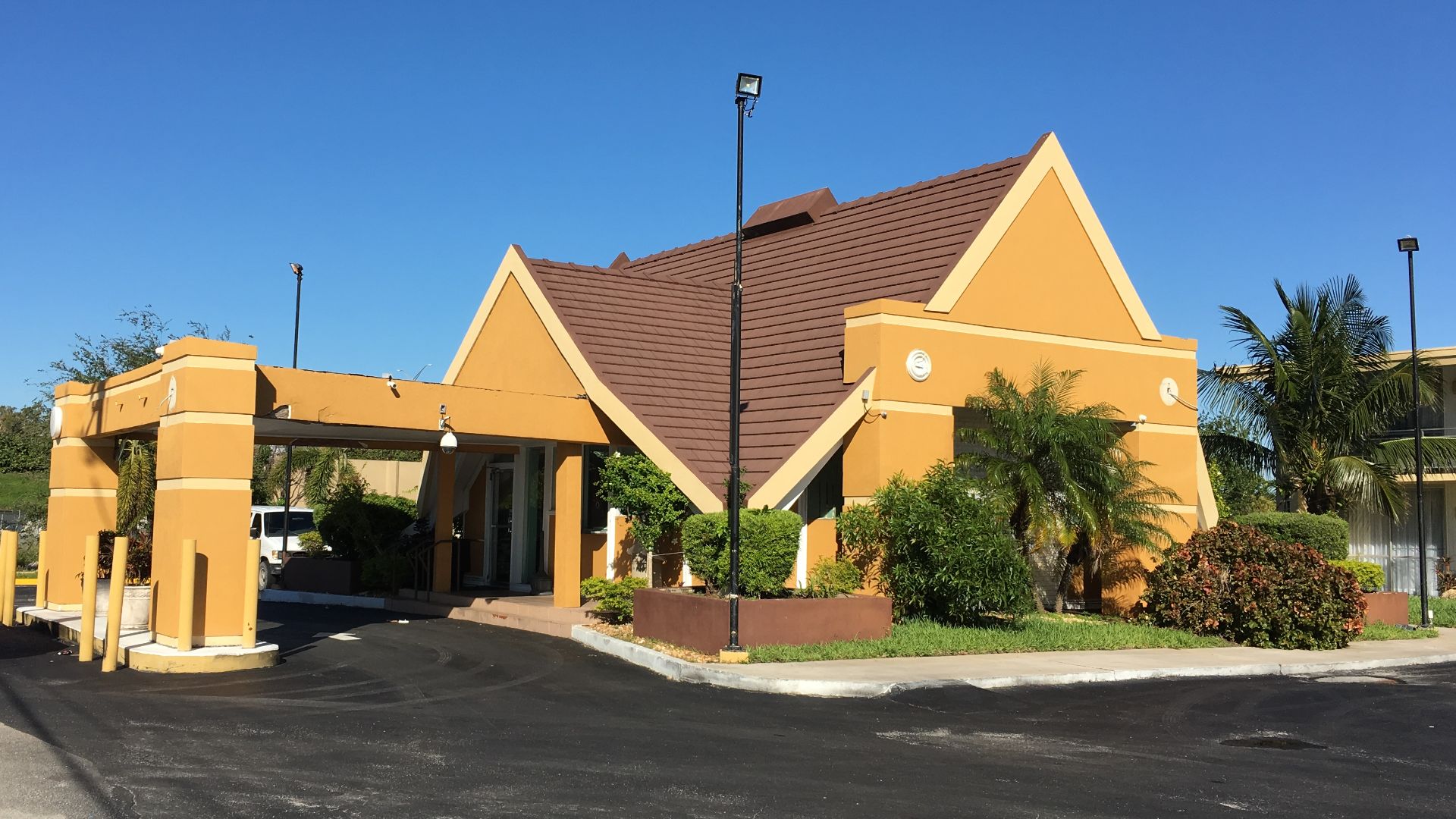 Phillip Pessar, Wikimedia Commons
You Might Also Like: