You May Be Owed Compensation
You can absolutely ask the hotel for compensation, especially if the limited shuttle schedule was not clearly disclosed before booking. Your strongest request is reimbursement for the reasonable transportation cost you incurred because the shuttle was unusable. Whether the hotel must pay will depend on what it advertised, what it disclosed, and the consumer laws that apply to the booking.

“Free” Does Not Mean “Anytime”
A free airport shuttle does not automatically promise service around the clock. Hotels may operate shuttles on fixed schedules, by reservation, or during limited hours. The real issue is whether those restrictions were communicated clearly enough before you committed to the room.

Start With The Original Promise
Return to the hotel’s website, booking platform, confirmation email, and room description. Look for the exact wording used to describe the shuttle, including phrases such as “scheduled,” “limited hours,” or “reservation required.” The wording you saw when booking will largely determine how persuasive your complaint is.

A Hidden Schedule Changes Things
Your argument becomes stronger if the main listing advertised a free airport shuttle without displaying its twice-daily schedule. The FTC says an advertisement can be deceptive when it omits material information that is likely to mislead a reasonable consumer. Important limitations should not be buried where travelers are unlikely to notice them.

A Clear Disclosure Weakens The Claim
The situation looks different if the shuttle times appeared prominently during booking. If the hotel operated precisely according to that published schedule, it can argue that it provided the advertised amenity. You may still request a courtesy credit, but reimbursement is less likely to be required.

A Missed Scheduled Shuttle Is More Serious
Suppose your flight matched a published departure, but the shuttle never arrived or left early. That is different from simply having a flight outside the operating hours. Evidence that the hotel failed to provide a scheduled service gives you a much stronger basis for requesting reimbursement.

Personal Assurances Also Matter
Perhaps you called before booking and an employee confirmed that transportation would be available for your flight. Write down when you called, which number you used, and what you were told. An email, chat transcript, or written message confirming the arrangement is even more useful.

Airport Shuttle Can Be A Deciding Feature
Travelers often choose airport hotels partly to avoid arranging separate transportation. If the shuttle influenced your choice, say that directly in your complaint. This helps explain why the missing schedule was important rather than a minor inconvenience.

Capture The Listing Immediately
Take screenshots of the hotel page and third-party listing before the wording changes. Include the shuttle description, room details, booking date, and any page showing restrictions. FTC consumer guidance recommends collecting documents and keeping copies when resolving a problem with a business.

Check Every Layer Of Fine Print
Look beyond the main amenities list before concluding that the schedule was undisclosed. The hours may appear under transportation details, hotel policies, frequently asked questions, or a booking confirmation. A hard-to-find limitation may still support your complaint, but you should know exactly where it appeared.

Build A Simple Timeline
Create a short record beginning with the date you booked the hotel. Add when you learned about the schedule, when you requested transportation, and how the hotel responded. A clear timeline makes the problem easier for a manager or booking platform to understand.

Save The Transportation Receipt
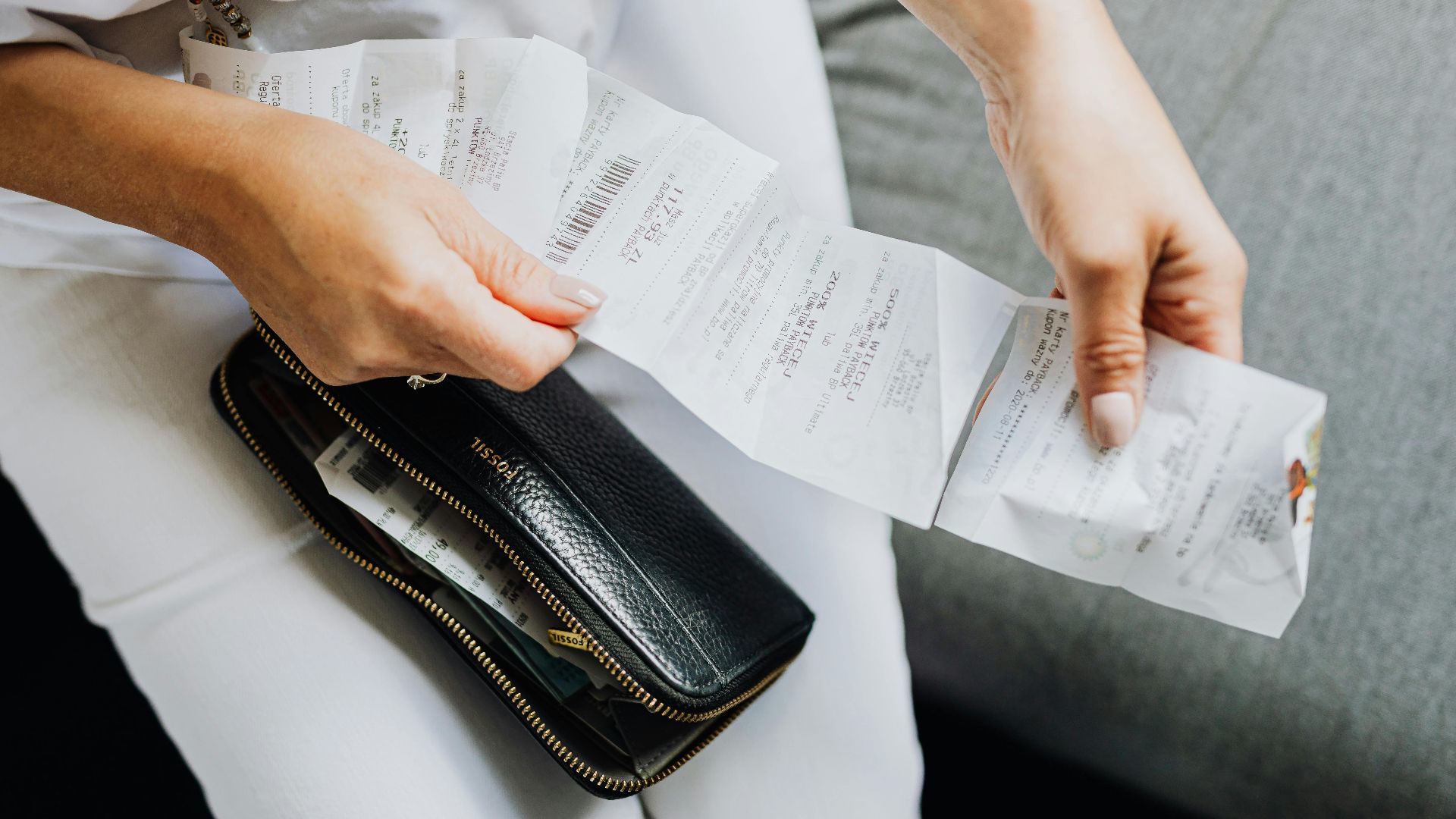
Keep the itemized receipt from your taxi, rideshare, train, or other replacement transportation. A documented out-of-pocket expense gives the hotel a specific amount to consider. Without a receipt, the complaint becomes harder to evaluate and easier to dismiss.
Protect The Flight First
Do not wait so long for a disputed shuttle that you risk missing your flight. Arrange a safe alternative, notify the front desk, and preserve the receipt. The compensation discussion can continue after you and your luggage are on the way.

Raise The Problem At The Hotel
Tell the front desk as soon as you discover that the shuttle cannot serve your flight. Ask whether the hotel can arrange transportation, provide a taxi voucher, or authorize another solution. Giving the property an opportunity to address the problem may produce a faster result.

Ask For A Manager Politely
If the front desk cannot help, request the manager on duty or guest-relations contact. FTC guidance recommends explaining the issue clearly, stating the resolution you want, and remaining calm but persistent. Managers may also have more authority than front-desk employees to approve reimbursements or credits.

Request A Specific Resolution
Avoid asking vaguely what the hotel can “do for you.” State that the listing advertised a free airport shuttle, that the limited schedule was not disclosed where you booked, and that you spent a specific amount on replacement transportation. Then request reimbursement for that documented expense.

Keep The Request Proportionate
The cost of reasonable substitute transportation is usually the most defensible amount to request. Demanding a complete refund for an otherwise satisfactory hotel stay may make resolution more difficult. A partial room refund can be a sensible alternative when there is no separate transportation receipt.

Consider Several Acceptable Outcomes
The hotel may offer cash reimbursement, a partial refund, loyalty points, or a future-stay credit. You are not required to accept a voucher if you believe a refund is appropriate. Still, deciding in advance which outcomes you would accept can make the conversation more productive.

Extra Losses Are Harder To Recover
You can describe additional losses if the shuttle failure caused a missed flight, but compensation for them is far less certain. The hotel may dispute whether those costs resulted directly from its conduct or could have been avoided. Keep the initial request focused on clear, documented expenses.
Direct Bookings Simplify The Conversation
If you booked and paid the hotel directly, begin with the property and then escalate to the hotel company if necessary. Provide the confirmation number, screenshots, timeline, and receipt together. Start with the front desk, manager, or customer-service line.

Third-Party Bookings Add Another Door
If an online travel agency displayed the shuttle information, contact both the hotel and the platform. Explain the problem to the booking service’s customer-service department and request a resolution. Identify which page contained the incomplete description and who processed your payment.

Move Up The Hotel Chain
An independent property may have an owner or general manager above the person working at reception. A branded hotel may also have regional or corporate guest relations, although ownership and management structures differ. Escalate an unresolved chain-hotel complaint to a regional manager or senior executive.
 Hryshchyshen Serhii, Shutterstock
Put The Complaint In Writing
Follow a verbal conversation with a short email or letter. Include the booking number, dates, advertised wording, undisclosed restriction, replacement cost, and requested resolution. Attach copies of supporting documents while keeping the originals.

Give Them A Fair Deadline
Ask for a written response by a reasonable date, such as within seven to fourteen days. FTC complaint guidance recommends telling the business how long you will wait before pursuing another route. Save the sent message, delivery confirmation, and every reply.

A Card Dispute Is Not Step One
A card dispute should generally follow a genuine attempt to resolve the issue with the hotel or booking company. Tell the issuer accurately that part of the advertised service was allegedly not delivered as agreed. Do not describe the hotel charge as unauthorized when you knowingly made the booking.

Credit Card Rules Have Limits
Under the U.S. Fair Credit Billing Act, some charges for goods or services not delivered as agreed may qualify as billing errors, while disputes solely about quality are treated differently. The FTC and CFPB advise sending a written billing-error notice within 60 days after the statement containing the disputed charge was sent. Because you still received the hotel room, ask the issuer whether a partial service dispute is eligible instead of automatically challenging the entire stay.

Official Complaints Remain An Option
In the United States, an unresolved hotel complaint can be taken to the appropriate state consumer-protection office. Reports to the FTC can help authorities identify patterns, but the FTC says it does not resolve individual consumer reports. The Department of Transportation handles airline complaints, not ordinary disputes involving an independently operated hotel shuttle.

The Bottom Line Is Disclosure
Ask for reimbursement if the shuttle schedule was missing, buried, contradicted, or not followed. Your case is weaker when the twice-daily timetable was prominently disclosed and the hotel honored it, though a goodwill request remains reasonable. For future stays, confirm the exact shuttle times in writing before choosing an airport hotel.
 Photo: David RestivoGlacierNPS, Wikimedia Commons
You May Also Like: