
Leave The Keys Behind
Renting a car might seem like an automatic part of planning an American vacation, but some of the country's most popular destinations are actually easier to explore without one. Between walkable neighborhoods, convenient transit systems, and dedicated visitor shuttles, these places make skipping the rental counter a surprisingly smart decision.
 xamnesiacx84, Shutterstock Images
New York City, New York
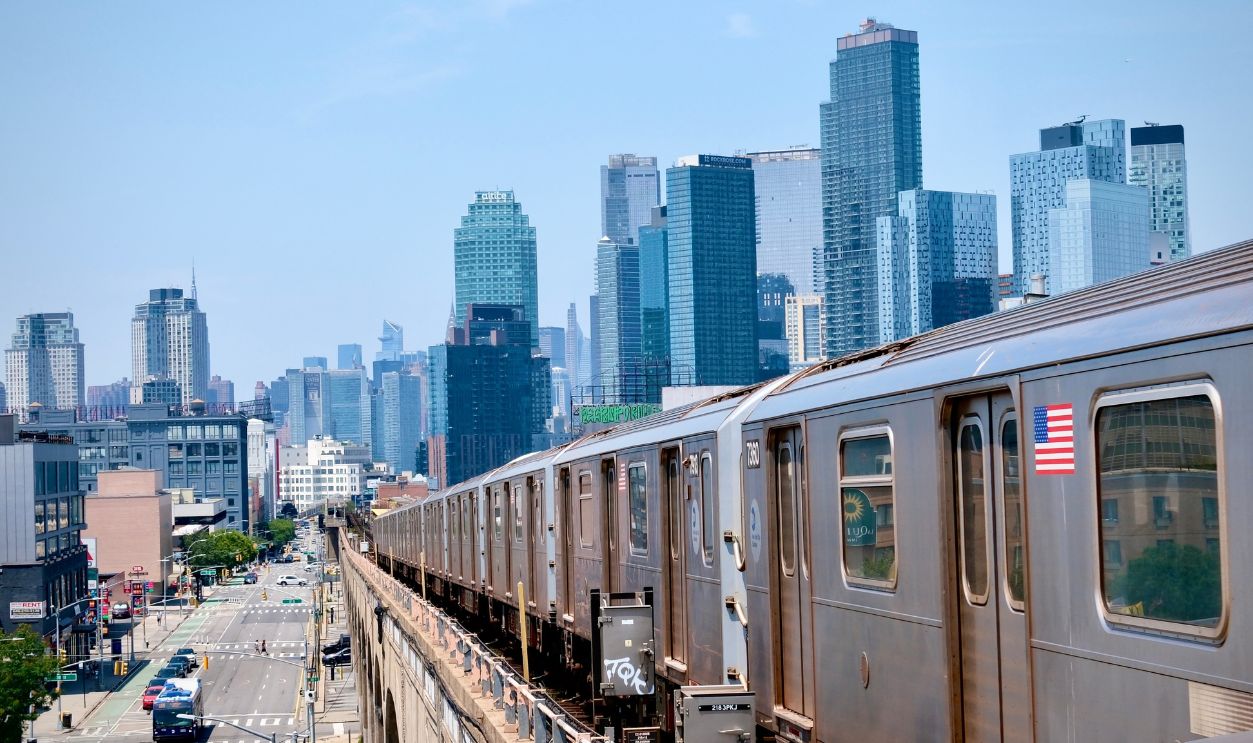
New York practically encourages visitors to leave the driving to someone else. Its subway runs around the clock, connecting neighborhoods throughout the five boroughs. Between trains, buses, and walking, tourists can explore without worrying about Manhattan traffic or expensive parking.
Boston, Massachusetts
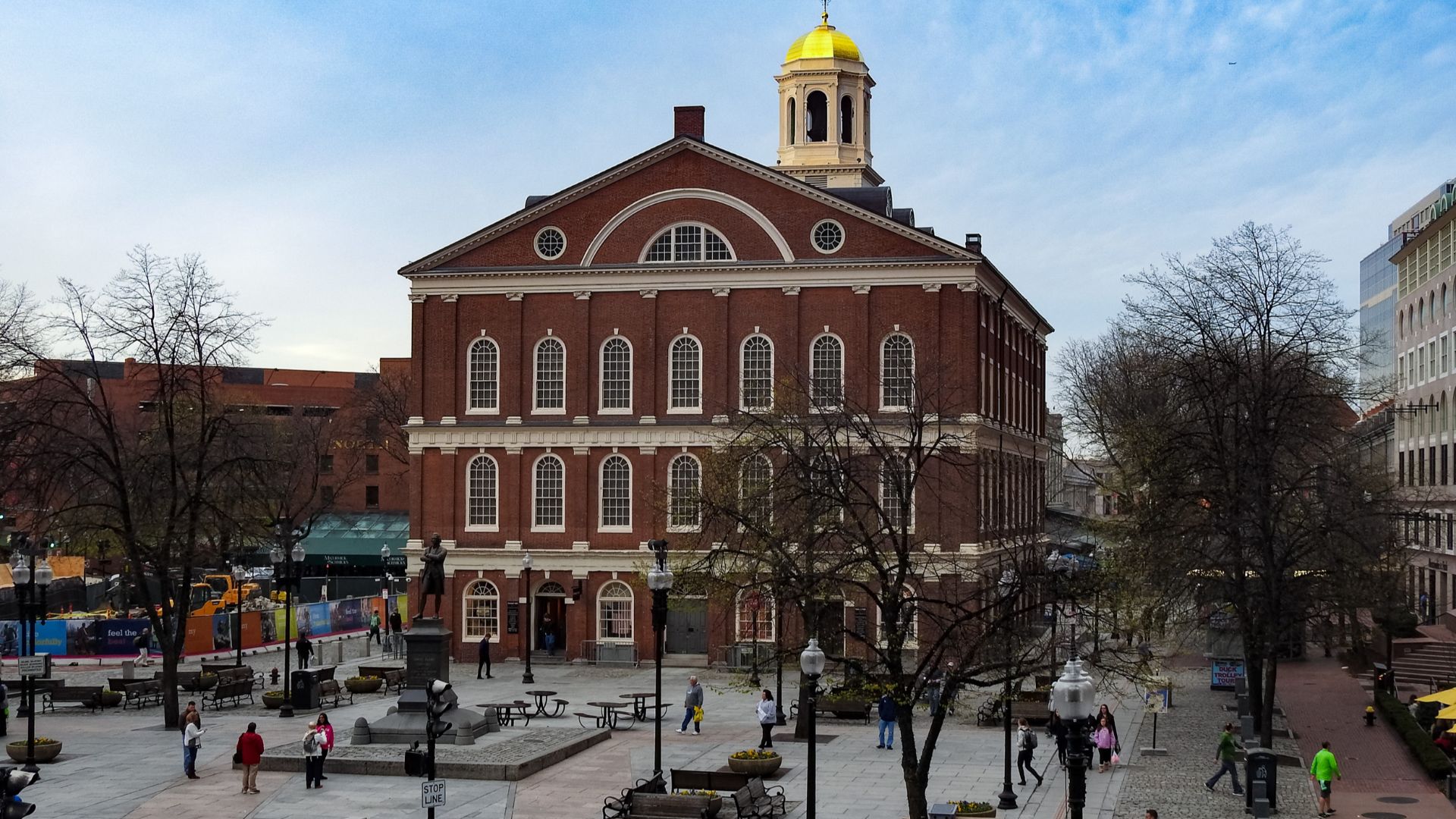
Boston's historic streets were never designed with modern traffic in mind, which makes walking particularly appealing. The Freedom Trail connects major historic attractions, while the MBTA subway and buses reach neighborhoods farther away. Renting a car can create more headaches than convenience.
 xiquinhosilva, Wikimedia Commons
Washington, DC
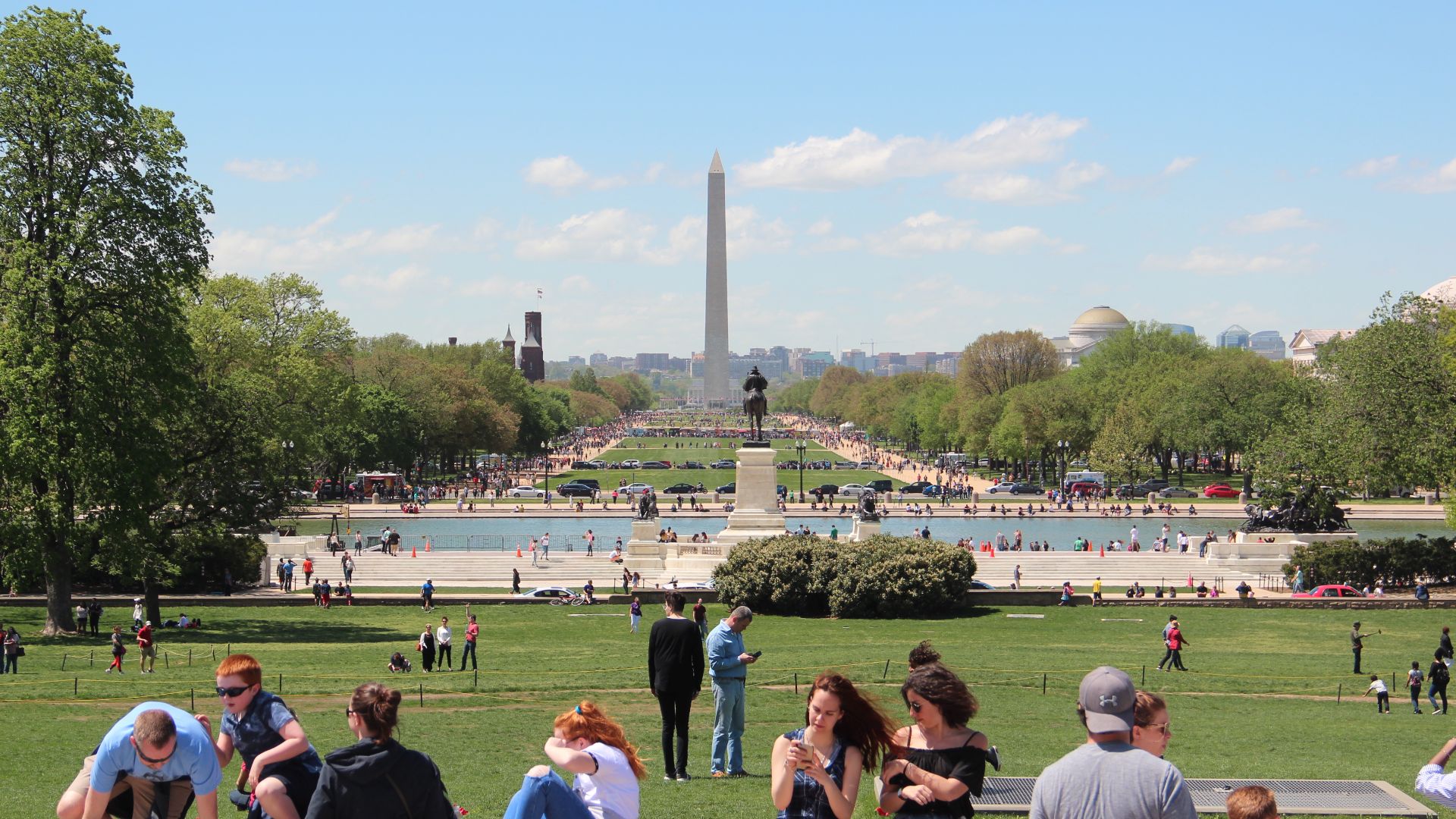
Washington's most famous attractions are remarkably accessible without driving. The National Mall connects major monuments and Smithsonian museums, while the Metro serves neighborhoods throughout the capital. With limited parking around popular destinations, public transportation makes sightseeing considerably less complicated.
Philadelphia, Pennsylvania
Philadelphia's compact downtown makes exploring its historic attractions surprisingly straightforward. Independence Hall, the Liberty Bell, and numerous museums are accessible on foot or by public transportation. SEPTA trains and buses cover longer distances, while seasonal PHLASH buses connect major tourist attractions.
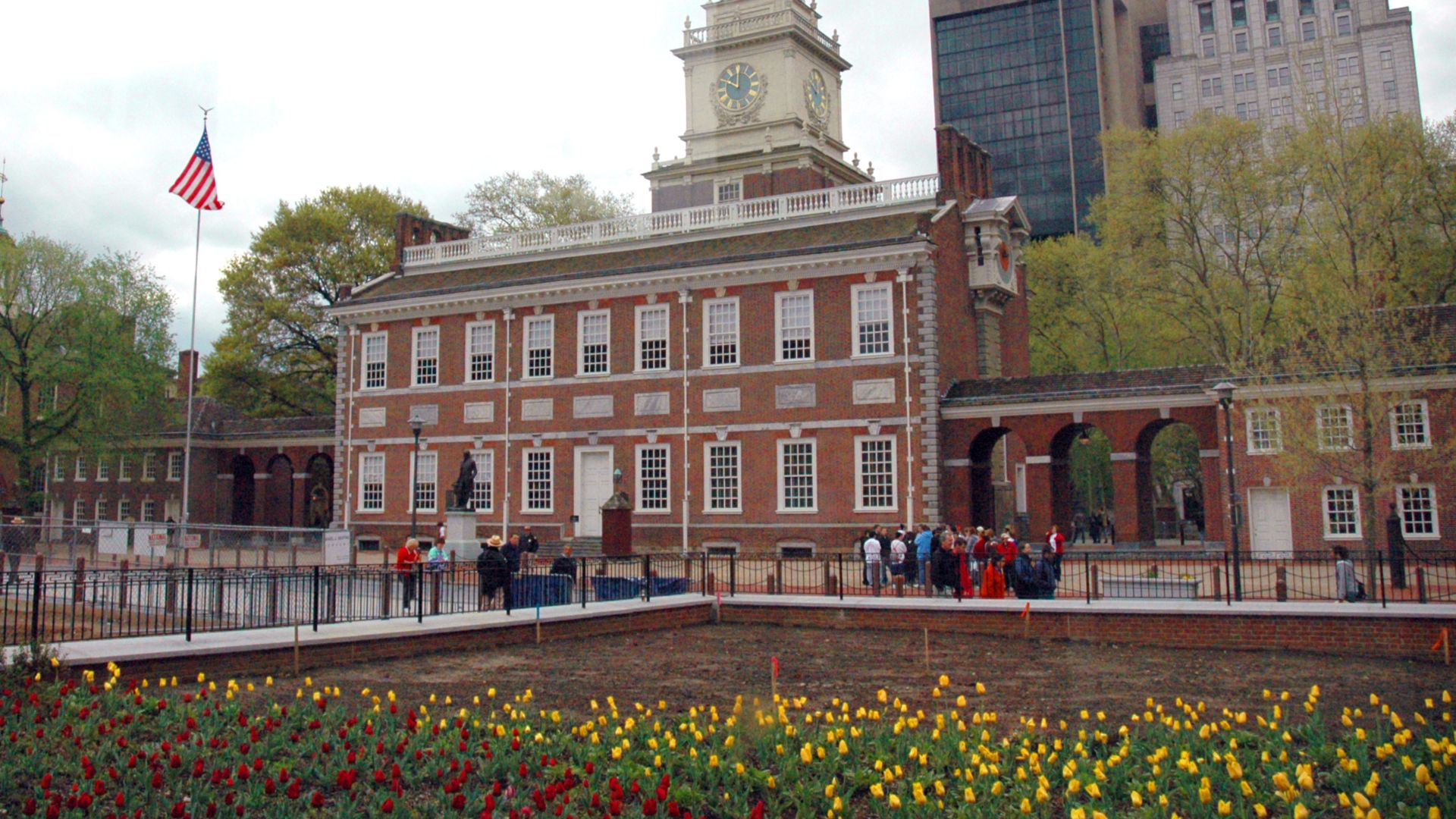
Chicago, Illinois
Chicago's famous elevated trains aren't just transportation. They're practically a sightseeing experience themselves. The CTA connects both major airports to downtown, while trains and buses serve popular neighborhoods. Visitors can easily combine transit rides with walks along the riverfront and through Millennium Park.
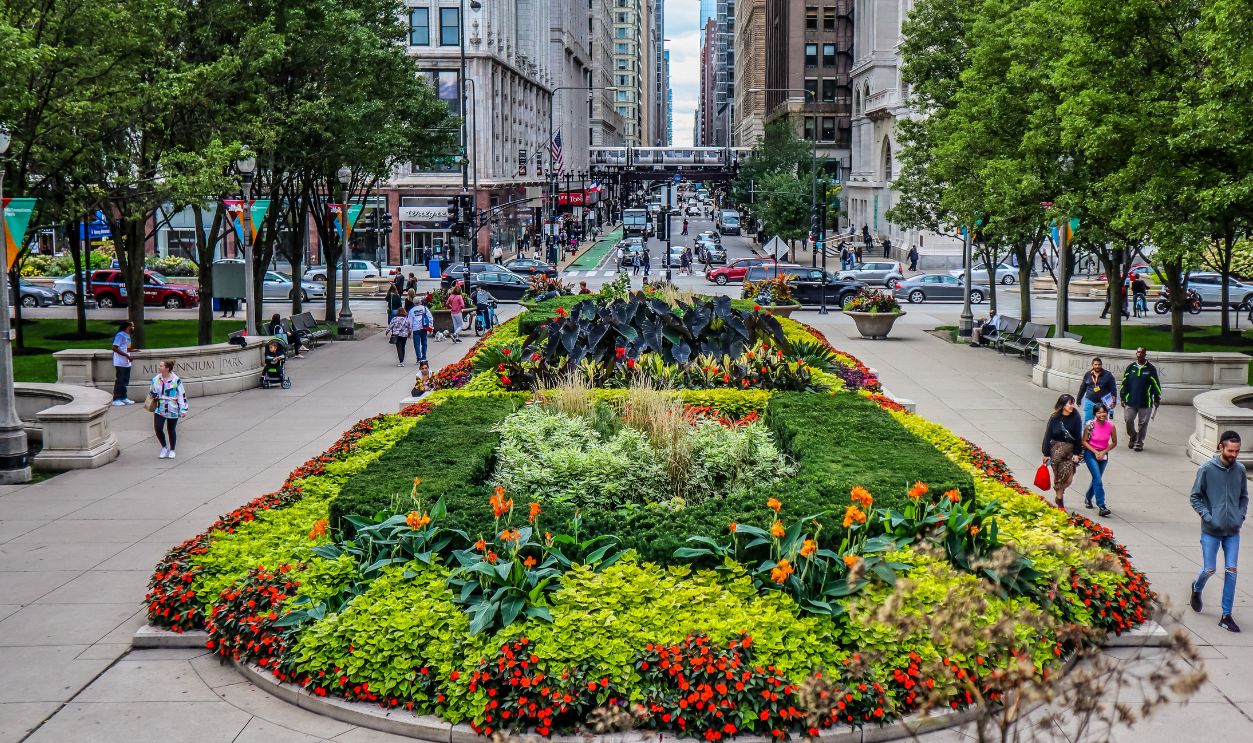
San Francisco, California
Those famous San Francisco hills might look intimidating, but the city's transportation network makes them manageable. Cable cars, historic streetcars, Muni buses, and BART trains connect major destinations. Visitors can even reach downtown from San Francisco International Airport without renting a vehicle.
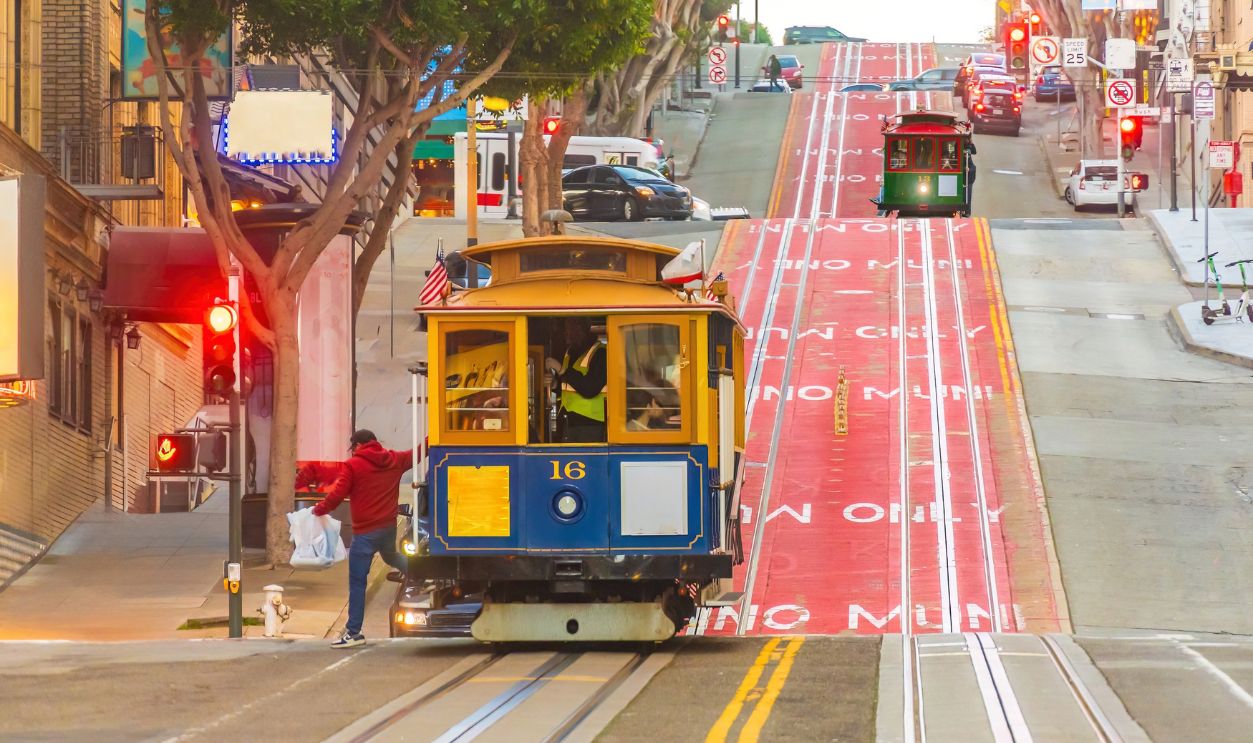
Seattle, Washington
Seattle's light rail connects its airport with downtown, eliminating one of the most common reasons travelers rent cars. Once downtown, Pike Place Market and the waterfront are walkable, while the monorail connects Westlake Center to Seattle Center and the Space Needle.

Portland, Oregon
Portland practically invites visitors to explore without driving. Its MAX light rail connects the airport with the city, while streetcars circulate through downtown and nearby neighborhoods. Add a substantial bus network and bike-sharing options, and getting around becomes part of the experience.
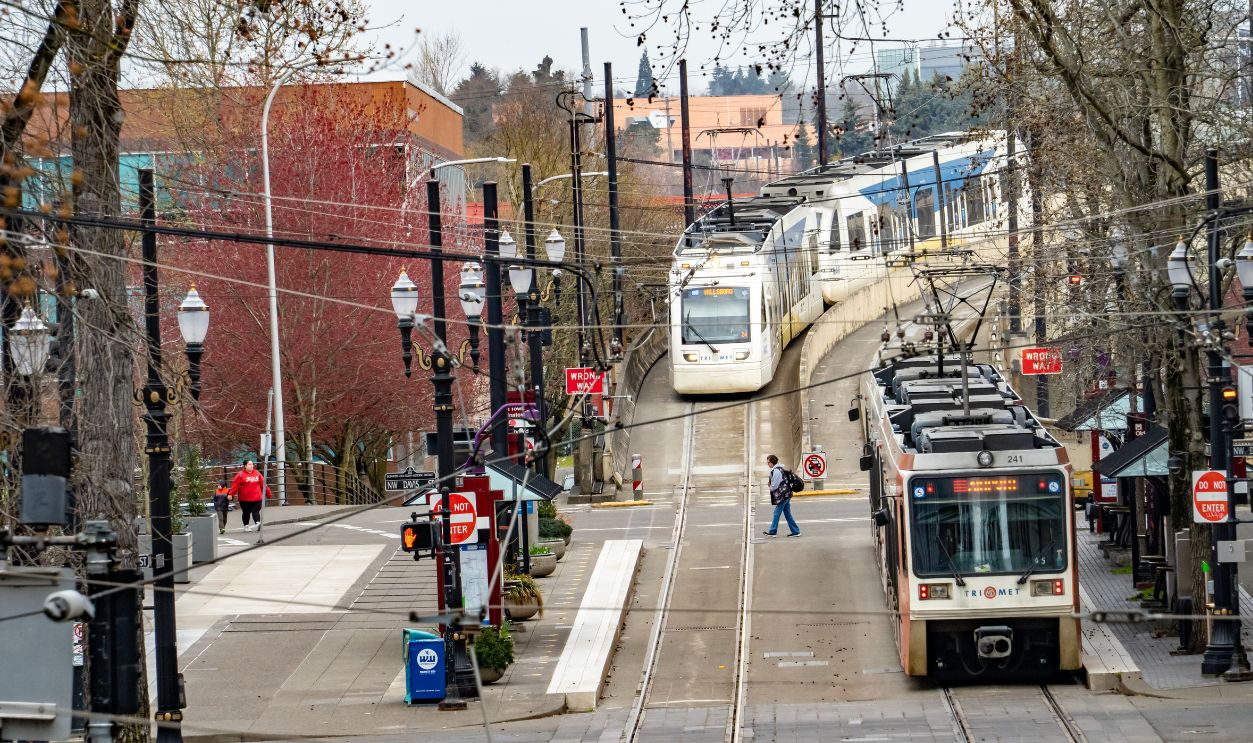
New Orleans, Louisiana
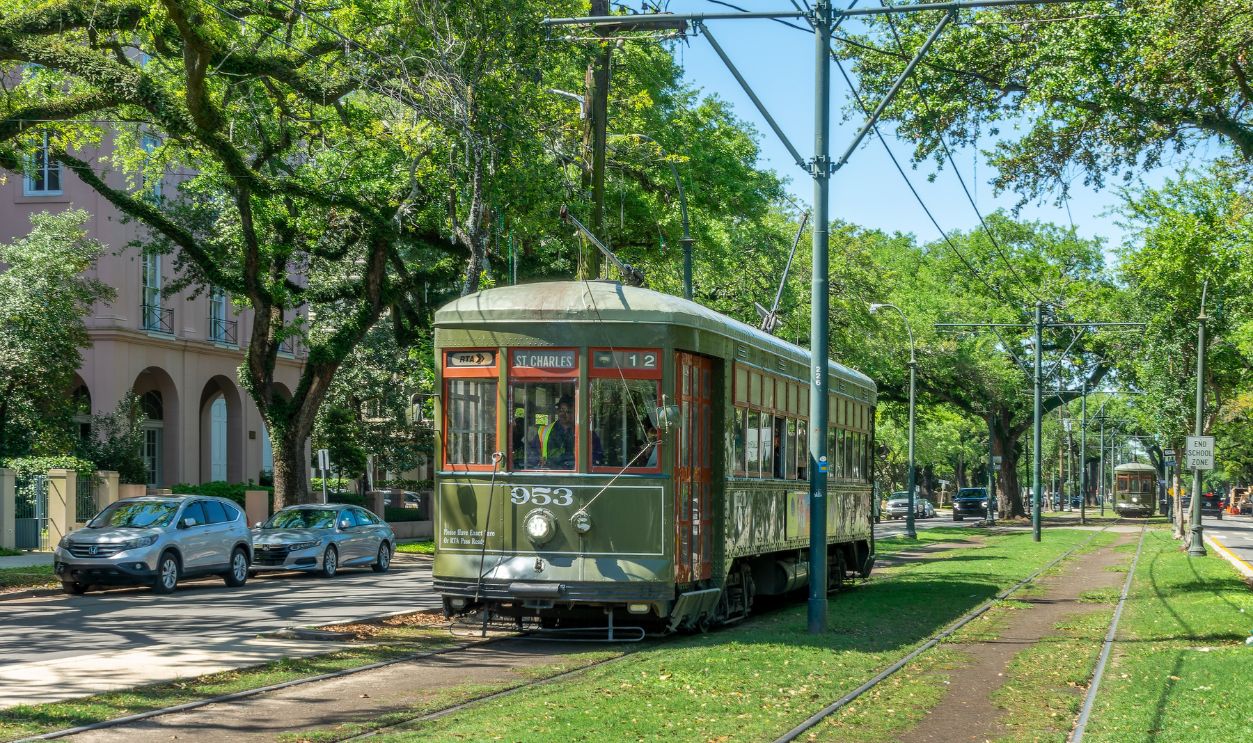
Driving through the French Quarter's narrow streets is hardly essential to enjoying New Orleans. Visitors can walk between restaurants, music venues, and historic buildings, then hop aboard the famous St. Charles streetcar to explore the Garden District. The transportation is practically an attraction.
Savannah, Georgia
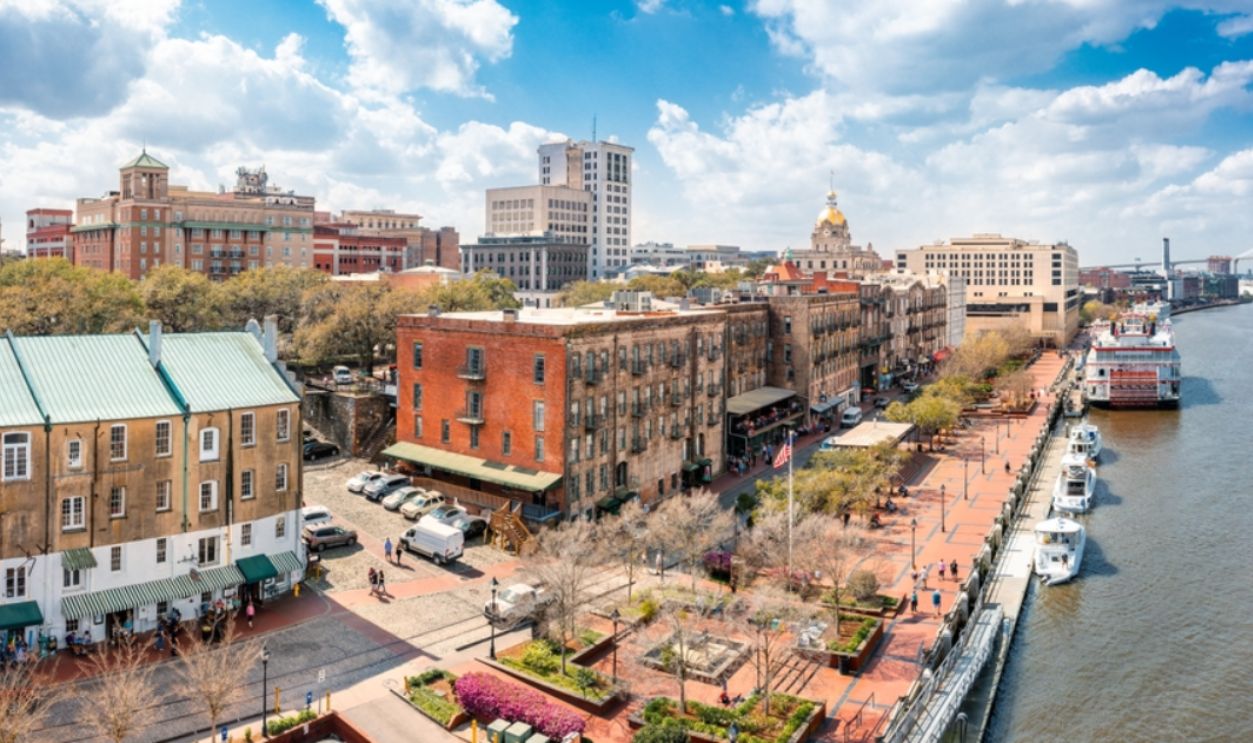
Savannah's historic district was made for leisurely exploration, with picturesque squares and attractive streets encouraging visitors to slow down. The city's fare-free downtown shuttle helps cover longer distances, while the Savannah Belles Ferry provides another transportation option across the Savannah River.
Charleston, South Carolina
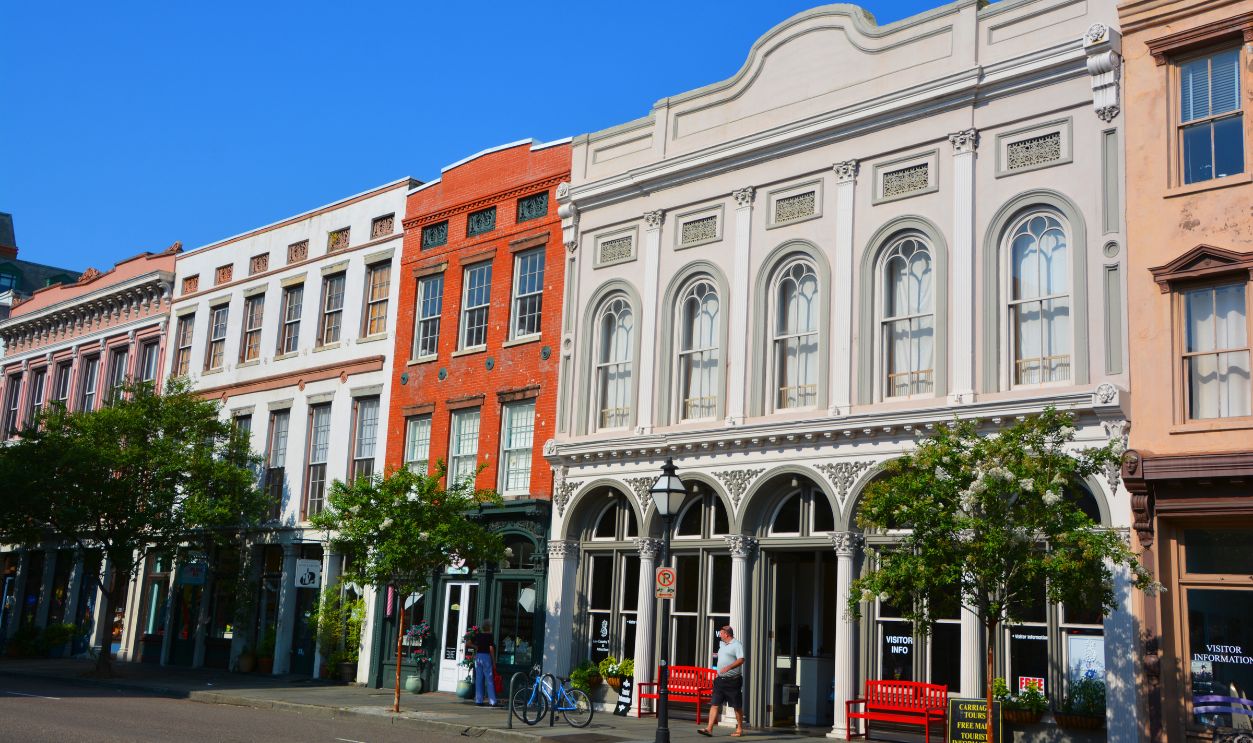
Charleston's historic peninsula is best appreciated at walking speed. Visitors can wander past colorful houses, explore King Street, and discover waterfront attractions without constantly searching for parking. The city's complimentary DASH shuttle connects major downtown destinations when walking becomes less appealing.
Miami Beach, Florida
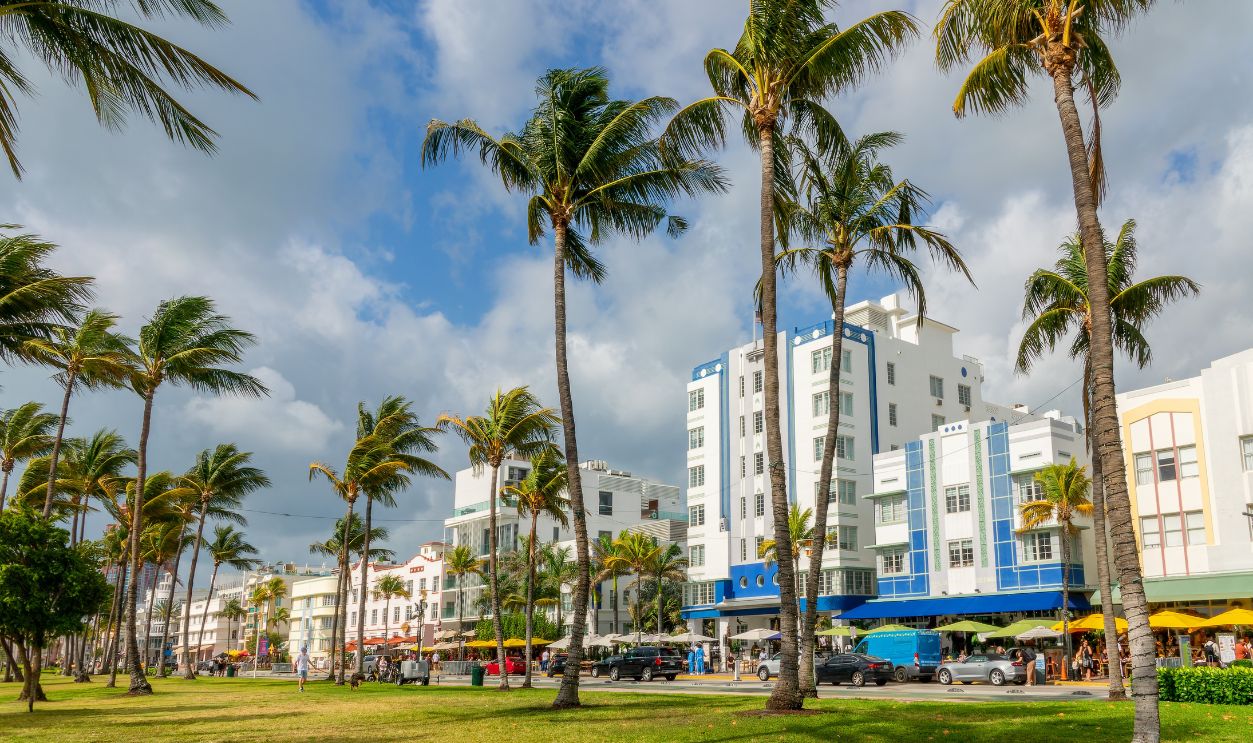
South Beach's Art Deco architecture, restaurants, and beaches are ideal for exploring on foot. Miami Beach also operates free trolley routes connecting South Beach, Mid Beach, and North Beach. For visitors concentrating on the coastal neighborhoods, renting a car is often unnecessary.
Las Vegas Strip, Nevada
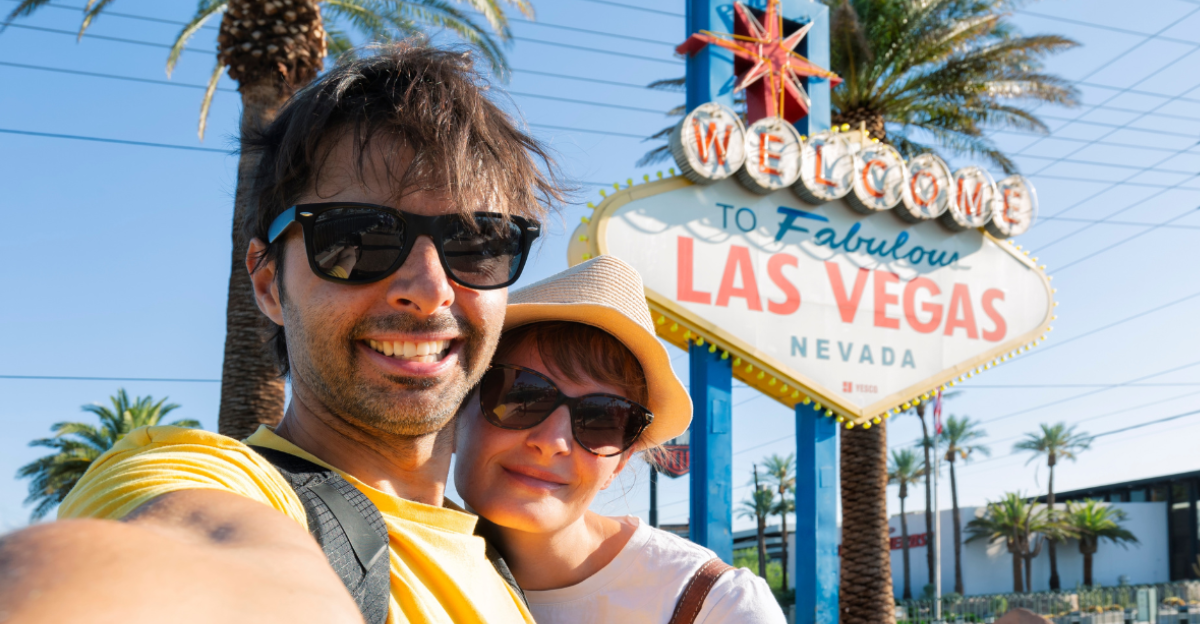
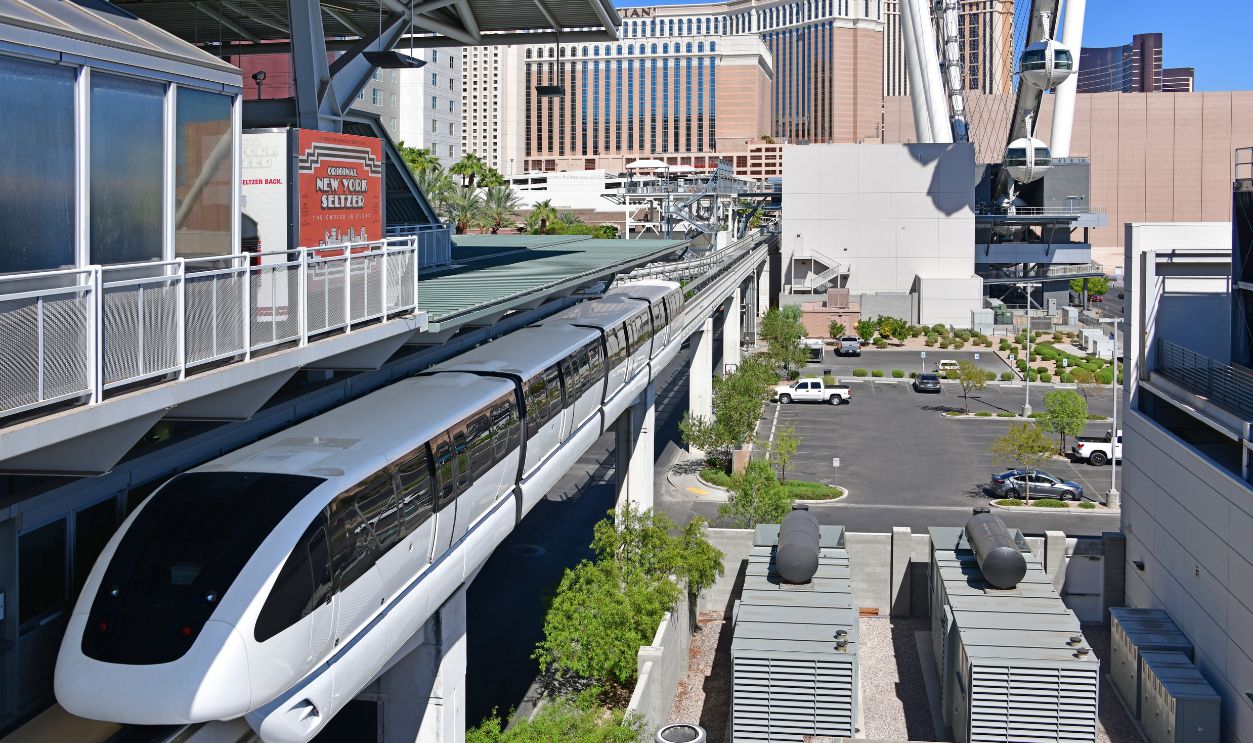
Driving between casinos sounds practical until you encounter the Strip's busy traffic and sprawling resort entrances. Fortunately, the Las Vegas Monorail, the Deuce bus, and free resort trams provide alternatives. Visitors staying near major resorts can explore much of the Strip without driving.
Key West, Florida
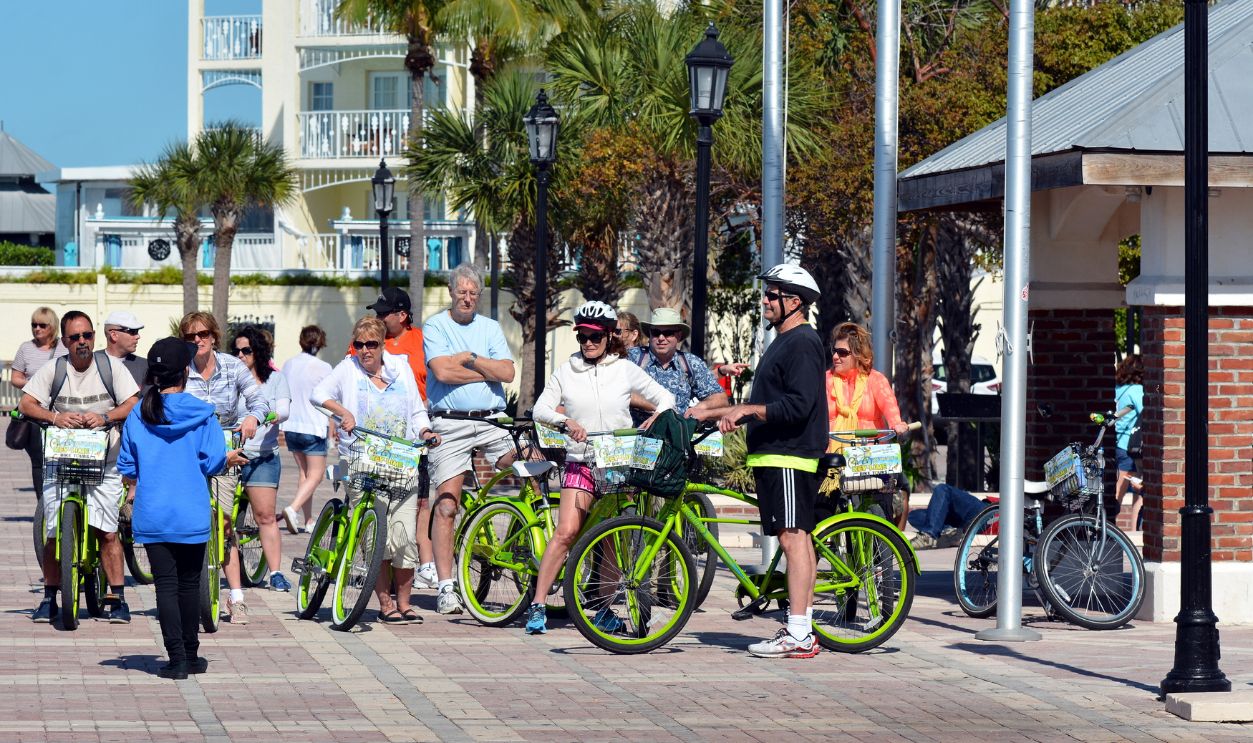
Key West rewards visitors who explore at a slower pace. Duval Street and the Historic Seaport are walkable, while bicycles and the Key West Rides on-demand service offer alternatives. The former Duval Loop bus was suspended in January 2026.
San Diego, California
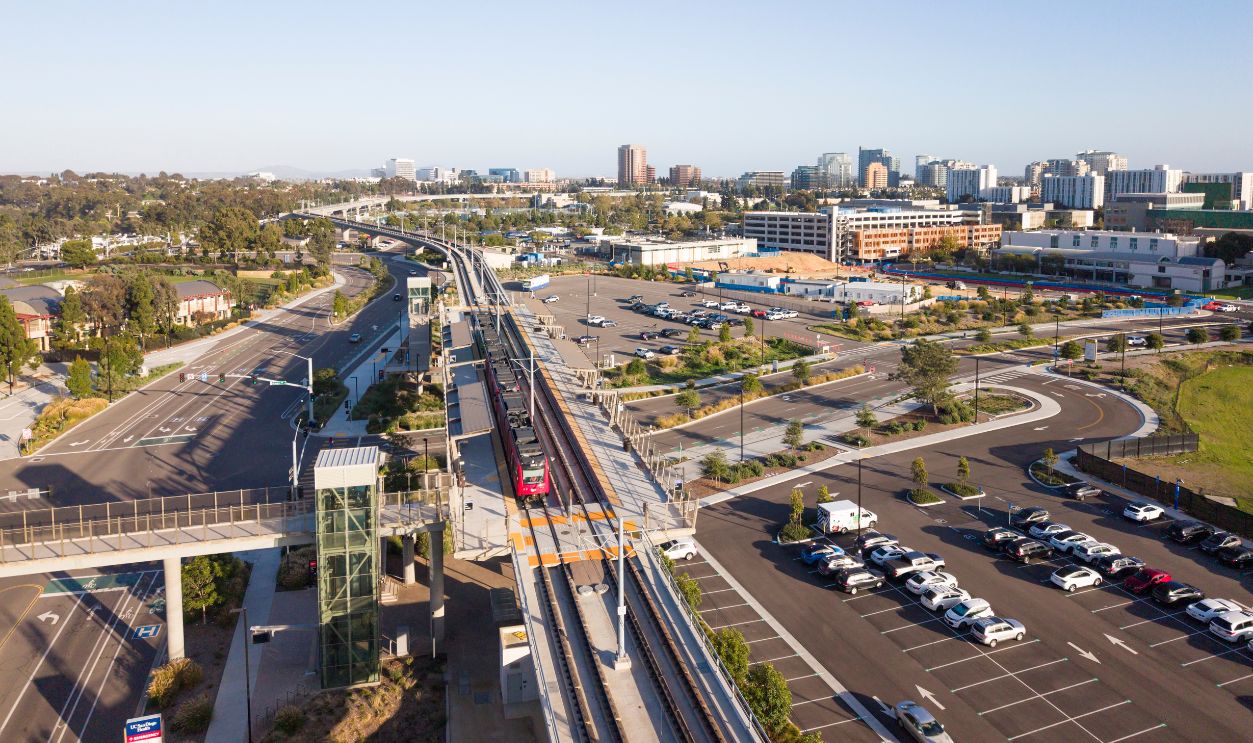
San Diego's trolley connects downtown with Old Town and several other popular areas. Visitors can also use the COASTER commuter train to explore coastal communities farther north. Staying near a trolley stop makes a car-free vacation especially practical.
Santa Monica, California
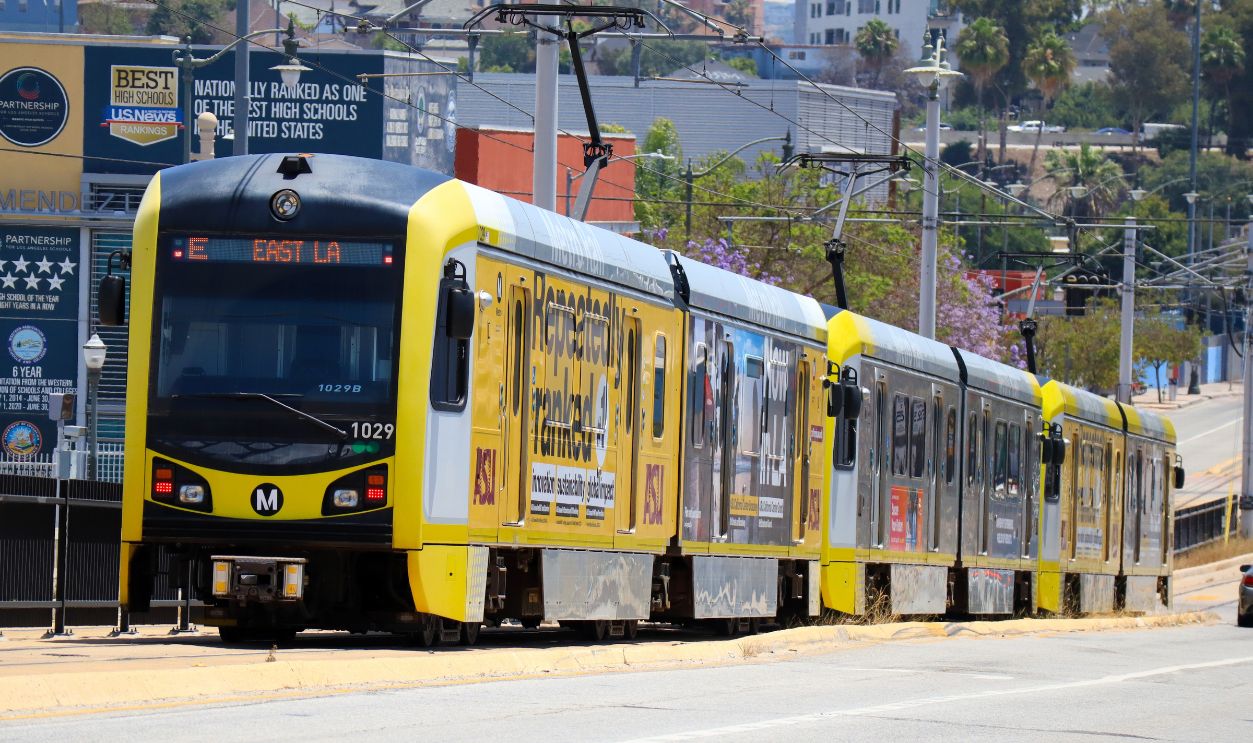
Santa Monica's beaches, pier, and Third Street Promenade are conveniently close together. The Metro E Line connects the city with downtown Los Angeles, while Big Blue Bus operates local routes. For a beach-focused vacation, a rental car often adds little value.
 Walter Cicchetti, Shutterstock
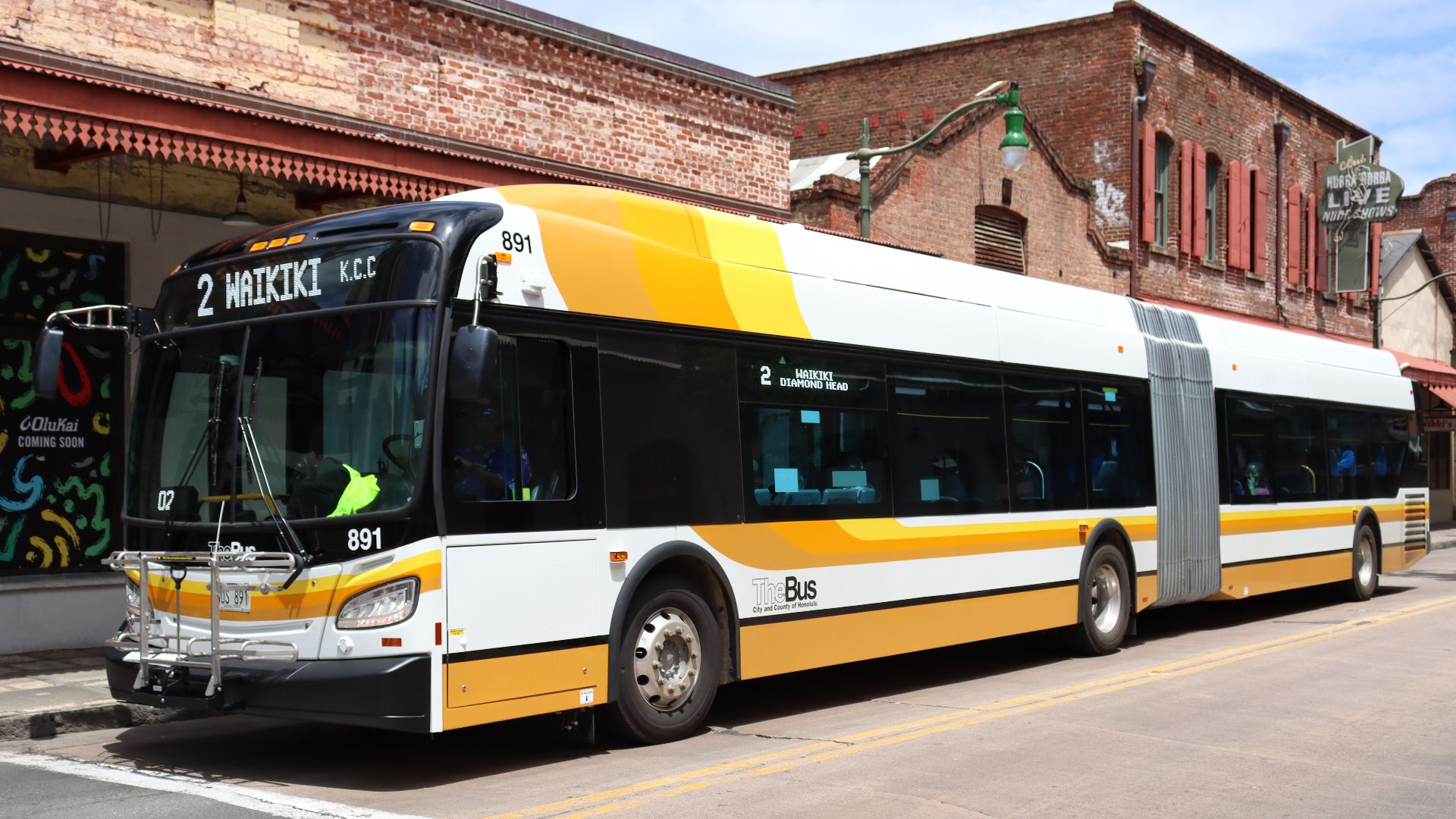
Waikiki, Honolulu, Hawaii
Waikiki's hotels, restaurants, beaches, and shopping areas are concentrated within a walkable district. Honolulu's TheBus network also reaches destinations beyond the beachfront, including Diamond Head and Pearl Harbor. Visitors planning island-wide adventures may occasionally prefer organized excursions.
 Musashi1600, Wikimedia Commons
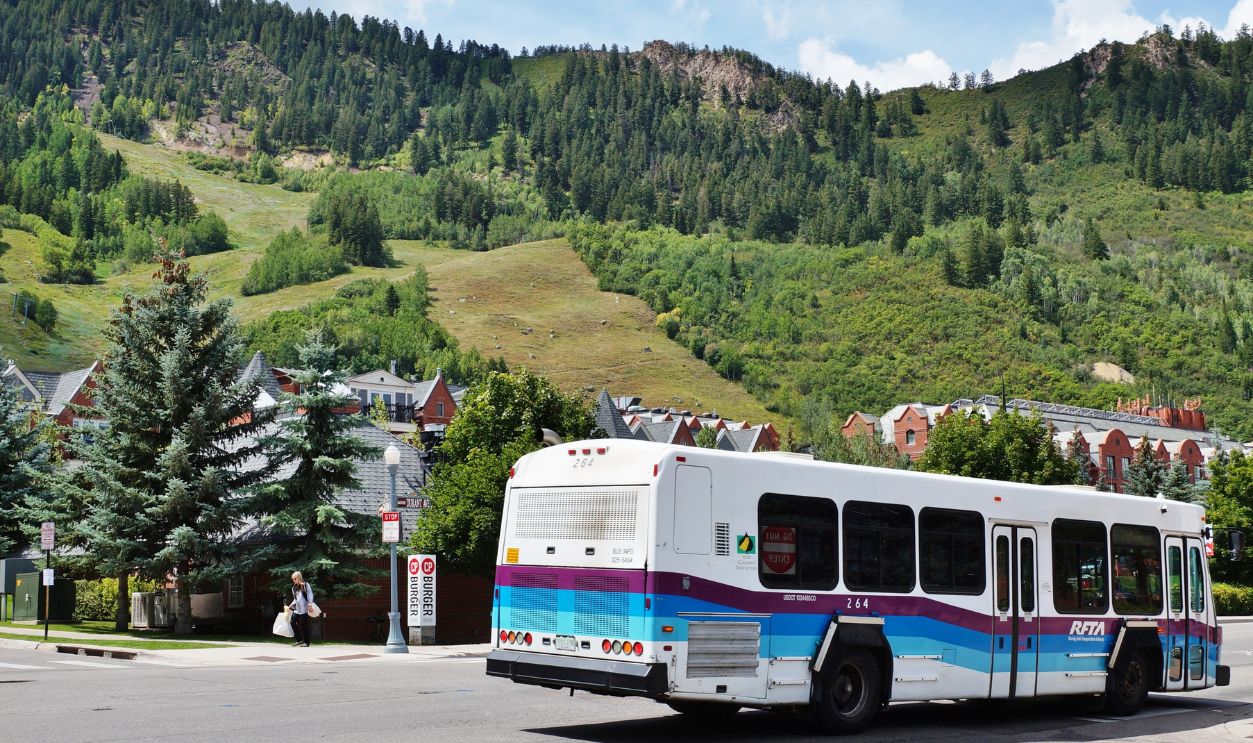
Aspen, Colorado
Aspen might seem like an obvious place to rent a vehicle, but its free shuttle network makes that surprisingly unnecessary. Local buses connect downtown with nearby ski areas, while seasonal transportation helps visitors reach popular outdoor destinations without driving mountain roads.
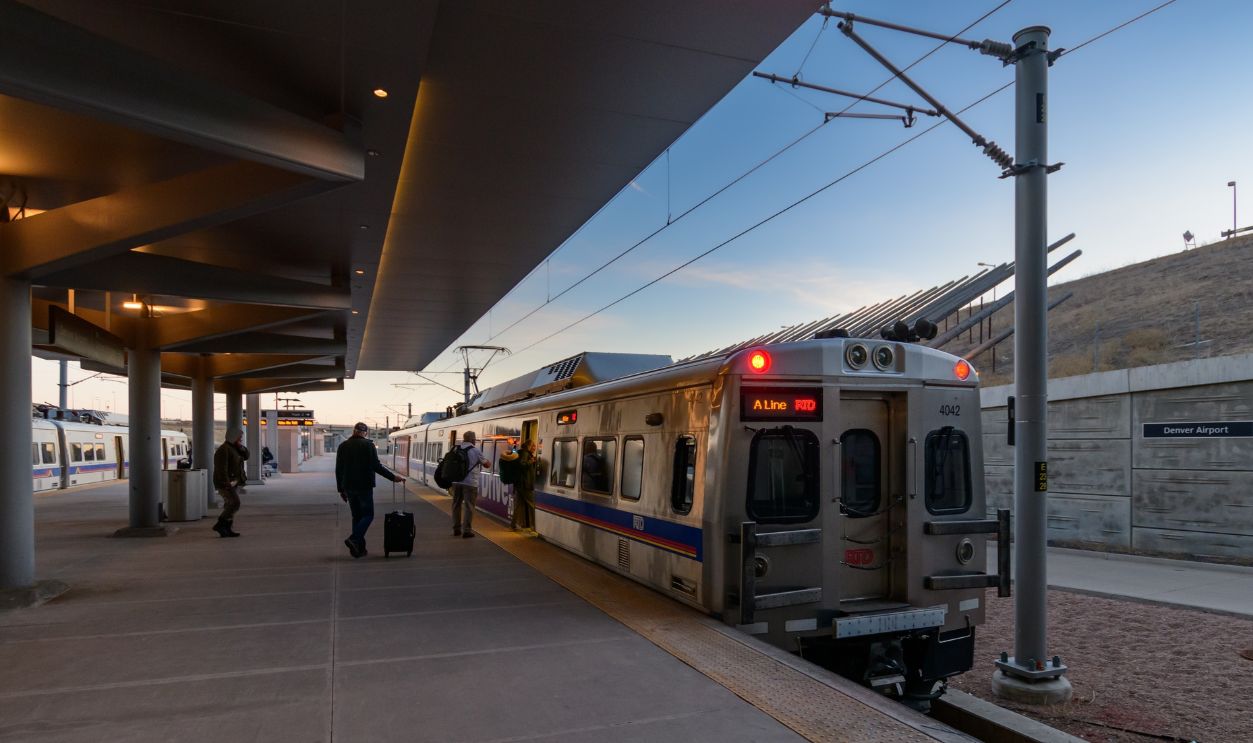
Denver, Colorado
Denver's airport rail connection is a major advantage for visitors. The A Line travels directly to Union Station, where travelers can connect with local transportation. Downtown attractions, restaurants, and the pedestrian-friendly 16th Street corridor are accessible without renting a car.
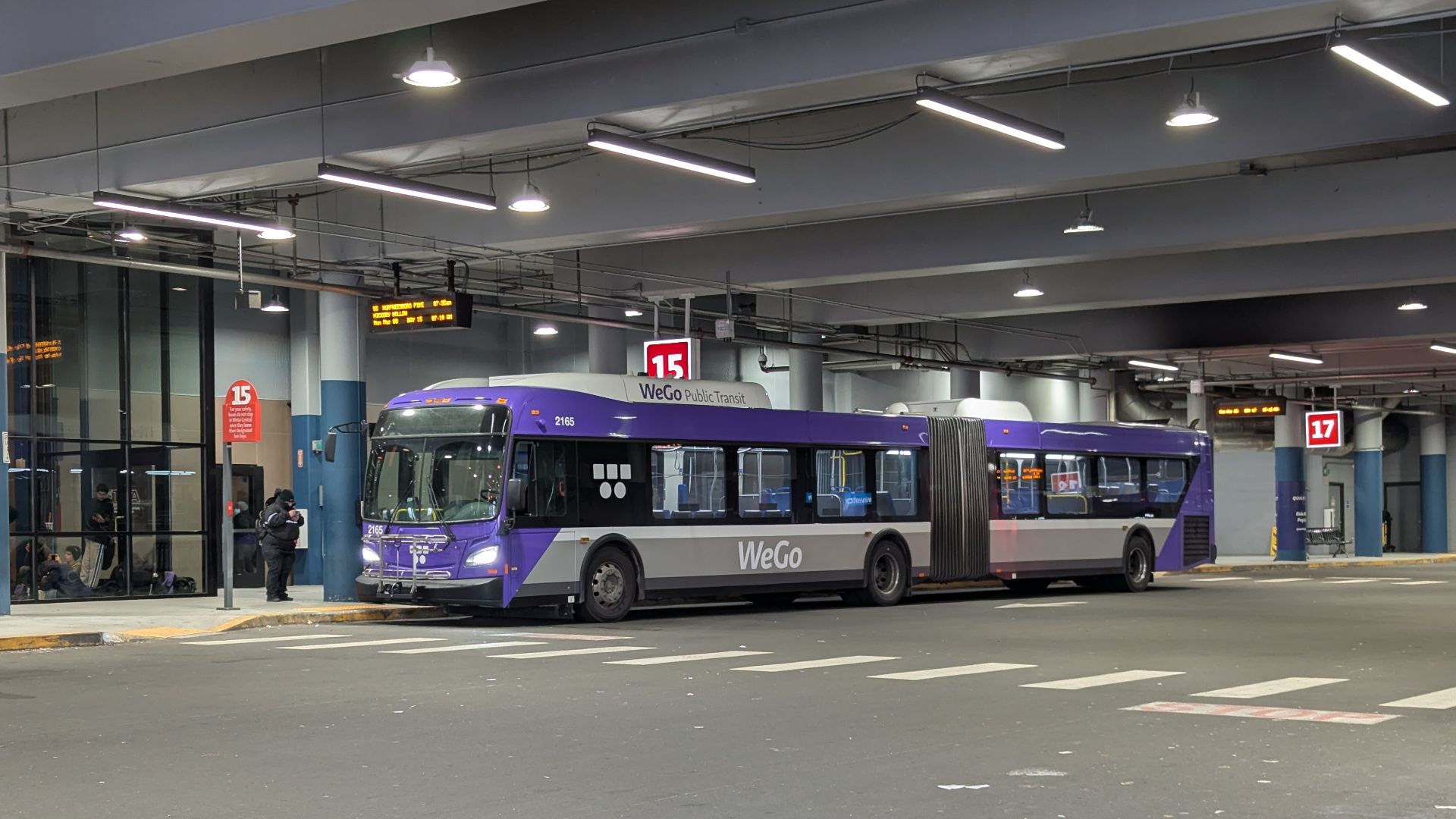
Nashville, Tennessee
Nashville works particularly well without a car when visitors stay downtown. Lower Broadway's music venues, the Ryman Auditorium, and the Country Music Hall of Fame are close together. WeGo buses and rideshares provide alternatives for exploring beyond the central entertainment district.
Mackinac Island, Michigan
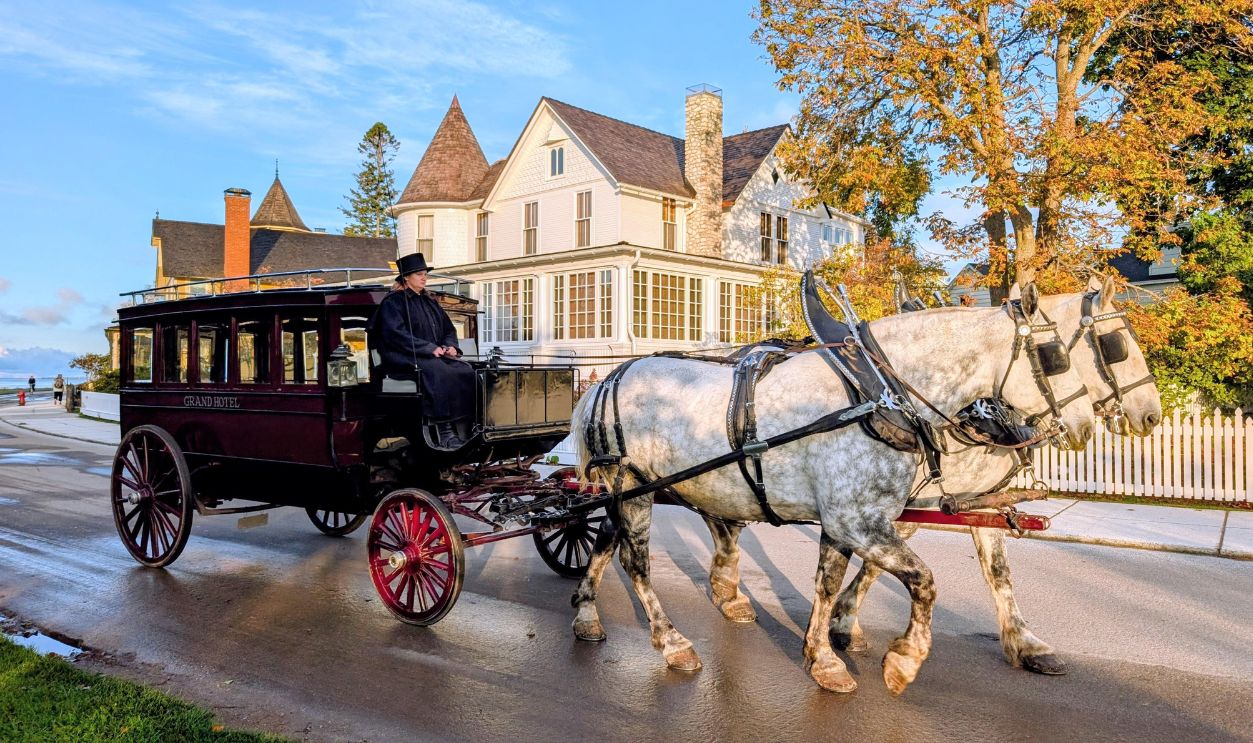
Mackinac Island takes the car-free concept further than almost anywhere else in America. Personal motor vehicles are generally prohibited, so visitors travel by bicycle, horse-drawn carriage, or on foot. Renting a car would be completely pointless once you reach the island.
 Selector Jonathon, Shutterstock
Catalina Island, California
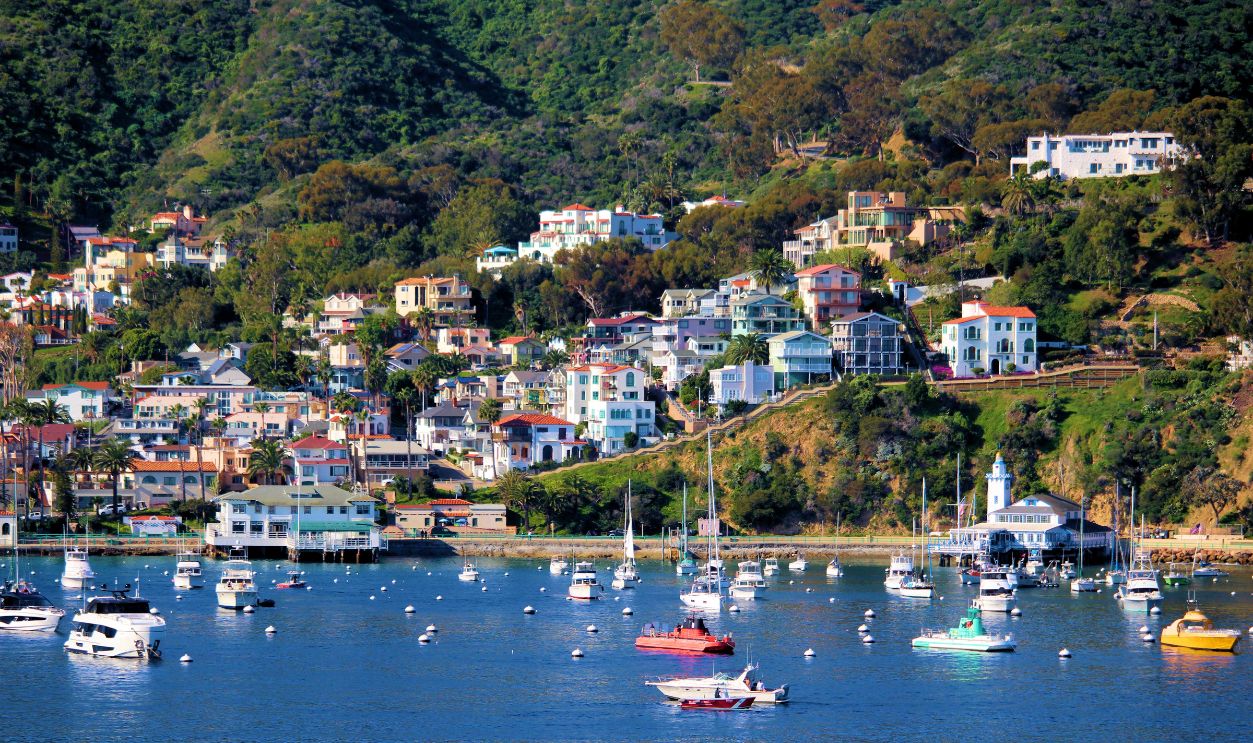
Avalon's compact waterfront makes Catalina Island an appealing destination without a rental car. Visitors arriving by ferry can walk to restaurants, hotels, and beaches. Automobile use is restricted, and golf carts and taxis provide alternatives when walking isn't enough.
Disneyland Resort, California
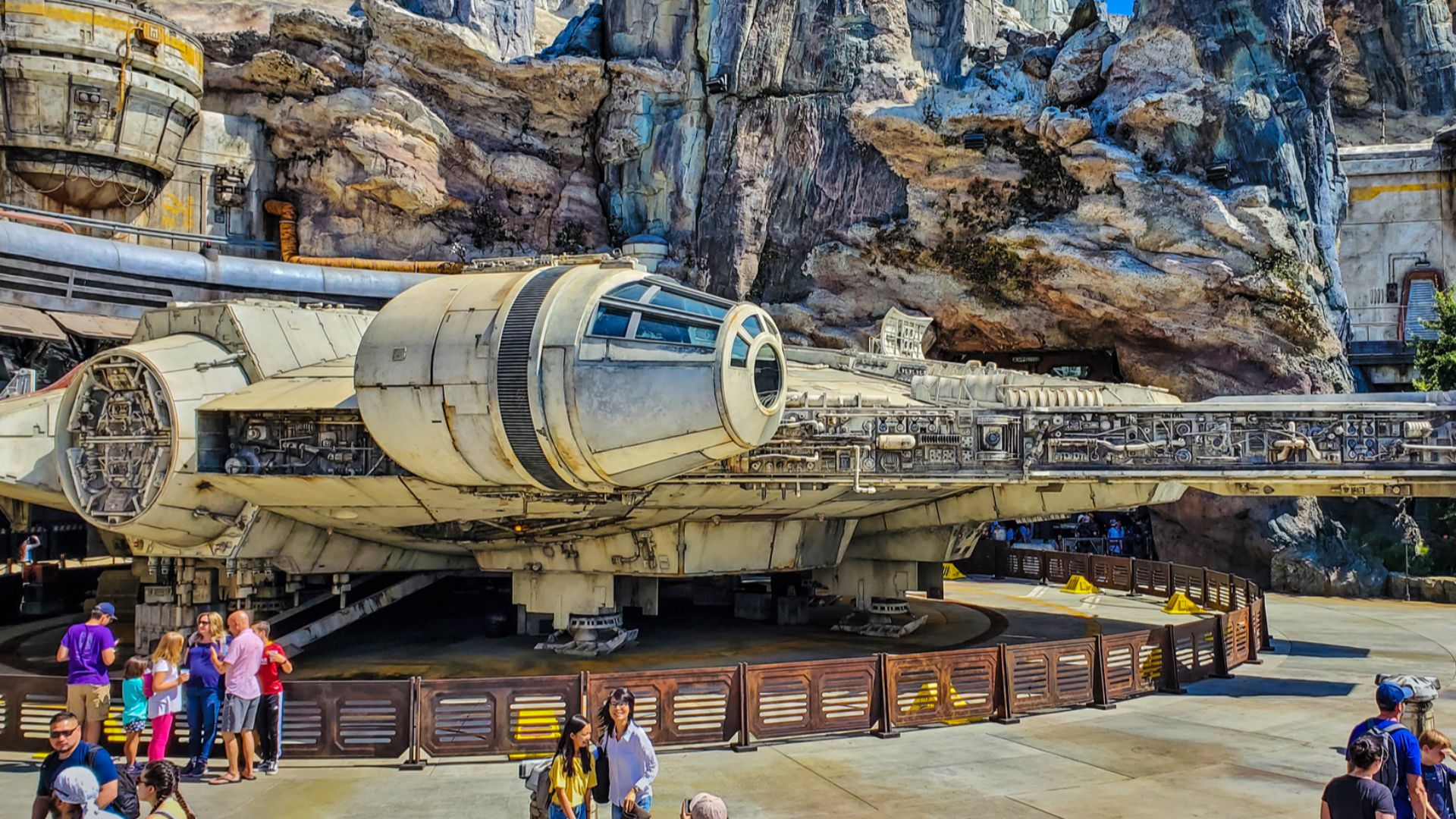
Visitors staying at Disneyland Resort hotels or nearby Anaheim accommodations can often walk to the theme parks. Disneyland Park, Disney California Adventure, and Downtown Disney are clustered together. Arranging airport transportation separately can eliminate the need for a rental vehicle.
 Tomas Del Coro from Las Vegas, Nevada, USA, Wikimedia Commons
Walt Disney World, Florida
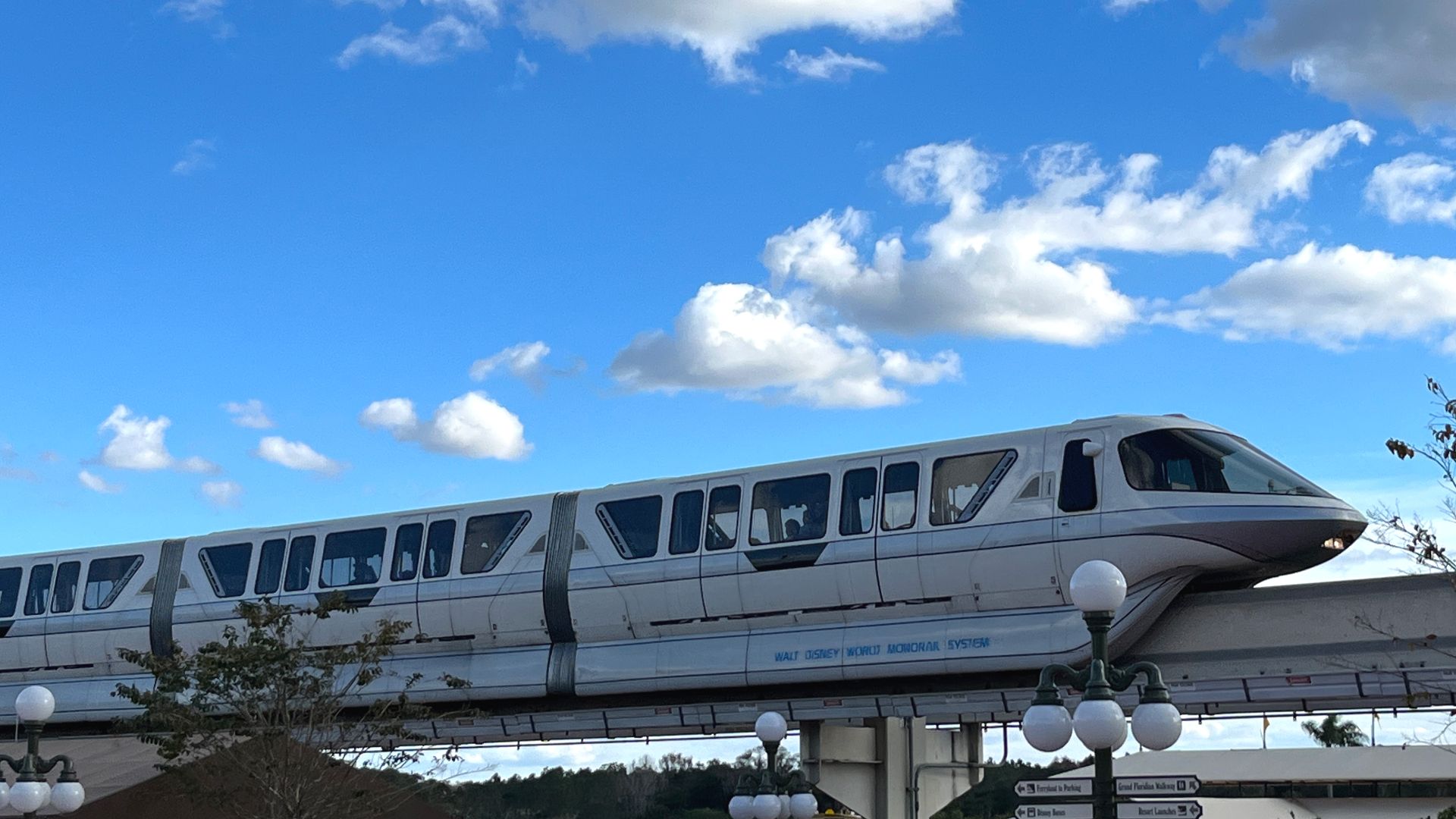
Disney World's enormous size sounds like an argument for renting a car, but its transportation network tells another story. Guests staying at Disney Resort hotels can use complimentary buses, boats, monorails, and the Skyliner to reach participating parks and resorts.
 Benoit Prieur, Wikimedia Commons
Acadia National Park, Maine
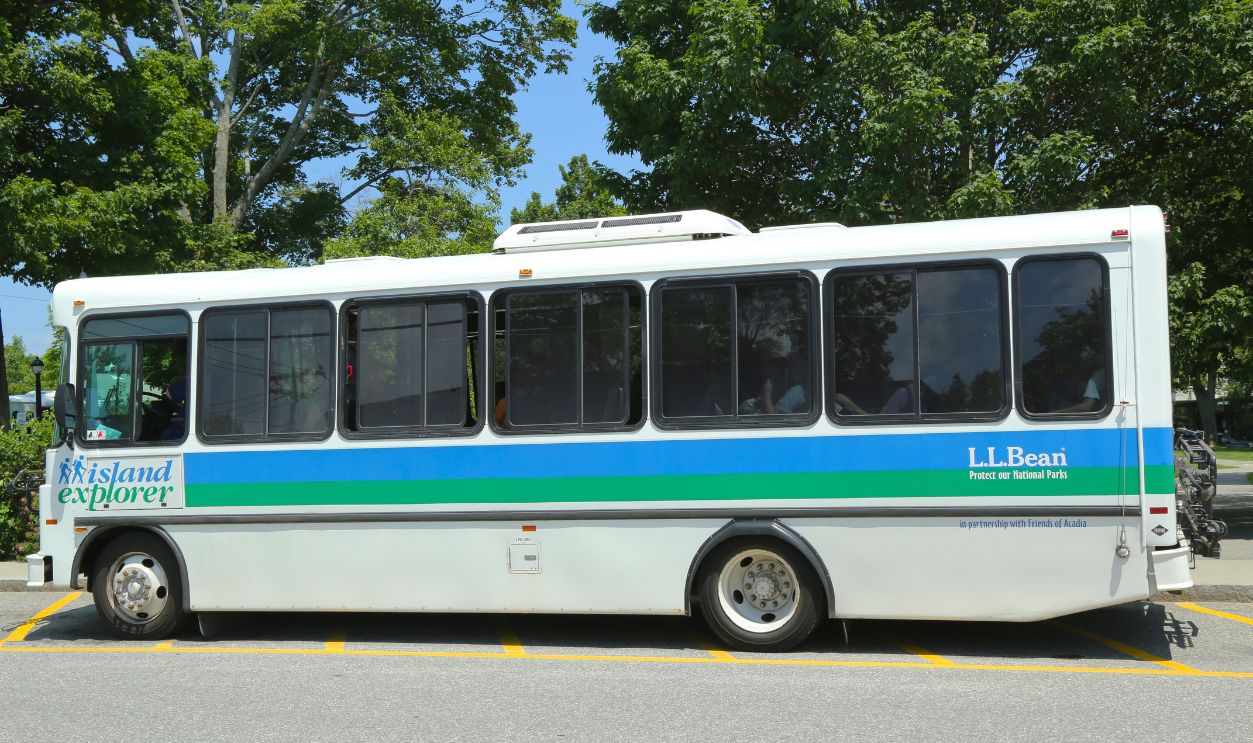
Acadia offers an unusual opportunity to explore a national park without driving. During its operating season, the fare-free Island Explorer connects Bar Harbor with campgrounds, carriage-road entrances, and numerous trailheads. One limitation: the shuttle doesn't reach Cadillac Mountain's summit.
 Leonard Zhukovsky, Shutterstock
Yosemite National Park, California
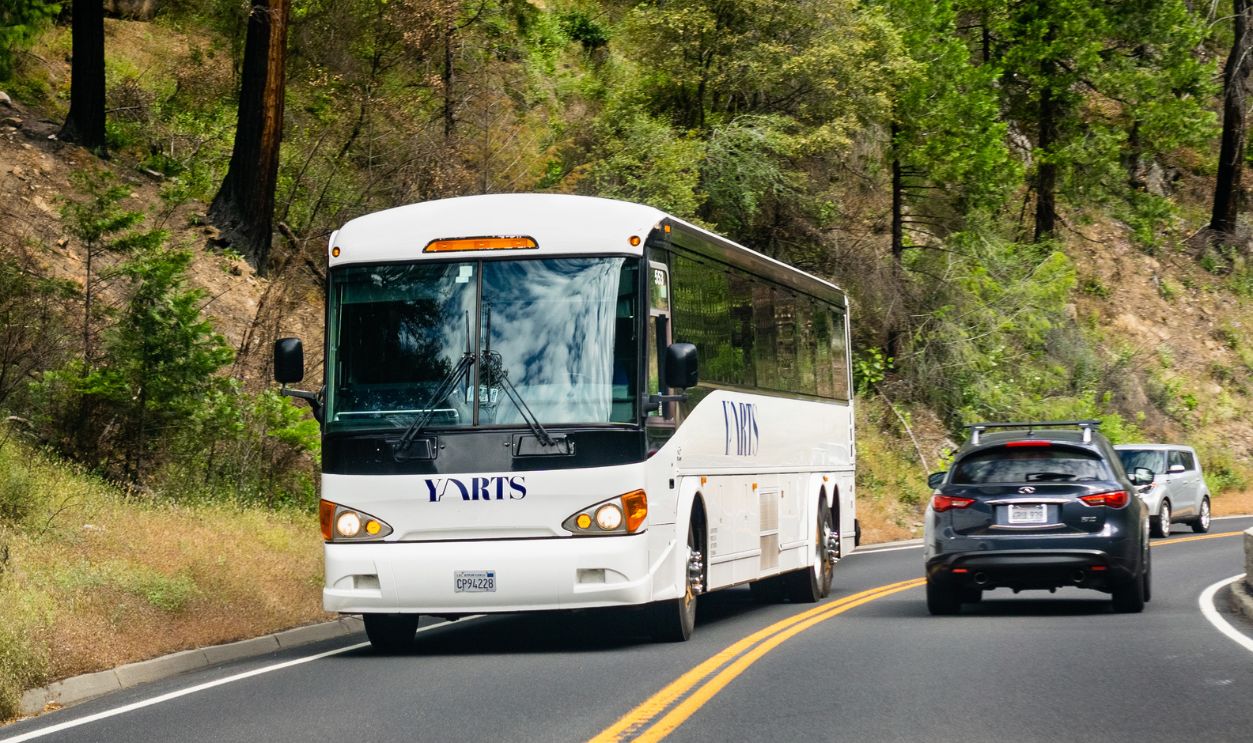
Yosemite Valley's roads and parking areas can become congested during busy periods. Visitors can arrive using YARTS regional buses, then use the park's free valley shuttle to reach several major attractions and trailheads. Exploring more remote areas requires additional planning.
 Sundry Photography, Shutterstock
Zion National Park, Utah
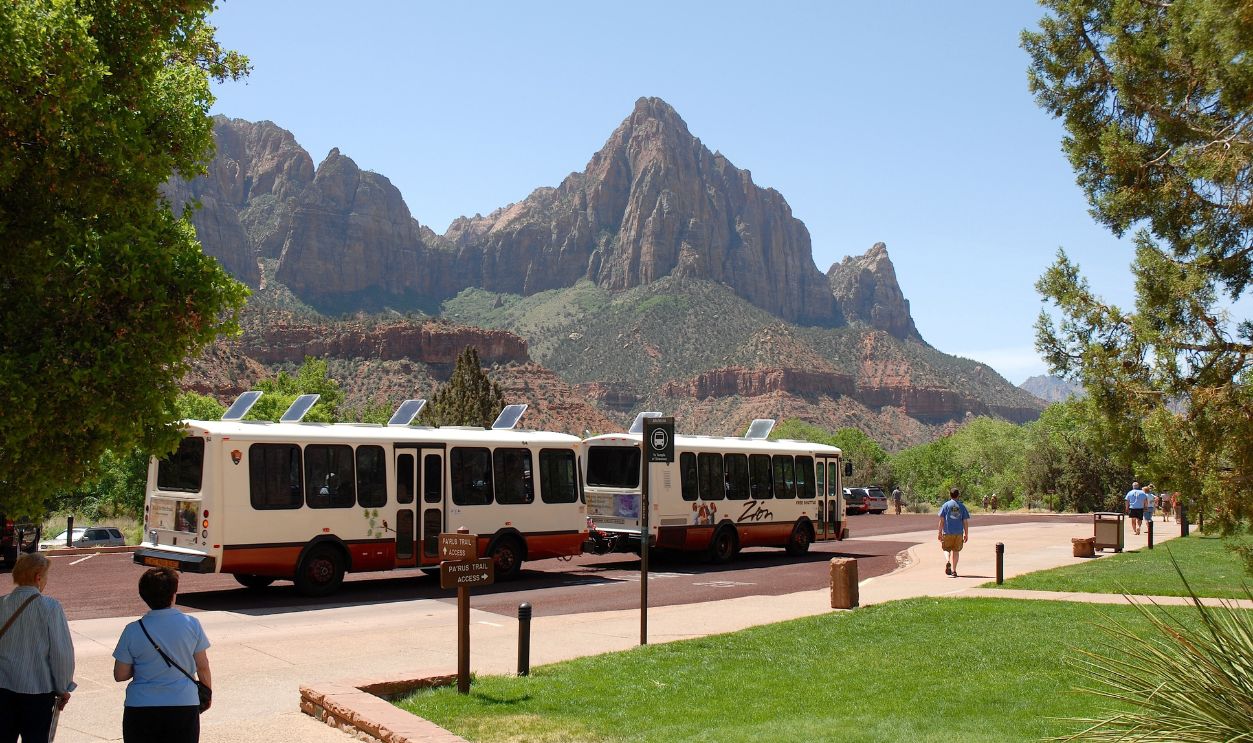
Zion practically encourages car-free sightseeing. During shuttle season, private vehicles generally cannot travel Zion Canyon Scenic Drive, and visitors use park shuttles instead. Springdale's shuttle system also makes it easy to reach the pedestrian entrance without searching for parking.
You May Also Like:
15 Travel Scams No One Talks About—And How To Outsmart Them
Top 10 Places in America to Travel Solo
Americans Reveal What They Wish Europeans Understood Before Visiting The U.S.
Sources: 1, 2, 3, 4, 5, 6, 7, 8, 9, 10, 11, 12, 13, 14, 15, 16, 17, 18, 19, 20, 21, 22, 23, 24, 25, 26, 27, 28