

American Foods That Are Secretly...Canadian?
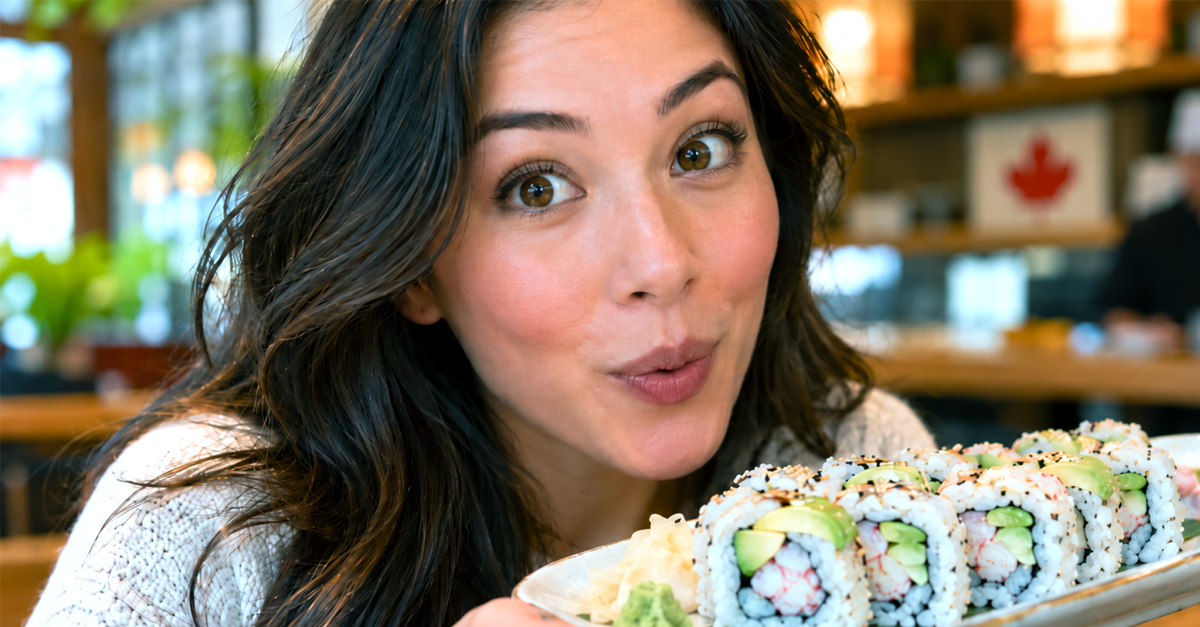
America lays claim to a lot of foods. Plus, some foods just "feel" American, you know? But from pizza toppings to grocery store staples, plenty of iconic American eats aren't so American after all. Many were invented in up in the Great White North, or at least Canada created an iconic version of an older dish.
But don't you worry: The origins of a few of these foods are contested, and plenty of Americans still lay claim. See how many of these foods you knew were secretly as Canadian as maple syrup.
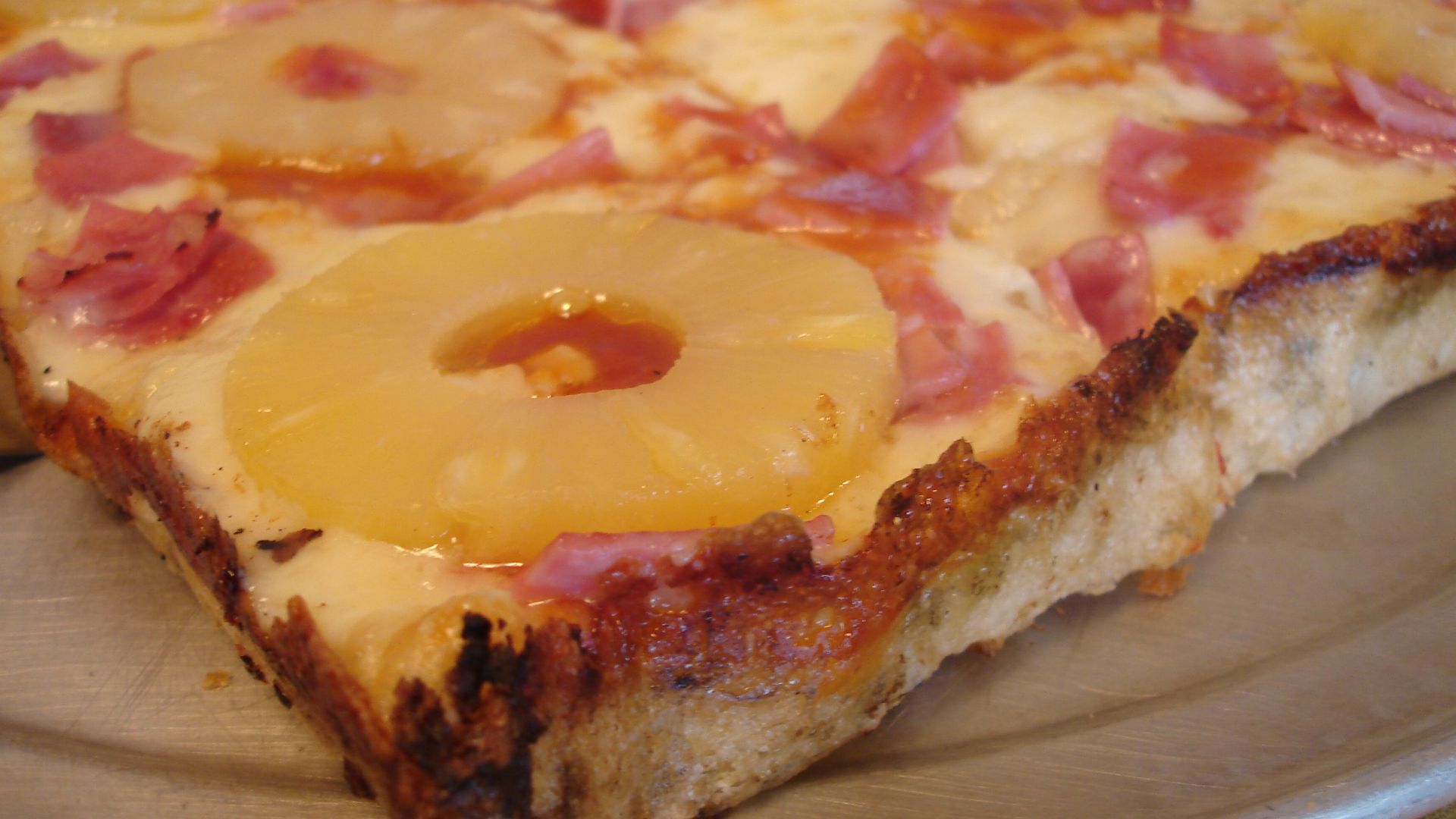
Hawaiian Pizza Was Actually Invented In Ontario
Pineapple pizza sounds like something born in Hawaii or California, but its documented origin is Chatham, Ontario. Greek-born restaurateur Sam Panopoulos added canned pineapple to pizza at his Satellite restaurant in 1962. The sweet-and-savory experiment eventually traveled far beyond Canada.
 @joefoodie from USA, Wikimedia Commons
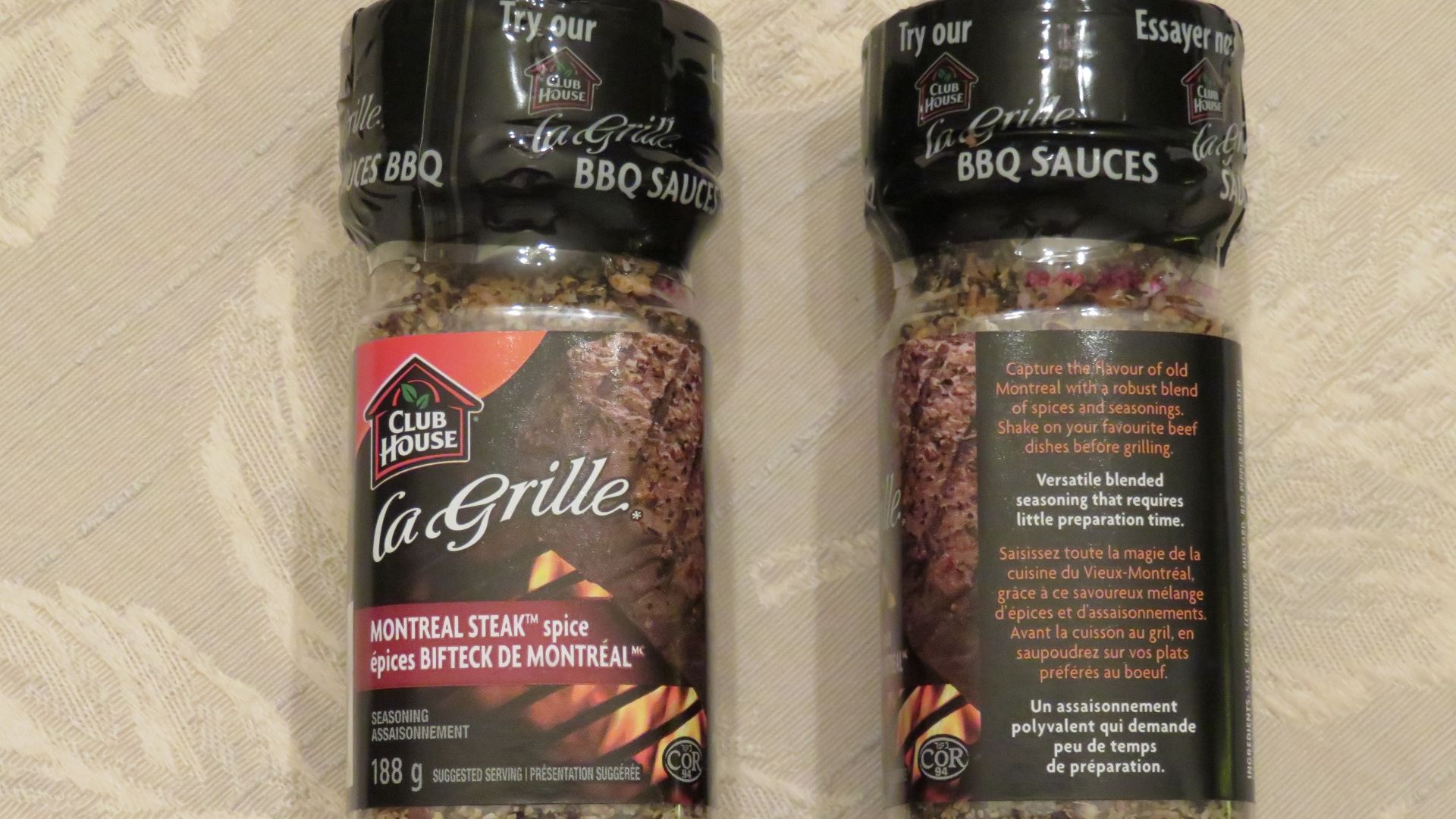
Montreal Steak Spice Has A Surprising History
If Montreal steak seasoning sits beside your backyard grill, its roots are farther north than you might think. The blend grew from the spices used on smoked meat at Schwartz’s delicatessen in Montreal. Broilerman Morris Sherman is widely credited with putting those spices on steaks.
 Laurent Bélanger, Wikimedia Commons
The Bloody Caesar Was Created In Calgary
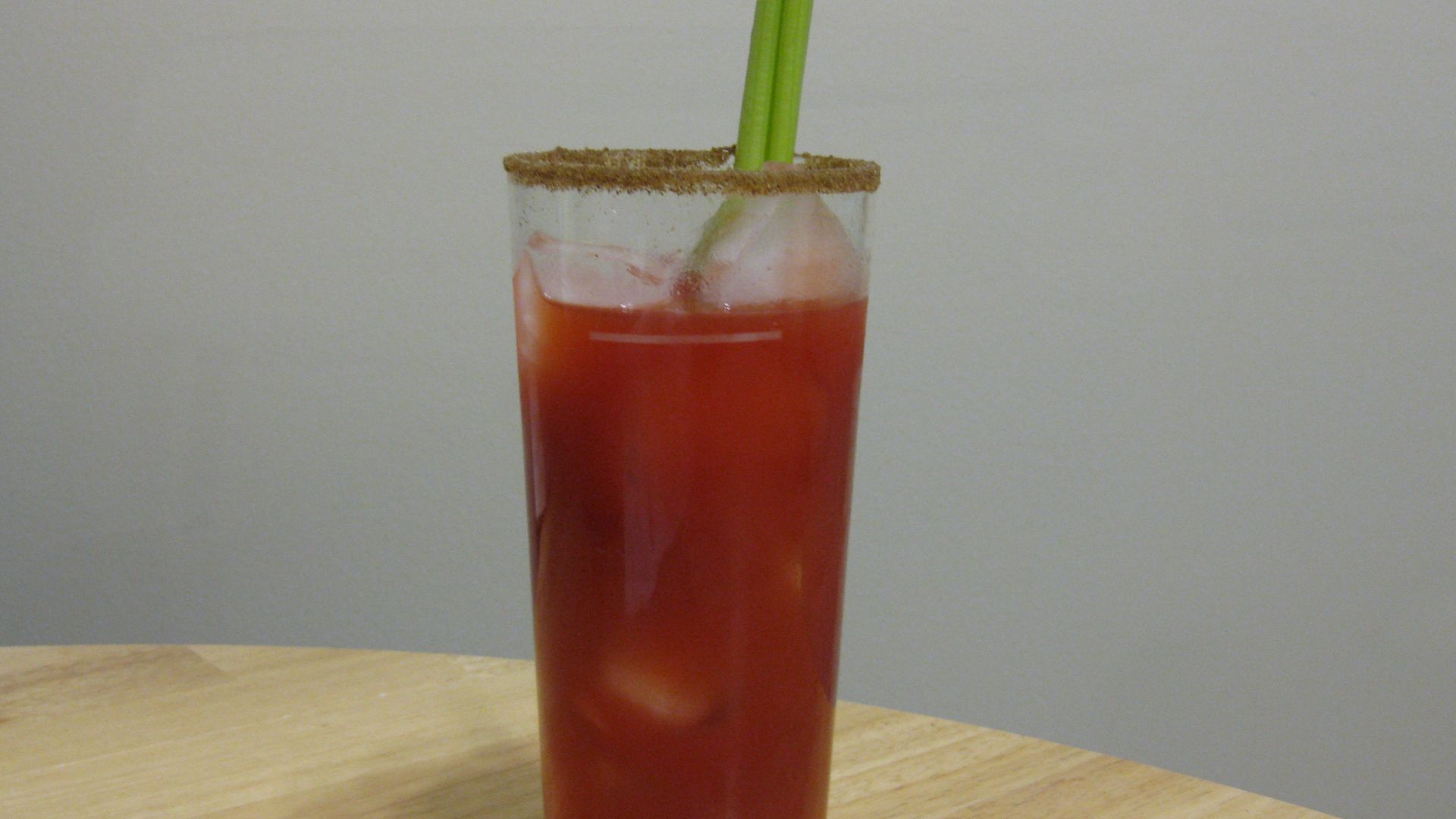
Think a Bloody Caesar is simply an American Bloody Mary with something extra? Bartender Walter Chell created the distinctive Canadian cocktail in Calgary in 1969. Inspired by spaghetti with clams, he combined tomato and clam flavors with vodka and seasonings, creating a Canadian brunch favorite.
 AirIntake at English Wikipedia, Wikimedia Commons
McIntosh Apples Were Discovered In Ontario
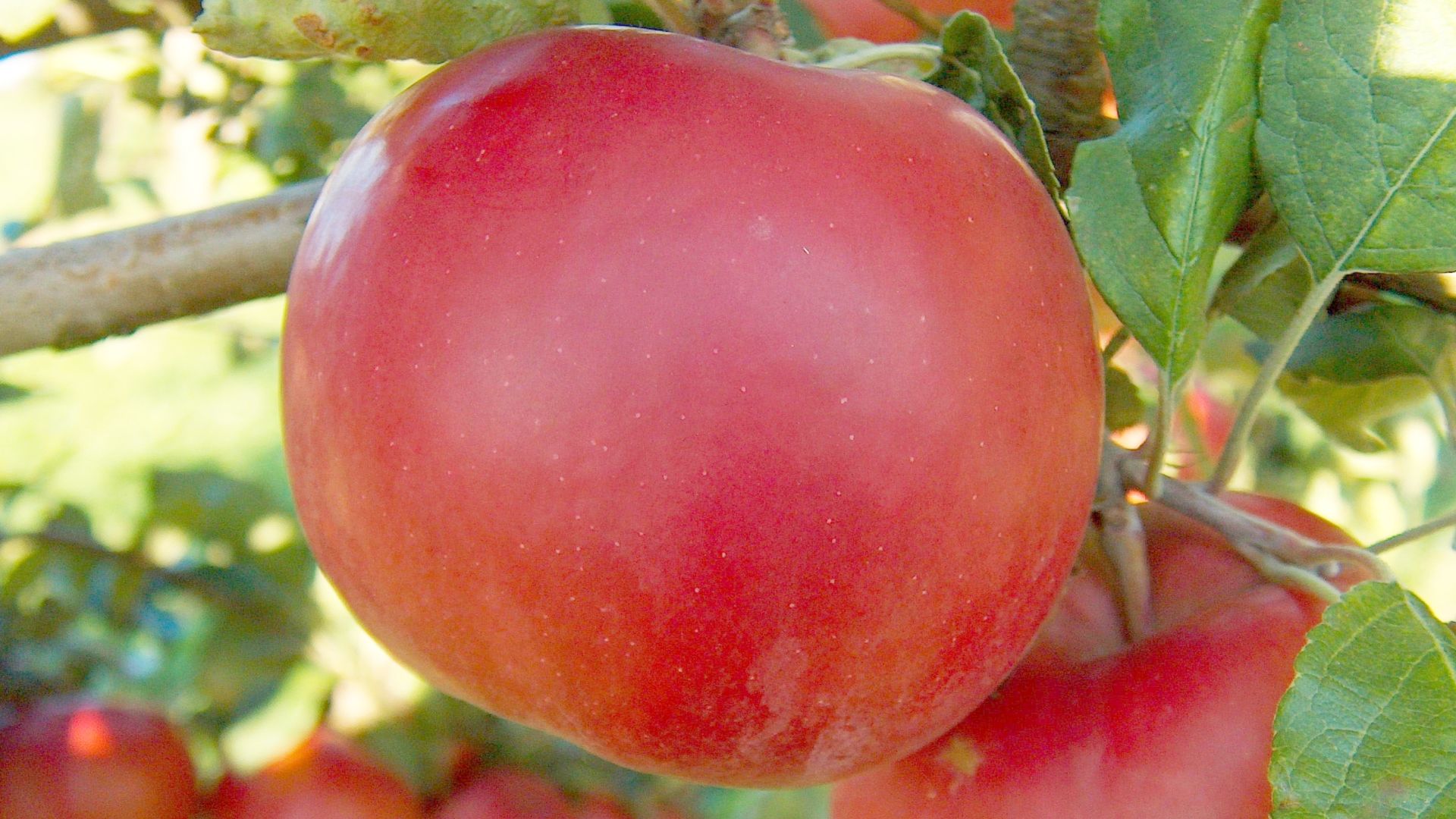
The McIntosh apple might seem like a thoroughly American supermarket staple. However, farmer John McIntosh discovered the original tree on his property near Dundela, Ontario, in 1811. The variety eventually spread throughout North America, becoming especially popular for fresh eating, baking, and applesauce.
 User:MarkusHagenlocher, Wikimedia Commons
Ambrosia Apples Came From A Canadian Orchard
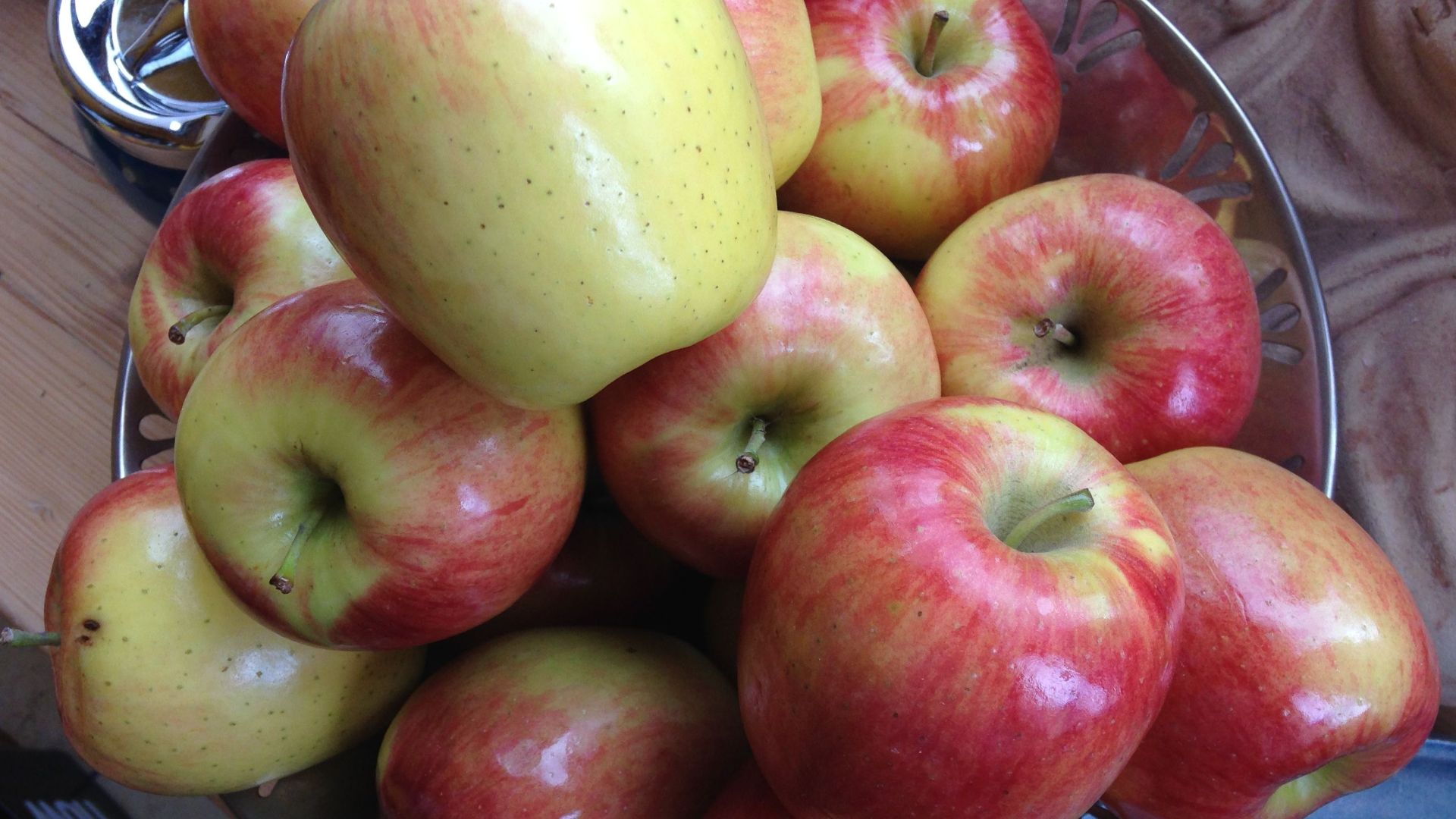
Those sweet, crisp Ambrosia apples in grocery stores have another Canadian origin story. Orchardists Wilfrid and Sally Mennell discovered an unusual seedling growing among their apple trees in British Columbia during the 1990s. The resulting variety eventually reached orchards and supermarket shelves internationally.
Ginger Beef Was Invented In Calgary
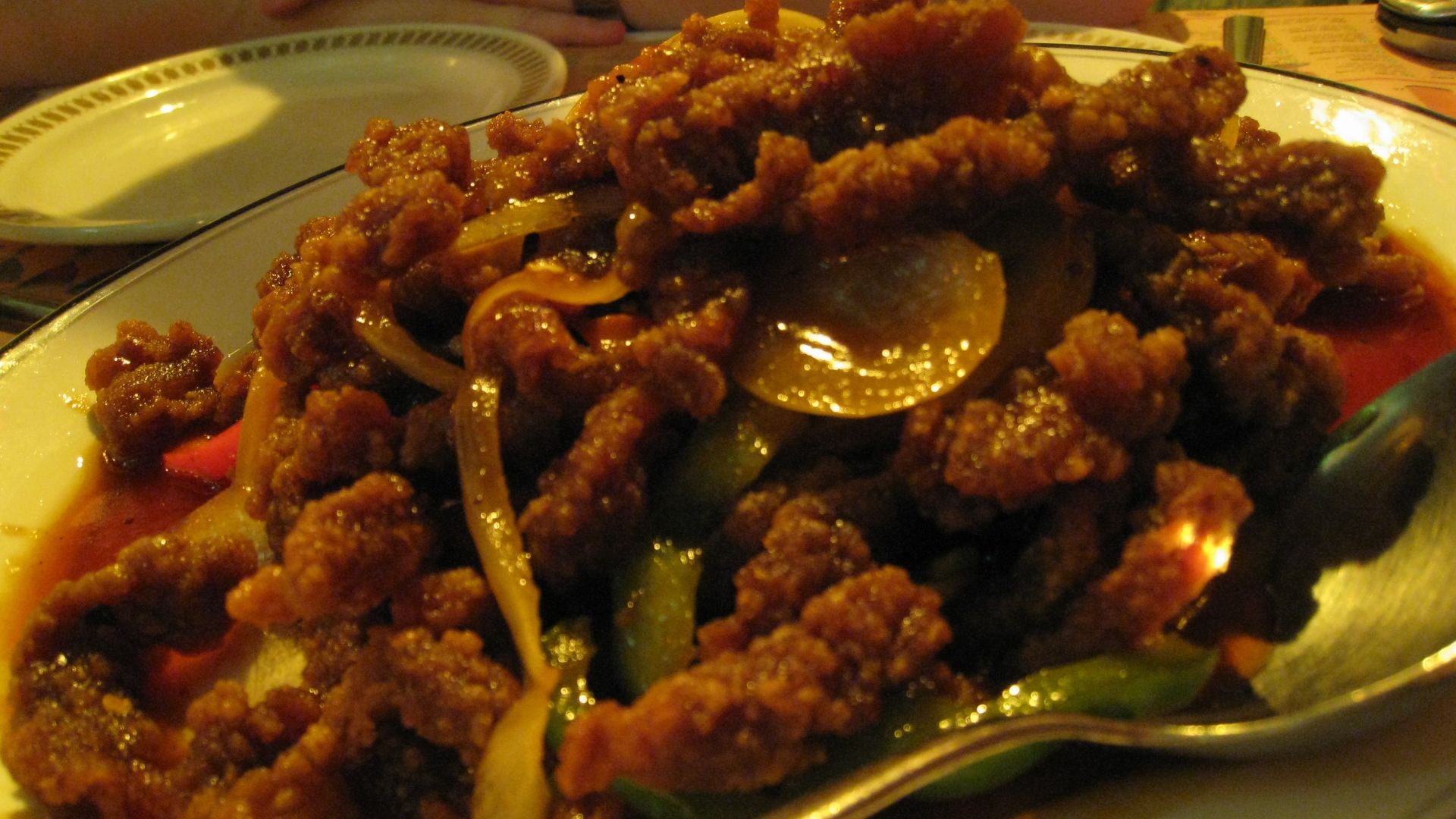
That crispy, sweet-and-spicy beef served in Chinese restaurants has an unexpected birthplace. Chef George Wong developed Calgary-style ginger beef at the Silver Inn restaurant during the 1970s. Inspired by Chinese cooking traditions, he adapted the dish for Canadian diners using deep-fried beef and a flavorful sauce.
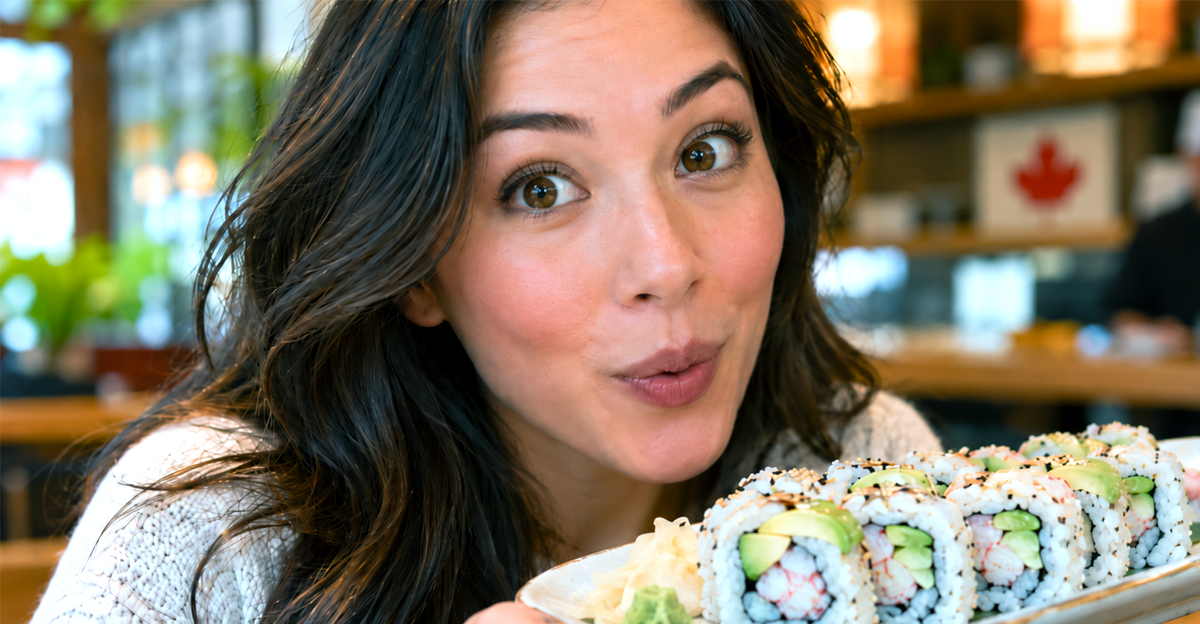
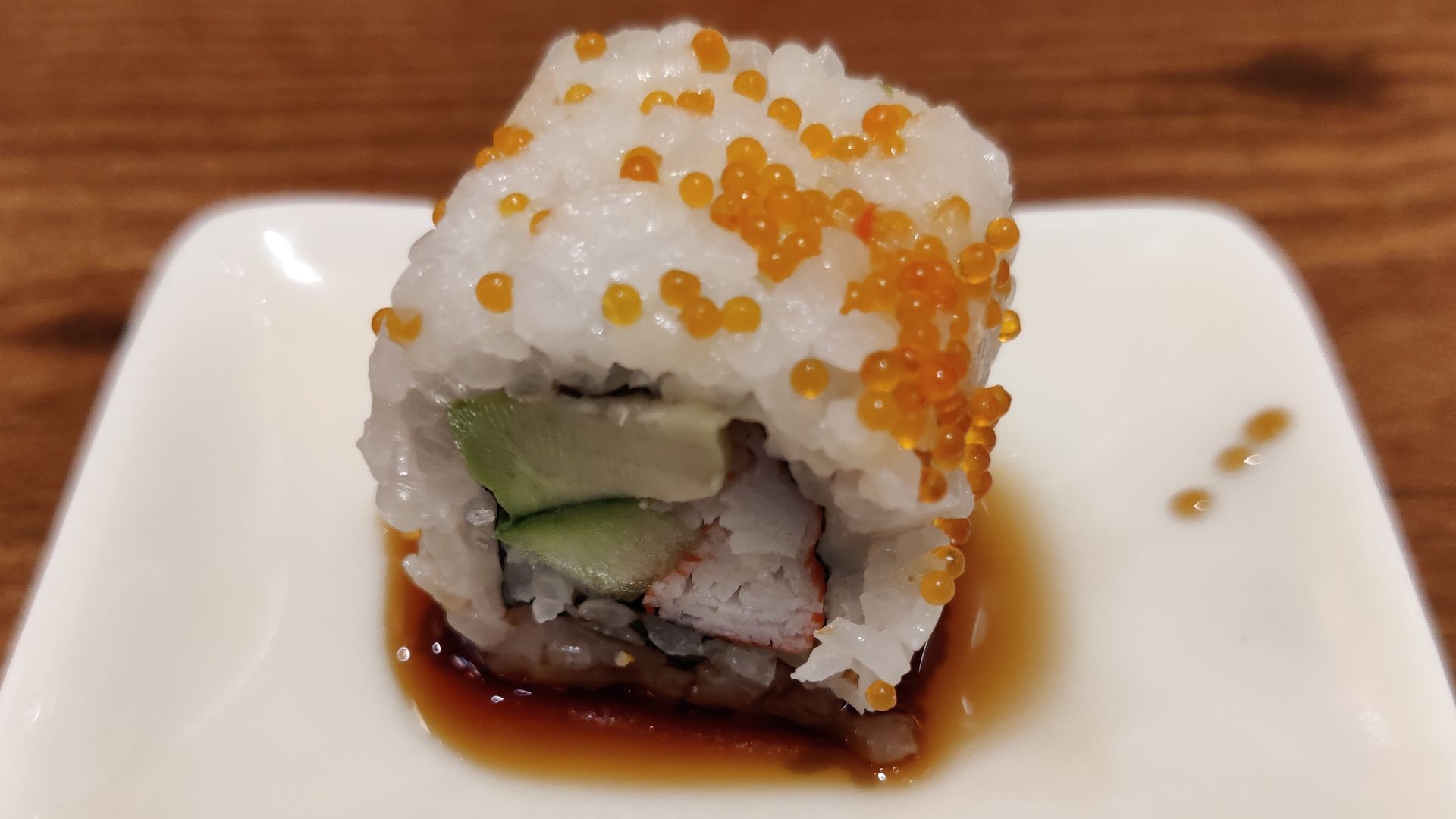
The California Roll Might Actually Be Canadian
Despite its name, the California roll has a disputed birthplace. Vancouver chef Hidekazu Tojo claims he developed an inside-out sushi roll during the 1970s to make sushi more approachable. Los Angeles chefs have competing claims, so its Canadian origin remains plausible rather than conclusively established.
 Satdeep Gill, Wikimedia Commons
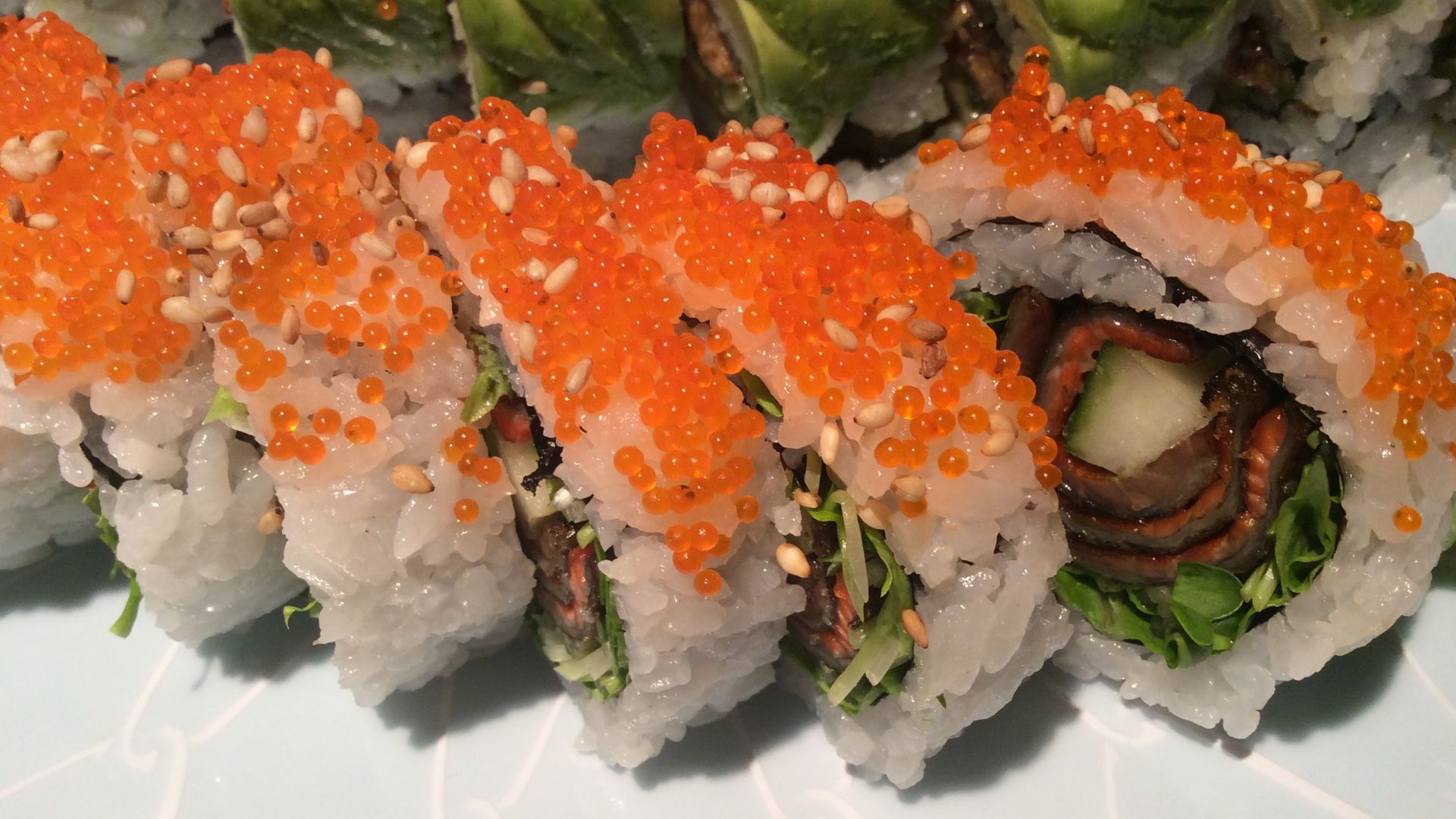
The B.C. Roll Definitely Has Canadian Connections
Another familiar sushi variation has a clearer Canadian history. Vancouver chef Hidekazu Tojo created the B.C. roll using barbecued salmon skin, drawing inspiration from British Columbia's Pacific seafood. Unlike the disputed California roll, this particular creation is firmly associated with Tojo's work in Vancouver.
 Underbar dk, Wikimedia Commons
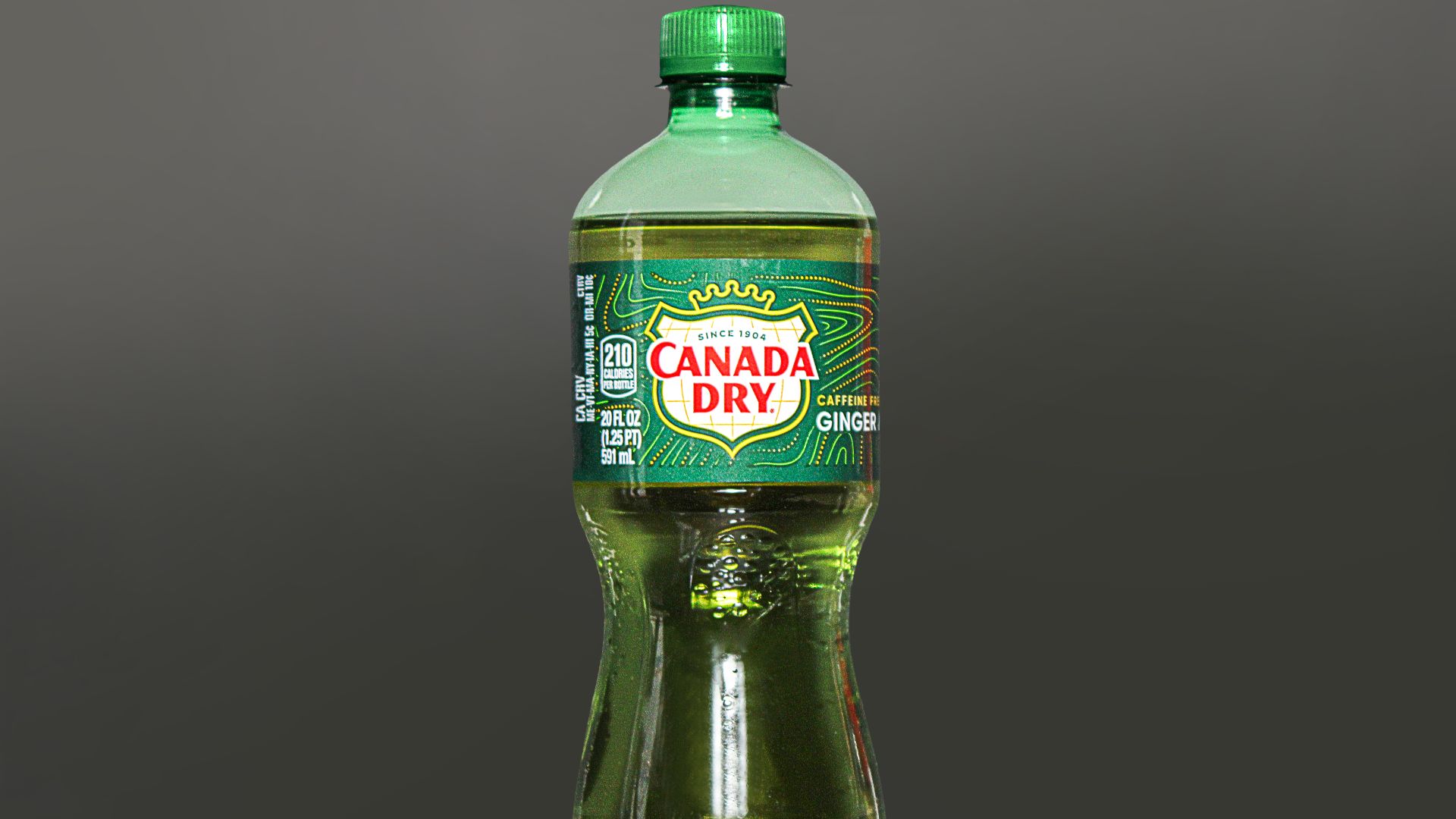
Canada Dry Ginger Ale Really Is Canadian
Despite its popularity in American supermarkets, Canada Dry ginger ale began in Canada. Toronto-area pharmacist John J. McLaughlin developed his lighter, less-sweet Pale Ginger Ale in the early 1900s. Ginger ale already existed elsewhere, but the familiar Canada Dry version has genuinely Canadian beginnings.
 Connor J Williams, Wikimedia Commons
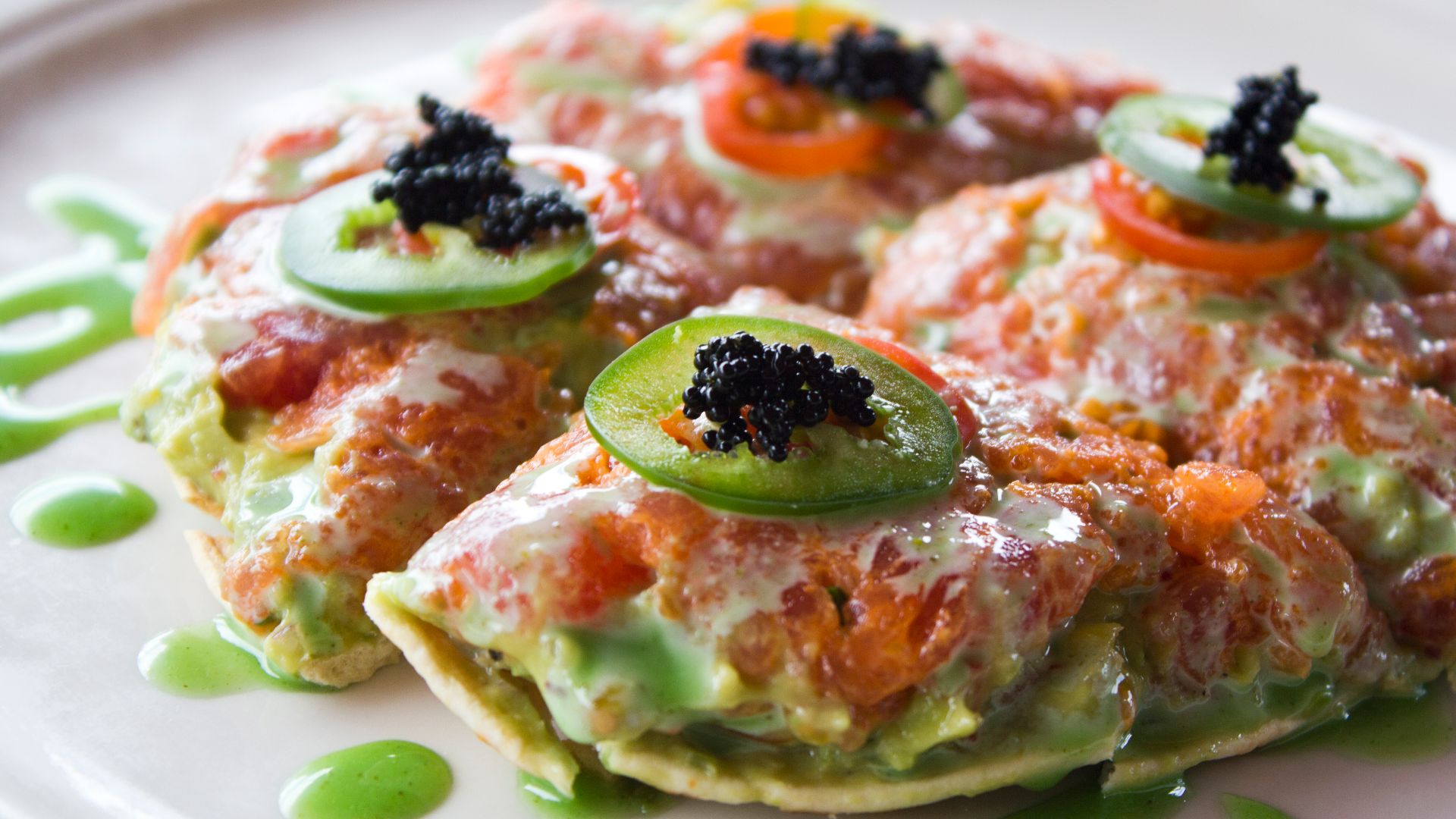
Sushi Pizza Was Invented In Toronto
Pizza and sushi sound like opposite ends of the menu, but Toronto chefs combined them in the early 1990s. At Nami restaurant, Kaoru Ohsada fashioned a crispy fried-rice base topped with sushi ingredients. The creation later inspired variations elsewhere, including across the United States.
 Quinn Dombrowski from Berkeley, USA, Wikimedia Commons
The Halifax Donair Isn't Just Another Gyro
Halifax's famous donair resembles a gyro, but it has a distinctive Canadian personality. Greek immigrant Peter Gamoulakos adapted the kebab by using beef and a sweet sauce made with evaporated milk. The resulting wrap became a Nova Scotia favorite rather than a direct copy of its Mediterranean relatives.
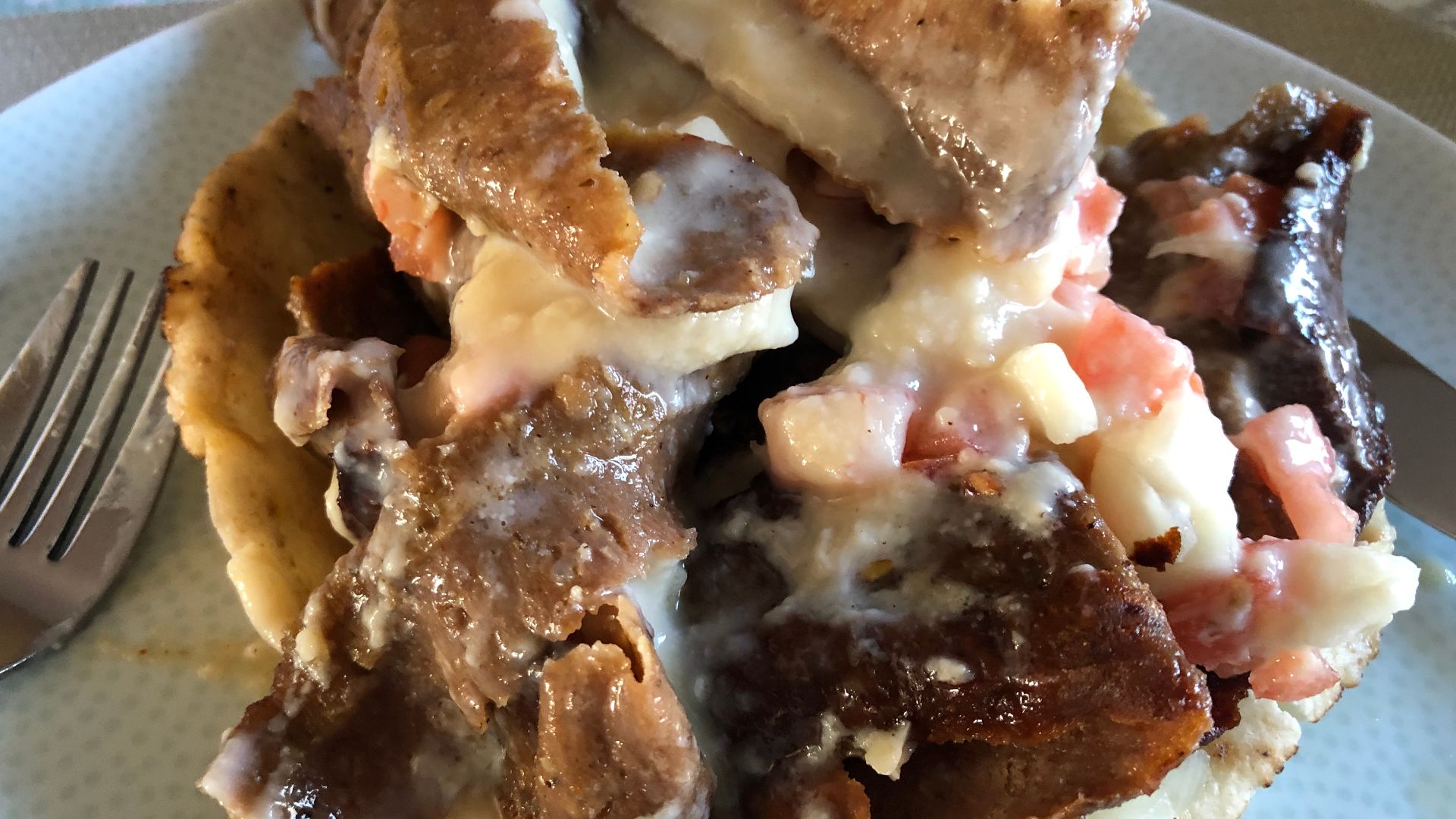 Paulo O from Halifax, Canada, Wikimedia Commons
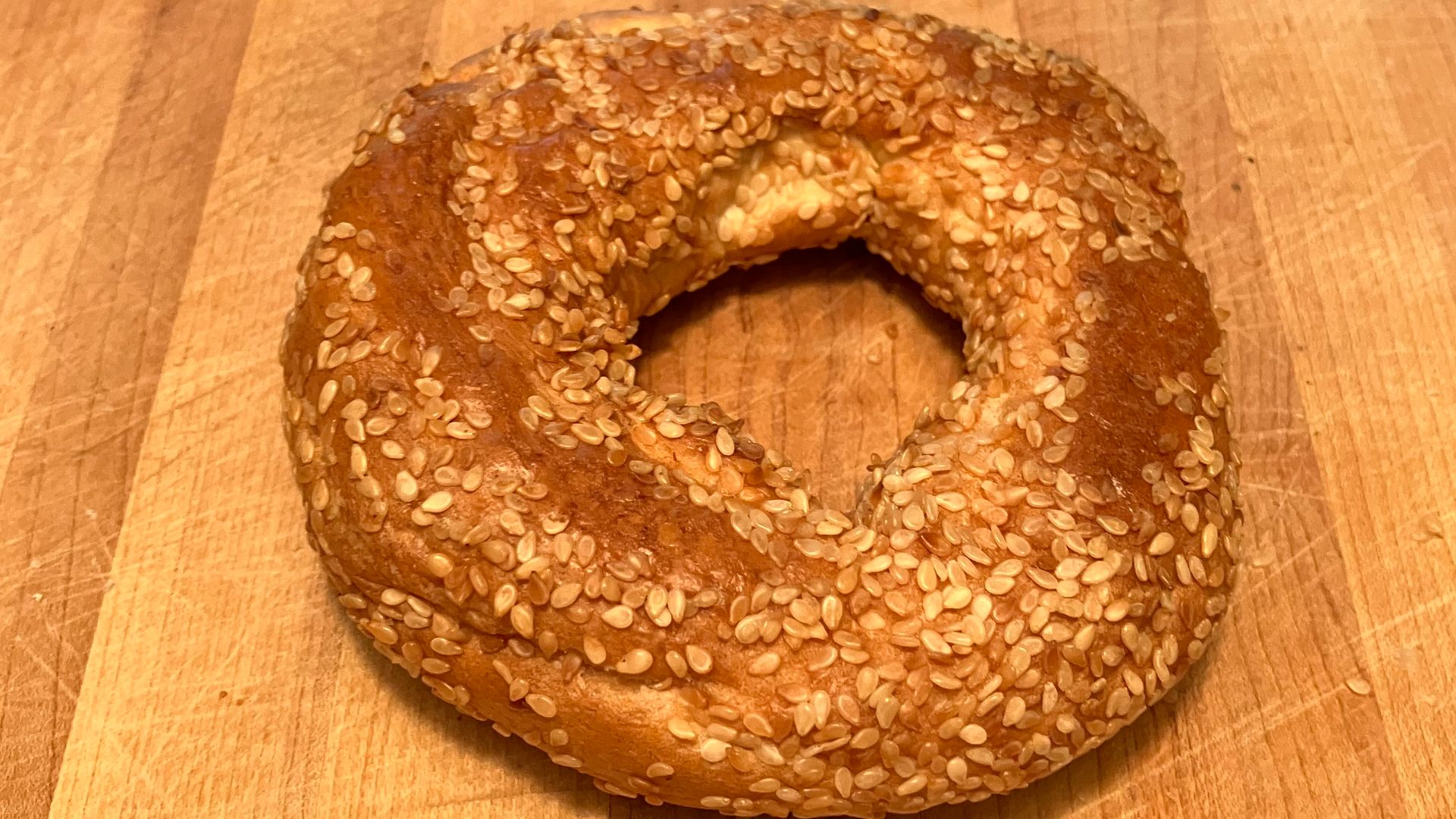
Montreal Bagels Have Their Own Identity
Americans often associate bagels with New York, but Montreal developed its own famous version. Brought to the city through Eastern European Jewish baking traditions, Montreal-style bagels are smaller, thinner, and sweeter. They're boiled in honey-sweetened water before being baked in wood-fired ovens.
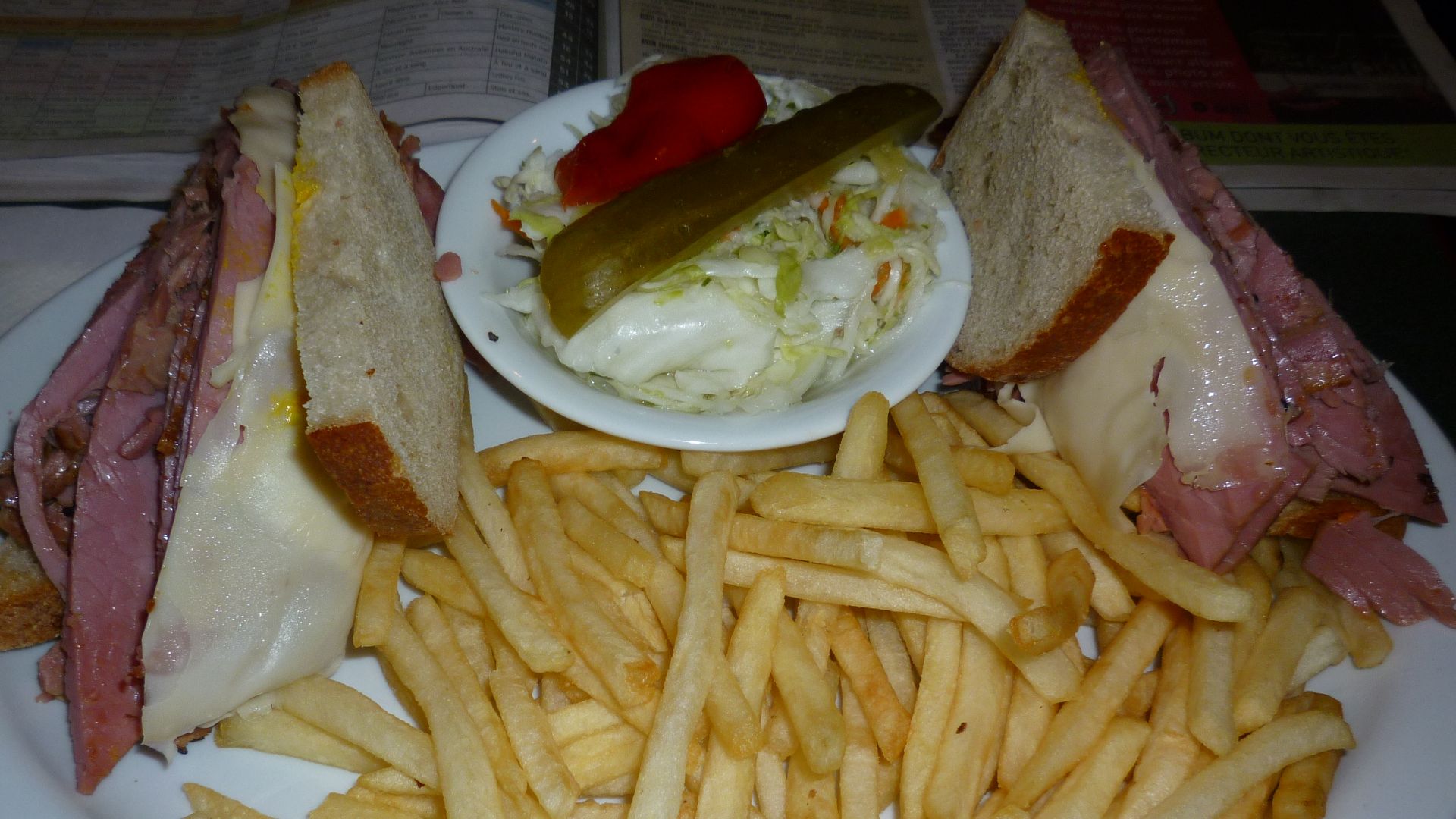
Montreal Smoked Meat Isn't Quite Pastrami
That towering smoked meat sandwich might look familiar to anyone who loves New York delis. However, Montreal developed its own distinctive version through the culinary traditions of Jewish immigrants. The sandwich became a local institution, particularly through legendary delicatessens such as Schwartz's.
Peameal Bacon Is A Toronto Specialty
Americans know Canadian bacon, but Toronto's peameal bacon is a distinctive local specialty. Traditionally prepared from cured pork loin, it was originally coated in ground dried peas before cornmeal became standard. Toronto pork producer William Davies is closely associated with its development and popularity.
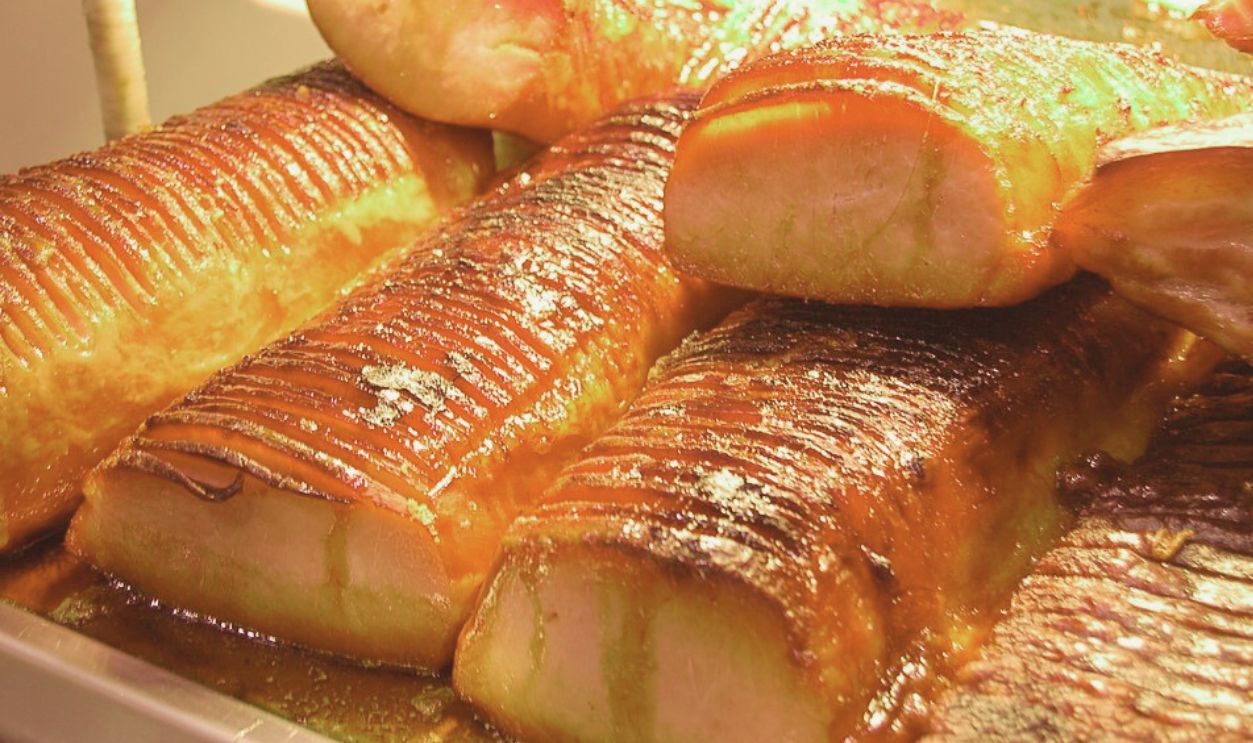 snowpea&bokchoi, CC BY 2.0, Wikimedia Commons
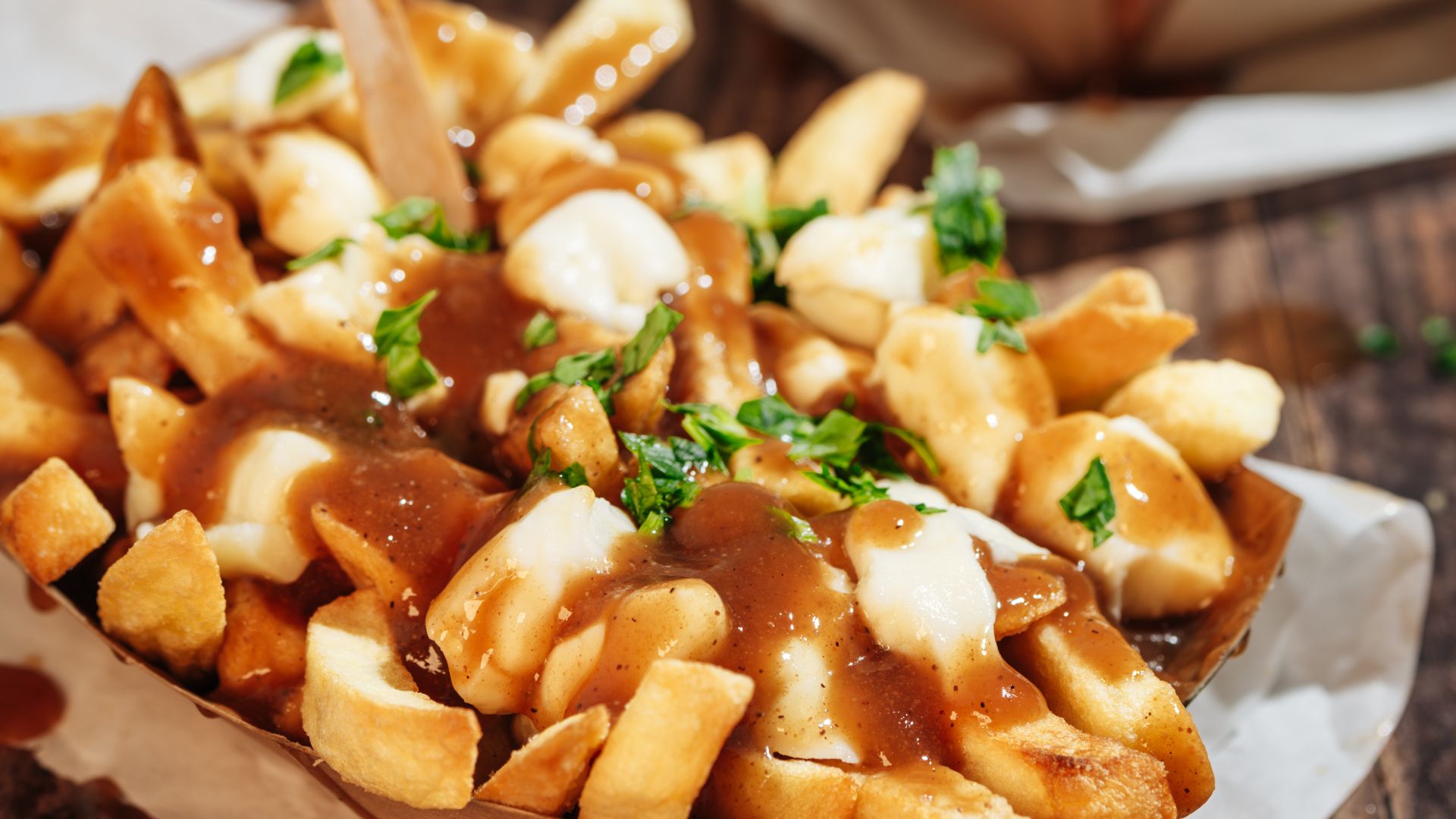
Poutine Started In Quebec, Not America
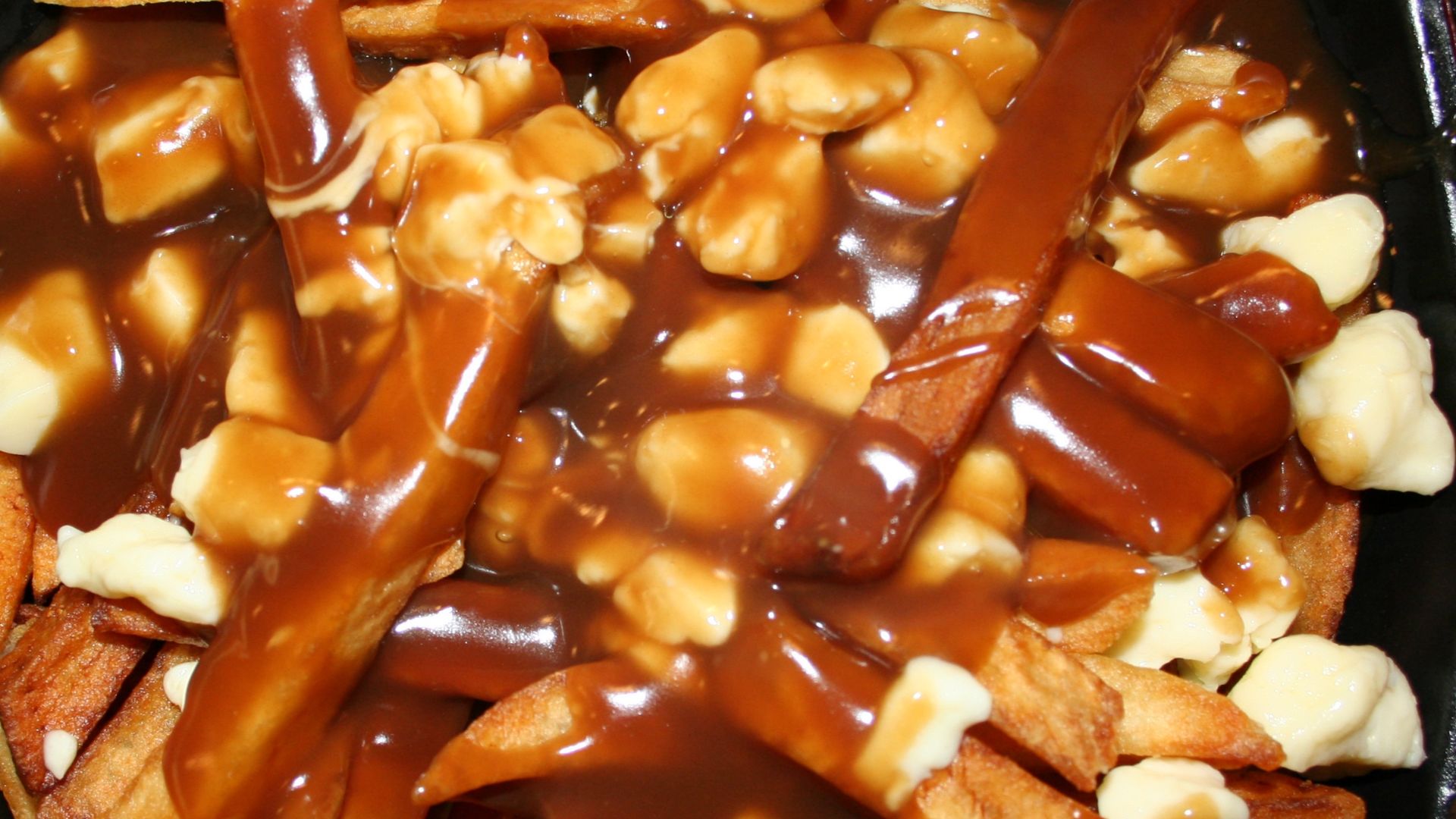
French fries covered in cheese and gravy might sound like classic American diner food. However, poutine developed in Quebec during the 1950s and 1960s and became one of Canada's most recognizable dishes. Several Quebec establishments claim credit, but fresh cheese curds remain essential to the traditional version.
 Berlinfoodeater, Wikimedia Commons
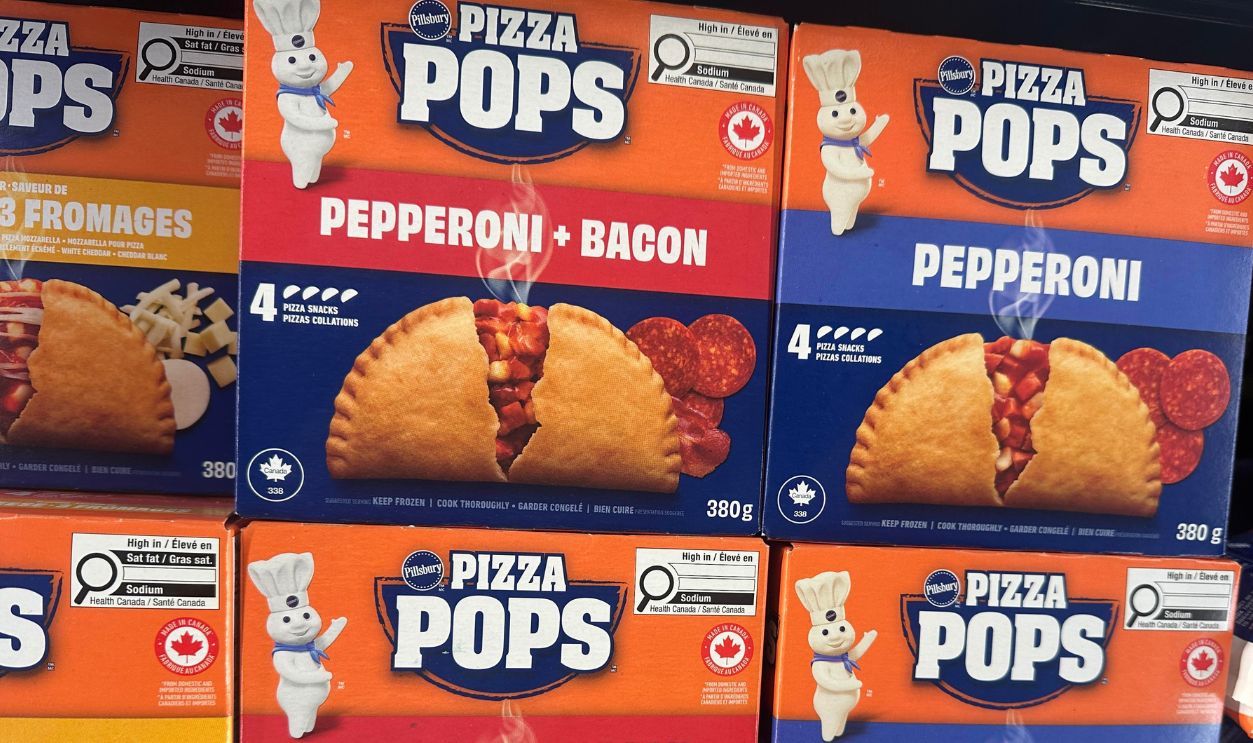
Pizza Pops Came From Winnipeg
Before frozen pizza pockets became a familiar convenience food, Winnipeg entrepreneur Paul Faraci had an idea. In 1964, he developed Pizza Pops, combining pizza fillings with a handheld dough pocket inspired by Italian panzerotti. The product eventually became a Canadian freezer-aisle favorite.
 Alberta Archives, Shutterstock
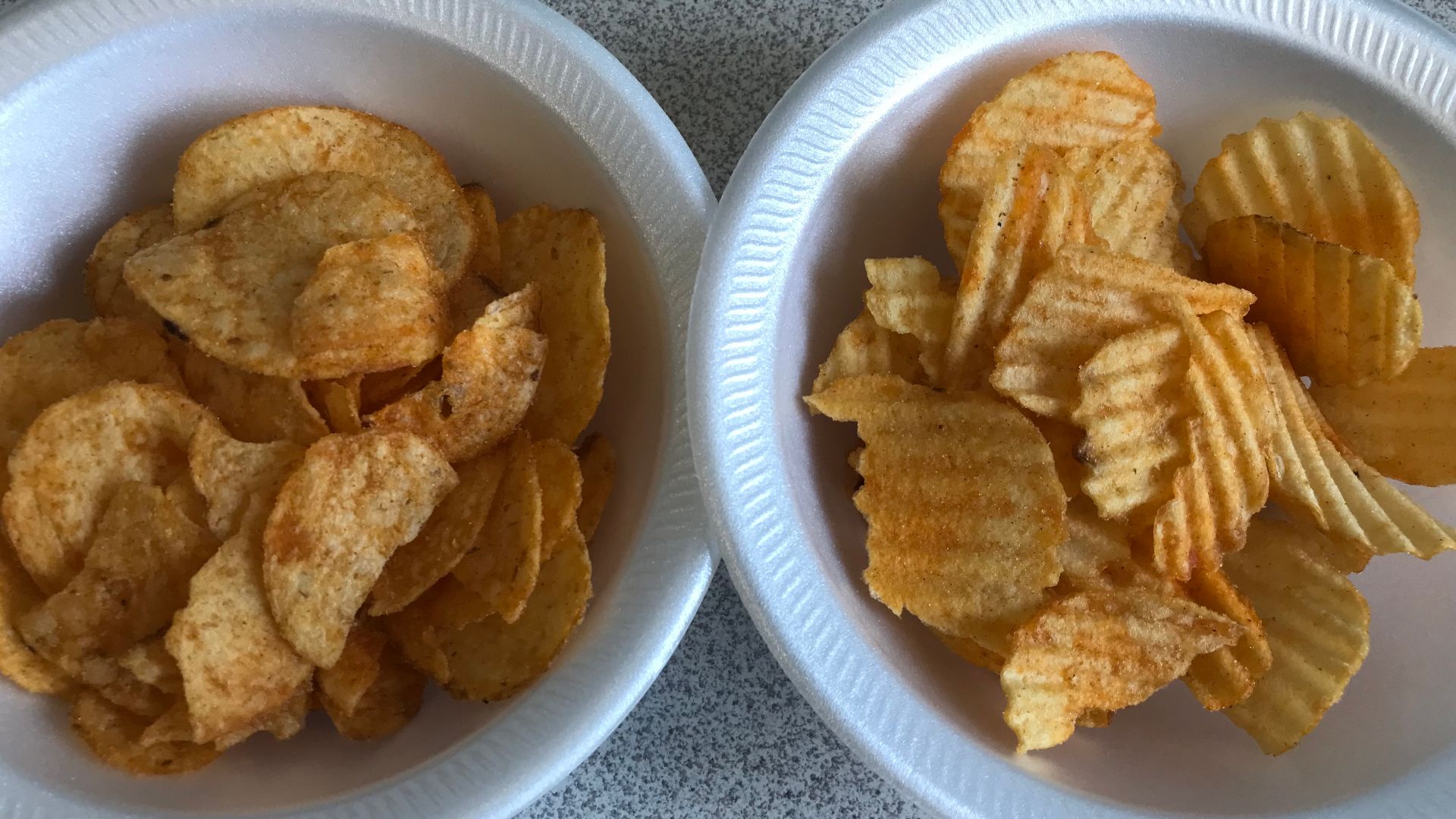
All-Dressed Chips Have Canadian Origins
Americans know barbecue, sour cream and onion, and salt-and-vinegar potato chips. However, Canada's all-dressed variety combines several familiar seasonings into one distinctive flavor. Quebec-based Yum Yum is associated with an early version dating to 1978, although the precise invention history remains somewhat uncertain.
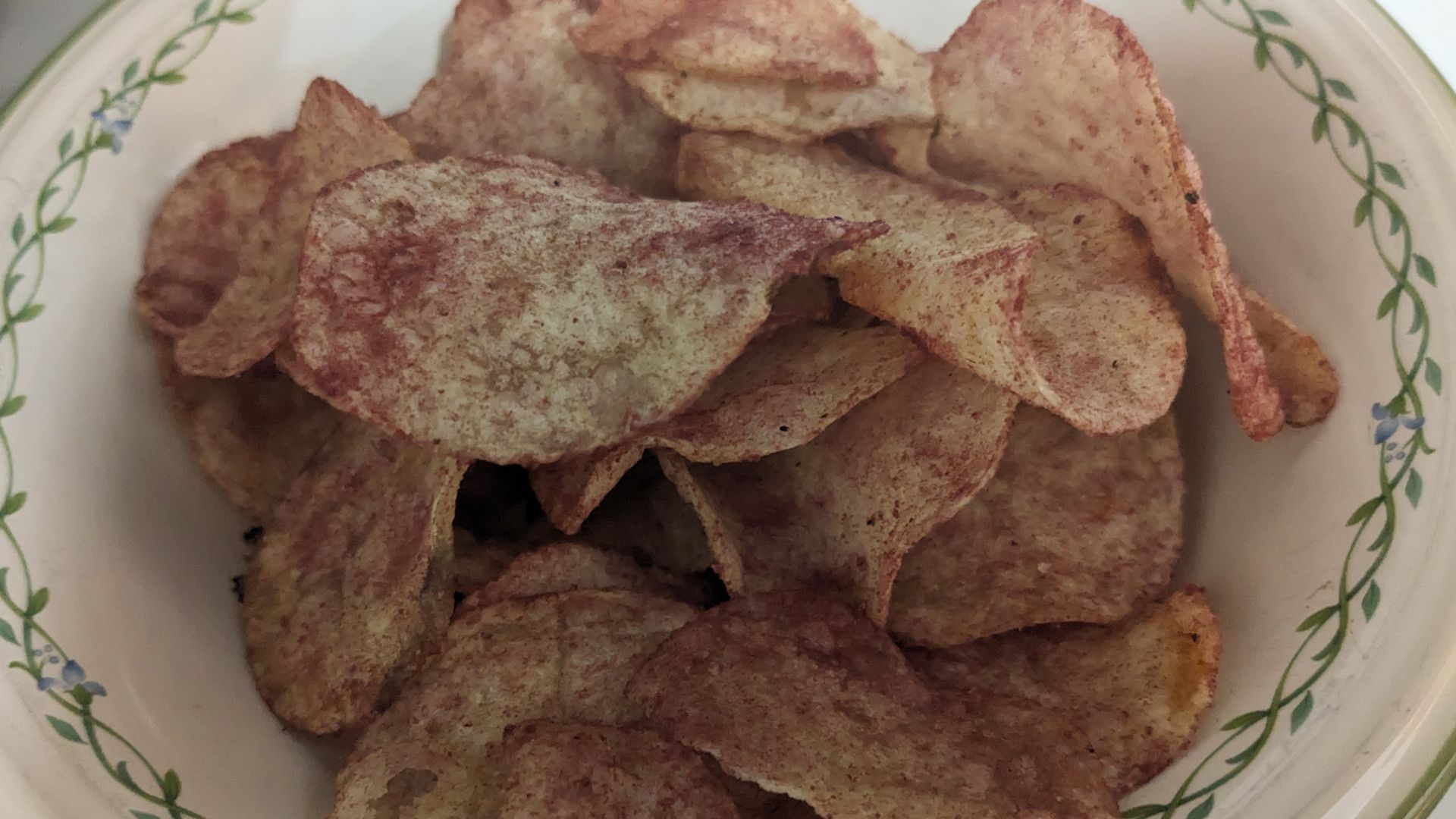
Ketchup Chips Became A Canadian Obsession
Canada helped define ketchup chips, but claiming the country invented them outright is less certain. Canadian company Hostess helped popularize the flavor during the 1970s, while similar products have histories elsewhere. Regardless, they became much more strongly associated with Canadian snack aisles than American ones.
 Hannah Clover, Wikimedia Commons
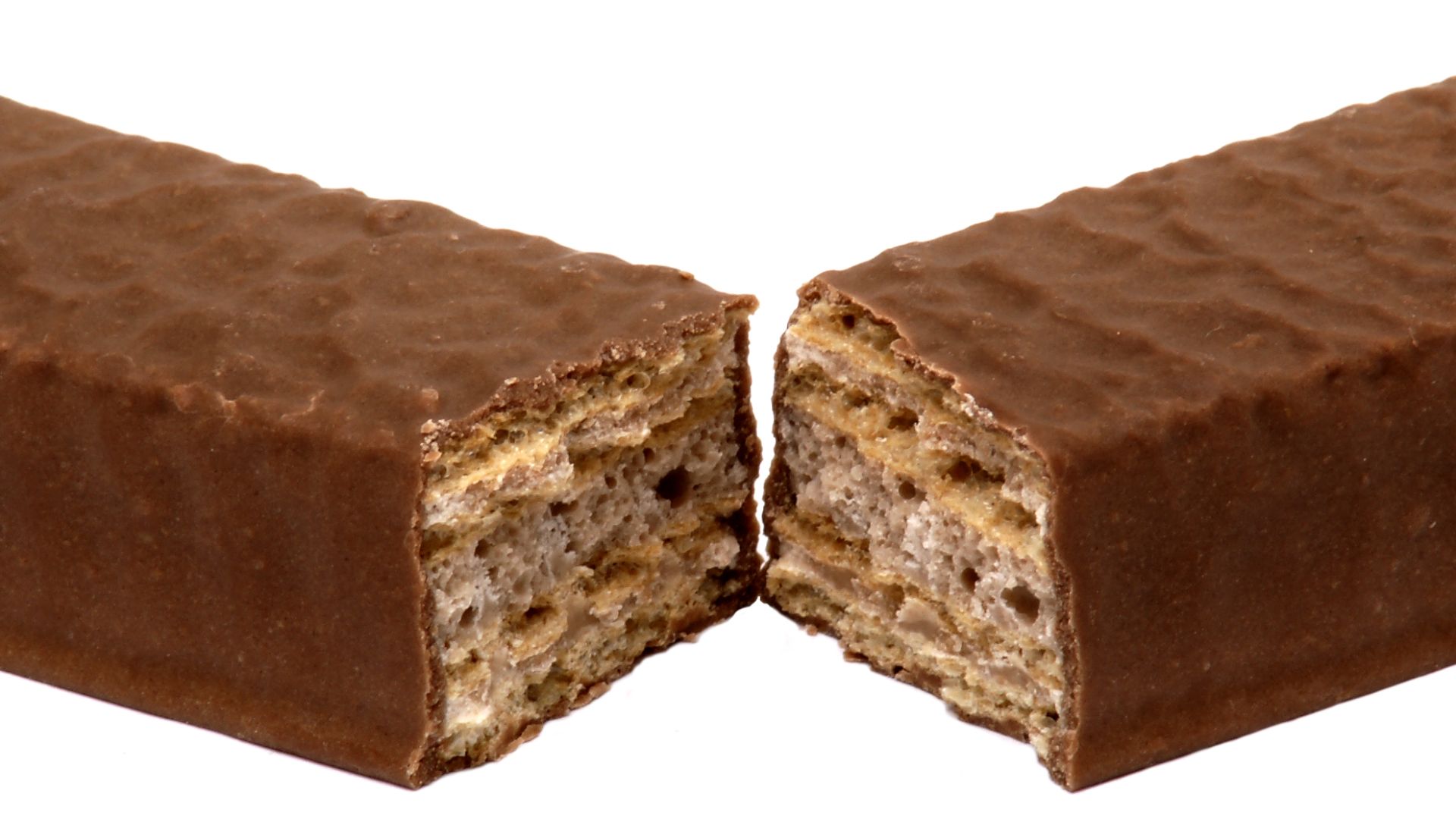
Coffee Crisp Was Developed In Toronto
The name Coffee Crisp sounds like an ordinary American candy bar, but its familiar coffee-flavored version emerged in Canada. British confectioner Rowntree produced wafer bars in Toronto during the late 1930s. Adding coffee flavoring created the distinctive chocolate-covered treat that became a Canadian favorite.
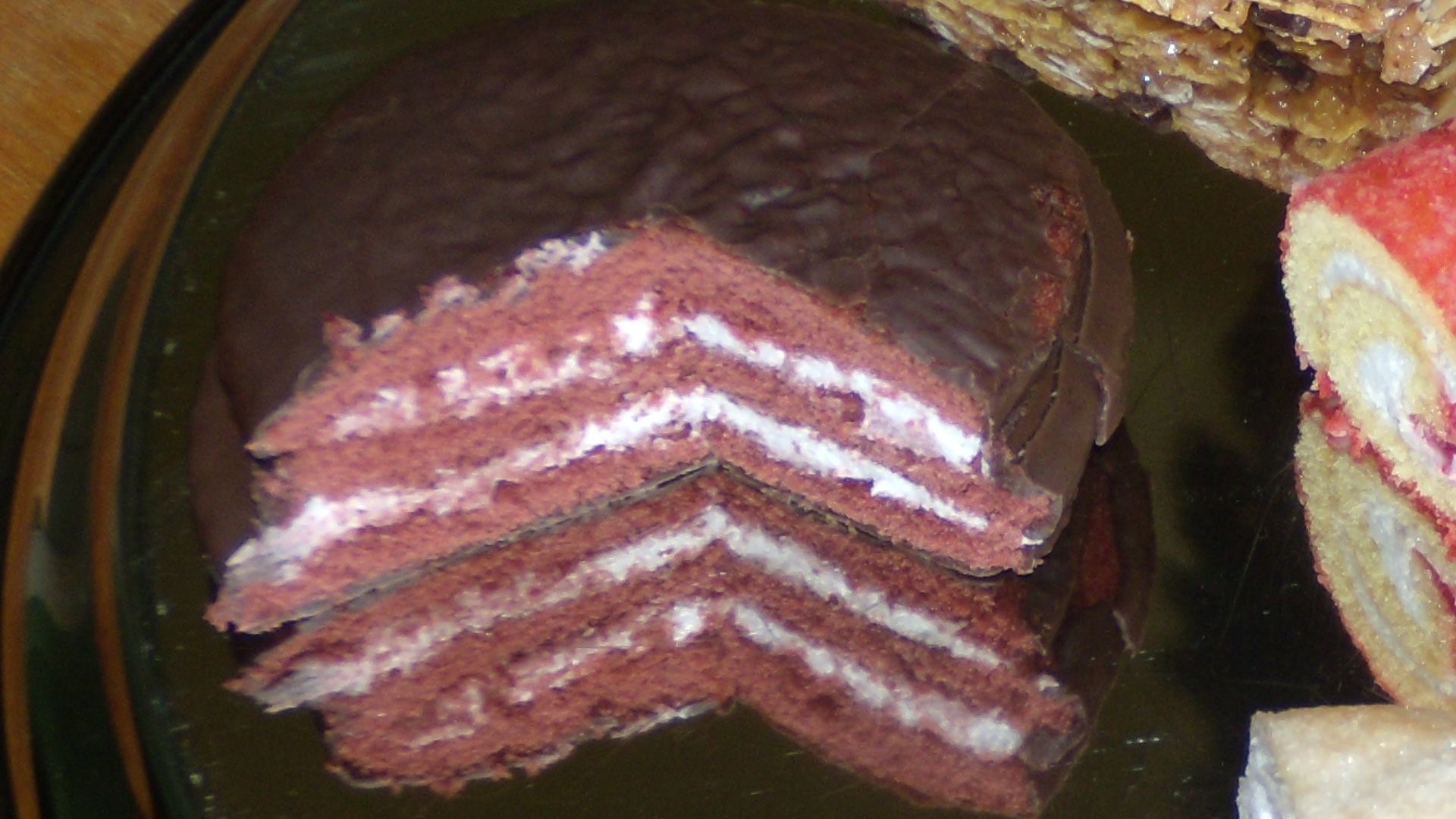
Jos Louis Cakes Predate America's Ding Dongs
If you remember chocolate-covered snack cakes from childhood, Canada's Jos Louis has a particularly interesting history. Quebec bakery Vachon introduced the cream-filled chocolate cake in 1932. Despite its name, the treat honors the founders' sons, Jos and Louis, rather than American boxing champion Joe Louis.
 Cantons-de-l'Est, Wikimedia Commons
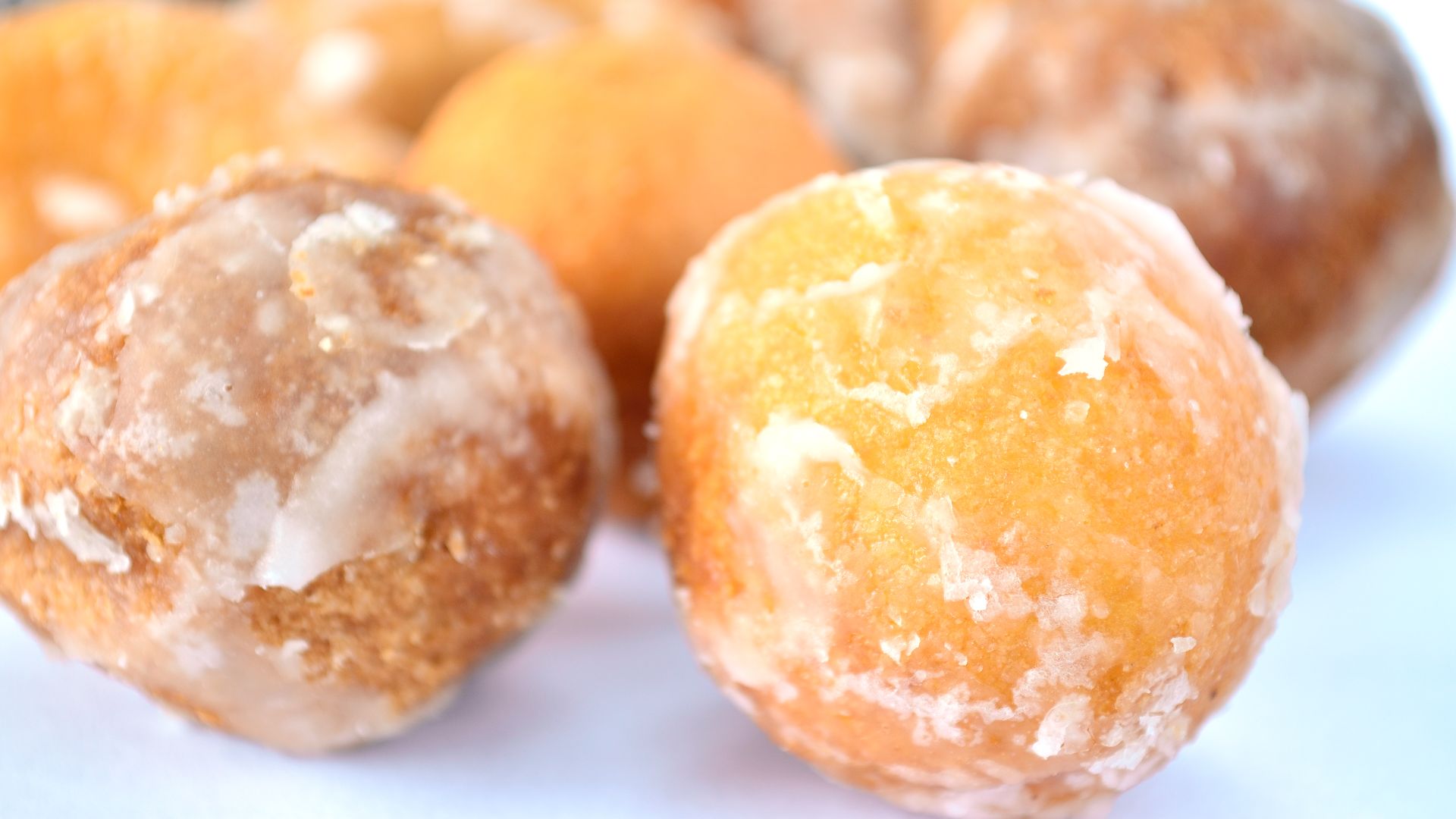
Timbits Are A Canadian Doughnut Institution
Americans certainly didn't need Canadians to invent doughnut holes, but the famous Timbit has its own Canadian history. Tim Hortons introduced the bite-sized treats in 1976. They became an enduring part of the Canadian coffee-and-doughnut experience, with numerous flavors appearing over subsequent decades.
 Raysonho @ Open Grid Scheduler / Grid Engine, Wikimedia Commons
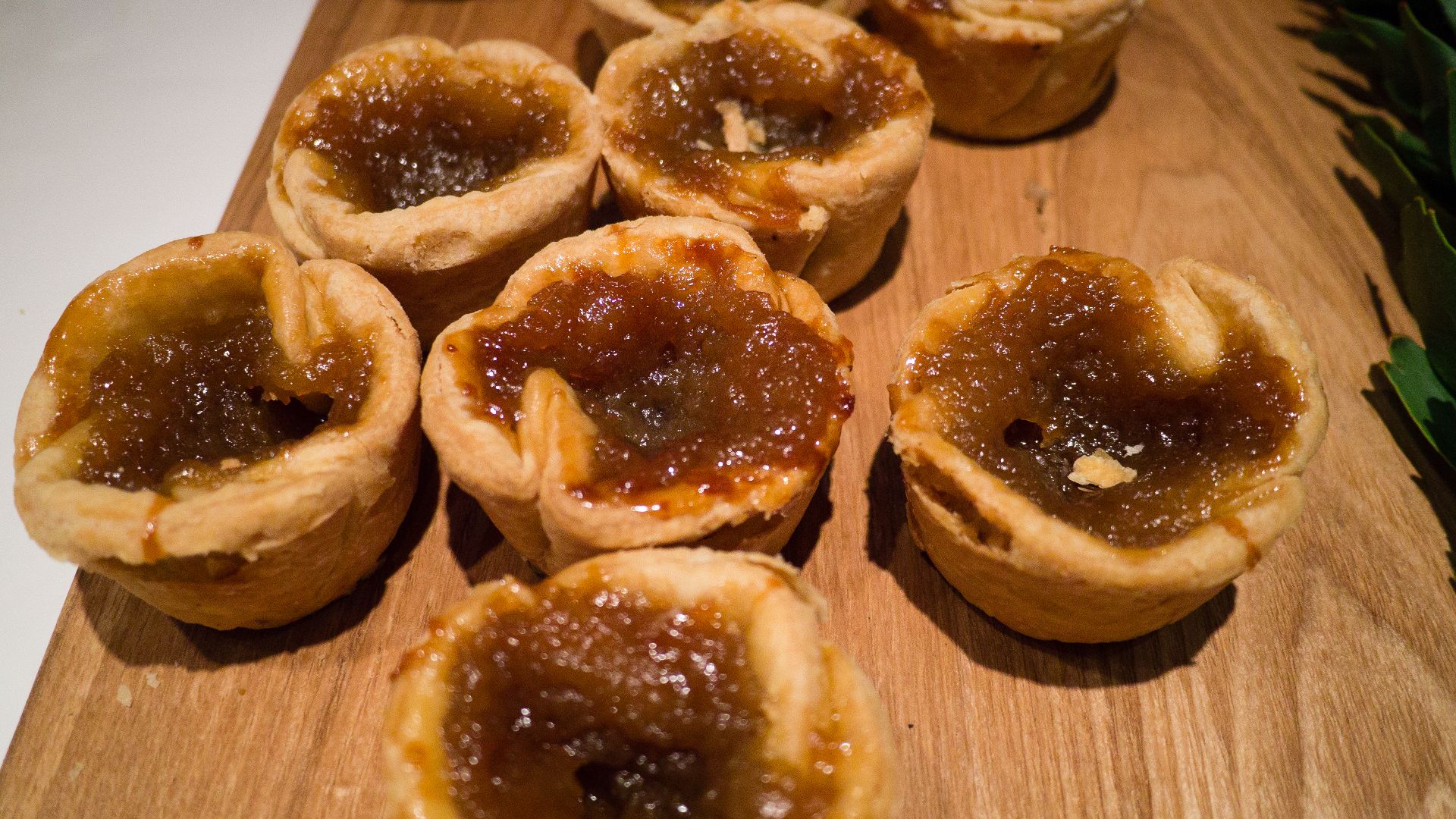
Butter Tarts Are An Ontario Classic
A butter tart might remind Americans of miniature pecan pies, but Canada has its own longstanding tradition. The earliest known published Canadian recipe appeared in a Barrie, Ontario, cookbook in 1900. These small pastries feature rich butter-and-sugar fillings, sometimes accompanied by raisins or nuts.
 Rob Campbell from Toronto, ON, Canada, Wikimedia Commons
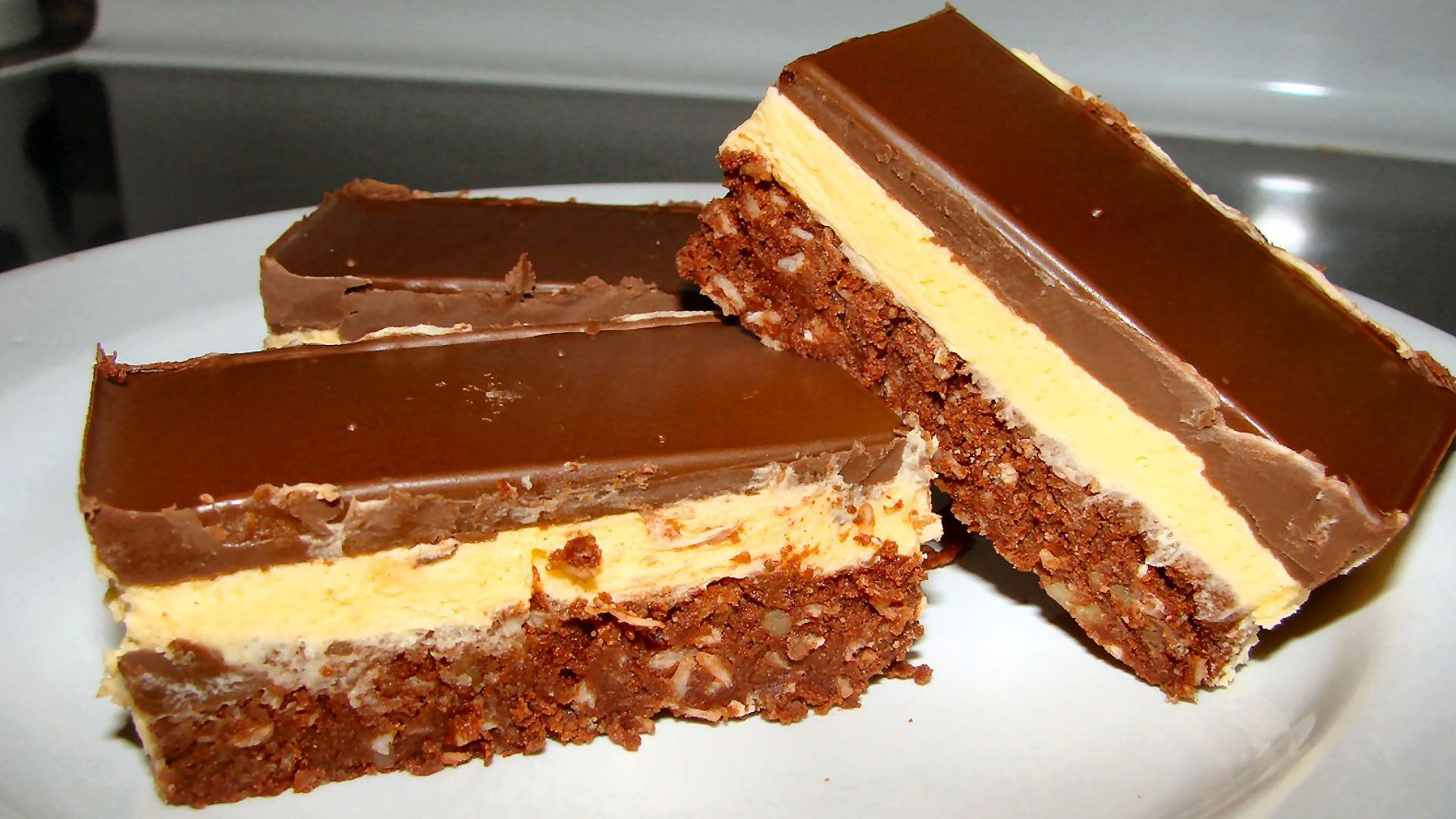
Nanaimo Bars Didn't Come From An American Candy Factory
The Nanaimo bar carries the name of a city on Vancouver Island, not an American candy company. Its graham crumb base, custard-flavored middle, and chocolate topping require no baking. Recipes circulated by the early 1950s, although the dessert's precise inventor remains unknown.
 Sheri Terris, Wikimedia Commons
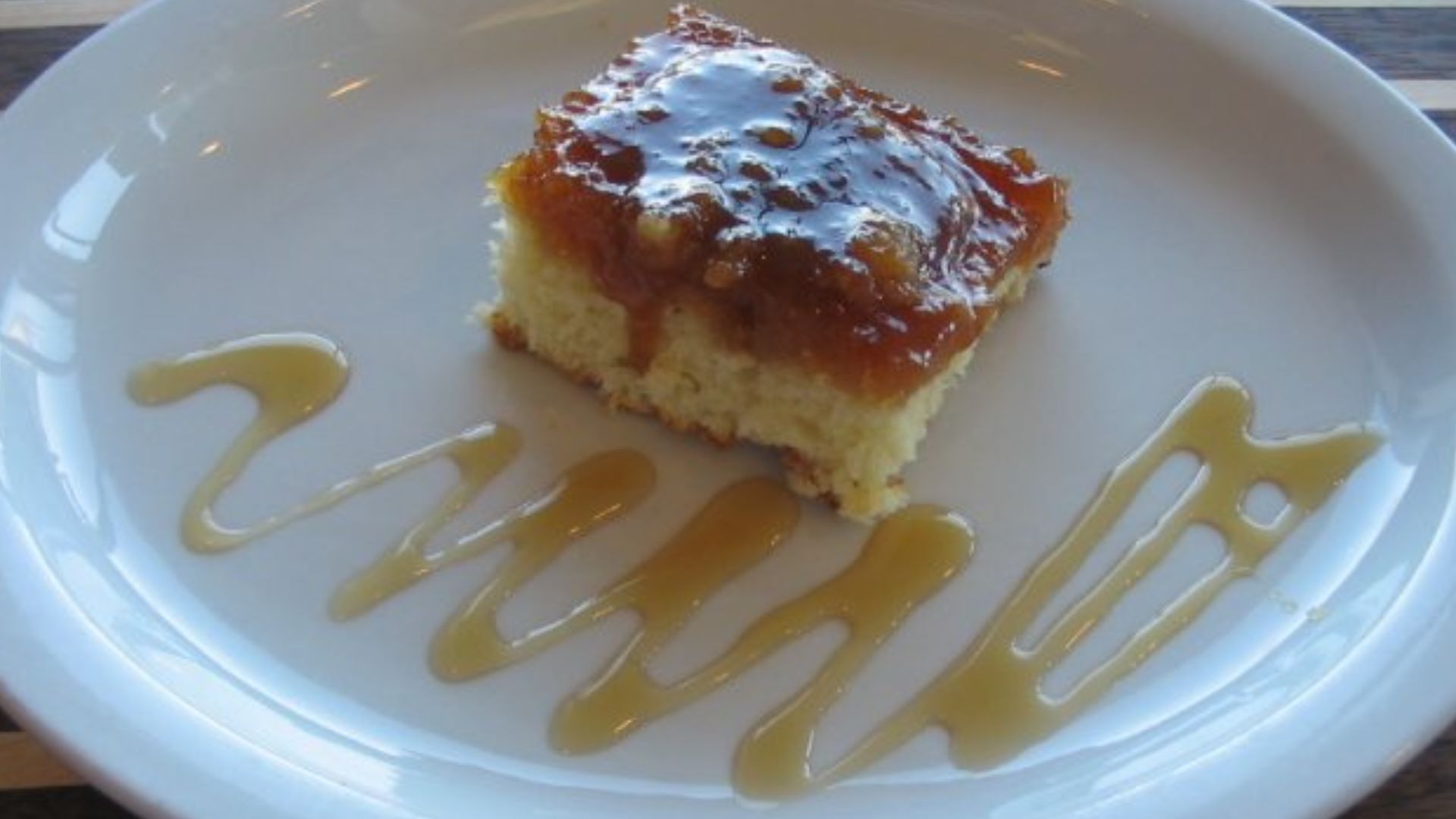
Pouding Chômeur Came From Quebec's Depression Era
This rich dessert might resemble an American pudding cake, but its history belongs to Quebec. Pouding chômeur emerged during the Great Depression as an inexpensive dessert made from basic ingredients. The cake develops a sweet sauce during baking, with maple syrup becoming a popular modern addition.
 Geneviève Desroches, Wikimedia Commons
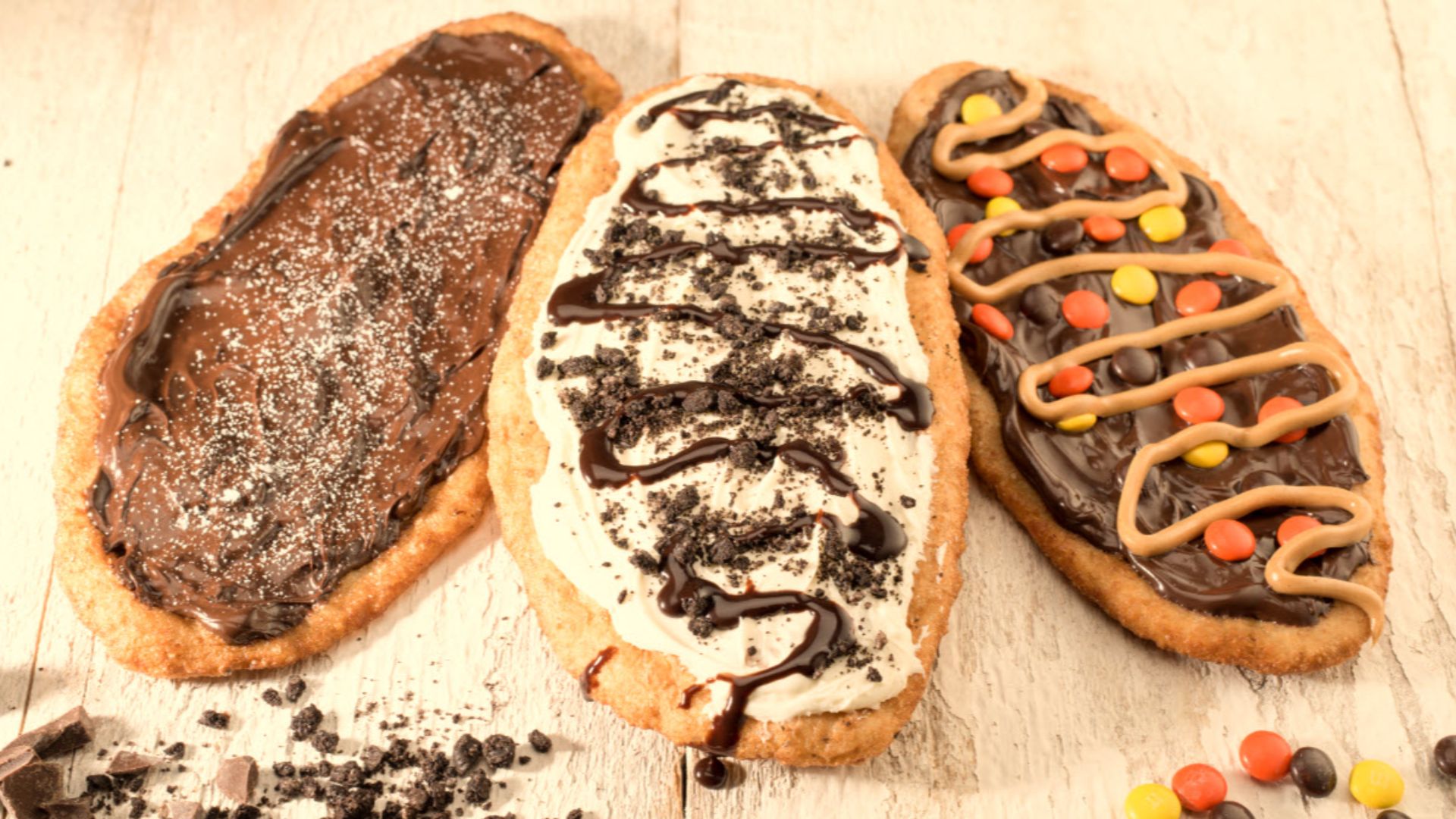
BeaverTails Pastries Began In Ontario
Fried dough certainly isn't uniquely Canadian, but the famous BeaverTails pastry brand began in Ontario. Grant and Pam Hooker introduced the flattened, hand-stretched pastries at a community fair in 1978. Their creations eventually became associated with Ottawa's ByWard Market and Rideau Canal skating traditions.
 BeaverTails, Wikimedia Commons
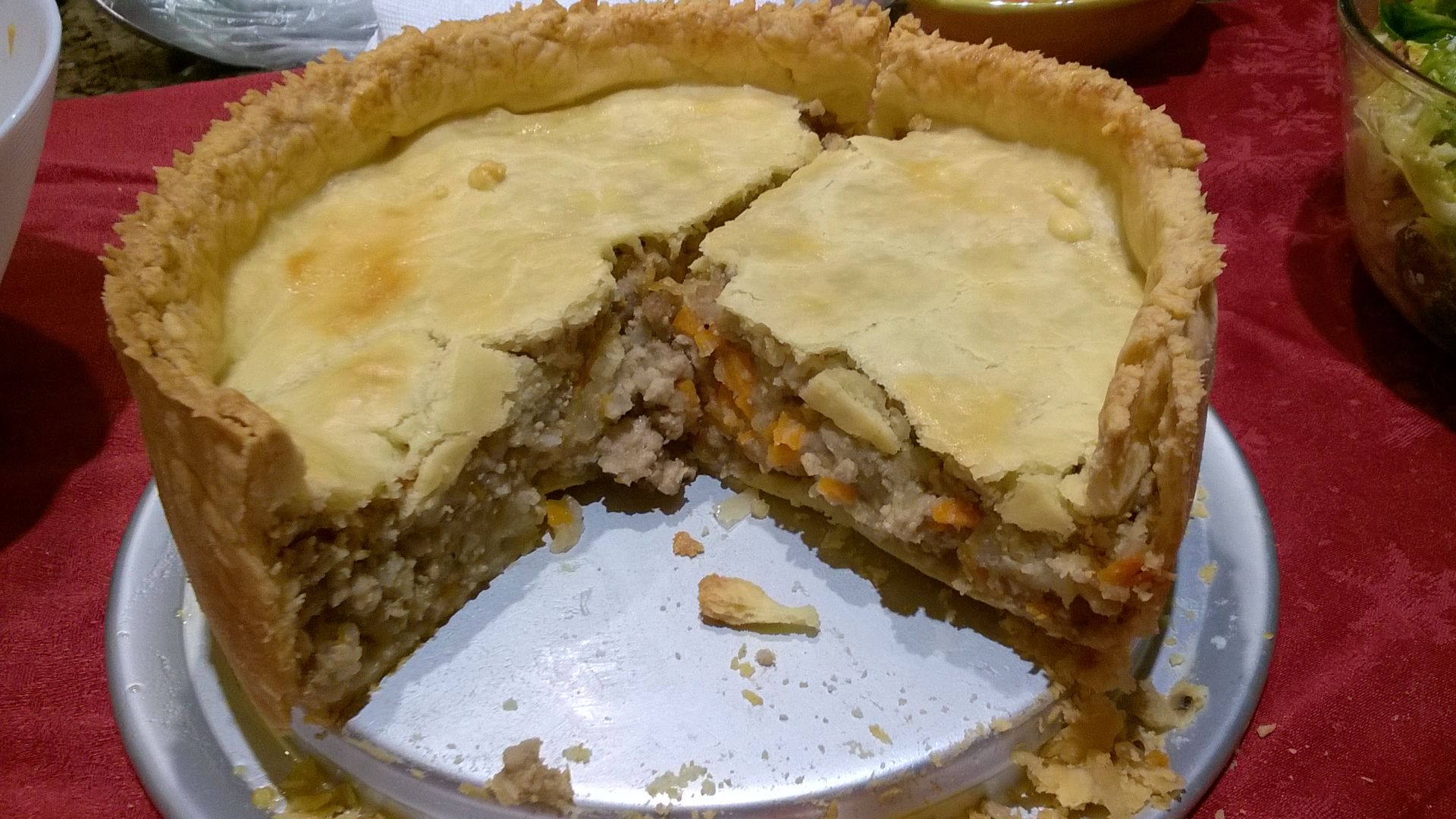
Tourtière Is Canada's Distinctive Meat Pie
Meat pies exist throughout the world, but Quebec's tourtière developed into a particularly recognizable Canadian specialty. Traditionally filled with seasoned meat and enclosed in pastry, the dish has roots extending back centuries. It remains strongly associated with Quebec holiday meals and family gatherings.
London Fog Tea Lattes Have Vancouver Roots
Despite its unmistakably British name, the London Fog tea latte has a widely reported Canadian origin. One account traces the combination of Earl Grey tea, steamed milk, and vanilla to Vancouver during the 1990s. Its exact beginnings remain disputed, but the Canadian connection is significant.
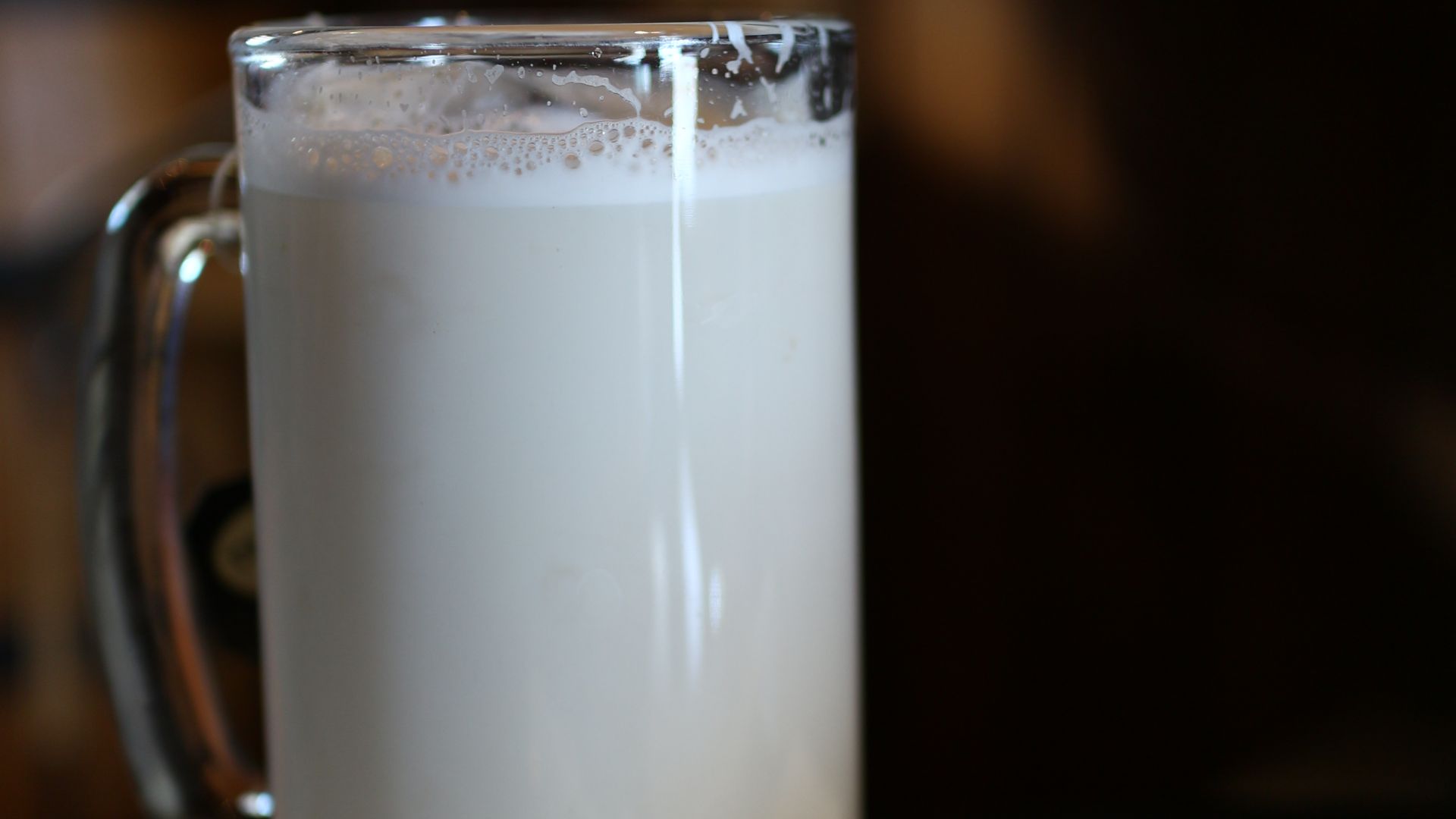
Persian Rolls Were Created In Northern Ontario
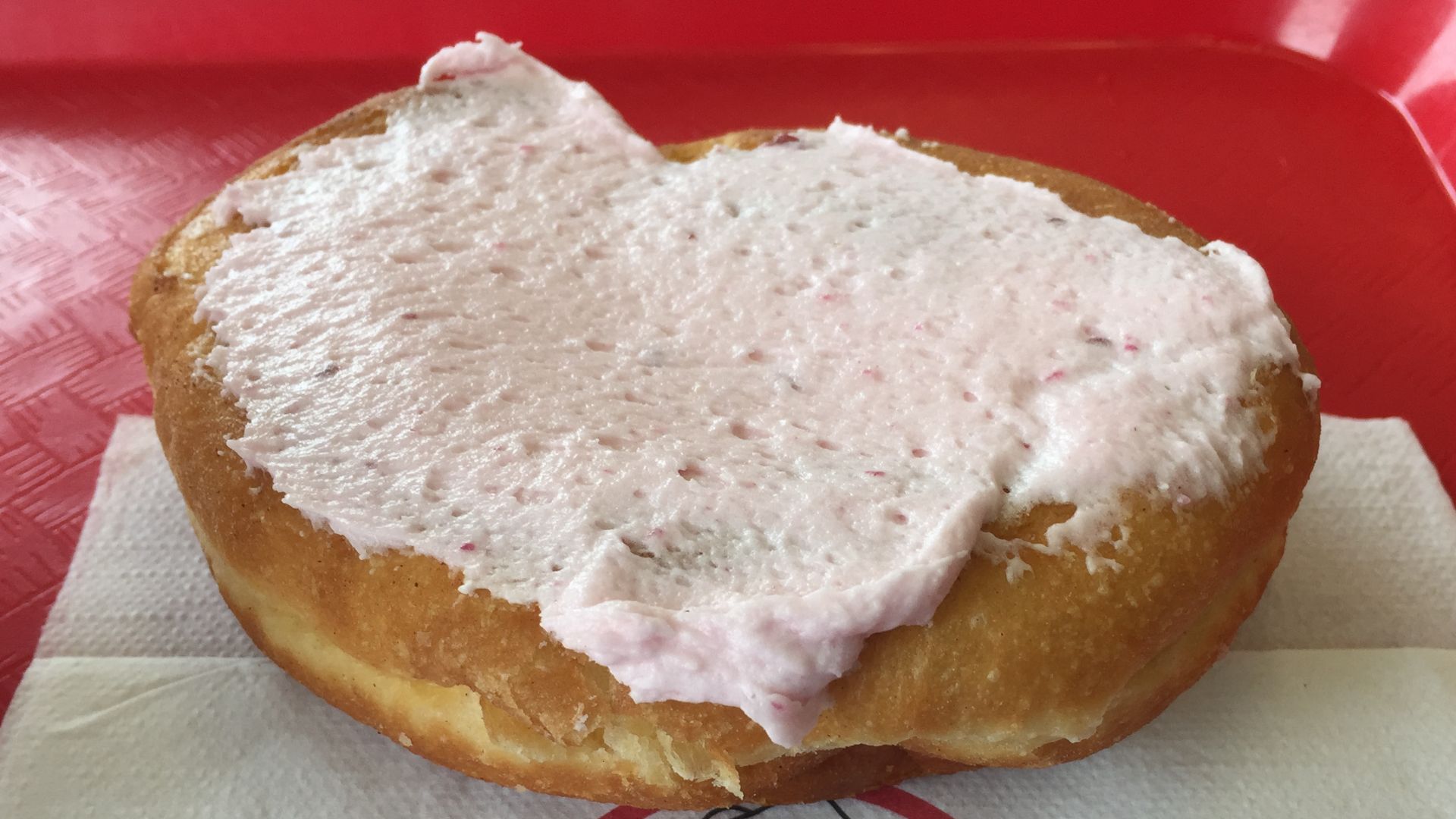
Despite their name, Thunder Bay's famous Persian rolls have no established connection to Persian cuisine. Baker Arthur Bennett developed the fried, berry-frosted pastries during the 1940s. Local tradition links their name to American General John Pershing, although the precise naming story remains uncertain.
Canadian Food Has Been Hiding In Plain Sight
From Hawaiian pizza and ginger ale to steak seasoning and supermarket apples, Canada's culinary influence reaches well beyond its borders. Many specialties also reflect the creativity of immigrants adapting familiar traditions. Next time you cross the border, try the regional originals and see what you've been missing.
 Jonathunder, Wikimedia Commons
Sources: 1, 2, 3, 4, 5, 6, 7, 8, 9, 10, 11, 12, 13, 14, 15, 16, 17, 18, 19, 20, 21, 22, 23






.jpg)