The Buildings America Wishes It Could Bring Back
Some of America's most breathtaking buildings didn't disappear because of natural disasters or old age. They were deliberately torn down, often for office towers, parking garages, or ambitious redevelopment projects. From magnificent train stations to historic theaters, these architectural treasures disappeared despite public opposition. In several cities, the regret was so profound that it helped launch modern preservation movements.
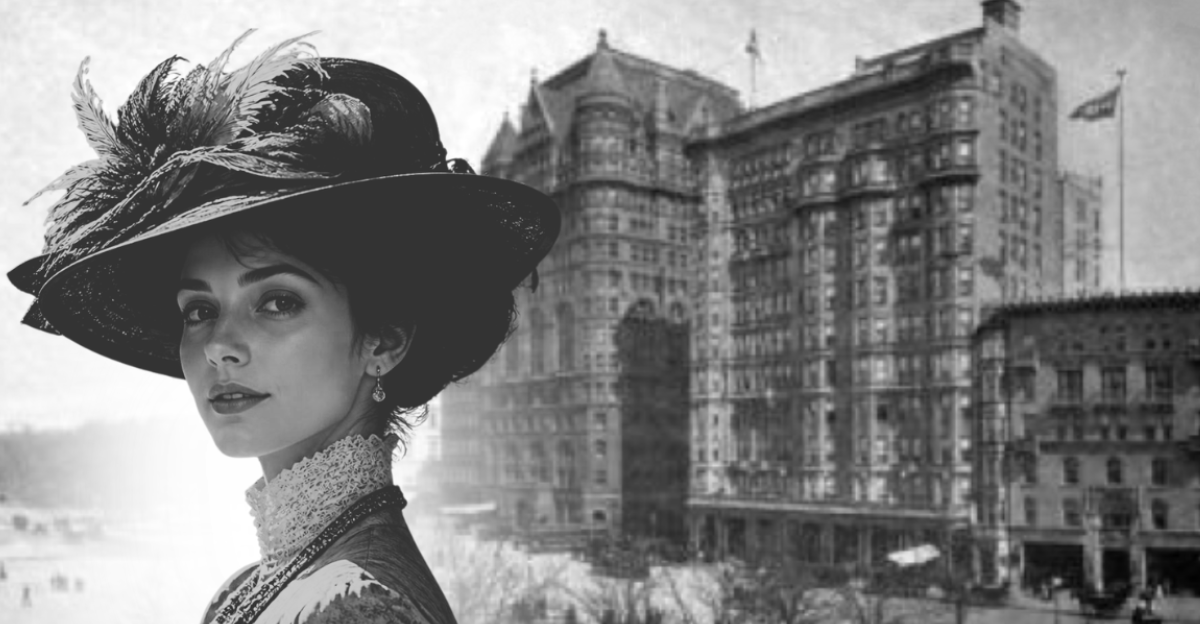
Boston's John Hancock Mansion
Built in 1737, John Hancock's Beacon Hill mansion survived more than a century before demolition in 1863. Its replacement by two townhouses sparked public outrage and became an early rallying point for American historic preservation.
 Boston Public Library, Wikimedia Commons
New York City's Original Penn Station
Opened in 1910, Pennsylvania Station featured enormous columns, soaring ceilings, and magnificent classical architecture. Its demolition began in 1963 despite protests. The resulting backlash helped inspire New York City's landmark preservation protections.
![Penn. RR Station from Gimbel's N.Y. (LOC)
Bain News Service,, publisher.
Pennsylvania Station from Gimbel's in 1911
[between ca. 1910 and ca. 1915]
1 negative : glass ; 5 x 7 in. or smaller.
Notes: Title from unverified data provided by the Bain News Serv](https://www.factinate.com/storage/app/media/splashtravels/2026/10/9/17915339135e9b3fa06808af60f1e36085e76aa4f695519078.jpg) Bain News Service, Wikimedia Commons
Bain News Service, Wikimedia Commons
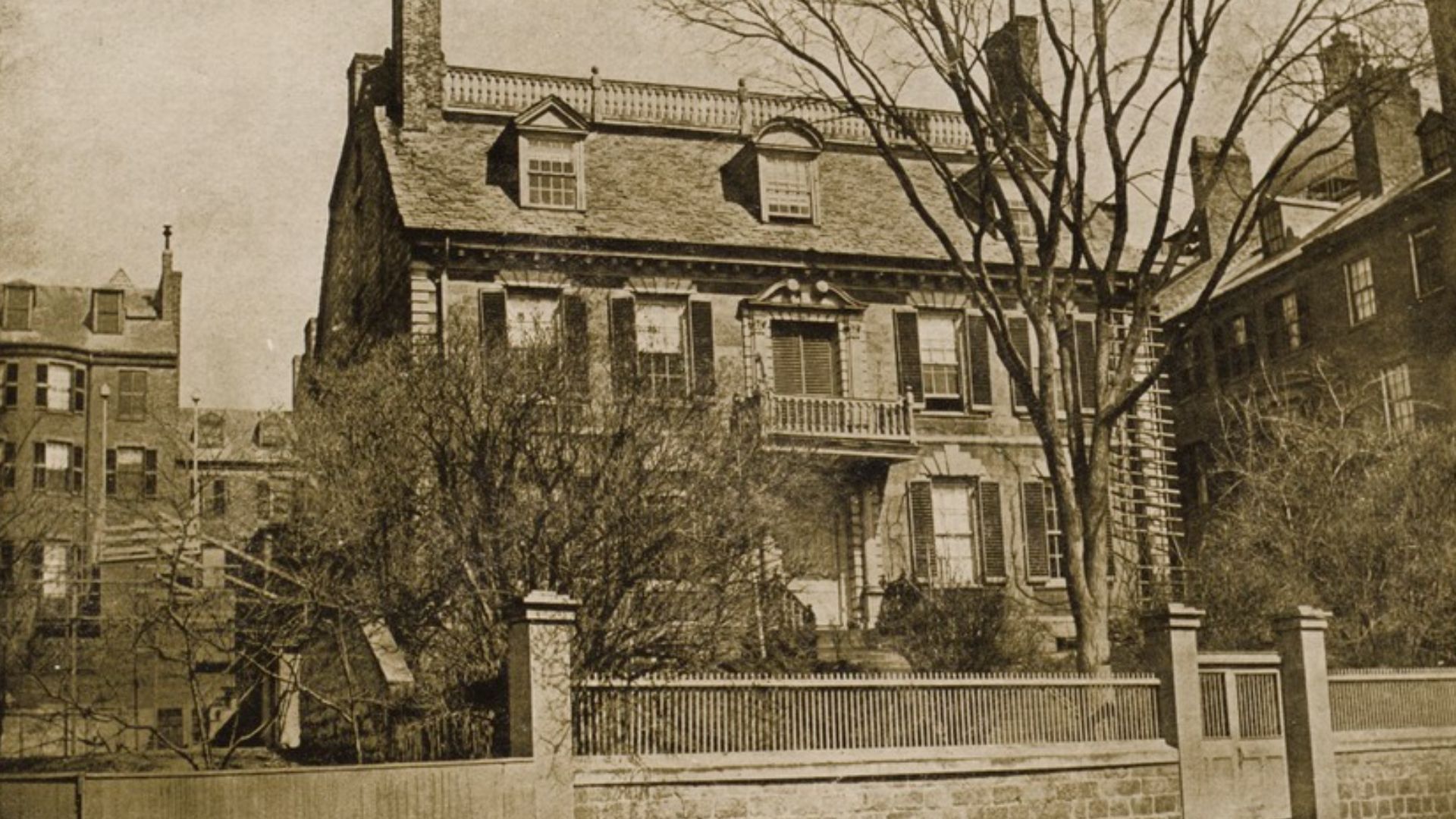
New York City's Singer Building
The Singer Building briefly held the world's tallest-building title after its 1908 completion. Its distinctive Beaux-Arts tower and extraordinary marble lobby vanished in 1967, sacrificed for what became One Liberty Plaza.
 Unknown authorUnknown author, Wikimedia Commons
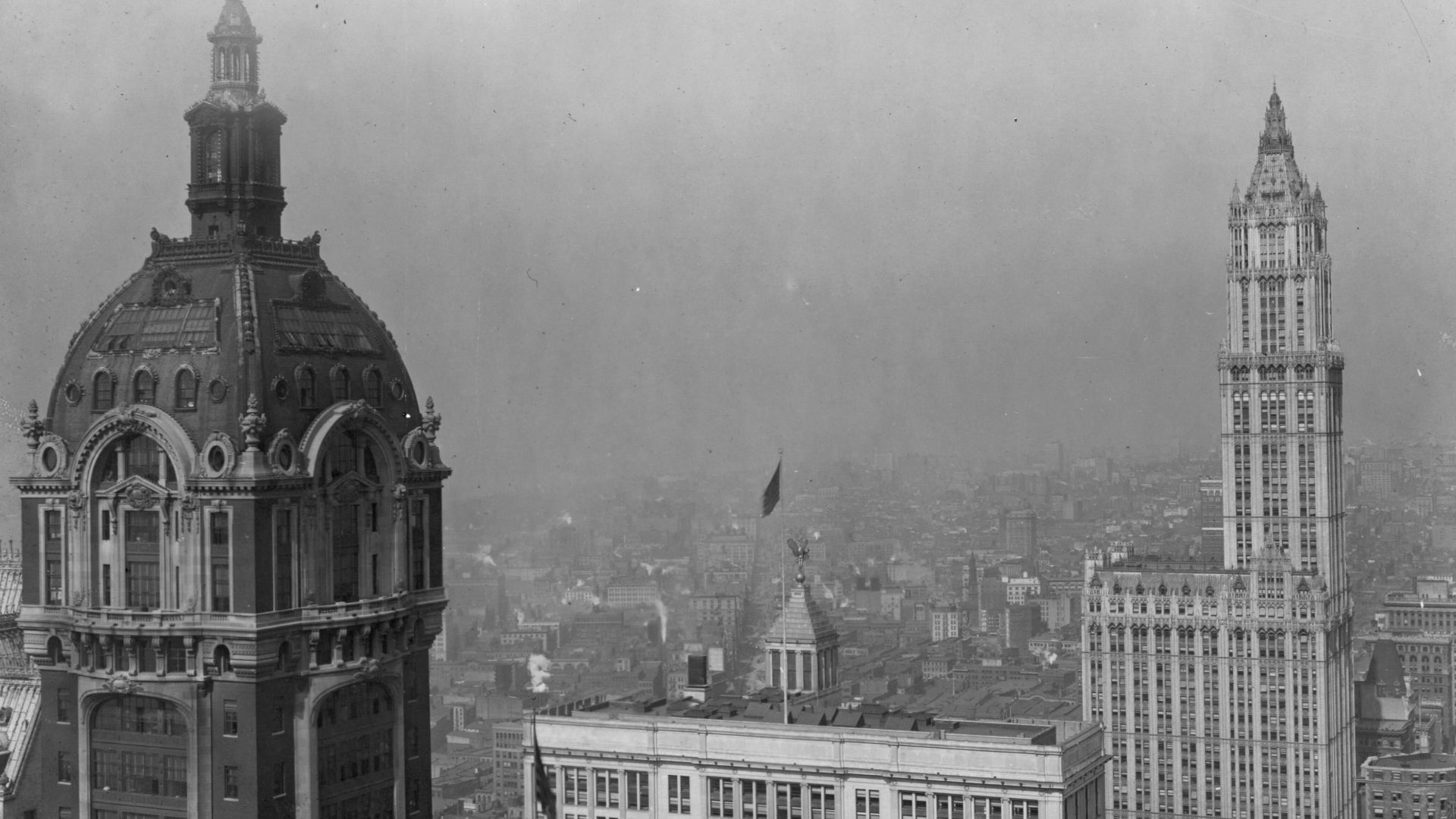
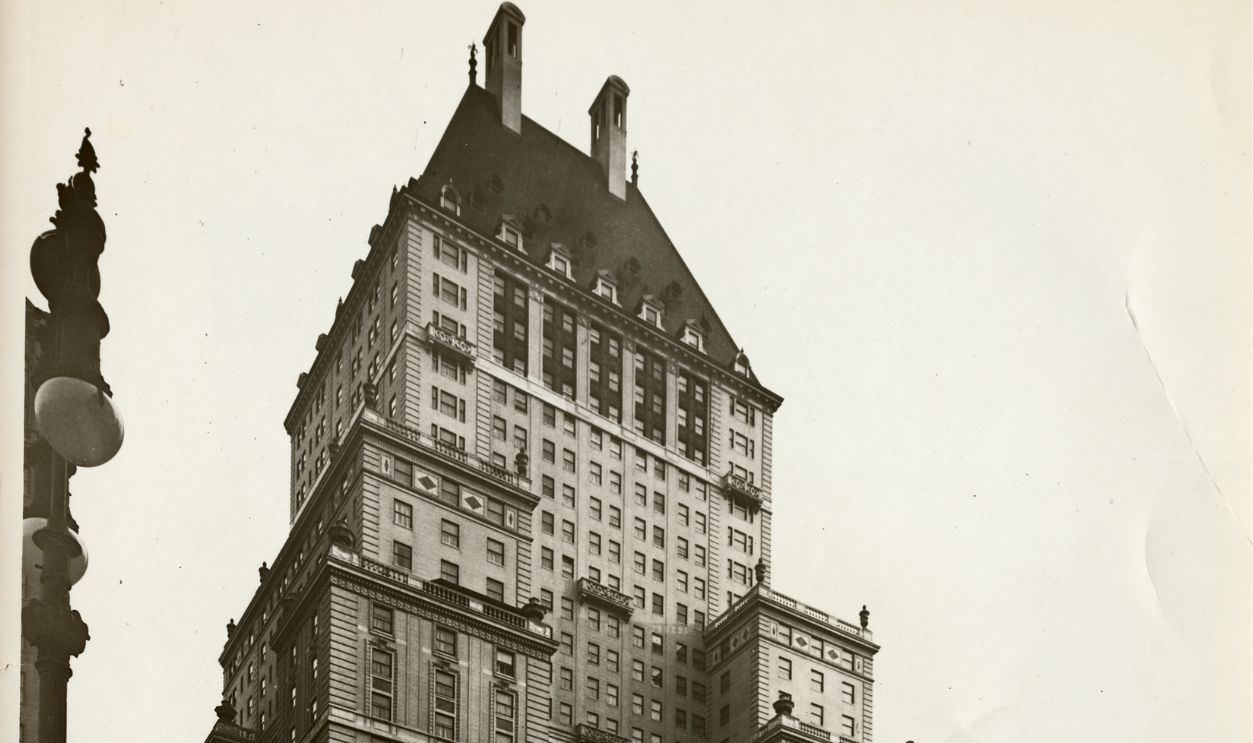
New York City's Savoy-Plaza Hotel
Overlooking Central Park, the elegant Savoy-Plaza opened in 1927. Its demolition in 1965 made room for the General Motors Building. Preservationists organized protests, including a symbolic funeral march, but couldn't rescue it.
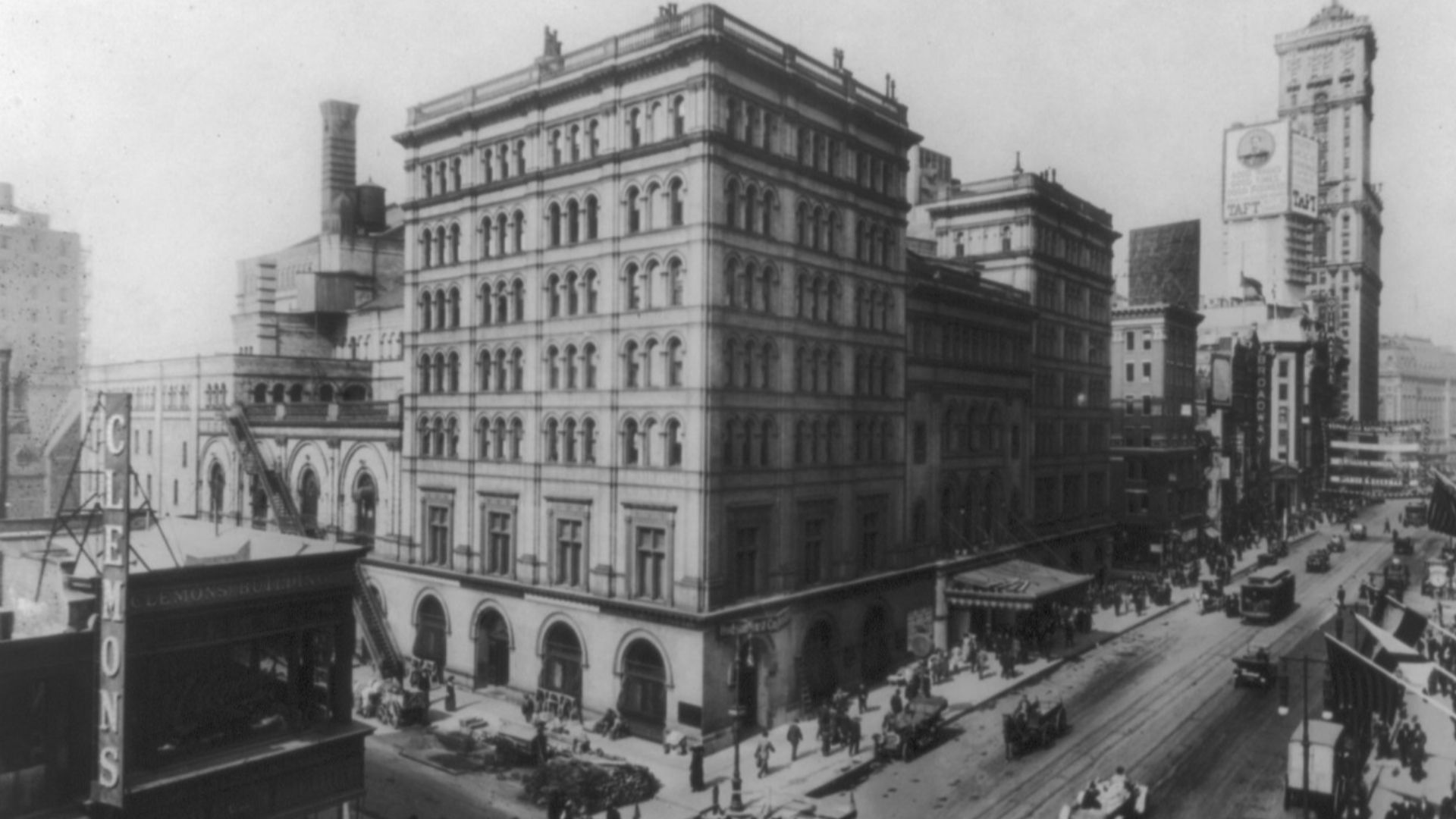
New York City's Original Metropolitan Opera House
The original Metropolitan Opera House welcomed audiences beginning in 1883. Although its exterior received mixed reviews, its lavish interior was treasured. Preservation campaigns failed, and the historic venue was demolished in 1967.
 Miscellaneous Items in High Demand, PPOC, Library of Congress, Wikimedia Commons
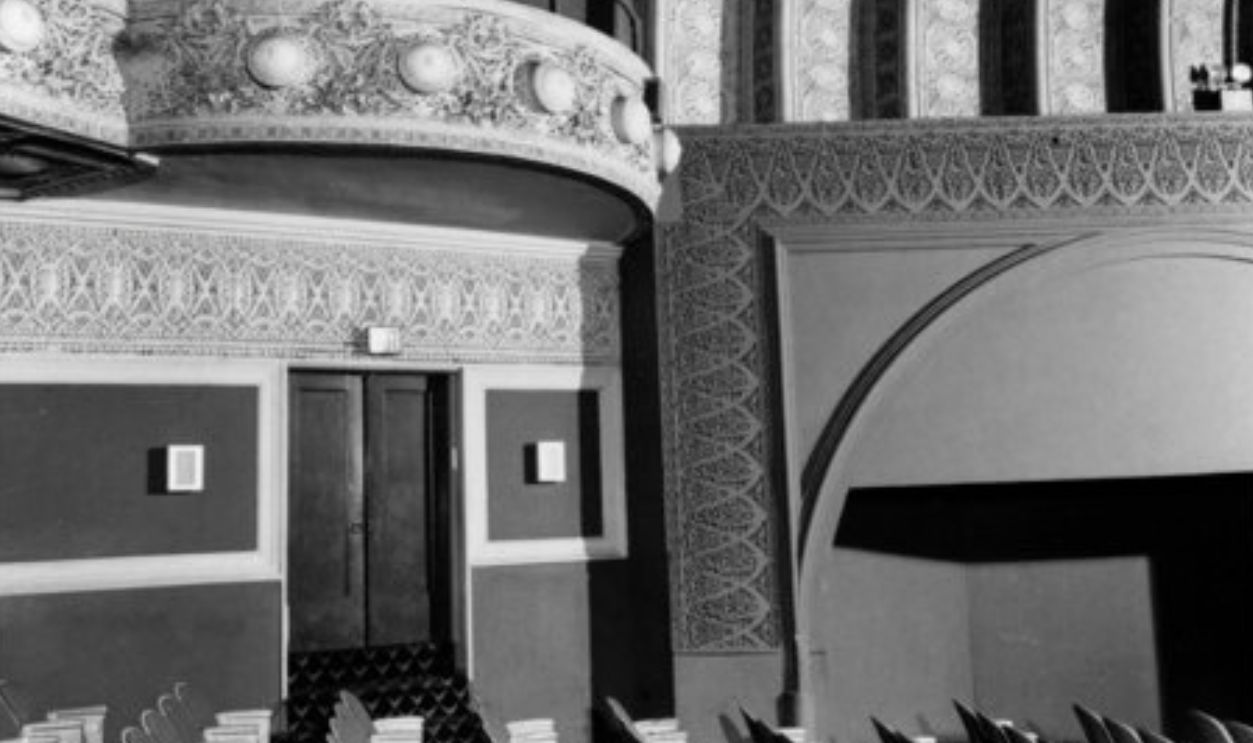
Chicago's Garrick Theater
Designed by architectural partners Adler and Sullivan, the magnificent Garrick Theater featured elaborate terra-cotta ornamentation. Despite international opposition, it was demolished in 1961 for parking. The controversy helped energize Chicago's preservation movement.
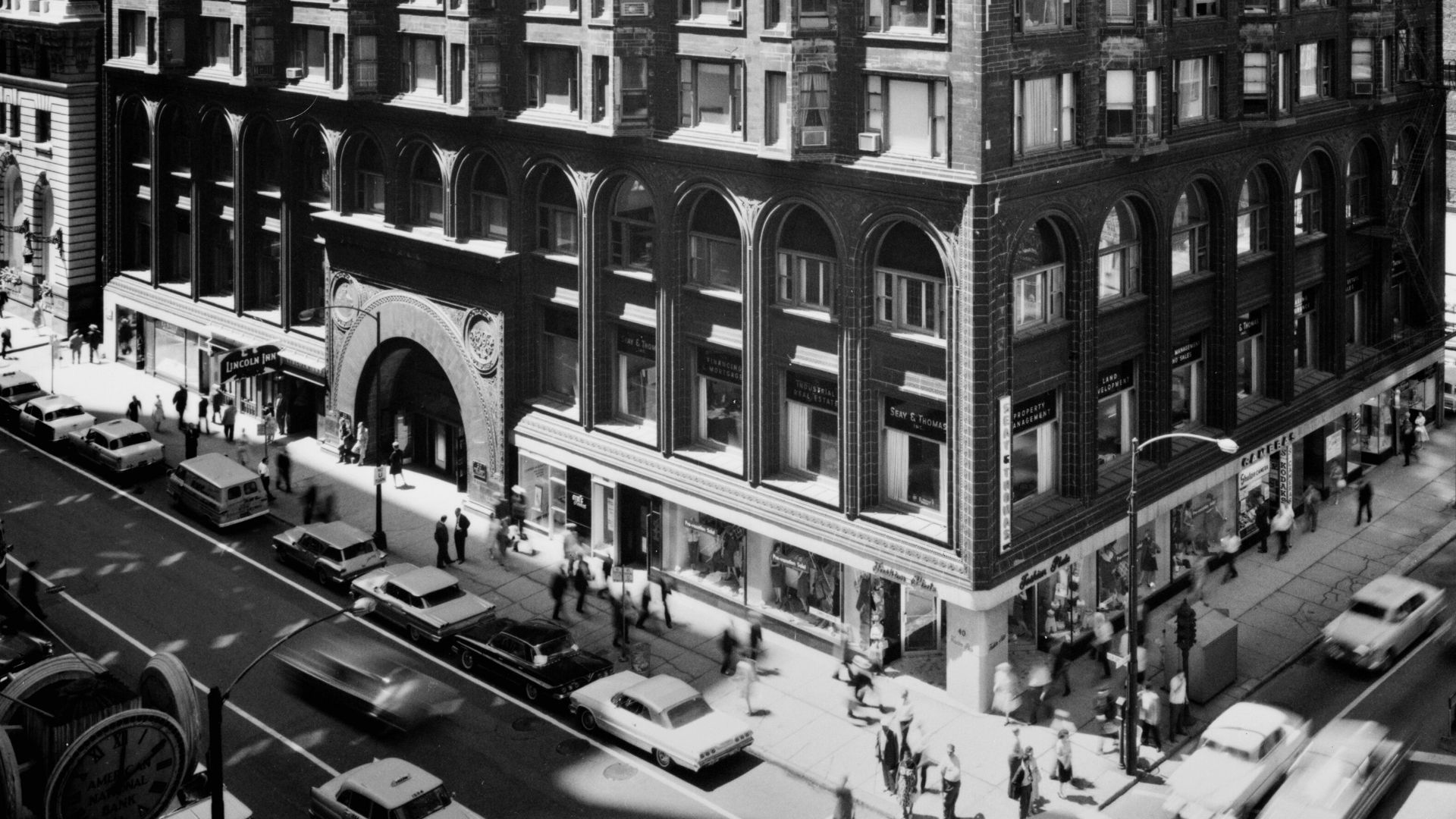
Chicago's Stock Exchange Building
Louis Sullivan and Dankmar Adler designed this extraordinary 1890s skyscraper, demolished in 1971–1972. Preservationists salvaged its celebrated trading room and entrance arch, which were reconstructed or displayed at the Art Institute of Chicago.
 Cervin Robinson, Wikimedia Commons
Chicago's Original Federal Building
Completed in 1905, Chicago's Federal Building featured an imposing dome and Beaux-Arts grandeur. Demolition began in 1965 to accommodate the modern Federal Center designed by Ludwig Mies van der Rohe.
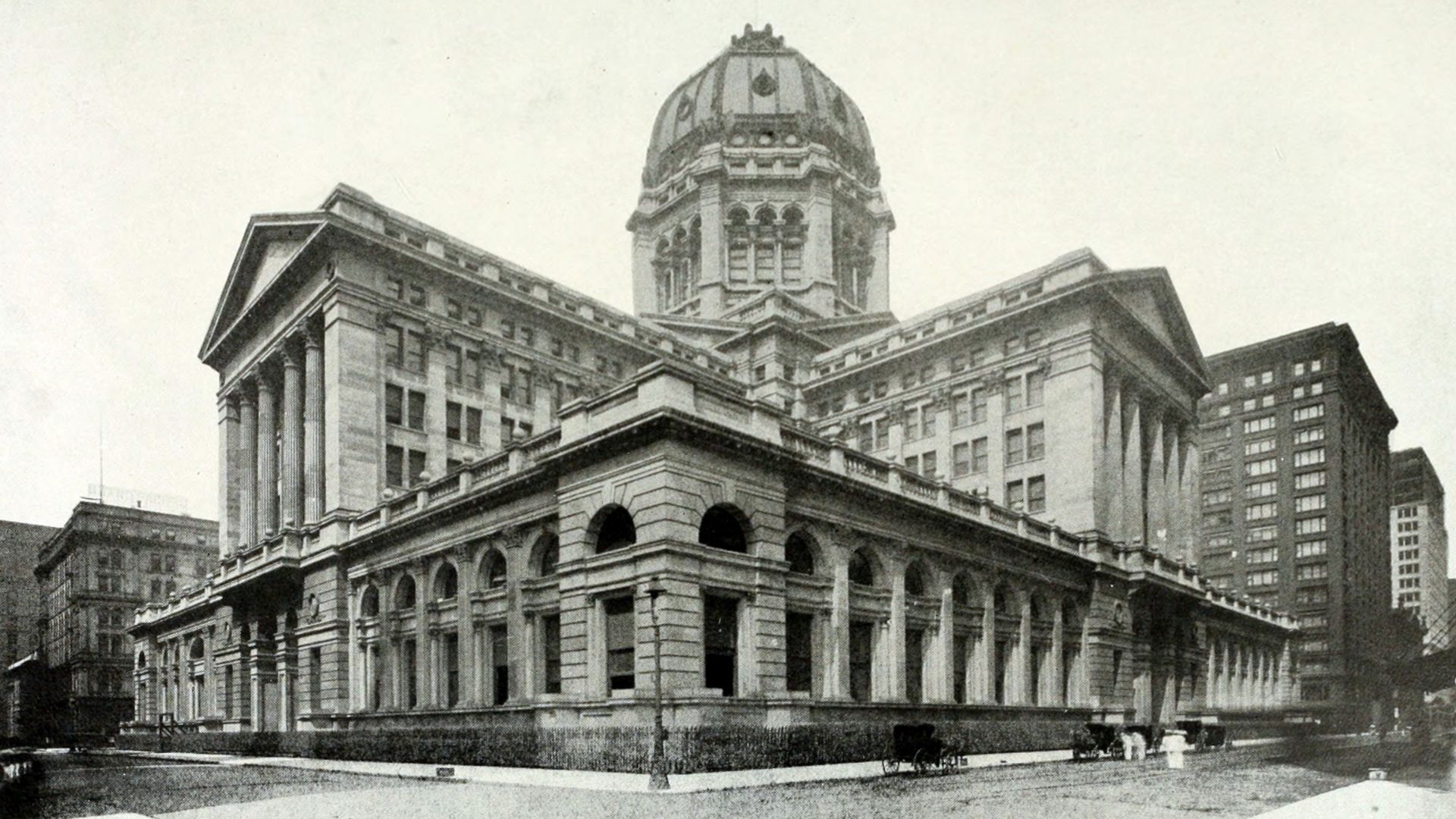 Unknown authorUnknown author, Wikimedia Commons
Buffalo's Larkin Administration Building
Frank Lloyd Wright designed Buffalo's revolutionary Larkin Administration Building, completed in 1906. Its skylit central atrium and innovative workplace features were architectural milestones. Nevertheless, the building was demolished in 1950 after years of decline.
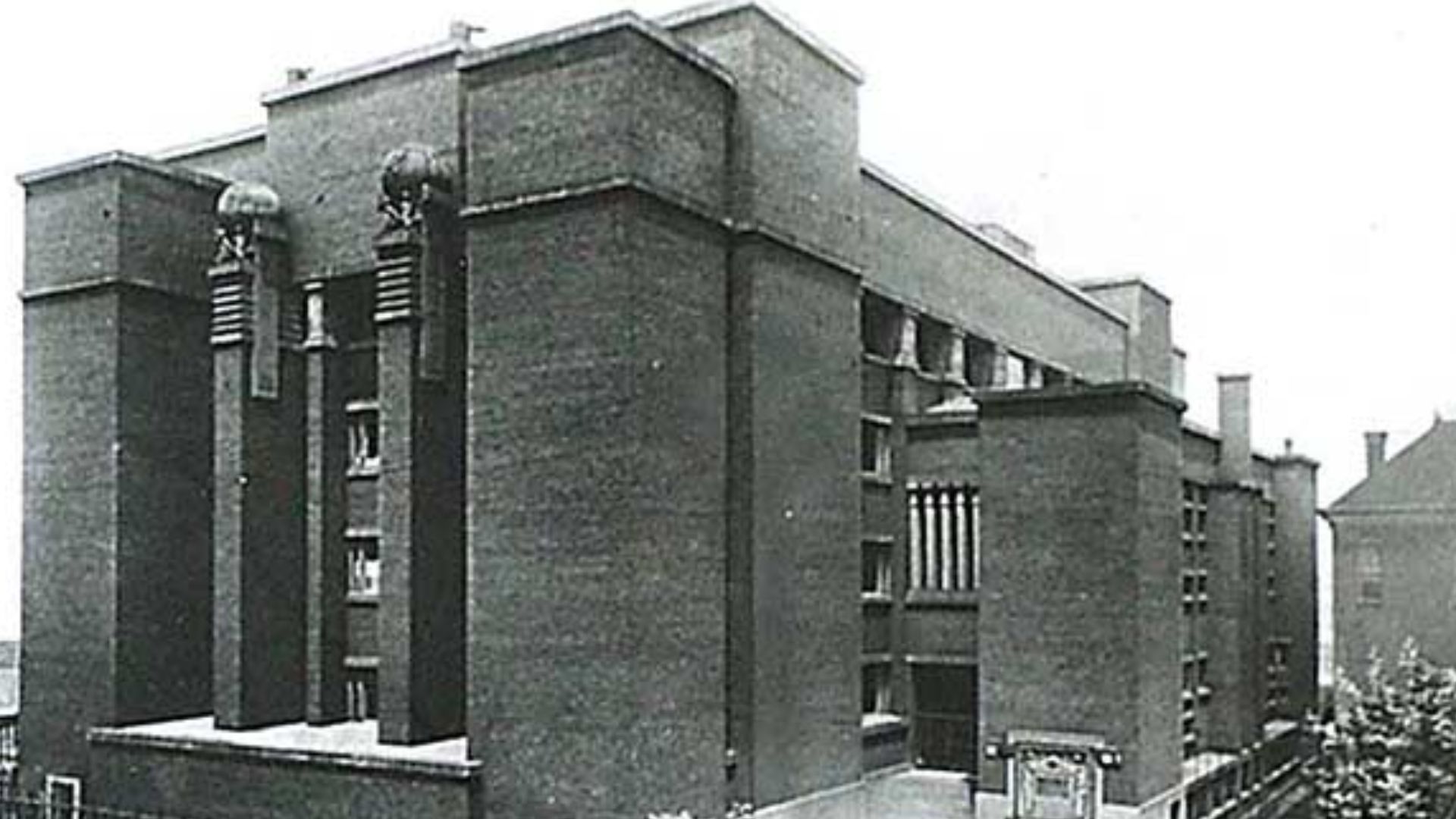
Philadelphia's Broad Street Station
Philadelphia once welcomed passengers through Broad Street Station, a monumental railway complex expanded by architect Frank Furness. After newer terminals reduced its importance, the station closed in 1952 and disappeared the following year.
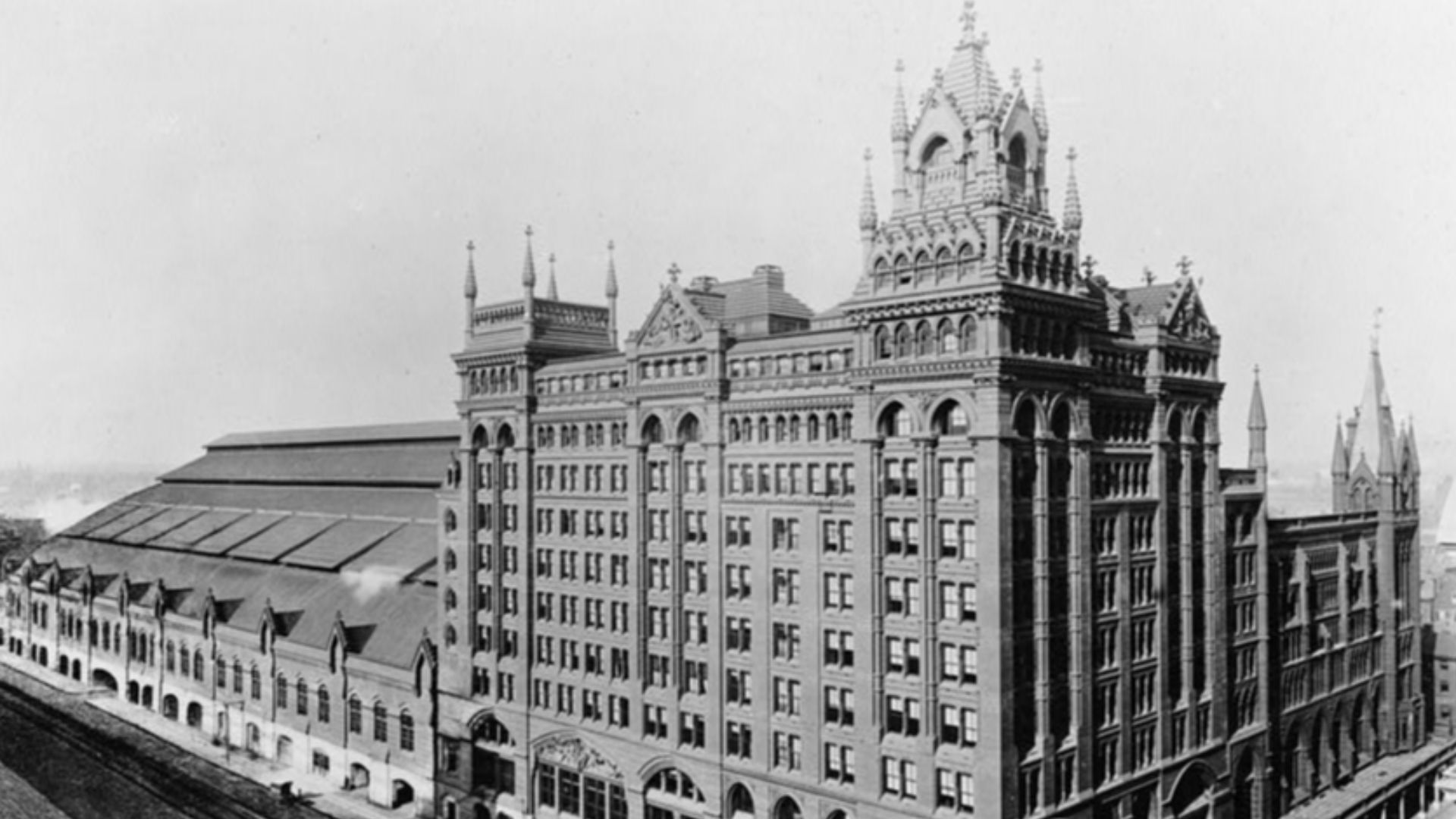 photographer William Herman Rau, Wikimedia Commons
Pittsburgh's Syria Mosque
Dedicated in 1916, Pittsburgh's Syria Mosque combined exotic revival architecture with a celebrated concert auditorium. Despite preservation campaigns, demolition proceeded in 1991. Its disappearance eventually inspired the creation of Preservation Pittsburgh.
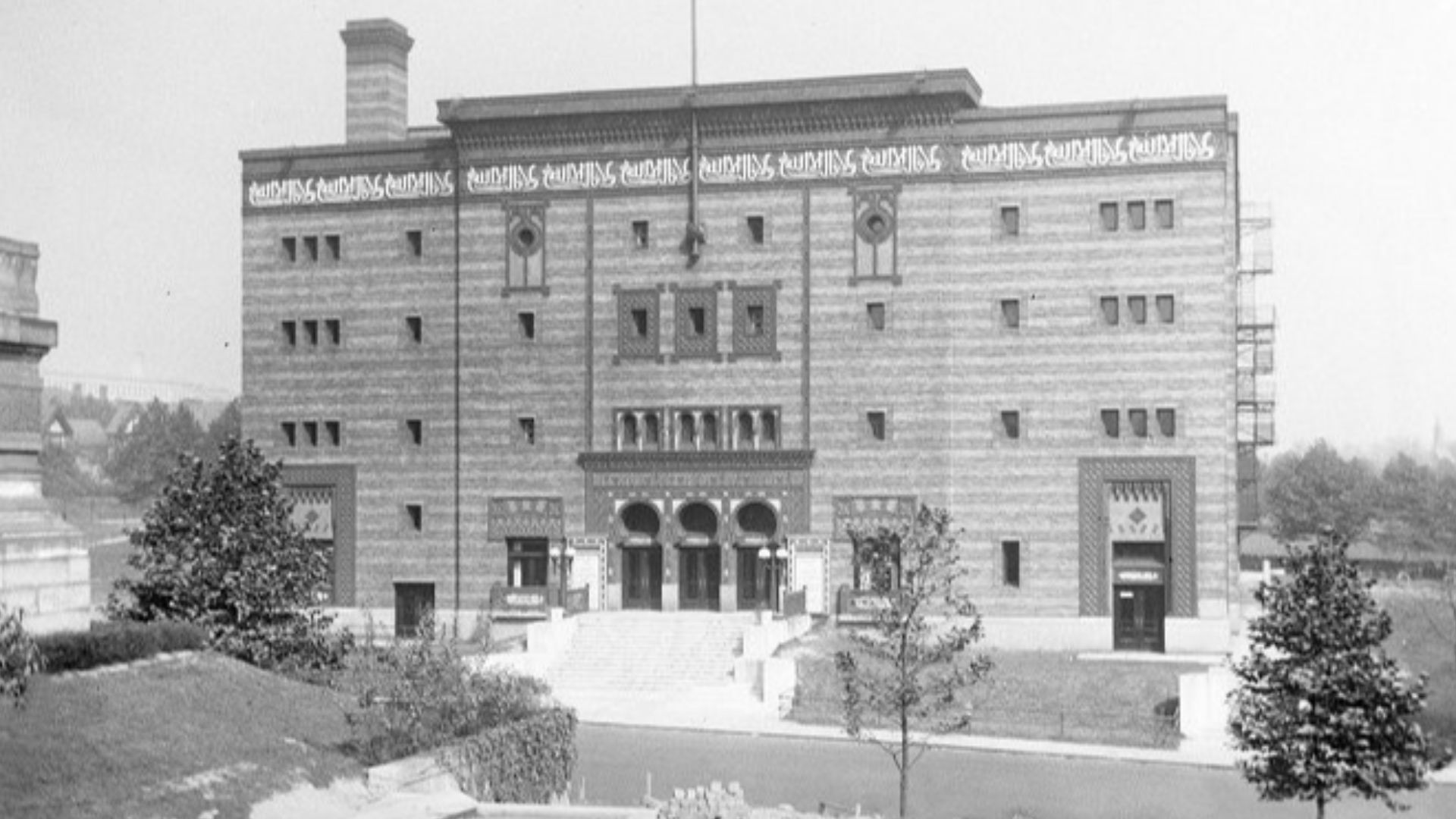 Edward J. Shourek, Wikimedia Commons
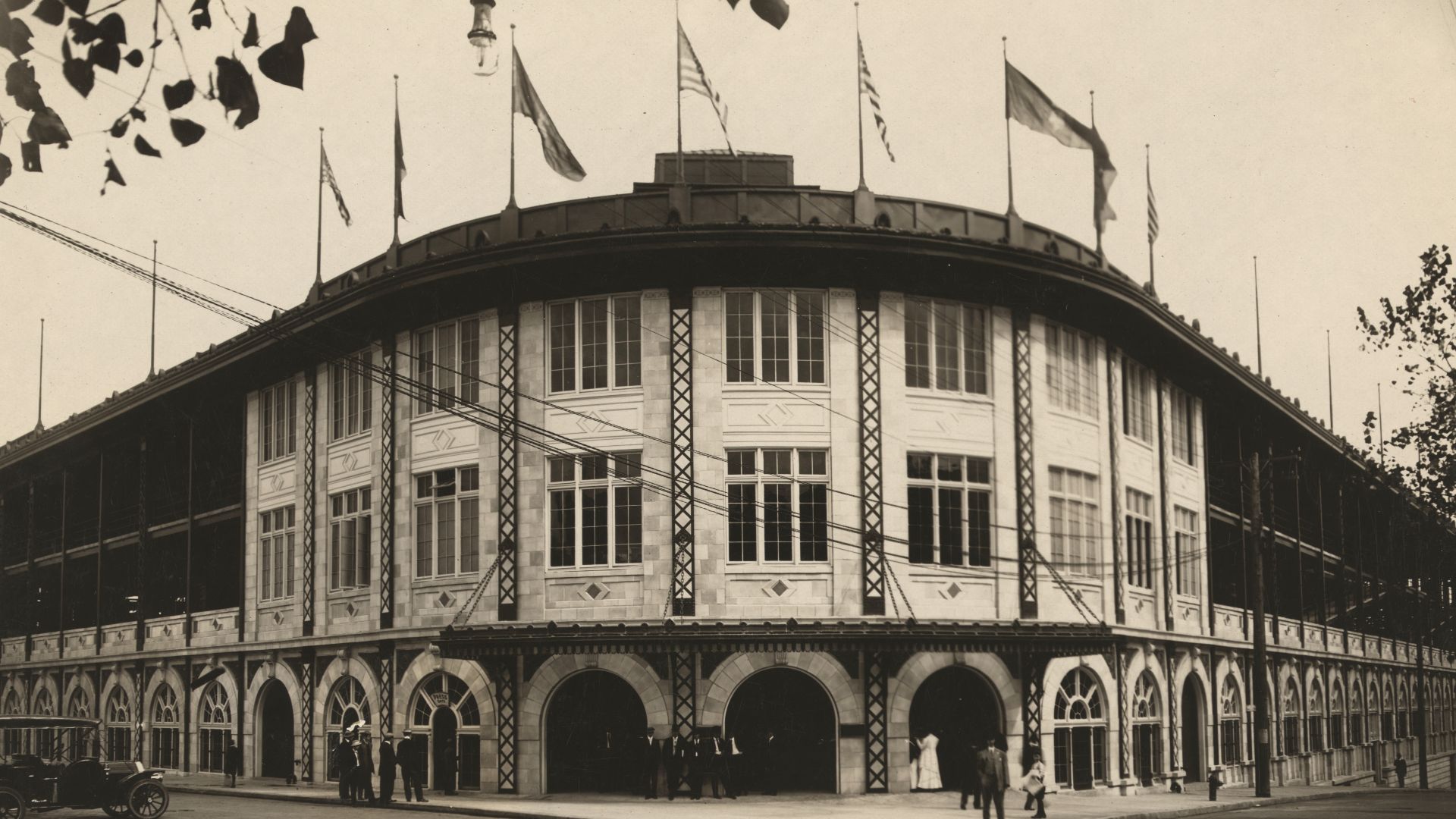
Pittsburgh's Forbes Field
Opened in 1909, Forbes Field featured handsome masonry architecture and an innovative steel-and-concrete structure. The beloved Pirates ballpark was demolished in 1971, ending an important chapter of Pittsburgh's sporting and architectural history.
 Unknown authorUnknown author, Wikimedia Commons
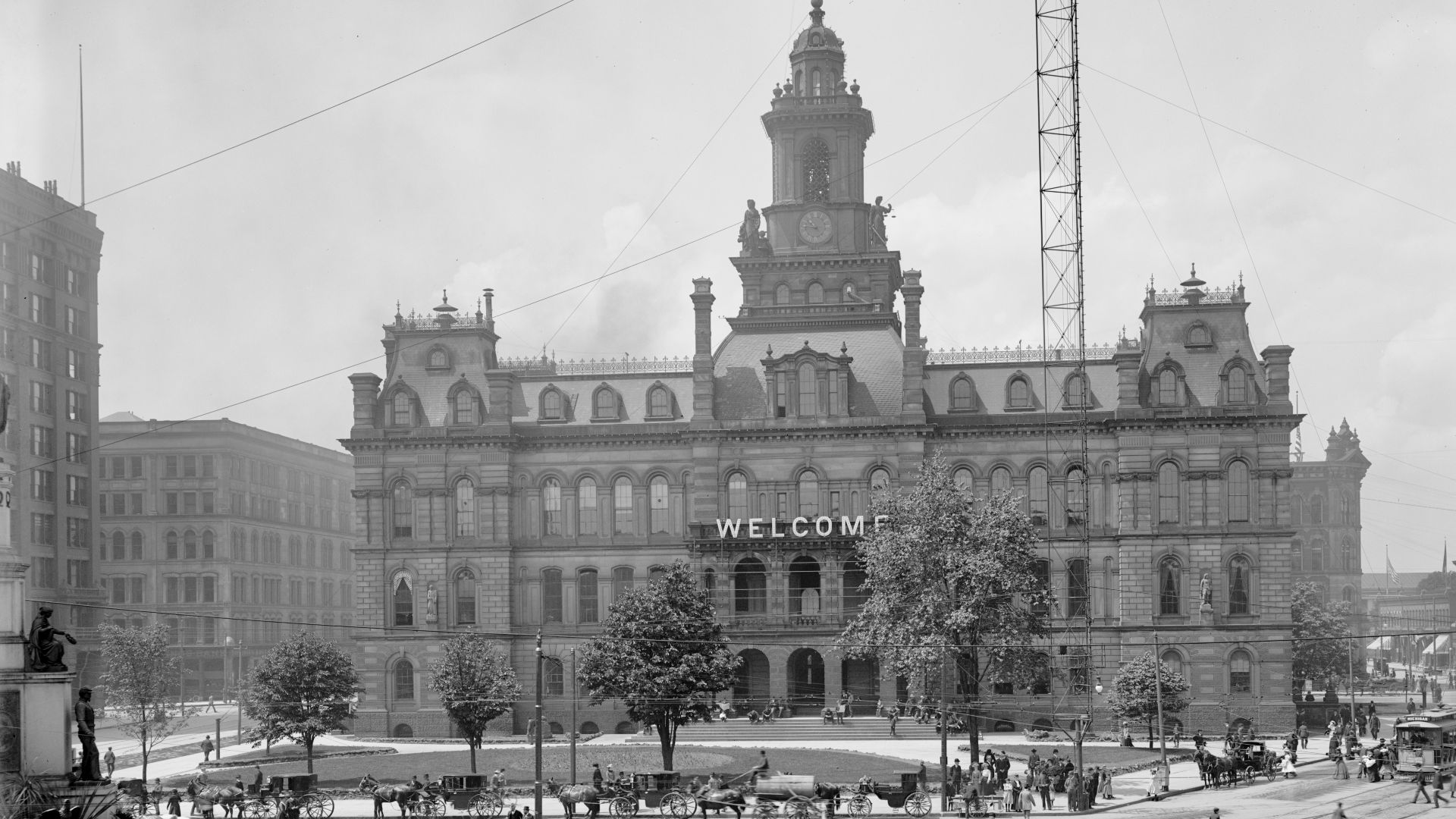
Detroit's Old City Hall
Detroit's elaborate 1871 City Hall featured a clock tower and statues celebrating the city's history. Despite opposition and courtroom challenges, demolition began in August 1961. Its disappearance remains among Detroit's most controversial architectural losses.
 Lycurgus S. Glover, Wikimedia Commons
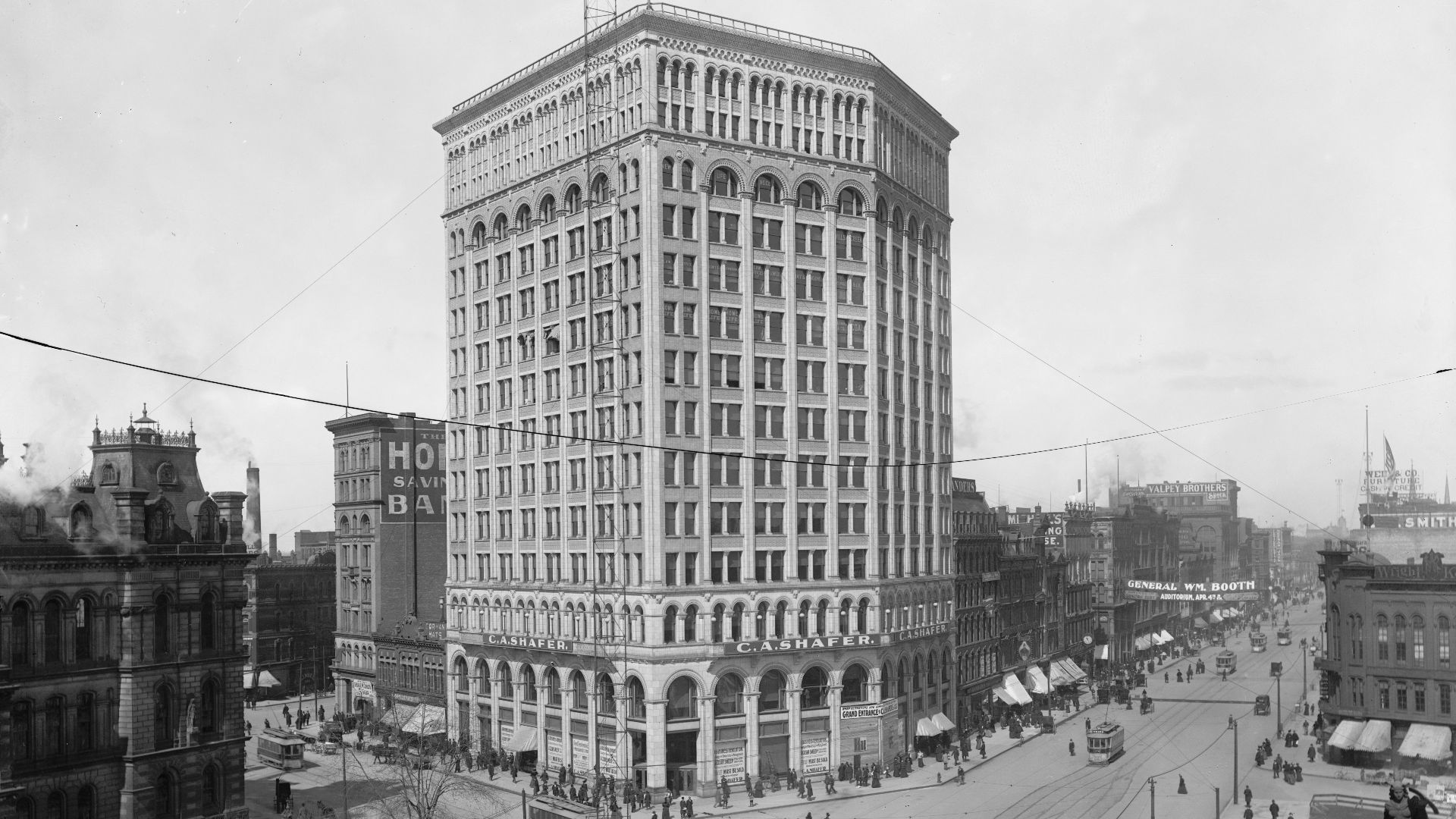
Detroit's Majestic Building
Architect Daniel Burnham designed Detroit's magnificent Majestic Building, completed in 1896. Its marble interiors and imposing facade made it a downtown favorite. Demolition during 1961–1962 cleared the way for a modern bank skyscraper.
 Uncredited photographer for Detroit Publishing Company, Wikimedia Commons
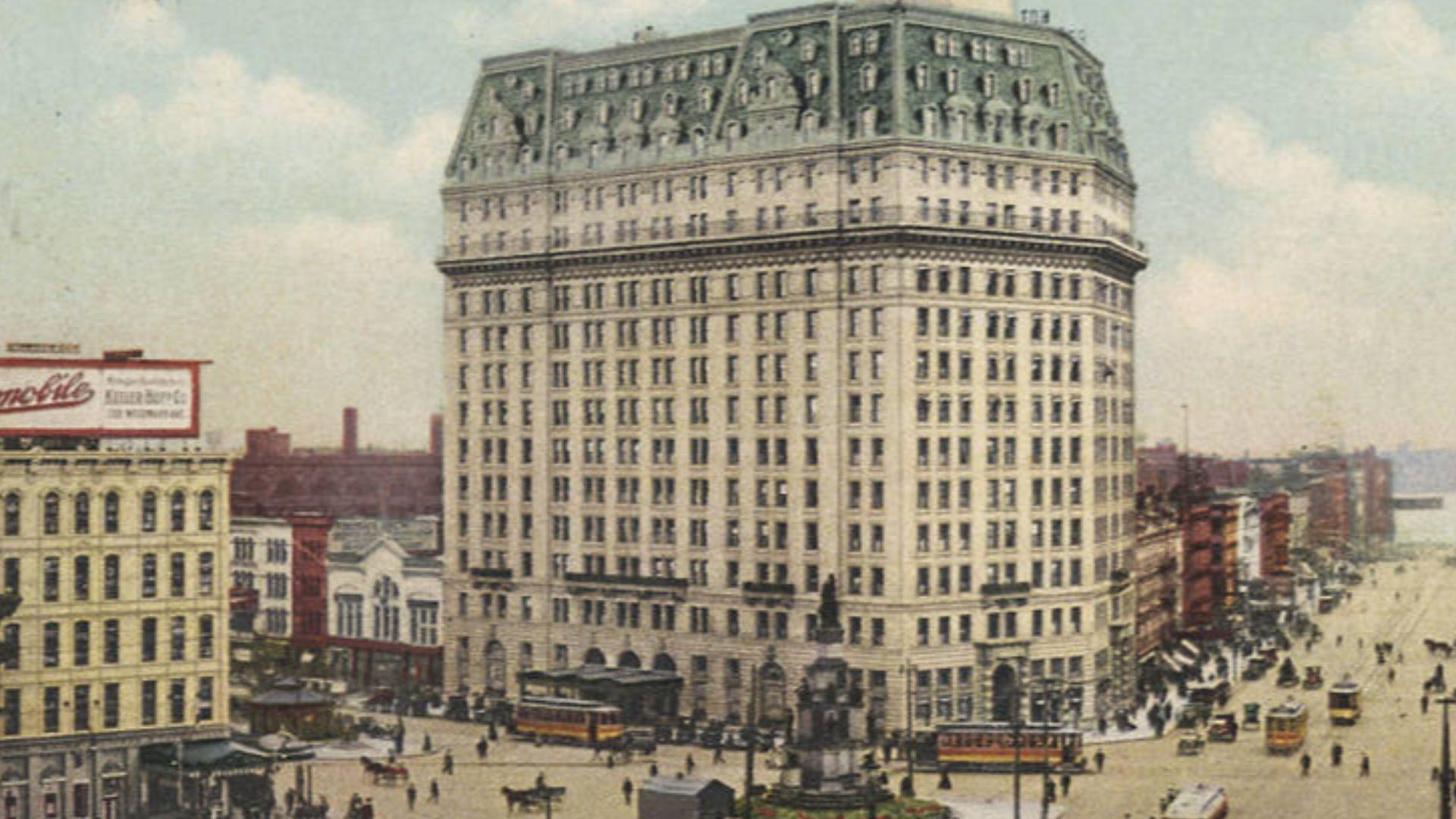
Detroit's Hotel Pontchartrain
Opened in 1907, the luxurious Hotel Pontchartrain became a gathering place for Detroit society. Remarkably, demolition began in 1920, barely thirteen years later, because its valuable downtown site was wanted for offices.
 Unknown authorUnknown author, Wikimedia Commons
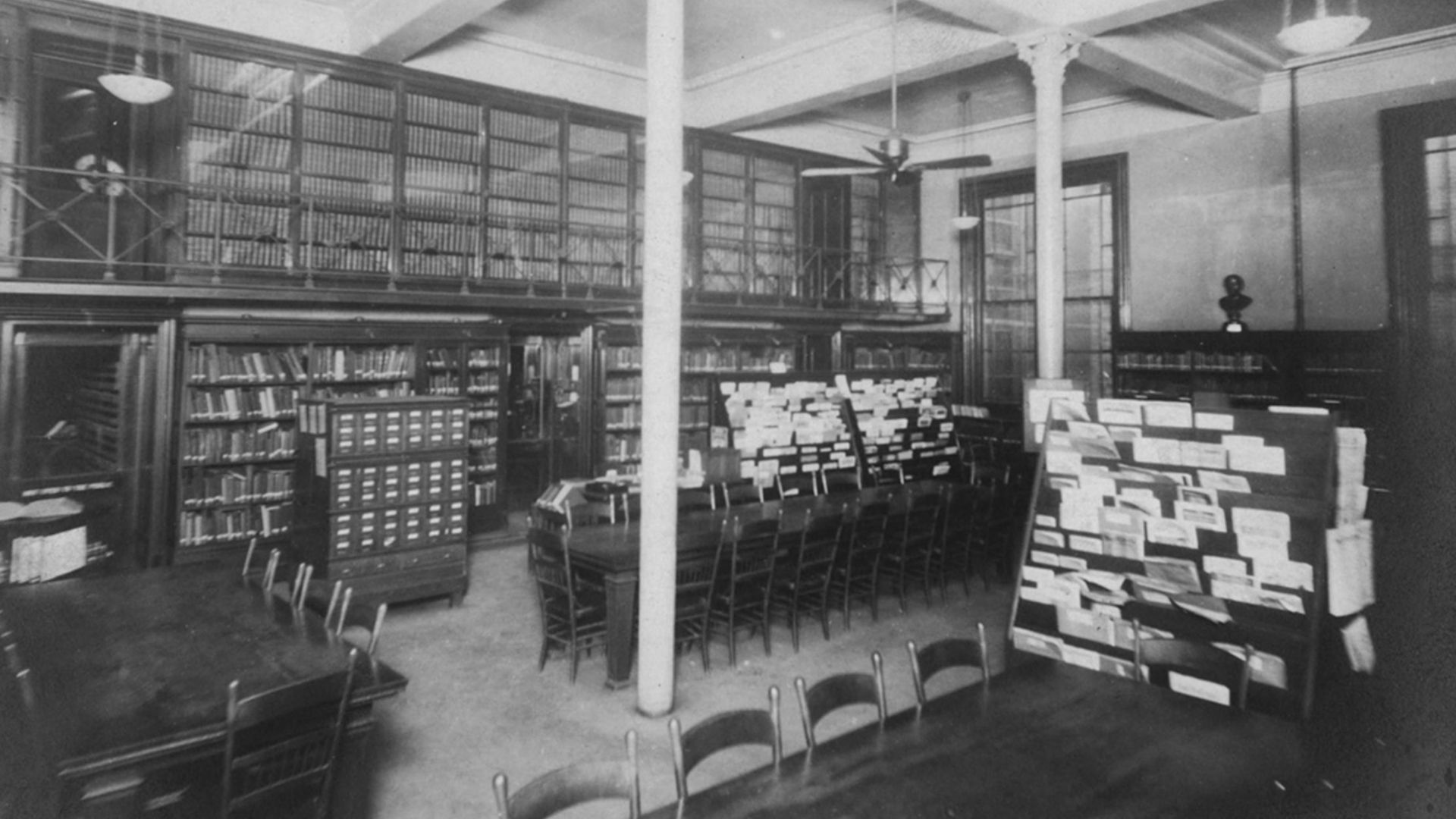
Cincinnati's Original Public Library
Cincinnati's original Main Library opened in 1874 with beautiful stained-glass windows. When the building was demolished in 1955, those windows were auctioned. Fortunately, the library eventually recovered and restored them for public display.
 Unknown authorUnknown author, Wikimedia Commons
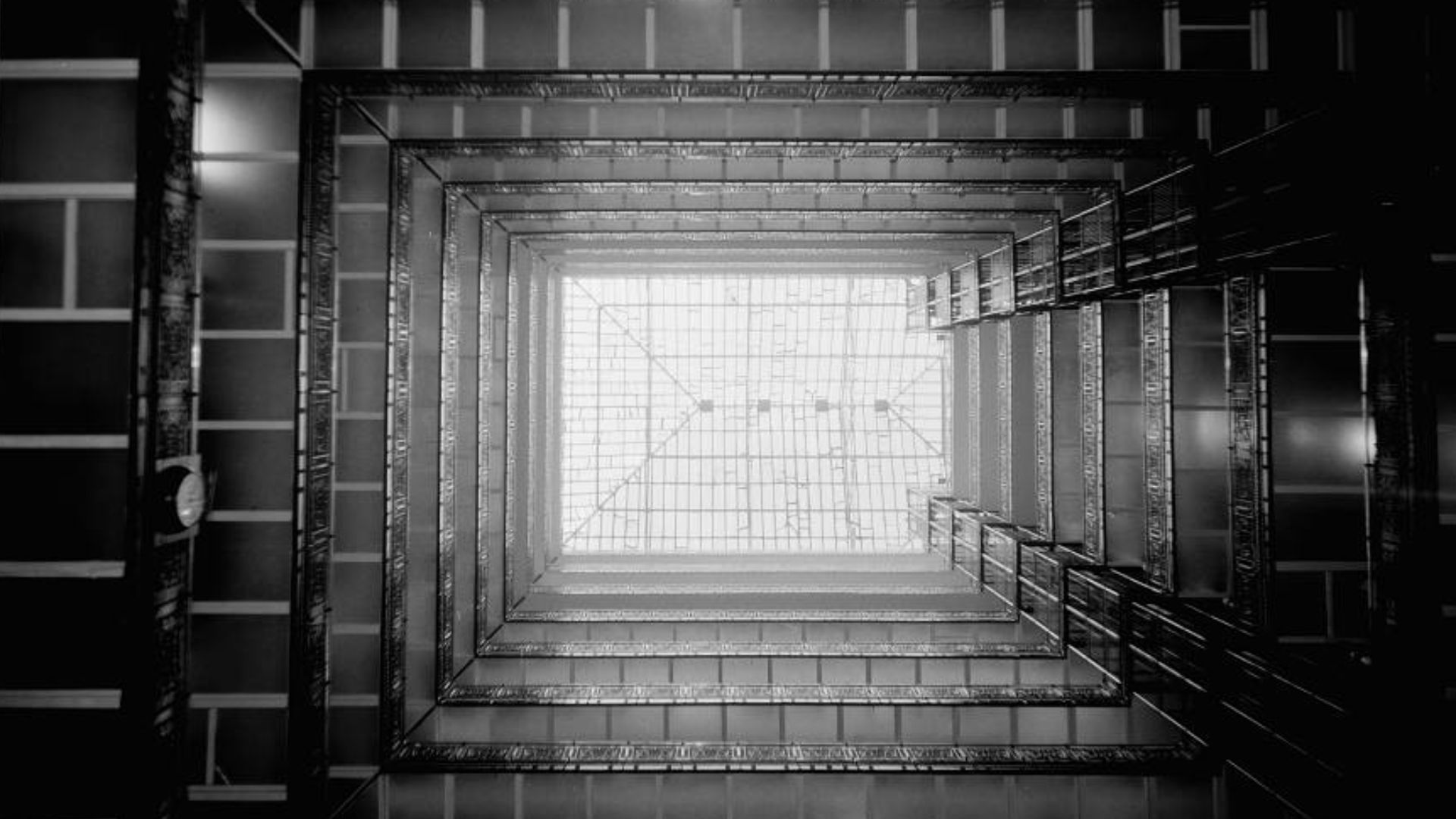
Minneapolis's Metropolitan Building
Completed in 1890, the Metropolitan Building boasted an extraordinary glass-roofed atrium and ornamental ironwork. Architects and museum leaders fought to preserve it, but demolition began in 1961 during downtown urban renewal.
 The original uploader was Mulad at English Wikipedia., Wikimedia Commons
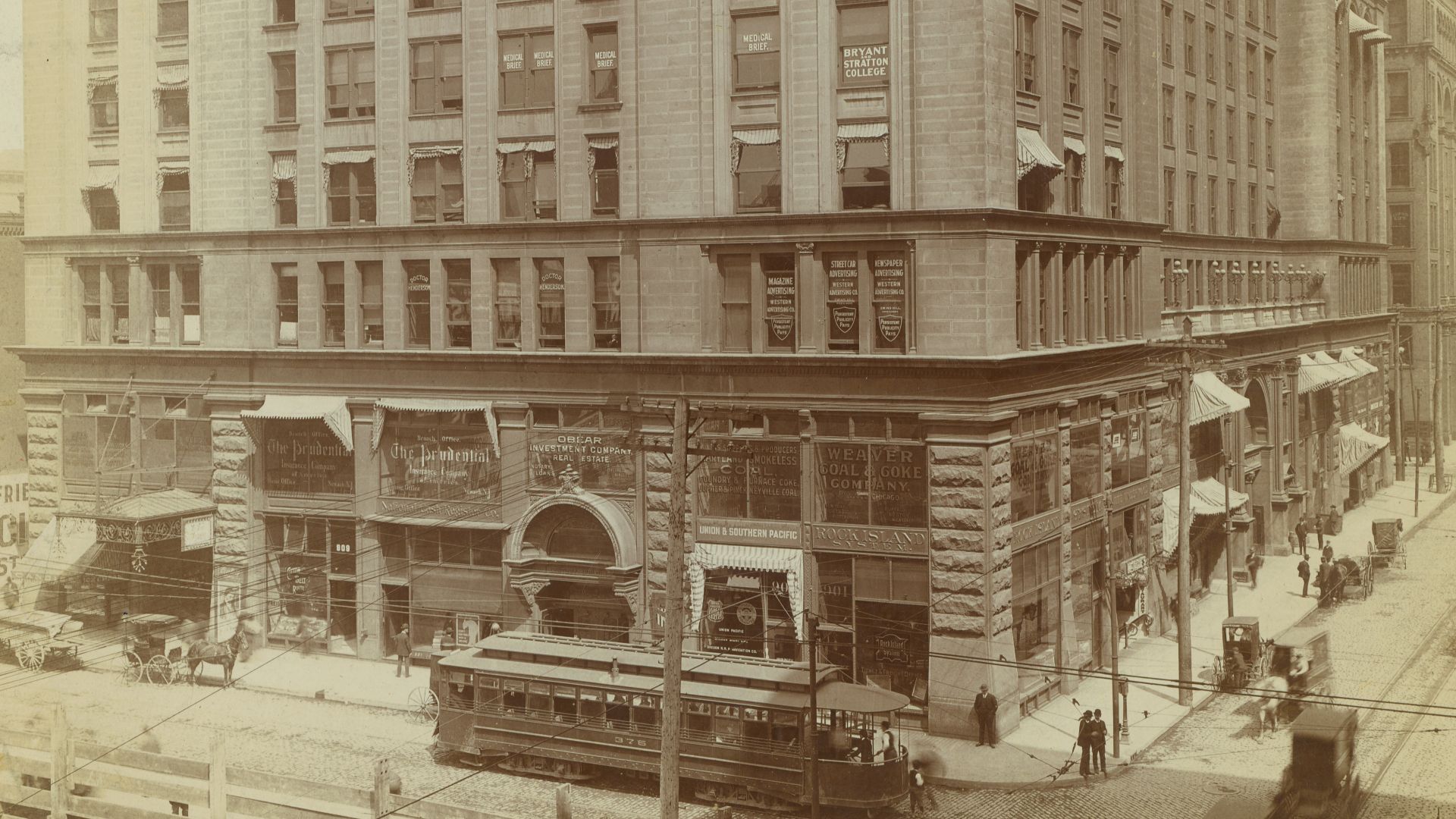
St. Louis's Century Building
Completed in 1896, the marble-clad Century Building combined offices, retail spaces, and a theater. Preservationists opposed its 2004 demolition, particularly because the proposed replacement was a parking garage serving a nearby redevelopment.
 George Stark, Wikimedia Commons
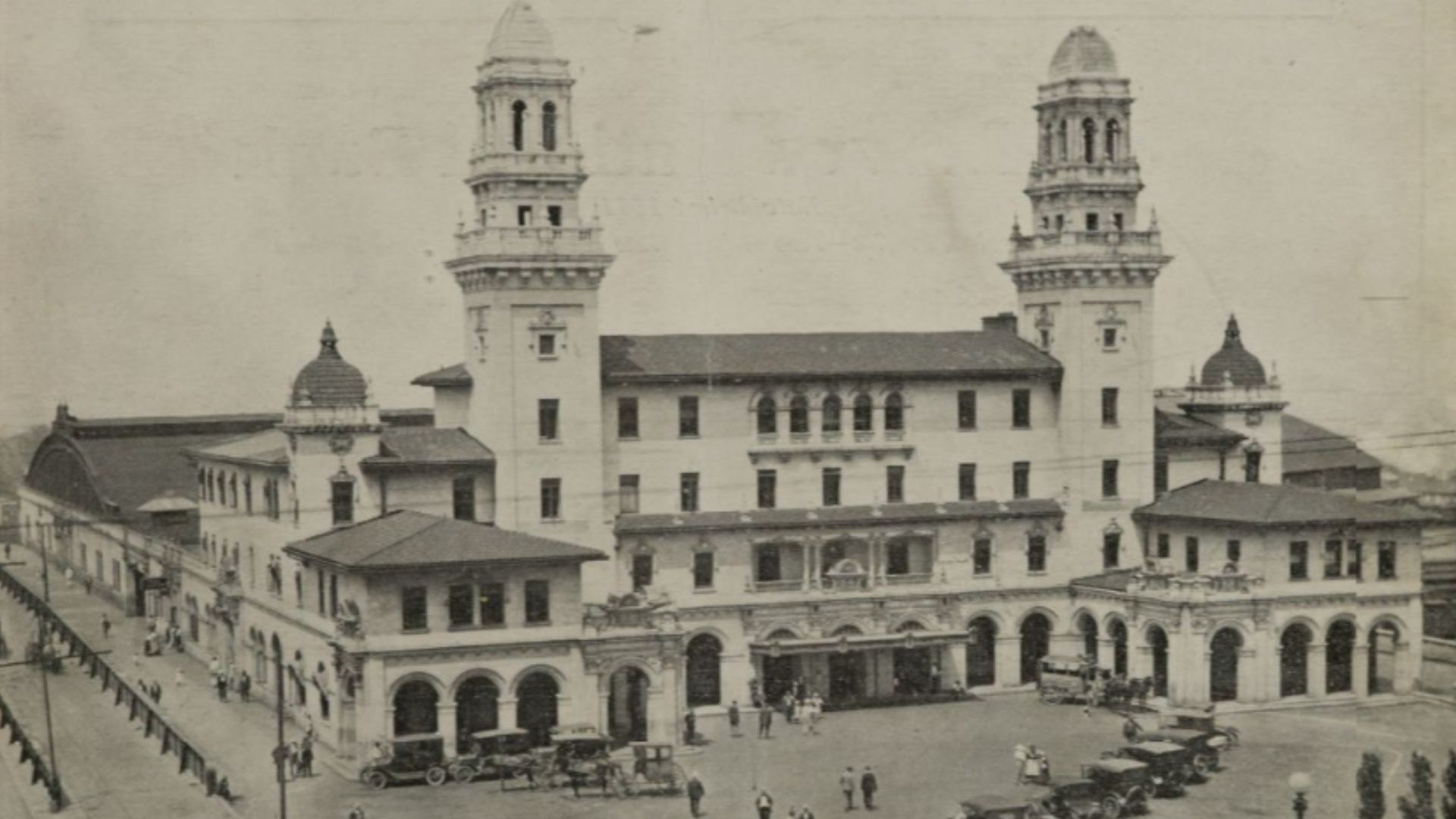
Atlanta's Terminal Station
Atlanta's grand Terminal Station opened in 1905 with elaborate Beaux-Arts architecture. Passenger service ended in 1970, and the station was demolished in 1972. The Richard B. Russell Federal Building eventually occupied its site.
 Unknown authorUnknown author, Wikimedia Commons
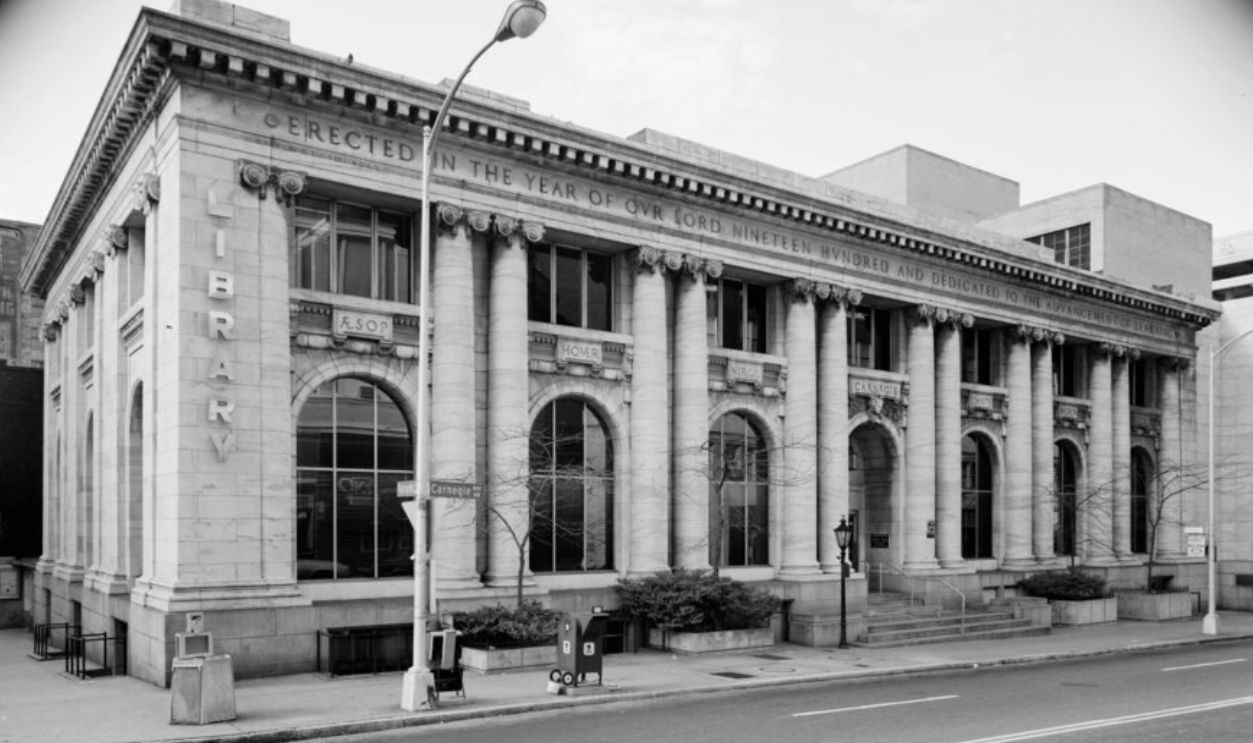
Atlanta's Carnegie Library
Atlanta's first Carnegie-funded public library opened in 1902. The stately building underwent several renovations but was eventually demolished in 1977 for a replacement designed by Marcel Breuer, ending seventy-five years of architectural history.
Houston's Shamrock Hotel
Oilman Glenn McCarthy opened Houston's glamorous Shamrock Hotel in 1949. Its enormous swimming pool and luxurious interiors attracted national attention. Despite thousands protesting its demolition, the hotel disappeared in 1987.
![Title: [Construction of Shamrock Hotel in Downtown Houston, Glenn McCarthy]
Creator: Richie, Robert Yarnall, 1908-1984
Date: December 1947
Series: Series 6: Negatives and Color Transparencies
Negative Series: 2976
Part of: Robert Yarnall Richie photog](https://www.factinate.com/storage/app/media/splashtravels/2026/10/9/179154217749eac8e3ec03d451ae99bf411e7e1713612bf5b7.jpg) Robert Yarnall Richie, Wikimedia Commons
Robert Yarnall Richie, Wikimedia Commons
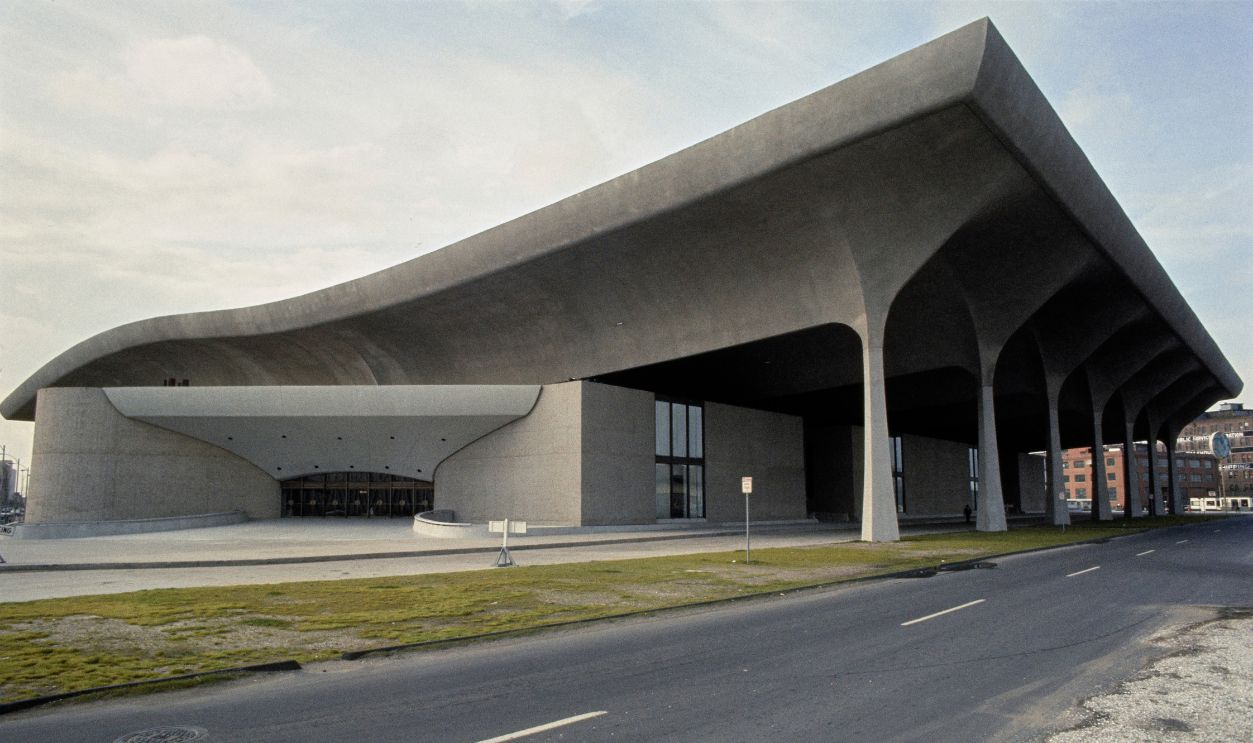
New Orleans's Rivergate Convention Center
Opened in 1968, the Rivergate featured an astonishing sweeping concrete roof. Preservationists opposed its destruction, but demolition proceeded in 1995. A casino eventually replaced this distinctive example of modernist architecture.
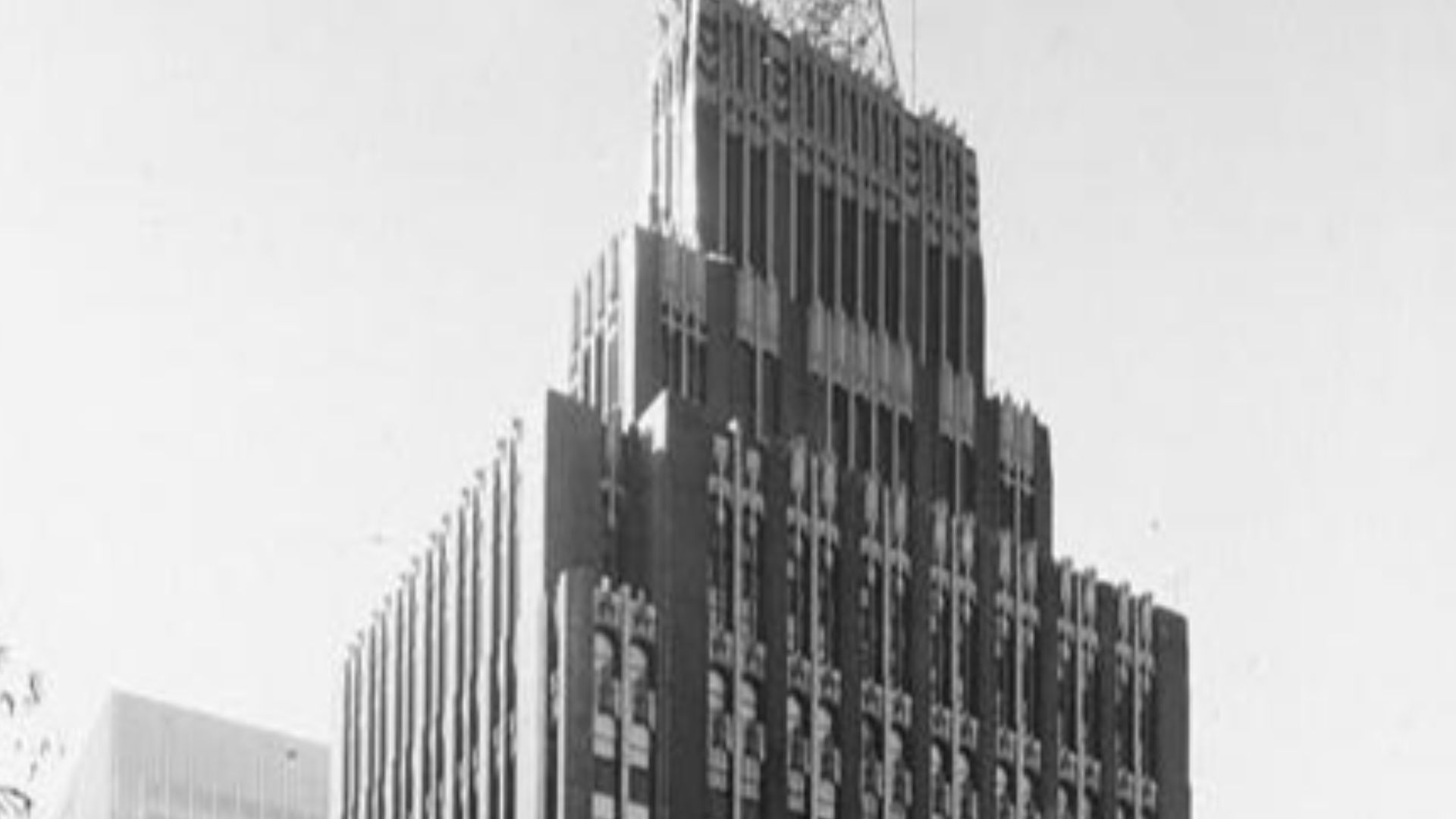
Los Angeles's Richfield Building
Completed in 1929, the Richfield Building was a striking Art Deco masterpiece with black-and-gold detailing. Demolition began in 1968 to make way for an office complex. Fortunately, some decorative elevator elements survived.
 Marvin Rand, Wikimedia Commons
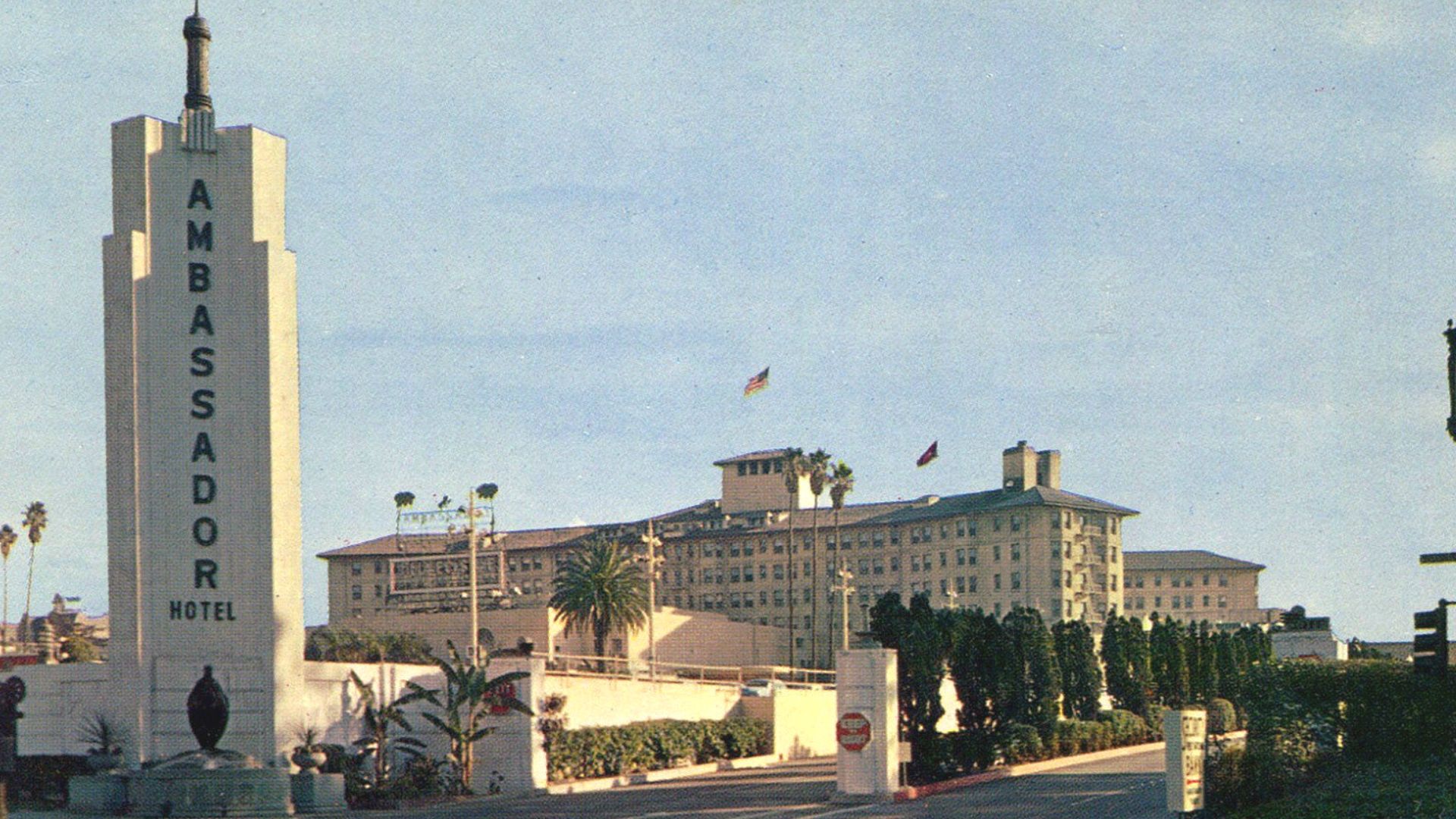
Los Angeles's Ambassador Hotel
Opened in 1921, the Ambassador Hotel hosted Hollywood celebrations and countless celebrities. Preservationists spent nearly twenty years campaigning to save it, but demolition began in 2005 to accommodate a new school complex.
 Colourphoto, Boston, Wikimedia Commons
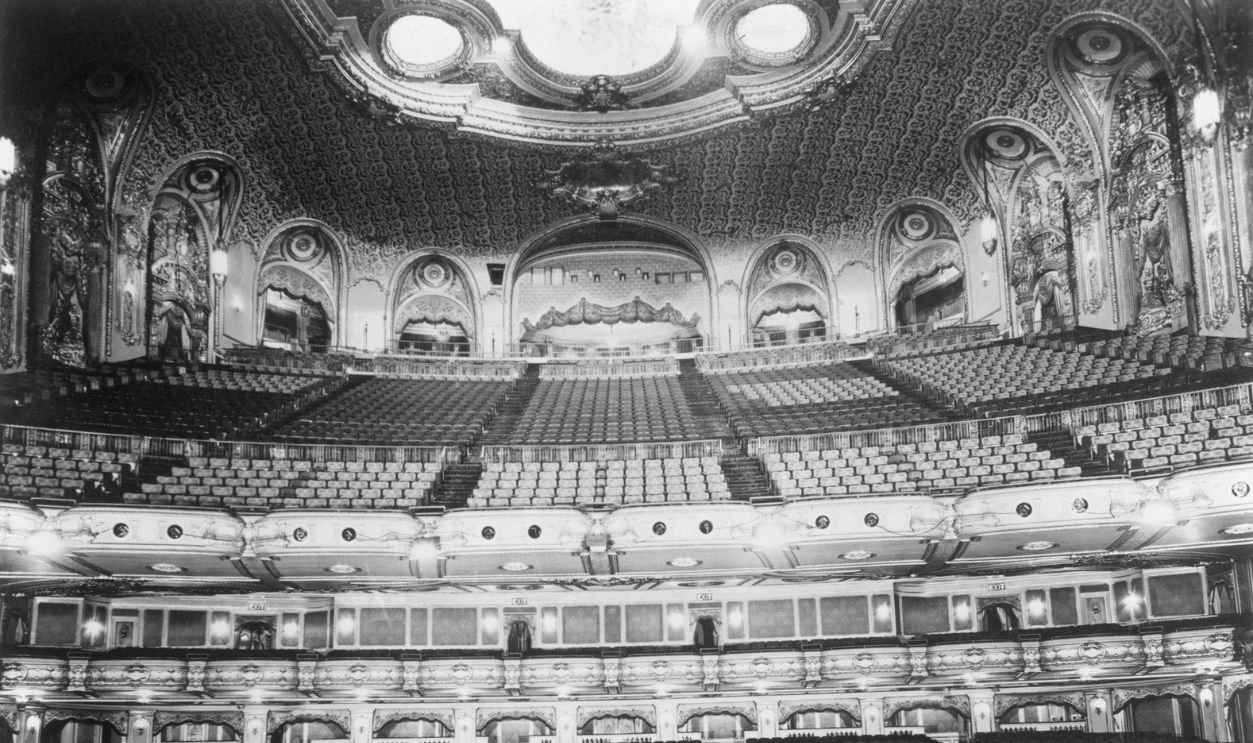
San Francisco's Fox Theatre
San Francisco's enormous Fox Theatre opened in 1929 with lavish interiors and thousands of seats. Voters rejected a municipal rescue proposal, and demolition followed in 1963. Its fate remains a famous local preservation controversy.
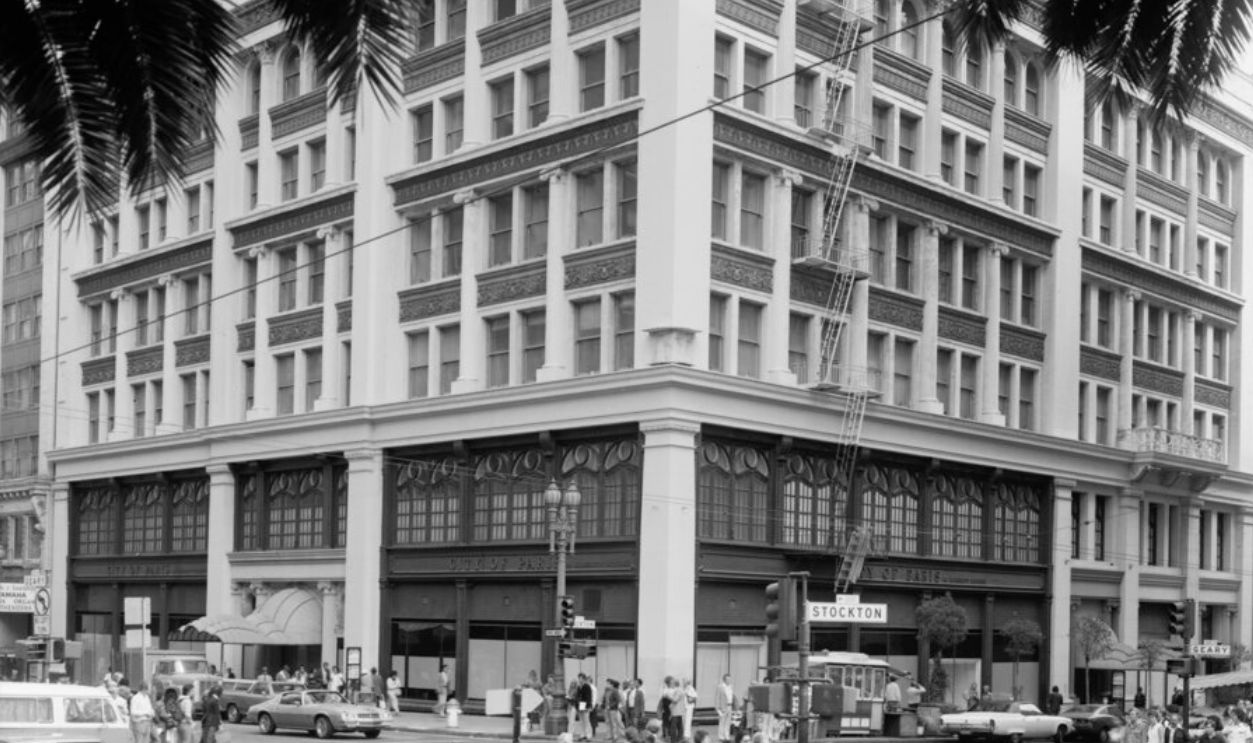
San Francisco's City Of Paris Department Store
The Beaux-Arts City of Paris department store became a Union Square landmark. After a lengthy preservation dispute, it was demolished for Neiman Marcus in 1981. Its treasured glass dome and rotunda survived.
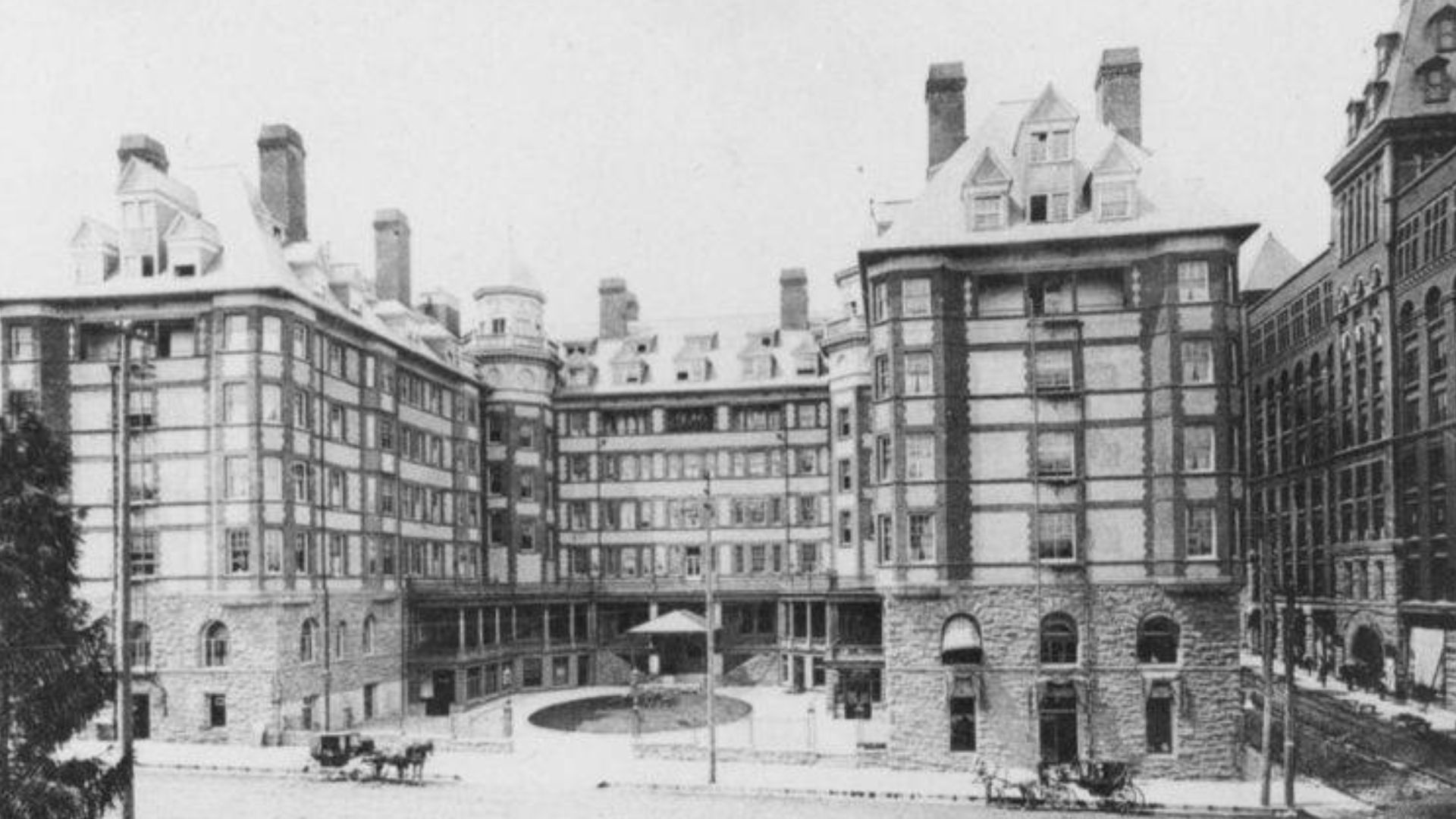
Portland's Magnificent Portland Hotel
Opened in 1890, the Portland Hotel occupied an entire downtown block and welcomed prominent visitors. Its 1951 demolition made room for parking. Decades later, the location became Portland's beloved Pioneer Courthouse Square.
 Unknown authorUnknown author, Wikimedia Commons
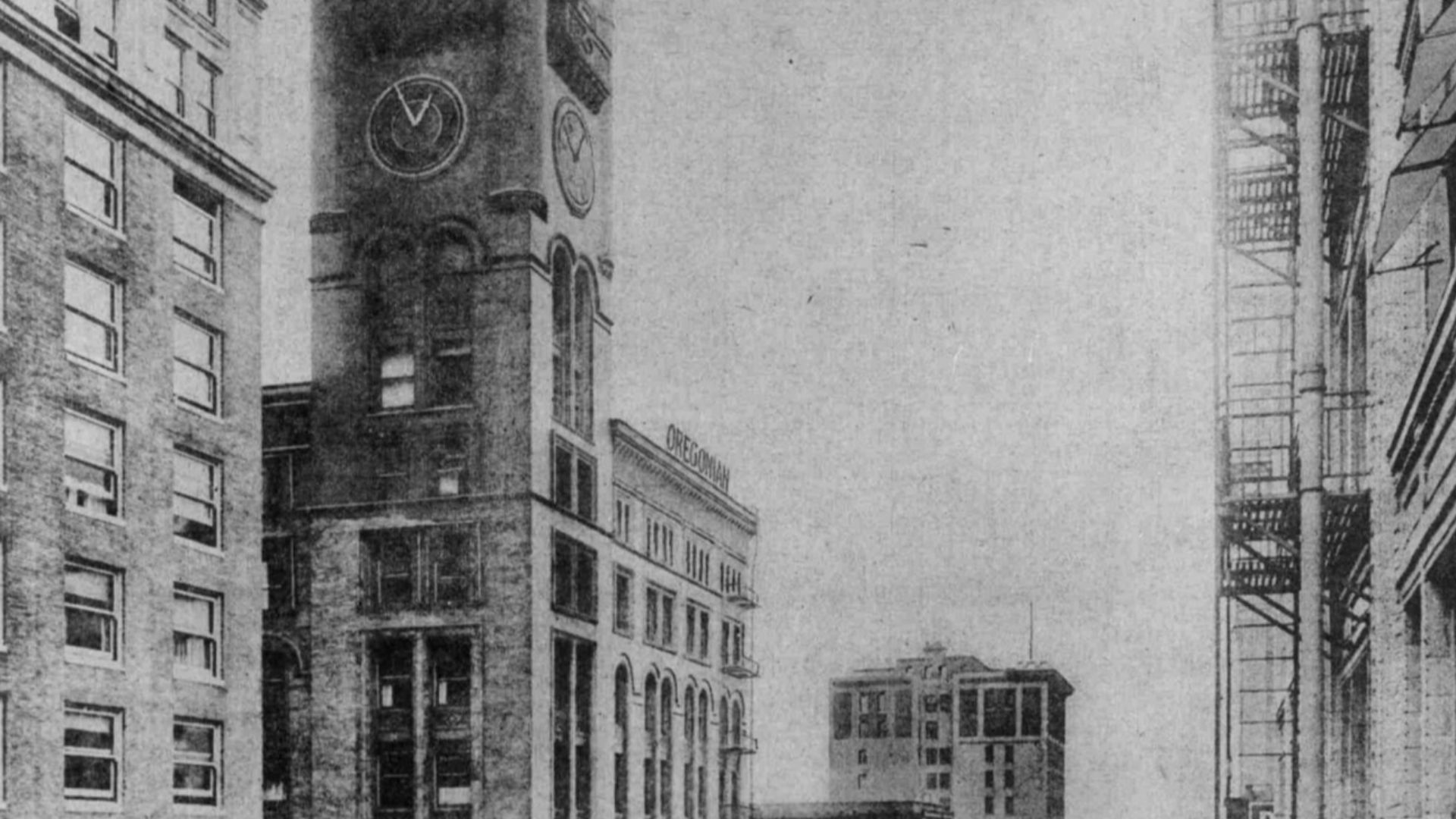
Portland's Original Oregonian Building
Built in 1892, the sandstone headquarters of The Oregonian dominated downtown Portland with its imposing clock tower. The landmark was demolished in 1950 after the newspaper relocated, removing a recognizable piece of the skyline.
 Unknown authorUnknown author, Wikimedia Commons
Seattle's Historic Seattle Hotel
Seattle's grand Victorian hotel once occupied a prominent Pioneer Square intersection. Its demolition began in 1961, clearing space for the notoriously unpopular Sinking Ship parking garage. The loss helped inspire neighborhood preservation efforts.
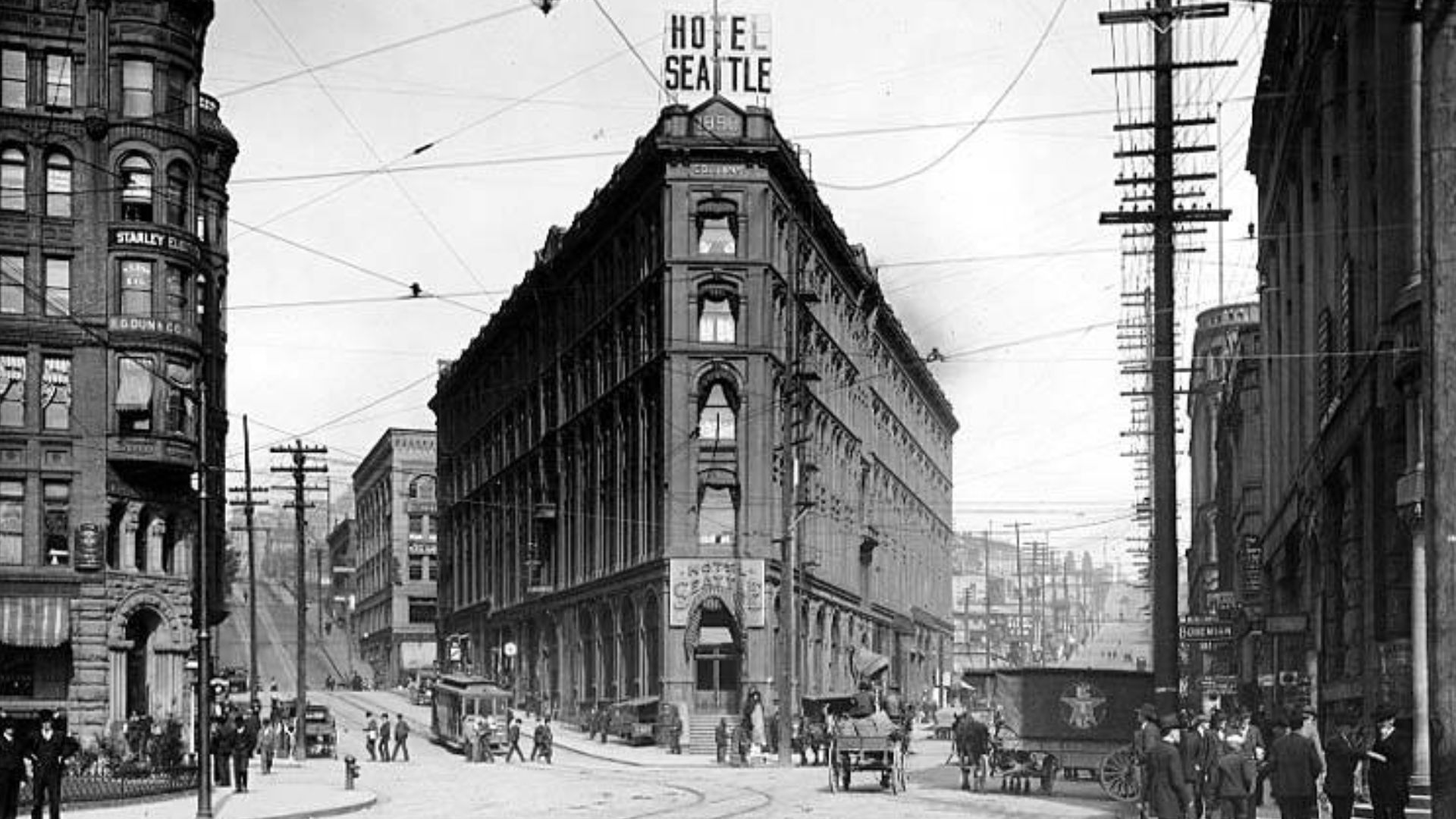 Webster and Stevens, Wikimedia Commons
You May Also Like:
The Most Mysterious Place In Every Canadian Province—Do You Think You Would Visit All 10?
Things Americans Expect To Be Free In Europe—But Often Aren’t
The Strangest State Borders In America—And The Historical Mistakes That Created Them