Free Isn't Always Free
An American vacationer can happily budget for flights, hotels, meals, and museums, then spend a week wondering why they're constantly reaching for their wallet. From bathrooms to restaurant water, Europe contains plenty of small charges Americans simply aren't accustomed to paying. Just remember: customs vary enormously from one country to another.
Using The Bathroom
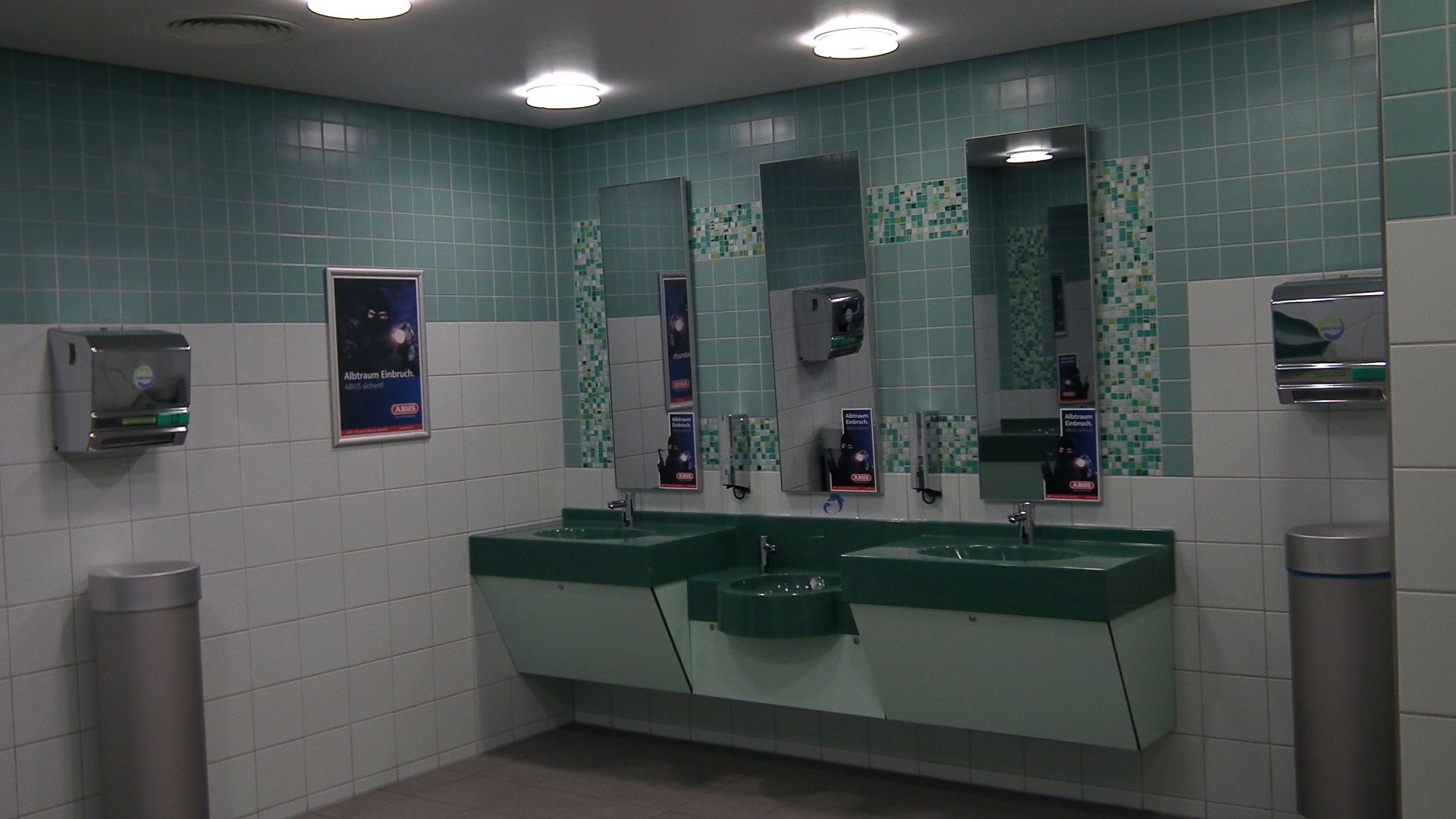
Few differences surprise Americans quite like paying to use a public restroom. Fees are common at some European railway stations and other busy locations. Dutch railway operator NS, for example, currently charges €1.10 at staffed SANIFAIR facilities in major stations and €0.50 at many smaller ones.
Restaurant Water
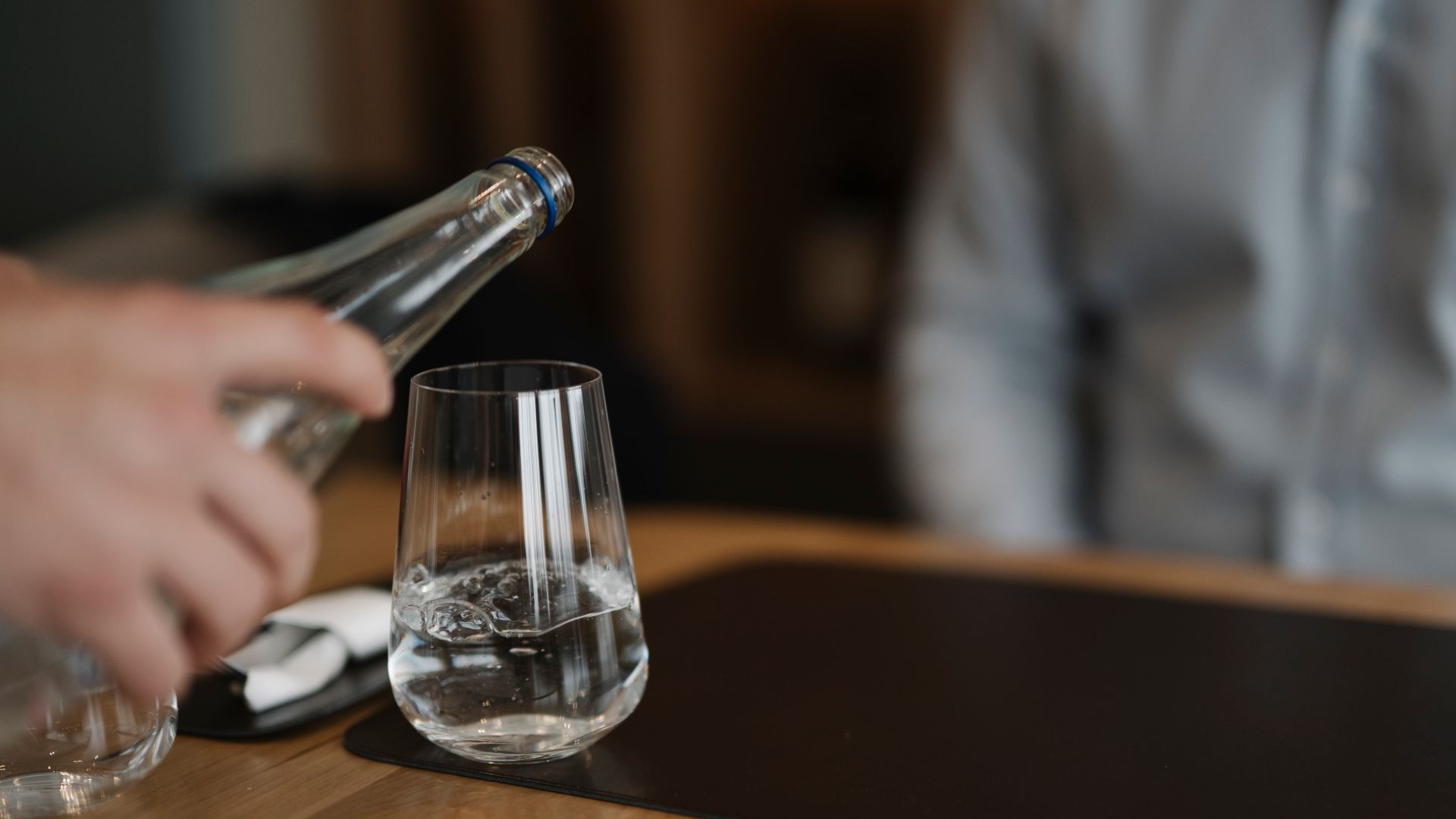
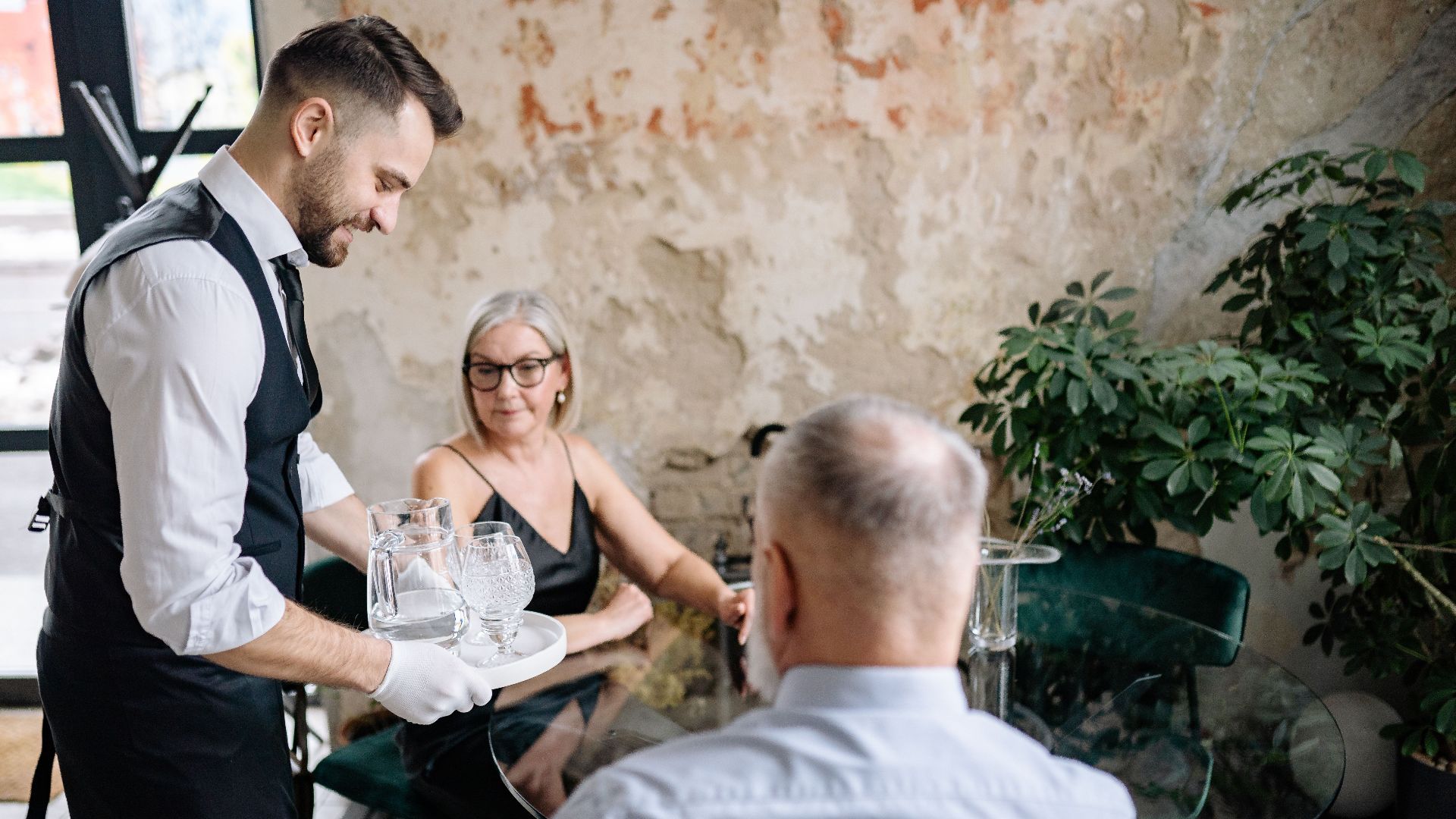
In much of America, the ice water arrives before you've finished reading the menu. Don't assume the same thing everywhere in Europe. Restaurants in countries including Italy, Germany, Belgium, and the Netherlands may sell bottled water rather than automatically bringing complimentary tap water.
 Shixart1985, Wikimedia Commons
But Water Rules Vary
This is one stereotype worth treating carefully. France requires restaurants to provide free drinking water with a meal, while Spain requires hospitality establishments to offer free tap water. Portugal has similar consumer protections. Europe doesn't have one universal rule about that innocent-looking glass beside your plate.
Bread On The Table
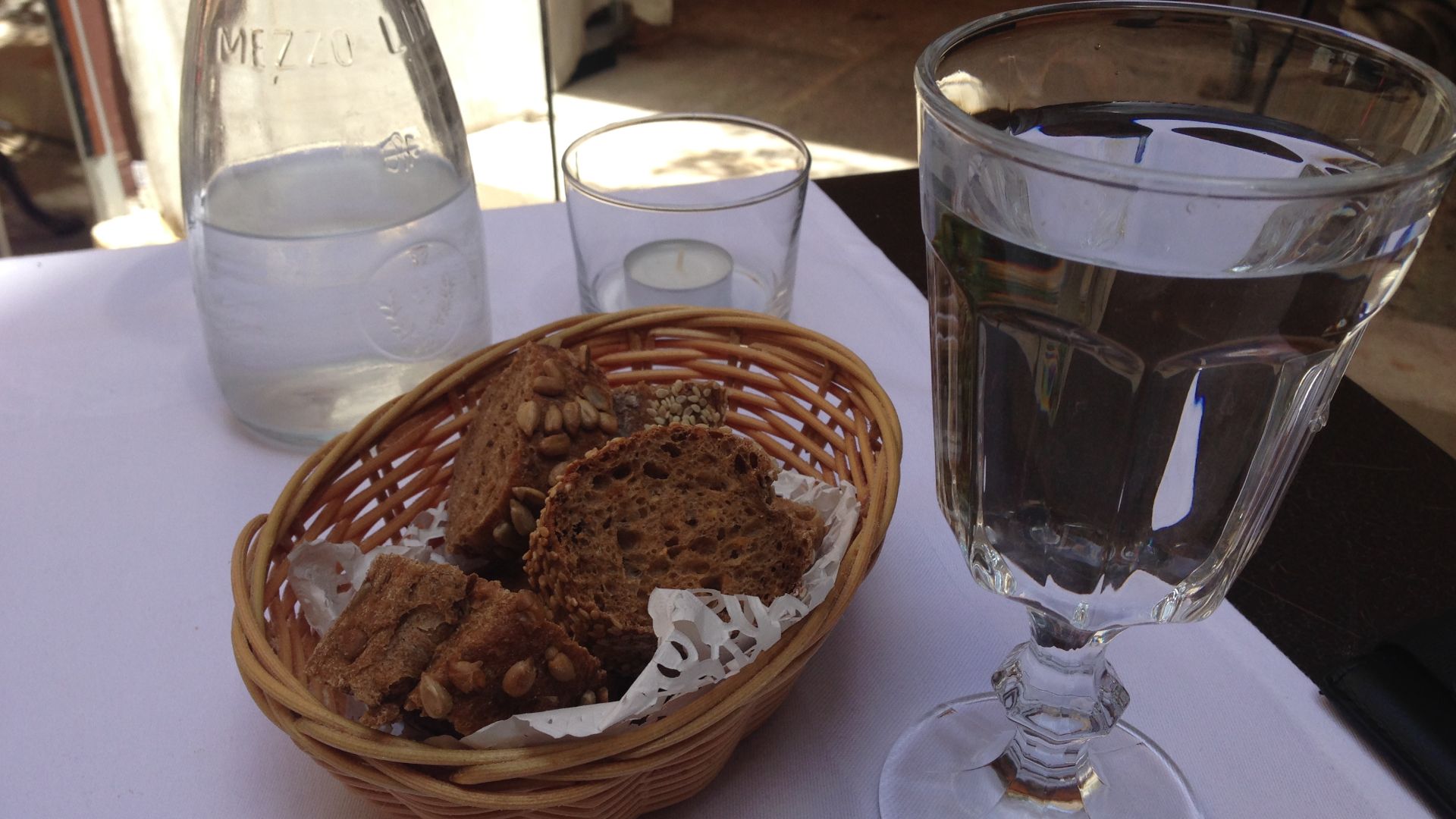
When a server places bread on an American restaurant table without being asked, diners generally assume it's complimentary. That assumption can cause confusion in Europe. In Italy, for example, restaurants commonly impose a per-person coperto, a cover charge associated with your place setting and often bread.
Sitting Down For Coffee
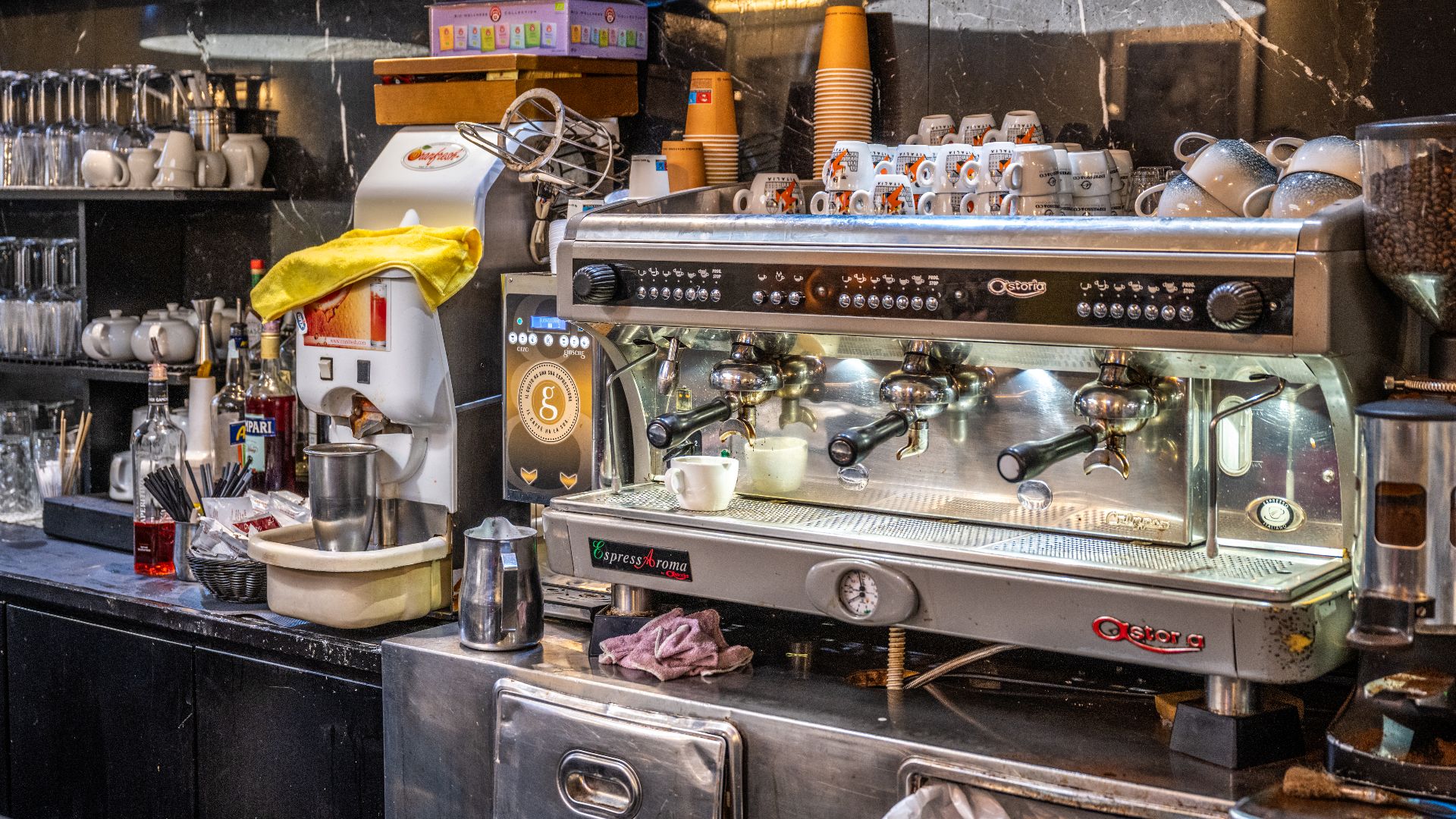
That espresso may have one price at the counter and effectively cost more when enjoyed at a table. In Italy particularly, standing at the bar is traditionally the economical way to drink coffee, while seated service can involve additional charges or different pricing. That sidewalk table isn't necessarily complimentary real estate.
Hotel Breakfast
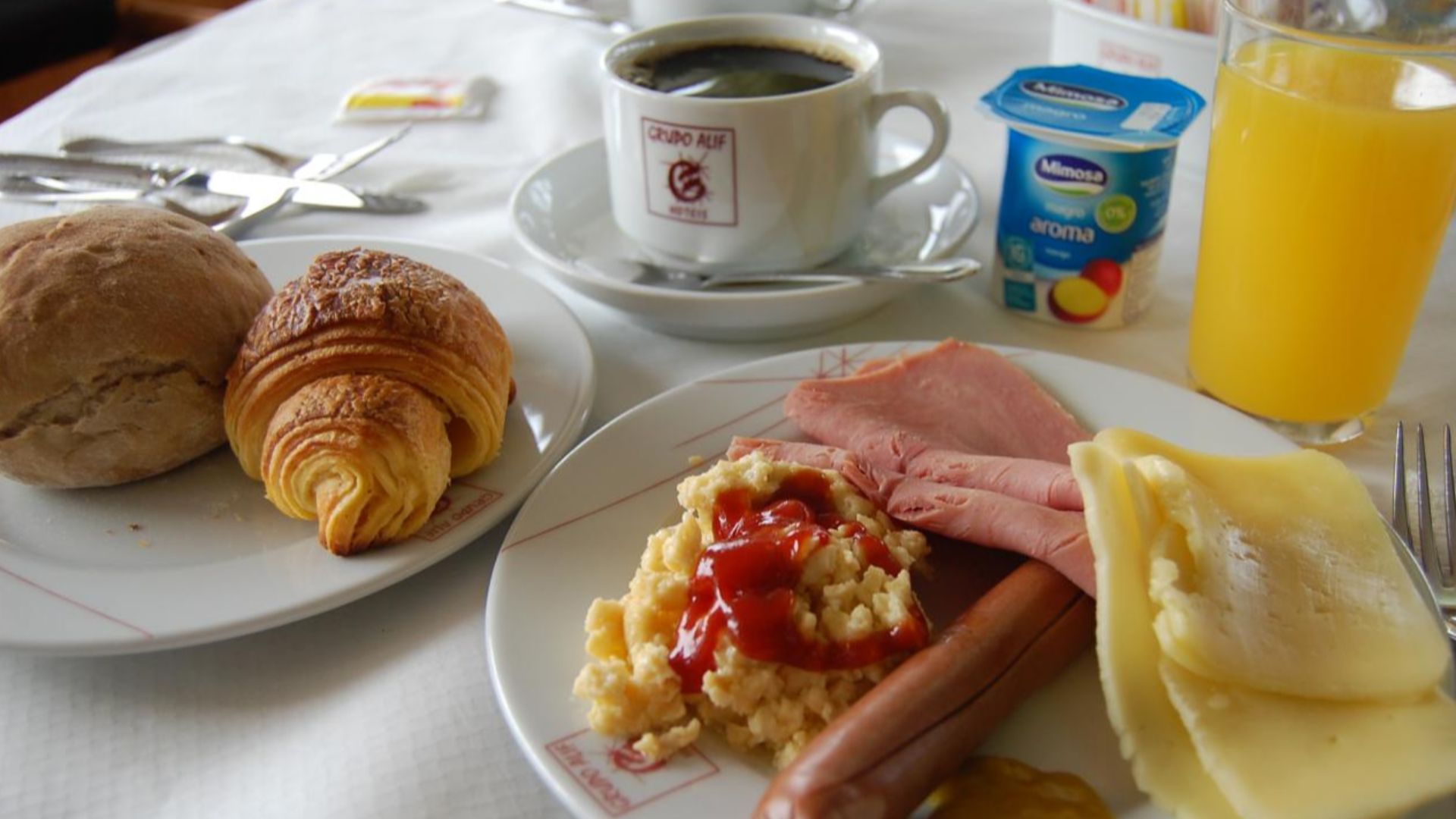
American travelers accustomed to complimentary breakfast at many limited-service hotel chains can get an unpleasant surprise overseas. European hotels frequently sell rooms with and without breakfast, meaning the buffet downstairs may be an optional extra. Check your booking conditions rather than assuming those croissants are part of the deal.
 Yusuke Kawasaki from Tokyo, Japan, Wikimedia Commons
City Taxes
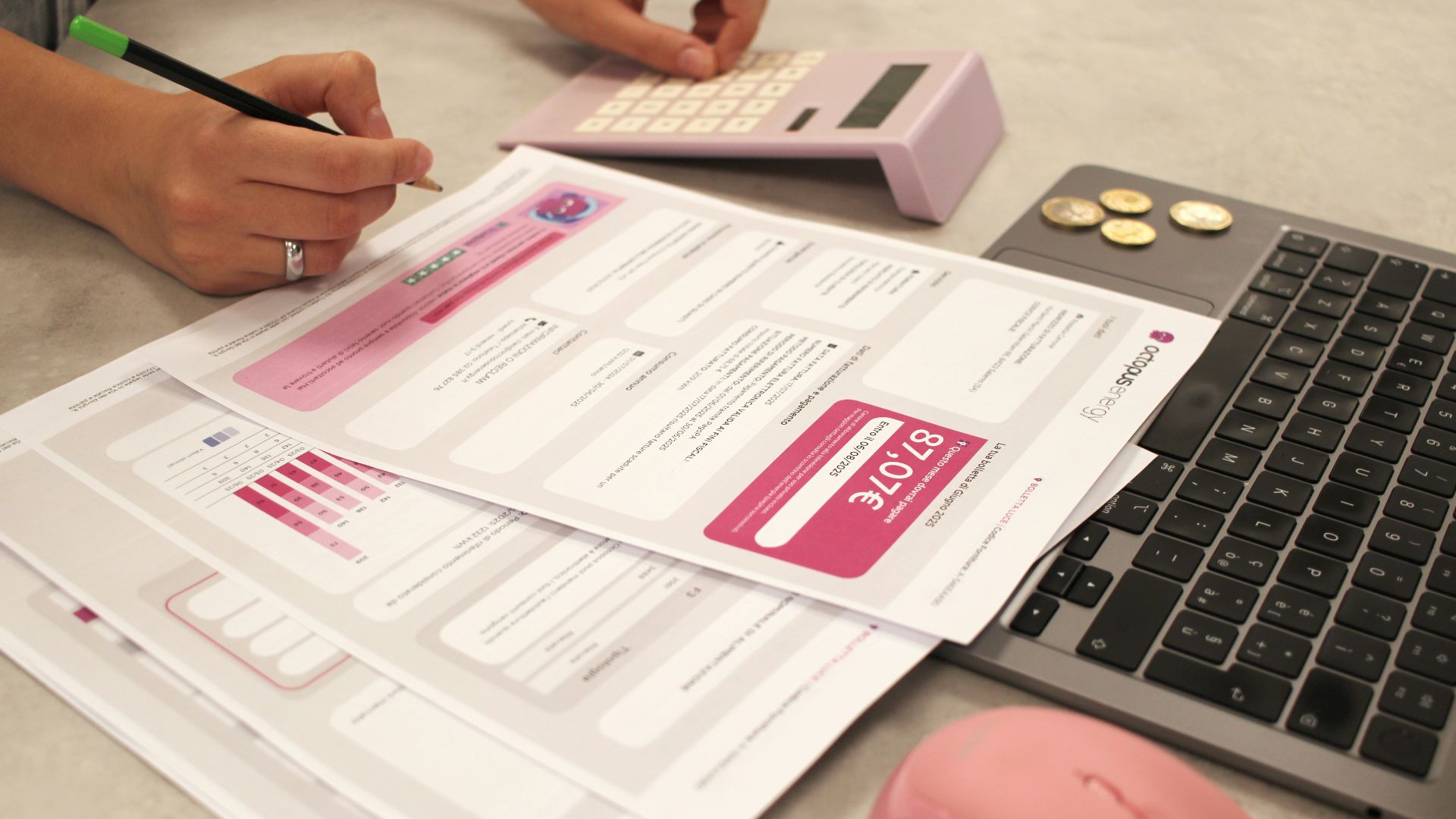
You've prepaid the hotel, so surely you're finished paying for the room. Not necessarily. Tourist or occupancy taxes are widespread across European destinations and may be levied per person, per night, according to accommodation category, or as a percentage of the room price.
The Tax May Come Later
What makes tourist taxes especially surprising is that they aren't always buried inside the rate you originally paid online. EU guidance notes that occupancy taxes are frequently payable in person and may not be included in prepaid accommodation costs. Keep that in mind when the hotel asks for another payment.

Hotel Parking
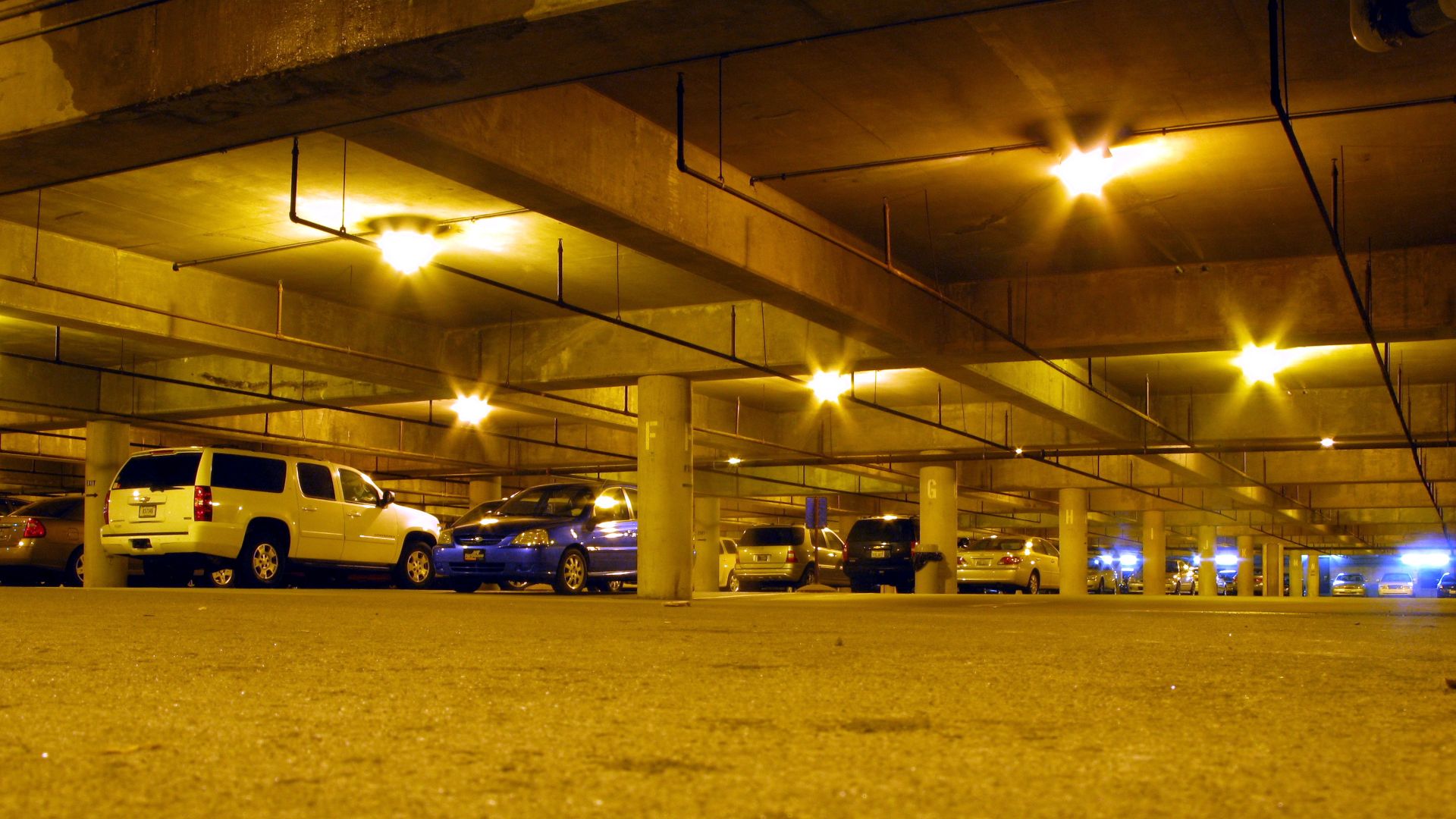
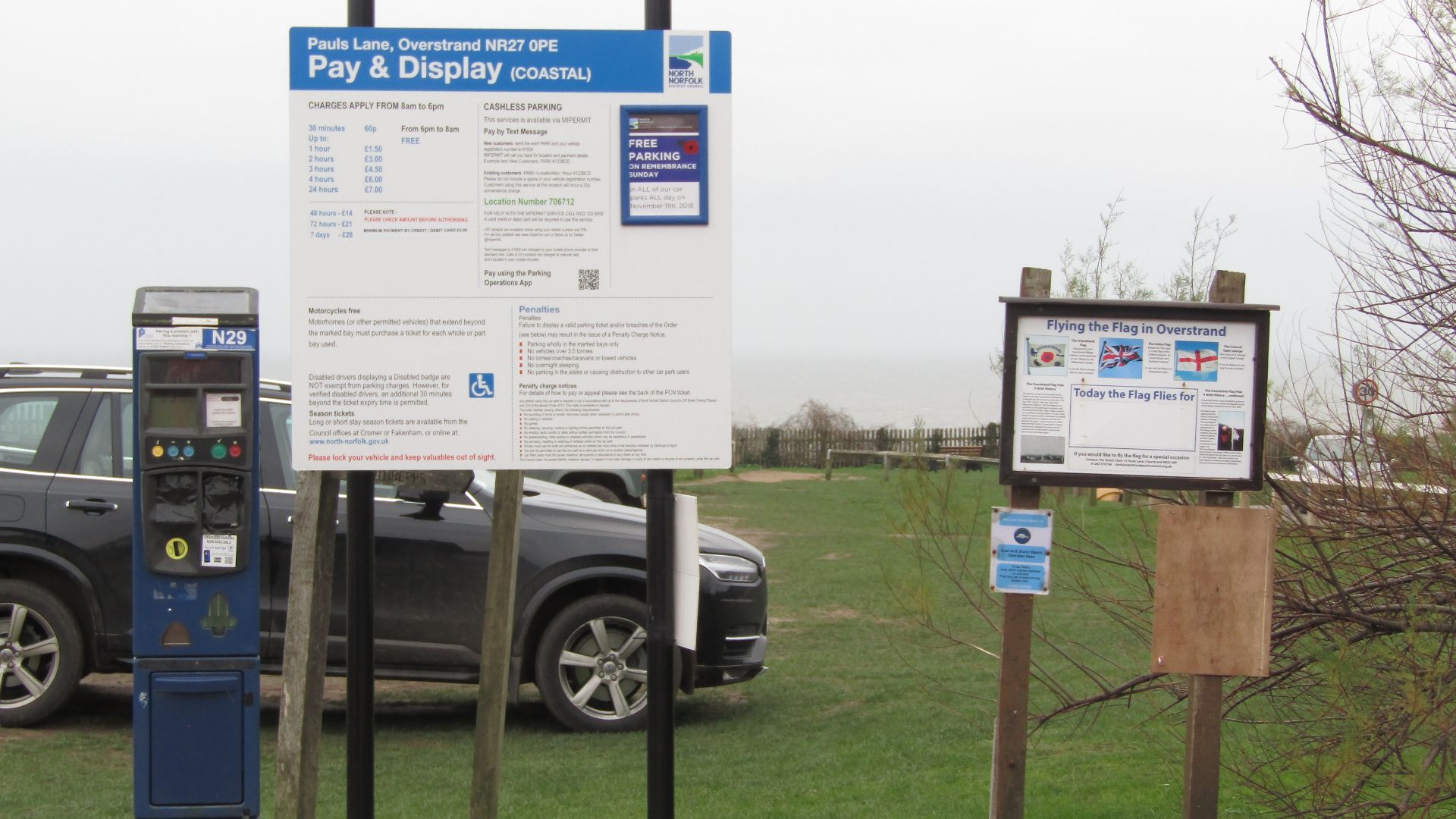
The sprawling American roadside hotel surrounded by acres of free parking doesn't translate particularly well to medieval European cities. Urban hotels may have no parking whatsoever or direct guests toward a paid garage. If you're renting a car, parking costs deserve their own line in the vacation budget.
 frankieleon, Wikimedia Commons
Parking Almost Anywhere
Free parking generally becomes harder to find once you're exploring dense European city centers. Street spaces may require payment, garages can be expensive, and historic centers may restrict vehicles altogether. Driving to the old town can therefore cost considerably more than simply getting the rental car there.
Refills At Restaurants
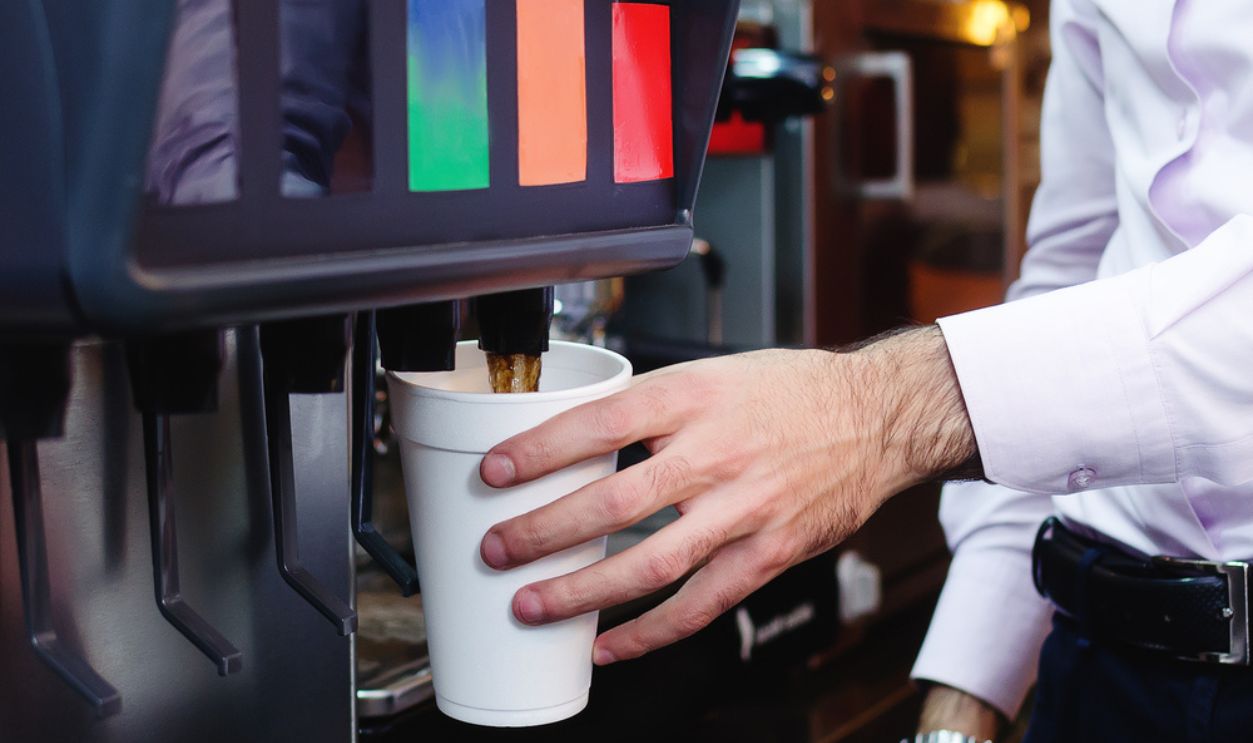
American diners have become accustomed to bottomless coffee, soda, and iced tea at many restaurants. That's far from universal across Europe. Order another soft drink and you should generally expect another drink—and another charge—to appear on the bill. “Free refills” aren't an international restaurant rule.
That Glass Of Soda
There is another adjustment for travelers accustomed to enormous American fountain drinks. European restaurants commonly serve soft drinks by the bottle, can, or specific measured quantity. France, for example, requires restaurants to display beverage sizes alongside prices. Another Coke generally means purchasing another Coke.
Ice With Everything
Americans may expect a glass packed with ice whenever they order a cold beverage. Europeans generally don't treat enormous quantities of ice as an essential accompaniment to every soft drink. You can certainly ask for it, but don't expect the seemingly bottomless American glass of ice cubes everywhere you travel.
Grocery Bags
Buying groceries for your vacation apartment? Don't automatically expect a stack of complimentary disposable bags at checkout. European policies designed to discourage single-use plastics have made paid shopping bags commonplace. Bringing a reusable bag isn't merely environmentally sensible; it's an easy way to avoid repeatedly paying for another one.

Museum Extras
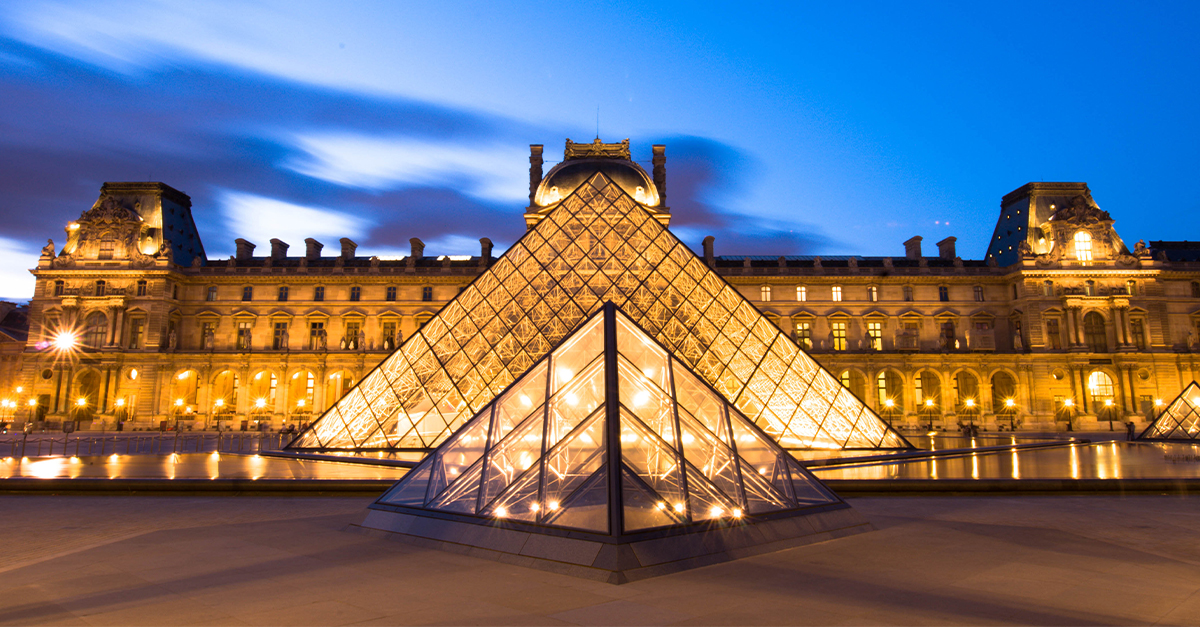
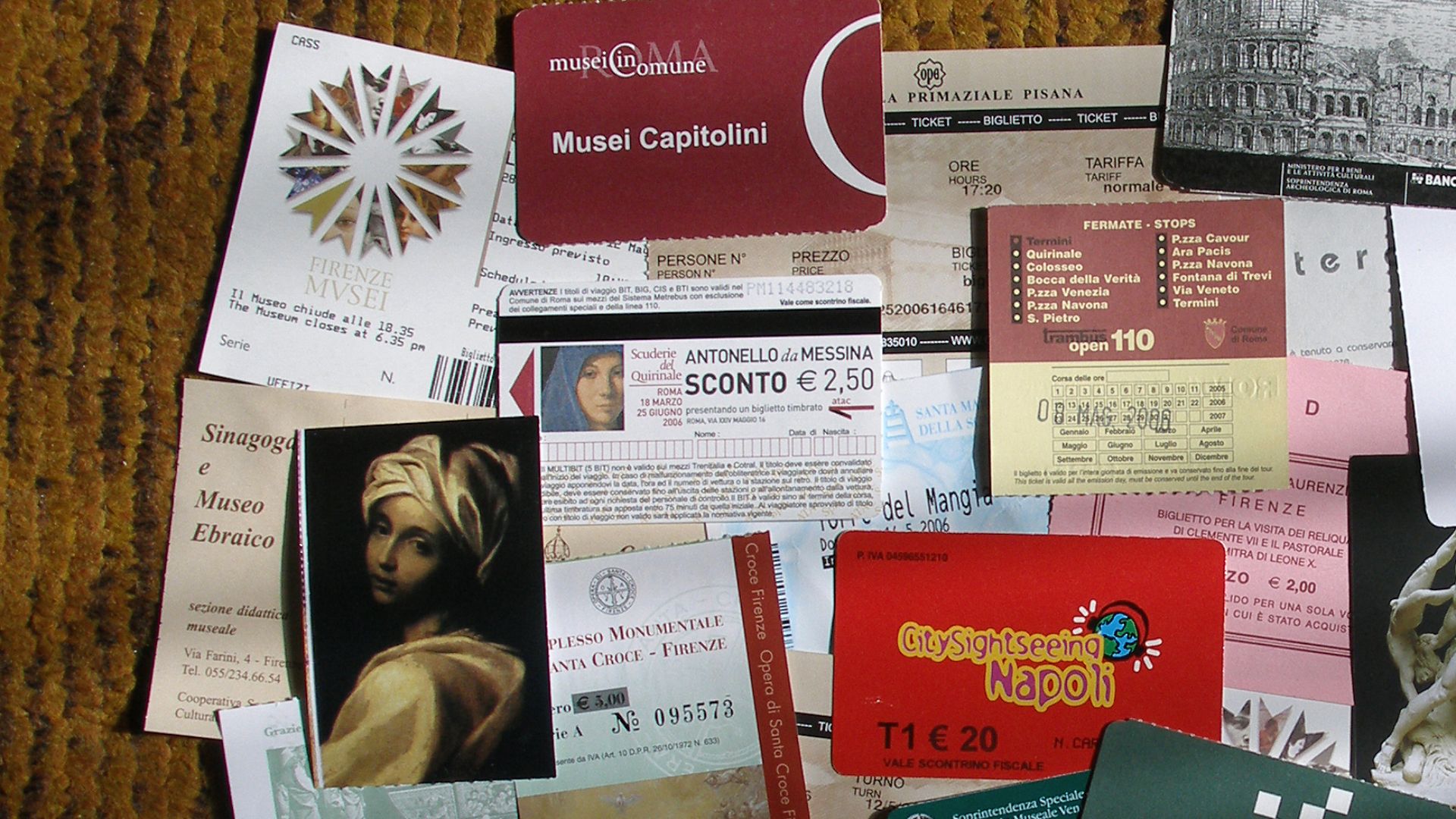
Buying admission doesn't necessarily buy every experience inside. Audio guides, special exhibitions, guided tours, cloakrooms, or other services can carry separate charges depending on the attraction. Read what the basic ticket actually includes before assuming every interesting door beyond the entrance is covered.
 Vyacheslav Argenberg, Wikimedia Commons
Hotel Amenities
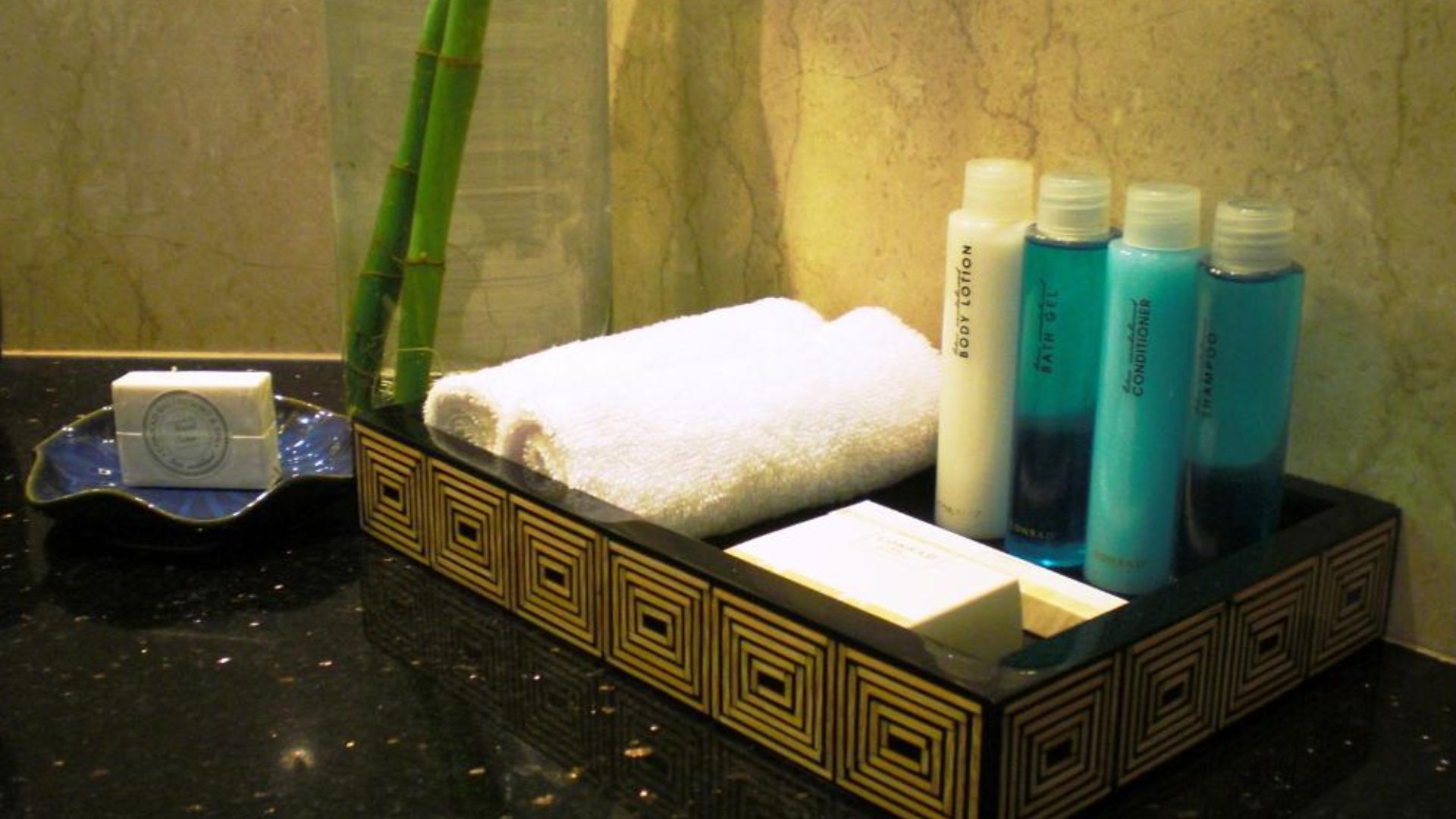
American travelers accustomed to rooms stocked with numerous little toiletries may encounter a more stripped-down approach, particularly at budget European properties. Slippers, toothbrushes, razors, bottled water, or other conveniences shouldn't automatically be assumed. Increasing efforts to reduce disposable products are also changing what hotels routinely provide.
 Matt @ PEK from Taipei, Taiwan, Wikimedia Commons
Public Wi-Fi
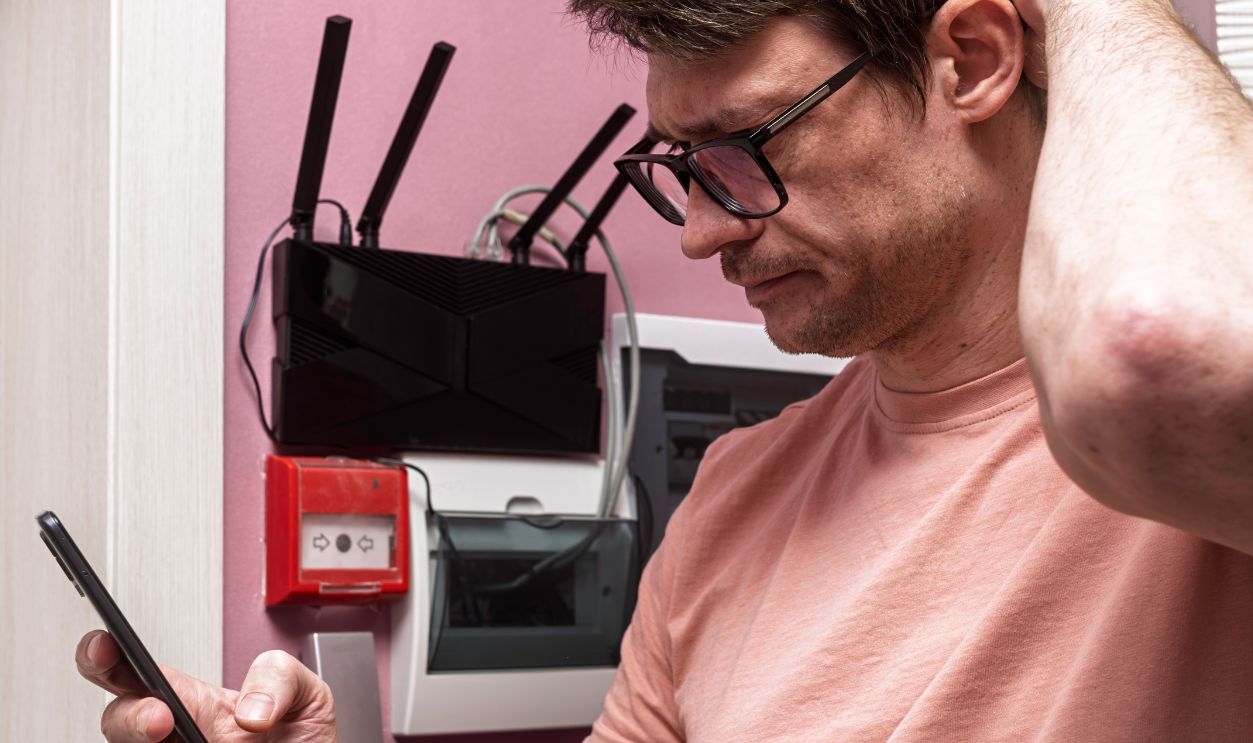
Free public Wi-Fi is certainly widespread across Europe, but don't build a vacation around the assumption that you'll have fast, unrestricted internet everywhere. Hotels may restrict their best connection, transportation systems can require registration, and remote destinations may offer little connectivity. A data plan can prevent considerable frustration.
Airline Seat Selection
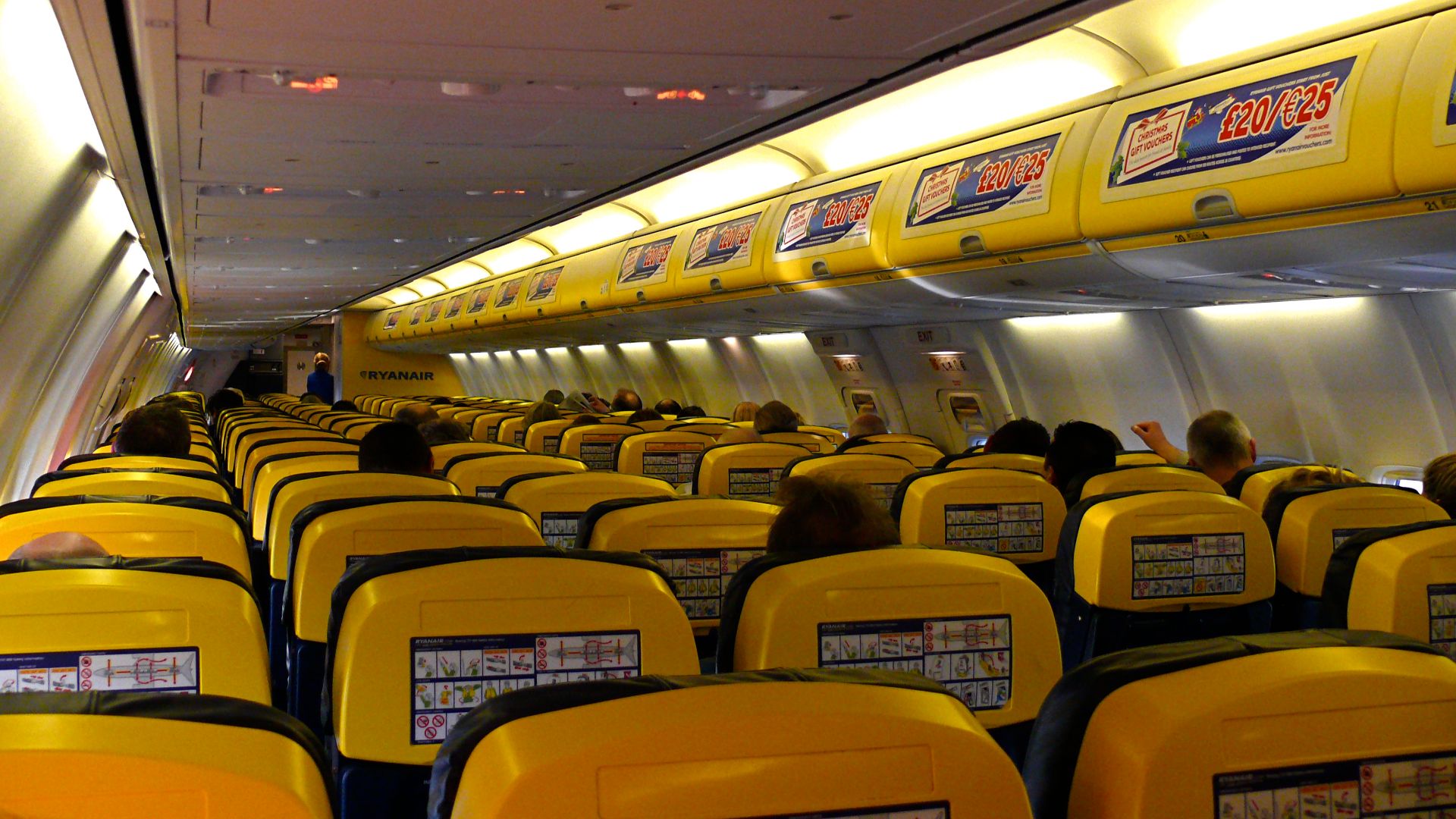
This one isn't uniquely European, but Americans flying Europe's numerous low-cost carriers encounter it constantly. The attractive base fare may buy transportation and little else. Choosing a particular seat—even an ordinary one—can cost extra, making that spectacularly cheap flight somewhat less spectacular once options are added.
 Ruthann from Western Ireland, Wikimedia Commons
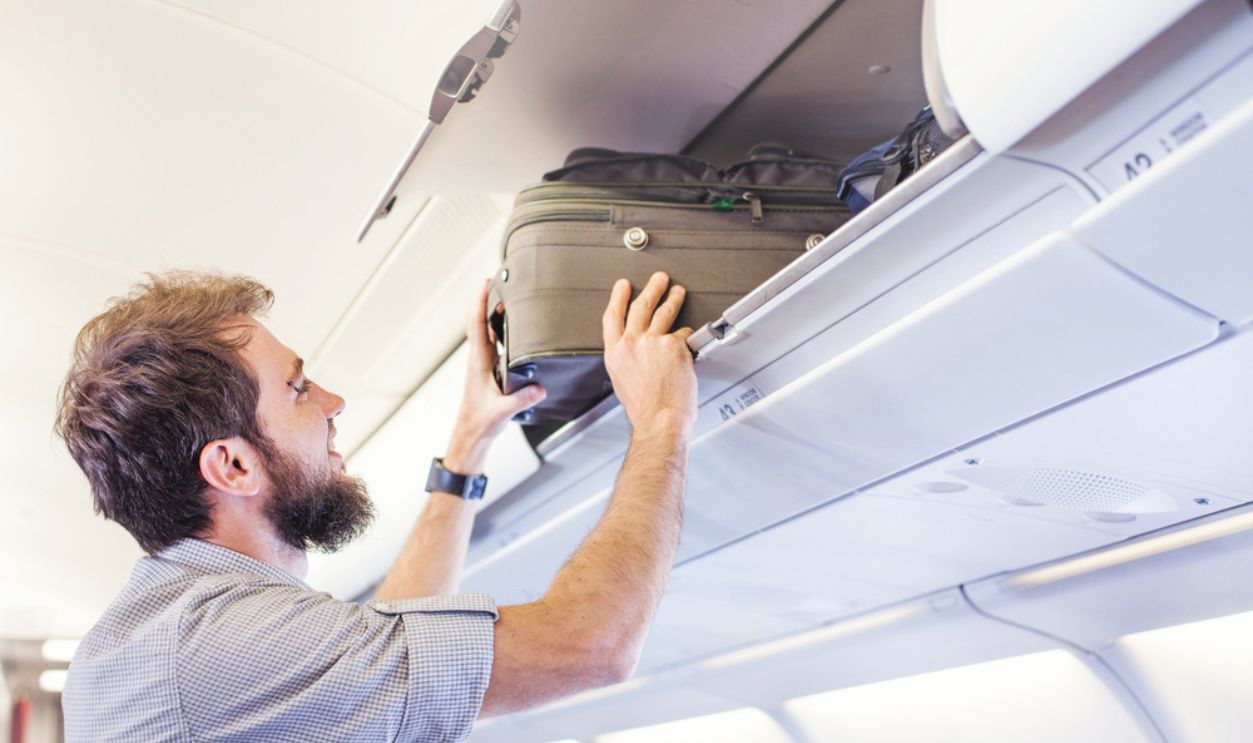
Carry-On Luggage
Likewise, “carry-on” doesn't necessarily mean what an American traveler thinks it means. Some European budget-airline fares include only a small personal item, with larger cabin bags costing extra. Dimensions and weight limits can also be strictly enforced, turning an innocent roller bag into an unexpected airport expense.
 Mila Supinskaya Glashchenko, Shutterstock
Airport Transportation
Some American hotels routinely operate complimentary airport shuttles, especially around major airports. European travelers shouldn't assume their hotel does. Depending on the city, reaching your accommodation could mean buying a train, metro, bus, taxi, or private-transfer ticket—sometimes adding a substantial amount to the real room cost.
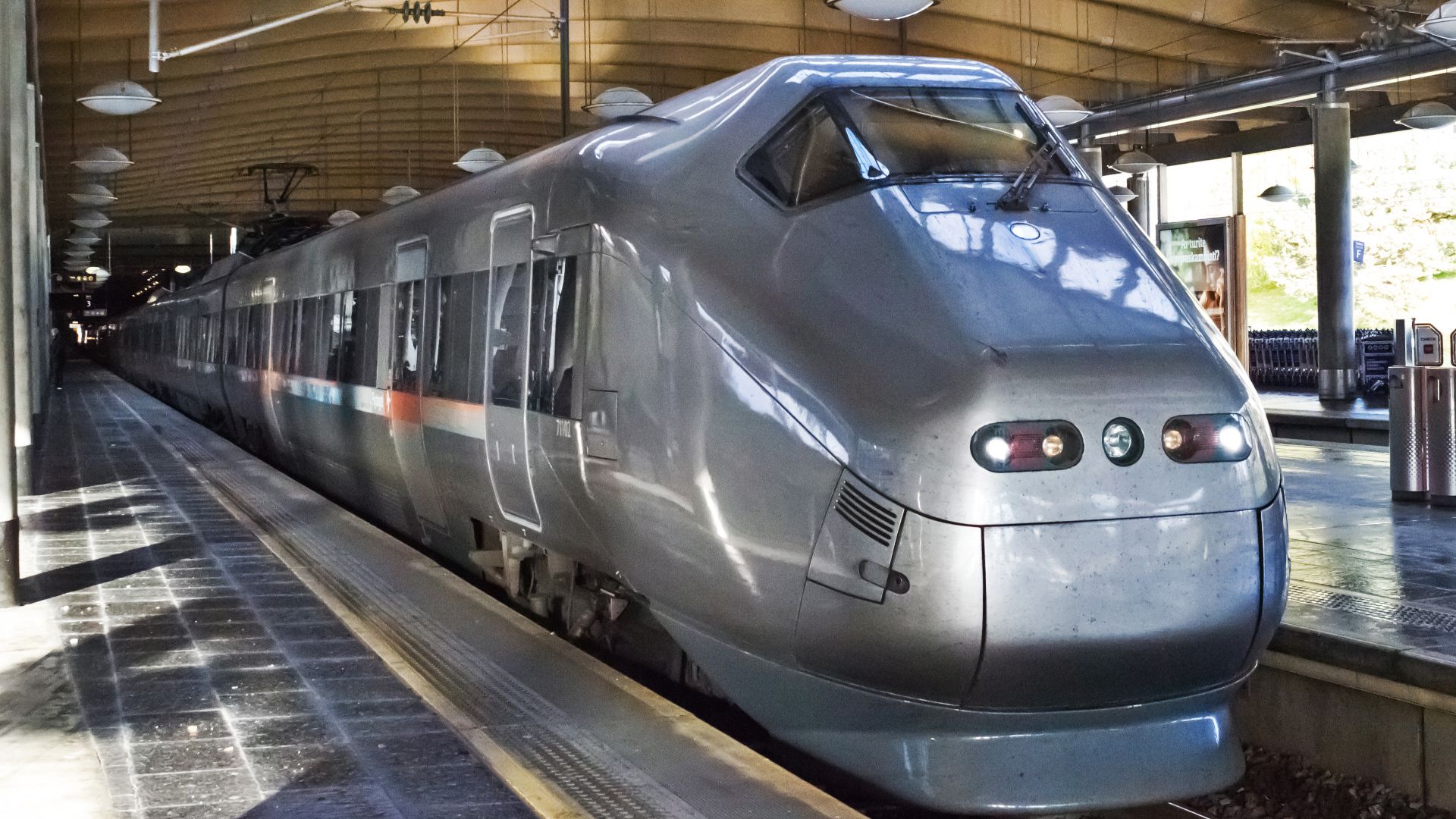
Beaches Aren't Always Free
The sea may be free, but the comfortable bit of sand beside it isn't necessarily. In parts of Mediterranean Europe, especially Italy, privately operated beach establishments rent loungers and umbrellas and provide facilities. Public beach areas exist too, but the postcard-perfect setup you spotted may come with a price tag.
 Giorgio Galeotti, Wikimedia Commons
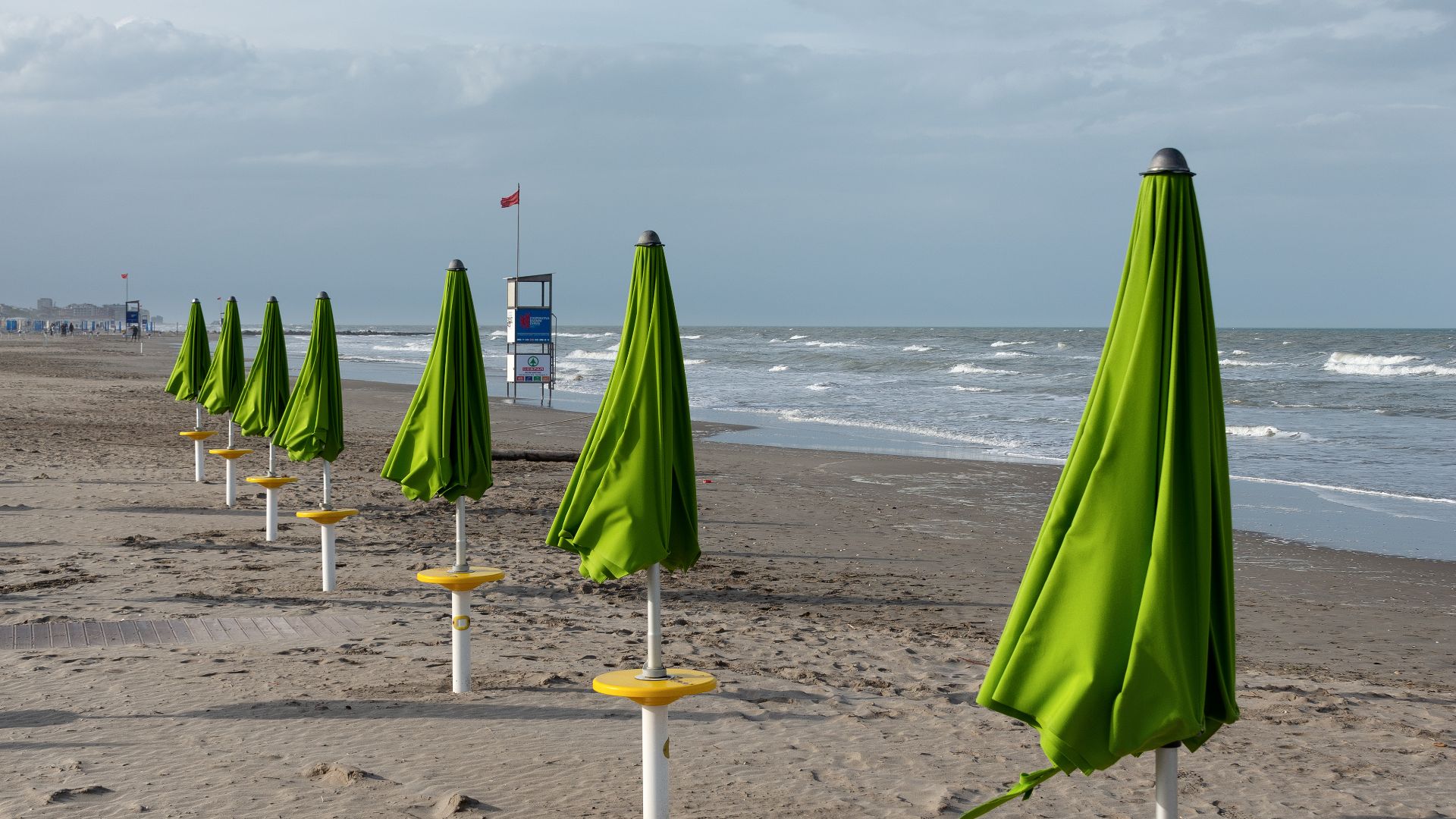
Highway Driving
Renting a car doesn't mean the roads themselves cost nothing. Several European countries operate toll motorways, while others use motorway vignettes or other road-charging systems. A long road trip can therefore acquire another category of expense that Americans accustomed to predominantly toll-free Interstate travel may overlook.
 Piergiuliano Chesi, Wikimedia Commons
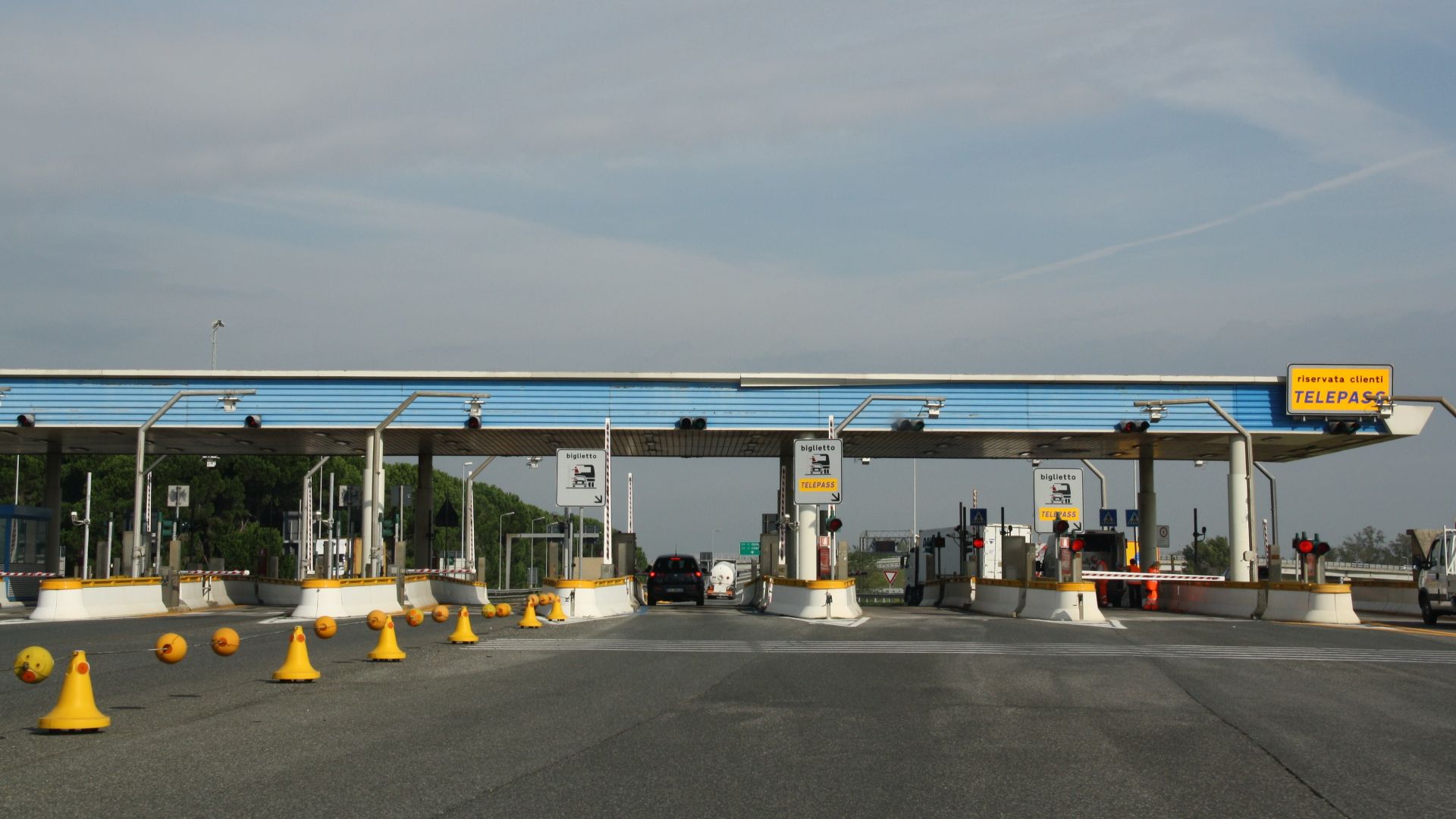
Restaurant Extras Add Up
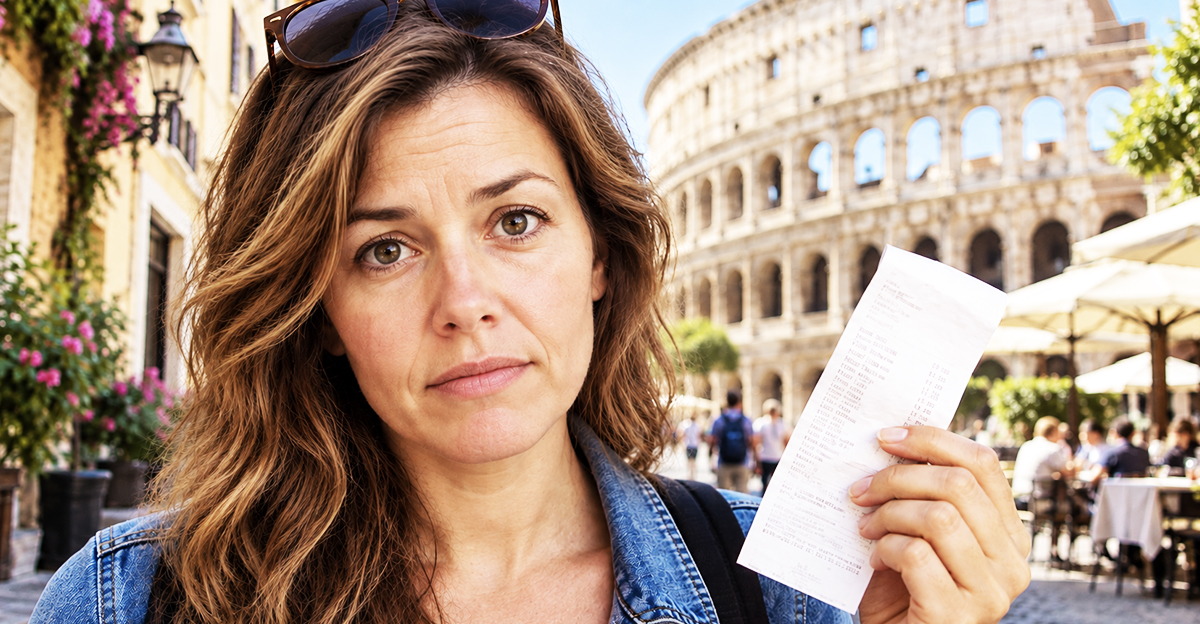
One reason European restaurant bills occasionally puzzle Americans is that the pricing structure can simply be different. Italy's coperto is separate from a tip, and some restaurants—particularly in heavily visited areas—may also disclose a service charge. Checking the menu beforehand prevents an ordinary local practice from feeling like a surprise fee.

Budget For The Little Things
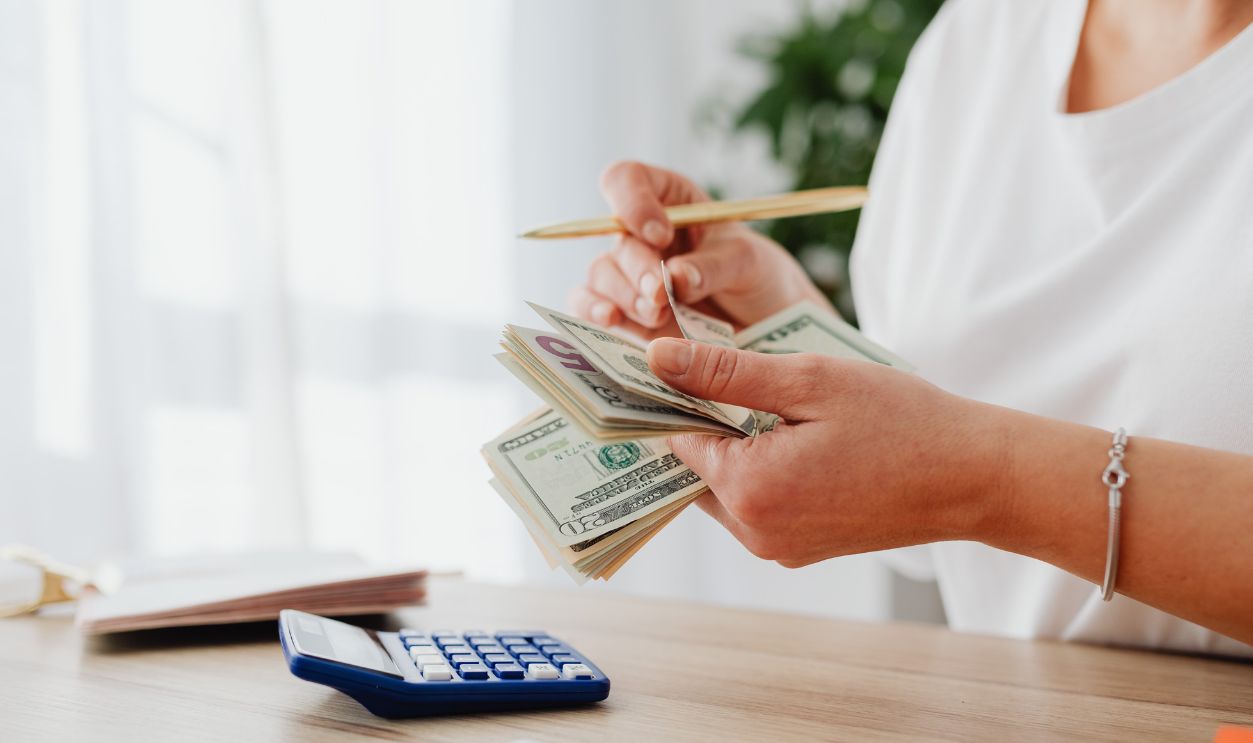
None of this means Europe is a minefield of hidden charges—or necessarily more expensive than America. It's simply priced differently. A few euros for a toilet, tourist tax, water, parking, luggage, or beach chair may seem trivial individually. Over two weeks, however, those little assumptions can become a surprisingly respectable pile of euros.
 https://kaboompics.com/, Pexels
You May Also Like:
Things Americans Wish Were Normal In Europe, But Europeans Would Never Want