The Great European Expectation Gap
Americans arrive in Europe with big dreams, bigger expectations, and a suspiciously confident belief that life across the Atlantic is basically America—but cuter, older, and somehow better at bread. Sometimes that’s true. Other times, Europe gently (or not-so-gently) reminds visitors that it has its own rules, thank you very much. Here are the things many Americans fully expect to be normal in Europe… and then discover absolutely are not.
Free Public Bathrooms Everywhere
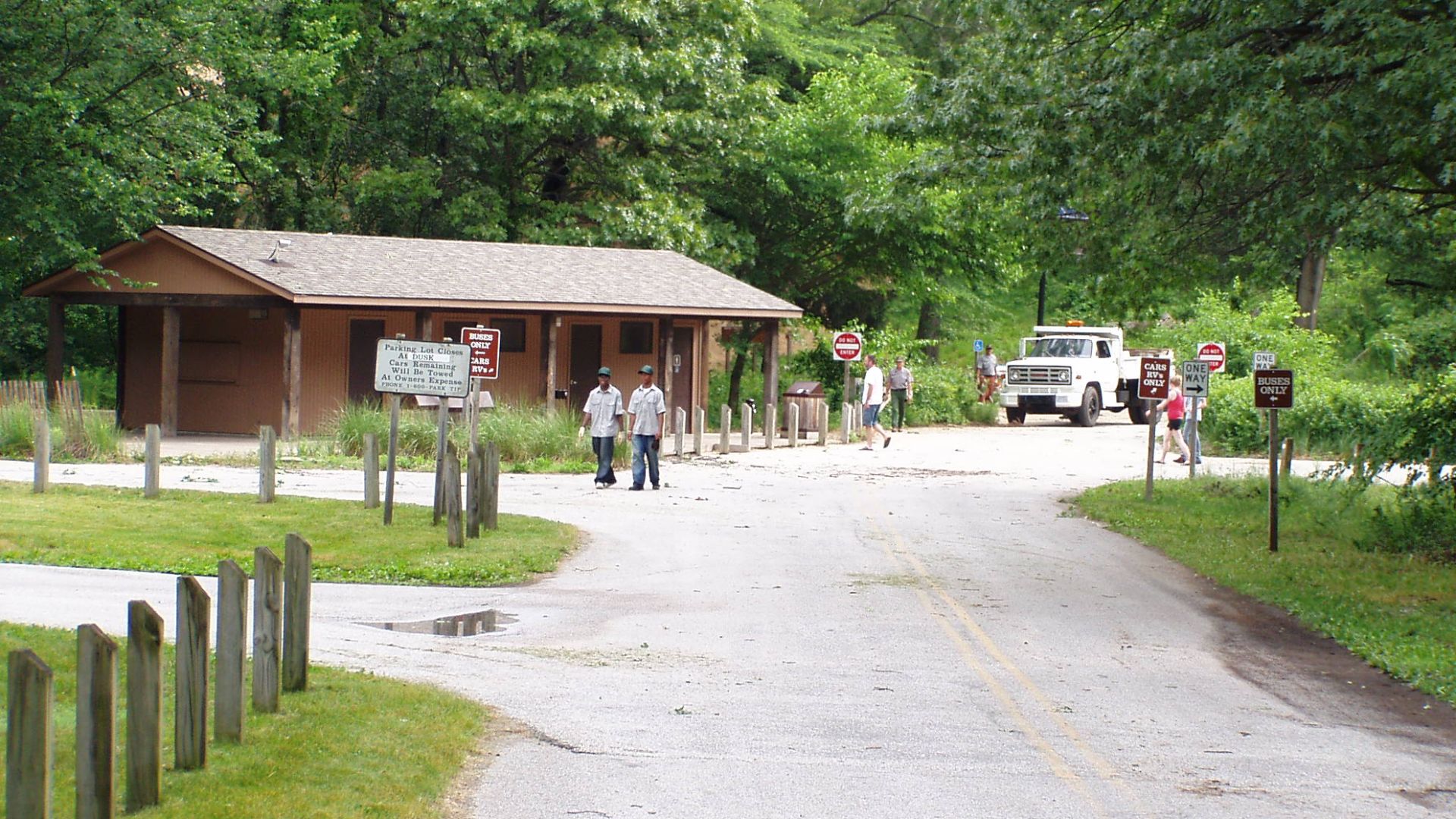
Surely a continent known for culture, art, and human civilization has mastered the concept of free public restrooms, right? Wrong. In much of Europe, using the bathroom is a paid experience. You’ll fumble for coins, negotiate turnstiles, and seriously consider how badly you need to go. The upside? They’re usually clean. The downside? Dignity costs about one euro.
 Chris Light, Wikimedia Commons
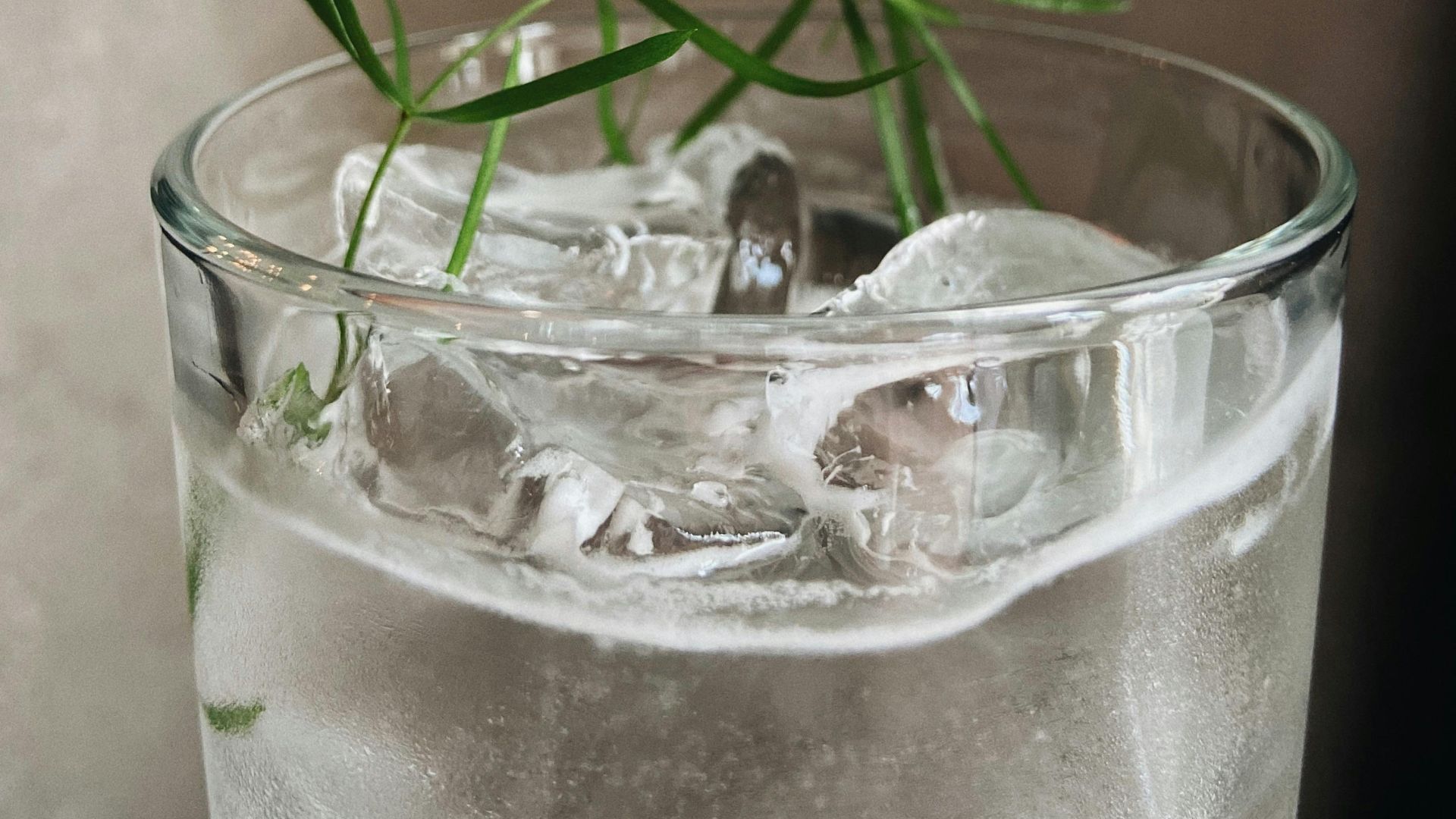
Ice Water As The Default
In America, ice water arrives unprompted and aggressively cold. In Europe, ordering ice feels like you’re asking the server to bend the laws of nature. You may receive two lonely cubes floating sadly in lukewarm water—and that’s if you’re lucky. Refills? Adorable that you asked.
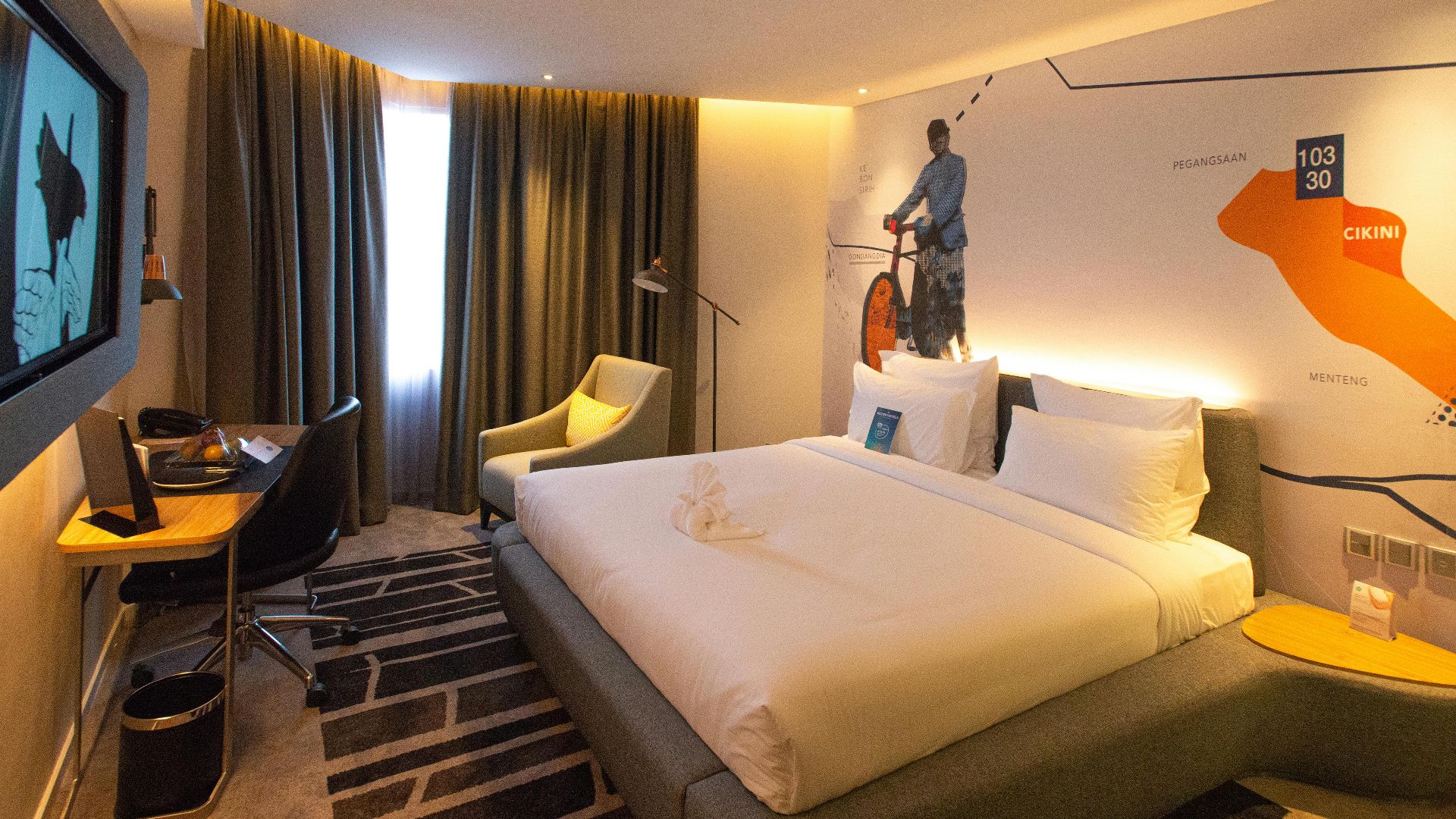
Giant Hotel Rooms
Americans love hotel rooms that double as small apartments. Europe prefers rooms that say, “You’re here to sleep, not host a dinner party.” Luggage will block pathways. Bathrooms will test your flexibility. And somehow, designers made it all look charming.
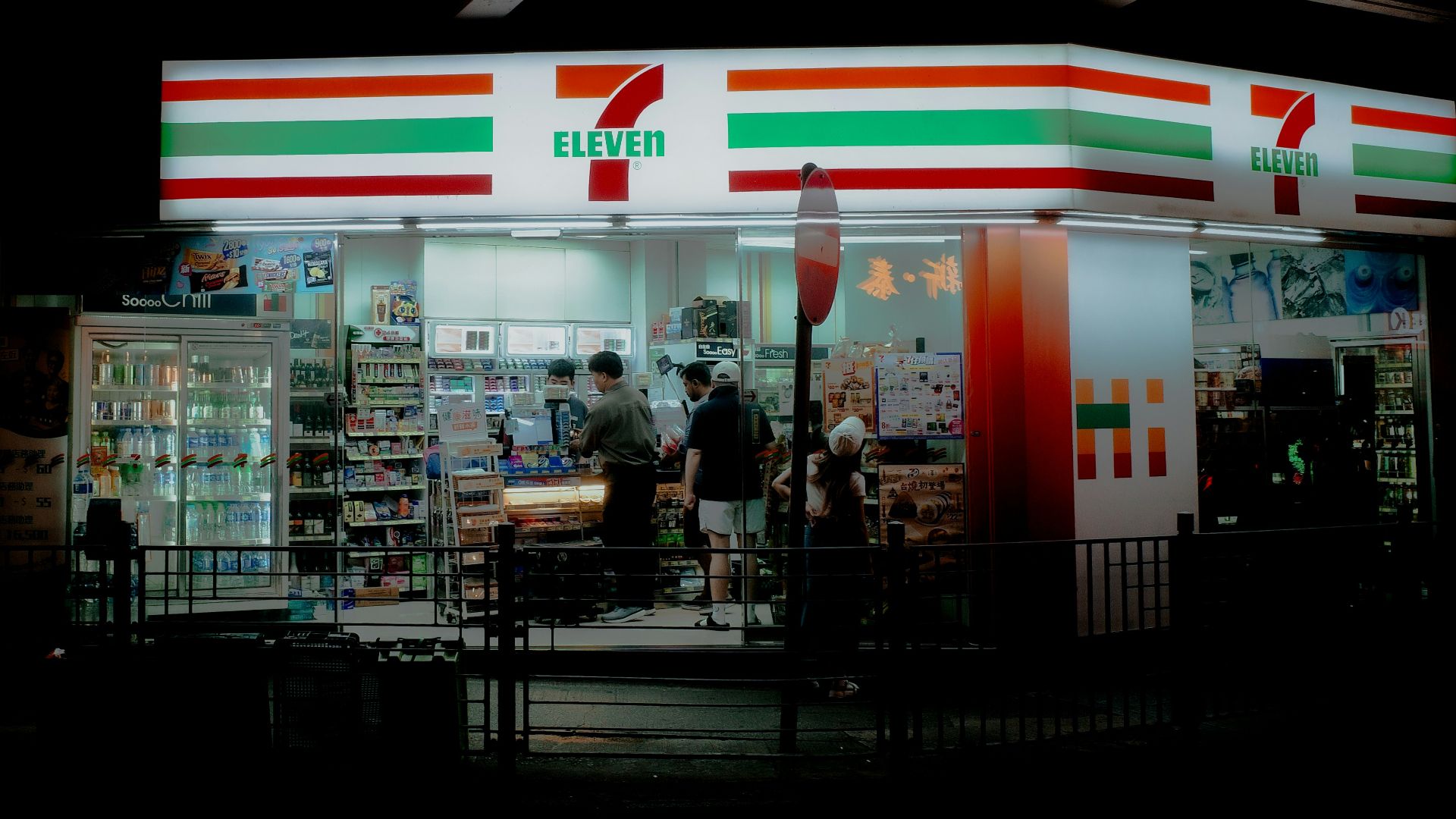
24/7 Everything
The U.S. runs on convenience. Europe runs on vibes—and those vibes include closing early. Late-night grocery runs? Sunday shopping? Emergency toothpaste at 11 p.m.? Plan ahead or suffer. Europeans take rest very seriously, and they are not sorry about it.
Air Conditioning Everywhere
To Americans, air conditioning is a basic human right. In Europe, it’s more of a luxury add-on. Many buildings skip it entirely, choosing instead to open windows and let everyone collectively sweat it out. Summer heat waves are less “vacation glow” and more “why is my apartment judging me?”
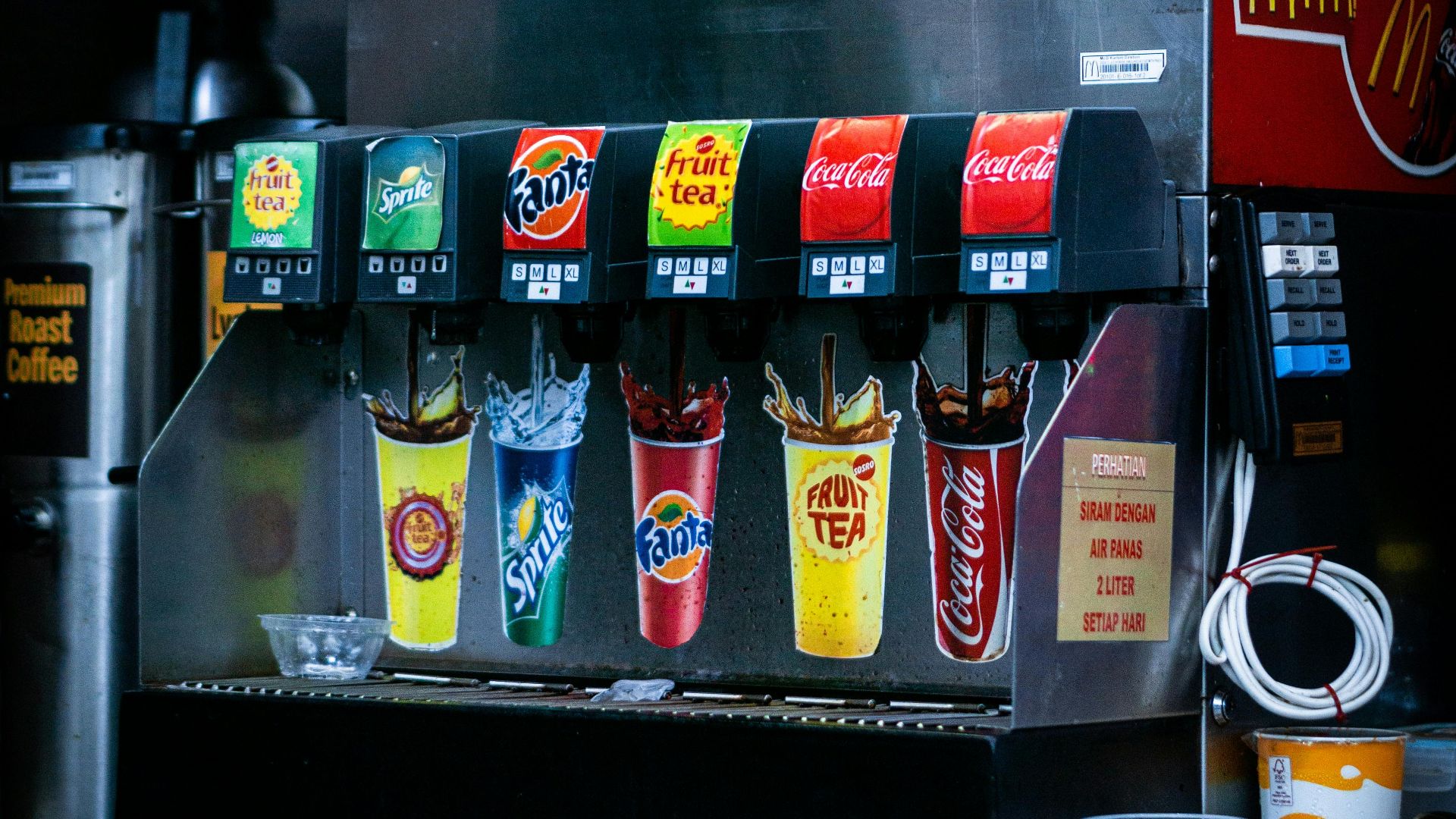
Free Refills
American restaurants treat soda refills like an act of generosity. In Europe, every drink is a finite commitment. You order one. You drink one. You want another? That’s another charge. Freedom isn’t free—and neither is your Coke.
Large Portion Sizes
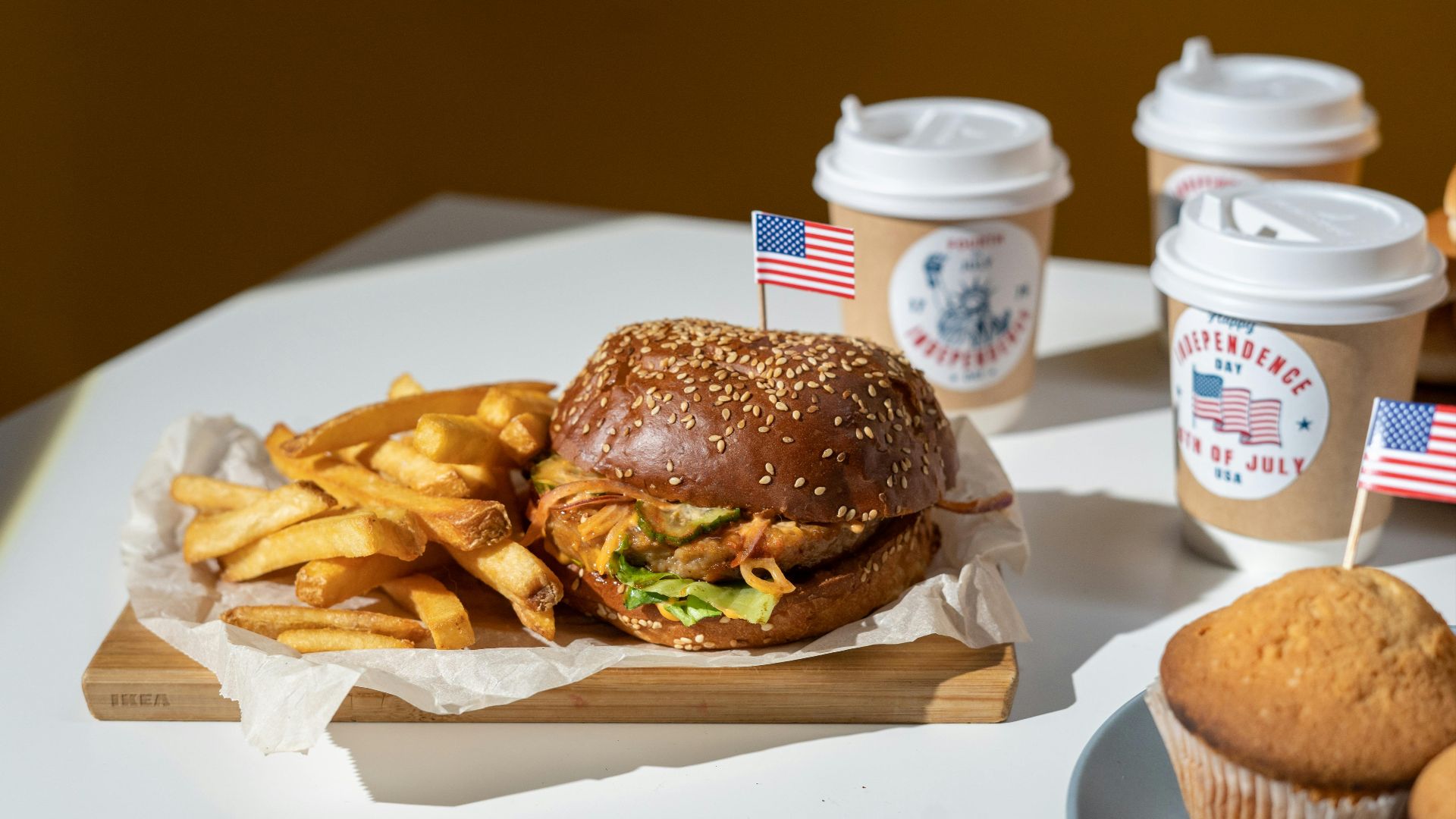
American portions arrive like a personal challenge. European portions arrive like a suggestion. You’ll eat well, but you won’t need to be rolled out of the restaurant. The goal is enjoyment, not survival.
Friendly Small Talk With Strangers
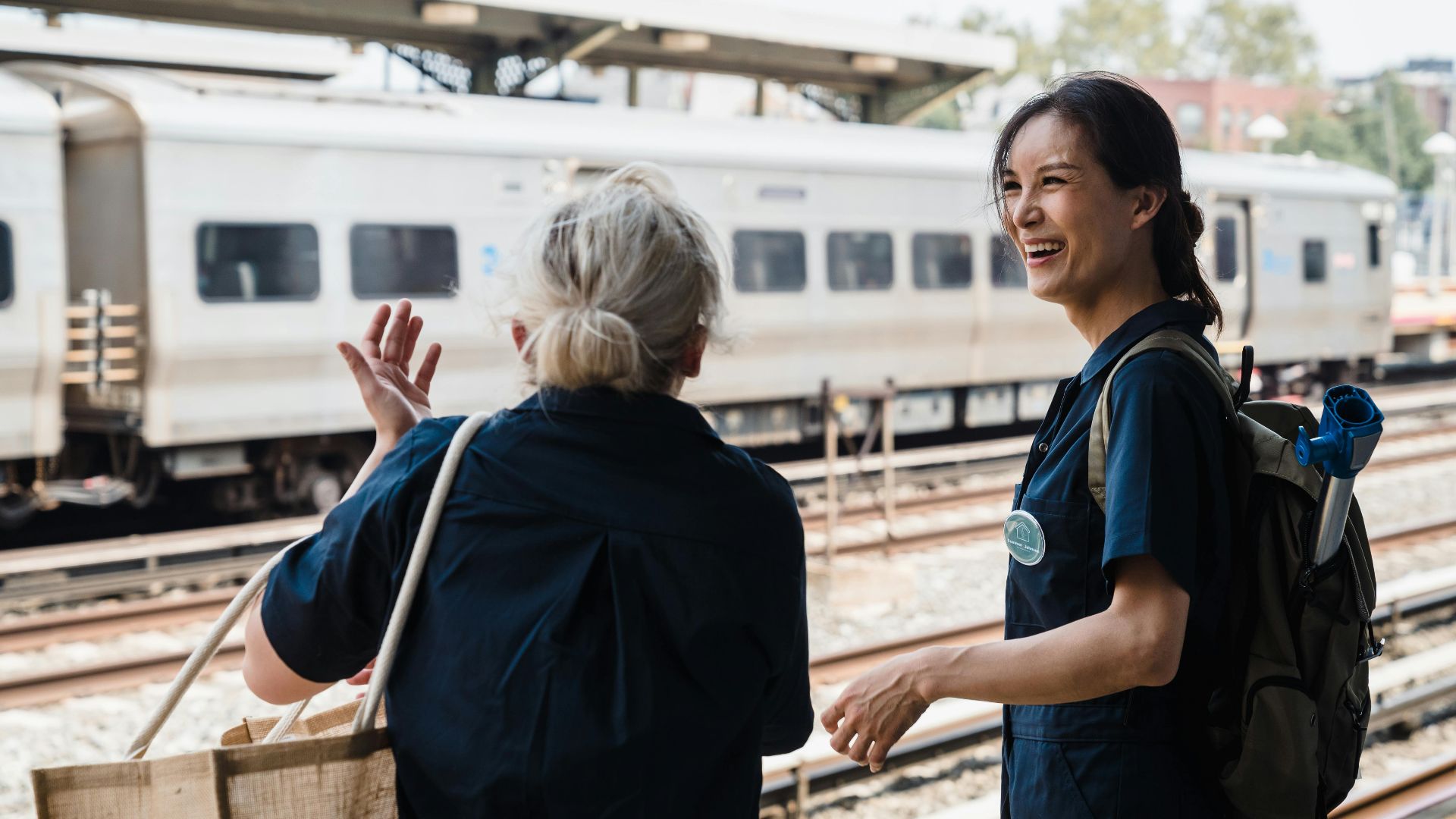
Americans are experts at chatting with absolutely anyone. In Europe, strangers tend to mind their business. Cashiers won’t ask about your day. People on trains won’t bond over delays. It’s not rude—it’s efficient.
Customer Is Always Right
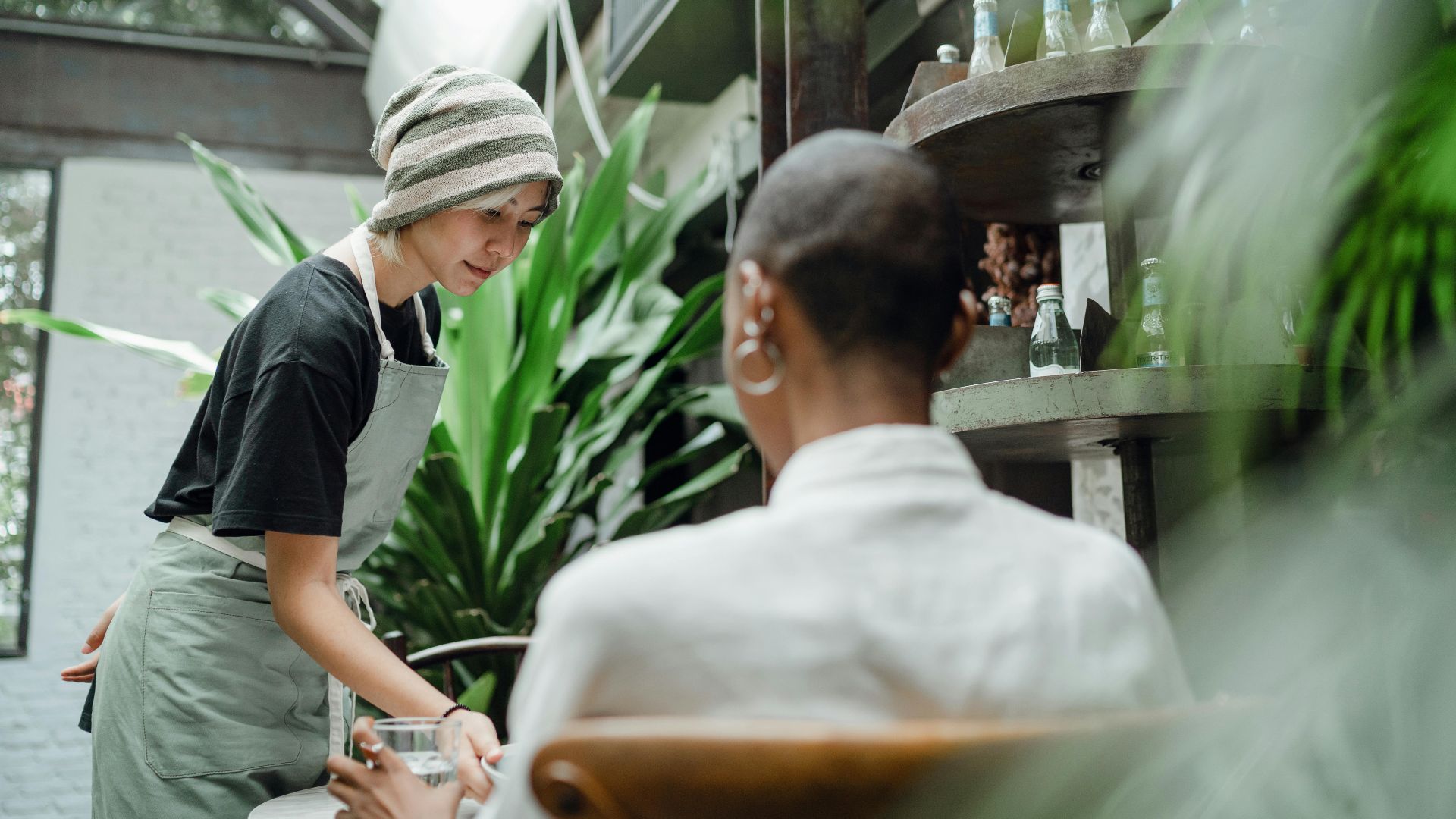
In the U.S., customer service often feels like performance art. In Europe, it’s straightforward and unapologetic. Servers won’t hover. They won’t rush. They also won’t pretend your dietary preference is a personality trait.
Early Dinners
Eating dinner at 6 p.m. is perfectly normal in America. In parts of Europe, that’s basically a late lunch. Restaurants may not open until 7 or 8, and locals will still show up fashionably late.
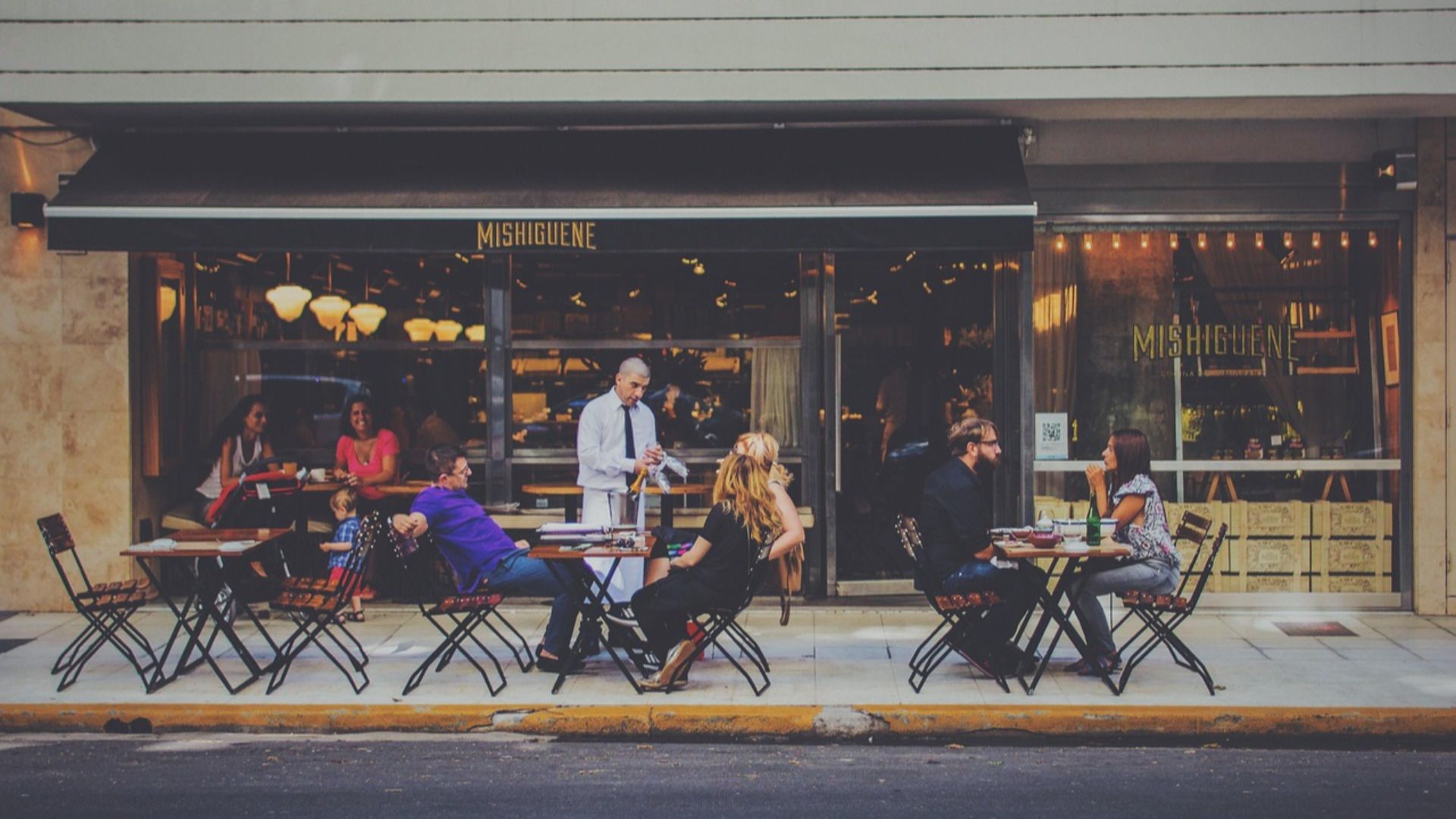
Driving Automatic Cars
Stick shift is king in Europe. Renting an automatic often costs more—or simply isn’t an option. Suddenly, that scenic road trip requires a crash course in manual transmission and humility.
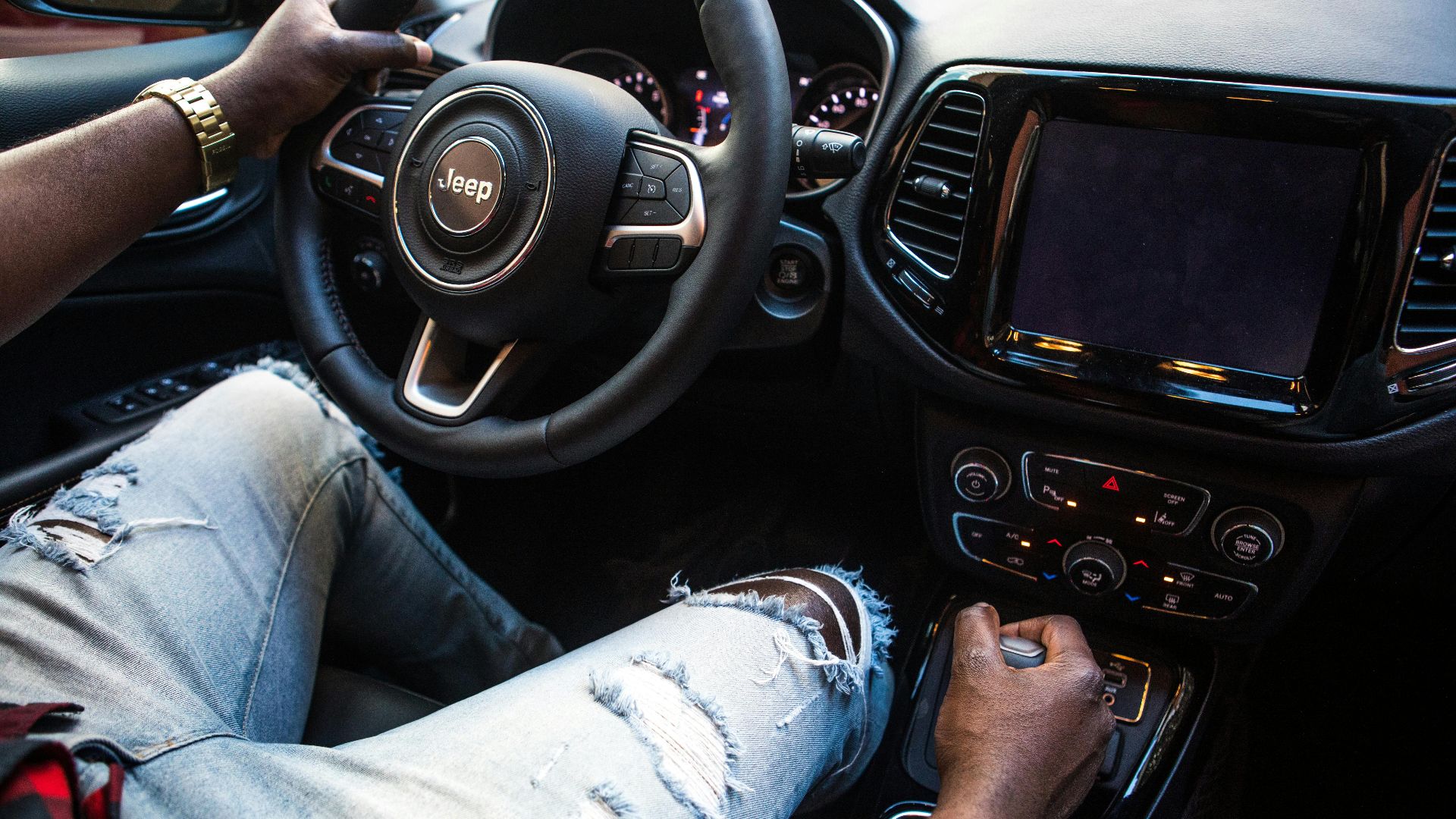
Big Refrigerators
American refrigerators are built for bulk buying and emotional support leftovers. European fridges are compact and judgmental, gently encouraging you to shop often and waste less. Adapt or start playing refrigerator Tetris.
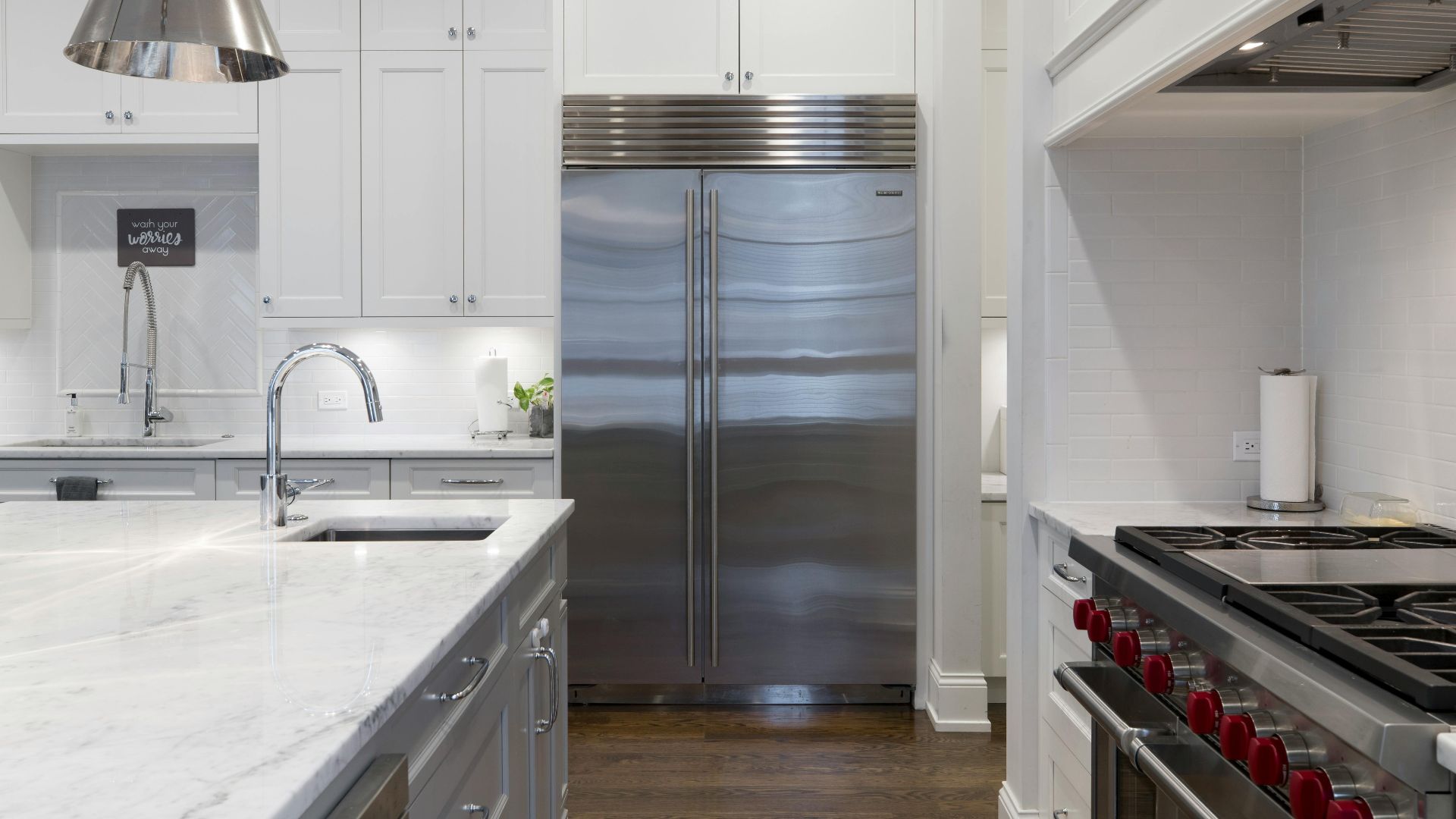
Ample Personal Space
Americans like room to breathe. Europeans are far more comfortable with closeness—especially in cities. Crowded trains, narrow sidewalks, and tightly packed cafes are part of daily life. Personal bubbles are optional.
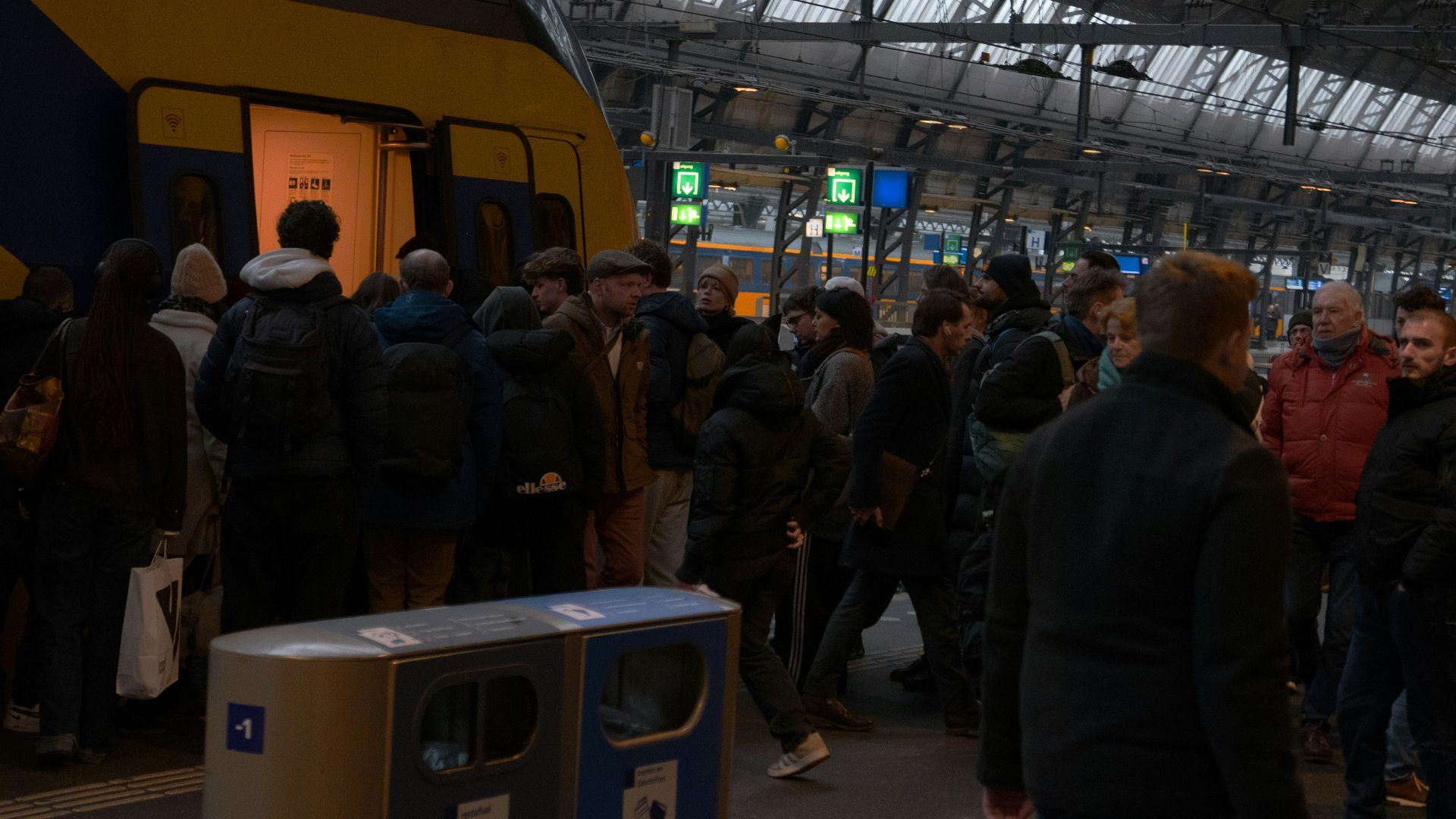
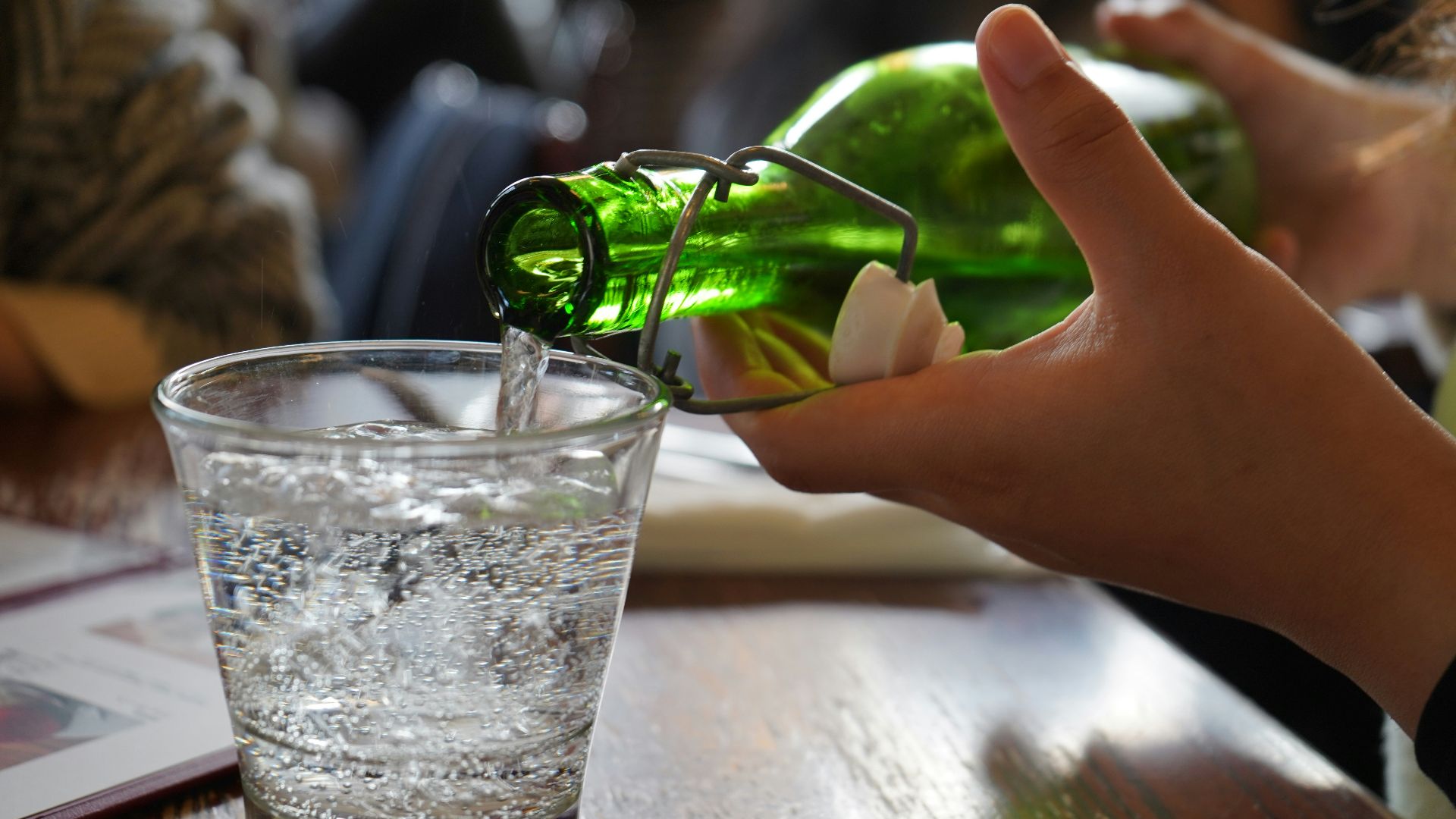
Free Tap Water At Restaurants
In the U.S., tap water is automatic and free. In Europe, you’ll be asked still or sparkling—and both cost money. Asking for tap water may earn you a look that says, “Interesting choice.”
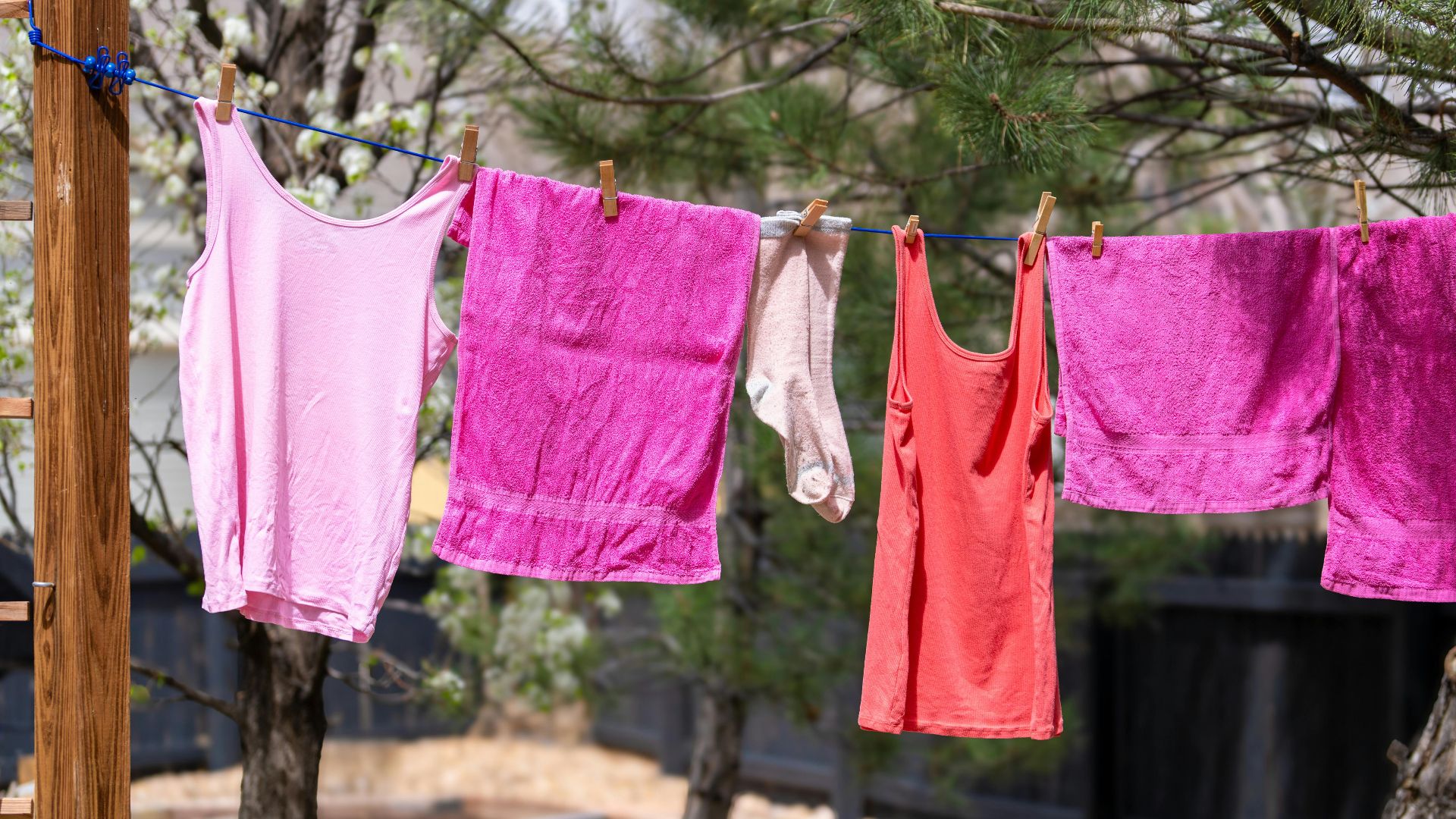
Clothes Dryers In Every Home
Dryers are not guaranteed. Drying racks reign supreme. Laundry day becomes a slow, strategic process involving radiators, windows, and patience.
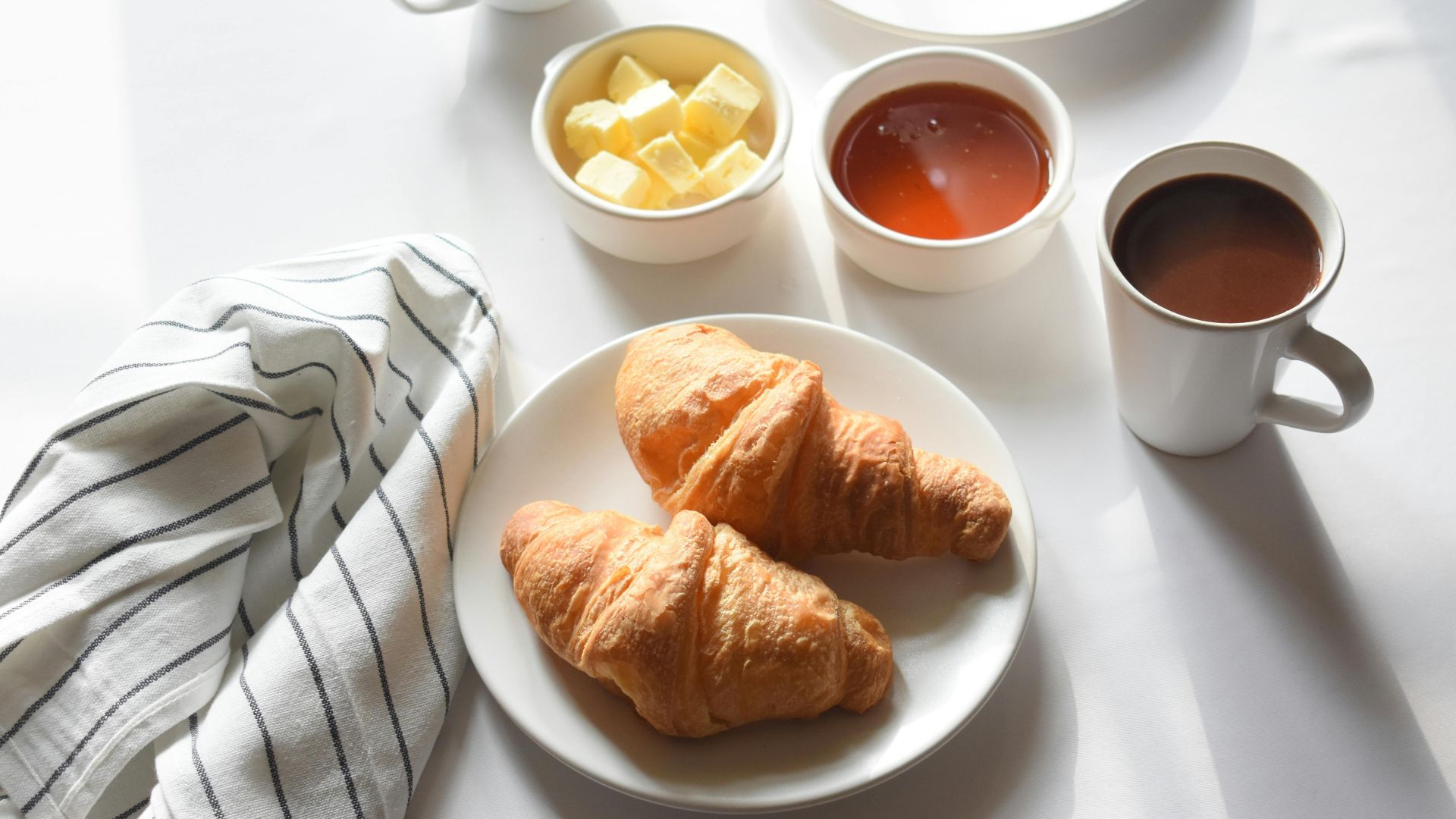
Big Breakfasts
American breakfasts are events. European breakfasts are… not. Coffee and a pastry often suffice. Anything more elaborate happens later—or never.
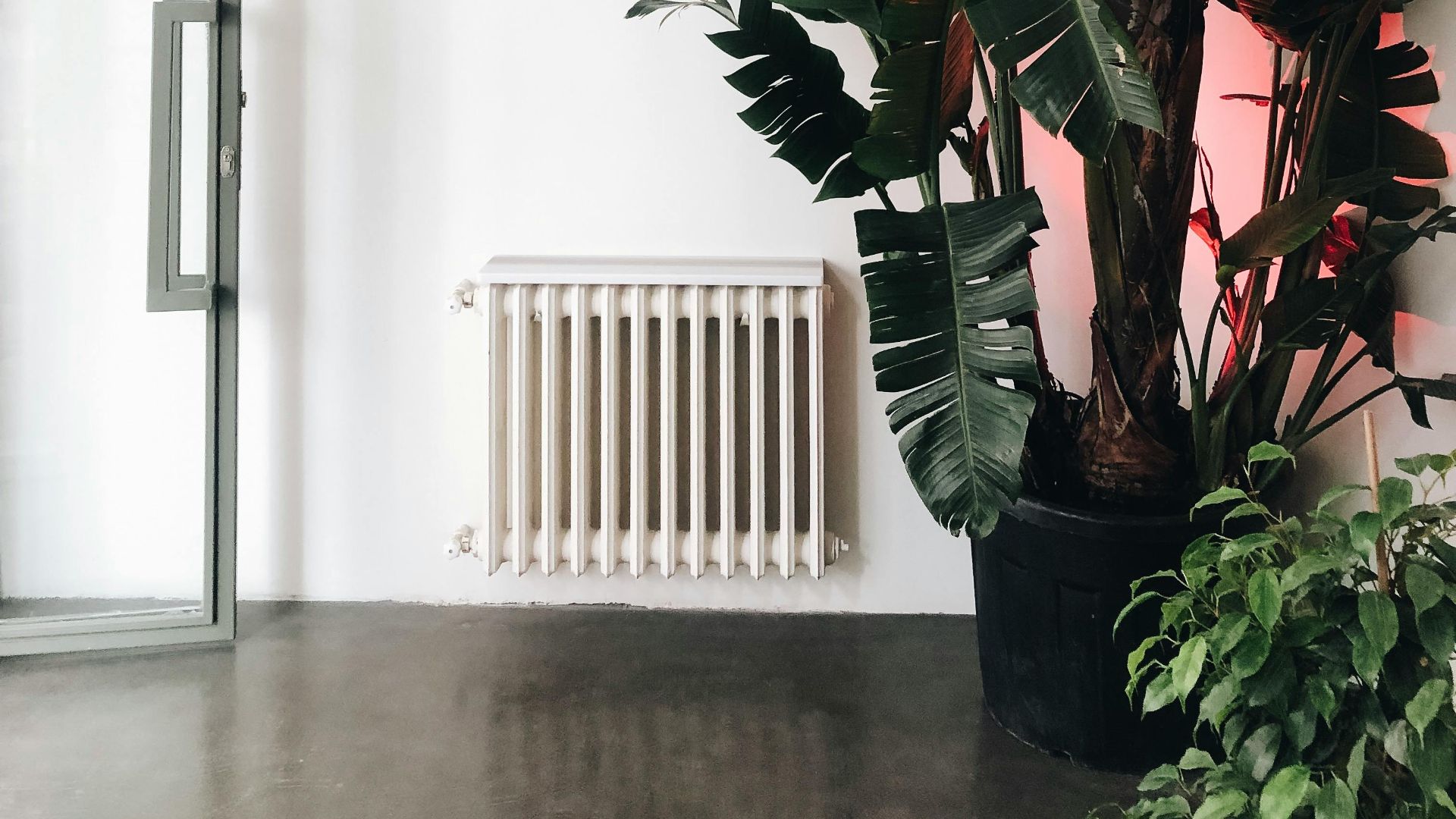
Central Heating You Can Control
American thermostats are powerful tools. European heating is sometimes centrally controlled, meaning you’ll layer up indoors and accept the system knows best.
Smiling At Everyone
In the U.S., smiling is default mode. In Europe, constant smiling can feel unnecessary or fake. People warm up—but you’ll have to earn it.

Free Condiments
American tables overflow with condiments. European tables trust the chef. Asking for ketchup may feel like a minor cultural offense.
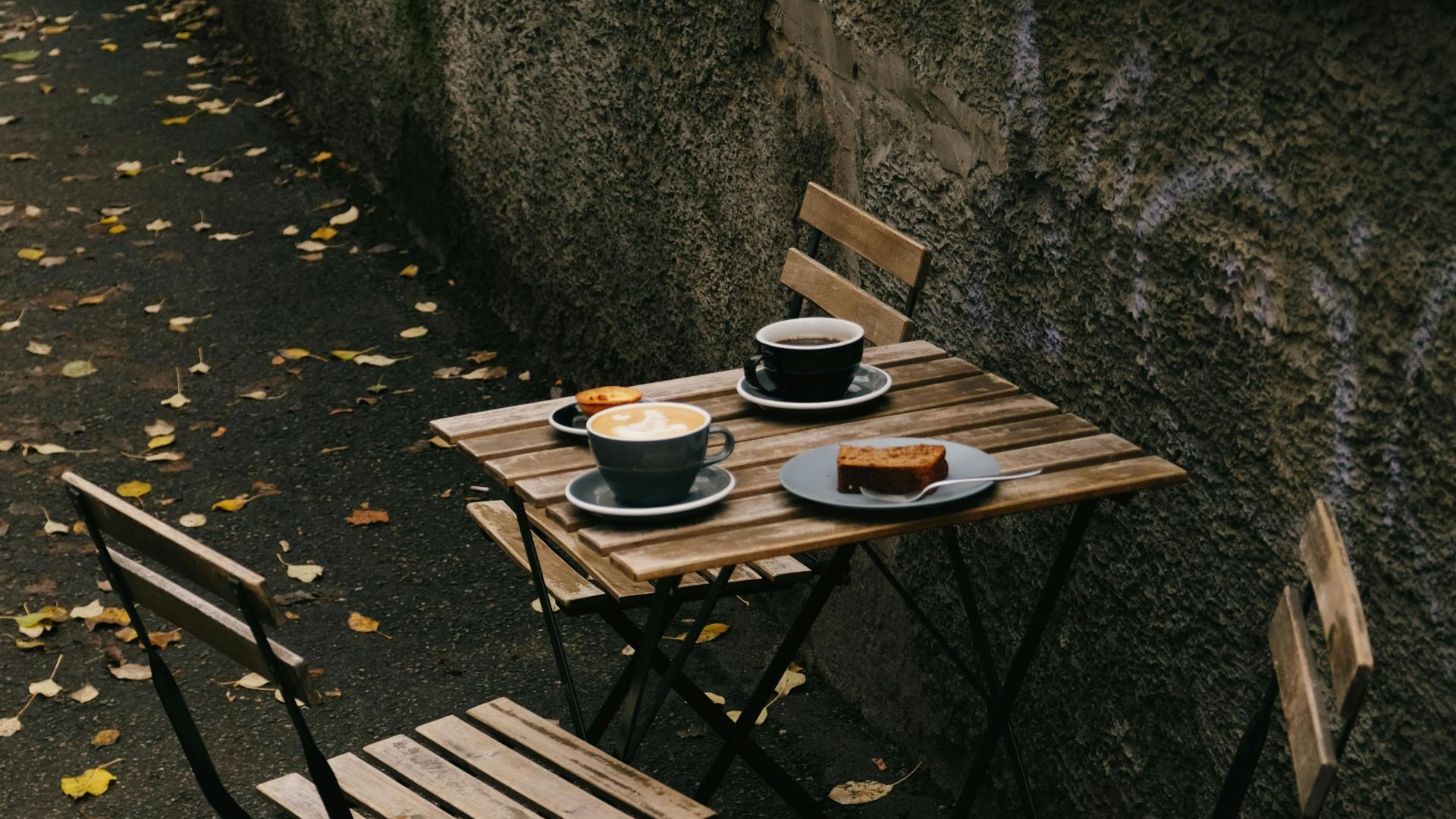
Huge Closets
Storage space is not Europe’s love language. Closets are small, wardrobes are common, and minimalism is encouraged—whether you like it or not.
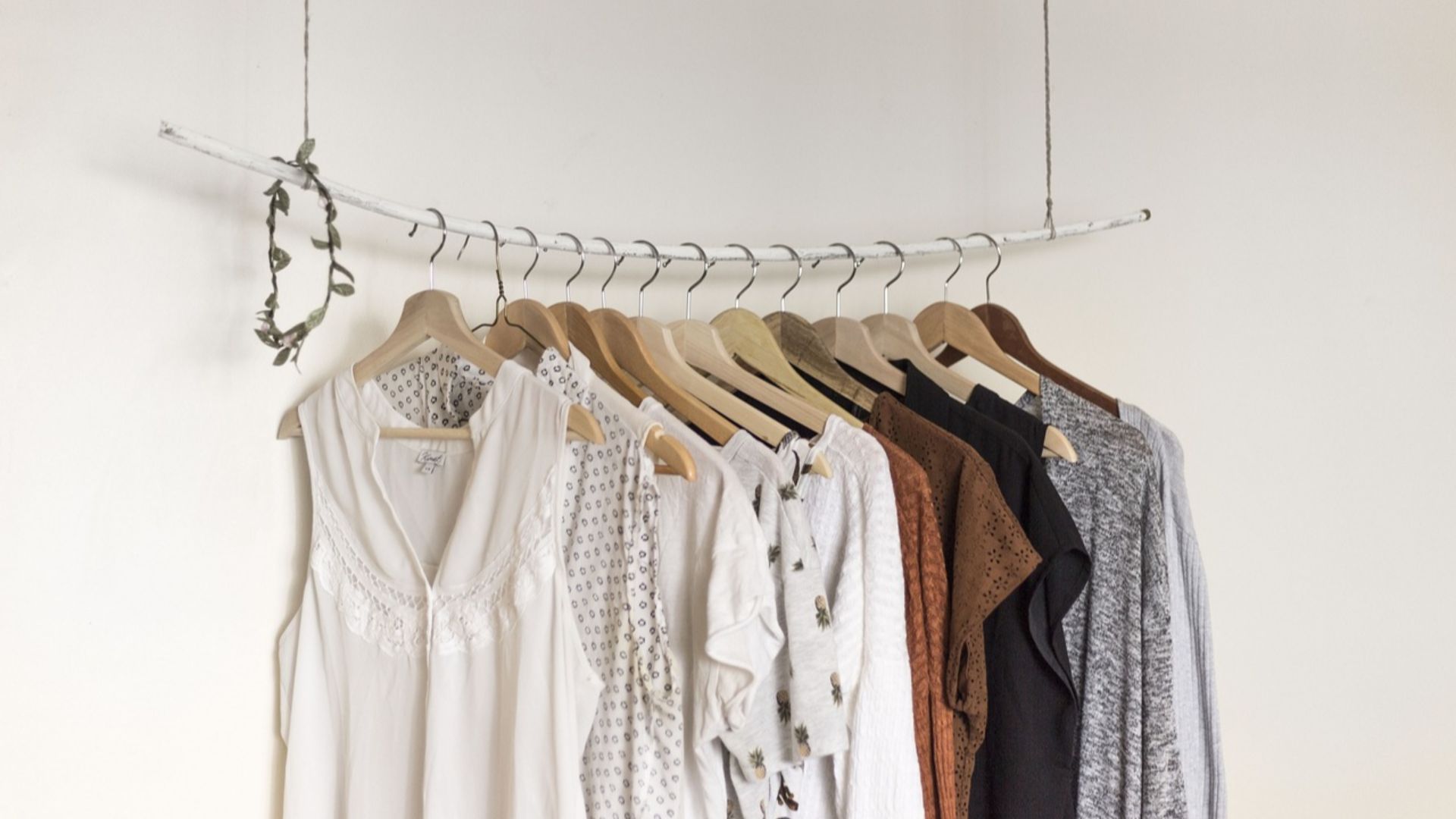
Fast Service
Quick service in Europe can feel rude. Meals are meant to be enjoyed slowly, without interruption. You’re not being ignored—they’re letting you live.
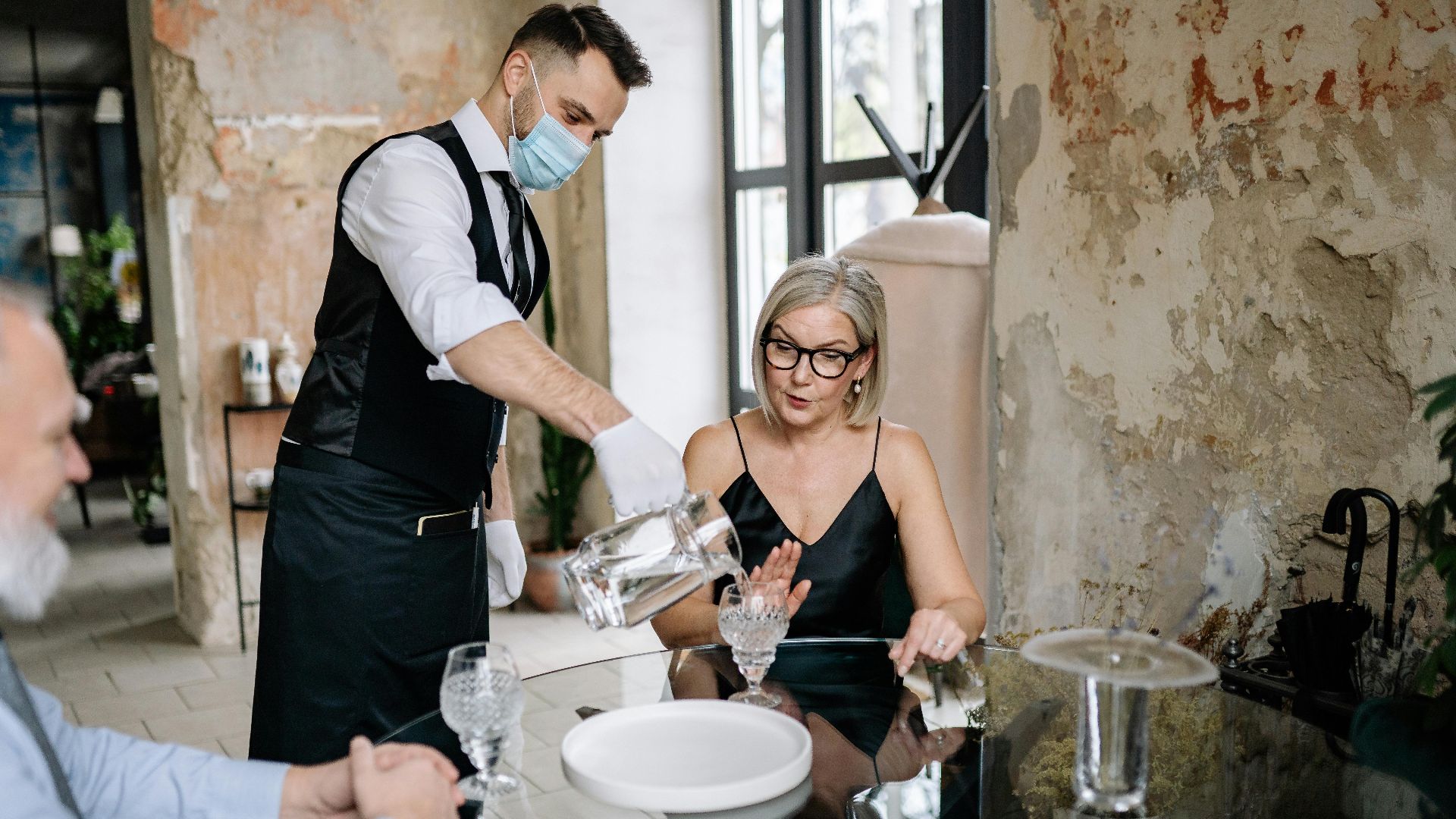
Lots Of Public Trash Cans
Trash cans can be surprisingly scarce. You may carry your empty cup far longer than planned, forming a temporary emotional bond.
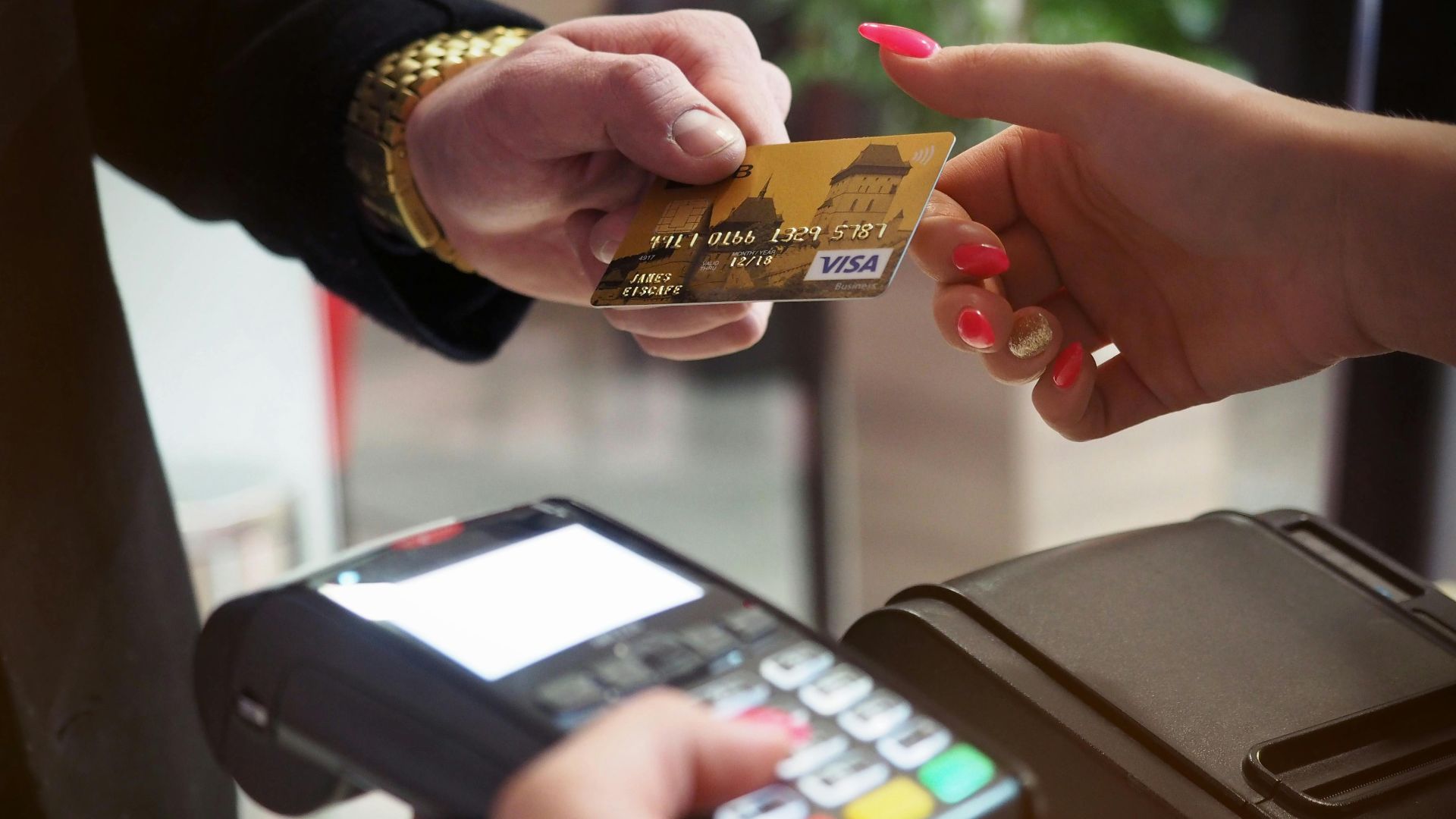
Credit Cards Accepted Everywhere
Cards are common, but cash still matters. Some small businesses prefer it, so carrying a little won’t hurt.
Speaking Only English
Many Europeans speak English fluently—but assuming everyone does is a gamble. Even a few local words earn goodwill.

Big, Obvious Signs
American signage explains everything loudly. European signage expects you to figure it out. It’s less hand-holding, more character building.
Embracing The Differences
Europe isn’t here to meet American expectations—and that’s kind of the point. The things that feel inconvenient at first often become the most memorable parts of the trip. Adjust your mindset, pack your patience, and remember: you didn’t cross an ocean to stay comfortable.

You May Also Like:
Scientists just tapped into an energy source that could last forever
The World’s Most Overrated Tourist Destinations (And The Ones That Are Actually Worth The Hype)