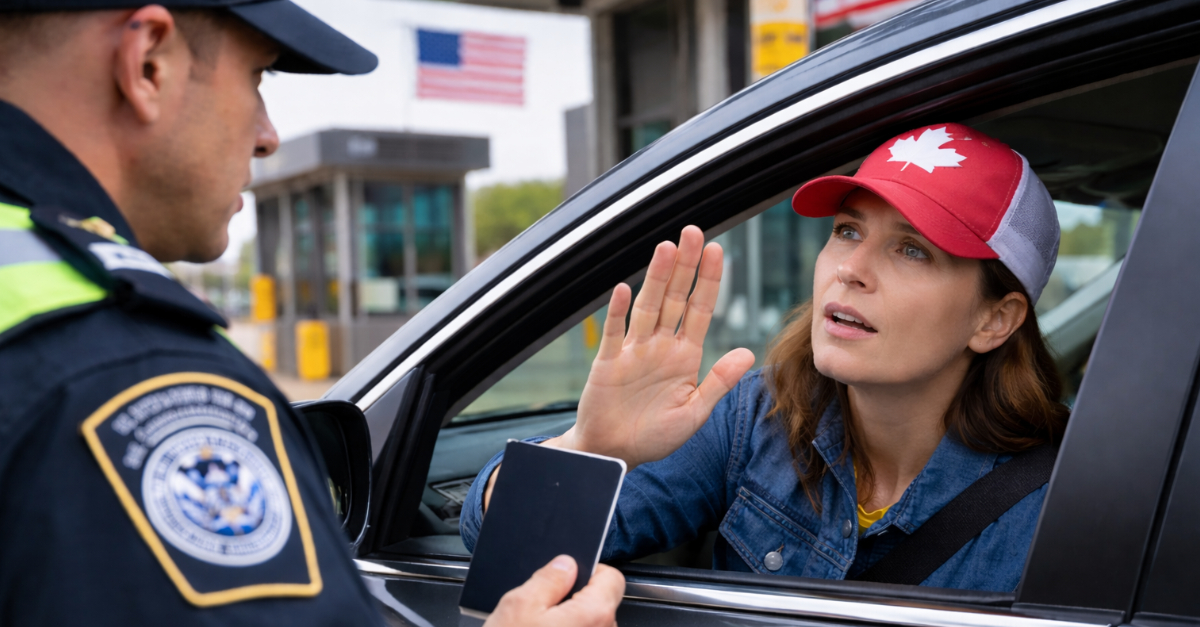
A Border That Feels Familiar—Until It Doesn’t
For decades, crossing into the U.S. by car felt routine for Canadians. Roll up, answer a few questions, show some ID, and go. But in 2026, that muscle memory is suddenly working against people. Something has changed—and many drivers are only realizing it when they’re already at the booth.
Why So Many Canadians Are Caught Off Guard
This isn’t about visas, banned items, or dramatic policy announcements. The rule doesn’t look threatening on paper, and it isn’t always explained clearly at the border. That’s because the policy was published by the U.S. Department of Homeland Security in late 2025, with an effective date of December 26, 2025, and little public-facing outreach to Canadian travelers.
 U.S. Department of Homeland Security (DHS), Wikimedia Commons
It Starts the Moment You Pull Up
For some travelers, the change is immediate. No extra questions. No warning signs. Just a pause that feels longer than usual, followed by instructions that weren’t part of the old routine. U.S. Customs and Border Protection has confirmed this new process begins at primary inspection, meaning travelers encounter it before any explanation is given. Even frequent cross-border drivers are finding themselves unsure of what’s happening.
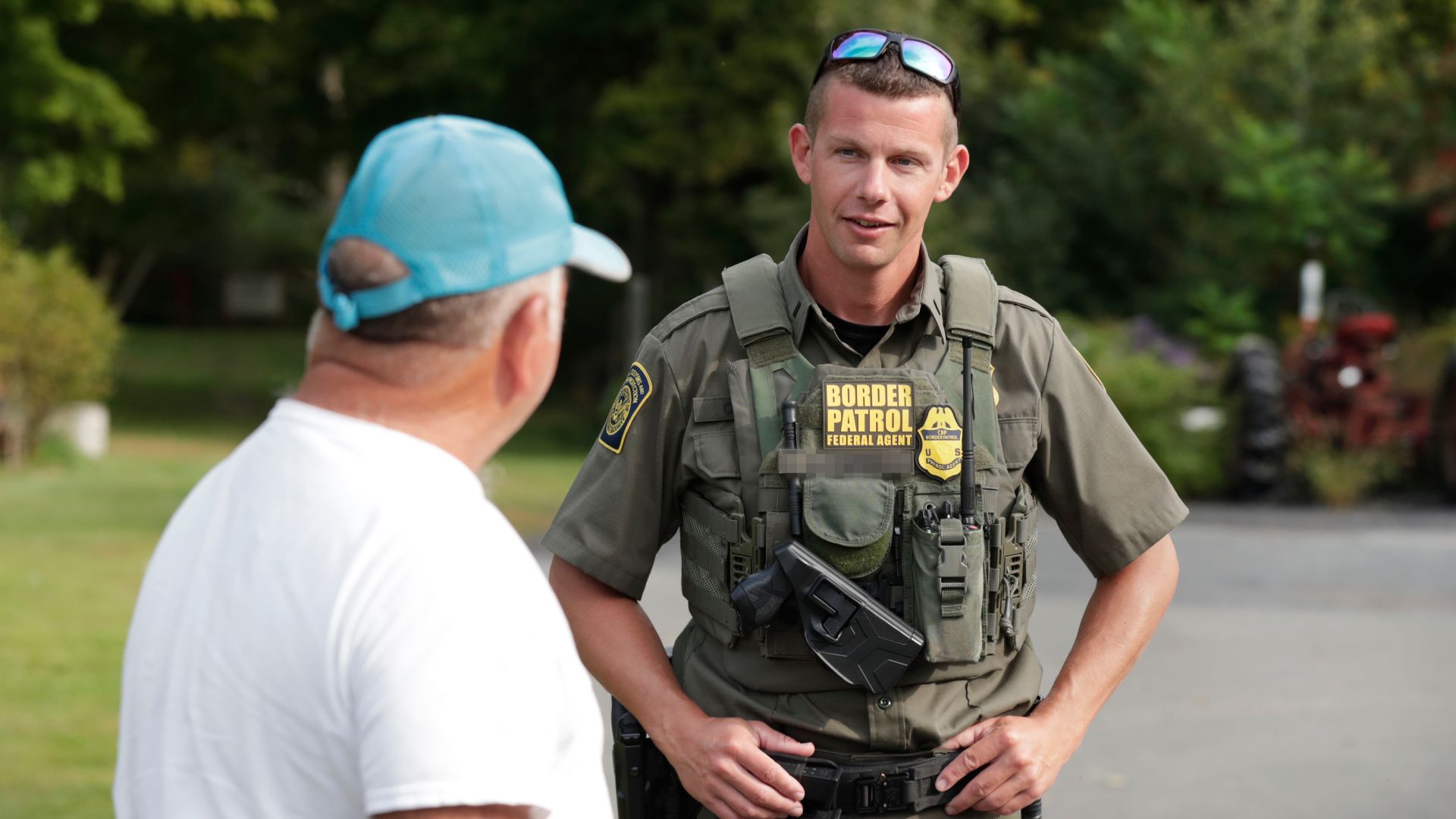 CBP Photography, Wikimedia Commons
Yes—Your Photo Is Being Taken
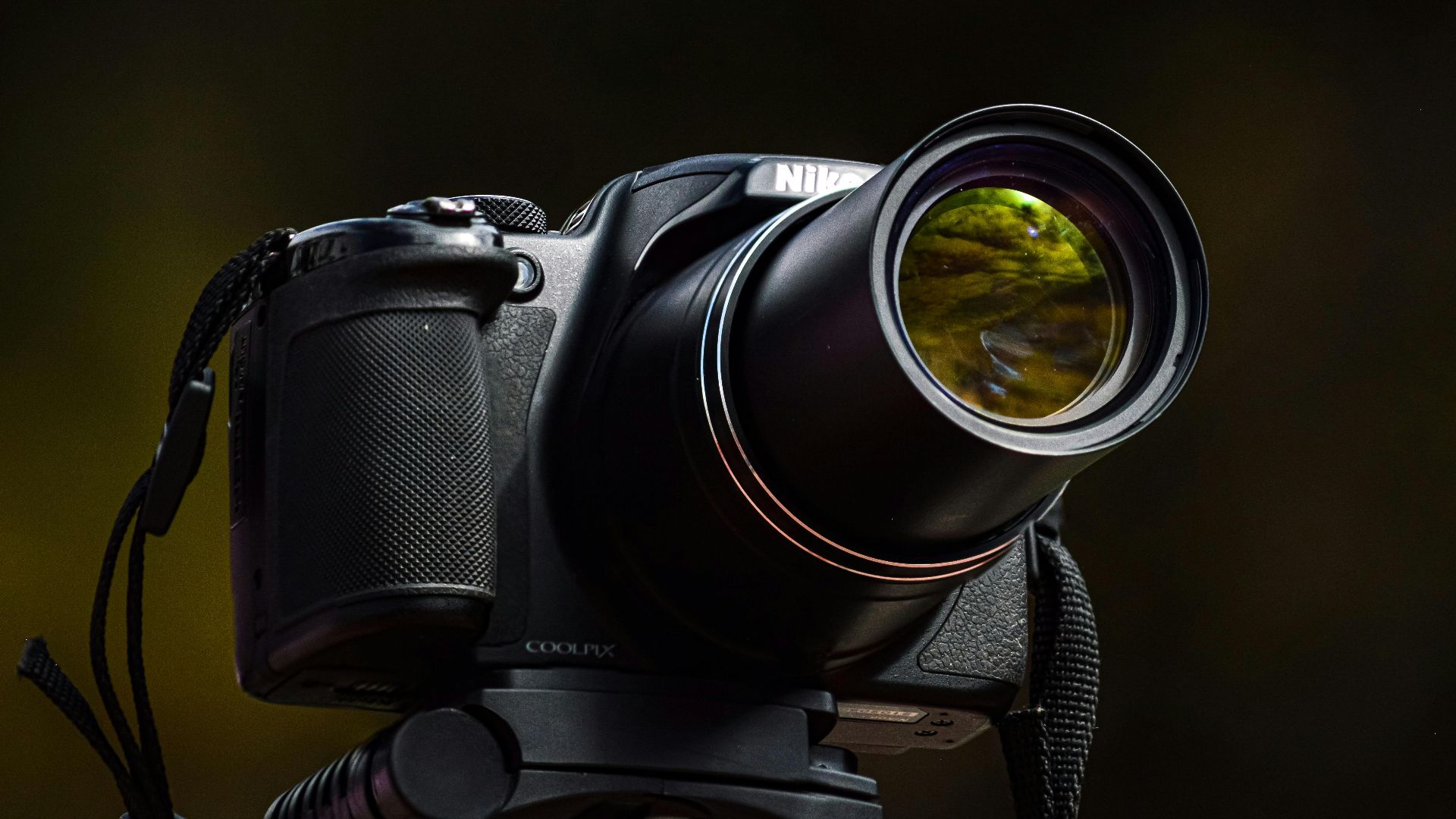
One of the biggest surprises for Canadian drivers is biometric photo collection. At many land crossings, border agents now capture facial images as part of standard processing. This requirement officially applies to all non-U.S. citizens, including Canadians, when entering or exiting the United States by land. It happens quickly, often without explanation, and applies even to brief visits.
This Isn’t About Suspicion
Many Canadians assume they’re being singled out or flagged. In most cases, they’re not. The new rule applies broadly and automatically, even to travelers with clean records and familiar travel patterns. U.S. border officials have described the system as mandatory and routine rather than discretionary. That’s part of what makes it feel unsettling—it’s procedural, not personal.
Land Crossings Are No Longer “Low-Friction”
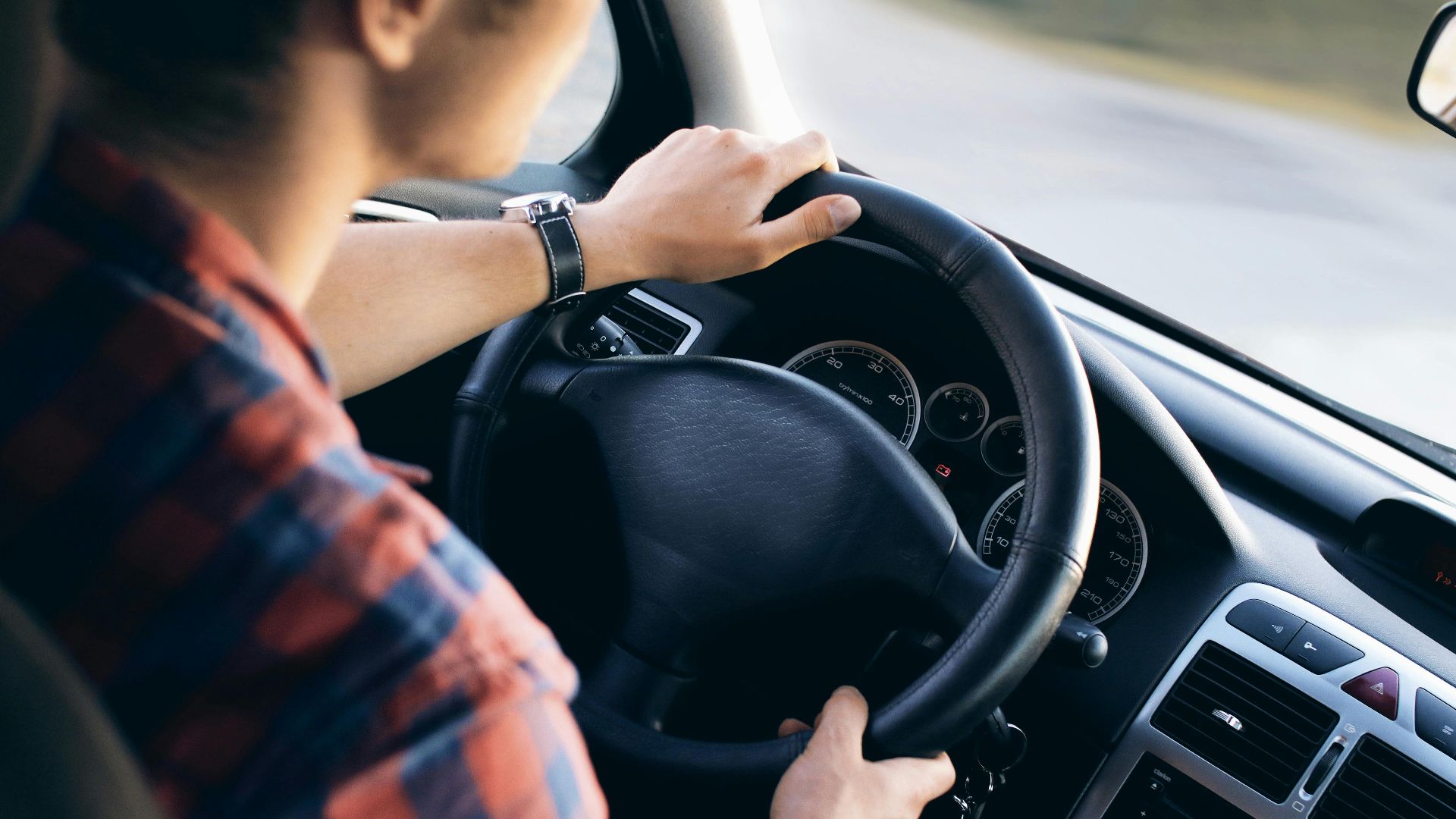
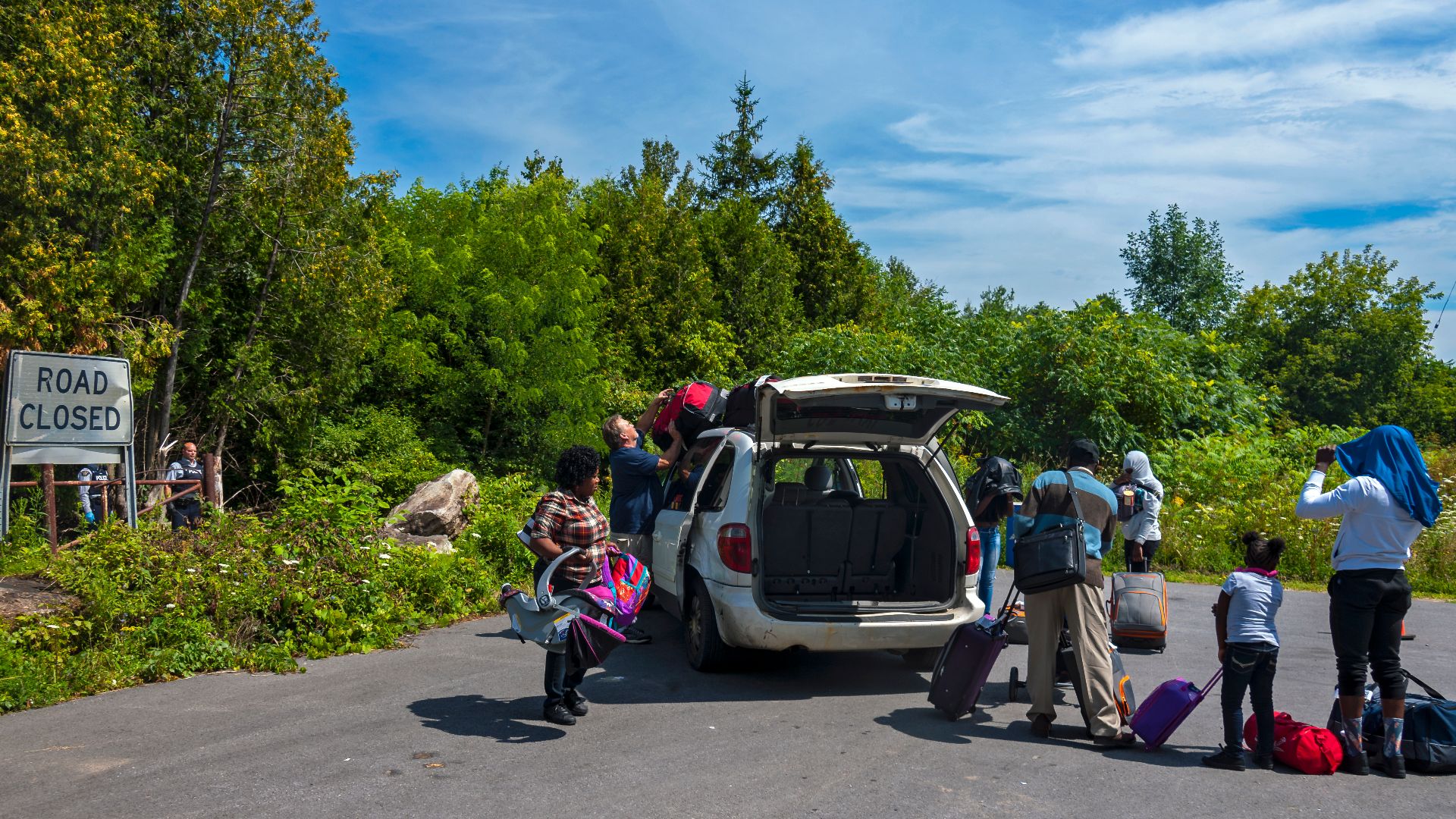
Airports have prepared travelers for increased screening for years. Land borders, on the other hand, felt exempt from that evolution. In 2026, that gap disappears. Driving across the border is now treated much more like flying—just without the long security lines. The biometric program was designed specifically to close long-standing land-border tracking gaps.
 Daniel Case, Wikimedia Commons
The Quiet Expansion of Border Technology
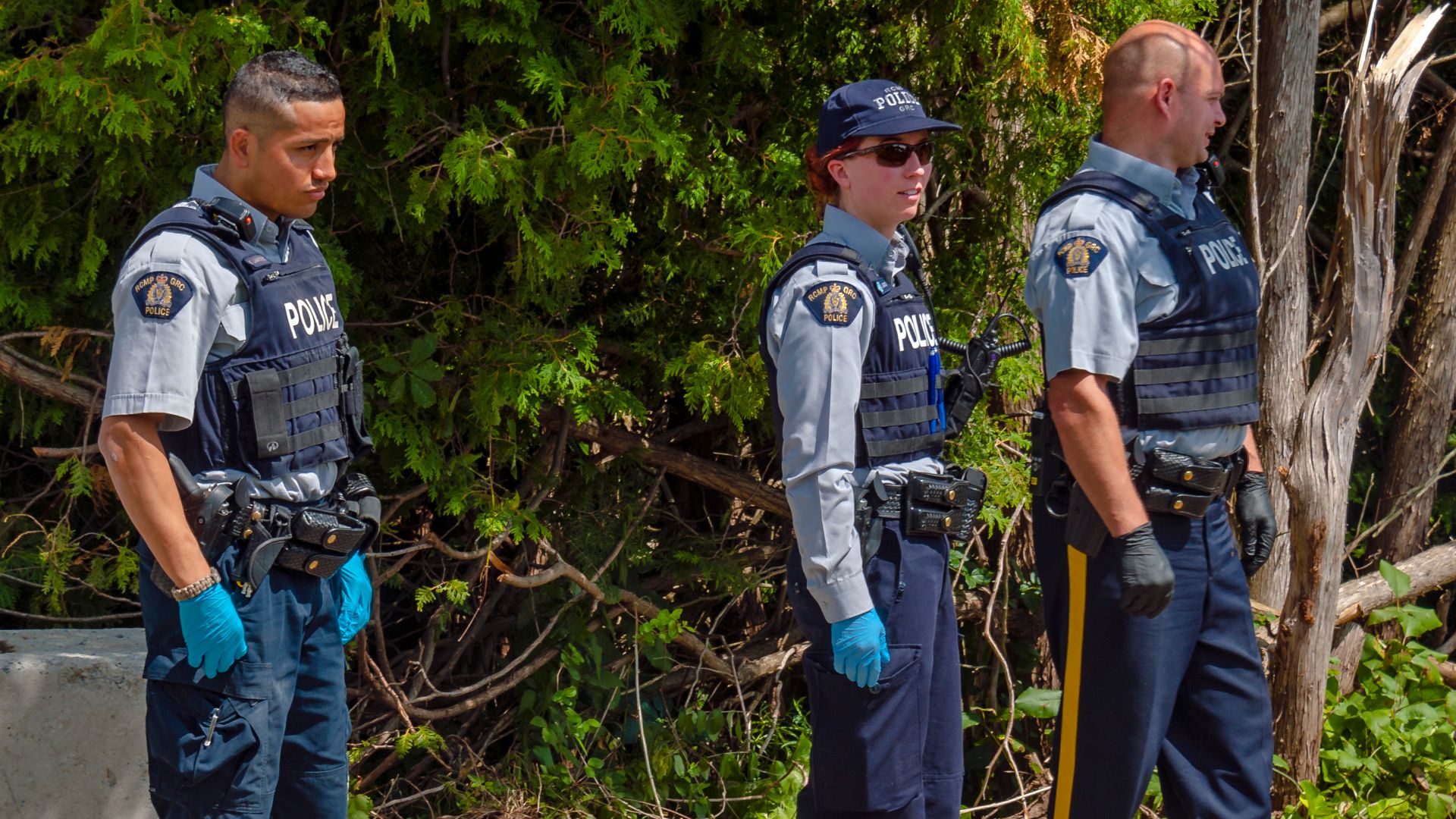
Behind the scenes, U.S. border operations have been modernizing rapidly. New systems are designed to verify who enters and exits the country with far more precision than before. According to U.S. Customs and Border Protection, this biometric entry-exit program is a core part of national border modernization. Canadians are now fully part of that system, even during short, casual trips.
 Daniel Case, Wikimedia Commons
This Is Not a One-Time Process
This isn’t a one-time enrollment. Canadians can expect biometric photos to be taken repeatedly—sometimes on entry, sometimes on exit, and sometimes both.
Your Image May Be Stored for Decades
Federal guidance confirms that these images may be retained in government systems for up to 75 years. Short shopping trips, day visits, and weekend drives are no longer exempt from digital tracking.

Age Exemptions Are Narrower Than Before
In the past, certain age groups were often excluded from biometric programs. That’s changed. Previous exemptions for children and older travelers have been reduced under the final rule. Children and older travelers may now be included, depending on the crossing and system in use. Families are discovering this only when everyone is already at the booth.
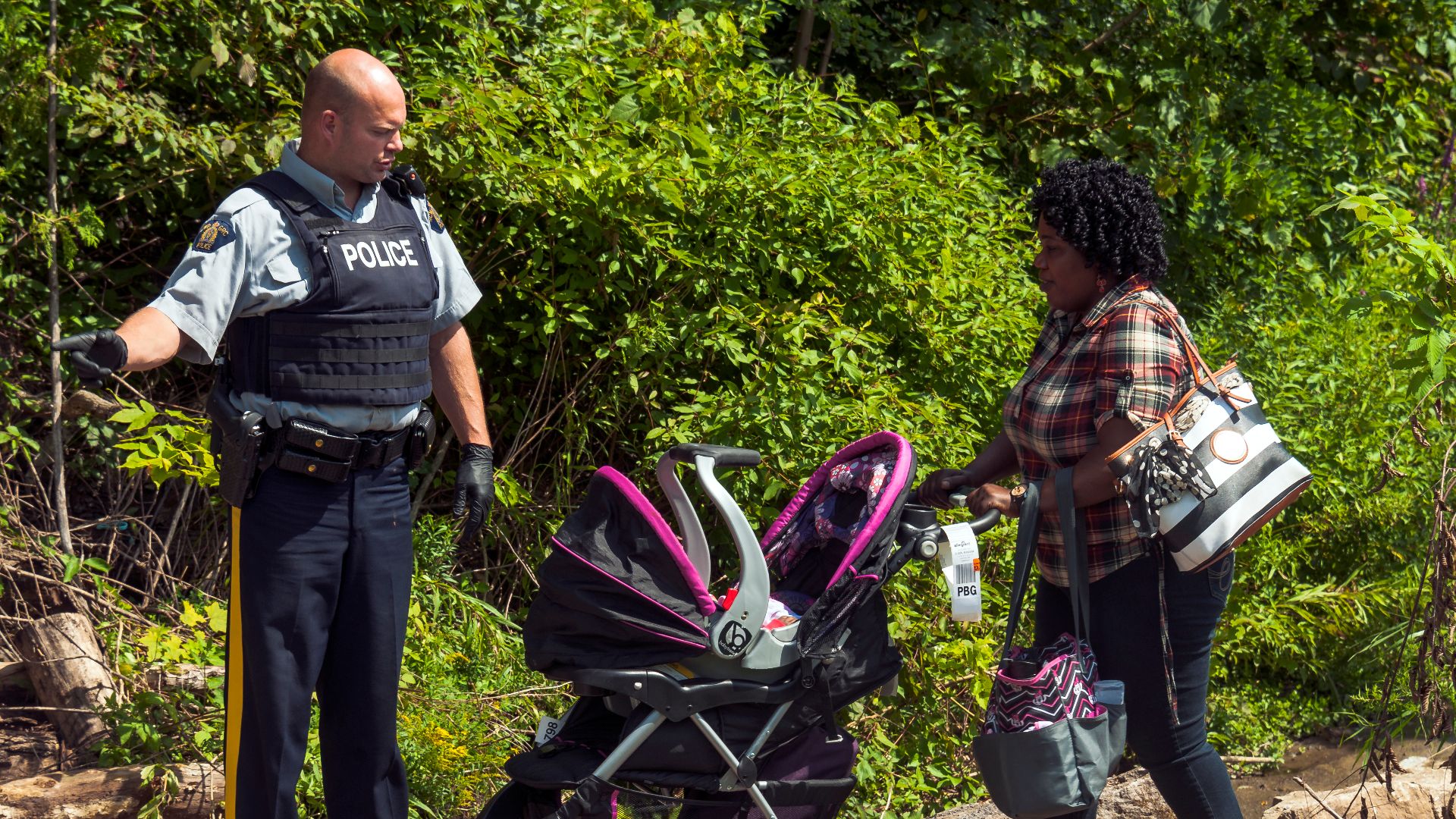 Daniel Case, Wikimedia Commons
Why the U.S. Says It’s Necessary
U.S. officials frame the change as a security and accuracy upgrade. The goal is to better track entries and exits, reduce identity fraud, and close long-standing gaps in border data.

What Officials Say This Rule Fixes
As one CBP official put it, the rule is meant to “strengthen the security of the United States” while modernizing border operations. From their perspective, Canadians were simply overdue to be included.
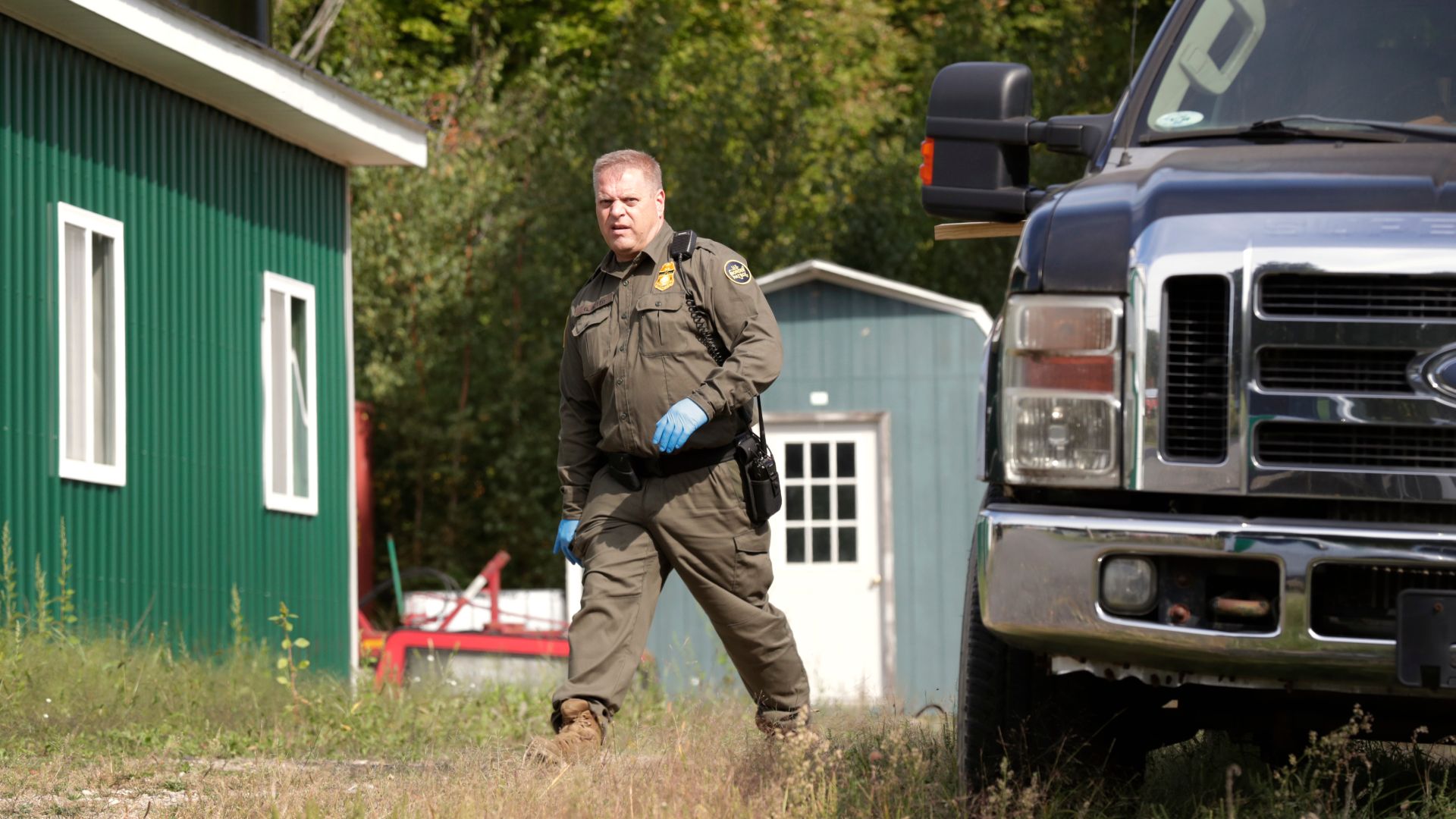 CBP Photography, Wikimedia Commons
Why Canadians Find It Jarring
Canadians aren’t used to being treated like “foreign nationals” at the land border. The long history of easy movement between the two countries created expectations that no longer match reality. The rule feels abrupt because the shift happened quietly, without the kind of public messaging Canadians associate with major travel changes.

Longer Stays Now Come With Extra Responsibility
Canadians staying more than 30 days in the U.S. may face additional requirements, especially if no formal entry record is issued at the border. Immigration attorneys have warned that longer stays now require closer attention to compliance than in previous years.
What Used to Be Automatic No Longer Is
What used to be automatic now sometimes requires follow-up—something many travelers don’t realize until later, often after they’ve already crossed, stayed longer than planned, or tried to return again without realizing additional steps were expected.

Snowbirds Are Paying Close Attention
This change matters most to Canadians who cross often or stay longer—snowbirds, RV travelers, and remote workers in particular. Advocacy groups have noted a spike in confusion among seasonal travelers adjusting to the new rules. Small compliance mistakes can now create bigger headaches when it’s time to leave or re-enter the U.S.
 Peter K Burian, Wikimedia Commons
It Doesn’t Mean You Need a Visa
To be clear, Canadians still don’t need a visa for short tourism or business visits. The rule doesn’t change that. U.S. authorities have repeatedly emphasized that visa-free travel remains in place. What it does change is how closely those visits are documented—and how little room there is for casual assumptions.
 Tony Webster, Wikimedia Commons
Border Conversations Are Getting More Detailed
Many travelers report more follow-up questions than before. Purpose of visit, length of stay, accommodations, and ties to Canada may be discussed more carefully. Border officials say this additional questioning helps verify travel intent alongside biometric data. Even if everything is routine, the interaction can feel more formal than it used to.
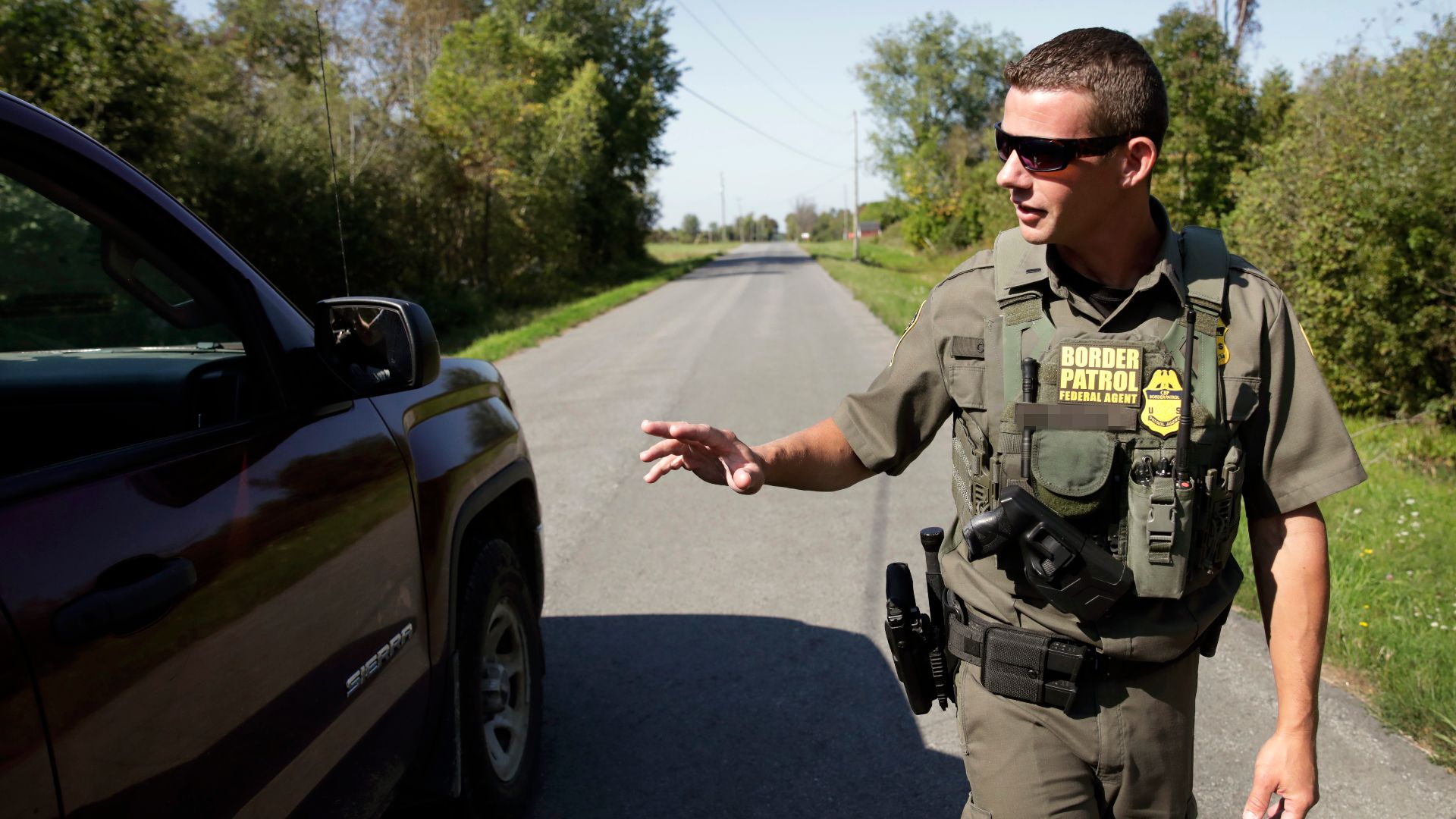 CBP Photography, Wikimedia Commons
Why ‘I’ve Always Done This’ Doesn’t Help
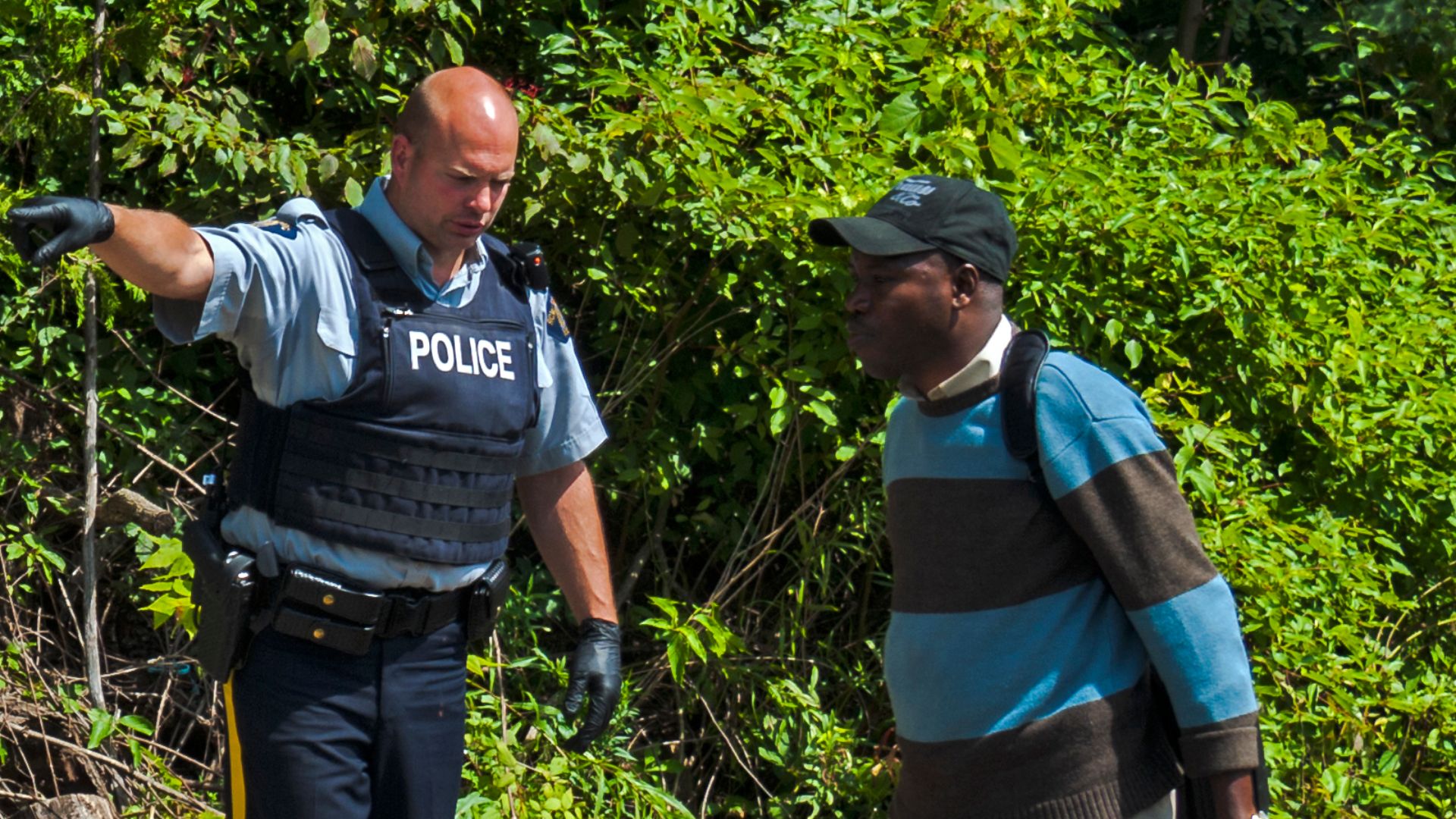
Past travel habits don’t carry much weight under the new system. The border now operates on current data, not long-standing patterns. CBP systems are designed to rely on real-time verification rather than personal familiarity. What worked last year—or even last month—doesn’t guarantee a smooth crossing today.
 Daniel Case, Wikimedia Commons
What Canadians Should Do Differently
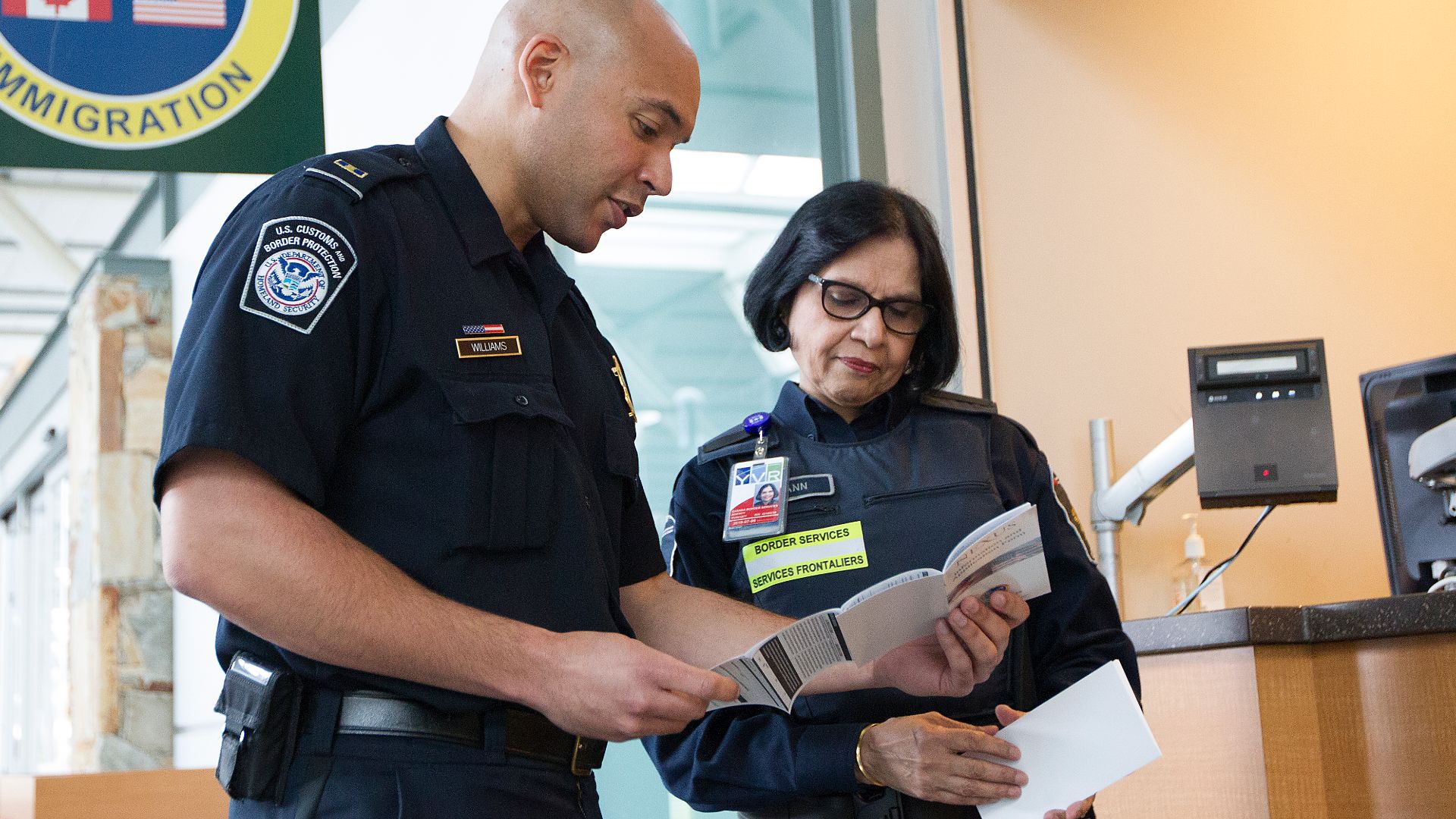
Preparation matters more now. Know how long you’re staying, where you’re going, and how to prove your return plans if asked. Border agencies recommend travelers assume their entries and exits are being logged more precisely than before. Assume your crossing is being logged in more detail than before—because it is.
 U.S. Customs and Border Protection, Wikimedia Commons
This Rule Isn’t Going Away
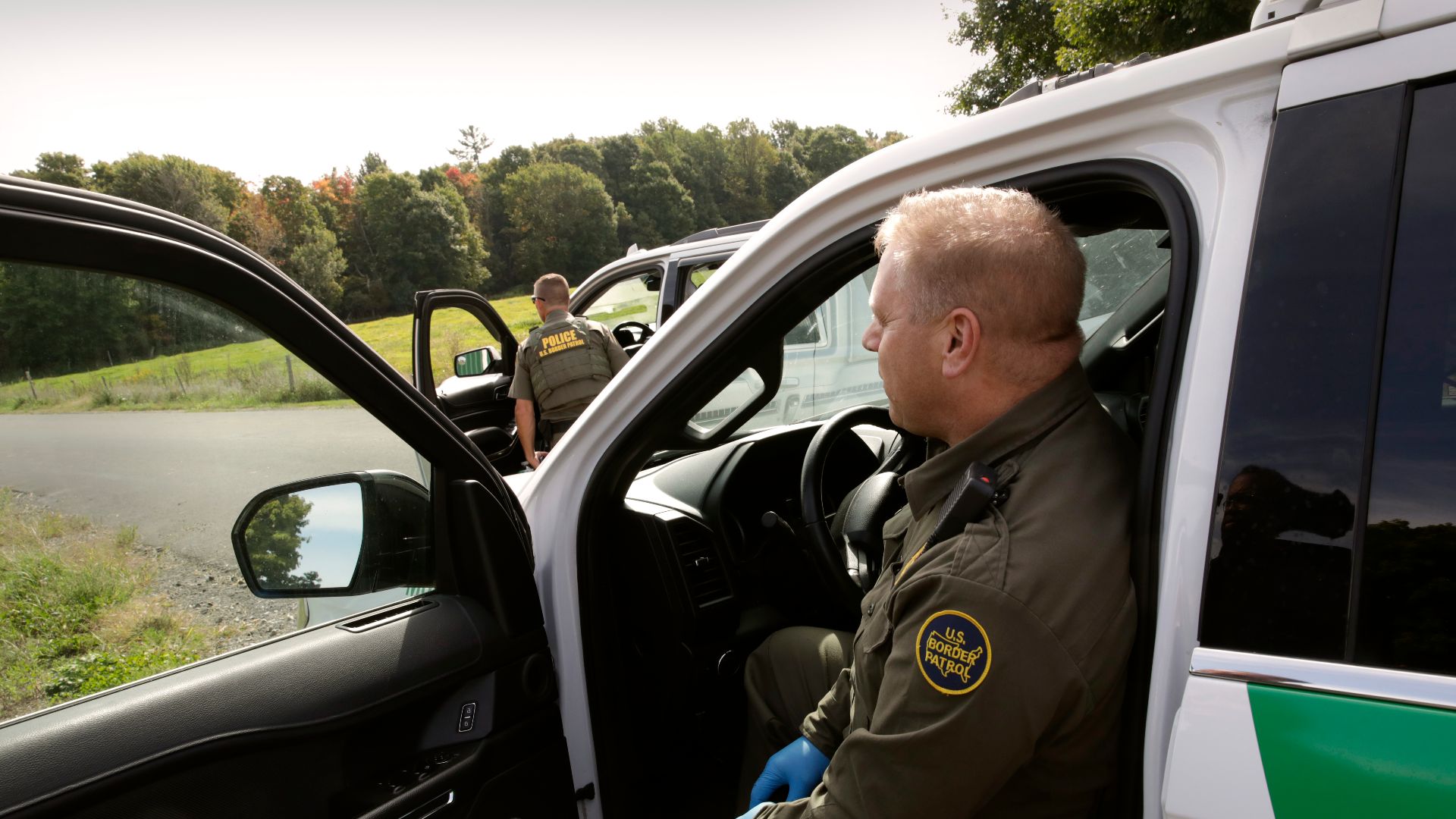
If anything, this is likely the beginning, not the end. Border agencies worldwide are moving toward biometric systems, and the U.S. land border is catching up fast. DHS officials have described biometric entry-exit as a long-term framework rather than a temporary measure. Canadians should expect this level of scrutiny to become the norm.
 CBP Photography, Wikimedia Commons
Why So Few People Heard About It
The rollout wasn’t dramatic. No press conferences. No viral announcements. Federal notices and technical releases did most of the communicating. That’s why social media, word of mouth, and firsthand experiences are how most Canadians are learning about it—often too late to feel prepared.

The Border Still Looks the Same
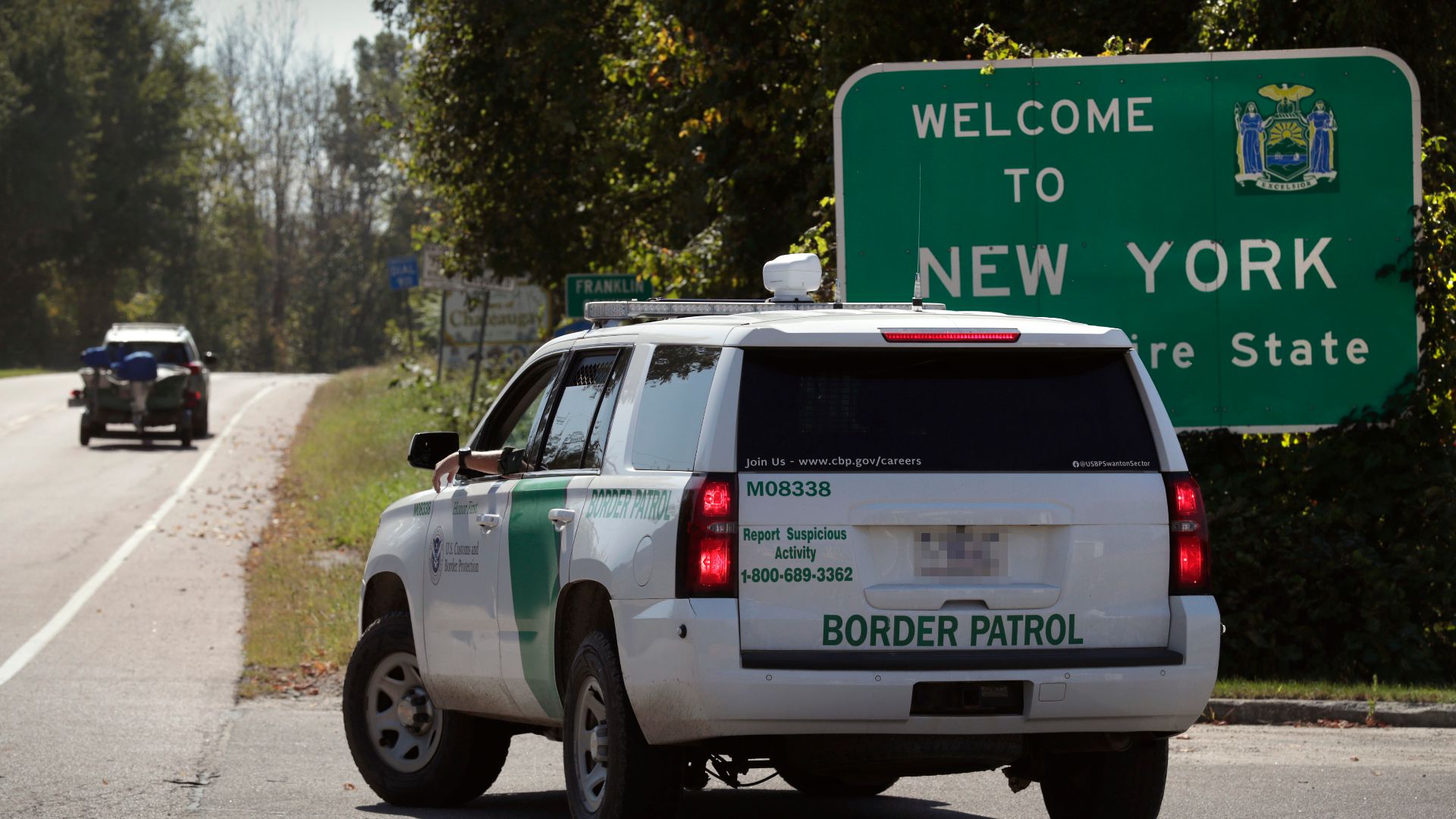
That may be the most misleading part. The booths, lanes, and signage haven’t changed much. But the process behind them has. The technology now operating at those booths is far more sophisticated than what existed even a few years ago. What feels familiar on the surface now operates under very different rules.
 CBP Photography, Wikimedia Commons
Be Prepared Before You Roll Up
Canadians can still cross the U.S. border by land—but not on autopilot. In 2026, being unprepared doesn’t mean being denied entry. It means being surprised, delayed, and wondering why no one warned you first.
 CBP Photography, Wikimedia Commons
You Might Also Like:
Americans Should Know That These “Normal” Things They Do Are Illegal In Europe