
When Your Wheels Don’t Land With You
You planned carefully. You labeled everything. You trusted the system. And yet here you are at baggage claim, watching the carousel spin… without the single item that makes your independence possible. Traveling while wheelchair-dependent already requires next-level logistics. When an airline loses a wheelchair—especially one shipped separately—it’s not just inconvenient. It’s life-altering. Take a breath. You still have options, leverage, and rights. Let’s walk through what happens next, one slide at a time.
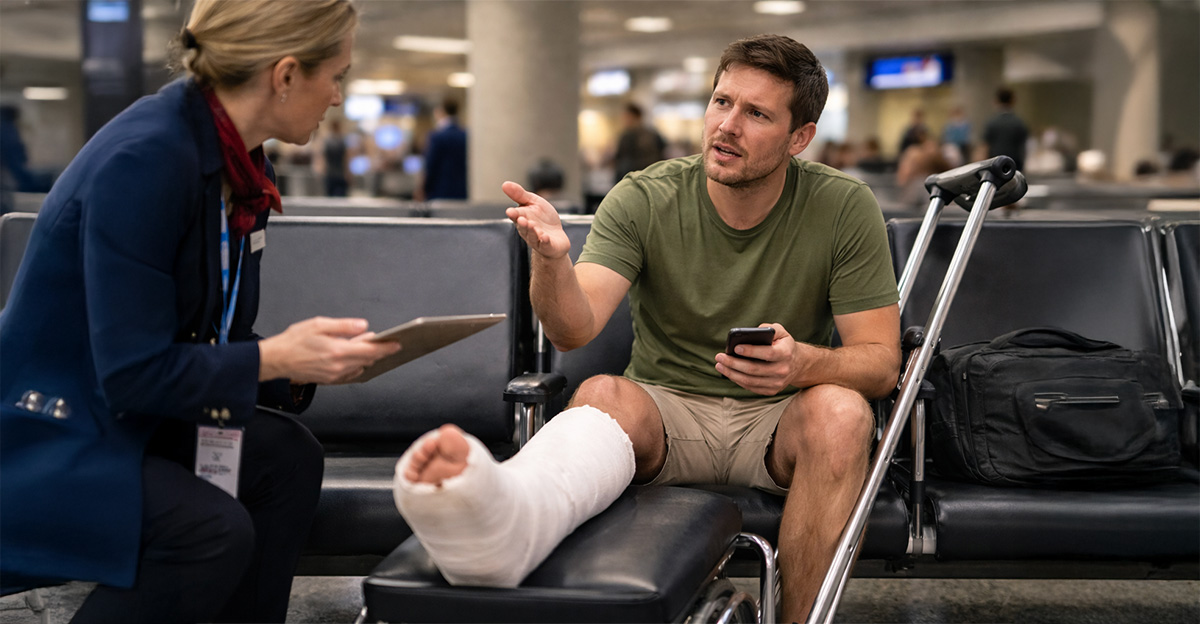
First, Acknowledge The Emotional Gut Punch
Before we get practical, let’s be real: this situation is upsetting. Losing a wheelchair isn’t like losing a suitcase of socks. It’s losing mobility, autonomy, and safety in a foreign place. If you feel angry, scared, or exhausted, that’s valid. You are not “being difficult.” You are responding to a serious failure.

Confirm It’s Truly Missing (Not Just Delayed)
Airlines love the word “delayed.” Sometimes they’re right. Ask staff to check oversize baggage, cargo handling, and partner airlines if your trip involved connections. Make them physically check—not just type into a computer. Many wheelchairs are misplaced, not lost, especially in the first 24 hours.
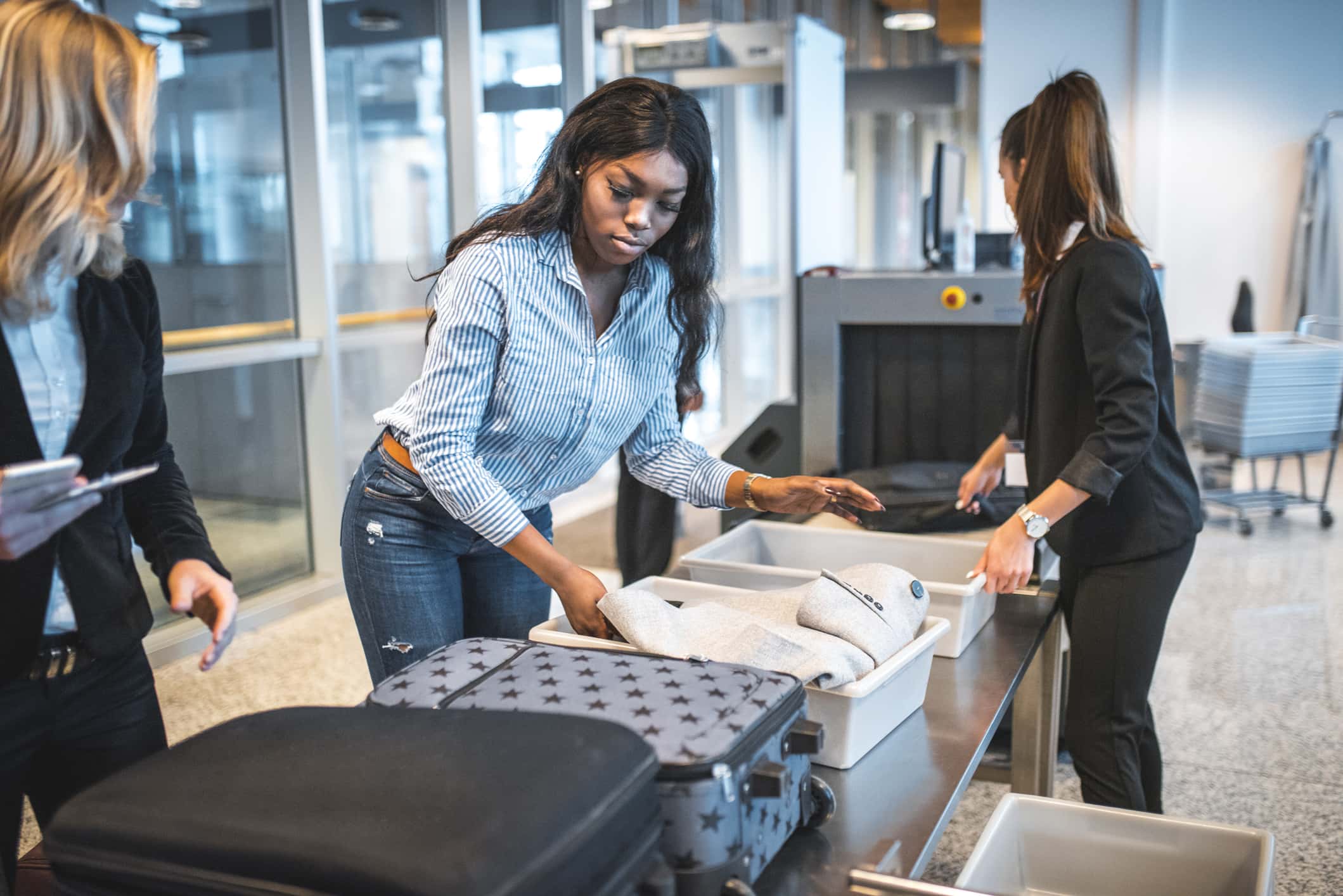
File A Missing Mobility Device Report Immediately
Do not leave the airport without filing an official report. This is critical. Make sure the report explicitly states wheelchair, medical mobility device, and custom or powered, if applicable. These words matter. Get a case number, a printed copy, and a name—not just a shrug and a “we’ll call you.”
 Monkey Business Images, Shutterstock
Ask For A Temporary Replacement On The Spot
Airlines are obligated to provide assistance. Ask immediately about a loaner wheelchair—manual or powered. It may not be perfect (or even close), but it can bridge the gap. If they say they don’t have one, ask who they partner with locally. Keep escalating politely but firmly.
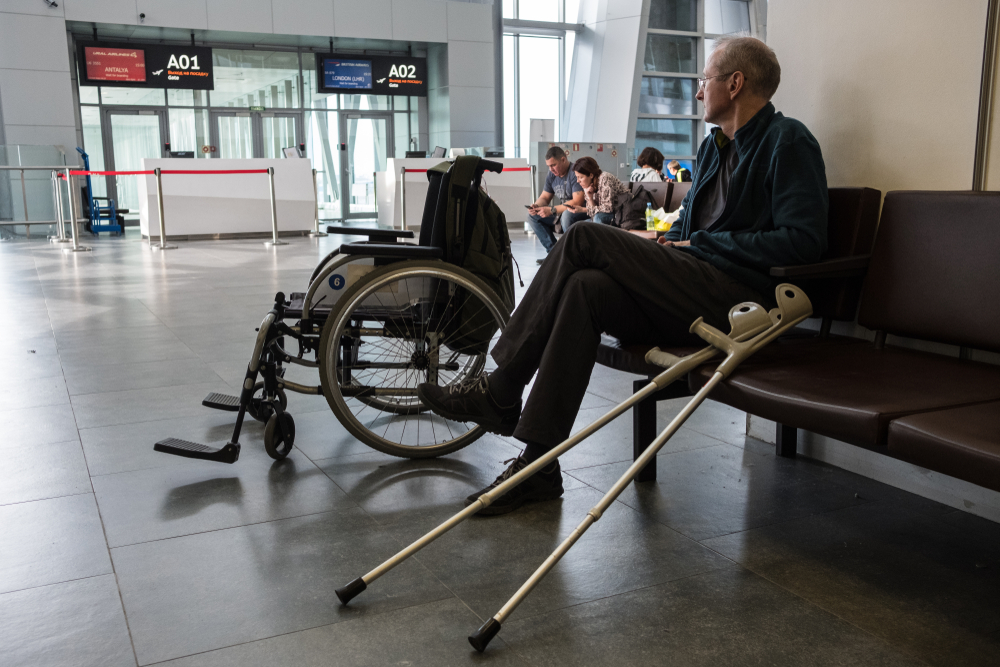
Know That Your Wheelchair Is Not “Just Luggage”
This is a big one. In many countries, including the U.S., wheelchairs are legally considered assistive devices, not baggage. That distinction gives you stronger protections, stricter timelines, and better compensation rights. If staff treat it like a lost duffel bag, correct them.
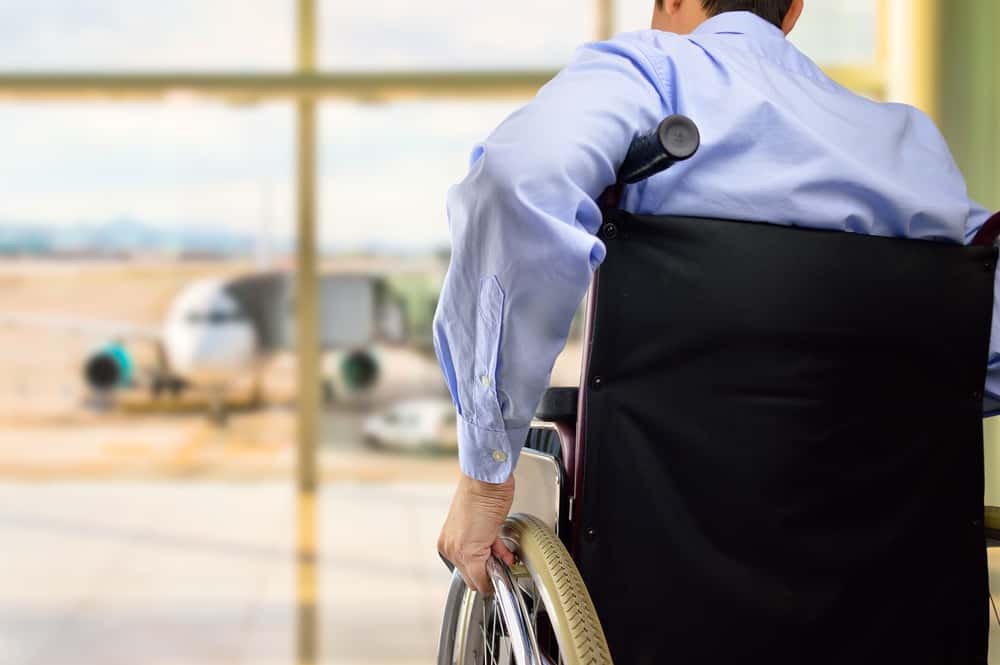
Get Everything In Writing
Verbal promises evaporate faster than airplane peanuts. Ask for written confirmation of what the airline is doing: searches underway, timelines, replacement plans, and points of contact. Emails, texts, printed forms—anything that creates a paper trail is your friend.

Document Your Chair In Detail
If you haven’t already, do it now. Write down the make, model, serial number, custom modifications, seat width, cushion type, and any medical features. Photos help—a lot. This speeds up identification and reduces the risk of them returning the wrong chair and calling it “close enough.”

Ask Where And How They’re Searching
Push for specifics. Are they checking cargo warehouses? Other airports? Partner airlines? Freight contractors? A vague “we’re looking” is not a plan. A detailed explanation means someone is actually working the problem.

Don’t Be Afraid To Escalate Early
If the first agent stalls, ask for a supervisor. If the supervisor stalls, ask for the airline’s disability assistance desk or accessibility team. Escalation is not rudeness—it’s strategy. Time matters when your mobility is on the line.

Request Accommodation For Your Entire Stay
If your chair is missing overnight (or longer), the airline may be responsible for accessible hotel rooms, transport, or additional assistance. This is especially true if the delay prevents you from safely navigating your destination. Ask clearly and directly.

Track Every Extra Expense
Keep receipts for everything: taxis, accessible rides, hotel upgrades, equipment rentals, caregiver costs, missed tours. Even small expenses add up, and documentation strengthens your reimbursement claim later.

Use The Magic Words: “Unsafe And Inaccessible”
If the situation prevents you from safely functioning—bathing, transferring, leaving your room—say so. Airlines respond faster when they understand the issue isn’t comfort, but safety and accessibility.

Understand The 24–48 Hour Reality Window
Most “found” wheelchairs reappear within the first two days. That’s when searches are most active. Stay in regular contact, ask for updates, and log every interaction. After 48 hours, you should start shifting from “delay” to “replacement” conversations.

Know When “Replacement” Becomes The Goal
If the airline cannot locate your wheelchair within a reasonable timeframe, ask about permanent replacement or compensation. Custom chairs can take months to remake—airlines know this. That’s why early pressure matters.

Don’t Accept A One-Size-Fits-All Fix
A generic chair may not meet your medical needs. If a temporary or permanent replacement doesn’t fit properly, document that and say so. You are not obligated to accept equipment that causes pain, injury, or loss of independence.

Loop In Advocacy Groups If Needed
Disability rights organizations know these scenarios well. Some offer advice lines, templates, or public pressure when airlines drag their feet. Sometimes, knowing you’re not alone makes a huge difference.

Use Social Media Strategically (If You Have The Energy)
You shouldn’t have to go public—but sometimes it helps. A calm, factual post tagging the airline’s official account can accelerate action. Stick to dates, facts, and impact. No need to rant—clarity is powerful.

File A Formal Complaint With Regulators
If resolution stalls, escalate outside the airline. In some countries, transportation authorities track mobility device complaints closely. These reports don’t just help you—they help improve systems for future travelers.

Take Care Of Your Body During The Wait
Using an ill-fitting loaner chair can cause strain, pressure sores, or injury. Pace yourself. Ask for help. If something hurts, stop. Your health matters more than any itinerary.

Lean On Your Support Network
This is the moment to text friends, family, or fellow travelers. Whether it’s emotional support or logistical help, you don’t have to muscle through this alone. Even seasoned travelers need backup sometimes.

Remember That This Is Not Your Fault
You followed the rules. You planned ahead. The system failed—not you. Losing a wheelchair is a serious lapse, and your frustration is justified. Don’t let anyone minimize that.

Prepare For The Follow-Up Phase
Once your chair is found or replaced, the process isn’t over. Inspect it carefully. Test every function. Report any damage immediately and in writing. “It worked when we loaded it” is not an acceptable response.

Push For Meaningful Compensation
Beyond returning the chair, ask what the airline will do to make this right. Refunds, miles, reimbursements, or formal apologies don’t erase the stress—but they acknowledge it. You deserve that acknowledgment.

Use The Experience To Strengthen Future Travel
As unfair as it is, experiences like this often turn travelers into experts. Extra labels, tracking devices, photos, written instructions—none guarantee safety, but they tilt the odds slightly in your favor next time.

You’re Still Allowed To Love Travel
Moments like this can shake your confidence. That’s understandable. But one airline’s failure does not cancel your right to explore the world. Accessible travel is hard enough without giving up joy, too.

Rolling Forward, Even When Plans Collapse
Losing a wheelchair while traveling is a nightmare scenario—full stop. But with persistence, documentation, and a refusal to be brushed aside, you can push the system to respond. You deserve mobility, dignity, and support wherever you land. And even when the journey goes sideways, your voice—and your wheels—still matter.

You May Also Like:
Fewer Than 50 People Remain On Earth's Most Isolated Island, And Nobody Knows How Long They'll Last