Nowhere Near Anywhere
At first glance, it sounds simple. A few homes, familiar faces, and steady routines. Look closer, and the story becomes about endurance, inherited choices, and what happens when a community has no margin for error.
 Jens Bludau, Wikimedia Commons, Modified
Extreme Isolation
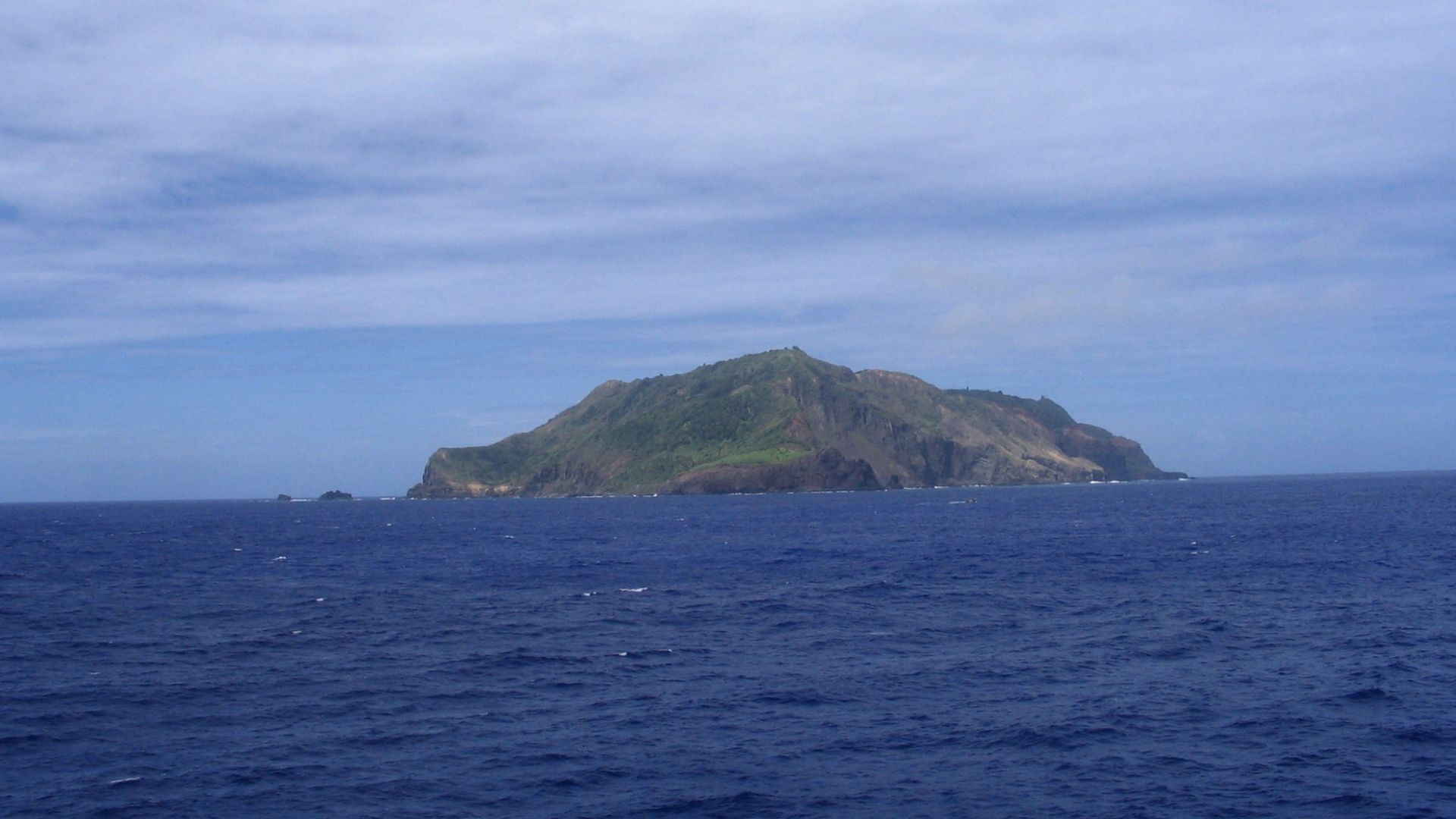
Pitcairn Island is a tiny, extremely remote island in the South Pacific Ocean and the only inhabited island of the Pitcairn Islands, a British Overseas Territory. It’s best known as the settlement founded by the HMS Bounty mutineers and their Polynesian companions.
Pacific Location
26°02'S, 130°06'W—these coordinates mark where Pitcairn floats in the South Pacific's emptiness. Surrounded by millions of square kilometers of ocean, the island measures just 4.6 square kilometers itself. Picture Rhode Island shrunk 500 times, then dropped into waters twice the size of Russia.
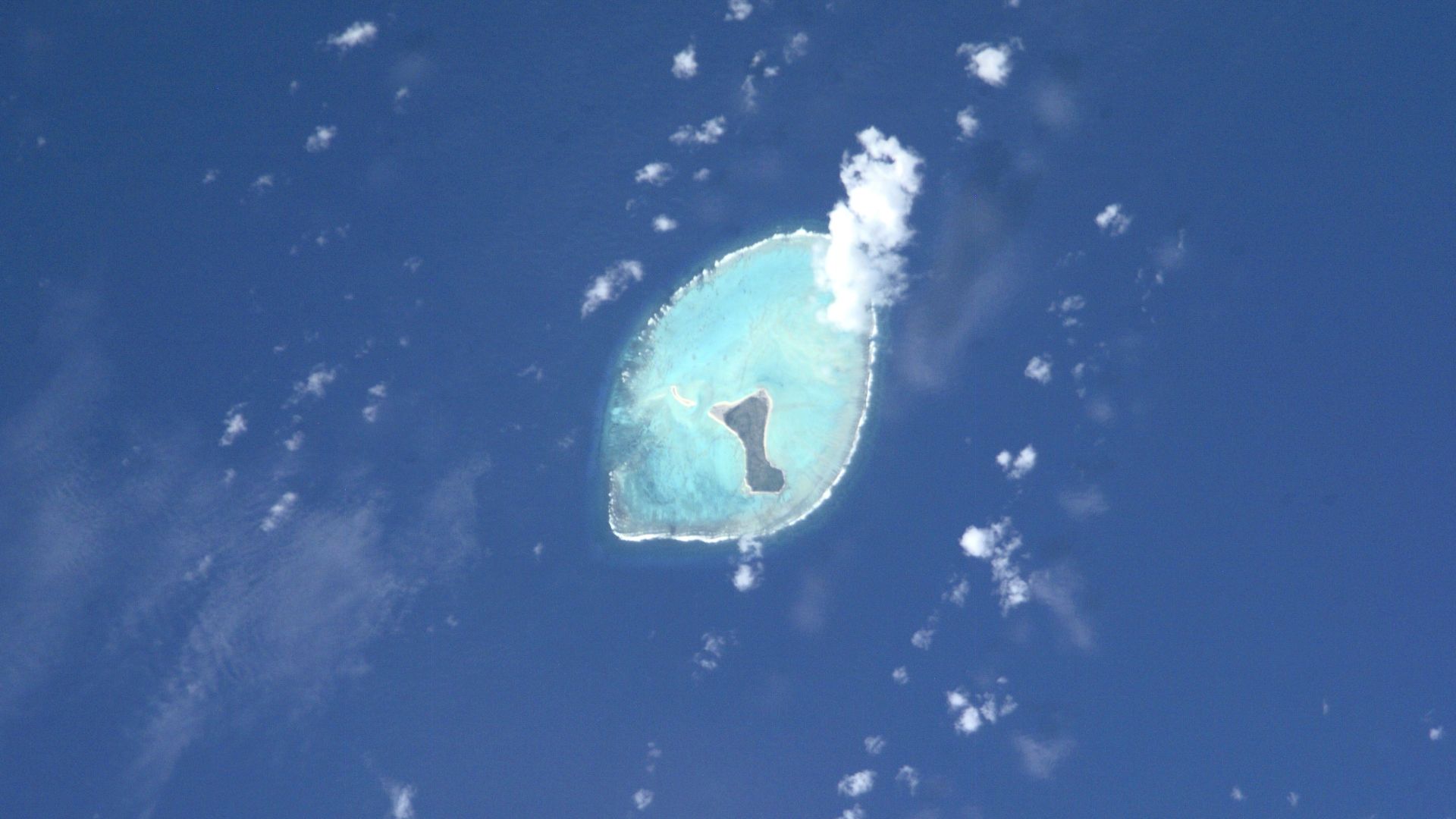 Earth Science and Remote Sensing Unit, Lyndon B. Johnson Space Center, Wikimedia Commons
Volcanic Origins
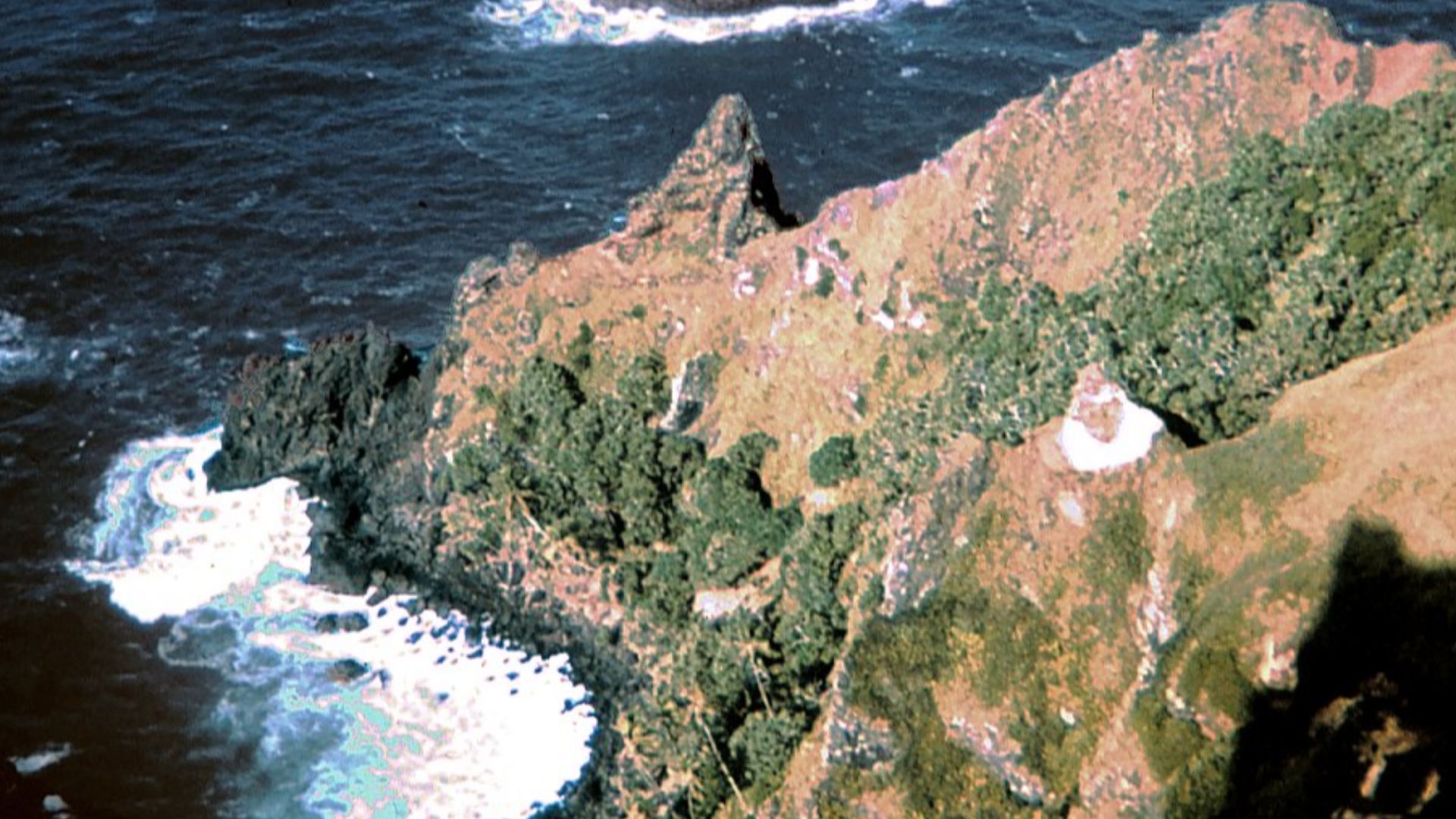
Several years ago, underwater volcanoes erupted through the Pacific Plate, building Pitcairn from molten rock. The island's dramatic cliffs, rising 330 meters straight from the ocean, are volcanic remnants. This geology created the island's greatest curse: no natural harbor, no beaches, no gentle landing spots.
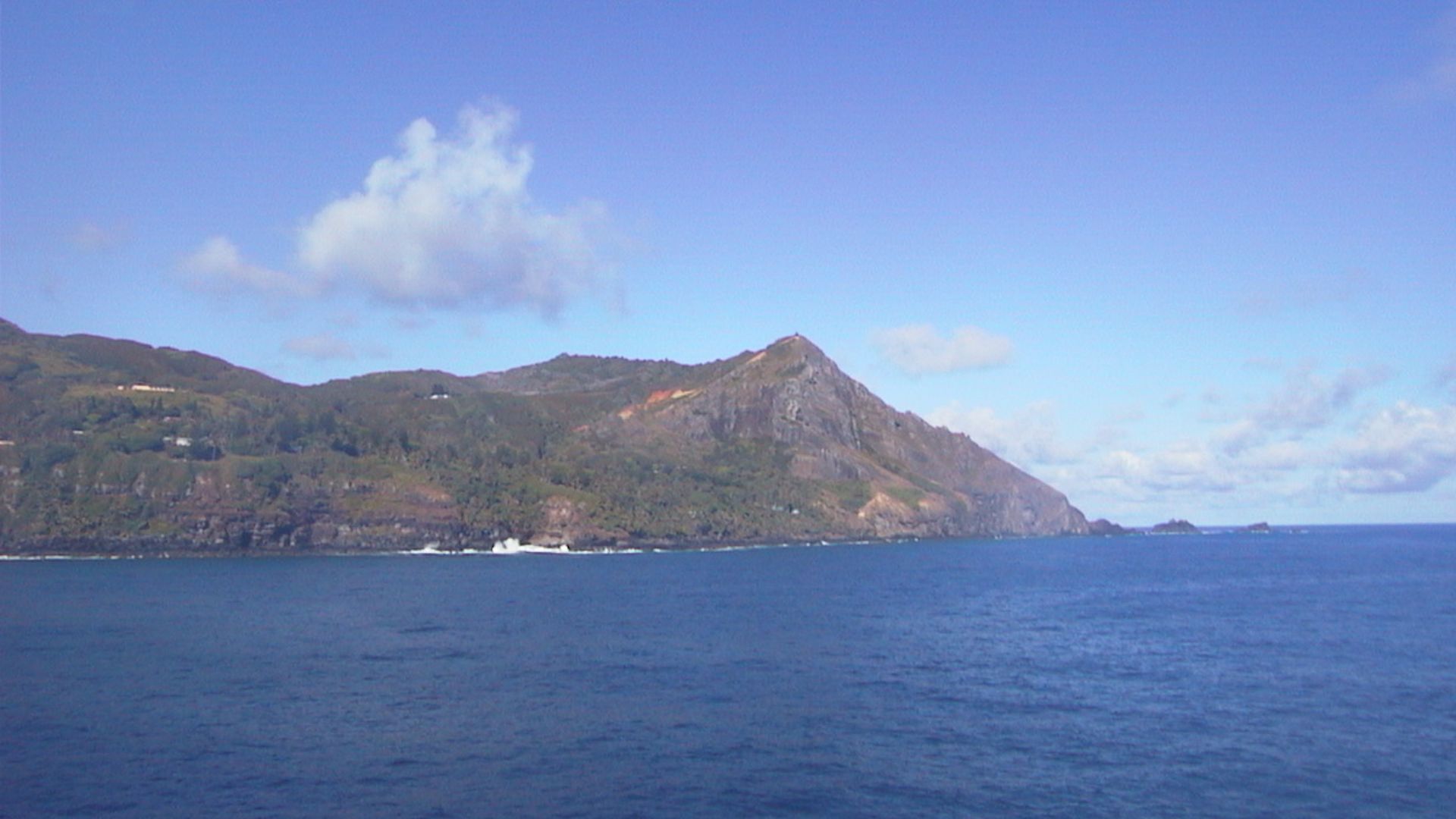 Gabriele Giuseppini, Wikimedia Commons
Polynesian Discovery
Centuries before Europeans sailed these waters, Polynesian voyagers found Pitcairn during their legendary Pacific migrations. Archaeological evidence, such as stone tools, earth ovens, and petroglyphs, proves they established settlements here. Then, mysteriously, they vanished completely around 1400 AD.
 Henning Axt, Wikimedia Commons
European Arrival
A teenage midshipman spotted land on July 2, 1767. Robert Pitcairn, just fifteen, was scanning horizons aboard HMS Swallow when volcanic peaks emerged from fog. Captain Philip Carteret named the uncharted island after the boy. They sailed past without landing.
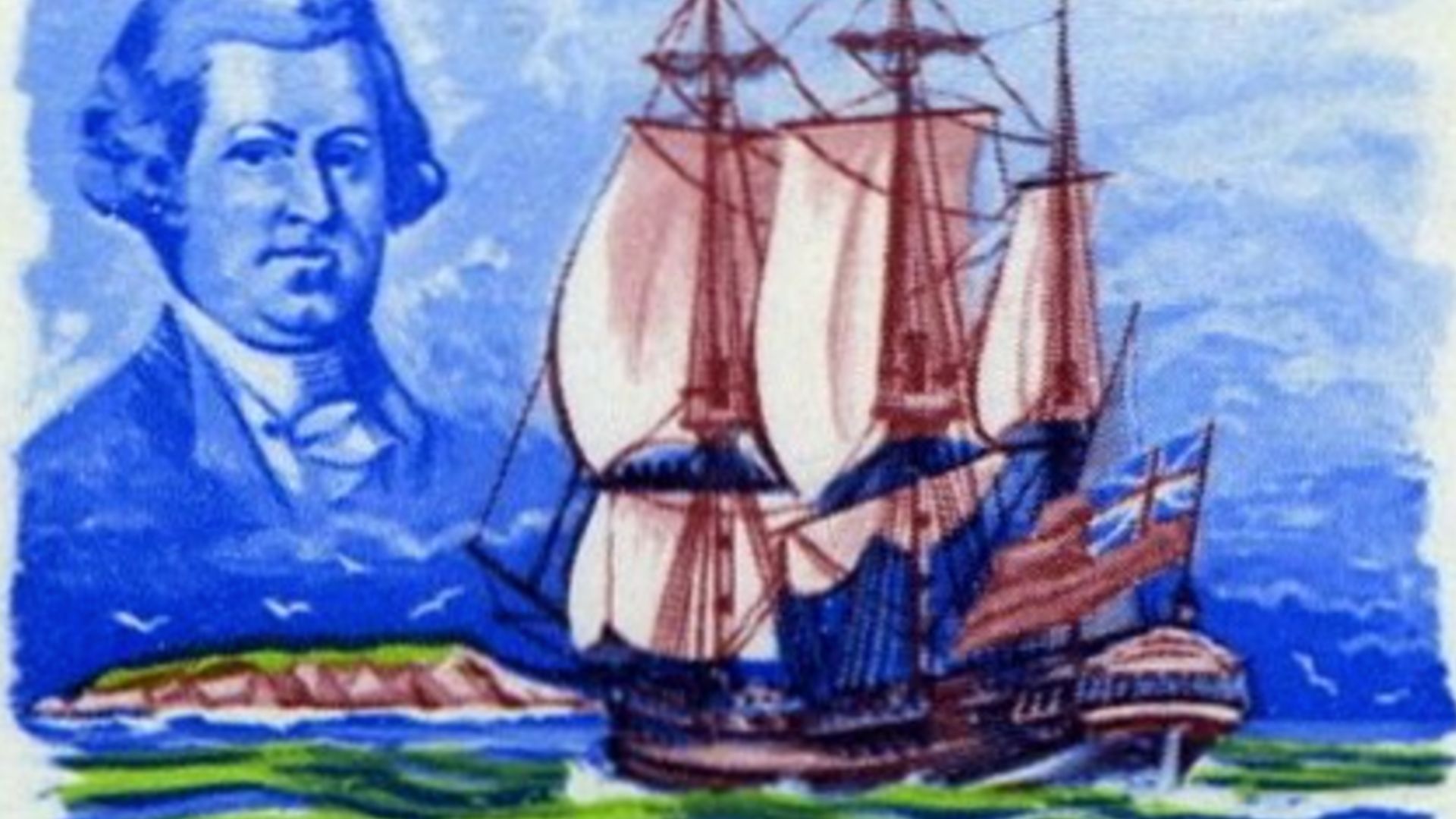 designer: Victor Whiteley; printers: Harrison & Sons Ltd., Wikimedia Commons
Mutiny Background
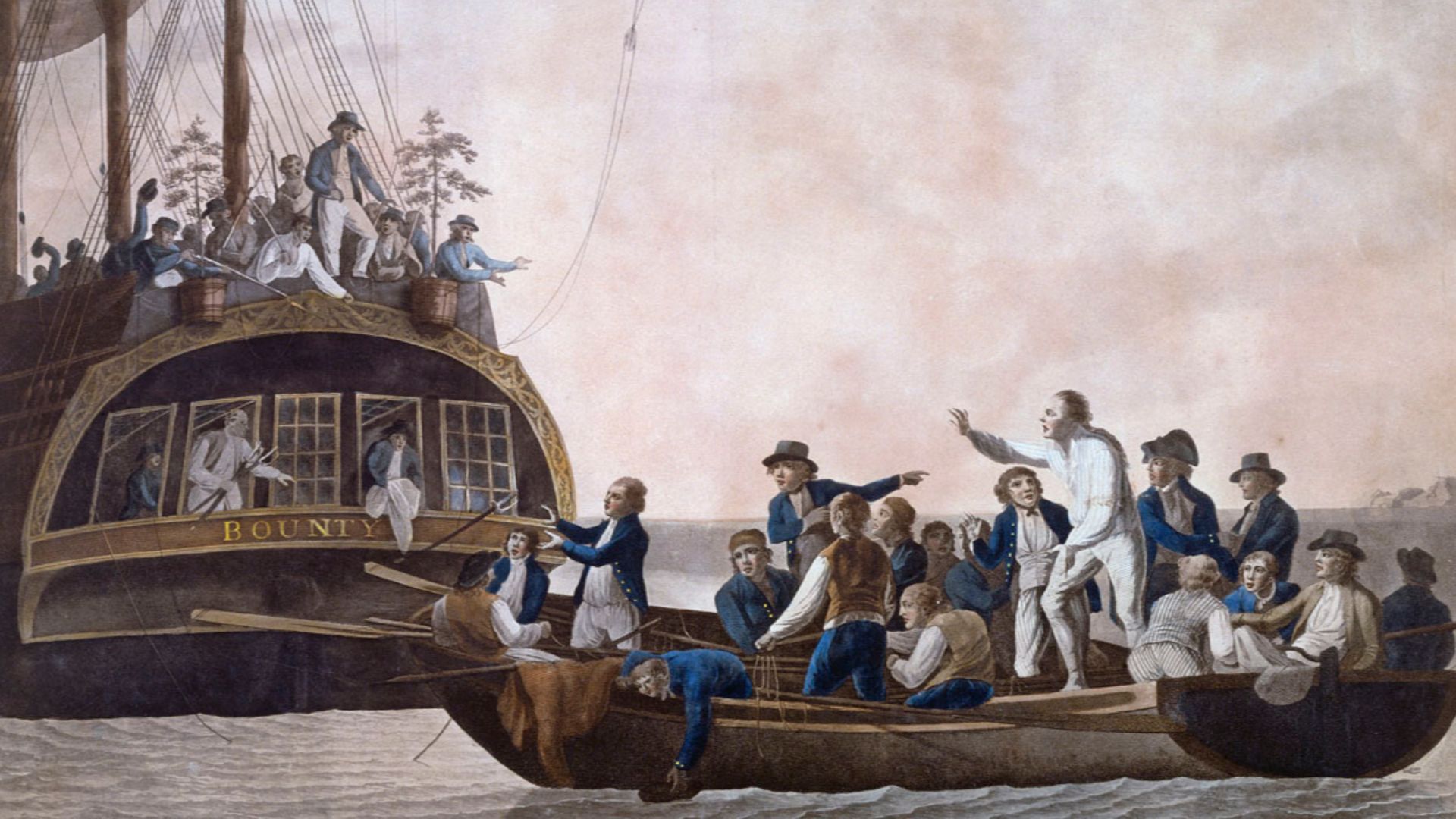
HMS Bounty departed England in 1787 to collect Tahitian breadfruit for Caribbean slave plantations. Captain William Bligh's brutal discipline ignited resentment during the ten-month voyage. After five idyllic months in Tahiti, returning to Bligh's tyranny proved unbearable. On April 28, 1789, Master's Mate Fletcher Christian led twenty-five men in armed rebellion.
 Robert Dodd, Wikimedia Commons
1790 Settlement
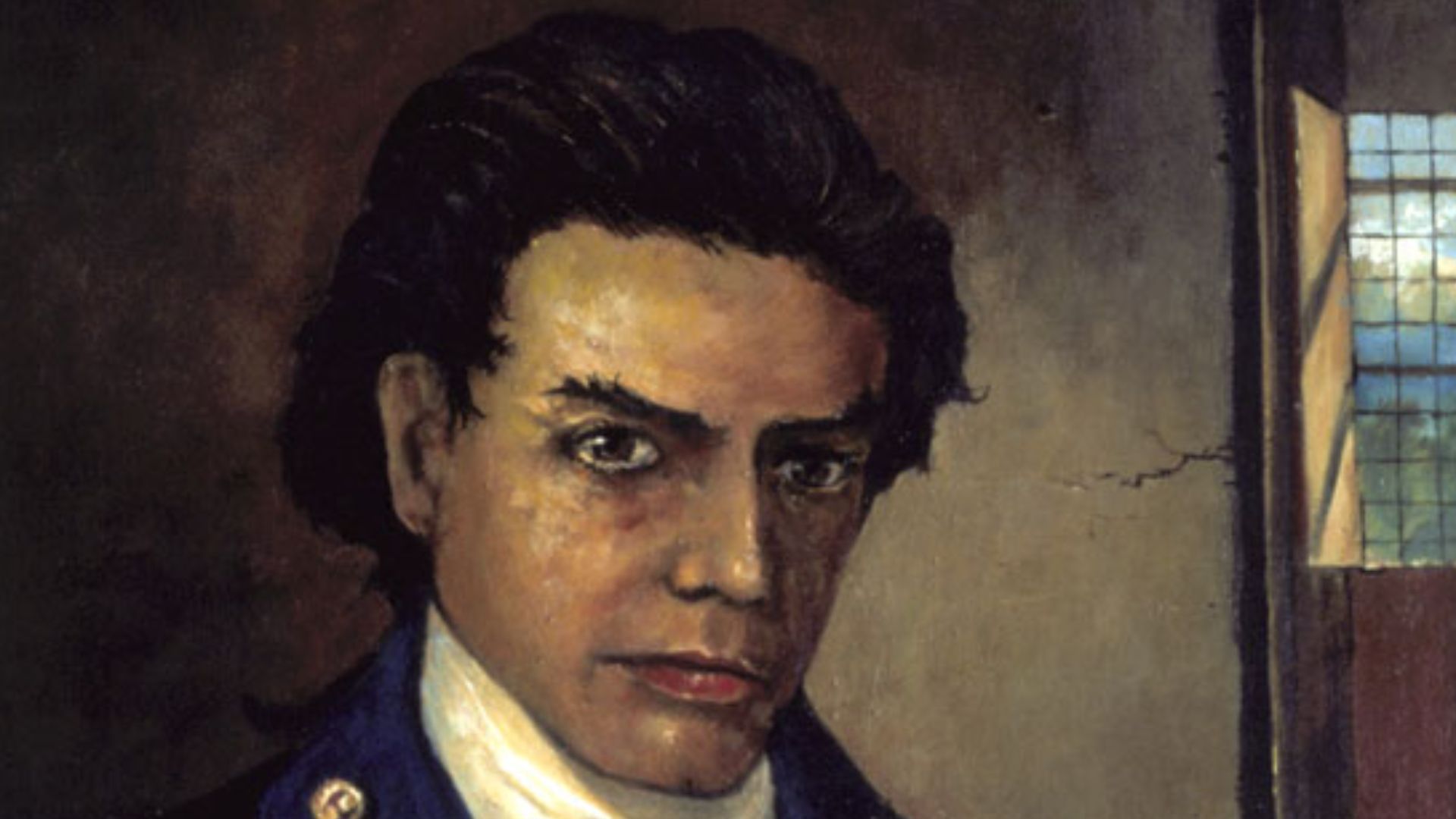
Fletcher Christian knew the Royal Navy hunted them across every ocean. Studying charts, he remembered Carteret's obscure discovery. Pitcairn was incorrectly positioned by 200 miles on British maps. Perfect. On January 15, 1790, nine mutineers, six Tahitian men, twelve Tahitian women, and one baby landed.
 Johnhaganart, Wikimedia Commons
Bounty Burning
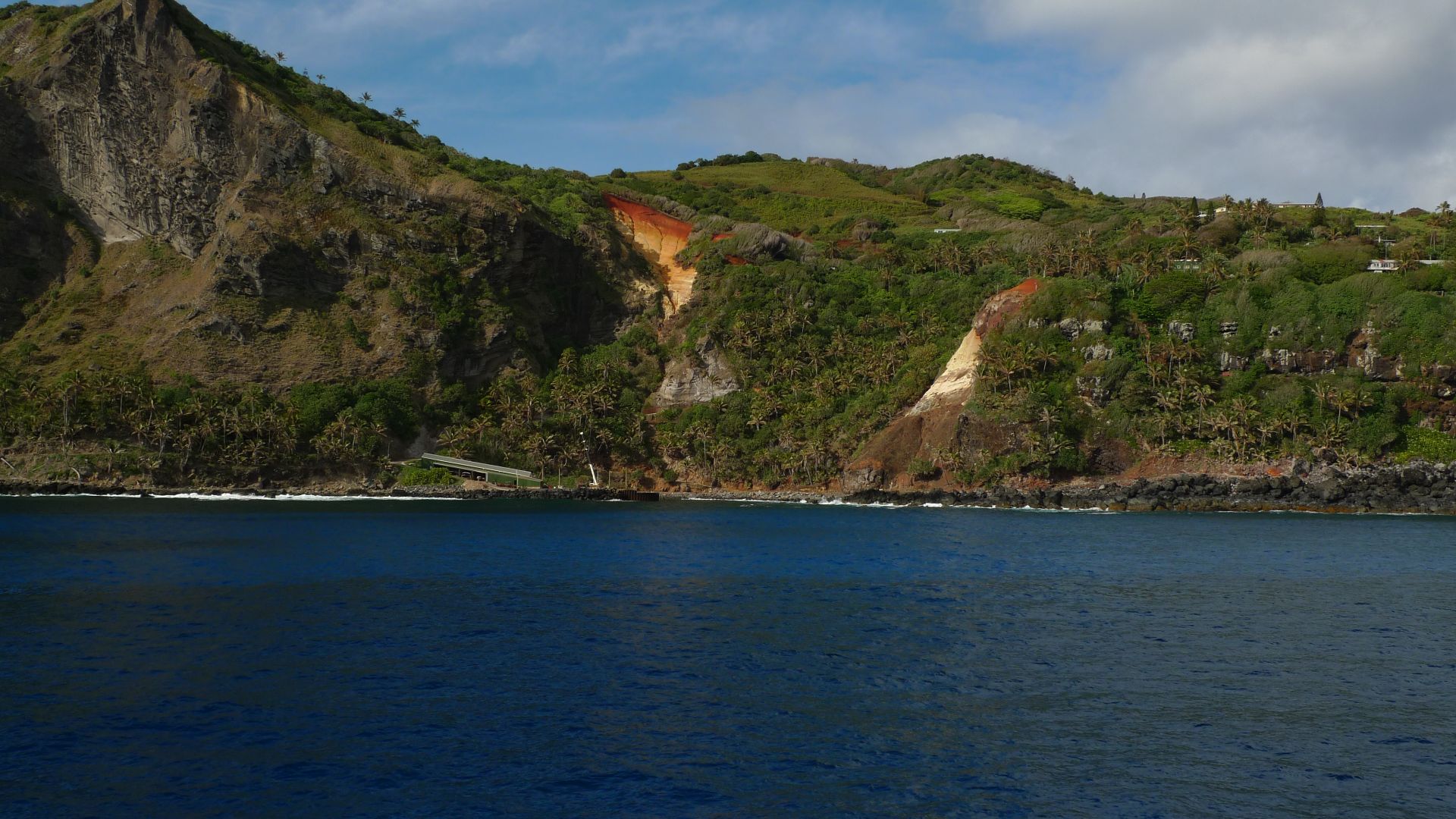
On January 23, 1790, the mutineers stripped HMS Bounty of everything useful, sails, nails, timber, and cannons—then set her ablaze in what's now Bounty Bay. As flames consumed their only escape route, the ship sank in thirty meters of water.
 Henning Axt, Wikimedia Commons
Hidden Years
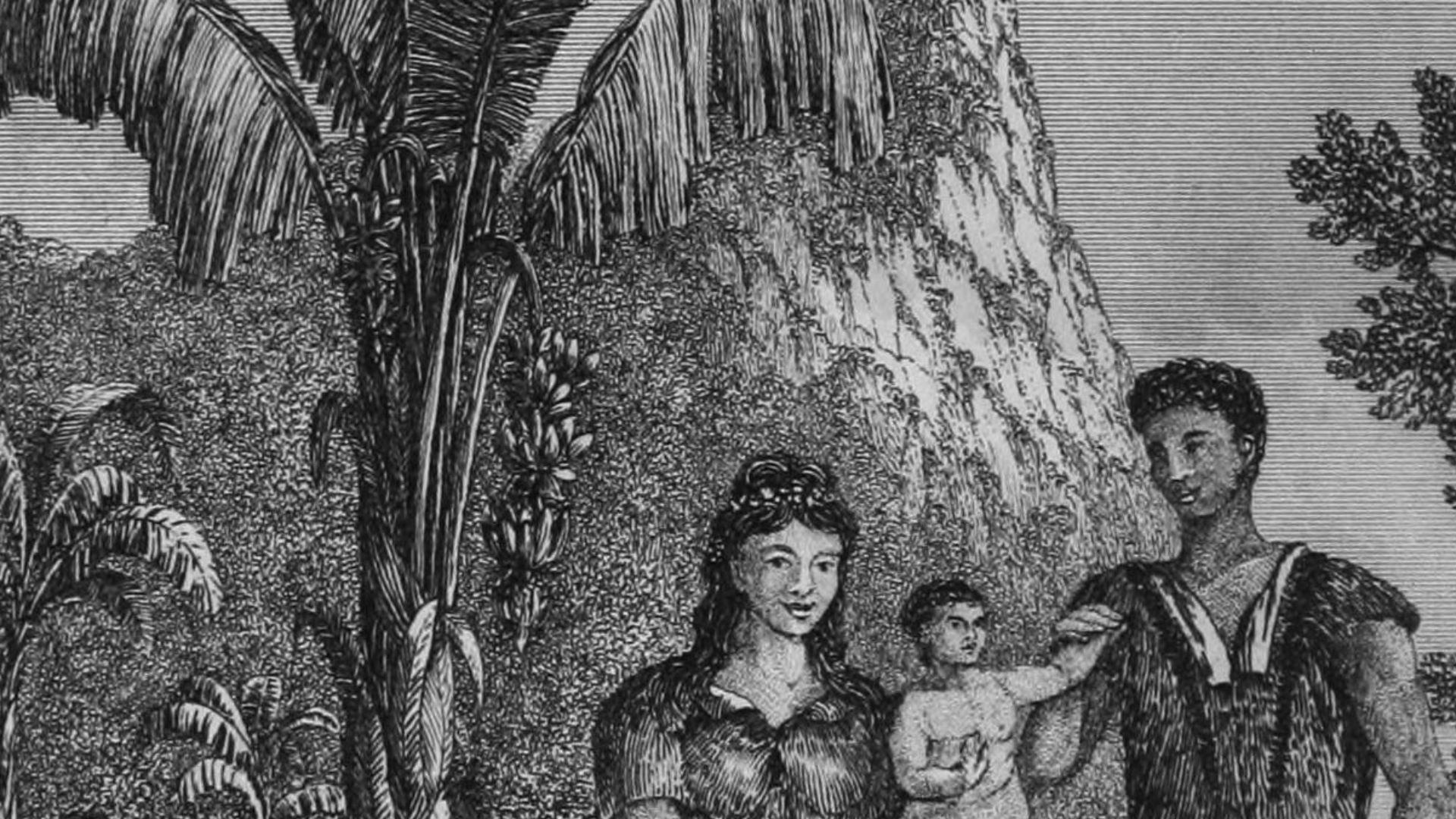
What happened next remains partially mysterious. Violence erupted between Tahitian men and British mutineers over women and power. By 1794, only four years after landing, just four mutineers survived. The Tahitian men were all dead, too. Women and children outnumbered men four-to-one in this tiny, blood-soaked society.
 Lieutenant Colonel Robert Batty (1789–1848)[1], Wikimedia Commons
Rediscovery 1808
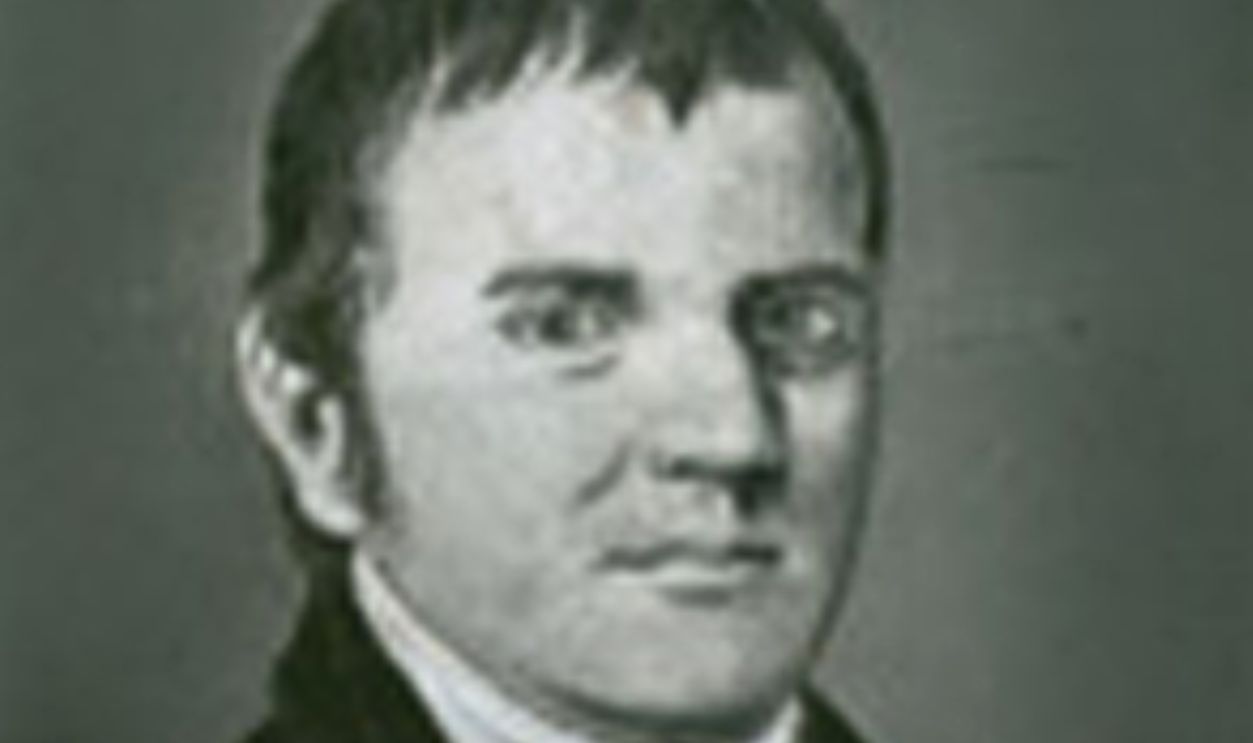
American sealing ship Topaz accidentally encountered Pitcairn on February 6, 1808. Captain Mayhew Folger expected nobody. Instead, young men paddled out speaking perfect English, claiming descent from Bounty mutineers. Only one original mutineer survived, that was John Adams, living peacefully with ten Tahitian women and twenty-three children.
British Territory
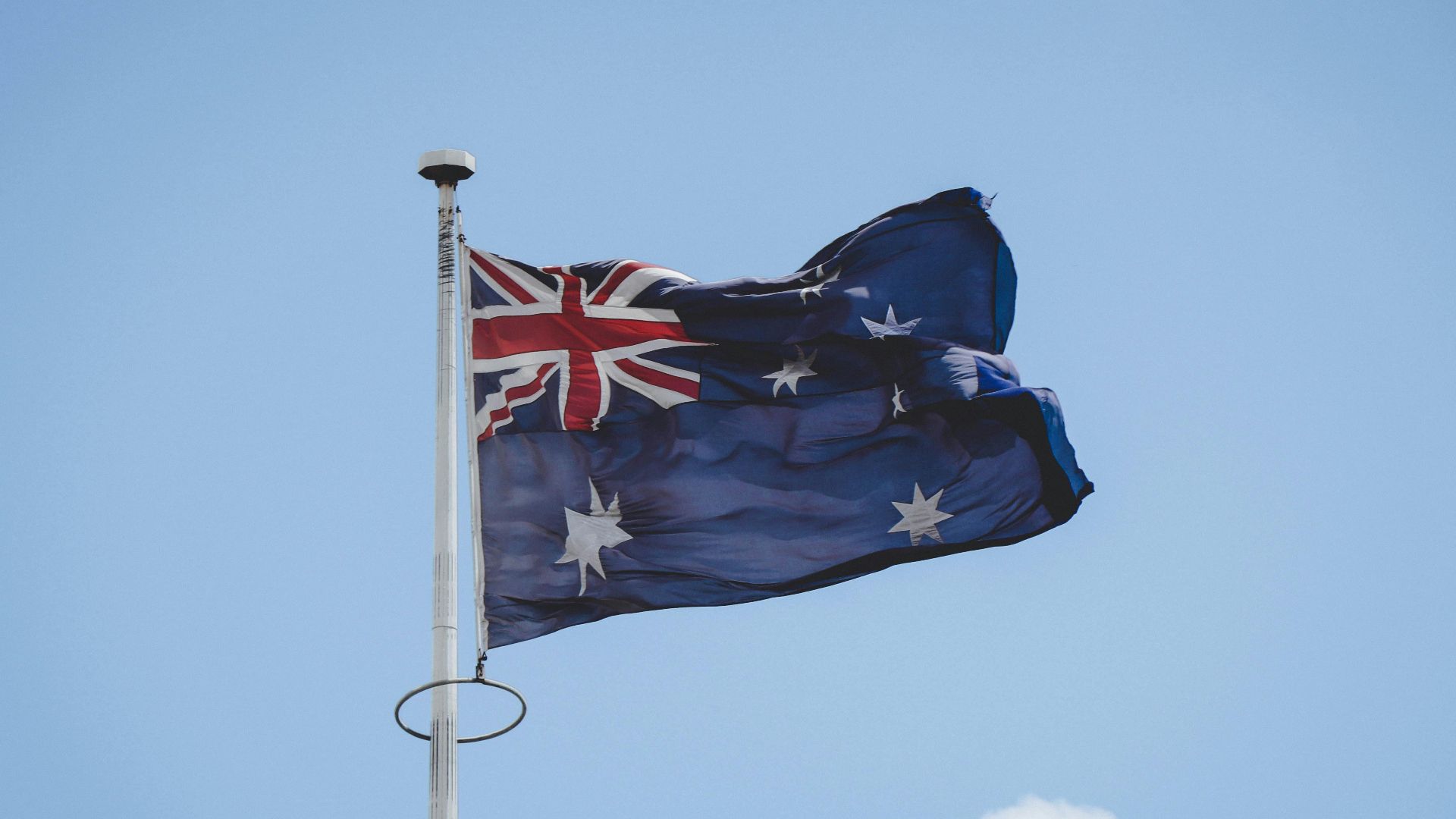
Britain's smallest overseas territory operates under peculiar constitutional arrangements. Though 9,000 miles from London, Pitcairn flies the Union Jack and answers to a governor based in New Zealand. The islanders are British citizens with UK passports. Yet Westminster largely ignores them.
Island Government
Every 2–3 years, all eligible voters elect a mayor and an island council. Council meetings happen in the town square because there's no proper government building. The mayor earns no salary. Neither do councilors. Decisions require consensus; you can't afford enemies when everyone's your neighbor.
 Jens Bludau, Wikimedia Commons
Unique Laws
Pitcairn's legal code blends British common law with island practicalities. Public work duty is mandatory—every able-bodied resident contributes labor weekly. Driving restrictions? Absurd when only one vehicle exists per household on five kilometers of rough track. The island even banned alcohol until 2009.
Few Residents
The census fluctuates between forty and fifty residents, depending on who's visiting New Zealand for medical care. As of 2024–2025, around 40 permanent residents lived on Pitcairn Island. This demographic catastrophe of more retirees than children signals extinction.
Nine Families
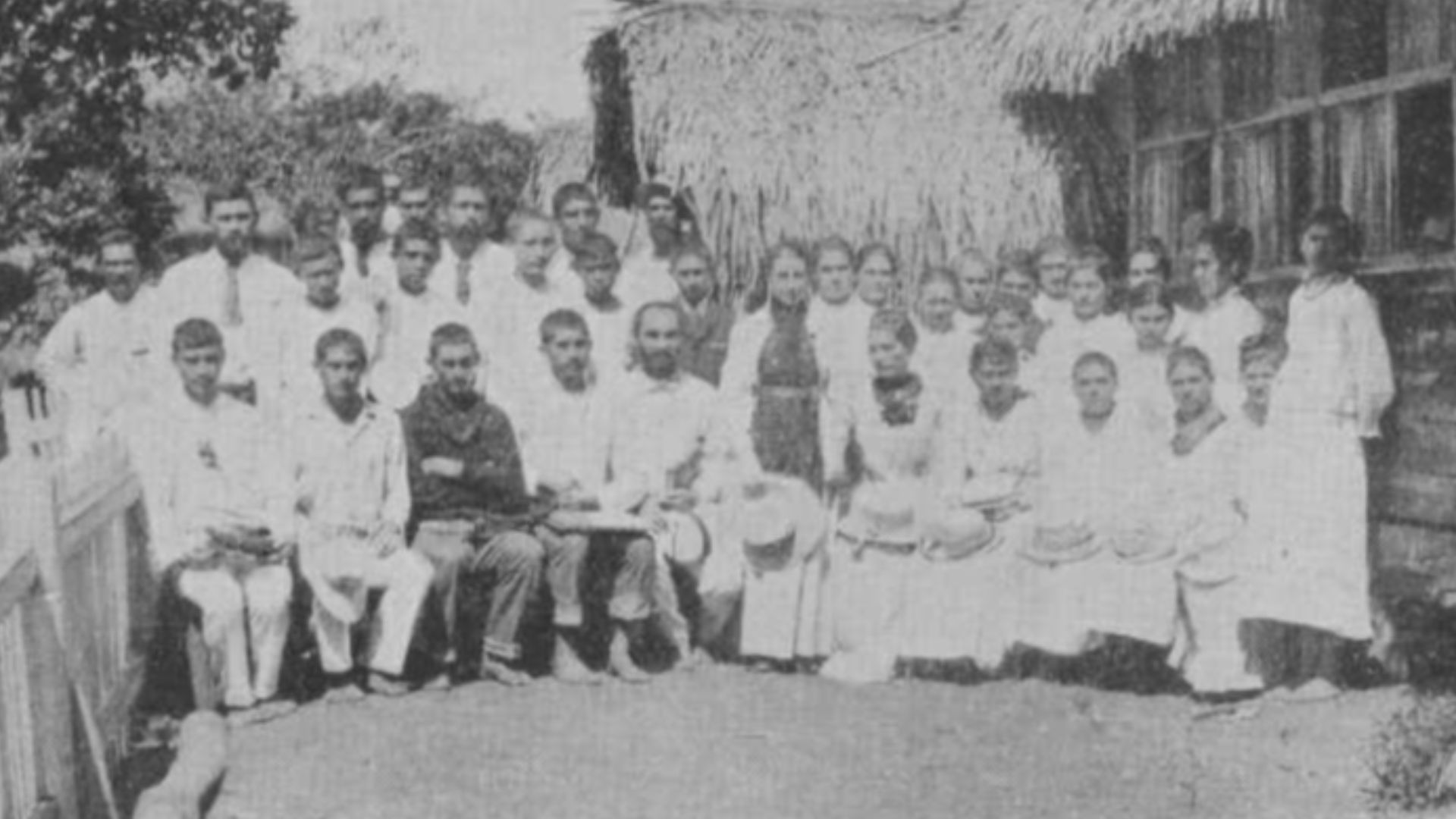
Christian, Young, Warren, Brown—four surnames descend directly from Bounty mutineers. Add McCoy, Quintall, Adams, and Buffett, plus recent arrivals, and you've got nine family groups. Everyone is related somehow. Besides, marriages require importing spouses from New Zealand or Norfolk Island.
 Steve Daggar, Wikimedia Commons
Population Decline
Pitcairn peaked at 233 residents in 1937. Then came the exodus. Young people fled to New Zealand seeking education, jobs, and partners. By 1960, there were 126 residents, by 1990, 59 residents, and by 2000, 51. The decline accelerated after 2004.
 Seventh-day Adventist Church, Wikimedia Commons
No Airport
Aviation engineers studied Pitcairn in the 1980s and probably many other times, seeking runway sites. Unfortunately, the island's volcanic topography offers no flat ground. Every meter is either a steep hillside or a sheer cliff. Even a helicopter pad proved problematic due to unpredictable wind shears.
 Published by U.S. government, public domain, Wikimedia Commons
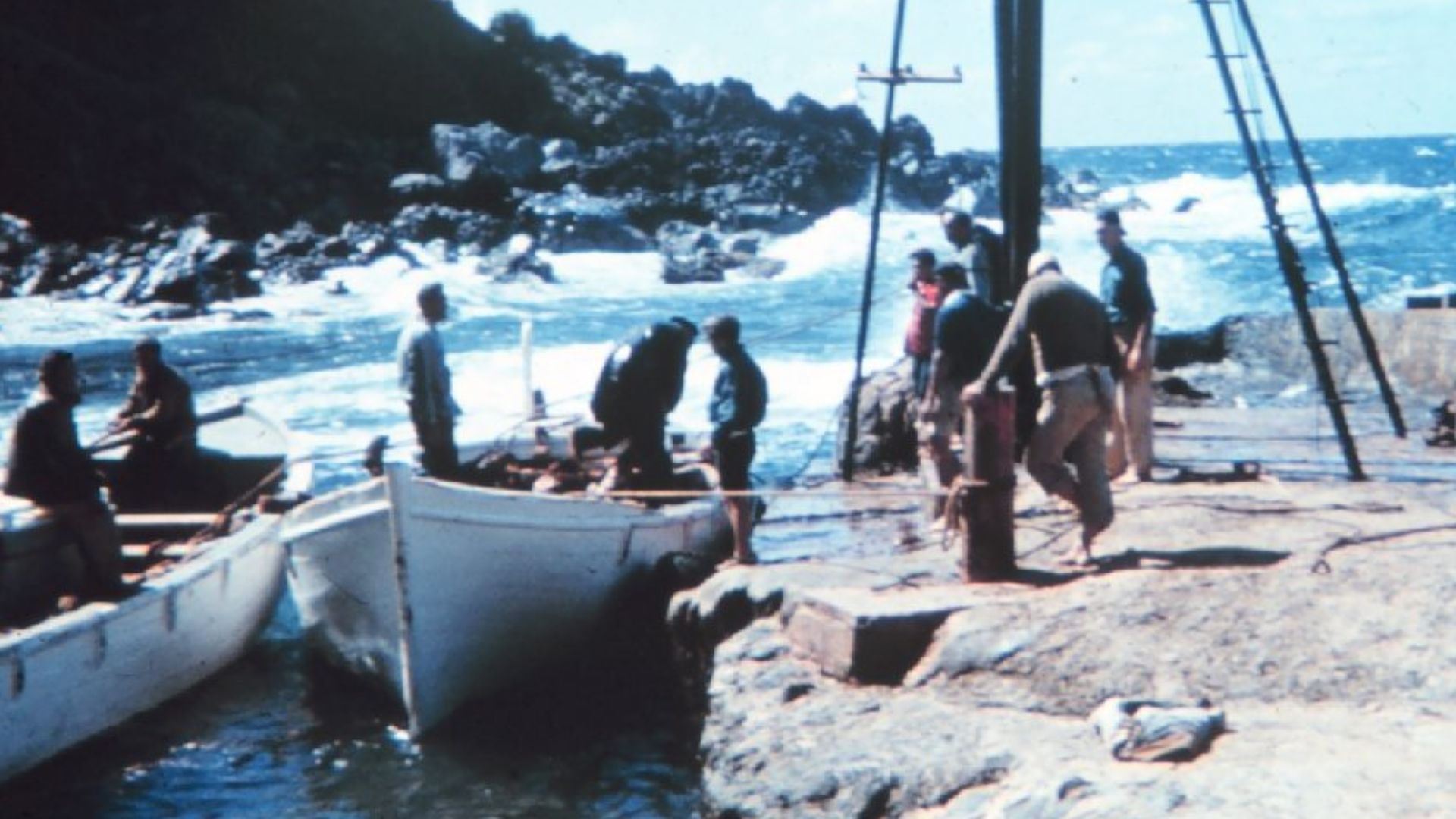
Longboat Landing
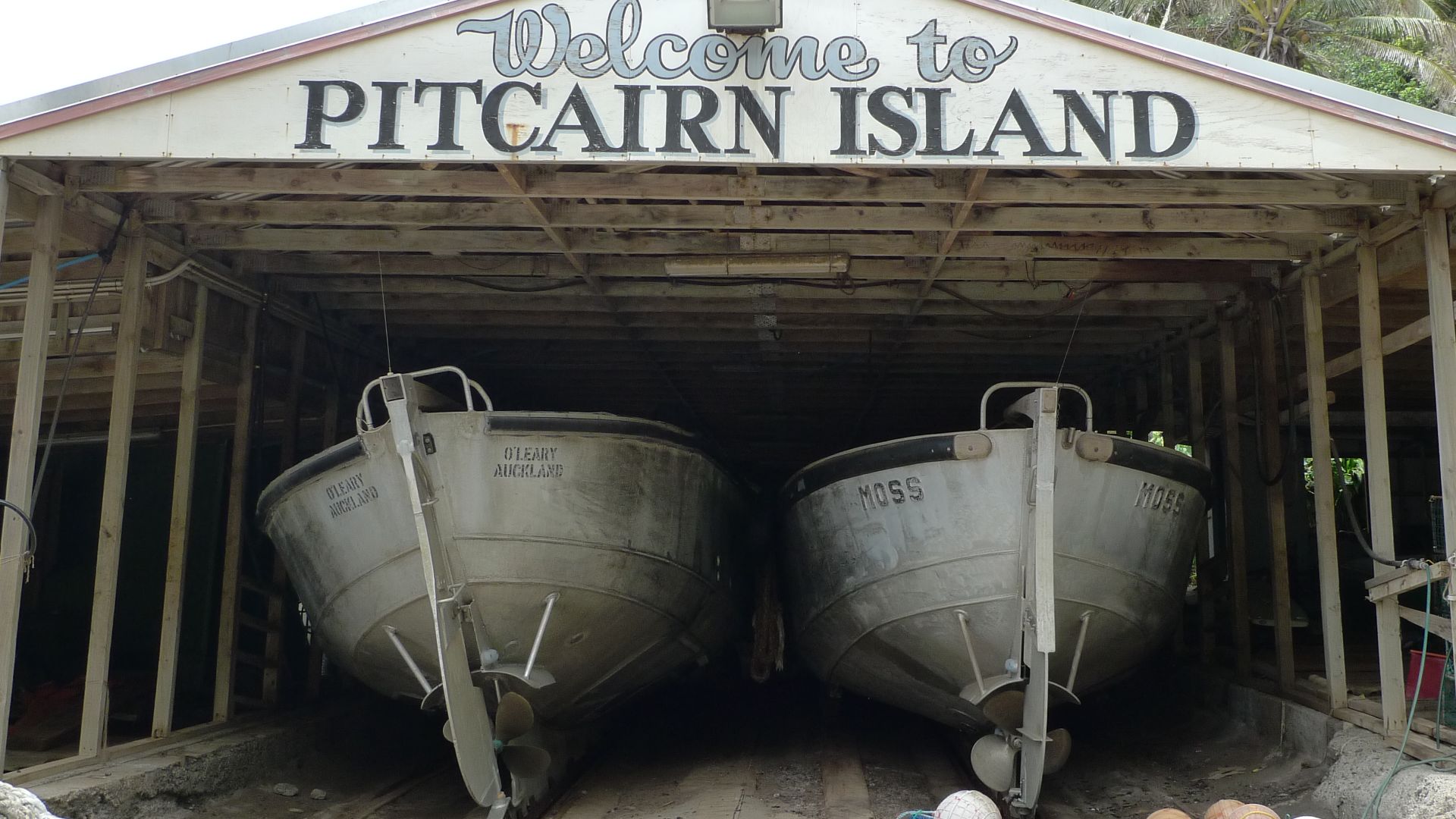
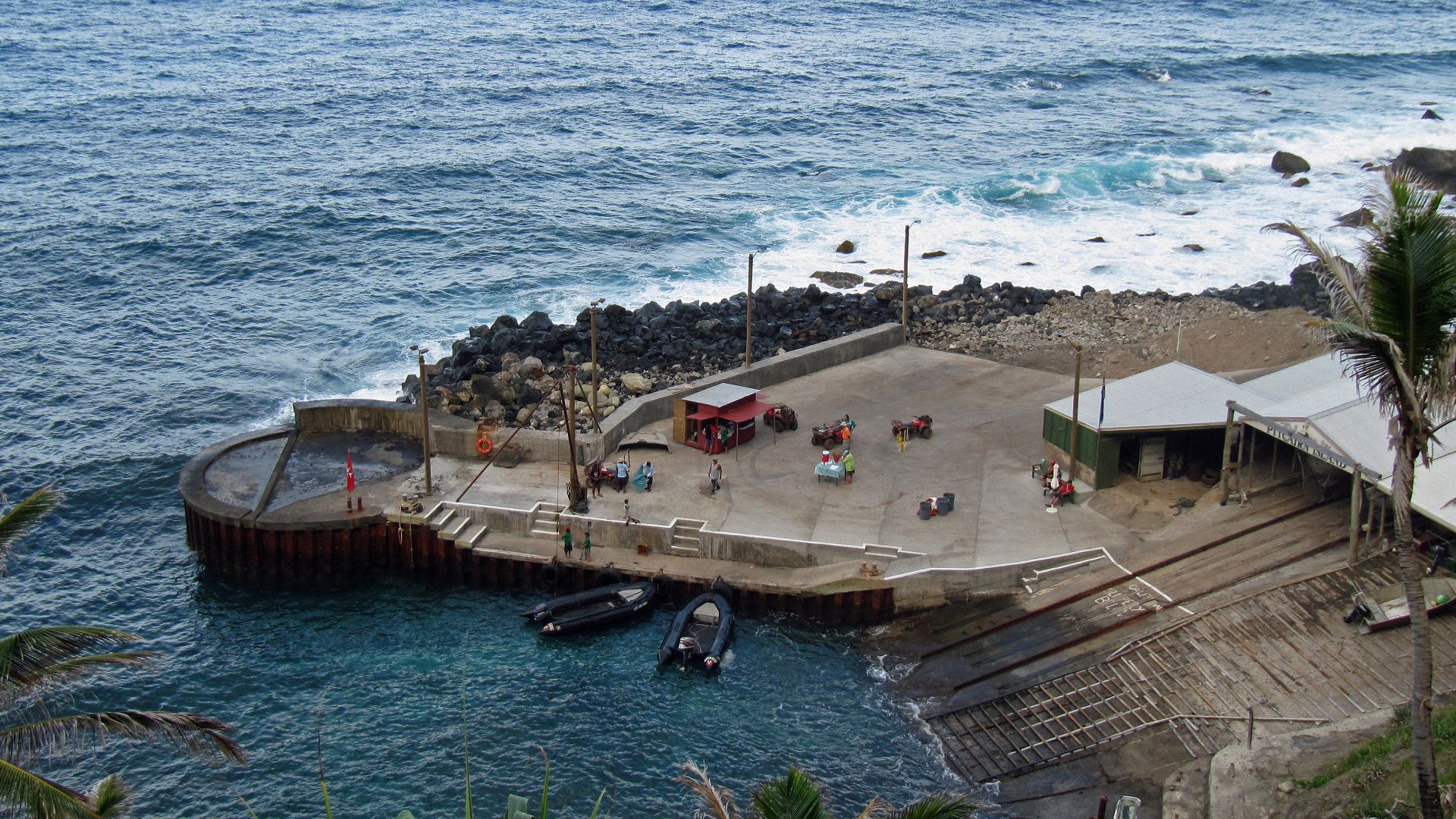
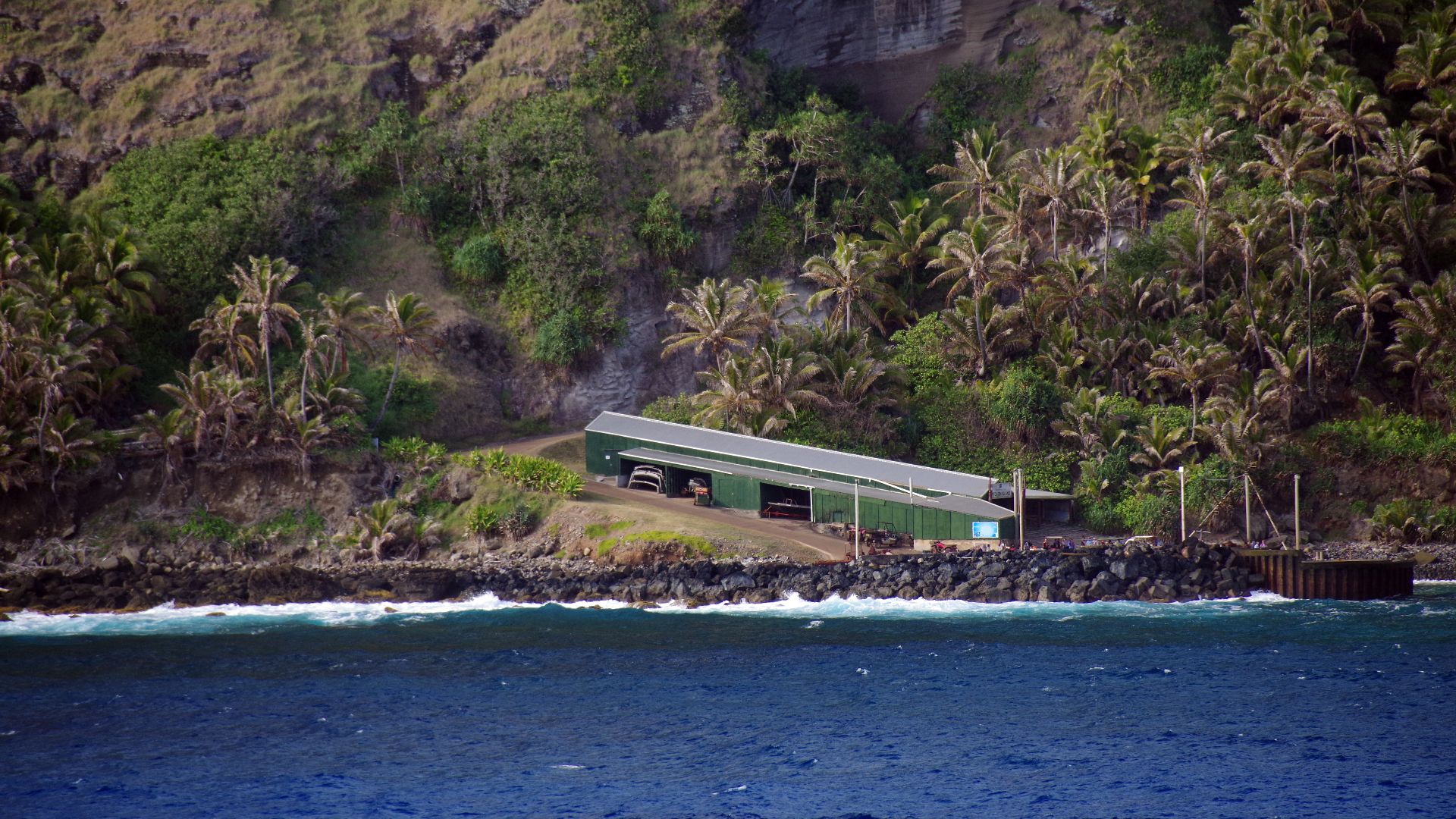
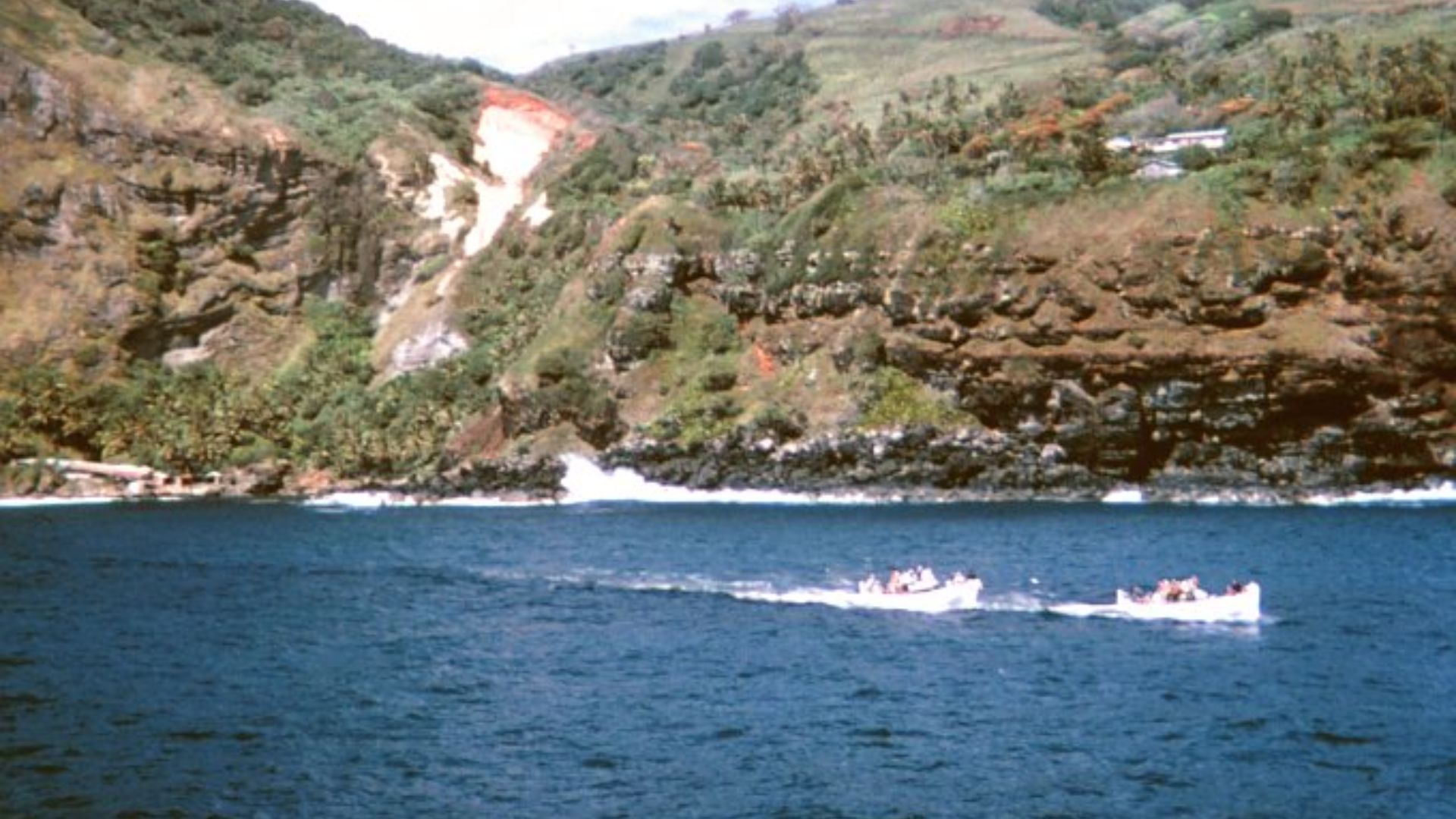
Watch Pitcairn men launch their aluminum longboat through Bounty Bay's crushing surf, and you'll witness inherited courage. Timing is everything. Riders wait for wave sets, gun the outboard motor, then race between swells. Ships anchor offshore; longboats ferry passengers through four-meter waves.
 Published by U.S. government, public domain, Wikimedia Commons
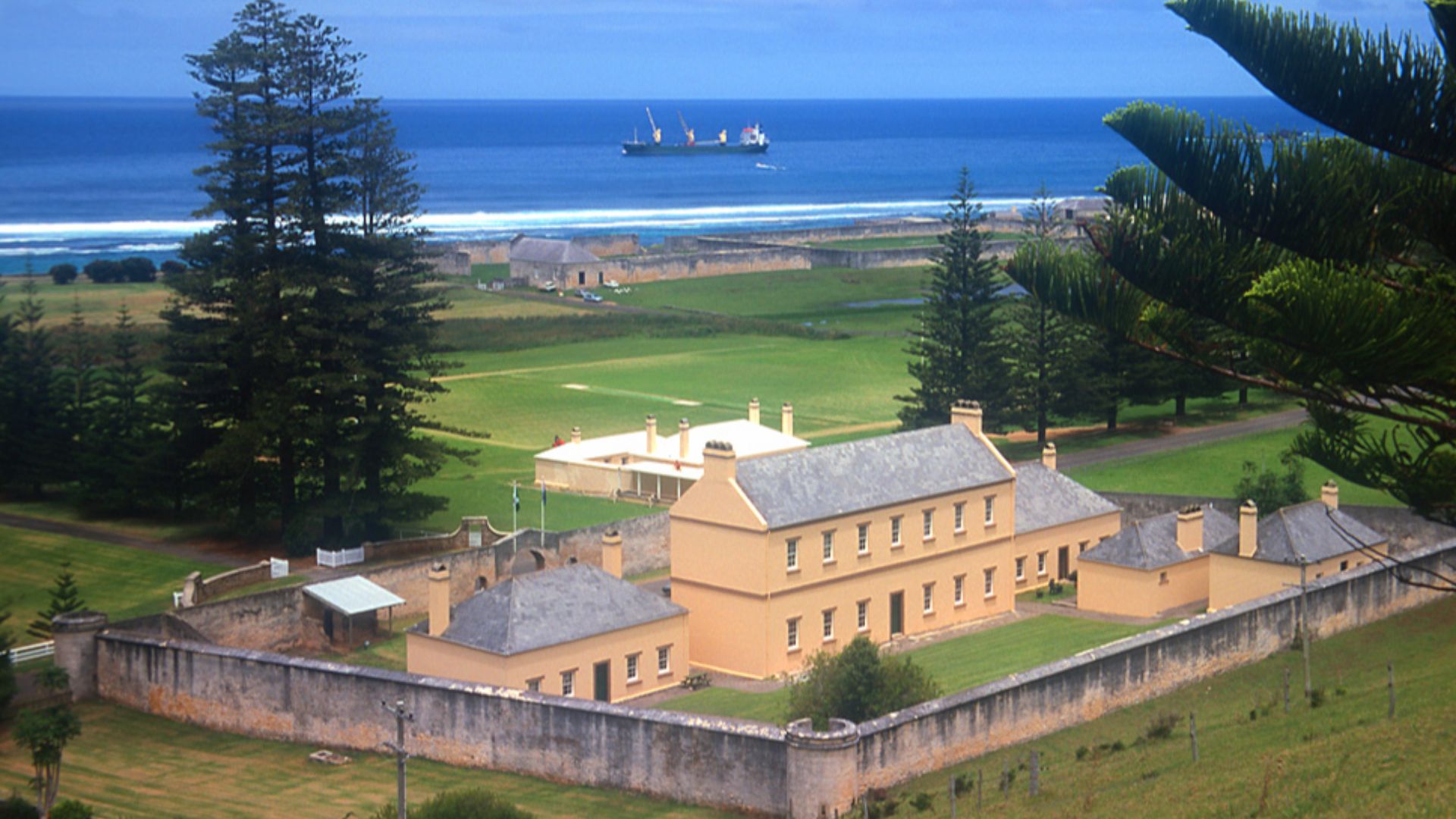
Adamstown Town
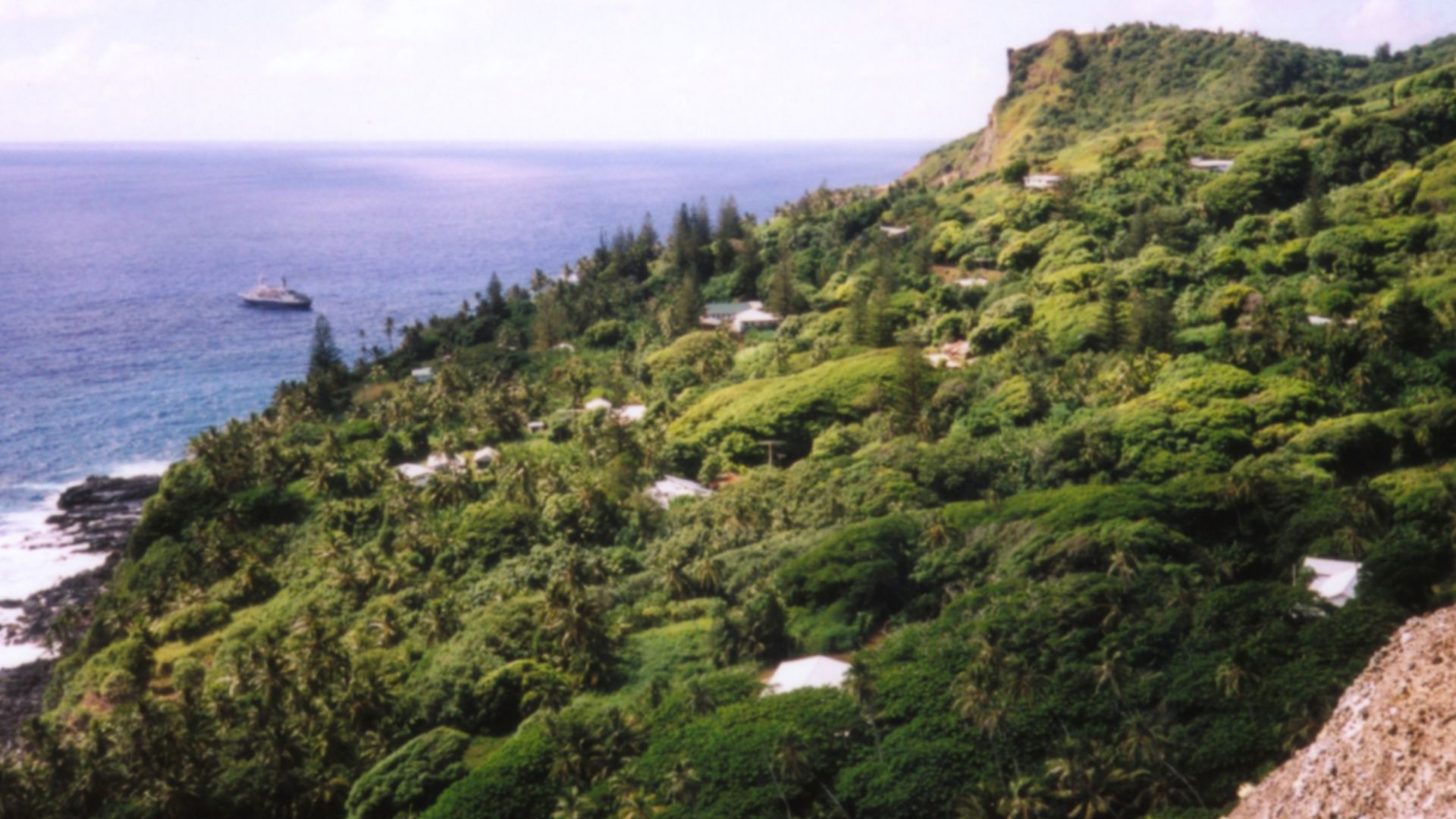
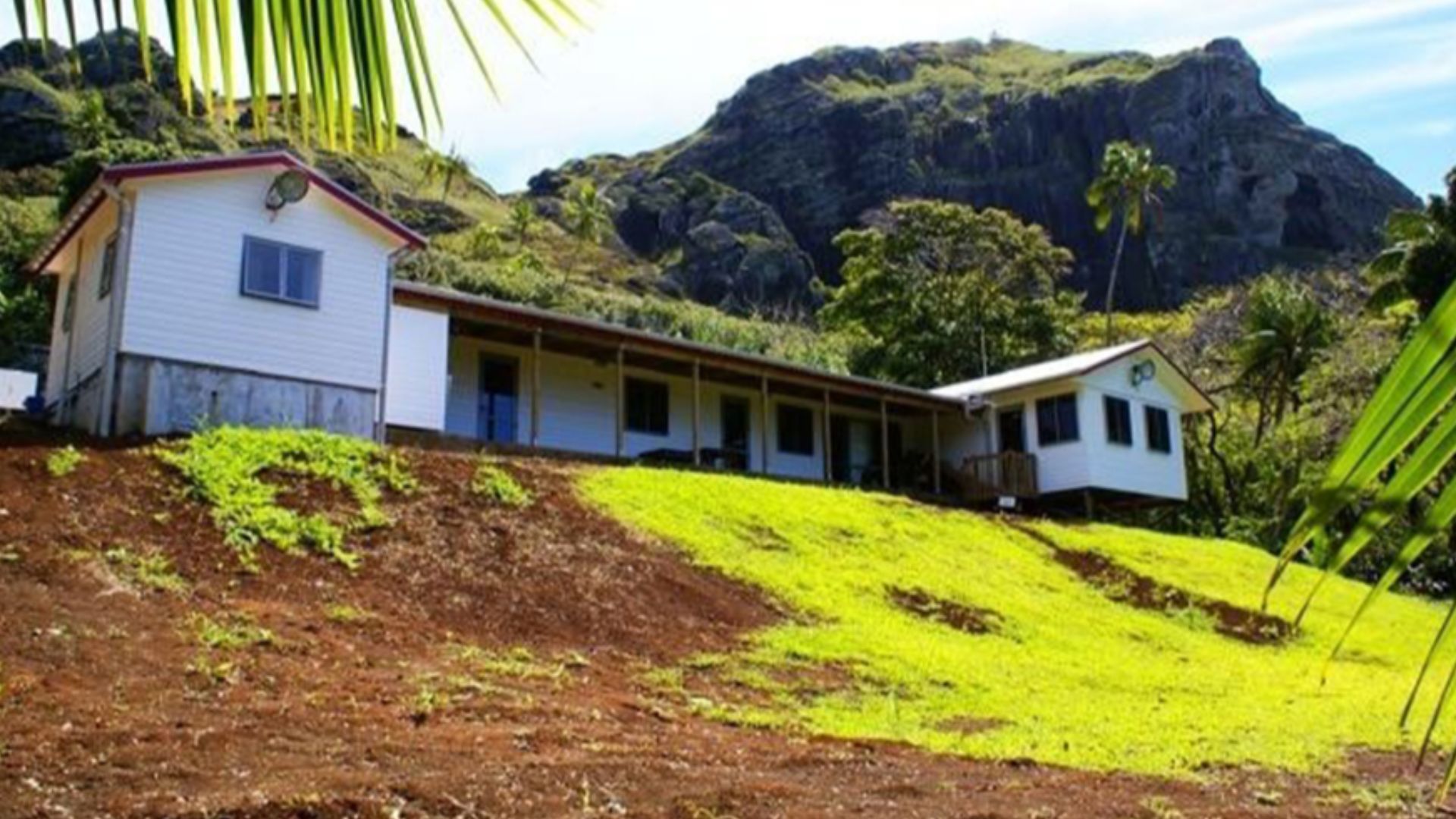
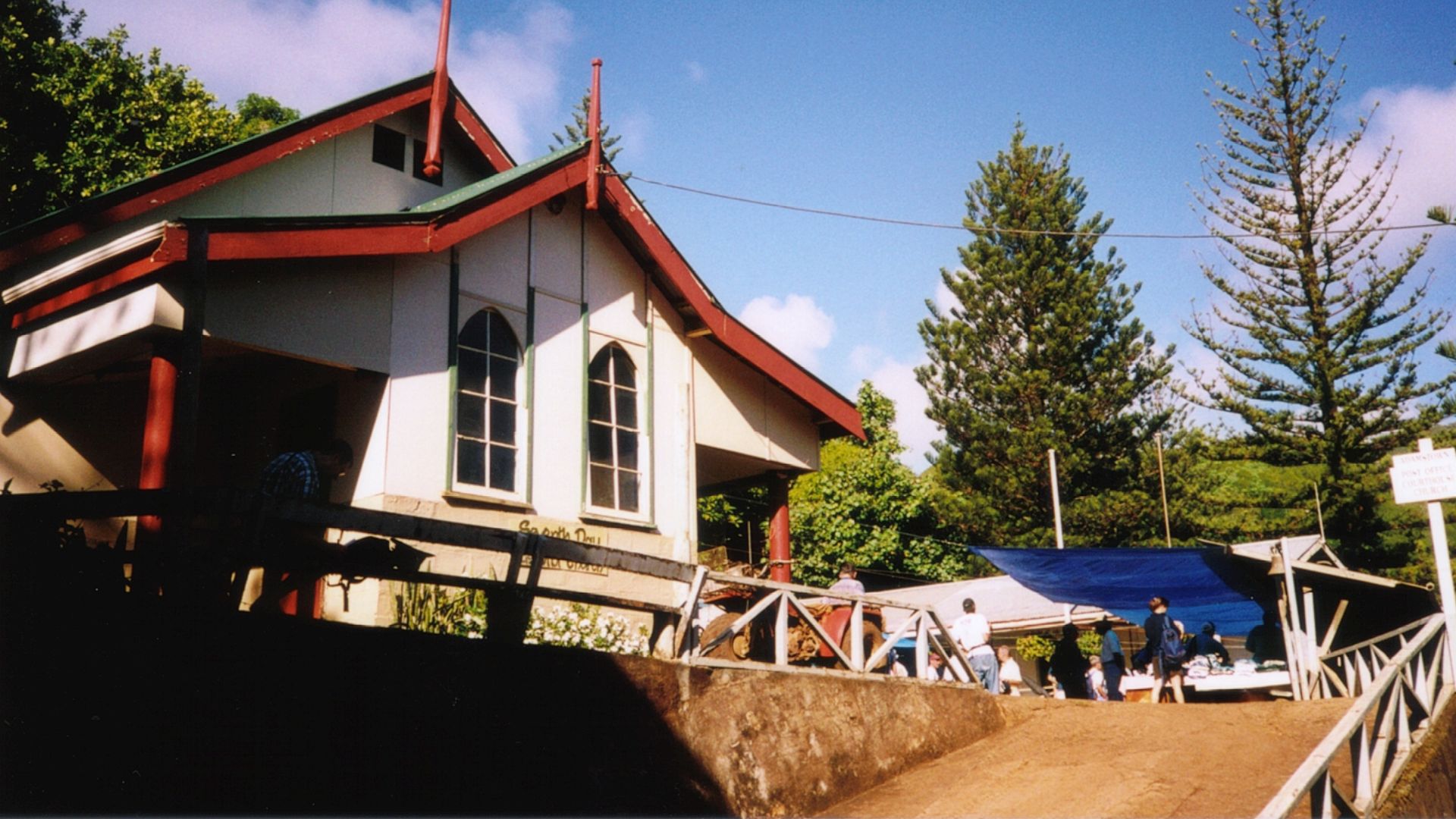
The world's smallest capital city consists of dirt paths connecting forty-seven scattered homes. No street names exist, as everyone knows where everyone lives. The square features a church, courthouse, community hall, and a general store operating three afternoons each week.
 Makemake at de.wikipedia, Wikimedia Commons
Community Roles
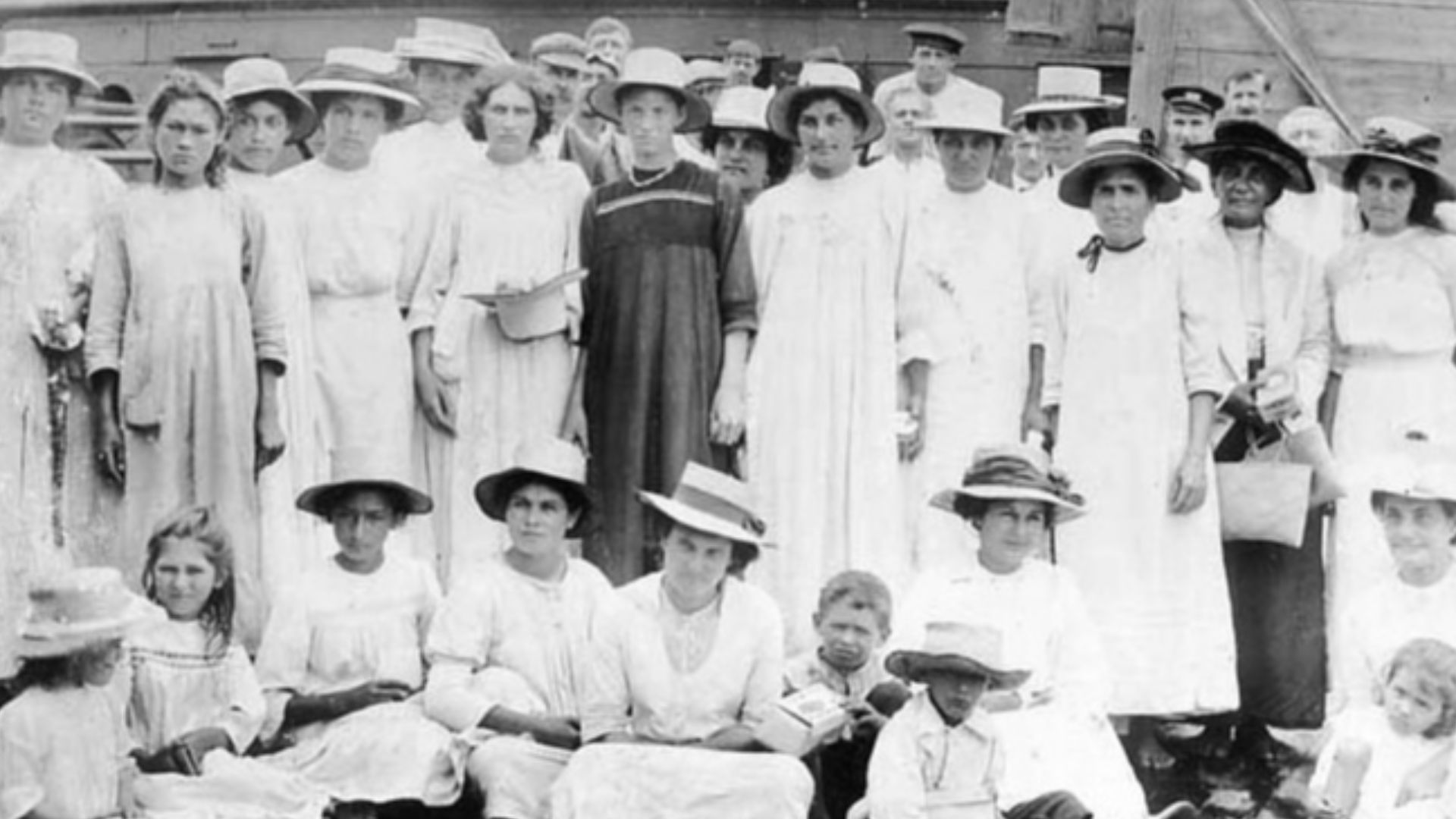
Survival demands specialization. Someone maintains the island's generator, another manages water supplies. The radio operator handles emergency communications. When the mechanic visits New Zealand for surgery, everyone prays nothing breaks. Redundancy is a luxury requiring population density that Pitcairn hasn't possessed in decades.
 Pitcairn Islanders, Wikimedia Commons
Medical Care
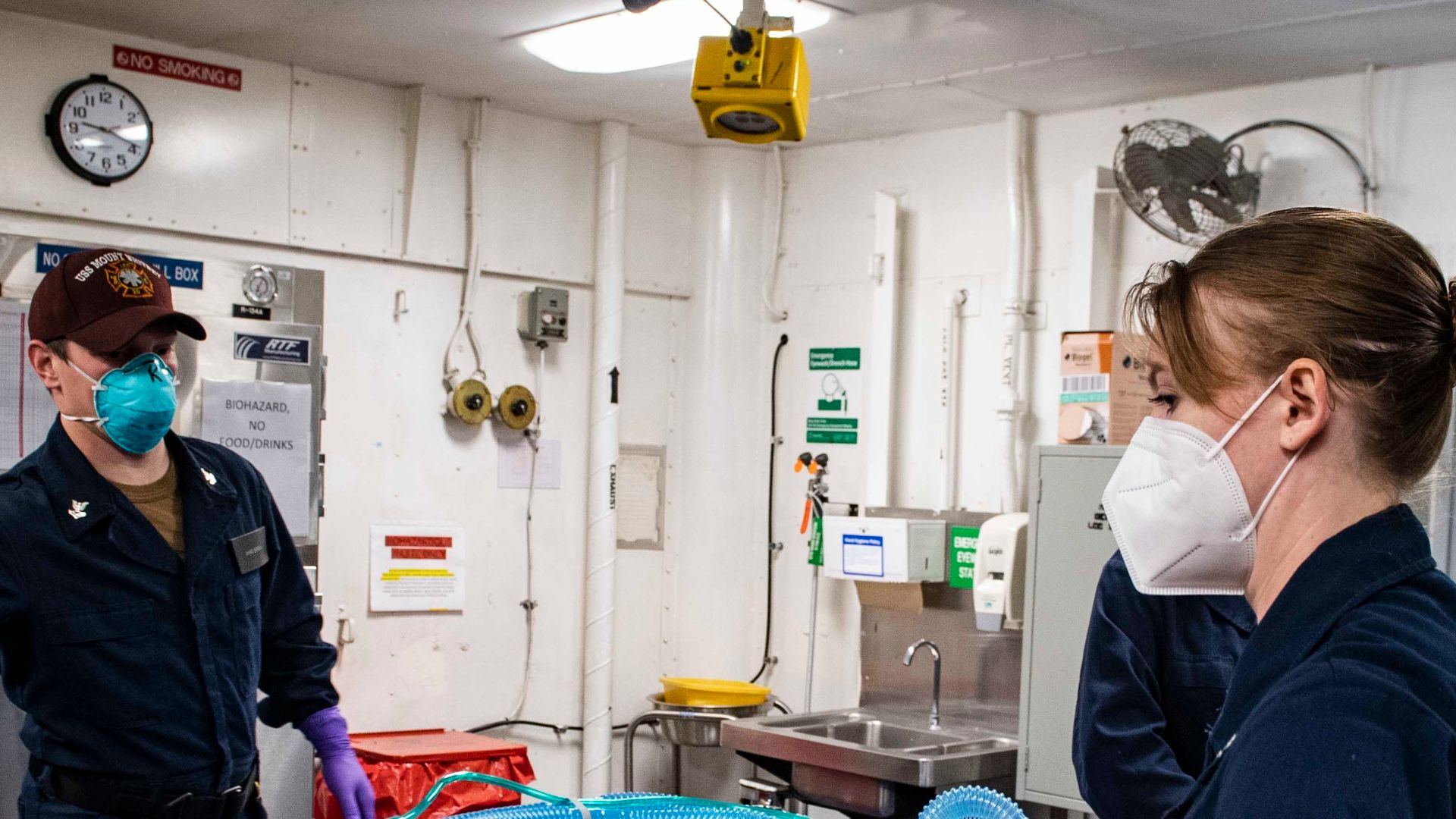
A single nurse and a doctor/GP run Pitcairn's clinic, providing basic supplies and telemedicine consultations. Serious injuries or illnesses require evacuation—but how? The nearest hospital sits in French Polynesia, 1,350 miles away. Emergency medevacs cost upward of $100,000, involving yacht diversions or military vessels.
 Navy Medicine from Washington, DC, USA, Wikimedia Commons
School System
Picture teaching five students across eight grade levels simultaneously in one room. That's Pitcairn's school reality. The teacher, imported on two-year contracts from New Zealand, earns around $40,000 plus housing. High school students study via correspondence, completing assignments through satellite internet.
Power Supply
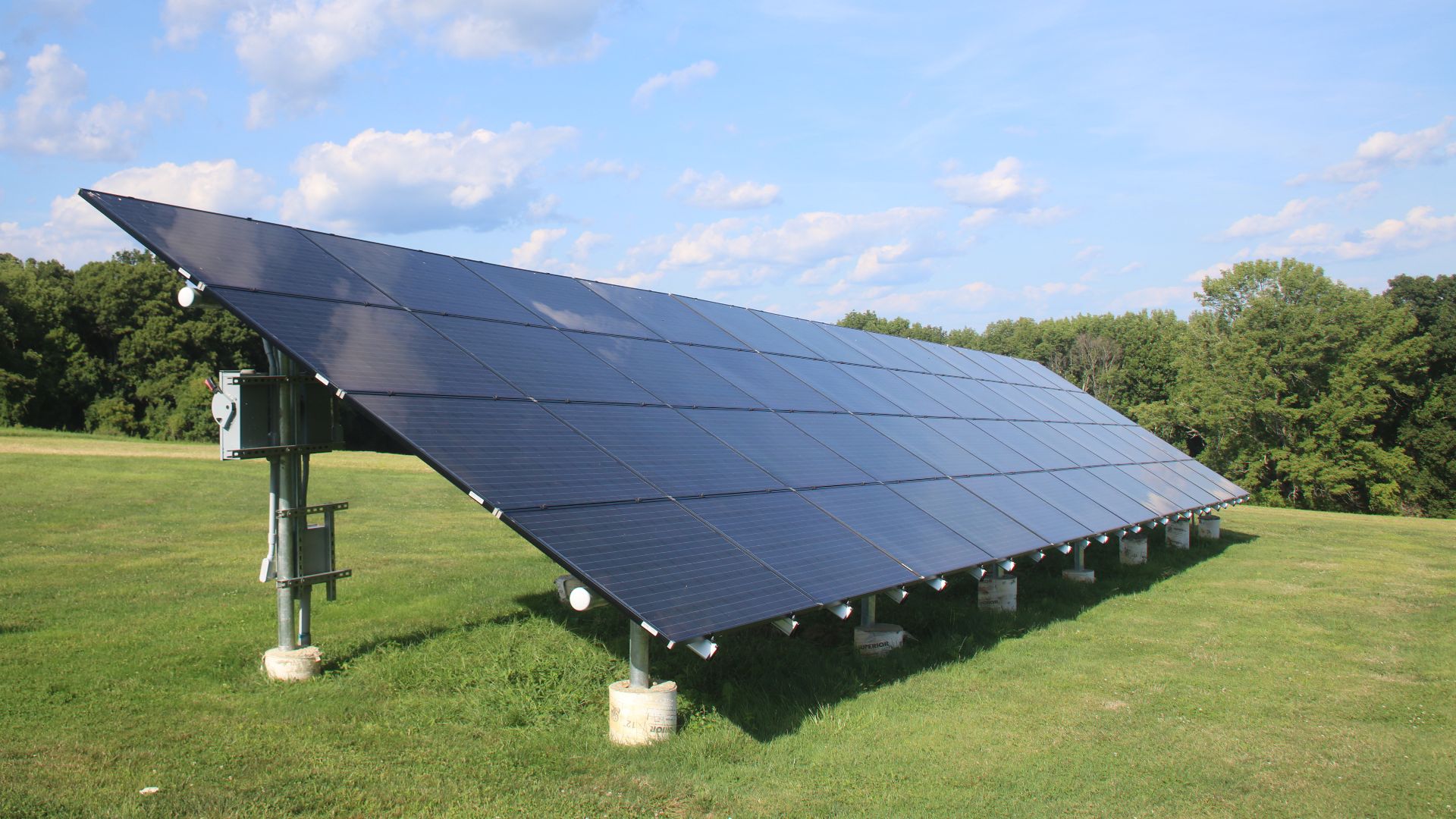
Diesel generators rumbled constantly until 2013, consuming 75,000 liters of imported fuel annually. Then solar panels arrived, a costly renewable energy project funded by the European Union. Now, photovoltaic arrays generate 95% of Pitcairn's electricity. Battery banks store excess energy.
 Grendelkhan, Wikimedia Commons
Honey Economy
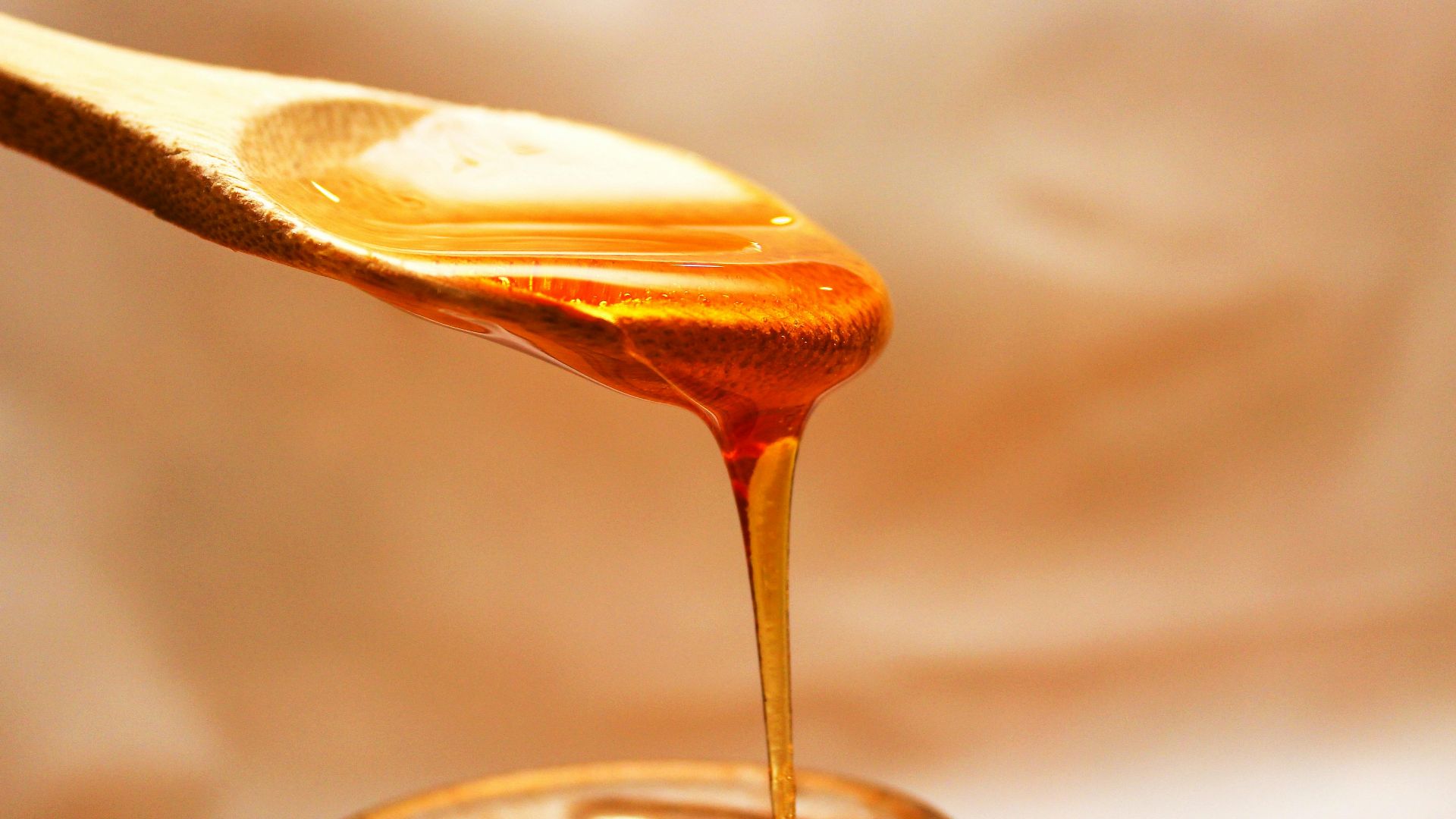
Pitcairn honey is legendary. The island's isolation means zero pesticides, zero pollution, and zero bee diseases found elsewhere. Bees feed on wild passionfruit, lata, and mango blossoms, producing honey so pure that laboratories struggle to detect contaminants.
Survival Challenges
Can a society of forty-seven people endure? The math says no. Well, Britain offers free land and housing to qualified settlers, but few apply. Pitcairn needs carpenters, teachers, nurses, but offers no salaries, no career progression, no escape from communal intensity. The island's deadline approaches: repopulate or die.
 Makemake at German Wikipedia, Wikimedia Commons