The World’s Oldest Cave Painting And A New Window Into Prehistory
Every once in a while, archaeology delivers a discovery that does more than add a footnote to history, it completely changes the story. That is exactly what happened in Indonesia, where researchers uncovered what may be the oldest known cave painting on Earth. Dating back at least 67,800 years, a simple hand stencil hidden in a limestone cave is now forcing scientists to rethink when, where, and why humans first began creating art. It is a discovery that brings us startlingly close to the minds of our earliest ancestors.
A Faint Handprint With Immense Significance
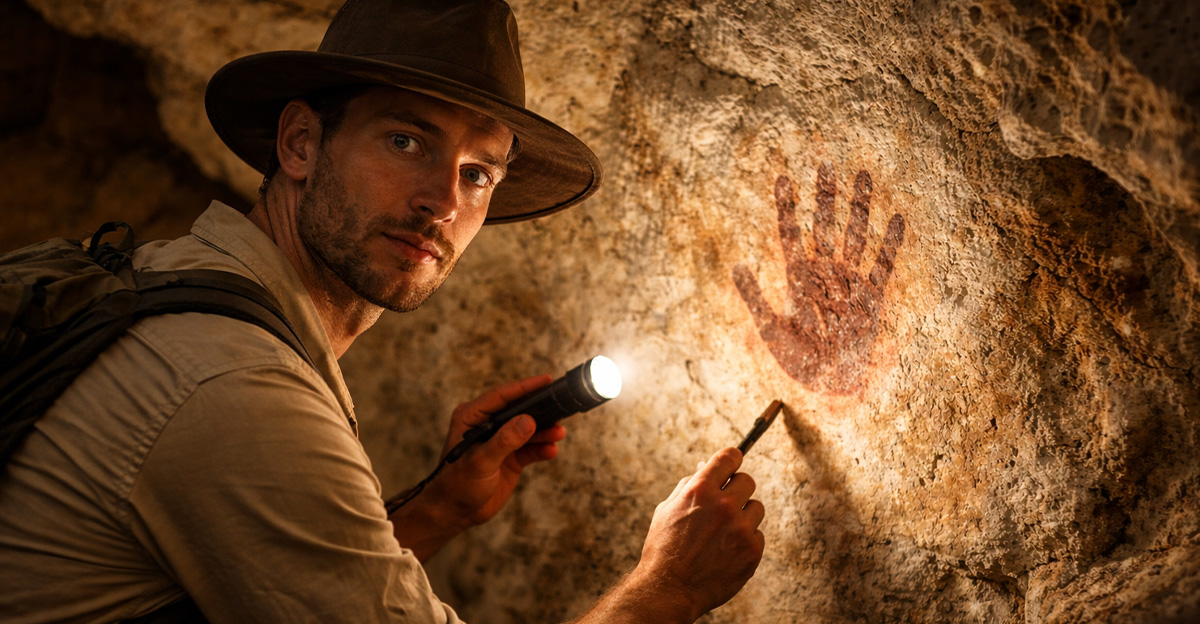
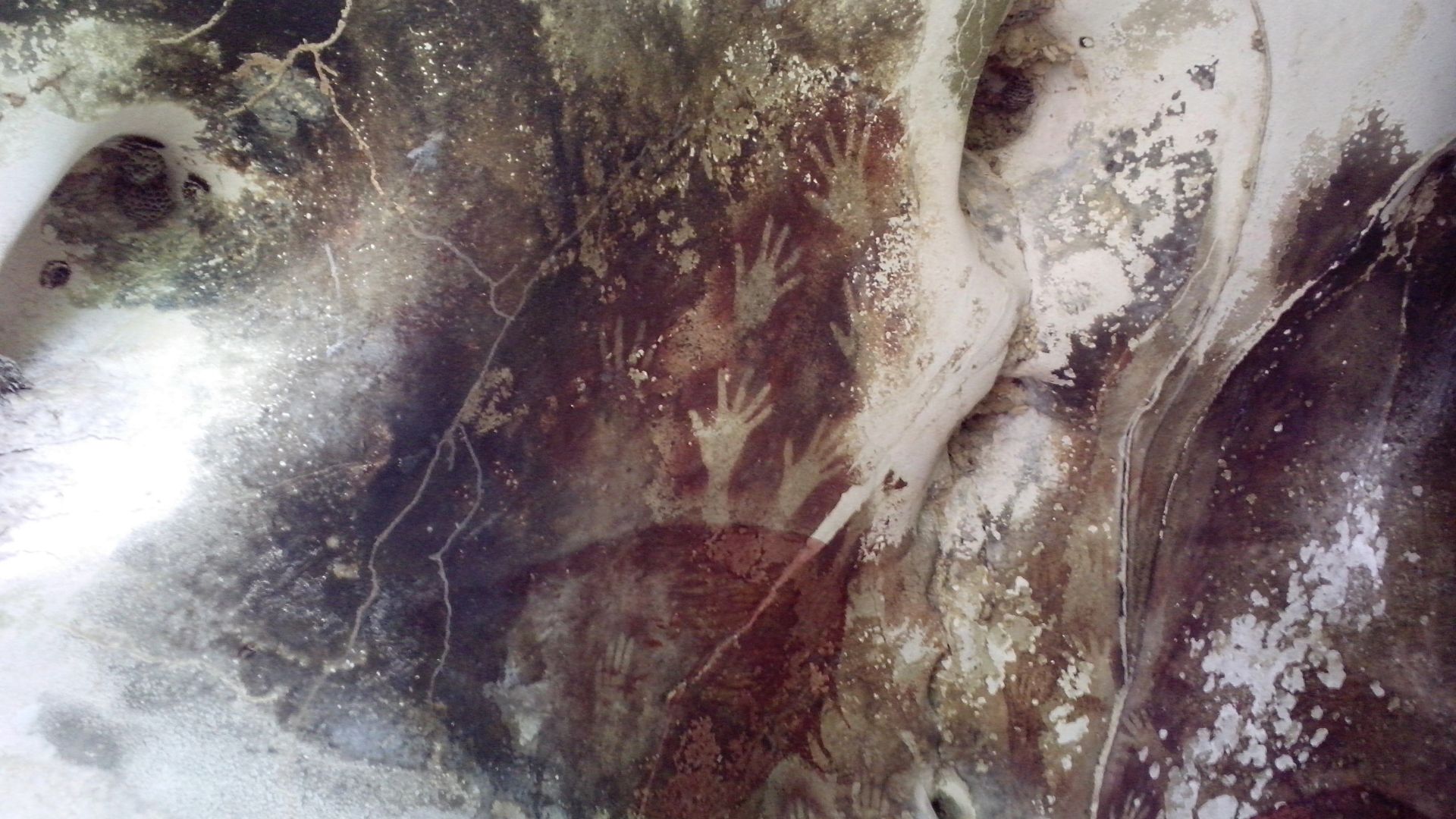
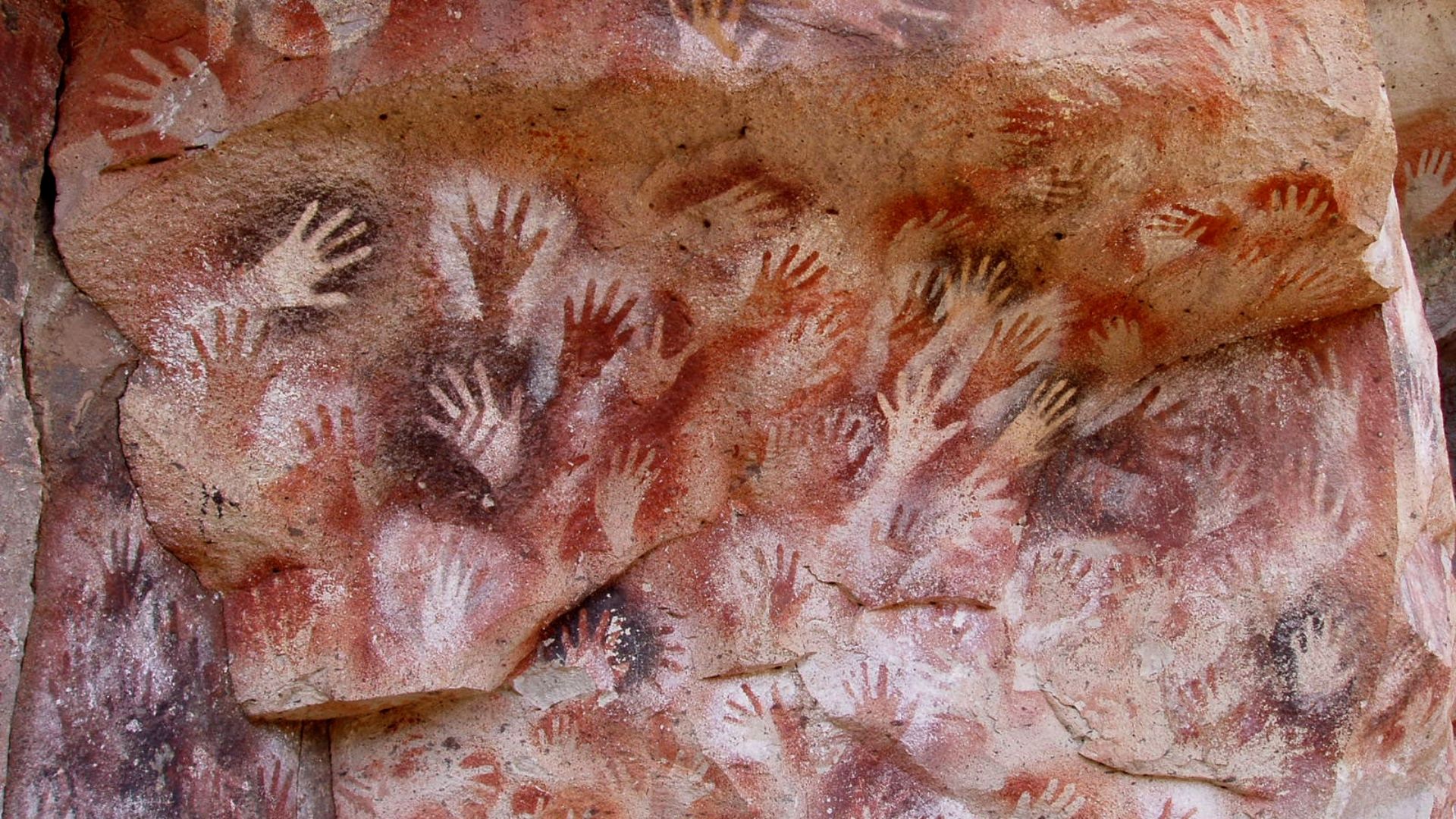
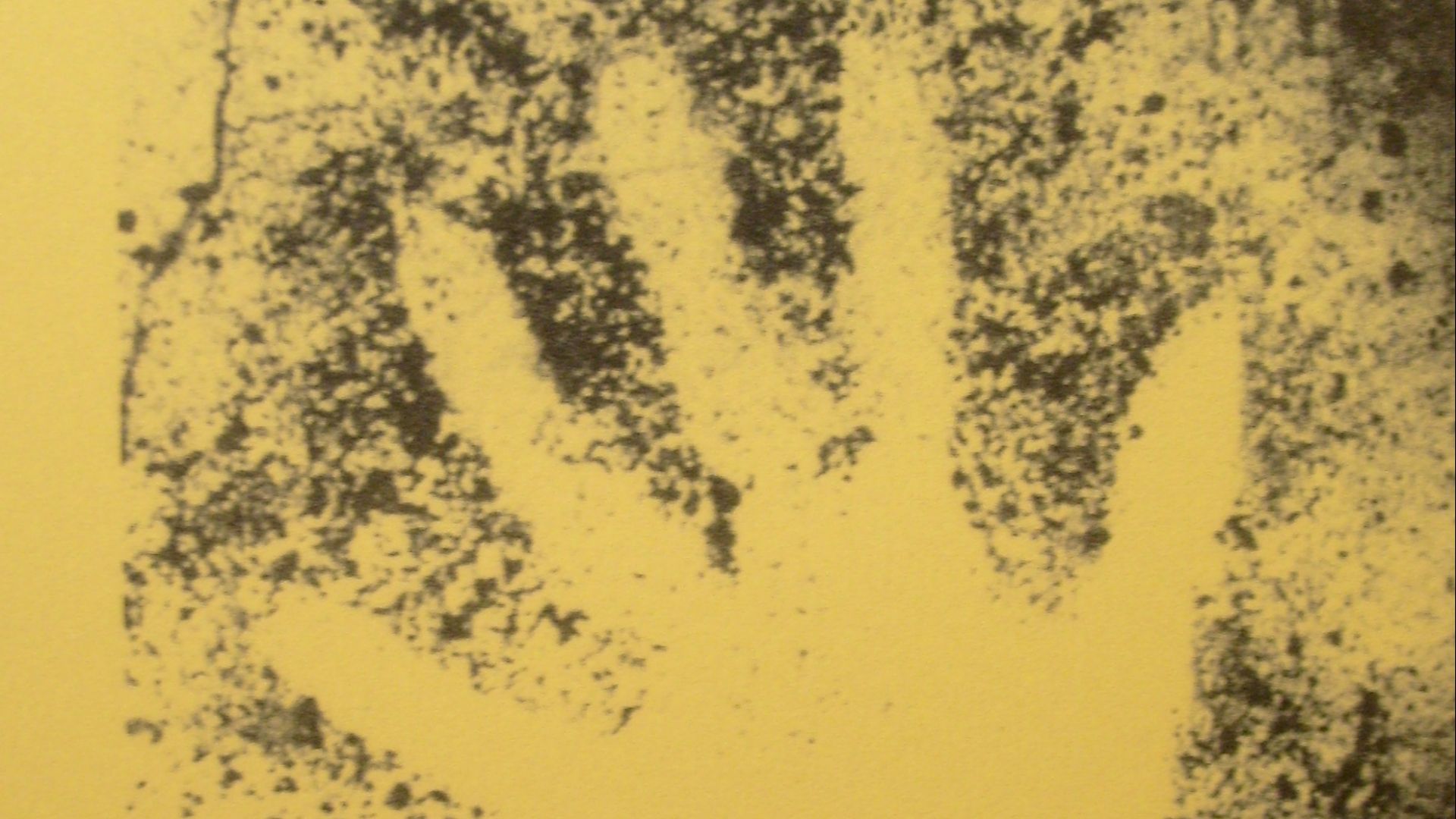
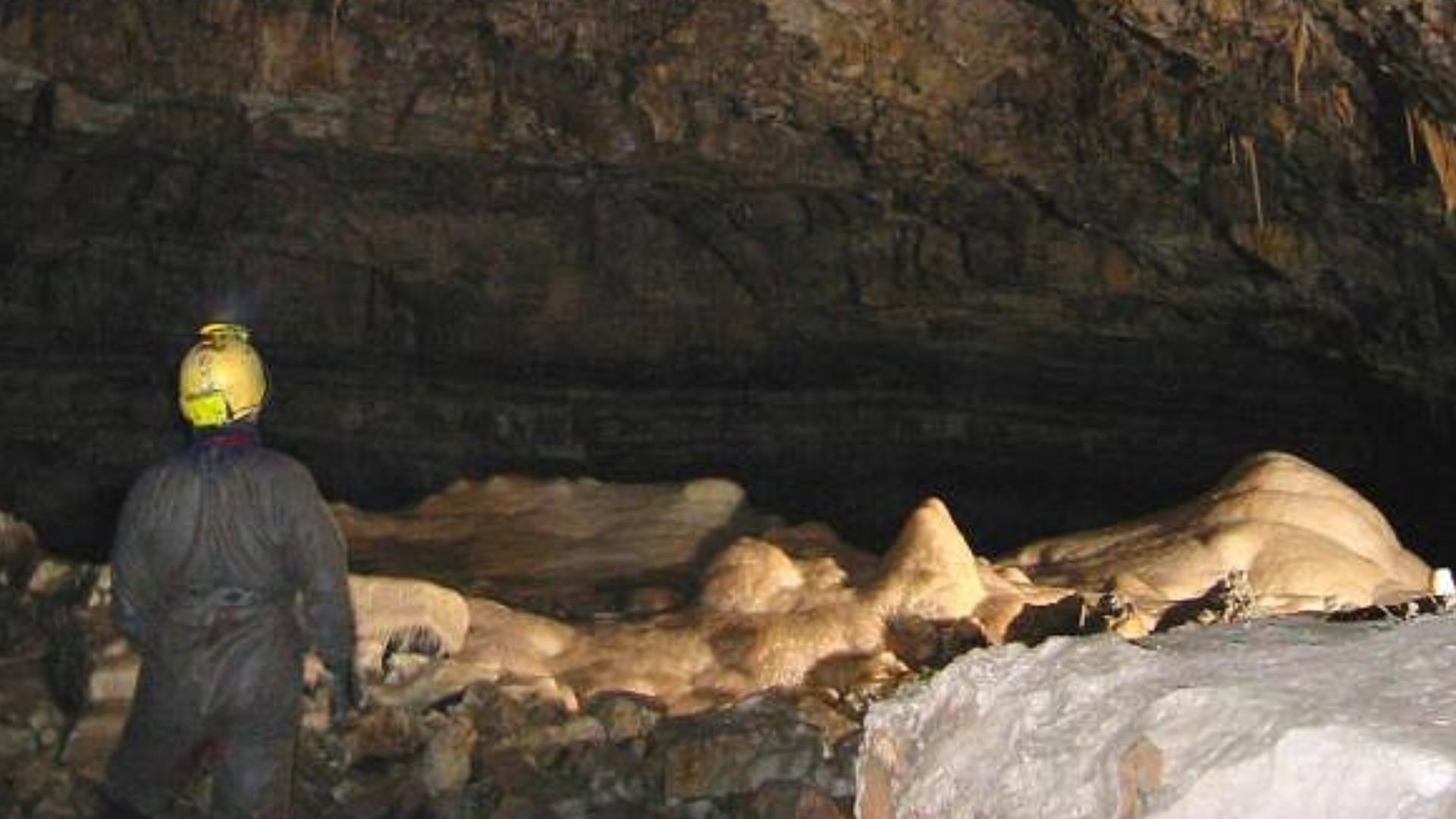
Deep inside Liang Metanduno cave on Muna Island in southeastern Sulawesi, archaeologists noticed something easy to overlook at first glance, a faint outline of a human hand. The image was partially obscured by younger layers of cave art, its pigment barely clinging to the rock. Created by placing a hand on stone and blowing pigment around it, the stencil is simple in form, yet extraordinarily powerful in meaning.
Why This Handprint Matters So Much
At first, the painting looks unremarkable, just a hand pressed against stone. But scientific dating revealed its astonishing age, making it potentially the oldest known example of human-made rock art. This single image pushes the origins of artistic expression far deeper into the past than previously believed and challenges the long-held idea that Europe was the birthplace of cave art.
Ancient Art Hidden In Plain Sight
One of the most striking aspects of this discovery is how long it remained unseen. The cave itself had been studied before, yet the ancient stencil went unnoticed for years. Only with careful digital tracing, advanced imaging, and renewed attention did researchers realize that beneath the visible paintings lay something far older and far more significant.
The Science Of Dating Ancient Art
Dating cave paintings is notoriously difficult, but scientists relied on a clever natural process. Over time, thin layers of calcite formed on top of the artwork. By dating these mineral layers, researchers could determine the minimum age of the painting beneath them, offering a reliable glimpse into how long the image has existed.
 @ photo Luc-Henri Fage, www.fage.fr., Wikimedia Commons
Ages That Redraw History
The results were remarkable. The calcite layers showed that the hand stencil was at least 67,800 years old. That date places the painting well before any previously known cave art and deep into the Pleistocene epoch, when early humans were still spreading across the globe and adapting to new environments.
 Unknown authorUnknown author, Wikimedia Commons
More Than Just Hands
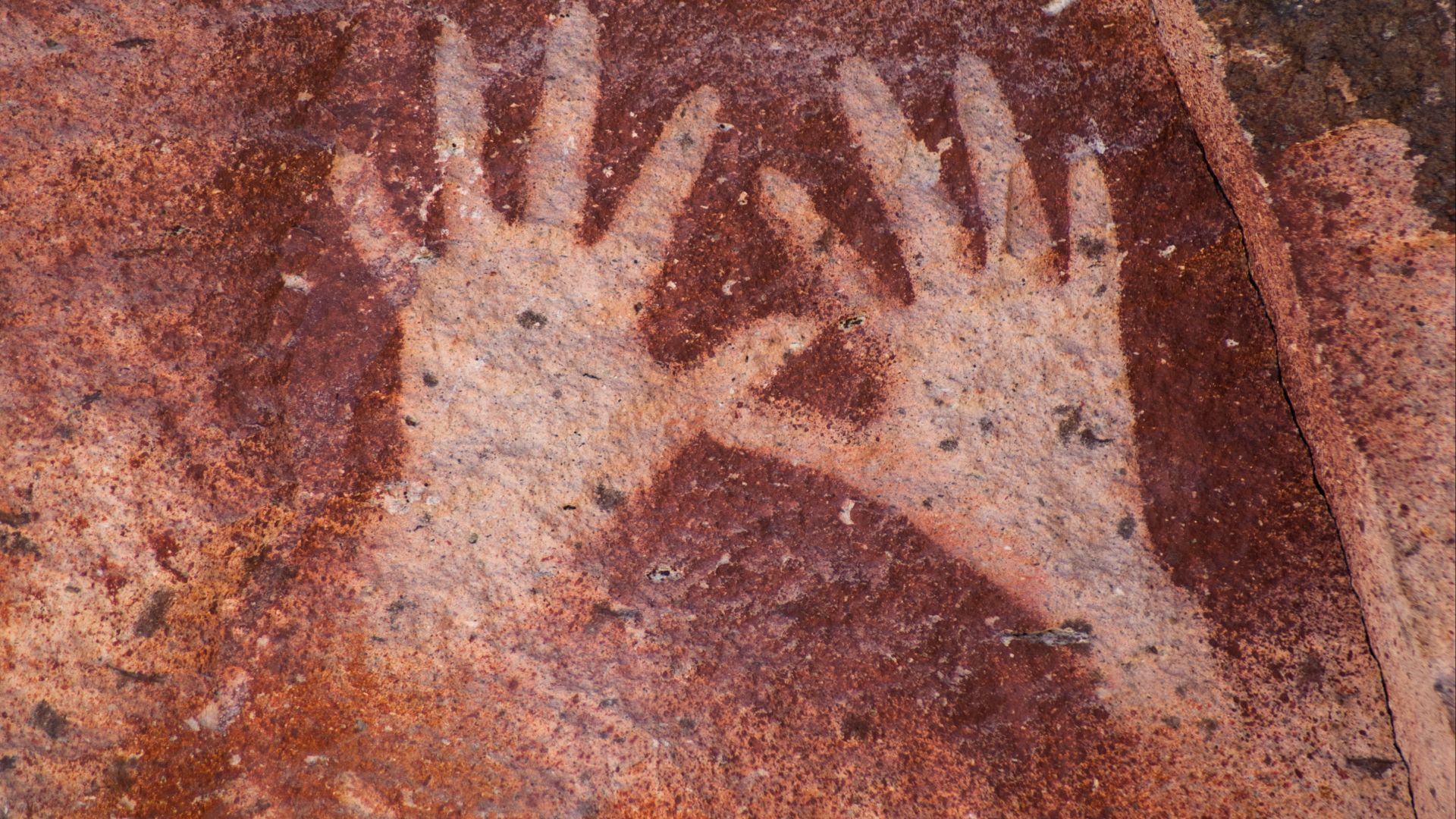
This was not an isolated discovery. In the same cave system and nearby locations, researchers identified additional hand stencils, including one dated to at least 60,900 years old. Together, these images suggest that early humans returned to these caves repeatedly, creating art over thousands of years rather than during a single moment in time.
 LuigiStudio, Wikimedia Commons
Why Early Humans Made Art
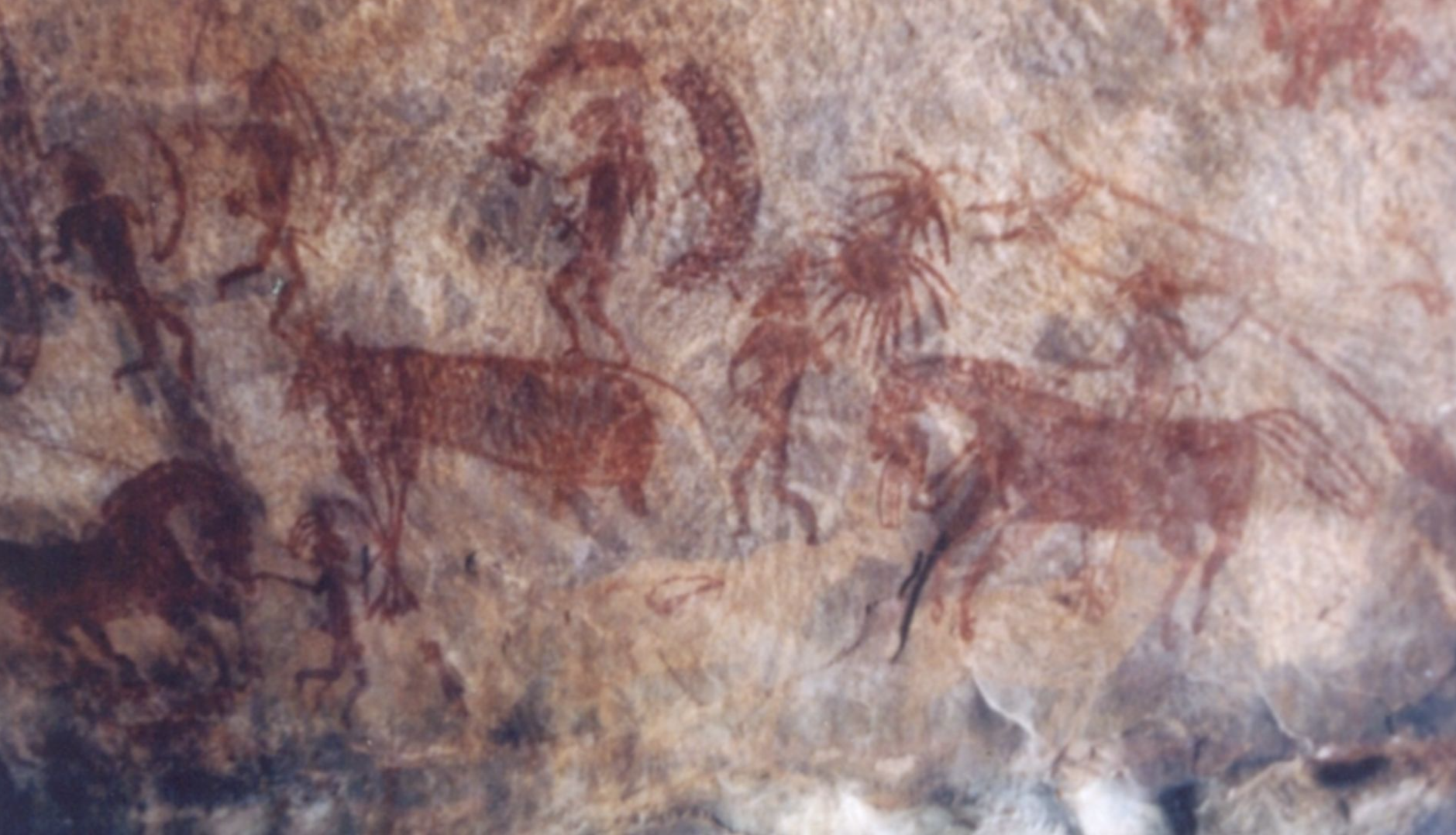
Why would early humans bother creating art at all? Archaeologists believe these stencils represent a critical shift in thinking. Making a mark on a cave wall is an act of symbolism, a way of saying “I was here” or perhaps expressing identity, belonging, or belief. It reflects a mind capable of abstract thought and shared meaning.
A Story Written In Pigment
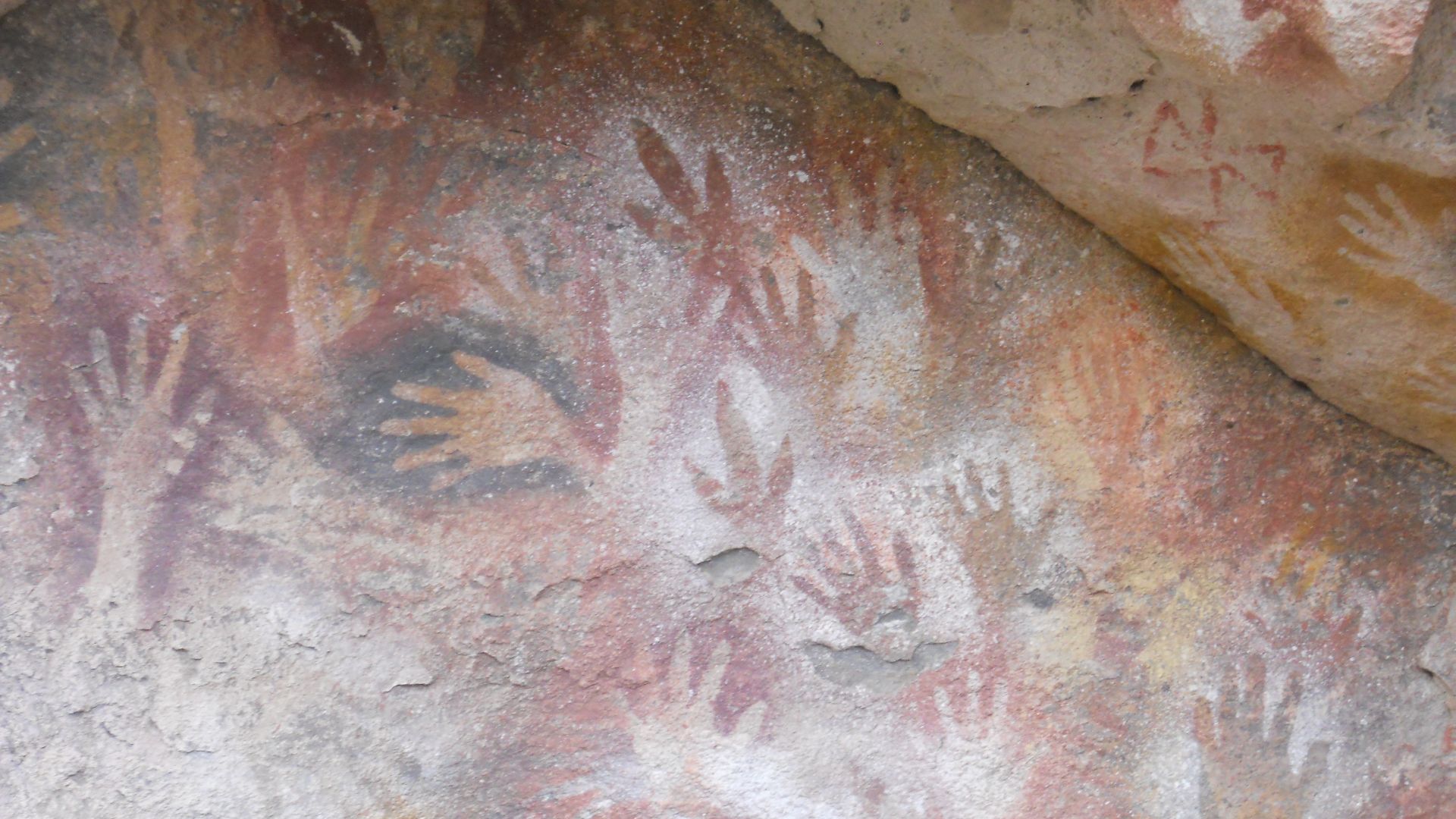
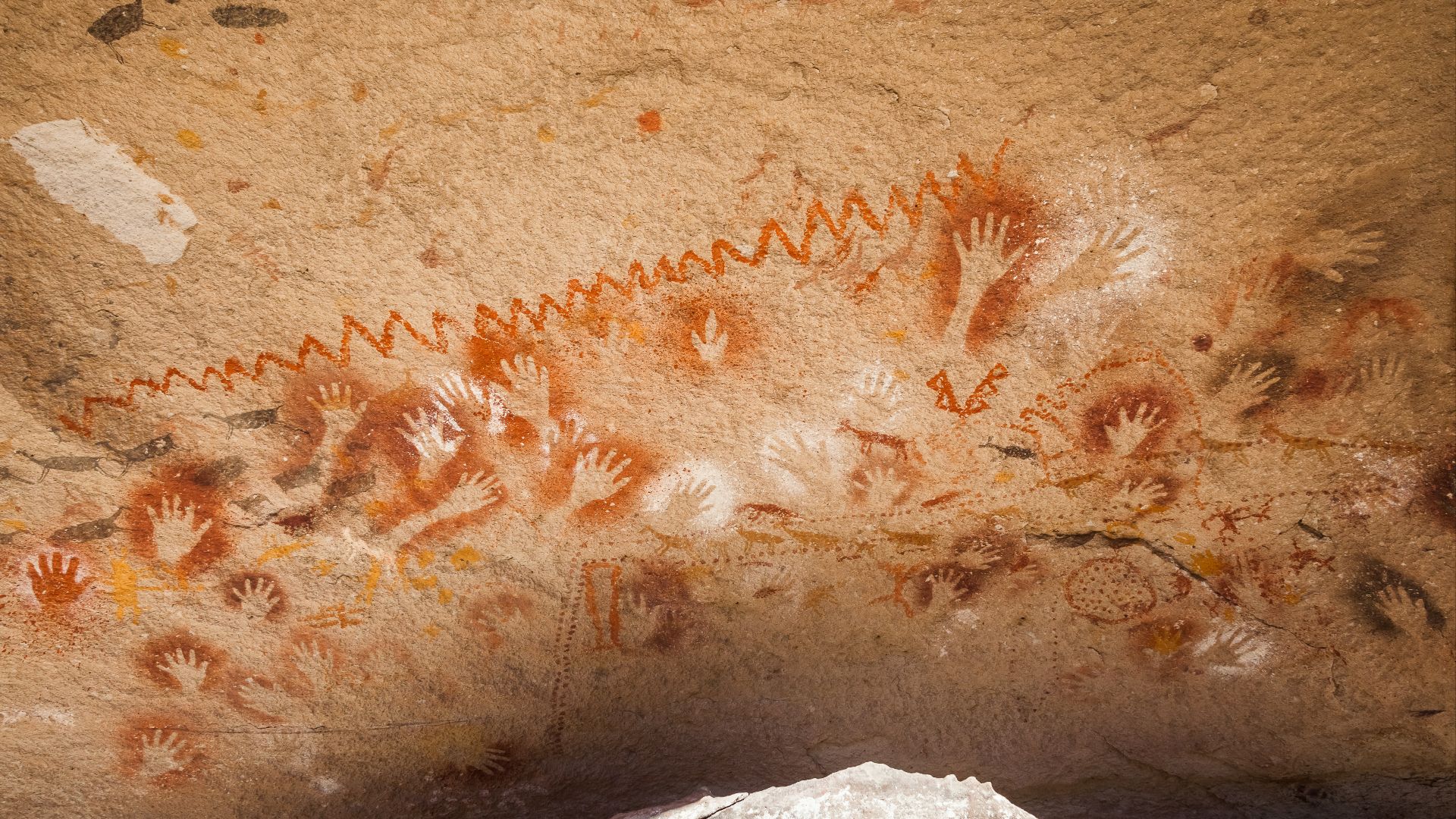
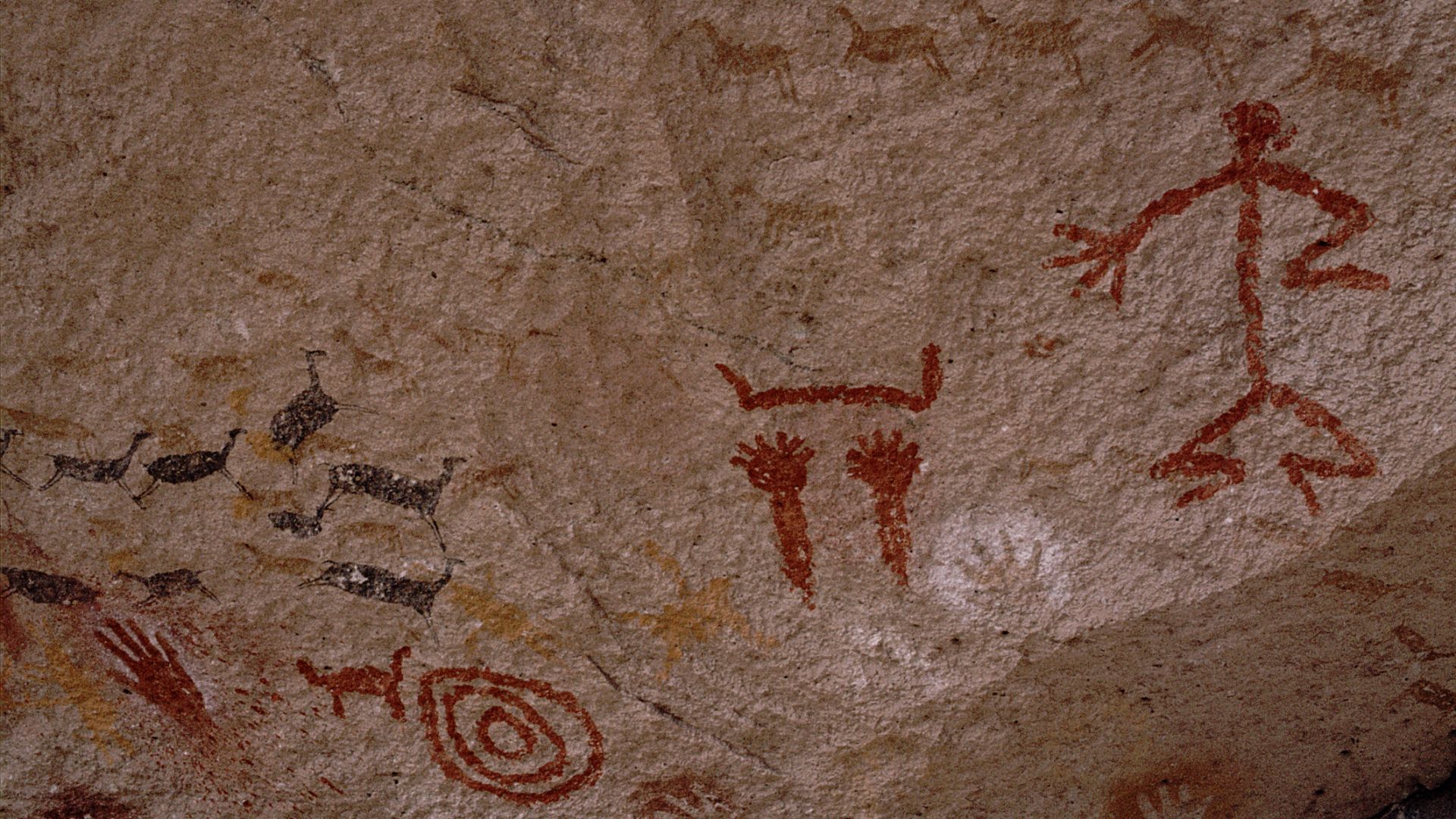
Hand stencils appear in rock art across the world, but examples this ancient dramatically change the timeline of creativity. These images show that humans were experimenting with symbolism tens of thousands of years earlier than once assumed, using pigment and stone as tools for communication rather than survival alone.
Indonesia’s Rich Artistic Past
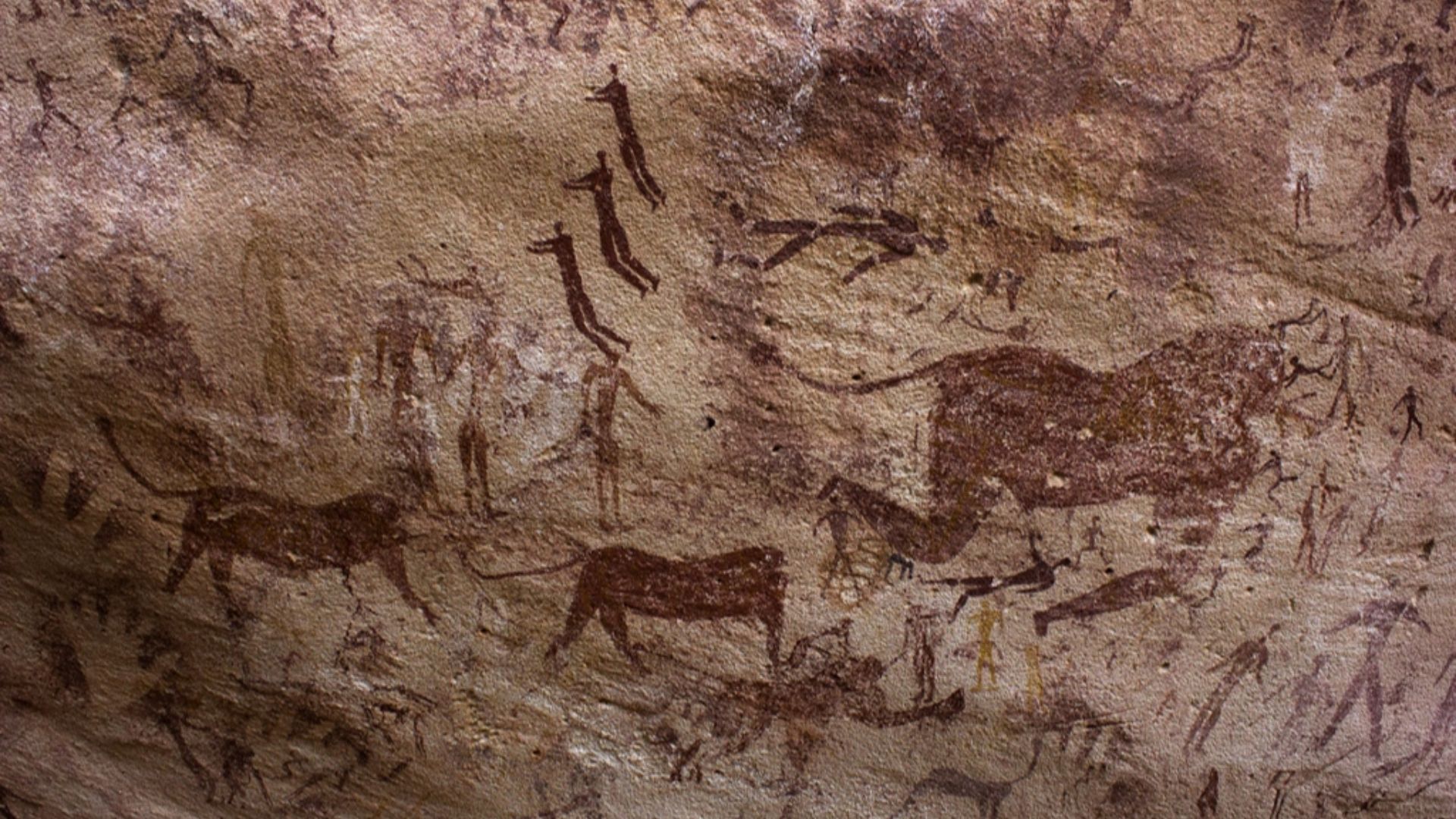
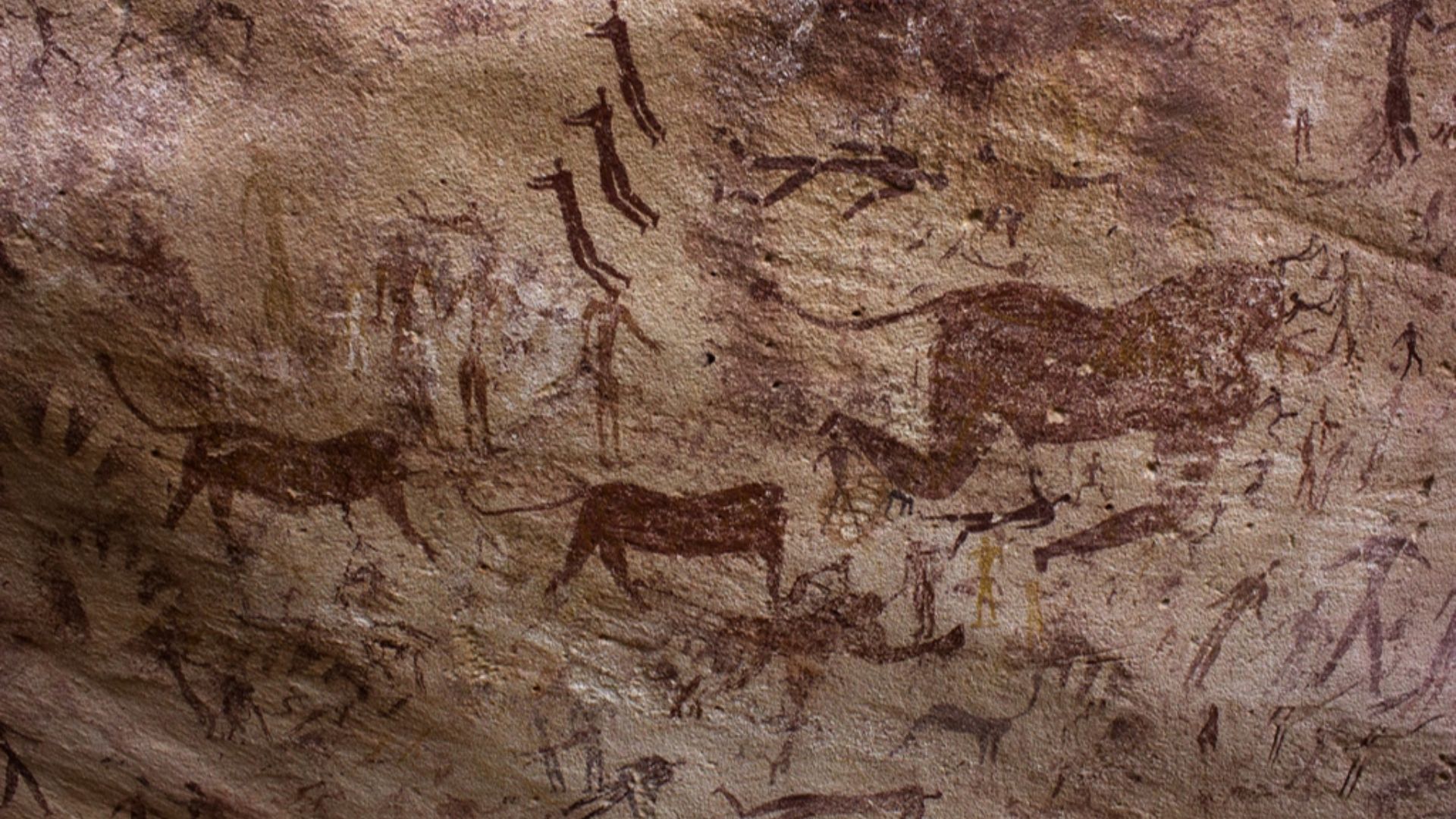
Indonesia has quietly become one of the most important regions on Earth for understanding early human art. Over the past decade, discoveries in Sulawesi have revealed paintings of animals, hunting scenes, and symbolic figures that rival, and sometimes surpass, Europe’s famous cave sites in both age and complexity.
 Clemens Schmillen, Wikimedia Commons
The Pre-2026 Record Holders
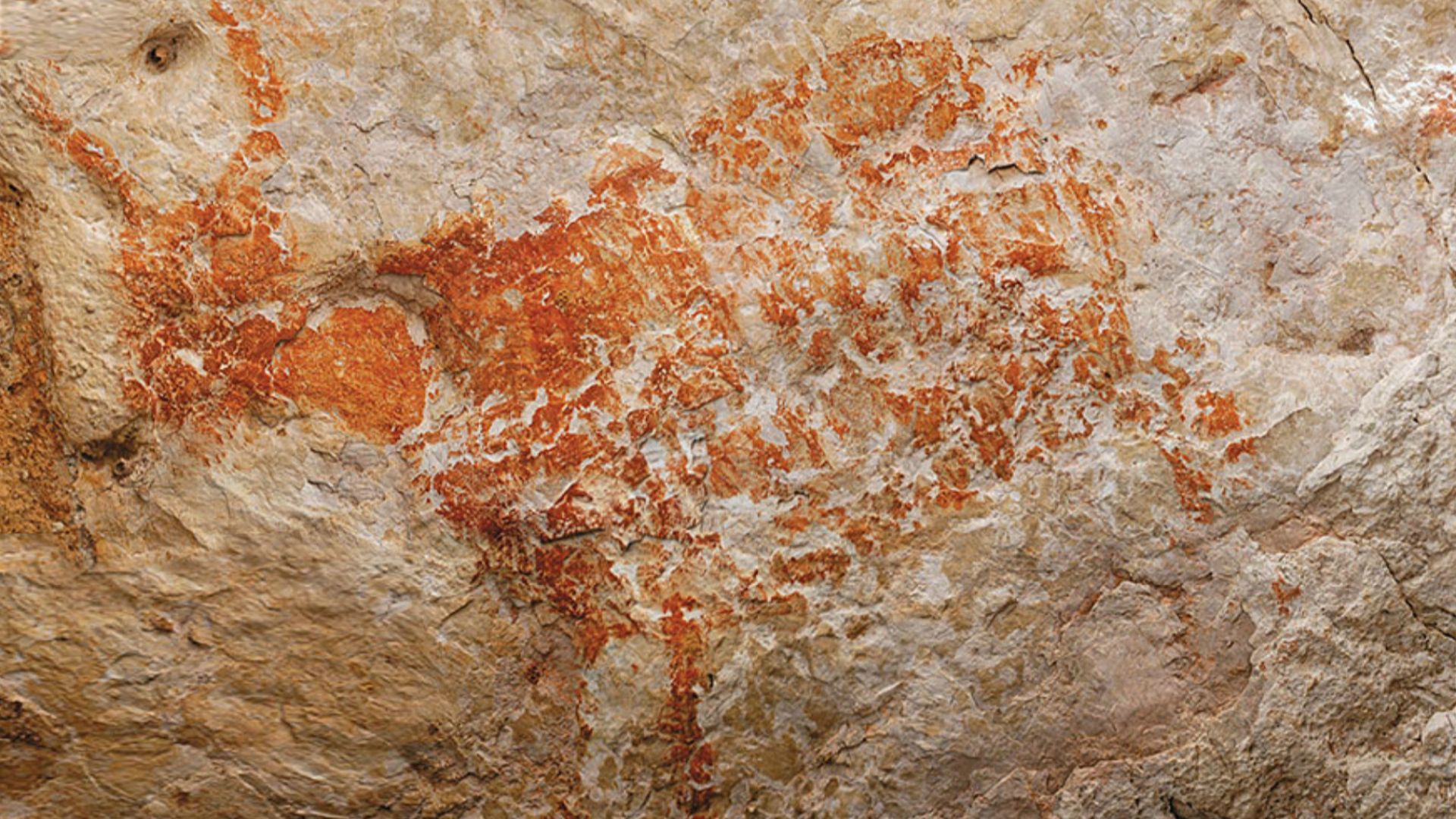
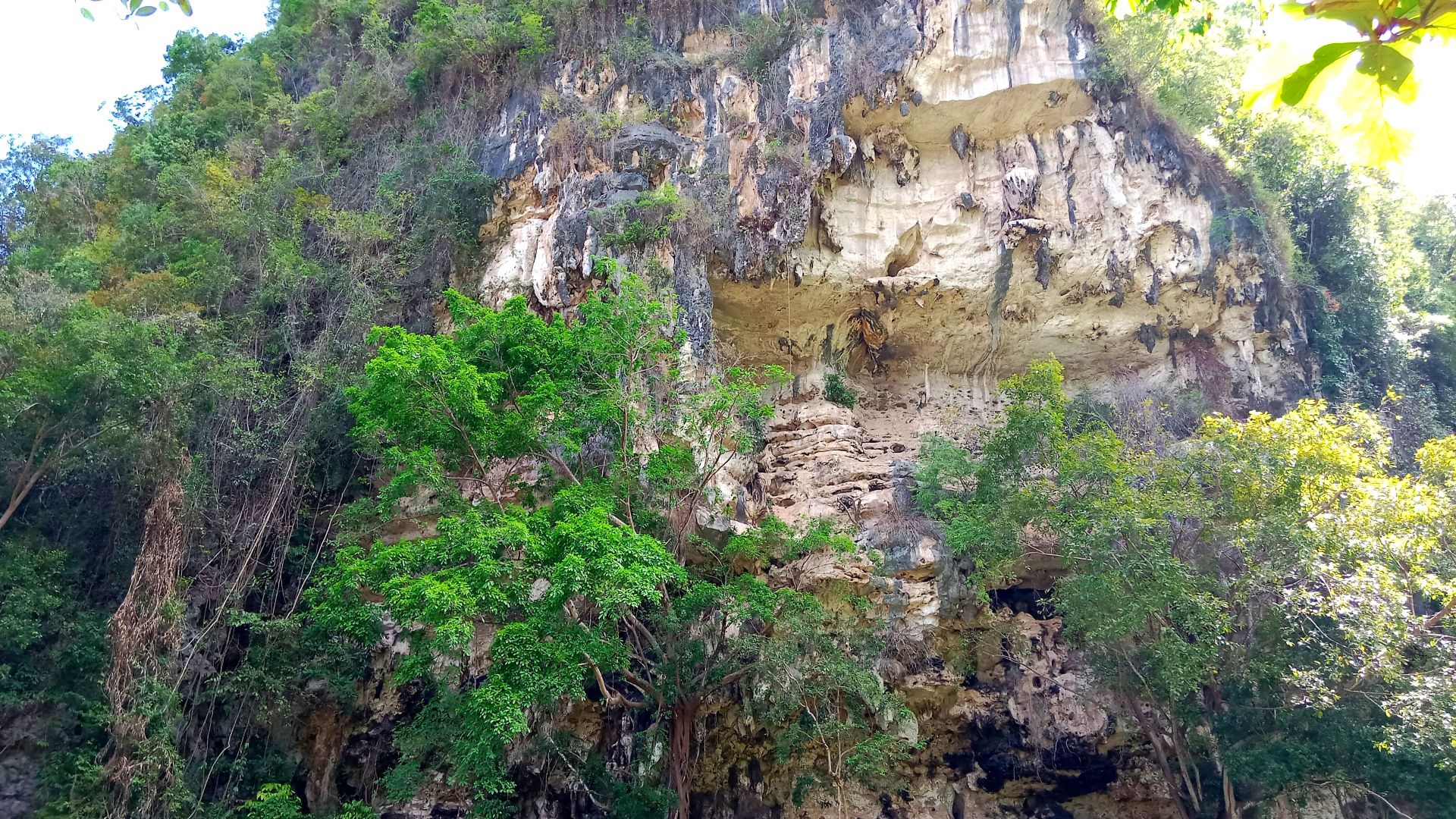
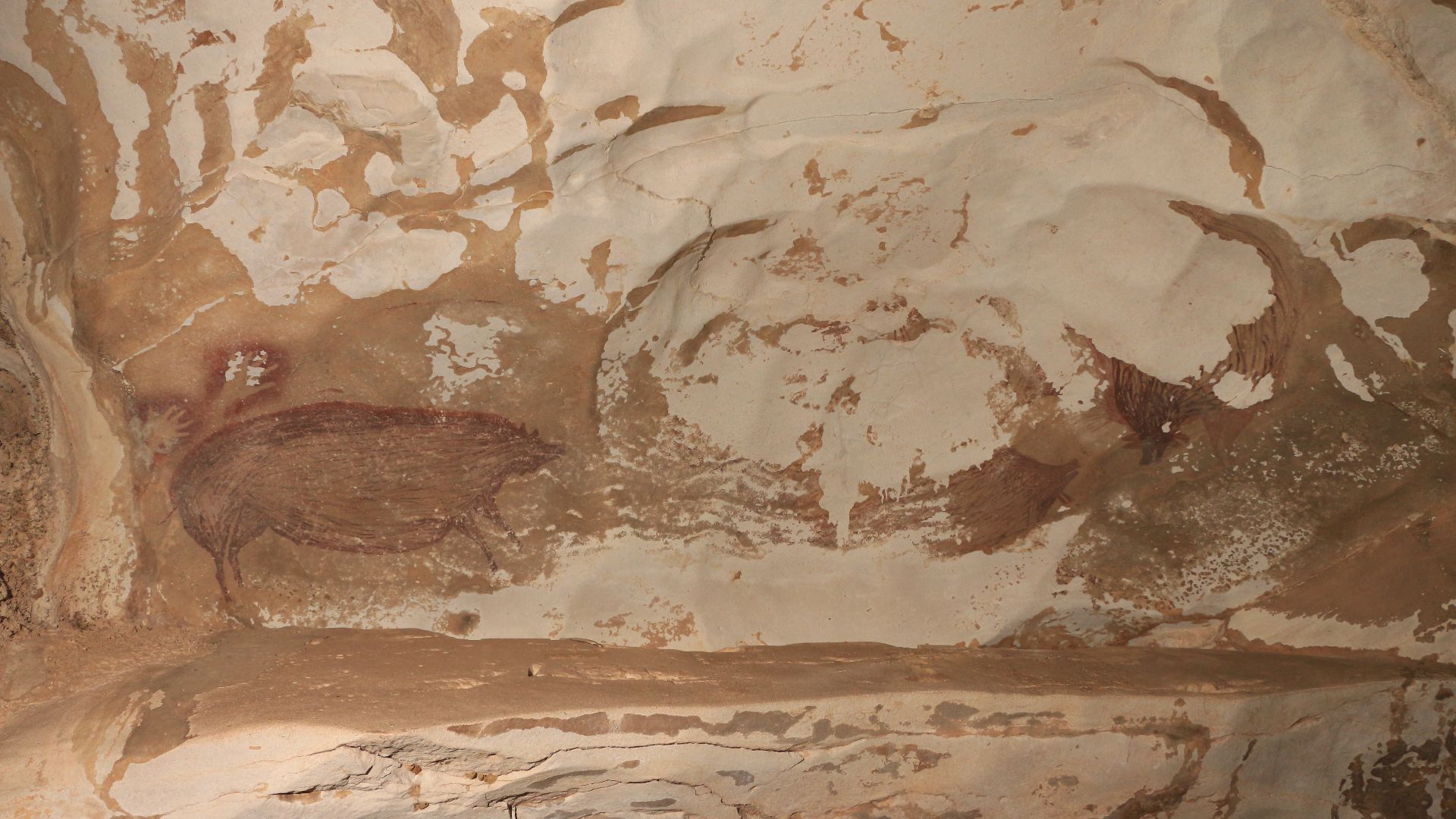
Before this discovery, the oldest known cave painting was found in Karampuang cave, also in Sulawesi. That artwork, dated to at least 51,200 years old, depicted human-like figures interacting with a wild pig, offering what many researchers consider the earliest known visual story.
 Anhar Karim, Wikimedia Commons
The Power Of Narrative Art
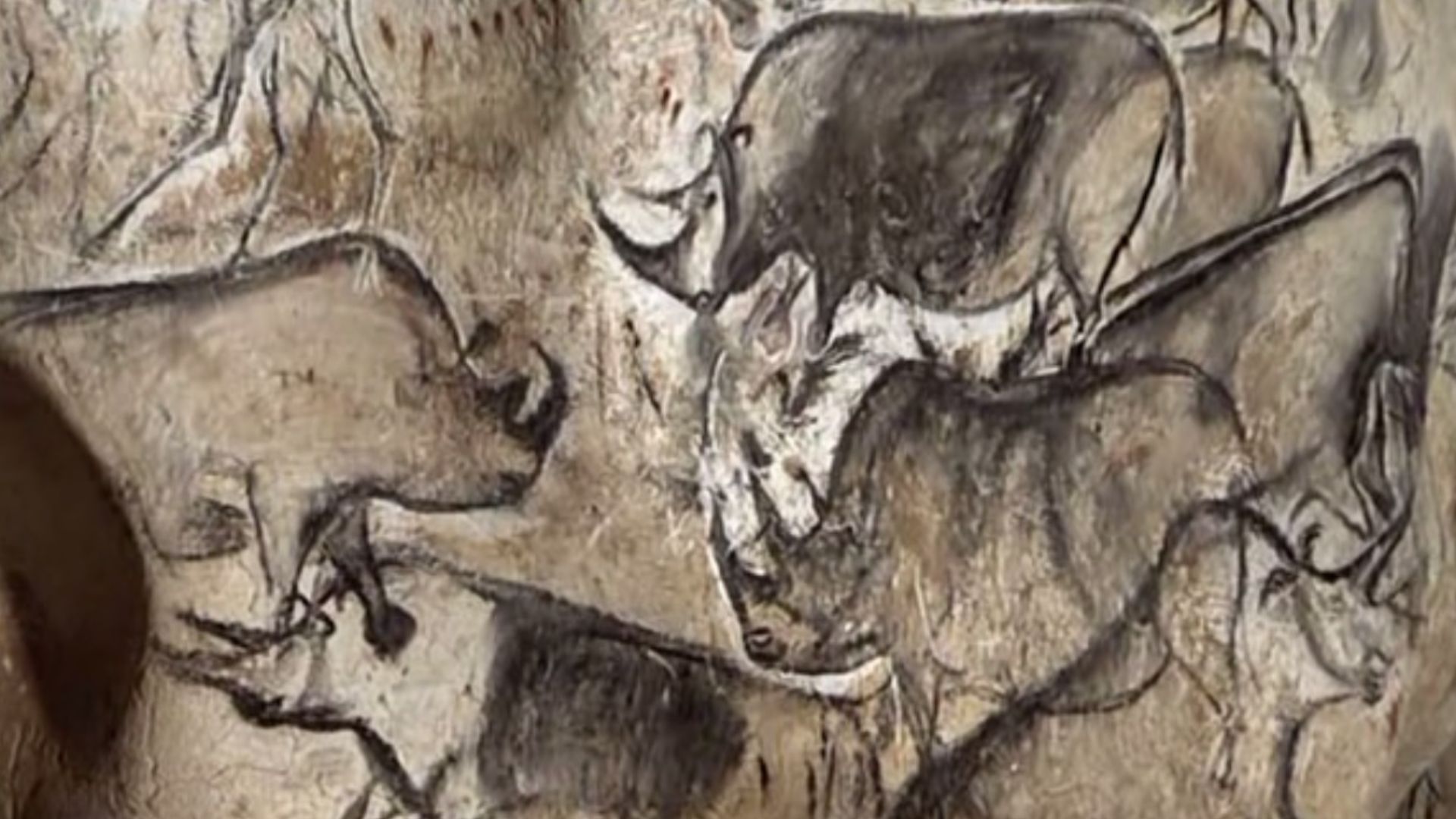
That earlier painting mattered because it showed something new, storytelling. The figures were not random shapes, but characters engaged in action. It suggested that early humans were already using art to represent relationships, events, and imagined scenes, not just isolated symbols.
 Unknown authorUnknown author, Wikimedia Commons
Beyond Figurative Art
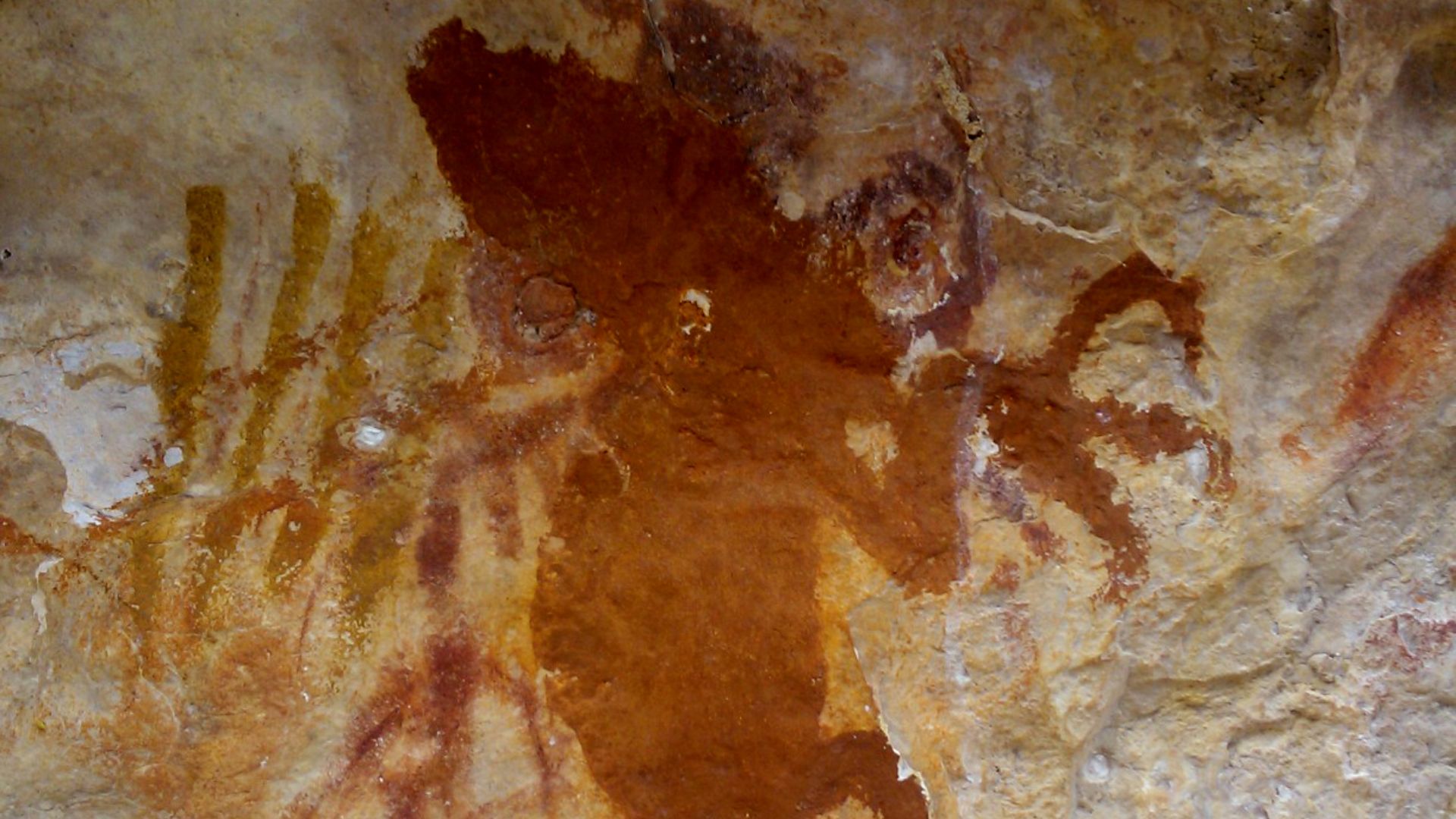
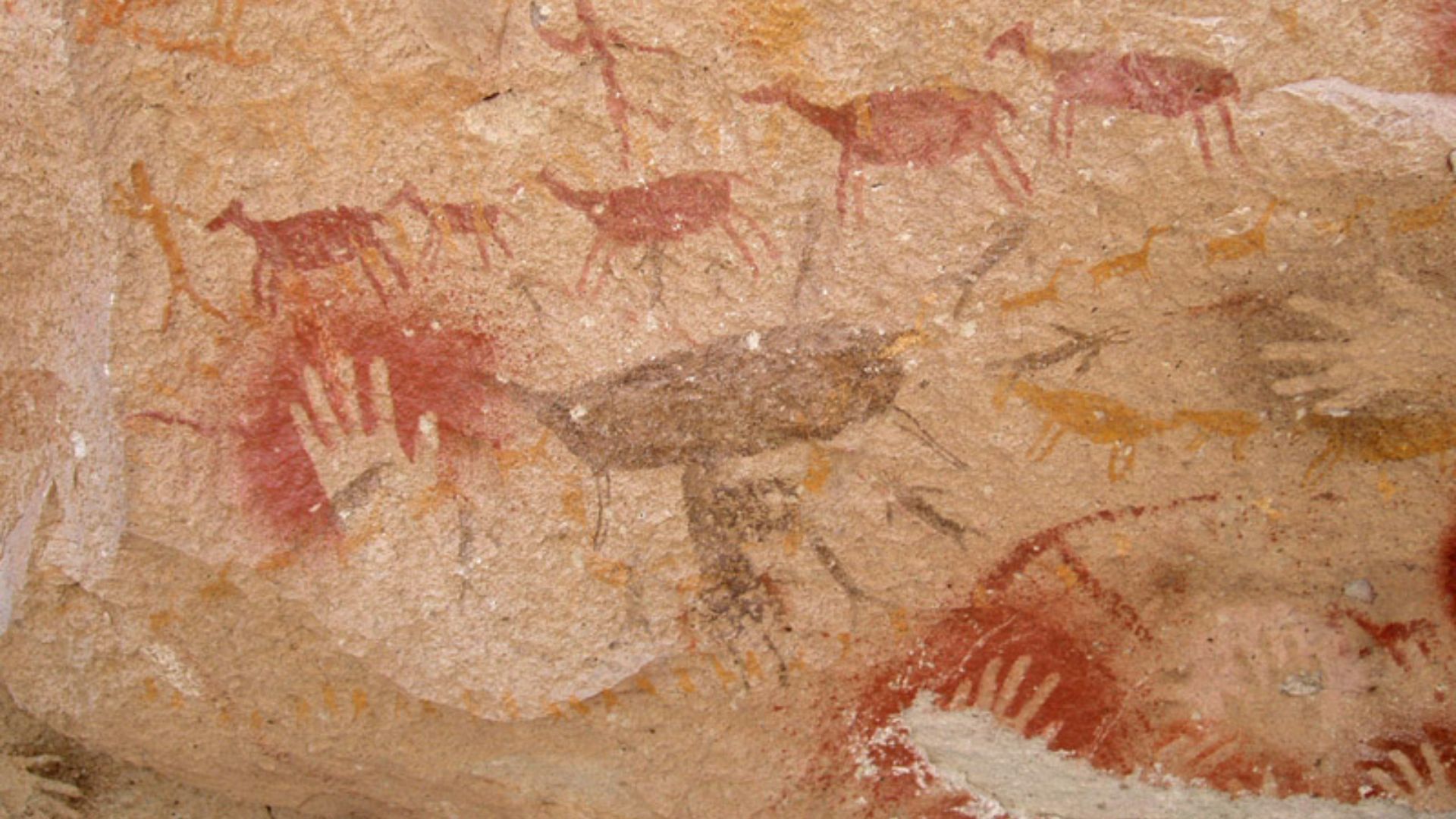
Alongside these scenes, Indonesia’s caves contain countless hand stencils and geometric designs. Some are simple, others abstract and puzzling. Together, they hint at complex symbolic systems that may have included rituals, beliefs, or social markers now lost to time.
 Marianocecowski, Wikimedia Commons
A Global Context Of Caveman Creativity
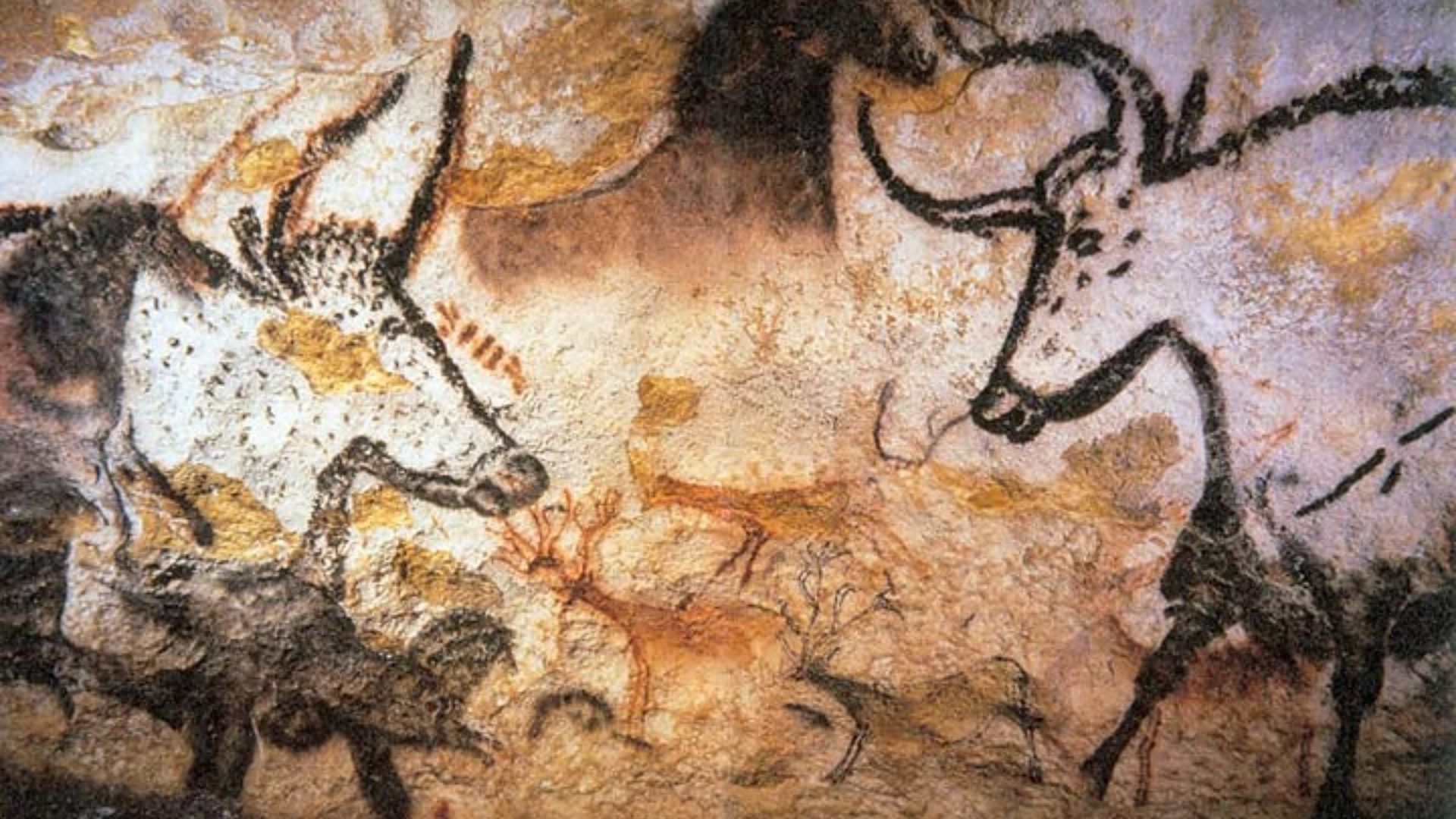
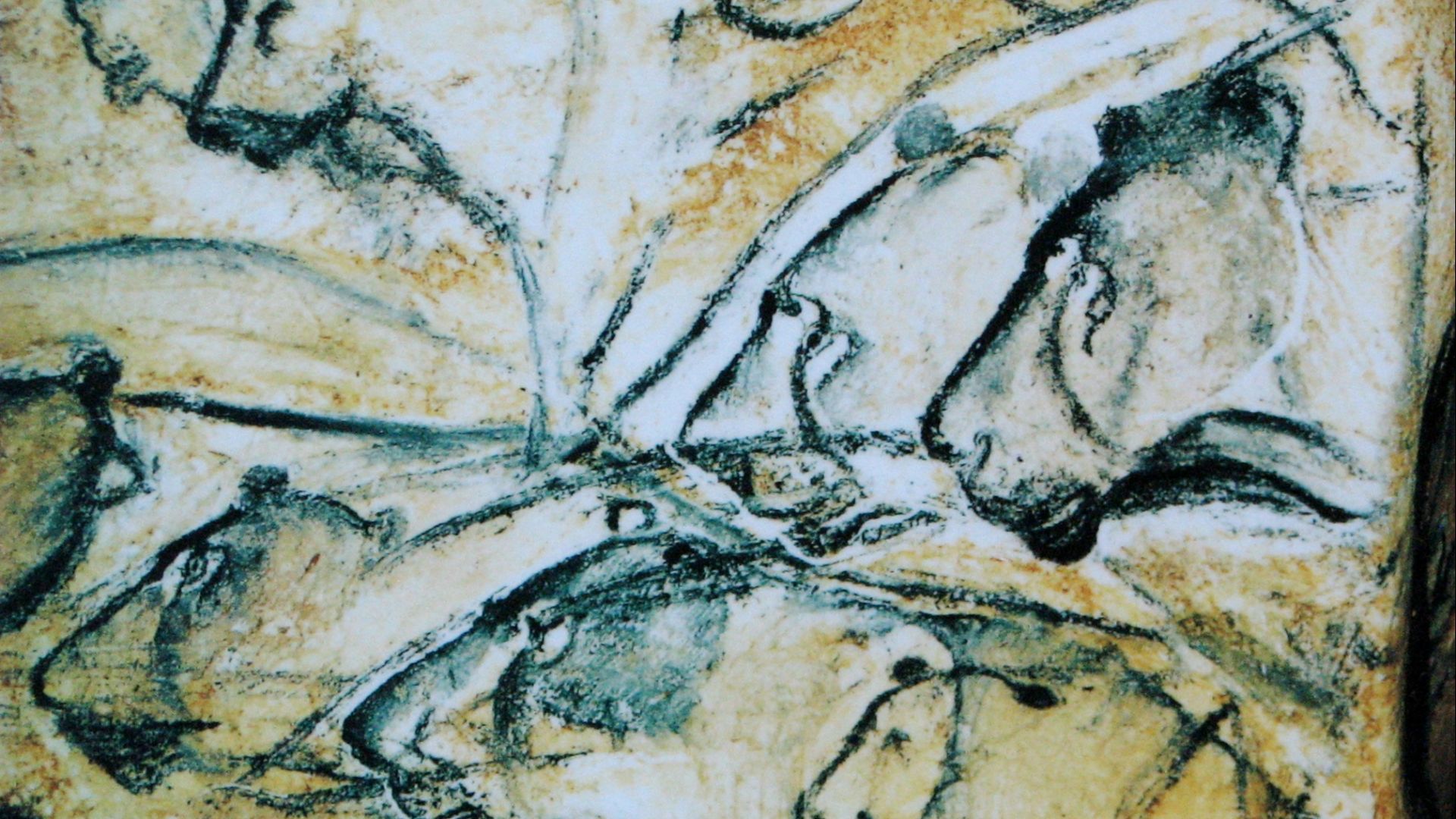
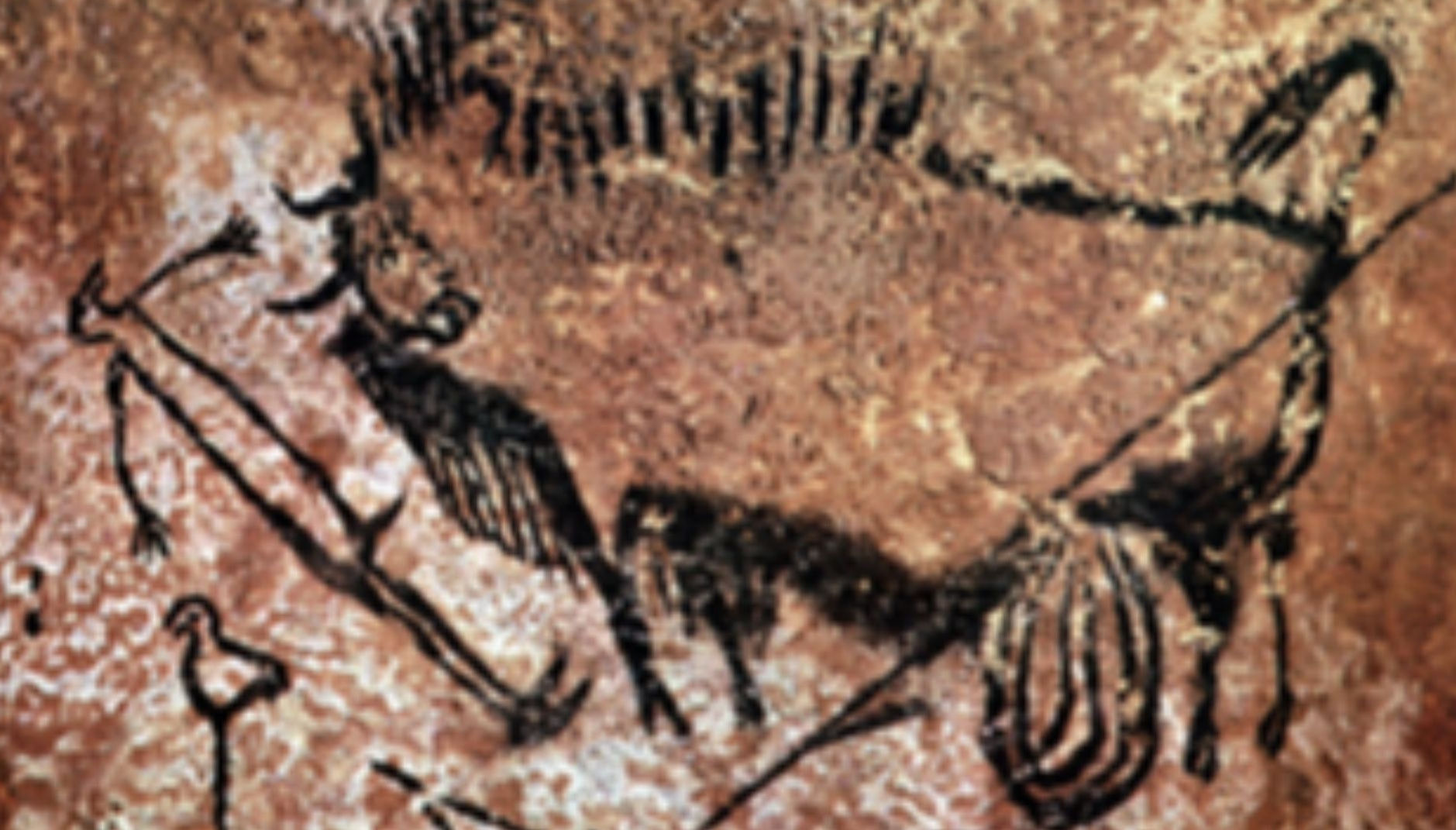
For much of the twentieth century, discussions of prehistoric art focused almost entirely on Europe. Famous sites like Lascaux and Chauvet shaped how scholars imagined the origins of creativity. Discoveries in Indonesia have dramatically expanded that view, showing that artistic expression emerged across multiple regions.
The Neanderthal Art Puzzle
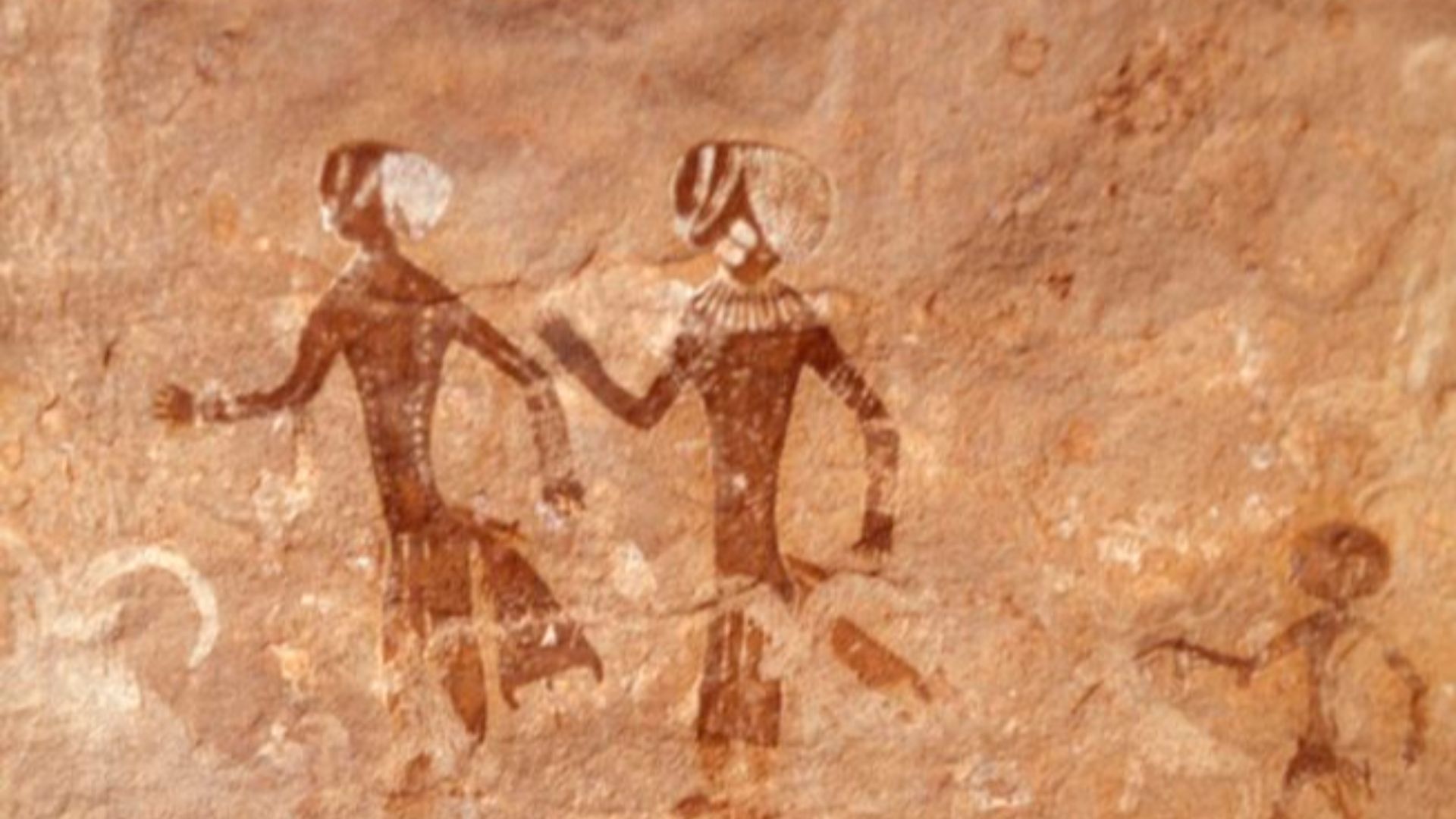
Complicating the story further, some European cave paintings older than 64,000 years have been linked to Neanderthals. This suggests that the capacity for symbolic art may not have belonged exclusively to Homo sapiens, raising fascinating questions about shared creativity among ancient human relatives.
 Alessandro Passare, Wikimedia Commons
Who Made The Sulawesi Art
The identity of the artists behind the Sulawesi hand stencils remains uncertain. They may have been early Homo sapiens, Denisovans, or another hominin population entirely. Whoever they were, they possessed the cognitive ability to think symbolically and leave lasting marks on their world.
 Basran Burhan, Wikimedia Commons
Denisovans The Mysterious Artists
Denisovans are among the most mysterious human relatives known to science. Identified mostly through DNA rather than fossils, they lived across parts of Asia and interbred with modern humans. Some researchers believe they could have been capable of creating art similar to that seen in Sulawesi.

Symbolism Or Statement
Intriguingly, some hand stencils do not look entirely natural. Narrowed fingers and deliberate shapes suggest that these were not accidental impressions. Instead, they may have carried symbolic meaning, possibly representing gestures, identities, or ritual signs understood by the artists’ community.
What This Means For Migration Models
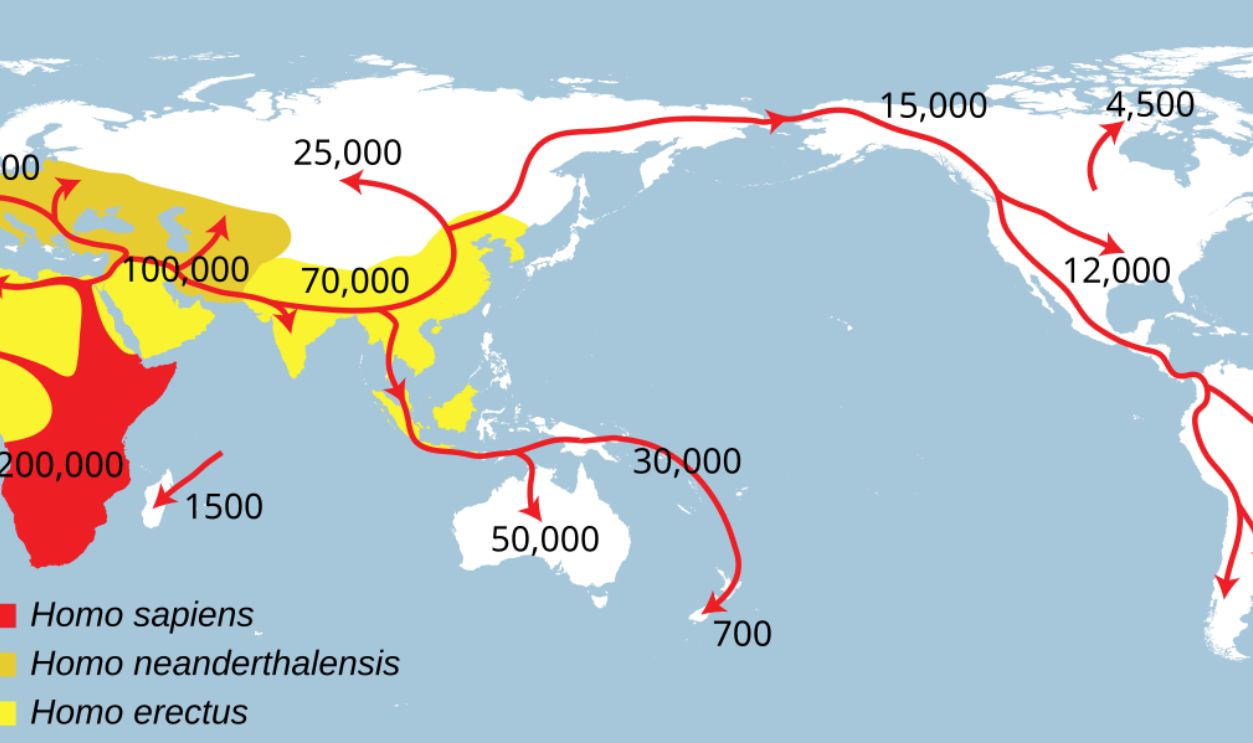
The age of this artwork also has implications for how and when humans migrated through Southeast Asia. It supports the idea that early populations were present in the region earlier than once thought, bringing cultural traditions with them as they moved.
 NordNordWest, Wikimedia Commons
Sahul And The Ancient World
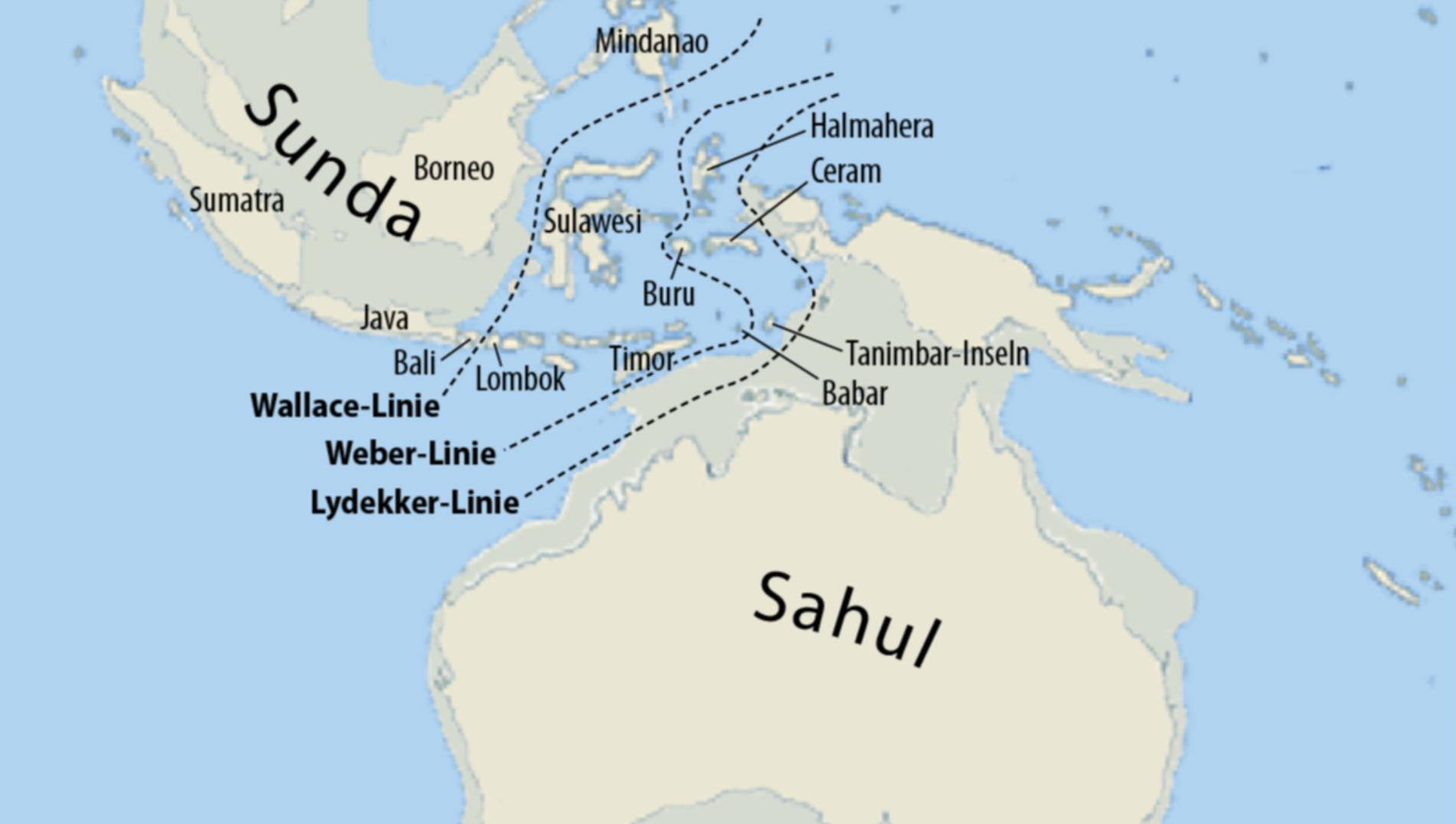
At the time these paintings were created, sea levels were much lower than today. Vast land bridges connected islands and continents, forming a region known as Sahul. These connections made it easier for humans to travel between Southeast Asia, New Guinea, and Australia.
 Maximilian Dorrbecker (Chumwa), Wikimedia Commons
Art As Human Identity
Creating art is more than decoration, it is a statement of identity. By placing their hands on cave walls, early humans may have been asserting their presence, marking important locations, or participating in shared cultural practices that bound their groups together.
Connecting Across Millennia
There is something deeply moving about seeing a handprint made nearly 68,000 years ago. It is a direct connection to an individual who lived, breathed, and thought in a world unimaginably distant from our own, yet shared the same impulse to create.
Indonesia A Prehistoric Art Capital
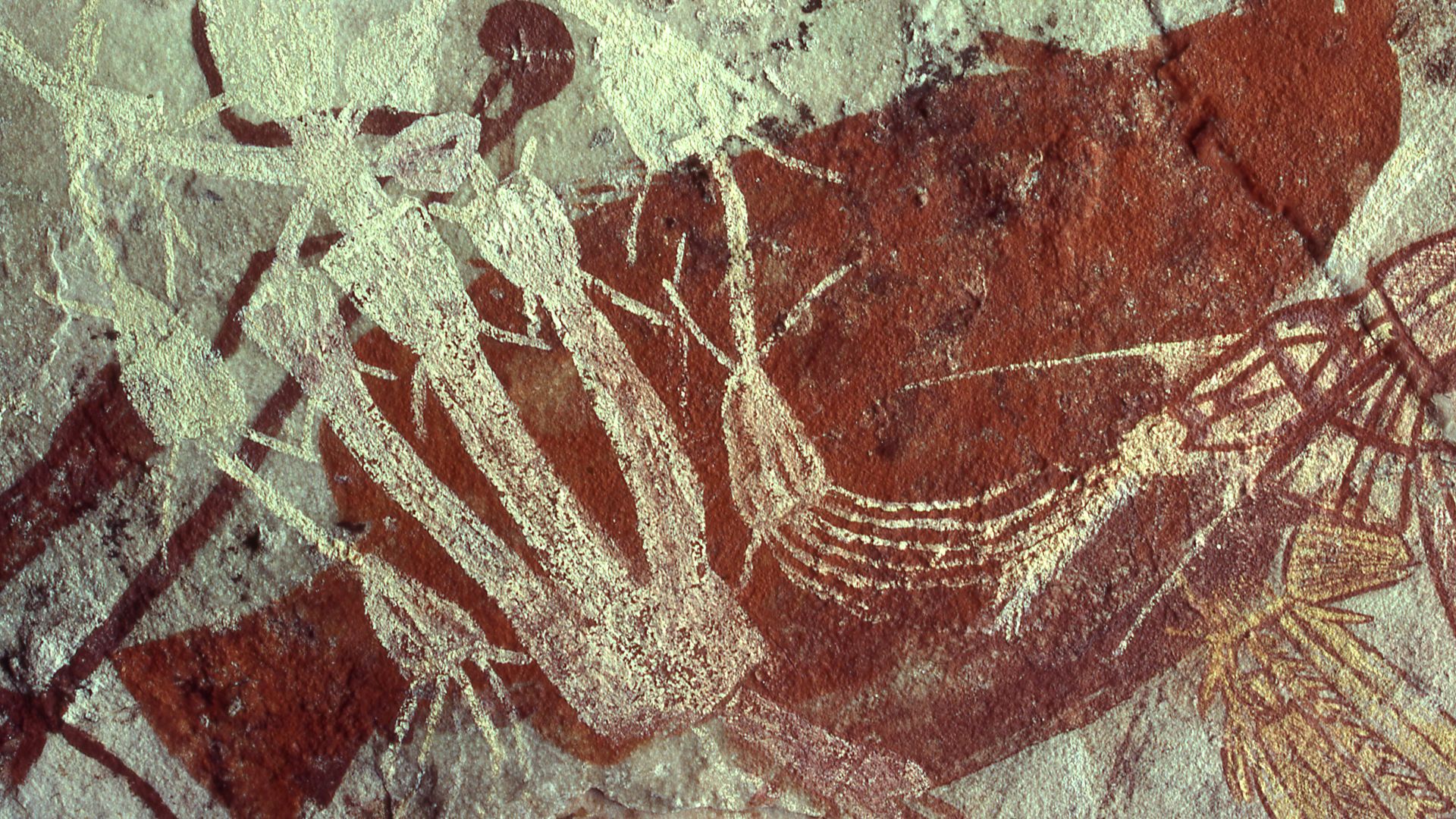
With each new discovery, Indonesia’s importance in the story of human creativity continues to grow. Its caves preserve a record of artistic experimentation that rivals any region on Earth, offering rare insight into the earliest chapters of cultural expression.
Cultural Legacy Beyond Art
These ancient paintings are not only scientifically important, they also hold cultural meaning for modern communities. They connect present-day Indonesians to a deep and enduring history of creativity that stretches back tens of thousands of years.
Why This Discovery Matters Globally
This discovery matters because it reshapes how we understand ourselves. It shows that creativity did not emerge suddenly or in one place, but developed gradually wherever humans with curious, imaginative minds lived and interacted.
New Questions Raised
As exciting as this find is, it raises even more questions. How much older might undiscovered art be? How many caves remain unexplored? And what other forms of early expression have yet to be recognized or understood?
 Raveesh Vyas, Wikimedia Commons
The Future Of Cave Art Research
Archaeologists are now using cutting-edge technology to search for earlier and fainter artworks. Advanced imaging, chemical analysis, and remote exploration are opening new possibilities for discovering art that was once invisible to the human eye.
 Son of Groucho from Scotland, Wikimedia Commons
Bridging Art And Science
This discovery highlights the unique way archaeology blends art and science. Through careful analysis, researchers can uncover not only dates and materials, but insights into ancient minds, emotions, and shared human experiences.
 Rls at English Wikipedia, Wikimedia Commons
Looking Back To Look Forward
Each ancient hand stencil invites us to reflect on where creativity truly began. Long before cities, writing, or agriculture, humans were already thinking symbolically and expressing themselves in lasting ways.
 Reinhard Jahn, Mannheim / nanosmile, Wikimedia Commons
A New Beginning For Human History
The world’s oldest cave painting reminds us that the story of humanity is far older and richer than we once believed. With every discovery, the past feels a little closer, and our understanding of what it means to be human continues to deepen.
 Clemens Schmillen, Wikimedia Commons
You May Also Like:
America’s greatest highway, Route 66 will be 100 years old in 2026.
WestJet Reverses Cramped Seat Configuration After Widespread Backlash