
The Promise Of “Free Cancellation” Sounds Simple
You book a hotel room, see the words “free cancellation,” and assume you are protected if plans change. Many travelers believe that phrase means they can cancel anytime without losing money. Unfortunately, the reality is often more complicated. Hidden deadlines, confusing fine print, and third party booking rules can leave travelers shocked when charges still appear on their credit card.

Why Travelers Get So Frustrated
Hotel booking websites are designed to make reservations feel quick and easy. The cancellation details are often displayed in smaller text or buried inside expandable menus. Travelers may focus on the big “free cancellation” label and miss important conditions. That misunderstanding can quickly turn into an expensive dispute.

What “Free Cancellation” Usually Means
In most cases, “free cancellation” does not mean unlimited cancellation rights forever. Hotels typically allow free cancellation only until a specific deadline. That deadline might be 24 hours, 48 hours, or even several weeks before check in. If you cancel after the cutoff, charges often apply automatically.

Timing Is Everything
One of the most common problems happens when travelers misunderstand the cancellation clock. A hotel may state that cancellations are free until “11:59 PM local hotel time” or “two days before arrival.” If you cancel after that exact point, the system may treat your booking as non refundable. Even a few minutes can make a difference.

Booking Platforms Add Another Layer
Third party booking sites like Expedia, Booking.com, and Hotels.com often act as middlemen. The hotel creates the policy, but the booking platform processes the reservation. This setup can create confusion about who is responsible when disputes happen. Travelers sometimes discover that the hotel blames the platform while the platform blames the hotel.

Screenshots Can Save You
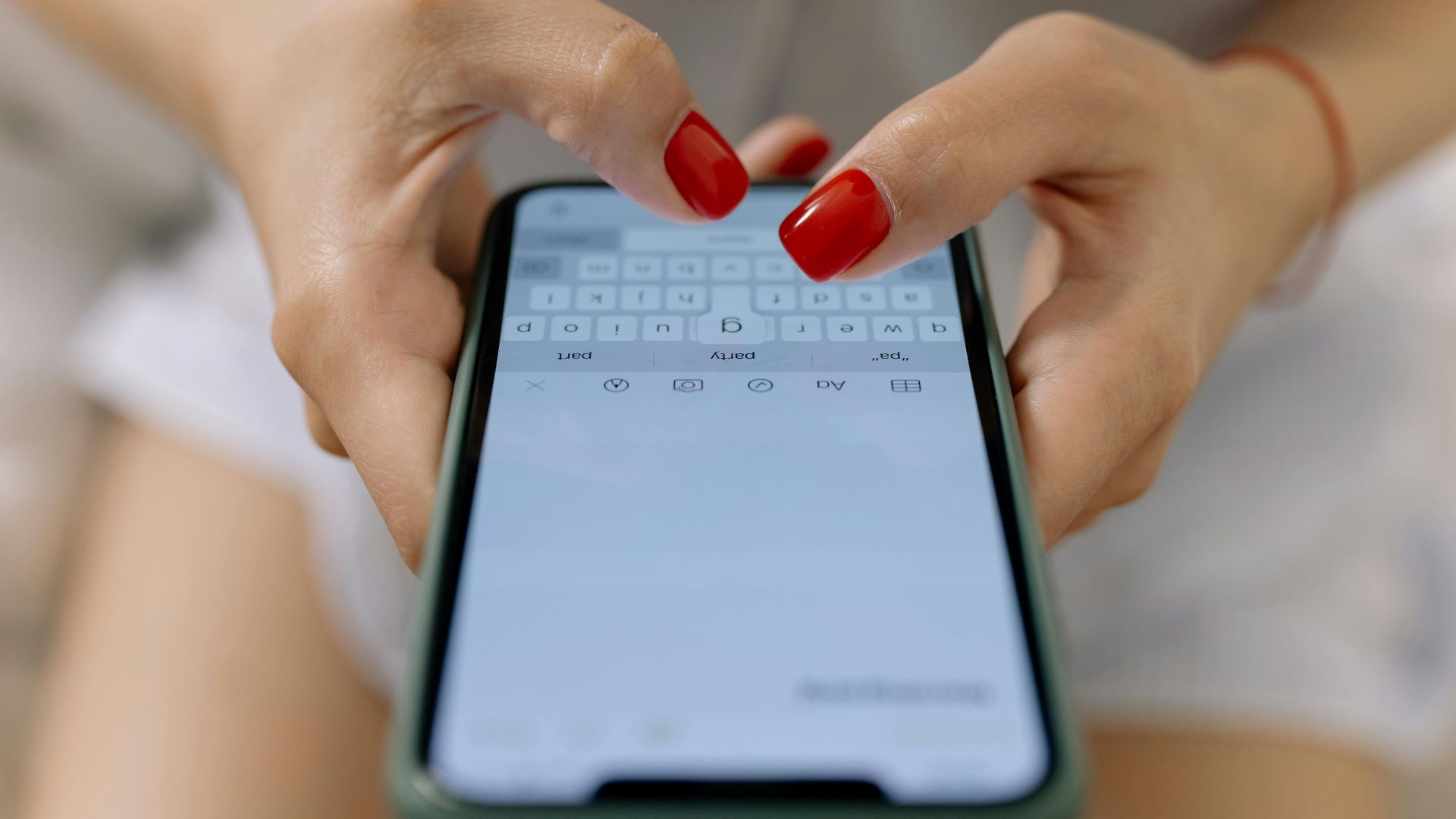
Travel experts regularly recommend taking screenshots during the booking process. A screenshot showing the advertised cancellation policy can become valuable evidence later. It may help prove how the offer appeared at the time of booking. Without documentation, disputes often become much harder to win.

Fine Print Matters More Than Most Travelers Realize
Hotels frequently include detailed cancellation terms underneath the headline offer. The phrase “free cancellation” may appear prominently, while important restrictions appear in smaller text below. Courts and consumer agencies often consider whether the terms were reasonably visible. If the restrictions were hidden or misleading, the traveler may have a stronger argument.
 Vodafone x Rankin everyone.connected, Pexels
Some “Free Cancellation” Offers Include Fees
Certain hotels charge administrative fees even when cancellation is technically free. Others refund only part of the payment because taxes or service charges are excluded. Travelers are often surprised to learn that “free cancellation” does not always mean a full refund. Reading the full policy carefully is essential.

Prepaid Reservations Can Be Tricky
Many discounted hotel rates require advance payment. These prepaid deals often come with stricter cancellation terms. A traveler may mistakenly believe the reservation is flexible because of promotional wording on the booking page. In reality, the lower price may have locked them into limited refund rights.

Credit Card Holds Can Look Like Charges
Sometimes travelers think they have been charged when the hotel has only placed a temporary authorization hold. Hotels commonly pre authorize cards to verify funds before check in. Those holds can remain visible for days. Understanding the difference between a pending hold and a completed charge can prevent unnecessary panic.

False Advertising Laws Do Exist
Consumer protection laws prohibit businesses from using deceptive advertising. In the United States, the Federal Trade Commission prohibits misleading marketing practices. Similar consumer laws exist in Canada, the United Kingdom, the European Union, and Australia. If a hotel advertised cancellation terms inaccurately, the traveler may have legal grounds to complain.

But Winning A False Advertising Claim Is Not Easy
A traveler usually needs evidence showing the advertisement was misleading. Courts often examine the full booking page, including disclaimers and terms. If the cancellation restrictions were clearly disclosed somewhere during checkout, the hotel may still be legally protected. That makes documentation extremely important.

The FTC Watches For Deceptive Travel Advertising
The Federal Trade Commission has previously warned travel companies about misleading pricing and advertising practices. Hotels and booking platforms can face penalties for deceptive conduct. However, regulators usually focus on widespread patterns rather than isolated customer complaints. Individual travelers often need to pursue refunds directly.

Europe Gives Travelers Stronger Protections
European Union consumer laws generally require businesses to present contract terms clearly and transparently. Hidden fees and misleading cancellation claims may violate EU rules. Some travelers in Europe may also benefit from stronger chargeback rights through banks. These protections can provide additional leverage during disputes.

Chargebacks Can Help In Some Cases
If a hotel refuses a refund unfairly, travelers can request a chargeback through their credit card company. Banks typically investigate whether the merchant followed the advertised terms. Providing screenshots, emails, and cancellation timestamps improves the chances of success. Chargebacks are not guaranteed, but they can be effective.

Hotels Sometimes Reverse Charges After Complaints
Many disputes are resolved without lawsuits or formal complaints. Travelers who politely escalate concerns to management may receive refunds or travel credits. Hotels often want to avoid negative publicity and customer dissatisfaction. Persistence can sometimes pay off.

Travel Insurance Usually Will Not Cover This
Standard travel insurance generally does not reimburse cancellation penalties caused by missed deadlines. Policies typically cover emergencies such as illness, severe weather, or family crises. Travelers should not assume insurance will solve disputes over booking misunderstandings. Reading policy terms carefully is essential.

Non Refundable Means Exactly What It Says
Some travelers accidentally select non refundable rooms because they are cheaper. These rates can appear alongside flexible options during checkout. In fast booking situations, it is easy to click the wrong rate category. Once booked, those reservations are often extremely difficult to cancel without penalties.

Hotels Benefit From Confusing Policies
Consumer advocates have criticized the travel industry for using vague or inconsistent cancellation language. Terms like “flexible booking” and “free cancellation” can sound broader than they actually are. The lack of standardized definitions sometimes creates confusion. Travelers may assume protections that do not legally exist.

Documentation Creates Leverage
Keeping records strengthens any complaint or dispute. Travelers should save screenshots, booking confirmation emails, chat logs, cancellation numbers, and credit card statements. Organized evidence makes it easier to challenge incorrect charges. It also shows the hotel or bank that the traveler is prepared.

Social Media Complaints Sometimes Work
Public complaints on platforms like X, Facebook, or Instagram occasionally prompt faster responses from hotels. Companies often monitor social media closely to protect their reputation. A calm and factual post may attract customer service attention. Angry or abusive posts are usually less effective.
Small Claims Court Is An Option
If the amount involved is significant, small claims court may be worth considering. Travelers can present screenshots, policies, and payment records as evidence. Judges often focus on whether the advertising and contract terms were reasonably clear. The process varies depending on local laws and jurisdiction.

Consumer Protection Agencies May Help
Government consumer agencies sometimes assist with travel disputes. In the United States, complaints can be filed with the Federal Trade Commission or state attorneys general. Canadian travelers can contact provincial consumer protection offices. While agencies may not resolve every case directly, complaints help identify industry patterns.

Prevention Is Better Than Fighting Later
The safest strategy is to read cancellation policies carefully before paying. Travelers should verify deadlines, refund amounts, and time zones. Booking directly with hotels can sometimes simplify disputes compared to using third party platforms. A few extra minutes of caution can prevent expensive surprises.

Flexible Rates Often Cost More For A Reason
Hotels charge higher prices for flexible reservations because they carry less financial risk for travelers. Budget rates usually come with stricter conditions. Understanding that tradeoff helps travelers make informed decisions. The cheapest rate is not always the safest option.

So Do You Actually Have A Case?
Whether you have a false advertising case depends heavily on the details. If the hotel clearly disclosed the cancellation deadline and penalties, your claim may be weak. If the advertising was misleading, contradictory, or hidden behind unclear wording, you may have stronger grounds to challenge the charge. Documentation will usually determine the outcome.

The Best Defense Is Careful Booking
Hotel cancellation disputes are surprisingly common in modern travel. The combination of fast online booking systems and dense legal language creates plenty of room for confusion. Travelers who document everything and read policies carefully are far less likely to face costly surprises. In travel, a little caution can save a lot of money.

You May Also Like: