American Hotels Feel Surprisingly Different
If you've stayed in hotels around Europe, Asia, or Australia, checking into an American hotel can come with a few surprises. From mysterious daily fees to giant ice machines and enormous beds, many everyday features of US. hotels aren't universal. Here are some of the things that overseas visitors often find the most confusing.

Resort Fees That Aren't Included in the Room Rate
One of the biggest surprises is the mandatory resort or destination fee that may be added to the room price. These charges often cover amenities like Wi-Fi, gym access, or pool use, even if you never use them. Although US pricing rules now require mandatory fees to be included in the advertised total price, many international visitors are still surprised that such fees exist at all.

Large Security Deposits on Credit Cards
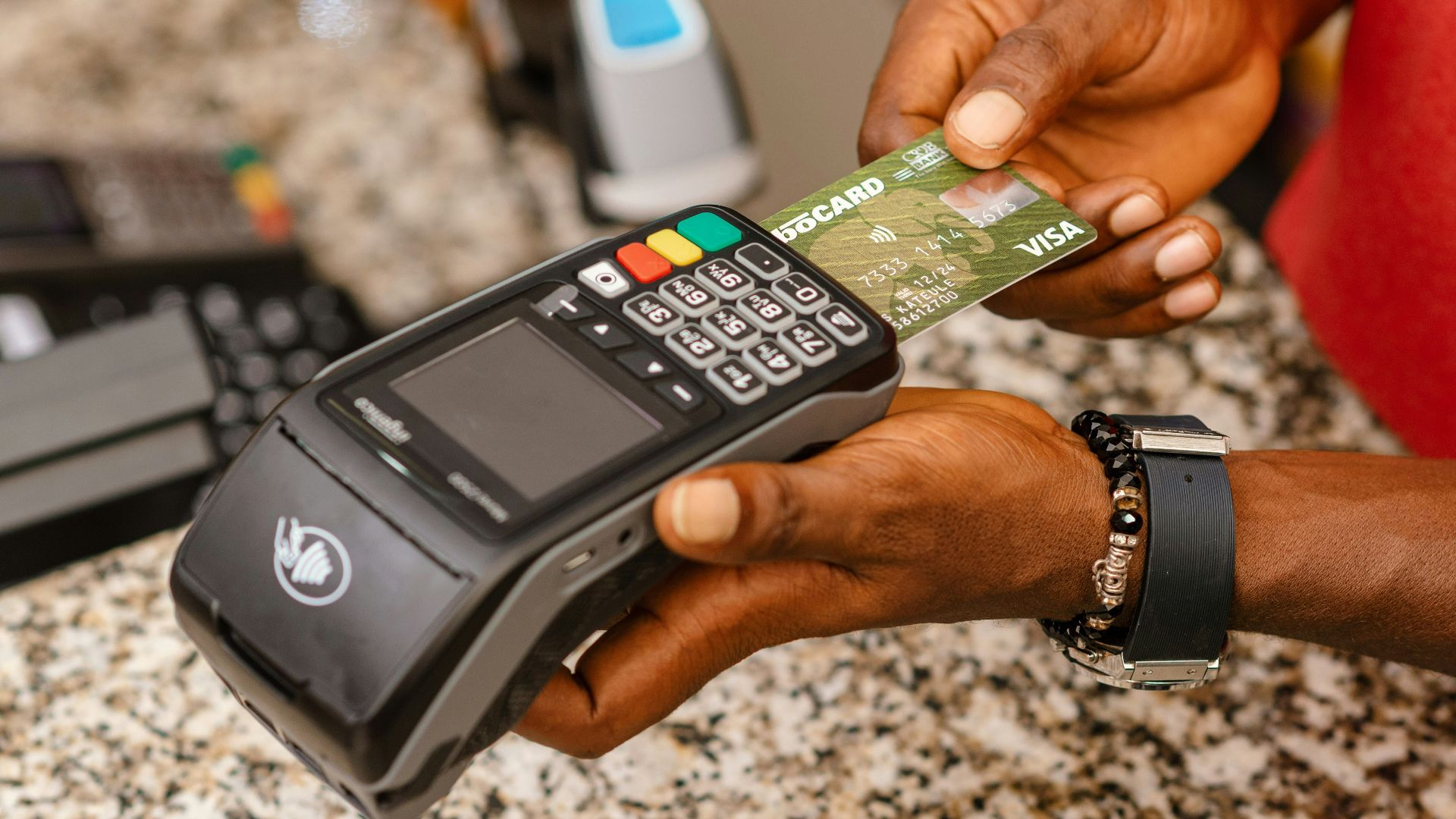
Many American hotels place a temporary authorization hold on your credit or debit card at check-in to cover incidental charges like room service or minibar purchases. Depending on the hotel, these holds can range from modest amounts to several hundred dollars. Travelers unfamiliar with the practice sometimes mistake the hold for an extra charge.
Tipping Hotel Staff Is Often Expected
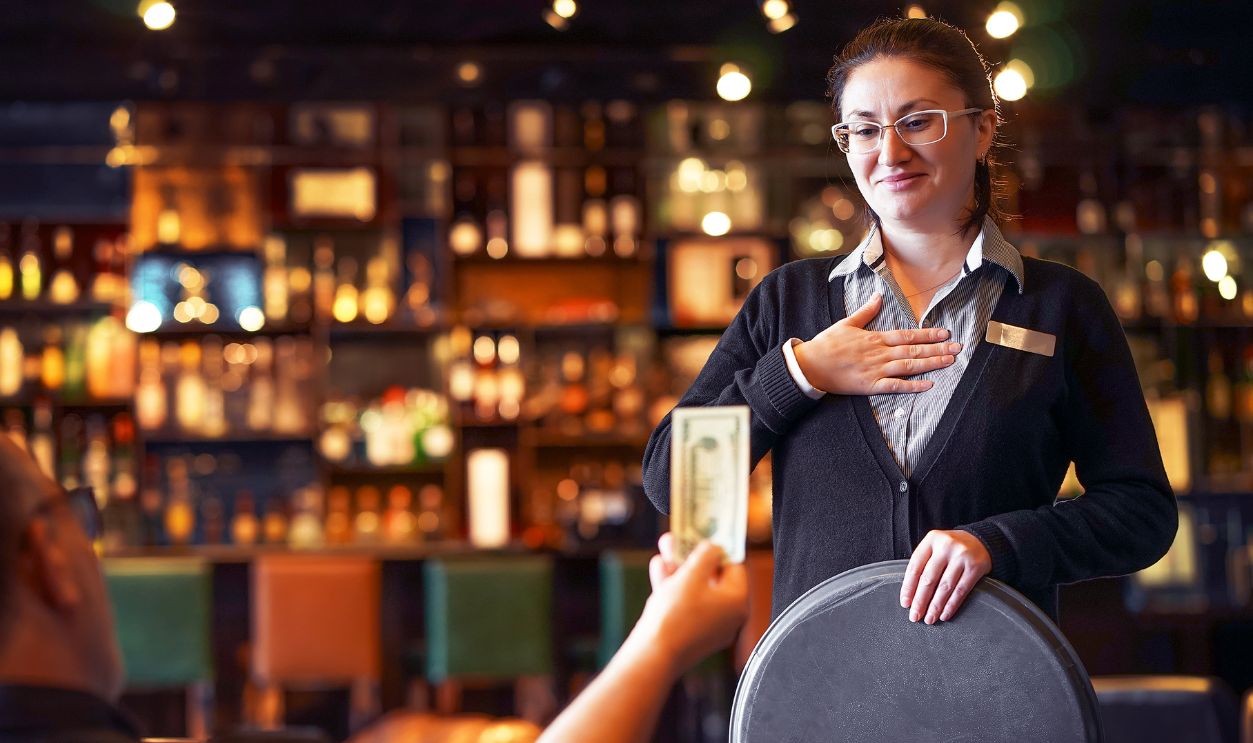
In many countries, hotel employees are paid without relying heavily on gratuities. In the United States, however, it's customary to tip bellhops, housekeeping staff, valet attendants, and others who provide personal service. For visitors from countries where tipping is rare or even discouraged, this can feel confusing and stressful.
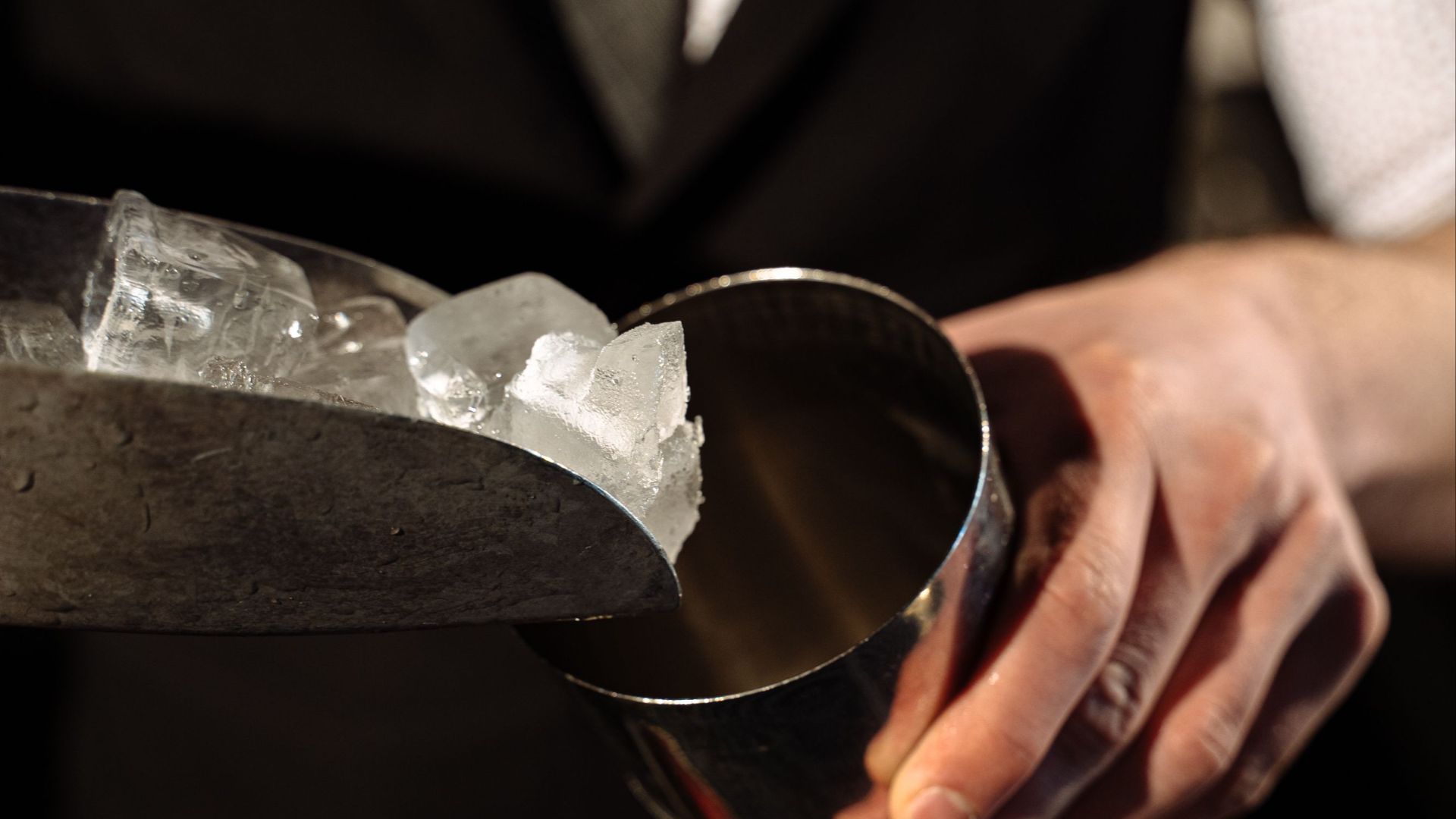
Ice Machines on Every Floor
Finding a self-service ice machine in the hallway is something many international travelers have never encountered before. In the United States, free ice has long been considered a standard hotel amenity, and guests are generally expected to help themselves whenever they need it.
Enormous Beds
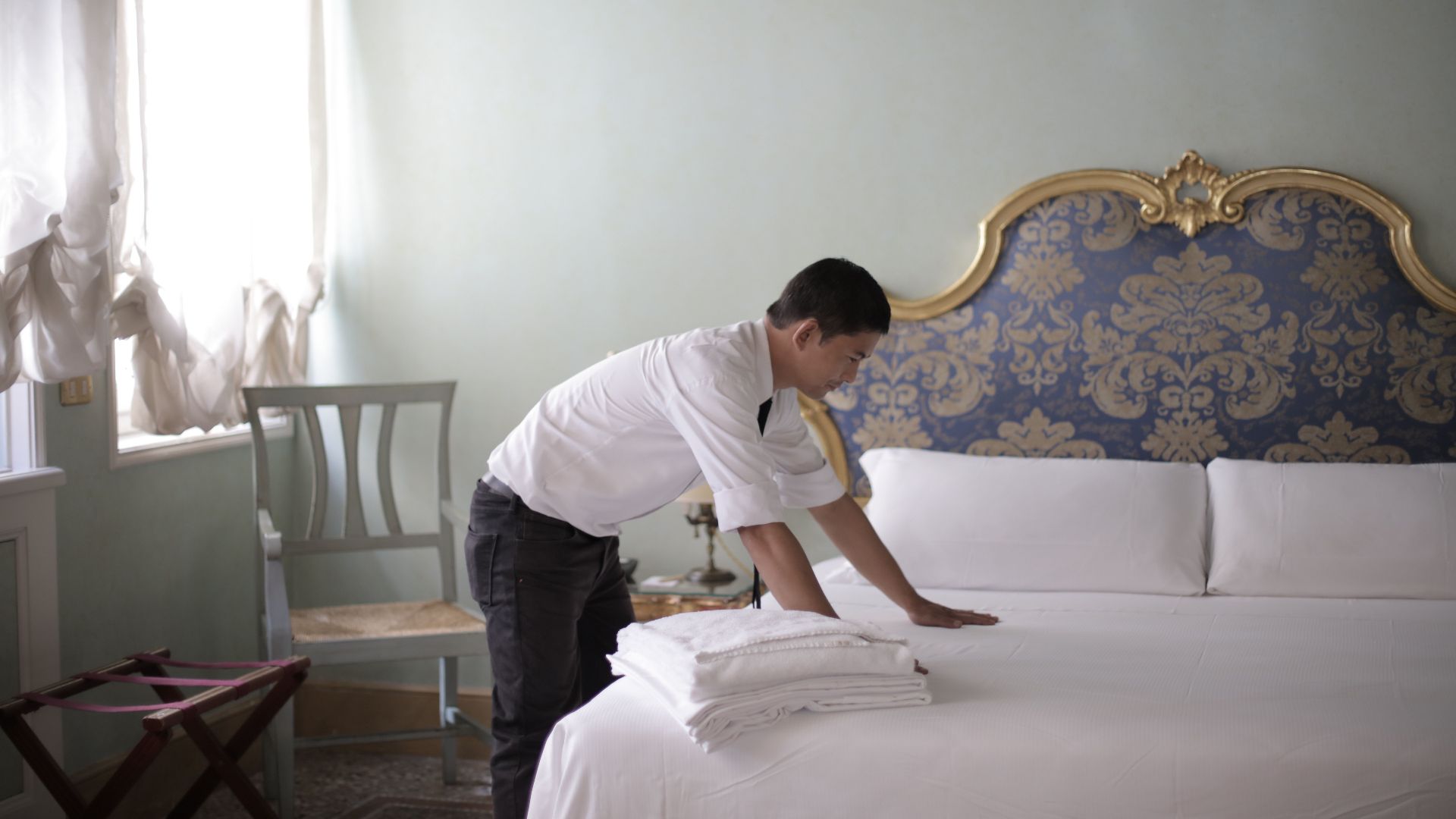
American hotel rooms frequently feature queen- and king-size beds that are significantly larger than standard beds found in many other countries. Even rooms designed for two people often include two large queen beds instead of smaller doubles or twins. First-time visitors are often surprised by just how much sleeping space they get.
Huge Room Sizes
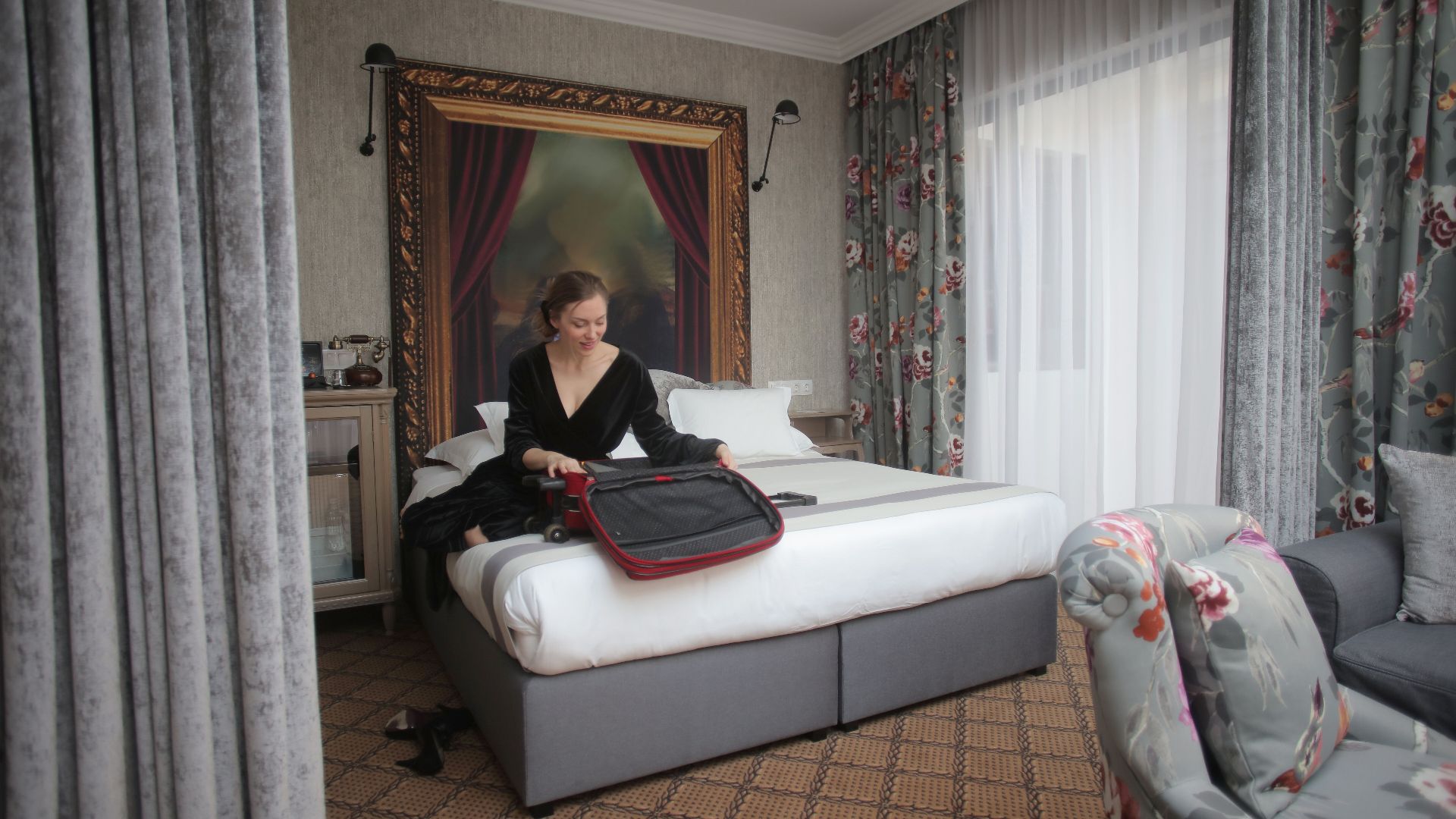
Compared with hotels in many historic European cities or densely populated Asian destinations, American hotel rooms are often noticeably larger. The bathrooms, closets, and entryways also tend to be more spacious, especially in suburban hotels built where land is plentiful.
Air Conditioning That Runs Constantly
Many American hotels rely on powerful air-conditioning systems, even during relatively mild weather. Overseas visitors from countries where cooling is used more sparingly sometimes find rooms uncomfortably cold and are surprised by how frequently the systems cycle on and off.

Free Coffee Makers in Nearly Every Room
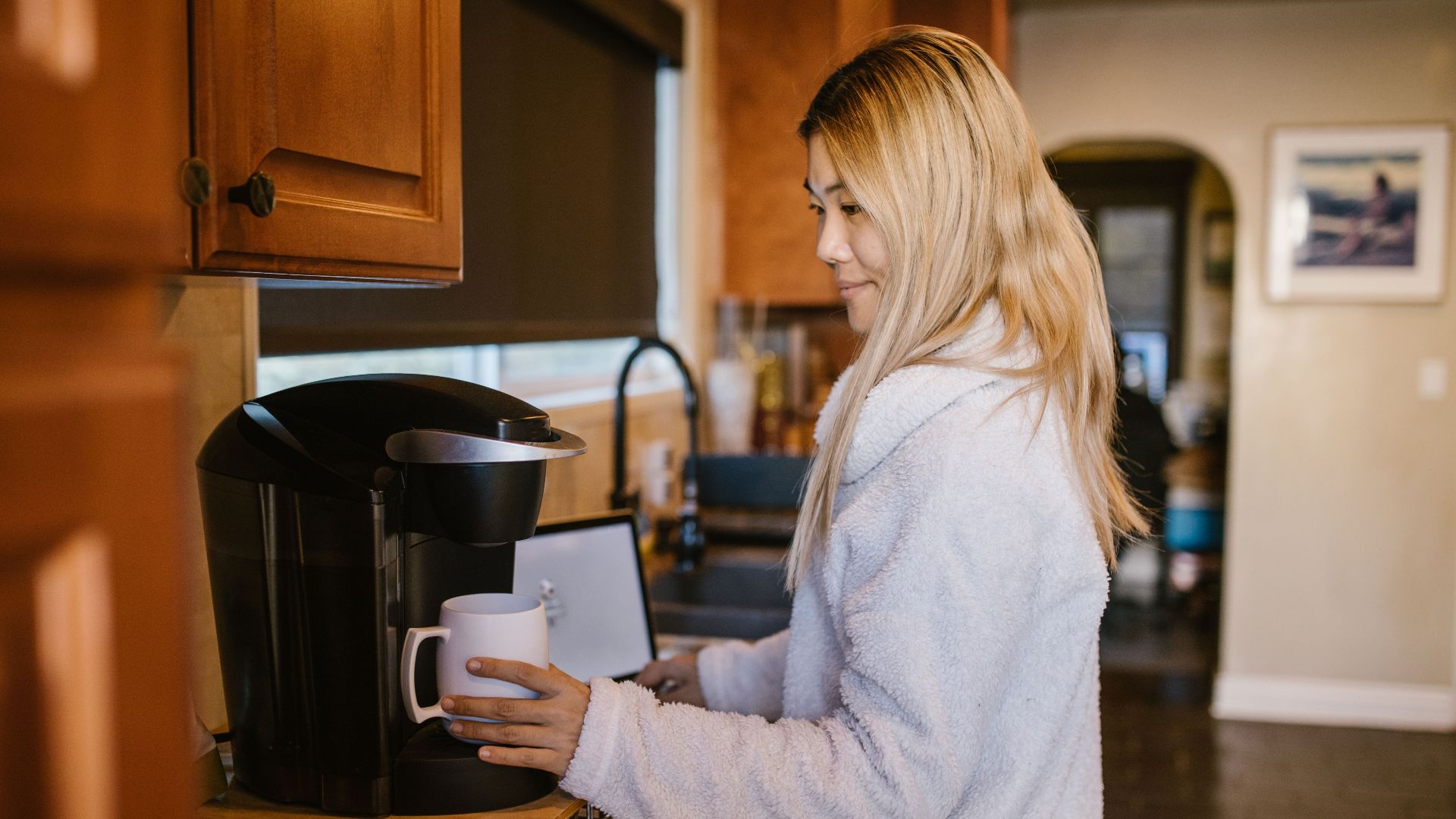
Most US hotel rooms include a coffee maker along with complimentary coffee packets. While kettles for tea are more common in many parts of Europe and Asia, American hotels often prioritize coffee instead. International guests who prefer tea may need to request a kettle.
Complimentary Ice Water Almost Everywhere
American hotels commonly provide free ice water in lobbies, fitness centers, or meeting areas. Combined with the in-room ice buckets, the availability of free cold drinking water stands out to visitors from countries where chilled water isn't as common.

Breakfast Isn't Always Included
Many travelers expect breakfast to come with the room because that's standard practice in much of Europe. In the United States, however, whether breakfast is included depends entirely on the hotel brand. Some offer generous complimentary buffets, while others charge separately.

Free Refills Aren't Limited to Restaurants
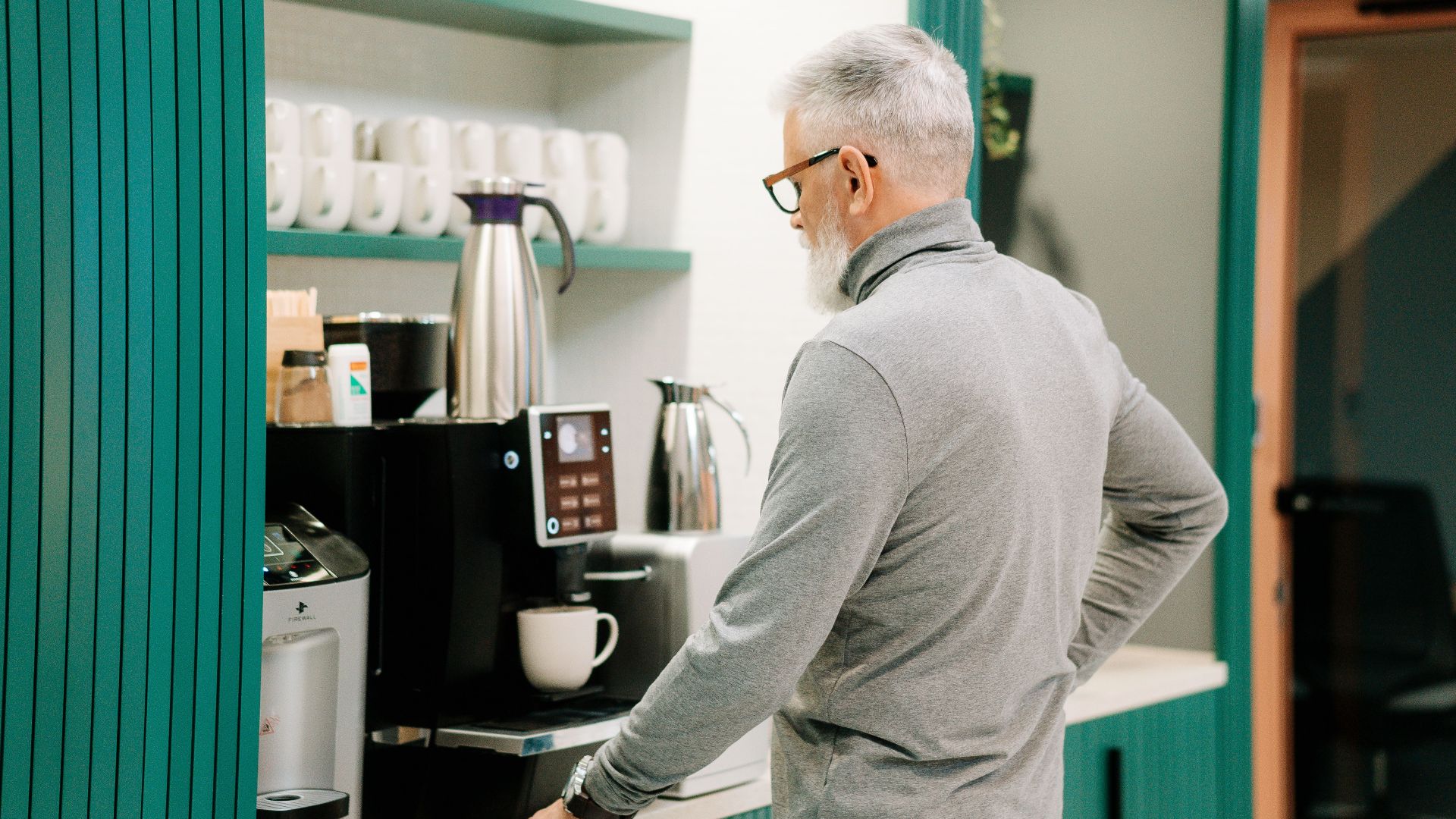
Some American hotels extend the country's refill culture to coffee stations or self-service beverage areas. Visitors who aren't accustomed to unlimited refills often hesitate, wondering whether they're allowed to go back for another cup.
Parking Can Cost Extra
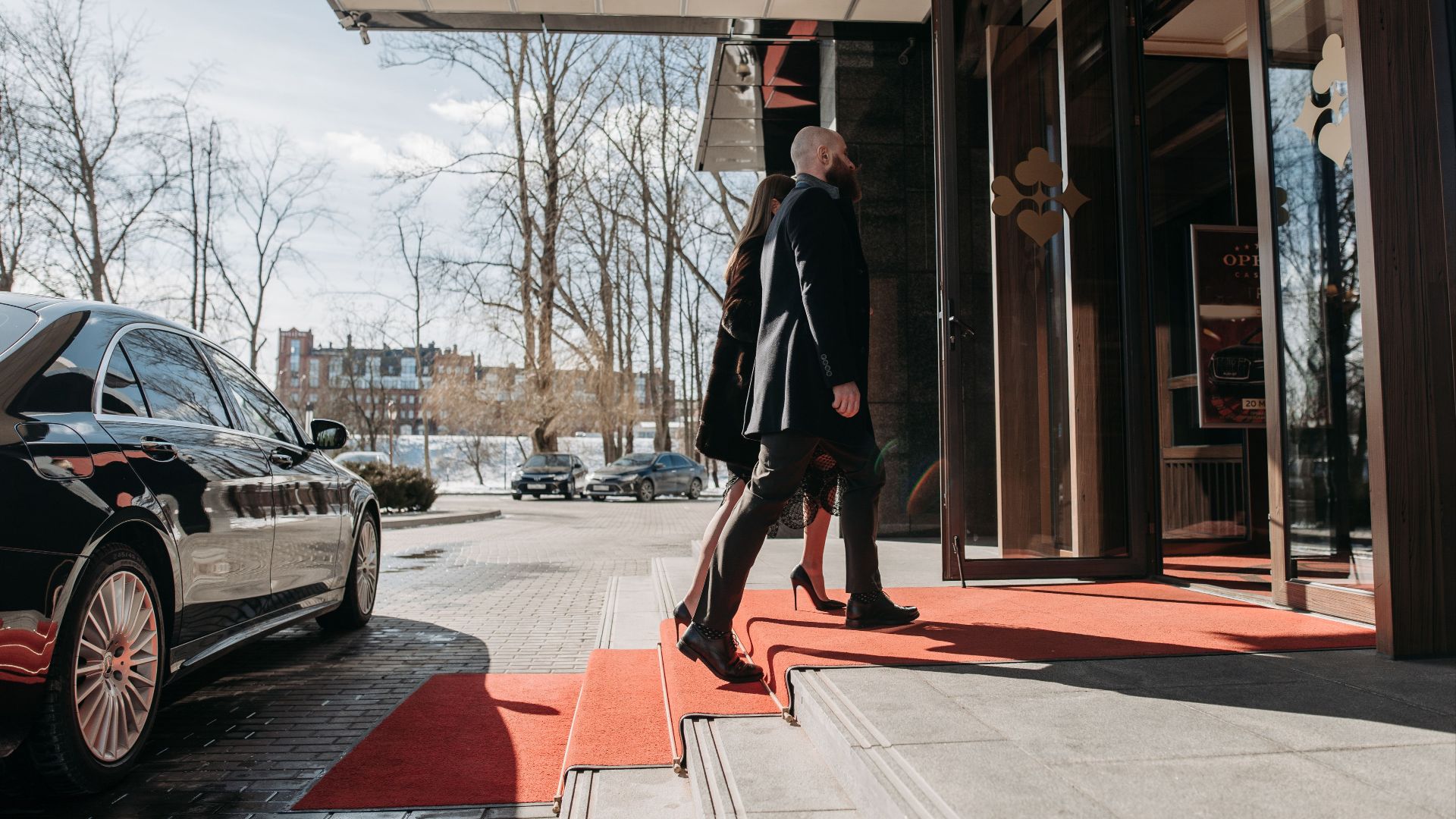
Even outside major cities, overnight parking isn't always included with the room rate. Urban hotels, airport properties, and resorts may charge substantial daily parking fees, which can catch overseas travelers off guard if they're renting a car.
Giant Hallways and Massive Properties
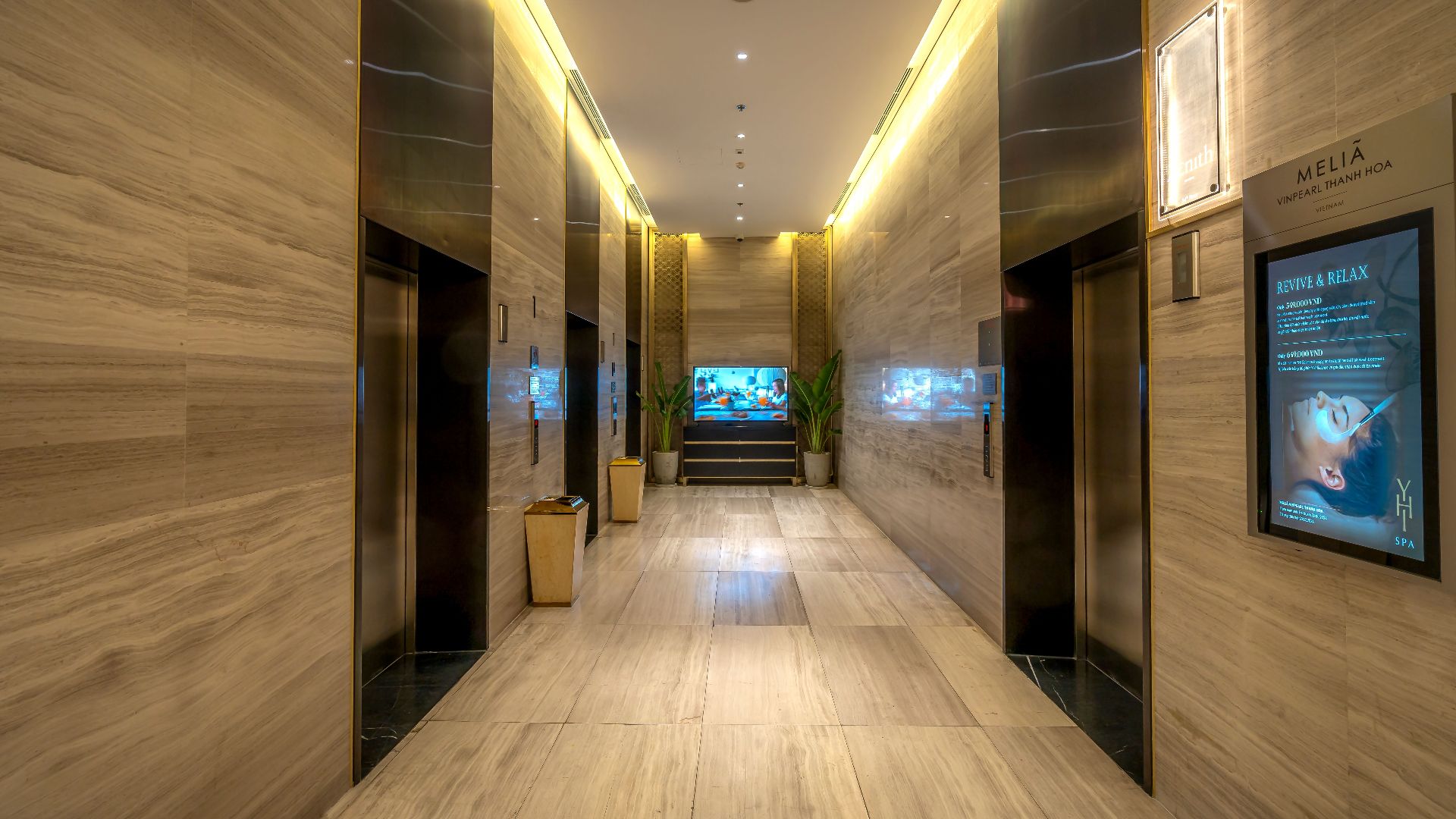
Many American hotels are built on a much larger scale than travelers expect. Long hallways, multiple elevators, sprawling conference centers, and hundreds of guest rooms are common, especially at chain hotels serving business travelers and conventions.
Disposable Cups and Single-Use Amenities
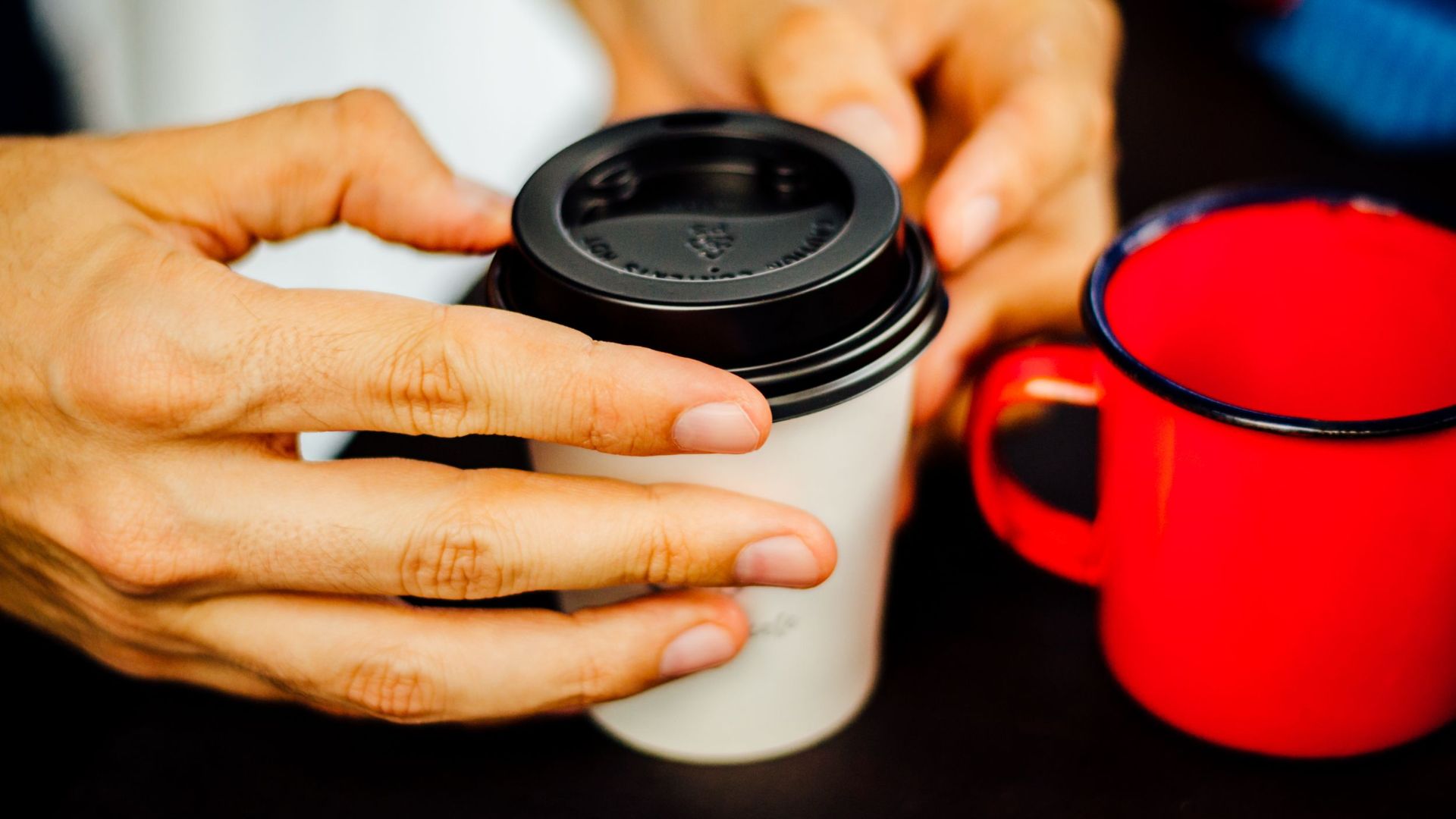
Although reusable options are becoming more common, many American hotels still provide disposable coffee cups, wrapped toiletries, and individually packaged items. Visitors from countries that have reduced single-use plastics often notice the difference immediately.
Flexible Check-Out Without Visiting the Desk
Many US hotels allow guests to simply leave when they're ready without formally checking out at the front desk. The final bill is often emailed automatically. Travelers accustomed to checking out in person sometimes wonder if they're skipping an important step.
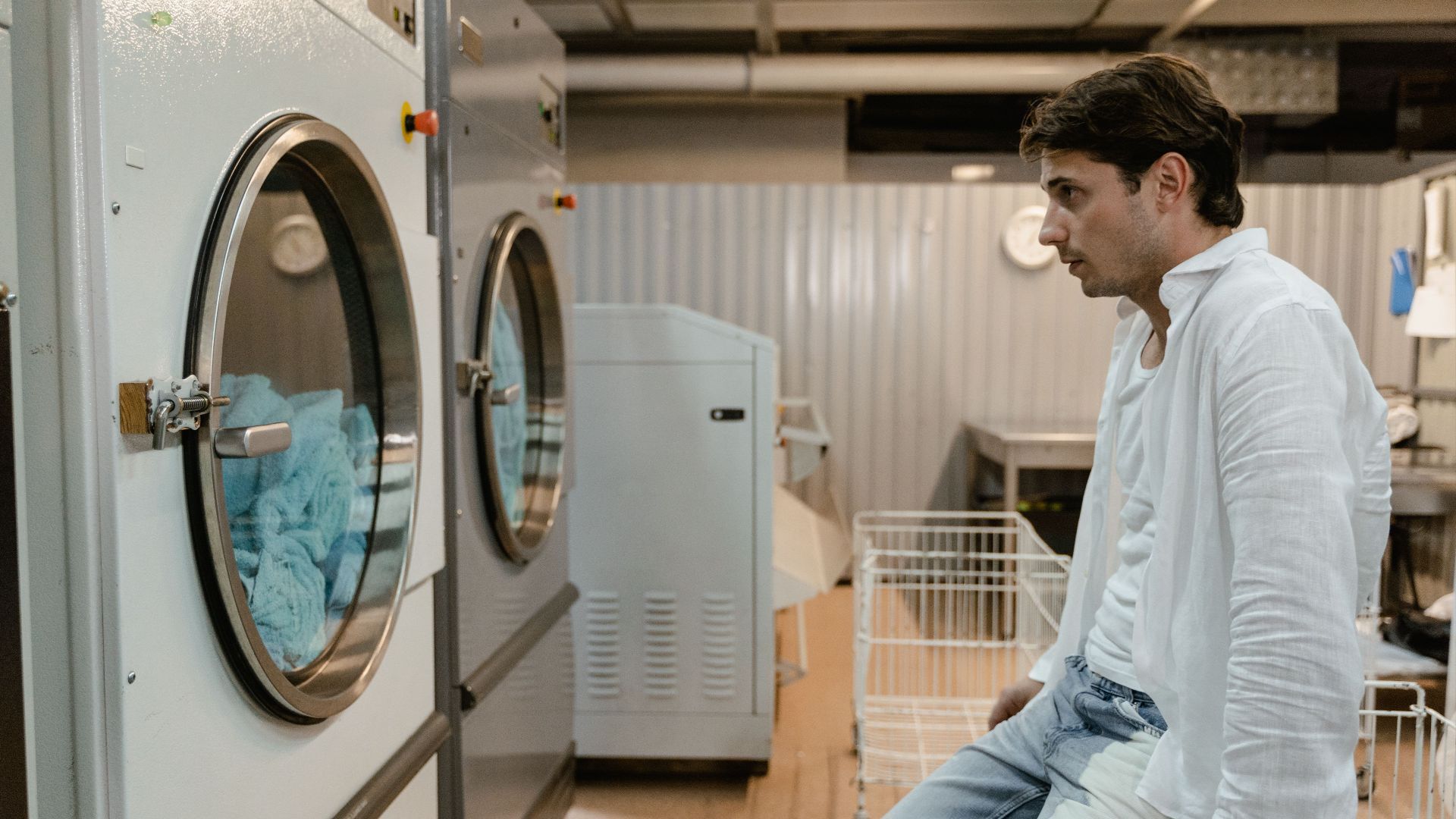
Laundry Rooms for Guests
Mid-range American hotels frequently offer self-service laundry facilities with coin-operated or app-based washers and dryers. This is especially helpful for families and road-trippers, but it's less common in hotels across many other parts of the world.
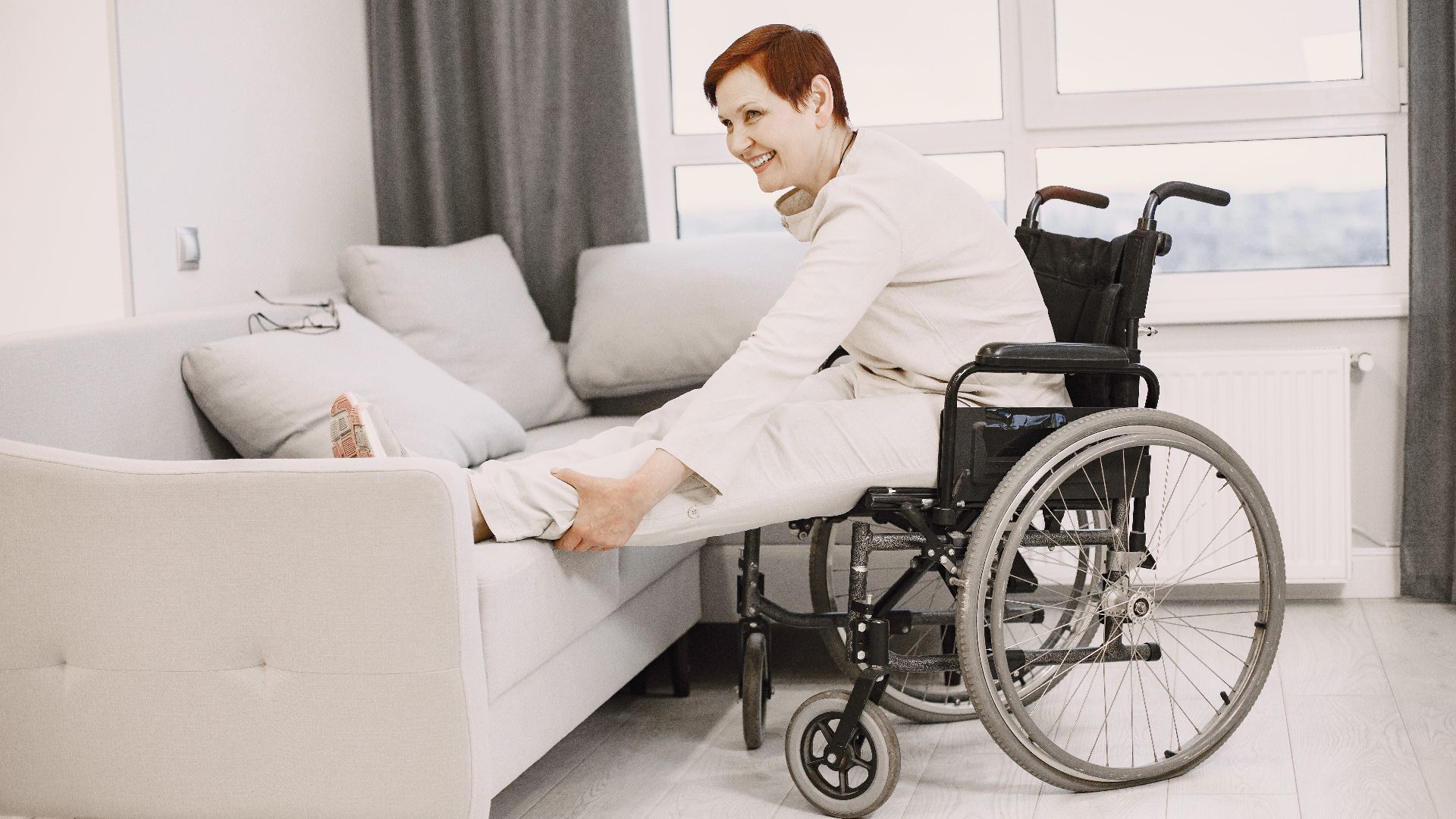
ADA Accessibility Features
American hotels are required to comply with the Americans with Disabilities Act, so accessible rooms and public spaces are common features. International visitors may notice amenities such as roll-in showers, visual alarms, accessible parking, and other accommodations that are standardized under federal law.
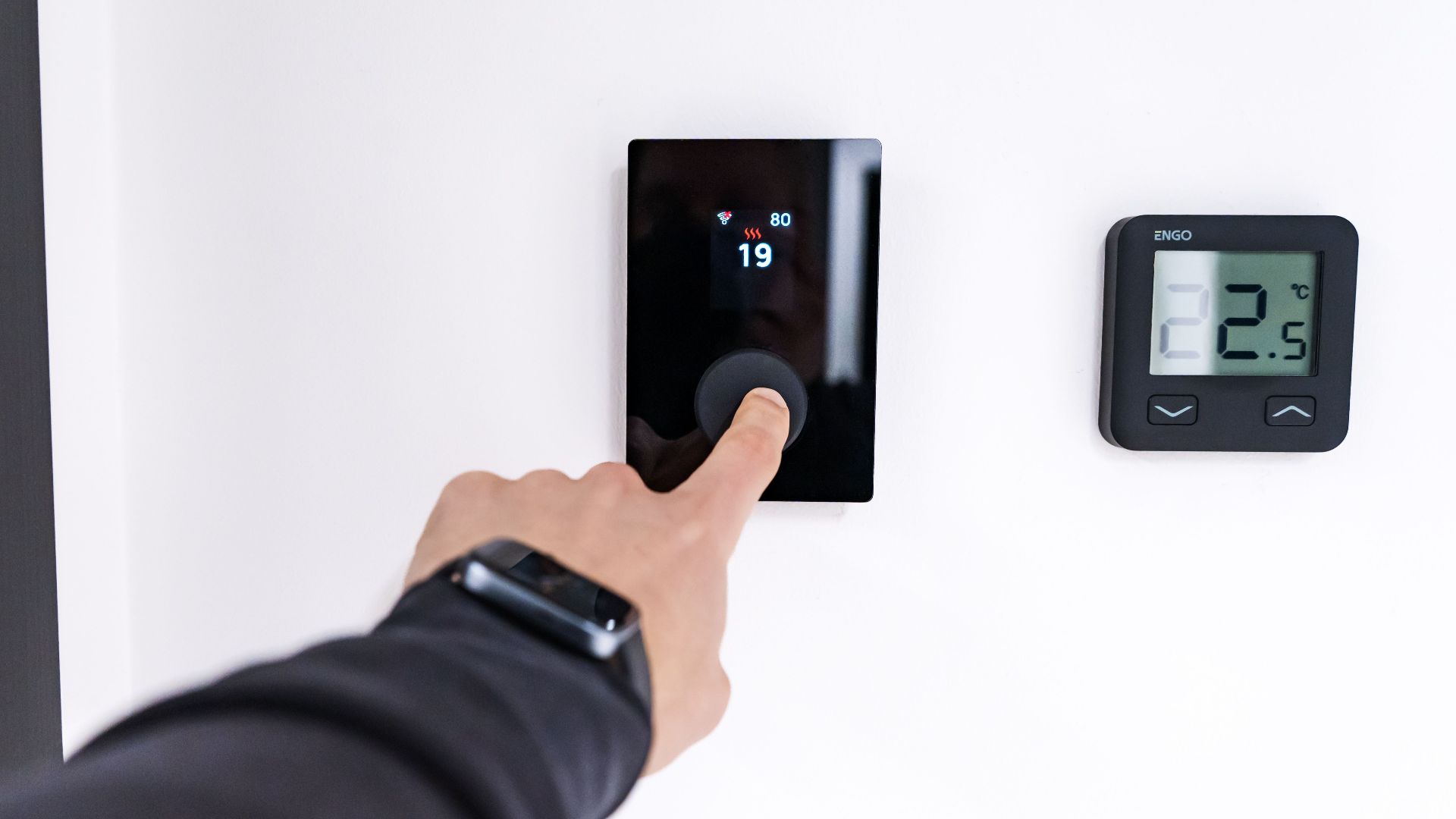
Thermostats You Control Yourself
Unlike some hotels where room temperatures are centrally managed, American hotels typically let guests control their own thermostat. That means visitors can often set the room to surprisingly warm or very cool temperatures according to personal preference.
Endless Television Channels
Hotel televisions in the United States often offer dozens or even hundreds of channels, along with streaming options and on-demand entertainment. For travelers who mainly use hotels for sleeping, the sheer number of viewing choices can seem excessive.

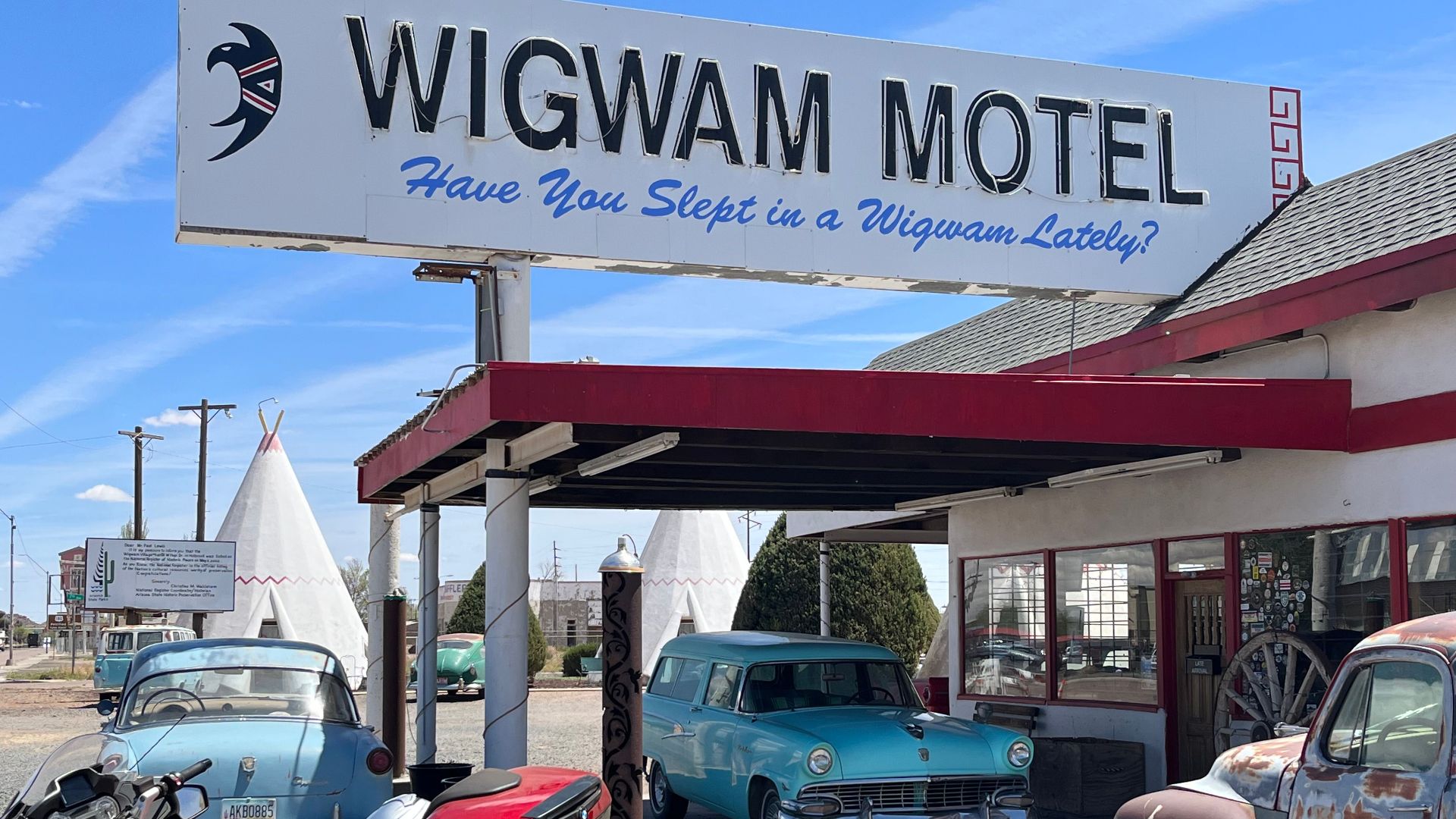
Drive-Up Motels Still Exist
Many overseas visitors associate roadside motels with classic American movies. They're often surprised to discover that drive-up motels remain common across much of the country, particularly along highways and in smaller towns, serving road-trippers and budget-conscious travelers.
Hotel Chains Dominate the Landscape
Independent hotels certainly exist, but major national brands like Marriott, Hilton, Hyatt, Wyndham, Choice, and IHG account for a large share of U.S. accommodations. International visitors often notice how familiar the experience feels from city to city because many hotels follow standardized corporate brand guidelines.

Convenience Is Often the Priority
American hotels tend to focus on convenience above all else. Large rooms, generous parking, elevators, ice machines, in-room coffee, accessible facilities, and flexible check-out are all designed to make travel easier. While these features may seem unusual to overseas visitors at first, they quickly become part of the uniquely American hotel experience.

You May Also Like:
Things Americans Do At Restaurants That Confuse Europeans When They Visit
American Tourist Habits That Immediately Make You Stand Out To European Locals
Americans Voted On The World's Friendliest Countries. Do You Agree With The Rankings?