Standing Out In A Bad Way
Traveling through Europe is an incredible experience, but it's easy to forget that everyday customs can be very different from what you're used to back home. From how people order coffee to how loudly they speak on public transit, small habits that seem perfectly normal in the United States can instantly signal to locals that you're a visitor. Knowing a few of those differences ahead of time can help you blend in a little better and enjoy a smoother trip.
 Arkadij Schell, Shutterstock.com
Speaking Much Louder Than Everyone Else
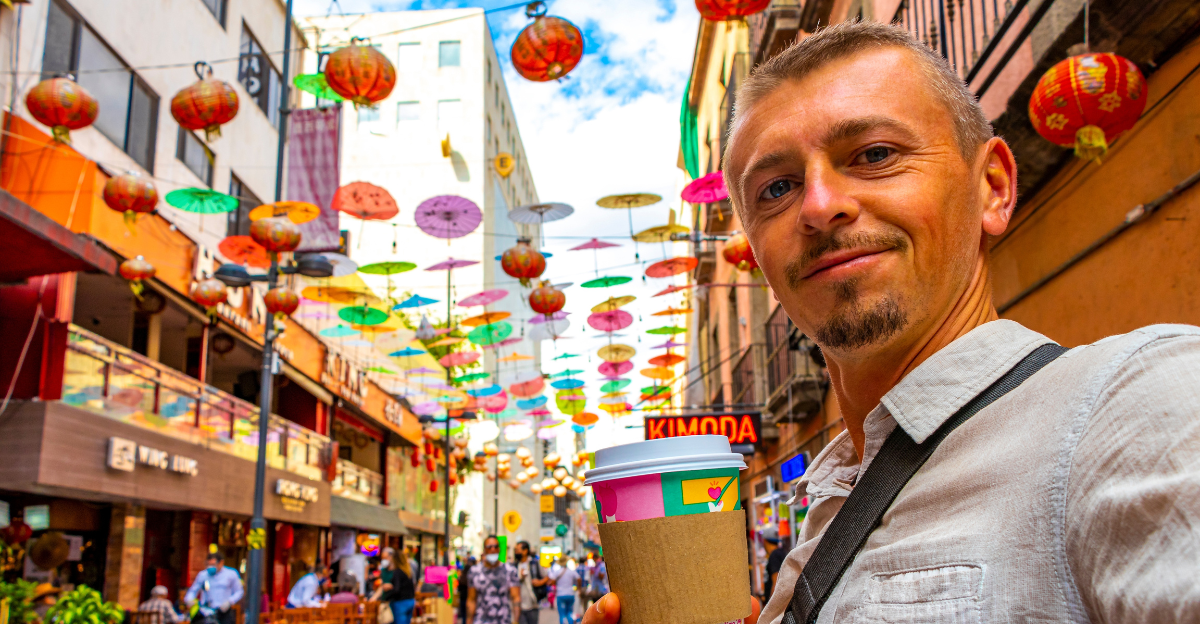
One of the easiest ways to be identified as an American is simply by volume. Travel experts and seasoned Europe guides consistently note that many American visitors speak more loudly in restaurants, trains, museums, and public squares than locals do. Europeans generally keep conversations quieter in shared public spaces, making loud voices stand out immediately.

Expecting Free Refills
Unlimited soft drink refills are a normal part of dining in the United States, but they're uncommon across much of Europe. Restaurants typically serve a single drink unless you order another, and free refills are rare. Asking whether refills are included often signals that you're unfamiliar with local dining customs.
Assuming Ice Comes With Every Drink
Many Americans are surprised to receive beverages with little or no ice. Across much of Europe, drinks are served cooler than room temperature but with far less ice than in the U.S. If you ask for a glass packed with ice, locals may instantly recognize you as a visitor from North America.

Tipping Like You're Still At Home
Leaving a 20 percent tip is second nature for many Americans, but that isn't the standard across Europe. In many countries, service charges are already included, or customers simply round up the bill or leave a small gratuity for exceptional service. Overtipping can unintentionally signal that you don't know the local customs.
Wanting The Check Immediately
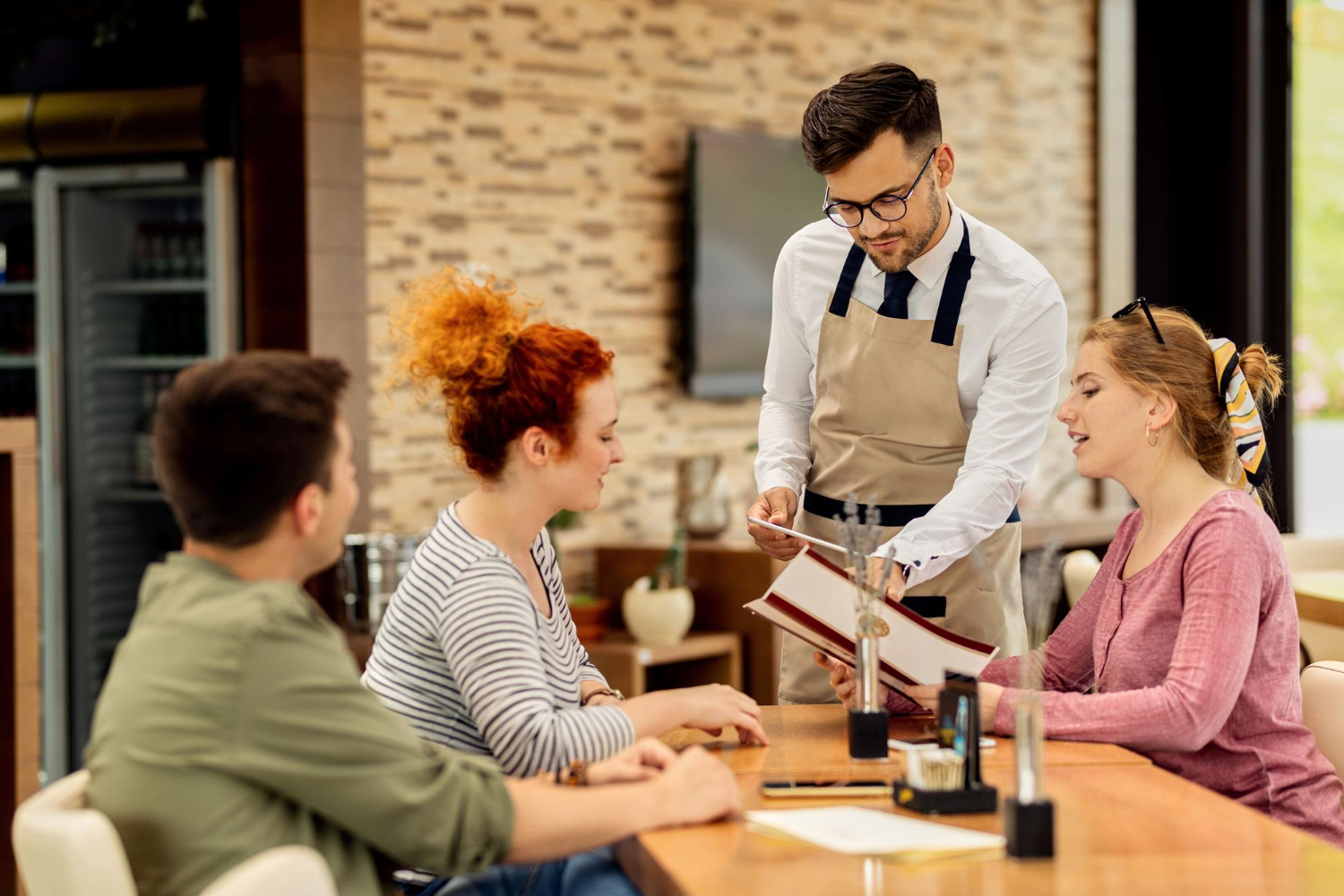
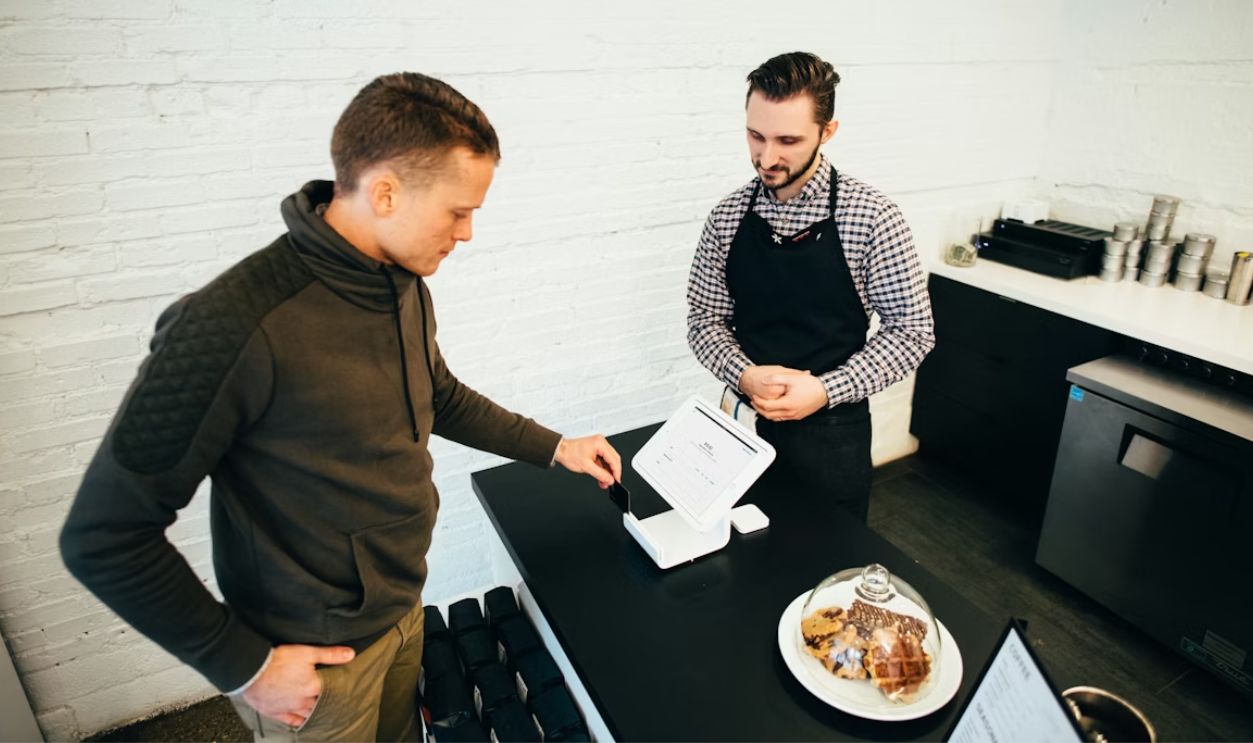
In many European countries, meals are meant to be relaxed social experiences rather than quick transactions. Servers often won't bring the bill until you specifically request it because doing so unprompted can be considered rude. Americans who expect fast table turnover often stand out because of this difference.

Rushing Through Every Meal
Dining at a leisurely pace is deeply ingrained in many European cultures. It's common for lunches and dinners to stretch over an hour or longer without anyone feeling hurried. Finishing quickly and looking ready to leave can make American visitors seem noticeably rushed.

Asking For Water Automatically
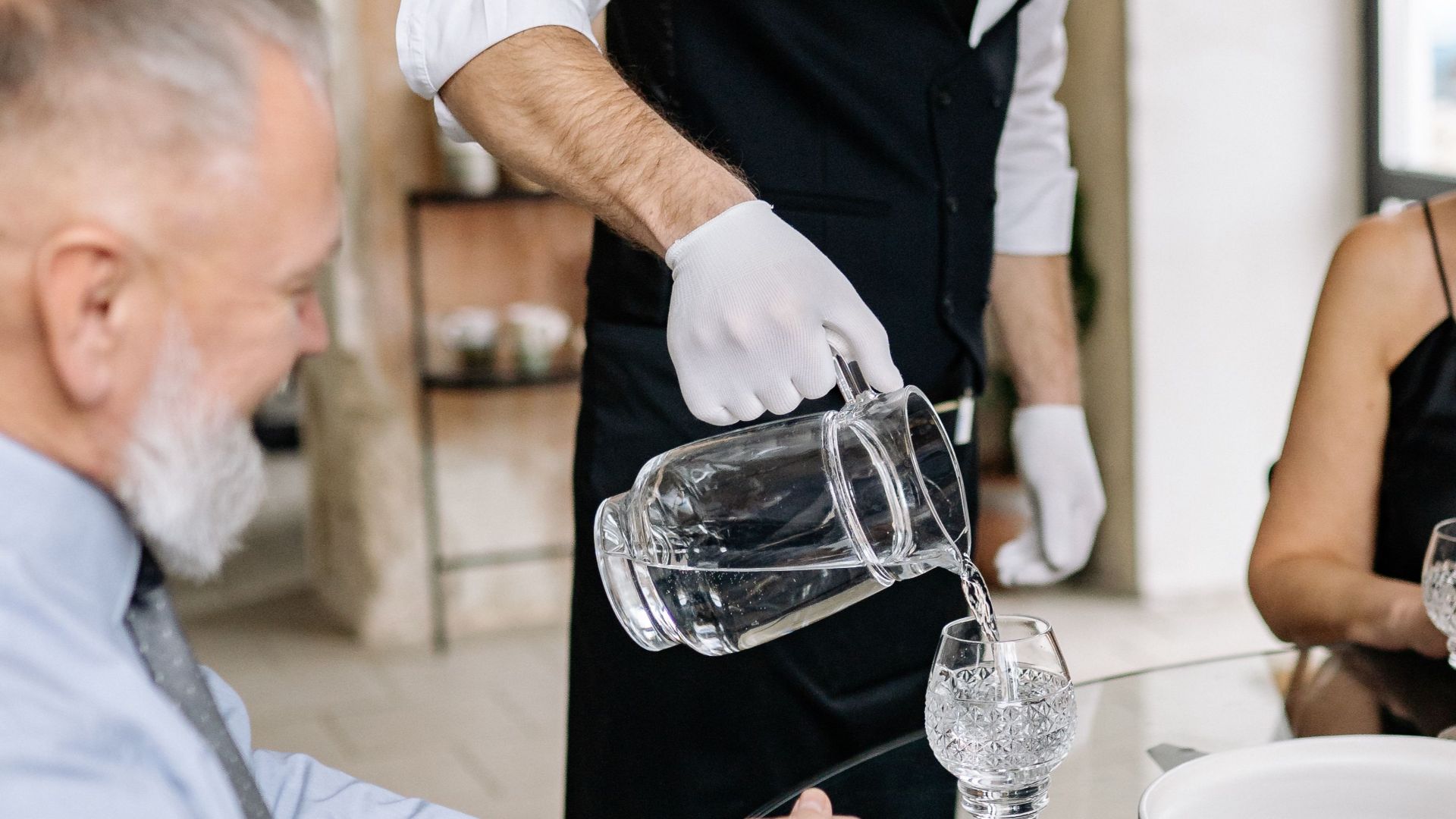
Many Americans expect complimentary water to appear as soon as they sit down. In much of Europe, you'll usually need to request water, and restaurants often default to bottled still or sparkling water instead of tap. Even when tap water is available, practices vary by country.
Drinking Coffee To Go
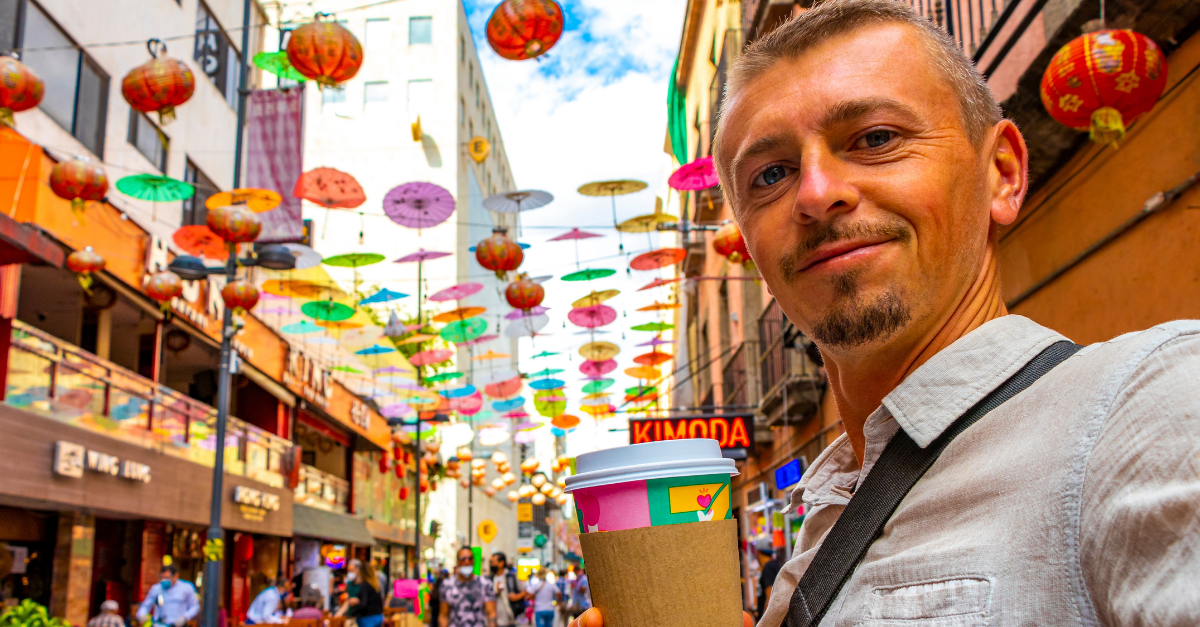
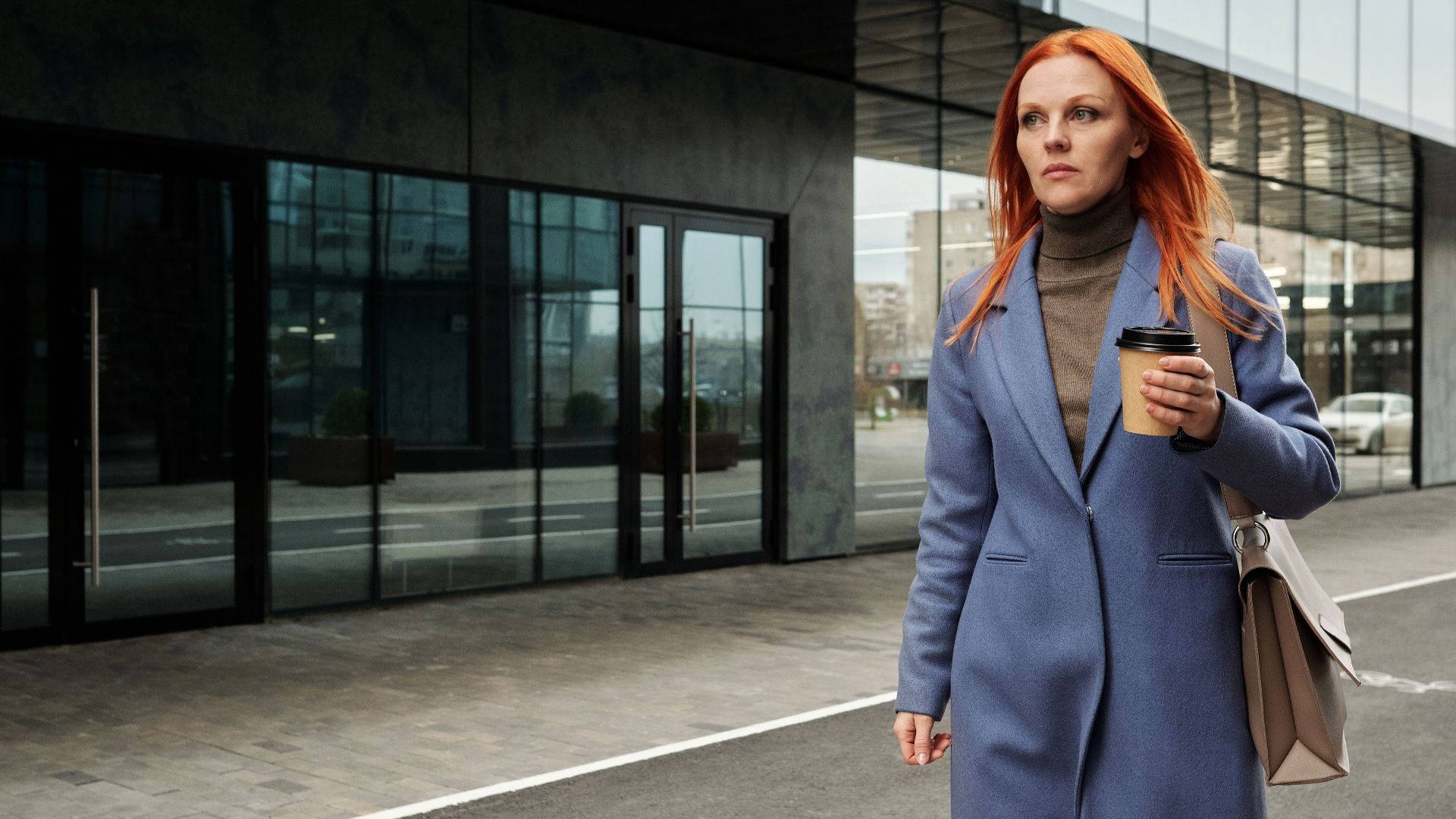
Walking down the street with a large takeaway coffee is common in the US, but less so in many parts of Europe. Coffee is often enjoyed while standing at a café bar or sitting down for a few minutes. Carrying oversized takeaway cups can quickly identify someone as a tourist.
Expecting Constant Attention From Servers
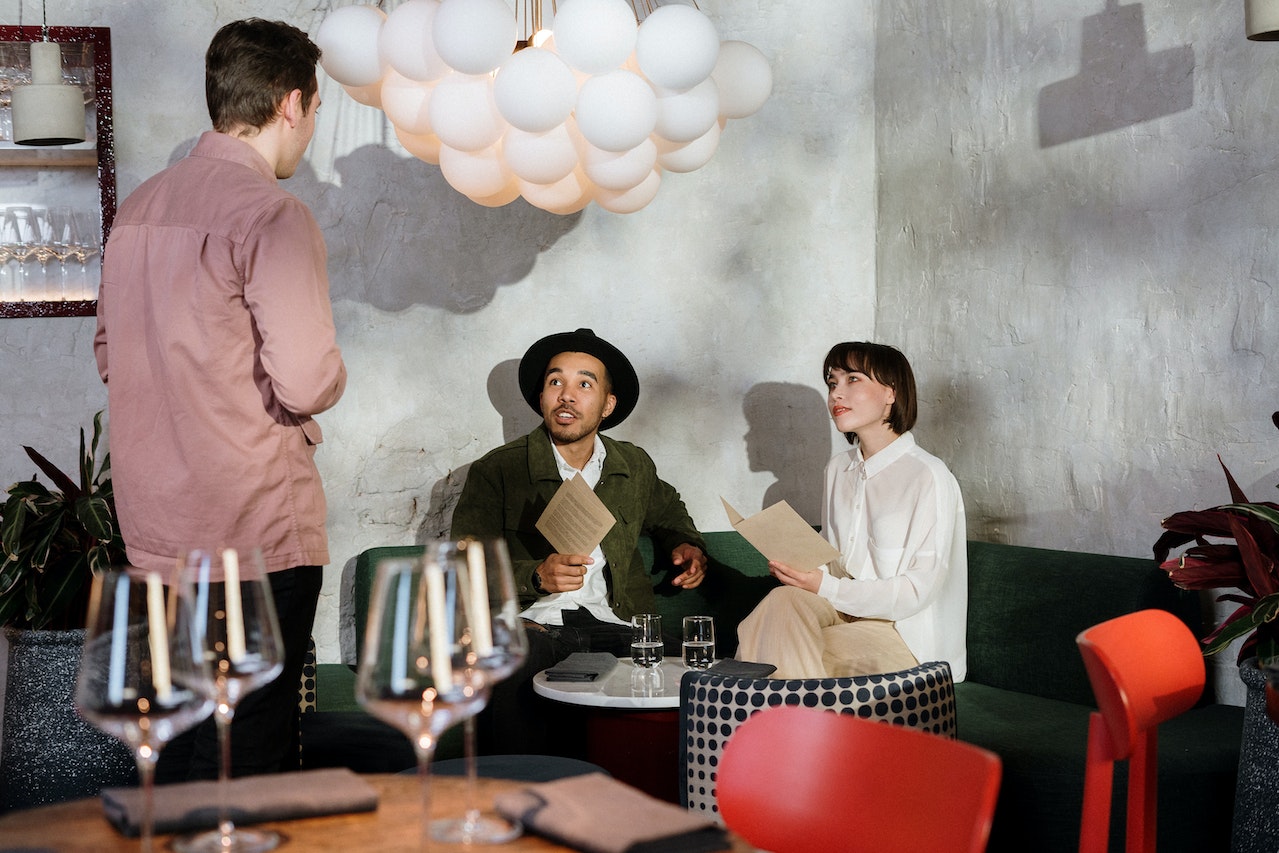
American restaurant service often emphasizes frequent check-ins and enthusiastic friendliness. In Europe, attentive service usually means giving diners space rather than interrupting them. Visitors who repeatedly try to flag down servers may simply be operating under different expectations.
Wearing Athletic Clothes Everywhere
While dress codes vary widely across Europe, locals in many cities tend to dress a bit more formally for everyday outings than many Americans. Wearing gym clothes, oversized athletic gear, or running shoes throughout the day can make visitors easier to spot, especially in city centers and nicer restaurants.

Expecting Every Business To Accept Dollars
Although obvious, some American visitors still ask whether U.S. dollars are accepted. Most European countries use either the euro or their own national currency, and local businesses expect payment in those currencies. Assuming otherwise immediately marks someone as an overseas tourist.

Forgetting Indoor Voices On Public Transit
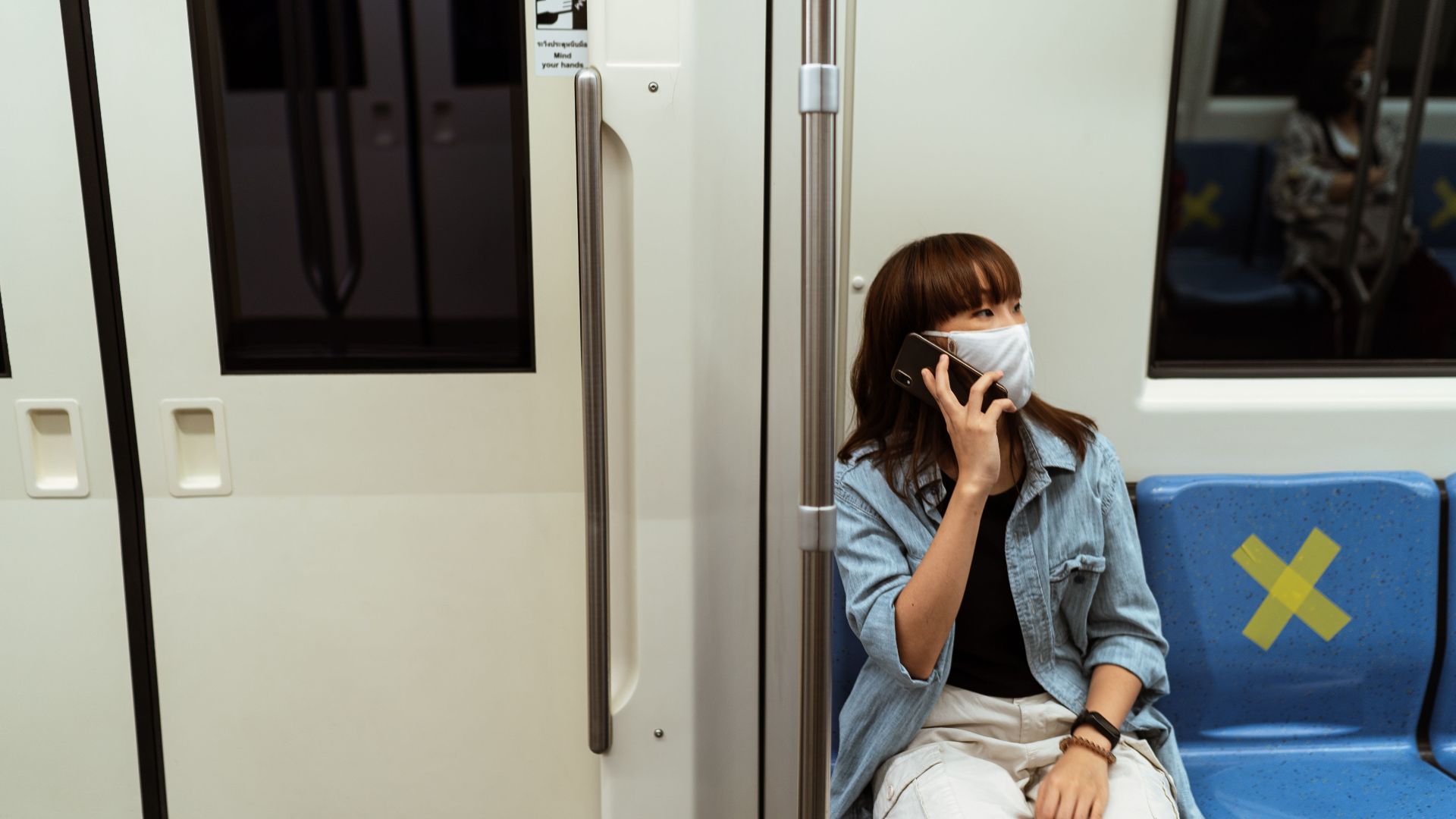
European trains, buses, and metros are often noticeably quieter than many American travelers expect. Phone calls and conversations are generally kept subdued, especially in designated quiet carriages. Loud conversations can quickly attract attention from nearby passengers.
Standing On The Wrong Side Of Escalators
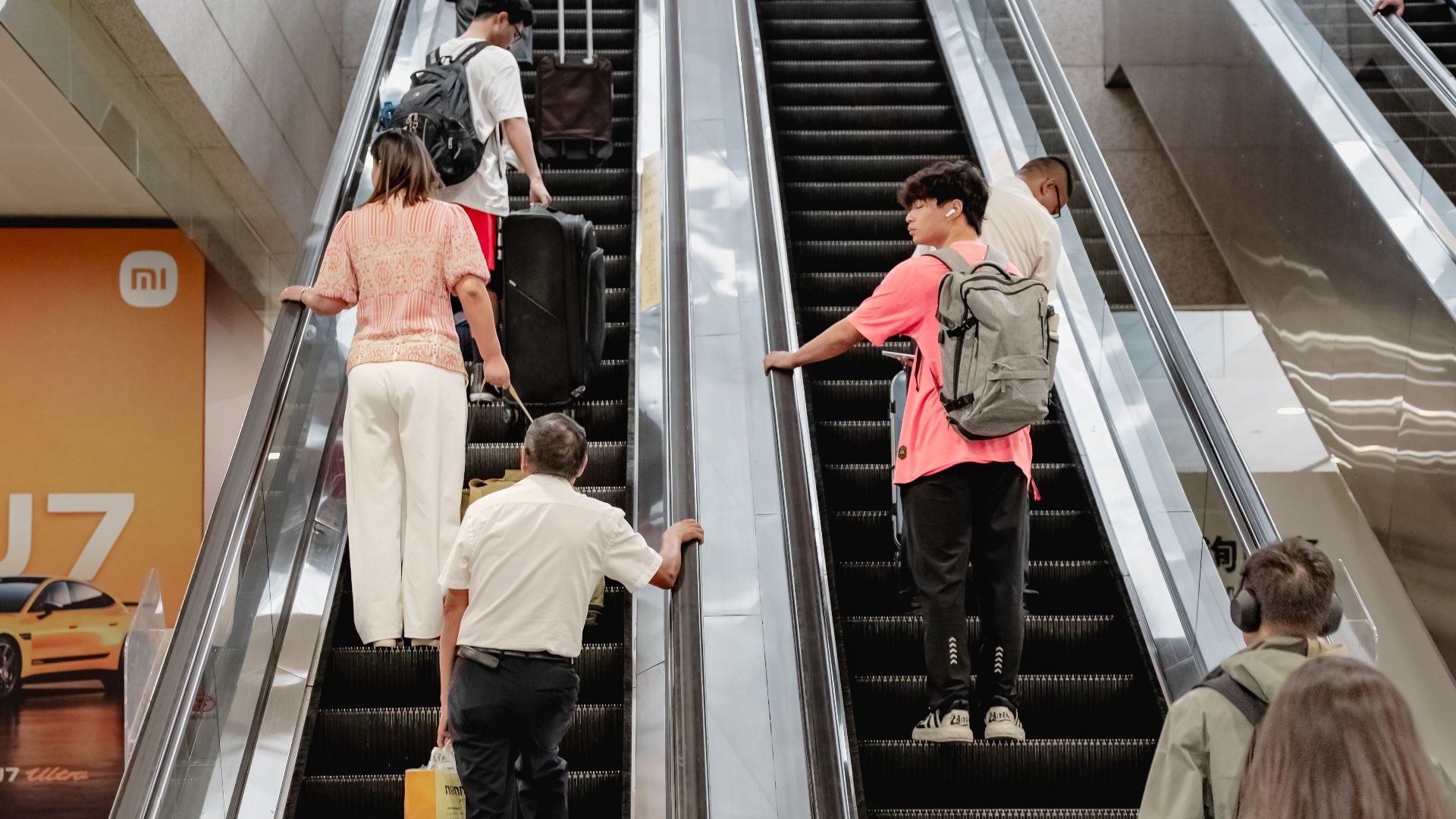
In many European cities, there's an unwritten rule: stand on one side and leave the other open for people walking. The exact side varies by country and city, but blocking both lanes is one of the quickest ways to frustrate commuters and reveal yourself as a visitor.
Assuming Every Shop Opens Early And Stays Open Late
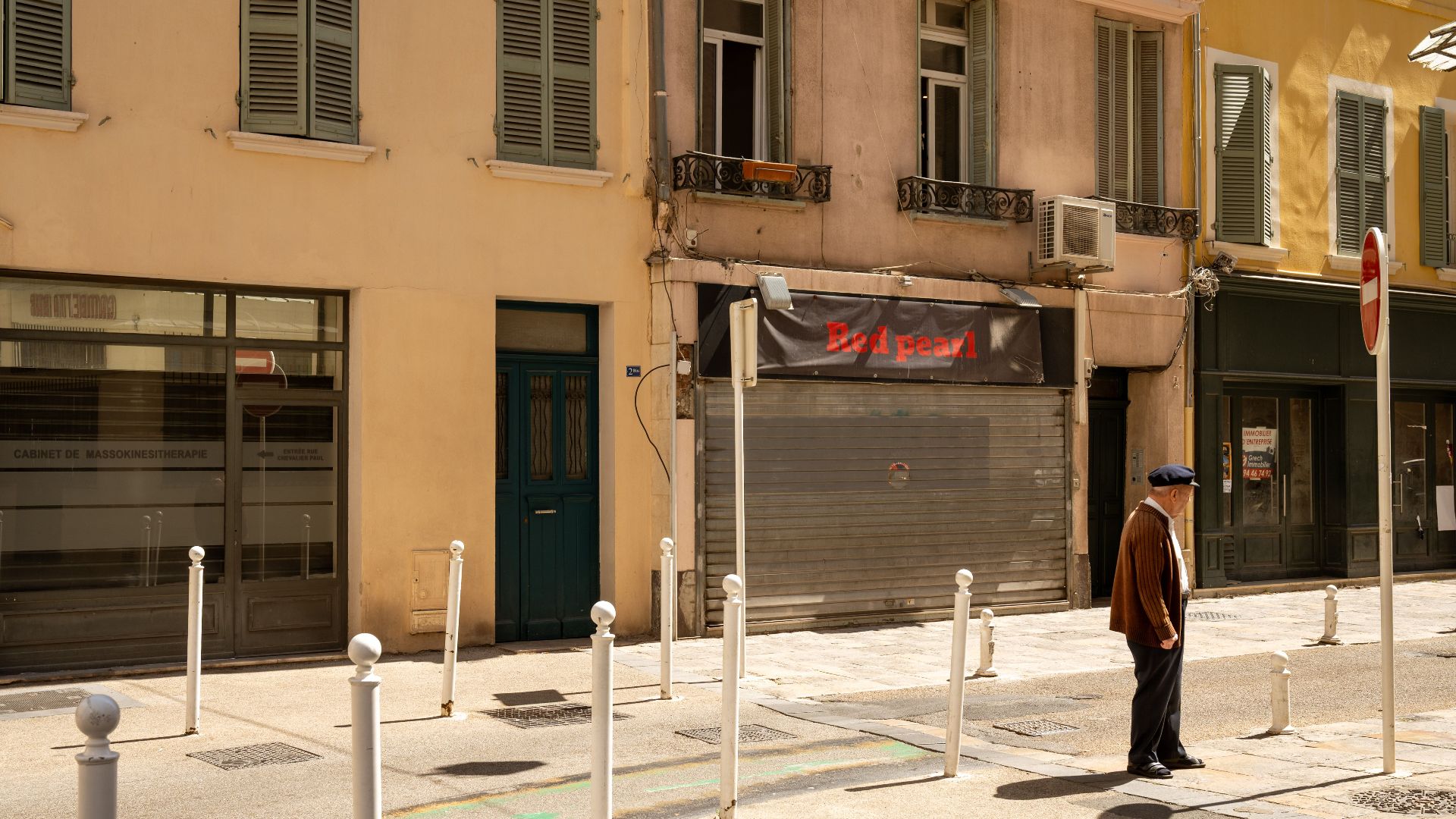
Business hours in Europe often differ from those in the United States. Some shops close on Sundays, others shut for lunch, and family-owned businesses may keep shorter hours. Travelers expecting 24-hour convenience can easily find themselves caught off guard.
Expecting Air Conditioning Everywhere
Although air conditioning has become more common, many European hotels, restaurants, and historic buildings still rely on natural ventilation or more modest cooling systems. Americans accustomed to colder indoor temperatures sometimes find this surprising and ask for stronger air conditioning that simply isn't available.

Packing Huge Portions Into Every Meal
American serving sizes are often considerably larger than those found in Europe. Visitors may be surprised by more moderate portions or ask whether they've received the full meal. European restaurants generally prioritize multiple courses and longer dining experiences over oversized plates.
Expecting Friendly Small Talk Everywhere
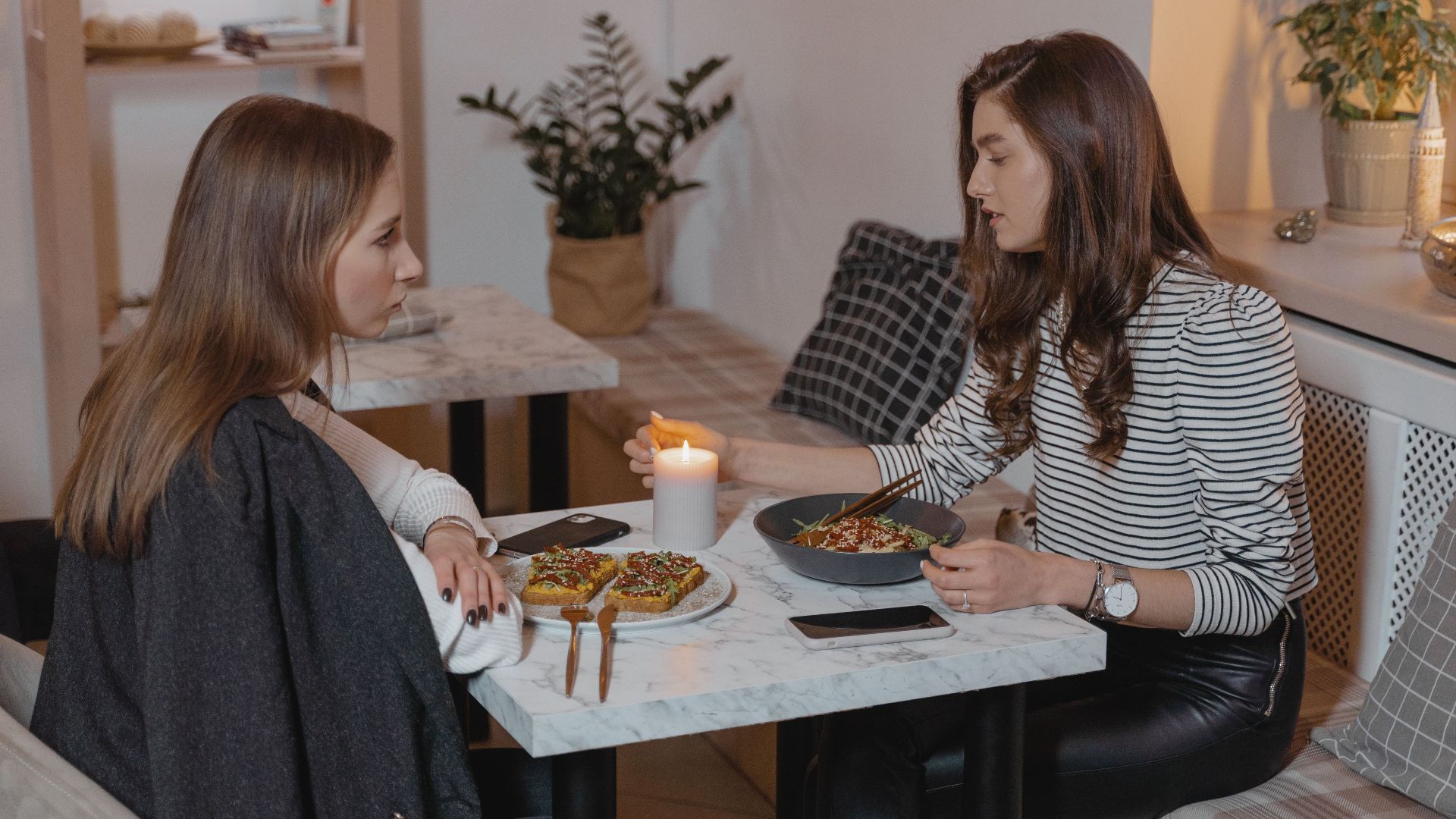
In the United States, chatting casually with strangers is fairly common. In parts of Europe, interactions with cashiers, waitstaff, or fellow passengers may be more reserved, especially at first. Mistaking this for rudeness is a common misunderstanding rather than a cultural flaw.

Walking Into Bike Lanes
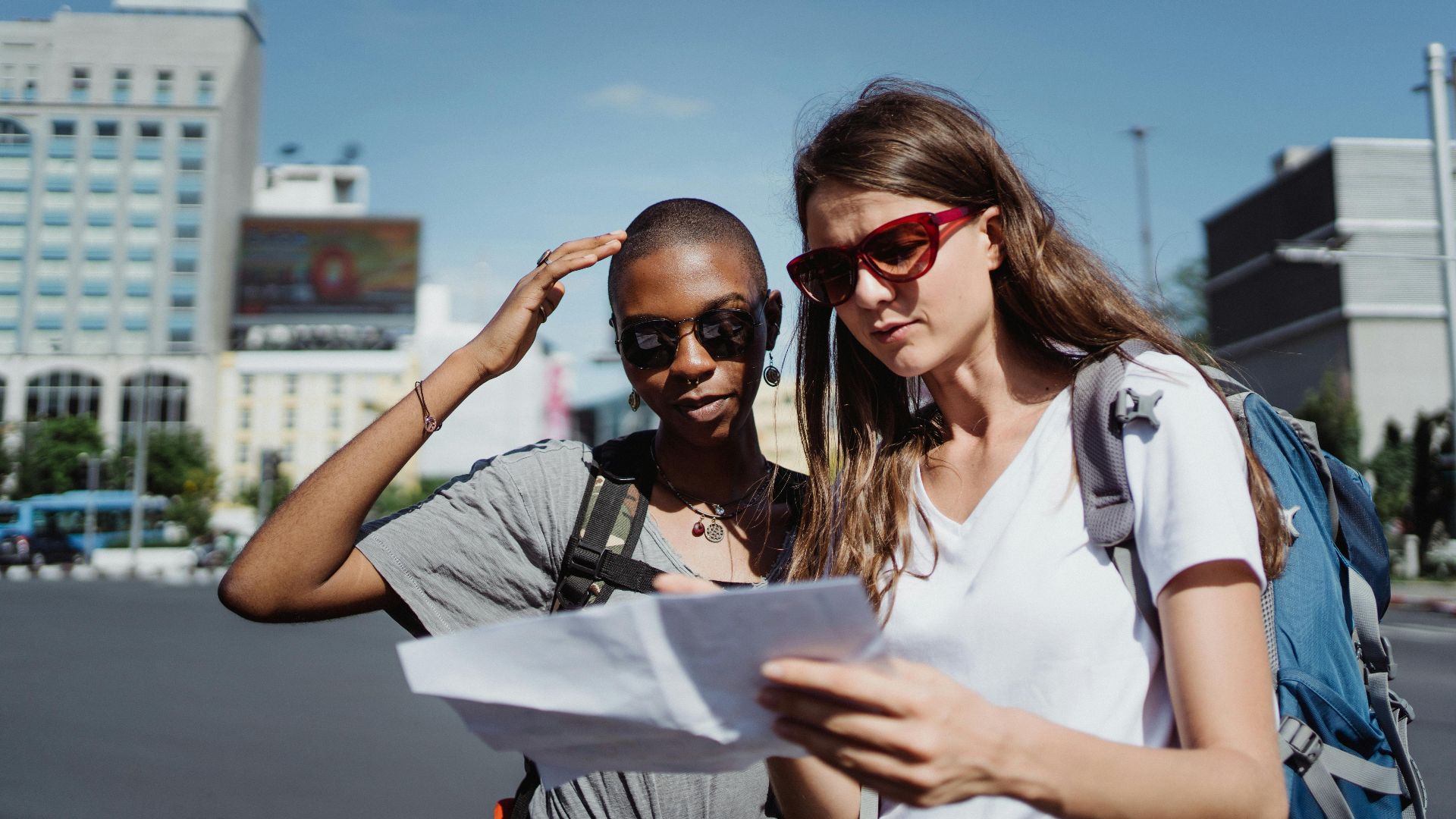
Many European cities have extensive cycling infrastructure that locals use daily. Visitors unfamiliar with clearly marked bike lanes sometimes step into them while sightseeing or checking maps, creating frustration for cyclists and making themselves stand out instantly.

Trying To Customize Every Order
American restaurants are generally accustomed to extensive menu substitutions. European restaurants, especially traditional ones, may be less flexible about changing ingredients or preparing dishes differently. Asking for numerous modifications can make visitors seem unfamiliar with local dining norms.

Forgetting That Europe Isn't One Culture
Perhaps the biggest giveaway is treating Europe as though every country shares identical customs. Tipping, dining etiquette, opening hours, public behavior, and even coffee traditions differ widely between France, Italy, Spain, Germany, the Netherlands, and dozens of other nations. Travelers who research each destination individually usually blend in far better than those relying on broad assumptions.
You May Also Like:
Five Incredible Destinations For Nature Lovers
Four Tips For A Successful Vacation