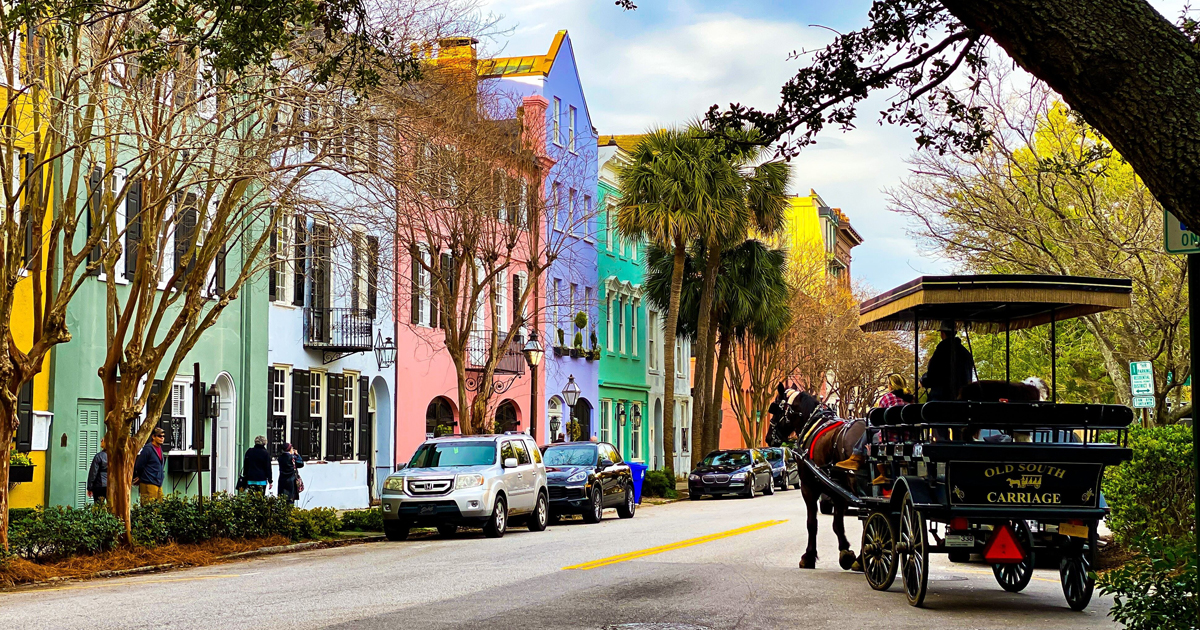
Some Results Are Wild.
A widely shared study ranked 25 countries according to how friendly their residents appeared in a personality assessment, producing several predictable winners and a few genuine surprises. The survey came from the American company Remitly, although its participants lived in 27 different countries rather than exclusively in the United States.

What This Ranking Actually Measured
Remitly surveyed more than 3,000 participants using questions adapted from the agreeableness section of the Big Five personality test. Respondents rated statements concerning empathy, concern for others, cooperation, and their willingness to make people feel comfortable. Each country received an average score out of 40, but the survey did not measure every country or directly ask tourists where they received the warmest welcome.
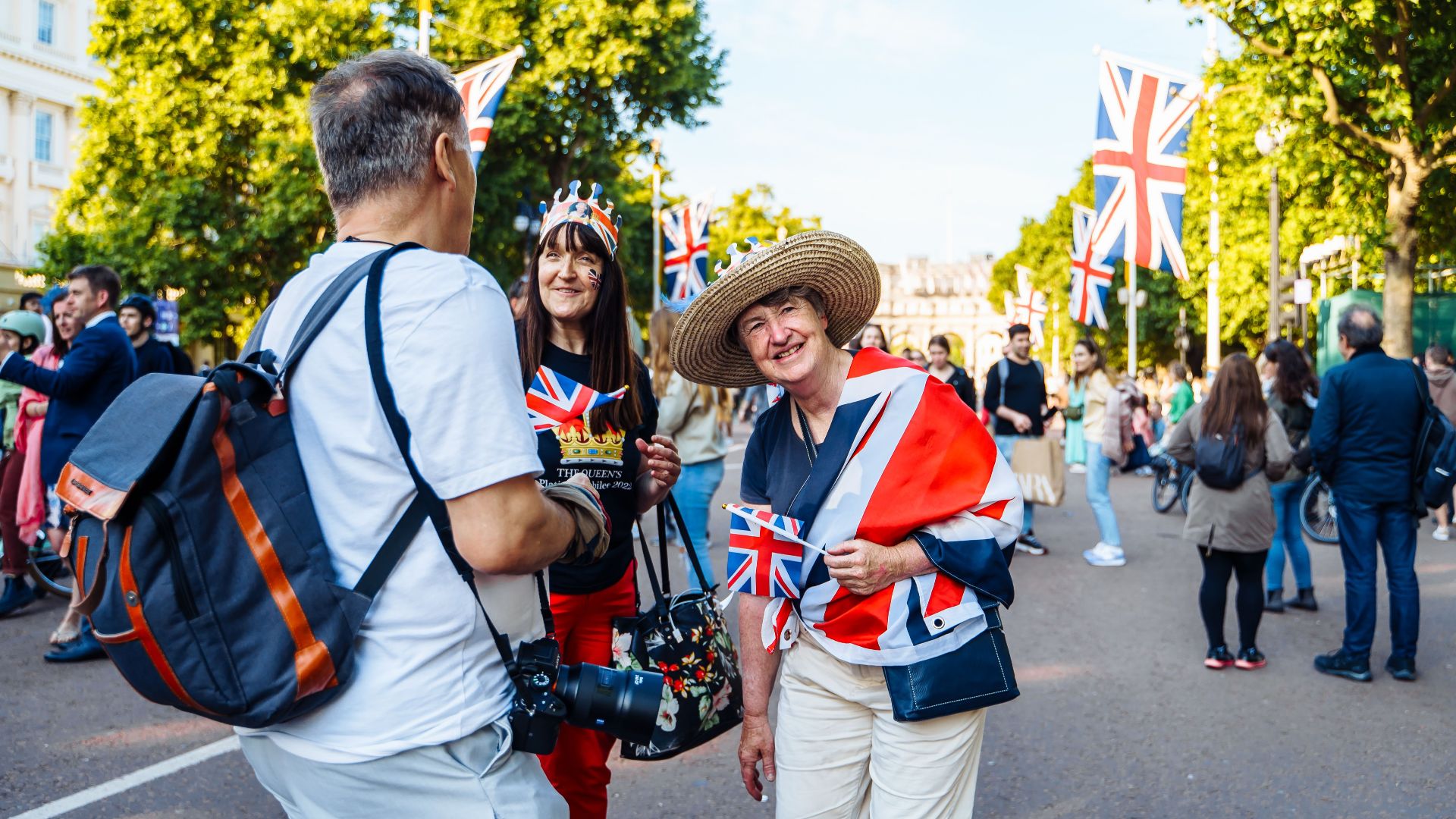
Finland Takes Twenty-Fifth Place
Finland finished twenty-fifth with an average friendliness score of 31.38. That low placement may surprise travelers familiar with the country’s strong social trust and repeated success in international happiness rankings. Finnish culture can be quieter and less dependent on small talk, which reminds us that reserved behavior is not necessarily unfriendly behavior.
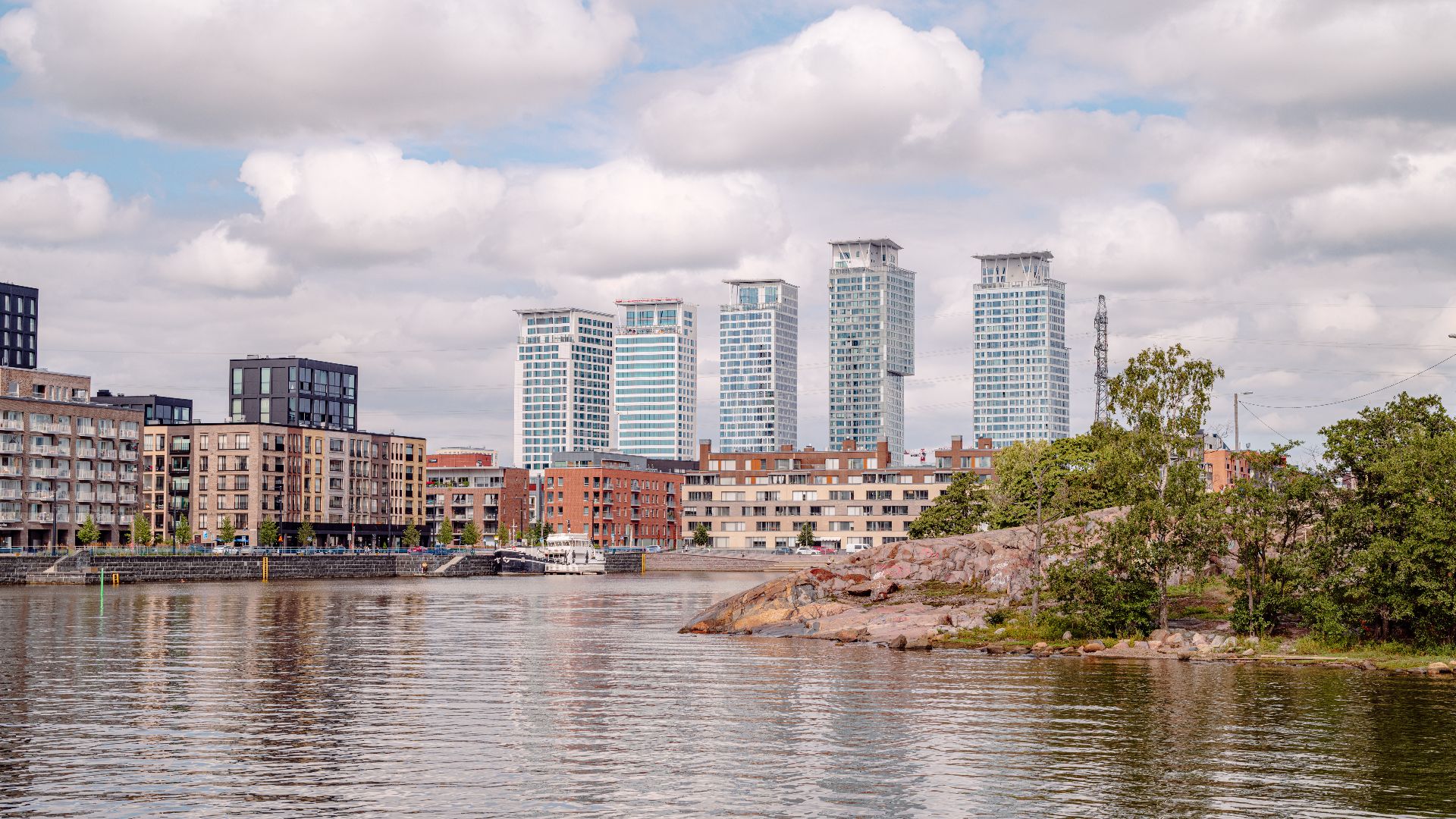 Safa Hovinen, Wikimedia Commons
Hungary Comes In At Twenty-Four
Hungary ranked twenty-fourth after earning an average score of 31.43. Visitors should be cautious about treating that number as a verdict on every interaction they will have in Budapest or beyond. Hospitality often becomes more visible once a conversation moves past formal greetings, particularly around food, family, and local traditions.

Ireland Lands Surprisingly Low
Ireland placed twenty-third with a score of 31.54, making this one of the ranking’s biggest head-scratchers. Condé Nast Traveler readers placed Ireland among the world’s friendliest countries in a separate survey, while Dublin has also earned praise for its welcoming social atmosphere. The enormous difference shows how much results depend on whether researchers measure personality responses, expat experiences, or tourist impressions.
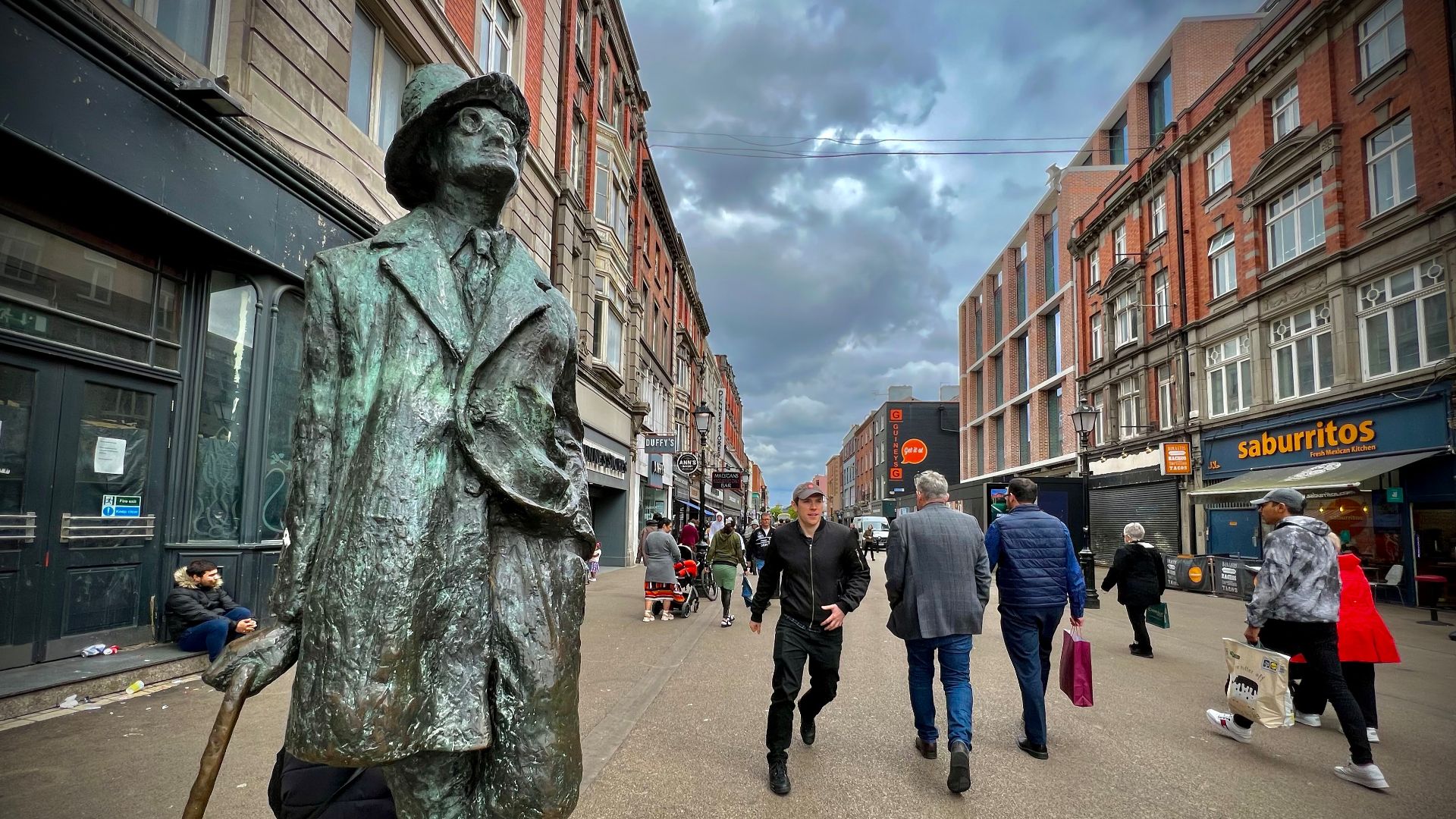 Sharon Hahn Darlin, Wikimedia Commons
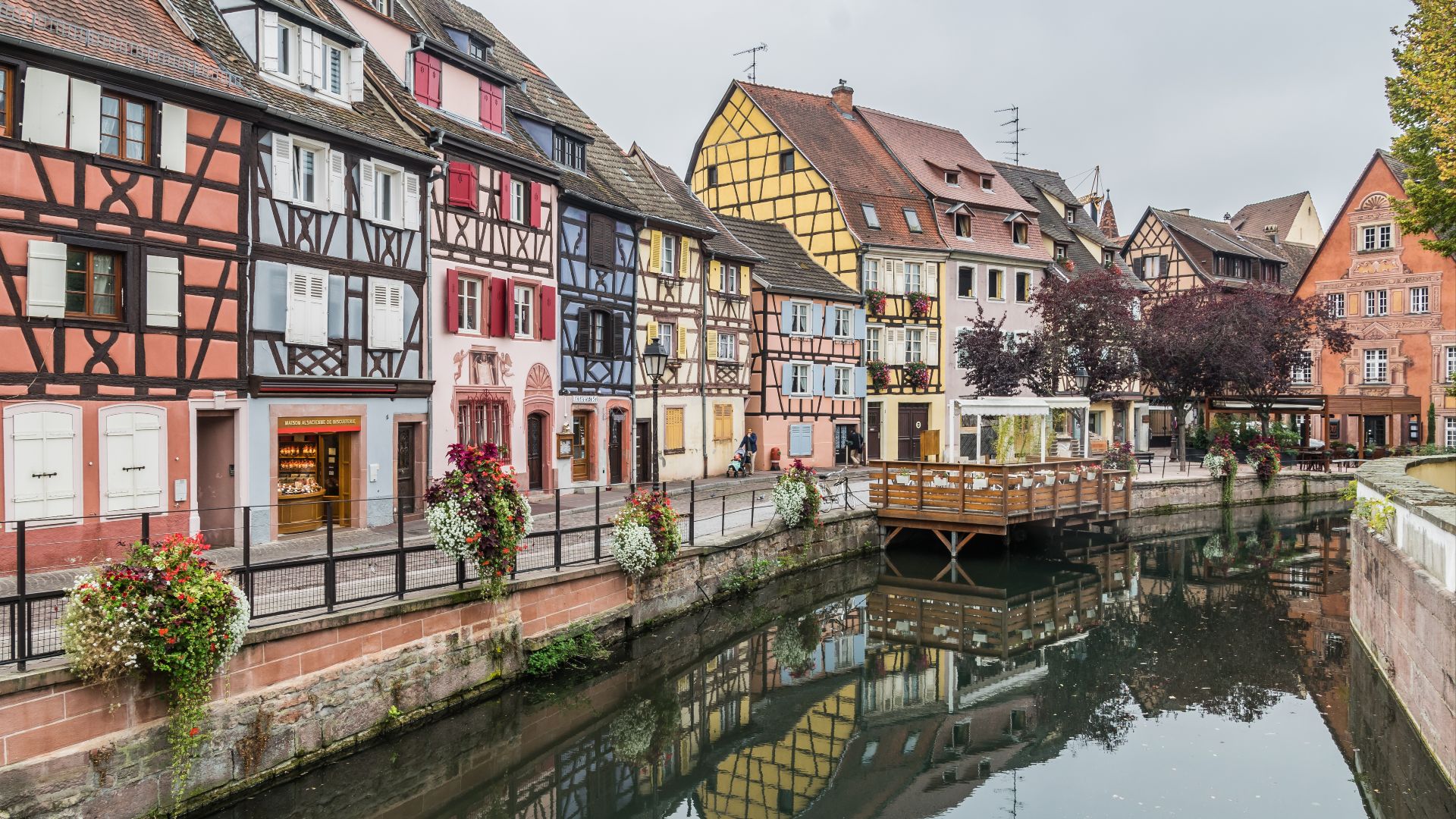
France Finishes At Twenty-Two
France took twenty-second place with an average score of 31.71. The result may reinforce old stereotypes about brusque service, but French social customs tend to place greater importance on formal greetings than many American visitors expect. Beginning an interaction with a simple “bonjour” can make a noticeable difference because politeness is expressed through local conventions rather than one universal style.
 Krzysztof Golik, Wikimedia Commons
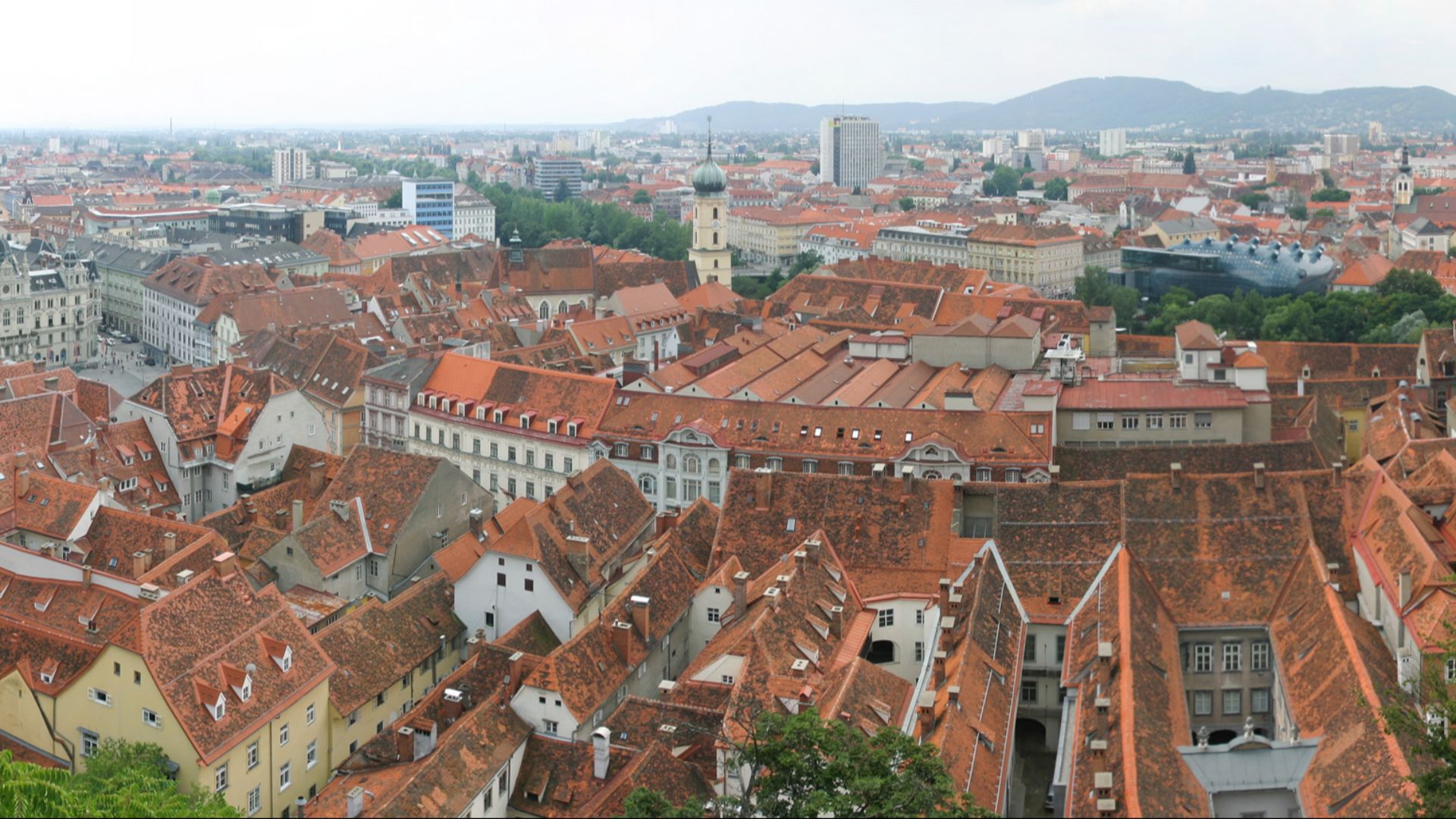
Austria Claims Twenty-First Place
Austria ranked twenty-first with a score of 31.83. Its residents are sometimes perceived as formal or reserved, especially during brief encounters in cities. Visitors who spend time in neighborhood cafés, family-run inns, or smaller alpine communities may experience a warmer side than a personality score can capture.
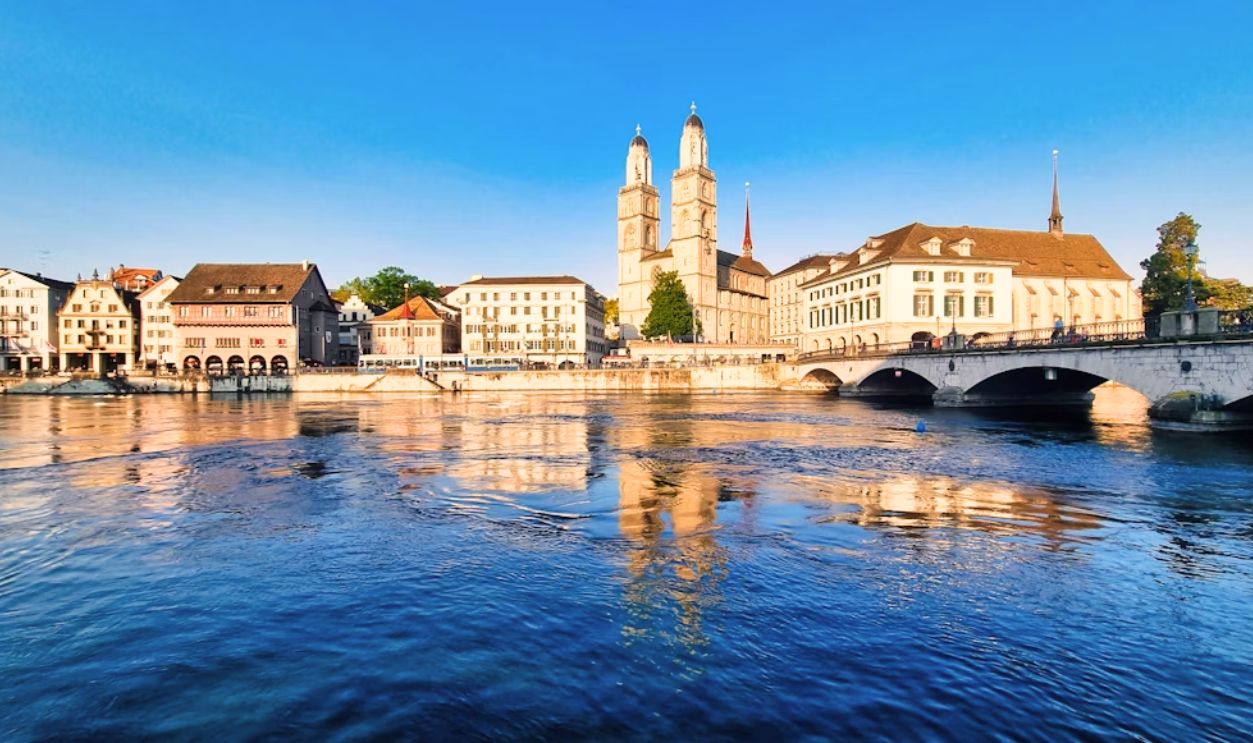
Switzerland Reaches Number Twenty
Switzerland placed twentieth with an average friendliness score of 31.89. Efficiency, privacy, and respect for personal space can occasionally be mistaken for emotional distance by travelers from more expressive cultures. The country’s orderly transportation and tourism infrastructure can still make visitors feel supported, even when interactions remain brief and businesslike.
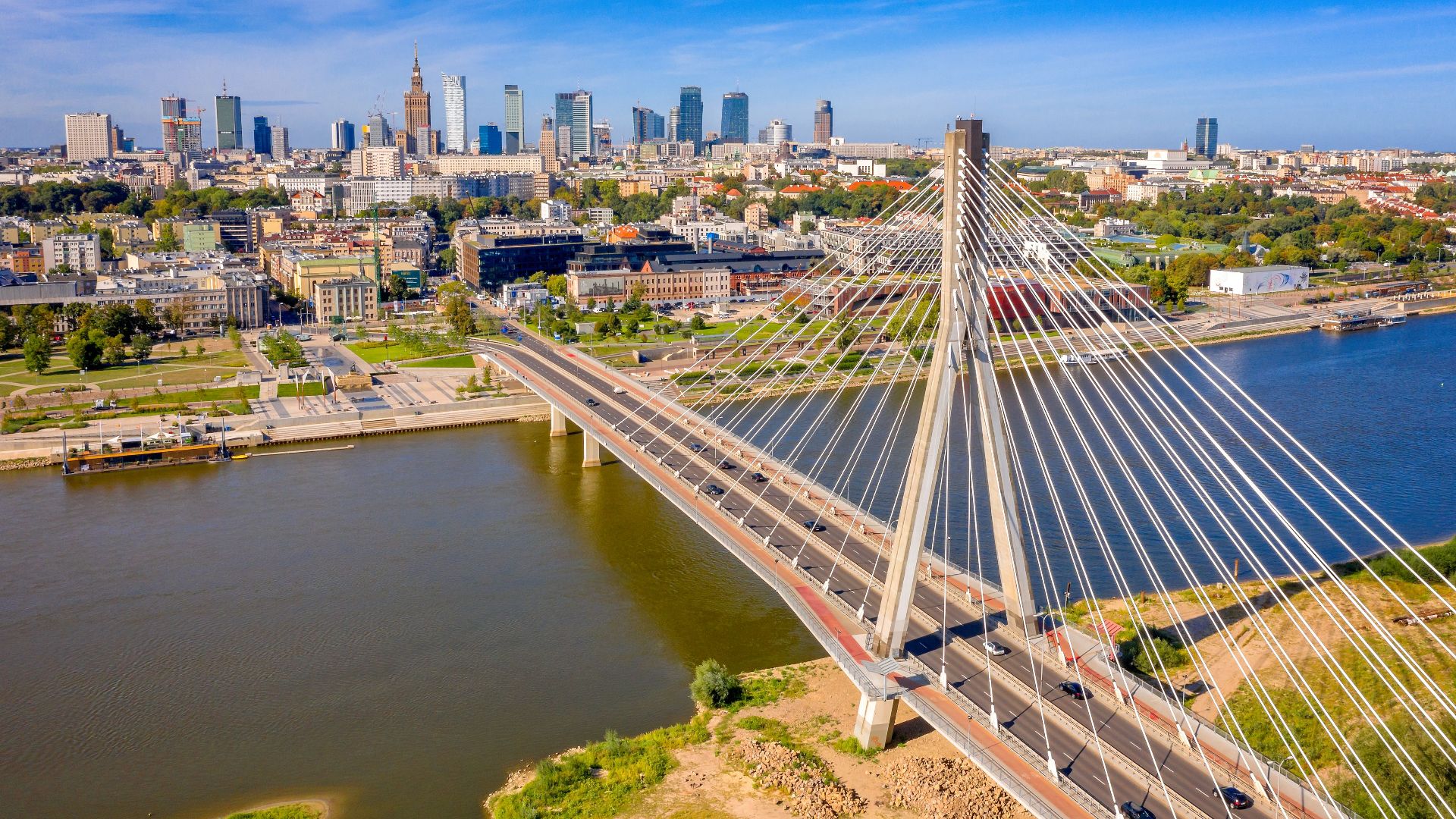
Poland Begins The Top Nineteen
Poland earned nineteenth place with an average score of 31.99. First encounters can appear serious, but friendships and family relationships are often treated with considerable warmth and loyalty. The result again suggests that a survey emphasizing outward agreeableness may not fully capture hospitality that develops more gradually.
The United Kingdom Takes Eighteenth
The United Kingdom ranked eighteenth with a score of 32.21. Respondents from other countries nevertheless perceived the UK as the second-friendliest nation when Remitly separately asked which places seemed friendly. British humor, understatement, and indirect communication can produce very different impressions depending on how well a visitor understands the social cues.
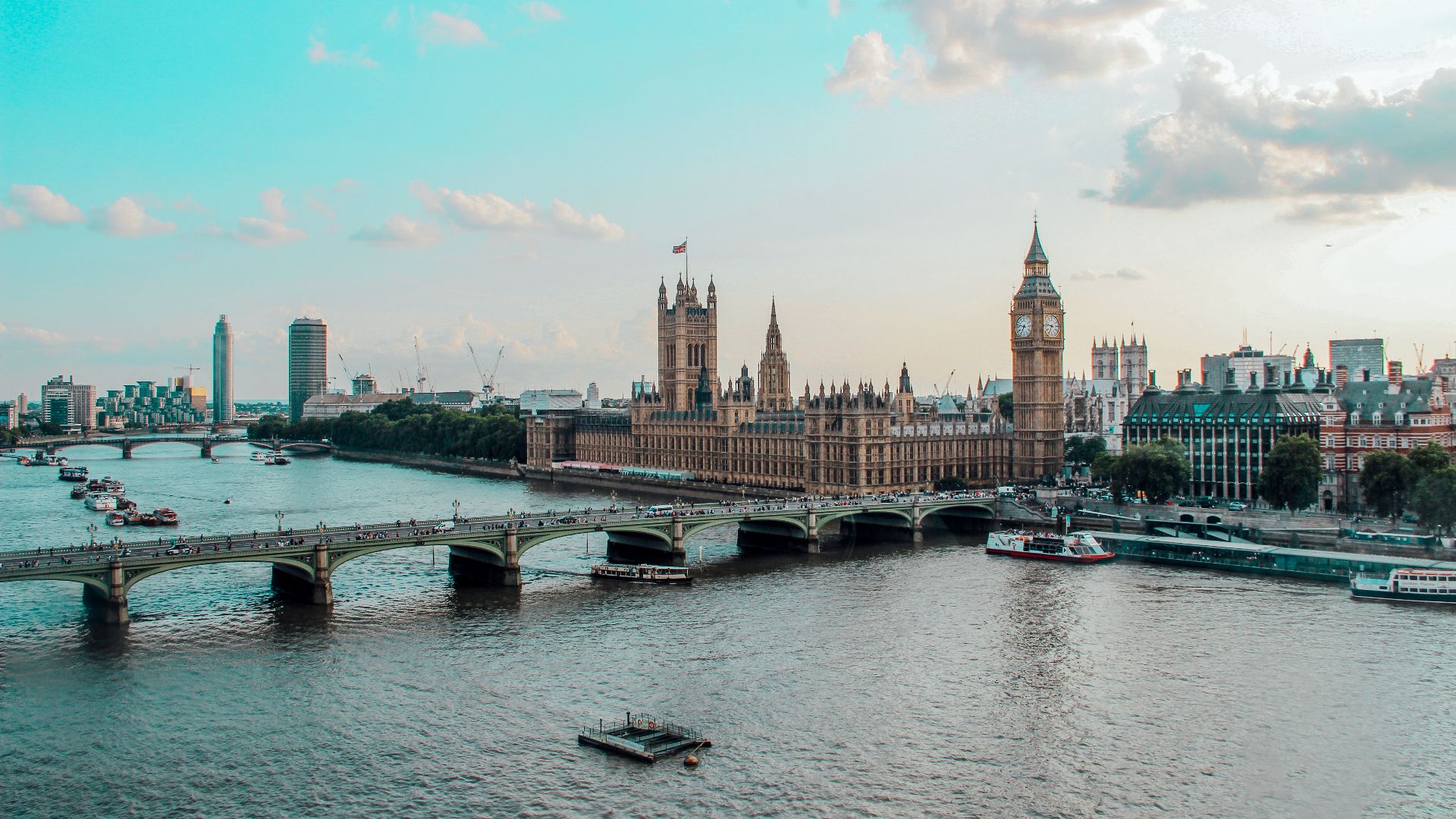
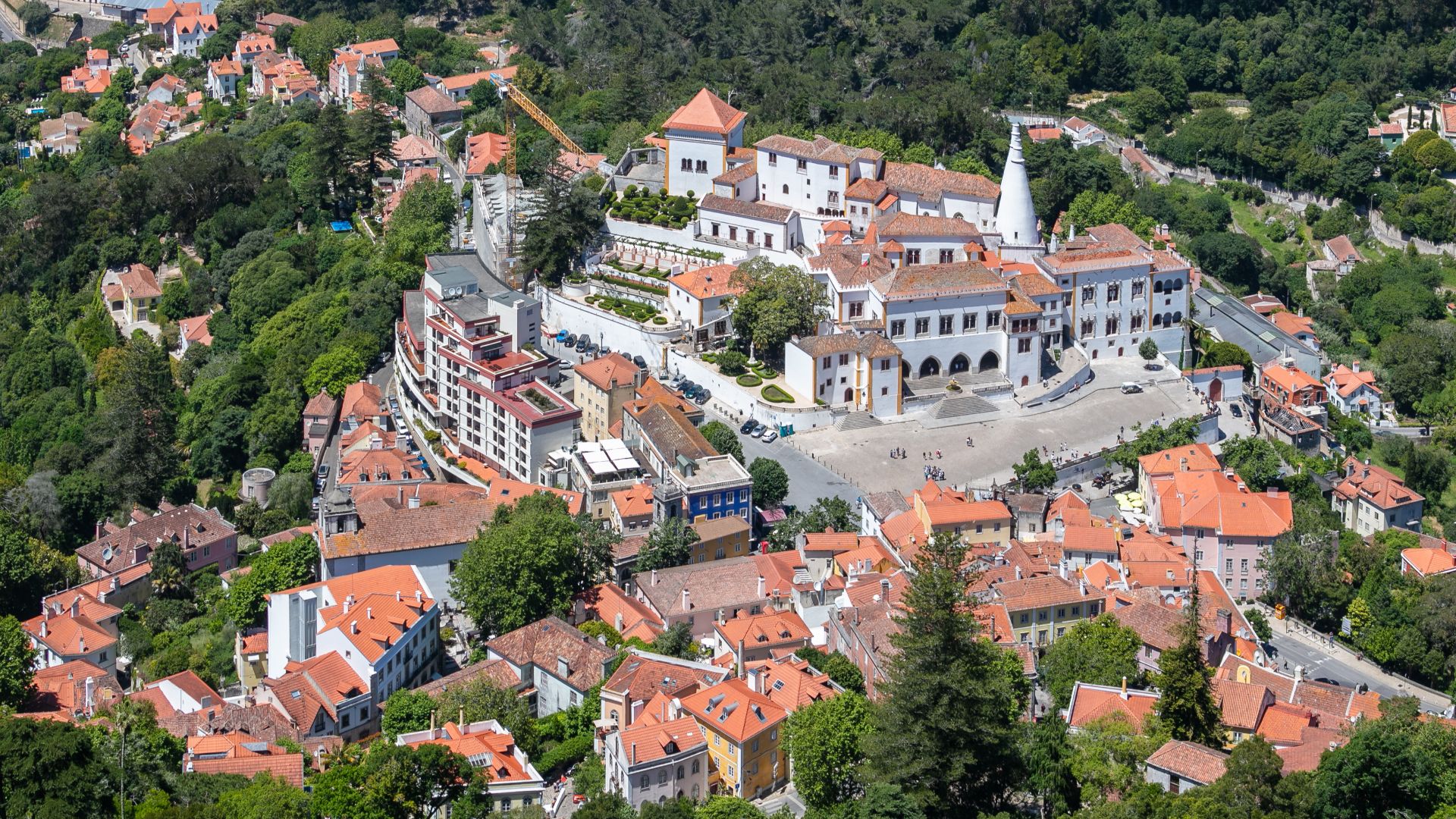
Portugal Reaches Seventeenth Place
Portugal finished seventeenth with an average score of 32.25. That position feels modest considering the country’s growing popularity with international travelers and immigrants. Portugal is regularly praised for patient service, relaxed social interactions, and the welcome visitors receive in both major cities and smaller communities.
 Diego Delso, Wikimedia Commons
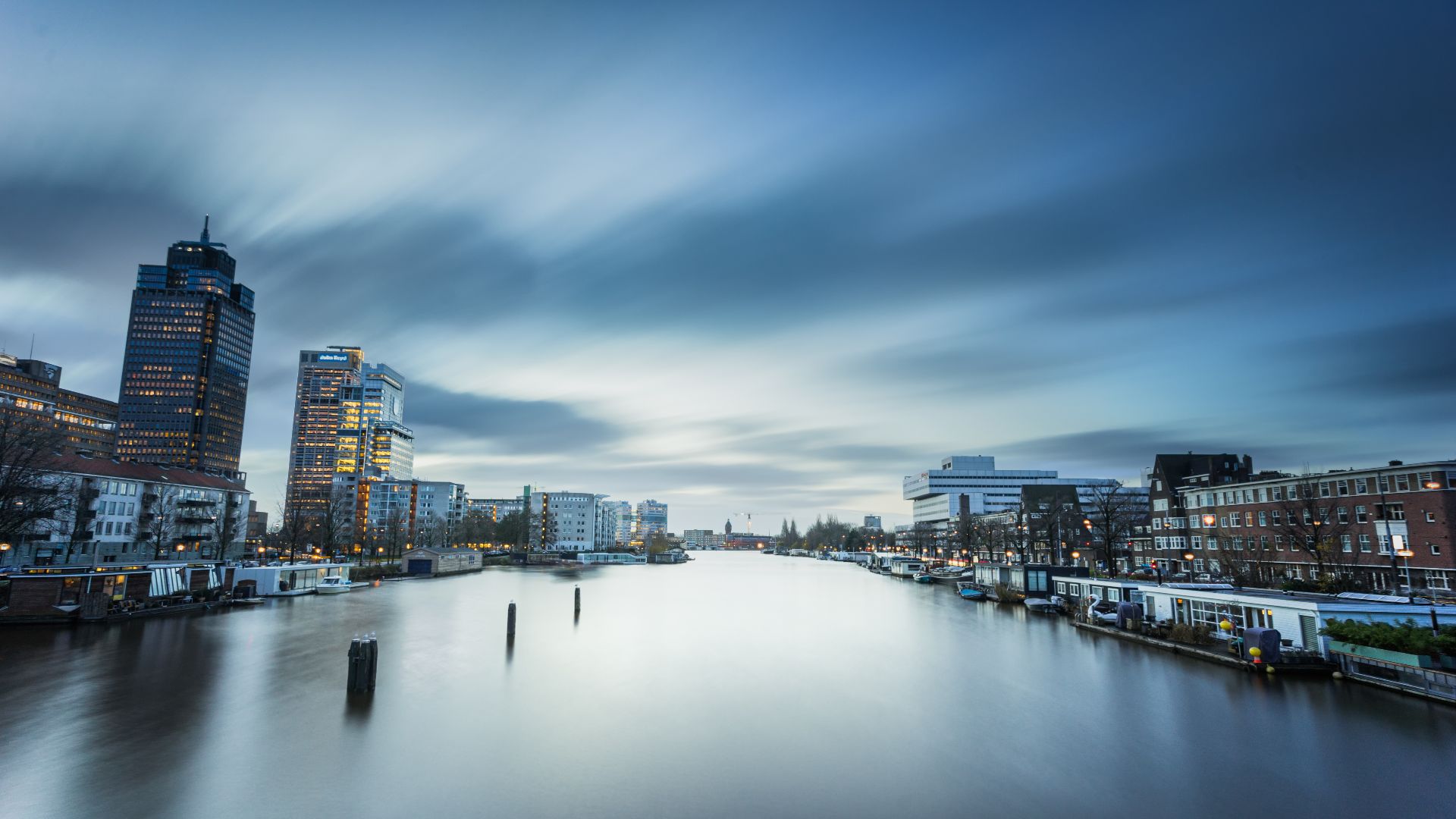
The Netherlands Lands At Sixteen
The Netherlands took sixteenth place after scoring 32.27. Dutch residents are known for communicating directly, which some visitors find refreshingly honest and others initially interpret as blunt. Widespread English proficiency also makes everyday travel considerably easier for many American visitors.
 Milad Alizadeh mastodonic, Wikimedia Commons
The United States Ranks Fifteenth
The United States placed fifteenth with an average score of 32.31. Americans’ casual greetings, frequent small talk, and willingness to chat with strangers can feel remarkably friendly to visitors from quieter cultures. However, experiences vary enormously across a country of more than 330 million people, making any single national score especially limited.
 Leonhard_Niederwimmer, Pixabay
Japan Claims Fourteenth Place
Japan ranked fourteenth with an average score of 32.33. Its hospitality is frequently expressed through attentive service, careful preparation, and respect rather than highly personal conversation with strangers. The Japanese concept of omotenashi emphasizes thoughtful hospitality, helping explain why many travelers feel exceptionally well cared for even when interactions remain formal.

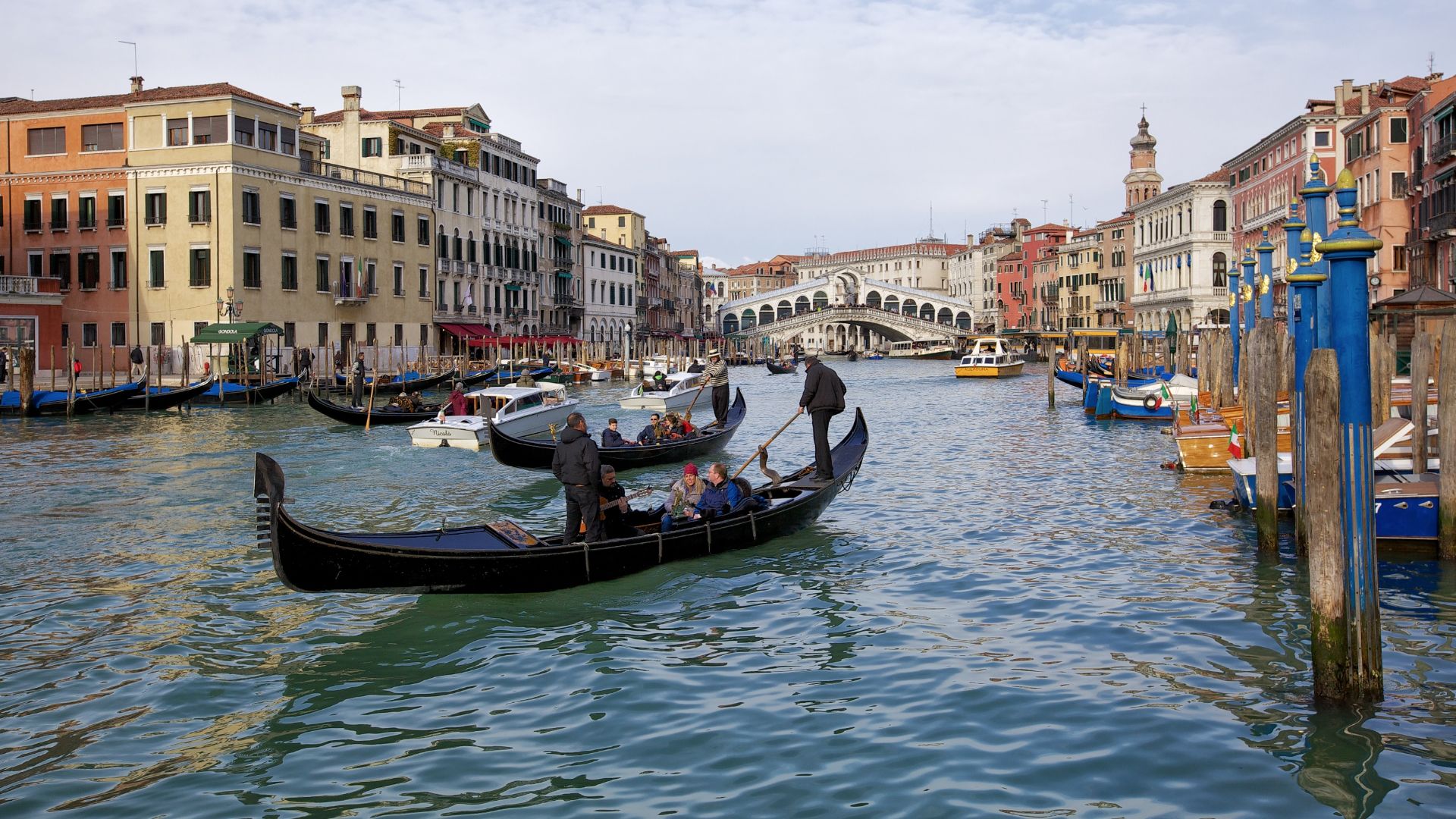
Italy Reaches Number Thirteen
Italy placed thirteenth with an average friendliness score of 32.34. Social life is highly visible in public squares, cafés, markets, and family restaurants, giving visitors frequent opportunities to interact with residents. Regional identities remain strong, however, so a traveler’s experience in Milan may feel quite different from one in Naples, Sicily, or a rural hill town.
 Sergey Ashmarin, Wikimedia Commons
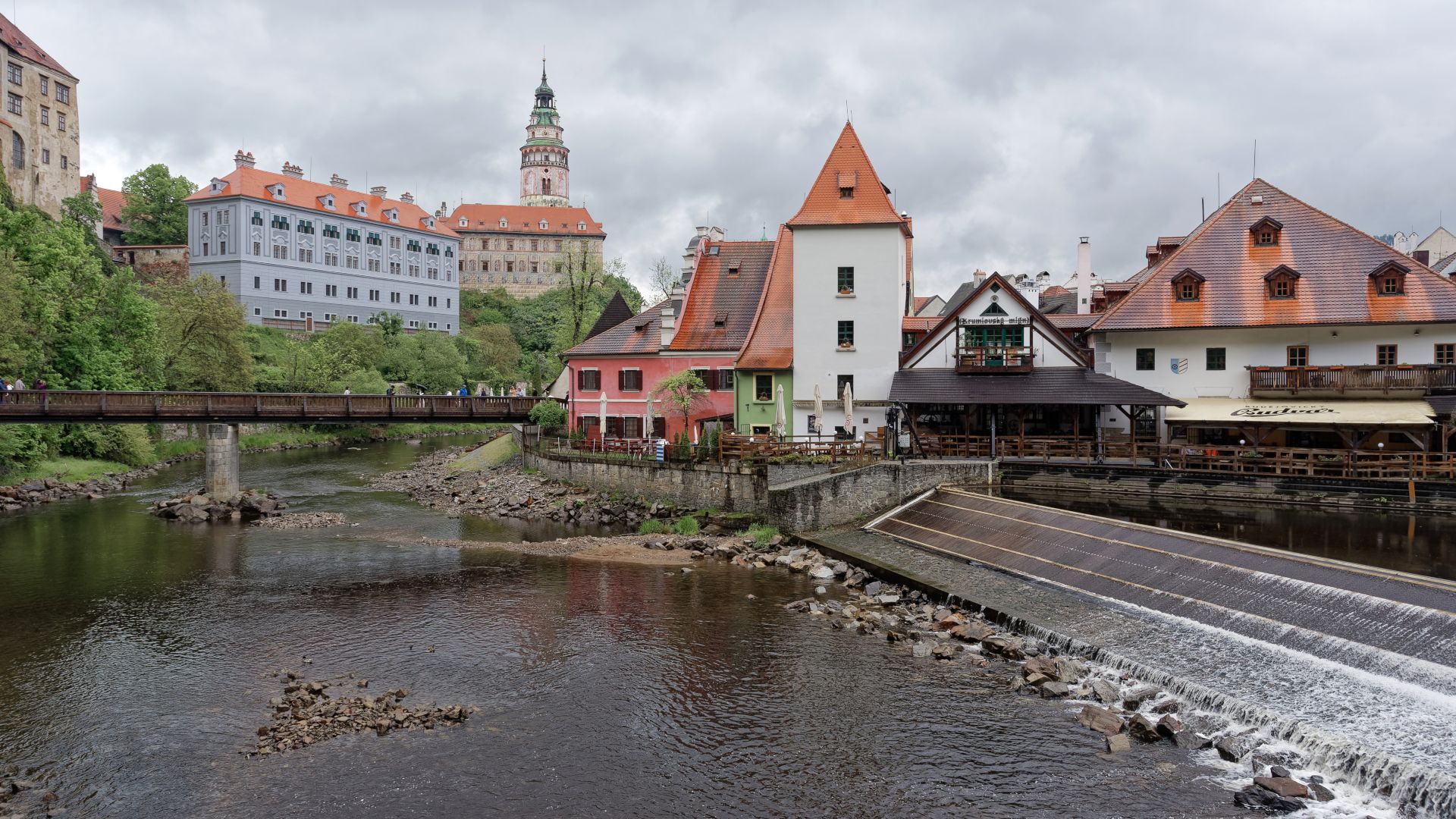
Czechia Takes Twelfth Place
Czechia earned twelfth place with an average score of 32.36. Residents may appear restrained during initial encounters, particularly compared with cultures that rely heavily on enthusiastic greetings. A more relaxed atmosphere often emerges in pubs, community events, and conversations that move beyond the standard tourist exchange.
 Jakub Halun, Wikimedia Commons
Spain Just Misses The Top Ten
Spain ranked eleventh after receiving an average score of 32.41. Its street life, late meals, public plazas, and emphasis on social gatherings can make visitors feel surrounded by conversation. The country’s many regional languages and traditions also mean that friendliness may be expressed differently in Madrid, Andalusia, Catalonia, Galicia, or the Basque Country.
 Diego Delso, Wikimedia Commons
Belgium Opens The Top Ten
Belgium took tenth place with an average friendliness score of 32.50. The country’s multilingual character can make communication feel formal at first, especially when visitors are unsure whether to begin in Dutch, French, German, or English. Once that barrier is crossed, Belgium’s café culture and compact cities create plenty of opportunities for easy social contact.
 Jorge Fernandez Salas, Unsplash
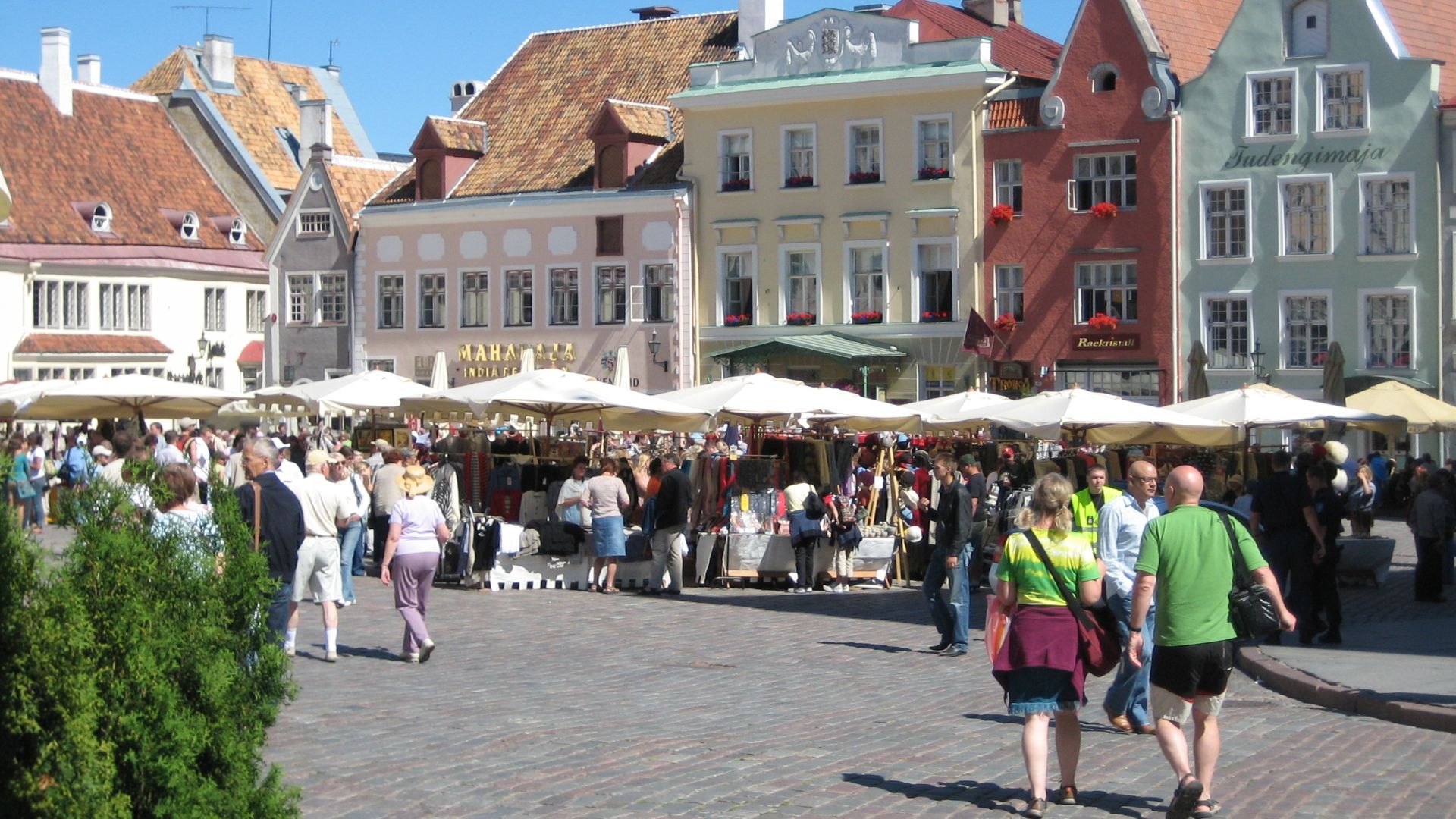
Estonia Makes A Surprise Appearance
Estonia ranked ninth with a score of 32.58, beating several countries with much louder reputations for hospitality. Estonians are often described as reserved, which makes this result particularly interesting. The ranking suggests that concern for others and cooperative behavior can exist without constant smiling, chatting, or outward enthusiasm.
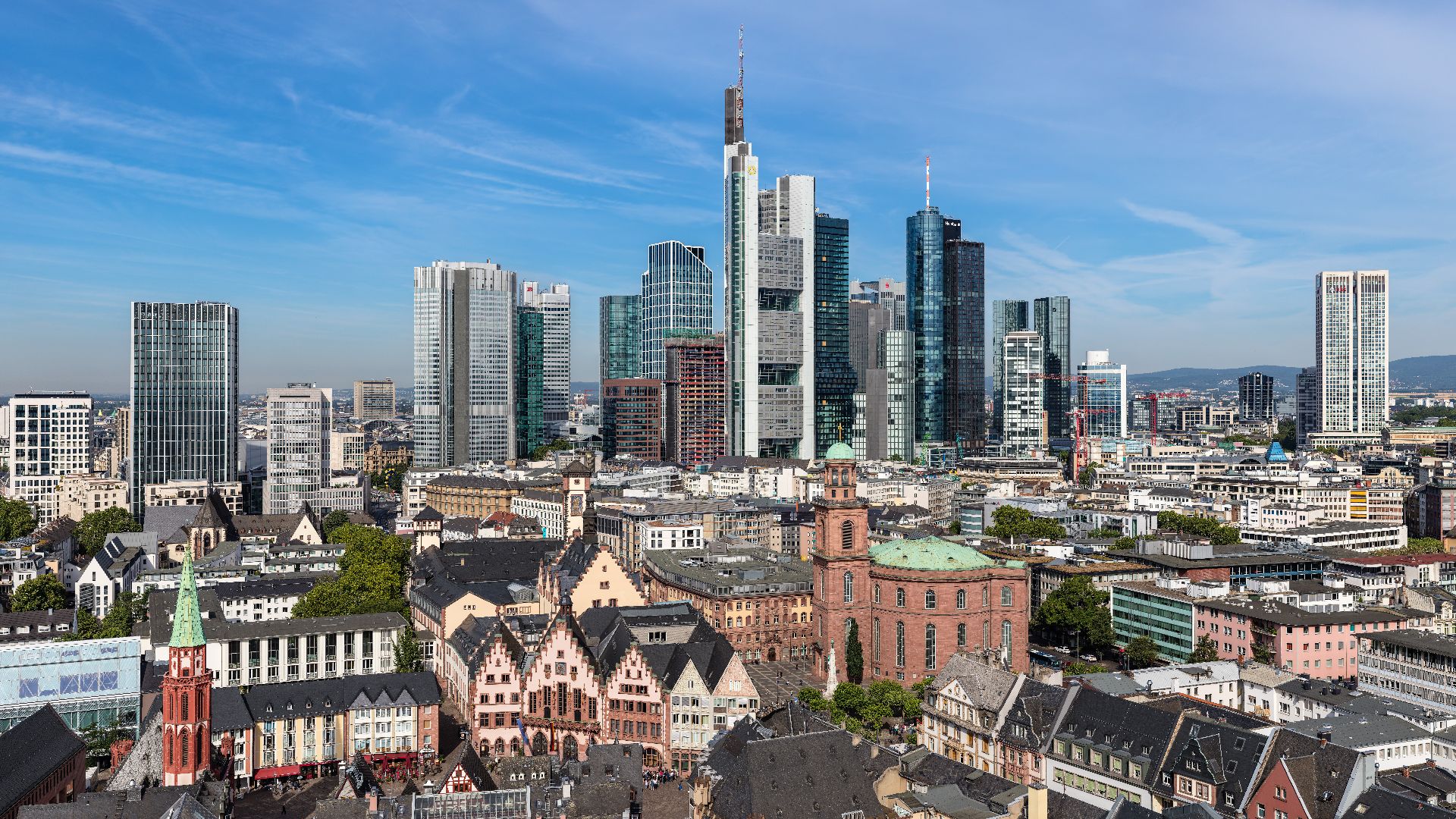
Germany Reaches Eighth Place
Germany took eighth place with an average score of 32.66. Remitly acknowledged that German residents do not always have a reputation for warmth, but the survey still placed them ahead of neighboring France, Belgium, and the Netherlands. Direct answers and practical assistance may not sound effusive, yet they can be extremely useful when a traveler needs genuine help.
 Thomas Wolf, www.foto-tw.de, Wikimedia Commons
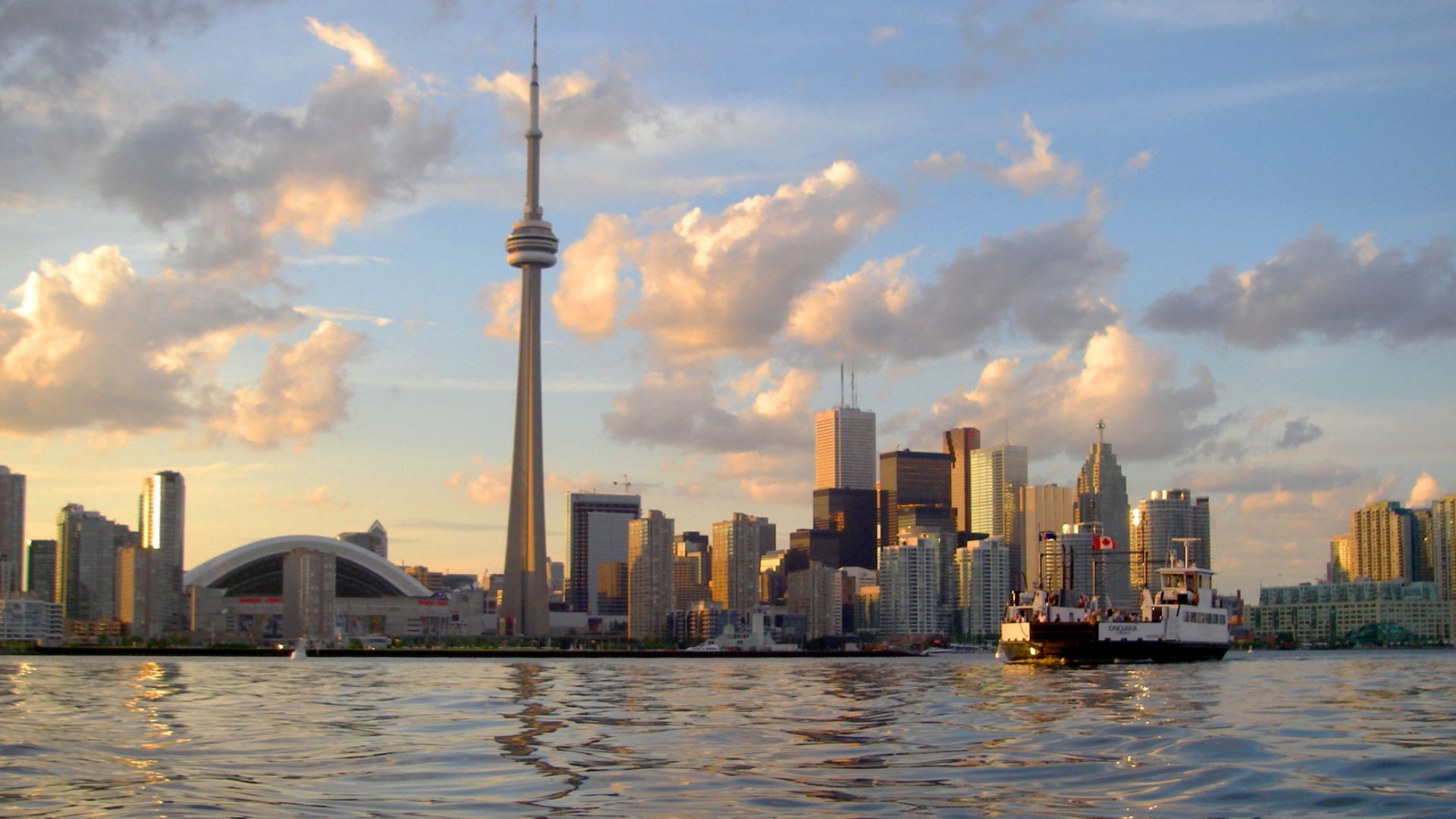
Canada Claims Seventh Place
Canada ranked seventh with an average friendliness score of 32.84. Its reputation for politeness makes the placement unsurprising, although seventh may still seem low to Americans accustomed to friendly encounters across the border. Canada’s immense geographic and cultural diversity also means that interactions in Montreal, Toronto, Vancouver, Atlantic Canada, and the North cannot be reduced to one personality.
 John Vetterli, Wikimedia Commons
Australia Reaches Sixth Place
Australia finished sixth with an average score of 33.13. The country’s informal language, humor, and tradition of “mateship” contribute to its easygoing international image. That casual style can help travelers relax quickly, although Australian teasing and slang occasionally confuse newcomers before making them feel included.
 Dietmar Rabich, Wikimedia Commons
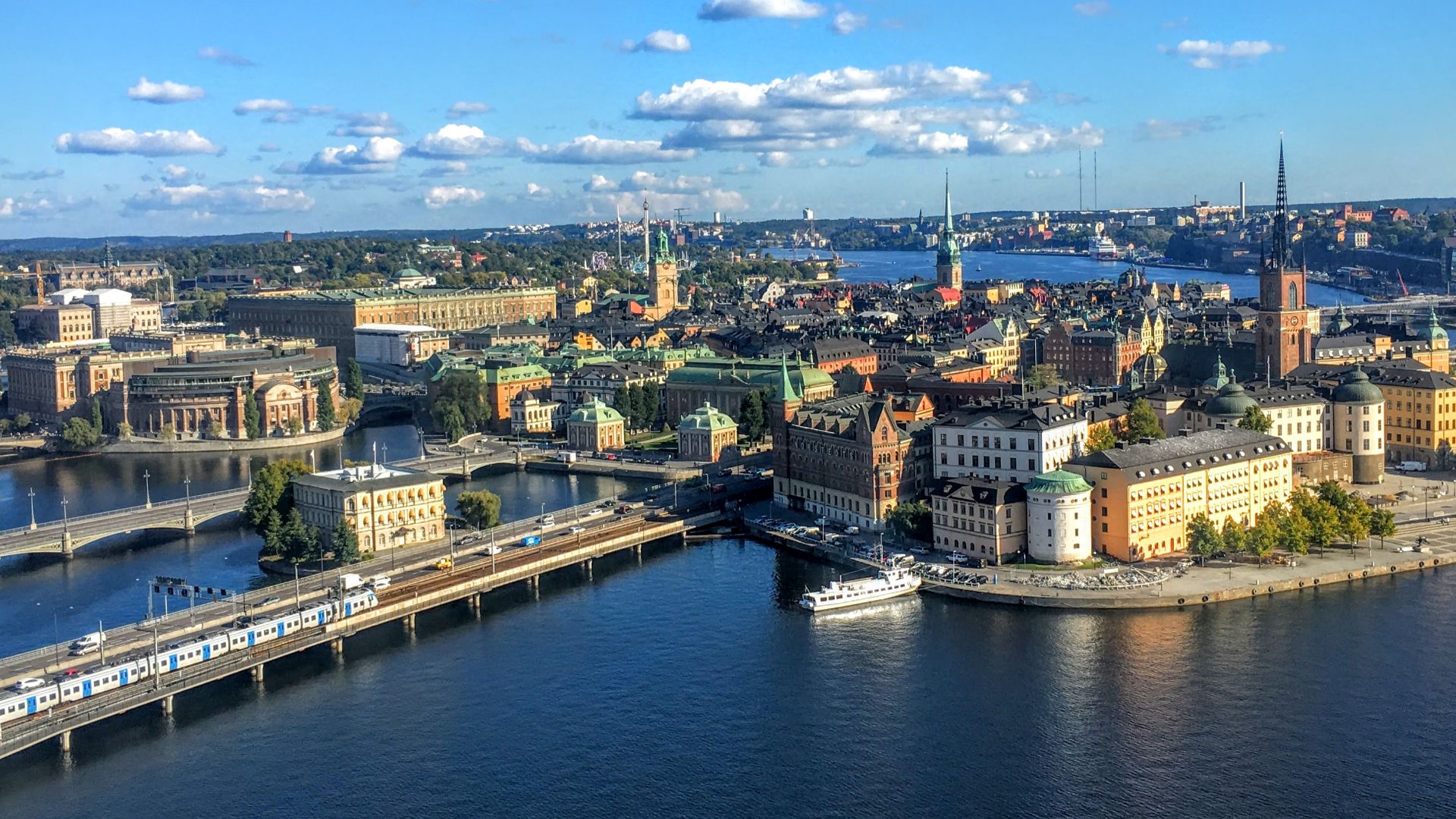
Sweden Enters The Top Five
Sweden placed fifth with an average friendliness score of 33.30. Its strong showing challenges the stereotype that Scandinavian reserve reflects social coldness. Swedish society generally values equality, consideration, and respect for other people’s space, qualities that align closely with the agreeableness traits tested by the survey.
 Jonatan Svensson Glad, Wikimedia Commons
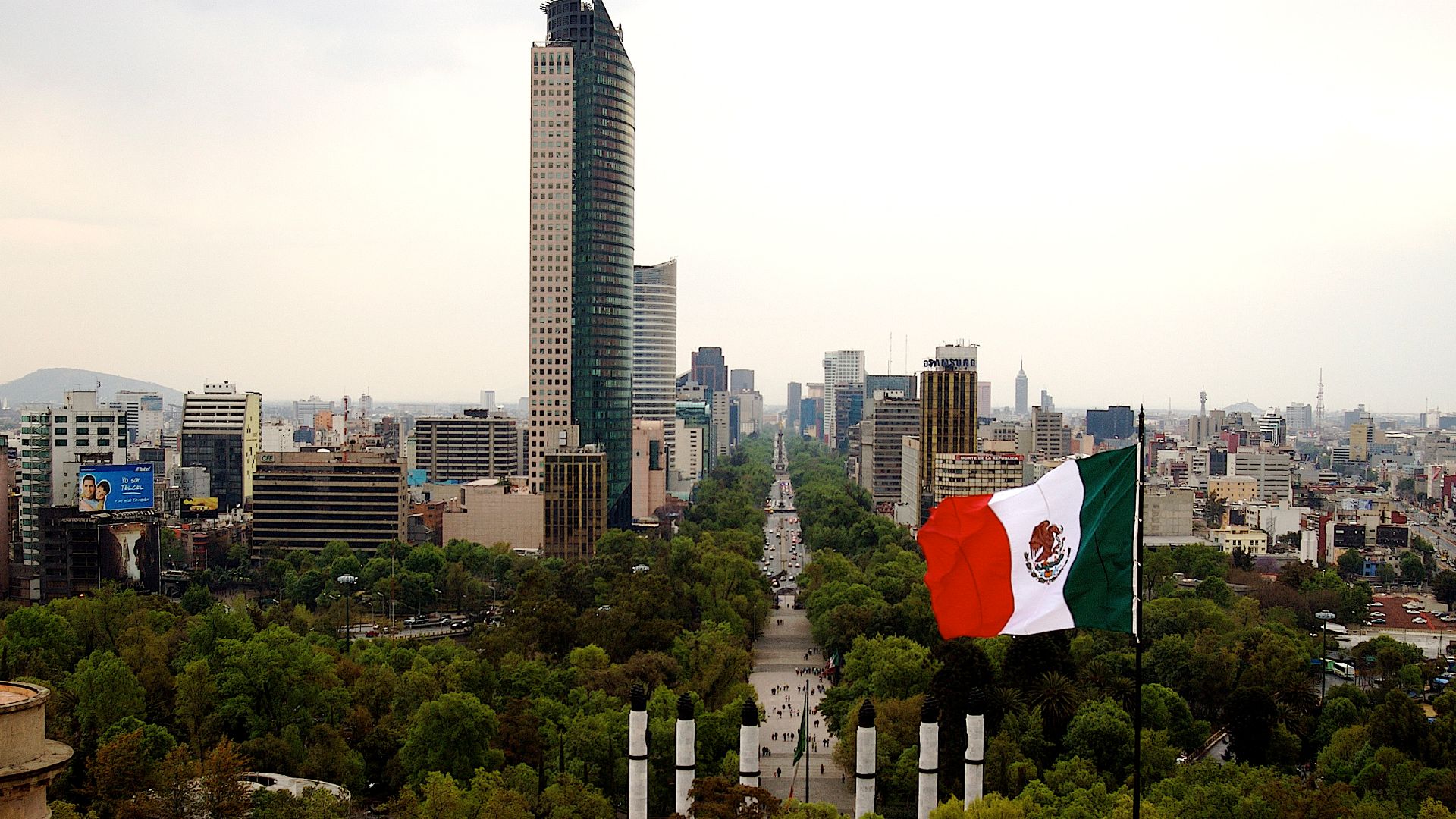
Mexico Takes Fourth Place
Mexico ranked fourth with an average score of 33.47. Remitly connected the result to strong family relationships, community life, cultural pride, and the willingness to include visitors in celebrations. American travelers should still remember that Mexico is vast and varied, but warmth toward guests is a deeply rooted feature of social life in many regions.
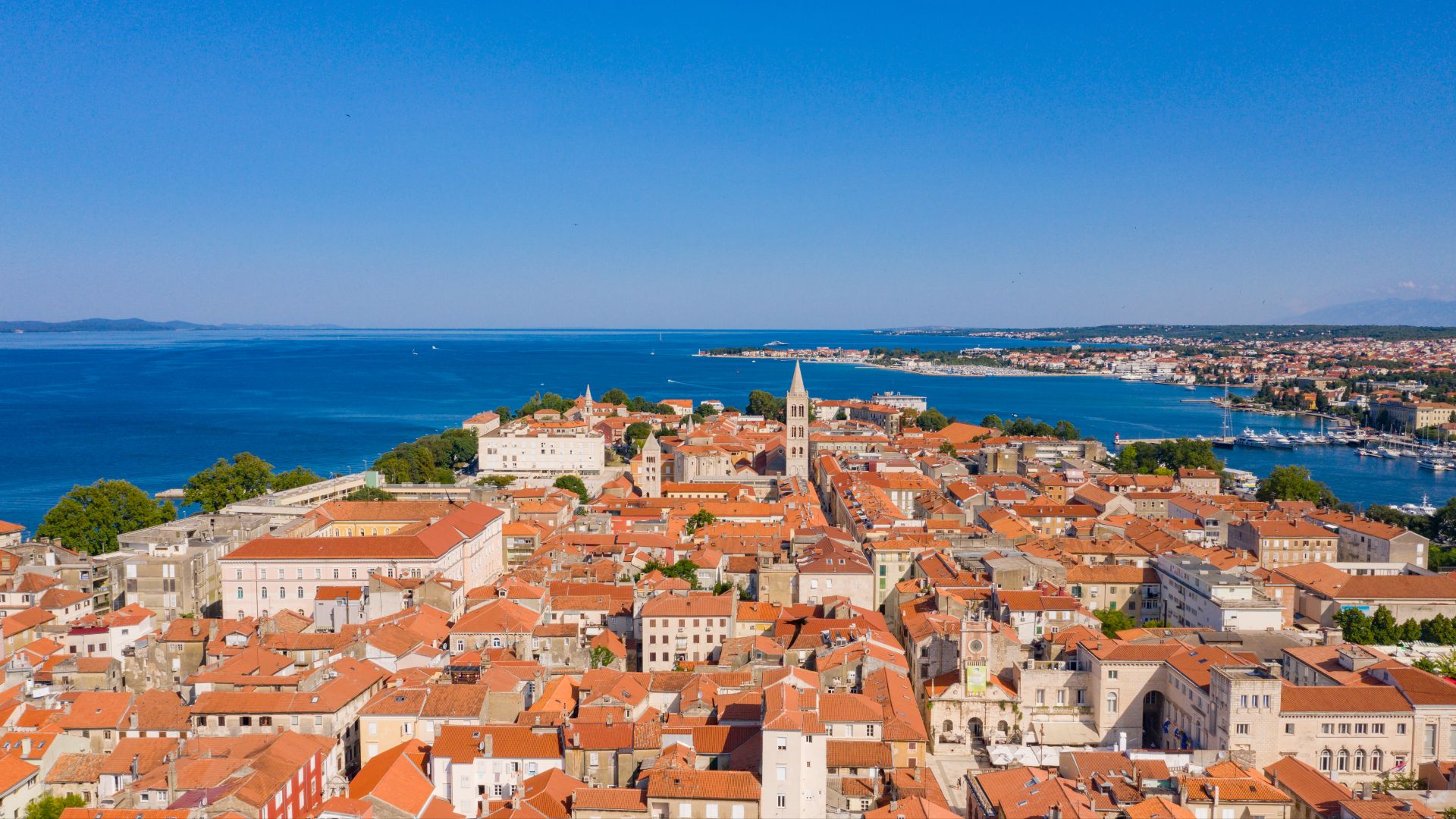
Croatia Wins The Bronze Medal
Croatia took third place after earning a score of 33.50. Remitly highlighted the country’s sociable café culture and residents’ willingness to spend time talking with both friends and newcomers. Tourism plays an important economic role, but visitors increasingly explore beyond the major coastal destinations and encounter everyday hospitality in inland cities and villages.
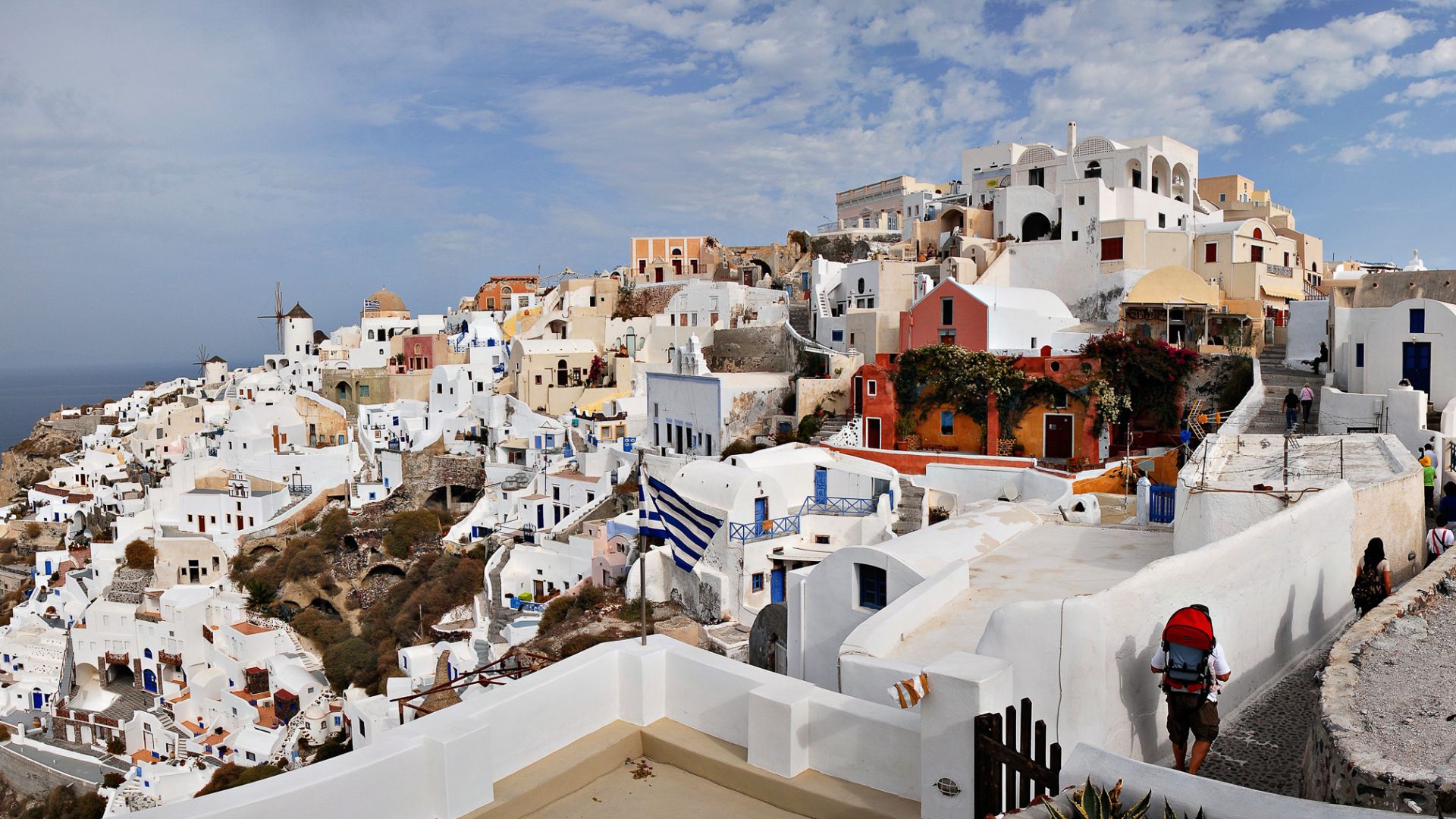
Greece Finishes Second
Greece ranked second with an average friendliness score of 33.71. The idea of philoxenia, commonly translated as friendship toward strangers or hospitality, has roots stretching back to ancient Greek culture. Modern visitors may encounter that tradition through generous meals, lengthy conversations, helpful directions, and invitations that turn a brief meeting into a memorable part of the trip.
 Mstyslav Chernov, Wikimedia Commons
South Africa Takes The Crown
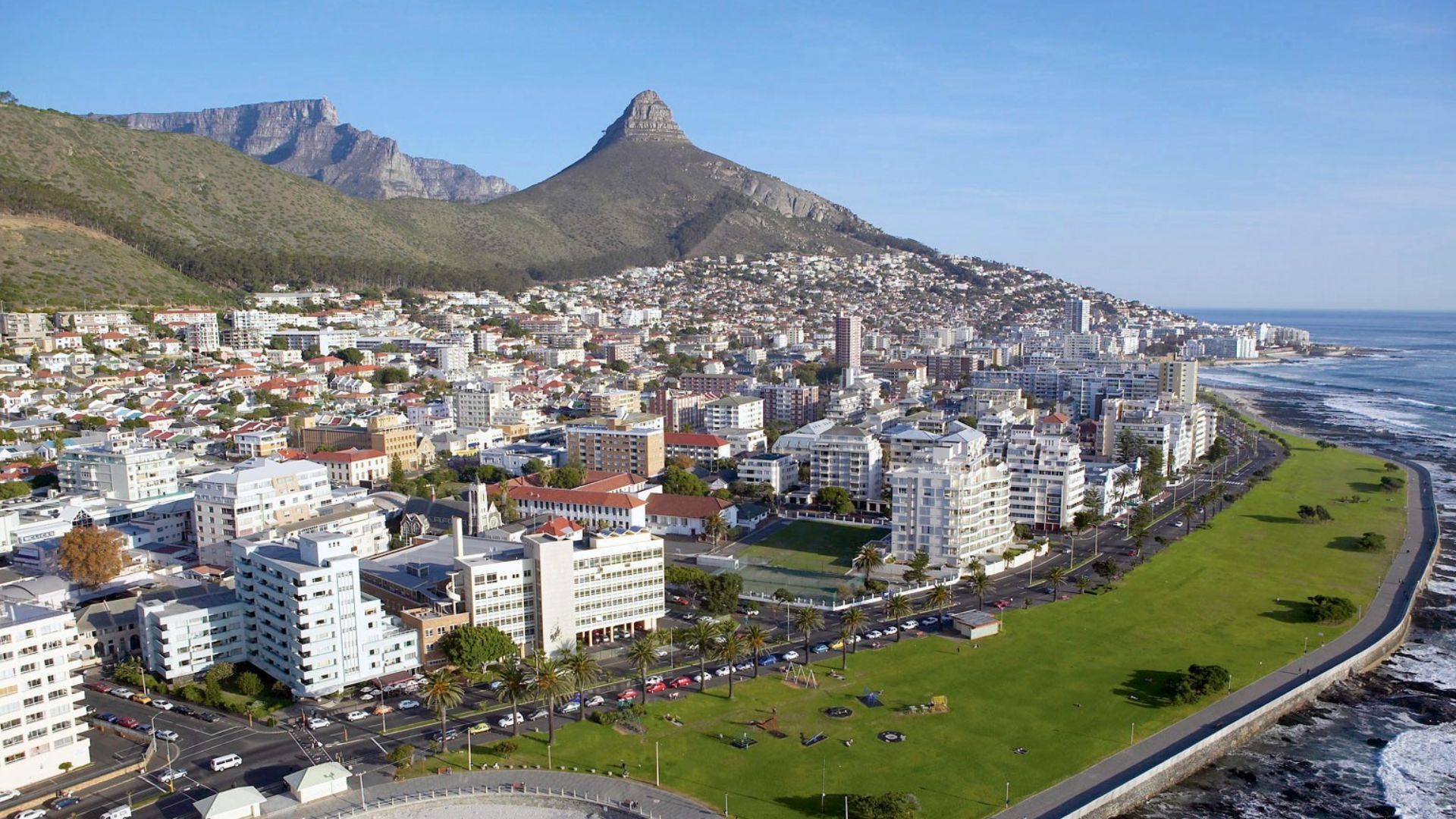
South Africa topped the study with an average score of 34.63 out of 40. Remitly described residents as sociable, humorous, and likely to greet or converse with strangers, while the country’s eleven official languages reflect its extraordinary cultural variety. No traveler will experience every community in exactly the same way, but South Africa’s first-place finish makes a compelling case for looking beyond the destinations most commonly associated with friendliness.
You May Also Like:
American travelers ranked the friendliest cities in Europe. Which one are you visiting this year?
Americans Were Asked Which Countries Have The Friendliest People. Do You Agree With The Results?
Ranking The Best Countries For Solo Female Travelers In 2025—According To Women Who’ve Been There
Sources: 1, 2, 3, 4, 5, 6, 7, 8, 9, 10, 11, 12, 13, 14, 15, 16