The Thermostat Is Only The Beginning
Canadian and American hotels look almost identical—until a Canadian actually checks in. Suddenly there are resort fees, enormous breakfasts, unfamiliar TV channels, and a thermostat speaking a completely different language. Here are 20 little hotel differences that can make Canadians realize very quickly that they have crossed the border.

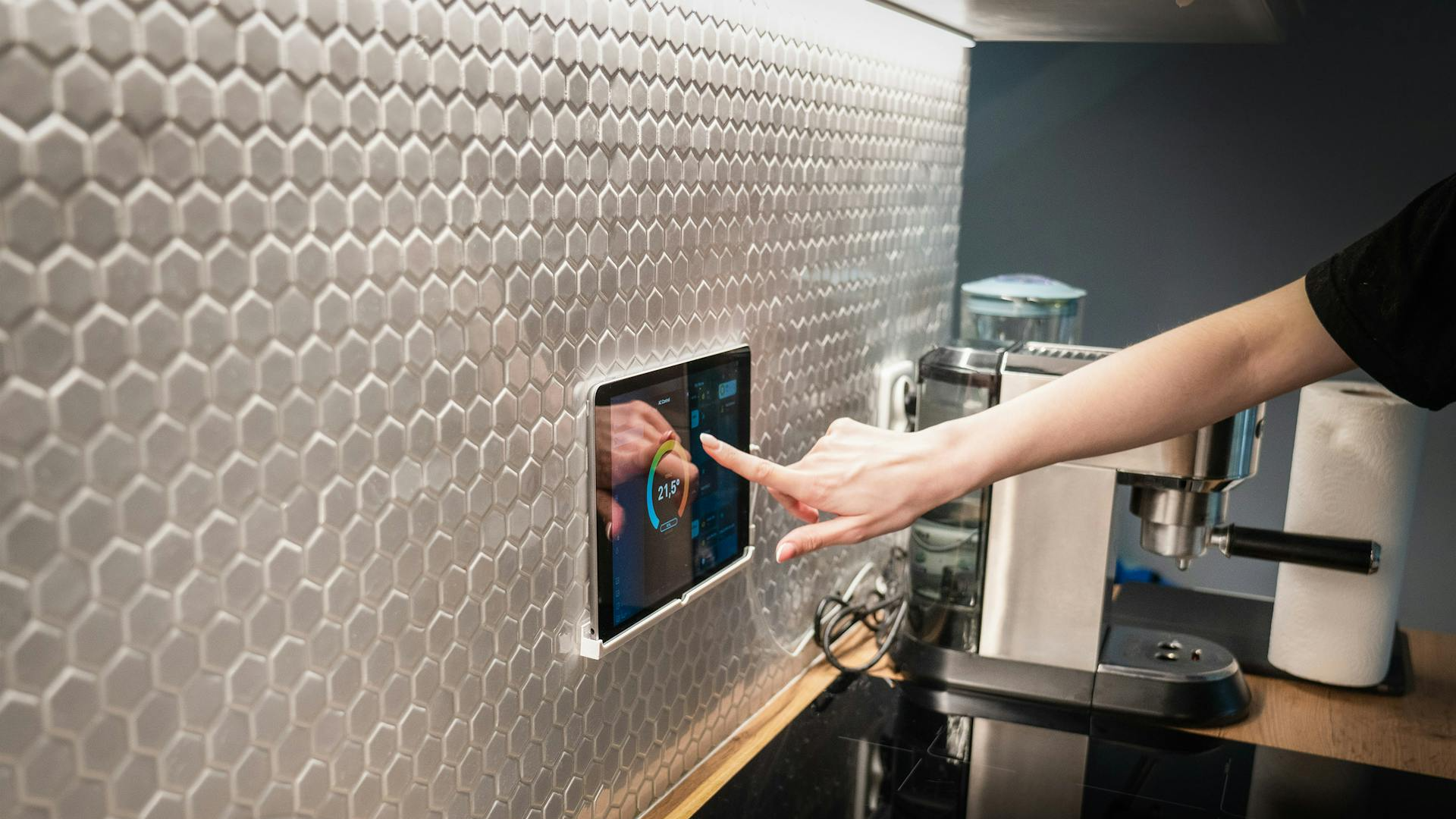
#20. The Thermostat Is Speaking Fahrenheit
A Canadian walks into a warm hotel room, sees the thermostat set to 72, and briefly wonders whether they've booked a sauna. Canada officially uses Celsius, so adjusting an American hotel thermostat can require some sleepy mental math before bed.
#19. The Ice Machine Is Practically a Hotel Institution
American hotels really commit to ice. Entire floors can have dedicated ice machines, complete with that little plastic bucket waiting in your room. Canadians have hotel ice machines too, but the American enthusiasm for unlimited cubes can feel impressively serious.
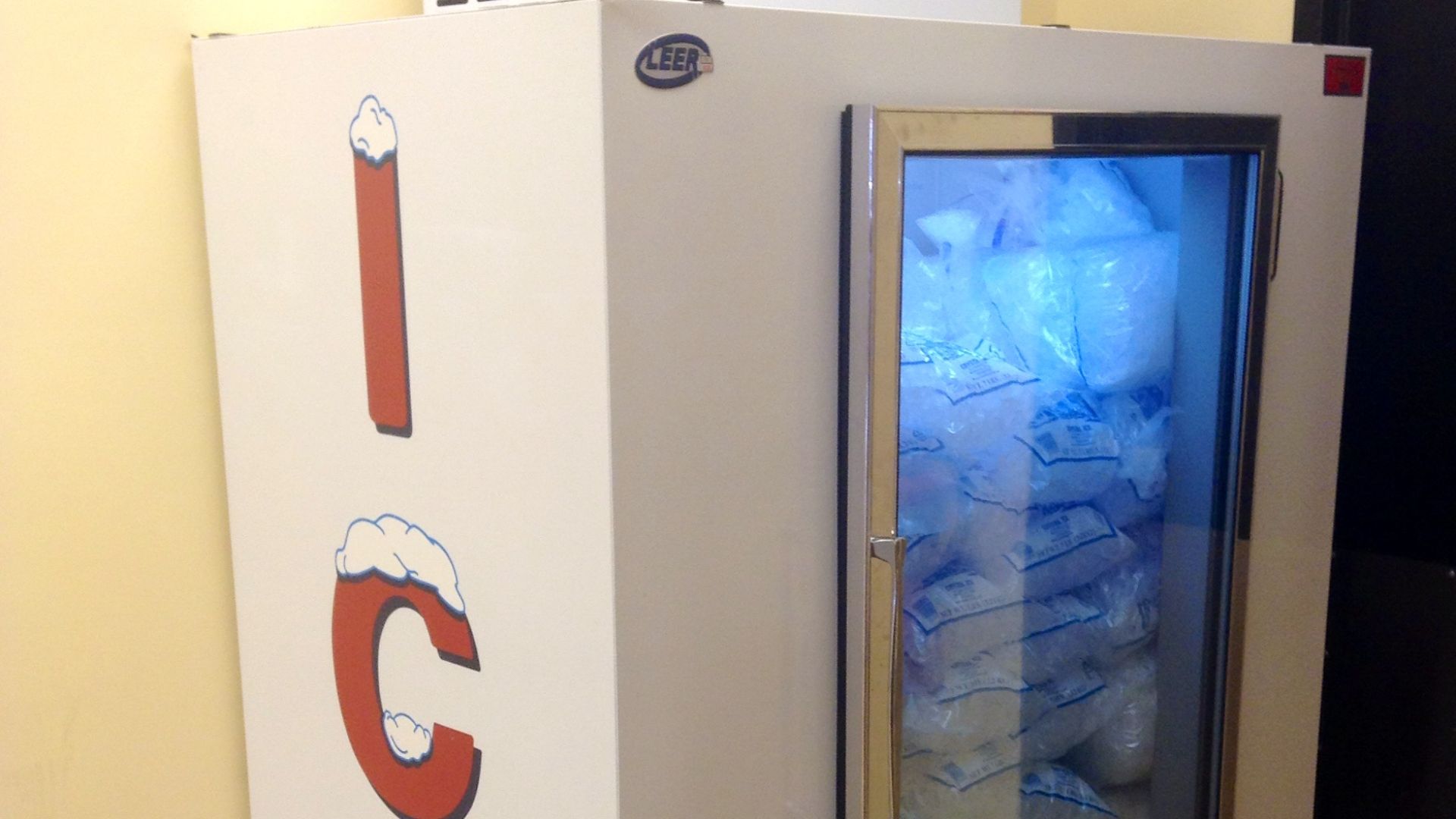 Mike Mozart from Funny YouTube, USA, Wikimedia Commons
#18. Breakfast Portions Can Be Enormous
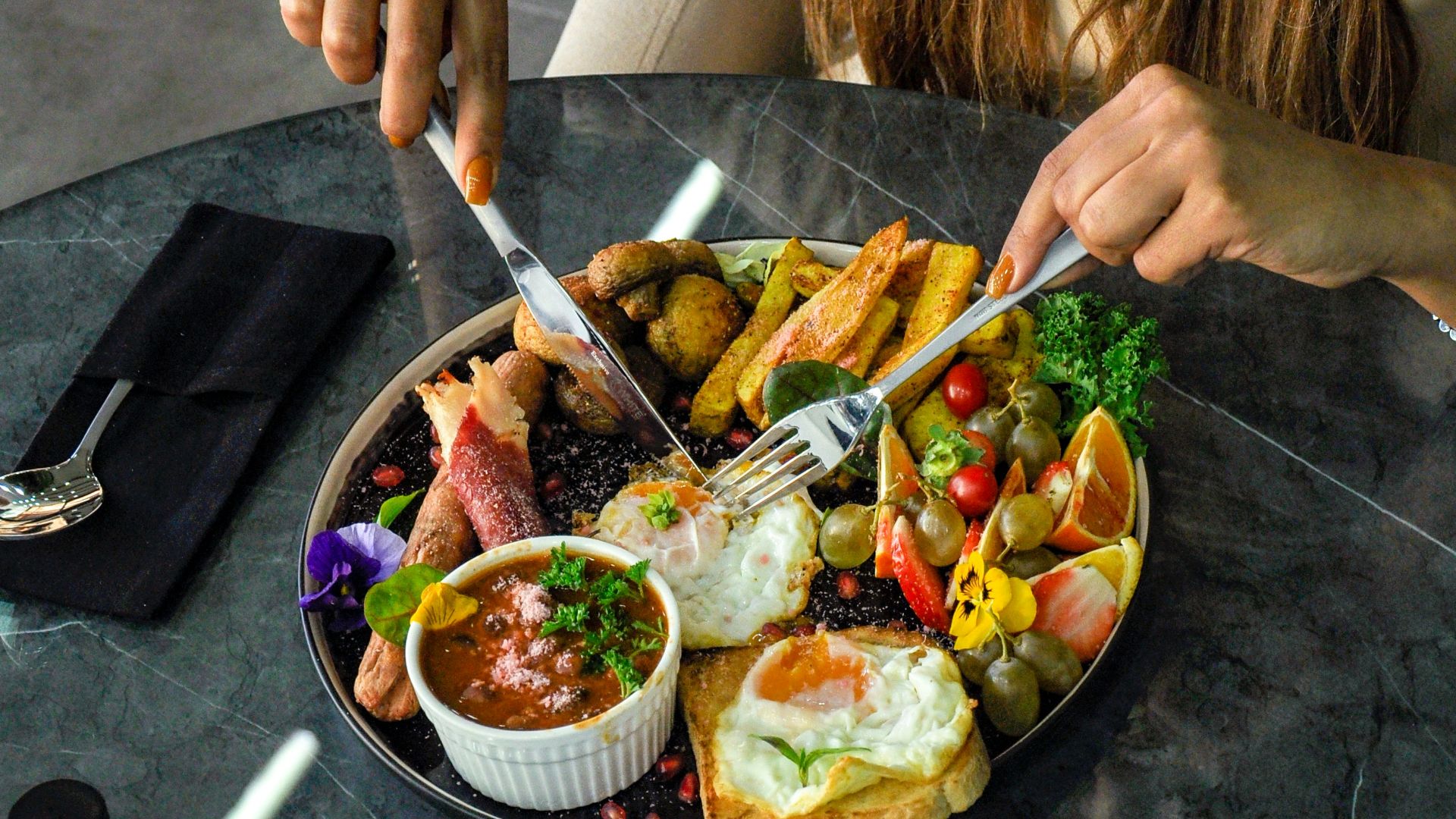
Order breakfast at an American hotel restaurant and pancakes may arrive looking like manhole covers. Add eggs, bacon, potatoes and bottomless coffee, and suddenly you've accidentally ordered lunch too. Canadians aren't strangers to big breakfasts, but America can take things impressively far.
#17. Biscuits and Gravy Appear at Breakfast
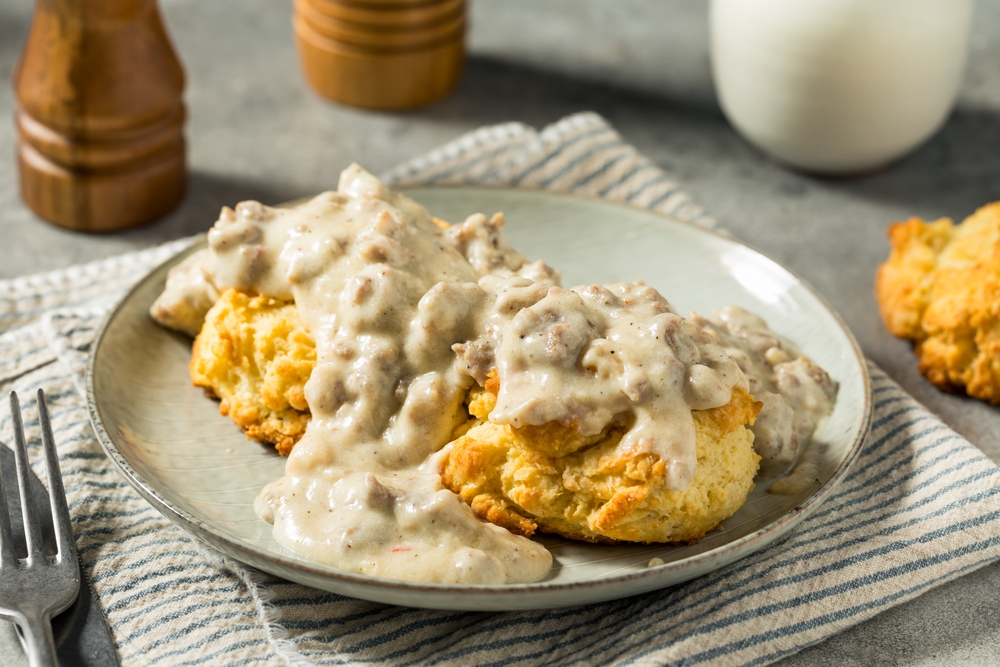
For many Canadians, a biscuit is either a cookie or something served with butter. At American hotel breakfasts—particularly in the South—biscuits covered in creamy sausage gravy can be completely normal. It looks confusing. Then you taste it. Suddenly there are fewer questions.
#16. The Waffle Maker Has Become a Morning Ritual
At many American limited-service hotels, the breakfast room contains a self-serve waffle maker and cups of batter. Canadians have certainly encountered them too, but they're particularly associated with the classic American complimentary hotel breakfast. Nothing says vacation like operating machinery before coffee.

#15. Some Hotels Have Resort Fees
Stay at certain U.S. resorts—particularly in destinations such as Las Vegas—and the room can carry a mandatory resort fee covering amenities. Since May 2025, U.S. businesses advertising short-term lodging prices must display mandatory fees in the upfront total, although the fees themselves haven't disappeared.
#14. A "Resort" Doesn't Necessarily Mean a Beach
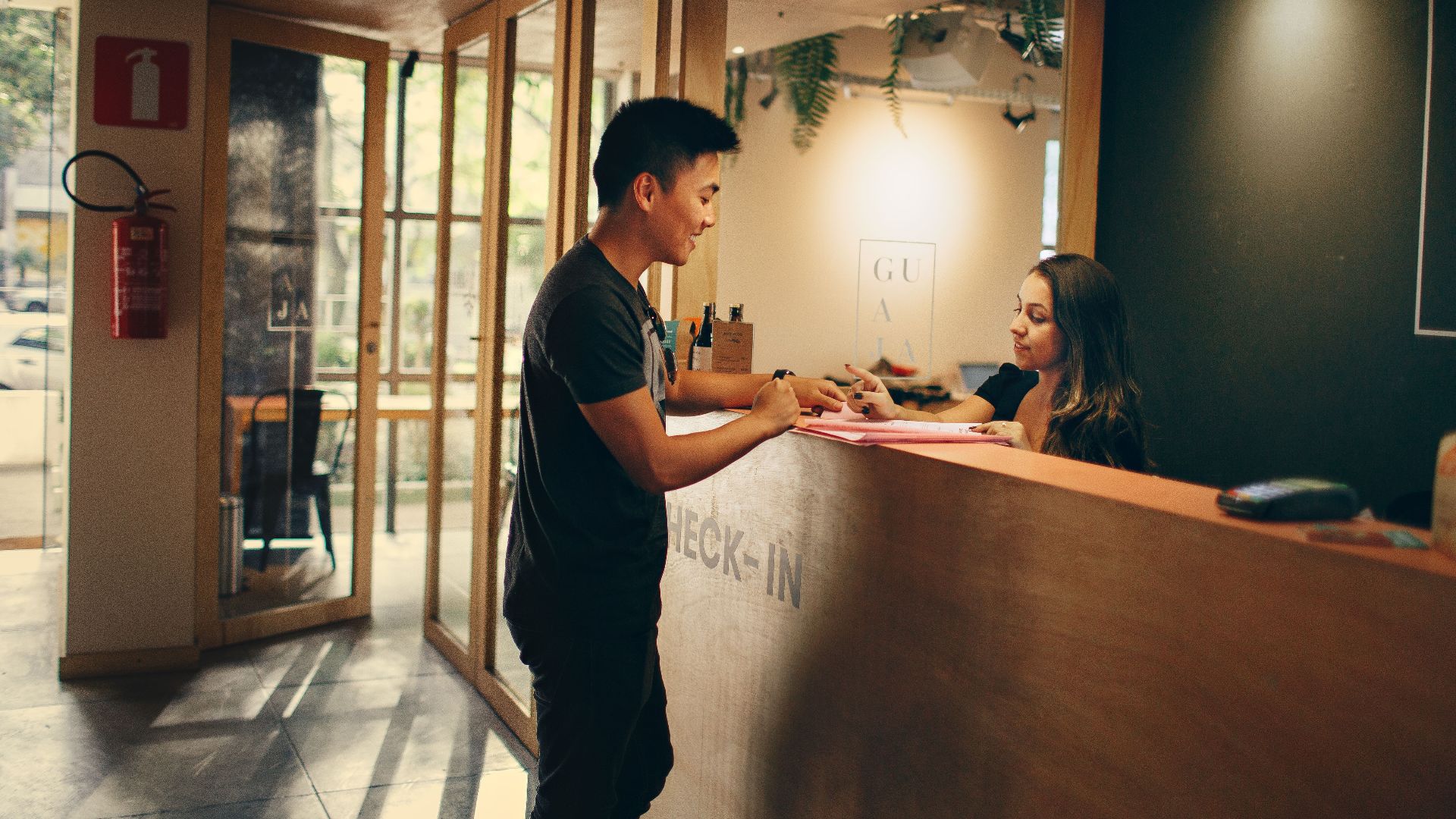
That resort fee gets even stranger when the property isn't remotely tropical. In America, "resort" can describe everything from sprawling desert properties to casino hotels. A Canadian expecting palm trees may instead receive Wi-Fi, a fitness centre and a $40-ish daily reminder that apparently this is a resort.
#13. Hotel Casinos Can Be Absolutely Massive
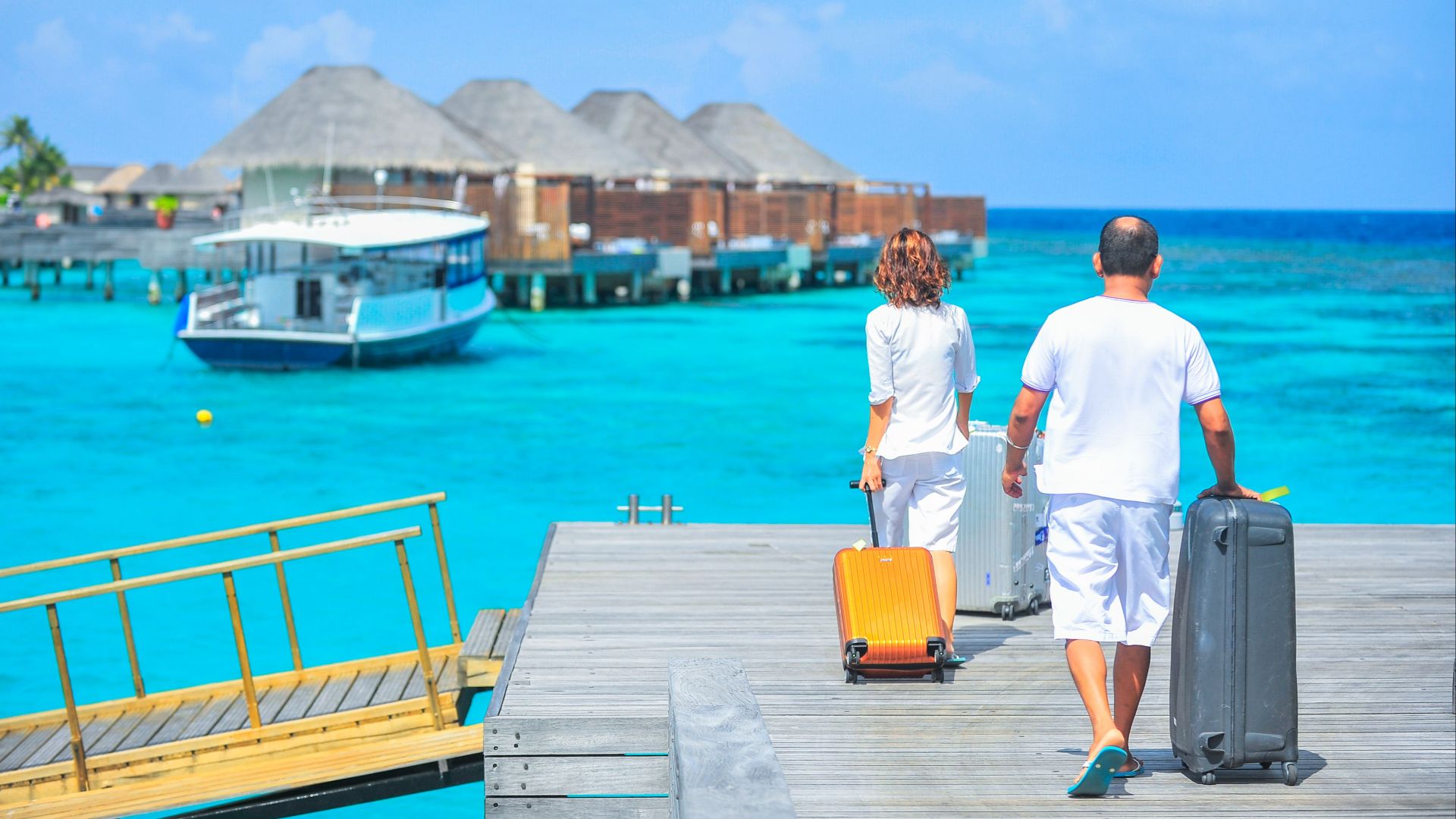
In places such as Las Vegas and Atlantic City, the casino isn't tucked discreetly beside the hotel—it can practically be the hotel. Canadians have casino resorts too, but the sheer scale of major American properties can make finding the elevator feel like an endurance event.

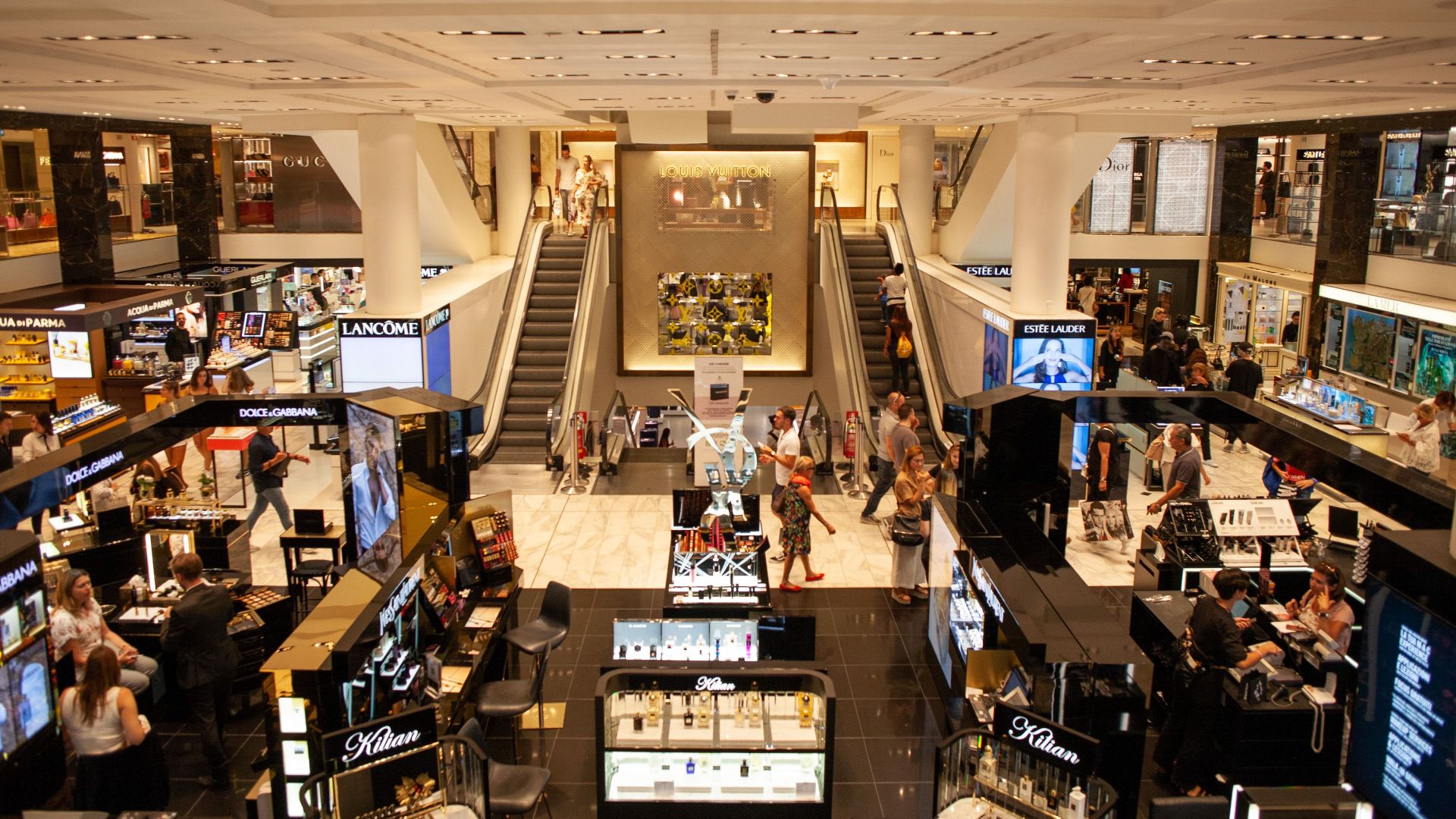
#12. The Hotel Might Have Its Own Shopping Mall
Large American destination hotels can contain restaurants, shops, entertainment venues and enormous retail areas without requiring guests to step outside. Canadians checking into some Vegas properties may realize they've somehow booked a room inside a small municipality.
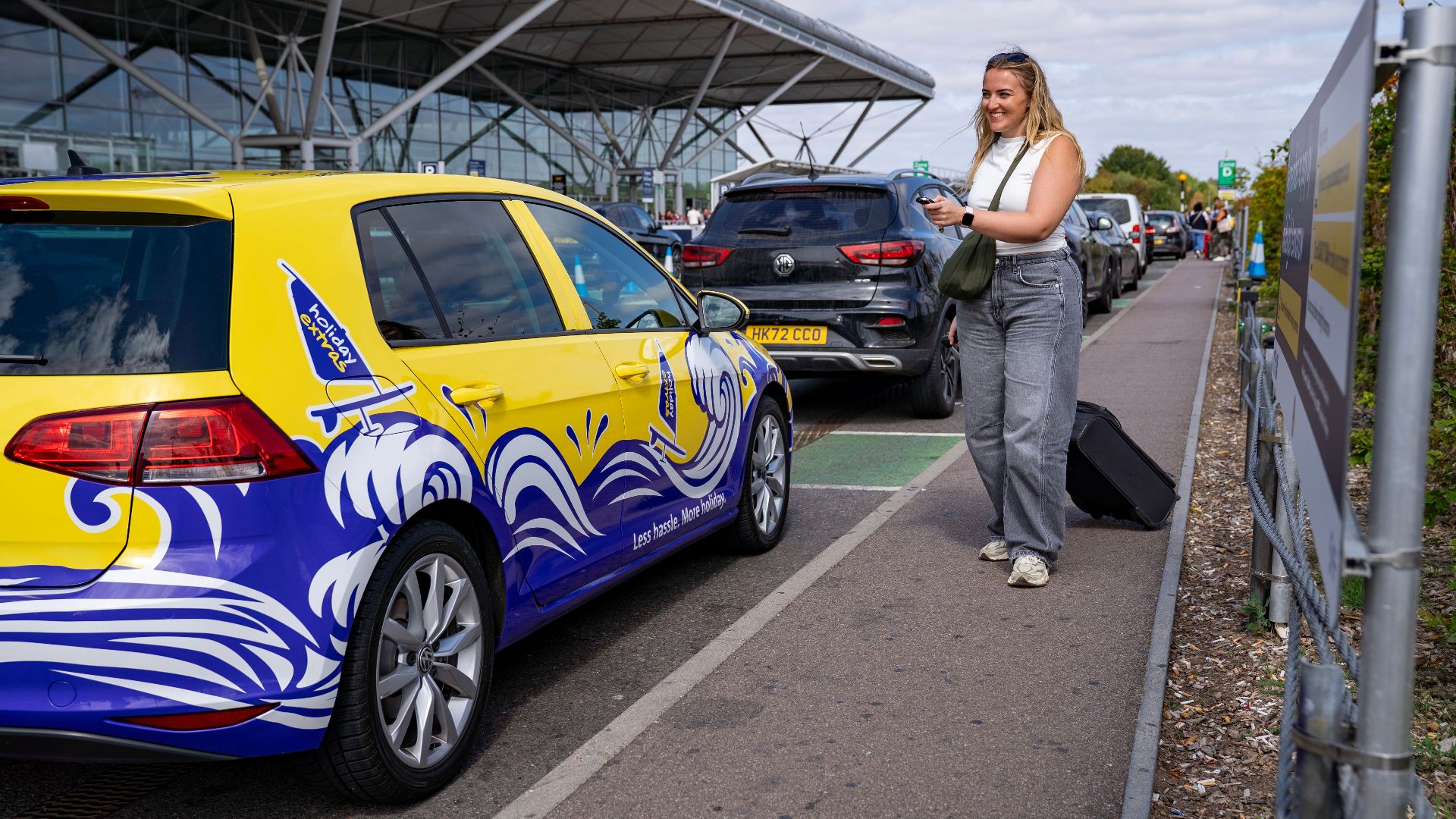
#11. Valet Parking Can Feel Almost Mandatory
At upscale hotels and large urban properties, valet parking can be far more prominent than Canadians expect. Pull up expecting to park yourself and suddenly somebody is reaching for your keys. Congratulations: checking in has become a trust exercise.

#10. Parking Can Cost Almost as Much as Dinner
That convenient downtown hotel rate looks less exciting when overnight parking joins the bill. High parking charges exist in Canadian cities too, but American tourist destinations can take them to spectacular heights. Apparently your car also wanted luxury accommodations.
#9. The TV Channels Are Suddenly Completely Different
Turn on the television and familiar Canadian networks have vanished, replaced by a seemingly endless parade of American local affiliates, regional sports channels and cable stations. It's a small thing, but nothing announces "you're abroad" quite like discovering the news has changed accents.

#8. American Commercials Become Part of the Vacation
Leave that television on for ten minutes and Canadians discover another attraction: American advertising. Restaurants they've never heard of, pharmaceutical commercials, attorneys promising enormous settlements—it can feel less like watching TV and more like conducting accidental cultural research.

#7. The Coffee Creamer Doesn't Need Refrigeration
Hotel coffee stations commonly feature tiny shelf-stable creamer cups rather than milk or refrigerated cream. Canadians certainly encounter these products too, but Americans seem especially committed to the tiny plastic tubs. Nobody quite knows how long they've been sitting there. Perhaps don't investigate.

#6. Everything Can Be Bigger
The bed is enormous. The lobby is enormous. The parking lot is enormous. In some American hotels, even the hallway seems prepared to accommodate a parade. Canadian hotels aren't exactly miniature, but U.S. properties can occasionally make "king-size" feel like an architectural philosophy.
#5. Free Breakfast Can Mean an Entire Buffet
"Complimentary breakfast" might sound like coffee and a muffin. Then a Canadian walks downstairs to discover eggs, sausage, cereal, yogurt, waffles, toast, fruit and several mysterious warming trays. At that point, taking one banana feels like wasting an opportunity.

#4. Room-Service Fees Can Stack Up Quickly
At hotels that still offer traditional room service, Americans may encounter delivery charges, service charges and automatic gratuities layered onto the food price. Consumer Reports has documented how hotel room-service bills can include both mandatory gratuities and separate service or tray fees.
#3. The Hotel Tax Can Be Its Own Adventure
Canadian hotel stays are generally subject to GST/HST, with some destinations adding provincial or municipal accommodation levies. In the U.S., lodging taxes vary by state and locality, so Canadians moving between cities can encounter noticeably different totals. Apparently the room rate was merely the opening act.
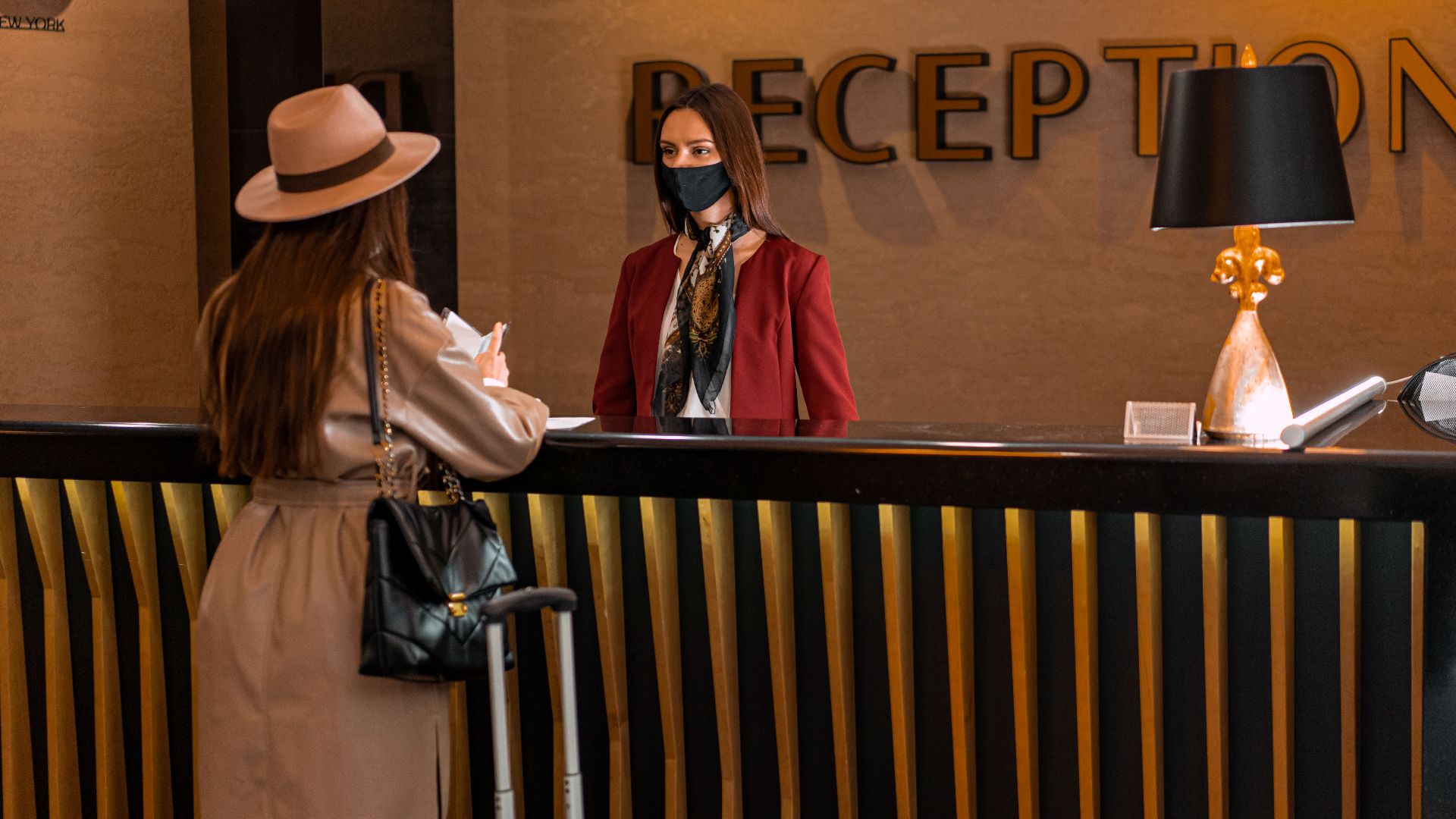
#2. Highway Hotels Are Everywhere
America's interstate system has created an entire ecosystem of hotels clustered around exits, usually accompanied by gas stations, chain restaurants and enormous parking lots. Canadians know roadside motels, of course, but the sheer repetition can be impressive: drive 200 miles and somehow you've passed twelve nearly identical hotel clusters.
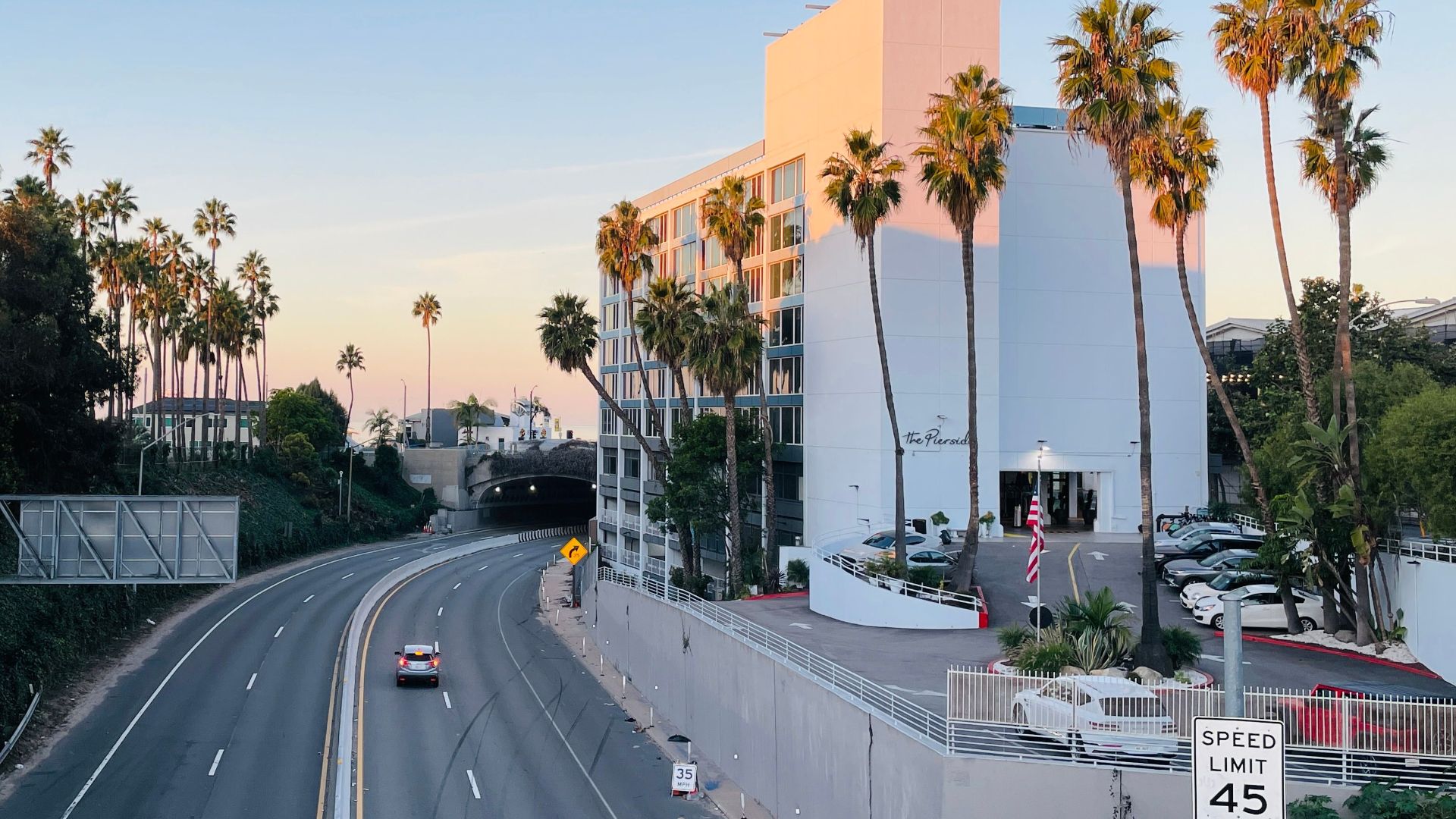
#1. Some American Hotels Are Basically Destinations
This may be the biggest adjustment. Canadians often think of a hotel primarily as somewhere to sleep while visiting a destination. In parts of America—Vegas, Orlando, Hawaii and major resort areas—the hotel itself can contain pools, restaurants, shopping, entertainment and attractions. You checked into a room. Somehow you also checked into a vacation.
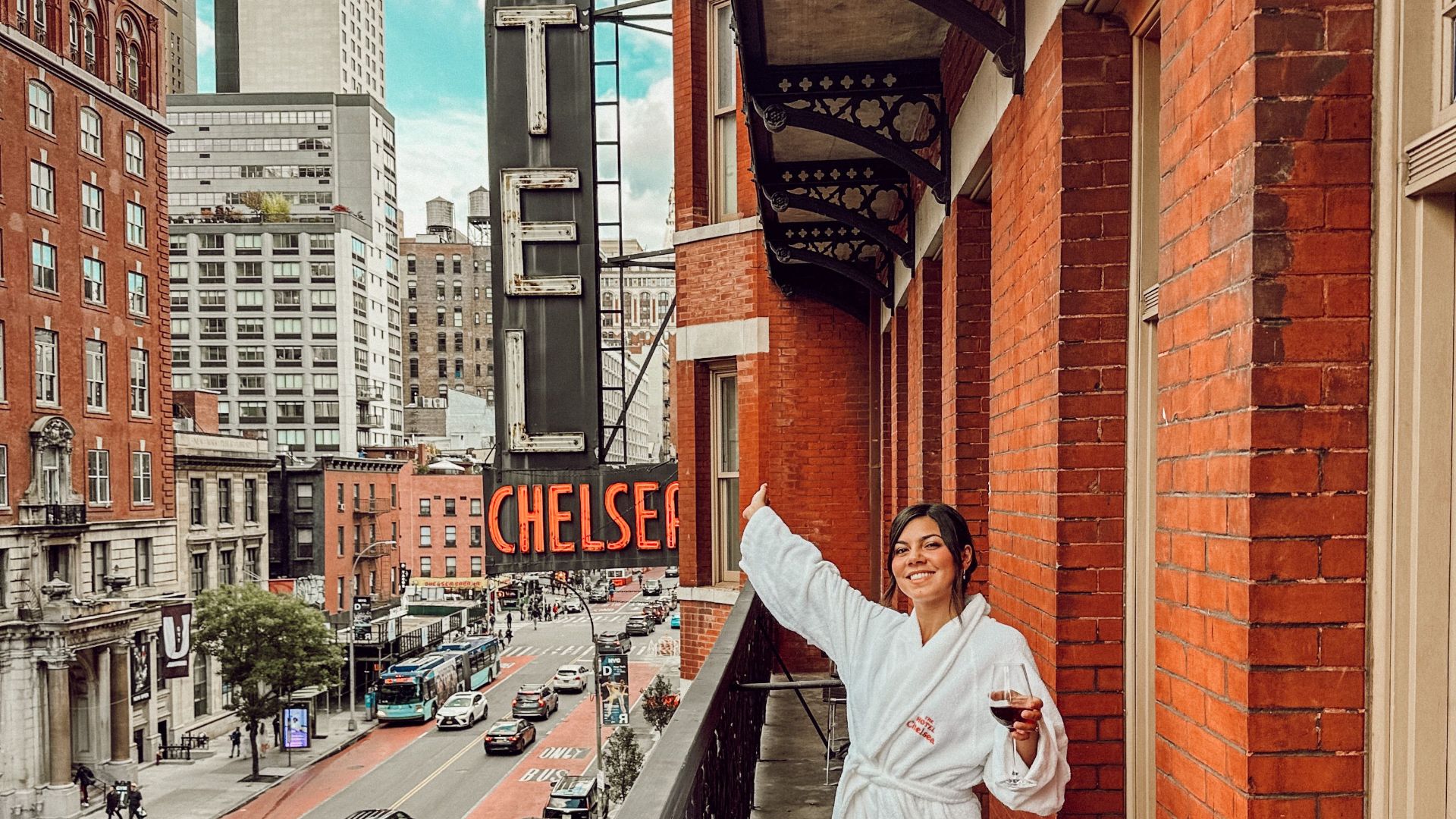
Wait, Aren't Canadian and American Hotels Basically the Same?
Mostly—and that's what makes these differences funny. Nothing feels especially foreign until you're converting the thermostat, eating biscuits and gravy, watching bizarre American commercials and wondering why your hotel contains six restaurants and a shopping mall. Canada is only one border away, but apparently hotel culture didn't get the memo.

You May Also Like: