
An Unfriendly Introduction
Some animals look dangerous. Others look like they belong on a postcard—right up until you get too close. From the hiking trail to the swimming hole—or even your own backyard—every state has at least one dangerous animal you definitely want to avoid.
Have you ever come into contact with any of these?
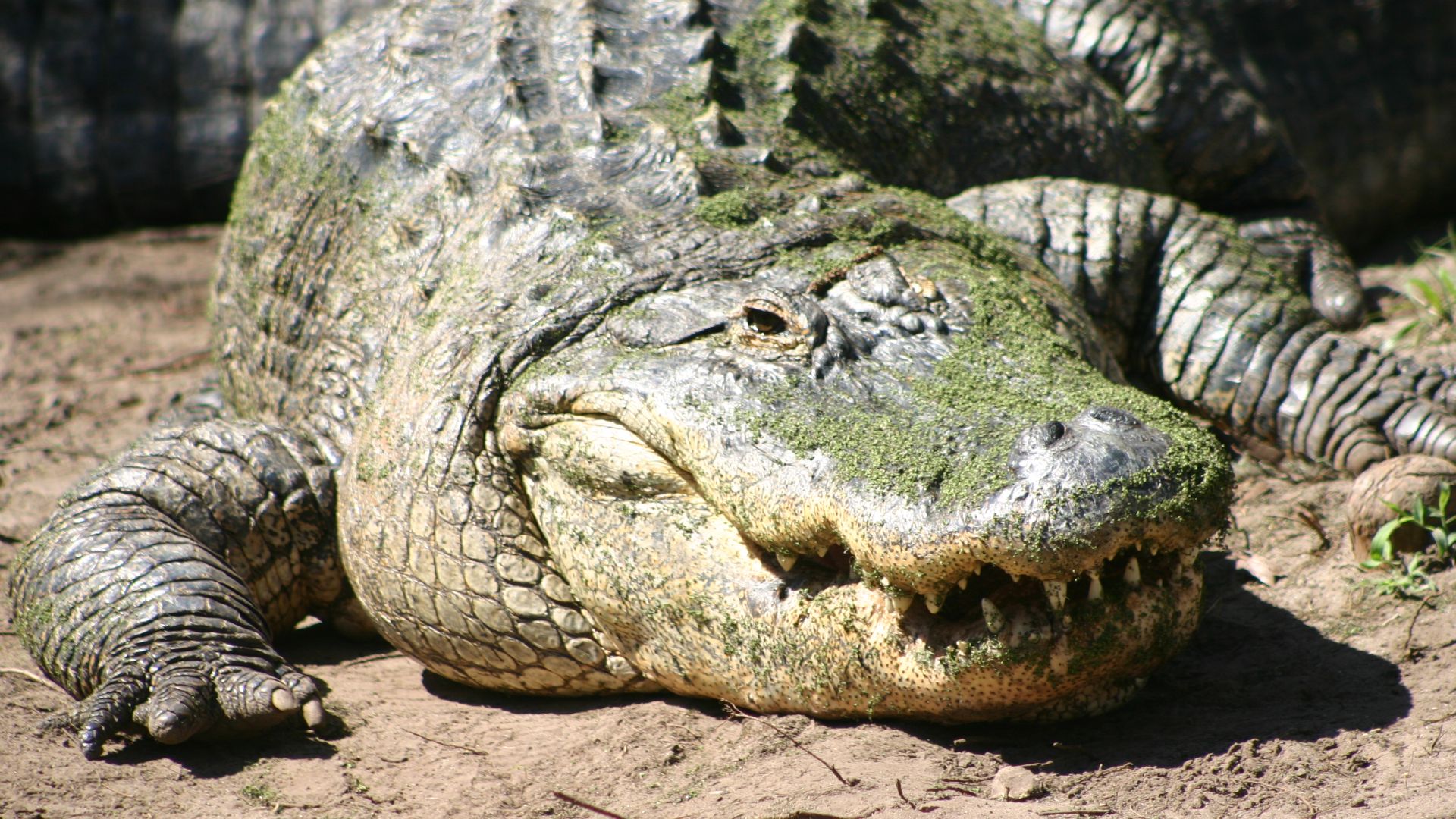
Florida: American Alligator
That pond behind the vacation rental isn’t necessarily empty. Alligators inhabit freshwater habitats throughout Florida. Keep children and pets away from shorelines, never feed one, and retreat if it approaches. If grabbed, fight back aggressively. Any bite needs immediate medical attention, including for infection risk.
 Skeetdeloach at English Wikipedia, Wikimedia Commons
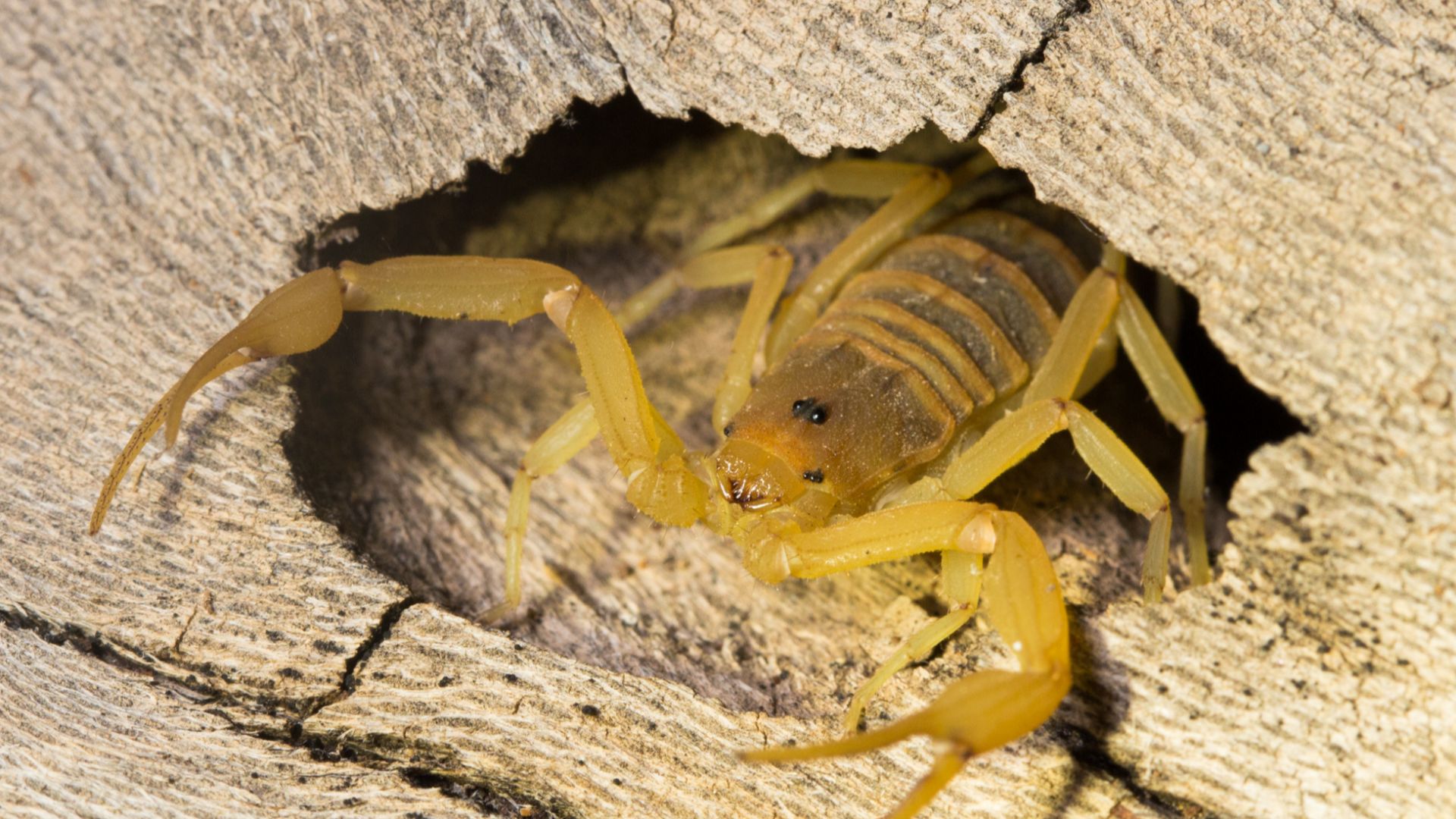
Arizona: Arizona Bark Scorpion
Arizona’s bark scorpion packs a serious sting into a small package, especially for young children. Shake out shoes and avoid reaching into dark crevices. After a sting, call Poison Control at 1-800-222-1222. Uncontrolled movements or breathing trouble need emergency care; call 911 for severe symptoms.
 Ken-ichi Ueda, Wikimedia Commons
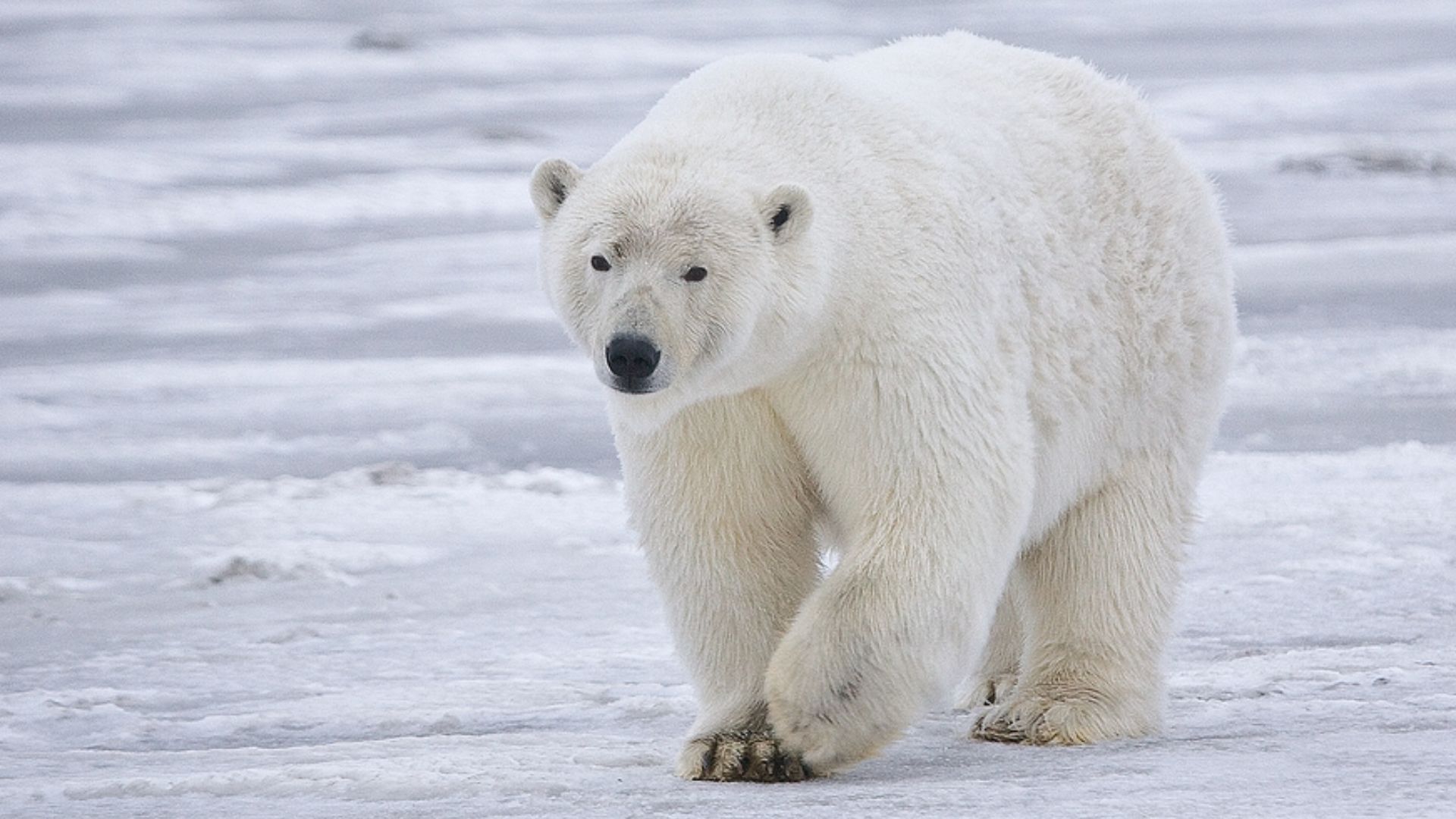
Alaska: Polar Bear
Along Alaska’s Arctic coast, a polar bear encounter requires considerably more preparation than a camera. Follow local guidance, travel with experienced people, and keep attractants secured. Never approach or run from one. Seek secure shelter when possible. If a polar bear makes physical contact, fight back.
 Alan Wilson, Wikimedia Commons
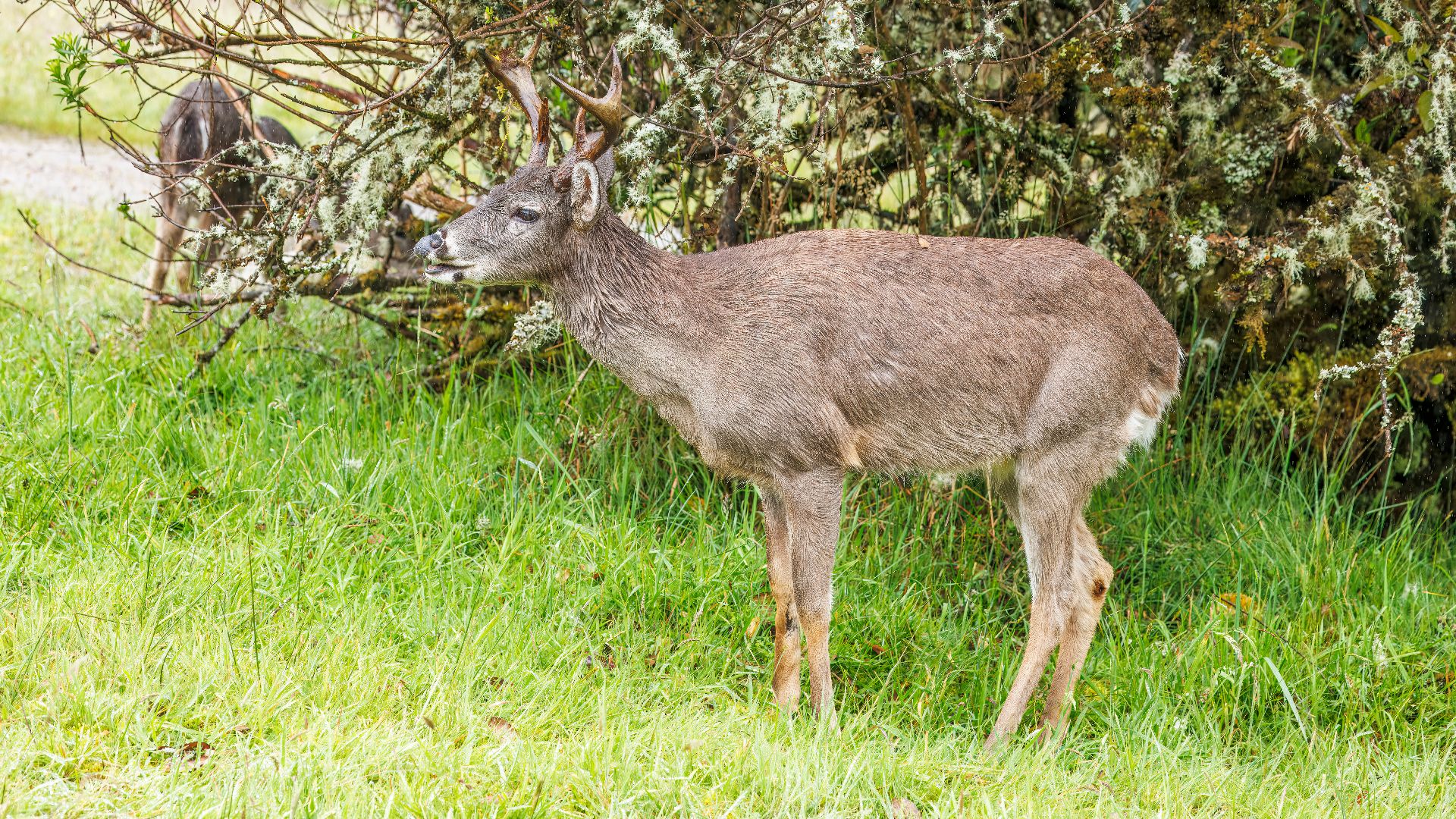
Michigan: White-Tailed Deer
Michigan’s entry doesn’t need fangs. Deer-involved traffic crashes claimed 14 lives in the state in 2024. Watch roadsides, especially around dawn and dusk, and expect others behind the first deer. In a car, brake firmly while staying in your lane. Swerving can turn one hazard into several.
 Charles J. Sharp, Wikimedia Commons
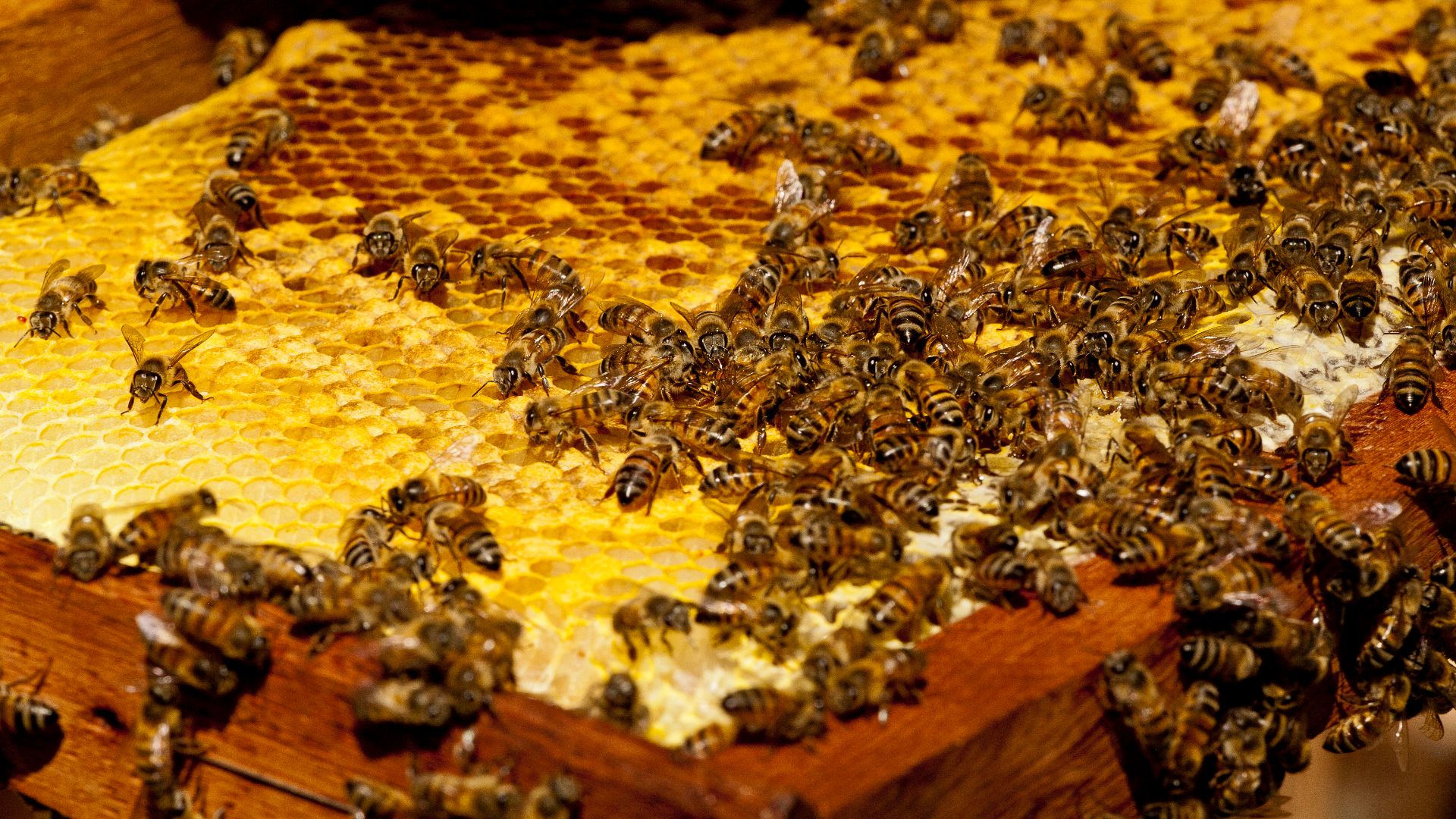
California: Africanized Honey Bee
In parts of California, disturbing an Africanized honey bee colony can bring a mass defensive response. Run into a building or enclosed vehicle, protecting your face. Don’t jump into water. Breathing trouble or throat swelling after stings means use prescribed epinephrine immediately and call 911.
 Jonathan Wilkins, Wikimedia Commons
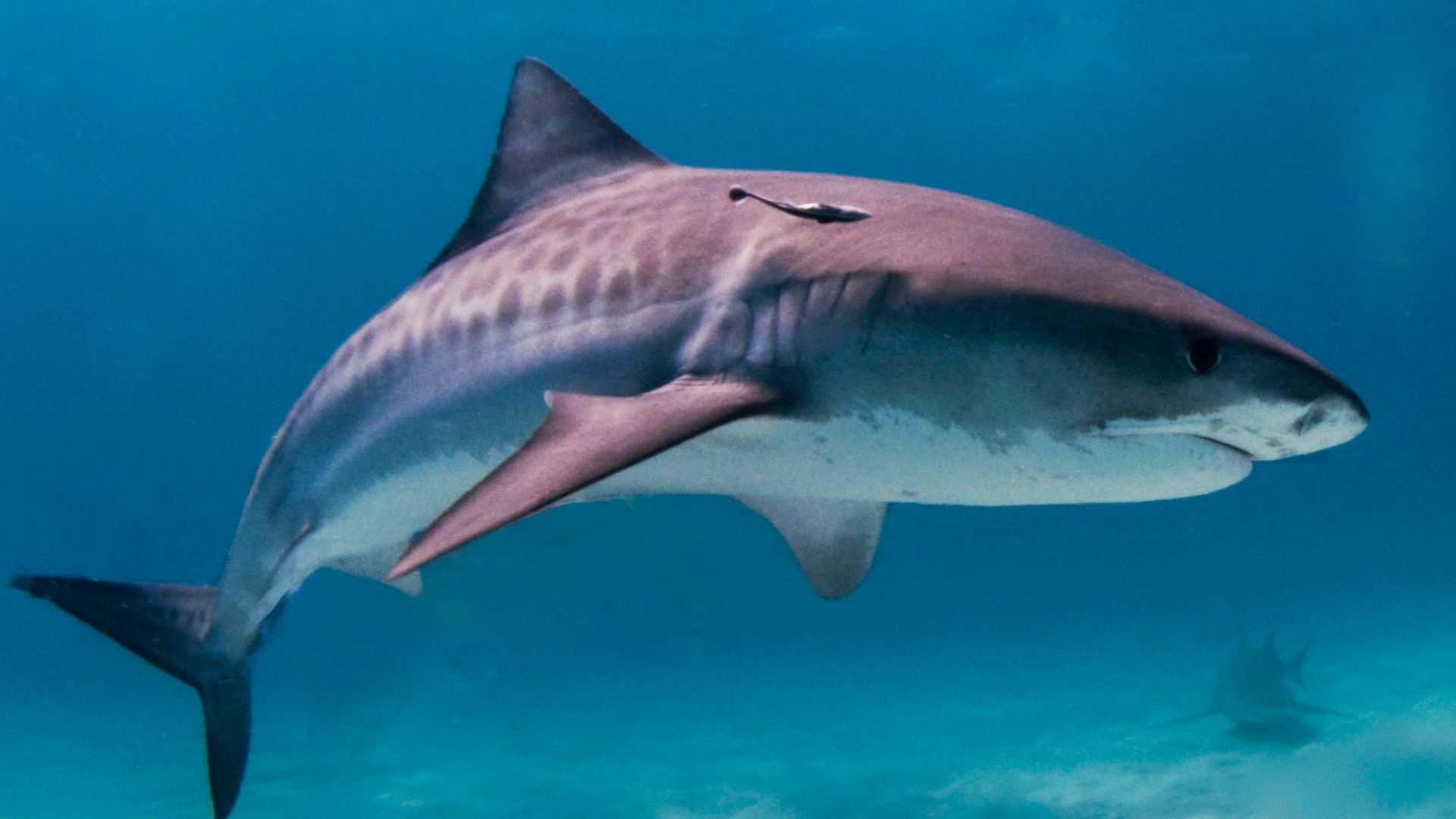
Hawaii: Tiger Shark
Hawaii’s tiger sharks deserve respect without turning every beach day into a horror movie. Avoid murky water, stream mouths after heavy rain, and people fishing. Swim with others and follow lifeguard warnings. If a shark appears, leave the water quickly and calmly, avoiding unnecessary splashing.
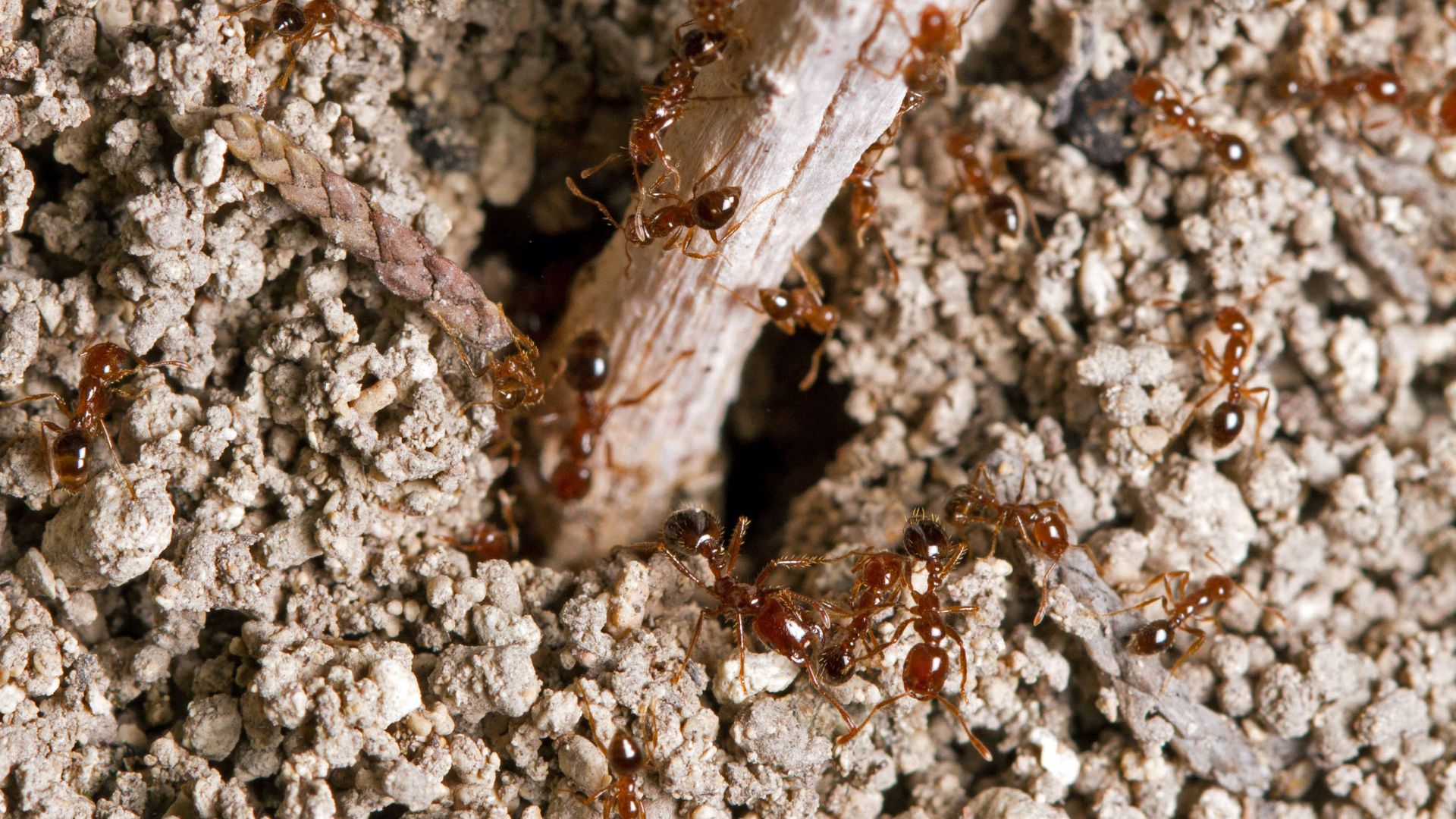
Mississippi: Red Imported Fire Ant
That little mound can contain a very unpleasant crowd. Mississippi’s red imported fire ants can swarm and sting repeatedly when disturbed. Move away and brush ants off promptly. Most stings cause local irritation, but breathing trouble, throat swelling, or faintness requires prescribed epinephrine and an immediate 911 call.
 Insects Unlocked, Wikimedia Commons
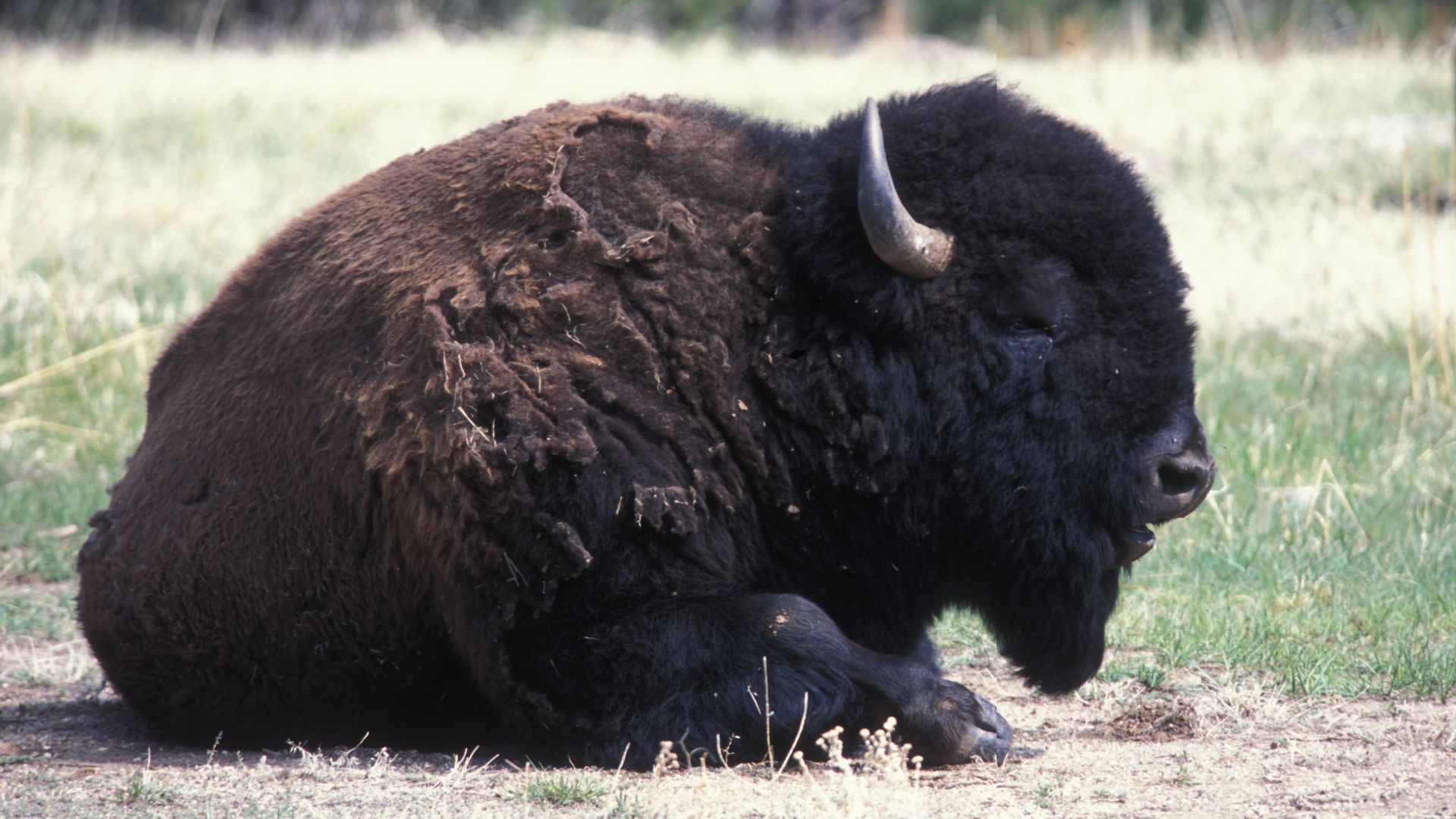
South Dakota: American Bison
A bison beside the road looks wonderfully photogenic. That doesn’t make it cooperative. At Custer State Park, stay at least 100 yards away. Remain inside your vehicle during close roadside encounters, and never approach calves. If a bison changes its behavior because of you, give it more space.
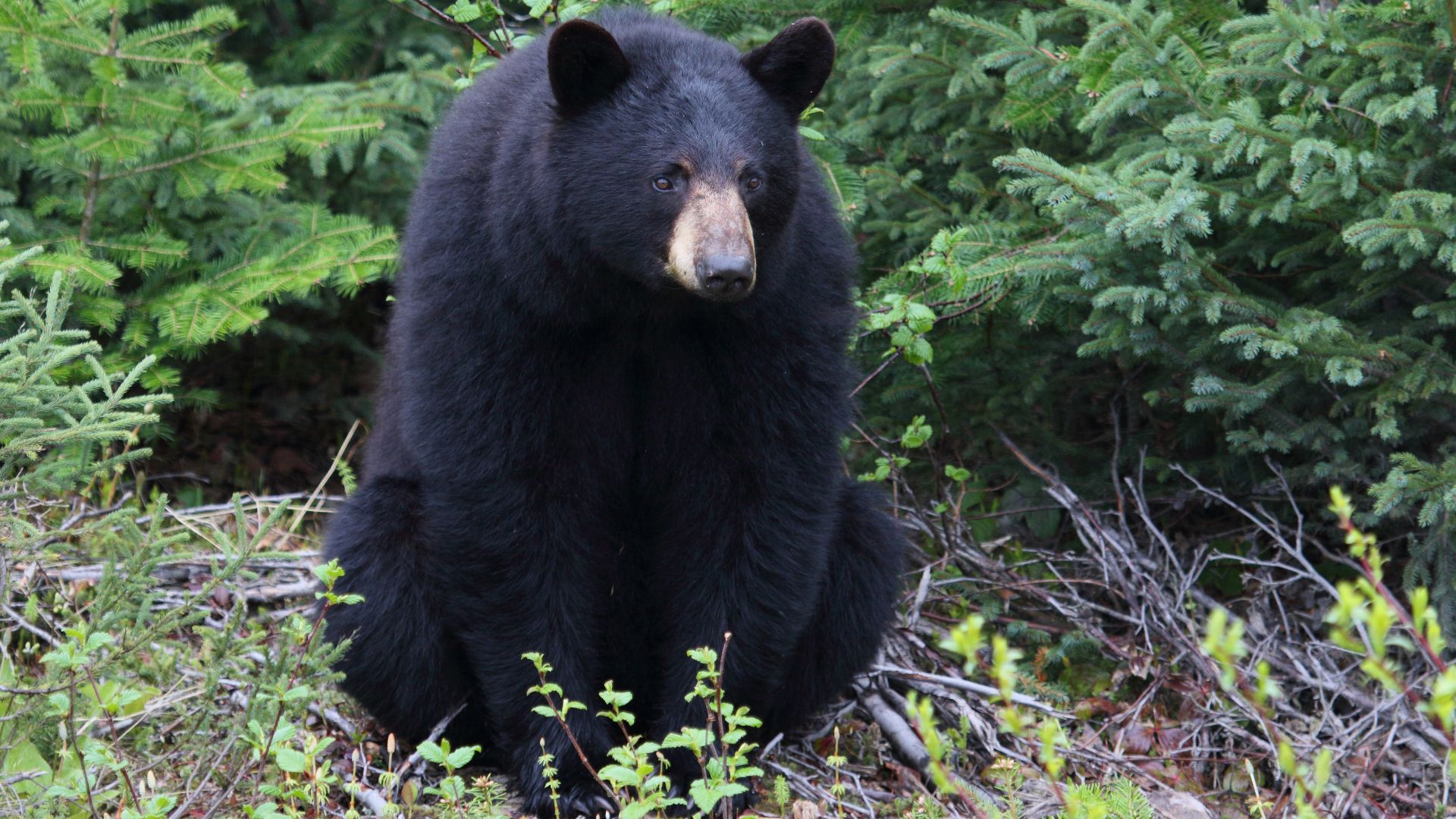
New Jersey: American Black Bear
New Jersey’s black bears usually avoid people, but a close encounter can still go badly. Never feed one or approach cubs. Back away calmly without running. If a bear follows, become assertive and use bear spray if available. If physically attacked, fight back rather than playing dead.
North Carolina: Bull Shark
Bull sharks use coastal waters and can enter estuaries, making them a credible concern beyond the open ocean. Avoid swimming near fishing activity or in murky water, and follow beach warnings. If you spot a shark, alert others and leave the water calmly. Don’t investigate for a better look.
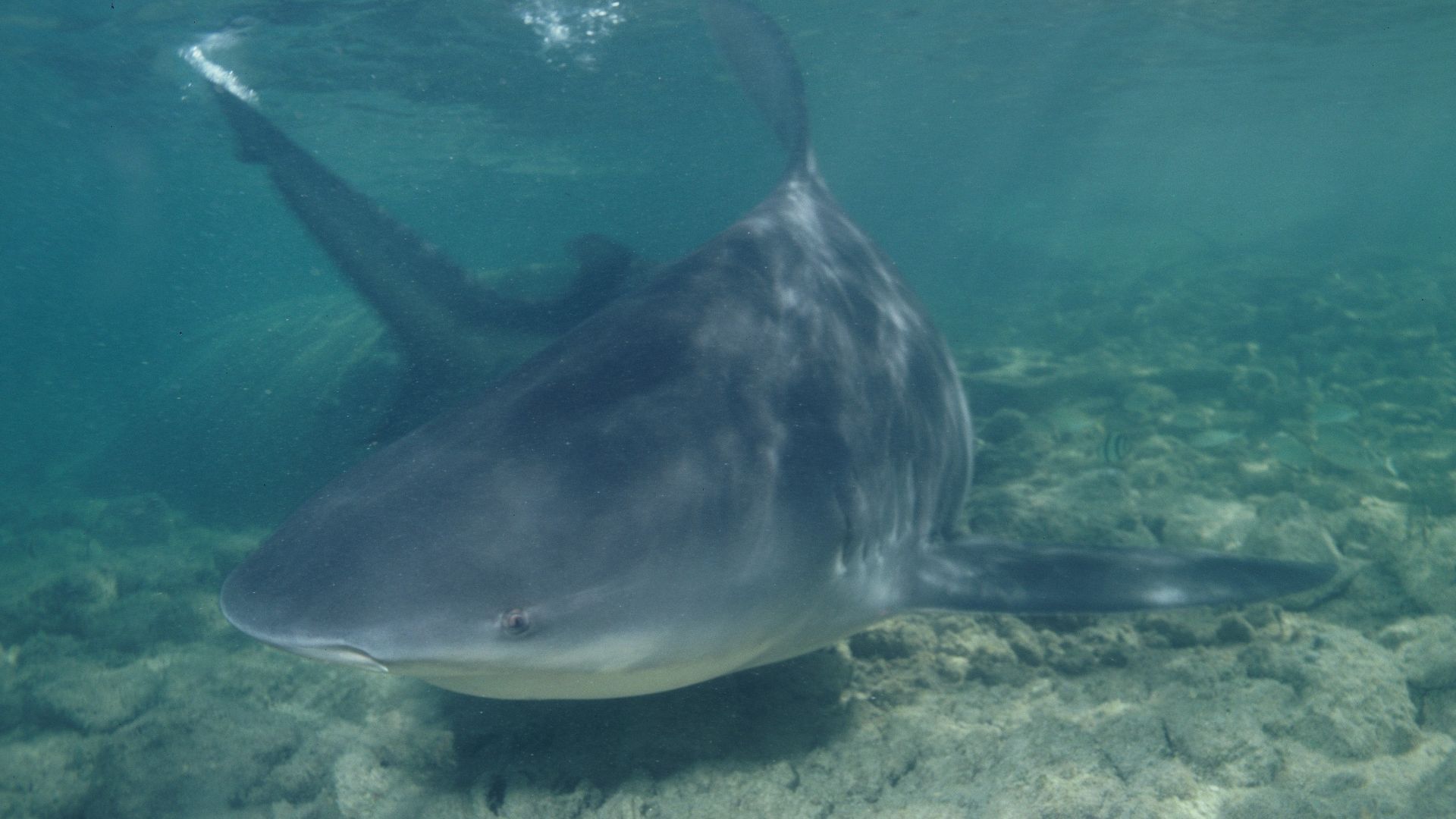 Albert Kok at Dutch Wikipedia (Original text: albert kok), Wikimedia Commons
Rhode Island: Yellowjacket
Rhode Island’s picnic pest comes with a genuine emergency scenario: a severe allergic reaction. Yellowjackets can sting repeatedly, particularly around a disturbed nest. Move away promptly rather than swatting. Breathing trouble, throat swelling, or faintness after a sting means use prescribed epinephrine immediately and call 911.
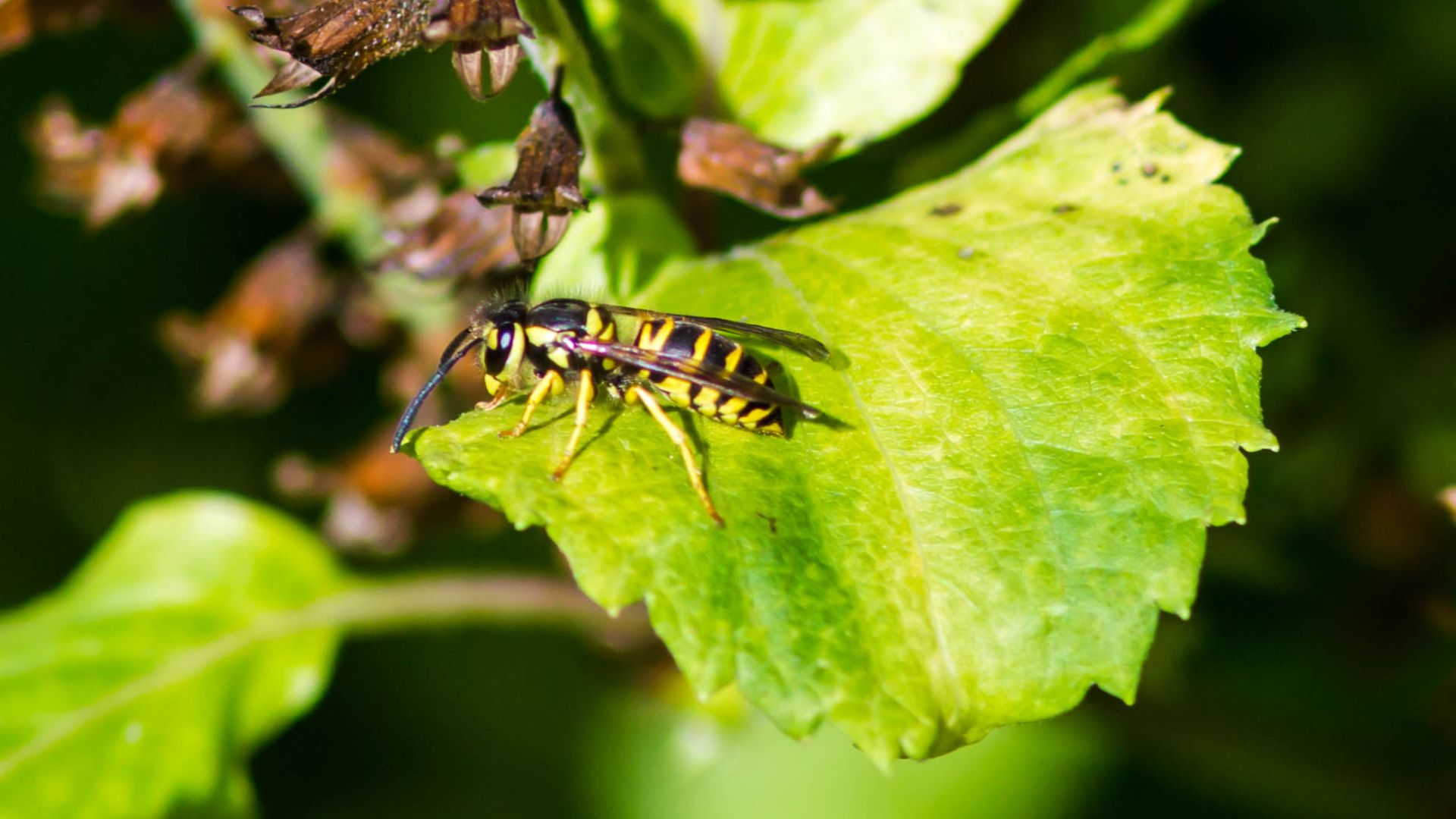 Melissa McMasters from Memphis, TN, United States, Wikimedia Commons
Montana: Grizzly Bear
Montana’s grizzly country rewards preparation. Carry accessible bear spray, make noise, and never run from a bear. If a defensive attack makes physical contact, lie face-down, protect your neck, and play dead. Fight back if the attack is predatory or persists. Simply seeing a bear isn’t a cue to drop.
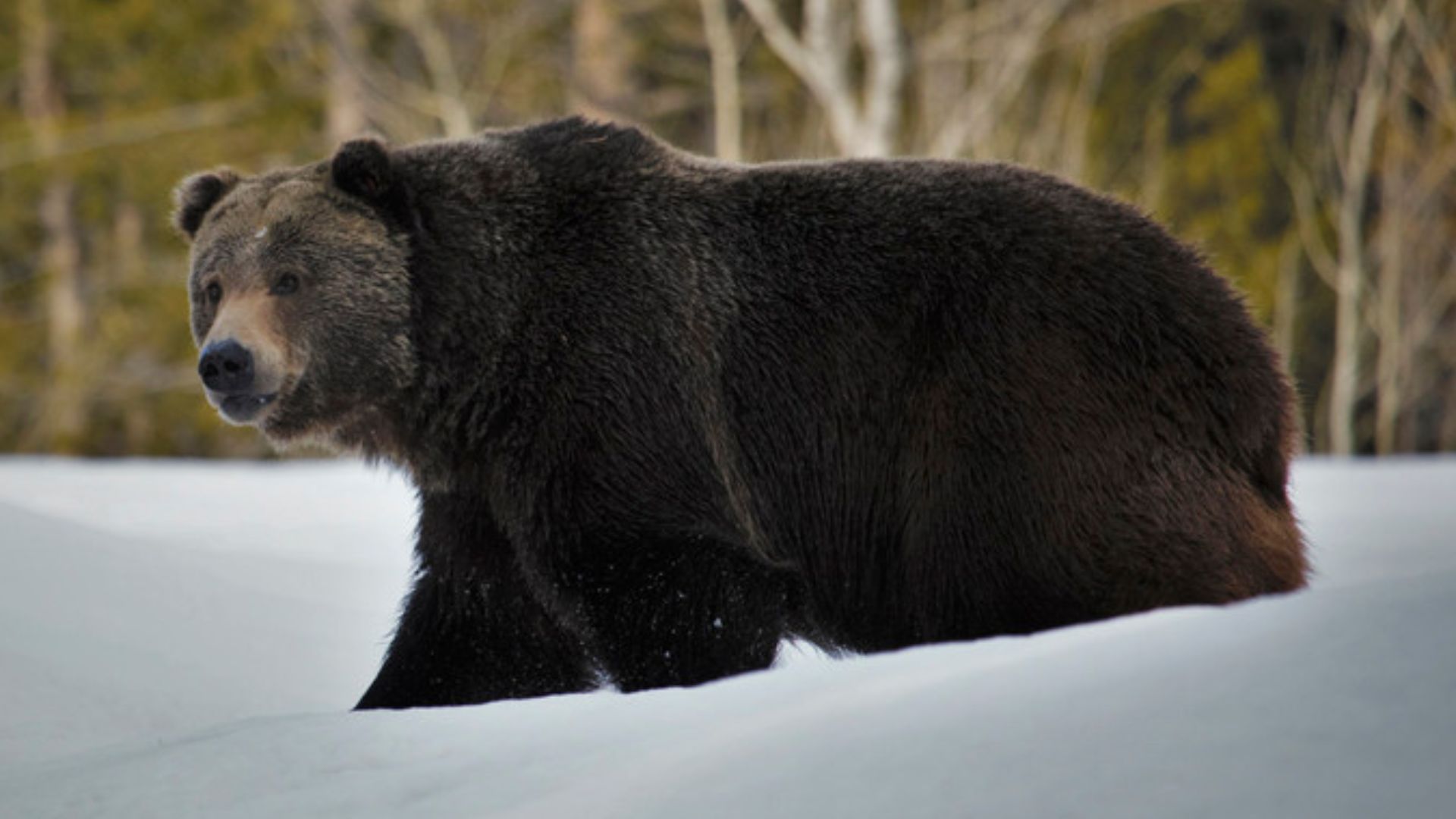 Joe Lieb/USFWS, Wikimedia Commons
Texas: Western Diamondback Rattlesnake
Texas’s western diamondback has the size and venom to make a careless step expensive. Watch around brush, rocks, and woodpiles, and back away if one appears. After a suspected bite, call 911 immediately. Stay still, remove tight jewelry, and skip tourniquets, ice, cutting, and suction.
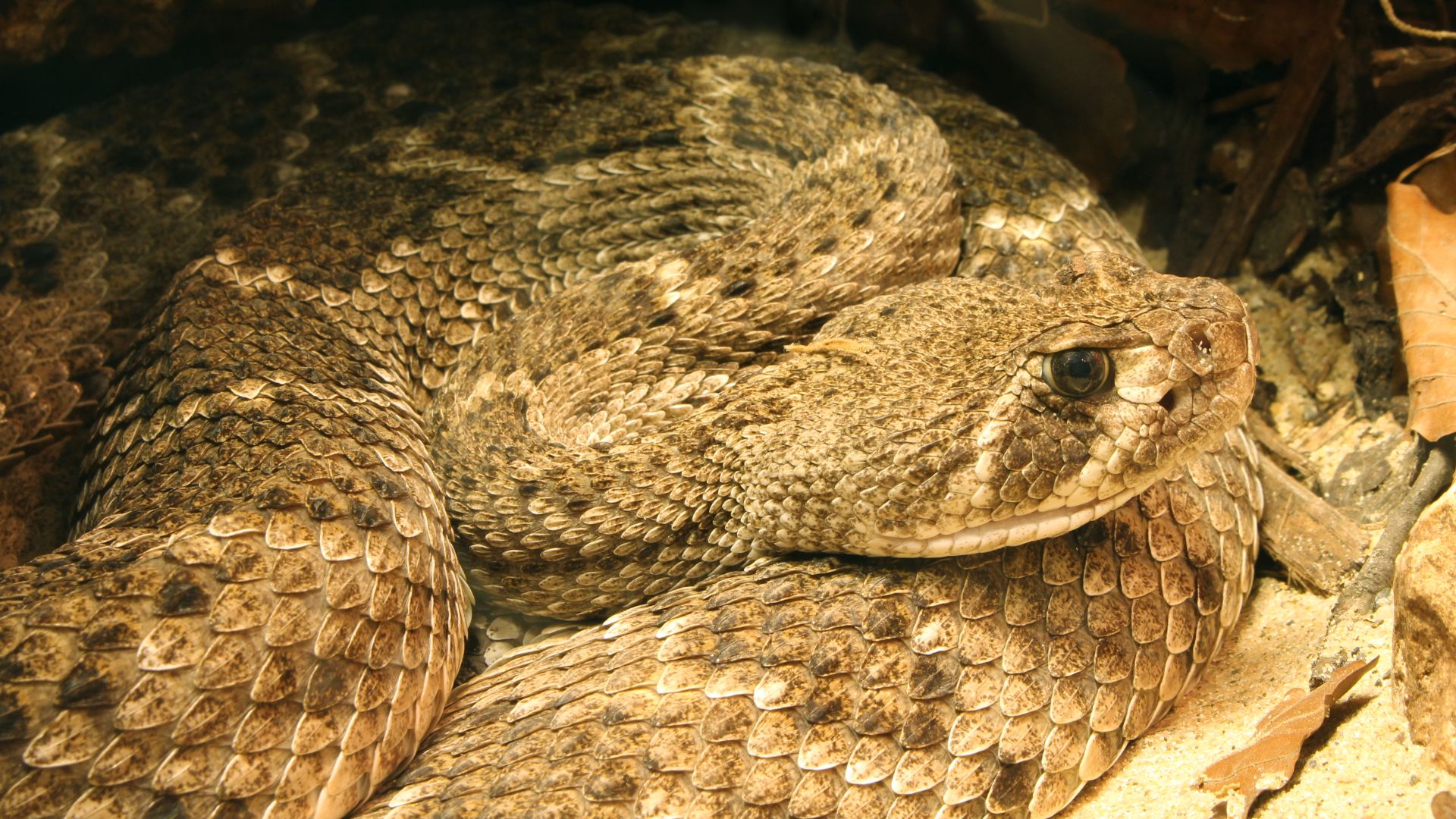 Holger Krisp, Wikimedia Commons
Maine: Moose
Maine’s moose are impressive beside a lake and considerably less welcome in your headlights. Slow down on signed roads and scan carefully after dark. On foot, give them room, especially cows with calves. If charged, run behind solid cover. If knocked down, curl up and protect your head.
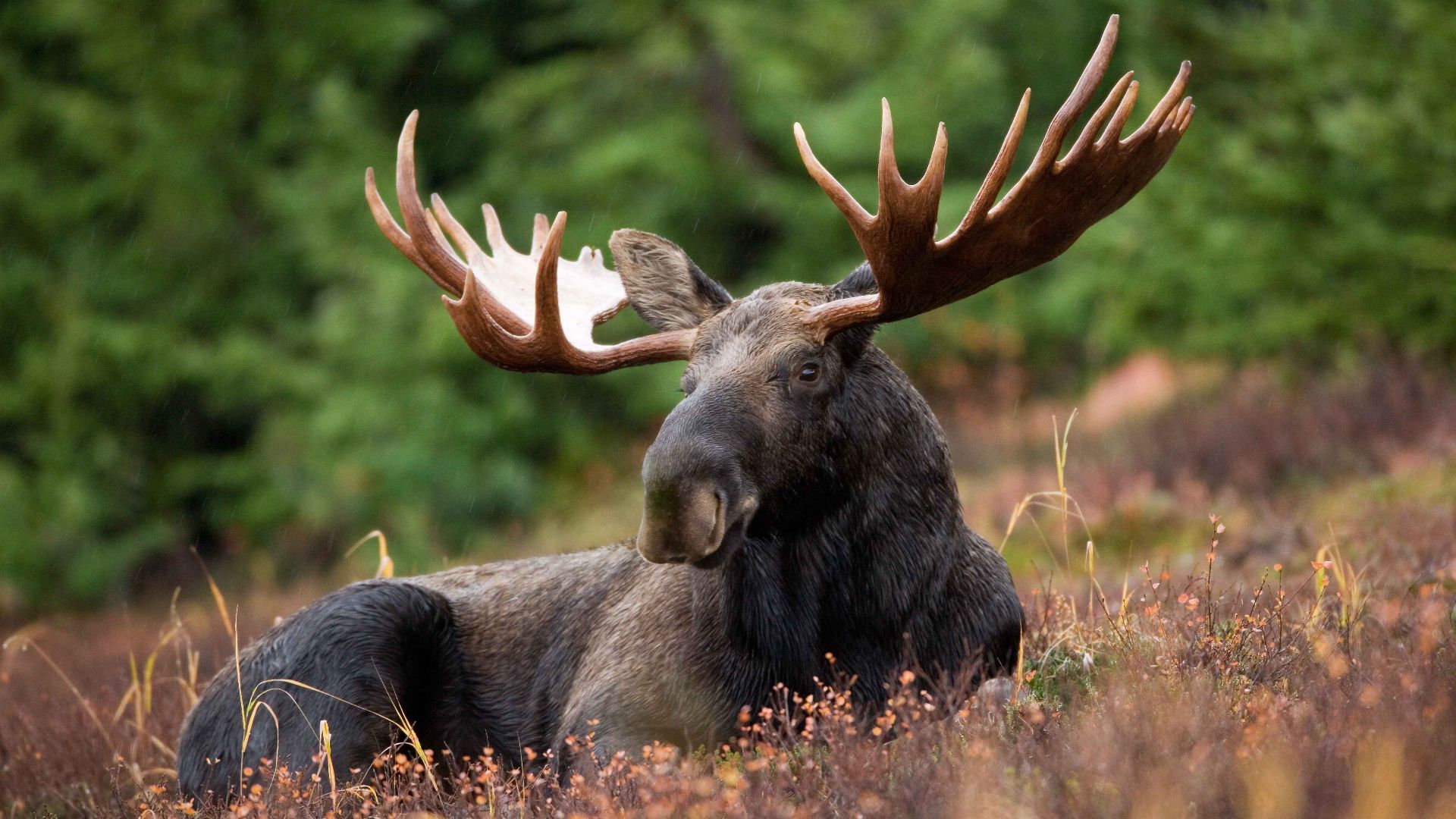 Ryan Hagerty, Wikimedia Commons
Maryland: Northern Black Widow
Maryland’s northern black widow gives this list a smaller threat with medically significant venom. Bites are uncommon, but can cause severe pain and muscle cramps. Wear gloves around woodpiles and inspect stored shoes. After a suspected bite, wash the area and call Poison Control at 1-800-222-1222.
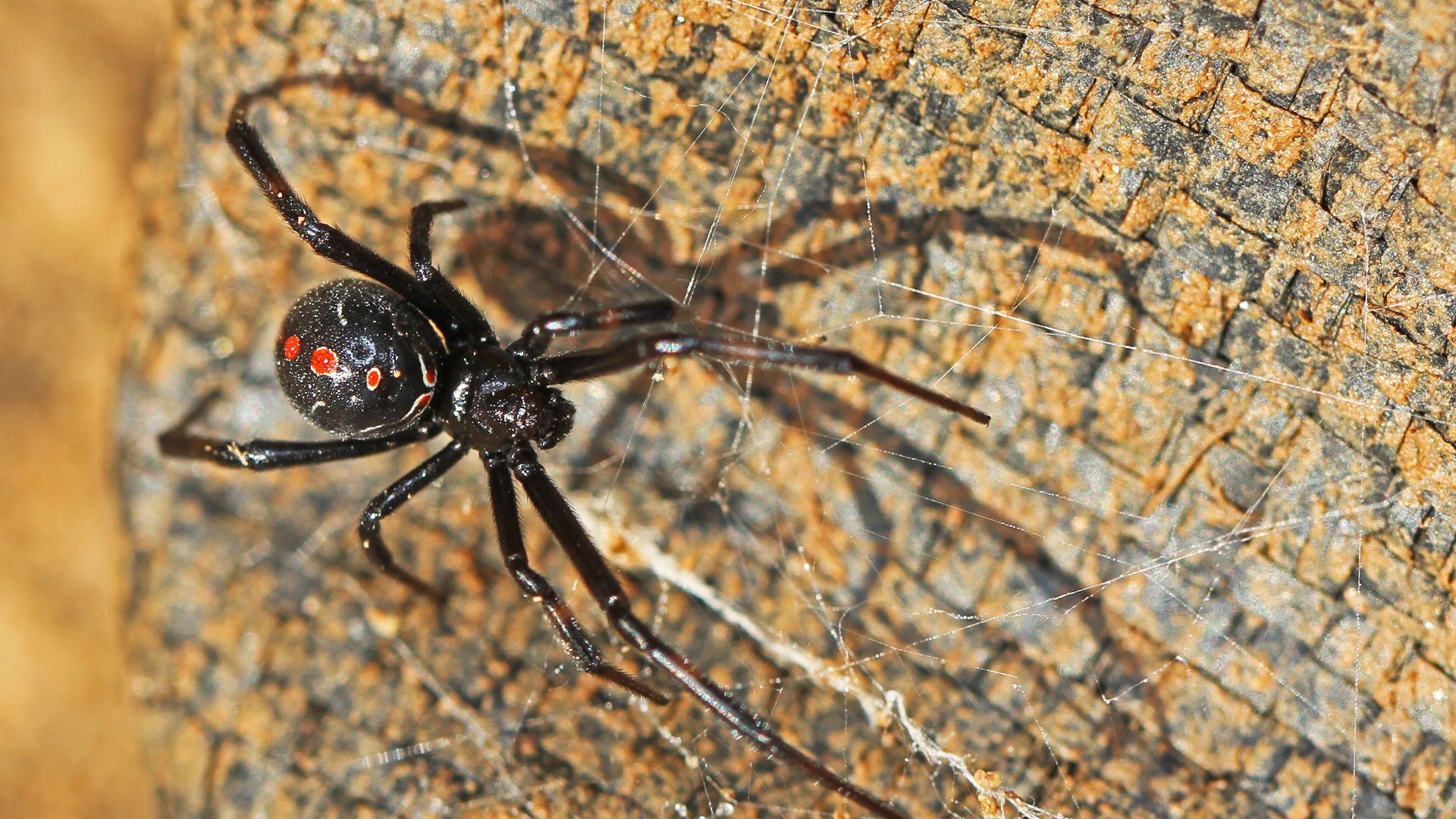 Judy Gallagher, Wikimedia Commons
Louisiana: American Alligator
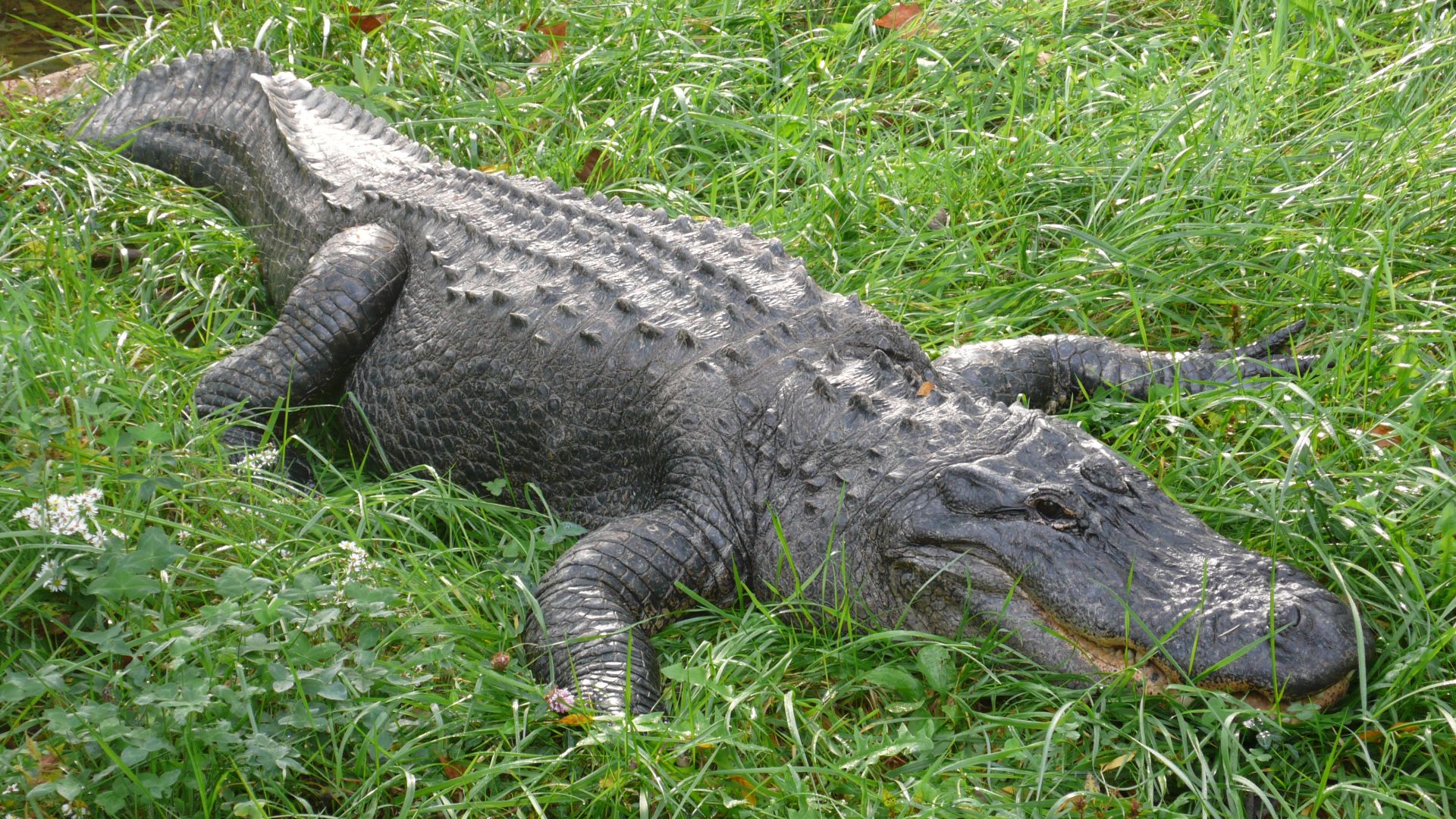
Louisiana’s waterways are classic alligator habitat, which means the shoreline deserves attention too. Keep pets away from the edge, never feed alligators, and use designated swimming areas while observing warnings. Retreat from an approaching animal. If bitten, fight back and get immediate medical care, even if the wound looks manageable.
Colorado: Mountain Lion
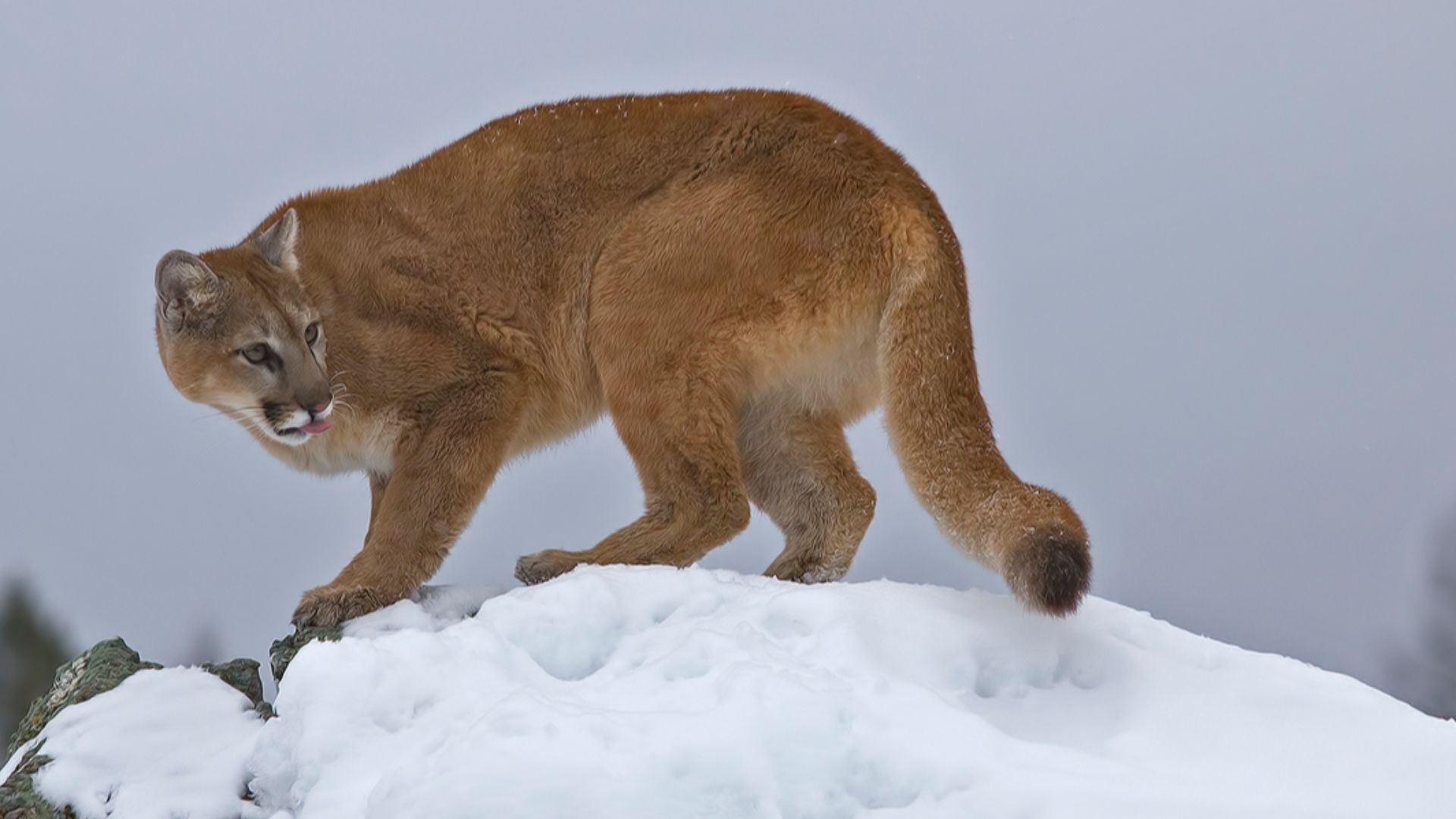
Colorado’s mountain lions generally prefer that you never notice them. If one approaches, face it, stand tall, and make yourself look larger. Keep children close and back away slowly. Don’t run or crouch. If it attacks, fight back with whatever you have available. This is no time to act small.
 Elaine R. Wilson, Wikimedia Commons
Georgia: American Alligator
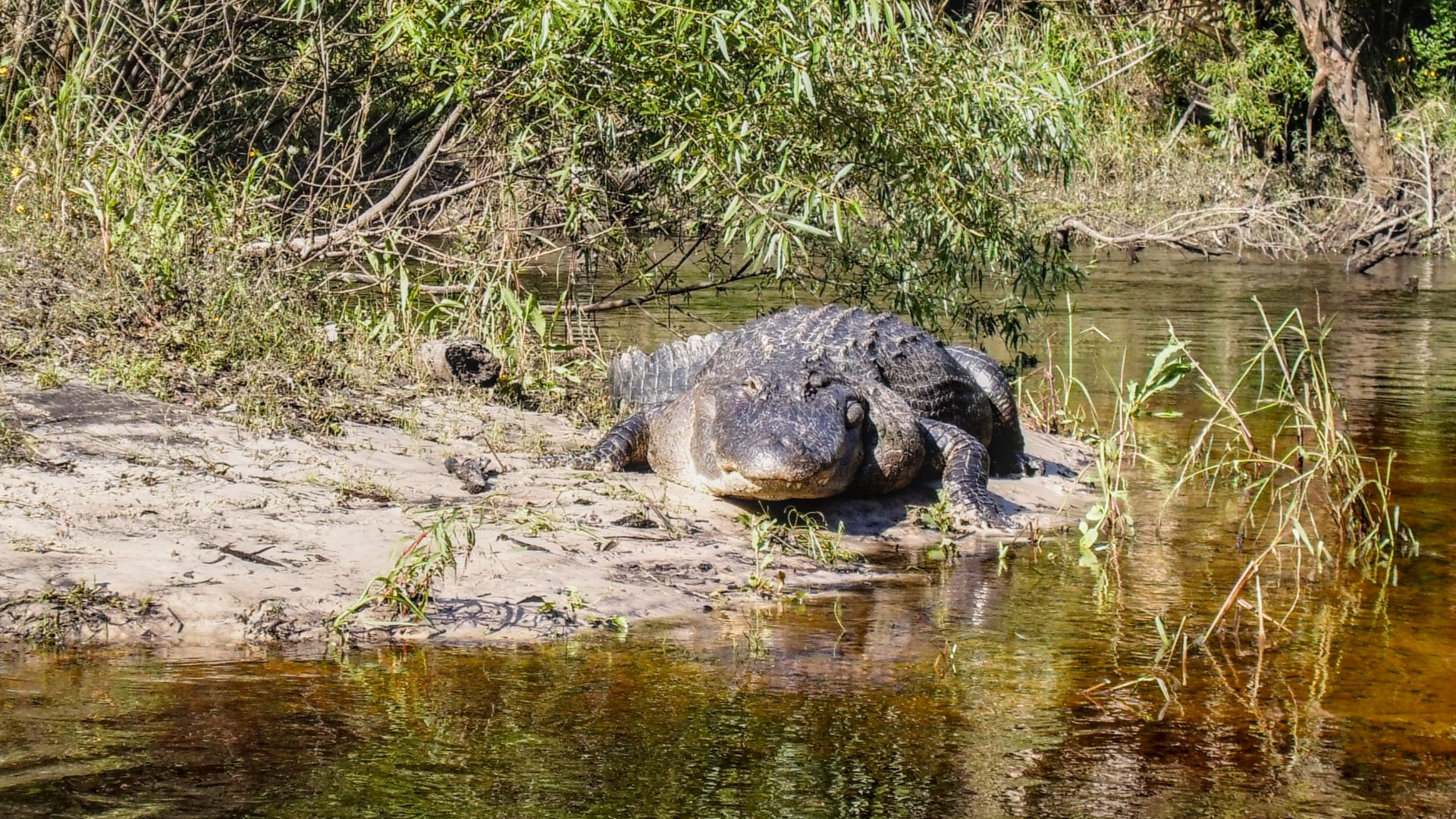
Georgia’s alligators are primarily a southern-state concern, especially around wetlands and waterways. Keep your distance, supervise children, and keep dogs away from the water’s edge. Never offer food or approach a nest. If grabbed, fight back aggressively. Every alligator bite requires immediate medical attention.
Vermont: Moose
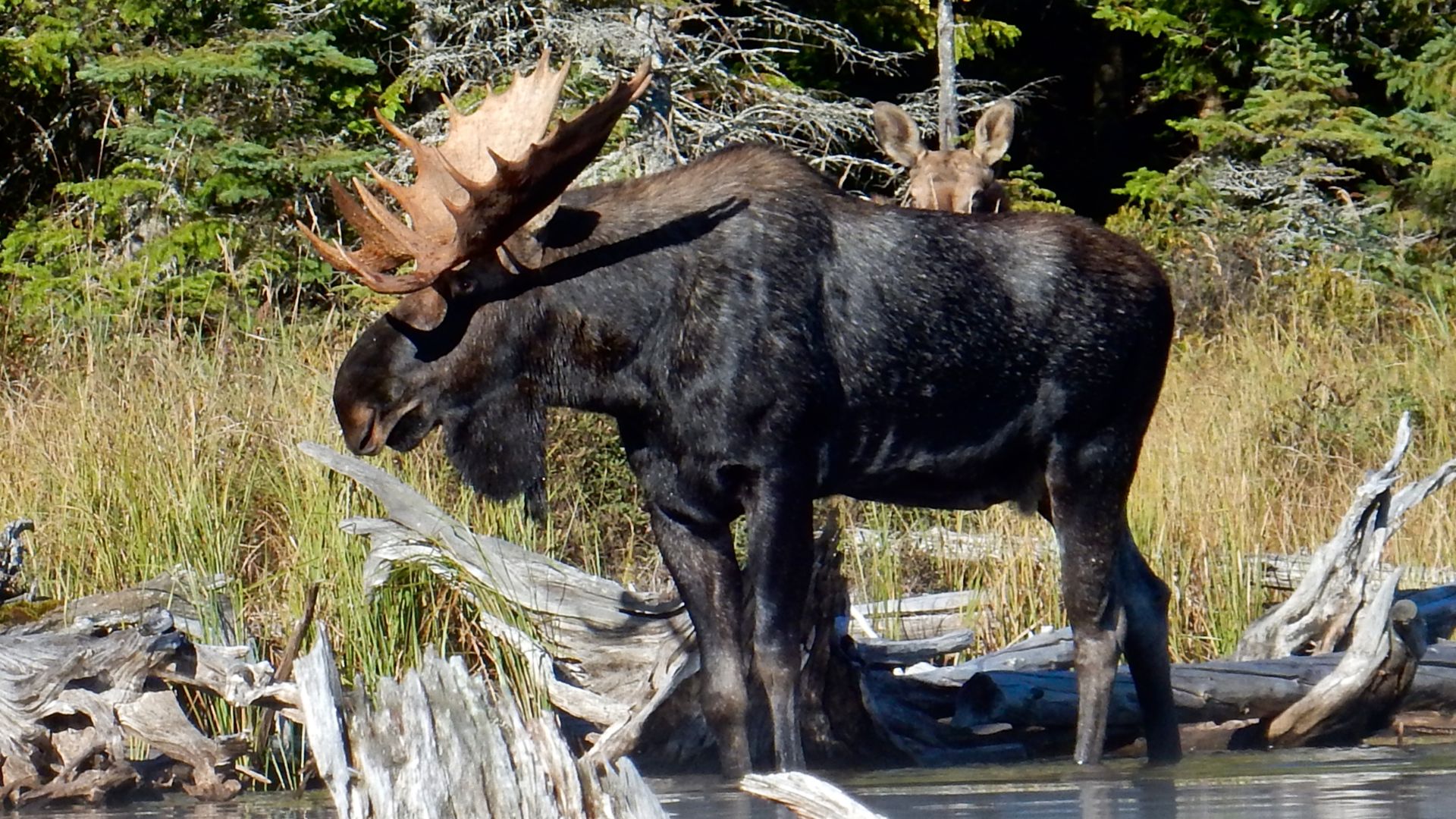
Vermont’s moose can turn a quiet woodland encounter into a serious problem, particularly during the rut or around calves. Give them a wide escape route and keep dogs under control. If one charges, get behind a sturdy tree or other solid cover. Don’t stand there protecting your photograph.
 Brett Hodnett, Wikimedia Commons
North Dakota: American Bison
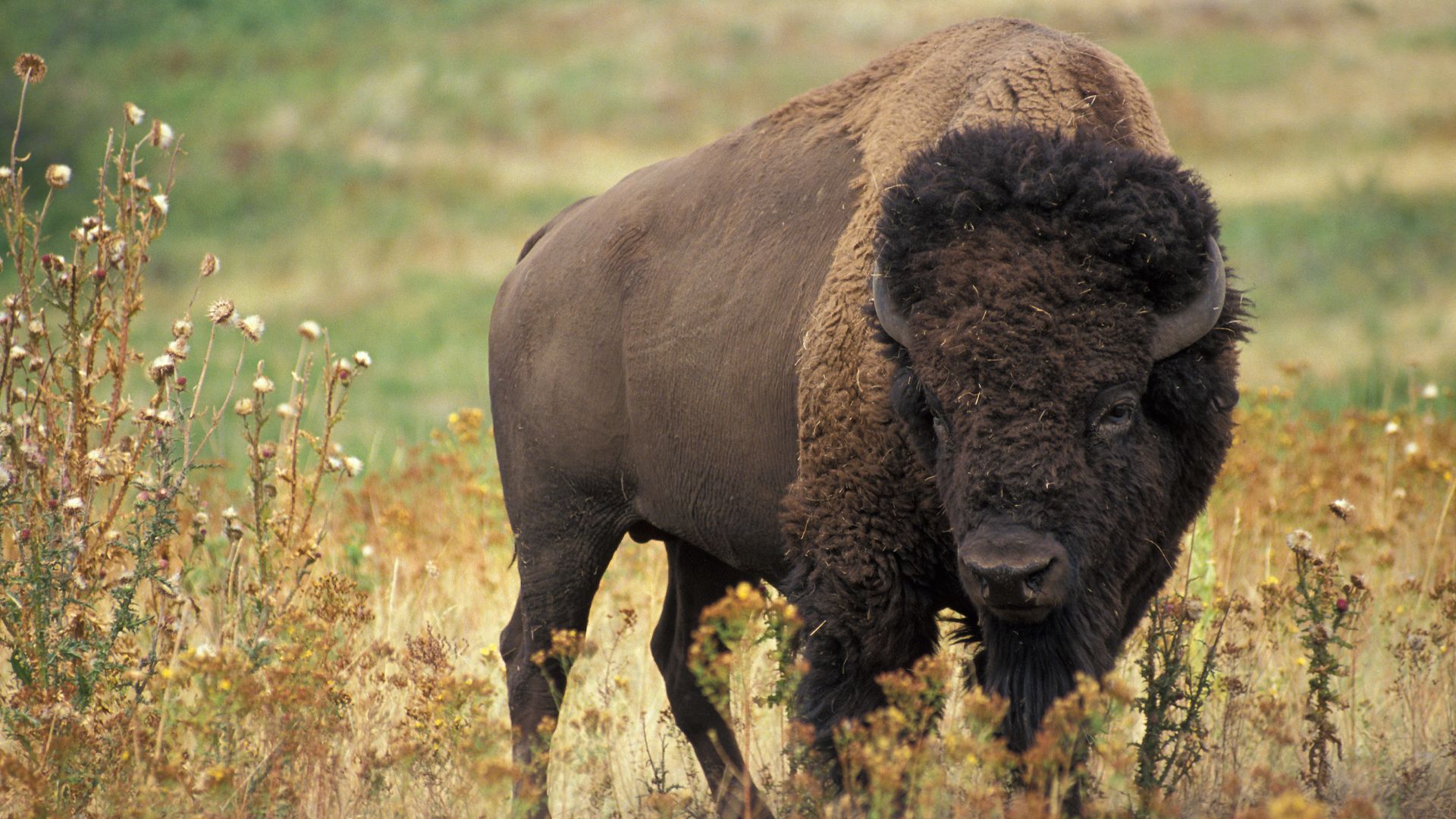
The bison at Theodore Roosevelt National Park aren’t oversized lawn ornaments. Their speed, horns, and weight make a close encounter dangerous. Follow posted distance rules, never squeeze past one on a trail, and retreat if it approaches. Calves are another reason to increase your distance, not an invitation to approach.
 Jack Dykinga, Wikimedia Commons
Connecticut: American Black Bear
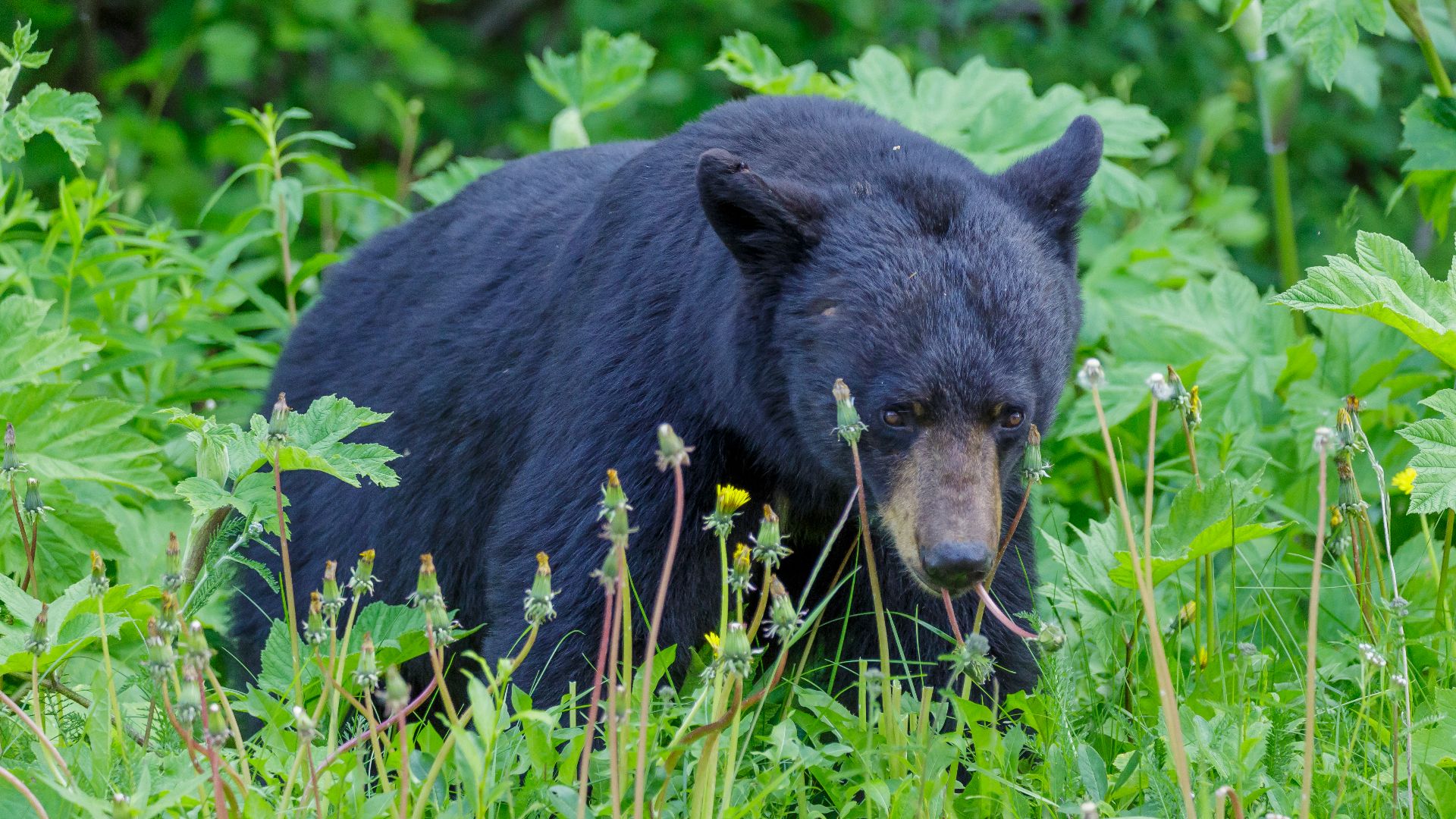
Connecticut’s black bears can wander into neighborhoods as well as forests. Secure garbage and birdseed, and never let a backyard sighting become a feeding opportunity. During an encounter, back away calmly without running. If a bear persistently follows, act assertively. Fight back if it physically attacks.
 Thomas Fuhrmann, Wikimedia Commons
Oregon: Cougar
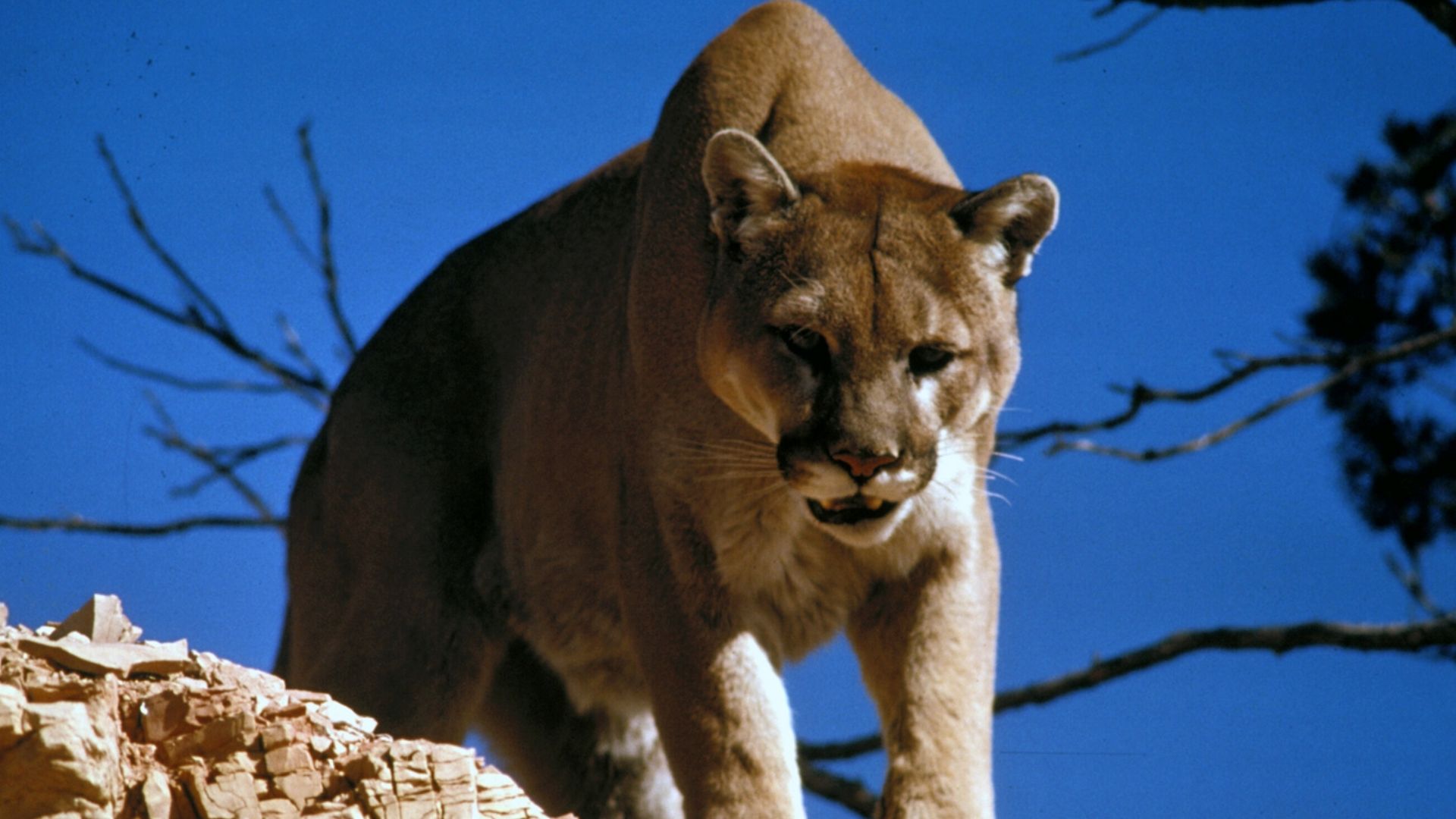
Oregon’s cougars are elusive, but their ability to seriously injure a person is real. Hike with others, keep children close, and leash dogs. If approached, face the animal, raise your arms, and slowly back away. Never run. If an attack occurs, fight back and protect your head and neck.
 National Park Service, Wikimedia Commons
Alabama: Eastern Diamondback Rattlesnake
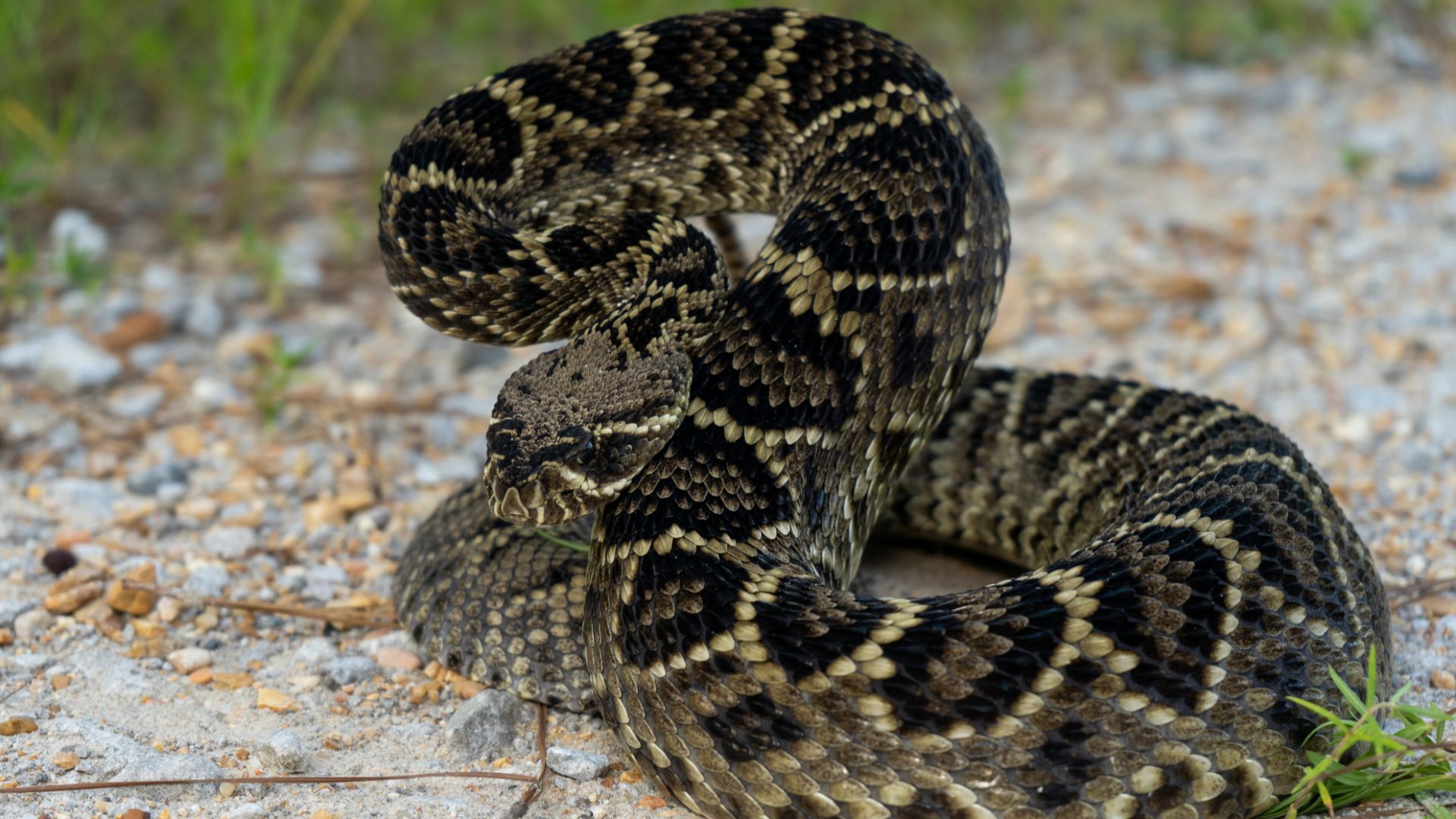
Southern Alabama is home to the eastern diamondback, a large rattlesnake with a potentially devastating bite. Watch your footing in brush and sandy habitats. If encountered, back away and leave it alone. After a suspected bite, call 911 immediately; don’t wait for pain or swelling to convince you.
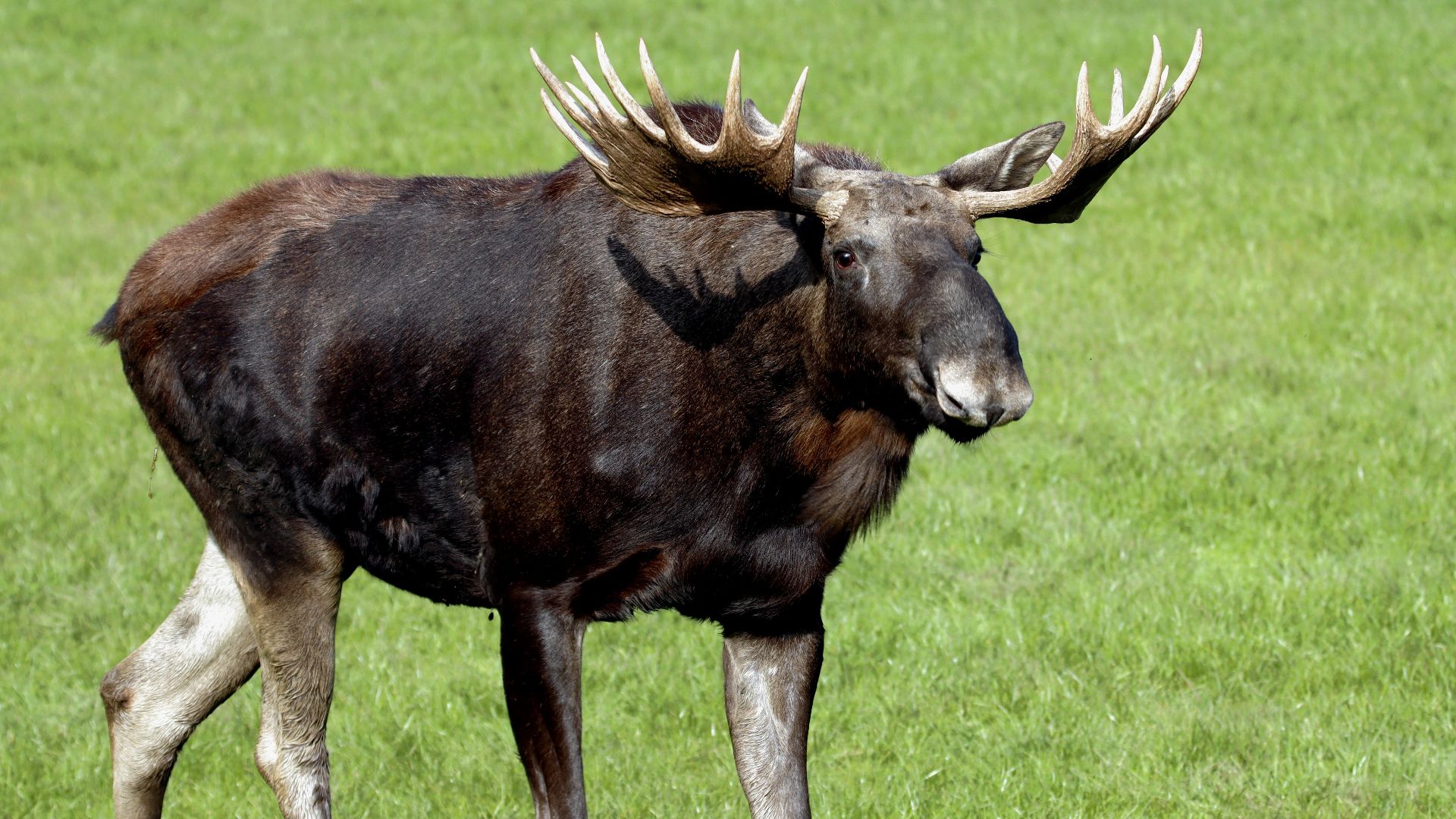
New Hampshire: Moose
New Hampshire’s moose deserve room whether you’re hiking or driving. Their height makes a road collision especially dangerous, while close encounters can trigger defensive behavior. Slow down in moose country, never approach calves, and retreat if an animal seems agitated. If charged on foot, run behind solid cover.
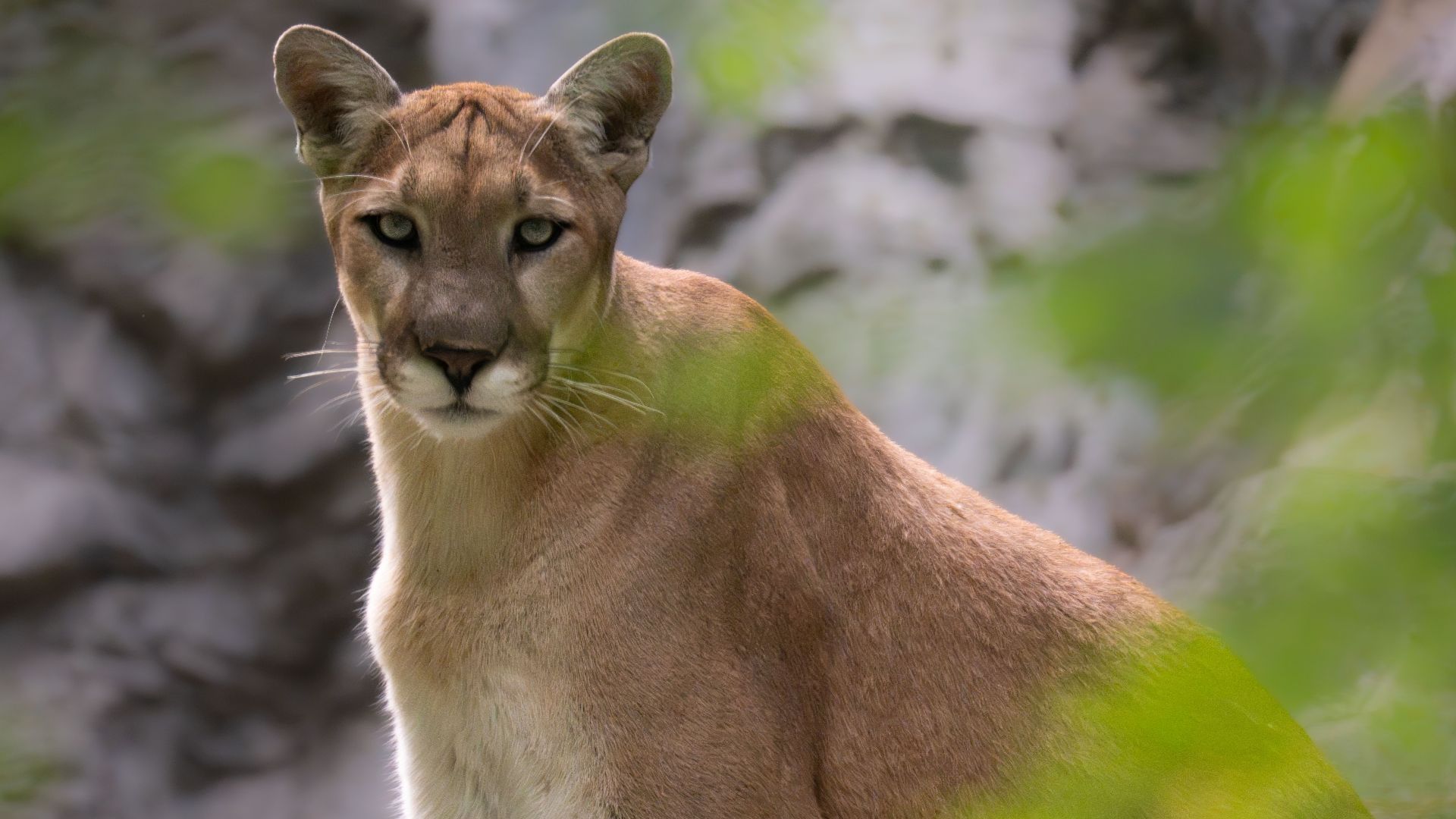
Nevada: Mountain Lion
Nevada’s mountain lions inhabit far more than the postcard version of the desert. Stay alert on trails, especially with children or pets. If one approaches, face it, stand tall, and back away slowly. Don’t run or bend down. Fight back if attacked, using available objects to defend yourself.
Pennsylvania: Elk
Pennsylvania’s elk country offers a spectacular wildlife encounter—as long as you remember these animals haven’t agreed to pose with you. Bulls during the rut and cows protecting calves can become aggressive. Stay at least 100 yards away, never feed them, and retreat if an elk starts reacting to your presence.
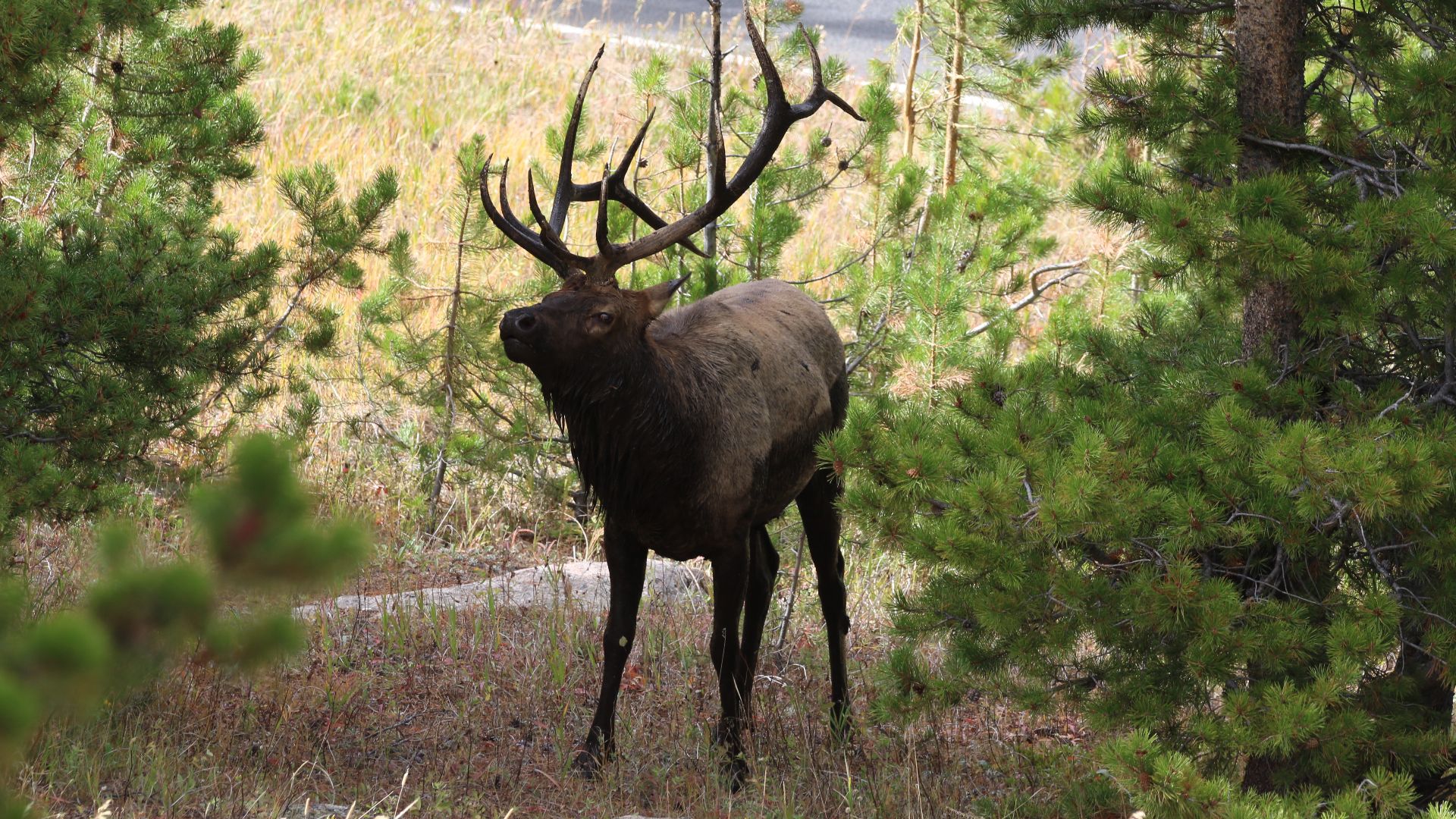 Donald Hobern from Copenhagen, Denmark, Wikimedia Commons
Arkansas: American Alligator
Arkansas’s alligators are concentrated in the state’s southern wetlands and waterways. Encounters are usually uneventful when people keep their distance. Don’t feed them, approach nests, or let dogs investigate shorelines. Back away from an approaching animal. If bitten, fight back and seek immediate medical attention.
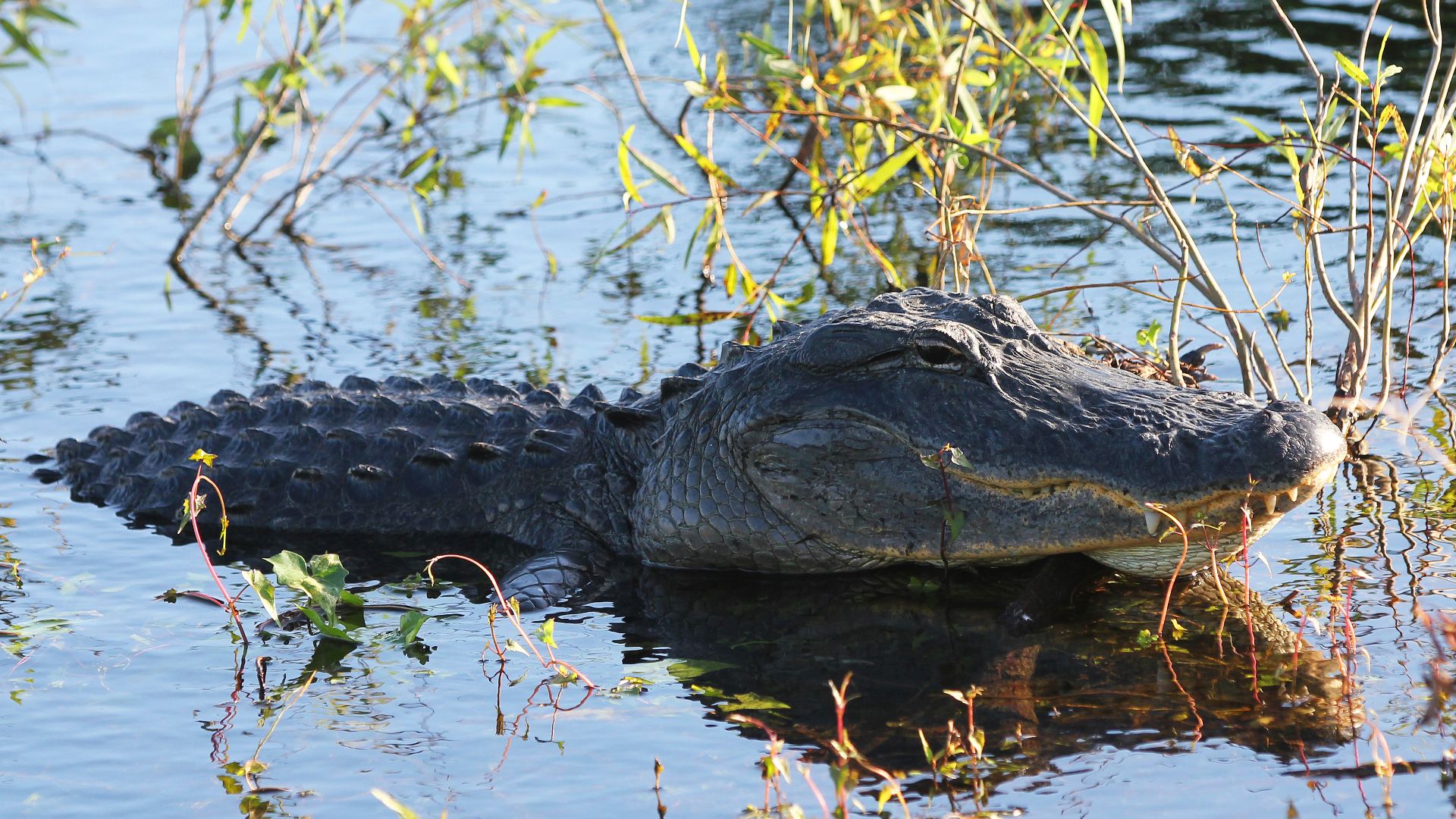 judygva (back in town and trying to catch up), Wikimedia Commons
Washington: Grizzly Bear
Washington’s grizzlies are rare and concentrated in the northeast, especially the Selkirk Mountains. Carry accessible bear spray and never run. If a defensive attack makes contact, lie face-down, protect your neck, and play dead. Fight back if the attack is predatory or continues.
South Carolina: Bull Shark
South Carolina’s coastal waters include bull sharks, although encountering one doesn’t automatically mean an attack. Avoid murky water, fishing activity, and areas with baitfish being pursued. Respect beach closures and swim near lifeguards. If a shark appears, leave the water calmly and promptly. Give curiosity the afternoon off.
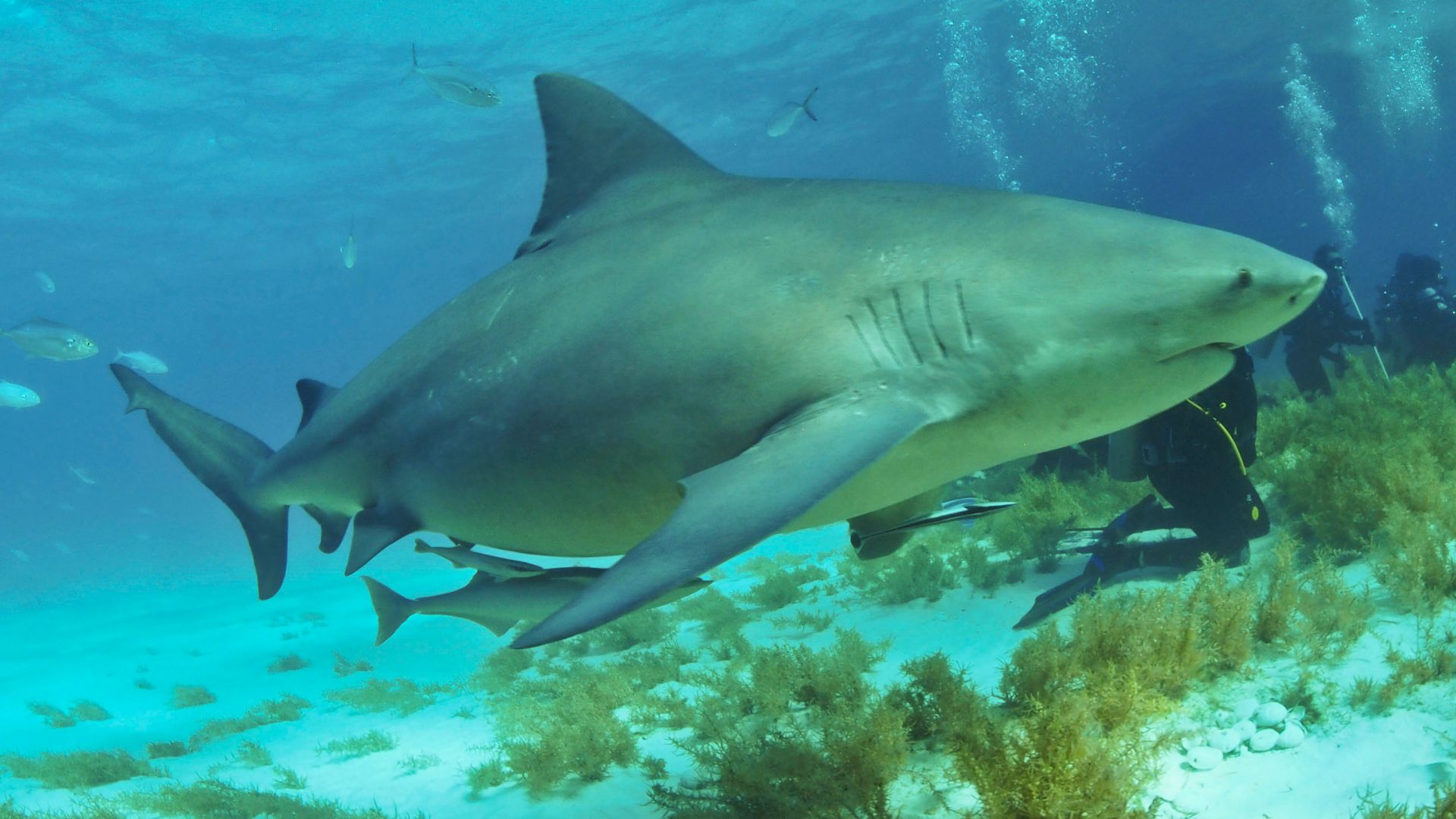 Albert Kok~enwiki, Wikimedia Commons
Illinois: Brown Recluse Spider
Brown recluses are established in southern Illinois, making this a legitimate state pick. Most bites don’t produce the dramatic wounds shown online, but serious complications can occur. Inspect stored clothing and wear gloves around clutter. After a suspected bite, wash the area and call Poison Control at 1-800-222-1222.
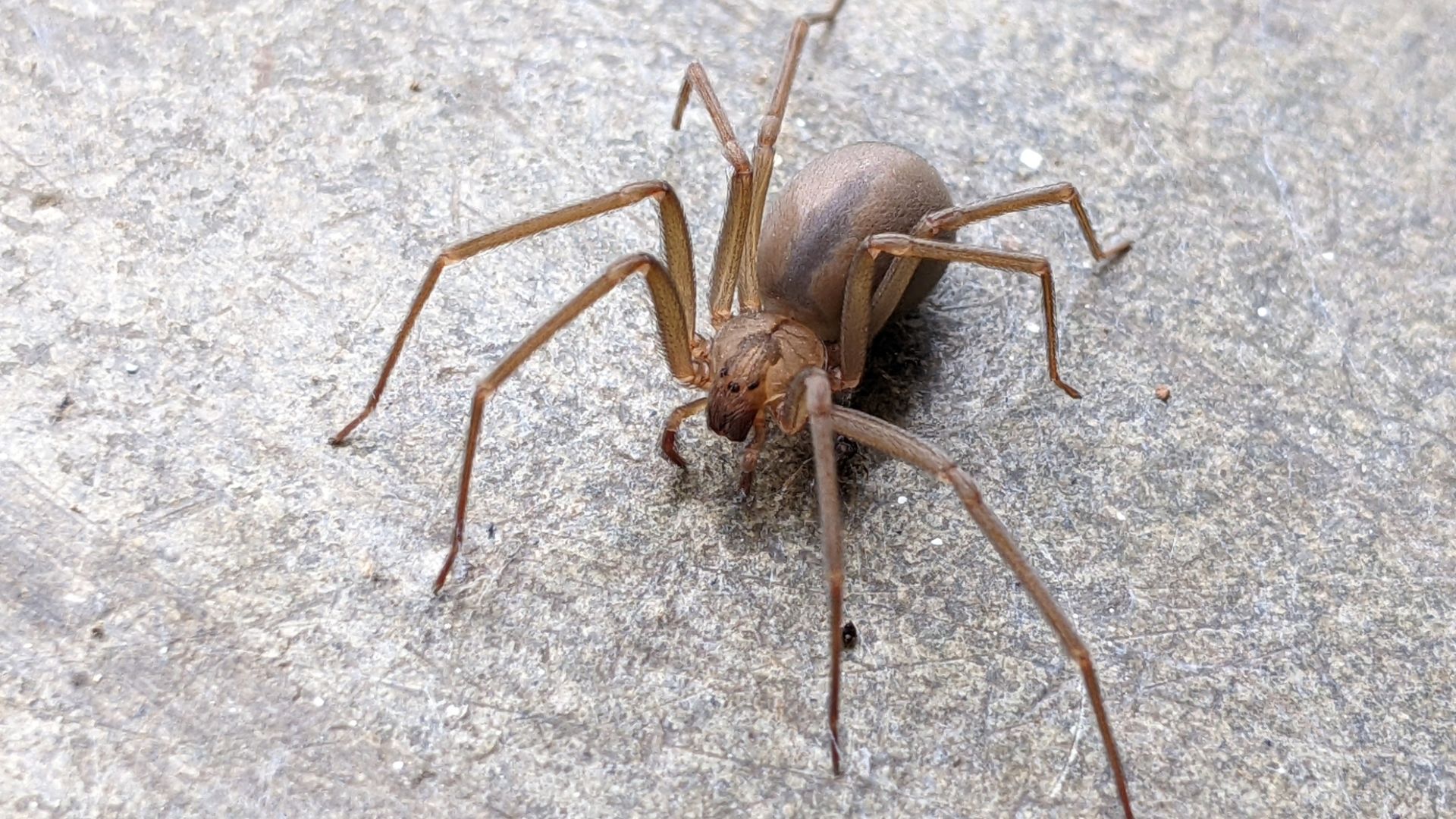 iamfindingplants, Wikimedia Commons
Massachusetts: Great White Shark
Cape Cod’s seal-rich waters also attract great white sharks. Attacks remain uncommon, but this is a place to take beach warnings seriously. Avoid swimming near seals, stay close to shore, and follow lifeguard instructions. If a shark is spotted, leave the water promptly and calmly.
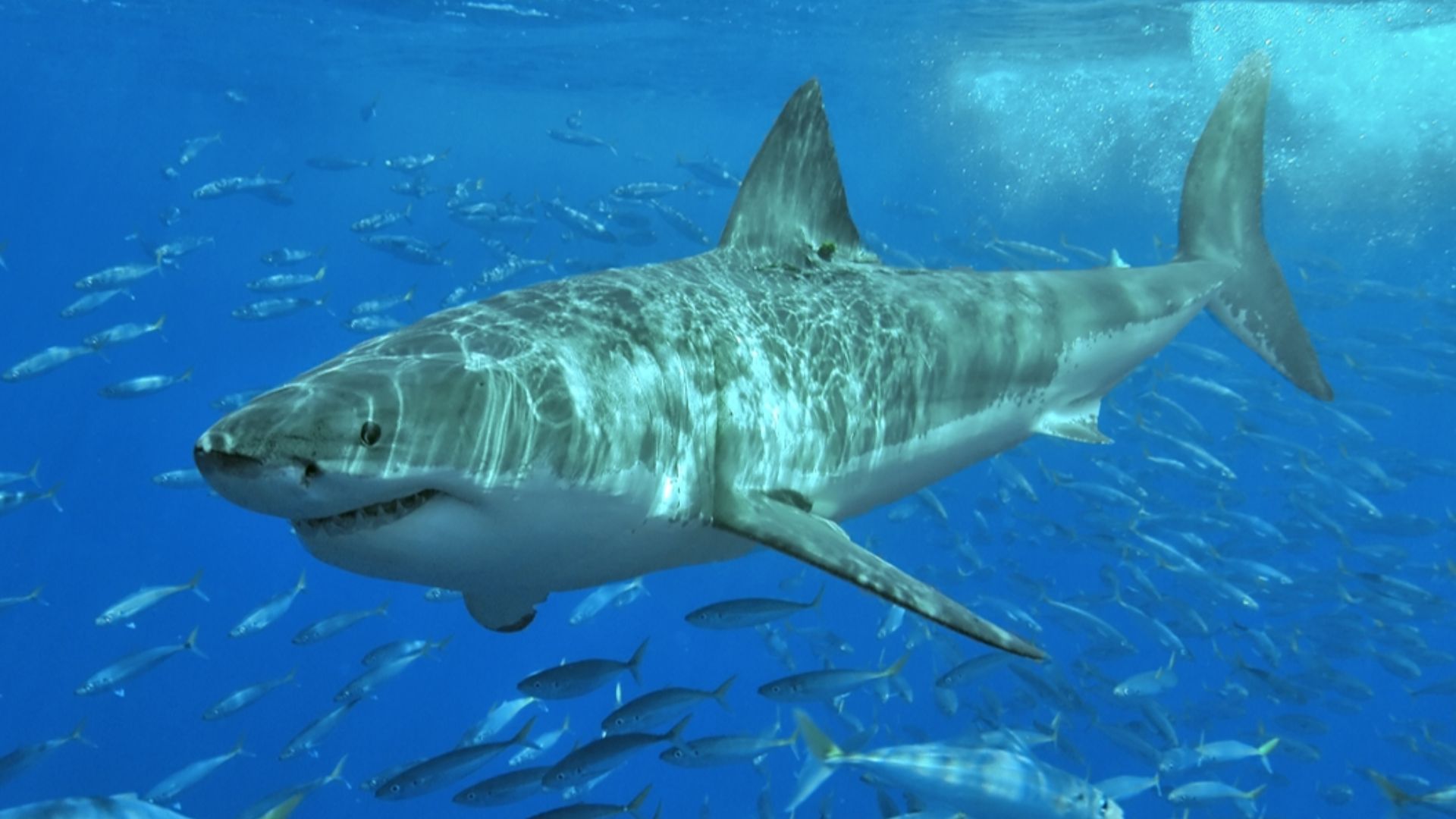 Pterantula (Terry Goss) at en.wikipedia, Wikimedia Commons
New Mexico: Western Diamondback Rattlesnake
New Mexico’s western diamondback is a good reason to look before stepping over a log or reaching beneath a rock. Give any snake room to escape. If bitten, call 911 immediately and stay as still as possible. Don’t drive yourself, attempt suction, or try to capture the snake.
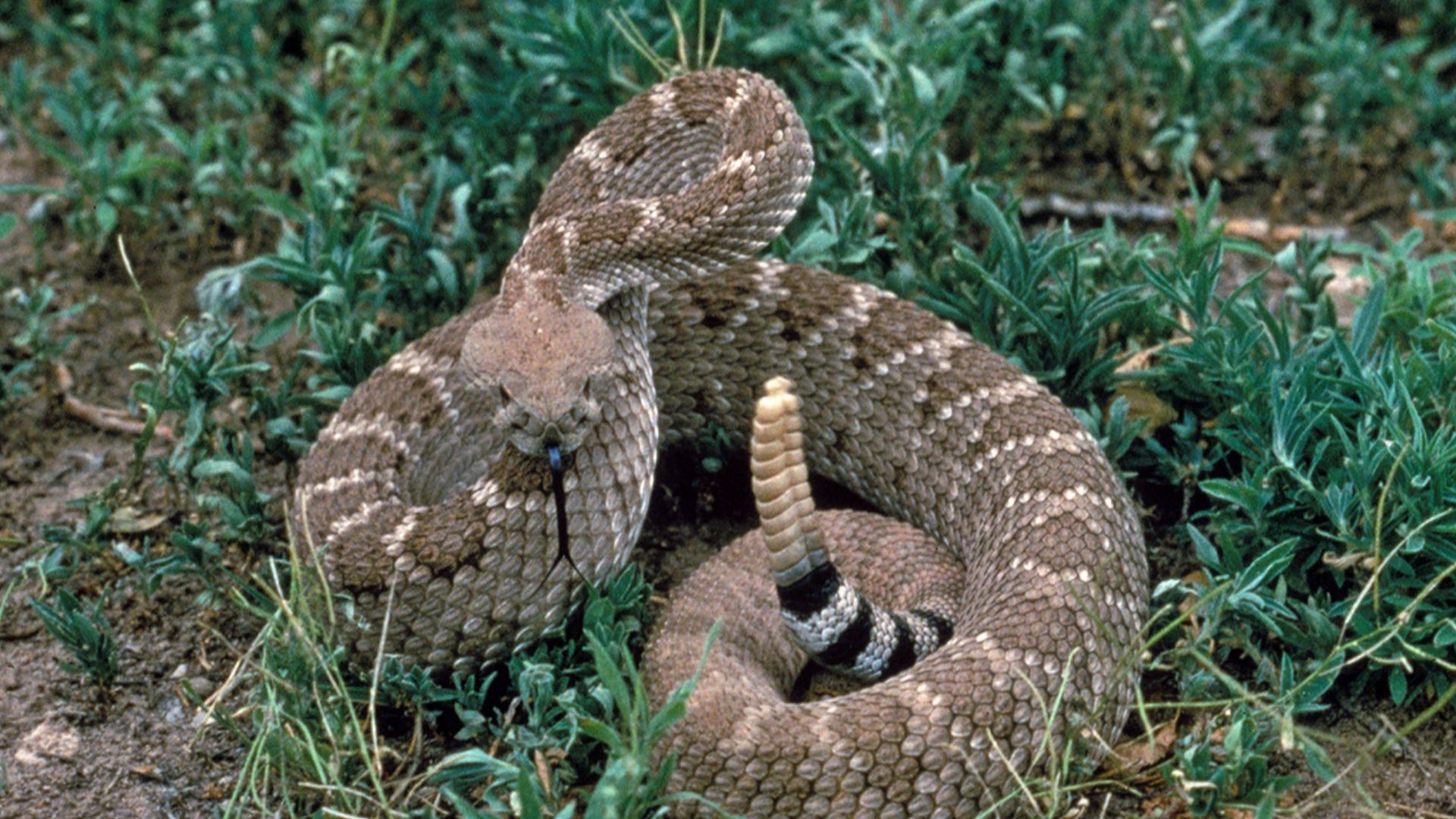 Gary Stolz (original), Wikimedia Commons
Kentucky: Timber Rattlesnake
Kentucky’s timber rattlesnakes blend into wooded hillsides surprisingly well. Keep hands and feet where you can see them, and give any snake a generous berth. After a suspected bite, call 911 without waiting for symptoms. Remove rings before swelling begins, and don’t apply ice or a tourniquet.
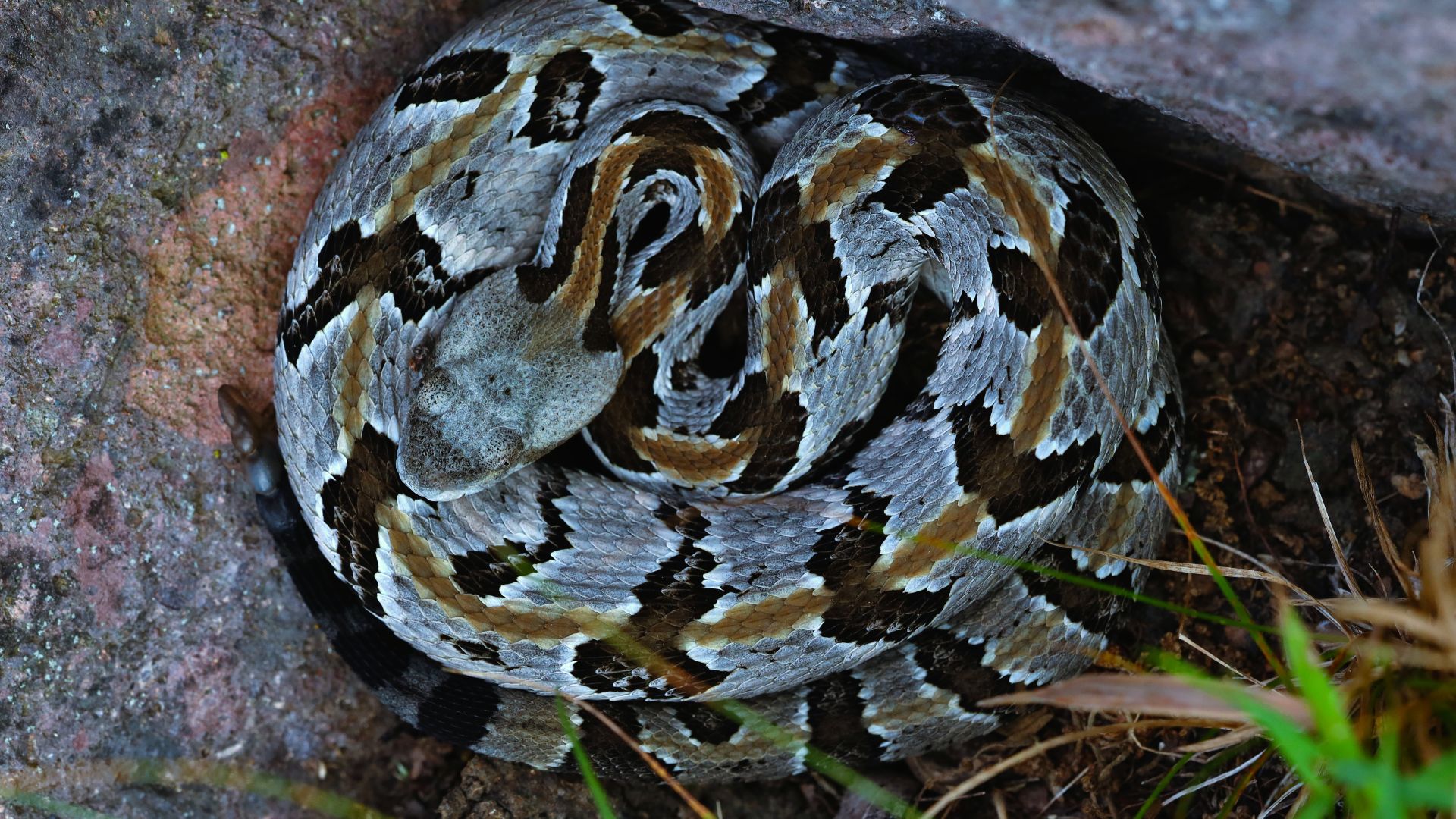 Peter Paplanus from St. Louis, Missouri, Wikimedia Commons
Minnesota: Moose
Minnesota’s moose are a Northwoods highlight, but close encounters deserve caution. They’re usually unaggressive; a cow protecting a calf or a bull during the rut can be different. Give them plenty of room. If charged, get behind solid cover; if knocked down, curl up and protect your head.
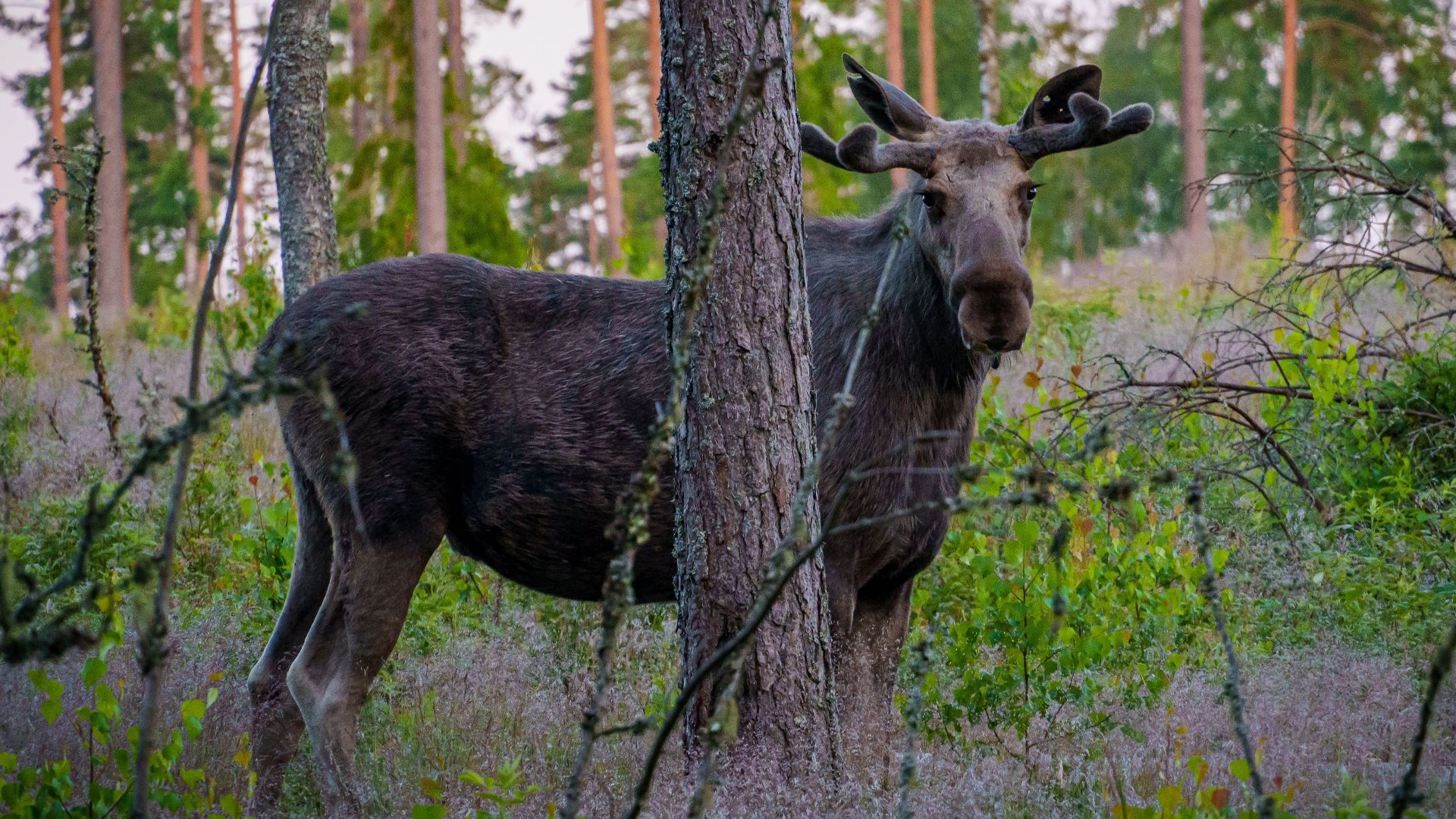
Oklahoma: American Bison
Oklahoma’s bison country includes the Wichita Mountains, where a seemingly relaxed animal can still become dangerous. Keep well back and obey refuge guidance. Never approach calves, crowd a herd, or get out of your car for a closer roadside picture. A large grazing animal still deserves a large personal space.
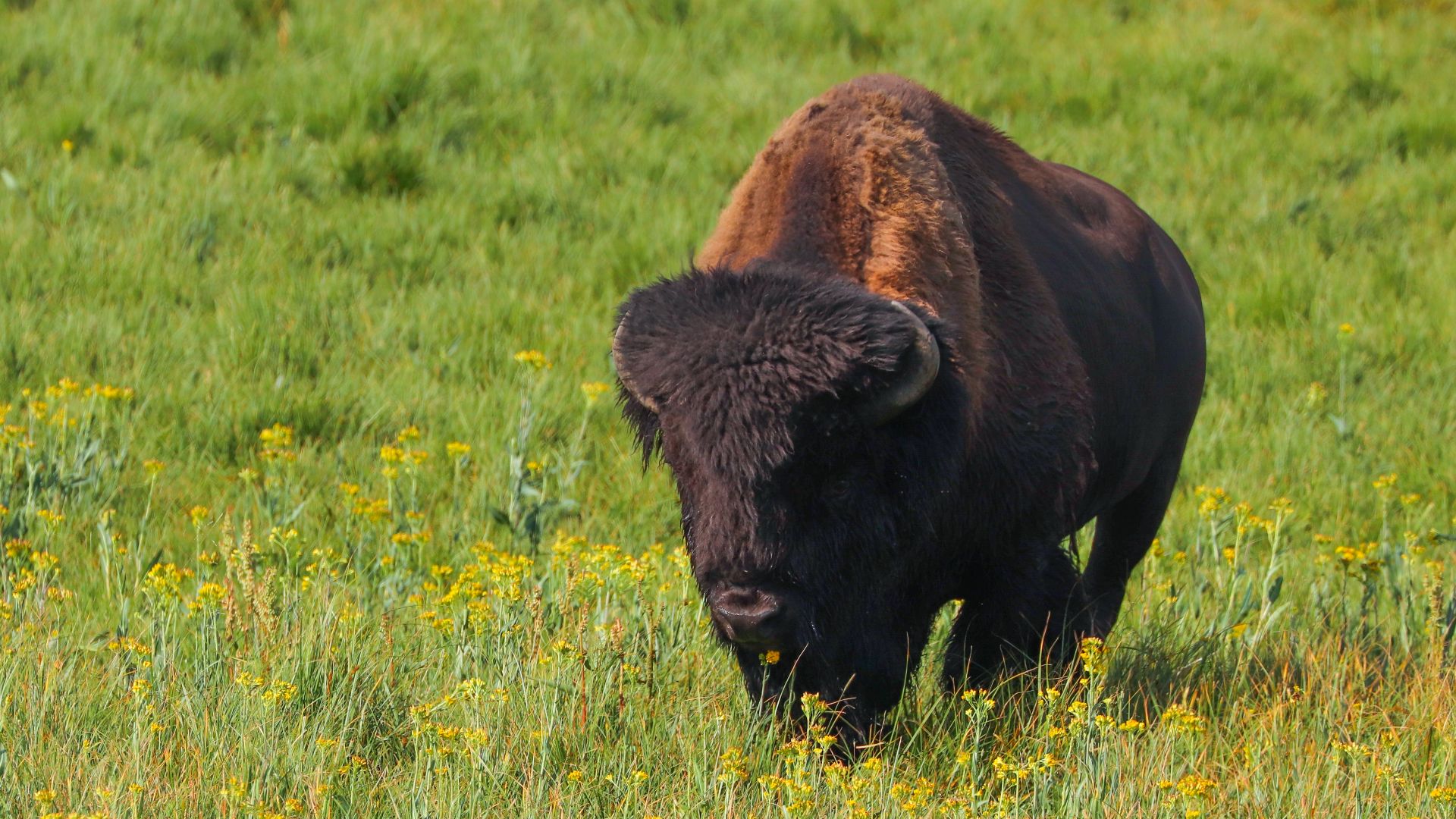 Lucas Golden, Wikimedia Commons
Ohio: Timber Rattlesnake
Ohio’s timber rattlesnakes are rare and restricted to parts of the state, but their venom remains medically serious. Leave one undisturbed and back away. If a suspected bite occurs, call 911 immediately. Stay still, remove tight jewelry, and don’t waste time trying to catch or identify it up close.
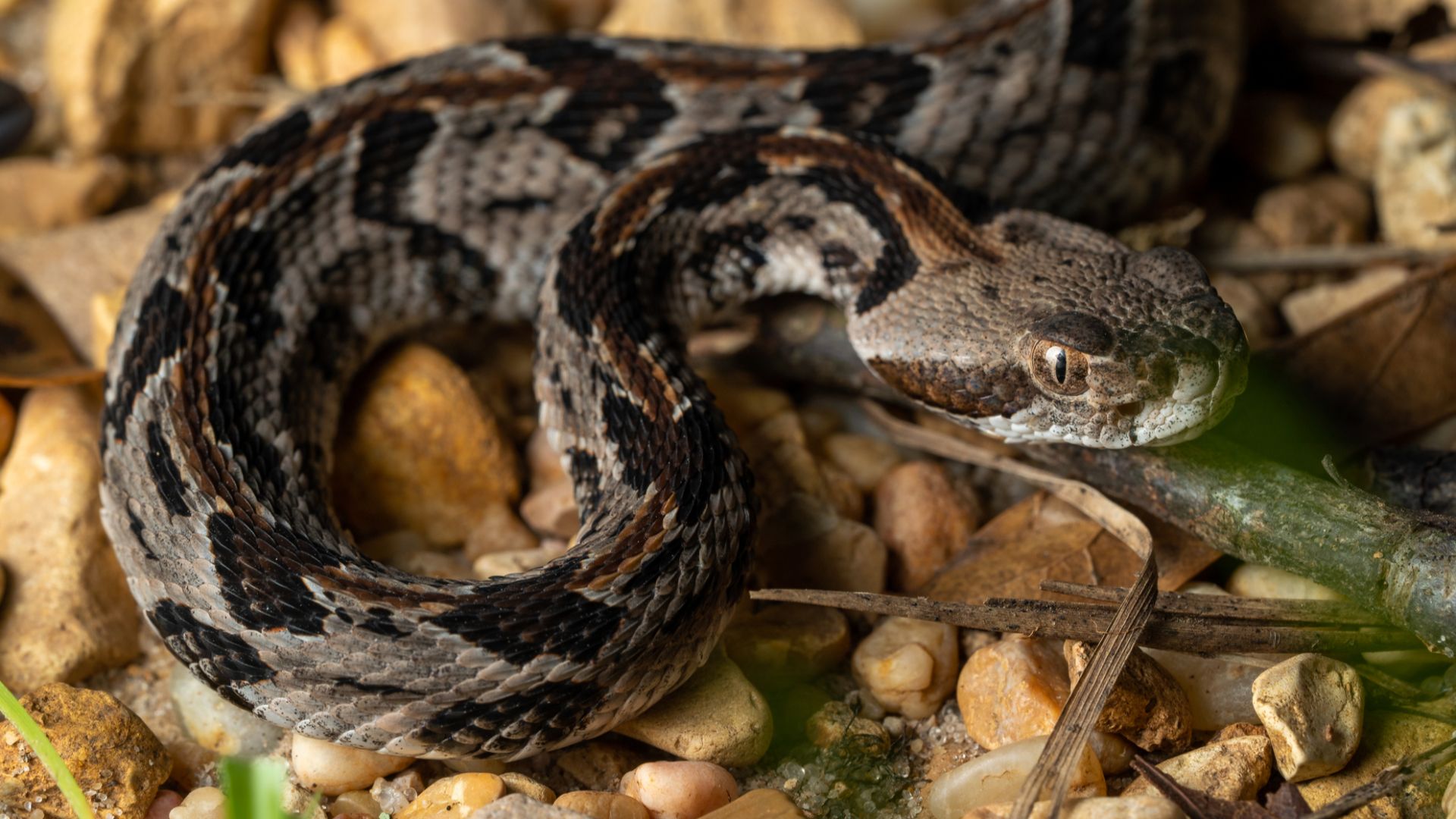
Idaho: Grizzly Bear
Grizzlies inhabit parts of northern and eastern Idaho. Carry bear spray where you can reach it, and never run from a bear. During a defensive attack with physical contact, lie face-down, protect your neck, and play dead. Fight back if the attack is predatory or persists.
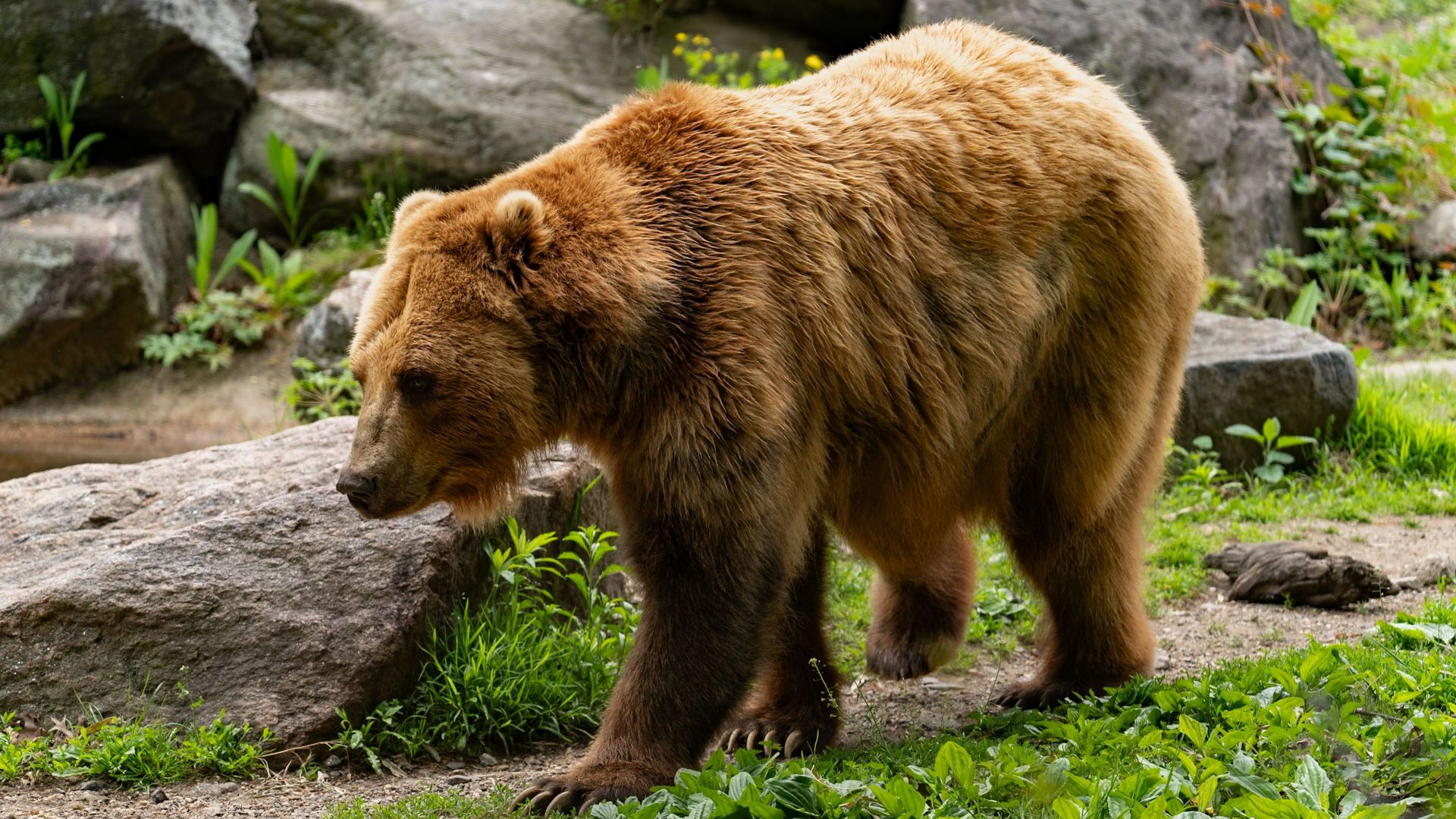
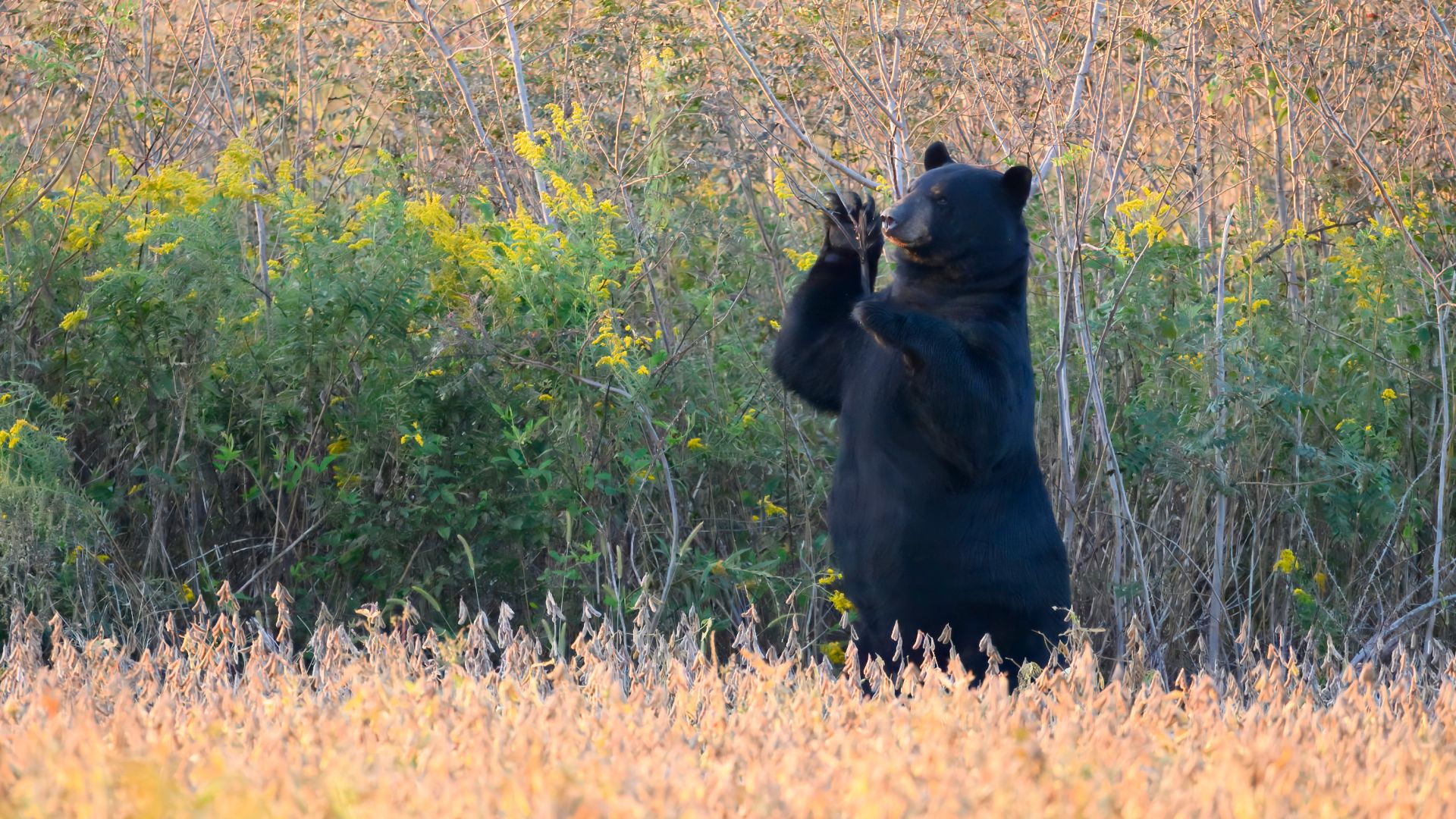
Wisconsin: American Black Bear
Wisconsin’s black bears generally want an easy meal, which is why unsecured food creates trouble. Keep campsites clean and give bears room to leave. Back away calmly during an encounter. If one follows persistently, become assertive and use bear spray if available. Fight back if physically attacked.
 lwolfartist, Wikimedia Commons
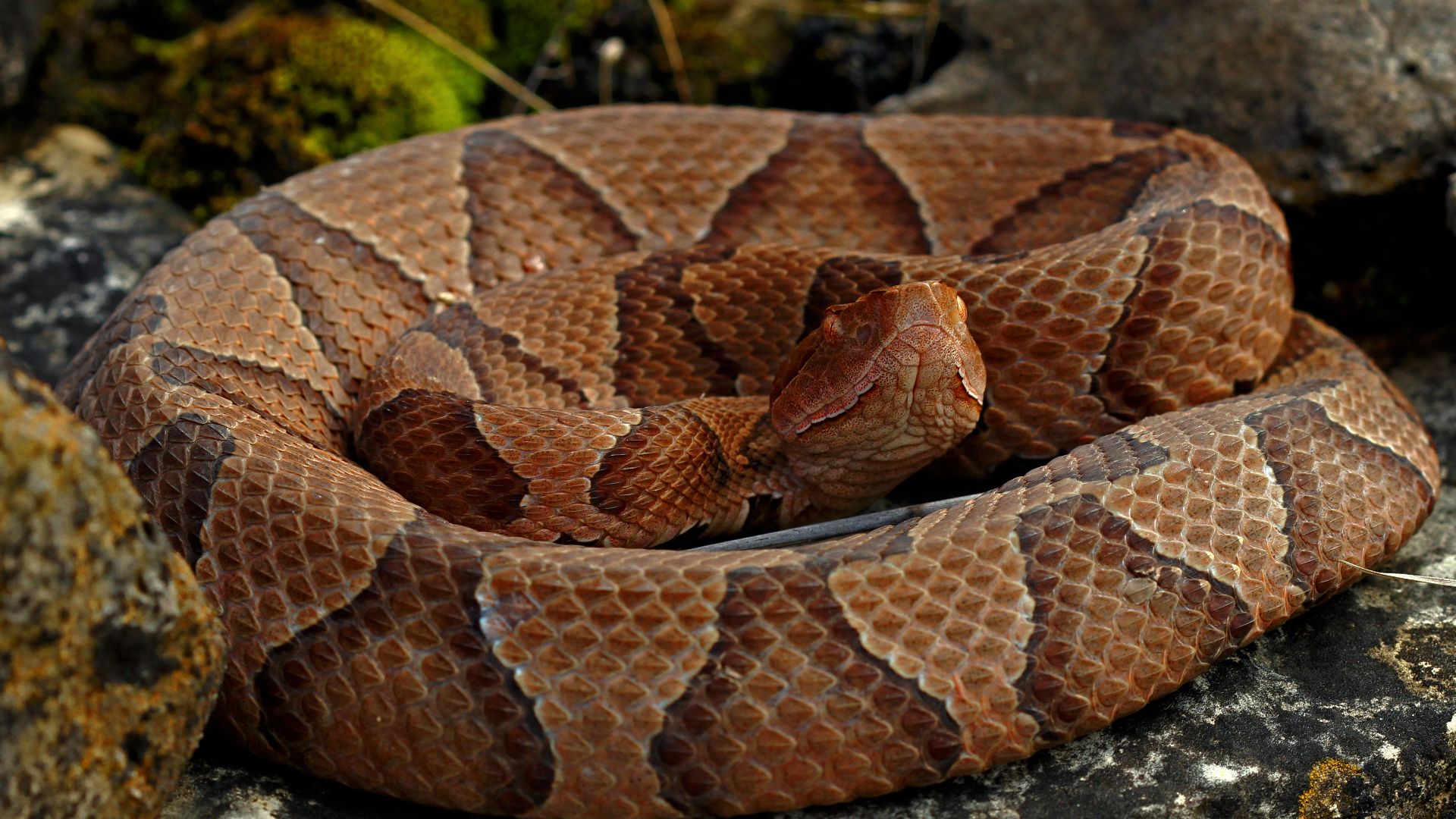
Delaware: Eastern Copperhead
Delaware’s copperheads can disappear against fallen leaves, making accidental close encounters possible. Watch where you step and never reach blindly into brush or woodpiles. Their bites are rarely fatal, but can cause substantial injury. After a suspected bite, call 911 immediately and don’t wait for symptoms.
 Peter Paplanus from St. Louis, Missouri, Wikimedia Commons
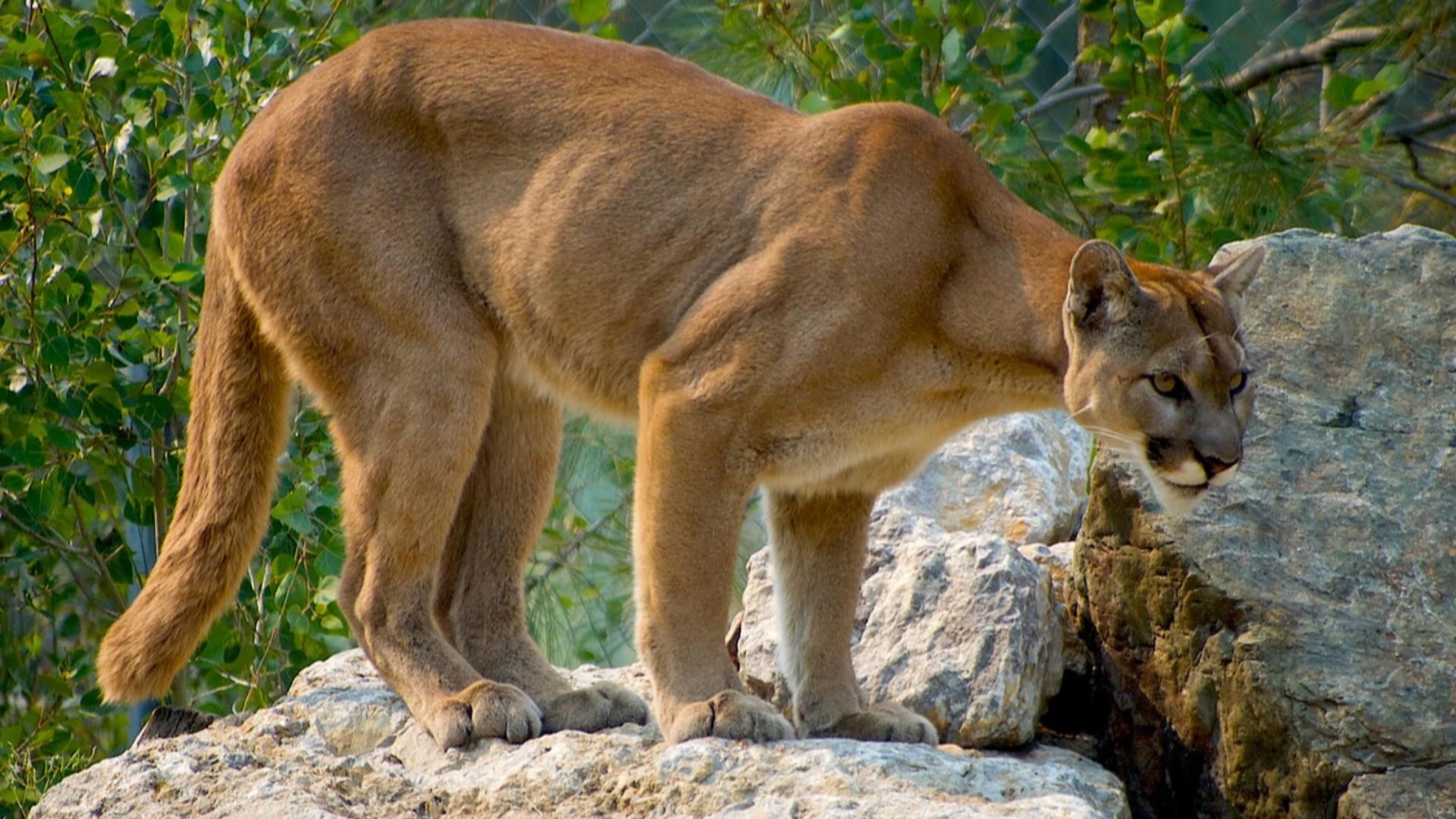
Utah: Cougar
Utah’s cougar country includes places popular with hikers, runners, and families. Travel together and keep children close. If a cougar approaches, face it, make yourself look larger, and retreat slowly. Never run or crouch. If attacked, fight back, using your pack, sticks, or other objects for protection.
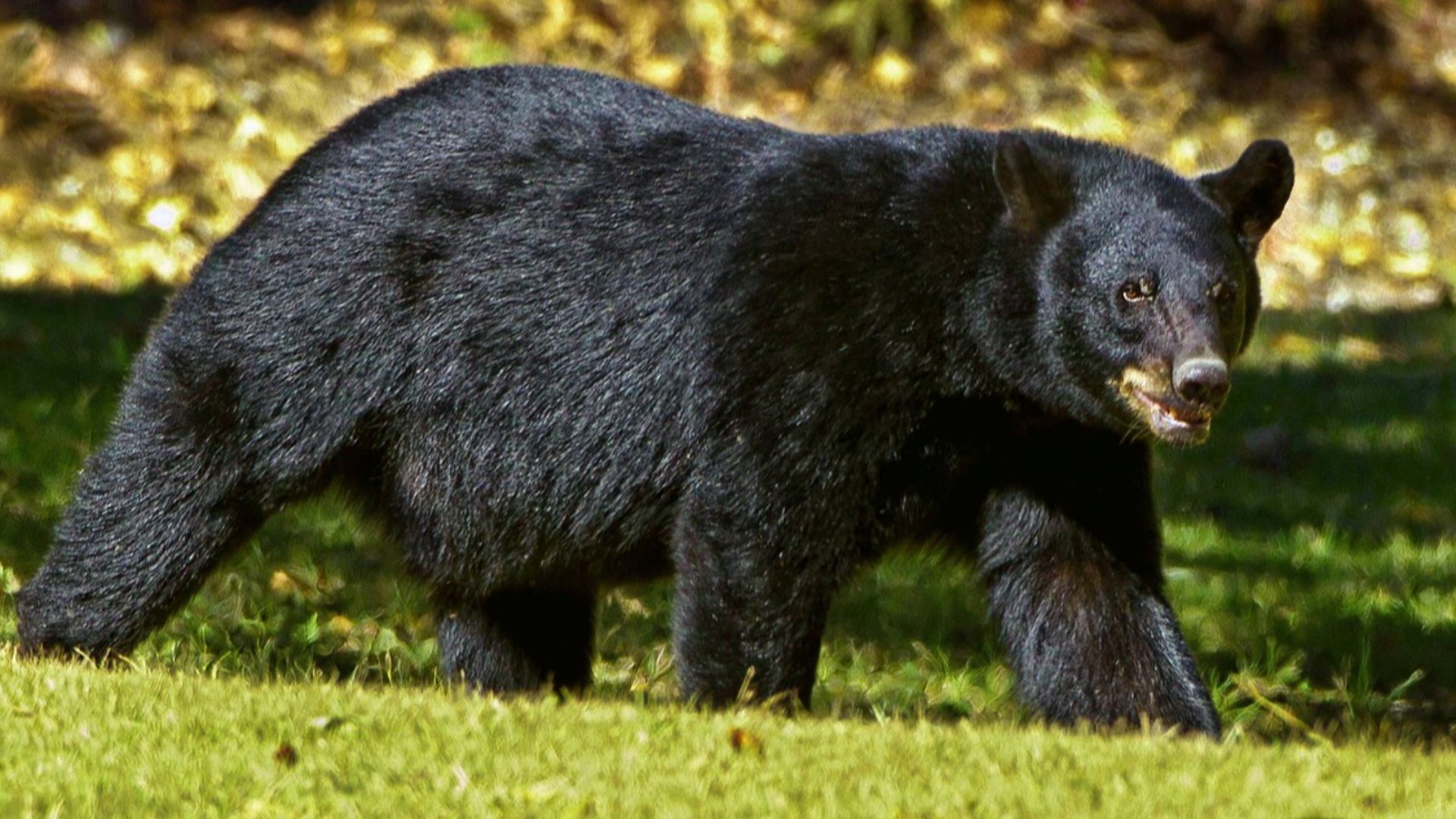
New York: American Black Bear
New York’s bears belong on this list for their physical power, not because attacks are common. Secure food and garbage, and never approach one for a photograph. Back away calmly without running. If a bear persistently follows, act assertively. If physically attacked, fight back.
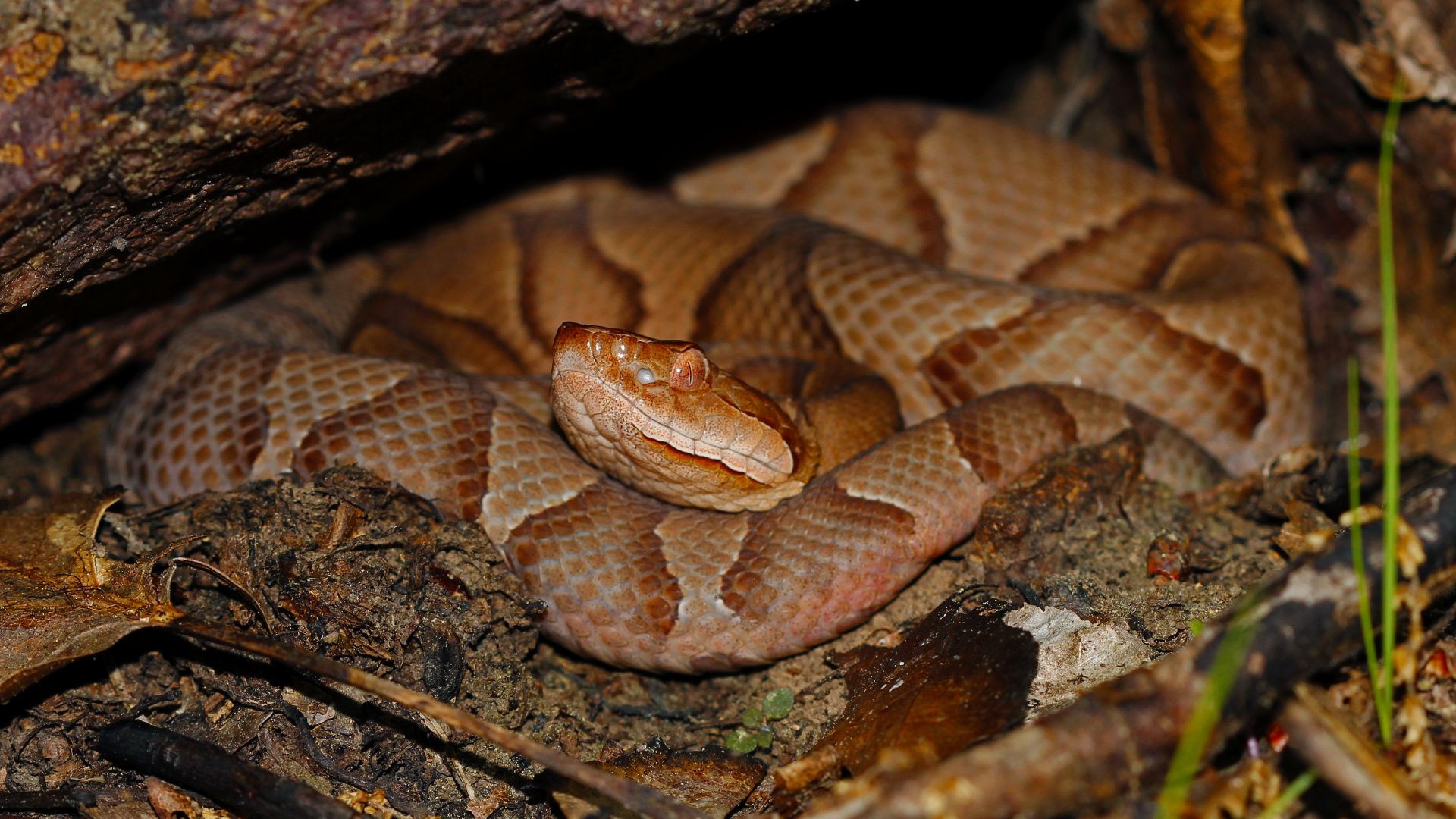
Missouri: Eastern Copperhead
Missouri’s copperhead earns its place through encounter risk: it’s the state’s most common venomous snake and causes most venomous snakebites. Fatal outcomes are exceptionally rare, but bites still need urgent care. Watch leaf litter and rocky ground. After a suspected bite, call 911 immediately.
 Peter Paplanus from St. Louis, Missouri, Wikimedia Commons
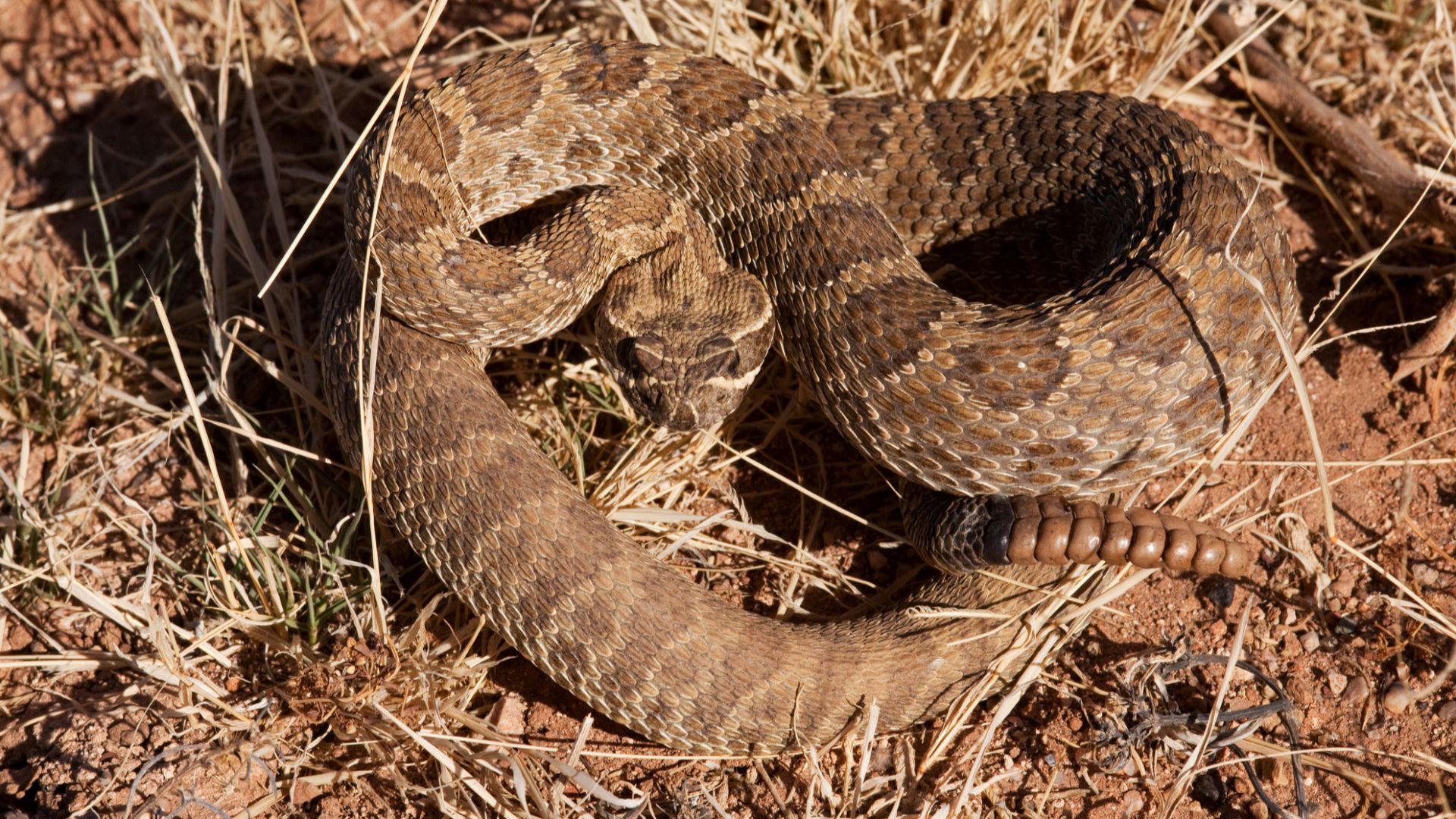
Nebraska: Prairie Rattlesnake
Western Nebraska’s prairie rattlesnakes are a reminder that open country still has hiding places. Watch rocky ledges, tall grass, and places where you put your hands. If you encounter one, retreat slowly. After a suspected bite, call 911, stay still, and avoid tourniquets, ice, cutting, or suction.
 Patrick Alexander, Wikimedia Commons
Indiana: Timber Rattlesnake
Indiana’s timber rattlesnakes survive in limited southern habitat, so meeting one is unusual. That doesn’t make handling one a sensible achievement. Keep your distance and leave it an escape route. If bitten, call 911 immediately, remain still, and let medical professionals decide what treatment you need.
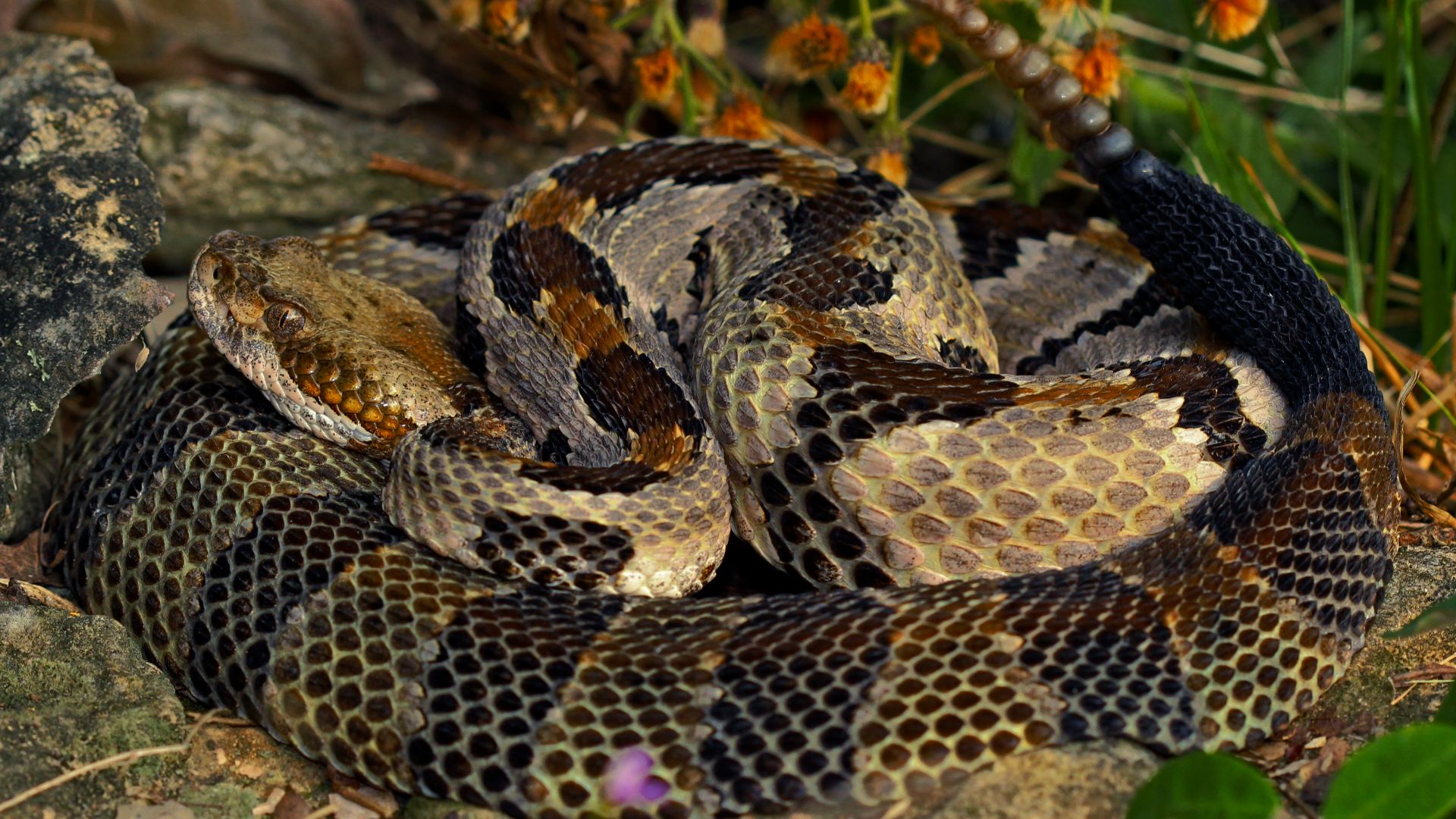 Peter Paplanus from St. Louis, Missouri, Wikimedia Commons
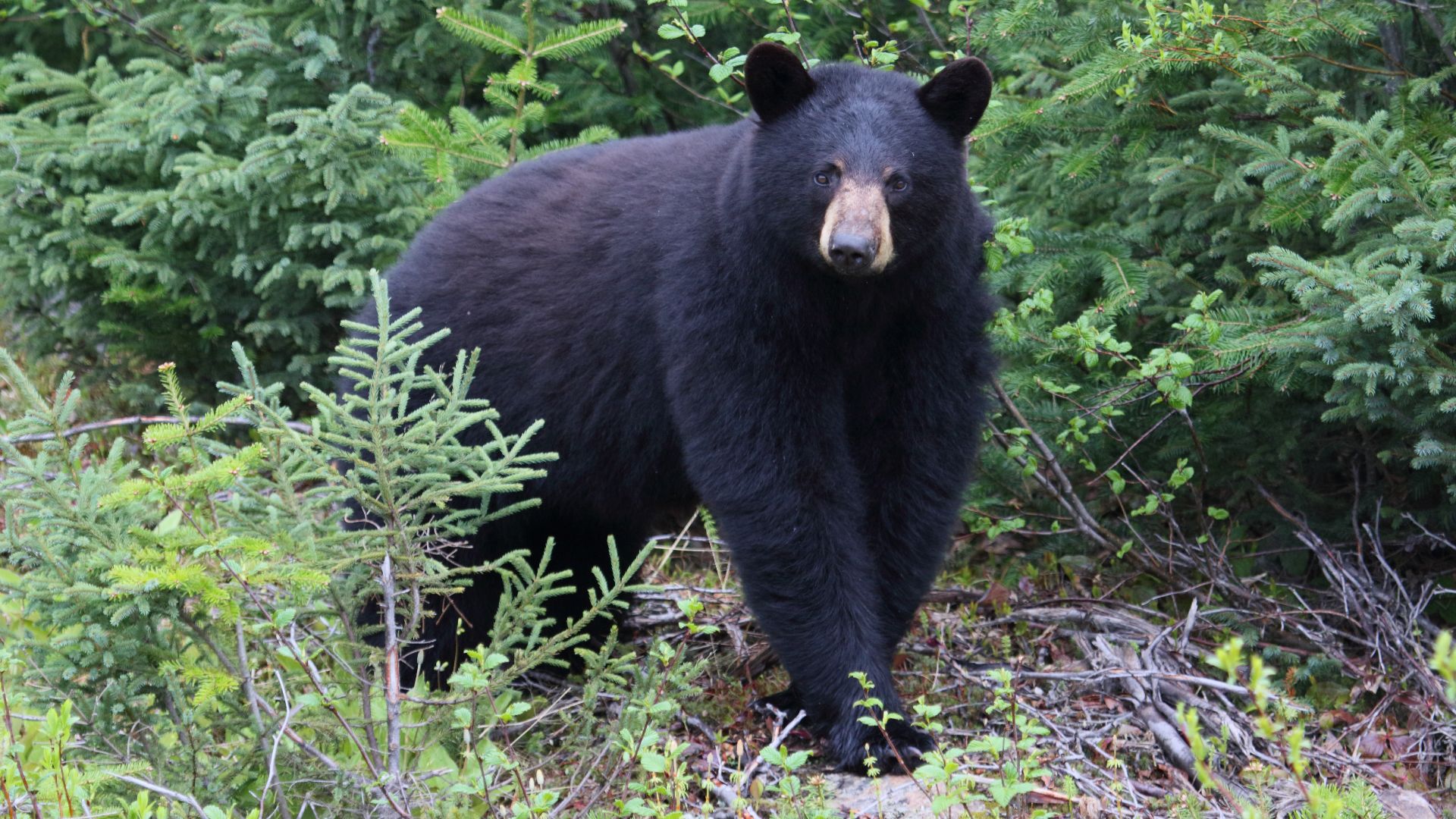
Tennessee: American Black Bear
Tennessee’s black bears draw crowds, especially around the Smokies. Crowds don’t make them tame. Never feed one, surround it, or approach cubs. Back away calmly, and don’t run. If a bear follows, become assertive and use bear spray if available. If it physically attacks, fight back.
Kansas: American Bison
At Kansas’s Tallgrass Prairie National Preserve, bison occupy pastures that hiking routes enter. That makes distance your responsibility. The preserve tells hikers to stay 125 yards away. Choose another route if necessary, never approach calves, and don’t run through the pasture. These animals haven’t signed up for close encounters.
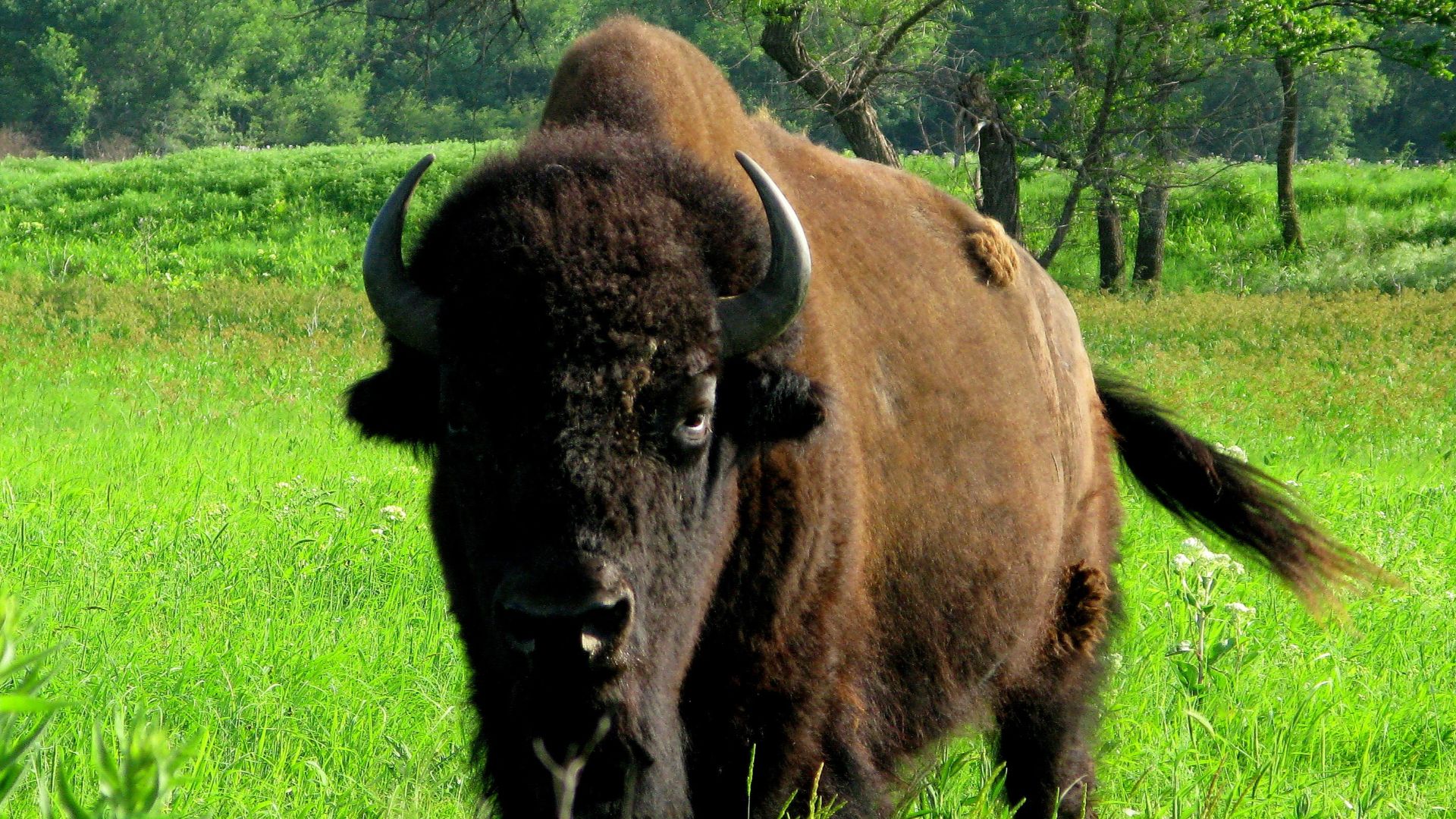 Kurt Kaiser, Wikimedia Commons
Virginia: Northern Cottonmouth
Virginia’s cottonmouths are primarily a southeastern concern, not residents of every stream statewide. Give snakes room and never assume a watersnake is venomous—or harmless—based on swimming alone. If a suspected venomous bite occurs, call 911 immediately. Don’t wait for symptoms or attempt to capture the animal.
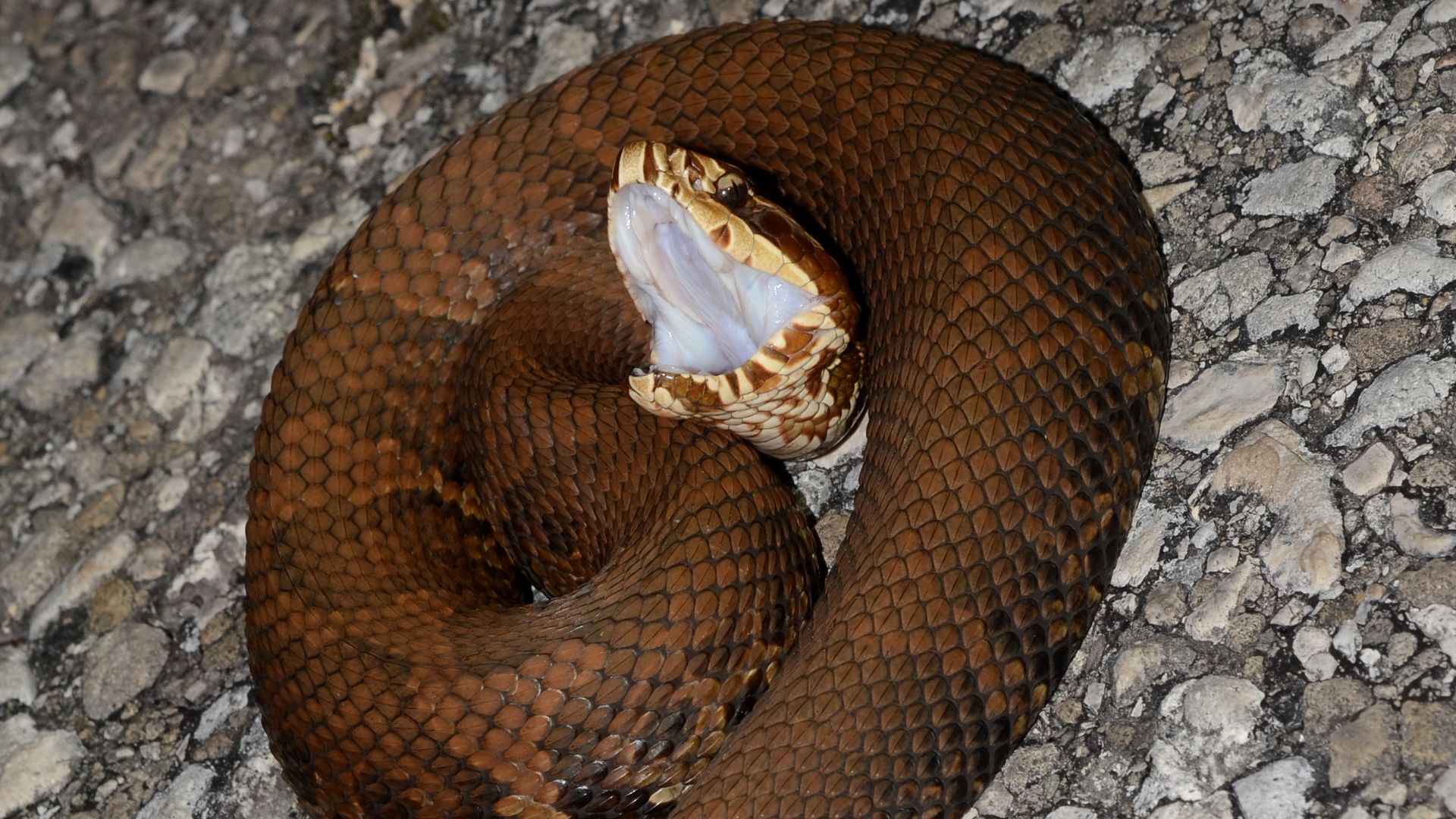 Geoff Gallice from Gainesville, Wikimedia Commons
Iowa: Timber Rattlesnake
Iowa’s timber rattlesnakes inhabit scattered bluff and woodland areas, particularly in the east. A rare encounter still deserves a cautious response: stop, locate the snake, and back away. If bitten, call 911 immediately and stay still. Don’t apply a tourniquet or turn the wound into a DIY project.
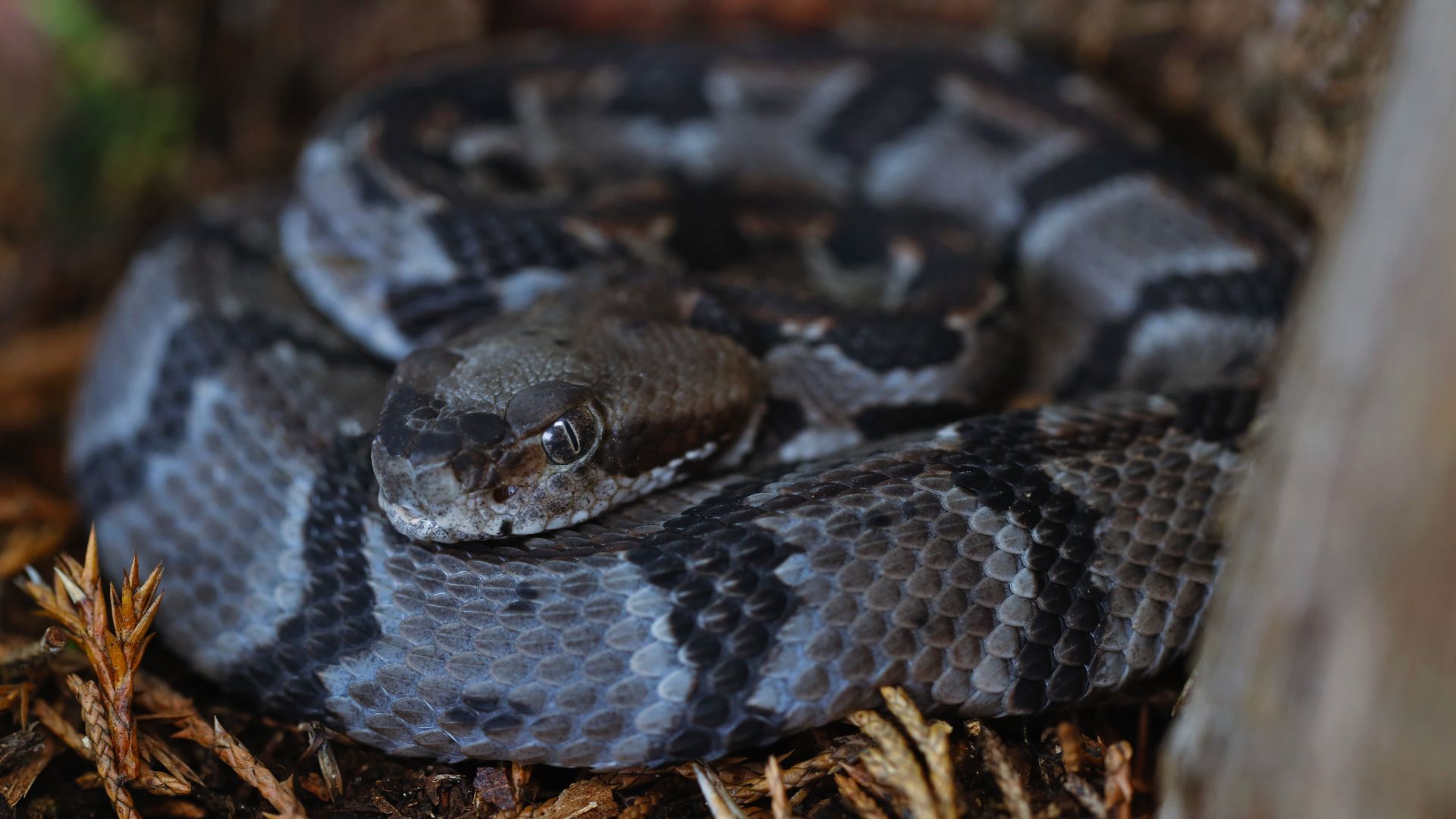 Peter Paplanus, Wikimedia Commons
West Virginia: Timber Rattlesnake
West Virginia’s timber rattlesnakes belong in the mountains, but your hand doesn’t belong beneath an unseen rock. Watch your footing and leave snakes undisturbed. If a suspected bite happens, call 911 immediately. Stay still, remove tight jewelry, and don’t drive yourself or wait for swelling to appear.
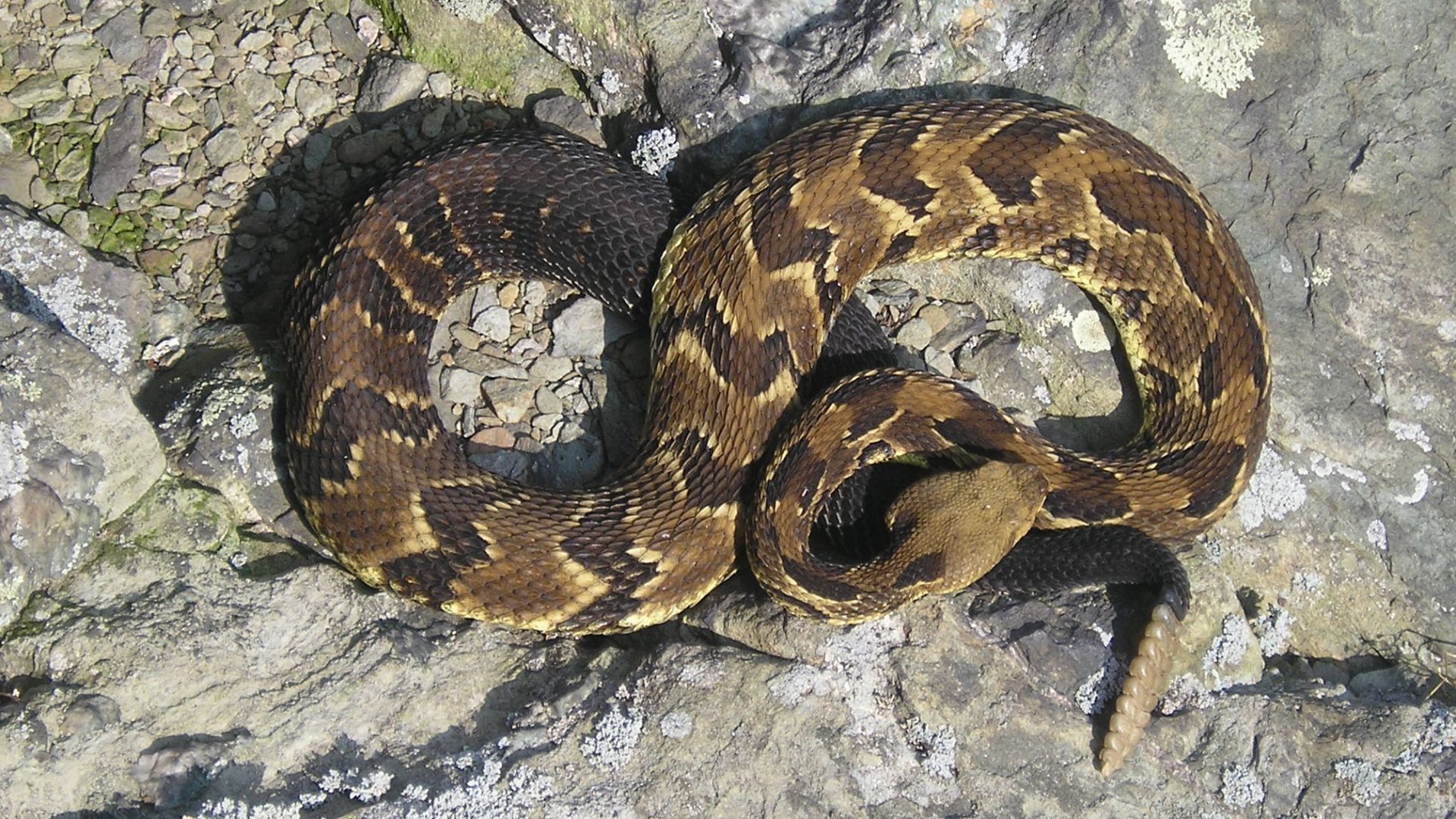 ShenandoahNPS, Wikimedia Commons
Wyoming: Grizzly Bear
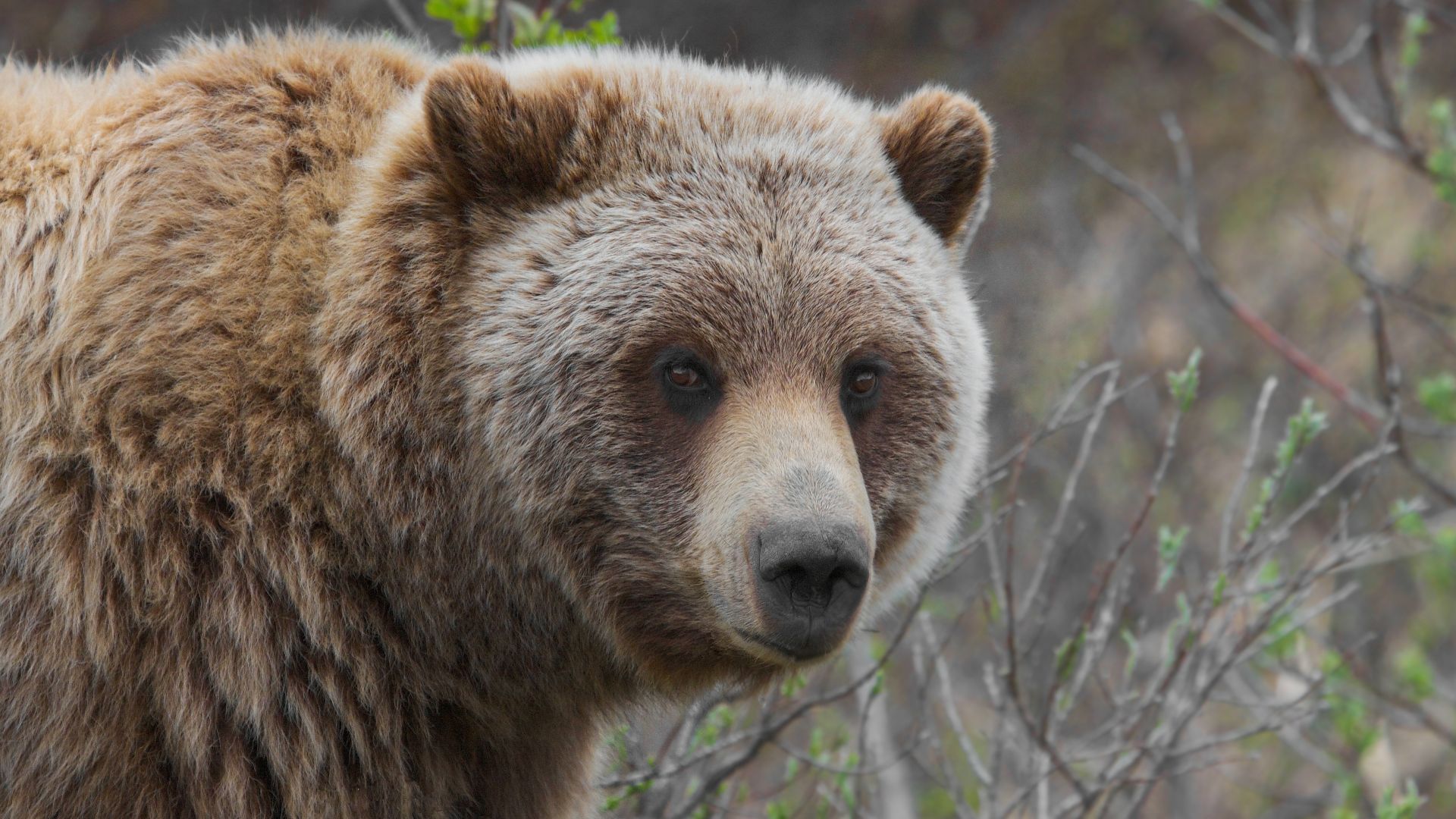
Northwestern Wyoming is grizzly country, including the Greater Yellowstone region. Carry accessible bear spray and never run. If a defensive attack makes physical contact, lie face-down, protect your neck, and play dead. Fight back if the attack is predatory or persists. Keep your distance long before that decision becomes necessary.
You Might Also Like:
The Strangest Things People In Each State Put On Their Hamburgers—Would You Eat Them?