
Everyone Gets A Vacation Except You?
Your friends want to split the rental car evenly, but you're the one stuck doing all the driving. While they relax and enjoy the scenery, you're navigating unfamiliar roads, finding parking, and getting everyone around safely. You're paying the same amount while taking on all the responsibility. So why shouldn't you get a break on the bill?

The Split Sounds Fair On Paper
Dividing a rental car bill evenly seems like the obvious solution for a group vacation. Everyone benefits from having transportation, so everyone contributes toward the cost. But equal payments don't necessarily mean everyone is making the same contribution. That's where an otherwise reasonable arrangement can start feeling unfair.

Someone Is Doing All The Work
Driving isn't simply another way of sitting in the car. The driver must concentrate on traffic, follow unfamiliar roads, and make decisions that passengers never have to consider. Everyone might reach the same destination, but they haven't necessarily had the same experience getting there. That difference becomes harder to ignore on a long trip.

Driving Can Take A Real Toll
Long stretches behind the wheel can become exhausting, especially after several days of sightseeing. AAA recommends taking breaks approximately every two hours or 100 miles to help prevent fatigue. Passengers can rest between destinations, but the driver needs to remain alert throughout the journey. That's a meaningful difference when you're supposed to be enjoying a vacation.

There's Also A Safety Issue
Fatigue isn't just uncomfortable when you're responsible for a vehicle. Research from the AAA Foundation for Traffic Safety has identified drowsiness as a significant contributor to crashes. Tired drivers can experience slower reactions and reduced awareness, making demanding journeys particularly concerning. Expecting one person to handle every mile without adequate rest isn't a reasonable vacation plan.

But Your Friends Have A Point
Everyone needs the rental car, regardless of who operates it. The rental company charges for providing the vehicle, not for how many passengers take turns driving. From that perspective, asking everyone to contribute toward the basic rental cost makes sense. Your friends aren't necessarily being unreasonable by suggesting an even split.

Did You Volunteer To Drive?
This detail can completely change the argument. If you enthusiastically offered to drive because you enjoy it, your friends might reasonably assume you were comfortable with the arrangement. However, volunteering once doesn't necessarily mean agreeing to become everyone's chauffeur for an entire vacation. There's a difference between offering to help and accepting unlimited responsibility.

Or Did Everyone Just Assume?
Perhaps nobody actually asked whether you wanted to do all the driving. One person booked the car, everyone else assumed that person would operate it, and the arrangement became permanent without discussion. That's a much stronger reason to question the split. Being assigned responsibility without agreeing to it isn't the same as volunteering.

Not Everyone Can Take The Wheel
There might be legitimate reasons your friends cannot share driving duties. Some travelers lack valid licenses, aren't comfortable driving abroad, or don't meet the rental company's eligibility requirements. Others might simply have no experience navigating unfamiliar roads. Those circumstances may explain why you're the designated driver, but they don't automatically settle the question of compensation.

Rental Companies Have Their Own Rules
You can't necessarily hand the keys to a friend whenever you get tired. Companies such as Hertz and Enterprise require additional drivers to meet eligibility requirements and be properly authorized under the rental agreement. Simply having a valid driver's license doesn't automatically give someone permission to operate the vehicle. Ignoring these restrictions can create serious complications if something goes wrong.
 Harrison Keely, Wikimedia Commons
Adding Drivers Can Cost Extra
Sharing driving responsibilities might increase the rental bill. Hertz and Enterprise may charge daily fees for additional drivers, although exemptions and eligibility requirements vary by location and agreement. Enterprise's general U.S. policy, for example, lists a $15 daily charge in most states for an additional authorized driver who doesn't qualify for an exemption. That expense is worth considering when deciding whether rotating drivers makes financial sense.
 AutoRentals, Wikimedia Commons
The Person Renting Takes On More
If you're the primary renter named on the agreement, you may have additional responsibilities beyond driving. Rental companies commonly place temporary holds on the paying renter's card to cover potential charges. You could also find yourself handling unexpected fees, damage claims, or paperwork. That administrative responsibility deserves consideration, especially when everyone else expects an effortless vacation.

Insurance Makes Things Complicated
Rental car protection isn't always as straightforward as travelers expect. The FTC recommends checking personal auto insurance, credit card benefits, and optional rental coverage before making a decision. Collision damage waivers and insurance policies cover different risks, and exclusions can apply. The person signing the agreement should understand those details rather than assuming every possible problem is covered.

What Happens If There's An Accident?
An accident could leave the primary renter dealing with reports, damage charges, or insurance claims. Depending on the agreement, coverage, and circumstances, financial consequences may extend beyond the original rental fee. The FTC warns that certain actions, including allowing an unauthorized driver to operate the vehicle, can invalidate damage-waiver protection. It's worth discussing how the group would handle unexpected costs before collecting the keys.

Gas Shouldn't Be Your Problem Alone
Fuel is one of the most obvious expenses to share. If everyone is traveling together, there's a strong argument for dividing gasoline costs among everyone using the vehicle. Parking and tolls can also become significant shared expenses, and the FTC notes that some rental-company toll programs charge additional service fees. Being the designated driver shouldn't automatically make you responsible for paying these bills.

Here's Where A Discount Makes Sense
Consider a hypothetical four-person trip with a $600 rental bill. Splitting evenly means everyone pays $150, including the person doing all the driving. But suppose the group agrees that the designated driver should contribute just $75 instead. The remaining $525 would be divided among the other three travelers, bringing their shares to $175 each.

Another Option Is Free Gas
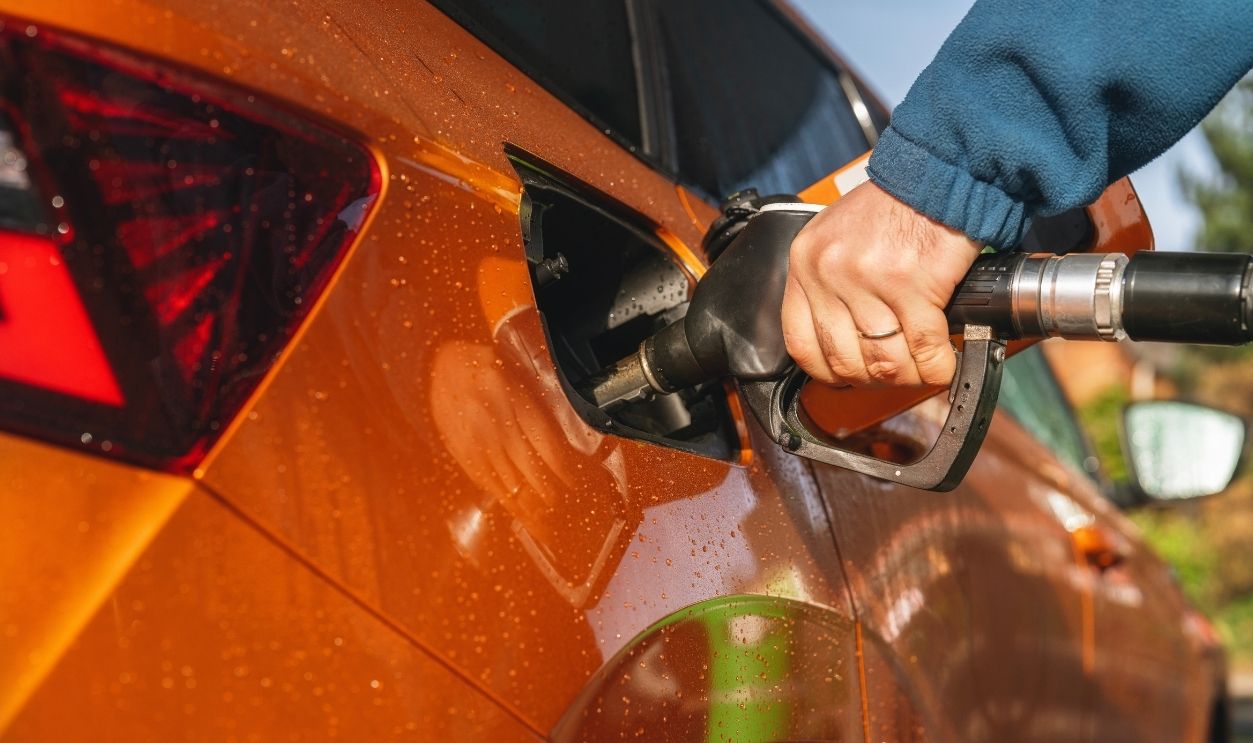
Your friends could keep the basic rental split equal while covering your share of the fuel expenses. That recognizes the additional driving without requiring complicated calculations of your time. Whether it's enough depends on how far you're traveling and how demanding the driving will be. For a modest road trip, it might be a perfectly reasonable compromise.
What About Meals And Other Expenses?
Money isn't the only way to acknowledge someone's contribution. Perhaps the passengers could cover a few meals, pay for your parking, or take over other shared expenses. These arrangements can feel less transactional than assigning an hourly value to your driving. The important thing is making sure everyone agrees that the exchange is reasonable.

The Passengers Can Still Contribute
Not everyone needs to operate the vehicle to help make the trip easier. Passengers can navigate, organize rest stops, locate parking, and handle luggage while the driver concentrates on the road. They can also manage music, coordinate reservations, and research places to stop along the way. Sharing these responsibilities makes the experience more enjoyable for everyone.

Don't Become The Group's Personal Chauffeur
There's a difference between driving everyone to a destination and providing transportation whenever somebody requests it. If your friends expect separate airport pickups, late-night rides, and constant detours, the arrangement deserves another discussion. You can reasonably agree to shared transportation without promising unlimited driving services. Setting that boundary early can prevent considerable frustration.

You Should Get A Say In The Itinerary
Being the only driver makes the daily schedule especially relevant to you. A packed itinerary involving multiple distant attractions may look appealing to passengers who can relax between stops. You're entitled to suggest fewer destinations, shorter journeys, or an occasional car-free day. A group vacation should reflect everyone's needs, including those of the driver.

Some Days The Car Should Stay Parked
Just because you've rented a vehicle doesn't mean you have to use it constantly. Walking, public transportation, or an occasional taxi might be more appealing when everyone wants to spend time in one area. These alternatives can give the designated driver a genuine break. They also offer a useful compromise when nobody else can legally drive the rental.

Bring It Up Before You Leave
The best time to discuss an uneven arrangement is before the rental becomes nonrefundable or the trip begins. Explain how much driving the itinerary involves and why you're uncomfortable contributing the same amount as everyone else. Then suggest a specific solution rather than simply saying the situation is unfair. A concrete proposal gives your friends something practical to consider.
 Henri Mathieu-Saint-Laurent, Pexels
What If You've Already Agreed?
Changing the arrangement after everyone has committed requires a little more care. Your friends may have calculated their budgets based on the original equal split. You can still explain that you underestimated the driving responsibilities, but acknowledge their expectations too. Asking for a compromise will probably be more productive than announcing a new price.

What If They Refuse To Budge?
Your friends might insist that equal access to the rental means equal payment, regardless of who drives. They are entitled to that opinion, just as you're entitled to question whether you want the responsibility. You can propose sharing the driving where permitted, reducing the itinerary, or choosing another transportation arrangement. Disagreement over the cost doesn't obligate you to accept unlimited driving duties.

You Don't Have To Drive Exhausted
If the trip goes ahead, safety must take priority over the group's schedule. AAA recommends resting regularly and stopping when signs of fatigue appear rather than pushing through exhaustion. Even if everyone is anxious to reach the next destination, you shouldn't feel pressured to continue when driving becomes unsafe. No sightseeing reservation is worth that risk.

So Who's Actually Being Unfair?
An equal rental split isn't automatically unreasonable because everyone benefits from the car. But expecting one person to handle every mile, every parking challenge, and every driving-related responsibility without consideration isn't particularly fair either. A small discount, shared fuel arrangement, or meaningful help from passengers could balance things out. The best solution is one everyone understands and accepts before leaving.

Here's What I'd Tell Your Friends
Start by agreeing that the rental itself is a shared expense, then explain why doing all the driving deserves recognition. Offer two realistic choices, such as a reduced contribution for you or an equal rental split with your friends covering additional shared expenses. Be open to negotiation, but establish reasonable driving limits regardless of the financial outcome. After all, you're supposed to be enjoying a vacation together, not working as the group's unpaid chauffeur.

The Bottom Line: Fair Doesn't Always Mean Equal
If your friends genuinely can't drive, it's understandable that someone needs to take responsibility. But that doesn't mean the only driver should automatically pay exactly the same amount while doing considerably more work. There's no universal rule requiring a discount, but asking for one is entirely reasonable, particularly on a long or demanding trip. A fair vacation budget should recognize everyone's contributions, not just the money they put toward the rental.

You May Also Like: