This Was Not The Oceanfront Vacation I Booked
You booked an “oceanfront” rental expecting to be steps from the sand. Instead, you arrived to find a busy road between your and the beach. That raises an obvious question: can they really call the property oceanfront?

Oceanfront Creates A Pretty Clear Expectation
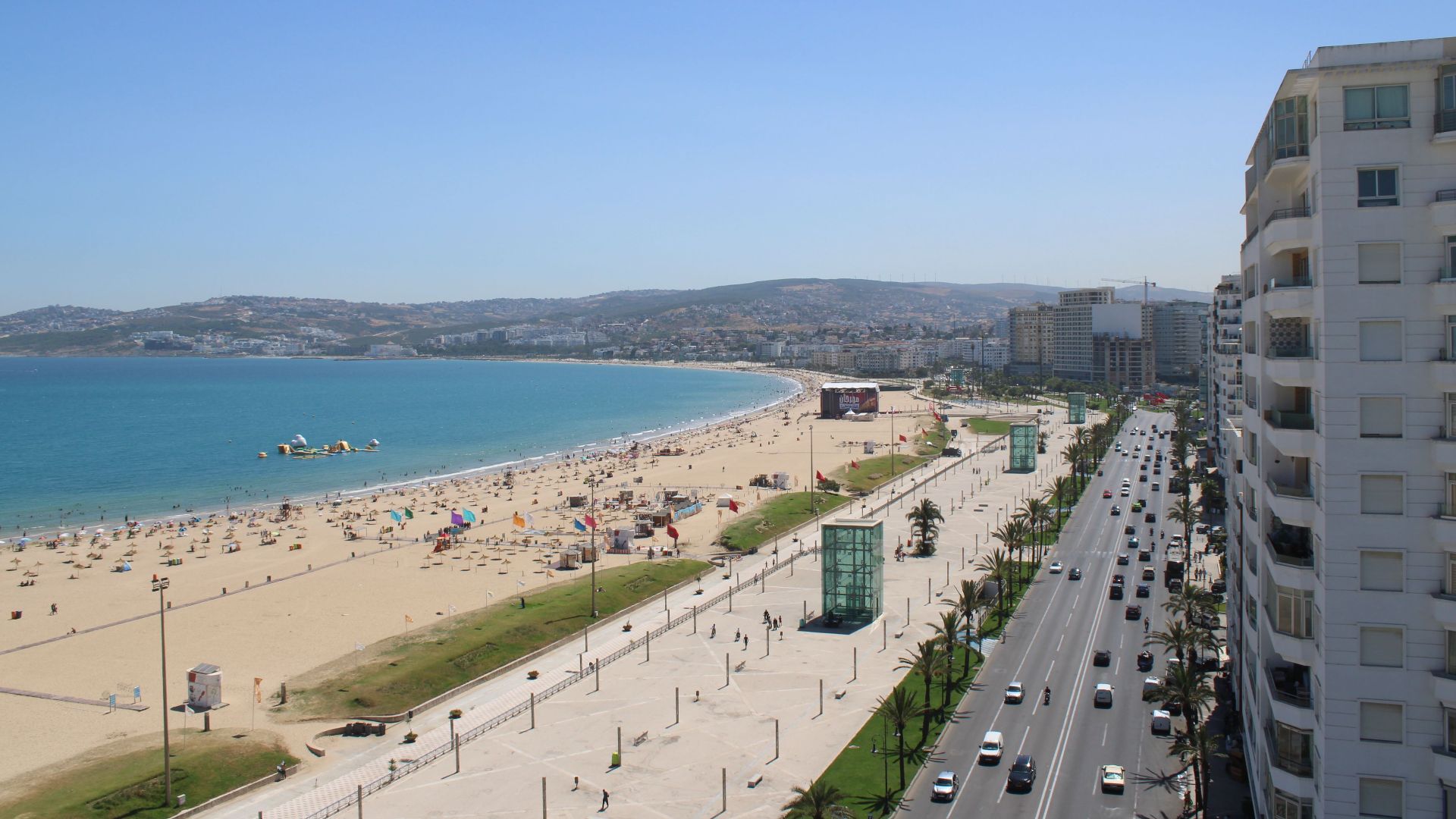
Most travelers reading “oceanfront” expect the property to sit directly beside the ocean. Many coastal rental companies define oceanfront homes as having no road between the house and beach. Properties behind a road are often placed in a different category.

It Is More Than An Ocean View
Seeing the water from a balcony does not necessarily make a property oceanfront. A rental can have a beautiful ocean view while sitting behind another building, parking lot, or roadway. Location and view are not the same thing.

Semi-Oceanfront Is Already A Thing
Properties that are very close but not directly oceanfront are often described differently. Terms like “semi-oceanfront” or “oceanside” may be used when a road, another property, or a short walk separates the rental from the water. Travelers still get proximity without being told they are directly on the beach.
A Busy Road Changes The Experience
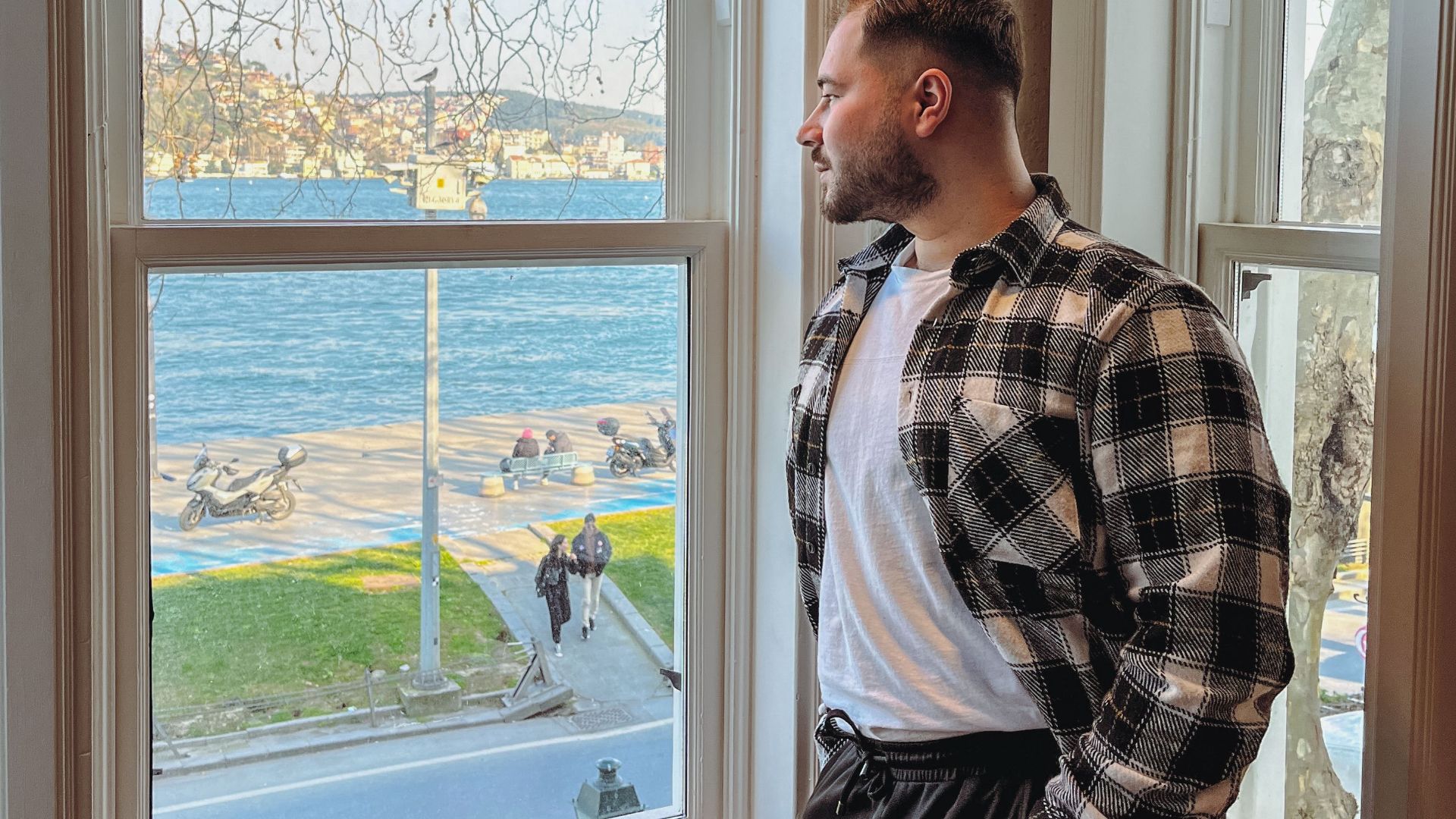
Crossing a quiet lane might be a minor inconvenience. Crossing heavy traffic with kids, beach chairs, coolers, or mobility issues can change the entire feel of a beach vacation. Direct beach access is part of why people pay more for oceanfront rentals.
The Road Can Change The Noise Too
There is another issue beyond beach access: traffic noise. Airbnb says listings should accurately describe location and surroundings that may affect expected noise levels. A busy road directly outside is the kind of detail many guests would want to know.

The Entire Listing Still Matters
One questionable word does not automatically guarantee a refund. Consumer-protection authorities generally look at the overall impression created by an advertisement. The question is whether a reasonable customer could have been materially misled.

Location Can Be A Material Claim
The FTC says advertising must be truthful and non-deceptive. A claim can be deceptive if it is likely to mislead a reasonable consumer about something important to the purchase. For a beach rental, location can obviously matter a lot.

Fine Print Does Not Tell The Whole Story
Imagine the headline says “OCEANFRONT,” while one buried sentence mentions crossing a highway. Whether that disclosure is enough can depend on the overall impression of the listing. Tiny caveats do not necessarily erase a much stronger headline claim.

Photos Matter Too
A listing may show beautiful beach photos without making the road obvious. Both words and images can shape the impression a traveler gets before booking. That is why saving the original photos can matter during a complaint.

Airbnb Requires Accurate Listings
Airbnb says listing pages and host statements should accurately describe the property. Location information is specifically covered, and misleading content can violate platform rules. Guests can point to those standards when the real setting differs sharply from the listing.

Vrbo Has A Similar Rule
Vrbo also says listing content must accurately portray the rental. Its host guidance warns against misleading listing headlines. Calling a property oceanfront should therefore mean more than creative marketing.

So Does A Road Make The Listing Wrong?
Not automatically. The answer can depend on the wording, local practices, property layout, and what was clearly disclosed before booking. Still, a busy road gives a guest a strong argument that “oceanfront” created the wrong impression.

Save The Listing Immediately
Before contacting anyone, take screenshots of the listing exactly as you booked it. Save the headline, description, photos, map, amenities, and every mention of “oceanfront.” Listings can be edited later.

Document What You Found
Take photos or videos showing the rental, roadway, traffic, beach, and walking route. Airbnb asks guests reporting reservation problems to provide evidence when possible. A wide shot showing the road between the home and beach can be especially useful.

Keep Conversations On The Platform
Contact the host through the booking platform whenever possible. Explain that you booked because the rental was advertised as oceanfront and that the road was not what you expected. Written messages create a much stronger record than phone calls.
 Anastasia Ilina-Makarova, Pexels
Give The Host A Chance To Fix It
Sometimes the fastest solution is simply asking the host. Vrbo recommends contacting the host first when a property significantly differs from the listing. Airbnb also encourages guests to try resolving qualifying problems directly when feasible.

Be Specific About What You Want
Do not just say you are unhappy. Ask for a concrete solution, such as a partial refund, another property, or cancellation with a refund. A specific request makes the dispute easier to evaluate.

Do Not Wait Until Checkout
Report the issue as soon as possible. Waiting several days can make it harder to argue that the location difference seriously affected your stay. Platform complaint windows can also be short.

Airbnb Gives Guests 72 Hours
Airbnb generally requires covered reservation issues to be reported within 72 hours of discovery. Its policy includes accommodations that are significantly different from what was advertised. Guests should also provide evidence supporting the complaint.

Vrbo Says To Report It Even Faster
Vrbo tells travelers to contact the host and report a significantly misrepresented property within 24 hours of check-in. That makes the first day of the trip especially important. Waiting too long can weaken your position.

A Refund Is Not Guaranteed
Even if the platform agrees something went wrong, the remedy can vary. Airbnb may offer a full refund, partial refund, or rebooking depending on the severity and impact. A misleading location claim does not automatically mean every guest gets all their money back.

Be Careful About Cancelling Yourself
Do not immediately hit the standard cancellation button before speaking with support. Normal cancellation rules can differ from policies covering a misrepresented property. Contacting the platform first can help preserve your complaint.

Your Credit Card May Offer Another Route
If the host and booking platform refuse to resolve the dispute, contact your credit card issuer. The CFPB recommends first trying to resolve the issue with the seller. After that, you can ask whether the charge may qualify for a dispute.

Do Not Miss Credit Card Deadlines
Certain federal billing-error rights generally require written notice within 60 days after the disputed charge appears on your statement. Keep screenshots, receipts, photos, and correspondence. If you are considering a dispute, contact the card issuer promptly.
 https://kaboompics.com/, Pexels
You Can Escalate A Serious Complaint
If you believe the listing was deceptive, government consumer-protection agencies may be another option. State consumer-protection offices and the FTC can handle or review certain unresolved complaints. These agencies can also provide information about possible next steps.

The Best Defense Happens Before You Book
For future trips, do not trust the word “oceanfront” alone. Check the map, look at satellite imagery, find the actual beach access, and read recent reviews. You can also ask the host directly whether any road must be crossed.

Oceanfront Should Mean Something
A host may have a creative reason for calling a rental across a busy road “oceanfront.” That does not mean guests have to accept it without question. If the road was hidden and the label influenced your booking, document everything and challenge it quickly.
You May Also Like:
I planned a cheap vacation, but surprise charges doubled the cost. Can I get any of that money back?
Things Canadians Notice Immediately When They Visit An American Beach Town