


The Beach Feels Familiar Until It Suddenly Doesn't
At first, an American beach town can seem familiar to a Canadian visitor. Then you spot the boardwalk rides, beach badges, warning flags, giant fishing piers, and cars cruising right across the sand. And that is only the beginning, because the rules and traditions can change completely from one beach town to the next.

The Boardwalk Can Be The Main Event
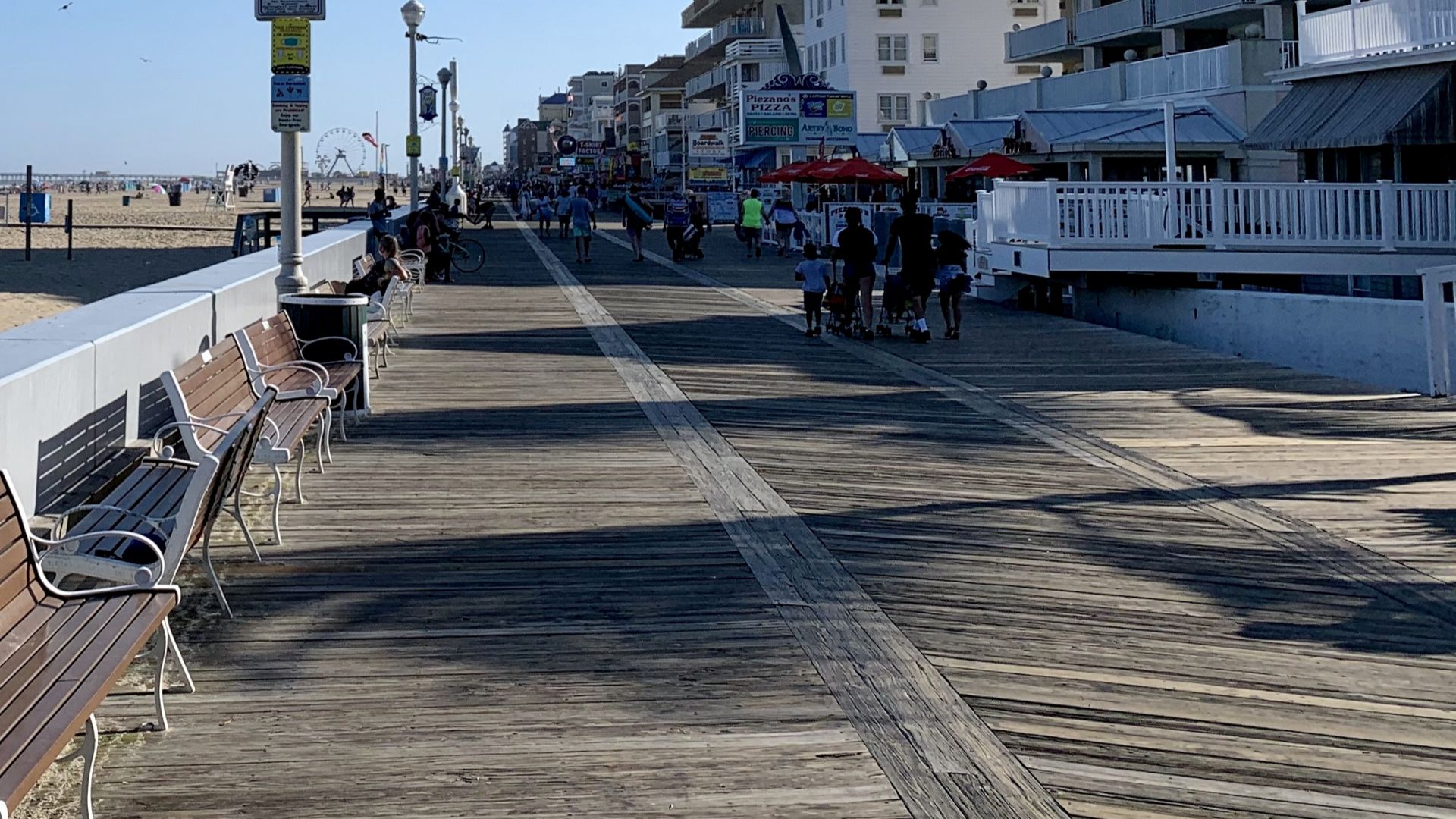
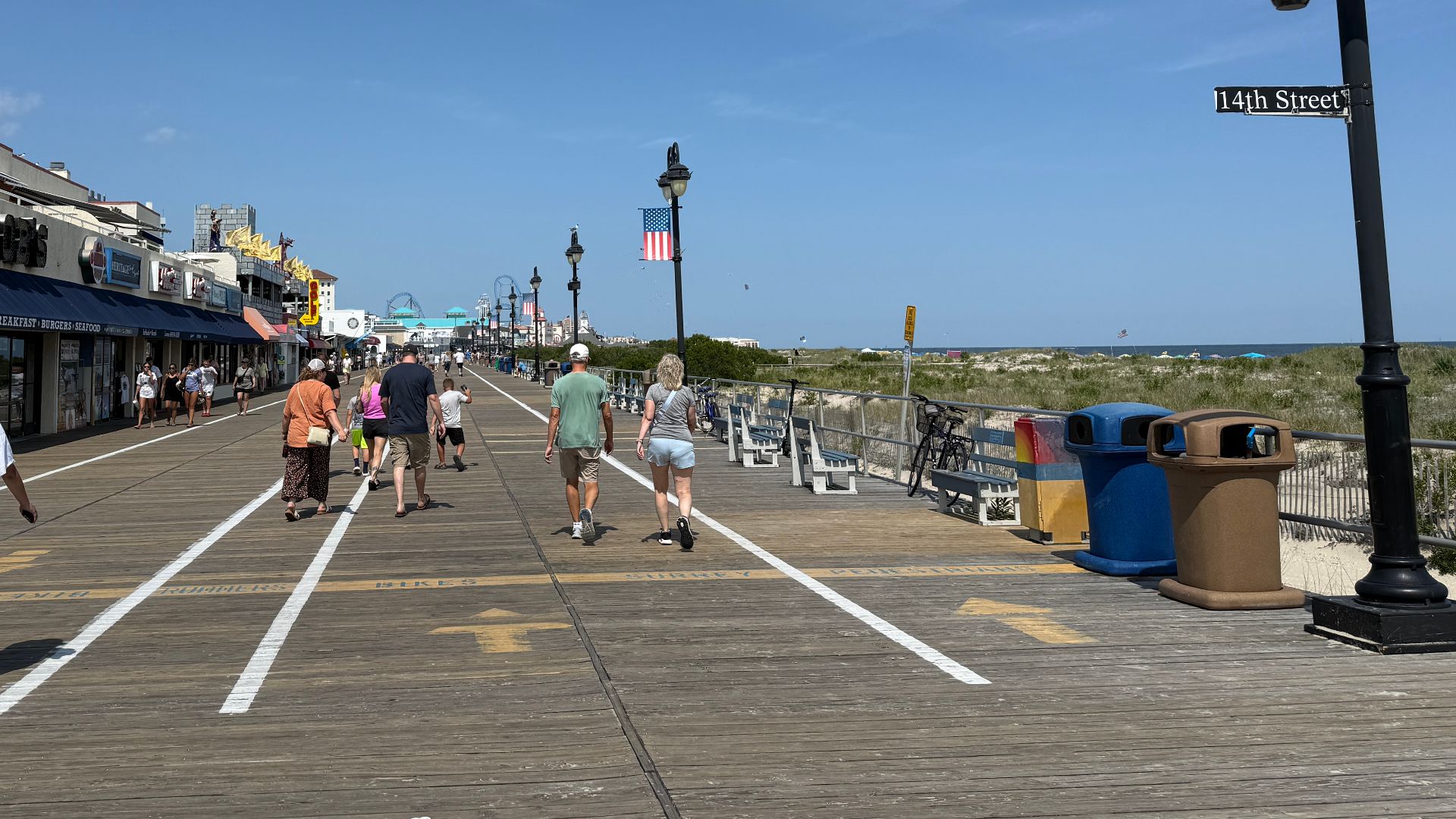
In some American resorts, the boardwalk is almost as important as the ocean. Ocean City, Maryland, has a 2.9-mile boardwalk running alongside its beach, while other coastal towns have similarly substantial promenades. They function as transportation routes, shopping strips, dining districts, and evening gathering places all at once.
Some Boardwalks Feel Like Amusement Parks
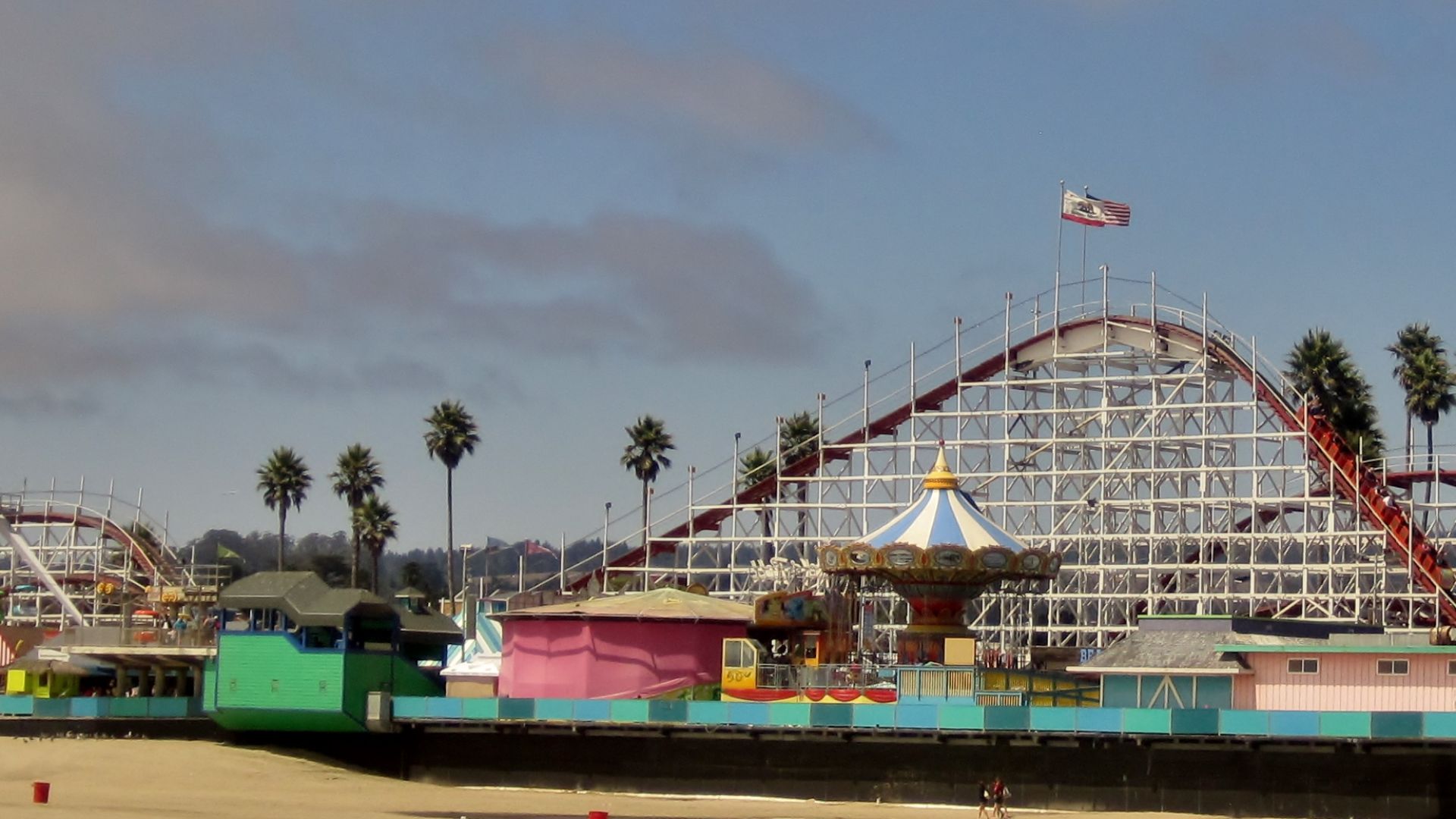
The classic American boardwalk can come with roller coasters, arcades, miniature golf, midway games, and food stands. Santa Cruz Beach Boardwalk in California has more than 40 rides and attractions, including a historic wooden roller coaster and carousel. A simple beach walk can turn into a full day at an amusement park without ever leaving the waterfront.
 Teemu008 from Palatine, Illinois, Wikimedia Commons
Beach Access May Actually Cost You
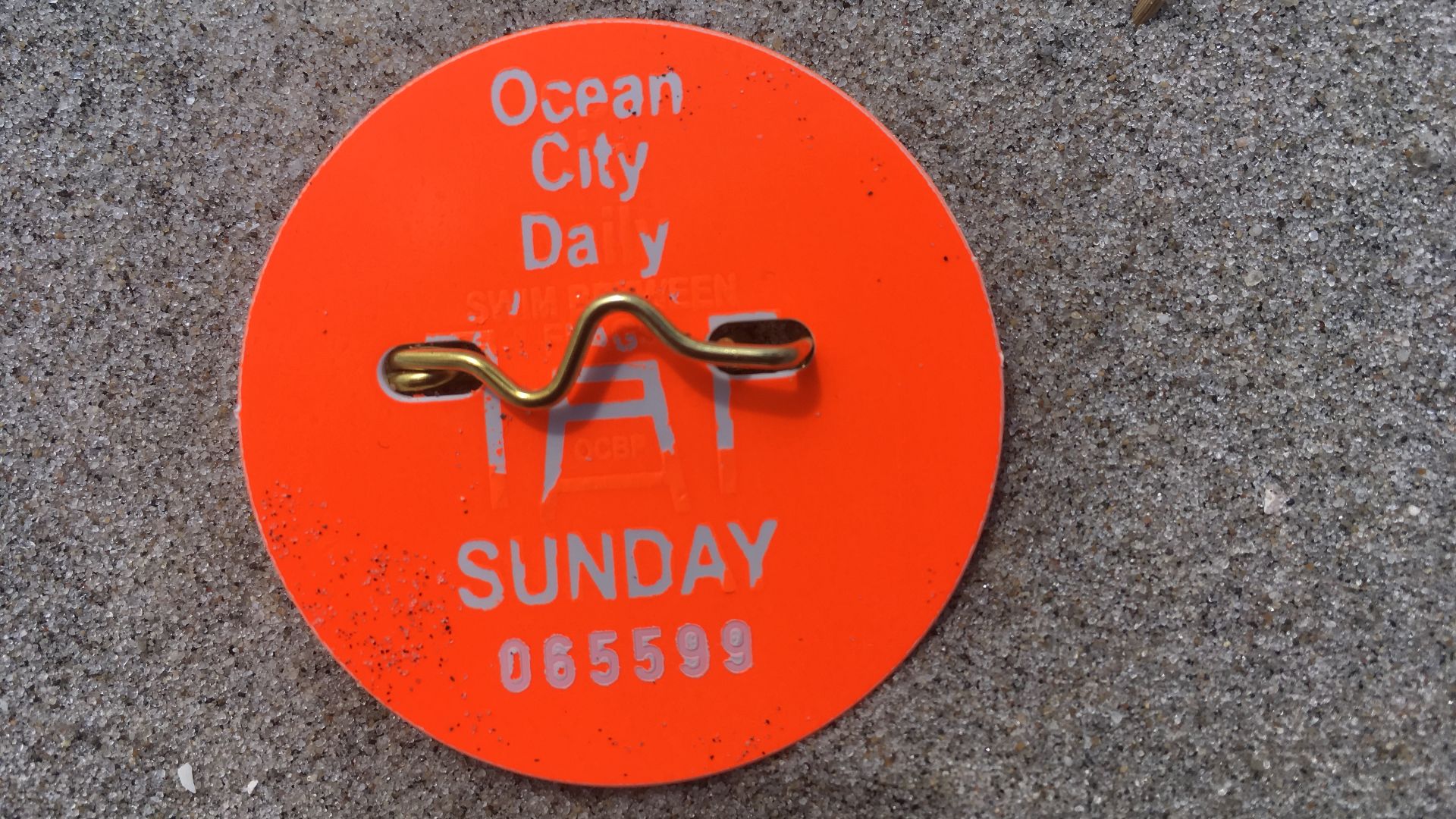
One of the bigger surprises can come before a visitor even touches the sand. Ocean City, New Jersey, requires beach tags for people 12 and older during the summer season, and the city says beach fees help fund lifeguards, cleaning, equipment, and other services. Similar beach-tag systems operate in many other New Jersey shore communities.
Or The Beach Itself May Be Completely Free
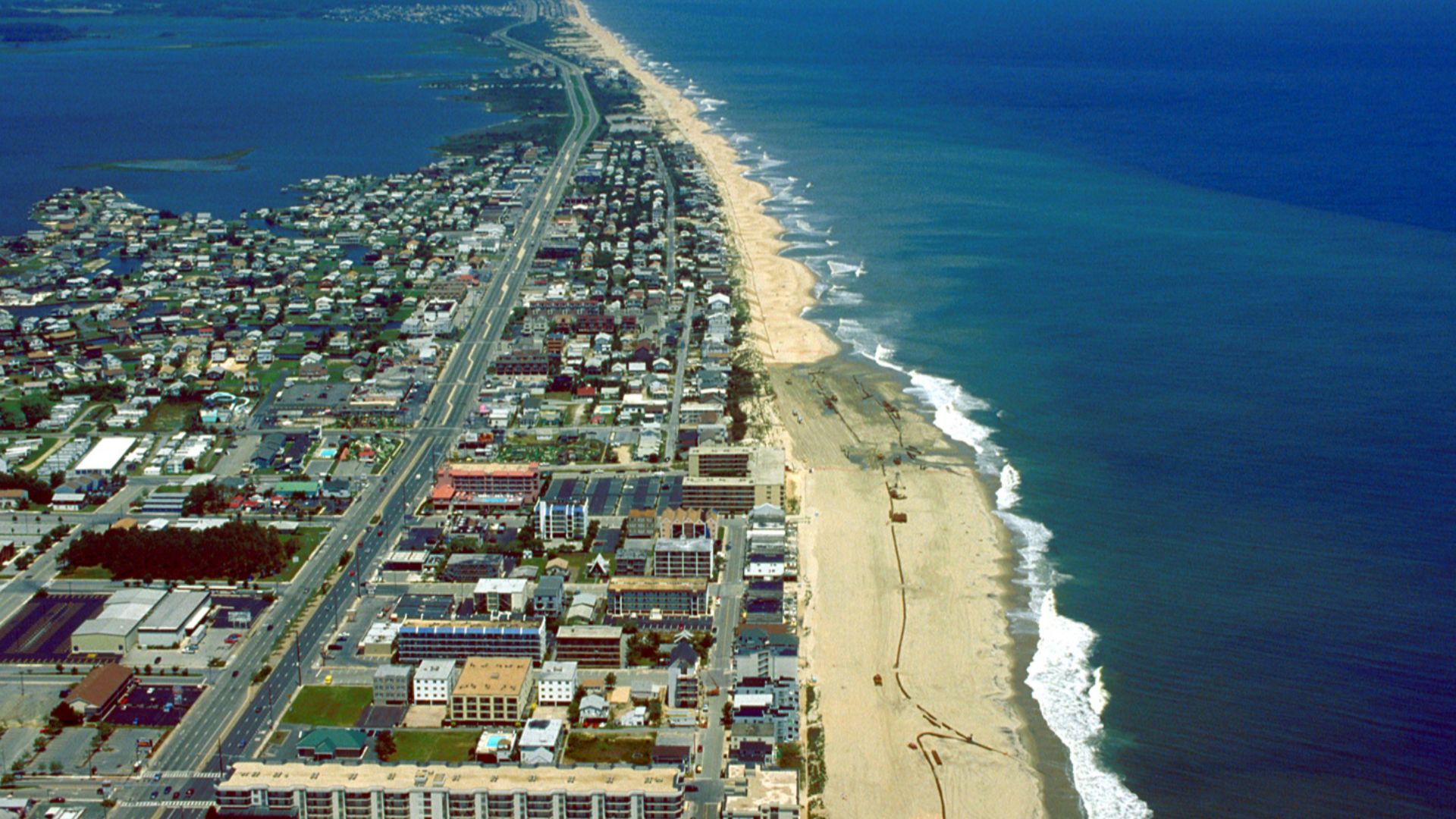
Drive to another American resort and the system can be completely different. Ocean City, Maryland, advertises ten miles of free public beach, despite sharing its name with the New Jersey community that charges for seasonal access. It is an early reminder that there is no single set of rules for an American beach vacation.
 Tex Jobe, U.S. Army Corps of Engineers, Wikimedia Commons
Parking Can Cost More Than Expected
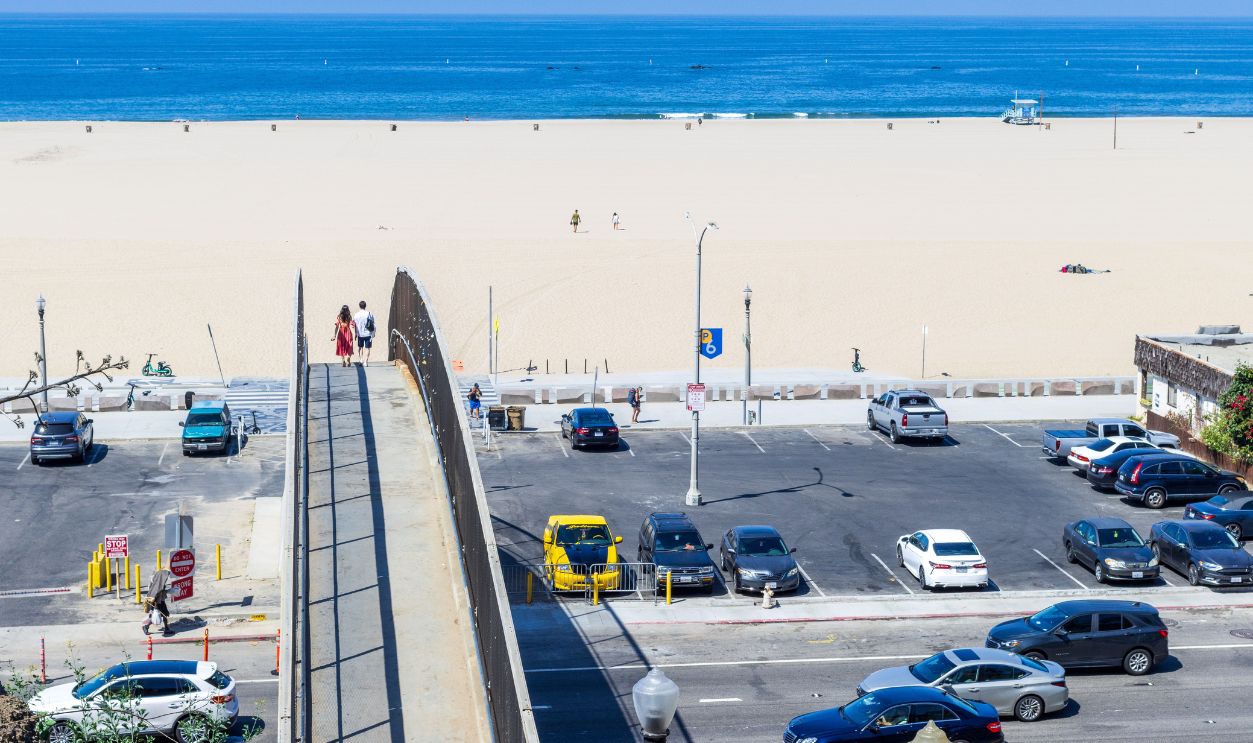
Getting onto the sand may be free, but parking nearby can quickly add to the cost. At Virginia Beach, municipal lots and garages use progressive rates during the busy season, with a full day reaching as much as $24. During major events and peak-demand periods, special flat rates can also apply.
Your Phone May Replace The Parking Meter
Beach-town parking is also becoming increasingly digital. Ocean City removed traditional parking kiosks in favor of app, QR-code, text, and phone payments, with the transition beginning in 2025. Visitors now need to pay close attention to zone numbers and signs rather than simply feeding a meter beside the car.

The Warning Flags Mean Business
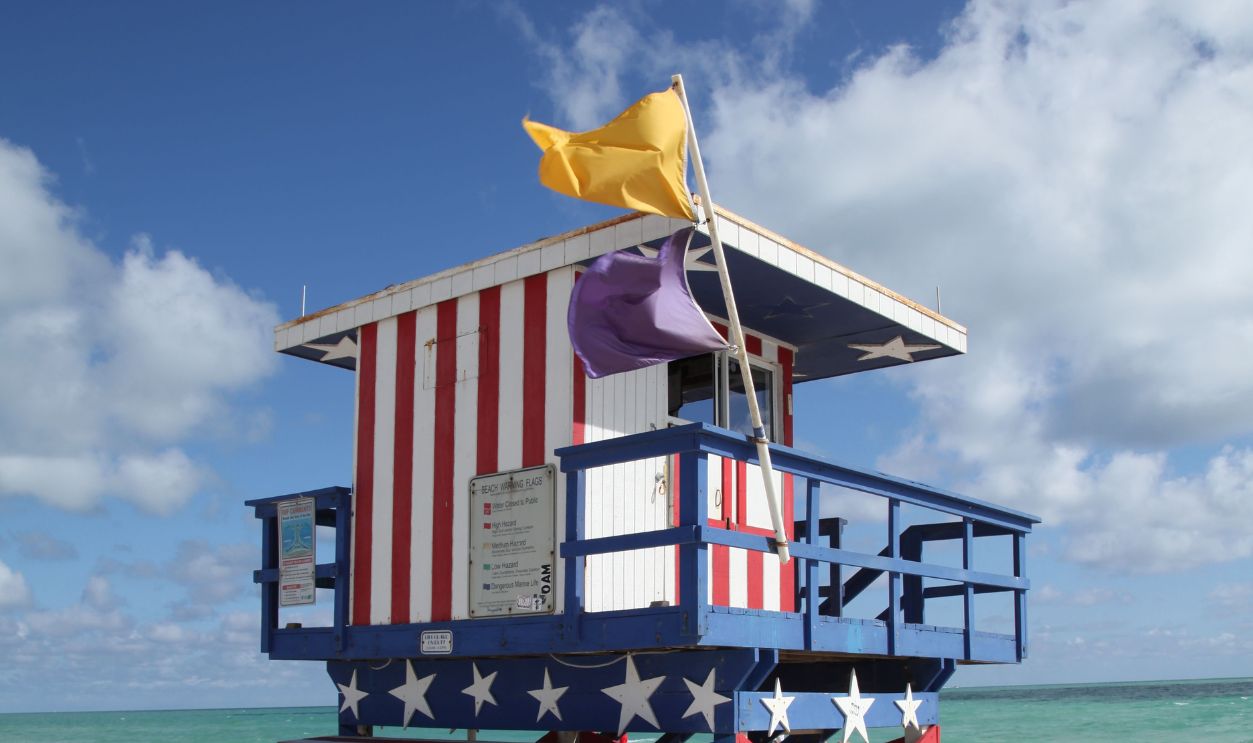
Those colored flags beside lifeguard towers are not decorative. Gulf Shores, Alabama, uses a beach-warning system for surf hazards, currents, and dangerous marine life. When double red flags are flying there, entering the Gulf of Mexico is actually prohibited.
Rip Current Warnings Get Taken Seriously
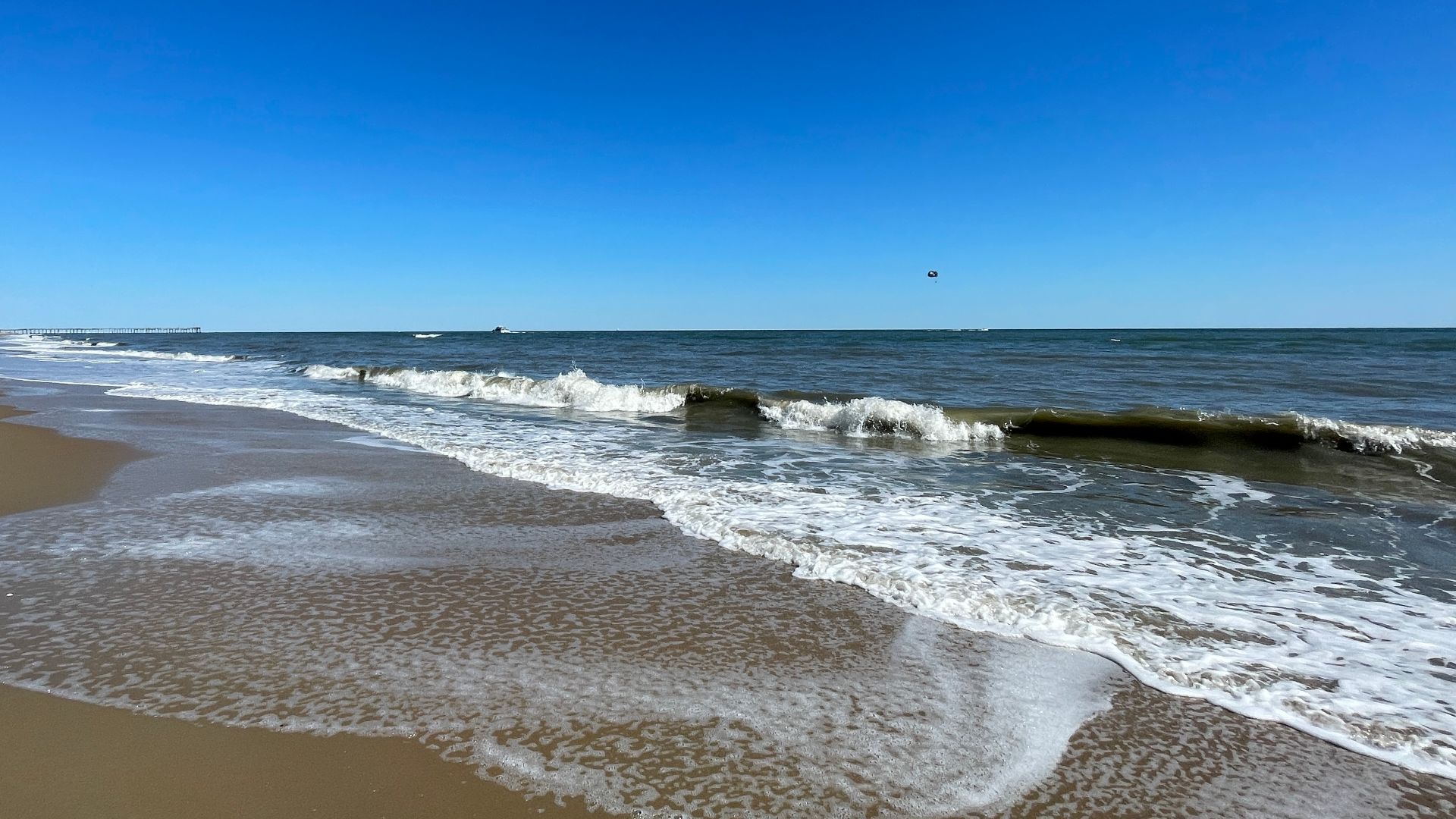
Ocean swimmers quickly become familiar with the phrase "rip current." NOAA describes them as powerful flows moving from near shore toward open water and publishes daily risk information for many U.S. coastal areas. Authorities repeatedly tell swimmers to stay near lifeguards and pay attention to beach flags.
Lifeguard Coverage Has Set Hours
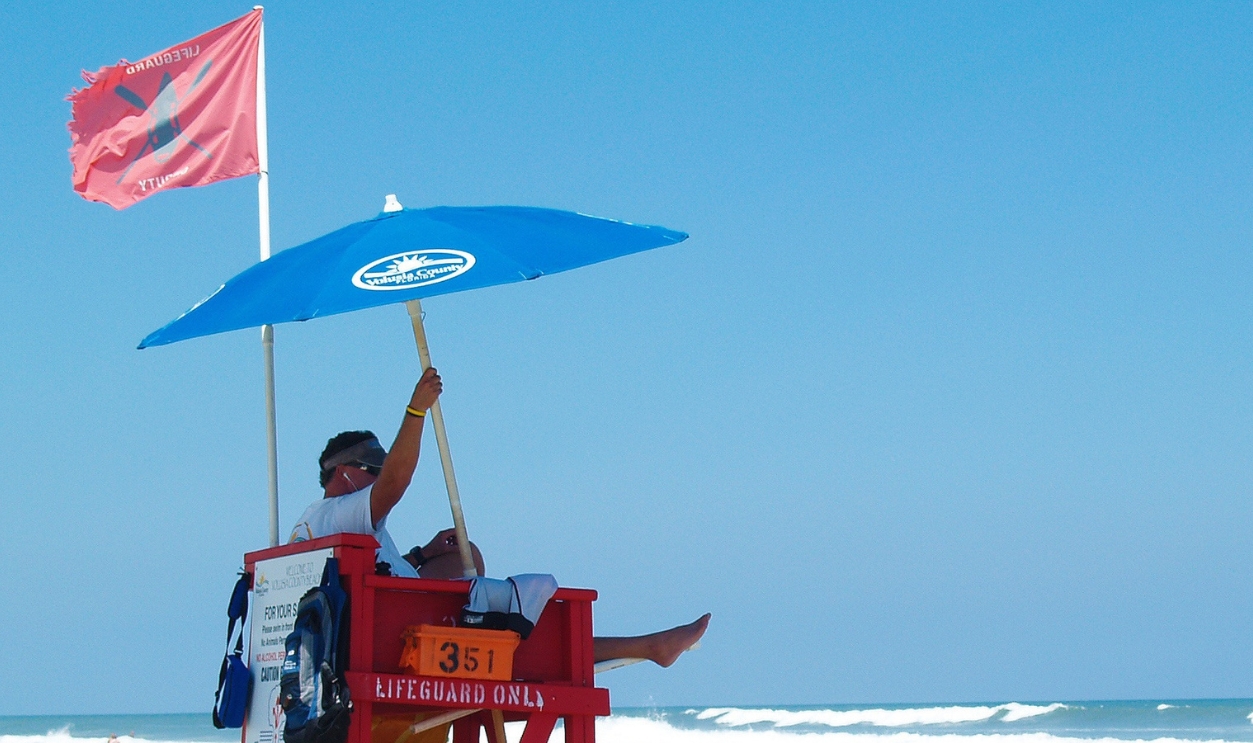
A lifeguard tower on the sand does not necessarily mean someone is watching it all day. At Virginia Beach, lifeguards are generally on duty from 9:30 a.m. to at least 6 p.m. from Memorial Day weekend through Labor Day weekend. Visitors are encouraged to swim in guarded areas and pay attention to posted beach conditions.
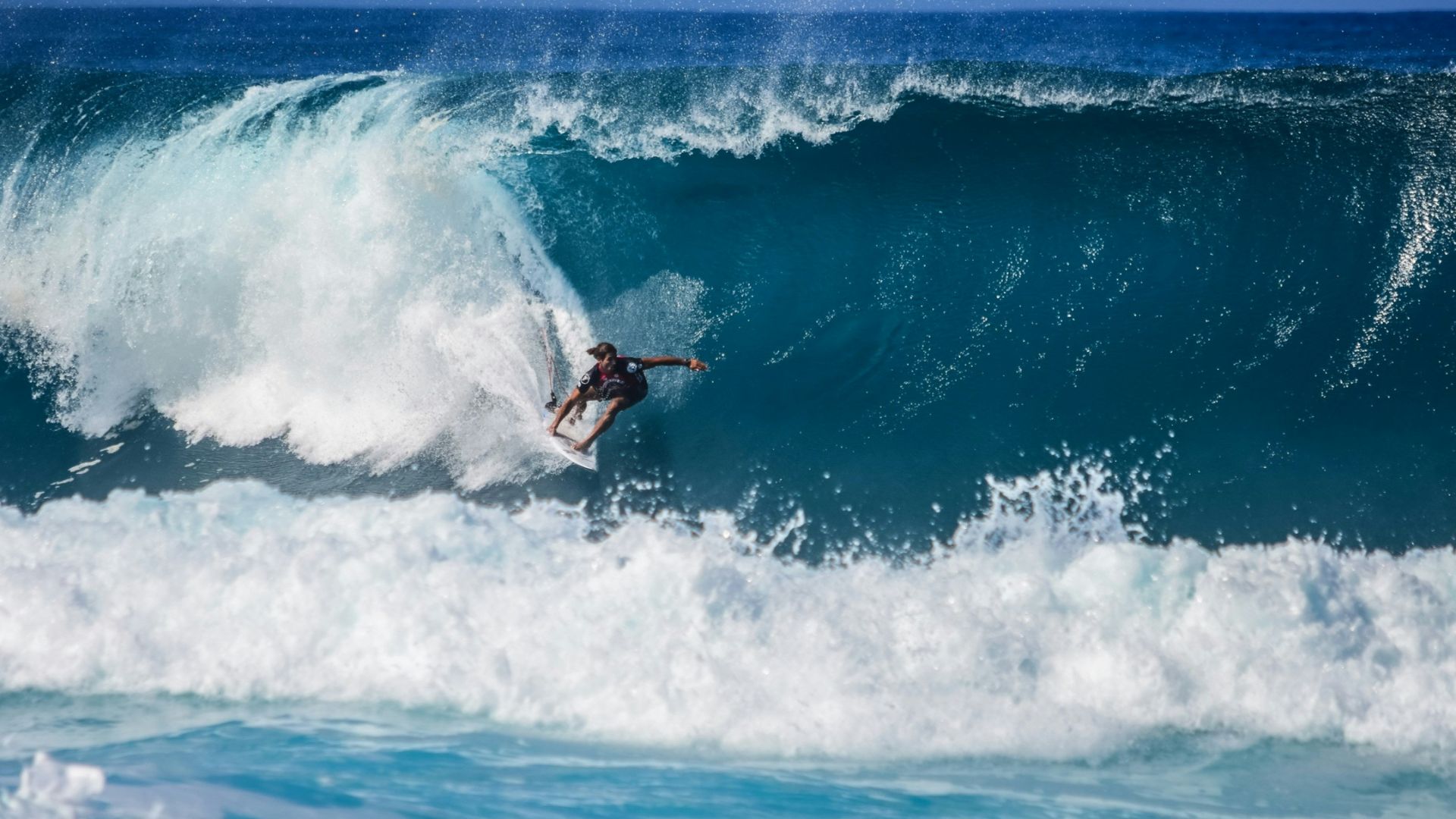
Surfing May Get Its Own Stretch Of Sand
In some busy beach towns, surfers and swimmers are deliberately kept in separate areas. Designated surf zones help keep boards away from crowded swimming sections while still giving surfers room to catch waves. The exact boundaries and hours can change depending on local rules and conditions.
Fishing Has Its Own Territory Too
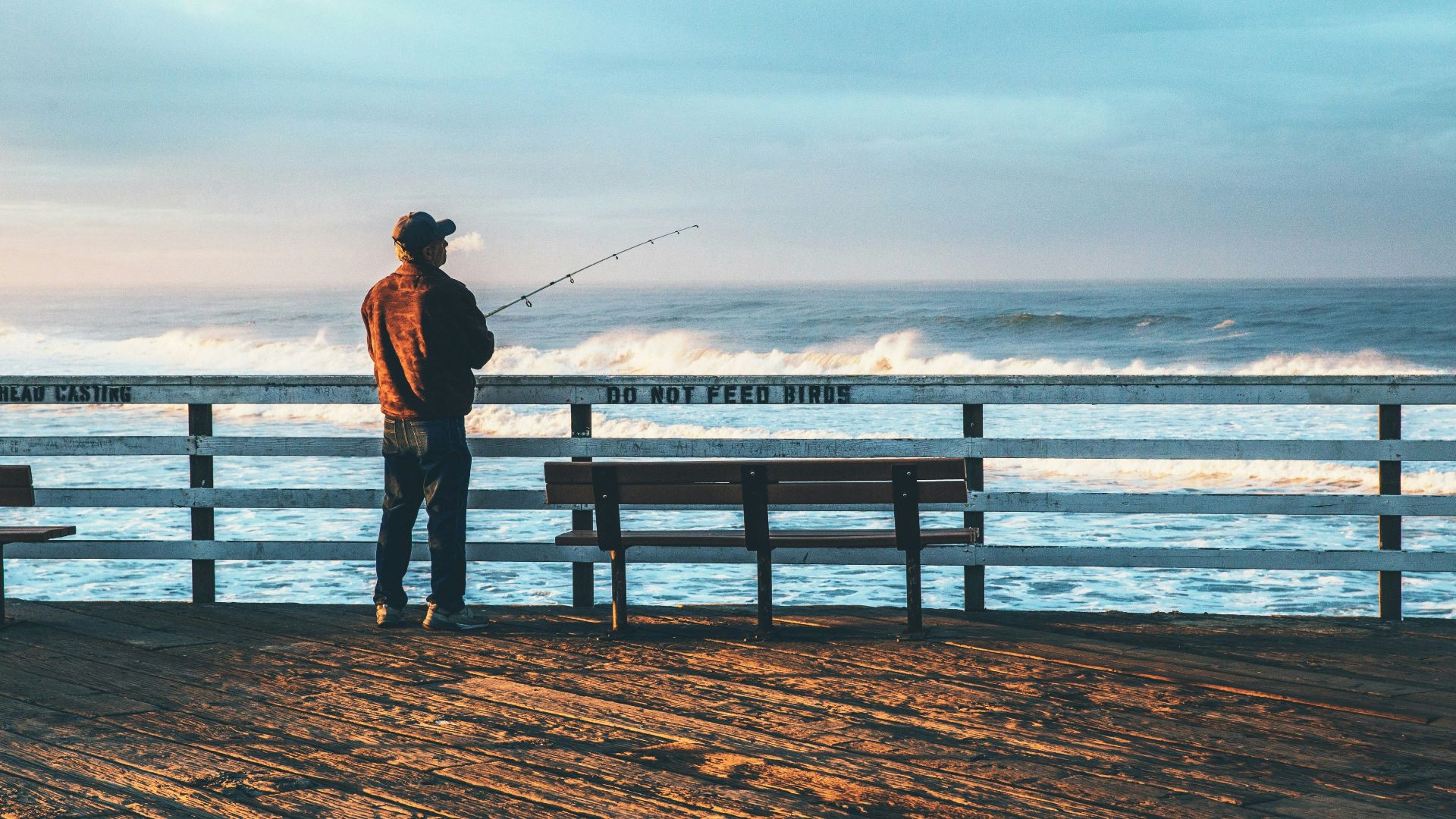
Fishing from a busy swimming beach often comes with restrictions. Some towns limit when and where surf casting is allowed, especially during crowded daytime hours. Separate fishing areas help keep hooks and lines away from swimmers while still giving anglers access to the shoreline.
The Fishing Piers Can Be Enormous
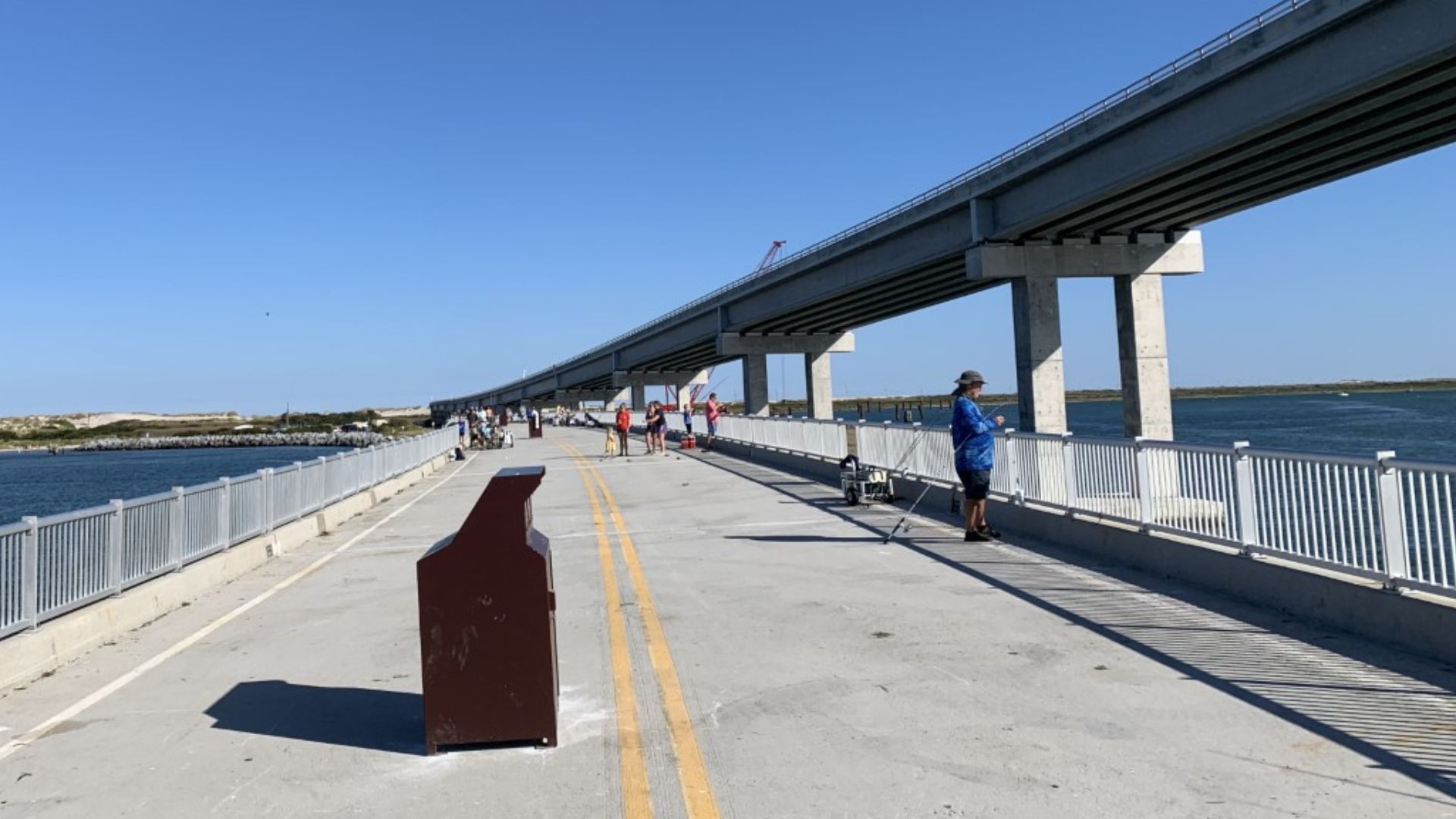
The long wooden fishing pier is a familiar feature of many U.S. coastal resorts. Florida's Navarre Beach Pier stretches 1,545 feet into the Gulf, while the Bonner Bridge Pier on North Carolina's Outer Banks is more than 1,000 feet long. Even visitors who never pick up a rod use these structures for sightseeing and ocean views.
 Cape Hatteras National Seashore, Wikimedia Commons
Yes, Cars Can Drive On The Beach
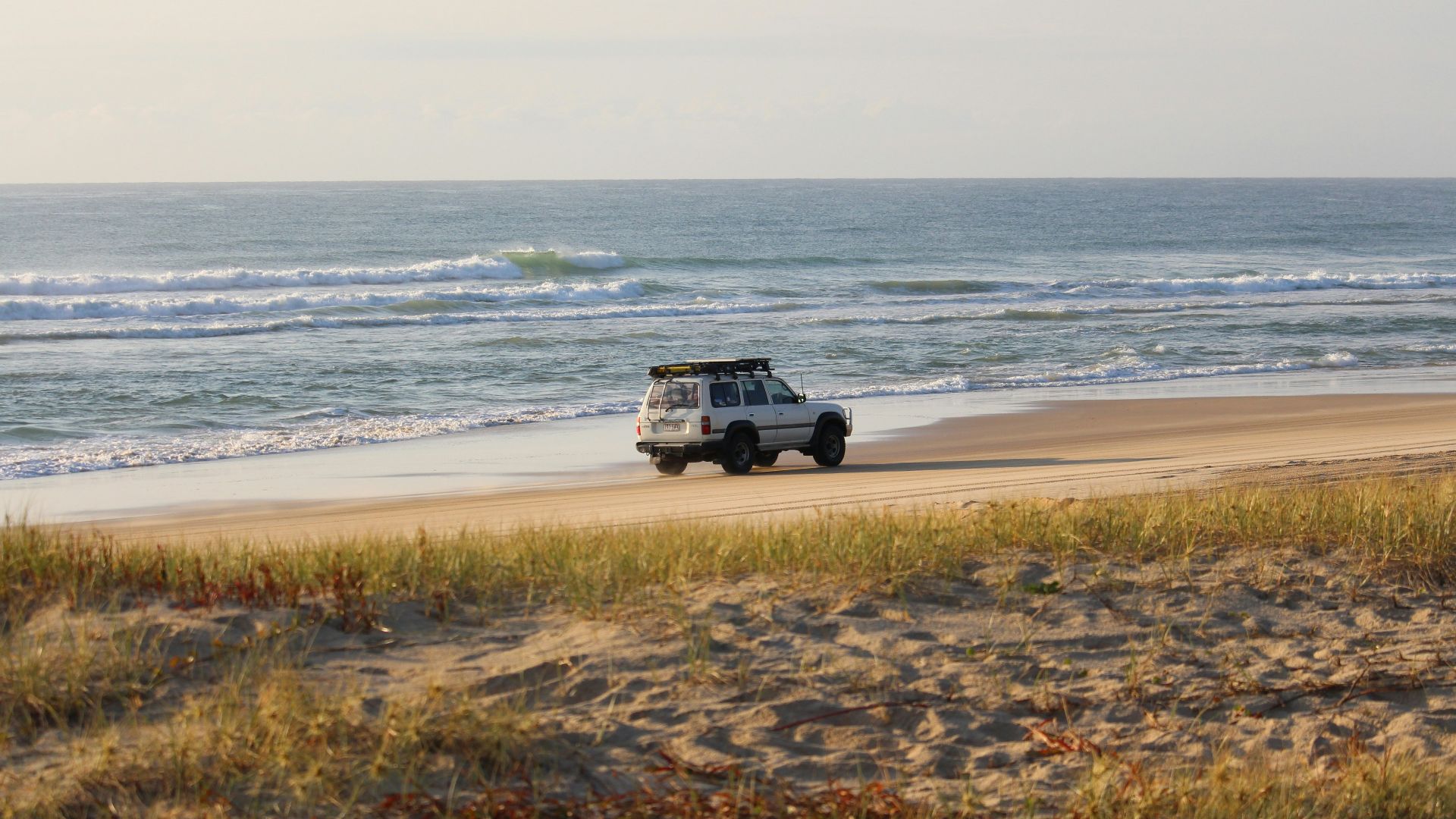
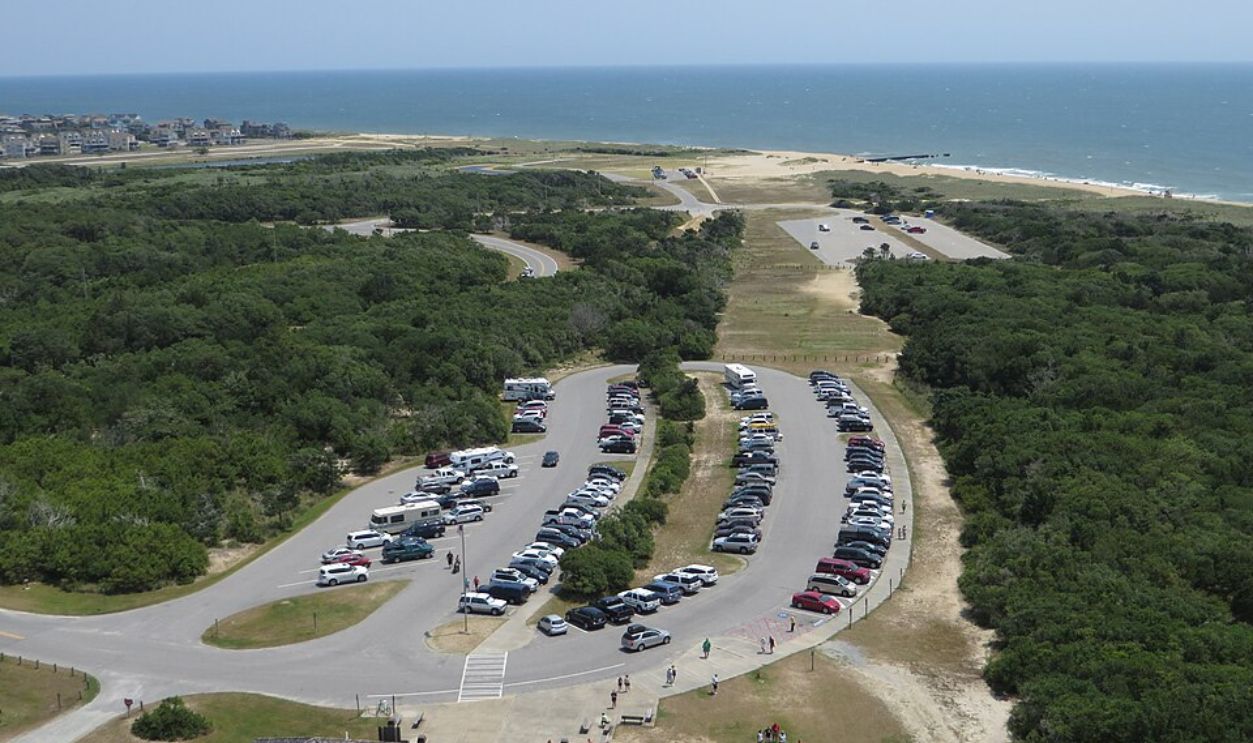
Seeing a pickup truck roll past beach chairs can be startling the first time. Vehicle access is still permitted on designated stretches at Cape Hatteras National Seashore in North Carolina, and visitors can also drive and park on portions of the sand at Daytona Beach. Beach driving is a genuine part of the coastal experience in a handful of American destinations.
Beach Driving Comes With Serious Rules
This is not simply a case of pointing the car toward the water. Cape Hatteras requires an off-road vehicle permit, restricts drivers to designated routes, and imposes a 15-mph limit unless signs say otherwise. Access can also change because of wildlife protection and seasonal conditions.
 Ken Lund from Reno, Nevada, USA, CC BY-SA 2.0, Wikimedia Commons
Canopies Are Not Always A Free-For-All
Large shade shelters have become common enough that some beach towns regulate their dimensions and placement. Ocean City, Maryland, bans enclosed tents and limits open-sided canopies, while Gulf Shores restricts larger canopies outside designated areas. Checking the rules before hauling a giant shelter down to the beach can save a lot of frustration.

Beach Gear May Have A Curfew
Leaving chairs and tents in the perfect spot overnight is not always an option. Gulf Shores requires visitors to remove equipment and structures from public beaches after the day ends. Items left on the sand overnight can be removed and disposed of by beach patrol.
Dogs Often Have A Seasonal Schedule
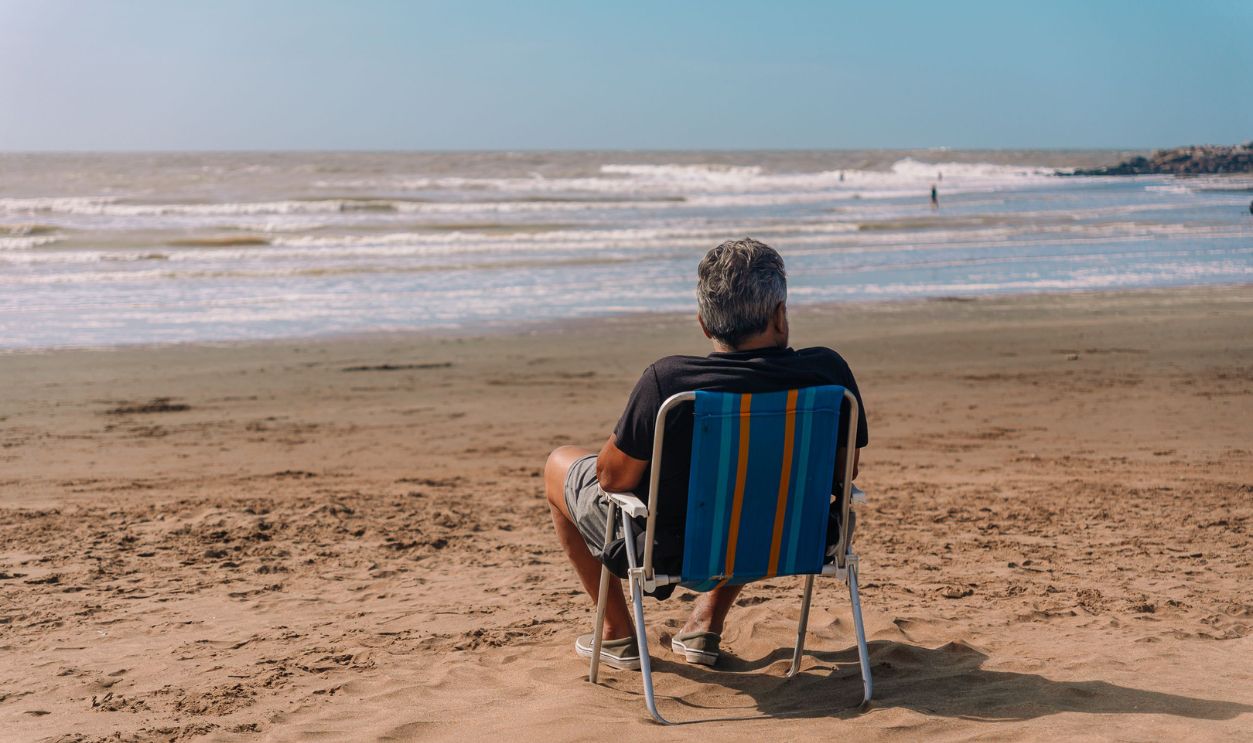
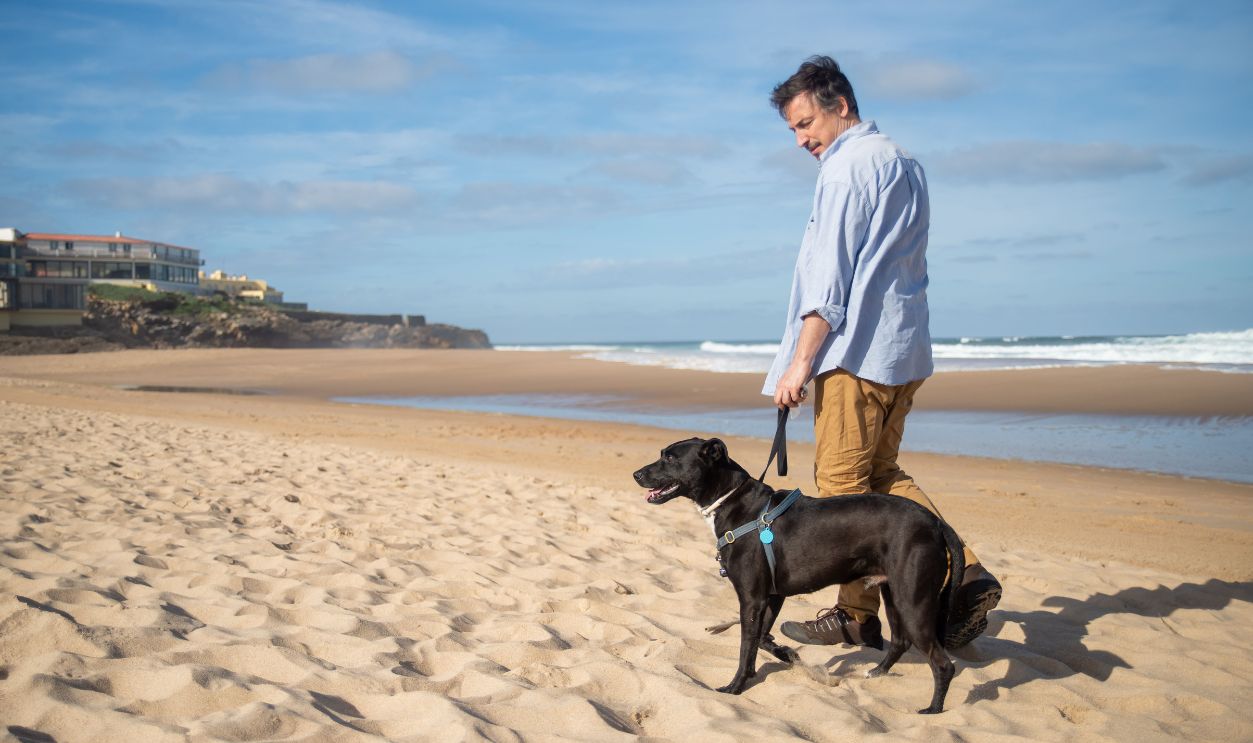
Dog rules can change completely once the busy summer season arrives. Many beach towns restrict dogs during peak daytime hours or ban them from the sand altogether, while allowing more access during the off-season. Checking the local rules beforehand can save an awkward turnaround at the beach entrance.
Alcohol Rules Can Be Stricter Than Expected
An oceanfront vacation does not automatically mean drinks are allowed on the sand. Many beach towns ban open containers or alcohol on public beaches, even when bars and restaurants sit just steps away. What is perfectly legal on a patio may be prohibited once you cross onto the shoreline.
Smoking Rules Can Get Surprisingly Specific
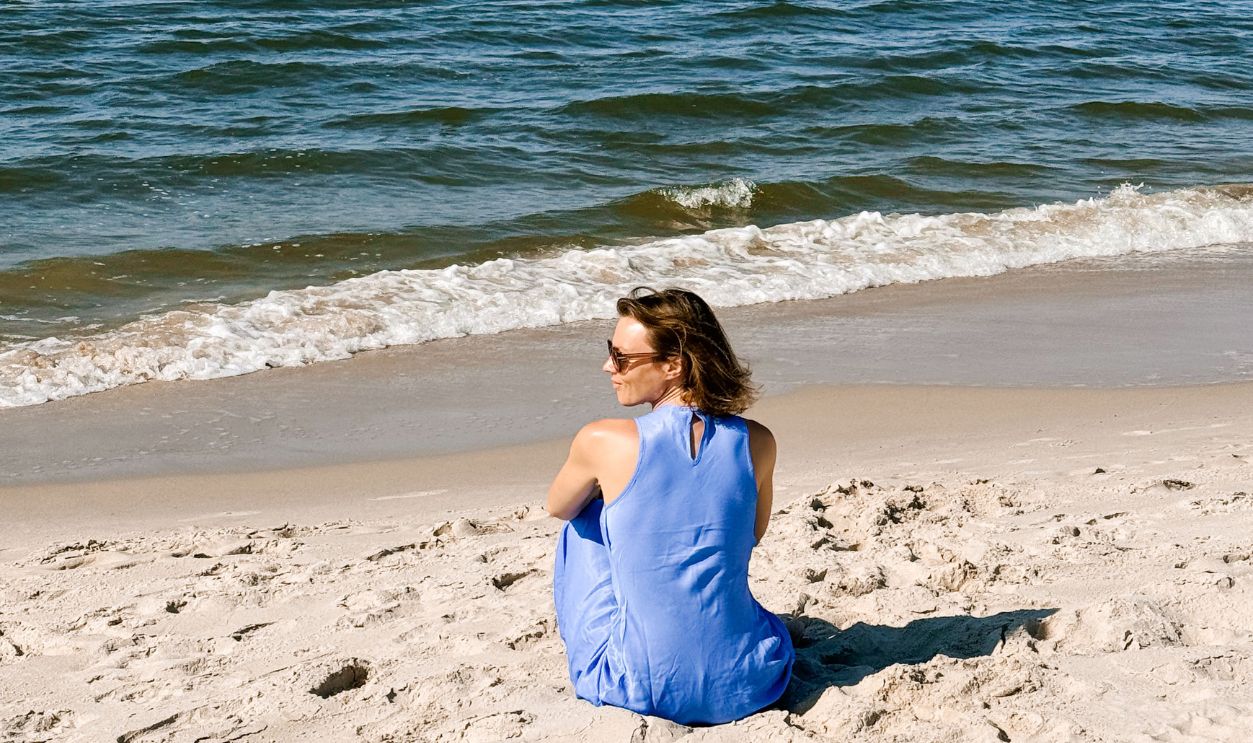
Restrictions can extend down to exactly where someone is allowed to smoke. Ocean City's boardwalk, beach accessways, and dune crossings are smoke-free, while smoking on the beach is restricted to designated areas. Gulf Shores prohibits tobacco products and e-cigarettes on its public beaches altogether.
Bonfires Depend Entirely On The Beach
California's beach imagery often includes a fire glowing beside the Pacific, and Huntington Beach officially promotes its beach bonfire pits. Gulf Shores, by contrast, prohibits fires, grills, and cooking devices on public beaches. Something that looks like a classic American beach tradition in one state can earn a warning in another.

The Dunes Are Not Just Empty Sand
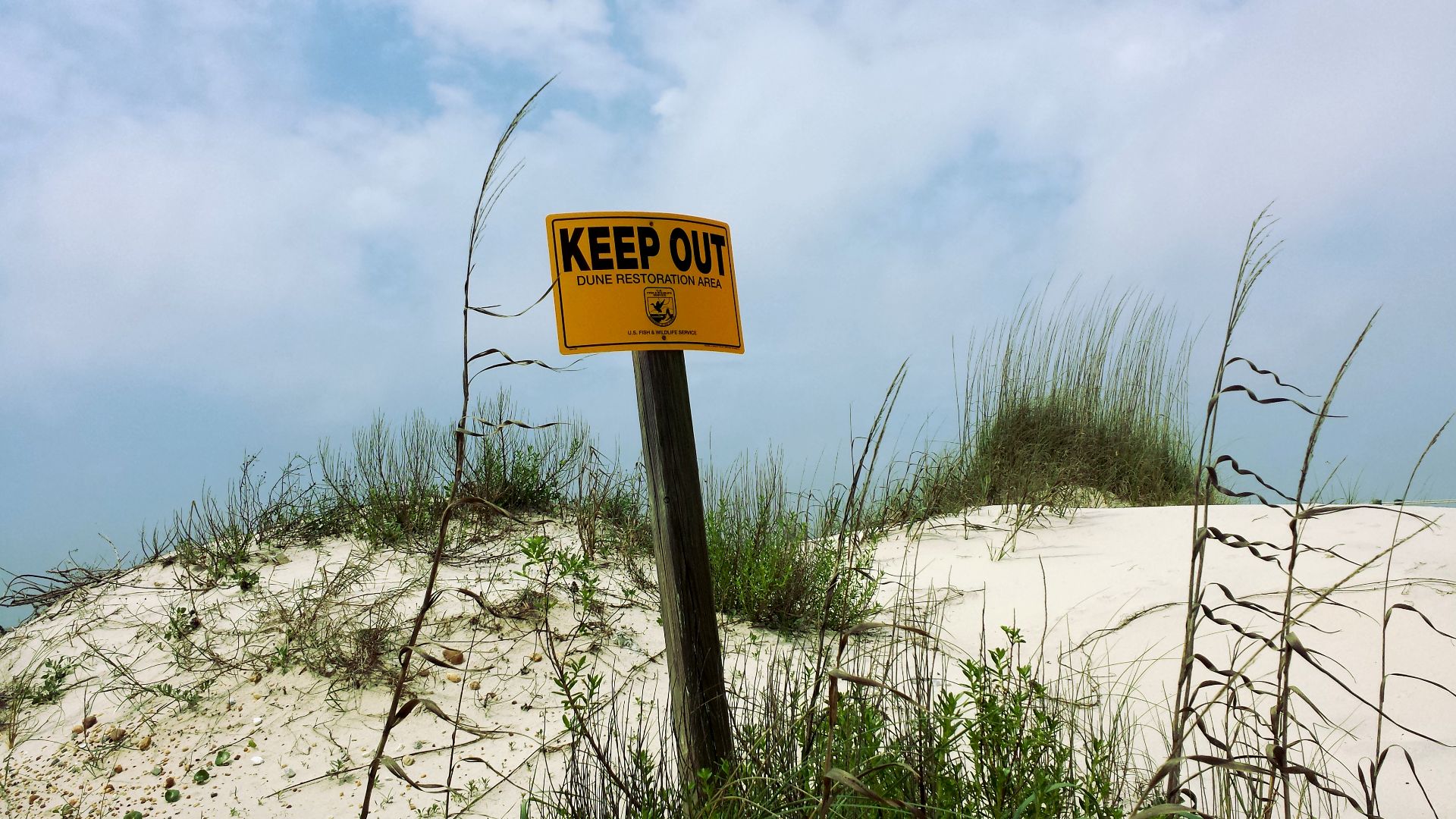
Walkovers and "keep off the dunes" signs are common for a reason. Dune vegetation helps hold sand in place, and the National Park Service notes that foot traffic can damage plants and begin the erosion process. Gulf Shores similarly directs visitors to use established boardwalks rather than walking over its dunes.
 Matthew Nichols, Wikimedia Commons
Those Wooden Sand Fences Have A Job
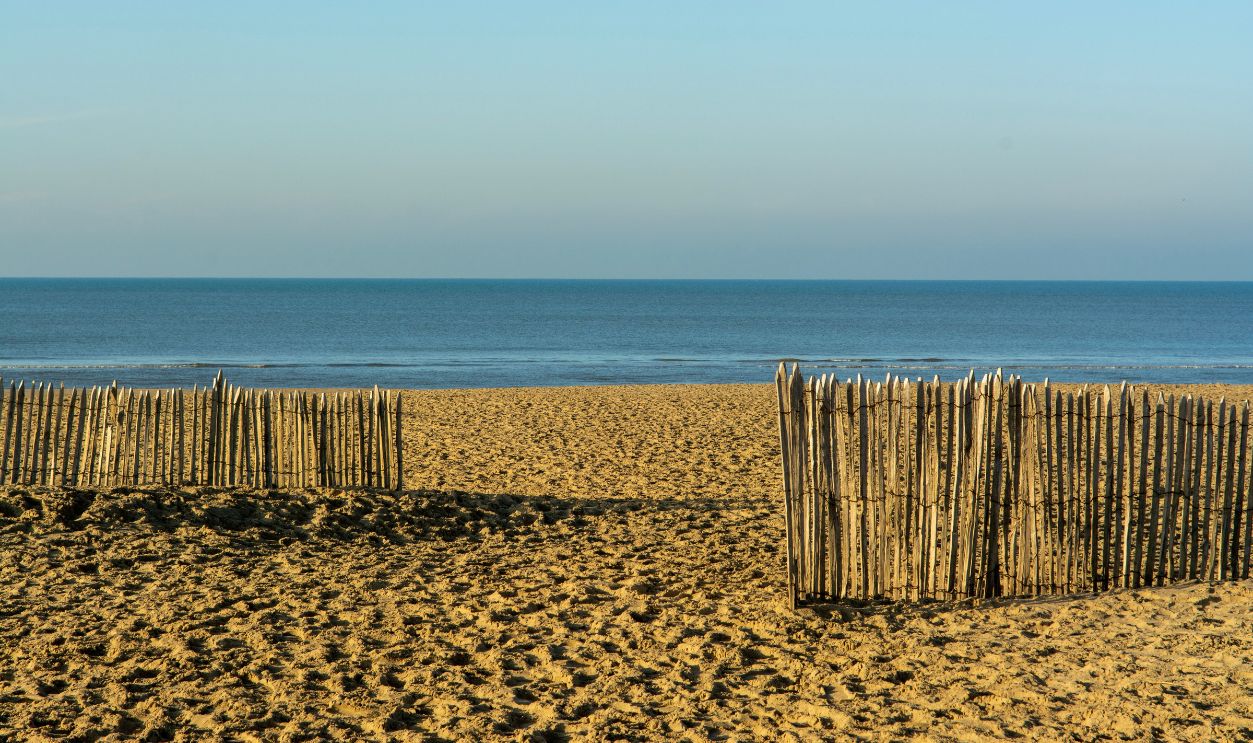
The rows of simple fencing poking through coastal dunes are another feature visitors may initially overlook. Sand fencing slows wind and traps moving sand, helping form or rebuild dunes. Fences can also steer people away from sensitive areas.
The Beach May Have Been Rebuilt
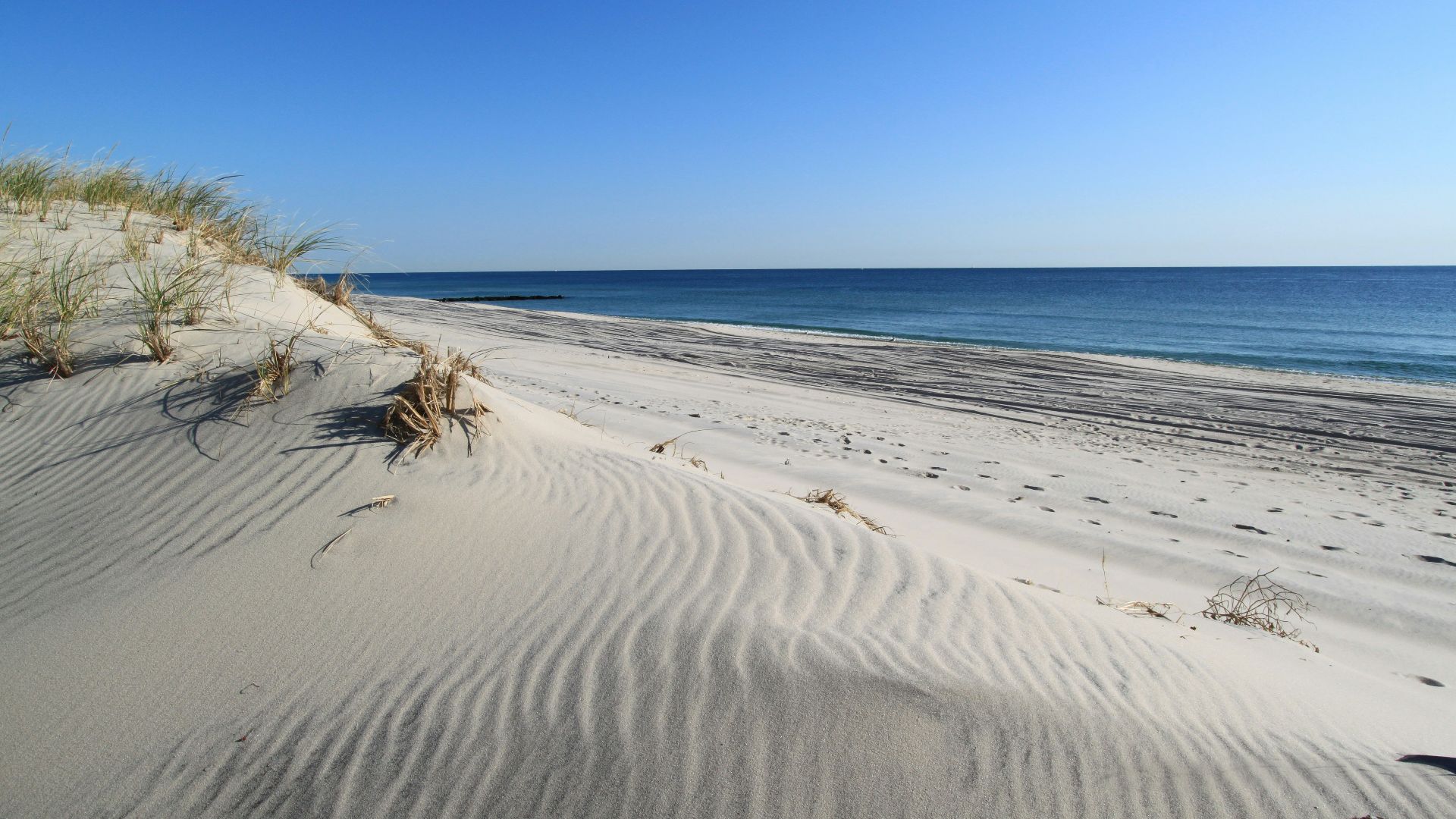
An impossibly broad stretch of perfect-looking sand is not necessarily entirely natural. U.S. coastal communities use beach nourishment projects to place additional sediment along eroding shorelines. USGS research continues to examine how that added sand moves and how it can help buffer dunes from erosion.
Turtle-Friendly Lighting Changes The Nighttime Look
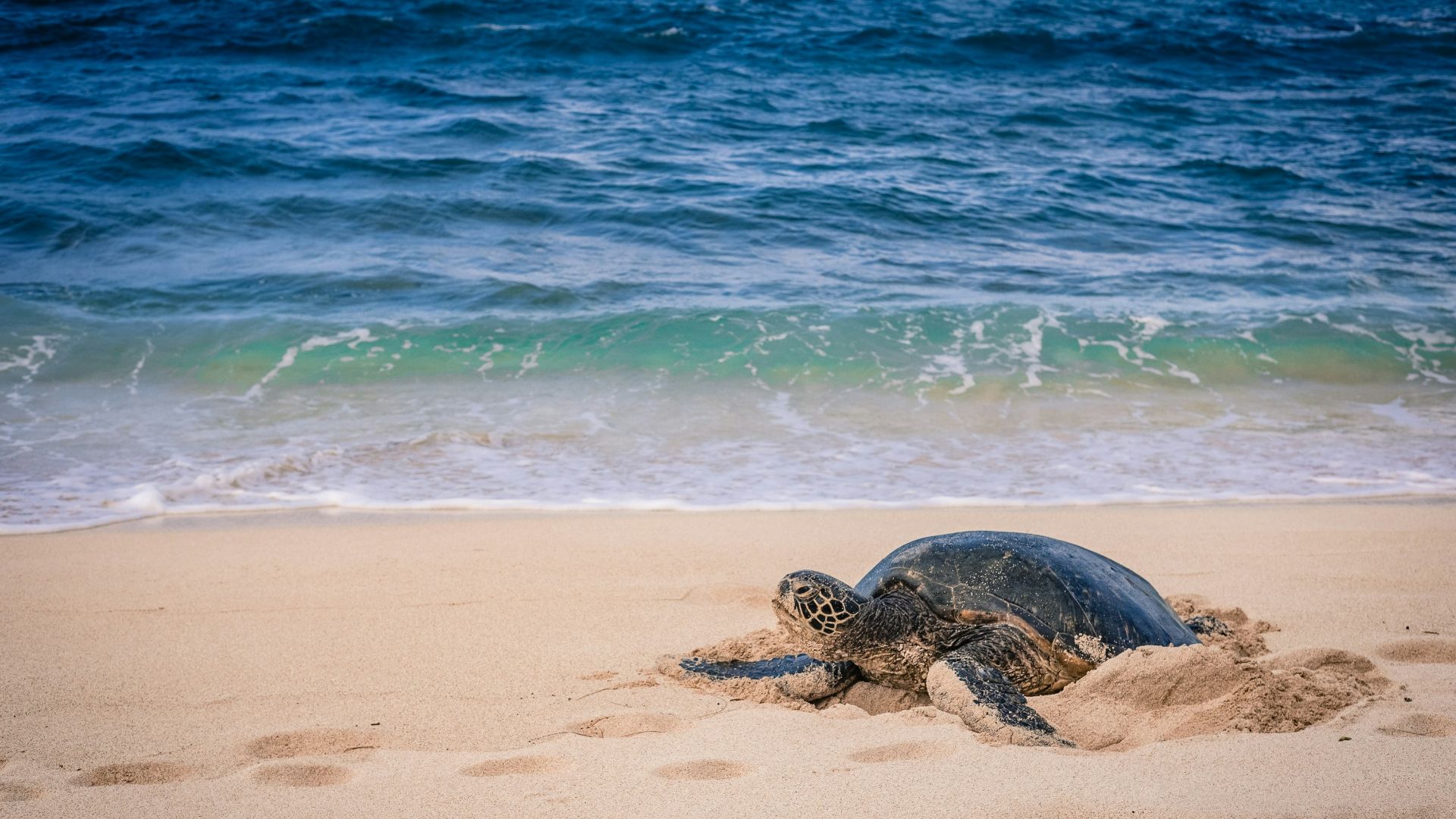
Florida visitors may notice surprisingly dim or amber-colored lighting around oceanfront properties. Artificial light can disorient nesting sea turtles and hatchlings, so many coastal communities regulate beachfront lighting. State wildlife officials recommend keeping suitable lights low, long-wavelength, and shielded from the beach.
Hurricane Planning Is Never Far Away
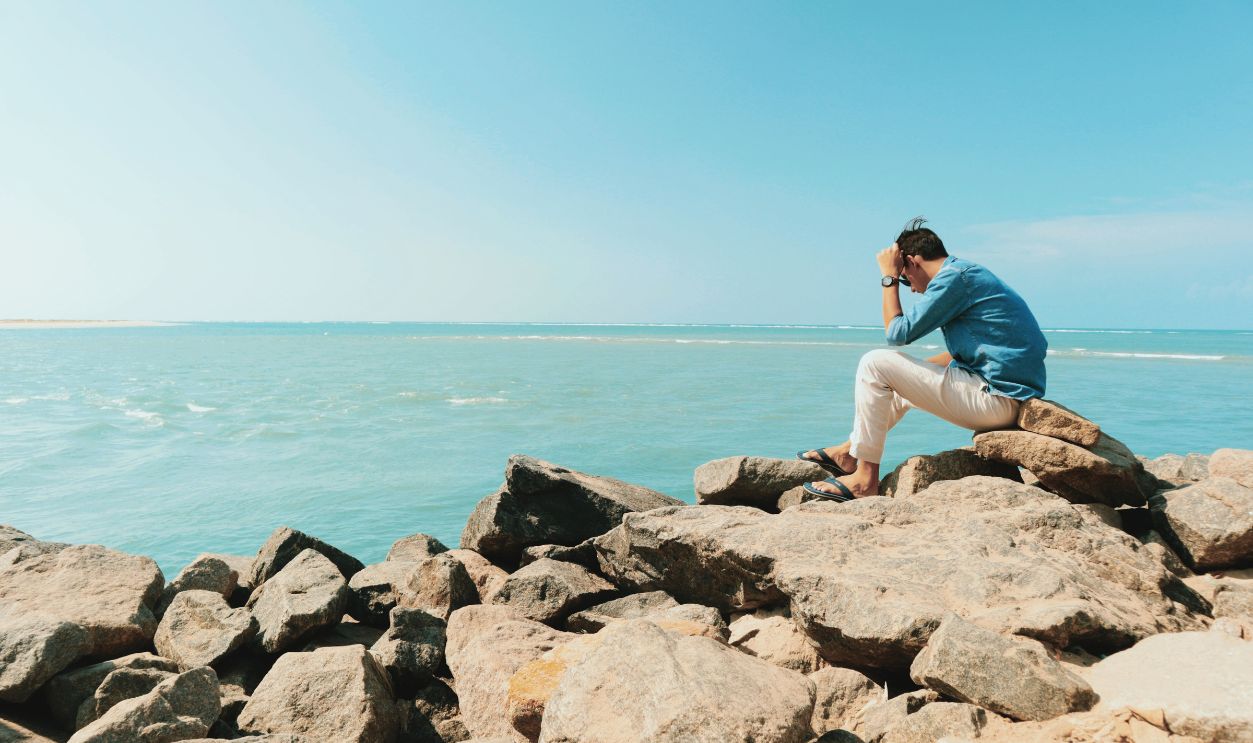
The sunny vacation atmosphere can sit inside a very serious storm-risk zone. NOAA maps storm-surge vulnerability along U.S. Gulf and East Coast communities and advises people in vulnerable areas to learn whether they are inside a local hurricane evacuation zone. In many coastal destinations, emergency planning is simply part of living beside the ocean.
Some Beach Houses Sit High Above The Ground
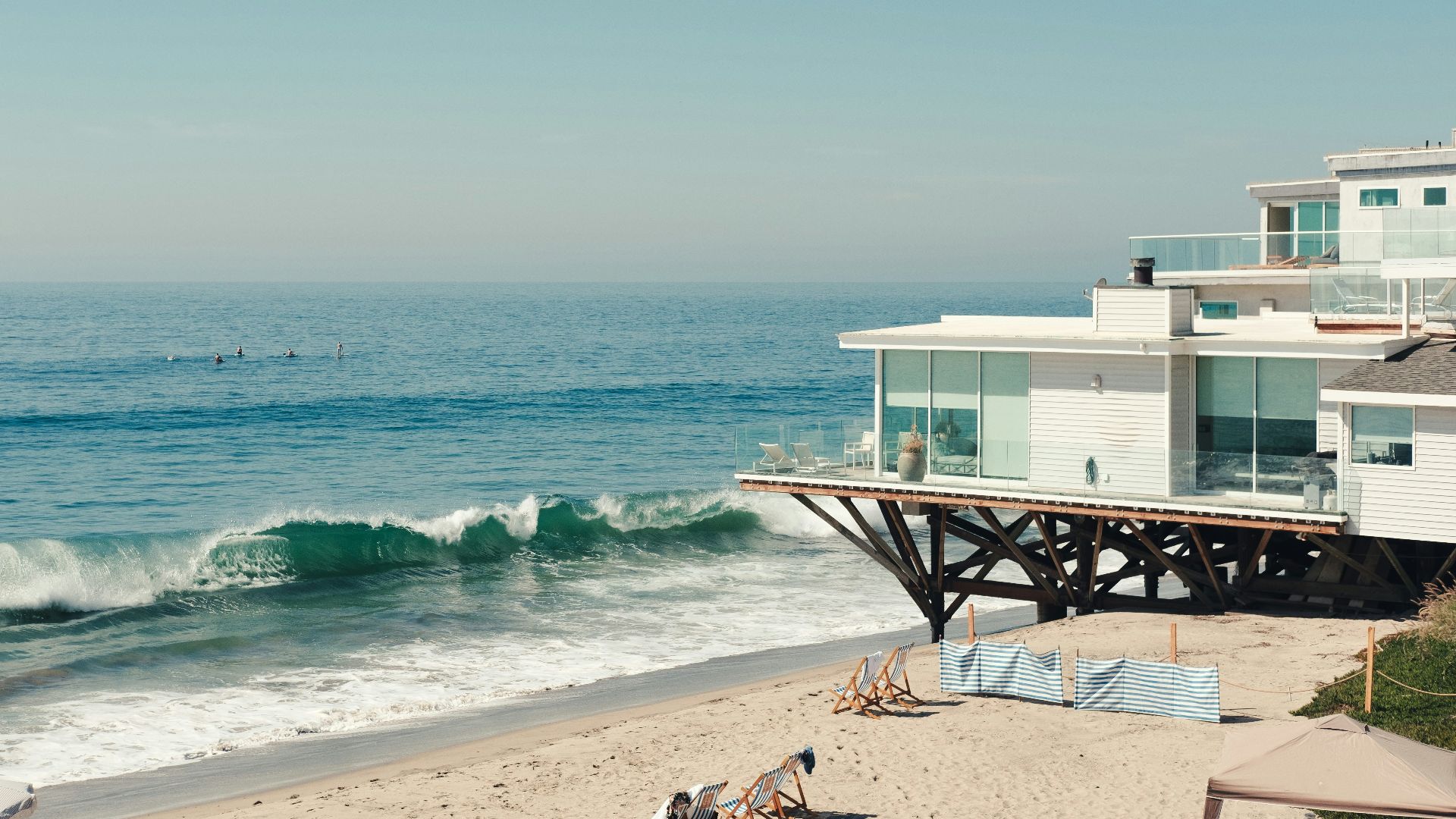
Those tall coastal homes standing on piles are built that way for more than the view. FEMA guidance requires open foundations in high-risk coastal V zones so floodwater and waves can move underneath elevated buildings. The distinctive raised-house look is therefore closely tied to coastal flood engineering.
Public Beach Access Can Be Carefully Marked
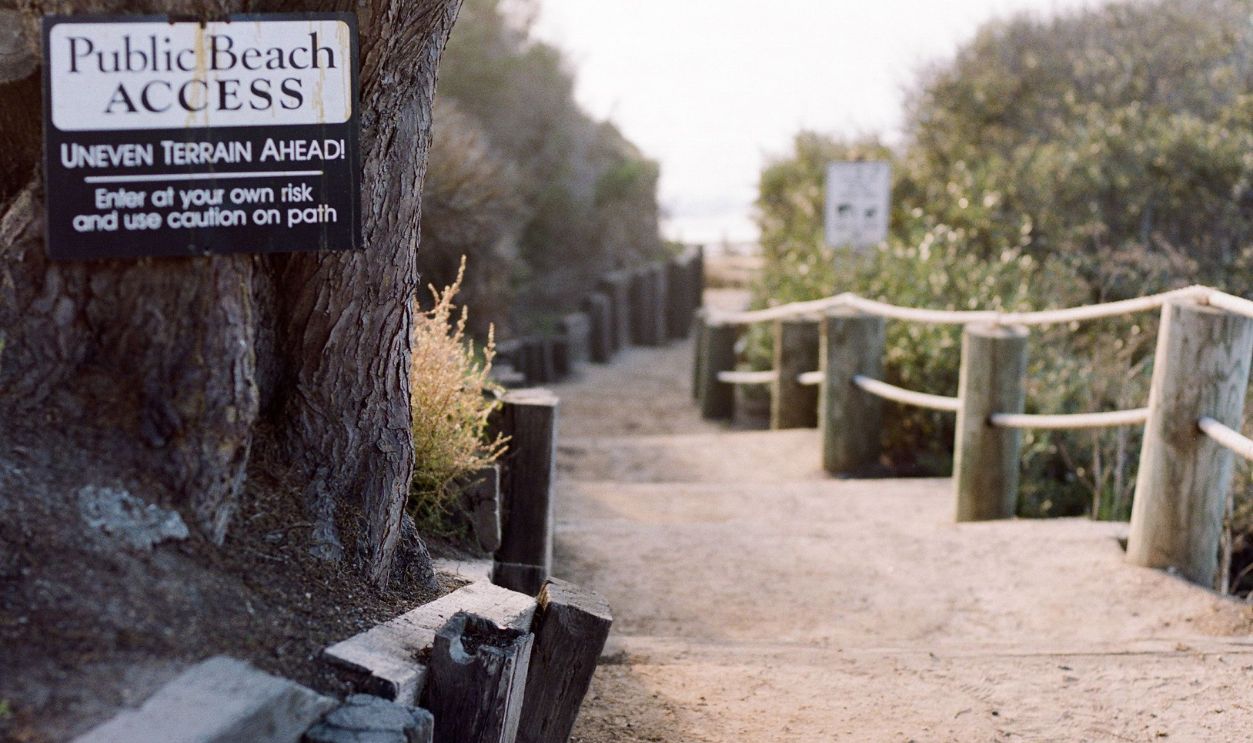
Finding the path to the water can involve more signage than visitors expect, especially where private property borders the coast. California's Coastal Commission has installed hundreds of access signs and maintains information on more than 1,500 publicly accessible coastal destinations. The state also uses easements, stairways, trails, and other access points to preserve routes to the shoreline.
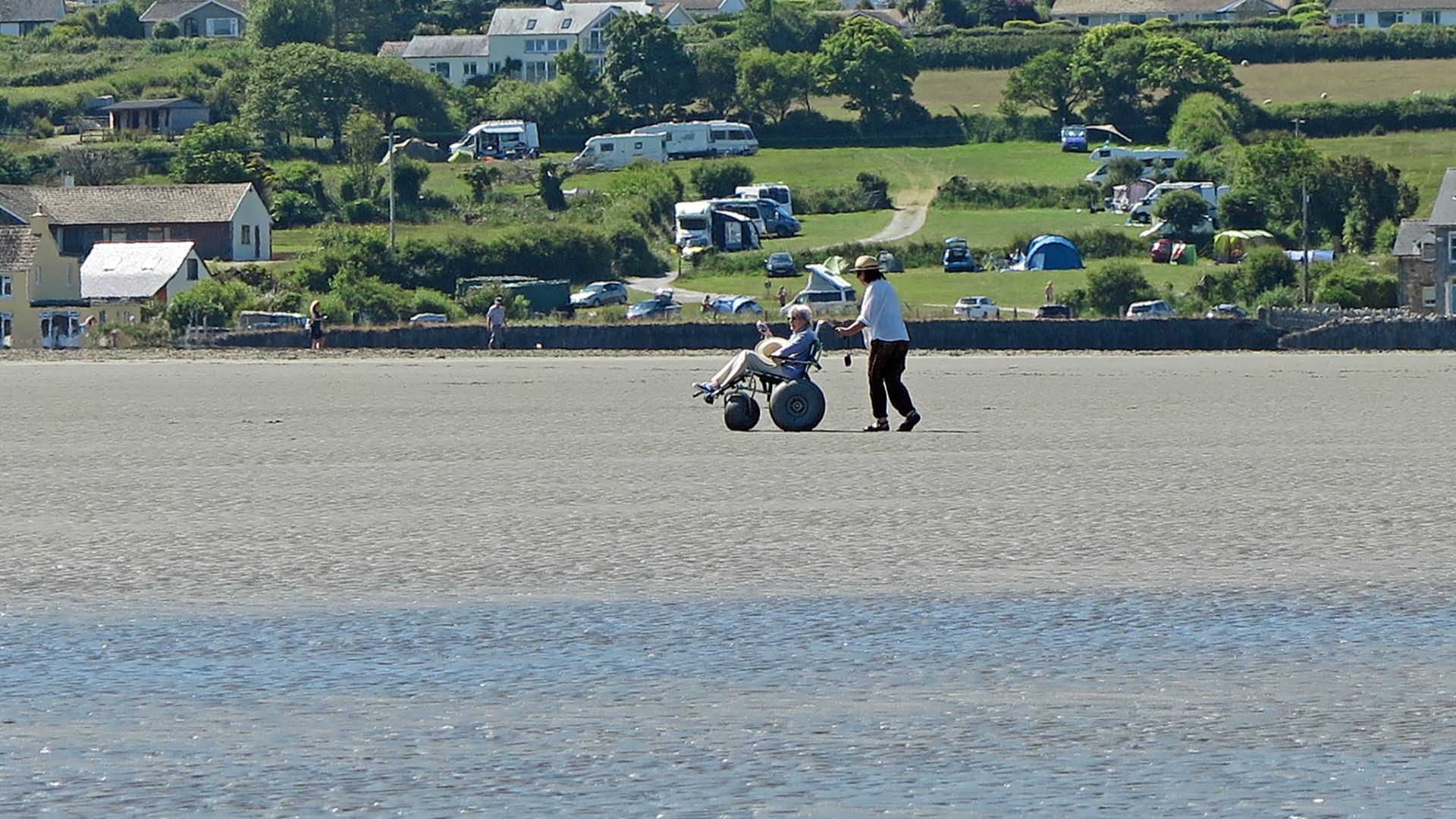
Accessibility Can Extend Onto The Sand
Some American coastal destinations have made beach access more visible for visitors with mobility needs. California's Coastal Commission lists beach wheelchairs and beach mats among the facilities it helps provide, while Ocean City, Maryland, makes beach wheelchairs available on a first-come basis. Accessibility does not have to end where the pavement does.
 Dylan Moore , Wikimedia Commons
The Rules Can Change Just A Few Miles Away
Perhaps the biggest thing Canadians notice is that there is no single American beach-town experience. One destination charges for beach access while another is free, one welcomes bonfires while another bans them, and regulations for dogs, alcohol, driving, surfing, and tents can change with the municipality. The smart habit is simple: check the town's current rules before heading onto the sand.

You May Also Like:
Things Americans Notice Immediately When They Visit A Canadian National Park
A Visitor’s Guide To American Food—Things Taste Nothing Like You Expect
Things Canadians Find Surprisingly Different When They Visit California
Sources: 1, 2, 3, 4, 5, 6, 7, 8, 9, 10, 11, 12, 13, 14, 15, 16, 17, 18





,_Cape_Hatteras_National_Seashore,_Buxton,_North_Carolina_(14453302252).jpg)