The Parks Feel Familiar, But Not Quite The Same
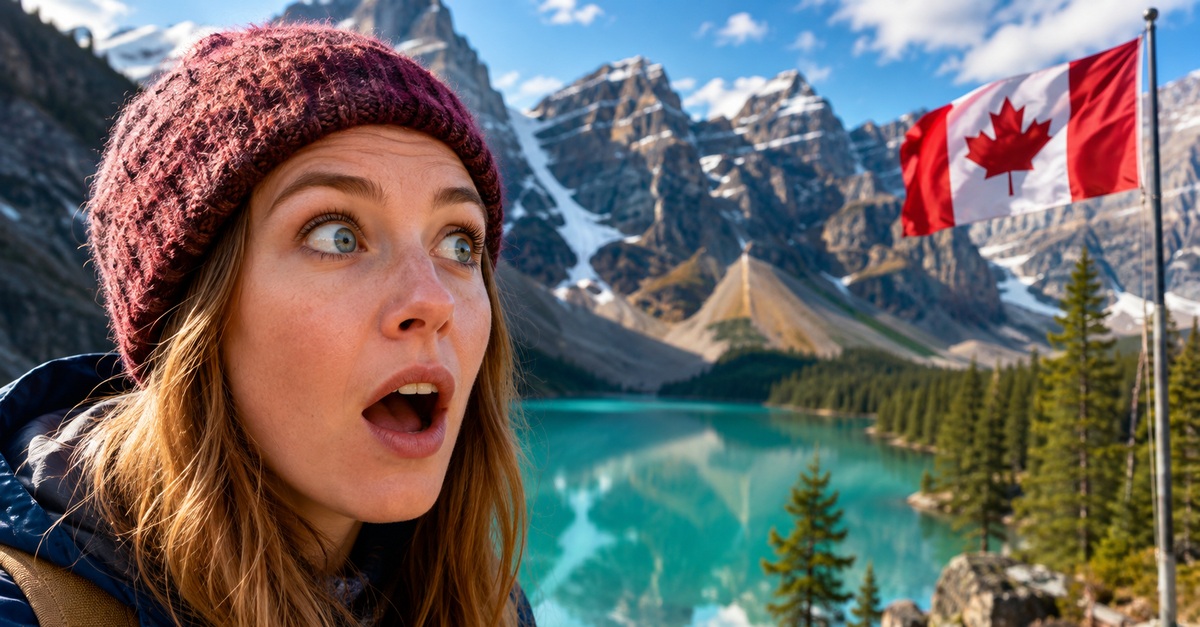
An American arriving at a Canadian national park will recognize the trailheads, campgrounds, visitor centres, and scenic roads, but some differences become obvious almost immediately. Parks Canada currently administers 37 national parks and 11 national park reserves, protecting roughly 343,377 square kilometres of land. The system stretches through every province and territory and places ecological integrity at the centre of park management.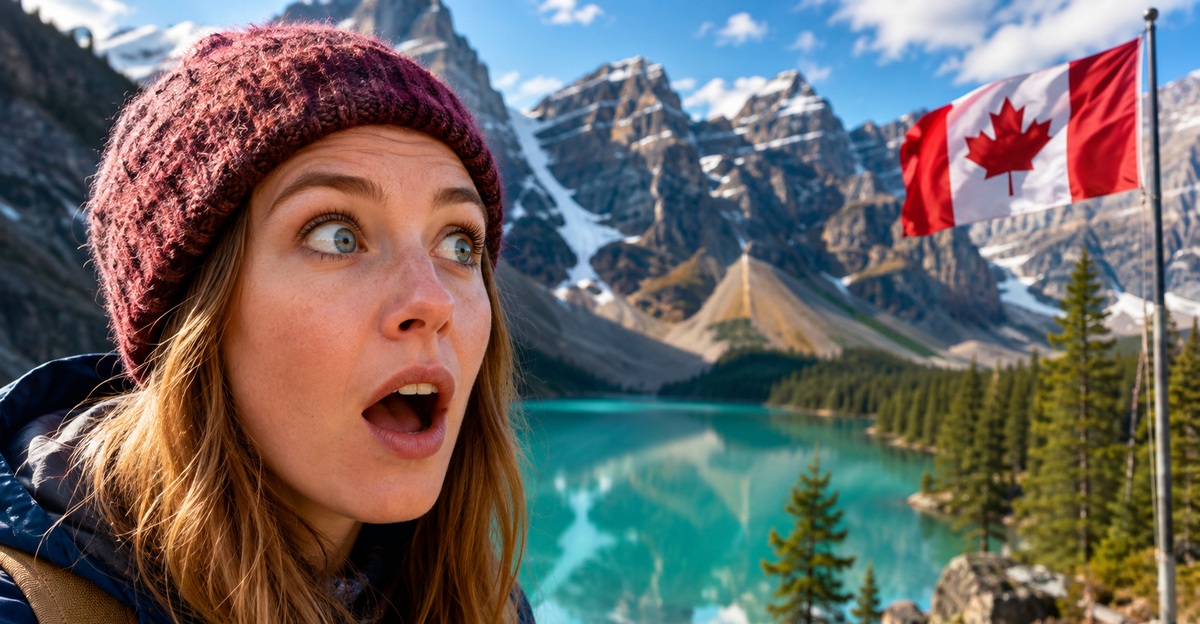 Factinate Ltd
French Suddenly Appears Everywhere
One of the quickest visual clues that you are in Canada is the amount of French beside the English. Parks Canada signage standards require both of Canada's official languages to receive equal visual prominence, including matching type size, weight, and colour. Outside Quebec, English normally appears first, while French generally takes the first position in Quebec.

Trail Distances Require A Little Mental Math
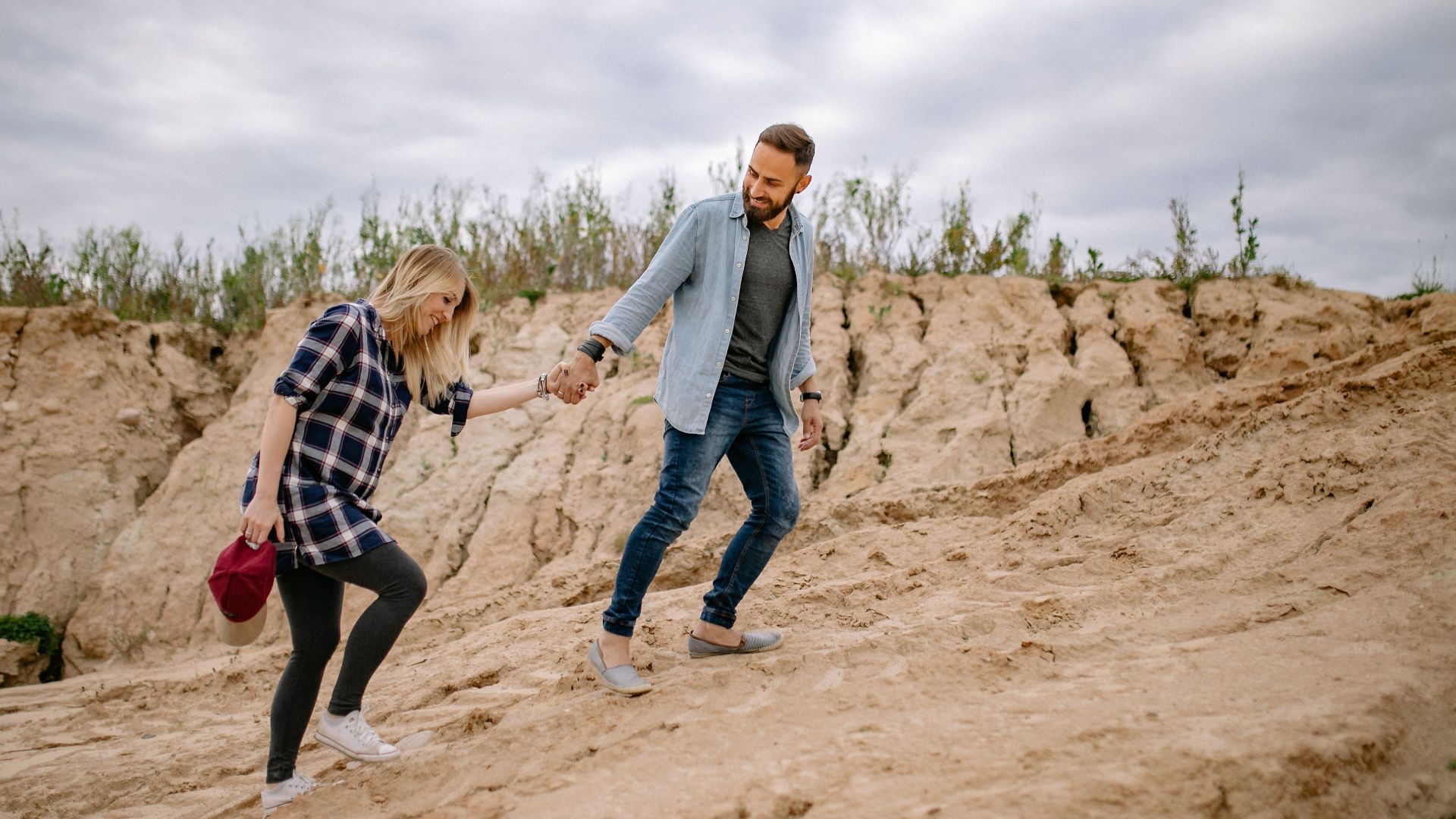
Americans accustomed to thinking about hiking distances in miles will repeatedly encounter kilometres in Canadian parks. Parks Canada describes Banff's hiking network as more than 1,600 kilometres and lists individual trail distances and elevation changes using kilometres and metres. Visitors who normally think in miles and feet may find themselves doing conversions before deciding whether a hike sounds easy or ambitious.
Celsius Joins The Conversation Too
The metric adjustment continues when weather enters the picture. Parks Canada advises Yoho campers that average daytime highs from May through September range from roughly 16 to 23 degrees Celsius and that overnight temperatures can fall to around zero. Americans checking a forecast may therefore have another familiar number to mentally translate before packing their layers.

A Park Can Be A Reserve
American visitors may also encounter a category that sounds unusual at first: a national park reserve. Parks Canada says these areas are managed like national parks but remain subject to one or more Indigenous land claims that are still being negotiated. Indigenous peoples may continue traditional hunting, fishing, and trapping in these reserves while the lands receive protections under federal park law.
Indigenous Connections Are Increasingly Visible
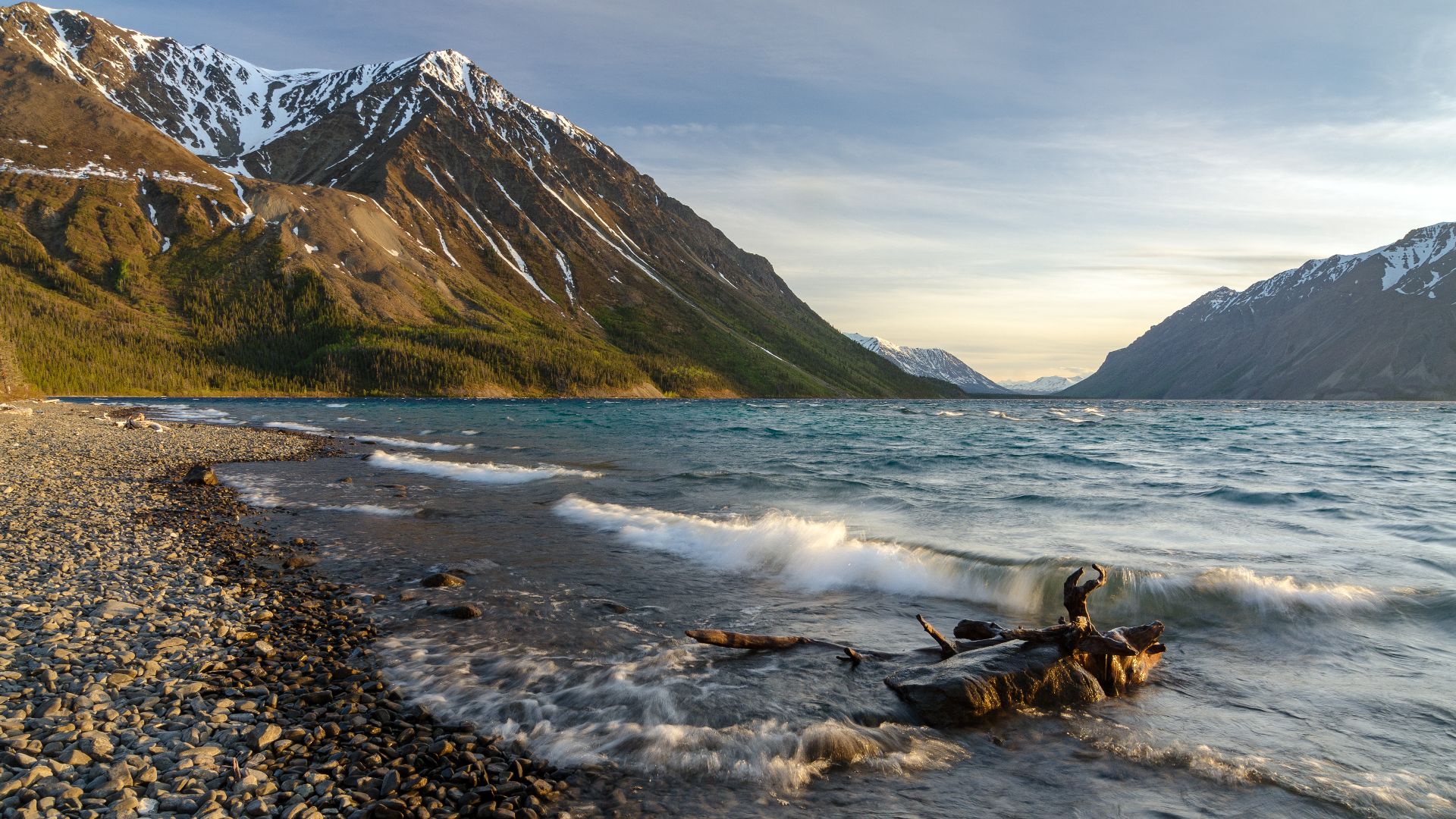
Interpretive material in Canadian parks increasingly discusses the continuing relationships between Indigenous peoples and the lands, waters, and ice being protected. Parks Canada says its management work includes Indigenous stewardship, Guardian programs, cultural interpretation, and collaborative decision-making in some locations. That means visitors may encounter Indigenous history presented not simply as something from the distant past, but as a living part of how a park is understood and managed today.
Some Familiar Places Have Indigenous Names
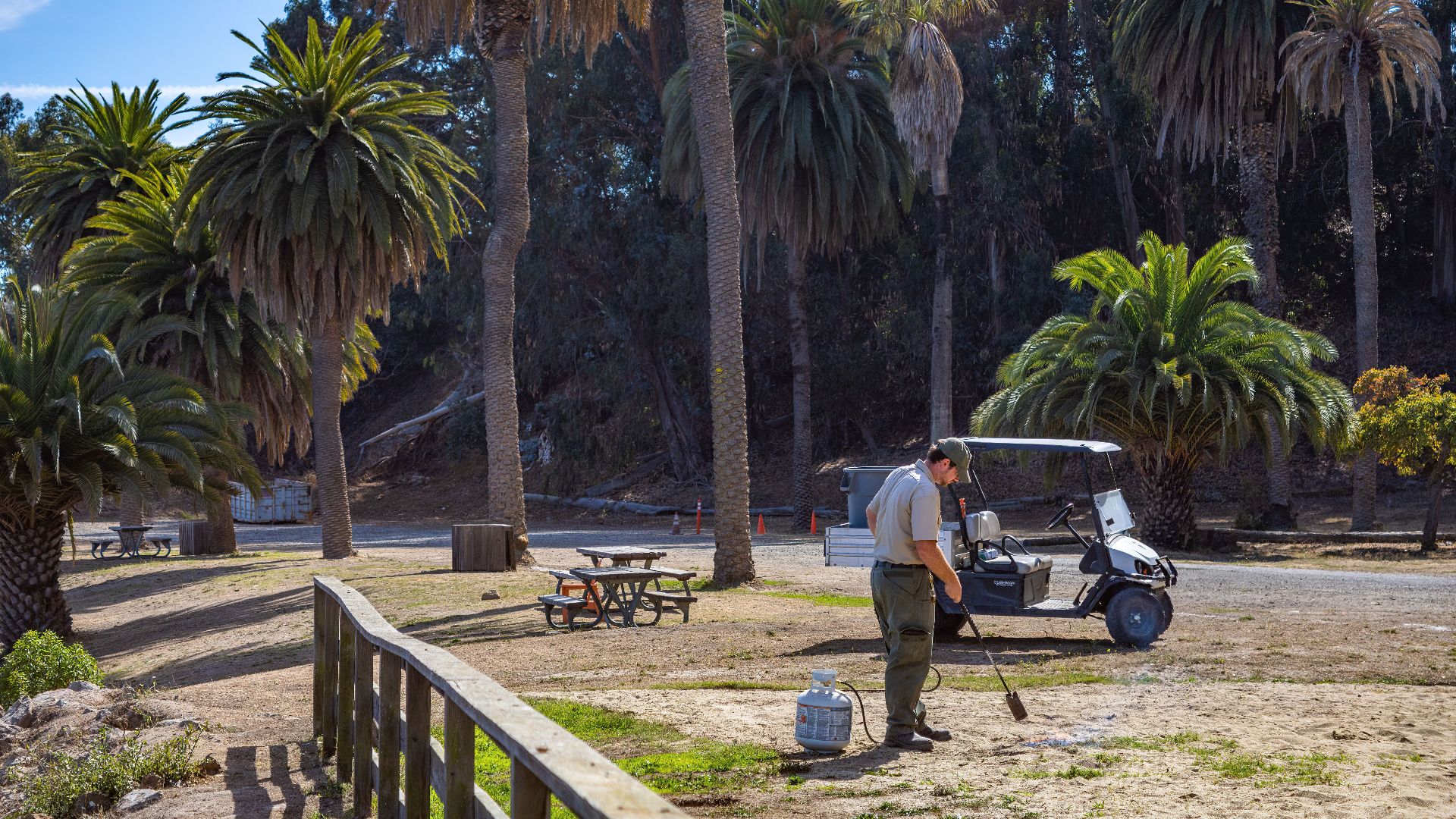
Those relationships are also visible on maps and signs. Parks Canada supports the reclamation and use of Indigenous place names, including Ivvavik in Yukon, Gwaii Haanas in British Columbia, and SMONEĆTEN Campground in Gulf Islands National Park Reserve. In Kootenay National Park, Shuswap Band and Parks Canada collaborated in 2024 to rename a trail Letwilc7úl̓ecw, a Secwépemc term associated with healing or getting better.
 Daniel Case, Wikimedia Commons
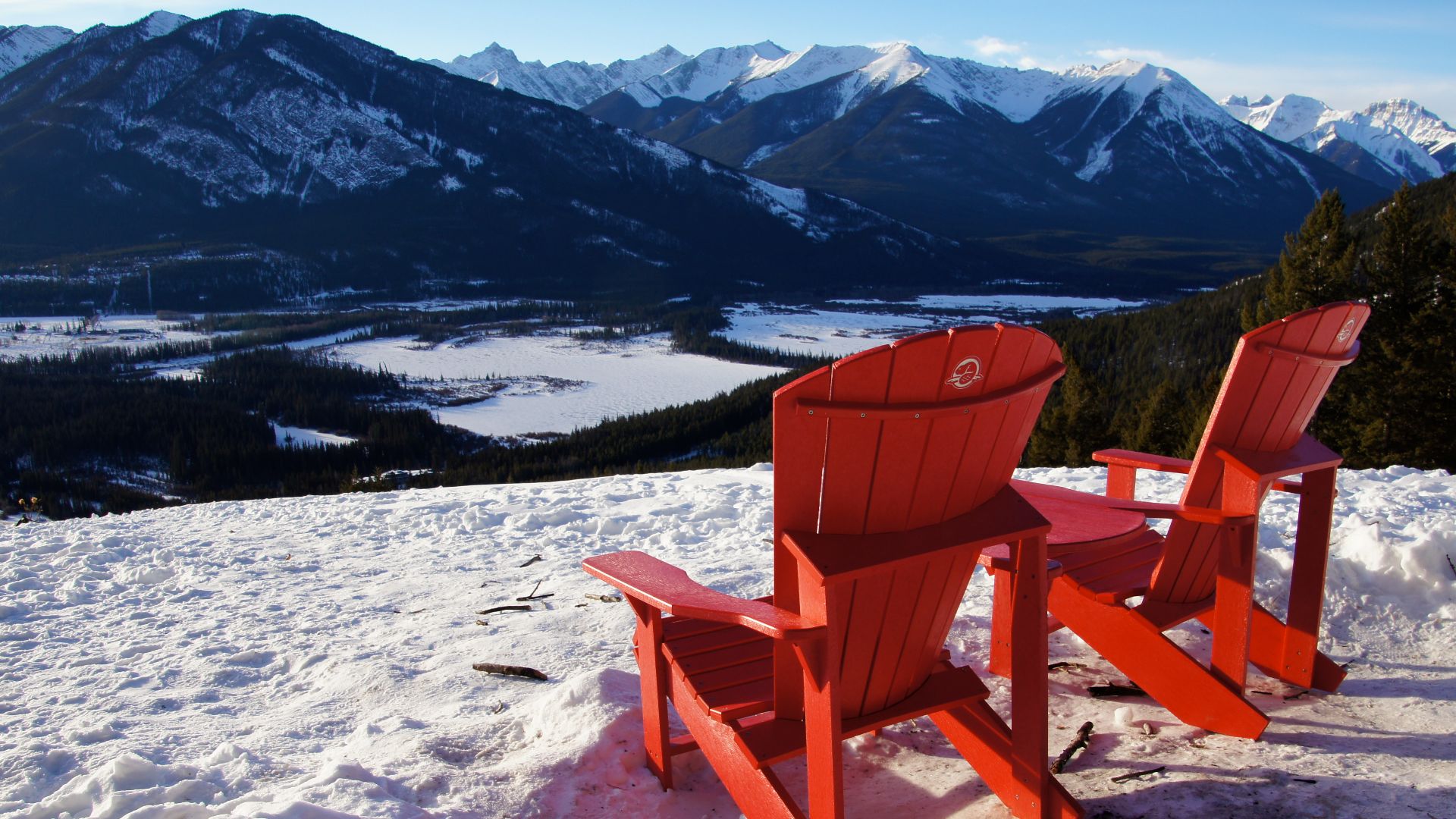
The Red Chairs Start Showing Up
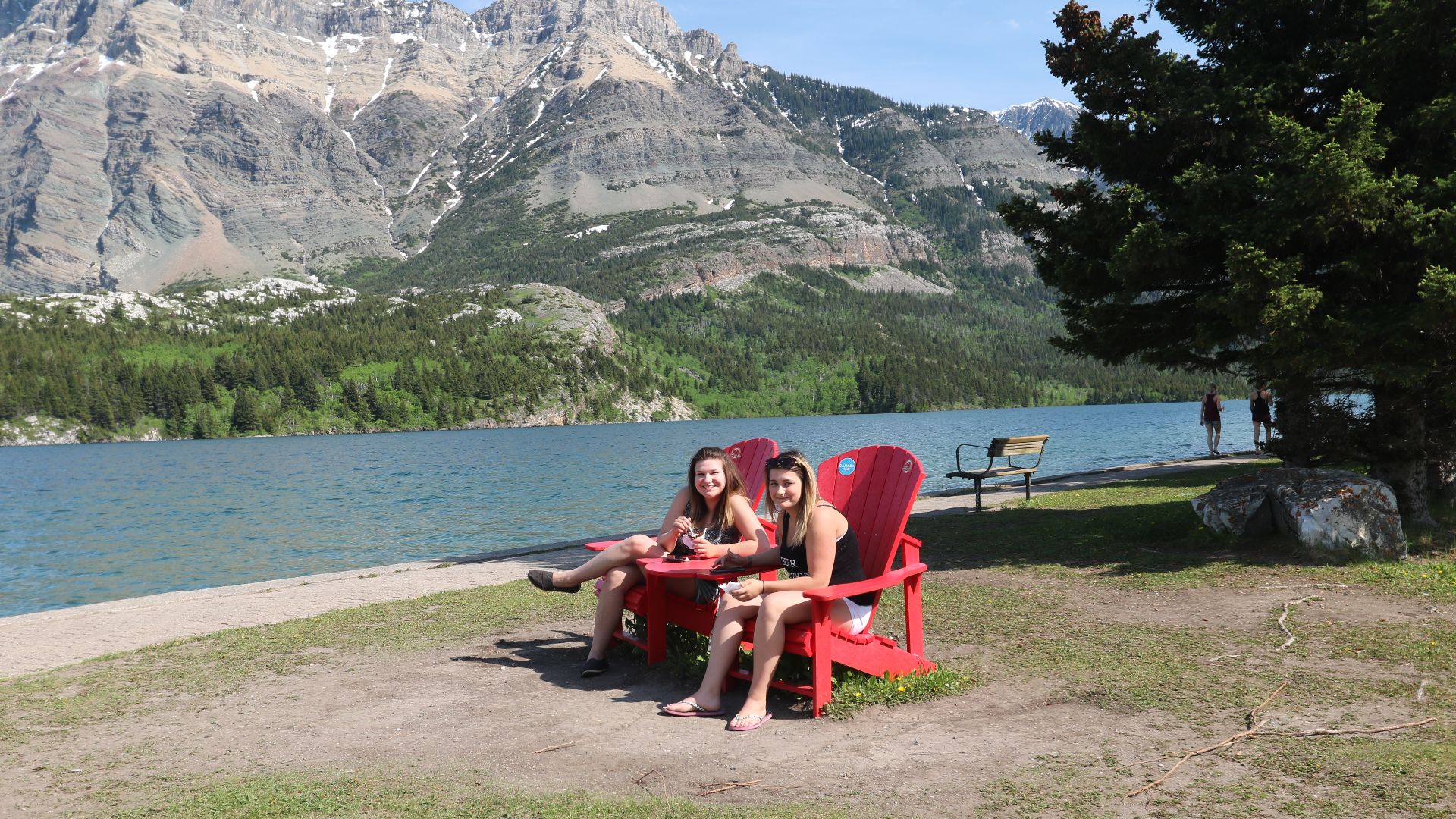
After visiting a few Parks Canada locations, bright red Adirondack chairs can begin to feel like unofficial landmarks. Parks Canada says more than 400 of the chairs have been placed at scenic locations across the country, with the idea originating at Gros Morne National Park in 2011. Some are beside easy viewpoints, while others are deliberately positioned where visitors have to hike to find them.
 Madereugeneandrew, Wikimedia Commons
The Chairs Are More Than Decoration
The red-chair program was created to encourage visitors to stop and spend time in scenic places, including locations that might otherwise receive less attention. Parks Canada now describes the chairs as an iconic part of its visitor experience, and they appear at more than 100 locations administered by the agency. Their bright colour against mountains, forests, beaches, and lakes has also made them natural photo stops.
 Thank you for visiting my page from Canada, Wikimedia Commons
There Is A Camping Shelter Called An oTENTik
The name may sound unusual to an American camper, but oTENTiks are a recognizable Parks Canada accommodation. At Prince Albert National Park, Parks Canada describes them as a combination of a tent and an A-frame cabin, with raised floors, beds, and furniture already installed. They provide a middle ground for visitors who want to camp without bringing a complete tent setup.
You Still Need To Bring Camping Gear
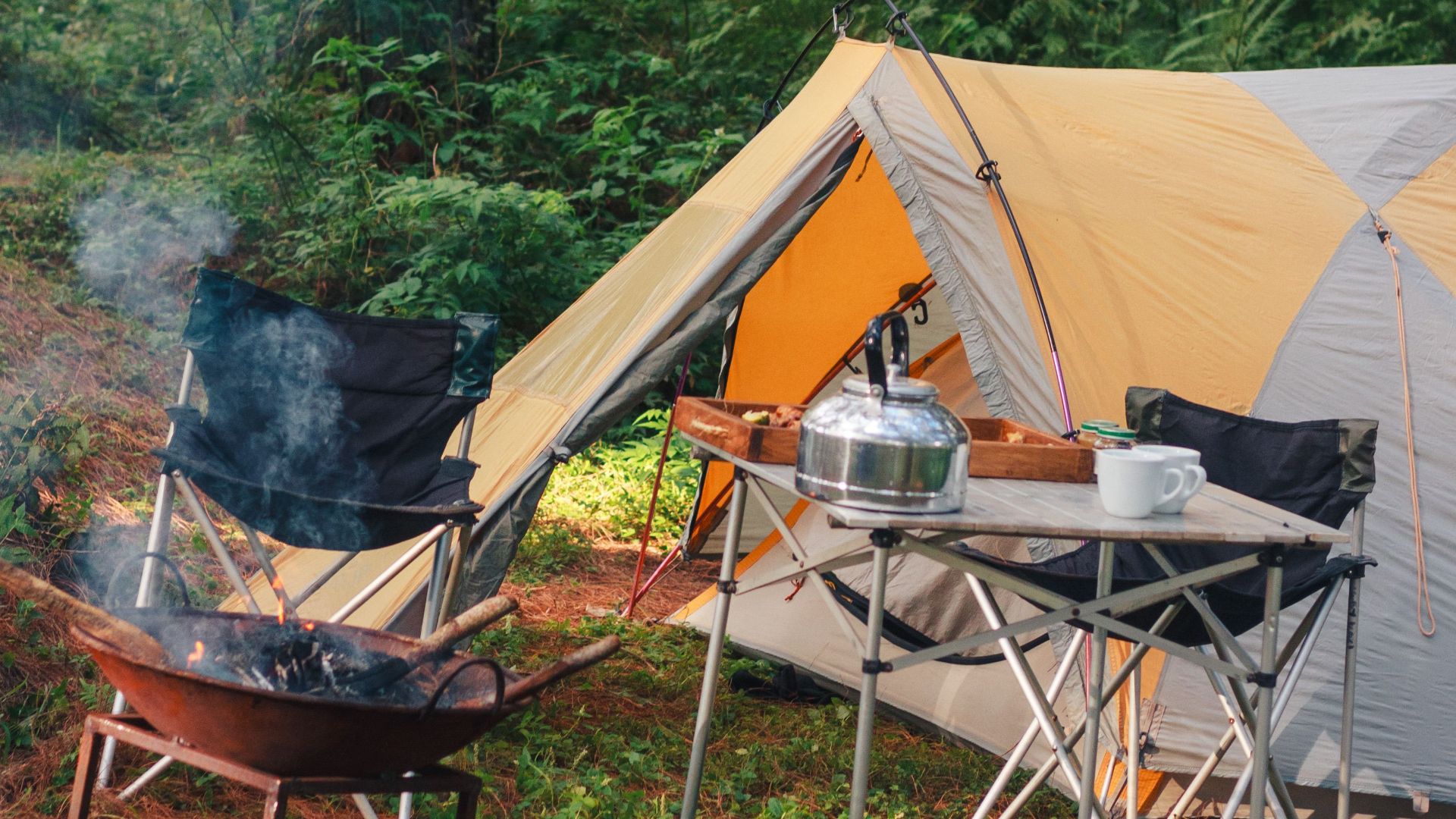
An oTENTik does not automatically turn camping into a hotel stay. At Prince Albert, guests are told to bring bedding, flashlights, food, dishes, cooking equipment, and other basic supplies even though the shelter and beds are already there. Cooking and food storage are also restricted inside the unit because scented items can create wildlife problems.
Reservations Can Become A Serious Event
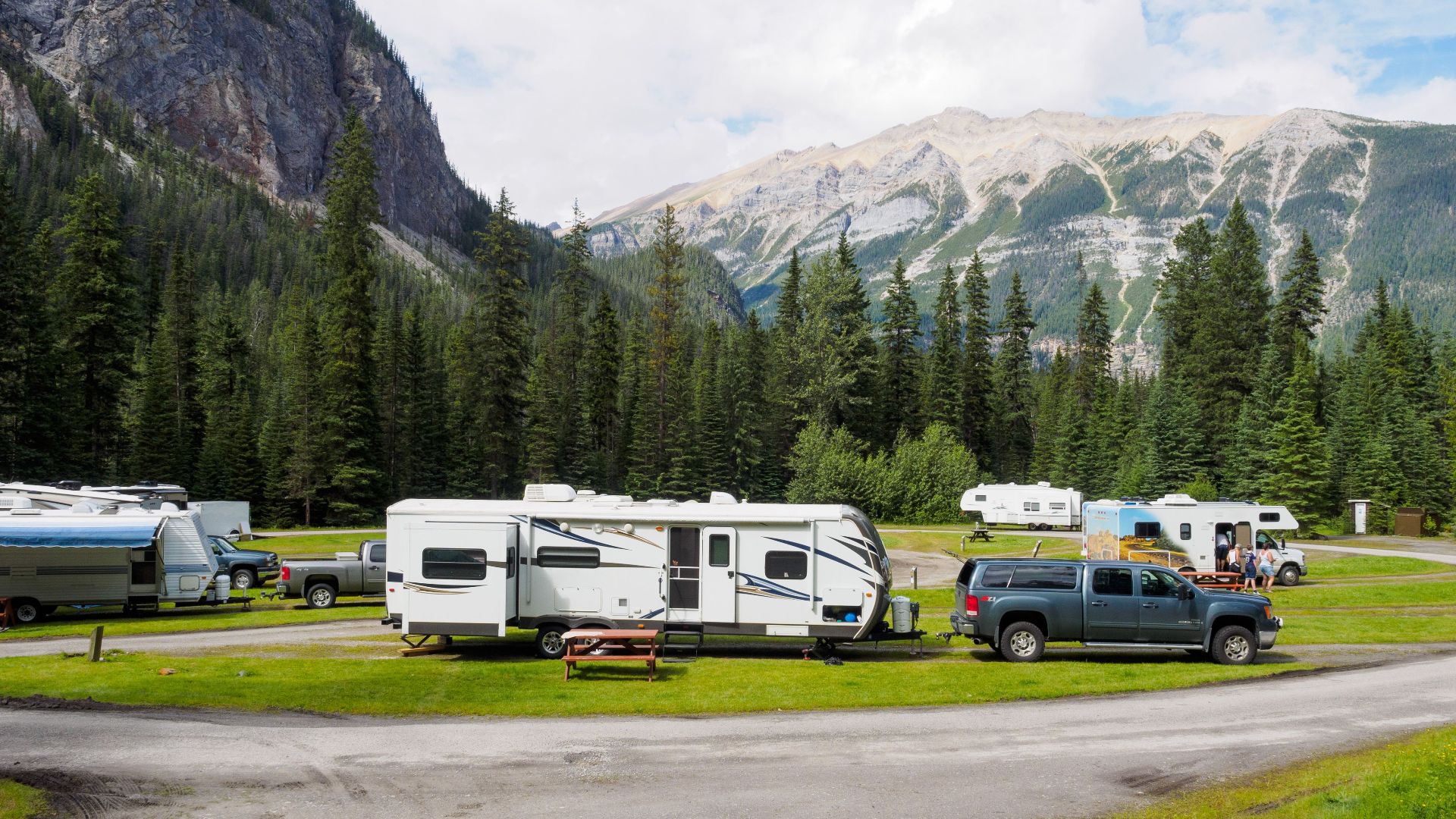
Popular Canadian campgrounds are not always places where visitors can casually arrive on a summer afternoon and expect an open site. Parks Canada operates a national reservation service for camping, accommodations, and other activities at dozens of destinations. The agency even uses an online queue on certain high-volume reservation launch days.
Each Park Has Its Own Booking Calendar
There is no single morning when every Canadian national park campground suddenly becomes reservable. Parks Canada publishes location-specific launch dates and times, which means a traveller planning several parks may need to keep track of multiple booking openings. Reservations for the 2026 season, for example, began launching by location during January.
Park Entry And Camping Are Separate Charges
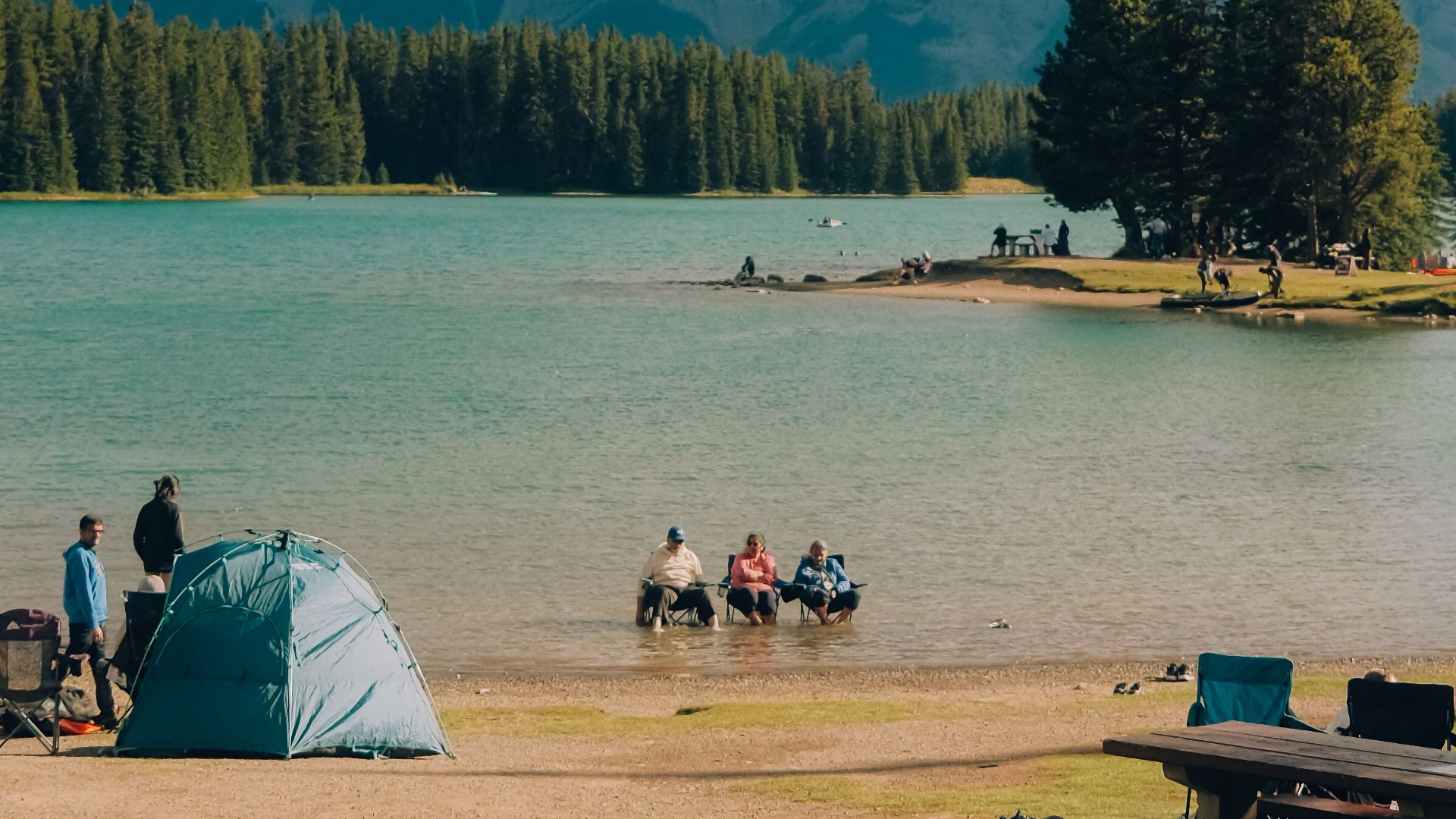
Booking a campsite normally does not mean that park admission has automatically been covered. Parks Canada's reservation policies state that camping fees and reservation fees are separate from entry fees at locations where admission is charged. Visitors therefore need to check both their overnight reservation and their admission requirements when planning a trip.
The Discovery Pass Works Across The System
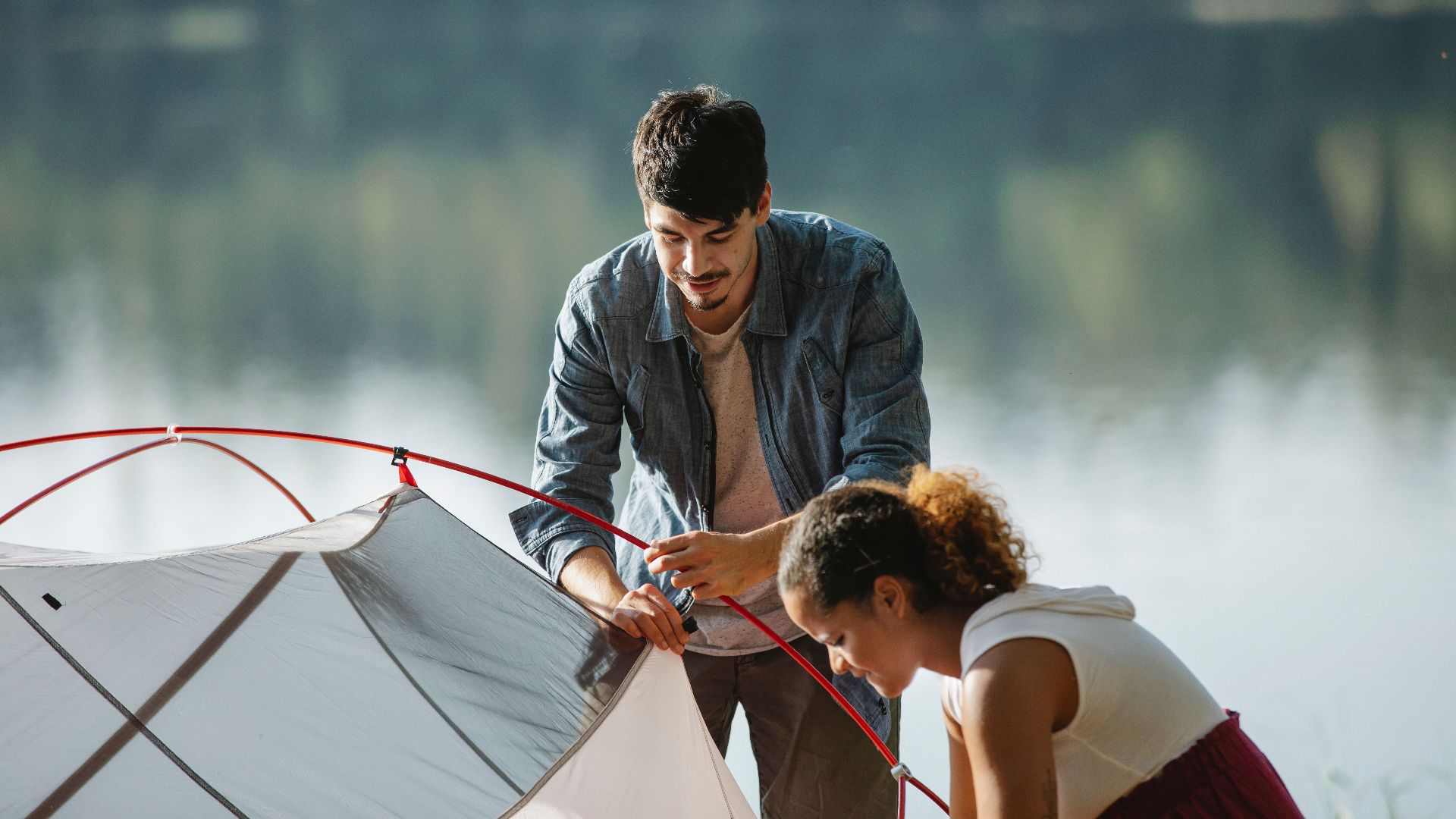
Frequent visitors can buy a Parks Canada Discovery Pass rather than purchasing daily admission repeatedly. The pass is accepted for admission at more than 50 participating national parks and historic sites, although certain activities and services may still carry additional fees. Youth aged 17 and younger receive free regular admission to Parks Canada places.
Summer 2026 Has An Unusual Bonus
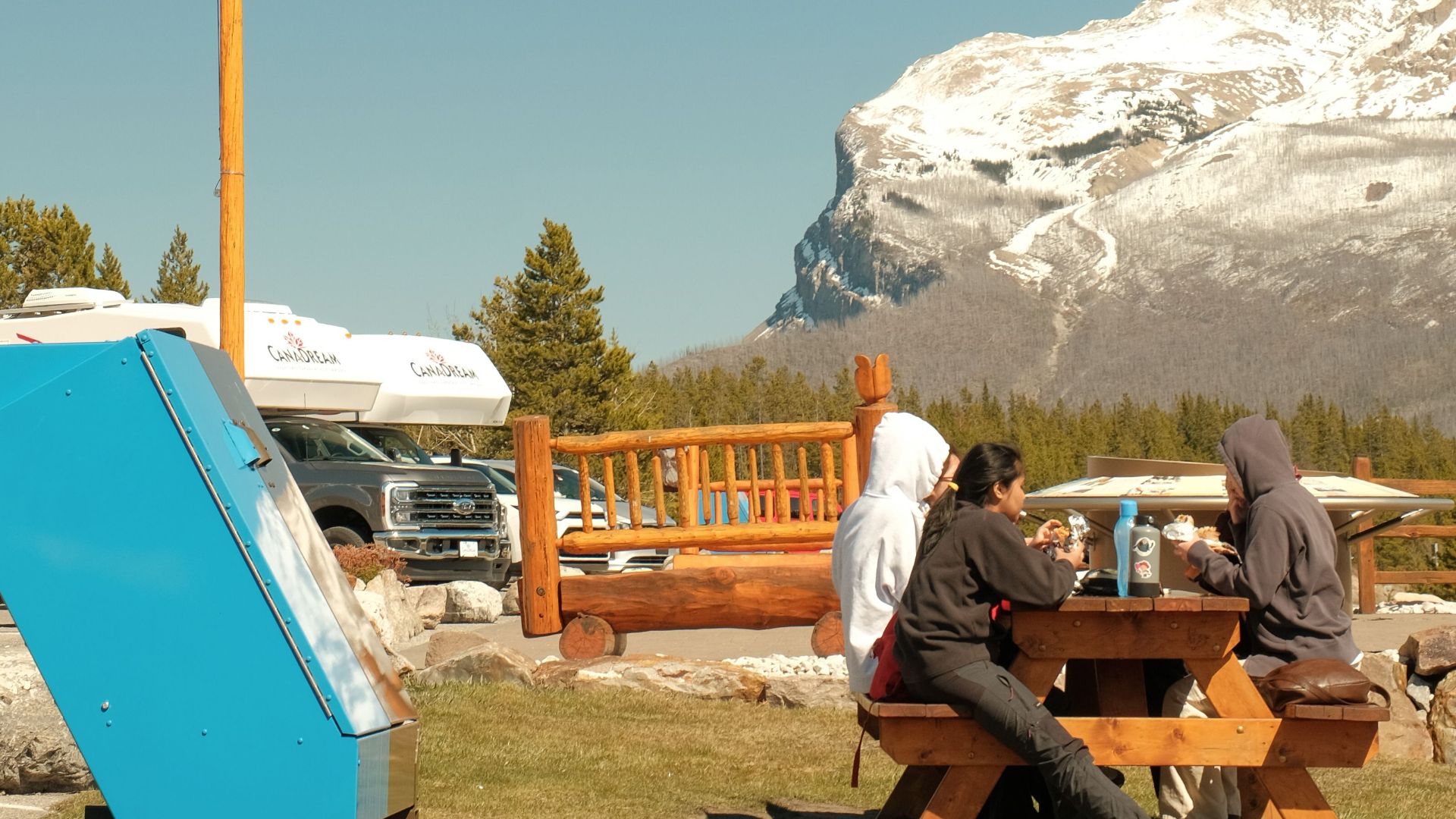
Visitors travelling during the current 2026 summer season encounter a temporary policy that makes the experience even more unusual. Parks Canada is offering free admission and a 25 percent discount on eligible camping and overnight stays from June 19 through September 7, 2026, through the Canada Strong Pass initiative. Normal admission requirements resume after that promotional period.
Drones Are Basically A Nonstarter
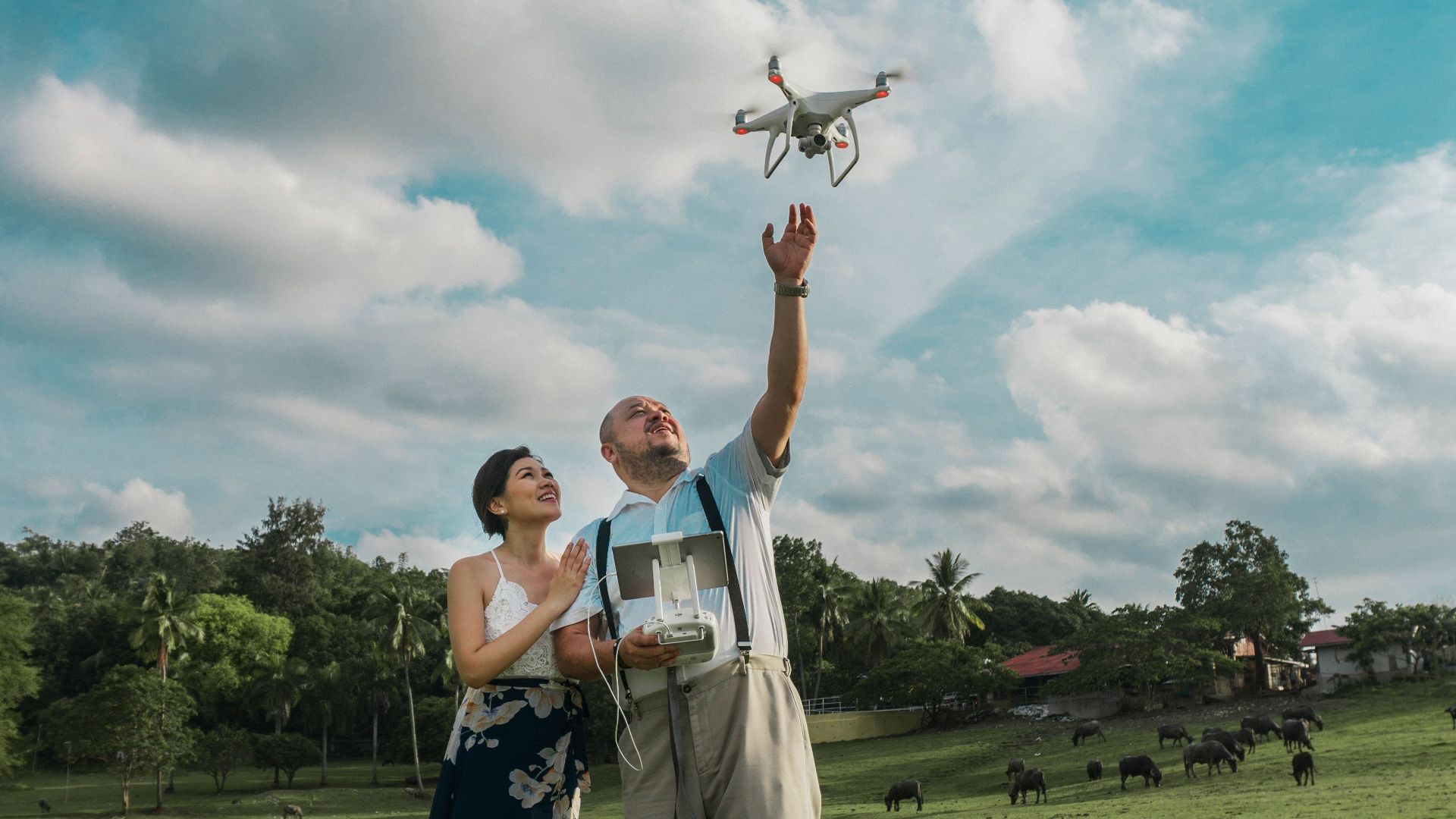
Visitors hoping to capture sweeping aerial footage should check the rules before unpacking a drone. Parks Canada states that all of its places are no-drone zones for recreational users unless a person has a permit or special authorization. The restriction applies broadly across Parks Canada locations rather than only around especially sensitive attractions.
Campfires Are More Controlled Than They Look
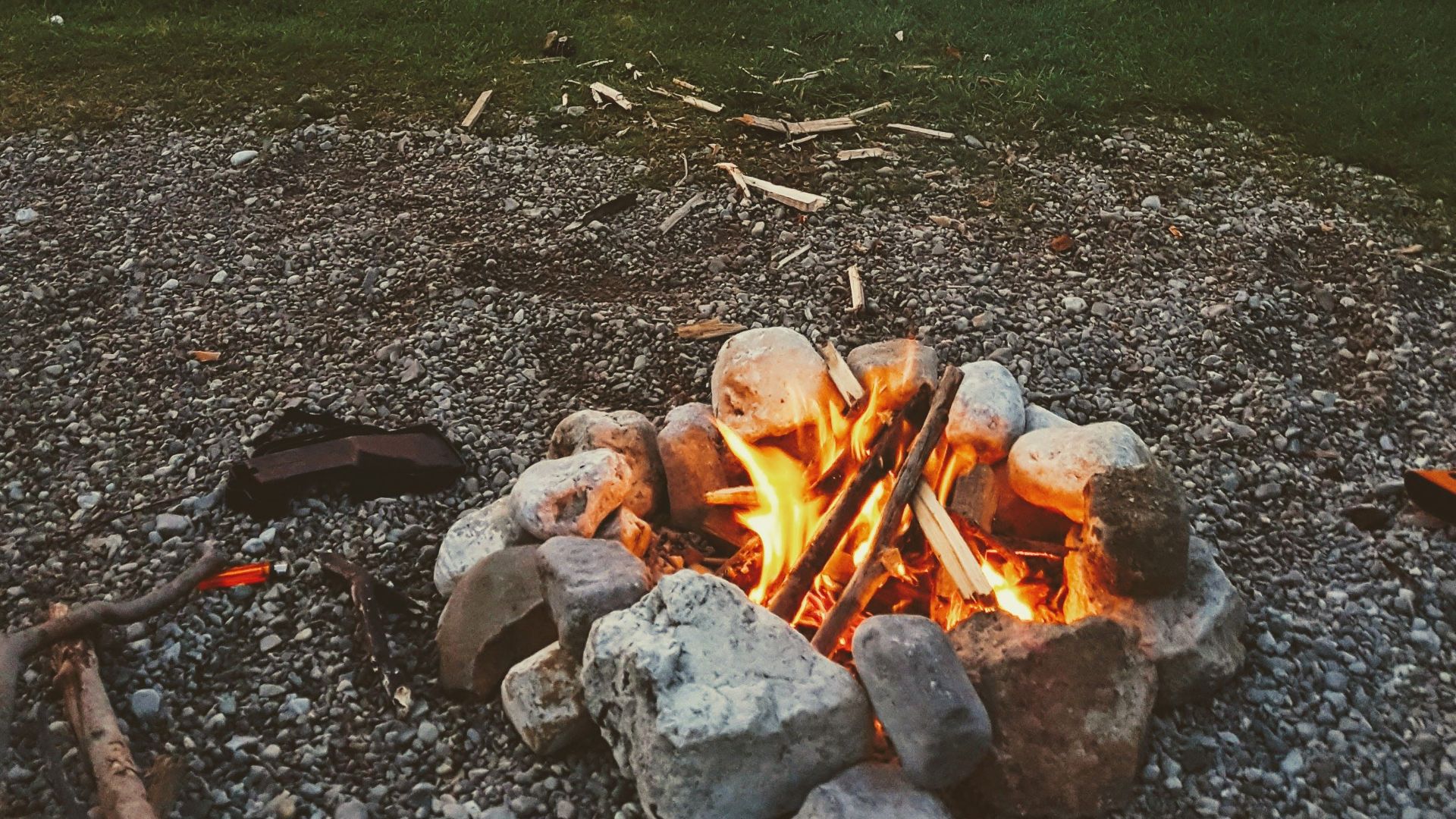
A campground fire pit does not mean visitors can build fires wherever they like. Parks Canada's general visitor rules state that fires are allowed only in designated fire boxes, and campers should use provided firewood rather than collecting deadfall from the surrounding forest. Fire restrictions or complete bans can also override normal campground rules when conditions require them.
Bear Spray Becomes Normal Hiking Equipment
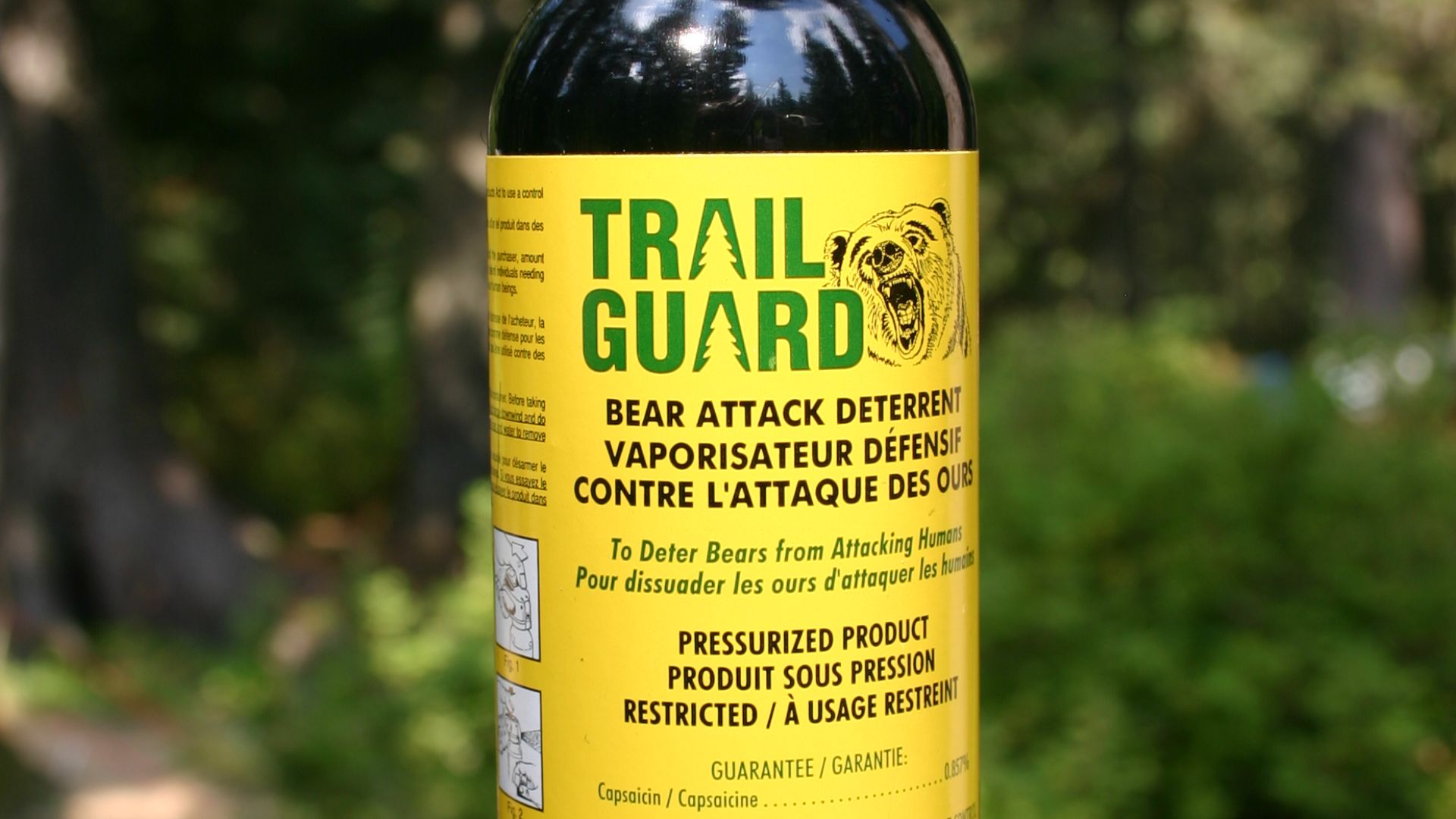
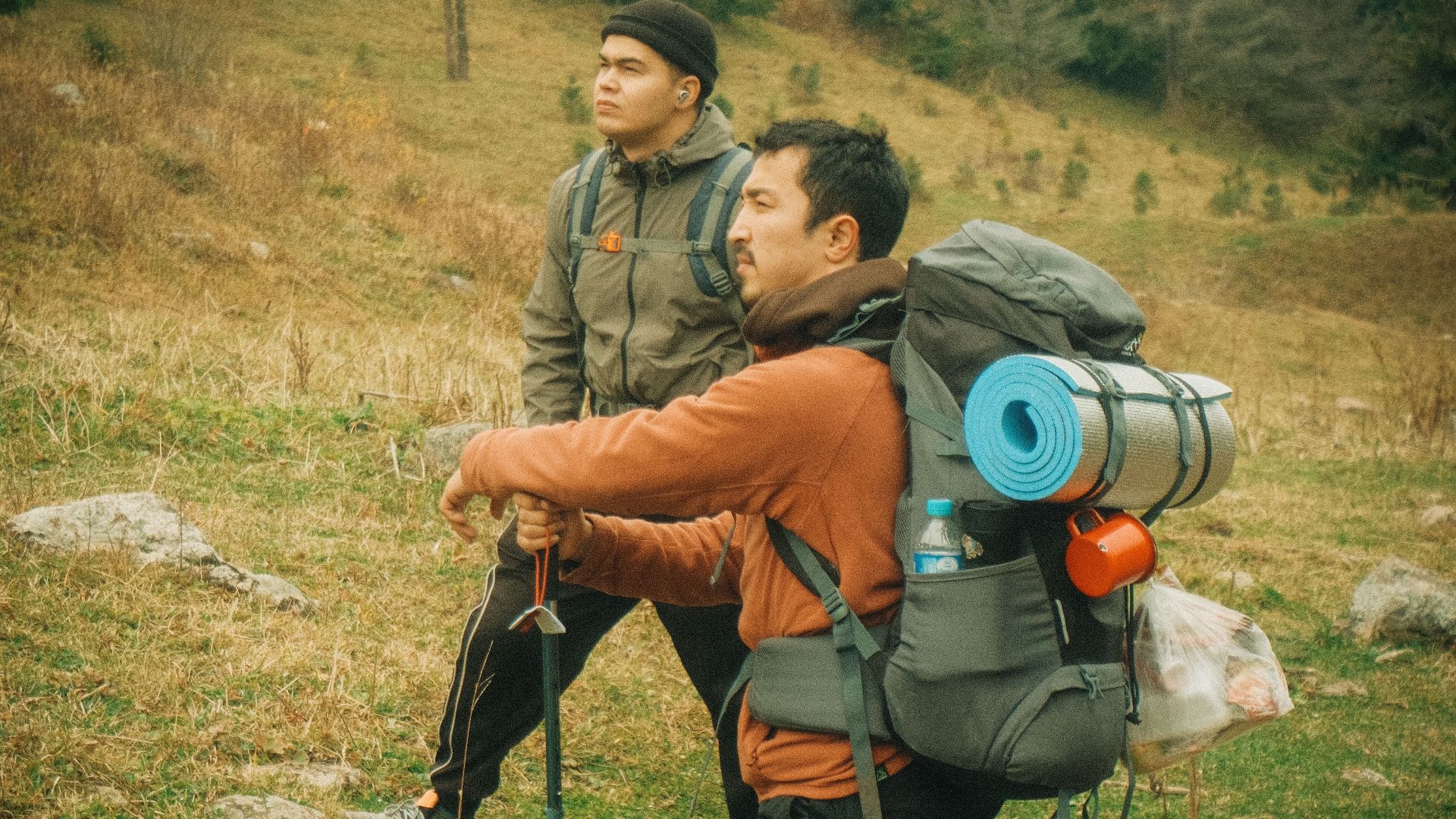
In bear country, the small canister attached to another hiker's backpack is probably there for a reason. Parks Canada recommends carrying bear spray when travelling in bear country and stresses that it should remain immediately accessible rather than buried inside a pack. Visitors are also encouraged to learn how to use it before heading onto the trail.
 Arne Nordmann (norro), Wikimedia Commons
Wildlife Gets A Surprisingly Large Personal Bubble
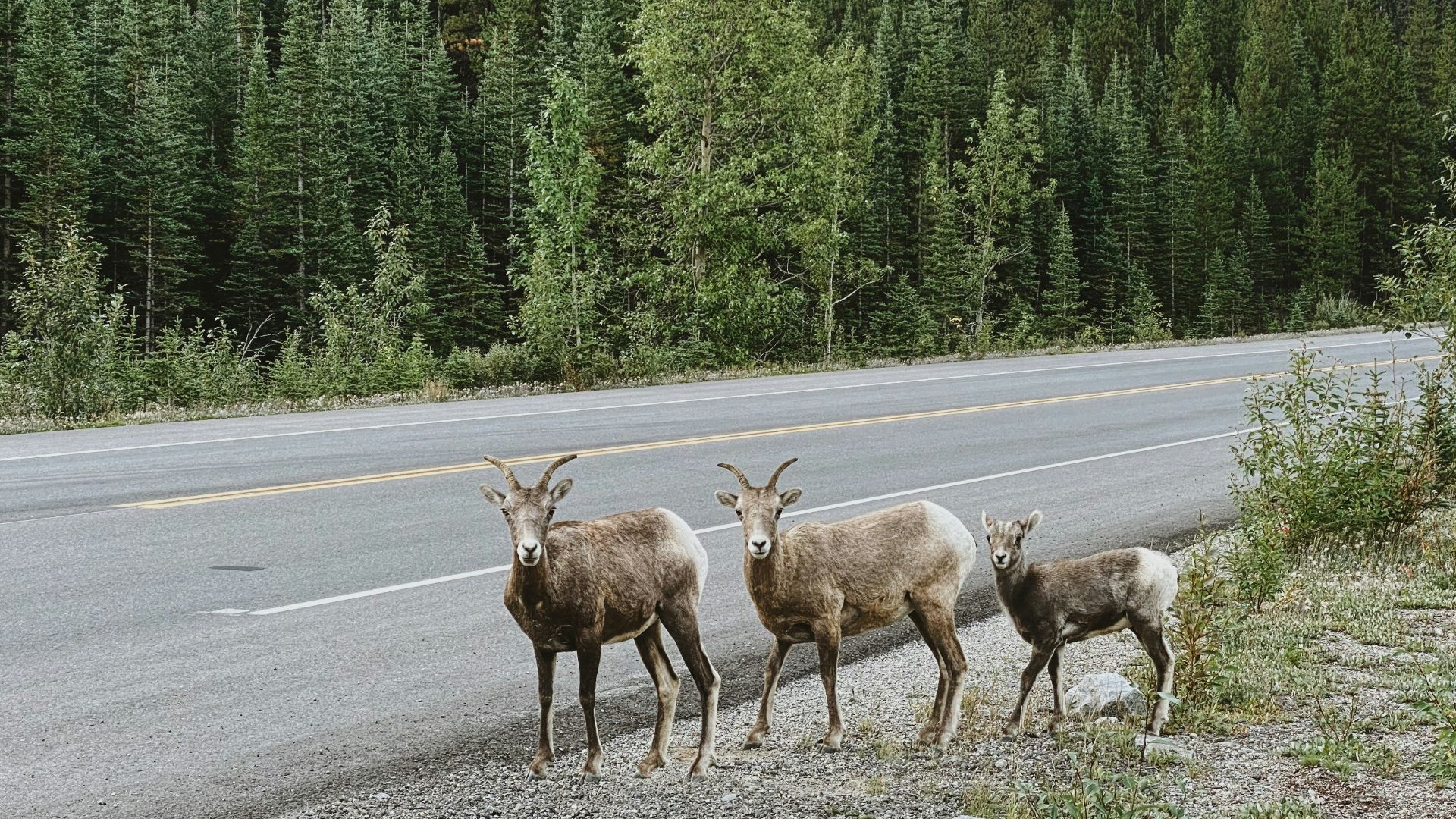
Parks Canada gives visitors easy-to-remember distance guidelines for viewing wildlife. Hikers are told to remain at least 100 metres from bears, bison, cougars, and wolves and at least 30 metres from large animals such as elk, moose, deer, sheep, and goats. If an animal changes its behaviour because of a visitor's presence, that visitor is already too close.
Roadside Wildlife Is Not A Photo Shoot
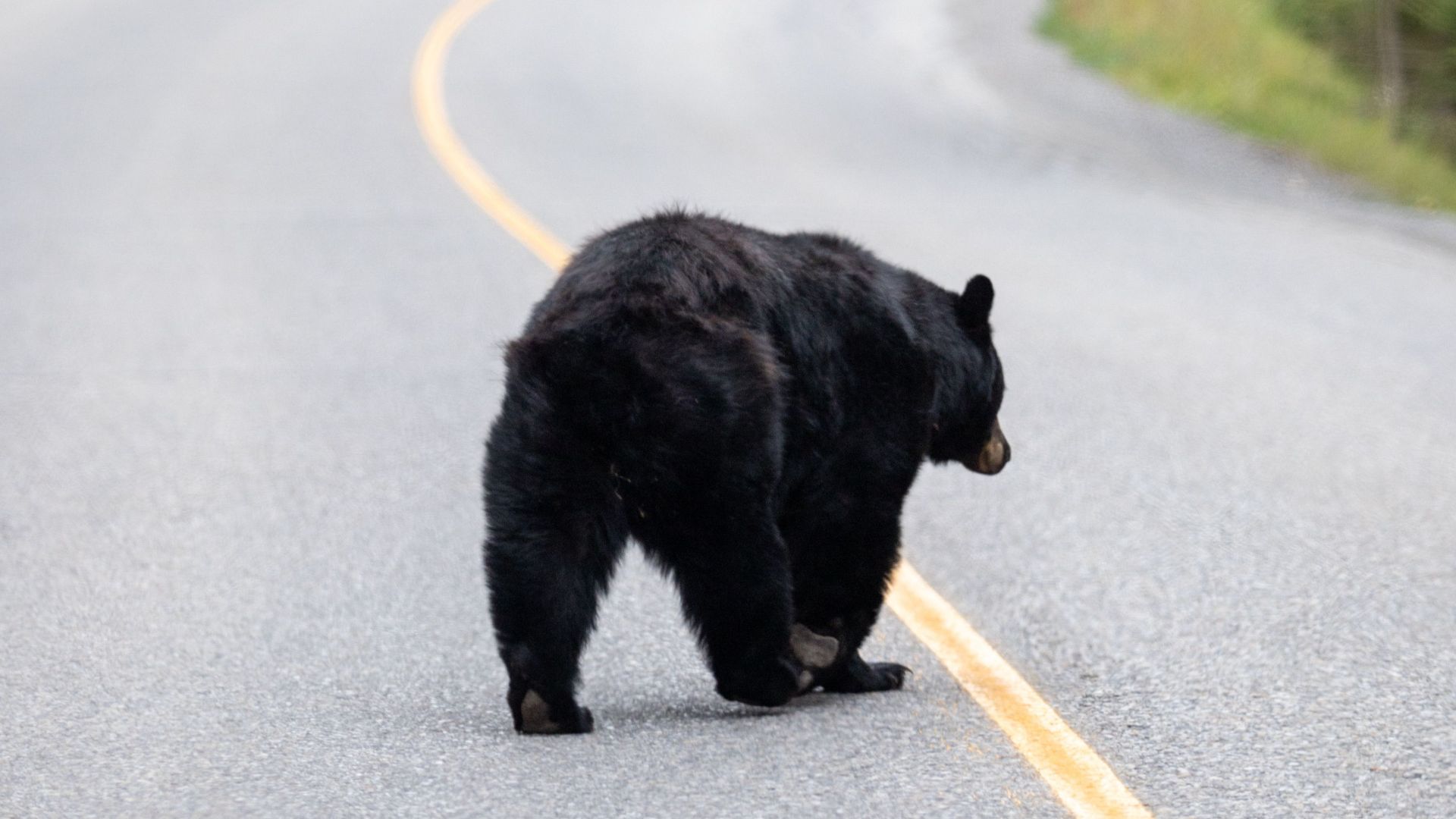
Seeing an elk or bear beside the highway can tempt everyone in a vehicle to stop at once. Parks Canada urges people to avoid crowding wildlife and, in some locations, specifically restricts roadside viewing distances to protect animals and reduce dangerous traffic situations. In Jasper during 2026, for example, visitors outside vehicles must remain at least 100 metres from bears, cougars, and wolves and 30 metres from several other large species.
Those Grassy Bridges Are For Animals
Drivers through Banff may initially wonder why broad landscaped bridges cross the Trans-Canada Highway without obvious roads on them. They are wildlife overpasses, part of a system that also includes underpasses and extensive roadside fencing. Parks Canada reports 44 wildlife crossing structures and 82 kilometres of highway fencing in Banff, where wildlife-vehicle collisions have fallen by more than 80 percent since the measures were introduced.
Dogs Do Not Get Much Freedom
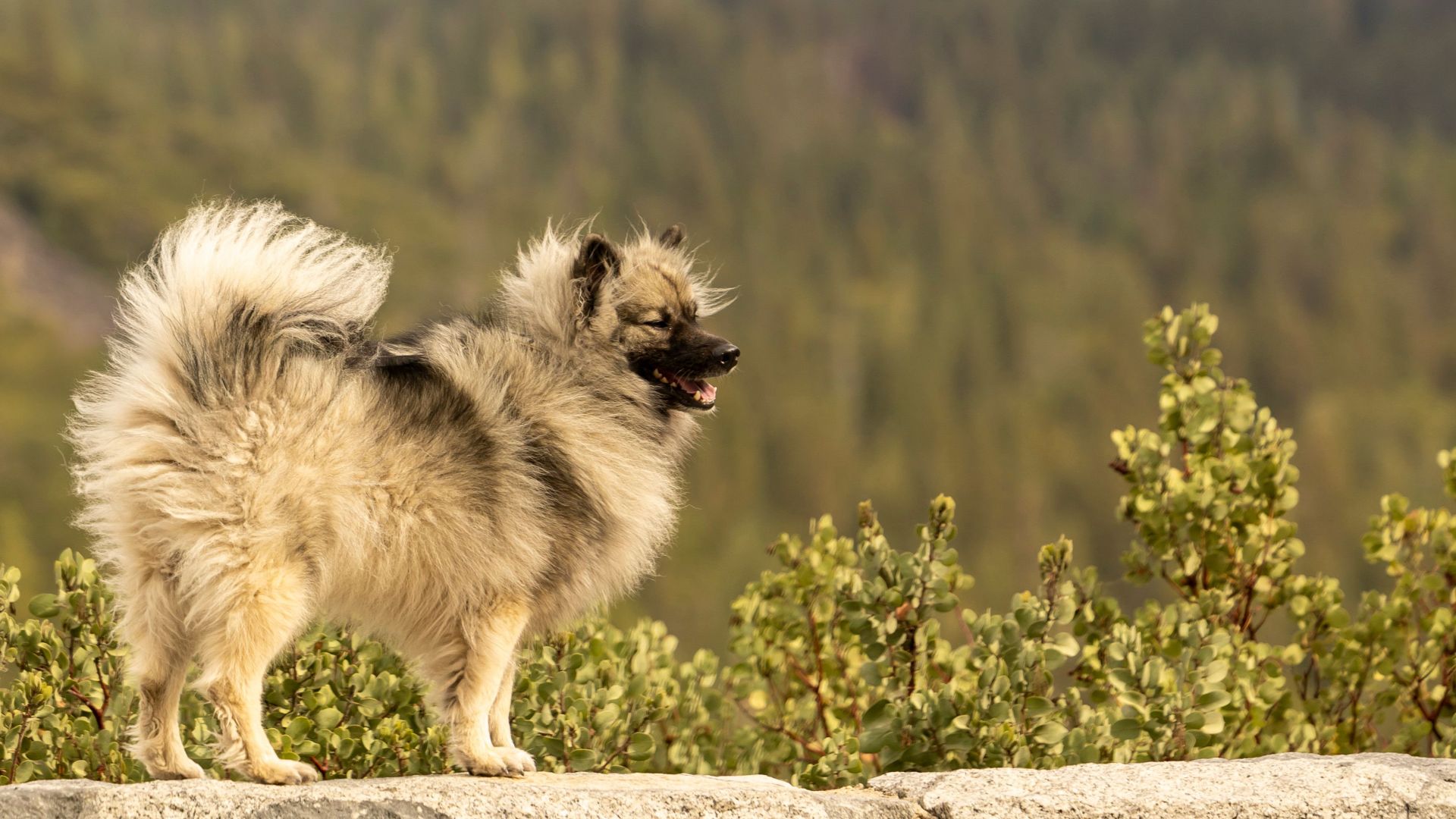
Travelling with a dog requires more control than simply keeping an eye on it from across a campsite. Parks Canada says dogs must be leashed in national parks because wildlife can perceive them as either predators or prey, potentially triggering confrontations. Individual campgrounds and accommodations can impose additional pet restrictions, including limits on which oTENTik units accept animals.
A Clean Campsite Is A Wildlife Rule
Canadian park staff are not merely concerned about whether a picnic table looks tidy. Food, garbage, pet food, toiletries, dirty dishes, and other scented items can attract animals, so Parks Canada instructs visitors in bear country to store attractants securely. Some parks explicitly refer to this approach as maintaining a "Bare" campsite.

Cell Service Can Disappear Fast
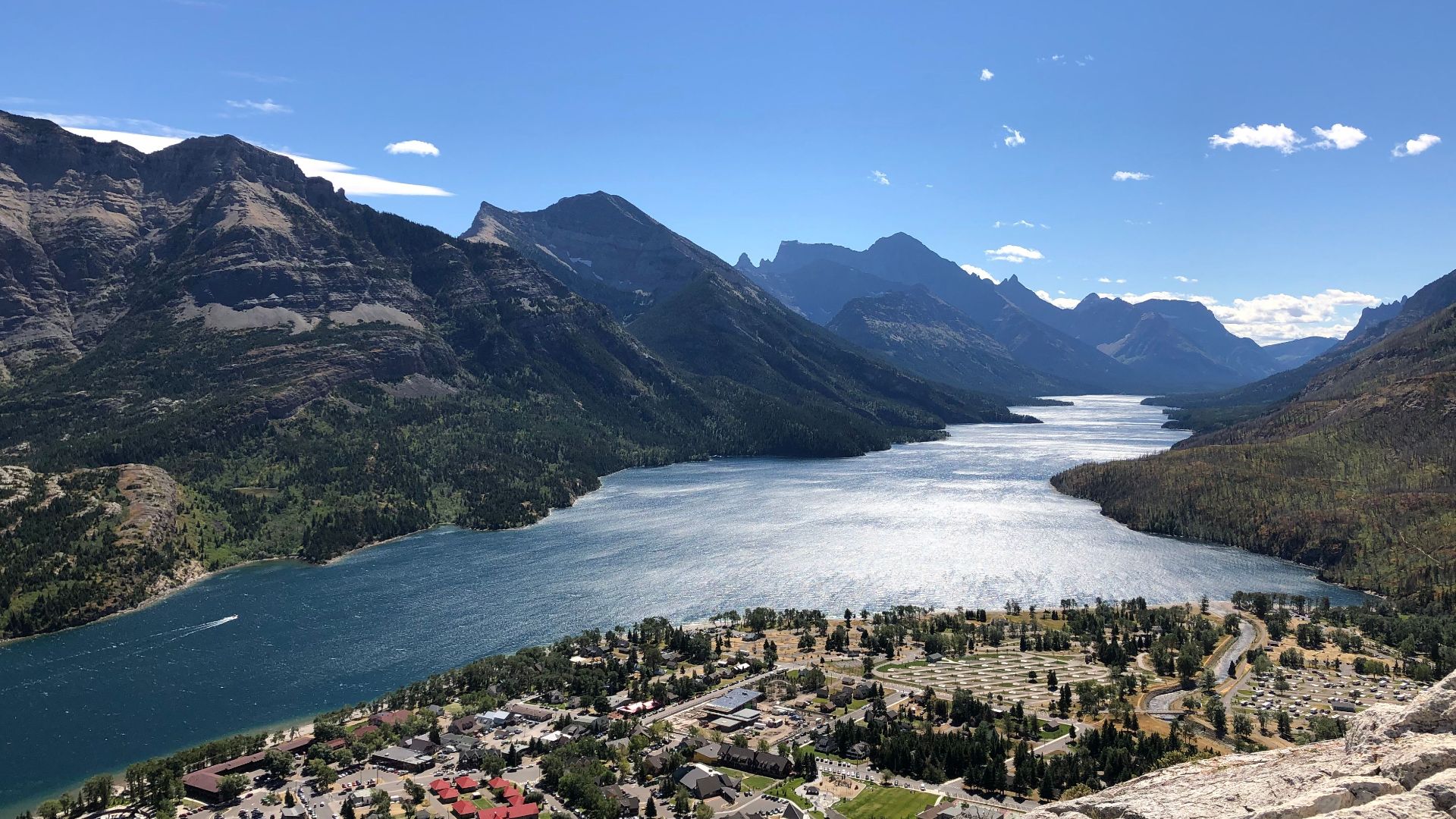
A paved highway or developed campground can create the impression that help is always a phone call away, but backcountry conditions are different. Parks Canada warns visitors in places such as Waterton Lakes that cellular reception may be unreliable or completely absent once they travel into the backcountry. Hikers are encouraged to check conditions, leave an itinerary with someone, and prepare for changing conditions before leaving developed areas.
Closures Are Treated As Part Of The Trip
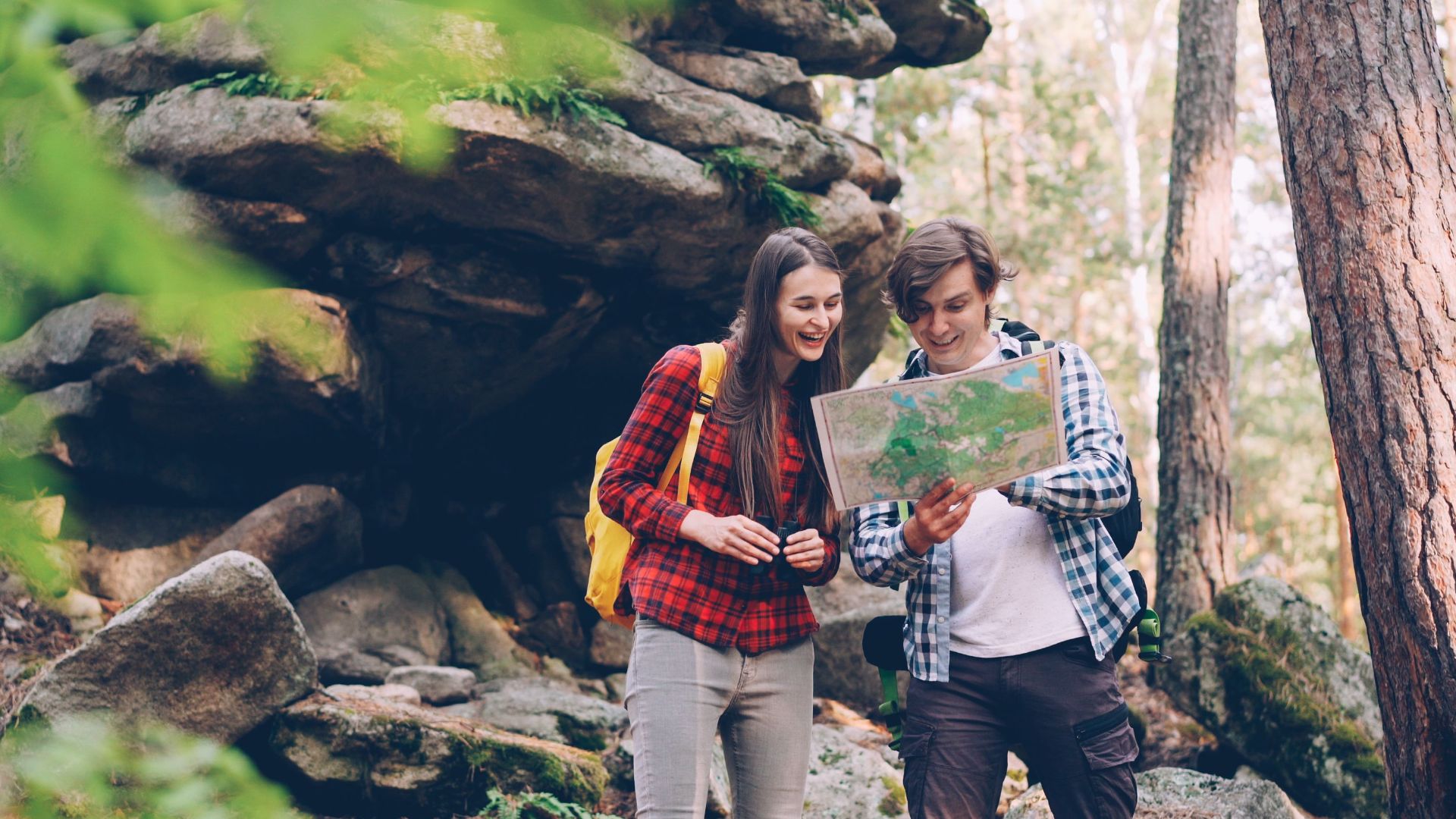
A trail appearing on a map does not guarantee that it will be open when a visitor arrives. Parks Canada advises hikers to check current trail conditions, wildlife warnings, restrictions, and closures before setting out and to be prepared to change plans. Seasonal snow and avalanche hazards can also keep high-elevation routes unsuitable well into what feels like summer elsewhere.
Summer Can Still Feel Surprisingly Cold
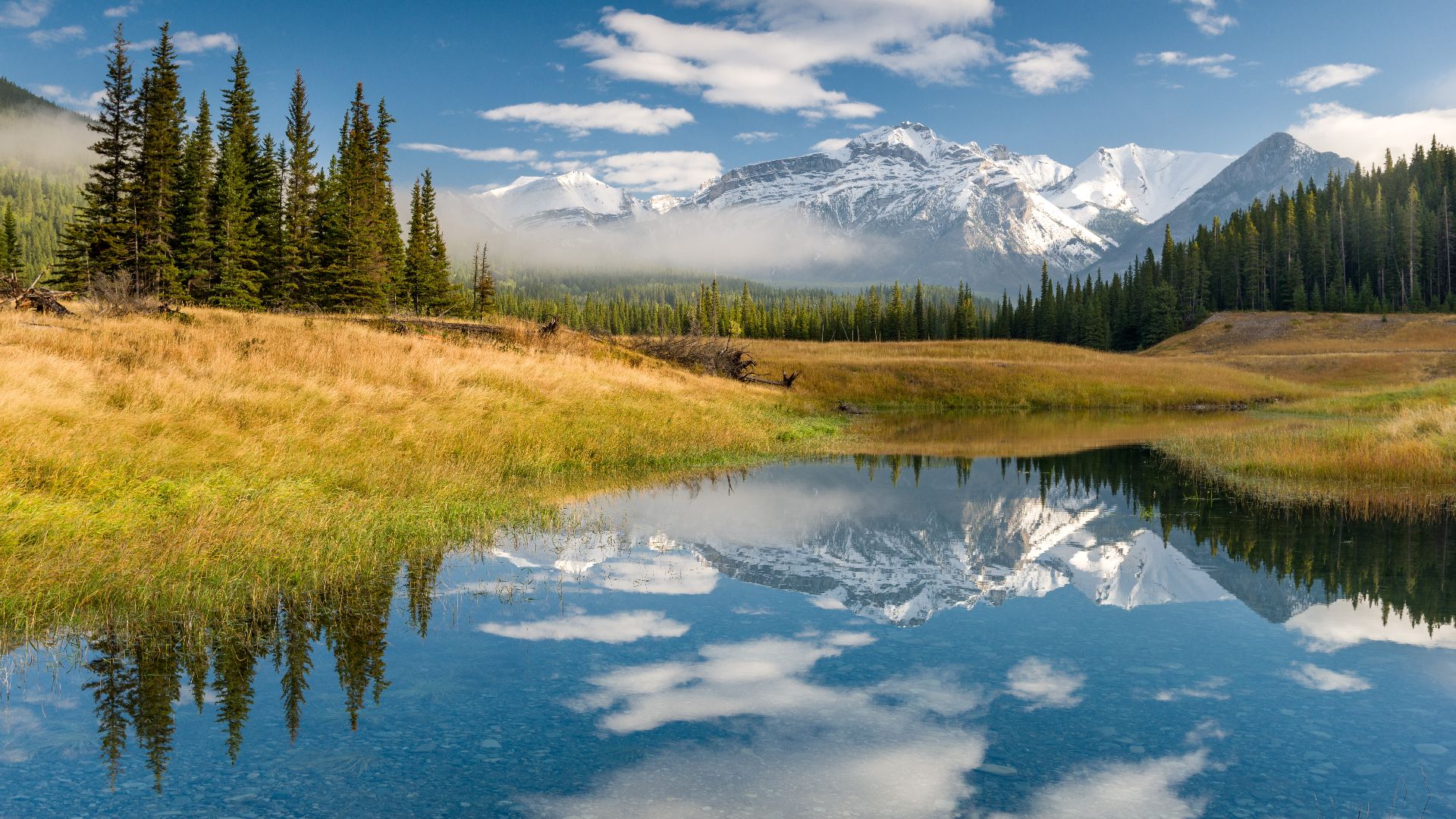
Rocky Mountain scenery can make July look warm in photographs while conditions on the ground tell a different story. Parks Canada notes that mountain weather can change rapidly and recommends carrying layers and waterproof clothing even during the main camping season. Overnight temperatures around freezing are possible in places such as Yoho, making proper clothing and bedding more important than the calendar suggests.
 Sergey Pesterev, Wikimedia Commons
Conservation Is Hard To Miss
The rules about drones, wildlife distances, food storage, fires, pets, and trail closures may initially feel like a long collection of restrictions. Together, however, they reflect Parks Canada's legal responsibility to protect these areas while allowing people to experience them without compromising ecological integrity. That conservation-first message is one of the clearest impressions an American visitor can take away after spending time in the Canadian national park system.
You May Also Like: