The Panic Is Real
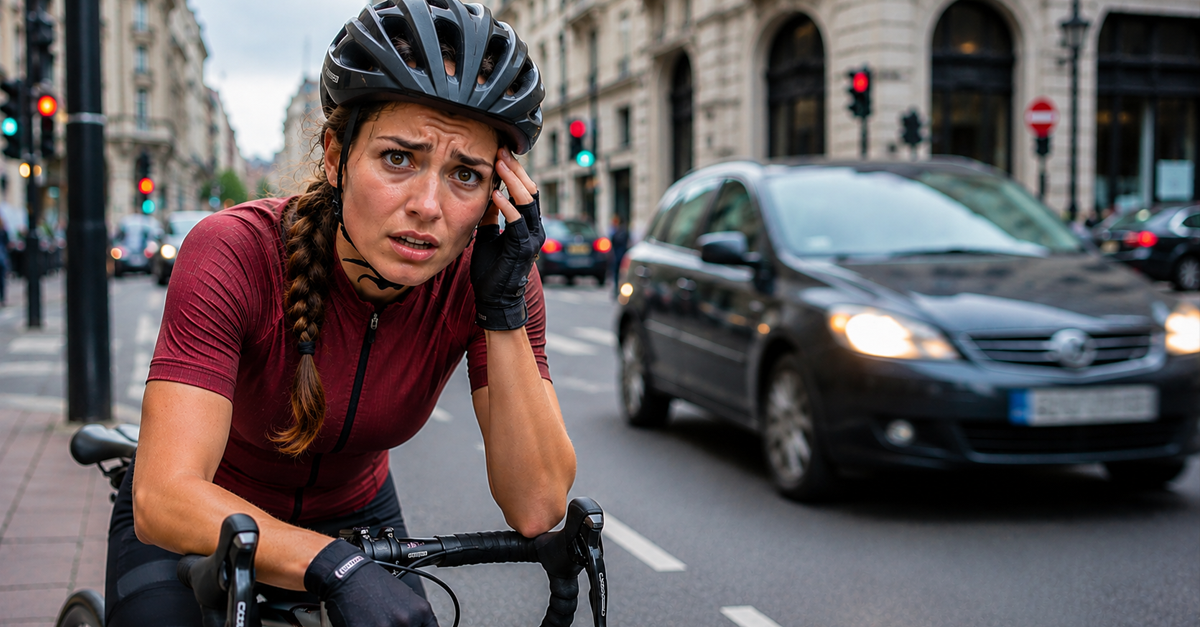
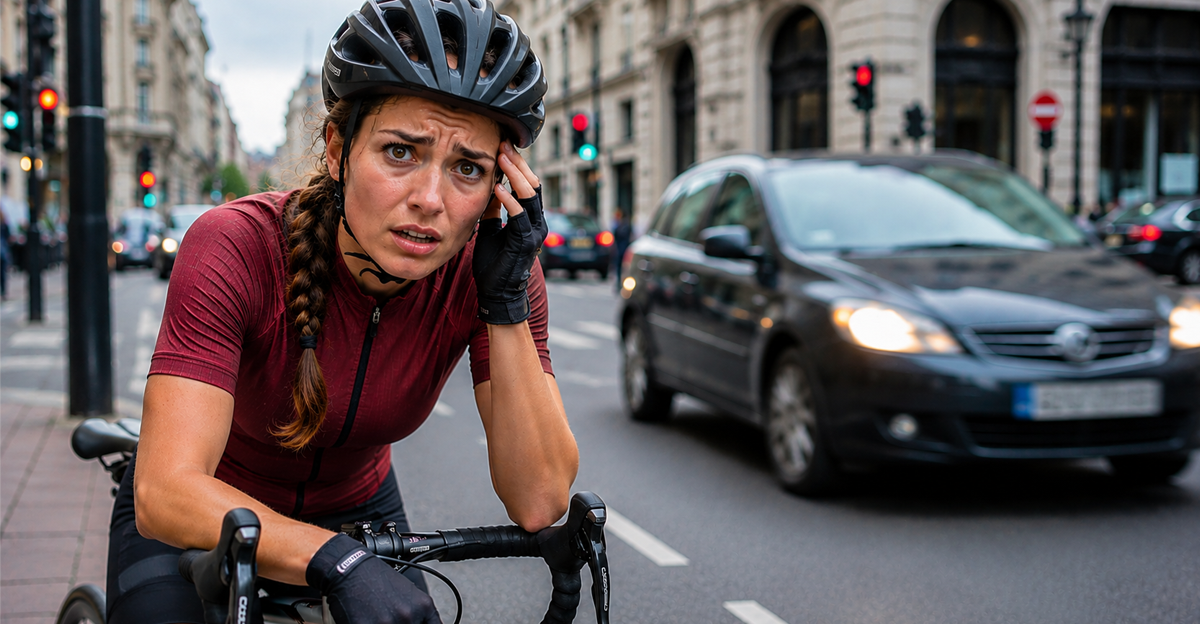
You imagined scenic roads, charming villages, and leisurely rides through beautiful landscapes. Instead, you found yourself surrounded by unfamiliar traffic patterns, aggressive drivers, and road rules that seem completely different from home. If your cycling vacation suddenly feels intimidating, you are far from the first traveler to experience this.
Take A Deep Breath Before Making Any Big Decisions
Feeling overwhelmed on your first few rides is completely normal. Even experienced cyclists can struggle when they encounter different road cultures and unfamiliar traffic laws. Give yourself permission to slow down and reassess rather than forcing yourself into situations that feel unsafe.
Remember That Traffic Culture Varies Dramatically
Cycling etiquette can differ just as much as official traffic laws. Drivers in one country may routinely give cyclists wide passing distances, while drivers elsewhere may expect cyclists to ride differently. Learning these unwritten local habits can be just as important as understanding the law.
Start By Learning The Basic Local Rules
Spend an hour reviewing local cycling regulations. Look for rules regarding bike lane use, helmet requirements, lights, signaling, and road positioning. Many countries also have cycling-specific signs and regulations that visitors may not recognize immediately.
 Uladzimir Ogonek, Shutterstock
Find Out Whether Bike Lanes Are Mandatory
One common surprise is that some countries, particularly in Europe, require cyclists to use designated cycle tracks when they are available. In other places, cyclists can choose between the bike lane and the roadway. Understanding this distinction can help you avoid both fines and dangerous misunderstandings.
Learn Which Side Of The Road You Should Be On
This sounds obvious, but travelers sometimes struggle when visiting countries where traffic flows on the opposite side. Your instincts may tell you to look the wrong direction at intersections. Spend time practicing in quiet areas until the new traffic pattern feels natural.
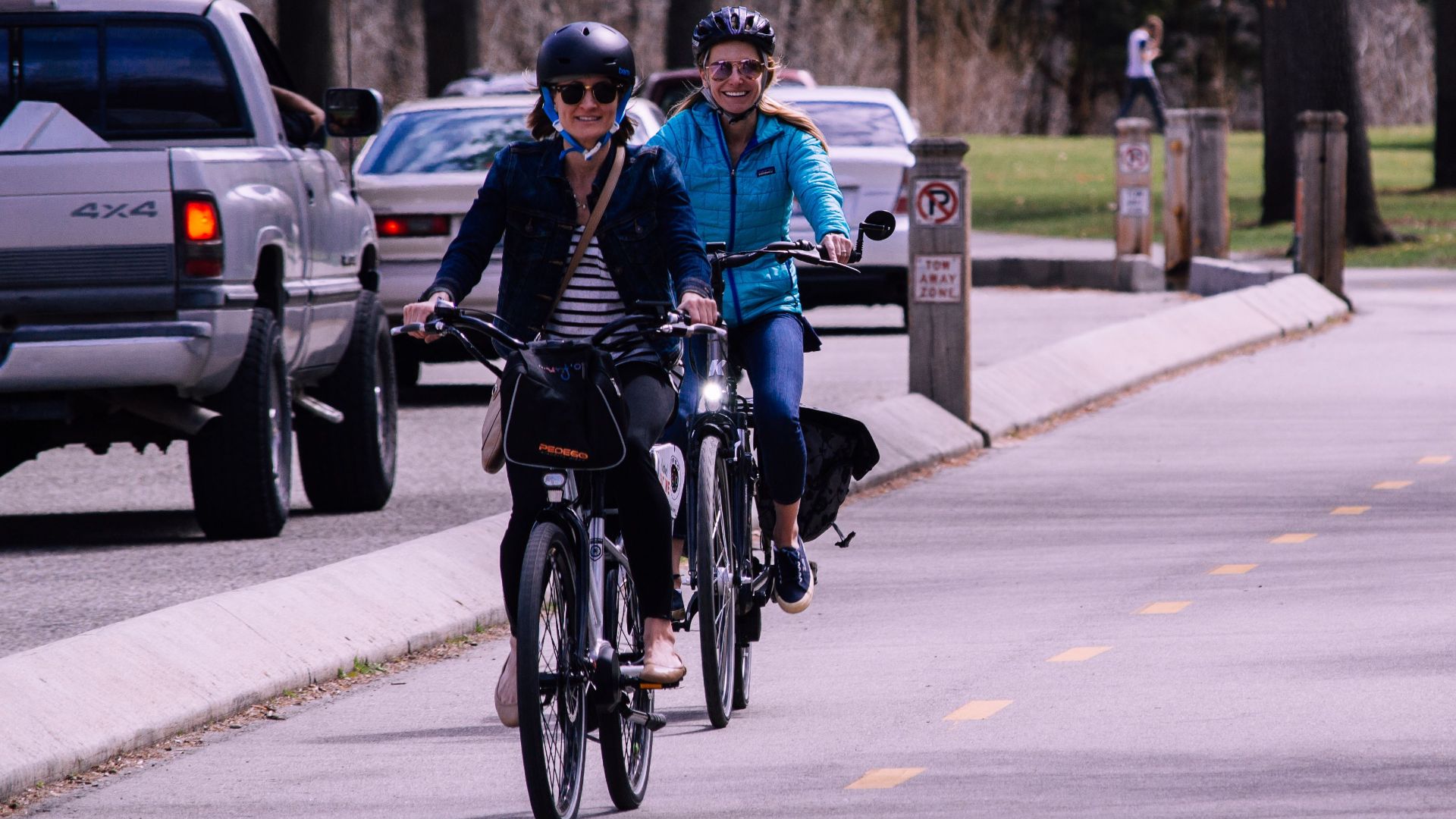
Do Not Assume Drivers Think Like Drivers Back Home
Every country develops its own driving culture. In some places, motorists expect cyclists to take a visible position in traffic. In others, drivers may expect cyclists to stay farther to the edge. Observing local riders can reveal valuable clues about what is considered normal.
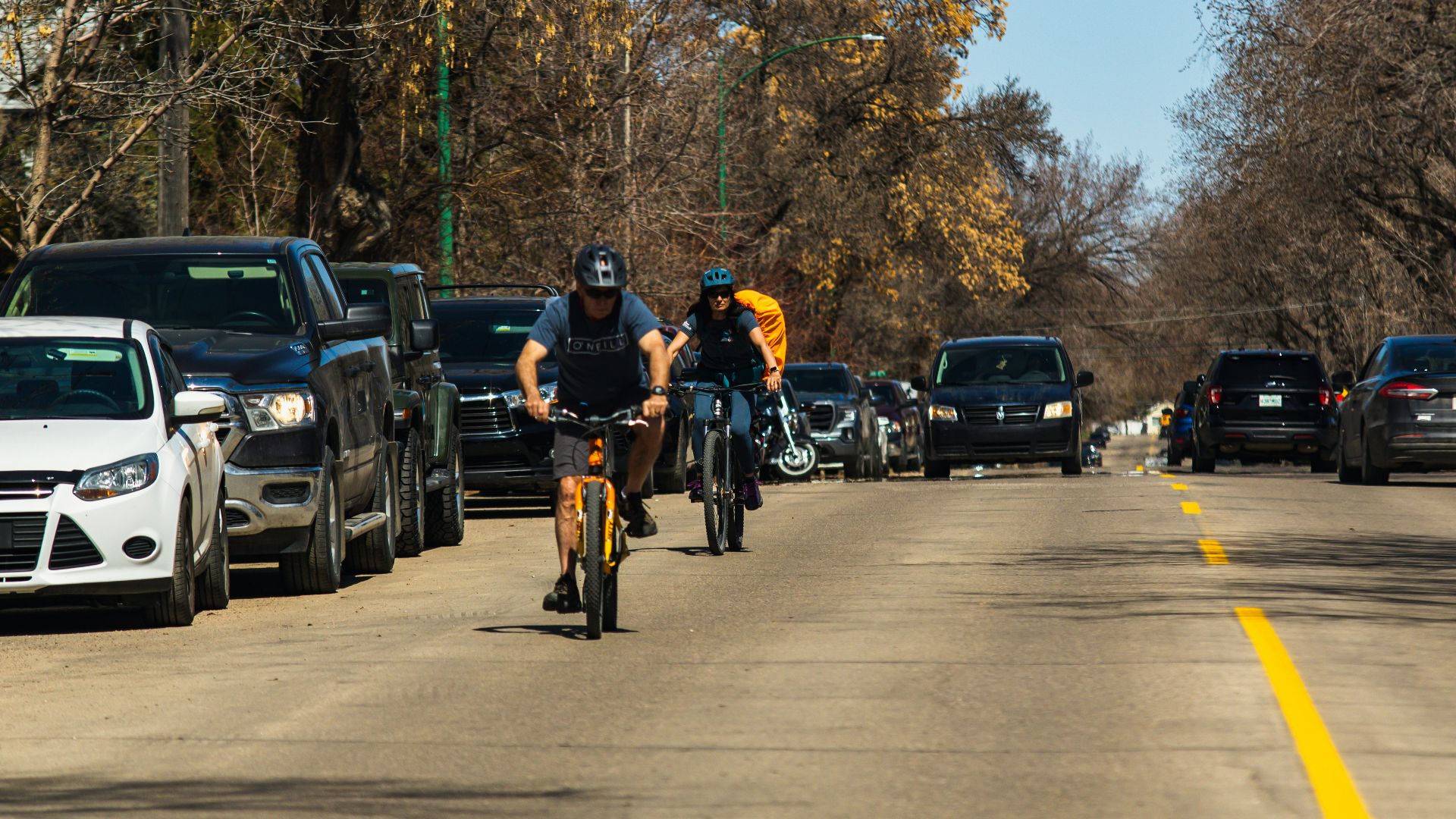
Ride With Local Cyclists If Possible
Joining a local guided ride can dramatically reduce stress. Experienced local cyclists already understand the road rules, traffic patterns, and common hazards. Their knowledge can help you adapt much faster than trying to figure everything out alone.
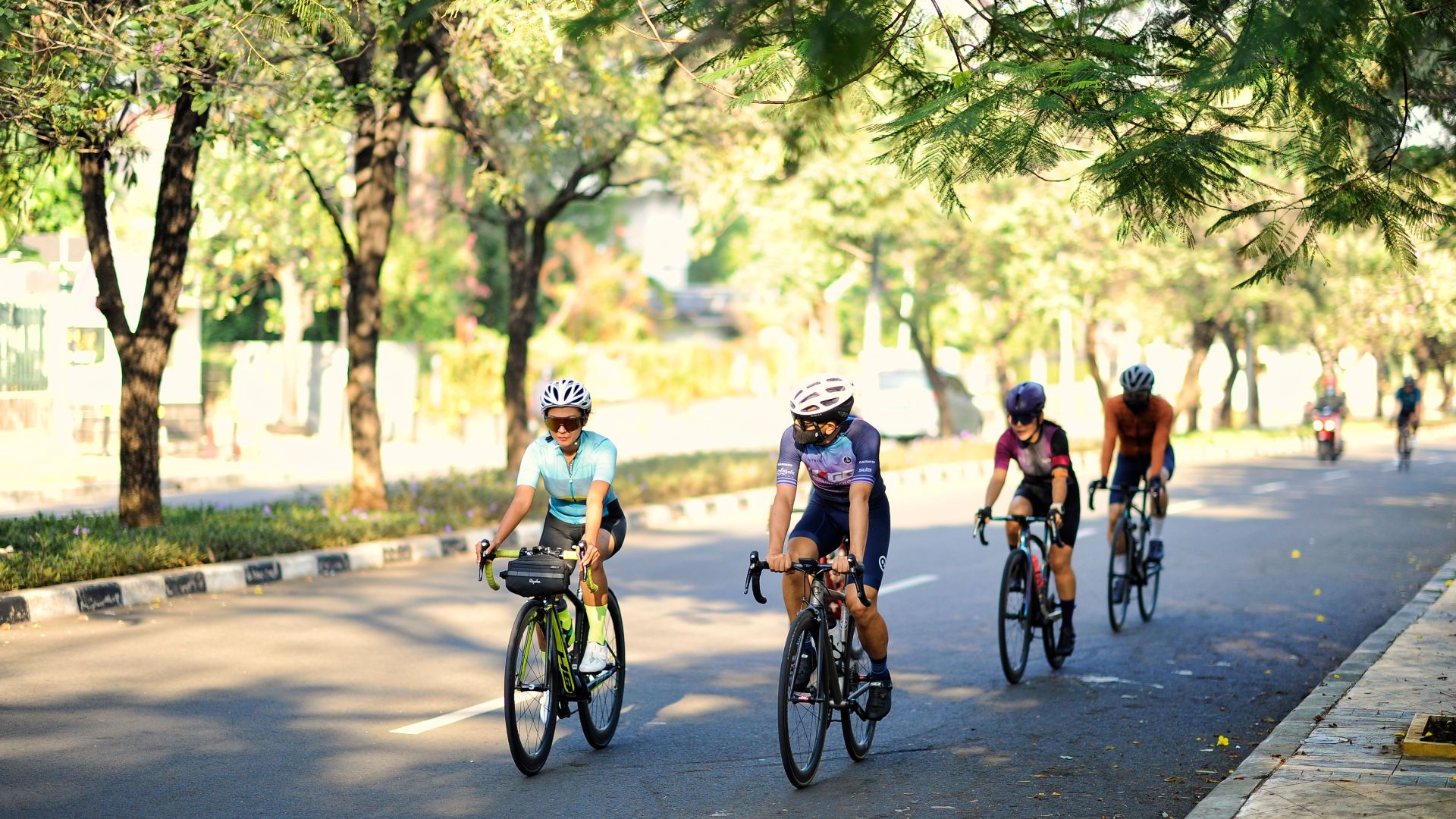
Scale Back Your Original Route
You do not have to complete the ambitious itinerary you planned months ago. If a route feels beyond your comfort level, shorten it. A safer and more enjoyable ride is better than a stressful day spent fighting traffic.
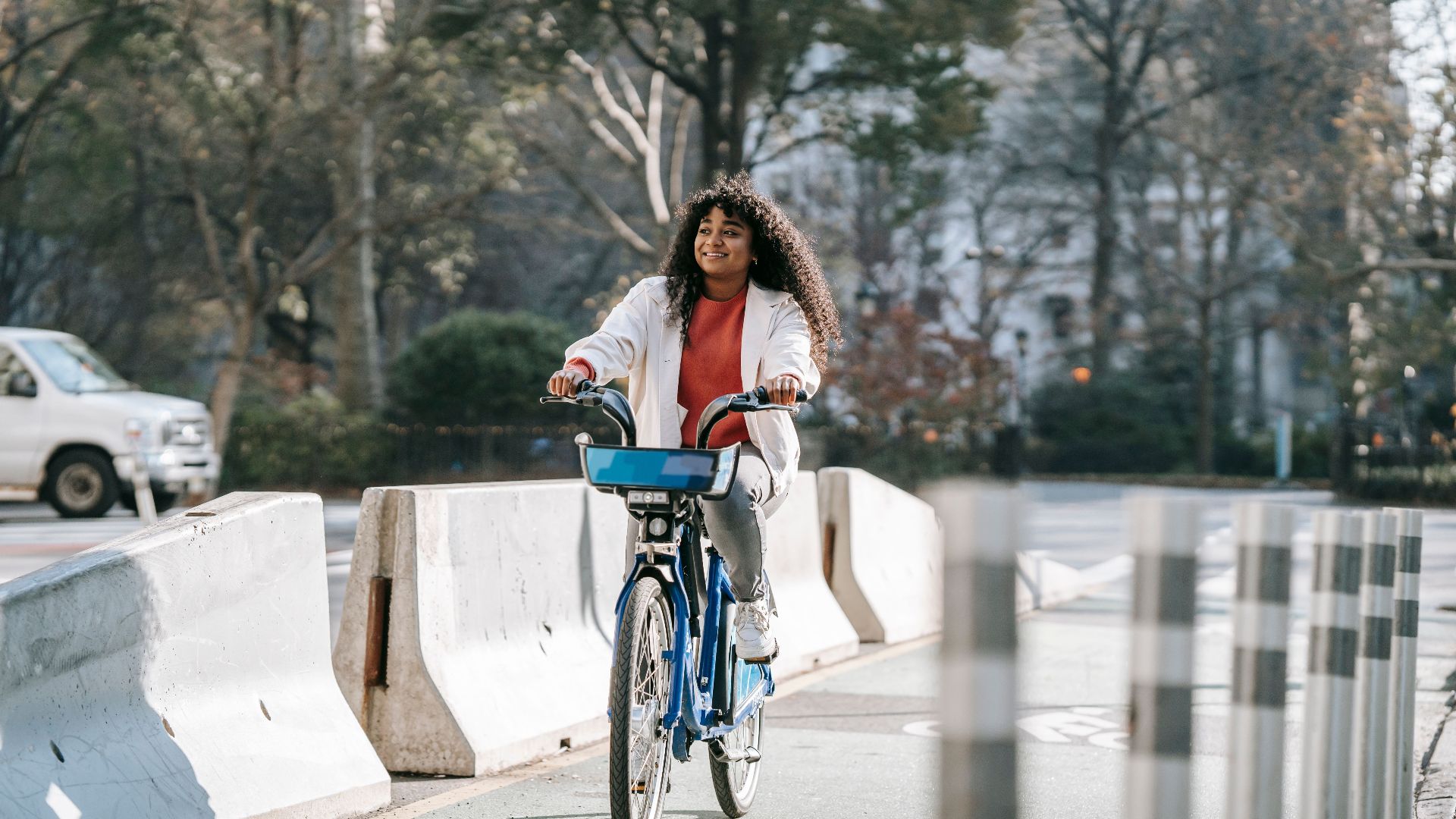
Use Dedicated Cycling Infrastructure Whenever Available
Protected bike lanes and separated cycling routes generally provide a more comfortable experience than riding alongside heavy traffic. Research consistently shows that cyclists perceive these facilities as safer and less stressful than roads shared with vehicles.
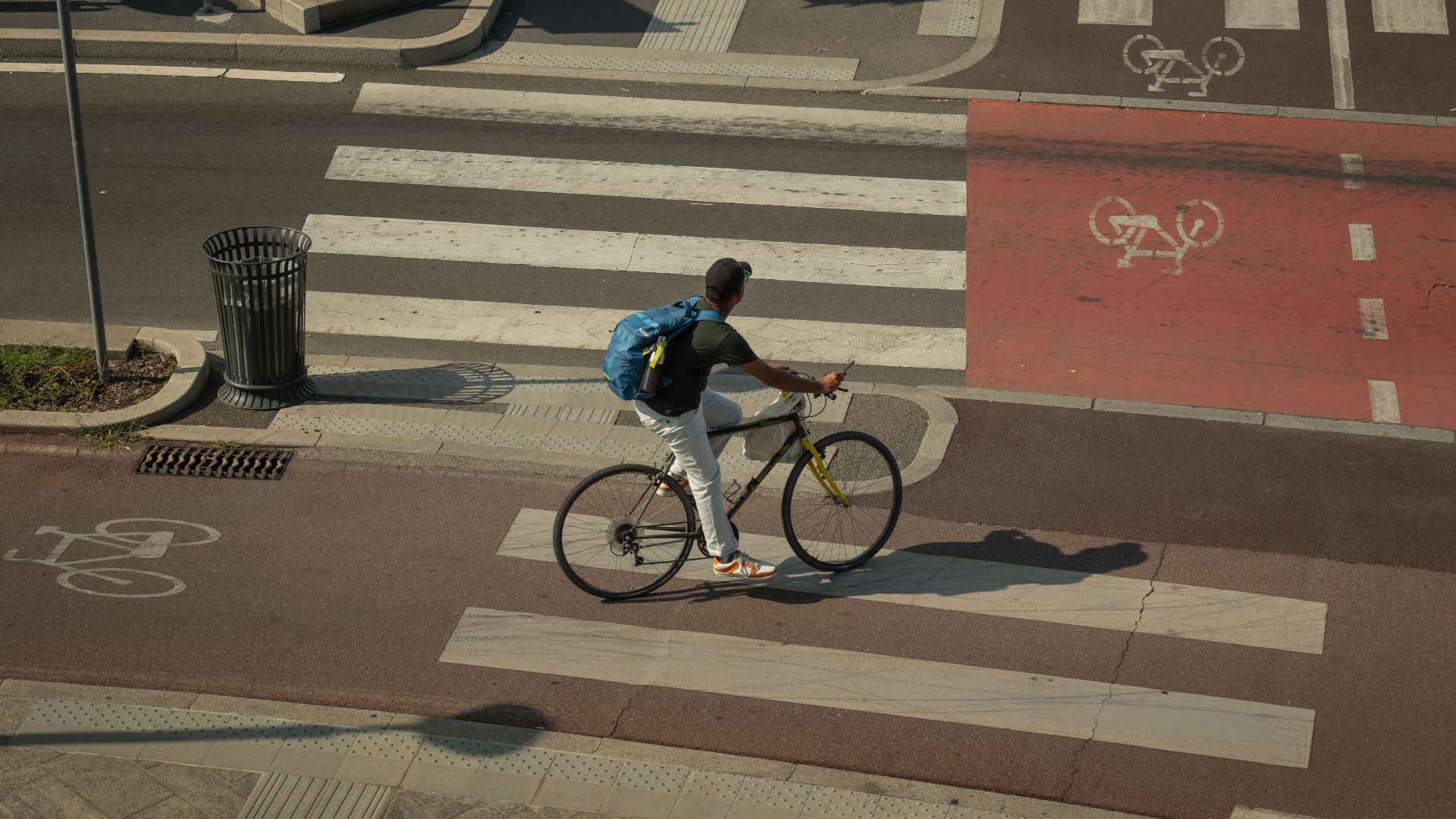
Choose Low Traffic Roads
Many navigation apps now include cycling-specific routing options. These tools can help you avoid major roads and direct you toward quieter alternatives. A slightly longer route is often worth the extra peace of mind.
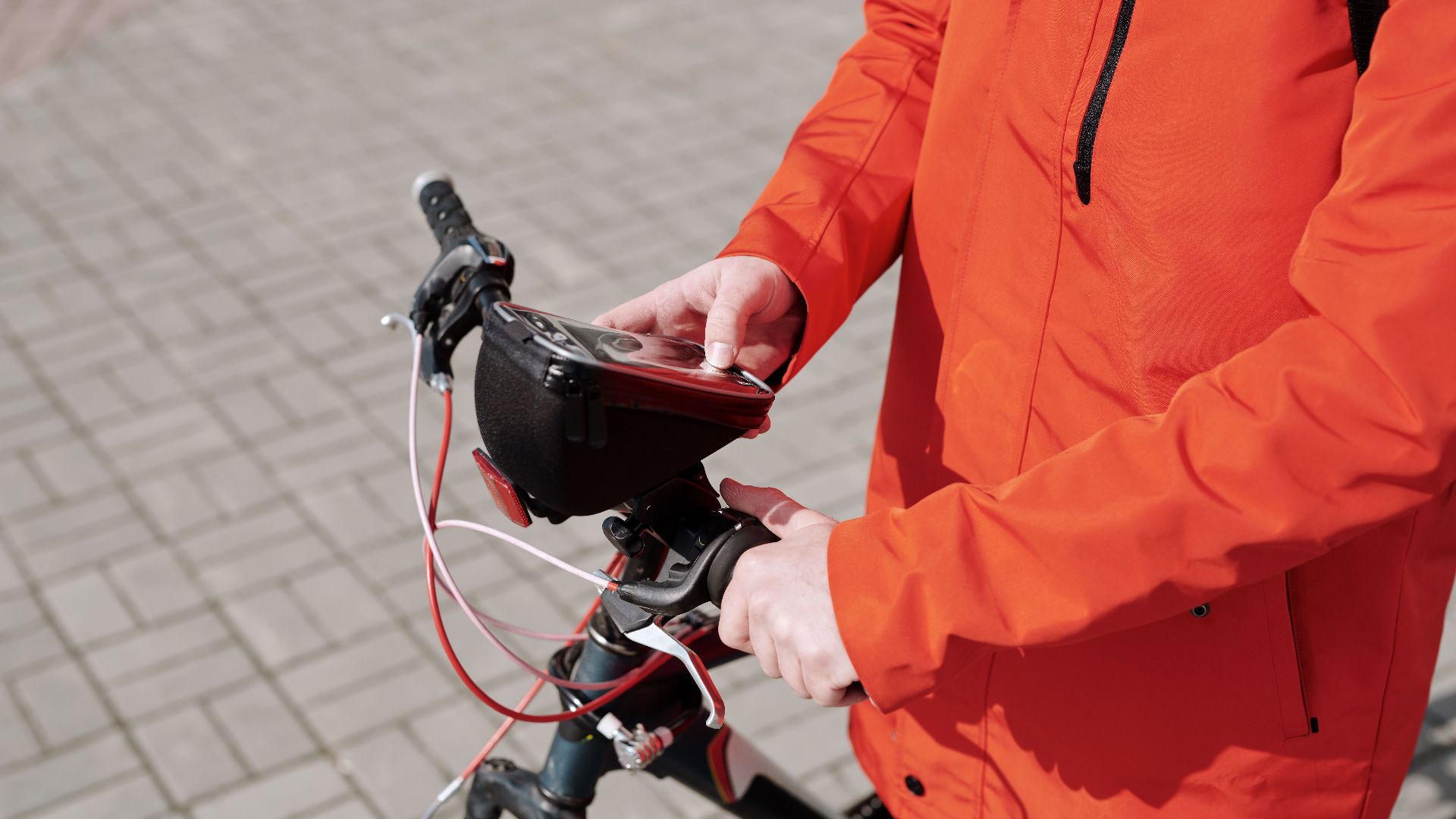
Avoid Rush Hour Whenever Possible
Traffic volumes can change dramatically throughout the day. Riding early in the morning or during quieter afternoon periods may feel far less intimidating than navigating commuter traffic. Timing can make a huge difference.
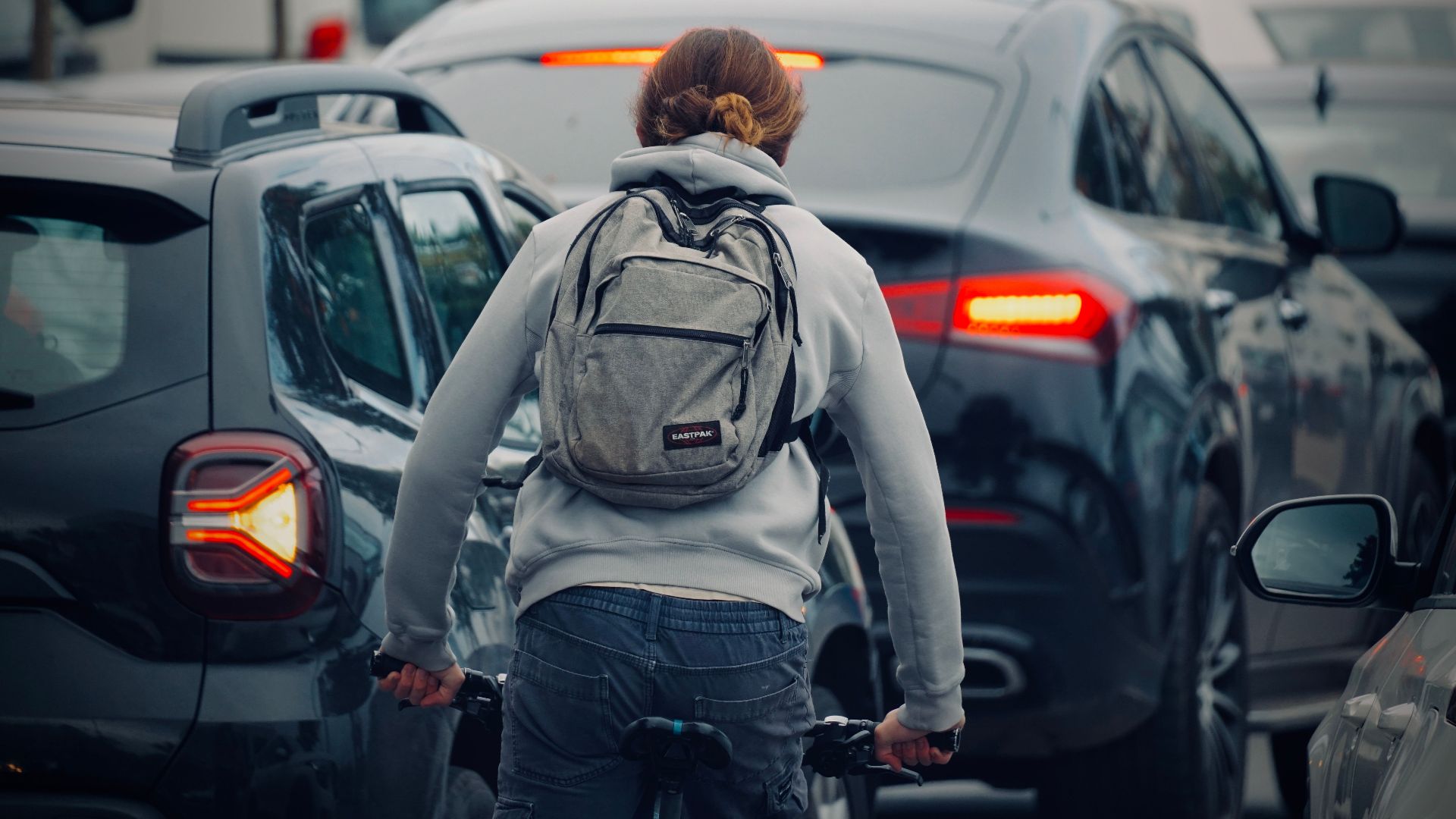
Visibility Is Your Best Friend
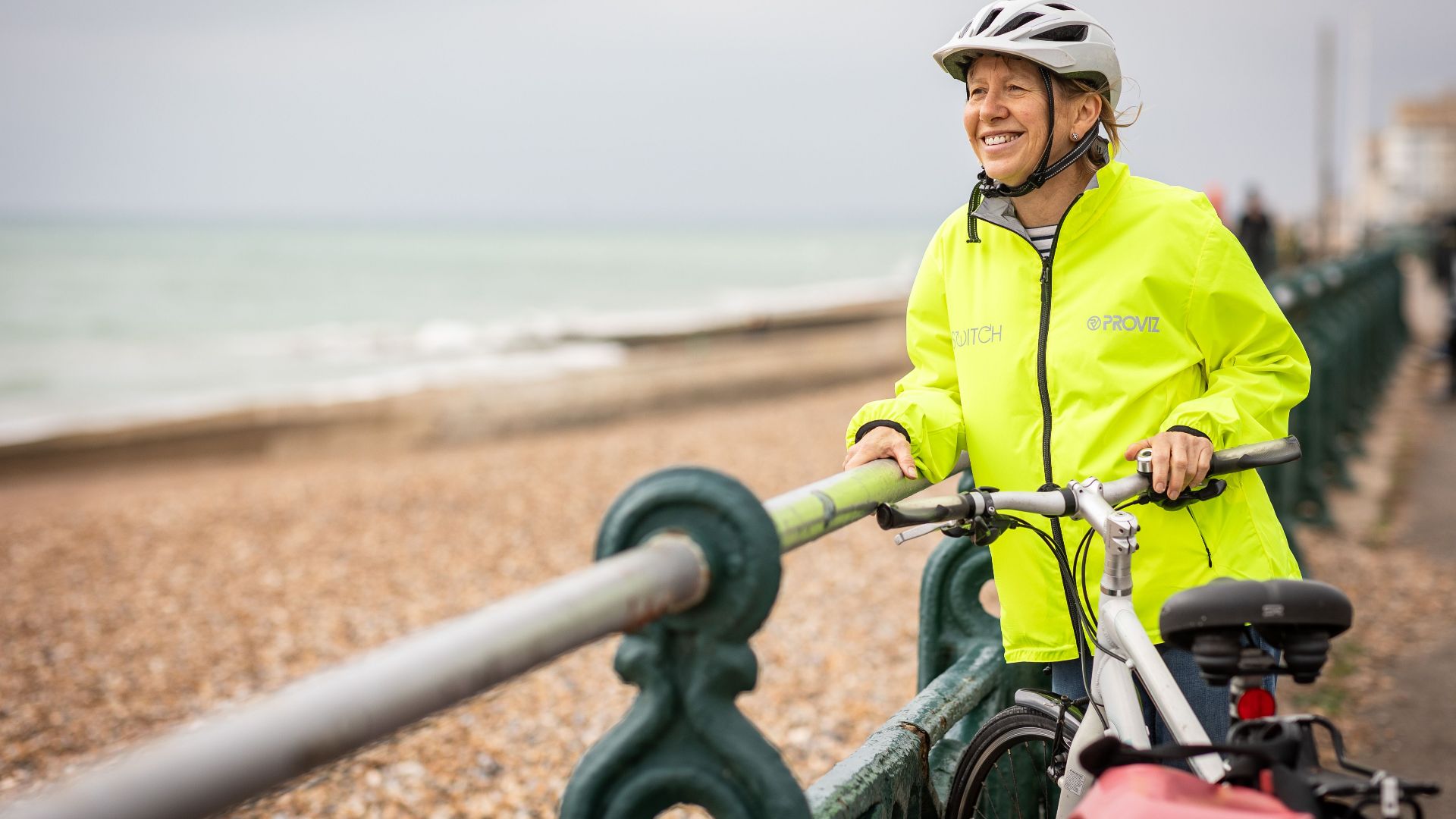
Make yourself easy to see. Bright clothing, reflective elements, and functioning front and rear lights improve your visibility to motorists. Some countries even require certain visibility equipment by law.
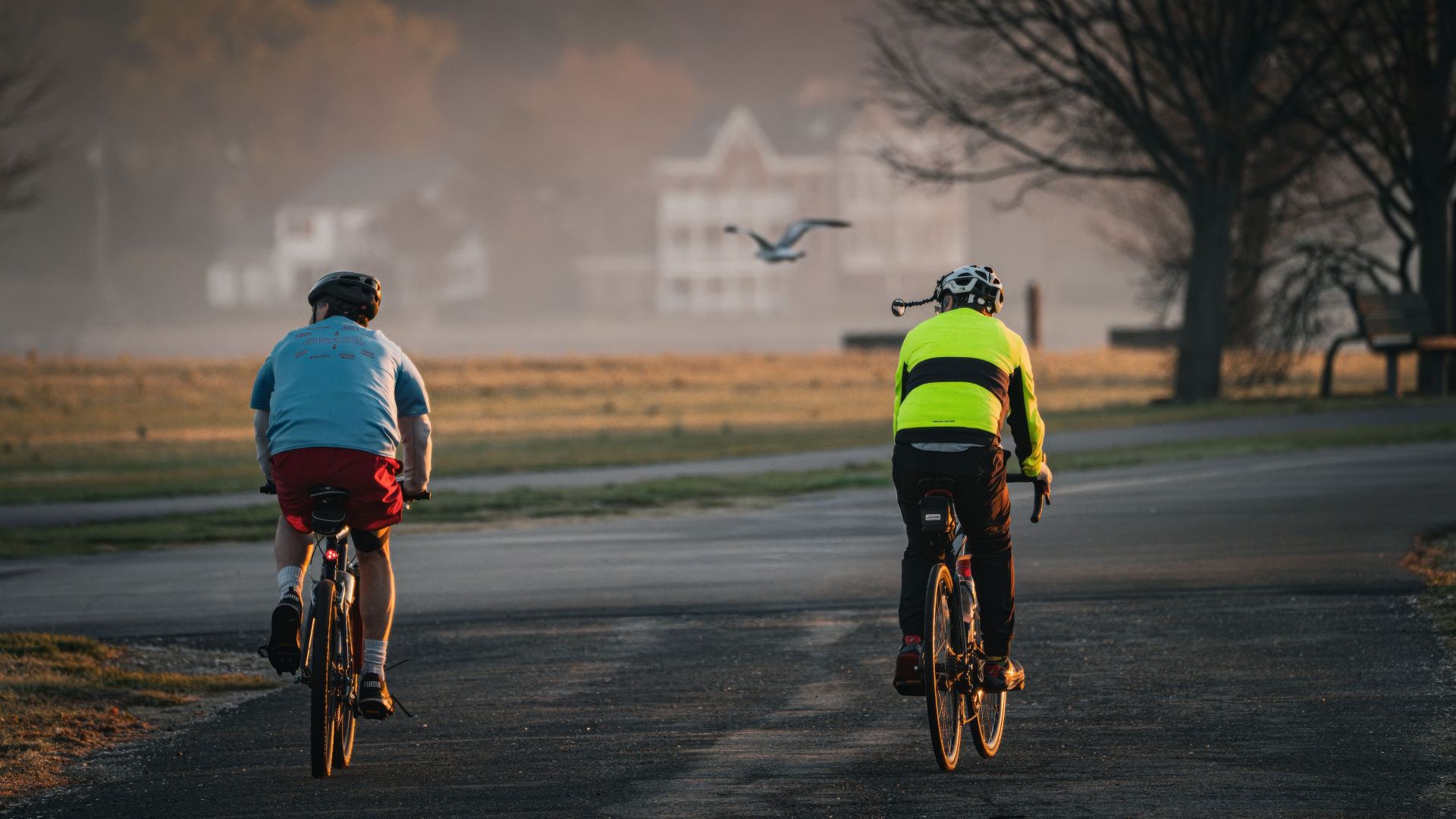
Be Predictable At All Times
Drivers generally react best when cyclists behave consistently and predictably. Signal your turns, maintain a steady line, and avoid sudden movements. Predictability helps everyone share the road more safely.

Understand Your Position On The Road
Many cyclists instinctively hug the curb when nervous. However, riding too close to the edge can sometimes reduce visibility and create additional hazards. Local cycling guidance often recommends maintaining a position that allows you to remain visible and avoid obstacles.
Pay Extra Attention At Intersections
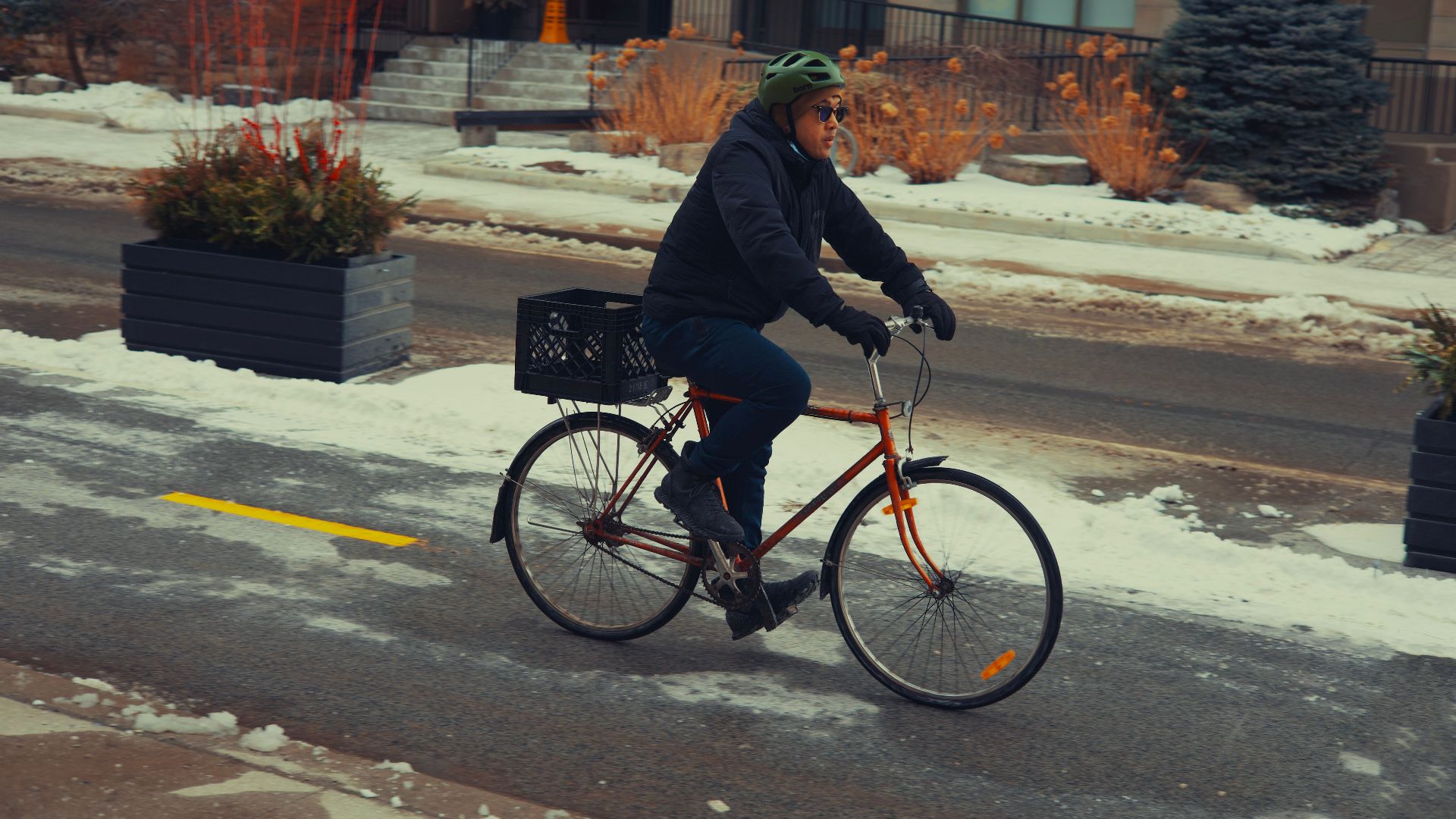
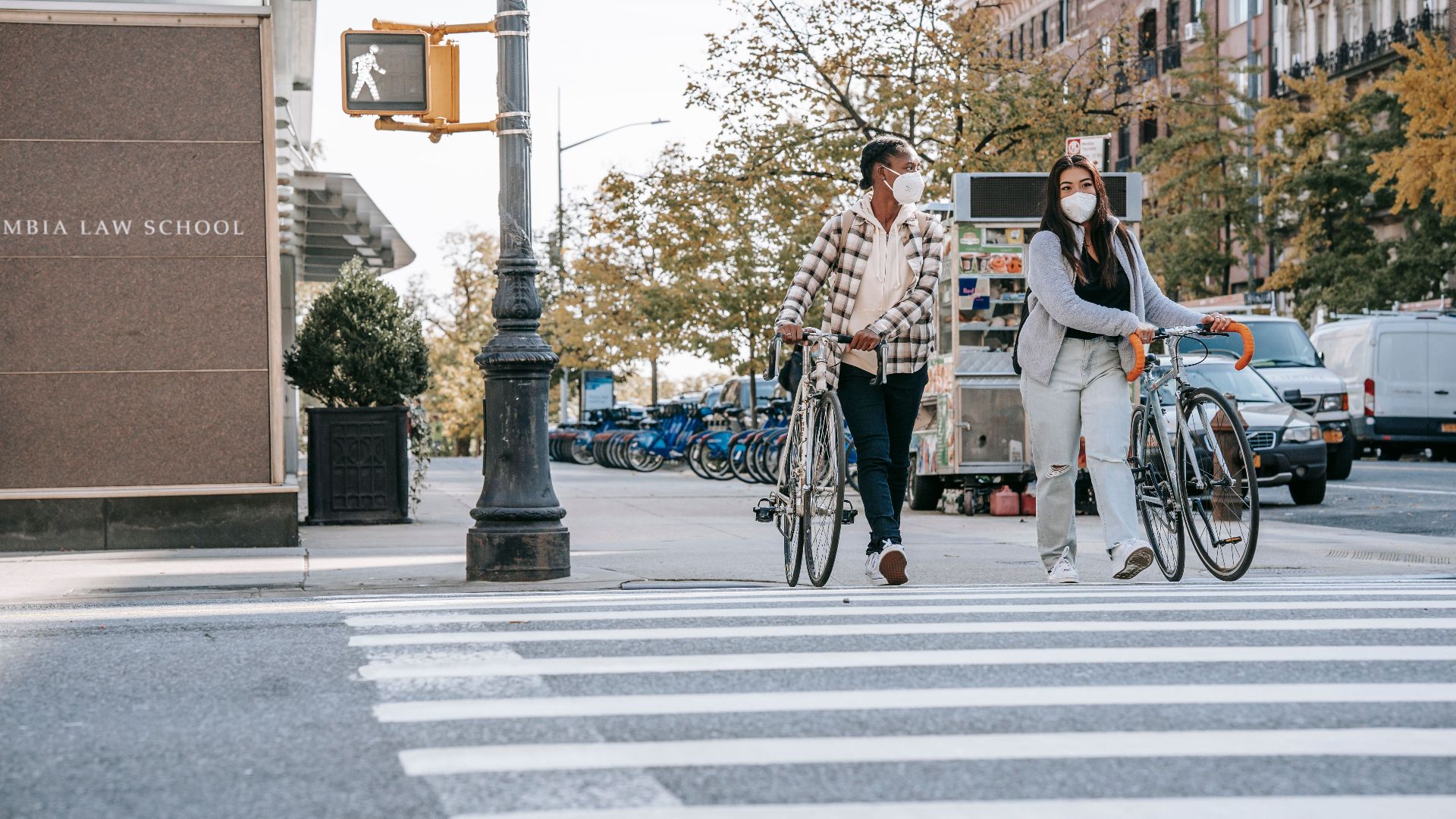
Intersections are often the most complex parts of any ride. Take time to understand local right-of-way rules and lane markings. If an intersection feels confusing, there is no shame in dismounting and walking your bike through it.
Watch For Cycling-Specific Signals
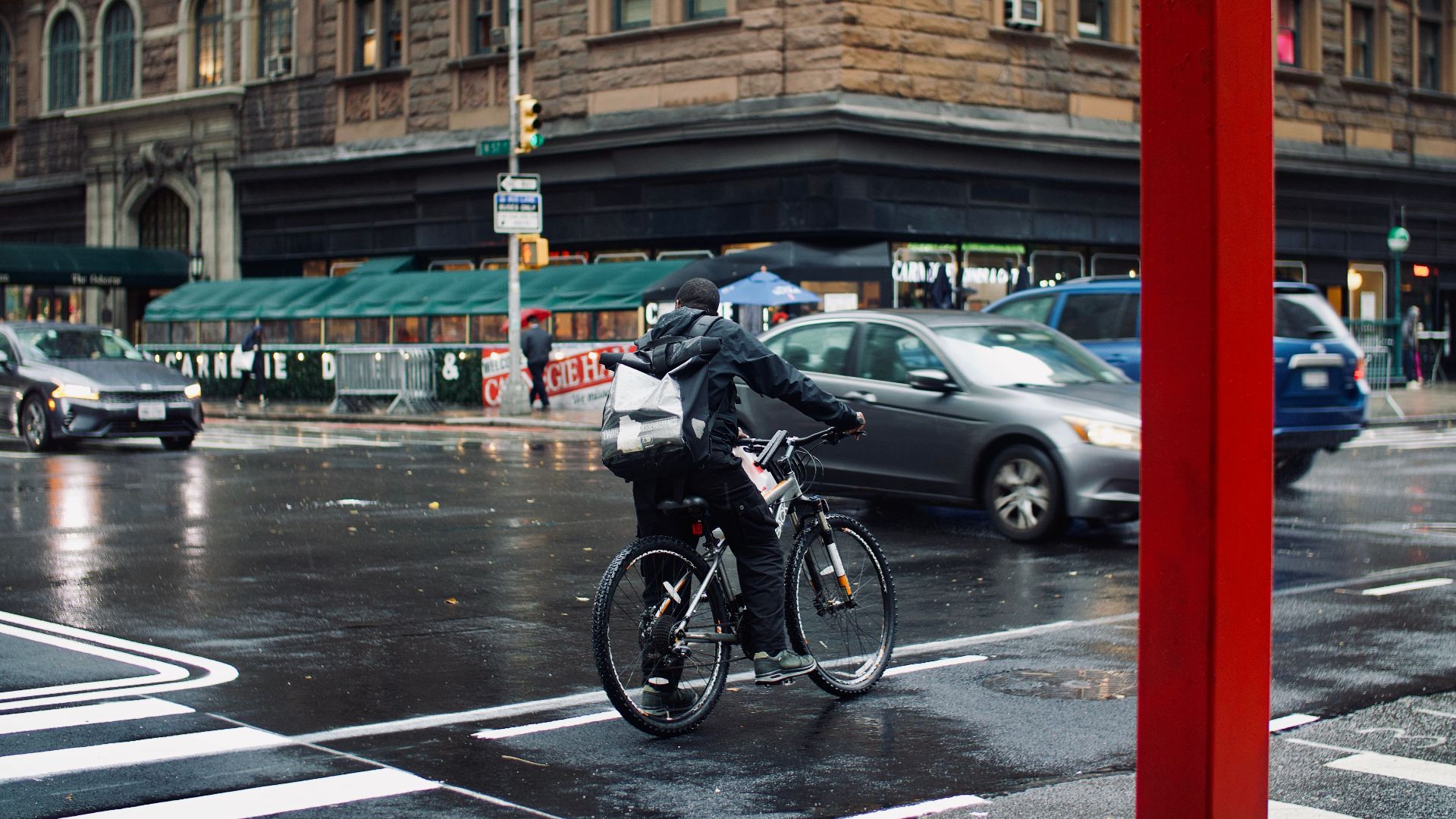
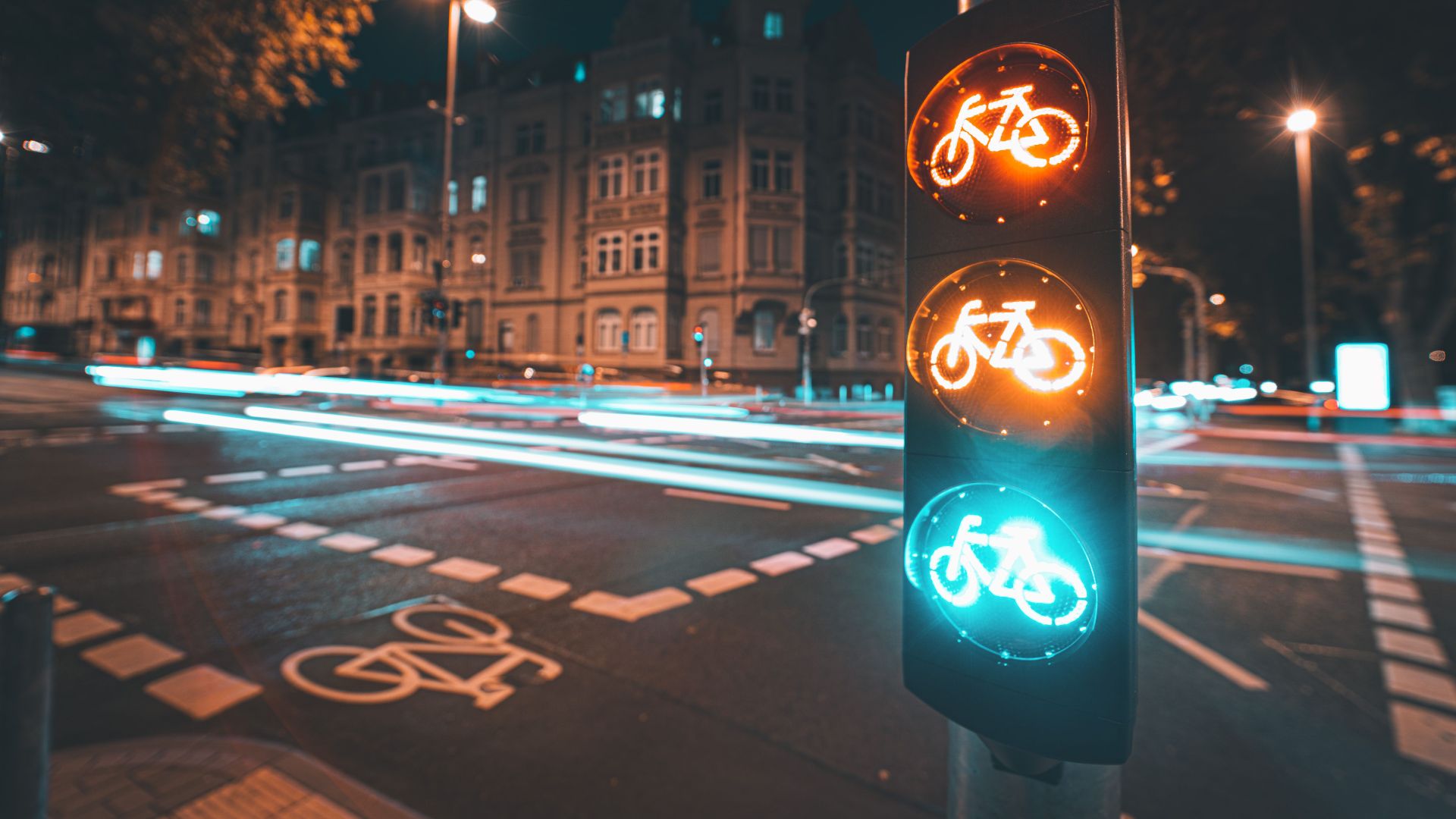
Some cities have traffic lights designed specifically for cyclists. These signals may operate differently from standard vehicle lights. Learning how they work can help you navigate urban areas more confidently.
Do Not Ignore Your Instincts
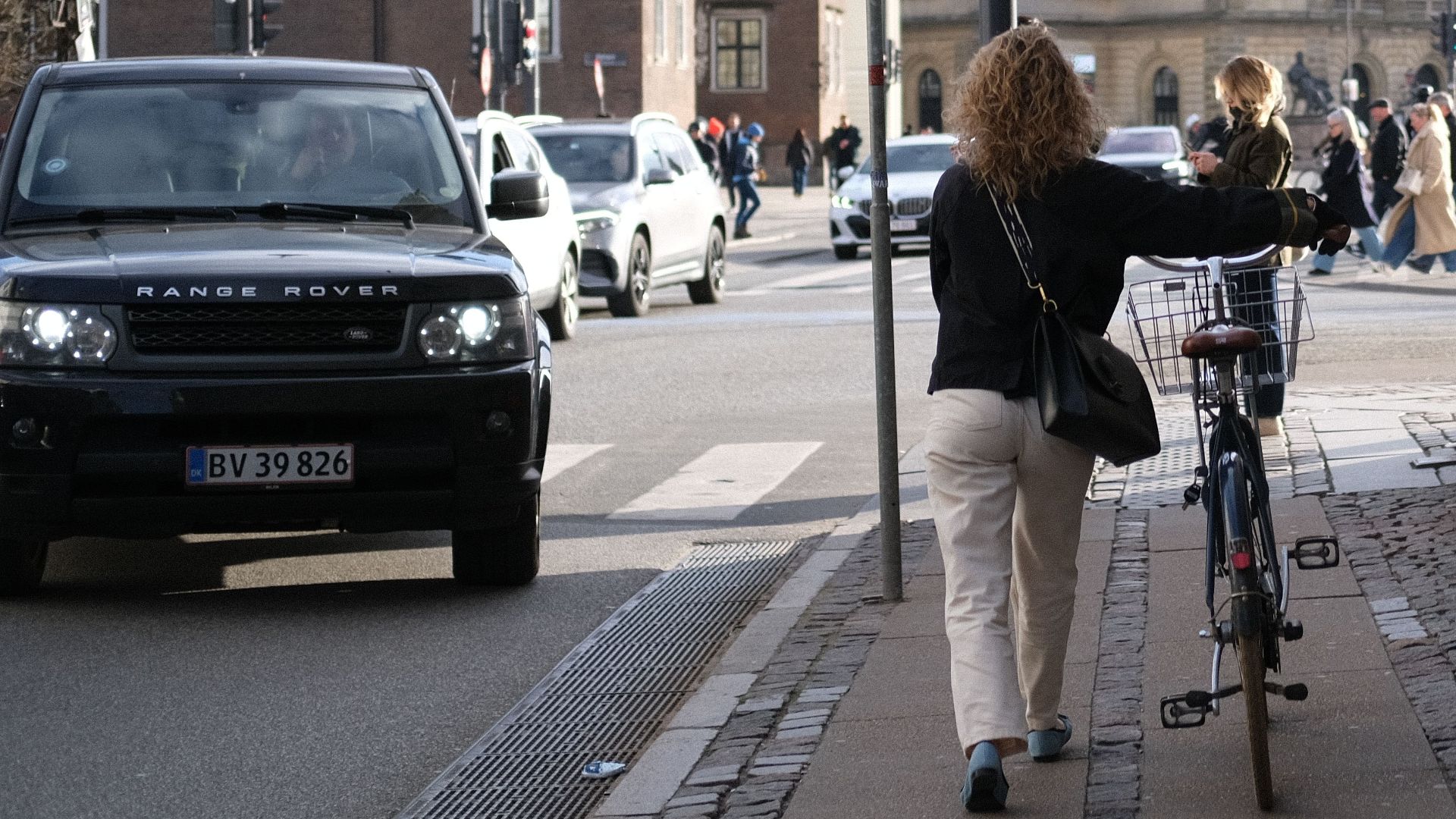
If a road feels dangerous, trust your judgment. Turn around, reroute, or walk a section if necessary. A vacation should be enjoyable, not an exercise in endurance against constant fear.
Consider A Guided Cycling Tour
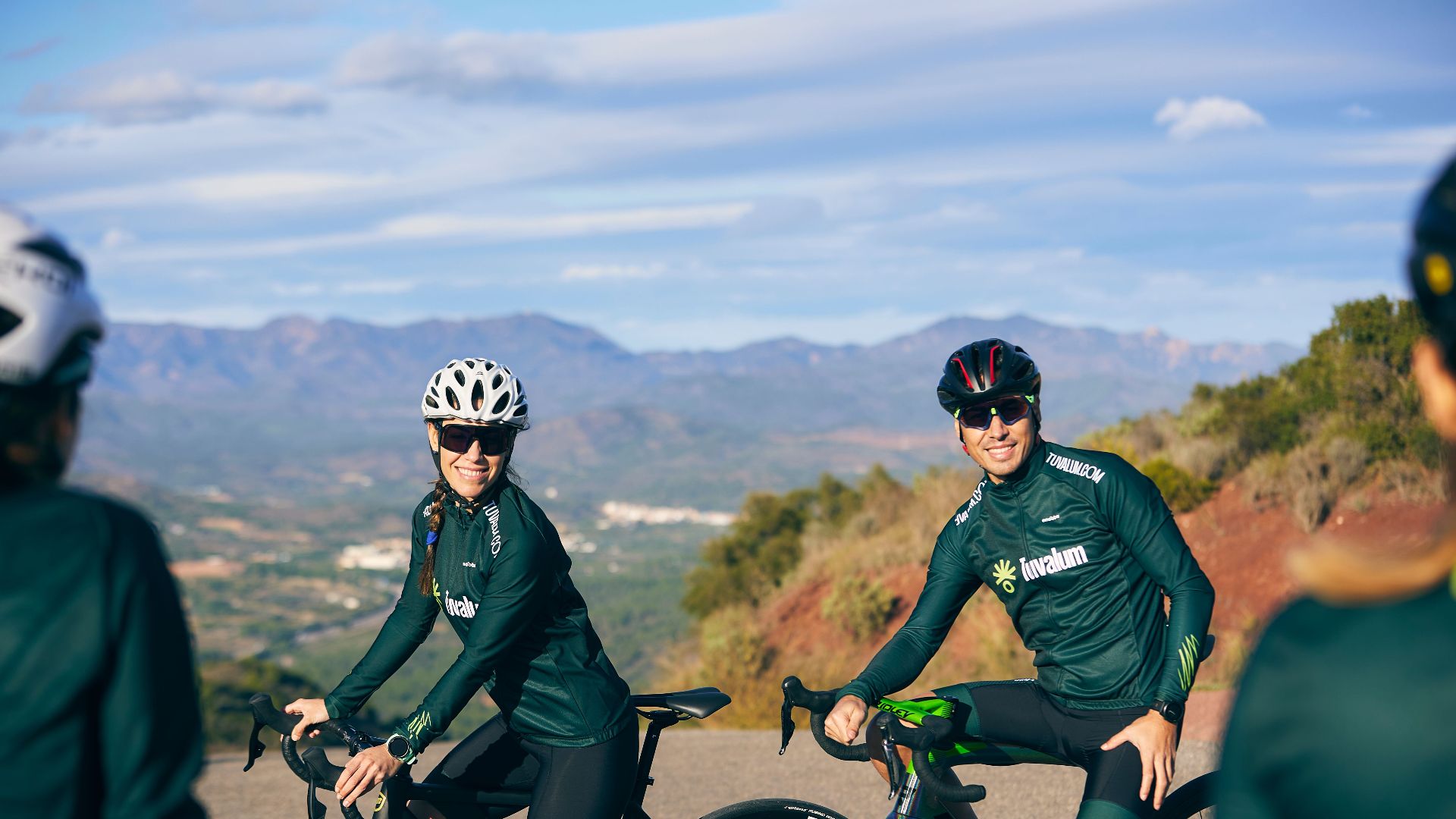
If independent riding feels overwhelming, many destinations offer guided day trips or multi-day tours. These tours often use carefully selected routes and provide local expertise. Sometimes a little structure can restore your confidence.
Check Local Cycling Organizations
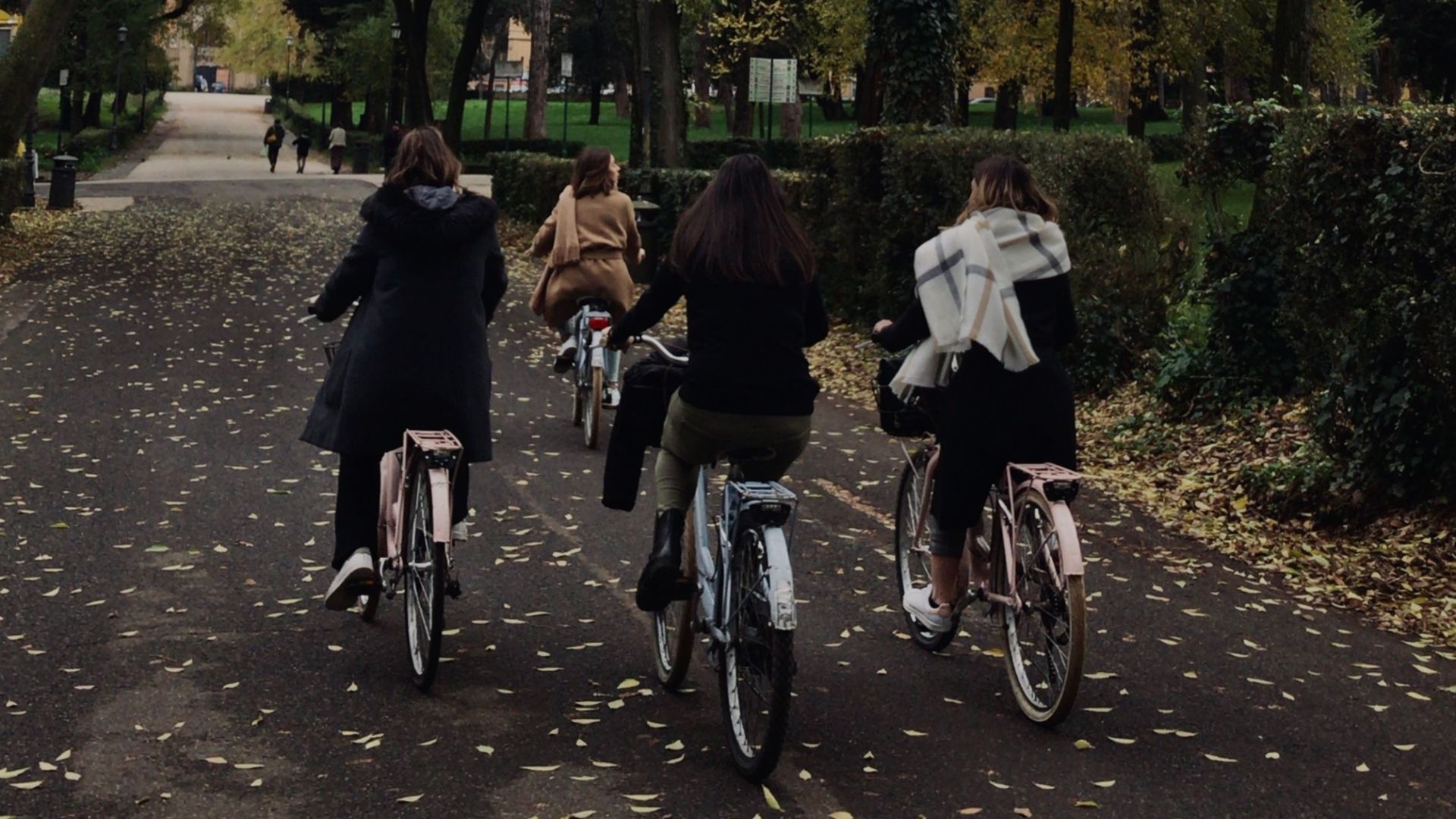
Local cycling clubs and advocacy groups are excellent sources of practical information. They often provide route suggestions, safety updates, and advice tailored to specific regions.
Review Your Rental Bike Setup
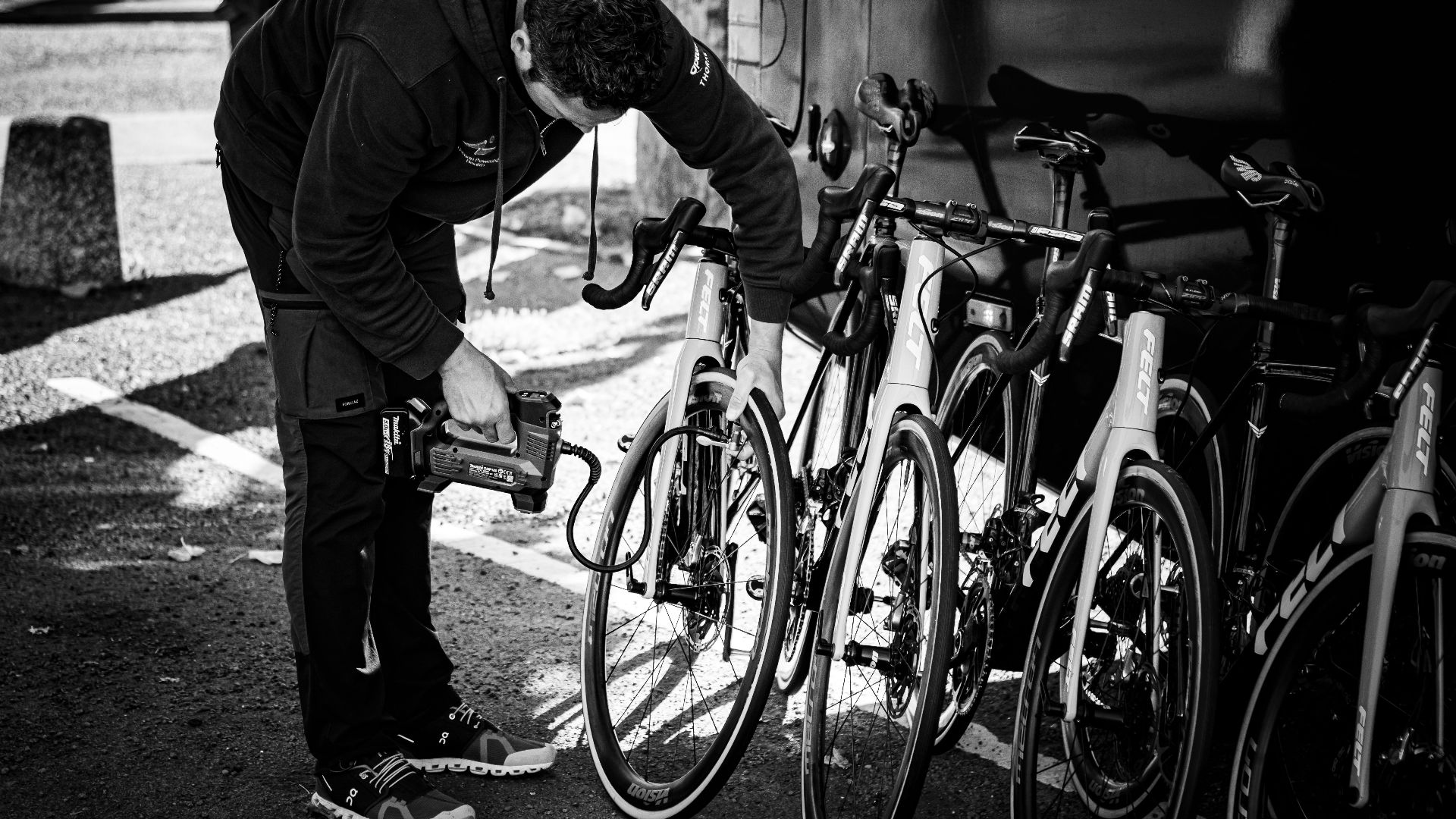
A poorly fitted bicycle can increase stress and reduce control. Make sure your brakes work properly, your tires are in good condition, and your riding position feels comfortable. Small adjustments can improve confidence significantly.
Keep Your Speed In Check
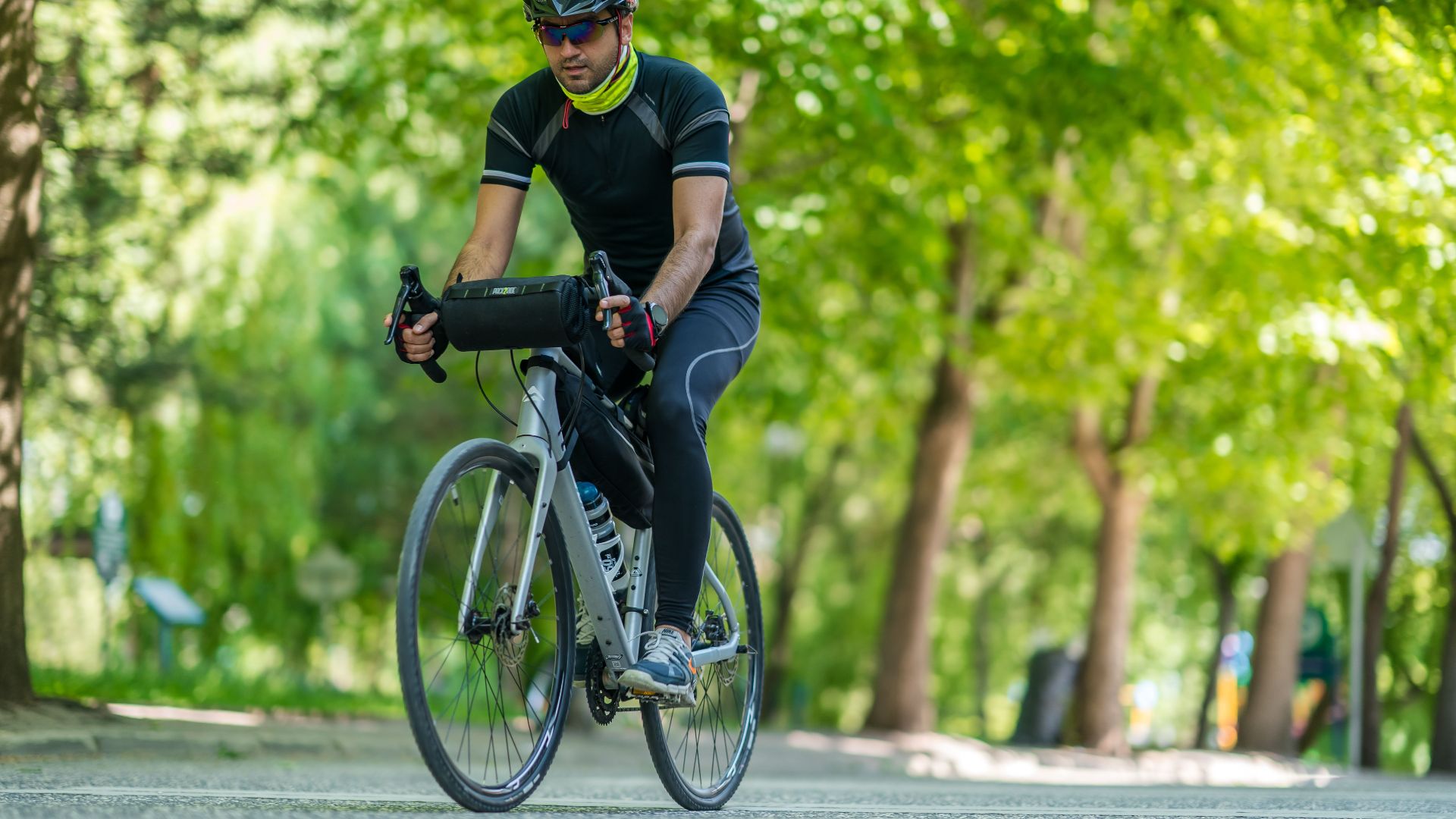
When navigating unfamiliar roads, slower is often smarter. Riding at a manageable pace gives you more time to react to signs, intersections, and unexpected traffic movements. There is no prize for being the fastest tourist on the road.
Use Technology To Your Advantage
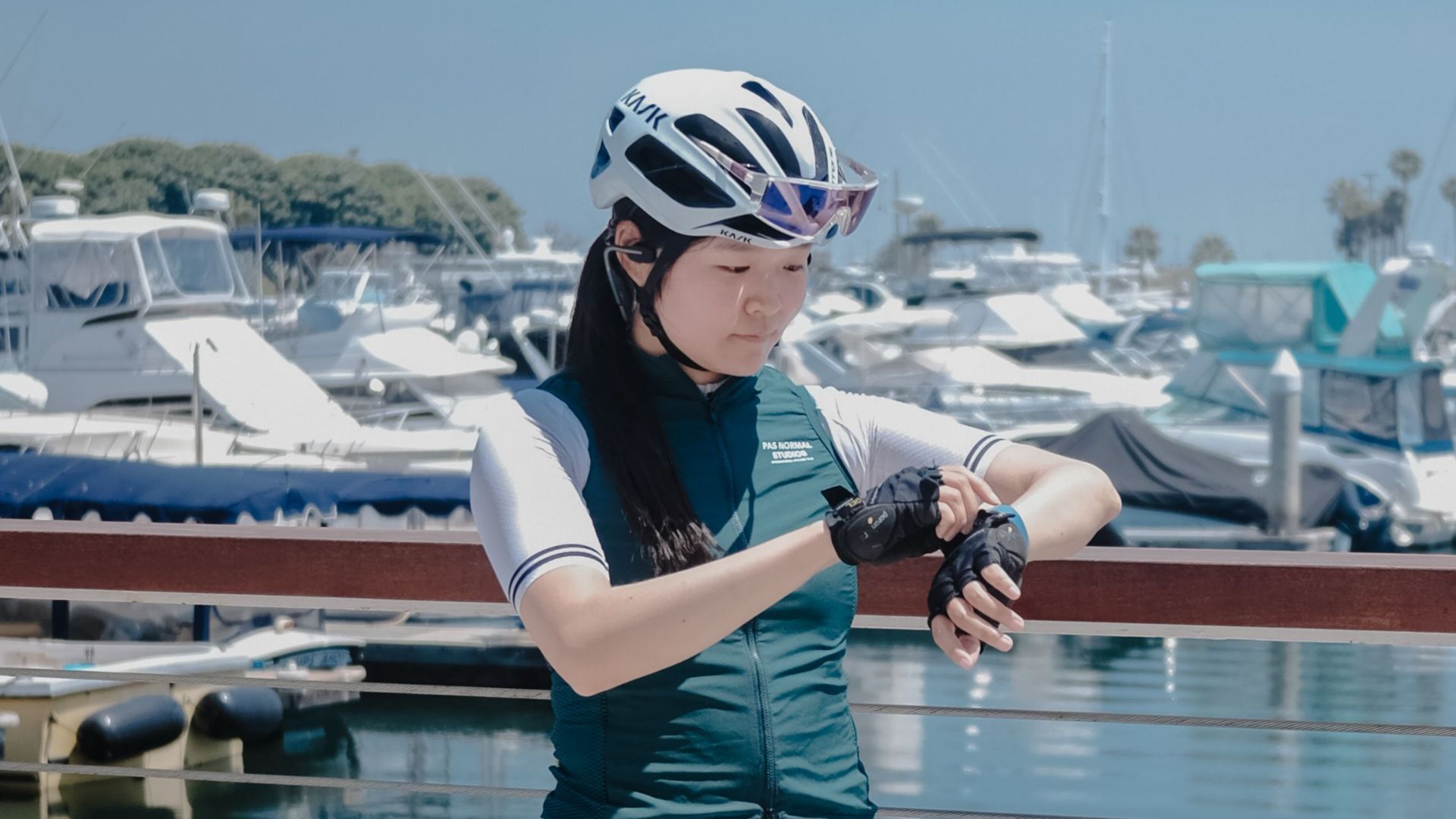
Offline maps, cycling navigation apps, and route planning tools can help reduce uncertainty. Knowing where you are going before you reach a complicated intersection can make the ride much smoother.
Know That Most Cyclists Adapt Quickly
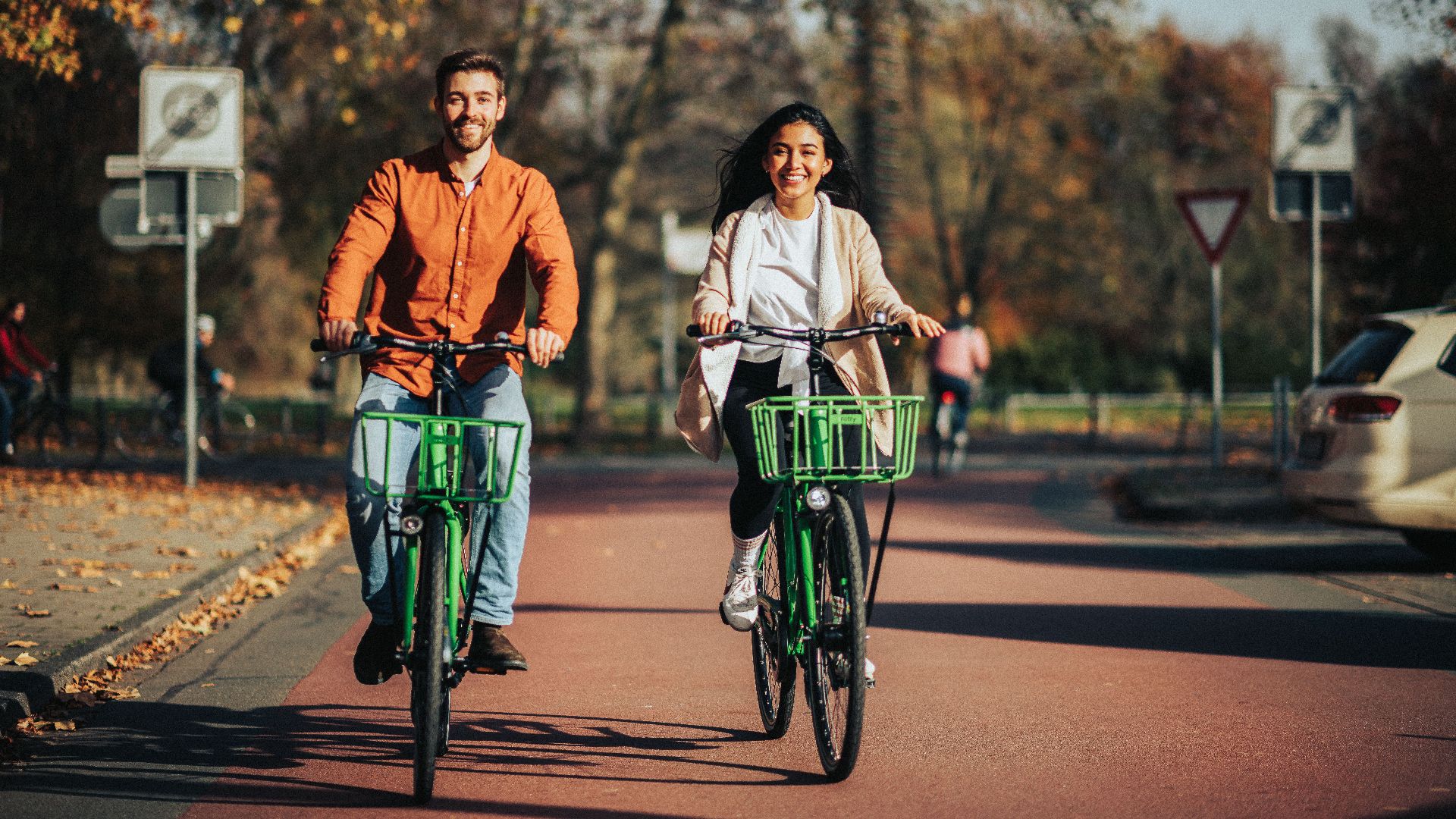
The first few days are usually the hardest. As you become familiar with local road layouts and traffic behavior, your comfort level often improves dramatically. What feels chaotic today may seem perfectly manageable by the end of your trip.
 tretty GmbH Bike & Scooter Sharing, Pexels
Accept That Walking Is Sometimes The Best Option
Experienced cyclists occasionally dismount. Walking across a complicated roundabout or through a crowded pedestrian area is not failure. It is simply another tool for staying safe.
Focus On Enjoying The Destination
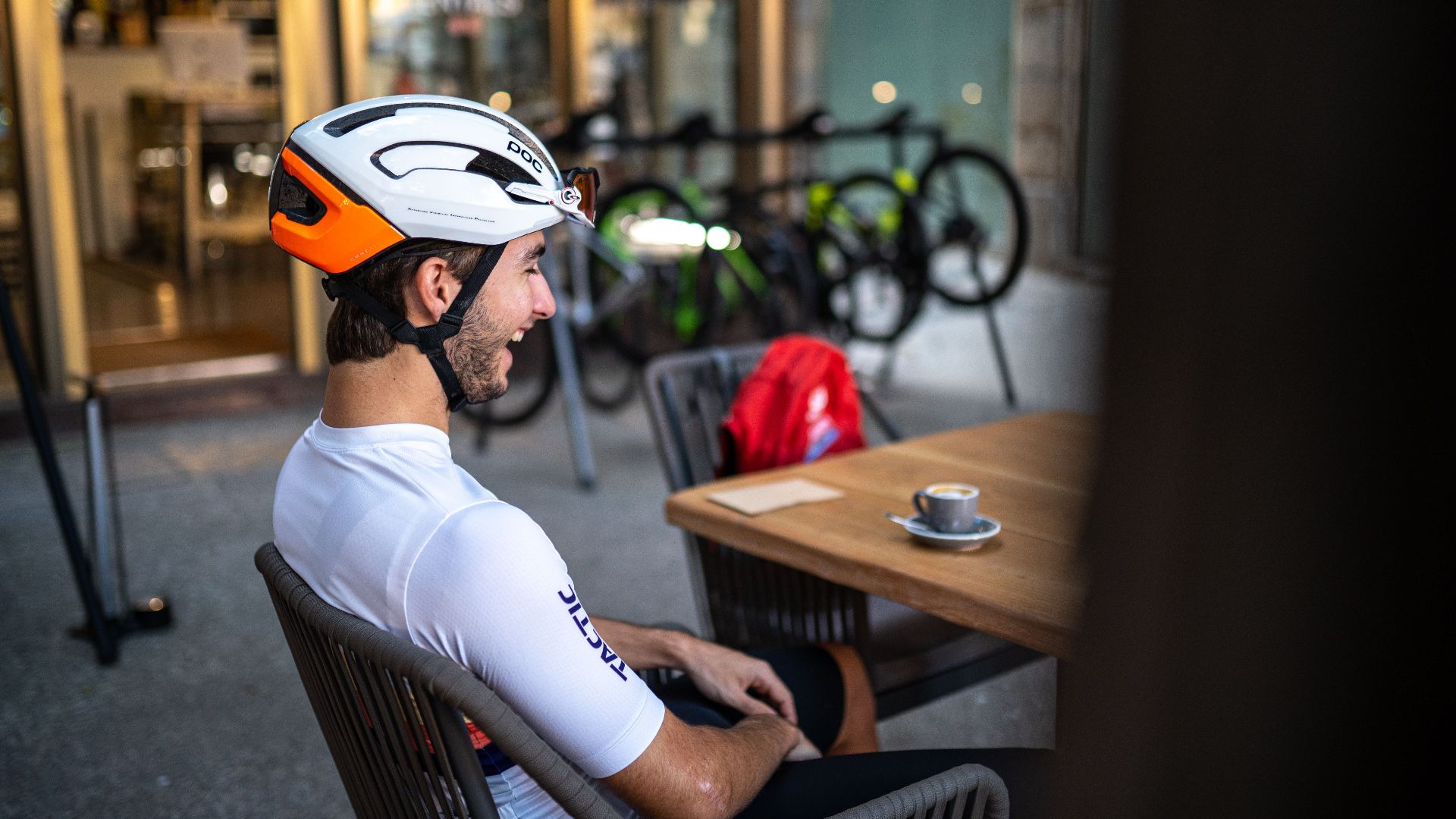
Do not let traffic anxiety overshadow the reason you traveled in the first place. Stop for photos, explore local cafés, and enjoy the scenery. Cycling vacations are about experiencing a place, not proving your bravery.
Safety Is More Important Than Sticking To The Plan
If conditions genuinely feel unsafe, modify your plans. Take public transportation, use local bike paths, or switch to guided excursions. A flexible itinerary is often the hallmark of a successful trip.
Your Vacation Is Not Ruined
Many travelers experience an uncomfortable adjustment period when cycling abroad. With a little research, route planning, and patience, most riders find their confidence returning. The roads may be different, but that does not mean your cycling adventure has to end.
 Centre for Ageing Better, Pexels
You May Also Like:
Do You Live In One Of America's Best Biking Cities?
Ranking The US Cities With The Worst Traffic, According To Drivers