A Dream Vacation Can End With An Unexpected Bill
You return home from a relaxing getaway, only to receive a message from the vacation rental owner claiming you damaged the property. The accusation may come with photos, repair estimates, or even a demand for hundreds or thousands of dollars. It’s frustrating, stressful, and surprisingly common.
The good news is that guests are not powerless. If you genuinely did not cause the damage, there are several ways to challenge the claim and protect yourself.
First, Don’t Panic Or Admit Fault
Receiving a damage accusation can trigger an emotional response, but resist the urge to immediately argue or apologize. Even a well-intentioned statement can be interpreted as an admission of responsibility. Instead, carefully review the claim, gather your own records, and respond calmly. Most vacation rental platforms have formal dispute processes that rely on evidence rather than emotion.

Vacation Rental Damage Claims Aren’t Automatically Valid
A homeowner cannot simply accuse a guest and expect payment. Reputable rental platforms generally require hosts to provide evidence showing that damage occurred during a guest’s stay and that the guest was responsible. Documentation, photos, invoices, and timelines often play a critical role in determining whether a claim succeeds.

Evidence Matters More Than Allegations
In most disputes, the strongest evidence wins. Hosts typically need proof that the item was undamaged before your stay and damaged afterward. Without clear documentation, it can be difficult to establish responsibility. Guests who have their own photos, videos, or messages often have a much stronger position when challenging questionable claims.

Check The Timeline Carefully
Many vacation rental platforms impose strict deadlines for reporting damage. For example, Airbnb generally requires hosts to report damage within a specified window after checkout and before another guest checks in. Late claims can weaken a host’s case because it becomes harder to prove when the damage actually occurred.

Review Every Photo Closely
Photos may appear convincing at first glance, but examine them carefully. Are they clearly taken in the rental property? Do they show the entire area or only a close-up? Are timestamps available? In some disputes, guests have successfully challenged claims by identifying inconsistencies, missing context, or questionable images that failed to prove responsibility.

Your Check-In Photos Could Save You
Many experienced travelers photograph a rental immediately after arrival. While it may seem excessive, these photos can become invaluable evidence later. Images showing pre-existing scratches, stains, cracks, or wear can help demonstrate that alleged damage existed before you ever stepped through the door.

Checkout Photos Are Just As Important
A quick photo or video walkthrough before leaving can be equally helpful. It creates a record of the property’s condition when you checked out. If a host later claims extensive damage, your documentation may directly contradict the allegation and strengthen your defense.

Save All Messages With The Host
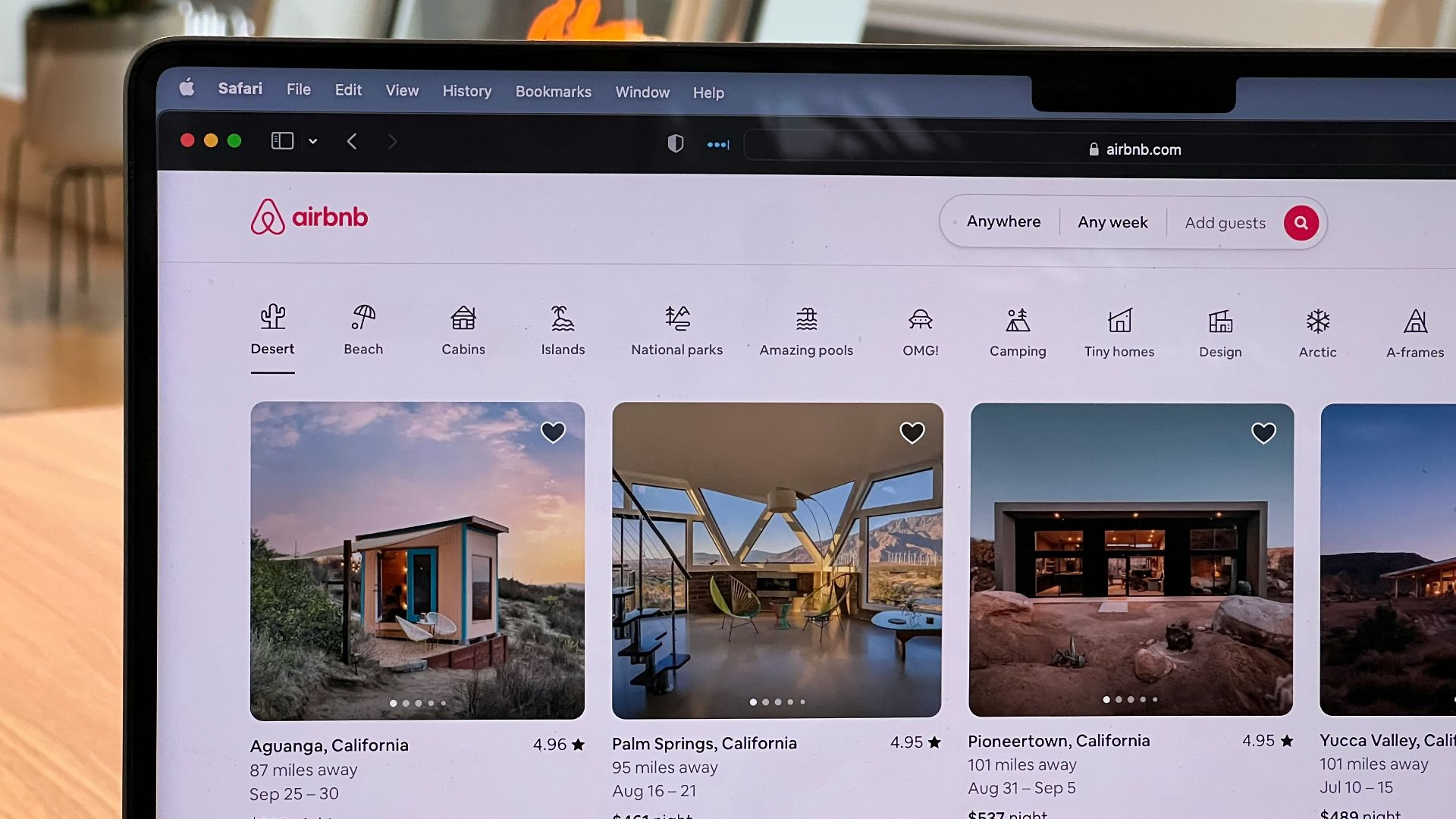
Keep communications within the booking platform whenever possible. Messages exchanged through Airbnb, Vrbo, or similar services create an official record. If a host never mentioned damage during your stay but suddenly files a claim days later, those communications may become relevant evidence.
 Oberon Copeland @veryinformed.com, Unsplash
Ask For Detailed Documentation
If a homeowner accuses you of causing damage, request detailed proof. Ask for photographs, repair estimates, invoices, and information showing when the damage was discovered. Legitimate claims typically include specific documentation. Vague accusations with little supporting evidence deserve closer scrutiny.

Normal Wear And Tear Is Not Damage
Not every imperfection qualifies as guest-caused damage. Normal wear and tear occurs naturally through everyday use. Faded furniture, aging fixtures, minor scuffs, and routine deterioration are generally considered part of property ownership rather than something guests should be charged to fix.

Don’t Ignore The Claim
Even if the accusation seems ridiculous, ignoring it can create problems. Many platforms give guests a limited period to respond. Failing to participate may reduce your ability to present evidence or challenge the host’s narrative. A prompt, professional response is usually the smartest approach.

Present Your Evidence Clearly
When disputing a claim, organize your evidence logically. Include photos, videos, screenshots, receipts, and witness statements if available. Explain what happened in a concise, factual manner. The goal is to help the platform’s reviewer quickly understand why the accusation is incorrect.

Witnesses Can Strengthen Your Position
If friends, family members, or travel companions stayed with you, they may be able to provide statements about the property's condition. Independent observations can support your version of events and may become particularly useful if the dispute escalates beyond the platform’s review process.

Platforms Usually Review Both Sides
Major vacation rental platforms generally do not rely solely on a host’s claim. They review evidence submitted by both parties before making a determination. Airbnb, for example, states that it evaluates documentation from hosts and guests when resolving reimbursement disputes.
 Anastassia Anufrieva, Unsplash
Understand How Payment Decisions Are Made
Many guests worry that money will be taken immediately. In reality, established platforms usually provide notice and an opportunity to dispute or appeal claims before charging a payment method. Understanding the platform’s process can help reduce anxiety and allow you to focus on building your case.

Escalate The Matter If Necessary
If you believe the initial decision was wrong, explore available appeal options. Additional evidence, clearer explanations, or corrections to factual errors can sometimes change the outcome. Review the platform’s dispute procedures carefully and meet any deadlines for appeals.

Watch For Red Flags
Certain warning signs deserve attention. Claims filed long after checkout, unusually large repair estimates, vague invoices, or damage that was never mentioned during the stay may raise questions. While not every suspicious-looking claim is fraudulent, these factors can justify a closer examination.

Consider A Credit Card Dispute Carefully
If you are charged and strongly believe the charge is improper, you may consider discussing options with your credit card issuer. However, understand the platform’s terms before taking this step. Chargebacks can complicate matters and may affect your relationship with the booking platform.

Small Claims Court May Be An Option
In some situations, guests pursue reimbursement through small claims court, particularly when significant sums are involved. Court procedures vary by jurisdiction, but detailed records, photographs, communications, and timelines can be valuable evidence. Legal action is usually a last resort after platform remedies have been exhausted.

Prevention Is The Best Defense
The easiest dispute to win is the one that never happens. Photograph the property at check-in and checkout, report pre-existing issues immediately, keep communications on the platform, and save all documentation. These simple habits can dramatically improve your ability to defend yourself if a homeowner later alleges damage.

Most Guests Have More Rights Than They Realize
Being accused of damaging a vacation rental can feel intimidating, especially when money is involved. Yet homeowners still need evidence, and guests have the right to challenge unsupported claims. By staying organized, documenting the property thoroughly, and using the platform’s dispute process, you can often mount a strong defense against accusations that simply aren’t true.

You May Also Like:
Five Of The Most Romantic Wedding Destinations In The World
Top Three Hotels For Adventurers
The Most Beautiful Small Towns In America, Ranked By Travelers