 Mikhail Nilov, Pexels, Modified
Imagine you're unpacking at home, still buzzing from your overseas vacation, when you check your credit card statement and nearly drop your phone. That luxury resort spa where you booked a massage? They've charged you for a full day of treatments you never received. Hot stone therapy, a facial, a body wrap—services you definitely didn't get. Your relaxing getaway just became a financial nightmare, and now you're wondering if challenging international charges is even possible or if you're simply out of luck because the business operates thousands of miles away. Here's the good news: yes, you absolutely can dispute fraudulent or incorrect charges from international hotels and spas, and you have multiple avenues to pursue.
Your Credit Card Company Is Your First Line Of Defense
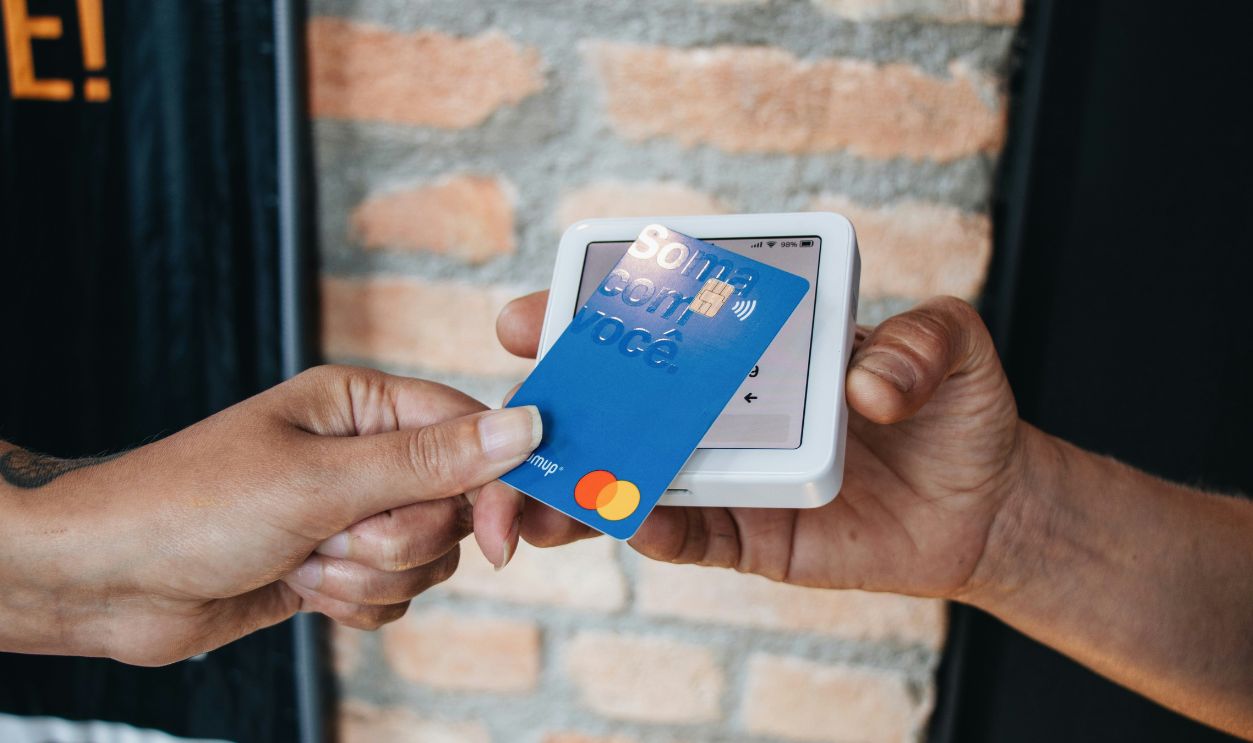
The moment you spot unauthorized or incorrect charges, contact your credit card issuer immediately. Under the Fair Credit Billing Act in the United States, you have 60 days from when the statement was sent to dispute billing errors, and this protection extends to international transactions. Your card company will typically issue a provisional credit while they investigate, meaning you won't lose the money during the dispute process. This is one of the primary reasons financial experts recommend using credit cards rather than debit cards for international travel.
When you file your dispute, provide detailed documentation: your original spa booking confirmation showing what you actually reserved, any receipts for services you did receive, timestamps or proof of your whereabouts if you can demonstrate you weren't even at the spa during the alleged treatments, and copies of any communication with the hotel or spa attempting to resolve the issue directly. The more evidence you supply, the stronger your case becomes. Credit card companies handle thousands of international disputes daily, and they have established relationships and procedures with foreign merchants precisely for situations like this.
Most major credit card networks—Visa, Mastercard, American Express, and Discover—operate globally and have dispute resolution processes that transcend borders. The spa or hotel will be notified of the dispute and required to provide evidence that you authorized and received the services in question. If they can't produce a signature, booking record, or other proof that you agreed to these treatments, the charge will almost certainly be reversed in your favor. The entire investigation typically takes 30 to 90 days, though many cases resolve much faster when the merchant can't substantiate the charges.

Document Everything And Contact The Hotel Directly First
Before escalating to your credit card company, it's strategically smart to reach out to the hotel or spa directly with your concern. Sometimes these errors are genuinely accidental—perhaps another guest's charges were mistakenly applied to your room, or there was a point-of-sale system glitch. Contact the hotel's billing department or guest services via email so you have written records of your communication. Clearly explain the discrepancy, attach proof of what you actually booked versus what you were charged, and request an immediate correction and refund.
International hotels, especially chains and luxury properties that depend on their reputation, are often motivated to resolve billing disputes quickly and quietly rather than deal with chargebacks, negative reviews, or damage to their brand. A polite but firm email that outlines the problem, includes supporting documentation, and requests resolution within a specific timeframe (say, seven business days) can work wonders. If you booked through a third-party site like Expedia, Booking.com, or Hotels.com, contact them as well—they can sometimes intervene on your behalf and have more leverage with the property than you do as an individual.
Know Your Additional Consumer Protection Options
Beyond credit card disputes, several other protection mechanisms exist for international travel transactions. If you purchased travel insurance that includes coverage for trip issues or fraud, review your policy. Some plans cover billing disputes and unauthorized charges. Additionally, if you used a premium credit card to book your hotel, many offer secondary protections and concierge services that can assist with resolving international merchant problems. You can also file complaints with consumer protection agencies both domestically and in the country where the hotel operates. In the United States, the Federal Trade Commission accepts complaints about international fraud and deceptive business practices.