The Catch With a Free Upgrade
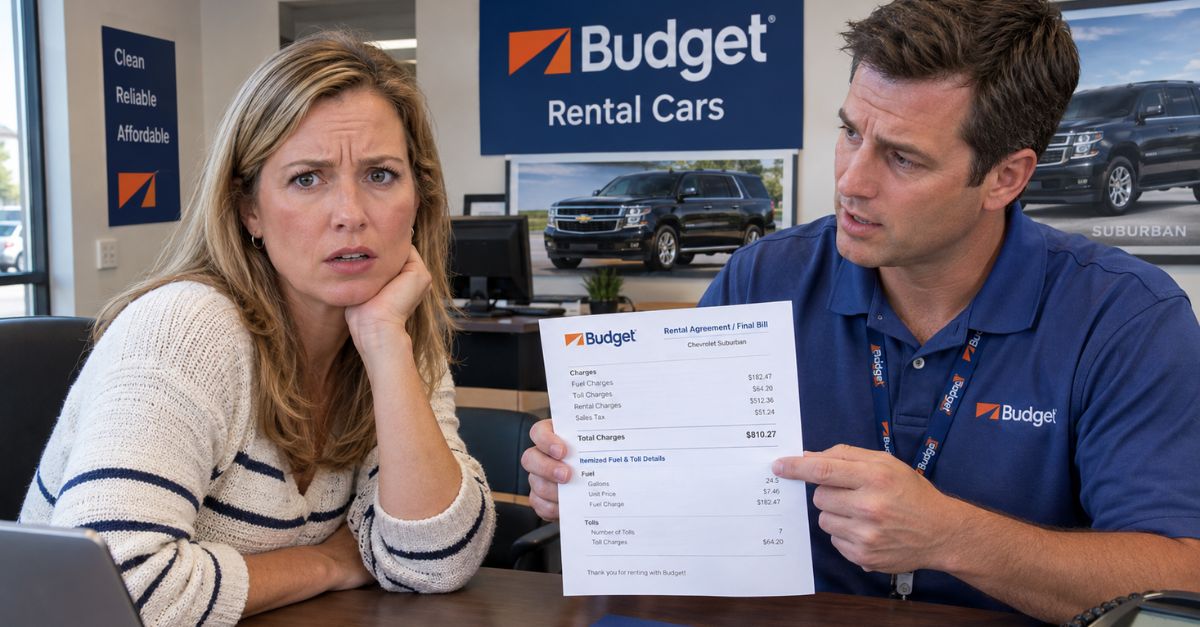
It sounds like a win when a rental counter agent offers a bigger SUV for the same base rate. You get more space, a higher driving position, and no obvious extra charge. But a “free upgrade” can still raise the cost of your trip in ways many drivers do not see coming.
One Traveler’s Surprise Bill
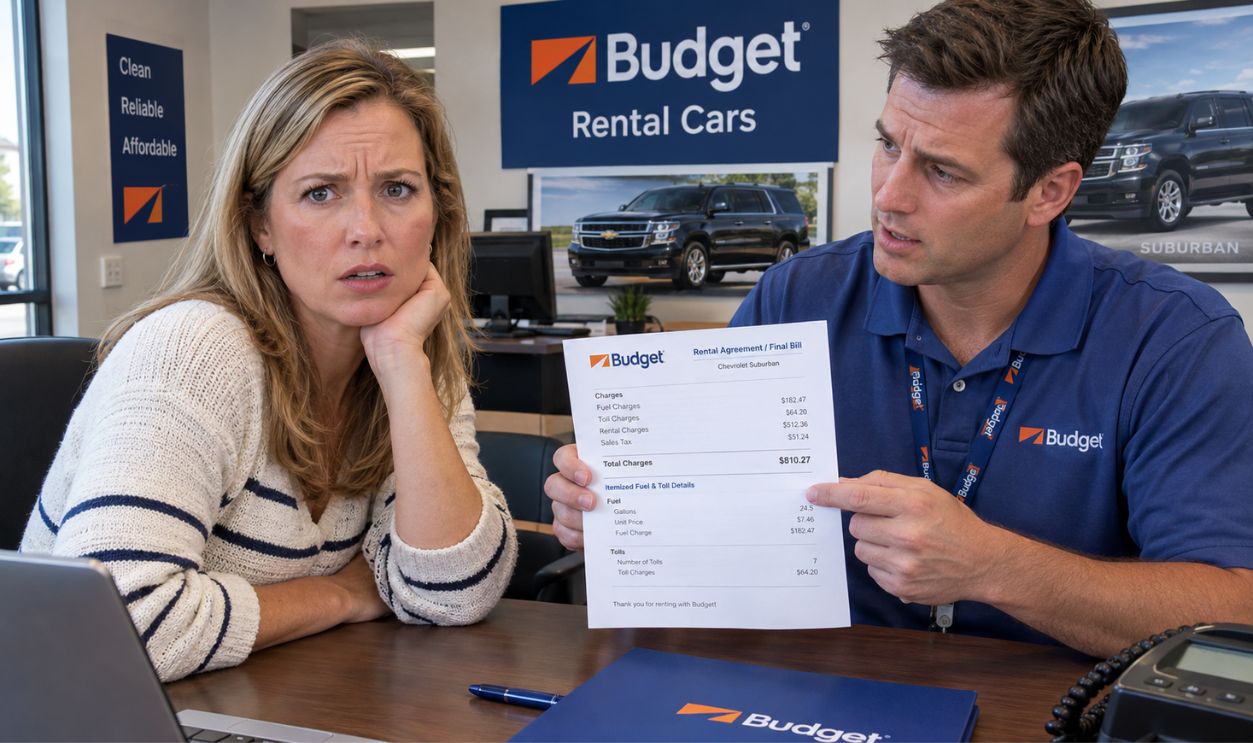
That problem showed up in a 2024 case highlighted by consumer advocate Christopher Elliott. A traveler booked a standard SUV through Expedia for a trip in Mexico, but Hertz gave him a Chevrolet Suburban when the original vehicle was unavailable. After the trip, he said he ended up paying more than expected for fuel and tolls, even though he never asked for the larger SUV.
Who Reported It and When
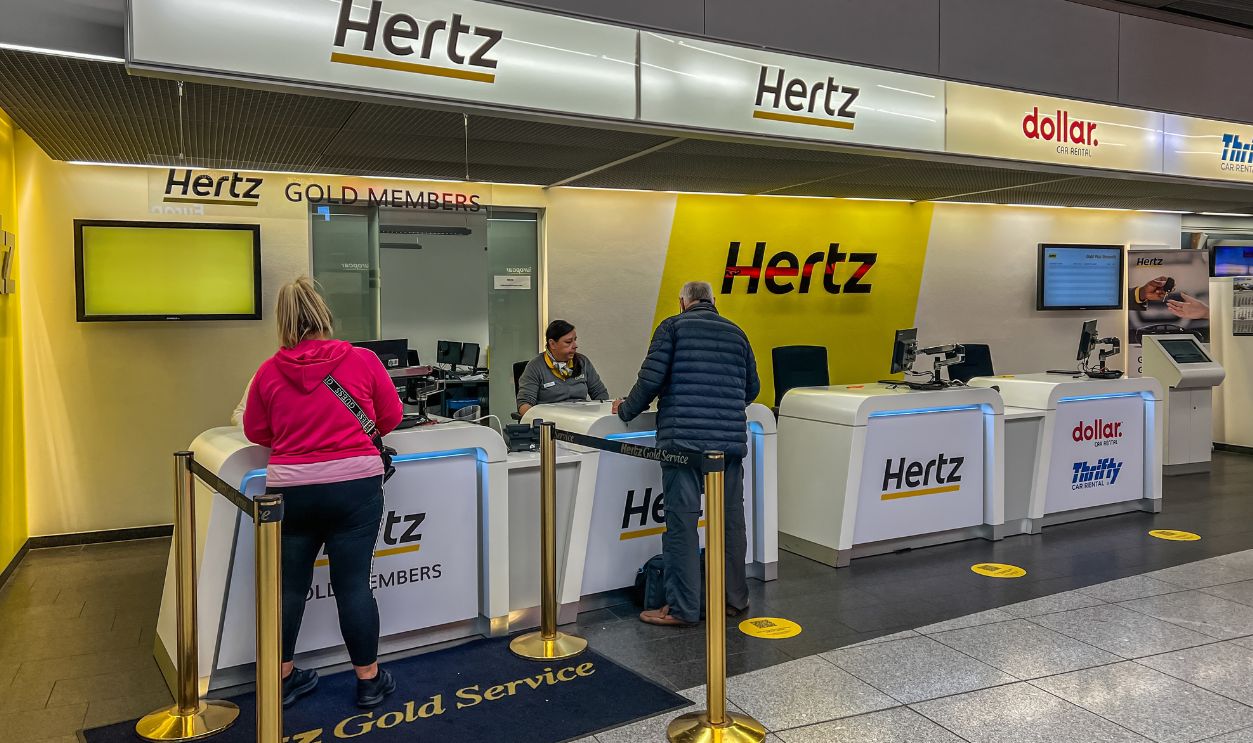
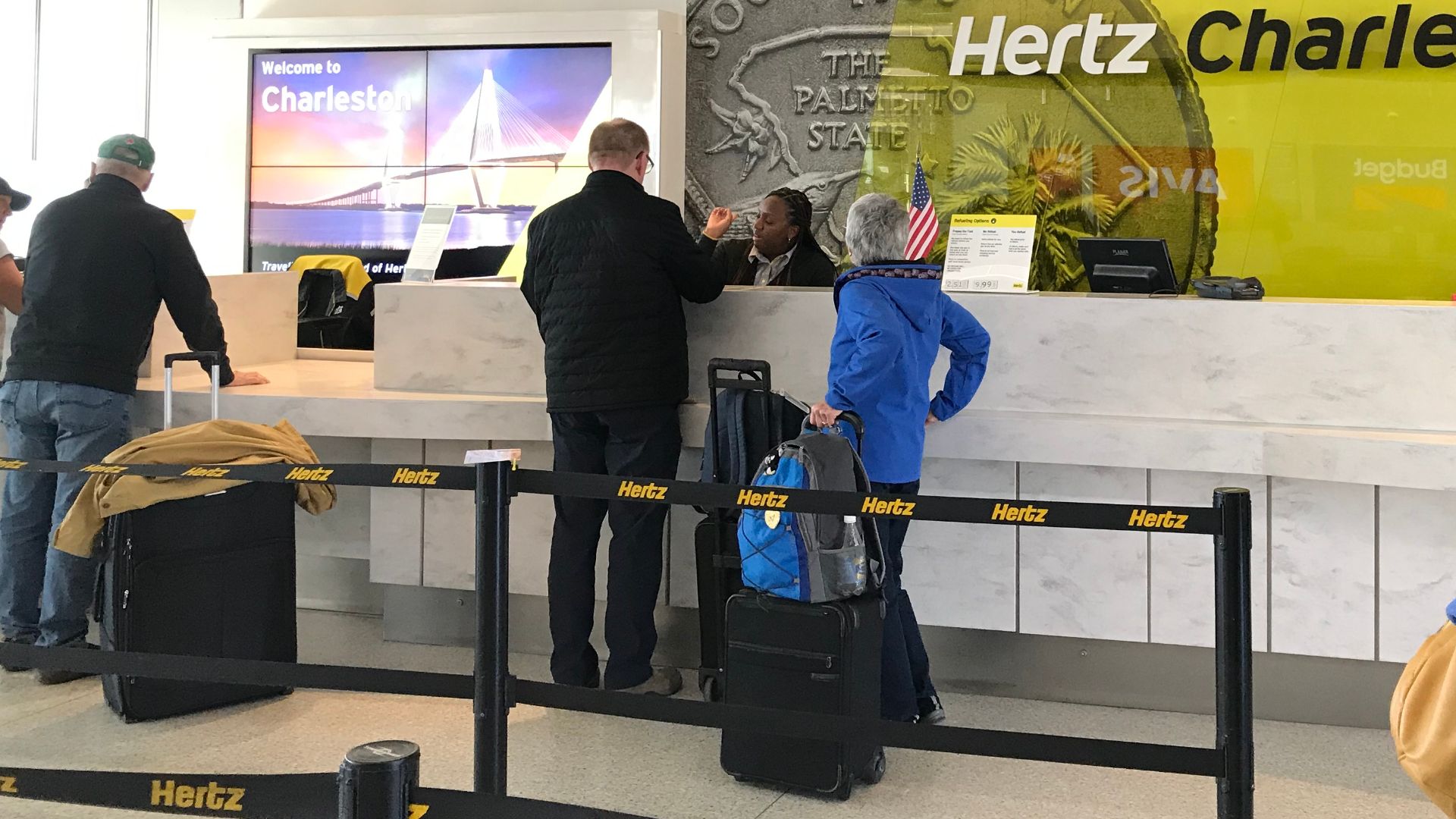
Elliott published the case on his consumer advocacy site in 2024 and laid out the dispute in detail. The traveler, Michael N., said he rented the vehicle at the Hertz counter at the airport in San Jose del Cabo, Mexico, for a family trip. The case stands out because it shows a common gray area in car rentals: the upgrade may be free, but the ripple effects are not.
What the Renter Originally Reserved
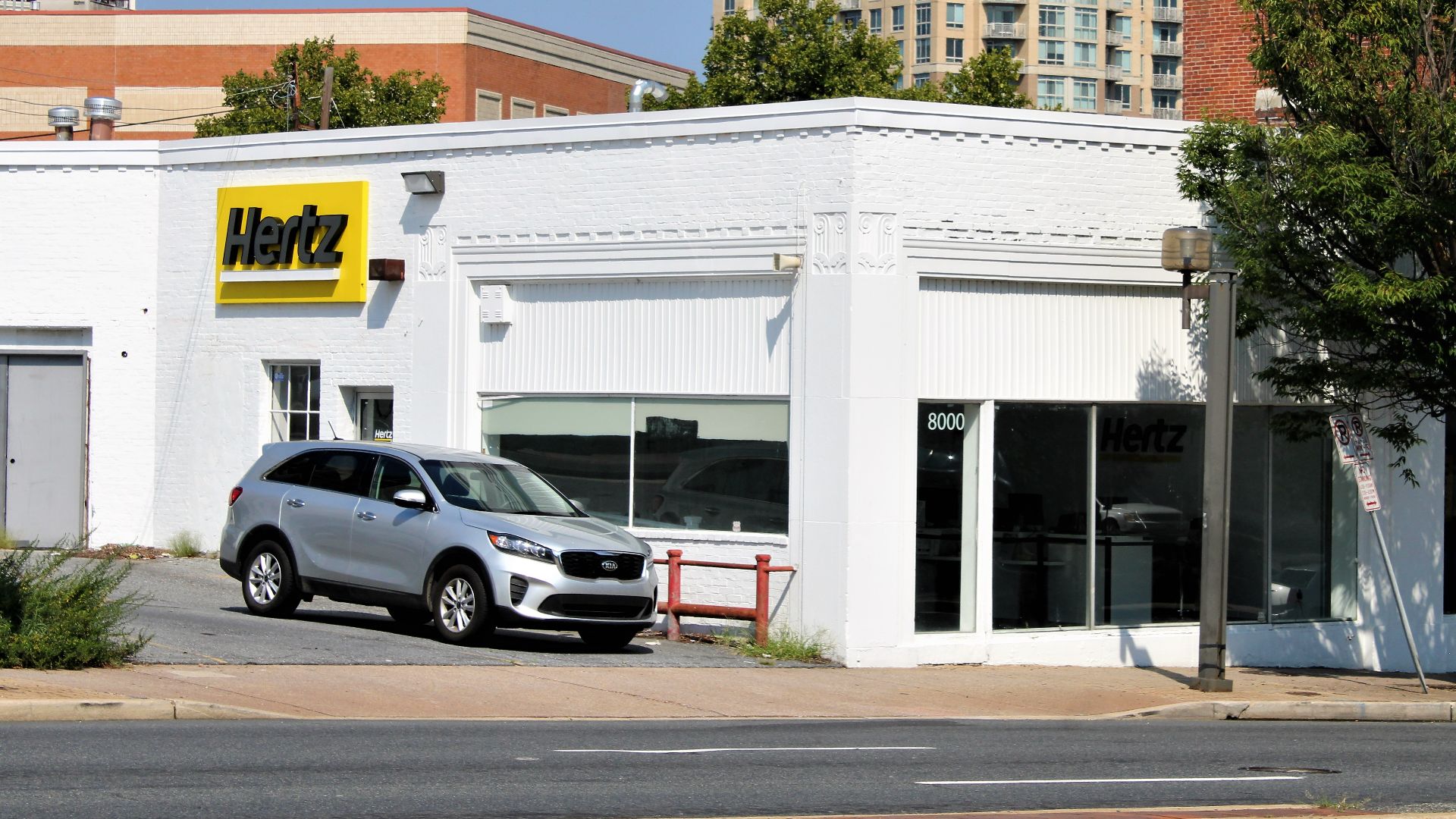
According to the published account, Michael reserved a standard SUV through Expedia. He expected costs tied to that vehicle class, including likely fuel use and the general cost of driving it on toll roads. Instead, Hertz gave him a larger full-size SUV because the reserved class was not available.
 Farragutful, Wikimedia Commons
What Vehicle He Actually Received
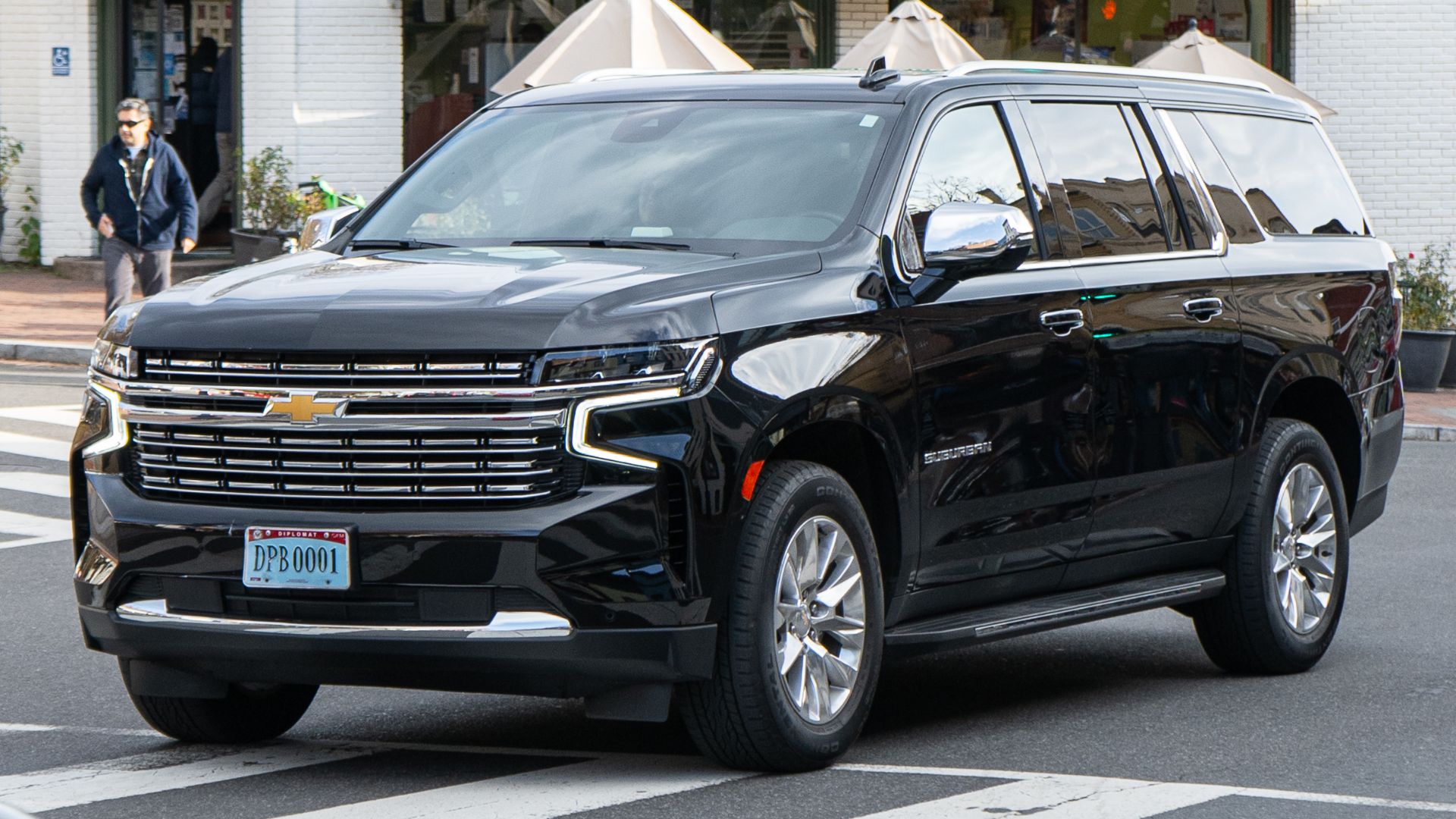
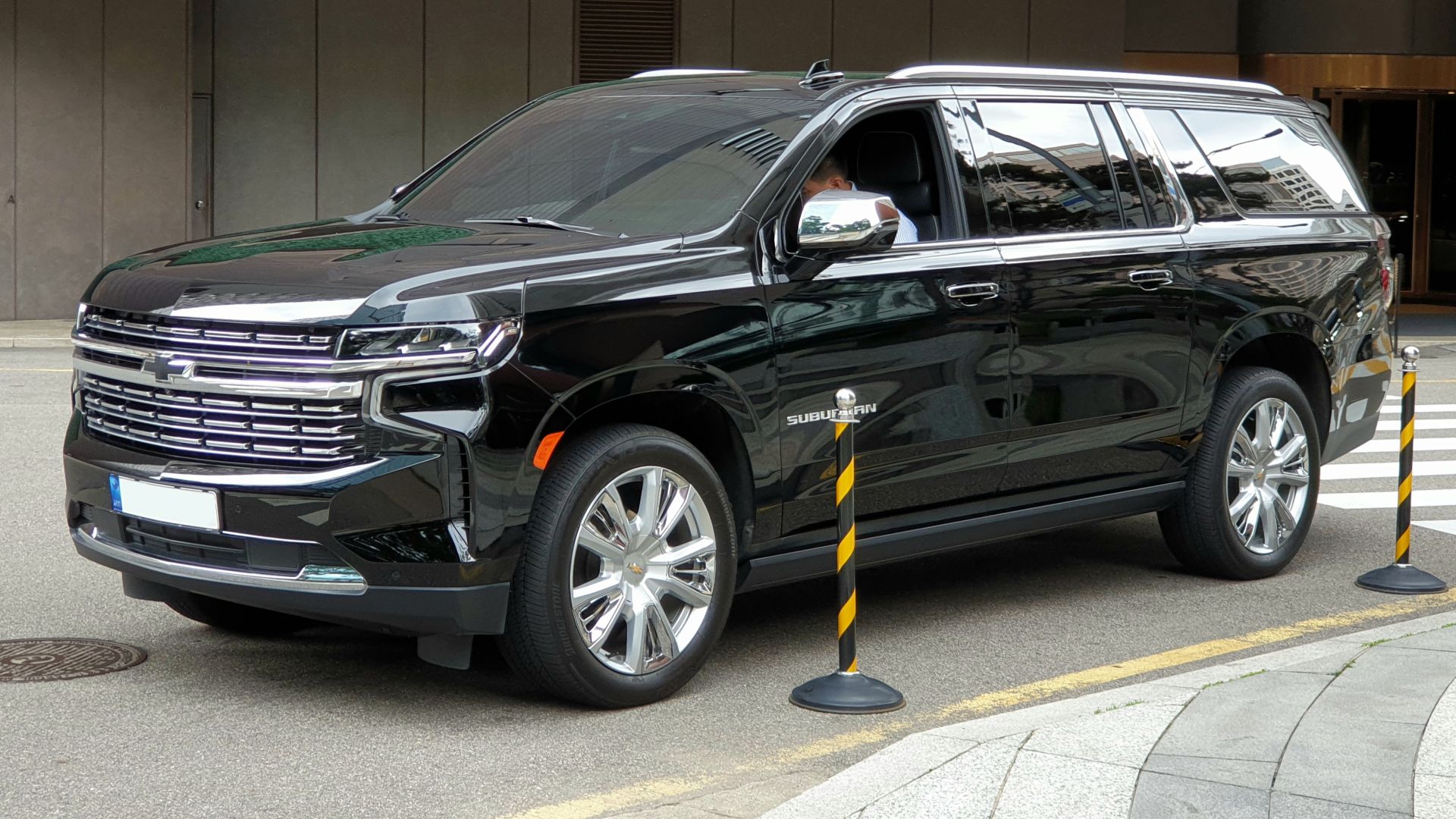
The replacement was a Chevrolet Suburban, a much larger SUV than many renters would expect when booking a standard SUV. That matters because a Suburban is heavier and usually less fuel-efficient than smaller SUVs. On a road trip, that difference can add up fast.
 OWS Photography, Wikimedia Commons
Why Fuel Costs Can Rise Quickly
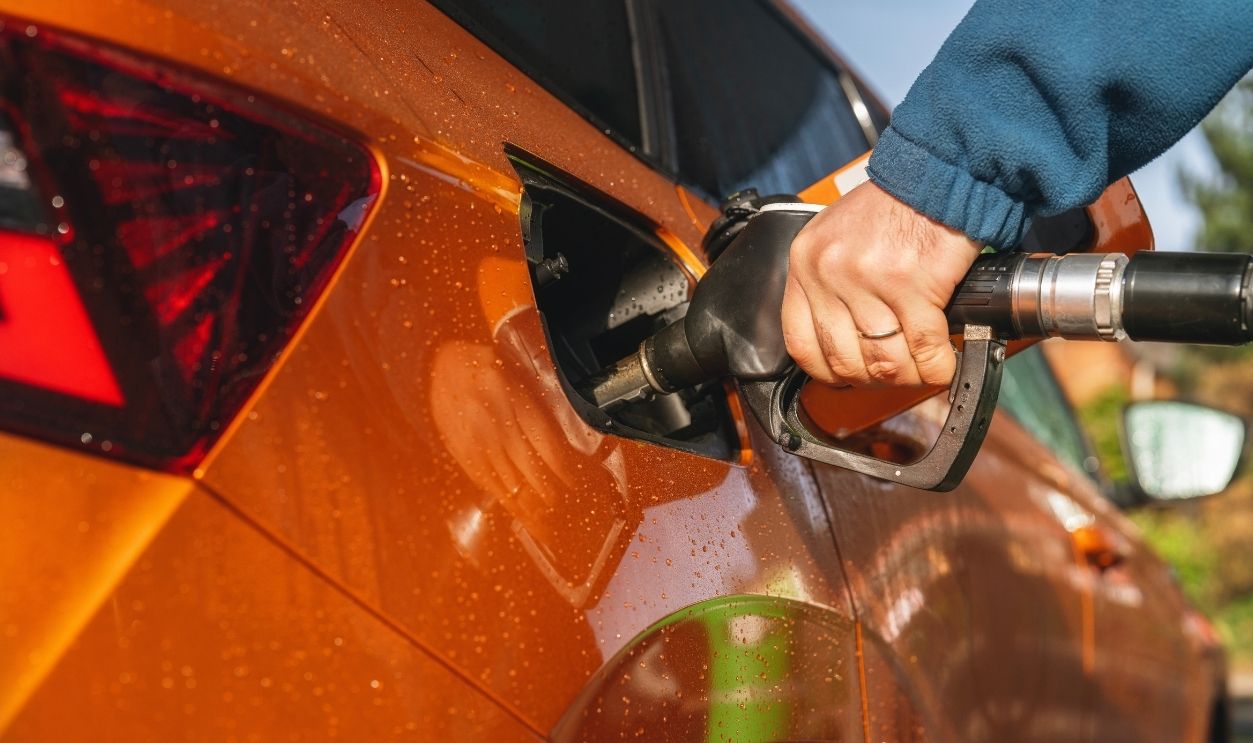
The U.S. Department of Energy’s fueleconomy.gov shows that larger SUVs often get worse gas mileage than smaller SUV classes. So even if the daily rental rate does not go up, the cost to run the vehicle can still be much higher over several days. What feels free at the counter can get expensive at the pump.
The Toll Issue Was Different
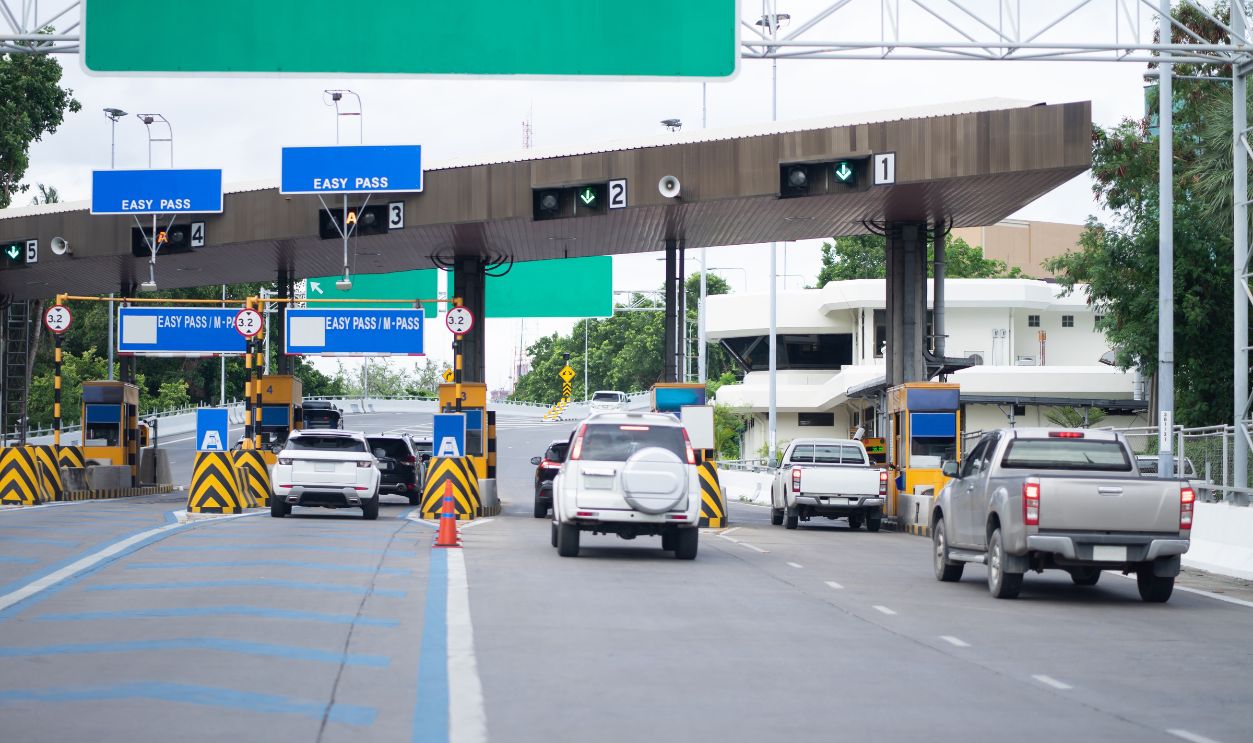
Fuel is the easy part to understand. Bigger vehicles usually burn more gas. Tolls are trickier because some roads charge by vehicle class, and larger vehicles can land in a more expensive category. That means the exact same route can cost more just because the rental company handed over a bigger SUV.
Mexico’s Toll Roads Use Vehicle Classes
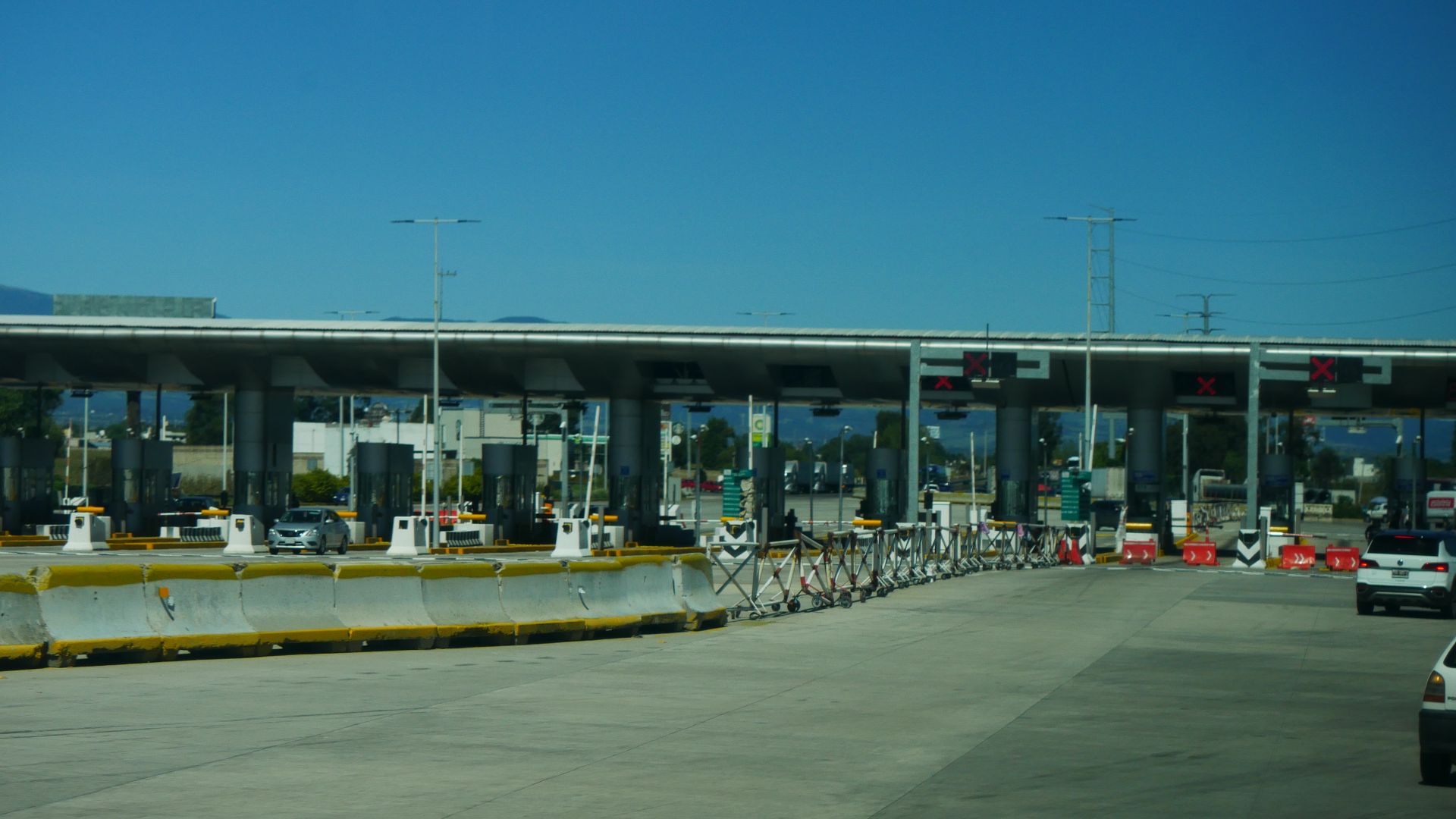
Mexico’s federal toll road operator, CAPUFE, publishes toll schedules based on vehicle type. Passenger cars and vehicles with different axle setups can pay different amounts at the same toll booth. That makes the renter’s complaint believable, because a larger SUV can affect what a toll operator charges depending on the road’s classification rules.
Why This Matters Beyond Mexico
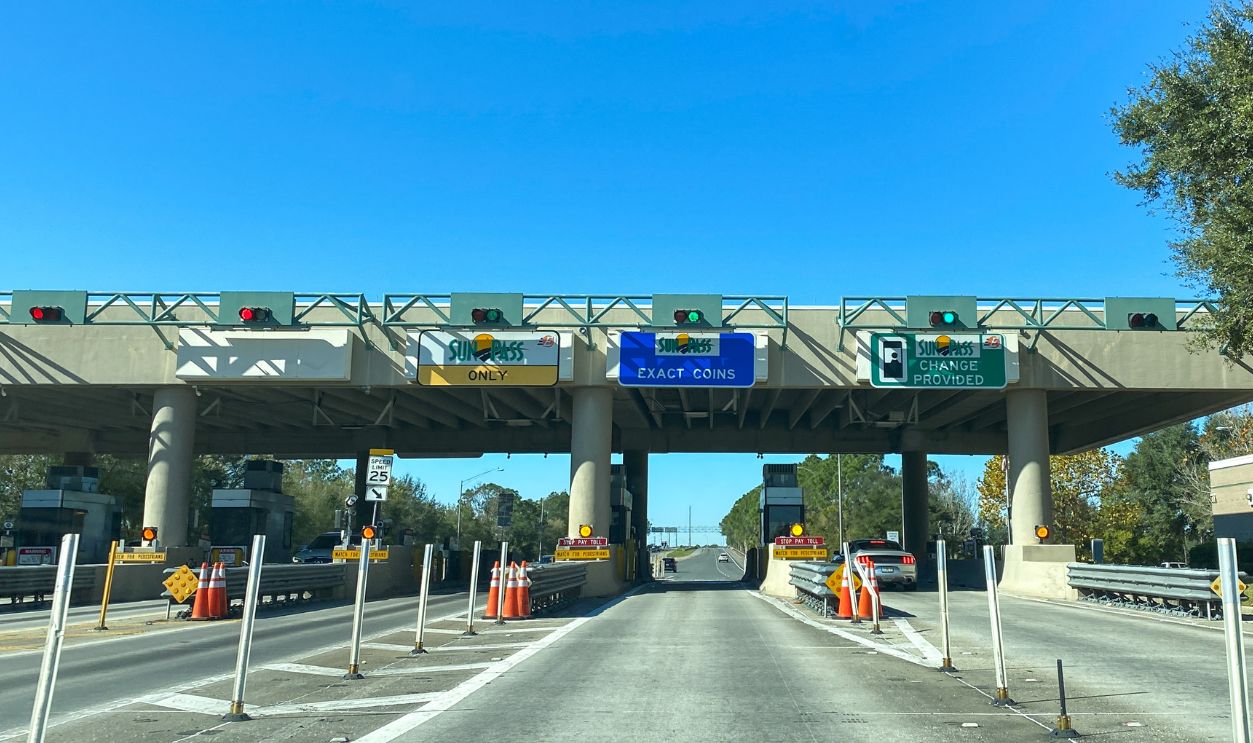
This is not just a Mexico issue. Toll systems across the United States, Europe, and Latin America vary a lot, and many use vehicle size, axle count, or transponder category to set prices. A vehicle that looks like a harmless upgrade in the parking lot can cost more every time it goes through a booth or scanner.
What Hertz Says About Vehicle Classes
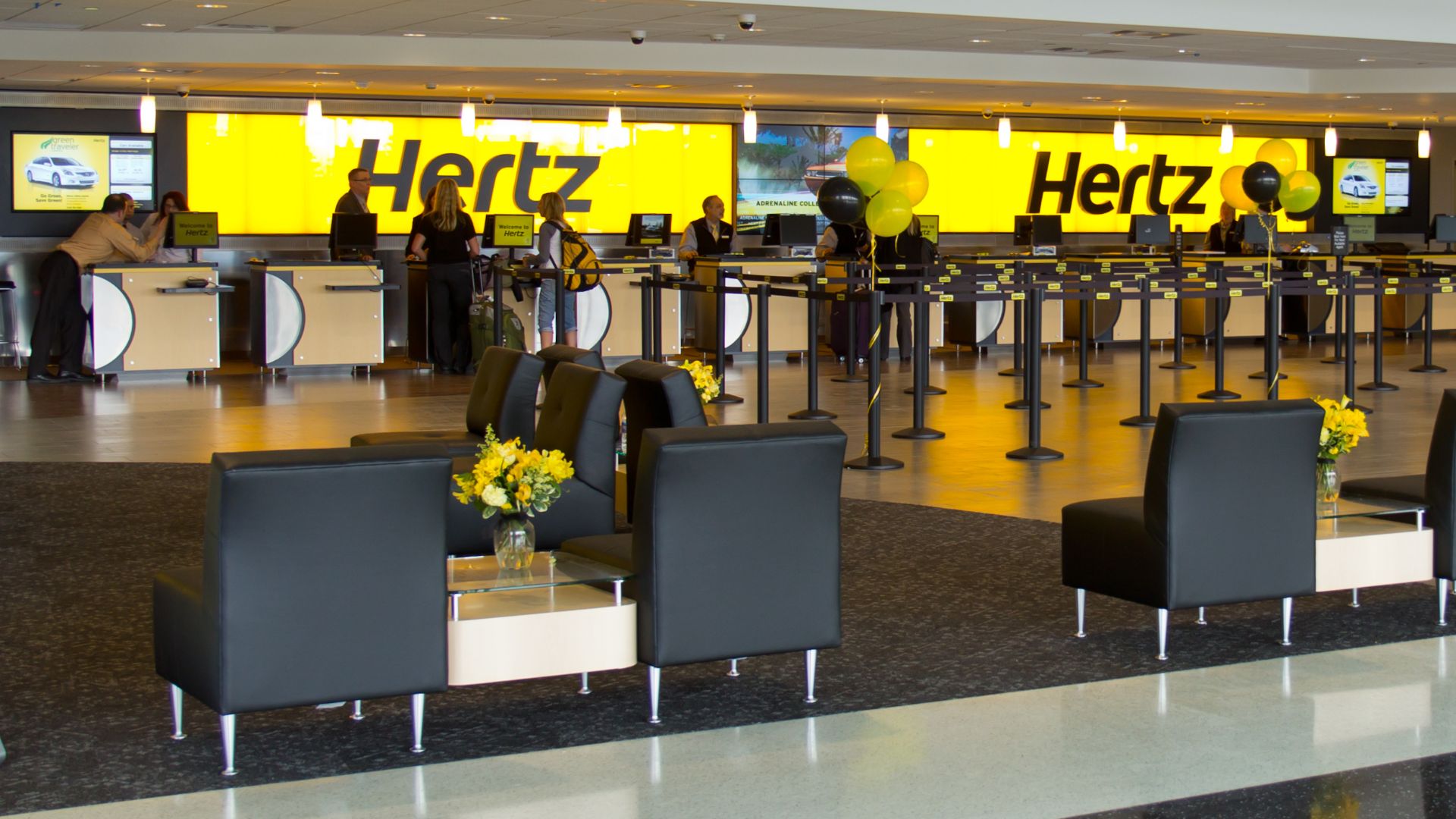
Hertz says in its rental terms that reserved vehicles are examples and not guaranteed by make or model. Like many rental companies, it can substitute a similar or upgraded vehicle if the original class is unavailable. That helps the company keep things moving, but it can leave customers stuck with the real-world cost differences.
 Atomic Taco from Seattle, WA, USA, Wikimedia Commons
Is the Upgrade Really Free
Usually, a “free upgrade” just means the company is not charging a higher base rental rate for the replacement vehicle. It does not mean every other cost stays the same. Fuel use, tolls, parking fees, and even how easy the vehicle is to drive can all change.
That Gap Lives in the Fine Print
Rental agreements usually focus on the daily rate, insurance, mileage, and return terms. They generally do not promise that an upgraded vehicle will cost the same to operate out on the road. That gap between the contract and what travelers expect is where a lot of frustration starts.

There Is a Psychological Trap Too
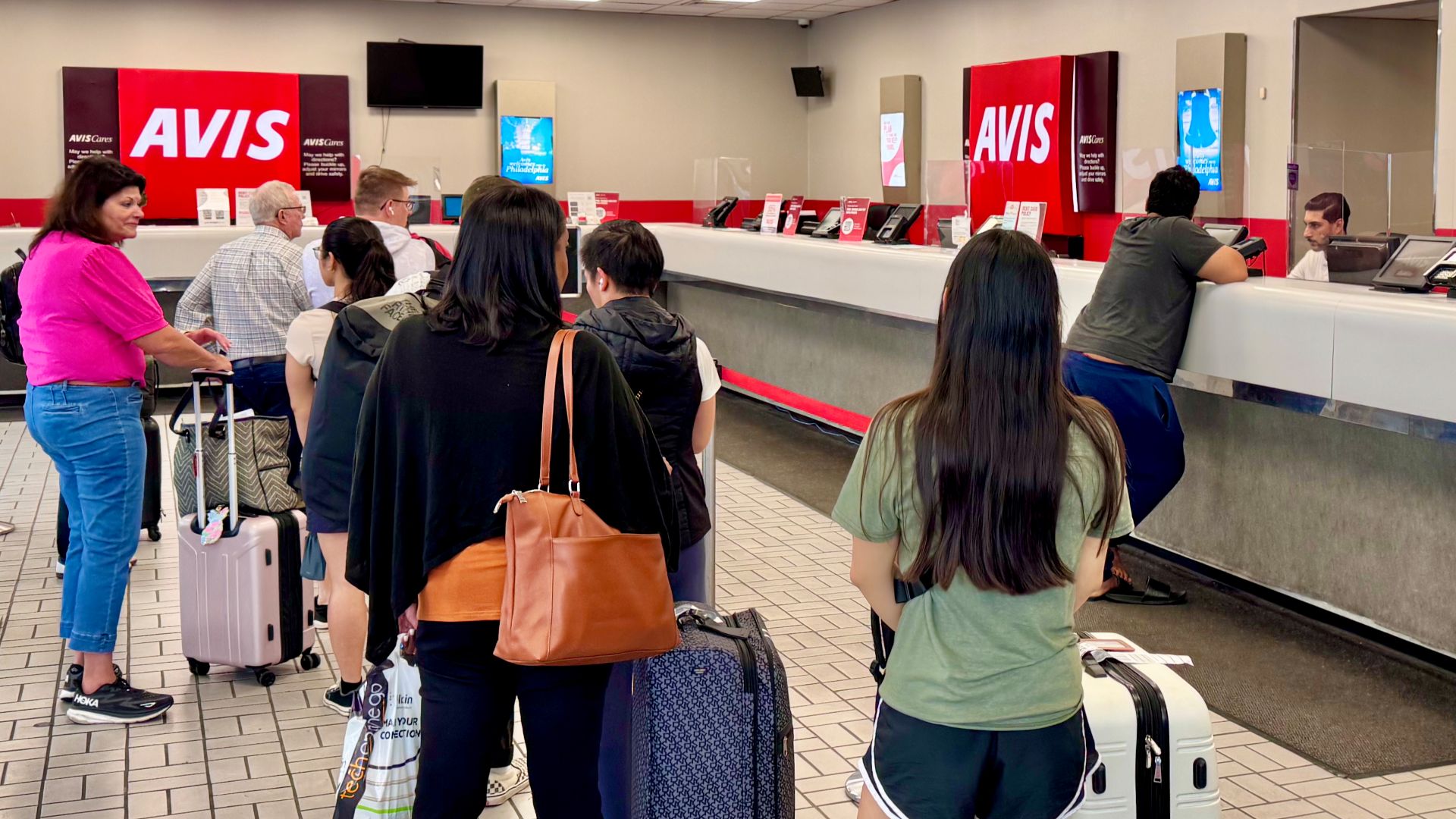
At the counter, travelers are often tired, rushed, and ready to leave. In that moment, more space can feel like a perk instead of a possible expense. Not many renters stop to ask if the larger SUV needs premium gas, gets worse mileage, or falls into a higher toll category.
 Harrison Keely, Wikimedia Commons
Expedia’s Role Was Limited
In Elliott’s reporting, the traveler booked through Expedia, but the dispute centered on Hertz and the vehicle it actually provided. Online travel agencies usually pass along the reservation, while the rental counter controls the final vehicle assignment. So the booking platform may have little power to stop a last-minute switch.
Consumer Advocates See This a Lot
Elliott’s site has long covered cases where travelers assume a waived fee means the whole thing is free. In travel, that is rarely true. Airlines, hotels, and rental car companies often remove one charge while leaving related costs untouched.
 AutoRentals, Wikimedia Commons
Why Bigger Can Also Mean More Trouble
A larger SUV can create problems beyond fuel and tolls. It may be harder to park in crowded cities, tougher to handle on narrow resort roads, and more stressful for drivers who are not used to it. If the renter never wanted a bigger vehicle in the first place, those tradeoffs can feel even worse.
 Damian B Oh, Wikimedia Commons
Insurance Questions Can Come Up Too
In some cases, renters worry that a larger or more expensive vehicle could affect insurance exposure or deposit holds. Coverage rules depend on the policy and card issuer, so travelers need to check the exact terms of their credit card benefits or third-party insurance plan. The bigger point is simple: an upgrade can have money consequences far beyond the daily rate.

What a Smart Renter Should Ask Right Away
If the counter offers or imposes an upgrade, ask whether the base rental rate will stay exactly the same. Then ask the questions that matter just as much: What fuel does it take? What kind of mileage does it get? Could it fall into a different toll category? Does it use an electronic toll device? Those answers can matter more than the word “free.”
 AutoRentals, Wikimedia Commons
Get It in Writing if You Can
If an agent says the replacement will not cost more, ask to have that noted on the rental record or printed paperwork. An email or text confirmation can help too. Without something in writing, it is much harder to argue later that you were promised the switch would not increase your costs.
Know When to Say No
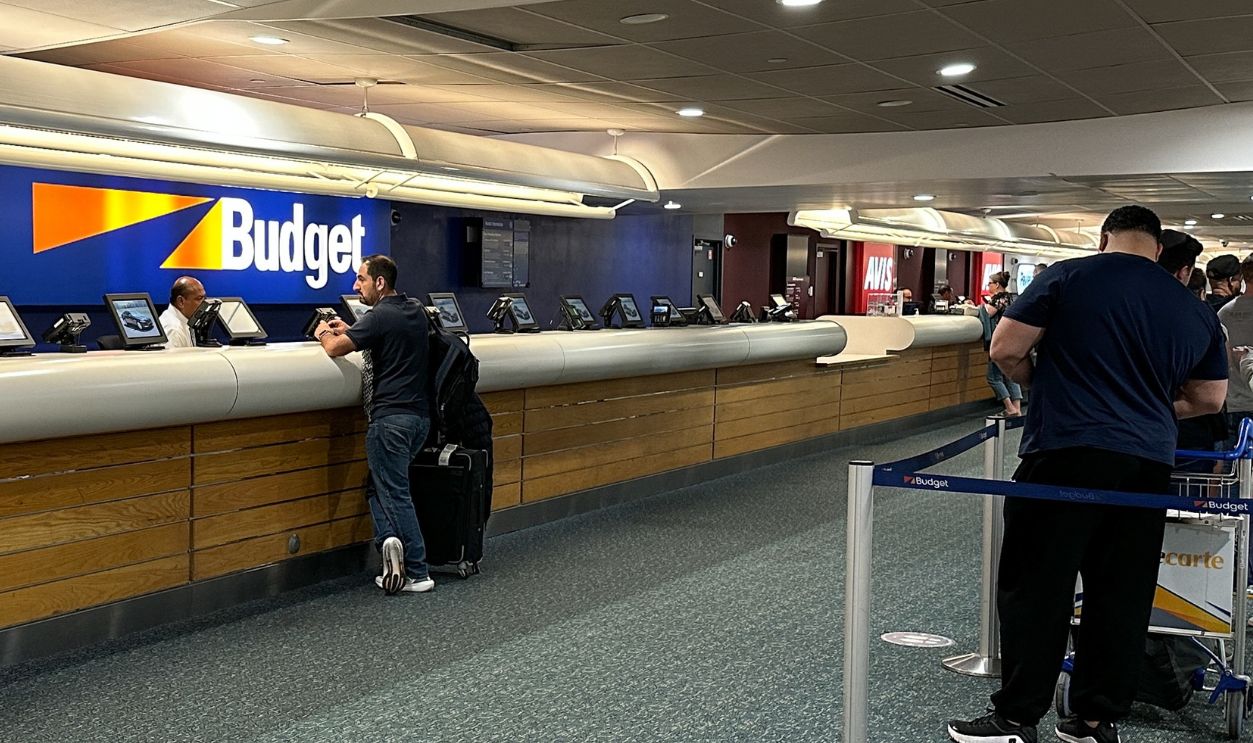
You do not always have to accept a larger vehicle just because it is offered. If you picked a smaller SUV for fuel savings, easier driving, or lower toll exposure, say that clearly. If your reserved class is unavailable, ask whether there is another option closer to what you originally booked.

If There Is No Comparable Vehicle
Sometimes the location simply does not have a close match. If that happens, ask the company to note that the replacement was involuntary because your reserved class was unavailable. That detail could help later if you ask for compensation for extra costs tied to the switch.
Track Costs During the Trip
Keep fuel receipts, toll receipts, and screenshots from any toll account postings. If you think the larger vehicle pushed your costs higher, records will matter. General frustration is easy to wave away. Itemized proof is much harder to ignore.

What to Do if You Want Reimbursement
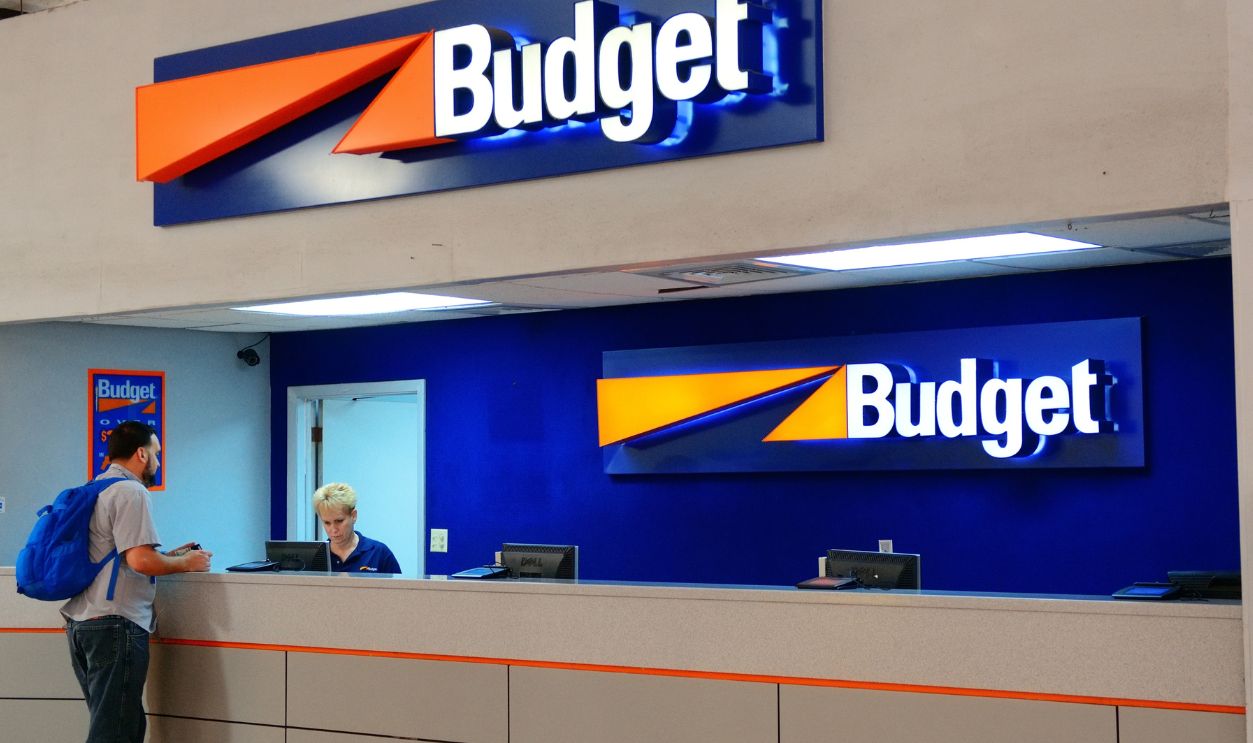
Start with the rental company’s customer service team and give them a short, factual timeline. Include the original reservation class, the replacement vehicle, and evidence of the added costs that seem tied to the larger category. Be specific, stay polite, and ask for a set amount instead of making a vague request.
When It Makes Sense to Escalate
If the first response gets nowhere, you can escalate to executive customer service, your booking platform if it played a role, or a consumer advocate. Elliott’s case files show that persistence can work when the facts are solid and the paper trail is clear. Credit card chargebacks are another option, but they should be used carefully and only when the billing problem is real and well documented.

The Main Lesson for Travelers
A free rental car upgrade is usually free only in the narrowest sense. It often means you are not paying a higher daily rental rate, not that your total trip cost will stay the same. The bigger the replacement vehicle, the more important it is to think past the counter and ahead to the gas pump, toll lane, and parking garage.

So Is a Free Upgrade Ever Really Free
Not in any practical travel sense. The 2024 Hertz case reported by Christopher Elliott is a good reminder that operating costs can rise even when the upgrade itself comes with no added rental fee. Before you take the keys, ask one more question: free for whom?
 AutoRentals, Wikimedia Commons