
Your Pass Probably Wasn’t Broken
For North American tourists, having a rail pass in Europe feels a bit like having a magic carpet that can carry you anywhere. But even if train travel is lightyears ahead across the Atlantic, it can still fail you if you aren't prepared.
Before hitting the rails across Europe, it's a smart idea to look into the local train service wherever you visit—or risk your trip getting derailed when you're running late and your pass suddenly gets rejected.

A Rail Pass Is Not A Universal Transit Card
Europe’s major rail-pass system covers most trains across participating countries, but it does not automatically cover every form of public transportation. Metros, trams, rental bikes, and most buses are separate. Think of the pass as access to rail networks, not one card for everything.

“Local Train” Can Mean Several Different Things
The word “local” is where tourists get into trouble. A suburban railway may be covered, while a metro running beside it is not. Before boarding, check the operating company and service type rather than assuming that every train inside a city follows the same rules.

Start With The Operator, Not The Map
Two rail lines can appear side by side on a transit map and have completely different pass rules. Interrail’s official network list identifies participating railway companies and excluded services country by country. That list is more useful than judging coverage by route length or geography.

The Planner Has A Coverage Filter
The Rail Planner app includes a “Pass network only” option designed to show trains covered by the pass. Use it when planning unfamiliar routes, especially around large cities. If a service does not appear, check the national railway operator before deciding that your pass is invalid.

The App Does Not Contain Every Train
A missing train in the planner is not automatic proof that it is excluded. Interrail says its timetable is not completely comprehensive because not every railway shares all timetable data. When necessary, travelers can verify a train with the national operator and add the journey manually.

Germany Shows Why “Local” Is Misleading
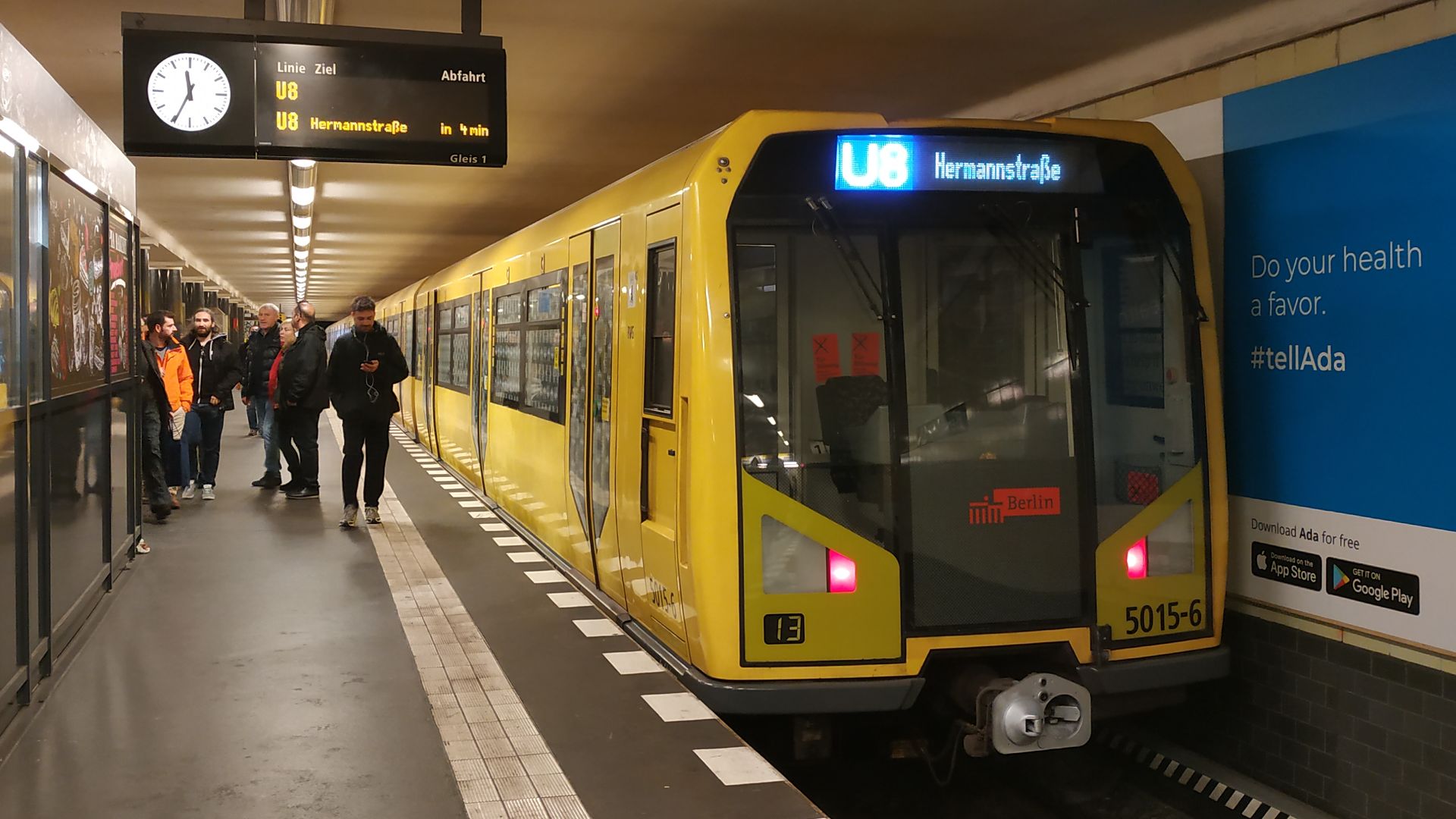
In Germany, DB-operated S-Bahn trains are covered by the pass, along with Regionalbahn and Regional-Express services. Those trains often handle short urban and suburban trips. By contrast, city U-Bahn systems are separate public transport and are not generally included with the rail pass.
Paris Is Almost The Opposite
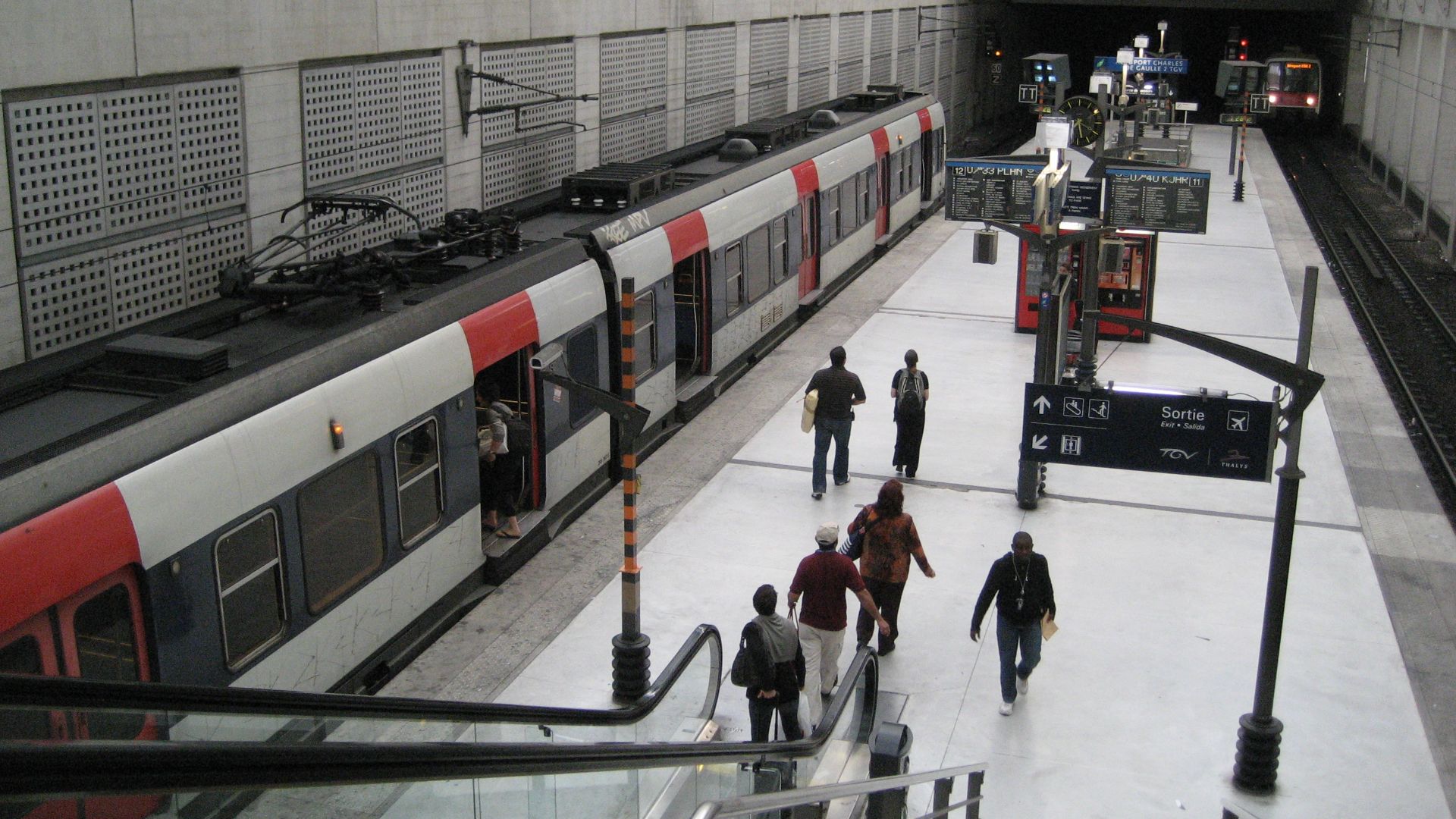
France’s TER regional trains are generally part of the pass network, but Paris RER trains are specifically excluded. That matters for common tourist trips to Charles de Gaulle Airport, Orly Airport, Versailles, and Disneyland Paris. A rail pass alone may not cover those journeys.
Spain Has Another Twist
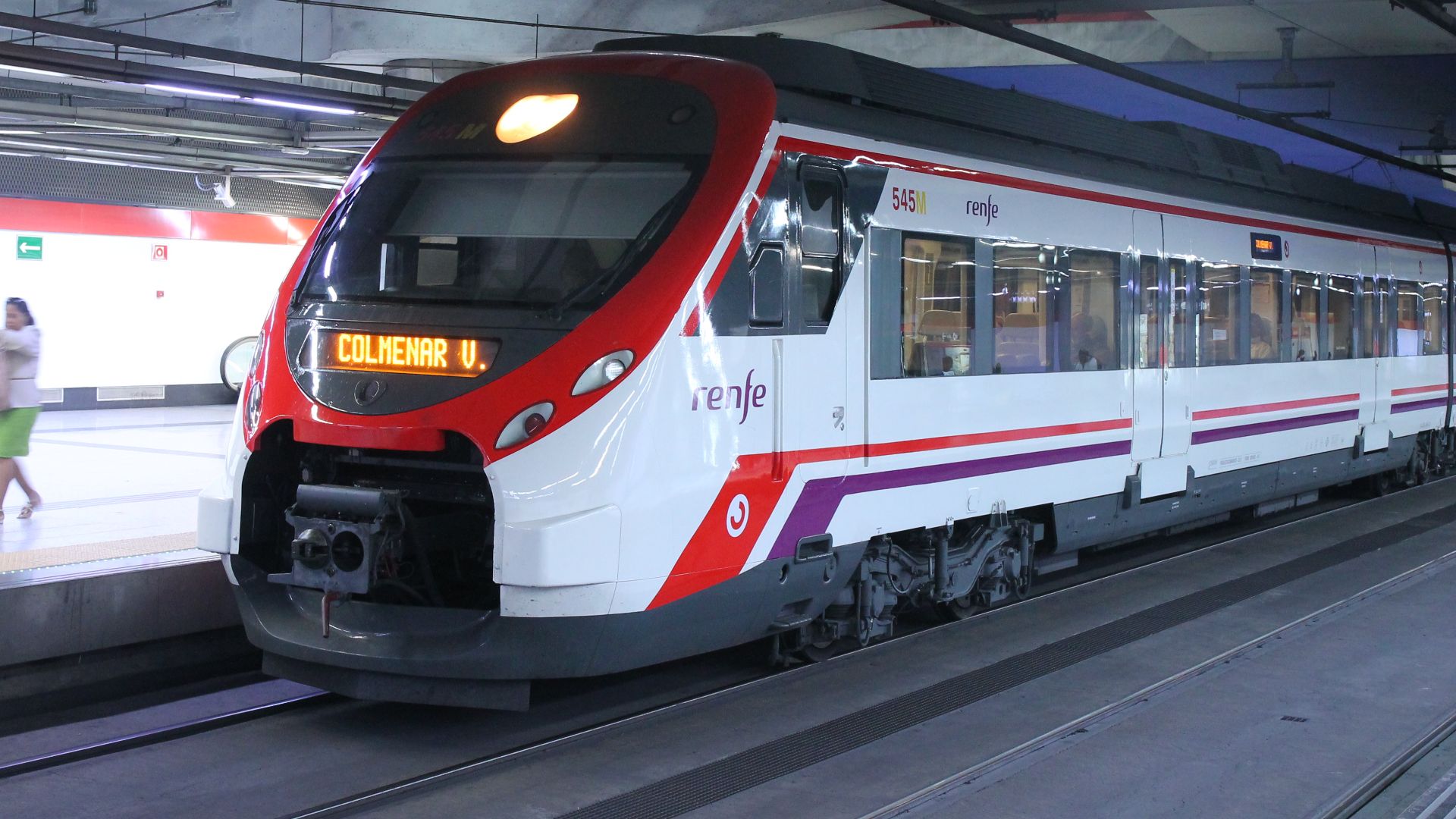
Spain’s RENFE Cercanías suburban trains are included in the pass network, including services around major cities. However, Interrail warns that not every Cercanías train appears in its planner. Tourists may need to check RENFE or Rodalies timetables even when the pass itself is valid.
Switzerland Has Broad Coverage With Exceptions
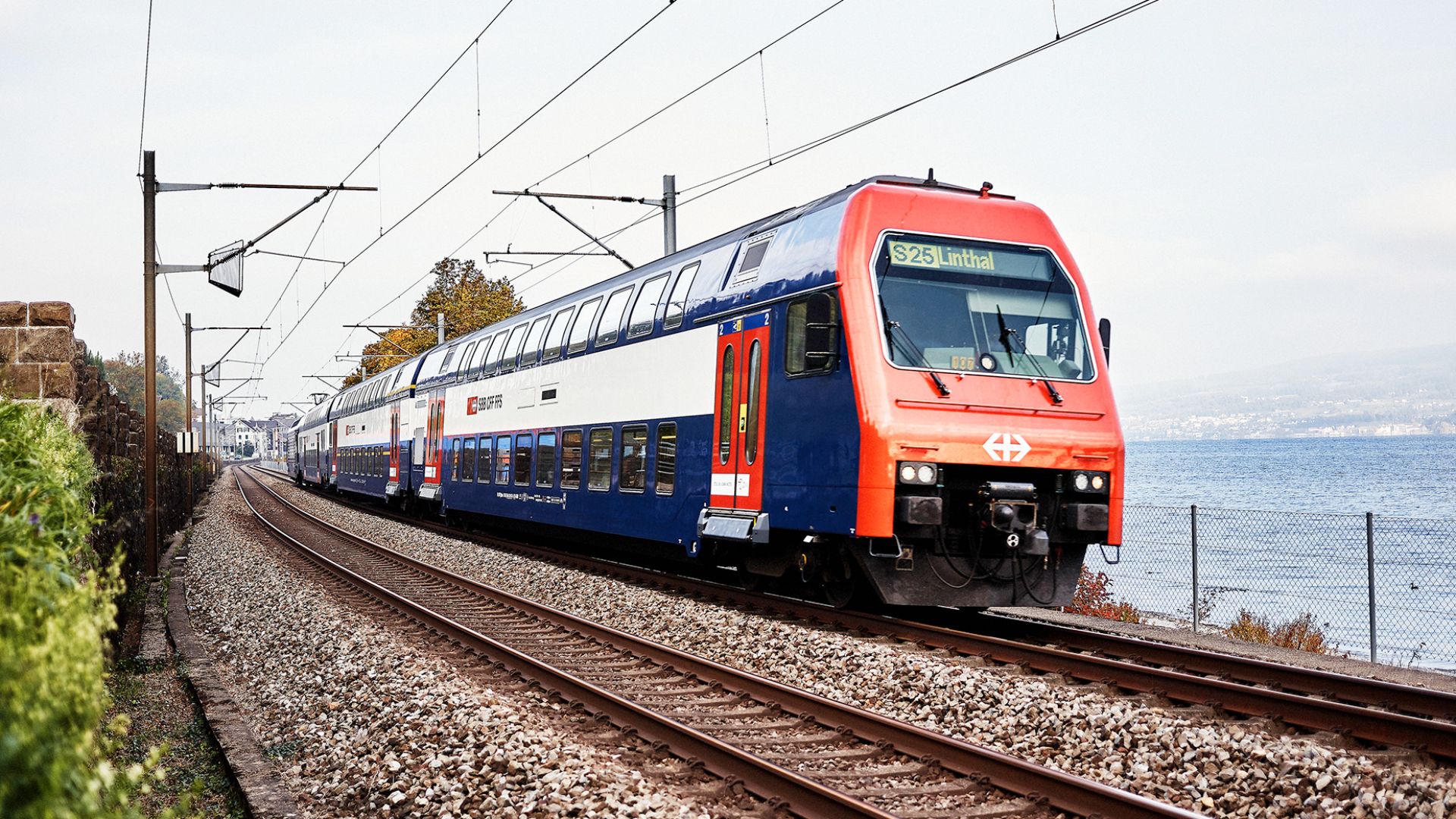
Switzerland’s SBB S-Bahn and regional trains are widely included, but there are still exceptions. In Zurich, for example, the pass is valid on most S-Bahn lines but not S4, S10, or S18. Even an excellent rail network still requires checking the exact service.
 Zürcher Verkehrsverbund, Wikimedia Commons
Italy Rewards Careful Reading Too
Italy’s Trenitalia regional trains are generally included, while several other local operators are excluded. The network list also excludes Trenord trains to and from Milan Malpensa Airport. That is a good reminder that airport trains and local railways can have special rules.
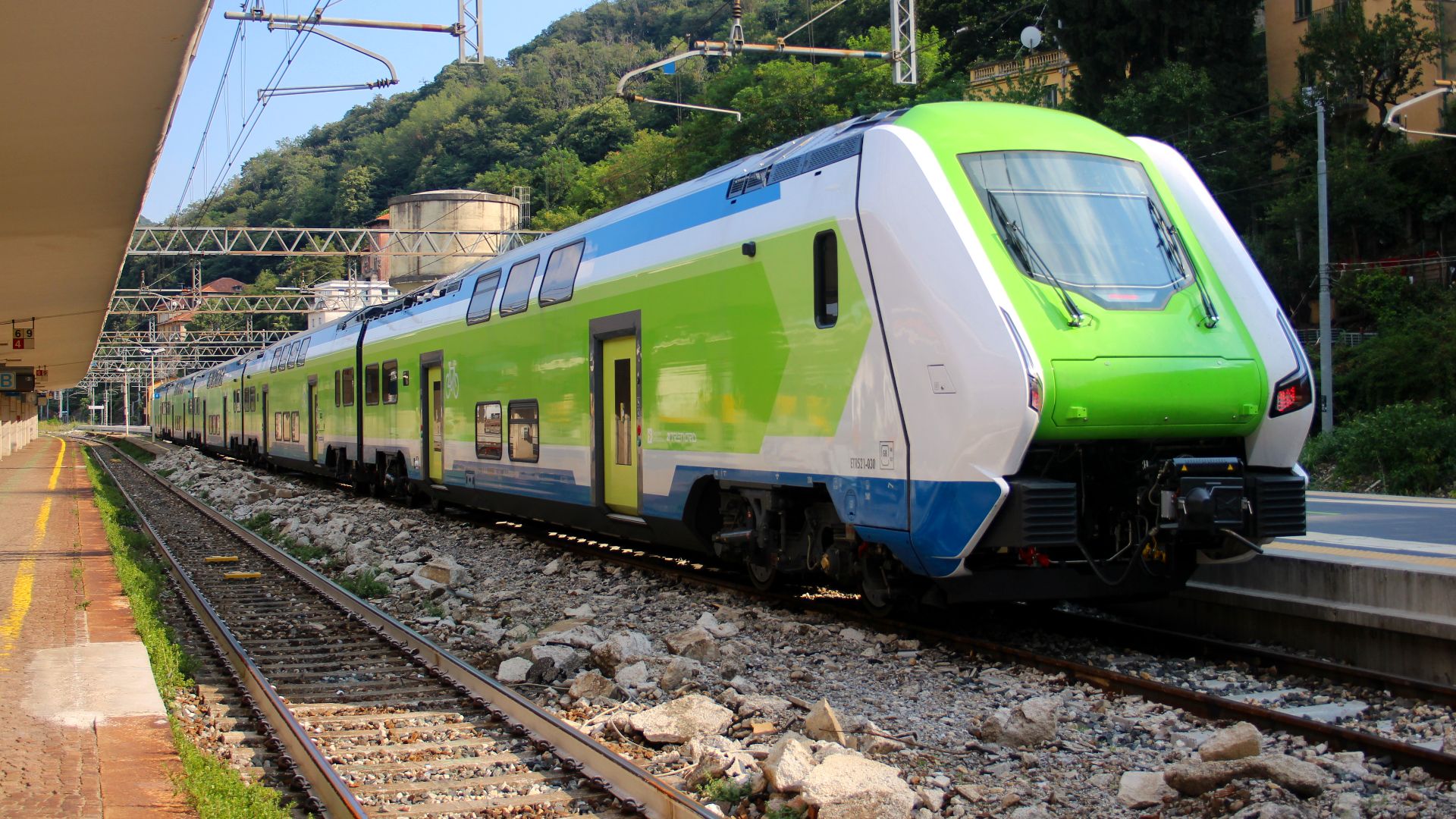
Airport Trains Deserve Their Own Check
Airport routes are especially easy to misread because some are part of national rail networks and others are special services. The official pass rules say certain participating networks reach airports, but coverage is not universal. Check the exact airport train before relying on your pass.
 veerasak Piyawatanakul, Pexels
Coverage And Reservations Are Separate Questions
A train can be covered by your pass and still require another purchase before you board. Most high-speed trains and all night trains require seat reservations, and reservation fees are generally separate from the standard pass. Coverage answers “can I ride,” not “am I ready to board.”

High-Speed Trains Create The Biggest Surprise
Popular services such as TGV, AVE, and Eurostar can be part of the pass network while still requiring reservations. In France, Italy, and Spain, mandatory reservations are especially common on faster trains. A pass therefore does not always mean you can simply show up.
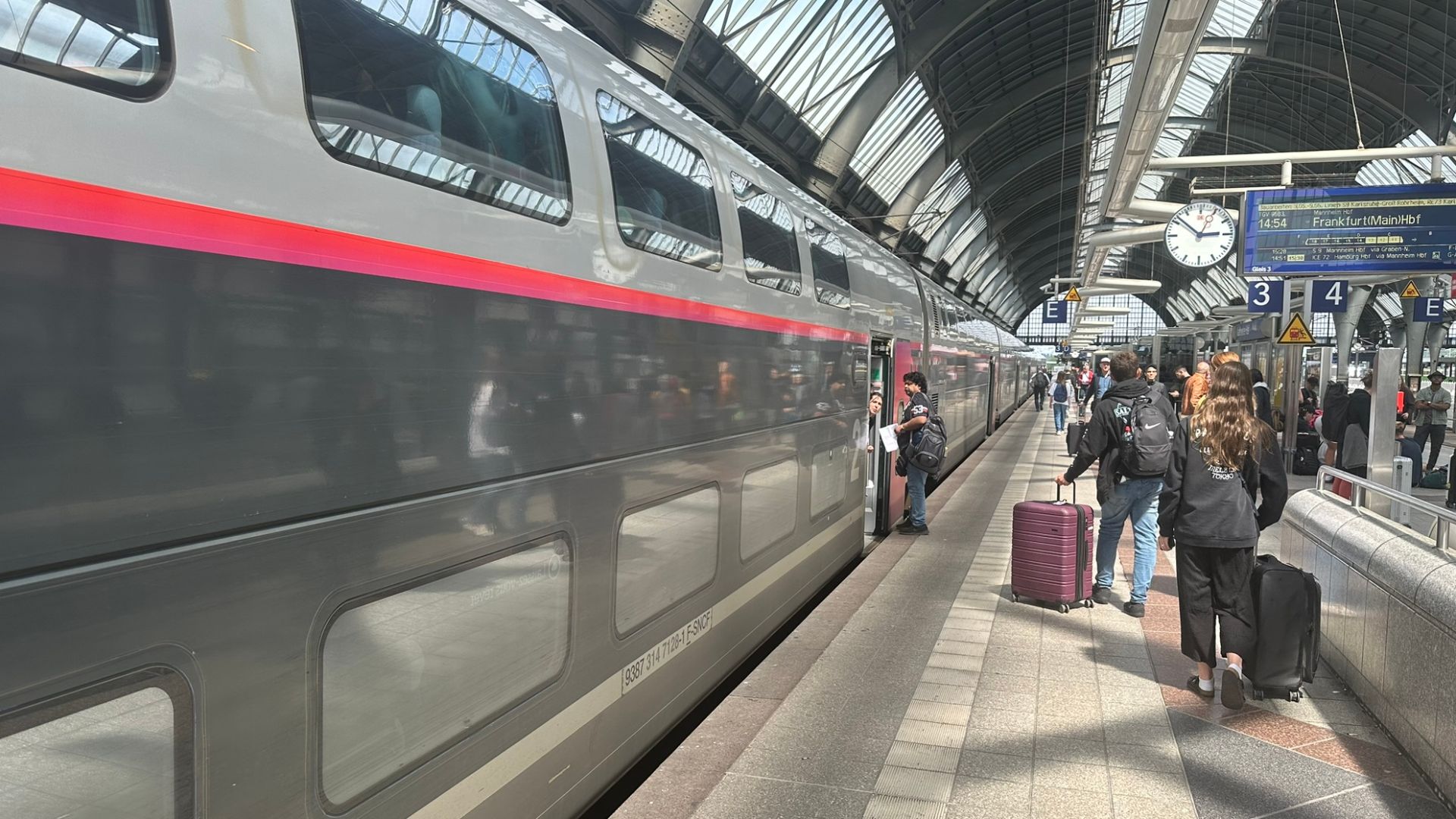 Taavi Väänänen, Wikimedia Commons
Night Trains Need Planning Too
All night trains require reservations under the standard Interrail rules. Depending on the train, that reservation may secure a seat, couchette, or sleeper accommodation. If an overnight train is central to your itinerary, treat the reservation as part of the booking process, not an optional extra.

Adding A Journey Is Not A Reservation
Mobile-pass users must add their journeys to the pass so they appear on the ticket for inspection. Interrail explicitly says this is different from reserving a seat. If the train requires a reservation, you still need that separate booking even after the journey appears in the app.

Do Not Wait Until The Platform
Interrail advises making reservations early, particularly for travel from June through September and on weekends. Some high-speed and night trains can be booked months ahead and may sell out. Eurostar also has limited pass-holder availability, so spontaneity has practical limits.
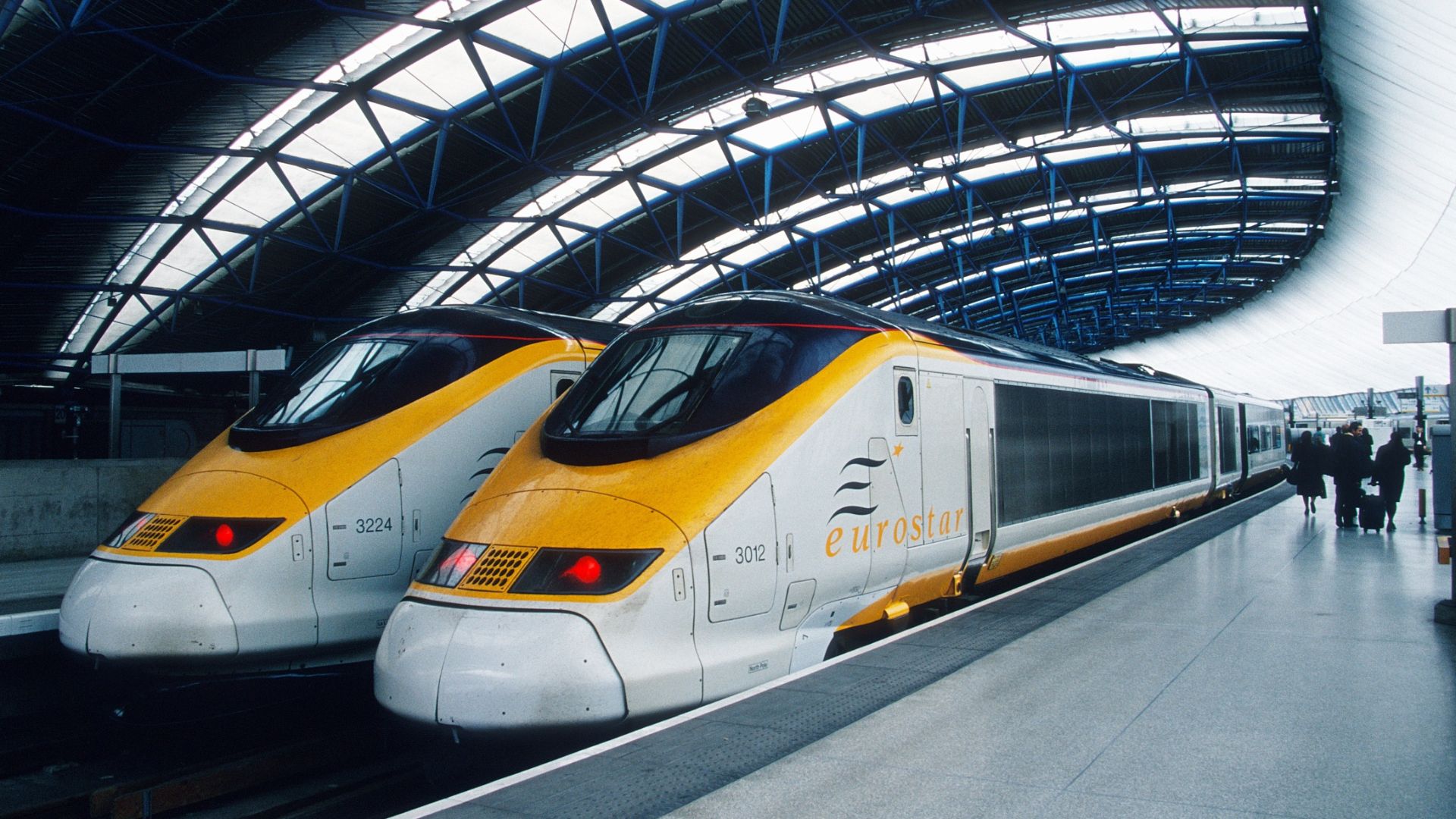 Herbert Ortner, Vienna, Austria, Wikimedia Commons
Regional Trains Can Be The Easy Alternative
If a high-speed train is full or requires an expensive reservation, a regional route may be simpler. Interrail specifically recommends using its “No reservation needed” filter to find alternatives. The trade-off is usually time, but the planning can be much less stressful.

Travel Days Can Make Short Trips Expensive
With a flexible pass, each travel day runs from midnight to 11:59 p.m. local time and lets you use eligible trains during that day. Using a pass day for one short suburban ride may offer poor value. Save scarce travel days for heavier rail days when possible.

Continuous Passes Work Differently
A continuous pass treats every day within its validity period as a travel day, while a flexible pass gives you a set number of chosen travel days. That distinction matters when deciding whether to use the pass for a short local train. Check your pass type before tapping anything.

Activate The Right Day Before Boarding
For a mobile pass, the journey must be added so it appears on the ticket shown to inspectors. Interrail also requires the pass to be activated before travel, with the correct passport or ID details. Do not wait until an inspector arrives to finish setting it up.
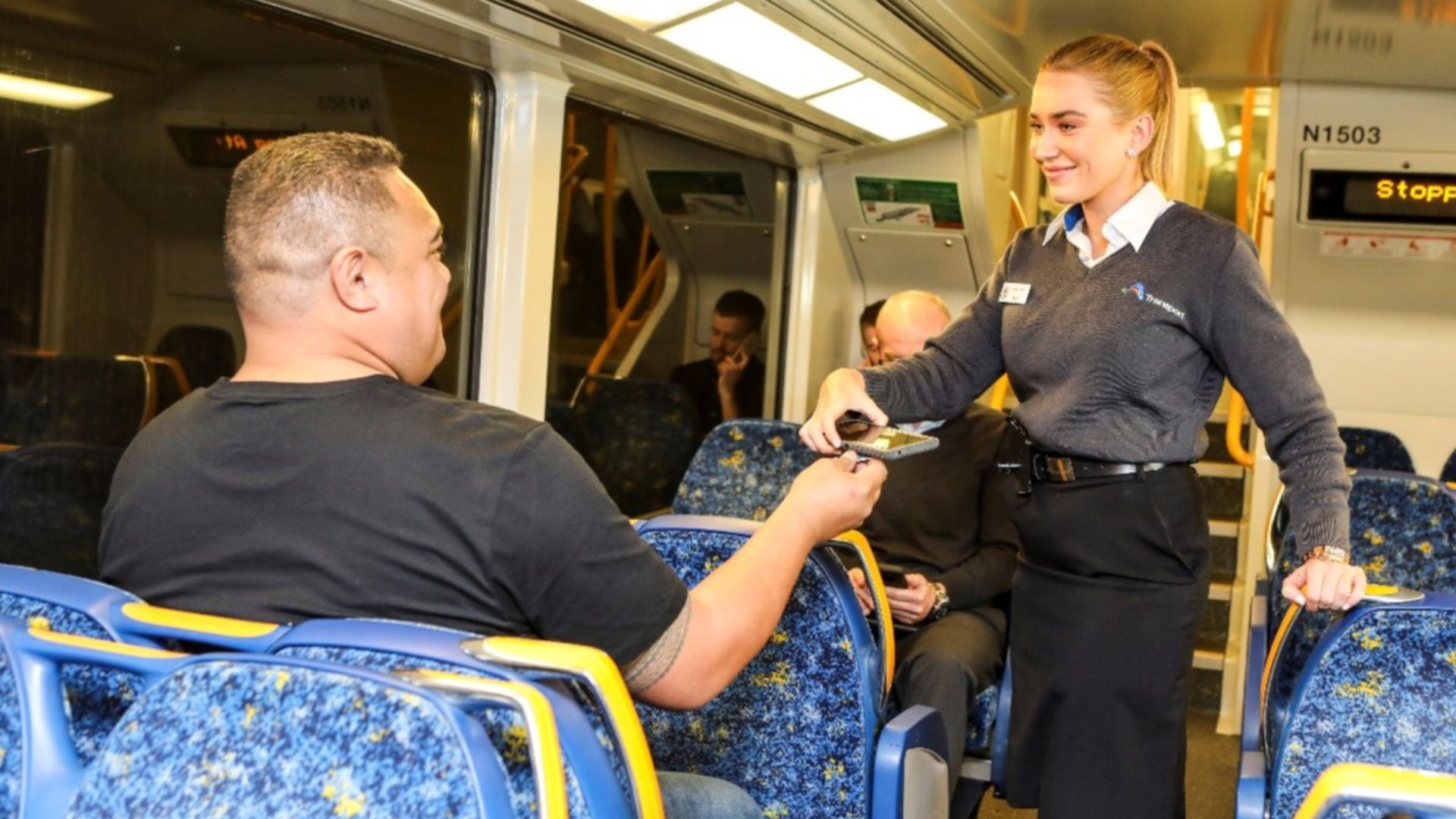
Keep Your Passport Or ID Handy
Ticket inspectors may ask to see the identification associated with a mobile pass, and the document number should match the pass. The ticket itself contains your journey information and barcode. Carry the same passport or ID you used when activating the pass.

Buy City Transit Separately When Needed
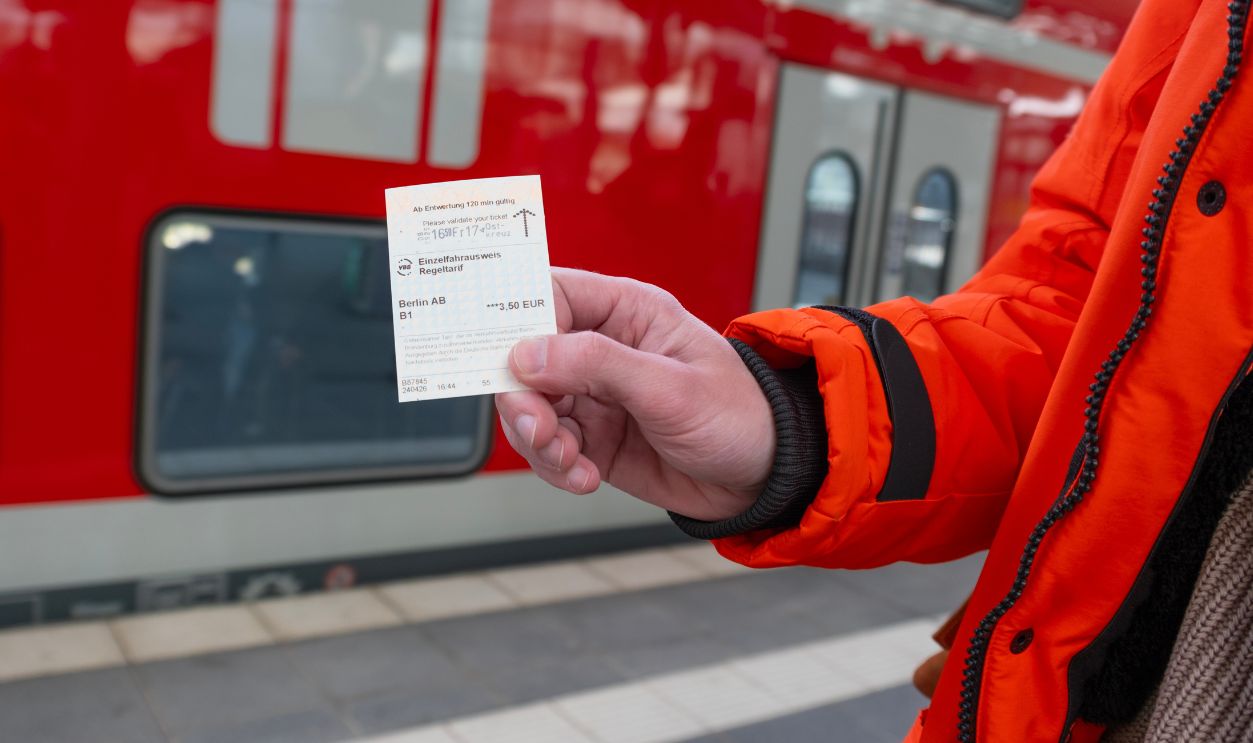
If your final connection is a metro, tram, or bus, assume it needs a separate local ticket unless the pass information explicitly says otherwise. Interrail states that these forms of public transportation are not generally included. A small city-transit purchase can prevent a much larger headache.

Build A Two-Ticket Mindset
For many trips, the simplest plan is one rail pass for intercity or participating regional trains and a separate city-transit ticket for the last mile. That is not a failure of the pass. It reflects the fact that Europe’s railways and urban transit systems are operated through different networks.
Ask Three Questions Before Every New Route
Before boarding, ask: Is this operator in the pass network? Does this specific train require a reservation? Is this actually a railway service rather than a metro, tram, or bus? Those three checks resolve most of the confusion that tourists encounter with European rail passes.

Check Connections More Carefully Than You Think
EU passenger-rights rules can protect travelers after some missed connections, but the strongest rights generally depend on having a through-ticket. Separate tickets may not receive the same protection. When an itinerary involves tight transfers, confirm how the journey is ticketed before departure.

The System Is Complicated, But Learnable
Rail passes are confusing because Europe does not have one single operator or one universal definition of local transportation. The rules become manageable once you separate network coverage, reservations, and city transit. Most problems come from treating those three questions as if they were the same.
So, Are Rail Passes Too Confusing?
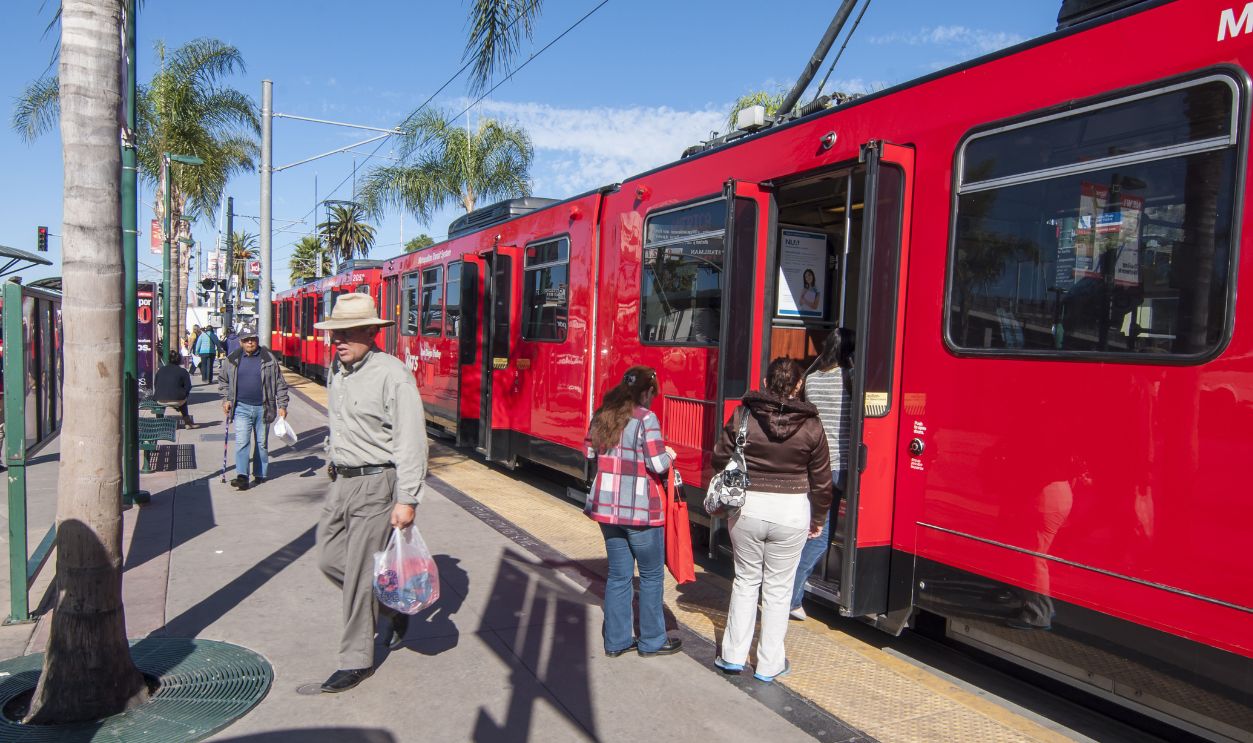
They can be, especially for first-time visitors expecting one pass to cover every train-shaped vehicle they see. But the solution is straightforward: verify the operator, check reservation requirements, and plan local transit separately. Do that, and the pass becomes much easier to use confidently.