

The Scale Hits First.
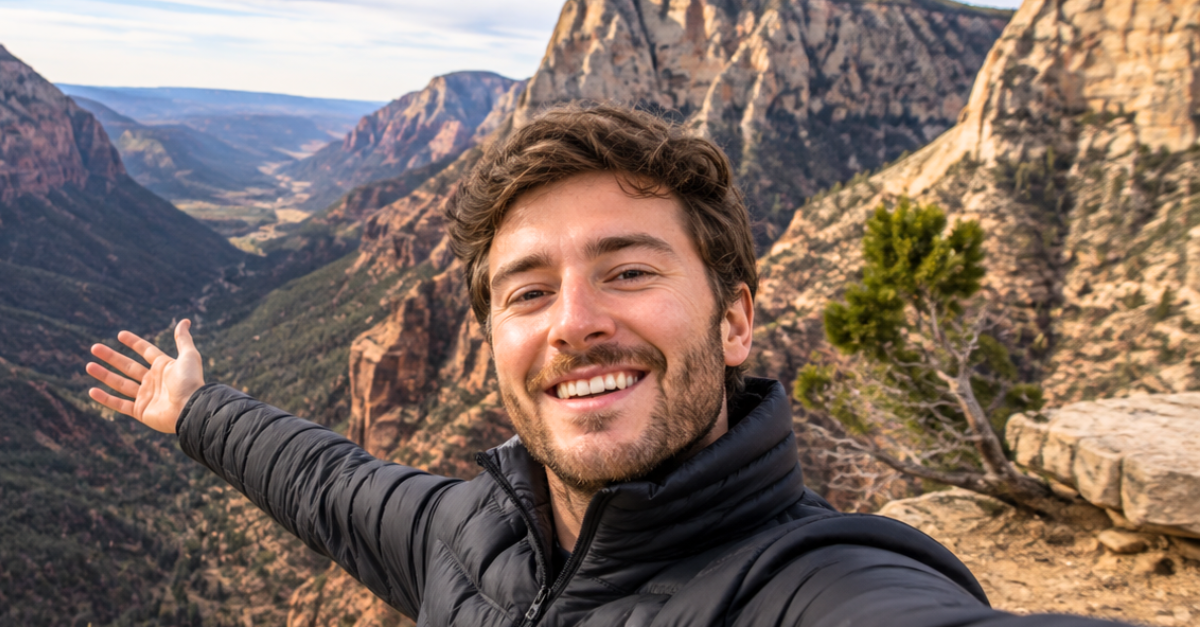
American national parks can combine enormous wilderness, long scenic drives, serious wildlife, strict rules, and surprisingly elaborate visitor infrastructure in the same place. For outdoorsy Europeans accustomed to exploring landscapes where towns, roads, or villages are often closer together, the first U.S. park trip can require a different style of planning.
The Parks Feel Almost Too Big
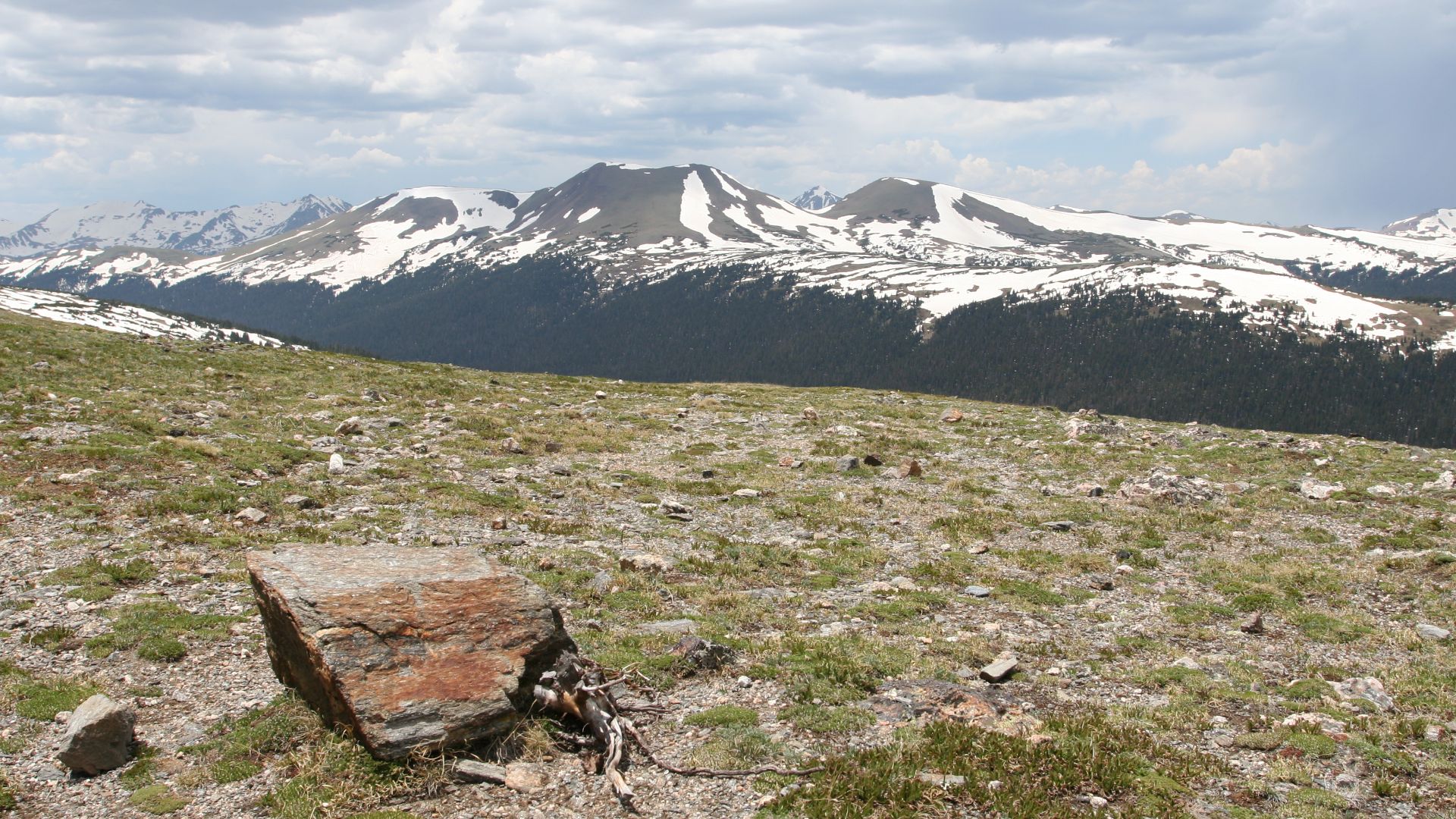
American national parks can cover distances that completely change how a hiking vacation works. Rocky Mountain National Park alone covers 415 square miles, and driving between major destinations inside it can take well over an hour. A visitor who planned to casually sample several parts of the park may quickly discover that geography controls the itinerary.
 Massimo Catarinella, Wikimedia Commons
Driving Is Part Of The Experience
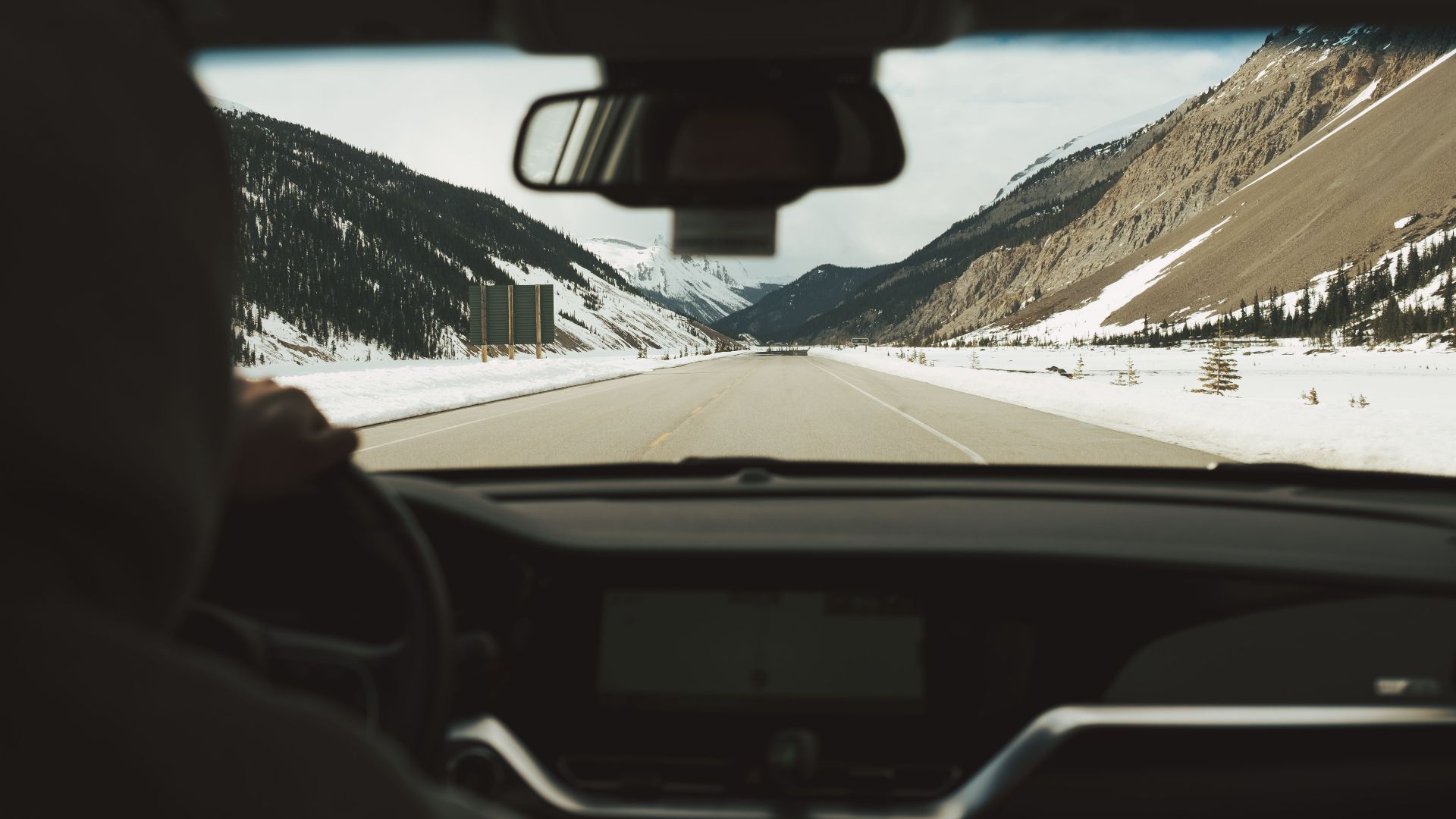
Some Europeans may arrive expecting the car to be transportation to the trailhead, then discover that driving itself is a major park activity. Grand Teton has paved park roads specifically promoted for mountain views, wildlife watching, and scenic overlooks. In many western parks, a full sightseeing day can involve substantial time behind the wheel.
Scenic Roads Can Be Attractions
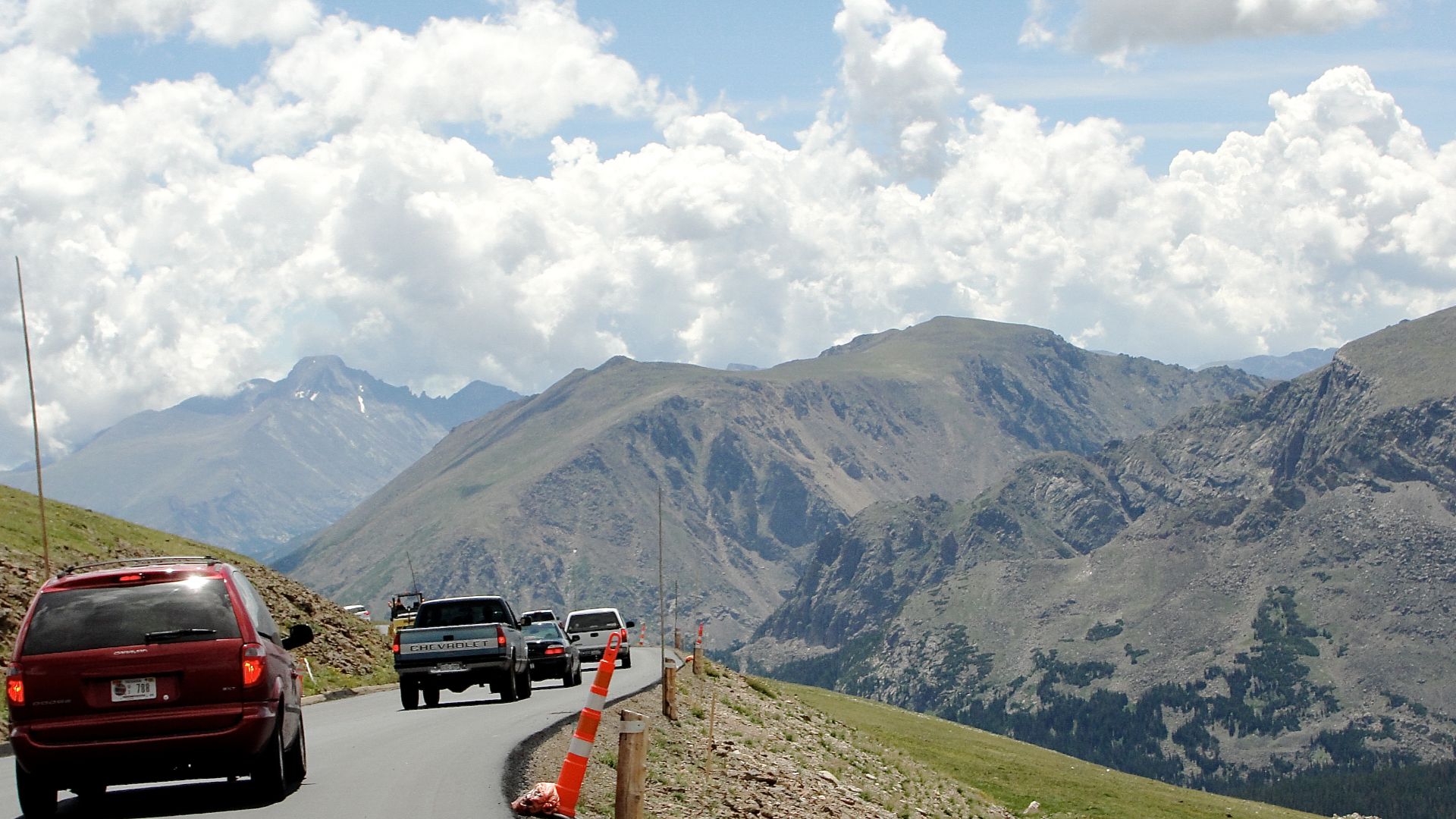
The United States has turned some park roads into destinations in their own right. Crater Lake's Rim Drive runs 33 miles around the caldera and includes roughly 30 overlooks, while Rocky Mountain's Trail Ridge Road climbs to 12,183 feet. These are not merely access roads because they were built to reveal the landscape from the vehicle.
 Greg Tally - User: (WT-shared) WineCountryInn at wts wikivoyage, Wikimedia Commons
The Entrance Fee Is A Real Thing
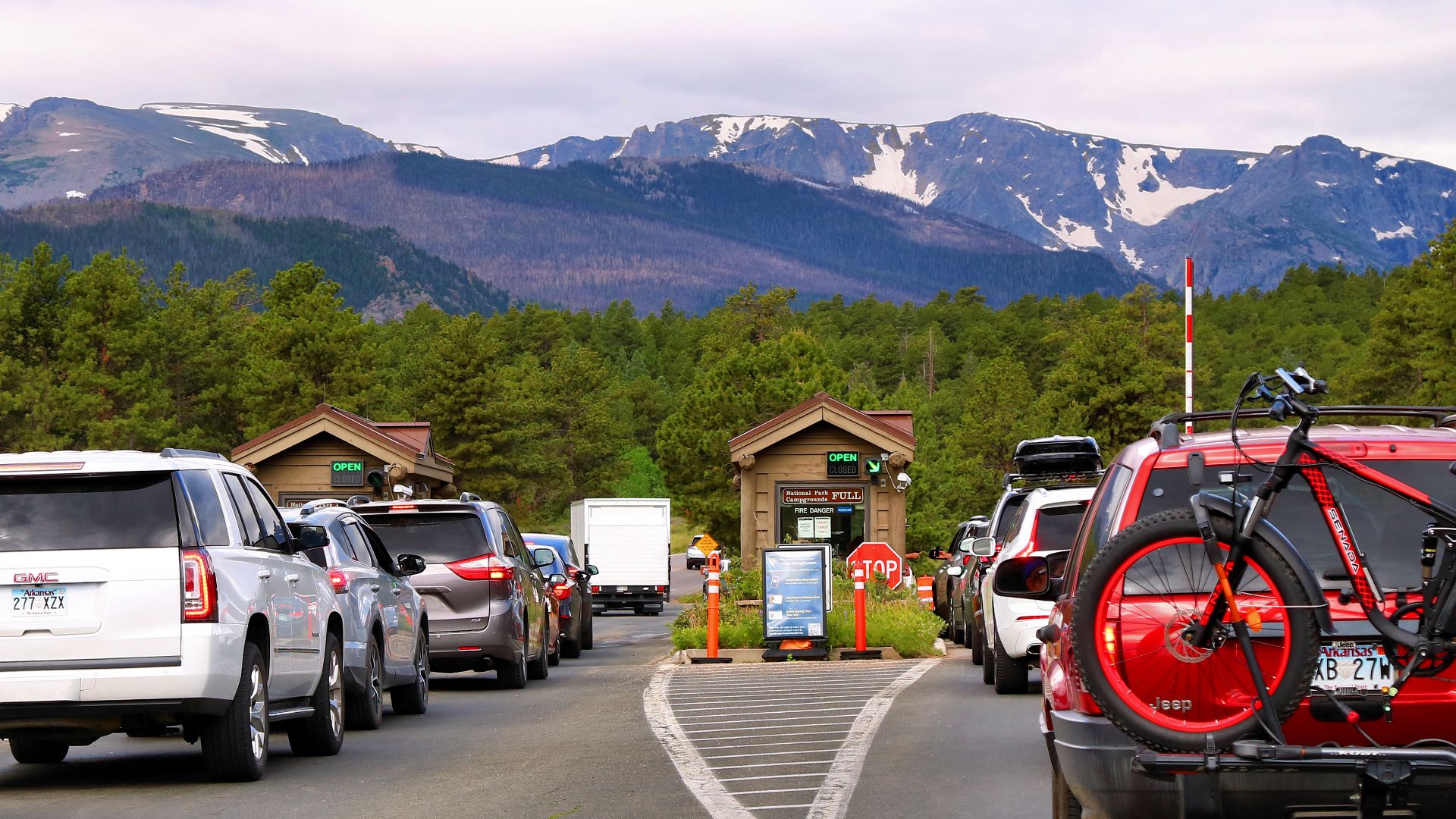
Many European outdoor destinations can be entered without paying at a formal gate, so American park entrance stations may initially feel unusual. Most National Park Service sites are free, but some major parks require an entrance pass. The system also includes park-specific and national annual passes for travelers visiting several federal recreation areas.
 Larry D. Moore, Wikimedia Commons
Foreign Visitors Pay More In 2026
International visitors now have an additional expense to consider at some of America's biggest parks. Beginning in 2026, non-U.S. residents age 16 and older face an additional $100 fee at 11 designated parks unless covered by a qualifying pass. The current nonresident America the Beautiful annual pass costs $250.

Reservations Can Start Before The Hike
A wilderness vacation does not always mean simply arriving and walking into nature. Rocky Mountain National Park uses timed-entry reservations during peak periods in 2026, with different permits depending on where and when visitors want to enter. Some reservations are released months ahead, while a smaller batch appears the evening before.

Parking Can Dictate The Day
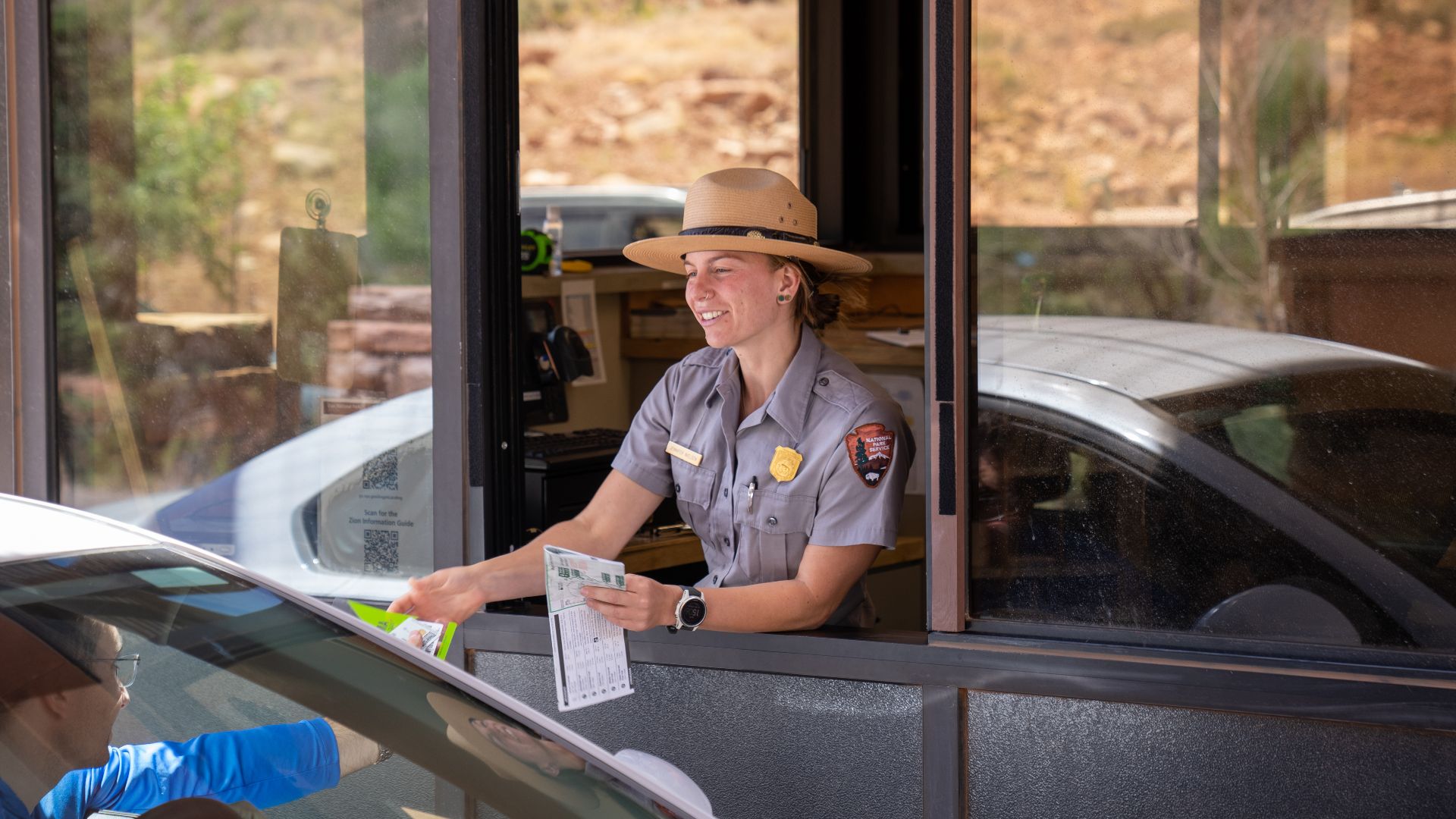
Popular American parks can have far more visitors than parking spaces near their best-known trails. Zion warns that parking fills quickly and directs visitors toward alternative lots and transportation when areas reach capacity. Suddenly, arriving at 10 a.m. instead of 7 a.m. can completely change the day's plan.
 NPS / Jonathan Shafer, Wikimedia Commons
Sometimes The Car Has To Stay Behind
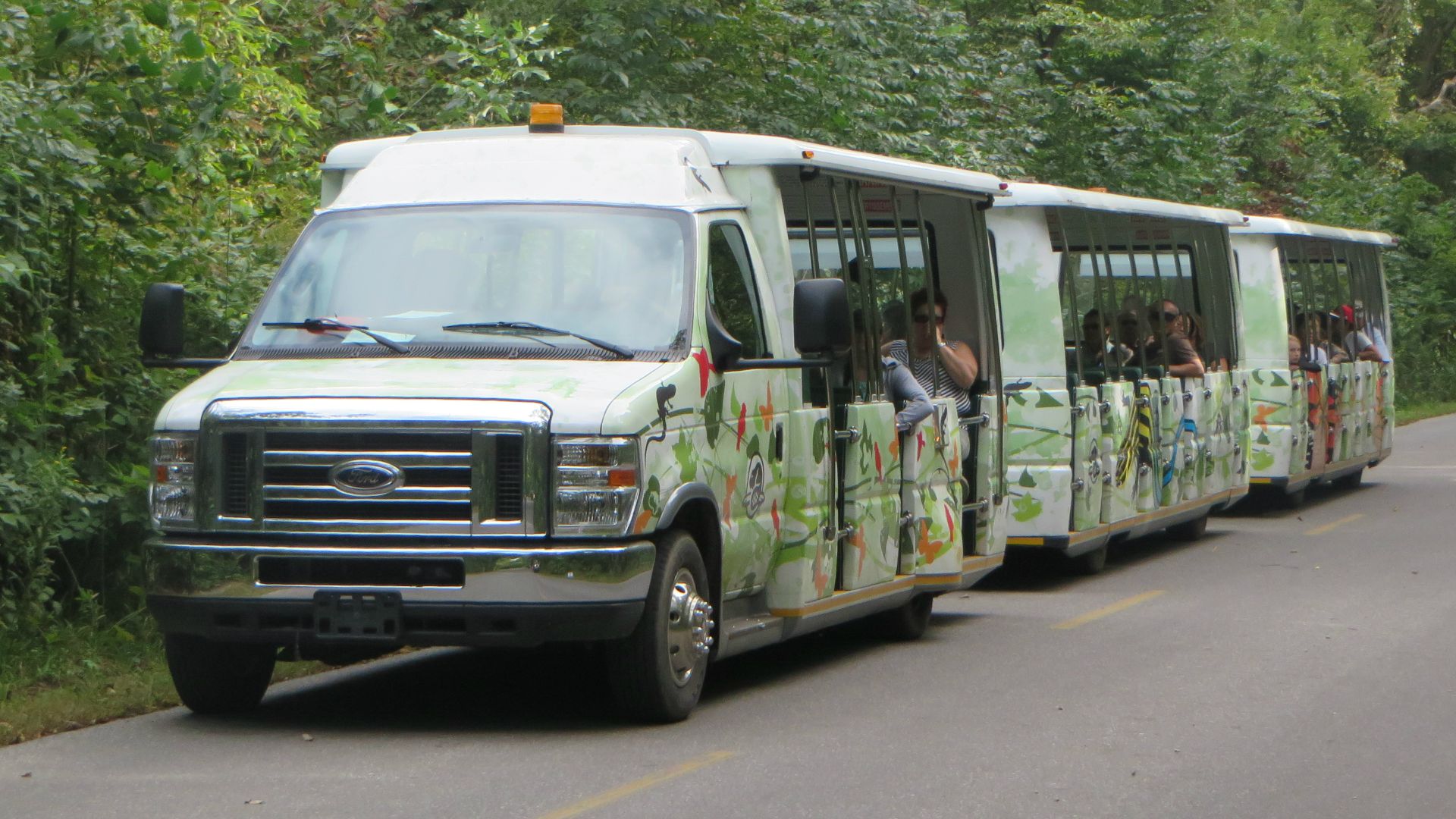
Zion provides one of the most striking examples of traffic management inside a national park. During shuttle season, private vehicles are generally prohibited on Zion Canyon Scenic Drive, so visitors use a free park shuttle instead. The buses arrive frequently, but travelers still need to understand where to park and when the final shuttle leaves.
Visitor Centers Matter More Than Expected
The American national park visitor center is much more than a souvenir stop. The National Park Service recommends beginning there for maps, current road conditions, trail information, and practical advice. For a first-time visitor confronting unfamiliar terrain, weather, and wildlife, ten minutes with local information can prevent hours of confusion.
Rangers Are Part Of The Experience
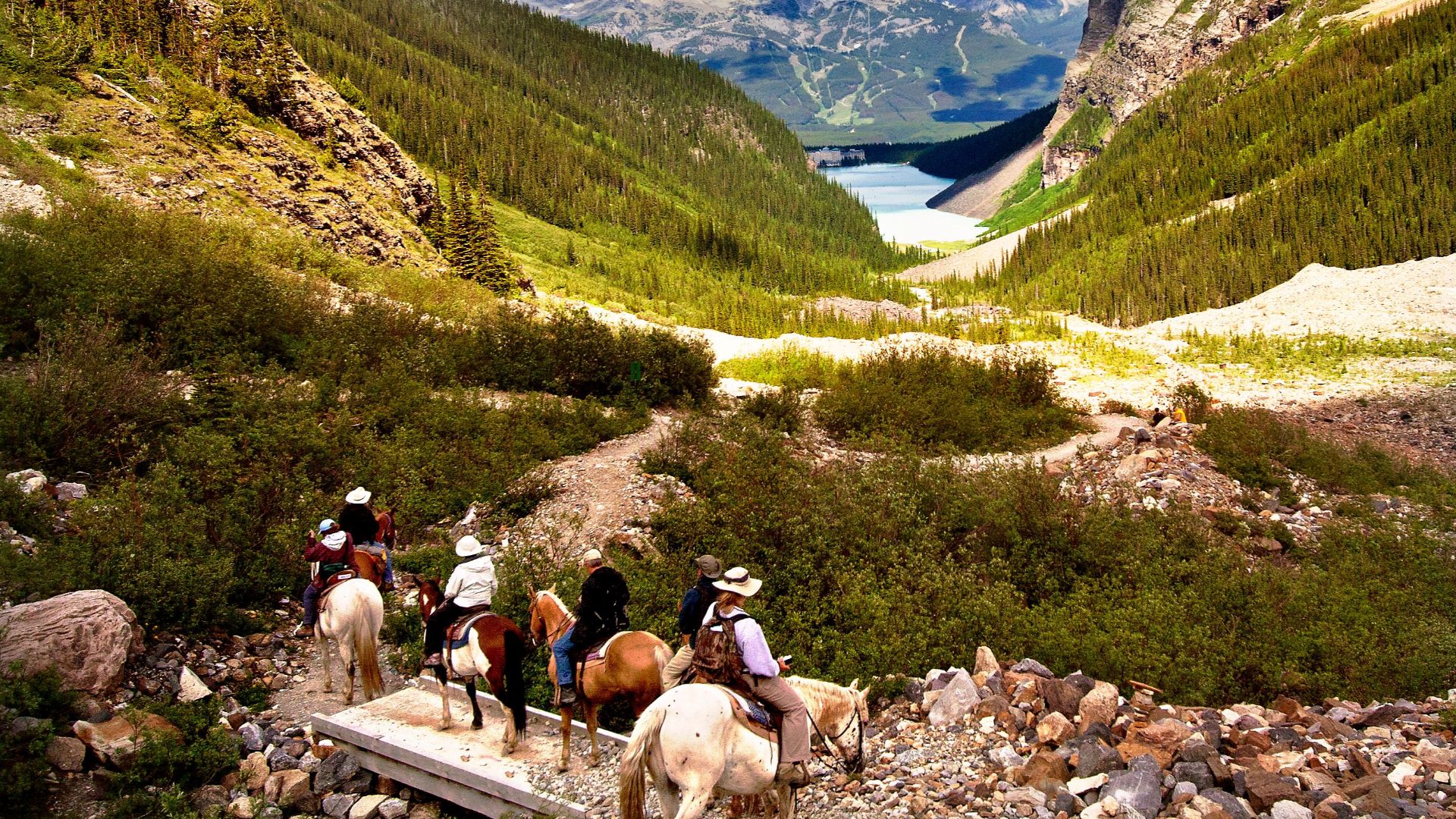
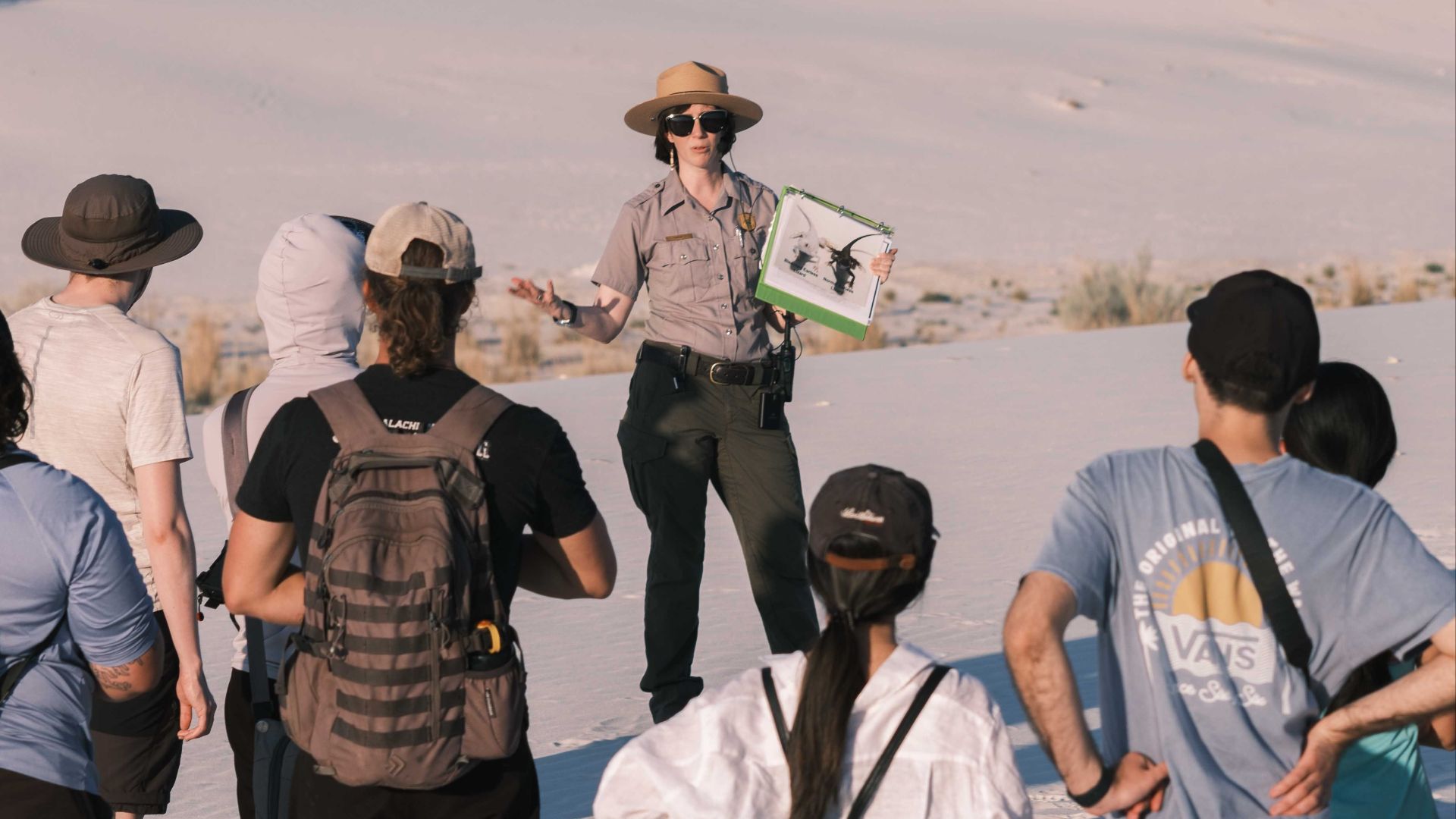
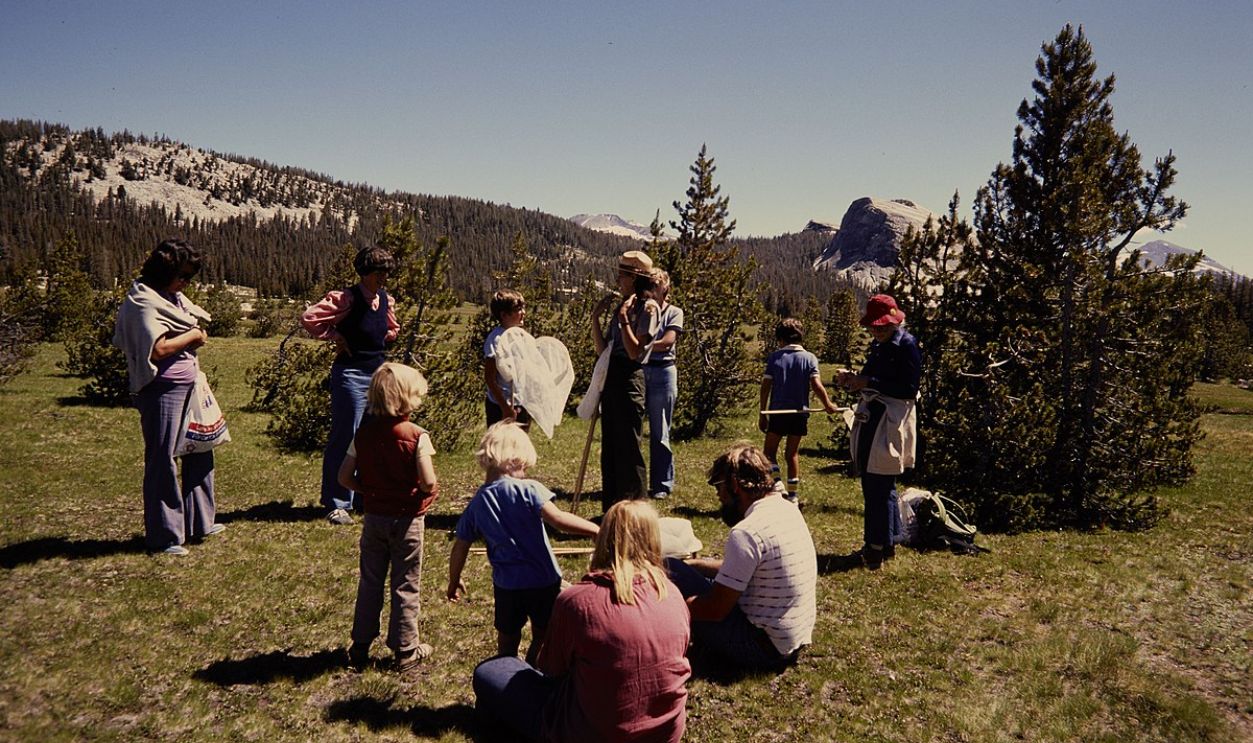
Ranger programs are a distinctive part of American park culture. Mount Rainier, for example, offers free guided walks, talks, evening programs, and presentations about subjects ranging from geology to wildlife. Even experienced hikers can learn things that would be difficult to pick up from a trail map alone.
The Wildlife Is Not Decorative
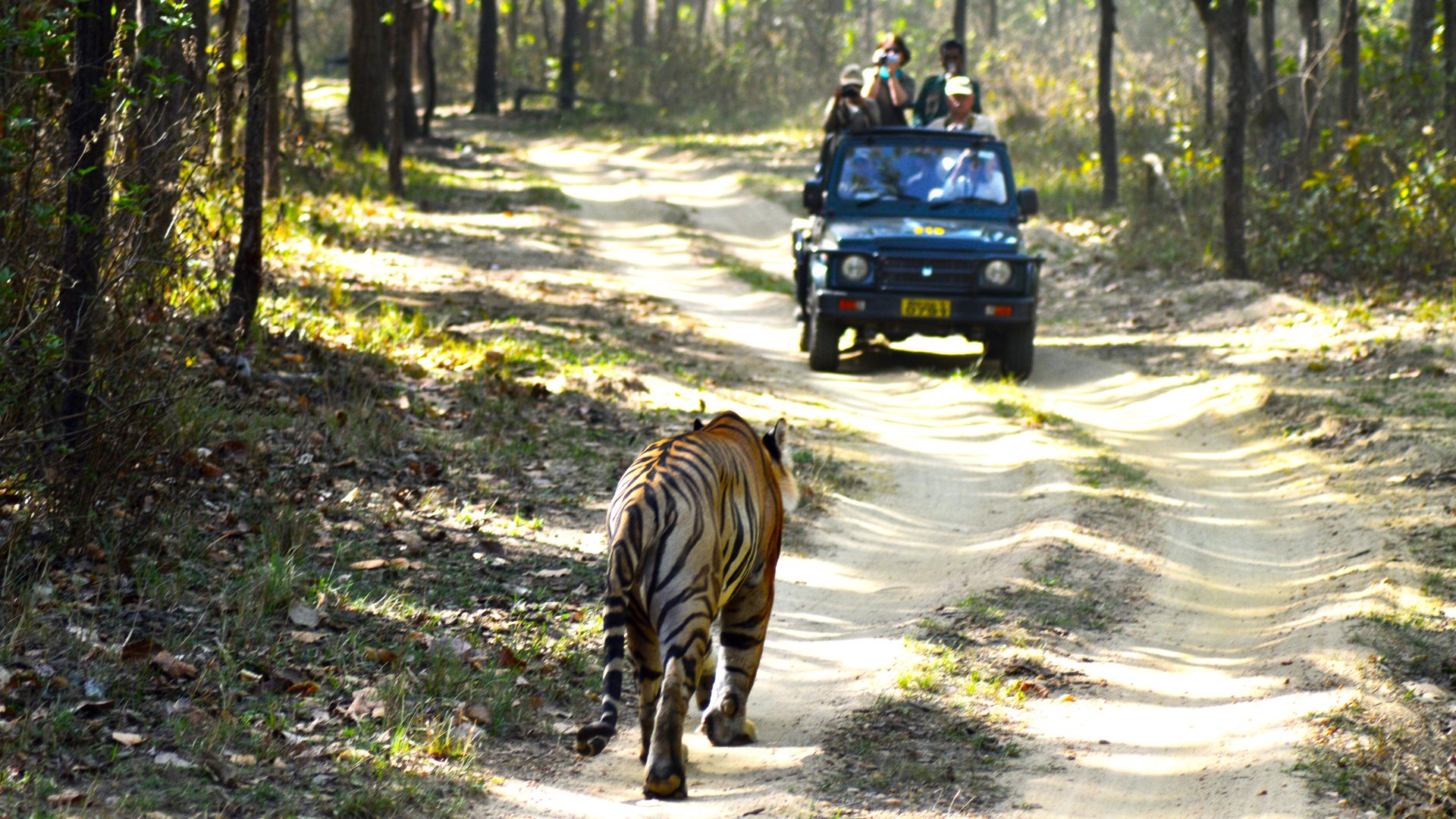
Seeing large animals close to a road can tempt visitors into treating them like a scenic attraction. The National Park Service stresses that wild animals are unpredictable and that every park establishes minimum viewing distances. In many parks, visitors should remain at least 25 yards from most wildlife and 100 yards from large predators such as bears and wolves.
 Ashishmahaur, Wikimedia Commons
Bison Require Serious Distance
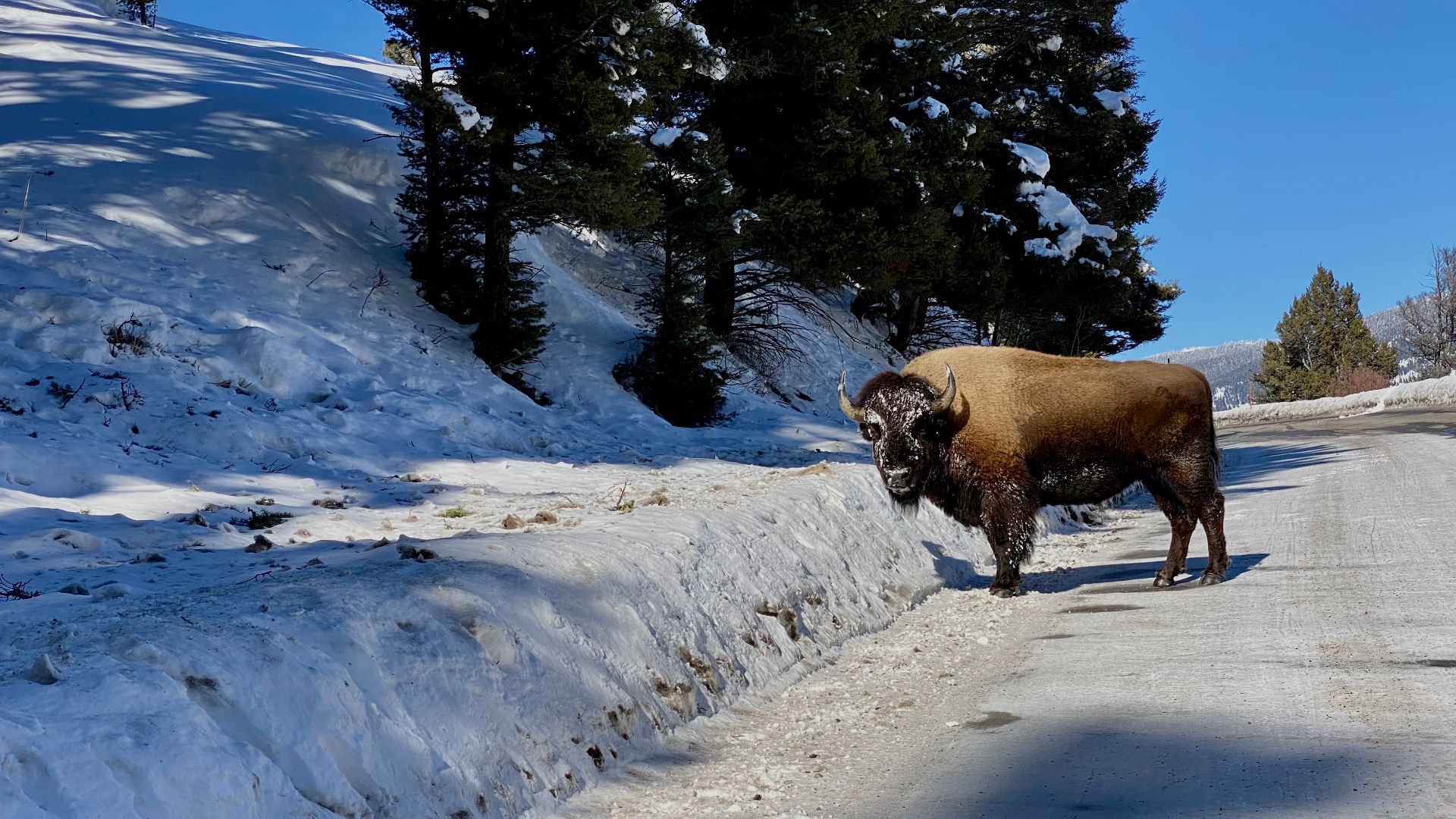
Yellowstone's bison can look remarkably calm while grazing beside a road. The park warns that they have injured more people there than any other animal and can run three times faster than a human. Visitors must remain at least 25 yards away and retreat if an animal moves closer.
 Gracemontse, Wikimedia Commons
Bear Spray Becomes Normal Gear
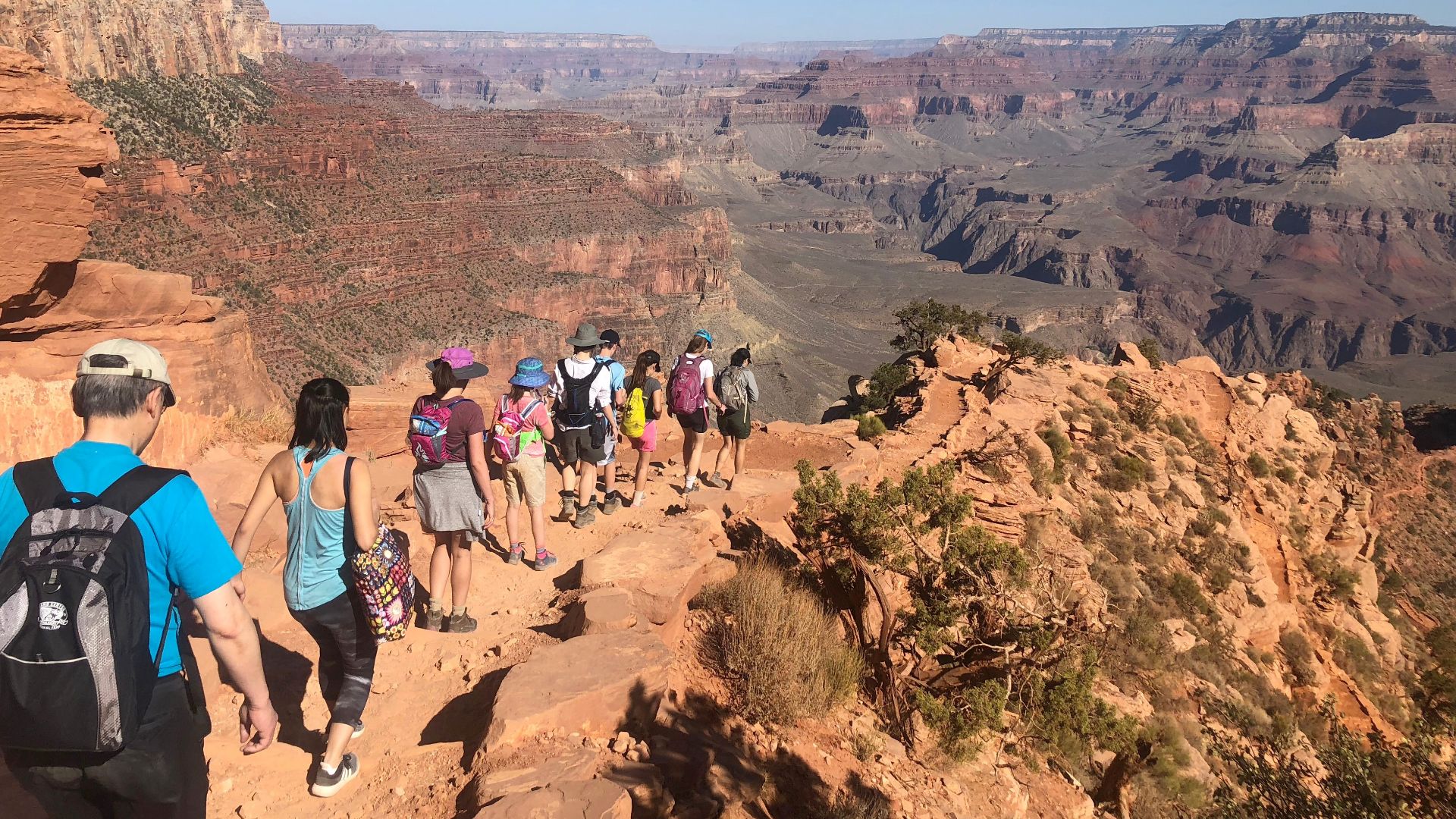
In European hiking areas where dangerous large mammals are less prominent, carrying defensive spray may feel extreme. Yellowstone recommends that hikers carry bear spray, know how to use it, and keep it immediately accessible rather than buried inside a backpack. The park also encourages hiking in groups and making noise to reduce surprise encounters.
 Grand Canyon NPS, Wikimedia Commons
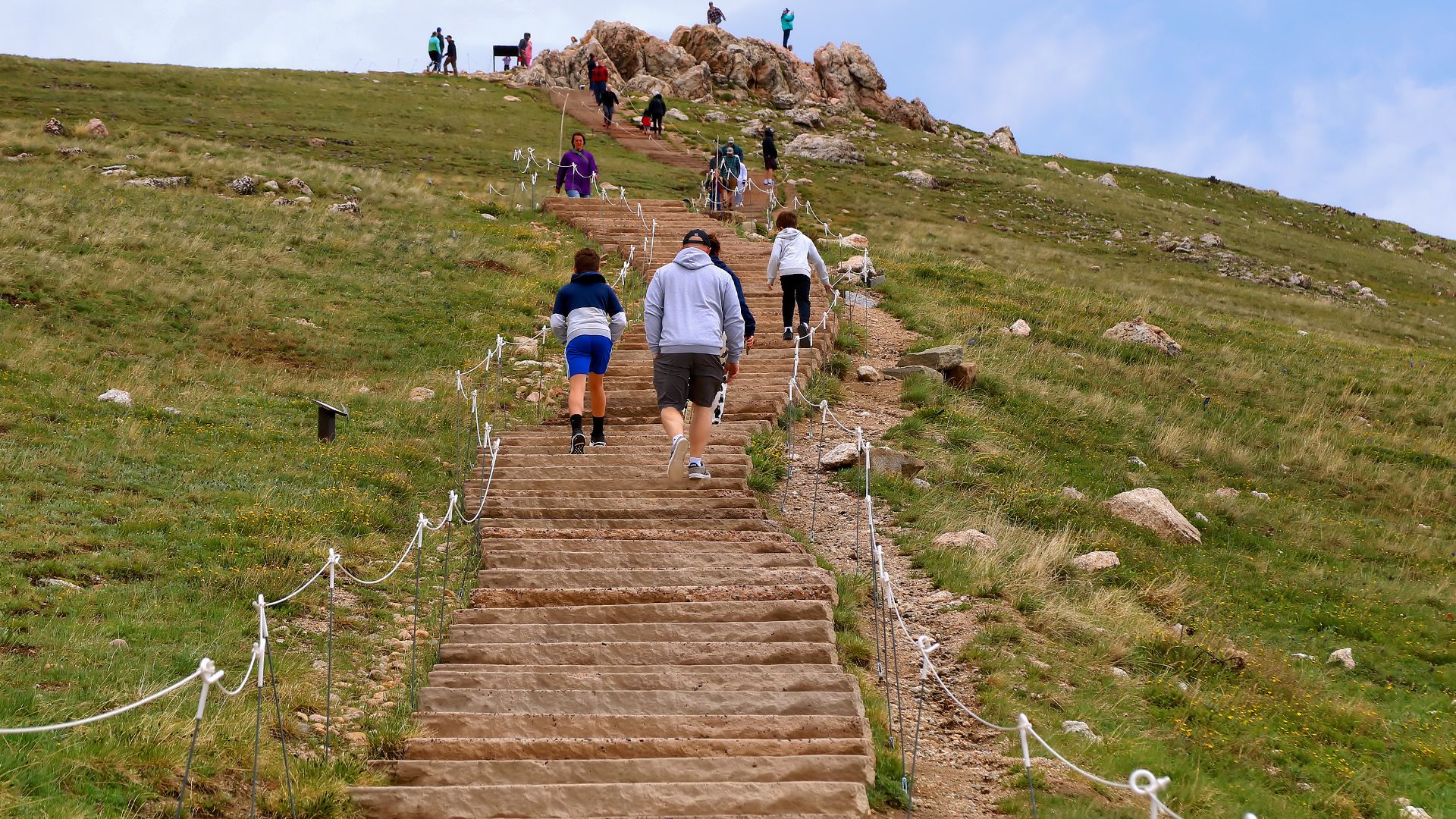
Altitude Can Humble Fit Hikers
A physically fit visitor can still struggle with American mountain elevations. Rocky Mountain National Park warns that anyone traveling above 8,000 feet can experience acute mountain sickness, with symptoms including headache, nausea, dizziness, and low energy. Some major roads and visitor destinations are already high enough to trigger symptoms without a demanding climb.
 Larry D. Moore, Wikimedia Commons
Weather Changes Fast At Elevation
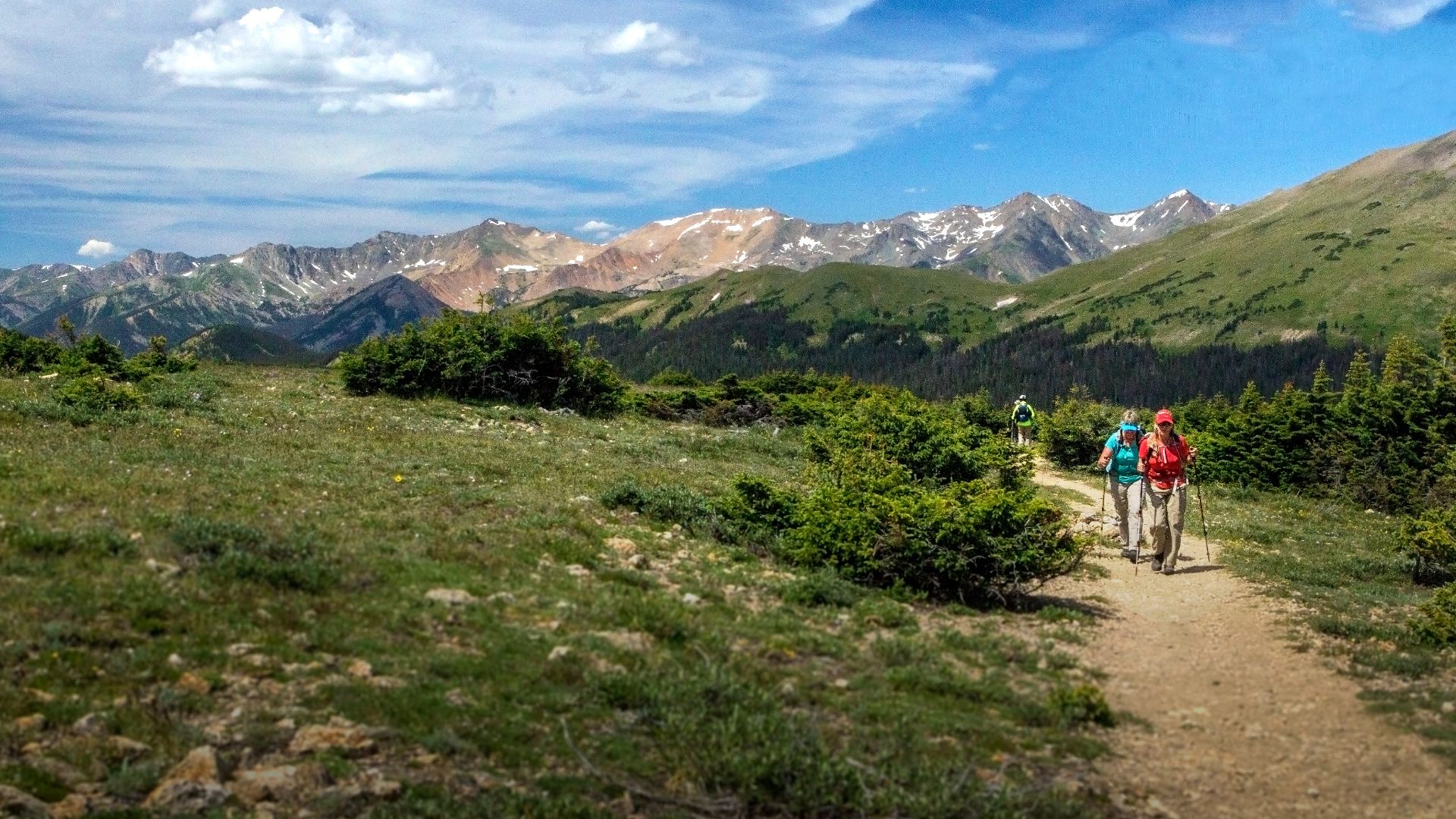
A clear morning does not guarantee an easy mountain day. Trail Ridge Road reaches more than 12,000 feet, where the National Park Service warns that weather can change rapidly and temporary road closures can occur at any time. Flexible plans and extra clothing are not signs of nervousness because conditions genuinely can shift quickly.
Desert Heat Is A Different Problem
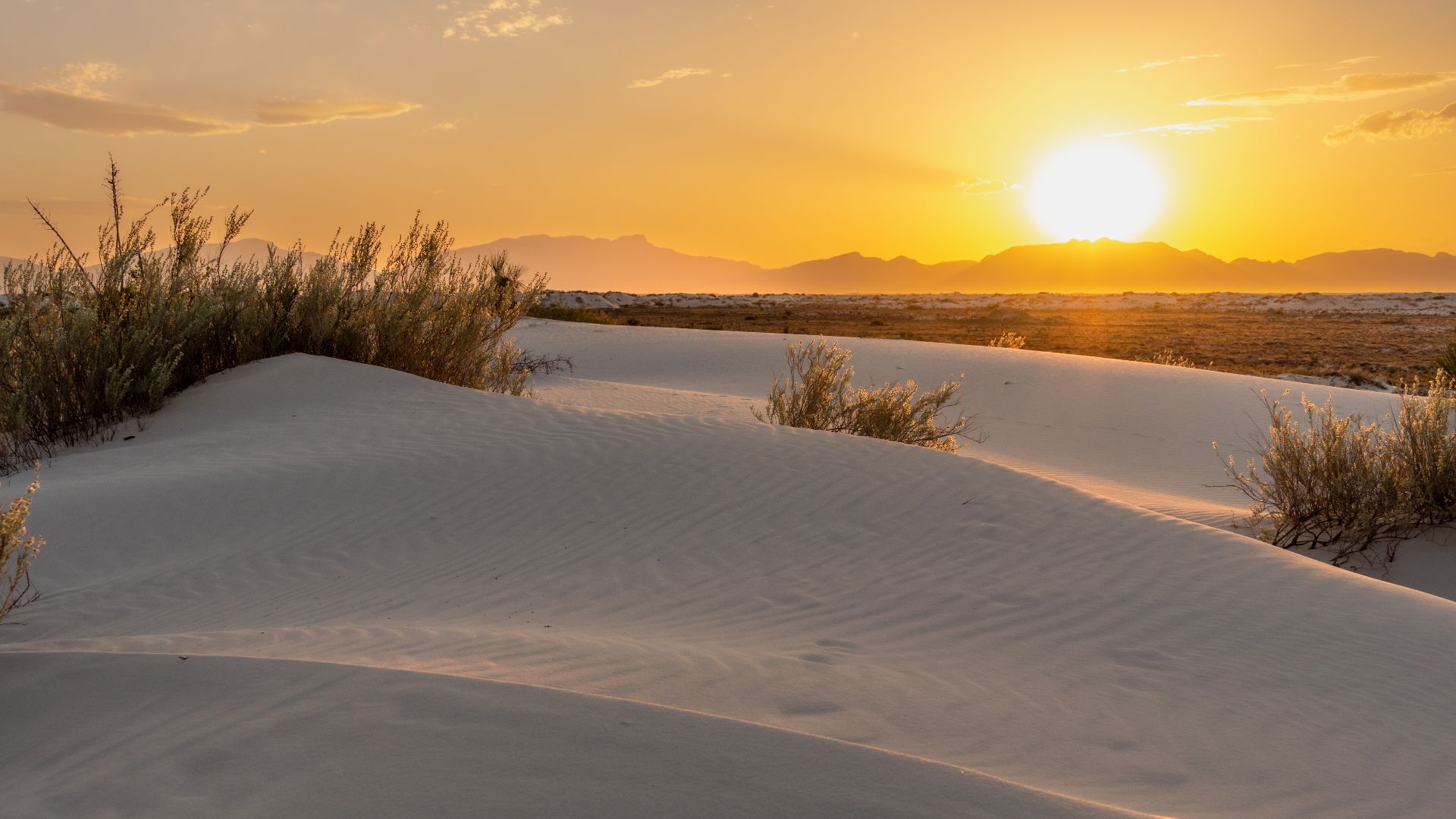
European hikers accustomed to alpine or temperate climates can underestimate America's desert parks. Arches warns that summer temperatures frequently exceed 100°F and recommends carrying substantial water, avoiding the hottest hours, and choosing shorter activities when necessary. A five-mile desert hike can demand a completely different strategy from a five-mile woodland trail.
 dconvertini, Wikimedia Commons
Flash Floods Change The Rules
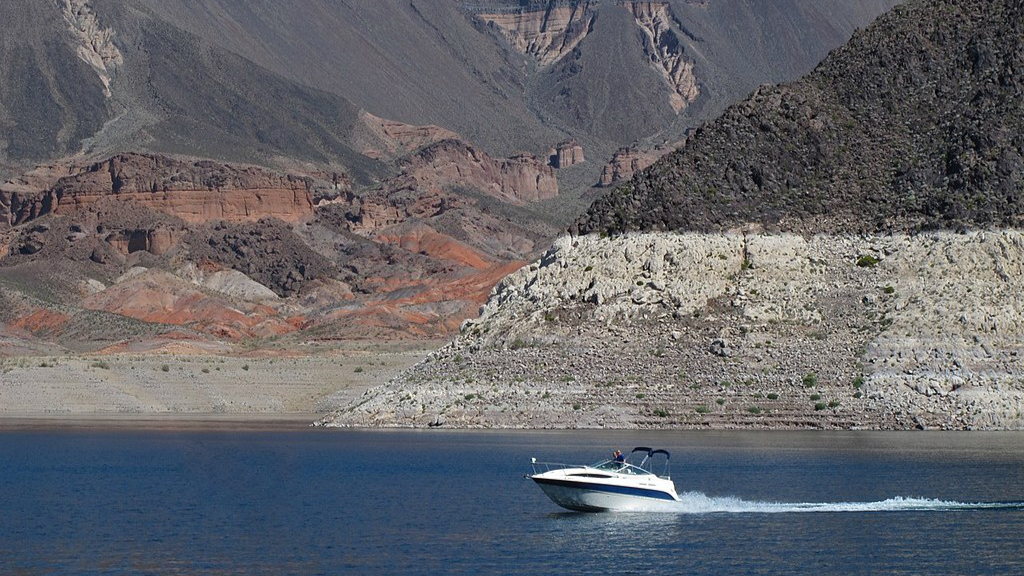
Desert rain can be dangerous even when the storm itself is not directly overhead. Lake Mead warns that distant thunderstorms can send flash floods through washes and low-lying areas. Travelers entering narrow canyons therefore need to check forecasts and understand the drainage around them, not merely look at the sky above.
 DylanMoz49, CC BY-SA 4.0, Wikimedia Commons
Water Planning Gets Serious
Natural-looking water is not automatically safe drinking water. The National Park Service advises backcountry travelers to identify reliable water sources before departure and to treat water collected from streams or other natural sources. In particularly hot desert environments, parks may recommend carrying several litres per person before even leaving the road.
Cell Service Can Vanish
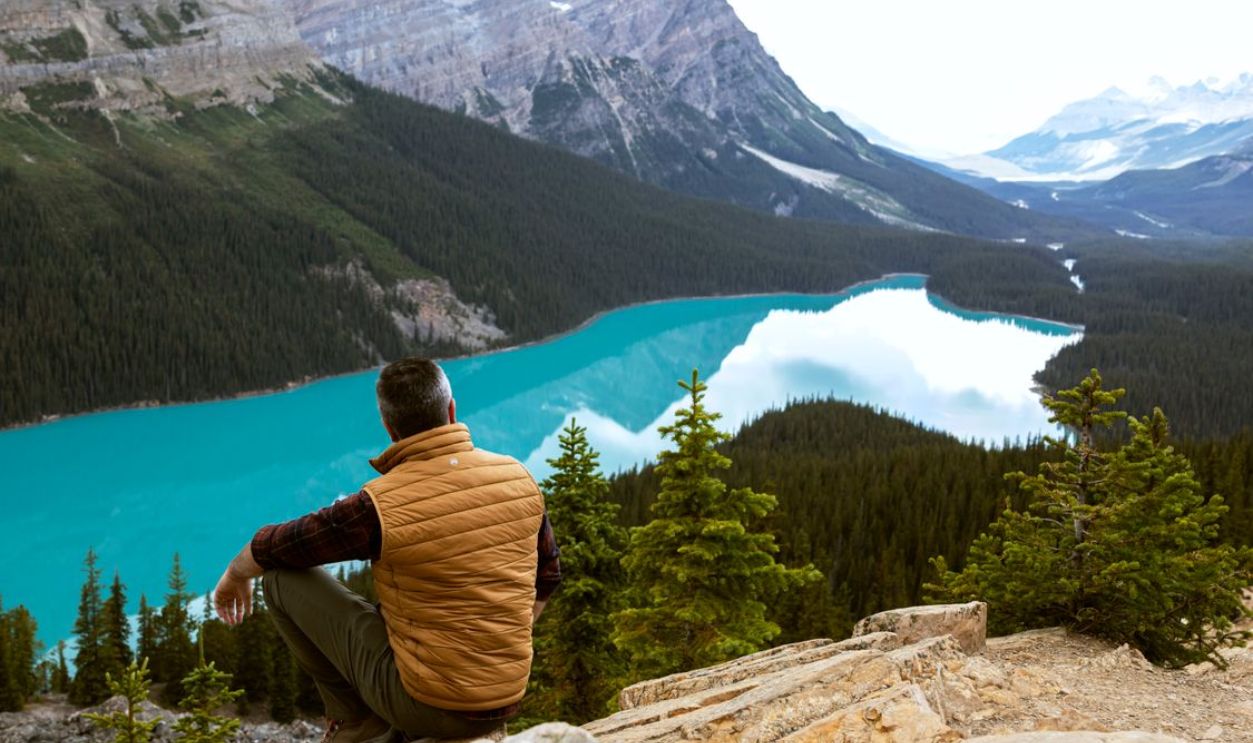
A phone that worked perfectly at the hotel may become nearly useless twenty miles inside the park. The National Park Service says cellular coverage varies greatly across its properties and can even be inconsistent within the same park. Sequoia and Kings Canyon warn that several areas have no service at all.

Backcountry Camping Needs Paperwork
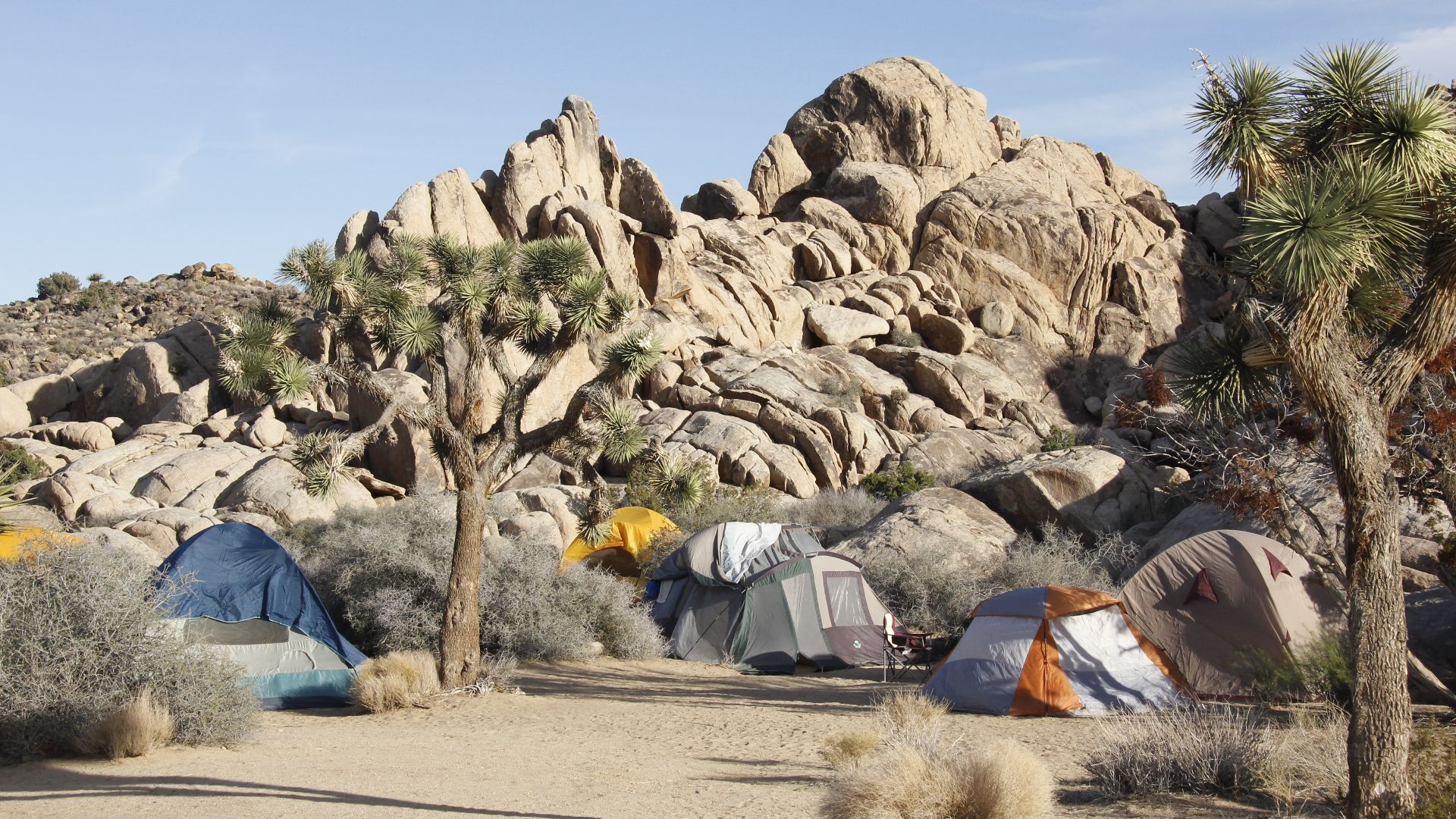
The American idea of wilderness does not mean there are no administrative rules. Mount Rainier requires a wilderness permit for every overnight backcountry stay, with advance reservations available during the busy summer season. Other parks operate their own permit systems, quotas, and campsite rules.
Popular Campgrounds Fill Early
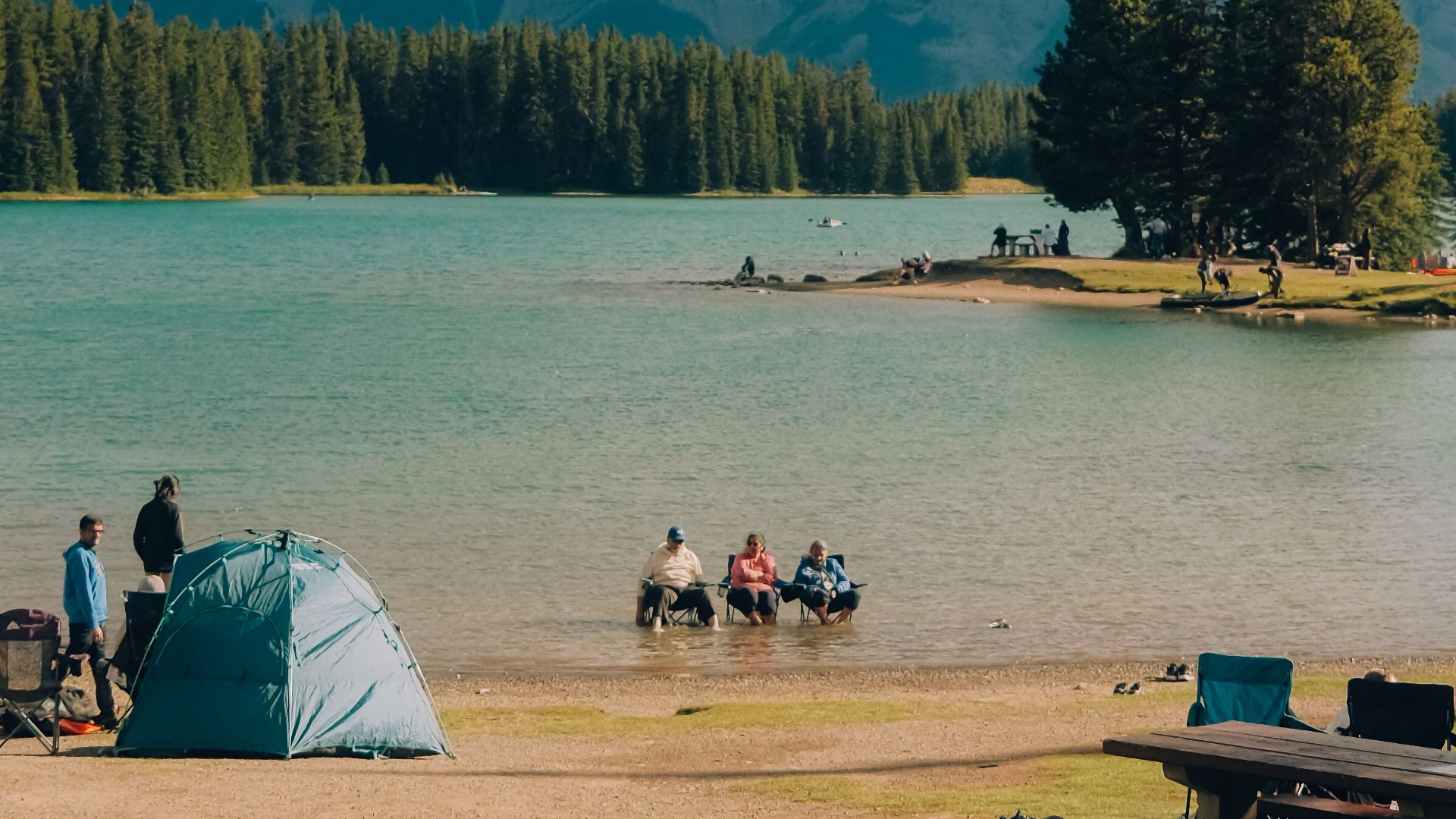
Camping inside a national park can require surprisingly long-range planning. Capitol Reef says reservable campsites can be booked up to six months ahead and are often completely filled from March through October. Europeans arriving with a tent and assuming they will find somewhere inside the park may be disappointed during peak season.
 Joshua Tree National Park, Wikimedia Commons
Wilderness Can Be Truly Vast
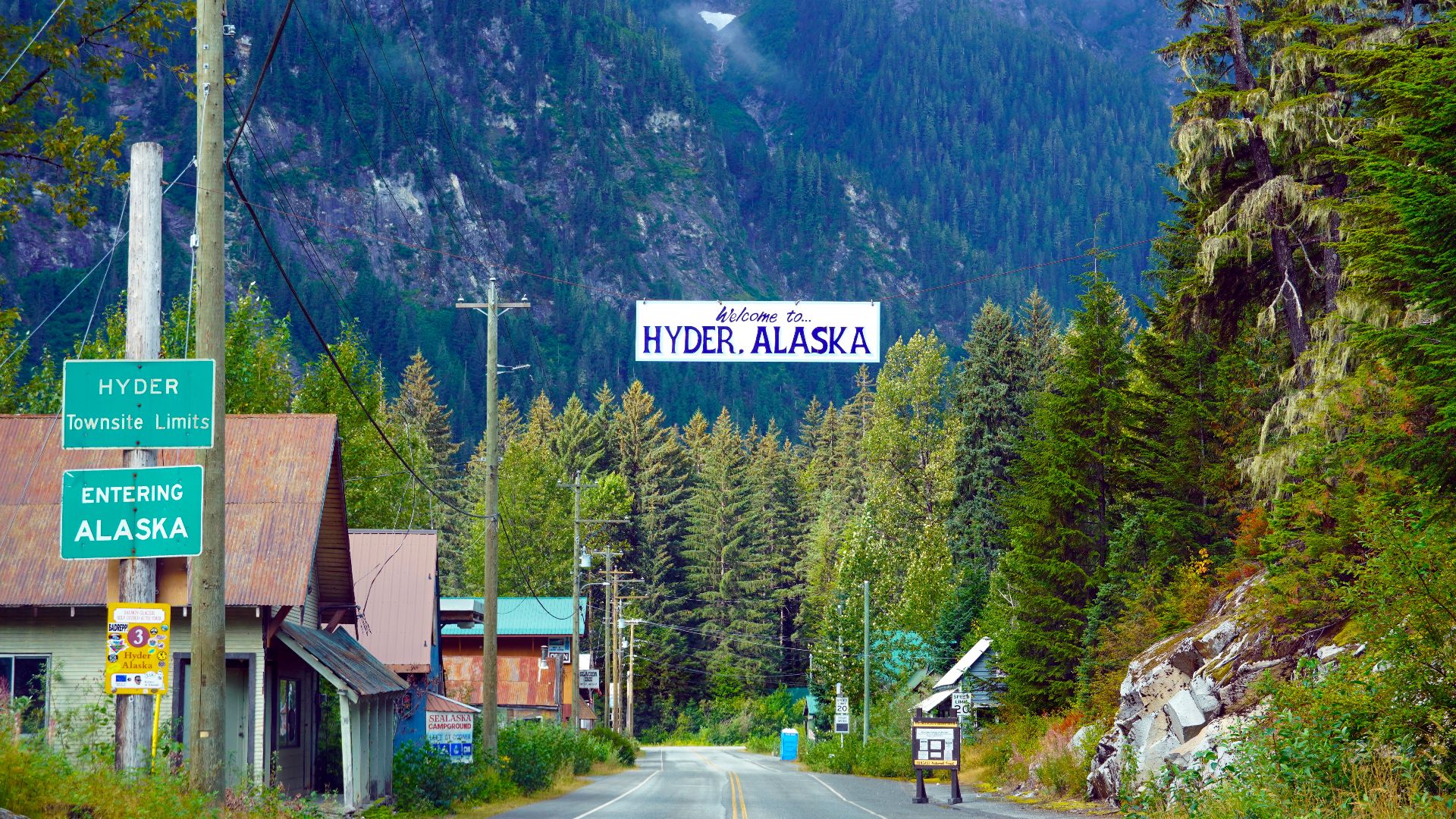
The formal American concept of protected wilderness exists on an enormous scale. Fifty National Park Service units contain more than 44 million acres of designated wilderness, and more than 80 percent of all NPS land is managed as wilderness in one category or another. In places such as Alaska and the desert Southwest, distances from developed areas can become genuinely immense.
Leave No Trace Is Taken Seriously
Visitors encounter repeated reminders to protect soil, wildlife, vegetation, and other people's experience. The National Park Service promotes seven Leave No Trace principles covering preparation, camping surfaces, waste, wildlife, fires, and visitor behavior. In heavily visited landscapes, even small actions become important when thousands of people repeat them.
 Richard Frear, Wikimedia Commons
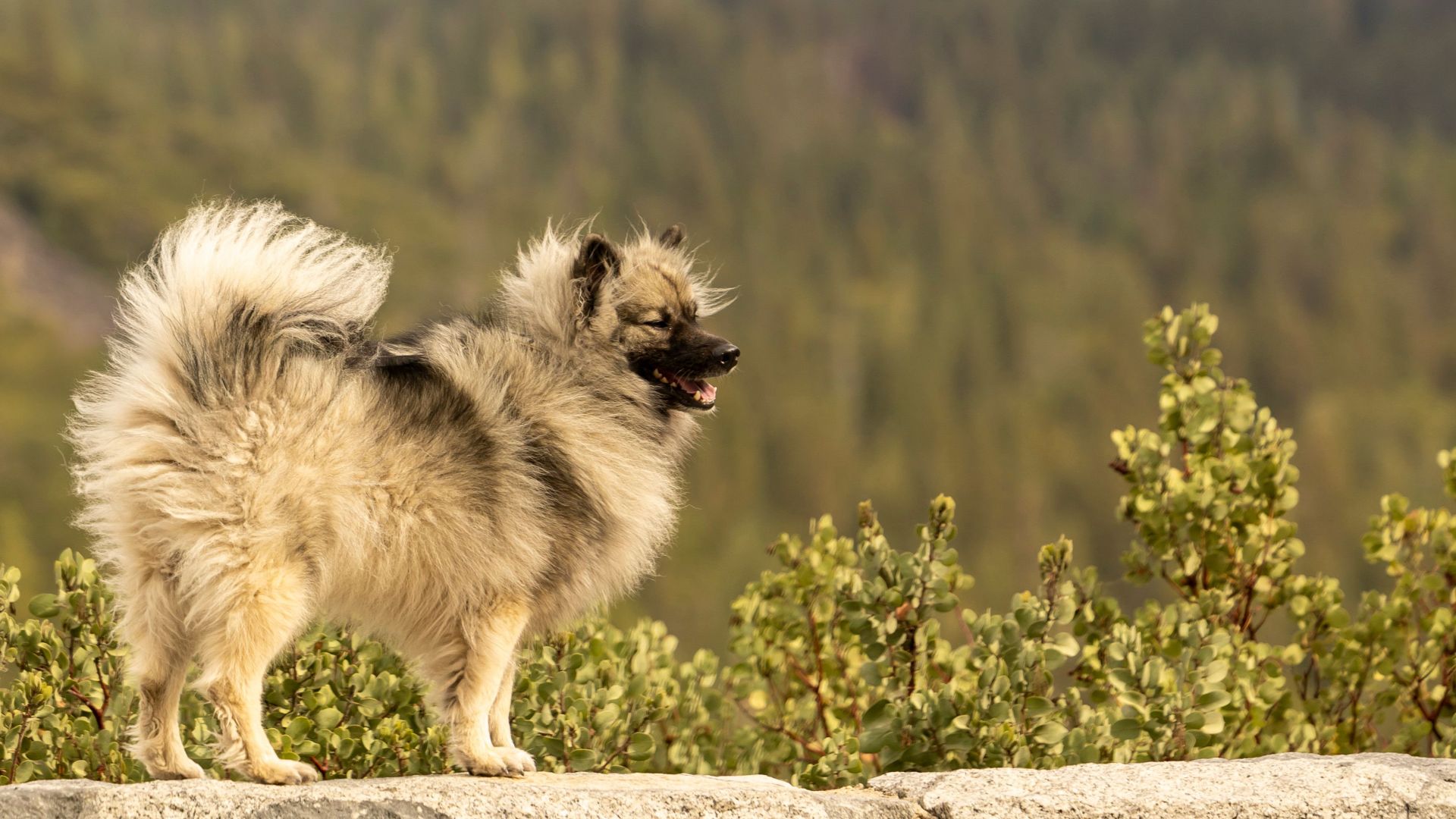
Dogs Have Far Fewer Options
Bringing a dog hiking can be much more complicated than first-time visitors expect. Death Valley prohibits pets on trails and in wilderness areas, and the National Park Service notes that similar restrictions exist in many parks. Rules are designed to protect wildlife, visitors, park resources, and the animals themselves.
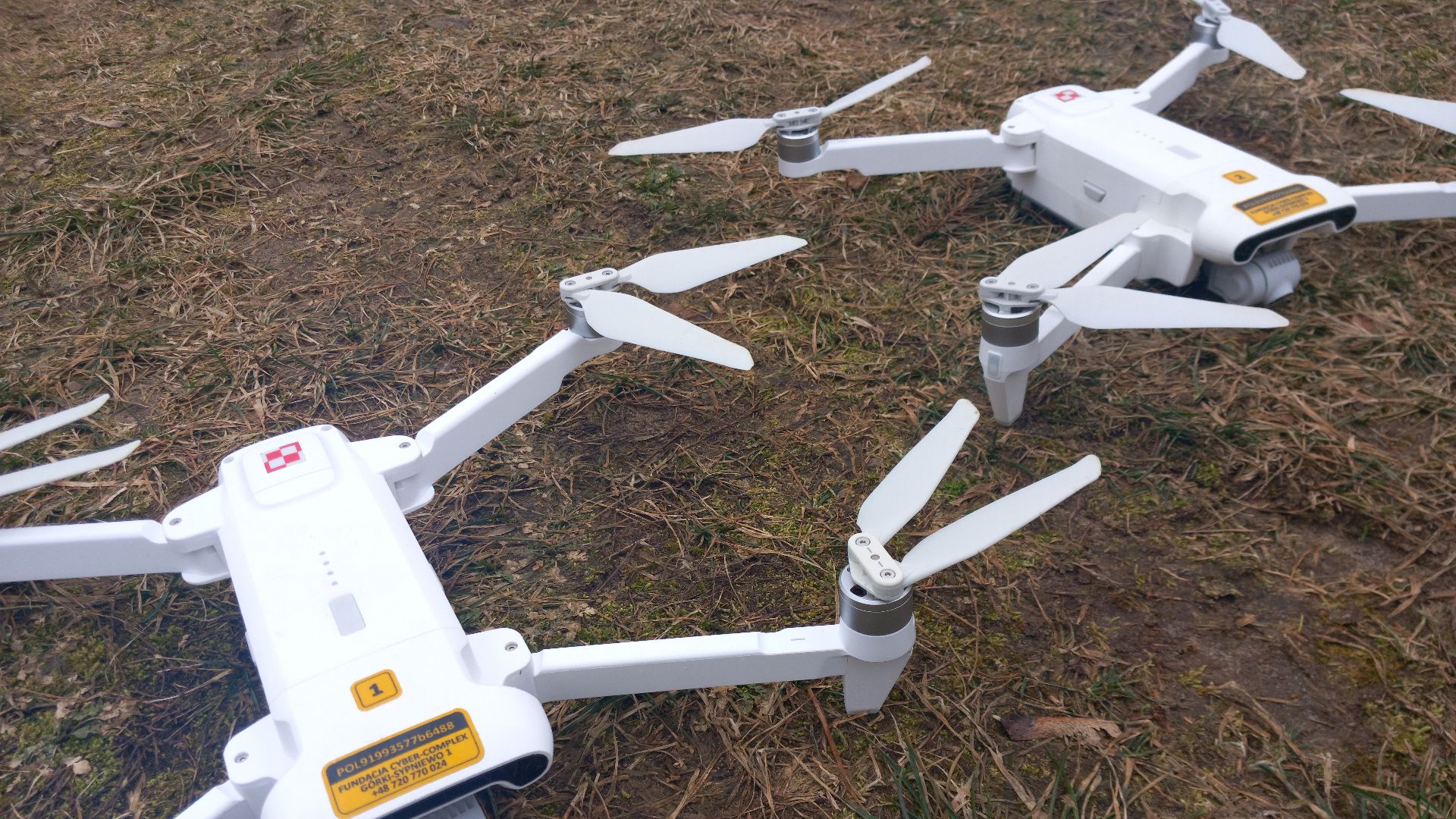
Drones Are Usually Off Limits
The enormous landscapes look perfect for aerial photography, but recreational drone use is generally heavily restricted. The National Park Service says launching or landing unmanned aircraft is prohibited in most national parks. Noise, wildlife disturbance, visitor experience, and safety all factor into the policy.
 Cyber-Complex Foundation https://cybercomplex.net, Wikimedia Commons
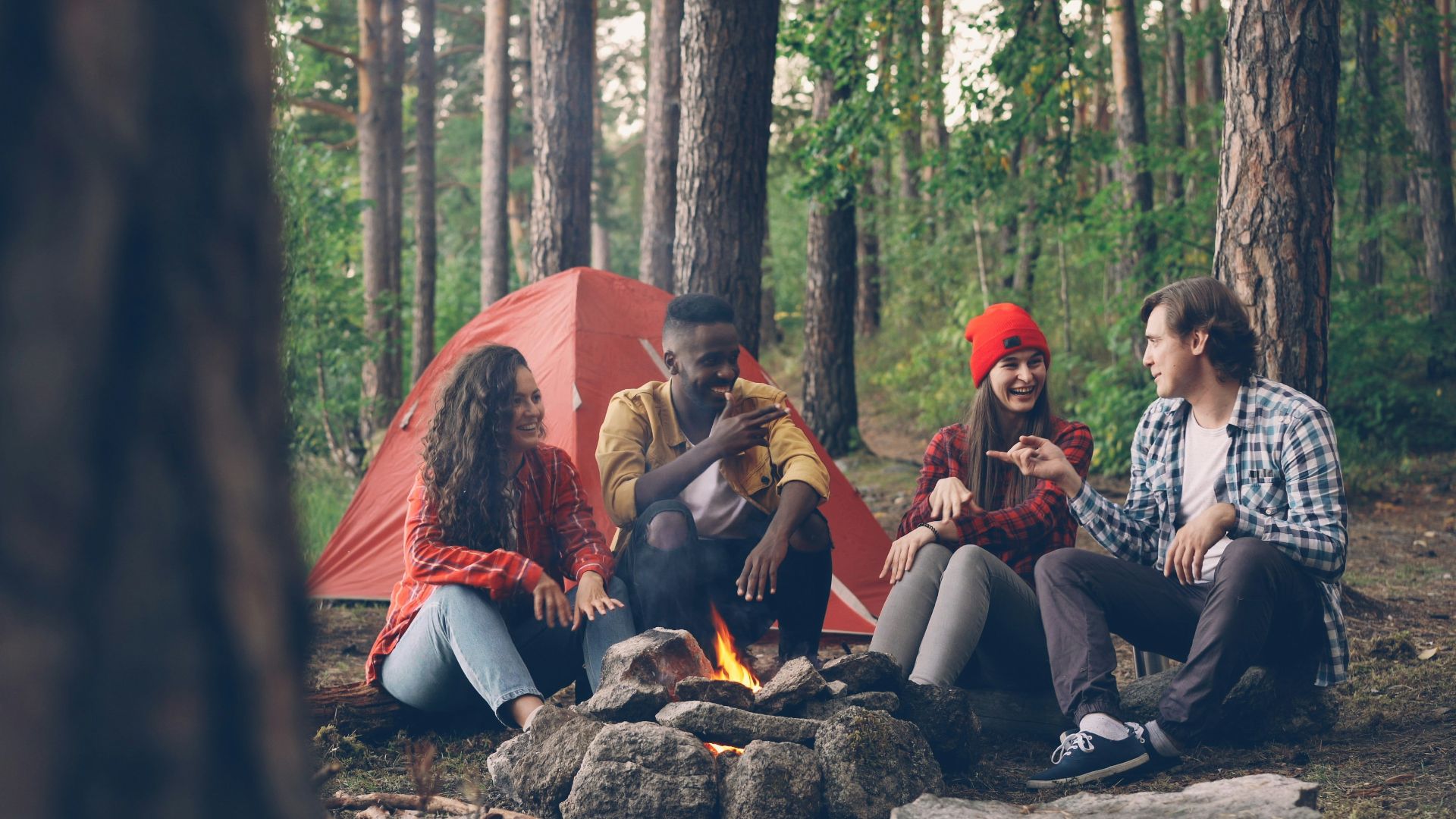
Campfires Are Not A Given
Sitting beside a fire may seem like an inseparable part of American camping culture. In reality, individual parks can prohibit wood and charcoal fires because of dry conditions and wildfire danger, while Leave No Trace guidance calls for minimizing fire impacts. Visitors need to check the specific park's current rules rather than assuming a campsite includes permission to light one.
The Night Sky Can Be An Attraction
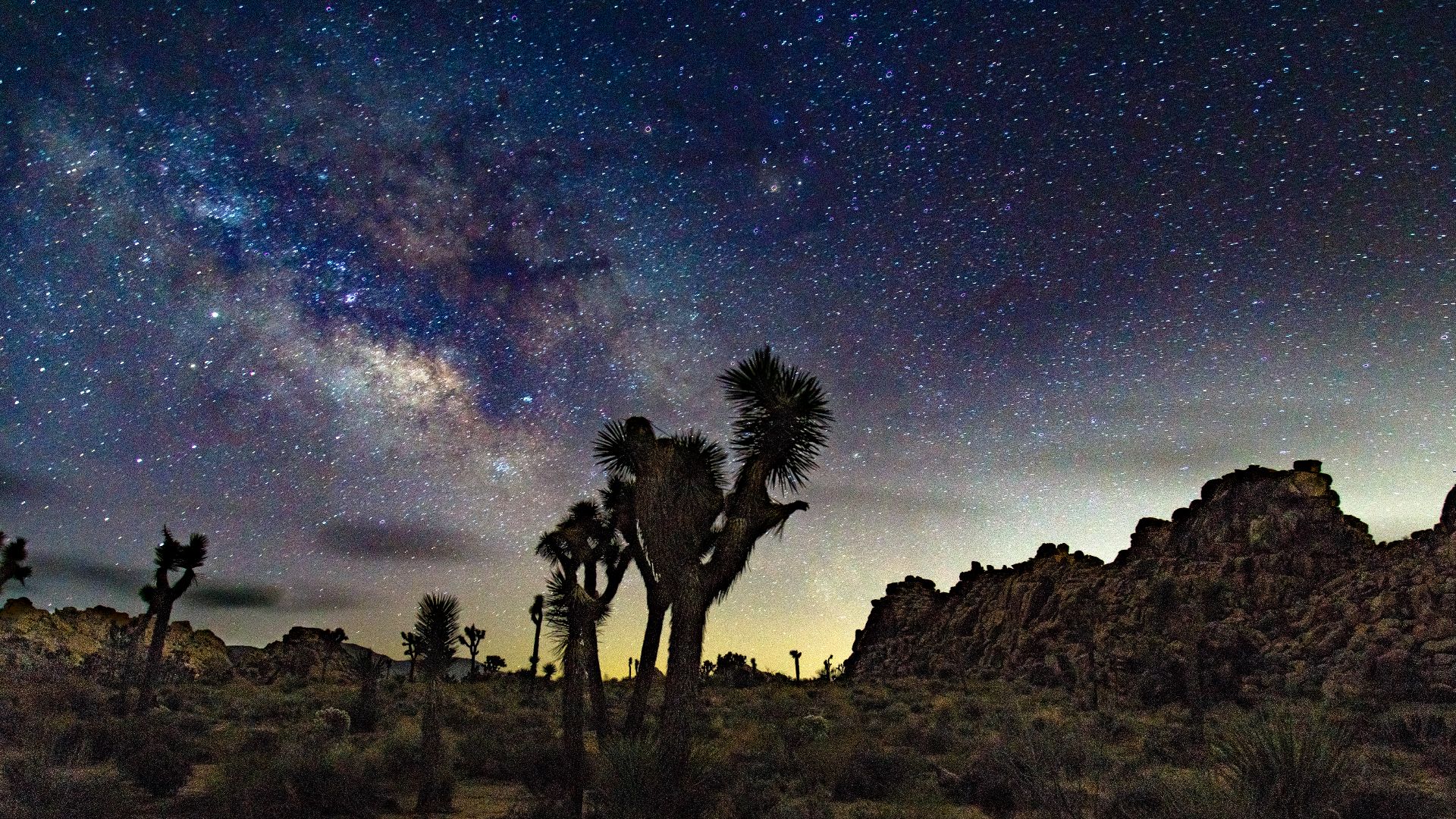
Some European visitors arrive focused entirely on daytime hiking and discover another park experience after sunset. More than 40 National Park Service sites have been certified as International Dark Sky Places, and many parks run astronomy or full-moon programs. Staying after dark can turn the sky itself into one of the trip's highlights.
 Henrique Pinto, Wikimedia Commons
Big Views Can Be Surprisingly Accessible
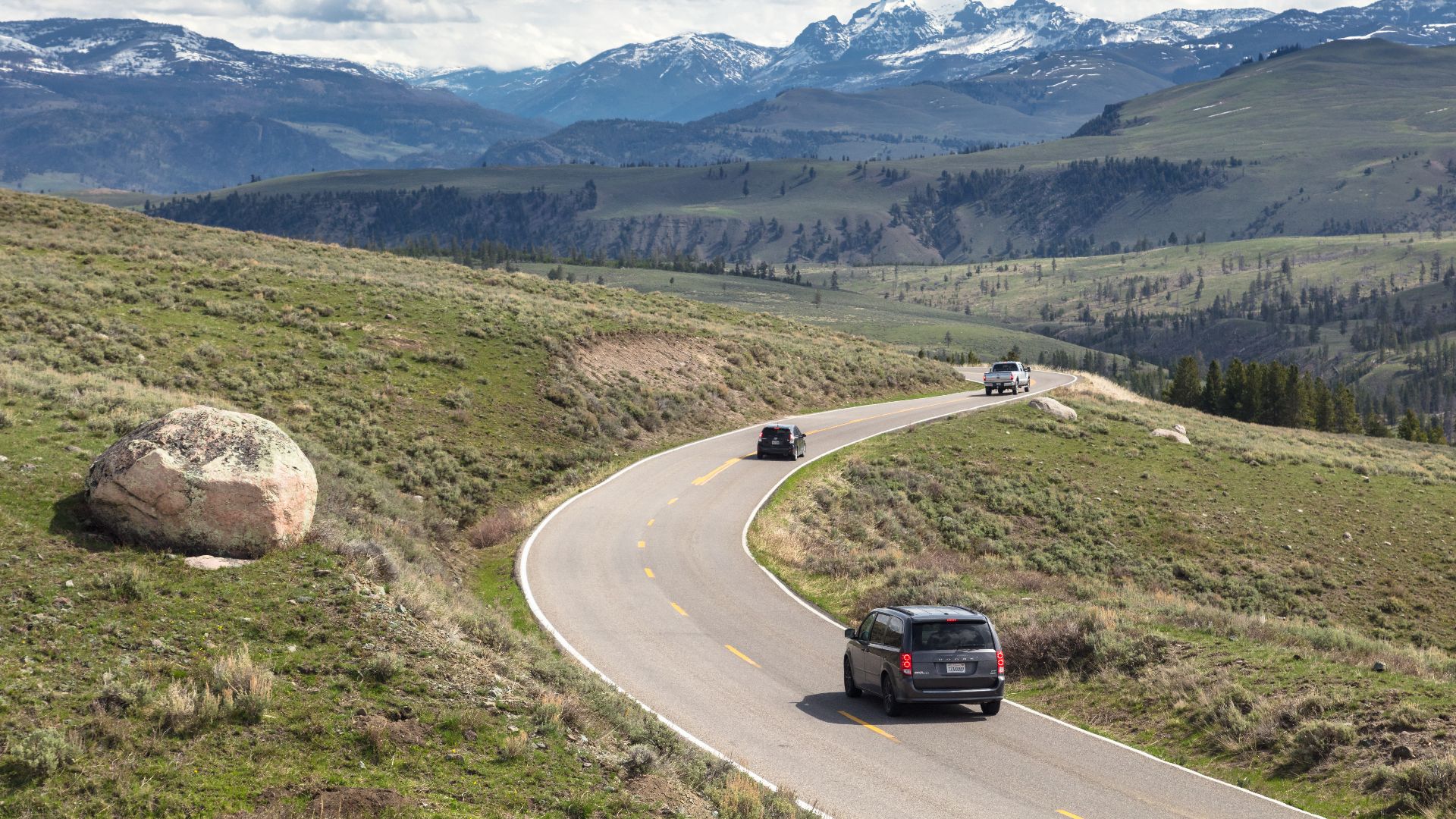
American parks sometimes combine huge wilderness with remarkably accessible sightseeing infrastructure. Arches says many famous formations can be seen from its paved scenic road, while Yellowstone provides accessible parking and routes to several major overlooks. A visitor does not necessarily need to hike ten miles to experience a spectacular landscape.
 Yellowstone National Park, Wikimedia Commons
Crowds And Wilderness Coexist
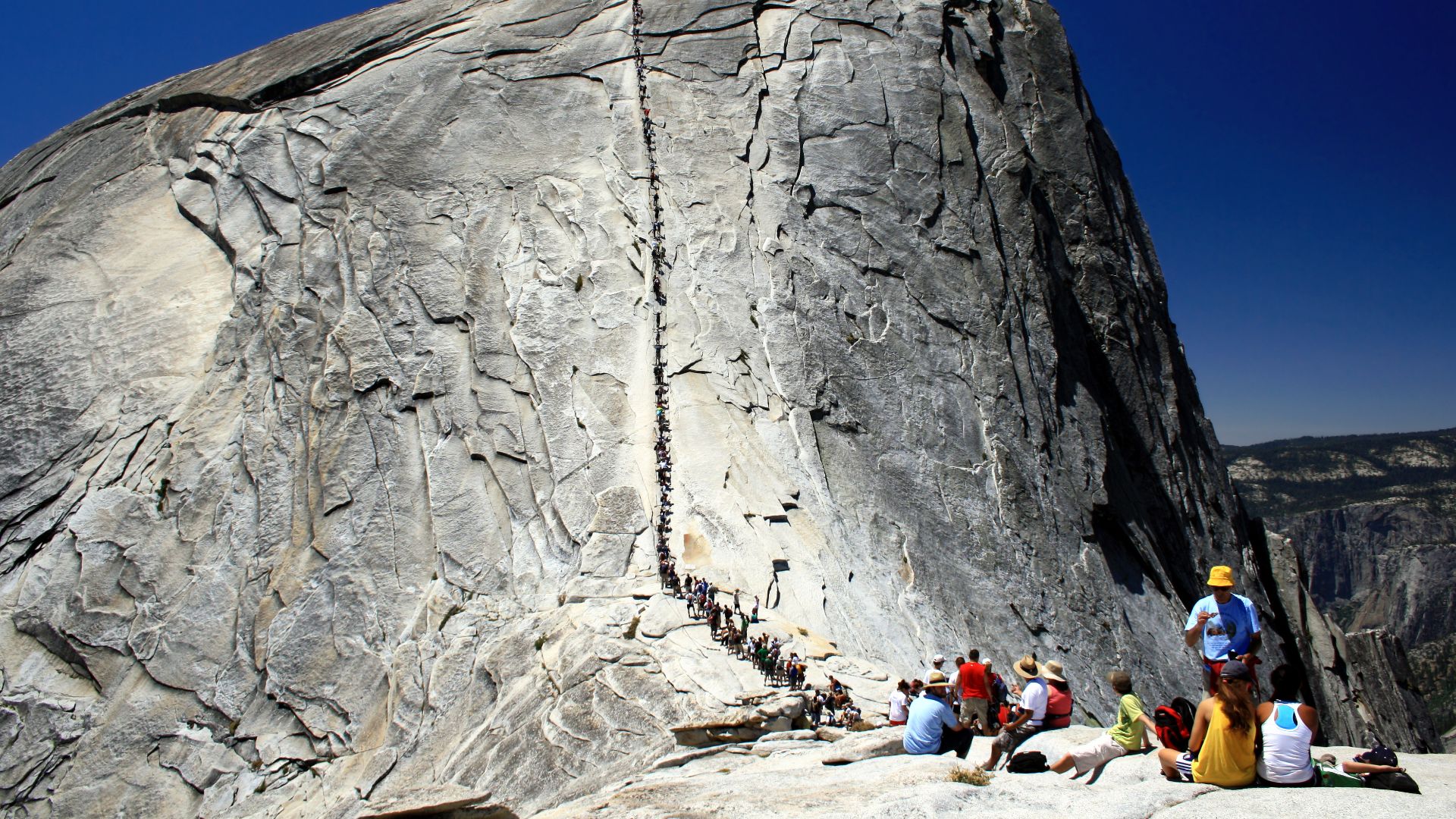
One of the strangest contrasts is seeing traffic congestion at the entrance to a landscape containing millions of acres of wild country. In 2026, parks including Arches, Glacier, and Yosemite are relying on real-time traffic and parking management during busy periods rather than park-wide reservations. A place can feel overwhelmingly popular near one viewpoint and almost empty a few miles away.
 Half_dome_yosemite_nationalpark.JPG: HylgeriaK derivative work: Saibo (Δ), Wikimedia Commons
The Best Strategy Is To Plan Like A Ranger
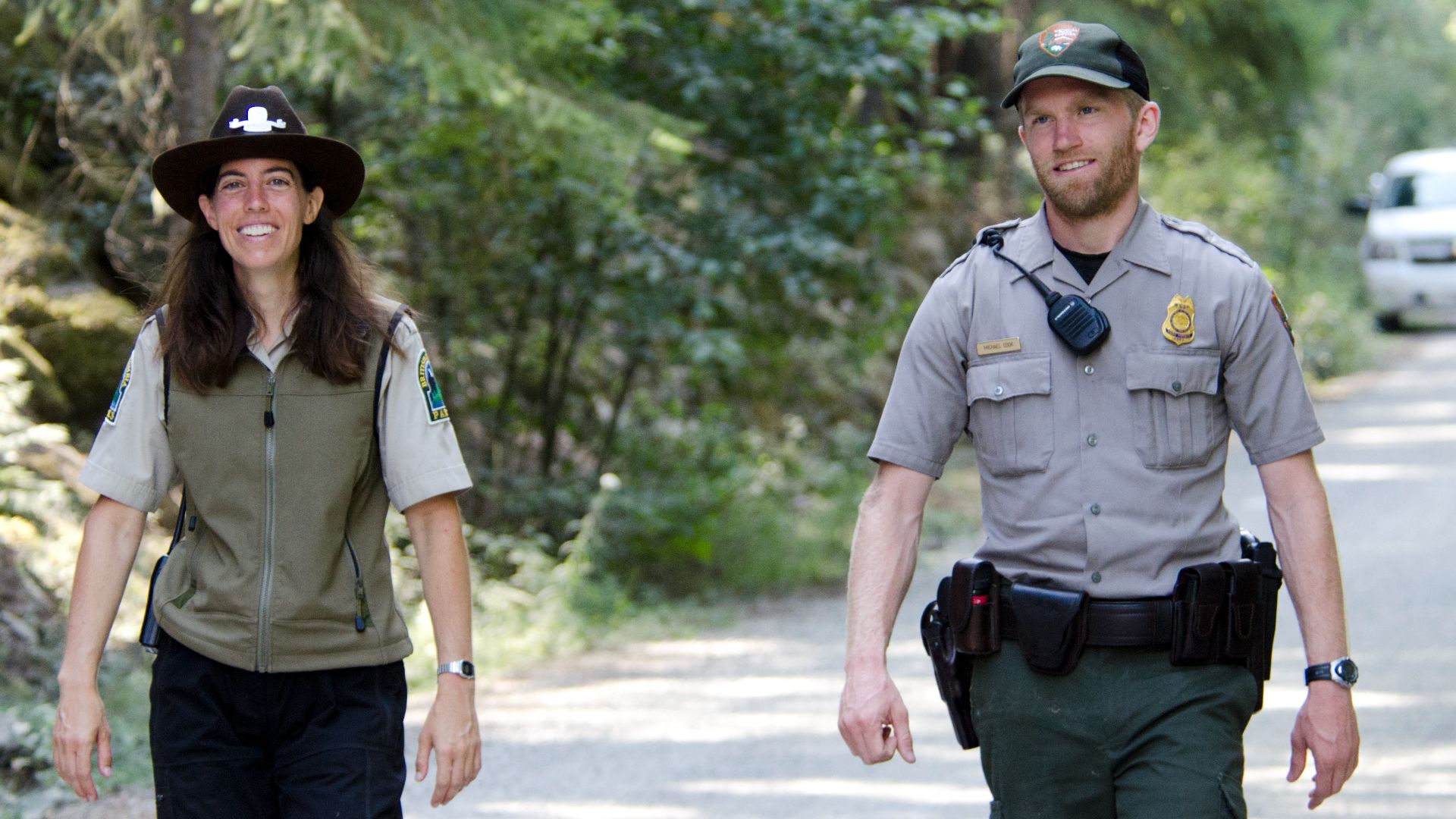
American national parks reward spontaneity, but they reward preparation even more. The National Park Service repeatedly advises visitors to check weather, transportation, permits, reservations, wildlife rules, water, and current conditions before heading out. Outdoorsy Europeans may arrive confident in their hiking experience and leave with a new appreciation for just how many different environments the U.S. park system contains.
 Derby Dixon, National Park Service, Wikimedia Commons
You May Also Like:
Things Europeans Notice Immediately When They Take An American Road Trip
Five Must-Have Travel Accessories
Sources: 1, 2, 3, 4, 5, 6, 7, 8, 9, 10, 11, 12, 13, 14, 15, 16, 17, 18, 19, 20, 21, 22, 23, 24, 25, 26, 27, 28, 29, 30, 31, 32, 33, 34, 35, 36, 37, 38, 39, 40







.jpg)