

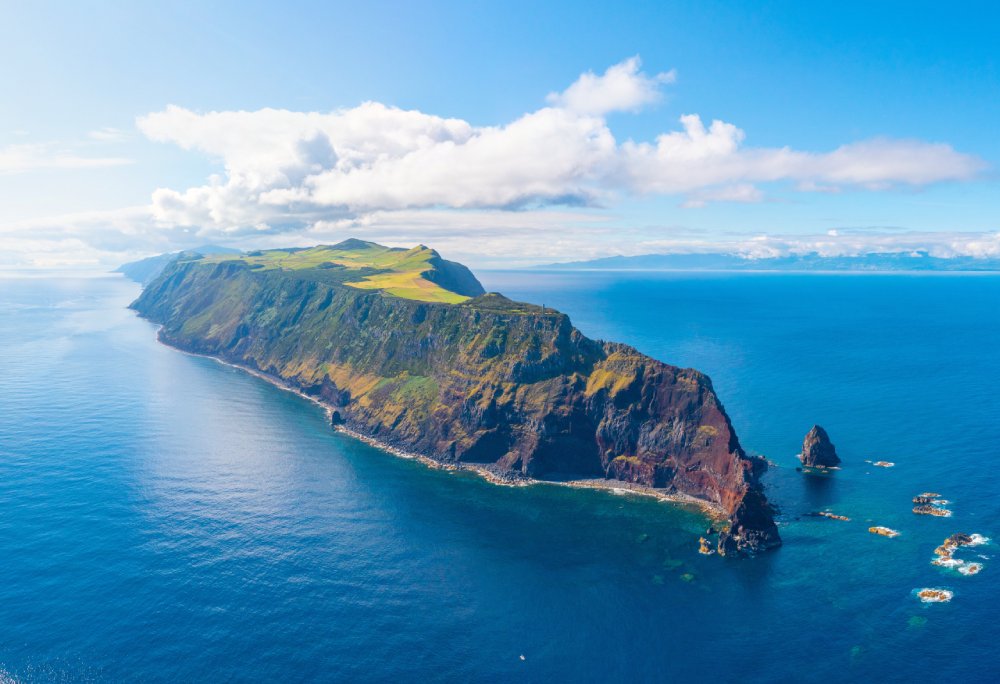
Europe Feels Surprisingly Close
Nine volcanic islands scattered across the Atlantic, the Azores combine the scenery of Iceland, the greenery of Ireland, and the climate of somewhere considerably warmer. Yet this Portuguese archipelago sits less than six hours by air from parts of the United States, making a European nature escape surprisingly accessible to North Americans.
Flights Keep Getting Easier
Accessibility is a big part of the appeal. For summer 2026, Azores Airlines planned more than 50 weekly flights between the Azores and North America, serving Boston, New York, Toronto, and Montreal. Boston alone had nine weekly Ponta Delgada frequencies during a typical peak-summer week, while Toronto had six and Montreal and New York each had four.
 Guillaume Baviere, Wikimedia Commons; Maridav, Shutterstock
Deals Can Be Excellent
Getting there doesn't necessarily require a luxury-vacation budget. Azores Airlines advertised fall 2026 round-trip fares from Boston and New York starting around US$599, while a recent Toronto and Montreal promotion offered Azores round trips from roughly $698. These are promotional fares rather than everyday prices, but they illustrate why flexible travelers increasingly watch the islands for deals.
Once you're there, the Azores can also feel less punishing on the wallet than some of Europe's busiest destinations. Travelers can choose from hotels, guesthouses, vacation rentals, and rural accommodations, while local restaurants offer plenty of seafood, meat, cheese, and regional specialties. Renting a car can be particularly worthwhile if you're splitting the cost with another traveler.
Scenery Is The Star
The Azores don't need enormous resorts or manufactured attractions. São Miguel's Sete Cidades fills an ancient volcanic caldera with spectacular lakes, while nearby Lagoa do Fogo delivers another classic crater landscape. On Pico, Portugal's highest mountain rises dramatically above vineyards and the Atlantic. Sete Cidades and Pico's volcanic landscape have both been named among Portugal's Seven Natural Wonders.
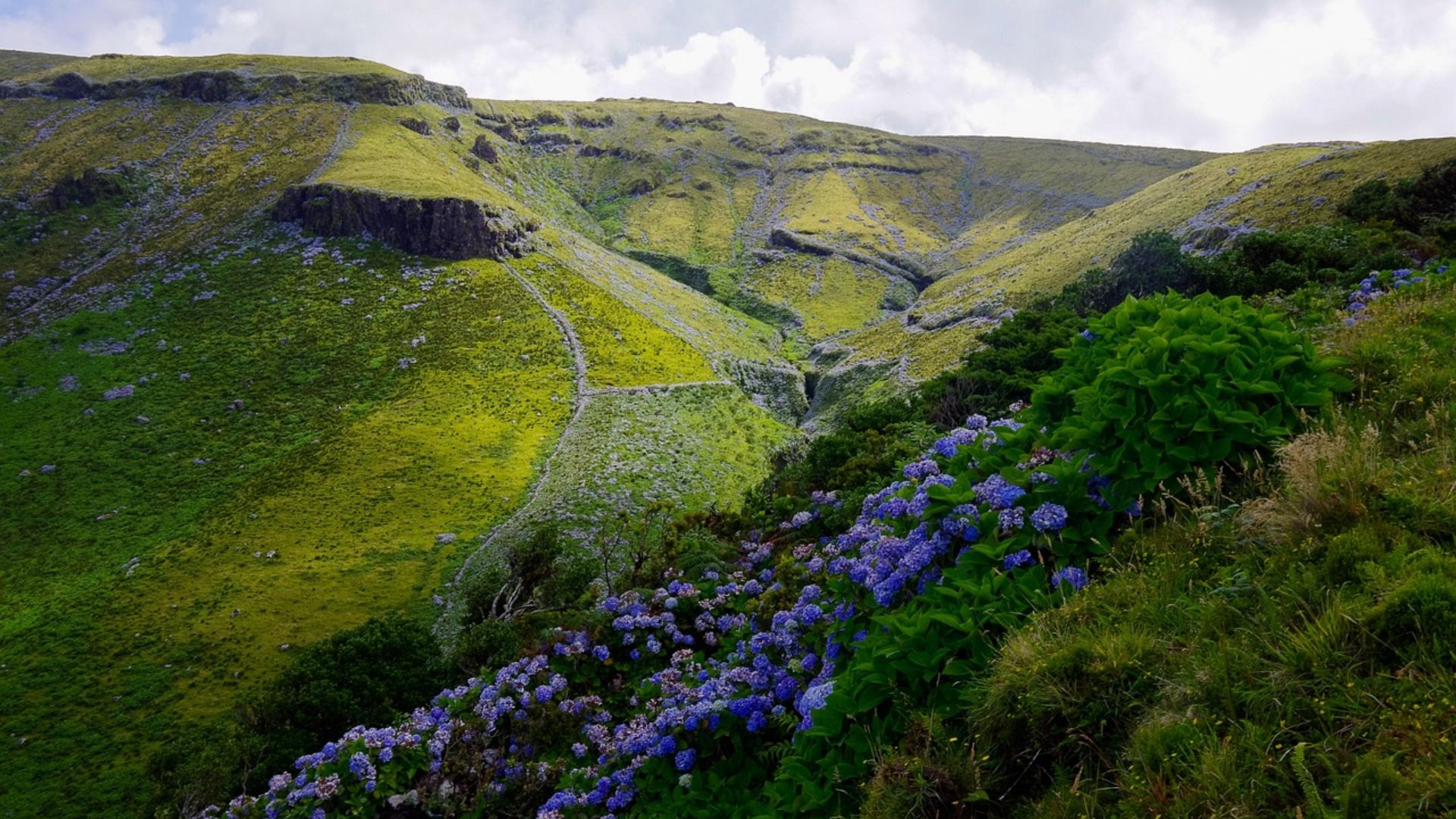
Bring Your Hiking Shoes
These are islands best experienced outdoors. The regional government maintains an extensive network of classified walking trails crossing coastlines, uplands, volcanic terrain, forests, waterfalls, villages, and old agricultural landscapes. Visitors can also kayak, cycle, dive, explore volcanic features, or simply rent a car and spend the day hopping between viewpoints.
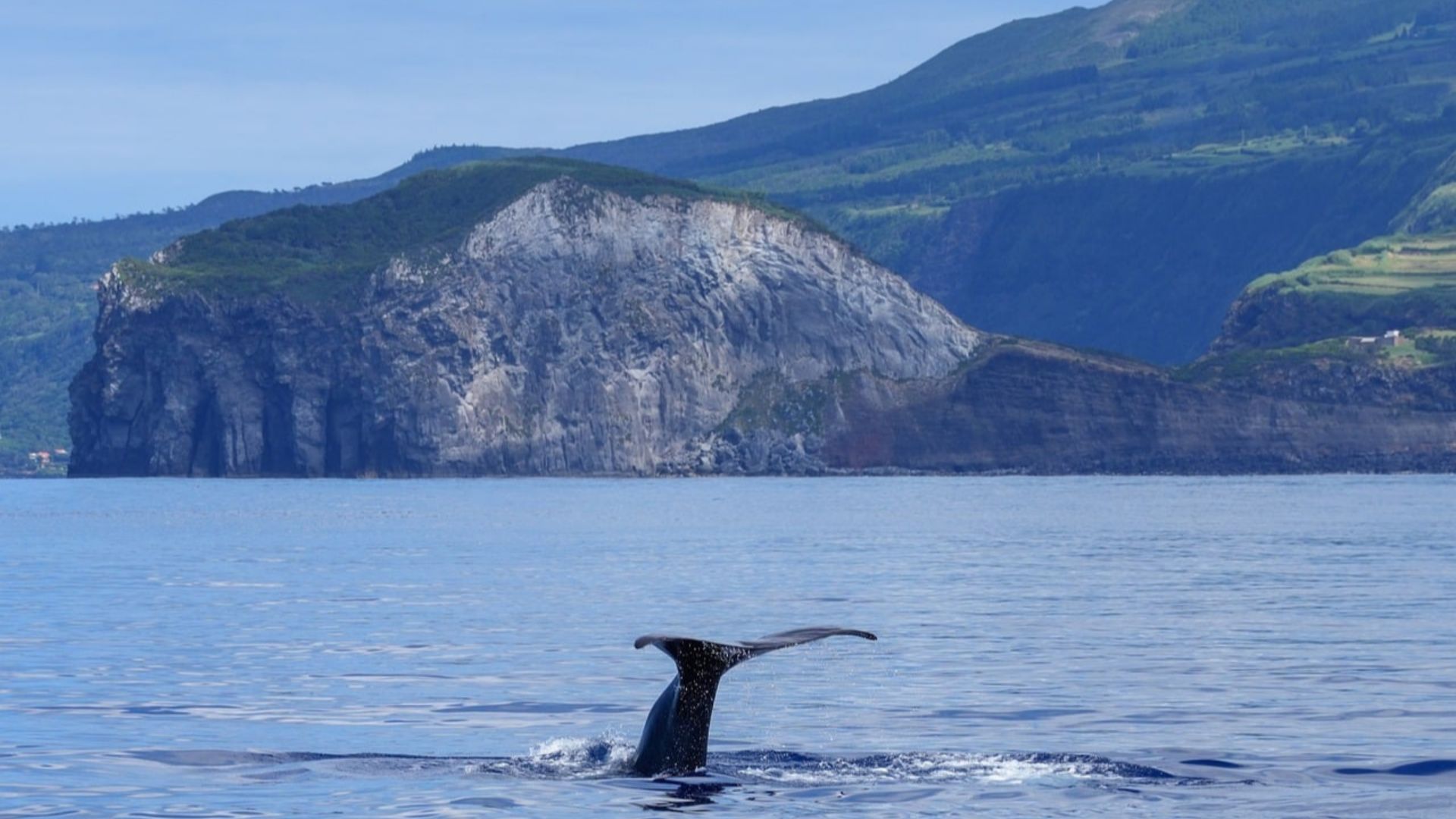
Whales Are A Highlight
The surrounding Atlantic makes the Azores especially appealing for wildlife lovers. More than 20 types of resident and migratory cetaceans can be spotted around the archipelago, making whale and dolphin watching one of its signature experiences. São Miguel, Pico, and Faial are particularly well established as bases for excursions onto the water.
The Weather Stays Mild
Don't expect Caribbean heat. The attraction is a temperate maritime climate that stays relatively mild throughout the year. On São Miguel, averages run roughly 14°C (57°F) in winter and 21°C (70°F) in summer. June through September or October generally brings warmer temperatures, longer sunny periods, less rain, and calmer conditions, although Atlantic weather can change quickly.
Nine Islands, Nine Experiences
São Miguel is the natural starting point for many first-timers, but treating the Azores as one destination misses half the fun. Pico brings its mountain and vineyards, Faial its maritime culture, São Jorge its dramatic fajãs, Terceira its history and volcanic caves, and Flores some of the archipelago's wildest scenery. Regional flights and ferries connect the islands.
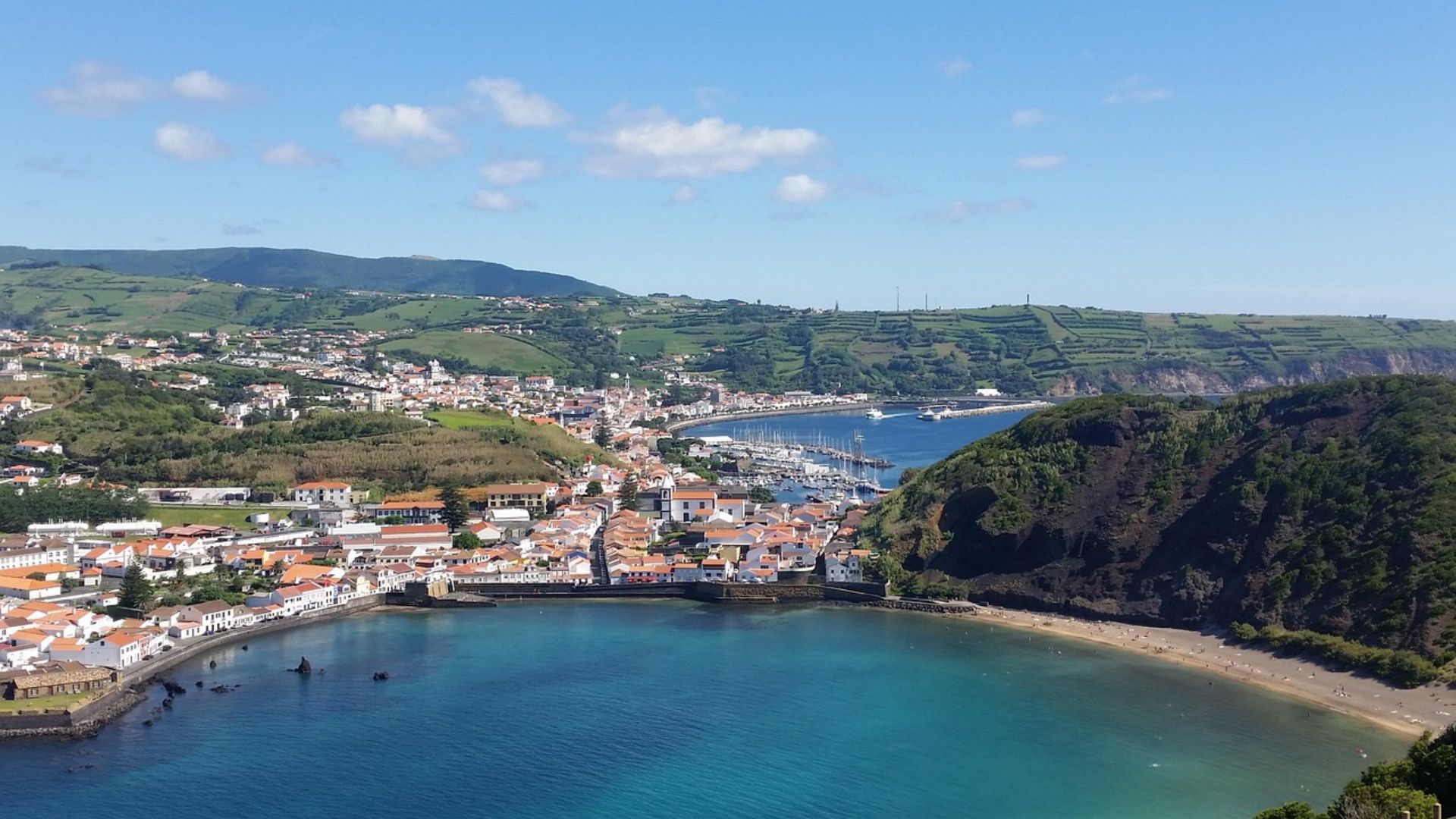
You don't necessarily need to cram several islands into one vacation, either. São Miguel alone can easily fill a week with hot springs, crater lakes, hiking trails, coastal villages, beaches, and scenic drives. Travelers with more time can add another island or two, turning the trip into an Atlantic island-hopping adventure without feeling as though they're racing through a checklist.
A Different Kind Of Europe
Perhaps that's the real reason the Azores are attracting attention. They're European without feeling like another European city break, exotic without requiring an epic journey, and adventurous without demanding expedition-level planning. Add increasingly convenient North American flights and occasional bargain fares, and these green volcanic islands suddenly make a lot of sense for travelers looking beyond the usual destinations.
You May Also Like:
European Destinations That American Travelers Say Are Better Than The Famous Ones
Things That Are Normal In Europe That Americans May Find Shocking





.jpg;%20https://www.shutterstock.com/image-photo/hiking-girl-happy-thumbs-smiling-young-96115514?trackingId=26a0f987-3801-4f5a-aedc-72ecaf6c843b&listId=searchResults;%20)