History Is Still Along The Highway
The American civil rights movement unfolded in schools, churches, restaurants, and ordinary neighborhoods. Many of those places still stand, and several welcome visitors inside. This journey connects remarkable landmarks across the South with the people who changed the country. Always check access before leaving.
 Associated Press, Wikimedia Commons
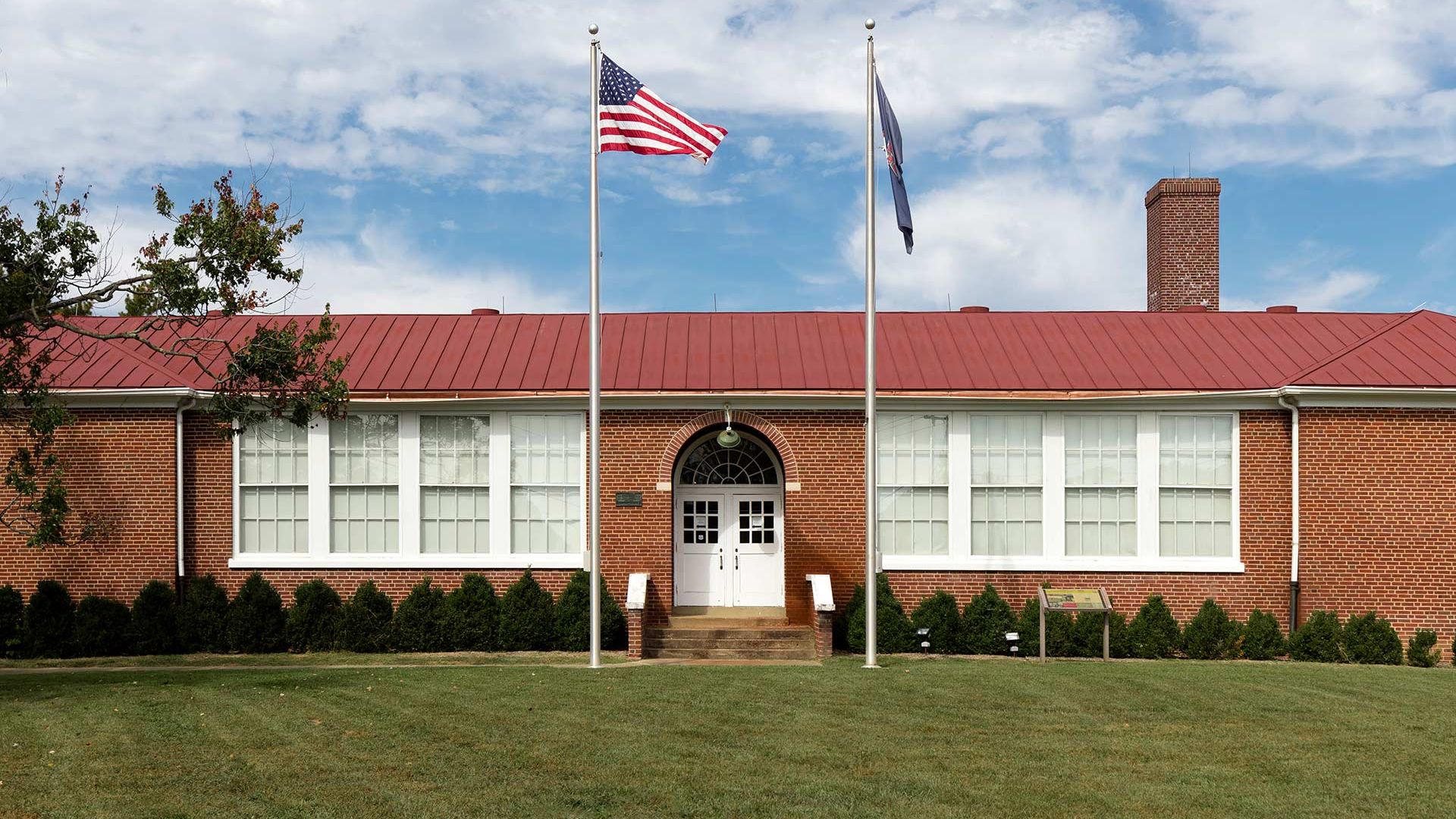
Robert Russa Moton Museum, Virginia
In Farmville, students led by Barbara Johns walked out of Robert Russa Moton High School in 1951 to protest unequal facilities. Today, a museum inside the former school tells their story and explains its connection to Brown v. Board of Education.
International Civil Rights Center & Museum, North Carolina
Four Black college students sat at a segregated Woolworth lunch counter in Greensboro on February 1, 1960. Their protest inspired sit-ins elsewhere. The original counter remains inside the building, now home to a museum offering guided visits.
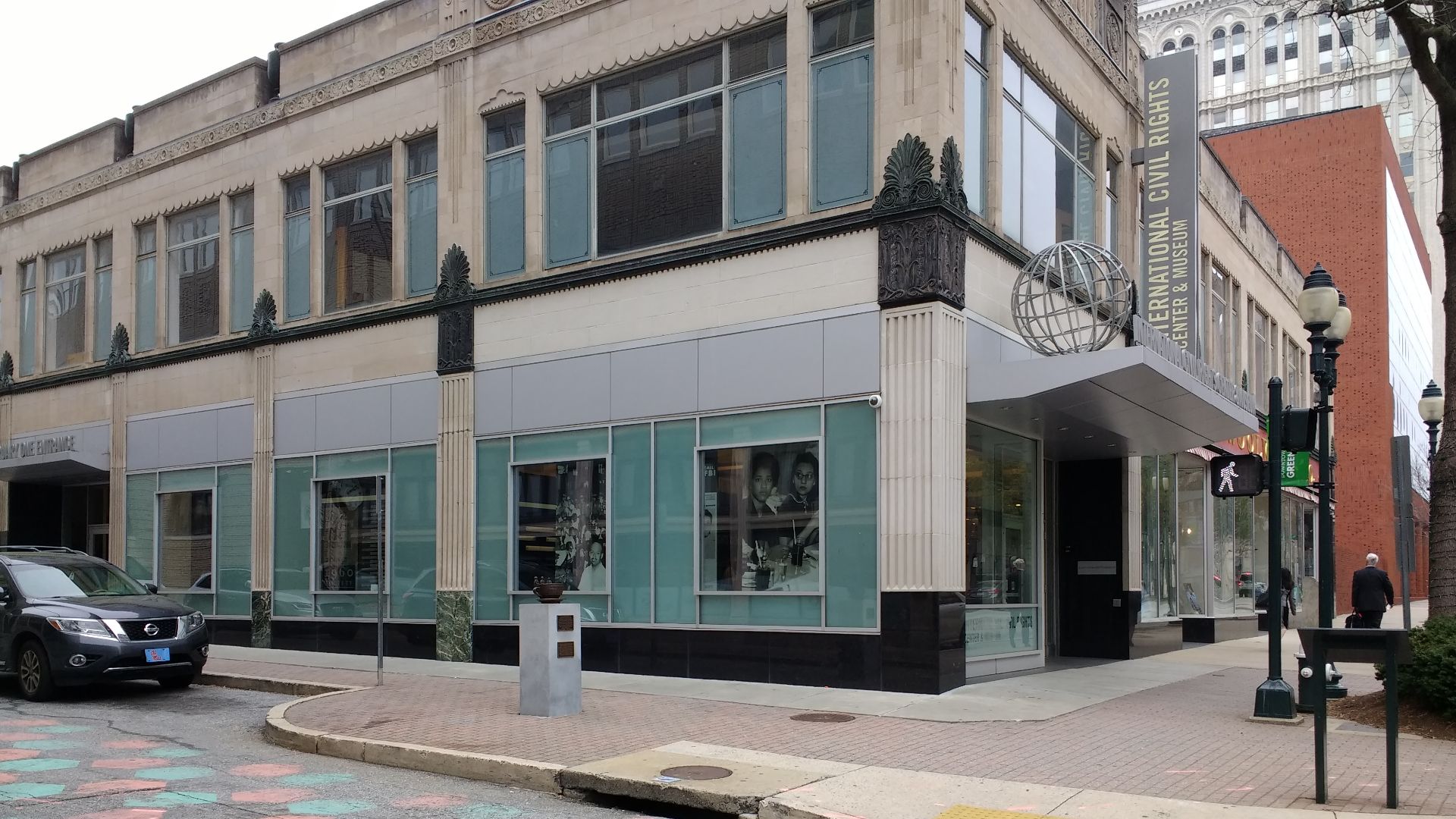 Mx._Granger, Wikimedia Commons
Friendship Nine Lunch Counter, South Carolina
The former McCrory’s store in Rock Hill witnessed protests that produced the Friendship Nine in 1961. Rather than pay fines, nine students served jail time. A restored counter and historical marker recall their challenge to segregation.
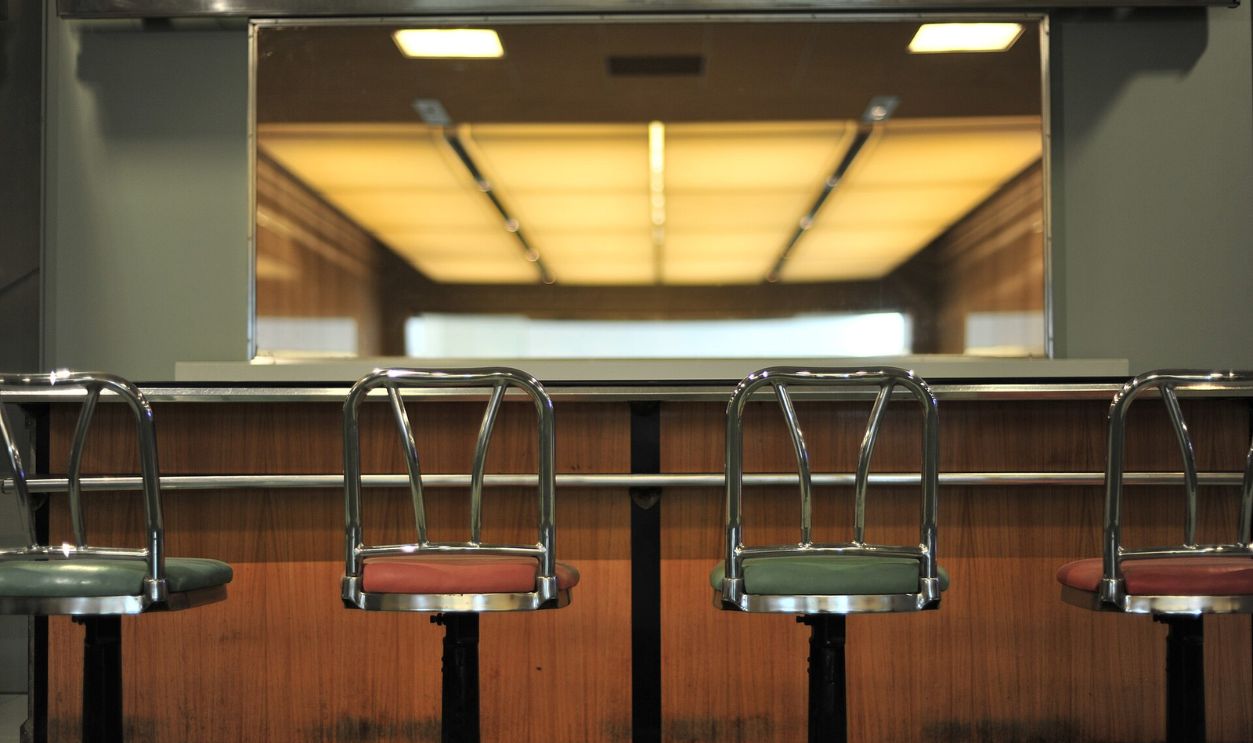 Eric Chan from Hollywood, United States, Wikimedia Commons
Penn Center, South Carolina
Established in 1862, Penn School educated formerly enslaved people on St. Helena Island. During the 1960s, Martin Luther King Jr. and fellow organizers met here. Visitors can explore the historic campus and York W. Bailey Museum.
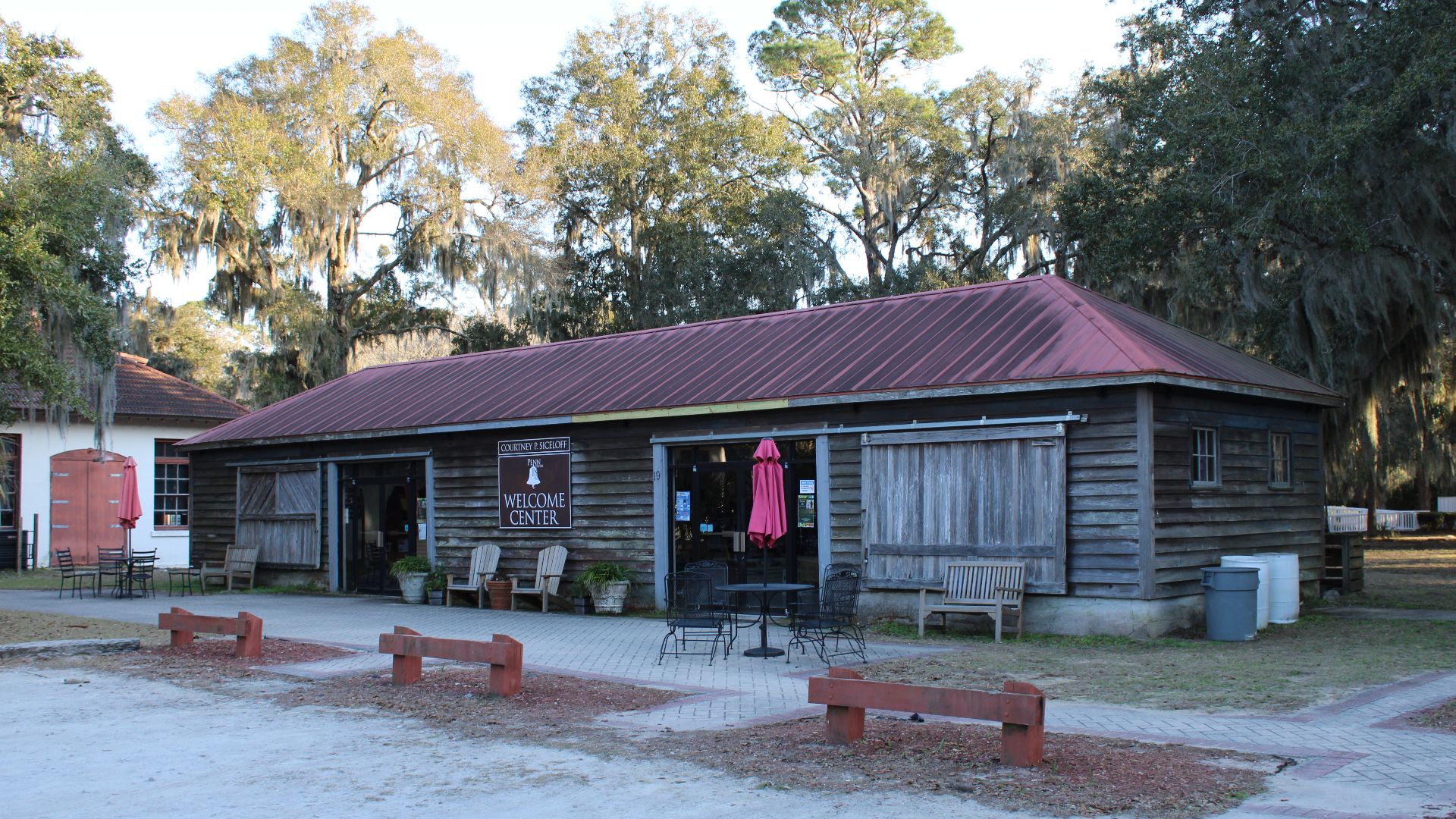
Martin Luther King Jr. Birth Home, Georgia
At 501 Auburn Avenue in Atlanta stands the house where Martin Luther King Jr. was born in 1929. The surrounding historic district is walkable. The home's interior has been closed for renovations, so check current access.
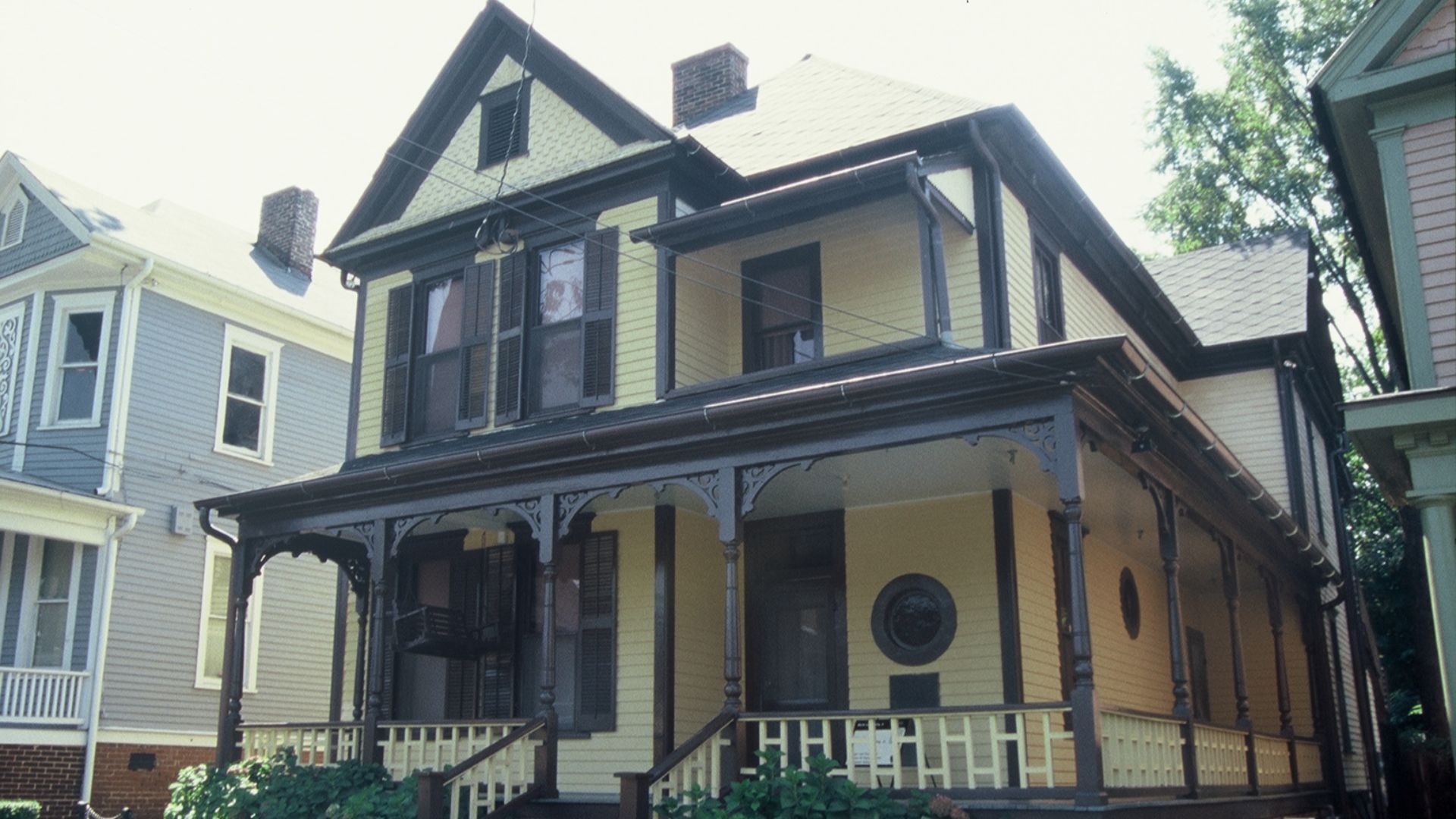 National Park Service Digital Image Archives, Wikimedia Commons
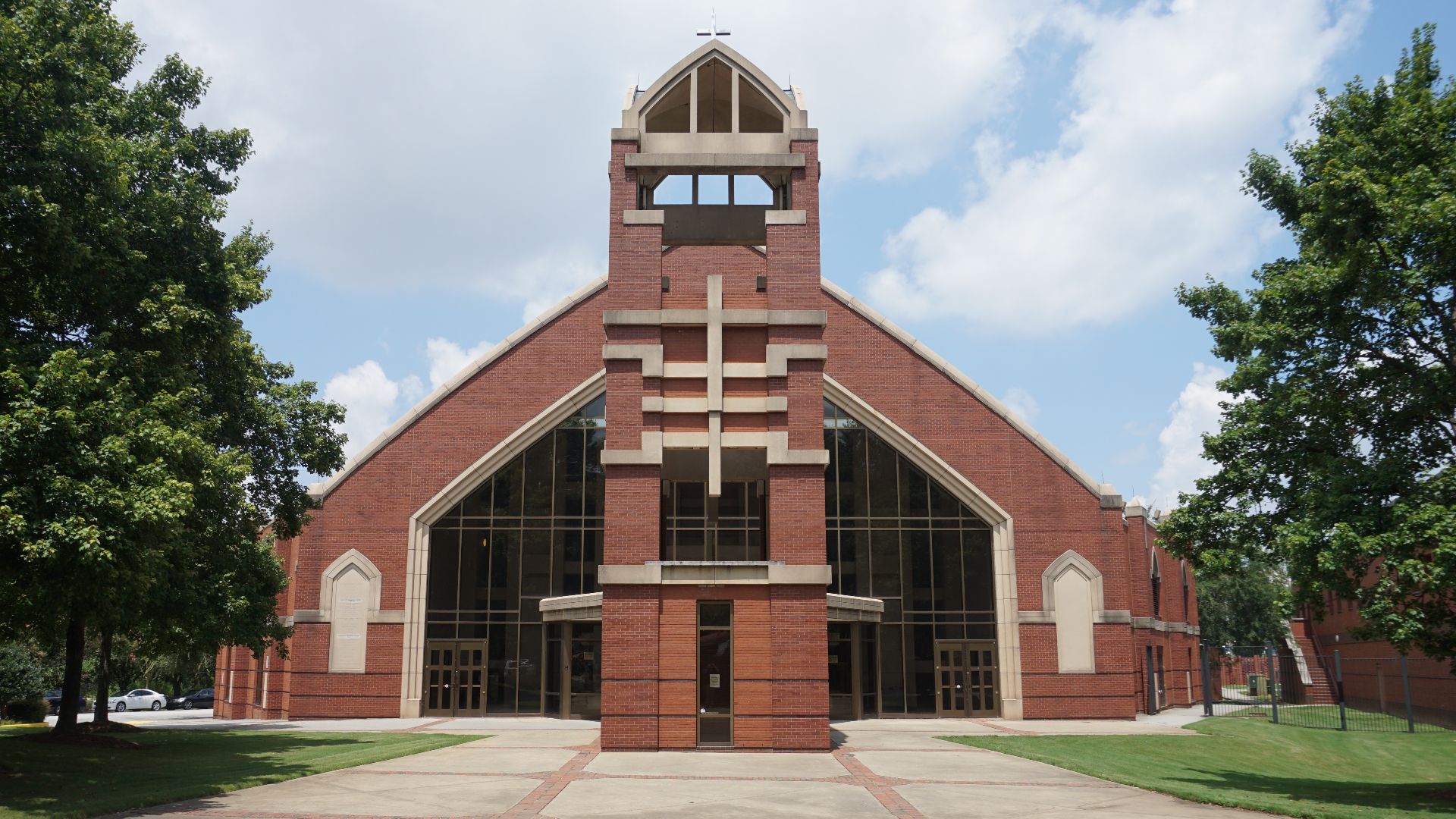
Historic Ebenezer Baptist Church, Georgia
A short walk away, the historic Ebenezer Baptist Church recalls King's religious upbringing and public leadership. He served as co-pastor alongside his father. National Park Service talks help visitors understand the sanctuary's role in his life.
 Michael Barera, Wikimedia Commons
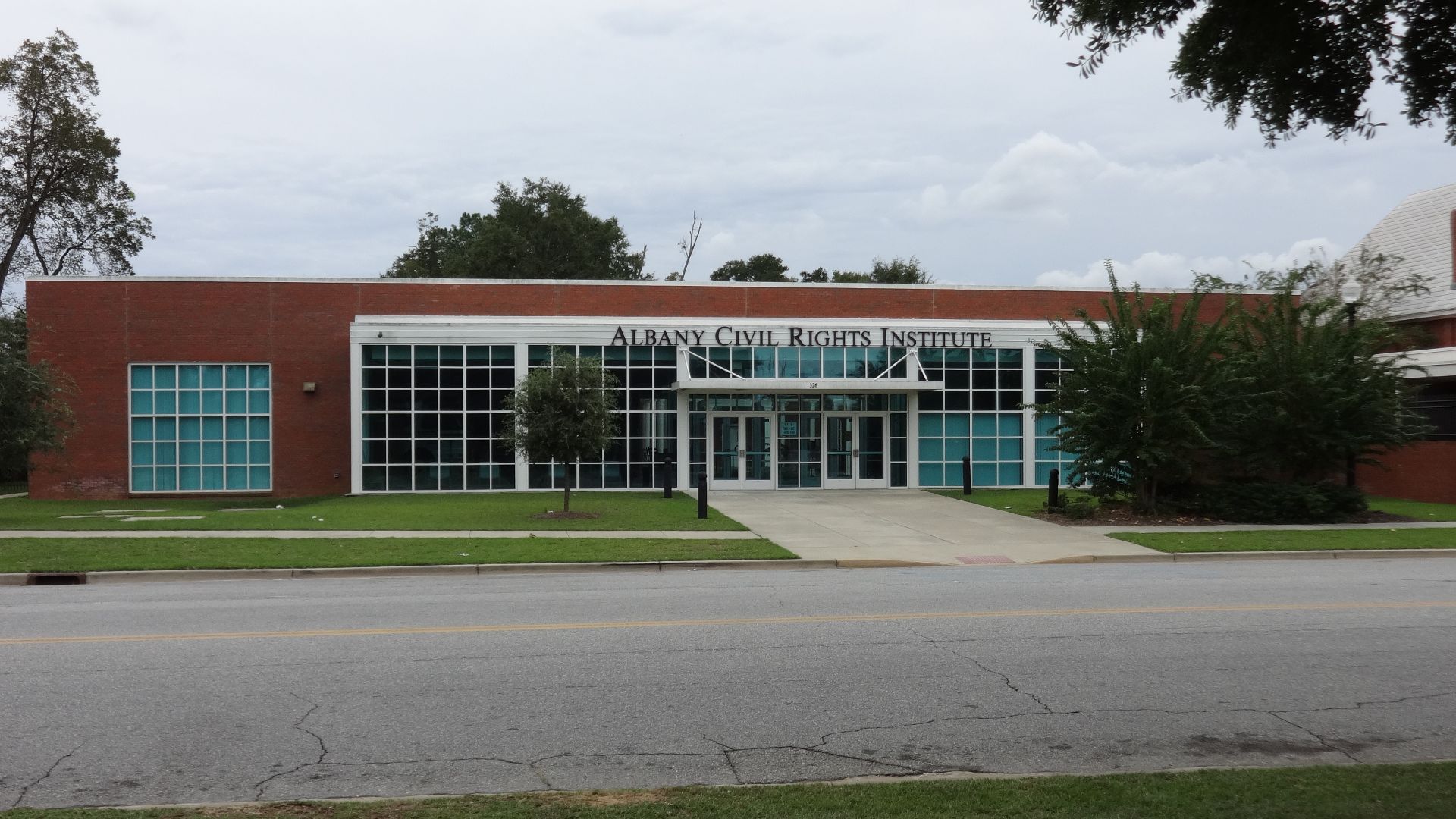
Albany Civil Rights Institute, Georgia
In Albany, the restored Old Mount Zion Baptist Church formed a hub for the Albany Movement. Today, its civil rights institute presents exhibits and recorded histories. It highlights the local organizers behind the city's continuing struggle.
 Michael Rivera, Wikimedia Commons
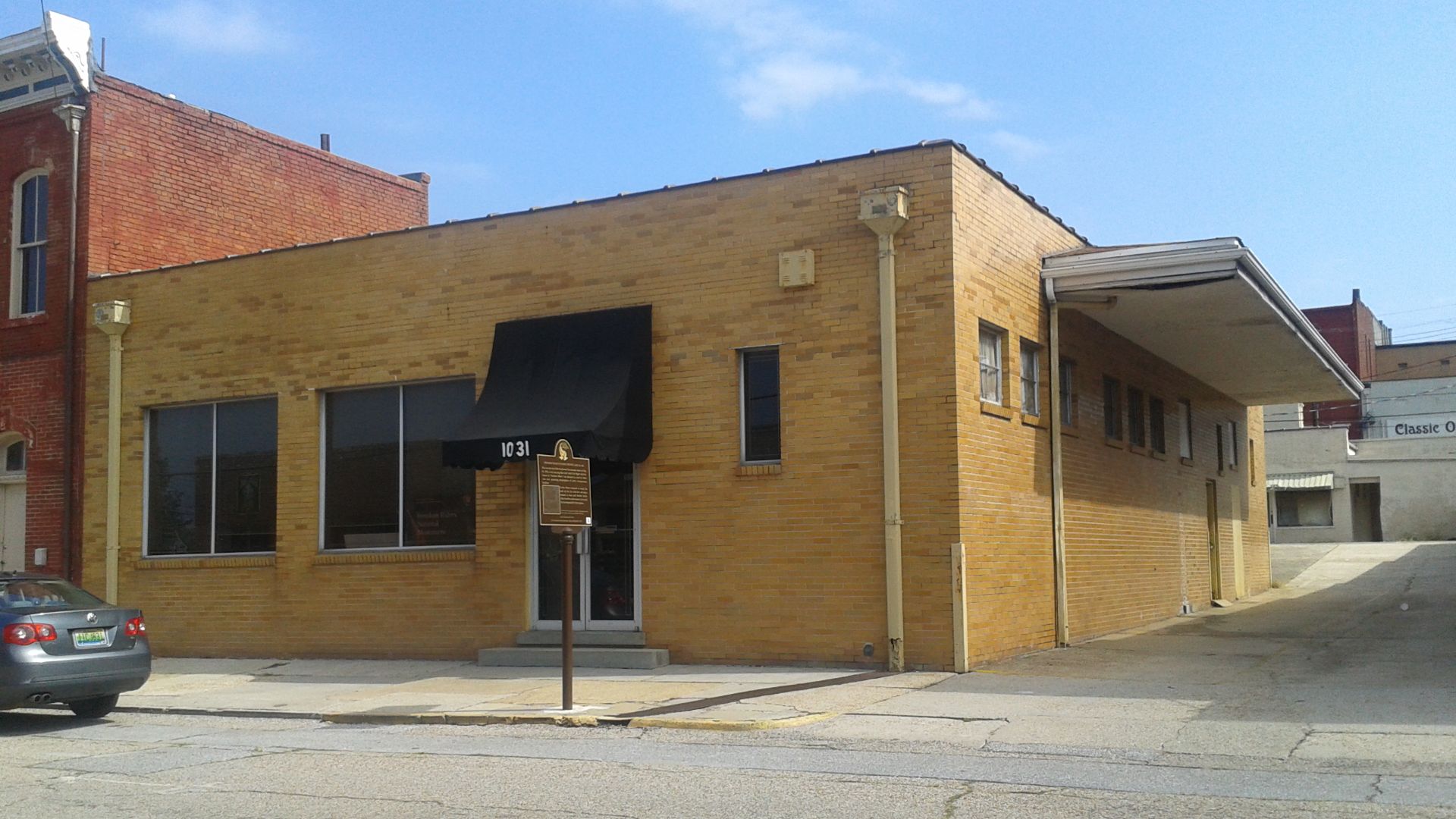
Freedom Riders National Monument, Alabama
Anniston's former Greyhound depot preserves the story of the Freedom Riders, who challenged segregation in interstate travel in 1961. The original depot and outdoor displays can be visited, although indoor access is limited to certain days.
 Ser Amantio di Nicolao, Wikimedia Commons
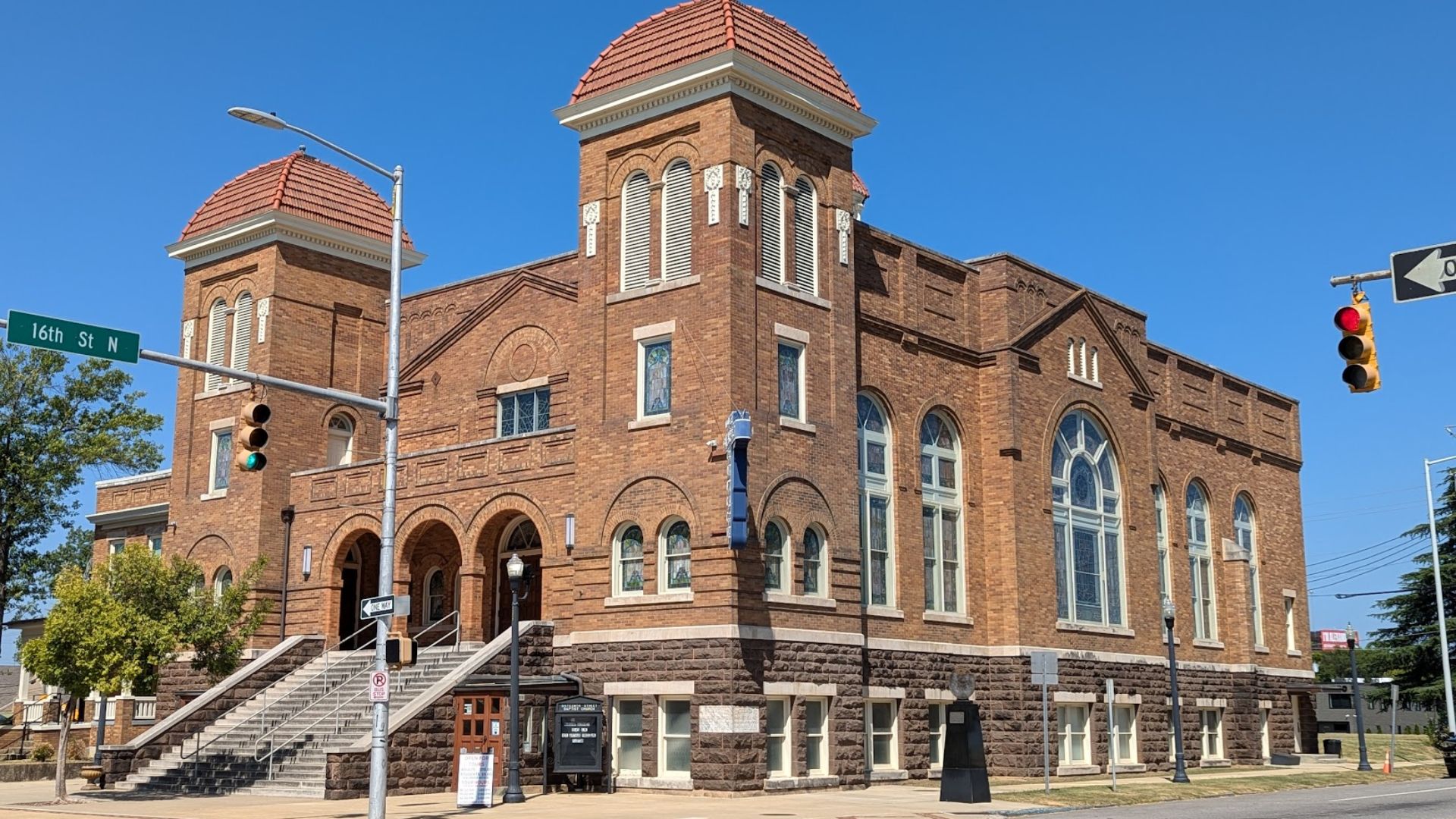
16th Street Baptist Church, Alabama
Birmingham’s 16th Street Baptist Church hosted civil rights organizing before a 1963 bombing killed four young girls. The congregation remains active. Guided visits explain the building’s history and commemorate the children who lost their lives.
 BakedintheHole, Wikimedia Commons
Kelly Ingram Park, Alabama
Across the street, Kelly Ingram Park marks the 1963 protests where young demonstrators faced high-pressure water hoses and police dogs. Sculptures and walking paths now invite reflection. It is one of Birmingham’s most memorable outdoor stops.
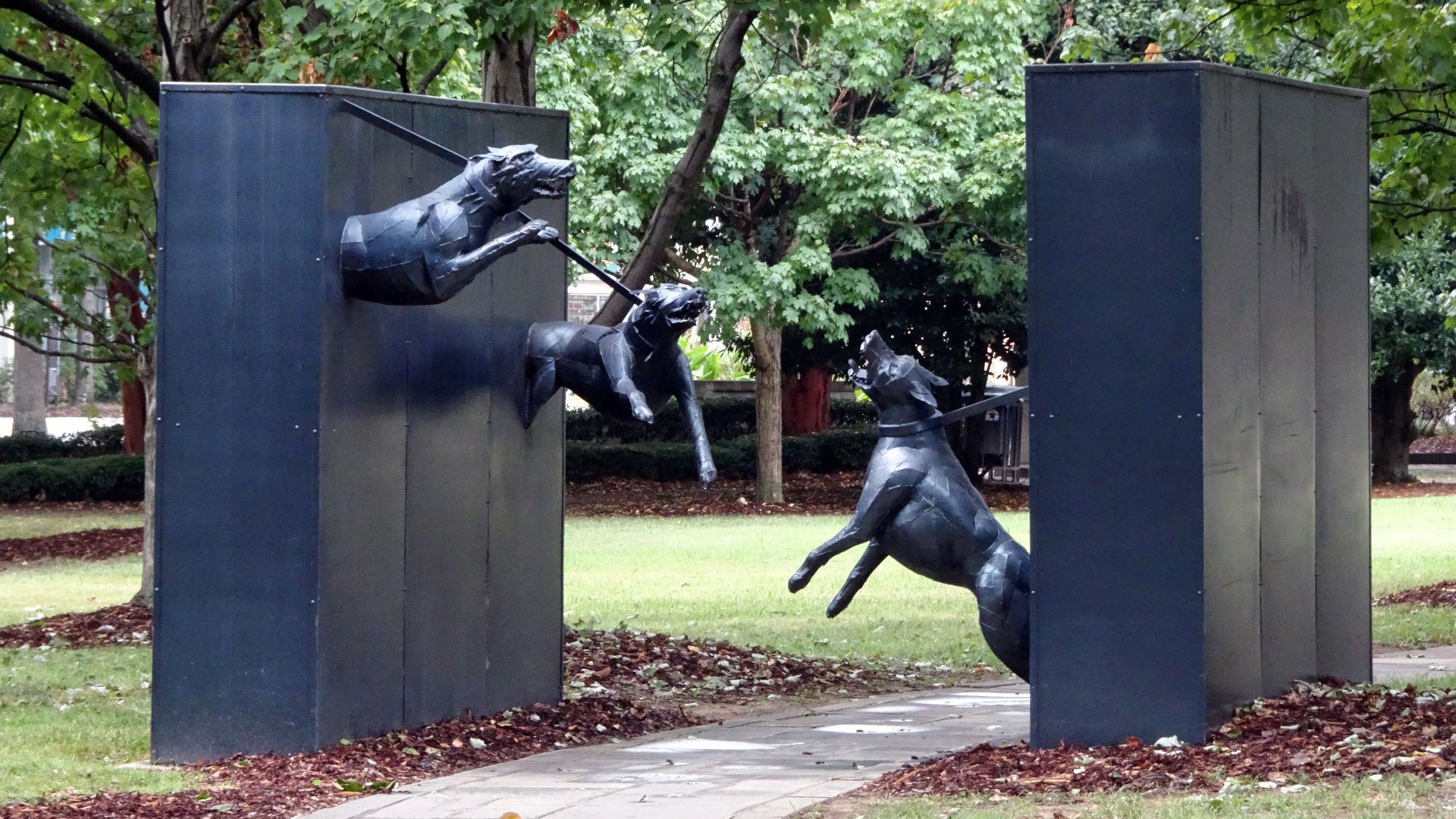 Alacoolwiki, Wikimedia Commons
Birmingham Civil Rights Institute, Alabama
The Birmingham Civil Rights Institute adds context to the streets outside. Exhibits recreate aspects of segregated daily life and display historical materials, including a jail-cell door associated with King's famous Birmingham letter. Allow time to explore.
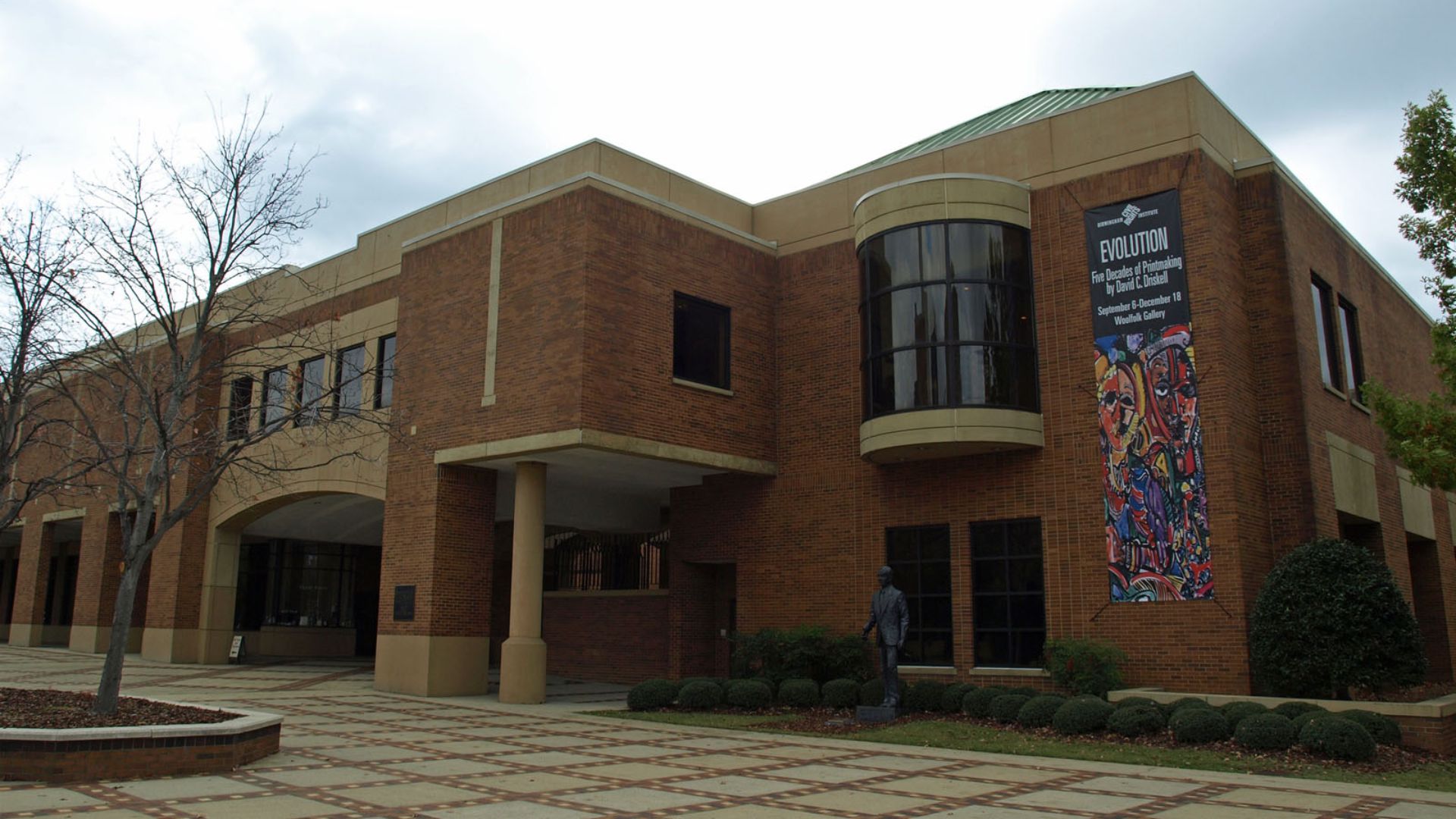 Chris Pruitt, Wikimedia Commons
Rosa Parks Museum, Alabama
Montgomery’s Rosa Parks Museum stands near the place where Parks refused to surrender her bus seat in December 1955. Displays and a recreated bus experience explain the incident. Her decision helped spark the Montgomery bus boycott.
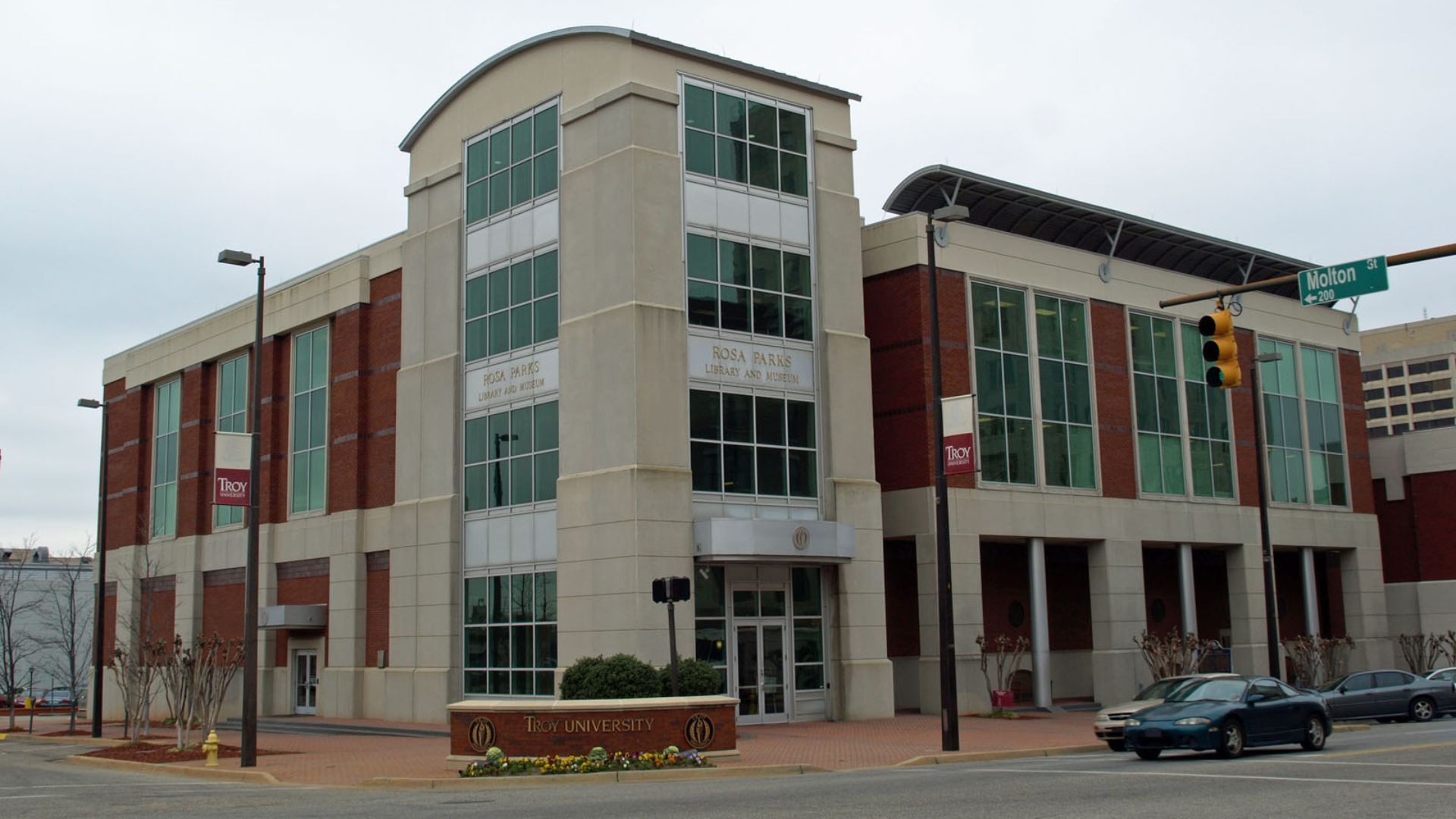 Chris Pruitt, Wikimedia Commons
Dexter Avenue King Memorial Baptist Church, Alabama
King served as pastor of this Montgomery church from 1954 to 1960. Its members helped organize the bus boycott, turning a neighborhood congregation into a movement headquarters. Visitors should arrange church tours ahead of time.
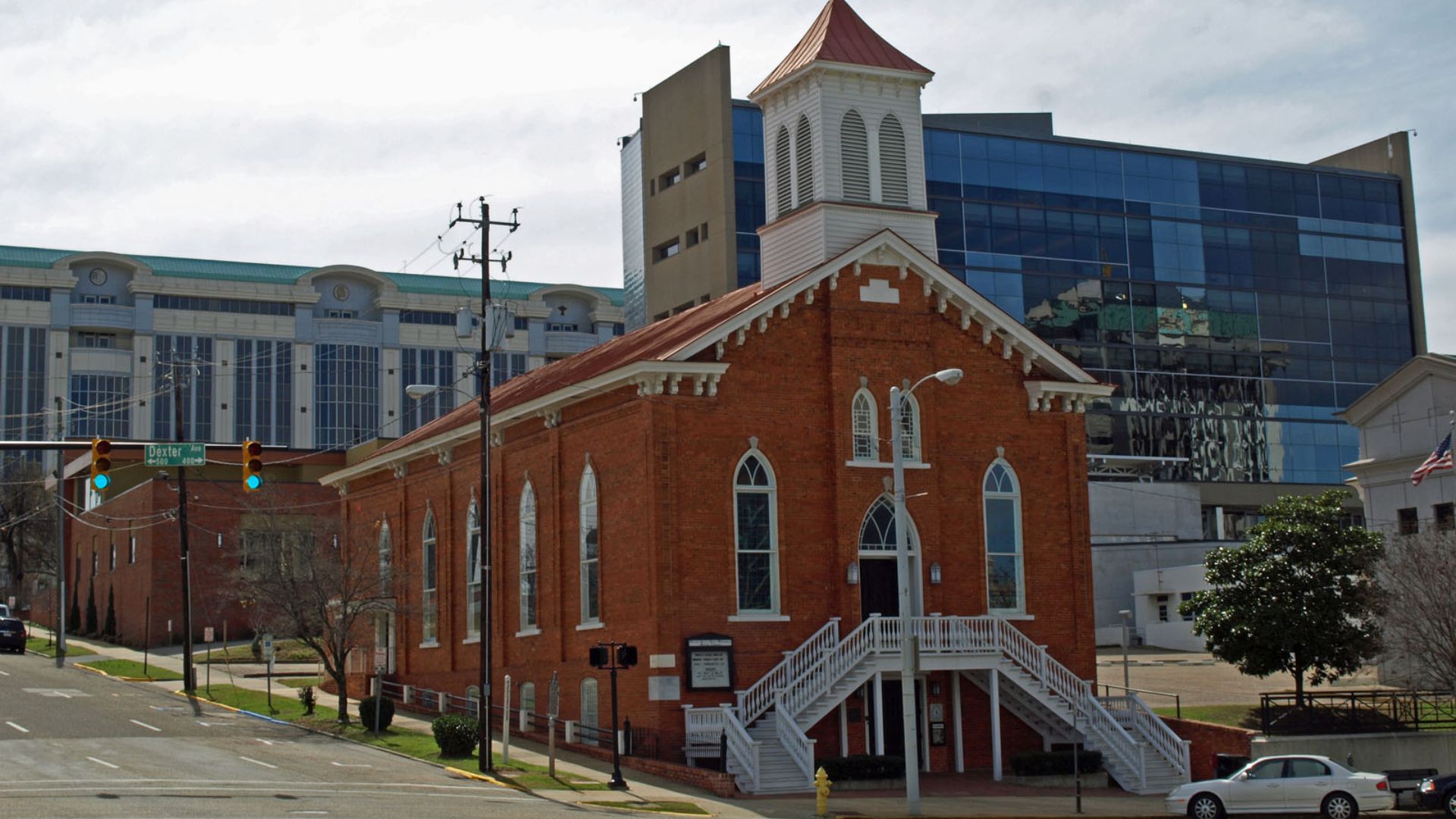 Chris Pruitt, Wikimedia Commons
Freedom Rides Museum, Alabama
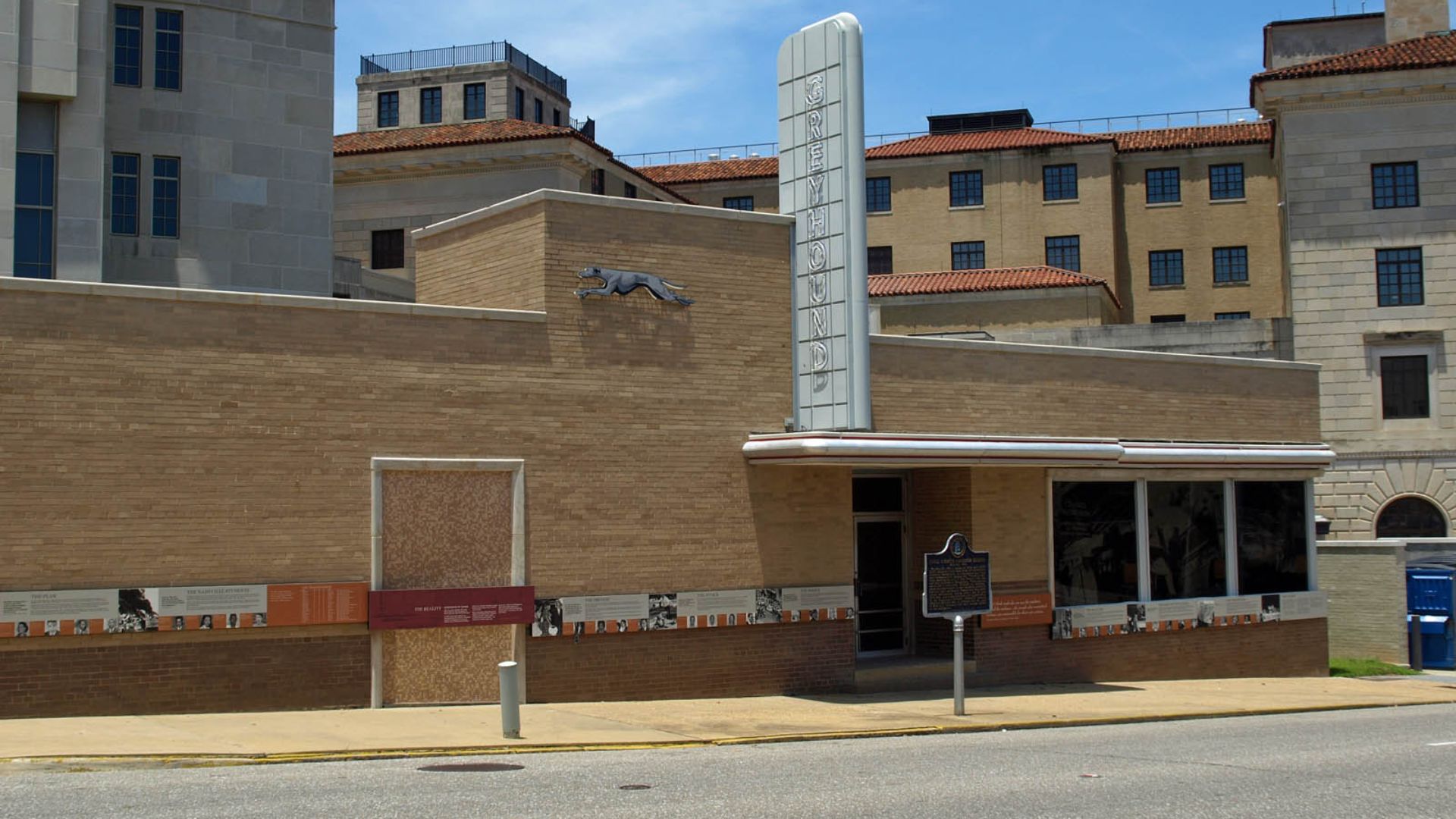
The old Greyhound station in Montgomery tells another chapter of the 1961 Freedom Rides. Riders encountered a hostile crowd here. Its restored station architecture and exhibits connect their journeys to the wider campaign against segregated interstate travel.
 Chris Pruitt, Wikimedia Commons
Civil Rights Memorial, Alabama
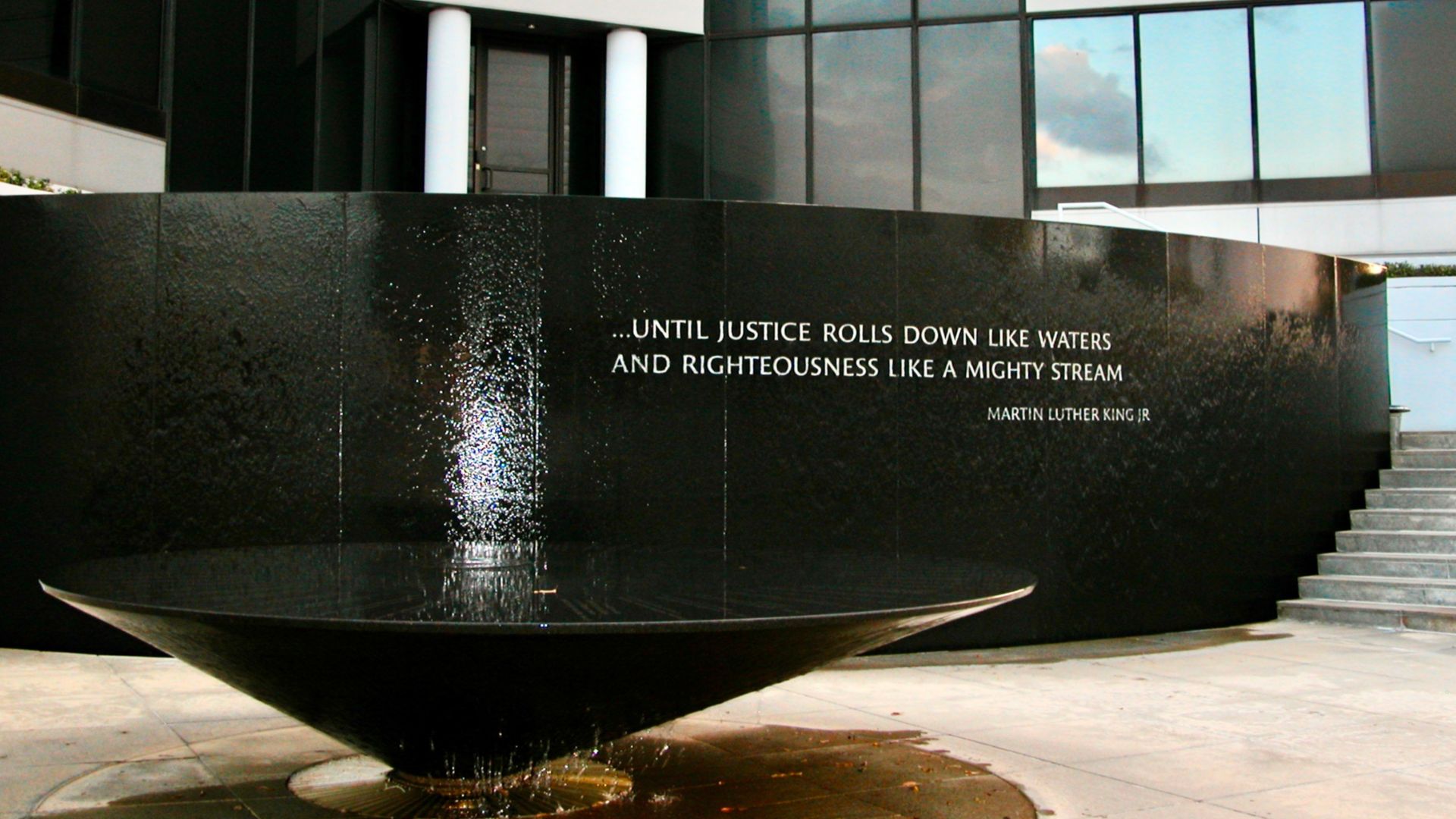
Designed by Maya Lin, Montgomery's Civil Rights Memorial honors people who died during the movement from 1954 to 1968. Their names are engraved around flowing water. The nearby memorial center expands on their lives and legacy.
Brown Chapel AME Church, Alabama
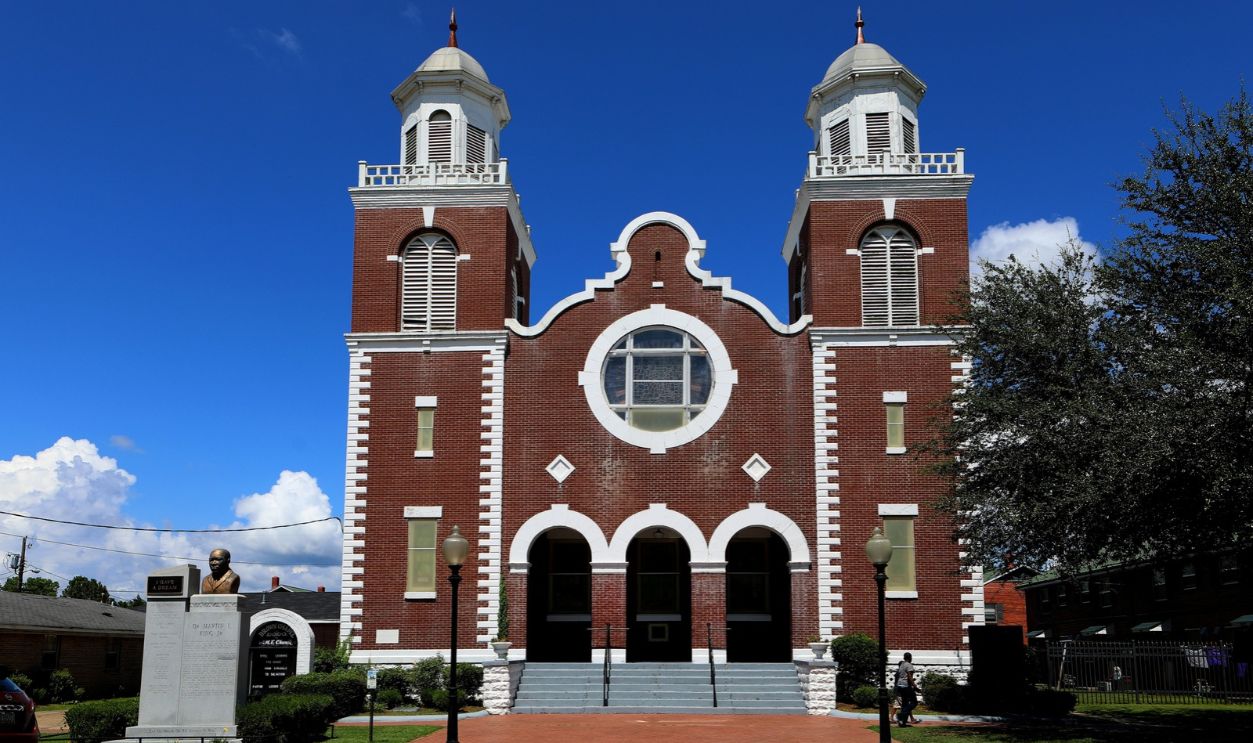
Brown Chapel in Selma served as a planning center for the 1965 voting rights marches. Marchers gathered here before setting out toward Montgomery. The historic church is still active, making respectful visiting arrangements especially important.
Edmund Pettus Bridge, Alabama
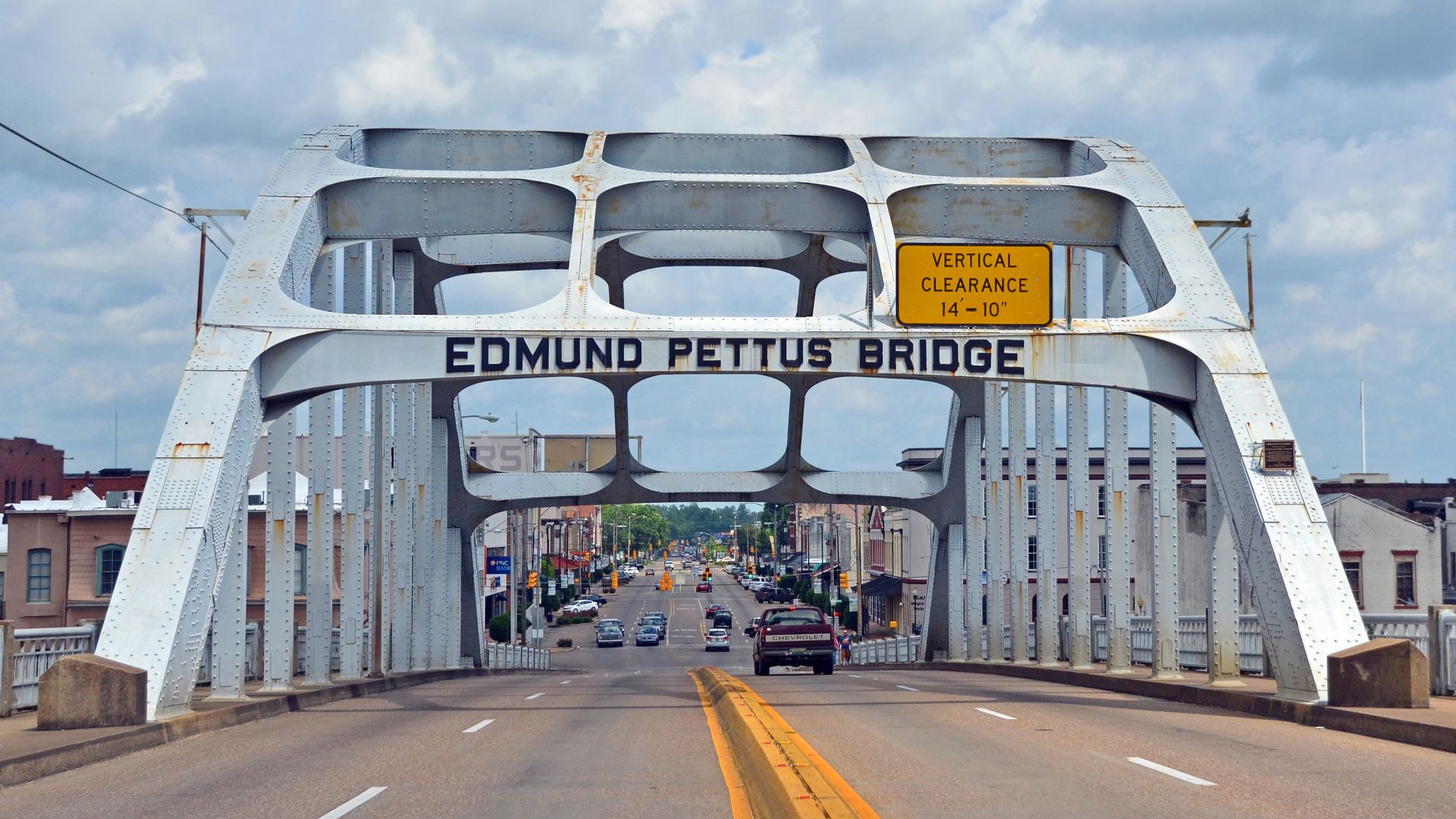
Crossing Selma's Edmund Pettus Bridge means following the route of demonstrators confronted on March 7, 1965, in the event called Bloody Sunday. The images stirred national outrage. The bridge remains a powerful public landmark.
 Clement Bardot, Wikimedia Commons
Lowndes Interpretive Center, Alabama
Along the Selma-to-Montgomery route, the Lowndes Interpretive Center chronicles voting rights organizing and the march's passage through rural Alabama. Exhibits also describe Tent City, where families displaced for their activism found temporary shelter.
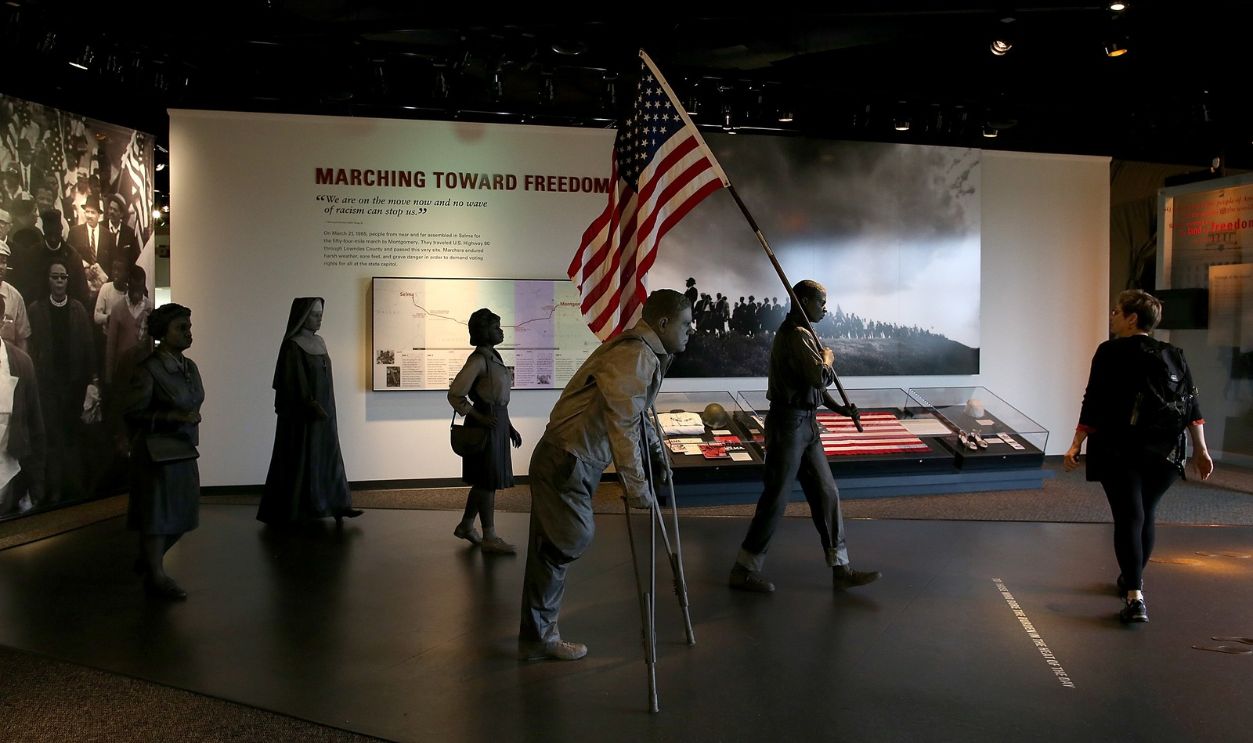
Medgar And Myrlie Evers Home, Mississippi
In Jackson, the Evers family home is preserved as a national monument. Civil rights organizer Medgar Evers was taken out outside it in 1963. Small ranger-led tours offer an unusually personal view of the movement.
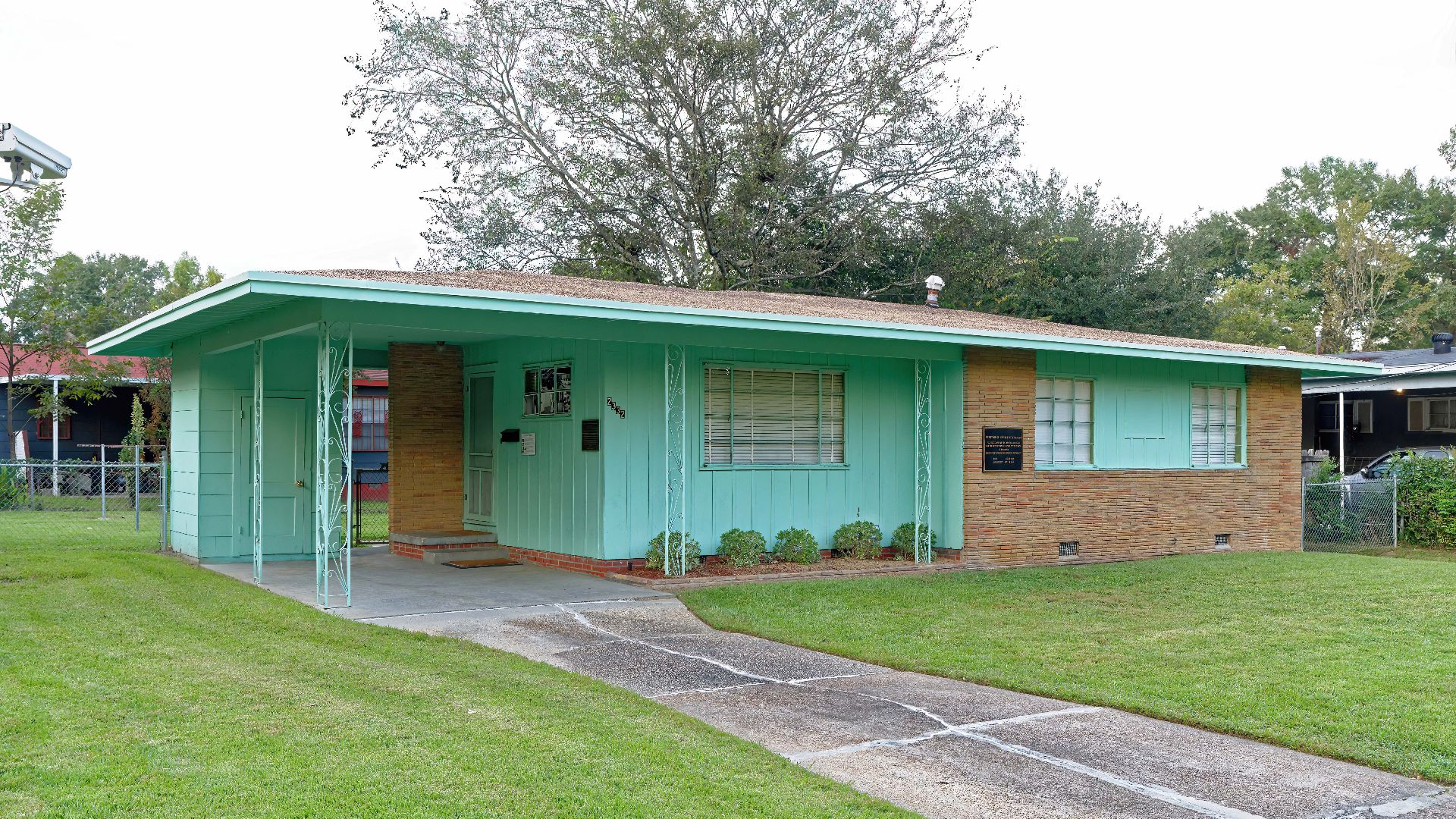 Jud McCranie, Wikimedia Commons
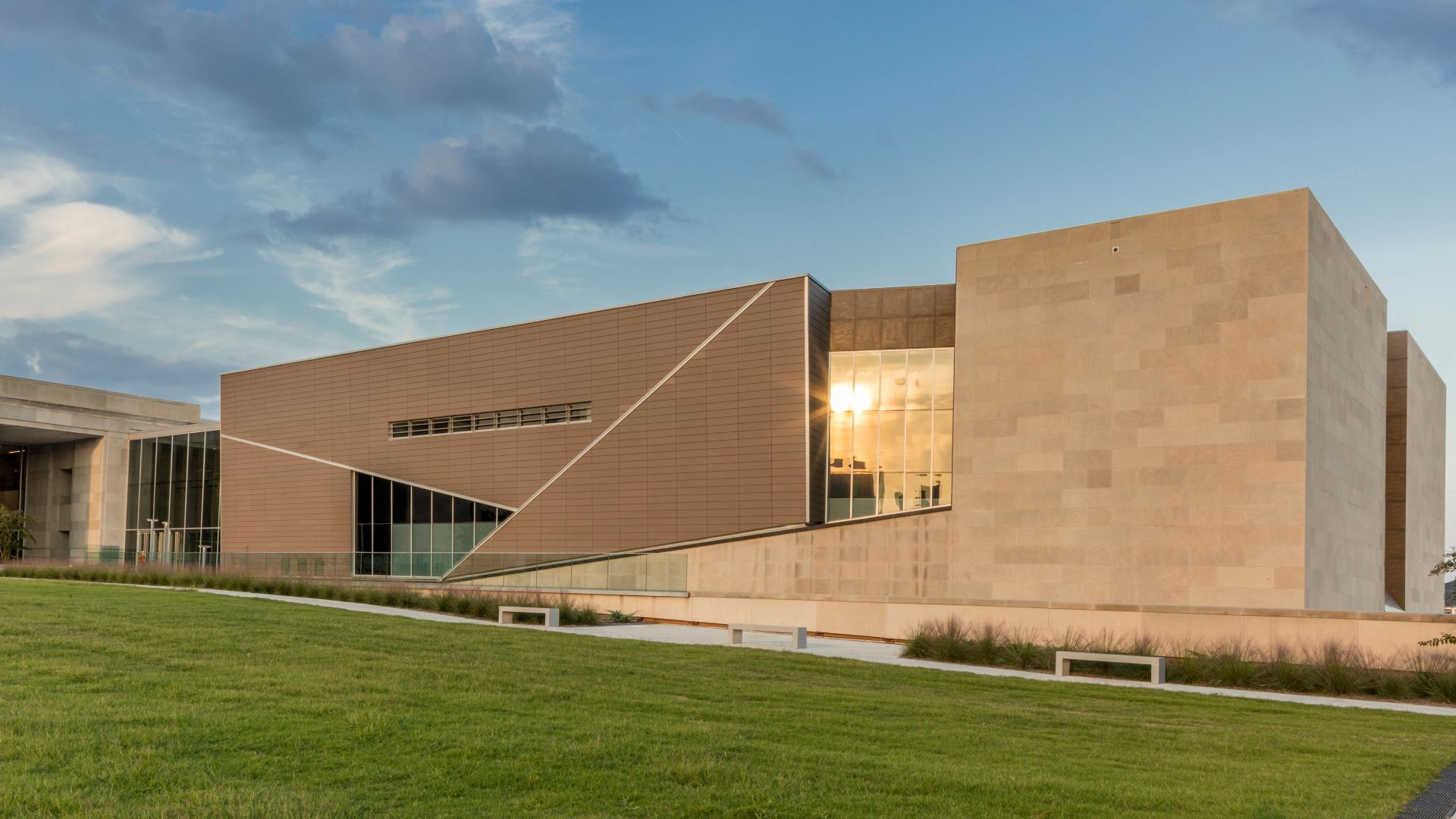
Mississippi Civil Rights Museum, Mississippi
Jackson's Mississippi Civil Rights Museum traces the struggle for equality through film, artifacts, and testimony. Exhibits give particular attention to Medgar Evers and Emmett Till. It helps connect individual stories with statewide organizing efforts.
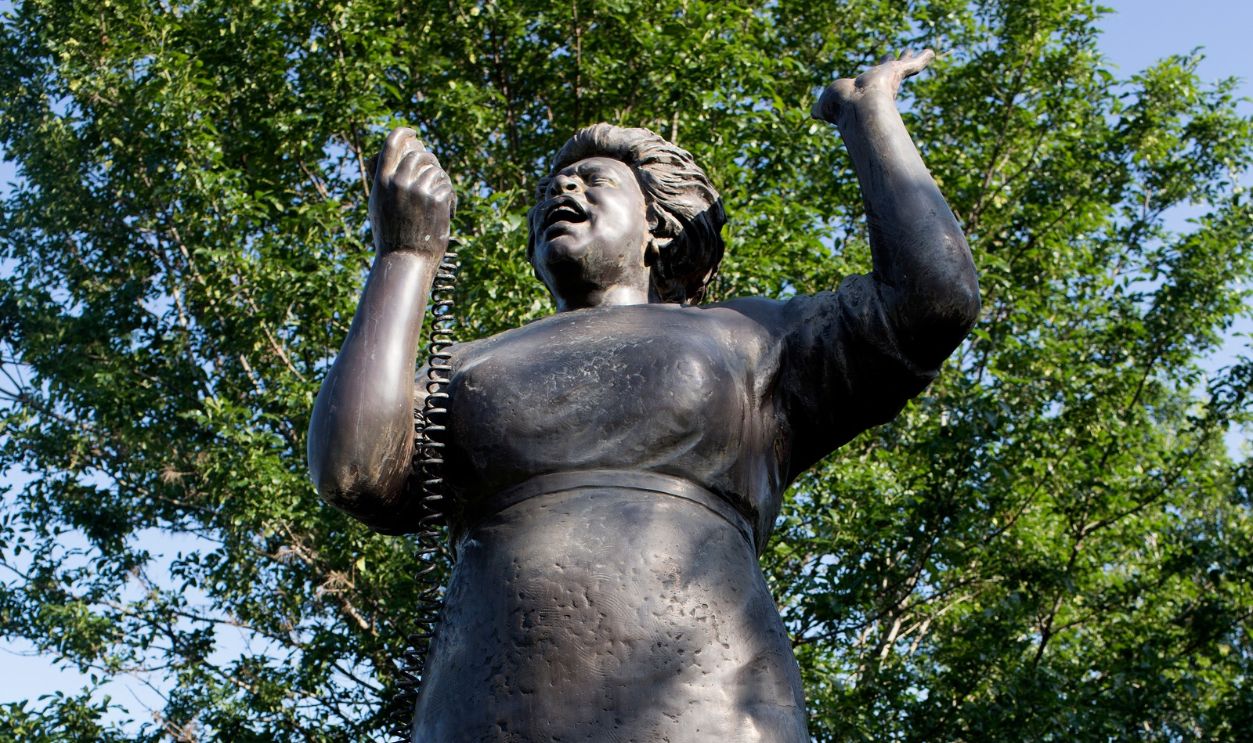
Fannie Lou Hamer Memorial, Mississippi
A statue in Ruleville remembers voting rights organizer Fannie Lou Hamer. Her determined work helped bring the Mississippi Freedom Democratic Party to national attention. This outdoor memorial makes an important stop in the Delta.
 Andrew Lichtenstein, Getty Images
Tallahatchie County Courthouse, Mississippi
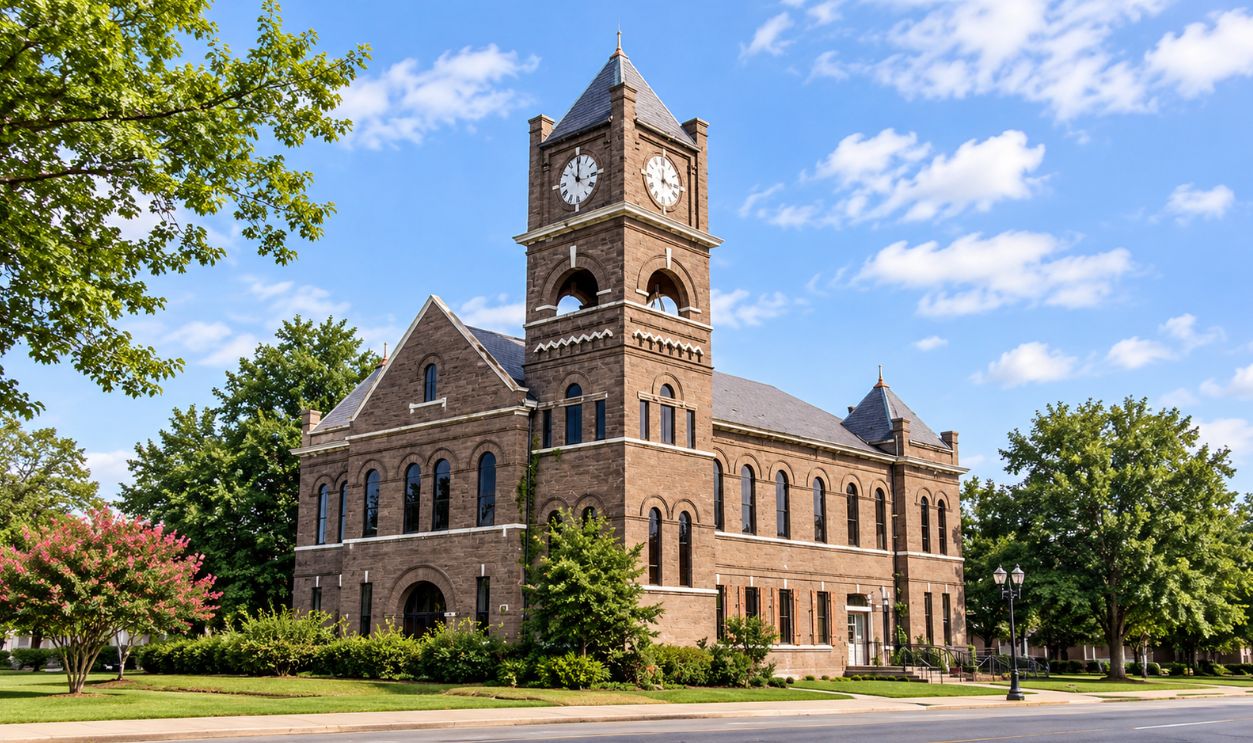
The courthouse in Sumner hosted the 1955 trial following the killing of Emmett Till. The preserved building and nearby interpretive center invite visitors to examine what happened. Guided tours make this difficult history tangible.
 Calvin Beale, Wikimedia Commons, Modified
Dooky Chase’s Restaurant, Louisiana
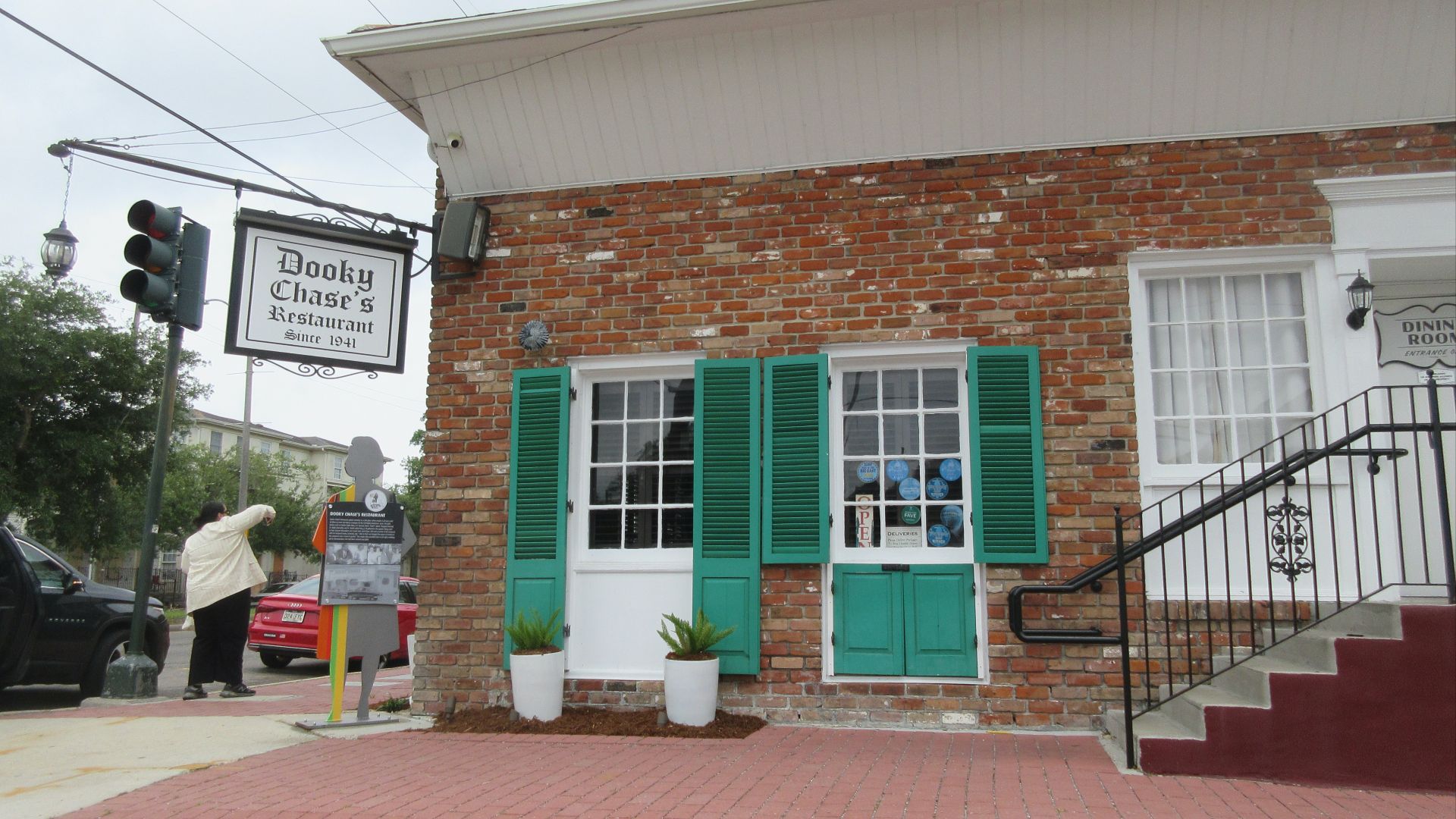
New Orleans' Dooky Chase's Restaurant fed more than diners. Under Leah Chase, its upstairs room welcomed civil rights organizers for meetings across racial lines. The restaurant still serves Creole food, giving visitors a living landmark.
 Infrogmation, Wikimedia Commons
McDonogh 19 And TEP Center, Louisiana
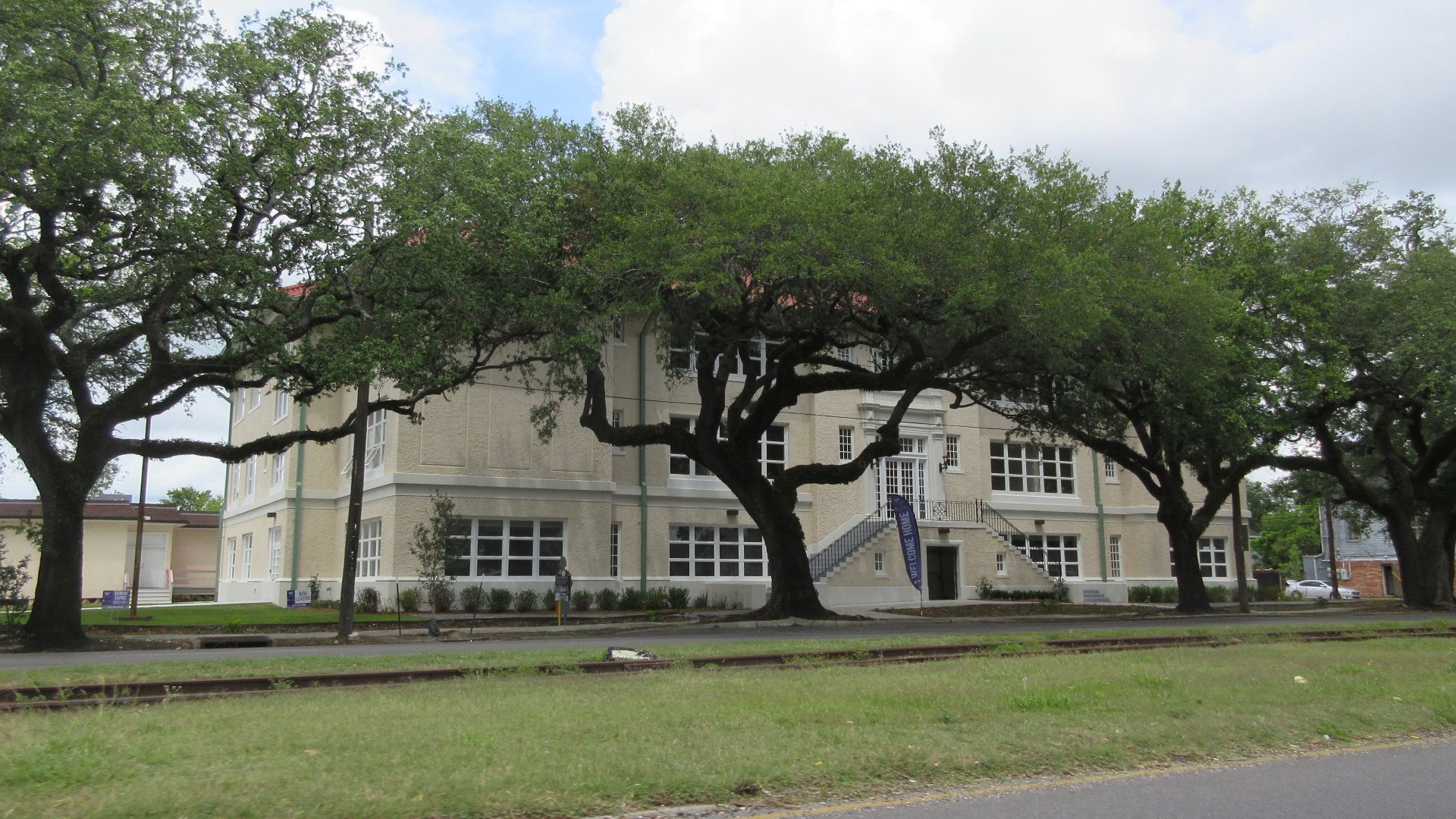
In 1960, Leona Tate, Tessie Prevost, and Gail Etienne integrated McDonogh 19 Elementary School in New Orleans. Their former school now houses the Tate, Etienne and Prevost Center. Visitors can tour exhibits about school integration.
 Infrogmation of New Orleans, Wikimedia Commons
Little Rock Central High School, Arkansas
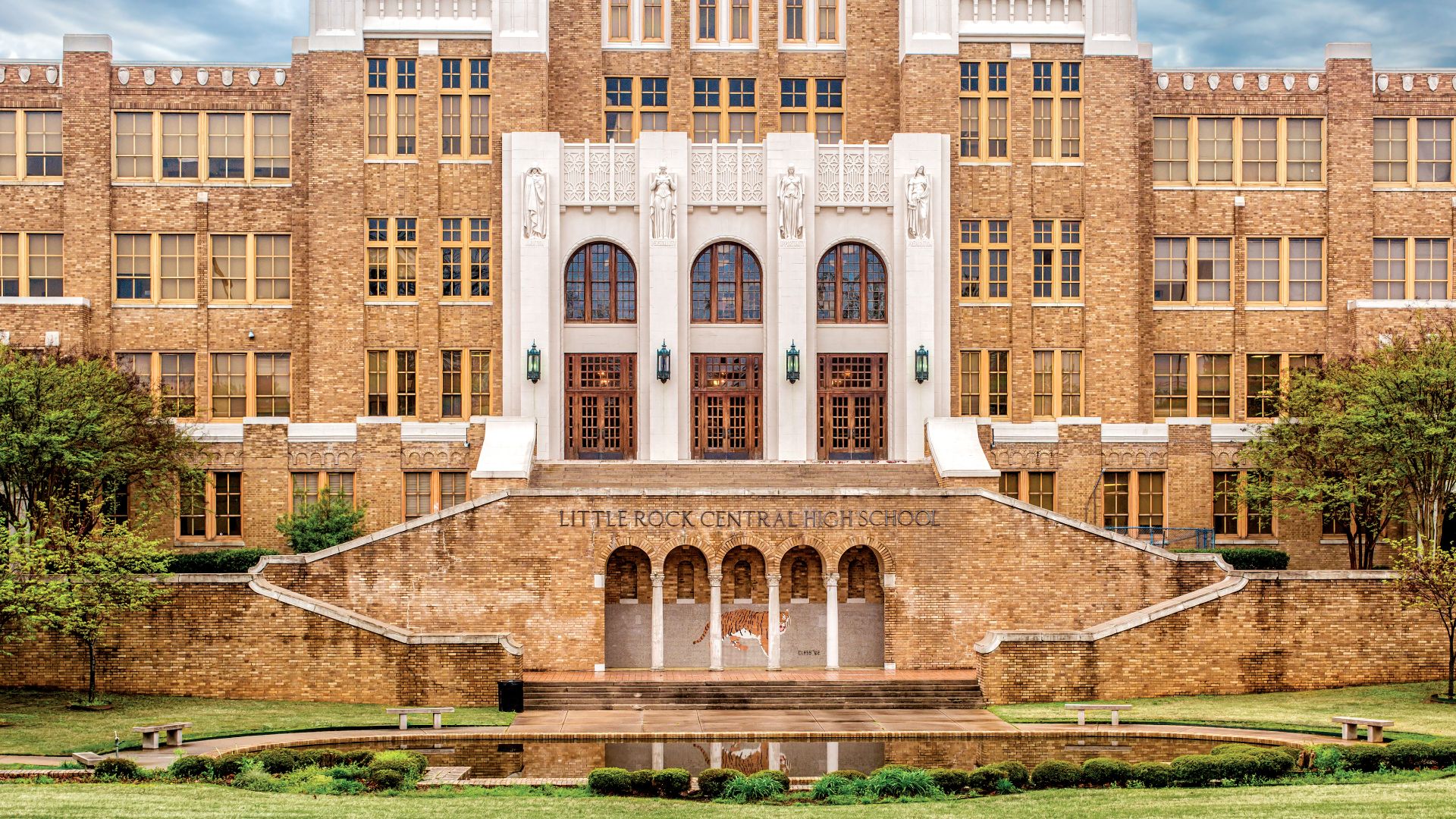
Nine Black teenagers entered Little Rock Central High School in 1957 amid fierce opposition and federal intervention. The school still operates. Across the street, a National Park Service visitor center interprets their courage and struggle.
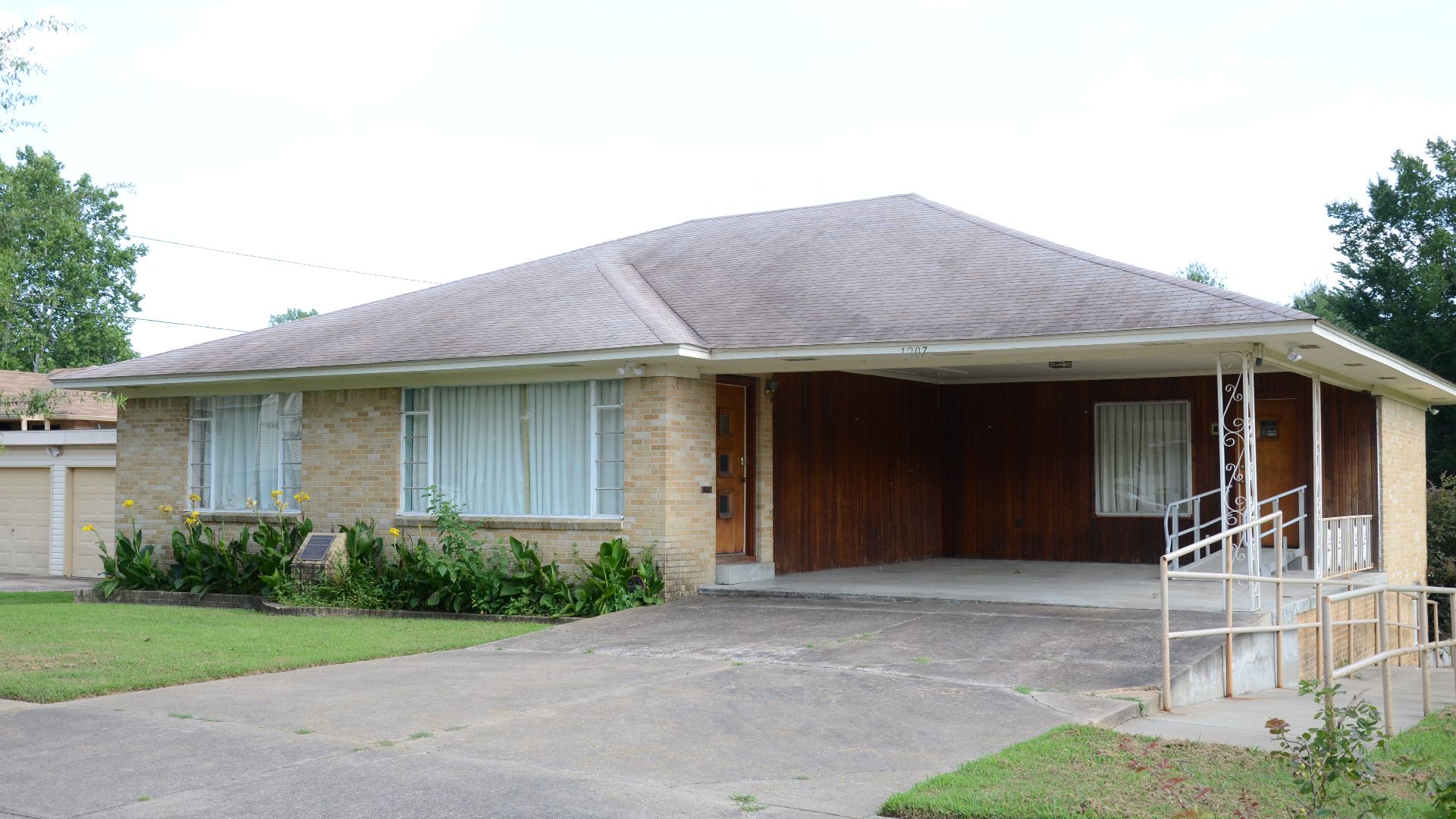
Daisy Bates House, Arkansas
Daisy Bates helped guide the Little Rock Nine through their first school year. Her home became a meeting and organizing space for students and parents. The house survives as a landmark, with visits requiring advance arrangements.
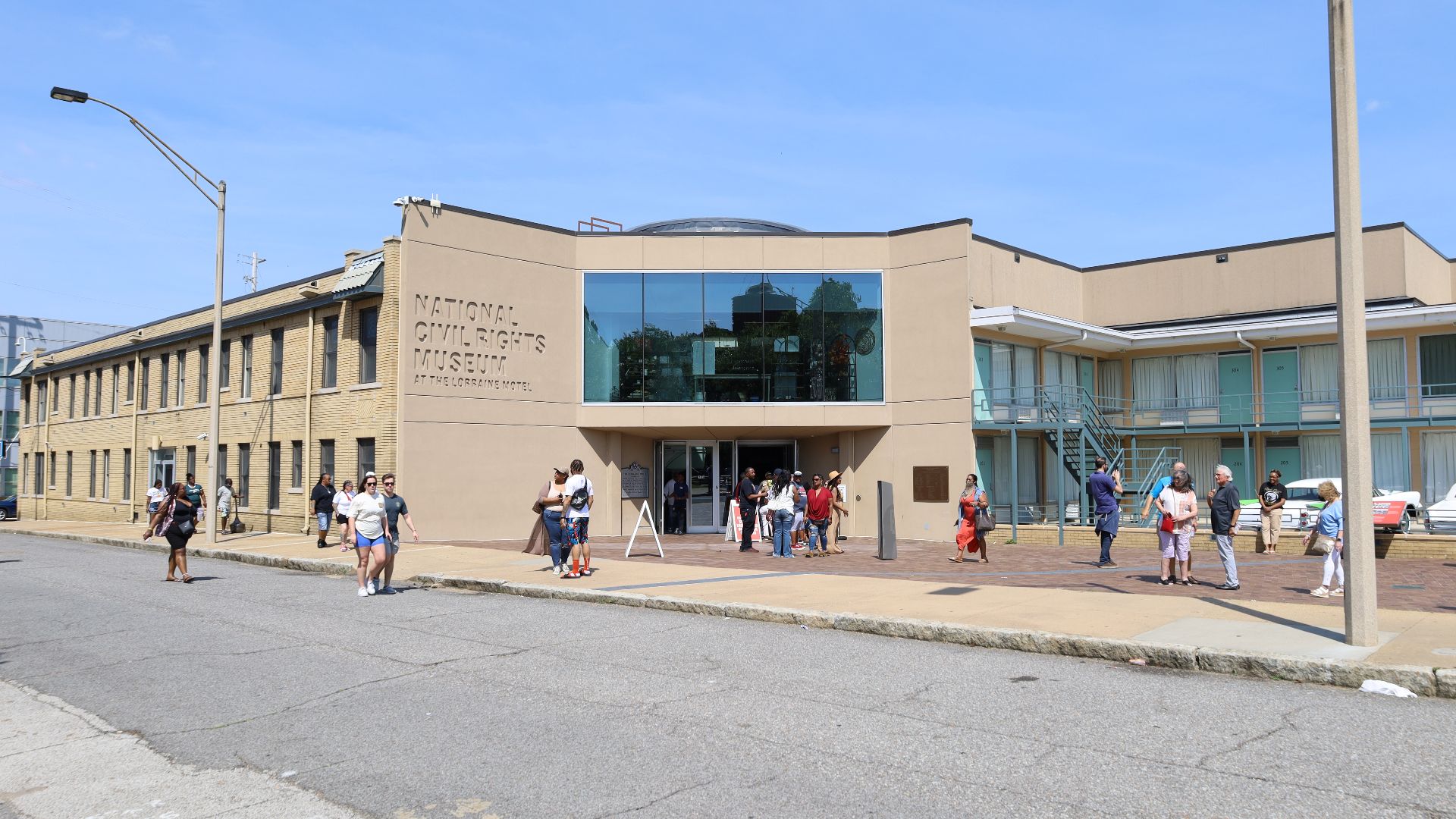
National Civil Rights Museum, Tennessee
Memphis' National Civil Rights Museum occupies the former Lorraine Motel, where King was ended on April 4, 1968. The preserved motel rooms and wide-ranging exhibits follow the movement's history. Plan a substantial visit.
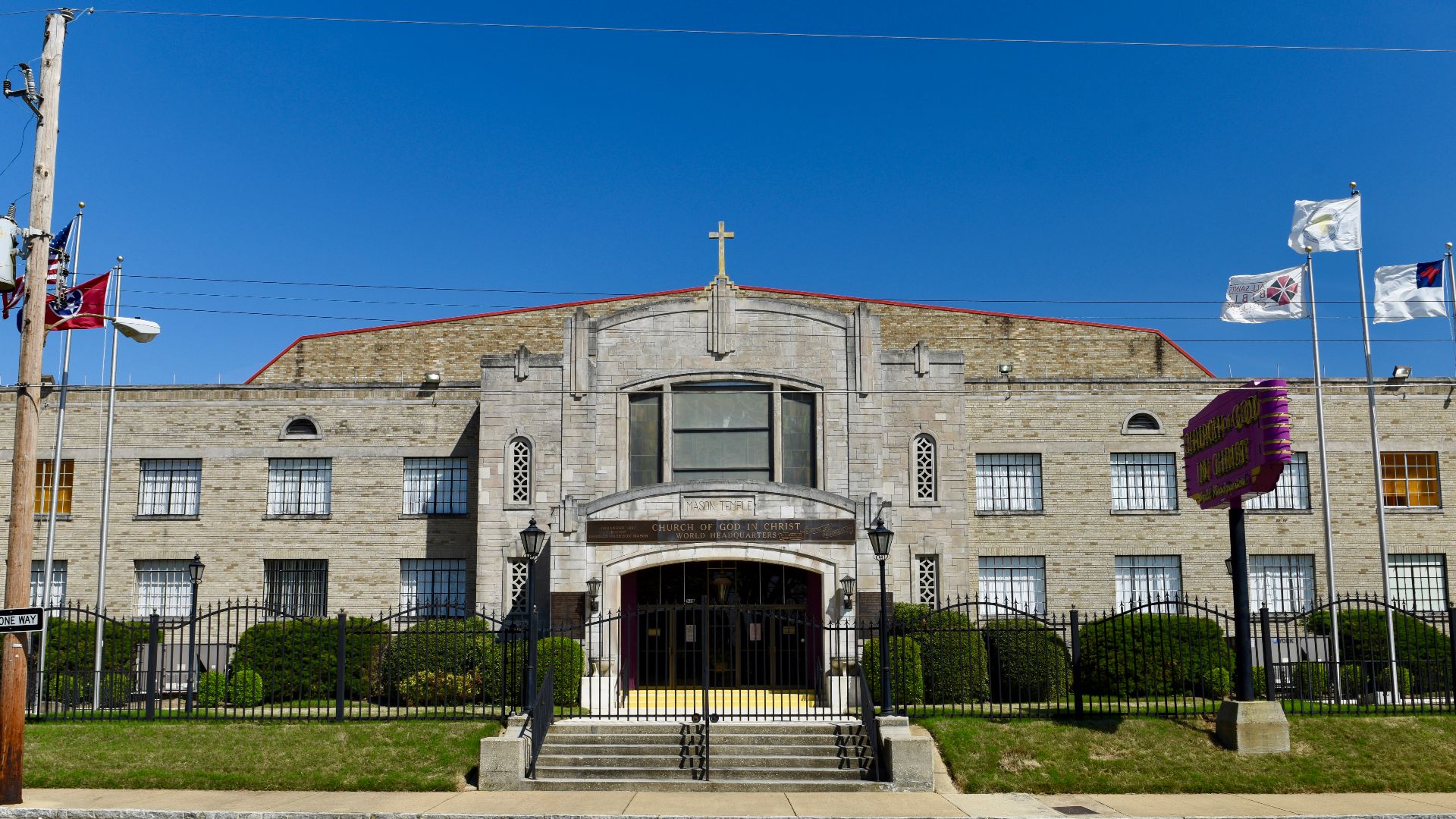
Mason Temple, Tennessee
At Memphis' Mason Temple, King delivered his final speech on April 3, 1968, while supporting striking sanitation workers. The building still stands as a place of worship and remembrance. Check arrangements before attempting an indoor visit.
 Jim Roberts, Wikimedia Commons
You May Also Like:
American Vacation Spots Canadians Remember Loving In The 80s And 90s—But Rarely Visit Anymore
The North American Island Where Visitors Leave Their Cars Behind And Travel By Horse