The Vacation Starts When You Leave Your Car Behind
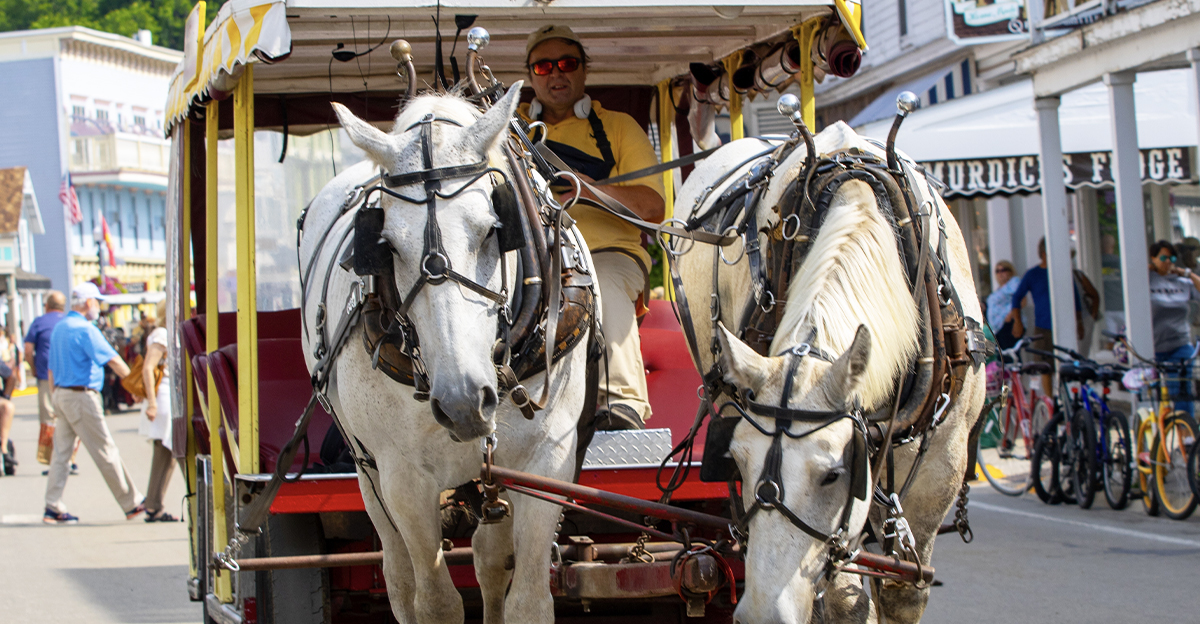
Most North American vacations rental cars and figuring out where to park. This island flips that routine completely, asking visitors to leave their cars behind and embrace a slower way of getting around. Welcome to Mackinac, where people trade car keys for bicycles, carriages, and plenty of horsepower.
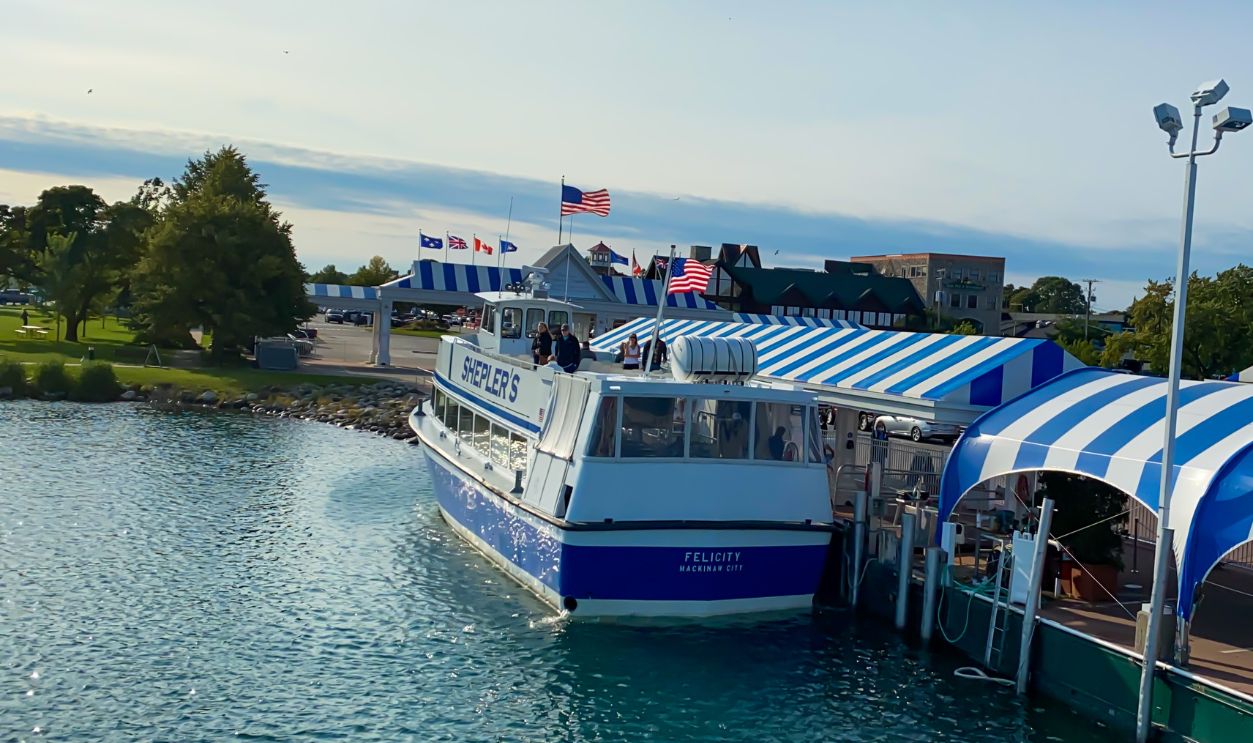
Most Visitors Arrive By Ferry
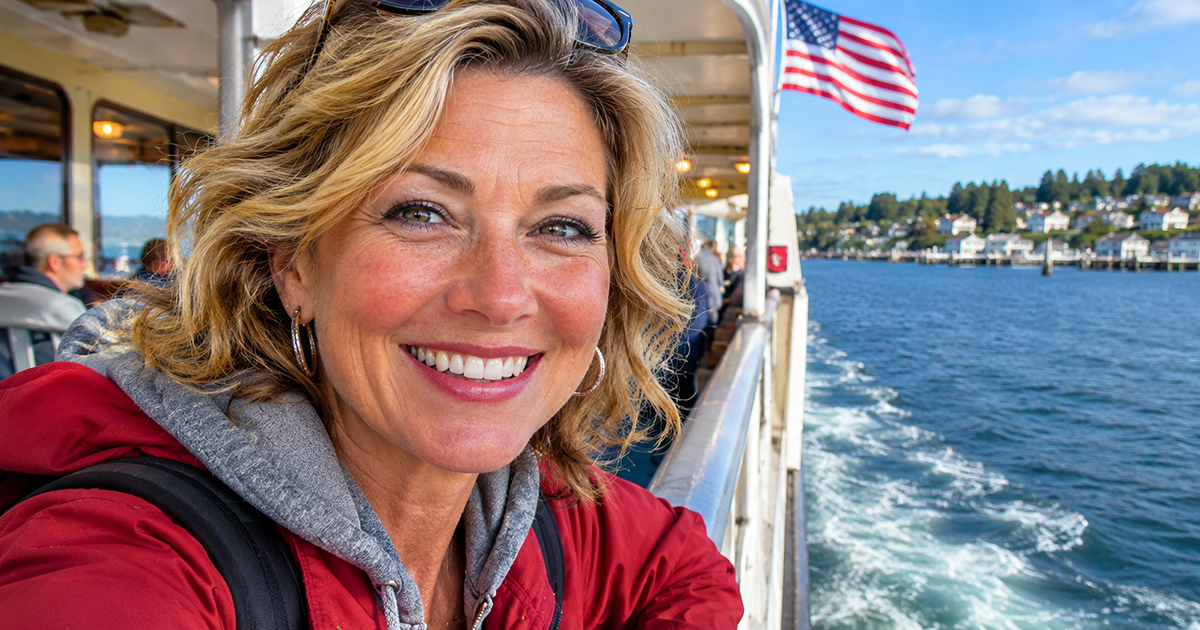
For most travelers, the trip starts in Mackinaw City or St Ignace. You park your car on the mainland, carry your bags onto a ferry, and about half an hour later you're stepping into a place where engines have mostly disappeared. Bikes, pets, and strollers can come across too, while many hotels arrange to collect luggage at the dock. The transition happens surprisingly fast. One minute you're dealing with highway traffic, and the next you're dodging bicycles and horse-drawn taxis.
Going Car-Free Is Easier Than You Think
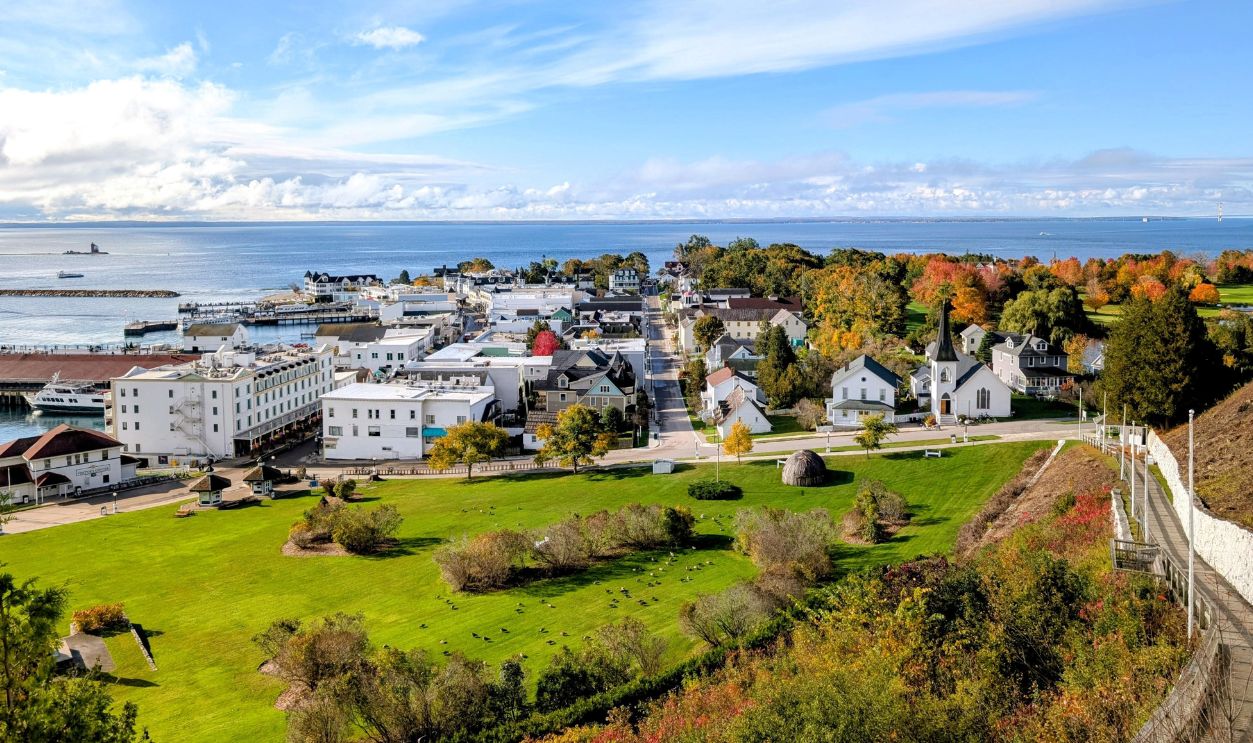
First-time visitors sometimes wonder what they'll do without a vehicle. The answer turns out to be: pretty much everything. Downtown is compact, many major attractions are walkable, bikes cover longer distances, and horse-drawn taxis handle the rest. The biggest adjustment is mental. You stop thinking about where to park or whether something is "too far" to walk. After a few hours, a 10-minute stroll across town starts feeling completely normal.
The Island Was Important Long Before Tourists Arrived
Mackinac's story goes back centuries before hotels and carriage rides. The island has long been significant to Anishinaabek peoples, including Odawa, Ojibwe, and Potawatomi communities. It was connected with trade, fishing, travel, gathering, and spiritual traditions. The island's name comes from an Indigenous term commonly interpreted as "place of the great turtle," inspired by the shape of the land rising from the water.
 Wirestock Creators, Shutterstock
And Yes, You’re Probably Pronouncing It Wrong
Despite the final "c," Mackinac is pronounced "Mack-in-awe". The spelling reflects French attempts to write an Indigenous place name, while nearby Mackinaw City uses a different spelling with essentially the same pronunciation. It's one of those small details locals notice immediately, so learning it before the ferry ride can save you from announcing your first-timer status before you even arrive.
The Car Ban Began Because Horses Were Terrified
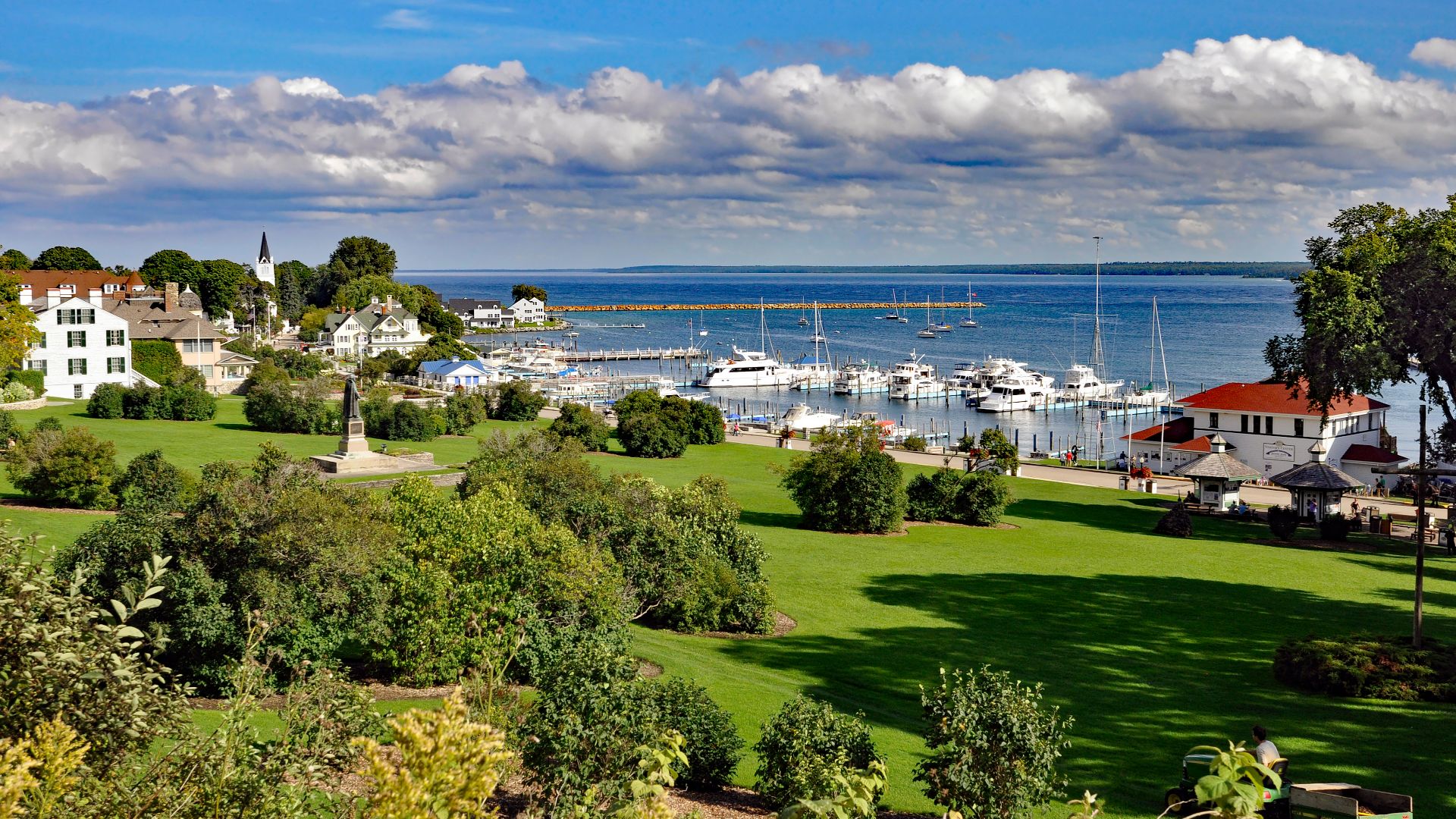
The island didn't ban automobiles because anyone was worried about traffic congestion or historic preservation. In the late 1800s, cars were still loud, unfamiliar machines, and local carriage operators complained that they frightened the horses doing most of the island's work. Mackinac's village banned automobiles in 1898, followed by Mackinac Island State Park in 1901. What began as a practical solution ended up shaping the island for the next 125 years.
 Selector Jonathon, Shutterstock
Horses Aren’t Just There For The Tourists
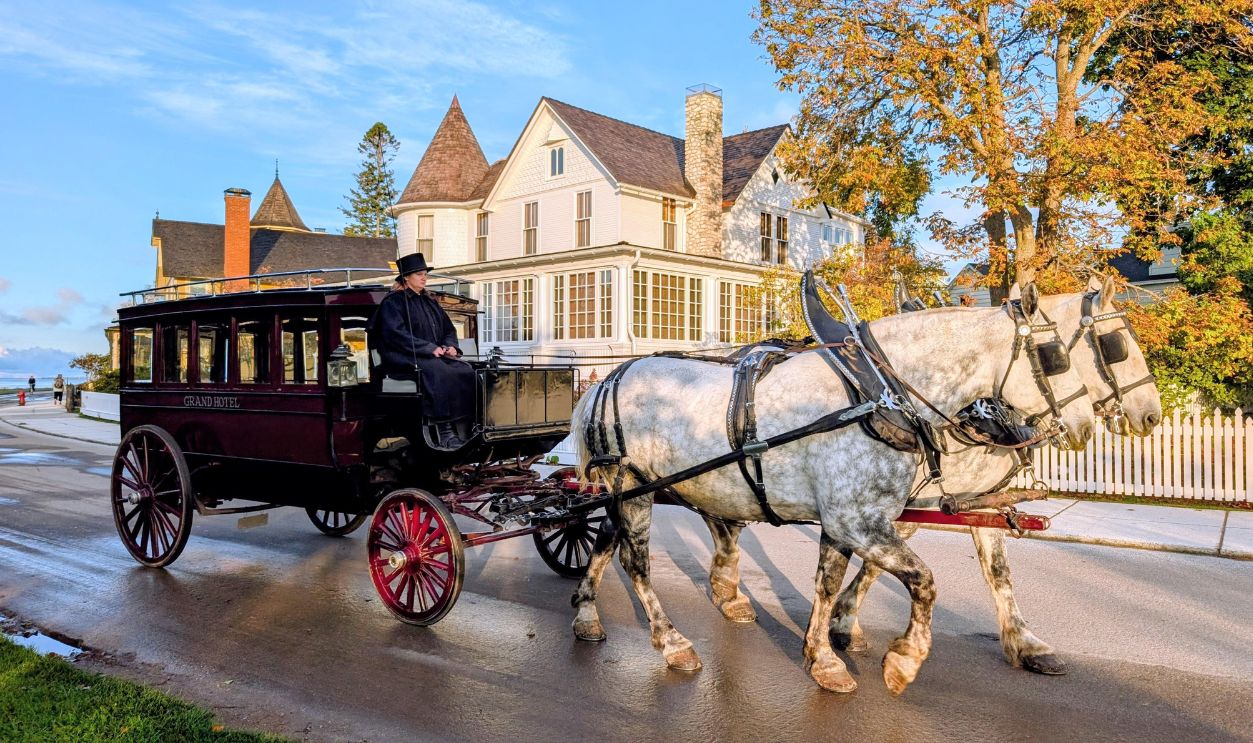
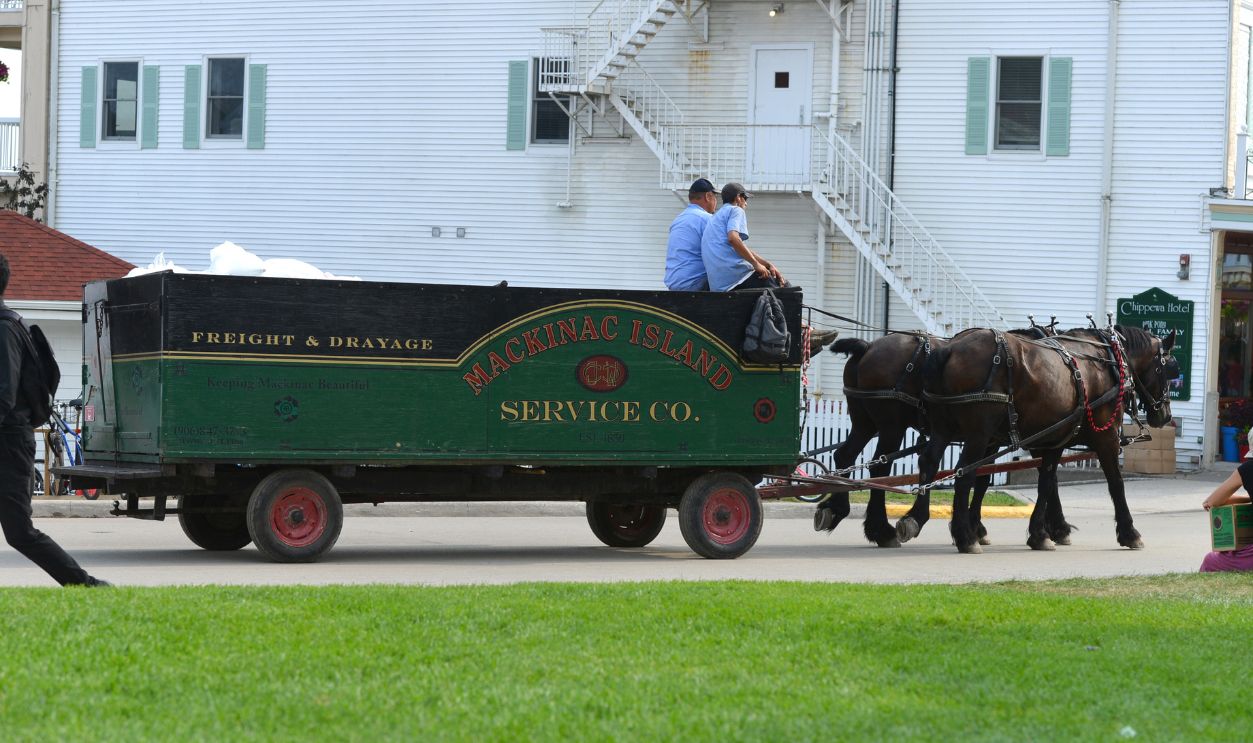
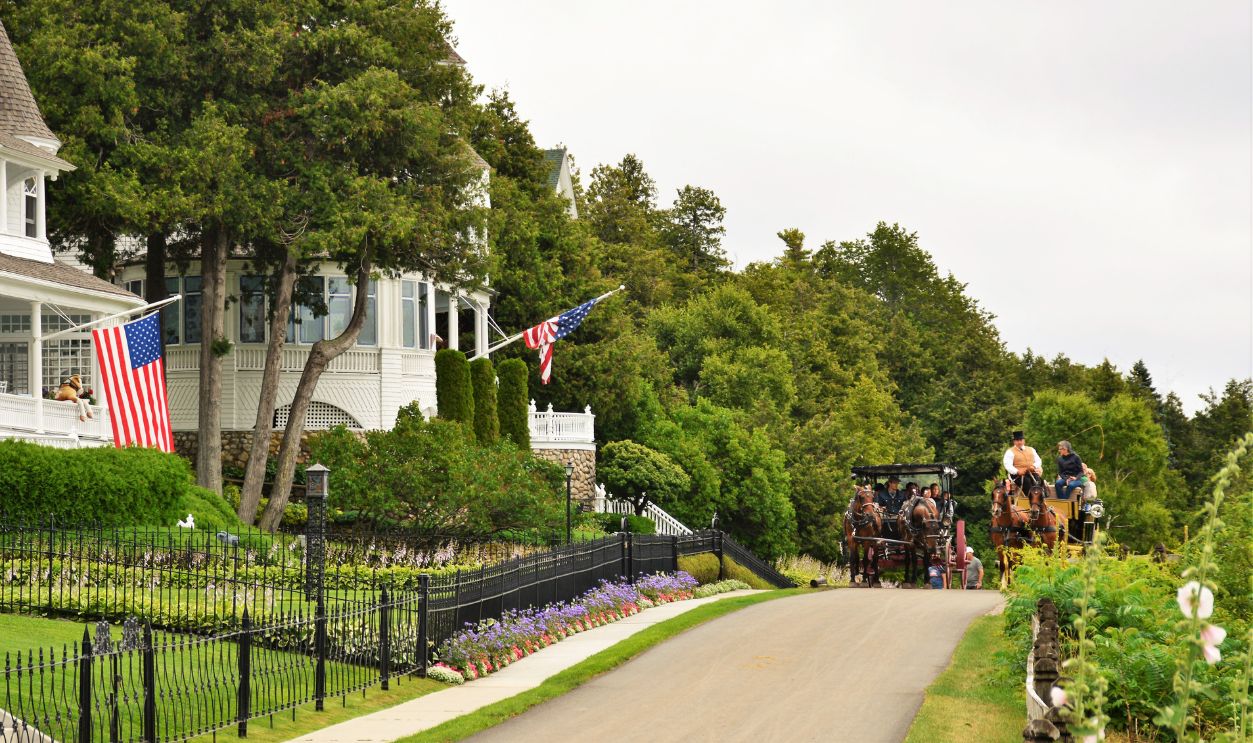
The horses may look like part of a carefully staged Victorian setting, but they're doing real work. Horse-drawn drays haul groceries, luggage, mail, furniture, construction supplies, and commercial deliveries. Carriages operate as taxis. Other teams handle freight and waste. During the busy season, hundreds of horses work on Mackinac Island, and they're a major part of the transportation system.
Even Deliveries Happen By Horse
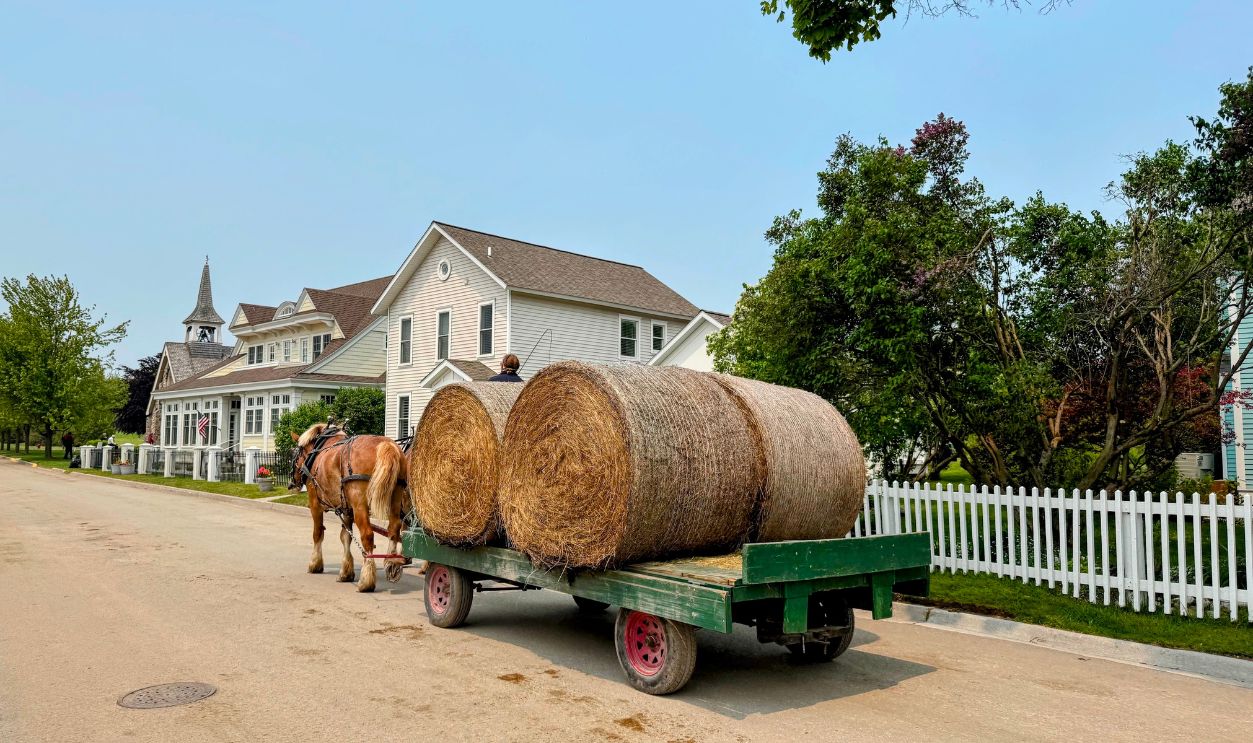
One of the strangest sights for first-time visitors is watching ordinary modern cargo being moved by nineteenth-century technology. Goods arrive at the docks by ferry, then continue through town on horse-drawn wagons. You might see boxes of restaurant supplies, furniture, luggage, or building materials rolling down Main Street behind a team of horses. It makes the car ban feel much more real than simply seeing a few tourist carriages.
Tourism Came Before The Automobile
Mackinac had already become a vacation destination before cars entered the picture. By the nineteenth century, Great Lakes steamships were bringing travelers who wanted cooler summer weather, dramatic scenery, and a break from industrial cities. Hotels and cottages appeared, and horse-drawn sightseeing tours became popular. The first carriage license was issued in 1869, meaning tourists were touring the island by horse decades before anyone complained about the first automobile.
 Selector Jonathon, Shutterstock
Renting A Bike Is Almost Mandatory
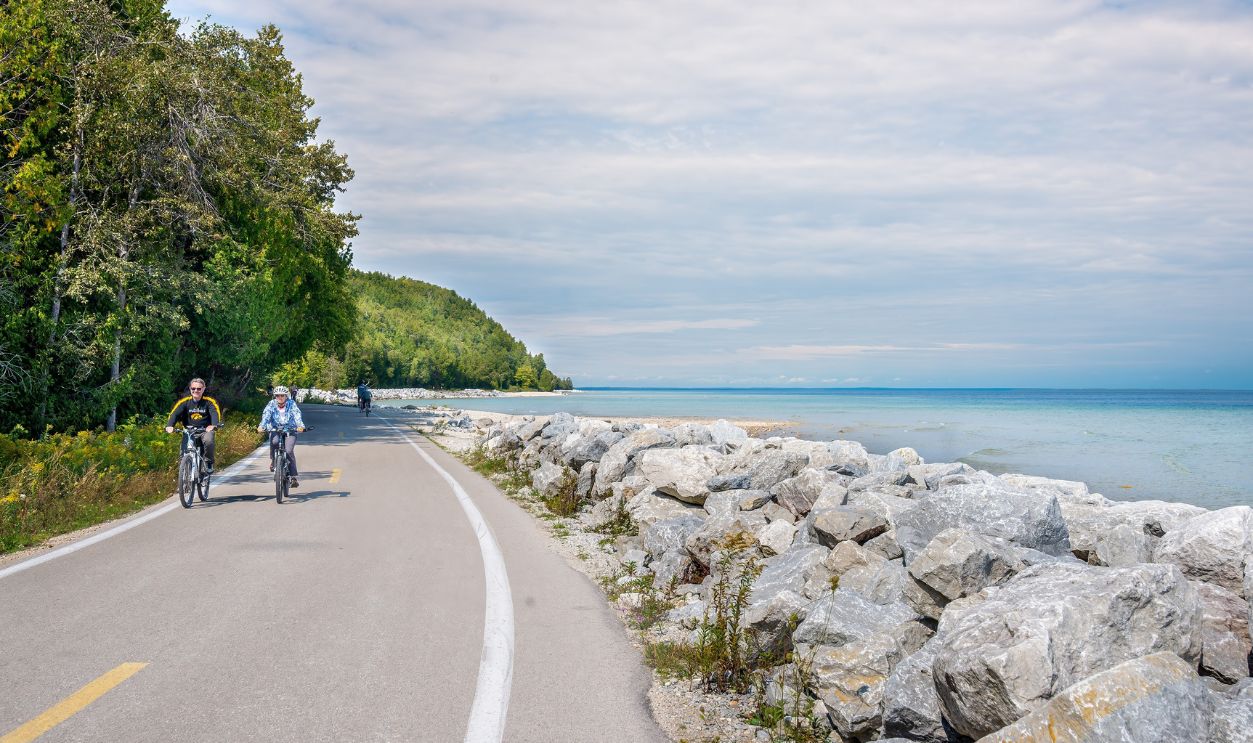
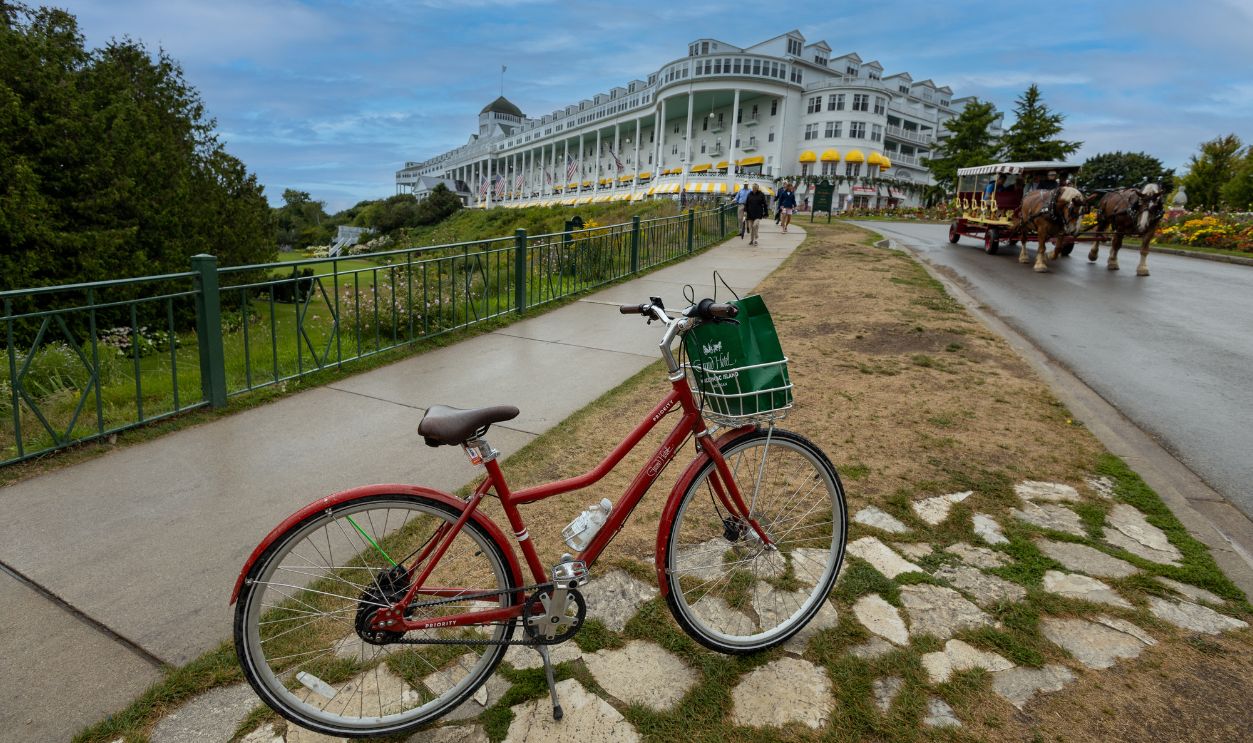
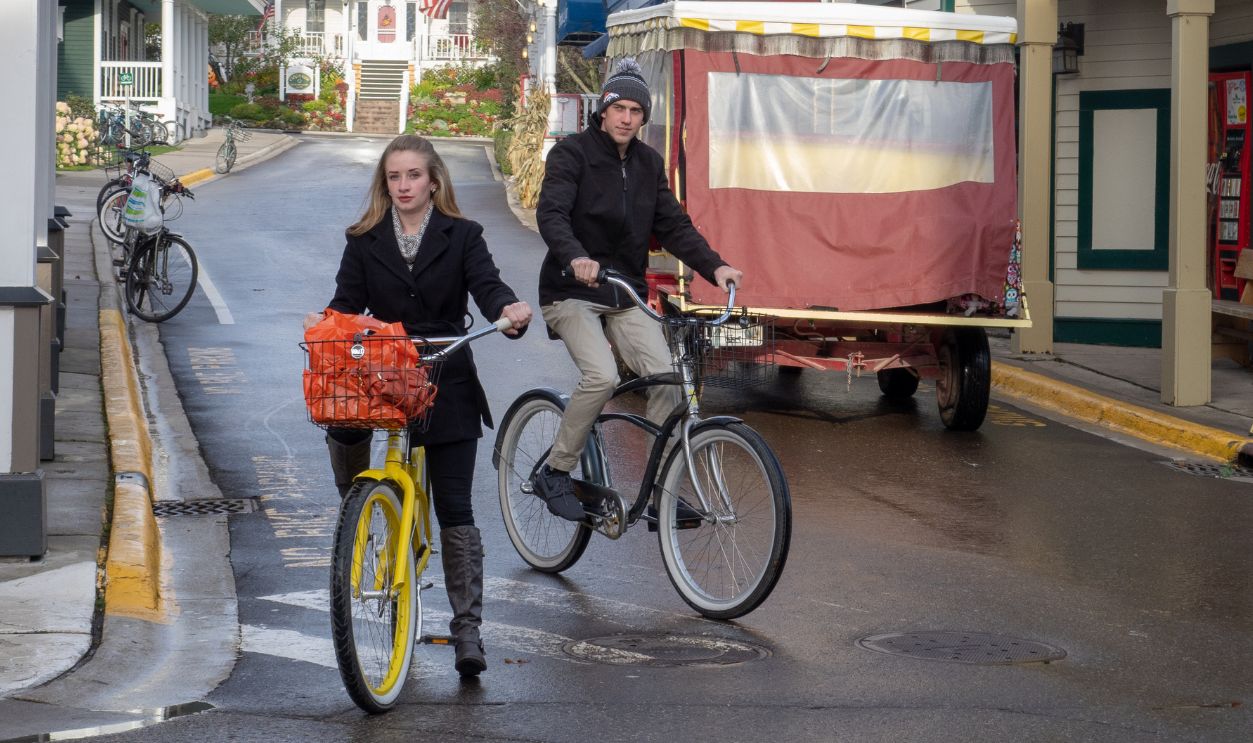
Bicycles are everywhere. Visitors can bring their own across on the ferry or rent one after arriving, with standard bikes, tandems, kids' bikes, and other options available. Even people who haven't ridden in years often decide to try because there's no ordinary car traffic to worry about. That doesn't mean the roads are empty, though. Bikes still mix with pedestrians, horses, and big carriages, especially downtown.
You Can Bike Around The Entire Island
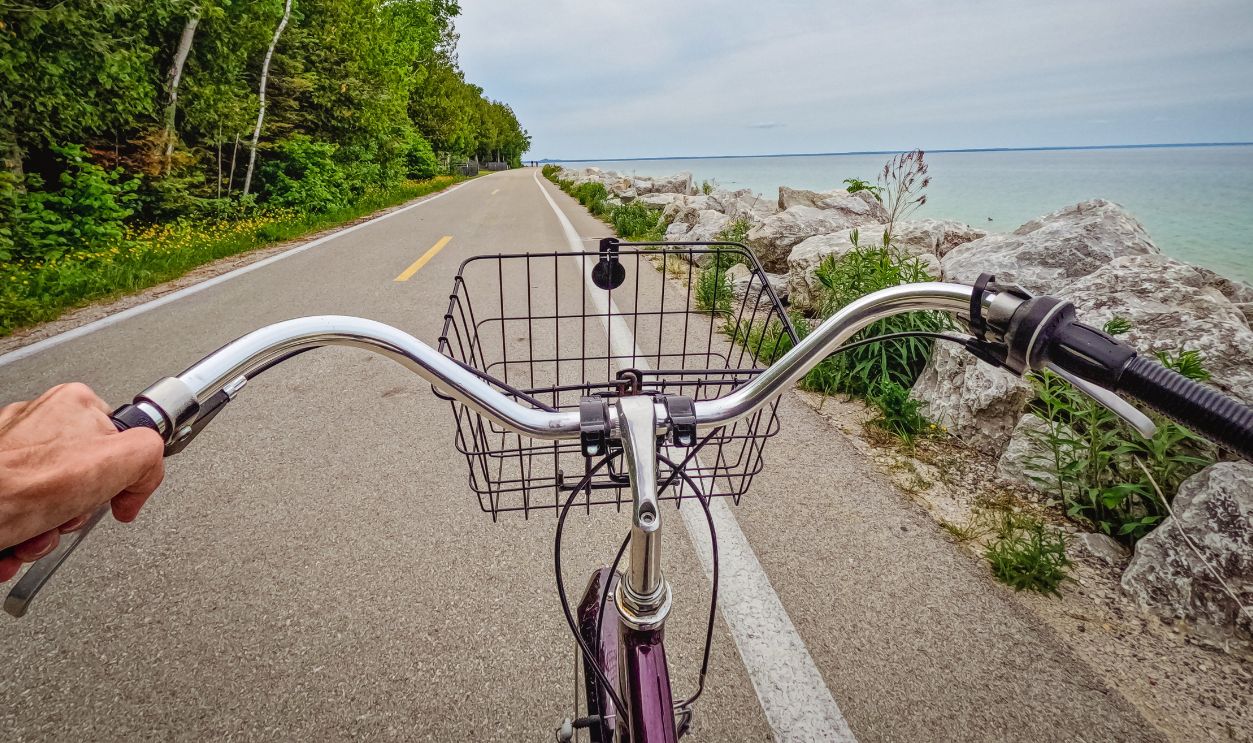
M-185 circles Mackinac Island for about 8.2 miles and is often promoted as the only state highway in America where ordinary motor vehicles aren't allowed. The route follows the shoreline and is mostly flat, making it manageable for a wide range of riders. You pass beaches, forest, historic sites, rock formations, and wide-open views of Lake Huron. The loop can be done fairly quickly, but stopping along the way is half the fun.
Arch Rock Is One Of The Must-See Stops
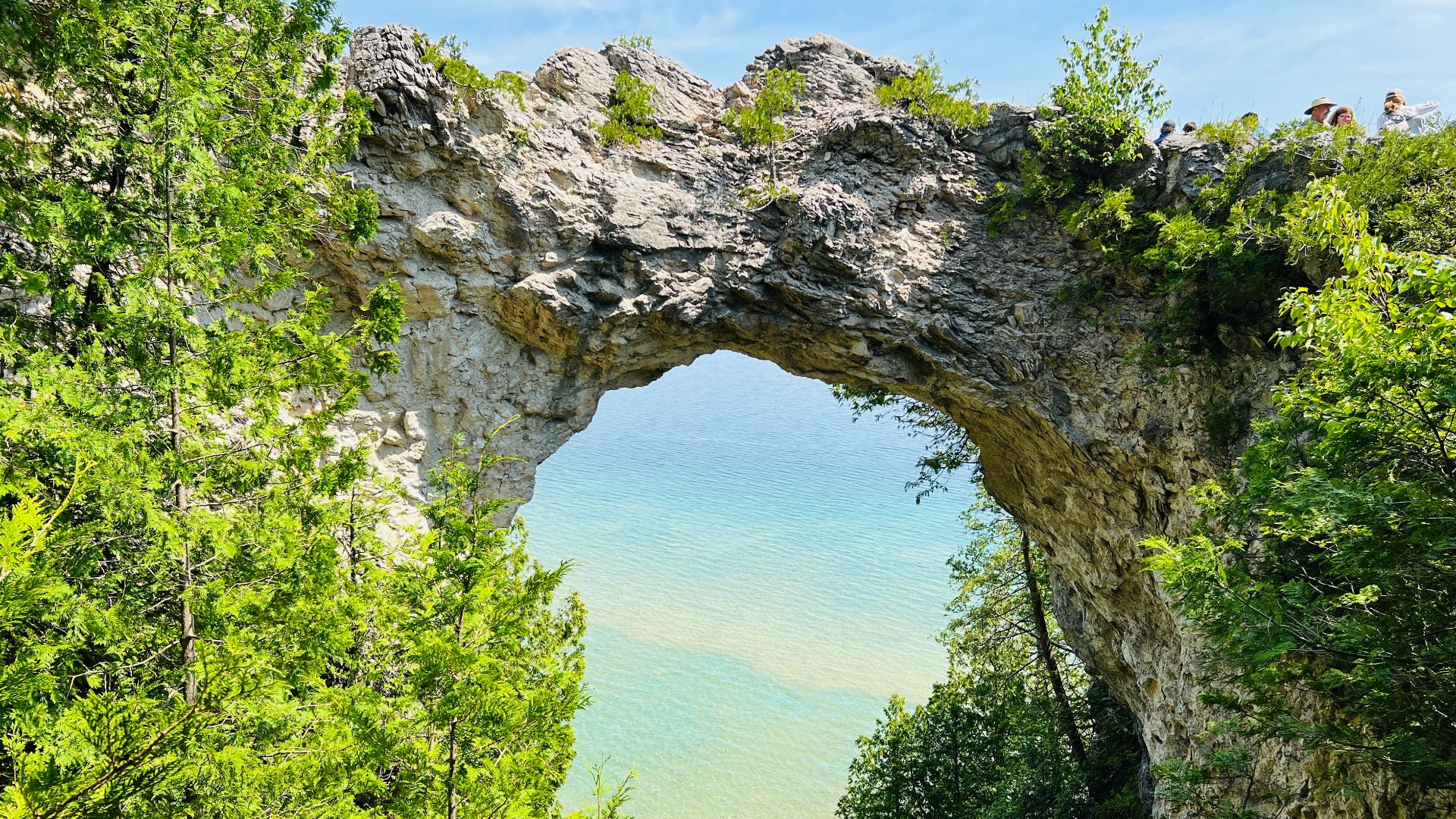
Arch Rock rises roughly 145 feet above Lake Huron and spans about 50 feet at its widest point. The limestone arch was shaped by ancient lake levels and erosion, and today it's one of Mackinac's most photographed landmarks. You can reach it by trail, climb more than 200 steps from the shoreline road, or stop nearby during a carriage tour. On a clear day, the bright blue water visible through the opening barely looks like Michigan.
 Rupashibangla, Wikimedia Commons
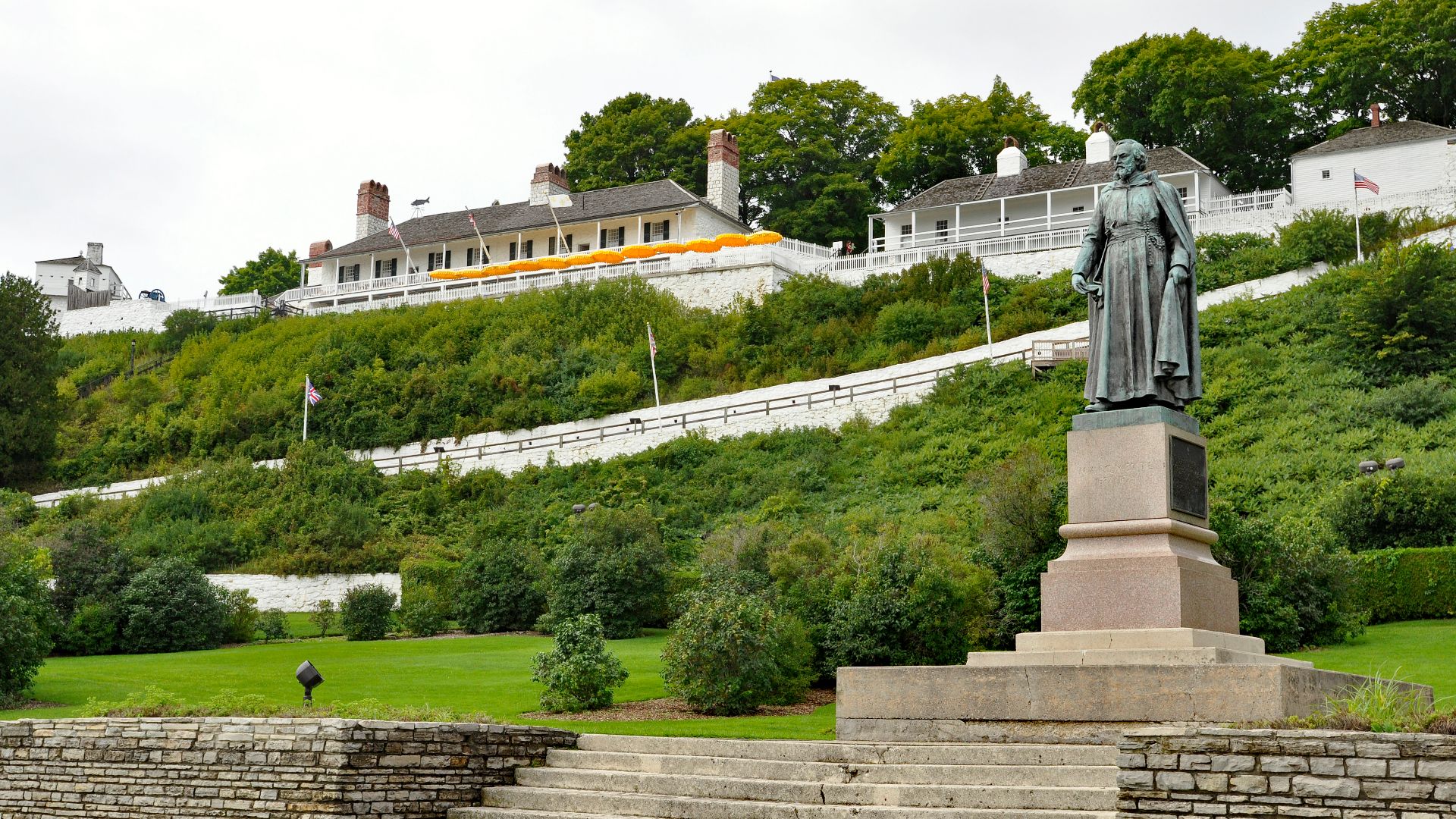
The British Built Fort Mackinac On The Bluff
That dramatic high ground wasn't just good for sightseeing. During the American Revolution, British forces decided their mainland fort at Michilimackinac was too vulnerable and moved their garrison onto Mackinac Island beginning around 1780. The bluff provided a much stronger defensive position. Horses reportedly helped move supplies and equipment during the relocation, giving them an important role on the island long before they became part of its tourist identity.
Fort Mackinac Is Worth Going Inside
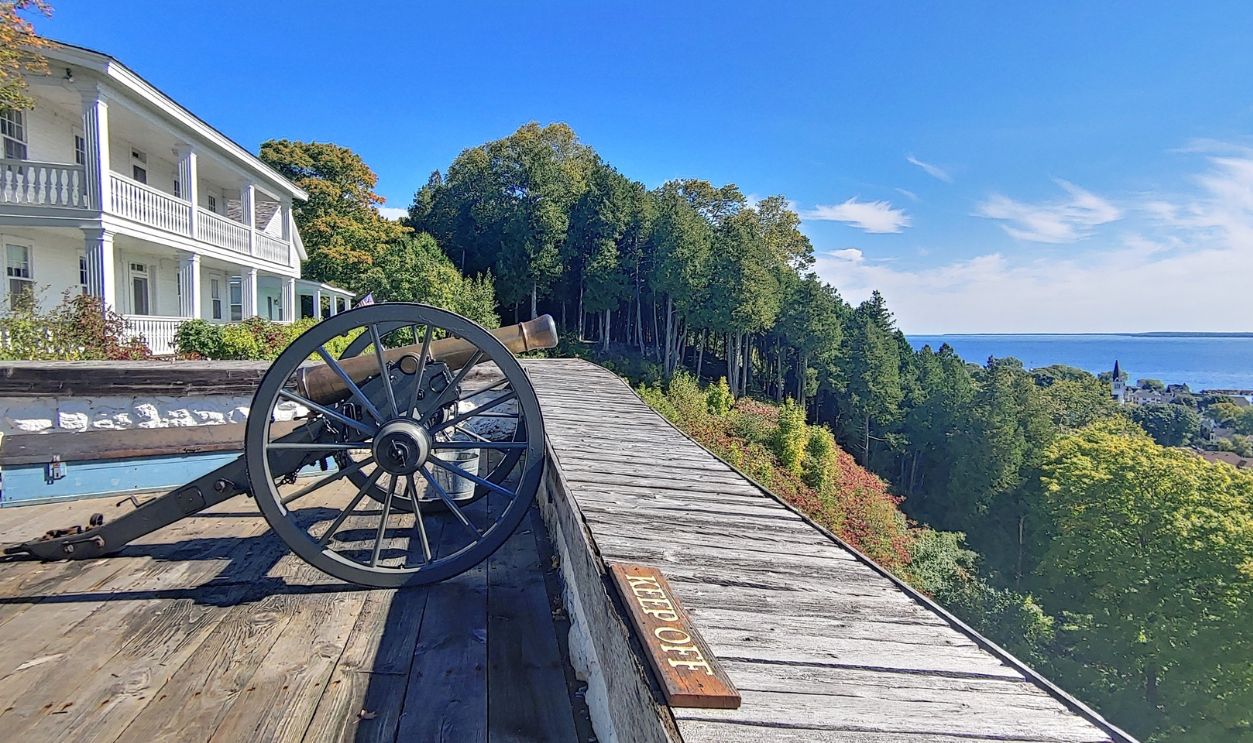
Today, Fort Mackinac still overlooks downtown and the harbor. More than a dozen original buildings survive inside, with exhibits covering military life, medicine, warfare, families, and the island's changing role. Costumed interpreters and demonstrations keep it from feeling like a row of empty rooms. The fort changed hands between British and American forces and remained active until 1895, so it also provides a useful overview of several chapters of Mackinac history at once.
Mackinac Was Once A National Park
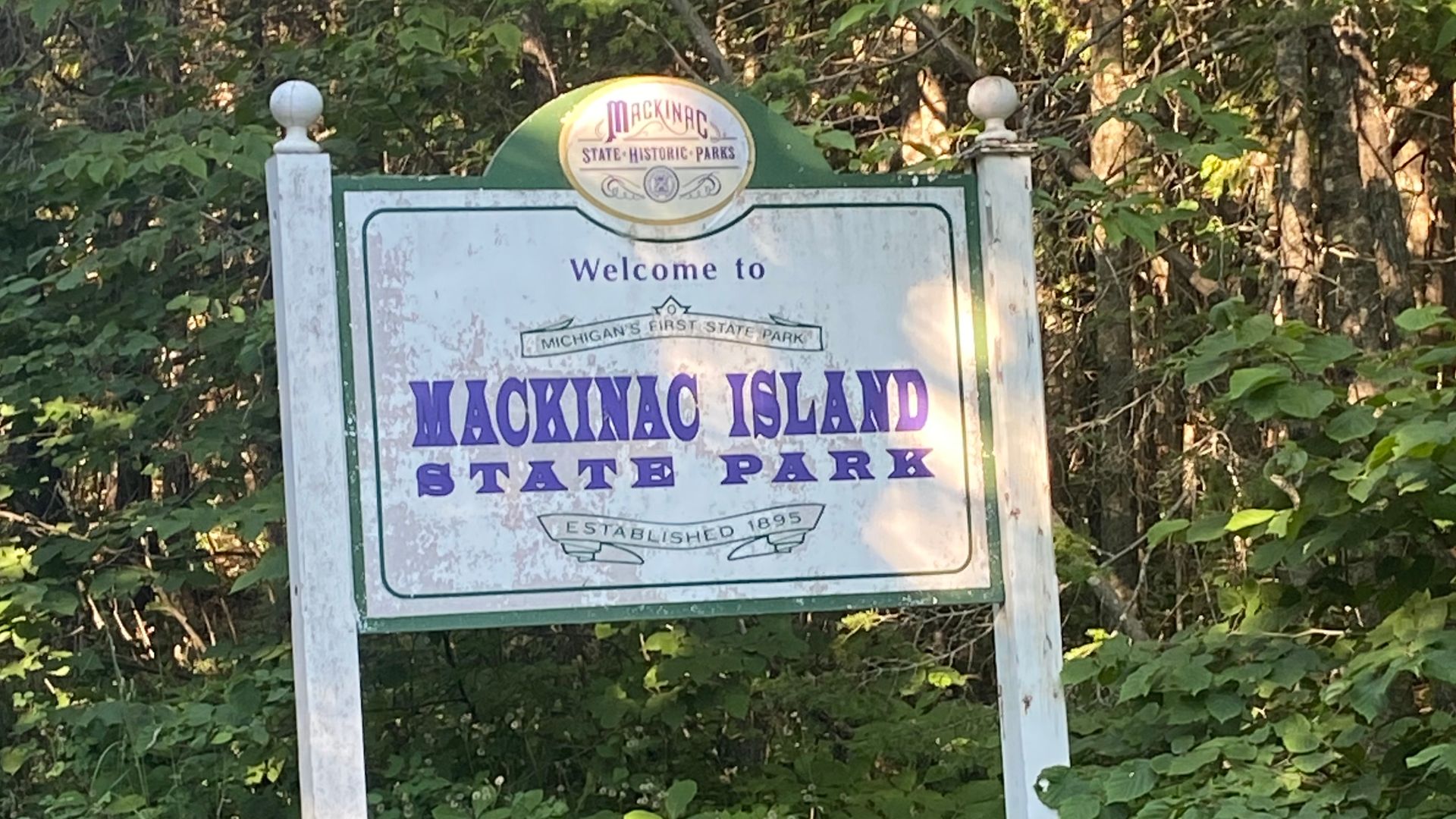
Long before Michigan's modern state park system existed, much of Mackinac Island became Mackinac National Park in 1875. It was only the second national park established in the United States after Yellowstone. When the military left Fort Mackinac in 1895, the federal government transferred the parkland to Michigan, creating Mackinac Island State Park. More than 80 percent of the island remains protected parkland today, which explains why the interior still feels surprisingly wild.
 Noah Barger, Wikimedia Commons
A Carriage Tour Is Still One Of The Best Introductions
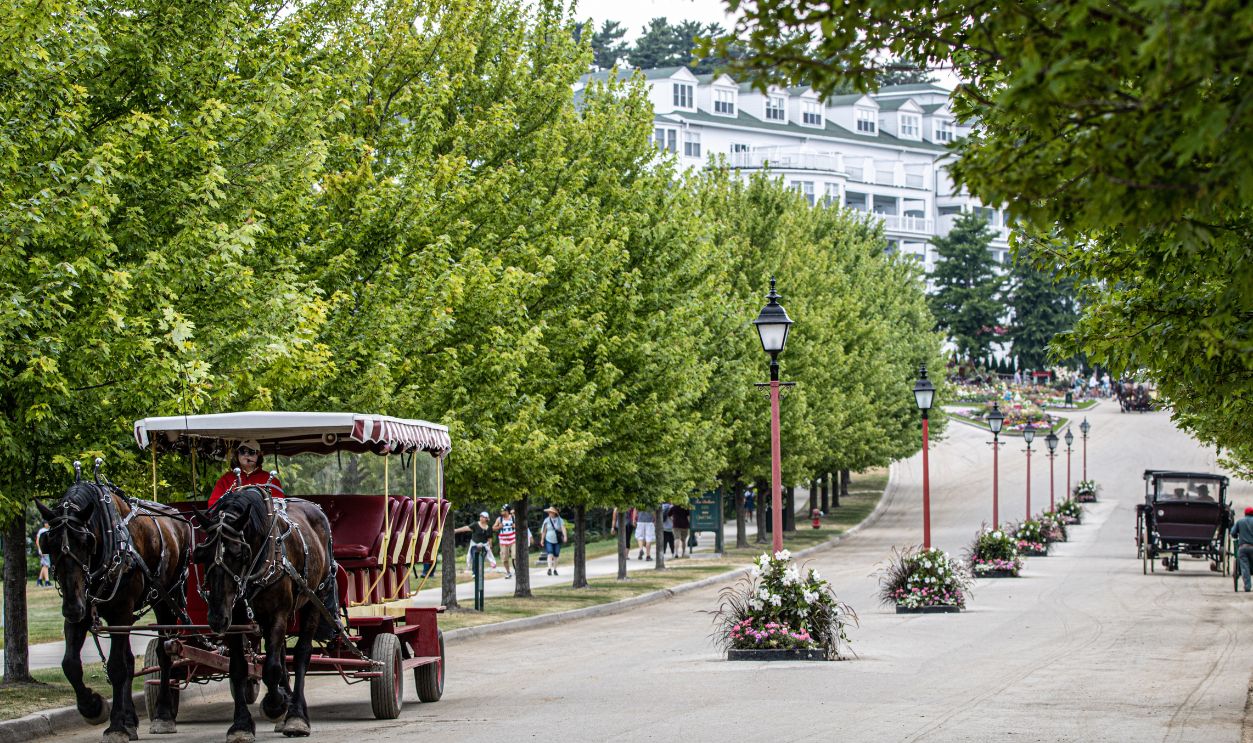
Yes, it's touristy. It's also useful. A narrated carriage tour gives first-time visitors an easy way to understand the island's layout without immediately tackling hills by bike or on foot. Tours typically pass through downtown and parts of the state park while guides explain local history and point out landmarks. Considering tourists have been riding sightseeing carriages here since the nineteenth century, it's also one of those tourist activities that's actually part of the island's history.
The Grand Hotel Helped Create Modern Mackinac
The Grand Hotel opened in 1887, when railroad and steamship companies were helping turn Mackinac into a major summer resort. Its enormous front porch quickly became a symbol of the island's Victorian vacation culture. More than a century later, it still dominates the landscape above the water and attracts guests who want a more formal, old-fashioned resort experience.
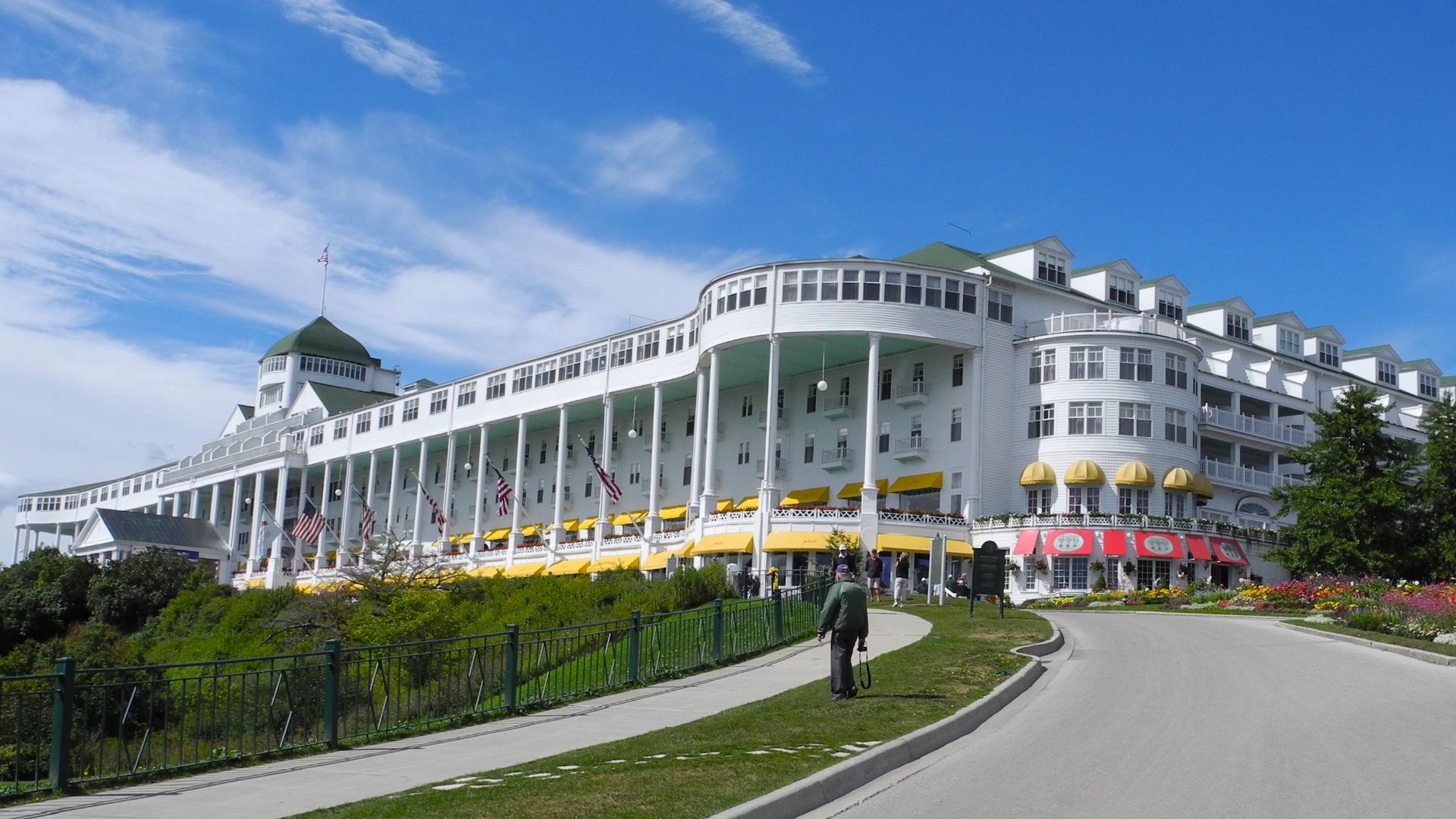
The Grand Hotel Is Worth Seeing Even If You Don’t Stay There
Staying at the Grand Hotel can get expensive, but the property is still worth a look. Its giant porch, gardens, colorful interiors, and elaborate public spaces feel almost theatrical. The hotel also became famous as a filming location for the 1980 movie Somewhere in Time. Visitors should check current admission policies and dress requirements before showing up, since the hotel maintains more formality than most modern resorts.
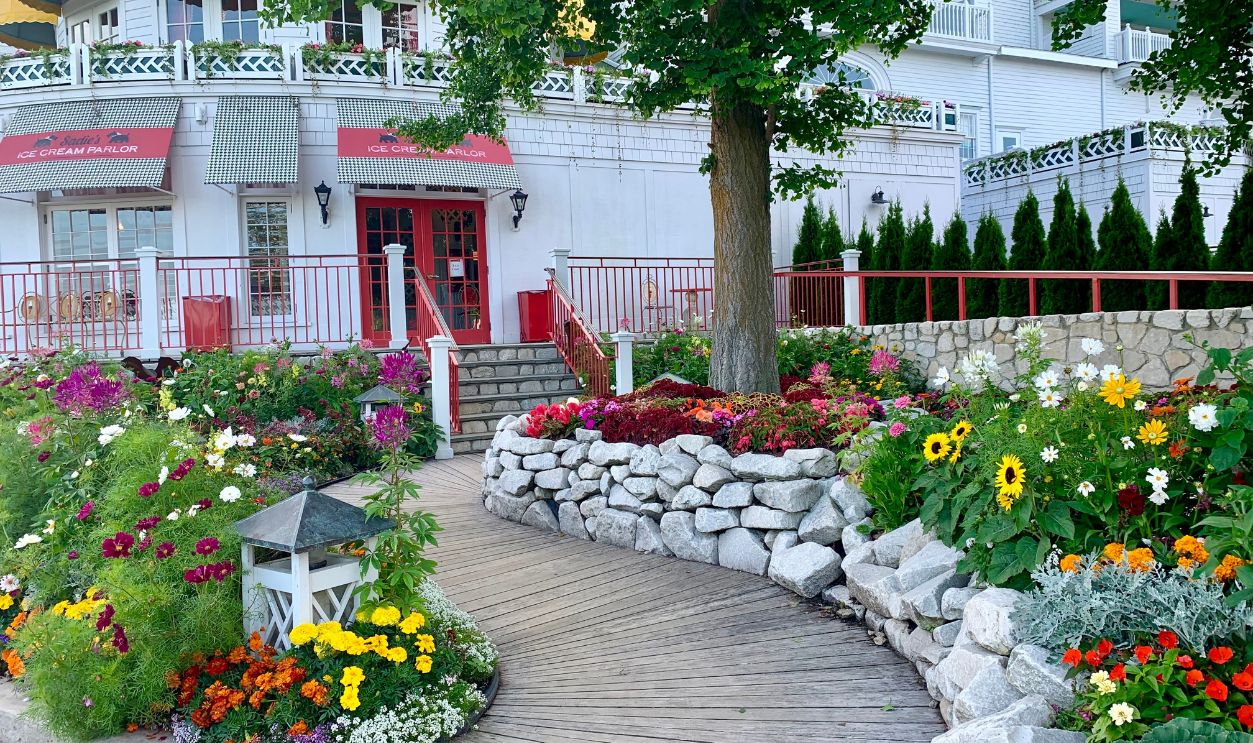
Residents Mostly Walk Or Bike
For the island's roughly 500 to 600 year-round residents, car-free life isn't a vacation novelty. People walk, cycle, use horse-drawn taxis, or ride horses. Everyday errands take a little more planning, especially when groceries or larger items are involved, but the community has been organized around that reality for generations. Once you're there, it becomes obvious how much of everyday American life only feels impossible without a car because most places were built to require one.
 NCSchneider_Images, Shutterstock
Winter Changes Everything Again
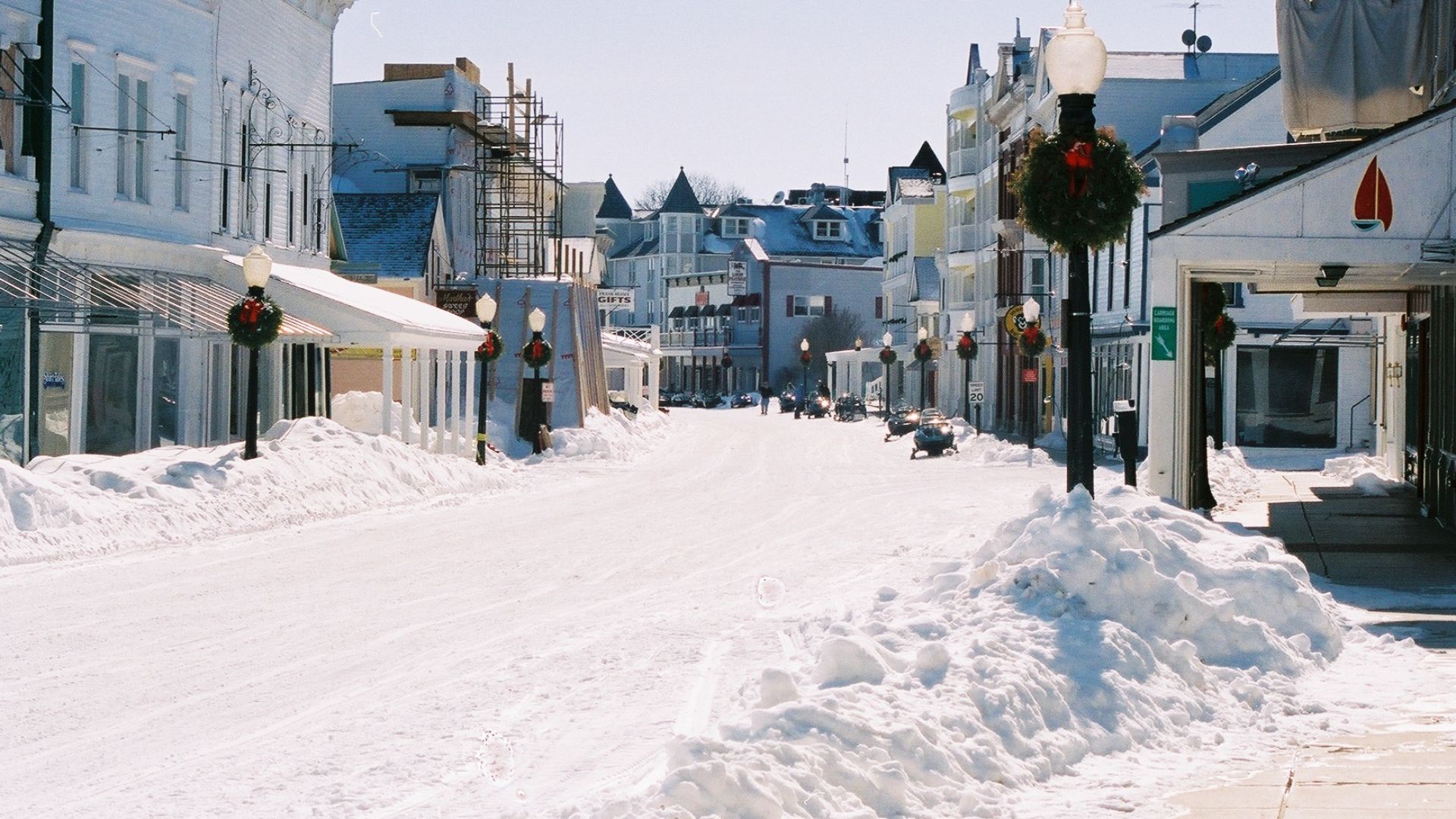
Mackinac in January is almost a different town from Mackinac in July. Most seasonal horses leave, tourism slows dramatically, and snowmobiles become legal transportation. Ferry service is reduced and can be affected by ice, while aircraft sometimes become the most reliable connection to the mainland. The car-free rule remains part of the island's identity, but year-round residents have had to adapt it to an Upper Great Lakes winter.
 Mary McGuire, Wikimedia Commons
You’re Basically Required To Eat Fudge
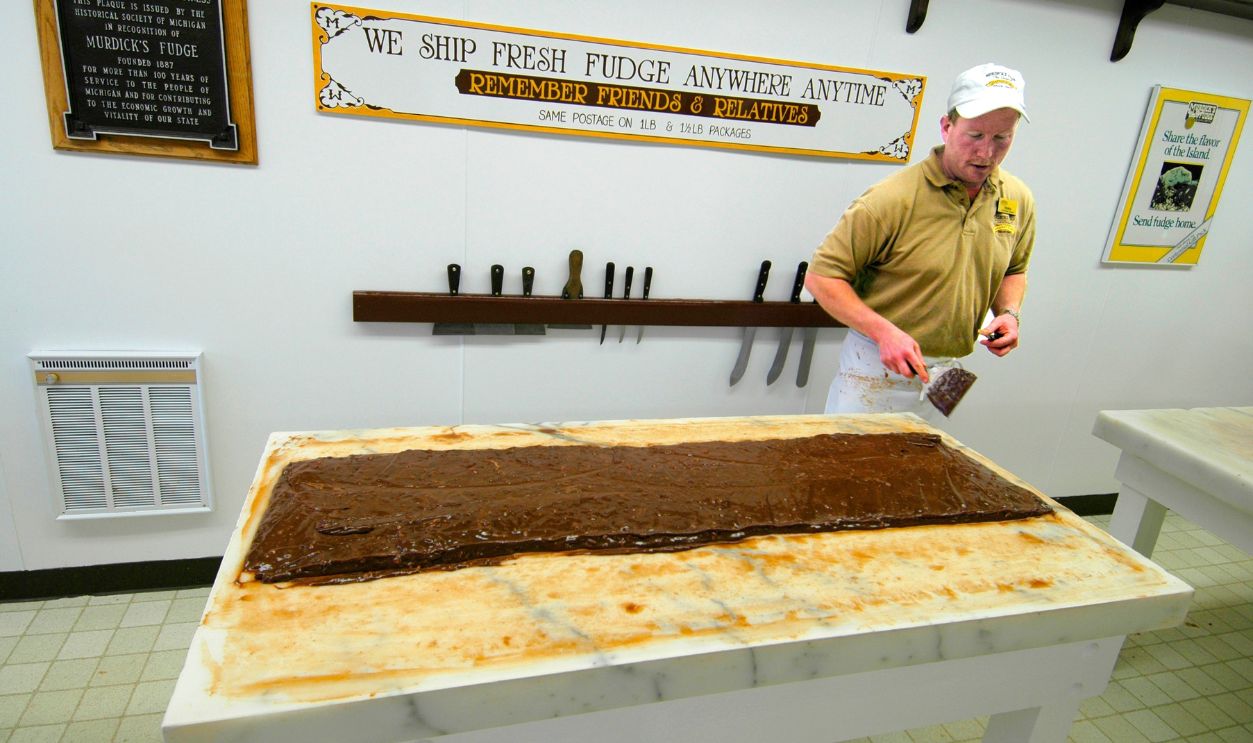
Mackinac and fudge have become so closely linked that tourists are affectionately called "fudgies". Candy makers began producing fudge in storefront windows, where visitors could watch it being poured and folded on marble slabs. The smell drifting out onto Main Street turned out to be excellent advertising. Several longtime shops still make it in full view of passersby, and carrying at least one little box onto the ferry home feels almost mandatory.
 Dennis MacDonald, Shutterstock
The Island’s History As A Trading Center Goes Back Much Further
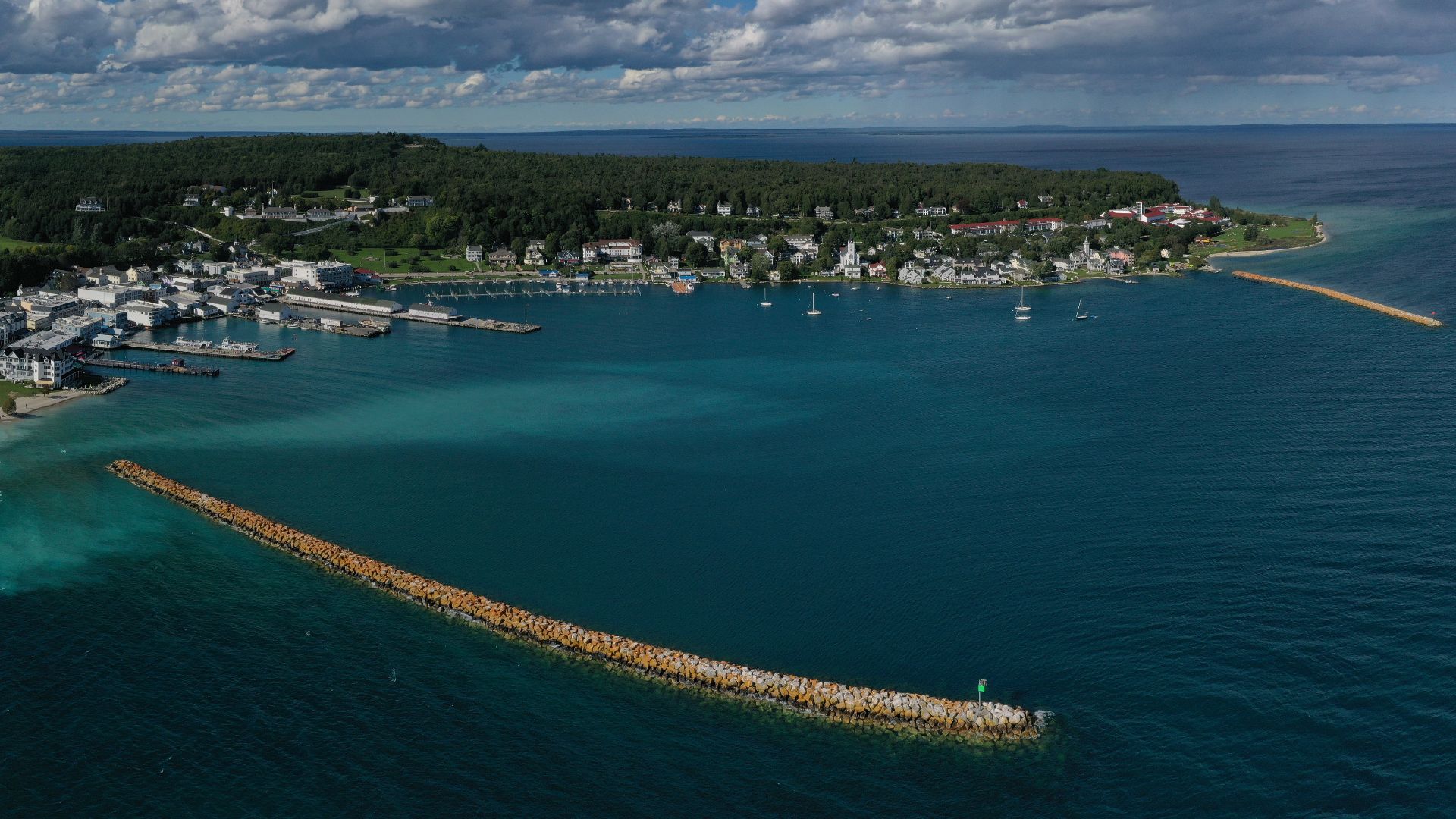
Long before anyone was selling fudge, the wider Mackinac region was one of the Great Lakes' most important trading crossroads. Indigenous trade networks already connected the area to distant communities before French traders and missionaries arrived. Later, the fur trade made Mackinac strategically important to French, British, and American interests because movement between Lake Michigan and Lake Huron passed right through the region.
 August Schwerdfeger, Wikimedia Commons
June Belongs To The Lilacs
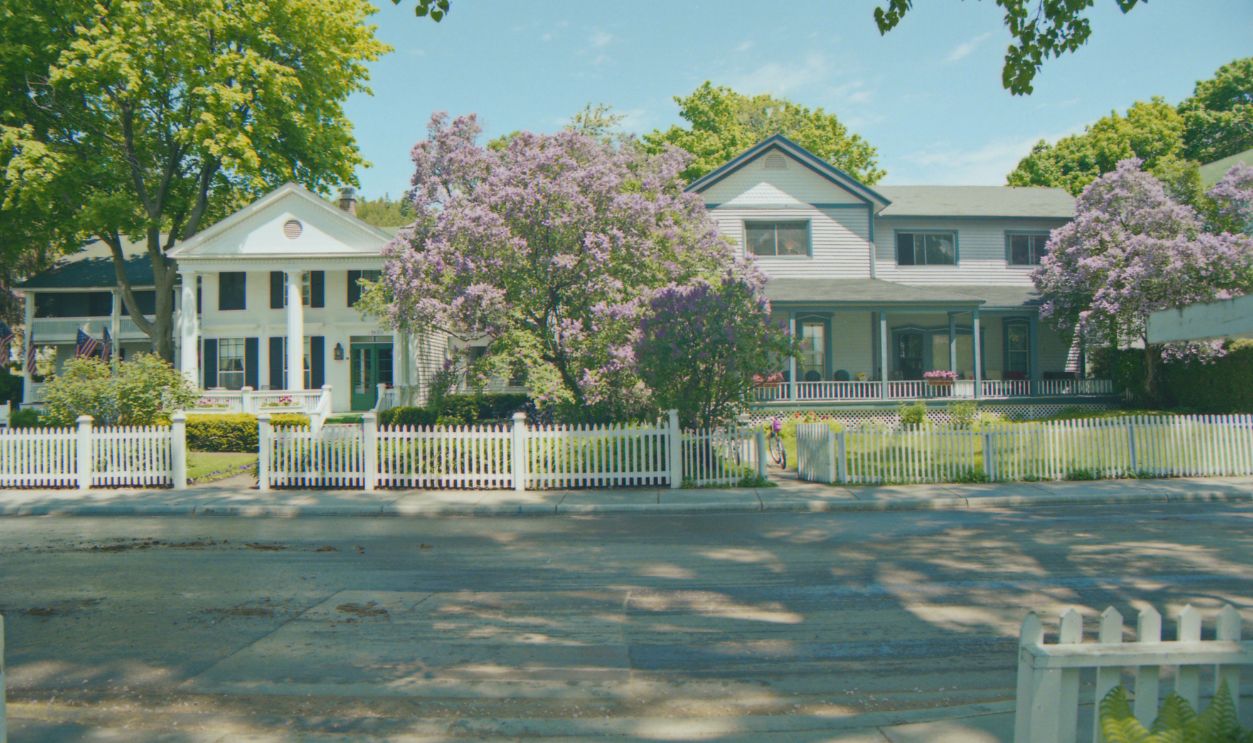
Mackinac's lilacs aren't just decorative landscaping. Some old plants have grown into huge, tree-like forms, helped by the island's cool climate and limestone-rich soil. The annual Lilac Festival dates back to 1949 and now includes walking tours, music, events, and a horse-drawn parade. June is one of the prettiest times to visit, especially if you want spring flowers without waiting for peak summer.
Summer Has The Most Going On
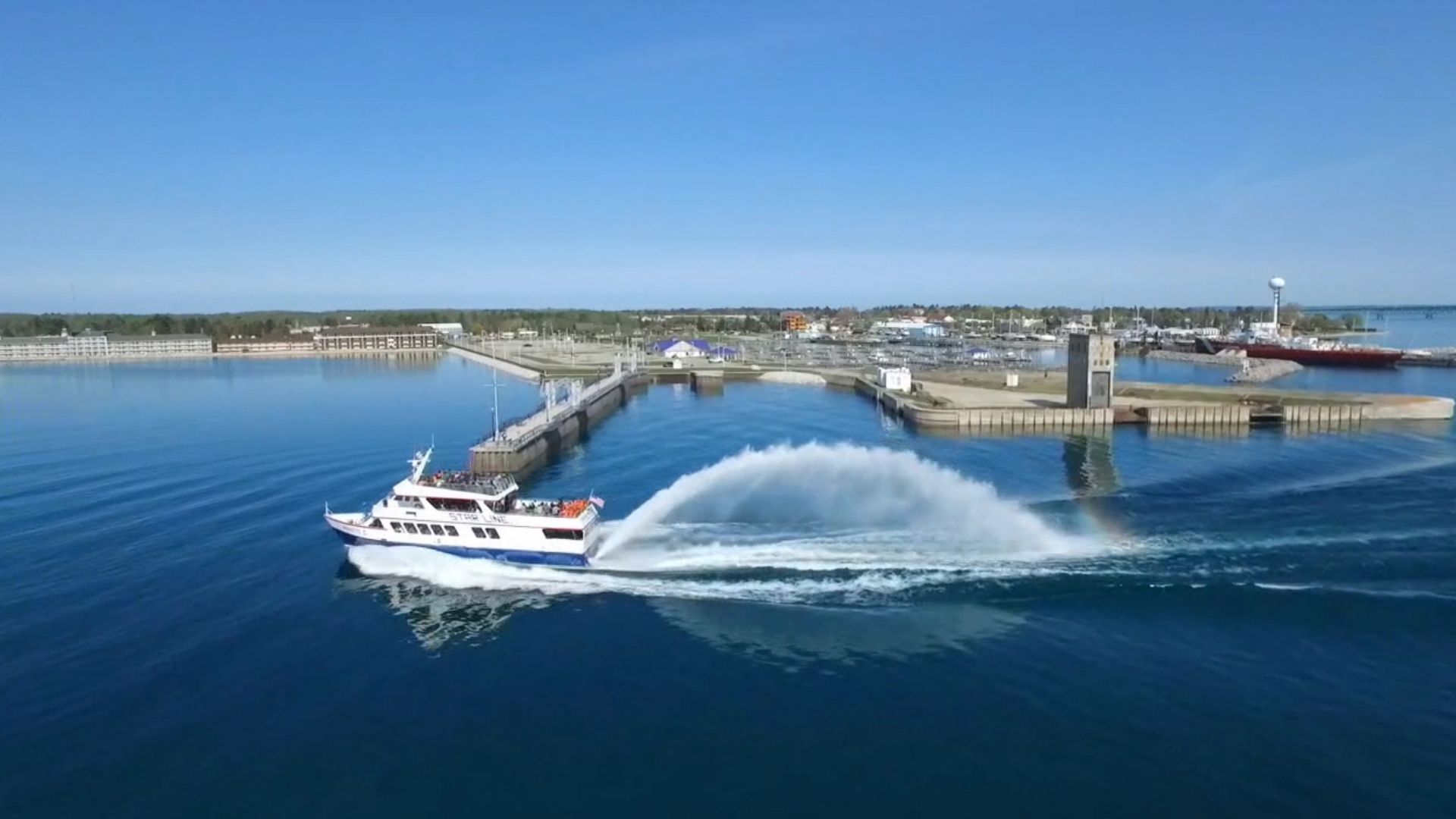
July and August offer the easiest version of Mackinac travel. Ferries run frequently, hotels and restaurants are fully open, bike rentals are everywhere, and carriage tours operate on busy schedules. The downside is predictable: crowds. Downtown can get packed between late morning and afternoon as day-trippers arrive. If you're staying overnight, mornings and evenings feel much more relaxed.
 Vectorlogic, Wikimedia Commons
Spring And Fall Can Be Even Better
May, September, and October are good choices for travelers who care more about breathing room than peak-summer warmth. Spring is quiet as businesses gradually reopen. September often keeps pleasant weather while losing some of the family-vacation crowds. October brings fall color and cooler temperatures, although restaurants, ferries, hotels, and attractions begin reducing hours. Checking what's actually open matters more during these shoulder seasons.
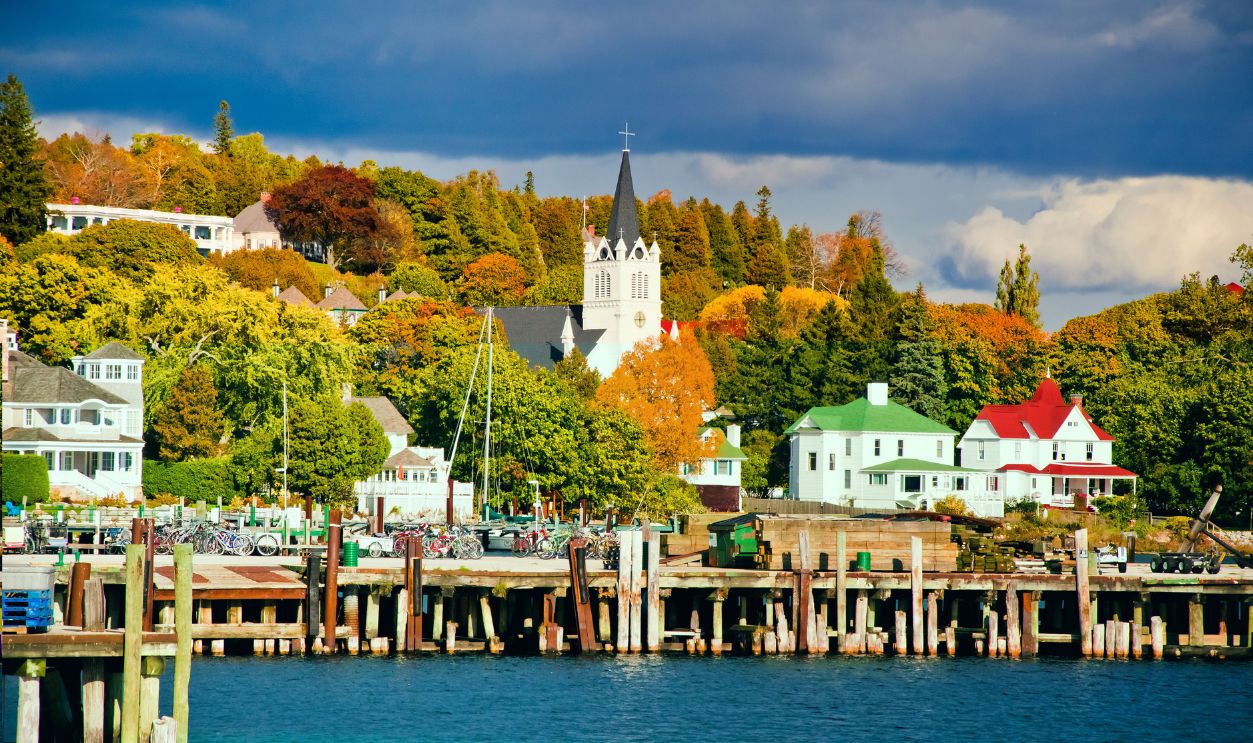
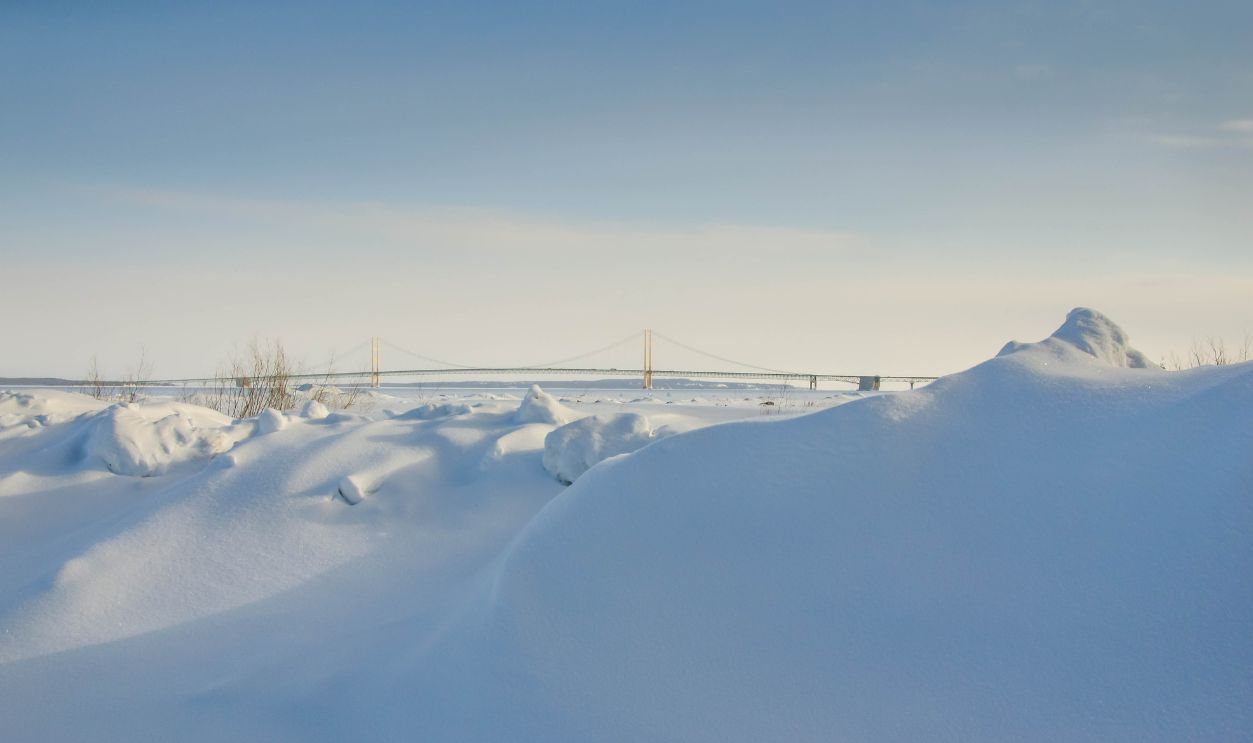
Winter Is For People Who Want A Completely Different Mackinac
Winter visitors shouldn't expect the classic postcard version of the island. Many businesses close, ferry service becomes limited, and Main Street can feel almost deserted. In exchange, you get snowshoeing, cross-country skiing, fat biking, and streets with virtually no summer crowd. It's probably better for repeat visitors who already know the island than for someone hoping to experience all the famous attractions for the first time.
 Christopher Tipton, Shutterstock
Bring Comfortable Shoes
Even if you're renting a bike or taking a carriage, you'll still do plenty of walking. Downtown is easy, but the bluffs and interior include hills, stairs, trails, and uneven terrain. Comfortable shoes make a huge difference. Great Lakes weather can also change quickly, so a light layer or rain jacket is useful even during summer. Mackinac is much more enjoyable when you aren't trying to race through a packed itinerary.
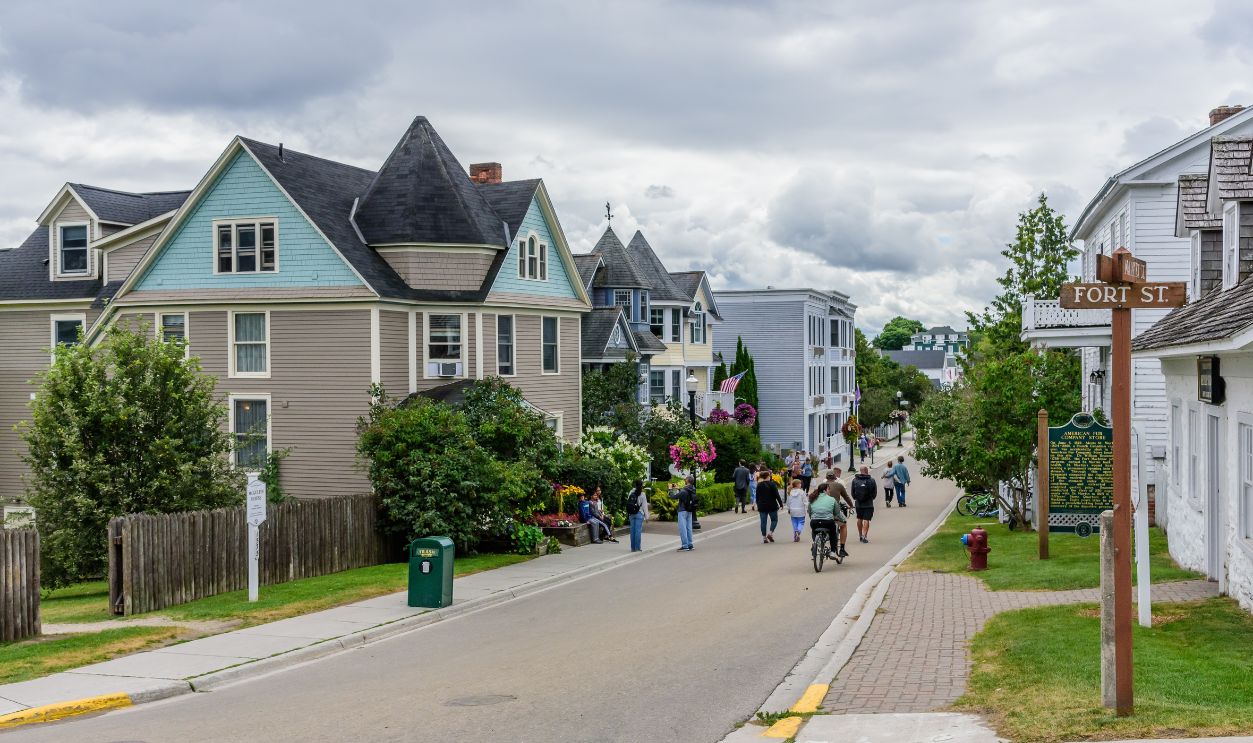
Give The Horses Some Room
The lack of cars doesn't mean the streets are traffic-free. Large horse teams, bicycles, walkers, and carriages all share the same spaces. Don't cut closely in front of a horse, and listen when drivers tell you to wait or move aside. Cyclists should pass predictably and give carriages space. Mackinac traffic may look charming, but the horses are working animals pulling a lot of weight.
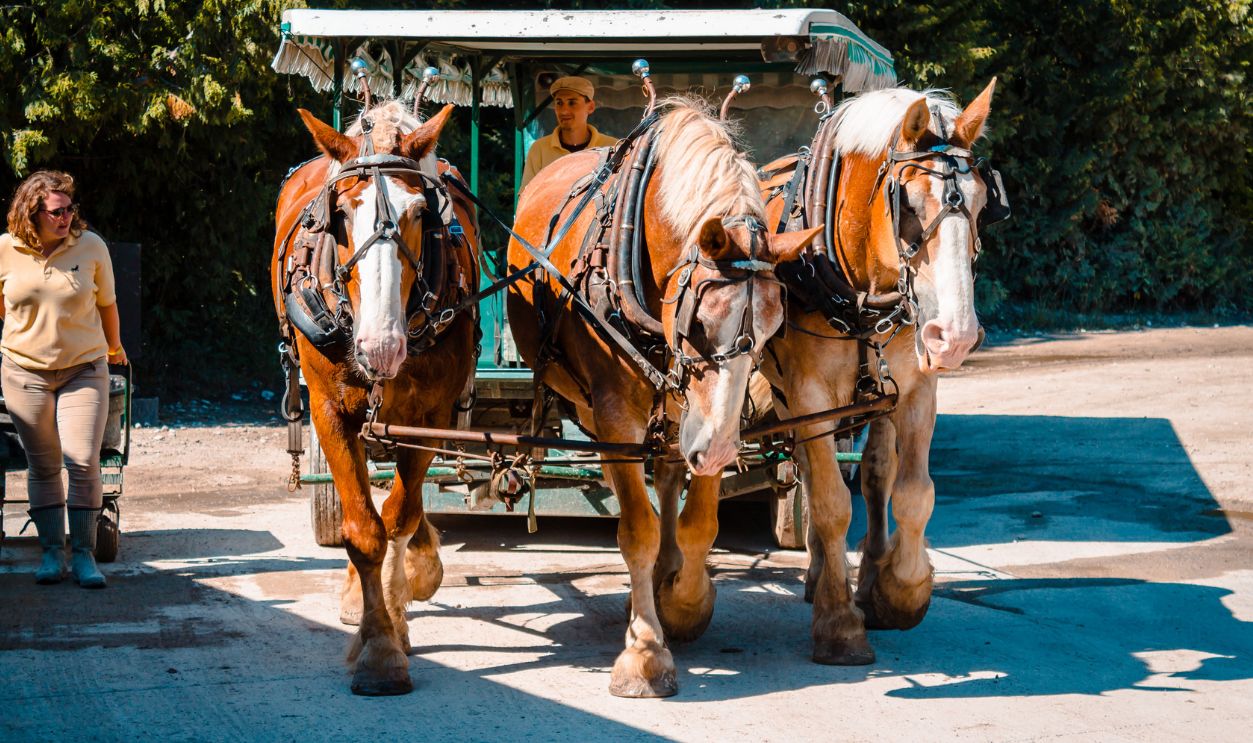
Stay Overnight If You Can
A day trip covers the obvious attractions, but staying overnight changes the experience. Once the main afternoon ferry crowds leave, downtown gets quieter, carriage traffic thins out, and the Victorian buildings become easier to appreciate. You can bike the perimeter early in the morning, visit Arch Rock before it gets busy, and have dinner without constantly checking the time for the last ferry.
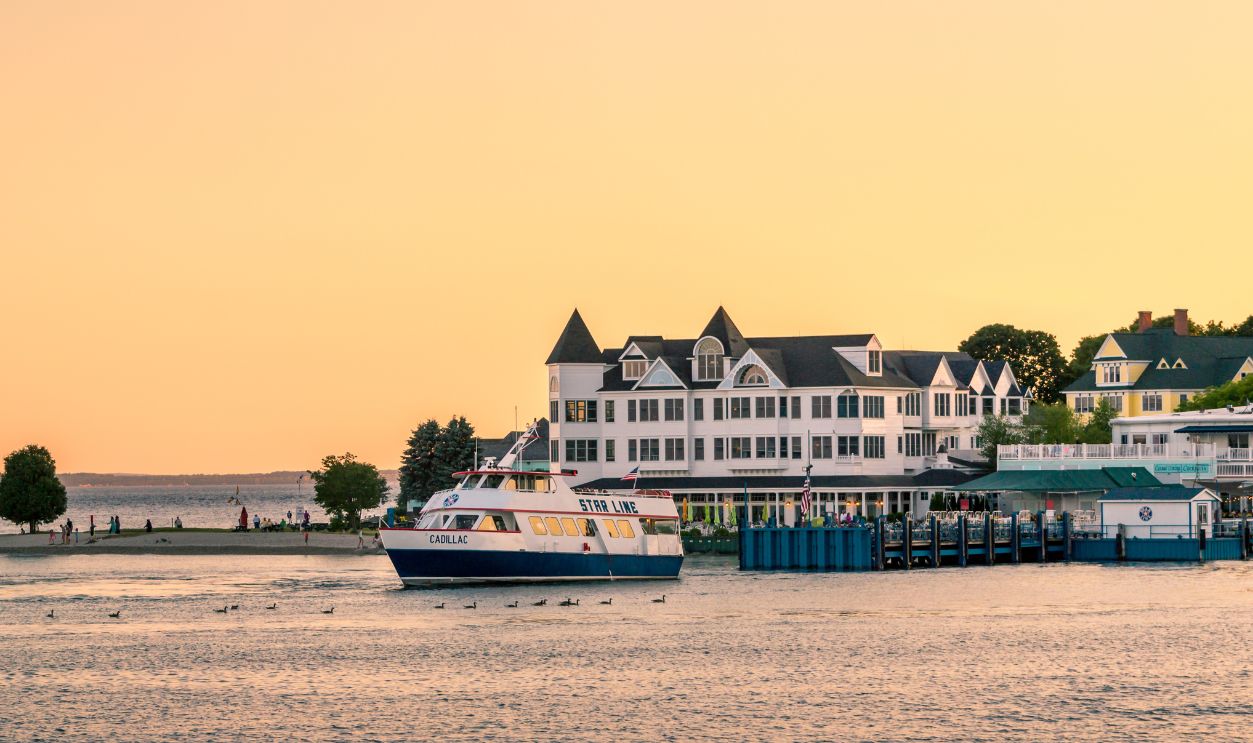
The Car Ban Ended Up Preserving More Than Anyone Planned
The people who banned early automobiles were just trying to stop noisy machines from spooking horses, but the decision ended up protecting something much bigger. Streets remained walkable, horse businesses survived, and downtown never filled with parking lots. Visitors were forced to move more slowly, and that slower pace became part of the attraction. More than a century later, Mackinac Island feels unique precisely because the rest of North America changed so much around it.
You May Also Like:
Frankenmuth Started As A German Settlement. Today, It’s Michigan’s Most Charming Small Town
American Vacation Towns That Were Famous Long Before Florida And Las Vegas Took Over
Canadian Arctic Communities With No Year-Round Road Connecting Them To The Rest Of The Country
Sources: 1, 2, 3, 4, 5, 6, 7, 8, 9, 10, 11, 12, 13, 14, 15, 16