When Breakfast Was Cheap, Filling, And Homemade
Before $20 brunch plates and fancy coffee orders, American families knew how to make breakfast out of practically nothing. Cornmeal, leftover meat, stale bread, and yesterday's potatoes became some of the country's most beloved regional dishes. Many started in farmhouses, fishing communities, and working-class kitchens before becoming local legends.
How many of these old-fashioned breakfasts did your family make?
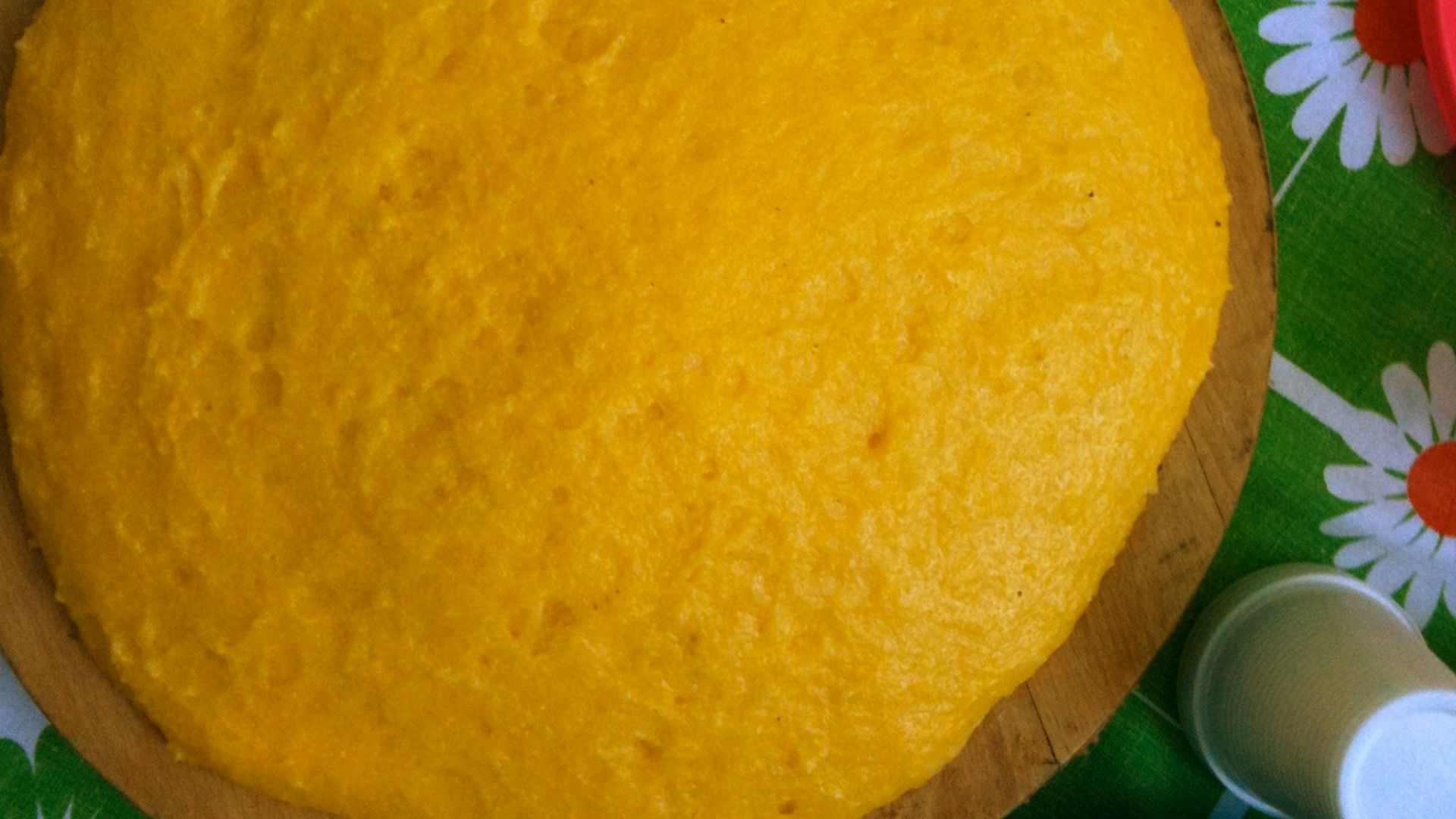
#25. Fried Cornmeal Mush — Midwest
Before boxed breakfast cereals took over American kitchens, Midwestern families regularly served cornmeal mush. Made by cooking inexpensive cornmeal in water, it could feed several people for very little money. Leftovers were chilled, sliced, and fried the next morning. Add a little butter or syrup, and yesterday's porridge suddenly felt like a special breakfast. Grandma called that being resourceful.
 David Orban, Wikimedia Commons
#24. Chocolate Gravy And Biscuits — Arkansas And The Ozarks
Chocolate for breakfast sounds suspiciously like something a child invented, but chocolate gravy has long been a beloved tradition in Arkansas and the Ozarks. Families made a warm sauce using cocoa, sugar, flour, and milk, then poured it over homemade biscuits. Its precise origins are uncertain, but it became a nostalgic mountain-country favorite. Somehow, parents convinced themselves this counted as breakfast rather than dessert.
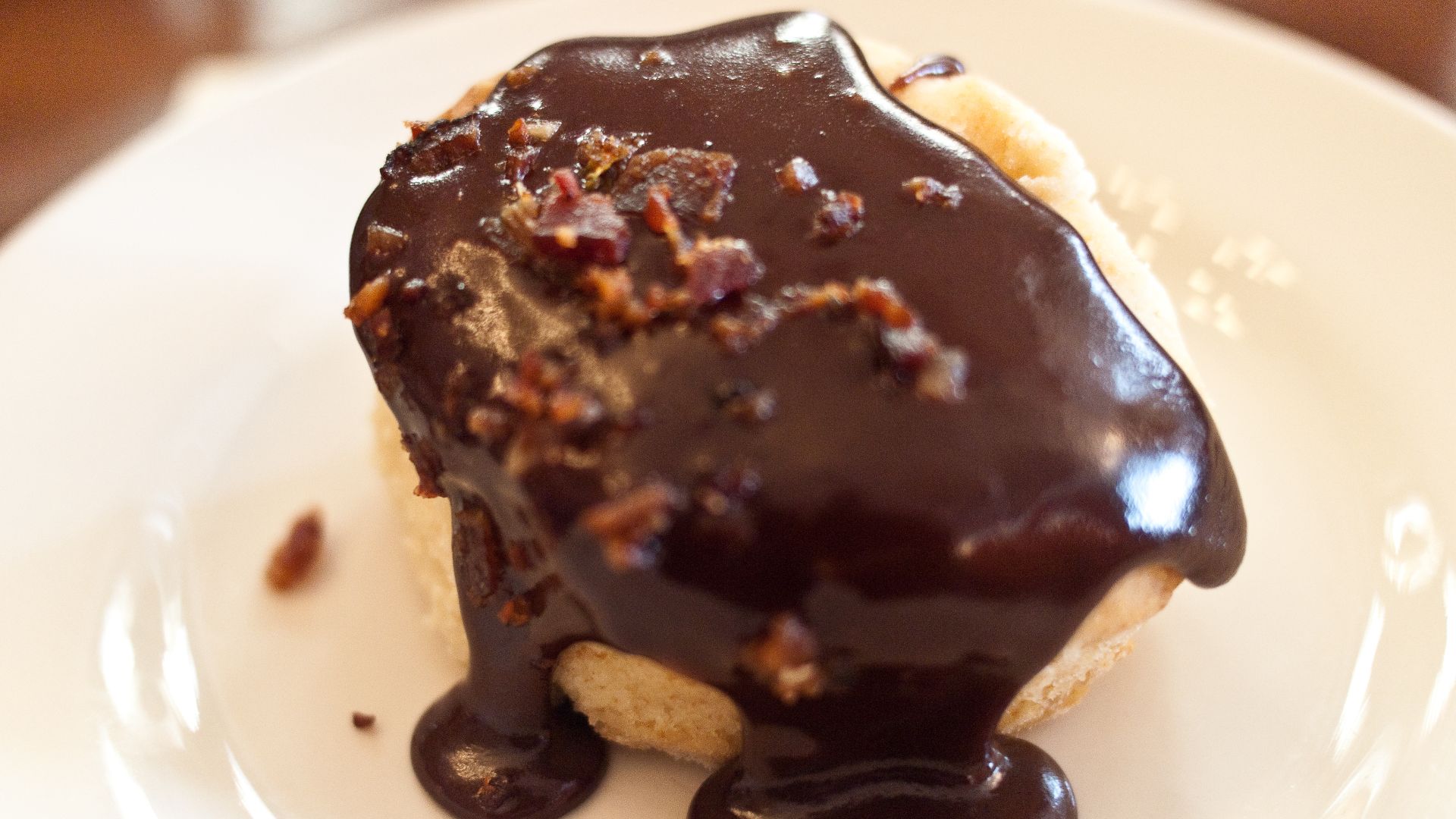 Edsel Little, Wikimedia Commons
#23. Ployes — Northern Maine
In northern Maine's Acadian communities, ployes were an inexpensive alternative to ordinary pancakes. Made with buckwheat flour and other simple ingredients, these thin, bubbly cakes were traditionally cooked on one side without flipping. Families served them with butter, syrup, or savory foods. They helped make locally available grain go further, and they remain a cherished reminder of French Acadian heritage.
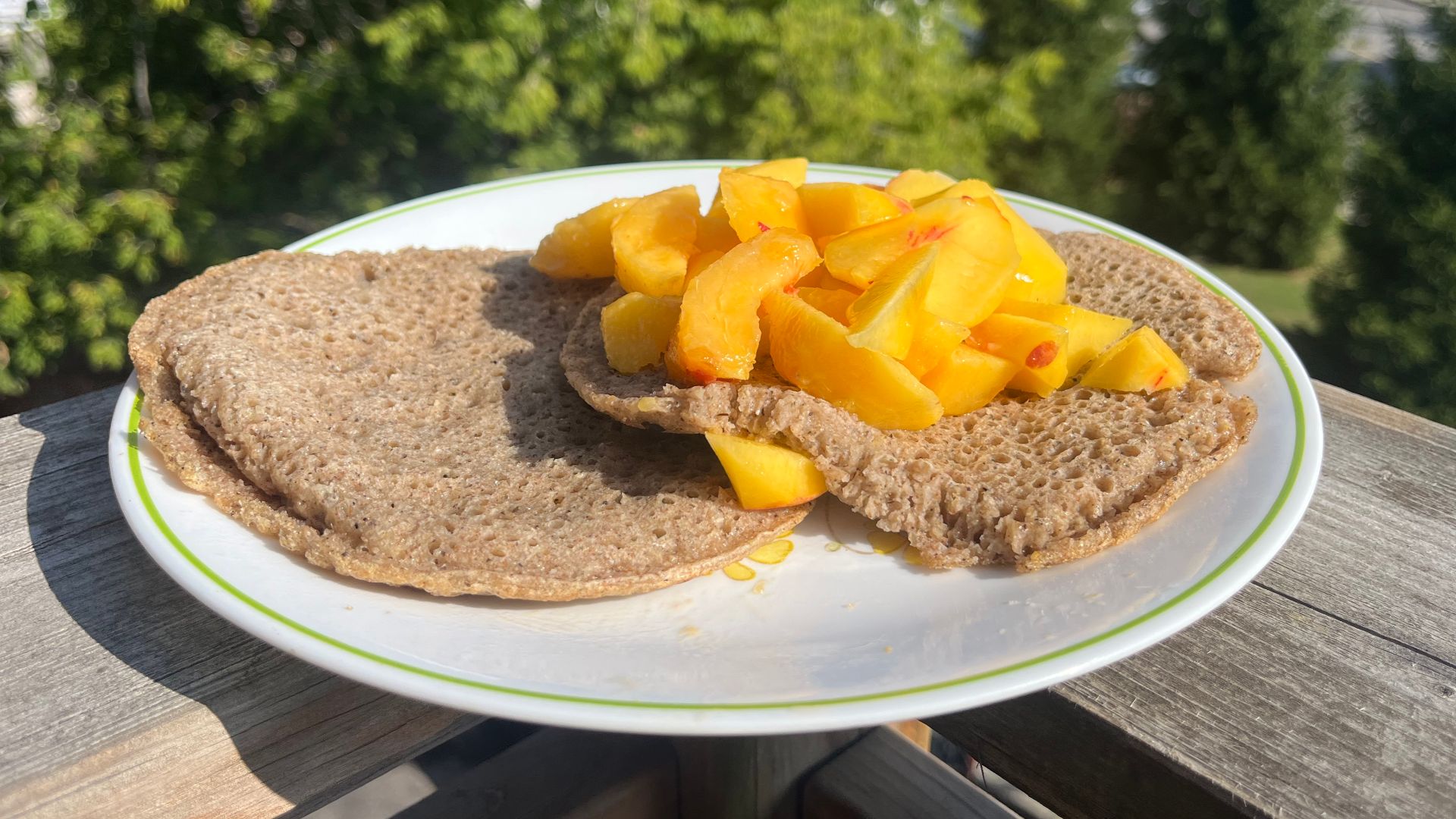
#22. Buckwheat Cakes — West Virginia
West Virginia farmers embraced buckwheat because it could grow in difficult conditions and mature relatively quickly. After a damaging frost in 1859, farmers around Preston County increasingly turned to the crop. Its flour became the basis for hearty breakfast pancakes, often served with syrup. The tradition grew so popular that the Preston County Buckwheat Festival began in 1938. Nothing says mountain breakfast quite like pancakes with their own festival.
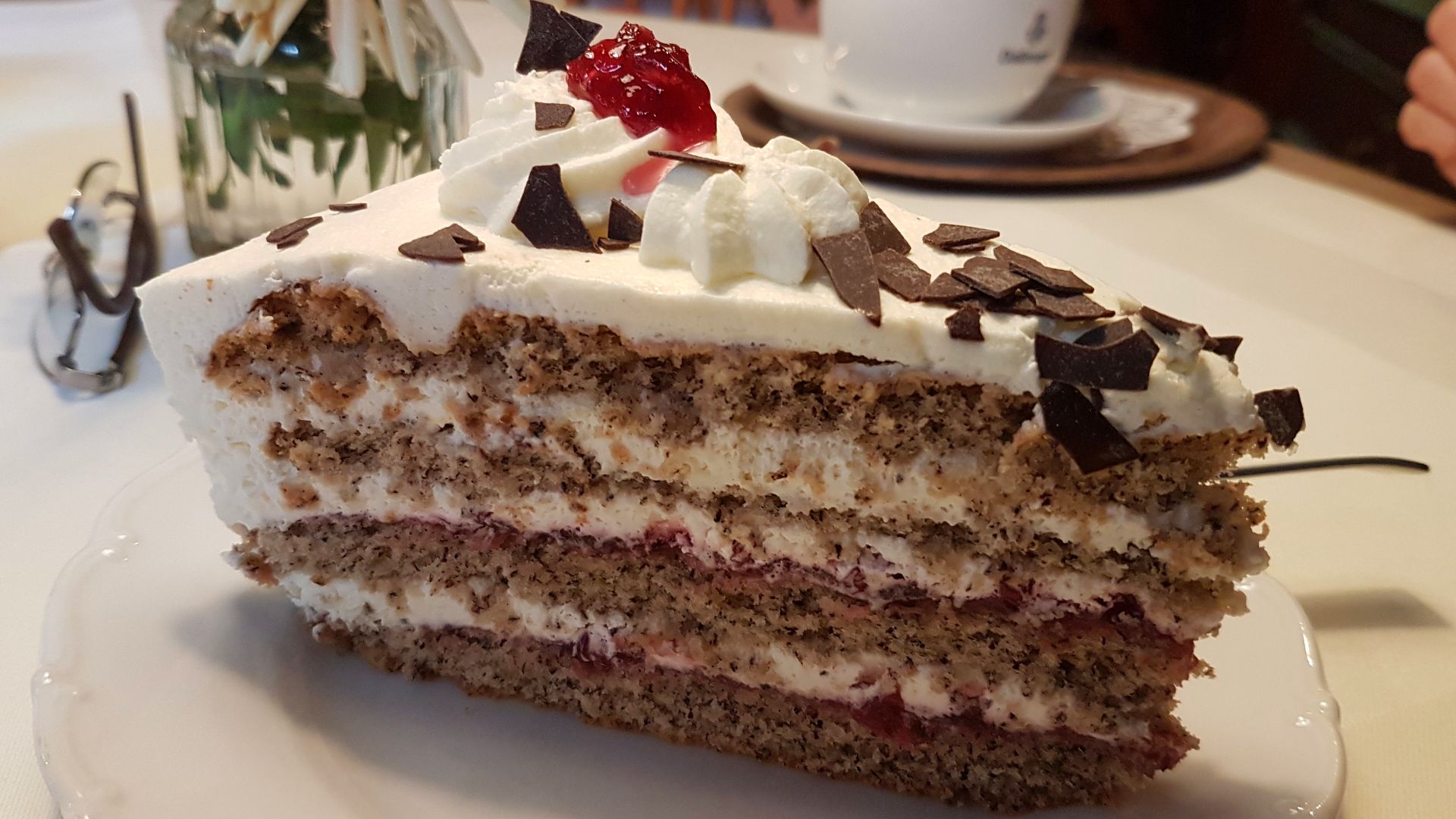
#21. Salt Codfish Cakes — New England
New England fishing families knew how to turn inexpensive preserved fish into a filling breakfast. Salt cod was mixed with potatoes, formed into patties, and fried until golden. The recipe made good use of leftovers and stretched the fish across several meals. Codfish cakes were once common working-class breakfast fare. Today, finding salt cod at a bargain price can be considerably more difficult than finding the recipe.
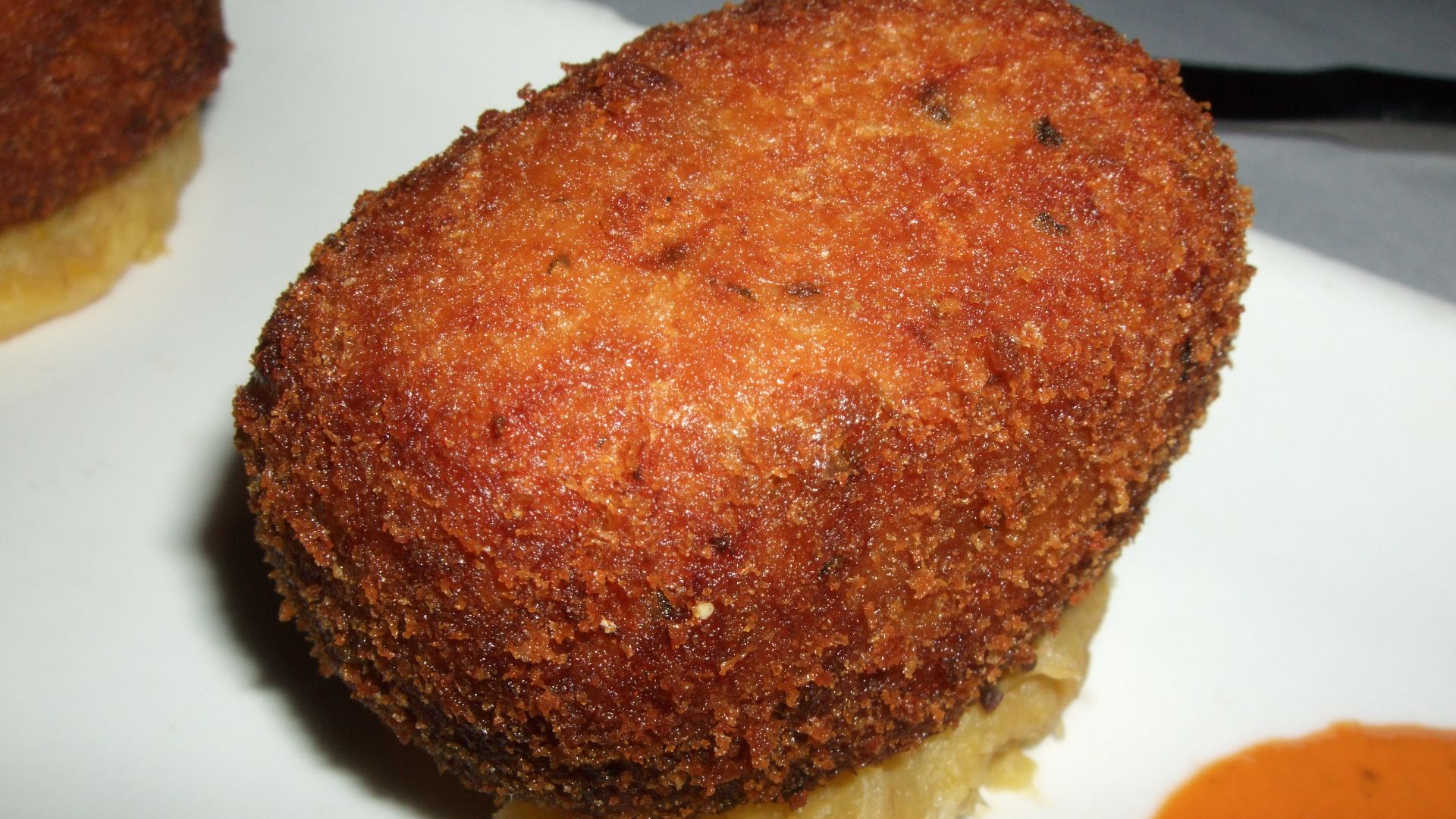 Kim Navarre from Brooklyn, NY, Wikimedia Commons
#20. Johnnycakes — Rhode Island
Long before modern pancake mixes, cornmeal cakes were a practical food in northeastern America. Rhode Island's johnnycakes became especially associated with locally grown stone-ground cornmeal. Their roots reach back to Indigenous corn-based food traditions that European settlers adopted and adapted. Made with just a few ingredients, they were filling without being expensive. The greatest controversy was whether they should be thick or thin.
#19. Baked Beans And Brown Bread — New England
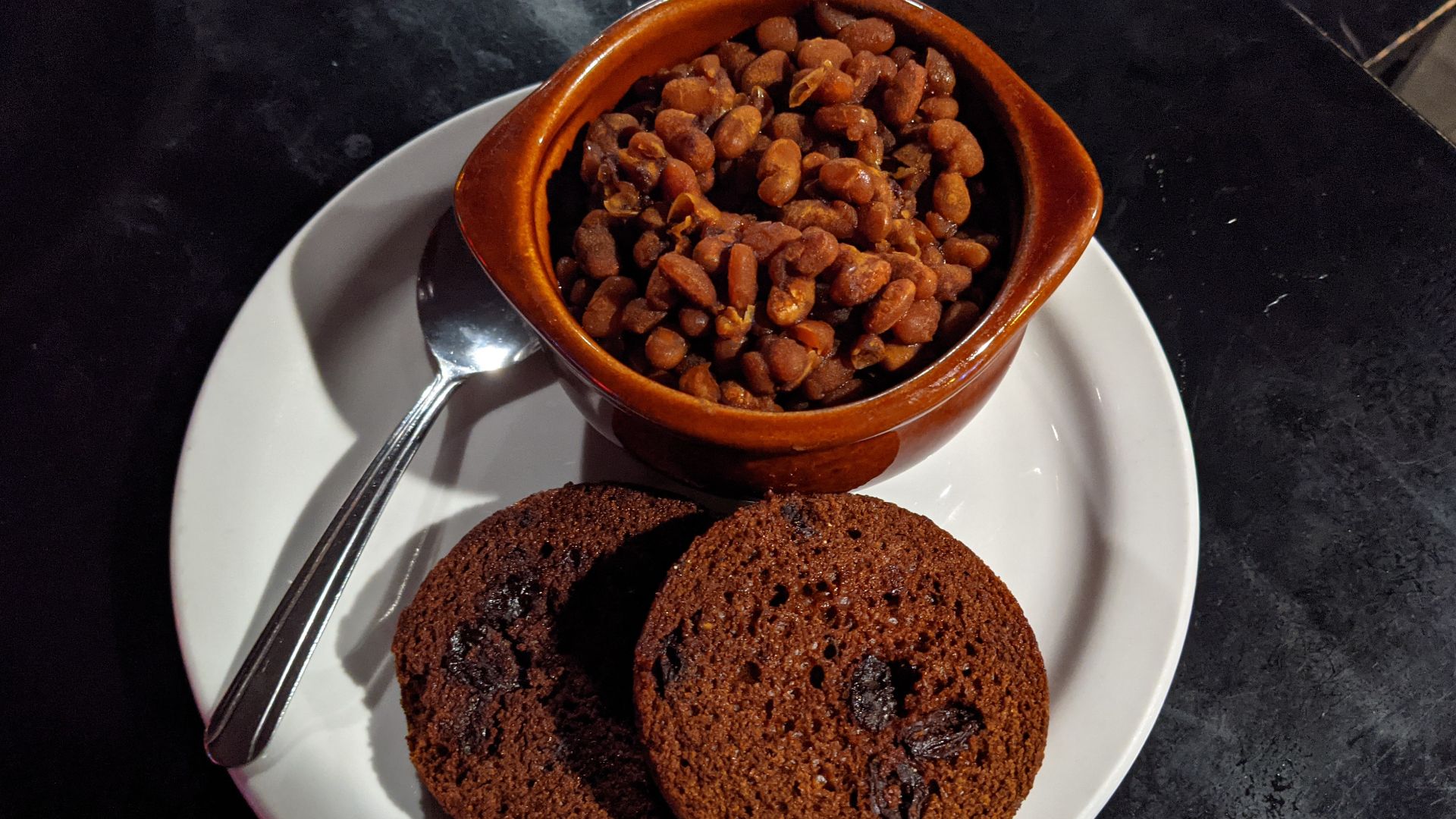
Beans were an inexpensive source of nourishment for generations of New England families. Traditionally, households baked a large pot on Saturday and could serve leftovers the following morning alongside hearty brown bread made from cornmeal, rye, and other grains. The combination was economical, filling, and practical when wheat flour was costly. Some families still remember opening a bean pot before most people had finished their coffee.
 DanielPenfield, Wikimedia Commons
#18. Calas Rice Fritters — Louisiana
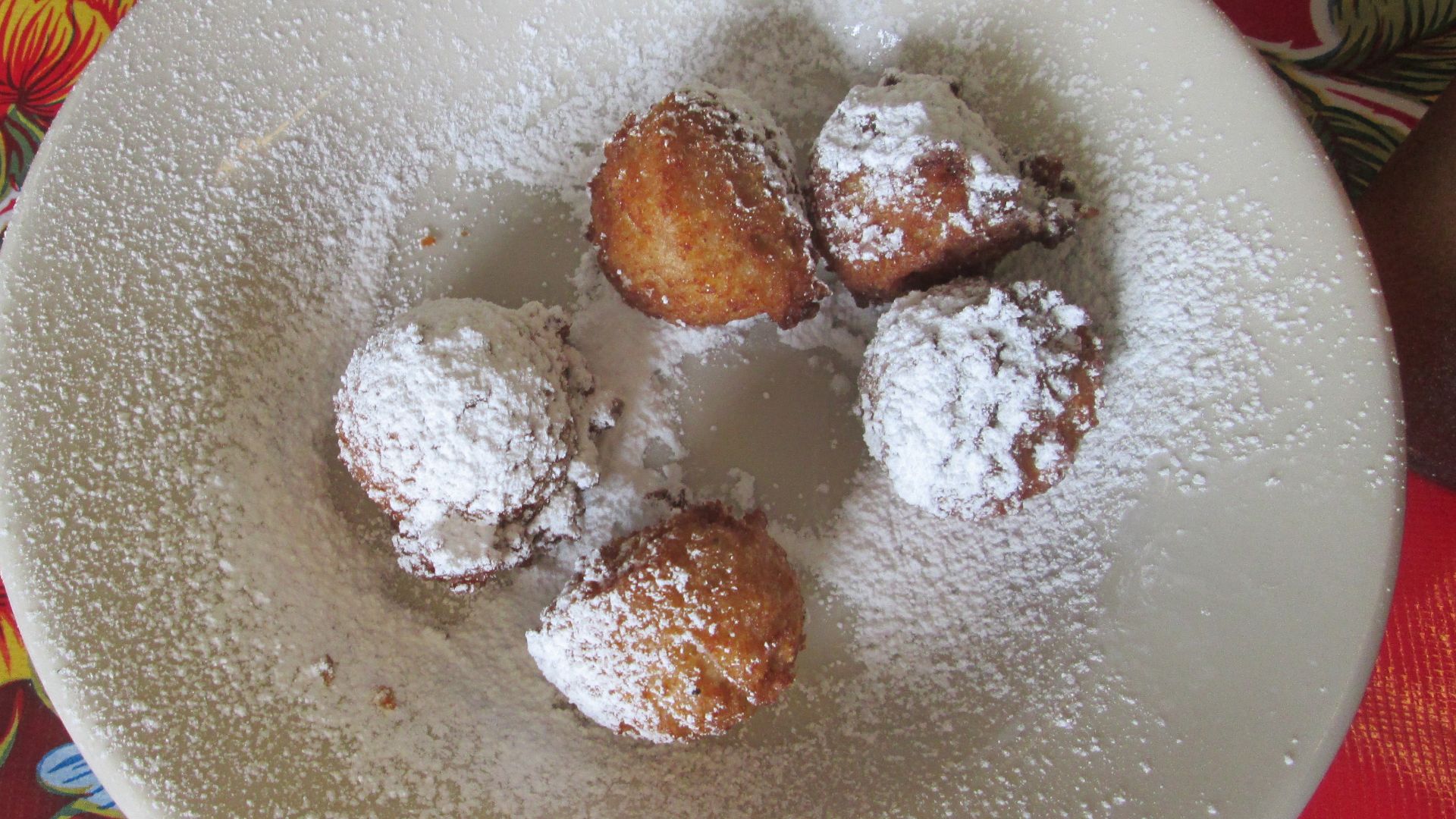
Calas were once a familiar breakfast treat in New Orleans, made by mixing leftover rice with flour, eggs, and seasonings before frying the batter. Enslaved and free Black women sold these inexpensive fritters on city streets during the 18th and 19th centuries. For some vendors, the earnings offered an important source of income. Their delicious little rice cakes became part of the city's culinary history.
 Infrogmation of New Orleans, Wikimedia Commons
#17. Pain Perdu — Louisiana
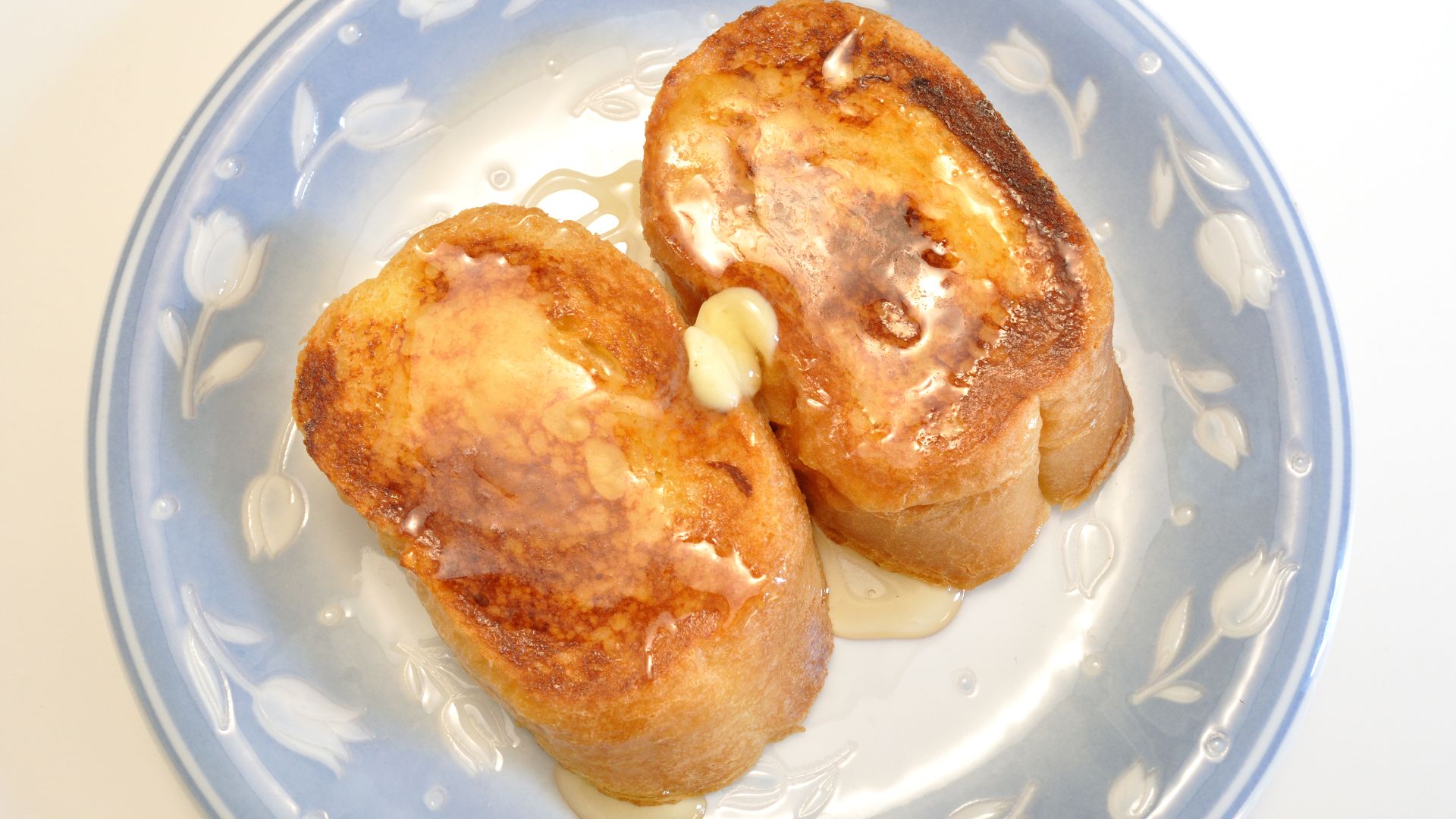
In Louisiana's French and Creole kitchens, stale bread rarely went to waste. Pain perdu, meaning "lost bread," transformed old slices into a satisfying breakfast by soaking them in an egg-and-milk mixture and frying them. It belonged to a much older European tradition of rescuing bread before it spoiled. Today, restaurants dress it up with fruit and powdered sugar. Grandma just wanted to avoid throwing out yesterday's loaf.
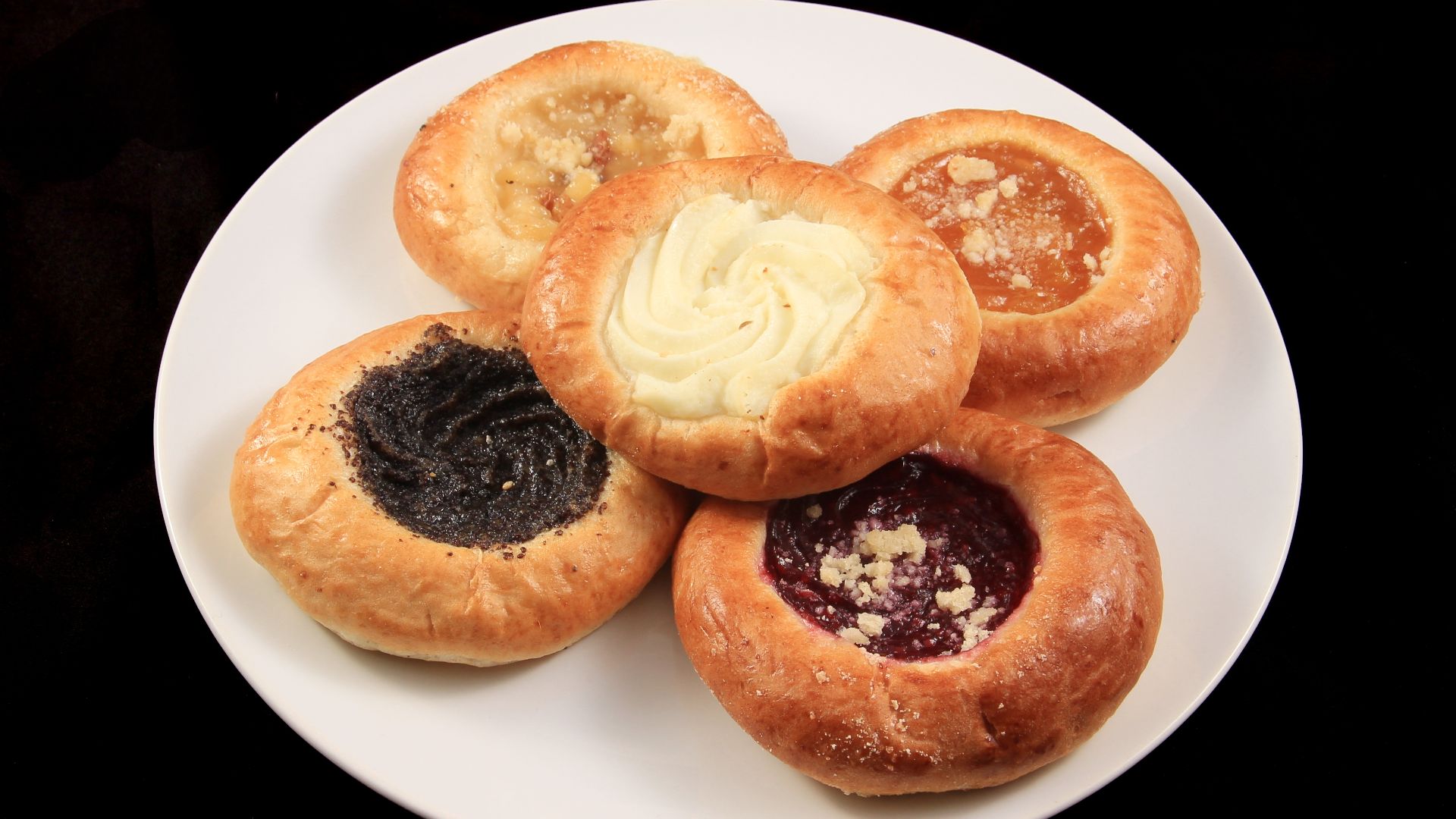
#16. Czech Kolaches — Central Texas
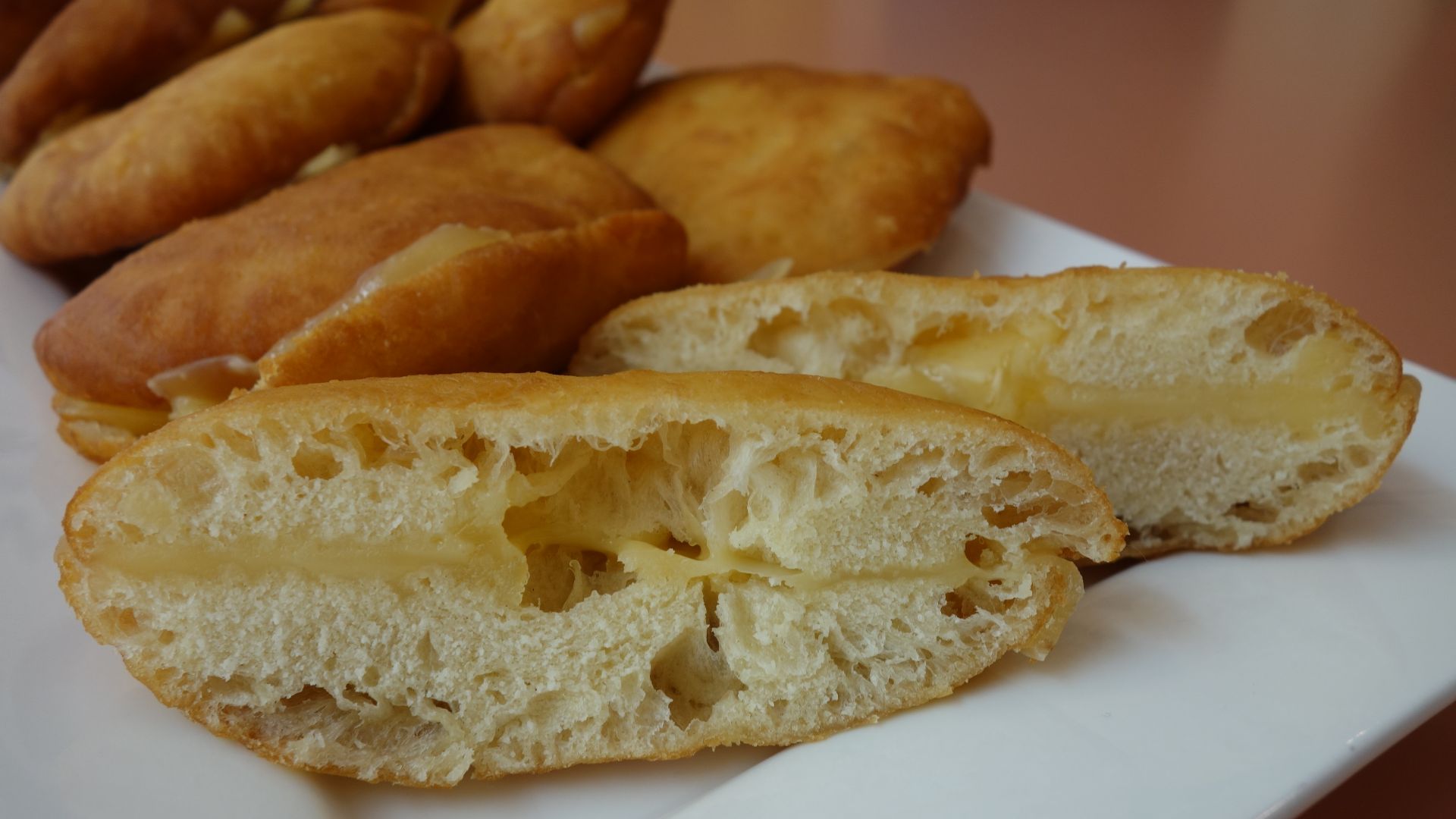
Czech immigrants brought their baking traditions to Texas during the 19th century, including soft pastries filled with fruit, poppy seeds, or cheese. Families made them using familiar ingredients and homemade preserves, and they became staples of rural communities. Bakeries eventually turned kolaches into popular grab-and-go breakfasts. Traditional fruit kolaches should not be confused with the sausage-filled klobasneks that many Texans also call kolaches.
 Jakub Holzer (WMCZ), Wikimedia Commons
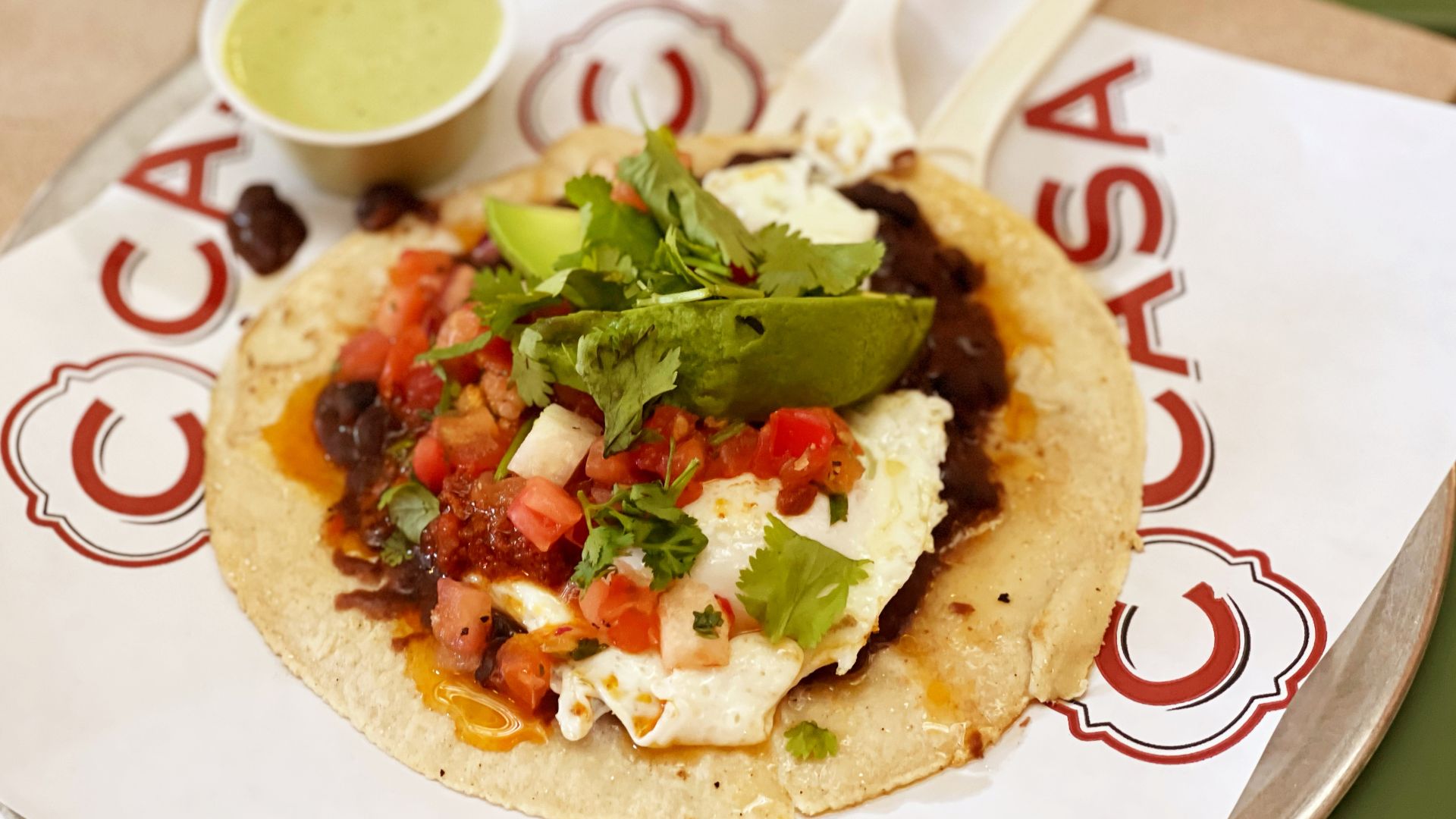
#15. Breakfast Tacos — South Texas
For generations, Tejano and Mexican American families wrapped eggs, beans, potatoes, or leftover meat in inexpensive tortillas. The result was portable, filling, and ideal for workers heading out early. Breakfast tacos became especially associated with San Antonio and South Texas before spreading nationwide. Some old neighborhood taquerias built loyal followings around them. A warm potato-and-egg taco was basically the original breakfast you could eat while running late.
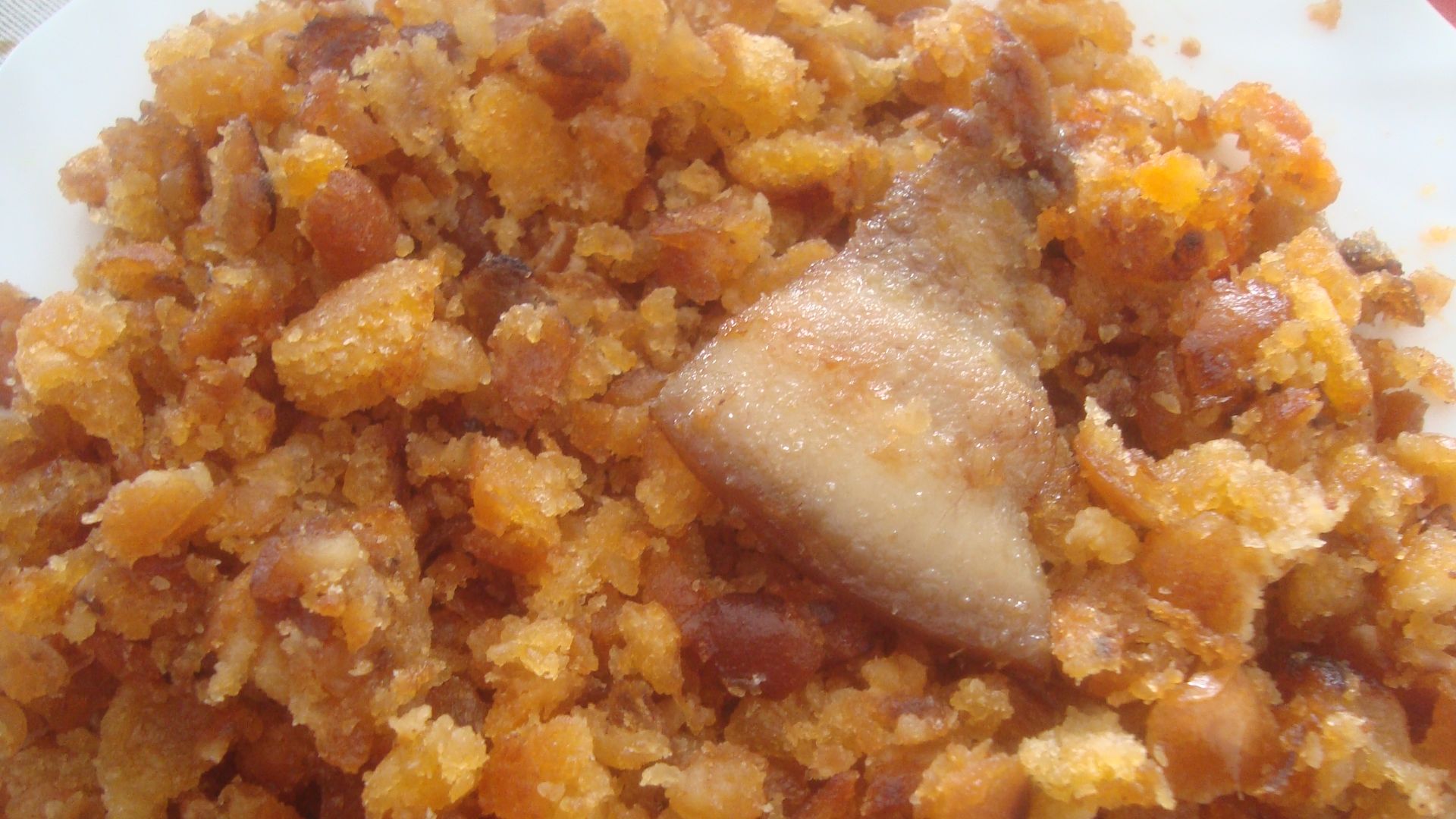
#14. Migas — Central Texas
Migas turned leftover tortillas into a meal worth waking up for. In the Tex-Mex version popular around Austin, strips of corn tortilla are cooked with scrambled eggs, onions, peppers, and sometimes cheese. The dish draws on older Mexican cooking traditions and makes excellent use of inexpensive ingredients. For families stretching a grocery budget, stale tortillas were not a problem. They were tomorrow morning's breakfast.
 Juan Emilio Prades Bel, Wikimedia Commons
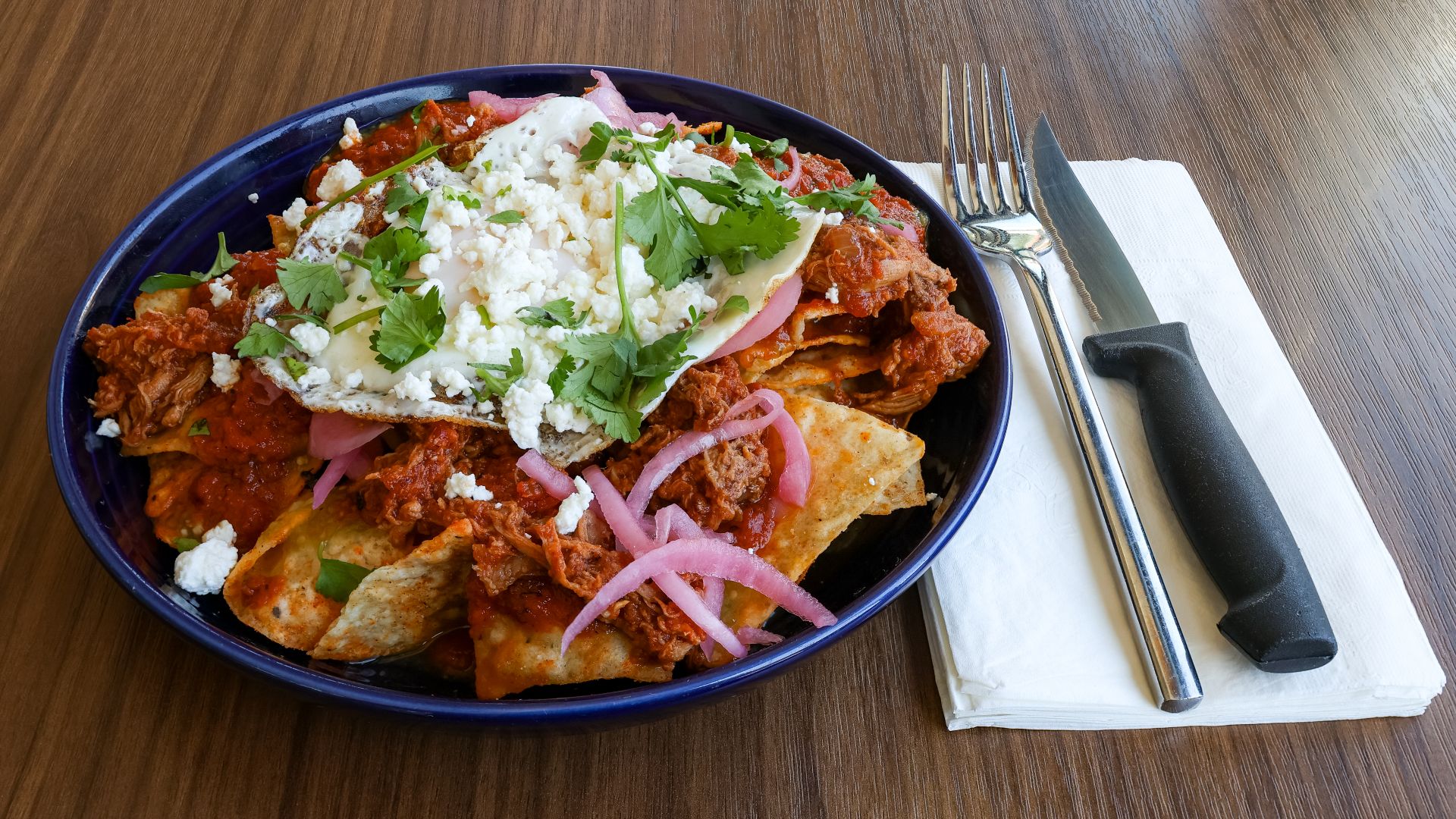
#13. Chilaquiles — Southwestern Border Communities
Chilaquiles originated in Mexico and became a familiar breakfast in Mexican American communities throughout the Southwest. Cooks softened leftover tortilla pieces in red or green salsa, sometimes adding eggs, cheese, or beans. It was an excellent way to avoid wasting tortillas while creating something filling. These days, restaurants offer elaborate versions with premium toppings. The original appeal was that yesterday's tortillas still had plenty of life left.
 Chris Woodrich, Wikimedia Commons
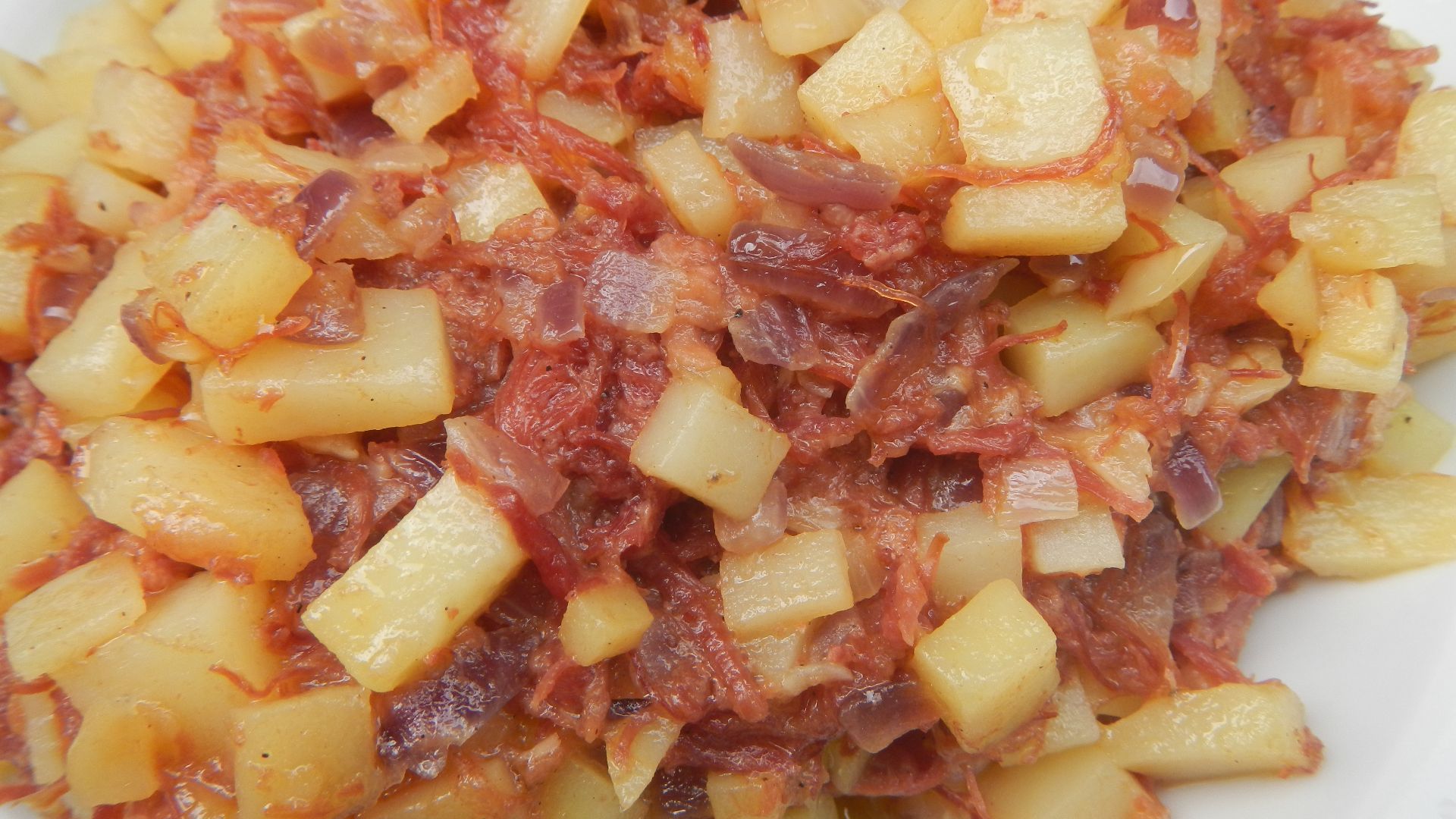
#12. Corned Beef Hash — Northeastern Cities
Corned beef hash became a familiar breakfast in Northeastern diners and working-class homes, especially where preserved meat and potatoes were common. Chopped leftover corned beef was fried with diced potatoes and onions until crispy. It turned yesterday's dinner into a hearty morning meal. Many families remember opening a can of hash for breakfast, although homemade versions gave everyone a good excuse to fight over the crispy bits.
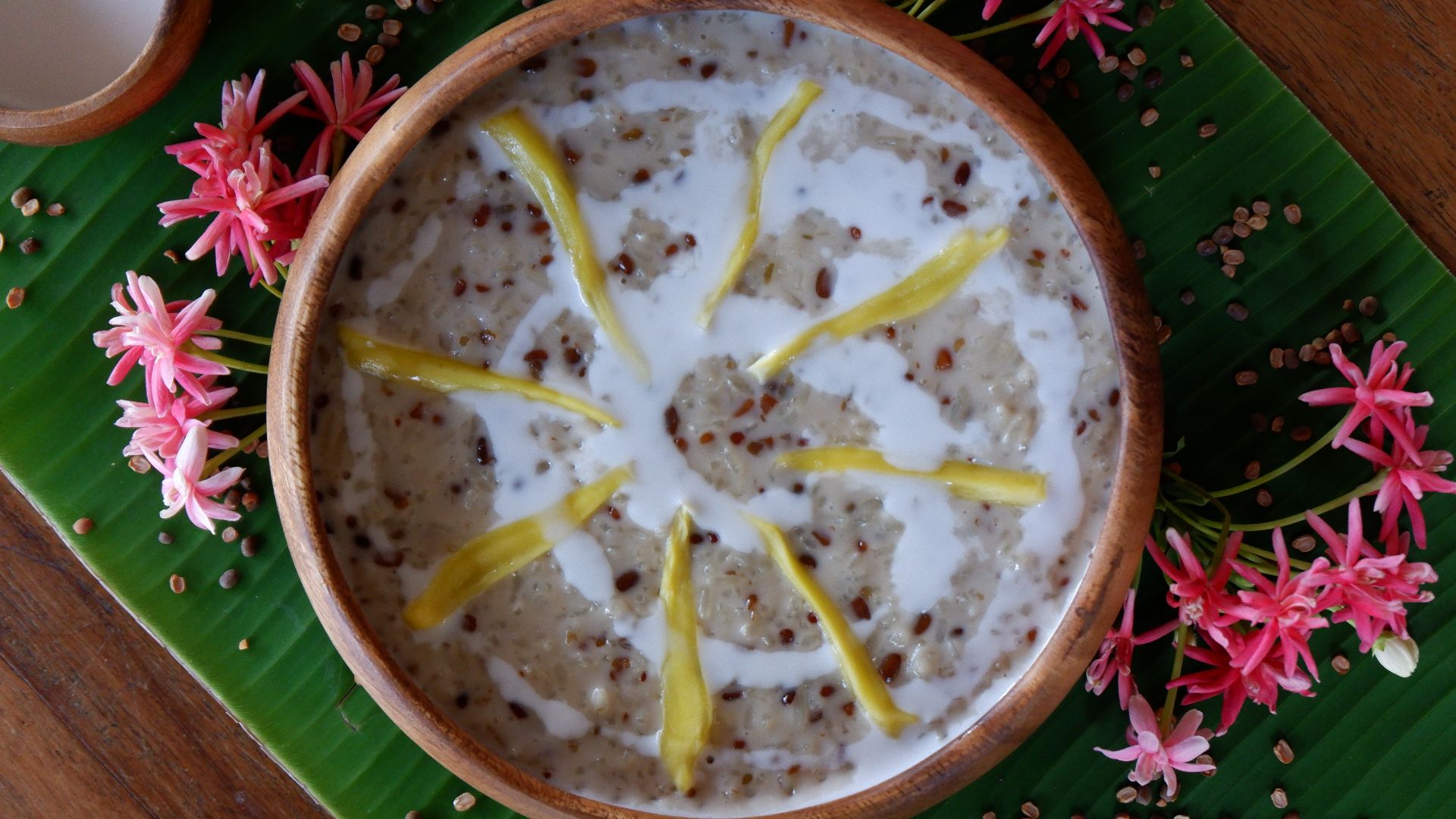
#11. Blue Corn Porridge — New Mexico
For centuries, Pueblo communities in New Mexico have prepared nourishing blue corn porridge, often known as chaquewa or chaquehue. Ground corn and water made a simple, satisfying meal using a locally important crop. The dish remains a traditional breakfast in many communities, sometimes served with milk, nuts, or sweeteners. Long before expensive breakfast bowls appeared on restaurant menus, blue corn was already doing the job beautifully.
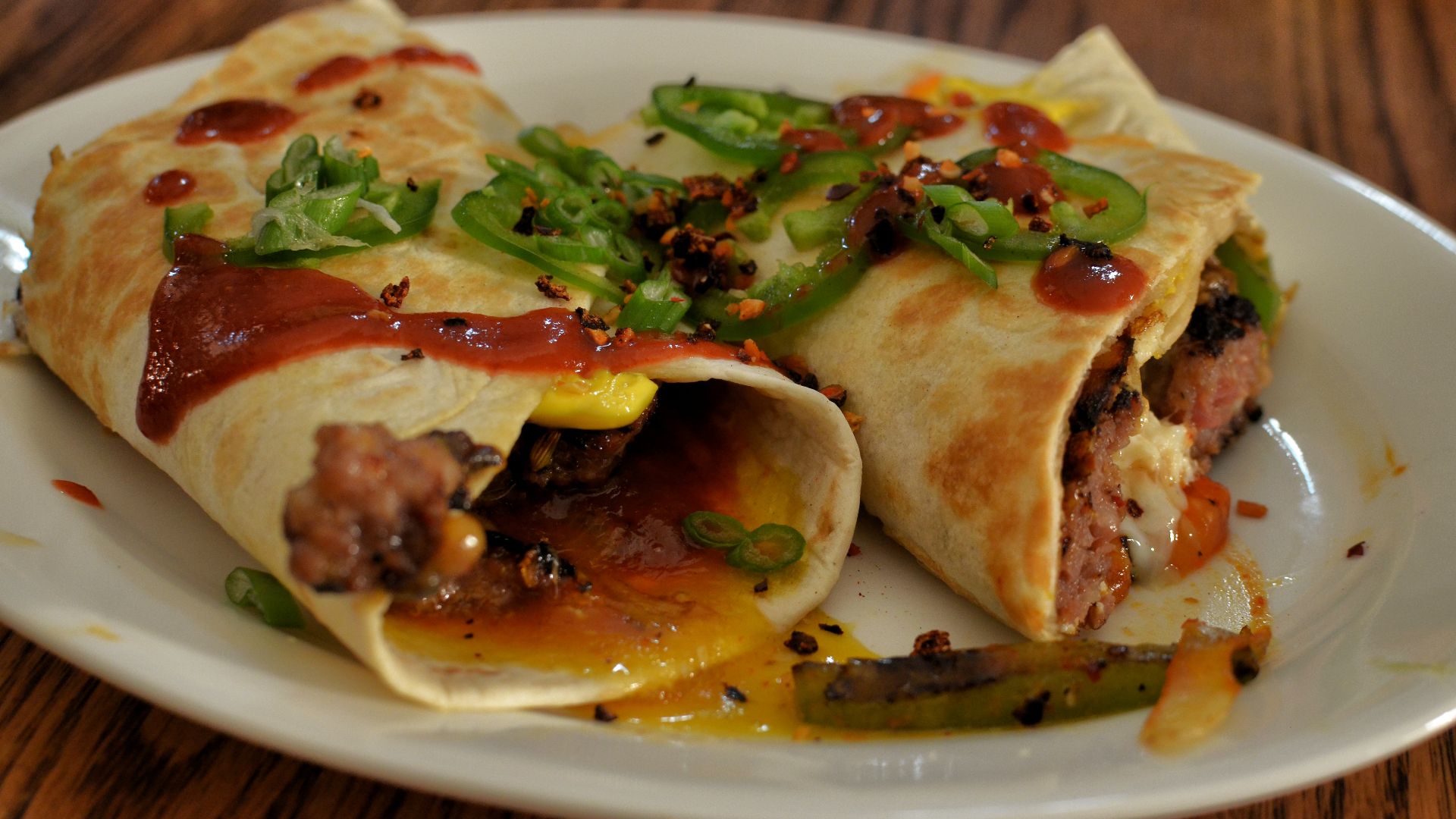
#10. Breakfast Burritos — New Mexico
The New Mexican breakfast burrito became especially popular during the 1970s, with Santa Fe's Tia Sophia's restaurant often credited with helping establish the name. Eggs, potatoes, cheese, and chile were wrapped in a flour tortilla for a practical, filling meal. New Mexico's famous red and green chiles gave the dish its regional personality. For working families, one inexpensive burrito could handle breakfast without requiring plates, utensils, or much time.
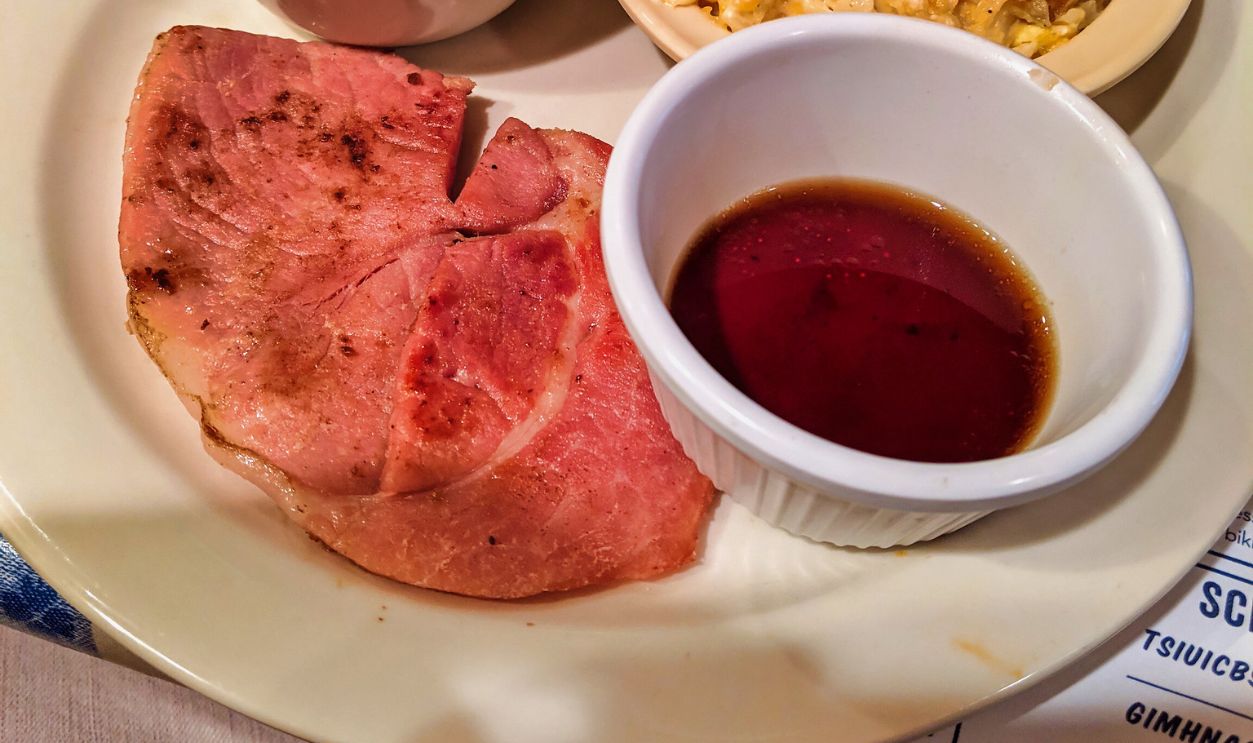
#9. Country Ham With Red-Eye Gravy — The South
Southern cooks had a clever way to stretch the flavor of country ham. After frying a few slices, they added black coffee, sometimes with water, to the salty pan drippings to make red-eye gravy. Poured over grits or biscuits, it gave a simple breakfast a strong, savory flavor. Families didn't need an elaborate sauce or a cupboard full of ingredients. They just needed a skillet and leftover coffee.
 Dale Cruse - 12M views, Flickr
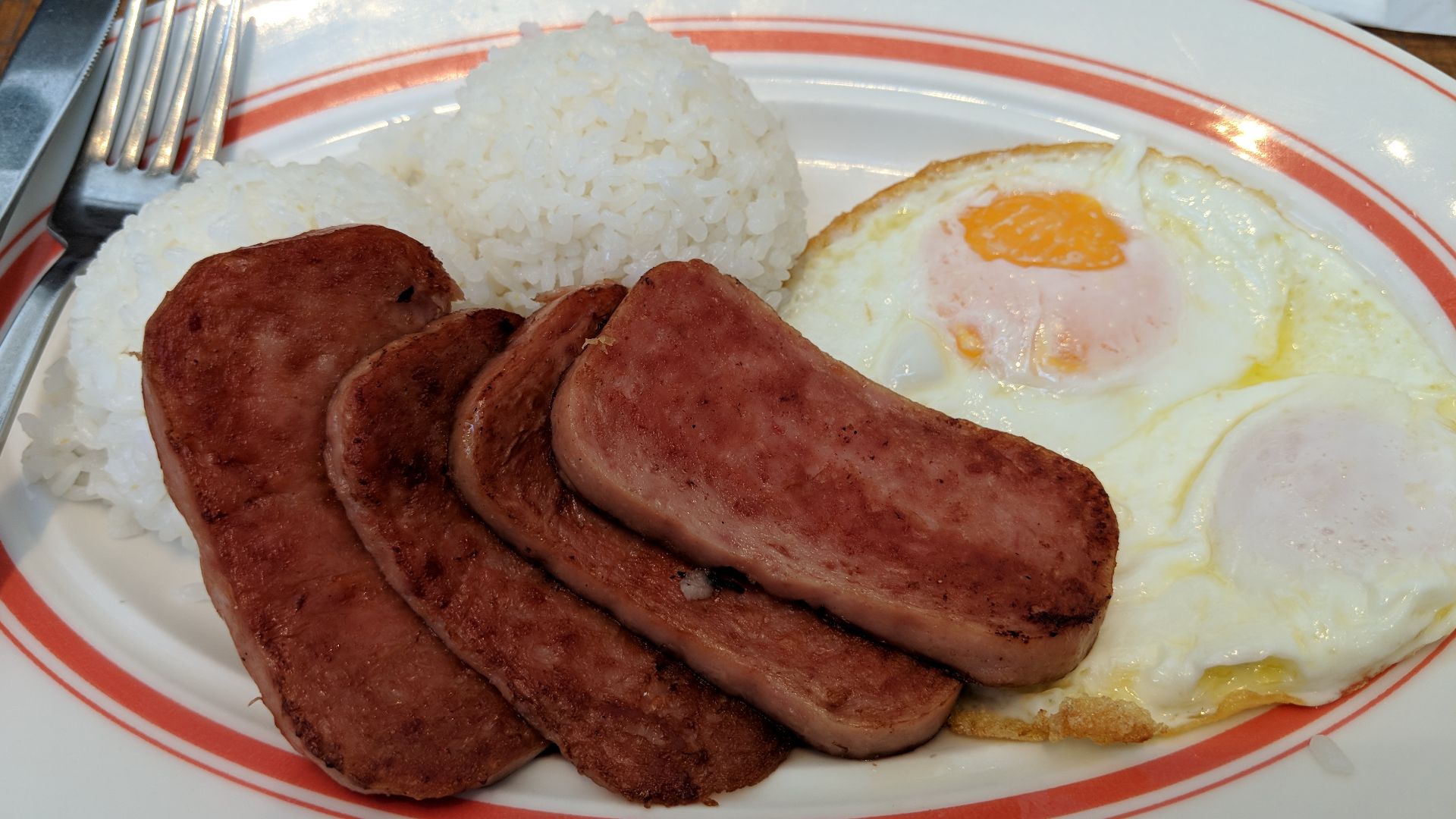
#8. Spam, Eggs, And Rice — Hawaii
Spam became deeply associated with Hawaiian food culture during and after World War II. Its long shelf life made it a convenient meat for households, and serving it with rice and eggs became a familiar local breakfast. The combination reflected Hawaii's distinctive food traditions and preference for practical, filling meals. For generations of families, Spam wasn't a novelty ingredient. It was simply what breakfast looked like.
 Michael Ocampo from United States, Wikimedia Commons
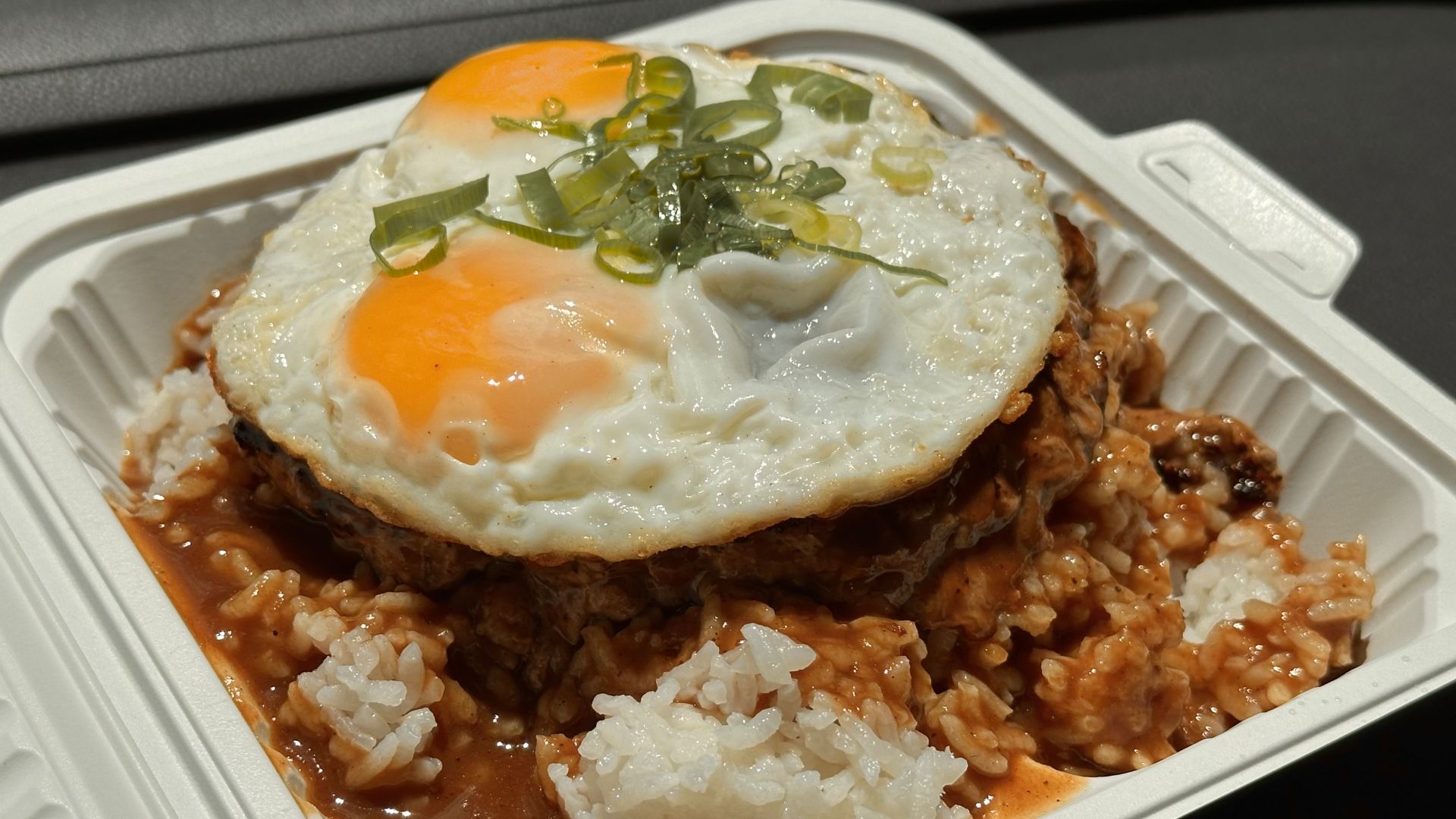
#7. Loco Moco — Hawaii
Loco moco has one of America's most memorable inexpensive-breakfast origin stories. It was created in Hilo, Hawaii, in 1949 for hungry teenagers looking for an affordable, filling meal. The original combination featured rice, a hamburger patty, gravy, and an egg, reportedly selling for about 30 cents. It later became a Hawaiian comfort-food classic. Apparently, the teenagers were onto something.
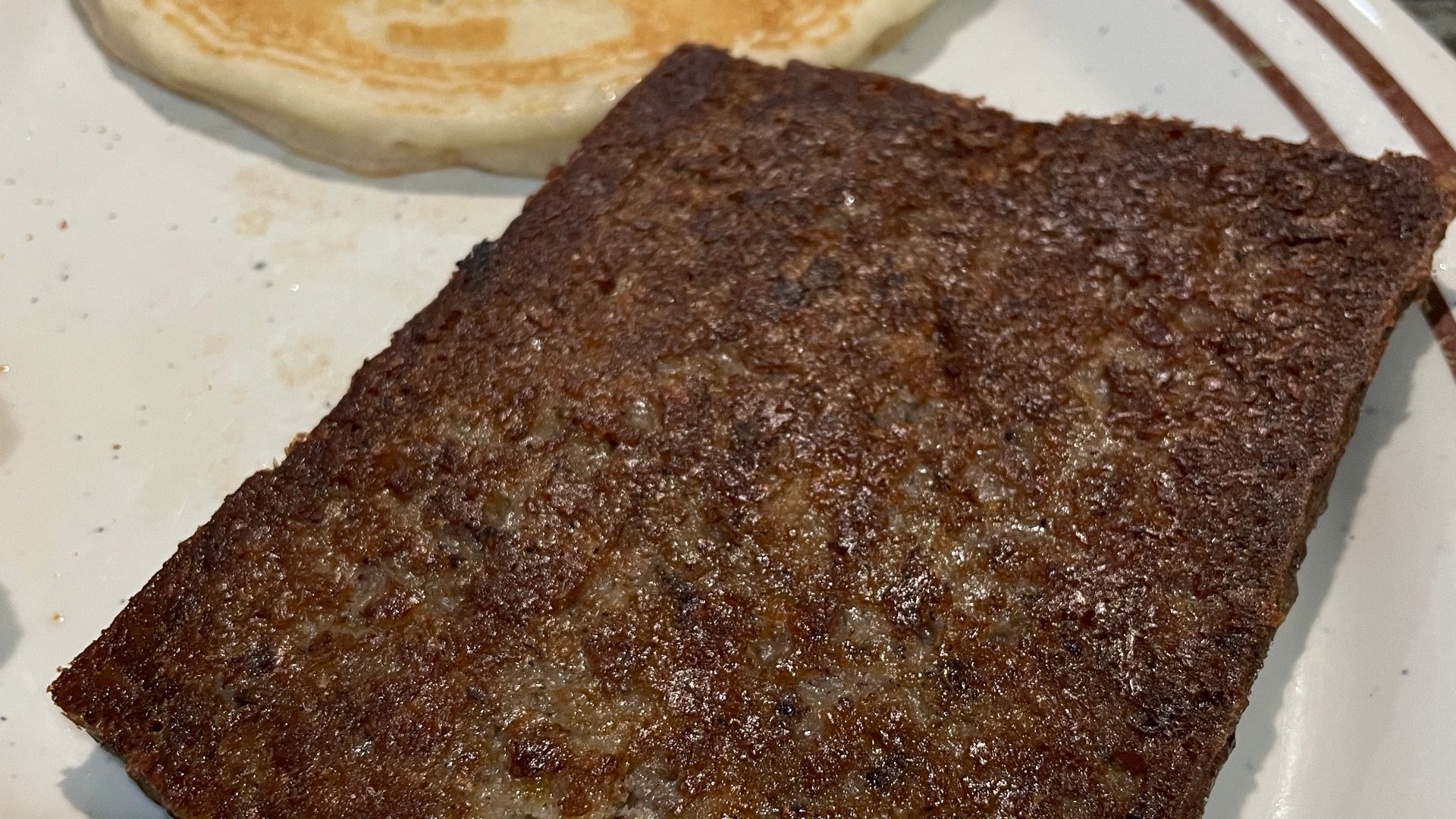
#6. Scrapple — Pennsylvania
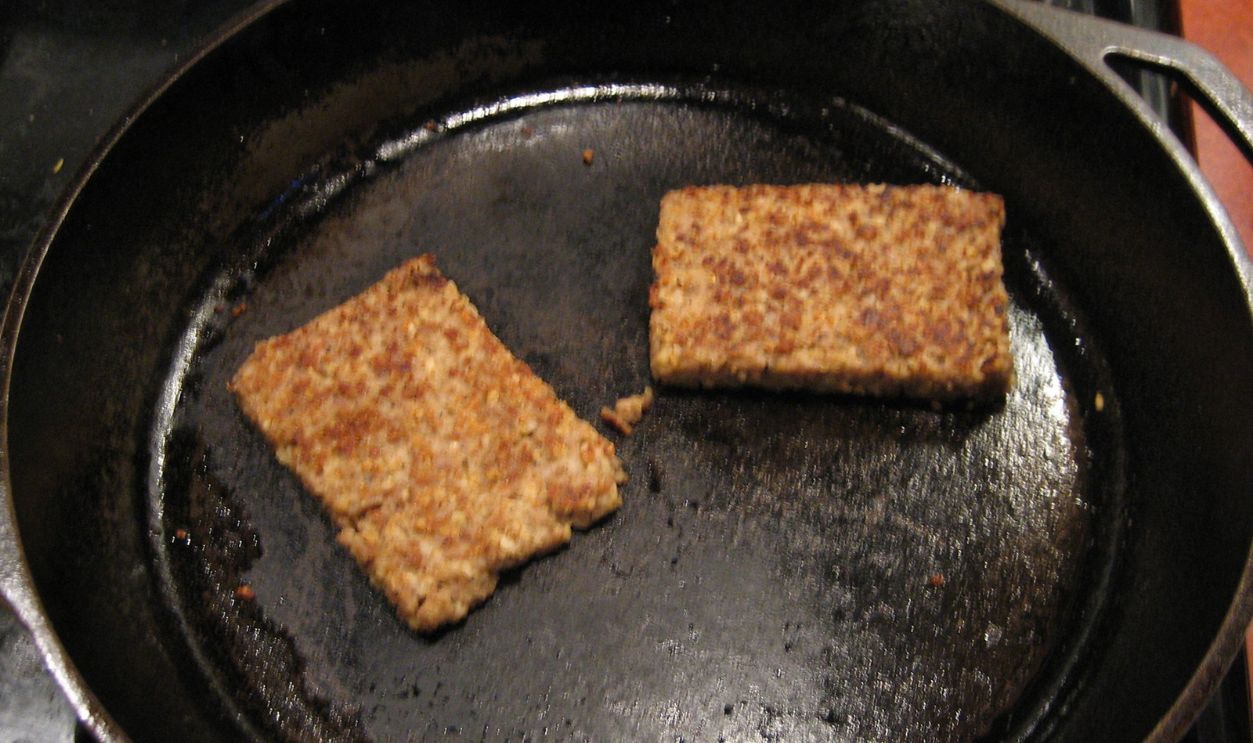
Pennsylvania German farming families developed scrapple as a way to use pork left over after butchering. The meat was simmered, mixed with cornmeal or buckwheat flour, seasoned, and formed into a loaf. Slices were then fried for breakfast. The tradition has roots in German foodways dating back centuries. Scrapple may not sound glamorous, but it helped families waste less meat while feeding everyone at the table.
 Deans Charbal, Wikimedia Commons
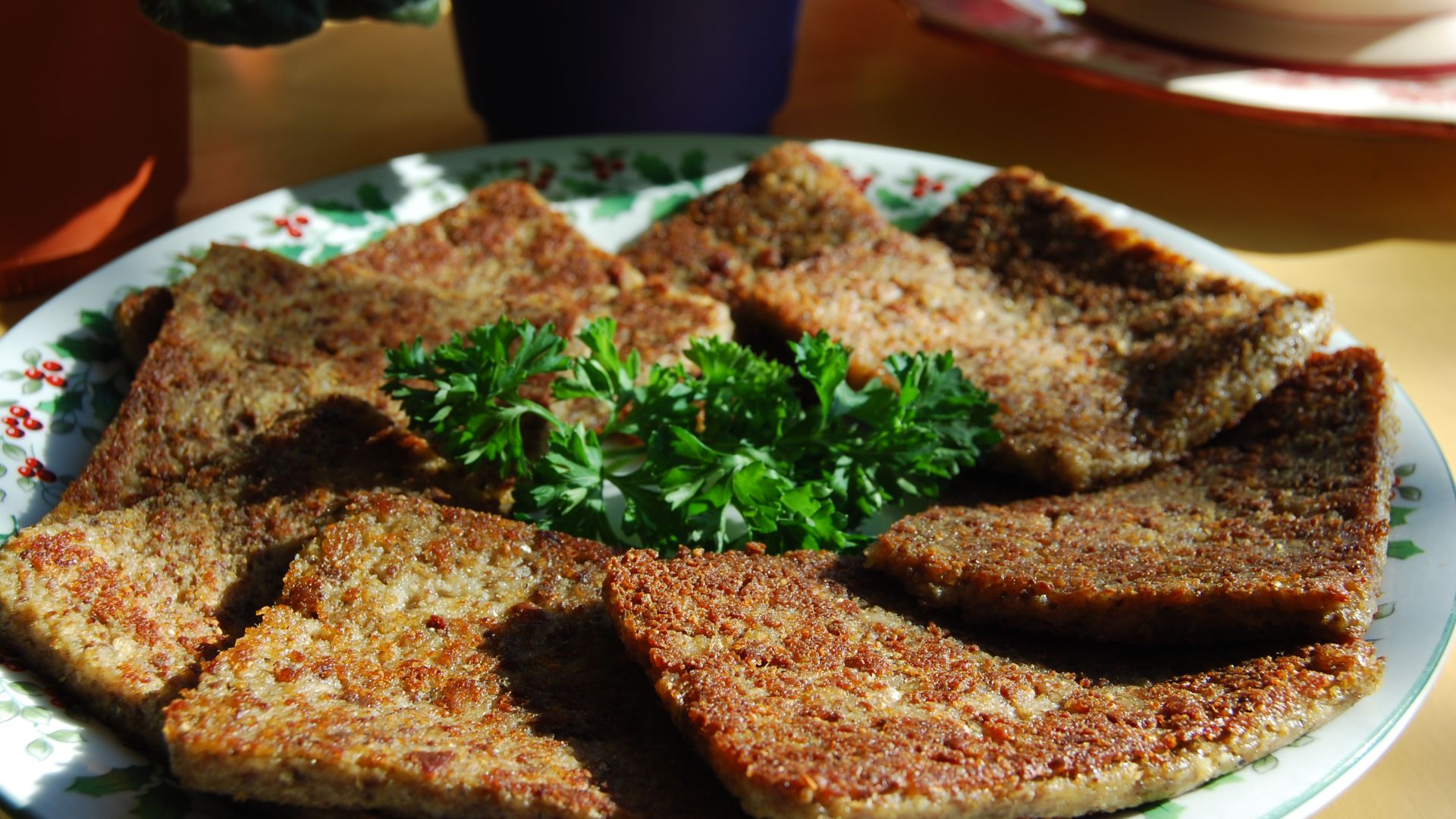
#5. Livermush — North Carolina
Livermush became a favorite in western North Carolina's foothills and Piedmont communities. Made with pork liver, other pork ingredients, cornmeal, and spices, it reflected the practical tradition of using as much of a butchered hog as possible. Families sliced and fried it for breakfast, often serving it with eggs or biscuits. Today, North Carolina even celebrates the humble dish with festivals. That's quite a career for leftovers.
#4. Goetta — Cincinnati, Ohio
German immigrants brought the traditions behind goetta to Cincinnati and northern Kentucky during the 19th century. Ground pork or beef was combined with steel-cut oats, onions, and spices to stretch expensive meat into more servings. Once chilled, the mixture could be sliced and fried for breakfast. Goetta became so closely associated with Cincinnati that locals sometimes call it "Cincinnati caviar." It's considerably less fancy than the nickname suggests.
#3. Shrimp And Grits — South Carolina Lowcountry
Long before shrimp and grits became an expensive restaurant entrée, it was a practical breakfast in South Carolina's coastal communities. Fishers and local households combined readily available shrimp with inexpensive grits, sometimes adding bacon fat or simple gravy. The dish has deep connections to Indigenous corn traditions and Black Lowcountry cooking. It gained wider national attention during the 1980s. Today's restaurant versions would probably surprise the families who made it from whatever was available.
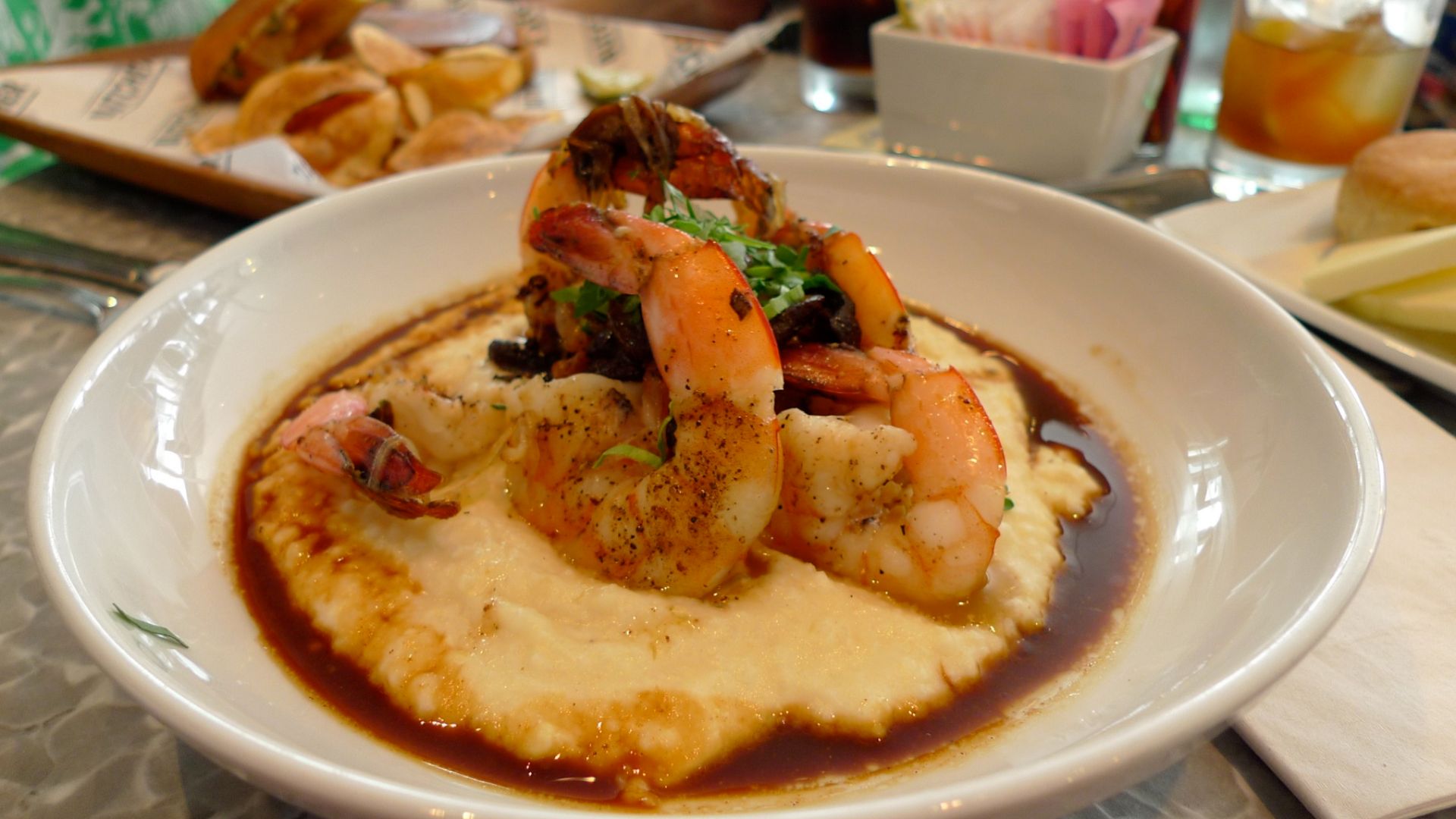 Ann Larie Valentine, Wikimedia Commons
#2. The Slinger — St. Louis, Missouri
St. Louis diners became famous for the slinger, an enormous breakfast of hash browns, eggs, hamburger patties, chili, and sometimes cheese and onions. Its exact origins are uncertain, but it became a favorite at inexpensive diners serving hungry shift workers and late-night customers. The ingredients were familiar, the portions were enormous, and nobody was leaving hungry. It was basically everything in the diner kitchen piled onto one plate.
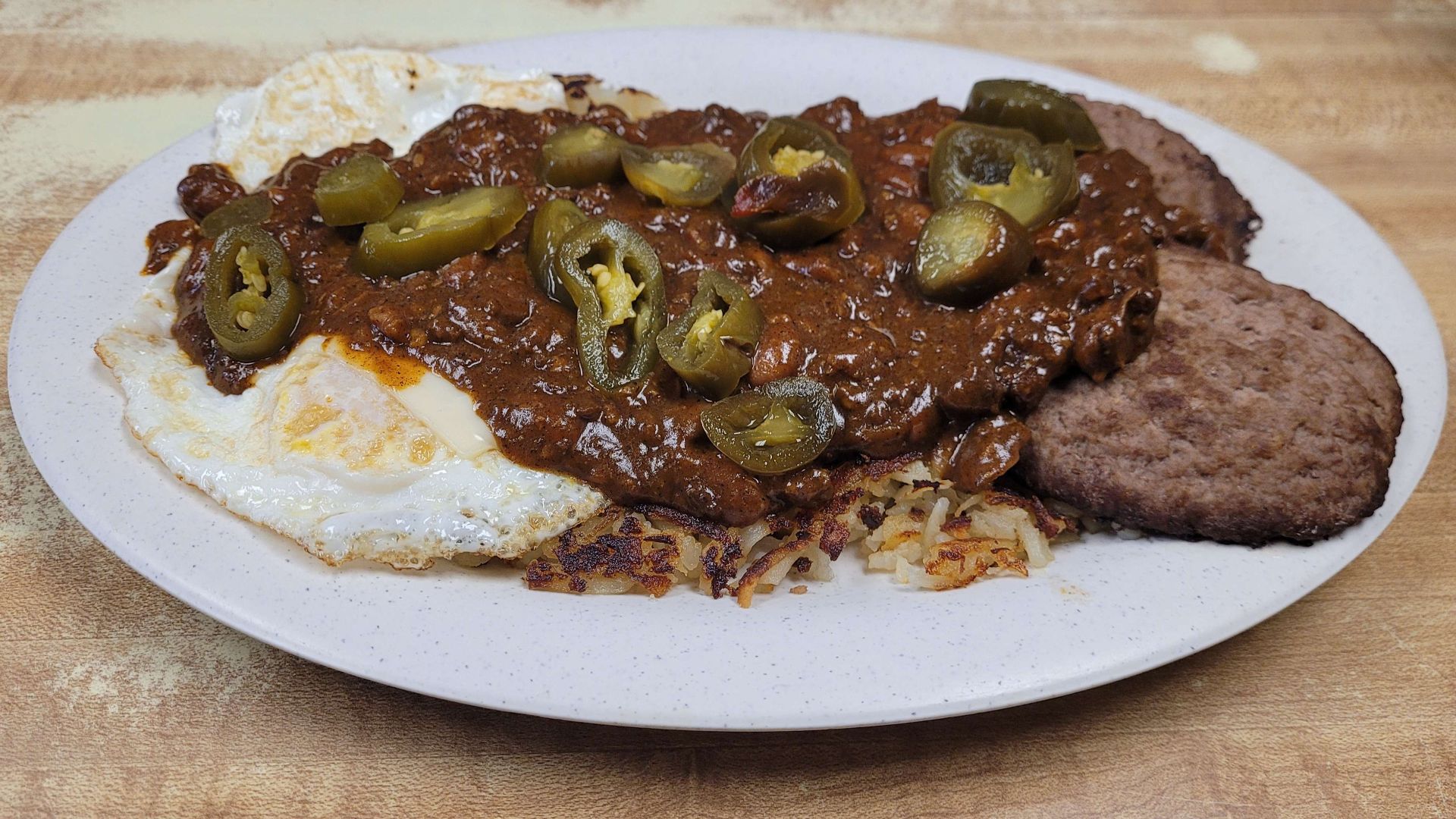 Crabfeathers, Wikimedia Commons
#1. Biscuits And Sausage Gravy — The American South
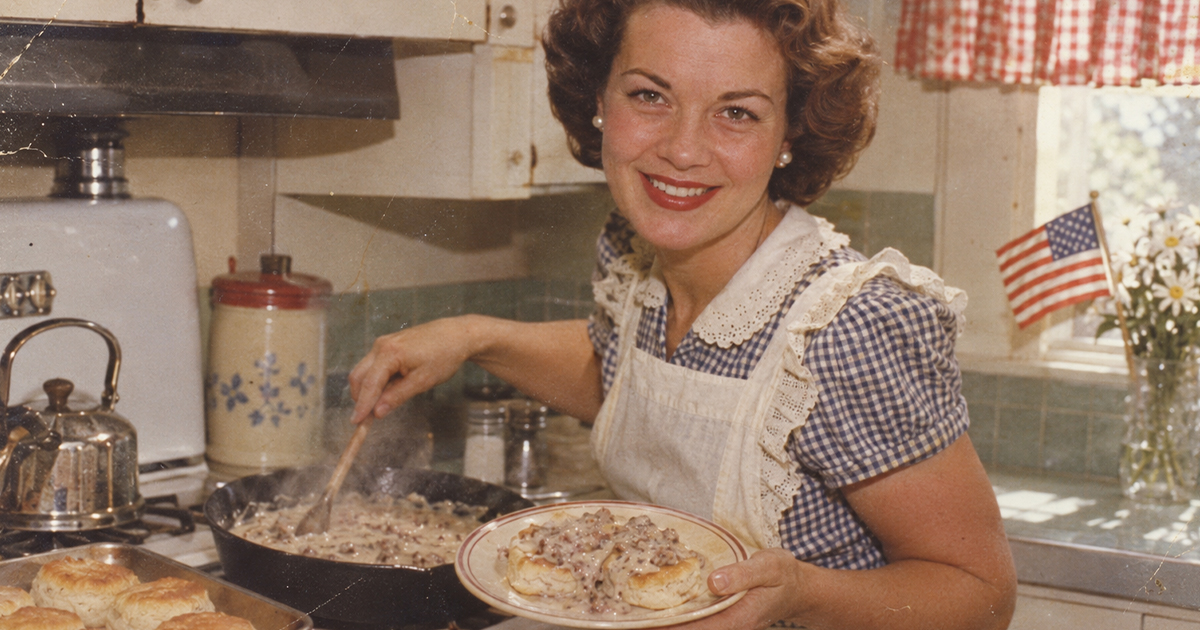
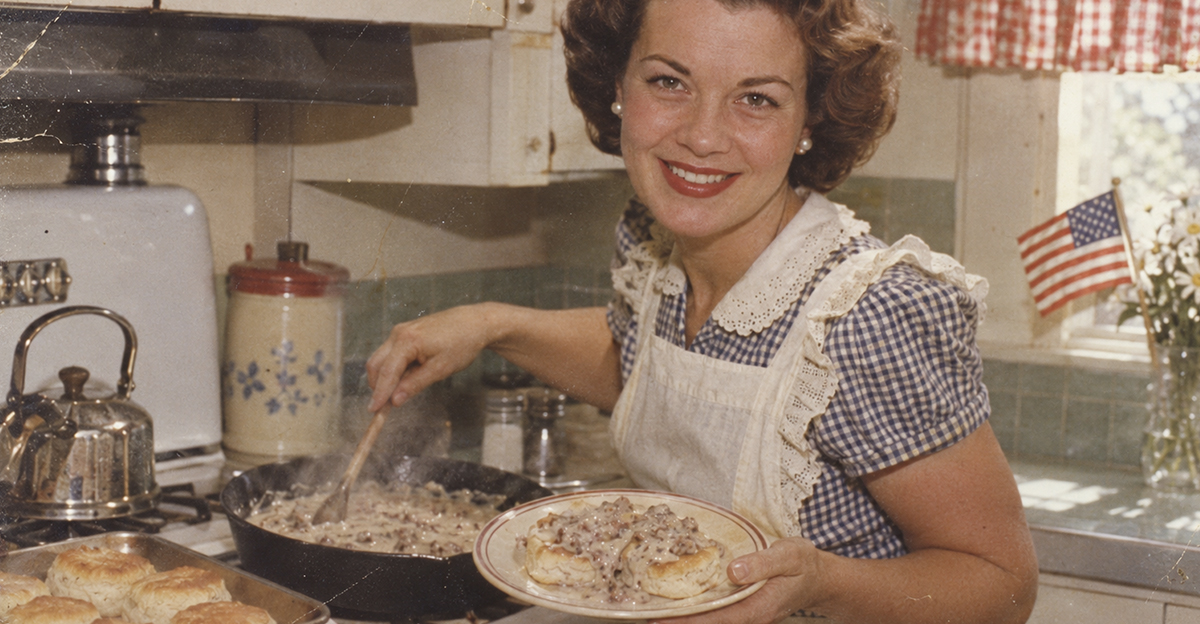
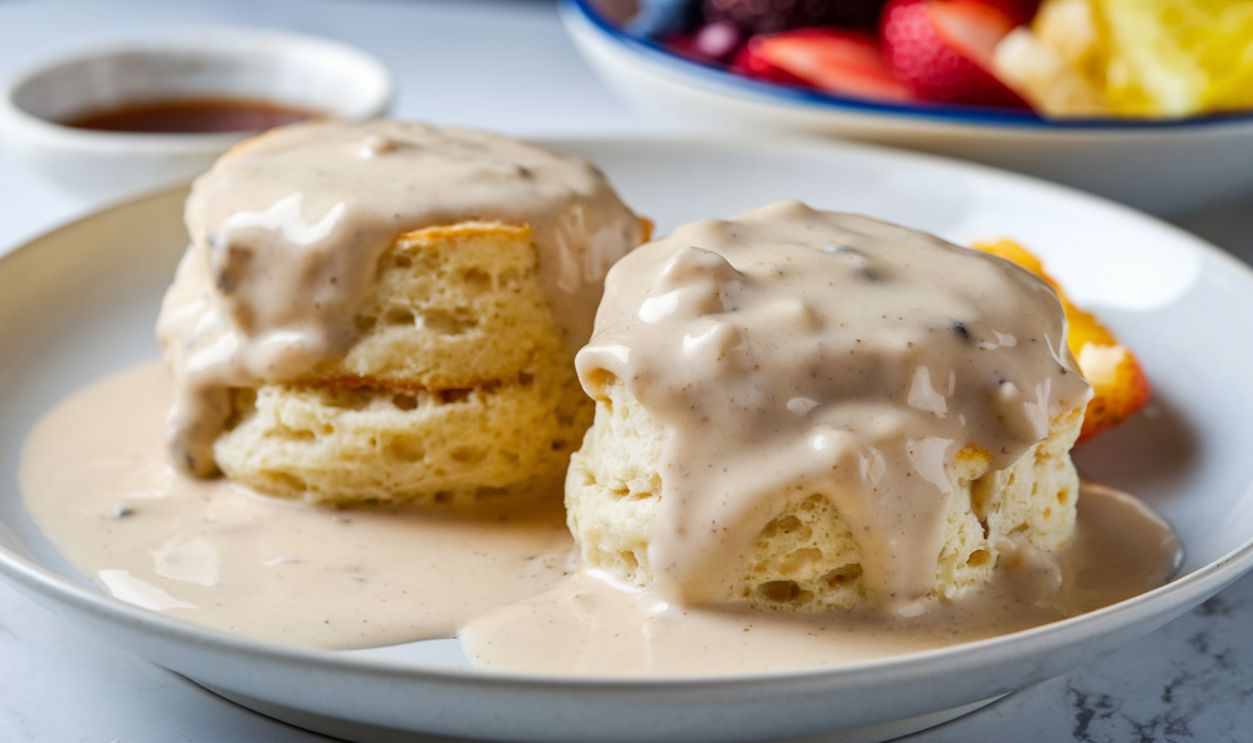
For generations of Southern families, few breakfasts represented practical home cooking better than biscuits smothered in sausage gravy. Flour, milk, pan drippings, and a modest amount of sausage could become a hearty meal without requiring expensive ingredients. The tradition grew from the region's long history of resourceful cooking, especially among rural and working households.
Today, biscuits and gravy appear on diner menus across America, often dressed up with fancy sausage and oversized portions. But the old-fashioned version wasn't trying to impress anyone. It was simply warm, filling, affordable, and made to feed a family. Sometimes the cheapest breakfasts are the ones people remember most.
You May Also Like: Not Just Poutine—Canadian Regional Foods That You Won't Find Anywhere Else
Sources: 1, 2, 3, 4, 5, 6, 7, 8, 9, 10, 11, 12, 13, 14, 15, 16