When Ordinary People Refused To Give Up
Some of America's most recognizable landmarks nearly disappeared forever. Developers had plans, demolition crews were preparing, and history seemed destined for the landfill. But something unexpected happened. Ordinary citizens organized protests, collected signatures, raised money, and convinced officials to reconsider. These remarkable buildings are still standing because people refused to let them disappear.
Pike Place Market, Seattle
Seattle nearly lost its beloved public market to redevelopment plans in the 1960s and 1970s. Residents organized through Friends of the Market, collecting 25,000 signatures in three weeks. A 1971 public vote protected the historic district.
 Daniel Schwen, Wikimedia Commons
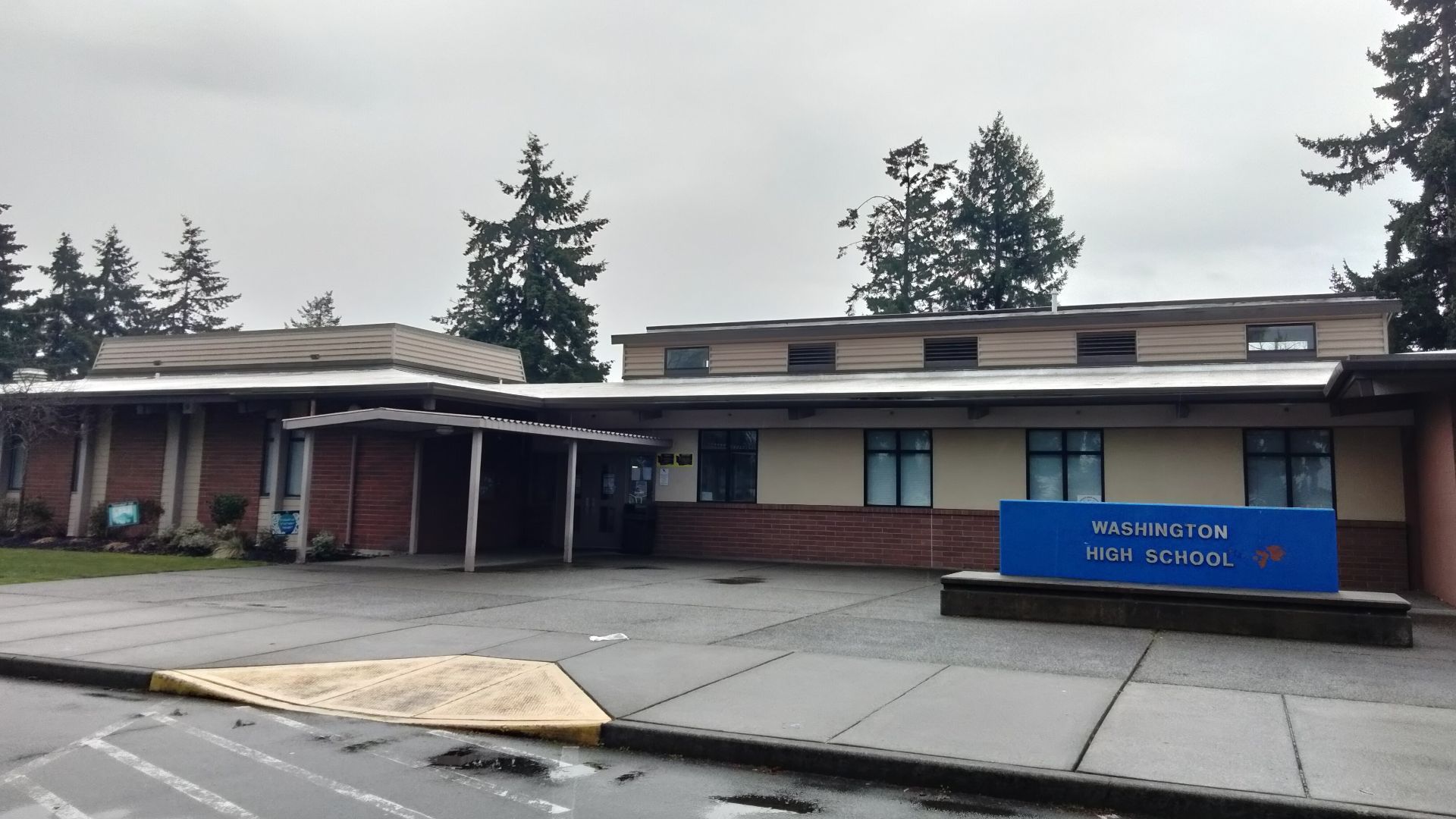
Parkland School, Washington
Built in 1908, Parkland School faced demolition when redevelopment became a possibility. Residents organized fundraising efforts to purchase the property. In May 2024, the Parkland Community Association secured ownership, preserving the building for community use.
 Lethargilistic, Wikimedia Commons
Pittock Mansion, Portland
Developers considered demolishing Portland's Pittock Mansion after years of deterioration and severe storm damage. Residents rallied to protect the historic estate. Their fundraising helped the city purchase the property in 1964, transforming it into a museum.
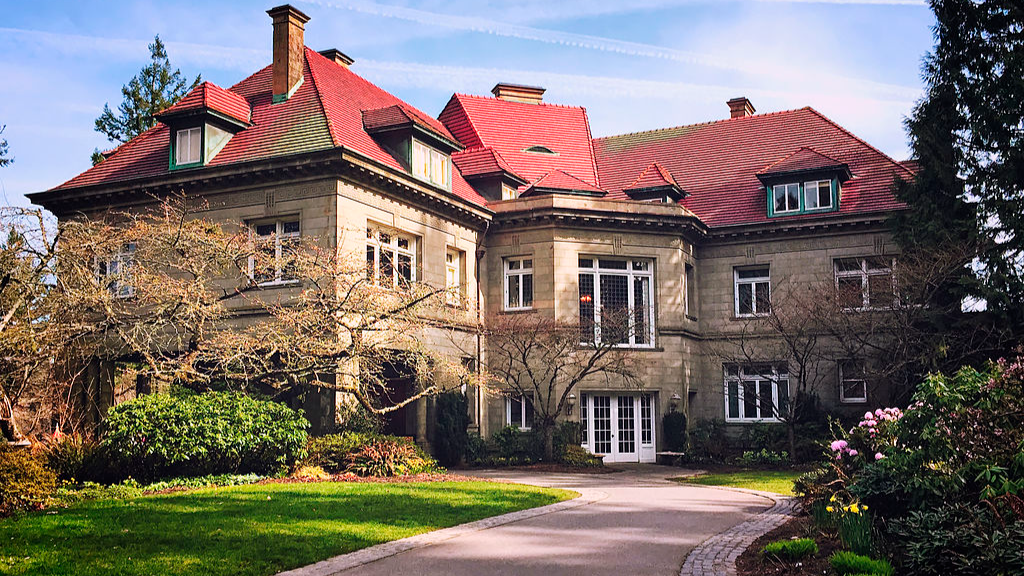 Steven Pavlov, Wikimedia Commons
Watts Towers, Los Angeles
Artist Simon Rodia's extraordinary handmade towers faced demolition in the 1950s. Two residents, Bill Cartwright and Nick King, purchased the property in 1959 and organized preservation efforts. Their intervention protected one of California's most distinctive artistic landmarks.
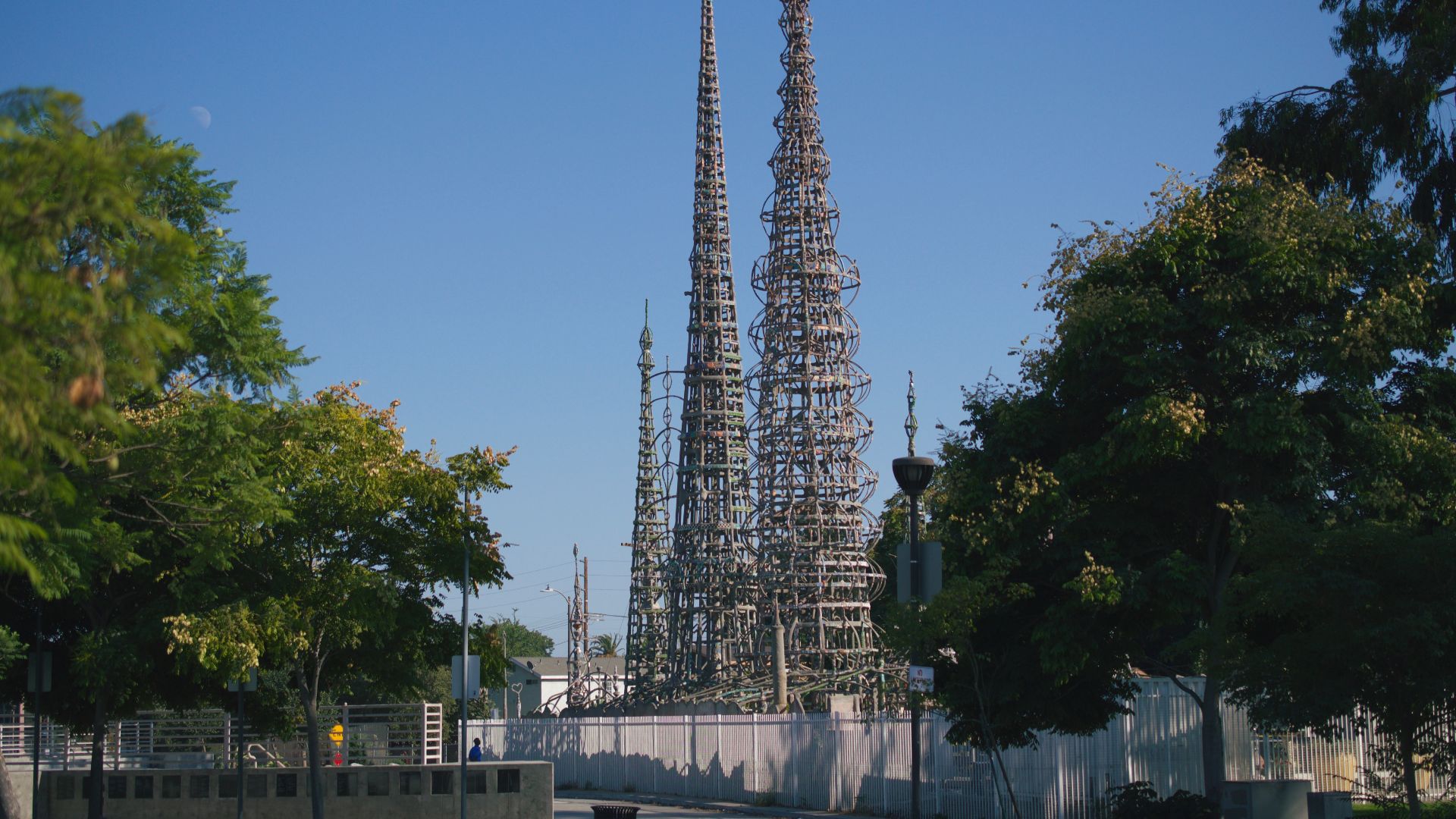 Levi Clancy, Wikimedia Commons
Wiltern Theatre, Los Angeles
The magnificent Art Deco Wiltern Theatre faced demolition in 1979. Rick Newberger's Citizens' Committee to Save the Wiltern joined preservation advocates in fighting its destruction. Developer Wayne Ratkovich ultimately purchased and restored the historic complex.
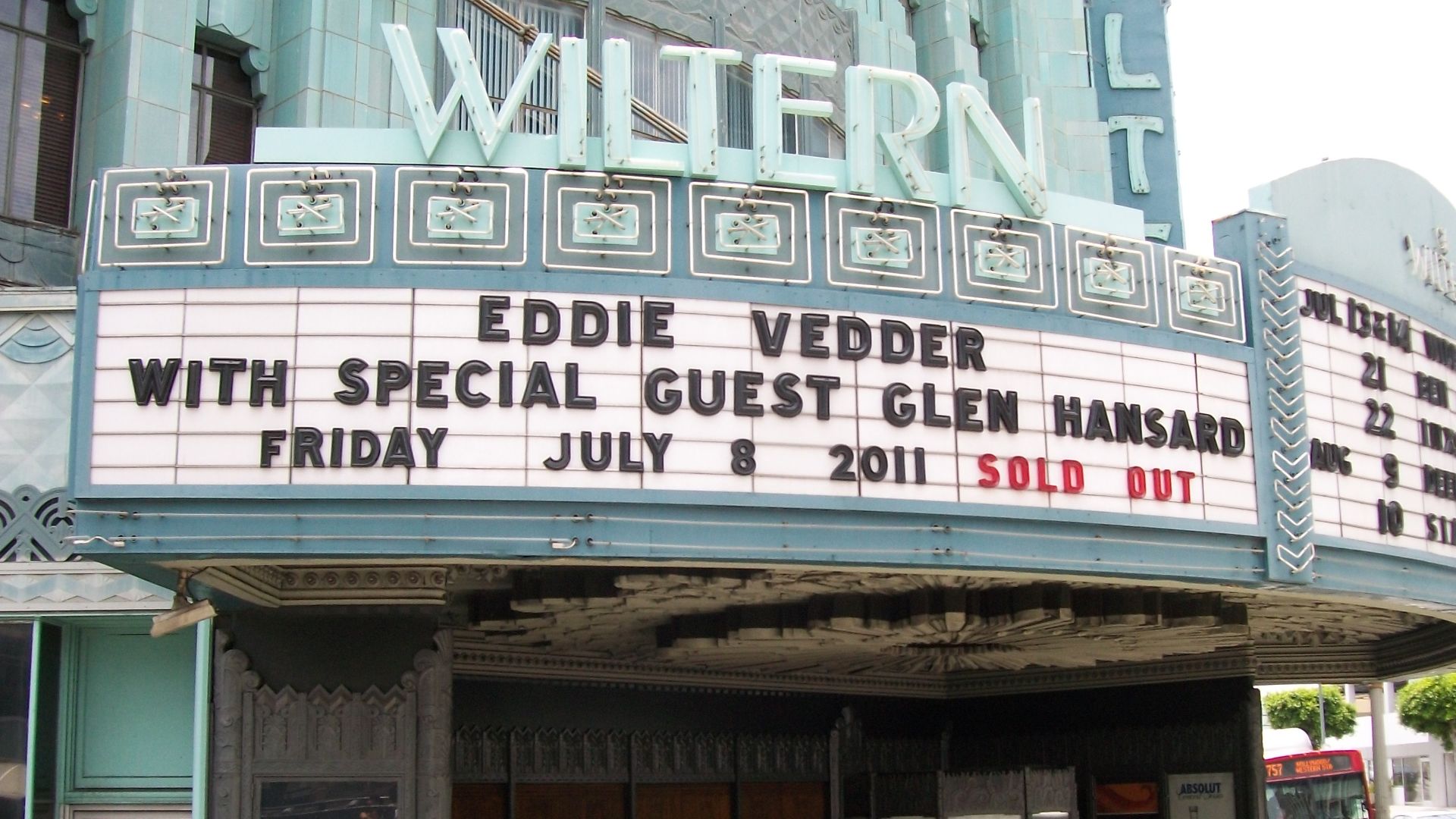
Kronish House, Beverly Hills
Architect Richard Neutra's Kronish House nearly disappeared in 2011. Hundreds of residents and architecture enthusiasts contacted city officials demanding protection. Their campaign delayed demolition until a preservation-minded buyer purchased and restored the celebrated modernist residence.
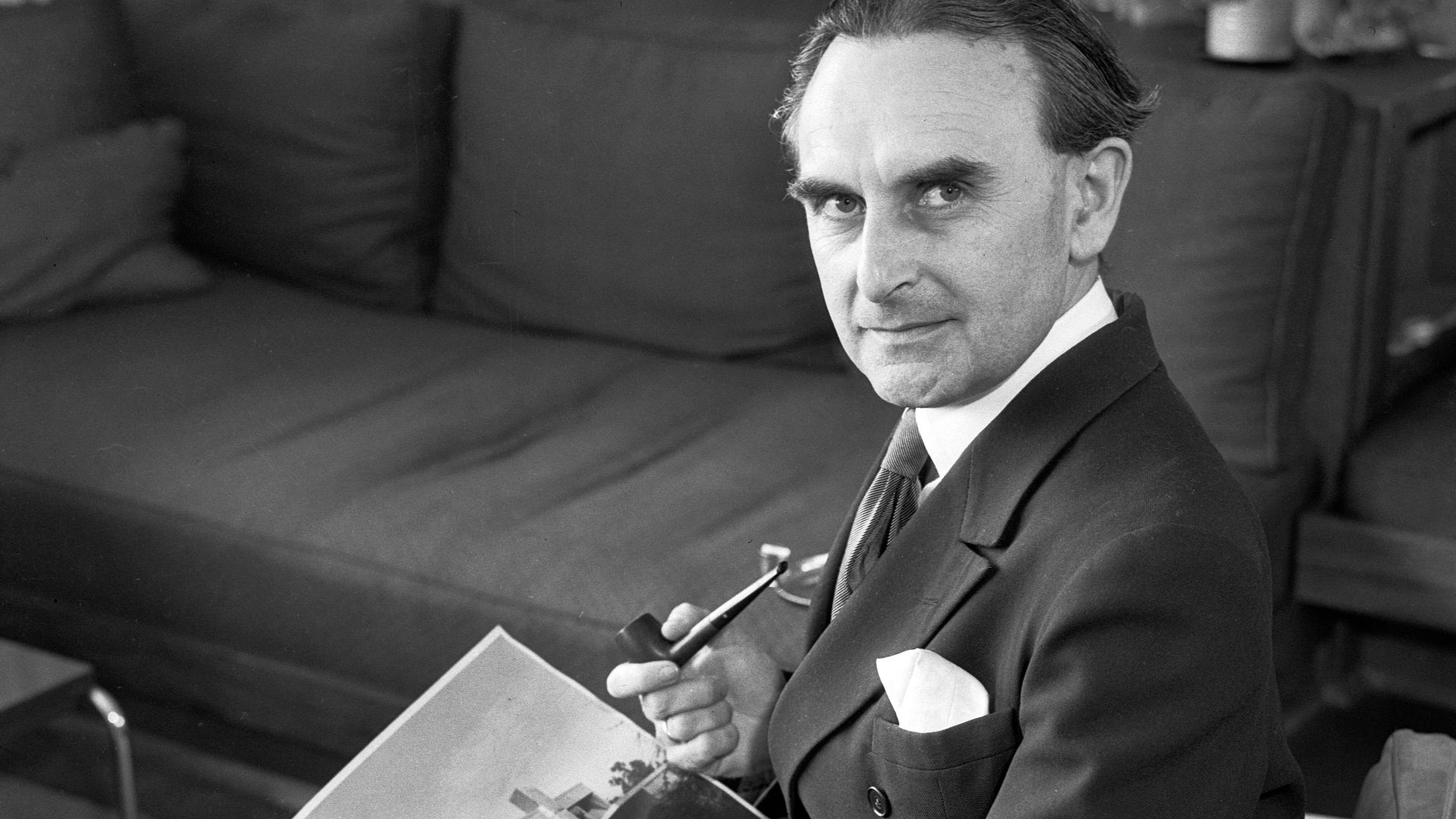 Los Angeles Times, Wikimedia Commons
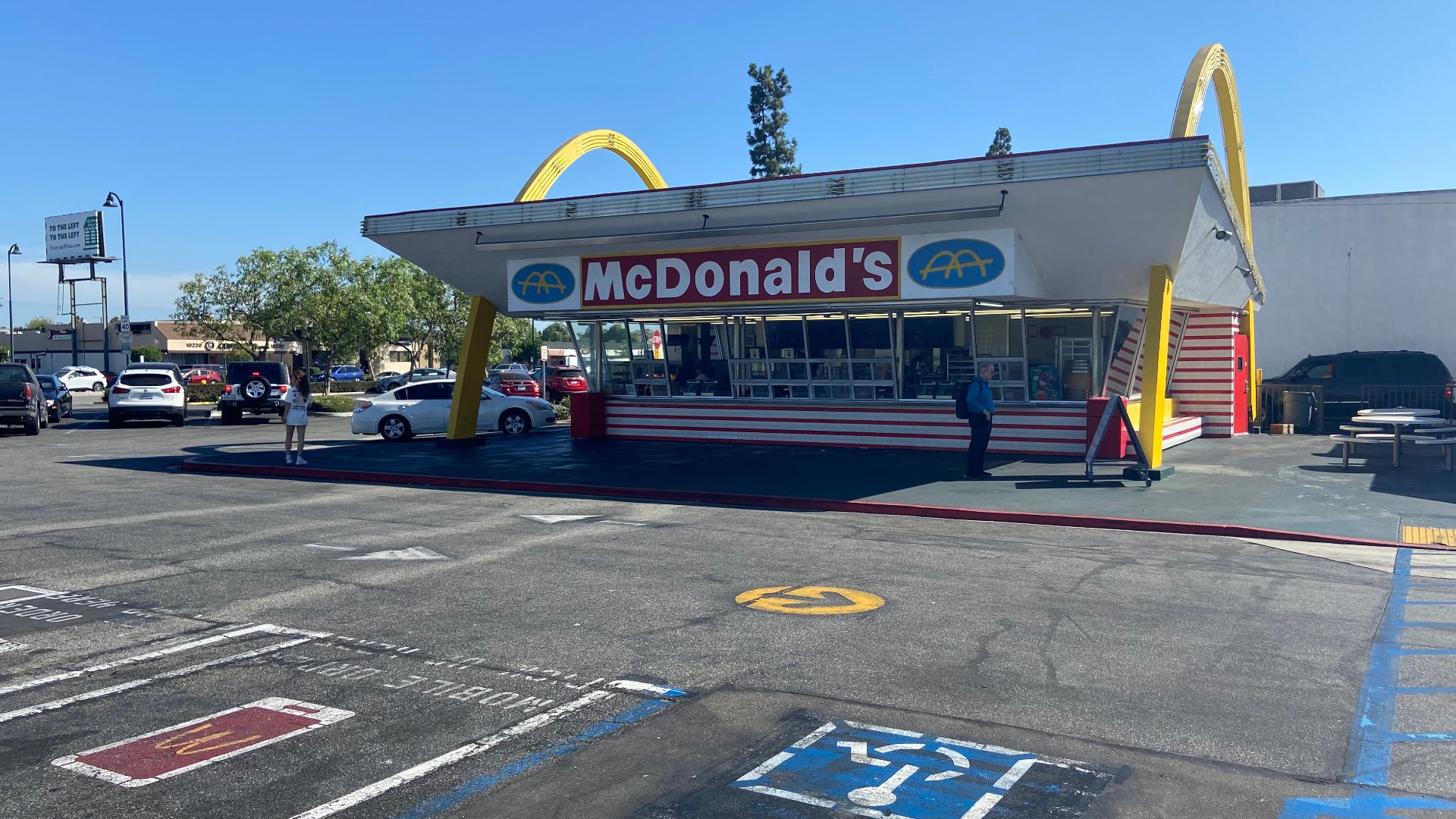
The Original Downey McDonald's, California
The oldest surviving McDonald's restaurant faced demolition after closing in 1994. Preservation advocates and local residents challenged the company's plans. Following sustained public pressure, McDonald's reversed course in 1996 and reopened the historic roadside landmark.
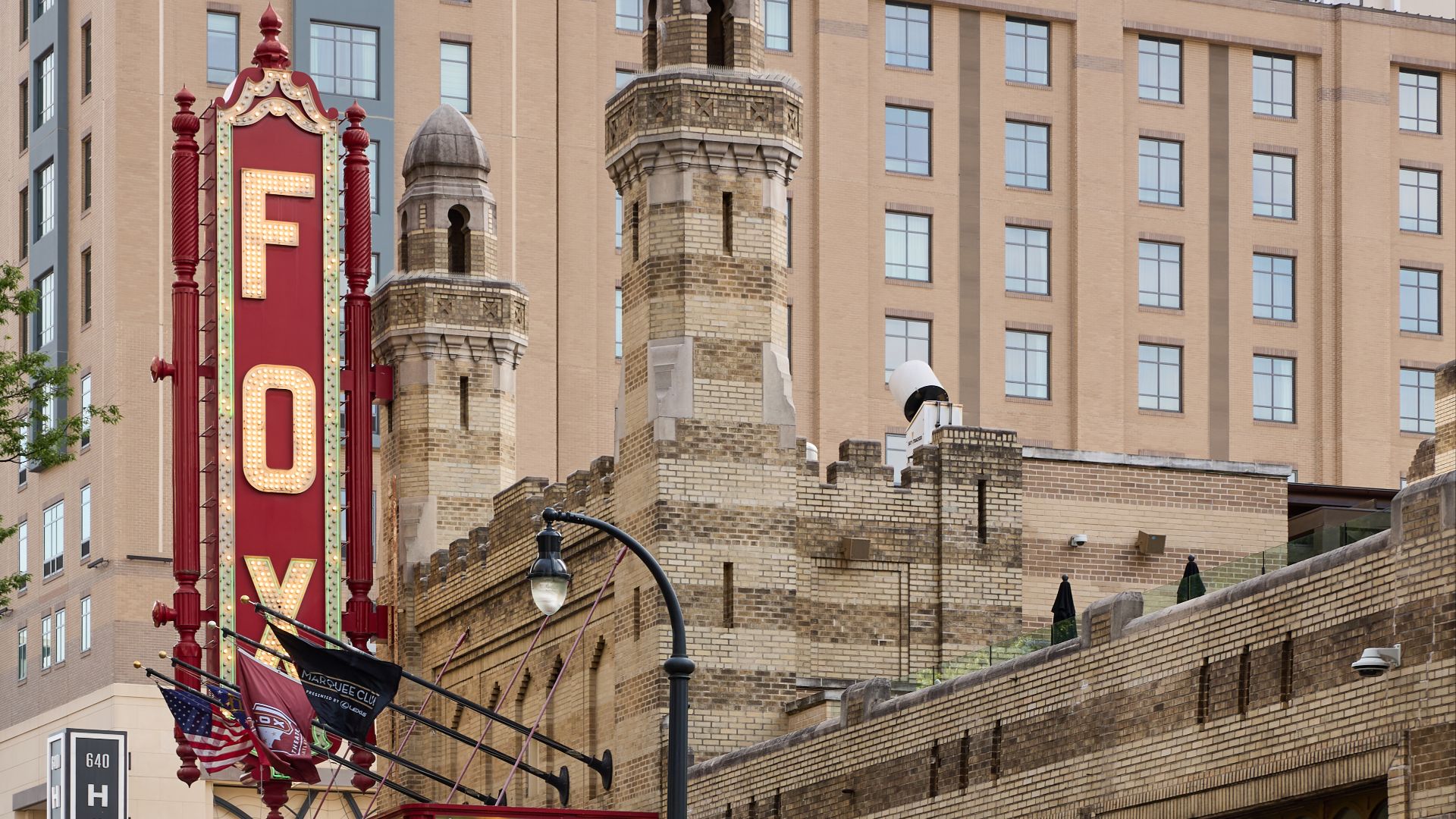
Fox Theatre, Atlanta
Atlanta's spectacular Fox Theatre faced demolition for an office development in 1974. Residents launched the Save the Fox campaign, raising millions through community contributions. Their determination protected the theater, which reopened in 1975.
 Frank Schulenburg, Wikimedia Commons
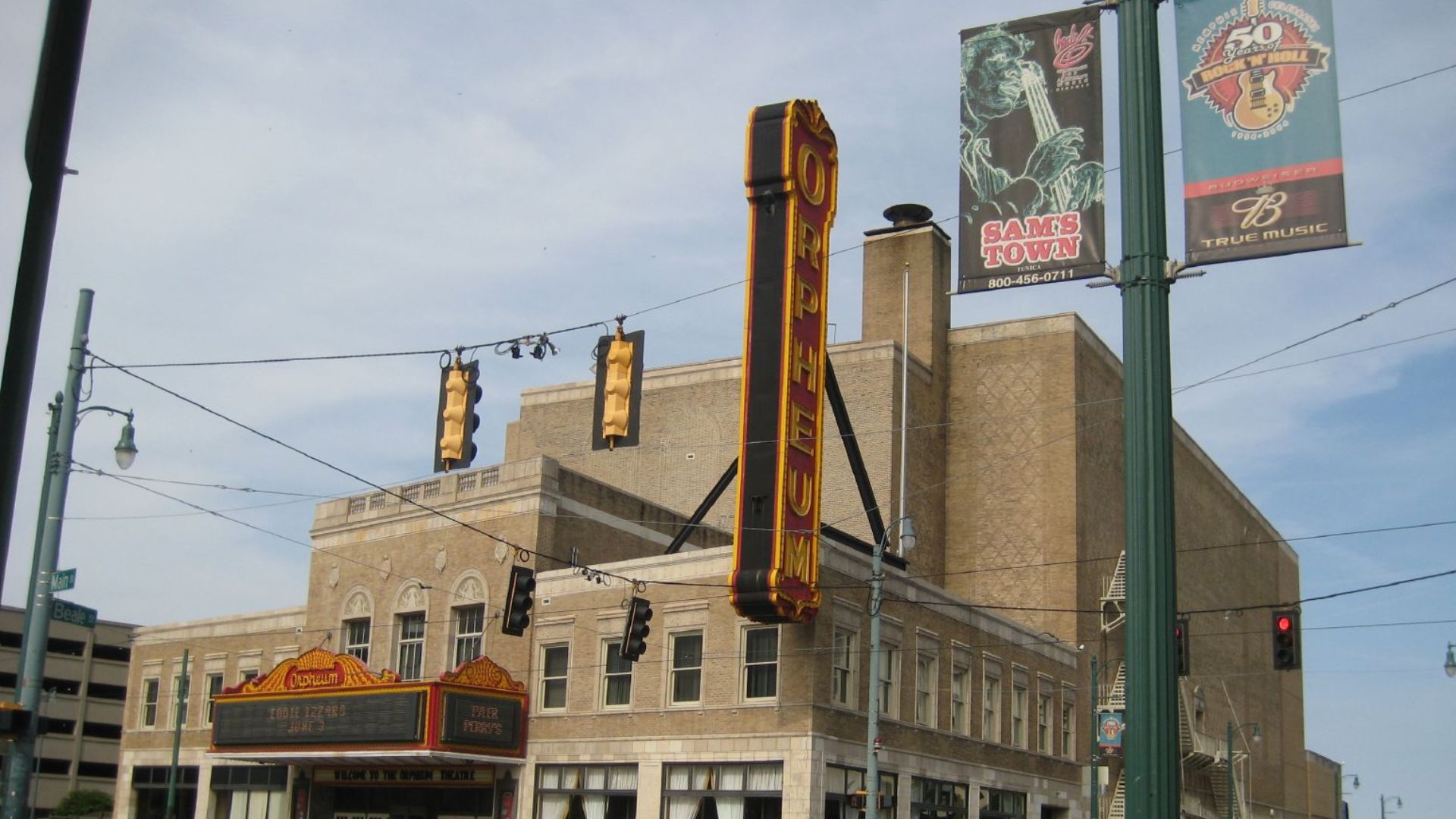
Orpheum Theatre, Memphis
When Memphis's Orpheum Theatre faced demolition in 1976, residents refused to surrender their historic performance venue. Concerned citizens established the Memphis Development Foundation. The organization purchased the building in 1977, protecting its future.
 Claire H. from New York City, USA, Wikimedia Commons
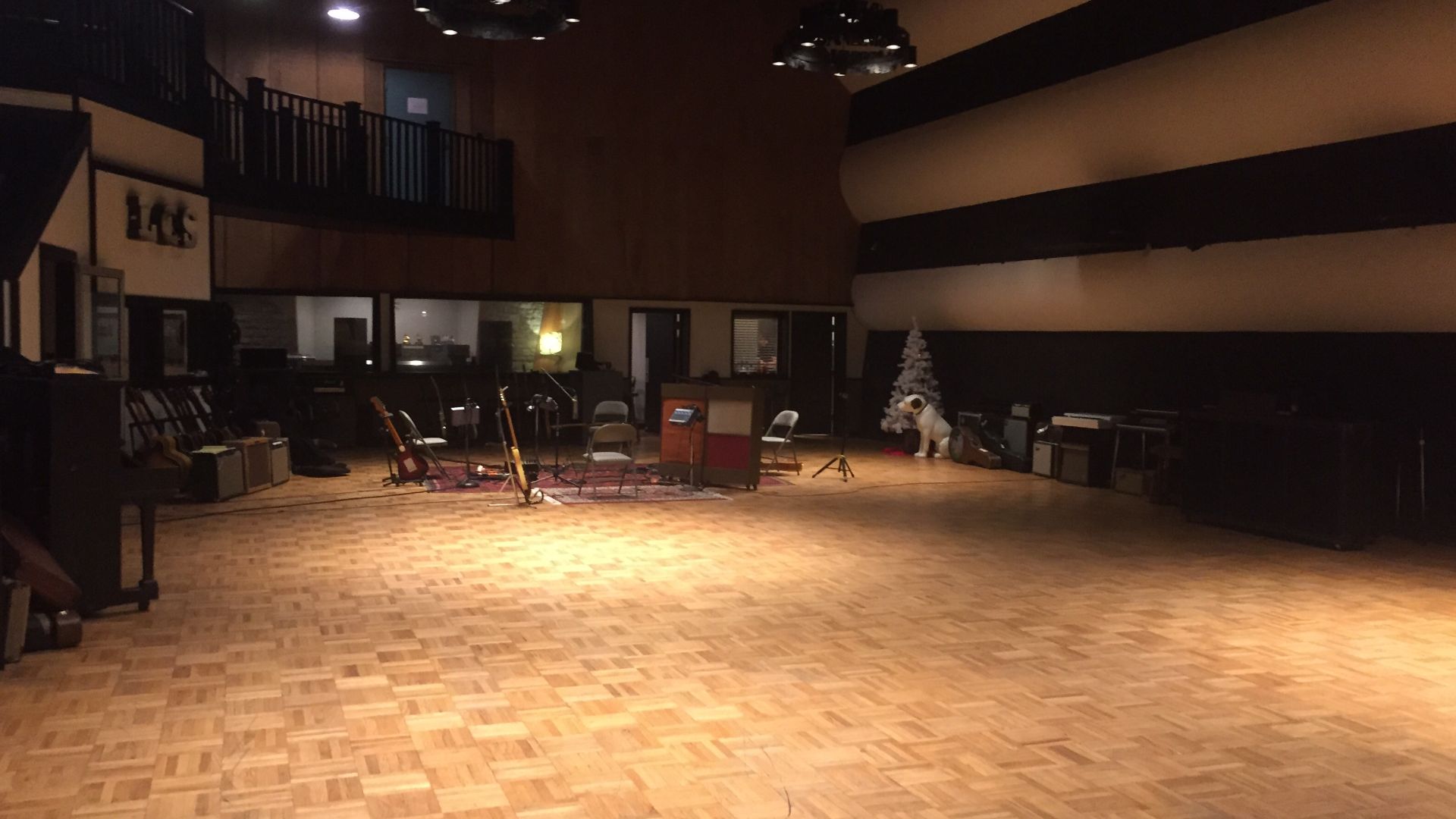
RCA Studio A, Nashville
Nashville's legendary RCA Studio A nearly disappeared in 2014 when redevelopment threatened the recording facility. Musicians and community members organized public opposition. Their efforts attracted preservation-minded buyers who purchased the property and protected its musical heritage.
 Sirsentence (talk) 01:39, 9 April 2018 (UTC), Wikimedia Commons
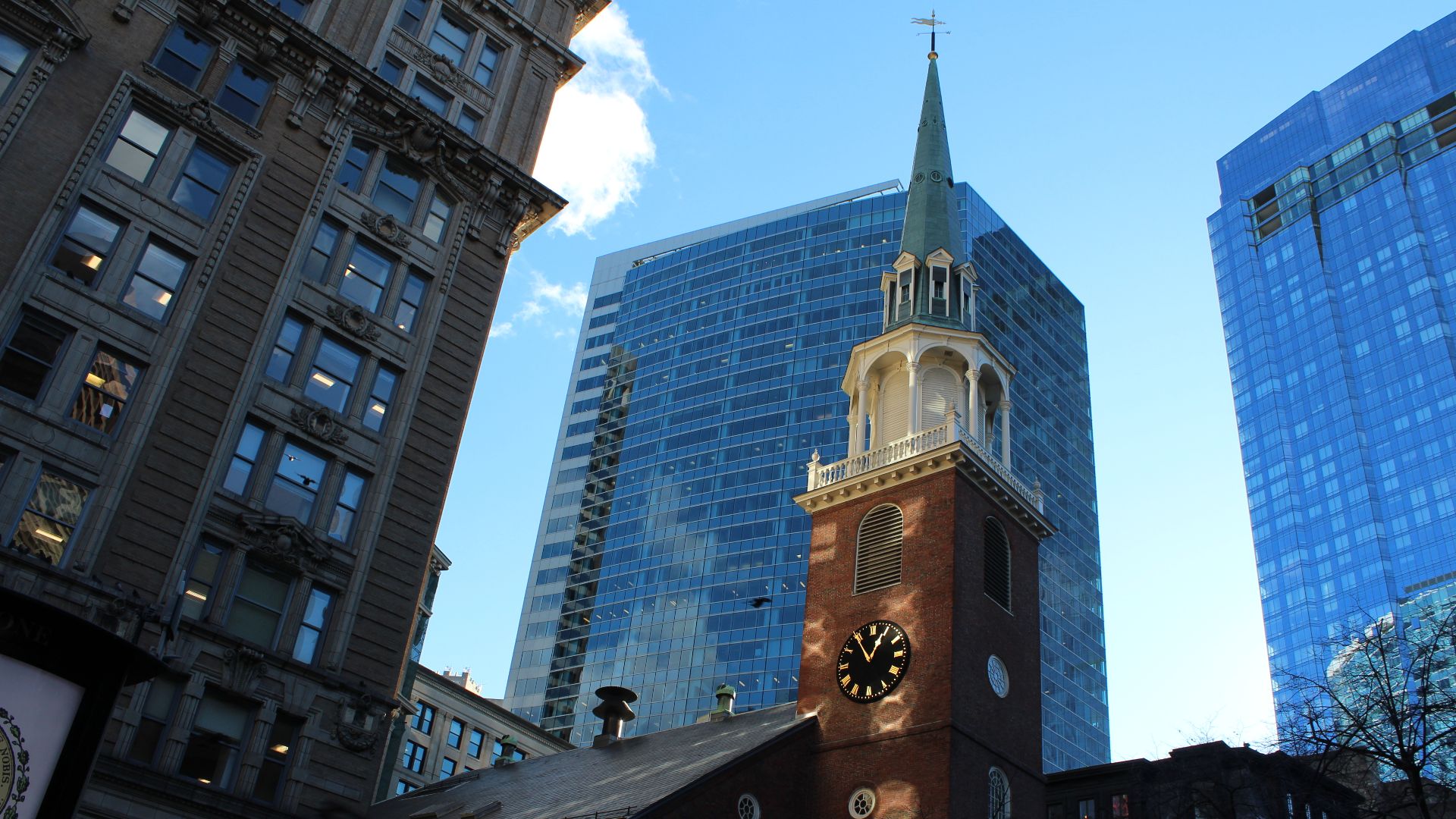
Old South Meeting House, Boston
Boston's historic Old South Meeting House was nearly demolished in 1876. Twenty local women organized fundraising and public appeals to protect it. Their extraordinary campaign saved the Revolutionary-era gathering place, which became a museum.
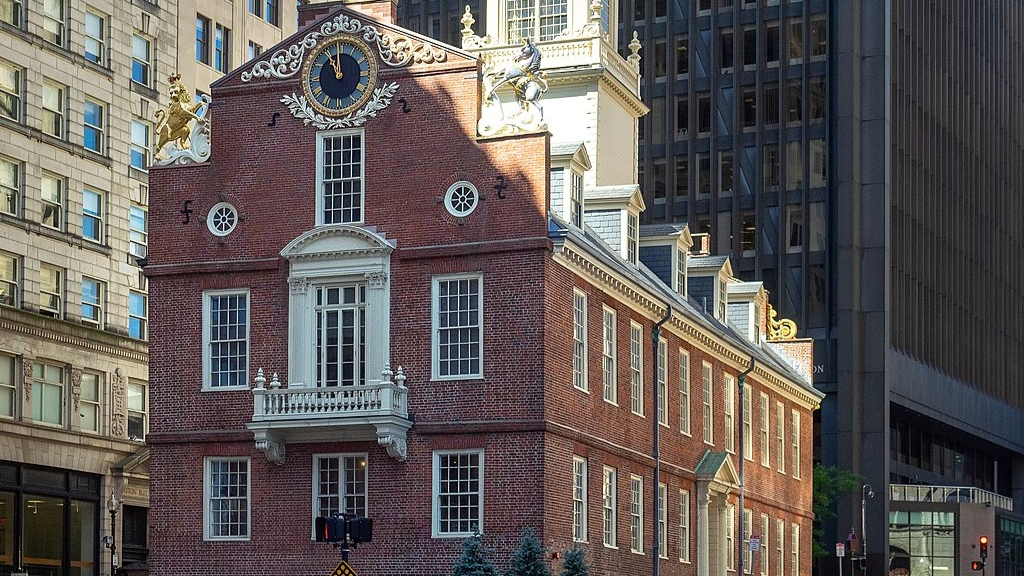
Old State House, Boston
The Old State House faced an uncertain future during nineteenth-century redevelopment. Concerned Bostonians established the Boston Antiquarian Club in 1879 to protect the building. Their preservation efforts eventually transformed the colonial landmark into a museum.
 Ajay Suresh, CC BY 2.0, Wikimedia Commons
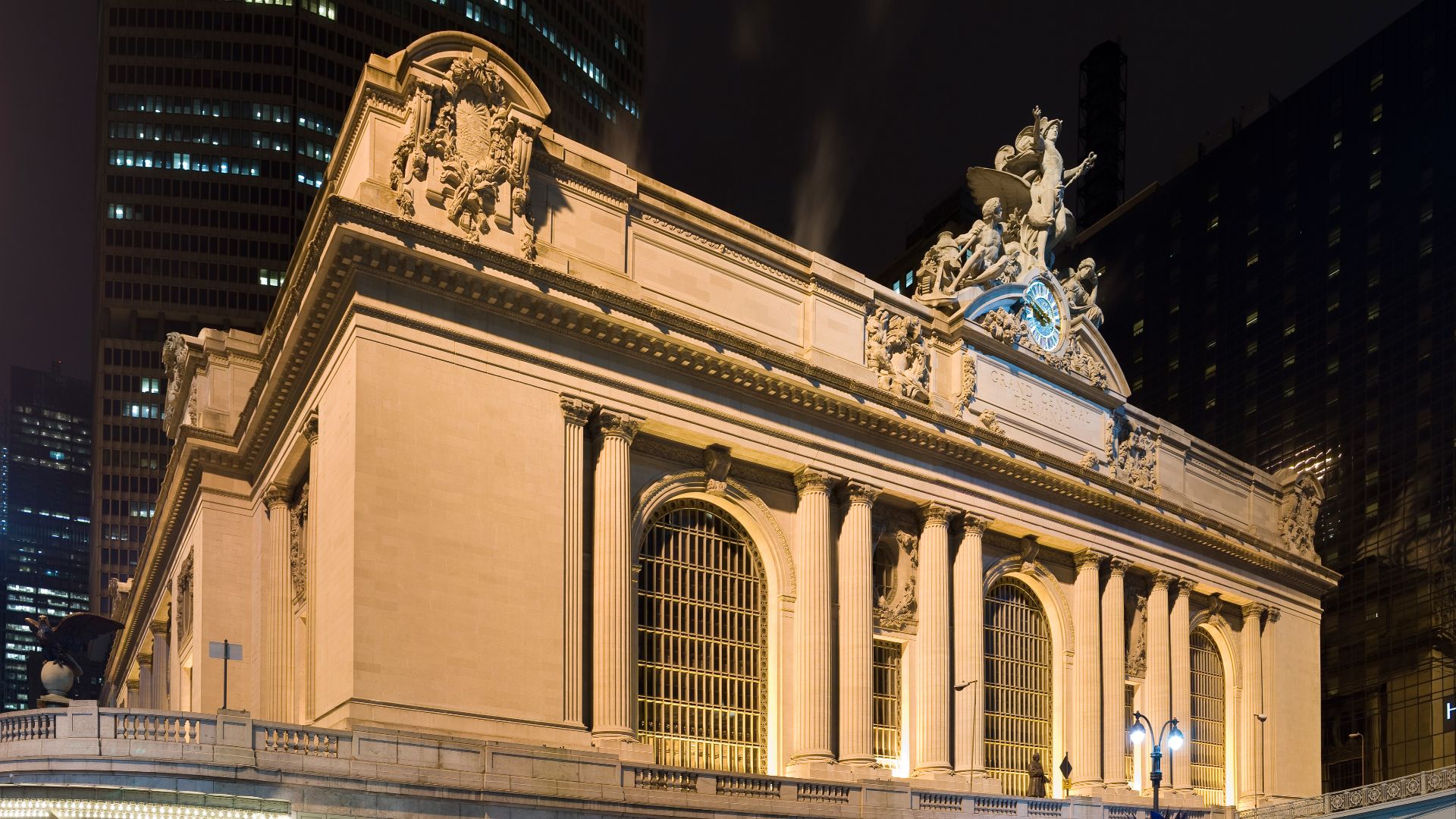
Grand Central Terminal, New York City
Developers proposed a towering office building that threatened Grand Central Terminal's historic interior. Preservation groups organized public opposition, attracting prominent supporters. A 1978 Supreme Court decision upheld landmark protections, ensuring the terminal's survival.
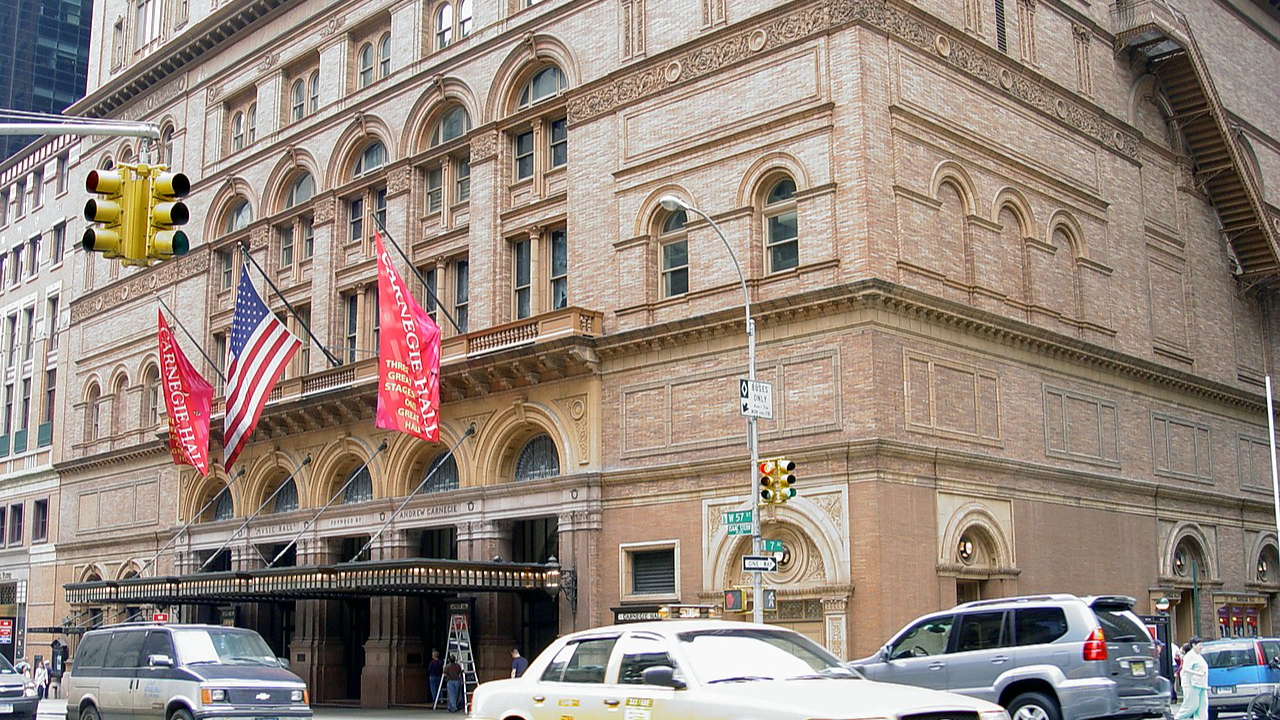
Carnegie Hall, New York City
Carnegie Hall nearly disappeared when redevelopment plans emerged in 1960. Violinist Isaac Stern helped organize a citizens' committee to preserve the concert venue. Their advocacy convinced New York City to purchase the historic building.
 Martin Dürrschnabel, CC BY-SA 2.5 , Wikimedia Commons
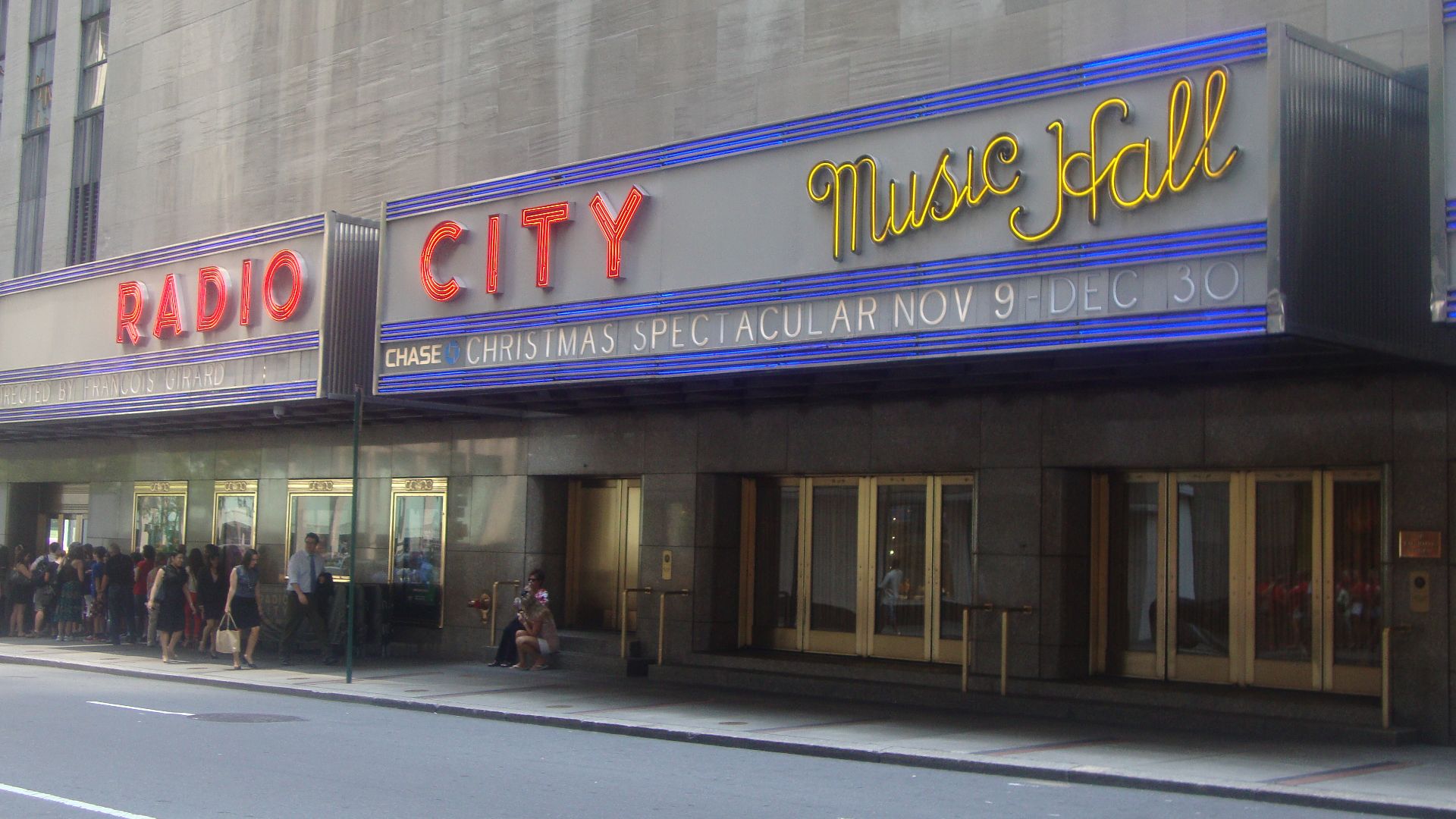
Radio City Music Hall, New York City
Radio City Music Hall faced possible demolition after financial difficulties in 1978. Dancer Rosemary Novellino organized performers and supporters to demand its preservation. Public pressure helped secure landmark protection, and the venue eventually reopened.
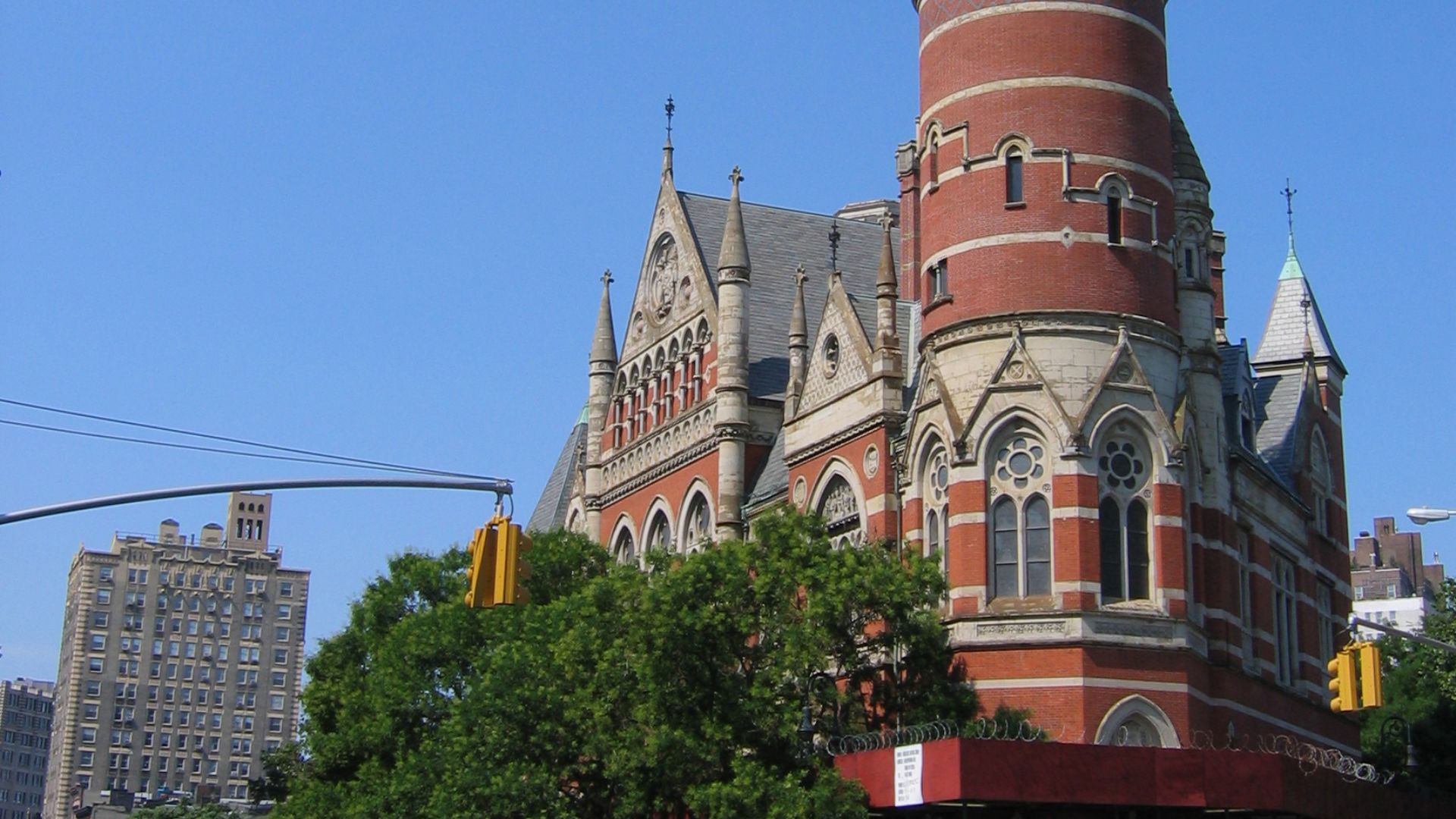
Jefferson Market Courthouse, New York City
Greenwich Village residents rescued the abandoned Jefferson Market Courthouse during the 1960s. Preservation advocates initially raised money to repair its famous clock. Their larger campaign convinced officials to convert the threatened building into a public library.
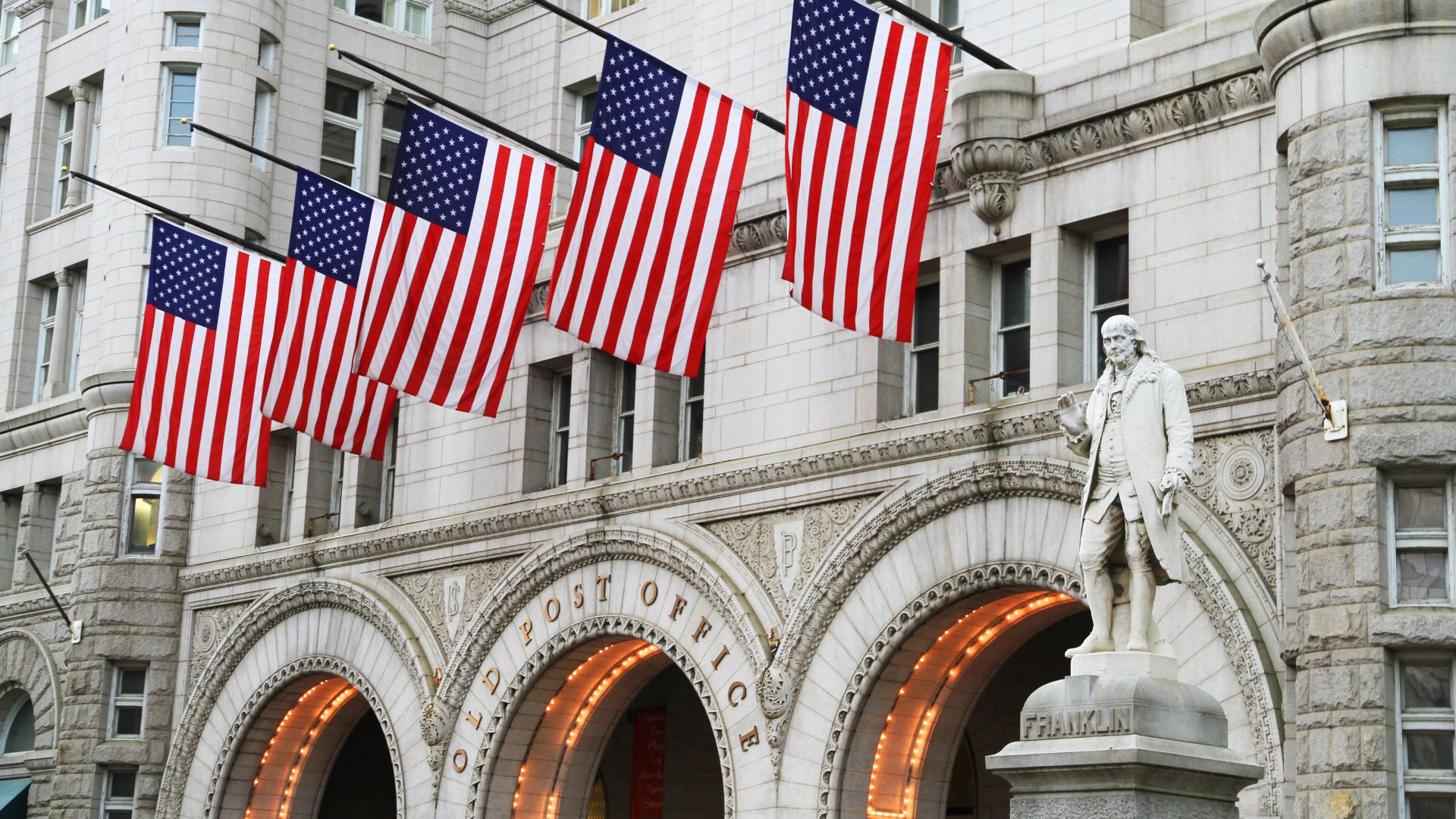
Old Post Office, Washington, D.C.
Washington's Old Post Office nearly disappeared under federal redevelopment plans. Residents established Don't Tear It Down in 1971 and organized demonstrations outside the building. Their advocacy helped preserve the architectural landmark and its distinctive clock tower.
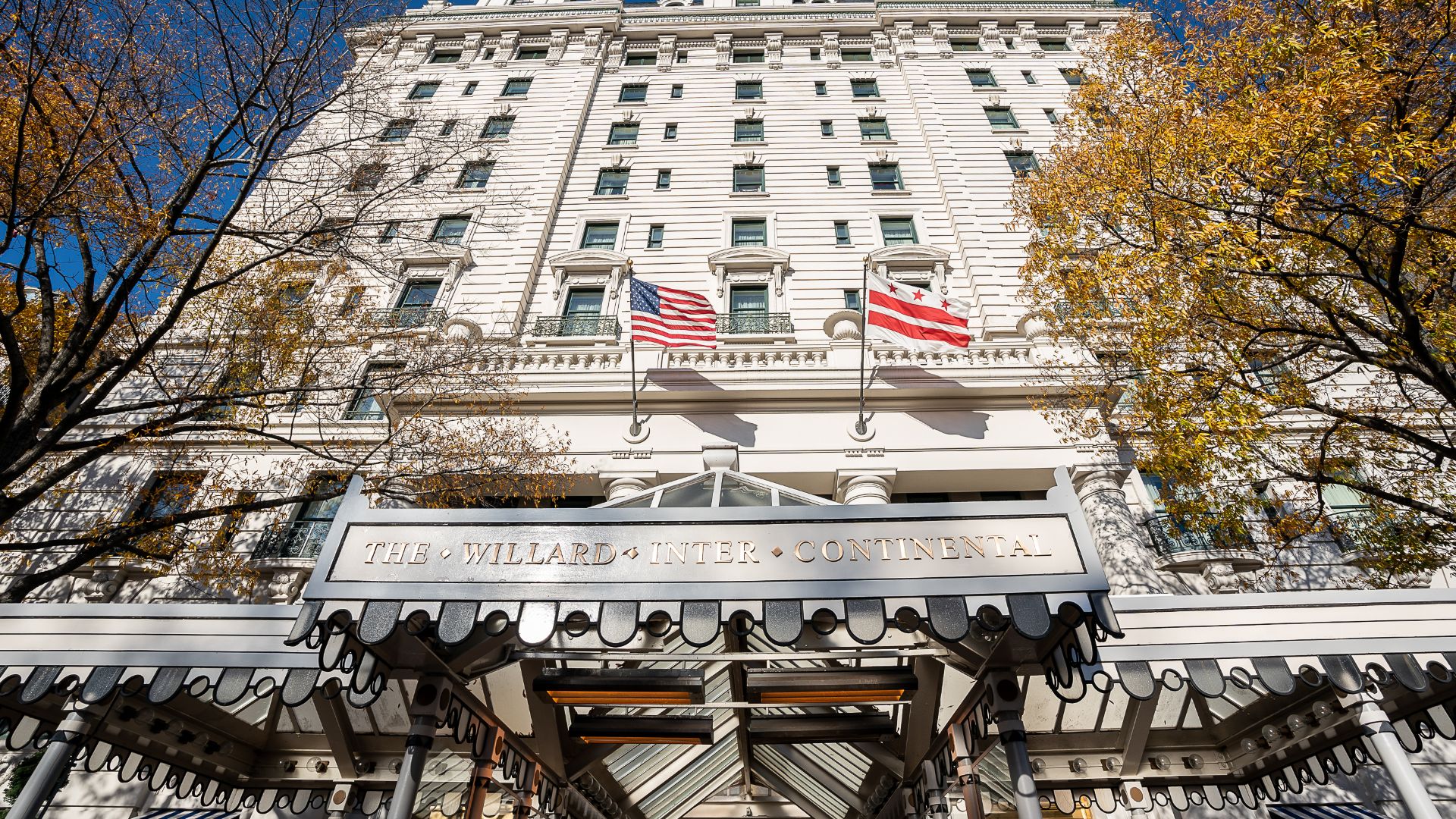
Willard Hotel, Washington, D.C.
The historic Willard Hotel faced demolition after closing in 1968. Members of Don't Tear It Down challenged redevelopment efforts through public advocacy and court proceedings. Their intervention helped protect the building, which reopened in 1986.
 The White House from Washington, DC, Wikimedia Commons
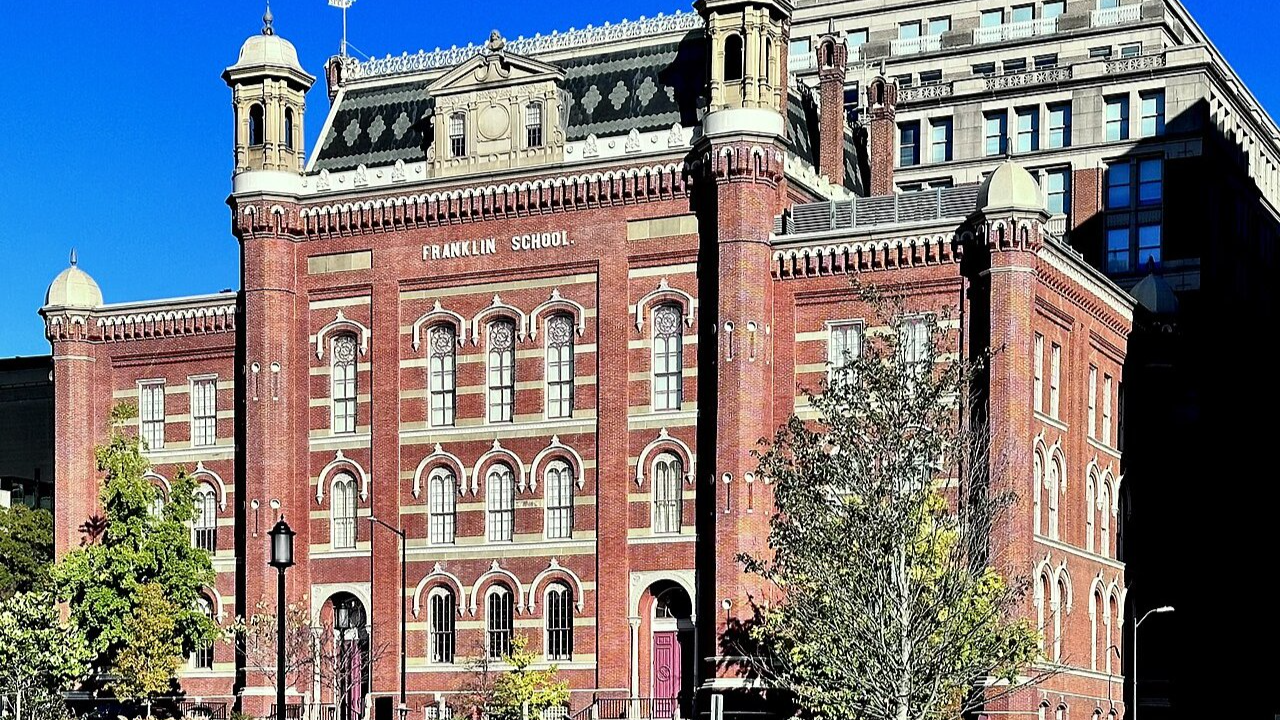
Franklin School, Washington, D.C.
Washington's ornate Franklin School faced demolition during a period of downtown redevelopment. Local preservation advocates organized opposition and secured its protection. The nineteenth-century school survived and eventually became home to the Planet Word museum.
 APK, CC BY 4.0, Wikimedia Commons
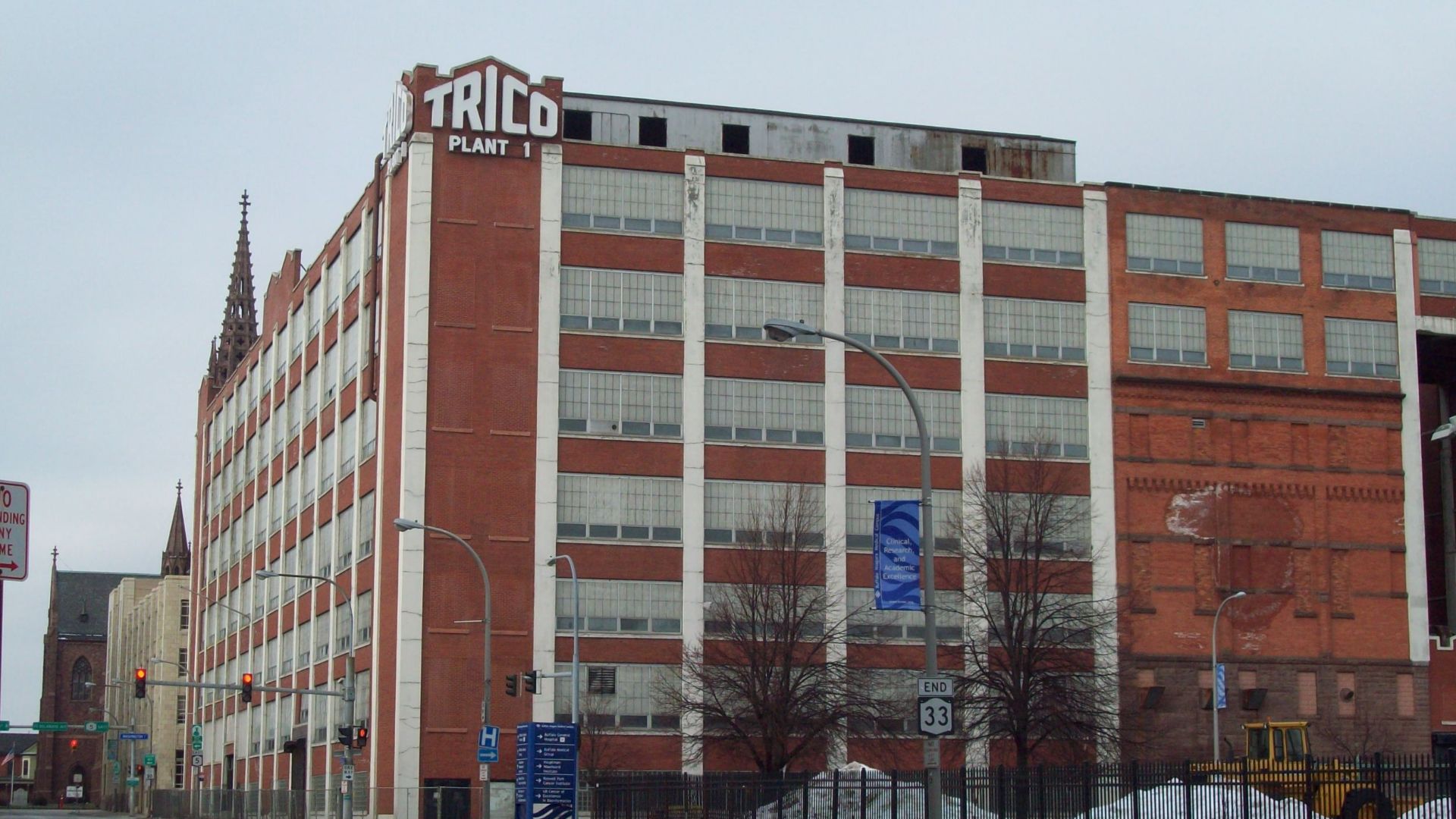
Trico Factory, Buffalo
Buffalo's historic Trico factory faced demolition until young preservationists launched a creative campaign. Residents distributed buttons, organized petitions, and challenged demolition arguments. Their efforts delayed destruction long enough for a developer to pursue reuse.
 Pubdog (talk), Wikimedia Commons
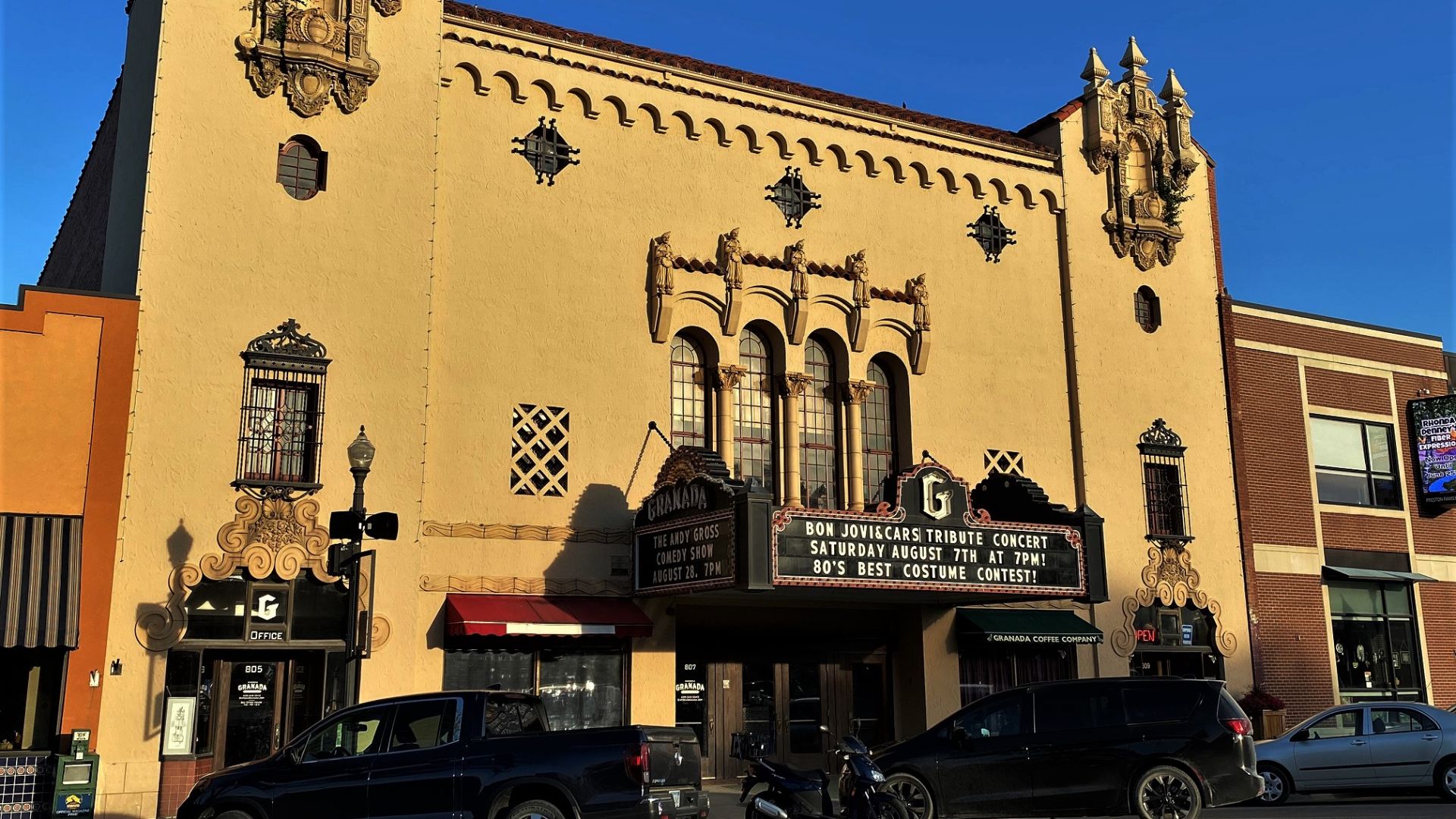
Granada Theatre, Emporia
Kansas residents watched their historic Granada Theatre deteriorate after its closure in 1982. Local preservationists organized to prevent its demolition. The Emporia Granada Theatre Alliance subsequently led a multimillion-dollar restoration that brought performances back downtown.
 Jon Roanhaus, Wikimedia Commons
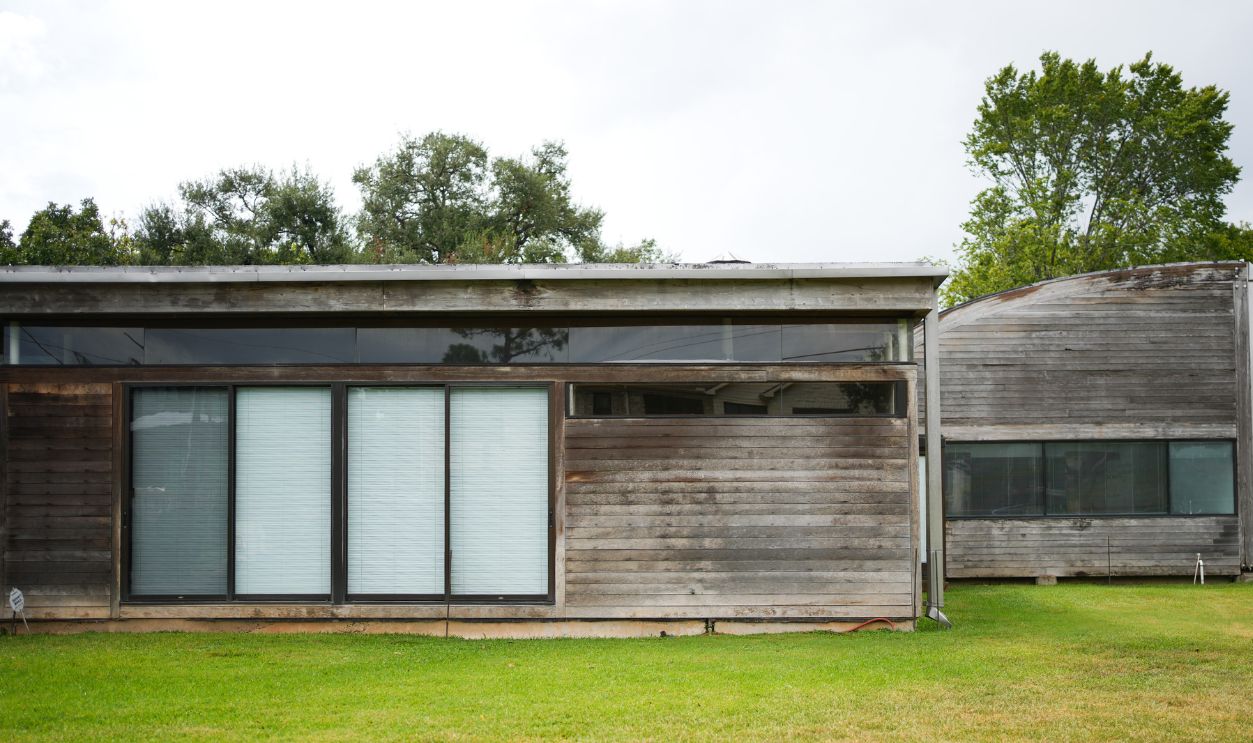
Victor Lundy House, Texas
Architect Victor Lundy's distinctive Bellaire home faced demolition in 2025. Preservation advocates organized public pressure and encouraged alternative buyers to intervene. Dan and Carol Price ultimately purchased the property in October, protecting the modernist residence.
 Houston Chronicle/Hearst Newspapers, Getty Images
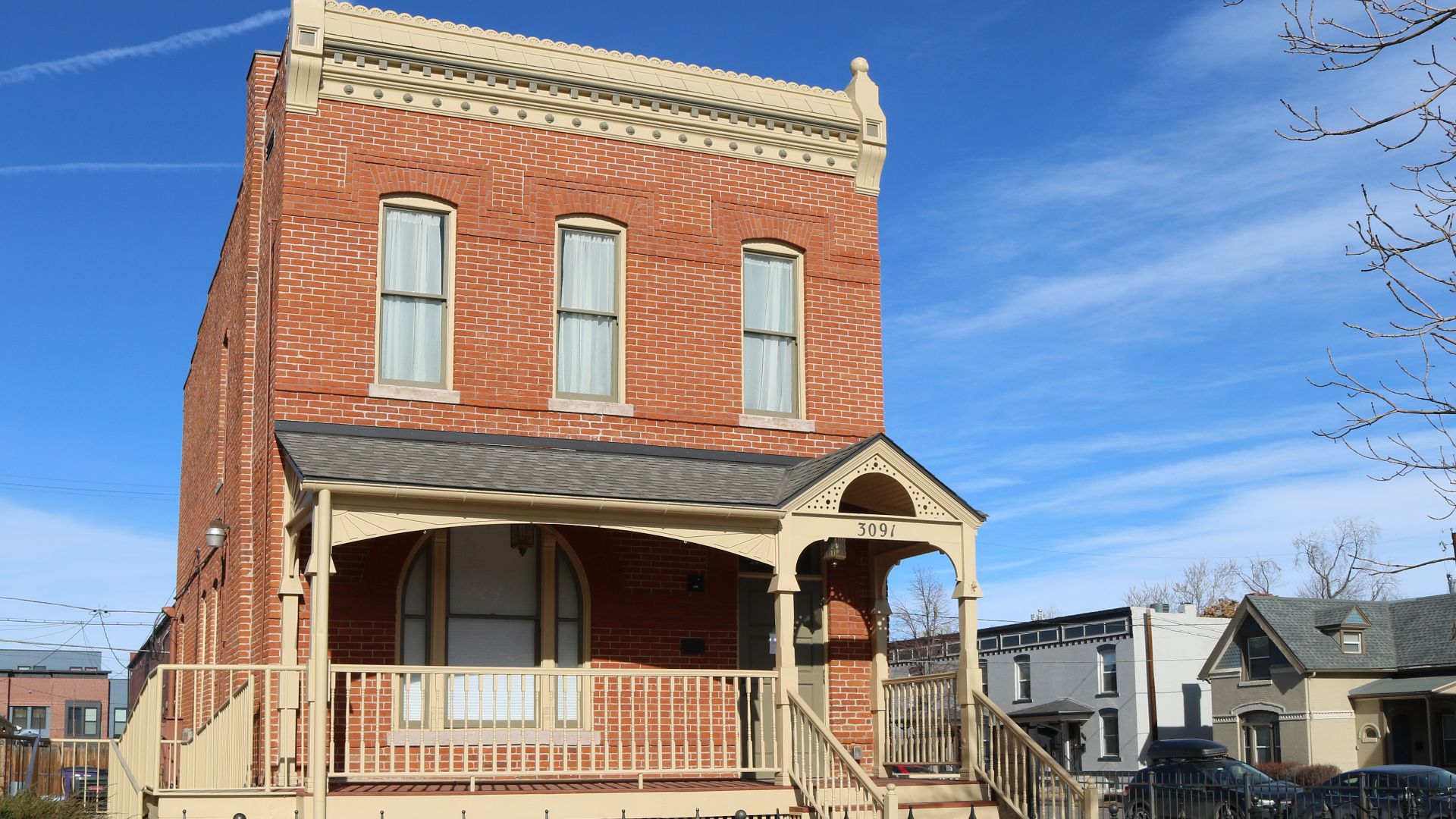
Dr. Justina Ford House, Denver
Denver nearly lost the former home of pioneering physician Dr. Justina Ford in 1983. Former patients and neighborhood supporters mobilized to protect it. The building was relocated in 1984 and became a museum.
 Jeffrey Beall, Wikimedia Commons
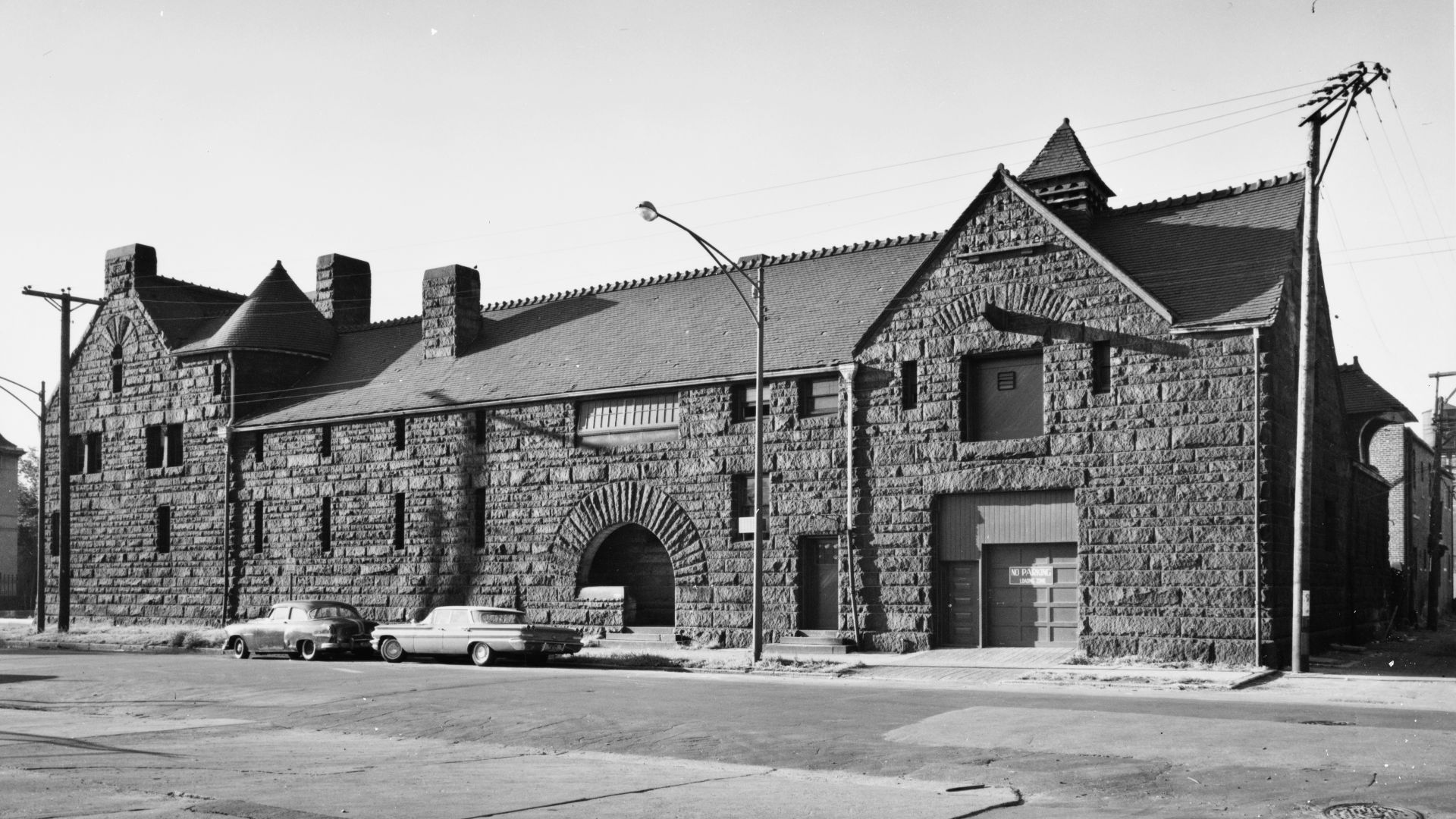
Glessner House, Chicago
Chicago's celebrated Glessner House faced an uncertain future when its owners prepared to sell. Local architects and preservationists organized a foundation in 1966. They purchased the historic residence, protecting an extraordinary example of Henry Hobson Richardson's architecture.
 Cervin Robinson, Wikimedia Commons
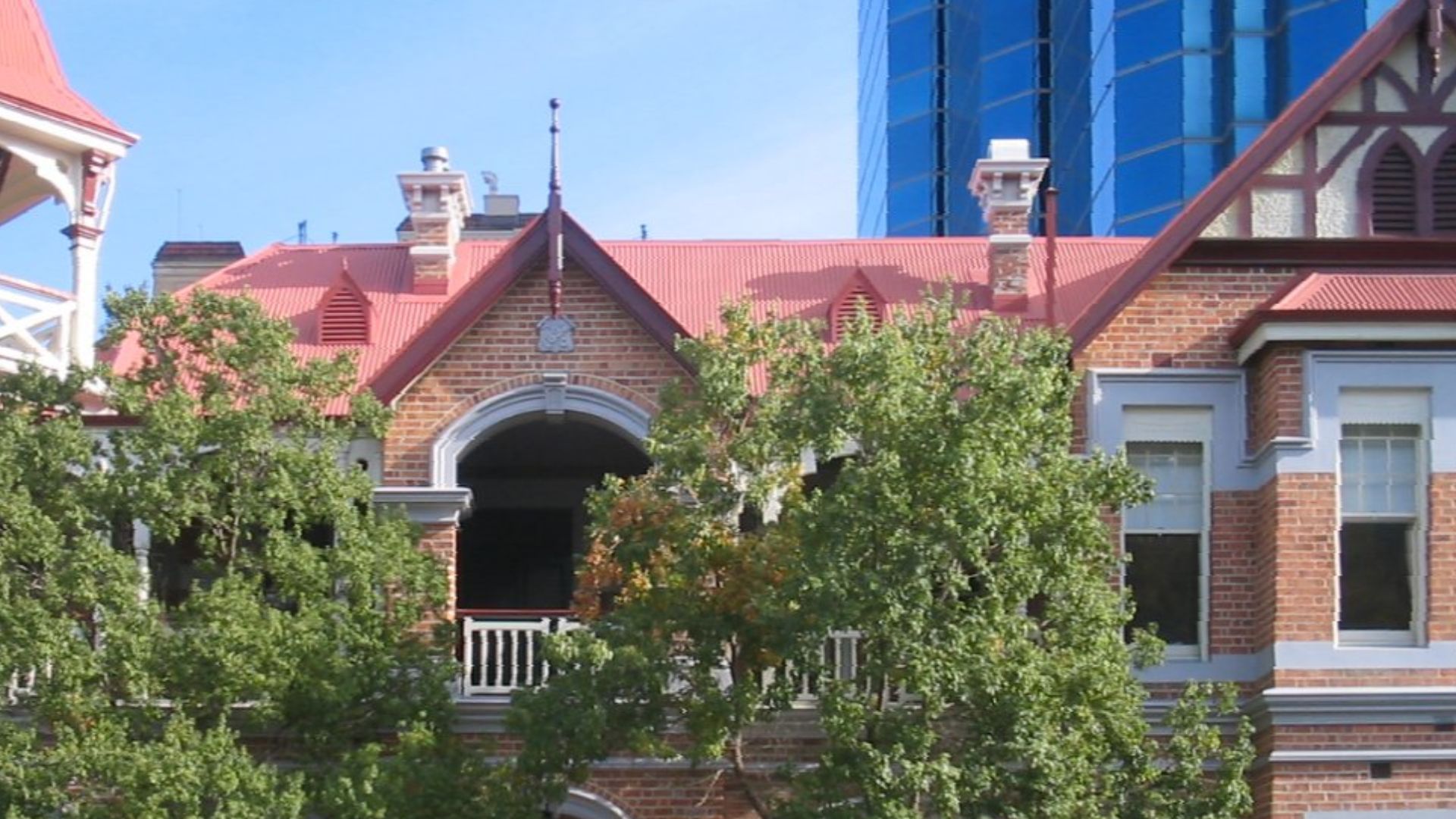
Wolfson Building, Chicago
Chicago's historic Wolfson Building faced demolition until preservation advocates organized community opposition. Their campaign helped secure landmark protection in 2023. A preservation-minded buyer subsequently acquired the property, proposing new community uses for the former shelter.
 user:Moondyne, Wikimedia Commons
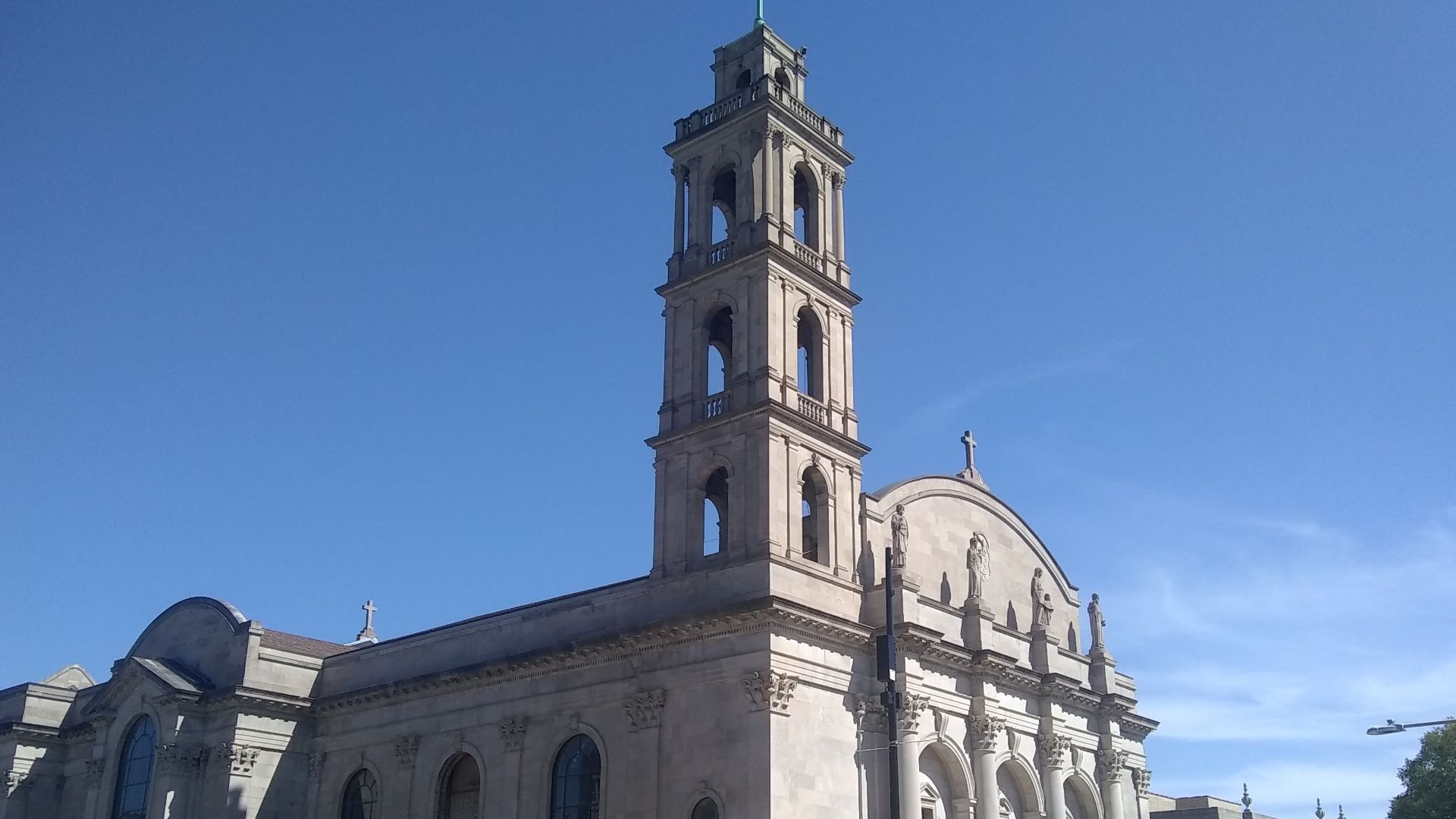
Shrine Of Christ The King, Chicago
A devastating 2015 fire threatened Chicago's Shrine of Christ the King with demolition. Concerned residents collected more than 2,250 signatures supporting restoration. Their campaign helped prevent immediate destruction and preserve the historic church.
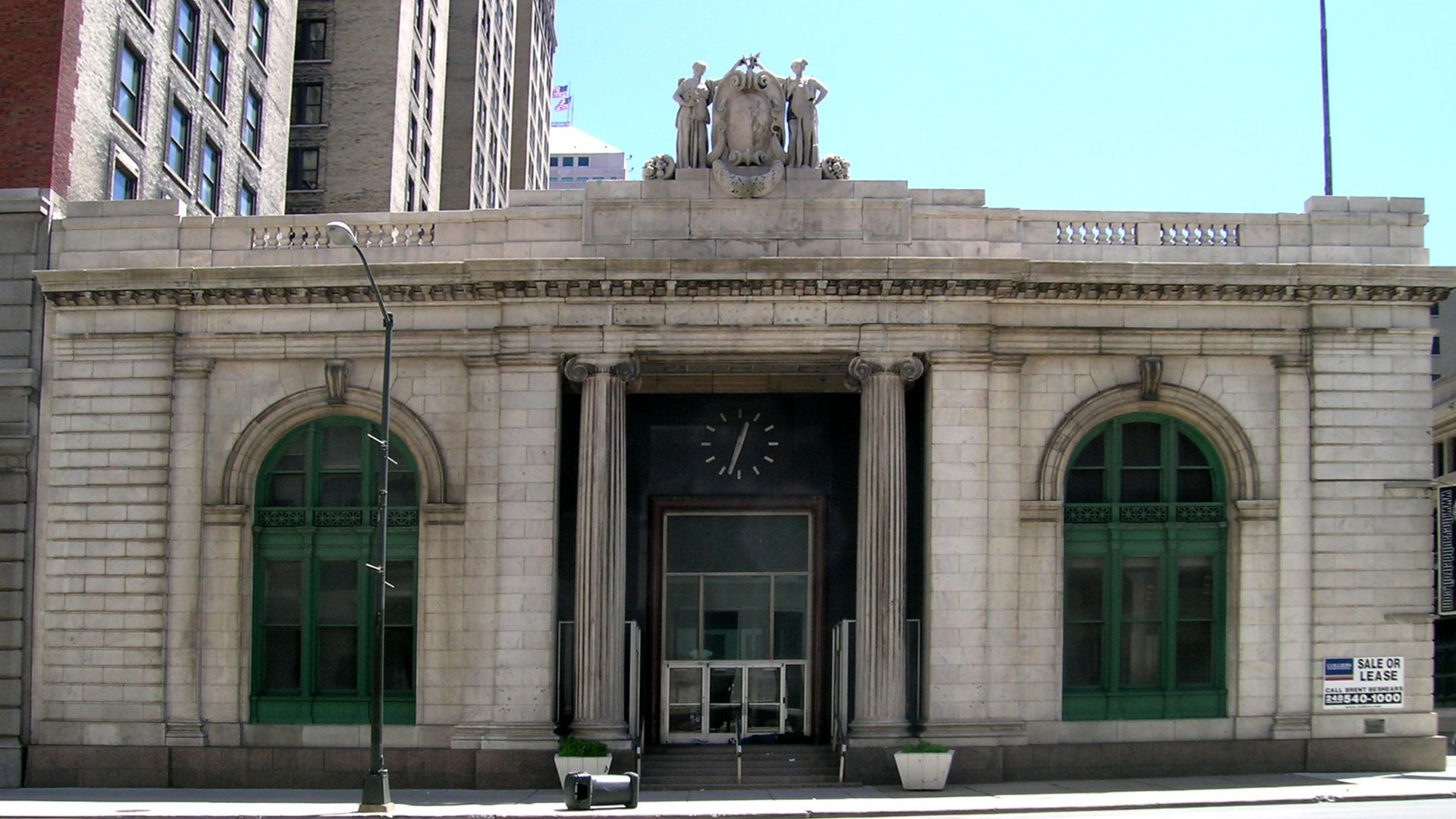
State Savings Bank, Detroit
Detroit's State Savings Bank faced demolition when its owner proposed replacing it with parking. Residents organized petitions and attended public hearings. Officials rejected demolition in 2013, and a new owner purchased the building in 2014.
 Andrew Jameson, Wikimedia Commons
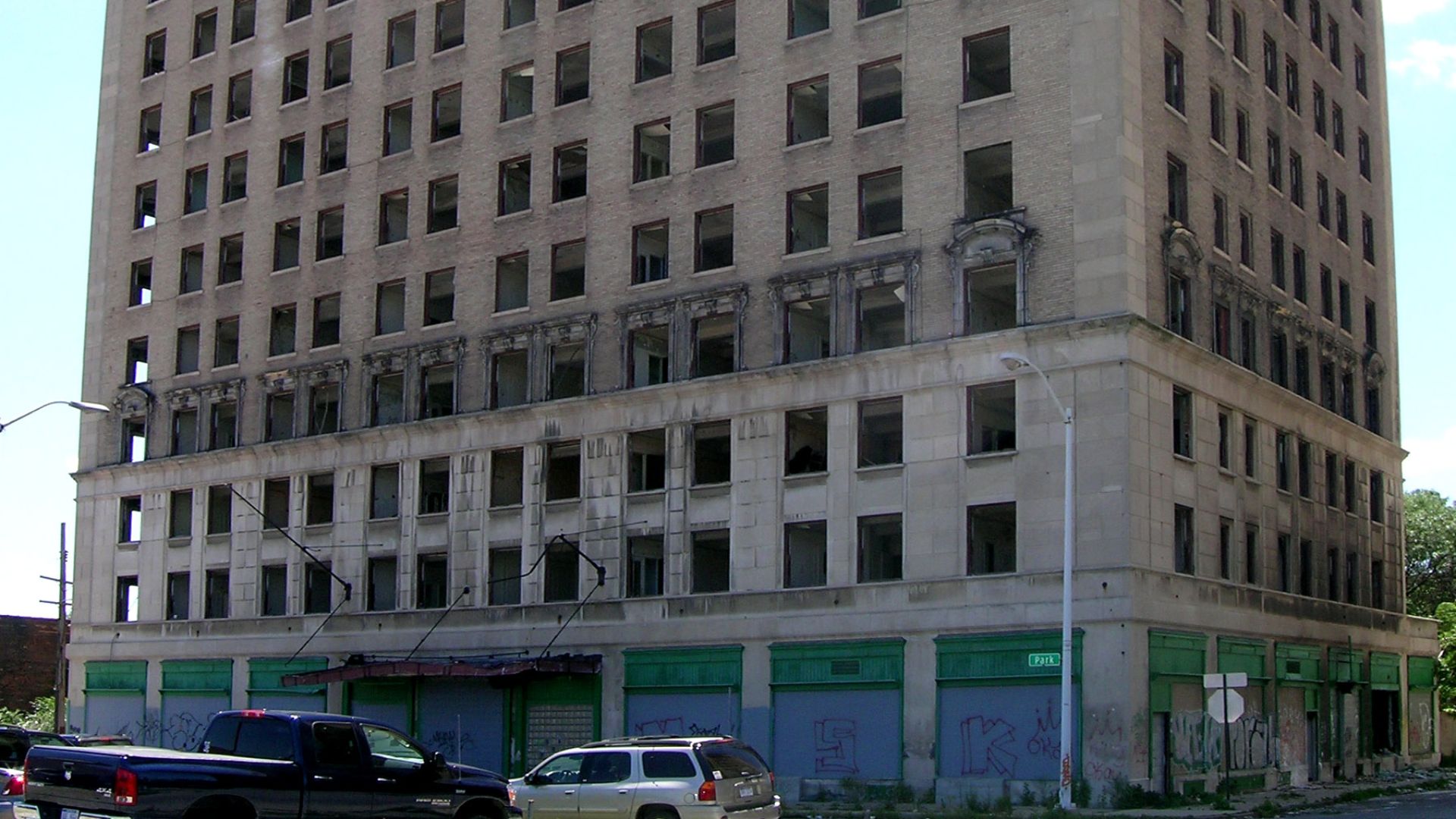
Park Avenue Building, Detroit
Detroit's Park Avenue Building faced a demolition order after years of deterioration. Preservation advocates gathered more than 2,000 petition signatures and pushed officials to reconsider. Their intervention helped protect the historic skyscraper for redevelopment.
 Andrew Jameson, Wikimedia Commons
You May Also Like:
National Parks Aren't as Wild as They Used to Be. These Terrifying Stories Explain Why.
Four Of The World’s Most Beautiful Islands
Sources: 1, 2, 3, 4, 5, 6, 7, 8, 9, 10, 11, 12, 13, 14, 15, 16, 17, 18, 19, 20, 21, 22, 23, 24, 25, 26