When The Ferry Is Basically Your Highway
For most Americans, missing the bus is annoying. In these communities, missing the ferry can mean missing your connection to groceries, appointments, work, school, supplies, or the mainland altogether.
From tiny Maine fishing villages to remote Alaskan settlements, these 25 American island communities still rely heavily on boats in 2026. Could you handle planning everyday life around the ferry schedule?

#25. Peaks Island, Maine
Island: Peaks Island | Ferry connection: Portland
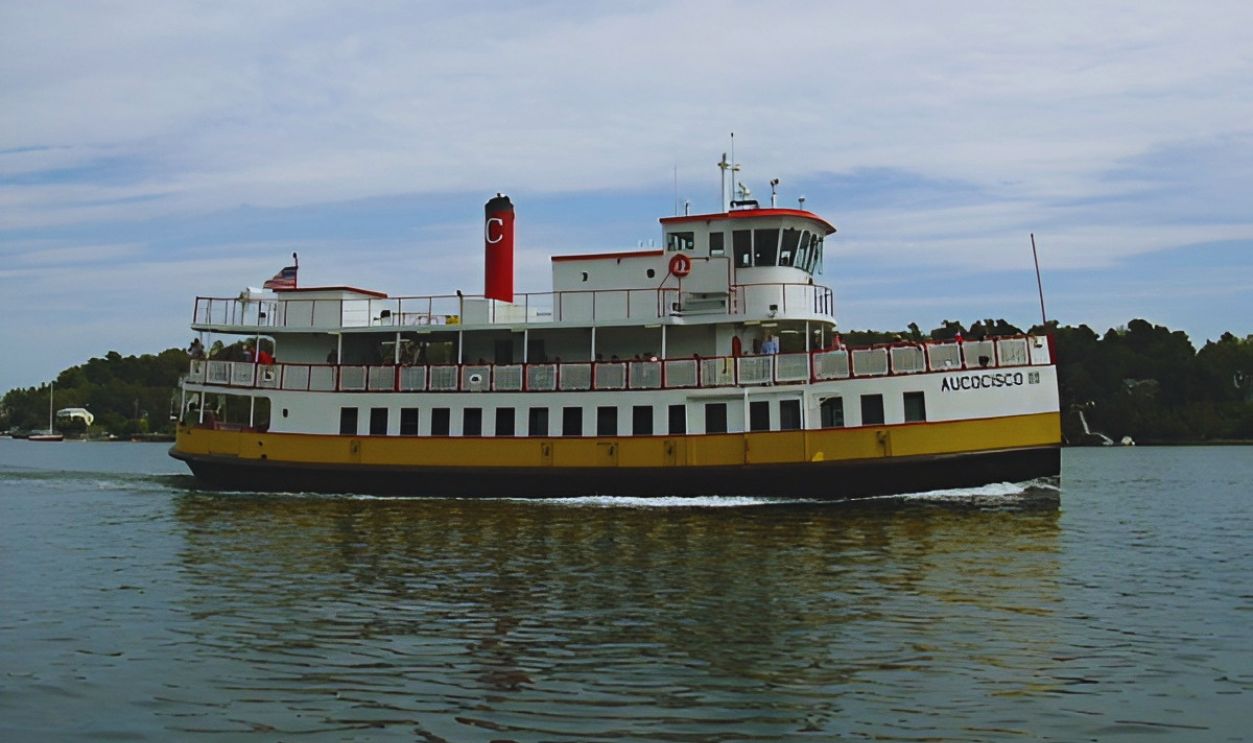
Peaks Island sits only a few miles from downtown Portland, yet residents can't simply drive across a bridge to get there.
Casco Bay Lines provides year-round passenger and vehicle service, making the ferry a normal part of commuting and everyday errands. It carries far more than tourists, including residents, vehicles, freight, mail, and students.
The trip may be short, but that stretch of Casco Bay creates a surprisingly different way of life.
 KPWM Spotter, Wikimedia Commons
#24. Friday Harbor, Washington
Island: San Juan Island | Ferry connection: Anacortes and neighboring islands
Friday Harbor looks like a postcard-perfect waterfront vacation town, but its ferries perform a much less glamorous job: connecting island life to the rest of Washington.
Washington State Ferries serves San Juan Island year-round from Anacortes, with inter-island connections as well.
Residents use those boats for work, appointments, shopping, vehicles, and practically everything that requires leaving the island. When ferry service gets disrupted, it isn't merely bad news for tourists. It can scramble an entire community's day.
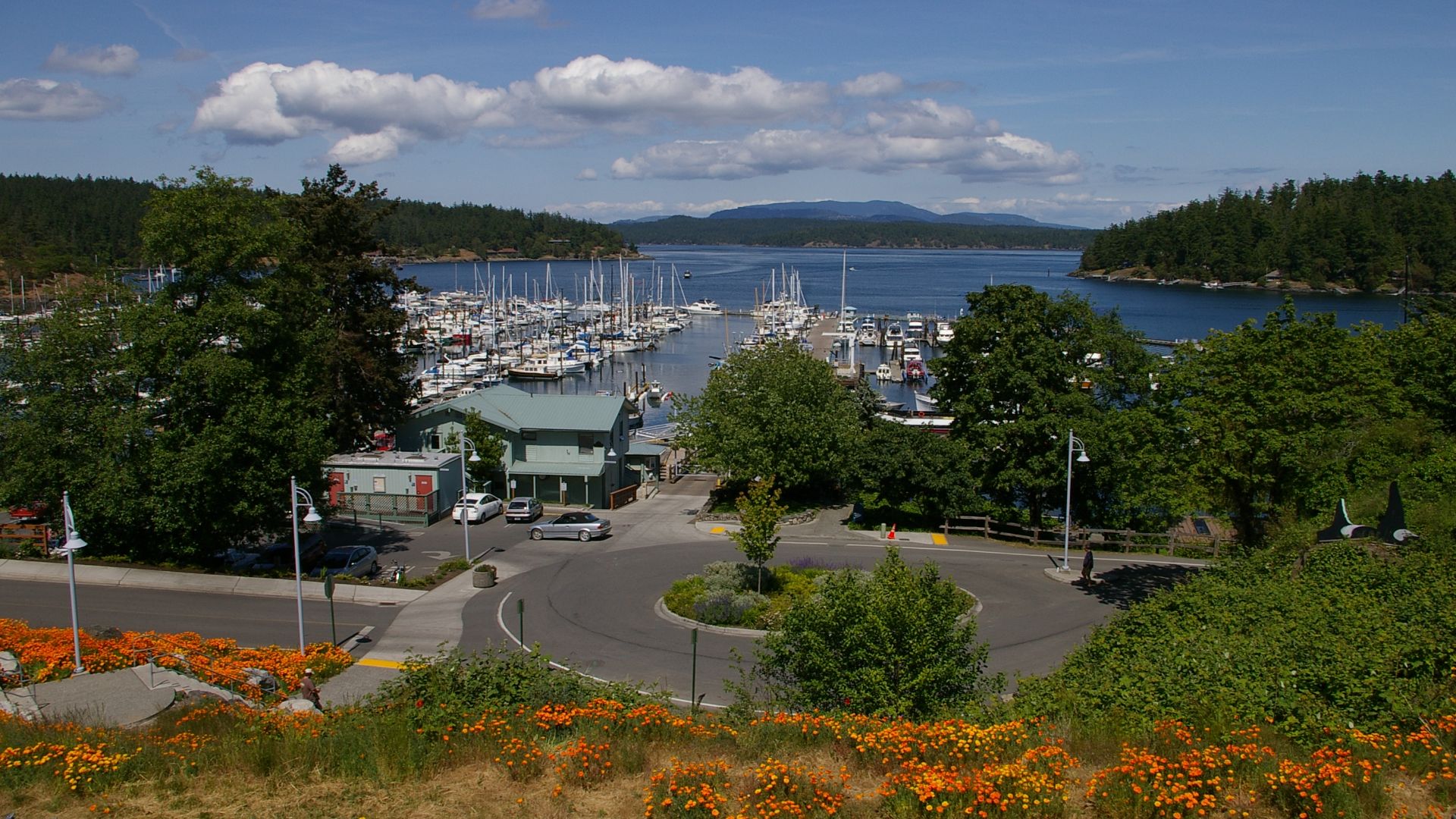 Kgrr (cc) 2007 by Konrad Roeder, Wikimedia Commons
#23. Long Island, Maine
Island: Long Island | Ferry connection: Portland
Yes, Maine has its own Long Island, and unlike the enormous one beside New York City, this one doesn't have bridges and expressways.
The small Casco Bay community receives year-round ferry service from Portland. The boats carry passengers and supplies while providing residents with their basic transportation link to the mainland.
It's close enough to see the world you've left behind, yet far enough away that a simple run into Portland begins with checking a boat schedule.
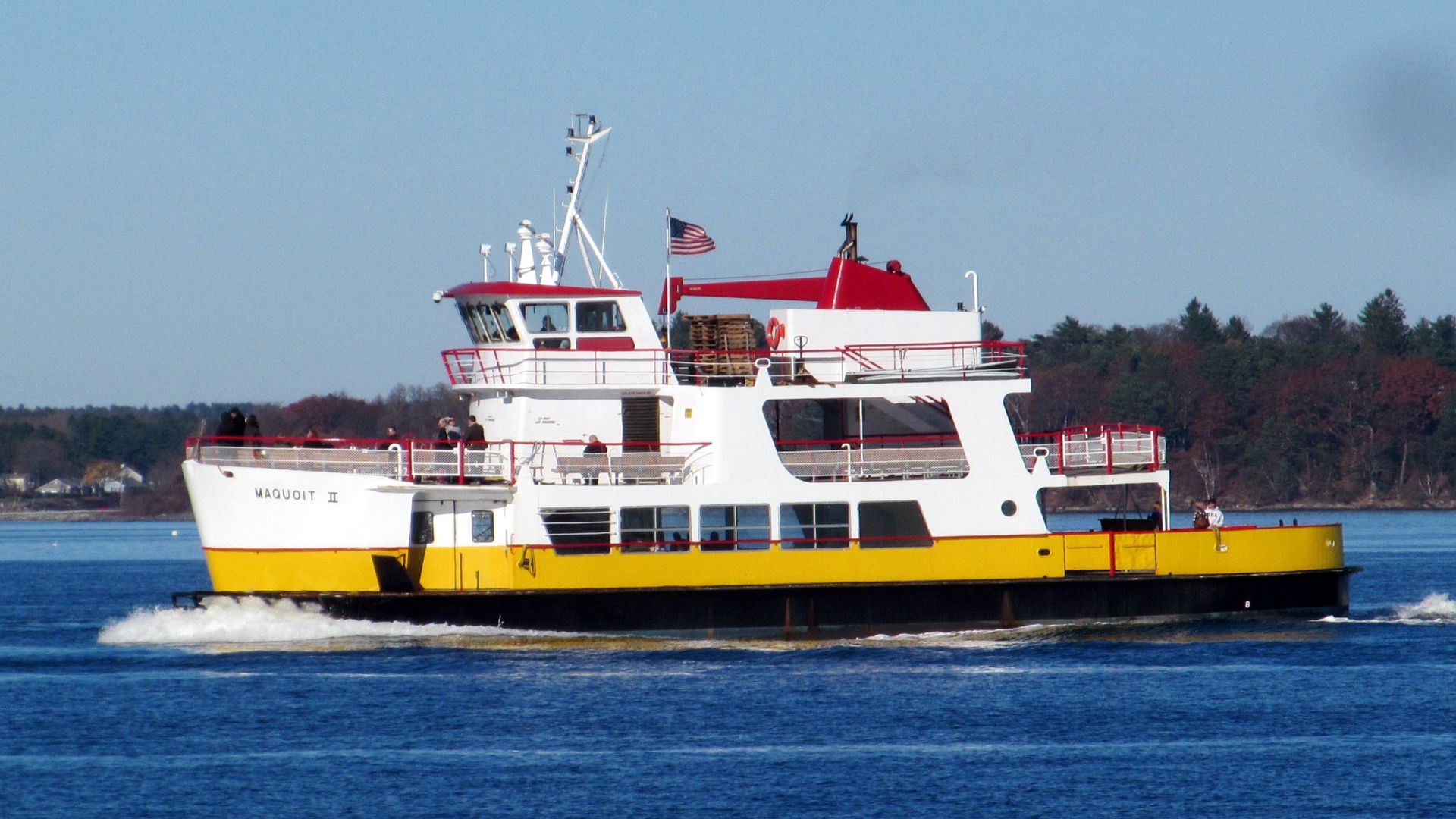 Pi.1415926535, Wikimedia Commons
#22. Pointe Aux Pins, Michigan
Island: Bois Blanc Island | Ferry connection: Cheboygan
Bois Blanc Island sits in Lake Huron near the Straits of Mackinac, with Pointe Aux Pins serving as its small population center.
There is no bridge to the island. Residents and visitors reach it by ferry from Cheboygan or by small aircraft.
Bois Blanc has maintained roads but no paved streets, along with a post office, general store, and other basic services. For generations, ferry operators have also carried mail and supplies, making the boat much more than a scenic ride.
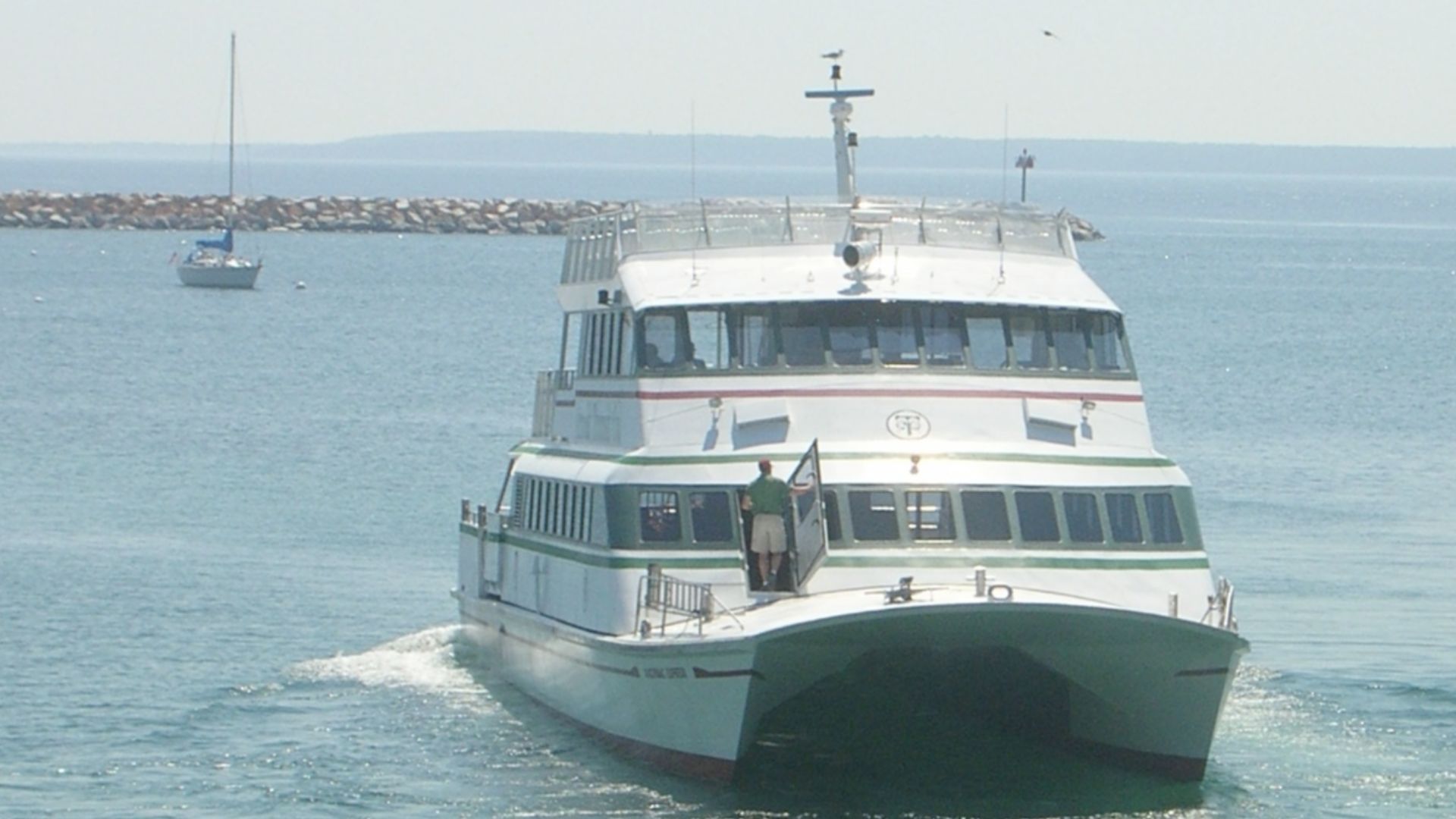 The original uploader was Mr.Z-man at English Wikipedia., Wikimedia Commons
#21. Chebeague Island, Maine
Island: Great Chebeague Island | Ferry connection: Portland and Cousins Island
Chebeague has several hundred year-round residents and one very important missing feature: a bridge.
Passenger ferries provide connections to the mainland, including year-round service through Casco Bay Lines. Residents depend on boats for everything from commuting to medical appointments and shopping trips.
The island is remarkably close to metropolitan Portland, yet water creates a firm separation. You can live within sight of mainland Maine and still organize your morning around whether you've made the ferry.
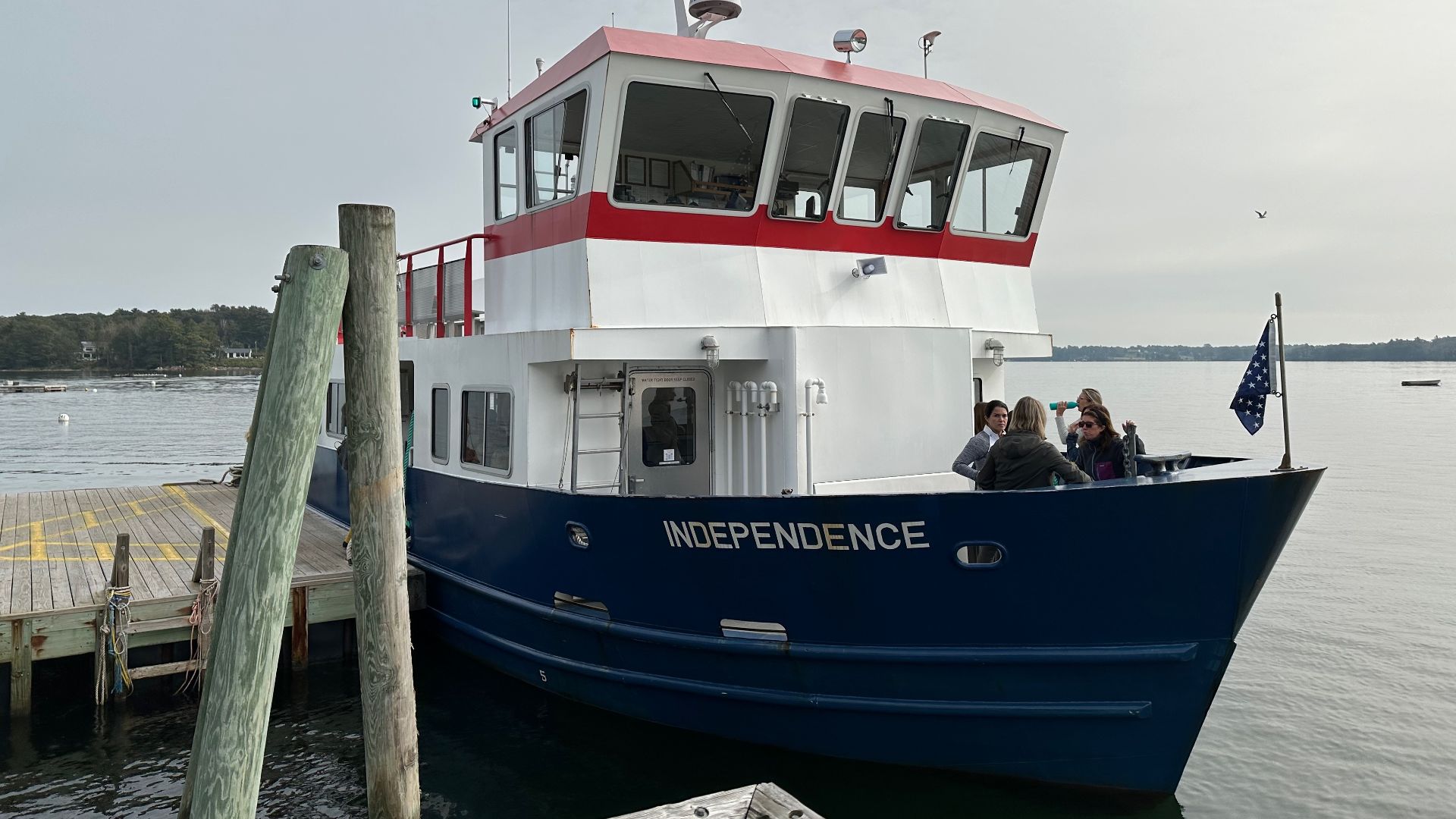
#20. Lopez Village, Washington
Island: Lopez Island | Ferry connection: Anacortes and neighboring islands
Lopez Island is famous for farms, quiet roads, and drivers who supposedly wave at practically everybody.
It's also one of the San Juan Islands served year-round by Washington State Ferries.
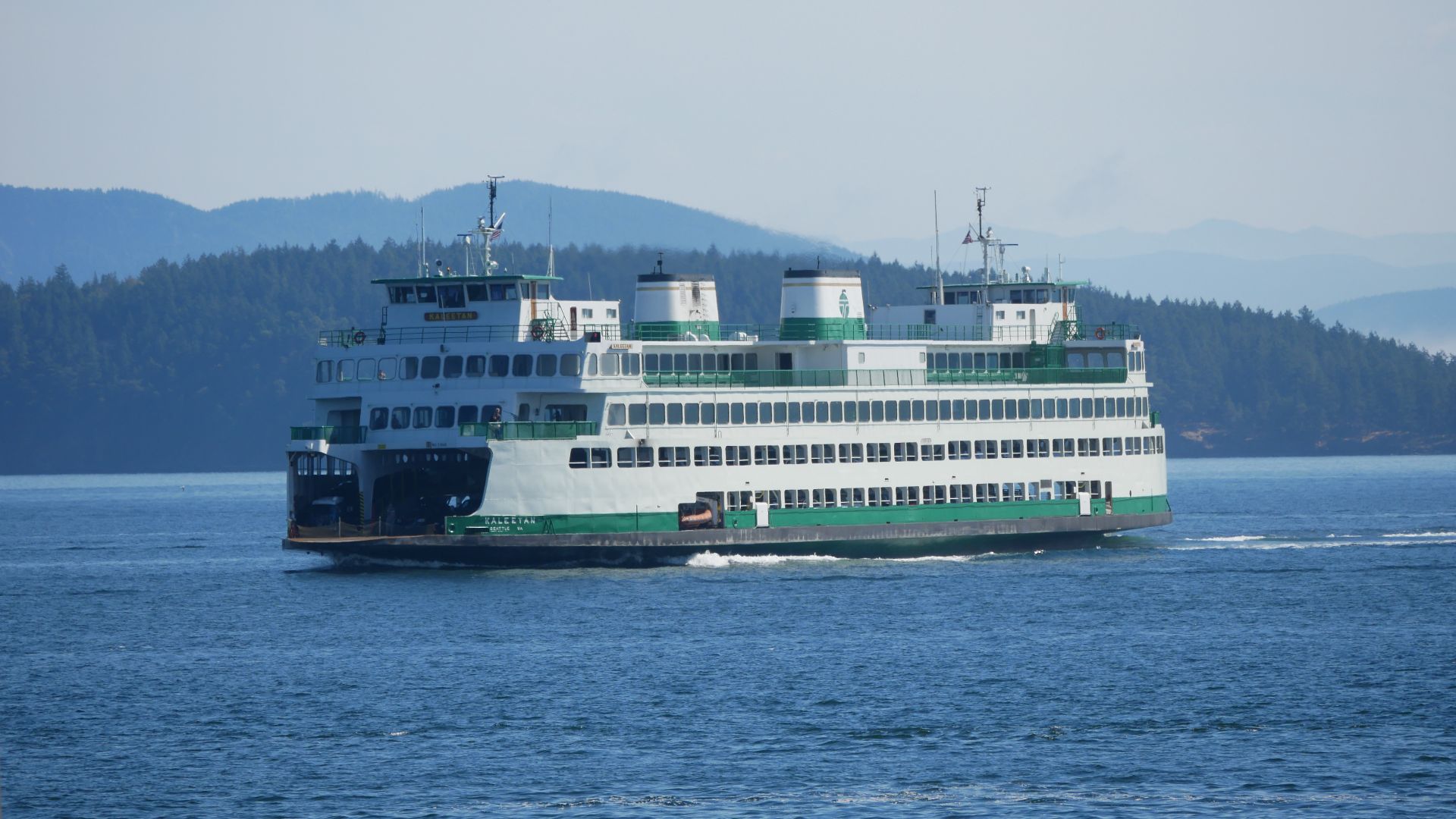
Lopez Village acts as the island's commercial center, but residents still depend heavily on ferry connections for reaching mainland Washington. Cars can travel aboard, and inter-island ferries connect Lopez with neighboring islands.
Paradise becomes slightly more complicated when your highway has a loading ramp and floats.
 Cascadian Transport, Wikimedia Commons
#19. Cliff Island, Maine
Island: Cliff Island | Ferry connection: Portland
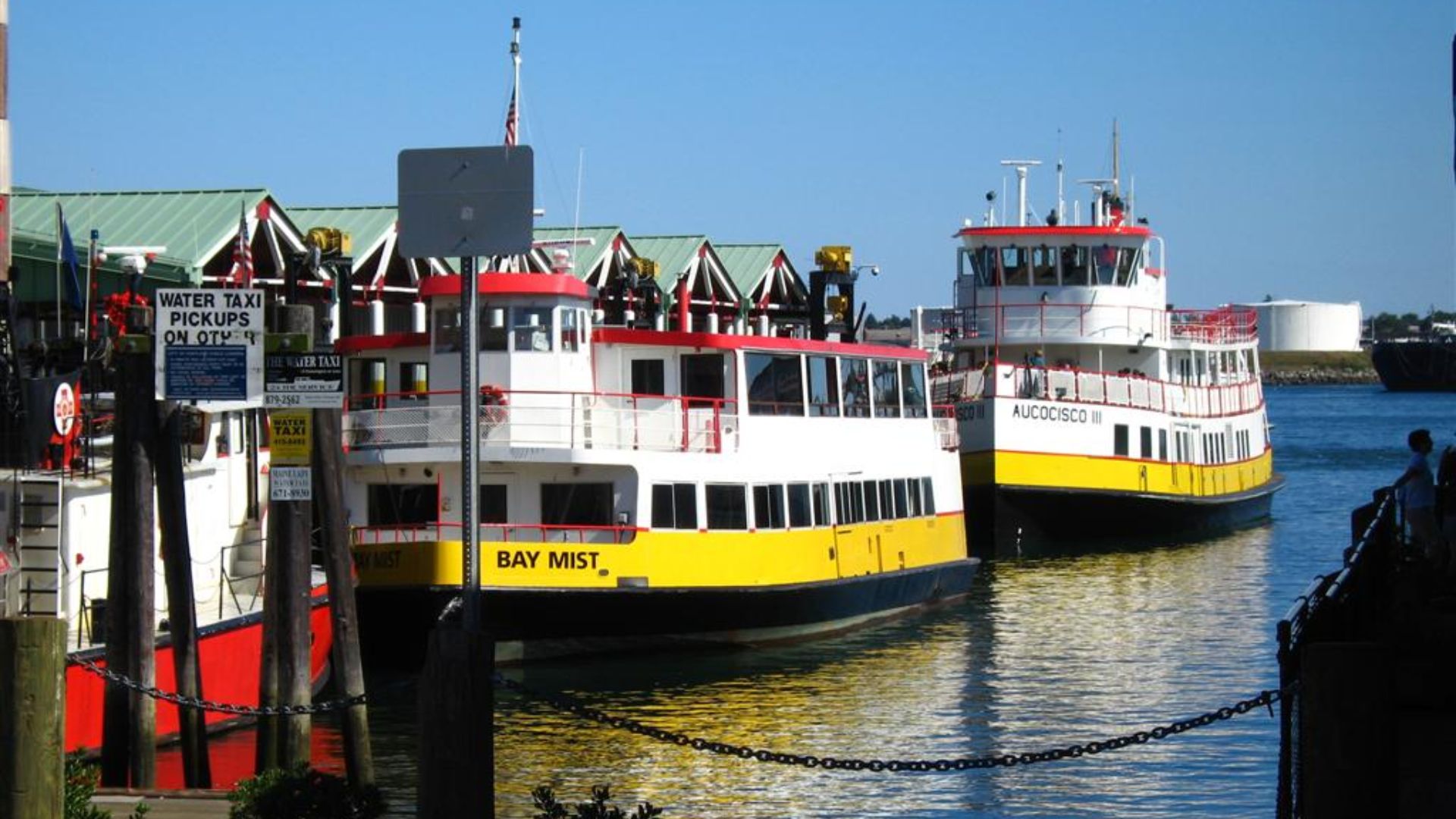
Cliff Island is one of the smallest year-round communities served by Casco Bay Lines.
There are only around a few dozen permanent residents, making the ferry's role unusually obvious. Boats don't simply bring summer visitors. They help move residents, mail, freight, groceries, and other necessities between the island and Portland.
Life here offers extraordinary peace and ocean scenery. The tradeoff is that almost every mainland errand starts and ends at the dock.
 Tom Holland aka. User: (WT-shared) Xltel at wts wikivoyage, Wikimedia Commons
#18. Beaver Island, Michigan
Island: Beaver Island | Ferry connection: Charlevoix
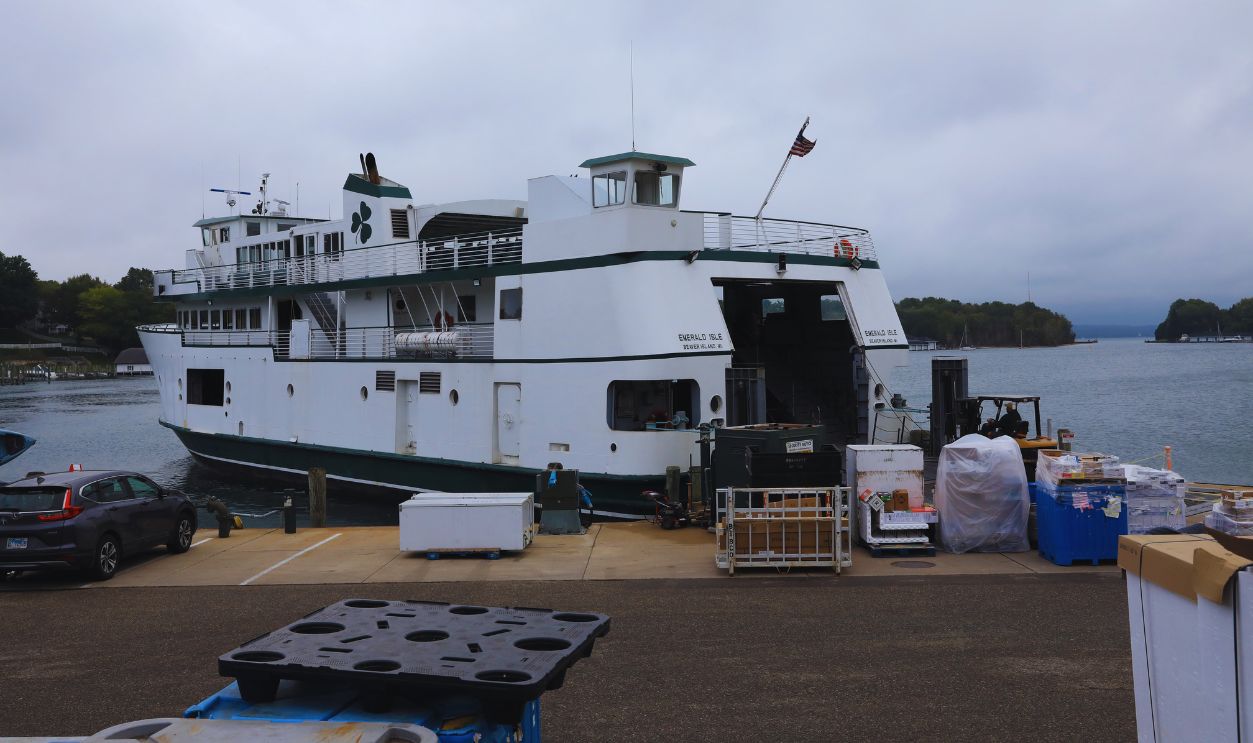
Beaver Island sits roughly 30 miles offshore in northern Lake Michigan, far enough from the mainland that getting there feels like a genuine journey.
The Beaver Island Boat Company operates passenger and vehicle ferry service from Charlevoix during its sailing season, with aircraft providing another vital connection.
Residents have stores, restaurants, roads, and community services on the island, but many supplies and vehicles still arrive by boat. When Lake Michigan decides to get rough, island logistics can become considerably more interesting.
#17. Islesboro, Maine
Island: Islesboro | Ferry connection: Lincolnville
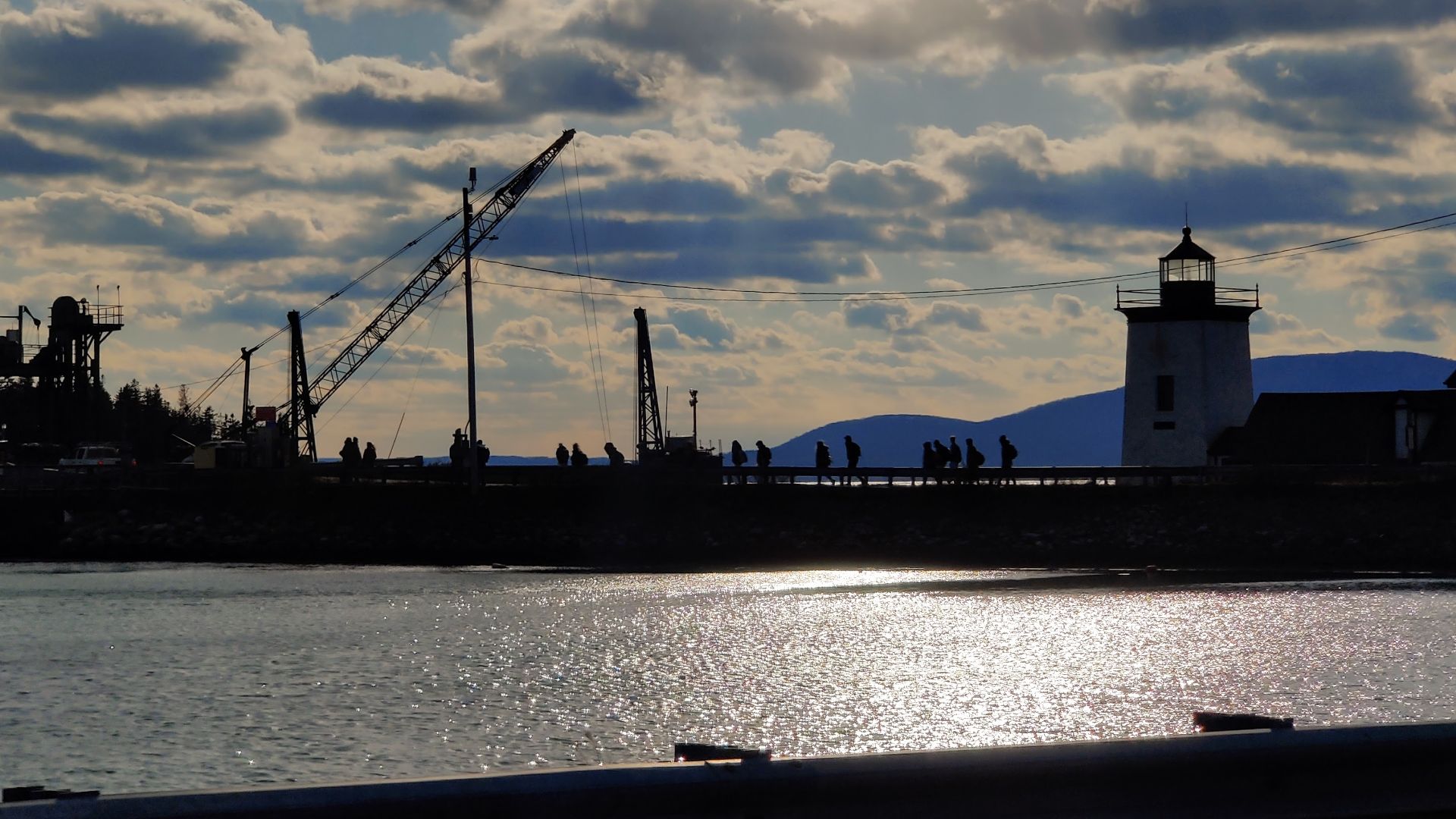
Islesboro stretches for roughly 14 miles through Penobscot Bay, yet its ferry crossing to mainland Maine is relatively short.
That doesn't make the boat optional.
The Maine State Ferry Service connects Islesboro with Lincolnville, carrying passengers and vehicles. The island has hundreds of year-round residents, a health center, community facilities, and other services, but mainland travel still requires crossing the water.
The ferry here isn't an attraction. It's effectively a moving section of highway.
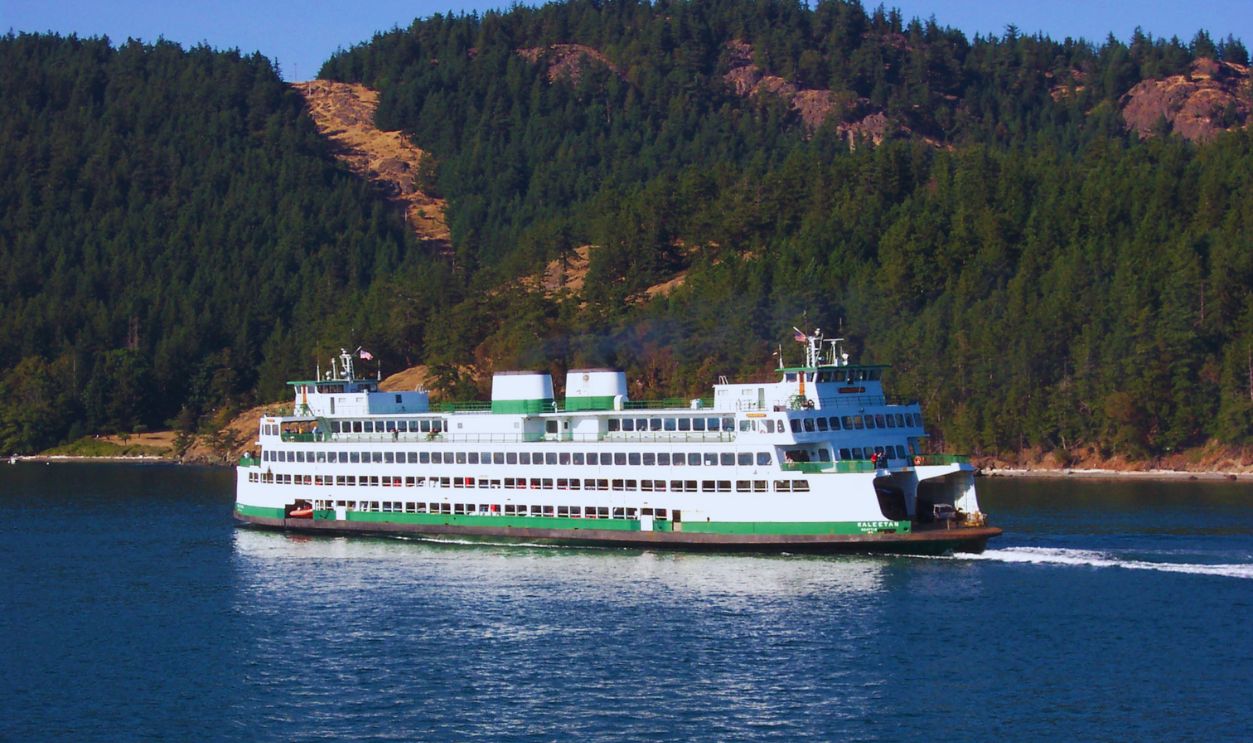
#16. Eastsound, Washington
Island: Orcas Island | Ferry connection: Anacortes and neighboring islands
Eastsound is the largest village on Orcas Island, surrounded by forests, mountains, farms, and spectacular Salish Sea scenery.
Getting off the island is another matter.
Orcas is one of the four San Juan Islands connected by Washington State Ferries. Year-round service allows residents to take passengers and vehicles to Anacortes or travel between islands.
Locals may live in one of America's prettiest communities, but a mainland doctor's appointment can still involve a ferry reservation and a serious look at the schedule.
 This image was taken by me and is released for public use., Wikimedia Commons
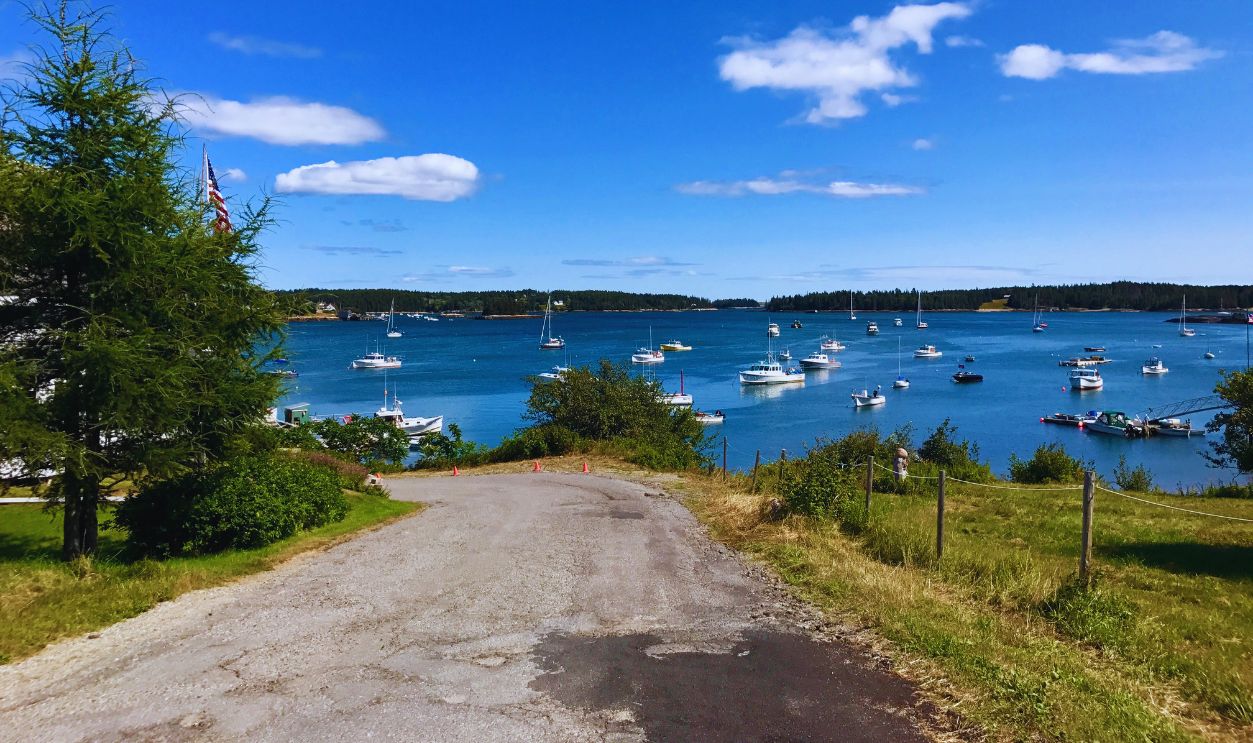
#15. Swan's Island, Maine
Island: Swan's Island | Ferry connection: Bass Harbor
Swan's Island lies south of Mount Desert Island and remains home to a small year-round community with deep fishing roots.
The Maine State Ferry Service connects it to Bass Harbor, carrying both passengers and vehicles.
Islanders have local roads and basic services, but there is no bridge hiding around the corner. Leaving for larger stores, appointments, supplies, or other mainland needs means taking the ferry.
It's a lifestyle where the ocean isn't simply the view outside your window. It's part of your transportation system.
#14. Old Harbor, Rhode Island
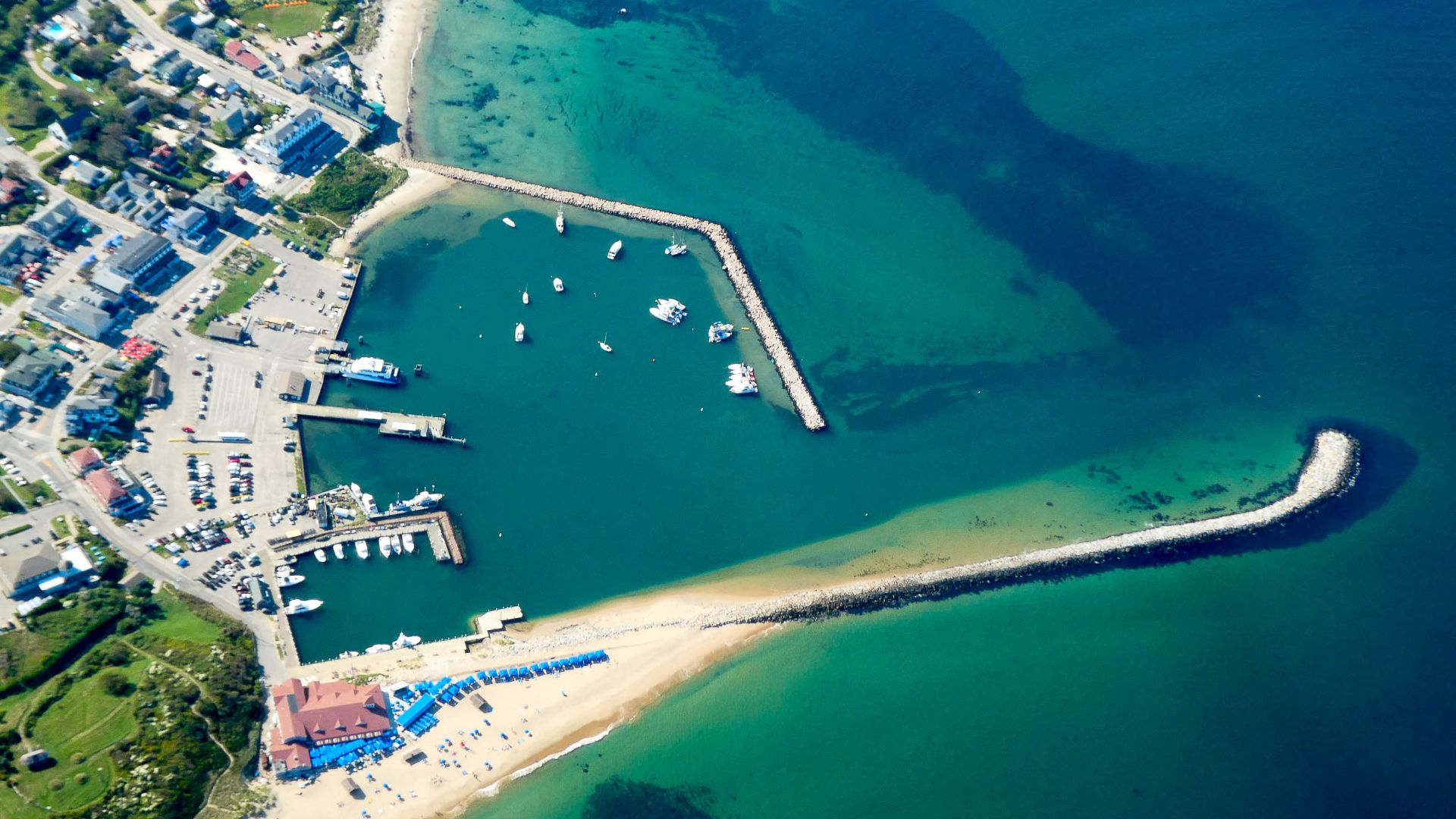
Island: Block Island | Ferry connection: Point Judith
Block Island can feel completely different depending on the season. Summer brings vacationers, bicycles, beaches, and busy restaurants. Winter reveals the year-round community underneath it all.
Traditional ferry service between Point Judith and Old Harbor operates year-round, carrying passengers, vehicles, freight, and bicycles.
For permanent island residents, that connection is a lifeline rather than a sightseeing excursion. When the tourists disappear and Atlantic weather turns rough, the importance of that ferry becomes much easier to appreciate.
#13. North Haven, Maine
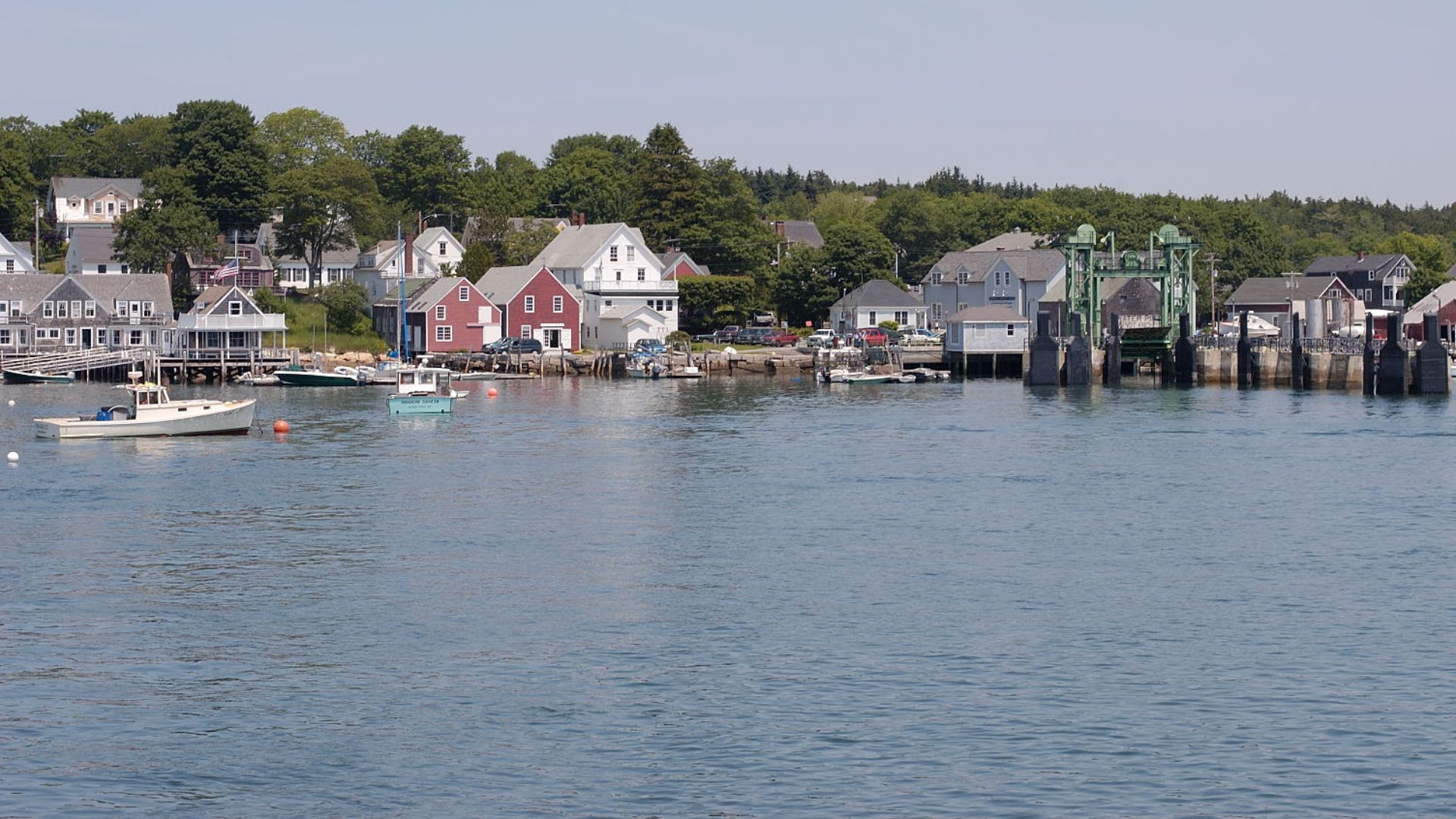
Island: North Haven | Ferry connection: Rockland
North Haven sits around a dozen miles offshore in Penobscot Bay, with several hundred people calling the island home year-round.
The Maine State Ferry Service links the community with Rockland. Passengers, vehicles, and necessities make the crossing as part of ordinary island life.
North Haven has its own school, businesses, arts community, and local traditions, but residents can't simply merge onto a highway when they need the mainland.
The highway to Rockland just happens to have waves underneath it.
 The original uploader was Jp498 at English Wikipedia., Wikimedia Commons
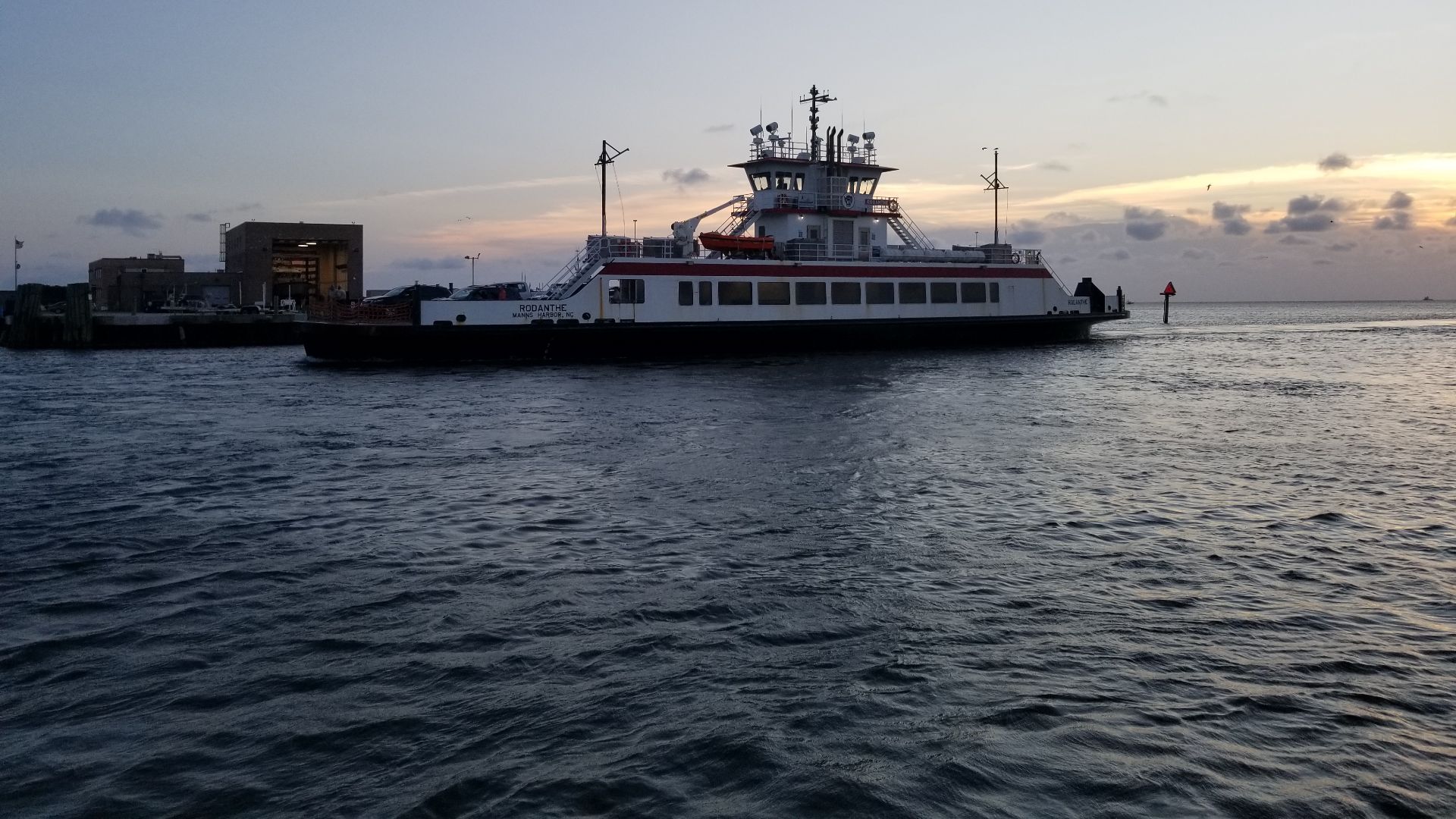
#12. Ocracoke Village, North Carolina
Island: Ocracoke Island | Ferry connections: Hatteras, Cedar Island and Swan Quarter
Ocracoke is one of America's most famous ferry-dependent communities.
There is no bridge connecting the village directly to mainland North Carolina. Vehicle ferries provide essential routes, while the seasonal Ocracoke Express passenger ferry carries travelers directly between Hatteras and Silver Lake Harbor.
Residents have grown accustomed to transportation being shaped by water, weather, and ferry schedules.
Even an ordinary trip off the island begins with a step most Americans never consider: figuring out which boat you're taking.
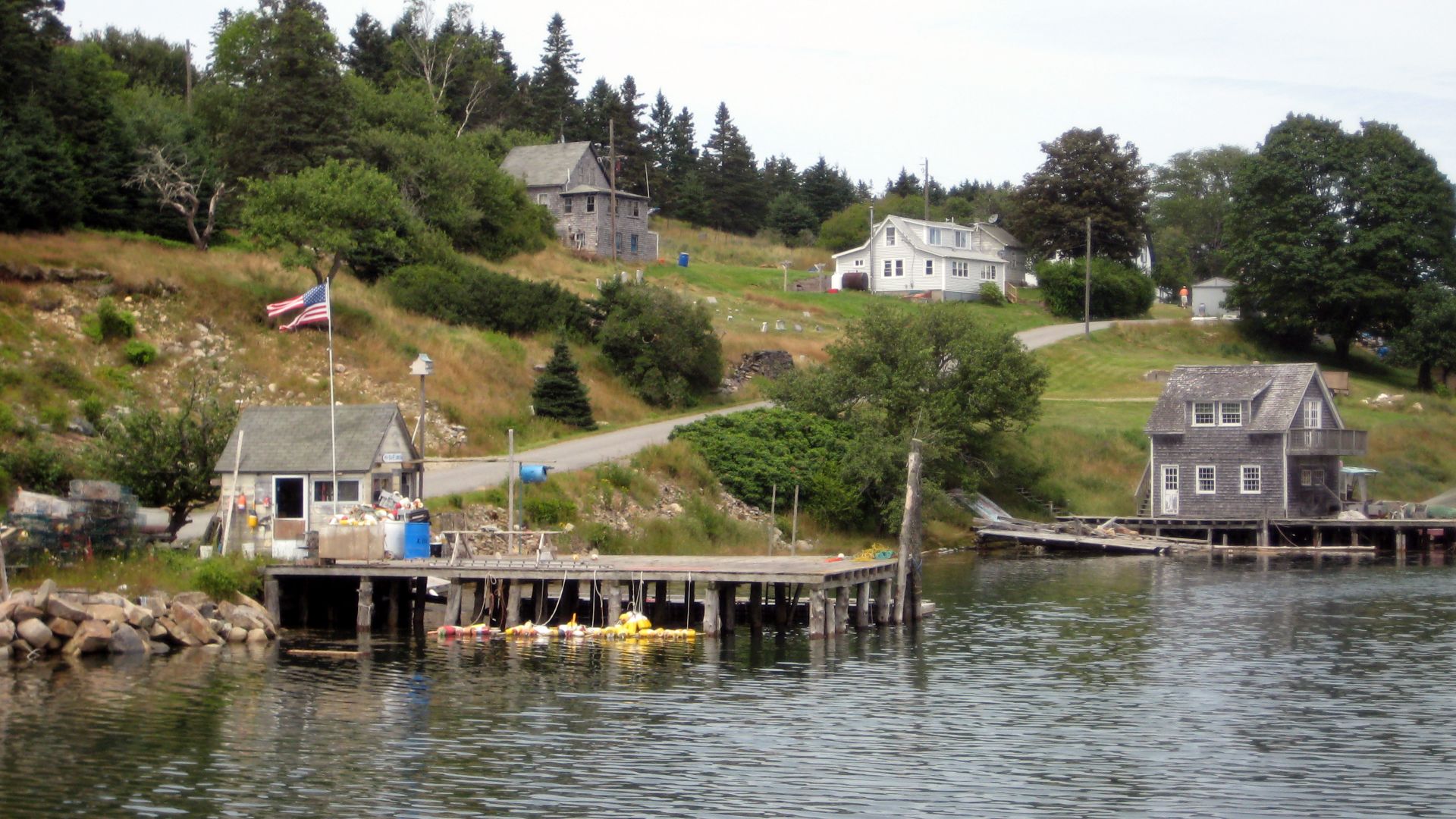
#11. Frenchboro, Maine
Island: Long Island | Ferry connection: Bass Harbor
Frenchboro is tiny even by Maine island standards.
Only a few dozen people live year-round in this fishing community, which is served by the Maine State Ferry Service from Bass Harbor.
That small population makes every transportation link matter. Food, freight, vehicles, mail, medical trips, and everyday travel all become more complicated when the mainland lies across open water.
Frenchboro offers the sort of isolation people dream about on vacation. Living with it through February is another experience entirely.
#10. Kake, Alaska
Island: Kupreanof Island | Ferry connection: Alaska Marine Highway
Kake sits on the northwest coast of Kupreanof Island in Southeast Alaska, more than 100 nautical miles from Juneau.
The Tlingit community has strong fishing traditions and no ordinary highway connecting it to Alaska's major road network.
The Alaska Marine Highway provides scheduled ferry service, effectively functioning as part of the state's transportation infrastructure.
For residents, ferries can carry people, vehicles, and supplies through a landscape where building conventional highways would be enormously difficult. Here, the ferry really is the highway.
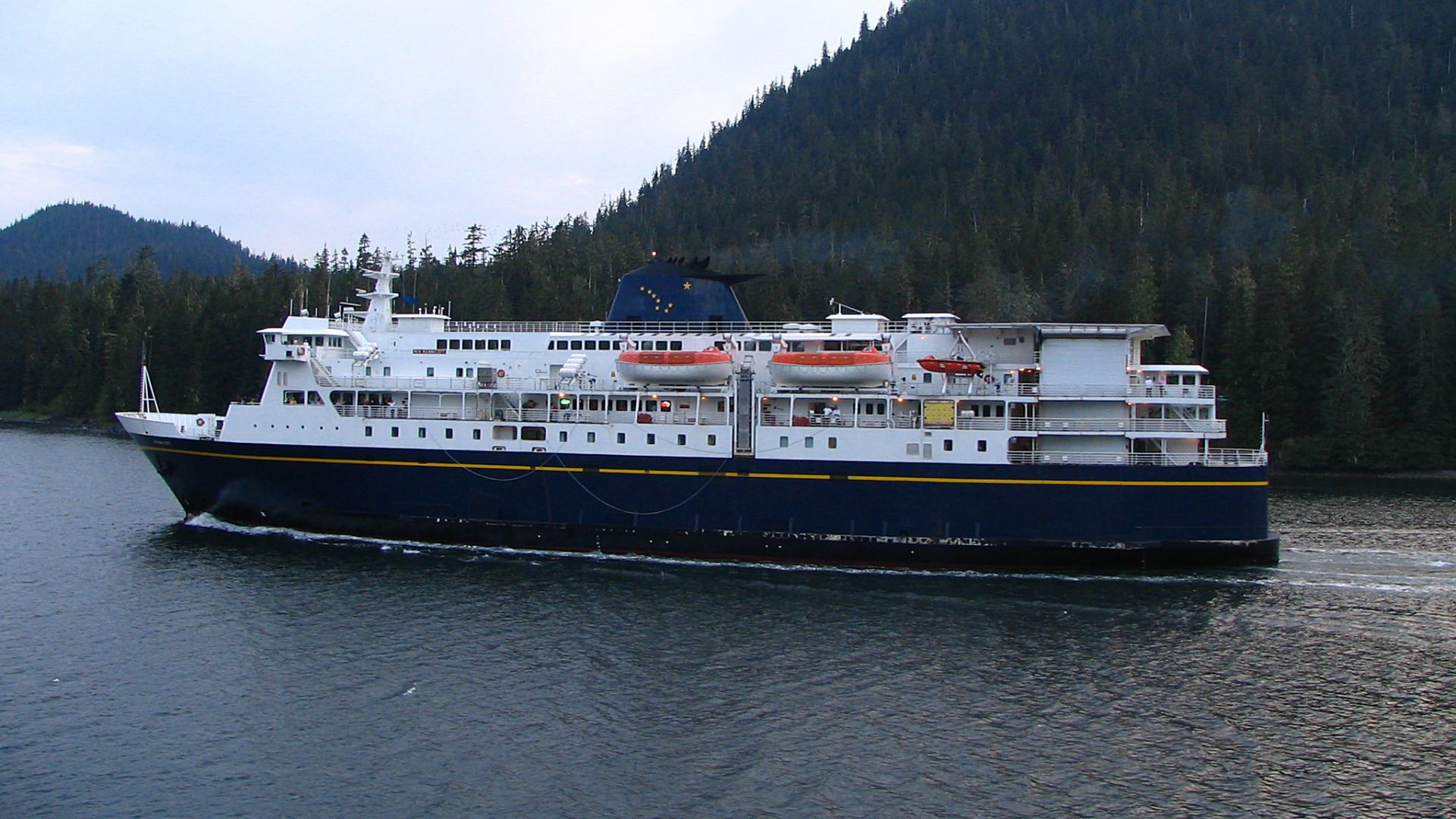 Photo (c)2006 Derek Ramsey (Ram-Man), Wikimedia Commons
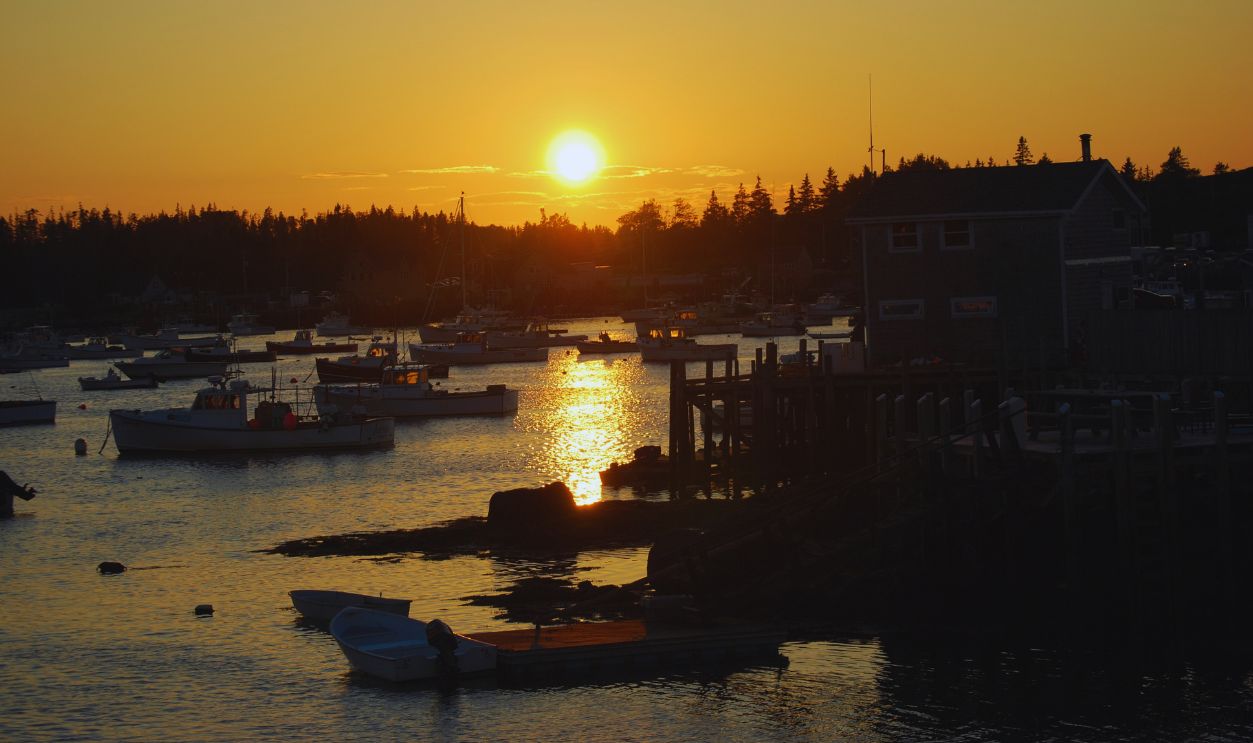
#9. Vinalhaven, Maine
Island: Vinalhaven | Ferry connection: Rockland
Vinalhaven is one of Maine's largest year-round island communities, with more than 1,000 residents and an economy historically tied closely to lobster fishing.
The Maine State Ferry Service runs daily connections from Rockland, roughly 15 miles across Penobscot Bay.
The island has markets, businesses, restaurants, roads, and plenty of everyday activity. But the mainland is still the mainland.
Cars, passengers, workers, supplies, and countless errands all funnel through a ferry terminal, making boat schedules part of the community's daily rhythm.
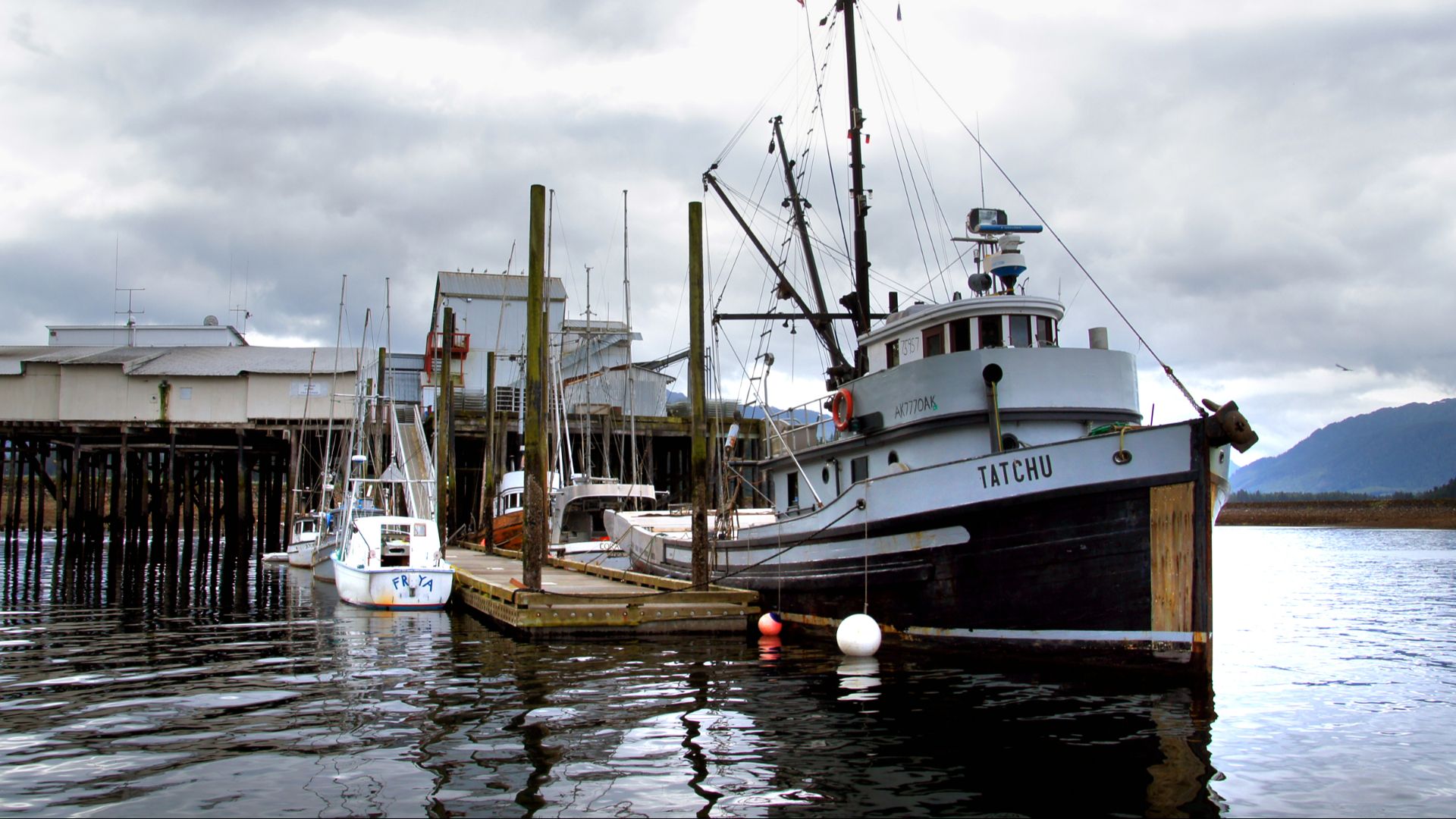
#8. Hoonah, Alaska
Island: Chichagof Island | Ferry connection: Juneau
Hoonah sits on Chichagof Island about 48 nautical miles from Juneau.
The predominantly Tlingit community has a local road system, but those roads don't magically continue across the ocean to Alaska's capital.
The Alaska Marine Highway provides scheduled service between Hoonah and Juneau, giving residents an important surface transportation connection.
Tourists may arrive thinking about whales and wilderness. Locals are more likely to appreciate that the same marine transportation network can connect their isolated island community with the services of a much larger city.
 Bernard Spragg. NZ from Christchurch, New Zealand, Wikimedia Commons
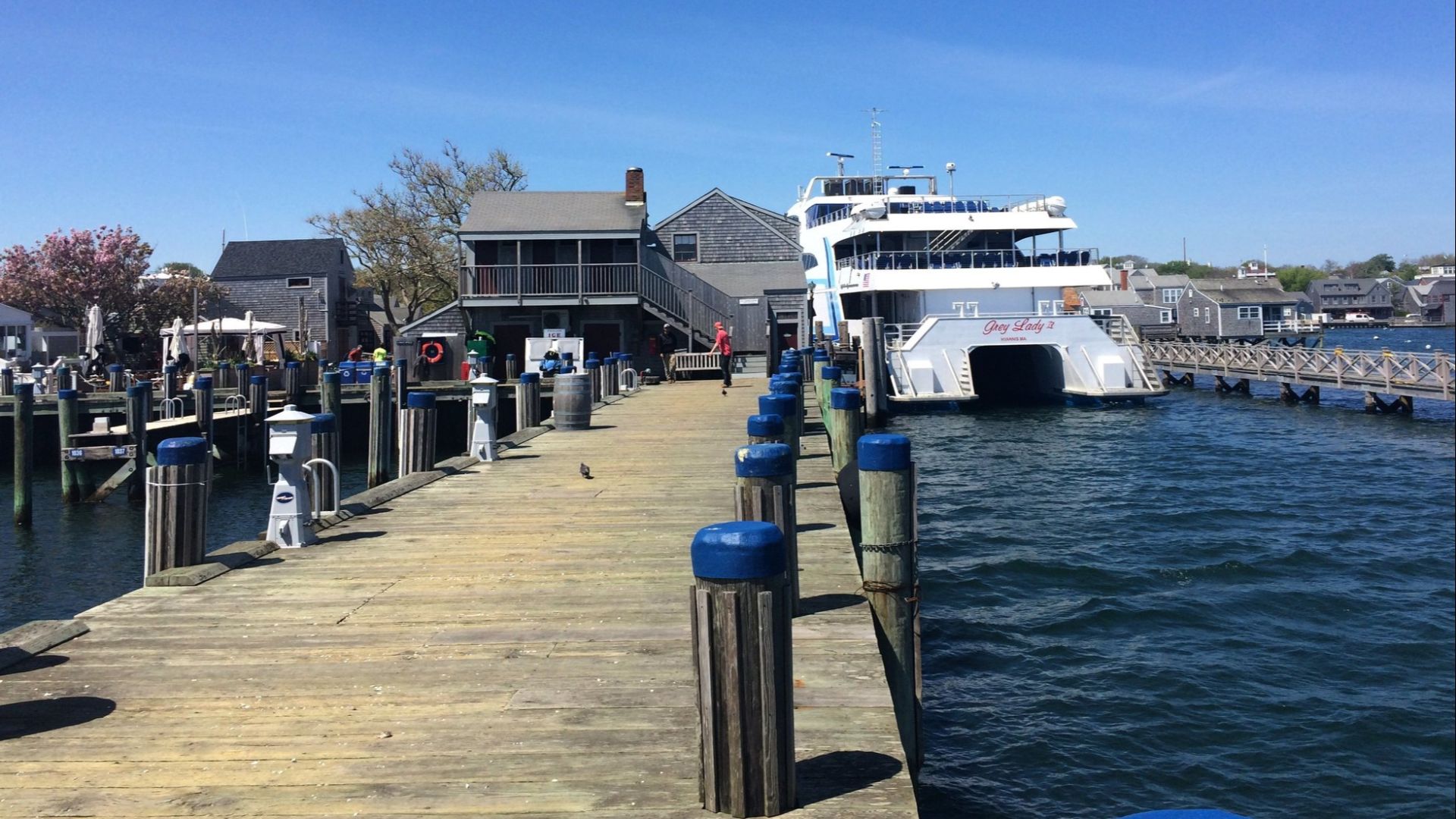
#7. Nantucket, Massachusetts
Island: Nantucket | Ferry connection: Hyannis
Nantucket may be famous for expensive houses, beaches, and summer vacations, but thousands of people actually live there beyond tourist season.
The Steamship Authority describes its year-round service to Nantucket as a lifeline for island residents. Ferries carry passengers, automobiles, trucks, and freight between the island and mainland Massachusetts.
That means grocery deliveries, construction materials, workers, medical trips, vehicles, and ordinary residents all share the same basic transportation system.
Island luxury still needs somebody to bring the groceries over.
 Andre Carrotflower, Wikimedia Commons
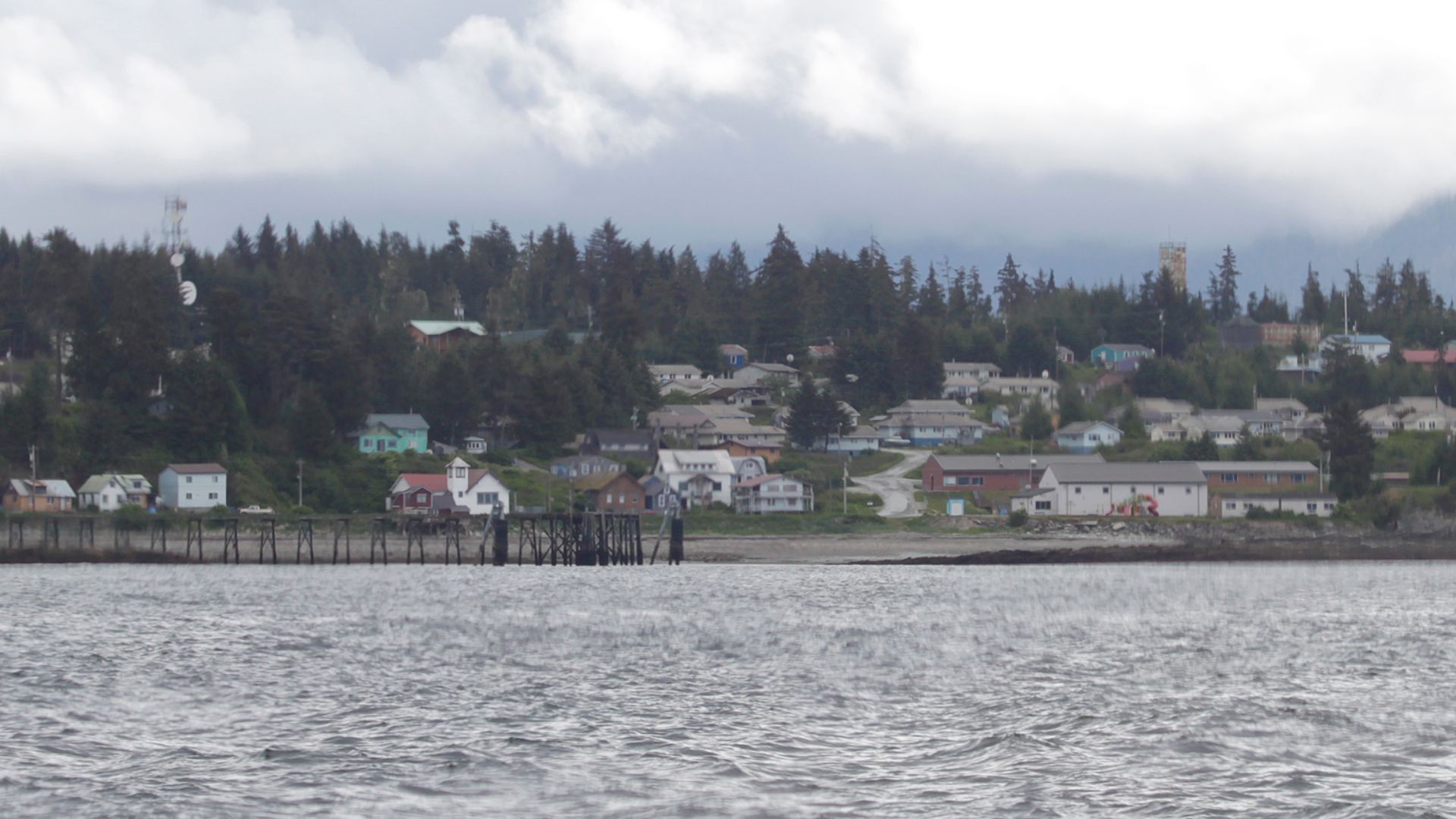
#6. Angoon, Alaska
Island: Admiralty Island | Ferry connection: Juneau
Angoon is the only permanent settlement on Admiralty Island, located dozens of nautical miles from both Juneau and Sitka.
The Tlingit village has deep ties to fishing and subsistence traditions and remains surrounded by enormous stretches of wilderness.
Scheduled Alaska Marine Highway service links Angoon with Juneau.
There is no road trip to Costco from here. Leaving the island means traveling by water or air, which makes the ferry a genuine piece of everyday infrastructure rather than a charming transportation novelty.
 James Brooks, Wikimedia Commons
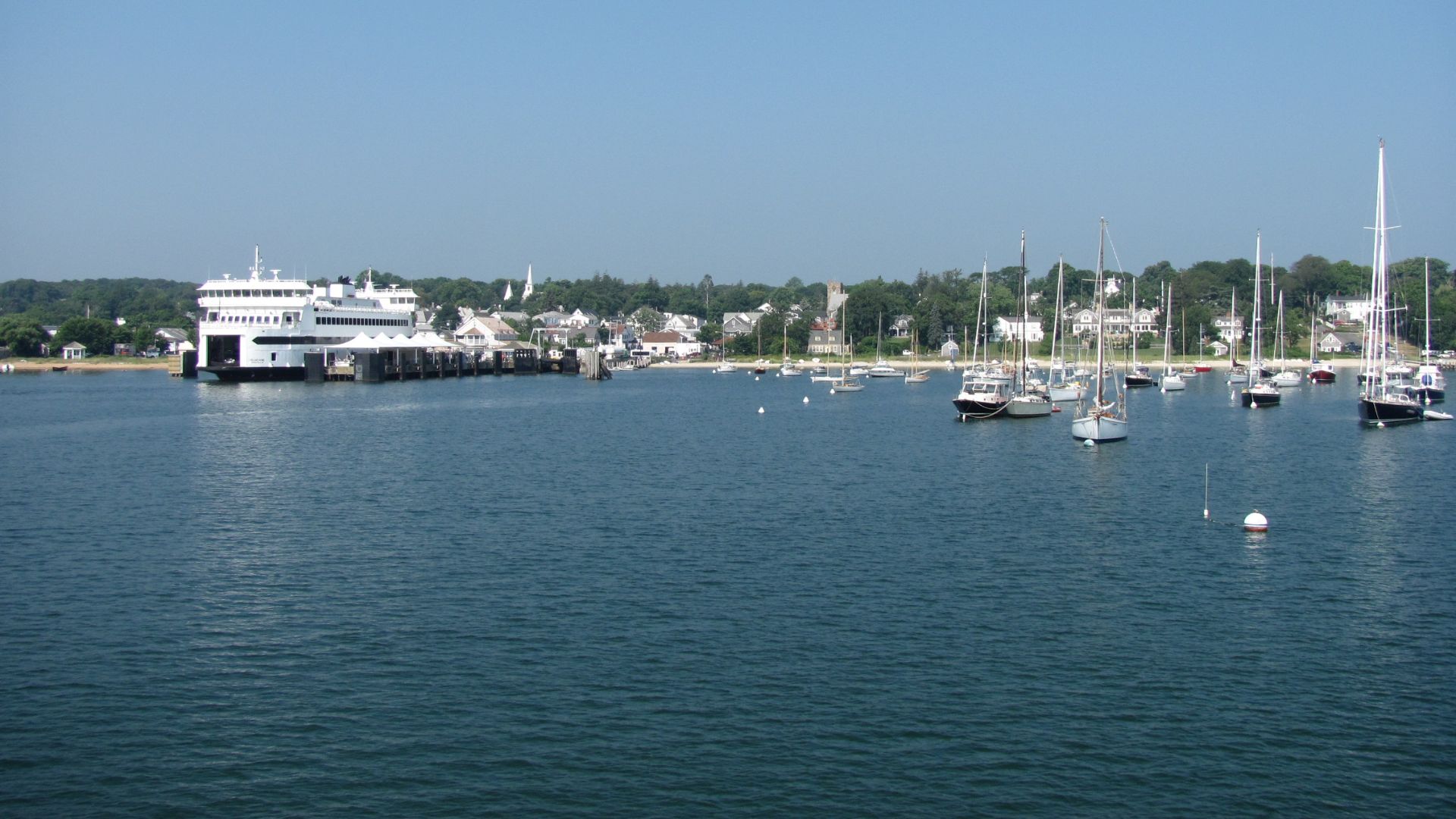
#5. Vineyard Haven, Massachusetts
Island: Martha's Vineyard | Ferry connection: Woods Hole
Martha's Vineyard has multiple communities, but Vineyard Haven contains its crucial year-round ferry terminal.
The Steamship Authority provides frequent service between Woods Hole and the island, carrying passengers, cars, trucks, freight, workers, and supplies.
Summer visitors may view the ferry as the exciting beginning of a vacation. Permanent residents see something more practical: their primary physical connection to mainland Massachusetts.
When nearly everything a large island community consumes eventually has to cross the water, the ferry terminal becomes one of the most important places in town.
 John Phelan, Wikimedia Commons
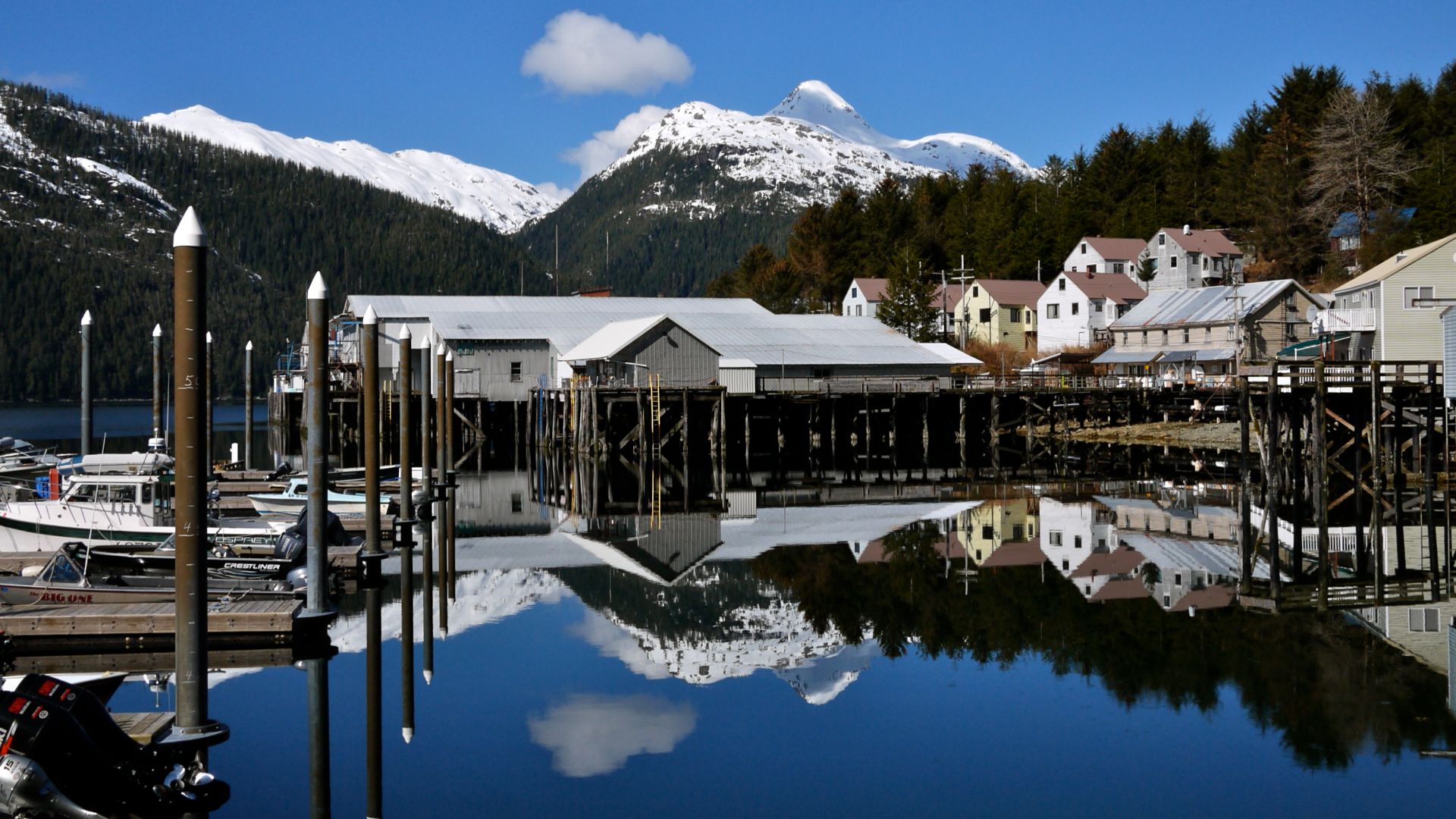
#4. Pelican, Alaska
Island: Chichagof Island | Ferry connection: Juneau
Pelican makes most ferry-dependent towns look downright convenient.
The tiny fishing community sits on Lisianski Inlet, roughly 91 nautical miles west of Juneau. Much of town stretches along a boardwalk squeezed between steep terrain and the water.
The Alaska Marine Highway provides scheduled service, with the ferry terminal located right in the community.
There isn't some hidden highway on the other side of town. For residents, the arrival of a ferry represents an actual connection to the outside transportation network.
 Joseph from Cabin On The Road, USA, Wikimedia Commons
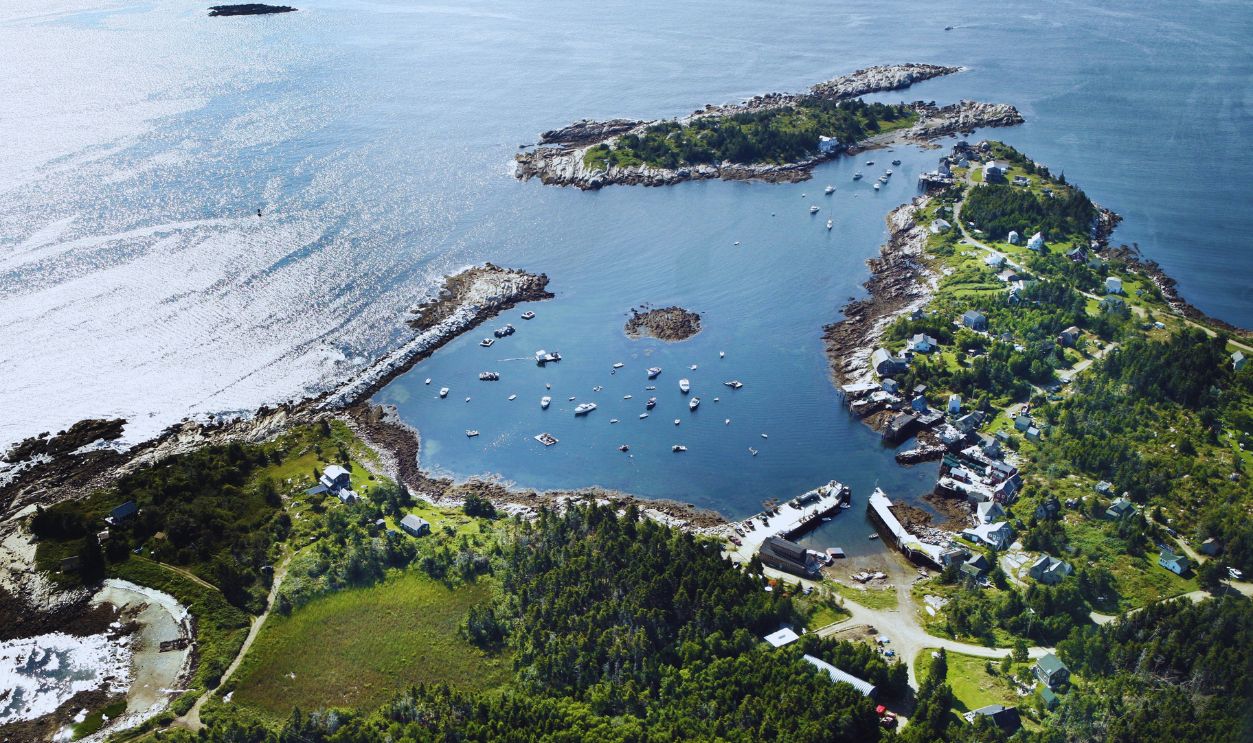
#3. Matinicus, Maine
Island: Matinicus Island | Ferry connection: Rockland
Matinicus is about as far offshore as Maine island life gets.
The tiny year-round community sits roughly 23 miles from the mainland and has no year-round grocery store, no paved roads, and only a few dozen permanent residents.
The Maine State Ferry Service connects Matinicus with Rockland, but service is far less frequent than on larger islands.
That means islanders can't treat a mainland trip casually. When your ferry may come only a handful of times during certain months, planning ahead becomes part of survival.
 Portland Press Herald, Getty Images
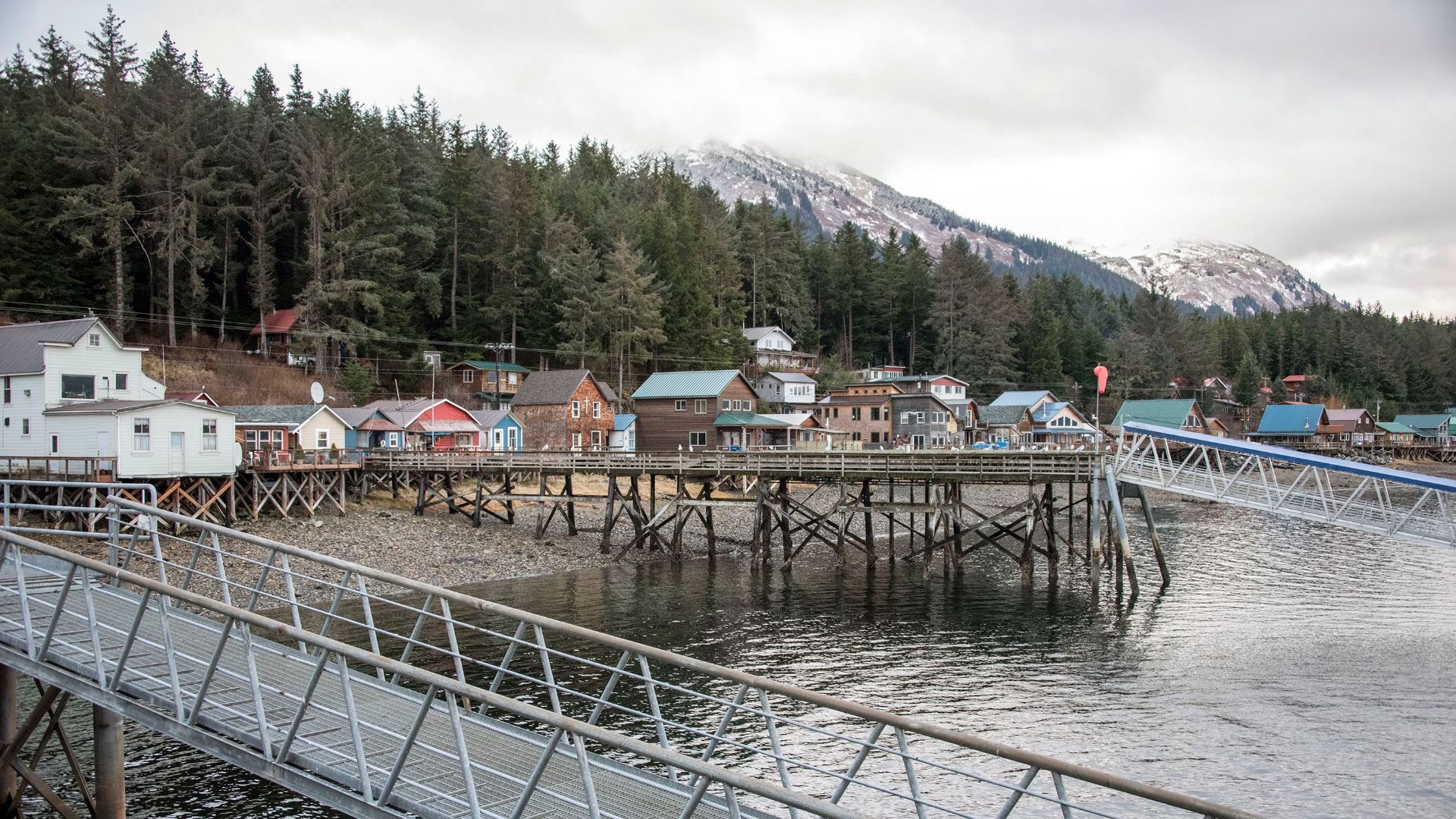
#2. Tenakee Springs, Alaska
Island: Chichagof Island | Ferry connection: Juneau
Tenakee Springs has no road connection to the outside world—and barely needs conventional cars inside town.
The community sits along Tenakee Inlet on Chichagof Island, roughly 63 nautical miles southwest of Juneau. Local transportation is primarily by bicycle or ATV.
Scheduled Alaska Marine Highway ferries provide a vital link to Juneau and the broader region.
The town even has a public natural hot spring. That sounds wonderfully relaxing until you remember that getting many basic supplies there requires bringing them across the water.
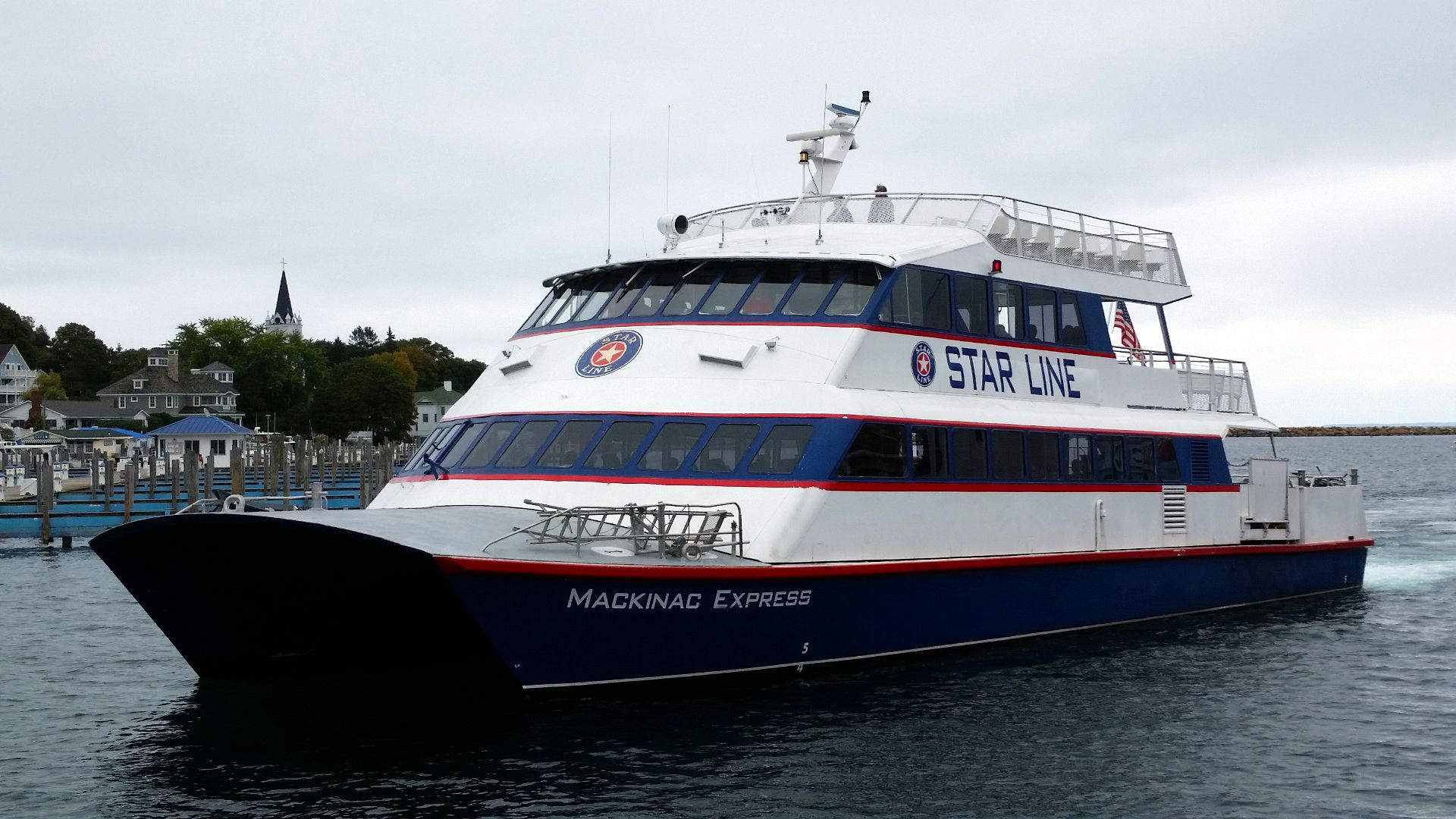
#1. Mackinac Island, Michigan
Island: Mackinac Island | Ferry connection: Mackinaw City and St. Ignace
Mackinac Island may be America's ultimate example of a community where boats remain part of ordinary life.
There is no bridge to the island, and private automobiles have famously been banned for more than a century. Residents and visitors instead walk, bicycle, or travel by horse-drawn carriage.
Passenger ferries connect Mackinac with Mackinaw City and St. Ignace, carrying people, bicycles, luggage, workers, and supplies across the Straits of Mackinac. Air service provides another option, especially when seasonal ferry operations change.
Millions know Mackinac as a vacation destination. But behind the fudge shops and historic hotels is a real community where getting home can still mean boarding a boat.
In 2026, that's an increasingly unusual way for an American town to live.
 Shonebrooks, Wikimedia Commons
You May Also Like: Canadian Arctic Communities With No Year-Round Road Connecting Them To The Rest Of The Country