The Rules Have Stories Behind Them
Some warnings were written in tragedy. Behind the boardwalks, barriers, restricted trails, and stern signs in America's national parks are real incidents that reveal just how quickly a beautiful adventure can turn dangerous.
Yellowstone's Hot Springs Hide A Terrifying Danger
Yellowstone's colorful thermal pools look inviting, but the ground surrounding them can conceal scalding water beneath a fragile crust. In July 2025, a 17-year-old suffered serious burns near Lone Star Geyser when his foot broke through the surface. The National Park Service says more than 20 people have died from burns after entering or falling into the park's hot springs.
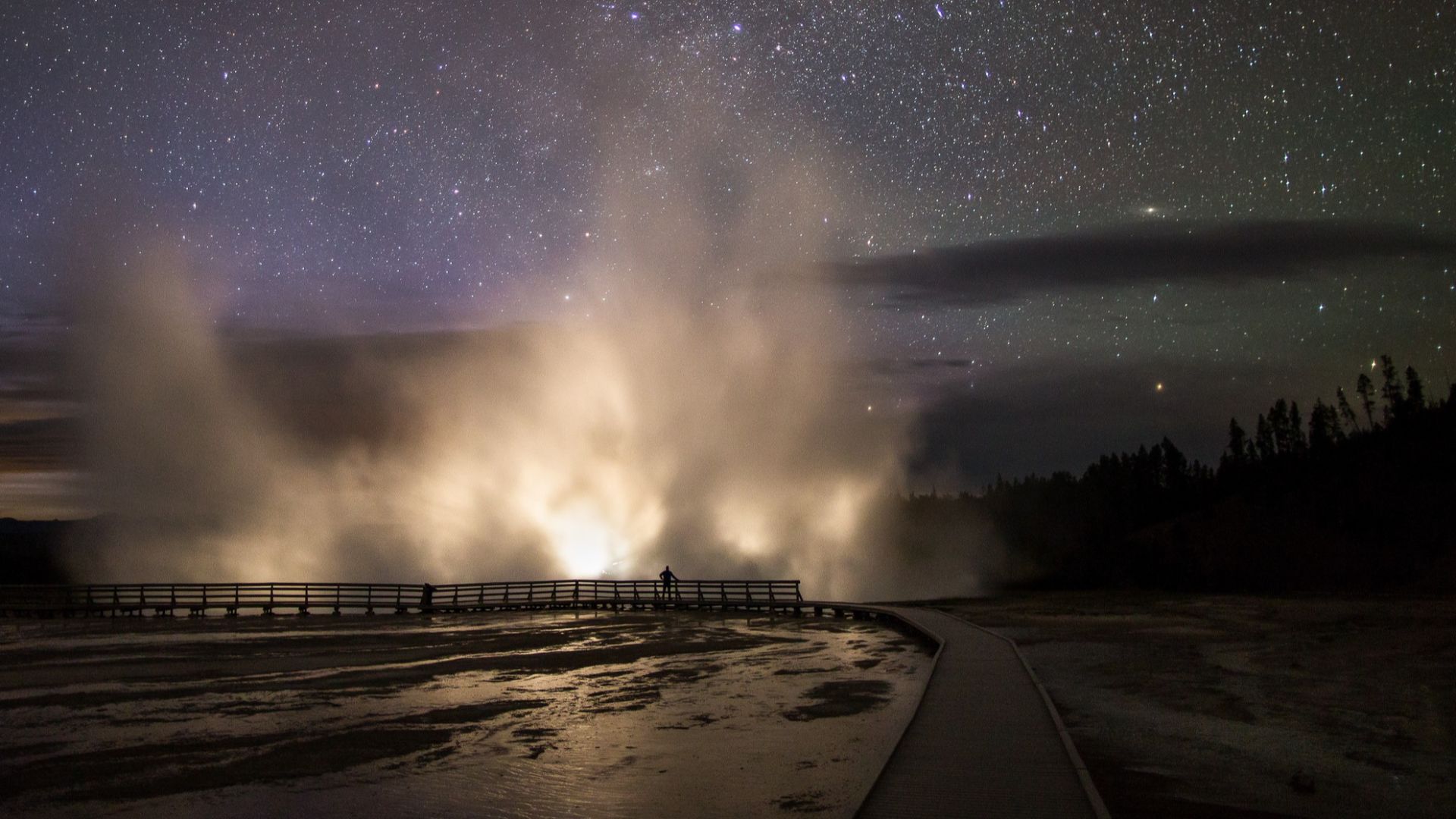 Photo by Neal Herbert, National Park Service., Wikimedia Commons
One Wrong Step Sent A Tourist To The Hospital
In September 2024, a 60-year-old visitor from New Hampshire was exploring a thermal area near Yellowstone's Old Faithful district. She broke through a thin crust over hot water while walking off-trail and suffered second- and third-degree burns to her lower leg. The incident explains why Yellowstone insists that visitors remain on designated boardwalks, even when the surrounding ground appears perfectly solid.
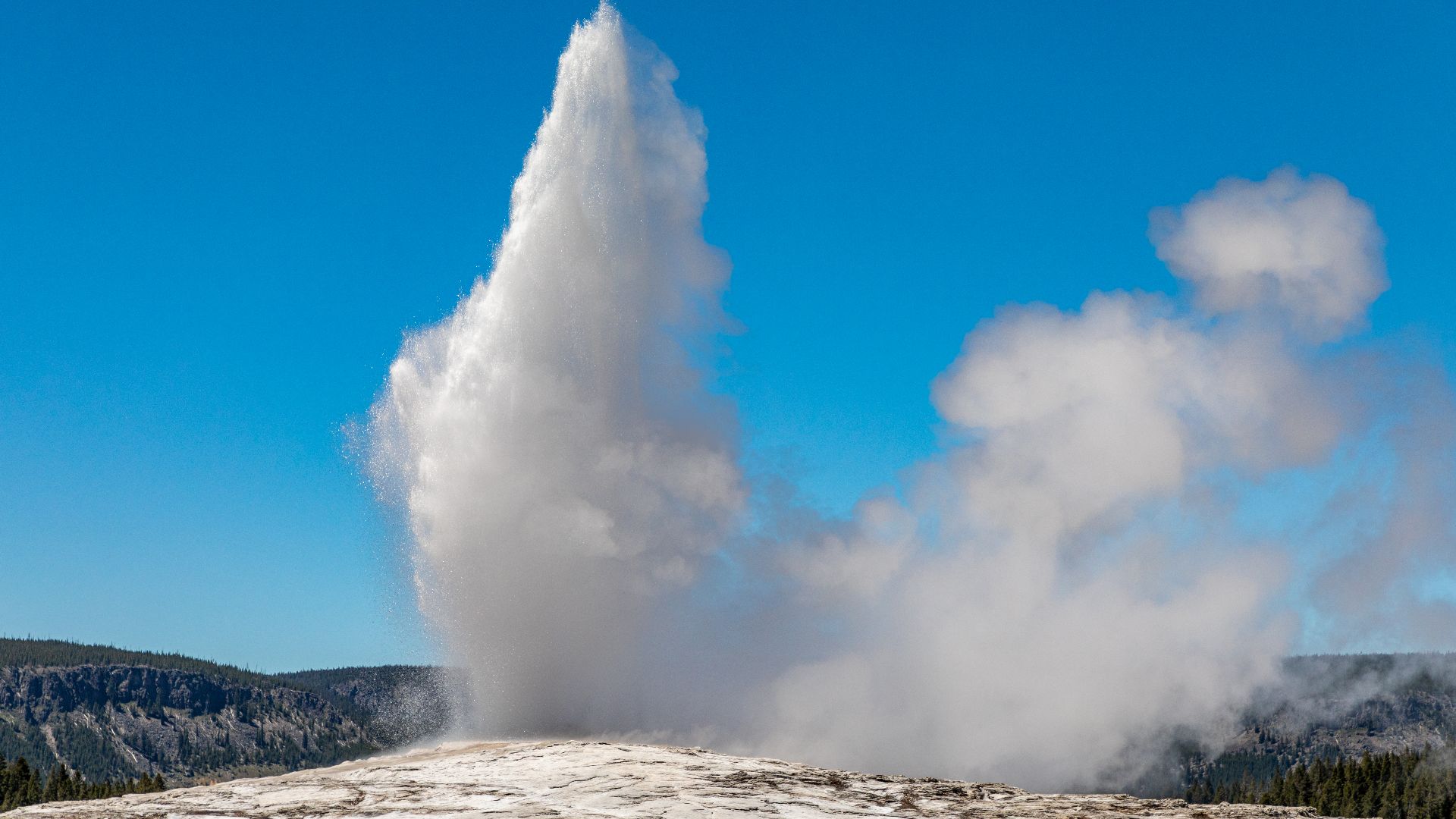 Dietmar Rabich, Wikimedia Commons
A Bison Encounter Turned Dangerous In Seconds
In June 2025, a 30-year-old visitor was injured by a bison in Yellowstone's Upper Geyser Basin after a large group approached the animal too closely. Rangers reported that the man sustained minor injuries and required medical treatment. Yellowstone requires visitors to remain at least 25 yards from bison, which can move much faster than their enormous size suggests.
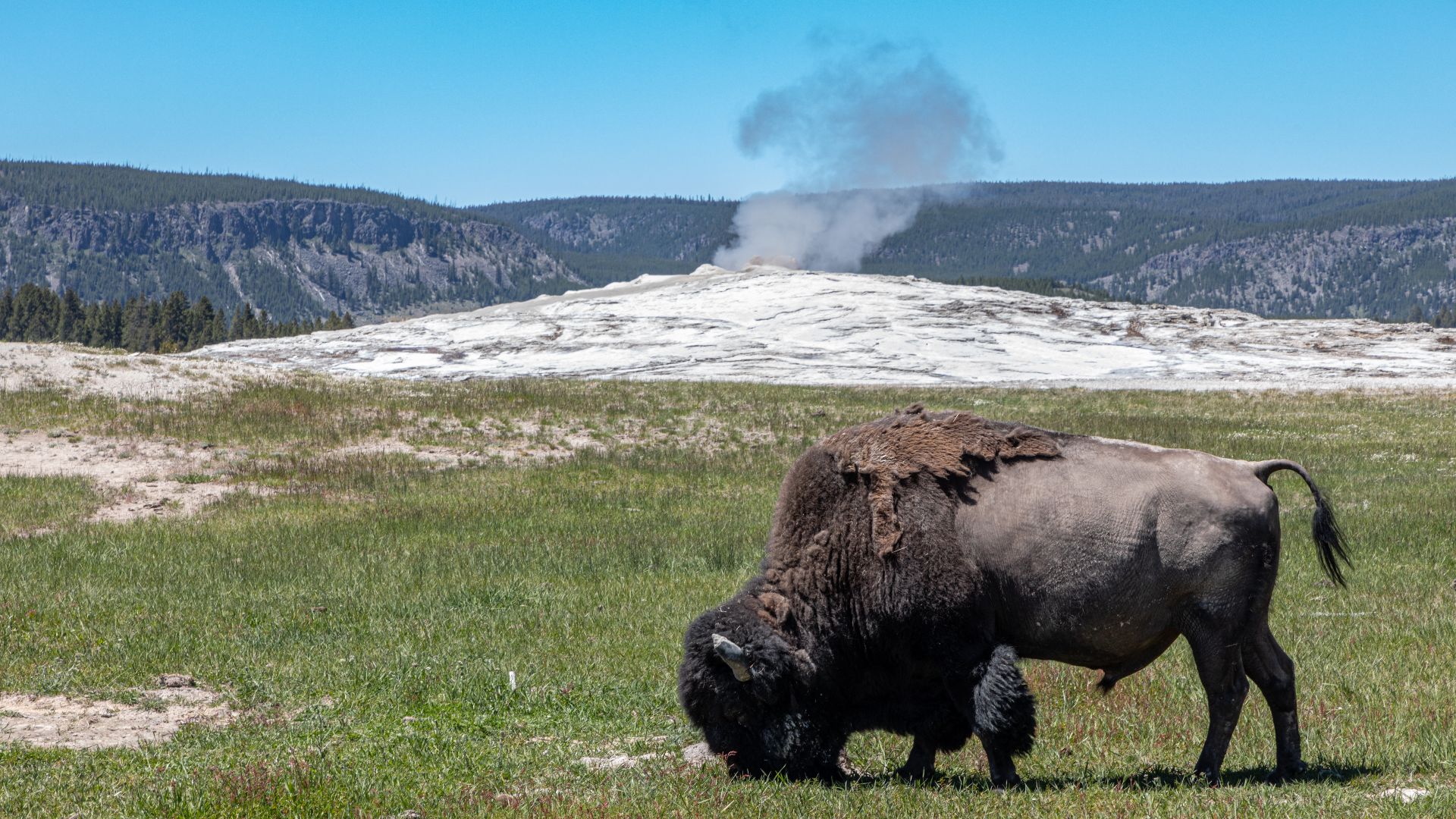 Dietmar Rabich, Wikimedia Commons
Another Visitor Learned The Same Lesson
Just weeks earlier, in May 2025, a 47-year-old Florida man approached a bison in Yellowstone's Lake Village area. The animal gored him, leaving injuries that required emergency medical attention. Rangers regularly remind tourists that bison are unpredictable wild animals, not oversized cattle waiting patiently for photographs.
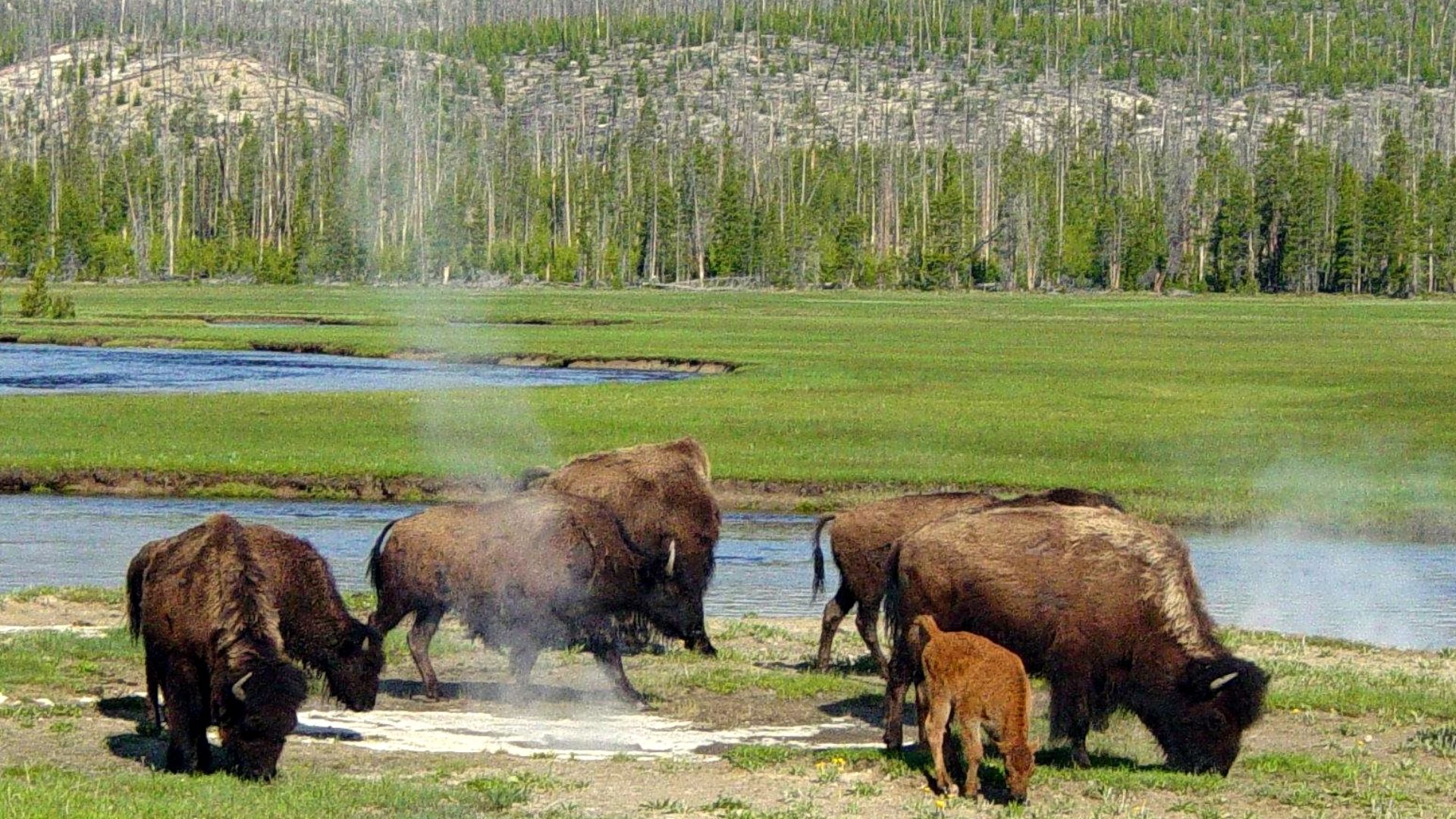 Daniel Mayer, Wikimedia Commons
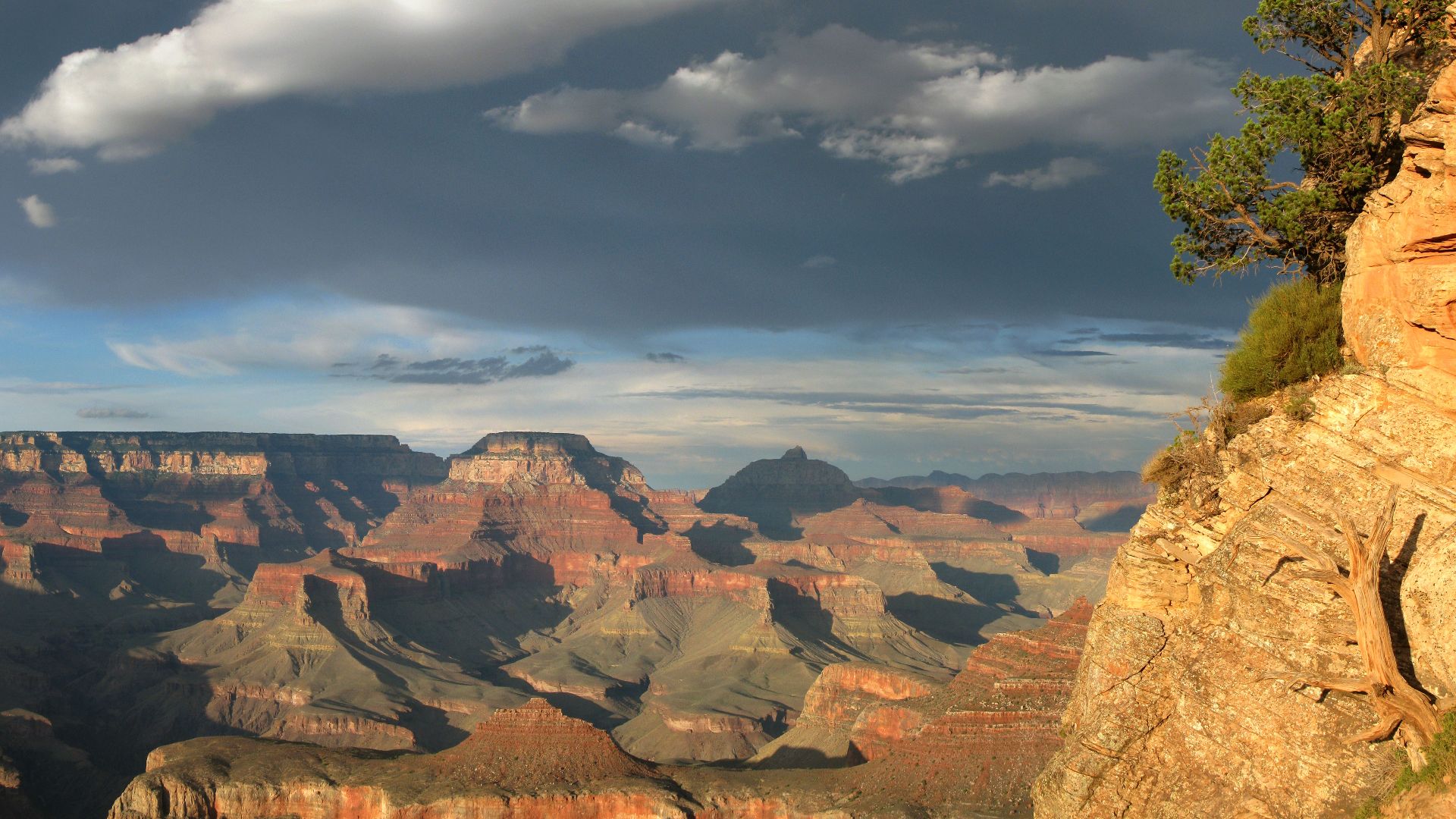
The Grand Canyon's Heat Can Overwhelm Anyone
In June 2026, Grand Canyon National Park reported three apparent heat-related deaths from two separate incidents on inner-canyon trails. The victims included a 72-year-old man on the South Kaibab Trail and two hikers in their late sixties on the North Kaibab Trail. Temperatures in the canyon can exceed 109 degrees Fahrenheit in the shade, making seemingly ordinary hiking plans potentially dangerous.
 Michael Quinn (National Park Service), Wikimedia Commons
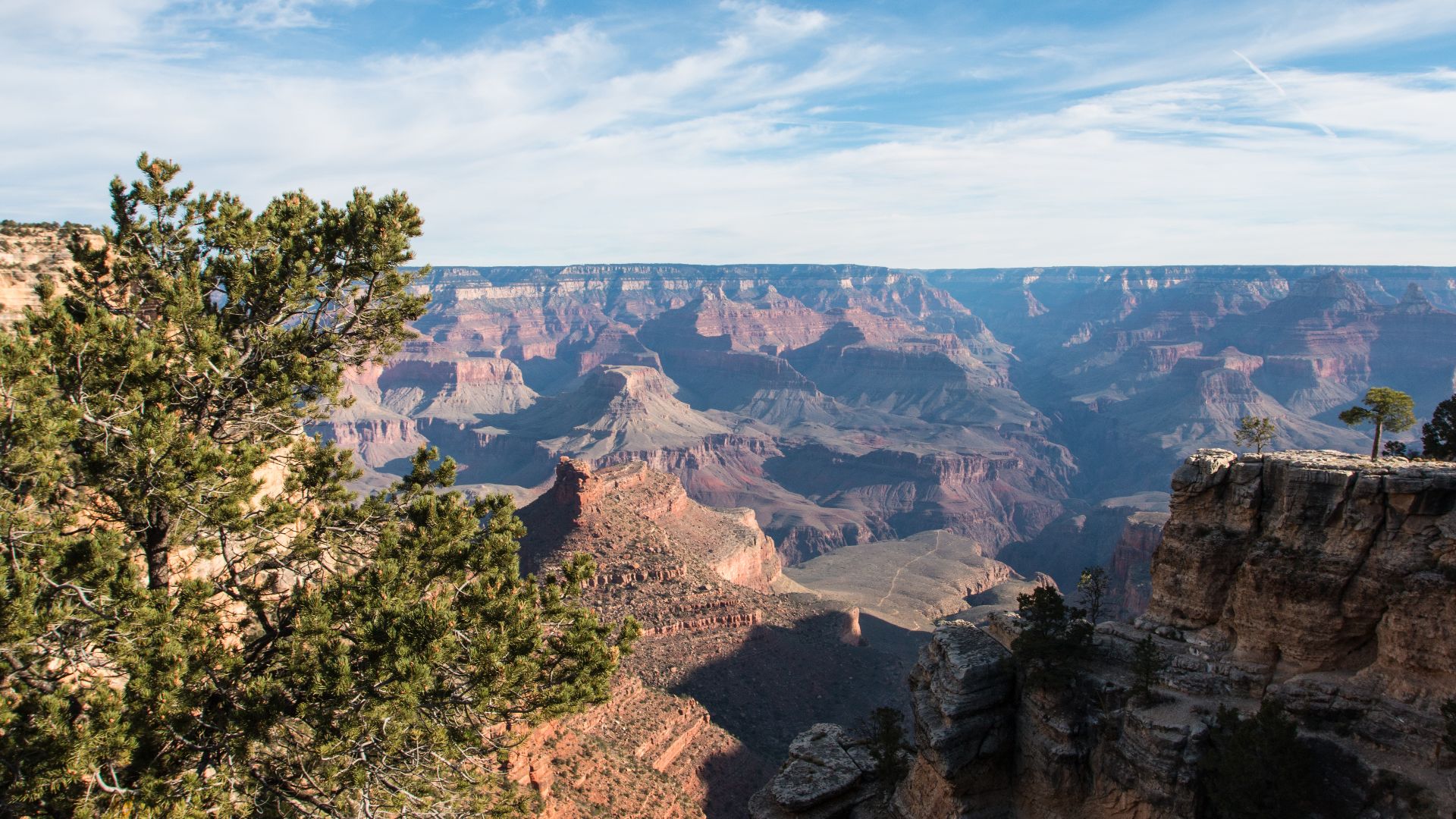
An Eighteen-Year-Old Never Finished His Hike
On June 3, 2026, an 18-year-old hiker experienced heat-related symptoms while attempting a day trip to the Colorado River and back on the Bright Angel Trail. Rangers found him below the trail near Garden Creek, but emergency efforts were unsuccessful. His death illustrates why Grand Canyon officials strongly discourage ambitious inner-canyon hikes during extreme heat.
 Sharon Mollerus, Wikimedia Commons
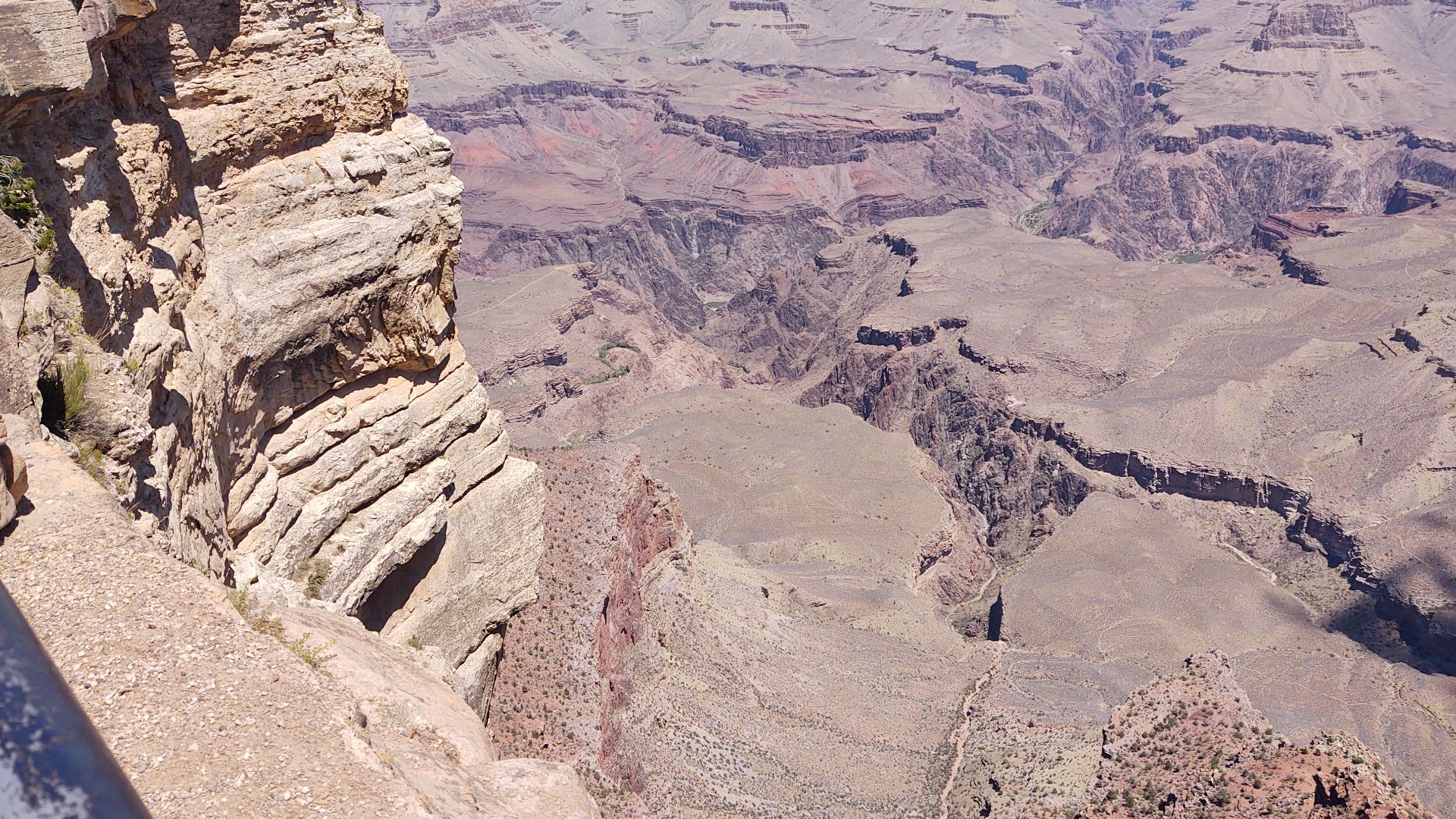
A Canyon View Became A Fatal Fall
In July 2024, 20-year-old Abel Joseph Mejia accidentally fell from the Grand Canyon's South Rim near Pipe Creek Overlook. Rangers recovered his body approximately 400 feet below the rim. Following the tragedy, the National Park Service reminded visitors to stay on designated walkways, respect barriers, and remain at least six feet from exposed edges.
 Greg Sumers, Wikimedia Commons
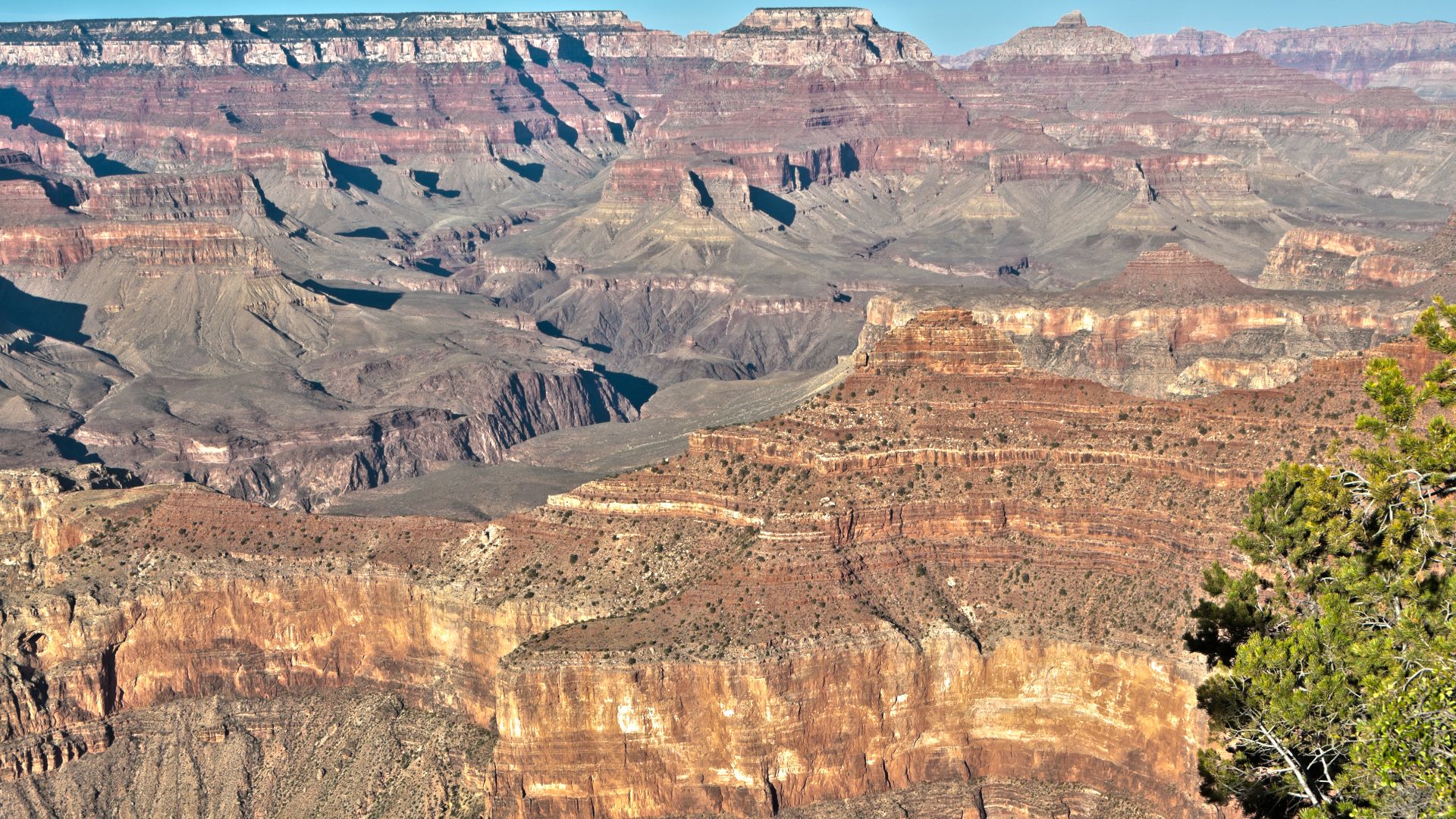
A Forbidden Jump Ended In Disaster
In August 2024, emergency personnel responded to a reported BASE-jumping attempt from Yavapai Point in Grand Canyon National Park. Rangers found a deceased man approximately 500 feet below the rim, along with a deployed parachute. BASE jumping is prohibited throughout the park, and the incident demonstrates why spectacular scenery does not make every extreme activity appropriate.
 Sixflashphoto, Wikimedia Commons
A Beautiful Waterfall Concealed A Deadly Current
In June 2024, 26-year-old Gillian Tones slipped on wet rocks near Virginia Creek in Glacier National Park. The current swept her over smaller waterfalls and trapped her underwater against a log, despite efforts by nearby visitors to rescue her. The tragedy illustrates why even shallow-looking mountain streams deserve serious caution.
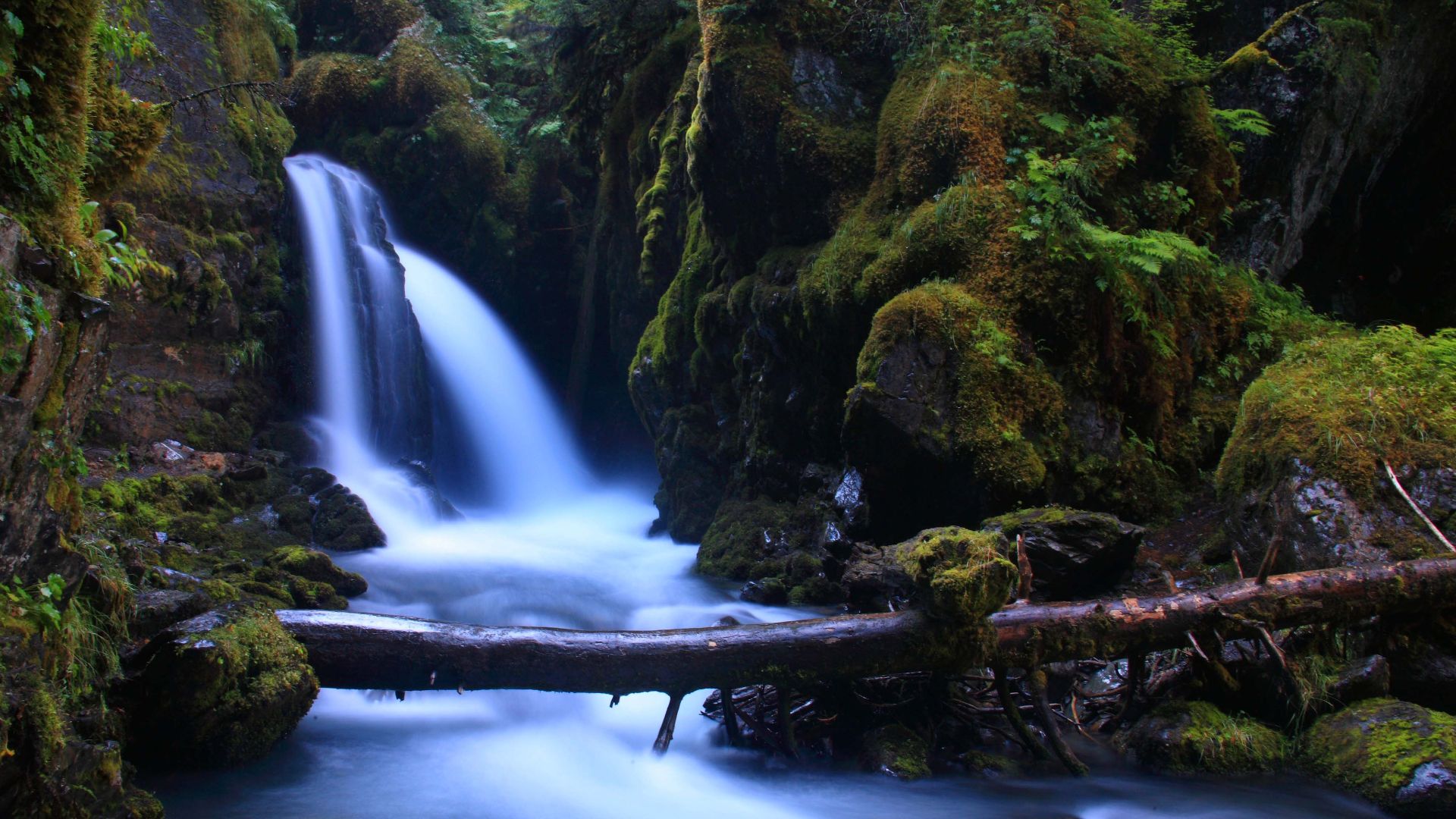 Frank Kovalchek from Anchorage, Alaska, USA, Wikimedia Commons
A Hiker Stepped Onto A Rock And Vanished Into The Water
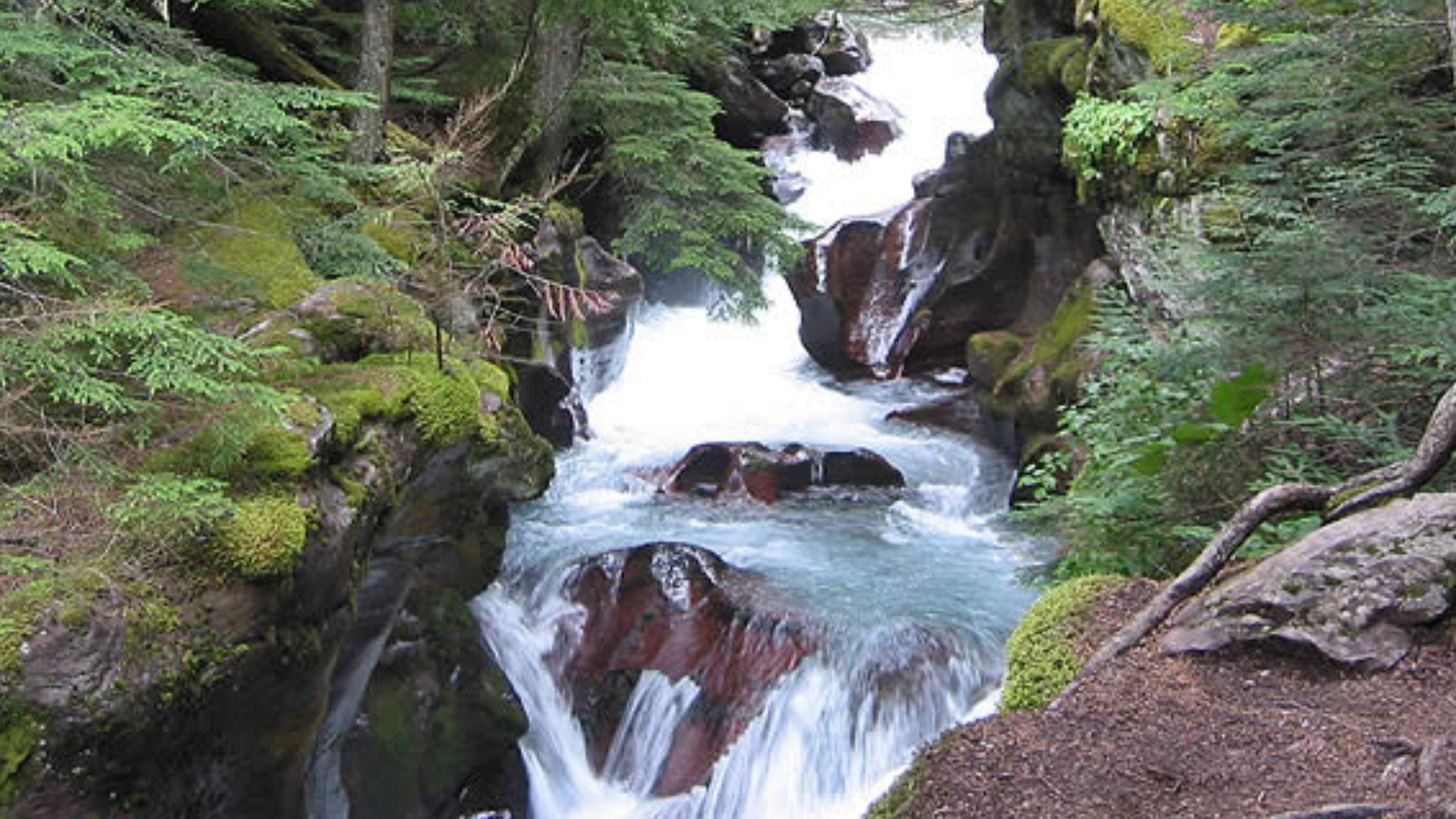
In July 2024, Siddhant Vitthal Patil was hiking near Avalanche Creek in Glacier National Park when he left the trail and stood on a large rock. He fell into the creek and was swept into a gorge, where dangerous water conditions complicated the search for weeks. Rangers reported recovering what they believed to be his body in August, showing how difficult rescues can become in fast-moving mountain water.
A Bear Encounter Closed Part Of A Famous Trail
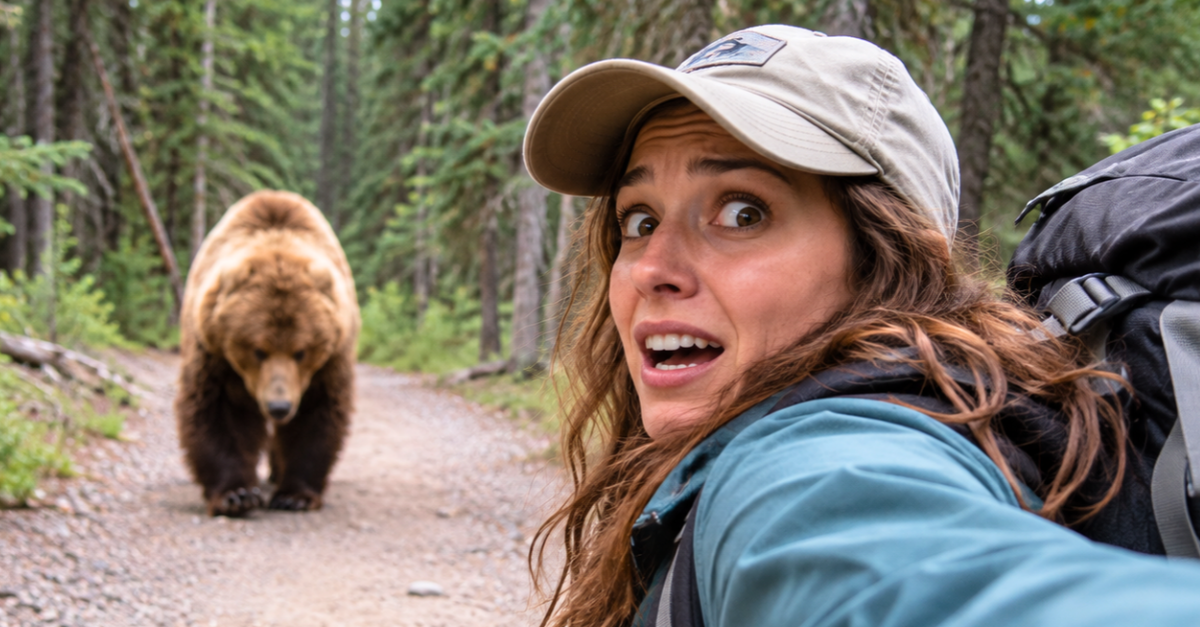
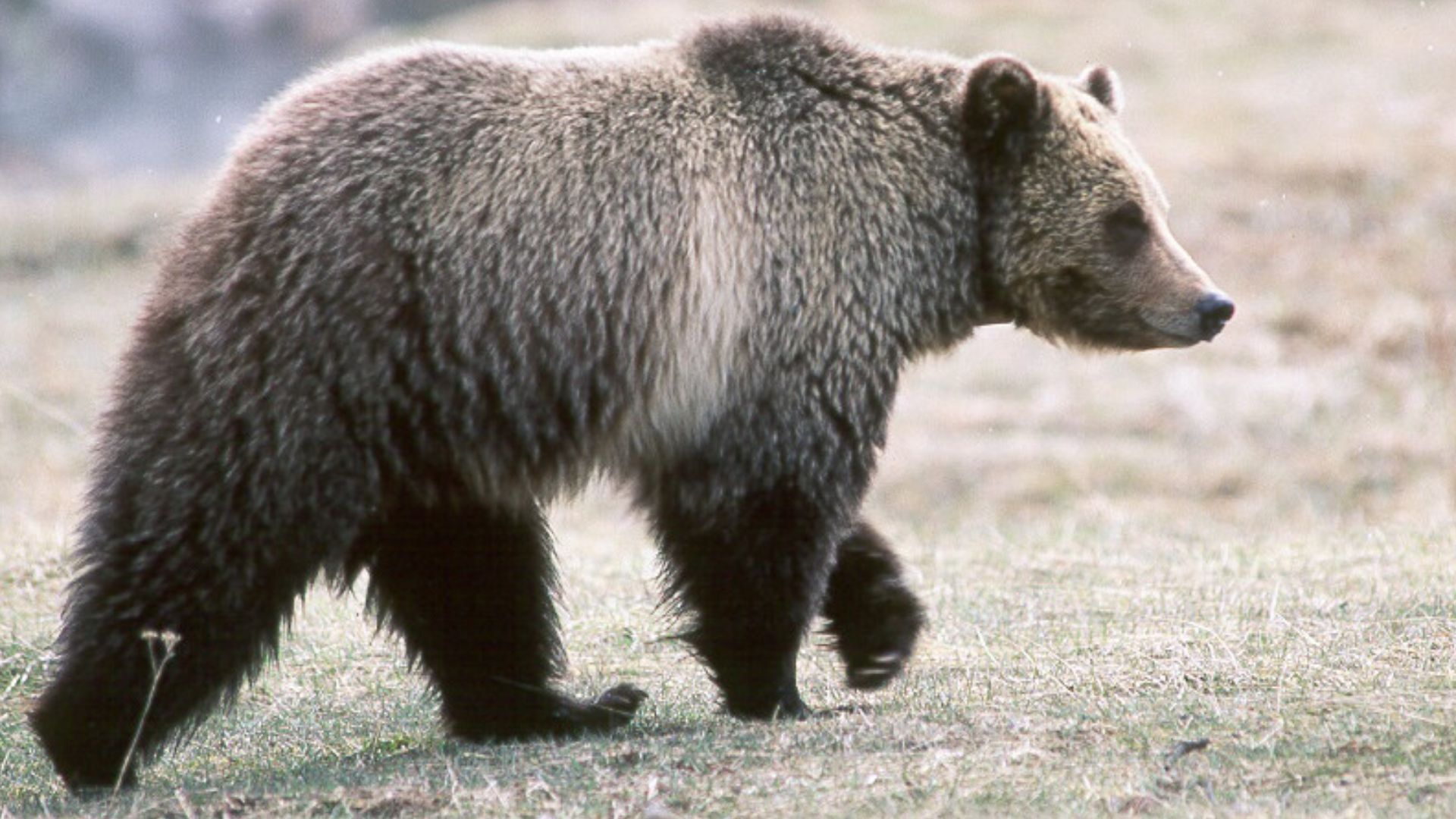
In September 2024, a 35-year-old hiker was injured during a bear encounter near Glacier National Park's Grinnell Glacier Overlook trailhead. Rangers temporarily closed part of the Highline Trail while responding to the incident and assessing the area. The park recommends hiking in groups, making noise, and carrying accessible bear spray because even experienced hikers can surprise wildlife.
Another Bear Encounter Lasted Less Than A Minute
In August 2025, a woman hiking near Lake Janet in Glacier National Park encountered a bear accompanied by two cubs. The bear charged and injured her shoulder and arm before her companion used bear spray, causing the animal to retreat. According to rangers, the entire encounter lasted fewer than 30 seconds, underscoring how little warning hikers sometimes receive.
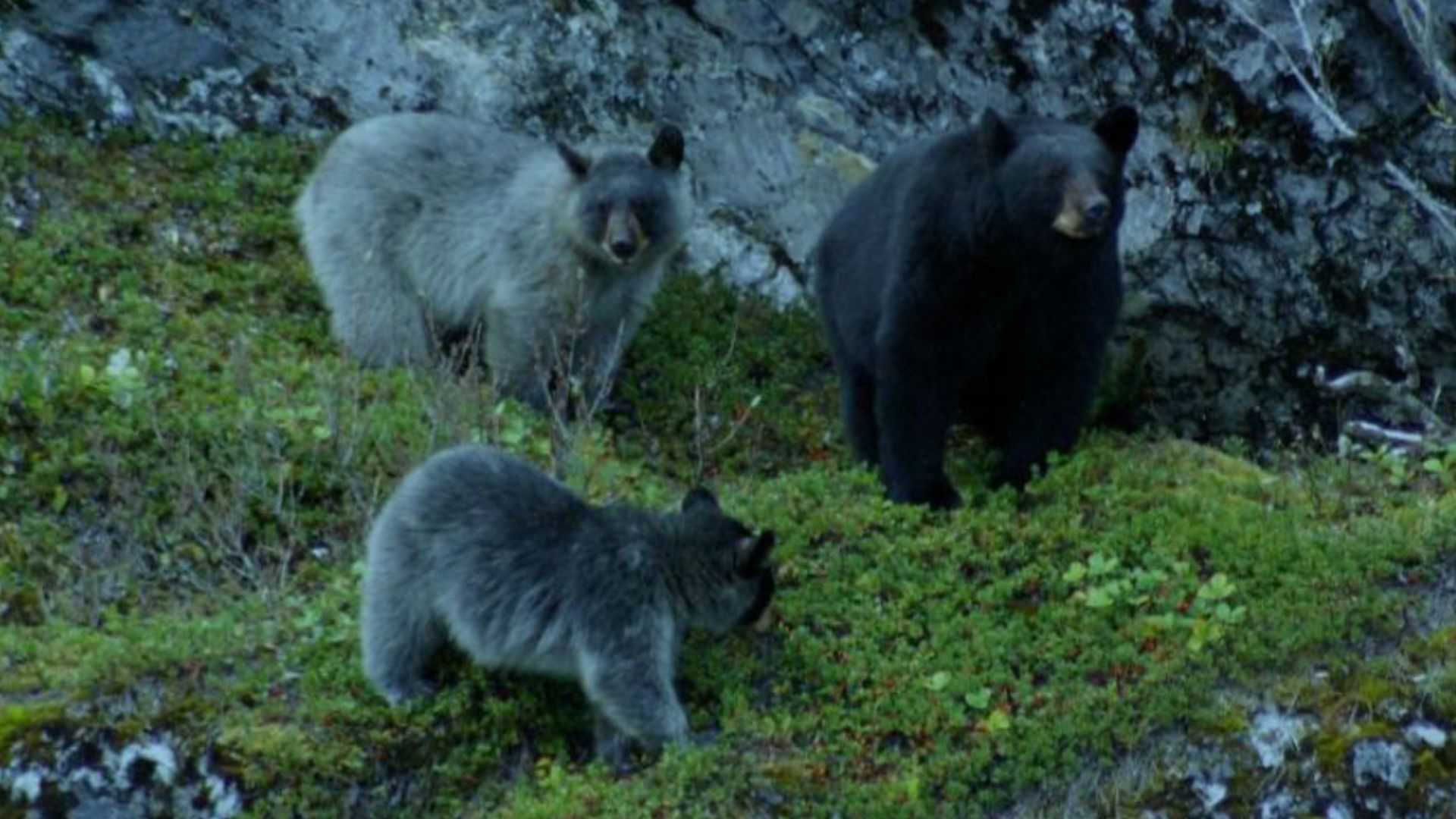 National Park Service, Wikimedia Commons
A Glacier Trail Closed After A Grizzly Attack
In May 2026, a 32-year-old man encountered a grizzly bear along Glacier National Park's Grinnell Glacier Trail. The bear charged and fractured his arm in an area where rushing water made it difficult for either the hiker or animal to detect the other. Rangers temporarily closed the trail, reminding visitors that closures can follow sudden hazards rather than long-planned management decisions.
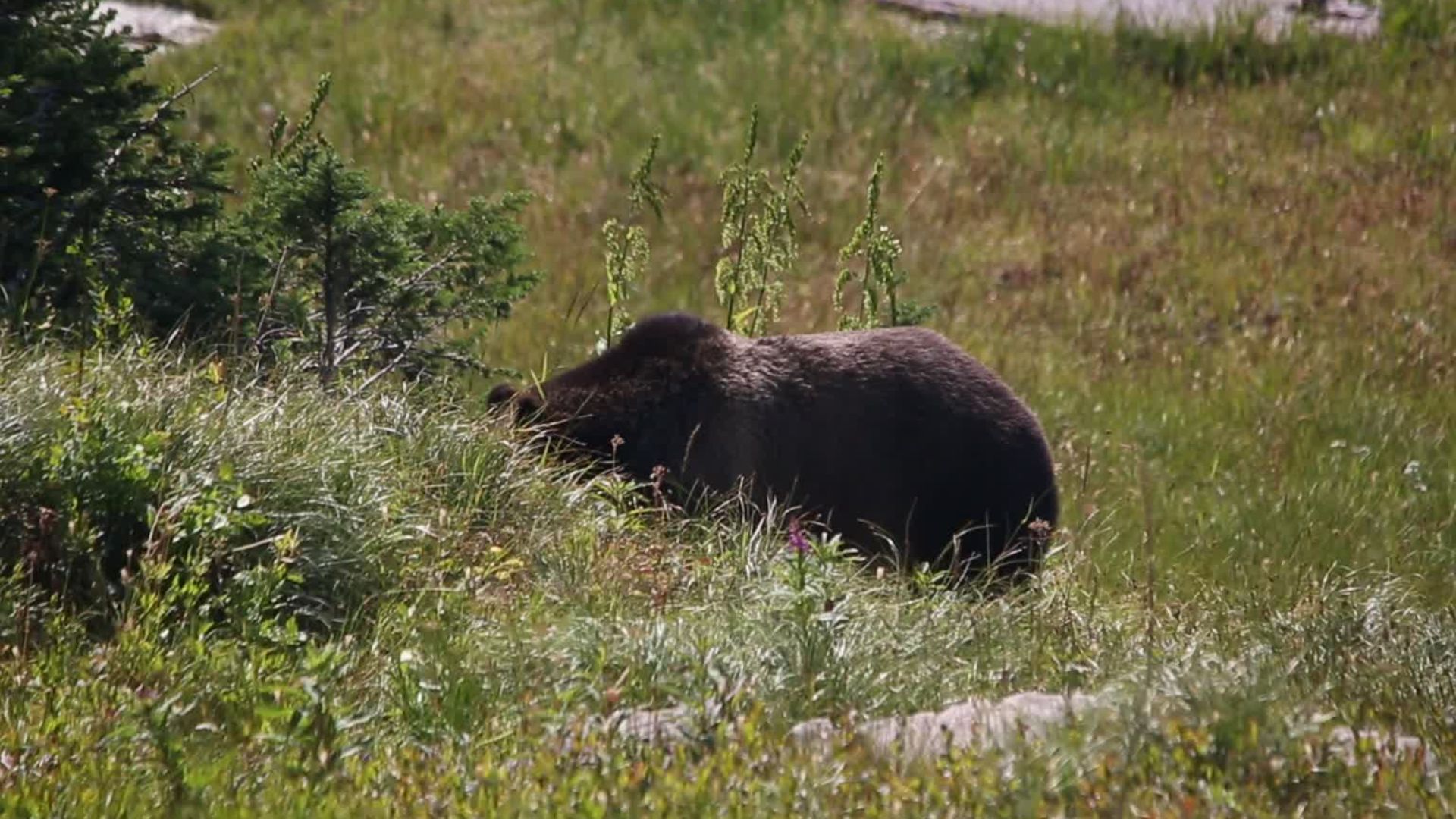
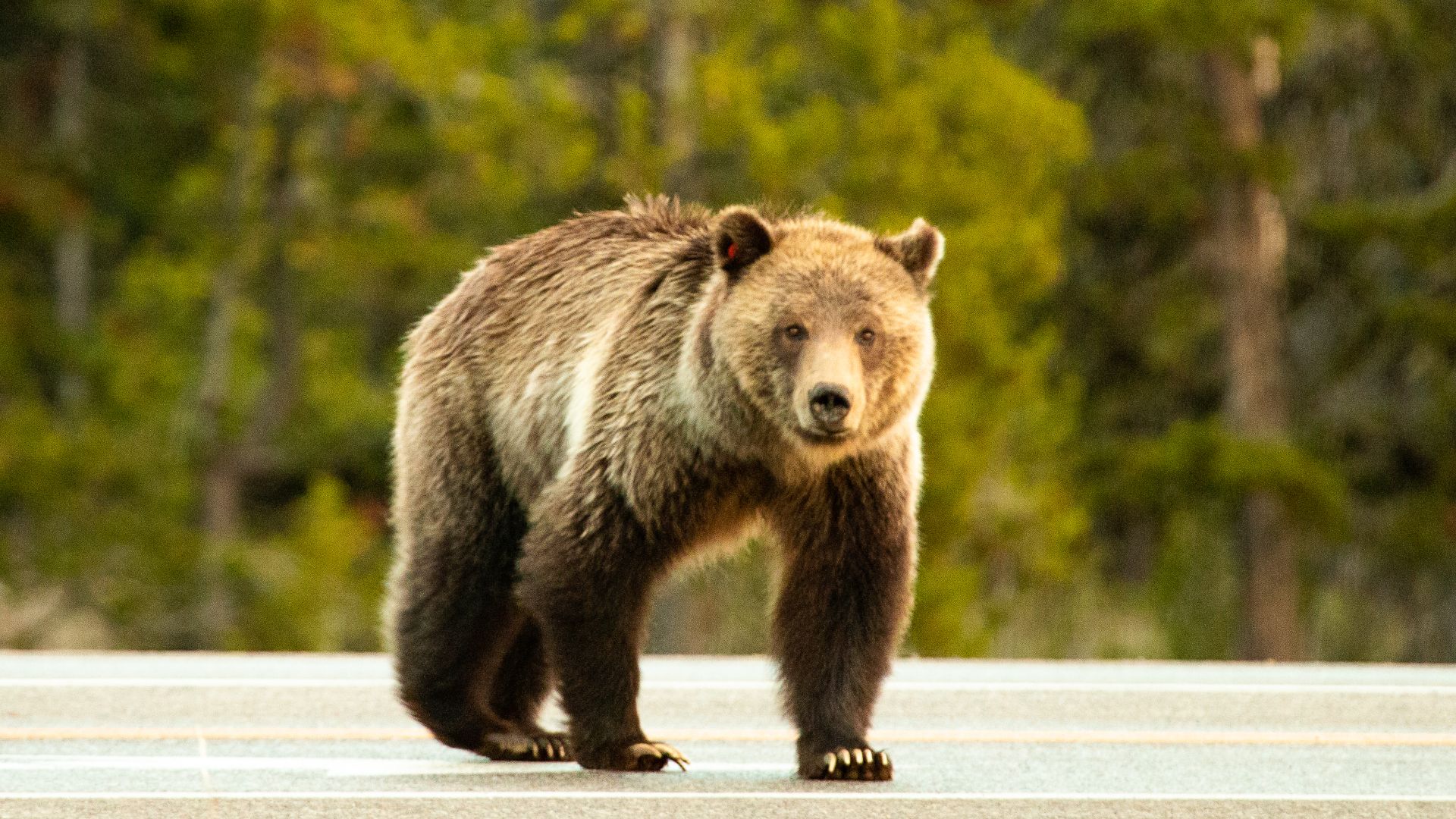
Even A Quiet Grand Teton Road Wasn't Risk-Free
In May 2024, a visitor was seriously injured during a surprise encounter with grizzly bears near Signal Mountain Summit Road in Grand Teton National Park. Rangers and rescue personnel transported the man for hospital treatment, and officials expected him to recover. The incident demonstrated that wildlife encounters can happen close to developed visitor areas, not only on remote wilderness trails.
 GrandTetonNPS, Wikimedia Commons
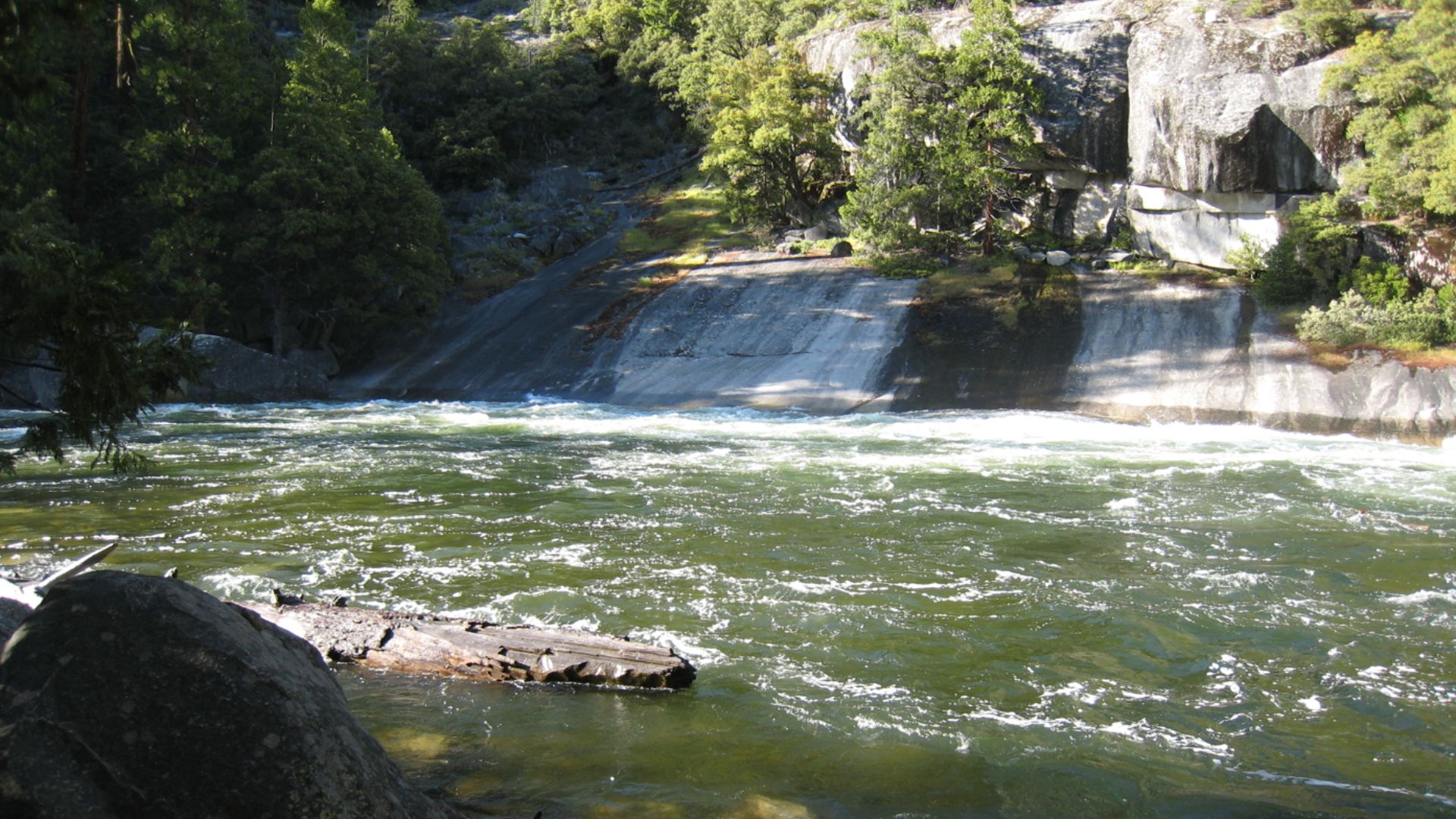
Yosemite's Waterfalls Have A Dangerous Reputation
Yosemite's waterfalls attract visitors with their spectacular scenery, but the park warns that seemingly calm water can conceal dangerous currents. Rangers report that water-related accidents are the park's second most common cause of death, with numerous rescues involving people who entered or fell into rivers and creeks. That is why swimming and wading are restricted in hazardous places such as Emerald Pool above Vernal Fall.
 Richard Wood, Wikimedia Commons
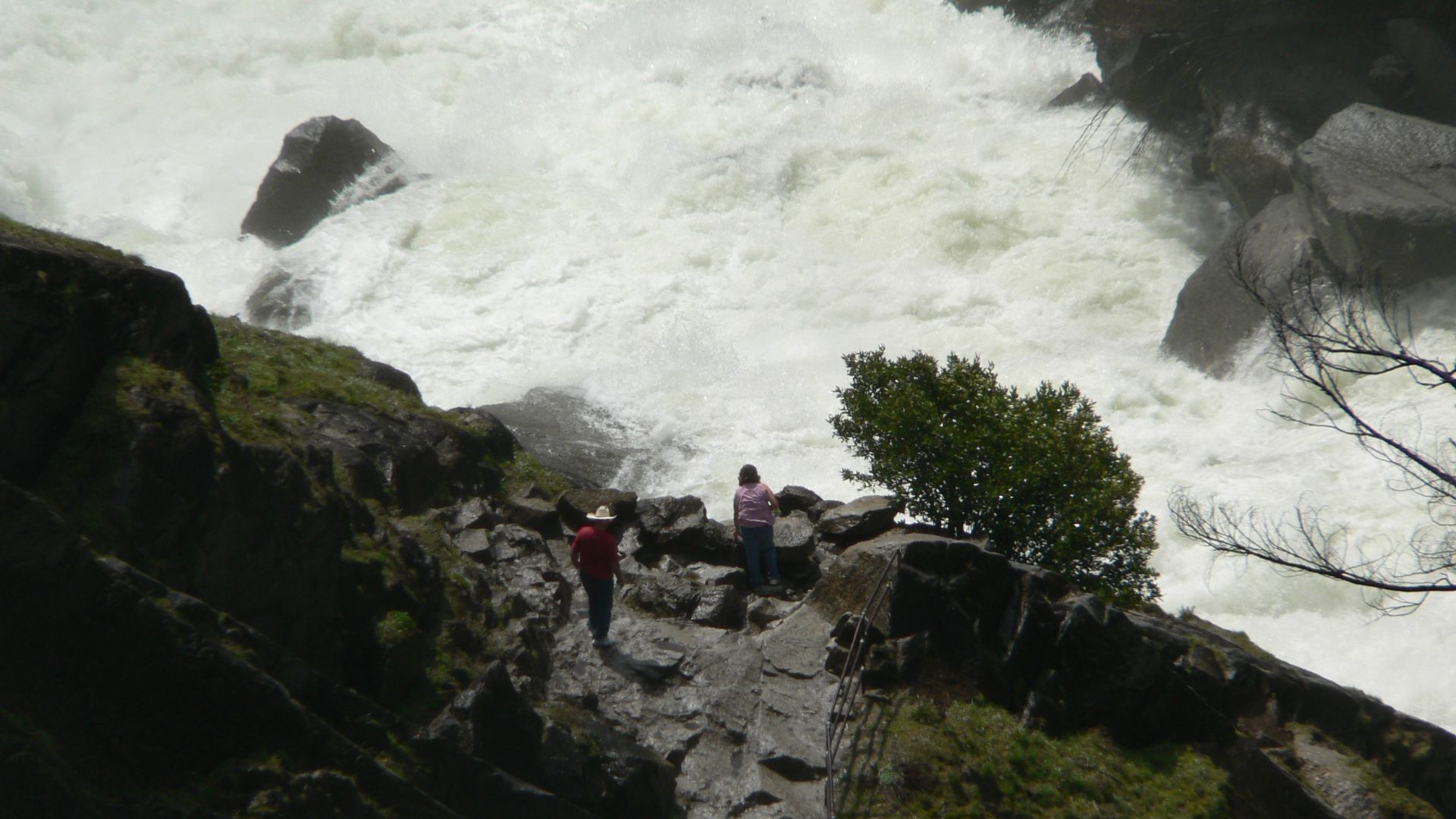
Falling Rocks Can Change A Trail Overnight
On March 31, 2025, a major rockfall sent approximately 446 tons of material onto an area near Yosemite's Mist Trail. The incident occurred at night, and the first hikers the following morning encountered large boulders blocking the route. Yosemite's records show why trail closures sometimes appear suddenly, even when the weather seems pleasant and the path looked perfectly safe the day before.
 Walter Siegmund, Wikimedia Commons
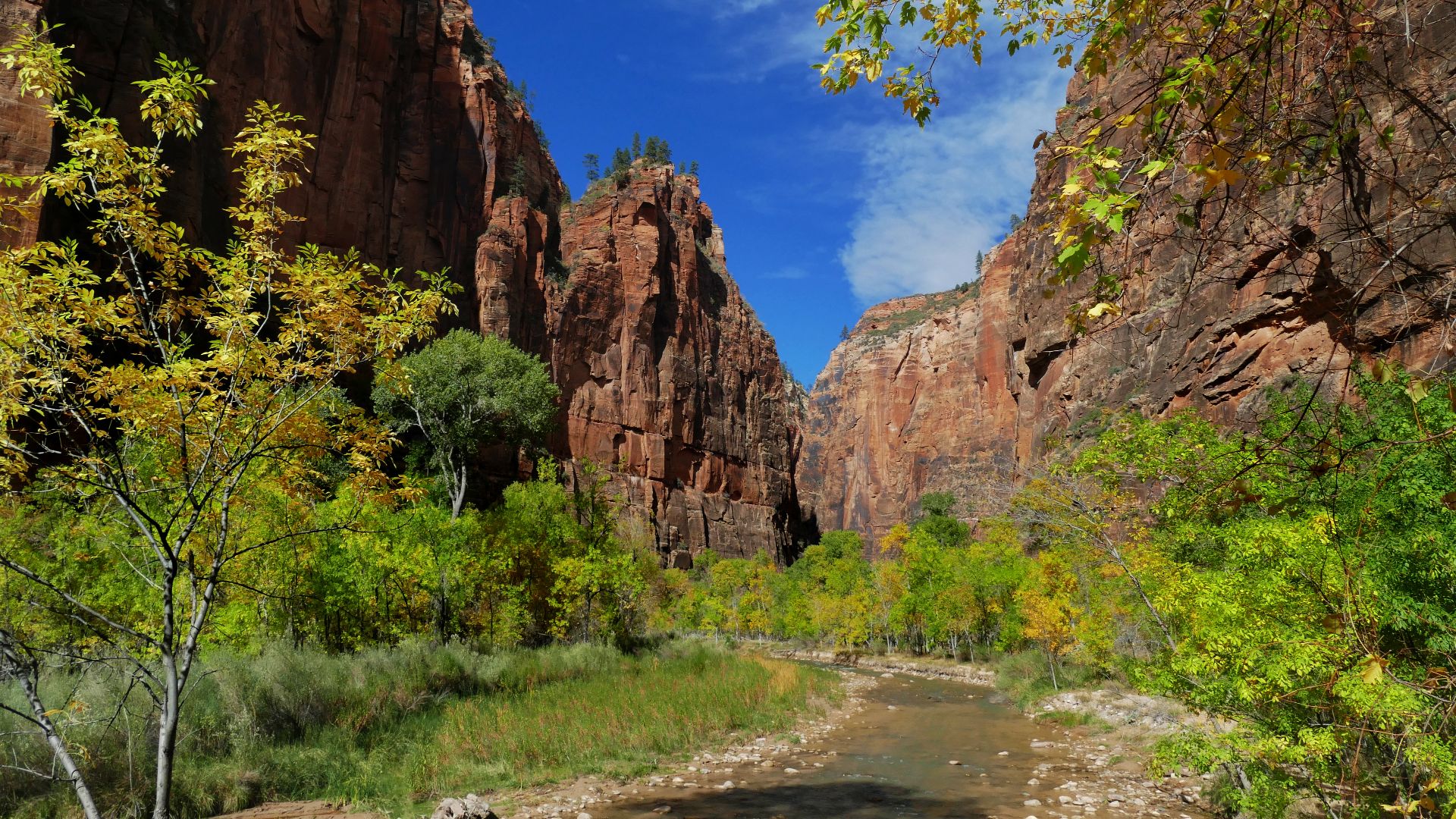
Zion's Narrowest Canyons Can Become Flood Traps
Zion National Park's famous Narrows hike takes visitors directly into the Virgin River between towering canyon walls. The National Park Service warns that flash floods can send walls of water 12 feet high or more through confined canyons, sometimes with little warning at the hiking location. The Narrows closes when a flash flood warning is issued, making weather restrictions a potentially lifesaving precaution rather than an inconvenience.
 Bernard Spragg. NZ from Christchurch, New Zealand, Wikimedia Commons
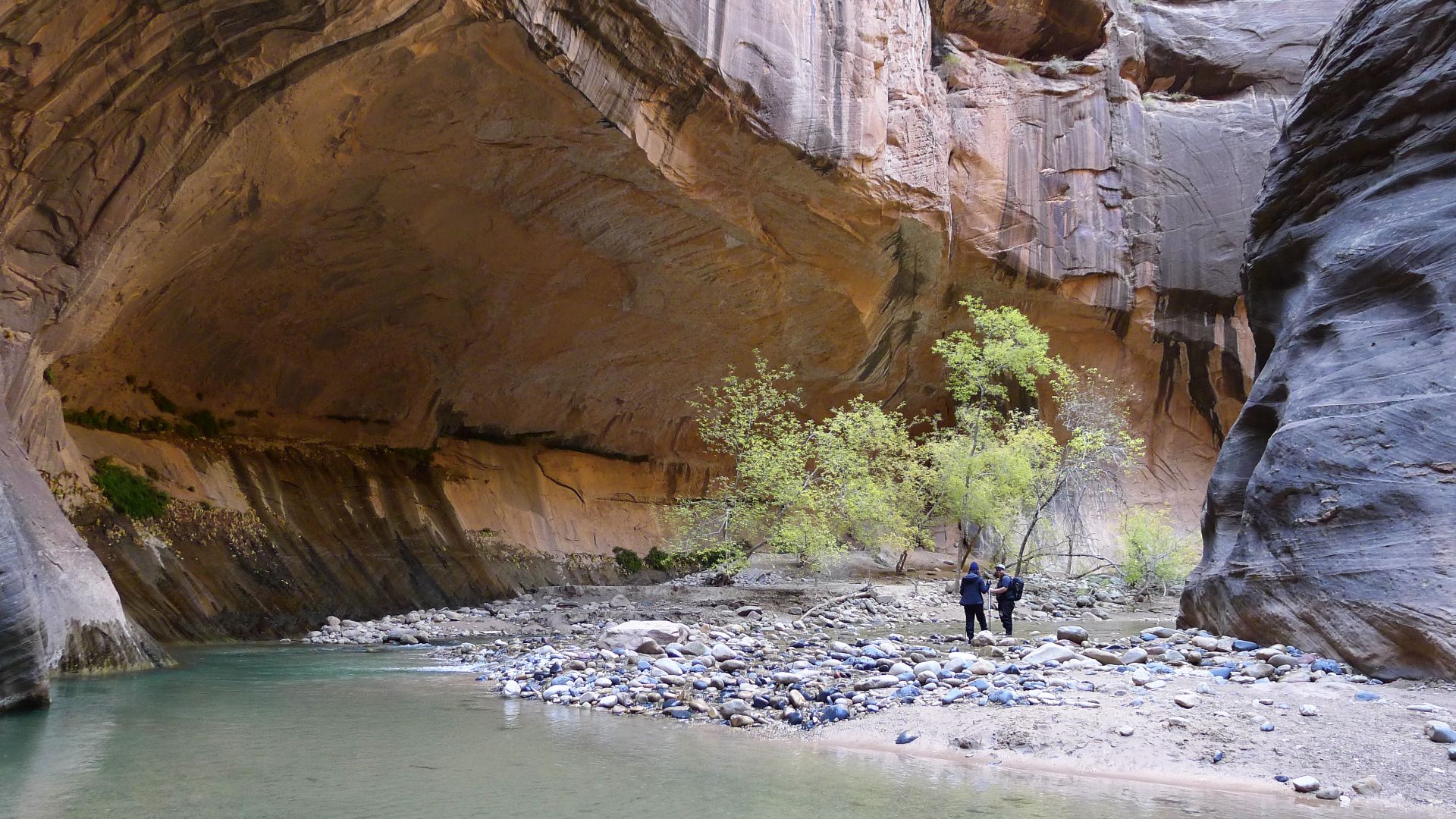
A Popular River Hike Has Strict Water Limits
Zion also closes the Narrows when the Virgin River exceeds 150 cubic feet per second. Rangers explain that even lower flows can create difficult crossings, deep pools, and slippery footing on uneven rocks. Visitors frustrated by river closures should remember that the same route can change from a manageable walk to a dangerous crossing as water levels rise.
Death Valley's Heat Made An Air Rescue Impossible
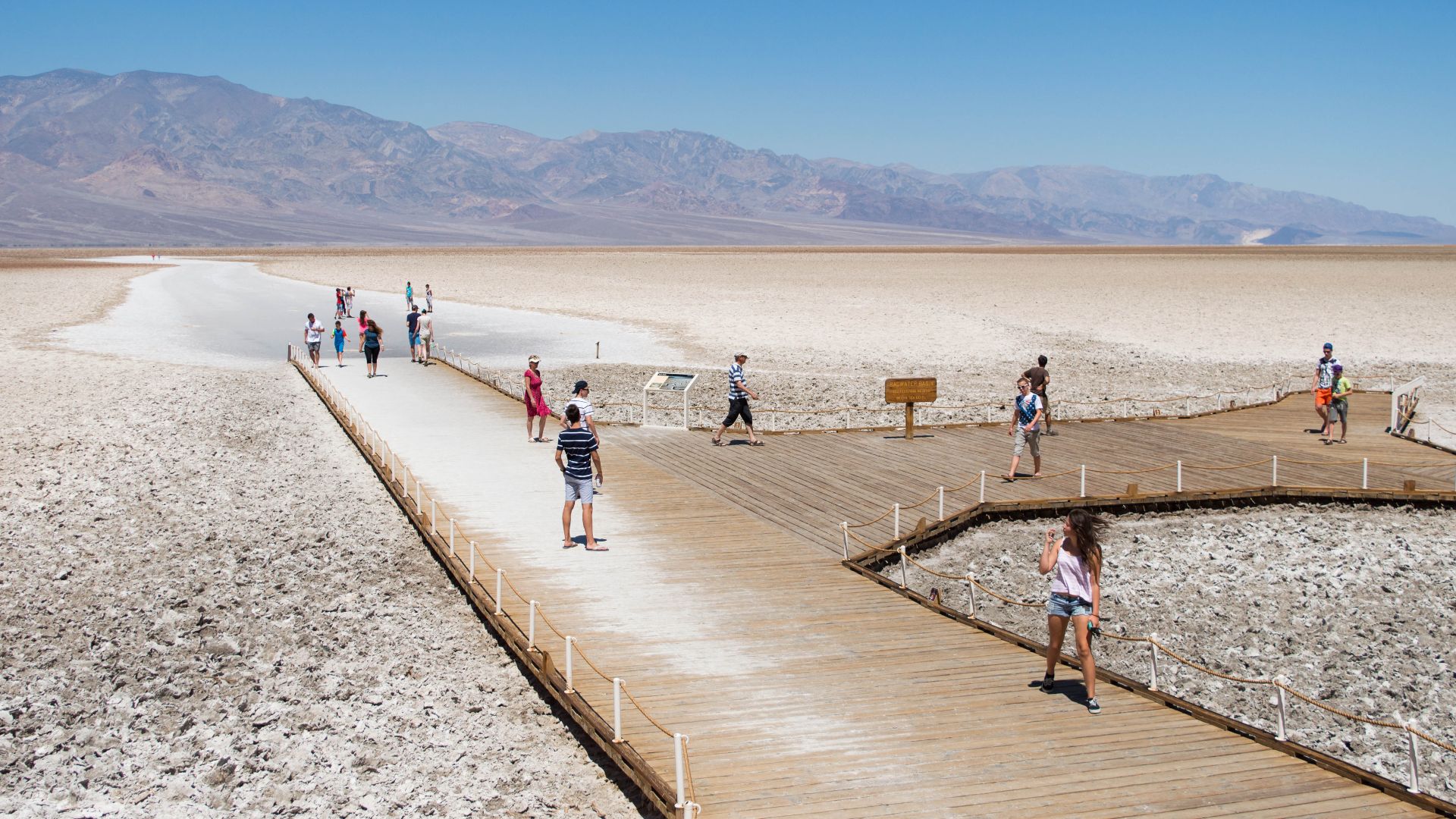
In July 2024, six German motorcyclists encountered extreme heat while traveling near Badwater Basin in Death Valley National Park. One man died, another required advanced medical care, and other members of the group received treatment or assistance. Temperatures reached approximately 128 degrees Fahrenheit, creating conditions so severe that helicopters could not safely fly into the hottest area.
 Supercarwaar, Wikimedia Commons
An Illegal Drive Damaged A Fragile Desert Landscape
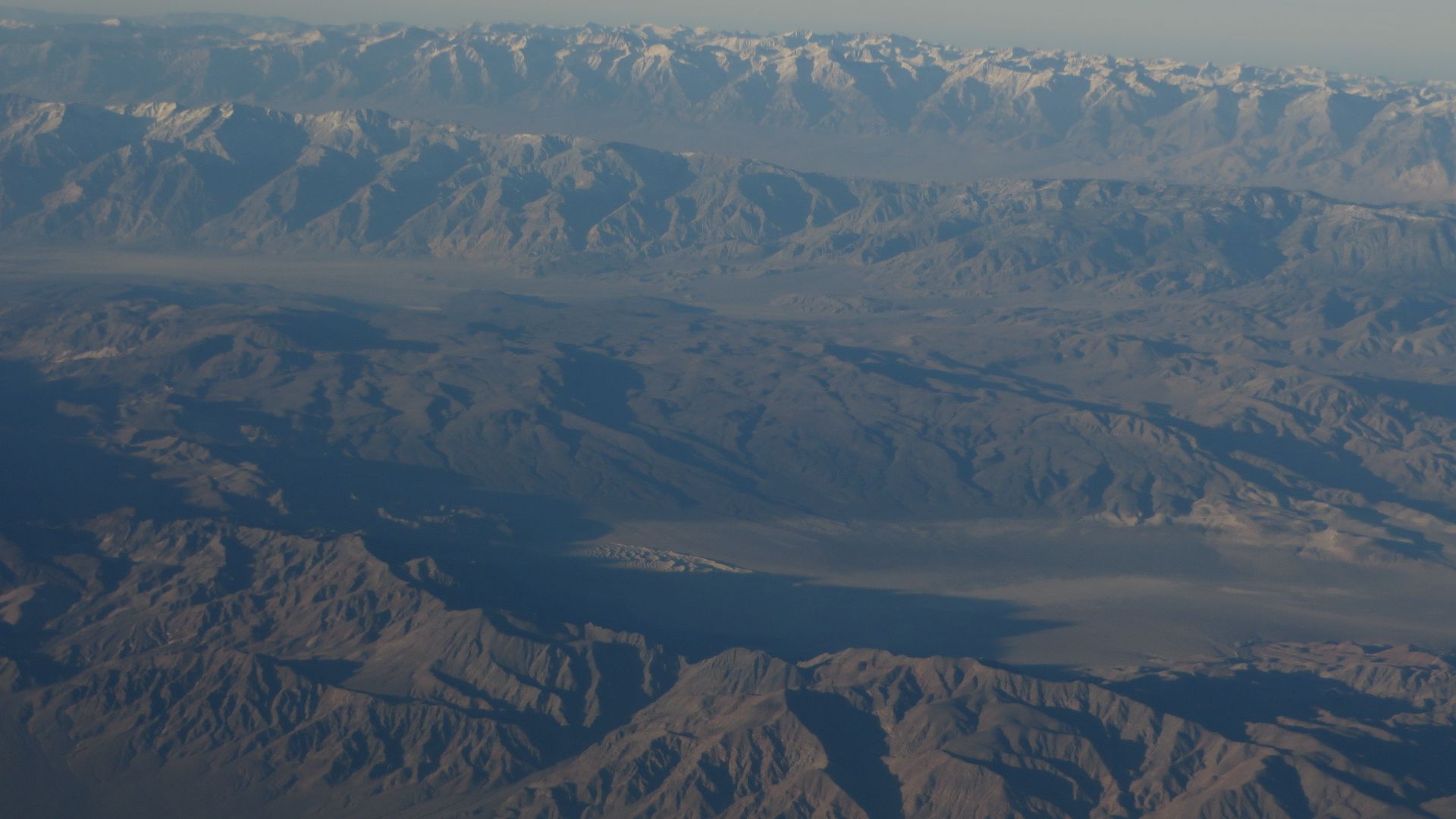
In December 2025, a vehicle traveled illegally across Eureka Dunes in Death Valley National Park. Rangers later reported more than five miles of unauthorized tire tracks that damaged rare desert vegetation. The incident shows that restrictions on off-road driving protect ecosystems that can be harmed in minutes and may take years to recover.
 Ken Lund from Reno, Nevada, USA, Wikimedia Commons
A Lake Can Be Just As Dangerous As A Canyon
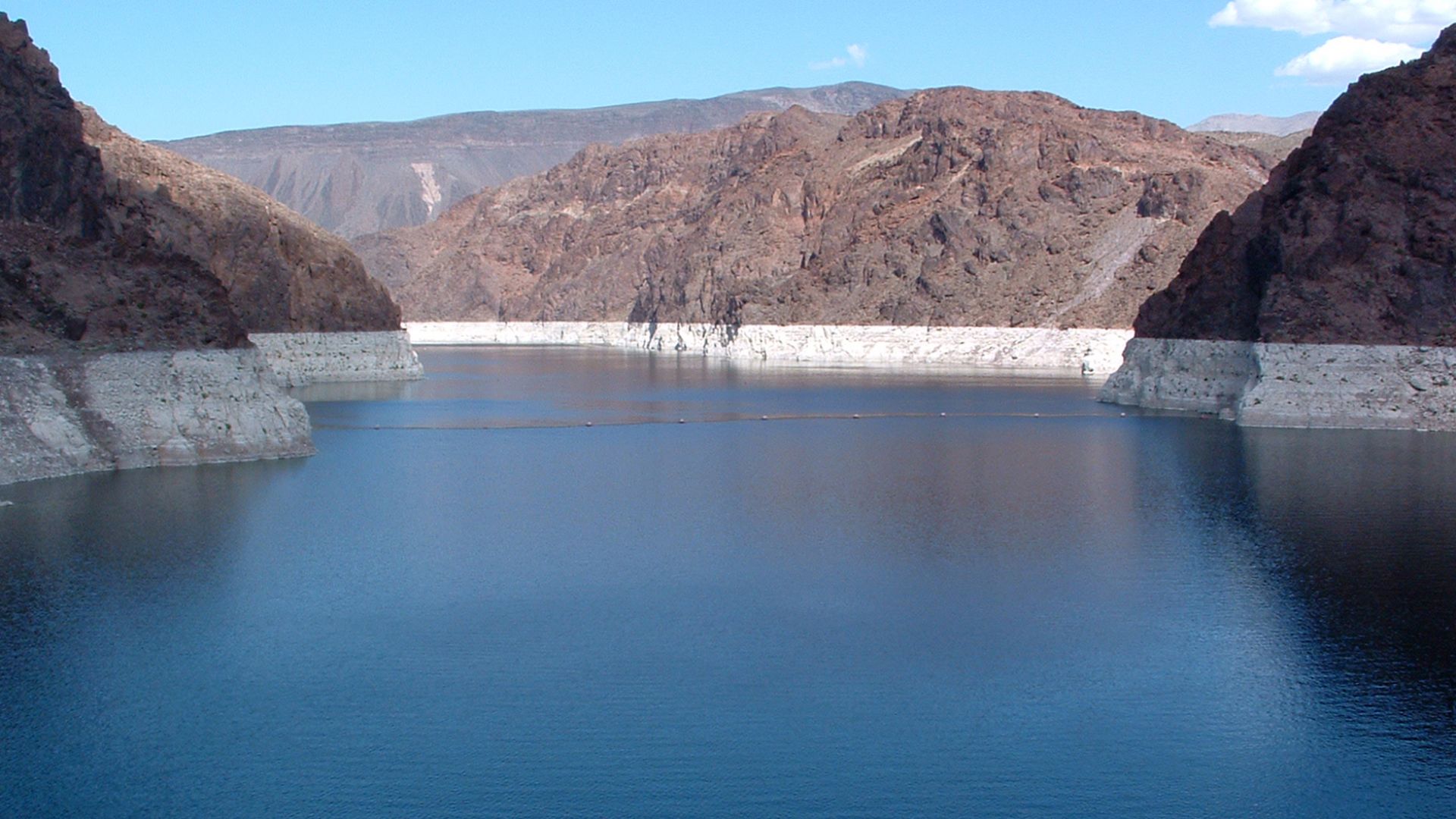
Lake Mead National Recreation Area reported 19 fatalities during the first half of 2024, including four drownings and two heat-related deaths. Rangers emphasized the importance of life jackets, warning that ordinary swimming and boating activities can become dangerous when conditions change. Although Lake Mead is a national recreation area rather than a designated national park, its experience illustrates why federal recreation sites impose water-safety rules.
 No machine-readable author provided. Kjkolb assumed (based on copyright claims)., Wikimedia Commons
Sometimes The Safest Adventure Is The One You Change
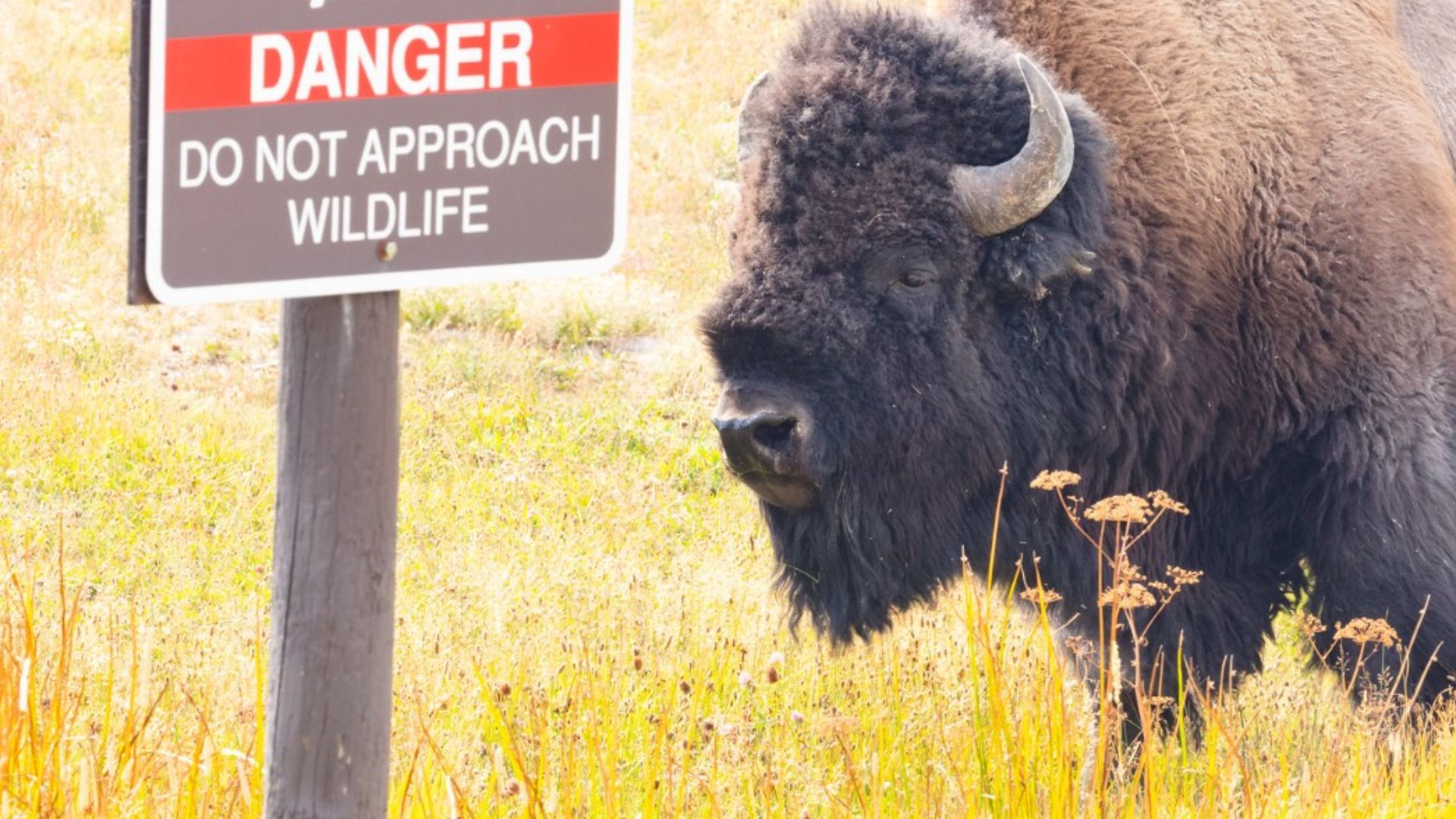
These incidents reveal a common theme behind many national park restrictions: beautiful landscapes can conceal risks that are difficult to judge by appearance alone. Boardwalks, trail closures, wildlife distances, and weather warnings help visitors experience these places without repeating preventable tragedies. National parks have not lost their sense of adventure, but the stories behind their rules are powerful reminders that wilderness still deserves respect.
 National Park Service, Wikimedia Commons
A Bear Encounter Shut Down An Alaskan Trail
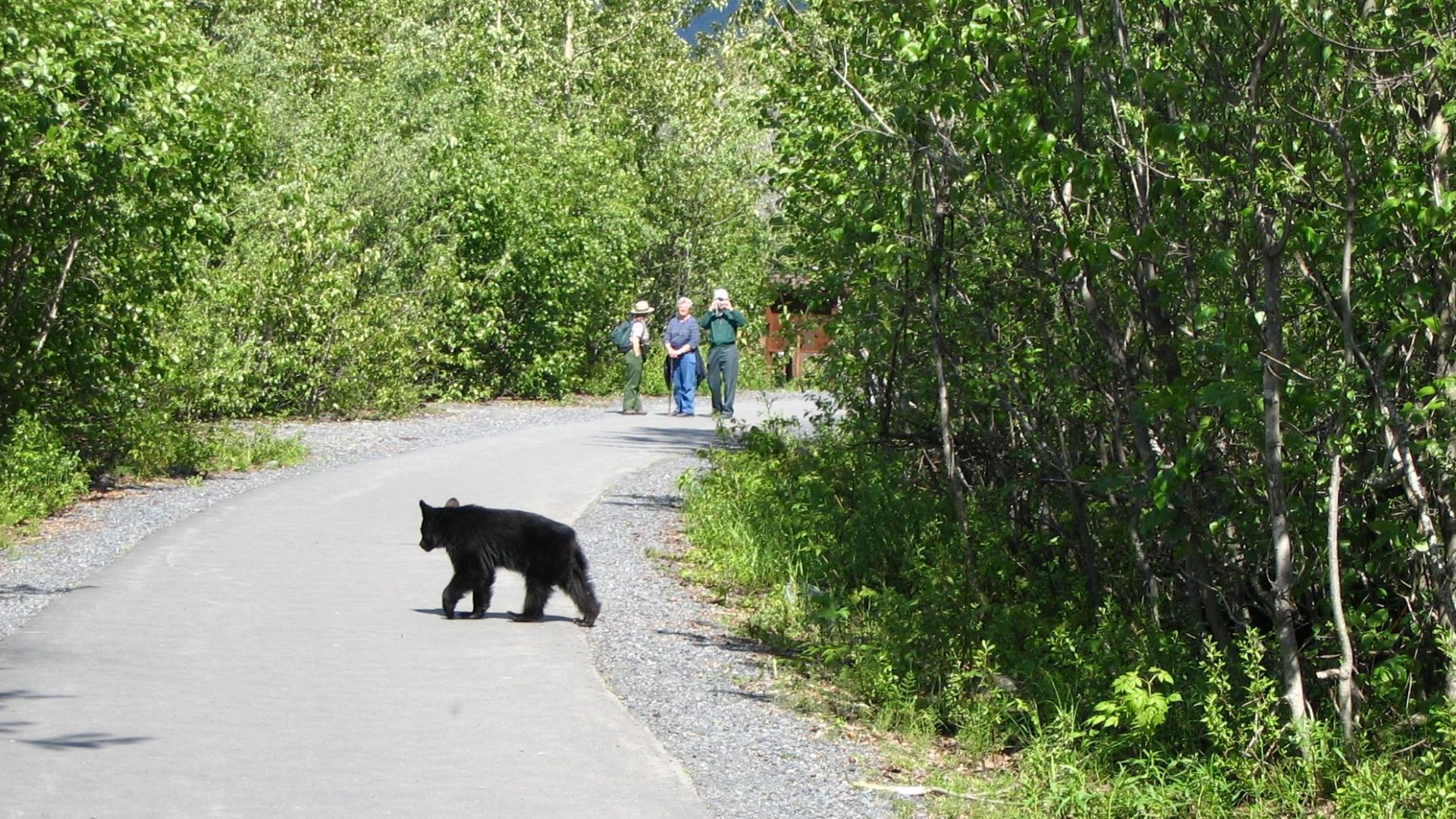
In September 2025, two hikers were injured during a bear encounter on the Exit Glacier trail system in Kenai Fjords National Park. Both reached medical care and were reported to be in stable condition. Officials closed the affected trails and restricted access while investigating, demonstrating why even popular glacier walks can be temporarily off-limits.
Yellowstone Closed Trails After Another Bear Incident
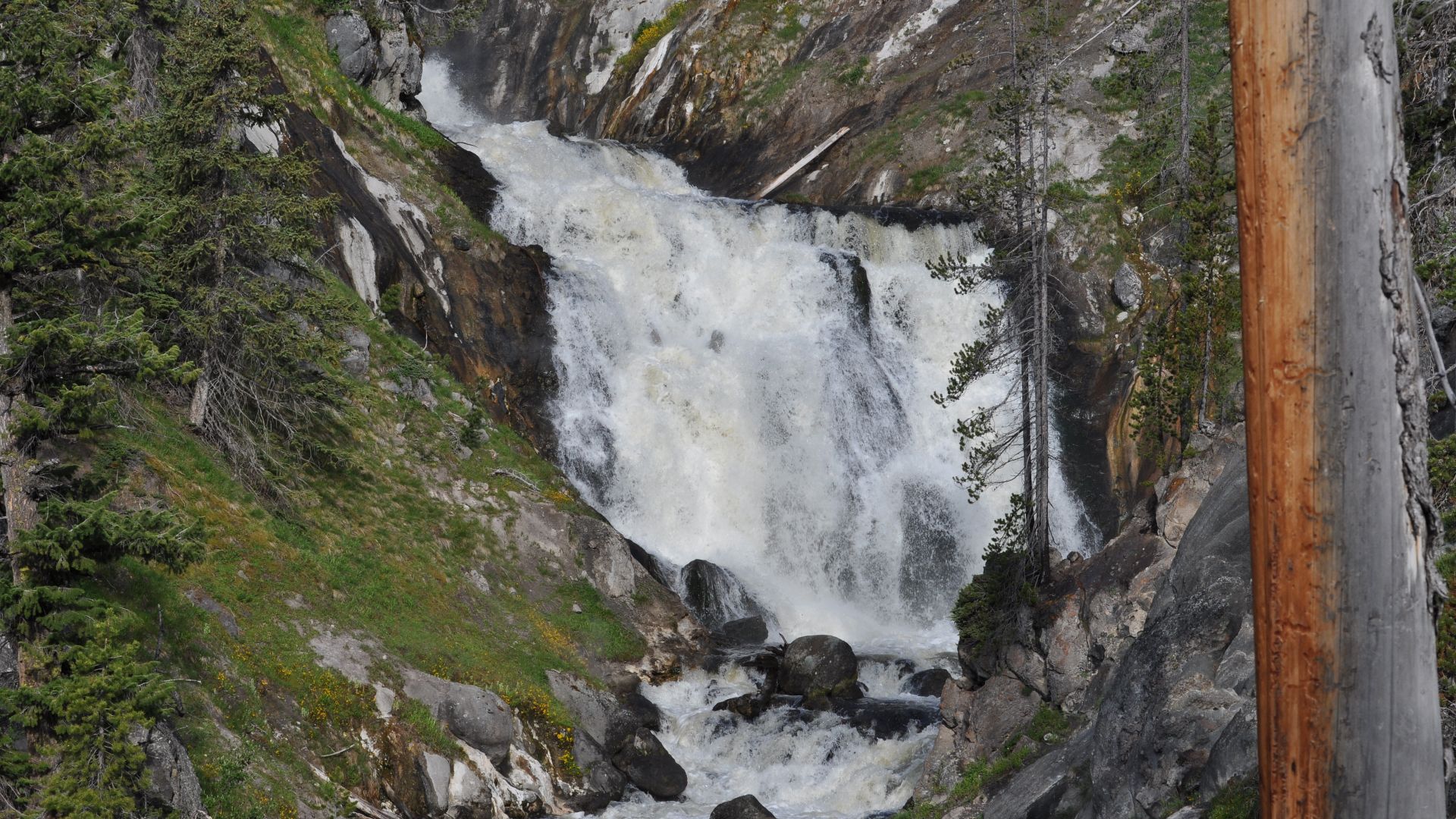
In May 2026, two hikers were injured by one or more bears along Yellowstone's Mystic Falls Trail near Old Faithful. Park officials temporarily restricted access to several surrounding trails and backcountry areas while investigating the encounter. Some restrictions were subsequently lifted, illustrating how wildlife closures can change as rangers assess the danger.
The Grand Canyon's Rescue Teams See The Same Mistakes
Grand Canyon emergency personnel report that many hikers requesting assistance have underestimated the difficulty of traveling below the rim. Unlike a mountain hike, a canyon trip often requires visitors to make the hardest uphill climb at the end, when they are already tired. Rangers advise avoiding inner-canyon hikes during excessive heat warnings and carefully planning food, water, and turnaround times.
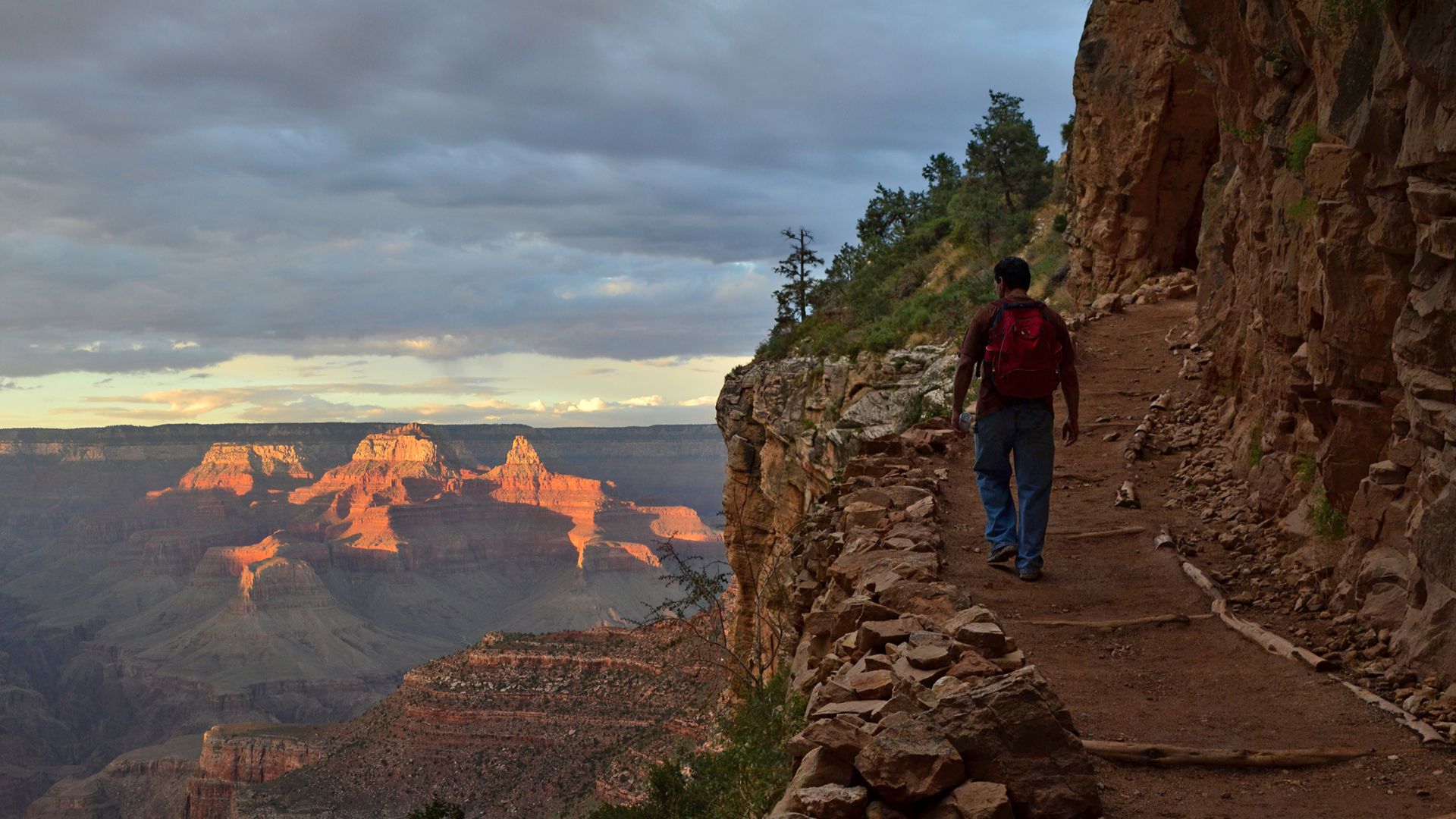 Grand Canyon National Park, Wikimedia Commons
You May Also Like:
Vacation Habits That Made Sense 20 Years Ago But Waste Money Today
America’s Most Dangerous Tourist Destinations
Four Key Tips For Traveling On A Budget
Sources: 1, 2, 3, 4, 5, 6, 7, 8, 9, 10, 11, 12, 13, 14, 15, 16, 17, 18, 19, 20, 21, 22, 23, 24