Vintage Holidays
Vacation habits can outlive the conditions that created them. A routine can feel sensible simply because it worked on earlier trips. Today, it pays to question automatic purchases, compare what is included, and use current tools before paying for convenience.

Waiting Until Tuesday To Buy Plane Tickets
The Tuesday-booking ritual is barely worth organizing your week around. Google Flights’ 2025 US data found Tuesday was cheapest, but only 1.3% cheaper than Sunday. Price tracking and booking timing matter far more than waiting for one weekday.

Booking The First Fare You Find
Airfare comparison is easier to automate now. Google Flights offers date tools, price graphs, cheaper options, and fare tracking. Checking nearby dates and alternatives before buying can reveal savings that a single airline quote will not show.
 Christian Velitchkov, Unsplash
Flying On Weekends By Default
The day you fly can matter more than the day you book. Google’s 2025 data found Monday-through-Wednesday departures about 13% cheaper, on average, than weekend flights. Flexible travelers can sometimes cut airfare simply by shifting vacation dates.
 Global Residence Index, Unsplash
Insisting On A Nonstop Flight
Nonstops save time, but that convenience can carry a premium. Google’s 2025 data found flights with a layover averaged about 22% less than nonstop itineraries. If your schedule allows, compare both before paying extra to avoid a connection.
Ignoring Nearby Airports
One airport code can hide cheaper choices. Google Flights’ “Airports” section can flag lower fares from other airports. Ground transportation and extra travel time still matter, but checking alternatives makes it easier to see whether your usual airport is costing you.

Paying To Pick A Seat You Do Not Care About
Some seat fees are optional if you truly have no preference. American Airlines says Basic Economy travelers can pay to choose a seat, but otherwise receive a free automatic assignment at check-in. Companions, however, are not guaranteed seats together.
Checking A Bag Automatically
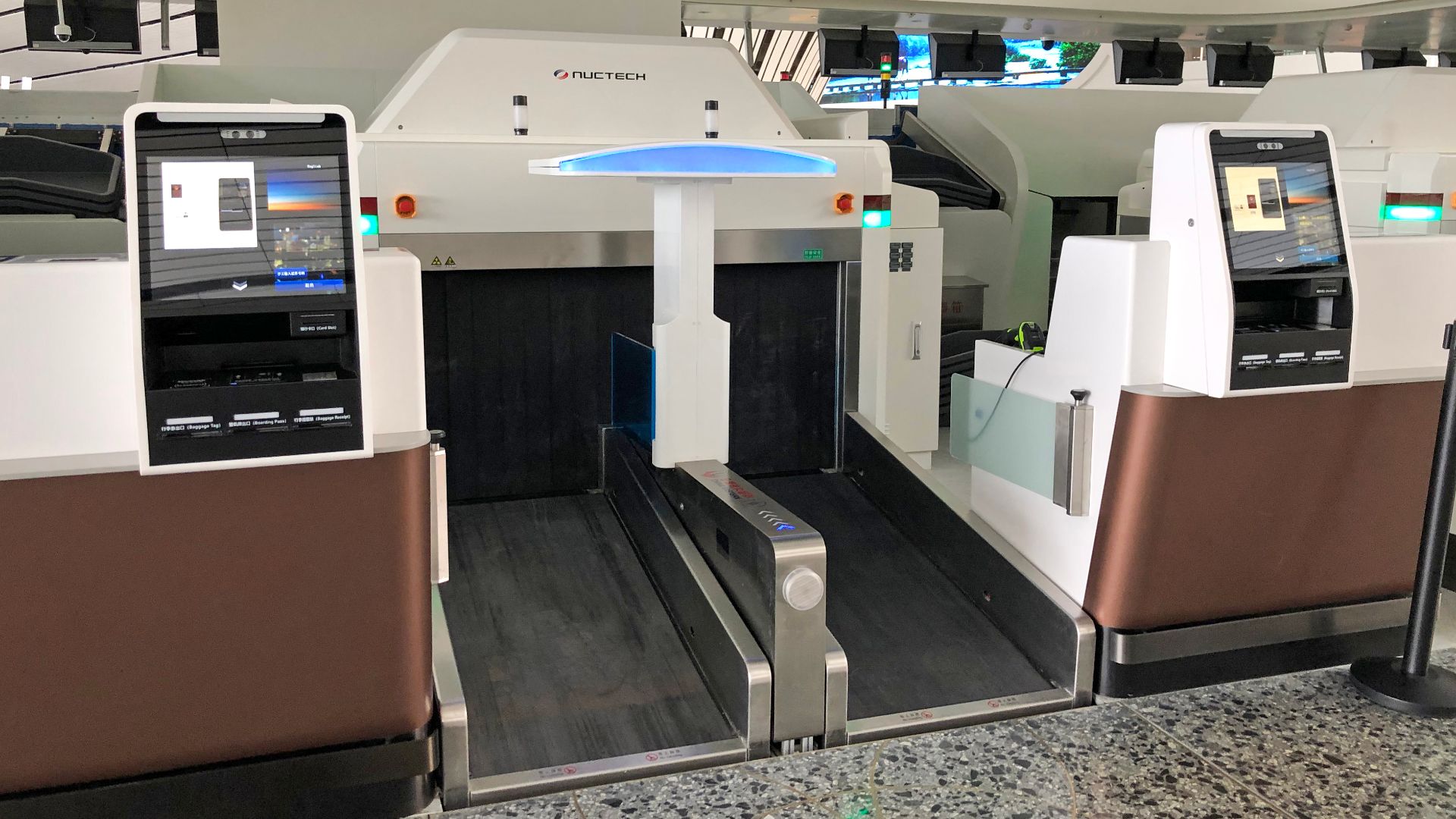
Free checked luggage used to be much more common; the Transportation Department describes the former general industry practice as two checked bags free. Today, fees can be substantial. American currently lists first-bag fees of $50 on many U.S.-region itineraries, or $45 when paid online.
Waiting Until The Airport To Pay Bag Fees
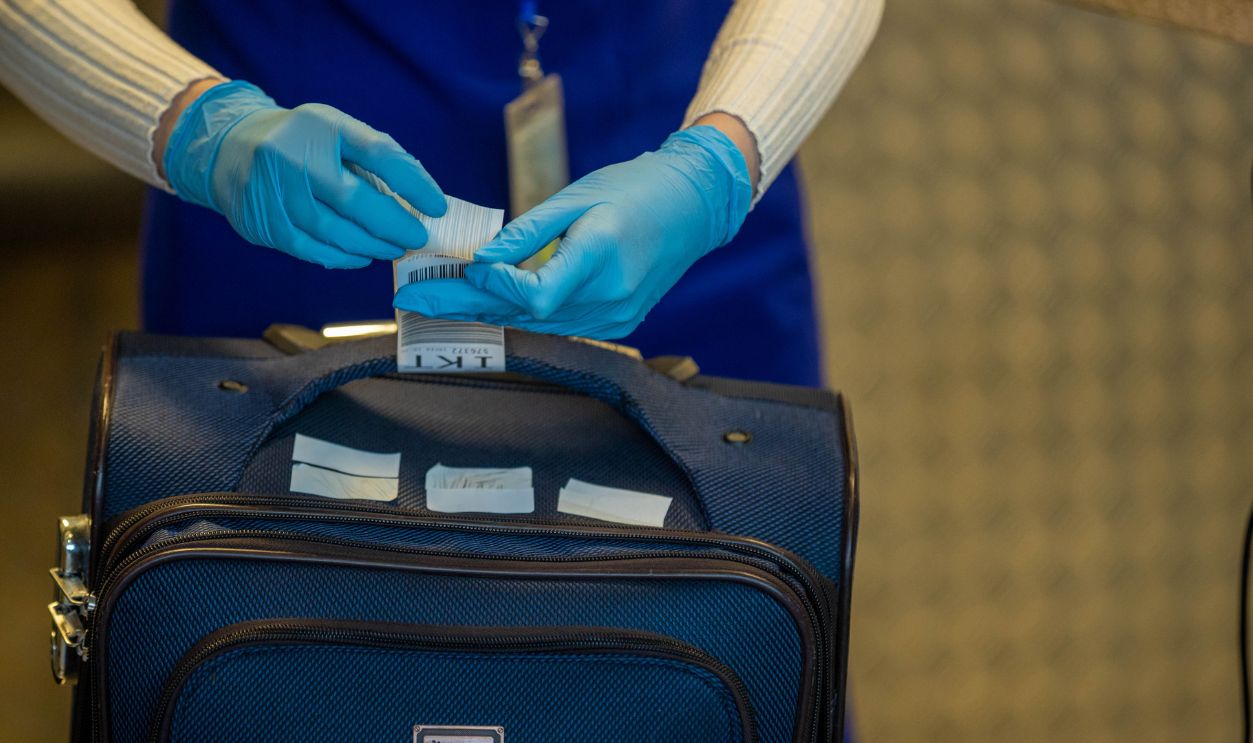
If you know you will check luggage, airport payment can cost more. American currently discounts eligible first and second checked-bag fees by $5 when paid online. Other airlines differ, so checking prepayment rules before departure can save money.
Buying Every Snack After Security
Security rules do not require you to arrive empty-handed. TSA permits solid foods in carry-on baggage, subject to screening and other restrictions. Packing suitable snacks can reduce terminal purchases, especially on travel days when you know you will get hungry.

Buying Bottled Water After Security
TSA permits empty water bottles and beverage containers through checkpoints. Bring a reusable bottle and fill it afterward where a fountain or refill station is available. That simple habit can eliminate a predictable airport purchase without violating liquid rules.

Exchanging Cash At The Airport
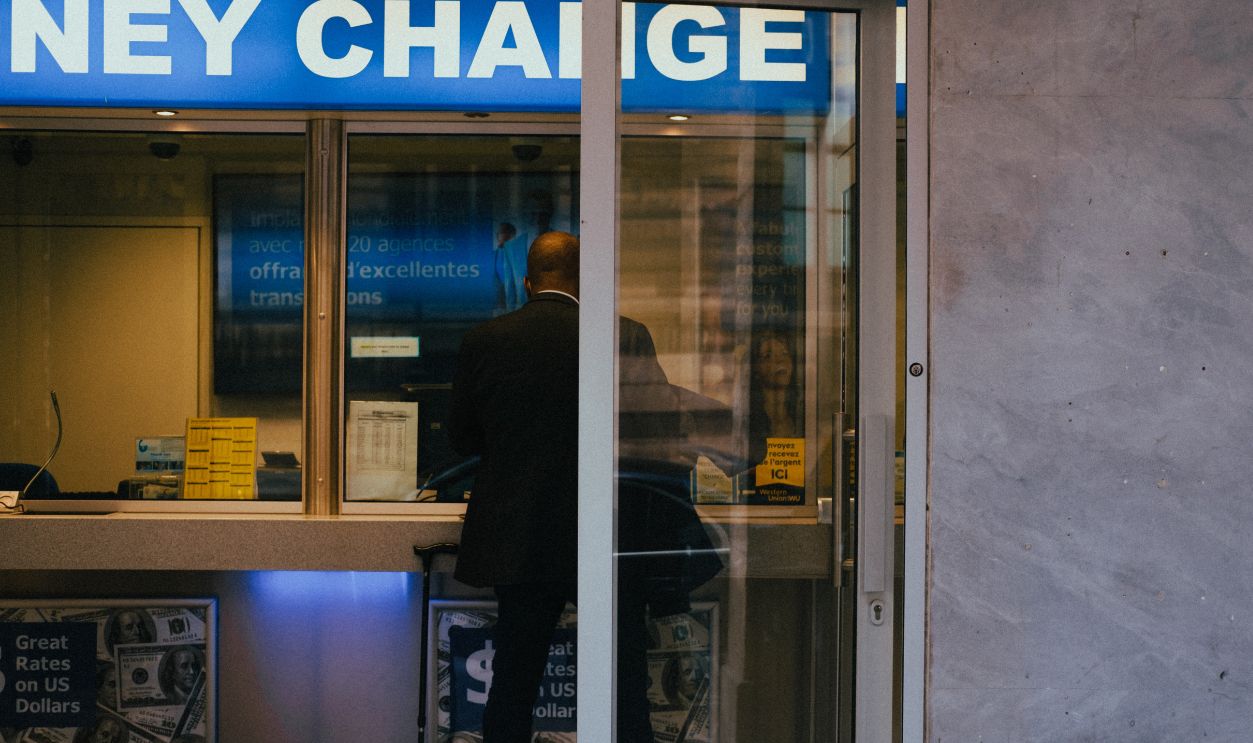
Airport currency counters trade convenience for poor value. NerdWallet’s recent comparison found airport exchange rates among the worst available, sometimes with added fees. Ordering cash ahead or comparing bank and ATM options can help you avoid an unnecessarily expensive conversion.
Choosing “Pay In Dollars” Abroad
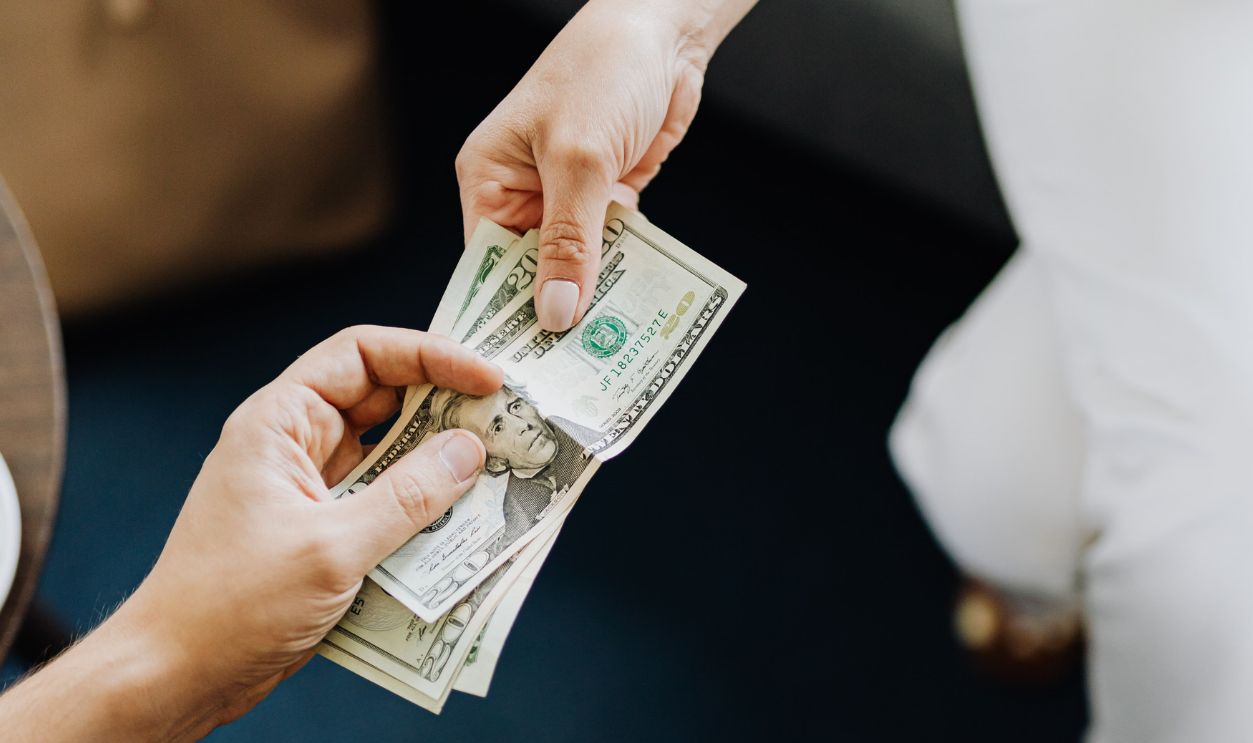
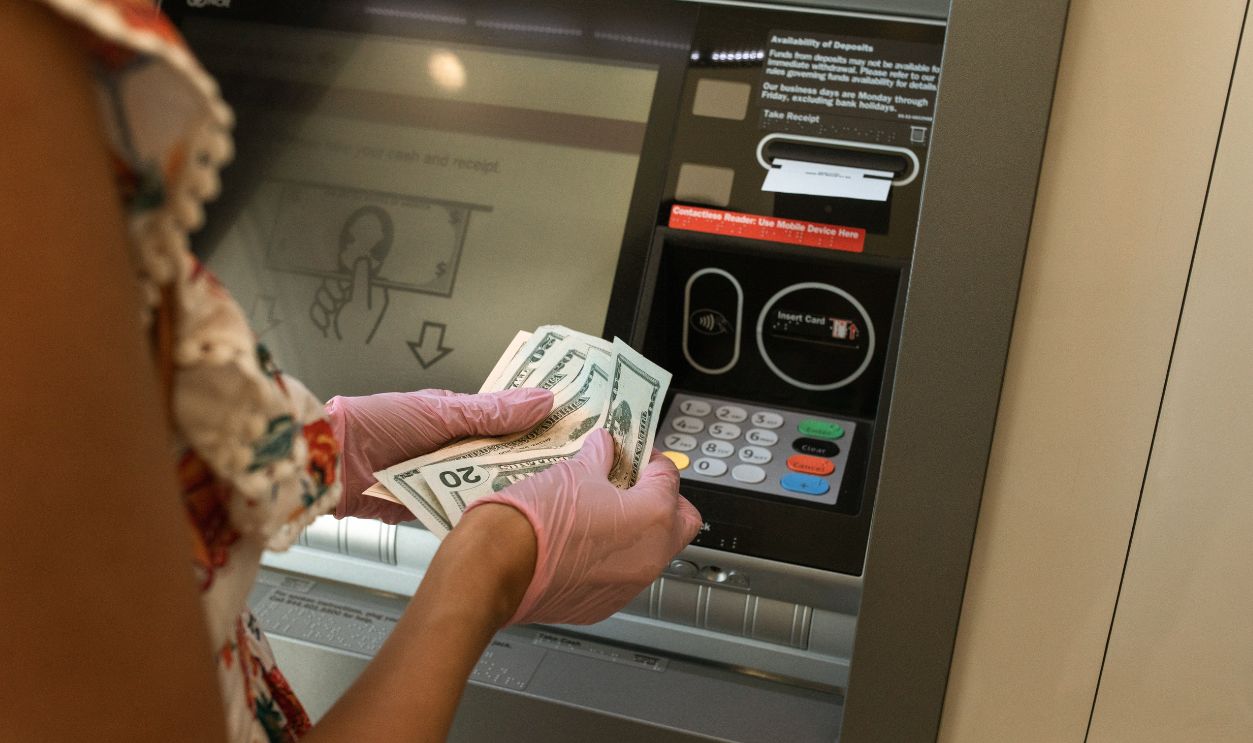
A foreign ATM may offer to convert your withdrawal into dollars. NerdWallet notes that this dynamic currency conversion often adds a markup through an unfavorable rate. Choosing local currency generally lets your own bank handle the conversion instead.
 https://kaboompics.com/, Pexels
Using A Card With Foreign Transaction Fees
International card fees are not inevitable. Bankrate notes that some cards charge foreign transaction fees while many alternatives do not. Checking the terms of cards you already carry can prevent a percentage surcharge from appearing on purchase after purchase overseas.
Making Lots Of Tiny ATM Withdrawals
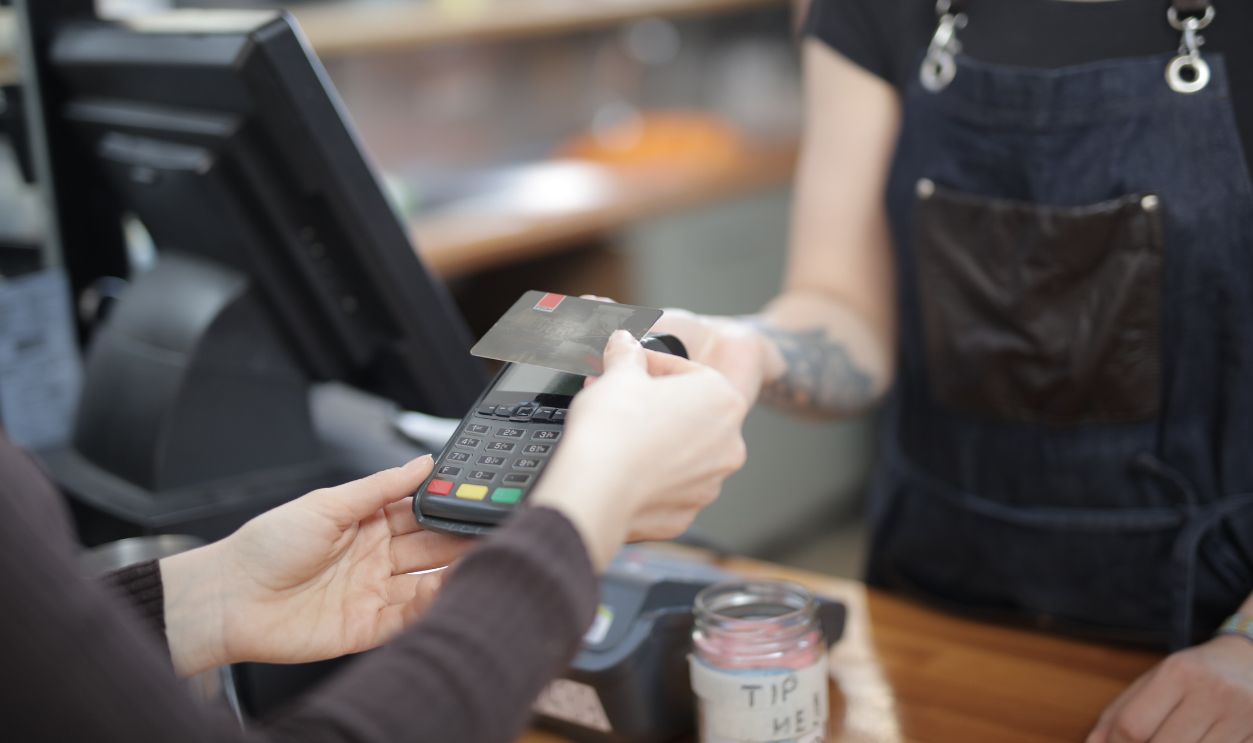
Small withdrawals feel cautious, but repeated ATM charges can add up. NerdWallet advises minimizing withdrawals because fewer transactions mean fewer fees. When safe and practical, planning your cash needs can reduce the number of fee-generating trips to the machine.
Buying Traveler’s Checks
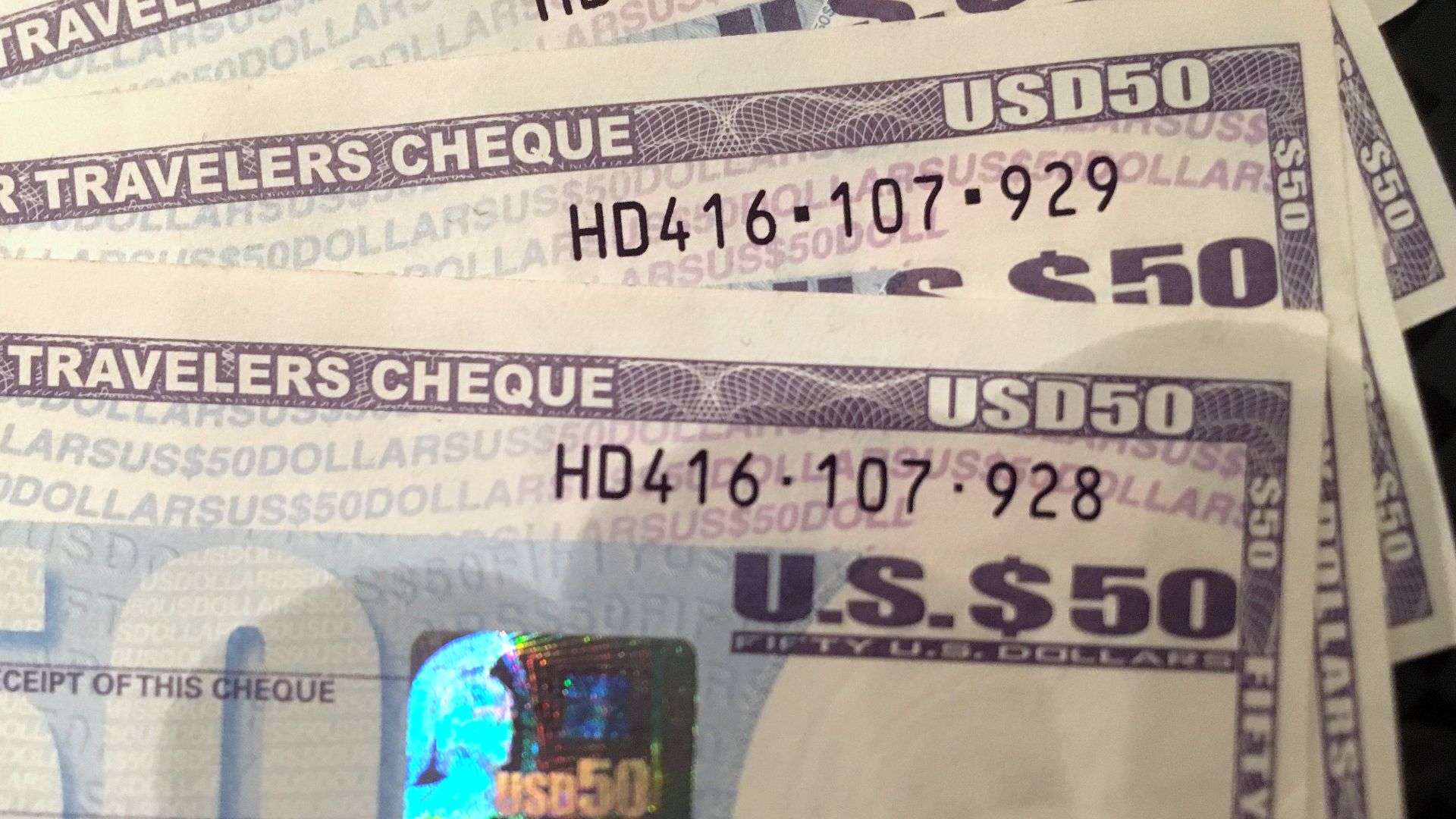
Traveler’s checks have largely outlived their purchasing era. American Express says new Travelers Cheques are no longer issued and cannot be purchased. Existing checks remain redeemable, though certain bank deposits or currency exchanges may involve fees.
 Pittigrilli, Wikimedia Commons
Letting Your Phone Roam Without Checking Options
Automatic roaming can mean paying for a service you could handle differently. Apple advises checking whether your home plan includes international roaming, whether your carrier sells a travel pass, or whether a local or worldwide travel eSIM suits the trip.

Renting A GPS With The Car
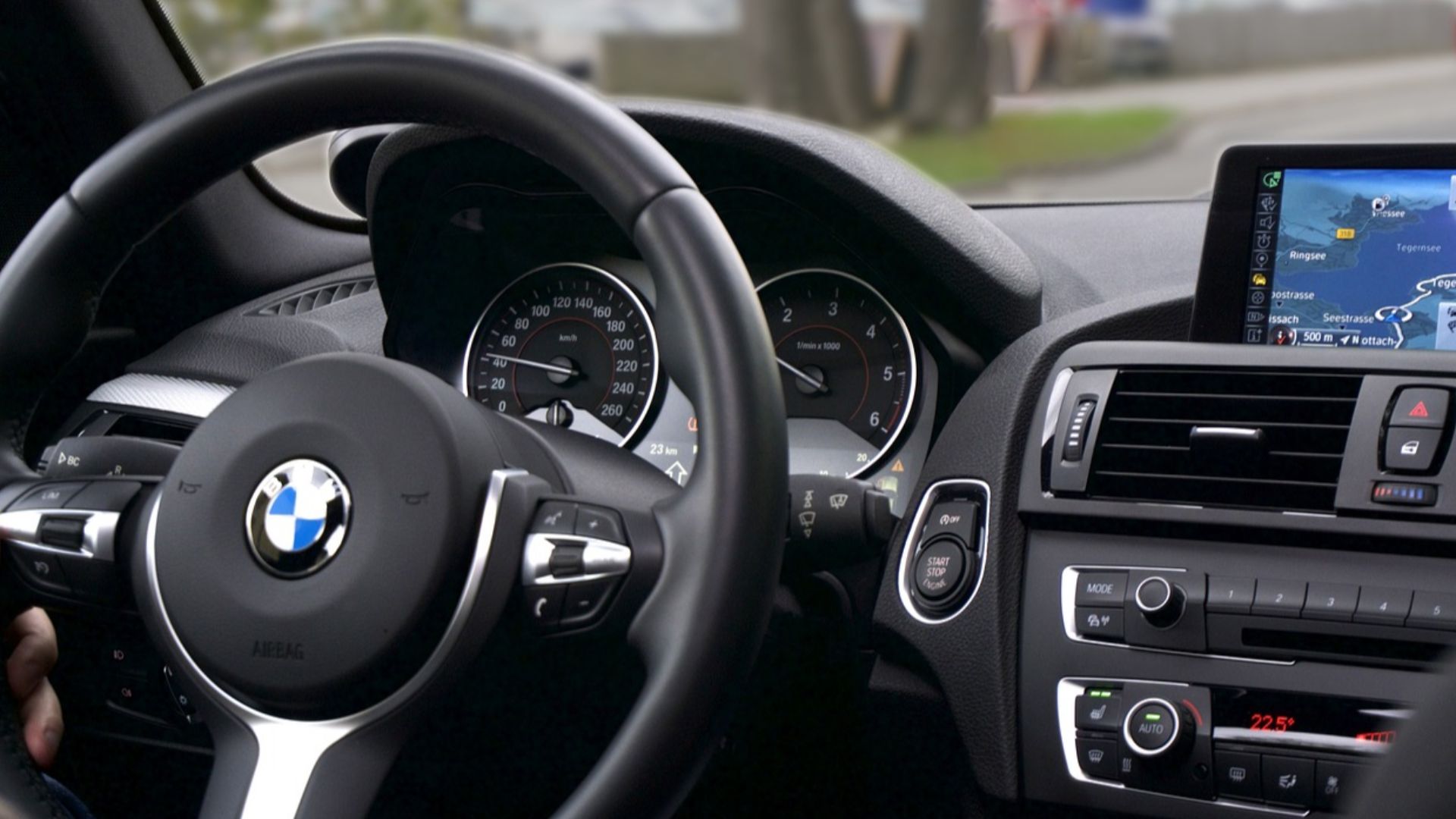
Dedicated navigation can be an unnecessary rental add-on. Enterprise says GPS systems at many airport locations cost extra per day. Google Maps also lets users download areas for offline driving navigation, giving phone-equipped travelers another option.
Renting A Car At The Airport Automatically
Airport pickup is convenient, but location surcharges can change the price. The FTC warns airport surcharges may apply even when a rental company shuttles customers to an off-site lot. Compare airport and neighborhood locations before assuming the terminal is cheapest.

Prepaying For A Full Tank Of Gas
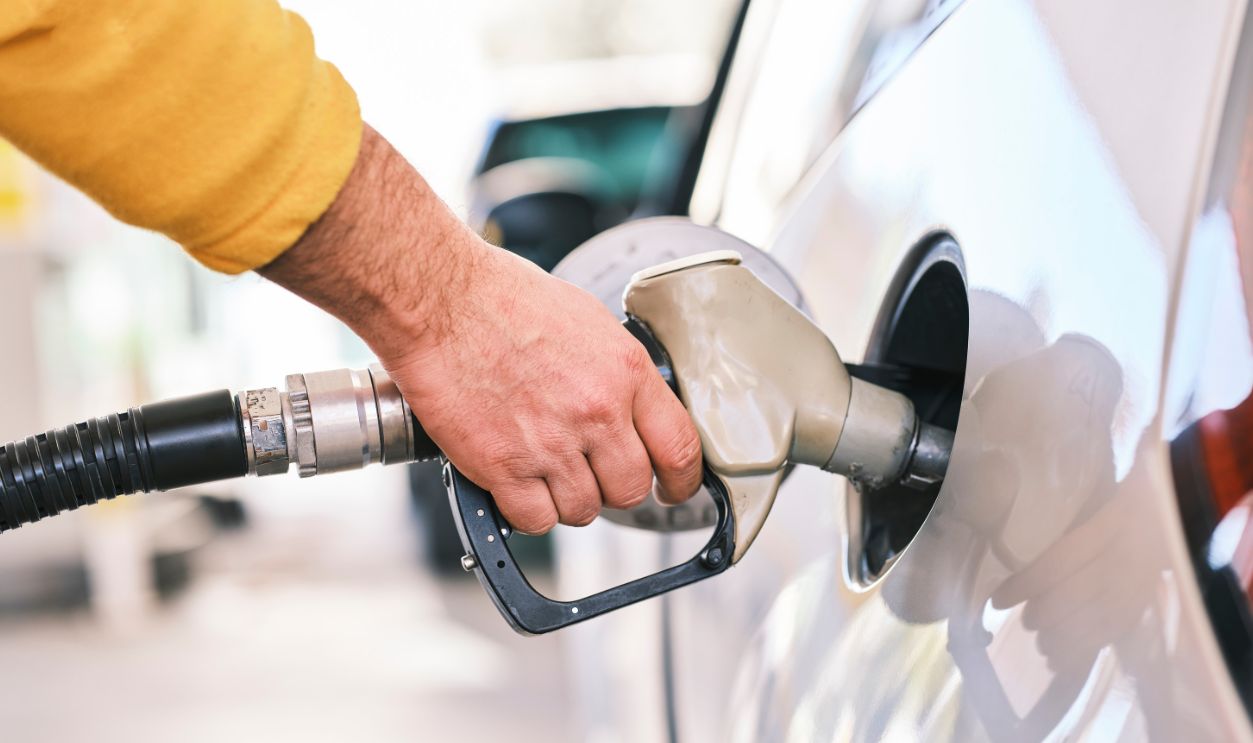
Prepaid fuel removes one errand, but convenience can be costly. The FTC warns it may cost much more than filling the tank yourself. Rental-company gas is also usually pricier than fuel at a local station.
Buying The Rental Company’s Toll Package Automatically
Rental toll programs can carry service charges beyond the tolls themselves. The FTC says companies may charge daily fees, a rental-period fee, or a fee each time a device is used. Check the route and policy before opting in.

Automatically Buying Rental-Car Insurance
Buying every counter policy can duplicate coverage you already have. The FTC advises checking personal insurance, employer coverage, credit-card benefits, and auto-club protections first. Coverage limits and exclusions vary, so verify exactly what applies before declining anything.

Automatically Paying For Roadside Assistance
Roadside protection may overlap with benefits you already carry. The FTC says it can be included in the rental price, an auto-club membership, a credit-card benefit, or personal auto insurance. Check those sources before adding another daily fee.

Comparing Hotels By The Teaser Price
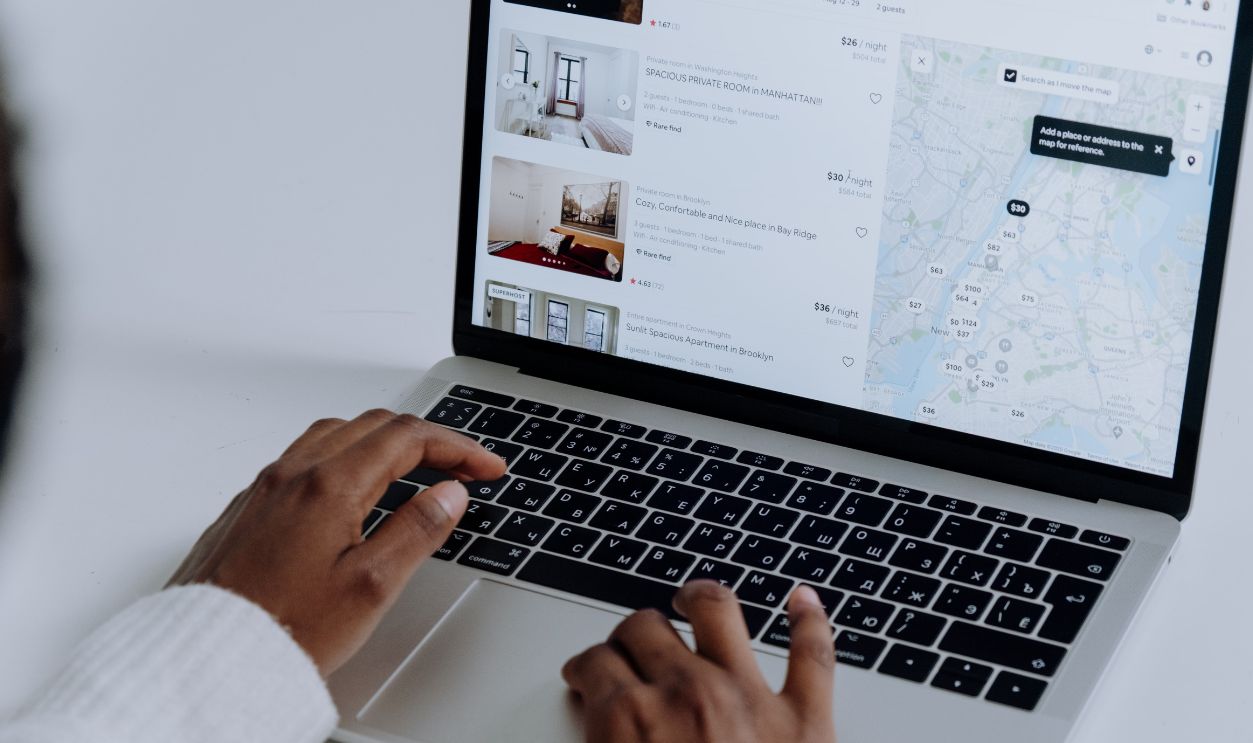
Since May 12, 2025, the FTC’s fee rule has required covered short-term lodging sellers to display total prices more prominently, including mandatory fees. Comparing that all-in figure, rather than a low-looking teaser rate, gives travelers a more meaningful price comparison.
Skipping Free Hotel Memberships
Free loyalty membership can unlock benefits without an enrollment fee. Hilton says Honors members who book directly receive its member discount and free Wi-Fi during stays. Compare the member rate with other available prices before paying the public rate.

You May Also Like:
Things Canadians Find Confusing About American Hotel Stays
A Visitor’s Guide To American Food—Things Taste Nothing Like You Expect