Are You Ready For Your U.S. Hotel Stay, Canada?
Crossing the border for a weekend getaway seems simple enough. Book a room, check in, sleep, and leave. Yet Canadian travellers quickly discover that American hotels come with their own collection of customs, fees, tipping questions, and tiny surprises. None are impossible to understand, but several can produce a puzzled “Wait, what?”
The Price On The Screen Is Not Always The Price
Canadians know hotel taxes exist, but American hotel bills can still produce sticker shock. Depending on the destination, several state and local lodging taxes may be added. New federal rules require mandatory hotel fees to be displayed upfront, although government taxes can still be shown separately before payment.
Resort Fees Still Feel Like A Riddle
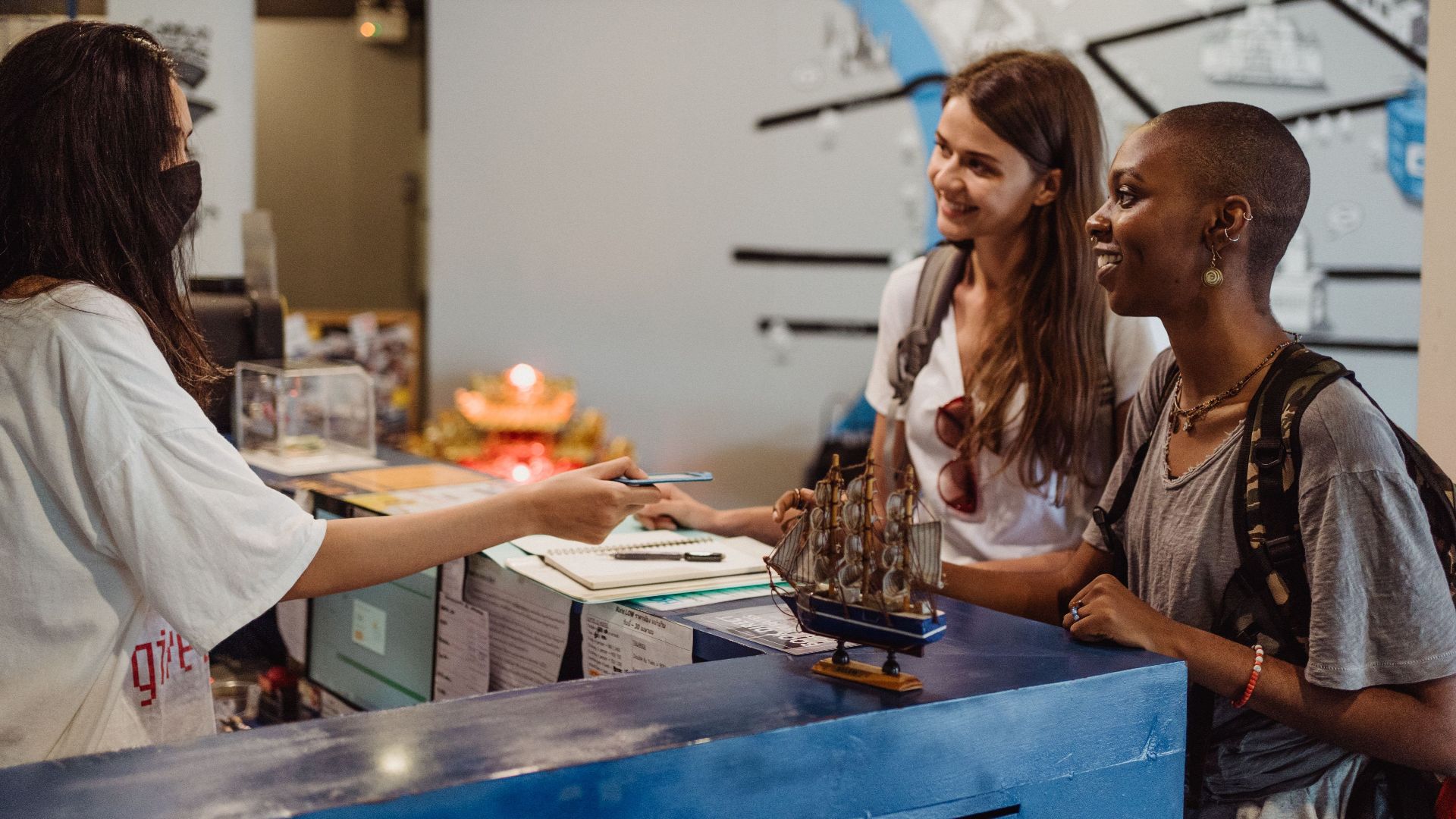
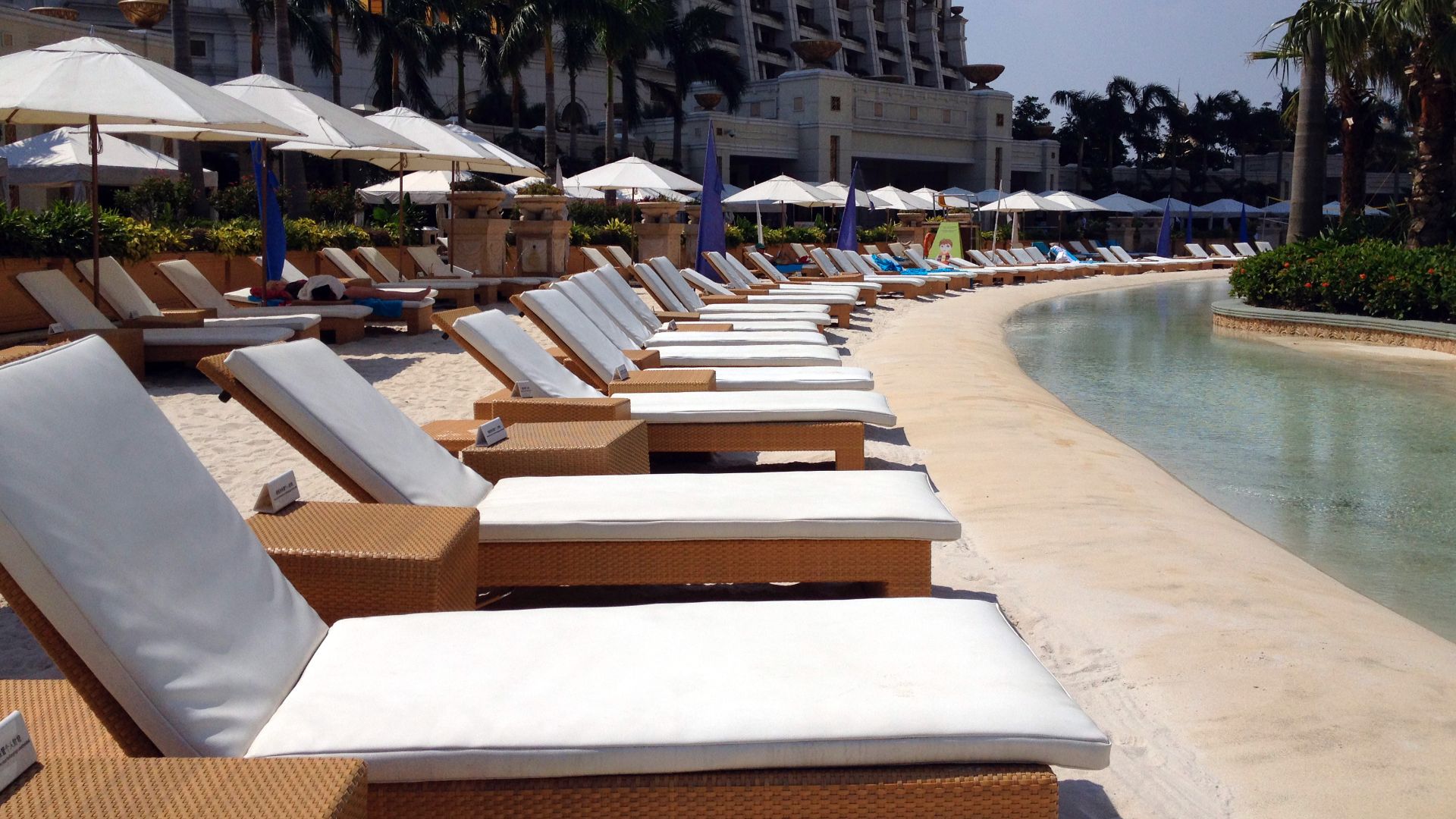
Nothing confuses visitors quite like paying a resort fee at a hotel where the “resort” appears to consist of a swimming pool and some lobby chairs. Mandatory resort fees now have to be included in the advertised total price, but Canadians may still wonder exactly what they are supposedly receiving for them.
 Brenden Brain, Wikimedia Commons
The Incidental Hold Can Be Surprisingly Big
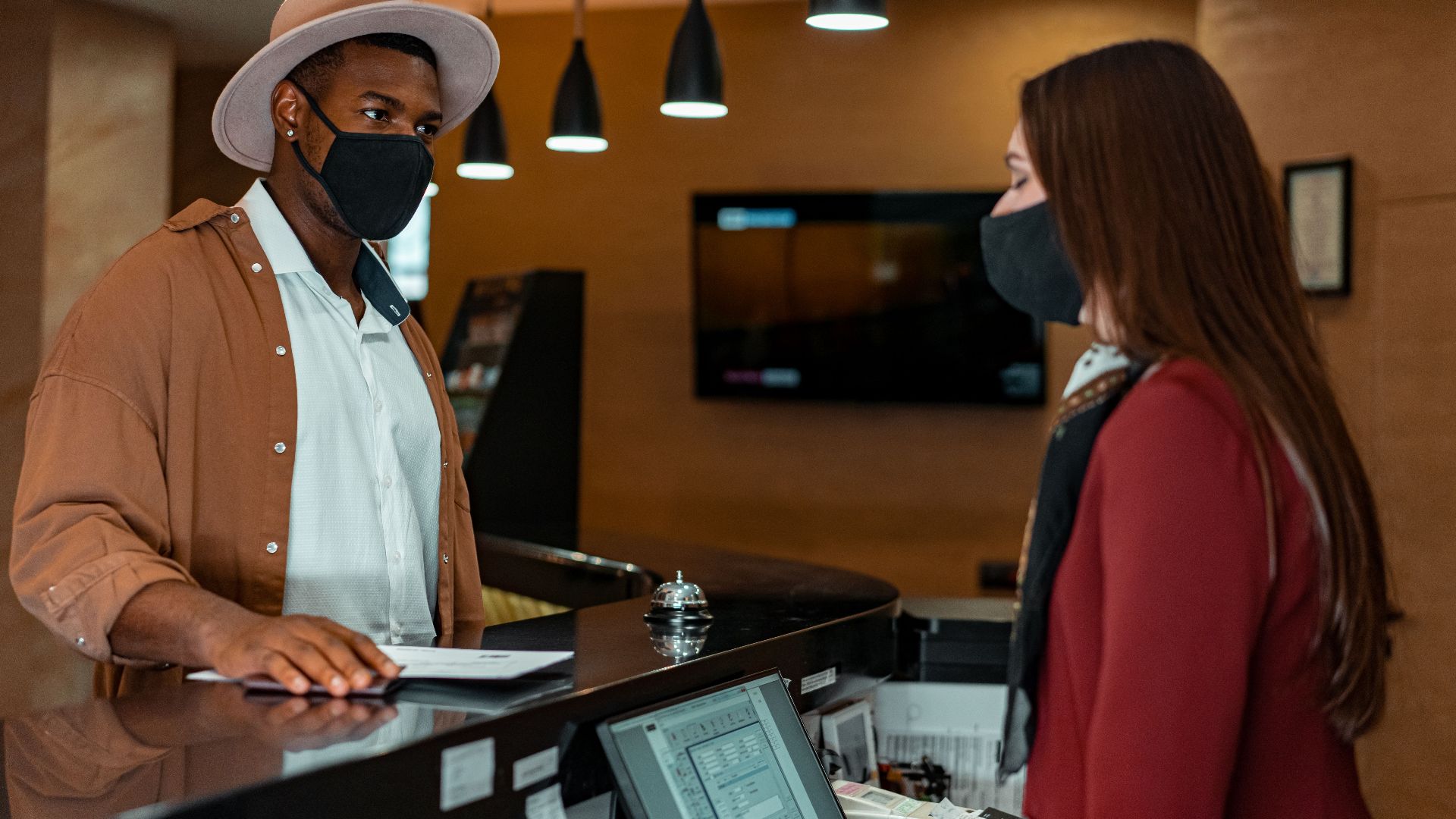
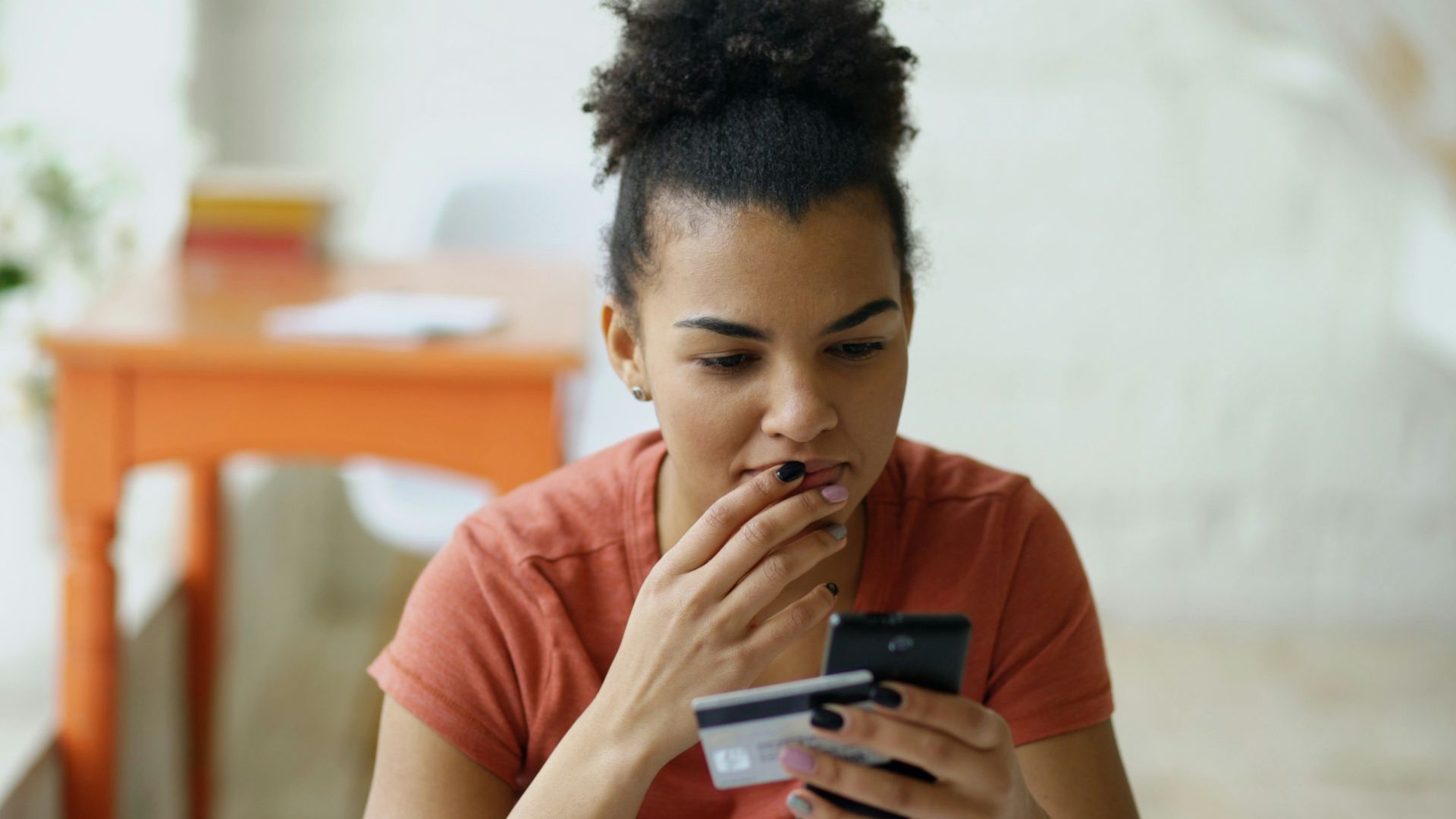
You prepaid for the room, so why is the hotel putting another large authorization on your credit card? American properties commonly place temporary holds for possible restaurant bills, parking, minibar purchases, and other incidentals. Depending on the hotel and your bank, that money may remain unavailable for days after checkout.
Debit Cards Can Make The Hold Hurt More
Using a debit card can turn that harmless-looking authorization into a budgeting headache. Instead of temporarily reducing available credit, the hold can tie up actual money in your account. Canadians travelling with tight vacation budgets may suddenly discover that several hundred dollars they planned to spend is temporarily unavailable.
You May Need To Be 21 To Check In
A 19-year-old Canadian can legally handle plenty of adult responsibilities back home and may assume booking a hotel is no different. Then comes the surprise: many American hotels require the primary guest to be at least 21. Policies vary by property, making this one worth checking before booking.
 Nataliya Pylayeva, Shutterstock
Tipping Starts Before You Reach The Room
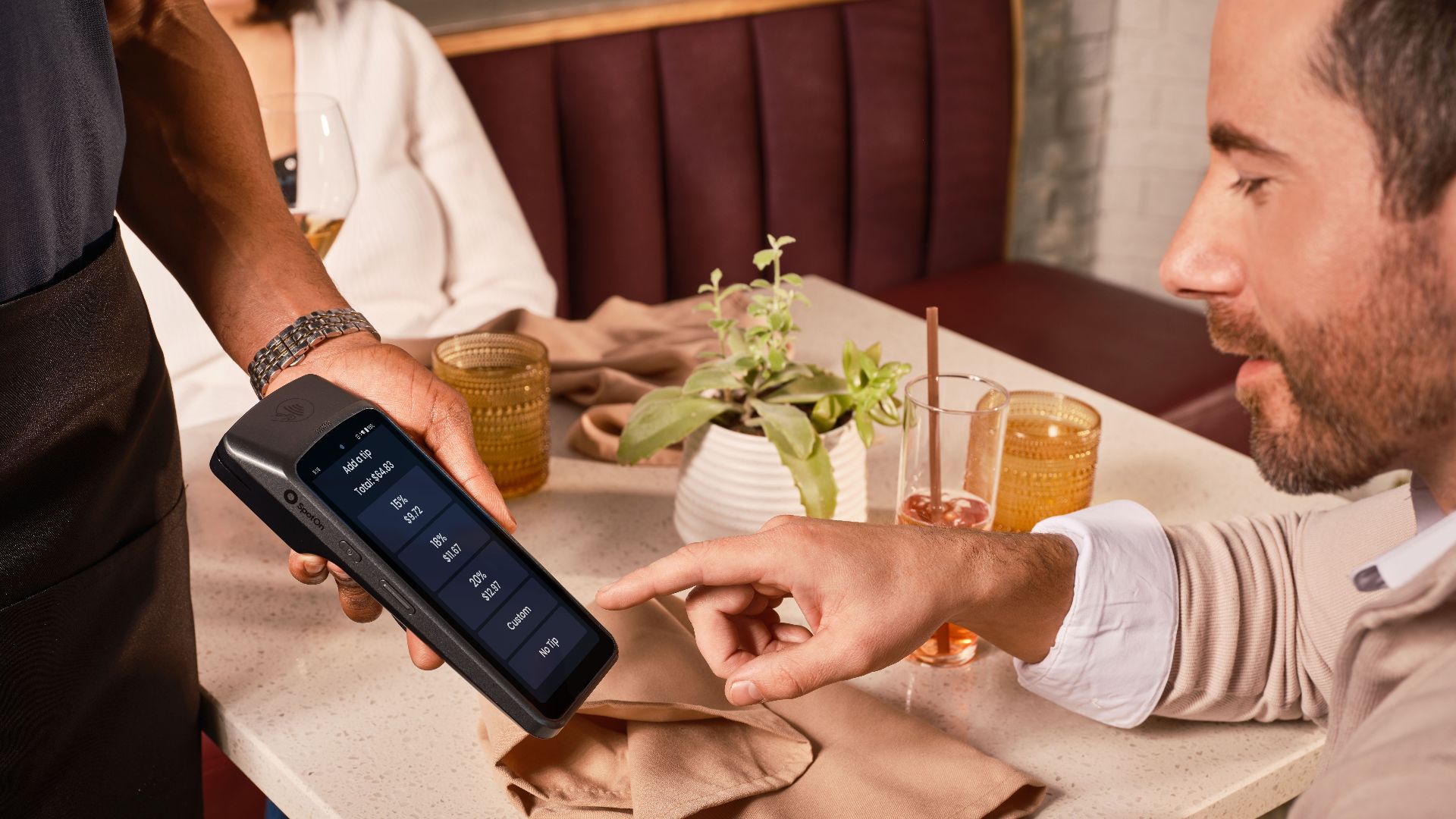
The tipping questions can begin almost immediately. The valet takes the car. Someone carries the bags. Another employee hails a taxi. Canadians are hardly strangers to tipping, but upscale American hotels can create more situations where guests start wondering whether they should be reaching for a few dollars.
Housekeeping Tips Are A Whole Separate Question
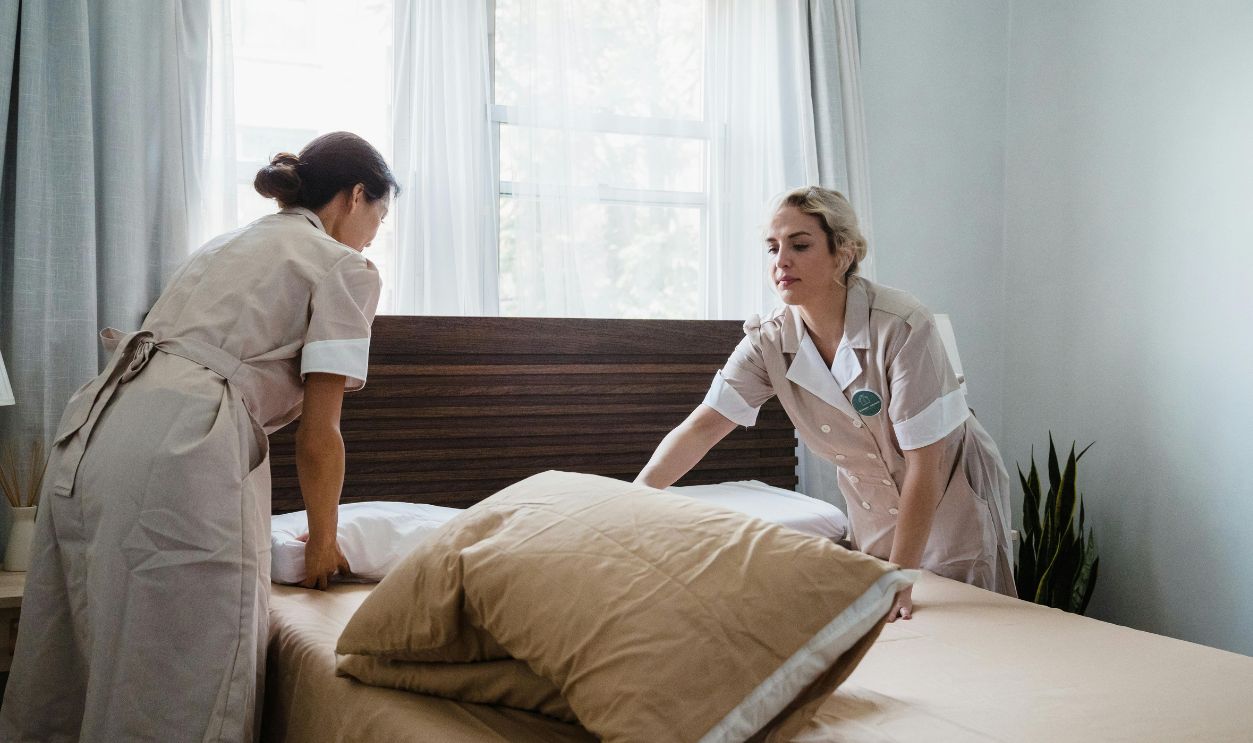
Many Canadian travellers aren't accustomed to thinking about a housekeeping tip every morning. In the United States, however, leaving a few dollars per day is widely recommended. Emily Post's current guide suggests roughly $2 to $5 per day and recommends leaving it daily rather than waiting until checkout.
Valet Parking Can Feel Almost Mandatory
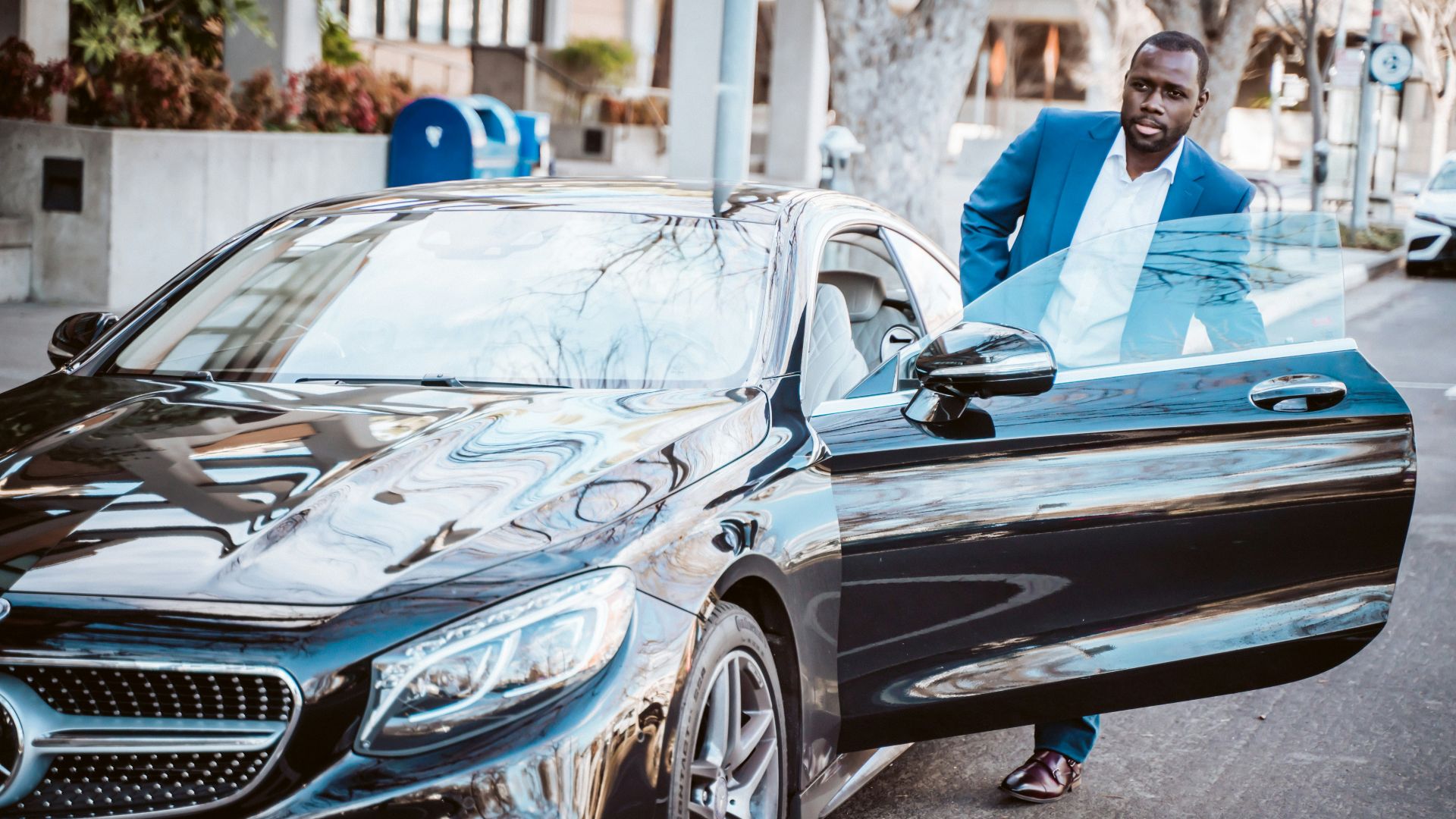
Pull up to some downtown American hotels and there is seemingly no obvious place to put your car except in the hands of the valet. Then comes the daily parking charge—and the question of tipping when the vehicle returns. Suddenly that convenient road trip feels considerably less convenient.
Parking May Cost Almost As Much As Dinner
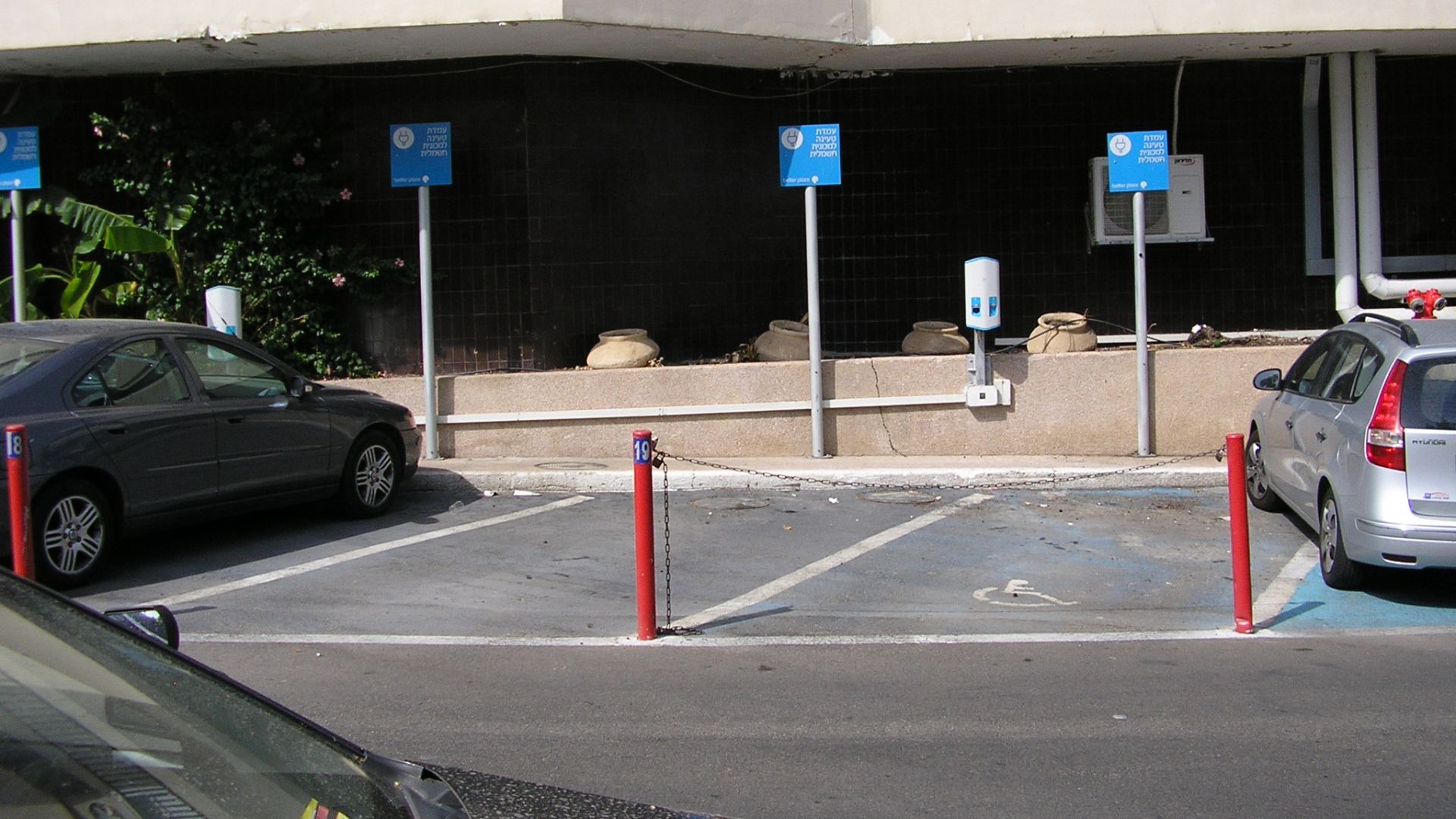
Canadian road trippers sometimes book a reasonably priced downtown room only to discover that overnight parking costs a small fortune. Major American city hotels can treat parking as a completely separate service. Staying two or three nights with a vehicle can therefore make a cheap-looking room considerably more expensive.
Breakfast Is Never Safe To Assume
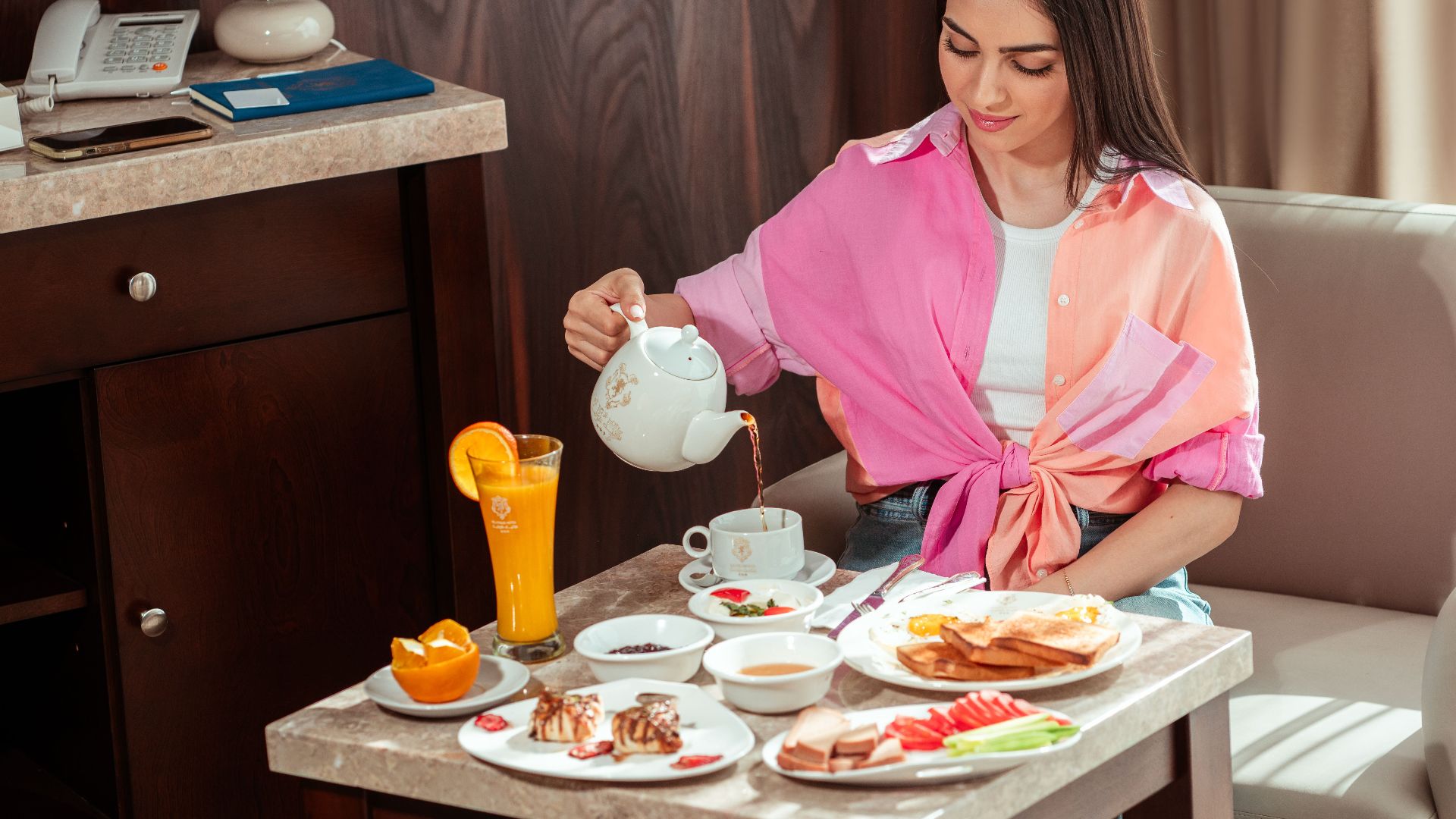
One hotel has scrambled eggs, waffles, fruit, and coffee waiting downstairs. The nearly identical hotel next door charges $24 for breakfast. Even chains can have different policies between their various brands. Canadians quickly learn that seeing a breakfast room in the photographs does not necessarily mean breakfast comes with the room.
“Complimentary” Has To Be Read Carefully
Complimentary coffee? Great. Complimentary breakfast? Even better. Complimentary shuttle? Maybe, but perhaps only during certain hours. American hotel listings can contain a surprisingly long collection of included perks and optional services. Canadians quickly discover that reading the amenities list carefully can save both disappointment and awkward questions at the front desk.

Daily Housekeeping Is No Longer Guaranteed
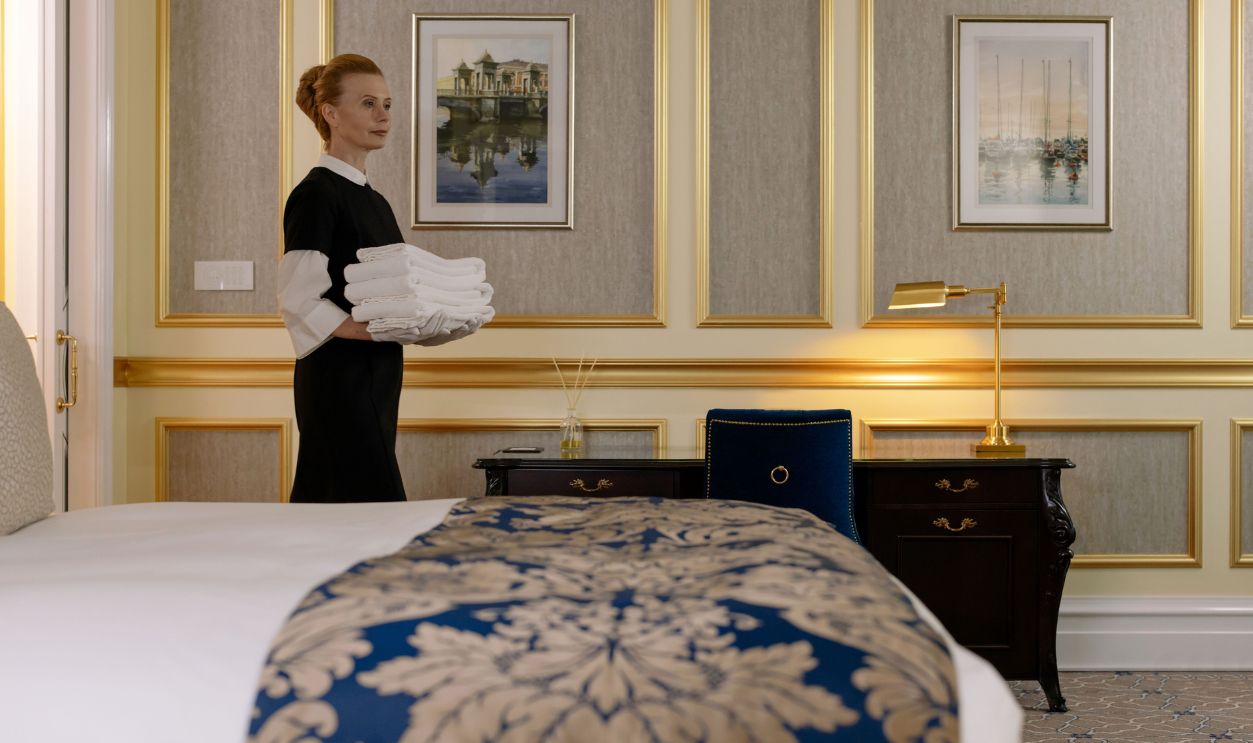
Coming back after sightseeing to find an untouched room can surprise travellers who expected fresh towels and a made bed. Many American hotels reduced automatic daily housekeeping in recent years, particularly at budget and mid-range properties. Some clean every few days, while others ask guests to request service.
Early Check-In Can Become A Paid Upgrade
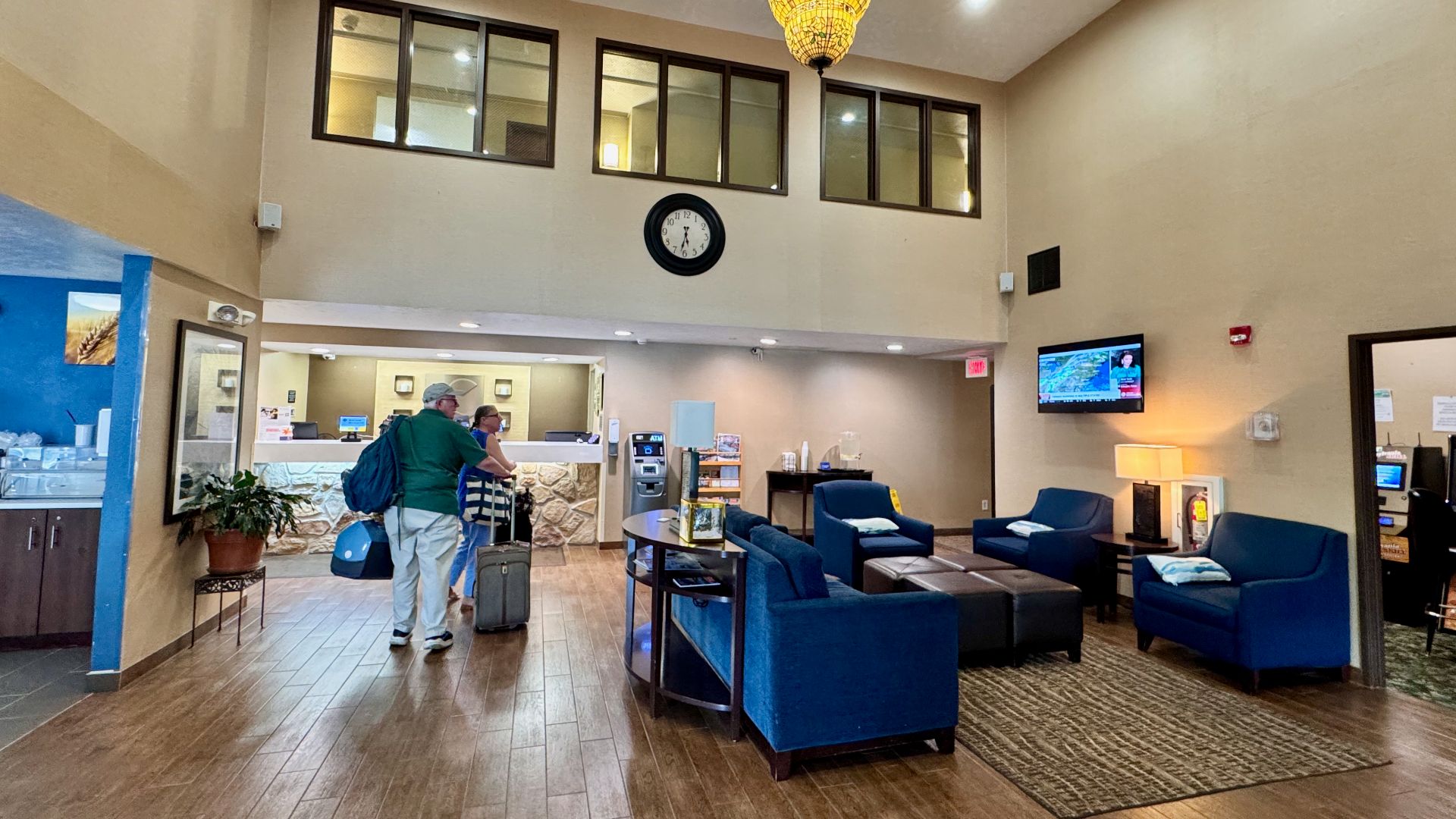
Arriving at noon and politely asking whether the room is ready once felt like a harmless request. Some American hotels still accommodate early arrivals for free when possible, while others sell guaranteed early check-in as an upgrade. Suddenly getting into the room before 3 p.m. can feel like buying airline priority boarding.
Late Checkout Can Cost Real Money
The same applies at the other end of the stay. Asking for an extra hour may be granted with a smile—or followed by an explanation of the late-checkout charge. At some hotels, the price rises depending on how late you want to remain, making one final lazy morning surprisingly expensive.
 Harrison Keely, Wikimedia Commons
Your Room Request Is Not Always A Promise
You requested a high floor, away from the elevator, with adjoining rooms for the kids. Perfect, right? Not necessarily. American hotel confirmations often distinguish between something you actually booked and something you merely requested. Room location and connecting-room requests may remain subject to availability until arrival.

Two Beds May Not Mean Two Queen Beds
A Canadian family sees “room with two beds” and may picture two comfortable queens. Depending on the property, those beds could be doubles. Four people can technically fit, but everyone may become much better acquainted overnight. Checking the actual bed size before booking prevents some unpleasant discoveries.
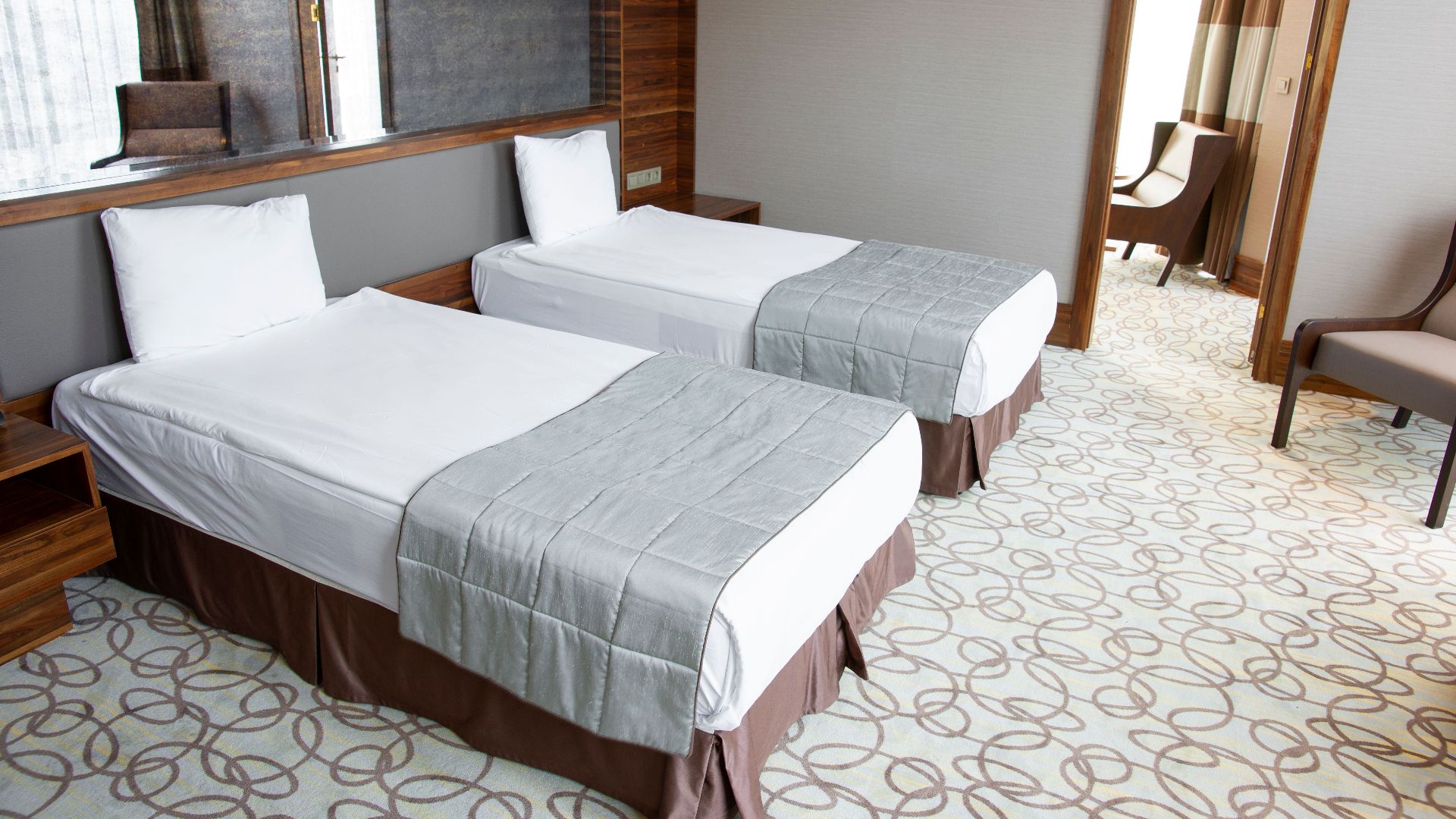
City Hotel Rooms Can Be Tiny
Americans love big things, until you book an older hotel in Manhattan, Boston, or San Francisco. Then suddenly your suitcase seems to occupy half the floor. Canadians expecting the generous rooms common at roadside hotels can be startled by how compact accommodations become in expensive, densely developed American cities.
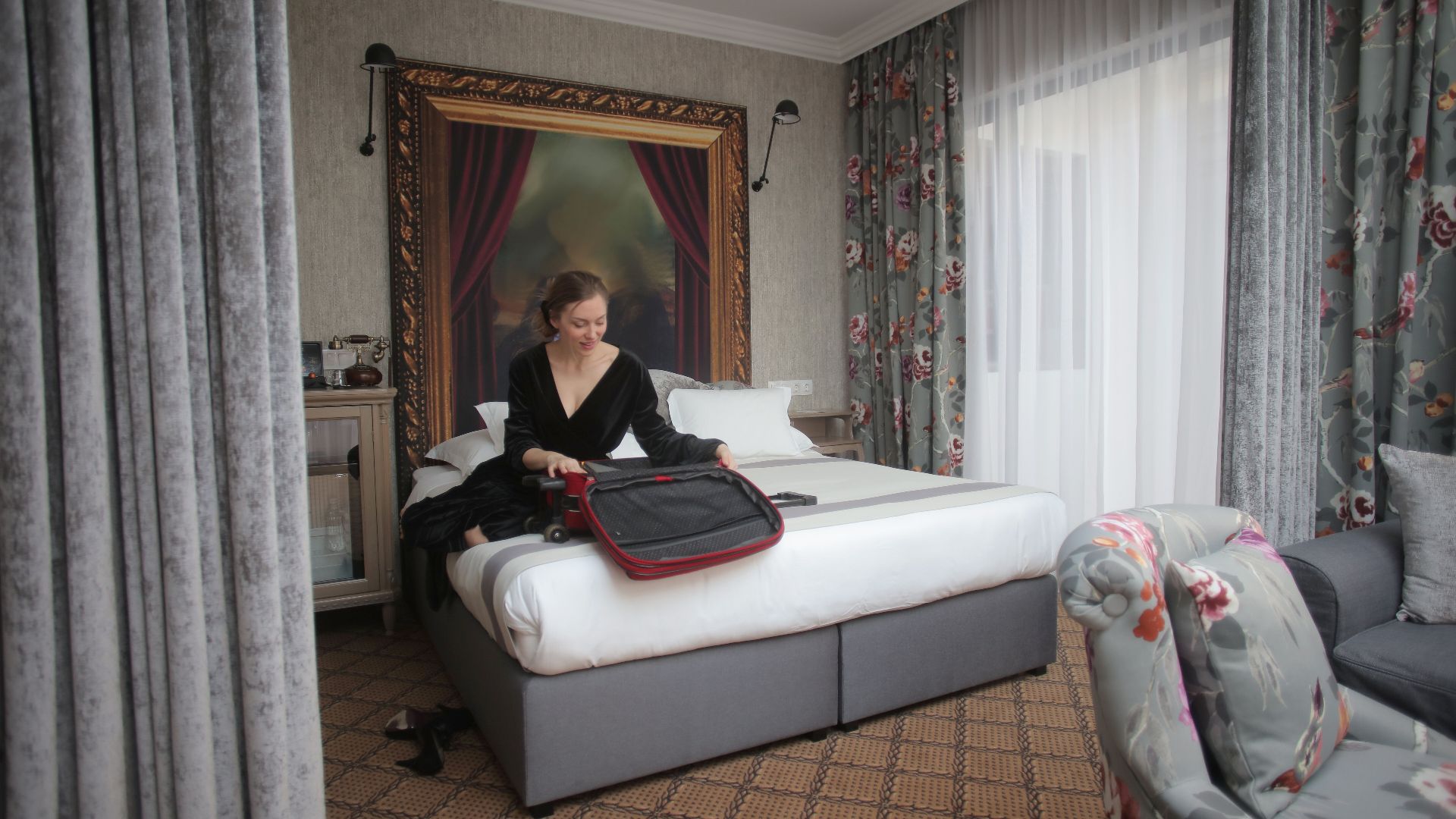
The Ice Machine Is Somehow Essential
Walk down the hallway of a typical American hotel and eventually you'll encounter the mighty ice machine. Canadians have them too, of course, but American hotels seem particularly committed to ensuring guests can obtain tremendous quantities of ice at virtually any hour. Apparently no road trip beverage should ever be allowed to become lukewarm.
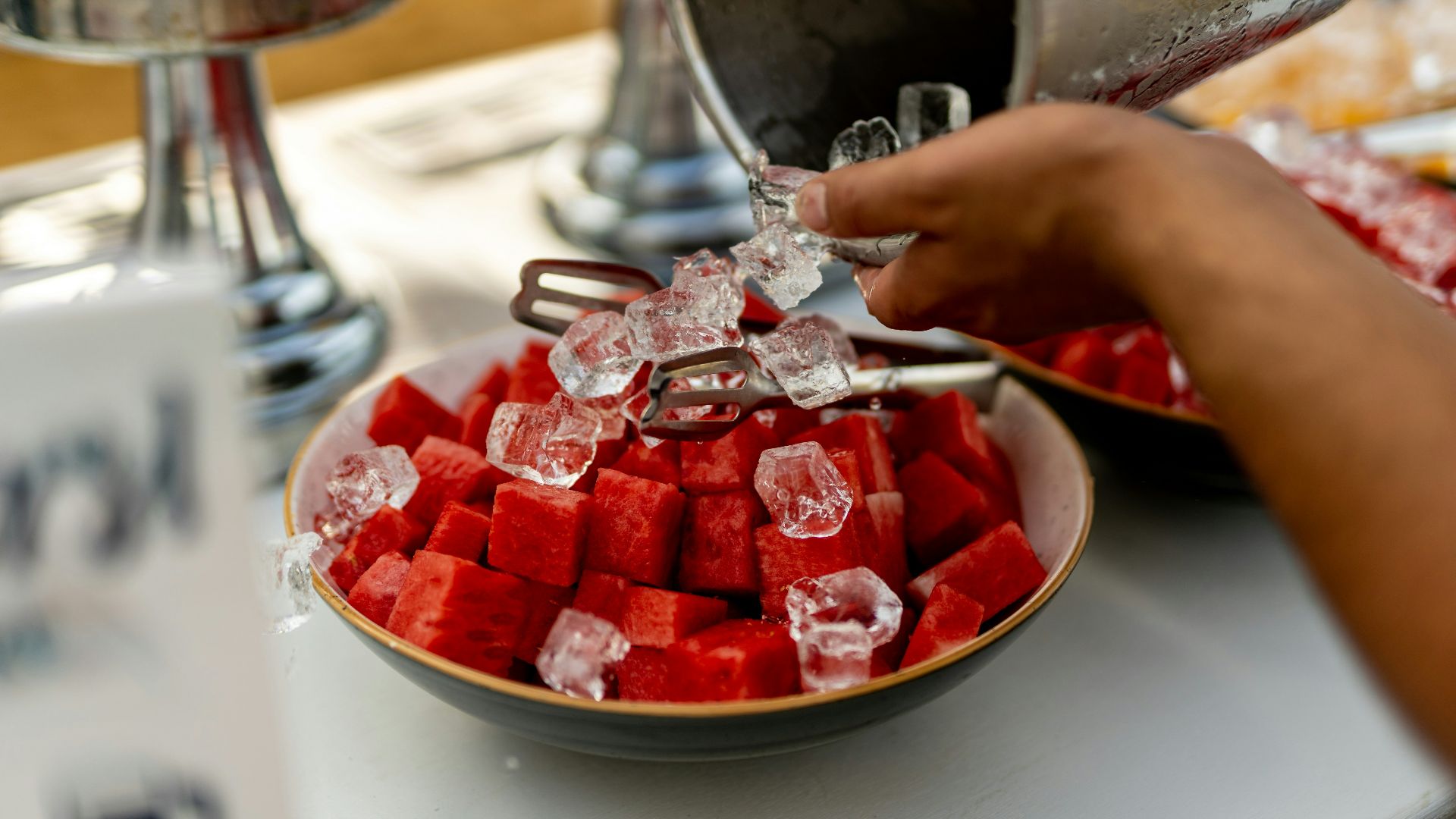
Air Conditioning Can Feel Arctic
Outside, it is 34°C and humid enough to swim through the air. Inside the hotel lobby, Canadians suddenly wish they had brought a sweater. American hotels can take air conditioning very seriously, particularly across the South and Southwest. The temperature difference sometimes feels less like entering a building and more like crossing seasons.
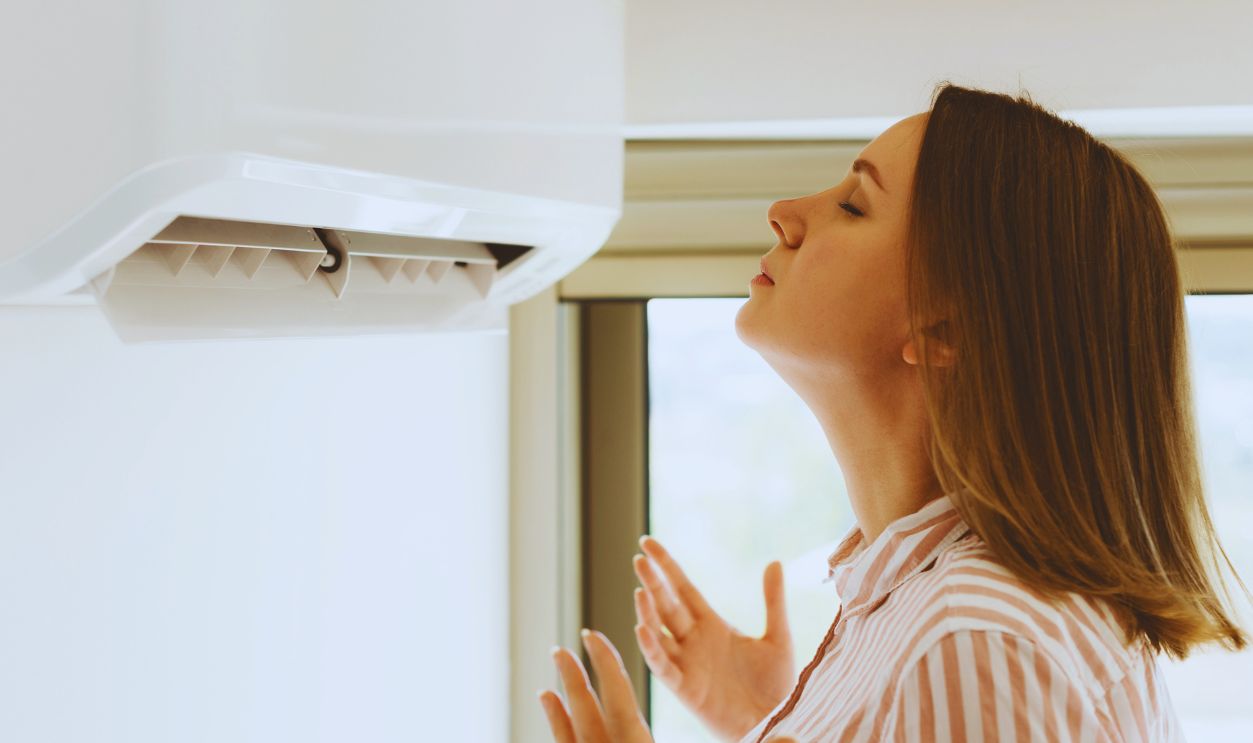
Destination Fees Come With Odd Perks
Beyond traditional resort charges, some urban hotels have “destination fees” that bundle together various benefits. These might include premium Wi-Fi, drinks, exercise equipment, discounts, or local attractions. One Savannah Hyatt, for example, currently bundles everything from bicycles to s'mores into its destination fee.
Extra Guest Fees Can Appear
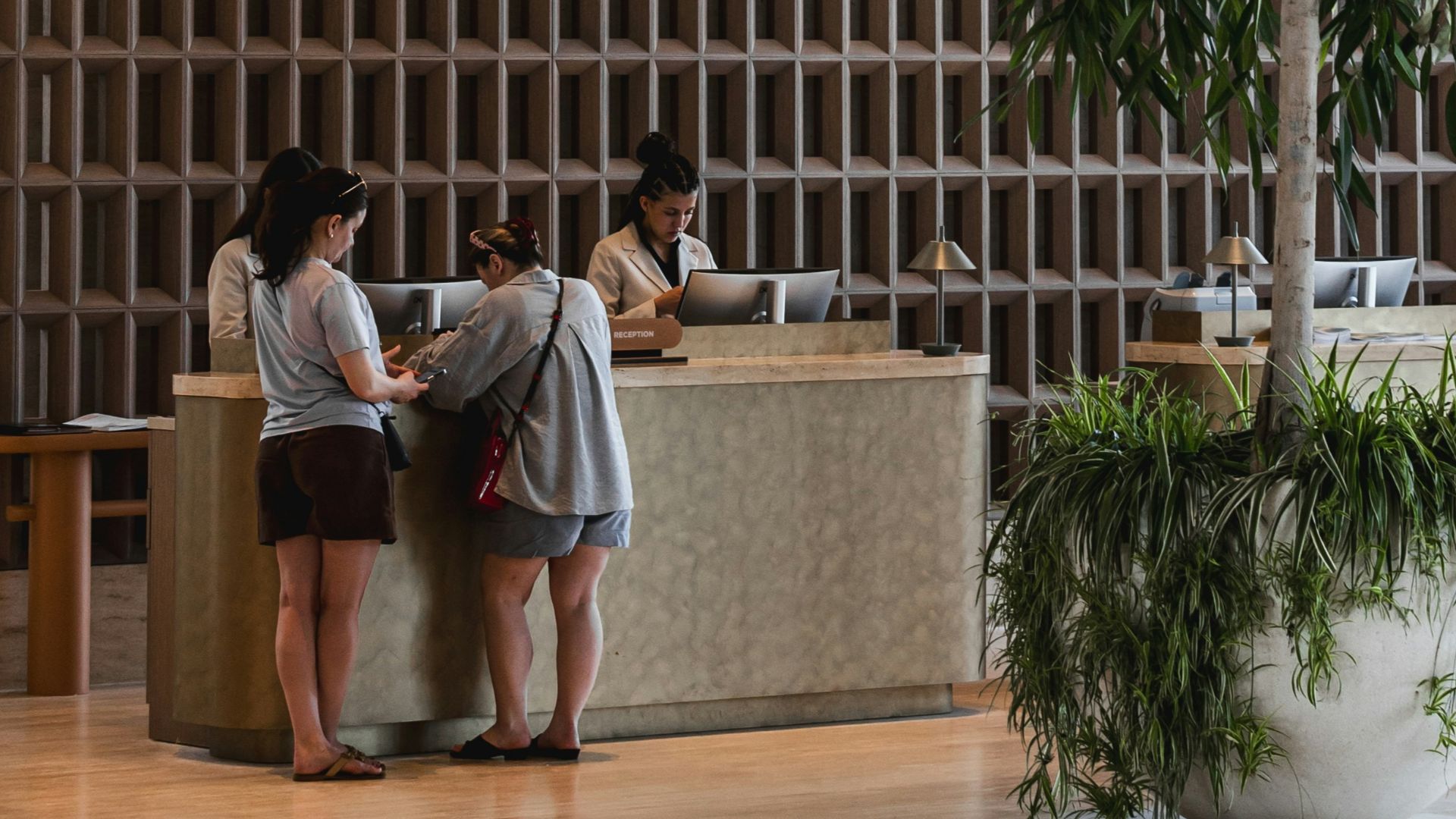
Booking one room for several adults doesn't always mean everyone stays for exactly the same rate. Some American properties impose additional-person charges once occupancy passes a certain number. Families and friend groups therefore need to check the fine print rather than assuming the room price automatically covers everyone permitted to sleep there.

Smoking Rules Come With Serious Penalties
The little “no smoking” symbol isn't merely a polite suggestion. Many American hotels impose substantial cleaning or recovery charges if someone smokes inside a nonsmoking room. Those penalties can easily reach hundreds of dollars, making that forbidden cigarette on the balcony—or anywhere else the hotel prohibits it—an extremely expensive one.
Packages May Come With Handling Fees
Canadian online-shopping enthusiasts sometimes have purchases delivered to an American hotel during their stay. Clever idea—until the front desk mentions the package-handling fee. Some properties charge guests to receive or store deliveries, particularly large or heavy boxes. Before ordering half the internet, it pays to ask about the hotel's policy.

Hotel Taxes Change From City To City
Crossing from one American city to another can completely change the collection of taxes attached to a hotel stay. States, counties, cities, and tourism authorities can all have their own rules. The result is that two rooms advertised at identical rates in different destinations may produce noticeably different final bills.
The Lobby Can Feel Like Its Own Economy
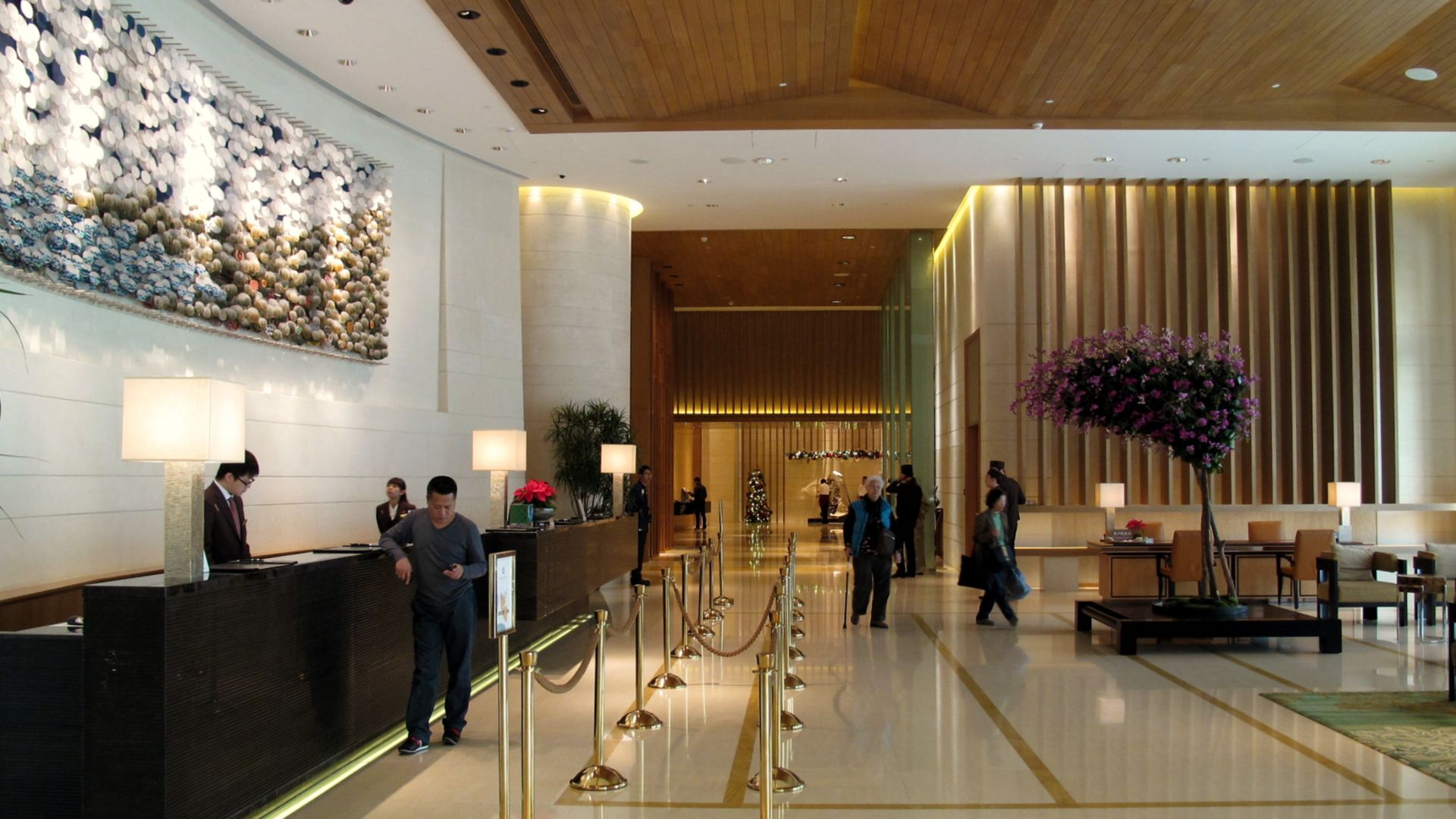
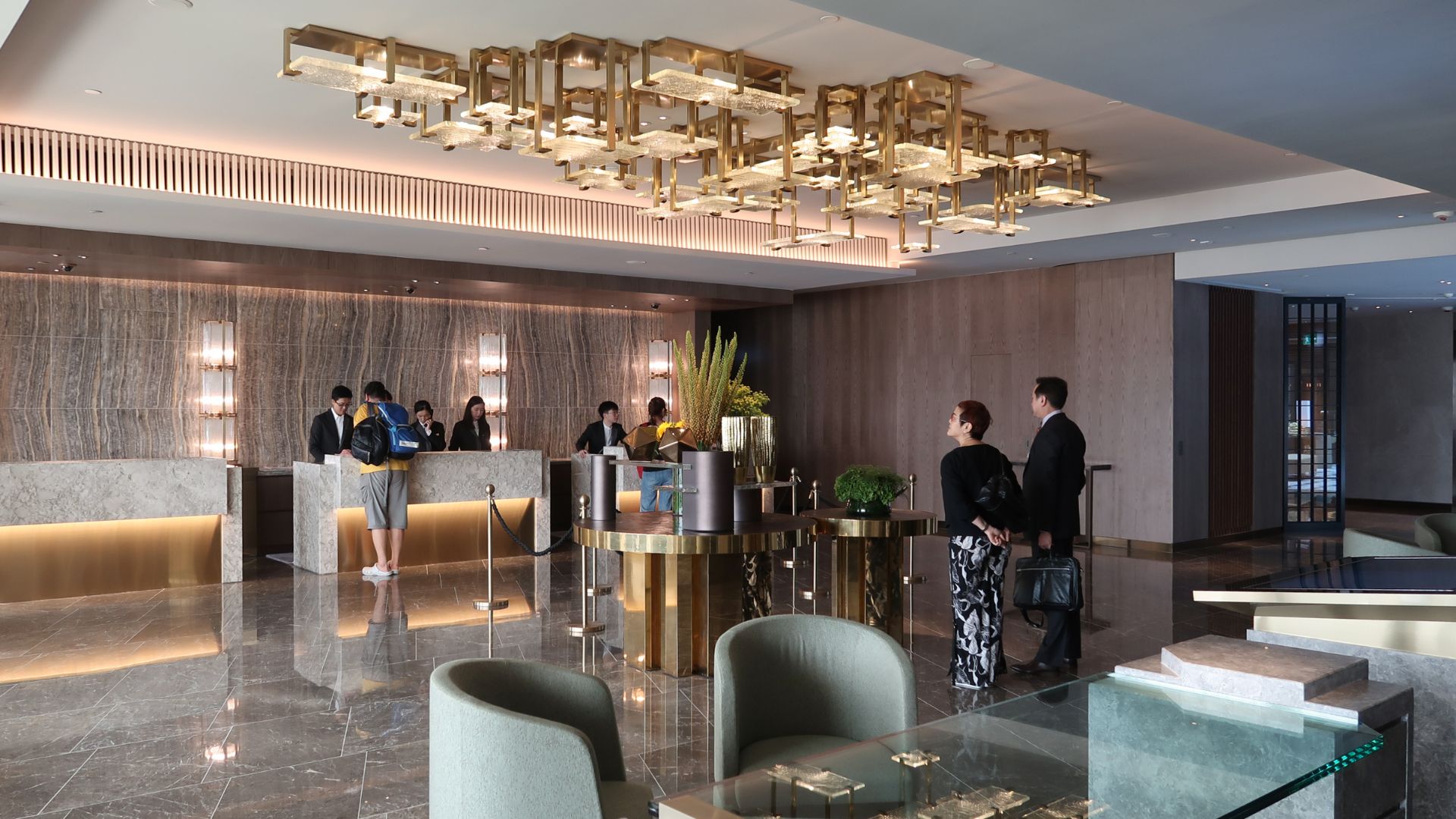
Upscale American hotels can operate like miniature cities. Coffee has a price. Parking has a price. Room service has a delivery charge. The minibar certainly has a price. By the time Canadians understand every possible expense, they may start treating the lobby like an airport terminal: never assume anything is free.
The Confusion Usually Makes Sense By Night Two
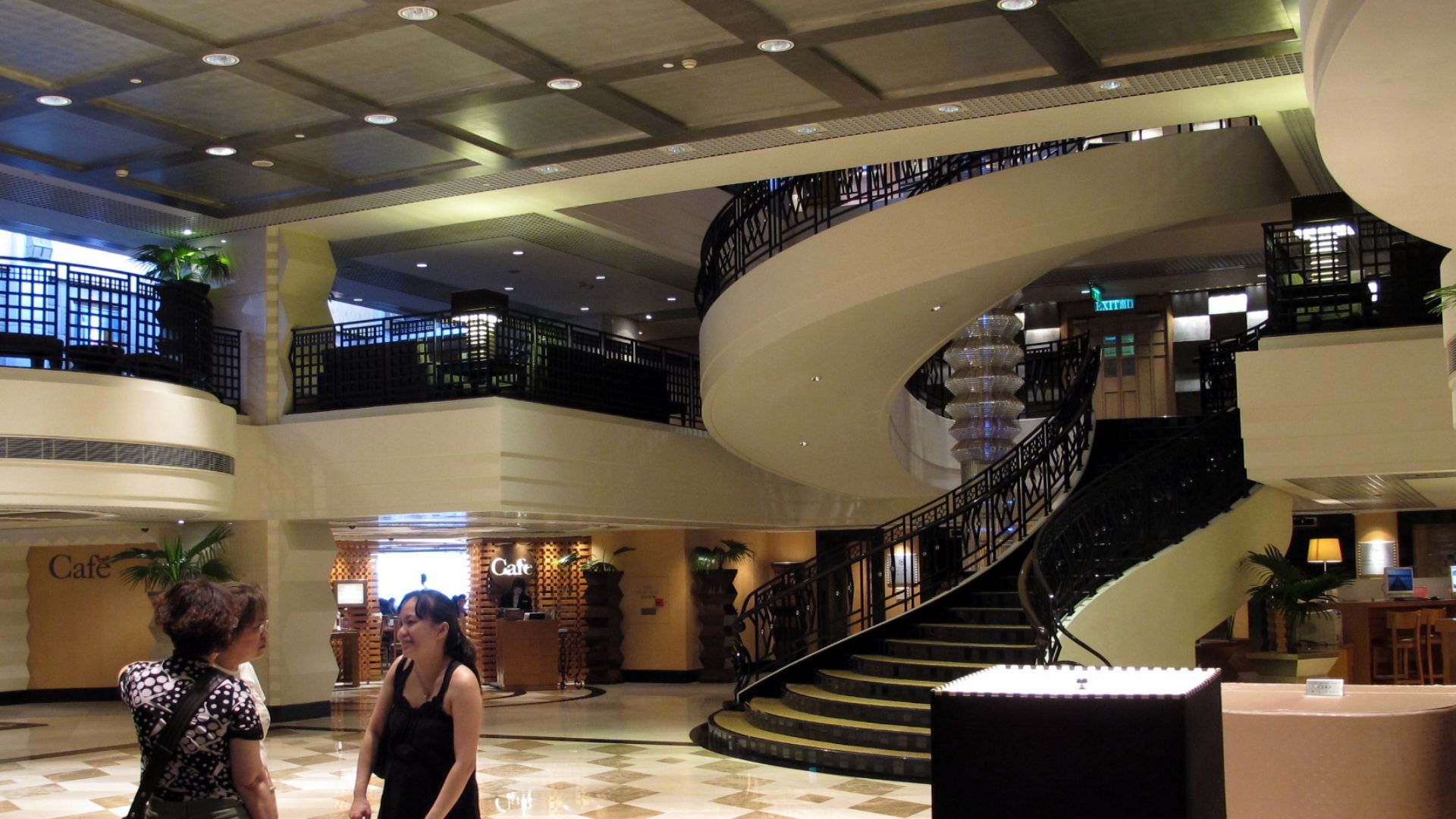
American hotels aren't necessarily stranger than Canadian ones—they simply operate with slightly different expectations. Once Canadians understand incidental holds, parking charges, tipping, age rules, and what is actually included, everything becomes much easier. Until then, checking into a U.S. hotel can feel like receiving a room key and a small financial puzzle.

You May Also Like: