The Last Place You Want Range Anxiety Is Miles From Town
An EV can handle tents, coolers, kids, and camping gear just fine. The real concern starts when the route leaves major highways and the next charger is nowhere near the trailhead. That’s where a little bad planning can suddenly matter a lot.
Check The Specific Park Before Planning Anything Else
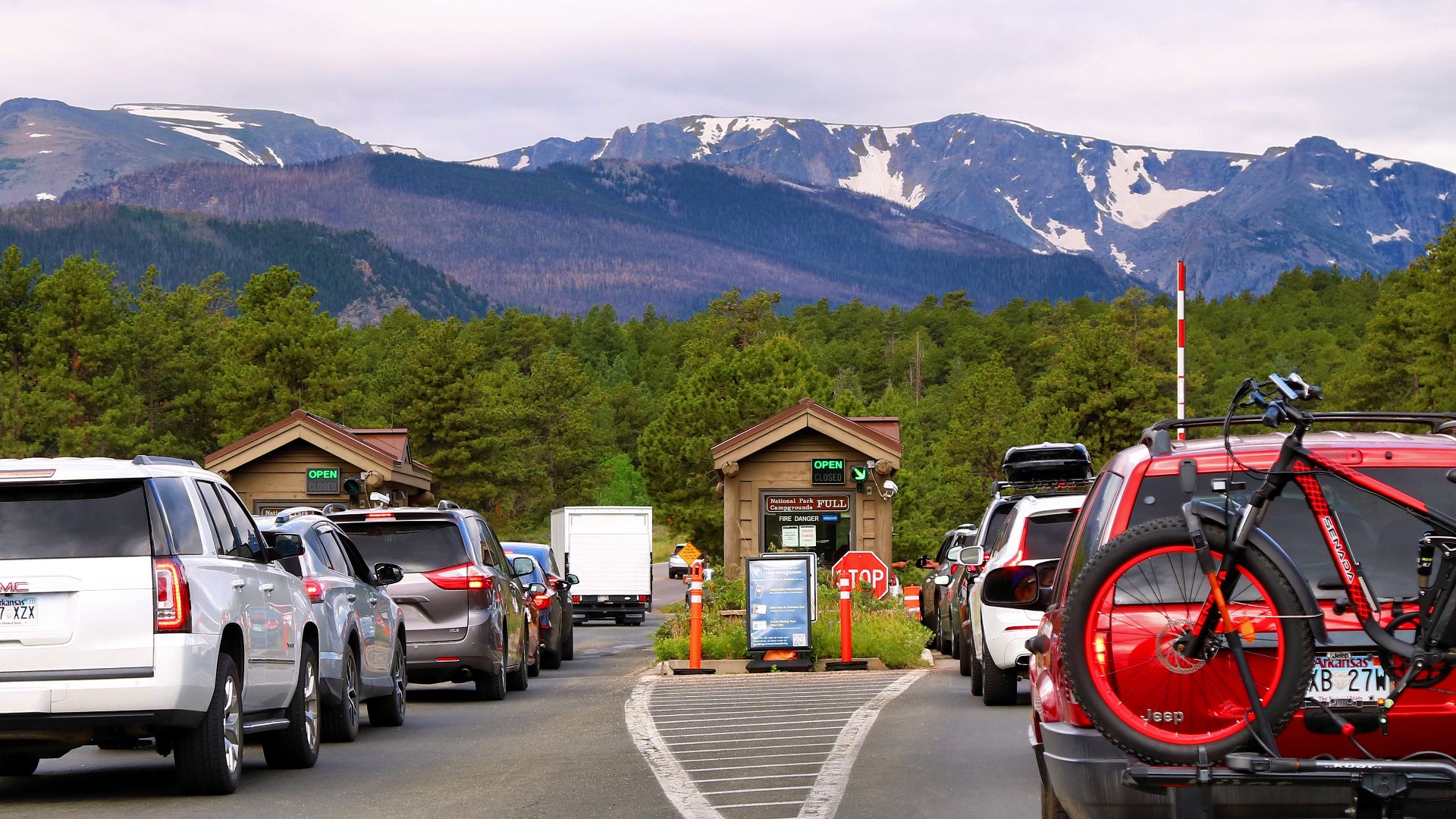
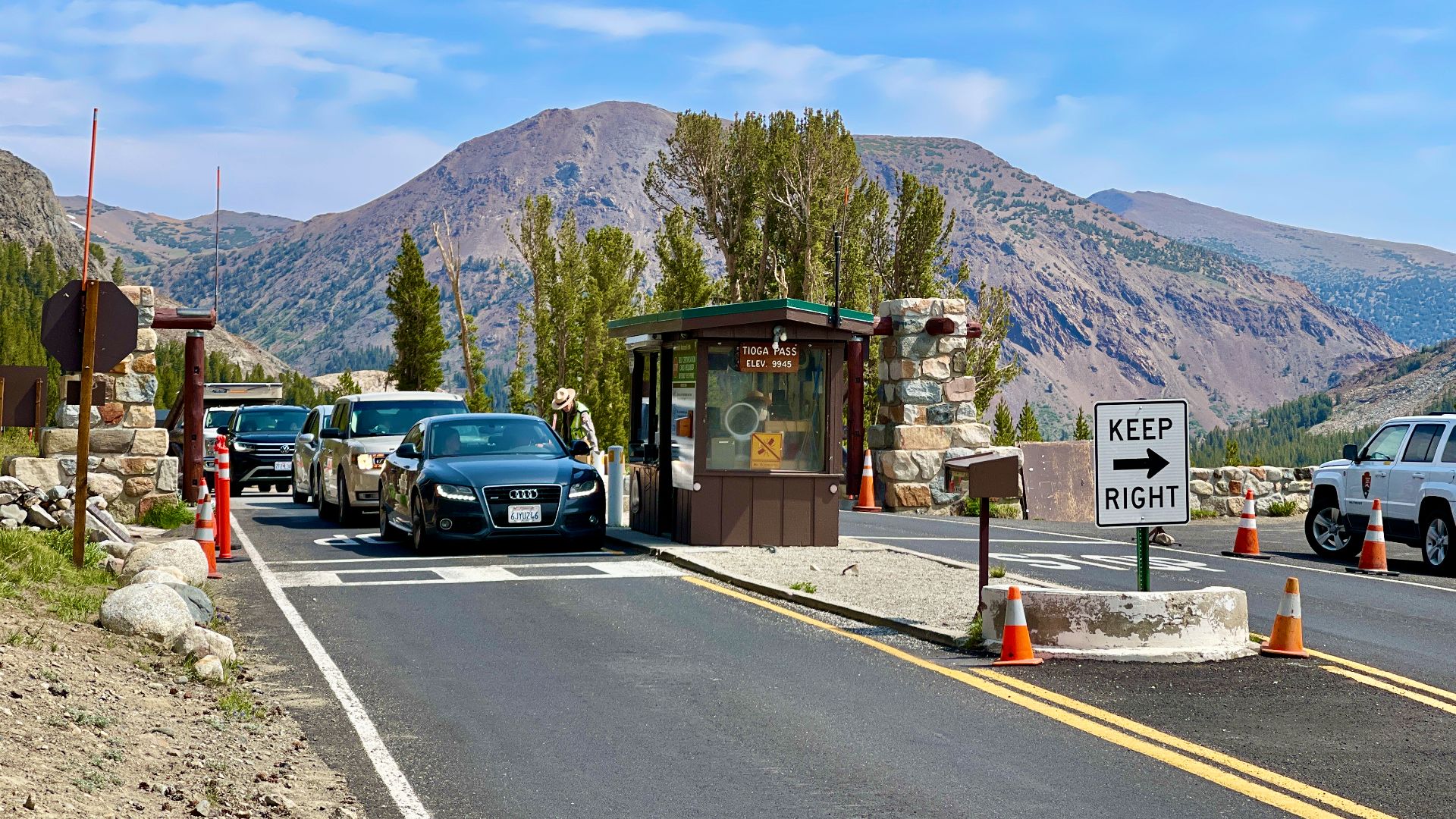
Don't assume every national park has charging because you've seen stations at another one. The National Park Service maintains information on EV charging within parks and nearby gateway communities, but availability varies dramatically. Yosemite has numerous Level 2 stations, while Sequoia and Kings Canyon currently warn visitors that there are no chargers within park boundaries. That means the most important charging decision may happen before you ever pass the entrance sign.
 Larry D. Moore, Wikimedia Commons
Treat In-Park Charging As A Bonus Until You've Verified It
A charging icon on a map isn't enough to build the vacation around. Check how many plugs are available, their charging speed, connector type, operating hours, access restrictions, and whether they're available to campers who aren't staying at a particular lodge. Some park chargers are associated with hotels or visitor centers rather than campgrounds and may not work like the fast-charging stations you're accustomed to using on highways.

Level 2 Charging Is Very Different From Fast Charging
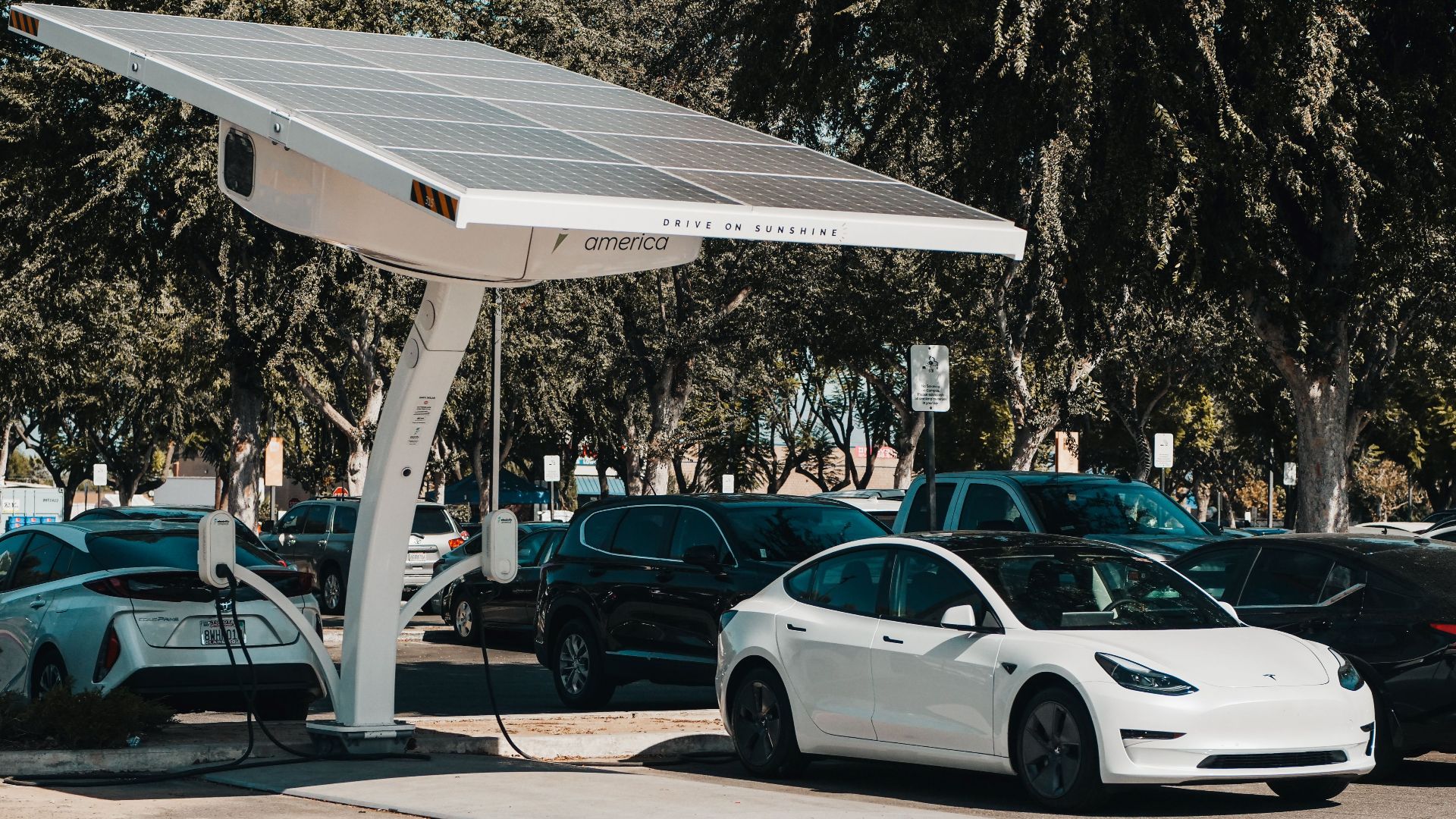
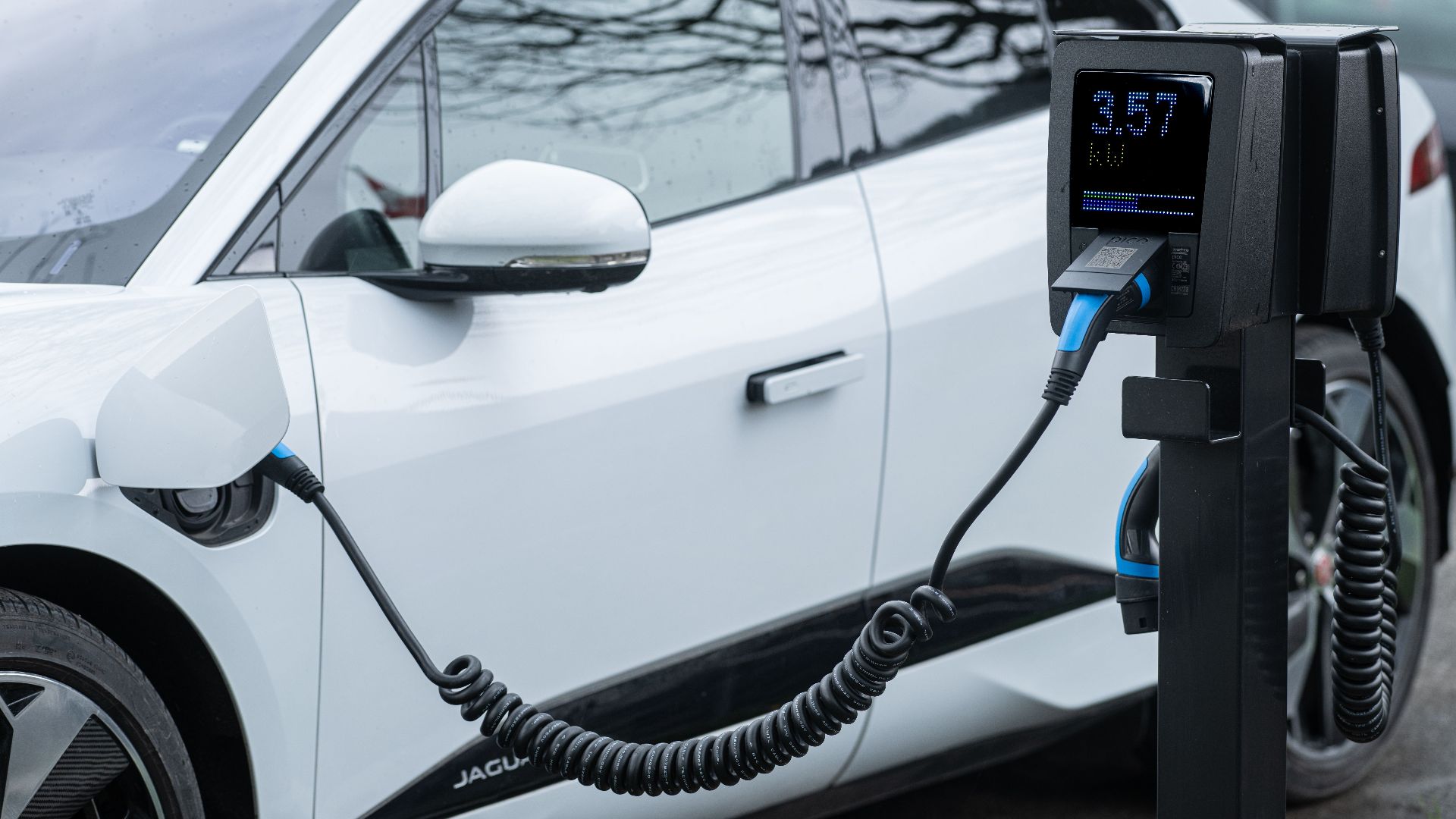
Many national park chargers are Level 2 units rather than DC fast chargers. The Department of Energy says Level 2 charging commonly adds roughly 10 to 30 miles of range per hour, while DC fast charging can add far more in a relatively short stop. That makes Level 2 excellent while you're hiking for several hours but much less useful if you arrive nearly empty and hope to leave again in 20 minutes.
Arrive At The Park With Plenty Of Charge
One of the safest strategies is to do the serious charging before entering the remote area. Identify a reliable DC fast charger in the final town or gateway community and arrive there with enough time to charge comfortably. Going into the park at 80 or 90 percent leaves much more flexibility than arriving with 25 percent and assuming an isolated campground charger will save the trip.
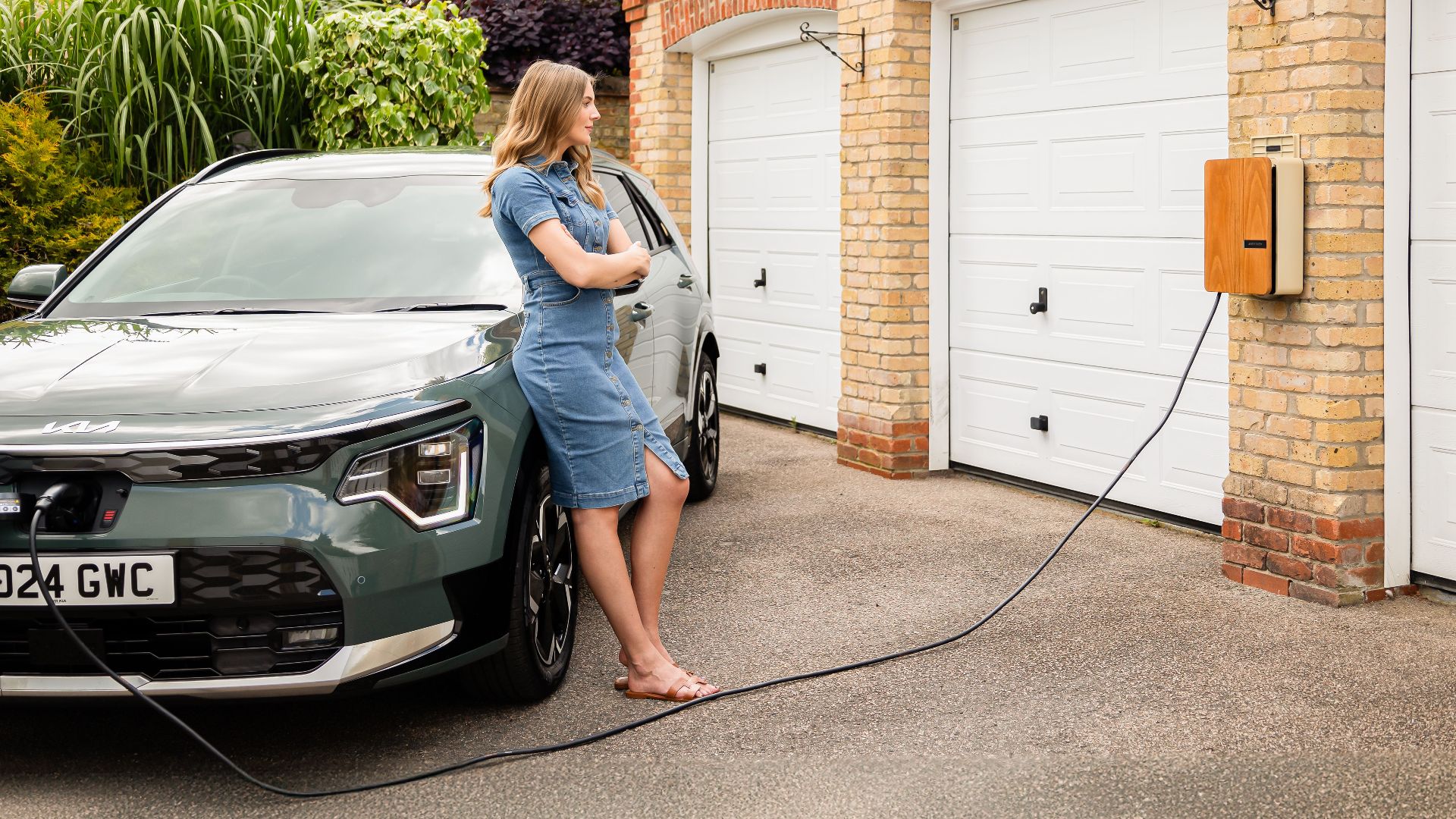
Don't Plan Around The Car's Advertised Maximum Range
EPA range is useful for comparing vehicles, but a camping trip isn't a laboratory test. Highway speeds, mountain climbs, cold temperatures, cabin heating, air conditioning, headwinds, roof boxes, bikes, passengers, and camping equipment can all change efficiency. Base the route on the range your own vehicle actually achieves under similar conditions rather than the largest number printed on the window sticker.
 Oliver Ratzesberger, Wikimedia Commons
Keep A Healthy Battery Buffer
A remote vacation isn't the ideal place to arrive at every charger with 2 percent remaining. AAA recommends conservative road-trip planning because weather, terrain, traffic, and charger availability can change unexpectedly. Maintaining a buffer gives you enough energy to reach another station if the planned one is occupied or offline instead of turning a minor inconvenience into a stranded family.
Mountain Roads Can Use Range Surprisingly Quickly
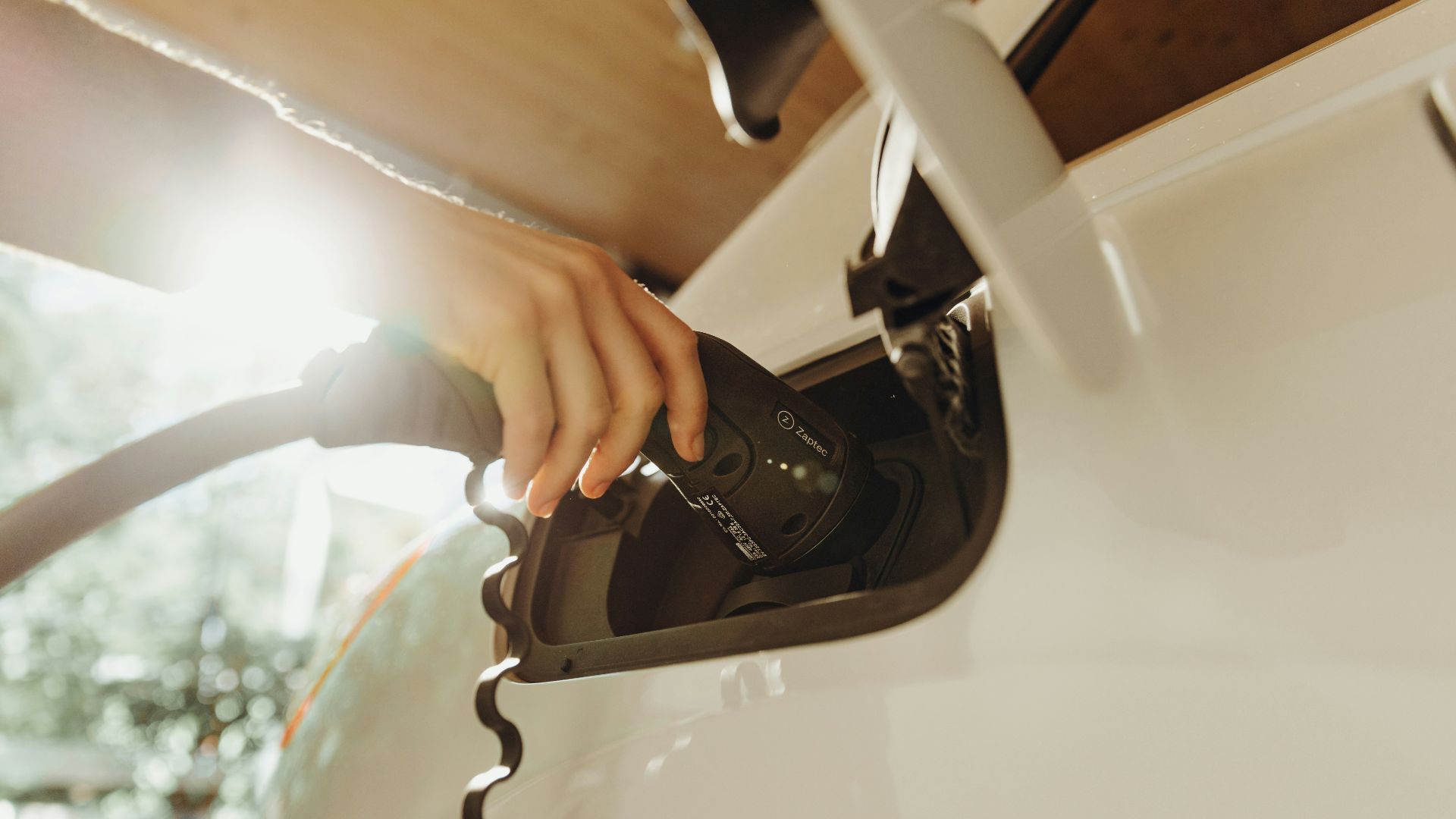
National parks frequently involve exactly the driving conditions that make range estimates fluctuate: long climbs, elevation changes, winding roads, and slower remote routes. Climbing requires considerable energy, so the estimated remaining range may fall quickly on the way up. Regenerative braking can recover some energy during the descent, but don't count on recovering everything you used while climbing.
Cold Camping Weather Deserves Extra Margin
Cold temperatures can reduce EV range and charging performance, particularly when cabin heating is also drawing power. Recent AAA and Recurrent research both show meaningful cold-weather range reductions, although the effect varies substantially by model. If the family is camping during late fall, winter, or at high elevation, use a more conservative range estimate than you would for an ordinary summer road trip.
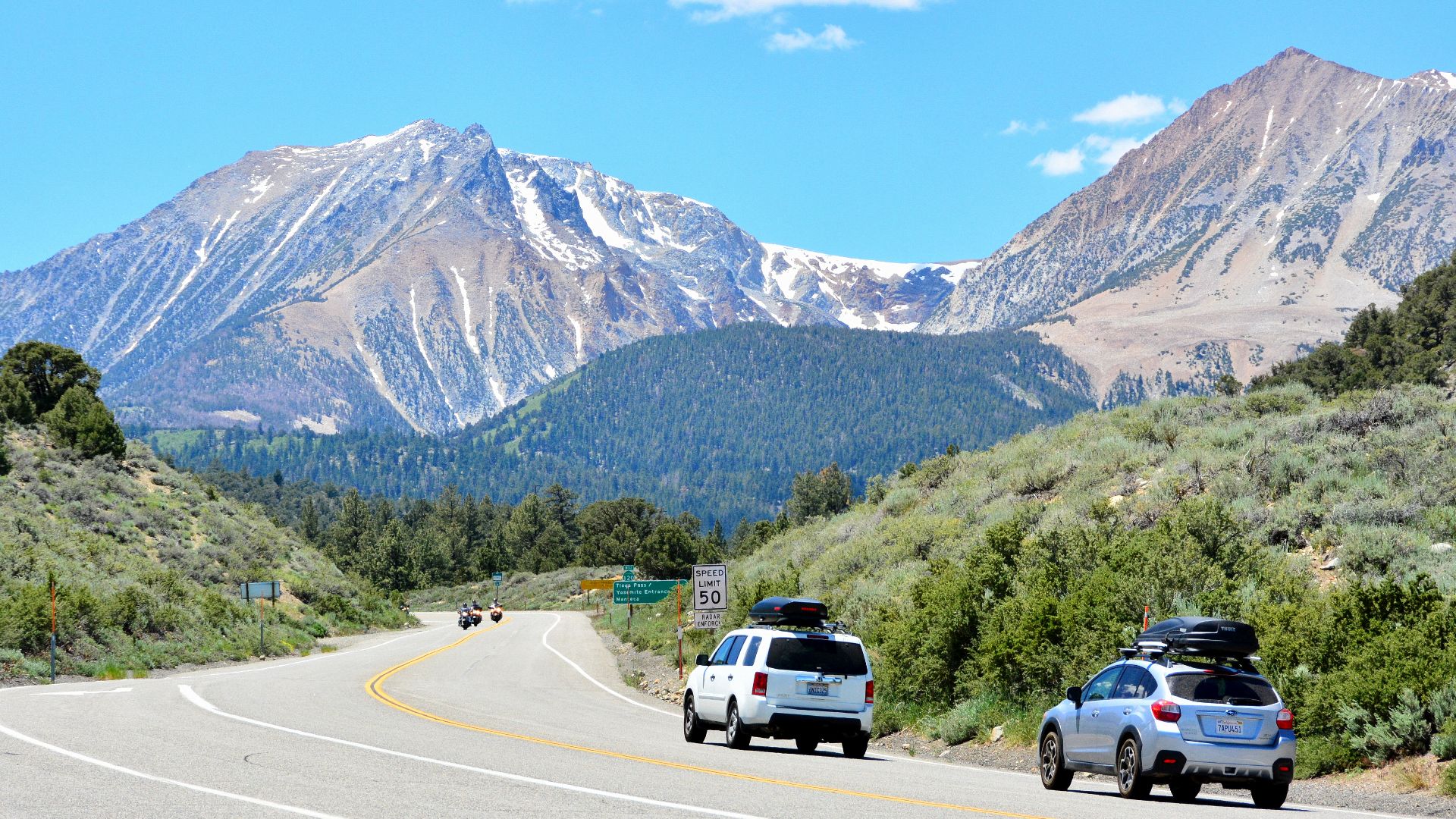
Extreme Heat Can Affect Range Too
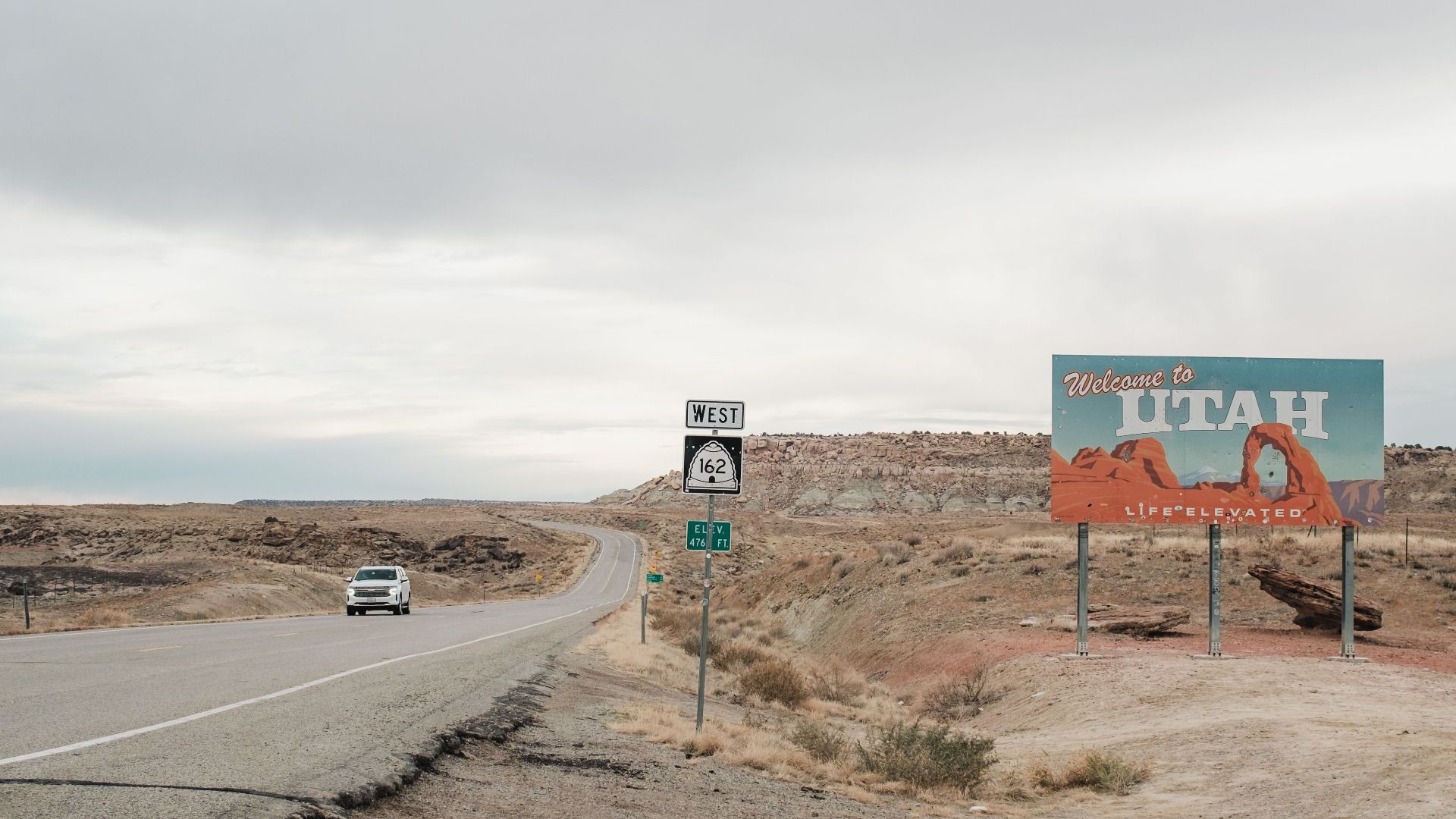
Summer doesn't make every range concern disappear. Air-conditioning and battery thermal management consume energy, while extremely hot weather can reduce efficiency. That's particularly relevant in desert parks where the car may spend hours sitting in intense sun before another long drive. Starting each major leg with an adequate charge matters more than squeezing every possible mile from the battery.
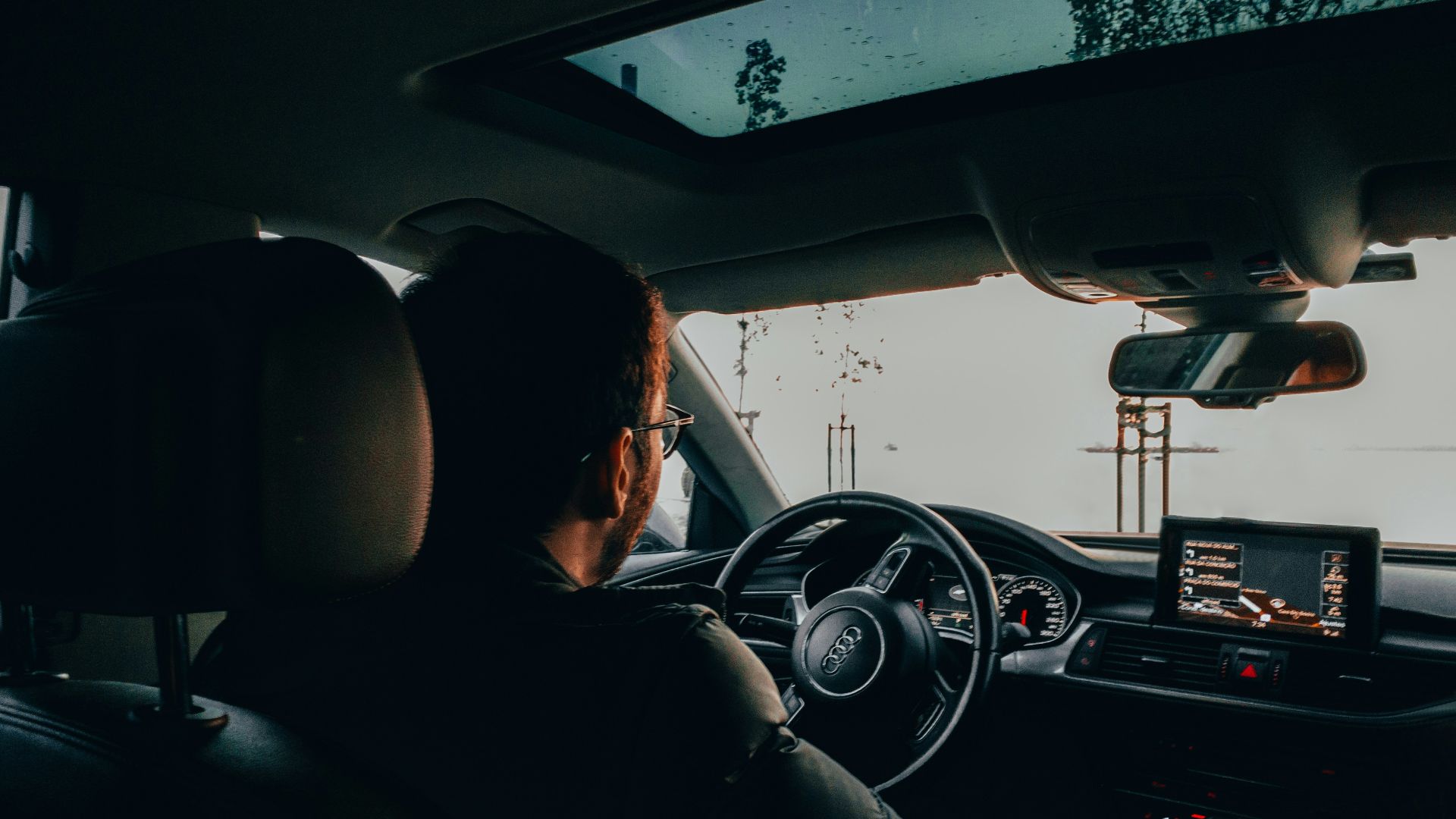
Camping Gear Can Hurt Efficiency
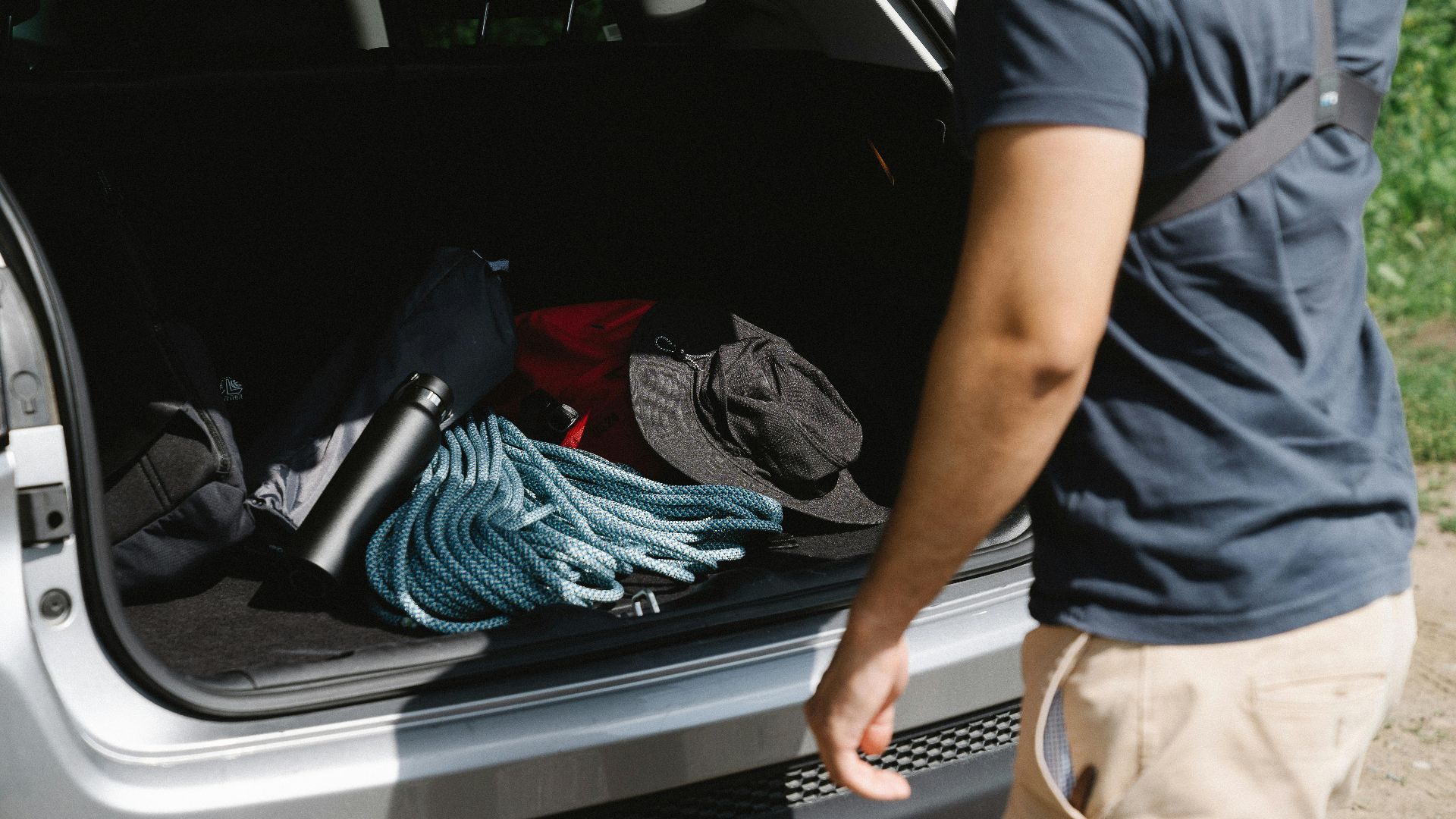
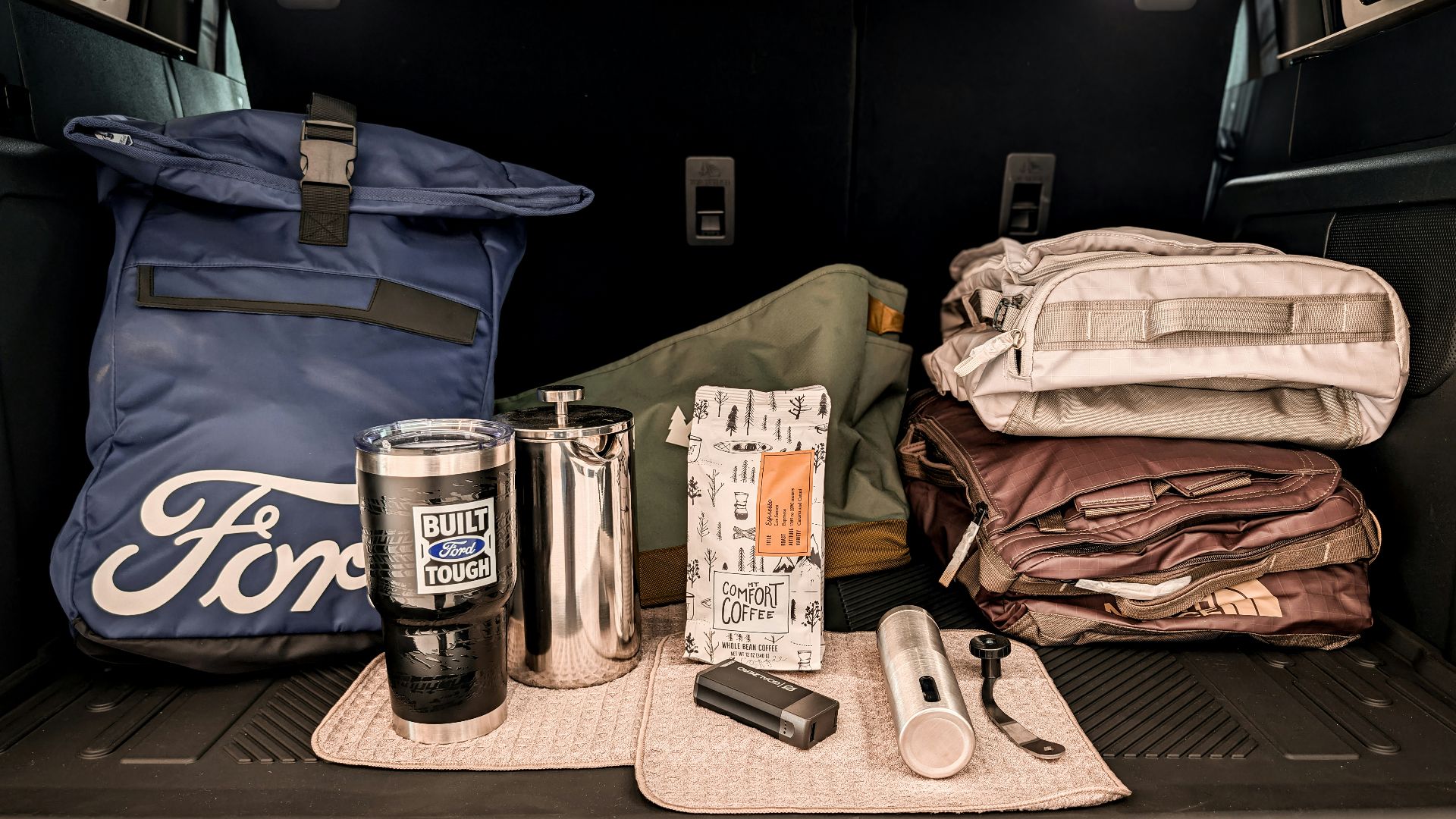
A family camping trip can turn an efficient EV into a heavily loaded one. Coolers, tents, water, chairs, food, and luggage all add weight, while roof boxes and bicycles can add aerodynamic drag. AAA specifically warns that roof-mounted cargo can reduce efficiency. If your usual highway range is measured with an almost empty vehicle, don't assume the fully packed version will travel exactly as far.
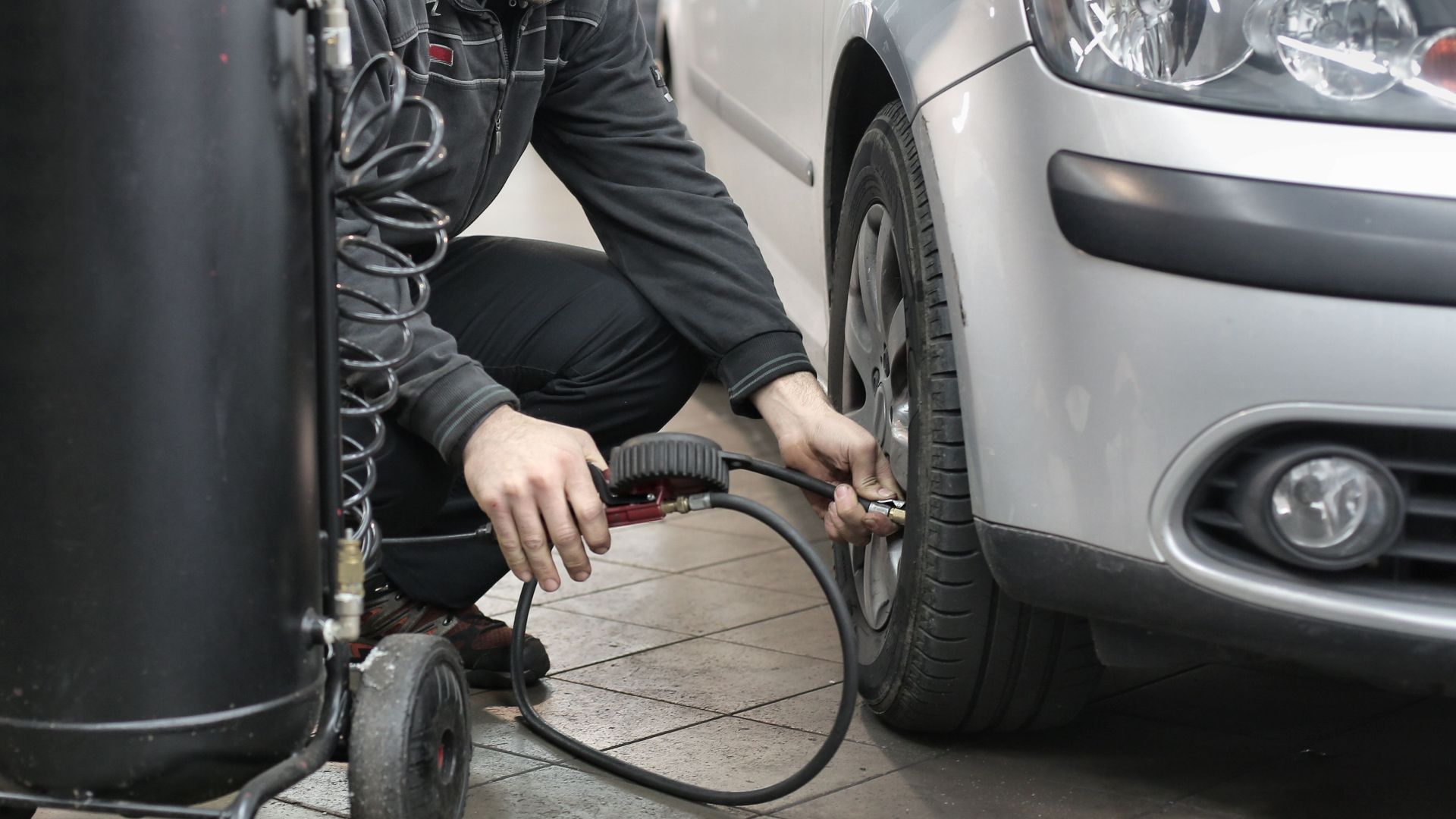
Check Your Tire Pressure Before Leaving
Underinflated tires increase rolling resistance and can reduce efficiency when you need predictable range most. Check pressures when the tires are cold and use the vehicle manufacturer's recommended values. This is basic road-trip maintenance for any car, but it becomes particularly useful when the next charging opportunity is a long distance away.
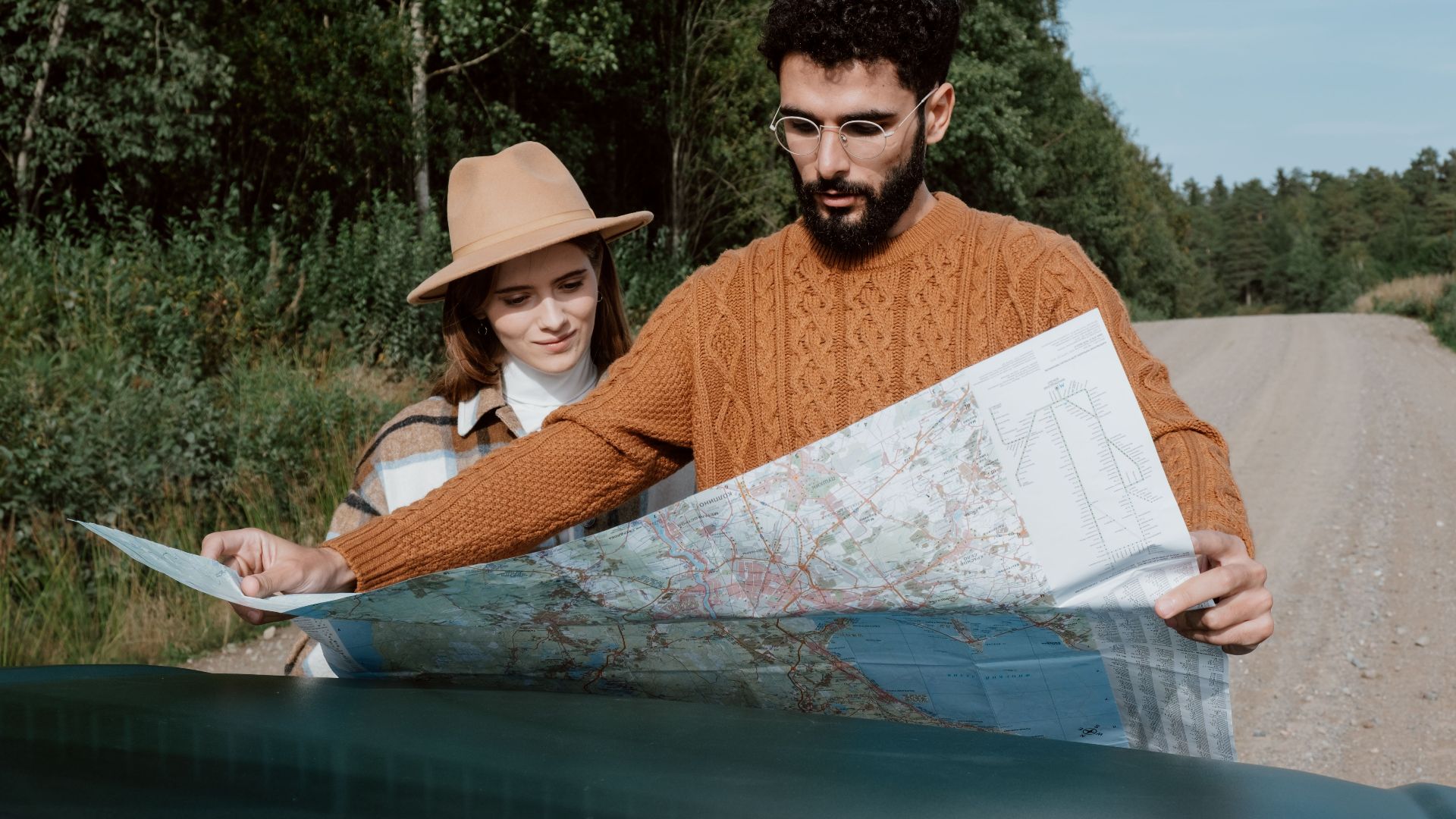
Map The Chargers Before You Lose Cell Service
Don't depend on opening an app after you've already entered a remote area. Save charging locations, addresses, connector types, and backup stations before leaving reliable cellular coverage. Take screenshots or download offline maps where possible. If the family needs to leave the park unexpectedly at night, you shouldn't have to rely on a weak signal to figure out where the nearest compatible charger is.
Use More Than One Charging Map
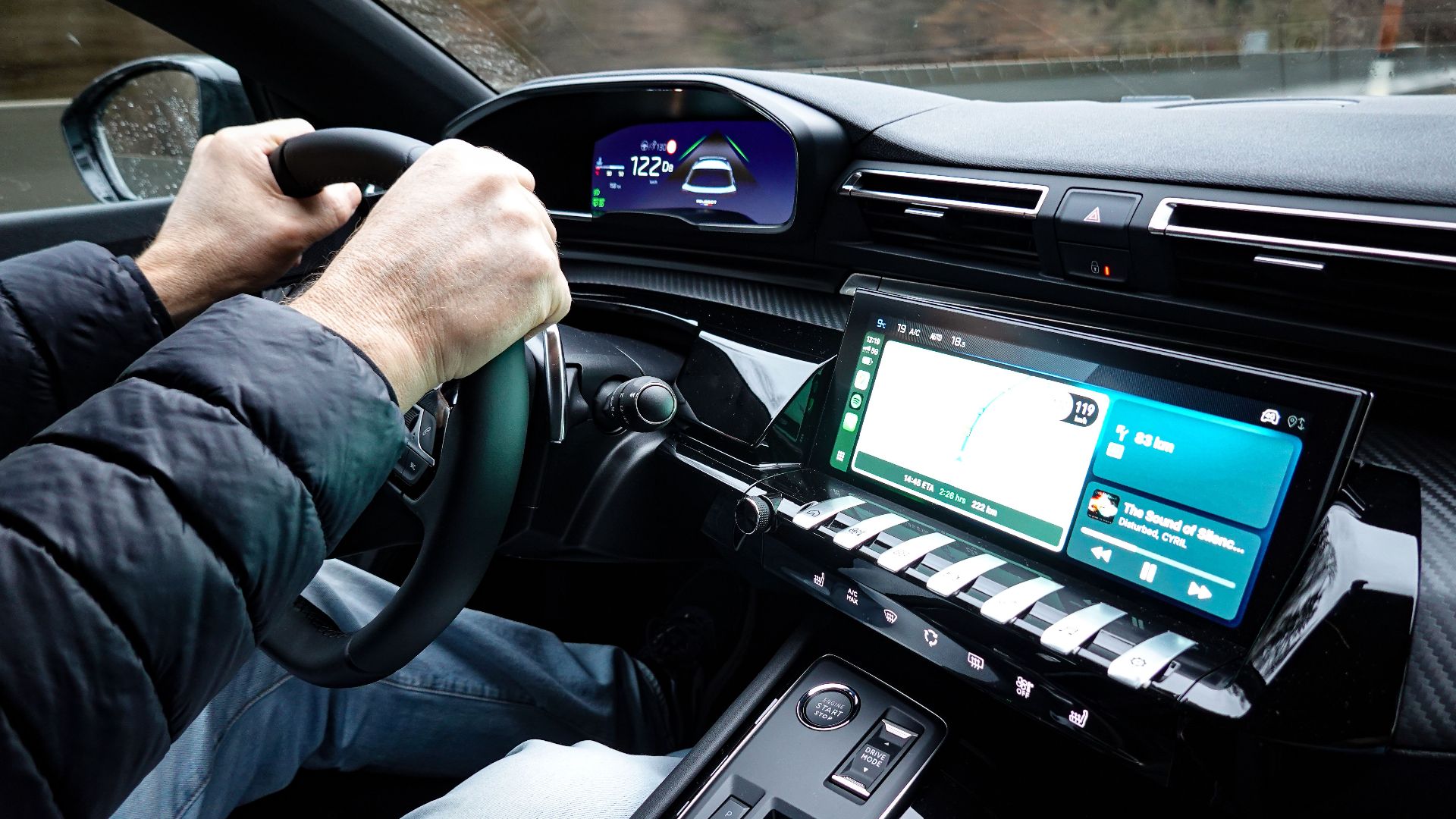
The Department of Energy's Alternative Fueling Station Locator is useful for identifying charging infrastructure, while apps such as PlugShare can provide additional station information and recent user reports. Your vehicle's navigation system may also route through compatible chargers automatically. Checking multiple sources helps catch stations that have changed access, aren't working reliably, or require a detour you didn't notice initially.
Recent Check-Ins Can Be Extremely Helpful
A station technically existing isn't the same as it working today. Before depending on a remote charger, check recent driver reports where available. Look for comments about broken plugs, slow charging, construction, payment problems, or long lines. A charger that hasn't received a successful check-in for months deserves a backup plan.

Have A Second Charger For Every Important Stop
The most important rule for remote EV travel may be refusing to depend completely on one station. Before leaving the previous charger, know where you'll go if the next one doesn't work. The alternative may be farther away or slower, but having it identified ahead of time removes a lot of stress if something goes wrong.

Know Which Connector Your EV Can Actually Use
Charging standards have been changing quickly in the United States, and not every vehicle can plug into every station without the correct hardware. Know whether your EV uses CCS, NACS/J3400, J1772 for Level 2, or another connector, and understand which approved adapters your manufacturer supports. Discovering that the available plug doesn't fit after driving 70 miles into a remote area is an avoidable problem.
Download Charging Apps Before The Trip
Some networks allow credit-card payment directly at the charger, while others work more smoothly through an app or account. Install the relevant apps, create accounts, and add payment information while you're still at home with good internet access. You don't want to spend 20 minutes creating a password and confirming an email address in a parking lot with one bar of service.

Don't Assume The Campground's Electrical Hookup Is A Charger
An RV campsite with electrical service may look like an obvious place to plug in an EV, but campground policies vary. Electrical systems are designed around permitted campsite uses, and operators may prohibit EV charging or require specific equipment. Ask the campground directly before planning to charge from an RV pedestal, and never improvise with unsafe adapters or extension arrangements.
Reserve Charging Time Mentally, Even When You Can't Reserve The Plug
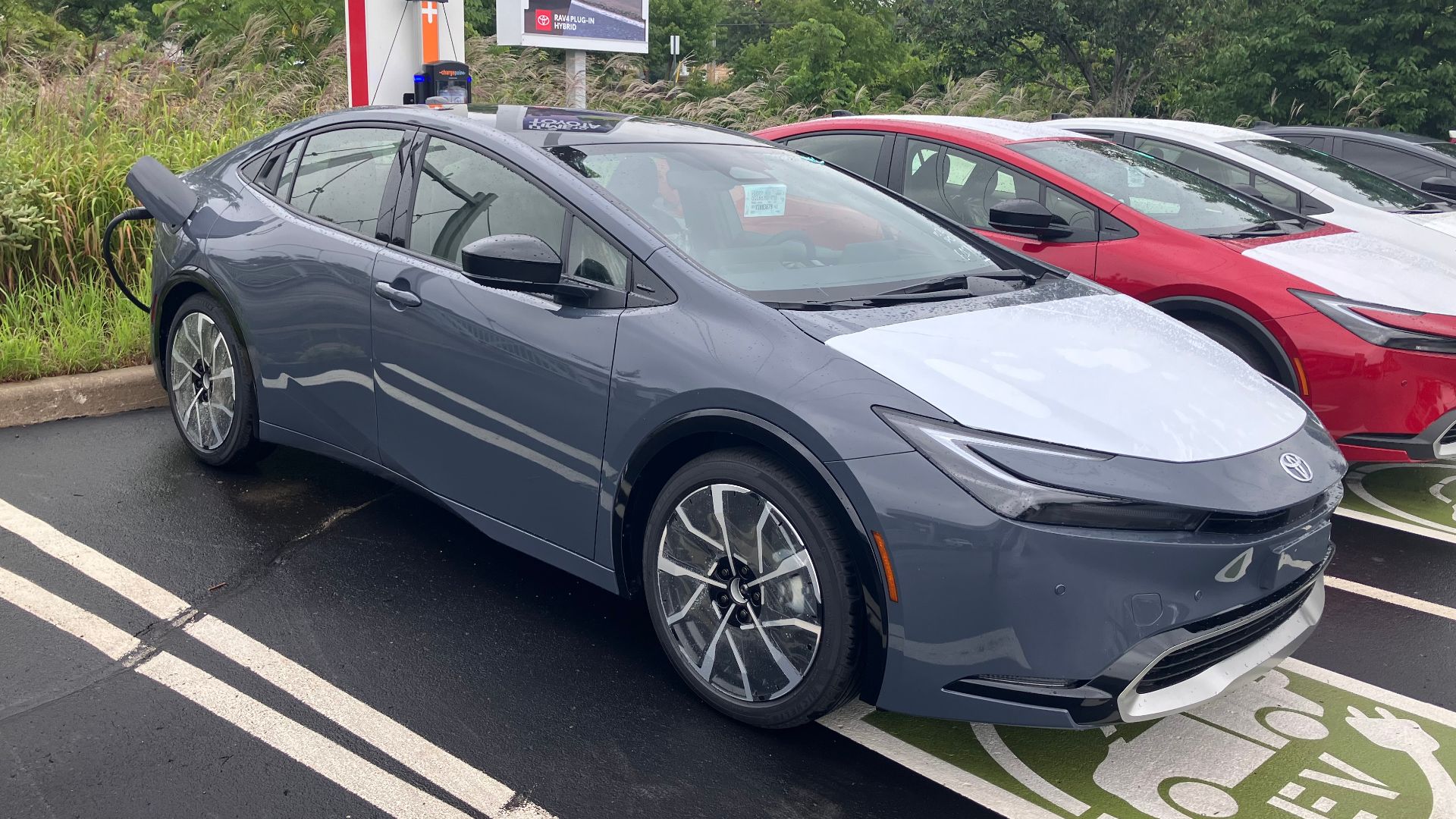
A Level 2 charger near a trailhead can work beautifully because the vehicle can gain range while the family hikes. But someone else may already be using it. Build enough flexibility into the day that waiting for a charger doesn't destroy the itinerary. During busy weekends, Yosemite specifically warns that EV charging spaces can be difficult to access because parking itself becomes crowded.
Gateway Communities Can Be More Important Than The Park
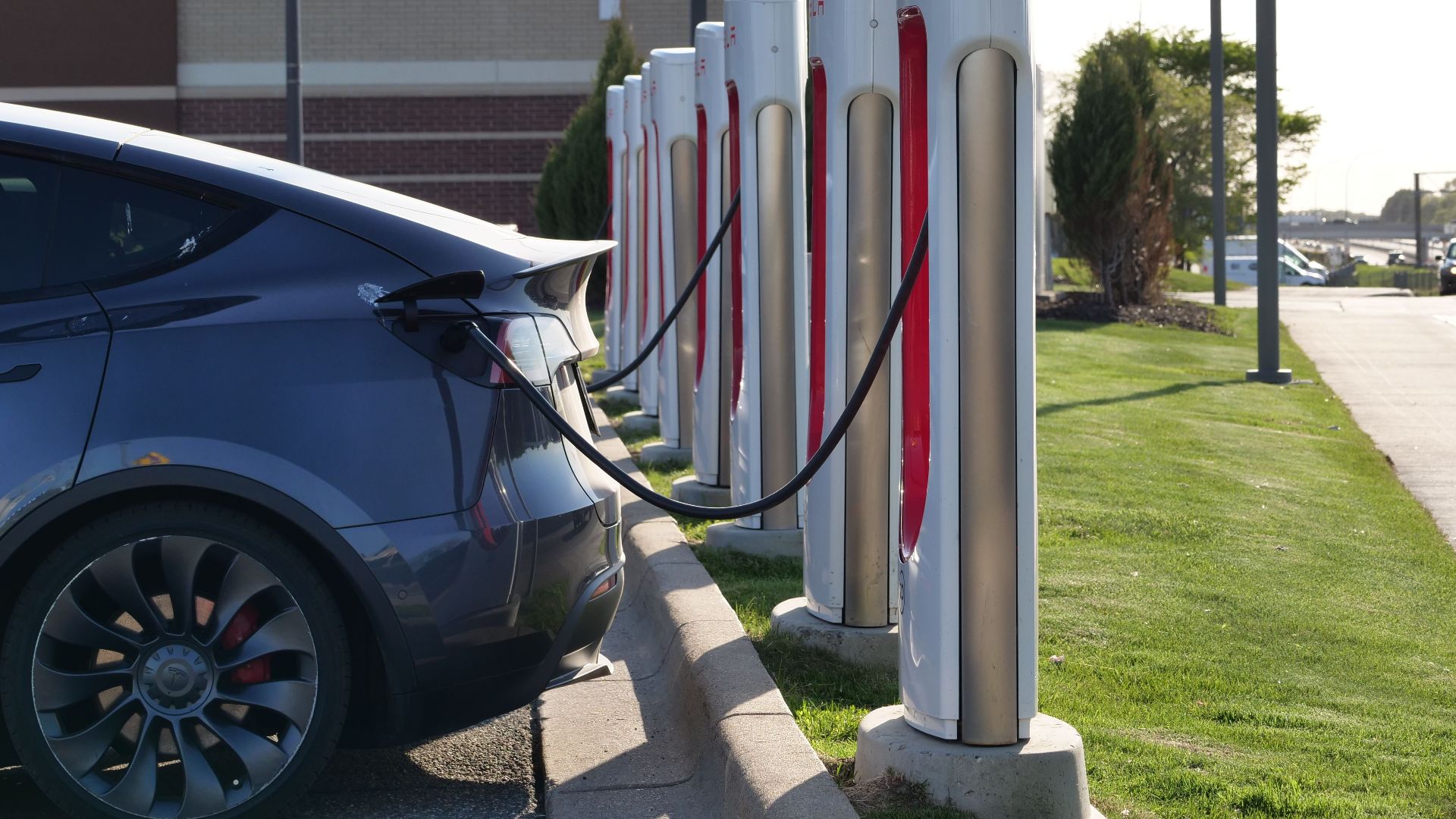
The best charging strategy may involve towns just outside the entrance rather than chargers inside the park. Restaurants, hotels, grocery stores, visitor centers, and highway charging hubs in gateway communities can provide faster or more numerous options. Recharge while buying groceries or eating dinner, then enter the park with enough energy that you don't need to compete for scarce internal chargers.
Think About The Drive Around The Park Too
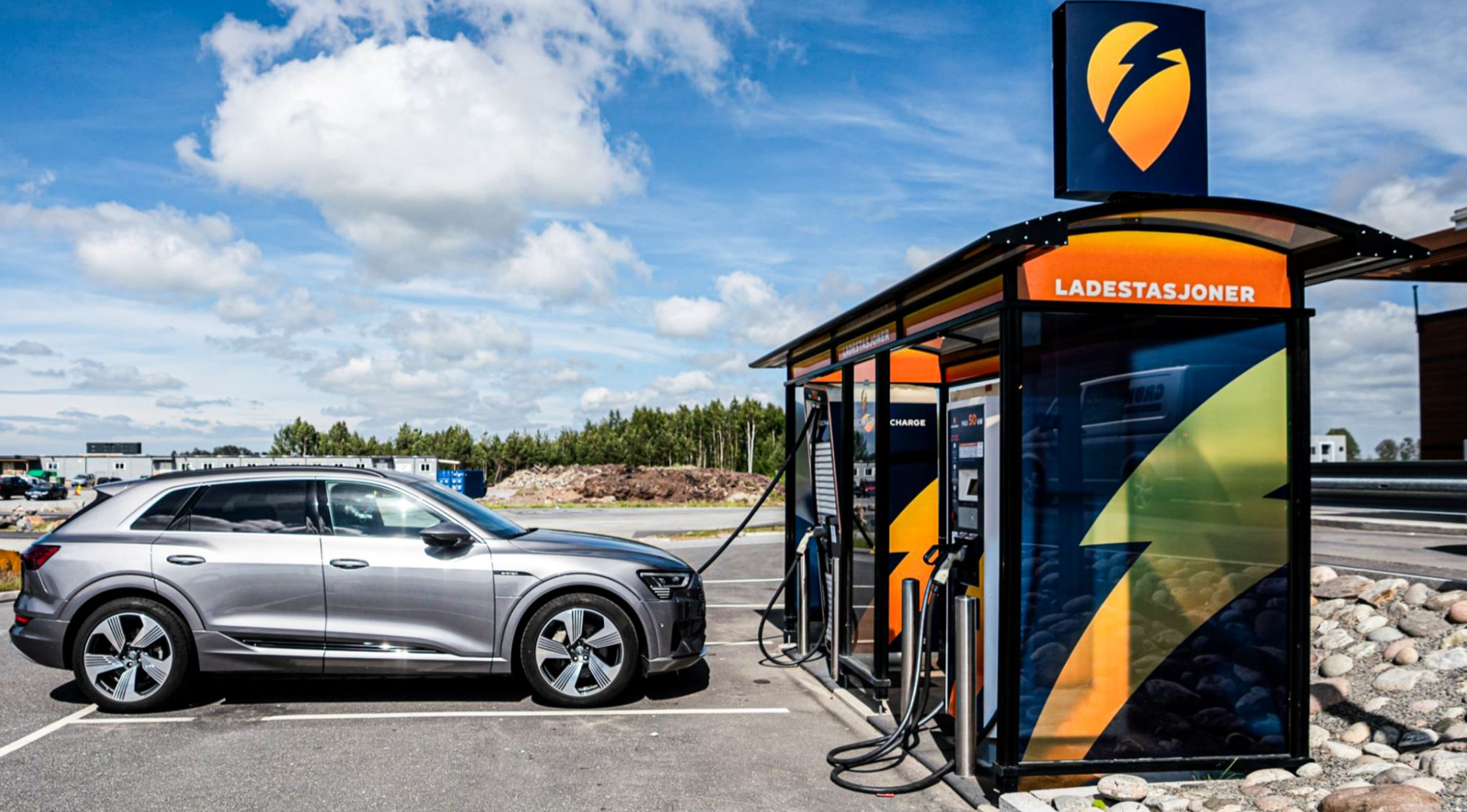
Reaching the campground is only part of the trip. Families may drive dozens or even hundreds of miles sightseeing once they're inside a large national park. Yellowstone, for example, covers an enormous area and currently describes public EV charging inside the park as extremely limited. Add every scenic loop, trailhead, visitor center, and campground transfer to your range calculation rather than budgeting only for the highway journey.
Know When Leaving The Car Parked Is Smarter
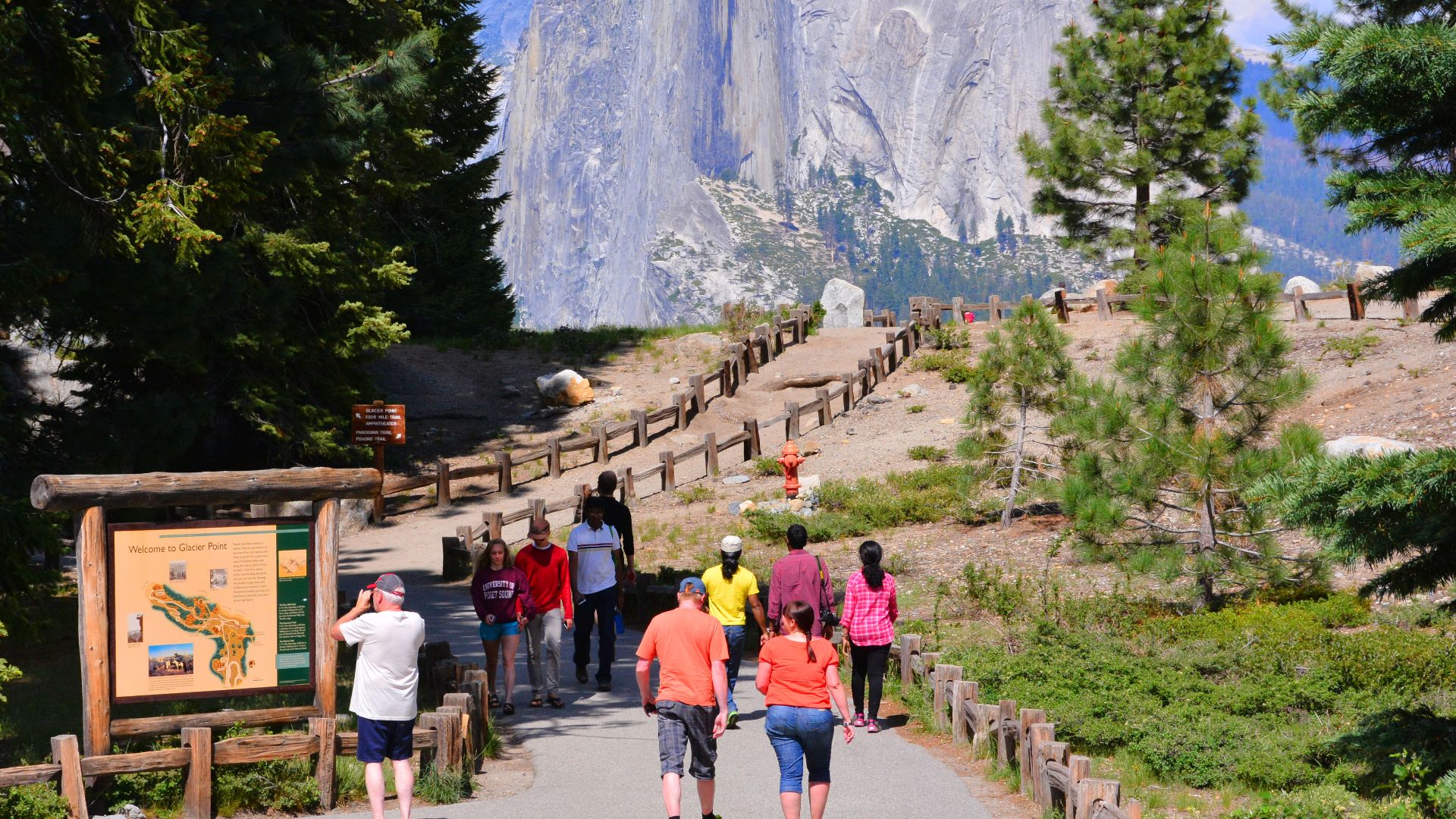
Many popular parks operate shuttles or other transportation in heavily visited areas. If you've secured a campsite and don't need the EV for every outing, park it and use park transportation where practical. That conserves range, avoids parking headaches, and reduces the number of times the family has to calculate whether an afternoon sightseeing drive will interfere with the next charging stop.
Carry An Emergency Plan, Not Just A Charging Plan
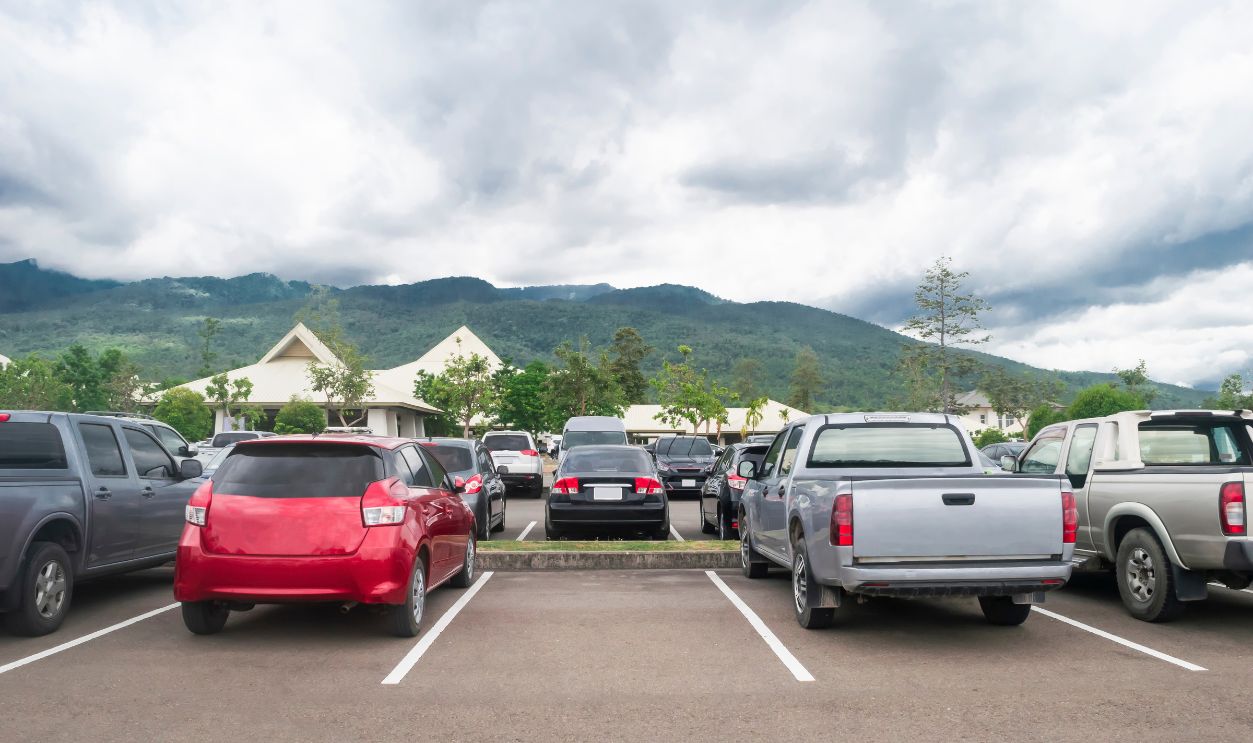
Bring water, appropriate clothing, food, medications, flashlights, and other basic emergency supplies, particularly when traveling through remote terrain. Keep roadside-assistance information accessible and know whether your provider can tow an EV from the places you're visiting. Running out of charge may be unlikely with careful planning, but a flat tire, road closure, broken charger, or unexpected detour can still change the itinerary.
Check Park Alerts Immediately Before Departure
Road closures, wildfire activity, snow, construction, seasonal services, and damaged infrastructure can invalidate a beautifully planned charging route overnight. Review the park's current conditions and alerts before leaving home and again before entering the park. Sequoia and Kings Canyon, for example, specifically caution visitors against blindly following online navigation onto remote roads that may be unsuitable or closed.
The Safest EV Camping Trip Is Planned Around Options
You don't need a fast charger beside the tent to take an EV camping safely. What matters is knowing the vehicle's realistic range, arriving near full, mapping charging before entering remote areas, carrying the right adapters, and maintaining enough reserve to reach an alternative when Plan A fails. Treat scarce park chargers as helpful opportunities rather than guaranteed lifelines, and the family can spend far more time thinking about the campsite than the battery gauge.
You May Also Like: